
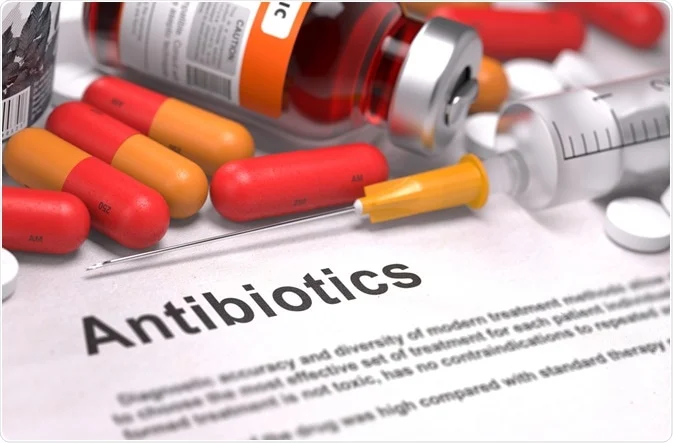
Antimicrobial therapy is the use of medications to kill or stop the growth of microorganisms that cause infection. These microorganisms include:
- Bacteria (treated with antibiotics)
- Viruses (treated with antivirals)
- Fungi (treated with antifungals)
- Protozoa/Parasites (treated with antiprotozoals)
- Worms (treated with antihelminthics)
The word "antibiotic" comes from Greek: Anti = "against", Bios = "life".
- Original Definition: A substance produced by microorganisms (bacteria, fungi) that, in small amounts, inhibits the growth of or kills other microorganisms.
- Modern Definition: In modern clinical practice, the term "antibiotic" has broadened to include:
- Naturally derived compounds (from bacteria/fungi)
- Synthetic agents (made in laboratories)
- Semi-synthetic agents (modified natural compounds)
Key Characteristic: Antibiotics specifically target bacteria. They are ineffective against viruses, fungi, or parasites.
The term "antimicrobial agent" is a broader category that encompasses any agent that kills or inhibits the growth of microorganisms. Antibiotics are a subset of antimicrobial agents — they specifically target bacteria.
How does an antibiotic kill a bacterial cell without killing the human cells in your patient's body? This is based on a physiological concept called Selective Toxicity. Human cells are Eukaryotes (they have a nucleus and no cell wall). Bacteria are Prokaryotes (they have no nucleus and possess a rigid cell wall). Antibiotics exploit these anatomical differences—for example, targeting the cell wall (which humans don't have) or targeting bacterial ribosomes (which are structurally different from human ribosomes).
In Ugandan communities, infections are very common due to contaminated water and food, poor sanitation, limited access to healthcare, overcrowding, and self-medication with antibiotics bought from shops without prescriptions. As nurses, you are the frontline defenders against infections. You must understand which antibiotic to give for which infection, how antibiotics work, how to prevent resistance, and how to teach communities about proper antibiotic use.
| Antimicrobial Agent Type | What It Targets | Examples | How It Works |
|---|---|---|---|
| 1. Antibacterials (Antibiotics) | Bacteria | Penicillin, Ciprofloxacin, Vancomycin | Interfere with specific bacterial cellular processes or structures |
| 2. Antivirals | Viruses | Acyclovir (herpes), Remdesivir (COVID-19), Oseltamivir (flu) | Inhibit viral replication at various stages (entry, uncoating, reverse transcription, protease activity). Highly specific to viral processes — do NOT harm bacteria |
| 3. Antifungals | Fungi (yeasts, molds) | Fluconazole, Amphotericin B, Nystatin | Target fungal cell membranes (ergosterol synthesis) or cell walls, distinct from bacterial or human cells |
| 4. Antiparasitics | Parasites (protozoa, helminths) | Mefloquine (malaria), Metronidazole (Giardia), Albendazole (worms) | Diverse mechanisms depending on parasite — interfere with parasitic metabolism or structure |
| 5. Antiseptics | Microorganisms on LIVING tissue (skin, mucous membranes) | Alcohol, iodine, chlorhexidine | Used before surgery, wound care, hand hygiene. NOT for internal use — too toxic |
| 6. Disinfectants | Microorganisms on INANIMATE objects/surfaces | Bleach, hydrogen peroxide, quaternary ammonium compounds | For sterilizing equipment, cleaning surfaces. Too toxic for living tissue |
IMPORTANT NOTE: Antiseptics and disinfectants are NOT antibiotics. They are for external use only. Never give them by mouth or inject them!
Antibiotics can be classified in multiple ways, often with overlapping categories. We will focus on two primary classifications:
- Definition: These drugs directly kill bacteria, leading to a rapid reduction in bacterial load. They can achieve bacterial eradication largely independent of the host's immune system.
- Clinical Significance: Often preferred and sometimes critical in situations where the host immune system is compromised. Essential for: immunosuppressed patients, severe infections (endocarditis, meningitis), neutropenic patients. Ensure prompt clearance of the infection.
- Examples:
- Cell Wall Inhibitors: Penicillins (Benzylpenicillin, Amoxicillin, Ampicillin), Cephalosporins (Ceftriaxone), Carbapenems, Vancomycin
- DNA Gyrase Inhibitors: Fluoroquinolones (Ciprofloxacin, Levofloxacin)
- Cell Membrane Disrupters: Daptomycin, Polymyxins
- Aminoglycosides: Gentamicin, Streptomycin (protein synthesis inhibitors but bactericidal)
- Definition: These antibiotics inhibit bacterial growth and multiplication, preventing the infection from spreading and allowing the host's immune system to clear the remaining bacteria. They do NOT directly kill bacteria.
- Clinical Significance: Rely on an intact and functioning immune system for successful infection eradication. In patients with healthy immune systems, they can be as effective as bactericidal drugs.
- Examples:
- Protein Synthesis Inhibitors: Tetracyclines (Tetracycline, Doxycycline), Macrolides (Erythromycin, Azithromycin), Clindamycin, Chloramphenicol
- Folate Synthesis Inhibitors: Sulfonamides (Sulfamethoxazole), Trimethoprim
IMPORTANT NOTE: The distinction between bactericidal and bacteriostatic is not always absolute. Some bacteriostatic agents can become bactericidal at higher concentrations, and some bactericidal agents may exhibit bacteriostatic effects at lower concentrations.
- Definition: Effective against a limited range of bacterial species. They target specific types of bacteria.
- Clinical Significance: Preferred when the causative pathogen is known. Minimizes disruption to normal microbiota, reduces selective pressure for antibiotic resistance, and is often associated with fewer side effects.
- Examples: Penicillin G (Benzylpenicillin), Penicillin V, Cloxacillin, Flucloxacillin, Isoniazid (specific for M. tuberculosis).
- Definition: Effective against a wide range of bacterial species, including both Gram-positive and Gram-negative bacteria.
- Clinical Significance: Crucial for empirical therapy (treatment initiated before pathogen is identified, especially in sepsis) and mixed infections.
- DISADVANTAGES: Significantly disrupt normal flora, higher risk of superinfections (C. difficile, candidiasis), and contribute heavily to antibiotic resistance.
- Examples: Aminopenicillins, Tetracyclines, Third-generation Cephalosporins (Ceftriaxone), Fluoroquinolones, Carbapenems.
| Bactericidal Antibiotics (KILL) | Bacteriostatic Antibiotics (STOP) |
|---|---|
| The bacteria actually die. | The bacteria are still alive but cannot multiply. The patient's own immune system must kill the remaining bacteria. |
| Best for: - Patients with weak immune systems (HIV, cancer, malnutrition) - Life-threatening infections (sepsis, endocarditis, meningitis) | Best for: - Healthy patients with strong immune systems - Less severe infections |
Bacteri-CIDAL = Cidal = KILL (like "homicide" or "suicide")
Bacterio-STATIC = Static = STOP (like a "stop sign" or "stationary")
| Patient Situation | Best Choice | Reason |
|---|---|---|
| HIV patient with low CD4 | Bactericidal | Immune system too weak to clear bacteria |
| Severe sepsis / Meningitis | Bactericidal | Must kill every bacterium quickly; cannot afford surviving bacteria |
| Healthy adult with mild UTI | Either | Strong immune system can handle it |
| Patient on chemotherapy | Bactericidal | Neutropenic — no white blood cells to help |
- When to Use Broad vs Narrow: When culture results are known, use Narrow-spectrum. For severe infection with cultures pending, use Broad-spectrum.
- Nursing Responsibility: Once culture results come back, remind the doctor to narrow the antibiotic to the most specific one. This is part of antimicrobial stewardship!
Gram-Positive vs. Gram-Negative Bacteria: The Gram Stain Test divides bacteria based on their cell wall structure.
- Gram-Positive (G+): Stain PURPLE/VIOLET — thick peptidoglycan layer. (e.g., Staphylococcus aureus, Streptococcus pneumoniae, Clostridium tetani)
- Gram-Negative (G-): Stain RED/PINK — thin peptidoglycan layer + outer membrane. (e.g., E. coli, Salmonella typhi, Neisseria gonorrhoeae, Pseudomonas aeruginosa)
Why do we care so much about Gram-Negative bacteria? Because their extra "outer membrane" contains Lipopolysaccharide (LPS), also known as Endotoxin. When bactericidal antibiotics destroy massive amounts of Gram-negative bacteria in the blood, the cells burst and release LPS. This triggers a massive immune response leading to severe vasodilation, hypotension, and potentially deadly Endotoxic Shock.
Antibiotics work by attacking different parts of the bacterial cell. Think of it like attacking a castle — you can attack the walls, the weapons factory, the command center, or the food supply!
- Mechanism 1: Inhibition of Cell Wall Synthesis 🏰
- What it does: Prevents bacteria from building their protective outer wall. The wall becomes weak, water rushes in, and bacteria burst and die.
- Drugs: Penicillins, Cephalosporins, Carbapenems, Monobactams, Vancomycin.
- Analogy: Like removing the bricks from a castle wall — the castle collapses!
- Mechanism 2: Disruption of Cell Membrane 🛡️
- What it does: Damages the cell membrane, causing contents to leak out.
- Drugs: Polymyxin B, Colistin, Daptomycin.
- Analogy: Like poking holes in a water balloon.
- Mechanism 3: Inhibition of Protein Synthesis 🏭
- What it does: Antibiotics attach to the bacterial ribosome (the "protein factory") and stop protein production.
- 30S Inhibitors: Aminoglycosides (Bactericidal), Tetracyclines (Bacteriostatic).
- 50S Inhibitors: Macrolides, Lincosamides, Chloramphenicol, Linezolid (All Bacteriostatic).
Bacterial ribosomes are smaller than human ribosomes. Bacterial ribosomes are called 70S (made of a 30S and 50S subunit). Human ribosomes are 80S (made of 40S and 60S subunits). Drugs like Macrolides specifically target the bacterial 50S subunit, completely ignoring the human 60S subunit. This is how protein synthesis inhibitors achieve selective toxicity!
- Mechanism 4: Inhibition of Nucleic Acid Synthesis 🧬
- What it does: Prevents bacteria from copying their DNA or making RNA.
- DNA Replication Inhibitors: Fluoroquinolones (Ciprofloxacin) target DNA gyrase.
- RNA Synthesis Inhibitors: Rifampin targets RNA polymerase.
- Mechanism 5: Inhibition of Folate Synthesis 🍞
- What it does: Bacteria must make their own folic acid to make DNA. Antibiotics block this process.
- Drugs: Sulfonamides block Dihydropteroate synthase; Trimethoprim blocks Dihydrofolate reductase.
- Key Point: Humans get folic acid from food, so these drugs are safe for us!
- Culture: Grows bacteria from a patient sample to identify the specific organism.
- Sensitivity: Tests which antibiotics will kill that specific organism.
- Collect sample BEFORE giving antibiotics! If you give antibiotics first, the bacteria may be killed before they can be identified, making the test useless.
- Use proper sterile technique, label correctly, transport quickly to the lab, and follow up on the results.
| Infection Site | Sample Type | Nursing Notes |
|---|---|---|
| Blood | Blood culture | Clean skin with alcohol/chlorhexidine; collect 10-20 mL per bottle |
| Urine | Clean-catch midstream | Teach patient to clean genital area first |
| Sputum | Deep cough specimen | Early morning sample best; avoid saliva |
| CSF | Lumbar puncture | Sterile technique; send immediately to lab |
- Empiric Therapy: Giving broad-spectrum antibiotics based on the most likely bacteria before culture results are available (e.g., immediate ceftriaxone for meningitis).
- Definitive Therapy: Giving the specific narrow-spectrum antibiotic that the culture and sensitivity test shows will work.
↓
Start EMPIRIC therapy (broad-spectrum)
↓
Wait 24–72 hours for results
↓
Switch to DEFINITIVE therapy (narrow-spectrum)
↓
Complete full course
Penicillins belong to the broader class of beta-lactam antibiotics. They were the first antibiotics discovered. They are Bactericidal and work by inhibiting Penicillin-Binding Proteins (PBPs), leading to a defective cell wall that ruptures due to osmotic pressure.
| Subclass & Examples | Spectrum & Features | Clinical Uses |
|---|---|---|
| Natural Penicillins: Penicillin G (IV/IM), Penicillin V (oral) | Narrow (Gram+ cocci, syphilis, anthrax). Highly susceptible to beta-lactamase destruction. | Strep infections, syphilis, anthrax, meningococcal prophylaxis. |
| Aminopenicillins: Ampicillin, Amoxicillin | Broad-spectrum. Gram+ and some Gram-. Often combined with inhibitors (Amoxicillin + Clavulanic acid = Co-amoxiclav). | Respiratory infections, UTIs, GI/skin infections. |
| Penicillinase-Resistant: Cloxacillin, Flucloxacillin | Narrow. Stable against beta-lactamase producing S. aureus (MSSA). | MSSA skin/soft tissue infections, osteomyelitis. |
| Extended-Spectrum (Antipseudomonal): Piperacillin, Ticarcillin | Very broad. Covers Pseudomonas. Almost always combined with inhibitors (Piperacillin + Tazobactam = Tazocin). | Hospital-acquired infections, Pseudomonas, intra-abdominal infections. |
| Repository Forms: Benzathine Penicillin, Procaine Penicillin | Same as natural, but formulated for IM administration for slow, sustained release over weeks. | Syphilis (single dose), rheumatic fever prophylaxis. |
- Hypersensitivity Reactions: Ranges from mild rash to severe anaphylaxis (bronchospasm, hypotension). ALWAYS ask about penicillin allergy before giving!
- GI Disturbances: Diarrhea, N/V. Risk of C. difficile pseudomembranous colitis.
- Safe for Pregnancy/Breastfeeding: Category B. Excreted in breast milk in small amounts but generally safe.
| Common Drug | Indications | Typical Dosage (Adult) | Contraindications | Side Effects |
|---|---|---|---|---|
| Amoxicillin | Otitis media, sinusitis, respiratory infections, H. pylori eradication | 500 mg PO every 8 hours (or 875 mg every 12 hours) | History of severe allergic reaction to Penicillins or Cephalosporins | Nausea, vomiting, diarrhea, skin rash, allergic reactions |
| Benzylpenicillin (Pen G) | Severe strep infections, neurosyphilis, meningitis, anthrax | 1.2 to 24 million units/day IV/IM in divided doses | Penicillin hypersensitivity | Pain at injection site, seizures (high doses), anaphylaxis, hemolytic anemia |
| Cloxacillin | Staphylococcal skin/soft tissue infections (MSSA), osteomyelitis | 500 mg PO every 6 hours (empty stomach) | Penicillin allergy | GI upset, rash, elevated liver enzymes, phlebitis (if IV) |
Cephalosporins are also beta-lactam antibiotics, closely related to penicillins but more stable against enzymatic degradation.
| Generation | Examples | Spectrum & Clinical Use |
|---|---|---|
| First Gen | Cephalexin, Cefadroxil, Cefazolin | Excellent against Gram-positives (MSSA). Limited Gram-negative. Used for surgical prophylaxis (Cefazolin) and skin infections. |
| Second Gen | Cefuroxime, Cefaclor, Cefoxitin | Good Gram-positive + Enhanced Gram-negative. Cefoxitin covers anaerobes. Used for pelvic/abdominal infections, gonorrhea. |
| Third Gen | Ceftriaxone, Cefotaxime, Ceftazidime | Broadest Gram-negative coverage (Enterobacteriaceae). Ceftriaxone/Cefotaxime cross the blood-brain barrier (First-line for Meningitis!). Ceftazidime covers Pseudomonas. |
| Fourth Gen | Cefepime (IV) | Combines 1st Gen Gram+ with 3rd Gen Gram- (including Pseudomonas). Reserved for severe hospital-acquired infections. |
| Fifth Gen | Ceftaroline, Ceftolozane/Tazobactam | Ceftaroline uniquely covers MRSA! Reserved for highly resistant superbugs. |
Case: A patient is prescribed Cefuroxime for a severe respiratory infection. During admission, they state, "I am severely allergic to Penicillin. It makes my throat swell up." What is your nursing action?
Answer: HOLD the Cefuroxime and call the doctor. Because Penicillins and Cephalosporins both have a beta-lactam ring, there is a 1-10% chance of cross-reactivity. In a patient with a history of severe anaphylaxis (throat swelling) to Penicillin, giving a cephalosporin could be fatal.
Side Effects to Note: Disulfiram-like reaction with alcohol (severe flushing, vomiting) specifically with Cefotetan. Teach patients NO ALCOHOL during treatment! Bleeding risk (interferes with Vitamin K synthesis).
| Common Drug | Indications | Typical Dosage (Adult) | Contraindications | Side Effects |
|---|---|---|---|---|
| Cephalexin (1st Gen) | Uncomplicated skin/soft tissue infections, UTIs, strep pharyngitis | 500 mg PO every 6 hours | Severe beta-lactam allergy | Diarrhea, nausea, rash, dyspepsia |
| Cefuroxime (2nd Gen) | Lower respiratory tract infections, Lyme disease, acute otitis media | 250 - 500 mg PO every 12 hours | Severe beta-lactam allergy | Vaginal candidiasis, diarrhea, elevated transaminases |
| Ceftriaxone (3rd Gen) | Meningitis, severe pneumonia, gonorrhea, sepsis, typhoid | 1 - 2 g IV/IM once daily | Neonates (can displace bilirubin causing kernicterus), allergy | Biliary sludging/gallstones, pain at IM site, hypersensitivity |
Macrolides are broad-spectrum, generally bacteriostatic antibiotics that bind to the 50S ribosomal subunit. They are excellent alternatives for penicillin-allergic patients.
- Erythromycin: Older agent. Promotes gastric motility. Used for pertussis, neonatal conjunctivitis. Highly prone to drug interactions (CYP450 inhibitor).
- Azithromycin: Longer half-life (once-daily). First-line for uncomplicated Chlamydia trachomatis (single dose).
- Clarithromycin: Used in "Triple Therapy" to eradicate H. pylori in peptic ulcer disease.
- Motility issues (Severe GI upset, take with food)
- Arrhythmias (QT Interval Prolongation leading to torsades de pointes)
- Cholestatic hepatitis
- Rash
- Ototoxicity (reversible hearing loss at high doses)
| Common Drug | Indications | Typical Dosage (Adult) | Contraindications | Side Effects |
|---|---|---|---|---|
| Azithromycin | Atypical pneumonia, Chlamydia, traveler's diarrhea, MAC prophylaxis | 500 mg PO on day 1, then 250 mg daily for 4 days; OR 1g single dose (Chlamydia) | History of cholestatic jaundice, concurrent use with pimozide, QT prolongation | Nausea, diarrhea, abdominal pain, QT prolongation, ototoxicity |
| Erythromycin | Pertussis, diphtheria, prokinetic agent for gastroparesis | 250 - 500 mg PO every 6 hours | Hepatic impairment, use with statins (CYP3A4 inhibitor) | Severe cramping/GI upset, hepatotoxicity, thrombophlebitis (IV) |
Tetracyclines are broad-spectrum, bacteriostatic drugs that bind to the 30S ribosomal subunit.
- Doxycycline: First-line for Chlamydia, Lyme disease, Rocky Mountain Spotted Fever, Cholera, and Malaria prophylaxis.
- Minocycline: Used for acne vulgaris and some MRSA skin infections.
- Dental Staining & Bone Hypoplasia: Permanently turns developing teeth yellow/brown. NEVER give to pregnant women or children under 8 years old!
- Chelation: Binds tightly to calcium, iron, magnesium. Teach patient: Separate from milk/dairy, antacids, and iron supplements by at least 2 hours!
- Photosensitivity: Exaggerated sunburns. Teach patient to wear sunscreen and avoid direct sunlight.
- Esophageal Irritation: Must be taken with a full glass of water and the patient must remain upright for 30 minutes.
| Common Drug | Indications | Typical Dosage (Adult) | Contraindications | Side Effects |
|---|---|---|---|---|
| Doxycycline | Chlamydia, Lyme disease, Malaria prophylaxis, Syphilis (if PCN allergic) | 100 mg PO twice daily | Pregnancy (Category D), children < 8 years old | Photosensitivity, pill esophagitis, tooth discoloration, GI upset |
| Tetracycline | Acne vulgaris, H. pylori eradication, brucellosis | 500 mg PO twice to four times daily | Pregnancy, young children, severe renal impairment | Vestibular toxicity (dizziness), photosensitivity, enamel hypoplasia |
Aminoglycosides are potent, bactericidal antibiotics that bind to the 30S ribosomal subunit. Because they require an oxygen-dependent pump to enter bacteria, they ONLY work against aerobic Gram-negative bacteria (like Pseudomonas) and fail against anaerobes.
- Gentamicin / Tobramycin: Severe hospital-acquired Gram-negative infections, sepsis. (Given IV).
- Streptomycin: Tuberculosis and Plague.
- Neomycin: Used topically or orally for bowel sterilization (it is too toxic for IV use and is not absorbed in the gut).
- Nephrotoxicity: Damage to renal tubules. Monitor BUN, Creatinine, and urine output. (Reversible).
- Ototoxicity: Damage to cranial nerve VIII causing deafness, tinnitus, and vertigo. (Irreversible!)
- Neuromuscular Blockade: Can cause respiratory paralysis if pushed too fast IV, or if given to patients with Myasthenia Gravis.
Case: Your patient is receiving IV Gentamicin every 12 hours. The doctor orders a "Trough level" to be drawn. When exactly should the nurse draw this blood sample, and why?
Answer: The trough level should be drawn exactly 30 minutes before the next dose is due. Aminoglycosides have a very narrow therapeutic window. We draw the trough to ensure the drug is clearing the kidneys properly. If the trough is too high, the drug is accumulating and the patient is at extreme risk for Nephrotoxicity and Ototoxicity!
| Common Drug | Indications | Typical Dosage (Adult) | Contraindications | Side Effects |
|---|---|---|---|---|
| Gentamicin | Severe Gram-negative sepsis, endocarditis, complicated UTIs | 5 - 7 mg/kg IV once daily (weight-based dosing) | Myasthenia Gravis, severe renal impairment (caution) | Nephrotoxicity, ototoxicity, neuromuscular blockade |
| Streptomycin | Active Tuberculosis, plague, tularemia | 15 mg/kg IM/IV once daily | Pregnancy (auditory nerve damage in fetus) | Vertigo, hearing loss, nephrotoxicity, neurotoxicity |
This section discusses several other commonly used and important antibiotics, each with unique properties, mechanisms, and clinical niches.
Cotrimoxazole is a bactericidal combination antibiotic consisting of two synergistic components: sulfamethoxazole (a sulfonamide) and trimethoprim. It has a broad spectrum of activity and, despite increasing resistance, remains a vital agent for specific infections.
- Mechanism of Action: Cotrimoxazole works by sequentially blocking the bacterial synthesis of folic acid, a crucial cofactor for the production of nucleotides (DNA and RNA) and proteins.
- Sulfamethoxazole: Competitively inhibits dihydropteroate synthase, an enzyme involved in the incorporation of para-aminobenzoic acid (PABA) into dihydrofolic acid. Bacteria must synthesize their own folic acid, while humans obtain it from their diet, providing selective toxicity.
- Trimethoprim: Inhibits dihydrofolate reductase, the enzyme responsible for converting dihydrofolic acid to tetrahydrofolic acid. The sequential blockade by these two drugs leads to a potentiation of their individual effects (synergy), making the combination more effective than either drug alone and often overcoming resistance to individual components.
- Spectrum of Activity:
- Good against many Gram-positive bacteria: Staphylococcus aureus (including MRSA in many communities), Streptococcus pneumoniae.
- Good against many Gram-negative bacteria: E. coli, Klebsiella spp., Proteus spp., Enterobacter spp., Haemophilus influenzae, Moraxella catarrhalis, Salmonella spp., Shigella spp..
- Excellent against opportunistic pathogens: Pneumocystis jirovecii (formerly carinii), Toxoplasma gondii, Nocardia spp..
- No activity against: Pseudomonas aeruginosa, anaerobes, Mycoplasma, Chlamydia.
- Clinical Uses:
- Prophylaxis and treatment of Pneumocystis jirovecii Pneumonia (PCP): Especially in immunocompromised patients (e.g., HIV-positive patients).
- Urinary Tract Infections (UTIs): For both acute and recurrent UTIs, particularly when local resistance patterns allow.
- Acute Exacerbations of Chronic Bronchitis (AECB).
- Pneumonia: Including community-acquired pneumonia when susceptible.
- Bacterial Diarrhea: Caused by susceptible Salmonella, Shigella, or enterotoxigenic E. coli.
- Prophylaxis of recurrent urinary tract infections in women.
- Chronic Bacterial Prostatitis.
- Nocardiosis.
- Toxoplasmosis.
- MRSA skin and soft tissue infections: In communities where MRSA remains susceptible.
- Side Effects:
- Gastrointestinal: Nausea, vomiting, diarrhea, loss of appetite, stomatitis.
- Hypersensitivity Reactions: Skin rash (can be severe, e.g., Stevens-Johnson syndrome, toxic epidermal necrolysis), urticaria, pruritus.
- Hematologic: Bone marrow suppression (folate deficiency), leading to anemia (megaloblastic), leukopenia, thrombocytopenia. This is more common with prolonged use, high doses, or in folate-deficient patients.
- Renal: Crystalluria (especially with dehydration), interstitial nephritis, acute kidney injury (due to trimethoprim's effect on creatinine secretion).
- Hepatic: Elevated liver enzymes, rarely hepatitis.
- Hyperkalemia: Due to trimethoprim's anti-aldosterone effect, especially in elderly, renal-impaired, or those on ACE inhibitors/potassium-sparing diuretics.
- Other: Headache, fever.
- Contraindications:
- Known hypersensitivity: To sulfonamides or trimethoprim.
- Severe liver and renal impairment: Use with extreme caution or avoid.
- Megaloblastic anemia due to folate deficiency.
- Infants less than 2 months of age: Due to the risk of kernicterus.
- Pregnancy and Breastfeeding:
- Pregnancy: Use with caution, especially at term.
- First Trimester: Sulfonamides are teratogenic in animal studies. While human data is mixed, some studies suggest a small increased risk of neural tube defects and cardiovascular malformations when used in the first trimester, likely due to folate antagonism. Folate supplementation may mitigate this risk.
- Third Trimester/Near Term: Contraindicated at term (last few weeks) and during labor/delivery. Sulfonamides can displace bilirubin from albumin binding sites in the neonate, leading to elevated unconjugated bilirubin levels and a risk of kernicterus (bilirubin encephalopathy), especially in premature or jaundiced infants.
- Breastfeeding: Generally discouraged. Sulfonamides enter breast milk and can pose a theoretical risk of kernicterus in young infants (especially those less than 1 month, jaundiced, or G6PD deficient) due to the same mechanism as in late pregnancy. Trimethoprim also enters breast milk but is considered safer. However, due to the sulfonamide component, an alternative is often preferred.
- Pregnancy: Use with caution, especially at term.
| Common Drug | Indications | Typical Dosage (Adult) | Contraindications | Side Effects |
|---|---|---|---|---|
| Trimethoprim / Sulfamethoxazole (Cotrimoxazole / Septrin) | PCP prophylaxis/treatment in HIV, UTIs, MRSA skin infections, Toxoplasmosis | 800 mg SMX / 160 mg TMP (1 Double Strength tablet) PO every 12 hours | Term pregnancy, infants < 2 months, severe folate deficiency, sulfa allergy | Stevens-Johnson syndrome, hyperkalemia, megaloblastic anemia, crystalluria, GI upset |
Nitrofurantoin is a synthetic bactericidal antimicrobial agent specifically used as a urinary tract antiseptic. It is highly effective against many common uropathogens and achieves very high concentrations in the urine, while systemic levels remain low.
- Mechanism of Action: Nitrofurantoin is a prodrug that is rapidly reduced by bacterial flavoproteins within the bacterial cell to highly reactive intermediates. These reactive metabolites damage multiple bacterial macromolecules (DNA, RNA, proteins, cell wall components), leading to broad inhibition of bacterial metabolic processes and eventual cell death. Because it targets multiple sites, bacterial resistance develops slowly.
- Spectrum of Activity:
- Primarily effective against common Gram-negative uropathogens: E. coli (high susceptibility), Klebsiella spp., Enterobacter spp., Citrobacter spp..
- Effective against some Gram-positive uropathogens: Staphylococcus saprophyticus, Enterococcus faecalis (including some VRE).
- Not effective against: Proteus spp., Pseudomonas aeruginosa (intrinsic resistance).
- Important: It does not achieve therapeutic concentrations in the blood or tissues, making it unsuitable for systemic infections (e.g., pyelonephritis, prostatitis). Its action is limited to the urine.
- Indications:
- Uncomplicated Urinary Tract Infections (UTIs): A first-line agent for acute cystitis in many guidelines, especially for E. coli infections.
- Prophylaxis of Recurrent Urinary Tract Infections: For women with frequent UTIs.
- Side Effects:
- Gastrointestinal: Nausea, vomiting, diarrhea, loss of appetite. Taking with food can reduce these effects.
- Pulmonary Reactions: Can range from acute (fever, chills, cough, dyspnea, chest pain, eosinophilia, usually reversible upon discontinuation) to chronic (pulmonary fibrosis, irreversible). More common with prolonged use in elderly patients.
- Peripheral Neuropathy: Can be severe and irreversible, characterized by numbness, tingling, and weakness. Risk increases with renal impairment, prolonged use, and in elderly patients.
- Hematologic: Hemolytic anemia (especially in G6PD deficient patients), leukopenia, megaloblastic anemia.
- Hepatic: Elevated liver enzymes, rarely hepatitis or cholestatic jaundice.
- Hypersensitivity Reactions: Rash, fever, chills.
- Darkening of urine: A harmless side effect.
- Contraindications:
- Infants less than 3 months of age: Due to the risk of hemolytic anemia (unstable red blood cell membranes).
- Known allergy to the drug.
- Significant renal impairment (CrCl < 60 mL/min or < 30 mL/min depending on guidelines): Due to accumulation of the drug and increased risk of peripheral neuropathy, and reduced efficacy as therapeutic urinary concentrations may not be achieved.
- Glucose-6-Phosphate Dehydrogenase (G6PD) Deficiency: Risk of hemolytic anemia.
- Pregnancy and Breastfeeding:
- Pregnancy: Not recommended at term (last few weeks) and during labor or delivery. Similar to sulfonamides, nitrofurantoin can cause hemolytic anemia in the neonate due to immature enzyme systems, particularly in premature infants or those with G6PD deficiency. It is generally considered safe during the second trimester for uncomplicated UTIs if other first-line agents are not suitable.
- Breastfeeding: Not recommended during the first month of breastfeeding, or in infants with G6PD deficiency. Nitrofurantoin enters breast milk. While concentrations are usually low, the risk of hemolytic anemia in a young infant (especially neonates) or one with G6PD deficiency outweighs the benefits.
| Common Drug | Indications | Typical Dosage (Adult) | Contraindications | Side Effects |
|---|---|---|---|---|
| Nitrofurantoin | Acute uncomplicated cystitis, UTI prophylaxis | 100 mg PO twice daily (Macrocrystal form) for 5-7 days | CrCl < 30-60 mL/min, term pregnancy, G6PD deficiency | Pulmonary fibrosis (chronic use), peripheral neuropathy, hemolytic anemia, GI upset, brown urine |
Chloramphenicol is a broad-spectrum bacteriostatic (and sometimes bactericidal at higher concentrations against very susceptible organisms) antibiotic. Its use has significantly declined due to severe, dose-related, and idiosyncratic side effects, leading to its reservation for serious, life-threatening infections where safer alternatives are ineffective or contraindicated.
- Mechanism of Action: Chloramphenicol is a protein synthesis inhibitor. It binds reversibly to the 50S ribosomal subunit of susceptible bacteria, inhibiting the enzyme peptidyl transferase. This prevents the formation of peptide bonds between amino acids, thereby blocking protein chain elongation and bacterial growth. It can also inhibit mitochondrial protein synthesis in mammalian cells at high concentrations, which contributes to its toxicity.
- Spectrum of Activity:
- Broad spectrum: Effective against a wide range of Gram-positive, Gram-negative, and anaerobic bacteria.
- Gram-positive: Staphylococcus aureus, Streptococcus pneumoniae, Streptococcus pyogenes.
- Gram-negative: Haemophilus influenzae, Neisseria meningitidis, Salmonella typhi, E. coli, Klebsiella spp., Proteus spp..
- Anaerobes: Bacteroides fragilis and other anaerobes.
- Atypical: Rickettsia spp., Chlamydia spp., Mycoplasma spp..
- Clinical Uses: Due to its toxicity profile, chloramphenicol is rarely a first-line agent. Its use is reserved for:
- Life-threatening infections where no other effective and less toxic agents are available:
- Bacterial Meningitis: Particularly in regions with high rates of resistance to other agents or in resource-limited settings.
- Severe Typhoid Fever: Especially in cases of multi-drug resistant strains.
- Rickettsial Infections: Such as Rocky Mountain spotted fever (when tetracyclines are contraindicated, e.g., in children).
- Brain Abscesses: Due to its excellent CNS penetration and anaerobic activity.
- Severe Anaerobic Infections.
- Ophthalmic preparations: For bacterial conjunctivitis.
- Side Effects: Chloramphenicol has several serious and potentially fatal side effects:
- Bone Marrow Suppression (Dose-Related and Reversible): Manifests as anemia, leukopenia, and thrombocytopenia. This is predictable and related to dose and duration of therapy. Careful monitoring of blood counts is essential.
- Aplastic Anemia (Idiosyncratic and Irreversible): A rare but often fatal complication that can occur days or weeks after therapy, even with short courses or low doses. It is not dose-related and involves complete failure of the bone marrow to produce blood cells.
- "Grey Baby Syndrome": A severe and often fatal reaction in neonates and infants (especially premature) due to their inability to adequately metabolize and excrete chloramphenicol (deficient glucuronidation by the liver and immature renal function). Symptoms include abdominal distension, vomiting, hypothermia, irregular respiration, cyanosis, and ashen-grey skin color, followed by cardiovascular collapse and death.
- Gastrointestinal: Nausea, vomiting, diarrhea, glossitis, stomatitis.
- Hypersensitivity Reactions: Rash, fever.
- Optic and Peripheral Neuritis: With prolonged use.
- Contraindications:
- Known allergy to the drug.
- Pre-existing bone marrow suppression/dysfunction: Including aplastic anemia, myelosuppression from other drugs, or recent radiation/chemotherapy.
- Minor infections: Should never be used for infections where safer agents are available.
- Infants less than 2 weeks of age (or less than 1 month): Due to the high risk of Grey Baby Syndrome.
- Porphyria.
- Pregnancy and Breastfeeding:
- Pregnancy: Generally contraindicated. Chloramphenicol crosses the placenta. Use in late pregnancy or near term carries a risk of Grey Baby Syndrome in the newborn. It should only be used in very severe, life-threatening maternal infections where no alternative is suitable, and the potential benefits clearly outweigh the catastrophic risks.
- Breastfeeding: Contraindicated. Chloramphenicol is excreted into breast milk and can cause Grey Baby Syndrome or bone marrow suppression in the nursing infant. If chloramphenicol is essential for the mother, breastfeeding should be temporarily discontinued.
| Common Drug | Indications | Typical Dosage (Adult) | Contraindications | Side Effects |
|---|---|---|---|---|
| Chloramphenicol | Life-threatening meningitis, severe typhoid fever, brain abscess, rickettsial infections | 50 mg/kg/day PO/IV in divided doses every 6 hours | Neonates/Premature infants, bone marrow suppression, mild infections | Aplastic anemia (irreversible), Grey Baby Syndrome, reversible myelosuppression, optic neuritis |
- Burchum, J. R., & Rosenthal, L. D. (2022). Lehne's Pharmacology for Nursing Care (11th ed.). Elsevier.
- Katzung, B. G., & Vanderah, T. W. (2021). Basic & Clinical Pharmacology (15th ed.). McGraw-Hill Education.
- Vallerand, A. H., & Sanoski, C. A. (2023). Davis's Drug Guide for Nurses (18th ed.). F.A. Davis Company.
- World Health Organization (WHO). (2021). WHO Model List of Essential Medicines (22nd List).
Quick Quiz
Antibiotics Quiz
Pharmacology
Privacy: Your details are used only for quiz tracking and certificates.
Antibiotics Quiz
Pharmacology
Preparing questions...
Choose your answer and keep your streak alive.
Great effort.
Here is your quick performance summary.
Very fantastic and helpful for nurses, we appreciate all the effort that was invested in to strengthen the professional as it is a priority for health system. Thank you