
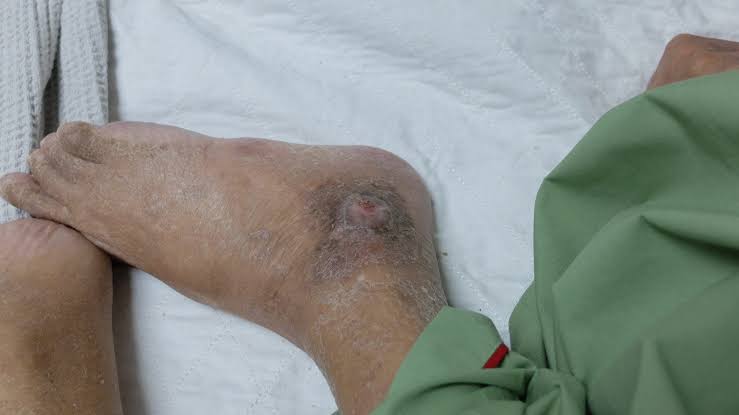
Skin conditions in palliative care are often overlooked because they are not immediately life-threatening. However, they cause immense suffering — itching disrupts sleep, foul odours isolate patients socially, and pressure sores cause pain and infection. As a nurse, your skin care interventions restore comfort, dignity, and human connection.
In terminal illness, the skin is a window to the patient's overall condition. Poor skin often signals poor nutrition, immobility, or advancing disease. Never ignore the skin.
Pruritus is an unpleasant sensation that provokes the urge to scratch. Near the end of life, it can be relentless, disrupting sleep, causing skin damage from scratching, and leading to infection.
| Cause | Explanation & Physiological Expansion |
|---|---|
| HIV/AIDS | Opportunistic skin infections, drug eruptions, immune dysregulation. [Expansion: HIV causes a profound depletion of Langerhans cells in the skin, disrupting local immunity and allowing rampant fungal/viral growth]. |
| Pre-existing skin diseases | Eczema, psoriasis, scabies, other infestations. |
| Dry skin (senile pruritus) | Common in elderly; skin loses moisture and elasticity. [Expansion: Sebaceous gland atrophy leads to decreased lipid production, compromising the skin's barrier function]. |
| Obstructive jaundice | Bile salts accumulate in the skin and cause intense itching. [Expansion: Elevated serum bile acids bind to specialized itch receptors (pruriceptors) on unmyelinated C-nerve fibers in the epidermis]. |
| Anxiety and stress | Psychological itch — scratching becomes a nervous habit. |
| Allergic reactions | Medications, topical products, foods. [Expansion: Triggers mast cell degranulation, releasing massive amounts of histamine]. |
| Uraemia | Kidney failure causes urea deposition in skin. [Expansion: Results in "uraemic frost" and profound systemic inflammation affecting peripheral nerves]. |
| Haematological malignancies | Polycythaemia vera, Hodgkin's lymphoma. [Expansion: Basophils and mast cells proliferate abnormally, releasing cytokines that trigger the itch pathway]. |
🧠 Mnemonic for Causes of Pruritus
Remember: "H-D-O-A-U-H"
- H - HIV/AIDS and skin diseases
- D - Dry skin
- O - Obstructive jaundice
- A - Allergies / Anxiety
- U - Uraemia
- H - Haematological malignancies
| Question | Purpose |
|---|---|
| "When did the itching start?" | Sudden = allergic reaction or infection; gradual = dry skin, jaundice. |
| "Is it worse at night?" | Night-time worsening suggests scabies or dry skin. |
| "Where is it worst?" | Localised = contact dermatitis, infestation; Generalised = systemic cause. |
| "Is there a rash?" | Presence of rash guides diagnosis. |
| "What medications are you taking?" | Drug eruptions are common with ARVs, antibiotics. |
| "Any yellowing of eyes or skin?" | Suggests obstructive jaundice. |
| Intervention | Details |
|---|---|
| 1% Hydrocortisone cream | For drug eruptions and inflammatory skin conditions. |
| 0.05% Chlorhexidine solution | Rinse skin after bathing; reduces opportunistic skin infections; results usually seen within 10 days. |
| Treat underlying opportunistic infections | e.g., oral fluconazole for fungal infections. |
| Drug | Dose | Notes |
|---|---|---|
| Dexamethasone | 2 mg BD, reducing to 1 mg/day | Reduces inflammation and bile duct oedema. |
| Prednisolone | 15 mg reducing to 10 mg daily in the morning | Alternative to dexamethasone. |
| Chlorpheniramine | 4 mg TDS | Antihistamine — reduces histamine-mediated itching. |
In obstructive jaundice, the itch is often generalised and severe, worse on palms and soles. Biliary stenting (if available) is definitive treatment; steroids and antihistamines provide palliation.
| Measure | How It Helps |
|---|---|
| Keep nails short | Prevents skin damage from scratching. |
| Gently rub rather than scratch | Rubbing stimulates nerve fibres differently and is less damaging. [Expansion: Rubbing activates A-beta touch fibers, which close the "pain/itch gate" in the spinal cord, blocking the slow C-fiber itch signals]. |
| Cold fan on exposed skin | Cooling reduces histamine release and nerve stimulation. |
| Moisturise regularly | Plain aqueous cream or petroleum jelly — apply after bathing. |
| Cool baths | Avoid hot water (dries skin further by stripping protective lipid layers). |
| Cotton clothing | Synthetic fabrics trap heat and worsen itching. |
| Avoid known irritants | Strong soaps, perfumes, woollen fabrics. |
Hyperhidrosis is excessive sweating beyond what is needed for temperature regulation. In palliative care, it causes discomfort, dehydration, skin maceration, and embarrassment.
| Cause | Explanation |
|---|---|
| Intercurrent infections | TB, HIV-related infections — fever causes sweating. |
| Toxaemia from liver metastases | Liver failure causes accumulation of toxins that trigger sweating. |
| Lymphomas | Paraneoplastic syndrome — tumour releases substances that cause sweating. |
| High doses of morphine | Opioids can cause flushing and sweating. [Expansion: Opioids cause mast cell degranulation and histamine release, resulting in vasodilation and diaphoresis]. |
| Anxiety and panic | Autonomic response (Sympathetic nervous system overdrive). |
| Hormonal changes | Menopause, thyroid dysfunction. |
| Hypoglycaemia | Especially in diabetic patients (triggers massive adrenaline release). |
| Intervention | Details |
|---|---|
| Treat underlying cause | Antibiotics for infection, adjust morphine dose if possible. |
| Antipyretics | Paracetamol, ibuprofen, or diclofenac for fever. Note: May initially increase sweating as temperature drops, but eventually provides cooling. |
| Steroids | Dexamethasone 2–4 mg/day (Reduces inflammation and toxaemia). |
| Frequent sponging | With lukewarm water; pat dry gently. |
| Appropriate clothing/bedding | Light, cotton fabrics; change when damp. |
| Cool environment | Fan, open windows, shade. |
Change damp clothing and bedding promptly. Moisture against the skin causes maceration (skin breakdown) and severely increases the risk of pressure sores and infection.
Oedema is the accumulation of fluid in tissues. In palliative care, it signals advanced disease — tumour obstruction, heart failure, liver failure, or malnutrition. The pattern of oedema (where it is, whether one-sided or both-sided) tells you the cause.
Kaposi's Sarcoma (KS) is a common cause of swelling in Uganda, particularly in HIV-positive patients. It causes woody, hard infiltration of the skin by tumour, leading to:
- Distension of tissues
- Blockage of small vessels and lymphatics
- Fluid retention
| Management | Details |
|---|---|
| Antiretroviral therapy (ART) | Essential — immune reconstitution often improves KS. |
| Chemotherapy | If available (e.g., bleomycin, vincristine). |
| Analgesics | For pain from tumour infiltration. |
| Elevation of affected limb | Reduces dependent oedema. |
| Gentle massage | Towards the heart, if not painful. |
KS is one of the most common cancers in HIV-positive patients. Nurses should recognise the purple/brown skin lesions and woody hard swelling as classic signs. ART is the cornerstone of treatment.
| Cause | Mechanism & Management |
|---|---|
| Superior Vena Cava Obstruction (SVCO) |
Venous distension in the area drained by the SVC. Management:
|
| Cause | Explanation | Management |
|---|---|---|
| Venous/lymphatic obstruction by pelvic tumour | Tumour compresses vessels/lymphatics. | Radiotherapy, chemotherapy to shrink tumour. |
| Deep venous thrombosis (DVT) | Clot in deep veins. | Avoid anticoagulants in terminal disease due to bleeding tendency; elevate limb, compression if tolerated. |
| Infection (cellulitis, lymphangitis) | Bacterial infection from nearby tumour. | Broad-spectrum antibiotics; bed rest; analgesics. |
In terminal care, avoid anticoagulants for DVT. The bleeding risk (especially with low platelets, liver dysfunction, or tumour invasion) outweighs the benefit. Use elevation, gentle compression, and analgesia instead.
| Cause | Explanation | Management |
|---|---|---|
| Lymphatic and venous obstruction by pelvic tumour | Tumour blocks both sides. | High-dose dexamethasone; diuretics (spironolactone 75–400 mg + frusemide 40–200 mg daily). |
| Cardiac failure | Heart cannot pump effectively. | Standard heart failure treatment (diuretics, digoxin if appropriate). |
| Hypoalbuminaemia | Low protein from poor nutrition or loss in ascitic fluid. | Nutritional support; treat ascites; NOT an indication for diuretics. |
| Dependent oedema from prolonged sitting | Gravity causes fluid pooling. | Elevate feet; encourage walking or passive leg movements. |
Dependent oedema (from sitting with legs down) is not an indication for diuretics. Simply elevating the legs and encouraging movement often resolves it. Giving diuretics inappropriately causes dehydration and electrolyte imbalance.
Ascites is the accumulation of excessive fluid in the peritoneal cavity (the space within the abdomen). Malignancy accounts for approximately 10% of all adult ascites cases.
| Symptom | Explanation |
|---|---|
| Increasing abdominal distension | Visible enlargement of the abdomen. |
| Abdominal pain | Stretching of peritoneum and pressure on organs. |
| Early satiety | Stomach compressed — feels full after small meals. |
| Nausea and vomiting | Pressure on stomach and intestines. |
| Shortness of breath | Diaphragm pushed upward by fluid. |
| Leg oedema | Fluid shifts to dependent areas. |
Ascites results from an imbalance between fluid influx and efflux in the peritoneal cavity:
- Increased fluid influx: Peritoneal metastasis (cancer spread to peritoneum); increased peritoneal permeability.
- Reduced fluid efflux: Lymphatic vessels blocked by tumour infiltration; liver metastasis causing low albumin.
[Expansion: Low albumin drastically drops intravascular oncotic pressure, meaning fluid leaks out of blood vessels into the abdomen and cannot be pulled back in].
| Category | Examples |
|---|---|
| Malignant | Ovarian carcinoma, colorectal carcinoma, pancreatic carcinoma, gastric carcinoma. |
| Hepatic | Liver failure, cirrhosis, liver metastasis. |
| Cardiac | Cardiac failure. |
| Renal | Renal failure, nephrotic syndrome. |
- Paracentesis: Removal of fluid from the peritoneal cavity using a needle or catheter. Provides rapid relief but fluid reaccumulates.
- Low-sodium diet: Reduces fluid retention.
- Small, frequent meals: Reduces early satiety.
- Spironolactone: 75–400 mg daily. Potassium-sparing diuretic; first-line for ascites.
- Frusemide: 40–200 mg daily. Loop diuretic; added if spironolactone alone insufficient.
- Explain procedure to patient and empty bladder beforehand (prevents accidental puncture of bladder!).
- Monitor vital signs during and after; measure and record volume of fluid removed.
- Apply pressure dressing to puncture site. Watch for complications: hypotension, infection, perforation.
- Diuretic Warning: Spironolactone can cause hyperkalaemia (high potassium); frusemide can cause hypokalaemia (low potassium). Monitor electrolytes closely.
Fungating tumours are malignant wounds where the tumour grows through the skin surface, creating an ulcerated, bleeding, malodorous mass. They most commonly occur in Breast cancer, Head and neck cancers, Melanoma, and Sarcoma.
| Problem | Impact on Patient |
|---|---|
| Foul odour | Social isolation; embarrassment; family may avoid close contact. |
| Excessive discharge | Soaks clothing and bedding; skin maceration. |
| Bleeding | Frightening for patient and family; risk of anaemia. |
| Pain | Nerve infiltration by tumour. |
| Visible deformity | Body image disturbance; depression. |
| Intervention | Details |
|---|---|
| Regular cleaning with saline | Gentle irrigation; do not use harsh antiseptics. |
| Radiotherapy | Shrinks tumour, reduces bleeding and discharge. |
| Crushed metronidazole tablets | Applied directly to fungating area. Removes odour, dries discharge, treats anaerobic infection. |
| Metronidazole tablets inserted | Into sinuses/orifices (Especially in rectal or cervical cancers). Helps with pain relief, haemostasis, and clearing anaerobic infections. |
Odour from fungating tumours is caused by anaerobic bacterial infection. Metronidazole is effective because it targets anaerobes. Crush plain tablets (not enteric-coated) and sprinkle directly on the wound!
- Fungating skin cancers: Breast cancer, sarcoma, squamous cell carcinoma, melanoma.
- Poor wound healing: Debility, malnutrition, anaemia, immunosuppression.
- Pressure sores: Due to immobility, incontinence, poor nutrition.
- Normal saline: Boil water, add a pinch of salt (or 1 teaspoon per 500 ml). Used for general wound cleaning.
- Saltwater baths: For perineal wounds (soothes and cleanses).
- What NOT to use: Hydrogen peroxide, iodine, or other caustic agents — these damage healthy granulating tissue and severely delay healing.
- Old cotton cloths: Washed, cut to size, boiled to sterilise (Simple, affordable dressings).
- Non-adherent dressings: For painful wounds — do not stick to wound bed.
- Absorbent dressings: For heavily exuding wounds.
- Honey or sugar: For de-sloughing necrotic wounds. Apply to dressing, change twice daily.
[Expansion: Sugar creates an intense hyperosmotic environment that draws water out of bacteria, killing them, while drawing nutrient-rich lymph fluid to the surface to heal the wound].
| Intervention | How |
|---|---|
| Regular turning | Every 2 hours for immobile patients. |
| Keep skin dry and clean | Especially in incontinence. |
| Pressure-relieving devices | Water-filled surgical gloves under bony prominences; foam mattresses if available. |
| Nutritional support | Adequate protein and calories for skin integrity. |
| Early mobilisation | Even sitting up in chair reduces pressure. |
- Use non-adherent dressings (Soak off old dressings with saline before removing — never rip dry dressings off a wound).
- Give analgesia 30 minutes before dressing change (Oral morphine or paracetamol).
- Consider topical lignocaine if available.
- Crushed metronidazole tablets or Metronidazole gel.
- Natural yogurt (Locally available; contains probiotics that compete with odour-causing bacteria).
- Papaya (pawpaw) (Contains enzymes that chemically debride necrotic tissue).
- Honey or sugar (For de-sloughing; also reduces odour).
- Absorbent dressings (Change frequently — may need several times daily).
- Barrier cream around wound (Protects surrounding skin from maceration).
- Consider pouching systems.
- Radiotherapy or surgery (Definitive treatment).
- Dark cloths to soak blood: Reduces panic for patient and family. Blood on white fabric is terrifying; dark colours are calming.
- Gentle cleaning (Avoid trauma).
- Crushed topical tranexamic acid (500 mg applied directly to wound promotes clotting).
- Adrenaline-soaked gauze (for local haemostasis) or Sucralfate paste.
🧠 Mnemonic for Wound Assessment
Remember: "T-I-M-E"
- T - Tissue (Is there necrotic tissue? Slough? Granulation?)
- I - Infection / Inflammation (Signs of infection? Odour?)
- M - Moisture (Too dry? Too wet? Exuding?)
- E - Edge (Wound edges — advancing or contracting?)
🧠 Mnemonic for Pressure Sore Prevention
Remember: "S-K-I-N"
- S - Surface (Use pressure-relieving surface)
- K - Keep moving (Turn every 2 hours)
- I - Incontinence management (Keep skin dry and clean)
- N - Nutrition (Adequate protein and calories)
| Condition | Key Feature | Most Common Cause | First-Line Management | Nursing Priority | Red Flag |
|---|---|---|---|---|---|
| Pruritus | Itching, worse at night | HIV, dry skin, jaundice | Hydrocortisone 1%; chlorhexidine rinse; antihistamines | Keep nails short; moisturise; cool fan | Generalised + jaundice = obstructive liver disease |
| Hyperhidrosis | Excessive sweating | Infection, liver metastases, morphine | Treat cause; antipyretics; dexamethasone; frequent sponging | Change damp clothing promptly | Night sweats + weight loss = TB or lymphoma |
| KS swelling | Woody hard infiltration, purple lesions | HIV-related Kaposi's sarcoma | ART; chemotherapy; analgesia; elevation | Recognise lesions; support ART adherence | Rapid progression despite ART |
| Upper limb oedema | Bilateral arm swelling | SVCO | Dexamethasone; RT; chemotherapy | Elevate arms; monitor for SVCO symptoms | Facial swelling + neck veins = SVCO emergency |
| Unilateral leg oedema | One leg swollen | Pelvic tumour, DVT, infection | RT/chemo for tumour; antibiotics for infection; avoid anticoagulants | Elevation; analgesia; infection control | Warmth, redness, fever = cellulitis |
| Bilateral leg oedema | Both legs swollen | Pelvic tumour, cardiac failure, hypoalbuminaemia | Diuretics (spironolactone + frusemide) for tumour/heart; elevation for dependent oedema | Distinguish cause before giving diuretics | Dyspnoea + bilateral oedema = cardiac failure |
| Ascites | Distended abdomen, early satiety | Ovarian, gastric, colorectal cancer; liver failure | Paracentesis; spironolactone ± frusemide | Monitor electrolytes; small frequent meals | Sudden increase = infection or perforation |
| Fungating tumour | Ulcerated, bleeding, malodorous mass | Breast, head and neck, melanoma | Saline cleaning; RT; crushed metronidazole | Odour control; pain management; dignity | Massive bleeding = emergency |
| Pressure sore | Breakdown over bony prominence | Immobility, incontinence, malnutrition | Turn every 2 hours; pressure relief; nutrition | Prevention is better than cure | Black eschar = deep tissue damage |
Question: A patient with HIV has generalised itching and purple-brown skin lesions on the legs. What is the likely diagnosis, and what is the cornerstone of treatment?
Answer: Kaposi's Sarcoma. The cornerstone of treatment is Antiretroviral Therapy (ART) — immune reconstitution often causes regression of KS lesions. Analgesia and chemotherapy may be added.
Question: A patient with advanced liver cancer has intense generalised itching, worse on the palms and soles. What is the cause, and what drugs would you use?
Answer: Obstructive jaundice — bile salts accumulate in the skin. Use dexamethasone 2 mg BD (reduces inflammation) and chlorpheniramine 4 mg TDS (antihistamine). Biliary stenting is definitive if available.
Question: A dying patient has a fungating breast wound with foul odour. The family is embarrassed to have visitors. What can you do?
Answer: Clean gently with saline daily. Sprinkle crushed metronidazole tablets on the wound to treat anaerobic infection and reduce odour. Use absorbent dressings and change frequently. Reassure the family that the odour is from infection, not poor hygiene.
Question: Why should you avoid anticoagulants for DVT in a terminally ill patient?
Answer: Terminal patients often have bleeding tendencies due to low platelets, liver dysfunction, or tumour invasion of vessels. The risk of major bleeding outweighs the benefit of anticoagulation. Use elevation, gentle compression, and analgesia instead.
Question: A patient with ascites is prescribed spironolactone and frusemide. What electrolyte imbalance should you monitor for?
Answer: Spironolactone is potassium-sparing and can cause hyperkalaemia (high potassium). Frusemide is potassium-wasting and can cause hypokalaemia (low potassium). Monitor serum potassium and watch for cardiac arrhythmias, muscle weakness, and confusion.
Question: A nurse is about to change a dressing on a painful fungating wound. What should she do first?
Answer: Give analgesia 30 minutes before the dressing change. Soak off the old dressing with saline — never rip it off dry. Use non-adherent dressings for the new dressing. Be gentle — tumour tissue is fragile and bleeds easily.
- Pruritus has many causes — always look for the underlying cause (HIV, jaundice, dry skin, uraemia).
- Hydrocortisone 1% cream and chlorhexidine rinses are first-line for HIV-related skin pruritus.
- Hyperhidrosis from infection or liver metastases responds to treating the cause, antipyretics, and frequent sponging.
- Kaposi's Sarcoma is common in Uganda — recognise purple lesions and woody swelling; ART is essential.
- Bilateral arm oedema = think SVCO; bilateral leg oedema = think heart failure, hypoalbuminaemia, or pelvic tumour. (Mnemonic: U-B-B-A for oedema locations).
- Avoid anticoagulants for DVT in terminal patients — bleeding risk is too high.
- Ascites causes early satiety and breathlessness — small frequent meals and diuretics help; paracentesis for severe cases.
- Fungating tumours cause social isolation through odour — metronidazole is your best friend for odour control.
- Wound cleaning should be gentle — saline only; never hydrogen peroxide or harsh antiseptics.
- Pressure sores are preventable — turn every 2 hours, keep skin dry, ensure nutrition, and use simple pressure-relieving devices.
- Always give analgesia before painful dressing changes — and soak off dressings, never rip them.
- Dark cloths reduce panic during bleeding wounds — prepare them in advance.
In palliative care, skin conditions tell a story. The patient with pressure sores speaks of immobility and neglect. The patient with KS speaks of HIV and its complications. The patient with a fungating wound speaks of advanced cancer and social isolation. As a nurse, you read these stories with your eyes, respond with your hands, and heal with your heart. Good skin care is not just about wounds — it is about dignity.
- World Health Organization (WHO) Guidelines on Palliative Care.
- Uganda Ministry of Health - Clinical Guidelines for Palliative Care.
- Oxford Textbook of Palliative Medicine.
Quick Quiz
Skin Conditions Quiz
Palliative Care - mobile-friendly and focused practice.
Privacy: Your details are used only for quiz tracking and certificates.
Skin Conditions Quiz
Palliative Care
Preparing questions...
Choose your answer and keep your streak alive.
Great effort.
Here is your quick performance summary.