Nurses Revision

Reproductive Health

reproductive system

reproductive system

Reproductive System

Reproductive system, also known as the genital system or the reproductive system, is a collection of organs and structures in the human body responsible for sexual reproduction.

Its primary function is to produce, store, and deliver gametes (reproductive cells) and facilitate the union of sperm and egg for the purpose of fertilization, leading to the creation of new life.

\"The

The Male Reproductive System

External genital organs 

External male reproductive organs are those outside and can be seen. They comprise of the;

  •  Scrotum. 
  • Testis. 
  • Penis.

The penis 

It is an organ that carries the semen with the sperm into the vagina. During sexual arousal, blood  is pumped into the muscles of the penis making it stiff/erect so it can easily enter the vagina. The penis additionally serves as the urethral duct. Although both semen and urine pass through  the urethra in the penis, at the time of ejaculation the opening from the bladder is closed so that  only semen comes out of the penis. After ejaculation, the blood quickly drains away into the  body and the penis returns to the normal state.  

∙ The penis is enclosed by a foreskin (prepuce) that protects the glans penis. Usually the  penis produces a white creamy substance called smegma, which helps the foreskin to  slide back smoothly. When smegma accumulates under the foreskin, it causes a bad smell  or even infection. Therefore for men who are uncircumcised need to pull back the  foreskin and gently wash underneath it with clean water everyday 

The scrotum 

It is a sac of skin containing two egg-shaped organs called the testes, found in front of and  between the thighs. It protects the testes from physical damage and helps to regulate the  temperature of the sperm. 

The testes 

They are two sex glands that produce sperm and the male hormones, which are responsible for  the development of secondary sexual characteristics in men. 

The male internal reproductive organs 

  • Epididymis. 
  • Deferent ducts (vas deferens).
  •  Seminal vesicles.
  • Ejaculatory ducts. 
  •  Prostate gland
  • Urethra-bulbous glands.(bulbourethral  glands)

Vas deferens 

  • Prostate gland. 
  • Urethra-bulbous glands.(bulbourethral  glands) 

They are tubes through which the sperm passes from the testicles and penis.  

Epididymis 

  • They are cord-like structures coiled on top of the testes, it stores sperm.  
  • When sperm matures, it is allowed to pass into the vas deferens before being released  during ejaculation. 

Seminal vesicles  

  • They are glands where the white fluid, semen is produced.  
  • Semen is fluid that is released through the penis during ejaculation.  
  • It provides nourishment for the sperms and helps their movement. 
  • The seminal vesicles do not store sperm cells. 
  • They secrete a thick alkaline fluid that mixes with the sperm cells as they pass into the  ejaculatory ducts and then the urethra.  
  • These secretions provide most of the volume of the semen.  

\"Arterial

Arterial supply, venous drainage and nervous supply

  • The arteries are derived from the inferior vesical and middle rectal arteries.
  • The veins accompany the arteries.
  •  Nervous supply is by sympathetic and parasympathetic nerve fibers.


Prostate gland 

  • This is the largest accessory gland of the male reproductive system.  
  • It is situated below the bladder. 
  • The prostate is partly glandular and partly fibromuscular.  
  • The prostate produces fluid that makes up part of the semen; it helps create a good  environment for the sperm in the penile urethra and vagina 
  • Enables movement of sperm and provides nutrients for the sperm. 

Cowper\’s gland 

  • It comprises two small glands situated below the prostate with ducts opening into the  urethra.  
  • Its function is to produce some fluids, which helps create a good environment for the  sperm in the penile.

\"\"

The Female Reproductive System

The female external genital organs 

  • The Mons Pubis 
  • The Labia Majora 
  • The labia minora. 
  • The vestibule of the vagina. 
  • The External Urethral Orifice 
  • The Vaginal Orifice 
  • The Greater Vestibular Glands 
  • The Lesser Vestibular Glands 
  • The Clitoris 
  • The Bulbs of the Vestibule 

The mons pubis 

  • The mons pubis is a rounded fatty elevation located anterior to the pubic symphysis and  lower pubic region.  
  • It consists mainly of a pad of fatty connective tissue deep to the skin. 
  • The amount of fat increases during puberty and decreases after menopause.  
  • The mons pubis becomes covered with coarse pubic hairs during puberty, which also  decrease after menopause. 
  • The typical female distribution of pubic hair has a horizontal superior limit across the  pubic region.  

The labia majora 

  • The labia are two symmetrical folds of skin, which provide protection for the urethral  and vaginal orifices.  
  • These open into the vestibule of the vagina.  
  • Each labium majus, largely filled with subcutaneous fat, passes posteriorly from the mons pubis to about 2.5 cm from the anus.  
  • They are situated on each side of the pudendal cleft, which is the slit between the labia  majora into which the vestibule of the vagina opens.  
  • The labia majora meet anteriorly at the anterior labial commissure.  
  • They do not join posteriorly but a transverse bridge of skin called the posterior labial  commissure passes between them.  

The labia minora 

  • The labia minora are thin, delicate folds of fat-free hairless skin.  
  • They are located between the labia majora.  
  • The labia minora contains a core of spongy tissue with many small blood vessels but no  fat.  
  • The internal surface of each labium minus consists of thin skin and has the typical pink  color of a mucous membrane.  
  • It contains many sensory nerve endings.  
  • Sebaceous and sweat glands open on both of their surfaces.  
  • The labia minora enclose the vestibule of the vagina and lie on each side of the orifices  of the urethra and vagina.  
  • They meet just superior to the clitoris to form a fold of skin called the prepuce (clitoral  hood).  
  • In young females the labia minora are usually united posteriorly by a small fold of the  skin, the frenulum of the labia minora.  

The Vestibule of the Vagina 

  • The vestibule is the space between the labia minora.  
  • The urethra, vagina, and ducts of the greater vestibular glands open into the vestibule.  

The external urethral orifice 

  • This median aperture is located 2 to 3 cm posterior to the clitoris and immediately  anterior to the vaginal orifice.  
  • On each side of this orifice are the openings of the ducts of the paraurethral glands  (Skene\’s glands).  
  • These glands are homologous to the prostate in the male. 

The Vaginal Orifice 

  • This large opening is located inferior and posterior to the much smaller external urethral  orifice.  
  • The size and appearance of the vaginal orifice varies with the condition of the hymen, a  thin fold of mucous membrane that surrounds the vaginal orifice.  

The greater vestibular glands 

  • These glands are about 0.5 cm in diameter.  
  • They are located on each side of the vestibule of the vagina, posterolateral to the vaginal  orifice.  
  • They are round or oval in shape and the bulbs of the vestibule partly overlap them  posteriorly.  
  • From the anterior parts of the glands, slender ducts pass deep to the bulbs of the  vestibule and open into the vestibule of the vagina on each side of the vaginal orifice. 
  • These glands secrete a small amount of lubricating mucus into the vestibule of the  vagina during sexual arousal.  
  • The greater vestibular glands (Bartholin\’s glands) are homologous with the bulbourethral  glands in the male 

The clitoris 

  • The clitoris is 2 to 3 cm in length.  
  • It is homologous with the penis and is an erectile organ.  
  • Unlike the penis, the clitoris is not traversed by the urethra; therefore it has no corpus  spongiosum.  
  • The clitoris is located posterior to the anterior labial commissure, where the labia majora meet.  
  • It is usually hidden by the labia when it is flaccid.  
  • The clitoris consists of a root and a body that are composed of two crura, two corpora  cavernosa, and a glans.  
  • It is suspended by a suspensory ligament.  
  • The parts of the labia minora passing anterior to the clitoris form the prepuce of the  clitoris (homologous with the male prepuce).  
  • The parts of the labia passing posterior to the clitoris form the frenulum of the clitoris,  which is homologous with the frenulum of the penile prepuce.  
  • The clitoris, like the penis, will enlarge upon tactile stimulation, but it does not  lengthen significantly.  
  • It is highly sensitive and very important in the sexual arousal of a female.

\"Arterial

Arterial supply of female external genitalia 

  • The rich arterial supply to the vulva is from two external pudendal arteries and one  internal pudendal artery on each side.  
  • The internal pudendal artery supplies the skin, sex organs, and the perineal muscles.  
  •  The labial arteries are branches of the internal pudendal artery, as are the dorsal and deep  arteries of the clitoris.  

Venous drainage  

  • The labial veins are tributaries of the internal pudendal veins and venae comitantes of the  internal pudendal artery.  

Lymph drainage of the female external genitalia 

  • The vulva contains a very rich network of lymphatic channels.  
  • Most lymph vessels pass to the superficial inguinal lymph nodes and deep inguinal nodes.

reproductive system Read More »
Introduction to Reproductive Health

Introduction to Reproductive Health

INTRODUCTION TO REPRODUCTIVE HEALTH

Reproductive Health is an integral aspect of health care, included in the minimal health care package. The knowledge, skills, and attitude gained from this course will help students manage and counsel clients with health problems related to reproductive health.

Reproductive Health is when a person is well, not only physically but also mentally and socially, in all matters related to the reproductive system and how it functions.

Reproductive health is defined as a state of complete physical, mental and social well being and not merely the absence of the disease or infirmity on all matters related to reproductive function and its processes involved.

This is a process concerned with peoples‘ ability to have a responsible, satisfying and safe sex  life, their capability to reproduce and having the freedom to decide if, when and how often to do so. 

Reproductive health includes having: 

  1. Satisfying, safe sex life. 
  2. Ability to reproduce. 
  3. Successful maternal and infant survival outcome. 
  4. Freedom to control reproduction. 
  5. Information about and access to safer, effective and affordable methods of family planning. 
  6. Ability to minimize gynecological disease throughout life.
COMPONENTS OF REPRODUCTIVE HEALTH

COMPONENTS OF REPRODUCTIVE HEALTH

Safe Motherhood:

  • Preconception care
  • Antenatal care
  1. Maternal nutrition
  2. Focused antenatal care
  3. Immunization for tetanus, hepatitis B, etc.
  4. EMTCT of HIV/AIDS
  • Clean safe delivery
  • Emergency obstetric care
  • Postnatal (newborn care) and postpartum care
  • Breastfeeding/infant feeding
  • IEC and community mobilization
  • Post-abortion care services
  • Comprehensive abortion care

Family Planning:

  • Medical eligibility for family planning services
  • Provision of contraceptives and natural family planning
  • Emergency contraceptive
  • Management and follow-up for side effects of contraceptives
  • Infection prevention and quality care
  • Adolescent reproductive health

STIs/HIV/AIDS:

  • Behavioral change counseling
  • Condom promotion and distribution
  • Counseling and testing
  • STI management and treatment
  • Infection prevention and quality of care
  • Partner notification and treatment
  • Treatment compliance
  • Sexually Transmitted Infection, including HIV and AIDS
  • EMTCT

Sexual and Adolescent Health:

  • Behavior change counseling
  • Provision of adolescent-friendly services
  • Provision of contraceptive services
  • Screening and management of STIs
  • Sexual and Gender-Based Violence

Maternal and Child Health (MCH) (Safe Motherhood):

  • Preconception care
  • Antenatal care
  1. Maternal nutrition
  2. Focused antenatal care
  3. Immunization for tetanus, hepatitis B, etc.
  4. EMTCT of HIV/AIDS
  • Clean safe delivery
  • Emergency obstetric care
  • Postnatal (newborn care) and postpartum care
  • Breastfeeding/infant feeding
  • IEC and community mobilization
  • Post-abortion care services
  • Comprehensive abortion care

Reproductive Organ Cancers:

  • Screening and referral
  • Definitive management
  • Palliative care

Gender-Related Issues:

  • Advocacy
  • Partner involvement
  • Community involvement
  • Specialized management
  • Multi-sectorial collaboration
  • Legal support

Menopause and Andropause:

  • Symptomatic treatment
  • Hormonal replacement
  • Partner involvement
  • Advice on exercise and nutrition

Problems affecting women’s reproductive health/common RH concerns for women.

  • Anaemia
  • Unregulated fertility
  • Malnutrition
  • Infertility
  • STIs, HIV, and AIDS
  • Uterine fibroids
  • Maternal mortality and morbidity
  • Endometriosis
  • Poverty
  • Female Genital Mutilation
  • Gynaecological cancers
  • Sexual gender-based violence
  • Early marriage
  • Unintended pregnancy

Importance of reproductive health 

  1. Promotion of maternal and child health 
  2. Reduces maternal morbidity and mortality 
  3. Promotes free women‘s involvement in all matters related to reproductive health issues  e.g. family planning 
  4. Promotes prompt treatment and detection of life threatening cases throughout  reproductive life 
  5. It promotes safer sex practices and reduces the incidence of rampant sexual related abuses
  6. Reduces government expenditure on reproductive related health issues thus promotes  quality standard of living. 

Problems being faced during the implementation of Reproductive Health in Uganda 

The following are some of the problems being encountered during the implementation of  reproductive health services in Uganda; 

  1. Low socio-economic status (poverty): This is the major setback as many people in  Uganda live within poverty level which in turn makes them unable to access even the least  costly services. For instance, the Uganda Demographic Health Survey shows that  mortality rates are high in women from low socio-economic status as these women  are likely to be less privileged in the fields of nutrition, housing, quality education etc 
  2.  Improper/underutilization of the existing services: This can be attributed to several factors that lead to the improper or inadequate use of the existing services. These factors include: Lack of Awareness and Education, Stigma and Cultural Barriers, Limited Access to Services, Cost and Affordability, e.t.c
  3. Delivery of substandard care i.e. when the care provided is below the generally  accepted level available at that particular coupled up shortages of resources and under-equipped facilities 
  4. Lack of communication and referral facilities: This could be due to poor coordination  between lower health facilities with the higher ones backed-up by geographical  barriers, transport means like ambulances etc. 
  5. Poor cultural perspectives on reproductive health; variety of cultural practices are the  basic obstacles to Reproductive Health Services for instance, female genital  mutilation, early marriages, denying women to eat certain foods etc. 
  6. Lack of awareness by the community on issues related to reproductive health.
  7. Inadequate supply of resources related to reproductive health. This therefore makes  the little existing services disproportionately consumed by the overwhelming  individuals who visit the health Centers. 
  8. Inadequate skilled staff  specially trained on issues pertaining reproductive health.  The number of skilled staff to deliver various Reproductive Health Services in  Uganda is appalling as compared to the number of clients who desperately need the  scarce services. 
  9. Improper evaluation and supervision of reproductive health services to ascertain its  progress and successes .
  10. Lack of support from men, opinion leaders and development partners as they are  considered change agents in the community 
  11. Misappropriation and embezzlement of funds specially designed to facilitate  reproductive health services.

Ways through which Reproductive Health Services can be improved in Uganda.

It is a coordinated long term effort within the families, opinion leaders, communities, and health systems.

It also involves the national legislation and policies where action may vary in respect of an individual, and the government ought to make Reproductive Health a priority of public concern and to periodically evaluate the program to ascertain the successes.

1. Quality Obstetric and Referral Services: Upgrade facilities, ensure ongoing training for healthcare providers.

2. Decentralization of Services: Establish satellite clinics in underserved areas. Work with local governments to set up and manage decentralized clinics, ensuring accessibility for rural populations.

3. Empowerment and Education: Promote women’s education and economic opportunities. Collaborate with educational institutions, NGOs, and businesses to create scholarship programs and vocational training.

4. Community Sensitization: Conduct community workshops, health talks, and media campaigns. Engage local influencers, utilize community radio, and distribute informational materials.

5. Improving Standard Delivery of Care: Organize regular refresher courses for healthcare personnel. Establish a training calendar, facilitate workshops, and provide resources for continuous learning.

6. Proper Utilization of Services: Develop outreach programs and streamline service information. Engage community health workers for door-to-door awareness, and utilize digital platforms for service updates.

7. Discouraging Cultural Practices: Advocate for and enforce legislation against harmful practices. Collaborate with legal authorities, NGOs, and community leaders to raise awareness and enforce laws.

8. Penalization for Misuse of Funds: Institute transparent financial monitoring systems. Regular audits, community involvement in financial oversight, and legal consequences for mismanagement.

9. Male and Community Engagement:  Establish community support groups, involve men in awareness campaigns. Conduct community meetings, involve male leaders in reproductive health initiatives, and celebrate positive male involvement.

Introduction to Reproductive Health Read More »

MALE INVOLVEMENT IN REPRODUCTIVE HEALTH SERVICES

Male Involvement in Reproductive Health Services

MALE INVOLVEMENT IN REPRODUCTIVE HEALTH SERVICES

Male involvement is having men participating more in Reproductive health matters as clients and partners. 

This can be in the form of seeking and sharing reproductive health information and services with their partners and friends. Sharing domestic chores and child rearing responsibilities is another form of male involvement, joint decision-making between men and their partners will improve the utilization of family planning, STI and EMTCT services. 

Male involvement is embedded in the International Conference on Population and Development Program of Action which includes male responsibilities and participation as critical aspects for improving reproductive health outcomes, achieving gender equality, equity and empowering women. This mandate contributes to broadening the concept of gender so that it now includes men. 

Male involvement is critical in the reduction of maternal and infant mortality and morbidity in Uganda. Culturally men are the decision-makers in Uganda. Many women are not empowered (decision and economically) to seek health care without consulting their spouses. Some recognize danger signs during or puerperium but wait for their spouses to return home and consent to their seeking for health care. The decision on where to seek care primarily depends on the spouse and his relatives. Evidence from maternal death audits shows that this delay has contributed to the high maternal and infant mortality and morbidity rates in Uganda.  

  • Decisions to keep the family healthy and seek care involve gender power roles 
  • Where men control household resources indirect costs of care seeking are at their discretion 
  • Control of STDs/HIV is a key R.H issue for men, who are often involved in high risk behaviour 
  • Decision on number of children is often dictated by men 
  • SRH issues involve an emotional journey and both men women need the emotional support 
  • Since men control the resources, women often have to explain why they have go to facilities 
  • Preventive services are often harder to justify than emergencies that men need in equal measures are inaccessible to them 

Men have sexual and reproductive health problems which need to be addressed. Conditions of the male reproductive system including; – HIV/AIDs, fertility problems, midlife concerns, such as andropause and sexual dysfunction. Serious conditions include non- malignant genitor-urinary conditions and malignancies of prostate, testicles and genitor-urinary organs. 

Vulnerability of males to SRH problems, their roles and responsibilities in prevention and care, including the prevention of gender based violence, are important aspects of a gendered approach to prevention interventions. Empirical and anecdotal evidence indicates that often, cultural beliefs and expectations of manhood or masculinity encourage risky behaviour in men. Masculinity requires males to play brave by not seeking help or medical treatment if they are faced with ailments including HIV/AIDs. Violence against women is more common and arises from the notion of masculinity based on sexual and physical domination over women. Gender based violence is a cross-cutting issue in all the sectors, exists within family and community spaces, and is entrenched within the existing ethno-cultures and its consequences are grave. 

In the past, men\’s involvement has sometimes been opposed by women\’s health advocates, who understandably fear that adding these services will damage the quality of women\’s services and create additional competition for already scarce resources. However, adding programs for men can enhance rather than deplete existing programs if the designers of these programs carefully integrate them into the existing health care structure in a way that benefits both women and men. 

Both the 1994 International Conference on Population and Development in Cairo and the 1995 Fourth World Conference on Women in Beijing endorsed the incorporation of reproductive health services that include men, mandating that men\’s constructive roles be made part of the broader reproductive health agenda. 

In fact, neglecting to provide information and services for men can detract from women\’s overall health. For example, men who are educated about reproductive health issues are more likely to support their partners in decisions on contraceptive use and family planning, support that may be essential if women are to practice safe sex or avoid unwanted pregnancy. Moreover, if men are knowledgeable about reproductive health issues and can communicate about them with their partners, they are more likely to be supportive during pregnancy and may make better health care decisions: for example, by ensuring that their partner receives emergency obstetric services when needed, rather than delaying recourse to such care. The effect of men\’s attitudes and behavior on women\’s health is perhaps most obvious in regard to the pandemic of AIDS and other STDs. Programs that educate, test and treat only one partner will not be effective in safeguarding the continued health of both. Men need to share the responsibility of disease prevention, as well as the risks and benefits of contraception. 

Importance of Male Involvement

Involving men in reproductive health services benefits men and women, community and the service provider 

                Reasons for Involving Men in Reproductive Health

  • Provides male support for female actions related to reproduction and respect for women’s reproductive and sexual rights
  • Increases access to male contraceptive methods and hence helps on expanding the range of contraceptive options
  • Promotes responsible and healthy reproductive and sexual behavior in young men
  • Involves men with their spouses during counseling and other FP/RH information
  • Helps in preventing the spread of HIV/AIDS and STDs
  • Helps inform men of the ill effects of men’s risky sexual behaviour on the health of women and children
  • men approve of family planning and hence supporting women’s contraceptive use
  • men make decisions that affect women and men’s health 
  • demands from women for more involvement
  • involving men in reproductive health is to use the forum of reproductive health programmes to promote gender equity and the transformation of men’s and women’s social roles

Factors limiting male participation in reproductive health 

  1. Primary health center (PHC) programs not geared to meet men’s needs
  2. Unfavorable social and cultural climate. Cultural factors have limited men’s abilities to take an active role in family planning practice and reproductive health decision making.
  3. Services aimed at women and children. Most family planning and reproductive health services are designed to meet women‘s or children‘s needs and, as a result, men often do not consider them as a source of information and services. Many may be inconvenient or unwelcoming to men, and providers may not have the training or skills necessary to meet men‘s reproductive health needs. Men also may be embarrassed about visiting a facility that primarily serves women. 
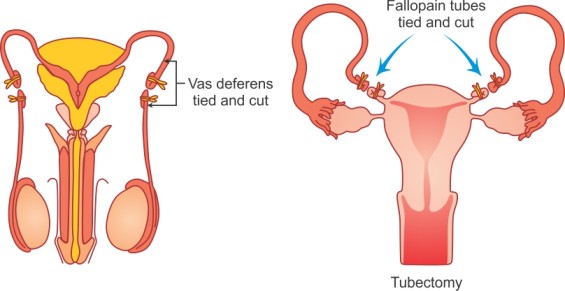
  4. Limited number of male contraceptives available. As mentioned above, available male methods are limited to condoms, natural family planning, vasectomy, and withdrawal. Like contraceptives for women, each of these methods has advantages and disadvantages and each potential client will have to decide for himself whether a particular method will meet his needs. While research is ongoing on new methods for men (including hormonal injections and implants), it is unlikely that a new method will be widely available for several years. 
  5. Rumors and misinformation. Because of the general lack of access to accurate information about male contraceptive methods, many men and women may not know how to use them correctly or may have misperceptions and fears that prevent them from using the methods. For instance, men may be un- willing to consider using vasectomy because they equate it with castration or believe that it leads to impotence; similarly, they may be unwilling to use condoms because they believe condoms will reduce sexual satisfaction or cause an allergic reaction. 
  6. Provider bias against male methods. Providers also may have misconceptions or biases about male methods or men‘s roles in family planning. As a result, they may not present information about male methods or assume that men are not interested. Concerns about the lower effectiveness of some male methods can be addressed through counseling about correct and consistent use as well as by offering emergency contraceptive pills to users as a backup in case condoms are not used properly or break. 
  7. Unfavorable social or religious climate. In societies where sexual matters are not discussed openly, men may feel uncomfortable talking about their family planning needs and sexual concerns with their partners and with health educators. Young men may face particularly strong social pressures that prevent them from seeking reproductive health information and services. In addition, some men may believe that practicing 
  8. contraception is contrary to the teaching of their religion. Priority given to women‘s health services. Many programs are reluctant to invest time and money to reach men with information and services when their female clients have significant unmet health and family planning needs.
  9. PHC service providers are mostly female
  10. Priorities to women and child care services
  11. Health workers attitude were some Providers have bias against male involvement
  12. Lack of information and knowledge
  13. Limited communication between spouses about FP needs
  14. Health centre resource constraints such as lack of enough male H/W, lack of male clinics
  15. Psychological factors (mindset and shyness of men)
  16. Difficult reaching couple with health information before pregnancy 

Reproductive Health Needs and Services for Men (Male reproductive health needs) 

  • Information: 
      • Basic sexual and reproductive health education 
      • Genital health and hygiene 
      • Healthy relationships 
      • Pregnancy prevention 
      • STI including HIV 
      • Fatherhood 
      • Where and how to obtain other services (violence, sexual abuse, genetic counseling etc.)
      • Contraception
      • Reproductive physiology 
      • Sexuality
      • Pregnancy
      • Birth preparedness
      • Male reproductive cancers
      • Sexual and gender based violence
      • Fertility and infertility 
  • Skills: 
      • Pregnancy and STI prevention and sex/sexual skills 
      • Fatherhood skills 
  • Preventive health care services: 
      • Sexual and reproductive history 
      • Cancer screening 
      • Substance abuse screening 
      • Mental health assessment 
      • Physical examination 
      • Links to other services, if needed 
  • Clinical diagnosis and treatment 
    • Testing for STIs, including HIV 
    • Diagnosis of and treatment for sexual dysfunction 
    • Fertility evaluation 
    • Contraceptive services (vasectomy) treatment of urologic disease: vasectomy reversal 

Social and Reproductive Health Responsibility of Men 

  1. Discussing contraceptive with the partner 
  2. Discussing and  utilizing STI/HIV screening services with partners 
  3. Escorting partners to antenatal care, delivery and postnatal care services 
  4. Men should only marry partners who are 18 years and above 
  5. Abstain from sex until marriage 
  6. Use condoms to prevent STI/HIV and unwanted pregnancies 
  7. Have good relationship with partner especially during pregnancy, labor and puerperium 
  8. Provide moral and financial support to the partners during pregnancy, child birth and postnatal 
  9. Provide support to the partner for infant feeding choices 
  10. Help bringing up children 

Social Norms, Beliefs, Practices and Taboos: 

  1. Promiscuity 
  2. Power imbalances where male dominance is the norm 
  3. Inadequate dialogue(lack of communication between spouses) 
  4. Inadequate participation of men in child care 
  5. Assigned roles due to gender biases example men do not cook therefore cannot assist   their wives during pregnancy 
  6. Early marriage is culturally accepted 
  7. Wife inheritance 
  8. Polygamy 
  9. Competition among wives 
  10. Poverty 

Strategies to Increase Male Involvement in Reproductive Health 

  1. Working with young men to influence gender biases for better reproductive health (e.g. in school) 
  2. Integrate the desired services to address needs of men in the existing services 
  3. Improved services at existing clinics.
  4. Sensitize the general community to re-address gender biases which have negative impacts on reproductive health 
  5. Build capacity of health workers to involve men in reproductive health services 
  6. Develop information, education and communication and advocacy materials, address male involvement/responsibilities in reproductive health services.
  7. RH information and services should focus the couple rather than the individual. 
  8. Remove myths about condom and vasectomy.
  9. Service providers to be sensitized for men’s reproductive health needs. 
  10. In RH health clinics, a arrangement health services may increase the male clientele.
  11. Separate clinic for males.
  12. Workplace services.
  13. Community-based services.
  14. Commercial and social marketing.
  15. Increase contraceptive choice for men.
  16. Train providers about male FP/RH needs.
  17. Culturally appropriate messages
  18. Male health workers
  19. Engaging different institutions such as MoH and NGOs
  20. Develop guidelines on male involvement in RH

Male Involvement in Reproductive Health Services Read More »

Family Planning Counseling

Family Planning Counseling

Family Planning Counseling

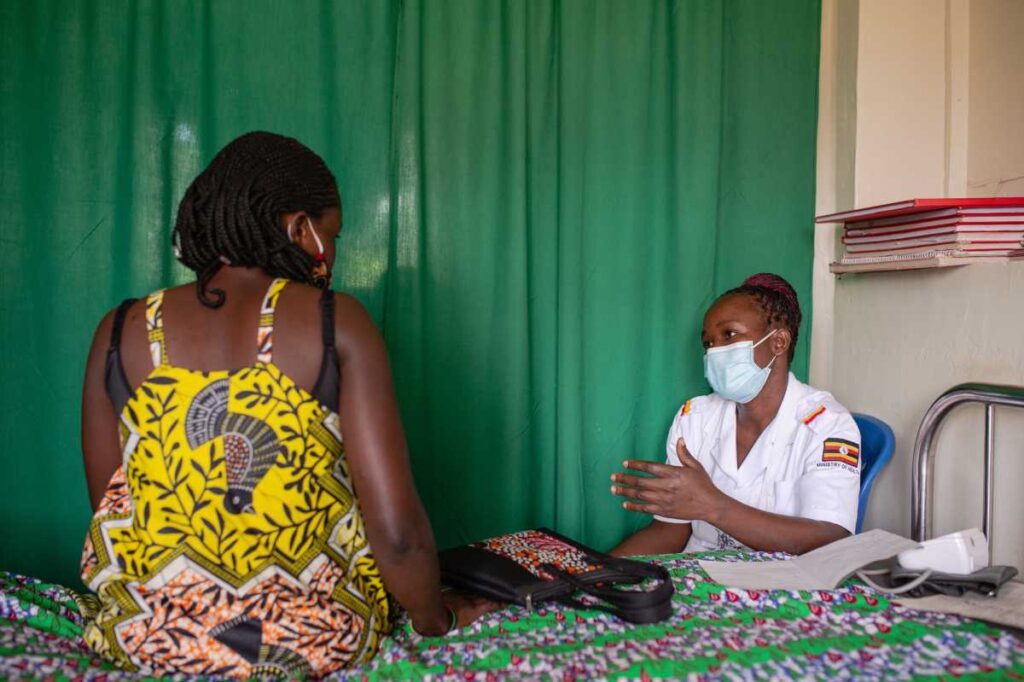
Family Planning Counseling is a continuous process that you as health care provider, as a counselor provide to help clients and people in the community or health facility make and arrive at informed choices about the size of their family (i.e. the number of children they wish to have)

Counseling is a face to face communication that you have with your client or couple in order to help them arrive at involuntary and informed decisions.

Informed choice is defined as involuntary choice or decision based on the knowledge relevant to the choice or decision.

In order to allow people to make an informed choice about family planning, you must make them aware of all available methods and advantages and disadvantages plus side effects of each .

They should know how to use the chosen method safely and effectively as well as understanding possible side effects.

Aims of Counseling 

  • The primary objective of counseling in the context of family planning is to help people decide the number of children they wish to have and when to have them.
  • To help clients choose voluntarily, the method that is personally and medically appropriate to them.
  • To ensure they understand how to use their chosen method correctly for safe and effective contraceptive protection  
  • To clear rumors and misconceptions a client may have about family planning methods

Types of Family Planning Counseling.

There  are varieties of approaches for different types of family planning counseling:

  • Individual counseling 
  • Couple counseling 
  • Group counseling and information sharing
Individual counseling 

This is a counseling approach that involves only one client. it involves individual privacy and confidentiality during communication or counseling with you.

It is mostly important when dealing with confidential matters that relate to family planning and other reproductive health issues . E.g.in HIV couples, the woman wants to use family planning but the husband does not.


Couple counseling 

Couples counseling refers to counseling sessions in which a woman and her partner are present in discussions with the provider. 

However, it must be recognized that couples counseling requires special sensitivity and skills to deal with gender related issues.


Group counseling and information sharing

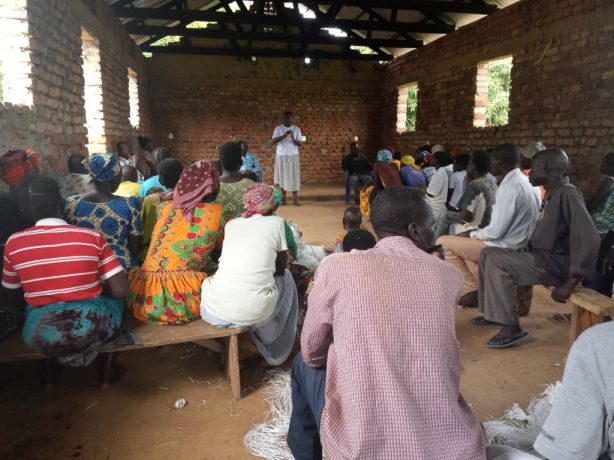
This is counseling approach involving a group of many people.

It is used when individual counseling is not possible or there are people in the village who are more comfortable in a group.

It is a cost effective of information sharing and answering general questions but people are not likely to share their more personal concerns with you in this situation.

General principles of counseling

  • Privacy-find a quiet place to talk
  • Take sufficient time
  • Maintain confidentiality
  • Conduct a discussion in a helpful atmosphere
  • Keep it simple-use words people in your village will understand
  • First things first –do not cause confusion by giving too much information 
  • Say if again –repeat the most important instructions
  • Use available visual aids like posters and flip charts etc.

Characteristics of a good counselor

The most important characteristics of a good counselor are:

  • Respect the dignity of others
  • Respect the clients’ concerns and ideas
  • Be non-judgmental and open 
  • Show that you are being an active listener
  • Be empathetic and caring
  • Be honest and sensitive

Overview of stages of counseling

General counseling

This is the first contact of family planning counseling .it involves counseling on general issues to address the client’s needs and concerns.

The counselor needs to talk about the following:

  • To give general information about family planning methods
  • To clear up any mistaken belief or myths about specific family planning methods 
  • Give information on other sexual and reproductive health issues like; STD’s, HIV and infertility

All these will make the client arrive at the informed decision on the best contraceptive method to use.

Method-specific counseling

The information is given about the chosen method.

The following points are considered:

  • Examination for fitness (screening) (Blood pressure, weights, age and other health parameters)
  • Instruct on how and when to use given method
  • Tell the client when to return for follow-up and ask them to repeat what you have said on key information.

BRAIDED,

Family planning counseling the BRAIDED approach, the acronym BRAIDED can help to remember what to talk about when counseling clients on specific methods.

It stands for:

B-Benefits of the method

R-Risks of the method including consequences of the method failure

A-Alternative to method, including abstinence and no method

I-Inquiries about the method (Individual rights and responsibilities to ask)

D-Decision to withdraw from a method without a penalty

E-Explanation of the method chosen

D-Documentation of the session for your own records

Return follow-up 

Follow-up counseling should always be arranged after the counseling process.

The aims;

  • To discuss and manage any problem and side effects related to the given contraceptive method
  • It gives the opportunity to encourage the continued use of the chosen method unless problems exist.
  • It helps to find out whether the client has other concerns  and questions 

Steps in family planning counseling GATHER approaches  

The counseling process should follow a step-by –step process.

GATHER acronym will help you remember the 6 steps for family planning counseling.

G-Greet the client respectfully

A-Ask them about their family planning needs

T-Tell them about different contraceptive options and methods

H-Help them to make decisions about choices of methods

E-Explain and demonstrate how to use the methods 

R-Return /Refer, schedule and carryout a return visit and follow-up

It is important to give more emphasis to the points during counseling steps 

Greet the client 

  • In the first case give your full attention to your client
  • Greet them in respective manner and introduce yourself to them often offering seats
  • Ask them how you can help them 
  • Tell them that you will not tell others what they have told you.
  • If the counseling takes place in health facility you have to explain what will happen during the visit describing physical examinations and laboratory tests if necessary
  • Conduct counseling in a place where no one can overhear your conversation

Ask

  • Help them to talk about their needs, doubts, concerns, and any question they might have
  • If they are new ,use a standard check list or from your health management information system to write down their names, age ,marital status ,number of pregnancies ,number of births, number of living children ,current and past family planning use  and basic medical history
  • Explain that you are asking them the information in order to help you provide appropriate care
  • Keep questions simple and brief, and look at them as you speak

Many people do not know diseases, ask specific questions,  say<< have you had any headache in the past 2 weeks? or have you had any genital itching? Or do you experience any pain when urinating?>> do not say <<have you had any disease in the recent past?>>

If you have seen the client previously, ask if anything has changed since the last visit.

Tell

  • Tell them about family planning method 
  • Tel them which methods available
  • Ask them which methods interest them and what they know about the method 
  • Briefly, describe each method of interest and explain how it works, its advantages, disadvantages and possible side effects.

 Help

  • Help them to choose a method of contraception, ask them about their plans and family situation, if they are uncertain about the future start with the present situation
  • Ask what the spouse /partner likes and wants to use
  • Ask if there is anything they cannot understand and repeat information when necessary
  • When the chosen method is not safe for them explain clearly why the method may not be appropriate and help them choose another method.
  • Check whether they have a clear decision and ask what method have you decided to use?


Explain

  • Explain how to use a method after it has been chosen
  • Give supply if appropriate 
  • If the method cannot be given immediately, explain how, when and where it will be provided 
  • For the method like voluntary sterilization the client will have to sign consent form .the form says that; they want the method, have been informed about it, and understand the consent form.
  • Explain how to use the method 
  • Ask the client to repeat the instructions
  • Describe and possible side effects and warning signs and tell them what to do if they occur.
  • Ask them to repeat this information back to you 
  • Give them printed material about the method to take home if it is available
  • Tell them when to come back for a follow-up visit and to comeback sooner if they wish, or if side effects or warning signs occur

Appoint a return visit follow-up at the follow-up visit

  • Ask the client if she is or they are still using a method or whether there have been any side effects or problems
  • Refer for treatment if severe side effects are present
  • Re assure the clients’ concerning minor side effects are not dangerous and suggest what can be done to relieve them 

Rights of the client

  1. Information : to learn about their reproductive health ,contraception and abortion options
  2. Access : to obtain services regardless of religion, ethnicity, age, marital or economical status 
  3. Choice : to decide freely whether to use contraception and which method
  4. Safety : to have a safe abortion and to practice safe, effective contraception
  5. Privacy : to have a private environment during counseling process
  6. Confidentiality : to be assured that any personal information will remain confidential
  7. Dignity : to be treated with courtesy ,consideration and effectiveness 
  8. Comfort : to feel comfortable when receiving services 
  9. Continuity : to receive follow-up care and contraceptive services and supplies for as long as needed
  10. Opinion : to express views on the service offered. 

Factors influencing family planning counseling outcomes

Factor related to the health care provider

  • Effective communication
  • Technical knowledge and skills, attitudes and behaviors can influence in effectiveness of counseling process

Factors related to the client

  • Client’s level of knowledge and understanding, what they choose to do may also be affected by the extent to which they trust and respect a service provider.
  • Personnel situation (e.g. .if the spouse or another family member has a difference to them)
  • External programmatic factors
  • In most health facilities the space or rooms for provision of family planning is integrated with other reproductive health services .This can make it very difficult for you to find a place where privacy and confidentiality can be maintained .

Family Planning Counseling Read More »

Hormonal Contraceptive Methods

Hormonal Contraceptive Methods

HORMONAL CONTRACEPTIVE METHODS

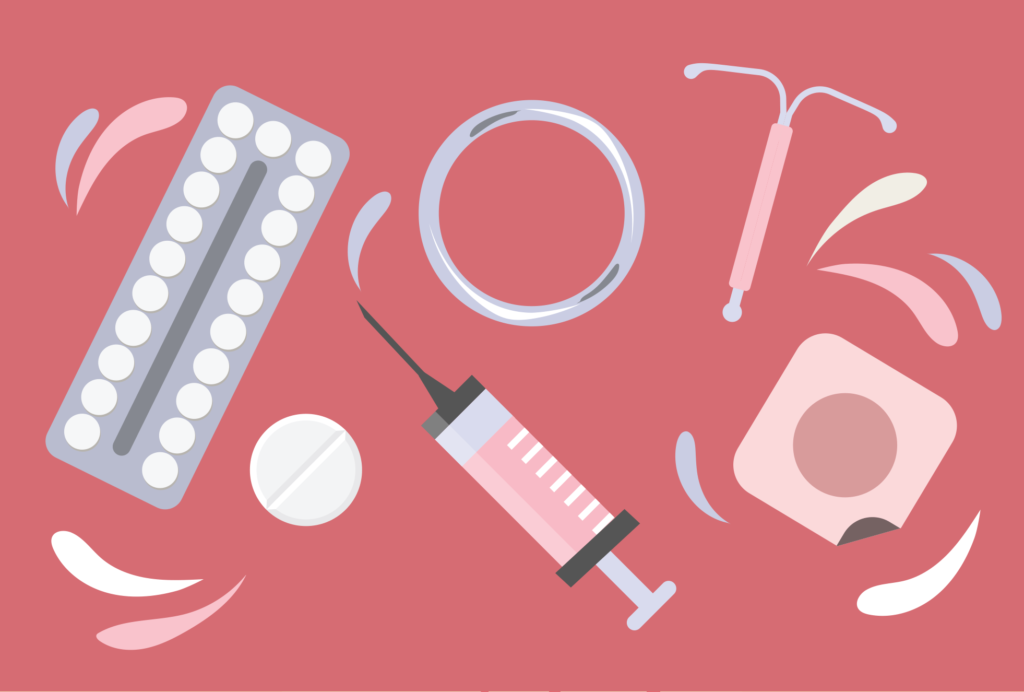
Hormonal family planning refers to the use of hormonal methods to prevent pregnancy. 

Hormonal contraceptive refers to birth control methods that act on the endocrine system (hormones).

These methods involve the use of hormones, usually synthetic versions of those naturally produced by the body, to regulate a woman’s menstrual cycle and prevent ovulation (the release of an egg from the ovaries). By preventing ovulation, hormonal methods make it difficult for sperm to fertilize an egg and thus prevent pregnancy.

These include;

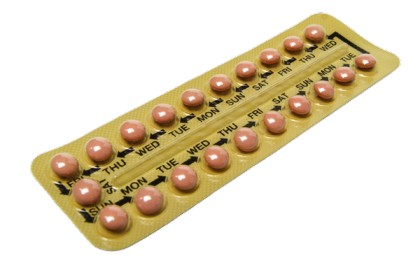
  1. Oral contraceptive pills
  2. Implants
  3. Injectable contraceptive
  4. Emergency contraceptive pills

Hormonal Methods:

i. Oral Pills:

Method

Description

Combined Oral Contraceptives

Pills containing both oestrogen and progestin hormones

Progesterone-Only Pills

Pills containing only progestin hormone

Emergency Contraceptive Pills

Pills taken after unprotected sex to prevent pregnancy

ii. Implants:

Method

Description

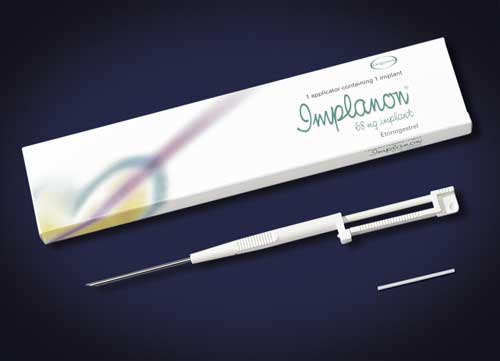
Implanon (1 Rod Capsule)

Subdermal contraceptive rod

Jadelle (2 Rod Capsules)

Subdermal contraceptive rods

Norplant (6 Rod Capsules)

Subdermal contraceptive rods

iii. Injectable Contraceptives:

Method

Description

Depo Provera

Injectable contraceptive administered every three months

Injector Plan

Injectable contraceptive

Sayana Press

Injectable contraceptive

Noristrate

Injectable contraceptive

iii. Emergency Contraceptives:

Emergency Contraceptive

Mechanism of Action

Lofemenal/Microgynon 4BD for 1 day (Low Dose COC)

Inhibits ovulation, thickens cervical mucus

Eugynon (High Dose COC) 2BD for 1 day

Inhibits ovulation, thickens cervical mucus

Regular POP (Ovrette/Microval) at Recommended Dose

Alters cervical mucus, inhibits sperm function

Levonorgestrel 2 stat

Delays ovulation, inhibits fertilization

Postinar 2 BD for 1 day

Alters cervical mucus, inhibits sperm function

Vikela/Levonelle-2/Norlevo Plan B

Delays ovulation, inhibits fertilization

Oral Contraceptive Pills

Oral Contraceptive Pills

There are two main types of hormonal oral contraceptive formulations:

  1. Combined hormonal contraceptive methods which contain both oestrogen and progestin thus, they are called combined oral contraceptives (COCs)
  2. One which contains only progesterone or one of its synthetic analogues (Progestins) thus, it is called progestogen-only pills (POPs) method.

Combined Oral Contraceptive Pills (COC)

(i) Combined Oral Contraceptive Pills (COC)

Combined oral contraceptives contain both oestrogen and progesterone. It achieves effects of both hormones. Oestrogen suppresses ovulation and progesterone creates unfavourable conditions for egg transport and thickening of the cervical mucus to impair sperm entrance into the canal.

Examples
  • Lo-femenal
  • Pill Plan (Duofen)
  • Microgynon

Mechanism of Action:

Combined methods work by:

  • Suppressing ovulation (estrogenic effect)
  • Thickening cervical mucus, making it difficult for sperm to penetrate the uterus
  • Making the endometrium unsuitable for implantation of a fertilized egg (thin and atrophic due to constant progestogenic action)
  • Reducing sperm transport in the upper genital tract (fallopian tubes).

Effectiveness:

  • 92 – 99.9% effective, depending on user compliance.
  • In very young women, typical effectiveness can be as high as 95.3%.
  • Failure rates decline with the duration of use and age of the user.
  • Failures may be due to method failure, client error, incomplete information from service providers, drug interactions, severe vomiting/diarrhoea, or expired pills.

Advantages:

  • Very effective if taken correctly.
  • Effective immediately.
  • Easily reversible.
  • Few side effects.
  • Convenient and easy to use.
  • Does not interfere with intercourse.
  • Causes regular and predictable periods.
  • May improve anemia.
  • Reduces dysmenorrhea and premenstrual tension.
  • Protects against ovarian and endometrial cancer, and some causes of PID.
  • Reduces the risk of ovarian cysts, benign breast disease, and ectopic pregnancy.
  • Can be provided by trained non-medical staff.

Disadvantages:

  • Effectiveness depends on daily pill intake, requiring strong motivation.
  • Increases chances of promiscuity.
  • Can cause Candida vulvitis and vaginitis.
  • May lead to thromboembolism and benign/malignant liver tumors.
  • Requires regular and dependable supply.
  • Reduces breast milk, especially in the first 6 months after delivery.
  • Not the most appropriate choice for lactating women unless no other method is available and there is a high risk of pregnancy.

Indications:

  • Women requiring a highly effective method.
  • Women wanting an easily reversible method.
  • Non-breastfeeding women or breastfeeding women after 6 months.
  • Women who are anaemic with heavy menstrual bleeding.
  • Women with a history of ectopic pregnancy.
  • Nulliparous women.
  • Women with a history of benign, functional ovarian cysts.
  • Women with a family history of ovarian cancer.
  • Women with menstrual cycle symptoms or irregular menstrual cycles.

Contraindications:

  • Absolute contraindications include cardiovascular diseases, liver disease, pregnancy, undiagnosed per vaginal bleeding, and oestrogen-dependent neoplasms.
  • Relative contraindications include obesity, varicosities, epilepsy, asthma, mood disorders, nursing mothers in the first 6 months, smoking, and gallbladder disease.

Side Effects:

  • Major side effects include hypertension, venous thromboembolism, and cholestatic jaundice.
  • Minor side effects can be due to oestrogen, progestin, or both, including nausea, vomiting, headache, leg cramps, weight gain, chloasma & acne, breakthrough bleeding, hypomenorrhea, amenorrhea, leucorrhea, and decreased libido.

Danger Signs of COCs:

  • Acute abnormal pain.
  • Severe headaches with blurred vision.
  • Pain in the chest with difficulty in breathing.
  • Pain in the calf muscles.

Indications for Withdraw:

  • Severe migraine.
  • Visual disturbance.
  • Sudden chest pain.
  • Severe cramps.
  • Excessive weight gain.
  • Severe depression.
  • Patient wanting pregnancy.
  • Awaiting major surgery.

Drug Interaction:

  • Decreases effectiveness of methyldopa, oral anticoagulants, and oral hypoglycemics.
  • Increases effectiveness of B blockers, corticosteroids, diazepam, aminophylline, and alcohol.
  • Other drugs that increase COC metabolism include phenobarbitone, antiepileptics (except sodium valproate and clozapine), rifampicin, griseofulvin, spironolactone, and ketoconazole.

WHO Medical Eligibility Criteria for Contraceptive Use. 

Category 1: A condition for which there is no restriction for use of the contraceptive 

Category 2: A condition where the advantages of using the method generally outweigh the theoretical or proven risks

Category 3: A condition where the theoretical or proven risk outweigh the advantages of using the method.

Category 4: A condition that represents unacceptable health risk if the contraceptive is used.

Who can use only if more appropriate methods are not available (WHO class3) 

  • Women with high BP (greater than 160/100 but less than 180/110) and no vascular disease.
  • Women with symptomatic gall bladder disease.
  • Women age 35 yrs or older and light smokers (under 20 cigarettes a day)
  • Women taking drugs for epilepsy or anti-TB.
  • Women with unexplained vaginal bleeding (only if serious problem suspected)
  • Women who are fully b/feeding (6 wks to 6 months postpartum)
  • Women who are not b/feeding who are less than 3 weeks postpartum.
  • Women with h/o breast cancer and no current evidence of the disease.

Who should not use COCs (WHO Class 4)

  • Women with hypertension: blood pressure diastolic above 110 mm Hg. The health risk/benefit ratio is dependent upon the severity of the condition
  • Women with current or history of cardiac disease (heart disease or stroke). Among women with underlying vascular disease due to thrombosis, the increased risk of thrombosis with COCs should be avoided; 
  • Women with thrombo-embolic disease (current and a history of or major surgery with prolonged immobilization). The increased risk of venous thromboembolism associated with COCs should have little impact on healthy women, but may have a big impact on women otherwise at risk for it;
  • Women within 2 weeks of child birth (Postnatal) and within 4 weeks or elective surgery;
  • Women with known or suspected cervical cancer. Theoretical concern that COC use may affect prognosis of the existing disease. In general, treatment of these conditions renders a woman sterile; 
  • Women who are pregnant. As no method is indicated, any health risk is considered unacceptable. However, there is no known harm from COCs; 
  • Women with undiagnosed breast lumps or breast cancer. Breast cancer is a hormonally sensitive tumor. The risk for progress of the condition may be increased among women with current or past history of breast cancer;
  • Women who are taking long-term drugs that could affect the pill’s efficacy. Commonly used liver enzyme inducers are likely to reduce the efficacy of COCs. Drugs which affect liver enzymes are the antibiotic rifampicin (note that other antibiotics will not affect pill efficacy), other drugs where another method should be used are:  —griseofulvin, and anticonvulsants (such as phenytoin, carbamazepine, barbiturates, and primidone).
  • Women with severe headache (recurrent, including migraine with focal neurological symptoms). Focal neurological symptoms may be an indication for an increased risk of stroke( or cerebrovascular accident (CVA) is sudden damage to brain  tissue caused either by a lack of blood supply or rupture of a blood vessel . The affected brain cells die and the parts of the body they control or receive sensory messages from ceaseto function.)
  • Women who are retarded or forgetful.
  • Women with sickle cell disease, as they have increased risk of thrombosis;
  • Women with trophoblast disease (current trophoblastic tumor)
  • Women who are to undergo major elective surgery with prolonged bed rest.

Client Information

  • Start between 1st and 7th day of monthly period
  • Take pills daily at the same time – at bed time if possible
  • Do not miss taking the pill any day
  • If you start after the 7th day of monthly period; you need to use another FP method such condoms or to abstain from sex for one week.
  • Contraception is 7 days after initiation
  • You will have your monthly period when you are taking the brown pills. Do not stop taking the pills.

If a client misses, they should do the following:

  • If you miss one white pill, take it as soon as you remember, then continue normally.
  • If you miss 2 white or more days in a row; take two pills each day until all missed pills are taken and you are back on schedule. You must also use a condom for the next 7 days.
  • If you miss the brown pill, no worry. Just skip and continue
  • If you keep forgetting – may need to change method
Progesterone Only Pills (POP)

ii)  Progesterone Only Pills (POP)

Progestin-Only Pills are oral contraceptive pills which contain synthetic progestin and are taken orally every day at the same time of day to prevent pregnancy. 

Mechanism of Action:

  • Reduces the frequency of ovulation.
  • Thickens cervical mucus, making it difficult for sperm to penetrate the uterus.
  • Partially inhibits ovulation.

Types of POPs available in Uganda:

  1. Microval: 35 white pills, each containing 0.03 mg Levonorgestrel.
  2. Ovrette: 28 yellow pills, each containing 0.075 mg Norgestrel.

Effectiveness:

  • Depends on user compliance.
  • Very effective if used correctly (83%-99%).
  • Crucial to take POPs at the same time every day, as effectiveness decreases even with a few hours’ delay.
  • In lactating women, POPs are nearly 100% effective, and they do not alter the quantity of milk.

Advantages of POPs:

  • Do not suppress lactation.
  • No estrogenic side effects.
  • Suitable for women with hypertension, thrombotic, cardiac, and sickle cell diseases.
  • Can be started at any time of the menstrual cycle and in the early postpartum period.
  • Decreased menstrual cramps.
  • Decreased amount of bleeding during periods.
  • Decreased severity of anaemia.
  • Do not increase blood clotting.
  • Some protection against pelvic inflammatory disease (progestins make cervical mucus thicker, reducing the likelihood of infection reaching the uterus and tubes).

Disadvantages of POPs:

  • Amenorrhea.
  • Must be taken at the same time every day.
  • Irregular periods, including spotting or bleeding between periods.
  • Prolonged or heavy vaginal bleeding.
  • For women who have had ectopic pregnancy, POPs do not prevent ectopic pregnancy as well as intrauterine pregnancy.
  • For women with a history of ovarian cysts, POPs do not protect against the development of future ovarian cysts.

Indications:

  • Women of any reproductive age or parity seeking pregnancy protection.
  • Breastfeeding women (6 weeks or more postpartum).
  • Post-abortion women (may start immediately).
  • Women who smoke.
  • Women with high blood pressure, blood clotting problems, or sickle cell disease.
  • Women unable to take Combined Oral Contraceptives (COCs) but want to take Pills.

Who should not use POPs (Class 3):

  • Women breastfeeding and less than 6 weeks postpartum.
  • Women with jaundice.
  • Women taking anti-epileptic and anti-TB medication.
  • Women with unexplained vaginal bleeding.
  • Women with breast cancer.
  • Women concerned about changes in their menstrual bleeding pattern.
  • Women unable to remember taking a pill every day (no more than 3 hours late).

Who should not use POPs (Class 4):

  • Women known or suspected to be pregnant.
  • Women who are known or suspected to be pregnant. POPs should not be initiated if a woman is pregnant. However, there is no known harm to mother or fetus if POPs are used during pregnancy;
  • Signs of problems from POPs warranting immediate return to clinic
  • Severe lower abdominal pain.
  • Heavy bleeding (twice as long and as much).
  • Migraine headaches, repeated very painful headaches, or blurred vision.

Signs of problems from POPs warranting immediate return to clinic:

  • Severe lower abdominal pain.
  • Heavy bleeding (twice as long and as much).
  • Migraine headaches, repeated very painful headaches, or blurred vision.

Client Instructions:

  1. Start between the 1st and 7th day of the monthly period.
  2. If started after the 1st day of bleeding, abstain from intercourse or use another method for the next 48 hours.
  3. Take pills daily at the same time.
  4. Do not miss taking the pill any day.
  5. Return to the clinic for more pills before finishing the last pack.
  6. Severe diarrhoea or vomiting reduces pill effectiveness. Use a backup method or abstain from sex while taking the pills and for 48 hours after.
  7. If client misses taking pills:
  • If more than 3 hours late, take it as soon as remembered and the next pill at the usual time. Use a backup method or abstain for the next 48 hours.
  • If miss two or more days, take one as soon as remembered, continue as usual, and use a backup method or abstain for the next 48 hours.
  • If consistently forgetting, consider another method and seek counseling.

Contraindications:

  1. Pregnancy: Progestin-Only Pills (POPs) should not be initiated if a woman is pregnant. 
  2. Unexplained vaginal bleeding: POPs are contraindicated in cases of unexplained vaginal bleeding, and immediate medical attention is advised to determine the cause.
  3. Recent history of breast cancer: Women with a recent history of breast cancer are advised against using POPs due to potential hormonal interactions that could affect cancer progression.
  4. Arterial diseases: Individuals with arterial diseases, such as a history of stroke or cardiovascular issues, should avoid POPs as they may pose additional risks to vascular health.
  5. Thromboembolic diseases: Those with a history of thromboembolic diseases, involving blood clotting, are at an increased risk when using POPs, making it a contraindicated option.
  6. Active hepatic diseases: Presence of active liver diseases is a contraindication, as POPs can impact liver function, and their use might exacerbate hepatic conditions.
  7. Hypertension: Women with hypertension are advised against using POPs, as the hormonal components may contribute to increased blood pressure.

Side Effects:

  1. Amenorrhea: Some women may experience amenorrhea (absence of menstruation) as a side effect of POPs, which is generally considered a normal response to hormonal changes.
  2. Spotting: Spotting, or irregular bleeding between periods, can occur, and individuals should be aware that this is a common side effect that usually diminishes with time.
  3. Prolonged or heavy bleeding: While some may experience prolonged or heavy bleeding, this side effect should be discussed with a healthcare provider to ensure it is not indicative of an underlying issue.
  4. Lower abdominal pain: Lower abdominal pain may occur.
  5. Weight gain or loss: Changes in weight, either gain or loss, may be observed.
  6. Jaundice: Jaundice, characterized by yellowing of the skin or eyes, is a rare but serious side effect.
  7. Nausea and vomiting: Nausea and vomiting may occur initially but often subside. 
  8. Headache with blurred vision: Headaches with blurred vision may be experienced.
  9. Excessive hair growth: Some individuals may notice changes in hair growth patterns.
  10. Breast fullness or tenderness: Breast fullness or tenderness is a common side effect that usually resolves over time.
  11. High blood pressure: An increase in blood pressure may occur in some individuals

Implants

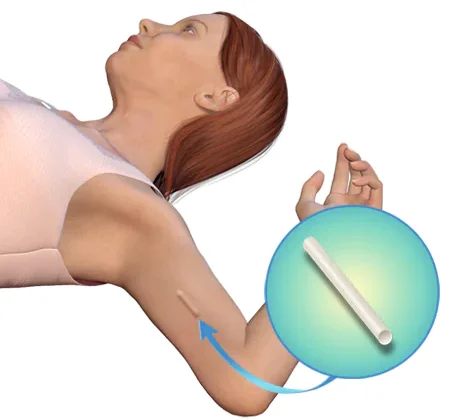
Implants are small, flexible rods or capsules that are inserted under the skin of a woman’s upper arm.

 These implants release a steady, low dose of hormones (usually a progestin hormone) into the bloodstream over an extended period. The most common types of contraceptive implants include Implanon, Jadelle, and Norplant.

Implants are considered a reversible form of contraception, and their effectiveness is not dependent on user compliance once inserted. They are suitable for women who want a reliable, long-term birth control option without the need for daily or frequent intervention.

Types:

  1. Implanon: A single rod capsule effective for 3 years.
  2. Jadelle: Two rods of levornogestrel each 75mg capsules providing protection for 5 years.
  3. Norplant: Consists of 6 rods each with 36mg levornogestrel capsules labelled for 5-7 years.

Modes of Action:

The hormonal release from these implants serves to prevent pregnancy by thickening the cervical mucus within 24 hours, hindering sperm entry into the uterus, inhibiting ovulation (the release of eggs from the ovaries), and altering the uterine lining to make it less receptive to a fertilized egg. Implants are highly effective and offer long-term contraception, ranging from three to seven years, depending on the specific type.

Implants

Insertion: Inner aspect of non dominant arm, 6 – 8 cm above elbow fold under local anesthesia. This is at day1, immediate after abortion or 3weeks postpartum.

Removal: Approximately 3 to 5 years

Advantages:

  • Very effective within 24 hours after insertion.
  • Easily reversible with no delay in returning to fertility after removal.
  • Reduces frequency and intensity of sickle cell crises.
  • Highly effective for long-term contraception.
  • Shares benefits with Depo Provera.

Common Side Effects and Disadvantages:

  • Changes in menstruation patterns.
  • Spotting.
  • Rare instances of heavy bleeding.
  • Amenorrhea.
  • Does not protect against STIs, including HIV/AIDS.
  • Discomfort in the hand after insertion.
  • Possible weight changes (overweight or weight loss).
  • Minor surgical procedure required for both insertion and removal.

Indications:

  • Breastfeeding post-partum mothers.
  • Adolescents.
  • Post-abortion contraception.
  • Women with sickle cell disease.
  • Women awaiting surgical contraception.
  • Women on treatment, e.g., ARVs.

Contraindications:

  • Serious problems with the heart or blood vessels.
  • Breast cancer history.
  • Liver diseases leading to jaundice.
  • Pregnancy.

Signs and Problems Requiring Medical Attention:

  1. Soreness at the site of insertion.
  2. Capsules coming out.
  3. Severe headaches.
  4. Heavy bleeding, exceeding the usual amount and duration.
  5. Pregnancy.
  6. Missed period after several regular cycles.

Injectable Contraceptives

Examples

  • Depo Provera (Depo Medroxyprogesterone acetate (DMPA), single dose of 150 mg I.M every 12 weeks. (Injecta Plan)
  • Sayana Press 104mg, 0.65ml Subcutaneously
  • Noristerat (Norethisterone) 200mg every 8 weeks for 24 weeks, then every 12 weeks.
  • Norigynon/Mesigyna (50 mg norethindrone enanthate plus 5 mg estradiol valerate) ; Both given monthly.

These contraceptives contain a single type of hormone, progestin.

Injectable Contraceptives depo

Depo Provera

Depo Provera is a hormone used for contraception. It is given by injection and its effects will last for three months at a time.

Mode of Action

  • Inhibits ovulation.
  • Thickens cervical mucus, hindering sperm entry.
  • Thins the uterine lining, reducing chances of fertilized egg implantation.

Indications

  • Breastfeeding mothers after 6 weeks or immediately if not breastfeeding.
  • Women needing long-term contraception.
  • Known/suspected HIV-positive women.
  • Women with sickle cell disease.
  • Women unable to use COC due to oestrogen content.
  • Women awaiting surgical contraception.

Advantages

  • Very effective.
  • Does not suppress lactation.
  • Easy to remember return dates.
  • Private usage.
  • No oestrogen-related side effects.
  • Reduces sickle cell crisis frequency.
  • Non-interference with sex.

Disadvantages

  • Changes in menstrual bleeding.
  • Spotting (common in the first 3 months).
  • Amenorrhea (common after 1st injection and after 9-12 months).
  • Prolonged heavy vaginal bleeding.
  • Weight changes.
  • Irreversible injection.
  • Delayed return of fertility.
  • Loss of libido.
  • Does not protect against STIs/HIV/AIDS.

Management

  • Depo Provera 150mg deep IM into deltoid or buttock muscle.
  • No rubbing to avoid increased absorption.
  • Advise abstinence or backup FP method for the first 7 days after injection.
  • Return for the next dose 12 weeks after the injection.

Injectable Contraceptives sayana

Sayana Press

Sayana Press is a contraceptive injection that women can give to themselves to prevent pregnancy. It’s given under the skin, at the front upper thighs or abdomen. The injection releases medication that runs through your bloodstream over a period of 13 weeks.

  • Sayana press ® is a single-dose container with 104 mg Medroxyprogesterone acetate (MPA) in 0.65ml suspension (104mg) formulated for subcutaneous.
  • It is administered subcutaneously into the anterior thigh or abdomen or arm.
  • The efficacy of Sayana press depends on adherence to the recommended dosage schedule of administration.


Composition

  • Single-dose container with 104 mg Medroxyprogesterone acetate (MPA) in 0.65ml suspension.

Administration

  • Subcutaneously into the anterior thigh, abdomen, or arm

Mechanism of Action

  • Suppresses ovulation.
  • Renders endometrium unsuitable for implantation.
  • Increases cervical mucus viscosity, impeding sperm penetration.

Indications

Nearly all women can use it safely & effectively including women:-

  • Women whose partners have undergone vasectomy until vasectomy is effective.
  • Have or have not had children.
  • Any age including adolescents & women over 40 years old.
  • Have just had an abortion/miscarriage.
  • Breastfeeding women 6 weeks postpartum.
  • HIV infected whether or not on ART.

Advantages and Non contraceptive benefits.

  • New formulation for S/C injection.
  • 30% low side effects compared to Depo-Provera.
  • Do not interfere with sex.
  • Private & no one else can tell that a woman is using it.
  • May help women gain weight.
  • Do not require daily action.
  • Prevents pregnancy.
  • Protects against endometrial cancer, uterine fibroids.
  • Reduces sickle cell crisis among women with sickle cell anaemia.
  • Protects against symptomatic PID & iron deficiency anaemia.

Disadvantages

  • Weight changes.
  • No protection against STIs/HIV/AIDS.
  • Delayed fertility return.
  • Potential side effects like hypersensitivity reactions, decreased/increased appetite, loss of libido, dizziness, headache, and more.

Problems that may need medical attention

  • Loss of bone mineral density.
  • Menstrual irregularities.
  • Thromboembolic disorders.
  • Anaphylaxis & anaphylactoid reactions.
  • Sudden partial or complete loss of vision.
Disadvantages & Side effects
  • Weight gain or loss
  • Does not protect against STI/HIV/AIDs
  • Delayed fertility return
  • Hypersensitivity reactions
  • Decreased/increased appetite
  • Loss of libido & irritability
  • Dizziness, headache & migraine
  • Thromboembolic disorders
  • Nausea & vomiting
  • Jaundice
  • Alopecia & urticaria
  • Loss of bone mineral density
  • Back & leg pains
  • Mood changes
  • Abdominal bloating & discomfort
Emergency Contraception / Post-Coital Contraception

Emergency Contraception / Post-Coital Contraception

Emergency contraception (EC) serves as a preventive measure for unintended pregnancies following unprotected sexual intercourse, condom rupture, missed pills, or sexual assault.
 It should be regarded as an emergency measure and not as a routine contraceptive method. EC does not terminate pregnancy. It encompasses hormonal, anti-progestin, and other methods.
Types
  1. Emergency Contraceptive Pills (ECP)
  2. Progesterone-Only Pills Regimen
When to Start?
EC should be initiated within 3 -5 days or 72 -120 hours, with earlier administration being more effective, following unprotected sexual intercourse. Intrauterine contraceptive devices (IUCDs) with copper introduction, within a maximum period of 5 days, can prevent conception after accidental unprotected sexual exposure.
Mechanism of Action
  • Prevents implantation
  • Failure rate is about 1%
  • Effectiveness is over 99% in preventing pregnancy
NOTE:
  • Post-coital contraception is solely for emergency use and is not effective if used regularly, except for copper IUCDs.
  • Women seeking emergency contraception should also be counselled about regular contraceptive options, promoting consistent and correct usage. 
  • Referral to relevant services, such as HIV counselling, testing, post-exposure prophylaxis (PEP), and treatment for sexually transmitted infections (STIs), is essential. 
  • Specialized services for sexual and gender-based violence should also be considered.
Basic Steps of Client Care for ECP
  1. Greet and introduce yourself.
  2. Maintain a respectful attitude.
  3. Ensure confidentiality of the discussion.
  4. Explain different ECP options, including usage, side effects, and the need for referral or follow-up.
  5. Encourage questions from the client.
  6. Discuss regular contraception options.
  7. Conduct counselling with active client involvement, reassurance of confidentiality, and in a private and supportive environment.
Examples of ECP:
  • Ethinyl estradiol 2.5mg b.d X 5/7
  • Conjugated oestrogen 15mg b.d X 5/7
  • Levonorgestrel 0.75mg stat and after 12 hours.
  • Mifepristone 600 mg stat – single dose.
  • Copper IUDs inserted within 5 days.
  • Others: Postinor, Microgynon, Eugynon.
Indications
  • Unprotected sexual intercourse
  • Rape survivors
  • Contraceptive method failure
  • Missed contraceptive pills or injections
  • Delay in taking pills
  • Sexual assault or first-time intercourse
Contraindications
  • Pregnancy
  • After 120 hours or 5 days of unprotected sex

Emergency Contraceptive

Dosage

Mechanism of Action

Lofemenal/Microgynon 4BD for 1 day (Low Dose COC)

4 tablets once

Inhibits ovulation, thickens cervical mucus

Eugynon (High Dose COC) 2BD for 1 day

2 tablets twice

Inhibits ovulation, thickens cervical mucus

Regular POP (Ovrette/Microval) at Recommended Dose

As recommended

Alters cervical mucus, inhibits sperm function

Levonorgestrel 2 stat

2 tablets at once

Delays ovulation, inhibits fertilization

Postinar 2 BD for 1 day

2 tablets twice

Alters cervical mucus, inhibits sperm function

Vikela/Levonelle-2/Norlevo Plan B

As recommended

Delays ovulation, inhibits fertilization

Hormonal Contraceptive Methods Read More »

family planning

Family Planning

FAMILY PLANNING

Family planning is defined as the practice of having children by choice and not by chance.

Family planning is defined as a process through which individuals, couples make an informed choice on how many children to have, when to have and how often to have so that each child born is expected and properly catered for in all ways.

Family planning policy does not discriminate against men; they also have great roles to play for the success of care.


Unplanned pregnancies constitute major public health problems .The United Nations International Children’s Emergency Fund (UNICEF) estimates that over 800,000 women worldwide die each year as a result of pregnancy and pregnancy-related causes and an additional 15 million women are severely disabled by pregnancy. Countries in which women utilize contraception have lower birth rates and the lowest rates of maternal mortality. Every method of birth control prescribed is safer than pregnancy.

Benefits/Importances of Family Planning

Benefits/Importances of Family Planning

To the Mother

  1. Physical and Mental Recovery: Allows the mother to recover physically and mentally from the effects of previous pregnancies.
  2. Participation in Productive Activities: Offers ample time for a woman to actively participate in productive activities like farming and business.
  3. Enhanced Social Bondage: Increases social bondage between the mother and her baby.
  4. Reduced Maternal Mortality and Morbidity: Helps to reduce maternal mortality and morbidity due to pregnancy-related complications.
  5. Promotion of Marital Happiness: Promotes a happy marital life and enjoyment between the couples without fear of unwanted pregnancy.
  6. Preparation for Pregnancies: Family planning enables sexually active couples to prepare for pregnancies, optimizing fetal and maternal outcomes.
  7. Avoidance of Unwanted Pregnancies: Family planning helps avoid unwanted pregnancies, reducing complications associated with childbirth.
  8. Reduction of Maternal Complications: Reduces incidences of complications such as anaemia, poor maternal health, caesarean section, and maternal-child deaths.

To the Child

  1. Emotional and Social Support: The child receives adequate emotional and social support, contributing to emotional maturity and stability.
  2. Healthy Nutrition: Allows adequate nutrition for the baby in the womb, resulting in a healthy newborn.
  3. Reduced Malnutrition: Reduces malnutrition by preventing early weaning and ensuring enough food for the child.
  4. Fewer Infections: The child experiences fewer infections due to a strengthened immune system.
  5. Love and Care for the Child: Enables families to concentrate on other income-generating activities, ensuring love and care for the child.
  6. Ensuring Breastfeeding: Ensures adequate breastfeeding for the child, promoting child health.

To the Father

  1. Reduced Domestic Violence: Family planning reduces domestic violence in a home.
  2. Meeting Basic Needs: Enables the father to meet basic needs like food, medical care, etc.
  3. Cost of Living Reduction: Reduces the cost of living in a home, allowing the father to invest in productive activities.
  4. Preparation for Children: Assists couples in preparing for their children, ensuring they can provide love, care, and adequate support.
  5. Protection Against STIs: Some family planning methods are protective against HIV and other sexually transmitted infections (STIs).

To the Community

  1. Healthy and Productive Population: Family planning contributes to a healthy and productive population, enhancing community stability and harmony.
  2. Reduced Overcrowding: Reduces overcrowding, maximizing available land for productivity.
  3. Increased Socio-economic Development: Leads to increased socio-economic development within the community.
  4. Prevention of Negative Behaviours: Reduces the presence of negative characters in the community, as parents have adequate time to provide for their children.
  5. Improvement in Standards of Living: Family planning contributes to the improvement of standards of living within communities.

To the Nation

  1. Control of Population Growth: Reduces the rapid population growth rate at a national level.
  2. Reduced Dependence on Foreign Aids: Reduces the country’s dependence on foreign aids.
  3. Improved Government Services: Enables the government to provide better social services and infrastructures like roads and health facilities.
  4. Effective Resource Allocation: Facilitates easy budgeting for the people, as the number of resources to the population is manageable.
  5. Population Growth Prediction: Helps predict population growth, allowing for better planning and resource allocation.

Components of Family Planning Services

  1. Counselling: Counselling is an important need for the initiation and continuation of a family planning method. Service providers must undergo training to provide comprehensive counselling about all available family planning methods. Importantly, there should be no incentives or coercion to adopt family planning or a specific contraceptive method.
  2. Provision of Contraceptives: Contraceptives should be provided to clients based on approved method-specific guidelines. Service providers delivering these methods must undergo training to ensure competency in their provision. This ensures that clients receive family planning services that align with their needs and preferences.
  3. Follow-Up and Referral System: Clients choosing a family planning method should be informed about appropriate follow-up requirements. They should be encouraged to return to the service provider if they have any concerns or issues. The established referral system should be followed by service providers when making client referrals for further assistance.
  4. Record Keeping: Family planning service providers are required to maintain comprehensive records. These records help identify each client, specify the type of contraception provided, and note any special circumstances associated with its provision. Effective record-keeping contributes to the overall management and evaluation of family planning programs.
  5. Supervision: Supervision is an essential component of program evaluation. It ensures that client needs are met, and service delivery guidelines are adhered to. Supervisors act as team members who promote staff motivation, assist in problem-solving, and ensure the rights of both service providers and clients are observed throughout the delivery of family planning services.
  6. Logistics: Maintenance of an effective organization and supply system is crucial to prevent both understocking and overstocking of family planning commodities. Staff at service delivery points must adhere to proper procedures for the storage and handling of contraceptives and other supplies to maintain the quality of services provided. This ensures that family planning services are consistently available and accessible to those in need.

Characteristics of an Ideal Family Planning Method

  1. Effectiveness: A good family planning method should demonstrate high efficacy in preventing unintended pregnancies.
  2. Minimal Side Effects: The method should have minimal or no adverse effects on the health and well-being of the individual using it.
  3. Independence from Sexual Intercourse: The effectiveness of the method should not be relying on specific timing related to sexual activity.
  4. User Autonomy: The method should empower individuals to manage their reproductive health without requiring constant supervision or intervention from health professionals.
  5. Accessibility: It should be widely available, ensuring that individuals, regardless of geographic location or socioeconomic status, can access and utilize the method.
  6. Ease of Distribution: The method should have a distribution system that allows for easy accessibility, ensuring convenience for users.
  7. Affordability: Cost-effectiveness is crucial. A good family planning method should be affordable to a broad range of individuals, regardless of income.
  8. Cultural and Religious Acceptance: The method should be culturally and religiously sensitive, respecting diverse beliefs and practices.
  9. Reversibility: Individuals should have the option to discontinue the use of the method easily, with a quick return to fertility if desired.
  10. Educational Support: The method should come with educational resources to ensure users are well-informed about its proper use, benefits, and any potential risks.
  11. Long-Lasting: Ideally, the method should offer a duration of protection that aligns with the user’s family planning goals, whether short-term or long-term.
  12. Compatibility with Health: The method should not compromise overall health, and individuals with specific health conditions should have suitable alternatives available.
  13. Privacy and Confidentiality: The use of the method should be discreet, respecting the user’s privacy and maintaining confidentiality.
  14. Community and Partner Support: It should encourage open communication and support from partners, families, and communities.
  15. Research-Backed: The method’s safety and efficacy should be supported by scientific research and continuous monitoring.
  16. Inclusivity: The method should be inclusive, addressing the diverse needs of different populations, including adolescents, women, and men.

Classification of family planning methods  

 There are 2 broad types of family planning:

  • Natural or Traditional or Non-hormonal methods.
  • Artificial or Hormonal methods.
Natural/Traditional Methods

Method

Description

Calendar/Rhythm

Tracking menstrual cycles for fertility awareness. This is the only method approved in the Roman Catholic Church

Basal Body Temperature

Monitoring temperature variations during the menstrual cycle

Cervical Mucus Method

Observing changes in cervical mucus for fertility awareness

Lactation Amenorrhea Methods

Reliance on breastfeeding as a natural contraceptive during postpartum period

Abstinence

Refraining from sexual activity

Withdrawal/Coitus Interruptus

Withdrawing the penis before ejaculation

Artificial Methods
a) Barrier Methods:

Method

Description

Spermicides

Chemical substances that kill sperm

Condoms

Barrier devices worn over the penis or inserted into the vagina to prevent sperm from reaching the egg

Intrauterine Contraceptive Devices (IUCDs)

Devices placed inside the uterus to prevent pregnancy

Diaphragm

Shallow, dome-shaped cup placed over the cervix with spermicide

b) Hormonal Methods:

i. Oral Pills:

Method

Description

Combined Oral Contraceptives

Pills containing both oestrogen and progestin hormones

Progesterone-Only Pills

Pills containing only progestin hormone

Emergency Contraceptive Pills

Pills taken after unprotected sex to prevent pregnancy

ii. Implants:

Method

Description

Implanon (1 Rod Capsule)

Subdermal contraceptive rod

Jadelle (2 Rod Capsules)

Subdermal contraceptive rods

Norplant (6 Rod Capsules)

Subdermal contraceptive rods

iii. Injectable Contraceptives:

Method

Description

Depo Provera

Injectable contraceptive administered every three months

Injector Plan

Injectable contraceptive

Sayana Press

Injectable contraceptive

Noristrate

Injectable contraceptive

c) Permanent Methods:

Method

Description

Tubal Ligation (Tubectomy) for Women

Surgical procedure to block or cut the fallopian tubes

Vasectomy for Men

Surgical procedure to block the vas deferens in the male reproductive system

NON-HORMONAL FAMILY PLANNING METHODS

They are so-called because they are not manufactured with hormone basis

NATURAL NON-HORMONAL

These include:

Fertility awareness methods of family planning which involve identification of the fertile days of the menstrual cycle (when pregnancy is most likely to occur) and avoiding sexual intercourse (or using barrier methods ) during these days. The fertile days of the menstrual cycle can be determined by one of the following methods:

  • Calendar/Rhythm or Standard Days method, including cycle beads.
  • Basal Body Temperature
  • Cervical Mucus Method
  • Symptom- thermal ( a combination of cervical mucus and BBT methods).

Other Non Hormonal/traditional include;

  • Lactation Amenorrhea Methods
  • Periodic abstinence, abstaining from sexual intercourse during a woman’s fertile time.
  • Withdrawal/Coitus Interruptus

These methods, also known as fertility awareness methods, are based on understanding key physiological conditions related to reproduction, Such as;

Lifespan of Sperm and Ovum:

  • The lifespan of a sperm is approximately 3 – 5 days in the female reproductive tract.
  • The lifespan of an ovum (egg) is around 12- 24 hours.
  • Menstrual cycles can range between 23 to 35 days, but usually 28 days.
General Advantages:
  1. Safety and Lack of Side Effects: FAMs are generally considered safe with minimal or no side effects.
  2. Cost-Effectiveness: They are affordable, requiring no ongoing financial commitment.
  3. Acceptability Across Groups: Often acceptable to individuals and religious groups opposing modern contraceptive methods.
  4. Educational Benefits: These methods empower women with knowledge about their menstrual cycles and fertility.
  5. Couples’ Control: Couples have direct involvement and control over the method, promoting shared responsibility.
  6. Facilitates Pregnancy Planning: FAMs can be used for both family planning and to facilitate pregnancy when desired.
  7. Non-Invasive: FAMs do not involve invasive procedures or the use of synthetic substances.
  8. No Hormonal Interference: They do not interfere with hormonal balances, making them suitable for those sensitive to hormonal contraceptives.
  9. Long-Term Relevance: Useful throughout a woman’s reproductive life, fostering awareness and informed decision-making.
General Disadvantages:
  1. Learning Curve: Some methods require substantial education and learning before effective use.
  2. Record Keeping: Users must maintain accurate records over several menstrual cycles for proper reference.
  3. Challenges with Irregular Periods: Effectiveness diminishes when menstrual cycles are irregular.
  4. Behavioural Adjustments: Requires adjustments to sexual behaviors during fertile periods.
  5. Dependency on Partner Cooperation: Success depends on the level of cooperation between partners, which can be challenging.
  6. Risk of Error: Inconsistencies in recording or misinterpretation may lead to unintentional pregnancies.
  7. Limited Protection from STIs: FAMs provide no protection against sexually transmitted infections (STIs), including HIV/AIDS.
  8. Intensive Monitoring: The method demands continuous and intensive monitoring, which may be burdensome for some users.
Indications:

Fertility awareness methods are suitable for any woman or couple who is willing and committed to observing, recording, and interpreting fertility signs on a daily basis. This includes:

  • Women who find other contraceptive methods unacceptable due to reasons such as religious beliefs.
  • Women who cannot use certain contraceptive methods for health reasons.
  • Couples who are open to abstaining from sexual intercourse (or using condoms) for more extended periods during each menstrual cycle.
Contraindications:

While there are no medical conditions that worsen with the use of fertility awareness methods, some conditions may make their application more challenging. In the presence of these conditions, the method may either be postponed or require specialized counselling to ensure correct utilization. These conditions include:

  • Breastfeeding, especially until the return of menstruation.
  • Less than three postpartum menstrual cycles.
  • Irregular vaginal bleeding.
  • Abnormal vaginal discharge.
  • Diseases that influence body temperature.
barrier methods of family planning

Barrier methods

Barrier methods work by preventing the passage of sperm into the female genital tract. 

Female barrier methods include the diaphragm, cervical cap, FemCap, and the condom to both females and males  and Spermicides 

Condoms

A condom is a latex sheath put on an erect penis before coitus and worn during coitus.

Indications for Condom Use:
  1. Men Engaging in Family Planning: Condoms are an excellent choice for men who wish to actively participate in family planning.
  2. Sexually Active Adolescents: Adolescents engaging in sexual activity can benefit from the use of condoms as a reliable contraceptive and STI prevention method.
  3. Infrequent Sexual Intercourse: Couples who engage in sexual intercourse infrequently may find condoms to be a practical and effective choice.
  4. Casual Sexual Relationships: Individuals in casual sexual relationships where pregnancy is not desired can use condoms to prevent both unwanted pregnancies and sexually transmitted infections (STIs).
  5. Back-Up Contraception: Couples waiting for another contraceptive method to become effective can use condoms as a reliable back-up method.
  6. Temporary Contraception: Couples awaiting the initiation of another contraceptive method can use condoms as a temporary solution to prevent unintended pregnancies.
Mechanism of action of condom
  • Acts as a barrier, preventing sperm from entering the female genital tract.
  •  For condoms that are coated with spermicide, the spermicide immobilizes and kills sperm.
 Advantages of male and female condom
  • Effectiveness: When used correctly, condoms provide a high level of effectiveness (95 – 97%) in preventing pregnancy.
  • STI and HIV Prevention: Condoms are crucial in preventing the spread of sexually transmitted infections (STIs), including HIV.
  • Accessibility: Condoms are easy to obtain and can be distributed widely by Community Based Health Workers and the commercial sector.
  • Dual Purpose: They serve a dual purpose of family planning and STI/HIV prevention.
  • Potential Cervical Cancer Protection: There is a probable protective effect for women against the development of Intra-epithelial Neoplasm, i.e., cervical cancer.
  • Ease of Use: Condoms are easy to use, usually inexpensive, safe, effective, and portable.
  • Sexual Enhancement: They can help some men with premature ejaculation maintain an erection.
  • Convenient Short-Term Contraception: Condoms are convenient when short-term contraception is required.
  • Safety and Lack of Side Effects: Condoms are considered safe with minimal side effects.
Disadvantages:
  1. Allergic Reactions: Some individuals may experience allergic reactions to latex or other materials used in condoms.
  2. Sexual Enjoyment: Condoms may reduce the quality of sex for some individuals.
  3. Male Partner Cooperation: Requires cooperation from the male partner for effective use.
  4. Vulnerability to Damage: Can be damaged by exposure to oil-based lubricants, heat, humidity, or light.
  5. Decreased Sensitivity: May decrease sensitivity for men, impacting the enjoyment of intercourse.
  6. Slipping or Tearing: There is a small possibility of slipping or tearing during sexual intercourse.
  7. Storage Requirements: Condoms can deteriorate if not properly stored, e.g., in too much heat, sunlight, or humidity.
  8. Erection Challenges: Some men may struggle to maintain an erection with a condom on.


Spermicides

Vaginal spermicides come in the form of foam, cream, jelly, tablet or suppository and are inserted into the vagina just before sexual intercourse to prevent pregnancy.

Mechanism of action of spermicide
  • Inactivates and kills sperm;
  • Blocks the path of sperm to the uterus.
Effectiveness of spermicides
  • Fairly effective, depending on the user (79-97%);
  • If used with condom, effectiveness is 99%;
  • Effectiveness lasts only 30 to 40 minutes after insertion.
Advantages of spermicides 
  • Over-the-Counter Availability: Spermicides can be obtained without a prescription, making them easily accessible.
  • Immediate Protection: Spermicides can be kept available for immediate use whenever needed, providing on-the-spot protection.
  • Additional Lubrication: Spermicides can offer additional lubrication during intercourse, enhancing comfort.
  • Enhanced Effectiveness with Condoms: When used in conjunction with condoms, spermicides can increase their overall effectiveness in preventing pregnancy.
  • Back-Up Option for Contraceptive Delays: Spermicides serve as a simple back-up option for women waiting to start oral contraceptives or have an IUD inserted. They are also useful for women who forget multiple contraceptive pills or run out of pills.
  • Emergency Use: In cases of a condom breakage, spermicides can be applied quickly as an emergency measure.
Disadvantages and Side Effects:
  1. Sexual Interruption: Some forms of spermicides, such as suppositories or foaming tablets, may require a waiting period of 10 minutes for dissolving before becoming effective, potentially interrupting sexual intercourse.
  2. Application Before Each Act: Spermicides must be used before each act of sexual intercourse, requiring consistent and timely application.
  3. Post-Intercourse Wetness: Spermicides may cause increased vaginal wetness for several hours after intercourse.
  4. Sensitivity or Allergic Reactions: A few women may be sensitive or allergic to spermicides, leading to irritation and discomfort, especially with frequent use.
  5. Lower Effectiveness Rates: Spermicides are generally less effective in preventing pregnancy compared to more modern methods such as IUDs and hormonal contraceptives.
  6. Risk of Candida Vaginitis: Some women may develop Candida Vaginitis as a side effect of using spermicides.
  7. Increased Infections: Spermicides can potentially increase the risk of urinary and yeast tract infections in women.
  8. Messiness and Discomfort: Spermicides can be messy and may cause mild discomfort or minor allergic reactions in some individuals.
Vaginal Diaphragm 

Diaphragm is a mechanical barrier placed between the vagina and cervical canal .They are designed to fit in the cul-de-sac and cover the cervix.

The contraceptive jelly or creams should be placed on the cervical side of the diaphragm before insertion because the device itself is ineffective. Again, this medication serves as lubricant for insertion of a device.

The device is inserted 6 hours prior to intercourse and should be left in place 6-24 hours after intercourse 

Advantages
  • Easy to use
  • It offers some protection against STDs 
  • Well used, it protects from conception with the failure rate as low as 6% of women per year of exposure.
Disadvantages
  • It require fitting by a well trained medical professional
  • Fitting may loose during intercourse
  • It cannot be effective in women with significant pelvic relaxation,a sharply retroverted or anteverted uterus or shortened vagina.
Side effects
  • Vagina irritation
  • Increased risk of urinary tract infection due to pressure of the rim against the urethra and alterations in the composition of vaginal normal flora.

cervical cap

Cervical Cap (CAP)

Cervical caps are small cuplike diaphragms placed over the cervix that are held in place by suction.

To provide a successful barrier against the sperms, they must be tightly fit over the cervix therefore, individualization is essential because of variability in cervical size.

It has few advantages because;

  • Unpleasant odour often develops after approximately 1 day of use 
  • Dislodgment (as in diaphragm) 
  • The cup should remain in place 1 or 2 days before intercourse and should be left in place for 8 -48 hours after intercourse.
Intrauterine Contraceptive Devices (IUCDs):

Intrauterine Contraceptive Devices (IUCDs):

Intrauterine Contraceptive Devices, or IUCDs, are flexible plastic devices inserted into a woman’s uterus to prevent pregnancy, usually renewed every 3-5 years. These devices are often made of copper impregnated with gold, silver, and stainless steel.

Various Design Types:

Copper T 380A:

Intrauterine Contraceptive Devices, Copper T Model Tcu 380a | Mother's Garage

  • T-shaped device with copper on the stem and arms of the T.
  • Duration of effectiveness: 10 years.
  • Shelf life: 7 years.

Multiload 375:

  • Lasts for 5 years.
Mechanism of Action:
  • Renders the endometrium unsuitable for the implantation of a fertilized ovum.
  • Copper emits metal ions with spermicidal properties.
Advantages:
  1. Very Effective: Provides high efficacy, ranging from 99-99.5%.
  2. Immediate Effectiveness: Works instantly upon insertion.
  3. Long-Term Method: Offers a long duration of effectiveness.
  4. No Interference with Intercourse: Does not interfere with sexual activity.
  5. Quick Return to Fertility: Fertility returns immediately upon removal.
  6. Few Side Effects: Mild side effects compared to other methods.
  7. No Client Supplies Needed: Does not require additional supplies by the client.
Disadvantages and Side Effects:
  1. Mild Cramps: May experience mild cramps in the first 3-5 days post-insertion.
  2. Menstrual Changes: Longer and heavier menstrual blood loss in the initial 3 months.
  3. Increased Cramping Pain: Increased cramping pain during menstruation.
  4. Provider-Dependent: Insertion and removal depend on a healthcare provider.
  5. String Checks: Need to check for strings after menstruation.
  6. Increased Bleeding: May experience increased bleeding in the first few months.
  7. Spontaneous Expulsion: There is a possibility of spontaneous expulsion, especially in the first 6 months.
  8. Uterine Perforation: Very rare, occurring in 1 out of 1000 cases.
  9. Pelvic Inflammatory Diseases (PID): May increase the risk of PID.
  10. Pain and Discomfort: Pain, especially with larger devices.
  11. Menstrual Changes: Increased menstrual loss; intermenstrual spotting may occur.
  12. Expulsion Risk: Higher risk of expulsion during the first 6 months, especially during menses.
  13. Translocation Risk: Possibility of translocation to the peritoneal cavity or broad ligament.
  14. Pregnancy Risks: May increase the risk of pregnancy and ectopic pregnancy.
  15. No Protection Against STIs/HIV or Cancers: Does not provide protection against STIs, HIV, ovarian, endometrial, or cervical cancers.

IUCDs users who develop PID should be treated with the IUCD in place if they want to continue using it. If no improvement within 72 hours, remove it.

When to Insert an IUCD:
  • During or immediately after menstruation.
  • At a postnatal examination.
  • Immediately following delivery or any time within 46 hours after childbirth.
  • After termination of a pregnancy.
  • During the caesarean section.
iucd reminder
Insertion of an Intrauterine Contraceptive Device (IUD): Procedure
  1. Aseptic Technique: Implement aseptic techniques, including hand washing and wearing sterile gloves.
  2. Device Preparation: Place the IUD in an introducer and plunger.
  3. Straightening: The device straightens inside the introducer.
  4. Visualization of Cervix: Insert a Cusco’s vaginal speculum to clearly visualize the cervix.
  5. Cleaning: Clean the cervix and vaginal vault with sterile swabs.
  6. Uterine Measurement: Measure the length of the uterus with a uterine sounder.
  7. Introducer Insertion: Insert the introducer into the uterus through the cervix.
  8. Plunger Action: Gently push the plunger to force the device out of the introducer into the uterus.
  9. Device Lodging: In the uterus, the device resumes its original shape and lodges against the uterine walls.
  10. String Placement: The two small strings attached to the device hang down through the cervical opening.
  11. String Cutting: Cut the string with scissors to reduce the size, leaving approximately 3cm hanging out of the cervix.
  12. Post-Insertion: After insertion, the client rests and can remain on the procedure table until ready to get dressed.
  13. String Check: The woman can feel the strings in the vagina to ensure the device is in position.
Post-Insertion Instructions:
  1. Backup Use: Use backup contraception for a minimum of 3 days.
  2. Mild Pain: Slight pain may occur but usually does not require medication.
  3. String Check: Check the string during menstruation to ensure it is in place; return if removed or dislodged.
  4. Immediate Return for Discomfort: Return to the facility immediately in case of any discomfort.
Removing the IUDs:
  1. Discussion with Client: Discuss side effects with the client and weigh the option of managing the problem or immediate removal.
  2. Timing for Removal: Removal is simple and can be done any time of the month, with monthly bleeding making it easier.
Removal Procedure:
  • Explain the removal procedure to the client.
  • Ensure privacy and confidentiality.
  • Visualize cervix and UID strings with a vaginal speculum.
  • Clean cervix and vagina with antiseptic solution.
  • Instruct the client to relax and take slow breaths.
  • Gently pull the IUD strings until it comes completely out of the cervix.
  • Show the removed IUD to the client for assurance.
  • Thank the client for cooperating throughout the procedure.
Reasons for Missed Threads in IUDs:
  1. Coiled thread inside.
  2. Thread torn through.
  3. Device expelled outside unnoticed by the client.
  4. Device perforated the uterine wall and is lying in the peritoneal cavity.
  5. Device pulled by the growing uterus in pregnancy.
Methods of Identification:
  • History taking (exclude pregnancy).
  • Ultrasonography.
  • Hysterectomy.
  • Hysteroscopy.
  • Straight x-ray.
Contraindications:
  • Pregnant women or those suspected to be.
  • Women with menorrhagia or abnormal bleeding.
  • Women with PID, current, or in the past 3 months.
  • Purulent per vaginal discharge, gonococcal, or chlamydial infection.
  • Malignant trophoblastic disease.
  • Pelvic tuberculosis.
  • Women with genital tract cancer.

Surgical methods

Male Vasectomy

Male vasectomy  is a permanent operation in the male where a segment of vas deferens of both sides are resected and the cut ends are ligated.

Vasectomy is a voluntary surgical procedure for permanently terminating fertility in men.

Mode of Action

Blocking the vas deferens (ejaculatory duct) to prevent sperm presence in the ejaculate.

Indications

Men certain about achieving their desired family size, seeking a highly effective permanent contraceptive method, or whose partners face unacceptable pregnancy risks.

Contraindications

Vasectomy should be delayed in the case of local or systemic infections.

Benefits

  • Highly effective
  • Permanent
  • Simple surgery under local anesthesia
  • No further expense or concerns about conception
  • No long-term side effects
  • Does not interfere with sexual intercourse

Side Effects

  • Wound infection
  • Scrotal hematoma
  • Granuloma
  • Excessive swelling
  • Pain at incision sites

Explain to Clients

  • When to come back for follow-up visits
  • Common side effects of the method
  • What to do if there are changes in menstrual periods
  • How soon the method is effective
  • How to protect against STIs
  • How to care for the wound postoperatively

General Instructions to Clients Using Permanent Methods

  • Inform about follow-up visit schedules
  • Explain common side effects in simple language
  • Share warning signs or possible problems requiring medical attention
  • Guide regarding changes in menstrual periods
  • Emphasize the method’s lack of protection against HIV/AIDS and STIs, advocating for backup methods like condoms
  • Provide instructions on wound care postoperatively


Female -Tubal ligation

Female Tubal Ligation  is the interruption of continuity of fallopian tubes. 

Tubal ligation is a voluntary surgical procedure for permanently terminating fertility in women. It can be done by a mini-operation (laparatomy/laparoscopy).

Mode of Action

Blocking fallopian tubes by cutting, cautery, rings, or clips, preventing sperms from reaching the ovum.

Indications

Women certain about achieving desired family size, seeking a highly effective permanent contraceptive method, or facing unacceptable pregnancy risks. Family planning should be delayed in specific cases, such as pregnancy, postpartum complications, or certain health conditions.

Timing of the Tubal Ligation

  • Immediately after childbirth or within the first seven days (if chosen in advance)
  • Six weeks or more after childbirth
  • Immediately after abortion (if chosen in advance)
  • Any time, provided pregnancy is ruled out (between seven days and six weeks postpartum)
  • During cesarean section

Benefits

  • Highly effective
  • Immediate effectiveness
  • Permanent
  • Simple surgery under local anesthesia
  • No contraception-related concerns
  • No long-term side effects
  • Does not interfere with sexual intercourse

Disadvantage

  • Does not protect against STIs/AIDS
  • Irreversible

Side Effects

  • Wound infection
  • Post-operative fever
  • Rare bladder and intestinal injuries
  • Hematoma
  • Pain at the incision site
  • Superficial bleeding

Challenges associated with Tubal Ligation

  • Desire for more children after the operation
  • Excessive desire for reversal
  • Disagreement to sign the informed consent form
  • External pressures
  • Depression
  • Marital problems

General Complications

  • Obesity
  • Psychological upset
  • Chronic pelvic pain
  • Congestive dysmenorrhea
  • Menstrual abnormalities
General Advantages 
  • Simple Surgical Procedure: The procedure is straightforward and uncomplicated.
  • Out-Patient Procedure: It can be performed as an outpatient procedure, avoiding the need for a hospital stay.
  • Few Complications: The surgery has a low incidence of complications.
  • Reversal Anastomosis: Reversal procedures, known as anastomosis, have a 50% chance of success.
  • Highly Effective: The failure rate is minimal, at 0.15%.
  • No Interference with Sexual Life: Vasectomy does not interfere with the sexual life of the individual.
  • Performed Under Anesthesia: The operation is conducted under anaesthesia, ensuring a painless experience.
General Disadvantages
  • Lack of Protection Against HIV and STDs: Vasectomy does not provide protection against HIV and sexually transmitted diseases (STDs).
  • Costly Reversal: Reversal procedures can be expensive.
  • Consent Requirements: Obtaining consent may involve important family members in decision-making.
  • Risk of Injury to Internal Organs: There is a potential risk of injury to internal organs during the procedure.
  • Anaesthesia Risks: The use of anaesthesia carries inherent risks.
  • Post-Surgical Complications: Possible complications include infection and bleeding.
  • Additional Contraception Required: Additional contraception is needed for about 2-3 months until semen becomes free of sperm.
  • Potential for Impotency: There is a rare risk of impotence.
  • Frigidity: Frigidity, especially sexual unresponsiveness in women and an inability to achieve orgasm during intercourse, may occur.
  • Stigma: Societal stigma may be associated with the decision to undergo vasectomy.

Important points to think about before the use of a permanent contraception

Because male and female sterilization are permanent methods of contraception, thorough counselling procedures must be followed to ensure that the client fully understands his or her choice and to minimize chances of regret. 

  • Counselling: Thorough counselling sessions to ensure informed decision-making.
  • Reasons for Choosing Permanent Methods: Understand and evaluate the motivating factors behind the choice of permanent contraception.
  • Screening for Risk Indicators for Regret: Identify potential risk indicators such as:
  1. Young age
  2. Low parity
  3. Single-parent status
  4. Marital instability
  • Completion of Informed Consent Process: Ensure the individual fully comprehends the implications and consequences of the procedure.
  • Details of the Procedure: Provide comprehensive information about the surgical process involved in permanent contraception.
  • Possibility of Failure: Acknowledge the rare but existing possibility of the procedure not being 100% effective.
  • Positive Pregnancy Test Result: In case of a positive pregnancy test post-tubal ligation, rule out ectopic pregnancy.
  • Condom Use for STD Protection: Emphasize the continued need for condom use to safeguard against sexually transmitted diseases.

Family Planning Read More »

Want notes in PDF? Join our classes!!

Send us a message on WhatsApp
0726113908

Scroll to Top
Enable Notifications OK No thanks