

Thyrotoxicosis, Hyperthyroidism, and Goitre
On this page
Thyrotoxicosis is the clinical syndrome that occurs due to excessive circulating thyroid hormones of any cause and therefore includes hyperthyroidism.
Hyperthyroidism is the specific condition that occurs due to excessive synthesis and secretion of thyroid hormones (triiodothyronine [T3] and thyroxine [T4]) by an overactive thyroid gland, although the terms are sometimes used interchangeably in clinical settings. Overactive thyroid function is also referred to as hyperthyreosis or hyperthyroidism.
Goitre refers to any abnormal enlargement of the thyroid gland, visible or palpable in the anterior neck. A goitre may occur with normal thyroid hormone levels (euthyroid or non-toxic goitre) or alongside excessive hormone production (toxic goitre causing hyperthyroidism and thyrotoxicosis).
Anatomy and Physiology of the Thyroid Gland

Gross Anatomy of the Thyroid Gland
The thyroid gland is located in the lower portion of the anterior neck in front of the larynx and the trachea at the level of the 5th, 6th, and 7th cervical (C5–C7) and the 1st thoracic (T1) vertebrae.
- Structure and Weight: It is a highly vascular, butterfly-shaped endocrine gland that weighs approximately 25 g in adults.
- Lobes and Isthmus: It consists of two lateral lobes (right and left), one on either side of the trachea, joined centrally by a narrow band of tissue called the isthmus.
- Hormones Produced: Follicular cells produce thyroid hormones—triiodothyronine (T3) and thyroxine (T4)—while parafollicular (C) cells produce calcitonin (which helps lower blood calcium levels). T3 and T4 are regulated by the hypothalamic–pituitary–thyroid (HPT) axis via Thyrotropin-Releasing Hormone (TRH) and Thyroid-Stimulating Hormone (TSH).
Physiological Functions of Thyroid Hormones
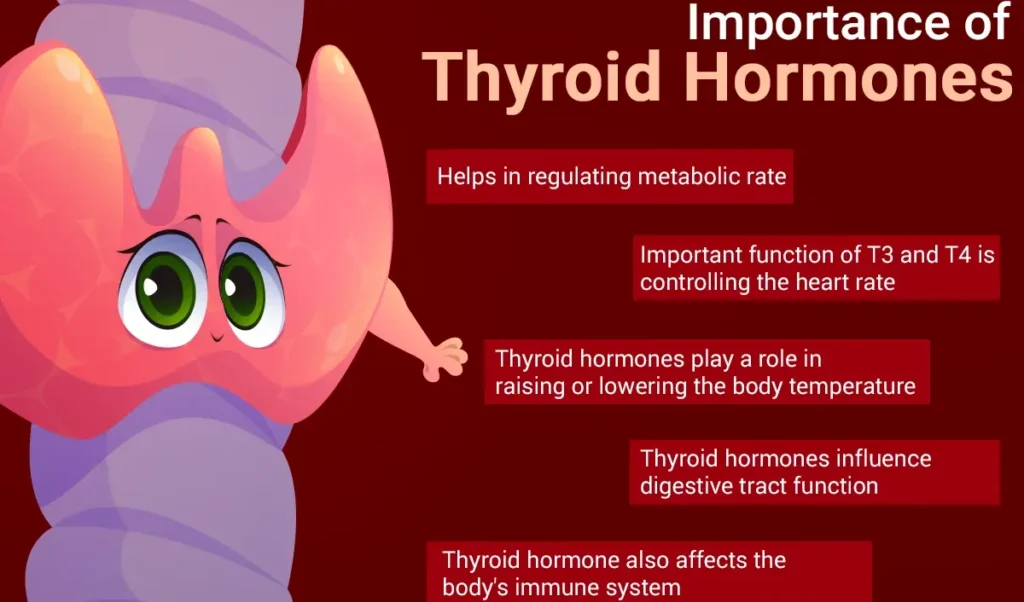
Why the body needs the thyroid gland and thyroid hormones (T3 and T4):
- Regulation of Metabolism: Thyroid hormones play a central role in controlling the basal metabolic rate (BMR), influencing how rapidly cells convert carbohydrates, fats, and proteins into energy.
- Body Temperature Control: By stimulating cellular oxygen consumption and Na+/K+-ATPase pumps, thyroid hormones regulate heat production (thermogenesis) and help maintain normal core body temperature.
- Growth and Development: Essential for linear skeletal growth, bone maturation, and organ development during infancy and childhood.
- Brain Function: Required for normal central nervous system maturation, cognitive function, alertness, memory, and mood regulation.
- Energy Levels: Promote cellular ATP generation and nutrient mobilization to sustain daily physical and mental activity.
- Heart Function: Upregulate cardiac β-adrenergic receptors and myosin contractility, regulating heart rate, rhythm, stroke volume, and cardiac output.
- Muscle Function: Maintain normal skeletal muscle tone, contraction speed, and protein turnover.
- Digestion: Influence gastrointestinal peristalsis (motility) and the secretion of digestive juices.
- Reproductive Health: Support normal ovulatory cycles, fertility, pregnancy maintenance, and fetal neurodevelopment.
- Maintenance of Skin, Hair, and Nails: Regulate epidermal cell turnover, sweat/sebaceous gland activity, and hair follicle cycling.
Key Terms and Classification
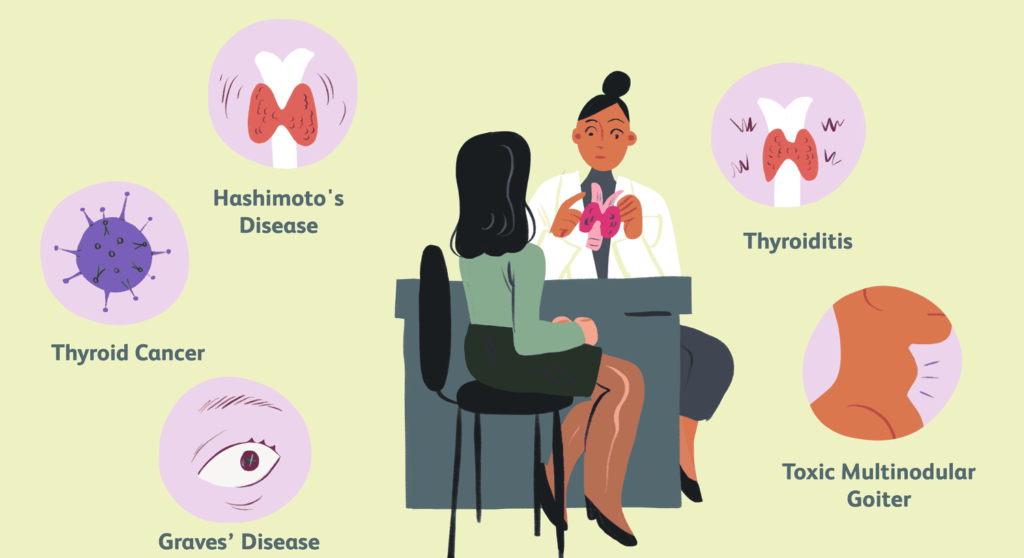
Core Clinical Definitions
- Thyrotoxicosis: The clinical and biochemical state resulting from excess circulating thyroid hormones (T3 and T4) acting on target tissues, regardless of whether the hormone comes from an overactive gland, inflammatory release of stored hormone, or external thyroid medication.
- Hyperthyroidism: A subset of thyrotoxicosis caused specifically by increased synthesis and secretion of thyroid hormones by the thyroid gland itself.
- Overt Hyperthyroidism: Suppressed serum TSH accompanied by elevated free T4 and/or free T3 (T3 toxicosis occurs when free T3 is elevated with normal free T4).
- Subclinical Hyperthyroidism: Suppressed serum TSH with normal serum free T4 and free T3, often asymptomatic or mildly symptomatic, but carries long-term risks of atrial fibrillation and osteoporosis.
- Graves' Disease: An autoimmune disorder and the most common cause of hyperthyroidism. Autoantibodies (TSH-receptor stimulating antibodies, TRAb) bind to and continuously stimulate TSH receptors on thyroid follicular cells, driving diffuse thyroid enlargement (goitre), excess T3/T4 synthesis, and extra-thyroidal features such as Graves' ophthalmopathy (exophthalmos) and pretibial myxedema.
- Goitre: Enlargement of the thyroid gland presenting as an anterior neck swelling that moves upward on swallowing (due to attachment to the pretracheal fascia). It may be diffuse or nodular, and functionally non-toxic (euthyroid) or toxic (hyperthyroid).
- Thyroid Storm (Thyrotoxic Crisis): A rare, acute, life-threatening decompensation of thyrotoxicosis characterized by extreme hypermetabolism, high fever, severe tachycardia/arrhythmias, agitation or delirium, vomiting, diarrhea, jaundice, and potential cardiovascular collapse.
Goitre: Types, Grading, and Clinical Presentation
Understanding goitre is essential because thyroid enlargement frequently coexists with thyrotoxicosis, or presents independently as a compressive neck mass requiring surgical evaluation.
Pathophysiology and Classification of Goitre
- Mechanism of Enlargement: Thyroid enlargement develops either from compensatory TSH stimulation (when mild iodine deficiency or dietary goitrogens slightly reduce hormone efficiency, prompting pituitary TSH to stimulate follicular hyperplasia and colloid accumulation), from TSH-receptor autoantibodies (in Graves' disease), or from autonomous somatic mutations in follicular cells forming hyperfunctioning nodules.
- Non-Toxic (Simple, Colloid, or Endemic) Goitre: Diffuse or nodular thyroid enlargement occurring without hyperthyroidism (patient is clinically euthyroid). Endemic goitre occurs in geographic regions with low dietary iodine or high intake of goitrogens (e.g., poorly processed cassava containing cyanogenic glycosides, millet, or cabbage family vegetables). Physiological goitre can occur transiently during puberty or pregnancy due to increased metabolic demand.
- Toxic Goitre (Goitre with Hyperthyroidism):
- Toxic Diffuse Goitre (Graves' Disease): Smooth, symmetrically enlarged, soft-to-firm, hypervascular gland; a systolic thyroid bruit or thrill may be detected over the lobes due to markedly increased blood flow.
- Toxic Multinodular Goitre (TMNG / Plummer's Disease): Develops over years from a long-standing non-toxic multinodular goitre as one or more nodules gain autonomous function, secreting T3/T4 independently of TSH. Common in older adults and regions with historical iodine deficiency.
- Toxic Thyroid Adenoma (Solitary Toxic Nodule): A single benign hyperfunctioning follicular adenoma producing excess thyroid hormone while suppressing TSH and the rest of the normal thyroid tissue.
- Retrosternal (Substernal) Goitre: Inferior extension of an enlarged thyroid gland through the thoracic inlet into the superior mediastinum, placing the trachea, esophagus, and great veins at risk of compression.
WHO Clinical Grading of Goitre
| Grade | Clinical Description |
|---|---|
| Grade 0 | No palpable or visible goitre (each thyroid lobe is smaller than the terminal phalanx of the patient's thumb). |
| Grade 1 | A goitre that is palpable, but not visible when the neck is in the normal neutral position (may become visible when the neck is extended; moves upward on swallowing). |
| Grade 2 | A swelling in the neck that is clearly visible when the neck is in the normal position and is consistent with an enlarged thyroid gland on palpation. |
Clinical Features of Goitre and How They Come About
- Anterior Neck Swelling Moving with Swallowing: How it comes about: The thyroid is enclosed in the pretracheal fascia, which attaches to the laryngeal cartilages and hyoid bone; therefore, any thyroid enlargement rises synchronously with the larynx during deglutition (distinguishing it from most other neck masses).
- Dyspnoea and Inspiratory Stridor: How it comes about: Lateral or posterior expansion of a large or retrosternal goitre directly compresses, narrows, or deviates the trachea, restricting airflow—especially when lying flat at night.
- Dysphagia (Difficulty Swallowing): How it comes about: Posterior enlargement of the thyroid lobes presses against the esophagus behind the trachea, impeding the passage of solid food boluses.
- Hoarseness of Voice: How it comes about: Stretching, compression, or malignant infiltration of the recurrent laryngeal nerve (which runs in the tracheoesophageal groove directly behind the thyroid) causes vocal cord paresis or paralysis.
- Pemberton's Sign (Facial Plethora and Venous Engorgement): How it comes about: When a patient with a retrosternal goitre raises both arms above the head for 60 seconds, the clavicles and thyroid shift upward into the narrow thoracic inlet ("thyroid cork" effect), obstructing the internal jugular and subclavian veins and causing facial redness/cyanosis, distended neck veins, and inspiratory stridor.
- Red Flags for Thyroid Malignancy in a Goitre: Rapidly enlarging neck mass, hard/fixed nodule(s), cervical lymphadenopathy, unexplained hoarseness, stridor, or significant dysphagia require urgent specialist referral.
Causes of Thyrotoxicosis and Hyperthyroidism

Specific Etiologies of Thyrotoxicosis
- Graves' Disease: Autoimmune stimulation of TSH receptors by autoantibodies; the most common etiology worldwide (50–80% of hyperthyroidism cases). Occurs roughly eight times more frequently in women than men, typically aged 20–40 years.
- Toxic Multinodular Goitre (TMNG): Autonomous thyroid hormone overproduction from multiple hyperfunctioning nodules arising within a long-standing multinodular goitre; common in older patients and iodine-deficient areas.
- Toxic Thyroid Adenoma: A solitary benign nodule autonomously secreting excessive T3/T4 independently of pituitary TSH control.
- Destructive Thyroiditis (Subacute / De Quervain's and Painless Thyroiditis): Inflammation of the thyroid gland (often post-viral in subacute painful thyroiditis, or autoimmune painless thyroiditis) disrupts thyroid follicles, releasing large stores of preformed T3 and T4 into the circulation and causing transient thyrotoxicosis without true overproduction.
- Postpartum Thyroiditis (PPT): Affects approximately 5–7% of women within the first year after childbirth; the initial destructive phase causes transient thyrotoxicosis that frequently resolves spontaneously.
- Medication-Induced and Exogenous Thyrotoxicosis:
- Exogenous Thyroid Hormone Excess (Factitious / Iatrogenic): Over-replacement with levothyroxine tablets or ingestion of thyroid-contaminated supplements/meat suppresses endogenous TSH while elevating circulating hormone levels.
- Amiodarone-Induced Thyrotoxicosis: Amiodarone (an iodine-rich antiarrhythmic drug) can trigger either excess hormone synthesis in autonomous nodules (Type 1) or destructive thyroiditis (Type 2).
- Excess Iodine Exposure (Jod–Basedow Phenomenon): Sudden high iodine loads (e.g., iodinated CT contrast media, amiodarone, or iodine-rich algae like kelp) supply excess substrate to autonomous thyroid nodules, triggering hyperthyroidism.
- Struma Ovarii: A rare monodermal ovarian teratoma composed predominantly of ectopic, hormonally active thyroid tissue producing excess T3/T4.
- TSH-Secreting Pituitary Adenoma (Secondary Hyperthyroidism): A rare pituitary tumour (< 1% of cases) secreting excessive TSH, driving thyroid hyperplasia and hormone overproduction.
- hCG-Mediated Thyrotoxicosis: Very high levels of human chorionic gonadotropin (hCG) in hyperemesis gravidarum or gestational trophoblastic disease (hydatidiform mole/choriocarcinoma) cross-react with TSH receptors to cause transient thyrotoxicosis.
General Predisposing Factors
- Autoimmune Susceptibility: Genetic and immune dysregulation leading to production of TSH-receptor stimulating antibodies in Graves' disease.
- Dietary Iodine Imbalance and Goitrogens: Chronic iodine deficiency predisposes to multinodular goitre whose nodules later become autonomous, whereas sudden iodine excess can precipitate Jod–Basedow thyrotoxicosis.
- Thyroid Nodules: Benign or autonomous follicular growths that escape normal pituitary feedback.
- Drugs and Radiation: Amiodarone, excess levothyroxine, lithium (occasionally associated with thyroiditis), and immune checkpoint inhibitors.
- Genetic and Family History: Positive family history of Graves' disease or toxic nodular goitre increases individual risk.
- Inflammation and Viral Infection: Viral upper respiratory triggers leading to subacute granulomatous (de Quervain's) thyroiditis.
Clinical Manifestations of Thyrotoxicosis (With Mechanisms)

Excess thyroid hormone amplifies cellular metabolism across nearly every organ system and increases tissue sensitivity to catecholamines by upregulating β-adrenergic receptors, producing a clinical state resembling sympathetic (adrenaline) overstimulation. Note that elderly patients may present atypically with apathetic thyrotoxicosis (lethargy, weight loss, and atrial fibrillation without classic agitation).
1. Metabolic and Thermoregulatory Features
- Weight Loss Despite Increased Appetite (Hyperphagia): How it comes about: Excess T3/T4 markedly accelerates the basal metabolic rate (BMR), lipolysis, and protein catabolism; caloric expenditure outstrips even heightened dietary intake, causing net weight loss.
- Heat Intolerance: How it comes about: Hyperactive cellular respiration and increased Na+/K+-ATPase pump activity generate excessive internal body heat, making warm environments uncomfortable.
- Increased Perspiration (Diaphoresis) and Warm, Moist Skin: How it comes about: To dissipate excess internal heat, the hypothalamus triggers peripheral cutaneous vasodilation and continuous activation of eccrine sweat glands.
- High Blood Sugar (Hyperglycemia) and Excessive Thirst/Urination: How it comes about: Thyroid hormones stimulate hepatic glycogenolysis, gluconeogenesis, and rapid intestinal glucose absorption while accelerating insulin degradation—raising blood glucose, which causes osmotic diuresis (polyuria) and compensatory thirst (polydipsia).
2. Cardiovascular and Respiratory Features
- Tachycardia (Heart Racing) and Palpitations: How it comes about: T3 increases β1-adrenergic receptor density on the sinoatrial (SA) node and cardiac myocytes while lowering systemic vascular resistance, increasing resting heart rate, contractility, and cardiac output—experienced by the patient as pounding or racing heartbeats.
- Abnormal Heart Rhythms (Atrial Fibrillation): How it comes about: Excess T3 shortens atrial refractory periods and increases automaticity of atrial pacemakers, predisposing patients (especially older adults) to atrial fibrillation and thromboembolism.
- Wide Pulse Pressure / Systolic Hypertension: How it comes about: Increased stroke volume raises systolic blood pressure, while peripheral vasodilation lowers diastolic pressure.
- Shortness of Breath (Dyspnoea): How it comes about: Elevated oxygen demand and CO2 production drive hyperventilation, compounded by respiratory muscle weakness, high-output cardiac strain, or tracheal compression by an enlarged goitre.
3. Neuropsychiatric and Neuromuscular Features
- Nervousness, Anxiety, Irritability, Emotional Lability, and Panic Attacks: How it comes about: Excess thyroid hormone sensitizes central nervous system catecholamine pathways and increases reticular activating system excitability, creating restlessness, mood swings, poor frustration tolerance, and acute anxiety episodes.
- Hyperactivity and Insomnia (Difficulty Sleeping): How it comes about: Continuous sympathetic arousal and elevated metabolic drive prevent physiological relaxation, keeping the patient physically restless during the day and unable to initiate or maintain sleep at night.
- Impaired Concentration, Memory Difficulties, and Delirium: How it comes about: Overstimulation of cerebral metabolism and sleep deprivation disrupt sustained attention and working memory; in severe thyrotoxicosis or thyroid storm, acute metabolic encephalopathy manifests as confusion and delirium.
- Fine Hand Tremors (and Generalized Tremor): How it comes about: Heightened β2-adrenergic stimulation of skeletal muscle spindles increases baseline motor neuron firing, producing a rapid, fine tremor best seen in outstretched fingers.
- Proximal Muscular Weakness, Muscle Aches, and Fatigue (Thyrotoxic Myopathy): How it comes about: Chronic excess thyroid hormone accelerates skeletal muscle protein breakdown (catabolism) and impairs mitochondrial oxidative efficiency, weakening large proximal muscles (upper arms and thighs—causing difficulty rising from a chair or climbing stairs) and causing paradoxical exhaustion despite hyperactivity. (Note: Approximately 5% of patients with myasthenia gravis also have hyperthyroidism.)
4. Gastrointestinal Features
- Frequent Bowel Movements / Diarrhea (Hyperdefecation): How it comes about: Excess thyroid hormones accelerate smooth muscle peristalsis throughout the GI tract and reduce intestinal transit time, causing frequent loose or semi-formed stools.
- Nausea and Vomiting: How it comes about: Altered gastric emptying, autonomic dysregulation, and hypercalcemia/metabolic stress in severe thyrotoxicosis or impending thyroid storm irritate the chemoreceptor trigger zone and upper GI tract.
5. Dermatological, Reproductive, and Systemic Features
- Thinning of Skin and Fine, Brittle Hair / Hair Loss: How it comes about: Accelerated protein turnover and shortened hair follicle growth (anagen) phases thin the epidermis and weaken hair shafts, causing diffuse scalp alopecia and loss of the outer third of the eyebrows.
- Onycholysis (Plummer's Nails): How it comes about: Rapid nail matrix turnover causes separation of the distal nail plate from the nail bed.
- Pretibial Myxedema (Graves' Dermopathy): How it comes about: Specific to Graves' disease; TSH-receptor autoantibodies stimulate dermal fibroblasts over the anterior shins to secrete excess hydrophilic glycosaminoglycans (mucopolysaccharides), producing raised, waxy, reddish-brown plaques and non-pitting swelling.
- Menstrual Irregularities (Oligomenorrhea / Amenorrhea): How it comes about: Excess thyroid hormone increases sex hormone-binding globulin (SHBG) and alters pulsatile gonadotropin (LH/FSH) release, resulting in lighter menstrual flow, prolonged cycles, or anovulation.
- Loss of Libido, Gynecomastia, and Feminization in Males: How it comes about: Elevated SHBG binds free testosterone while peripheral aromatization of androgens to estrogens increases, raising the estrogen-to-testosterone ratio and stimulating male breast tissue proliferation (gynecomastia) and reduced libido.
6. Ocular Signs (Non-Specific Sympathetic vs. Graves' Ophthalmopathy)

- Sympathetic Ocular Signs (Seen in Any Cause of Thyrotoxicosis):
- Eyelid Retraction ("Thyroid Stare"): How it comes about: Sympathetic overstimulation of the superior tarsal muscle (Müller's muscle) pulls the upper eyelid upward, exposing sclera above the iris.
- Lid-Lag (von Graefe's Sign): How it comes about: Hypertonia of the levator palpebrae and Müller's muscle delays the downward descent of the upper eyelid as the patient tracks a finger downward.
- Graves' Ophthalmopathy (Exophthalmos / Proptosis — Specific to Graves' Disease):
- Exophthalmos (Proptosis): How it comes about: Autoantibodies target TSH receptors on retro-orbital fibroblasts and extraocular muscles, triggering T-cell inflammation, glycosaminoglycan accumulation, and orbital fat/muscle swelling within the rigid bony orbit, pushing one or both eyeballs forward. When present with hyperthyroidism, it is diagnostic of Graves' disease.
- Extraocular Muscle Weakness and Double Vision (Diplopia): How it comes about: Inflammatory swelling and subsequent fibrosis of the extraocular muscles restrict conjugate eye movement, causing misalignment and diplopia.
- Exposure Keratitis / Corneal Ulceration: How it comes about: Severe proptosis and lid retraction prevent complete eyelid closure during sleep (lagophthalmos), drying and ulcerating the cornea.
Diagnosis and Investigations
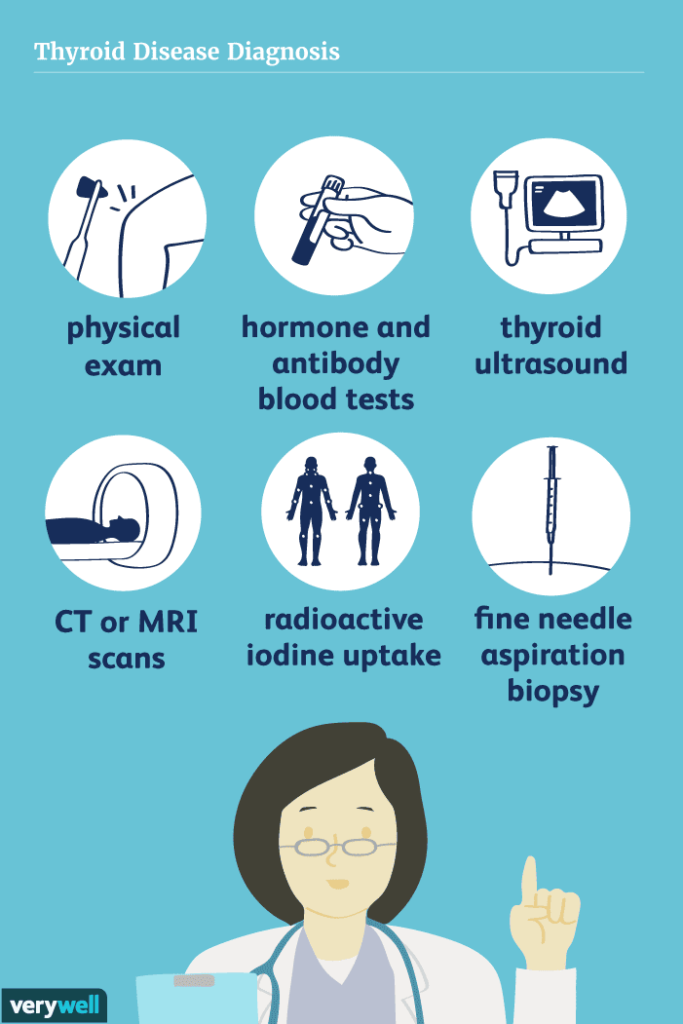
Physical Examination
- Neck Examination: Inspect and palpate the thyroid from behind while the patient swallows water to assess size (WHO Grade 0–2), symmetry, diffuse vs. nodular texture, tenderness (suggests subacute thyroiditis), mobility, cervical lymph nodes, and auscultate for a thyroid bruit (Graves' disease). Perform Pemberton's manoeuvre if retrosternal extension is suspected.
- Systemic Examination: Inspect eyes for lid retraction, lid-lag, redness, or proptosis; examine heart for tachycardia, systolic flow murmur, or irregularly irregular pulse (atrial fibrillation); inspect outstretched hands for fine tremor and warm, moist palms; check shins for pretibial myxedema and proximal muscles for weakness.
Laboratory and Blood Tests
- Serum Thyroid-Stimulating Hormone (TSH): The most sensitive initial screening test. In primary hyperthyroidism/thyrotoxicosis, excess T3/T4 exerts negative feedback on the pituitary, resulting in a suppressed (very low) TSH. (If TSH is normal or elevated alongside high T4/T3, suspect a rare TSH-secreting pituitary adenoma.)
- Free Thyroid Hormones (Free T4 and Free T3): Confirm overt thyrotoxicosis (elevated free T4 and/or free T3) versus subclinical hyperthyroidism (suppressed TSH with normal free T4/T3). Checking free T3 identifies T3 toxicosis when free T4 is normal.
- Thyroid Autoantibody Tests: TSH-Receptor Antibodies (TRAb / TSI) confirm autoimmune Graves' disease.
- Baseline Pre-Treatment Labs: Full Blood Count (CBC) and Liver Function Tests (LFTs) before initiating antithyroid drugs (to establish baselines for detecting rare drug-induced agranulocytosis or hepatotoxicity), serum calcium, and blood glucose.
- Electrocardiogram (ECG): To detect sinus tachycardia, atrial fibrillation, or left ventricular strain.
Imaging and Specialized Procedures
- Thyroid Ultrasound: Uses high-frequency sound waves to assess thyroid size, vascularity (hypervascularity in Graves' disease), cystic vs. solid nodules, and suspicious features requiring biopsy.
- Radioactive Iodine Uptake (RAIU) Study and Thyroid Scintigraphy (Scan): A small, safe dose of radioactive iodine (or technetium-99m) is administered, and a gamma probe/camera measures uptake at 6–24 hours:
- High Uptake: Indicates true hormone overproduction—diffuse homogeneous uptake in Graves' disease, focal "hot" nodule(s) in toxic adenoma / TMNG.
- Low/Absent Uptake: Indicates destructive thyroiditis, recent iodine load, or exogenous thyroid hormone intake.
- Fine-Needle Aspiration (FNA) Biopsy: Indicated for suspicious, non-functioning ("cold"), or rapidly enlarging thyroid nodules to rule out thyroid malignancy.
- Chest X-ray, CT/MRI, and Indirect Laryngoscopy: Chest X-ray or neck CT assesses tracheal deviation/compression and retrosternal extension of a large goitre; indirect laryngoscopy evaluates vocal cord mobility prior to thyroidectomy.
Medical, Pharmacological, and Surgical Management
Aims of Management
- To rapidly control sympathetic symptoms (tachycardia, hypertension, tremors, and anxiety).
- To reduce excessive thyroid hormone synthesis and release, restoring a euthyroid state.
- To relieve mechanical compression or remove part/all of an enlarged toxic or compressive goitre when indicated.
- To prevent and promptly treat life-threatening complications such as thyroid storm and atrial fibrillation.
Medical and Pharmacological Management
- Symptom Control — Beta-Blockers: Used immediately to relieve adrenergic symptoms (palpitations, tachycardia, tremor, anxiety, heat intolerance) while antithyroid drugs take effect:
- Propranolol: 10–40 mg orally every 6–8 hours (or 40–80 mg 12-hourly as prescribed). Non-selective β-blocker that also partially inhibits peripheral conversion of T4 to active T3.
- Cardioselective Alternatives: Atenolol (25–50 mg daily) or metoprolol may be used in patients with mild reactive airway disease (caution in asthma).
- Antithyroid Drugs (Thionamides): Inhibit thyroid peroxidase (TPO)-mediated synthesis of new T3 and T4:
- Carbimazole: Mainstay oral antithyroid medicine in Uganda (UCG 2023); metabolized rapidly in vivo to active methimazole. Typical starting dose 15–40 mg daily (up to 60 mg in severe disease, or 10–15 mg initially depending on protocol), tapered to a maintenance dose of 5–15 mg daily for 12–18 months in Graves' disease.
- Methimazole (Tapazole): 10–30 mg once daily (or divided twice daily); longer half-life and lower hepatotoxicity risk than PTU.
- Propylthiouracil (PTU): Adult dose 100–150 mg three times daily. Preferred in the 1st trimester of pregnancy (lower risk of embryopathy than carbimazole/methimazole) and in thyroid storm because PTU also blocks peripheral T4-to-T3 conversion. Carries a higher risk of severe hepatotoxicity.
- Critical Safety Monitoring: Watch for rash, joint pain, hepatotoxicity (jaundice, dark urine), and agranulocytosis (rare, life-threatening drop in neutrophils—instruct patients to stop the drug and seek an urgent WBC count if they develop fever or sore throat).
- Lugol's Iodine (Aqueous Iodine Solution): 0.3–0.9 mL three times daily in milk or water for 7–10 days strictly before surgery (or in thyroid storm). High-dose iodine transiently blocks hormone release and reduces thyroid gland vascularity and friability (Wolff–Chaikoff effect), making thyroidectomy safer. Never use alone long-term because the gland "escapes" inhibition after 10–14 days.
- Radioactive Iodine (131I / RAI) Therapy: Oral capsule taken up by hyperactive follicular cells to ablate overactive thyroid tissue permanently over 6–18 weeks. Strictly contraindicated in pregnancy and breastfeeding; may transiently worsen Graves' ophthalmopathy (use steroid cover if mild eye disease exists) and commonly causes permanent post-treatment hypothyroidism requiring lifelong levothyroxine monitoring.
- Management of Non-Toxic Goitre: Small, asymptomatic euthyroid goitres require reassurance, iodized salt intake, avoidance of raw goitrogens, and periodic clinical monitoring; surgical thyroidectomy is indicated for compressive symptoms, retrosternal extension, cosmetic distress, or suspected malignancy.
Pharmacokinetics and Pharmacodynamics of Antithyroid & Adjunctive Drugs
| Drug | Pharmacodynamics (Mechanism & Action) | Pharmacokinetics (ADME) | Key Nursing & Safety Implications |
|---|---|---|---|
| Carbimazole / Methimazole | Inhibits thyroid peroxidase (TPO), blocking iodine organification and coupling of iodotyrosines into T3 and T4. Does not block release of already stored hormone (clinical effect takes 2–6 weeks). | Carbimazole is a prodrug rapidly and completely converted to active methimazole; good oral absorption; concentrates in thyroid tissue (intraglandular action > 24 h); hepatic metabolism; excreted in urine; crosses placenta. | Once-daily maintenance improves adherence. Warn patient to report fever or sore throat immediately (agranulocytosis) and jaundice. Avoid in 1st trimester pregnancy if PTU is available. |
| Propylthiouracil (PTU) | Inhibits TPO-mediated hormone synthesis and inhibits peripheral 5'-deiodinase, blocking conversion of T4 to more potent T3 in peripheral tissues. | Rapid oral absorption; high plasma protein binding (~80%); short plasma half-life (~1–2 hours, requiring TID dosing); hepatic glucuronidation; excreted in urine; minimal placental transfer. | Drug of choice in thyroid storm and 1st trimester of pregnancy. Monitor LFTs closely due to risk of fulminant hepatotoxicity; monitor WBC if sore throat/fever occurs. |
| Propranolol | Non-selective β1/β2-adrenergic receptor antagonist; rapidly blunts catecholamine-driven tachycardia, tremor, and anxiety, and mildly inhibits peripheral T4→T3 conversion. | Well absorbed orally, extensive hepatic first-pass metabolism (bioavailability ~25–30%); crosses blood–brain barrier; IV onset within minutes in thyroid storm; hepatic metabolism, renal excretion. | Check apical pulse and BP before each dose (hold if bradycardic or hypotensive). Contraindicated in bronchial asthma, severe bradycardia, or decompensated heart block. Do not stop abruptly. |
| Lugol's Iodine (KI / I2) | High-dose iodide transiently inhibits thyroid iodide uptake, hormone synthesis (Wolff–Chaikoff effect), and proteolytic release of stored T3/T4, while shrinking thyroid vascularity. | Rapid oral absorption; distributed throughout extracellular fluid and concentrated in thyroid gland; excreted primarily unchanged in urine. | Dilute in milk or juice to mask bitter taste and minimize gastric irritation. In thyroid storm, give at least 1 hour AFTER PTU/methimazole so iodine is not used to synthesize more hormone. |
| Hydrocortisone (IV in Thyroid Storm) | Glucocorticoid that inhibits peripheral conversion of T4 to T3, reduces thyroidal inflammation, stabilizes vascular tone, and treats relative adrenal insufficiency. | Immediate systemic availability via IV route; hepatic metabolism; renal excretion; plasma half-life ~1.5 hours, biological duration 8–12 hours. | Monitor blood glucose, blood pressure, and signs of secondary infection during emergency storm stabilization. |
Surgical Management (Thyroidectomy) and Perioperative Care
Surgical removal of part (subtotal/partial thyroidectomy) or all (total thyroidectomy) of the thyroid gland is indicated for large compressive goitres, retrosternal goitre, failed/relapsed medical therapy, suspected malignancy, pregnancy intolerance to antithyroid drugs, or patient preference.
Pre-Operative Management of Thyrotoxicosis
- Stabilization and Admission: Ensure the patient is rendered clinically and biochemically euthyroid on outpatient antithyroid therapy before elective surgery to prevent intraoperative thyroid storm; admit to the surgical ward 1–3 days before surgery for final pre-operative preparation.
- Position: Allow the patient to rest in a comfortable position (semi-Fowler's if goitre causes mild dyspnoea when supine).
- History Taking: Obtain detailed demographic data, past medical history (diabetes, liver cirrhosis, asthma, cardiac disease), family history (hypertension, thyroid disease), and history of present illness to identify the etiology.
- Observations:
- Vital Observations: Temperature, Pulse, Respiration, and Blood Pressure (TPR/BP) to rule out uncontrolled tachycardia, fever, or hypertension.
- General Head-to-Toe Assessment: Screen using JACCOLD (Jaundice, Anemia, Cyanosis, Clubbing, Edema, Lymphadenopathy, Dehydration).
- Specific Observations: Palpate the enlarged thyroid gland, check for tracheal deviation, and inspect for ocular signs.
- Notification and Orientation: Inform the surgeon/physician of the patient's admission and orient the patient to the ward environment.
- Pre-Operative Investigations: Chest X-ray (to assess tracheal compression/retrosternal extension), Thyroid Function Tests (TFTs confirming euthyroid status), FNA/biopsy cytology/histology if nodular, indirect laryngoscopy (baseline vocal cord check), and blood grouping/cross-matching with Hb estimation.
- Pre-Operative Medications (As Prescribed):
- Carbimazole: 10–15 mg once daily (after initial stabilization, or reduced to 5 mg 8-hourly) with the last dose given prior to surgery to maintain euthyroidism.
- Lugol's Iodine: 0.3–0.9 mL three times daily in milk for 7–10 days prior to surgery until the day of operation to shrink gland vascularity and minimize intraoperative bleeding.
- Propranolol: 40–80 mg 12-hourly (or 10–40 mg TID) to control heart rate and elevated blood pressure.
- Diazepam: 5 mg twice daily if prescribed to sedate the anxious patient and promote rest.
- Digoxin: 0.25 mg once daily if atrial fibrillation with rapid ventricular response is detected.
- Pre-Operative Nursing Care and Theatre Transfer:
- Explain the surgical procedure, expected benefits, and potential risks; provide psychological reassurance and obtain a signed informed consent form.
- Verify NPO status overnight, bathe the patient, inspect and prepare the neck operative site as instructed, and dress the patient in a theatre gown.
- Notify theatre staff and transfer the patient for partial or total thyroidectomy; afterwards, the patient is monitored in the recovery room until ward staff are called to collect them.
Post-Operative Management (Post-Thyroidectomy)
- Reception from Theatre: On notification from the theatre nurse, two nurses collect the patient, perform immediate bedside assessment of airway patency, respiratory rate, pulse, and SpO2 to verify hemodynamic and respiratory stability, and receive theatre handover instructions.
- Transfer and Positioning: Transfer onto a prepared post-operative bed; initially place in the recovery (lateral) position until gag reflex returns, then elevate into semi-Fowler's position with head and neck supported in neutral alignment (using sandbags/pillows) to minimize tension on neck sutures and reduce venous ooze/edema.
- Vital Observations: Monitor TPR, BP, SpO2, and dressing status every 15 minutes (¼ hourly) initially, then ½ hourly, then hourly until fully stable, and subsequently every 2–4 hours to detect hemorrhage, airway obstruction, or thyroid storm early.
- Emergency Airway Readiness: Keep an emergency tracheostomy tray, suction apparatus, oxygen, and suture removal set at the bedside for the first 24–48 hours in case a rapidly expanding neck hematoma or laryngeal edema obstructs the airway.
- Post-Operative Medications:
- Analgesics: Pethidine 50–100 mg IM for the first 3 doses if prescribed, transitioning to IV/oral Tramadol 100 mg TID or Paracetamol.
- Sedatives: Diazepam 10–15 mg if ordered for severe restlessness after ruling out hypoxia.
- Antibiotics: IV Ceftriaxone 2 g every 24 hours if prescribed for surgical prophylaxis/infection prevention.
- Calcium Gluconate (10% IV): Kept readily available for acute hypocalcemic tetany.
- Specific Post-Operative Nursing Care:
- Drain and Wound Care: Maintain patency of the surgical drainage tube (empty/measure 24-hourly; usually removed within 48 hours as drainage subsides); change soiled wound dressings aseptically and inspect behind the neck/pillows where blood pools silently; remove sutures/clips on the 3rd–4th day only as instructed by the surgeon.
- Airway and Voice Monitoring: Observe for stridor, choking, neck swelling, or hoarseness; prepare for urgent intubation/re-exploration if respiratory edema or hematoma develops.
- Neck Protection and Calm Environment: Minimize sudden neck hyperextension or flexion to reduce pain and suture tension; keep the room calm and quiet.
- Diet and Fluid Balance: Start with cool sips of water once fully awake; progress to a high-calorie, high-protein, high-carbohydrate diet (including milk and snacks rich in vitamins A, B6, and C) to meet hypermetabolic demands and promote tissue healing. Maintain an accurate fluid balance chart.
- Daily Hygiene, Bowel/Bladder Care, and Physiotherapy: Provide oral care, skin care, and bowel/bladder support; encourage deep-breathing, gentle coughing (supporting the neck), and gradual throat/neck exercises once cleared by the surgeon.
Complications of Thyroidectomy
- Hemorrhage and Neck Hematoma: Due to rich vascularity of the thyroid gland; blood accumulating under tight cervical fascia can rapidly compress the trachea and cause asphyxiation.
- Thyroid Crisis (Thyroid Storm): Triggered by surgical manipulation of an inadequately prepared gland, characterized by rapid pulse, high fever, profuse sweating, and confusion.
- Hypocalcemic Tetany: Due to inadvertent removal, trauma, or transient ischemia of the parathyroid glands; characterized by perioral and fingertip tingling/numbness, carpopedal spasm, laryngospasm, and positive Chvostek's/Trousseau's signs.
- Recurrent Laryngeal Nerve Injury: Unilateral injury causes hoarseness or weak voice; bilateral injury causes vocal cord adduction, stridor, and acute airway obstruction.
- Respiratory Obstruction: Due to laryngeal edema, bilateral nerve palsy, or tracheal collapse (tracheomalacia) after removal of a long-standing huge goitre.
- Other Complications: Sore throat, wound infection, permanent hypothyroidism (due to removal of thyroid tissue, requiring lifelong levothyroxine), and recurrent thyrotoxicosis (if residual tissue remains).
Complications of Thyrotoxicosis and Thyroid Storm Management
Complications of Untreated or Poorly Controlled Thyrotoxicosis
- Cardiovascular Complications: Persistent sinus tachycardia, atrial fibrillation (with stroke risk from emboli), high-output heart failure, and angina in patients with underlying coronary disease.
- Osteoporosis: Excess thyroid hormone accelerates osteoclastic bone resorption faster than bone formation, reducing bone mineral density and raising fracture risk.
- Thyroid Storm (Thyrotoxic Crisis): Sudden, life-threatening surge of thyrotoxicosis precipitated by infection, trauma, DKA, childbirth, surgery, or abrupt cessation of antithyroid drugs—presenting with hyperthermia (> 39.4°C), extreme tachycardia (> 140 bpm), delirium/coma, vomiting/diarrhea, jaundice, and multi-organ failure.
- Graves' Ophthalmopathy Complications: Severe proptosis, exposure keratitis/corneal ulceration, diplopia, and compressive optic neuropathy causing vision loss.
- Pregnancy Complications: Untreated maternal thyrotoxicosis increases risks of pre-eclampsia, miscarriage, preterm birth, low birth weight, fetal/neonatal thyrotoxicosis, and maternal heart failure.
- Metabolic, Hepatic, and Neuromuscular Complications: Severe muscle wasting (thyrotoxic myopathy), chronic diarrhea and malnutrition, severe anxiety/depression, menstrual dysfunction/infertility, and hepatic/renal strain from high metabolic demand.
Emergency Management of Thyroid Storm
- Prompt Recognition and Airway/Supportive Care: Immediately recognize extreme fever, tachycardia, and altered mental status; maintain ABCs, give high-flow oxygen, secure large-bore IV access, and infuse IV fluids with dextrose/electrolytes to correct dehydration and glycogen depletion.
- Block Adrenergic Surge (Beta-Blocker): Administer IV or oral propranolol (e.g., 1 mg slow IV every 10–15 minutes under ECG monitoring or 40–80 mg orally/via NG every 4–6 hours) to rapidly control heart rate and block peripheral T4→T3 conversion.
- Block New Thyroid Hormone Synthesis (Thionamide): Administer Propylthiouracil (PTU) (preferred in storm: e.g., 500–1,000 mg loading dose then 200–250 mg every 4 hours orally/NG) or methimazole/carbimazole immediately.
- Block Stored Hormone Release (Iodine — Timed Carefully): Administer Lugol's iodine (or potassium iodide) at least 1 hour AFTER giving PTU/methimazole so the thyroid does not use the iodine load to synthesize additional hormone.
- Corticosteroids and Active Cooling: Give IV hydrocortisone (e.g., 100 mg IV every 8 hours) to block peripheral T4→T3 conversion and prevent adrenal crisis; reduce fever with paracetamol and tepid sponging/cooling blankets (strictly avoid aspirin/salicylates, which displace T4/T3 from binding proteins and worsen toxicity).
- Treat Precipitating Cause and Intensive Monitoring: Identify and treat underlying triggers (e.g., antibiotics for sepsis) and monitor continuously in an ICU/HDU setting.
Nursing Management of Thyrotoxicosis, Hyperthyroidism, and Goitre
Nursing Care Plan (NANDA-I 2024–2026)
This care plan uses current NANDA-I 2024–2026 nursing diagnoses (Hyperthermia, Decreased cardiac output / Risk for unstable blood pressure, Inadequate protein energy nutritional intake, Risk for ineffective airway clearance, and Inadequate health knowledge) prior to detailed nursing interventions.
| Assessment | Diagnosis (NANDA-I 2024–2026) | Planning (Goals & Expected Outcomes) | Implementation / Interventions | Rationale | Evaluation |
|---|---|---|---|---|---|
| Decreased cardiac output (and Risk for unstable blood pressure) related to excessive thyroid hormone-induced β-adrenergic cardiac stimulation and increased peripheral demand as evidenced by tachycardia (128 bpm), palpitations, and wide pulse pressure. | Maintain stable cardiac rhythm and effective tissue perfusion within 24–48 hours. Expected outcomes:
|
|
| Within 48 hours of propranolol and carbimazole therapy, resting HR dropped to 84 bpm and patient reported resolution of palpitations. |
| Hyperthermia related to thyroid hormone-driven hypermetabolic thermogenesis as evidenced by elevated core temperature, profuse diaphoresis, and heat intolerance. | Restore and maintain normal body temperature within 4–12 hours. Expected outcomes:
|
|
| Body temperature normalized to 37.0°C within 8 hours and patient rested comfortably in light linens. |
| Inadequate protein energy nutritional intake related to hypermetabolic caloric expenditure, accelerated protein catabolism, and increased GI motility as evidenced by documented weight loss despite hyperphagia and frequent stools. | Halt weight loss and meet increased daily metabolic requirements within 2 weeks. Expected outcomes:
|
|
| Patient tolerated 6 small high-protein meals daily, stool frequency fell to 1–2 formed stools/day, and weight stabilized. |
| Risk for ineffective airway clearance related to tracheal compression from large/retrosternal goitre, post-thyroidectomy neck hematoma, laryngeal edema, or recurrent laryngeal nerve injury. | Maintain a patent airway and effective gas exchange continuously throughout perioperative/inpatient care. Expected outcomes:
|
|
| Patient maintained clear airway, normal voice, SpO2 98%, and minimal serosanguinous drain output without hematoma or tetany. |
| Inadequate health knowledge related to unfamiliarity with long-term antithyroid therapy, agranulocytosis warning signs, eye protection, and post-thyroidectomy follow-up as evidenced by patient inquiries. | Demonstrate accurate self-care and medication safety knowledge prior to discharge. Expected outcomes:
|
|
| Before discharge, patient accurately repeated medication rules, agranulocytosis red flags, eye/wound care, and follow-up date using teach-back. |
Core Nursing Interventions
- Assess Thyroid Function: Monitor thyroid hormone levels (TSH, free T4, free T3) and clinical symptoms to evaluate treatment response and detect transition toward euthyroidism or post-treatment hypothyroidism.
- Medication Administration: Administer prescribed antithyroid medications, beta-blockers, or Lugol's iodine accurately in dose, timing, and route.
- Educate Patients: Provide clear verbal and written education to patients and families on the condition, medication regimen, duration of therapy, and adverse effects.
- Monitor Vital Signs: Regularly monitor heart rate, rhythm, blood pressure, respiratory rate, and temperature to track hypermetabolic state and detect early thyroid storm.
- Support Emotional Well-Being: Maintain a calm, non-judgmental, therapeutic environment; reassure patients and families that anxiety, irritability, and emotional lability are hormone-driven and improve with treatment.
- Promote Comfort and Thermal Regulation: Keep the room cool, provide light clothing/bedding, offer frequent sponge baths/linen changes, and promote uninterrupted rest.
- Nutritional Support: Provide high-calorie, high-protein, vitamin-rich small frequent meals; avoid caffeine and GI stimulants.
- Monitor Weight and Fluid Balance: Weigh regularly and track intake/output to detect dehydration from diaphoresis, diarrhea, or vomiting.
- Assist with Thyroid Imaging and Labs: Prepare patients for ultrasound, RAIU scans, FNA biopsy, or blood draws, ensuring comfort and explaining radiation/contrast precautions.
- Collaborate with Healthcare Team: Coordinate care among nurses, physicians, endocrinologists, surgeons, dietitians, and ophthalmologists.
- Monitor for Medication Side Effects: Screen actively for agranulocytosis (fever, sore throat), hepatotoxicity (jaundice), rash, or beta-blocker-induced bradycardia/bronchospasm.
- Protect Eyes in Graves' Ophthalmopathy: Administer lubricating eye drops/ointments, recommend dark sunglasses against photophobia, elevate head of bed to reduce periorbital edema, and tape lids lightly at night if lagophthalmos prevents closure.
- Provide Post-Thyroidectomy Care: Monitor airway, neck dressing, surgical drain, voice quality, and serum calcium closely as outlined above.
- Manage Thyroid Storm: Initiate rapid emergency cooling, IV fluids, β-blockers, PTU, timed iodine, and IV hydrocortisone per protocol.
- Plan Discharge and Long-Term Follow-Up: Ensure clear medication instructions, laboratory follow-up schedules, and emergency return criteria before discharge.
Advice on Discharge
Advise the patient and family before leaving the ward:
- Medication Compliance: Complete all prescribed medications as directed and never stop antithyroid drugs or beta-blockers abruptly without consulting the clinician; do not take unprescribed or herbal medicines.
- Warning Signs Requiring Immediate Return: Seek urgent medical attention for fever or sore throat (possible agranulocytosis), yellowing of eyes (hepatitis), severe racing heartbeat, high fever, extreme agitation, or (post-thyroidectomy) neck swelling, breathing difficulty, or facial/hand tingling.
- Neck Exercises and Wound Care (If Post-Thyroidectomy): Perform gentle neck range-of-motion exercises as instructed to prevent stiffness; keep the wound clean and apply a bland emollient cream such as lanolin onto the completely healed scar if advised.
- Diet, Environment, and Hygiene: Eat a well-balanced, nutrient-rich diet (using iodized salt appropriately); avoid excessive heat/high temperatures; maintain good personal hygiene to prevent secondary infections.
- Follow-Up Care: Return on the scheduled clinic date for physical review and regular Thyroid Function Tests (TFTs) to adjust medication doses or detect late post-surgical/post-RAI hypothyroidism early.
References
- Ministry of Health, Republic of Uganda. Uganda Clinical Guidelines (UCG) 2023. Chapter 8: Endocrine Disorders — Section 8.1.5 (Goitre) and Section 8.1.6 (Hyperthyroidism).
- World Health Organization (WHO). Assessment of Iodine Deficiency Disorders and Monitoring Their Elimination (WHO Goitre Grading System).
- Herdman TH, Kamitsuru S, Lopes CT (eds). NANDA International Nursing Diagnoses: Definitions and Classification, 2024–2026 (13th ed.). Thieme; 2024.
Thanks so much,,for the great work,,,
Help with,,, the notes of “hyperparathyroidism
Thanks for the good presentation
Thank you
Thanx you so much
Good work, thanks
thank you soo much
We really appreciate ypur services
quite educational thanks so much