Nurses Revision

Microbiology

Urinary Tract Infections (UTIs)

Urinary Tract Infections (UTIs)

Urinary Tract Infections (UTIs)

Module Overview

Welcome to the comprehensive master guide on Urinary Tract Infections (UTIs). This guide covers everything from the microscopic battleground between bacterial virulence factors and host defenses, to step-by-step diagnostic workups and evidence-based treatment guidelines.


1. The Definitions

Before diving into pathology, you must master the precise terminology used to describe urinary infections.

  • Bacteriuria: Simply means the presence of bacteria in the urine.
  • Significant Bacteriuria: The number of bacteria in voided urine exceeds what would be expected from normal contamination by the anterior urethra. Cutoff: ≥ 105 bacteria/mL. If you see this, infection must be seriously considered.
  • Asymptomatic Bacteriuria: Significant bacteriuria (≥ 105) in a patient with absolutely ZERO symptoms. (We will discuss later who gets treated for this and who does not!)
  • Location: UTIs can be confined to the lower tract (bladder/urethra) or involve both the upper (kidneys) and lower tracts.
  • Cystitis (Lower UTI): A clinical syndrome involving dysuria (painful urination), frequency, urgency, and occasionally suprapubic (lower abdominal) tenderness.
  • Acute Pyelonephritis (Upper UTI): A more severe clinical syndrome characterized by flank pain or tenderness (costovertebral angle), fever, often associated with the lower tract symptoms (dysuria, urgency, frequency).
  • Uncomplicated UTI: Infection in a structurally and neurologically normal urinary tract.
  • Complicated UTI: Infection in a urinary tract with functional or structural abnormalities (e.g., indwelling catheters, neurogenic bladder, or kidney stones/calculi).
Clinical Scenario

Uncomplicated vs. Complicated

Patient A: A healthy 22-year-old female presents with painful urination and urgency for 2 days. She has no medical history. This is an Uncomplicated UTI (Cystitis).

Patient B: A 65-year-old male with an enlarged prostate (BPH) and a history of kidney stones presents with the same symptoms. Because his urinary tract has structural blockages that prevent normal urine flushing, this is a Complicated UTI and requires much more aggressive management.

Exam Trap: Urosepsis Criteria

Urosepsis is the sepsis syndrome caused by a UTI. It is a life-threatening medical emergency. To diagnose it, you need clinical evidence of a UTI PLUS two or more of the following SIRS (Systemic Inflammatory Response Syndrome) criteria:

  • Temperature: > 38°C (Fever) OR < 36°C (Hypothermia)
  • Heart Rate: > 90 beats per minute (Tachycardia)
  • Respiratory Rate: > 20 breaths/minute, OR PaCO2 < 32 mm Hg (Tachypnea/hyperventilation)
  • White Blood Cell Count: > 12,000/mm3 (Leukocytosis), OR < 4,000/mm3 (Leukopenia), OR > 10% band forms (immature neutrophils).

2. Epidemiology & Common Bugs

  • Females: UTI is much more common in women. 1-2% of young, non-pregnant women have it at any given time. 40% of all females will have a symptomatic UTI in their lifetime.
  • Males: Extremely rare in young men (prevalence is only 0.04%). Clinical Pearl: If a young man gets a UTI, look for a structural defect or a Sexually Transmitted Disease (STD)!
  • Older Age: Incidence skyrockets in the elderly (10% of men, 20% of women) due to functional impairments, prostate enlargement, and estrogen loss.

The "Ojambo 2008" Ugandan Data:

Over 95% of UTIs are caused by a single bacterial species. According to Ojambo 2008, the predominant organisms are:

  1. Escherichia coli (45%) - The undisputed king of UTIs.
  2. Klebsiella species (17%)
  3. Staphylococcus species (8%) - Most common Gram-positive.
  4. Enterococcus (5%)

Other common offenders: Proteus, Pseudomonas, Enterobacter, and Candida (fungus, usually seen in diabetics or patients with chronic indwelling catheters).


3. Pathogenesis:

A UTI is an epic battle between bacterial virulence factors and host defense mechanisms.

The Routes of Invasion

  • Ascending Route (Most Common): Bacteria from the gut colonize the perineum/urethra and climb up into the bladder. Why women? The female urethra is short and anatomically very close to the warm, moist vulvar and perianal areas, making fecal contamination highly likely.
  • Hematogenous Route (Blood-borne): Infection of the kidney tissue by organisms traveling in the blood.
    • Clinical Scenario: A patient with Staphylococcus aureus endocarditis (heart valve infection) throws infected blood clots into the kidneys, causing renal abscesses.
  • Lymphatic Route: Rare, spread via lymphatic channels.

Parasite Virulence Factors

Not all E. coli cause UTIs. The ones that do are called Uropathogenic E. coli (UPEC) clones (Serogroups O1, O2, O4, O6, O7, O8, O75, O150, and O18ab). They possess specific genetic superpowers:

  • Adhesins (Fimbriae/Pili): Prevent the bacteria from being washed away by urine.
    • P fimbriae: Bind to Gal-α 1-4 (P blood group antigen). Strongly associated with Pyelonephritis and bacteremia.
    • Type 1 fimbriae: Bind to mannosylated proteins (uroplakin Ia) on bladder cells. Associated with cystitis.
  • Resistance to serum bactericidal activity.
  • K Antigen (Capsules): High quantities of K1, K5, K12 capsular antigens physically protect bacteria from leukocyte phagocytosis.
  • Aerobactin: An iron-scavenging protein (siderophore). Iron is scarce in urine; aerobactin steals it for the bacteria to grow.
  • Hemolysin & Cytotoxic Necrotizing Factor type 1 (CNF-1) & Sat Toxin: Toxins that facilitate tissue invasion, cause severe renal tubular damage, and lyse red blood cells to make even more iron available to the invading E. coli.
  • Urease (Specifically in Proteus species): Proteus produces urease, which splits urea into ammonia. This strongly correlates with its ability to cause severe pyelonephritis and struvite kidney stones.
    • Deep Dive: Ammonia makes the urine highly alkaline. This change in pH causes magnesium, ammonium, and phosphate to crystallize, forming massive "staghorn" struvite stones that fill the entire renal pelvis!

Master Table: Uropathogenic E. coli Adhesins

Adhesin Genetic Sequence Receptor Target Clinical Comments
Type 1 fimbriae (MS) Pil, fimH Mannosylated proteins on epithelial cells (uroplakin Ia) & PMNs Binds to Tamm-Horsfall protein (THP) and SIgA.
P fimbriae (MR) papG (class Ia, II, III) Gal-α 1-4 (P blood group antigen) Class II: Strongly associated with pyelonephritis & bacteremia. Class III: Cystitis in patients with urinary tract abnormalities.
S/F1C fimbriae (MR) Sfa/fac Sialyl-(α-2-3) galactoside Adherence is inhibited by THP.
Type 1C (MR) Fac Undetermined Possibly associated with pyelonephritis.
G fimbriae (MR) Terminal N-acetyl-D-glucosamine
M fimbriae (MR) Galactose-N-acetyl-galactosamine / Blood group M (glycophorin A)
Dr family Drb operon, Afa E1-5, Afa F Dr blood group antigen (decay accelerating factor - DAF) & type IV collagen Found in 16% of first-time cystitis isolates.

The Host's Defenses (Why we don't always have a UTI)

The normal urinary tract efficiently and rapidly eliminates microorganisms through:

  • Urine Flow & Micturition: The physical flushing mechanism of the bladder is the single major protective effect. (Think of it like a powerful river continuously washing away mud from the riverbanks).
  • Urine Chemistry: Extreme osmolality, high urea concentration, and low pH are highly inhibitory to fastidious and anaerobic bacteria.
  • Urinary Inhibitors of Adherence: Your body secretes Tamm-Horsfall protein (THP), bladder mucopolysaccharides, low-molecular-weight oligosaccharides, SIgA, and Lactoferrin to bind up bacterial fimbriae so they can't stick to your cells!
  • Inflammatory Response: When bacteria stick, epithelial cells release cytokines, summoning Polymorphonuclear neutrophils (PMNs) to eat the bacteria.
  • Prostatic Secretions: In men, these have natural antibacterial properties.
Exam Trap: Kidney Medulla vs Cortex

The kidney is NOT uniformly susceptible to infection. The Medulla is highly vulnerable (very few organisms needed to infect), while the Cortex is highly resistant (requires 10,000 times more organisms!). Why?

  1. High concentration of ammonia in the medulla inactivates complement proteins.
  2. High osmolality, low pH, and low blood flow cause poor chemotaxis of neutrophils (PMNs). Analogy: The medulla is a harsh, salty desert. The immune cells literally shrink up and get stuck before they can reach the bacteria!

Also, remember: The greater the number of organisms delivered to the kidneys, the greater the chance of infection.


STEP 1: THE CLINICAL HISTORY (Manifestations & Risk Factors)

When a patient walks in, you must evaluate their risk factors and symptoms to distinguish between Cystitis, Pyelonephritis, or Asymptomatic Bacteriuria.

Reviewing Risk Factors

Obstruction inhibits normal urine flow; stasis is the most important factor in increasing susceptibility.

  • Extrarenal Obstruction: Congenital anomalies (valves, bands, stenosis), calculi (stones), benign prostatic hypertrophy (BPH), extrinsic ureteral compression.
  • Intrarenal Obstruction: Nephrocalcinosis, uric acid nephropathy, analgesic nephropathy, polycystic kidney disease, hypokalemic nephropathy, sickle cell trait/disease.
  • Adult Females: Sexual intercourse (honeymoon cystitis), lack of post-coital urination, spermicides, diaphragms, pregnancy, diabetes, HIV (high viral load).
  • Older Age: Estrogen deficiency leads to a loss of vaginal lactobacilli (the good bacteria), allowing E. coli to overgrow. Mental impairment, bladder prolapse, and catheterization also highly increase risk.

Clinical Manifestations by Age & Type

Pediatric Presentation
  • Neonates & Children < 2 years: Symptoms are totally nonspecific. Look for failure to thrive, vomiting, and unexplained fever.
  • Children > 2 years: Frequency, dysuria, and abdominal or flank pain.
Adults (CYSTITIS)

Frequent and painful urination of small amounts of turbid (cloudy) urine, suprapubic heaviness/pain. Urine may be grossly bloody or show a bloody tinge at the end of micturition (hemorrhagic cystitis).

Adults (ACUTE PYELONEPHRITIS)

The "Classic Triad" of upper tract infection:

  1. Fever (with chills)
  2. Flank pain (costovertebral angle tenderness)
  3. Lower tract symptoms (frequency, urgency, dysuria).
Older Adults

The vast majority are actually asymptomatic! If they do present, the classic burning urination might be absent. Instead, their only symptom may be sudden confusion or delirium.


STEP 2: THE DIAGNOSTIC WORKUP (Presumptive & Culture)


A. Presumptive Diagnosis (Urinalysis / Dipstick)

Microscopic examination of the urine is the absolute first step in the lab diagnosis.

  • Pyuria (Pus/WBCs in urine): The preferred definition is ≥ 10 leukocytes/mm3 of midstream urine using a counting chamber.
  • Leukocyte Esterase Test: A rapid dipstick screening test for detecting pyuria. (Pyuria alone is non-specific, but highly suggestive when symptoms are present).
  • Hematuria: Microscopic or gross blood indicates mucosal irritation (hemorrhagic cystitis).
  • White Cell Casts: Pathognomonic for Pyelonephritis (indicates inflammation is happening high up in the kidney tubules, where casts are formed).
  • Proteinuria: Common in UTI, but usually mild (< 2 g/24 hrs).
  • Direct Gram Stain: Finding at least 1 bacterium per High Power Field (HPF) in an uncentrifuged, clean-catch urine specimen correlates perfectly with ≥ 105 bacteria/mL.

Bacterial Count Extrapolation: 1 Bacterium per Microscopic Field = CFU/mL

Sample Preparation Unstained (×400) Stained (×1000)
Uncentrifuged sample ≥ 106 ≥ 105
Centrifuged sample ≥ 105 ≥ 104

B. Diagnosis by Culture

Urine is easily contaminated by skin flora. Culturing quantifies the bacteria to statistically separate true infection from contamination.

Collection Techniques

  • Midstream Clean Catch (Preferred):
    • Women: Wash hands, straddle commode. Wash vulva front-to-back 4 times with 4 different sterile gauze pads soaked in green soap. Rinse with 2 sterile water sponges. Spread labia, void, discard first portion, collect the second (midstream).
    • Men: Retract prepuce, clean, collect midstream.
  • Catheterization: Used for patients with altered sensorium. Requires scrupulous aseptic technique.
  • Suprapubic Aspiration: Inserting a needle directly through the abdomen into a full bladder. Highly safe and sterile. Used in premies, neonates, children, adults, and even pregnant patients.
  • Note on infants: Sterile adhesive bags are used, but contamination is highly common.
  • Lab Processing: Process immediately. If delayed, refrigerate at 4°C and culture within 24 hours.

Culture Methodology & Interpretation

The lab uses platinum calibrated loops (0.01 mL or 0.001 mL) to streak urine onto agar. After 24 hours at 37°C, Colony Forming Units (CFUs) are counted and multiplied by 100 or 1000 respectively.

  • Asymptomatic Women: 1 clean-catch with > 105 bacteria/mL = 80% probable true bacteriuria. You MUST get 2 separate specimens showing > 105 of the same bacterium to reach 95% probability and confirm the diagnosis!
  • Symptomatic Women: While > 105 is classic, a third of young women with lower UTI symptoms have fewer than 105.
  • IDSA Consensus Guidelines:
    • Cystitis: > 103 CFU/mL of a uropathogen.
    • Pyelonephritis: > 104 CFU/mL.
  • Men: > 103 organisms/mL is highly suggestive of infection.
  • False-Negative Cultures: Caused by patient taking antibiotics, soap falling into the urine cup, total obstruction below the infection site, fastidious organisms, renal tuberculosis, or heavy diuresis (diluting the urine).

Note: The high count criteria mainly apply to Enterobacteriaceae. Gram-positives, fungi, and fastidious bugs might cause true infection at only 104 to 105 /mL. Mixed infections occur in ~5% of cases.


6. Natural History & Management (Treatment)


Natural History

  • Uncomplicated UTI: Treatment leads to complete cure. Recurrences may happen in clusters (usually within 2-3 months), but they do not lead to chronic renal impairment.
  • Complicated UTI: Recurrent complicated UTIs can lead to renal failure and accelerate the progression of underlying renal diseases.

Treatment Guidelines


1. Acute Pyelonephritis

  • Mild: Treat orally (Fluoroquinolones, Co-trimoxazole, Cefuroxime).
  • Moderate-Severe: Parenteral/IV treatment (Aminoglycosides, Ceftriaxone, Aztreonam, Tazocin). Therapy leads to marked decline in count after 48 hours.
  • Red Flags: If there is persistent fever or a positive blood culture after 3 days of therapy, rule out obstruction or kidney abscess!
  • Step-down: After defervescence (fever breaks), switch to oral therapy to complete a full 2 weeks. Follow-up culture 2 weeks after finishing antibiotics.
  • In males: always look for a predisposing structural cause.

2. Cystitis

  • Young Females (Uncomplicated): 3 days of oral therapy (Fluoroquinolone, Cotrimoxazole, Cefuroxime, Augmentin).
  • Females with delayed presentation: If symptoms have lasted x 7 days OR history of previous infection → treat for 7 days.
  • Males: Treat orally for 7-10 days.
Exam Trap: Asymptomatic Bacteriuria

To Treat or Not To Treat?

There is NO urgency to treat. Confirm with 2 cultures first.

YES - INDICATED TO TREAT IN:

  • Pregnancy (Massive risk of progressing to pyelonephritis and causing premature labor).
  • Children with Vesicoureteral (VU) reflux.
  • Patients with Urinary Obstruction.

NO - NOT INDICATED IN:

  • Young non-pregnant women without structural abnormalities.
  • Elderly patients (Very high yield! Treating asymptomatic elderly patients just causes antibiotic resistance. Do not treat a positive culture in a nursing home patient who has no symptoms!).

3. Relapse vs Recurrent UTI

Relapse

The Definition: The exact same organism re-emerges because it was never fully eradicated. It was hiding in a kidney stone, a structural abnormality, or the prostate (chronic bacterial prostatitis).

Treatment for Relapse: Needs 2 weeks of antibiotics. Obstruction MUST be corrected. If uncorrectable, treat for 4-6 weeks (or longer), do monthly follow-up cultures, and annually assess the kidneys. In males, specifically rule out chronic prostatitis.

Recurrent UTI (Re-infection)

The Definition: A brand new infection from outside, usually introduced weeks or months after the first one completely cleared.

Treatment for Recurrence: If infrequent, treat the individual attacks. In females, if related to sex, advise: avoiding spermicides, voiding after intercourse, or taking a post-coital single-dose antibiotic.

If no precipitating factors exist, or for frequent asymptomatic infections in kids with VU reflux / patients with obstructive uropathy → start Long-term prophylaxis.

Quick Quiz

UTI\'S Quiz

Microbiology - mobile-friendly and focused practice.

Privacy: Your details are used only for quiz tracking and certificates.

Urinary Tract Infections (UTIs) Read More »

Skin and Soft Tissue Infections (SSTIs)

Skin and Soft Tissue Infections (SSTIs)

Skin and Soft Tissue Infections (SSTIs)


1. Introduction to Skin & Soft Tissue Infections (SSTIs)

General Overview: SSTIs range from minor superficial infections (like a tiny pimple) to rapidly spreading, life-threatening emergencies (like flesh-eating bacteria). The skin normally acts as an impenetrable physical and immunological barrier; infections usually require a breach (such as trauma, an insect bite, surgery, or maceration from prolonged moisture).

Classic General Clinical Presentation:

  • Local Signs: Accumulation of pus (purulence), intense redness (erythema), pain/tenderness, swelling (edema) due to increased vascular permeability.
  • Systemic Signs: Fever, chills, malaise (as cytokines like TNF and IL-1 enter the bloodstream).
  • Severe Complication: Bacteremia (bacteria entering the bloodstream, potentially leading to widespread sepsis and septic shock).

General Diagnostic Approach: Specimen Collection and Processing

Exam Trap: Never just swab a dry, intact crust or a superficial ulcer base. You must get to the active, deep infection! Swabbing dry crusts only yields dead bacteria or environmental contaminants.

  • Collection History & Prep: The site MUST be heavily decontaminated first with soap and 70% isopropyl alcohol.
    Why? To avoid culturing normal, harmless skin flora (like Staphylococcus epidermidis) which will confuse the lab results and lead to the prescription of unnecessary antibiotics.
  • The Procedure (Aspiration > Swabs): Use a sterile needle and syringe to aspirate (pull out) the loculated fluid or pus from the absolute depths of pustular/vesicle wounds or abscesses. Fluid is always vastly superior to a dry swab.
  • Transport: Use the aspirating syringe itself as the transport container (safely capped). If there is a delay in processing, the sample MUST go into an anaerobic transport container.
    Clinical Reason: Deep tissues, especially in diabetics or deep bite wounds, often harbor strict anaerobes (like Bacteroides). Room air (oxygen) is toxic to them and will kill them before they reach the lab, giving you a false negative!
  • Swabs: If a swab must be used, it should be placed in an anaerobic transport medium or inoculated directly onto culture media right at the patient's bedside.

Laboratory Processing:

  • Gram Stain: Done first! It acts as a rapid guide for the clinician to select early empiric antibiotics (e.g., seeing Gram-positive cocci in clusters immediately suggests Staph, prompting the use of Flucloxacillin or Vancomycin) and tells the lab which specific culture media to use.
  • Culture: The lab uses both selective and enriched non-selective media. You must know these three:
    • 5% Sheep Blood Agar: Detects hemolysis patterns (Alpha, Beta, Gamma) crucial for identifying Streptococcus and Staphylococcus.
    • MacConkey Agar: Selects specifically for Gram-negatives (like E. coli or Pseudomonas), inhibiting Gram-positives.
    • Chocolate Agar: Cooked blood agar that releases internal cell nutrients, used for fastidious (picky) organisms like Haemophilus influenzae.

2. Superficial Infections (The Pyodermas)

Pyoderma literally means "pus in the skin." These are highly contagious, superficial infections predominantly affecting the epidermis.

A. Impetigo (Non-Bullous)

Pathophysiology & Etiology: A superficial, intraepidermal (top layer of skin), unilocular vesicopustule. It frequently occurs after minor trauma like insect bites or scratches which break the skin barrier, allowing surface bacteria to invade.

  • Causative Agents: Group A Streptococci (GAS) (Specifically M-serotypes 2, 49, 52, 55, 57, 59, 60, 61), Group C and G Streptococci, and Staphylococcus aureus.
Clinical Scenario

The Honey-Crusted Child

A 6-year-old boy presents to the pediatric clinic with a cluster of sores around his mouth and nose. His mother mentions he had mosquito bites there a few days ago and kept scratching them. The sores have burst, leaving a classic "honey-colored crust." This golden crust is the absolute hallmark of non-bullous impetigo, formed by dried serum and bacterial proteins.

Diagnostics & Exam Gold!

The Serology Trap

  • Gram Stain: Reveals Gram-positive cocci.
  • Culture: Take exudate from beneath an unroofed crust. It will grow S. aureus, GAS, or a mixture of both.
  • Serology (Exam Gold!): If caused by Streptococcus, the Anti-Streptolysin O (ASO) titer will be SCANT (negative).
    Why? Because the skin lipids (cholesterol in the skin) locally bind to, inhibit, and destroy Streptolysin O! Therefore, no ASO antibodies are made. Instead, you must look for an anti-DNase B response, which readily occurs and proves a recent skin Strep infection (vital if the patient later develops Post-Streptococcal Glomerulonephritis).

Treatment: Topical antibiotics (like Mupirocin) for mild, localized cases. Systemic ampicillin, penicillin, erythromycin, or cephalosporins for widespread cases or immunocompromised hosts.

B. Bullous Impetigo

Pathophysiology & Etiology: Caused specifically by S. aureus of Phage Group II (usually type 71). This specific strain produces ETA toxin (Exfoliative Toxin A).

Mechanism: The ETA toxin acts as highly specific molecular scissors. It specifically cleaves desmoglein 1 (a transmembrane glycoprotein of desmosomes that acts like velcro to hold skin cells together). This causes subcorneal separation of the epidermis, creating a pocket that fills with fluid.

Clinical History & Presentation: Seen almost exclusively in newborns and young children. Lesions begin as vesicles that quickly turn into large, flaccid bullae (blisters) containing clear yellow fluid. The bullae lack a surrounding ring of redness. They quickly rupture, leaving a moist, raw red surface.

C. Staphylococcal Scalded Skin Syndrome (SSSS)

Pathophysiology: Similar to bullous impetigo, but instead of the toxin acting locally, the S. aureus exfoliative exotoxin enters the bloodstream and acts systemically across the entire body.

Clinical History & Presentation: Begins abruptly. The patient develops a fever, intense skin tenderness, and a scarlatiniform (sandpaper-like red) rash. Large, flaccid, clear bullae form, promptly rupture, and result in the separation of massive sheets of skin.
Visual Note: The child looks exactly like they have suffered a severe, widespread boiling water burn. (Unlike Toxic Epidermal Necrolysis/TEN, which involves the deeper dermal-epidermal junction and mucous membranes, SSSS is highly superficial and usually spares the mucous membranes).

D. Staphylococcal Scarlet Fever & Toxic Shock Syndrome (TSS)

  • Staphylococcal Scarlet Fever: Caused by S. aureus enterotoxins (A through D) and Toxic Shock Syndrome Toxin 1 (TSST-1). Presents with a scarlatiniform rash and skin desquamation (peeling), particularly on the palms and soles.
  • Toxic Shock Syndrome (TSS): A severe, life-threatening acute febrile illness driven by "superantigens" that massively hyper-activate T-cells, causing a "cytokine storm."
    • Clinical Presentation: Generalized scarlatiniform eruption, intense desquamation, severe hypotension (shock), and functional abnormalities of three or more organ systems (e.g., liver failure, renal failure, GI vomiting/diarrhea).
    • Classic Scenario: Historically associated with the use of highly absorbent, retained vaginal tampons, or surgical nasal/wound packing harboring S. aureus.

3. Hair Follicle Infections

Condition Pathophysiology & Depth Clinical Presentation & Key Details
Folliculitis A pyoderma localized entirely within hair follicles and apocrine (sweat gland) regions. Very superficial. Small (2-5mm) erythematous, sometimes pruritic (itchy) papules topped by a central pustule with a hair shaft piercing the center. Preferred sites: Buttocks, hips, axillae (armpits). Note: Palms and soles are strictly spared because they do not have hair follicles!
Furuncle (Boil) A deep inflammatory nodule that develops from preceding folliculitis. Extends into the dermis. Caused exclusively by S. aureus. Firm, tender, red nodule that becomes painfully fluctuant (squishy, filled with pus). Occurs in areas subject to friction and perspiration (neck, face, axillae, buttocks). Usually drains pus spontaneously.
Carbuncle A much larger, deeper, indurated (hardened) mass. Essentially multiple furuncles joined together. Caused exclusively by S. aureus. Extends deeply into subcutaneous fat in areas covered by thick, inelastic skin (nape of neck, back, thighs). It is multiple abscesses separated by connective tissue septa that drain to the surface along multiple hair follicles. Patient has fever, malaise, and prominent leukocytosis.

Etiology Scenarios for Folliculitis:

Knowing the patient's history immediately gives you the bug:

  • Friction/shaving: Patient shaved their legs or beard and developed red bumps. Bug = S. aureus.
  • Hot tub use: Patient sat in a poorly maintained, inadequately chlorinated wooden hot tub. Two days later, they have a rash restricted to areas covered by their swimsuit. Bug = Pseudomonas aeruginosa (serotype O-11).
  • Prolonged antibiotics/steroids: An acne patient on long-term oral tetracyclines suddenly develops a worsening, itchy follicular rash. Bug = Candida (fungus) or Gram-negative folliculitis.

Predisposing Factors for Carbuncles: Obesity, blood dyscrasias, corticosteroid treatment, defects in neutrophil function, and most notably, Diabetes Mellitus (high blood sugar impairs neutrophil chemotaxis, allowing deep abscesses to form).


4. Cutaneous Diphtheria

Pathophysiology: Caused by the bacterium Corynebacterium diphtheriae. Unlike respiratory diphtheria which chokes the throat, this attacks the skin, producing a highly potent exotoxin that halts cellular protein synthesis, causing local tissue death.

Clinical History & Presentations (3 Types):

  1. Wound Diphtheria: Secondary infection of a pre-existing wound. The wound becomes partially covered by a necrotic membrane and is encircled by a red zone (erythema).
  2. Primary Cutaneous Diphtheria: A disease primarily of the tropics.
    Scenario: A traveler returns from a tropical region with a pustule on their lower leg. It progresses to form a classic "punched-out" ulcer covered by a thick, gray-brown pseudomembrane. If you try to peel this membrane off, it will bleed profusely because it is anchored into the dying tissue!
  3. Superinfection: Infects already eczematized skin lesions, forming a superficial membranous infection.

Diagnostics & Treatment:

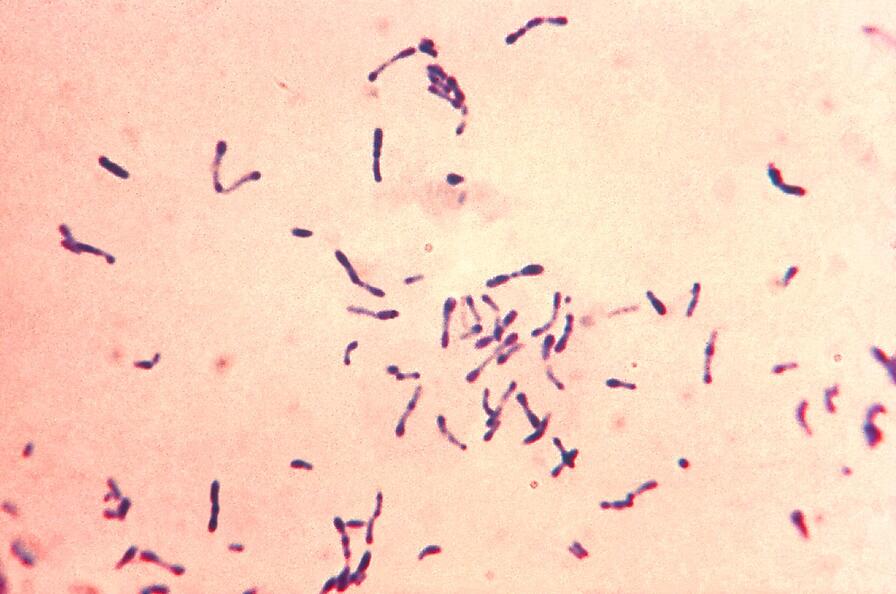
  • Staining: Methylene blue-stained smears of the edge of the membrane reveal characteristic beaded, metachromatically staining bacilli. They uniquely arrange themselves in V or L shapes, commonly described as looking like "Chinese letters" or club-shaped rods.
  • Culture: Regular agar won't work well. You must use highly selective media: Cysteine-tellurite blood agar or fresh Tinsdale's medium (colonies grow black with a brown halo).
  • Toxigenicity Testing: Finding the bug isn't enough; you must prove the bug actually makes the deadly toxin to confirm diphtheria. This is done via the Elek plate (an in-vitro agar diffusion precipitin reaction where toxin and antitoxin meet to form a visible line) or by injecting a guinea pig (causes visible dermonecrosis).
  • Treatment: Diphtheria Antitoxin is the absolute first line and is life-saving (it neutralizes circulating toxin before it enters cells). Followed by Erythromycin or Penicillin to kill the bacteria, and careful surgical removal of the necrotic debris (membrane) to aid healing.

5. Deeper Skin Infections: Erysipelas and Cellulitis

A. Erysipelas (Superficial)

Pathophysiology & Etiology: A distinctive type of superficial cellulitis with prominent lymphatic involvement. Caused almost universally by Group A Streptococci (uncommonly by Group C or G).

Clinical History & Presentation: Occurs mainly on the Face and lower extremities. Portals of entry include skin ulcers, local trauma/abrasions, psoriatic/eczematous lesions, or fungal infections (like athlete's foot creating microscopic cracks in the toes). Predisposing factors: venous stasis, paraparesis, diabetes, alcohol abuse.

  • Physical Exam: A severely painful lesion with a bright red, edematous, indurated appearance known as "peau d'orange" (because the swollen hair follicles make it look exactly like an orange peel). The absolute hallmark is an advancing, raised border that is sharply demarcated from the adjacent normal skin. You can easily draw a pen line where the infection stops. Patient will have high fever and chills.
  • Diagnostics: Leukocytosis is prominent.

B. Cellulitis (Deep)

Pathophysiology & Etiology: An acute, spreading infection extending much deeper than erysipelas, heavily involving the subcutaneous tissues. Caused mostly by Group A Streptococcus or S. aureus. Spread can be blood-borne, or direct spread from subjacent infections (e.g., subcutaneous abscesses, or fistulas draining from deep bone osteomyelitis).

Anatomic Variants & Specific Etiologies (MUST MEMORIZE FOR EXAM):

The location of the cellulitis often gives away the specific causative bug!

  • Periorbital (around the eye): S. aureus, Streptococcus pneumoniae, Group A Strep. (Can be life-threatening if it spreads to the cavernous sinus!).
  • Buccal (cheek): Haemophilus influenzae. (Classic scenario: An unvaccinated toddler with a rapidly swelling, purplish cheek).
  • Body Piercing (Ear, nose, umbilicus): S. aureus, Group A Strep.
  • After Mastectomy (Ipsilateral arm): Non-group A β-hemolytic streptococci. (Due to compromised lymph node drainage).
  • After Saphenous Vein Harvest (Ipsilateral leg): Group A or non-group A β-hemolytic strep. (Common post-CABG heart surgery).
  • Pelvic surgery / Radiation therapy (Vulva, groin, legs): Group B and Group G streptococci.
  • Postoperative abdominal wound: Group A streptococci.
  • Injection Drug Use (IVDU) (Extremities, neck): S. aureus, Streptococci (Groups A, C, F, G). (Usually from dirty needles or skin flora pushed deep).
  • Perianal: Group A streptococcus.

Clinical History & Presentation: Local tenderness, pain, and erythema develop and rapidly intensify. Malaise, fever, and chills. The area is extensive, very red, hot, and swollen.

Differentiating from Erysipelas: The borders of cellulitis are NOT elevated and NOT sharply demarcated. They fade gradually into normal skin. Patchy involvement with "skip areas" may occur (red patches disconnected from the main infection). Regional lymphadenopathy and local abscesses can form. Small patches of skin may undergo necrosis, and superinfection with Gram-negative bacilli may supervene.

Diagnostics
  • Polymorphonuclear leukocytosis.
  • Gram Stain: Gram-positive organisms are most common.
  • Cultures: Needle aspirates are NOT indicated ordinarily (yield is very low). You ONLY aspirate if: 1) unusual pathogens are suspected (immunocompromised patient), 2) fluctuant areas (pus pockets) are detected, or 3) initial antibiotics have completely failed.
  • Blood Cultures: Positive in only 2% to 4% of community-acquired cases (very low yield).
Treatment
  • Standard: β-Lactam antibiotics active against penicillinase-producing S. aureus (e.g., Cefazolin, Nafcillin).
  • If MRSA is suspected: Vancomycin or Linezolid.
  • Diabetic Foot Infection: Requires broad-spectrum coverage because it is often polymicrobial (Ampicillin/sulbactam, Imipenem/cilastatin, or Meropenem).
  • Supportive: Immobilization and elevation of the limb (crucial to let gravity reduce swelling). Apply a cool, sterile saline dressing to remove purulent exudate and decrease pain.

6. Infectious Gangrene (The Surgical Emergencies)

Definition: Cellulitis that has rapidly progressed, displaying extensive necrosis (death) of subcutaneous tissues, deep fascia, and overlying skin. This group includes Necrotizing Fasciitis, Gas Gangrene, and synergistic gangrenes.

General Pathology: Necrosis and hemorrhage in tissues, abundant polymorphonuclear (neutrophil) exudate, and critically, fibrin thrombi choking off the small arteries and veins of the dermis and subcutaneous fat. Because the blood supply is choked off, the tissue dies (turns black/gangrenous), and systemically delivered antibiotics cannot reach the site, making urgent surgery mandatory.

A. Clostridial Anaerobic Cellulitis & Gas Gangrene (Myonecrosis)

Pathophysiology: Necrotizing clostridial infection of devitalized (dead/crushed) subcutaneous tissue. Note for Anaerobic Cellulitis: Deep fascia is not appreciably involved and no myositis (muscle death) is present yet, unlike true gas gangrene where the muscle turns to mush. Gas formation is common and extensive.

  • Clostridium perfringens: Introduced via dirty/inadequately debrided traumatic wounds (e.g., a motorcycle crash in mud), contamination during bowel surgery, or preexisting localized infection.
  • Clostridium septicum: Arises from bacteremia, highly associated with leukemia, granulocytopenia, and classically, occult colon cancer. (If a patient gets C. septicum gangrene without trauma, you must scope their colon for a tumor!).

Clinical Presentation: Incubation is several days. Gradual onset, but then spreads terrifyingly fast. The wound exudes a thin, dark, foul-smelling "dishwater" drainage containing fat globules. Examination reveals extensive gas formation and frank crepitus (a crackling, Rice-Krispies sensation under the skin when pressed, due to trapped gas bubbles).

  • Diagnostics:
    • Gram Stain of Drainage: Reveals numerous blunt-ended, thick, Gram-positive bacilli ("boxcar" shaped) with variable numbers of leukocytes.
    • X-ray (Roentgenograms): Soft tissue imaging brilliantly highlights abundant black pockets of gas trapped in the tissue planes.
  • Treatment: Immediate surgical exploration to check for muscle involvement. If no myonecrosis, aggressively debride necrotic tissue and drain pus widely. IV Penicillin or Ampicillin PLUS Clindamycin or Metronidazole. Definitive therapy is based on culture susceptibilities.

B. Nonclostridial Anaerobic Cellulitis

Caused by non-spore-forming anaerobes (Bacteroides, Peptostreptococcus, Peptococcus), often mixed with facultative species (Coliforms, Strep, Staph). Gas-forming soft tissue infections here are produced by E. coli, Klebsiella, or Aeromonas.

C. Necrotizing Fasciitis

A severe, "flesh-eating" infection involving the subcutaneous soft tissues, specifically spreading rapidly along the superficial (and often deep) fascial planes.

Etiology (Two Types):

  • Type I (Polymicrobial): At least one anaerobe (Bacteroides or Peptostrep) PLUS facultative anaerobes (non-Group A strep) AND Enterobacteriaceae (E. coli, Enterobacter, Klebsiella, Proteus). Common in diabetics and after abdominal surgery.
  • Type II (Hemolytic Streptococcal Gangrene): Group A Streptococci isolated alone or with S. aureus. Associated with M-protein types 1, 3, 12, and 28 which elaborate Pyrogenic Exotoxin A. Seen in healthy young people after minor trauma, surgery, or in diabetics/PVD. Present in half of all Strep toxic shock-like syndrome cases.

Clinical Presentation & Fournier's Variant

Tissue is swollen without sharp margins, hot, shiny, and exquisitely tender. The hallmark is "pain out of proportion to exam" (the skin might just look slightly red, but the patient is screaming in agony because the deep fascia is dying). Lymphangitis is rare. Progresses to cutaneous gangrene. Marked edema can cause compartment syndrome. Subcutaneous gas may be present. Severe systemic toxicity with high fever (38.9°C - 40.5°C).

Fournier's Gangrene (A specific variant): Necrotizing fasciitis specifically of the male genitals.

  • Predisposing: Diabetes, local trauma, paraphimosis, periurethral extravasation of urine, perirectal infection, or circumcision/hernia surgery. Mixed cultures (facultative + anaerobes).
  • Presentation: Swollen, tender, prominent pain. Systemic toxicity. Swelling and crepitus of the scrotum rapidly increase, leading to dark purple areas and extensive scrotal gangrene. Spreads extremely rapidly along Colles' fascia in obese diabetics to the abdominal wall.
  • Diagnostics:
    • Leukocytosis and positive blood cultures.
    • Gram Stain: Mixture of organisms (Type I) or chains of gram-positive cocci (Type II).
    • Metabolic: Hypocalcemia (without tetany) may occur due to saponification if subcutaneous fat necrosis is extensive (fat breaks down and binds free calcium).
  • Treatment for all Necrotizing Fasciitis: Immediate, aggressive surgical debridement is paramount (slice until it bleeds!). Antibiotics: Ampicillin + Gentamicin + Clindamycin/Metronidazole, OR Amp-Sulbactam + Gentamicin, OR Imipenem/Meropenem.

D. Progressive Bacterial Synergistic Gangrene

  • Clinical History: Occurs specifically after an abdominal operative wound (frequently when wire retention sutures are used), around a colostomy/ileostomy, or near a fistulous tract.
  • Presentation: Local tender swelling that ulcerates. The painful, shaggy ulcer enlarges and is characteristically encircled by a margin of gangrenous skin, which is remarkably further surrounded by a violaceous (purple) zone.
  • Etiology: Microaerophilic/anaerobic strep, S. aureus, Proteus, or other gram-negatives.

7. Subcutaneous Abscesses from Deep Spread

Sometimes skin infections don't start on the skin; they erupt from below.

  • Osteomyelitis: Acute hematogenous osteomyelitis (bone infection) can manifest as a subcutaneous abscess when a deep subperiosteal abscess physically ruptures through the muscle/tissue to the skin surface. Most commonly S. aureus.
  • Bacteremic Infections/Endocarditis: Metastatic pyogenic (pus-forming) infections can seed the subcutaneous tissue via the blood. Scenario: An IV drug user with S. aureus growing on their heart valves (endocarditis) shoots tiny septic emboli into the bloodstream, which lodge in the skin and grow into tender, fluctuant abscesses. Most commonly S. aureus.

8. Mycetoma (Madura Foot)

Pathophysiology: A chronic, progressive granulomatous infection of the skin and subcutaneous tissue. Infection follows inoculation of organisms deep into tissue, frequently through thorn punctures, wood splinters, or pre-existing abrasions (commonly seen in agricultural workers walking barefoot in the tropics).

Once inside, the organisms grow and survive by producing "grains" (granules or sclerotia). These grains are massive clusters of fungal mycelia or bacterial filaments heavily held together in a proteinaceous matrix, which brilliantly protects them like a physical fortress from the host's immune system.

The Host Immune Response (3 Types):

  • Type I: Neutrophils degranulate and adhere to the grain surface, leading to gradual disintegration of the grain.
  • Type II: Neutrophils disappear, and Macrophages arrive to clear the grains and the dead neutrophil debris.
  • Type III: Marked by the formation of an epithelioid granuloma (the body realizes it can't eat the grain, so it builds a wall around it).

Etiology (CRITICAL EXAM MEMORIZATION):

Mycetoma is divided into Fungal (Eumycetoma) and Bacterial (Actinomycetoma). You MUST know the specific colors of the grains they produce. Exam Hint: If it's black, it's 100% Fungal!

Eumycetoma (Fungal):

  • Black Grains: Madurella spp., Leptosphaeria spp., Curvularia spp., Exophiala jeanselmei, Phialophora verrucosa, Pyrenochaeta mackinnonii, P. romeroi.
  • Pale Grains (White/Yellow): Pseudallescheria boydii (Scedosporium apiospermum), Acremonium spp., Aspergillus spp., Fusarium spp., Neotestudina rosatii.

Actinomycetoma (Filamentous Bacteria):

  • Pale Grains (White/Yellow): Actinomadura madurae, Nocardia spp.
  • Yellow to Brown Grains: Streptomyces somaliensis.
  • Red to Pink Grains: Actinomadura pelletieri. (Unique red/pink identifier!).

Clinical History & Presentation: Most commonly affects the lower extremity (70% in the foot), followed by the hand (15%). It begins as a single, small, painless subcutaneous nodule. Over months/years, it slowly increases in size, becomes firmly fixed to the underlying tissue, and ultimately develops deep, destructive sinus tracts.

The Classic Diagnostic Triad:
1. Painless soft tissue swelling.
2. Draining sinus tracts.
3. Extrusion (pushing out) of macroscopic grains/granules in the purulent drainage.
Diagnostics
  • Microscopic observation and culture of the extruded grain.
  • Crush the grains and prepare with Potassium Hydroxide (KOH) to dissolve tissue, or use a Gram Stain.
  • Differentiating factors under the microscope: Actinomycetes (bacteria) produce extremely thin filaments (0.5 to 1 μm wide). Fungi produce much thicker, robust hyphae (2 to 5 μm wide).
  • Radiographic Studies (X-ray): Crucial to define the extent of bone/deep tissue disease (often causes massive bone destruction) and differentiate from other tumors/cysts.
Treatment
  • Actinomycetoma (Bacteria): Medical therapy works very well. Use Streptomycin PLUS either Trimethoprim-Sulfamethoxazole (TMP-SMX) OR Dapsone.
  • Eumycetoma (Fungi): Very resistant to medical therapy because the fungal grains are impenetrable. Requires Azole antifungals PLUS aggressive surgical excision/amputation of the limb to stop the spread.

Quick Quiz

Skin and Soft Tissue Infections Quiz

Microbiology - mobile-friendly and focused practice.

Privacy: Your details are used only for quiz tracking and certificates.

Skin and Soft Tissue Infections (SSTIs) Read More »

History & Diagnostics in Microbiology

History & Diagnostics in Microbiology

History & Diagnostics in Microbiology


PART 1: HISTORY OF MICROBIOLOGY


1. The Dark Ages of Disease

Before the invention of microscopes, humans were completely blind to the microscopic world. Diseases were attributed to supernatural causes (curses, angry gods) or "miasmas" (bad, foul-smelling air from rotting organic matter). Slowly, the concept of contagion (disease spreading by touch, clothing, or proximity) began to emerge, but the actual physical agents of disease remained a complete mystery.

Historical Context: During the bubonic plague (Black Death), "plague doctors" wore bird-like masks stuffed with sweet-smelling flowers. Why? Because they genuinely believed the disease was caused by inhaling the foul "miasma" smell of death, rather than being bitten by infected flea vectors!

2. The Pioneers of Microscopy (The Lens Makers)

We couldn't study bacteria until we could see them. Three men made this possible:

Zacharias Janssen (1570-1638)

A Dutch spectacle maker who invented the concept of compounding lenses. He placed two lenses inside a single sliding tube, creating the first rudimentary compound microscope, allowing for enlarged images of microscopic forms.

Robert Hooke (1635-1703)

In the 1660s, he modified the microscope (using a 6-inch tube and two convex lenses). He famously observed cork, seaweed, and sponges.

  • He coined the term "cell" because the tiny rectangular structural boxes in cork reminded him of the bare, empty monastery rooms (cells) where monks lived.
  • In 1665, he published his spectacular findings in his famous book, Micrographia.
  • He was the first to describe fungi, detailing a bluish mold on leather and a white mold (which his detailed descriptions allow us to classify today as Mucor).
Antony van Leeuwenhoek (1632-1723)

Known forever as the Father of Microbiology. A brilliant, self-made scientist from Delft, Holland.

  • He made 419 lenses and over 250 single-lens microscopes, achieving a staggering, crystal-clear magnification of 200-300x.
  • He observed sperm, blood cells, and most famously, the scrapings from his own teeth (which we now know were massive bacterial biofilms!).
  • He wrote extensively detailed letters to the British Royal Society describing tiny, moving unicellular creatures he affectionately called 'animalcules'.
  • In 1683, he published the very first sketches of the three principle bacterial shapes: rods (bacilli), cocci (spheres), and spirals.

3. The Great Debate: Abiogenesis vs. Biogenesis

For centuries, scientists fought a bitter war over where life actually came from. Did it magically appear from non-living matter (Abiogenesis / Spontaneous Generation), or did life only come from pre-existing life (Biogenesis)?

Scientist Experiment & Conclusion Stance
Van Helmont (1580-1644) Placed dirty clothes and wheat/cheese in a dark stable for 21 days. Found mice. Concluded the dirt/wheat magically "created" mice. (He ignored the fact that mice simply walked in to eat the cheese!). Supported Abiogenesis
Francesco Redi (1626-1697) The 3-Jar Meat Experiment. One open jar (maggots grew), one covered in parchment (no maggots), one covered in gauze (eggs laid on top of gauze, no maggots on meat). Proved flies MUST lay eggs to make maggots. Opposed Abiogenesis
Louis Joblot (1645-1723) Boiled hay infusion and divided it. Covered vessel = no growth. Uncovered = microbial growth. Opening the covered one later allowed growth. Supported Biogenesis
Lazzaro Spallanzani (1729-1799) Boiled meat broth for a long time to destroy heat-resistant spores and completely sealed the flask in flame. Result: No growth. Opponents stubbornly claimed he destroyed the "vital air" needed for magic generation. Opposed Abiogenesis

The Final Nail in the Coffin: Louis Pasteur (1862)

Louis Pasteur (1822-1895) permanently ended the spontaneous generation debate with a stroke of genius. He designed a special 'Swan-necked' (S-shaped) flask. He boiled nutrient broth inside it to sterilize it.

Because the flask was completely open at the very end, "vital air" could easily enter, satisfying his stubborn critics. However, gravity and the S-curve of the neck physically trapped all heavy dust particles and bacteria from the air, preventing them from falling into the broth. Result: NO GROWTH. The broth remained sterile indefinitely. When he deliberately broke the neck off, allowing dust to fall directly in, microbial growth appeared immediately. Biogenesis was proven forever!

4. The Golden Age of Microbiology

The late 1800s saw an explosion of life-saving discoveries, primarily led by two bitter international rivals: Pasteur (France) and Koch (Germany).

Louis Pasteur (The Innovator)

  • Discovered anaerobic bacteria (1877) during studies on butyric acid fermentation (bacteria that live without oxygen).
  • Discovered that Yeast is the microorganism responsible for converting sugar into alcohol.
  • Solved the massive economic crisis of souring French wine by inventing Pasteurization (mildly boiling fruit juices/milk to kill specific spoilage contaminants without ruining the taste).
  • Vaccines & Immunology (1880): Discovered active immunization by a happy accident. While studying chicken cholera (Pasteurella spp.), he found that leaving cultures out on the bench to age made them lose their pathogenicity (virulence). Injecting these "attenuated" (weakened) older cultures didn't kill the chickens, but amazingly protected them from future deadly doses!
  • Created the first attenuated rabies vaccine and famously saved a young boy (Joseph Meister) who had been savagely bitten by a rabid dog.

Robert Koch (1843-1910) (The Methodical Bacteriologist)

A German scientist who gave us the strict laboratory techniques we still use today.

  • Isolated the exact microorganisms causing Anthrax and Tuberculosis.
  • Developed solid media (using agar instead of liquid broths or potatoes) for culturing bacteria and invented the streak plate technique to physically isolate pure, single colonies.

Exam Trap: Koch's Postulates

Koch created 4 strict guidelines/rules to definitively prove that a specific microbe causes a specific disease. To pass the test:

  1. The microorganism must be found in abundance in ALL organisms suffering from the disease, but NOT found in healthy organisms.
  2. The microorganism must be isolated from the diseased animal and grown in pure culture in the lab.
  3. The cultured microorganism must cause the exact same disease when introduced into a healthy lab animal.
  4. The microorganism must be re-isolated from the newly diseased animal and identified as completely identical to the original specific causative agent.

The Exception / Caveat (Highly Testable!): We now know there are major exceptions to Koch's rules!
- Asymptomatic carriers (like Typhoid Mary) violate Rule 1 (the bug is in a healthy person).
- Viruses, Leprosy, and Treponema pallidum (Syphilis) CANNOT be grown in pure artificial agar cultures, completely violating Rule 2!

Other Key Founders & Discoveries

  • Joseph Lister (1827-1912): The Father of Antisepsis. He applied Pasteur's germ theory to surgery by using carbolic acid (phenol) to sterilize surgical instruments, the air, and wounds, drastically reducing horrific post-op infections. He was also the first to isolate a bacteria (Bacillus lactis) in pure liquid culture using serial dilutions.
  • Hans Christian Gram (1853-1938): In 1884, developed Gram Staining. Based on peptidoglycan thickness in the cell wall, it differentiates bacteria into Gram-Positive (Violet/Purple) and Gram-Negative (Pink). It remains the most basic, crucial step in bacterial identification today.
  • Edward Jenner (1749-1823): British physician who invented the concept of vaccination. He noticed milkmaids never got deadly Smallpox because they caught the mild Cowpox virus. He developed the vaccine against smallpox (using cowpox pus), leading to the total global eradication of smallpox.
  • Elie Metchnikoff (1845-1916): In 1892, discovered phagocytosis (observing white blood cells "eating" bacteria under a microscope after sticking thorns into transparent starfish larvae). This birthed the field of cellular immunology.
  • Alexander Fleming (1881-1955): In 1928, accidentally discovered Penicillin (the first antibiotic) from mold growing on a forgotten petri dish. He noted it killed Gram-positive bacteria (and historically, organisms causing scarlet fever and gonorrhea).

5. The Era of Genetics and Molecular Biology

As microscopes improved, we moved from looking at whole cells to looking at DNA and enzymes.

  • Embden, Meyerhof, and Parnas: Discovered the critical metabolic pathway where glucose breaks down into pyruvate, known today as the Glycolysis (EMP) pathway.
  • Frederick Griffith (1877-1941): Discovered the "Transforming Principle". He injected mice with dead, virulent Streptococcus pneumoniae mixed with live, harmless strains. The mice died! He showed that dead bacteria could transfer their deadly genetic "instruction manual" to live, harmless bacteria.
  • Avery, McLeod, and McCarty: Proved definitively that Griffith's mysterious "Transforming Principle" was actually DNA, not protein.
  • Beadle and Tatum: Used the fungus Neurospora to connect microbiology to genetics, establishing the famous "one gene, one enzyme" hypothesis.
  • Rosalind Franklin (1920-1958): Performed the brilliant X-Ray crystallography that provided the major visual clues for the structure of DNA.
  • Watson and Crick (1953): Stole/borrowed Franklin's data and published the famous paper describing the double helix structure of DNA.
  • Kary Mullis (1944-2019): Discovered PCR (Polymerase Chain Reaction), allowing scientists to amplify tiny, invisible amounts of DNA into millions of copies in a short time.

PART 2: DIAGNOSTIC MODALITIES IN MICROBIOLOGY

1. The Role of the Clinical Microbiology Lab

Diagnostic medical microbiology is strictly concerned with finding the etiologic (causative) diagnosis of an infection. The lab's primary jobs are:

  1. To test biological specimens from patients to strictly identify the microorganisms causing the illness.
  2. To perform antimicrobial susceptibility testing (in vitro activity of drugs against the bug) to tell the doctor exactly what antibiotic to prescribe, avoiding drug resistance.
  3. To confirm a clinical diagnosis of an infectious disease.
  4. To advise physicians on specimen collection and processing.

The Workflow: Clinical Information → Lab Test → Diagnosis.

2. The Role of the Clinician (The Doctor's Job)

The lab cannot give good results if the doctor gives them garbage to work with. The clinician MUST:

  • Inform the lab of the patient's clinical info and preliminary diagnosis (so the lab knows what special agars to prepare).
  • Know exactly what laboratory examinations to request.
  • Know WHEN and HOW to collect the specimens safely.
  • Know how to rationally interpret the lab's results.

3. Specimen Selection, Collection, and Transportation

A properly collected specimen is the single most important step in diagnosing any disease. If you collect the wrong thing, or collect it poorly, the lab will fail to find the pathogen.

General Rules of Sample Collection (CRITICAL)
  • Adequate Quantity: You must collect enough of the specimen for the lab to run multiple tests (Gram stain, culture, PCR). A tiny dry swab is useless.
  • Representative of the infection: The specimen must come from the exact anatomical site of infection.
    • Scenario A: If a patient has pneumonia, you need deep sputum from the lungs, NOT spit/saliva from the mouth. (Lab techs look for Squamous Epithelial cells under the microscope; if there are too many, they know it's just mouth spit and will reject the sample!).
    • Scenario B: If a patient has a deep wound, you must swab the deep purulent base of the wound (where the true anaerobic pathogen is), NOT the superficial surface (which is covered in normal skin flora and dead cells).
  • Avoid Contamination: Always use strict aseptic precautions and sterile containers. For urine, instruct the patient to provide a "mid-stream, clean-catch" sample to wash away the normal skin bacteria at the tip of the urethra before collecting the cup.
  • Prompt Transportation: Specimens must go to the lab immediately. Bacteria can die (like the fragile bacteria causing gonorrhea), or contaminating normal flora can overgrow and completely mask the pathogen if the tube is left sitting on a warm desk.

TIMING IS EVERYTHING: The Golden Rule of Antibiotics

Samples MUST be collected BEFORE administering any antibiotics to the patient!

Clinical Scenario: A patient arrives with a roaring fever and suspected blood infection (sepsis). The nurse panics and gives IV antibiotics immediately, then draws blood for the lab 30 minutes later.
The Result: The antibiotics have already killed or stunned the bacteria in the blood tube. The lab culture will falsely show "No Growth," and you will never know what bug was actually killing the patient. Always Draw Blood Cultures FIRST, then shoot the antibiotics!

Common Biological Samples include: Blood/serum, Sputum/bronchial washings, Exudates (pus) and transudates, Urine and other body fluids (like CSF from a spinal tap), Feces (stool), and Swabs of tissue samples.


4. Laboratory Diagnostic Methods

Once the lab receives the perfect specimen, they utilize a step-wise approach to identify the bug.

A. Microscopy & Staining

First, the microbiologist performs a gross macroscopic examination (What does the sample look like to the naked eye? Is it bloody? Purulent? Watery?). Next, a slide is prepared for the microscope. Because bacteria consist of clear protoplasmic matter, they are nearly invisible under a normal light microscope. Therefore, staining is of primary importance to see and recognize them.

I. The Gram Stain (The Most Useful Test in Microbiology)

Divides virtually all bacteria into two massive groups based on whether their cell walls resist decolorization.

Procedure:

  1. Fix smear by gentle heat (melts the bacteria safely onto the glass so they don't wash off).
  2. Cover with Crystal Violet (Primary dye). All cells turn purple.
  3. Wash with water.
  4. Cover with Lugol's Iodine (Mordant - binds the violet dye into a massive crystal complex inside the cell wall).
  5. Wash with water.
  6. Decolorize with Acetone or Aniline oil for 30 seconds with gentle agitation. (This is the critical differential step!)
  7. Wash with water instantly to stop the acid burning.
  8. Counterstain with Safranin, Basic Fuchsin, or Neutral Red for 30 seconds.
  9. Wash and allow to dry.

Interpretation:

  • Gram-Positive Bacteria Have a massively thick peptidoglycan wall that traps the crystal violet-iodine complexes perfectly. They resist the acetone decolorizer and remain a dark VIOLET/PURPLE.
  • Gram-Negative Bacteria Have a very thin peptidoglycan wall and a high lipid content outer membrane. The acetone melts the lipids and washes away the purple dye completely. Now invisible, they take up the pink counterstain and appear PINK/RED.

II. Ziehl-Neelsen (ZN) Stain / Acid-Fast Stain

Some bacteria, specifically Mycobacteria (like Mycobacterium tuberculosis), absolutely cannot be Gram stained because their cell walls are packed with a thick, waxy lipid layer (Mycolic acid) that fiercely repels normal water-based dyes.

  • Principle: Carbol Fuchsin (a deep red dye) is applied to the slide. Because of the waxy wall, you must actively heat the slide (flame beneath until steam appears, but don't boil) to physically melt the wax and force the red dye into the cells.
  • Decolorization: A harsh mix of 3% Hydrochloric Acid in Isopropyl Alcohol is applied. Normal bacteria lose the red dye instantly. But Mycobacteria's wax cools and seals the dye inside—they hold onto it tightly, hence they are "Acid-Fast".
  • Counterstain: Methylene Blue is applied.
  • Interpretation: Acid-Fast bacteria (TB) appear Red/Pink against a background of non-acid-fast bacteria and human cells which appear Blue. (Clinical Scenario: A patient with chronic cough and night sweats gives sputum. The ZN stain shows tiny red rods on a blue background. You immediately isolate the patient for active Tuberculosis!).

B. Culture

Placing the specimen onto specialized nutrient Media/Agar plates and incubating them at body temperature (37°C). This allows a single microscopic bacterium to multiply overnight into a visible colony of millions of cells, allowing us to see its shape, color, and behavior (e.g., Blood Agar plates let us see if the bug produces toxins that burst red blood cells, known as hemolysis).

C. Biochemical Tests

Once you grow a pure colony, you run chemical tests to figure out its unique "metabolic fingerprint." Common tests include:

  • Oxidase: Tests for the enzyme cytochrome c oxidase (helps rapidly identify Pseudomonas and Neisseria).
  • Catalase: Tests for the catalase enzyme by dropping hydrogen peroxide on the bug. If it bubbles like crazy, it's positive!
    Clinical trick: All Staphylococci are Catalase Positive (bubbles); all Streptococci are Catalase Negative (no bubbles)!
  • TSI (Triple Sugar Iron): Checks if the bug ferments glucose/lactose/sucrose and produces hydrogen sulfide gas (turns the bottom of the tube pitch black, common for Salmonella).
  • Urease: Checks if the bug breaks down urea into ammonia.
    Clinical Scenario: Used to identify Helicobacter pylori. We give patients a urea breath test. If they breathe out ammonia, we know H. pylori is thriving in their stomach causing their ulcers!
  • SIM (Sulfide Indole Motility): A multi-test tube evaluating if the bug can swim (motility) and if it produces indole from tryptophan.
  • Citrate: Checks if the bug can survive using citrate as its sole carbon energy source.

D. Serologic Assays (Antigen & Antibody Detection)

Sometimes you can't grow the bug (because it's a virus, or the patient already took antibiotics), so you look for its protein footprints (Antigens) or the patient's immune system response to it (Antibodies) floating in the blood/serum.

  • ELISA (Enzyme-Linked Immunosorbent Assay): Highly sensitive plate-based assay using color-changing enzymes to detect antibodies (e.g., standard HIV screening test).
  • Latex Agglutination: Latex beads coated in antibodies are mixed with the patient's spinal fluid. If the specific bacterial antigen is present, the beads clump together visibly in seconds. Incredible for rapid diagnosis of Bacterial Meningitis in the ER!
  • Coagglutination.

E. Molecular Techniques

The absolute most modern, rapid, and accurate methods available today. Instead of looking at shapes or chemicals, you look directly at the bug's DNA.

  • PCR (Polymerase Chain Reaction): Amplifies tiny, invisible traces of bacterial/viral DNA from a sample until there is enough to detect. Extremely sensitive. It can detect dead bacteria or viruses (like HIV or COVID-19) that will never grow on an agar plate.
  • Whole Genome Sequencing (WGS): Reading the entire genetic blueprint of the bacteria from start to finish. Used to identify the exact mutant strain during an outbreak and find hidden antibiotic resistance genes instantly.

Quick Quiz

History & Diagnostics Quiz

Microbiology - mobile-friendly and focused practice.

Privacy: Your details are used only for quiz tracking and certificates.

History & Diagnostics in Microbiology Read More »

Bacterial Growth, Genetics, and Structure

Bacterial Growth, Genetics, and Structure

Microbiology Foundations: Bacterial Growth, Genetics, and Structure

Module Overview

Before a bacterium can divide and cause an infection, it needs the right fuel and environment. Think of bacteria as microscopic factories; they need raw materials (nutrition) and ideal factory conditions (environment). Understanding these mechanisms is the fundamental basis of targeted antibiotic therapy and infectious disease management.


1. Bacterial Growth & Nutritional Requirements

A. Nutrient Requirements (The "Raw Materials")

Just like human cells, bacterial cells are highly complex and require specific building blocks to construct their membranes, DNA, and proteins.

  • Water: Essential for all biochemical reactions. It is the universal solvent in which all intracellular metabolic processes occur.
  • Carbon Source (C): The backbone of all living molecules (carbohydrates, lipids, proteins). Bacteria are often classified by how they get carbon (e.g., heterotrophs get it from organic compounds like glucose; autotrophs get it from CO2).
  • Nitrogen Source (N): Crucial for building amino acids (which make up proteins) and nucleic acids (which make up DNA/RNA).
  • Inorganic Salts, Sulfur (S), & Phosphorus (P):
    • Phosphorus is needed to synthesize ATP (energy currency) and the phospholipid bilayer of the cell membrane.
    • Sulfur is strictly needed for certain sulfur-containing amino acids (like cysteine and methionine) which hold proteins together via disulfide bonds.
  • Growth Factors: Essential vitamins and amino acids that the bacteria cannot synthesize on their own. If the environment lacks these, the bacteria cannot survive.

B. Environmental Factors (The "Factory Conditions")

  • Temperature: Most human pathogens grow best at 37°C (normal human body temperature). These are known as mesophiles. (Clinical Note: This is why the human body generates a fever—it raises the temperature above 37°C to make the environment uncomfortably hot and hostile for the invading bacteria!)
  • Gas (Oxygen): Determines if they can breathe in air or if air is toxic to them (detailed in the next section).
  • pH: Most bacteria prefer a neutral pH (around 7.0), though some have adapted to survive extreme acid.
    Example: Helicobacter pylori in the stomach survives the highly acidic gastric juice (pH ~2.0) by secreting an enzyme called urease, which creates a neutralizing "cloud" of ammonia around the bacteria.
  • Osmotic Pressure: Salt and sugar concentrations in the environment.
    Clinical Example: High salt environments usually pull water out of bacteria, killing them (which is why curing meat with salt prevents rotting). However, Staphylococcus aureus is a "halophile" (salt-lover) and can easily survive on the salty surface of human skin, making it a major cause of surgical wound infections.

2. Oxygen Requirements: Aerobic vs. Anaerobic Bacteria

Clinical Scenario: The Rusty Nail

A patient steps on a rusty nail. The deep puncture wound closes over quickly, trapping bacteria inside with no oxygen. This is the perfect, deadly environment for an obligate anaerobe (like Clostridium tetani) to thrive and cause tetanus. Understanding oxygen requirements tells you exactly where an infection can survive in the human body!

Oxygen is highly reactive. When metabolized, it creates deadly byproducts called Reactive Oxygen Species (ROS), such as superoxide radicals (O2-) and hydrogen peroxide (H2O2). To survive in oxygen, a bacteria MUST have specific enzyme "shields" (Catalase and Superoxide Dismutase - SOD) to neutralize these toxins.

Type of Bacterium Effect of Oxygen Growth Pattern in a Tube Enzyme Status (The "Shields") Classic Clinical Examples
Obligate Aerobes Only aerobic growth; O2 is strictly required. Growth occurs only at the very top of the tube where O2 is highest. Have Catalase and Superoxide Dismutase (SOD) to neutralize toxic oxygen radicals. Mycobacterium tuberculosis (This is why TB infections classically target the APEX of the lungs, where oxygen concentration is highest!)
Facultative Anaerobes Adaptable! Both aerobic and anaerobic growth. Greater growth with O2, but can survive without it. Growth is best at the top, but occurs throughout the entire tube. Have Catalase and SOD to neutralize toxic oxygen. Escherichia coli (E. coli) and Staphylococcus aureus.
Obligate Anaerobes Only anaerobic growth. Oxygen is highly toxic/lethal. Growth occurs only at the very bottom of the tube where there is zero O2. Lacks enzymes to neutralize harmful forms of O2. Clostridium tetani, Bacteroides fragilis (Found deep in the gut).
Aerotolerant Anaerobes Only anaerobic growth, but it can continue growing in the presence of O2. Growth occurs evenly throughout the entire tube; O2 has no effect. Presence of one enzyme (SOD) allows them to partially tolerate O2. Lactobacillus and Streptococcus pyogenes.
Microaerophiles Only aerobic growth, but strictly requires LOW concentrations of oxygen. Growth occurs right in the middle of the tube (where O2 is low but not zero). Produce lethal amounts of toxic oxygen if exposed to normal atmospheric air. Helicobacter pylori and Campylobacter jejuni.

3. The Bacterial Growth Curve

When bacteria invade a host or are put in a culture tube, they follow a predictable, 4-stage life cycle. Exam Trap: Know exactly what happens in the Log phase vs. Stationary phase!

1. Lag Phase

The "Prep" Phase

Bacteria are sensing their environment, gathering nutrients, and turning on specific enzymes needed to digest local food sources. There is NO increase in the number of living bacterial cells during this phase.

2. Log Phase (Exponential Phase)

The "Population Boom"

There is an exponential increase in the number of living cells. The bacteria are replicating at maximum speed.

Clinical Pearl: This is when bacteria are rapidly building new cell walls and dividing. Therefore, this is the exact phase where antibiotics that target cell wall synthesis (like Penicillin or Cephalosporins) are most spectacularly effective!

3. Stationary Phase

The "Plateau"

Nutrients are running out, and toxic metabolic waste is building up. The rate of cell division exactly equals the rate of cell death. (Deep Dive: In this phase, bacteria like Clostridium and Bacillus realize they are starving and will trigger the formation of Endospores to survive the upcoming famine). Because cell wall synthesis slows down drastically here, Penicillin becomes much less effective against bacteria in an abscess (which are usually in the stationary phase).

4. Death (Decline) Phase

The "Collapse"

There is an exponential decrease in the number of living cells due to complete nutrient depletion and a lethal overload of toxic waste.


4. Fastidious Bacteria (The "Picky Eaters")

Definition: Fastidious microorganisms are extremely difficult to grow in the laboratory because they have highly complex or restricted nutritional/environmental requirements (specific temp, pH, O2, special nutrients). They will simply die if these stringent needs aren't met.

Exam Tip: Memorize these classic examples. If you see them on a test, know they require special agars (like Chocolate agar) to grow!

  • Neisseria gonorrhoeae (Causes Gonorrhea). Requires highly specific "Thayer-Martin" agar (chocolate agar with antibiotics added to kill competing bacteria).
  • Haemophilus influenzae (Causes respiratory infections/meningitis). Requires Chocolate Agar, which contains heated, lysed red blood cells that release strict growth factors: Factor X (hemin) and Factor V (NAD).
  • Treponema pallidum (Causes Syphilis - actually so fastidious it can't be grown on standard lab media at all! It must be grown in animal testicles).
  • Legionella pneumophila (Causes Legionnaires' disease).
  • Bordetella pertussis (Causes Whooping cough).
  • Campylobacter jejuni (Requires microaerophilic conditions).
  • Helicobacter pylori (Requires microaerophilic and acidic adaptations).
  • Brucella species.
  • Francisella tularensis.
  • Bartonella henselae (Cat scratch disease).
  • Mycoplasma pneumoniae & A. pleuropneumoniae.

5. Bacterial Cell Division & Generation Time

Prokaryotic cells divide by Binary Fission. One cell elongates, duplicates its DNA, a cross-wall forms, and it splits exactly into two identical daughter cells (One into two, two into four, four into eight). Because of this, cell growth is mathematically exponential.

Generation Time (Doubling Time): The time it takes for a bacterial population to double in number. This varies wildly among species and has huge health consequences.

Specific Dividing Times to Know:

  • Escherichia coli: Very fast! ~52.0 to 86.6 mins. (Clinical translation: A patient with an E. coli UTI can develop overwhelming, life-threatening sepsis overnight because the bacteria duplicate so rapidly).
  • Proteus vulgaris: 28.2 mins.
  • Enterococcus faecalis: 25.9 mins.
  • Bacillus cereus: 49.0 mins.
  • Fungi/Yeasts (Saccharomyces cerevisiae): ~99 - 107 mins.

The Extreme Exception (Mycobacterium)

  • Mycobacterium smegmatis (non-pathogenic): ~3 hours.
  • Pathogenic Mycobacterium (like M. tuberculosis): 18 to 24 hours!

Clinical Scenario: Because its doubling time is so slow, a patient with Tuberculosis must wait up to 4-6 weeks for lab cultures to grow a visible colony. Furthermore, because antibiotics work best on rapidly dividing cells, treatment for TB takes 6 to 9 months because the bacteria replicate so sluggishly!


6. Morphology: Size and Shape

Size

Bacteria generally range from 0.1 to 5 µm in diameter. They are much smaller than human Eukaryotic cells, but significantly larger than viruses. You need a Light Microscope to see bacteria, but a high-powered Electron Microscope to see viruses.

  • Haemophilus influenzae: 0.25 × 1.2 µm (Very small)
  • Escherichia coli: 1.3 × 3 µm (Average)
  • Cyanobacteria: 5 × 40 µm (Giant for a bacteria)

Shapes & Arrangements

Pathologists use these shapes to instantly narrow down the cause of an infection.

  • Cocci (Spheres):
    • Diplococci: Pairs. (e.g., Streptococcus pneumoniae, and Neisseria gonorrhoeae which is famously a Gram-negative diplococci).
    • Streptococci: Chains. (Looks like a string of pearls under the microscope).
    • Staphylococci: Grape-like clusters. (e.g., Staphylococcus aureus. If a doctor sees Gram-positive clusters on a blood culture, they immediately suspect Staph!).
    • Tetrads (groups of 4) & Sarcina (3D cubes of 8).
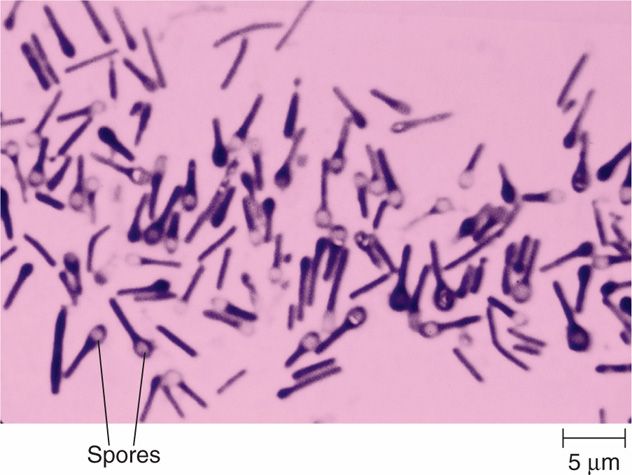
  • Bacilli (Rods): Coccobacillus (plump, oval rod), Chain of bacilli (Bacillus anthracis), Flagellate rods (Salmonella typhi), Spore-formers (Clostridium botulinum).
  • Others:
    • Vibrios: Comma-shaped (Vibrio cholerae).
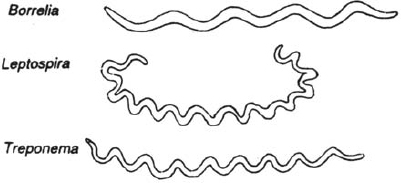
    • Spirilla / Spirochaetes: Corkscrew shaped (Helicobacter pylori, Treponema pallidum).
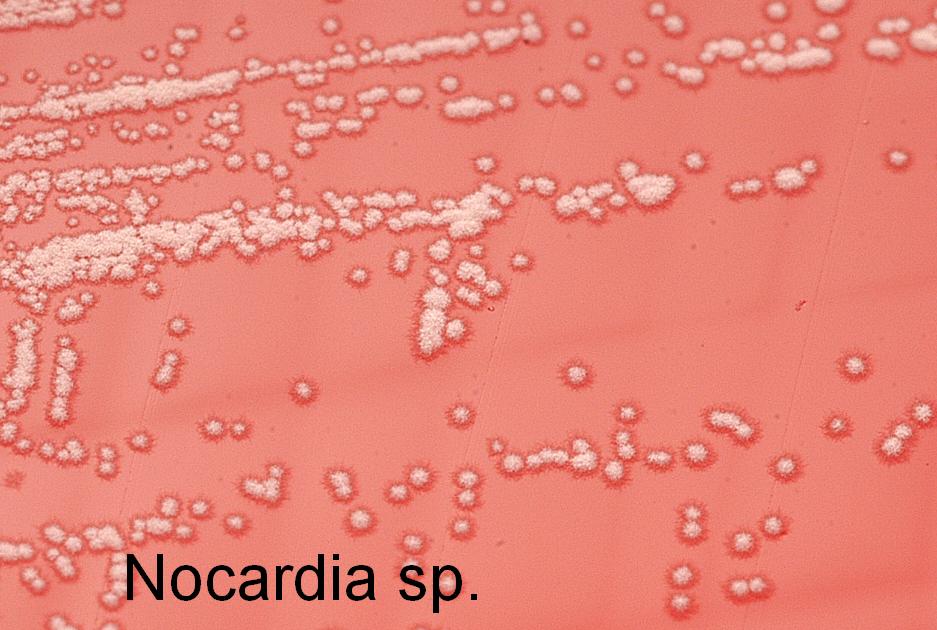
    • Filamentous: Long, branching threads resembling fungal hyphae. Examples include Mycobacteria (visible on ZN/Ziehl-Neelsen Acid-Fast stain), Actinomyces, and Nocardia.

7. Eukaryotic vs. Prokaryotic Cell Comparison

Exam Trap: You must know the absolute differences. This is the entire foundation of Selective Toxicity in pharmacology! We want drugs that kill bacteria (prokaryotes) without harming human host cells (eukaryotes).

Feature Fungi / Human (Eukaryote) Bacteria (Prokaryote) Pharmacological Relevance
Nuclear Structure True nucleus with a well-defined nuclear membrane. No nuclear membrane (Nucleoid region only, DNA is free-floating). Bacterial DNA replication is directly exposed in the cytoplasm, allowing drugs like Fluoroquinolones to easily target DNA gyrase.
Organelles Mitochondria, Endoplasmic Reticulum, Golgi apparatus, Vacuoles. None. Lacks all membrane-bound organelles. Bacteria must perform cellular respiration directly on their inner cell membrane instead of inside a mitochondrion.
Cell Membrane Sterols present (e.g., Cholesterol in humans, Ergosterol in fungi). Sterols absent (Except in the unique bacteria Mycoplasma). Antifungal drugs (like Amphotericin B or Fluconazole) specifically attack Ergosterol. They kill fungi but ignore human cholesterol and bacterial membranes!
Cell Wall Polysaccharides (Glucans, mannans, chitin in fungi). NO peptidoglycan in humans/fungi. Made of highly specific Peptidoglycan. Penicillin destroys peptidoglycan. Because humans lack peptidoglycan entirely, Penicillin can kill billions of bacteria without bursting a single human cell!
Spores Sexual and asexual reproductive spores. Endospores (For harsh survival ONLY, NOT for reproduction). Bacterial spores are practically indestructible and heavily complicate hospital sanitization protocols.

8. Bacterial Genetics: DNA, Transcription, & Translation

A. Bacterial DNA

Most bacteria have a haploid genome (only one copy of their genes, meaning any mutation shows up immediately, with no backup copy to hide a lethal recessive trait). The genome is a single chromosome consisting of a circular, double-stranded DNA molecule.

Plasmids: Extra, small circular DNA pieces are also often present. Plasmids are not essential for basic life, but they carry "superpowers" like antibiotic resistance genes or toxin genes. Bacteria can pass these plasmids to each other via conjugation (like sharing a flash drive of data).

Exceptions to the Rule (Exam Favorites!):

  • Linear chromosomes exist in Gram-positive Borrelia and Streptomyces.
  • Agrobacterium tumefaciens (Gram-negative) has one linear AND one circular chromosome!

B. The Central Dogma & RNA Processing

DNA replicates → DNA is transcribed into mRNA → mRNA is translated by ribosomes into Protein.

Crucial Difference: In Eukaryotes (humans), DNA has "junk" sequences called introns that must be spliced (cut) out, leaving only exons. Bacteria generally do NOT have introns and do not require RNA splicing. Their mRNA is ready to be translated immediately, allowing them to adapt to new environments at lightning speed.

C. Bacterial Ribosomes (The Protein Factories)

Bacterial ribosomes are small particles composed of ribosomal protein and rRNA.

  • Size: They are exactly 70S in size (composed of a 50S large subunit and a 30S small subunit).

Clinical Pharmacology Pearl: Human ribosomes are larger, at 80S (made of 60S and 40S subunits). This structural difference is heavily exploited in medicine! Drugs like Tetracyclines and Aminoglycosides specifically bind to and jam the 30S subunit. Drugs like Macrolides (Azithromycin) specifically target the 50S subunit of the 70S bacterial ribosome. Because humans don't have 70S ribosomes, these powerful drugs paralyze the bacteria without stopping human protein synthesis!


9. The Cell Envelope: Cytoplasmic Membrane & Cell Wall

The envelope is everything surrounding the cytoplasm. It consists of the Cell (Plasma) Membrane and the Cell Wall.

A. Cytoplasmic / Cell / Plasma Membrane

It is a Phospholipid bi-layer (hydrophilic heads facing out, hydrophobic tails facing in). Because bacteria lack internal organelles, this thin outer membrane has to do 5 crucial jobs:

  1. Selective permeability barrier: Keeps nutrients in, keeps toxins out.
  2. Electron transport and oxidative phosphorylation: Since bacteria have NO mitochondria, the cytochromes and dehydrogenase enzymes for the respiratory chain (ATP making) are embedded directly in the cell membrane!
  3. Excretion: Pumps out hydrolytic enzymes and pathogenic toxins into the host body.
  4. Biosynthetic function: Contains the enzymes that build the cell wall.
  5. Chemotactic systems: Receptors that bind attractants (food) and repellants. Example: E. coli has 20 different chemoreceptors on its membrane to navigate its environment!

*Note: Antibacterial agents like Polymyxins and Ionophores specifically destroy the bacterial cell membrane, causing the cell's contents to leak out and die.

B. The Cell Wall (Peptidoglycan)

The highly rigid layer outside the membrane. Its main functions are: Shape and cellular integrity (prevents the cell from popping due to high internal water pressure), essential role in cell division, serves as a primer for its own synthesis, and is a major site for antigen determinants.

Structure of Peptidoglycan (The Brick and Mortar):

  • The Backbone (Bricks): Two alternating sugar derivatives: N-acetylmuramic acid (NAM) and N-acetylglucosamine (NAG).
  • Tetrapeptide side chains: Attached to NAM.
  • Peptide cross-bridges (Mortar): Link the side chains together to make a tough, chain-link fence.
Clinical Goldmine

D-Alanine vs. Beta-Lactam Rings

The building block of the bacterial cell wall cross-bridge usually ends in two specific amino acids: D-Alanine-D-Alanine. Beta-Lactam antibiotics (like Penicillin, Cephalosporins, Carbapenems) contain a chemical ring that looks exactly like a fake D-Alanine-D-Alanine.

The bacterial enzymes (Penicillin-Binding Proteins / PBPs) mistakenly grab the antibiotic instead of the real D-Alanine to build their wall. The wall fails to cross-link, the structure weakens, and the bacteria explosively pops under its own osmotic pressure!

(Note: MRSA is deadly because it mutated its PBP enzyme so it no longer falls for the Penicillin trick!)

Exceptions: Archaebacteria lack peptidoglycan. Some eukaryotic cells have walls made of cellulose (plants) or chitin (fungi).


10. Gram-Positive vs. Gram-Negative Envelopes

This structural difference is why Gram staining works (Gram-positives trap the purple crystal violet dye in their thick walls, while Gram-negatives lose it and stain pink), and it fundamentally decides what antibiotics a doctor will prescribe.

Feature Gram-Positive Bacteria Gram-Negative Bacteria
Overall Structure Simple structure. Complex and multilayered.
Peptidoglycan Layer THICK: Up to 40 sheets, comprising 50% to 90% of the cell wall materials. THIN: Only 1 or 2 sheets, comprising just 5% to 20% of the cell wall.
Unique Wall Components Contains Teichoic acid and Lipoteichoic acid interwoven like rebar in concrete, giving the wall massive structural strength and a negative charge. Has an Outer Membrane: An extra lipid bilayer completely covering the thin peptidoglycan.
Periplasmic Space Virtually none. Present: The large gap between the inner and outer membrane. (Often contains enzymes that destroy antibiotics, like beta-lactamase!)
Pores/Channels Nutrients diffuse directly through the thick wall. Porins: Special protein channels in the outer membrane that allow small molecules to pass. (Large antibiotics like Vancomycin cannot fit through these porins, making all Gram-negatives inherently resistant to Vancomycin!)

11. Lipopolysaccharides (LPS) - The Gram-Negative Weapon

LPS is found exclusively in the outer leaflet of the outer membrane of Gram-negative bacteria. It consists of 3 specific parts:

  • Complex Lipid A (The Endotoxin): Made of fatty acids (caproic, lauric, myristic, palmitic, and stearic acids). Notice it does NOT contain glycerol.
    Clinical Scenario (Septic Shock): Lipid A is highly toxic. When intact inside the bacteria, it does little harm. However, if you give a patient strong antibiotics and burst open millions of Gram-negative bacteria (like E. coli or Salmonella) in the blood, massive amounts of Lipid A are released. Human macrophages detect Lipid A via Toll-like receptor 4 (TLR4), causing a massive immune overreaction (cytokine storm of TNF-alpha and IL-1) leading to severe fever, a deadly drop in blood pressure, and catastrophic Septic Shock.
  • Core Polysaccharide: Similar across all Gram-negative bacteria of the same genus. Connects Lipid A to the outer chain.
  • Terminal O-Polysaccharides (O-Antigen): A repeating series of sugar units sticking out into the environment. This is the major surface antigen recognized by host antibodies. Because it is highly variable, bacteria use it to evade the immune system.
    Fact: There are >2500 different antigenic types in Salmonella alone! Public health scientists use this to track outbreaks (e.g., the deadly strain of E. coli known as O157:H7 is named entirely after its specific O-Antigen and Flagellar H-antigen!).

12. Capsules, Slime Layers, and Appendages

A. Capsules and Slime Layers (Glycocalyx)

A slimy/gummy extracellular material secreted by prokaryotes. It is almost always an extracellular polymer of highly hydrated polysaccharide.

The ONE Exam Exception: The capsule of Bacillus licheniformis (and the deadly Bacillus anthracis) is uniquely made of protein (poly-D-glutamic acid), not polysaccharide!

  • Attachment: E.g., Streptococcus mutans uses its heavy slime layer to firmly stick to the smooth enamel of teeth, initiating plaque and causing dental caries (cavities). Furthermore, slime layers allow bacteria (like Staph epidermidis) to form impenetrable biofilms on hospital catheters and IV lines.
  • Anti-phagocytic: The capsule acts like a "greased pig." Immune cells (macrophages and neutrophils) try to grab and eat the bacteria, but they slip right out of the immune cell's grip. This makes the bacteria highly pathogenic. (Patients without a functioning spleen, like Sickle Cell patients, are highly susceptible to encapsulated bacteria like Streptococcus pneumoniae).
  • Antigenic structure: Doctors use the specific sugars of the capsule to identify (type) the bacteria and to create life-saving vaccines (like the Pneumococcal polysaccharide vaccine).

B. Bacterial Appendages

  • Fimbriae: Short, fine, rigid surface structures. Enable bacteria to stick to inert surfaces or form pellicles/scums on surface liquids. Neisseria gonorrhoeae uses fimbriae to tightly anchor itself to the mucosal lining of the urethra so it doesn't get washed away by urine.
  • Pili: Longer than fimbriae, usually only 1 or a few present per cell. Made of protein subunits called pillins.
    • Adherence: Grabbing onto host tissues (e.g., Uropathogenic E. coli uses special P-pili to climb up the urinary tract and cause severe kidney infections).
    • Sex Pili (F-pili): Used like a hollow grappling hook to attach a donor cell to a recipient cell during bacterial conjugation (sharing DNA/plasmids).
    • Antigenic Variation: Neisseria gonorrhoeae constantly alters the genetics of its pili proteins. By the time the host immune system creates an antibody to destroy the pili, the bacteria has already swapped out its pili for a new version, meaning the immune system can never create a lasting antibody against it!
  • Flagella: Thread-like appendages composed entirely of flagellin protein arranged in a helical structure (12-13nm diameter).
    • Function: The primary organ of locomotion (swimming). Bacteria spin these like microscopic boat propellers to move toward food. Note: some bacteria lack flagella and instead glide or use internal gas vesicles to move.
    • Antigenic: Flagella are highly antigenic. In Salmonella and E. coli, this is known specifically as the H-antigen.

13. Bacteria Endospores: The Ultimate Survival Mechanism

When environmental conditions become harsh (severe nutritional depletion, high heat, dangerous radiation), certain bacteria (mainly the Gram-positive rods like Bacillus and Clostridium) form a dormant, virtually indestructible internal "escape pod" called an endospore. The vegetative (living, eating) cell undergoes autolysis (bursts open and dies) to release the durable spore into the environment.

  • Properties: They are incredibly resistant to heat, drying, radiation, acids, and chemical disinfectants. Standard boiling water will NOT kill them. (Clinical note: Standard alcohol-based hand sanitizers in hospitals DO NOT kill Clostridium difficile spores. Doctors must physically wash their hands with soap and water to wash the spores down the drain!)
  • Structure: Composed of a highly dehydrated Core (containing dipicolinic acid and calcium), Cortex, tough protein Spore coat, and Exosporium.
  • Classification: Pathologists look at exactly where the spore forms inside the mother cell to identify the bacteria species under a microscope (Central, Subterminal, or Terminal). (For example, C. tetani has a classic terminal spore that looks like a tennis racquet).

Clinical & Microbiological Uses of Spores

  • Geobacillus stearothermophilus (Formerly Bacillus stearothermophilus) spores: Because they are so incredibly, famously heat resistant, hospitals put vials of these living spores directly into their autoclaves. If the autoclave successfully kills these spores, the hospital knows the machine is working perfectly to sterilize surgical equipment!
  • Bacillus anthracis spores: Extremely deadly if inhaled (causing pulmonary anthrax). Because they can survive for decades in the dirt and be easily processed into a fine powder dispersed in the air, they are unfortunately a top-tier weapon used in biological warfare and bioterrorism.

Quick Quiz

Bacterial Growth, Genetics, and Structure Quiz

Microbiology - mobile-friendly and focused practice.

Privacy: Your details are used only for quiz tracking and certificates.

Bacterial Growth, Genetics, and Structure Read More »

Cell Biology & Bacterial Taxonomy

Cell Biology & Bacterial Taxonomy

Cell Biology & Bacterial Taxonomy

Why This Matters

In clinical medicine, you cannot treat an invisible enemy without knowing exactly what it is. Bacterial taxonomy isn't just memorizing names; it is the roadmap to prescribing the correct life-saving antibiotics. By understanding a bacterium's shape, oxygen requirements, and cell wall structure, a doctor can predict exactly how a disease will progress and which drug will destroy the pathogen without harming the patient.


1. Taxonomical Hierarchies and Nomenclature

Taxonomy is the science of classifying organisms. In microbiology, we classify bacteria into a strict hierarchy to understand their relationships and pathogenic behaviors.

The Hierarchy of Bacteria

  • Kingdom: Prokaryotes (organisms lacking a true nucleus).
  • Order: The name always ends with the suffix '-ales'. Example: Enterobacteriales.
  • Family: Many families exist in one order. The name always ends with the suffix '-eae'. Examples: Enterobacteriaceae, Pseudomonodaceae.
  • Genus: Each family is divided into genera. Example: Within Enterobacteriaceae, you have Escherichia, Klebsiella, Enterobacter.
  • Species: The most specific group. Example: Escherichia coli.
  • Sub-species: Further divisions based on tiny genetic/antigenic differences (e.g., Salmonella enterica subsp. enterica).
    Clinical Extension: This level is vital for tracking outbreaks! For example, tracking the deadly food-poisoning strain E. coli O157:H7 distinguishes it from the harmless E. coli living normally in your gut.

Rules for Bacterial Nomenclature (Naming)

Medical professionals must communicate without ambiguity. Only one correct name exists, determined by the International Journal of Systematic Bacteriology (IJSB). Confusing names are rejected.

  • Every bacterium must have a Genus and a Species name.
  • The Genus name must start with a Capital letter.
  • The species name must start with a small (lowercase) letter.
  • The entire name MUST be italicized (if typing) or underlined (if handwriting). Example: Staphylococcus aureus or Escherichia coli.
  • All names are written in Latin.

2. Classification of Medically Important Bacteria (Based on Cell Wall)

This is the most critical flowchart in clinical microbiology. Bacteria are primarily classified by their cell wall structure, which dictates what antibiotics will work against them.

A. Lacking Cell Wall

  • Genera: Mycoplasma & Ureaplasma
Clinical Pearl & Exam Trap

The Mycoplasma Exception

Because they have NO cell wall, they are naturally resistant to all beta-lactam antibiotics (like Penicillin, Amoxicillin, Cephalosporins). Why? Because beta-lactams work exclusively by destroying the cell wall (peptidoglycan). You cannot destroy a wall that doesn't exist!

Example: Mycoplasma pneumoniae causes "walking pneumonia." You must treat it with drugs that target ribosomes (inside the cell), like Macrolides (Azithromycin) or Tetracyclines.

B. Rigid Cell Wall (The vast majority of bacteria)

Divided based on how they live and their shape/staining:

  1. Obligate Intracellular Bacteria:
    • Must live inside a host cell to survive (they cannot make their own ATP—they are "energy parasites").
    • Genera: Chlamydia, Rickettsia, Coxiella, Ehrlichia.
  2. Filamentous Bacteria (Branching, fungus-like):
    • Genera: Actinomyces, Nocardia, Mycobacteria.
    • Clinical Pearl: Mycobacteria (which causes Tuberculosis) has a rigid wall heavily loaded with mycolic acid (waxy lipids), making it "Acid-Fast" instead of truly Gram-positive or negative. Regular Gram stain bounces right off this wax. We must use the Ziehl-Neelsen (Acid-Fast) stain, where TB appears as bright red snappers.
  3. Free-Living, Simple Unicellular (Gram Positive vs Gram Negative):
Gram Positive (Purple/Blue Stain) Gram Negative (Pink/Red Stain)
Cocci (Spheres):
  • Staphylococcus (Clusters - looks like grapes. Common on skin).
  • Streptococcus (Chains - like a pearl necklace. Causes strep throat).
  • Enterococcus
  • Peptostreptococcus
Rods (Bacilli):
  • Bacillus (Spore former - Anthrax)
  • Clostridium (Spore former - Tetanus/Botulism)
  • Corynebacterium (Diphtheria)
  • Listeria (Food poisoning in pregnant women)
  • Erysipelothrix
  • Lactobacillus
  • Propionibacterium
Cocci:
  • Neisseria (e.g., N. gonorrhoeae and N. meningitidis)
  • Moraxella
  • Acinetobacter
Enteric Rods (Gut bugs):
  • Escherichia, Klebsiella, Proteus, Salmonella, Shigella, Vibrio, Helicobacter, Campylobacter, Bacteroides.
Non-Enteric Rods (Respiratory/Zoonotic):
  • Pseudomonas, Haemophilus, Brucella, Bordetella, Legionella, Pasteurella.

C. Flexible Cell Wall (Spirochetes)

  • Corkscrew-shaped bacteria that move using axial filaments (internal flagella that twist the entire cell like a drill).
  • Genera: Treponema (Causes Syphilis), Borrelia (Causes Lyme Disease), Leptospira.
  • Diagnostic Note: They are so incredibly thin that they cannot be seen with a normal light microscope. Doctors must use a special "Darkfield Microscope" to see Treponema pallidum swimming in fluid from a syphilis sore.

3. Morphology: Size and Shape of Bacteria

Size and Its Importance

Bacterial cell size ranges from 0.1 to 5µm in diameter.

  • Cyanobacteria: 5 × 40µm (Huge for bacteria)
  • Escherichia coli: 1.3 × 3µm (Average)
  • Haemophilus influenzae: 0.25 × 1.2µm (Very small)
Exam Favorite

Why is being small a massive advantage?

The rate at which nutrients enter and waste products exit the cell is inversely proportional to cell size. This is because smaller cells have a massively larger Surface Area-to-Volume ratio.

Result: The smaller the cell, the faster the metabolic rate, and the incredibly faster the growth/replication rate. This explains why a few E. coli bacteria on a piece of chicken can double their population every 20 minutes, leading to millions of bacteria and massive food poisoning overnight!

Shapes of Bacteria

The shape of the cell directly affects its ecology (how it survives in its environment).

  • Coccus (Spheres): Can exist as single cocci, diplococci (pairs, e.g., Neisseria gonorrhoeae looks exactly like two kidney beans facing each other), streptococci (chains), staphylococci (grape-like clusters), tetrads (groups of 4), or sarcina (groups of 8).
  • Bacillus (Rods): Coccobacillus (very short, plump rods that look almost like cocci), standard rods (e.g., Bacillus anthracis looks like long boxcars).
  • Vibrio: Comma-shaped, curved rods (e.g., Vibrio cholerae, shaped like a comma to rapidly dart through thick intestinal mucus).
  • Spirillum / Spirochete: Helical, corkscrew-shaped.
  • Filamentous: Long, branching threads (mimicking fungal hyphae to spread through tissue).

4. Bacterial Cell Structures (Anatomy of a Prokaryote)

A. Cytoplasm Structures (Inside the cell)

  • Nuclear Region (Nucleoid): Prokaryotes do NOT have a true nucleus or a nuclear membrane. Their DNA is a single, long, circular strand that is heavily supercoiled (twisted up tight like a rubber band) to fit inside the tiny cell.
  • Ribosomes: Small particles made of protein and rRNA, essential for translation (protein synthesis). Bacterial ribosomes are 70S in size (composed of 50S and 30S subunits).
  • Granules (Inclusion bodies): Used to store energy (like Glycogen) or serve as structural building blocks when nutrients are plentiful.
  • Plasmids: Extrachromosomal circular DNA. They are entirely separate from the main chromosome and replicate independently. Clinical Importance: Plasmids are the main vehicles for sharing antibiotic resistance genes. A harmless bacterium can pass a "superbug" plasmid to a dangerous bacterium during conjugation!
Clinical Pearl

Exploiting Ribosome Differences

Human (Eukaryotic) ribosomes are 80S (composed of 60S + 40S). Because bacterial ribosomes are structurally different (70S), antibiotics can be designed as "magic bullets." Drugs like Tetracyclines, Macrolides, and Aminoglycosides can selectively bind to and destroy bacterial 70S ribosomes without harming human 80S ribosomes! You cure the infection while keeping the human host safe.

Note: Prokaryotes LACK all membrane-bound organelles (No mitochondria, no Golgi apparatus, no Endoplasmic Reticulum).

B. Cell Envelope Structures (The border walls)


1. Cytoplasmic Membrane (Inner Membrane)

Because bacteria lack organelles, the cell membrane takes over many critical functions:

  • Selective permeability barrier: Controls what enters and leaves.
  • Electron transport and oxidative phosphorylation: Since bacteria have NO mitochondria, the enzymes for the respiratory chain (Cytochromes, dehydrogenases) are embedded right here in the cell membrane to make ATP.
  • Excretion: Pumps out hydrolytic enzymes and pathogenic toxins into the host's body.
  • Biosynthetic function: Contains the enzymes that build the cell wall above it.
  • Chemotactic systems: Contains receptors that bind attractants (food) and repellants (toxins). Example: E. coli has 20 different chemoreceptors to navigate the gut.

*Antibiotics targeting the cell membrane: Ionophores and Polymyxins (e.g., Colistin, which acts like a biological detergent to rip open and burst the bacterial membrane. Used only as a last resort due to toxicity!).

2. The Cell Wall (Peptidoglycan)

Lies immediately outside the cytoplasmic membrane. It is made of a complex polymer called Peptidoglycan (Murein). (Note: Archaebacteria and Eukaryotes completely lack peptidoglycan; plants have cellulose, fungi have chitin).

Structure of Peptidoglycan: It consists of 3 parts:

  1. A backbone made of alternating sugar derivatives: N-acetylmuramic acid (NAM) and N-acetylglucosamine (NAG).
  2. A set of identical tetrapeptide side chains attached to NAM.
  3. A set of identical peptide cross-bridges that link the chains together, creating a tough, chain-link fence structure. (Penicillin works by permanently disabling the enzyme—transpeptidase—that builds these cross-bridges, causing the wall to fall apart!)

Functions of the Cell Wall: Maintains shape/cellular integrity (prevents the cell from bursting due to high internal osmotic pressure), essential for cell division, serves as a primer for its own synthesis, and acts as a major antigen determinant.


5. Gram Positive vs. Gram Negative Cell Envelopes

This structural difference is the basis of the Gram Stain, invented by Hans Christian Gram.

Gram Positive Cell Wall Gram Negative Cell Wall
  • Simple structure.
  • THICK Peptidoglycan layer: Up to 40 sheets, comprising 50-90% of the cell wall materials. Retains the primary purple crystal violet stain.
  • Contains Teichoic acid and Lipoteichoic acid interwoven in the wall. These act as major surface antigens for identifying Gram+ bacteria. (They can also trigger massive inflammation and septic shock).
  • No outer membrane.
  • No periplasmic space (or very small).
  • Complex, multi-layered structure.
  • THIN Peptidoglycan layer: Only 1 or 2 sheets, comprising just 5-20% of the cell wall. (Loses the purple stain during washing, takes up the pink counterstain).
  • Has an Outer Membrane (an extra lipid bilayer outside the cell wall).
  • Contains highly toxic Lipopolysaccharides (LPS).
  • Has a distinct Periplasmic space containing enzymes (like beta-lactamases that destroy penicillin antibiotics before they even reach the wall).
  • Contains Porins (channels that allow specific molecules through the outer membrane).

Lipopolysaccharide (LPS) - The Gram Negative Weapon

LPS is found EXCLUSIVELY in the outer membrane of Gram-negative bacteria. It is the reason systemic Gram-negative infections are uniquely deadly. It consists of 3 parts:

  • Complex Lipid A: Made of fatty acids (caproic, lauric, myristic, palmitic, stearic). THIS IS THE ENDOTOXIN. All the severe toxicity (fever, systemic vasodilation, septic shock, blood pressure drop, and Disseminated Intravascular Coagulation/DIC) caused by Salmonella, Shigella, or E. coli in the blood is attributed purely to Lipid A.
  • Core Polysaccharide: Connects Lipid A to the outer part. Similar across bacteria of the same genus.
  • Terminal O-polysaccharide (O-Antigen): A repeating sugar sequence extending outward. This is the major surface antigen. It is highly variable, allowing bacteria to evade the immune system. Example: There are >1000 antigenic types in Salmonella! This is how they constantly shift their "face" to trick our antibodies.

6. Surface Structures and Appendages

A. Capsules and Slime Layers (The Glycocalyx)

A slimy, gummy extracellular polymer secreted on the surface of the bacteria. It is almost always made of polysaccharides.

Exam Exception: The capsule of Bacillus licheniformis (and Bacillus anthracis, the anthrax bacterium) is uniquely made of proteins (poly-D-glutamic acid).

Functions:

  • Anti-phagocytic: Makes the bacterium slippery, preventing immune system macrophages from eating it (major virulence factor). Clinical Scenario: We use the thick sugar capsule of Streptococcus pneumoniae to create the Prevnar vaccine, teaching the body to recognize and grab the slippery capsule!
  • Attachment: Allows pathogens to stick to hosts. Clinical Scenario: Streptococcus mutans uses its heavy slime layer to stick tightly to tooth enamel, trapping sugar and acid to cause severe dental caries (cavities).
  • Antigenic structure: Used by doctors for typing and creating vaccines (e.g., Pneumococcal capsule vaccine).

B. Pili & Fimbriae

Rigid, hair-like surface structures found mostly on Gram-negative bacteria. Shorter and finer than flagella, made of a protein called pilin.

  • Fimbriae: Used strictly for adherence (enabling bacteria to stick to human tissues, inert surfaces, or form scums/pellicles on liquids). Example: Uropathogenic E. coli uses fimbriae to hold onto the bladder wall so it doesn't get washed away by urine!
  • Pili: Usually longer, and only 1 or a few are present.
  • Sex pili (F-pili): Used to attach a donor bacterium to a recipient during Bacterial Conjugation (creating a bridge for sharing DNA/plasmids).
  • Antigenic Variation: Pathogens like Neisseria gonorrhoeae constantly change the molecular structure of their pili. Just as the immune system makes antibodies to fight the gonorrhea, the bacterium changes its pili to a new shape, completely evading the immune system!

C. Flagella

Long, thread-like appendages composed entirely of a protein called flagellin arranged in a helical structure (12-13nm in diameter).

  • Function: The primary organ of locomotion/motility (swimming). They rotate like boat propellers to push the bacteria toward food or away from poison (chemotaxis). Note: some bacteria move differently, via gliding or gas vesicles.
  • Antigenic: The flagellar protein is highly antigenic and is known clinically as the H-antigen.
  • Clinical Scenario: Proteus mirabilis is highly flagellated and exhibits "swarming motility". It swims aggressively up the urinary tract, causing severe kidney infections and massive kidney stones.

7. Bacterial Endospores (The Ultimate Survival Mode)

Endospores are dormant, incredibly tough, non-reproductive structures formed by a few specific Gram-positive rods (primarily Bacillus and Clostridium species).

  • When are they formed? During adverse, harsh environmental conditions (e.g., severe nutritional depletion, extreme heat, drying). The bacterium packs its DNA into a bunker (sporulation).
  • How are they released? The vegetative (active) cell undergoes autolysis (bursts open) to release the spore. This process takes time and energy. When conditions become safe again, the spore "germinates" back into an active, dividing bacterium.
  • Properties: Extremely resistant to heat, drying, radiation, acids, and chemical disinfectants. (Standard boiling does NOT kill spores; they require autoclaving at 121°C under high pressure for at least 15 minutes).
  • Structure: Core, Cortex, Spore Coat, and Exosporium.
  • Classification: The location of the spore inside the cell helps identify the bacteria (Central, Subterminal, or Terminal). e.g., Clostridium tetani has a terminal spore, making the cell look exactly like a tennis racket.
Uses of Spores in Microbiology & Medicine
  • Bacillus stearothermophilus spores: Used as biological indicators to monitor if an autoclave (sterilization machine) is working. These spores are highly heat-resistant. If the autoclave cycle successfully kills them, it proves the machine successfully sterilized the surgical equipment!
  • Bacillus anthracis spores: Due to their extreme durability and lethal pulmonary effects when inhaled, they are notoriously used in biological warfare and bioterrorism.
Hospital Trap

Clostridioides difficile (C. diff)

Alcohol-based hand sanitizers DO NOT KILL SPORES. If you treat a patient with severe C. diff diarrhea, the spores are all over the room. If you just use hand sanitizer, you will spread the deadly spores to the next patient. You MUST wash your hands with physical soap and running water to manually wash the spores down the drain!


8. Classification Based on Growth Requirements

A. Based on Oxygen Requirements

Category Definition & Enzymes Clinical Examples
Strict/Obligate Aerobe Must have O2 to survive. They possess Catalase and Superoxide Dismutase (SOD) to neutralize toxic oxygen radicals (H2O2, Superoxide). Pseudomonas aeruginosa (Often causes lung infections in cystic fibrosis patients because lungs are rich in oxygen).
Strict/Obligate Anaerobe Molecular oxygen is strictly toxic to them. They completely LACK Catalase and SOD, meaning oxygen radicals kill them instantly. Bacteroides, Clostridium (Causes gas gangrene and tetanus deep in puncture wounds or diabetic foot ulcers where there is zero air and foul-smelling dead tissue).
Facultative Anaerobe Adaptable. They use oxygen when it's present (to make more ATP via respiration), but can seamlessly switch to anaerobic fermentation if oxygen is gone. Escherichia coli, Staphylococcus, Streptococcus, and Yeasts.
Microaerophilic / Capnophilic Grow best in low oxygen (approx 5%) and higher carbon dioxide (10% CO2, 85% N2). Normal room air oxygen kills them. Campylobacter and Helicobacter pylori (Causes stomach ulcers). Requires a specialized GasPak/Anaerobic jar set up to culture in a laboratory.

B. Based on Temperature Requirements

  • Psychrophiles (Cold loving): Optimum temp 10-20°C (can grow <20°C). Example: Pseudomonas fluorescens.
  • Mesophiles (Moderate temp): Optimum temp 25-40°C. (All medically important human pathogens are here, as normal human body temp is 37°C!) Examples: E. coli, Salmonella, Staphylococcus.
    Host Defense Note: This is exactly why your body creates a Fever! By raising your body temperature to 39°C or 40°C, your immune system intentionally pushes the Mesophilic bacteria out of their comfortable optimum growth zone, slowing down their replication!
  • Thermophiles (Heat loving): Optimum temp 50-80°C. Example: Geobacillus stearothermophilus (used in autoclave testing as discussed).
  • Hyperthermophiles (Extreme heat): Optimum temp 80°C or more.
Biomedical Importance

Thermus aquaticus is an extreme hyperthermophile discovered in boiling hot springs. Scientists extracted its DNA copying enzyme, Taq polymerase. Because this enzyme survives extreme heat without melting, it revolutionized modern genetics by making PCR (Polymerase Chain Reaction) possible! This is the exact enzyme used to amplify DNA for COVID-19 testing, paternity tests, and forensics.


Assignment 1: Prokaryotic vs Eukaryotic Cell

A classic exam comparison covering the fundamental differences between bacterial cells and human cells.

Feature Prokaryotic Cell (Bacteria) Eukaryotic Cell (Human/Plant/Fungi)
Nucleus No true nucleus, no membrane. Found in a Nucleoid region. True nucleus enclosed with a double nuclear membrane.
DNA Single, circular chromosome. No histones. Multiple, linear chromosomes tightly wrapped around histones.
Ribosomes 70S (50S + 30S) 80S (60S + 40S)
Organelles Absent (No mitochondria, ER, Golgi, lysosomes). Present.
Cell Wall Made of Peptidoglycan (Complex). Simple (Cellulose in plants, Chitin in fungi, None in animals).
Reproduction Binary fission (simple cloning). Mitosis and Meiosis.

Quick Quiz

Cell Biology & Bacterial Taxonomy Quiz

Microbiology - mobile-friendly and focused practice.

Privacy: Your details are used only for quiz tracking and certificates.

Cell Biology & Bacterial Taxonomy Read More »

Want notes in PDF? Join our classes!!

Send us a message on WhatsApp
0726113908

Scroll to Top
Enable Notifications OK No thanks