-

HIV AND PREGNANCY
HIV AND PREGNANCY HIV (Human Immunodeficiency Virus) is a virus that attacks the body\’s immune system, specifically the CD4 cells (T cells), which are important for immune defence. If untreated, HIV can lead to AIDS (Acquired Immunodeficiency Syndrome), a condition where the immune system is severely weakened. HIV is a lenti-virus (slow and long acting)…
-
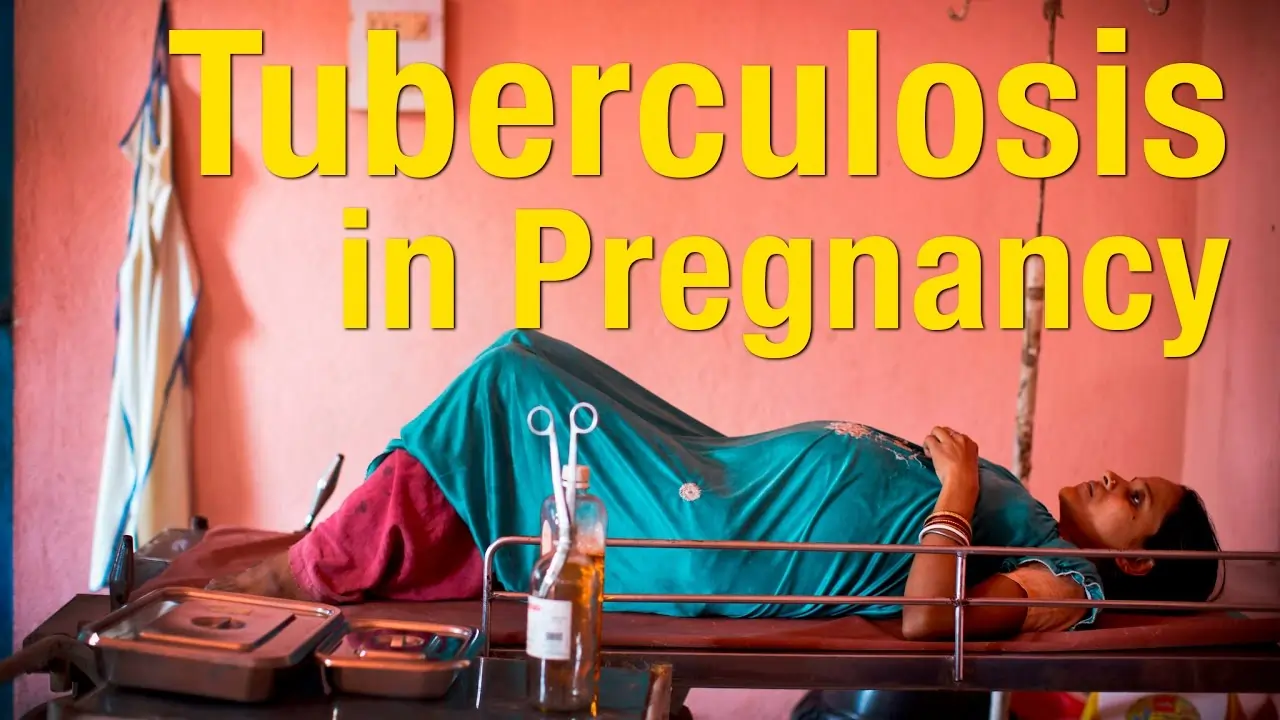
Tuberculosis in Pregnancy
PULMONARY TUBERCULOSIS Pulmonary Tuberculosis is an infectious disease of the lungs caused by acid-fast bacilli known as Mycobacterium. INCIDENCE: The incidence ranges between 1% and 2% amongst the hospital deliveries in the tropics, being confined predominantly to the underprivileged sectors of society. Incidence of tuberculosis is rising worldwide with the rising prevalence of HIV infected…
-
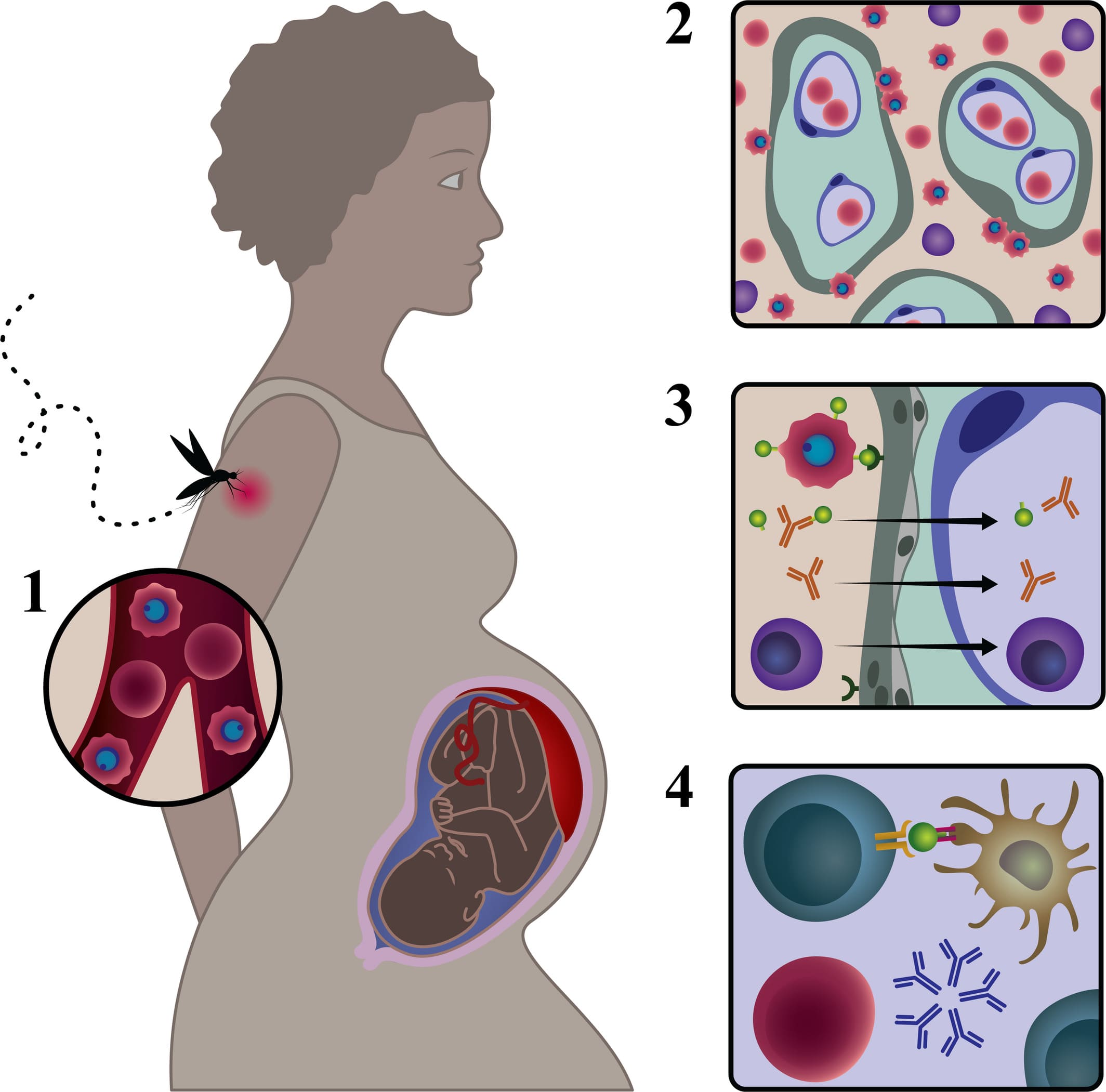
MALARIA IN PREGNANCY
MALARIA IN PREGNANCY Malaria is a febrile condition/disease caused by a Plasmodium parasite and is the most common cause of pyrexia in tropical regions, usually associated with rigors. CAUSES Malaria is caused by Plasmodium parasites (protozoa), which are of four types: Plasmodium falciparum: This is the most dangerous species, responsible for the majority of malaria…
-
EPILEPSY IN PREGNANCY
EPILEPSY IN PREGNANCY Epilepsy is a chronic disorder characterized by recurrent, unpredictable seizures due to temporary dysfunction of the brain\’s neurons producing excessive electrical discharge. Although it typically presents in childhood, it has a second peak in older adults, with women of childbearing age accounting for 23% of those affected. The prevalence of epilepsy in…
-
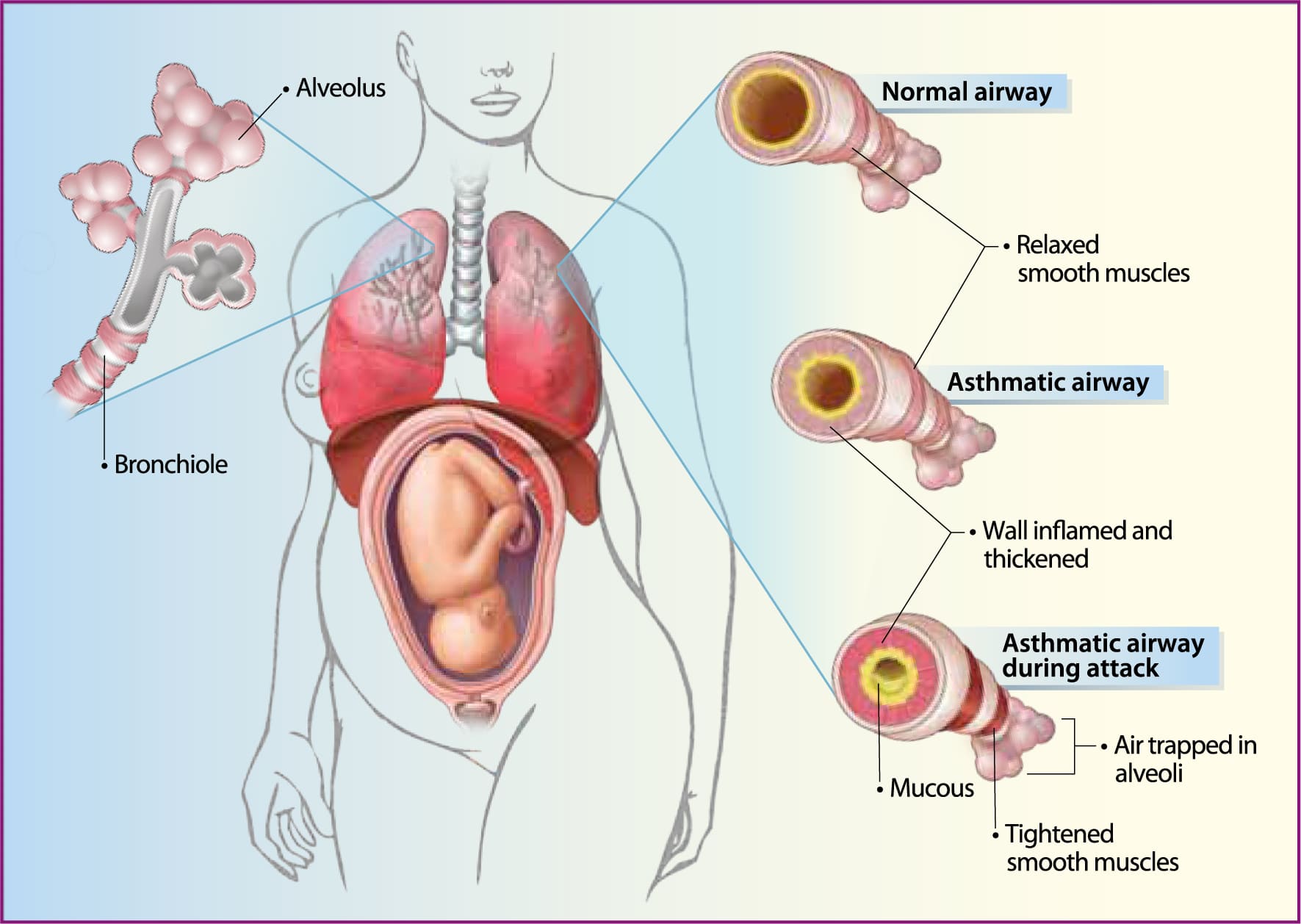
ASTHMA IN PREGNANCY
ASTHMA IN PREGNANCY Asthma is a chronic respiratory disorder characterized by recurrent attacks of wheezing and difficulty in breathing due to reversible narrowing of the airways. Asthma flare-ups during pregnancy can cause decreased oxygen in blood, which means less oxygen reaches the baby. This put the baby at higher risk for premature birth, low birth…
-

ESSENTIAL HYPERTENSION IN PREGNANCY
ESSENTIAL HYPERTENSION IN PREGNANCY Apart from Pregnancy Induced Hypertension (PIH), Essential Hypertension is the most common hypertensive state in pregnancy. This is primary hypertension where the blood pressure is raised over 140/90mmHg during the first 20 weeks of pregnancy. It’s usually present before pregnancy. It doesn\’t present with any proteinuria as in severe preeclampsia. Essential…
-
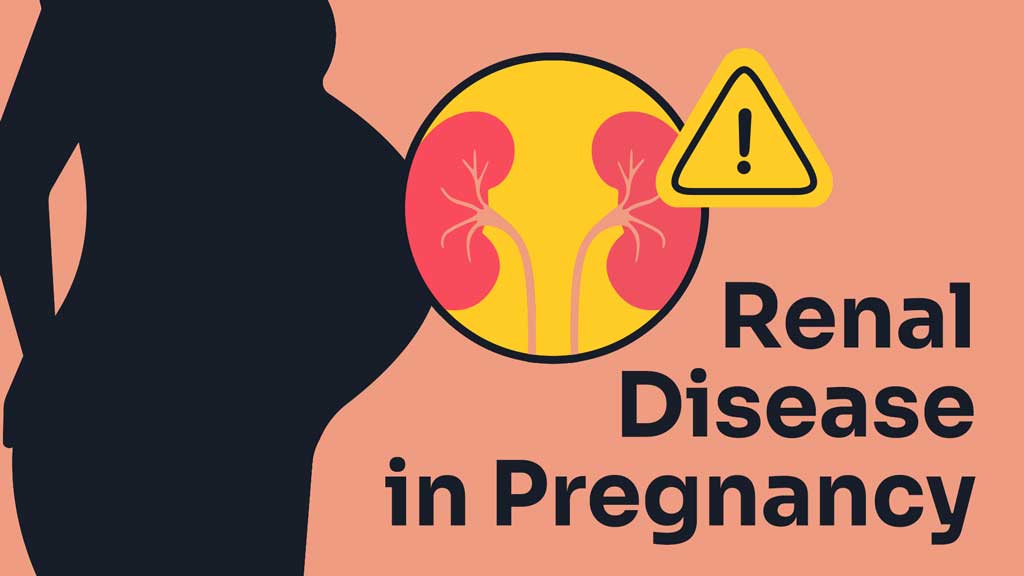
Renal Diseases in Pregnancy
Renal Diseases in Pregnancy COMMON TERMS IN URINARY SYSTEM Proteinuria: Daily excretion of proteins in the urine is more than 150mg. It signifies that the kidney is damaged/ perforated. Haematuria: Means passing urine containing blood and is due to bleeding into the urinary tract. Crystalluria : Presence of crystals like oxalates, phosphates in the urine detected…
-
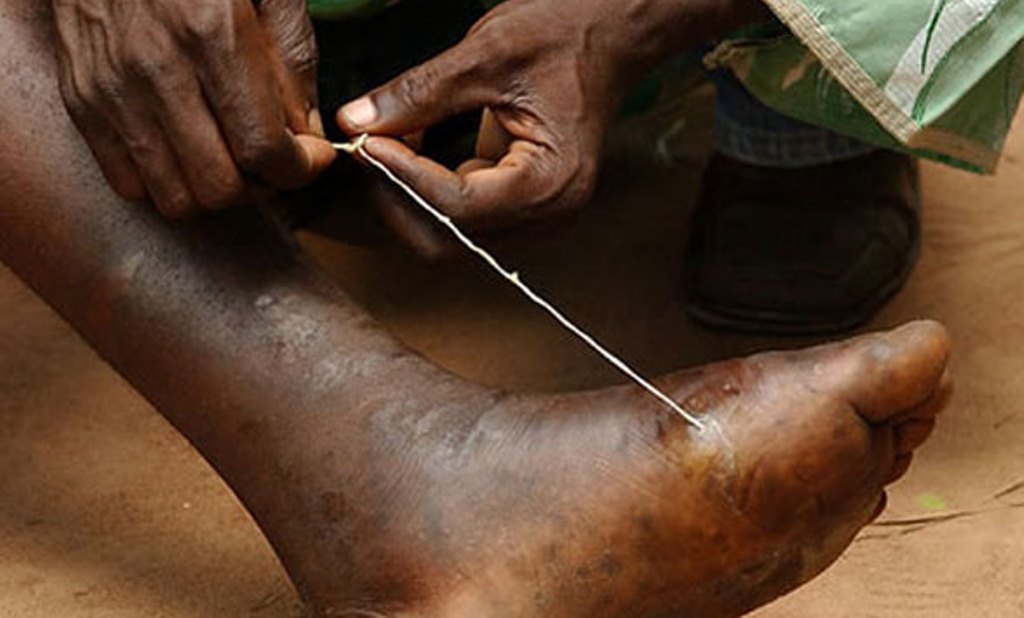
Dracunculosis (Guinea worm)
Dracunculiasis (Guinea Worm Disease) Dracunculiasis is a parasitic disease caused by the nematode worm Dracunculus medinensis. It is characterized by the emergence of a long, thread-like worm from a painful blister on the skin, usually on the legs or feet. Dracunculiasis is a neglected tropical disease (NTD) that primarily affects poor communities in rural areas…
-
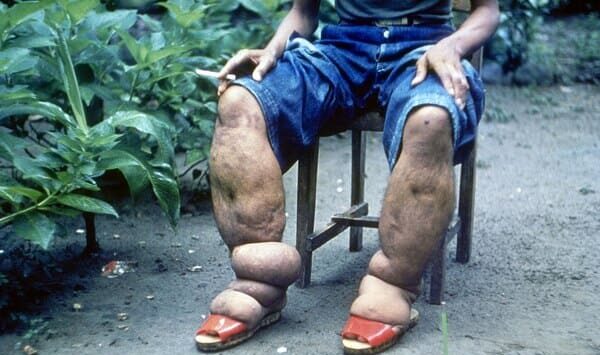
Elephantiasis (Bancroftian Filariasis)
Elephantiasis (Lymphatic Filariasis) Elephantiasis, also known as lymphatic filariasis, is a chronic parasitic disease caused by filarial worms. It results in severe swelling, primarily of the legs, arms, breasts, and genitals, due to blockage of the lymphatic system. The condition gets its name from the enlargement of affected limbs, resembling that of an elephant. Elephantiasis…


