Nurses Revision

nursesrevision@gmail.com

BRONCHITIS

BRONCHITIS

Nursing Notes - Thrombus and Embolus

BRONCHITIS

Introduction

Bronchitis is a common respiratory condition characterized by an inflammation of the mucous membranes lining the bronchi. These are the larger and medium-sized airways that serve as critical conduits for airflow, transporting air from the trachea (windpipe) into the more distal and delicate lung parenchyma, where gas exchange occurs. This inflammation leads to a cascade of physiological changes, including swelling, increased mucus production, and irritation of the airways, which collectively impair normal respiratory function.

Types of Bronchitis

Bronchitis is broadly classified based on its duration and clinical presentation into two main categories: acute and chronic.

  1. Acute Bronchitis:

    This form of bronchitis represents a transient inflammation of the large airways of the lung, typically characterized by a sudden and rapid onset of symptoms. It is usually self-limiting, meaning it resolves spontaneously, often within a period of 10 days to 3 weeks, although the associated cough can sometimes persist for several weeks longer. Acute bronchitis is commonly a sequela of an upper respiratory tract infection.

  2. Chronic Bronchitis:

    In contrast, chronic bronchitis is defined by a persistent and recurrent inflammation of the large airways of the lung. Its development is often gradual, and the defining characteristic is a chronic productive cough that lasts for at least 3 months in a year for two consecutive years, in the absence of other underlying lung diseases that could explain the cough. This condition is often a component of Chronic Obstructive Pulmonary Disease (COPD) and is typically associated with long-term exposure to irritants, most notably cigarette smoke.

Classification of bronchitis according to cause

Beyond duration, bronchitis can also be classified based on its etiology, distinguishing between infectious and non-infectious triggers.

1. Infectious/Contagious Bronchitis:

This type of bronchitis occurs when the inflammation of the bronchi is caused by a living biological agent, or pathogen. These pathogens are transmitted from person to person or from the environment. Common infectious causes include:

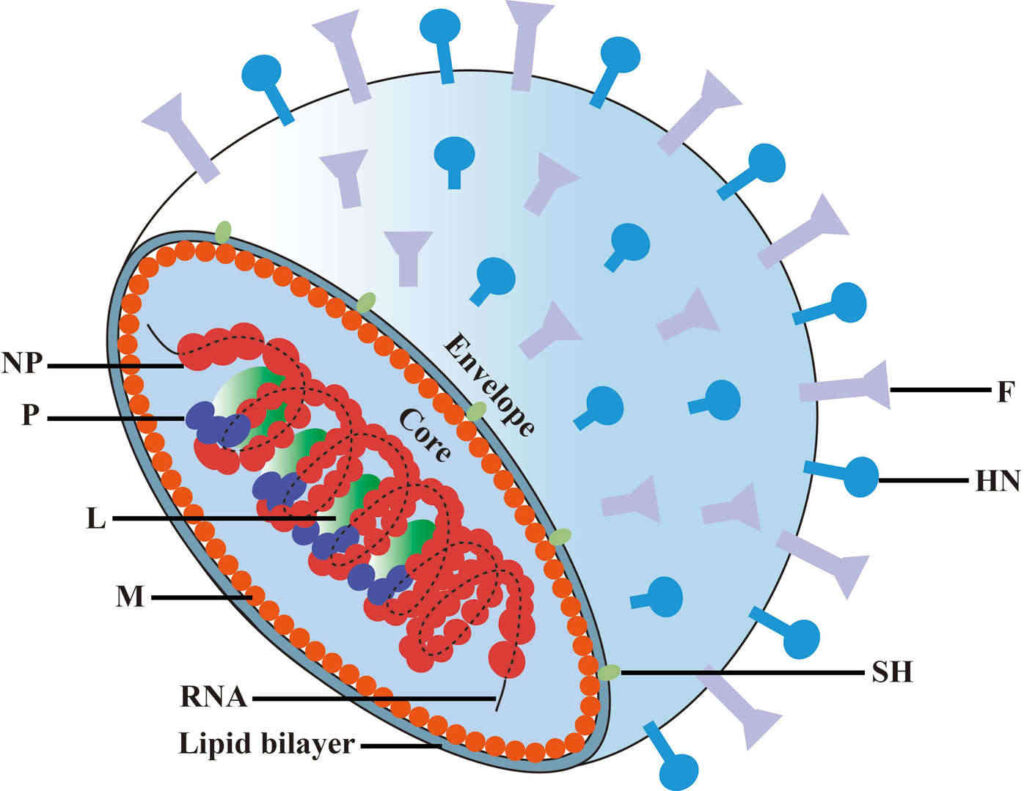
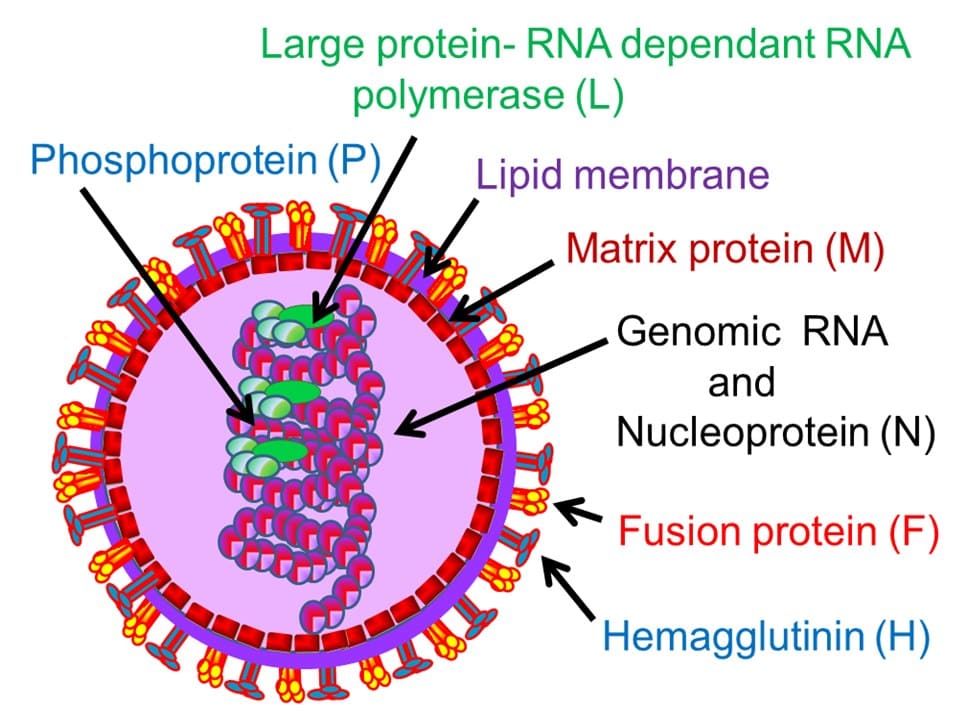
  • Viral Bronchitis: By far the most common cause, accounting for approximately 90-95% of acute bronchitis cases in healthy adults. Viruses such as Influenza A and B, Parainfluenza, Adenovirus, Respiratory Syncytial Virus (RSV), Rhinovirus, and Coronavirus are frequent culprits.
  • Bacterial Bronchitis: Less common in acute settings, but can occur, often as a secondary infection following a viral illness. Common bacterial agents include Mycoplasma pneumoniae, Chlamydophila pneumoniae, Bordetella pertussis (whooping cough), Streptococcus pneumoniae, and Haemophilus influenzae. Bacterial bronchitis may also be seen in chronic bronchitis exacerbations.
  • Fungal Bronchitis: Rarer, typically affecting individuals with compromised immune systems (e.g., those with HIV/AIDS, organ transplant recipients, or those on immunosuppressive therapy). Examples include Aspergillus species or Candida species.

2. Non-infectious/Non-contagious Bronchitis:

This form of bronchitis is not caused by a pathogen and therefore is not transmissible. Instead, it results from exposure to various irritants or other underlying conditions. Common non-infectious causes include:

  • Chemical Irritants: Inhalation of toxic fumes, industrial pollutants, strong chemicals (e.g., ammonia, chlorine, sulfur dioxide), or particulate matter can directly irritate and inflame the bronchial lining.
  • Environmental Factors: Exposure to high levels of air pollution, smog, dust, or allergens (e.g., pollen, pet dander, mold spores) can trigger an inflammatory response in the airways.
  • Allergic Reactions: In susceptible individuals, exposure to specific allergens can induce an allergic bronchial inflammation, sometimes referred to as allergic bronchitis.
  • Gastric Reflux: Chronic gastroesophageal reflux disease (GERD) can lead to micro-aspiration of stomach acid into the airways, causing irritation and inflammation, particularly contributing to chronic cough and sometimes chronic bronchitis.
  • Drug Side Effects: Certain medications, though less common, can rarely induce a form of bronchitis as a side effect.
  • Mechanical Irritation: Prolonged exposure to very cold or very dry air can sometimes cause irritation, particularly in sensitive airways.

Pathophysiology

The pathophysiological processes underlying acute and chronic bronchitis differ significantly, reflecting their distinct etiologies and clinical courses.

Acute Bronchitis

Acute bronchitis is fundamentally the result of acute inflammation of the bronchi, triggered predominantly by various factors, with viral infections being the most common. Other triggers can include bacterial infections, allergens, environmental pollutants, or even aspiration. The inflammatory process unfolds as follows:

  1. Initial Irritation and Viral Entry: Typically, a viral upper respiratory infection (URI) precedes acute bronchitis. Viruses replicate in the epithelial cells lining the upper airways and can then spread downwards to the larger bronchi.
  2. Inflammatory Response: The body's immune system mounts an inflammatory response to the invading pathogen or irritant. This leads to the release of inflammatory mediators (e.g., histamine, prostaglandins, bradykinin).
  3. Mucosal Changes: The inflammation of the bronchial wall results in:
    • Mucosal Thickening and Edema: The lining of the airways swells and becomes thicker due to fluid accumulation, narrowing the bronchial lumen.
    • Epithelial-Cell Desquamation: The protective epithelial cells that line the airways are damaged and shed.
    • Denudation of the Basement Membrane: In some areas, the underlying basement membrane, which supports the epithelial cells, may become exposed, making the airway more vulnerable to further irritation and infection.
    • Increased Mucus Production: Goblet cells within the bronchial lining, and submucosal glands, respond to inflammation by overproducing mucus. This mucus often becomes thicker and stickier.
  4. Airway Obstruction and Symptoms: The combination of mucosal edema, increased and tenacious mucus, and damaged cilia (tiny hair-like structures that help move mucus) leads to partial airway obstruction. This obstruction and irritation trigger the characteristic symptoms of acute bronchitis:
    • Cough: The primary symptom, initially non-productive, but often becoming productive as mucus accumulates.
    • Wheezing: Due to narrowed airways.
    • Shortness of Breath: In more severe cases.
  5. Resolution: As the immune system clears the infection and the inflammation subsides, the bronchial mucosa heals, and symptoms resolve. The cough may linger due to persistent airway hyperresponsiveness even after the acute inflammation has resolved.
Chronic Bronchitis

Chronic bronchitis is a progressive inflammatory condition primarily characterized by chronic mucus hypersecretion and structural changes in the airways. It is often a key component of Chronic Obstructive Pulmonary Disease (COPD) and is distinct from acute bronchitis in its chronic, often irreversible nature. The pathophysiology involves:

  1. Chronic Irritant Exposure: The primary trigger is prolonged and repeated exposure to inhaled irritants, with cigarette smoke being the most significant. Other irritants include industrial dusts, air pollution, and occupational chemicals.
  2. Goblet Cell Hyperplasia and Hypersecretion: In response to chronic irritation, the number and size of mucus-producing goblet cells in the bronchial lining increase (hyperplasia), and they produce excessive amounts of mucus (hypersecretion). Submucosal glands also enlarge and overproduce mucus.
  3. Impaired Mucociliary Clearance: The cilia, which are responsible for sweeping mucus and trapped particles out of the airways, become damaged, dysfunctional, or are destroyed by the chronic inflammation and irritant exposure. This impairment leads to mucus stasis, further promoting irritation and susceptibility to infection.
  4. Inflammatory Cell Infiltration and Mediator Release: The chronic irritation triggers a persistent inflammatory response in the bronchial walls. Various inflammatory cells, including macrophages, neutrophils, and lymphocytes, infiltrate the airway. These cells release a range of pro-inflammatory mediators, such as interleukin-8 (IL-8), tumor necrosis factor-alpha (TNF-α), leukotrienes, and proteases (e.g., elastase from neutrophils). These mediators contribute to ongoing inflammation, tissue damage, and mucus production.
  5. Imbalance of Regulatory Substances: There is often an associated decrease in the release of regulatory substances that normally protect the airway, such as angiotensin-converting enzyme (ACE) and neutral endopeptidase. This imbalance can exacerbate inflammation and bronchoconstriction.
  6. Airway Remodeling: Over time, chronic inflammation and irritation lead to structural changes in the airways, known as airway remodeling. This includes:
    • Thickening of the bronchial walls due to fibrosis and smooth muscle hypertrophy.
    • Narrowing of the small airways, leading to increased airway resistance.
    • Loss of elastic recoil in the lungs (if emphysema is also present), further impairing airflow.
  7. Acute Exacerbations: During an acute exacerbation of chronic bronchitis (AECB), typically triggered by viral or bacterial infections, the bronchial mucous membrane becomes acutely hyperemic (engorged with blood) and edematous. Bronchial mucociliary function is further diminished. This, in turn, leads to a significant increase in airflow impediment because of luminal obstruction to small airways by even more copious and tenacious mucus. The airways become further clogged by cellular debris, inflammatory exudates, and thickened mucus, significantly increasing irritation and worsening symptoms.
  8. Characteristic Cough: The most characteristic symptom of chronic bronchitis, the persistent productive cough, is directly caused by the copious secretion of mucus that the body attempts to clear from the airways.

Causes of Bronchitis

The causes of bronchitis vary significantly depending on whether it is acute or chronic.

Acute Bronchitis

Acute bronchitis is predominantly caused by infections, usually viral, and is generally self-limiting.

  • Infectious Agents (Most Common):
    • Approximately 90-95% of acute bronchitis cases in healthy adults are secondary to viral infections. The predominant viruses that are causative include:
      • Influenza viruses (Type A and B): Commonly cause seasonal epidemics.
      • Parainfluenza viruses: Often cause croup in children but can cause bronchitis in adults.
      • Adenoviruses: Can cause a range of respiratory illnesses.
      • Respiratory Syncytial Virus (RSV): A common cause of bronchiolitis in infants but can affect adults.
      • Rhinoviruses: The most common cause of the common cold.
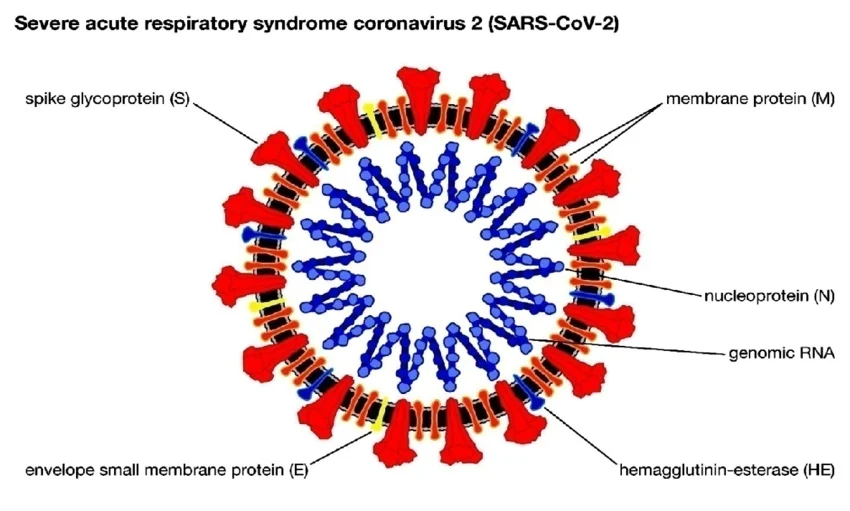
      • Coronaviruses: Including those that cause the common cold and SARS-CoV-2 (COVID-19).
    • Bacterial infections are less common primary causes but can occur, often as a secondary infection following a viral illness. Dominant bacterial agents include:
      • *Mycoplasma pneumoniae*: Often associated with "walking pneumonia" but can cause bronchitis.
      • *Chlamydophila pneumoniae*: Another atypical bacterium causing respiratory infections.
      • *Bordetella pertussis* (Whooping Cough): Causes a characteristic paroxysmal cough.
      • Less commonly, *Streptococcus pneumoniae* or *Staphylococcus aureus*.
  • Non-Infectious Irritants and Allergens: Acute bronchitis can sometimes be triggered or exacerbated by the inhalation of various non-infectious irritants or allergens. This can lead to an inflammatory response without an underlying infection. Examples include:
    • Smoke Inhalation: From fires, strong chemical fumes, or even very heavy tobacco smoke exposure.
    • Polluted Air Inhalation: Exposure to high levels of urban air pollution, smog, or particulate matter.
    • Dust: Exposure to occupational dusts (e.g., silica, coal dust) or environmental dust.
    • Chemical Fumes: Such as those from cleaning products, industrial chemicals, or solvents.
    • Allergens: In individuals with allergic sensitivities, exposure to pollen, pet dander, mold spores, or dust mites can trigger an acute asthmatic bronchitis-like reaction.
  • Other Factors: Factors like cold air or extreme humidity can sometimes irritate the airways and contribute to acute bronchitis symptoms.
  • Chronic Bronchitis

    Chronic bronchitis is primarily caused by long-term exposure to respiratory irritants, leading to persistent inflammation and structural changes in the airways.

  • Tobacco Smoke Exposure (Most Significant Factor): The most important and prevalent causative factor for chronic bronchitis is exposure to cigarette smoke, whether due to active smoking (first-hand smoke) or passive inhalation (second-hand smoke). The chemicals and particles in tobacco smoke directly irritate the bronchial lining, leading to chronic inflammation, mucus hypersecretion, and ciliary dysfunction.
  • Inhaled Environmental and Occupational Irritants: Many other inhaled irritants to the respiratory tract can cause or contribute to chronic bronchitis. These include:
    • Smog and Air Pollution: Chronic exposure to urban air pollutants, ozone, and particulate matter.
    • Industrial Pollutants: Fumes, gases, and dusts encountered in various occupations (e.g., mining, construction, manufacturing). Examples include silica, coal dust, grain dust, cotton dust, and chemical vapors.
    • Toxic Chemicals: Repeated exposure to irritant gases such as ammonia, sulfur dioxide, chlorine, or acid fumes.
  • Recurrent Respiratory Infections: Although bacterial and viral infections usually cause acute bronchitis, repeated or severe respiratory infections, particularly during childhood, can contribute to chronic airway damage and increase the susceptibility to developing chronic bronchitis later in life. In patients with established chronic bronchitis, infections frequently trigger acute exacerbations.
  • Underlying Respiratory Diseases: People who have an associated background in certain chronic respiratory diseases have a higher predisposition to develop or exacerbate chronic bronchitis. These include:
    • Asthma: Chronic inflammation and airway hyperresponsiveness in asthma can contribute to symptoms overlapping with chronic bronchitis.
    • Cystic Fibrosis: A genetic disorder leading to thick, sticky mucus production and recurrent infections, causing chronic bronchial inflammation.
    • Bronchiectasis: A condition characterized by permanent enlargement of parts of the airways, leading to chronic mucus accumulation and recurrent infections.
    • Alpha-1 Antitrypsin Deficiency: A genetic condition that predisposes individuals to early-onset emphysema and chronic bronchitis.
  • Chronic Gastroesophageal Reflux Disease (GERD): Chronic gastroesophageal reflux, with repeated micro-aspiration of gastric contents into the lower airways, is a well-documented but less frequent cause of chronic cough and can contribute to chronic bronchitis, particularly if other causes are absent.
  • Genetic Predisposition: While not a direct cause, genetic factors may play a role in individual susceptibility to the effects of environmental irritants and the development of chronic bronchitis.
  • Clinical manifestations of Bronchitis

    Acute Bronchitis

    Patients with acute bronchitis present with:

  • Productive cough:
    • a. Usually, their cough is the predominant complaint and the sputum is clear or yellowish, although sometimes it can be purulent. It's important to note that purulent sputum does not inherently correlate with bacterial infection or necessitate antibiotic use.
    • b. The cough after acute bronchitis typically persists for 10 to 20 days but occasionally may last for 4 or more weeks. The median duration of cough after acute bronchitis is 18 days. Paroxysms of cough, especially if accompanied by an inspiratory "whoop" (a high-pitched gasp) or post-tussive emesis (vomiting after coughing), should raise concerns for pertussis (whooping cough).
    • c. The cough may be worsened by cold air, smoke, or irritants.
  • Malaise: A general feeling of discomfort, illness, or unease whose exact cause is difficult to identify. This can include fatigue and body aches.
  • Difficulty breathing (dyspnea): Often described as shortness of breath, especially with exertion, due to inflammation and narrowing of the bronchial tubes.
  • Wheezing: A high-pitched, whistling sound produced by air flowing through narrowed airways, commonly heard during exhalation. This indicates bronchospasm or inflammation.
  • A prodrome of upper respiratory infection (URI) symptoms like:
    • Runny nose (rhinorrhea)
    • Nasal congestion
    • Sore throat (pharyngitis)
    • Headache
    • Muscle aches (myalgia)
  • Fever: A low-grade fever (typically < 101°F or 38.3°C) may be present. However, high-grade fevers in the setting of acute bronchitis are unusual and warrant further diagnostic workup to rule out other infections like pneumonia.
  • Chest discomfort or tightness: A dull ache or pressure in the chest due to persistent coughing and inflammation of the bronchial tubes.
  • Slight hoarseness: Due to irritation of the vocal cords from coughing.
  • Chronic bronchitis
  • Cough:
    • a. The most common and defining symptom of patients with chronic bronchitis is a persistent cough.
    • b. The history of a cough typical of chronic bronchitis is characterized by its presence for most days in a month, lasting for at least 3 months, with at least 2 such consecutive episodes occurring for 2 years in a row.
    • c. A productive cough with sputum is present in about 50% of patients. The sputum color may vary from clear, white, yellow, green or at times blood-tinged. The color of sputum may change due to the presence of secondary bacterial infection, but it's important to note that color alone is not a definitive indicator.
    • d. Very often, changes in sputum color can be due to peroxidase released by leukocytes in the sputum, giving it a greenish or yellowish hue without a bacterial cause. Therefore, sputum color alone is not a definite indication of bacterial infection and should be interpreted with other clinical signs.
    • e. The cough is typically worse in the mornings and in damp or cold weather.
  • History of possible exposure to inhaled irritants or chemicals, such as industrial fumes, air pollution, or dust, as well as full details regarding smoking habits (pack-years, current status). Occupational exposure is a significant risk factor.
  • Fever is uncommon in chronic bronchitis and when present, can be suggestive of associated acute exacerbation, influenza, or pneumonia.
  • Generalised malaise: A common associated symptom, contributing to overall fatigue and reduced energy levels.
  • Chest pain or abdominal muscle pain caused by continuous forceful coughing, leading to muscle strain or even rib fractures in severe cases.
  • Shortness of breath (dyspnea): Initially occurs with exertion, but as the disease progresses, it can become present at rest. This is a key differentiating factor from uncomplicated chronic bronchitis.
  • Wheezing and crackles: May be heard on auscultation, indicating airflow obstruction and the presence of secretions.
  • Cyanosis: Bluish discoloration of the skin and mucous membranes, especially in the lips and nail beds, due to chronic hypoxemia ("blue bloater" appearance in advanced stages).
  • Peripheral edema: Swelling in the ankles and legs due to right-sided heart failure (cor pulmonale) which can develop as a complication of long-standing chronic bronchitis and pulmonary hypertension.
  • NB: Uncomplicated chronic bronchitis presents primarily with a cough, and there is no evidence of significant airway obstruction physiologically. When airway obstruction is present, it is often indicative of Chronic Obstructive Pulmonary Disease (COPD) with a chronic bronchitis phenotype.

    Investigations

    1. History taking: The diagnosis of bronchitis is primarily made through a detailed history taking, focusing on the onset, duration, and characteristics of symptoms (especially cough), any recent respiratory tract infections, recent or chronic exposure to inhaled irritants (e.g., smoking, occupational hazards, environmental pollutants), and patient's chief complaints.
    2. Physical examination: This involves a thorough assessment of vital signs, respiratory rate, and oxygen saturation. Key findings during physical examination include:
      • Auscultation of lung sounds: May reveal wheezing, rhonchi (coarse rattling sounds), or crackles, indicating inflammation, mucus, or narrowed airways.
      • Observation of breathing patterns: Assessment for signs of respiratory distress, such as accessory muscle use, pursed-lip breathing, or tachypnea.
      • Palpation of chest: May reveal tenderness due to muscle strain from coughing.
      • Inspection: Assessment for cyanosis or clubbing of fingers (in chronic cases).
    3. Chest X-ray (CXR):
      • For acute bronchitis, a chest X-ray is typically normal and is primarily performed to rule out pneumonia or other lung pathologies, especially if symptoms are severe, atypical, or persistent, or if there is a concern for consolidation.
      • For chronic bronchitis, a CXR may show increased bronchovascular markings, cardiomegaly (if cor pulmonale is present), or evidence of hyperinflation in advanced cases of COPD. It helps exclude other causes of chronic cough.
    4. Fiberoptic bronchoscopy: May be both diagnostic (allowing for direct visualization of the airways, collection of qualitative cultures, and biopsy of suspicious lesions) and therapeutic (e.g., for mucus plug removal or re-expansion of lung segments). This is usually reserved for complex or atypical cases, or to rule out other conditions.
    5. Arterial Blood Gases (ABGs) / Pulse Oximetry:
      • Pulse oximetry provides a non-invasive measurement of oxygen saturation (SpO2). Abnormalities may be present, depending on the extent of lung involvement and underlying lung disease.
      • ABGs provide a more detailed assessment of oxygenation (PaO2), ventilation (PaCO2), and acid-base balance. In chronic bronchitis, chronic hypoxemia and hypercapnia may be present, especially during exacerbations.
    6. Gram stain/cultures:
      • Sputum collection: Can be done for Gram stain and culture to identify bacterial pathogens and determine antibiotic sensitivity, especially if bacterial infection is suspected (e.g., purulent sputum with fever and worsening symptoms).
      • Other samples: Needle aspiration of empyema, pleural fluid, transtracheal or transthoracic fluids, lung biopsies, and blood cultures may be done to recover causative organisms in severe cases or when pneumonia is suspected. More than one type of organism may be present; common bacteria include *Streptococcus pneumoniae*, *Staphylococcus aureus*, alpha-hemolytic streptococcus, *Haemophilus influenzae*; also viral pathogens like Cytomegalovirus (CMV). Note: Sputum cultures may not identify all offending organisms, and blood cultures may show transient bacteremia.
    7. Complete Blood Count (CBC):
      • Leukocytosis (elevated white blood cell count) is usually present in bacterial infections, although a low white blood cell (WBC) count may be present in viral infection, immunosuppressed conditions such as AIDS, and overwhelming bacterial pneumonia.
      • Erythrocyte sedimentation rate (ESR) and C-reactive protein (CRP) are non-specific inflammatory markers that may be elevated.
    8. Serologic studies: E.g., viral titers (for influenza, adenovirus, RSV), *Legionella* titers, or cold agglutinins (for *Mycoplasma pneumoniae*). These assist in the differential diagnosis of specific organisms, especially in atypical presentations or outbreaks.
    9. Pulmonary Function Studies (PFTs):
      • These tests measure lung volumes, capacities, and airflow. In acute bronchitis, PFTs are typically normal or show mild, transient obstruction.
      • In chronic bronchitis, especially when progressing to COPD, volumes may be decreased (due to congestion and alveolar collapse), airway pressure may be increased, and compliance decreased. Obstructive patterns with reduced FEV1/FVC ratio are characteristic. Shunting may be present, leading to hypoxemia.
    10. Electrolytes: Sodium and chloride levels may be low, particularly in cases of severe illness or syndrome of inappropriate antidiuretic hormone secretion (SIADH) which can sometimes complicate severe respiratory infections.
    11. Alpha-1 Antitrypsin Deficiency Screening: Recommended in patients with early-onset emphysema or a family history of lung disease, as it is an inherited risk factor for COPD.

    Management

    Medical Management
    Acute Bronchitis

    Acute bronchitis is predominantly self-limiting, and treatment is typically symptomatic and supportive, focusing on relieving discomfort and promoting recovery.

    1. For cough relief, both non-pharmacological and pharmacological therapy should be offered:
      • a. Non-pharmacological therapy includes:
        • Drinking plenty of fluids (warm water, herbal tea, clear broths) to thin secretions and keep the throat moist.
        • Consuming soothing agents like honey (not for infants under 1 year due to botulism risk), ginger, or using throat lozenges or hard candies to relieve throat irritation.
        • Using a cool-mist humidifier in the bedroom to moisten the air and help loosen mucus.
        • Avoiding irritants such as cigarette smoke (including secondhand smoke), air pollution, and chemical fumes.
      • b. Pharmacological antitussive agents:
        • Dextromethorphan: An over-the-counter cough suppressant.
        • Codeine: A narcotic cough suppressant, sometimes prescribed for severe cough, but its use is generally discouraged due to its addictive potential and side effects.
        • Guaifenesin: An expectorant that helps to thin mucus, making it easier to cough up. Often found in combination with antitussives.
        • It's important to use these agents judiciously as suppressing a productive cough excessively can hinder clearance of secretions.
    2. For treatment of wheezing or bronchospasm: Inhaled bronchodilators (e.g., short-acting beta-agonists like albuterol) may be prescribed to reduce bronchospasm, open airways, and promote sputum expectoration, especially if the patient has underlying reactive airway disease or significant wheezing.
    3. Analgesic and antipyretic agents: Over-the-counter medications like acetaminophen (paracetamol) or ibuprofen can be used to treat associated malaise, myalgia (muscle aches), headache, and fever.
    4. Corticosteroids: Oral corticosteroids (e.g., prednisone) or inhaled corticosteroids may be considered in cases with significant inflammation or bronchospasm that is unresponsive to bronchodilators, to help with the inflammation. However, their routine use in acute bronchitis is not recommended.
    5. Lifestyle modification: Smoking cessation is paramount for preventing chronic bronchitis and recurrent acute episodes. The avoidance of allergens and environmental pollutants (e.g., industrial dust, chemicals) also plays an important role in the avoidance of recurrence and complications.
    6. Vaccinations:
      • Influenza vaccine: Especially recommended annually for special groups including adults older than 65, children younger than two years (older than six months), pregnant women, and residents of nursing homes and long-term care facilities.
      • Pneumococcal vaccine: Recommended for individuals at higher risk of developing complications (e.g., pneumonia), including people with chronic lung diseases (asthma, COPD), immunocompromised adults, and adults older than 65.
    7. Antibiotics: A course of oral antibiotics (e.g., a macrolide, doxycycline, or trimethoprim-sulfamethoxazole) may be instituted in specific situations, but their routine use for acute bronchitis is highly controversial and generally not recommended because most cases are viral. Antibiotics are considered only if:
      • Bacterial infection is strongly suspected (e.g., high fever, severe purulent sputum, signs of pneumonia on X-ray, or prolonged symptoms).
      • The patient is immunocompromised.
      • There's a concern for pertussis (treated with macrolides).
    Chronic bronchitis

    The primary aim of treatment for chronic bronchitis is to relieve symptoms, prevent complications (such as exacerbations and progression to COPD), and slow the progression of the disease. The primary goals of therapy are aimed at reducing the overproduction of mucus, controlling inflammation, managing cough, and improving airflow.

    Pharmacological interventions are the following:

    1. Bronchodilators: These are cornerstone medications for symptomatic relief by opening the airways.
      • Short-acting β-Adrenergic receptor Agonists (SABAs) like albuterol (salbutamol): Used as rescue inhalers for quick relief of acute shortness of breath or wheezing.
      • Long-acting β-Adrenergic receptor Agonists (LABAs) like salmeterol, formoterol: Used for maintenance therapy to provide sustained bronchodilation.
      • Anticholinergic agents (Short-acting: ipratropium; Long-acting: tiotropium, aclidinium): Help by blocking acetylcholine, which leads to bronchodilation, increasing the airway lumen, and reducing mucus production. They also aid in increasing ciliary function and by increasing mucous hydration. Often used in combination with beta-agonists.
    2. Glucocorticoids: These powerful anti-inflammatory medications reduce inflammation and mucus production.
      • Inhaled corticosteroids (ICS) like fluticasone, budesonide: Often used in combination with LABAs (e.g., in COPD exacerbations) to reduce exacerbations and improve quality of life. However, their long-term use can induce systemic side effects (e.g., osteoporosis, diabetes, hypertension, increased risk of pneumonia) and should be administered under medical supervision and for the shortest effective periods.
      • Oral corticosteroids: Used for acute exacerbations of chronic bronchitis to reduce severe inflammation, but not for long-term daily use due to significant side effects.
    3. Antibiotic therapy: Generally not indicated in the stable treatment of chronic bronchitis, as it is a chronic inflammatory condition, not an infection. However:
      • Acute exacerbations of chronic bronchitis (AECB) with signs of bacterial infection (e.g., increased sputum purulence, volume, or dyspnea) often warrant antibiotic treatment.
      • Long-term macrolide therapy (e.g., azithromycin) has been shown to have anti-inflammatory and immunomodulatory properties and can reduce the frequency of exacerbations in some patients with severe COPD and chronic bronchitis, hence it may have a role in the treatment of chronic bronchitis, but this is typically reserved for severe cases and involves careful risk-benefit assessment.
    4. Phosphodiesterase-4 (PDE4) inhibitors: Roflumilast is an example of this class. These oral medications decrease inflammation and promote airway smooth muscle relaxation by preventing the hydrolysis of cyclic adenosine monophosphate (cAMP), a substance whose degradation leads to the release of inflammatory mediators. They are used in severe COPD associated with chronic bronchitis and a history of exacerbations.
    5. Mucolytics: Medications like N-acetylcysteine or carbocysteine may be used to thin mucus, making it easier to clear, though their benefit is often modest.
    6. Oxygen therapy: For patients with chronic hypoxemia, supplemental oxygen therapy can improve survival and quality of life.

    Non Pharmacological Measures

    1. The most critical non-pharmacological intervention is smoking cessation. Smoking cessation significantly improves mucociliary function, decreases goblet cell hyperplasia (which contributes to mucus overproduction), and has been shown to reduce airway injury resulting in lower levels of exfoliated mucus in tracheobronchial cells. It is the single most effective intervention to slow disease progression.
    2. Pulmonary rehabilitation: An important and comprehensive part of treatment for chronic bronchitis and COPD, which consists of:
      • Education: On disease management, medications, self-care, and warning signs of exacerbations.
      • Lifestyle modification: Including nutrition, stress management, and avoidance of triggers.
      • Regular physical activity: Tailored exercise programs to improve exercise tolerance, muscle strength, and reduce dyspnea.
      • Breathing techniques: Such as pursed-lip breathing and diaphragmatic breathing to optimize lung function.
      • Avoidance of exposure to known pollutants: Either at work or in the living environment (e.g., air pollution, secondhand smoke, occupational dusts).
    3. Nutritional support: Patients with chronic bronchitis/COPD may experience weight loss or malnutrition due to increased energy expenditure for breathing or difficulty eating, so nutritional counseling is important.
    4. Psychological support: Addressing anxiety and depression, which are common in chronic respiratory conditions.

    Nursing management

    Nursing management for bronchitis involves a holistic approach, focusing on assessment, symptom management, patient education, and prevention of complications. While some interventions refer to general principles, specific applications for bronchitis are highlighted below.

  • Assessment:
    • a. Refer to the notes of general assessment nursing interventions, but specifically for bronchitis:
      • Respiratory Assessment: Auscultate lung fields for adventitious sounds (wheezing, rhonchi, crackles), assess respiratory rate, depth, and effort. Note presence of dyspnea, use of accessory muscles, pursed-lip breathing. Monitor oxygen saturation via pulse oximetry.
      • Cough Assessment: Characterize the cough (productive/non-productive, frequency, severity, timing). Assess sputum characteristics (color, consistency, amount, odor). Inquire about any triggers for the cough.
      • Vital Signs: Monitor temperature for fever, pulse for tachycardia, and blood pressure.
      • Pain Assessment: Evaluate for chest pain or abdominal muscle pain related to coughing, using a pain scale.
      • Hydration Status: Assess skin turgor, mucous membranes, and urine output to determine hydration levels.
      • Activity Tolerance: Assess the patient's ability to perform activities of daily living (ADLs) and any limitations due to dyspnea or fatigue.
      • History: Detailed history of smoking, exposure to irritants, vaccination status, and any underlying lung conditions (e.g., asthma, COPD).
  • Management of fevers:
    • a. Refer to the notes of general fever nursing interventions, but specifically for bronchitis:
      • Administer antipyretics (e.g., acetaminophen, ibuprofen) as prescribed.
      • Provide comfort measures: cool compresses, light clothing, and ensuring a comfortable room temperature.
      • Encourage increased oral fluid intake to prevent dehydration associated with fever.
      • Monitor temperature regularly and assess for signs of worsening infection.
  • Prevention of infection:
    • a. Refer to the nursing interventions of influenza under infection prevention, but specifically for bronchitis:
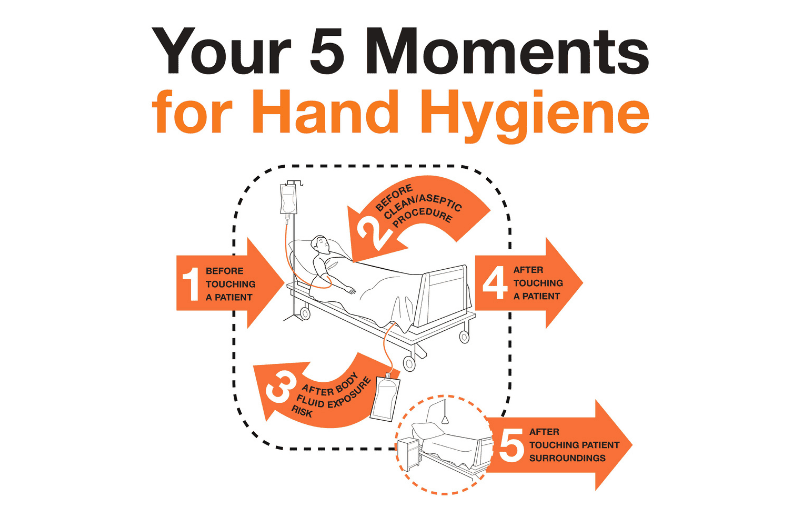
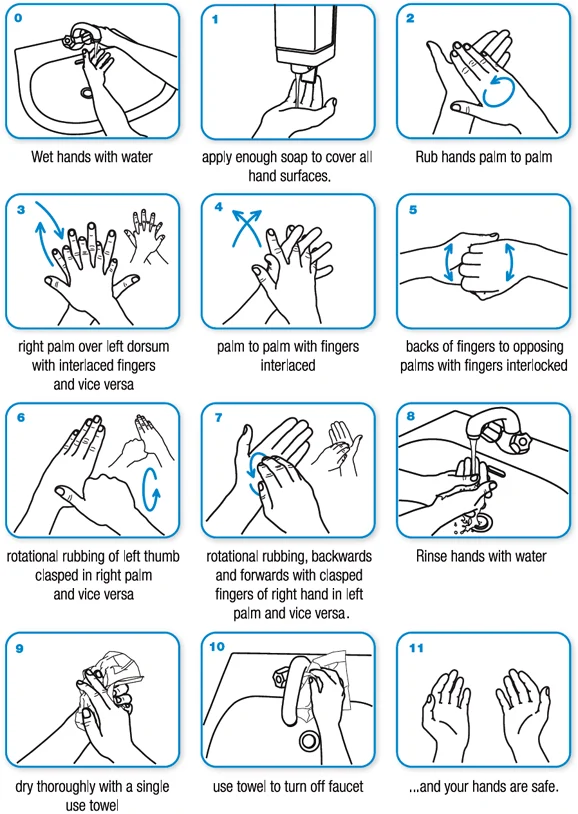
      • Educate on good hand hygiene practices for both the patient and caregivers.
      • Advise avoiding close contact with individuals who are sick.
      • Encourage annual influenza vaccination and pneumococcal vaccination as recommended, especially for at-risk groups.
      • Instruct on proper disposal of tissues and respiratory etiquette (coughing/sneezing into elbow).
      • For chronic bronchitis, reinforce adherence to prescribed medications to prevent exacerbations, which can be triggered by infections.
  • To improve airway clearance (managing wheezing and secretions):
    • a. Position head midline with flexion appropriate for age/condition to gain or maintain an open airway. For adults, semi-Fowler's or high-Fowler's position is generally preferred to maximize lung expansion.
    • b. Elevate the head of the bed (HOB) to decrease pressure on the diaphragm, promote lung expansion, and facilitate drainage of secretions.
    • c. Observe signs of worsening infection or increased secretions to identify an infectious process or exacerbation.
    • d. Auscultate breath sounds and assess air movement frequently to ascertain status and note progress or deterioration. Document changes.
    • e. Instruct the patient to increase fluid intake (2-3 liters/day unless contraindicated by co-morbidities like heart failure or renal disease) to help liquefy secretions, making them easier to expectorate.
    • f. Demonstrate and encourage effective coughing and deep-breathing techniques (e.g., huff cough, diaphragmatic breathing) to maximize effort and facilitate clearance of secretions. Assist with chest physiotherapy (postural drainage, percussion, vibration) if indicated and prescribed.
    • g. Keep the patient's back dry and linen clean to prevent skin breakdown and further complications, especially if there is excessive sweating or sputum production.
    • h. Turn the patient every 2 hours (for bedridden patients) to prevent pooling of secretions, promote lung expansion, and prevent possible aspirations.
    • i. Administer bronchodilators (e.g., nebulizers, metered-dose inhalers) as prescribed, monitoring for effectiveness and side effects (e.g., tachycardia, tremors).
    • j. Encourage ambulation and mobilization as tolerated to promote lung expansion and secretion clearance.
  • To ensure effective breathing pattern (managing difficulty in breathing):
    • a. Place patient in semi-Fowler's or high-Fowler's position to allow for maximum lung expansion and ease of breathing.
    • b. Increase fluid intake as applicable and tolerated to liquefy secretions and improve mucociliary clearance.
    • c. Keep patient's back dry and provide frequent linen changes to maintain comfort and prevent skin issues.
    • d. Place a pillow when the client is sleeping to provide adequate lung expansion while sleeping, possibly by elevating the head slightly.
    • e. Instruct how to splint the chest wall with a pillow or hands for comfort during coughing and to reduce pain. Elevate the head over the body as appropriate to promote physiological ease of maximal inspiration.
    • f. Maintain a patent airway; suctioning of secretions may be done as ordered to remove secretions that obstruct the airway, especially in patients with impaired cough reflex or thick secretions.
    • g. Provide respiratory support: Oxygen inhalation is provided per doctor’s order to aid in relieving patient from dyspnea and to maintain adequate oxygen saturation levels (e.g., SpO2 >90%). Monitor oxygen flow rate and effectiveness.
    • h. Administer prescribed cough suppressants and analgesics. Be cautious, however, because opioids may depress respirations more than desired. Use judiciously to promote patient comfort without compromising respiratory drive.
    • i. Educate on pursed-lip breathing and diaphragmatic breathing techniques to improve ventilation and reduce air trapping.
    • j. Provide periods of rest between activities to conserve energy and reduce dyspnea.
    • k. Monitor for signs of respiratory distress and immediately report any worsening symptoms to the physician.
  • Patient Education and Self-Management:
    • Educate patients about their condition, medication regimen (purpose, dose, side effects, proper inhaler technique), and when to seek medical attention (e.g., worsening cough, increased sputum, fever, increased dyspnea).
    • Counsel on smoking cessation strategies and provide resources.
    • Discuss avoidance of environmental triggers and irritants.
    • Teach energy conservation techniques for chronic bronchitis patients.
    • Encourage regular exercise within tolerance limits.
  • Nursing Diagnoses

    Nursing diagnoses provide a clinical judgment about individual, family, or community responses to actual or potential health problems/life processes. For bronchitis, common nursing diagnoses, based on NANDA International (NANDA-I) classifications, might include:

    1. Ineffective Airway Clearance related to increased mucus production, thick tenacious secretions, impaired ciliary function, and/or bronchospasm, as evidenced by abnormal breath sounds (e.g., rhonchi, wheezes), ineffective cough, dyspnea, and/or changes in respiratory rate/rhythm.
    2. Impaired Gas Exchange related to altered oxygen supply (e.g., narrowed airways, mucus plugging) and/or ventilation-perfusion imbalance, as evidenced by dyspnea, abnormal arterial blood gases (e.g., decreased PaO2, increased PaCO2), cyanosis, and/or abnormal breath sounds. (More prevalent in chronic bronchitis/COPD exacerbations).
    3. Ineffective Breathing Pattern related to inflammatory process, mucus obstruction, anxiety, and/or pain (e.g., from coughing), as evidenced by dyspnea, tachypnea, use of accessory muscles, pursed-lip breathing, and/or altered chest excursion.
    4. Acute Pain related to persistent coughing, muscle strain (e.g., intercostal, abdominal), and/or chest discomfort secondary to inflammation, as evidenced by patient reports of pain, grimacing, guarding behavior, and/or restlessness.
    5. Fatigue related to increased work of breathing, persistent coughing, sleep disturbance, and/or systemic infection, as evidenced by patient reports of overwhelming lack of energy, lethargy, decreased activity level, and/or difficulty performing ADLs.
    6. Activity Intolerance related to imbalance between oxygen supply and demand, dyspnea, and/or fatigue, as evidenced by verbal reports of fatigue/weakness, exertional dyspnea, abnormal heart rate or blood pressure response to activity, and/or decreased ability to perform ADLs. (More common in chronic bronchitis).
    7. Deficient Knowledge regarding disease process, treatment regimen, symptom management, and/or prevention of recurrence/exacerbations, as evidenced by patient questions, inaccurate follow-through of instructions, and/or development of preventable complications.
    8. Risk for Infection related to stasis of secretions, impaired ciliary action, and/or compromised immune response. (Applies to both acute bronchitis progressing to pneumonia or chronic bronchitis with increased susceptibility to exacerbations).
    9. Excessive Anxiety related to dyspnea, fear of suffocation, change in health status, and/or uncertainty about the future, as evidenced by patient reports of nervousness, restlessness, increased respiratory rate, and/or apprehension.

    Complications of Bronchitis

    While acute bronchitis is usually self-limiting and resolves without complications, chronic bronchitis can lead to significant and often debilitating complications. Complications can also arise from acute bronchitis, especially in vulnerable populations (e.g., very young, elderly, immunocompromised).

    Complications of Acute Bronchitis
    1. Pneumonia: The most common and serious complication. The inflammation and impaired mucociliary clearance can allow bacterial or viral infections to spread from the bronchi to the lung parenchyma, leading to pneumonia. This risk is higher in individuals with weakened immune systems, underlying lung disease, or the very young/elderly.
    2. Acute Exacerbation of Underlying Chronic Lung Disease: In individuals with pre-existing conditions like asthma or COPD, acute bronchitis can trigger a severe exacerbation of their underlying disease, leading to worsening symptoms, increased airway obstruction, and potentially respiratory failure.
    3. Persistent Cough: While most coughs resolve within 2-3 weeks, post-infectious cough can linger for several weeks (e.g., 4-8 weeks) due to airway hypersensitivity, even after the infection has cleared. This is often bothersome but not usually serious.
    4. Bronchiolitis: More common in infants and young children, severe inflammation can extend to the smaller airways (bronchioles), causing significant respiratory distress.
    5. Dehydration: Especially in infants and elderly, fever and increased respiratory rate can lead to fluid loss if fluid intake is not maintained.
    6. Ear Infections (Otitis Media) and Sinusitis: Upper respiratory tract infections that lead to bronchitis can also predispose to complications in adjacent structures.
    Complications of Chronic Bronchitis

    Chronic bronchitis, particularly as part of COPD, can lead to a range of severe and progressive complications affecting various body systems.

    1. Recurrent Acute Exacerbations of Chronic Bronchitis (AECB): These are acute events characterized by a worsening of respiratory symptoms (increased dyspnea, cough, sputum volume, and/or purulence) beyond day-to-day variations. AECBs are often triggered by bacterial or viral infections, air pollution, or other irritants and can lead to significant morbidity, hospitalizations, and accelerate lung function decline.
    2. Chronic Obstructive Pulmonary Disease (COPD): Chronic bronchitis is a major component and a clinical diagnosis of COPD. Over time, the persistent inflammation and airway remodeling lead to irreversible airflow limitation, reduced lung function, and progressive dyspnea.
    3. Emphysema: Often coexists with chronic bronchitis in COPD. Emphysema involves the destruction of the alveolar walls, leading to enlarged air spaces and loss of elastic recoil, further contributing to airflow obstruction and impaired gas exchange.
    4. Respiratory Failure: As the disease progresses, the lungs become unable to adequately oxygenate the blood and/or remove carbon dioxide, leading to chronic hypoxemia (low oxygen) and hypercapnia (high CO2). This can necessitate supplemental oxygen therapy and, in severe exacerbations, mechanical ventilation.
    5. Cor Pulmonale (Right-Sided Heart Failure): Chronic hypoxemia leads to pulmonary vasoconstriction, increasing pulmonary artery pressure (pulmonary hypertension). This increased workload on the right ventricle of the heart can eventually lead to its enlargement and failure, resulting in peripheral edema (swelling in the ankles, legs), jugular venous distension, and hepatomegaly.
    6. Pulmonary Hypertension: Persistently elevated blood pressure in the arteries of the lungs, often a precursor to cor pulmonale.
    7. Pneumothorax: In severe cases of COPD with emphysema, ruptured bullae (enlarged air sacs) can lead to a collapsed lung.
    8. Polycythemia: Chronic hypoxemia can stimulate the kidneys to produce erythropoietin, leading to an increase in red blood cell production. This thickens the blood, increasing the risk of blood clots.
    9. Weight Loss and Malnutrition: Increased energy expenditure for breathing, reduced appetite (due to dyspnea, fatigue, or depression), and systemic inflammation can lead to unintended weight loss and malnutrition.
    10. Osteoporosis: Chronic inflammation, corticosteroid use, and reduced physical activity in COPD/chronic bronchitis patients contribute to bone density loss and increased fracture risk.
    11. Muscle Wasting and Dysfunction: Systemic inflammation, hypoxemia, and reduced activity can lead to skeletal muscle weakness and atrophy, further impacting exercise tolerance and quality of life.
    12. Depression and Anxiety: The chronic nature of the disease, debilitating symptoms, and impact on quality of life often lead to significant psychological distress.
    13. Increased Susceptibility to Infections: Impaired mucociliary clearance and chronic inflammation make individuals with chronic bronchitis more vulnerable to recurrent respiratory infections.
    14. Respiratory Acidosis: In advanced stages or during exacerbations, the body's inability to effectively clear CO2 can lead to a build-up of acid in the blood.

    BRONCHITIS Read More »

    LARYNGITIS

    LARYNGITIS

    Nursing Notes - Thrombus and Embolus

    LARYNGITIS

    Introduction

    Laryngitis refers to inflammation of the larynx, commonly known as the voice box. The larynx contains the vocal cords, which vibrate to produce sound. When the vocal cords become inflamed or irritated, they swell, leading to a distorted voice or a complete loss of voice. It can present in both acute and chronic forms.

    Types of Laryngitis

    Laryngitis can be classified according to its duration:

    1. Acute Laryngitis: This is a common, often mild, and self-limiting condition that typically lasts for a period of 3 to 7 days, rarely exceeding two weeks. It usually has a sudden onset.
    2. Chronic Laryngitis: If laryngitis lasts for over 3 weeks, it is termed chronic laryngitis. This form of laryngitis is usually less severe but can be persistent and may indicate an underlying, ongoing irritant or medical condition.

    Classification of Laryngitis according to cause

    1. Infectious Laryngitis: The cause is a pathogen, most commonly viruses, but sometimes bacteria or fungi.
    2. Non-infectious Laryngitis: Caused by non-pathogens such as vocal overuse, irritants (smoke, allergens), or conditions like gastroesophageal reflux disease (GERD).

    Pathophysiology

    The pathophysiology of laryngitis involves the inflammatory response of the laryngeal tissues, particularly the vocal cords.

    1. Acute laryngitis is characterized by inflammation and congestion of the larynx in the early stages. This inflammation can encompass the supra-glottic (above the vocal cords), glottic (vocal cords themselves), or subglottic (below the vocal cords) larynx, or any combination thereof, depending on the inciting agent.
    2. The inflammation leads to increased vascular permeability and fluid accumulation (edema) in the vocal cord tissues.
    3. As the inflammatory process progresses, white blood cells and other immune components arrive at the site of infection or irritation to remove pathogens or clear debris.
    4. This process enhances vocal cord edema, which adversely affects the normal vibration of the vocal folds, changing the amplitude, magnitude, and frequency of their dynamic movement.
    5. As the edema progresses, the phonation threshold pressure (the minimum subglottal pressure required to initiate vocal fold vibration) can increase. This means it becomes more difficult to generate adequate vocal fold vibration and produce clear sound.
    6. The patient develops phonatory changes (dysphonia or hoarseness) both as a result of the changing fluid-wave dynamics of the inflamed and edematous tissue, and as a result of both conscious and unconscious adaptation to attempt to mitigate these altered tissue dynamics (e.g., trying to push more air through).
    7. Sometimes edema is so marked that it becomes impossible to generate adequate phonation pressure, leading to frank aphonia (complete loss of voice). Such maladaptations (e.g., vocal strain) may result in prolonged vocal symptoms after an episode of acute laryngitis that can persist long after the inciting event has resolved.
    8. Acute laryngitis typically resolves within 2 weeks. Persistent symptoms beyond this timeframe may indicate a super-infection or a transition to chronic laryngitis, suggesting ongoing irritation or an underlying pathology.

    Causes of Laryngitis

    Acute Laryngitis
    Infectious causes
    1. Viral agents: The most common cause of acute laryngitis. Viruses such as rhinovirus (common cold), parainfluenza virus, respiratory syncytial virus (RSV), coronavirus, adenovirus, and influenza virus are all potential etiologic agents (listed in roughly descending order of frequency). It is possible for bacterial super-infection to occur in the setting of viral laryngitis, which classically occurs approximately seven days after symptoms begin, leading to worsening symptoms.
    2. Bacterial organisms: Less common as primary causes but can be involved in superinfections. Common bacterial culprits include Streptococcus pneumoniae, Haemophilus influenzae, and Moraxella catarrhalis. Certain exanthematous febrile illnesses such as measles, chickenpox, and pertussis (whooping cough) are also associated with acute laryngitis symptoms, so it is prudent to obtain an accurate immunization history.
    3. Fungal infection: Laryngitis caused by fungal infections like Candida albicans is very rare in immunocompetent individuals. It is more often seen as chronic laryngitis in immunocompromised patients (e.g., those with HIV/AIDS, cancer patients undergoing chemotherapy) or in patients using inhaled steroid medications (e.g., for asthma or COPD) without proper rinsing of the mouth after use.
    Non-infectious causes

    Acute non-infectious laryngitis can be due to:

    • Vocal trauma/abuse/misuse: Such as excessive shouting, singing, or prolonged talking.
    • Allergies: Inhalation of allergens can cause inflammation of the laryngeal mucosa.
    • Gastro-esophageal reflux disease (GERD) or Laryngopharyngeal Reflux (LPR): Stomach acid irritating the larynx.
    • Asthma: Can sometimes cause irritation or inflammation in the larynx.
    • Environmental irritants: Exposure to pollutants, chemical fumes, or dry air.
    • Smoking: Direct irritation from tobacco smoke.
    • Inhalational injuries: Such as inhaling smoke from fires.
    • Functional/conversion disorders: Psychogenic causes where no organic pathology is found.
    Chronic Laryngitis

    A variety of factors can cause chronic laryngitis, often involving prolonged irritation or damage to the vocal cords:

    1. Long-term cigarette smoking: A major cause, as smoke directly irritates the vocal cords and can lead to swelling and changes in the laryngeal lining.
    2. Gastroesophageal reflux (GERD) or Laryngopharyngeal Reflux (LPR): Stomach acid moving up into the esophagus and irritating the larynx over time, often without typical heartburn symptoms.
    3. Excessive alcohol consumption: Can irritate the vocal cords.
    4. Chronic exposure to environmental irritants: Such as chemical fumes, dust, or allergens.
    5. Vocal abuse or overuse: Chronic strain on the voice due to professional use (singers, teachers) or habitual shouting.
    6. Chronic sinusitis or bronchitis: Postnasal drip can continuously irritate the larynx.
    7. Vocal cord lesions: Such as polyps, nodules (singer's nodes), cysts, or granulomas that form on the vocal cords due to chronic irritation or overuse.
    8. Neurological conditions: Affecting vocal cord movement (e.g., vocal cord paralysis).
    9. Allergies: Persistent allergic reactions.
    10. Pneumonia: Can sometimes be associated with persistent cough and laryngeal irritation.
    11. Thyroid dysfunction: Hypothyroidism can sometimes affect vocal cord function.
    12. Rare causes: Autoimmune diseases (e.g., rheumatoid arthritis affecting laryngeal joints), granulomatous diseases (e.g., sarcoidosis), or even early laryngeal cancer.

    Clinical manifestations

    Acute Laryngitis

    In addition to symptoms of an upper respiratory tract infection (i.e., fever, cough, rhinitis), the patient primarily experiences dysphonia or a hoarse voice. The individual may also experience the following:

    1. Hoarseness of the voice: The hallmark symptom, ranging from mild to severe.
    2. Weakened voice or loss of voice (aphonia): Due to the vocal cords being too swollen to vibrate effectively.
    3. Rough or raspy voice quality.
    4. Constant tickling sensation or minor throat irritation.
    5. Dry cough: Often irritating and persistent.
    6. Odynophonia: Pain when speaking.
    7. Dysphagia: Difficulty swallowing.
    8. Odynophagia: Painful swallowing (less common than in pharyngitis).
    9. Dyspnea: Shortness of breath, especially if there is significant laryngeal swelling (more common in children with croup).
    10. Rhinorrhea: Runny nose (if associated with a common cold).
    11. Postnasal discharge: Mucus dripping down the back of the throat.
    12. Sore throat: May accompany other URI symptoms.
    13. Congestion: Nasal or chest congestion.
    14. Fatigue and malaise: General feeling of being unwell.
    15. Fever: Usually low-grade, if present.
    Chronic Laryngitis

    Symptoms are usually less acute but persistent:

    1. Persistent hoarseness: The primary and most common symptom, lasting for weeks or months.
    2. Loss of voice: May occur intermittently or be constant in severe cases.
    3. A raw or irritated throat sensation.
    4. A persistent dry cough.
    5. Frequent throat clearing.
    6. Feeling of a lump in the throat (globus sensation).
    7. Reduced vocal range or fatigue when speaking.
    8. Difficulty swallowing: Less common, but can occur if there's significant inflammation or associated conditions like GERD.
    9. Swelling of the lymph nodes in your neck: Not common in isolated chronic laryngitis, but may indicate an underlying infection or more serious condition.
    10. Fever: Generally absent in non-infectious chronic laryngitis.

    Test and Diagnosis

    Acute Laryngitis

    Diagnosis is primarily clinical, based on patient history and physical examination.

    1. History: Presence of typical symptoms like hoarseness, often following an upper respiratory infection, and duration of symptoms usually less than 3 weeks.
    2. Physical examination: Examination of the throat may reveal redness or inflammation. Direct visualization of the larynx is usually not necessary for uncomplicated acute laryngitis.
    3. Laryngoscopy: Direct visualization of the larynx using a laryngoscope is generally reserved for cases of persistent symptoms, severe symptoms, or if there is concern for a more serious underlying condition. This allows the clinician to see inflamed and edematous vocal cords, sometimes with mucus or slight redness.
    Chronic Laryngitis

    Diagnosis requires a more thorough investigation to identify the underlying cause, as the symptoms persist for more than 3 weeks.

    1. History: Detailed history of chronic hoarseness, vocal habits, exposure to irritants (smoking, chemicals), symptoms of GERD, allergies, and any associated systemic conditions.
    2. Laryngoscopy: This is a crucial diagnostic tool for chronic laryngitis. It allows direct visualization of the vocal cords and surrounding structures. Findings may include:
      • Redness and swelling of vocal cords.
      • Presence of vocal cord nodules, polyps, cysts, granulomas.
      • Changes suggestive of chronic reflux (e.g., posterior laryngeal erythema).
      • Signs of Reinke's edema (swelling of the vocal cords due to smoking).
      • Suspicious lesions that may indicate malignancy.
    3. Imaging studies:
      • CT scan or MRI of the neck and throat: May be performed to rule out tumors, anatomical abnormalities, or spread of disease, especially if malignancy is suspected or if a mass is palpated.
    4. Laboratory tests:
      • High throat swab for culture and sensitivity: If bacterial or fungal infection is suspected and visualized, a swab can be taken for culture to identify the pathogen and determine appropriate antibiotic/antifungal treatment.
      • Full blood count (CBC): Can indicate signs of infection or other systemic issues.
      • Allergy testing: If allergies are suspected as a contributing factor.
      • pH monitoring: Esophageal pH monitoring (24-hour pH impedance study) can be done to confirm GERD or LPR, especially if symptoms are atypical or unresponsive to treatment.
    5. Biopsy: If any suspicious lesions are found during laryngoscopy, a biopsy may be taken for histopathological examination to rule out malignancy.

    Management

    Medical Management

    Treatment is often supportive in nature and depends on the severity and underlying cause of laryngitis. The primary goals are to reduce inflammation, alleviate symptoms, and identify/address the root cause.

    1. Voice rest: This is the single most important factor for acute laryngitis. Use of the voice during laryngitis results in incomplete or delayed recovery and can worsen vocal cord damage. Complete voice rest is recommended, although it is almost impossible to achieve. If the patient needs to speak, they should be instructed to use a "confidential voice" – a normal phonatory voice at low volume without whispering or projecting, as whispering can strain the vocal cords more than soft speaking.
    2. Humidification: Inhaling humidified air (e.g., from a cool-mist humidifier, steam inhalation from a bowl of hot water, or a steamy shower) enhances moisture of the upper airway and vocal cords, which helps to soothe irritation, reduce swelling, and facilitate the removal of secretions and exudates.
    3. Avoidance of irritants: Smoking and alcohol should be strictly avoided as they significantly irritate the laryngeal mucosa and delay prompt resolution of the disease process. Exposure to environmental pollutants, dust, and allergens should also be minimized.
    4. Dietary modification: Dietary restrictions are recommended for patients with gastroesophageal reflux disease (GERD) or laryngopharyngeal reflux (LPR). This includes avoiding caffeinated drinks, spicy food items, fatty food, chocolate, peppermint, citrus fruits, and carbonated beverages. Another important lifestyle modification is the avoidance of late meals; the patient should have meals at least 3 hours before sleeping to prevent nocturnal reflux. The patient should drink plenty of water to maintain hydration. While the efficacy of these dietary measures is well-established for classic GERD, their effectiveness in LPR is debated, but they are often still employed.
    5. Medications:
      • Antibiotics: Antibiotic prescription for an otherwise healthy patient with acute viral laryngitis is currently unsupported and ineffective. However, for high-risk patients (e.g., immunocompromised) or patients with severe symptoms and confirmed bacterial infection (e.g., with signs of bacterial superinfection), antibiotics may be given. Some authors recommend narrow-spectrum antibiotics only in the presence of identifiable gram stain and culture.
      • Antivirals: Rarely used for laryngitis unless a specific viral cause (e.g., severe influenza or herpes simplex) is identified and treatment is indicated.
      • Antifungals: Fungal laryngitis can be treated with the use of oral antifungal agents such as fluconazole. Treatment is usually required for a three-week period and may be repeated if needed. This should be reserved for patients with confirmed fungal infection via laryngeal examination and/or culture.
      • Mucolytics: Like guaifenesin, may be used for clearing thick secretions.
      • Corticosteroids: May be prescribed in severe cases of acute laryngitis with significant vocal cord swelling causing severe hoarseness or mild airway compromise (e.g., croup in children) to rapidly reduce inflammation. Long-term use is generally avoided due to side effects.
      • Anti-reflux medications: In addition to lifestyle and dietary modifications, LPR-related laryngitis is treated with anti-reflux medications. Medications that suppress acid production, such as H2 receptor blockers (e.g., ranitidine, famotidine) and proton pump inhibitors (PPIs) (e.g., omeprazole, lansoprazole, esomeprazole), are effective against gastroesophageal reflux. PPIs are generally found to be most effective for LPR. These may require higher doses or a twice-daily dosing schedule to be effective in this setting, and treatment often needs to be long-term.
      • Analgesics/Antipyretics: Over-the-counter pain relievers like acetaminophen or ibuprofen can help manage associated pain and fever.
    6. Voice Therapy: For chronic laryngitis, particularly that related to vocal abuse/misuse or vocal cord lesions, referral to a speech-language pathologist for voice therapy is crucial. Therapy teaches proper vocal hygiene, efficient voice production techniques, and strategies to prevent further vocal cord injury.
    7. Surgical Intervention: For chronic laryngitis caused by vocal cord polyps, nodules, cysts, or other lesions that do not resolve with conservative management, surgical removal may be necessary.

    Nursing Interventions/Management

    1. Assessment of the Patient
    • a. Obtain a comprehensive history including the onset, duration, and nature of hoarseness or voice changes. Inquire about associated symptoms like cough, sore throat, difficulty swallowing, fever, and symptoms of upper respiratory infection or reflux.
    • b. Assess for potential causes: recent illness, vocal overuse/abuse (e.g., shouting, singing), exposure to irritants (smoking, chemicals), allergies, and history of GERD.
    • c. Perform vital sign assessment (Temperature, Pulse, Respiration, Blood Pressure) and a general physical examination. Note any signs of respiratory distress, stridor, or changes in voice quality.
    • d. Document the patient's vocal habits, profession (if voice-demanding), and lifestyle (smoking, alcohol use).
    • e. Inquire about any past medical history, current medications, and allergies.
    2. Promoting Voice Rest and Vocal Hygiene
    • a. Educate the patient on the critical importance of absolute voice rest during acute laryngitis. Explain that talking, whispering, and throat clearing can further irritate and damage vocal cords.
    • b. Instruct the patient to use non-vocal communication methods (e.g., writing, gestures) as much as possible.
    • c. Teach "confidential voice" if speaking is unavoidable: speak softly but not whisper, use natural pitch.
    • d. Emphasize avoidance of vocal strain, shouting, screaming, and prolonged singing.
    3. Managing Symptoms and Promoting Comfort
    • a. Encourage increased fluid intake to keep vocal cords hydrated and thin secretions. Warm fluids (e.g., herbal tea with honey) or cool liquids may be soothing.
    • b. Advise the use of a cool-mist humidifier in the patient's room, especially at night, to humidify the air and soothe the larynx.
    • c. Instruct on proper steam inhalation techniques (e.g., leaning over a bowl of hot water with a towel over the head for 5-10 minutes, several times a day), ensuring safety to prevent burns.
    • d. Administer prescribed analgesics (e.g., acetaminophen, ibuprofen) for pain relief and antipyretics for fever.
    • e. Encourage throat lozenges or sprays to relieve irritation and dryness, if appropriate.
    • f. Instruct on gargling with warm salt water to reduce throat discomfort.
    • g. Advise avoiding irritants such as tobacco smoke (including secondhand smoke), alcohol, and caffeine, which can dry out and irritate the vocal cords.
    4. Preventing and Managing Complications
    • a. Monitor for signs of respiratory distress (e.g., increased respiratory rate, shortness of breath, stridor, retractions, cyanosis), especially in children, as laryngeal swelling can compromise the airway. Report immediately to the physician.
    • b. For chronic laryngitis, educate the patient about the potential long-term effects of persistent inflammation (e.g., vocal cord nodules, polyps, or changes that could mask malignancy).
    • c. Ensure the patient completes the full course of antibiotics if prescribed for bacterial laryngitis to prevent recurrence or resistance.
    • d. For patients with GERD/LPR, reinforce adherence to dietary and lifestyle modifications (e.g., elevating the head of the bed, avoiding late meals, dietary triggers) and consistent use of anti-reflux medications.
    5. Health Education and Patient Teaching
    • a. Educate the patient and family about the causes, symptoms, and treatment of laryngitis, distinguishing between acute and chronic forms.
    • b. Provide detailed instructions on proper vocal hygiene, including the importance of hydration, avoiding shouting/whispering, and resting the voice.
    • c. Teach patients about identifying and avoiding personal triggers for laryngitis (e.g., allergens, irritants, vocal abuse).
    • d. For patients with chronic laryngitis due to GERD, provide comprehensive education on anti-reflux measures.
    • e. Emphasize the importance of follow-up care, especially if symptoms persist or worsen, or if there is concern for chronic conditions or malignancy.
    • f. Advise seeking medical attention immediately for severe symptoms such as difficulty breathing, severe pain, or inability to swallow.
    6. Referral and Collaboration
    • a. Collaborate with the healthcare team, including physicians, speech-language pathologists (for voice therapy in chronic cases), and allergists or gastroenterologists if underlying conditions like allergies or GERD are present.
    • b. Facilitate referrals to specialists as needed (e.g., otolaryngologist for laryngoscopy in chronic or atypical cases).

    Complications

    While acute laryngitis is usually benign and self-limiting, complications can arise, especially if the underlying cause is not addressed or in specific populations. Chronic laryngitis, due to persistent irritation, can lead to more significant issues.

    1. Airway Obstruction (especially in children): In infants and young children, significant swelling of the subglottic area (below the vocal cords) can lead to a condition called croup (laryngotracheobronchitis). This causes a characteristic "barking" cough, stridor (a high-pitched crowing sound during inhalation), and difficulty breathing, which can be life-threatening and require immediate medical attention. In adults, severe laryngeal edema can also rarely lead to airway compromise.
    2. Vocal Cord Lesions: Chronic inflammation, vocal abuse, or irritation can lead to the development of benign lesions on the vocal cords:
      • Vocal Nodules (Singer's Nodes): Callus-like growths that result from chronic vocal cord abuse, leading to persistent hoarseness.
      • Vocal Polyps: Softer, blister-like growths, often unilateral, that can result from a single traumatic vocal event or chronic irritation.
      • Vocal Cysts: Fluid-filled sacs within the vocal cord.
      • Granulomas: Inflammatory lesions, often associated with intubation trauma or LPR.
      • Reinke's Edema: A severe swelling of the vocal cords, almost exclusively seen in heavy smokers, leading to a deep, husky voice.
      These lesions often require voice therapy and sometimes surgical removal to restore vocal quality.
    3. Chronic Hoarseness/Dysphonia: Persistent voice changes that significantly impact communication and quality of life, leading to vocal fatigue, pain, or professional limitations.
    4. Psychological Impact: Chronic voice problems can lead to frustration, social isolation, anxiety, or depression, especially in individuals whose profession relies on their voice.
    5. Misdiagnosis of Serious Conditions: Persistent hoarseness, especially in smokers or heavy drinkers, can be a symptom of laryngeal cancer. Untreated chronic laryngitis can delay the diagnosis of malignancy, which is a critical concern.
    6. Spread of Infection: If infectious laryngitis is not properly managed, especially bacterial cases, the infection can spread to other parts of the respiratory tract, leading to bronchitis, pneumonia, or other more systemic infections.
    7. Laryngeal Stenosis: In rare cases, chronic inflammation or repeated trauma can lead to scarring and narrowing of the larynx (stenosis), which can severely restrict airflow and may require surgical intervention.

    It is crucial for persistent hoarseness (lasting more than 2-3 weeks), especially in adults, to be evaluated by an otolaryngologist (ENT specialist) to rule out serious underlying conditions, including malignancy.

    Nursing management

    1. Assessment of the patient
    • a. Carrying out history of the presenting signs and symptoms e.g. fever, fatigue, throat pain and hoarseness of the voice among others.
    • b. Taking vital observation e.g. TPR/BP and general examination to exclude other diseases
    • c. Alerting the doctor who will order for investigations and admission, there the nurse will assist the patient throughout the process.
    2. Managing fever (patient has 37.6 and above temperature, chills)
    • a. Assess the patient’s vital signs at least every 4 hours.
    • b. Remove excessive clothing, blankets, and linens. Adjust the room temperature.
    • c. Administer and monitor the prescribed antibiotics and anti-pyretics.
    • d. Assess the mental status of the patient because elevated temperatures can alter the function of the mind.
    • e. Offer a tepid sponge bath.
    • f. Elevate the head of the bed
    3. To alleviate pain
    • a. Assess the patient’s vital signs and characteristics of pain at least 30 minutes after administration of medication.
    • b. Elevate the head of the bed and position the patient in semi Fowler’s.
    • c. Administer prescribed analgesics
    4. Ensuring clear airway
    • a. Assess the patient’s vital signs and characteristics of respirations at least every 4 hours. Assess for signs of hypoxia.
    • b. Place the patient on a side-lying or prone position.
    • c. Suction secretions.
    • d. Administer the prescribed medications (e.g. corticosteroids) and antibiotic medications.
    5. To prevent infection
    • a. Assess vital signs and observe for any signs of infection as well as for any signs of respiratory distress.
    • b. Perform a focused assessment on the oropharyngeal region, particularly checking for any collection of abscess.
    • c. Teach the patient how to perform proper hand hygiene.
    • d. Administer antibiotics as prescribed.
    6. Educate the patient about self-management
    • a. Use a humidifier or inhale steam to alleviate dryness.
    • b. Get vocal therapy to analyze and correct the way you use your voice and any abnormal speech patterns that place stress on your vocal cords and voice box.
    • c. Drink lots of fluids.
    • d. Gargle with 1/2 tsp. of salt and 1/2 tsp. of baking soda in 8 oz. of warm water.
    • e. Rest your voice.
    • f. Avoid screaming or talking loudly for long periods of time.
    • g. Avoid decongestants, which can dry your throat.
    • h. Suck on lozenges to keep your throat lubricated.
    • i. Refrain from whispering, which can strain the voice.

    Complications

    1. Epiglositis
    2. Pneumonia
    3. Chronic irritation of throat
    4. Throat cancer
    5. Chronic hoarseness of the voice

    LARYNGITIS Read More »

    PHARYNGITIS

    PHARYNGITIS

    Nursing Notes - Thrombus and Embolus

    PHARYNGITIS

    Introduction

    Pharyngitis is the inflammation of the mucous membranes of the pharynx. In most cases, the cause is an infection, either bacterial or viral. Other less common causes of pharyngitis include allergies, trauma, cancer, reflux, and certain toxins.

    Types of Pharyngitis

    Pharyngitis can be classified according to the duration i.e. as acute or chronic.

    1. Acute pharyngitis: has a sudden onset, and it resolves within less than 3 months. It may settle completely and recur in the future.
    2. Chronic pharyngitis: can last up to more than 3 months or having more than 5 episodes of tonsillitis in a year.
    Classification of pharyngitis according to cause
    1. Infectious Pharyngitis: the cause is a pathogen e.g., commonly viruses, bacteria.
    2. Non-infectious pharyngitis: Caused by non-pathogens e.g., GERD.

    Pathophysiology

    Bacteria and viruses can cause direct invasion of the pharyngeal mucosa. Certain viruses like rhinovirus can cause irritation secondary to nasal secretions. In almost all cases, there is a local invasion of the pharyngeal mucosa which also results in excess secretion and edema. The inflammatory response leads to the characteristic symptoms of sore throat, redness, and swelling.

    Causes of pharyngitis

    1. Viral causes: About 50% to 80% of pharyngitis, or sore throat, symptoms are viral in origin and include a variety of viral pathogens. These pathogens are predominantly rhinovirus, influenza, adenovirus, coronavirus, and parainfluenza. Less common viral pathogens include herpes simplex virus (HSV), Epstein-Barr virus (EBV) which causes infectious mononucleosis, human immunodeficiency virus (HIV), and coxsackievirus (causing Hand, Foot, and Mouth Disease). More severe cases tend to be bacterial and may develop after an initial viral infection.
    2. Bacterial causes: The most common bacterial infection is Group A beta-hemolytic streptococci (GAS), which causes 5% to 36% of cases of acute pharyngitis, particularly in children. Other bacterial etiologies include Group C and G streptococci, Chlamydia pneumoniae, Mycoplasma pneumoniae, Haemophilus influenzae, Candida albicans (fungal infection, often in immunocompromised individuals), Neisseria meningitidis, Neisseria gonorrhoeae (gonococcal pharyngitis), Arcanobacterium haemolyticum, Fusobacterium necrophorum (associated with Lemierre's syndrome), and Corynebacterium diphtheriae (diphtheria, rare due to vaccination).
    3. Non-infectious causes: Environmental allergies and chemical exposures (e.g., smoke, pollutants, dry air), gastroesophageal reflux disease (GERD) where stomach acid irritates the throat, excessive voice use, and mouth breathing can also cause acute or chronic pharyngitis.
    4. Pharyngitis symptoms may also be part of the symptom complexes of other serious illnesses, including peritonsillar abscess, retropharyngeal abscess, epiglottitis (a life-threatening emergency), and Kawasaki disease (in children).

    Clinical manifestations

    The signs and symptoms of pharyngitis can vary depending on the underlying cause, but common manifestations include:

    1. Sore throat/Throat pain: Often described as scratchy, burning, or painful, especially when swallowing.
    2. Dysphagia: Difficulty or pain when swallowing.
    3. Fever: Common, especially with bacterial or severe viral infections.
    4. Tonsillar exudates: White patches or streaks of pus on the tonsils (more common in bacterial infections like strep throat).
    5. Pharyngeal erythema: Redness and inflammation of the throat.
    6. Fatigue/Malaise: General feeling of being unwell.
    7. Nasal congestion and rhinorrhea: Runny nose, sneezing (more common in viral pharyngitis).
    8. Postnasal drip: Mucus dripping down the back of the throat, causing irritation and cough.
    9. Headache.
    10. Painful cervical adenopathy: Swollen and tender lymph nodes in the neck.
    11. Cough: Can be dry or productive.
    12. Myalgia and arthralgia: Muscle and joint aches (especially with viral infections like influenza).
    13. Ear pain: Referred pain from the throat.
    14. Rash: Can occur with certain infections, e.g., scarlatiniform rash with strep throat (scarlet fever), or maculopapular rash with infectious mononucleosis.

    NB: Uncomplicated infectious pharyngitis, both viral and bacterial, typically is self-limited to 5 to 7 days, is not progressive, is bilateral, does not have trismus (difficulty opening the mouth), and does not have evidence of airway obstruction (stridor or severe difficulty breathing).

    Diagnosis & Differential Diagnosis

    Diagnosis

    Diagnosis of pharyngitis typically involves a combination of clinical assessment and diagnostic tests.

  • History taking: Detailed inquiry about symptoms (onset, duration, severity, associated symptoms like fever, cough, nasal discharge, rash), exposure to sick individuals, recent travel, allergies, and vaccination history.
  • Physical examination:
    • Inspection of the throat: Using a light source and tongue depressor to visualize the pharynx and tonsils for redness, swelling, exudates, ulcers, or vesicles.
    • Palpation of the neck: To check for swollen and tender lymph nodes (cervical adenopathy).
    • Examination of the ears and nose: To check for other possible sites of infection or signs of allergies.
    • Skin examination: To check for any rashes (e.g., scarlatiniform rash of scarlet fever).
    • Auscultation of lung and heart sounds: To rule out respiratory or cardiac involvement.
  • Diagnostic tests:
    • Rapid Antigen Detection Test (RADT): A quick test performed in the clinic to detect Group A Streptococcus (GAS) bacteria. If positive, it suggests strep throat. If negative, a throat culture may still be performed, especially in children, to confirm.
    • Throat culture: A sterile swab rubbed over the tonsils and posterior pharynx is sent to the lab to grow and identify bacteria. This is considered the gold standard for diagnosing strep throat.
    • Molecular tests (PCR): Highly sensitive and specific tests that detect bacterial or viral DNA/RNA directly from a throat swab, providing rapid and accurate results for various pathogens.
    • Complete Blood Count (CBC): May show elevated white blood cell count (leukocytosis) in bacterial infections, or atypical lymphocytes in viral infections like mononucleosis.
    • Monospot test (Heterophile Antibody Test): Used to diagnose infectious mononucleosis, especially if EBV is suspected.
    • Blood cultures: Rarely needed, but may be considered in severe cases or immunocompromised patients to rule out bloodstream infection.
  • Differential Diagnosis

    It is important to differentiate pharyngitis from other conditions that can present with similar symptoms:

    • Common cold: Usually presents with prominent nasal symptoms (runny nose, sneezing) and milder sore throat.
    • Influenza: Characterized by abrupt onset of high fever, severe body aches, headache, fatigue, and respiratory symptoms including sore throat.
    • Laryngitis: Primarily affects the voice box, leading to hoarseness or loss of voice, with less prominent throat pain.
    • Tonsillitis: Often occurs with pharyngitis, but specifically refers to inflammation of the tonsils, which may be swollen, red, and have exudates.
    • Allergic rhinitis: Chronic nasal congestion, sneezing, itching, and often clear nasal discharge, but typically without fever or significant throat pain unless due to postnasal drip.
    • Gastroesophageal Reflux Disease (GERD): Can cause chronic sore throat, hoarseness, and a sensation of a lump in the throat, especially if untreated.
    • Peritonsillar abscess: A collection of pus behind the tonsil, characterized by severe unilateral throat pain, trismus, muffled voice ("hot potato voice"), and deviation of the uvula. This is an emergency.
    • Retropharyngeal abscess: A deep neck space infection, presenting with severe sore throat, fever, difficulty swallowing, stiff neck, and sometimes airway compromise. Also an emergency.
    • Epiglottitis: Inflammation of the epiglottis, a life-threatening emergency, characterized by rapid onset of severe sore throat, dysphagia, drooling, muffled voice, and inspiratory stridor.
    • Oral candidiasis (Thrush): Fungal infection causing white patches on the tongue and oral mucosa, which can extend to the throat, often seen in immunocompromised individuals.
    • Sexually transmitted infections (STIs): Gonococcal pharyngitis or primary HIV infection can present with sore throat.
    • Kawasaki disease: A rare childhood illness causing inflammation of blood vessels, with symptoms including fever, rash, conjunctivitis, swollen lymph nodes, and red throat.

    Management

    Treatment goals:
    • Relieve symptoms (pain, fever).
    • Eradicate infection (if bacterial).
    • Prevent complications.
    Medical Management

    Treatment of pharyngitis is largely supportive for viral cases and focuses on maintaining adequate hydration and caloric intake and controlling pain and fever. For bacterial cases, antibiotics are crucial.

    1. Hydration: Maintaining adequate oral fluid intake is essential to prevent dehydration, especially with fever and difficulty swallowing. If oral intake is insufficient, intravenous (IV) hydration may be necessary.
    2. Diet: Soft, easily swallowed foods and cool liquids are often preferred. Avoid irritating foods (acidic, spicy).
    3. Rest: Adequate rest is important for recovery, especially for children.
    4. Pharmacologic Management:
      • Antibiotics: Prescribed only for bacterial pharyngitis, most commonly for Group A Streptococcus. Penicillin or amoxicillin are first-line agents. For penicillin-allergic patients, azithromycin, cephalexin, or clindamycin may be used. The full course of antibiotics must be completed to prevent complications like rheumatic fever.
      • Analgesics and Antipyretics:
        • Acetaminophen (paracetamol): For pain and fever relief.
        • Nonsteroidal Anti-inflammatory Drugs (NSAIDs): (e.g., ibuprofen, naproxen) also reduce pain and inflammation.
      • Topical Anesthetics: Throat lozenges, sprays (e.g., benzocaine, phenol), or gargles can provide temporary local pain relief.
      • Corticosteroids: (e.g., dexamethasone) may be administered in severe cases of pharyngitis (e.g., with significant swelling or in infectious mononucleosis) to reduce inflammation, improve swallowing, and potentially reduce pain.
      • Antivirals: Rarely used for viral pharyngitis, except in specific cases like severe influenza (oseltamivir) or herpes simplex virus (acyclovir).
    Nursing interventions/management
    1. Assessment of the patients
    • a. Carrying out a comprehensive history of the presenting signs and symptoms (e.g., fever, ear pain, sore throat, difficulty swallowing, cough, nasal discharge, rash, muscle aches, exposure history).
    • b. Taking vital observations (e.g., Temperature, Pulse, Respirations, Blood Pressure) and performing a general physical examination to assess the patient's overall condition and to exclude other serious conditions (e.g., signs of airway compromise, severe dehydration).
    • c. Alerting the doctor if signs of severe infection or complications are present, for further investigations and management. The nurse will assist the patient throughout this process.
    2. Managing fever
    • a. Assess the patient’s vital signs, especially temperature, at least every 4 hours, and more frequently if fever is high.
    • b. Remove excessive clothing and blankets. Adjust the room temperature to a comfortable level.
    • c. Administer prescribed antipyretics (e.g., acetaminophen, ibuprofen) as ordered.
    • d. Offer a tepid sponge bath or cool compresses to the forehead and axillae, if tolerated and effective.
    • e. Encourage increased fluid intake to prevent dehydration associated with fever.
    • f. Encourage rest.
    3. To relieve pain and discomfort
    • a. Assess the patient’s pain level using a pain scale and characteristics of pain (location, quality, duration) before and at least 30 minutes after administration of medication to evaluate effectiveness.
    • b. Administer prescribed analgesics (e.g., acetaminophen, NSAIDs).
    • c. Encourage warm or cool liquids (e.g., warm tea with honey, cold water, popsicles) as preferred by the patient to soothe the throat.
    • d. Offer throat lozenges or sprays as ordered or as appropriate.
    • e. Encourage gargling with warm salt water several times a day to reduce inflammation and discomfort.
    • f. Advise the patient to minimize talking or rest the voice to reduce strain on the throat.
    • g. Encourage the patient to verbalize feelings of pain and discomfort.
    • h. Elevate the head of the bed or position the patient in semi-Fowler’s to promote comfort and ease breathing.
    4. Prevention of complications
    • a. Continuously assess the patient’s vital signs and respiratory status (rate, depth, effort, presence of stridor, retractions, oxygen saturation) at least every 4 hours, and more frequently if signs of respiratory distress are noted. Assess for signs of hypoxia (e.g., restlessness, cyanosis).
    • b. Monitor for signs of worsening infection or development of complications (e.g., peritonsillar abscess: severe unilateral pain, trismus, muffled voice; rheumatic fever: joint pain, rash, cardiac murmurs; glomerulonephritis: dark urine, swelling).
    • c. Ensure completion of the full course of antibiotics for bacterial pharyngitis to prevent complications like acute rheumatic fever and post-streptococcal glomerulonephritis.
    • d. Position the patient in a side-lying or prone position if secretions are excessive to prevent aspiration, or elevate the head of the bed.
    • e. Suction oral secretions as needed to maintain airway patency.
    • f. Advise cessation of smoking or avoiding exposure to secondhand smoke, and minimizing alcohol intake, as these can irritate the throat and impede healing.
    • g. Administer prescribed medications (e.g., corticosteroids to reduce swelling, antibiotics for bacterial infections).
    5. To prevent infection and to promote good nutrition
    • a. Assess vital signs and observe for any signs of worsening infection or secondary infections.
    • b. Perform a focused assessment on the oropharyngeal region, particularly checking for any collection of abscess or spreading inflammation.
    • c. Teach the patient and family how to perform proper hand hygiene to prevent the spread of infection.
    • d. Encourage the patient to take a lot of warm fluids (at least 2-3 liters a day, unless contraindicated) to thin secretions and prevent dehydration.
    • e. Encourage the patient to consume soft, easy-to-swallow foods rich in vitamins and nutrients to support the immune system. Avoid foods that may irritate the throat (e.g., very hot, cold, spicy, acidic, crunchy foods).
    • f. Administer antibiotics as prescribed and ensure adherence.
    6. To relieve the patient’s anxiety and Health educate the patient
    • a. Reassure the patient and family, providing clear and honest information about the condition and treatment plan.
    • b. Assess the patient’s fears and concerns, and provide emotional support and counselling as needed.
    • c. Health educate the patient and family about the disease process, its causes, modes of transmission, and expected course.
    • d. Teach the patient and family about proper hand hygiene, cough etiquette, and avoiding close contact with others to prevent the spread of infection.
    • e. Explain the importance of completing the full course of antibiotics and the signs of complications that require immediate medical attention.
    7. Advice on discharge
    • a. Encourage the patient to maintain good hydration by taking plenty of warm fluids.
    • b. Emphasize the importance of adhering to prescribed medications, especially completing the full course of antibiotics.
    • c. Advise on when to return for follow-up appointments with the healthcare provider.
    • d. Educate on lifestyle modifications, such as avoiding irritants (smoking, pollutants), managing underlying conditions like GERD or allergies.
    • e. Provide clear instructions on warning signs or symptoms that necessitate seeking immediate medical attention (e.g., difficulty breathing, severe worsening pain, persistent high fever, rash, swelling, inability to swallow).

    Complications

    If left untreated or inadequately managed, pharyngitis, especially bacterial pharyngitis caused by Group A Streptococcus, can lead to several complications:

  • Local complications:
    • Peritonsillar abscess (Quinsy): A collection of pus behind the tonsil, requiring drainage.
    • Retropharyngeal abscess: A deep neck space infection behind the pharynx, a life-threatening emergency.
    • Epiglottitis: Inflammation of the epiglottis, which can rapidly lead to airway obstruction.
    • Cervical lymphadenitis: Inflammation and enlargement of neck lymph nodes.
    • Otitis media: Middle ear infection.
    • Sinusitis: Inflammation of the sinuses.
    • Mastoiditis: Infection of the mastoid bone behind the ear (rare).
  • Systemic complications (Non-suppurative complications, primarily associated with untreated GAS infection):
    • Acute Rheumatic Fever (ARF): A serious inflammatory disease that can affect the heart (rheumatic heart disease), joints, brain, and skin. It is a preventable complication with appropriate antibiotic treatment of strep throat.
    • Post-streptococcal Glomerulonephritis (PSGN): A kidney disorder that can develop after a strep infection, characterized by inflammation of the kidney's filtering units.
    • Pediatric Autoimmune Neuropsychiatric Disorders Associated with Streptococcal infections (PANDAS): A controversial condition where strep infections are thought to trigger or exacerbate certain neuropsychiatric disorders in children (e.g., OCD, Tourette's syndrome).
  • PHARYNGITIS Read More »

    SINUSITIS RHINOSINUSITIS

    SINUSITIS/RHINOSINUSITIS

    Nursing Notes - Thrombus and Embolus

    SINUSITIS/RHINOSINUSITIS

    Introduction

    Sinusitis is the inflammation and swelling of the lining of the sinuses, which blocks the openings into the nose, prevents normal drainage and creates a breeding ground for further infection. Possible causes are a viral, bacterial or fungal infection, or an allergy. This condition is currently known as Rhinosinusitis. It's the inflammation of the paranasal sinuses and the nasal cavity. It is recommended to use the word rhinosinusitis because usually sinusitis is accompanied by inflammation of the nasal mucosa.

    Types of sinusitis

    CLASSIFICATION (according to duration) of symptoms:

    1. Acute sinusitis: is diagnosed when symptoms last up to four weeks (Brook et al, 2000). It often develops from a common cold or allergic rhinitis.
    2. Sub-acute (or relapsing) sinusitis: is diagnosed when symptoms persist or recur after four weeks, but for less than three months.
    3. Chronic sinusitis: is diagnosed when symptoms persist for more than three months. It is also diagnosed when people have more than three or four significant episodes annually, or repeatedly fail to respond to medical treatment. Chronic sinusitis can be further classified into chronic sinusitis with nasal polyps (CRSwNP) and chronic sinusitis without nasal polyps (CRSsNP).
    4. Recurrent acute rhinosinusitis: Characterized by four or more episodes of acute rhinosinusitis per year, with complete resolution of symptoms between episodes.

    Pathophysiology

    Most commonly a viral upper respiratory infection causes sinusitis secondary to edema and inflammation of the nasal lining and production of thick mucus that obstructs the paranasal sinuses and allows a secondary bacterial overgrowth. There are frontal, maxillary, sphenoid, and ethmoid sinuses. Allergic rhinitis can lead to sinusitis also due to ostial obstruction. Ciliary immobility can lead to increased mucus viscosity, further blocking drainage. Bacteria are introduced into the sinuses by coughing and nose blowing. Bacterial sinusitis usually occurs after a viral upper respiratory infection and worsening symptoms after 5 days, or persistent symptoms after 10 days. The impaired mucociliary clearance and obstruction of the ostia (openings of the sinuses) are key factors in the development of sinusitis. This creates an environment conducive to bacterial or fungal proliferation.

    Causes of sinusitis

    • Bacterial: Common causative organisms include Streptococcus pneumoniae, Haemophilus influenzae, and Moraxella catarrhalis. Less commonly, Staphylococcus aureus and anaerobic bacteria may be involved, especially in chronic cases.
    • Viral: Rhinovirus, influenza virus, parainfluenza virus, adenovirus, and respiratory syncytial virus are common viral culprits, often preceding bacterial infections.
    • Fungal: Fungal sinusitis is less common but can be severe, especially in immunocompromised individuals. It can be invasive (e.g., mucormycosis, aspergillosis) or non-invasive (e.g., fungal ball, allergic fungal rhinosinusitis).
    • Allergic: Allergic reactions can lead to inflammation and swelling of the nasal and sinus lining, obstructing drainage and predisposing to infection.
    • Environmental irritants: Exposure to pollutants, smoke, and chemical irritants can irritate the sinus lining and contribute to inflammation.

    Risk factors for sinusitis

    These include any condition that interferes with proper drainage and ventilation of the sinuses due to stasis of secretion and mucosal swelling e.g.

  • Upper Respiratory Tract Infections (URTIs): Viral URTIs are the most common predisposing factor.
  • Allergic Rhinitis: Chronic inflammation and swelling of the nasal passages due to allergies.
  • Structural abnormalities:
    • Deviated nasal septum: A displacement of the wall that divides the nostrils, impeding drainage.
    • Nasal polyps: Benign growths in the nasal passages or sinuses that can obstruct airflow and drainage.
    • Adenoid hypertrophy: Enlarged adenoids, especially in children, can block the Eustachian tubes and contribute to sinus issues.
    • Turbinate hypertrophy: Enlarged turbinates (structures inside the nose) can obstruct drainage.
  • Immunodeficiency: Conditions like HIV/AIDS, chemotherapy, or immunosuppressive medications can weaken the immune system, making individuals more susceptible to infections.
  • Cystic Fibrosis: A genetic disorder that causes thick, sticky mucus, leading to blockages in the respiratory system, including the sinuses.
  • Ciliary Dyskinesia: Disorders affecting the cilia (tiny hair-like structures that help move mucus) can impair mucociliary clearance.
  • Smoking: Irritates the nasal and sinus lining, impairs ciliary function, and increases susceptibility to infections.
  • Environmental irritants: Exposure to air pollution, dust, and certain chemicals.
  • Dental infections: Infections in the upper teeth can spread to the maxillary sinuses.
  • Trauma to the face or nose: Can lead to structural changes that impair sinus drainage.
  • Swimming and diving: Can force water into the sinuses, leading to irritation or infection.
  • Foreign body in the nose: Especially in children, can cause localized inflammation and obstruction.
  • Barotrauma: Changes in air pressure (e.g., during flying or diving) can affect sinus pressure and lead to inflammation.
  • CLINICAL MANIFESTATION

    Symptoms can vary depending on the affected sinus and the severity of the inflammation.

    • Facial pain and pressure: Often described as a dull, throbbing pain or pressure over the affected sinus (e.g., forehead for frontal, cheeks/upper teeth for maxillary, behind eyes for ethmoid/sphenoid). Pain worsens when bending forward, straining, or coughing.
    • Nasal congestion/blockage: Difficulty breathing through the nose due to swollen nasal passages.
    • Purulent nasal discharge (rhinorrhea): Thick, discolored (yellowish, greenish) discharge from the nose, which may be offensive in bacterial cases. Postnasal drip can also occur, leading to throat irritation and cough.
    • Headache: Continuous frontal throbbing headache is common, especially with frontal sinusitis.
    • Cough: Often worse at night due to postnasal drip.
    • Fever: More common in acute bacterial sinusitis.
    • Fatigue and malaise: General feeling of unwellness.
    • Halitosis (bad breath): Due to bacterial overgrowth and drainage.
    • Decreased sense of smell (hyposmia) or complete loss of smell (anosmia): Due to inflammation affecting the olfactory receptors.
    • Ear pain or pressure: Can occur due to Eustachian tube dysfunction.
    • Sore throat: From postnasal drip.
    • Dental pain: Maxillary sinusitis can mimic toothache.
    • Tenderness to palpation: Over the affected sinus areas.

    NB: Bending and coughing or straining increases the pain. It can be confused with a lot of conditions like migraine, trigeminal neurological disorder or cranial arteritis.

    DIAGNOSIS & DIFFERENTIAL DIAGNOSIS

    DIAGNOSIS

    Diagnosis of sinusitis involves a combination of clinical assessment and diagnostic tests.

  • Clinical examination:
    • History taking: Detailed information about symptoms, their duration, severity, and associated factors.
    • Physical examination:
      • Anterior rhinoscopy: Examination of the nasal passages using a speculum to visualize inflammation, discharge, and any structural abnormalities.
      • Palpation: Tenderness to palpation over the frontal and maxillary sinuses.
      • Transillumination: Shining a light through the sinuses to check for opacity (cloudiness), though this is less reliable than imaging.
      • Pharyngeal examination: To assess for postnasal drip.
  • Imaging studies:
    • Plain sinus X-rays: May show mucosal thickening, air-fluid levels, or opacification (cloudiness) of the sinuses, but less sensitive than CT.
    • Computed Tomography (CT) scan of the sinuses: The gold standard for diagnosing sinusitis, providing detailed images of bony and soft tissue structures, demonstrating mucosal thickening, fluid levels, polyps, and anatomical variations. It helps in planning surgical interventions.
    • Magnetic Resonance Imaging (MRI): Useful for differentiating between inflammatory fluid, tumors, and fungal infections, especially when intracranial complications are suspected.
  • Endoscopic examination:
    • Nasal endoscopy: A thin, flexible or rigid endoscope is inserted into the nose to directly visualize the nasal passages and sinus openings, assess for inflammation, polyps, and discharge, and obtain samples for culture.
  • Microbiological studies:
    • Nasal or throat swab: Less reliable for diagnosing bacterial sinusitis as it may reflect colonization rather than true infection.
    • Sinus culture: Obtained directly from the sinus cavity (e.g., during endoscopy or aspiration) is the most accurate way to identify causative bacteria or fungi and determine antibiotic susceptibility.
  • Blood tests:
    • Complete Blood Count (CBC): May show an elevated white blood cell count in bacterial infections, but often non-specific.
    • Inflammatory markers: Elevated C-reactive protein (CRP) or erythrocyte sedimentation rate (ESR) may indicate inflammation but are not specific to sinusitis.
  • Differential diagnosis

    It is important to differentiate sinusitis from other conditions that present with similar symptoms:

    • Common cold: Usually self-limiting with symptoms resolving within 7-10 days, without significant facial pain or purulent discharge.
    • Allergic rhinitis: Characterized by sneezing, itching, watery eyes, clear nasal discharge, and often triggered by allergens. No fever or purulent discharge.
    • Migraine or other headaches: Can cause severe head pain, but usually lack nasal symptoms, fever, or purulent discharge.
    • Trigeminal neuralgia: Causes severe, sharp facial pain, but typically without nasal symptoms or signs of infection.
    • Cranial arteritis (Giant cell arteritis): Inflammatory condition affecting arteries, causing headache and scalp tenderness, but usually in older adults and without typical sinus symptoms.
    • Dental infections: Can cause pain in the upper jaw, mimicking maxillary sinusitis. Dental examination can differentiate.
    • Nasal polyps: Can cause nasal obstruction and decreased sense of smell, but may not always be associated with acute inflammatory signs.
    • Adenoids (especially in children): Enlarged adenoids can cause nasal obstruction and mouth breathing, leading to recurrent sinus infections.
    • Foreign body in the nose: Especially in children, can cause unilateral foul-smelling nasal discharge.
    • Temporomandibular joint (TMJ) dysfunction: Can cause facial pain around the jaw and ear.

    Management

    Treatment goals:
    • Relieve symptoms (pain, congestion).
    • Eradicate infection (if bacterial or fungal).
    • Restore normal sinus drainage and ventilation.
    • Prevent complications and recurrence.
    Pharmacological Management:
    • Antibiotics: For bacterial sinusitis, a course of antibiotics is typically prescribed. Common choices include Amoxicillin, Amoxicillin-clavulanate (co-amoxiclav), Doxycycline, or Fluoroquinolones (e.g., Levofloxacin, Moxifloxacin) for penicillin-allergic patients or resistant cases. The duration of treatment varies but is often 10-14 days for acute cases.
    • Nasal Decongestants:
      • Topical decongestants: (e.g., oxymetazoline, xylometazoline) can provide rapid relief of nasal congestion by constricting blood vessels. Use should be limited to 3-5 days to prevent rebound congestion (rhinitis medicamentosa).
      • Oral decongestants: (e.g., pseudoephedrine, phenylephrine) can also reduce congestion, but may have systemic side effects like increased heart rate and blood pressure.
    • Corticosteroids:
      • Topical intranasal corticosteroids: (e.g., fluticasone propionate, mometasone furoate, budesonide) are highly effective in reducing mucosal inflammation and swelling, improving sinus drainage. They are a cornerstone of treatment for both acute and chronic rhinosinusitis, and particularly useful in allergic rhinitis.
      • Oral corticosteroids: (e.g., prednisone) may be prescribed for severe cases of acute sinusitis or chronic sinusitis with significant inflammation or polyps, for a short course to reduce inflammation rapidly.
    • Mucolytics: (e.g., guaifenesin) can help thin mucus, making it easier to drain.
    • Antihistamines: May be used if allergic rhinitis is a contributing factor, but generally not recommended for non-allergic sinusitis as they can dry out nasal secretions.
    • Pain relievers: Over-the-counter analgesics like acetaminophen (paracetamol) or NSAIDs (e.g., ibuprofen, naproxen) can manage pain and fever.
    Non-Pharmacological and Supportive Measures:
    • Nasal saline irrigation: Using a neti pot or saline spray to rinse nasal passages helps clear mucus, irritants, and allergens, and can reduce inflammation. This is highly recommended for both acute and chronic sinusitis.
    • Steam inhalation: Inhaling steam from a bowl of hot water or a shower can help moisten nasal passages and loosen mucus.
    • Warm compresses: Applying warm, moist towels to the face (over the affected sinuses) can help relieve pain and promote drainage.
    • Adequate hydration: Drinking plenty of fluids (water, clear broths) helps thin mucus.
    • Rest: Important for recovery, especially during acute phases.
    • Humidifier: Using a humidifier in the bedroom can keep nasal passages moist.
    • Avoid irritants: Steer clear of smoke, strong odors, and allergens that can worsen symptoms.
    Surgical Management:
    • Functional Endoscopic Sinus Surgery (FESS): This is the most common surgical procedure for chronic sinusitis that does not respond to medical treatment, or in cases of recurrent acute sinusitis, or complications. FESS aims to restore natural drainage pathways by removing obstructions (e.g., polyps, diseased tissue, bone) and enlarging sinus openings, while preserving healthy tissue.
    • Balloon Sinuplasty: A less invasive procedure where a balloon catheter is used to dilate the sinus openings.
    • Septoplasty: Surgical correction of a deviated nasal septum if it is contributing significantly to obstruction.
    • Polypectomy: Surgical removal of nasal polyps.

    Complication of sinusitis

    If left untreated or inadequately managed, sinusitis can lead to several complications, some of which can be serious:

  • Orbital complications:
    • Periorbital cellulitis: Infection of the soft tissues around the eye.
    • Orbital cellulitis: More serious infection involving the tissues within the orbit, potentially leading to vision loss or blindness.
    • Orbital abscess: Collection of pus within the orbit.
  • Intracranial complications: (rare but life-threatening)
    • Meningitis: Inflammation of the membranes surrounding the brain and spinal cord.
    • Brain abscess: Collection of pus within the brain tissue.
    • Epidural or subdural abscess: Collections of pus between the dura mater and the skull, or between the dura and arachnoid membranes, respectively.
    • Cavernous sinus thrombosis: Formation of a blood clot in the cavernous sinus, a large venous channel at the base of the brain, which can lead to severe neurological deficits or death.
  • Bone complications:
    • Osteomyelitis: Infection of the bone (e.g., frontal bone osteomyelitis, also known as Pott's puffy tumor if associated with a swelling on the forehead).
  • Chronic symptoms and impact on quality of life: Persistent pain, nasal obstruction, postnasal drip, fatigue, and decreased sense of smell can significantly impact a person's daily life, productivity, and overall well-being.
  • Lower respiratory tract infections: Chronic postnasal drip can contribute to pharyngitis, laryngitis, or even exacerbate asthma.
  • Decreased sense of smell (hyposmia) or complete loss of smell (anosmia): Can be temporary or permanent due to damage to the olfactory epithelium.
  • Mucocele/Pyocele: A mucocele is a mucus-filled cyst that can expand and erode surrounding bone. A pyocele is an infected mucocele.
  • Nursing Interventions for Sinusitis/Rhinosinusitis

    Nursing care for patients with sinusitis focuses on symptom management, promoting drainage, preventing complications, and patient education.

    1. Assessment:
    • Gather comprehensive history:
      • Onset, duration, and characteristics of symptoms (pain, discharge, congestion, fever, cough).
      • Aggravating and alleviating factors.
      • Presence of allergies, asthma, or other respiratory conditions.
      • Previous episodes of sinusitis or respiratory infections.
      • Medications being taken (prescription and over-the-counter).
      • Risk factors (smoking, exposure to irritants, immune status).
    • Perform thorough physical assessment:
      • Assess vital signs (temperature, pulse, respiration, blood pressure).
      • Inspect nasal mucosa for swelling, redness, and character of discharge.
      • Palpate over sinus areas for tenderness.
      • Assess for facial swelling or redness.
      • Auscultate lung sounds to identify any signs of lower respiratory involvement.
      • Assess sense of smell.
    • Evaluate pain: Use a pain scale to assess severity, location, and quality of pain.
    • Monitor for complications: Observe for signs of orbital or intracranial complications (e.g., changes in vision, eye swelling, severe headache, altered mental status, stiff neck).
    2. Symptom Management:
    • Pain management:
      • Administer prescribed analgesics (acetaminophen, NSAIDs) as ordered.
      • Educate patient on proper use of over-the-counter pain relievers.
      • Encourage warm compresses to the face to reduce pain and discomfort.
    • Promote sinus drainage and reduce congestion:
      • Instruct and assist with nasal saline irrigation (e.g., neti pot, saline sprays) several times a day. Emphasize using distilled, sterile, or previously boiled and cooled water.
      • Encourage steam inhalation (e.g., warm shower, humidifier, bowl of hot water with towel over head) for 10-15 minutes, several times a day.
      • Administer prescribed nasal decongestants and corticosteroids, educating on proper technique and limiting use of topical decongestants.
      • Encourage increased fluid intake (water, juices, clear broths) to thin secretions and prevent dehydration.
      • Advise elevation of the head of the bed to promote drainage.
    • Fever reduction: Administer antipyretics as ordered.
    • Cough management: Encourage increased fluid intake and possibly cough suppressants if cough is disruptive.
    3. Medication Administration and Education:
    • Administer antibiotics as prescribed, ensuring completion of the full course even if symptoms improve, to prevent recurrence and antibiotic resistance. Educate on potential side effects.
    • Educate on the correct use of nasal sprays (corticosteroids, decongestants), emphasizing proper head position and avoiding swallowing.
    • Explain the purpose and potential side effects of all prescribed medications.
    4. Patient Education:
    • Disease process: Explain what sinusitis is, its causes, and expected course.
    • Importance of adherence: Emphasize the importance of completing the full course of antibiotics and consistently using other prescribed medications.
    • Self-care measures: Reinforce nasal saline irrigation, steam inhalation, hydration, and rest.
    • Prevention strategies:
      • Avoid irritants (smoke, allergens, strong chemicals).
      • Practice good hand hygiene.
      • Avoid close contact with sick individuals.
      • Manage underlying conditions like allergies effectively.
      • Consider humidifier use, especially in dry environments.
    • Warning signs: Educate on signs and symptoms that warrant immediate medical attention (e.g., worsening pain, high fever, vision changes, severe headache, swelling around the eyes, stiff neck, altered mental status).
    • Follow-up care: Explain the importance of follow-up appointments with the healthcare provider.
    5. Promote Rest and Comfort:
    • Encourage adequate rest to facilitate recovery.
    • Provide a quiet and comfortable environment.
    6. Nutritional Support:
    • Encourage a balanced diet to support the immune system.
    • Ensure adequate fluid intake.
    7. Pre- and Post-operative Care (if surgery is indicated):
    • Pre-operative:
      • Provide clear explanations of the surgical procedure (e.g., FESS), expected outcomes, and potential risks.
      • Educate on pre-operative instructions (e.g., NPO status, medication adjustments).
      • Address patient anxieties and concerns.
    • Post-operative:
      • Monitor vital signs, level of consciousness, and pain.
      • Assess for nasal bleeding or excessive drainage.
      • Provide pain management.
      • Educate on post-operative care: nasal packing care (if applicable), nasal saline rinses, activity restrictions, avoiding nose blowing, and signs of complications.
      • Emphasize follow-up appointments for nasal endoscopy and cleaning.

    SINUSITIS/RHINOSINUSITIS Read More »

    COMMON COLD/CORYZA

    Nursing Notes - Thrombus and Embolus

    COMMON COLD/CORYZA

    Introduction

    It is the acute inflammation of the upper respiratory tract; rhinitis (nasal mucosa) and rhinopharyngitis (nasal and pharyngitis).

    Causes of common cold
    1. The most common virus is rhinovirus. Other viruses include the influenza virus, adenovirus, enterovirus, and respiratory syncytial virus.
    2. Bacteria may cause roughly 15% of sudden onset pharyngitis presentations. The most common is S. pyogenes, a Group A streptococcus.

    Clinical manifestations

    Manifestations of common cold infection typically appear after an incubation period of 12-72 hours and last 7-11 days, but may persist for longer.

    Signs and symptoms include the following:
    1. Nasal dryness or irritation - May be first symptom
    2. Sore throat or throat irritation – Common and bothersome initial symptom
    3. Nasal discharge, nasal congestion, and sneezing – Intensify over 2-3 days
    4. Headache
    5. Facial and ear pressure
    6. Loss of sense of smell and taste
    7. Cough (30% of infected individuals)
    8. Hoarseness (20%)
    9. Irritability or restlessness
    10. Fever (unusual; when present, typically low grade)
    11. Tiredness with slight pyrexia
    12. General malaise
    13. Mild conjunctivitis
    14. Anorexia
    15. Loss of or swollen enlarged lymph nodes

    Test and Diagnosis

    History taking and physical examination – include the following:
    1. Inspection of the nose and ears to check for any other possible sites of infection.
    2. Inspection of the skin for any rash related to scarlet fever to rule out the condition.
    3. Palpation of the lymph nodes around the neck.
    4. Auscultation to listen to the patient’s breathing and heart sounds.
    5. In some cases, mononucleosis may be ruled out as it can also cause inflammation of the tonsils.
    Other diagnostic tests may be performed as follow:
    1. Throat swab – a sterile swab rubbed over the throat will be sent to the lab to check for streptococcal bacteria and the need for antibiotics.
    2. Complete blood count – to show the presence of either a viral or bacterial infection depending on what blood cell is elevated.
    3. Because of the prolonged time to obtain positive culture findings, rhinovirus culture has rarely been found useful in clinical settings.
    4. PCR testing of respiratory specimens may be useful in evaluating severely immunocompromised patients.
    DIFFERENTIAL DIAGNOSIS
    • Rhinitis
    • Early signs of measles
    • An allergy
    • Whooping cough

    Management of Common Cold

    The common cold is primarily a self-limiting viral infection, and treatment is mainly supportive, focusing on relieving symptoms.

    Aims of management
  • To promote quick recovery
  • To prevent further complication
  • Symptomatic Relief:
  • Rest: Adequate rest helps the body recover.
  • Hydration: Drink plenty of fluids like water, juice, clear broth, and warm lemon water with honey to prevent dehydration and soothe sore throats.
  • Pain relievers and fever reducers: Over-the-counter medications like acetaminophen (paracetamol) or ibuprofen can help relieve aches, pains, and fever.
  • Decongestants: Oral decongestants (e.g., pseudoephedrine, phenylephrine) or nasal sprays (e.g., oxymetazoline, xylometazoline) can help relieve nasal congestion. Nasal sprays should not be used for more than a few days to avoid rebound congestion.
  • Cough suppressants: For a dry cough, dextromethorphan may be used. For a cough with mucus, expectorants like guaifenesin can help loosen phlegm.
  • Antihistamines: First-generation antihistamines (e.g., diphenhydramine, chlorpheniramine) can help with sneezing, runny nose, and watery eyes, but may cause drowsiness.
  • Sore throat remedies: Warm salt water gargles, throat lozenges, and medicated sprays can provide relief for a sore throat.
  • Nasal saline sprays: Can help moisten nasal passages and loosen mucus.
  • When to Seek Medical Attention:

    While most common colds resolve on their own, it's important to seek medical advice if you experience any of the following:

    • Symptoms that worsen or do not improve after 7-10 days.
    • High fever (above 103°F or 39.4°C).
    • Severe sore throat, especially if it's sudden and without other cold symptoms.
    • Swollen glands in the neck or jaw.
    • Significant sinus pain.
    • Shortness of breath, wheezing, or difficulty breathing.
    • Chest pain.
    • Earache.
    • New or worsening headache.
    • Symptoms in infants (e.g., difficulty breathing, unusual drowsiness, refusal to feed).
    • Weakened immune system due to other conditions (e.g., HIV, cancer treatment).
    Medical Management

    Common cold is a viral disease which needs only symptomatic treatment and no antibiotics are needed.

    Antibiotics:

    Antibiotics are ineffective against viral infections, including the common cold. They are only prescribed if a bacterial complication, such as a bacterial sinus infection or strep throat, is diagnosed.

    Drug therapy
    1. NSAIDS
    2. Antihistamines
    3. Corticosteroids
    4. Nasal decongestants
    Nursing interventions/management
    1. Assessment of the patient
    • a. Carrying out history of the presenting signs and symptoms e.g. fever, flue among others.
    • b. Taking vital observation e.g. TPR/BP and general examination to exclude other diseases.
    • c. Alerting the doctor who will order for investigations and admission, there the nurse will assist the patient throughout the process.
    2. Managing fever
    • a. Assess the patient’s vital signs at least every 4 hours.
    • b. Remove excessive clothing, blankets, and linens. Adjust the room temperature.
    • c. Administer the prescribed antibiotic and anti-pyretic.
    • d. Offer a tepid sponge bath.
    • e. Elevate the head of the bed.
    3. To relieve headache, joint pains, flue and cough
    • a. Assess the patient’s vital signs and characteristics of pain at least 30 minutes after administration of medication.
    • b. Elevate the head of the bed and position the patient in semi Fowler’s.
    • c. Encouraging patient to sneeze into the elbow not in the hand.
    • d. Must were a mask most time.
    • e. Should be isolated until he improves.
    • f. Encouraging patients to take soothing fluids like warm water and honey or lemon.
    • g. Administer cough suppressants, antibiotics and analgesics as prescribed.
    • h. Encourage patients to verbalise feeling of pain.
    • i. Measure the pain compliants of patients using a pain scale.
    • j. Encourage patients to take more fluids at least 3 liters.
    4. Prevention of complication
    • a. Assess the patient’s vital signs and characteristics of respirations at least every 4 hours. Assess for signs of hypoxia.
    • b. Place the patient on a side-lying or prone position.
    • c. Suction secretions.
    • d. Positioning the mattress at a 45° angle.
    • e. Discontinuing smoking or using alcohol.
    • f. Administer the prescribed medications (e.g. corticosteroids) and antibiotic medications.
    5. To prevent infection
    • a. Teach the patient
      • i. Self isolation
      • ii. Wearing masks while in public
      • iii. Maintain social distance
    • b. Assess vital signs and observe for any signs of infection as well as for any signs of respiratory distress.
    • c. Perform a focused assessment on the oropharyngeal region, particularly checking for any collection of abscess.
    • d. Teach the patient how to perform proper hand hygiene.
    • e. Administer antibiotics as prescribed.
    • f. Disinfecting the environment using phenol-alcohol–based compounds.
    • g. Washing hands.
    6. Health education of the patients
    • a. Educating the patient about wearing mask, maintaining hand hygiene.
    • b. Educating the patients about the disease.
    7. Discharge advice
    • a. Encourage proper hand hygiene, wearing masks.
    • b. Encourage proper adherence to drugs.
    • c. Inform the patient about the follow up date and encourage the patient to attend.

    Prevention of Common Cold

    While there is no vaccine for the common cold, certain measures can help prevent its spread:

    • Frequent handwashing: Wash hands thoroughly with soap and water for at least 20 seconds, especially after coughing, sneezing, or blowing your nose, and before eating. Hand sanitizers with at least 60% alcohol can be used when soap and water are not available.
    • Avoid touching face: Try to avoid touching your eyes, nose, and mouth, as viruses can enter the body through these routes.
    • Stay away from sick people: Maintain distance from individuals who are ill with a cold.
    • Clean and disinfect surfaces: Regularly clean and disinfect frequently touched surfaces, such as doorknobs, phones, and keyboards, especially when someone in the household is sick.
    • Boost your immune system: A healthy lifestyle, including a balanced diet, regular exercise, adequate sleep, and stress management, can help strengthen your immune system.
    • Use tissues: Cover your mouth and nose with a tissue when you cough or sneeze, then dispose of the tissue immediately. If a tissue isn't available, cough or sneeze into your elbow.

    COMPLICATION

    • Sinusitis
    • Lower respiratory tract infection (LRTI) e.g pneumonia
    • Deafness
    • Otitis media
    • Headache
    • Acute tonsillitis
    • Chronic bronchitis
    • Exacerbations of reactive airway disease (e.g. asthma)

    COMMON COLD/CORYZA Read More »

    COAGULATION DISORDERS

    COAGULATION DISORDERS

    Nursing Notes - Thrombus and Embolus

    COAGULATION DISORDERS

    A coagulation disorder is a medical condition characterised by excessive bleeding occurring as a result of deficiency of any of the essential clotting factors. Coagulations disorders are conditions that affect the blood’s clotting activities. Hemophilia, Von Willebrand disease, clotting factor deficiencies, hypercoagulable states and deep venous thrombosis are all coagulations disorders. Hemophilia and Von Willebrand disease are among the best known.

    Normal mechanism of blood clotting
    1. Damage or injury to the endothelium will initiate a cascade of events in an attempt to control bleeding.
    2. Disruption of the endothelium will first cause local vasoconstriction to occur, limiting blood flow to the area.
    3. Primary hemostasis initiates by platelets with the release of von Willebrand factor (vWF), a large plasma glycoprotein made and stored in endothelial cells and megakaryocytes.
    4. Platelets and vWF will combine to form a plug at the site of injury. Circulating vWF continues to bind with collagen and Factor VIII as well as other endothelial substances, allowing the platelet plug to adhere to the area of injury.
    5. Through activation of the clotting cascade and secondary hemostasis, this initial platelet plug will get reinforced to a sturdy fibrin clot.
    6. The clotting cascade operates through a dual process system in which the various clotting factors become activated with the result being the formation of a fibrin strand or clot at the site of tissue injury.

    NB: A deficiency of any of the essential clotting factors will result in difficulty forming a fibrin clot, and excessive bleeding can occur.

    Types of coagulation disorders

    Bleeding disorders fall into two main categories:

    1. Inherited coagulation disorders: Hereditary bleeding disorders are due to the absence or deficiency of specific clotting proteins which act as pro-coagulants through precise interactions in the clotting cascade. The three most common are:
    • a. Hemophilia A (Factor VIII deficiency): Hemophilia A is an X-linked recessive genetic disorder affecting 1 in 5000 males making it the most common congenital coagulopathy.
    • b. Hemophilia B (Factor IX deficiency): Hemophilia B is an X-linked genetic coagulopathy affecting 1 in 30000 male births.
    • c. Von Willebrand disease: It is characterised by excessive bleeding as a result of deficiency of von-Willebrand factor hence causing failure of platelet plug formation.
    2. Acquired coagulation disorders: Acquired bleeding disorders can be caused by conditions that an individual may develop at any point during their lifetime. These can be broader in range and dependent on comorbid conditions.
    • a. Liver disease
    • b. Vitamin k deficiency
    • c. Disseminated intravascular coagulation

    Causes of Coagulation disorders

    The major causes of acquired coagulation disorders are:

    1. Vitamin K deficiency
    2. Liver disease
    3. Disseminated intravascular coagulation (DIC)
    4. Development of circulating anticoagulants
    5. Severe liver disease (e.g. cirrhosis, fulminant hepatitis, acute fatty liver of pregnancy) may disturb hemostasis by impairing clotting factor synthesis. Because all coagulation factors are made in the liver (by hepatocytes and endothelial cells), both the prothrombin time (PT) and partial thromboplastin time (PTT) are prolonged in severe liver disorders. (PT results are typically reported as INR [international normalized ratio].)

    The most common hereditary disorder of hemostasis is:

    • a. Von Willebrand disease (VWD)
    • b. The hemophilias

    Clinical manifestations

    Hemophilia:
    1. While mild hemophilia may only present after a traumatic injury or surgery.
    2. Those with a moderate to severe form of the disease may exhibit hallmark characteristics such as:
      • a) Mucosal or gingival bleeding
      • b) Easy bruising
      • c) Hematoma formation
      • d) Hemarthrosis: is bleeding into joints, particularly in the ankles.
      • e) Bleeding into muscle tissue from minor traumas can result in anemia and
      • f) Compression of vital structures and nerves leading to compartment syndrome.
      • g) Intracranial bleeds
    3. Hemophilia can present in infancy with cephalohematoma formation after vaginal birth and with significant bleeding after circumcisions.
    Von Willebrand Disease
    1. Von Willebrand disease can exhibit clinical signs and symptoms starting in childhood with a history of easy bruising and bleeding.
    2. While patients with a very mild version of the disease may not have clinical symptoms at all, patients with vWF that is qualitative or quantitatively low may present with a predisposition to mucosal bleeding and episodic epistaxis.
    3. Women with von Willebrand disease may have significant menorrhagia which is often a presenting sign of the illness, precipitating a workup and eventual diagnosis.
    4. These patients can also go unrecognized until undergoing major surgery or experiencing a traumatic injury.

    Test and Diagnosis for coagulation disorders

    Hemophilia
    1. Chromogenic assay: This assay is considered by some to be more accurate, as it measures the level of plasma factor VIII activity but it is less widely available in clinical laboratories in the United States.
    2. Laboratory studies: Laboratory studies for suspected hemophilia include a complete blood cell count, coagulation studies, and a factor VIII (FVIII) assay.
    3. CT scans: Head CT scans without contrast are used to assess for spontaneous or traumatic intracranial hemorrhage.
    4. MRI: Perform magnetic resonance imaging (MRI) on the head and spinal column for further assessment of spontaneous or traumatic hemorrhage; MRI is also useful in the evaluation of the cartilage, synovium, and joint space.
    5. Ultrasonography: Ultrasonography is useful in the evaluation of joints affected by acute or chronic effusions.
    6. Testing for inhibitors: Laboratory confirmation of a FVIII inhibitor is clinically important when a bleeding episode is not controlled despite infusion of adequate amounts of factor concentrate.
    7. Carrier testing: Screening for carrier status can be performed by measuring the ratio of FVIII coagulant activity to the concentration of von Willebrand factor (vWF) antigen; a ratio that is less than 0.7 suggests carrier status.
    8. Radiography: Radiography for joint assessment is of limited value in acute hemarthrosis; evidence of chronic degenerative joint disease may be visible on radiographs in patients who have been untreated or inadequately treated or in those with recurrent joint hemorrhages.

    Management

    Medical Management - Hemophilia

    The treatment of hemophilia may involve prophylaxis, management of bleeding episodes, treatment of factor VIII (FVIII) inhibitors, and treatment and rehabilitation of hemophilia synovitis.

    Pre-hospital care
    1. Rapid transport to definitive care is the mainstay of prehospital care; prehospital care providers should apply aggressive hemostatic techniques, assist patients capable of self-administered factor therapy, and gather focused historical data if the patient is unable to communicate.
    2. Emergency department care. Use aggressive hemostatic techniques; correct coagulopathy immediately; include a diagnostic workup for hemorrhage, but never delay indicated coagulation correction pending diagnostic testing; acute joint bleeding and expanding, large hematomas require adequate factor replacement for a prolonged period until the bleed begins to resolve, as evidenced by clinical and/or objective methods; life-threatening bleeding episodes are generally initially treated with FVIII levels of approximately 100%, until the clinical situation warrants a gradual reduction in dosage.
    3. Factor VIII and FIX concentrates. Various FVIII and FIX concentrates are available to treat hemophilia A and B; besides improved hemostasis, continuous infusion decreases the amount of factor used, which can result in significant savings; obtain factor level assays daily before each infusion to establish a stable pattern of replacement regarding the dose and frequency of administration.
    4. Desmopressin. Desmopressin vasopressin analog, or 1-deamino-8-D-arginine vasopressin (DDAVP), is considered the treatment of choice for mild and moderate hemophilia A; DDAVP stimulates a transient increase in plasma FVIII levels; DDAVP may result in sufficient hemostasis to stop a bleeding episode or to prepare patients for dental and minor surgical procedures.
    5. Management of bleeding. Immobilization of the affected limb and the application of ice packs are helpful in diminishing swelling and pain; early infusion upon the recognition of initial symptoms of a joint bleed may often eliminate the need for a second infusion by preventing the inflammatory reaction in the joint; prompt and adequate replacement therapy is the key to preventing long-term complications.
    6. Treatment of patients with inhibitors. Inhibitors are antibodies that neutralize factor VIII (FVIII) and can render replacement therapy ineffective; the treatment of patients with inhibitors of FVIII is difficult; assuming no anamnestic response, low-titer inhibitors (ie, concentrations below 5 Bethesda units [BU]) occasionally can be overcome with high doses of factor VIII; there is no established treatment for bleeding episodes in patients with high-titer inhibitors.
    7. Prophylactic factor infusions. The main goal of prophylactic treatment is to prevent bleeding symptoms and organ damage, in particular to joints; in December 2013, the US Food and Drug Administration (FDA) expanded the indication for anti-inhibitor coagulant complex (Feiba NF) to include routine prophylaxis in patients with hemophilia A or B who have developed inhibitors; approval was based on data from a pivotal phase III study in which a prophylactic regimen resulted in a 72% reduction in median annual bleed rate compared with on-demand treatment.
    8. Pain management. Hemophilic chronic arthropathy is associated with pain; narcotic agents have been used, but frequent use of these drugs may result in addiction; nonsteroidal anti-inflammatory drugs may be used instead because their effects on platelet function are reversible and because these drugs can be effective in managing acute and chronic arthritic pain; avoid aspirin because of its irreversible effect on platelet function.
    9. Activity. Generally, individuals with severe hemophilia should avoid high-impact contact sports and other activities with a significant risk of trauma; however, mounting evidence suggests that appropriate physical activity improves overall conditioning, reduces injury rate and severity, and improves psychosocial functioning.
    10. Gene therapy. With the cloning of FVIII and advances in molecular technologies, the possibility of a cure for hemophilia with gene therapy was conceived; ex vivo gene therapy, in which cells to be transplanted are genetically modified to secrete factor VIII and then are reimplanted into the recipient; in vivo gene therapy, in which a vector (typically a virus altered to include FVIII DNA) is directly injected into the patient; and nonautologous gene therapy, in which cells modified to secrete FVIII are packaged in immunoprotected devices and implanted into recipients.
    11. Radio-synovectomy. In patients who develop synovitis from joint bleeds, intra-articular injection of radioisotopes to ablate the synovium (radiosynovectomy) can be used to decrease bleeding, slow progression of cartilage and bone damage, and prevent arthropathy.
    Pharmacologic Management - Hemophilia

    Medications of choice for patients with hemophilia are:

    1. Factor VIII. Factor VIII (FVIII) is the treatment of choice for acute or potential hemorrhage in hemophilia A; recombinant FVIII concentrate is generally the preferred source of factor VIII; prophylactic administration of FVIII is often recommended for pediatric patients with severe disease.
    2. Anti-fibrinolytic agents. Antifibrinolytic agents, such as aminocaproic acid and tranexamic acid, are especially useful for oral mucosal bleeds but are contraindicated as initial therapies for hemophilia-related hematuria originating from the upper urinary tract because they can cause obstructive uropathy or anuria.
    3. Factor IX. Factor IX is the treatment of choice for acute hemorrhage or presumed acute hemorrhage in hemophilia B. Recombinant factor IX is the preferred source for replacement therapy.
    4. Coagulation factor VIIa. These agents can activate coagulation factor X to factor Xa as well as coagulation factor IX to IXa.
    5. Coagulation factors. FVIII concentrates replace deficient FVIII in patients with hemophilia A, with the goal of achieving a normal hematologic response to hemorrhage or preventing hemorrhage; recombinant products should be used initially and subsequently in all newly diagnosed cases of hemophilia that require factor replacement; agents that bypass FVIII activity in the clotting cascade (eg, activated FVII) are used in patients with FVIII inhibitors.
    6. Anti-hemophilic agents. These agents are used to control bleeding in hemophilia B or FIX deficiency and to prevent and/or control bleeding in patients with hemophilia A and inhibitors to FVIII.
    7. Monoclonal antibodies. Monoclonal antibodies are used to bind to one specific substance in the body (eg, molecules, antigens); this binding is very versatile and can mimic, block, or cause changes to enact precise mechanisms (eg, bridging molecules, replacing or activating enzymes or cofactors, immune system stimulation).
    8. Vasopressin-related. Desmopressin transiently increases the FVIII plasma level in patients with mild hemophilia A.
    Management - Von Willebrand disease

    Treatment depends on the type of VWD and should be decided by a hematologist. Options include the following:

    1. Hormonal treatments such as oral contraceptives and some intrauterine devices are highly effective in controlling menorrhagia. In fact, 88% of women with VWD report improvement in bleeding symptoms when treated only with oral contraceptives.
    2. Desmopressin (DDAVP) is effective in most patients with type 1 VWD and some patients with type 2. Recovery testing must be done to determine its effectiveness. During a recovery test, a blood sample is obtained before the medication is given and 30 to 60 minutes after administration. This test helps determine if the medication increases the patient’s factor levels enough to prevent or stop bleeding.
    3. Replacement factor made from plasma-derived concentrates can be used in any patient with VWD, but must be used in all patients with type 3 and in some patients with type 2. Replacement factor is also used when patients don’t respond to DDAVP.
    4. Anti-fibrinolytics such as aminocaproic acid and tranexamic acid are used in conjunction with factor or DDAVP to treat bleeding. Anti-fibrinolytics stabilize a clot by preventing it from breaking down too early, which would cause bleeding. Without anti-fibrinolytics, bleeding may occur several days or weeks after a procedure involving mucosal tissue. Antifibrinolytics are effective in treating mucosal bleeding such as with dental surgery, menstrual bleeding, nosebleeds, and gastrointestinal bleeding.
    Nursing intervention/management
    1. Relieve pain. Immobilize joints and apply elastic bandages to the affected joint if indicated; elevate affected and apply a cold compress to active bleeding sites, but must be used cautiously in young children to prevent skin breakdown.
    2. Maintain optimal physical mobility. Provide gentle, passive ROM exercise when the child’s condition is stable; educate on preventive measures, such as the application of protective gear and the administration of factor products; and refer for physical therapy, occupational therapy, and orthopedic consultations, as required.
    3. Assist in the coping of the family. Encourage family members to verbalize problem areas and develop solutions on their own; encourage family members to express feelings, such as how they deal with the chronic needs of a family member and coping patterns that help or hinder adjustment to the problems.
    4. Prevent bleeding. Monitor hemoglobin and hematocrit levels; assess for inhibitor antibody to factor VIII; anticipate or instruct in the need for prophylactic treatment before high-risk situations, such as invasive diagnostic or surgical procedures, or dental work; and provide replacement therapy of deficient clotting factors.
    5. Prevent injury. Utilize appropriate toys (soft, not pointed or small sharp objects); for infants, may need to use padded bed rail sides on crib; avoid rectal temperatures; provide appropriate oral hygiene (use of a water irrigating device; use of a soft toothbrush or softening the toothbrush with warm water before brushing; use of sponge-tipped toothbrush); and avoid contact sports such as football, soccer, ice hockey, karate.
    Complications
    1. Anemia
    2. Arthritis

    COAGULATION DISORDERS Read More »

    LEUKEMIA

    LEUKEMIA

    Nursing Notes - Thrombus and Embolus

    LEUKEMIA

    Definition: Leukemias are a group of hematologic disorders characterized by the dysfunctional proliferation and development of leukocytes. Leukemias are cancers of white blood cells or of cells that develop into white blood cells.

    White blood cells develop from stem cells in the bone marrow. Sometimes the development goes awry, and pieces of chromosomes get rearranged. The resulting abnormal chromosomes interfere with normal control of cell division, so that affected cells multiply uncontrollably or are resistant to normal cell death, resulting in leukemia.

    Types of Leukemia

    As such, the four major subtypes of leukemia are:

    1. Acute lymphoblastic leukemia (ALL): ALL occurs when primitive white blood cells of lymphoid origin reproduce without developing into normal B and T cells. It is the most common leukemia in pediatrics, accounting for up to 80% of cases in this group vs. 20% of cases in adults.
    2. Acute myelogenous leukemia (AML): AML is also characterized by the hyperplasia of blasts, but in this case, of myeloid origin. It accounts for half of the leukemia cases diagnosed in teenagers and people in their 20s. It is the most common acute leukemia in adults.
    3. Chronic lymphocytic leukemia (CLL): CLL occurs when mature but abnormal white blood cells of lymphoid origin undergo hyperplasia, leading to a monoclonal population of dysfunctional lymphocytes. Most cases occur in people between ages 60 and 70.
    4. Chronic myelogenous leukemia (CML): A monoclonal population of self-renewing, dysfunctional myeloid cells (e.g., neutrophils, basophils, eosinophils, macrophages) characterizes CML. Most cases occur in people between ages 25 and 60.
    Note
    1. Acute vs. chronic: Acute leukemias are characterized by abnormal cells that are less mature, develop quickly, and leave the bone marrow as dysfunctional cells called “blasts.” These blasts crowd out healthy cells in the bone marrow, causing the rapid onset of symptoms. Blasts normally make up 1% to 5% of marrow cells, and having more than 20% blasts in the bone marrow is required for a diagnosis of acute leukemia. In contrast, chronic leukemias develop slowly and may take years to develop symptoms. They are composed primarily of more mature and functional cells, and there are generally not elevated numbers of blasts.
    2. Myeloid vs. lymphoid: Hematopoietic stem cells give rise to two types of blood cells: myeloid and lymphoid. Myeloid cells include monocytes, macrophages, neutrophils, basophils, eosinophils, erythrocytes, and megakaryocytes. Lymphoid cells include T cells, B cells, and natural killer cells. So myeloid leukemia affects myeloid cells and lymphoid leukemia affects lymphoid cells.

    Causes of Leukemia

    Several risk factors are associated with a higher risk of developing leukemia:

    1. Exposure to ionizing radiation is associated with an increased risk of multiple subtypes of leukemia.
    2. Exposure to benzene is a risk factor for leukemia in adults, particularly AML.
    3. Previous exposure to chemotherapy, especially alkylating agents and topoisomerase inhibitors, increases the risk for acute leukemia later in life.
    4. A history of any hematologic malignancy is a risk factor for subsequently developing another subtype of leukemia.
    5. Viral infections (e.g., human T-cell leukemia virus, Epstein Barr virus) are linked with subtypes of ALL.
    6. Several genetic syndromes (e.g., Down syndrome, Fanconi anemia, Bloom syndrome, Li-Fraumeni syndrome) are associated with an increased risk of AML and ALL.

    Clinical manifestations

    1. Fever
    2. Lethargy
    3. Bone pain or tenderness
    4. Myalgia
    5. Malaise or generalised body weakness
    6. Moderate to severe infections which may be recurrent
    7. Unexplained or unintentional weight loss
    8. Recurrent nosebleeds
    9. Tendency to bleed or bruise easily
    10. Petechiae – tiny red spots on the skin
    11. Excessive sweating, especially at night (nocturnal hyperhidrosis)
    12. Chronic Fatigue
    13. On palpation, you may feel lymph node swelling and enlargement of the liver and spleen i.e. Hepatosplenomegaly
    14. When you auscultate the patient’s lungs, you may hear decreased breath sounds, shallow and rapid respirations, a rapid heart rate, and a systolic ejection murmur.
    15. Musculoskeletal symptoms (especially in the spine and long bones) can also be clues to the diagnosis.
    16. Shortness of breath,
    17. Symptoms related to thrombocytopenia, such as excessive bruising or heavy menstrual cycles.

    NB: Chronic leukemia subtypes occur almost exclusively in adults. Many patients are asymptomatic at the time of diagnosis, identified only incidentally after:

    • a) Marked leukocytosis is discovered on a CBC performed for another reason.
    • b) Hepatosplenomegaly and lymphadenopathy can be appreciated in some cases while bleeding and bruising are less common, presenting features relative to acute leukemia subtypes.

    Test and Diagnosis

    1. Medical history and physical exam,
    2. CBC and blood smear – peripheral WBC count varies widely from 1,000 to 100,000/mm3 and may include significant numbers of abnormal immature (blast) cells, anemia may be profound; platelet count may be abnormal and coagulopathies may exist.
    3. Bone marrow aspiration and biopsy – cells also studied for chromosomal abnormalities (cytogenetics) and immunologic markers to classify type of leukemia further.
    4. Lymph node biopsy – to detect the spread.
    5. Lumbar puncture and examination of cerebrospinal fluid for leukemic cells (especially ALL).

    Management

    Medical Management
    1. Chemotherapy – uses drugs to kill cancer cells. The most common chemotherapy protocols for leukemia may include combinations of anti-tumor antibiotics, vinca alkaloids, and other systemic anti-cancer therapy (SACT) medications.
    2. Targeted Therapy – uses drugs that attack specific abnormalities in the cancer cell
    3. Immunotherapy – utilizes the immune system to attack the leukemia cells; examples include immune system modulators and checkpoint inhibitors
    4. Radiotherapy. Radiotherapy uses radiation or high-powered energy beams such as protons and X-rays to kill the cancer cells. This can last from 3 days to 6 weeks.
    5. External beam radiation – aims the energy beams at the affected body area
    6. Brachytherapy – places radioactive material inside the body in order to perform radiation therapy
    7. Chimeric antigen receptor (CAR)-T Cell Therapy. This is a specialized treatment which involves the harvesting of the patient’s T-cells, engineering them to fight the leukemia cells, and infusing them back to the patient’s body.
    8. Bone Marrow Transplant. BMT is a procedure wherein the unhealthy bone marrow of the leukemia patient is removed and replaced by healthy stem cells which will cause a regeneration of healthy bone marrow to produce normal blood cells. It is also known as stem cell transplant.

    Nursing interventions/management

    1. Assessment of the patient
    • a. Carrying out history of the presenting signs and symptoms e.g. fever, chronic fatigue, bleeding disorders among others.
    • b. Taking vital observation e.g. TPR/BP and general examination to exclude other diseases
    • c. Alerting the doctor who will order for investigations and admission, there the nurse will assist the patient throughout the process.
    2. Managing fever (patient has 37.6 and above temperature, chills)
    • a. Assess the patient’s vital signs at least every 4 hours.
    • b. Remove excessive clothing, blankets, and linens. Adjust the room temperature.
    • c. Administer and monitor the prescribed antibiotics and anti-pyretics.
    • d. Assess the mental status of the patient because elevated temperatures can alter the function of the mind.
    • e. Offer a tepid sponge bath.
    • f. Elevate the head of the bed
    3. To relieve acute pain
    • a. Assess pain.
    • b. Place patient at complete rest pain episode.
    • c. Instruct patient to notify nurse immediately when pain occurs.
    • d. Assess and document patient response to medication to provides information about disease progression and also aids in evaluating effectiveness of interventions, and may indicate need for change in therapeutic regimen.
    • e. Identify precipitating event, if any: frequency, duration, intensity, and location of pain which will helps differentiate this chest pain, and aids in evaluating possible progression to unstable angina.
    • f. Stay with patient who is experiencing pain or appears anxious to allay anxiety
    • g. Maintain quiet, comfortable environment and also restrict visitors as necessary to prevent mental stress.
    4. To manage fatigue
    • a. Ask the patient to rate fatigue level (mild, moderate, or severe fatigue) to assess the patient’s activities of daily living, as well as actual and perceived limitations to physical activity inorder to create a baseline of activity levels, degree of fatigability, and mental status related to fatigue and activity intolerance.
    • b. For patients with grade 3 fatigue (severe fatigue), consider discussing having a treatment break with the oncology team because anti-cancer therapies such as chemotherapy treatments may increase the fatigue levels in a cancer patient, disabling them to perform even the most basic daily activities such as eating and bathing. Having a treatment break may be needed to allow the patient to recuperate before receiving further doses.
    • c. Encourage progressive activity through self-care and exercise as tolerated. Explain the need to reduce sedentary activities such as watching television and using social media in long periods. Alternate periods of physical activity with rest and sleep to gradually increase the patient’s tolerance to physical activity.
    • d. Teach deep breathing exercises and relaxation to allow the patient to relax while at rest. To allow enough
    5. To maintain healthy normal weight (patients complains of anorexia, unexplained weight loss)
    • a. Explore the patient’s daily nutritional intake and food habits (e.g., meal times, duration of each meal session, snacking, etc.) inorder to create a baseline of the patient’s nutritional status and preferences.
    • b. Create a daily weight chart and a food and fluid chart. Discuss with the patient the short term and long-term nutrition and weight goals.
    • c. Help the patient to select appropriate dietary choices to increase dietary fiber, caloric intake and alcohol and coffee intake inorder to promote nutrition and healthy food habits, as well as to boost the energy levels of the patient. Dietary fiber can help reduce stool transit time, thus promoting regular bowel movement.
    • d. Refer the patient to the hematology/oncology dietitian to provide a more specialized care for the patient in terms of nutrition and diet in relation to newly diagnosed leukemia.
    • e. Symptom control: Administer the prescribed medications for abdominal cramping and pain, such as anti spasmodics. Promote bowel emptying using laxatives as prescribed for constipation. On the other hand, provide advice on taking anti-diarrheal medications for diarrhea.
    6. Preventing and Managing bleeding:
    • a. Watch for signs of minor bleeding, such as petechiae, ecchymosis, conjunctival hemorrhage, epistaxis, bleeding gums, bleeding at puncture sites, vaginal spotting, and heavy menses.
    • b. Be alert for signs of serious bleeding, such as headache with change in responsiveness, blurred vision, hemoptysis, hematemesis, melena, hypotension, tachycardia, dizziness.
    • c. Test all urine, stool, emesis for gross and occult blood.
    • d. Monitor platelet counts daily.
    • e. Administer blood components as directed.
    • f. Keep patient on bed rest during bleeding episodes.
    7. Patient Education and Health Maintenance:
    • a. Teach signs and symptoms of infection and advise whom to notify.
    • b. Encourage adequate nutrition to prevent emaciation from chemotherapy.
    • c. Teach avoidance of constipation with increased fluid and fiber, and good perineal care.
    • d. Teach bleeding precautions.
    • e. Encourage regular dental visits to detect and treat dental infections and disease.
    8. Preventing infection: (due to lowered immunity)
    • a. Frequently monitor the client for pneumonia, pharyngitis, esophagitis, perianal cellulitis, urinary tract infection, and cellulitis, which are common in leukemia and which carry significant morbidity and mortality.
    • b. Monitor for fever, flushed appearance, chills, tachycardia; appearance of white patches in the mouth; redness, swelling, heat or pain in the eyes, ears, throat, skin, joints, abdomen, rectal and perineal areas; cough, changes in sputum; skin rash.
    • c. Check results of granulocyte counts. Concentrations less than 500/mm3 put the patient at serious risk for infection.
    • d. Avoid invasive procedures and trauma to skin or mucous membrane to prevent entry of microorganisms.
    • e. Use the following rectal precautions to prevent infections: Avoid diarrhea and constipation, which can irritate the rectal mucosa, avoid the use of rectal thermometers, and keep perineal are clean.
    • f. Care for the patient in private room with strict hand washing practice.
    • g. Encourage and assist patient with personal hygiene, bathing, and oral care.
    • h. Obtain cultures and administer antimicrobials promptly as directed.

    Complications

    Leukemia may cause several complications, which may include:

    1. Recurrent infections due to low levels of immunity
    2. Unintentional weight loss
    3. Anemia
    4. Bleeding problems
    5. Metabolic abnormalities – may lead to organ failure, particularly in the kidneys
    6. Central nervous system impairment
    7. Cataracts
    8. Infertility
    9. Increased risk of other types of cancer
    10. Mental health problems
    11. Poor quality of life
    12. Renal dysfunction
    13. Tumor lysis syndrome
    14. Nutritional depletion
    15. Mucositis

    LEUKEMIA Read More »

    Thrombus and Embolus

    Thrombus and Embolus

    Nursing Notes - Thrombus and Embolus

    THROMBUS AND EMBOLUS

    Introduction

    The circulatory system is composed of blood vessels and the heart. Blood vessels (arteries and veins) facilitate the passage of blood throughout the body. Blood cells suspended in the plasma travel through blood vessels.

    Blood clots are solid masses that travels through the vessels along the blood. They are made up of either platelets, fibrin, fat, amniotic fluid, a tumor or air. Foreign substances such as iodine, cotton, talc or a piece of catheter tube can serve as blood clots. Thrombus and embolus are two terms used interchangeably to describe blood clots.

    The main difference between thrombus and embolus is that thrombus refers to a firm mass of blood clot developed within the circulatory system whereas embolus refers to a piece of thrombus that travels through the blood vessels. An embolus travels until it reaches the tiny blood vessels that are too small to pass through it.

    THROMBUS

    Definition

    Thrombus refers to a blood clot formed inside the circulatory system that can impede blood flow. It remains attached to the vessel wall at its site of formation.

    Pathophysiology & Virchow's Triad

    Generally, a thrombus stays attached to the site of the blood vessel where it is formed. A blood clot can be formed as a result of injury to a blood vessel or tissue. Aggregation of platelets forms a quick plug to prevent bleeding.

    The formation of a thrombus is classically explained by Virchow's Triad, which outlines the three broad categories of factors that contribute to thrombosis:

    1. Endothelial Injury: Damage to the inner lining (endothelium) of a blood vessel. This is often the most important factor, especially in arterial thrombosis. It exposes underlying collagen and tissue factor, which initiates platelet adhesion, activation, and the coagulation cascade.
      • Examples: Atherosclerosis (the most common cause in arteries), hypertension, physical trauma, surgery, indwelling catheters (e.g., IV lines, central lines), inflammation (vasculitis), toxins (e.g., from smoking).
    2. Stasis of Blood Flow (Abnormal Blood Flow): When blood flow is slow (stasis) or turbulent, platelets and clotting factors can accumulate in specific areas and become activated. Normal, laminar blood flow helps to keep clotting factors diluted and washes away activated clotting factors and platelets.
      • Examples of Stasis: Prolonged immobility (e.g., long-haul flights, bed rest, paralysis), heart failure, venous insufficiency, varicose veins, atrial fibrillation (in the heart's atria).
      • Examples of Turbulence: Atherosclerotic plaques, aneurysms, valvular heart disease, tortuous blood vessels.
    3. Hypercoagulability: An abnormal increase in the tendency of blood to clot, due to either an excess of pro-coagulant factors or a deficiency of anti-coagulant factors. This can be inherited (genetic) or acquired.
      • Examples of Inherited: Factor V Leiden mutation, Prothrombin gene mutation, deficiencies of Antithrombin, Protein C, or Protein S.
      • Examples of Acquired: Cancer (malignancy), pregnancy and postpartum period, oral contraceptives and hormone replacement therapy, dehydration, certain autoimmune diseases (e.g., antiphospholipid syndrome), severe infection (sepsis), major surgery, trauma, inflammatory conditions.
    Causes and Risk Factors of a Thrombus

    Beyond the elements of Virchow's Triad, specific conditions and lifestyle factors significantly increase the risk of thrombus formation:

    1. Atherosclerosis: The leading cause of arterial thrombosis. Plaque rupture exposes thrombogenic material, leading to clot formation.
    2. High Cholesterol (Hyperlipidemia): Contributes to atherosclerosis and endothelial damage.
    3. Hypertension (High Blood Pressure): Causes direct endothelial injury and promotes atherosclerosis.
    4. Diabetes Mellitus: Damages blood vessels (microvascular and macrovascular) and promotes a pro-thrombotic state.
    5. Tobacco Smoking: Directly damages endothelium, increases platelet aggregation, and promotes inflammation and hypercoagulability.
    6. Obesity and Overweight: Associated with chronic inflammation, insulin resistance, and a hypercoagulable state.
    7. Sedentary Lifestyle: Leads to blood stasis, especially in the lower extremities, increasing DVT risk.
    8. Cancer (Malignancy): Many cancers activate the coagulation system, leading to a significantly increased risk of thrombosis (e.g., Trousseau's syndrome).
    9. Surgery and Trauma: Endothelial injury during surgery and post-operative immobility are major risk factors.
    10. Prolonged Immobility: Whether due to bed rest, long travel, or paralysis, it promotes venous stasis.
    11. Atrial Fibrillation: Irregular and often rapid heart rate leads to blood pooling and stasis in the atria, increasing the risk of cardiac thrombus formation, which can then embolize.
    12. Heart Failure: Reduced cardiac output leads to blood stasis, especially in the venous system.
    13. Previous Thromboembolic Event: A history of DVT, PE, or stroke significantly increases the risk of recurrence.
    14. Age: Risk of thrombosis generally increases with age.
    15. Pregnancy and Postpartum Period: Hormonal changes and physical compression of veins lead to a hypercoagulable state and stasis.
    16. Certain Medications: Oral contraceptives, hormone replacement therapy, and some chemotherapy agents can increase clotting risk.
    17. Genetic Predisposition: Inherited thrombophilias (e.g., Factor V Leiden).
    18. Inflammatory Conditions: Systemic lupus erythematosus, inflammatory bowel disease, vasculitis.
    19. Dehydration: Can increase blood viscosity, contributing to stasis and hypercoagulability.
    Types of a Thrombus (Classification by Location and Composition)

    Depending on the location and primary composition, several types of thrombosis can be identified:

    1. Arterial Thrombus:
      • Formed in arteries, often associated with endothelial injury and turbulent flow due to atherosclerosis.
      • Typically "white thrombi" because they are rich in platelets, formed in areas of high blood flow.
      • Can lead to conditions like myocardial infarction (heart attack), ischemic stroke, or peripheral arterial occlusion.
      • Examples: Coronary artery thrombosis, cerebral artery thrombosis, peripheral artery thrombosis.
    2. Venous Thrombus:
      • Formed in veins, primarily associated with blood stasis and hypercoagulability.
      • Typically "red thrombi" because they are rich in fibrin and red blood cells, formed in areas of low blood flow.
      • Often results in Deep Vein Thrombosis (DVT), which can lead to pulmonary embolism (PE) if the clot embolizes.
      • Examples: Deep Vein Thrombosis (DVT) in legs, superficial thrombophlebitis.
    3. Cardiac Thrombus:
      • Formed within the chambers of the heart.
      • Often seen in conditions like atrial fibrillation (left atrial appendage thrombus), myocardial infarction (mural thrombus in left ventricle), or valvular heart disease.
      • Can embolize to systemic arteries (e.g., brain, kidneys, limbs).
    4. Microvascular Thrombus:
      • Formed in very small blood vessels (capillaries, arterioles, venules).
      • Often associated with systemic inflammatory states, sepsis, or disseminated intravascular coagulation (DIC).
      • Can lead to widespread organ damage.
    Clinical Manifestations (Signs and Symptoms)

    The symptoms of a thrombus occur when the clot restricts or completely blocks blood flow through the vessel, leading to ischemia (lack of oxygen) in the tissues supplied by that vessel. Symptoms vary widely depending on the location and size of the thrombus:

    A. Arterial Thrombosis:

    Due to sudden or significant reduction in blood flow, leading to tissue ischemia or infarction.

    1. Coronary Artery Thrombosis (leading to Myocardial Infarction / Heart Attack):
      • Severe chest pain, often described as crushing, pressure, or tightness, that may radiate to the arm (usually left), back, neck, jaw, or stomach.
      • Shortness of breath.
      • Sweating (diaphoresis).
      • Nausea and vomiting.
      • Lightheadedness or fainting.
      • Unstable angina (new onset, increasing, or rest angina).
    2. Cerebral Artery Thrombosis (leading to Ischemic Stroke):
      • Sudden weakness or numbness on one side of the body (face, arm, leg).
      • Difficulty speaking or understanding speech (aphasia, dysarthria).
      • Sudden vision changes in one or both eyes.
      • Sudden severe headache with no known cause.
      • Dizziness, loss of balance, or coordination.
    3. Peripheral Arterial Thrombosis (e.g., in legs/arms):
      • Sudden, severe pain in the affected limb.
      • Pallor (paleness) of the limb.
      • Pulselessness below the occlusion.
      • Paresthesia (numbness or tingling).
      • Paralysis (in severe cases).
      • Poikilothermia (coldness) of the affected limb.
      • (The "6 Ps": Pain, Pallor, Pulselessness, Paresthesia, Paralysis, Poikilothermia).
    4. Mesenteric Artery Thrombosis (affecting intestines):
      • Severe, sudden abdominal pain, often disproportionate to physical findings.
      • Nausea, vomiting, diarrhea.
      • Abdominal distension.
      • Bloody stools (later stage).
    B. Venous Thrombosis:

    Primarily due to impaired venous return and inflammation.

    1. Deep Vein Thrombosis (DVT) (most commonly in lower extremities):
      • Swelling of the affected leg or arm.
      • Pain or tenderness in the calf or thigh (often described as a cramp or soreness), especially when standing or walking.
      • Warmth over the affected area.
      • Redness or discoloration of the skin.
      • Increased prominence of superficial veins.
      • Homan's sign (calf pain on dorsiflexion of the foot) is often cited but unreliable.
    2. Superficial Thrombophlebitis:
      • Red, tender, warm cord-like structure felt under the skin (usually along a varicose vein).
      • Less serious than DVT, but can sometimes extend into deep veins.
    Diagnosis of a Thrombus

    Diagnosing a thrombus involves a combination of clinical assessment, blood tests, and imaging studies:

    1. Clinical Assessment: Detailed medical history (including risk factors), physical examination for signs and symptoms (e.g., pain, swelling, discoloration, pulses).
    2. Blood Tests:
    • D-dimer: A blood test that measures a degradation product of fibrin. An elevated D-dimer can indicate the presence of a recent or ongoing clot, but it's not specific (can be elevated in many other conditions). A negative D-dimer can often rule out DVT or PE in low-risk patients.
    • Coagulation studies: Prothrombin Time (PT), Activated Partial Thromboplastin Time (aPTT), International Normalized Ratio (INR) to assess clotting function and monitor anticoagulant therapy.
    • Complete Blood Count (CBC): May show elevated white blood cells in inflammatory states or infection.
    • Thrombophilia Screen: If a genetic hypercoagulable state is suspected (e.g., Factor V Leiden, Protein C/S deficiency).
    3. Imaging Studies: The gold standard for confirming the presence and location of a thrombus.
    • Duplex Ultrasound: The most common and preferred non-invasive test for DVT. It uses sound waves to visualize blood flow and detect blockages in veins.
    • Venography: An invasive X-ray procedure where contrast dye is injected into a vein to visualize the venous system. Less common now due to ultrasound.
    • CT Angiography (CTA): Used for diagnosing arterial thrombi (e.g., coronary, cerebral, mesenteric, peripheral arteries) or for pulmonary embolism (CTPA - CT Pulmonary Angiogram). Involves injecting contrast dye and taking detailed X-ray images.
    • MR Angiography (MRA): Similar to CTA but uses magnetic fields and radio waves, avoiding radiation. Useful for arterial and venous thrombi.
    • Echocardiography: Used to detect thrombi within the heart chambers (e.g., in atrial fibrillation or after myocardial infarction) or to assess cardiac function.
    • Angiography (Conventional): An invasive procedure where a catheter is inserted into an artery and dye is injected to visualize the arterial system. Often performed when interventions (e.g., angioplasty, thrombectomy) are planned.
    Treatment of a Thrombus

    Treatment for a thrombus aims to prevent clot growth, dissolve existing clots, prevent new clots from forming, and manage symptoms. The approach depends on the type, size, and location of the thrombus, as well as the patient's overall health.

  • Anticoagulant Medications ("Blood Thinners"):
    • These medications prevent the clot from growing and help prevent new clots from forming. They do not typically dissolve existing clots but allow the body's natural fibrinolytic system to break down the clot over time.
    • Examples:
      • Heparin (unfractionated and low molecular weight heparin - LMWH): Often used for initial rapid anticoagulation, administered intravenously or subcutaneously.
      • Warfarin: An oral anticoagulant, requires regular INR monitoring.
      • Direct Oral Anticoagulants (DOACs) / Novel Oral Anticoagulants (NOACs): (e.g., rivaroxaban, apixaban, dabigatran, edoxaban). Do not require frequent monitoring, often preferred for convenience.
    • Nursing Considerations: Monitor for bleeding (e.g., bruising, petechiae, blood in urine/stools, epistaxis, gum bleeding), educate patient on bleeding precautions (e.g., soft toothbrush, electric razor, avoid contact sports), and importance of adherence.
  • Thrombolytic Medications ("Clot Busters"):
    • These potent medications actively dissolve existing clots by activating plasminogen to plasmin, an enzyme that breaks down fibrin.
    • Used in acute, severe cases where rapid clot dissolution is critical (e.g., massive pulmonary embolism, acute ischemic stroke, severe arterial occlusion).
    • Administered intravenously or directly into the clot via a catheter.
    • Nursing Considerations: High risk of bleeding. Close monitoring for signs of hemorrhage, frequent neurological checks if for stroke, and strict adherence to administration protocols. Contraindications (e.g., recent surgery, bleeding disorders, uncontrolled hypertension) must be carefully assessed.
  • Antiplatelet Medications:
    • Primarily used for arterial thrombosis. These medications prevent platelets from clumping together to form a clot.
    • Examples: Aspirin, Clopidogrel (Plavix), Ticagrelor (Brilinta), Prasugrel (Effient).
    • Nursing Considerations: Similar to anticoagulants regarding bleeding risk. Educate patient on the importance of adherence, especially after stenting or acute coronary syndromes.
  • Mechanical Thrombectomy/Embolectomy:
    • Surgical or endovascular procedures to physically remove the thrombus.
    • Thrombectomy: Often used for acute arterial occlusions (e.g., stroke, peripheral arterial occlusion) or massive DVT/PE in select cases. A catheter is guided to the clot, and it's mechanically extracted or aspirated.
    • Embolectomy: Surgical removal of an embolus (which originated as a thrombus elsewhere).
    • Nursing Considerations: Pre- and post-procedure care, monitoring for bleeding at access site, neurovascular checks of affected limb, pain management, and signs of reperfusion injury.
  • Inferior Vena Cava (IVC) Filters:
    • A small, retrievable filter is placed in the inferior vena cava (the large vein returning blood from the lower body to the heart) to catch blood clots traveling from the legs before they reach the lungs.
    • Used in patients with DVT who cannot take anticoagulants (due to high bleeding risk) or when anticoagulants fail.
    • Nursing Considerations: Monitor for complications related to insertion (e.g., bleeding, infection, filter migration, IVC perforation) and long-term complications (e.g., filter fracture, recurrent DVT above the filter).
  • Compression Therapy:
    • For DVT, graduated compression stockings are often used to reduce swelling and pain, and to help prevent post-thrombotic syndrome.
    • Nursing Considerations: Proper fitting and patient education on application and wearing schedule.
  • Lifestyle Modifications:
    • Early Ambulation: As soon as medically safe, to promote blood flow and prevent stasis.
    • Hydration: To prevent increased blood viscosity.
    • Smoking Cessation: Reduces endothelial damage and hypercoagulability.
    • Weight Management: Reduces overall cardiovascular risk.
    • Regular Exercise: Improves circulation.
    • Control of Underlying Conditions: Effective management of hypertension, diabetes, hyperlipidemia, and atrial fibrillation.
  • EMBOLUS

    Definition

    An embolus (plural: emboli) refers to any foreign material, such as a blood clot, fatty deposit, air bubble, or other debris, that travels through the bloodstream from one part of the body and lodges in a blood vessel, causing an obstruction. While most emboli are detached fragments of thrombi (thromboemboli), they can also originate from other substances.

    Pathophysiology of Embolism

    An embolus becomes clinically significant when it lodges in a blood vessel that is too narrow for it to pass through, thereby blocking blood flow to the downstream tissues or organs. This obstruction leads to a condition called embolism. The consequences of an embolism depend on the size of the embolus, the location of the occlusion, and the collateral blood supply to the affected area.

    When blood flow is cut off, the affected tissue experiences ischemia (lack of oxygen and nutrients). If the blood supply is not restored promptly, the cells in that tissue will begin to die, leading to infarction. The clinical presentation of an embolism is often sudden and severe, reflecting the acute deprivation of blood supply.

    Types of Embolism

    Embolism can be classified based on the composition of the embolus and its origin/destination:

    1. Thromboembolism:
    • The most common type of embolism. It occurs when a piece of a thrombus (blood clot) breaks off from its original site of formation and travels through the bloodstream.
    • Pulmonary Embolism (PE): A life-threatening condition where a piece of a thrombus, typically originating from a Deep Vein Thrombosis (DVT) in the legs or pelvis, travels through the right side of the heart and lodges in the pulmonary arteries of the lungs. This blocks blood flow to a portion of the lung, impairing gas exchange.
    • Systemic Arterial Embolism: An embolus (often originating from a cardiac thrombus due to atrial fibrillation, myocardial infarction, or valvular disease, or from an atherosclerotic plaque in the aorta) travels through the arterial system and lodges in an artery supplying an organ or limb. This can lead to:
      • Cerebral Embolism: When an embolus lodges in a blood vessel in the brain, causing an ischemic stroke.
      • Peripheral Arterial Embolism: Affecting arteries in the limbs (e.g., legs, arms), causing acute limb ischemia.
      • Mesenteric Embolism: Affecting arteries supplying the intestines, leading to intestinal ischemia/infarction.
      • Renal Embolism: Affecting arteries supplying the kidneys, potentially causing kidney injury or infarction.
      • Splenic Embolism: Affecting arteries supplying the spleen, potentially causing splenic infarction.
      • Retinal Embolism: An embolus lodges in an artery of the retina, causing sudden vision loss (amaurosis fugax or permanent vision loss).
    • Paradoxical Embolism: A rare type where a venous thrombus crosses from the right side of the heart to the left side through a patent foramen ovale (PFO) or atrial septal defect (ASD) and then enters the systemic circulation, causing an arterial embolism (e.g., stroke).
    2. Fat Embolism:
    • Occurs when fat globules enter the circulation and lodge in small blood vessels, most commonly in the lungs, brain, or skin.
    • Often seen after long bone fractures (e.g., femur, tibia), orthopedic surgery (e.g., joint replacement), severe burns, or pancreatitis.
    • Can lead to Fat Embolism Syndrome (FES), a constellation of symptoms including respiratory distress, neurological dysfunction, and petechial rash.
    3. Air Embolism (Gas Embolism):
    • Occurs when air bubbles enter the circulation and obstruct blood flow.
    • Can result from improper insertion or removal of central venous catheters, surgical procedures (especially neurosurgery, cardiac surgery), chest trauma, lung biopsy, or diving accidents (decompression sickness).
    • Can be venous (traveling to the heart and lungs, causing pulmonary obstruction) or arterial (if air crosses to the left side of the heart, causing stroke or myocardial ischemia).
    4. Septic Embolism:
    • A piece of infected material (containing bacteria, fungi, or other pathogens) breaks off from a site of infection (e.g., infective endocarditis, abscesses) and travels through the bloodstream.
    • Can lodge in various organs, causing new sites of infection, abscess formation, or infarction (e.g., septic pulmonary emboli in intravenous drug users with tricuspid endocarditis, septic arterial emboli causing brain abscesses).
    5. Amniotic Fluid Embolism (AFE):
    • A rare but catastrophic obstetric emergency where amniotic fluid, fetal cells, hair, or other debris enters the mother's bloodstream, typically during labor, delivery, or immediately postpartum.
    • Triggers a severe inflammatory and coagulopathic reaction, leading to acute respiratory distress, cardiovascular collapse, and disseminated intravascular coagulation (DIC).
    6. Tumor Embolism:
    • Occurs when malignant cancer cells or fragments of a tumor break off from the primary site and enter the bloodstream or lymphatic system.
    • These tumor emboli can then travel to distant sites and establish new tumors (metastasis).
    7. Foreign Body Embolism:
    • Rare, caused by accidental introduction of non-biological material into the bloodstream.
    • Examples include catheter fragments, talc (in intravenous drug users), or bullet fragments.

    Similarities and Differences Between Thrombus and Embolus

    Similarities

    While often used interchangeably in casual conversation, thrombus and embolus are distinct but related concepts in cardiovascular pathology. Their similarities highlight their shared role in obstructing blood flow:

    1. Both refer to blood clots or related occlusive masses: At their core, both terms describe a solid or semi-solid mass within the circulatory system. Although an embolus can be non-thrombotic (e.g., fat, air), the most common type of embolus is a thromboembolus.
    2. Both occur inside the circulatory system: Neither thrombi nor emboli are typically found outside blood vessels or the heart chambers.
    3. Both can be made up of various components: While thrombi are primarily composed of platelets, fibrin, and blood cells, emboli can also be formed from fat, air, amniotic fluid, tumor cells, infectious material, or foreign substances.
    4. Both can block the lumen of blood vessels: This is their primary pathological consequence – they physically obstruct the flow of blood, leading to ischemia and potential tissue damage.
    5. Both can lead to serious clinical complications: Both conditions can result in life-threatening events such as myocardial infarction, stroke, pulmonary embolism, and organ damage.
    6. Both are influenced by Virchow's Triad (indirectly for embolus): While Virchow's Triad directly explains thrombus formation, the embolus often originates from a thrombus, thus indirectly linking its formation to the principles of endothelial injury, stasis, and hypercoagulability.
    Comparison Table
    No. Variable Thrombus Embolus
    1. Definition A blood clot (solid mass of blood constituents) formed and remaining attached to the wall of a blood vessel or heart chamber at its site of origin. Any intravascular mass (most commonly a piece of a thrombus) that travels through the bloodstream from one site and lodges in a blood vessel at a distant site, causing occlusion.
    2. Mobility / State Stationary; attached to the vessel wall. It is a localized phenomenon. Mobile; freely floating in the bloodstream until it lodges. It is a migratory phenomenon.
    3. Location of Obstruction Obstructs blood flow at its site of formation. Obstructs blood flow at a site distant from its origin, typically where the vessel narrows or bifurcates.
    4. Origin Forms de novo within a blood vessel or heart chamber due to local factors (Virchow's Triad). Over 90% originate from a pre-existing thrombus (thromboembolus). Other origins include fat, air, amniotic fluid, tumor cells, bacteria, or foreign bodies.
    5. Primary Composition Primarily blood components: fibrin, platelets, red blood cells, white blood cells. Predominantly thrombotic material, but can also be non-thrombotic (e.g., fat, air, tumor, bacteria, amniotic fluid).
    6. Clinical Presentation Symptoms may be gradual or acute, depending on the degree and rate of obstruction at the site of formation (e.g., stable angina from coronary thrombus, DVT symptoms). Typically causes acute, sudden onset of symptoms due to abrupt occlusion of a distant vessel (e.g., sudden dyspnea in PE, sudden neurological deficit in stroke).
    7. Examples Arterial thrombus (e.g., in coronary artery causing MI), Venous thrombus (e.g., Deep Vein Thrombosis - DVT), Cardiac mural thrombus. Pulmonary Embolism (PE), Ischemic Stroke (cerebral embolism), Peripheral Arterial Embolism, Fat Embolism, Air Embolism.
    Clinical Manifestations of Embolism

    The signs and symptoms of an embolism are highly dependent on the location where the embolus lodges and the extent of blood flow obstruction. Symptoms typically have a sudden onset.

    1. Pulmonary Embolism (PE):
      • Sudden onset of shortness of breath (dyspnea).
      • Pleuritic chest pain (sharp, stabbing pain that worsens with deep breathing or coughing).
      • Tachypnea (rapid breathing) and Tachycardia (rapid heart rate).
      • Cough, sometimes with bloody sputum (hemoptysis).
      • Anxiety, restlessness, feeling of impending doom.
      • Dizziness or lightheadedness, syncope (fainting).
      • Signs of right heart strain in massive PE (e.g., jugular venous distension, hypotension, shock).
    2. Cerebral Embolism (Ischemic Stroke):
      • Sudden weakness or numbness, typically affecting one side of the body (face, arm, leg).
      • Sudden difficulty speaking (dysarthria) or understanding speech (aphasia).
      • Sudden vision changes in one or both eyes.
      • Sudden severe headache with no known cause.
      • Sudden dizziness, loss of balance, or coordination.
    3. Peripheral Arterial Embolism:
      • Sudden, severe pain in the affected limb.
      • Pallor (paleness) of the limb.
      • Pulselessness below the occlusion.
      • Paresthesia (numbness or tingling).
      • Paralysis (in severe cases, inability to move the limb).
      • Poikilothermia (coldness) of the affected limb.
      • (The classic "6 Ps": Pain, Pallor, Pulselessness, Paresthesia, Paralysis, Poikilothermia).
    4. Mesenteric Embolism:
      • Severe, sudden abdominal pain, often disproportionate to physical findings (e.g., abdomen may not be very tender initially).
      • Nausea, vomiting, diarrhea.
      • Bloody stools (later stage as bowel infarction develops).
      • Abdominal distension.
    5. Retinal Embolism:
      • Sudden, painless loss of vision in one eye, often described as a "curtain" coming down or complete darkness.
      • Temporary vision loss (amaurosis fugax) if the embolus passes.
    6. Fat Embolism Syndrome (FES):
      • Onset 12-72 hours after initial injury.
      • Respiratory distress: Dyspnea, tachypnea, hypoxemia, diffuse pulmonary infiltrates on chest X-ray.
      • Neurological dysfunction: Confusion, agitation, stupor, seizures, coma.
      • Petechial rash: Small, non-blanching red spots typically on the upper torso, neck, axillae, and conjunctiva.
      • Fever, tachycardia.
    7. Air Embolism:
      • Symptoms depend on volume and location:
        • Venous Air Embolism: Sudden dyspnea, chest pain, hypotension, cyanosis, "millwheel murmur" (churning sound heard over the precordium).
        • Arterial Air Embolism: Neurological deficits (similar to stroke), myocardial ischemia/infarction symptoms, visual disturbances.
    8. Septic Embolism:
      • Signs of systemic infection (fever, chills, malaise).
      • Symptoms related to the organ where the embolus lodges (e.g., respiratory symptoms for septic PE, neurological symptoms for brain abscess).
    Diagnosis of an Embolism

    Diagnosis of an embolism relies on a combination of clinical suspicion, risk factor assessment, specific blood tests, and advanced imaging studies tailored to the suspected location.

    1. Clinical Assessment:
      • Thorough patient history, including recent surgeries, trauma, prolonged immobility, cardiac conditions (e.g., atrial fibrillation), cancer, and family history of clotting disorders.
      • Physical examination: Vital signs, lung sounds, heart sounds, neurological exam, vascular exam (pulses, color, temperature of limbs), assessment for DVT signs if PE is suspected.
    2. Blood Tests:
      • D-dimer: Useful for ruling out DVT/PE in low-risk patients. A normal D-dimer makes PE/DVT very unlikely. An elevated D-dimer is non-specific and requires further investigation.
      • Arterial Blood Gas (ABG): To assess oxygenation and acid-base status, particularly in PE.
      • Cardiac Biomarkers (Troponin, BNP): May be elevated in PE due to right heart strain or in myocardial infarction.
      • Complete Blood Count (CBC) and Inflammatory Markers (ESR, CRP): May indicate infection or inflammation.
      • Coagulation studies (PT/INR, aPTT): To assess baseline clotting status and guide/monitor anticoagulant therapy.
      • Blood Cultures: If septic embolism is suspected.
    3. Imaging Studies:
      • For Pulmonary Embolism (PE):
        • CT Pulmonary Angiogram (CTPA): The gold standard. A CT scan with intravenous contrast that visualizes the pulmonary arteries to detect emboli.
        • Ventilation-Perfusion (V/Q) Scan: Used when CTPA is contraindicated (e.g., renal insufficiency, contrast allergy), assesses airflow and blood flow in the lungs.
        • Lower Extremity Duplex Ultrasound: To confirm the presence of DVT, which is the source of most PEs.
        • Echocardiography: May show signs of right heart strain or identify a cardiac source of emboli (e.g., thrombus in right atrium/ventricle, PFO).
      • For Cerebral Embolism (Stroke):
        • Non-contrast CT Head: Initial scan to rule out hemorrhagic stroke.
        • CT Angiography (CTA) or MR Angiography (MRA) of head and neck: To visualize cerebral blood vessels and identify occlusions.
        • Carotid Duplex Ultrasound: To assess for carotid artery stenosis as a potential source of emboli.
        • Echocardiography (Transthoracic or Transesophageal): To identify cardiac sources of emboli (e.g., atrial fibrillation, valvular disease, PFO).
      • For Peripheral Arterial Embolism:
        • Duplex Ultrasound: To visualize arterial flow and identify the occlusion.
        • CT Angiography (CTA) or MR Angiography (MRA) of the affected limb: Provides detailed anatomical information.
        • Conventional Angiography: Invasive, but can provide high-resolution images and allow for immediate intervention.
      • For Fat Embolism Syndrome: Diagnosis is primarily clinical, based on the classic triad (respiratory distress, neurological symptoms, petechial rash). Imaging (chest X-ray, CT chest) may show diffuse pulmonary infiltrates.
      • For Air Embolism: Clinical suspicion is key. Imaging may show air in vascular structures (e.g., CT, echocardiography).
    Treatment of an Embolism

    The treatment of an embolism is an urgent medical emergency aimed at restoring blood flow, preventing further embolization, and managing symptoms. The specific approach varies greatly depending on the type, location, and severity of the embolism.

    1. Anticoagulation:
      • The cornerstone of treatment for most thromboembolism (e.g., PE, DVT, some strokes) to prevent the existing clot from growing and to prevent new clots from forming.
      • Medications: Heparin (unfractionated or LMWH) for initial rapid anticoagulation, followed by oral anticoagulants (Warfarin or DOACs) for long-term therapy.
      • Nursing Considerations: Close monitoring for bleeding, regular lab checks (aPTT, PT/INR), patient education on medication adherence and bleeding precautions.
    2. Thrombolysis (Fibrinolysis):
      • "Clot-busting" medications (e.g., alteplase, tenecteplase) that actively dissolve the clot.
      • Used in severe, life-threatening cases where rapid clot dissolution is crucial (e.g., massive PE with hemodynamic instability, acute ischemic stroke within a specific time window, severe acute limb ischemia).
      • Can be administered systemically (intravenously) or directly into the clot via a catheter (catheter-directed thrombolysis).
      • Nursing Considerations: High risk of serious bleeding. Intensive monitoring for hemorrhage, neurological changes (for stroke), and strict adherence to protocols.
    3. Embolectomy (Surgical or Catheter-Based):
      • Physical removal of the embolus.
      • Surgical Embolectomy: Open surgical procedure to remove the clot, often used for large arterial emboli causing limb ischemia or massive PE unresponsive to thrombolysis.
      • Catheter-Based Embolectomy: Minimally invasive procedure where a catheter is threaded to the clot, and the embolus is aspirated, fragmented, or removed using specialized devices. Used for PE, stroke, and peripheral emboli.
      • Nursing Considerations: Pre- and post-procedure care, monitoring for bleeding at access sites, neurovascular checks of affected limb, pain management, and close monitoring of vital signs.
    4. Supportive Care:
      • Oxygen Therapy: To improve oxygenation, especially in PE or severe stroke.
      • Pain Management: To alleviate discomfort.
      • Hemodynamic Support: Vasopressors and fluids for hypotension in severe PE or shock.
      • Respiratory Support: Mechanical ventilation if respiratory failure occurs (e.g., in severe PE, Fat Embolism Syndrome).
      • Symptom-Specific Management: For cerebral embolism, may include blood pressure control, glucose management, and fever reduction.
    5. Inferior Vena Cava (IVC) Filters:
      • A small, retrievable filter placed in the IVC to catch clots traveling from the legs to the lungs.
      • Used in patients with DVT who have contraindications to anticoagulation or who experience recurrent PE despite adequate anticoagulation.
      • Nursing Considerations: Monitor for insertion site complications, filter migration, and long-term complications.
    6. Specific Treatments for Non-Thromboembolic Embolisms:
      • Fat Embolism Syndrome: Primarily supportive care, including oxygenation, ventilation, and hemodynamic support.
      • Air Embolism: Positioning the patient in a left lateral Trendelenburg position (Durant's maneuver) to trap air in the right ventricle, oxygen administration, and hyperbaric oxygen therapy for arterial air embolism.
      • Septic Embolism: Aggressive antibiotic therapy for the underlying infection, and potentially drainage of abscesses.
      • Amniotic Fluid Embolism: Immediate supportive care including respiratory and cardiovascular support, blood product transfusion for DIC, and uterine management.
    7. Prevention of Recurrence:
      • Long-term anticoagulation for thromboembolism.
      • Management of underlying risk factors (e.g., atrial fibrillation, atherosclerosis).
      • Lifestyle modifications (smoking cessation, weight management, regular exercise).

    Nursing Diagnoses and Interventions for Thromboembolic Disorders

    Nursing diagnoses provide a framework for nursing care, identifying patient problems that nurses can independently address. Below are common nursing diagnoses related to thromboembolic disorders, each with associated interventions.

    1. Ineffective Tissue Perfusion (Specify type: Pulmonary, Cerebral, Peripheral)

    Definition: Decrease in oxygen resulting in failure to nourish the tissues at the capillary level.

    Related to:
    • Interruption of arterial/venous blood flow by clot formation (thrombus or embolus).
    • Compromised oxygen transport due to ventilation-perfusion mismatch (in PE).
    • Increased vascular resistance.
    Assessment Cues:
    • Pulmonary: Dyspnea, tachypnea, chest pain, hypoxemia, apprehension, decreased breath sounds.
    • Cerebral: Altered mental status, motor/sensory deficits, speech disturbances, vision changes.
    • Peripheral: Pain, pallor, pulselessness, paresthesia, paralysis, poikilothermia (coldness), swelling, diminished pulses.
    Nursing Interventions:
    • Monitor Vital Signs: Assess respiratory rate, heart rate, blood pressure, and oxygen saturation frequently. Note any changes suggestive of worsening perfusion (e.g., increased respiratory rate, decreased SpO2, hypotension).
    • Administer Oxygen Therapy: As prescribed, to maintain optimal oxygen saturation, especially in pulmonary embolism.
    • Position Patient: For PE, elevate the head of the bed to a semi-Fowler's or high-Fowler's position to facilitate lung expansion. For DVT, elevate the affected extremity to promote venous return and reduce edema.
    • Assess Affected Area:
      • Pulmonary: Auscultate lung sounds, monitor respiratory effort and depth.
      • Cerebral: Perform frequent neurological assessments (e.g., Glasgow Coma Scale, motor/sensory function, pupillary response).
      • Peripheral: Assess pulses (dorsalis pedis, posterior tibial, radial, etc.), skin color, temperature, capillary refill, sensation, and motor function of the affected limb. Measure limb circumference as indicated.
    • Administer Anticoagulants/Thrombolytics: As prescribed, carefully monitoring for therapeutic effects and potential complications (e.g., bleeding).
    • Maintain Hydration: Administer IV fluids as ordered to maintain adequate circulating volume, unless contraindicated.
    • Prepare for Procedures: Assist with preparation for diagnostic tests (e.g., CT angiogram, Doppler ultrasound) or interventional procedures (e.g., embolectomy, IVC filter placement).
    2. Acute Pain

    Definition: Unpleasant sensory and emotional experience arising from actual or potential tissue damage, with sudden or slow onset of any intensity from mild to severe with an anticipated or predictable end.

    Related to:
    • Tissue ischemia/infarction.
    • Inflammation secondary to vascular occlusion.
    • Pleuritic irritation (in PE).
    • Surgical incision/procedure (if applicable).
    Assessment Cues:
    • Verbal reports of pain (e.g., chest pain, calf pain, abdominal pain).
    • Non-verbal cues (e.g., grimacing, guarding, restlessness, moaning).
    • Increased heart rate, respiratory rate, blood pressure.
    • Facial pallor.
    Nursing Interventions:
    • Assess Pain: Use a standardized pain scale (e.g., 0-10) to assess pain intensity, location, quality, and aggravating/alleviating factors. Assess frequently.
    • Administer Analgesics: As prescribed, promptly and evaluate effectiveness.
    • Provide Non-Pharmacological Comfort Measures:
      • Repositioning for comfort.
      • Application of warm/cold compresses (use caution with anticoagulants and impaired circulation).
      • Distraction techniques (e.g., guided imagery, music).
      • Quiet environment and adequate rest.
    • Elevate Affected Limb: For DVT, elevation helps reduce swelling and discomfort.
    • Educate Patient: About pain management strategies and to report unrelieved pain.
    3. Risk for Bleeding

    Definition: Susceptible to a decrease in blood volume that may compromise health.

    Related to:
    • Administration of anticoagulants (heparin, warfarin, DOACs) or thrombolytics.
    • Disruption of clotting factors.
    • Invasive procedures or trauma.
    Assessment Cues:
    • Active bleeding (e.g., epistaxis, hematuria, melena, hematemesis, gingival bleeding).
    • Bruising, petechiae, purpura.
    • Changes in vital signs (e.g., tachycardia, hypotension) indicative of hypovolemia.
    • Decreased hemoglobin/hematocrit.
    • Prolonged PT/INR or aPTT.
    • Altered mental status (suggesting intracranial bleed).
    Nursing Interventions:
    • Monitor Coagulation Studies: Regularly check PT/INR for warfarin, aPTT for heparin, and monitor complete blood count (CBC) for hemoglobin and hematocrit.
    • Assess for Signs of Bleeding: Inspect skin, urine, stool, emesis, and any drainage for blood. Monitor for epistaxis, gingival bleeding, and signs of internal bleeding (e.g., abdominal distension, headache, altered mental status).
    • Implement Bleeding Precautions:
      • Avoid intramuscular injections.
      • Use smallest gauge needles for venipuncture.
      • Apply prolonged pressure to venipuncture sites.
      • Avoid vigorous toothbrushing; use a soft-bristle toothbrush.
      • Use an electric razor instead of a blade.
      • Avoid rectal temperatures, suppositories, and enemas.
      • Caution patient against vigorous nose blowing, coughing, or straining.
      • Prevent falls and injury.
    • Administer Antidotes: Be prepared to administer antidotes (e.g., protamine sulfate for heparin, vitamin K for warfarin) as ordered in case of severe bleeding or overdose.
    • Educate Patient: On signs of bleeding to report immediately, importance of medication adherence, and avoiding over-the-counter medications that can increase bleeding risk (e.g., NSAIDs, aspirin, herbal supplements).
    4. Impaired Physical Mobility

    Definition: Limitation in independent, purposeful physical movement of the body or one or more extremities.

    Related to:
    • Pain and discomfort.
    • Activity restrictions (e.g., bed rest for DVT, post-stroke deficits).
    • Neuromuscular impairment (in cerebral embolism).
    • Fatigue.
    Assessment Cues:
    • Reluctance to move.
    • Limited range of motion.
    • Decreased muscle strength.
    • Difficulty with gait or balance.
    • Pain with movement.
    Nursing Interventions:
    • Encourage Mobility within Restrictions: Assist with range of motion exercises (active or passive) to prevent joint stiffness and muscle atrophy, as tolerated and not contraindicated.
    • Assist with Ambulation: As appropriate and safe, using assistive devices if needed. Gradual increase in activity is key for DVT/PE patients once stable and on anticoagulation.
    • Position for Comfort and Function: Reposition patient frequently if on bed rest to prevent pressure injuries and promote circulation. Use pillows or wedges to support extremities.
    • Collaborate with PT/OT: Consult physical therapy (PT) and occupational therapy (OT) for specialized exercises, gait training, and adaptive equipment.
    • Educate Patient: On the importance of mobility, prescribed activity levels, and techniques to prevent complications of immobility.
    5. Deficient Knowledge (about condition, treatment, prevention)

    Definition: Absence or deficiency of cognitive information related to specific topic.

    Related to:
    • Lack of exposure/recall.
    • Information misinterpretation.
    • Unfamiliarity with information resources.
    Assessment Cues:
    • Questions about the disease process, medications, lifestyle changes.
    • Inaccurate statements about condition or treatment.
    • Lack of follow-through with instructions.
    Nursing Interventions:
    • Assess Learning Needs: Determine the patient's current knowledge level, preferred learning style, and readiness to learn.
    • Provide Education:
      • Disease Process: Explain what a thrombus/embolus is, its causes, and potential complications in clear, simple terms.
      • Medication Management: Explain the purpose, dose, schedule, side effects of anticoagulants, importance of strict adherence, and the need for regular lab monitoring (e.g., INR for warfarin).
      • Bleeding Precautions: Reinforce all bleeding precautions and signs to report.
      • Lifestyle Modifications: Discuss smoking cessation, healthy diet, regular exercise (as able), weight management.
      • Prevention of Recurrence: Emphasize avoiding prolonged sitting/standing, performing leg exercises during travel, adequate hydration, and wearing compression stockings (if prescribed).
      • Follow-up Care: Importance of follow-up appointments and continued monitoring.
      • Signs/Symptoms to Report: Educate on when to seek immediate medical attention (e.g., sudden shortness of breath, chest pain, signs of bleeding, neurological changes).
    • Use Various Teaching Methods: Provide written materials, visual aids, and utilize teach-back method to ensure understanding.
    • Involve Family/Caregivers: Educate significant others as appropriate to support the patient's care.
    • Provide Resources: Refer to support groups or reliable online resources.

    Thrombus and Embolus Read More »

    Arteriosclerosis and Atherosclerosis

    Arteriosclerosis and Atherosclerosis

    Nursing Notes - Arteriosclerosis & Atherosclerosis

    ARTERIOSCLEROSIS & ATHEROSCLEROSIS

    ARTERIOSCLEROSIS

    Introduction

    Arteriosclerosis is the thickening, hardening, and loss of elasticity of the walls of arteries. Arteriosclerosis is the most common disease of the arteries; the term means hardening of the arteries. It is a diffuse process whereby the muscle fibers and the endothelial lining of the walls of small arteries and arterioles become thickened. This process gradually restricts the blood flow to one's organs and tissues and can lead to severe health risks brought on by atherosclerosis, which is a specific form of arteriosclerosis caused by the buildup of fatty plaques, cholesterol, and some other substances in and on the artery walls.

    Pathophysiology

    The lesions of arteriosclerosis begin as the intima (innermost layer of blood vessel wall) of the arterial wall start to fill up with the deposition of cellular wastes. As these start to mature, they can take different forms of arteriosclerosis. All are linked through common features such as the stiffening of arterial vessels, thickening of arterial walls and degenerative nature of the disease. Arteriolosclerosis, unlike atherosclerosis, is a sclerosis that only affects small arteries and arterioles, which carry nutrients and blood to the cells.

    Types of Arteriosclerosis
    1. Monckeberg's arteriosclerosis or medial calcific sclerosis is seen mostly in the elderly, commonly in arteries of the extremities. This involves calcification of the media of muscular arteries, without obstruction of the vessel lumen.
    2. Hyperplastic: Hyperplastic arteriosclerosis refers to the type of arteriosclerosis that affects small arteries and arterioles, characterized by concentric thickening of the vessel walls (often described as "onion-skinning") due to smooth muscle cell proliferation, commonly seen in severe hypertension.
    3. Hyaline type: Hyaline arteriosclerosis, also referred to as arterial hyalinosis and arteriolar hyalinosis, refers to lesions that are caused by the deposition of homogenous hyaline (a proteinaceous material) in the small arteries and arterioles, leading to luminal narrowing. This is often associated with benign hypertension and diabetes mellitus.

    ATHEROSCLEROSIS

    Introduction

    Definition: Atherosclerosis is the buildup of fatty material called plaque or atheroma, in the lining of the artery walls. It is a specific type of arteriosclerosis.

    This buildup causes the narrowing of the affected arteries. When the arteries are narrowed, blood cannot go through it easily. This can lead to reduced delivery of oxygen and nutrients to the cells of the body.

    Causes of Atherosclerosis

    The exact cause of atherosclerosis isn’t known. However, studies show that atherosclerosis is a slow, complex disease that may start in childhood. It develops faster as you age. Atherosclerosis may start when certain factors damage the inner layers of the arteries.

    • Hypercholesterolemia (especially high levels of low-density lipoprotein (LDL)-cholesterol, often referred to as "bad" cholesterol)
    • Hypertension (High Blood Pressure)
    • Diabetes mellitus (High blood sugar levels can damage blood vessels over time)
    • Cigarette smoking (Damages the inner lining of blood vessels, promotes inflammation, and alters lipid profiles)
    • Age (Male older than 45 years and female older than 55 years; risk increases with age due to cumulative exposure to risk factors and natural aging processes)
    • Male gender (Men tend to develop atherosclerosis earlier than women, though risk for women increases after menopause)
    • Strong family history of early heart disease (suggests a genetic predisposition)
    • Also, a sedentary lifestyle (lack of physical activity contributes to obesity, hypertension, diabetes, and dyslipidemia)
    • Obesity (especially abdominal obesity, linked to metabolic syndrome and increased cardiovascular risk)
    • Diets high in saturated and trans-fatty acids, and certain genetic mutations contribute to risk.
    • While a low level of high-density lipoprotein (HDL)-cholesterol is considered a risk factor (HDL helps remove cholesterol from arteries, so low levels are detrimental)
    • High levels of C-reactive protein (CRP), a marker of inflammation (indicates systemic inflammation, which plays a role in atherosclerosis development)
    • Sleep apnea (can contribute to hypertension and other cardiovascular risks)
    • Chronic kidney disease
    • Inflammatory diseases (e.g., lupus, rheumatoid arthritis)
    Pathophysiology of Atherosclerosis

    Atherosclerosis is a chronic inflammatory response in the walls of arteries, primarily driven by endothelial dysfunction and lipid accumulation. The process typically unfolds over decades:

    1. Endothelial Damage/Dysfunction: The process begins with injury or dysfunction to the endothelium (the innermost lining of the artery). This damage can be caused by risk factors like hypertension, high cholesterol, smoking, and diabetes. Damaged endothelium becomes more permeable and allows LDL cholesterol to enter the arterial wall.
    2. Lipid Accumulation and Oxidation: LDL particles penetrate the intimal layer of the artery and become trapped. Within the arterial wall, these LDL particles undergo oxidation. Oxidized LDL is highly inflammatory and toxic.
    3. Immune Response and Foam Cell Formation: The oxidized LDL triggers an inflammatory response. Monocytes (a type of white blood cell) are recruited to the site, adhere to the dysfunctional endothelium, and migrate into the intima. Once in the intima, monocytes transform into macrophages. These macrophages engulf large amounts of oxidized LDL, becoming lipid-laden "foam cells."
    4. Fatty Streak Formation: An accumulation of foam cells forms visible yellowish lesions called "fatty streaks" on the arterial wall. These are the earliest macroscopic lesions of atherosclerosis and can be seen even in childhood.
    5. Smooth Muscle Cell Migration and Proliferation: In response to growth factors and cytokines released during the inflammatory process, smooth muscle cells (SMCs) from the media (middle layer of the artery) migrate into the intima. These SMCs proliferate and produce extracellular matrix components (collagen, elastin, proteoglycans), which contribute to the bulk of the plaque.
    6. Fibrous Plaque Formation: The proliferating SMCs, extracellular matrix, lipids (both intracellular and extracellular), and inflammatory cells form a "fibrous plaque." This plaque has a lipid-rich core (necrotic core) surrounded by a fibrous cap composed of SMCs and collagen.
    7. Plaque Progression and Complications:
      • Growth: Plaques grow over time, gradually narrowing the artery lumen and impeding blood flow. This can lead to symptoms of ischemia (e.g., angina, claudication).
      • Calcification: Over time, plaques often calcify, becoming harder and more rigid.
      • Rupture/Erosion: The fibrous cap can thin and become unstable, making it prone to rupture or erosion. When a plaque ruptures, the highly thrombogenic (clot-forming) contents of the lipid core are exposed to the blood.
      • Thrombosis: Exposure of the plaque contents triggers immediate platelet aggregation and activation of the coagulation cascade, leading to the formation of a thrombus (blood clot) on top of the ruptured plaque.
      • Acute Events: A thrombus can completely occlude the artery, leading to acute ischemic events like myocardial infarction (heart attack) or ischemic stroke. Even if it doesn't fully occlude, it can further narrow the artery or detach and travel downstream (embolism).
    Clinical manifestations

    Signs and symptoms will depend on which arteries are affected, and often only appear when an artery is significantly narrowed or blocked, or when an acute event (like plaque rupture) occurs.

    Coronary Arteries (Leading to Coronary Artery Disease - CAD)

    When atherosclerosis affects the arteries supplying blood to the heart, it leads to CAD, which can manifest as:

    1. Angina Pectoris: Chest pain or discomfort, often described as pressure, squeezing, fullness, or pain, typically triggered by exertion or stress and relieved by rest or nitroglycerin. This is due to insufficient blood flow to the heart muscle (ischemia).
    2. Shortness of Breath (Dyspnea): Especially with exertion, due to the heart's inability to pump enough blood efficiently.
    3. Tachycardia: Rapid heart rate, as the heart tries to compensate for reduced blood flow.
    4. Palpitations: Awareness of irregular or forceful heartbeats.
    5. Fatigue and Weakness: Due to reduced oxygen supply to the body.
    6. Myocardial Infarction (Heart Attack): Occurs when blood flow to a part of the heart is completely blocked, usually by a blood clot forming on a ruptured plaque, leading to heart muscle death. Symptoms include severe chest pain (often radiating to arm, back, neck, jaw, or stomach), shortness of breath, cold sweat, nausea, lightheadedness.
    7. Arrhythmias: Irregular heart rhythms.
    Carotid Arteries (Leading to Carotid Artery Disease)

    The carotid arteries supply oxygen-rich blood to the brain. If plaque narrows or blocks these arteries, one may have symptoms of a transient ischemic attack (TIA) or stroke. These symptoms may include:

    1. Sudden weakness, numbness, or paralysis of the face, arm, or leg, especially on one side of the body.
    2. Confusion or trouble understanding speech.
    3. Trouble speaking (aphasia) or slurred speech (dysarthria).
    4. Trouble seeing in one or both eyes (amaurosis fugax, often described as a curtain coming down over vision).
    5. Difficulty in swallowing (dysphagia).
    6. Dizziness, trouble walking, loss of balance or coordination, and unexplained falls.
    7. Loss of consciousness.
    8. Sudden and severe headache with no known cause.
    Peripheral Arteries (Leading to Peripheral Artery Disease - PAD)

    Plaque also can build up in the major arteries that supply oxygen-rich blood to the legs, arms, and pelvis. If these major arteries are narrowed or blocked, you may have:

    1. Intermittent Claudication: Pain, cramping, aching, or fatigue in the legs, calves, buttocks, or thighs during exercise (like walking) that disappears with rest. This is the hallmark symptom.
    2. Numbness or weakness in the legs or feet.
    3. Coldness in the lower leg or foot, especially compared with the other side.
    4. Sores on the toes, feet, or legs that heal slowly or not at all.
    5. A change in the color of the legs (pallor or bluish discoloration).
    6. Hair loss or slower hair growth on the legs and feet.
    7. Slower growth of toenails.
    8. Shiny skin on the legs.
    9. No or a weak pulse in the legs or feet.
    10. Erectile dysfunction in men.
    11. In severe cases, rest pain (pain in the feet or toes even at rest) and critical limb ischemia (leading to gangrene and potential amputation).
    Renal Arteries (Leading to Renal Artery Stenosis)

    The renal arteries supply oxygen-rich blood to the kidneys. If plaque builds up in these arteries, one may develop renal artery stenosis, which can lead to:

    1. Difficult-to-control high blood pressure (hypertension), especially if it develops suddenly or worsens rapidly.
    2. Worsening kidney function, particularly when taking certain medications for blood pressure.
    3. Fluid retention and generalized swelling.
    4. Early kidney disease often has no signs or symptoms. As the disease gets worse, it can cause tiredness, changes in how you urinate (more often or less often), loss of appetite, nausea (feeling sick to the stomach), swelling in the hands or feet, itchiness or numbness and trouble concentrating.
    5. Abdominal bruits (whooshing sounds heard with a stethoscope over the affected kidney artery).
    Mesenteric Arteries (Leading to Chronic Mesenteric Ischemia)

    Atherosclerosis in the arteries supplying the intestines can cause:

    1. Severe abdominal pain after eating (often called "abdominal angina"), as digestion requires increased blood flow.
    2. Weight loss due to fear of eating.
    3. Nausea, vomiting, diarrhea.
    Diagnosis of Atherosclerosis

    Diagnosis of atherosclerosis involves a combination of medical history, physical examination, and various diagnostic tests:

  • Medical History and Physical Exam: Assessment of risk factors, symptoms, blood pressure measurement, listening for bruits (abnormal whooshing sounds caused by turbulent blood flow through narrowed arteries) over arteries (e.g., carotid, renal, femoral), and checking pulses in the extremities.
  • Blood Tests:
    • Lipid Panel: Measures total cholesterol, LDL-cholesterol, HDL-cholesterol, and triglycerides.
    • Blood Glucose/HbA1c: To check for diabetes.
    • High-sensitivity C-reactive protein (hs-CRP): A marker of inflammation that can indicate increased risk.
    • Kidney and Liver Function Tests: To assess organ health.
  • Electrocardiogram (ECG): Can show signs of past heart attacks or current ischemia.
  • Ankle-Brachial Index (ABI): Compares blood pressure in the ankle to blood pressure in the arm. A low ABI indicates PAD.
  • Doppler Ultrasound: Uses sound waves to create images of blood vessels and measure blood flow, helping to identify blockages or narrowing in arteries (e.g., carotid, renal, peripheral).
  • Echocardiogram: Used to assess the heart's function and structure, and can show evidence of heart muscle damage from CAD.
  • Stress Test: Involves exercising (or pharmacologically stimulating) the heart while monitoring ECG, blood pressure, and symptoms to detect blood flow problems during exertion.
  • Angiography (CT Angiography, MR Angiography, or Conventional Angiography):
    • CT Angiography (CTA): Uses X-rays and contrast dye to create detailed images of blood vessels.
    • MR Angiography (MRA): Uses magnetic fields and radio waves to create images of blood vessels, often without contrast or with a different type of contrast.
    • Conventional Angiography (Catheter Angiography): An invasive procedure where a catheter is inserted into an artery and guided to the area of interest, then contrast dye is injected to visualize the arteries on X-ray. Considered the gold standard for detailed arterial imaging.
  • Intravascular Ultrasound (IVUS) or Optical Coherence Tomography (OCT): Invasive techniques performed during catheterization that provide detailed cross-sectional images from inside the artery, offering more information about plaque composition and burden.
  • Medical Management / Treatment for Atherosclerosis

    Treatment for atherosclerosis focuses on slowing or reversing plaque buildup, managing symptoms, and preventing complications. It often involves a combination of lifestyle modifications, medications, and sometimes medical procedures.

    A. Lifestyle Modifications (Cornerstone of Management):
  • Healthy Diet:
    • Consume a diet rich in fruits, vegetables, whole grains, lean proteins (fish, poultry, legumes), and healthy fats (monounsaturated and polyunsaturated).
    • Limit saturated and trans fats, cholesterol, sodium, and added sugars.
    • Examples: Mediterranean diet, DASH diet.
  • Regular Physical Activity:
    • Aim for at least 150 minutes of moderate-intensity aerobic exercise or 75 minutes of vigorous-intensity exercise per week.
    • Helps control weight, lower blood pressure, improve cholesterol levels, and manage diabetes.
  • Maintain a Healthy Weight: Achieve and maintain a healthy Body Mass Index (BMI).
  • Quit Smoking: Smoking cessation is the single most important lifestyle change for preventing and managing atherosclerosis.
  • Manage Stress: Techniques like meditation, yoga, or spending time in nature can help reduce stress, which can impact cardiovascular health.
  • Limit Alcohol Consumption: If consumed, do so in moderation (up to one drink per day for women, up to two for men).
  • B. Medications:
  • Cholesterol-Lowering Medications:
    • Statins (e.g., atorvastatin, simvastatin): First-line therapy, highly effective at lowering LDL-cholesterol, stabilizing plaques, and reducing cardiovascular events.
    • Ezetimibe: Reduces cholesterol absorption in the intestine.
    • PCSK9 inhibitors (e.g., alirocumab, evolocumab): Powerful LDL-lowering drugs, typically used for patients with very high cholesterol or those intolerant to statins.
    • Other agents: Fibrates, Niacin (less commonly used due to side effects or less robust outcome data).
  • Antiplatelet Medications:
    • Aspirin: Often prescribed to prevent blood clots in patients with established cardiovascular disease or high risk.
    • P2Y12 inhibitors (e.g., clopidogrel, ticagrelor): Stronger antiplatelets, used in patients with recent heart attack, stroke, or after stent placement.
  • Blood Pressure Medications:
    • ACE Inhibitors (e.g., lisinopril, enalapril) or Angiotensin Receptor Blockers (ARBs) (e.g., valsartan, losartan): Protect the heart and kidneys, especially important in patients with diabetes or kidney disease.
    • Beta-Blockers (e.g., metoprolol, carvedilol): Lower heart rate and blood pressure, reduce oxygen demand of the heart, often used after heart attack or in heart failure.
    • Calcium Channel Blockers (e.g., amlodipine, diltiazem): Relax blood vessels, lower blood pressure.
    • Diuretics (e.g., hydrochlorothiazide, furosemide): Help the body eliminate excess fluid and sodium, lowering blood pressure.
  • Blood Sugar Control Medications: For patients with diabetes, strict control of blood sugar levels is crucial to prevent progression of atherosclerosis (e.g., metformin, SGLT2 inhibitors, GLP-1 receptor agonists).
  • C. Medical Procedures and Surgeries:

    These are typically reserved for cases where atherosclerosis is causing significant symptoms, severely narrowing arteries, or posing an immediate threat.

  • Angioplasty and Stenting:
    • A catheter with a balloon is inserted into the narrowed artery and inflated to widen it.
    • A stent (a small mesh tube) is often placed to keep the artery open. Commonly used in coronary arteries (Percutaneous Coronary Intervention - PCI), carotid arteries, and peripheral arteries.
  • Endarterectomy: Surgical removal of plaque from the inner lining of an artery. Commonly performed for carotid artery disease (carotid endarterectomy) to prevent stroke.
  • Bypass Surgery: A healthy blood vessel (from another part of the body, like a leg vein or chest artery) is used to create a new path around a blocked or narrowed artery.
    • Coronary Artery Bypass Grafting (CABG): For severe blockages in coronary arteries.
    • Peripheral Bypass Surgery: For blockages in leg arteries.
  • Atherectomy: A procedure that uses a catheter with a rotating blade or laser to remove plaque from the artery.
  • Medical and Surgical Management
    Medical Management
    1. Blood thinning agents such as Aspirin – to reduce the ability of the blood to clot, so that the blood flows easier through the narrowed arteries.
    2. Nitrates – to relax the blood vessels.
    3. Beta blockers – to decrease the cardiac demand for oxygen by means of lowering the heart rate and blood pressure levels
    4. Calcium channel blockers – used in combination with beta blockers
    5. Diuretics to reduce blood pressure
    6. Ranolazine – to treat angina
    Surgical Management
    1. Surgery. Surgical interventions are required if the medical team believes that an urgent, more aggressive treatment for the complications of atherosclerosis (such as CAD and PVD) is needed. These surgeries include:
    2. Coronary artery bypass surgery – creation of a graft to reroute the blood flow away from the diseased artery
    3. Fibrinolytic therapy – usage of a clot-dissolving drug to dissolve the atheroma
    4. Endarterectomy – surgical removal of atheroma from the narrowed arteries
    5. Angioplasty and stent placement: A catheter is first inserted into the blocked or narrowed part of the artery, followed by a second one with a deflated balloon that is passed through the catheter into the narrowed area. The balloon is then inflated, pushing the deposits back against the arterial walls, and then a mesh tube is usually left behind to prevent the artery from retightening.
    Lifestyle Changes

    A low cholesterol, low sugar diet to control cholesterol and blood glucose levels is needed for a patient with atherosclerosis. Foods rich in omega-3 fatty acids such as fish, soybeans, and flaxseeds are recommended. Smoking is another risk factor of atherosclerosis and CAD. Increased physical activity by doing at least 150 minutes of moderate aerobic exercises will help promote an active lifestyle.

    NURSING DIAGNOSES FOR ARTERIOSCLEROSIS AND ATHEROSCLEROSIS

    Nursing diagnoses provide a framework for nursing care, identifying patient problems that nurses can independently address. For patients with arteriosclerosis and atherosclerosis, common nursing diagnoses include:

    1. Ineffective Peripheral Tissue Perfusion related to decreased arterial blood flow secondary to narrowed or occluded vessels.
      • Defining Characteristics: Diminished or absent pulses, prolonged capillary refill, pallor on elevation, rubor on dependency, cool extremities, pain (claudication or rest pain), non-healing wounds, trophic changes (hair loss, brittle nails, shiny skin).
    2. Acute Pain / Chronic Pain related to myocardial ischemia (angina), peripheral ischemia (claudication), or cerebral ischemia.
      • Defining Characteristics: Verbalization of pain (chest, leg, abdominal, headache), guarding behavior, restlessness, changes in vital signs (tachycardia, hypertension during acute pain episodes), facial mask of pain.
    3. Activity Intolerance related to imbalance between oxygen supply and demand secondary to myocardial or peripheral ischemia.
      • Defining Characteristics: Dyspnea on exertion, chest pain with activity, leg pain with activity (claudication), weakness, fatigue, abnormal heart rate or blood pressure response to activity.
    4. Risk for Decreased Cardiac Output related to myocardial ischemia, left ventricular dysfunction, or arrhythmias.
      • Defining Characteristics (if actual): Tachycardia, dysrhythmias, decreased blood pressure, decreased peripheral pulses, crackles in lungs, S3 or S4 heart sounds, decreased urine output, altered mental status. (Note: "Risk for" implies potential, not actual, signs).
    5. Risk for Impaired Cerebral Tissue Perfusion related to interrupted blood flow secondary to carotid artery stenosis or emboli.
      • Defining Characteristics (if actual): Changes in mental status, neurological deficits (weakness, paralysis, aphasia, visual disturbances), dizziness, headache.
    6. Risk for Imbalanced Nutrition: More Than Body Requirements related to excessive intake of saturated fats, cholesterol, and calories, or sedentary lifestyle.
      • Defining Characteristics: BMI > 25, observed excessive food intake, sedentary activity level.
    7. Deficient Knowledge regarding disease process, risk factors, medications, diet, and lifestyle modifications.
      • Defining Characteristics: Verbalization of misconceptions, inaccurate follow-through of instructions, recurrence of preventable complications.
    8. Anxiety related to chest pain, fear of death, threat to health status, or perceived change in health status.
      • Defining Characteristics: Verbalization of anxiety, restlessness, apprehension, increased heart rate, shortness of breath.
    9. Ineffective Health Management related to complexity of therapeutic regimen, perceived barriers, or insufficient social support.
      • Defining Characteristics: Failure to take medications as prescribed, failure to follow diet/exercise recommendations, frequent exacerbations of chronic disease.
    Nursing Interventions for Arteriosclerosis and Atherosclerosis

    Nursing interventions are actions taken by nurses to achieve patient outcomes based on nursing diagnoses. These interventions aim to alleviate symptoms, prevent complications, and promote patient well-being.

    1. Assess the patient’s vital signs and characteristics of heart beat (rate, rhythm, strength) at least every 4 hours, and more frequently if unstable or during acute episodes. Auscultate heart sounds for murmurs, gallops (S3, S4), and rubs. Observe for signs of decreasing peripheral tissue perfusion such as slow capillary refill, facial pallor, cyanosis (especially lips, nail beds), and cool, clammy skin. Document findings and report significant changes to the physician.
    2. Administer prescribed medications for atherosclerosis (e.g., antiplatelets, statins, antihypertensives, nitrates) as ordered, noting patient response and any adverse effects. Educate the patient about the purpose, dosage, frequency, and potential side effects of each medication. Emphasize adherence to the medication regimen.
    3. Administer supplemental oxygen, as prescribed, especially during episodes of chest pain or dyspnea, to improve myocardial oxygen supply and reduce demand. Monitor oxygen saturation (SpO2) closely. Discontinue if SpO2 level is above the target range (usually >92-94%), or as ordered by the physician, to prevent oxygen toxicity or hyperoxia.
    4. Educate patient on stress management techniques, deep breathing exercises, and relaxation techniques (e.g., guided imagery, progressive muscle relaxation) to help reduce sympathetic nervous system activation, which can exacerbate cardiovascular symptoms. Encourage participation in stress-reducing activities.
    5. Administer prescribed medications that alleviate the symptoms of pain (e.g., nitroglycerin for chest pain, analgesics for leg/limb pain) promptly. Assess the patient’s vital signs and characteristics of pain (location, intensity using a pain scale, quality, duration, precipitating and relieving factors) at least 30 minutes after administration of medication to evaluate effectiveness and identify need for further intervention.
    6. Elevate the head of the bed (semi-Fowler's or high-Fowler's position) if the patient is short of breath, to facilitate lung expansion and ease breathing. Administer supplemental oxygen, as prescribed, and monitor respiratory status (rate, depth, effort, breath sounds).
    7. Place the patient in complete bed rest when in severe pain (e.g., unstable angina, acute myocardial infarction) to decrease myocardial oxygen demand. Ensure a calm and quiet environment. Assist with all activities of daily living (ADLs).
    8. Promote gradual increase in activity as tolerated and indicated, following physician orders or cardiac rehabilitation guidelines. Monitor patient's response to activity (vital signs, SpO2, pain, dyspnea). Teach patient signs of activity intolerance to report.
    9. Monitor fluid balance (intake and output, daily weights, assess for edema) especially in patients with heart failure or renal involvement, to prevent fluid overload or dehydration. Administer diuretics as prescribed and monitor electrolyte levels.
    10. Implement a heart-healthy and low-sodium diet in collaboration with a dietitian. Educate the patient and family about dietary restrictions and food choices (e.g., lean proteins, whole grains, fruits, vegetables, low-fat dairy, limited processed foods, saturated/trans fats, and cholesterol).
    11. Encourage smoking cessation. Provide resources and support (e.g., nicotine replacement therapy, counseling, support groups). Educate on the detrimental effects of smoking on cardiovascular health.
    12. Promote regular exercise as appropriate for the patient's condition and tolerance. Refer to cardiac rehabilitation programs or provide guidance on safe exercise routines.
    13. Monitor blood glucose levels closely in diabetic patients and ensure adherence to antidiabetic medications and dietary recommendations to prevent micro- and macrovascular complications.
    14. Assess skin integrity regularly, especially on the extremities, for signs of impaired perfusion such as non-healing wounds, ulcers, or changes in skin color/temperature. Provide meticulous wound care if present.
    15. Educate patient and family about the disease process, risk factors, early signs and symptoms of complications (e.g., chest pain, stroke symptoms, worsening claudication), and when to seek emergency medical attention. Encourage active participation in self-management.
    16. Provide emotional support and address anxiety. Listen to patient concerns, provide clear explanations, and involve family in care. Refer to social work or counseling if needed.
    17. Prevent complications of immobility (e.g., deep vein thrombosis, pressure ulcers) through appropriate interventions such as repositioning, leg exercises, and ensuring adequate hydration and nutrition.
    Complications of Atherosclerosis

    The complications of atherosclerosis are varied and often severe, depending on which arteries are affected. They arise from the narrowing of blood vessels (ischemia) or the rupture of plaques leading to clot formation (thrombosis/embolism).

    • Coronary Artery Disease (CAD):
      • Angina (stable or unstable)
      • Myocardial Infarction (Heart Attack)
      • Heart Failure (due to chronic ischemia or damage from MIs)
      • Arrhythmias (e.g., sudden cardiac death)
    • Cerebrovascular Disease (leading to Stroke or TIA):
      • Transient Ischemic Attack (TIA - "mini-stroke")
      • Ischemic Stroke (due to blockages in brain arteries or emboli from carotid plaques)
      • Vascular Dementia (due to chronic reduced blood flow to the brain)
    • Peripheral Artery Disease (PAD):
      • Intermittent claudication
      • Non-healing ulcers/wounds in the extremities
      • Critical limb ischemia (severe rest pain, tissue loss)
      • Gangrene and limb amputation
    • Renal Artery Stenosis:
      • Refractory Hypertension (difficult to control)
      • Chronic Kidney Disease progressing to kidney failure
    • Mesenteric Ischemia:
      • Chronic mesenteric ischemia (abdominal pain after eating, weight loss)
      • Acute mesenteric ischemia (sudden, severe abdominal pain, bowel necrosis – a medical emergency)
    • Aneurysms: Atherosclerosis can weaken arterial walls, leading to the formation of aneurysms (bulges or balloons in the artery), most commonly in the aorta (abdominal aortic aneurysm - AAA). Aneurysms can rupture, causing life-threatening internal bleeding.

    Revision Questions:

    1. What is the fundamental difference between arteriosclerosis and atherosclerosis?
    2. A patient presents with sudden weakness on one side of their body and trouble speaking. Blockage in which arteries should be suspected?
    3. List five major modifiable risk factors for the development of atherosclerosis.
    4. What is the primary goal of surgical procedures like angioplasty or coronary artery bypass surgery in managing atherosclerosis?
    5. Describe three key nursing interventions for a patient with severe atherosclerosis experiencing chest pain.

    Arteriosclerosis and Atherosclerosis Read More »

    CONGESTIVE CARDIAC FAILURE

    CONGESTIVE CARDIAC FAILURE

    Nursing Notes - Congestive Cardiac Failure

    CONGESTIVE CARDIAC FAILURE (CCF), OR HEART FAILURE (HF)

    Introduction to Heart Failure

    Heart failure (HF), often referred to as congestive heart failure (CHF) particularly when fluid retention is prominent, is a complex clinical syndrome resulting from any structural or functional cardiac disorder that impairs the ability of the ventricle to fill with or eject blood. Essentially, the heart cannot pump enough blood to meet the metabolic demands of the body's tissues for oxygen and nutrients.

    • It is not that the heart has "failed" or stopped working, but rather that it is not working as efficiently as it should.
    • HF is a progressive condition that can worsen over time.
    • The term "congestive" reflects the common symptom of fluid accumulation (congestion) in the lungs and/or other body tissues when the heart's pumping action is inefficient.
    • While "CCF" specifically points to the congestion, "Heart Failure" is the more encompassing and commonly used term in modern medical practice, as not all forms of heart failure present with overt congestion initially.
    • It is a syndrome, meaning it is a collection of signs and symptoms, rather than a single disease, often the end-stage of many cardiovascular diseases.

    Types of Heart Failure

    Heart failure can be classified based on which side of the heart is primarily affected, the ejection fraction, and its onset.

    I. Based on Affected Side:

    Heart failure can affect the left side, right side, or both.

    A. Left-Sided Heart Failure:

    Occurs when the left ventricle fails to pump blood effectively to the body. This leads to blood backing up into the lungs.

  • Mechanism: The left ventricle's inability to adequately pump blood leads to increased pressure in the left atrium and pulmonary veins, causing fluid to be pushed into the lung tissue (pulmonary congestion).
  • Subtypes:
    • Systolic Heart Failure (HFrEF - Heart Failure with reduced Ejection Fraction): The left ventricle loses its ability to contract normally. The heart muscle becomes weak and enlarged, and it can't pump enough blood into circulation. Characterized by an ejection fraction (EF) of <40-50%.
    • Diastolic Heart Failure (HFpEF - Heart Failure with preserved Ejection Fraction): The left ventricle becomes stiff and cannot relax or fill properly during diastole (the resting phase between beats). Although the pumping ability (ejection fraction) may be normal, the heart cannot fill with enough blood, leading to reduced cardiac output. Characterized by an EF of ≥50% but with evidence of diastolic dysfunction.
  • Key Symptom: Fluid in the lungs causing shortness of breath (dyspnea), cough, and crackles.
  • B. Right-Sided Heart Failure:

    Occurs when the right ventricle fails to pump blood effectively to the lungs. This causes blood to back up into the systemic circulation.

    • Mechanism: The right ventricle's inability to effectively pump blood into the pulmonary artery leads to increased pressure in the right atrium and systemic veins. This increased pressure causes fluid to accumulate in the body's tissues.
    • Causes: Most commonly caused by left-sided heart failure (as the increased pressure in the lungs eventually overworks and weakens the right ventricle). Other causes include chronic lung diseases (e.g., COPD leading to cor pulmonale), pulmonary hypertension, and specific right ventricular pathologies.
    • Key Symptom: Fluids may back up in the abdomen (ascites), liver (hepatomegaly), legs, and feet causing swelling (peripheral edema).
    C. Biventricular Heart Failure:

    Occurs when both the left and right ventricles are impaired. This is a common progression of heart failure, as failure of one side often places increased strain on the other. It presents with a combination of symptoms from both left and right-sided heart failure.

    II. Based on Onset:
    • Acute Heart Failure: Rapid onset or worsening of heart failure symptoms. Can be a first presentation or an acute decompensation of chronic HF. Often triggered by an acute event (e.g., myocardial infarction, arrhythmia, severe infection).
    • Chronic Heart Failure: A long-term condition with ongoing symptoms that may gradually worsen over time, often managed with medication and lifestyle changes. Patients may experience acute exacerbations (decompensations).

    Causes and Risk Factors of Heart Failure

    Heart failure is often the result of other chronic conditions that damage or overwork the heart. It's important to differentiate between primary causes and aggravating factors.

    A. Primary Causes (Conditions that directly damage the heart or increase its workload):
  • Coronary Artery Disease (CAD) and Myocardial Infarction (MI):
    • CAD: Narrowing of the arteries supplying the heart muscle reduces blood flow, leading to ischemia and chronic damage.
    • MI (Heart Attack): Sudden blockage of a coronary artery causes death of heart muscle tissue. The scarred tissue cannot pump effectively.
  • Hypertension (High Blood Pressure):
    • Sustained high blood pressure increases the workload on the heart, causing the heart muscle (especially the left ventricle) to thicken and become stiff (hypertrophy). Over time, this can lead to the heart becoming less efficient and eventually failing.
  • Valvular Heart Disease:
    • Stenosis (Narrowing): A valve doesn't open fully, forcing the heart to pump harder to push blood through (e.g., Aortic Stenosis).
    • Regurgitation (Leakage/Insufficiency): A valve doesn't close completely, allowing blood to flow backward, increasing the heart's workload (e.g., Mitral Regurgitation).
  • Cardiomyopathy:
    • Diseases of the heart muscle itself, often genetic or idiopathic. These can cause the heart muscle to become dilated (stretched and thin), hypertrophic (abnormally thick), or restrictive (stiff). HF due to cardiomyopathy is usually chronic and progressive.
  • Myocarditis: Inflammation of the heart muscle, often viral, which can weaken the heart's pumping ability.
  • Endocarditis: Infection of the heart valves or inner lining, leading to valve damage and impaired function.
  • Pericarditis: Inflammation of the sac surrounding the heart, which can restrict the heart's ability to fill properly.
  • Congenital Heart Defects: Structural problems with the heart present at birth (e.g., septal defects, patent ductus arteriosus) can lead to abnormal blood flow and increased workload on the heart chambers over time.
  • Arrhythmias (e.g., Chronic Atrial Fibrillation with uncontrolled ventricular rate): Persistent rapid or irregular heartbeats can overwork and weaken the heart muscle.
  • Chronic Lung Diseases (e.g., COPD, severe asthma): Can lead to pulmonary hypertension, which puts strain on the right side of the heart (cor pulmonale), eventually leading to right-sided heart failure.
  • Diabetes Mellitus (DM): Can damage blood vessels and nerves, contributing to CAD, hypertension, and direct damage to heart muscle (diabetic cardiomyopathy).
  • Thyroid Disorders:
    • Hyperthyroidism: Overactive thyroid can make the heart beat too fast and too hard.
    • Hypothyroidism: Underactive thyroid can slow metabolism and contribute to other risk factors.
  • Anemia: Severe or chronic anemia forces the heart to pump faster to deliver enough oxygen, which can overwork the heart.
  • Sleep Apnea: Repeated episodes of stopping breathing during sleep can lead to chronic oxygen deprivation and increased stress on the heart.
  • Certain Medications: Some cancer treatments (e.g., anthracyclines), NSAIDs, or specific antiarrhythmics can damage the heart or worsen HF.
  • B. Aggravating Factors (Can precipitate or worsen heart failure):
  • Lifestyle Factors:
    • Smoking (Tobacco Use): Damages blood vessels and contributes to CAD and hypertension.
    • Obesity: Increases the workload on the heart and is associated with hypertension, diabetes, and sleep apnea.
    • Excessive Alcohol Consumption: Can directly damage heart muscle (alcoholic cardiomyopathy).
    • High Sodium Diet: Leads to fluid retention, increasing blood volume and heart workload.
    • Lack of Physical Activity.
  • Infections: Any severe infection (e.g., pneumonia, sepsis) can increase metabolic demands and put strain on an already weakened heart.
  • Allergic Reactions: Severe systemic allergic reactions (anaphylaxis) can cause circulatory collapse and stress the heart.
  • Blood Clot (e.g., Pulmonary Embolism): Can acutely increase the workload on the right ventricle.
  • Ischemia: While a cause, acute ischemia (e.g., unstable angina) can also acutely decompensate chronic HF by depriving heart cells of oxygen and leading to acidosis from the accumulation of lactic acid.
  • Clinical Manifestations / Signs and Symptoms of Heart Failure

    Symptoms vary depending on whether left or right-sided failure predominates, the severity, and the acuteness of the condition. They generally result from inadequate cardiac output and/or compensatory fluid retention.

    I. Symptoms of Left-Sided Heart Failure (Pulmonary Congestion):
    • Dyspnea (Shortness of Breath):
      • Exertional Dyspnea: Occurs with activity, initially mild, progresses to severe.
      • Orthopnea: Difficulty breathing when lying flat, relieved by sitting up (requires extra pillows to sleep).
      • Paroxysmal Nocturnal Dyspnea (PND): Sudden awakening at night with severe shortness of breath, relieved by sitting upright or standing.
      • Dyspnea at Rest: In advanced stages.
    • Cough: May be initially dry and irritating, later becoming productive of frothy, sometimes pink-tinged (blood-stained) sputum due to pulmonary edema. Worse at night or when lying down.
    • Crackles (Rales): Heard on auscultation of the lungs, indicative of fluid in the alveoli.
    • Wheezing: Can occur due to bronchial edema.
    • Tachypnea: Increased respiratory rate.
    • S3 Gallop: An extra heart sound heard on auscultation, indicative of rapid ventricular filling in a dilated ventricle.
    • Reduced Exercise Tolerance/Activity Intolerance: Due to insufficient oxygen delivery to muscles.
    • Fatigue and Weakness: Due to decreased cardiac output and poor tissue perfusion.
    • Nocturia: Increased urination at night, as supine position improves renal perfusion.
    • Pulmonary Edema: Severe accumulation of fluid in the lungs, leading to acute respiratory distress (medical emergency).
    • Cyanosis: Bluish discoloration of skin, lips, and nail beds in severe cases due to poor oxygenation.
    II. Symptoms of Right-Sided Heart Failure (Systemic Congestion):
    • Peripheral Edema: Swelling, mainly of the lower limbs (ankles, feet, sacrum if bedridden), often pitting. Worse at the end of the day.
    • Jugular Venous Distension (JVD): Visible swelling and pulsation of the jugular veins in the neck due to increased pressure in the right atrium.
    • Hepatomegaly: Enlargement of the liver due to venous congestion, leading to right upper quadrant pain or tenderness.
    • Ascites: Fluid accumulation in the peritoneal space, causing abdominal distension and discomfort.
    • Anorexia, Nausea, and Vomiting: Due to congestion of the gastrointestinal tract and liver, leading to feeling of fullness and impaired digestion.
    • Weight Gain: Due to fluid retention, despite potential muscle wasting.
    • Splenomegaly: Less common than hepatomegaly, but spleen can also enlarge due to congestion.
    • Heartburn and Feeling of Indigestion: Non-specific, but can be related to GI congestion.
    • Constipation: Can be related to reduced activity, dietary changes, or medication side effects.
    III. General Symptoms (Can occur in both or biventricular failure):
    • Fatigue and Weakness: As mentioned, common in all types due to reduced cardiac output.
    • Activity Intolerance: Difficulty performing daily activities like walking, climbing stairs, digging, carrying.
    • Anxiety and Restlessness: Often due to dyspnea or general discomfort.
    • Irritability: Can be a consequence of chronic illness and discomfort.
    • Rapid or Irregular Pulse Rate (Tachycardia/Arrhythmias): Heart tries to compensate by beating faster.
    • Palpitations: Awareness of heart beats.
    • Oliguria (Reduced Urine Output) / Anuria (Total Urine Absence): During the day due to decreased renal perfusion, but often followed by nocturia as renal perfusion improves at rest.
    • Confusion or Memory Impairment: In severe cases, due to reduced cerebral perfusion.
    • Weight Loss (Cardiac Cachexia): In advanced, chronic HF, despite fluid retention, due to metabolic derangements and protein-calorie malnutrition, leading to prominent ribs.
    • Anemia: Can be a co-morbidity or contribute to worsening HF.
    • Chest Pain: While more typical of ischemia, can occur with severe heart failure due to increased myocardial oxygen demand.

    Investigations and Diagnosis of Heart Failure

    Diagnosis of heart failure is a clinical diagnosis based on symptoms, physical examination, and confirmed by objective tests.

    A. Clinical Assessment:
  • History Taking: Detailed history of symptoms (onset, duration, aggravating/alleviating factors), past medical history (hypertension, CAD, MI, diabetes), medication history, social history (smoking, alcohol, diet).
  • General Physical Examination:
    • Assessment of vital signs (tachycardia, tachypnea, hypotension or hypertension).
    • Presence of edema (pitting, non-pitting).
    • JVD.
    • Lung auscultation (crackles, wheezes, diminished breath sounds if pleural effusion).
    • Heart auscultation (murmurs, S3 gallop, irregular rhythm).
    • Abdominal examination (hepatomegaly, ascites).
    • Skin turgor, color (pallor, cyanosis).
  • B. Laboratory Tests:
  • Blood Tests:
    • Complete Blood Count (CBC): To check for anemia, infection.
    • Serum Electrolytes (Na, K, Mg): To assess for imbalances, especially if on diuretics.
    • Renal Function Tests (Creatinine, BUN): To assess kidney function, which can be affected by HF or medications.
    • Liver Function Tests (LFTs): To assess for hepatic congestion.
    • Thyroid-Stimulating Hormone (TSH): To rule out thyroid dysfunction as a cause or contributing factor.
    • B-type Natriuretic Peptide (BNP) or N-terminal pro-BNP (NT-proBNP):
      • Purpose: Hormones released by the heart ventricles in response to stretching and increased pressure.
      • Significance: Elevated levels are highly suggestive of heart failure and correlate with its severity. Useful for diagnosis, prognosis, and monitoring treatment effectiveness.
    • Cardiac Biomarkers (Troponins): May be elevated in acute heart failure due to myocardial stress, or if underlying ischemic event.
    • Fasting Blood Glucose/HbA1c: To check for diabetes.
    • Lipid Profile: To assess for risk factors of CAD.
    • Blood for Culture and Sensitivity: If infection is suspected as a precipitating factor.
  • C. Imaging and Other Diagnostic Tests:
  • Electrocardiogram (ECG):
    • Purpose: To check heart rhythm, identify previous heart attacks, signs of chamber enlargement, or ischemia.
    • Findings: May show arrhythmias (e.g., atrial fibrillation), signs of past MI (Q waves), ventricular hypertrophy, conduction abnormalities. While not diagnostic of HF itself, it provides valuable information about underlying causes.
  • Chest X-ray (CXR):
    • Purpose: To visualize the size and shape of the heart and check for pulmonary congestion.
    • Findings: May reveal cardiomegaly (enlarged heart), pulmonary vascular congestion, interstitial edema, pleural effusions (fluid around the lungs). These images show the condition of the heart and lungs.
  • Echocardiogram (Echo):
    • Purpose: The most crucial diagnostic test for heart failure. It uses sound waves to create moving images of the heart.
    • Information Provided:
      • Ejection Fraction (EF): Measures the percentage of blood pumped out of the ventricle with each beat, differentiating HFrEF from HFpEF.
      • Chamber Size and Function: Assesses ventricular and atrial dimensions, wall thickness, and contractility.
      • Valvular Function: Identifies structural or functional abnormalities of heart valves (stenosis, regurgitation).
      • Pericardial Effusions.
      • Estimates Pulmonary Artery Pressure.
  • Stress Tests (Exercise or Pharmacologic):
    • Purpose: To evaluate for underlying ischemic heart disease, especially if the cause of HF is unclear. Determines how the heart responds to exertion.
  • Cardiac Magnetic Resonance Imaging (MRI):
    • Purpose: Provides highly detailed images of the heart's structure and function, particularly useful for evaluating cardiomyopathies, scar tissue, or complex congenital heart disease.
  • Cardiac Catheterization and Coronary Angiography:
    • Purpose: Invasive procedure to directly measure pressures within the heart chambers and identify blockages in the coronary arteries.
    • Indications: Considered if CAD is suspected as a cause, or before surgical interventions.
  • Biopsy: Rarely performed, but can be done to diagnose specific types of cardiomyopathy (e.g., amyloidosis, giant cell myocarditis).
  • Management:

    Aims:
    • To rest the patient- mentally and physically
    • To relieve symptoms
    • To prevent complications
    Nursing Interventions / Management
    • Admit patient on a medical ward in a well-ventilated room which is quiet near the nurse's station for close monitoring.
    • Give a complete bed rest to rest the heart.
    • Position the patient in a sitting up position to aid breathing, to relieve pressure of fluids in the lungs (fluid gravity).
    • Loosen anything of constrictive nature from the patient's body to aid breathing and promote comfort.
    • Use a bed cradle to lift the weight of beddings off the patient.
    • Observations - vital observations i.e. Pulse, respirations, temperature, and blood pressure must be measured 4 hourly and accurately recorded in the patient's file. Pulse may be done more frequently. Observe assess patient for oedema, respiratory status and signs of cyanosis. Continuous pulse oximetry is needed.
    • Provide a cardiac table to help the patient relax.
    • Administer oxygen 2-5 litres to support breathing and correct cyanosis.
    • Psychotherapy - patient and patient's relative are reassured to allay anxiety. This is started right from the time of admission up to discharge, always attend to patient's queries/questions and if possible stay with the patient.
    • Support the patient's feet with a foot rest (small pillows) to prevent foot drop.
    • Place a soft cushion beneath the oedematous sacral area to relieve pressure.
    • Daily weighing of the patient to assess oedema and Ascites improvement.
    • Provide a loose jacket or shawl to cover the patient in order to keep him/her warm.
    • Hygiene - in acute phase of CCF, everything is done for the patient like bed bath, mouth care regular pressure area treatment especially the oedematous areas. Provide a sputum mug with disinfectant for expectoration, which must be regularly emptied, cleaned and kept covered.
    • Diet - provide a highly nutritious diet with less sugar and carbohydrates (starch) which require a lot of energy metabolism. Provide a salt and fat free diet; give plenty of fruits, and vegetables/roughages to prevent constipation. Give little food at a time but frequently to avoid a distended stomach or abdomen.
    • Restrict fluids in oedema; however give adequate amount of fluids.
    • Drug therapy:
      • Digitalis group - like digoxin. Digitalis help to strengthens the heart and reduce on the contractility and conductivity of the heart. NB: digoxin should not be given when the pulse rate is < 60 b/m as it causes bradycardia.
      • Diuretics - to promote renal excretion of salt and water thus correcting oedema. These include: furosemide, Bendrofluazide, Potassium sparing diuretics.
      • Hypotensive - to normalize the blood pressure if high like: ACE inhibitors like captoprile, Beta blockers.
      • Sedatives – like diazepam or phenytoin to promote rest and sleep.
      • Supportive drugs like Haematenics e.g. Ferrous sulphate to prevent or treat anaemia, multivitamins to stimulate appetite.
    • Abdominal paracentesis to relieve abdominal pressure caused by Ascites.
    • Exercises – initially passive and when condition improves, active exercises can be commenced.
    • Bladder and bowel care - fluid balance chart must be strictly monitored and balanced every after 24 hours to assess kidney function. Provide roughages and fruits with just enough fluids to avoid constipation.
    • Health education: health educate patient and the patient's relative about:
      • The nature of the disease and how it's managed in the hospital and at home.
      • To adopt and comply with a cardiac diet- salt and fat free diet.
      • About the drugs, how to take them and then drug compliance.
      • To maintain a complete bed rest and the condition improves to carry out less strenuous exercises.
      • To reduce or stop all the predisposing factors to cardiac failure (CCF) like stopping smoking, reduce weight (obesity) control DM, stop/reduce high fat diet.
      • Vaccination of all patients against pneumococcal diseases, influenza, measles etc.
      • Return to the hospital for review on the appointed date.
      • NB: All mothers with cardiac failure (CCF) who want to conceive again must first consult their Cardiologists before conception.

    Complications of Heart Failure

    Heart failure is a progressive condition that can lead to various serious complications due to the body's compensatory mechanisms and the ongoing inability of the heart to pump effectively.

    • Acute Pulmonary Edema: A life-threatening condition where fluid rapidly accumulates in the lung alveoli, causing severe shortness of breath, hypoxia, and respiratory distress. Requires immediate medical intervention.
    • Kidney Damage or Failure: Chronic poor blood flow to the kidneys (due to low cardiac output) and the effects of medications (e.g., diuretics, ACE inhibitors) can impair kidney function, sometimes leading to cardiorenal syndrome.
    • Liver Damage: Chronic venous congestion in right-sided heart failure can lead to liver enlargement (hepatomegaly) and impaired liver function (cardiac cirrhosis in severe, long-standing cases).
    • Cardiac Arrhythmias: The stretched and damaged heart muscle is more prone to developing abnormal heart rhythms, including atrial fibrillation (very common), ventricular tachycardia, and ventricular fibrillation (life-threatening). These can further reduce cardiac output and increase the risk of sudden cardiac death.
    • Valvular Heart Disease: As the heart chambers enlarge, the valves (especially the mitral and tricuspid valves) may become stretched and unable to close properly, leading to regurgitation (functional mitral or tricuspid regurgitation), which can worsen the heart failure.
    • Stroke: Patients with heart failure, particularly those with atrial fibrillation, are at increased risk of blood clot formation within the heart chambers. These clots can dislodge and travel to the brain, causing an ischemic stroke.
    • Pulmonary Hypertension: Left-sided heart failure often leads to increased pressures in the pulmonary arteries, which can eventually cause pulmonary hypertension and further strain the right ventricle.
    • Anemia: Common in chronic heart failure due to various factors including chronic inflammation, kidney dysfunction, and nutritional deficiencies. Anemia can worsen HF symptoms.
    • Malnutrition/Cardiac Cachexia: In advanced stages, patients may experience significant weight loss and muscle wasting (cardiac cachexia) due to increased metabolic demands, malabsorption from gut edema, and anorexia.
    • Depression and Anxiety: The chronic and debilitating nature of heart failure can significantly impact a patient's mental health, leading to depression and anxiety, which can further affect self-care and quality of life.
    • Increased Risk of Infections: Patients with chronic conditions like HF may be more susceptible to infections, especially respiratory infections like pneumonia, which can trigger acute decompensation.

    Nursing Diagnoses for Heart Failure

    Nursing diagnoses provide a framework for nursing care, identifying patient problems that nurses can independently address. Here are common nursing diagnoses for patients with heart failure:

    • Decreased Cardiac Output related to altered contractility, altered preload, altered afterload, and/or altered heart rate/rhythm, as evidenced by dyspnea, fatigue, weakness, peripheral edema, S3 gallop, JVD, and altered blood pressure.
    • Excess Fluid Volume related to compromised regulatory mechanisms (e.g., decreased kidney perfusion, increased ADH) and increased sodium/water retention, as evidenced by peripheral edema, pulmonary congestion (crackles, dyspnea, orthopnea), weight gain, and JVD.
    • Impaired Gas Exchange related to alveolar-capillary membrane changes (fluid accumulation in lungs), as evidenced by dyspnea, tachypnea, abnormal blood gases, and crackles.
    • Activity Intolerance related to imbalance between oxygen supply and demand, generalized weakness, and deconditioning, as evidenced by dyspnea on exertion, fatigue, and inability to perform activities of daily living (ADLs).
    • Fatigue related to decreased cardiac output, inadequate tissue oxygenation, increased metabolic demands, and sleep disturbance (e.g., PND, nocturia), as evidenced by overwhelming sustained sense of exhaustion, decreased performance, and lethargy.
    • Imbalanced Nutrition: Less Than Body Requirements related to anorexia, nausea, early satiety (from GI congestion), and increased metabolic demands, as evidenced by weight loss, muscle wasting, and abnormal laboratory values.
    • Excessive Anxiety related to change in health status, perceived threat to self-concept, potential for death, and shortness of breath, as evidenced by restlessness, expressed concerns, and sympathetic nervous system manifestations.
    • Deficient Knowledge regarding disease process, dietary and fluid restrictions, medication regimen, signs and symptoms of worsening condition, and self-care activities, as evidenced by verbalized questions, inaccurate follow-through of instructions, or exacerbation of symptoms.
    • Risk for Impaired Skin Integrity related to edema, decreased tissue perfusion, and immobility, as evidenced by (potential for) skin breakdown in dependent areas.
    • Risk for Ineffective Self-Health Management related to complexity of therapeutic regimen, perceived barriers, lack of motivation, or insufficient social support.
    • Ineffective Breathing Pattern related to fluid shift into interstitial spaces/alveoli, as evidenced by dyspnea, orthopnea, tachypnea, and use of accessory muscles.

    CONGESTIVE CARDIAC FAILURE Read More »

    Want notes in PDF? Join our classes!!

    Send us a message on WhatsApp
    0726113908

    Scroll to Top
    Enable Notifications OK No thanks