Nurses Revision

nursesrevision@gmail.com

STAFF DELEGATION

STAFF DELEGATION

STAFF DELEGATION

A manager alone cannot perform all the tasks assigned to him. In order to meet the targets, the manager should delegate authority. To delegate is to give another person some of one’s authority or in other words, to give another person the power to make decisions.

Delegation of Authority means division of authority and powers downwards to the subordinate.

Delegation of authority can be defined as subdivision and sub-allocation of powers to the subordinates in order to achieve effective results.

Delegation is the assignment of responsibility or authority to another person (normally from a manager to a subordinate) to carry out specific activities.

Delegation is the assignment/transfer of authority and responsibility to another person to carry out specific activities.

Delegation: Delegation is transferring to a competent individual the authority to perform a selected nursing task in a selected situation. (The National Council of State Boards in Nursing, 1995).

Delegator: The delegator possesses the authority to delegate by virtue of both positions in the agency.

Delegate: The delegate receives direction for what to do from the delegator. 

While delegating, the delegator transfers to a competent individual (delegate) the authority and responsibility to perform a selected task (nursing task) in a selected situation (nursing situation). while retaining accountability for the outcome (Eleanor .J. Sullivan 2005,2013).

Rights to delegation

The following five rights to delegation are presented from the perspectives of both nursing service administrator and staff nurse.

These rights entail delegating tasks to:

  1. The Right person,
  2. The Right task,
  3. in The Right Circumstances,
  4. With The Right Direction/communication, and carry out,
  5. The Right supervision and evaluation.
purpose of delegation

Purposes of delegation 

  1. Decision-Making Efficiency: Delegation allows health workers in rural areas to make decisions based on the specific circumstances they encounter. This saves time by avoiding delays that may occur when waiting for decisions from a central office or distant authority.
  2. Job Satisfaction and Skill Development: Allowing health workers to make decisions gives them a sense of ownership and enjoyment in their work. It also helps them gain knowledge and skills as they take on more responsibilities.
  3. Organizational Goal Achievement: Delegation contributes to achieving the overall goals of the organization by distributing tasks and responsibilities among team members.
  4. Time and Cost Savings: Delegating tasks to capable individuals saves time and reduces costs by avoiding the need for managers to personally handle every task.
  5. Professional Growth: Delegation provides opportunities for employees to receive training and develop their professional skills.
  6. Managerial Development: Delegation allows managers to focus on higher-level tasks such as decision-making, policy formulation, and planning, which contributes to their own professional growth.
  7. Efficiency and Flexibility: Delegation helps organizations operate efficiently and adapt to changing circumstances by empowering employees to take appropriate actions.
  8. Responsibility and Succession Planning: Delegation creates a managerial class within the organization and creates a sense of responsibility among subordinates. It also helps in identifying potential successors for future leadership roles.
  9. Time Management: Delegating tasks frees up time for managers to focus on other important duties and responsibilities.
  10. Subordinate Training: Delegation provides an opportunity to train and develop the skills of subordinates, allowing them to grow professionally.
  11. Motivation: Delegation can motivate staff by giving them a sense of trust, responsibility, and autonomy in their work.
  12. Future Manager Preparation: Delegation allows potential future managers to gain experience and develop the necessary skills for leadership roles.
  13. Learning from Subordinates: Delegation enables managers to learn from their subordinates’ expertise and perspectives, fostering a culture of continuous learning and improvement.
  14. Empowering On-Site Decision-Making: Delegation allows individuals on the ground to make timely decisions based on their knowledge and understanding of the situation.
  15. Overcoming Resistance to Change: Delegation can help overcome resistance to change by involving employees in decision-making and giving them a stake in the process.

Disadvantages of Delegation in Management:

  1. Poor Decision Making: If wrong decisions are made during the delegation process, the work may not be done or it may be done less effectively. It is important for leaders to carefully consider who they delegate tasks to and ensure that the individuals have the necessary skills and knowledge to handle the responsibilities.
  2. Over-delegation: There is a risk that a leader may delegate all the work, leaving very little for themselves to do. This can lead to a lack of direction and control, as well as a loss of connection with the team. It is important for leaders to strike a balance between delegating tasks and maintaining their own involvement in the work.
  3. Inexperienced Decision Makers: Delegating decisions to individuals with insufficient experience can have negative consequences. Lack of expertise and knowledge may result in poor decision-making, which can impact the overall quality of work and outcomes. Leaders should carefully assess the capabilities of those they delegate decision-making authority to.
  4. Burden on Employees: Giving an employee too many tasks to complete can create a burden and overwhelm them. This can lead to increased stress, decreased motivation, and a decline in the quality of work. It is important for leaders to distribute tasks evenly among team members and ensure that they have the necessary resources and support to handle their workload effectively.
  5. Poor Quality of Work: Delegating tasks to individuals who are not skilled or qualified for the job can result in poor quality work. Lack of proper training, guidance, or alignment of expectations can lead to subpar outcomes. It is essential for leaders to assess the capabilities of their team members and provide necessary support and training to ensure high-quality work.
  6. Loss of Worker Confidence: When failures occur as a result of delegation, it can negatively impact the confidence and morale of the workers involved. If employees consistently face setbacks or experience the consequences of poor decision-making, they may lose trust in their own abilities and the effectiveness of the delegation process.
  7. Lack of Control: Delegating tasks means giving up some level of control over the outcome. This can be challenging for managers who prefer to have direct oversight and may lead to feelings of uncertainty or anxiety.
  8. Communication Issues: Effective delegation requires clear and concise communication. If instructions are not properly conveyed or understood, it can lead to misunderstandings and errors in the work performed.
  9. Potential for Conflict: Delegation can sometimes lead to conflicts within a team. Miscommunication, differing expectations, or a lack of clarity in roles and responsibilities can create tension and hinder collaboration.
delegation process

Delegation Process

1. Define/Identify the task(Determine what you will delegate.): The first step is to identify the task or responsibility that can be delegated. Managers should consider the nature of the task, its complexity, and the skills required to complete it

  • Figure out what needs to be done. Delegate tasks that you’re responsible for and have authority over.
  • Delegate routine tasks or tasks that aren’t a top priority for you.
  • Consider if the task requires special skills or qualifications, and if training is needed.

2. Decide on the delegate/Select the right person: Once the task is identified, managers need to select the most suitable person to delegate it to. This involves considering the individual’s skills, knowledge, experience, and availability

  • Choose the right person for the job based on their skills, experience, character, and enthusiasm.
  • Make sure the person you choose is available to take on the task.

3. Determine the task/Provide clear instructions/Clarify the desired results.:  It’s important to provide clear and detailed instructions to the person who will be responsible for the task. This includes explaining the objectives, expectations, deadlines, and any specific guidelines or requirements

  • Clearly explain what you expect from the delegate.
  • Describe the task using “I” statements and explain why it’s important.
  • Set standards for evaluation and let the delegate know about any constraints or risks involved.
  • Make sure the delegate understands the task and your expectations by answering questions and giving feedback.

4. Reach an agreement/Delegate authority: Along with assigning the task, managers should delegate the necessary authority to the individual. This means granting them the power to make decisions, access resources, and take necessary actions to complete the task

  • Make sure the delegate agrees to take on the responsibility and authority of the task.
  • Be ready to provide support, like extra information or resources, to help the delegate succeed.
  • Anticipate negotiation and be clear about what support you can provide.
  • Offer support and resources: Managers should ensure that the person delegated with the task has the necessary support and resources to accomplish it successfully. This may include providing training, guidance, tools, and any other assistance required

5. Monitor performance/Monitor progress: Monitor the progress of the delegated task. Regular check-ins and updates help ensure that the task is on track and any issues or challenges can be addressed promptly 

  • Keep an eye on how the task is being carried out and give feedback to ensure it’s done correctly.
  • Stay accessible to offer support and address any concerns.
  • Analyze performance based on established goals and address any problems privately.

6. Provide feedback: Once the task is completed, managers should provide feedback to the individual. This includes recognizing their efforts, acknowledging their achievements, and offering constructive feedback for improvement

  • Provide praise and recognition for a job well done, and offer guidance on how to improve if needed.

Strategies for Effective Delegation: How to Achieve Desired Objectives

  1. Plan Ahead: Before delegating tasks, take the time to plan and prioritize your own workload. Identify which tasks can be delegated and determine the desired outcomes.
  2. Identify Necessary Skill Levels: Assess the skills and capabilities required for each task. Match the tasks with individuals who have the necessary skills and knowledge to complete them successfully.
  3. Select the Most Capable Person: Choose the person who is best suited for the task based on their skills, experience, and workload. Consider their strengths and interests to ensure they are motivated to complete the task effectively.
  4. Communicate the Goal Clearly: Clearly communicate the objectives, expectations, and desired outcomes of the task to the person you are delegating to. Provide all the necessary information and answer any questions they may have.
  5. Empower the Delegate: Give the person you are delegating to the authority and autonomy to make decisions and take ownership of the task. Trust their abilities and provide support when needed.
  6. Set Deadlines and Monitor Progress: Establish clear deadlines for the task and regularly check in on the progress. Provide guidance and support as necessary to ensure the task stays on track.
  7. Model the Role; Provide Guidance: Lead by example and demonstrate how the task should be done. Offer guidance, resources, and support to help the delegate succeed.
  8. Evaluate Performance: Regularly evaluate the performance of the person you have delegated the task to. Provide constructive feedback and address any issues or concerns that arise.
  9. Reward Accomplishment: Recognize and reward the successful completion of delegated tasks. Show appreciation for the efforts and achievements of the person you have delegated to, which can motivate them and encourage future success.

Advantages/Benefits of delegation

To the organization:

  • Teamwork improves; therefore the organization will benefit by achieving its goals more efficiently.
  • Productivity will increase and hence the organization’s financial position will improve.
  • The quality of care also improves.
  • Efficiency increases the quality of care and hence improves client (patient) satisfaction.

To the manager/delegator/In-charge

  • The manager will be able to devote more time to those tasks which cannot be delegated and be able to achieve more.
  • During the manager’s absence, the work still continues normally hence tasks will be accomplished.
  • The manager’s own reputation will improve as being a trusting manager and someone who invests in the development of the team.
  • With more time available, the manager can develop more skills and abilities thereby facilitating his/her career advancement.

To the delegatory

  • Builds trust and support thus creating self-esteem and confidence.
  • Delegation may increase or improve cooperation enhancing team work.
  • Higher chances of promotion if the delegate performs her/ his assigned task or duties.
  • The delegate gains new skills and abilities that can facilitate upward mobility.
  • Job satisfaction and motivation are enhanced as individuals feel stimulated by new challenges.
  • Moral improvement: A sense of pride and belonging develops as well as greater awareness of responsibility.
Barriers to Delegation:

Barriers to Delegation:

Environmental Factors:

  • Job descriptions: Sometimes, the job descriptions may not clearly define what tasks can be delegated, making it difficult to assign responsibilities.
  • Policies: Organizational policies may restrict or limit delegation in certain areas, creating barriers.
  • Resources: Lack of necessary resources or support can hinder delegation efforts.
  • Standards: Adherence to certain standards or regulations may affect the delegation process.
  • Norms: Cultural or organizational norms may discourage delegation or influence how it’s perceived.
  • Management styles: Different management styles may either facilitate or impede delegation.
  • Organizational structure: The way the organization is structured can impact how delegation is carried out and perceived.

Nurse Manager:

  • Lack of trust and confidence: If the nurse manager doesn’t trust the abilities of their team members, they may hesitate to delegate tasks.
  • Belief others are incapable: Some nurse managers may doubt the capabilities of their team members, leading them to take on tasks themselves instead of delegating.
  • Fear of competition: Nurse managers may fear that delegating tasks will make their subordinates look more competent, posing a threat to their own position.
  • Inexperience in delegation: Lack of experience or training in delegation can make nurse managers hesitant to assign tasks to others.
  • Fear of criticism: Nurse managers may fear being criticized for delegating tasks if something goes wrong.
  • Fear of loss of control: Delegating tasks means giving up some level of control, which can be daunting for some nurse managers.
  • Insecurity: Feelings of insecurity may prevent nurse managers from trusting others to complete tasks effectively.
  • Fear of overburdening: Nurse managers may worry about overburdening their team members with additional tasks.
  • Fear of blame for others’ mistakes: Nurse managers may fear being held responsible for mistakes made by their subordinates when tasks are delegated.

Delegatory:

  • Inexperience: Lack of experience in handling delegated tasks can make individuals hesitant to take them on.
  • Fear of failure and reprisal: There may be a fear of failing to complete delegated tasks satisfactorily and facing negative consequences.
  • Lack of confidence: Individuals may lack confidence in their abilities to successfully complete delegated tasks.
  • Overdependence on others: Some individuals may rely too heavily on others to complete tasks, which can hinder delegation efforts.
Common errors in delegation (ineffective delegation)

Common errors in delegation (ineffective delegation)

Under delegation: Under delegation happens when:

  • The person delegating doesn’t give the delegate full authority to complete the task.
  • The person delegating takes back parts of the task, or

The person delegating doesn’t properly equip and guide the delegate.

  • This results in the delegate being unable to finish the task, and the person delegating has to take over again to get it done.

Over delegation: Over delegation occurs when the person delegating gives the delegate too much authority (the right to act) and responsibility (the duty to accomplish a task). This can lead to loss of control over the situation.

Reverse delegation: In reverse delegation, someone with less authority delegates tasks to someone with more authority. For example, a staff member asks their manager to do a task that they should be doing themselves. This isn’t an efficient use of the manager’s time. Instead, the manager should help the staff member manage their time better and delegate responsibilities effectively.

Unnecessary duplication: If multiple staff members are doing the same task, it may be because the manager has assigned related tasks to too many people. To avoid unnecessary duplication, tasks should be delegated to as few people as possible. This streamlines reporting and prevents confusion about who is responsible for what task.

Improper delegation involves assigning tasks at the wrong time, to the wrong person, or for the wrong reasons. This can also include giving tasks that are beyond the capability of the person assigned.

Upward delegation happens when a subordinate delegates a task back to their manager, relying on the manager to complete the task instead of taking responsibility themselves.

Upward delegation involves a subordinate seeking assistance or guidance from their manager on tasks they should be handling themselves. It’s more about seeking help or approval from a higher authority rather than attempting to delegate tasks upward. On the other hand, reverse delegation involves a lower-ranking individual delegating tasks to someone with more authority or a higher rank, which goes against the usual flow of delegation within an organization.

Kinds of Delegations

Full Delegation: Full delegation involves assigning complete authority and responsibility for a task or role to another person or group. The person or group has the autonomy to make decisions and take actions without constant supervision or approval. E.G. A manager delegates the responsibility of managing a project to a team leader. The team leader has the authority to make decisions, allocate resources, and oversee the project from start to finish.

Partial Delegation:  Partial delegation involves assigning a portion of authority and responsibility for a task or role to another person or group. The person or group shares the responsibility with the delegator but may require guidance or approval for certain aspects.E.G. A manager delegates the responsibility of handling customer complaints to a customer service representative. The representative can resolve most complaints independently but may need to consult the manager for complex or escalated issues.

Conditional Delegation: Conditional delegation involves assigning authority and responsibility to another person or group based on specific conditions or circumstances. The delegation is contingent upon meeting certain criteria or fulfilling certain requirements. E.G. A manager delegates the authority to approve expenses to an employee but only if the expenses fall within a specified budget limit. The employee can make decisions within the set limit, but any expenses exceeding that limit require approval from the manager.

Formal Delegation: Formal delegation occurs when authority and responsibility are granted according to the formal structure and hierarchy of an organization. It follows established procedures and is documented in official records or agreements. E.G. A company’s CEO delegates the authority to sign contracts to the Chief Legal Officer. This delegation is formalized through a written agreement that outlines the scope of authority, limitations, and reporting requirements.

Informal Delegation: Informal delegation occurs when authority and responsibility are granted outside the formal structure and hierarchy of an organization. It is based on trust, relationships, and informal agreements rather than official procedures. E.G. A team leader delegates the responsibility of coordinating team meetings to a team member who has shown strong organizational skills. This delegation is based on the leader’s trust in the team member’s abilities and does not involve formal documentation

Elements of Delegation

Delegation depends on a balance of responsibility, accountability and authority.

  • Authority –is the power and right of a person to use and allocate the resources efficiently, to take decisions and to give orders so as to achieve the organizational objectives. Authority must be well- defined. All people who have the authority should know what the scope of their authority is and they shouldn’t mis-utilize it. Authority is the right to give commands, orders and get the things done.
  • Responsibility – is the duty of the person to complete the task assigned to him. A person who is given the responsibility should ensure that he accomplishes the tasks assigned to him. If the tasks for which he was held responsible are not completed, then he should not give explanations or excuses. Responsibility without adequate authority leads to discontent and dissatisfaction among the person. Responsibility flows from bottom to top. The middle level and lower level management holds more responsibility. The person held responsible for a job is answerable for it. If he performs the tasks assigned as expected, he is bound for praise. While if he doesn’t accomplish tasks assigned as expected, then also he is answerable for that.
  • Accountability – means giving explanations for any variance in the actual performance from the expectations set. Accountability cannot be delegated. For example, if ’A’ is given a task with sufficient authority, and ’A’ delegates this task to B and asks him to ensure that task is done well, responsibility rests with ’B’, but accountability still rests with ’A’. The top level management is most accountable. Being accountable means being innovative as the person will think beyond his scope of job. Accountability, in short, means being answerable for the end result. Accountability can’t be escaped. It arises from responsibility.

Functional clarity – The functions to be performed, methods of operation and results expected must be clearly defined.

Differences between Authority and Responsibility

Authority

Responsibility

  • It is the legal right of a person or a superior to command his subordinates.
  • It is the obligation of a subordinate to perform the work assigned to him.
  • Authority is attached to the position of a superior in concern.
  • Responsibility arises out of a superior-subordinate relationship in which a subordinate agrees to carry out duty given to him.
  • Authority can be delegated by a superior to a subordinate
  • Responsibility cannot be shifted and is absolute
  • It flows from top to bottom.
  • It flows from bottom to top.
Principles of Effective Delegation

Principles of Effective Delegation:

Dos:

  • Clarify what you delegate: Clearly define the task, objectives, deadlines, and expectations.
  • Select the right person: Choose someone with the skills, knowledge, and experience to handle the task effectively.
  • Inform stakeholders: Let everyone involved know who is responsible for the delegated task.
  • Avoid micromanagement/Do not interfere unnecessarily: Give your delegate the freedom to complete the task without constant oversight.
  • Be prepared for mistakes: Understand that mistakes can happen and be willing to offer support and guidance.
  • Provide resources and support: Ensure your delegate has the necessary tools, information, and assistance to succeed.
  • Delegate legally: Only delegate tasks that you are legally allowed to delegate.

Don’ts:

  • Don’t delegate without clear instructions: Leaving your delegate unclear about expectations can lead to confusion and errors.
  • Don’t delegate to someone who isn’t capable: Choosing the wrong person can result in poor quality work and missed deadlines.
  • Don’t keep stakeholders in the dark: Failing to inform others can lead to communication breakdowns and duplication of effort.
  • Don’t micromanage: Constant interference can demotivate your delegate and hinder their progress.
  • Don’t punish mistakes: Mistakes are learning opportunities. Be supportive and offer guidance instead of reprimands.
  • Don’t withhold resources: Lack of resources can hinder your delegate’s ability to complete the task effectively.
  • Don’t delegate what you can’t: Some tasks, like certain legal responsibilities, cannot be delegated.
  • Don’t allow further delegation: Ensure your delegate understands they are responsible for the task and cannot delegate it further without your permission.

CONSTRAINTS TO EFFECTIVE DELEGATION:

  • Lack of confidence in the subordinates.
  • Reluctance of the supervisor to delegate since he/she feels can accomplish the task.
  • Feeling of insecurity that is the subordinate may subsequently take over her role.
  • Lack of communication skills to make the delegate understand her/his role/responsibilities.
  • The delegate may lack technical skills required to accomplish the task.
  • Lack of willingness by the staff/subordinate to take up the responsibility.
  • Prestige and power consciousness by the manager.
  • Confidential nature of task.
  • Legal impediments associated with the way the task is done/accomplished.

FACTORS THAT AFFECT DELEGATION:

  • Size of organization: usually small organizations have limited role/activities to accomplish therefore delegation is minimal yet in bigger organizations delegations is very necessary.
  • Importance of the duty or decision: important sensitive organizational decisions need the involvement and control by the top manager while less sensitive/important tasks can.
  • Task complexity: some tasks are better performed by the managers because of their expertise and thus cannot be delegated since the subordinates may lack enough expertise to accomplish them. Whereas others may be performed by any employee of the organization.
  • Organizational culture: these are the norms, expectations, and values of the organization whereby some organizations always prefer the manager to be the final decision maker in all organizational activities hence do not opt/support delegation which is opposite in other organizations.
  • Qualities of subordinates: before delegating roles to subordinates consideration of their abilities, strengths, and weaknesses should always be put at the back of the mind.

STAFF DELEGATION Read More »

TEAMWORK/TEAM PLANNING/TEAM PROCESS

TEAMWORK/TEAM PLANNING/TEAM PROCESS

TEAMWORK/TEAM PLANNING/TEAM PROCESS

A team is a small number of people with complementary skills who are committed to a common purpose, set of performance goals, and approach for which they hold themselves mutually accountable (Eleanor.J.Sullivan,2005,2013) Effective leadership and management in nursing).

  • Small number: 5-10 people 
  • Complementary Skills-Appropriate balance or mix of skills and traits. 
  • Commitment to a common purpose and performance Goals-Specific performance goals are an integral part of the purpose. 
  • Commitment to a common Approach-Team member must agree on who will do a particular job and develop a common approach. 
  • Mutual Accountability-Team accountability is about the sincere promise we make to others and ourselves; these are the basis of commitment and trust.

A team refers to two or more people acting interdependently in a unified manner towards the achievement of a common goal.

A health team is a group of people who share a common health goal.

Members of a health team include technical staff i.e. doctors, Clinical Officers, laboratory tech, nurses midwives, radiologists, and support staff i.e. cooks, cleaners, drivers, watch men etc.

 Team planning is the process of developing strategic and operational plans for your team and aligning the team’s work with the business’s goals.

Teamwork: The process of people actively working together to accomplish common goals.

What are the differences between a Group and a Team? 


Group

Team

Focus

Strong, clearly focused

Shared leadership roles

Leadership Roles

Shared

Individual and mutual

Accountability

Individual

Individual and mutual

Purpose

Same as broader organizational mission

Specific team purpose that the team delivers

Work Products

Individual work products

Collective work products

Meetings

Runs efficient meetings

Encourages open-ended discussions, active problem solving

Performance Measurement

Indirectly by its influence on others

Directly by collective work products

Decision Making

Discusses, decides, and delegates

Discusses, decides, and does real work together

Stages of team bulding

TUCKMAN’S STAGES OF GROUP DEVELOPMENT(Stages of Team building )

These stages are commonly known as: Forming, Storming, Norming, Performing, and Adjourning. Tuckman’s model explains that as the team develops maturity and ability, relationships establish, and leadership style changes to more collaborative or shared leadership.

1. Forming

  • The initial forming stage is the process of putting the structure of the team together. It is a period of transition from individual to group member status. They may be uncertain about their roles and responsibilities within the team. The focus is on building relationships and establishing trust. Team leaders help in facilitating introductions and creating a positive team environment .

2. Storming

  • In the storming stage, conflicts and disagreements may arise as team members start to express their ideas and opinions. This stage is characterized by competition and power struggles. Team leaders need to manage conflicts and ensure effective communication to prevent the team from getting stuck in this stage.

3. Norming

  • In the norming stage, team members start to resolve their conflicts and establish norms and rules for working together. They develop a sense of cohesion and collaboration. Roles and responsibilities become clearer, and trust among team members increases. Team leaders should encourage open communication and provide support to maintain the positive momentum.

4. Performing

  •  The performing stage is when the team reaches its peak performance. Team members work together smoothly and efficiently towards achieving their goals. They have a high level of trust, collaboration, and accountability. Team leaders can step back and provide guidance when needed, as the team is capable of self-management.

5. Adjourning

  • In the adjourning stage, the team completes its project or task and disbands. This stage is often overlooked, but it is important for reflecting on the team’s achievements and learning from the experience. Team members have an opportunity to celebrate their successes and identify areas for improvement in future projects

Team leader’s role 

  1. Involvement in the selection process: Team leaders may participate in the recruitment and interview process to assess potential candidates for the team. They may provide input on the desired skills, experience, and qualities needed for the team members.
  2. Ensuring achievement of standards and discipline: Team leaders help in maintaining standards and discipline within the team. They ensure that team members adhere to established guidelines, policies, and procedures.
  3. Allocation and scheduling of duties: Team leaders are responsible for assigning tasks and responsibilities to team members based on their skills and expertise. They ensure that work is distributed effectively and that each team member has a clear understanding of their role.
  4. Controlling the use of resources: Team leaders oversee the allocation and utilization of resources within the team. They ensure that resources are used efficiently and effectively to support the team’s objectives.
  5. Directing the formation of team strategy and plans: Team leaders help in developing the team’s strategy and plans. They provide guidance and direction to the team, ensuring that their efforts align with the overall goals and objectives of the organization.
  6. Acting as a spokesman/negotiator for the team: Team leaders represent the team in interactions with other stakeholders, such as higher levels of management or external partners. They serve as the primary point of contact and advocate for the team’s needs and interests.
  7. Providing an open communication system: Team leaders establish and maintain an open and effective communication system within the team. They encourage open dialogue, collaboration, and information sharing among team members.
  8. Making follow-ups and encouraging members to do so: Team leaders follow up on the progress of tasks and projects, ensuring that deadlines are met and objectives are achieved. They also encourage team members to do the same, promoting accountability and a proactive approach to work.
  9. Clarifying objectives and organizational policies to members: Team leaders ensure that team members have a clear understanding of the objectives and goals of the team. They also communicate organizational policies and guidelines to ensure compliance and alignment.
  10. Setting Clear Goals: Team leaders are responsible for defining and communicating clear goals and objectives to their team members.
  11. Providing Direction: Team leaders provide guidance and direction to their team members, ensuring that everyone understands their roles and responsibilities.
  12. Delegating Tasks: Team leaders delegate tasks and responsibilities to team members based on their skills and strengths, ensuring an efficient distribution of workload.
  13. Monitoring Progress: Team leaders monitor the progress of projects and tasks, ensuring that they are on track and taking necessary actions to address any issues or delays.
  14. Facilitating Communication: Team leaders foster open and effective communication within the team, encouraging collaboration, sharing of ideas, and resolving conflicts.
  15. Coaching and Mentoring: Team leaders provide guidance, support, and mentorship to team members, helping them develop their skills and reach their full potential.
  16. Performance Management: Team leaders assess and evaluate the performance of team members, providing feedback, recognition, and addressing any performance issues.
  17. Resource Management: Team leaders manage and allocate resources effectively, ensuring that the team has the necessary tools, equipment, and support to accomplish their tasks.
  18. Problem Solving: Team leaders identify and address problems and obstacles that may arise during projects, finding solutions and making decisions to keep the team on track.
  19. Decision Making: Team leaders make informed decisions based on their expertise and input from team members, considering the impact on the team and the organization.
  20. Motivating and Inspiring: Team leaders motivate and inspire their team members, fostering a positive and productive work environment that encourages creativity and innovation.
  21. Building Relationships: Team leaders build strong relationships with team members, stakeholders, and other departments, promoting collaboration and effective teamwork.
  22. Continuous Improvement: Team leaders encourage a culture of continuous improvement, seeking opportunities to enhance processes, productivity, and team performance.
  23. Representing the Team: Team leaders represent the team’s interests and advocate for their needs within the organization, ensuring that they have the necessary support and resources.

Benefits of Teamwork

  1. Enhanced Problem Solving: Teamwork allows for the exchange of diverse perspectives, leading to more effective problem-solving. Each team member can contribute their ideas, resulting in better decisions, products, or services.
  2. Increased Efficiency: By dividing tasks among team members based on their abilities and knowledge, teamwork enables tasks to be completed faster. The collaborative effort of a team can accomplish more in less time compared to an individual working alone.
  3. Healthy Competition: Healthy competition within a team can motivate individuals and drive the team to excel. It encourages team members to push their limits, leading to growth and improvement.
  4. Relationship Development: Working together as a team creates stronger relationships among team members. Over time, team members become well-acquainted with each other, leading to increased bonding and a better understanding of each other’s strengths and weaknesses.
  5. Utilization of Unique Qualities: Each team member possesses unique knowledge, skills, and abilities that can benefit the entire team. Through teamwork, these qualities can be shared, allowing team members to learn from each other and enhance their productivity.
  6. Improved Morale: Teamwork empowers employees by giving them greater responsibility and control over decision-making processes. This increased authority and ownership can lead to improved morale, a more rewarding work environment, and lower turnover rates. Additionally, working on a team provides a sense of belonging and recognition, fostering pride in one’s work and company.
  7. Innovation and Creativity: Working together within a team encourages innovation and creativity. By bringing together individuals with different backgrounds and ideas, teamwork creates an environment where new ideas can flourish.
  8. Learning and Personal Growth: Being part of a team allows individuals to learn from their colleagues and expand their knowledge and skills. Through knowledge sharing, team members can develop new concepts, learn from each other’s experiences, and grow both personally and professionally.
  9. Increased Job Satisfaction: Teamwork contributes to higher job satisfaction. When team members feel valued, supported, and engaged in their work, they are more likely to be satisfied with their job. This positive work environment can lead to greater overall happiness and well-being.
  10. Resilience and Adaptability: Teams are better equipped to handle challenges and adapt to changes. By leveraging the collective knowledge and skills of team members, teams can navigate obstacles more effectively and find innovative solutions.

Symptoms of inadequate/lack of teamwork in the workplace.

  1. Work overload: When team members are overwhelmed with excessive workloads, it can lead to stress, burnout, and decreased collaboration.
  2. Decision making difficulties and delays: If there is a lack of teamwork, decision making can become slow and ineffective, resulting in delays and missed opportunities.
  3. Poor scheduling: When there is a lack of coordination and communication within a team, scheduling conflicts and inefficiencies can arise, leading to missed deadlines and decreased productivity.
  4. Uneven work distribution: Inadequate teamwork can result in an uneven distribution of work, with some team members shouldering a disproportionate amount of tasks, while others may feel underutilized.
  5. Poor information flow: When there is a lack of effective communication and collaboration, important information may not be shared or may be misunderstood, leading to errors, misunderstandings, and inefficiencies.
  6. General hostility: In a team lacking teamwork, there may be a negative and hostile atmosphere, with team members not supporting or respecting each other, which can hinder collaboration and productivity.
  7. Problems that will not go away: If issues and conflicts within the team persist without resolution, it indicates a lack of teamwork and the inability to work together to find solutions.
  8. Apathy: When team members lack motivation, engagement, and enthusiasm for their work, it can be a sign of inadequate teamwork and a lack of shared goals and purpose.
  9. High-level grievances: If there are frequent and unresolved conflicts or grievances among team members, it indicates a breakdown in teamwork and a lack of effective communication and conflict resolution.
  10. Workers over dependent on managers: In a team lacking teamwork, team members may rely heavily on managers for guidance and decision making, rather than collaborating and taking initiative themselves.
  11. No initiative: When team members lack initiative and fail to take ownership of their work and contribute ideas, it can indicate a lack of teamwork and a disengaged team.
  12. Decisions are poorly executed: Inadequate teamwork can result in poor execution of decisions, as there may be a lack of coordination, communication, and accountability within the team

Maintaining Team  Spirit or Factors should be considered for effective team work.

Recognition:

  • Acknowledging and praising team members for their successes is important.
  • Verbal recognition and appreciation can go a long way in boosting team spirit.

Nature of work:

  • Helping team members understand the value and importance of their work, even if it may seem dull, can increase motivation.
  • Explaining how each task contributes to the overall objectives of the organization can make the work more meaningful.

Responsibility:

  • Encouraging team members to take decisions and giving them a sense of responsibility can increase motivation.
  • Empowering employees to make decisions shows trust and confidence in their abilities.

Remuneration:

  • Timely and fair payment of salaries, wages, and allowances can motivate team members.
  • Ensuring that team members are compensated appropriately for their work is important for maintaining their motivation.

Adequate staffing:

  • Having enough staff to handle the workload is crucial for maintaining team spirit.
  • Overburdening team members with excessive work can lead to burnout and decreased morale.

Resources and equipment:

  • Providing team members with the necessary resources and equipment to perform their tasks effectively can boost motivation.
  • Having access to the right tools and resources makes the work easier and more efficient.

Incentives:

  • Offering incentives such as uniforms, free medical care, housing, or transportation can motivate team members.
  • These incentives provide additional benefits and rewards that can enhance team spirit.

Other include;

  • Encourage autonomy and empowerment: Give team members the freedom to make decisions and take ownership of their work. This can boost their motivation and sense of responsibility.
  • Provide opportunities for professional development: Offer training programs, workshops, and mentorship opportunities to help team members enhance their skills and knowledge. This shows that you value their growth and can increase their engagement and commitment to the team.
  • Foster a culture of collaboration: Create an environment where teamwork is encouraged and celebrated. Encourage team members to collaborate on projects, share ideas, and support each other. This can strengthen relationships and enhance team spirit.
  • Celebrate achievements and milestones: Recognize and celebrate both individual and team accomplishments. This can be done through public recognition, rewards, or team celebrations. Acknowledging achievements boosts morale and reinforces a positive team spirit.
  • Encourage open and honest communication: Foster an atmosphere where team members feel comfortable expressing their thoughts, concerns, and ideas. Encourage active listening and provide opportunities for feedback and discussion. This promotes trust, transparency, and a sense of belonging within the team.
  • Promote work-life balance: Support a healthy work-life balance by offering flexible work arrangements, promoting self-care, and encouraging time off. When team members feel supported in their personal lives, they are more likely to be engaged and motivated at work.
  • Lead by example: As a leader, demonstrate the behaviors and attitudes you want to see in your team. Show enthusiasm, positivity, and a strong work ethic. Lead with integrity, communicate effectively, and be responsive to the needs of your team members. Your actions can inspire and motivate others to maintain team spirit.

Characteristics of an Ineffective Team

  1. Lack of Clarity on Mission: An ineffective team often struggles to clearly describe its mission or purpose. This lack of clarity can lead to confusion and a lack of direction within the team.
  2. Formal and Tense Meetings: Ineffective teams often have formal, stuffy, or tense meetings. This can create an uncomfortable atmosphere and hinder open communication and collaboration.
  3. Lack of Accomplishment: Despite a great deal of participation, ineffective teams tend to have little accomplishment. This could be due to a lack of clear goals, poor coordination, or ineffective decision-making processes.
  4. Poor Communication: Ineffective teams may have a lot of talking, but not much effective communication. This can result in misunderstandings, misalignment, and a lack of shared understanding among team members.
  5. Private Disagreements: Instead of addressing disagreements openly, ineffective teams tend to air their grievances in private conversations. This lack of open communication can lead to unresolved conflicts and a breakdown in trust within the team.
  6. Lack of Meaningful Involvement: Ineffective teams often have decisions made solely by the formal leader, with little meaningful involvement from other team members. This can lead to a lack of ownership and engagement among team members.
  7. Low Trust: Members of ineffective teams may not be open with each other due to low levels of trust. This lack of trust can hinder collaboration, information sharing, and effective teamwork,
  8. Confusion or Disagreement about Roles: Ineffective teams may experience confusion or disagreement about roles and responsibilities. This can lead to duplication of efforts, gaps in accountability, and a lack of clarity on who is responsible for what.
  9. Lack of Cooperation from Others: Ineffective teams may struggle to get cooperation from people in other parts of the organization who are critical to their success. This can hinder the team’s ability to access necessary resources and support.
  10. Lack of Assessment: Ineffective teams often exist for a significant period of time without assessing their functioning. This lack of self-reflection and evaluation can prevent the team from identifying and addressing their weaknesses.

TEAMWORK/TEAM PLANNING/TEAM PROCESS Read More »

Negotiation Skill

Negotiation Skills

Negotiation Skills

The word “negotiation” originated from the Latin expression, “negotiatus“, which means “to carry on business”.

Defined:

  • Negotiating is the process of communicating back and forth, for the purpose of reaching a joint agreement about differing needs or ideas.

  • It is a collection of behaviors that involves communication, sales, marketing, psychology, sociology, assertiveness and conflict resolution.

A negotiator may be a buyer or seller, a customer or supplier, a boss or employee, a business partner, a diplomat or a civil servant. On a more personal level negotiation takes place between a spouse’s friends, parents or children.

Features of Negotiation

  • Minimum two parties
  • Predetermined goals
  • Expecting an outcome
  • Resolution and Consensus
  • Parties willing to modify their positions
  • Parties should understand the purpose of negotiation

In a hospital setting, there’s a negotiation taking place between the nursing staff and the hospital administration regarding staffing levels and workload management.

Minimum two parties:

  • The two parties involved are the nursing staff, represented by their union or elected representatives, and the hospital administration, represented by the hospital management team.

Predetermined goals:

  • The nursing staff’s primary goal is to ensure adequate staffing levels to provide safe and quality patient care. They also aim to address issues related to workload management, such as overtime and burnout. On the other hand, the hospital administration’s goal is to maintain operational efficiency while managing costs effectively.

Expecting an outcome:

  • Both parties expect to reach an agreement that balances the needs of the nursing staff with the hospital’s operational requirements and financial constraints.

Resolution and Consensus:

  • Throughout the negotiation process, representatives from both sides engage in discussions and negotiations to find common ground. They explore various staffing models, workload distribution strategies, and potential compromises to achieve a mutually acceptable resolution. They aim to reach a consensus on staffing levels and workload management practices that prioritize patient safety and staff well-being while maintaining the hospital’s efficiency.

Parties willing to modify their positions:

  • Both the nursing staff and the hospital administration demonstrate willingness to modify their initial positions based on the information and perspectives shared during the negotiation. They recognize the importance of flexibility and compromise in finding solutions that address the needs of all stakeholders.

Parties should understand the purpose of negotiation:

  • Both parties approach the negotiation with a clear understanding of its purpose: to address staffing and workload issues in a collaborative manner that ensures optimal patient care outcomes and staff satisfaction. They recognize that negotiation is essential for resolving conflicts, improving working conditions, and fostering a positive work environment in the hospital.


Why Do We Negotiate?

Negotiation is a process of communication in which two or more parties with different interests try to reach an agreement.

  1. To Reach an Agreement: The primary goal of negotiation is to reach an agreement that is acceptable to all parties involved. This may involve finding a solution that meets the needs of all parties. Negotiation aims to find a mutually acceptable solution that satisfies both parties’ interests. In healthcare, this could involve negotiating treatment plans, medication dosages, or discharge plans between patients, families, and healthcare providers.(Win-Win)
  2. To Beat the Opposition: In some cases, people negotiate to beat the opposition. This may involve using aggressive tactics to force the other party to accept their terms or using deception to gain an advantage. However, this approach is not always effective and can damage relationships. While not always a primary goal, negotiation can be used to achieve a more favorable outcome or gain an advantage. In healthcare, this may involve negotiating lower prices for medical supplies or equipment. (Win-Lose)
  3. To Compromise: Compromise is a common goal in negotiation. This involves finding a solution that meets the needs of both parties, even if it is not ideal for either party. Negotiation involves finding a middle ground between two opposing positions. In healthcare, this could involve agreeing on a discharge date that accommodates both the patient’s needs and the hospital. (Lose-Lose)
  4. To Settle an Argument: Negotiation can be used to settle an argument or dispute. This may involve finding a solution that both parties can agree to or finding a way to resolve the underlying conflict. In healthcare, this could involve mediating a disagreement between a patient and a nurse.(Lose-Win)
  5.  To Make a Point: Negotiation can also be used to make a point or to influence the other party. This may involve using persuasive tactics to convince the other party of your position or using negotiation to build a relationship with the other party. Negotiation can be used to communicate a specific perspective or advocate for a particular outcome. In healthcare, this could involve negotiating for additional resources for a patient or advocating for changes in hospital policies or procedures.(Neutral)

Principles of Negotiation

  1. Define the Goals of Both Parties — Listen carefully to each person, repeating their words to make sure you understand exactly what they want.
  2. Establish a Neutral Position — Find out what each party feels would be a fair solution. Ask open-ended questions, like “Can you be more specific,” and “How important is meeting your goal?” Focus on helping both sides get as close as possible to meeting their intended goals, while suggesting alternatives.
  3. Encourage Mutual Understanding — Encourage both parties in the argument to understand the other person’s viewpoint. Gather feedback from each party, so we can see where things are progressing.
  4. Provide More Than One Acceptable Solution — Provide options that encourage flexibility and leads to a win-win conclusion. Provide more than one solution, while focusing on both sides of the conflict.
  5. Reach an Acceptable Agreement -—Make certain that the real needs of both parties are met, along with clear agreements of how each party will proceed in the future.


Two departments within a healthcare organization, the nursing department and the finance department, are engaged in a negotiation regarding budget allocation for staffing and equipment procurement.

Define the Goals of Both Parties:

  • The nursing department’s goal is to secure sufficient funding for hiring additional nursing staff to address patient care needs and to procure necessary medical equipment for improved patient outcomes. On the other hand, the finance department aims to allocate funds in a manner that ensures financial sustainability and adherence to budgetary constraints.

Establish a Neutral Position:

  • The negotiation facilitator, who is impartial and neutral, begins by listening carefully to the concerns and goals of both parties. They ask open-ended questions to clarify each party’s position, such as “Can you provide more details about your staffing needs?” and “How critical is it for you to acquire this specific equipment?”

Encourage Mutual Understanding:

  • The facilitator encourages both departments to understand each other’s perspectives. They facilitate dialogue by allowing each party to express their viewpoints and concerns without interruption. Feedback is gathered from both sides to identify areas of agreement and areas needing further discussion.

Provide More Than One Acceptable Solution:

  • The facilitator suggests multiple options for budget allocation that accommodate the needs of both departments. For example, they propose allocating a portion of the budget for hiring additional nursing staff while also earmarking funds for equipment procurement. By presenting alternative solutions, the facilitator encourages flexibility and creativity in reaching a mutually beneficial agreement.

Reach an Acceptable Agreement:

  • Through collaborative discussions and negotiations guided by the facilitator, the nursing and finance departments work towards reaching an acceptable agreement. The facilitator ensures that the final agreement addresses the real needs of both parties and outlines clear commitments on how each department will proceed in the future regarding budget allocation and resource management.

Types of Negotiation:

Day to Day Negotiation at workplace– Every day we negotiate something or the other at the workplace either with our superiors or with our fellow workers for the smooth flow of work. These are called day to day negotiations.

Example: Negotiating Work Schedule

Sarah needs to attend her child’s school event during work hours. She negotiates with her supervisor to adjust her work schedule for that day, offering to make up the missed time later in the week. Her supervisor agrees to her request, understanding the importance of balancing work and personal commitments.

Commercial negotiations– Commercial negotiations are generally done in the form of a contract. Two parties sit face to face across the table, discuss issues between them and come to conditions acceptable to both the parties. In such cases; everything should be in black and white. A contract is signed by both the parties and they both have to adhere to its terms and conditions.

Example: Supplier Contract Negotiation

ABC Corporation is negotiating a contract with a supplier for the procurement of raw materials. Both parties sit down to discuss pricing, delivery schedules, quality standards, and payment terms. After thorough negotiations, they agree on the terms and conditions outlined in the contract, which is signed by both parties.

Legal Negotiation– Legal negotiation takes place between individual and the law where the individual has to take by the rules and regulations laid by the legal system and the legal system also takes into account the needs and interest of the individual.

Example: Divorce Settlement Negotiation

John and Mary are going through a divorce and need to negotiate the division of assets, child custody, and spousal support. They engage in legal negotiations with their respective lawyers to reach a settlement agreement that addresses their individual needs and interests while complying with legal requirements and regulations.

Distributive Negotiation — Distributive negotiation ends up in a win-lose situation where some parties stand at an advantage and the others lose out. 

Example: Salary Negotiation

Jane is negotiating her salary with a potential employer for a new job position. During the negotiation, both parties aim to maximize their own gains. Jane seeks a higher salary and better benefits, while the employer aims to keep labor costs within budget. Eventually, they agree on a salary package that satisfies both parties, although Jane may have negotiated for a higher salary than initially offered.

Integrative Negotiation– To find mutually beneficial solutions that meet the interests of all parties. (Win-Win)

Example: Staffing Company

A staffing company  and the employer negotiating a new contract that balances employee benefits with company profitability.


Process or Stages of Negotiation

Process or Stages of Negotiation

Preparation: One of the keys to effective negotiation is to be able to express your needs and your thoughts clearly to the other party. It is important that you carry out some research on your own about the other party before you begin the negotiation process. 

Exchanging Information: The information you provide must always be well researched and must be communicated effectively. Do not be afraid to ask questions in plenty. That is the best way to understand the negotiator and look at the deal from his/her point of view. If you have any doubts, always clarify them. 

Bargaining: The bargaining stage could be said to be the most important of the four stages. This is where most of the work is done by both parties. This is where the actual deal will begin to take shape. Terms and conditions are laid down. Bargaining is never easy. Both parties would have to learn to compromise on several aspects to come to a final agreement. 

Closing and Commitment: The final stage would be where the last few adjustments to the deal are made by the parties involved, before closing the deal and placing their trust in each other for each to fulfill their role. 

Common Mistakes in the Negotiation Process

  1. Failing to prepare effectively for negotiation.
  2. Underestimating your own power and assuming the other party knows your weaknesses and strengths.
  3. Being intimidated by the status of the person with whom you are negotiating.
  4. Concentrating on your problems rather than those of the other party and forgetting that the other side has things to gain from agreement as well.
  5. Having low expectations for yourself.
  6. Giving too much credence to time deadlines set by the other side.
  7. Talking too much and failing to listen effectively.
  8. Believing everything the other side says about you, your service, your competition, etc.
  9. Being forced into discussing price too early in the negotiation.
  10. Accepting the first offer and giving away concessions for nothing.
  11. Conceding on important issues too quickly.
  12. Making concessions of equal size to those on offer.
  13. Paying too much attention to ‘price’ rather than ‘value’.
  14. Discussing issues for which you are not prepared.
  15. Being inflexible.
  16. Losing sight of the overall agreement when deadlock is reached over minor issues.
  17. Feeling deadlock is only unpleasant for you and not the other party.
  18. Being intimidated by statements like “This is my final offer!” or “If you don’t agree to my terms, we will not reach an agreement.” These are well-known negotiating tactics.

Negotiation Skills Read More »

SMALL BUSINESS IN THE ECONOMY

SMALL BUSINESS IN THE ECONOMY

SMALL BUSINESS IN THE ECONOMY

A small business is one that is independently owned and operated and not dominant in its field of operation.

A small business is a business that uses small capital and it can be owned by one person or few people. The capital contribution is therefore from these few individuals who often control the decision-making process. In addition to this, small businesses have few employees.

Small Businesses are privately owned corporations, partnerships or sole proprietorships with fewer employees & revenue than regular-sized businesses.


A business which functions on a small scale level involves less capital investment, less number of labour and fewer machines to operate is known as a small business.

Characteristics of Small Business

Characteristics of Small Business

  1. Independent Management: Small businesses are managed independently, meaning that they are not subsidiaries or divisions of larger companies. This independence allows for more flexibility in decision-making.
  2. Closely Held Ownership: Small businesses often have closely held ownership, meaning that the ownership is concentrated in the hands of a few individuals or families rather than being publicly traded on the stock market.
  3. Local Operations: Small businesses usually operate on a local scale, serving a specific geographic area or community. They may have one or a few locations rather than a widespread presence.
  4. Small Size: Small businesses are characterized by their small size, which can be measured in various ways:
  • Number of Employees: Small businesses have a limited number of employees, often fewer than 500 according to the U.S. Small Business Administration. In Uganda, employing fewer than 5.
  • Fixed Assets: They have relatively small amounts of fixed assets such as property, equipment, and machinery.
  • Annual Sales Volume: Small businesses have lower annual sales volumes compared to larger corporations.
  • Capital Investment: They require less initial capital investment to start and operate compared to larger enterprises.

Types of Small Business Activities

  1. Manufacturing: This type of small business involves producing goods through various processes, such as fabrication, assembly, or production. Examples include small-scale factories that manufacture clothing, furniture, food products, or electronics.
  2. Wholesaling: Wholesaling small businesses purchase goods in bulk from manufacturers or producers and then sell them in smaller quantities to retailers or other businesses. These businesses act as intermediaries in the supply chain, distributing products to a broader market.
  3. Retailing: Retail small businesses sell goods directly to consumers through physical storefronts, online platforms, or both. These businesses operate in various sectors, including clothing, Pharmaceuticals, electronics, groceries, cosmetics, and household goods, catering to the end consumer’s needs and preferences.
  4. Service: Service-based small businesses offer intangible services to individuals or other businesses, addressing specific needs or requirements. Some common types of service businesses include:
  • Professional Service: These businesses offer specialized expertise or skills in fields such as law, accounting, consulting, marketing, or graphic design.
  • Financial Service: Financial service businesses provide assistance and expertise in managing money, investments, insurance, loans, or financial planning.
  • Transport Service: Businesses in this category offer transportation services, such as taxi companies, courier services, shipping companies, or logistics providers, facilitating the movement of goods or people from one place to another.
  • Repair Service: Repair service businesses specialize in fixing or restoring various items, equipment, or appliances, such as automotive repair shops, electronic repair services, appliance repair technicians, or home maintenance services.
  • Construction Service: Construction service businesses engage in building, renovating, or repairing structures, infrastructure, or facilities, including contractors, plumbers, electricians, carpenters, and landscapers.

Importance of Small Business

  1. Encourages Innovation and Entrepreneurship: Small businesses often serve as stages for innovation and entrepreneurship. With fewer bureaucratic issues, they can quickly adapt to changing market trends, introduce new ideas, and pioneer innovative products or services.
  2. Complementary to Large Business: Small businesses complement the activities of large businesses by offering their products or services to the consumer market, then providing personalized customer experiences and choices back to big businesses.
  3. Flexibility in Operations: Small businesses have the advantage of being more flexible in their operations compared to larger ones. They can quickly respond to market demands, adjust their strategies, and implement changes without the burden of organizational structures.
  4. Job Creation: Small businesses play a big role in job creation, particularly in local communities. They serve as reliable sources of employment, offering opportunities for individuals with varying skill levels and backgrounds. By hiring locally, they contribute to reducing unemployment rates and stimulating economic growth.
  5. Maintains Close Relationship with Customers and Community: Small businesses often maintain strong relationships with their customers and communities. They provide personalized services, engage in direct communication, and actively participate in local events or initiatives. This closeness builds trust, loyalty, and a sense of belonging within the community.
  6. Stimulates Competition: Small businesses introduce competition into the market, driving efficiency, innovation, and quality improvements. Their presence encourages larger firms to improve their offerings, and provide better value to consumers.
  7. Higher Financial Rewards: While small businesses may face initial financial challenges, successful ones can gain rewards for entrepreneurs. With ownership comes the opportunity for greater financial independence, wealth accumulation, and long-term prosperity.
  8. Supports Economic Diversity: Small businesses contribute to economic diversity by diversifying revenue streams, creating alternative sources of income, and reducing dependence on a few large corporations. This diversity strengthens the economy against shocks in specific industries.
  9. Preserves Local Culture and Identity: Small businesses reflect the unique culture, traditions, and identity of their local communities. They showcase indigenous products, support local craft, and preserve the culture of society.
  10. Promotes Social Responsibility: Small businesses engage in social responsibility initiatives, such as supporting local charities or adopting environmentally friendly practices. They contribute to the well-being of society and the environment.

Challenges of Small Business

  1. Serving a Well-Defined Market: Small businesses often struggle to identify and reach their target market effectively. Understanding customer needs and preferences is important for success.
  2. Acquiring Sufficient Capital: Limited access to funds is a common challenge for small businesses. Securing financing for startup costs, expansion, or day-to-day operations can be difficult, especially without a solid financial track record.
  3. Acquiring and Using Human Resources: Finding and retaining skilled employees within budget constraints can be challenging for small businesses, managing and utilizing human resources is essential for productivity and growth.
  4. Staying Informed: Keeping up with industry trends, market changes, and technological advancements is great for small businesses to remain competitive. However, staying informed requires time and resources that may be limited.
  5. Managerial Know-How: Small business owners often face the challenge of acquiring the necessary management skills to run their businesses effectively. This includes financial management, marketing strategies, and operational planning.
  6. Time Management: With limited resources and personnel, small business owners must juggle multiple responsibilities and tasks. Proper time management is essential to prioritize activities and maximize productivity.
  7. Coping with Government Regulations: Small businesses must comply with various regulations and legal requirements, which can be complex and time-consuming to navigate. Failure to comply can result in fines or legal consequences.
  8. Adapting to Technological Changes: Using new technologies can improve efficiency and competitiveness, but small businesses may struggle to adopt and integrate these changes due to cost constraints or lack of expertise.
  9. Managing Cash Flow: Maintaining a healthy cash flow is important for small businesses to meet financial obligations and sustain operations. Issues such as late payments from customers or unexpected expenses can disrupt cash flow and impact business continuity.
  10. Balancing Growth and Stability: Small businesses face the challenge of balancing growth opportunities with the need for stability and sustainability. Rapid expansion can strain resources and infrastructure, while staying too conservative may limit potential growth.

Small Business in Ugandan Economy

Small businesses are part of the backbone of the Ugandan economy, after Agriculture and Industry. Throughout Uganda’s history, small businesses have played a significant role, particularly in sectors such as agriculture, trade, and services.

During periods of colonial rule and subsequent independence, small businesses emerged as crucial drivers of economic activity, contributing to employment and income generation. Since the early days of independence, Uganda has recognized the importance of small businesses in driving economic growth and development.

Definition of Small Business in the Face of Uganda

According to the latest census data from 2019/2020, approximately 80% of establishments in Uganda are classified as small businesses, with fixed assets valued at less than 100 million Ugandan Shillings. These small businesses collectively employ over 70% of the country’s workforce, highlighting their significant contribution to job creation and livelihoods. More than 60% of Uganda’s economically active population is engaged in self-employment, with a considerable portion involved in small business activities, including agriculture, trade, and services.

Importance of Small Business in Ugandan Economy

  • Economic Backbone: Small businesses form the foundation of Uganda’s economy, contributing to GDP growth, innovation, and economic resilience.
  • Employment Creation: Small businesses are major contributors to job creation, particularly in rural areas where formal employment opportunities are limited.
  • Entrepreneurship Development: Small businesses foster entrepreneurship by providing opportunities for individuals to start and grow their ventures, driving innovation and economic dynamism.
  • Complementary: Small businesses complement larger industries by providing goods and services made to local needs and preferences.
  • Exports: Small businesses contribute to Uganda’s export sector, especially in areas such as handicrafts, agricultural products, and artisanal goods.

Challenges Facing Small Businesses in Uganda

  • Management: Many small businesses in Uganda struggle with issues related to management, including access to skilled personnel and managerial expertise.
  • Employees: Finding and retaining qualified employees remains a challenge for small businesses, particularly in competitive sectors.
  • Technology: Limited access to technology and inadequate technological infrastructure hinder the growth and competitiveness of small businesses.
  • Market: Small businesses face challenges in accessing markets, both domestically and internationally, due to barriers such as transportation costs and market information access.
  • Finance: Access to finance is a big problem for small businesses in Uganda, with limited options for credit and high borrowing costs.
  • Information: Small businesses often lack access to timely and accurate market information, hindering their ability to make informed business decisions.
  • Strategic Alliances: Collaboration and strategic partnerships can be challenging for small businesses due to issues such as trust, resource constraints, and competition.
  • Government Policies: Inconsistent policies, regulatory barriers, and bureaucratic red tape pose challenges for small businesses, limiting their growth and productivity.

Reasons for Survival of Small Businesses in Uganda

  • Large Number: The big volume of small businesses in Uganda contributes to their resilience, as they collectively form a vibrant economic ecosystem.
  • Simplicity: Small businesses often operate with simplicity, allowing them to adapt quickly to changing market conditions and customer preferences.
  • Market: Uganda’s growing population and expanding consumer market provide opportunities for small businesses to thrive and expand their customer base.
  • Flexibility: Small businesses exhibit flexibility in their operations, allowing them to adjust to market demands, and explore new opportunities.
  • Quality: Many small businesses in Uganda focus on delivering high-quality products and services, building trust and loyalty among customers.
  • Inter-relationships: Small businesses rely on networks and relationships within their communities, fostering collaboration and support.
  • State Patronage: Government support programs, incentives, and initiatives aimed at promoting small business development contribute to their survival and growth.
  • Low Operating Costs: Compared to larger enterprises, small businesses in Uganda have lower operating costs, making them more adaptable and resilient, especially during economic downturns.

SMALL BUSINESS IN THE ECONOMY Read More »

LEADERSHIP STYLES/TYPES

LEADERSHIP STYLES/TYPES

LEADERSHIP STYLES/TYPES

Leadership is first and foremost about influencing. But most people take the view that leadership style is the manner in which a leader approaches and deals with people in the context of one or more tasks to be addressed. Therefore, we can say by definition that:

A leadership style is the manner and approach of providing direction, implementing plans and motivating people all to achieve a desired goal or objective

leadership style is a leader’s way of providing direction, implementing plans, and motivating people

A leadership style is about how decisions are made in an organization or unit. The decisions will be made based on the current circumstances in relation to the desired outcomes. For example: some situations will deserve a leader to make the decision and inform the employees to follow what he has decided. E.g. in case of an emergence. This style where the leader makes the decision is known as Authoritarian-Autocratic leadership style. 

In 1939, psychologist Kurt Lewin led a group of researchers to identify different styles of leadership, and established three major leadership styles. These are

  1. Authoritarian (autocratic) leadership style.
  2. Participative (democratic) leadership style.
  3. Delegative (laissez-faire) leadership style.

Max Weber, a German sociologist, also developed another leadership style as part of his broader theory of bureaucracy.

  1. Bureaucratic leadership style.

AUTOCRATIC/AUTHORITARIAN LEADERSHIP

AUTOCRATIC/AUTHORITARIAN LEADERSHIP STYLE:

Autocratic leadership, also known as authoritarian leadership or dictatorial leadership, is a leadership style characterized by individual control over all decisions and little input from group members. In this style, leaders make choices based on their own ideas and judgments and rarely accept advice from followers. Autocratic leadership involves absolute, authoritarian control over a group.

The autocratic leadership style allows managers to make decisions alone without the input of others or consultation of their team members even if their input would be useful. Managers possess total authority and impose their will on employees. No one challenges the decisions of autocratic leaders. This leadership style is found in large bureaucracies like the police, army, prisons.

Characteristics of Autocratic Leaders

  • High concern for work over people: Autocratic leaders prioritize achieving goals and completing tasks over the well-being and development of their subordinates. They tend to focus on productivity and efficiency rather than building relationships and supporting the personal growth of their team members.
  • Rigid standards and methods: Autocratic leaders establish strict guidelines and procedures for performance and expect their subordinates to adhere to these rules without question. They set specific expectations and closely monitor compliance with their prescribed methods of work.
  • Coercion as a motivator: Autocratic leaders rely on the use of authority and coercion to motivate their subordinates. They may use fear, threats, or punishment to ensure compliance and achieve desired outcomes. This approach can create a tense and fear-driven work environment.
  • Centralized decision-making: Autocratic leaders make decisions independently, without involving their subordinates in the decision-making process. They have full control and authority over the decision-making process and tend to have limited trust in the abilities and input of their team members.
  • Emphasis on status differences: Autocratic leaders maintain a hierarchical structure where they hold a position of authority and power, while their subordinates are expected to follow orders and comply with their directives. This creates a clear distinction between the leader (“I”) and the followers (“You”).
  • Top-down information flow: Autocratic leaders control the flow of information within the organization, ensuring that information is disseminated from the top to the bottom. They may limit access to information and communication channels, which can hinder collaboration and innovation.
  • Resistance to criticism: Autocratic leaders are often resistant to criticism and may discourage or suppress disagreeing opinions. They expect unquestioning obedience and may view criticism as a challenge to their authority. This can create a culture of silence and hinder open communication.

Characteristics of autocratic leaders

  • Have higher concern for work than for the people who perform the work.
  • Set rigid standards and methods of performance and expect the subordinates to obey the rules and follow them subordinate/followers are motivated by coercion.
  • Decision making is basically for the manager with no subordinate involvement.
  • Emphasis is on the difference in status that is I and You.
  • Information must always flow from top to bottom.
  • Should never be criticized nor their action.
  • Allows little or no input from group members.
  • Provides leaders with the ability to dictate work methods and processes.
  • Leaves the group feeling like they aren’t trusted with decisions or important tasks.
  • Tends to create highly structured and very rigid environments.
  • Discourages creativity and out-of-the-box thinking.
  • Establishes rules and tends to be clearly outlined and communicated.

Personality Traits of an Autocratic Leader

Authoritarian leaders exhibit specific personality traits that influence their style of leadership.

  1. Firm Personality: Autocratic leaders have a strong and assertive personality, displaying confidence and decisiveness in their actions and decisions.
  2. Task-Oriented Focus: Autocratic leaders prioritize task completion and achieving goals over the well-being and satisfaction of their team members. They emphasize productivity and efficiency.
  3. Lack of Consideration for Employee Interests: Autocratic leaders tend to disregard the interests and opinions of their employees, focusing solely on accomplishing the task at hand.
  4. Rigid Standards and Methods: Autocratic leaders establish strict standards and procedures for performance, expecting subordinates to adhere to these rules without question or deviation.
  5. Centralized Decision-Making: Autocratic leaders make all decisions independently, without seeking input or involvement from their team members. They then communicate their decisions as orders to be followed.
  6. Minimal Group Participation: Autocratic leaders limit or completely exclude group participation in decision-making processes. They prefer to maintain control and authority over the decision-making process.
  7. Limited Influence of Suggestions: While autocratic leaders may listen to the suggestions of their team members, they are not easily influenced by them. They believe their own plans and ideas are superior.
  8. Lack of Trust and Fear: Autocratic leaders often lack trust and confidence in their subordinates, which can create an environment of fear and apprehension among team members.

Advantages of Autocratic Leadership

  1. Quick Decision Making: Autocratic leaders have the authority to make decisions without consulting others, which allows for faster decision-making, especially in high-stress situations where prompt resolutions are needed.
  2. Productive Workplace: Autocratic leaders ensure the completion of productive projects by making decisions and promptly conveying them to the team. This increases productivity by providing clear instructions and deadlines, resulting in the regular completion of projects.
  3. Provide Directions: Autocratic leaders provide clear directions to employees, making it easier for them to follow instructions and achieve objectives. They can assist team members who struggle with deadlines by providing guidance on breaking down projects into smaller tasks.
  4. Direct Communication: Autocratic leaders facilitate direct and effective communication with their staff by providing all the necessary information. This reduces the need for employees to consult their leaders for task descriptions, leading to efficient communication within the organization.
  5. Decrease Workplace Stress: Autocratic leaders establish rules, laws, and norms in the workplace, reducing employee stress. By assuming accountability for their work, these leaders lessen the pressure on the staff, allowing them to stay engaged and productive.
  6. Explain the Structure and Job Details: Autocratic leaders clarify the structure and job details to employees, creating specific work objectives. This eliminates uncertainty and helps team members understand their responsibilities, leading to a more efficient work environment.
  7. Effective Crisis Management: Autocratic leaders can respond to and manage crises and stressful situations effectively because they make the majority of the decisions in the company. Their confidence in decision-making helps the team feel more secure during challenging times.
  8. Close Oversight: This eliminates the tendency for workers to relax at work that may occur with more lenient management styles. The result can be increased productivity and speed, as workers who fall behind are quickly identified and corrective measures are taken. Quality may improve, as the employees’ work is monitored constantly. Time wasting and the need to waste resources is also reduced.
  9. It’s Easier to Set Policy: This is because in an autocratic leadership style, there are no opposing political ideologies to stand in the way of policy making.

Disadvantages of Autocratic Leadership

  1. Decrease in Employee Morale: Autocratic leadership can lead to low employee morale as team members may feel underappreciated and undervalued. The lack of value placed on their suggestions and the leader taking credit for success can demoralize the workforce.
  2. Results in Dissatisfaction among Employees: Employees who prefer some degree of authority and involvement in decision-making may feel oppressed in an autocratic leadership style. The lack of openness to innovation and new ideas can lead to dissatisfaction and resentment among employees.
  3. Absence of Micromanagement: Autocratic leaders tend to micromanage, correcting workers at every stage of the process instead of providing clear instructions and objectives. This creates a sense of fear and pressure among employees, hindering their autonomy and growth.
  4. Decrease in Creative Ideas: Autocratic leadership limits the input and collaboration of team members, making it challenging for unique and creative ideas to emerge. This can result in predictable job routines and hinder the development of a creative work environment.
  5. Creates a Dependency System: Autocratic leadership can create a dependency system where employees rely heavily on the leader for decision-making and problem-solving. This hinders personal growth and the development of independent leaders within the organization.

Others;

  • One way communication without feedback leads to misunderstanding, and communications breakdown.
  • An autocratic leader makes his own decisions which can be very dangerous in this age of technological and sociological complexity.
  • It fails to develop the worker’s commitment to the objectives of the organization.
  • It creates problems both with employee morale and production in the long-run; due to their resentment.
  • It is unsuitable when the workforce is knowledgeable about their jobs and the job calls for teamwork and cooperative spirit.
  • Limited Freedoms and Access to Information especially for the employees/subordinates.
  • Motivation of employees is compromised since they do not exercise their rights.
  • Employees are less creative.
  • Does not encourage the individuals growth and does not recognize the potential,
  • imitativeness, and create less cooperation among members.
  • The leader lacks supportive power that results in decisions made with consultation although he may be correct.
  • Inhibits group participation which results in lack of growth, less job satisfaction can lead to less commitment to the goals of organization.
DEMOCRATIC LEADERSHIP

DEMOCRATIC LEADERSHIP/PARTICIPATIVE/CONSULTATIVE

Democratic leadership is a leadership style that emphasizes the involvement of team members in decision-making processes and encourages active participation from all members of the group. It is also known as consultative or participatory leadership.

This style involves the leader including one or more employees in the decision making process (determining what to do and how to do it). Democratic leadership attempts to manage with democratic principles, such as self-determination, inclusiveness, equal participation and deliberation.

However, the leader maintains the final decision making authority. Using this style is not a sign of weakness, rather it is a sign of strength that your employees will respect.

Characteristics of democratic leadership.

  • Leader is people-oriented: Democratic leaders prioritize the well-being and development of their team members, focusing on their needs and growth.
  • Emphasis on togetherness: Democratic leadership emphasizes the importance of unity and collaboration within the team, creating a sense of belonging and shared purpose.
  • Delegation of tasks and responsibility: Democratic leaders delegate tasks to employees and subordinates, giving them the autonomy and responsibility to carry out their work. This promotes accountability and empowers team members.
  • Openness to feedback: Democratic leaders are open to receiving feedback and suggestions from both managers and subordinates. They value input from all levels of the organization and use it to improve decision-making and management processes.
  • Emphasis on “we” rather than “I” and “you”: Democratic leaders promote a collective mindset, emphasizing teamwork and shared responsibility rather than individual achievements.
  • Communication flows in all directions: In a democratic leadership style, communication is encouraged to flow freely in all directions, from top to bottom and bottom to top. This promotes transparency, collaboration, and effective management within the organization.

Advantages of Democratic Leadership style.

  • Enhanced Employee Job Satisfaction: Democratic leadership allows employees to have a voice in decision-making, which can increase their job satisfaction and engagement.
  • Encourages Innovation and Creativity: By involving employees in the decision-making process, democratic leadership fosters a culture of innovation and creative problem-solving. It allows diverse perspectives and ideas to be considered, leading to more innovative solutions.
  • Builds Trust and Collaboration: Democratic leaders prioritize open communication and transparency, which helps build trust among team members. This trust promotes collaboration and teamwork, leading to better overall performance.
  • Higher Commitment and Morale: When employees feel valued and included in the decision-making process, they are more likely to be committed to their work and have higher morale. This can result in increased productivity and job satisfaction.
  • Better Quality Decisions: By involving multiple perspectives and ideas, democratic leadership can lead to better quality decisions. The diverse input helps identify potential weaknesses and encourages critical thinking, resulting in more well-rounded and effective decisions.
  • Reduced communication gap: Democratic leadership reduces tension between the leader and team members, creating an environment where issues can be openly addressed. The fear of rejection and denial is minimized, promoting open communication and trust.
  • Positive work environment: Democratic leadership encourages a positive work culture where junior workers are given responsibilities and challenges. This creates a sense of empowerment and enjoyment in the workplace, leading to increased job satisfaction.
  • Cooperation and teamwork: Democratic leadership promotes cooperation and a sense of teamwork among members of the organization. By involving everyone in decision-making, it fosters a collaborative and supportive environment.
  • Reduced employee turnover: The empowerment and performance-based nature of democratic leadership make employees feel valued and secure in their future with the company. This can lead to reduced employee turnover and increased loyalty.
  • Delegation of responsibility: Democratic leaders delegate responsibility among team members, allowing for greater member participation in decision-making. This not only distributes the workload but also empowers individuals to take ownership of their tasks.

Disadvantages of Democratic leadership style,

  • Reduced Efficiency: In some cases, democratic leadership can lead to slower decision-making processes due to the need for agreement and input from multiple team members. This can result in reduced efficiency, especially in time-sensitive situations.
  • Potential for Lack of Accountability: With shared decision-making, it can be challenging to assign individual accountability for outcomes. This can lead to a diffusion of responsibility and a lack of clear ownership, which may hinder progress and accountability.
  • Difficulty in Managing Conflicts: In a democratic leadership style, conflicts and disagreements may arise due to the different opinions and perspectives involved. Managing these conflicts and reaching an agreement can be time-consuming and challenging for leaders.
  • Potential for Inequality: While democratic leadership aims to include everyone’s input, there is a risk that certain voices or perspectives may be marginalized or overlooked. This can result in inequality within the decision-making process.
  • Decision-making delays: The democratic decision-making process can be time-consuming, potentially affecting the progress of the organization. The need to gather input from multiple individuals and reach a consensus may slow down the decision-making process.
  • Incomplete implementation: Some managers may adopt democratic leadership to please their subordinates but fail to fully implement the technique. This can result in a situation where ideas are gathered but not effectively implemented, leading to frustration and disillusionment.
  • Frustration and ill-will: In some cases, employees whose decisions or suggestions are undermined in the democratic process may feel frustrated and develop negative sentiments. This can lead to a sense of being undervalued or unheard within the organization.
LAISSEZ-FAIRE STYLE

LAISSEZ-FAIRE STYLE/FREE- REIN/ULTRALIBERAL/DELEGATIVE

Laissez-faire leadership is a leadership style characterized by a hands-off approach, where leaders provide minimal direction and allow team members to make decisions. However, the leader is still responsible for the decisions that are made.

This type of leadership involves little direction and lots of freedom for workers. The leaders sit back and watch the activity or results take effect. 

This is used when employees are able to analyze the situation and determine what needs to be done and how to do it. The leader cannot do everything! You must set priorities and delegate certain tasks.

This is not a style for you to use so that you can blame others when things go wrong, rather this is a style to be used when you fully trust and have confidence in the people below you. 

Characteristics of Laissez-Faire Leadership Style.

  • Hands-off approach: Leaders provide minimal guidance and intervention.
  • Delegation of tasks: Leaders delegate responsibilities and decision-making authority to team members.
  • Trust in team members’ abilities: Leaders have confidence in the skills and capabilities of their team members.
  • Limited guidance: Leaders offer minimal direction and allow team members to work independently.
  • Autonomy for the team: Team members have the freedom to make decisions and take ownership of their work.
  • Limited feedback: Leaders provide low levels of feedback and intervention.
  • Very little guidance from leaders

  • Complete freedom for followers to make decisions

  • Leaders provide the tools and resources needed

  • Group members are expected to solve problems on their own.

Advantages of Laissez-Faire Leadership

  1. Prioritization: Laissez-faire leadership allows leaders to prioritize segments of their work that are not directly related to their subordinates. This gives leaders the freedom to focus on steering the ship while trusting their team to handle the specifics.
  2. Accountability: Laissez-faire leadership encourages accountability on all levels. When employees have the freedom to do their jobs as they see fit, they feel more accountable for their actions, whether they have positive or negative results. This sense of accountability can lead to a greater ownership of both successes and failures.
  3. Creative Freedom: Under laissez-faire leadership, employees have more creative freedom. Since the leader is primarily concerned with the job being done rather than how it is accomplished, employees have the freedom to explore different approaches and unleash their creativity.
  4. Professional Development: While laissez-faire leaders may not actively organize skill-building workshops, they promote professional development by allowing employees to handle challenges without interference. This hands-on experience and autonomy can contribute to their professional growth.
  5. Relaxed Work Environment: Laissez-faire leadership creates a relaxed work environment. Unlike working under a micromanaging boss, employees experience less stress and pressure. The flexibility offered by laissez-faire leadership fosters a low-pressure work environment where employees can thrive.
  6. Employee Retention: The culmination of the benefits mentioned above can lead to increased employee retention. When employees have autonomy, creative freedom, and a relaxed work environment, they are more likely to stay with the organization and feel satisfied in their roles.
  7. Responsibility: Instills a sense of responsibility among team members, especially those who are self-driven.
  8. Encourages personal growth: The hands-off approach allows employees to be hands-on, fostering an environment that facilitates growth and development.
  9. Encourages innovation: The freedom given to employees can stimulate creativity and innovation.
  10. Allows for faster decision-making: With autonomy, team members can make quick decisions without waiting for approval processes.
  11. Effective with highly skilled and experienced team members: When team members are experts in their field and can work independently, this leadership style can be successful.
  12. Effective when team members are more knowledgeable than the leader: Laissez-faire leadership allows team members to demonstrate their expertise and contribute their deep knowledge to the project

Disadvantages of Laissez-Faire Leadership

  1. Lack of Direction: Without clear guidance or oversight, team members may struggle to stay on track or fully understand their roles and responsibilities, leading to confusion and inefficiency.
  2. Lack of Accountability: Without a leader taking charge and holding team members accountable for their actions and performance, there may be a lack of responsibility and ownership, which can negatively impact productivity.
  3. Compromised Communication: When a leader is hands-off and inaccessible, it can be challenging for team members to contact them or for effective communication to occur between team members.
  4. Lack of Support: Laissez-faire leaders often provide minimal support to their employees. This lack of support can hinder the transformation of employees into productive followers and limit their growth and development. Without the necessary resources and guidance from a leader, employees may struggle to reach their full potential.
  5. Hierarchical Confusion:  With minimal contact and guidance from the leader, employees may struggle to understand who their leader is and who they should turn to for guidance, particularly in times of crisis or when a more directive approach is needed.
  6. Less group satisfaction: Laissez-faire leadership may lead to lower group satisfaction as team members may feel unsupported and lack guidance.
  7. Less group/work productivity: This leadership style may result in lower productivity since workers may not possess the necessary skills to complete a job without guidance.
  8. Poor quality of work: Without clear direction and support from leaders, workers may produce work of lower quality.
  9. Jobs fall back or remain incomplete: Lack of clear job descriptions and guidance may lead to tasks not being completed or falling back on someone else
BUREAUCRATIC leadership

BUREAUCRATIC LEADERSHIP STYLE

Bureaucratic leadership  style is a style that follows a hierarchical structure and emphasizes adherence to established rules and regulations. Decision-making in this style of leadership follows a clear chain of command, promoting efficient systems and maintaining order and discipline. It is red-tape leadership.

Characteristics of Bureaucratic Leadership:

  • Hierarchical Structure: Bureaucratic leadership is characterized by a strict and official hierarchy, with clear norms between officers and staff of various departments. This structure promotes a smooth workflow and efficient decision-making.
  • Role-Specific: Bureaucratic leadership assigns specific managerial tasks to competent and experienced individuals. Employees within a given department are expected to be highly knowledgeable and skilled in their area of expertise.
  • Fixed Responsibilities: Each member of a bureaucratic leadership must abide by a set of rules and guidelines. They are assigned tasks and a framework by officials to complete them on a daily basis, ensuring a balanced understanding of their roles.
  • Impersonality: Bureaucratic leadership focuses on the overall effectiveness of the management rather than individual successes. It promotes uniformity and does not favor one person over another.
  • Professionalism: Bureaucratic leadership exhibits a high level of professionalism through its impartial decision-making process and consistent treatment of all personnel. It upholds standards and treats employees fairly, regardless of their position within the organization.

Advantages of Bureaucratic Leadership:

  1. Clear Roles, Responsibilities, and Expectations: Bureaucratic leadership provides a predetermined set of guidelines for every position within the company. This clarity helps employees understand their duties and fulfill expectations, promoting stability within the organization.
  2. Employment Security: Bureaucratic leadership offers long-term employment security. By following the organization’s policies and procedures and performing well, individuals can expect their careers to grow within the system.
  3. Promotes Higher Levels of Creativity: Bureaucratic leadership allows the authoritative batch to handle creativity and innovation. It encourages innovative concepts and management techniques, focusing on consumer behavior and a results-oriented approach.

Disadvantages of Bureaucratic Leadership:

  1. Limited Creativity and Innovation: Bureaucratic leadership may stifle creativity and innovation due to its rigid structure and adherence to established rules. The focus on uniformity and following procedures may hinder the exploration of new ideas.
  2. Slow Decision-Making: The hierarchical structure and strict chain of command in bureaucratic leadership can lead to slow decision-making processes. Decisions often need to go through multiple levels of approval, which can delay responses to changing situations.
  3. Resistance to Change: Bureaucratic leadership may face resistance to change due to its emphasis on following established rules and procedures. This resistance can hinder adaptability and responsiveness to new challenges or opportunities.
Factors That Influence Leadership Style

Factors That Influence Leadership Style

Manager’s Personal Background:

  • Personality: The manager’s personality traits, such as being assertive, empathetic, or decisive, can influence their leadership style.
  • Knowledge and Skills: The manager’s knowledge and skills in areas such as communication, problem-solving, and decision-making can shape their leadership approach.
  • Values and Ethics: The manager’s personal values and ethical beliefs can guide their leadership style and decision-making process.
  • Experiences: Past experiences, both professional and personal, can shape a manager’s leadership style by influencing their approach to challenges and their ability to adapt.

Staff Being Supervised:

  • Individual Differences: The leadership style may vary depending on the individual staff members and their unique characteristics, such as their skills, motivation, and communication preferences.
  • Development Needs: The manager’s leadership style may be influenced by the specific development needs of the staff, such as providing guidance and support to less experienced employees or delegating tasks to more skilled team members.

Organizational Factors:

  • Organizational Culture: The traditions, values, and concerns of the organization can highly influence the manager’s choice of leadership style. For example, a company that values collaboration and teamwork may encourage a more participative leadership style, while a hierarchical organization may favor a more autocratic approach.
  • Organizational Structure: The structure of the organization, including the level of hierarchy and the distribution of authority, can impact the leadership style adopted by the manager.
  • Organizational Goals and Priorities: The goals and priorities of the organization can influence the leadership style used by the manager. For instance, if the organization is focused on innovation and creativity, a more democratic and inclusive leadership style may be preferred.

External Factors:

  • Economic and Political Considerations: The prevailing economic and political conditions can influence the leadership style. During times of economic uncertainty or political instability, leaders may adopt a more cautious and conservative approach.
  • Technological Advancements: Rapid advancements in technology can impact the leadership style by requiring leaders to adapt and embrace new digital tools and solutions to enhance productivity and efficiency.
  • Industry and Market Trends: Leaders need to stay abreast of industry and market trends to adapt their leadership style accordingly. Different industries may require different leadership approaches based on competition, customer demands, and emerging trends.

Levels of leadership in organizations

Direct Level:

  • This level involves face-to-face interactions between leaders and their followers.
  • Leaders at this level are often present and visible to their followers on a regular basis.
  • The direct level is characterized by close proximity and frequent communication between leaders and their team members.
  • This level is commonly found in organizations where leaders are physically present and accessible to their followers.

Organization Level:

  • At the organization level, leaders go beyond their offices and visit different regions and districts where the organization operates.
  • This level of leadership involves leaders actively engaging with various parts of the organization, understanding its operations, and interacting with employees at different levels.
  • Leaders at this level focus on overseeing and managing the overall functioning of the organization, ensuring alignment with the organizational goals and objectives.

Strategic Level:

  • The strategic level of leadership typically involves leaders at the highest levels of an organization, such as ministry-level leaders.
  • Leaders at this level are responsible for setting the strategic direction of the organization, making critical decisions, and ensuring the long-term success and sustainability of the organization.
  • They focus on developing and implementing strategies that align with the organization’s mission and vision, and they often have a broader impact beyond the organization itself.

Duties and Responsibilities of a Head Nurse

A head nurse plays a big role in managing and coordinating nursing teams in various healthcare facilities. They are responsible for overseeing the performance of their teams, ensuring that all job requirements are met, and coordinating nursing care. 

  • Team Management: The head nurse is in charge of a team of nurses or a specific division within a healthcare facility. They are responsible for monitoring the performance of the nurses under their supervision and ensuring that they fulfill their job requirements.
  • Resource Allocation: The head nurse must allocate resources, such as nurses, medication, doctors, and equipment, to ensure that nursing care is provided where it is needed. They need to coordinate and manage the availability of resources to meet the needs of the patients under their care.
  • Administrative Work: Head nurses are responsible for various administrative tasks . They organize and maintain patient records, provide relevant paperwork and information to doctors, and may handle patient files for billing and payment purposes. They also need to have computer proficiency and a good understanding of medical terminology.
  • Effective Communication: Head nurses need to maintain effective communication with various parties. They issue reports to upper management, communicate with specialty doctors, and may need to contact other facilities for specialized care or admissions. They also communicate with patients and their families about treatment options.
  • Hiring and Training: Head nurses are often involved in the hiring process [2]. They screen potential employees, conduct interviews, and make hiring decisions. Once hired, they are responsible for training new staff members and may recommend continuing education or remedial training when needed.
  • Maintaining Working Relationships: Head nurses are responsible for maintaining working relationships with their staff. This includes scheduling, managing pay, and resolving conflicts when necessary.

Duties and Responsibilities of a Staff Nurse

A staff nurse is responsible for providing direct nursing care to patients based on the medical and nursing care plan. 

  • Patient Care: Staff nurses provide direct nursing care to each assigned patient based on the medical and nursing care plan. They ensure that the physical, emotional, and spiritual needs of the patient are met.
  • Observation and Reporting: Staff nurses observe patients, record observations, and report any changes or symptoms to the doctor. They carry out nursing procedures and document them in the patient’s file.
  • Patient Education: Staff nurses educate patients on self-care and rehabilitation, both physically and mentally. They provide health guidance to patients and their relatives.
  • Nurse-Patient Relationship: Staff nurses maintain a professional and caring relationship with their patients. They provide emotional support and ensure that patients feel comfortable and safe.
  • Participation in Nursing Procedures: Staff nurses actively participate in nursing procedures and the overall care of patients. They follow established procedures and protocols to provide high-quality care.

LEADERSHIP STYLES/TYPES Read More »

LEADERSHIP THEORIES

LEADERSHIP THEORIES

LEADERSHIP THEORIES

Interest in leadership increased during the early part of the twentieth century. Early leadership theories focused on what qualities distinguish between leaders and followers, while subsequent theories looked at other variables such as situational factors and skill level.

While many different leadership theories have emerged, most can be classified as one of five major types:

  1. Great Man Theories.
  2. Trait Theories.
  3. Behavioral Theories.
  4. Contingency Theories.
  • Fiedler’s Least Preferred Co-worker (LPC) Theory
  • Path-Goal 

5. Situational Theories.

  • Hersey and Blanchard’s Situational Theory
  • House’s Path Goal Theory
  • Leader Participation Model
Great-Man-Theory

Great Man Theory

This theory is associated with the historian Thomas Carlyle and was introduced in the 19th century (1840s) when history was believed to be primarily shaped by the influence of extraordinary individuals or heroes, suggesting that great leaders are inherently born, not made.

  • Carlyle significantly shaped this leadership theory, once expressing that, “The history of the world is essentially the collective biographies of great men.” In his work “On Heroes, Hero-Worship, and the Heroic in History,” he drew comparisons among various heroes.
  • This theory was called “great man” because it focused on identifying the innate qualities and characteristics possessed by great social, political, and military leaders.
  • According to this theory, capacity for leadership is inborn, that is, a person is a natural born leader. These born leaders are highly influential individuals, gifted with divine inspiration and the right characteristics like charisma, intelligence, wisdom, political skills etc. with a capability to have a decisive historical impact.
  • According to the great man theory of leadership, leadership calls for certain qualities like commanding personality, charm, courage ,intelligence, persuasiveness and aggressiveness.

Assumptions of Great Man Theory

The Great Man Theory centers on two main assumptions: 

  1. Great leaders are born possessing certain traits that enable them to rise and lead. The theory assumes that the traits of leadership are intrinsic. That simply means that great leaders are born… they are not made. This theory sees great leaders as those who are destined by birth to become a leader.
  2. Great leaders will arise when there is a great need. The belief was that great leaders will rise when confronted with the appropriate situation.

Criticism: Herbert Spencer, a noted philosopher, sociologist, biologist and political theorist of the Victorian era, countered that the Great Man Theory was childish, primitive and unscientific. He believed leaders were products of their environment or the society in which they lived. He advocated that before a “great man” can remake his society, that society has to make him.

Trait Theory

Trait Theory

Trait Theories assume that some people have certain characteristics or personality traits that make them better leaders than others. 

  • Similar in some ways to “Great Man” theories, trait theory assumes that people inherit certain qualities and traits that make them better suited to leadership. 
  • Trait theories often identify particular personality or behavioral characteristics shared by leaders. 
  • But if particular traits are key features of leadership, how do we explain people who possess those qualities but are not leaders? This question is one of the difficulties in using trait theories to explain leadership. 

The trait theory is based on the great man theory, but it is more systematic in its analysis of leaders. Like the great man theory, this theory assumes that the leader’s personal traits are the key to leadership success.

Leadership Traits include;

Ambition and energy

Honesty and integrity

Intelligence 

The desire to lead

Self-confidence

Job-relevant knowledge

Leadership Skills include;

Clever (intelligent) 

Honesty and integrity

Intelligence 

Diplomatic and tactful

Conceptually skilled

Creative 

Knowledgeable about group task

Fluent in speaking

Socially skilled

Assumptions of Traits Theory  

  • People are born with inherited traits.  
  • Some traits are particularly suited to leadership.  
  • People who make good leaders have the right (or sufficient) combination of traits. 

Behavioural Theory 

In contrast with trait theory, behavioral theory attempts to describe leadership in terms of what leaders do, while trait theory seeks to explain leadership on the basis of what leaders are.

  • Leadership according to this approach is the result of effective role behaviour. Leadership is shown by a person’s acts more than by his traits.
  • It suggests that effective leadership can be learned through observation, imitation, and reinforcement. Behavioral theories identify two main leadership styles: task-oriented (focused on achieving specific goals) and people-oriented (focused on building relationships and supporting team members).
  • Theory proposes that specific behaviors differentiate leaders from non leaders.
  • Behavioral theories of leadership are based upon the belief that great leaders are made, not born. 
  • Rooted in behaviorism, this leadership theory focuses on the actions of leaders, not on mental qualities or internal states.
  • According to this theory, people can learn to become leaders through teaching and observation.
  • Successful leadership is based in definable, learnable behaviour.
CONTINGENCY THEORY (Fred Fiedler)

Contingency Theories

According to this theory, no leadership style is best in all situations. Success depends upon a number of variables, including the leadership style, qualities of the followers, and aspects of the situation. For example, an authoritarian style might be most appropriate in a situation where the leader is the most knowledgeable and experienced member of a group. In other instances where group members are skilled experts, a democratic style would be more effective.

There are basically three steps in the model;

  1. Identifying Leadership Style: Fiedler believes a key factor in leadership success is the individual’s basic leadership style, So he created the Least Prefer Co-worker (LPC) Questionnaire . LPC:-An instrument that tells to measure whether a person is task or relationship oriented. Low LPC score(57 or less) means task oriented, high LPC score(64 or above) means relationship oriented.
  2. Defining the Situation: Fiedler identified three contingency dimensions that define the key situational factors, i.e Leader-member relations, Task structure and Position Power.
  3. Matching leaders and situations: After knowing the leadership style through LPC and defining all the situations, we will choose the leader who will fit for the situation. Two ways in which to improve leader effectiveness, 1. Change the leader to fit the situation or  2. Change the situation to fit the leader

Several contingency approaches were developed concurrently in the late 1960s, such as the Path-Goal Theory (1971) and the Vroom and Yetton’s DecisionMaking Model (1973). 

  • Path-Goal theory was developed by House (1971) to describe the way that leaders encourage and support their followers in achieving the goals they have been set by making the path that they take clear and easy.  According to the Path-Goal Theory, an effective leader guides his employees to help them attain shared goals: he or she supports employees in order to ensure that their goals and collective goals coincide (Langton & Robbins, 2007). 
Situational Theories

Situational Theories

Hersey and Blanchard (1977), developed a Situational theory of leadership. Situational theories propose that leaders choose the best course of action based upon situational variables. Different styles of leadership may be more appropriate for certain types of decision making.  These theories emphasize the importance of leaders being able to adapt their style and approach to different circumstances in order to be successful. 

Such Factors are:

  • Consider the Relationship: Social and interpersonal factors between leaders and group members.
  • Consider the Task: The nature and complexity of the task.
  • Consider the Level of Authority: The leader’s power and influence over group members.
  • Consider the Level of Maturity: The maturity level of each individual group member

Then choose the best leadership style appropriate.

  • Telling (S1): The leader tells people what to do and how to do it.
  • Selling (S2): This style involves more back-and-forth between leaders and followers. Leaders “sell” their ideas and message to get group members to buy into the process.
  • Participating (S3): The leader offers less direction and allows group members to take a more active role in coming up with ideas and making decisions.
  • Delegating (S4): This style is characterized by a less involved, hands-off approach to leadership. Group members make most of the decisions and take most of the responsibility.

An example of situational leadership would be a leader adapting their approach based on the needs of their team members. One team member might be less experienced and require more oversight, while another might be more knowledgeable and capable of working independently.

LEADERSHIP THEORIES Read More »

leadership

LEADERSHIP INTRODUCTION

LEADERSHIP INTRODUCTION

Leadership does not mean dominating the subordinates as it is the case with leadership; however, the leader’s job is to get work done by other people, and make people willingly want to accomplish something. So effective leadership means effective and productive group performance.

Leadership is the process of influencing the thoughts and actions of other people to attain the desired objectives.

Leadership is the ability to influence and secure the cooperation of others to work to achieve certain goals without use of force.

Leading means influencing and inspiring people in such a way that they feel motivated to do their jobs. People find it easier to follow a leader. Following the orders of a manager is something that is done as a part of one’s job, but following a leader is something that is done more willingly by people.

Thus, every manager must aim at becoming a good leader. A leader focuses on interpersonal relations with each employee and constantly motivates them to perform better. By creating a positive working environment a leader can effectively help improve the employees’ job performance and hence their morale.

A leader is an individual who is able to direct activities of other people because he or she possesses the qualities and skills that the followers may not have.

OR

A leader is an influential person who has the ability to lead a group or department without necessarily holding a formal position.

An Effective Leader is a person who can induce followers to contribute voluntarily to the achievement of group tasks in a given situation.
kinds of leadership

Kinds of leadership.

A leader may be formal or informal.

  • Formal leadership: A leader is formal if he has legitimate authority conferred to him by position in organization and described in job description.
  • Informal leadership: leadership is informal when a staff member who does not have a specified management role, not appointed, exercises leadership.

An effective and efficient leader or manager

  • Effectiveness  is the degree to which an objective is being or has been achieved. e.g. if a health unit sets 100 children to be immunized against measles in a particular week and achieves 95%, we shall say the work has been managed effectively. The effective manager is one who achieves the set objective or target.
  • Efficiency  is the measure of the relationship between the results obtained (output) and the effort-resources (input) expended. This concept has a focus on people, or human resources, and on the way they work. It also involves time put in and money and other resources to perform a particular task. Efficiency can also mean the ability to produce satisfactory results with an economy of effort and a minimum wastage. We can simply put it that an efficient manager is one who achieves his targets/objectives with the planned available resources. The more minimal the resources (input) the manager uses to achieve the maximum results (output) the more efficient he is.

Factors that affect efficient leadership

Factors that affect efficient leadership can be both internal and external.

  • Lack of devotion on the part of the leader: A leader who lacks dedication and commitment to their role may struggle to inspire and motivate their team. Devotion is important for effective leadership as it sets an example for others to follow.
  • Task/position-centered approach: Leaders who focus solely on completing tasks and meeting goals without considering the needs and expectations of their team members may hinder efficient leadership. A leader should prioritize building relationships, understanding individual strengths, and providing support to ensure the team’s success.
  • Conflicts between needs and expectations: Conflicts can arise when there is a mismatch between the needs and expectations of the leader and their team members. It is important for leaders to be aware of these conflicts and find ways to address them through effective communication, collaboration, and compromise.
  • Failure to get feedback: Leaders who do not actively seek feedback from their team members may miss out on valuable information and perspectives. Feedback is important for growth and improvement, and leaders should create a culture that encourages open and honest feedback.
  • Inflexibility in decision-making: Leaders who are rigid and unwilling to adapt their decision-making approach may hinder efficient leadership. It is important for leaders to be open to new ideas, consider different perspectives, and be willing to adjust their decisions based on changing circumstances.
  • Unwillingness to accept criticism: Leaders who are resistant to criticism may create a negative work environment and hinder efficient leadership. Constructive criticism helps leaders identify areas for improvement. Leaders should be open to feedback and view criticism as an opportunity for growth.
  • Ineffective delegation: Leaders who struggle with delegation often take on too much themselves, which can lead to burnout and hinder their ability to focus on strategic projects. Effective delegation involves identifying tasks that can be delegated and providing the necessary support and guidance to team members.
  • Poor communication: Communication is essential for effective leadership. Leaders need to establish open and transparent communication channels, listen to their team members, and address any concerns or issues. Without effective communication, shared goals may not be reached, and misunderstandings can occur.
Qualities of a Good Leader

Qualities of a Good Leader

  1. Authenticity: A great leader is genuine and stays true to who they are, showing their best qualities and building trust with others.
  2. Curiosity: Great leaders have a mindset of curiosity, constantly seeking new experiences, perspectives, and possibilities.
  3. Analytical power: Leadership requires the ability to break down complex problems, identify root causes, and make informed decisions based on data and expertise.
  4. Adaptability: Good leaders are able to adjust to ever-shifting demands and embrace new opportunities and challenges.
  5. Creativity: Leaders cultivate an environment that nurtures creativity in others and recognizes the value of different perspectives and innovative ideas.
  6. Resilience: Successful leaders exhibit resilience, i.e they withstand and recover quickly from difficulties and seek input from others to stay on course.
  7. Empathy: Understanding and connecting with others on an emotional level is a key trait of strong leadership, improving relationships and building trust.
  8. Flexibility: Good leaders are adaptable and open to change, willing to adjust their plans and strategies as needed.
  9. Vision: Leaders have a clear vision of where they want to go and inspire others to work towards that vision.
  10. Confidence: A good leader exudes confidence, inspiring trust and providing reassurance to their team.
  11. Competence: Leaders possess the necessary skills and knowledge to effectively lead and guide their team.
  12. Credibility: Good leaders are trustworthy and have a track record of delivering on their promises.
  13. Action-oriented: Leaders take initiative and are proactive in driving progress and achieving goals.
  14. Hopeful: Effective leaders instill hope and optimism in their team, even in challenging times.
  15. Ability to lead and follow: Good leaders know when to take charge and lead, but also recognize the importance of listening and following others’ expertise.
  16. Trustworthiness: Leaders are reliable and trustworthy, creating an environment of trust and transparency.
  17. Optimism: Positive leaders maintain an optimistic outlook, inspiring and motivating their team.
  18. Caring: Good leaders genuinely care about the well-being and success of their team members.
  19. Ability to bring out the best in people: Effective leaders have the ability to recognize and develop the strengths of their team members, bringing out their full potential.
POWER AND AUTHORITY IN LEADERSHIP 

POWER AND AUTHORITY IN LEADERSHIP 

For effective leadership, one should exercise power and authority.

Power:

  • Is the ability to induce people to accept your orders. 
  • It is the potential ability to influence others in order to achieve goals.

Legitimacy:

  • Is the acceptance of the exercised power.

Authority: = Power+ Legitimacy

  • That is to say; Authority= power (The potential ability to induce people to accept orders) + legitimacy (The acceptance of the exercised power-acting on the orders given);
  • Authority is a right(legitimacy) to give orders and the power to exert obedience. It is a legitimate right to give orders and the power to exert obedience.

TYPES OF POWER/BASES OF POWER

There are mainly five types of powers divided into two categories namely: Position Powers and Personal Powers. Each of these also has subsets of powers.

A Person in a Managerial Position has:

  • Legitimate power.
  • Coercive power.
  • Reward power.

Personal powers which include:

  • Expert power
  • Referent power

1. Legitimate power. It refers to the power and influence derived from formal positions in the organizational hierarchy. It is based on the belief that individuals in certain positions have the right to exert authority and make decisions that affect others within the healthcare setting. This power is granted through organizational structures and job titles. This means that you have technical power to treat patients and manage resources that are within the health facility. No other person has this power except you in the health profession. It is usually associated with the job and rank in the organization hierarchy e.g staff will always comply with the in-charge or supervisors’ directives such as keeping time, not missing duty etc. Because they know she/he is their boss.

2. Coercive power. Coercive power is a type of power that relies on the use of force, threats, or punishment to influence others and achieve desired outcomes. This means a manager may exercise some force when you see that certain tasks are not being performed as expected. For instance; cleaning the health facility every morning. Another example is when a health worker is always late for duty, you as the Incharge may use coercive power to discipline such a health worker.

3. Reward power. Reward power in healthcare refers to the ability of a leader to reward or protect their followers from negative consequences. It is a type of formal power that can be used to motivate and incentivize healthcare professionals. You may exercise reward power to motivate staff that are performing very well in their tasks. For example giving bonuses, recognition programs, time off and vacation benefits, offering flexible work schedules, recommending staff for promotions or going for further studies etcetera.

4. Expert power. Expert power in healthcare refers to the influence and authority that individuals possess due to their specialized knowledge, skills, and experience in a particular area. It is a type of power that is derived from expertise and is often recognized and respected by others. Expert power is personal power, which a health worker like you may have. For example a midwife has a technical know-how on how to handle a woman in labour.  Experienced healthcare professionals, such as doctors, nurses, and specialists, who have accumulated years of expertise in their respective fields, possess expert power.

5. Referent power. Referent power in healthcare refers to the influence a leader or healthcare professional has based on their personal qualities, charisma, and the admiration and respect they receive from others. It is derived from the attractiveness of the leader’s personality, values, or beliefs, rather than their formal position or expertise. Referent power refers to the influence that a manager has over others. The In-charge needs to have influence over other team members through good practices that may attract them to stay on and work for the organization.

Importances of Power/Reasons Why Power is Used

Power is the ability to influence others and achieve desired outcomes. The most common reasons why power is used include:

1. To Gain a Competitive Advantage: Power can provide an edge over competitors in the market, allowing organizations to secure resources, market share, and influence.

2. To Acquire Information: Power can facilitate access to valuable information that is not readily available.

3. To Motivate People: Power can be used to inspire, motivate, and influence others to achieve desired goals.

4. To Communicate: Power can amplify the impact of communication, ensuring that messages are heard and understood. 

5. To Improve Performance and Enhance Processes: Power can drive organizational change, improve efficiency, and enhance processes.

6. To Acquire Resources: Power can facilitate access to essential resources, such as funding, talent, and technology. 

  • To Protect Interests: Power can be used to safeguard the interests of individuals or groups.
  • To Maintain Control: Power can help maintain order and stability within organizations and societies.
  • To Influence Policy: Power can be used to shape public policy and advocate for specific causes.
  • To Enhance Reputation: Power can enhance an individual’s or organization’s reputation and credibility.
  • To Achieve Personal Goals: Power can be used to fulfill personal ambitions and aspirations.

Rules for Using Power in Organizations

  1. Use the least amount of power you can to be effective in your interactions with others. It is important to avoid excessive or unnecessary use of power. Instead, focus on achieving your goals while maintaining positive relationships with others.
  2. Use power appropriate to the situation. Different situations may require different levels or types of power. Assess the situation and consider the potential impact of your power on others before using it. 
  3. Learn when not to use power. Recognize that there are situations where using power may not be the most effective or appropriate approach. For example, in collaborative or team-based settings, it may be more beneficial to rely on influence and persuasion rather than asserting power.
  4. Focus on the problem, not the person. When using power, direct it towards addressing the issue at hand rather than targeting individuals. 
  5. Make polite requests, never arrogant demands. When exercising power, communicate your needs or expectations in a respectful and considerate manner. Arrogant demands can create resistance and damage relationships, while polite requests are more likely to be received positively.
  6. Use coercion only when other methods do not work. Coercive power should be a last resort and used sparingly. Exhaust other options, such as persuasion or negotiation, before resorting to coercion. This helps maintain trust and minimize negative consequences.
  7. Keep informed to retain your credibility when using your expert power. Expert power is obtained from knowledge and expertise. To effectively use this power, it is important to stay updated and informed in your field. Continuously develop your skills and knowledge to maintain credibility and influence others.
Types of Authority in Organizations

Types of Authority in Organizations

Structural Authority/Bureaucratic/Rational/Legitimate Authority: This type of authority is derived from the position one holds within the structure of the organization. It is based on job descriptions, responsibilities, rank, seniority, and formal organizational hierarchy.

Expert Authority: Expert authority is derived from an individual’s knowledge, skills, and experience in a specific area. It is based on the perception that the person has specialized expertise and can provide valuable information.

Moral Authority: Moral authority is obtained from an individual’s behaviors, integrity, respect, and goodness. A leader with moral authority is able to influence and inspire others through their ethical conduct and values.

Charismatic Authority: Charismatic authority is based on an individual’s personality and natural powers of leadership. Leaders with charismatic authority have the ability to inspire and motivate others through their charisma and charm.

Other Types of Authority:

  • Physical Authority: Authority based on physical superiority of an individual.

  • Parental Authority: God-given authority based on the relationship between parents and their children.

  • Clerical Authority: Authority based on the relationship between religious leaders and the laymen.

  • Economic Authority: Authority based on the ability to control money or material possessions.

DIFFERENCE/SIMILARITIES AND RELATIONSHIP BETWEEN MANAGEMENT AND LEADERSHIP

Leadership/Leaders

Management/Managers

A leader may or may not have an official appointment.

Appointed officially to the position.

Leaders have the power and authority to enforce decisions as long as followers are willing to be led.

Managers have power and authority to enforce decisions using their position.

Leaders influence others either formally or informally. Use interpersonal skills to achieve results/goals.

Managers carry out predetermined policies, rules, and regulations. Use rules, policies to achieve results/goals.

Take risks and explore new ideas. Maintain an orderly, controlled, rational, and equitable structure. / Risk-averse.

Maintain an orderly, controlled, rational, and equitable structure. / Risk-averse.

Relate to people personally in an emphatic manner.

Relate to people according to their roles or work expectations.

Leaders feel rewarded from personal achievements.

Managers feel rewarded when fulfilling organizational goals or mission.

Leaders may or may not be successful as a manager. They are managers as long as they hold the appointment.

N/A

Addresses “why”, “What” What should be done and why? – Why are things done and going on that way, Why such results?

Addresses “how” and “when”. When and How can the activity/work be done, results be achieved?

Leadership inspires, motivates, and influences people.

Management controls and clarifies to people.

Leadership is service and people-focused.

Management is profit and result-focused.

Leadership is strategy-focused. Concerned with bigger, long-term objectives.

Management is focused on short-term objectives, day-to-day operations/activities.

Leadership is concerned with fulfillment of goals.

Management is concerned with performance of activities that lead to fulfillment of goals.

Leadership is concerned with versatility/creativity of employees.

Management is concerned and preoccupied by consistency to standards of operations and procedures.

Leadership is concerned with alignment of whatever goes on in the organization to policy and set standards and goals.

Management is concerned with accountability to the leadership of what is achieved and whether it’s achieved to the required standard and expectation.

Leadership is concerned with aligning the people brought in the organization to the organizational policies, mission, and vision.

Management plans and staffs the organization.

Leadership is more people-focused.

Management is more task-focused and achievement of work targets.

Leadership originates.

Management Initiates.

Similarities

  • They both share success and failure.
  • They both work with focus, and communication is vital to both.
  • They both typically evaluate employees.
  • They are both accountable for results.
  • They use metrics to measure performance.
  • They both follow a vision and make their people follow that vision.

LEADERSHIP INTRODUCTION Read More »

KEY GOVERNMENT POLICIES

KEY GOVERNMENT POLICIES

KEY GOVERNMENT POLICIES

A policy is a comprehensive set of guidelines that outlines the desired direction of actions and operations

A key government policy is a statement or set of statements that define the desired direction of operations or actions by a government.

 It outlines the interests and values of the people it is meant to serve and provides guidance for present and future actions. Government policies are designed to address specific issues, challenges, or goals and often involve multiple sectors and stakeholders.

Government policies can cover a wide range of areas, including healthcare, education, economic development, environmental protection, social welfare, and more. They serve as a framework for decision-making, resource allocation, and the implementation of programs and initiatives.

Example of Key Government Policies realted to Health

1. National Health Policy (1999, 2010): The National Health Policy sets out the overall vision, goals, principles and strategies for the health sector in Uganda. It provides guidance on issues such as health service delivery, health financing, human resources for health, and health infrastructure development. This policy aims to improve the health status of Ugandans by promoting equitable access to quality healthcare services, empowering communities, and addressing health disparities. It emphasizes primary healthcare, disease prevention, and health promotion.

2. National Policy on Public-Private Partnership in Health (2012): This policy encourages collaboration between the government and private sector to enhance healthcare delivery. It aims to harness the strengths of both sectors to improve access, quality, and efficiency in healthcare provision. It outlines the framework for partnerships, including roles, responsibilities, and mechanisms for monitoring and evaluation.

3. Uganda National HIV and AIDS Policy (2011): This policy provides a comprehensive approach to combating HIV and AIDS in Uganda. It focuses on prevention, treatment, care, and support for affected individuals and communities.

4. Policy Guidelines for Prevention of Mother-to-Child Transmission of HIV (2006): These guidelines aim to reduce the transmission of HIV from mothers to their children during pregnancy, labor, and breastfeeding. They outline effective interventions, such as antiretroviral therapy and counseling.

5. Guidelines for Management of Private Wings of Health Units in Uganda (2010): These guidelines regulate the establishment and operation of private wings within public health facilities. They ensure quality standards, ethical practices, and accountability in the provision of healthcare services.

6. Safe Male Circumcision Policy (2010): This policy promotes safe male circumcision as an effective HIV prevention measure. It outlines the procedures, training requirements, and quality assurance mechanisms for circumcision services.

7. Uganda HIV Counseling and Testing Policy (2011): This policy provides guidance on the voluntary and confidential provision of HIV counseling and testing services. It emphasizes the importance of informed consent, confidentiality, and linkage to care and support.

8. Local Government Sector Workplace Policy on HIV/AIDS (2009): This policy addresses HIV/AIDS in the workplace, promoting prevention, awareness, and support for affected employees. It outlines the roles and responsibilities of employers and employees in creating a supportive and inclusive work environment.

9. Ministry of Education, The Education Sector HIV and AIDS Workplace Policy: This policy aims to reduce the impact of HIV/AIDS on the education sector. It provides guidance on prevention, care, and support for students, teachers, and staff.

10. Guidelines for HIV/AIDS Coordination at Decentralized Levels in Uganda (2013): These guidelines strengthen the coordination of HIV/AIDS services at the local level. They outline the roles and responsibilities of various stakeholders, including district health teams, local governments, and community organizations.

11. Village Health Team Strategy and Operational Guidelines: These guidelines provide a framework for engaging and utilizing Village Health Teams (VHTs) in community-based healthcare delivery. VHTs play a important role in promoting health education, disease surveillance, and access to healthcare services in rural areas.

National Health Policy and Health Sector Strategic Plan (HSDP)

National Health Policy and Health Sector Strategic Plan (HSDP)

The National Health Policy (NHP) and HSDP are formulated within the framework of the Constitution of the Republic of Uganda (1995) and the Local Government Act (1997), which decentralized governance and service delivery. They are also guided by the National Health Sector Reform Programme, the National Poverty Eradication Programme, and the Alma Ata Declaration of Health for All (HFA).

Mission Statement of the NHP:

“The overall goal of the health sector is the attainment of a good standard of health by all people in Uganda in order to promote a healthy and productive life.”

Objectives of the NHP:

  • Reduce mortality, morbidity, and fertility, and the disparities therein
  • Ensure access to the minimum healthcare package

Key Priorities of the NHP:

  • Control of communicable diseases (malaria, STIs/HIV/AIDS, tuberculosis).
  • Integrated management of childhood illnesses (IMCI).
  • Sexual and reproductive health rights (antenatal and obstetric care, family planning, adolescent reproductive health, violence against women).
  • Other public health interventions (immunization, environmental health, health education and promotion, school health, epidemic and disaster prevention, nutrition, eradication of diseases such as guinea worm, river blindness, polio, neonatal tetanus, and measles).
  • Strengthening mental health services.
  • Essential clinical care (injuries, non-communicable diseases, disabilities, rehabilitative health, palliative care, oral/dental health).

Guiding Principles of the NHP:

Primary Health Care (PHC) as the basic philosophy and strategy for national health development;

  • Equitable distribution of health services throughout the country.
  • Cost-effective, quality healthcare interventions.
  • High efficiency and accountability in health system management.
  • Health promotion, disease prevention, and community empowerment.
  • Attention to emerging health problems, including healthcare for the elderly
  • Strengthened partnerships between public and private sectors, NGOs, and traditional practitioners.
  • Inter-sectoral cooperation and coordination for health development.
  • Gender-sensitive and responsive health system.
  • Sustainable additional health financing mechanisms.

HSDP Priorities:

The government will prioritize cost-effective health services that have the greatest impact on reducing mortality and morbidity.

  • These include interventions to address malaria, STIs/HIV/AIDS, tuberculosis, diarrheal diseases, acute lower respiratory tract infections, perinatal and maternal conditions, vaccine-preventable childhood illnesses, malnutrition, injuries, and physical and mental disability. 

These interventions will be integrated into the Uganda National Minimum Healthcare Package, which will be regularly reviewed.

HEALTH SECTOR DEVELOPMENT PLAN (HSDP)

RATIONALE FOR HSDP:

Locally:

  • Part of the overall health sector planning framework.
  • Provides strategic focus for the sector in the medium term.
  • Contributes to the implementation of the National Development Plan (NDP II) and the National Health Policy (NHP II).
  • Guided by the NDP II, which sets Uganda’s medium-term strategic direction and development priorities.

Regionally:

  • Formulated in recognition of the Common African Position (CAP) of the African Union.
  • Emphasizes universal and equitable access to quality healthcare, with a focus on vulnerable groups and strengthening health systems.

Internationally:

Aligned with Uganda’s global commitments, including:

  • Implementation of the International Health Regulations.
  • Ouagadougou Declaration on Primary Health Care and Health Systems.
  • International Health Partnerships (IHP+) on Aid Effectiveness.
  • Post-MDG 2015 agenda (UN Social Development Goals).
  • International Human Right agreements.

STRATEGIC DIRECTION:

Medium-term plan (5 years) guiding the health sector towards achieving NHP II objectives

AIM:

To achieve Uganda Vision 2040 of a healthy and productive population contributing to socioeconomic growth and national development

STRATEGY:

  • Implementing the Uganda National Minimum Health Care Package
  • Client-centered approach
  • Focus on both supply and demand side of healthcare

GOAL:

To accelerate movement towards Universal Health Coverage (UHC), ensuring that all people receive essential and good quality health services without financial hardship.

GUIDING PRINCIPLES:

  • Equity and non-discrimination
  • Participation and accountability
  • The right to health elements of availability, accessibility, acceptability, and quality

PRIORITY AREAS OF INTERVENTION:

  • Health promotion, environmental health, disease prevention, and community health interventions.
  • Prevention, management, and control of communicable diseases.
  • Prevention, management, and control of non-communicable diseases.
  • Maternal and child health.

HSDP INVESTMENT FOCUS:

  • Health governance and partnerships.
  • Service delivery systems.
  • Health information.
  • Health financing.
  • Health products and technologies.
  • Health workforce.
  • Health infrastructure.
THE UGANDA’S NATIONAL HEALTH SYSTEM/SECTOR.

THE UGANDA’S NATIONAL HEALTH SYSTEM/SECTOR. 

WHO defines a health care system as

All the activities whose primary purpose is to promote, restore and/or maintain health”. 

It incorporates the people, institutions and resources, arranged together in accordance with established policies, to improve the health of the population they serve, while responding to people’s legitimate expectations and protecting them against the cost of ill-health through a variety of activities whose primary intent is to improve health. 

This definition encompasses Health actions and Non-Health actions within and outside the Health Sector that lead to desired health results.

The World Bank defines health systems more broadly to include factors interrelated to health, such as poverty, education, infrastructure and the broader social and political environment

Well-functioning health systems are critical in the achievement of the Sustainable Development Goals (SDGs) by 2030.

The Ugandan National Health Care System is a well-organized one built on a decentralized framework. Health care services are delivered through a referral system. In the provision of health services in Uganda, districts and Health Sub Districts (HSDs) are playing a key role in the delivery and management of health services at those levels. The district health structure is responsible for all the structures except the regional referral hospitals where they exist.

COMPONENTS:

The National Health System (NHS) is made up of the public and private sectors.

Public Sector:

  • All GoU health facilities under the MOH.
  • Health services of the Ministries of Defense (ARMY), Education, Internal Affairs (police and prisons), and Ministry of Local Government (MoLG).

Private Sector:

  • Private Not for Profit (PNFPs) providers
  • Private Health Practitioners (PHPs)
  • Traditional and Complementary Medicine Practitioners (TCMPs)

PUBLIC HEALTH SECTOR UNDER MOH:

The public health sector under MOH is structured directly from MOH headquarters, the national services (National Referral Hospitals (NRHs) and Regional Referral Hospitals (RRHPs), General Hospitals, District health headquarters (District health team), Health Centre (HC) IVs, HCIIIs, HCIIs, and community health services (community health centers and workers, households, Village Health Teams (VHTs-HCIs).

MOH HEADQUARTERS AND NATIONAL LEVEL INSTITUTIONS:

The core functions of the MOH headquarters are as follows:

  • Policy analysis, formulation, and dialogue
  • Strategic planning
  • Setting standards and quality assurance
  • Resource mobilization
  • Advising other ministries, departments, and agencies on health-related matters
  • Capacity development and technical support supervision
  • Provision of nationally coordinated services including health emergency preparedness and response and epidemic prevention and control
  • Coordination of health research
  • Monitoring and evaluation of overall health sector performance
National, Regional and general Hospitals:
  • General Hospitals: provide preventive, promotive, curative, maternity, in-patient services, surgery, blood transfusion, laboratory and medical imaging services, and clinical support services, training, consultation and operational research in support of the community-based health programmes.
  • Regional Referral Hospitals: offer specialist clinical services such as psychiatry, Ear, Nose and Throat (ENT), ophthalmology, higher surgical and medical services, and clinical support services(laboratory, medical imaging and pathology).They are also involved in teaching and research. This in addition to services provide by General hospitals.
  • National Referral Hospitals: Provide comprehensive specialist services and are involved in health research and teaching in addition to providing services offered by general hospitals and RRHs.

The Ministry of Health and National Level Institutions

The Ministry of Health (MOH) is the central authority responsible for health care in Uganda. Its core functions include:

  • Policy analysis, formulation, and dialogue: Developing and reviewing health policies and strategies.
  • Strategic planning: Setting long-term goals and objectives for the health sector.
  • Setting standards and quality assurance: Establishing and monitoring standards for health services to ensure quality and safety.
  • Resource mobilization: Securing funding and other resources for the health sector.
  • Advising other ministries, departments, and agencies on health related matters: Providing guidance and expertise on health issues to other government entities.
  • Capacity development and technical support supervision: Training and supporting health workers to improve their skills and knowledge.
  • Provision of nationally coordinated services: Managing national health programs, such as emergency preparedness and response, and epidemic prevention and control.
  • Coordination of research: Facilitating and supporting health research activities.
  • Monitoring and evaluation of the overall health sector performance: Tracking and assessing the progress and impact of health interventions.
National Autonomous Institutions

To enhance efficiency and effectiveness, the MOH has delegated some of its functions to autonomous institutions. These institutions include:

Specialized Clinical Services

  • Uganda Cancer Institute: Provides specialized cancer care.
  • Uganda Heart Institute: Provides specialized heart care.

Specialized Clinical Support Services

  • Uganda Blood Transfusion Services (UBTS): Manages the national blood supply.
  • Uganda Virus Research Institute: Conducts research on viruses and infectious diseases.
  • National Medical Stores: Procures and distributes essential medicines and medical supplies.
  • National Public Health Laboratories: Provides laboratory testing and surveillance services.

Regulatory Bodies / Authorities

  • National Drug Authority: Regulates the importation, distribution, and use of drugs.
  • Medical and Dental Practitioners Council: Regulates the practice of medicine and dentistry.
  • Allied Health Professional’s Council: Regulates the practice of allied health professions.
  • Pharmacy Council: Regulates the practice of pharmacy.
  • Nurses and Midwives Council: Regulates the practice of nursing and midwifery.

Other National Level Institutions

  • Uganda National Research Organization (UNHRO): Coordinates national health research activities.
  • Health Service Commission: Manages human resources for health.
  • Uganda AIDS Commission (UAC): Guides the multi-sectoral response to HIV/AIDS.

District Health Systems:

The constitution (1995) and local Government Act (1997) mandate the local Governments (LGs) to plan, budget, implement health policies and health sector plans. The LGs have the responsibility of

  • recruitment, deployment, development and management of human resource (HR) for district health services. 
  • Development and passing of health-related by-laws and monitoring of the overall health sector performance. 
  • LGs manage public general hospitals and HCs also supervise and monitor all health activities (including those in the private sector) in their respective areas of responsibility. The public private partnership at district level is still weak.

Health sub-District system: The HSDs are mandated with planning, organization, budgeting and management of the health services at this and lower health centre levels. HSDs carry an oversight function of overseeing all curative, preventive, promotive and rehabilitative health activities including those carried out by the PNFPs and PFP service providers in the health sub-district. The headquarters of the HSD will and remain a HCIV or a selected general hospital.

Health centres III, II and village Health Teams (HCI): HCIIIs provide basic preventive, promotive and curative care. They also provide support supervision of the community and HCIIs under their jurisdiction. There are provisions for laboratory services for diagnosis, maternity care and first referral cover for the sub-county. The HCIIs provide the first level of interaction between the formal health sector and the communities. HCIIs only provide out patient care, community outreach services and linkages with the village Health Teams(VHTs).

According to HSDP 2015/016 the community health services will be delivered by training 15000 community health extension workers(CHEWS) distributed among 7500 parishes at community health centers. These will supervise and work with VHTs that are accountable for the health of certified model households/families. The ministry targets 300,000 model households in place by 2020.Eventually the entire country’ population/households should have a VHT who looks after their health, VHT reports to an assigned trained CHEW. Currently, CHEWS are being trained in pilot districts in eastern Uganda and this will spread out as planned by the sector.

A network of VHTs has been established in Uganda which is facilitating health promotion, service delivery, community participation and empowerment in access to and utilization of health services. The VHTs are responsible for:

  •  Identifying the community’s health needs and taking appropriate measures; 
  • Mobilizing community resources and monitoring utilization of all resources for their health. 
  • Mobilizing communities for health interventions such as immunization, malaria control, sanitation and promoting health seeking behavior; 
  • Maintaining a register of members of households and their health status; 
  • Maintaining birth and death registration; and Serving as the first link between the community and formal health providers. 
  • Community based management of common childhood illnesses including malaria, diarrhea and pneumonia; and 
  • management and distribution of any health commodities availed from time to time. 

While VHTs are playing an important role in health care promotion and provision, coverage of VHTs is however still limited: VHTs by 2010 had been established in 75% of the districts in Uganda but only 31% of the districts had trained VHTs in all the villages. Attrition was quite high among VHTs mainly because of lack of emoluments. (HSSIP 2010/11-2014/15).

The District Health Officer and District Health Management Team

The district health services are led by the District Health Officer (DHO), a medical officer with additional management training. The DHO, along with other health officials in the district, is responsible for the overall management of district health services.

Members of the District Health Management Team

The District Health Management Team (DHMT) usually includes the following members:

  • District Biostatistician
  • District Health Educator
  • District Nursing Officer
  • District Stores Manager (Medical)
  • District Cold Chain Manager
  • District Environmental Health Officer
  • District Laboratory Focal Person
  • District Tuberculosis and Leprosy Supervisor
  • District Vector Control Officer
  • Heads/In-Charges of Health Sub-Districts (HSDs) in the district
  • Any other member deemed necessary by the DHO

Functions of the District Health Management Team

The DHMT, led by the DHO, is responsible for all health-related activities in the district, including:

  • District Planning: The DHO coordinates all health service planning in the district in collaboration with other district officials.
  • Supervision of District Health Activities: The DHMT supervises all government and private not-for-profit (PNFP) health facilities through regular visits. They provide guidance to staff and ensure that appropriate records are maintained. The DHMT also supervises special health programs such as the Expanded Programme on Immunization (EPI), Tuberculosis and Leprosy control, and family planning.
  • Training of Health Personnel: The DHO’s office coordinates basic training in the district. The DHO is also responsible for the continuing education of all health staff and supports the training of community-based health workers.
  • Clinical Work: The DHO may also participate in clinical work, particularly in situations where there is a shortage of health workers.

Health Care Setting Management Positions

In addition to the DHMT, various management positions exist within health care settings, including:

  • Ward: In-Charge
  • Special Clinic: In-Charge
  • Outreaches: Coordinator
  • Records Department: Director of Medical Reports
  • Nursing: Senior/Principal Nursing Officer

Summary: Organization of Health Services in Uganda

The Ugandan health care system is organized into eight levels:

1. Ministry of Health: Responsible for setting policies and standards, resource mobilization, capacity building, technical supervision, monitoring and evaluation, and overall regulation.

2. National Referral Hospitals Population:30,000,000: Provide comprehensive specialist services, teaching, and research.

3. Regional Referral Hospitals Population: 2,000,000: Serve a region of about 3 million people. Offer specialist services, teaching, and research.

4. District Hospitals Population: 500,000: Serve a district. Provide preventive, promotive, outpatient curative, maternity, inpatient health services, emergency surgery, blood transfusion, laboratory, and other general services.

5. Health Sub-Districts and HCIV: Population: 100,000

  • Plan and manage health services within the Health Sub-District (HSD).
  • Provide technical, logistical, and capacity development support to lower health units and communities.
  • The referral facility at HSD is HCIV, which can be government or PNFP.
  • HCIV provides basic preventive, curative, and rehabilitative care in the immediate catchment area and serves as a referral facility for lower-level units in the HSD.

6. Health Center 3 (HCIII)Population: 20,000

  • Offers continuous basic preventive, promotive, and curative care.
  • Provides support supervision to community and HCII facilities.

7. Health Center 2 (HCII)Population:5,000: Represents the first level of interaction between the formal health sector and communities.

8. Village Health Team (Health Centre I)Population: 1,000 

  • Facilitates community mobilization and empowerment for health action.
  • Each village has a VHT of 9-10 people selected by the village leadership.

KEY GOVERNMENT POLICIES Read More »
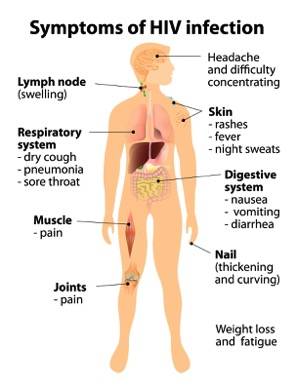
Management of equipment and supplies

Management of equipment and supplies

Management of equipment and supplies

Management of equipment and supplies refers to the processes and strategies implemented to effectively and efficiently handle and oversee the procurement, utilization, maintenance, and disposal of medical equipment and supplies within healthcare organizations.


It is important for ensuring the availability of necessary equipment and supplies, optimizing their utilization, and maintaining their quality and safety standards.

Phase of Equipment and Supplies Management.

  1. Planning: This involves assessing the healthcare facility’s needs, identifying the required equipment and supplies, and developing a strategic plan for their acquisition and utilization.
  2. Acquisition: This stage involves the procurement of equipment and supplies through processes such as tendering, vendor evaluation, and contract negotiation.
  3. Delivery and incoming inspection: Upon delivery, the equipment and supplies undergo an inspection to ensure they meet the specified requirements and are in proper working condition.
  4. Inventory and documentation: A comprehensive inventory is maintained, documenting details such as equipment descriptions, manufacturer information, purchase orders, warranty conditions, and service history.
  5. Installation and commissioning: Proper installation and commissioning of equipment are essential to ensure their safe and effective functioning. This may involve in-house technical staff or collaboration with suppliers.
  6. User training: Training programs are conducted to educate healthcare staff on the proper use and maintenance of equipment and supplies, reducing the risk of malfunctions and errors.
  7. Monitoring of use: Regular monitoring and performance evaluation of equipment and supplies are conducted to identify any issues, ensure optimal utilization, and address maintenance needs.
  8. Maintenance: Preventive and corrective maintenance activities are carried out to ensure equipment remains in good working condition, reducing the need for repairs and minimizing downtime.
  9. Replacement or disposal: When equipment reaches the end of its useful life or becomes obsolete, proper procedures for replacement or disposal are followed, considering environmental regulations and safety guidelines.
Management of Supplies

Management of Supplies

Supplies at a healthcare facility are stores of essential equipment, drugs and other supplies that you will need to use during your routine healthcare work.

There are two main types of supplies in your Health Post, referred to as non-consumables and consumables.

  1. Non-consumables are items of equipment that can be used for years, but may eventually have to be replaced or updated.
  2. Consumables are items that are used within a short period of time, so they need to be regularly replaced. They include all the medicines, drugs, vitamin supplements and infusion fluids (for intravenous use).

Category

Item

Description

Non-Consumables


Furniture

Desks, chairs, cabinets, examination tables, etc.

Equipment

Medical devices, diagnostic equipment, etc.

Vehicles

Ambulances, vans, motorcycles, etc.

Infrastructure

Buildings, fixtures, plumbing, electrical, etc.

Consumables


Medical Supplies

Bandages, dressings, syringes, gloves, etc.

Pharmaceuticals

Medications, drugs, vaccines, etc.

Laboratory Supplies

Test tubes, slides, reagents, etc.

Office Supplies

Paper, pens, folders, staplers, etc.

Cleaning Supplies

Disinfectants, detergents, mops, buckets, etc.

Fuel

Gasoline, diesel, propane, etc.

Maintenance Supplies

Lubricants, spare parts, tools, etc.

RATIONAL USE OF SUPPLIES

RATIONAL USE OF SUPPLIES

Rational medicine use: Refers to measures designed to avoid misuse of medicines, hence increases effectiveness, efficiency, and minimises waste and danger.

Or

This is the administration of the correct medications, for the appropriate patients, for the appropriate clinical needs, in doses and routes that meet their own individual requirements, for an adequate period of time, and at the lowest cost to them and their community.


Key Criteria for Rational Medicine Use:

  1. Correct Medicines: Ensuring that the prescribed medications are appropriate for the patient’s condition and are the most effective treatment available.
  2. Appropriate Indication: Prescribing medications based on sound medical considerations and in accordance with established treatment guidelines for the specific condition being treated.
  3. Medicine Suitability: Selecting medications that are suitable for the individual patient, taking into account factors such as age, gender, medical history, allergies, and other medications they may be taking.
  4. Dosage, Administration, and Duration: Ensuring that the prescribed dosage of medication is appropriate for the patient’s condition and age, that it is administered correctly, and that the duration of treatment is sufficient to achieve the desired therapeutic outcome.
  5. Patient Safety: Taking into consideration any contraindications or potential adverse reactions to the prescribed medication, and ensuring that the benefits outweigh the risks for the individual patient.
  6. Dispensing Accuracy: Ensuring that medications are dispensed accurately and that patients receive clear instructions on how to take them, including dosage instructions, frequency, and any special considerations.
  7. Patient Adherence: Encouraging and supporting patients to adhere to their prescribed medication regimen, including addressing any barriers or concerns they may have about taking their medications as directed.

Irrational Use of Medicine

Irrational medicine use can occur due to health worker wrong prescribing practices i.e.

  • Patients often take medicines in the wrong way, either by reducing the dose to make the treatment last longer or by increasing the dose in the hope of quick recovery.
  • They take the medicines at the wrong times or forget a dose.
  • Patients on long courses of treatment often stop taking medicines too soon.
  • Some patients do not understand the action of medicines in the body. As a result, they are sometimes not cured and the medicines are wasted.
  • Use of medicines when not needed e.g. use of antibiotics to treat mild ARI or diarrhea.
  • Wrong medicines e.g. the use of tetracycline for sore throat instead of penicillin.
  • Unsafe medicines e.g. Dipyrone (Novalgine).
  • Underuse of available effective medicines e.g. underuse of ORS for acute diarrhea.
  • Incorrect use of medicines e.g. giving patients only one or two days’ supply of antibiotics rather than the full course of therapy.
  • Wrong route of administration e.g. application of antibiotics directly on the wounds.
  • Polypharmacy – prescribing multiple medications without a clear medical indication.

10R’s for Proper Drug Administration

  1. Right Patient: Ensuring that the medication is administered to the correct patient by verifying their identity using at least two unique identifiers, such as their name, date of birth, or medical record number.
  2. Right Time: Administering the medication at the correct time intervals as prescribed, adhering to the prescribed schedule to maintain therapeutic effectiveness and prevent adverse effects.
  3. Right Dose: Providing the accurate dosage of the medication according to the prescribed amount, taking into account the patient’s age, weight, and other relevant factors.
  4. Right Route: Administering the medication via the appropriate route of administration, such as oral, intravenous, intramuscular, subcutaneous, or topical, as specified in the medication order.
  5. Right Drug/Medication: Ensuring that the medication administered is the correct drug as prescribed by the healthcare provider, matching the medication order and the patient’s condition.
  6. Right Formulation: Administering the medication in the correct formulation, such as tablets, capsules, liquid, or injectable, as specified in the prescription.
  7. Right Disposal: Properly disposing of expired or unused medications according to institutional protocols and regulatory guidelines to prevent environmental contamination and misuse.
  8. Right Storage: Storing medications appropriately under conditions such as temperature, humidity, and light to maintain their stability and efficacy, following manufacturer recommendations and regulatory requirements.
  9. Right Equipment: Using the appropriate equipment and devices for medication administration, such as syringes, infusion pumps, or inhalers, and ensuring they are clean, calibrated, and functioning properly.
  10. Right Site: Administering medications to the correct anatomical site or location as prescribed, particularly important for procedures such as injections, intravenous infusions, or topical applications, to avoid complications or adverse effects.

Common Problems in Handling Medical Supplies:

Theft

  • Lack of proper record to identify the culprits/detect theft.
  • Lack of security in the store where it’s accessed by everybody at any time making it difficult to detect theft cases and responsible person.
  • Lack or irregular stock cards not updated and items been picked/issued with requisitioning.
  • Fear by Incharges or store personnel to report theft cases due to fear of creating conflicts and enmity with staff.
  • Theft due to collusion between staff members.

Misuse

  • Lack of ownership/self-reliance among staff thinking it’s not their responsibility to control and economize since they are not the ones buying and lose nothing.
  • Irrational use of supplies by health workers, for example, using gloves as tourniquets, for hanging I.V fluids, etc.
  • Inadequate knowledge and skills in executing service delivery, for example, lack of skills in cannulation in children waste more cannulas.
  • Using expired or near-expired medical supplies due to improper stock rotation.

Lack of Record Keeping

  • Personal habit of “I don’t care” attitudes/behaviors of staff.
  • Knowledge gap among staff resulting in lack of and/or improper record keeping.
  • Absence of data collection tools.
  • Emerging technology may be challenging due to knowledge gap among the record handlers.
  • Inadequate training on inventory management leading to improper documentation and monitoring of medical supplies.

Others common problems in handling medical supplies include;

  1. Expired Supplies: Failure to monitor and manage inventory effectively can lead to the accumulation of expired medical supplies, which can result in wastage of resources and compromise patient care if used unknowingly.
  2. Stockouts: Inadequate inventory management practices may result in stockouts of essential medical supplies, leading to delays in patient care, compromised safety, and increased costs due to emergency procurement or alternative solutions.
  3. Poor Quality Control: Lack of quality control measures in the procurement and storage of medical supplies can result in the acquisition of substandard or counterfeit products, posing risks to patient safety and treatment effectiveness.
  4. Inefficient Ordering Process: Inefficient or inaccurate ordering processes, such as manual requisition systems or lack of forecasting methods, may lead to understocking or overstocking of medical supplies, impacting patient care and operational efficiency.
  5. Inadequate Storage Facilities: Improper storage facilities, such as inadequate space, inappropriate environmental conditions (e.g., temperature, humidity), or lack of security measures, can compromise the integrity and shelf life of medical supplies, leading to waste and reduced efficacy.
  6. Poor Distribution Practices: Inefficient distribution practices, such as lack of standardized procedures, improper handling, or delays in delivery, can result in discrepancies between supply availability and demand at healthcare facilities, affecting patient care and workflow efficiency.
  7. Inaccurate Documentation: Failure to maintain accurate and up-to-date documentation related to medical supplies, including procurement records, inventory logs, and usage reports, can lead to errors in decision-making, regulatory non-compliance, and financial losses.
  8. Inadequate Training: Insufficient training and education of healthcare staff involved in handling medical supplies may result in improper storage, handling, or administration practices, increasing the risk of errors, contamination, or adverse events.
  9. Lack of Standardization: Absence of standardized protocols and procedures for managing medical supplies across healthcare facilities within an organization or region can lead to inconsistencies, inefficiencies, and disparities in care delivery.
  10. Budget Constraints: Limited financial resources allocated for the procurement and maintenance of medical supplies may restrict access to essential supplies, compromise patient care quality, and impede efforts to address emerging healthcare needs or emergencies.

ROLES OF A NURSES IN EQUIPMENT AND SUPPLIES MANAGEMENT

  1. Inventory Management: Nurses are responsible for monitoring and managing inventory levels of medical supplies, including consumables (e.g., gloves, syringes, dressings) and non-consumables (e.g., equipment, instruments). This involves regular stocktaking, tracking usage patterns, and replenishing supplies as needed to prevent stockouts or overstocking.
  2. Ordering and Procurement: Nurses play a crucial role in the procurement process by assessing supply needs, preparing requisitions, and liaising with relevant departments or suppliers to ensure timely acquisition of required supplies. They may also participate in evaluating product quality and cost-effectiveness.
  3. Storage and Handling: Nurses are responsible for ensuring that medical supplies are stored appropriately to maintain their integrity, safety, and efficacy. This includes organizing storage areas, monitoring environmental conditions (e.g., temperature, humidity), and implementing proper handling procedures to prevent damage, contamination, or expiration of supplies.
  4. Distribution and Allocation: Nurses facilitate the distribution and allocation of medical supplies to various departments, units, or patient care areas within the healthcare facility based on demand, priority, and usage patterns. They ensure equitable distribution while optimizing resource utilization.
  5. Quality Control: Nurses are involved in ensuring the quality and safety of medical supplies through inspection, verification, and adherence to standards and regulations. They identify and report any issues related to product quality, packaging, labeling, or expiration dates to appropriate authorities.
  6. Education and Training: Nurses provide education and training to healthcare staff on proper procedures for handling, storing, and using medical supplies to promote patient safety, infection control, and resource conservation. They may conduct in-service sessions, orientation programs, or ongoing training to reinforce best practices.
  7. Documentation and Reporting: Nurses maintain accurate records and documentation related to supply management activities, including inventory records, usage logs, expiration dates, and incident reports. They generate reports and analysis to track trends, identify areas for improvement, and support decision-making.
  8. Collaboration: Nurses collaborate with multidisciplinary teams, including procurement personnel, clinicians, administrators, and support staff, to coordinate supply-related activities, address challenges, and implement effective solutions. They communicate effectively to facilitate seamless workflow and optimize patient care outcomes.
  9. Continuous Improvement: Nurses actively participate in quality improvement initiatives aimed at enhancing supply chain efficiency, reducing waste, and optimizing resource utilization. They contribute ideas, feedback, and suggestions for process improvement and innovation in supplies management practices.

Management of equipment and supplies Read More »

Want notes in PDF? Join our classes!!

Send us a message on WhatsApp
0726113908

Scroll to Top
Enable Notifications OK No thanks