Nurses Revision

nursesrevision@gmail.com

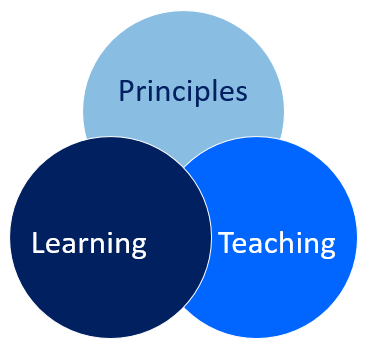
PRINCIPLES OF TEACHING AND LEARNING

PRINCIPLES OF TEACHING AND LEARNING

PRINCIPLES OF TEACHING AND LEARNING

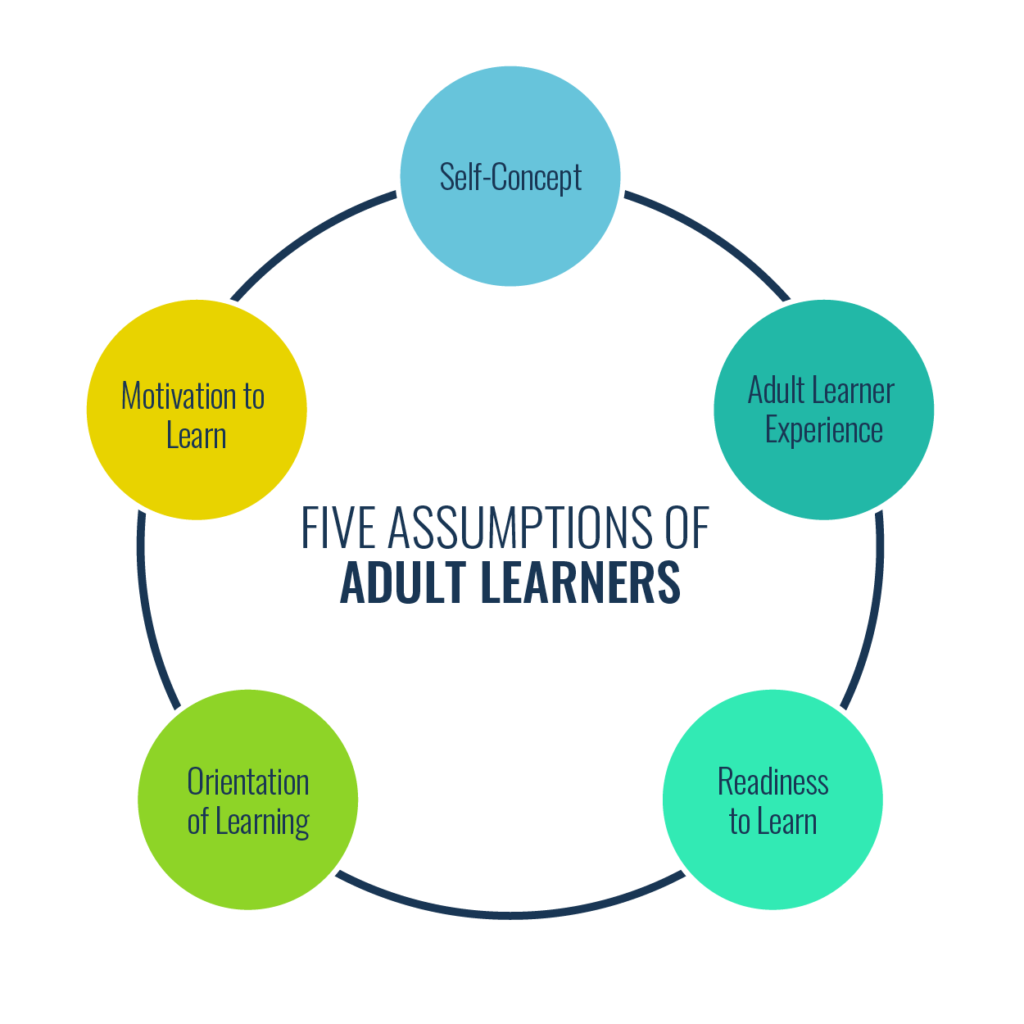
The principles of teaching and learning will assist the teacher to achieve purpose of teaching. It guides the teacher on the elements pertaining teaching such as whom to teach, why teach, where to teach, what to teach, how to teach and when to teach.

  1. Principle of motivation: The best teacher is one who inspires students. This provides an atmosphere of confidence and helps student to develop positive attitude towards the subject
  2. Principle of activity: Teaching should aim at having students active not passive. Teachers should set various tasks which learners should get involved in like discussion, assignment, case presentation e.t.c
  3. Principle of individual difference: Teaching should respect individuality of students by considering each student as unique
  4. Principle of selection: Teachers should select appropriate content, teaching method or aids basing on the level and needs of learners
  5. Principle of division: Teaching should have definite division into steps and sequenced appropriately e.g lesson of cardiac failure can be broken down into definition, types, pathophysiology, clinical feature, diagnosis and management
  6. Principle of correlation or association: The previous knowledge should correlate with present knowledge because our brains were not designed to recall information in isolation e.g teaching medical or surgical nursing requires knowledge of anatomy or foundations of nursing
  7. Principle of creativity: Teaching should allow learners to come up with new ideas or suggestions from the content taught. So the teacher should also set activities allowing room for innovation
  8. Principle of revision and practice: Teaching has to ensure revision or summarizing the content at the end and encourage practice of learned content periodically
  9. Principle of objectives: Teaching has to have well-defined objectives in order to ease content delivery and evaluation
  10. Principle of effect: Behaviour that leads to satisfying outcomes are likely to be repeated whereas those that lead to undesired outcomes are less likely to recur. Teaching activities should lead to the best results so that students can continue practicing them
  11. Principle of connection to real life: Teaching should relate the content taught to real life so that it maintains the learner’s attention span and understanding. For example, teaching in nursing has to be connected to lived experiences and that of the patient.
Nursing Management question approach

LESSONS LEARNED FROM THE PRINCIPLES OF TEACHING

Subject matter must possess meaning, organization, and structure.

  • Meaning: Content becomes more meaningful when learners understand how the subject matter can be applied.
  • Organization: Content should be divided into instructional units that clearly demonstrate the usefulness of what is being taught.
  • Structure: Content must be sequenced in a way that allows learners to see and comprehend the interconnectedness of concepts.

Readiness is a prerequisite for learning.

  • Educators must familiarize themselves with their learners’ interests, aspirations, aptitudes, and prior knowledge.
  • Learners demonstrate their readiness for instruction.
  • Instruction should be tailored to the experiences and contexts that make students willing and capable of learning. This state of readiness is highly valued by many educators.

Learners must be motivated to learn.

  • The finest educators inspire students and foster their active involvement during teaching.
  • Motivation to learn encompasses factors that influence learners to engage in and successfully complete learning activities.
  • Motivation is influenced by personal and environmental factors.

Teaching needs to have well-defined objectives.

  • Teaching activities should be based on predetermined objectives to achieve favorable outcomes.
  • Learners are motivated by clearly established learning goals.
  • Objectives guide the selection of content, delivery methods, and evaluation.

Success is a motivating force.

  • Learners are motivated when they acquire new knowledge and skills.
  • Educators should create learning activities where attainable success is achievable through proper instruction and supervision. Unrealistic standards for assessments should be avoided.

Learners are motivated when they are challenged.

  • Tasks should present a level of challenge where success is attainable but not guaranteed.
  • Educators must acknowledge that what is achievable for one learner might be unrealistic or uninteresting for another.
  • Instructional material should cater to various difficulty levels and encompass a range of activities.

Learners must receive feedback on their learning progress.

  • Feedback should encompass both strengths and weaknesses in a learner’s academic performance.
  • Feedback mechanisms can be individual or group-based.
  • Behaviors that are reinforced (rewarded) are more likely to be learned.
  • Reinforcement should be perceived as rewarding by the learner and not solely by the educator.

Criticism should be used cautiously as research shows a negative relationship with that and academic achievement.

  • Negative feedback should always be accompanied by instruction on how to correct errors.
  • Reinforcement should follow the desired behavior as promptly as possible and be clearly linked to the student’s actions.

Directed learning is more effective than undirected learning.

  • Directed learning involves ensuring that both educators and learners comprehend what is transpiring and why.
  • Directed learning necessitates strategic instructional planning and skillful supervision.
  • Learning should involve inquiry rather than strict instruction in the subject matter.
  • Active learning is superior to passive learning.

Problem-oriented approaches enhance learning.

  • Problem-oriented approaches ensure that all learners can actively participate in instruction.
  • Revision and practice are crucial.
  • Teachers must summarize content and encourage students to practice.
  • Learning results from practiced actions.
  • Proper technique practice with feedback is essential for success.

Content should be connected with real life.

  • Retention of learning is increased when it is applied in real-life scenarios and quickly utilized after acquisition.
  • Practice should closely mirror the real-life context in which behavior, skills, or attitudes are utilized.

Teaching should be correlated.

  • Content must correlate with previous or related knowledge, offering learners a comprehensive understanding of the subject matter.
  • Generalizations, rules, or formulas aid knowledge retention.

Individual differences should be considered.

  • The teacher should recognize the uniqueness of each student and pay attention to individual differences.
QUALITIES/CHARACTERISTICS OF GOOD TEACHING

QUALITIES/CHARACTERISTICS OF GOOD TEACHING

Good teaching involves the following:

  1. Recognizes individual differences: It should consider every student as unique.

  2. It should cause learning to take place: It allows change in behavior, i.e., they should be able to do or know something they did not know.

  3. It involves guiding learning: It helps to develop desirable learning habits to achieve a desired aim, i.e., it should have well-defined objectives.

  4. It provides an opportunity for activity: It should keep students as active learners but not passive.

  5. It’s kind and sympathetic: It should make students comfortable in the presence of a teacher but not be threatened.

  6. It should be flexible and use any teaching method to cater to learners’ different learning.

  7. It should reduce the distance between teacher and student hence enhance teamwork.

  8. It’s democratic: The teacher has to allow students to think and express their ideas freely but should remain in control and guide them appropriately.

  9. It should provide desirable and selective information: The teacher should deliver information that is appropriate to the needs and level of students.

  10. It should help the child to adjust to his/her environment: Making a child able to survive and live a productive life in society.

  11. Consider the level of the student: Teaching should be based on the previous knowledge of the student, level of intelligence, and intellectual maturity.

  12. It should be progressive: Teaching should enhance further development of the student to reach good positions in life.

  13. It should be stimulating/motivating: The teacher must elicit the interest of learners with their enthusiasm for the subject, teaching method, and aid used.

  14. It should be planned: The teacher should take prior time to plan and develop well-defined objectives. Otherwise, it implies if one fails to plan, then they plan to fail.”

  15. It’s diagnostic and remedial: Teaching should find out educational problems of students then come up with remedial measures to address the problems.

  16. It should be correlated: The present knowledge obtained should relate to the previous content, not distinct.

MAXIMS OF TEACHING

These are general rules of conduct to be followed by a teacher while teaching.

  1. Proceed from known to unknown: The teacher should correlate learning with the student’s experience and previous knowledge so that the content starts from what is known and then proceeds to what is unknown.

  2. Proceed from simple to complex: It’s also important to begin with the simplest lessons and then introduce more complex ones later. In other words, teach in increasing order of difficulty.

  3. Proceed from overview to details: Students can easily understand if the teacher first provides an overview of the lesson and then delves into the details of the content.

  4. Proceed from general to specific: General rules are explained first, followed by the delivery of specific information.

  5. Proceed from specific to general: At times, it’s necessary to start with specific facts before presenting them in a general context.

  6. Proceed from easy to more difficult: The content should be taught in increasing order of difficulty.

  7. Proceed from concrete to abstract: Students should grasp new ideas when they are initially taught with simple illustrations (concrete aspects) before moving on to mental reasoning (abstract aspects). Therefore, start with observations and progress to intellectual reasoning.

  8. Proceed from empirical to rational: Empirical knowledge is gained through observation and experience, while rational knowledge is based on scientific principles. Thus, it’s essential to begin with live examples and then advance to scientific reasoning.

  9. Proceed from whole to parts: The whole holds more meaning for students compared to individual parts. Teaching the skeletal system (functions, number of bones) as a whole and later breaking down each bone’s details (e.g., femur, clavicle) allows for better correlation.

  10. Proceed from parts to whole: In some situations, it’s beneficial to start with parts and conclude with the whole to enable students to generalize the content. For instance, teaching the advantages of rectal, oral, and sublingual routes separately before discussing the advantages of enteral routes as a whole.

PRINCIPLES OF TEACHING AND LEARNING Read More »

PHILOSOPHIES OF EDUCATION

PHILOSOPHIES OF EDUCATION

PHILOSOPHIES OF EDUCATION

Philosophy refers to search for wisdom and truth or the study of the principles of human behavior and reasoning

Education is the process of facilitating learning, or the acquisition of knowledge, skills, values, beliefs, and habits.
There are various ways how learners can use to search for the truth of what has been taught.
These philosophies used in education include:
  • Idealism
  • Realism
  • Naturalism
  • Pragmatism
 
philosophies

IDEALISM:

  • It is derived from the term ideals. It is a philosophical approach that believes that ideas are the only true and reality worth knowing.
  • Truth, knowledge and values are simply the conception of the mind or spirit; therefore the mind is the controller and explainer of the phenomenon that we are seeing or have heard e.g things such as planets, legends, plants exist because the mind that perceives them.
  • The physical world can be changed through the ideas or imagination of man. If one believes that the world is round even when he/she has not seen it is the truth. This philosophy is mainly used in religious doctrines.
  • In education, philosophy is mainly applied by junior students where many things taught have not been seen but the mind needs to believe that they exist like the brain, heart, nerve transmission.
Implications of Idealism in education.
  • Education is supposed to be a process of turning the eye from darkness into light.
  • The role of education is to activate the mind, so that through its reasoning, it can discover knowledge. It places importance on question-answer or logical reasoning as the method of acquiring information or gaining knowledge.

IDEALISM MADE SIMPLE:

Idealism is like dreaming about your favorite things. It’s a way of thinking that believes the stuff in our minds is the most important and real. This includes things we know, like how to be good, and things we can’t see, like love.

Imagine you have a superhero friend in your head. This friend helps you understand everything around you – from big stuff like stars and stories, to smaller things like plants. This idea says that because you can think about them, they exist in a special way.

Guess what? Idealism also says that what you think can change the world! For instance, if lots of people imagine the Earth is round, even if they’ve never seen it from space, it becomes a powerful idea.

This way of thinking isn’t just for school, it’s also used in believing things like kindness and hope. Even though you can’t touch these, they’re real because people think about them and act on them.

In school, when you learn about things you can’t see, like your brain or your heart, idealism helps you believe in them. It’s like having faith in things that are real even though you can’t hold them in your hand.

Here’s a cool thought: education, which means learning new things, is like turning on a light in your mind. It helps your brain discover knowledge and answers. Idealism likes when you ask questions and use your brain to figure things out. It’s like being a detective and finding clues to understand the world better.

So, idealism is all about how your thoughts and ideas are super important, and they can make a big difference in the world, even if you can’t see them with your eyes.

REALISM

The term ‘realism’, derived from the word ‘real‘, refers to the theory that whatever knowledge we receive through the senses (sight, touch, smell, etc.) is a true reflection of what really exists. Things we see or perceive are real, and knowledge acquired through senses only is true.

  • This philosophy is applied by most curious learners who will only believe in things they can sense. For example, you can know that fire burns after touching it.
Implications of Realism in Education
  • The arrangement of the world into patterns implies that knowledge is classified according to disciplines or subjects. Hence, the realists suggest that the curriculum should be broad-based and include a variety of subjects, especially science subjects.
  • Therefore, no single subject/discipline can be adequate to express the whole truth of the matter.
  • There are no bright/dull children; they only differ in their rate of grasping knowledge.

REALISM MADE SIMPLE:

Realism is like believing your eyes, ears, and nose. It’s the idea that what you see, feel, or smell is the real deal. Everything you sense is like a true picture of what’s actually there.

Imagine you’re a super-spy using your senses to find clues. Realism says that the things you find with your senses are true and exist. Like, if you touch fire and it burns, that’s real knowledge.

Realism is perfect for curious learners who trust their senses. They believe things when they can see, touch, or experience them.

In school, realism helps us organize knowledge into different parts, like subjects in school. It’s like putting puzzles together to understand everything better. Realists think that schools should teach many different things, especially science, to get a full picture of the world.

Realism also reminds us that every person is like a learning champion. Some people learn fast, and some take more time, but it doesn’t mean anyone is better or worse. We all just learn at our own pace.

So, realism is all about trusting your senses, using them to learn lots of things, and understanding that we’re all amazing learners in our own way.

NATURALISM

NATURALISM:

  • Naturalism views that nature is the source of knowledge.
  • Here the naturalists also believed that the process of growth and development in man was the result of force of energy prevailed in nature.
  • In education, naturalists want educators to focus on things that exist in nature so that learners can connect to real life.
Education Implications of Naturalism:
  • Naturalism considers the child as a gift of nature with potentialities for natural growth according to the laws of nature.
  • The powers of the child should be developed in natural ways by allowing the child to freely interact with nature.
  • The curriculum should provide concrete and real experiences in a natural context, i.e., the child should learn by interacting with nature.
  • Morality and character are learned directly with the help of natural consequences. It advocates learning without tears; this means that in a learning set-up, never punish the child. If there is punishment needed, nature will take its course and punish the child.
  • Inequalities and bad behaviors are a result of the child’s intercourse with the corrupted society.

NATURALISM MADE SIMPLE:

Naturalism is like learning from nature itself. It says that nature is where we find all our knowledge.

Imagine that nature is like a big, powerful force that helps us grow and change. Naturalism believes that the way we become smarter and better is because of the energy from nature.

In school, naturalism tells teachers to focus on things we see in nature. This way, we can learn about things that happen in real life.

What Naturalism Means for School: Think of every child as a special gift from nature. They have their own unique abilities, just like nature intended.

Kids should learn and grow in a way that feels natural. It’s like playing outside and exploring nature – that’s how we learn best.

School subjects should be connected to real things we find in nature. Imagine going on a nature adventure to learn about science and other cool stuff.

When it comes to being good and having good character, nature teaches us. So, teachers don’t need to be too strict. If we make a mistake, nature will show us how to fix it.

Remember, when people do unfair or bad things, it’s often because they’ve been influenced by a not-so-great society.

Naturalism is all about learning from nature, growing the way we’re meant to, and understanding that nature is a powerful teacher that guides us to be our best selves.

PRAGMATISM

PRAGMATISM:

It comes from the Greek word “pragma,” which means work/action. This is a philosophy that judges all things in terms of their practical consequences. It holds the view that for anything to be called knowledge, it should produce a physical observable/tangible change in things.

  • Only those things that are experienced/observed are real.
Education Implications of Pragmatism:
  • The idea of placing children in the most desirable environment for their education.
  • The ideal education as being exposed to many experiences.
  • “Learning by doing,” which encourages the child to learn through activities.

PRAGMATISM MADE SIMPLE:

Pragmatism is like focusing on what works in real life. The word comes from “pragma,” which means action or work. This way of thinking believes that the most important thing is what happens because of what we do.

Imagine if something doesn’t make a real difference – according to pragmatism, it’s not really useful. This philosophy thinks that for something to be considered knowledge, it should actually change things in a noticeable way.

Pragmatism says that only things we can see or experience are truly real.

What Pragmatism Means for School: Think about being in a place where you can learn the best. Pragmatism likes that idea, too. It’s all about making sure students are in an environment that helps them learn well.

Pragmatism also loves the idea of learning from lots of different experiences. It’s like collecting different tools to solve problems.

Remember when you learn best? It’s when you’re doing things, right? Pragmatism agrees. Learning by doing, like hands-on activities, is a big part of this philosophy.

Pragmatism is about focusing on what’s practical and useful, finding the best way to learn, and making sure that what we learn helps us change the world around us.

PHILOSOPHIES OF EDUCATION Read More »

Writing a research proposal

Writing a research proposal

Writing a Research Proposal

A research proposal refers to the description of what the researcher wants to investigate, why it’s important, and how the research will be done. The format of a research proposal varies between fields and from institution to institution.

NOTE: A research proposal is written in the future tense because it tells the reader what the researcher intends to undertake.
Importance of Writing Research Proposals

Writing a research proposal is a critical step in the research process for several reasons:

  • Securing Funding: Research proposals allow nurses to request financial support or grants to conduct their proposed studies. This funding is vital for obtaining necessary resources, such as equipment, materials, and personnel, required for the research.
  • Guiding Research: A research proposal acts as a roadmap for the researcher. It outlines the plan and steps to be followed throughout the research effort, helping nurses stay focused and organized as they conduct their studies.
  • Meeting Certification Requirements: Research committees often require a well-structured proposal before approving studies involving human or animal subjects. Writing a research proposal ensures that the necessary ethical considerations and safeguards are in place before the research begins.
  • Generating New Ideas: The process of writing a research proposal stimulates critical thinking. Nurses often gain deeper insights into their chosen topic and generate new ideas during the proposal-writing stage.
  • Establishing Feasibility: A research proposal forces nurses to consider the practical aspects of their projects. It helps in estimating the time, resources, and effort required, ensuring that the research is feasible within the available constraints.
  • Educational Requirement: Many tertiary education programs in Uganda require students to write research proposals as a prerequisite for embarking on a research project or dissertation. This prepares nurses for the rigorous research process ahead.
  • Anticipating Limitations: Writing a research proposal encourages nurses to identify potential limitations and challenges that may arise during the study. This proactive approach allows for better planning and strategizing to overcome these obstacles.
How to Write a Research Proposal: Contents/Components (UHPAB Guidelines)

The proposal consists of a title/topic, Chapter 1, Chapter 2, Chapter 3, a reference list, and an appendix with a budget schedule and other relevant information such as a questionnaire and a map of the study area. The numbering should reflect the guideline numbering.

Sample of Title Page

Factors Associated with Uptake of Malaria Vaccine Among Caretakers of Children Below One Year in Buteebo Village Kampala District –Uganda

By


Muhindo George


JUL25/ U094 /DCM/ 071/2025

A research report submitted in partial fulfilment of the requirement for the award of a diploma in Nursing of Uganda Health Professions Assessment Board (UHPAB)

June, 2026

9.4 Outline of a Research Proposal

According to the UHPAB Academic Research Guidelines (Section 9.4), "The proposal shall consist of a title page, preliminary pages and three chapters." Below are the required preliminary pages specifically for a research proposal.

    PRELIMINARY PAGES

    As per the guidelines (Section 9.4, Preliminary Pages): "These will include and each should appear on its own page... these pages should be included in the table of contents and should be numbered using Roman figures." (Note: Dedication, Acknowledgement, and Abstract are exclusively for the Final Report).

  • i. Declaration
  • ii. Approval
  • v. Table of contents
  • vi. List of tables, figures or pictures
  • vii. Abbreviations/acronyms
  • viii. Operational definitions
DECLARATION

This page confirms the originality of the research work. It is a formal statement by the student that the work is their own and has not been submitted elsewhere.

According to the guidelines: "Declaration is where the Candidate declares that the work is their original piece, not submitted elsewhere before for another diploma award or any academic qualification."

Sample of Declaration Page

Declaration

This research proposal entitled Factors Associated with Uptake of Malaria Vaccine Among Caretakers of Children Below One Year in Buteebo Village Kampala District –Uganda has been conducted by Muhindo George and has never been submitted to any institution of higher learning for any award.

Name of candidate: Muhindo George

Signature: .....................................................................

Date: ............................................................................

APPROVAL

This section signifies the official approval of the research proposal by relevant authorities. It confirms that the proposal meets the required standards and is ready for submission.

According to the guidelines: "Approval: The proposal or report shall be read and approved by the supervisor and the principal." Furthermore, the proposal must be signed using the official "APPROVAL FORM WITH IRC" indicating readiness for submission.

Sample of Approval Page

Approval Form With IRC

We the undersigned, with guidance of the IRC, hereby approve the research proposal entitled Factors Associated with Uptake of Malaria Vaccine Among Caretakers of Children Below One Year in Buteebo Village Kampala District –Uganda conducted by Muhindo George for submission to the Lyamujungu Health Training Institute IRC.

Chairperson IRC Principal
Name ........................................ Name ........................................
Signature .................................. Signature ..................................
Date ........................................... Date ...........................................
COMMITMENT BY THE RESEARCH SUPERVISOR

This document formalizes the supervisor's commitment to guide and support the student throughout the research study. It outlines their responsibilities and dedication to the process.

According to the UHPAB guidelines criteria for selecting a supervisor (Section 7.1.8 e), the assigned supervisor "Must sign a proof of his or her availability and commitment to supervise trainees." This document serves as that proof and is witnessed by the Principal.

Sample of Commitment by the Research Supervisor

Commitment By The Research Supervisor

I Ong Grace hereby agree to serve as a Supervisor of the research study for Muhindo George. I pledge to commit myself, devote time, provide all the necessary guidance, and act professionally throughout the process of the study.

Name of Supervisor: ..........................................................................

Signature: ...........................................................................................

Telephone contact: .............................................................................

Witnessed by

Name of Principal: .............................................................................

Signature: ...........................................................................................


Date and official stamp

LIST OF ABBREVIATIONS/ACRONYMS

This section provides a comprehensive list of abbreviations and acronyms used within the research proposal, along with their full definitions, ensuring clarity and ease of understanding for the reader.

According to the guidelines, all abbreviations/acronyms should be written in full and in alphabetical order on a separate page. Put them in capital letters and bold them.

Sample of Abbreviations/Acronyms Page

Abbreviations/Acronyms

DHIS: District Health Information System

FAO: Food and Agricultural Organization

GMP: Growth Monitoring and Promotion

LMIC: Low and Middle Income Countries

MUAC: Mid Upper Arm Circumference

SDG: Sustainable Development Goals

UBOS: Uganda Bureau of Statistics

UDHS: Uganda Demographic and Health Survey

UNAP II: Uganda Nutrition Action Plan II

UNICEF: United Nations Children's Fund

WHO: World Health Organization

OPERATIONAL DEFINITIONS

The researcher should define the major concepts and variables exactly as they are used in the study, ensuring a common understanding and avoiding ambiguity.

This section defines crucial terms and concepts used throughout the research proposal, ensuring a common understanding and avoiding ambiguity.

Sample of Operational Definitions Page

Operational Definitions

Anthropometry: Refers to the measurement of human individual.

Determinants: Factors that decisively affect the nature or outcome of something.

Malnutrition: Is the nutritional imbalance that can be caused by deficiencies.

Nutrition: The scientific study of food and nourishment, including food composition, dietary guidelines and the role of various nutrients.

Stunting: Is when the child's height is below the recommended level for their age.

Wasting: Is when the child's weight is below the recommended level for their height.

Each chapter presents details as guided below:

    MAIN BODY
  • a) Chapter One - Introduction
  • b) Chapter Two - Literature review
  • c) Chapter Three - Methodology
9.4.1 Chapter One: Introduction

This Chapter shall be structured as follows:

  • 1.0 Introduction: It should introduce the summary of the chapter in one (1) paragraph.
  • 1.1 Background to the Study: It should be concise and precise with a maximum of two (2) pages. It should provide the origin of the problem in the global, continental, regional, national, and local area.
  • 1.2 Statement of the Problem: Should be half a page. State what is ideal, what is it now, the magnitude of the problem, and consequences if not addressed.
  • 1.3 Research Objectives:
    • 1.3.1 Purpose of the Study or General Objective: The overall aim of the study, spelling out the dependent and independent variables.
    • 1.3.2 Specific Objectives: These should be 2-3 SMART objectives using action words (e.g., To determine, establish, assess).
    • 1.3.3 Research Questions: Questions directly linked to the specific objectives.
  • 1.4 Justification of the Study: Rationale for conducting the study. Reason(s) why the researcher chose to focus on the topic.
  • 1.5 Significance of the Study: Explains the contribution to academic knowledge or practical use, who benefits, and how they benefit.
  • 1.6 Scope of the Study: Provides the boundary or limits of the research in terms of content, geographical area, and time span.
  • 9.4.2 Chapter Two: Literature Review

    This Chapter shall have at least five (5) pages and shall be arranged as follows:

  • 2.0 Introduction: This shall not be more than half a page. Start with an overview of the dependent variable.
  • 2.1 Body: Shall be presented with a minimum of five (5) pages, arranged according to specific objectives.
  • NOTE:
    • a) Include a minimum of 20 in-text citations following APA 7th edition format.
    • b) The oldest references should not be beyond 10 years before the trainee's time of conducting research.
    • c) The sub-headings of the literature review shall be in line with the specific study objectives.
    • d) Include a brief summary of the literature with any gap identified.
    9.4.3 Chapter Three: Methodology

    Chapter three (3) shall be structured as follows:

  • 3.0 Introduction: It should introduce the summary of this chapter in one paragraph.
  • 3.1 Study Design: Indicates the design (e.g., cross-sectional) and gives reasons/rationale for the choice.
  • 3.2 Study Setting: Describes the study area and must include the rationale.
  • 3.3 Study Population: Describes the population from which the sample is drawn.
  • 3.4 Sample Size Determination and its Justification: Use simple scientific methods showing how the sample size will be determined.
  • 3.5 Sampling Method/Procedure: Describes how the sample will be selected (random/non-random) and gives reasons for the choice.
  • 3.6 Inclusion and Exclusion Criteria: Defines characteristics for eligibility and illnesses/conditions that exclude participation.
  • 3.7 Study Variables: Describe dependent and independent variables and their measurements (preferably in a table form).
  • 3.8 Research Instruments/Tools: Describe questionnaires, interview guides, observational checklists, etc.
  • 3.9 Data Collection Method/Procedure: Describe key steps taken to collect data based on the tools stated.
  • 3.10 Data Management and Analysis: Describe how data will be managed and the method of analysis (e.g., descriptive statistics, SPSS, Excel).
  • 3.11 Data Presentation: Describe how data will be presented (narratives, charts, and tables).
  • 3.12 Quality Control: Measures to ensure correct data is collected, including validity and reliability (pretesting tools, SOPs).
  • 3.13 Ethical Considerations: How methods conform to national ethical guidelines to protect participants' rights.
  • 3.14 Limitations to the Study: Aspects affecting sampling, methodology, and findings, plus how you will mitigate them.
  • 3.15 Dissemination of Study Findings: State how and to which stakeholders the findings will be presented.
  • 9.5 Referencing and Citation

    Trainees are expected to use the American Psychological Association (7th Edition) as the recommended style of citation and submit a minimum of 20 references. References must be those cited within the body of the report.

    10.0 Appendices

    According to the guidelines, appendices should include:

    • Data collection tools (Proposal and Report).
    • Ethical requirements like consent form, approval letters, including school approvals, introductory letters (both proposal and report).
    • Maps (Proposal and Report).
    • Pictures (Proposal and Report).
    • Information sheets (Proposal and Report).
    • Proposed budget (Proposal only).
    • Work plan (Proposal only).
    RESEARCH PROPOSAL DEVELOPMENT & APPROVAL PROCESS
    • a) The research proposal shall be developed by the Trainee with the guidance of the allocated Research Supervisor
    • b) The research proposal shall be submitted by the Trainee to the IRC in preparation for the Trainee’s defence meeting and subsequent approval,
    • c) Upon approval, the Chairperson shall together with the Principal, Research Supervisor and Trainee append their signatures in the form prescribed by the UNMEB Academic Research Guidelines. A copy of this form shall be attached to the final report;
    • d) Upon approval of the Trainee’s research proposal, an introductory letter shall be issued to the Trainee by the Principal, which he / she presents to the study area;
    • e) The Introductory letter issued by the Principal should be signed in triplicate (three copies). Where one copy is submitted to the authorities of the study area, one copy is kept on the IRC file and one copy is attached to the final report copy.
    Annex: Marking guide for Research Report

    UGANDA HEALTH PROFESSIONS ASSESSMENT BOARD (UHPAB)
    DIPLOMA LEVEL HEALTH TVET RESEARCH
    MARKING GUIDE FOR RESEARCH REPORT

    AREAS OF ASSESSMENT MARKS SCORE COMMENTS
    1. Preliminary pages
    a) Title page – standard and relevant to the study 01
    b) Table of content consistent with page numbers 01
    c) List of tables/figures/pictures consistent with page numbers 01
    d) Abbreviations/acronyms written in full and alphabetical order 01
    e) Operational definitions of key concepts and variables 01
    f) Abstract with correct subheadings & content (Max 300 words) 05
    Subtotal 10
    2. Introduction
    a) Background of the study relevant to the problem 04
    b) Statement of the problem 04
    c) Purpose of study / General Objective 01
    d) Specific Objectives (2-3 SMART objectives) 03
    e) Research questions related to specific objectives 01
    f) Justification of the study 01
    g) Significance and Scope of the study 02
    Subtotal 16
    3. Literature review
    a) Relevant literature arranged according to the specific objectives 06
    b) Summary of literature and identification of gaps 03
    c) Proper in-text citation using APA 7th Edition style 03
    Subtotal 12
    4. Methodology
    a) Description of study design (including rationale) 03
    b) Description of study setting (including rationale) 02
    c) Description of study population 01
    d) Inclusion and Exclusion criteria 02
    e) Justified sample size determination 02
    f) Clear sampling method/procedure 02
    g) Clearly defined study variables 02
    h) Relevant research instruments/tools and data collection method 02
    i) Quality Control (Validity and Reliability measures) 02
    j) Description of data management, analysis, and presentation 02
    k) Ethical considerations 01
    l) Study Limitations and mitigation 01
    m) Plan for dissemination of study findings 01
    Subtotal 23
    5. Results/ findings
    a) Appropriate tables, figures, and narratives related to study objectives 08
    b) Correct interpretation and clear presentation of socio-demographics 04
    Subtotal 12
    6. Discussion, Conclusion, Recommendations and Implications
    a) Discussion of results in relation to study objectives 06
    b) Comparison with supporting/contradicting findings from reviewed literature 03
    c) Relating findings to research problem and purpose of the study 03
    d) Conclusion related to study objectives 03
    e) Recommendations (Actionable, stating who/what/when) 02
    f) Implications to Health Profession Practice 02
    Subtotal 19
    List of References (At least 20, APA 7th Edition) 02
    7. Appendices
    a) Applied APA format correctly throughout the report 02
    b) Similarity Index Report printed and attached (Allowed max 30%) 02
    c) Data collection tools/instruments copies 01
    d) Consent forms and Information sheets 01
    e) Introductory letter for conducting research 01
    f) Maps / Pictures 01
    SUBTOTAL 08
    GRAND TOTAL 100%
    References

    Below are the official references as stipulated in the UHPAB Academic Research Guidelines:

    1. American Psychological Association. (2010). Publication Manual (6th Ed.) Washington DC.
    2. Uganda Health Professions Assessment Board (2023). Regulation for the Conduct and Supervision of Health Professions Assessment in Uganda.
    3. American Psychological Association. (2020). APA style. https://apastyle.apa.org/
    4. Quinn, S., Brown, L., Coleman, C., Edahl, C., & Grulick, C. (Eds.). (2020). Reading & Writing handbook for the college trainee (2nd ed.). Hawkes Learning/Quant Systems.

    Quick Quiz

    Proposal Quiz

    Research - mobile-friendly and focused practice.

    Privacy: Your details are used only for quiz tracking and certificates.

    Writing a research proposal Read More »

    Community dialogue

    Community dialogue

    THE COMMUNITY HEALTH CHRONICLES: EPISODE 8

    In Episode 7, Student Nurse Amina witnessed the magic of Community Participation. The villagers of Kiyunga contributed their own time, money, and labor to fix the contaminated water spring. It was a massive success! But Amina knows that a one-time project doesn't guarantee long-term health. What happens when the pipes leak next year? What if a new disease breaks out?

    To ensure the village doesn't fall back into old habits, they need permanent structures, regular communication, and united leadership. Welcome to Episode 8: Community Organization & Community Dialogue. Let's see how Amina helps Kiyunga formalize their unity to tackle any future health challenge!

    Community Organization
    I. Definition and Core Concepts

    Community organization is the process of organizing the community in such a way that they can identify and prioritize their needs and objectives, develop confidence and the will to achieve them by finding resources through cooperative and collaborative attitudes, practices, and community participation.

    This phase naturally follows Community Participation. Once a community is willing to participate, they must be systematically organized to ensure their efforts are efficient and sustainable.

    Assumptions of Community Organizing

    Those who engage in community organizing (like health workers and local leaders) operate based on certain fundamental assumptions:

    • Potential for Capacity: Communities of people have the inherent potential to develop the capacity to address their own problems.
    • Desire for Change: People possess the genuine desire and capability to initiate and undergo positive change.
    • Right to Decision-Making: Individuals should actively participate in decision-making processes and have control over major changes occurring within their communities.
    • Internal vs. External Change: Changes that originate from within the community and are self-driven hold greater significance and permanence compared to externally imposed changes.
    • Democratic Necessity: Democracy necessitates cooperative participation and collective action in community affairs, and individuals must acquire the skills needed to facilitate this process.
    • Need for Support: Communities often require assistance in organizing to address their needs, just as individuals require support in coping with their individual challenges.
    II. The Process of Community Organization

    Organizing a community is a systematic, cyclical process:

    1. Recognizing the issue: The process begins when someone identifies a problem within the community and takes the initiative to address it. This person, known as the initial organizer, may or may not remain involved throughout the entire process.
    2. Gaining entry into the community: If the issue is identified by someone from outside the community (e.g., a visiting nurse), it is crucial to properly gain entry. This involves building relationships with community gatekeepers (local leaders, businesses, educational institutions, political figures, or activist groups).
    3. Organizing the people: The support of community members is absolutely essential. The initial focus should be on organizing individuals who are already interested in resolving the issue (the executive participants or core committee).
    4. Assessing the community: Different strategies (locality development, social planning, or social action) can be employed to assess community needs. This aims to understand the full scope of requirements and challenges.
    5. Determining priorities and setting goals: Based on the assessment findings, the organized group must determine the priorities among the identified problems and set clear, achievable goals.
    6. Arriving at a solution and selecting intervention strategies: Multiple solutions exist for community problems. The group should evaluate various alternatives considering their potential outcomes, acceptability to the community, and required resources, ultimately selecting the best strategy.
    7. Implementation, evaluation, monitoring, and looping back: Implement the chosen strategies, evaluate outcomes, monitor progress over time, and if necessary, revisit previous steps (looping back) to modify or restructure the organizing plan.
    III. Roles of a Community Nurse in Community Organization
    No. Role Description
    1 Advocating for the health of the community Working to ensure that the voices of community members are heard when decisions about health care are being made, and advocating for supportive policies/programs.
    2 Building community capacity Helping communities develop the skills and resources they need to address their own health needs (providing training, technical assistance, and financial guidance).
    3 Fostering collaboration Bringing together different stakeholders to work on common health goals by building relationships, resolving conflicts, and facilitating communication.
    4 Planning and implementing interventions Helping communities develop and implement plans by conducting needs assessments, developing interventions, and evaluating outcomes together.
    5 Evaluating the impact of interventions Continuously assessing the impact of interventions to ensure they remain effective and identifying areas for improvement.
    6 Educating community members Providing ongoing education about a variety of health topics, including disease prevention, healthy lifestyles, and access to care.
    7 Providing direct care Delivering direct clinical care to individuals/families experiencing health problems via home visits, case management, and localized clinics.
    8 Researching health issues Conducting operational research to identify emerging health problems and developing localized interventions.
    COMMUNITY DIALOGUE
    IV. Definition and Importance of Community Dialogue

    Community dialogue is a two-way communication process that involves critical analysis and in-depth understanding of the issues and concerns that affect the health and well-being of the people.

    It is also known as participatory or interactive communication. It involves the continuous exchange of information, ideas, and opinions between individuals, communities, and stakeholders to enhance understanding, set priorities, and work out possible solutions. It is guided by the principles of mutual respect, teamwork, and a shared vision.

    Why is Community Dialogue Important?
    • Enhances Partnership: Strengthens the partnership for health and development.
    • Focuses on Shared Problem-Solving: Focuses on solving problems together based on existing experience and capacities, rather than just having predetermined messages dictated by one party.
    • Promotes Behavior Change: Enhances capacities for action and promotes genuine, sustainable behavior change.
    • Advocates for Supportive Environments: Helps advocate for environments that promote community well-being.
    • Promotes Ownership: Fosters active community participation and a deep sense of ownership for health.
    • Enhances the Community-Facility Interphase: Closes the gap between communities and formal health facilities.
    • Mobilizes Resources: Ensures proper mobilization and utilization of resources to promote health.
    • Develops Coordinated Approaches: Creates an integrated and coordinated approach to health promotion.
    • Promotes Early Treatment Seeking: Encourages early treatment-seeking behavior, reliable referrals, and robust follow-up systems.
    Through this approach, communities and households are empowered to take health as their personal responsibility, initiating and participating in activities that promote their well-being.
    V. Levels of Community Dialogue

    Community dialogue must occur across all strata of society to be truly effective:

    1. National Level

    Establishes a movement to champion issues and concerns affecting the health and welfare of the people, especially vulnerable groups. Targets policymakers, legislators, donors, religious leaders, and the private sector to formalize supportive policies and allocate national resources.

    2. District / Sub-county Level

    Targets political and administrative leadership, NGOs, the private sector, and traditional institutions to adopt and operationalize policies, allocating specific regional resources to empower community health.

    3. Health Facility Level

    As the source of service delivery, health facilities must apply community dialogue principles during clinical consultations and meetings. They facilitate capacity building, provide necessary information/materials to support informed decisions, and promote active follow-up.

    4. Parish and Community Level

    An intervention that disregards these vital grassroots levels cannot succeed or be sustainable. Emphasis is placed on building the capacity of Parish Development Committees and Village Health Teams (VHTs) to adopt dialogue approaches that bring about desired changes at the household level, with a strong focus on women and children.

    VI. Steps to Community Dialoguing
    1. Build a Dialogue Team to host the event: A team approach helps build ownership and spread tasks. The team helps define the goals for the project.
    2. Determine your own goals for the dialogue: Your community may have specific goals (e.g., deepening existing work, reflecting on lessons learned). The session's design should reflect this.
    3. Determine the group of participants: Decide who should share ideas and opinions. Partnering with existing groups minimizes recruitment effort by using their networks.
    4. Select and prepare the facilitator: Good facilitation is critical. Enlist an experienced facilitator or a good listener who inspires conversation while remaining completely neutral.
    5. Set a place, date, and time: Choose a spot that is comfortable and accessible (e.g., a community center, place of worship, school, or under a large village tree). Keeping sites convenient to participants is key.
    6. Create an inviting environment: Seating arrangements matter. To assure strong interaction, place seats in a circle or a "U" formation. Refreshments are a welcome sign of appreciation (though not absolutely mandatory).
    VII. Benefits of Conducting a Community Dialogue
    • Encourages Participation and Commitment: When engaged in decision-making, people feel ownership, leading to sustainable behavior change.
    • Promotes Sharing of Information: Different perspectives and experiences are exchanged, leading to a broader understanding of potential solutions.
    • Facilitates Joint Assessment: Communities collaboratively assess their own needs and priorities, tailoring interventions effectively.
    • Enhances Understanding of Communities: Stakeholders gain deeper insights into social dynamics, cultural values, and local resources.
    • Identifies Key Partnerships: Highlights influential individuals and leaders who can drive change.
    • Promotes Accountability: Communities actively contributing to solutions are more likely to hold themselves accountable for implementing them.
    • Strengthens Social Cohesion: Builds trust, relationships, and unity among diverse members.
    • Supports Local Problem-Solving: Participatory analysis ensures interventions address real community needs.
    • Empowers Marginalized Voices: Provides a safe platform for underrepresented voices, addressing inequities.
    • Builds Consensus and Collaboration: Open discussions lead to shared goals and collaborative action plans.
    • Fosters Innovation and Creativity: Interaction encourages the sharing of creative ideas and innovative approaches.
    VIII. Challenges of Community Dialogue & Possible Solutions
    No. Challenge / Problem Possible Solution
    1 Dialogues are Time-Consuming
    Bringing diverse groups together and reaching consensus takes considerable time.
    Proper Planning and Clear Objectives: Plan in advance, set a structured agenda, define the scope, and strictly allocate time for each topic.
    2 Poor Preparation and Planning
    Lack of clear goals and materials leads to confusion and unproductive discussions.
    Efficient Communication and Thorough Preparation: Share the purpose beforehand. Gather relevant materials and prep facilitators extensively.
    3 Objectors Refusing to Participate
    Skepticism or lack of trust keeps key members away, hindering representativeness.
    Inclusive Engagement: Engage objectors individually before the dialogue. Address concerns, emphasize benefits, and create a truly inclusive atmosphere.
    4 Lack of Resources
    Insufficient finances or logistics limits the scope and reach of dialogues.
    Provide Adequate Resources / Lobbying: Seek partnerships or sponsorships for venues and materials. Utilize cost-free community spaces.
    5 Too Much (Unrealistic) Expectation
    Unmet heightened expectations lead to disappointment and discourage future participation.
    Transparency and Clear Communication: Be very transparent about the dialogue's scope. Communicate exactly what can (and cannot) be achieved.
    6 Lack of Unity and Cooperation
    Contentious participants derail open discussion and fail to find common ground.
    Training and Team Building: Conduct team-building activities to promote unity. Highlight the absolute necessity of collaboration.
    7 Hostility of Community Members
    Confrontational attitudes or deep-seated conflicts hinder respectful communication.
    Establishing Trust: Use active listening. Address conflicts sensitively and foster a safe environment where everyone feels valued.
    8 Insecurity and Geographic Location
    Safety threats or extreme isolation prevents members from attending freely.
    Ensure Safety and Accessibility: Choose safe, central venues. Involve community leaders to assist with safe mobilization and selecting accessible locations.
    9 Disease Endemics
    Fear of disease transmission deters gathering.
    Health Precautions and Awareness: Implement safety measures (sanitizers, distancing). Integrate health education about the endemic into the dialogue.
    10 Poor Infrastructure
    Inadequate facilities (seating, lighting, tech) impact the feasibility of the meeting.
    Adaptation and Resourcefulness: Make do with available resources. Arrange comfortable seating in shaded outdoor areas if needed. Lobby for infrastructure support.

    EPISODE 8 WRAP-UP

    Thanks to Student Nurse Amina's guidance, the village of Kiyunga hasn't just fixed a water spring; they have formed a permanent "Water and Health Organization." Through effective Community Dialogue, the youth, the elders, and the women's group sat in a "U" formation under the big mango tree and peacefully agreed on a monthly maintenance schedule. They debated, listened, and solved the problem together.

    Amina's time in Kiyunga is coming to an end. But she is smiling. She knows she doesn't need to stay forever because the village no longer relies on her to tell them what to do. They have reached the ultimate pinnacle of community health. What is this final, golden stage? Join us for the grand finale in Episode 9: Community Empowerment!

    Community dialogue Read More »

    SUSTAINABLE DEVELOPMENT GOALS (SDGS)

    SUSTAINABLE DEVELOPMENT GOALS (SDGS)

    The Sustainable Development Goals (SDGs)

    The Sustainable Development Goals (SDGs), also known as the Global Goals, are a universal call to action to end poverty, protect the planet, and ensure that by 2030 all people enjoy peace and prosperity

    They were adopted by all UN Member States in 2015 as part of the 2030 Agenda for Sustainable Development, which sets out a 15-year plan to achieve the goals. The SDGs build on the success of the Millennium Development Goals (MDGs), but unlike the MDGs, they are universal and apply to all countries, not just developing ones.

    Key Characteristics of the SDGs:

    • 17 Goals and 169 Targets: The SDGs are composed of 17 interconnected goals and 169 specific targets.
    • Universal Applicability: They apply to all countries, rich and poor, emphasizing a shared global responsibility.
    • Integrated and Indivisible: The goals recognize that ending poverty must go hand-in-hand with strategies that build economic growth and address a range of social needs, while tackling climate change and environmental protection.
    • Leave No One Behind: A core principle of the SDGs is the commitment to ensure that the most vulnerable and marginalized populations are prioritized.
    • Partnership: Achieving the goals requires a strong global partnership among governments, the private sector, civil society, and citizens.

    The 17 Sustainable Development Goals:

    1. No Poverty 💰: End poverty in all its forms everywhere.
    2. Zero Hunger 🍲: End hunger, achieve food security and improved nutrition, and promote sustainable agriculture.
    3. Good Health and Well-being 🏥: Ensure healthy lives and promote well-being for all at all ages.
    4. Quality Education 📚: Ensure inclusive and equitable quality education and promote lifelong learning opportunities for all.
    5. Gender Equality ♀️: Achieve gender equality and empower all women and girls.
    6. Clean Water and Sanitation 💧: Ensure availability and sustainable management of water and sanitation for all.
    7. Affordable and Clean Energy 💡: Ensure access to affordable, reliable, sustainable, and modern energy for all.
    8. Decent Work and Economic Growth 💼: Promote sustained, inclusive, and sustainable economic growth, full and productive employment, and decent work for all.
    9. Industry, Innovation, and Infrastructure 🏗️: Build resilient infrastructure, promote inclusive and sustainable industrialization, and foster innovation.
    10. Reduced Inequalities ↔️: Reduce inequality within and among countries.
    11. Sustainable Cities and Communities 🏙️: Make cities and human settlements inclusive, safe, resilient, and sustainable.
    12. Responsible Consumption and Production ♻️: Ensure sustainable consumption and production patterns.
    13. Climate Action 🌎: Take urgent action to combat climate change and its impacts.
    14. Life Below Water 🌊: Conserve and sustainably use the oceans, seas, and marine resources for sustainable development.
    15. Life on Land 🌳: Protect, restore, and promote sustainable use of terrestrial ecosystems, sustainably manage forests, combat desertification, halt and reverse land degradation, and halt biodiversity loss.
    16. Peace, Justice, and Strong Institutions ⚖️: Promote peaceful and inclusive societies for sustainable development, provide access to justice for all, and build effective, accountable, and inclusive institutions at all levels.
    17. Partnerships for the Goals🤝: Strengthen the means of implementation and revitalize the global partnership for sustainable development.

    Mnemonics for the 17 SDGs

    Mnemonic 1: The “We Can Do It” Story

    Imagine a scenario where Poor people ➡️ have No Food ➡️ get Sick ➡️ can’t go to School ➡️ which particularly affects Girls. To fix this, they need Clean Water and Electricity. This leads to Decent Jobs in a new Factory that helps to Reduce Inequality. The factory is in a Sustainable City that practices Responsible Consumption. They also care about the Climate and the Ocean, and they protect the Forest. This peaceful and just city has Good Institutions and a strong Partnership to achieve all of these goals.

    1. Poor (Poverty)
    2. No Food (Zero Hunger)
    3. Sick (Good Health)
    4. School (Quality Education)
    5. Girls (Gender Equality)
    6. Clean Water (Clean Water and Sanitation)
    7. Electricity (Affordable and Clean Energy)
    8. Decent Jobs (Decent Work)
    9. Factory (Industry, Innovation, and Infrastructure)
    10. Reduce Inequality
    11. Sustainable City (Sustainable Cities)
    12. Responsible Consumption
    13. Climate
    14. Ocean (Life Below Water)
    15. Forest (Life on Land)
    16. Good Institutions (Peace, Justice, and Strong Institutions)
    17. Partnership

    Mnemonic 2: The “C.H.E.E.S.E.Y” Acronym

    This mnemonic divides the goals into a few categories to make them easier to remember.

    Poverty & Basic Needs (Goals 1-6):

    • Poverty & Hunger: No Poverty, Zero Hunger
    • Health & Education: Good Health, Quality Education
    • Gender & Water: Gender Equality, Clean Water

    Economic & Infrastructural Goals (Goals 7-11):

    • Energy & Work: Affordable & Clean Energy, Decent Work
    • Infrastructure & Inequality: Industry, Innovation, & Infrastructure; Reduced Inequalities
    • Cities: Sustainable Cities and Communities

    Environmental & Global Goals (Goals 12-17):

    • Responsible Consumption: Responsible Consumption and Production
    • Climate Action: Climate Action
    • Life Below Water & Life on Land
    • Peace, Justice, and Strong Institutions
    • Partnerships for the Goals

    Mnemonic 3: The “Simple Sentence” Mnemonic

    This is a more direct, sentence-based mnemonic. It’s a bit long, but if you can remember the key words, it can be effective.

    People Have Healthy Educated Girls Who Earn Decent Income Reducing Inequality in Sustainable Cities by Conserving Climate, Oceans, and Land, and promoting Peaceful Partnerships.

    1. People (Poverty)
    2. Have (Hunger)
    3. Healthy (Health)
    4. Educated (Education)
    5. Girls (Gender)
    6. Who (Water)
    7. Earn (Energy)
    8. Decent (Decent Work)
    9. Income (Industry)
    10. Reducing (Reduced Inequality)
    11. Sustainable (Sustainable Cities)
    12. Conserving (Consumption)
    13. Climate (Climate Action)
    14. Oceans (Oceans)
    15. Land (Life on Land)
    16. Peaceful (Peace)
    17. Partnerships (Partnerships)
    Goal 1: No Poverty

    Objective: To eliminate poverty in all its forms globally.

    Targets:
    • By 2030, halve the proportion of individuals, encompassing men, women, and children of all age groups, living in poverty across all dimensions as defined by national standards.
    • Establish nationally appropriate social protection systems and measures for all citizens, incorporating basic safeguards, with the aim of achieving substantial coverage for the impoverished and vulnerable segments of society by 2030.
    • Ensure equitable rights to economic resources for all, with special emphasis on the impoverished and vulnerable, guaranteeing access to fundamental services, land ownership, control over property, inheritance, natural resources, suitable innovative technologies, and financial services, including microfinance.
    • Enhance the resilience of impoverished individuals and those in vulnerable circumstances by 2030, minimizing their susceptibility and exposure to climate-related extreme events and other economic, social, and environmental shocks and disasters.
    • Mobilize significant resources from diverse origins, including bolstered development cooperation, to ensure adequate and foreseeable means for developing nations, notably the least developed countries, to execute programs and policies addressing multidimensional poverty.
    • Establish robust policy frameworks at the national, regional, and international levels, grounded in development strategies that prioritize the welfare of the impoverished and are sensitive to gender concerns, to foster increased investment in actions aimed at eradicating poverty.
    Goal 2

    ZERO HUNGER : End hunger; achieve food security, improved nutrition and promote sustainable agriculture

    Goal targets
    • By 2030, eliminate all manifestations of malnutrition, and achieve internationally agreed-upon benchmarks for reducing stunting and wasting in children under the age of 5 by 2025. Address the nutritional requirements of adolescent girls, pregnant and lactating women, and elderly individuals.
    • Enhance the agricultural productivity and income of small-scale food producers, particularly women, indigenous communities, family farmers, pastoralists, and fishers. This entails providing secure and equitable access to land, productive resources, knowledge, financial services, markets, opportunities for value addition, and non-farm employment. This should be accomplished by 2030.
    • Implement sustainable food production systems and adopt resilient agricultural practices that boost productivity and output. These practices should simultaneously uphold ecosystem integrity, enhance adaptive capacity to climate change, extreme weather, drought, flooding, and other disasters, and progressively enhance land and soil quality by 2030.
    • Safeguard the genetic diversity of seeds, cultivated plants, domesticated animals, and related wild species. This involves maintaining well-managed and diversified seed and plant banks at national, regional, and international levels. Encourage equitable sharing of benefits arising from genetic resource utilization and associated traditional knowledge, adhering to international agreements.
    • Increase investment, including bolstered international collaboration, in rural infrastructure, agricultural research, extension services, technology development, and seed and livestock gene banks. This will enhance agricultural productive capacity, particularly in developing nations, including the least developed countries.
    • Rectify and prevent trade constraints and distortions in global agricultural markets, aligned with the Doha Development Round’s mandate. This encompasses the simultaneous elimination of agricultural export subsidies and equivalent measures that distort trade, fostering fair and competitive markets.
    • Implement measures to ensure the effective functioning of food commodity markets and derivatives, and enable timely access to market information, including data on food reserves. This facilitates curbing extreme food price volatility.
    Goal 3

    GOOD HEALTH AND WELL-BEING : Good health and well being . ensure healthy lives and promote well being for all at all ages.

    Goal targets
    • By 2030, reduce the global maternal mortality ratio to below 70 per 100,000 live births.
    • By 2030, eradicate preventable deaths among newborns and children under the age of 5. All nations should strive to lower neonatal mortality to a minimum of 12 per 1,000 live births and under-5 mortality to at least 25 per 1,000 live births.
    • Eliminate the epidemics of AIDS, tuberculosis, malaria, and neglected tropical diseases by 2030. Combat hepatitis, water-borne diseases, and other communicable diseases.
    • By 2030, diminish premature mortality from non-communicable diseases by one third through prevention and treatment. Additionally, promote mental health and overall well-being.
    • Strengthen the prevention and treatment of substance abuse, including narcotic drug misuse and harmful alcohol consumption.
    • By 2020, cut in half the global number of deaths and injuries resulting from road traffic accidents.
    • Ensure universal access to sexual and reproductive health-care services by 2030. This includes family planning, education, and the integration of reproductive health into national strategies and programs.
    • Achieve universal health coverage encompassing financial risk protection and access to high-quality essential health-care services. Ensure availability of safe, effective, high-quality, and affordable essential medicines and vaccines for all.
    • By 2030, substantially decrease deaths and illnesses caused by hazardous chemicals, air, water, and soil pollution and contamination.
    • Enhance the enforcement of the World Health Organization Framework Convention on Tobacco Control in all countries as relevant.
    • Support research and development of vaccines and medicines targeting communicable and noncommunicable diseases primarily affecting developing nations. Ensure access to affordable essential medicines and vaccines, complying with the Doha Declaration on the TRIPS Agreement and Public Health. This declaration affirms developing countries’ right to employ Trade Related Aspects of Intellectual Property Rights (TRIPS) flexibilities to safeguard public health.
    • Considerably escalate health financing and bolster the recruitment, development, training, and retention of healthcare professionals in developing countries, particularly in the least developed countries and small island developing States.
    • Reinforce the preparedness of all nations, especially developing ones, for early warning, risk reduction, and management of national and global health hazards.
    Goal 4

    QUALITY EDUCATION : Quality education. Ensure inclusive and equitable quality education and promote life long learning opportunities for all.

    Goal targets
    • By 2030, guarantee that all boys and girls successfully complete free, fair, and excellent primary and secondary education, leading to significant and effective learning outcomes aligned with Goal 4.
    • By 2030, provide every girl and boy access to quality early childhood development, care, and pre-primary education, equipping them for a smooth transition into primary education.
    • By 2030, ensure unbiased access for both women and men to cost-effective, quality technical, vocational, and tertiary education, encompassing university-level studies.
    • By 2030, substantially increase the number of young people and adults possessing relevant skills, including technical and vocational competencies, essential for securing employment, decent jobs, and entrepreneurial pursuits.
    • By 2030, eliminate gender disparities in education and ensure equal access for vulnerable groups, including persons with disabilities, indigenous communities, and children in challenging circumstances, to all educational levels and vocational training.
    • By 2030, ensure universal literacy and numeracy among youth and a substantial segment of adults, encompassing both men and women.
    • By 2030, equip all learners with the knowledge and proficiencies essential for advancing sustainable development. This includes education on sustainable development, sustainable lifestyles, human rights, gender equality, promotion of peace and non-violence, global citizenship, and appreciation of cultural diversity and culture’s role in sustainable development.
    • Develop and enhance education facilities that are sensitive to the needs of children, individuals with disabilities, and diverse genders, providing secure, nonviolent, comprehensive, and effective learning environments for all.
    • By 2020, significantly augment global scholarship opportunities for enrollment in higher education, especially vocational training, information and communications technology, technical, engineering, and scientific programs in developed and other developing countries. Focus on least developed countries, small island developing states, and African nations.
    • By 2030, substantially increase the supply of qualified educators, fostering international cooperation for teacher training in developing countries, with particular emphasis on the least developed nations.
    Goal 5

    GENDER EQUALITY : Gender equality; achieve gender equality and empower all women and girls.

    Goal targets
    • Eradicate all forms of discrimination against women and girls, irrespective of their location.
    • Eradicate all types of violence targeting women and girls in both public and private domains, including trafficking, sexual exploitation, and other forms of abuse.
    • Eliminate harmful practices such as child, early, and forced marriage, as well as female genital mutilation.
    • Acknowledge and value unpaid care and domestic labor. This involves offering public services, infrastructure, social protection policies, and encouraging shared responsibility within households and families as appropriate on a national level.
    • Guarantee full and effective participation for women and equal leadership opportunities across all tiers of decision-making in political, economic, and public spheres.
    • Ensure universal access to sexual and reproductive health services, including reproductive rights, as outlined by the Programme of Action of the International Conference on Population and Development and the Beijing Platform for Action, along with the outcomes of their review conferences.
    • Implement reforms to establish equitable rights for women to economic resources, including land ownership, control over property, financial services, inheritance, and natural resources, in line with national laws.
    • Enhance the utilization of enabling technology, particularly information and communications technology, to facilitate the empowerment of women.
    • Establish and reinforce effective policies and enforceable legislation to promote gender equality and the empowerment of all women and girls across all levels.
    Goal 6

    CLEAN WATER AND SANITATION : Clean water and sanitation; ensure availability and sustainable management of water and sanitation for all.

    Goal targets
    • By 2030, establish universal and fair access to safe and affordable drinking water for all.
    • By 2030, achieve access to sufficient and just sanitation and hygiene facilities for everyone, ending open defecation, with particular emphasis on addressing the requirements of women, girls, and those in vulnerable circumstances.
    • By 2030, enhance water quality by reducing pollution, eliminating improper waste disposal, and minimizing the release of hazardous chemicals and materials. Halve the proportion of untreated wastewater and significantly increase global recycling and safe reuse practices.
    • By 2030, substantially improve water-use efficiency across all sectors. Ensure sustainable withdrawals and supply of freshwater to address water scarcity, significantly diminishing the number of people affected by water scarcity.
    • By 2030, implement integrated water resources management at every level, incorporating transboundary cooperation as relevant.
    • By 2020, safeguard and restore water-related ecosystems, including mountains, forests, wetlands, rivers, aquifers, and lakes.
    • By 2030, amplify international collaboration and capacity-building assistance for developing nations in water- and sanitation-related endeavors and programs. This includes water harvesting, desalination, water efficiency, wastewater treatment, and recycling and reuse technologies.
    • Promote and strengthen the participation of local communities in enhancing water and sanitation management.
    Goal 7

    AFFORDABLE AND CLEAN ENERGY : Affordable and clean energy ensure access to affordable ,reliable, sustainable and modern energy for all.

    Goal targets
    • By 2030, guarantee universal access to energy services that are affordable, reliable, and modern.
    • By 2030, significantly elevate the proportion of renewable energy within the global energy portfolio.
    • By 2030, double the global pace of advancement in energy efficiency.
    • By 2030, foster international collaboration to streamline access to research and technology for clean energy, including renewables, energy efficiency, and advanced, cleaner fossil-fuel technologies. Also, encourage investments in energy infrastructure and clean energy technology.
    • By 2030, enhance infrastructure and modernize technology to facilitate the provision of sustainable and contemporary energy services for all developing nations, particularly least developed countries, small island developing states, and land-locked developing countries.
    Goal 8

    DECENT WORK AND ECONOMIC GROWTH : Descent work and economic growth; promote sustainable economic growth and descent work for all .

    Goal targets
    • Sustain per capita economic growth in alignment with national circumstances, striving for a minimum of 7 percent annual gross domestic product growth in the least developed countries.
    • Attain heightened levels of economic productivity through diversification, technological advancement, and innovation. Emphasis should be placed on high-value added and labor-intensive sectors.
    • Advocate for development-focused policies that bolster productive activities, generate decent job opportunities, foster entrepreneurship, creativity, and innovation, and encourage the formalization and expansion of micro-, small-, and medium-sized enterprises, including facilitating access to financial services.
    • Enhance global resource efficiency in consumption and production progressively until 2030. Endeavor to decouple economic growth from environmental degradation, adhering to the 10-year framework of programs on sustainable consumption and production, with developed nations leading the effort.
    • By 2030, realize full and productive employment and decent work for all individuals, irrespective of gender, including young people and persons with disabilities. Ensure equal pay for work of equal value.
    • By 2020, significantly decrease the proportion of youth who are not engaged in employment, education, or training.
    • Take immediate and effective actions to eradicate forced labor, terminate modern slavery and human trafficking, and ensure the prohibition and elimination of the worst forms of child labor, including the recruitment and utilization of child soldiers. Aim to end child labor in all manifestations by 2025.
    • Safeguard labor rights and foster secure and safe working environments for all workers, encompassing migrant workers, particularly women migrants, and those in precarious employment.
    • By 2030, formulate and implement policies to advance sustainable tourism that generates employment, and promotes local culture and products.
    • Strengthen the capacity of domestic financial institutions to enhance access to banking, insurance, and financial services for all segments of society.
    • Amplify Aid for Trade support for developing countries, notably least developed nations, including through the Enhanced Integrated Framework for Trade-Related Technical Assistance to Least Developed Countries.
    • By 2020, devise and operationalize a global strategy for youth employment and implement the Global Jobs Pact of the International Labour Organization.
    Goal 9

    INDUSTRY, INNOVATION AND INFRASTRUCTUR : Industry innovation and infrastructure; build resilient infrastructure, promote sustainable industrialization and foster innovation.

    Goal targets
    • Develop resilient, reliable, sustainable, and high-quality infrastructure, including regional and transboundary facilities. This infrastructure should facilitate economic development and enhance human well-being, particularly focusing on affordable and equal access for all.
    • Promote inclusive and sustainable industrialization, aiming to significantly raise the industry’s contribution to employment and gross domestic product by 2030. This should align with national circumstances and double its share in least developed countries.
    • Improve access to financial services, including affordable credit, for small-scale industrial and other enterprises, particularly in developing countries. Facilitate their integration into value chains and markets.
    • By 2030, upgrade infrastructure and retrofit industries to ensure sustainability. This entails greater resource-use efficiency, increased adoption of clean and environmentally friendly technologies and industrial processes, with all countries taking appropriate actions based on their capabilities.
    • Enhance scientific research and bolster technological capabilities in industrial sectors worldwide, especially in developing countries. By 2030, encourage innovation and substantially increase the number of research and development workers per 1 million people, along with public and private research and development expenditures.
    • Strengthen the development of sustainable and resilient infrastructure in developing countries through enhanced financial, technological, and technical support. This support should be extended to African countries, least developed nations, landlocked developing countries, and small island developing states.
    • Foster domestic technology development, research, and innovation in developing countries. Create an enabling policy environment to encourage industrial diversification and value addition to commodities, among other goals.
    • Markedly increase access to information and communications technology, striving to provide universal and affordable internet access in least developed countries by 2020.
    Goal 10

    REDUCED INEQUALITIES : Reduced inequalities within and among countries.

    Goal targets
    • By 2030, progressively achieve and maintain income growth for the bottom 40 percent of the population at a rate surpassing the national average.
    • By 2030, empower and advocate for the social, economic, and political inclusion of all individuals, regardless of age, gender, disability, race, ethnicity, origin, religion, or economic or other status.
    • Ensure equal opportunities and diminish disparities in outcomes. This involves eradicating discriminatory laws, policies, and practices, and endorsing pertinent legislation, policies, and actions for this purpose.
    • Implement policies, especially those pertaining to fiscal matters, wages, and social protection, to progressively achieve greater equality.
    • Enhance the regulation and oversight of global financial markets and institutions and reinforce the enforcement of these regulations.
    • Secure amplified representation and voice for developing nations in the decision-making processes of global international economic and financial institutions. This will result in more effective, accountable, legitimate, and credible institutions.
    • Facilitate organized, secure, regular, and responsible migration and mobility of individuals, including through the execution of planned and well-managed migration policies.
    • Execute the principle of special and differential treatment for developing countries, notably least developed nations, in accordance with World Trade Organization agreements.
    • Encourage official development assistance and financial inflows, including foreign direct investment, to states with the greatest need. Focus on least developed countries, African nations, small island developing states, and landlocked developing countries, aligning with their national plans and programs.
    • By 2030, diminish the transaction costs of migrant remittances to less than 3 percent and eliminate remittance corridors with costs exceeding 5 percent.
    Goal 11

    SUSTAINABLE CITIES AND COMMUNITIES : Sustainable cities and communities; make cities and human settlements safe, resilient and sustainable.

    Goal targets
    • By 2030, ensure that everyone has access to suitable, secure, and affordable housing and fundamental services, and upgrade informal settlements.
    • By 2030, establish access for all to safe, affordable, accessible, and sustainable transport systems, with a focus on expanding public transportation. Improve road safety, especially considering the needs of vulnerable populations such as women, children, persons with disabilities, and older individuals.
    • By 2030, enhance inclusive and sustainable urbanization. Develop the capacity for participatory, integrated, and sustainable planning and management of human settlements across all nations.
    • Intensify efforts to safeguard and protect the world’s cultural and natural heritage.
    • By 2030, substantially reduce the number of fatalities and individuals affected, as well as significantly decrease the direct economic losses relative to global gross domestic product caused by disasters, including water-related incidents. Prioritize the protection of those in impoverished and vulnerable situations.
    • By 2030, decrease the negative per capita environmental impact of cities, giving special attention to air quality and the management of municipal and other types of waste.
    • Ensure universal access by 2030 to safe, inclusive, accessible, green, and public spaces, particularly catering to women, children, older individuals, and persons with disabilities.
    • Strengthen positive economic, social, and environmental ties between urban, peri-urban, and rural areas. This can be accomplished by enhancing national and regional development planning.
    • By 2030, substantially increase the number of cities and human settlements adopting and implementing integrated policies and plans that promote inclusion, resource efficiency, climate change mitigation and adaptation, disaster resilience, and holistic disaster risk management at all levels, in line with the Sendai Framework for Disaster Risk Reduction 2015-2030.
    • Provide support, including financial and technical assistance, to least developed countries in constructing sustainable and resilient buildings using local materials.
    Goal 12

    RESPONSIBLE CONSUMPTION AND PRODUCTION : Responsible consumption and production ; ensure sustainable consumption and production patterns.

    Goal targets
    • Implement the 10-year framework of programs for sustainable consumption and production. All countries should take action, with developed nations leading, while considering the capabilities and development of developing countries.
    • By 2030, accomplish the sustainable management and efficient utilization of natural resources.
    • By 2030, cut global per capita food waste by half at the retail and consumer levels, and decrease food losses along production and supply chains, including post-harvest losses.
    • By 2020, achieve environmentally sound management of chemicals and all waste across their entire lifecycle, following established international frameworks. Significantly curtail their release into air, water, and soil to minimize their adverse impacts on human health and the environment.
    • By 2030, significantly diminish waste generation through preventive measures, reduction, recycling, and reuse.
    • Encourage companies, particularly large and transnational ones, to adopt sustainable practices and incorporate sustainability information into their reporting cycles.
    • Promote sustainable public procurement practices, aligned with national policies and priorities.
    • By 2030, ensure widespread access to pertinent information and awareness for sustainable development and lifestyles in harmony with nature.
    • Aid developing countries in enhancing their scientific and technological capacity to transition towards more sustainable consumption and production patterns.
    • Create and implement tools to monitor the sustainable development effects of sustainable tourism, which generates employment and promotes local culture and products.
    • Streamline inefficient fossil-fuel subsidies that encourage wasteful consumption by rectifying market distortions. This can be achieved through taxation restructuring and gradually phasing out detrimental subsidies, reflecting their environmental impacts, and fully considering the specific requirements and situations of developing countries. This approach should minimize potential adverse consequences on their development while safeguarding the interests of the poor and affected communities.
    Goal 13

    CLIMATE ACTION : Climate action; to take urgent action to combat climate change and its impacts (hazards).

    Goal targets
    • Enhance resilience and adaptive capacity to climate-related hazards and natural disasters in all nations.
    • Embed climate change measures into national policies, strategies, and planning efforts.
    • Enhance education, raise awareness, and bolster human and institutional capabilities regarding climate change mitigation, adaptation, reduction of impacts, and early warning systems.
    • Implement the commitment made by developed-country parties under the United Nations Framework Convention on Climate Change to jointly mobilize $100 billion annually by 2020 from all sources. This financial support aims to address the needs of developing countries within the context of meaningful mitigation actions and transparent implementation. It also involves fully operationalizing the Green Climate Fund through its capitalization as promptly as possible.
    • Promote mechanisms for enhancing effective climate change-related planning and management capabilities in least developed countries and small island developing states. Emphasis should be placed on women, youth, and local and marginalized communities.
    Goal 14

    LIFE BELOW WATER : To conserve oceans, seas, and marine resources for sustainable development.

    Goal targets
    • By 2025, prevent and substantially reduce marine pollution of all kinds, particularly from land-based activities, including marine debris and nutrient pollution.
    • By 2020, implement sustainable management and protection of marine and coastal ecosystems to avoid significant adverse impacts. Strengthen their resilience and take restorative actions to ensure healthy and productive oceans.
    • Minimize and address the effects of ocean acidification through enhanced scientific cooperation at all levels.
    • By 2020, establish effective regulations for harvesting and halt overfishing, illegal, unreported, and unregulated fishing, as well as destructive fishing practices. Implement science-based management plans to restore fish stocks to levels that can yield maximum sustainable output as determined by their biological characteristics.
    • By 2020, safeguard a minimum of 10 percent of coastal and marine areas, consistent with national and international law and informed by the best available scientific knowledge.
    • By 2020, prohibit specific forms of fisheries subsidies contributing to overcapacity and overfishing. Eliminate subsidies contributing to illegal, unreported, and unregulated fishing and avoid introducing new such subsidies. Acknowledge the necessity of appropriate and effective special and differential treatment for developing and least developed countries as integral to World Trade Organization fisheries subsidies negotiations.
    • By 2030, enhance economic benefits to Small Island Developing States and least developed countries through the sustainable use of marine resources. This involves sustainable management of fisheries, aquaculture, and tourism.
    • Amplify scientific knowledge, cultivate research capacity, and facilitate the transfer of marine technology, guided by the Intergovernmental Oceanographic Commission Criteria and Guidelines on the Transfer of Marine Technology. This will enhance ocean health and contribute to the development of developing countries, particularly Small Island Developing States and least developed countries.
    • Grant small-scale artisanal fishers access to marine resources and markets.
    • Reinforce the conservation and sustainable utilization of oceans and their resources by implementing international law as reflected in the United Nations Convention on the Law of the Sea (UNCLOS), which furnishes the legal framework for conserving and sustainably utilizing oceans and their resources, as reiterated in paragraph 158 of “The Future We Want.”
    Goal 15

    LIFE ON LAND : To protect, restore and promote sustainable use of eco systems, manage forests combat the desertification, halt- land degradation and biodiversity.

    Goal targets
    • By 2020, ensure the preservation, restoration, and sustainable utilization of terrestrial and inland freshwater ecosystems and their services. This encompasses forests, wetlands, mountains, and drylands, in alignment with commitments under international agreements.
    • By 2020, promote the adoption of sustainable management practices for all forest types. Halt deforestation, rehabilitate degraded forests, and significantly amplify afforestation and reforestation efforts worldwide.
    • By 2030, counter desertification, rehabilitate degraded land and soil (including land affected by desertification, drought, and floods), and strive to achieve a world where land degradation is balanced through restoration efforts.
    • By 2030, safeguard mountain ecosystems and their biodiversity to enhance their ability to furnish crucial benefits for sustainable development.
    • Take immediate, substantial measures to mitigate natural habitat degradation, halt biodiversity loss, and, by 2020, protect and avert the extinction of endangered species.
    • Foster equitable and fair sharing of benefits derived from the use of genetic resources. Facilitate appropriate access to these resources in accordance with international agreements.
    • Swiftly address the poaching and illegal trade of protected flora and fauna species. Tackle both the supply and demand of illegal wildlife products.
    • By 2020, institute strategies to thwart the introduction and significantly reduce the impact of invasive alien species on terrestrial and aquatic ecosystems. Undertake measures to control or eradicate priority species.
    • By 2020, integrate ecosystem and biodiversity values into national and local planning, development processes, poverty reduction strategies, and accounts.
    Goal 16

    PEACE, JUSTICE AND STRONG INSTITUTIONS : Peace, justice and strong institution; to promote peaceful societies for sustainable development , provide access to justice for all and build effective, accountable and institution at all levels.

    Goal targets
    • Substantially diminish all forms of violence and associated mortality rates universally.
    • Terminate the mistreatment, exploitation, trafficking, and all varieties of violence, as well as torture of children.
    • Foster the rule of law both nationally and internationally, guaranteeing equitable access to justice for all.
    • By 2030, significantly reduce the illicit flow of finances and arms. Strengthen the retrieval and repatriation of stolen assets and combat all manifestations of organized crime.
    • Drastically decrease corruption and bribery in all their manifestations.
    • Cultivate efficient, accountable, and transparent institutions at every level.
    • Ensure that decision-making processes are responsive, inclusive, participatory, and representative at all levels.
    • Enhance the engagement of developing countries in global governance institutions.
    • By 2030, provide legal identity to all individuals, including birth registration.
    • Assure public access to information and safeguard fundamental freedoms, in alignment with domestic laws and international agreements.
    Goal 17

    PARTNERSHIPS FOR THE GOALS : To strengthen the means of implementation for sustainable development.

    Goal targets
    Finance:
    • Enhance domestic resource mobilization, including international assistance to bolster tax and revenue collection capacity in developing countries.
    • Fully implement official development assistance (ODA) commitments by developed countries, including the goal of 0.7% of ODA/GNI to developing countries and 0.15% to 0.20% of ODA/GNI to least developed countries. Consider setting a target of at least 0.20% of ODA/GNI to least developed countries.
    • Mobilize additional financial resources for developing countries from diverse sources.
    • Assist developing countries in achieving sustainable long-term debt through coordinated policies promoting debt financing, relief, and restructuring. Address external debt of highly indebted poor countries to alleviate debt distress.
    • Adopt and execute investment promotion frameworks for least developed countries.
    Technology:
    • Strengthen North-South, South-South, and triangular cooperation for access to science, technology, and innovation. Enhance knowledge sharing with agreed terms through improved coordination, especially at the United Nations level, and establish a global technology facilitation mechanism.
    • Promote development, transfer, dissemination, and diffusion of environmentally sound technologies to developing countries under favorable terms, including concessional and preferential terms.
    • Fully operationalize the technology bank and science, technology, and innovation capacity-building mechanism for least developed countries by 2017. Increase utilization of enabling technology, particularly information and communications technology.
    Capacity Building:
    • Enhance international support for effective and focused capacity building in developing countries. This aids in implementing national plans for achieving all sustainable development goals, utilizing North-South, South-South, and triangular cooperation.
    Trade:
    • Advocate for a universal, rules-based, open, non-discriminatory, and fair multilateral trading system under the World Trade Organization. Conclude negotiations under the Doha Development Agenda to achieve this.
    • Substantially boost exports from developing countries, striving to double the share of global exports from least developed countries by 2020.
    • Achieve enduring duty-free and quota-free market access for all least developed countries. This involves transparent and straightforward preferential rules of origin for imports from least developed countries that facilitate market access.
    Systemic Issues:
    • Enhance global macroeconomic stability through policy coordination and coherence.
    • Foster policy coherence for sustainable development.
    • Acknowledge each country’s policy space and leadership to formulate and execute policies for poverty eradication and sustainable development.
    Multi-Stakeholder Partnerships:
    • Fortify the global partnership for sustainable development, supported by multi-stakeholder partnerships. These partnerships mobilize and share knowledge, expertise, technology, and financial resources to aid all countries, particularly developing ones, in achieving the sustainable development goals.
    • Promote effective public, public-private, and civil society partnerships, drawing from partnership experiences and resourcing strategies.
    Data, Monitoring, and Accountability:
    • By 2020, amplify capacity-building support for developing countries, including least developed countries and small island developing States. The goal is to significantly enhance the availability of high-quality, timely, and reliable data disaggregated by various characteristics.
    • By 2030, build upon existing initiatives to develop supplementary progress measurements for sustainable development alongside gross domestic product. Also, facilitate statistical capacity-building in developing countries

    Quick Quiz

    SDGs Quiz

    Community - mobile-friendly and focused practice.

    Privacy: Your details are used only for quiz tracking and certificates.

    SUSTAINABLE DEVELOPMENT GOALS (SDGS) Read More »

    FEMALE EXTERNAL GENITAL ORGANS

    FEMALE EXTERNAL GENITAL ORGANS

    FEMALE EXTERNAL GENITAL
    ORGANS

    Female external genitalia (the vulva) include the mons pubis, labia majora, labia minora, clitoris, vestibule, the greater vestibular glands (Bartholin’s glands) and bulbs of the vestibule

    \"female\"

    The mons pubis is a rounded pad of fat lying anterior to the symphysis pubis. It is covered with pubic hair from the time of puberty.
    The labia majora (‘greater lips’) are two folds of fat and areolar tissue which are covered with skin and pubic hair on the outer surface and have a pink, smooth inner surface.
    The labia minora (‘lesser lips’) are two small subcutaneous folds, devoid of fat, that lie between the labia majora. Anteriorly, each labium minus divides into two parts: the upper layer passes above the clitoris to form along with its fellow a fold, the prepuce, which overhangs the clitoris. The prepuce is a retractable piece of skin which surrounds and protects the clitoris. The lower layer passes below the clitoris to form with its fellow the frenulum of the clitoris.
    The clitoris is a small rudimentary sexual organ corresponding to the male penis. The visible knob-like portion is located near the anterior junction of the labia minora, above the opening of the urethra and vagina. Unlike the penis, the clitoris does not contain the distal portion of the urethra and functions solely to induce the orgasm during sexual intercourse.
    The vestibule is the area enclosed by the labia minora in which the openings of the urethra and the vagina are situated.
    The urethral orifice lies 2.5 cm posterior to the clitoris and immediately in front of the vaginal orifice. On either side lie the openings of the Skene’s ducts, two small blind-ended tubules 0.5 cm long running within the urethral wall.
    The vaginal orifice, also known as the introitus of the vagina, occupies the posterior two-thirds of the vestibule. The orifice is partially closed by the hymen, a thin membrane that tears during sexual intercourse. The remaining tags of hymen are known as the ‘carunculae myrtiformes’ because they are thought to resemble myrtle berries.
    The greater vestibular glands (Bartholin’s glands) are two small glands that open on either side of the vaginal orifice and lie in the posterior part of the labia majora. They secrete mucus, which lubricates the vaginal opening. The duct may occasionally become blocked, which can cause the secretions from the gland to accommodate within it and form a cyst.
    The bulbs of the vestibule are two elongated erectile masses flanking the vaginal orifice.
    Blood supply
    The blood supply comes from the internal and the external pudendal arteries. The blood drains through corresponding veins.
    Lymphatic drainage
    Lymphatic drainage is mainly via the inguinal glands.
    Innervation
    The nerve supply is derived from branches of the pudendal nerve.

    \"female\"

    THE PERINEUM

    The perineum corresponds to the pelvis outlet, forming a somewhat lozenge-shaped area. It is bordered anteriorly by the pubic arch, posteriorly by the coccyx, and laterally by the ischiopubic rami, ischial tuberosities, and sacrotuberous ligaments. 

    A transverse line drawn between the ischial tuberosities divides the perineum into two triangular portions. The anterior triangle, housing the external urogenital organs, is referred to as the urogenital triangle, while the posterior triangle, encompassing the termination of the anal canal, is known as the anal triangle.

    The Urogenital Triangle: The urogenital triangle is bounded anteriorly and laterally by the pubic symphysis and the ischiopubic rami. It comprises two compartments: the superficial and deep perineal spaces, separated by the perineal membrane that spans between the ischiopubic rami. The levator ani muscles attach to the cranial surface of this membrane. The vestibular bulb and clitoral crus are fused with the caudal surface of the membrane, covered by the bulbospongiosus and ischiocavernosus muscles.

    Superficial Muscles of the Perineum: Superficial Transverse Perineal Muscle: Arising from the inner and forepart of the ischial tuberosity, the superficial transverse muscle is a narrow slip of muscle inserted into the central tendinous part of the perineal body. It connects with the external anal sphincter (EAS) from behind and the bulbospongiosus in the front, all attaching to the central tendon of the perineal body.

    \"female\"

    Bulbospongiosus Muscle: Running along each side of the vaginal orifice, the bulbospongiosus muscle covers the lateral aspects of the vestibular bulb anteriorly and Bartholin’s gland posteriorly. Some fibers merge with the superficial transverse perineal muscle and the EAS in the central fibromuscular perineal body. Anteriorly, its fibers extend around the vagina and insert into the corpora cavernosa clitoridis, compressing the deep dorsal vein. This muscle contributes to clitoral erection and narrows the vaginal orifice.

    Ischiocavernosus Muscle: Situated on the lateral boundary of the perineum, the ischiocavernosus muscle is elongated, broader at its middle, and arises from the inner surface of the ischial tuberosity, crus clitoridis, and adjacent portions of the ischial ramus.

    Innervation: Nerve supply is provided by branches of the pudendal nerve.

    PELVIC FLOOR MUSCLES

    Pelvic floor is a muscular partition which separates the pelvic cavity from the anatomical perineum.

    It consists of three sets of muscles on either side—pubococcygeus, iliococcygeus and ischiococcygeus and these are collectively called levator ani. 

    \"emale

    Its upper surface is concave and slopes downwards, backwards and medially and is covered by parietal layer of pelvic fascia. The inferior surface is convex and is covered by anal fascia. The muscle with the covering fascia is called the pelvic diaphragm/pelvic floor.

    ORIGIN: Each levator ani arises from the back of the pubic rami, from the condensed fascia covering the obturator internus (white line) and from the inner surface of the ischial spine.
    INSERTION: From this extensive origin, the fibers pass, backwards and medially to be inserted in the midline from before backwards to the vagina (lateral and posterior walls), perineal body and anococcygeal raphe, lateral borders of the coccyx and lower part of the sacrum (Fig. 1.10)

    The muscles of the levator ani exhibit distinctive characteristics compared to most other skeletal muscles. These include:

    •  Sustaining continuous tone, except during activities like voiding, defecation, and the Valsalva maneuver.
    •  Demonstrating the capability to contract rapidly during moments of acute stress, such as coughing or sneezing, to uphold continence.
    •  Significantly expanding during childbirth to accommodate the passage of a full-term infant, followed by contracting after delivery to return to regular function.

    THE PUDENDAL NERVE

    The pudendal nerve serves as a mixed motor and sensory nerve, drawing fibers from the ventral branches of the second, third, and fourth sacral nerves. Exiting the pelvis through the lower portion of the greater sciatic foramen, it traverses the ischial spine and reenters the pelvis via the lesser sciatic foramen. Progressing alongside the internal pudendal vessels, it courses upward and forward along the lateral wall of the ischioanal fossa within a protective sheath of the obturator fascia termed Alcock’s canal (Fig. 3.7). Notably, during an extended second stage of labor, the pudendal nerve is susceptible to stretch injury at this site due to its limited mobility.

    \"female

    From the pudendal nerve\’s posterior extension, the inferior haemorrhoidal (rectal) nerve diverges to innervate the external anal sphincter (EAS). Further division yields two terminal branches: the perineal nerve and the dorsal nerve of the clitoris. The perineal nerve subsequently splits into posterior labial and muscular branches. The posterior labial branches supply the labia majora, while the muscular branches distribute to the superficial transverse perineal, bulbospongiosus, ischiocavernosus, and constrictor urethrae muscles. The dorsal nerve of the clitoris, the nerve deepest within the pudendal division, innervates the clitoris itself.

    FEMALE EXTERNAL GENITAL ORGANS Read More »

    INJECTION SAFETY AND MANAGEMENT

    INJECTION SAFETY AND MANAGEMENT

    Injection Safety and Management
    INTRODUCTION TO INJECTION SAFETY
    What Is an Injection?

    An injection is a medical procedure where a needle and syringe are used to put a substance into the body. The substance can be a medicine, a vaccine, a contraceptive, or a fluid like blood or intravenous solution.

    Common types of injections:
    • Intravenous (IV): Into a vein
    • Intramuscular (IM): Into a muscle
    • Subcutaneous (SC): Under the skin
    • Intradermal (ID): Into the skin layer

    For nurses: Giving injections is one of the most common procedures you will perform. It is also one of the most dangerous if not done safely.

    The Global Picture: How Common Are Injections?
    Statistics You Should Know:
    • About 95% of all injections worldwide are given to treat illnesses (therapeutic injections).
    • About 3% are immunizations (vaccines to prevent disease).
    • The remaining 2% are for other purposes like blood transfusions, contraceptives, or diagnostic tests.
    The Shocking Truth:

    In many developing countries, including Uganda, up to 9 out of 10 people who visit a primary health care provider receive an injection. However, more than 70% of these injections are unnecessary. The same treatment could have been given as a tablet, capsule, or liquid medicine that the patient swallows.

    Why does this matter?

    Every unnecessary injection is an unnecessary risk. It is a risk of:

    • Infection (HIV, hepatitis)
    • Needlestick injury to the nurse
    • Waste that harms the community
    • Wasted money and resources

    Key Message: As a nurse, you must ask yourself: "Does this patient really need an injection, or can they take oral medication?" This is part of your professional responsibility.

    The Three Pillars of Injection Safety

    When we talk about injection safety, we must protect three groups of people:

    Pillar: The Person Receiving the Injection (The Patient)

    The patient must be protected from:

    • Infections caused by dirty needles or syringes
    • Contaminated medication
    • Unsafe injection techniques
    • Reactions to improperly stored vaccines
    Pillar: The Health Worker Giving the Injection (The Nurse)

    The nurse must be protected from:

    • Needlestick injuries
    • Exposure to bloodborne pathogens
    • Accidental splashes of blood or body fluids
    • Stress and anxiety from unsafe working conditions
    Pillar: The Community

    The community must be protected from:

    • Needles and syringes scattered in the environment
    • Infectious waste contaminating water and soil
    • Children and scavengers picking up used sharps
    • Air pollution from burning medical waste

    Remember: Safe injection practice is not just about the moment of giving the injection. It is about the entire journey—from deciding the patient needs an injection, to preparing it, giving it, and disposing of the waste safely.

    WORLD HEALTH ORGANIZATION (WHO) DEFINITION OF A SAFE INJECTION
    The WHO Definition (2005)

    According to the World Health Organization, a safe injection is one that:

    • Does not harm the person receiving it
    • Does not put the person giving it at unnecessary risk
    • Does not create dangerous waste for the community

    Think of it as a triangle:

    • At the top is the patient (safe from infection)
    • On the left is the health worker (safe from injury and infection)
    • On the right is the community (safe from hazardous waste)
    • In the center is proper technique and proper disposal

    If any one of these three is missing, the injection is NOT safe.

    PRINCIPLES AND GUIDELINES FOR SAFE INJECTIONS
    Core Principles of Safe Injection Practice
    Always Use a New Syringe and Needle for Each Patient

    Why: Reusing a syringe or needle, even once, can transfer bloodborne pathogens from one patient to another.

    What this means:

    • Never use the same syringe for two different patients, even if you change the needle.
    • Never use the same needle for two different patients.
    • If you draw medication from a vial for Patient A, you cannot use that same syringe to draw medication for Patient B.

    Ugandan Context: In some under-resourced settings, there may be pressure to reuse syringes due to shortages. This is never acceptable. As a nurse, you must refuse. Patient safety and your own safety come before cost-saving.

    Keep Injection Equipment and Vaccine Clean

    What to do:

    • Wash your hands before preparing injections.
    • Clean the top of multi-dose vials with an alcohol swab before puncturing.
    • Do not touch the needle or the inside of the syringe.
    • Keep vaccines at the correct temperature (cold chain).
    • Do not use vaccines that have expired, changed color, or have particles floating in them.
    Prepare Injections in a Clean Area

    What to do:

    • Prepare injections away from patient treatment areas if possible.
    • Do not prepare injections in areas contaminated with blood or body fluids.
    • Use a clean tray or surface.
    • Do not prepare injections near open windows where dust can blow in.
    • Do not prepare injections while wearing bloody gloves or while cleaning up waste.
    Use a Clean, Sterile Needle to Puncture Multi-Dose Vials

    What to do:

    • Always use a new, sterile needle to enter a multi-dose vial.
    • Do not use a needle that has already been used on a patient to enter a vial.
    • Do not use a needle that has touched any non-sterile surface.
    Do Not Leave the Needle in the Vial Stopper

    Why this is dangerous:

    • The needle can bend or become contaminated.
    • Someone might accidentally prick themselves.
    • Medication can leak out.
    • The needle can break off inside the stopper.

    What to do: Remove the needle immediately after drawing the medication.

    Protect Your Fingers When Opening Ampoules

    What is an ampoule? A small sealed glass container that holds medication.

    How to open safely:

    • Use a small gauze pad or cloth to hold the ampoule.
    • Break the ampoule away from your body.
    • Do not use bare fingers.
    • Dispose of broken glass in a sharps container, not in general waste.
    Discard Any Needle That Touches Something Non-Sterile

    Examples of non-sterile contact:

    • The needle touches your hand or finger.
    • The needle touches the patient's bed, clothing, or skin before injection.
    • The needle falls on the floor.
    • The needle touches the outside of the vial.

    What to do: Immediately discard the needle in a sharps container. Do not attempt to clean it or use it. Get a new one.

    Be Ready for Sudden Patient Movement

    Why patients move suddenly:

    • Fear of needles (especially children)
    • Pain causing a reflex jerk
    • Confusion or delirium
    • Seizures
    • Startle response

    How to prepare:

    • Explain the procedure to the patient.
    • Position the patient comfortably and securely.
    • Have an assistant hold children or confused patients.
    • Keep your fingers away from the needle tip.
    • Be prepared to withdraw the needle quickly if the patient moves.
    Never Recap a Used Needle

    This is one of the most important rules in nursing.

    Why recapping is dangerous:

    • Most needlestick injuries happen during recapping.
    • The needle can slip and prick your finger.
    • You cannot see the needle tip when recapping.
    • It takes only a split second, but the consequences can last a lifetime (HIV, hepatitis).

    What to do instead:

    • Immediately place the used needle and syringe into a sharps container.
    • If you absolutely must recap (which is rare and not recommended), use a one-handed scoop technique, but it is better to never recap at all.
    Dispose of Sharps at the Point of Use

    What this means:

    • The sharps container should be within arm's reach of where you are giving the injection.
    • Do not walk across the room carrying a used needle.
    • Do not put used needles on trays, beds, or tables.
    • Dispose immediately after use.
    Seal Sharps Containers When Full

    When is a sharps container full?

    When it is three-quarters (3/4) full. Never overfill. Overfilling causes needles to stick out and injure the next person.

    What to do:

    • Close and seal the container when it reaches 3/4 full.
    • Label it with the date and location.
    • Store it in a secure place until proper disposal.
    • Never open, empty, or reuse a sealed sharps container.
    Safe Environmental Disposal

    What this means:

    • Sharps containers must be disposed of in a way that does not harm the environment.
    • Do not throw sharps containers into regular rubbish bins.
    • Do not bury them in shallow pits where they can be dug up.
    • Do not burn them in open fires.
    • Follow your hospital's waste management protocol.
    Protect Waste Handlers

    Who are waste handlers? Cleaners, waste collectors, incinerator operators, scavengers (people who pick through rubbish).

    How to protect them:

    • Properly seal all sharps containers.
    • Label hazardous waste clearly.
    • Train waste handlers on safety.
    • Do not mix sharps with general waste.
    Do Not Put Empty Vials in Sharps Containers

    Why:

    • Glass vials can burst when burned in incinerators, sending sharp fragments flying.
    • They take up space needed for actual sharps.
    • They are not sharp and do not belong in sharps containers.

    What to do: Empty vials go into general infectious waste or pharmaceutical waste containers, depending on your hospital policy.

    Only Potentially Contaminated Equipment Goes in Safety Boxes

    Do NOT put in sharps containers:

    • Empty vials
    • Cotton swabs or gauze
    • Packaging materials
    • Gloves (unless bloody and your policy requires it)
    • General rubbish

    Only put in sharps containers:

    • Used needles
    • Used syringes
    • Lancets
    • Broken glass ampoules
    • Scalpel blades
    • Any other sharp medical items
    Additional Guidelines for Safe Injections
    Follow Proper Infection Control Practices
    • Hand hygiene before and after the procedure
    • Use of sterile gloves when indicated
    • Cleaning the injection site with antiseptic (usually 70% alcohol)
    • Allowing the antiseptic to dry before injecting (do not blow on it)
    • Using aseptic technique throughout
    Never Use the Same Syringe for Different Patients

    Even if you change the needle.

    Why: The syringe barrel (the plastic tube) may be contaminated with blood. When you attach a new needle and draw medication, you can draw blood into the vial, contaminating it for the next patient.

    This is a critical exam point: Changing the needle does NOT make a syringe safe for reuse.

    Never Put a Used Needle or Syringe Into a Vial

    Why: This contaminates the vial with blood and bacteria. The next patient who receives medication from that vial can become infected.

    Never Use Single-Use Medications for Multiple Patients

    Examples:

    • Ampoules meant for one patient
    • Single-dose vials
    • Pre-filled syringes

    Even if there is leftover medication, do not save it for another patient. Discard it.

    Do Not Use One Bag of IV Solution for Multiple Patients

    Why: The IV tubing and bag can become contaminated. Each patient must have their own IV solution bag and administration set.

    Use Multi-Dose Vials for One Patient if Possible

    Best practice: If a multi-dose vial is opened, label it with the patient's name, date, and time. Use it only for that patient.

    If this is not possible: Follow your hospital's policy, but never use a multi-dose vial if the sterility is compromised.

    Prepare Medications Away from Patient Treatment Areas

    Why: Patient areas have blood, body fluids, and airborne contaminants. Preparing medications there increases the risk of contamination.

    What to do: Use a clean medication preparation room or a dedicated clean area.

    Wear a Facemask for Certain Procedures

    When:

    • Injecting material into the epidural space (spinal anesthesia)
    • Placing a catheter into the subdural space
    • Any procedure where there is risk of spraying or splashing

    Why: To protect yourself from inhaling droplets or particles.

    PREVENTING UNSAFE INJECTIONS
    Why Do Unsafe Injections Happen?

    Unsafe injections occur because of:

    • Lack of knowledge about safe injection practices
    • Shortage of supplies (syringes, needles, sharps containers)
    • Pressure to work quickly
    • No supervision or accountability
    • Reuse of equipment to save money
    • Lack of policies and enforcement
    Strategies to Prevent Unsafe Injections
    Educate Health Care Workers
    • Regular training on injection safety
    • Updates on new guidelines
    • Competency assessments
    • Refresher courses
    • For nursing students: You are learning this now so that safe injection practice becomes automatic—a habit you never break.
    Supervise Medication Administration
    • Senior nurses should supervise junior nurses and students.
    • Spot-checks to ensure protocols are followed.
    • Constructive feedback, not punishment.
    Establish Rules and Regulations
    • Written policies on injection safety
    • Clear consequences for violations
    • Regular audits of injection practices
    • Reporting systems for unsafe practices
    Hire Qualified Health Workers
    • Only trained, competent nurses should give injections.
    • Verify qualifications before hiring.
    • Do not allow untrained staff to administer injections.
    Supervise Intern Nurses and Students
    • Never allow a student to give an injection unsupervised until they have demonstrated competence.
    • The supervising nurse is responsible for the student's actions.
    • Use this as a teaching moment, not just a task to get done.
    PREVENTING NEEDLESTICK INJURIES

    Needlestick injuries are one of the most common and most dangerous occupational hazards for nurses. Preventing them is a top priority.

    Use Safety Needles

    What are safety needles? Needles with built-in safety features that automatically cover or retract the needle after use.

    Types:

    • Retractable needles: The needle pulls back into the syringe after use.
    • Shielded needles: A plastic shield slides over the needle after use.
    • Blunt-tip needles: Used for certain procedures where a sharp tip is not necessary.

    Benefits: Immediately reduces risk of needlestick, no need to recap, one-handed activation.

    Challenges in Uganda: Safety needles are more expensive and may not be available in all facilities. However, nurses should advocate for their use. The cost of treating one HIV infection from a needlestick far exceeds the cost of safety needles.

    Follow Proper Handling Techniques
    • Never pass uncapped needles hand-to-hand.
    • Never put needles in your pocket.
    • Never point needles toward yourself or others.
    • Do not bend, break, or manipulate needles after use.
    • Dispose immediately after use.
    Wear Personal Protective Equipment (PPE)

    Minimum PPE for giving injections:

    • Clean gloves (sterile gloves for certain procedures)
    • Gown if there is risk of splashing
    • Facemask and eye protection for high-risk procedures

    Remember: Gloves protect you, but they are not 100% effective. A needle can pierce a glove. Safe handling is still essential.

    Safe Disposal
    • Use puncture-resistant sharps containers.
    • Place containers at the point of use.
    • Do not overfill.
    • Seal when 3/4 full.
    • Replace immediately when sealed.
    Use Needleless Systems Whenever Possible

    Examples:

    • Needleless IV connectors
    • Blunt cannulas for drawing medication
    • Oral medication instead of injections when appropriate

    Benefit: Eliminates the needle entirely, removing the risk.

    Adopt Engineering Controls

    What are engineering controls? Physical changes to the workplace or equipment that reduce risk.

    Examples:

    • Self-sheathing needles
    • Retractable syringes
    • Sharps disposal units built into medication carts
    • Safety IV catheters
    Education and Training
    • All health workers must be trained on needle safety before they give injections.
    • Training must be repeated regularly.
    • New staff and students must receive orientation.
    • Training must include what to do if a needlestick occurs.
    Establish a Sharps Injury Prevention Program

    A formal program that includes:

    • Risk identification (where do needlesticks happen most?)
    • Guidance and protocols
    • Encouragement of reporting (no blame culture)
    • Regular review of incidents
    • Implementation of improvements
    Safe Practices for Disposal
    • Train all staff on proper disposal.
    • Close and seal containers when full.
    • Arrange regular collection and replacement.
    • Do not let containers overflow.
    • Do not leave full containers in patient areas.
    Ensure Sharps Containers Are Accessible
    • Place containers in every patient room.
    • Place containers in medication preparation areas.
    • Place containers in emergency trolleys.
    • Make sure they are at a comfortable height.
    • Ensure they are visible and easy to use.
    Post-Procedure Safety
    • Do not rush disposal.
    • Take a moment to ensure the needle goes safely into the container.
    • Activate safety features before disposal.
    • Do not leave used needles on trays or beds "just for a moment."
    Communication and Collaboration
    • Talk to your team about needle safety.
    • Remind each other.
    • If you see an unsafe practice, speak up respectfully.
    • Create a culture where safety is everyone's responsibility.
    Use Needleless Catheter Systems

    For IV access, use needleless connectors and valves that do not require needles for flushing or connecting tubing.

    Use Safety Syringes

    Similar to safety needles, these syringes have features that reduce the risk of needlestick during injection or withdrawal.

    Regular Review and Updates
    • Stay updated on new safety technologies.
    • Attend refresher training.
    • Review and update protocols annually.
    • Learn from incidents and near-misses.
    MANAGING AN ACCIDENTAL NEEDLE PRICK

    Despite all precautions, needlestick injuries can still happen. Knowing exactly what to do can save your life.

    No. Action Details & Rationale
    1 Stay Calm Panic makes you rush and possibly make more mistakes. Take a deep breath. Remind yourself that immediate action reduces risk.
    2 Allow Bleeding
    • Gently squeeze the puncture site to encourage a small amount of bleeding.
    • This helps flush out any contaminated blood.
    • Do NOT suck the wound. Do NOT rub the wound aggressively. Do NOT squeeze so hard that you cause more tissue damage.
    3 Wash the Area
    • Wash thoroughly with soap and running water for at least 20 seconds.
    • Do NOT use harsh chemicals like bleach on the wound.
    • Do NOT close the wound with tight bandages immediately (allow it to bleed and flush first).
    4 Cover the Wound Apply a waterproof bandage or dressing. This protects the wound from further contamination.
    5 Inform Your Supervisor Immediately Tell your immediate supervisor or senior nurse right away. Do not wait until the end of your shift. Do not feel ashamed—needlestick injuries happen, and reporting is essential.
    6 Report to Occupational Health Go to your hospital's occupational health department. If there is no occupational health department, see the medical officer or infection control nurse. They will assess your risk and guide next steps.
    7 Identify the Source Patient If possible, find out which patient's blood was on the needle. This is critical for testing. Do not confront the patient aggressively. Your supervisor or doctor will handle the communication.
    8 Collect Information Document: Date and time of the injury, Type of device (needle, syringe, scalpel, etc.), How the injury happened, Whether the device had a safety feature, Whether the needle was hollow-bore or solid (hollow-bore needles carry higher risk), and Details about the source patient (if known).
    9 Testing and Treatment
    • Test the Source Patient (with consent): HIV test, Hepatitis B surface antigen (HBsAg), Hepatitis C antibody.
    • Test Yourself (Baseline): HIV test, Hepatitis B antibody (to check immunity), Hepatitis C antibody.
    • Post-Exposure Prophylaxis (PEP):
      • If source is HIV+ or unknown: Start HIV PEP as soon as possible. Best: Within 2 hours. Acceptable: Within 72 hours. Involves taking antiretroviral drugs for 28 days.
      • If you are not immune to Hep B: Hepatitis B immunoglobulin (HBIG) injection and Hepatitis B vaccine series.
      • If you are immune to Hep B: No treatment needed for hepatitis B exposure.
      • For Hepatitis C: No PEP exists. Early testing and treatment if infection occurs.
    10 Follow Medical Recommendations Take PEP exactly as prescribed. Do not skip doses. Complete the full 28-day course for HIV PEP. Follow up for repeat testing.
    11 Document the Incident Fill out an incident report form. Keep copies for your own records. Note all dates, times, tests, and treatments. This documentation is important for medical follow-up, workers' compensation, legal protection, and improving safety protocols.
    Follow-Up Testing Schedule:
    • 6 weeks after exposure
    • 3 months after exposure
    • 6 months after exposure

    Important: Do not assume you are safe because you feel fine. Some infections have no early symptoms. Testing is the only way to know.

    INJECTION WASTE DISPOSAL METHODS
    Why Proper Disposal Matters

    Used injection equipment is hazardous because it:

    • Can transmit bloodborne infections
    • Can cause needlestick injuries
    • Can pollute the environment
    • Can be scavenged and reused illegally
    Disposal Methods: Detailed Comparison
    Waste Burial Pit / Cement Encapsulation

    What it is: Digging a pit and burying waste, sometimes mixing it with cement, sand, or plaster to immobilize it.

    Strengths Weaknesses
    • Simple to do
    • Inexpensive
    • Low technology required
    • Prevents needle and syringe reuse
    • Protects waste handlers from sharp injuries
    • If only soil-covered (no cement), waste can be dug up by animals or people
    • No reduction in waste volume
    • No disinfection of waste
    • Pit fills quickly during mass immunization campaigns
    • Not recommended for non-sharp infectious waste
    • Danger to community if not properly buried
    • Inappropriate in areas with heavy rain or high water table (contamination of groundwater)
    • Long-term environmental risk

    Best for: Small rural health centers with no other options, as a temporary measure.

    Burning at Low Temperature (<400°C)

    What it is: Open burning or burning in simple drums at low temperatures.

    Strengths Weaknesses
    • Relatively inexpensive
    • Reduces waste volume somewhat
    • Reduces infectious material somewhat
    • Incomplete combustion (waste is not fully destroyed)
    • May not completely sterilize
    • Heavy smoke and fire hazard
    • Requires fuel and dry waste to start
    • Toxic air emissions (heavy metals, dioxins, furans, fly ash)
    • May violate environmental laws
    • Produces hazardous ash containing toxic substances
    • Needles may survive burning and still cause injuries

    Best for: Emergency situations where no other method is available. Not recommended as a routine method.

    Medium Temperature Incineration (800°-1000°C)

    What it is: Burning waste in an incinerator that reaches 800-1000 degrees Celsius.

    Strengths Weaknesses
    • Less expensive than high-temperature incinerators
    • Reduces waste volume
    • Reduces infectious material
    • Incomplete combustion (not as thorough as high-temperature)
    • Potential for heavy smoke
    • Requires fuel and dry waste for start-up
    • Needs trained personnel to operate
    • Potential emission of toxic pollutants (at lower levels than open burning)
    • Produces hazardous ash
    • Some needles may not be destroyed
    • Needs constant attention during operation
    • Requires regular maintenance

    Best for: District hospitals with moderate waste volumes and trained staff.

    High Temperature Incineration (>1000°C)

    What it is: Burning waste in advanced incinerators that reach over 1000 degrees Celsius, often with pollution control devices.

    Strengths Weaknesses
    • Almost complete combustion and sterilization
    • Further reduces toxic emissions with pollution control
    • Greatly reduces waste volume
    • Expensive to build, operate, and maintain
    • Requires electricity, fuel, and trained personnel
    • Toxic emissions may still occur without pollution control devices
    • May produce hazardous ash
    • Not feasible for small facilities

    Best for: Large referral hospitals and centralized waste treatment facilities.

    Needle Removal / Needle Destruction Devices

    What it is: Devices that cut, melt, or destroy needles. Range from simple manual devices to battery-operated or electrical units.

    Strengths Weaknesses
    • Prevents needle reuse
    • Reduces risk to waste handlers and scavengers
    • Some models allow plastic syringe recycling after treatment
    • Manual and battery-operated models available for low-resource settings
    • Fluid splashes may contaminate the work area or operator
    • Fluid splash-back and needle manipulation may lead to disease transmission
    • Used needles and syringes may need further treatment for disposal
    • Safety profile not fully established for all models

    Best for: Health centers that want to destroy needles on-site before final disposal.

    Melting Syringes

    What it is: Using heat to melt plastic syringes into a solid mass.

    Strengths Weaknesses
    • Greatly reduces waste volume
    • Prevents reuse
    • Emission of potentially toxic gases from burning plastic
    • Requires electricity
    • Safety profile not established

    Best for: Facilities with proper ventilation and electricity, as part of a larger waste management system.

    Steam Sterilization (Autoclaving or Hydroclaving) with Shredding

    What it is: Using high-pressure steam to sterilize waste, then shredding it to prevent reuse.

    Strengths Weaknesses
    • Successfully used for decades
    • Range of models and capacities available
    • Sterilizes waste effectively
    • Less hazardous air emissions (no dioxins or heavy metals)
    • Reduced waste volume when combined with shredding
    • Plastic may be recycled after separation
    • High capital cost (though less than high-temp incinerators with pollution control)
    • Requires electricity and water
    • High operational costs
    • High maintenance needs
    • May emit volatile organics during depressurization
    • Requires further treatment (shredding) to prevent reuse
    • Resulting sterile waste still needs proper final disposal

    Best for: Larger hospitals with reliable electricity and water, and trained maintenance staff.

    Choosing the Right Method

    The best method depends on:

    • Volume of waste: Small clinic vs. large hospital
    • Resources available: Money, electricity, water, fuel
    • Staff training: Can staff operate complex equipment?
    • Environmental regulations: What does the law allow?
    • Location: Urban vs. rural, water table level, rainfall
    • Type of waste: Sharps only, or mixed infectious waste?

    In Uganda: Many rural health centers use burial pits with cement encapsulation. Larger hospitals may have incinerators. The ideal is to move toward autoclaving and centralized waste treatment where possible.

    INJECTION MISUSE AND OVERUSE
    Why Are Injections Misused and Overused?
    Patient Beliefs
    • Many patients believe injections are stronger and work faster than tablets.
    • Patients may demand injections because they believe oral medicine is "weak."
    • In some communities, receiving an injection is seen as proof that the doctor/nurse has done something substantial.
    • Nurse's role: Educate patients. Explain that oral medication is equally effective for many conditions and safer.
    Provider Beliefs
    • Some health workers also believe injections are superior.
    • They may give injections to satisfy patient expectations.
    • They may not take time to explain why oral medication is appropriate.
    Financial Incentives
    • In some private facilities, injections cost more than tablets.
    • Providers may prescribe unnecessary injections to increase income.
    • This is unethical and dangerous.
    Lack of Knowledge
    • Some providers do not know that oral alternatives exist.
    • They may not be up-to-date on treatment guidelines.
    • They may follow outdated practices.
    Bad Effects of Misusing and Overusing Injections
    Transmission of Serious Diseases

    Unsafe injections can transmit:

    • Hepatitis B
    • Hepatitis C
    • HIV/AIDS

    These are life-threatening infections that can be prevented by using oral medication instead of unnecessary injections.

    Harmful Side Effects from Vaccines

    Even safe vaccines can cause:

    • Local reactions (pain, swelling, redness)
    • Fever
    • Allergic reactions (rare but serious)
    • Anaphylaxis (life-threatening allergic reaction)

    Unnecessary injections increase the chance of these side effects.

    Injury to Health Providers

    Every unnecessary injection is an unnecessary risk of needlestick injury to the nurse.

    Environmental Damage

    Unnecessary injections create unnecessary hazardous waste that pollutes soil, air, and water.

    Reduced Effectiveness of Immunization Programs

    If communities associate injections with disease transmission (because of unsafe practices), people may refuse vaccines. This reduces immunization coverage and allows preventable diseases to spread.

    What Can Be Done?
    • Educate the public: Teach communities that tablets and syrups are often just as good.
    • Train providers: Update health workers on when injections are truly necessary.
    • Enforce guidelines: Ensure providers follow standard treatment guidelines.
    • Monitor prescribing: Review prescription patterns to identify overuse.
    • Make oral medications available: If oral drugs are out of stock, patients will demand injections.
    • Empower nurses: Nurses should feel confident to question unnecessary injection orders.
    DISPOSAL CRITERIA IN MASS IMMUNIZATION

    Mass immunization campaigns (like polio vaccination, COVID-19 vaccination, or measles campaigns) create enormous amounts of injection waste in a short time. Special planning is needed.

    Planning for Waste Disposal in Campaigns

    Before the campaign:

    • Estimate the number of injections to be given
    • Calculate the volume of sharps waste expected
    • Ensure enough sharps containers are available
    • Arrange for collection and final disposal
    • Train all vaccinators on safe disposal
    • Identify disposal sites and methods in advance
    During the Campaign
    • Dispose of sharps immediately at the vaccination site
    • Do not transport full sharps containers long distances
    • Seal containers when 3/4 full
    • Replace containers immediately
    • Keep a log of waste generated
    After the Campaign
    • Ensure all waste is properly disposed of
    • Do not leave waste at temporary sites
    • Conduct an audit of waste management
    • Document lessons learned for future campaigns
    CLINICAL SCENARIOS FOR UNDERSTANDING
    Scenario: The Unnecessary Injection

    A mother brings her 3-year-old child to the health center with a mild cough and runny nose. The clinical officer prescribes an injection of antibiotics. The mother expects an injection because "injections work faster." You are the nurse. You know this is likely a viral infection that does not need antibiotics at all, and if treatment is needed, oral medication would be sufficient.

    Discussion Questions:

    • What are the risks of giving this unnecessary injection?
    • How would you explain to the mother that oral medication is better?
    • What would you do if the clinical officer insists on the injection?
    • How does this scenario relate to injection overuse in Uganda?
    Scenario: The Needlestick in a Rush

    Nurse Okello is working alone in a busy outpatient department. He has 50 patients waiting. He gives an injection to a patient with unknown HIV status. In his hurry to see the next patient, he tries to recap the needle. The needle slips and pricks his thumb. He is terrified but has 40 more patients to see.

    Discussion Questions:

    • What should Nurse Okello do in the next 10 minutes?
    • What are his risks of HIV and hepatitis infection?
    • How could this have been prevented?
    • What does this scenario teach us about staffing and safety?
    • What PEP protocol should be followed?
    Scenario: The Mass Immunization Campaign

    Your district is conducting a measles vaccination campaign. You are stationed at a rural health center. You expect to vaccinate 500 children in three days. You have been given 500 syringes and needles, but only two sharps containers. There is no incinerator at your facility. The nearest district hospital is 50 kilometers away.

    Discussion Questions:

    • How many sharps containers do you actually need? (Answer: At least 10-15, since each container holds about 50-70 syringes when filled to 3/4)
    • What will you do when the sharps containers are full?
    • How will you transport sealed containers to the district hospital safely?
    • What disposal method would be most appropriate if transport is impossible?
    • What are the infection risks to your community if waste is not managed properly?
    Scenario: The Multi-Dose Vial Contamination

    Nurse Amina is preparing vaccinations for five children. She uses the same needle to draw vaccine from the multi-dose vial for all five children. She changes the needle between each child but uses the same syringe. On the third child, she accidentally touches the needle to the child's dirty clothing. She changes the needle and continues.

    Discussion Questions:

    • What did Nurse Amina do wrong?
    • What is the risk of using the same syringe for multiple patients, even with needle changes?
    • What is the risk of touching the needle to clothing?
    • How should she have prepared the vaccines?
    • What infections could be transmitted?
    MNEMONICS AND MEMORY AIDS
    MNEMONIC for Safe Injection Principles: "NEW CLEAN SAFE DISPOSE"
    • New syringe and needle for each patient
    • Equipment kept clean
    • Wash hands
    • Clean area for preparation
    • Leave needle out of vial stopper
    • Encapsulate? NO! Never recap
    • Ampoules opened with gauze protection
    • Non-sterile contact = discard needle
    • Sudden patient movement—be ready
    • All sharps disposed at point of use
    • Full containers sealed at 3/4
    • Environmental safety in disposal
    • Do not put empty vials in sharps boxes
    • Infection control practices always
    • Same syringe never for two patients
    • Put used needles straight into safety box
    • Only contaminated sharps in safety boxes
    • Source patient identified after needlestick
    • Expose wound, wash, report
    MNEMONIC for Needlestick Response: "BLEW WASH REPORT TEST TREAT"
    • Bleed the wound gently
    • Let it flow (don't suck)
    • Expose and wash with soap and water
    • Wash for 20 seconds
    • Apply waterproof dressing
    • Supervisor informed immediately
    • Head to occupational health
    • Record all details
    • Expose source patient for testing
    • PEP started ASAP (within 2 hours best, 72 hours max)
    • Ongoing follow-up testing at 6 weeks, 3 months, 6 months
    • Report incident formally
    • Take medications exactly as prescribed
    • Test baseline and follow-up
    • Report
    • Educate others to prevent recurrence
    • All documentation kept
    • Test baseline and follow-up
    MNEMONIC for Three Pillars of Injection Safety: "RPC"
    • Recipient safe
    • Provider safe
    • Community safe
    MNEMONIC for Why Injections Are Overused: "BFP"
    • Belief that injections are stronger
    • Financial gain for providers
    • Patient demand and preference
    EXAM TIPS
    • Know the WHO definition of a safe injection by heart. It protects three groups: recipient, provider, and community.
    • Never recap a used needle. This is the most common cause of needlestick injuries and is always tested.
    • Changing the needle does NOT make a syringe safe for reuse. The syringe barrel can be contaminated with blood.
    • A sharps container is full at 3/4 capacity. Never overfill. This is a common exam question.
    • Know the PEP timeline: HIV PEP must start within 72 hours, ideally within 2 hours. Hepatitis B needs immunoglobulin and vaccine if not immune.
    • Multi-dose vials: Use a new sterile needle to enter. Do not leave the needle in the stopper. Label with date and patient name if possible.
    • Injection overuse in developing countries: Remember the statistic—up to 90% of primary care patients may receive injections, and over 70% may be unnecessary.
    • Waste disposal methods: Know the strengths and weaknesses of burial pits, burning, incineration, and autoclaving. Know which is appropriate for which setting.
    • Safety needles and needleless systems: These are engineering controls that reduce needlestick risk. Be able to name examples.
    • The nurse's role in preventing overuse: Nurses can educate patients, question unnecessary orders (professionally), and advocate for oral alternatives.
    • Documentation after needlestick: Always document. It protects you legally and medically.
    • In mass immunization: Plan waste disposal BEFORE the campaign starts. Running out of sharps containers during a campaign is a disaster.
    • Empty vials do NOT go in sharps containers. They can burst during incineration and send glass flying.
    • Hand hygiene is part of injection safety. Clean hands before preparing injections, even if you will wear gloves.
    • Remember the connection to disaster management: Unsafe injections can cause disease outbreaks (HIV, hepatitis). Mass immunization campaigns without proper waste management create environmental disasters. Injection safety IS disaster prevention.
    REFERENCES
    • World Health Organization (WHO). (2010). WHO best practices for injections and related procedures toolkit.
    • World Health Organization (WHO). (2005). Guiding principles to ensure injection device security.
    • Centers for Disease Control and Prevention (CDC). Injection Safety Guidelines and Infection Control Standard Precautions.
    • Uganda Ministry of Health. National Infection Prevention and Control Guidelines.

    Quick Quiz

    Injection Safety Quiz

    OHS - mobile-friendly and focused practice.

    Privacy: Your details are used only for quiz tracking and certificates.

    INJECTION SAFETY AND MANAGEMENT Read More »

    FETAL SKULL

    FETAL SKULL

    FETAL SKULL

    The skull bones encase and protect the brain, which is very delicate and subjected to pressure when the fetal head passes down the birth canal. 

    Fetal skull is to some extent compressible and made mainly of thin pliable tabular (flat) bones forming the vault. This is anchored to the rigid and incompressible bones at the base of the skull.

    AREAS OF SKULL: The skull is arbitrarily divided into several zones of obstetrical importance
     These are:

    • Vertex : It is a quadrangular area bounded anteriorly by the bregma and coronal sutures behind by the lambda and lambdoid sutures and laterally by lines passing through the parietal eminences.
    • Brow : It is an area bounded on one side by the anterior fontanel and coronal sutures and on the other side by the root of the nose and supraorbital ridges of either side.
    • Face : It is an area bounded on one side by root of the nose and supraorbital ridges and on the other, by the junction of the floor of the mouth with neck.

    Fetal skull showing different regions and landmarks of obstetrical significance

    \"fetal

        Sinciput is the area lying in front of the anterior fontanel and corresponds to the area of brow and the occiput is limited to the occipital bone.
        Flat bones of the vault are united together by non-ossified membranes attached to the margins of the bones. These are called sutures and fontanels. Of the many sutures and fontanels, the following are
    of obstetric significance.

    Bones of the Vault

    The bony structure of the vault originates within a membrane framework. Over time, a process known as ossification hardens these structures from the center outward. 

    At birth, ossification remains incomplete, resulting in small gaps existing between the bones referred to as sutures and fontanelles. Each bone features a distinct ossification center, which appears as a noticeable protrusion. The full ossification of the skull takes place only in early adulthood.

    The vault\’s bony composition encompasses:

    •  The occipital bone, located at the posterior of the head. A portion of this bone contributes to the skull\’s base, encompassing the foramen magnum—a protective passage for the spinal cord as it exits the skull. The occipital protuberance marks the site of ossification. 
    •  The two parietal bones situated on either side of the skull. These bones\’ ossification centers are termed parietal eminences. 
    •  The two frontal bones, shaping the forehead or sinciput. Ossification initiates at the frontal eminence of each bone. These frontal bones fuse into a singular entity by the age of eight. 
    •  The upper segment of the temporal bone on both sides of the head participates in forming the vault\’s structure.

    \"fetal\"

    Regions and landmarks of the fetal skull

    The fetal skull\’s various segments are defined by distinct regions, each marked by significant landmarks(see figure above). These points of reference hold particular importance for midwives during vaginal examinations, aiding in determining the fetal head\’s position.

    The occiput region occupies the space between the foramen magnum and the posterior fontanelle. The area below the occipital protuberance (landmark) is referred to as the sub-occipital region.

    The vertex region is enclosed by the posterior fontanelle, the paired parietal eminences, and the anterior fontanelle.

    The forehead, or sinciput region, spans from the anterior fontanelle and the coronal suture to the orbital ridges.

    • Extending from the orbital ridges and the base of the nose to the junction of the chin, or mentum (landmark), and the neck is the face region. The point situated between the eyebrows is recognized as the glabella

    \"\"

    SUTURES

    •  The sagittal or longitudinal suture is situated between two parietal bones.
    •  The coronal sutures run between the parietal and frontal bones on both sides.
    •  The frontal suture is positioned between two frontal bones.
    •  The lambdoid sutures separate the occipital bone and the two parietal bones.

    Importance:

    1.  It allows smooth movement of one bone over the other during head molding, which is significant as the head passes through the pelvis during labor.
    2.  Palpating the sagittal suture during internal examination in labor provides insight into head engagement (asynclitism or synclitism), the degree of internal head rotation, and head molding.

    \"fetal\"

    FONTANELS

    A wide gap in the suture line is referred to as a fontanel. Among the numerous fontanels (total of 6), two hold obstetric significance: (1) Anterior fontanel or bregma and (2) Posterior fontanel or lambda.

    Anterior fontanel: It results from the fusion of four sutures in the midline. The sutures include the frontal suture anteriorly, the sagittal suture posteriorly, and the coronal sutures on either side. Its shape resembles a diamond, with anteroposterior and transverse diameters of approximately 3 cm each. The floor consists of a membrane, which undergoes ossification around 18 months after birth. If ossification does not occur even after 24 months, it becomes pathological.

    Importance:

    •  Palpating it during internal examination indicates the degree of head flexion.
    •  It aids in head molding.
    •  Due to its membranous nature persisting after birth, it accommodates significant brain growth, with the brain nearly doubling in size during the first year of life.
    •  Palpation of the floor reflects intracranial conditions – depressed in dehydration, elevated in raised intracranial pressure.
    •  In rare cases, blood collection and exchange transfusion can be performed through it, via the superior longitudinal sinus.
    •  Although uncommon, cerebrospinal fluid can be drawn through the angle of the anterior fontanel from the lateral ventricle.

    Posterior fontanel: It is formed by junction of three suture lines — sagittal suture anteriorly and lambdoid suture on either side. It is triangular in shape and measures about 1.2 × 1.2 cm (1/2\” × 1/2\”).
        Its floor is membranous but becomes bony at term. Thus, truly its nomenclature as fontanel is misnomer.
        It denotes the position of the head in relation to maternal pelvis.
    Sagittal fontanel: It is inconsistent in its presence. When present, it is situated on the sagittal suture at the junction of anterior two-third and posterior one-third. It has got no clinical importance.

    DIAMETERS OF SKULL

    The engaging diameter of the fetal skull depends on the degree of
    flexion present. The anteroposterior diameters of the head which may engage are:

    Presentation Diameter (cm) Attitude of the Head
    Vertex Suboccipitobregmatic — extends from the nape of the neck to
    the center of the bregma
    9.5 Complete
    flexion
    Vertex Suboccipito-frontal — extends from the nape of the neck to the
    anterior end of the anterior fontanel or center of the sinciput
    10 Incomplete
    flexion
    Vertex Occupitofrontal — extends from the occipital eminence to the
    root of the nose (Glabella)
    11.5 Marked
    deflexion
    Brow Mento-vertical — extends from the midpoint of the chin to the highest point on the sagittal suture 14 Partial
    extension
    Face Submentovertical — extends from junction of floor of the mouth and neck to the highest point on the sagittal suture 11.5 Incomplete extension
    Face Submentobregmatic — extends from junction of floor of the
    mouth and neck to the center of the bregma
    9.5 Complete
    extension

    \"\"

    Transverse diameters 

    The transverse diameters of the fetal skull;

    There are also two transverse diameters,
    • The biparietal diameter (9.5 cm) – the diameter between the two parietal eminences.
    • The bitemporal diameter (8.2 cm) – the diameter between the two furthest points of the coronal suture at the temples.
    \"fetal\"

    Knowledge of the diameters of the trunk is also important for the birth of the shoulders and breech

    • Bisacromial diameter 12 cm: This is the distance between the acromion processes on the two shoulder blades and is the dimension that needs to pass through the maternal pelvis for the shoulders to be born. The articulation of the clavicles on the sternum allows forward movement of the shoulders, which may reduce the diameter slightly.
    •  Bitrochanteric diameter 10 cm: This is measured between the greater trochanters of the femurs and is the presenting diameter in breech presentation.

    \"\"

    Presenting diameters

    Some presenting diameters are more favourable than others for easy passage through the maternal pelvis and this will depend on the attitude of the fetal head. 

    This term attitude is used to describe the degree of flexion or extension of the fetal head on the neck. The attitude of the head determines which diameters will present in labour and therefore influences the outcome.
    The presenting diameters of the head are those that are at right-angles to the curve of Carus of the maternal pelvis.
    There are always two: a longitudinal diameter and a transverse diameter. The presenting diameters determine the presentation of the fetal head, for which there are three:

    1. Vertex Presentation: When the head displays pronounced flexion, the sub-occipitobregmatic diameter (9.5 cm) and the biparietal diameter (9.5 cm) come into play. Given their equal length, the presenting area takes on a circular form, optimally conducive to cervix dilation and successful head birth. The sub-occipitofrontal diameter (10 cm) is the dimension that expands the vaginal orifice. Conversely, when the head is deflexed, the presenting diameters shift to the occipitofrontal (11.5 cm) and the biparietal (9.5 cm). This circumstance often arises when the occiput occupies a posterior position. In such cases, if the posterior position persists, the diameter expanding the vaginal orifice will be the occipitofrontal (11.5 cm).

    2. Face Presentation: Complete extension of the head leads to the submentobregmatic diameter (9.5 cm) and the bitemporal diameter (8.2 cm) serving as the presenting dimensions. The sub-mentovertical diameter (11.5 cm) is the dimension that stretches the vaginal orifice.

    3. Brow Presentation: Partial extension of the head results in the mentovertical diameter (13.5 cm) and the bitemporal diameter (8.2 cm) becoming the presenting diameters. In instances where this presentation persists, vaginal birth becomes less likely.

    \"fetal

    Moulding

    The term moulding is used to describe the change in shape of the fetal head that takes place during its passage through the birth canal.

     Alteration in shape is possible because the bones of the vault allow a slight degree of bending and the skull bones are able to override at the sutures. This overriding allows a considerable reduction in the size of the presenting diameters, while the diameter at right-angles to them is able to lengthen owing to the give of the skull bones(Fig. 7.13). 

    The shortening of the fetal head diameters may be by as much as 1.25 cm. The dotted lines in Figs 7.14–7.19 illustrate moulding in the various presentations.
    Additionally, moulding is a protective mechanism and prevents the fetal brain from being compressed as long as it is not excessive, too rapid or in an unfavourable direction. The skull of the pre-term infant is softer and
    has wider sutures than that of the term baby, and hence may mould excessively should labour occur prior to term.

    Home

    \"fetal\"

    FETAL SKULL Read More »

    research

    Terms Used in Research

    Common Terms Used in Research
    Common Terms Used in Research
    Common Terms Used in Research
    • Abstract: A concise summary of a study that communicates the essential information about the study.
    • Assumption: A statement based on logic or reason whose correctness or validity is taken for granted.
    • Data: Units of information.
    • Descriptive research: Non experimental research designed to discover new meanings and to provide new knowledge when there is little known about the phenomena of interest.
    • Hypothesis: A statement of predicted relationship between two or more variables in a research study. An educated or calculated guess by the researcher.
    • Informed consent: Voluntary agreement by a study subject to participate in the research study after being fully informed about the study.
    • Phenomena: Facts or events that can be observed or scientifically described because they are known through senses rather than thoughts or intuition.
    • Reliability: Stability of a measuring item overtime. A measure of the extent to which random variation may have influenced the stability and consistency of results.
    • Validity: Ability of the test item to measure what it is expected to measure. Extent to which research findings represent reality.
    • Variable: An attribute or characteristic that can have more than one value, such as height, weight and blood pressure.
    • Dependent variable: The variable that changes as the independent variable is manipulated by the researcher.
    • Independent variable: The variable that is purposely manipulated or changed by the researcher.
    • Confounding variable: Variable outside the purpose of the study that could influence the study’s results.
    • Qualitative data: Data characterized by words rather than numbers.
    • Quantitative data: Data characterised by numbers.
    • Population: A total group of individual people or things meeting the designed criteria of interest to the researcher.
    • Sample: A smaller part of the population selected to represent the whole population.
    More Terminologies with Simple Detail
    ABSTRACT

    A clear, concise summary of a study, usually found at the beginning of an article in research journals.

    Main purposes:
    • To help readers quickly see if the paper is relevant to their own research.
    • To share key findings with those who can't read the full paper.
    DATA

    Units of information, facts, figures, or knowledge collected during a study. This is also known as processed information.

    Data is classified into major categories/scales:

    • Nominal data
    • Ordinal data
    • Discrete data
    • Continuous data
    • Interval data
    • Ratio data
    Classifications/Scales of Data

    Based on the provided visuals, data can be broadly divided and then further broken down:

    I. Categorical or Qualitative Data

    Non-numerical data that describes characteristics, such as yes/no responses or eye colour.

  • Nominal Data:
    • Description: Data used for naming variables, without any order or hierarchy.
    • Examples: Hair colour, Gender, Letters, Colours, Symbols, Words.
  • Ordinal Data:
    • Description: Data used to describe the order of values, where categories have a meaningful sequence, but the differences between ranks are not necessarily equal.
    • Examples: Opinion (Agree, neutral, disagree), Tumour Grade (1, 2, 3), Time of day (Morning, Noon, Night), 1 = happy, 2 = neutral, 3 = unhappy.
  • II. Numerical or Quantitative Data

    Data that can be measured with numbers, such as duration or speed.

  • Discrete Data:
    • Description: Whole numbers that can't be broken down, often representing counts.
    • Examples: Number of items, Dates (200; 1000; 1500), Temperature in specific increments (30°C; 45°C; 60°C), pH (1.2; 4.5; 7.2), IQ (80; 120; 140).
  • Continuous Data:
    • Description: Numbers that can be broken down into smaller units, representing measurements along a continuous scale.
    • Examples: Height, Weight, Temperature range, Distance travelled, Time interval, Age range.
  • Interval Data:
    • Description: Numbers with known differences between variables, but without a true zero point (zero doesn't mean the absence of the characteristic).
    • Examples: Time (from the visual's first diagram), Temperature (from the visual's second diagram, also showing as discrete/interval).
  • Ratio Data:
    • Description: Numbers that have measurable intervals and a true zero point (zero means the absence of the characteristic), allowing for meaningful ratios.
    • Examples: Height, Weight (from the visual's first diagram), Distance travelled, Time interval, Age range (from the visual's second diagram, also showing as continuous/ratio).
  • VARIABLES

    Qualities or quantities, properties, or characteristics of people, things, or situations that change or vary. They can have more than one value, such as height or weight.

  • Independent Variable (IV):
    • Variables purposely manipulated or changed by the researcher. Also called a "Manipulative Variable."
    • Example: In "factors influencing the uptake of family planning services," the "factors influencing" are the independent variables (e.g., educational level, access to clinics, cultural beliefs).
  • Dependent Variable (DV):
    • The variable influenced by the independent variable. It's the outcome variable that the researcher aims to understand, explain, or predict.
    • Example: Following the previous example, "uptake of family planning services" is the dependent variable.
  • Extraneous Variable (EV):
    • Undesirable variables that influence the relationship between the independent and dependent variables. They are not the focus of the study but can affect the outcome.
    • Example: In a study examining the effect of a new teaching method on student performance, students' prior knowledge or motivation could be extraneous variables.
  • Confounding Variable:
    • A type of extraneous variable that is related to both the independent and dependent variables, making it difficult to determine the true relationship between the IV and DV.
    • Example: In a study looking at the relationship between coffee consumption and heart disease, smoking could be a confounding variable if coffee drinkers are also more likely to smoke, and smoking itself increases heart disease risk.
  • Intervening Variable:
    • Hypothetical variables that help explain the relationship between the independent and dependent variables but cannot be directly observed or measured. They intervene between the IV and DV.
    • Example: In a study where increased job satisfaction (IV) leads to increased productivity (DV), "motivation" could be an intervening variable. Job satisfaction leads to increased motivation, which in turn leads to increased productivity.
  • Moderating Variable:
    • A variable that influences the strength or direction of the relationship between an independent variable and a dependent variable. It "moderates" the relationship.
    • Example: In a study on the relationship between stress (IV) and job performance (DV), social support could be a moderating variable. The negative effect of stress on performance might be weaker for individuals with high social support.
  • Control Variable:
    • Variables that are kept constant or accounted for by the researcher to minimize their potential effect on the relationship between the independent and dependent variables.
    • Example: In an experiment testing the effectiveness of a new fertilizer on plant growth, factors like sunlight exposure, soil type, and water amount would be controlled variables.
  • Categorical Variable:
    • Variables that can be divided into distinct categories, but do not have a natural numerical order.
    • Example: Gender (male, female, non-binary), blood type (A, B, AB, O), religious affiliation.
  • Continuous Variable:
    • Variables that can take on any value within a given range, and can be measured with infinite precision.
    • Example: Height, weight, temperature, time.
  • Dichotomous Variable:
    • A type of categorical variable that can only take on two values or categories.
    • Example: Yes/No, True/False, Alive/Dead, Pass/Fail.
  • Other Key Research Concepts
    OPERATIONAL DEFINITION

    The specific way a researcher defines and measures variables in a study. It specifies how study variables will be observed or measured in the actual research situation.

    • Example: If "pain" is a variable, its operational definition might be "the score on a 0-10 numerical pain rating scale reported by the patient."
    HYPOTHESIS

    A statement of the predicted relationship between two or more variables in a research study; an educated or calculated guess by the researcher.

    • Example: "Increased nurse-to-patient ratios will lead to decreased patient fall rates."
    LIMITATIONS

    Restrictions in a study that may decrease the credibility and generalizability of the research findings. These are flaws or shortcomings, perhaps due to limited resources, small sample size, or an imperfect methodology. Acknowledging limitations demonstrates honesty and a comprehensive understanding of the topic.

    • Example: "The small sample size of this study (n=30) limits the generalizability of these findings to a broader population of critical care nurses."
    POPULATION

    The entire set of individuals or objects sharing common characteristics, selected for a research study.

    • Target Population:
      • The entire group of individuals (or objects) that the researchers are interested in and to whom they want to generalize their findings.
      • Example: All pregnant women in a specific country.
    • Accessible Population:
      • The subgroup of the target population that is available to the researcher for a particular study.
      • Example: All pregnant women attending a particular antenatal clinic during the study period.
    SAMPLE

    A part or subset of the population selected to participate in the research study.

    • Representative Sample:
      • A sample whose characteristics closely mirror those of the population from which it is drawn. This allows for better generalization of findings.
    SAMPLING

    The act, process, or technique of selecting a representative part of a population (a sample) to determine characteristics of the whole population.

    • Probability Sampling:
      • Selecting subjects or sampling units from a population using a random procedure, ensuring each member has a known chance of selection.
      • Examples: Simple Random Sampling, Stratified Random Sampling.
    • Non-Probability Sampling:
      • Selecting subjects or sampling units from a population using a non-random procedure, where not every member has an equal chance of selection.
      • Examples: Convenience Sampling, Purposive Sampling.
    RELIABILITY

    The degree of consistency or accuracy with which an instrument measures the attributes it is designed to measure. It refers to the stability and consistency of results over time or across different administrations.

    • Example: A blood pressure cuff is reliable if it consistently gives similar readings when taken multiple times in a short period on the same person, assuming the person's blood pressure hasn't changed.
    VALIDITY

    The degree to which an instrument truly measures what it is intended to measure. It refers to the extent to which research findings represent reality.

    • Example: A questionnaire designed to measure anxiety is valid if it actually measures anxiety and not, for example, stress or depression.
    PRE-TESTING

    The stage in research where data collection instruments (like questionnaires) are tested on a small group of people from the target population before the main study. This identifies potential problems.

    • Purpose:
      • To find and solve problems with the data collection instrument.
      • To ensure the tools are valid, leading to reliable results.
      • To check if respondents can and will provide the needed information.
      • To allow the assessor to test solutions to questionnaire problems.
    • Principles:
      • Should mimic the actual data collection conditions as closely as possible.
      • Should involve participants similar to those in the main sample.
      • Careful notes should be taken on problems and potential solutions.
    PILOT STUDY

    A smaller version of a proposed study, conducted to refine the research methodology. It uses similar subjects, settings, treatments, and data collection/analysis techniques as the main study. It aims to test the feasibility of instruments and methods.

    • Example: Before a large study on a new nursing intervention, a pilot study might test the intervention on a small group of patients to ensure the procedures are clear, the data collection tools work, and the study is manageable.
    ANALYSIS

    The method of organizing, sorting, and scrutinizing data to answer research questions or draw meaningful conclusions. It usually follows the presentation and interpretation of research findings.

    • Example: Using statistical software to compare patient recovery times between two treatment groups or reading interview transcripts to identify common themes.
    INFORMED CONSENT

    The ongoing process where participants learn key facts about a study before deciding to participate, and continue to receive information throughout. Doctors, nurses, or researchers explain study details to help individuals make an informed decision.

    COHORT

    In epidemiology, a group of individuals who share a common characteristic or experience.

    • Types:
      • Prospective Cohort: Studies participants from the present into the future.
      • Retrospective Cohort: Studies participants based on their past records or experiences.
    • Example: A group of nurses who graduated from the same university in the same year (a cohort) might be followed for 20 years to study their career progression.
    BIAS

    When a point of view prevents impartial judgment on issues related to that viewpoint. In clinical studies, bias is controlled through methods like blinding and randomization.

    • Example: If a researcher believes a certain drug is superior, they might unconsciously interpret results in a way that favors that drug.
    BLIND

    In a randomized clinical trial, "blind" (or masked) means participants are unaware of which treatment arm (e.g., experimental drug or placebo) they are assigned to.

    • Example: In a "single-blind" study, only the participants don't know their treatment. In a "double-blind" study, neither the participants nor the researchers administering the treatment know.
    SIDE EFFECTS

    Any undesired actions or effects of a drug or treatment. These negative or adverse effects can include headaches, nausea, hair loss, skin irritation, or other physical problems. Experimental drugs are evaluated for both immediate and long-term side effects.

    Quick Quiz

    Research Terms Quiz

    Research - mobile-friendly and focused practice.

    Privacy: Your details are used only for quiz tracking and certificates.

    Terms Used in Research Read More »

    Concepts of Primary Health Care phc and cbhc

    PRIMARY HEALTH CARE (PHC)

    Primary Health Care (PHC)
    I. Background, Facts, and Evolution

    The concept of Primary Health Care (PHC) emerged as a necessary reform to global health systems which, before 1978, were failing to provide quality, equitable health care to the people. Various ideas and alternatives had failed to establish a well-functioning health care system globally.

    The Alma-Ata Declaration (1978)

    Considering the gross inequality in health status between developed and developing countries (and within countries) as politically, socially, and economically unacceptable, a joint WHO-UNICEF international conference was held in 1978 in Alma-Ata (Almaty), USSR (now Kazakhstan).

    • In 1978, world leaders, international organizations, and health authorities gathered and released the Declaration of Alma-Ata on Primary Health Care, a landmark document in the history of global health.
    • The conference included participation from governments from 134 countries and other different agencies.
    • It jointly called for a revolutionary approach to health care.
    • The Alma-Ata Declaration established a standard of public commitment to making community-driven, quality health care accessible, both physically and financially, for all.
    • The Alma-Ata conference called for acceptance of the WHO goal of 'Health for All' (HFA) by 2000 AD and proclaimed Primary Health Care (PHC) as the way to achieve it.
    Ratification by 134 Governments

    The 134 governments ratified the WHO Declaration of Alma-Ata, asserting that:

    1. Health for all could be achieved by 2000.
    2. Governments have a responsibility for the health of their people that can be fulfilled only by the provision of adequate health and social measures.
    3. Primary health care is the key to attaining a level of health that will permit their citizens to lead a socially and economically productive life.
    II. Concept and Definitions
    A. Modern Concept of Health
    • Health: According to the WHO concept, health is "A state of complete physical, mental and social well-being and not merely the absence of disease or infirmity." Health is a fundamental human right, and it is the responsibility of the government to ensure it.
    • Modern Concept: Health represents the optimum level of functioning among individuals, families, and communities.
    • Health Care: Defined as multiple services rendered to individuals, families, or communities by the agents of health services or professionals for the purpose of promoting, maintaining, monitoring, or restoring health. It encompasses the prevention, treatment, and management of illness and the preservation of mental health through the services offered by medical, nursing, and allied health professions.
    B. Definition of Primary Health Care (PHC)

    The concept of PHC has been repeatedly reinterpreted and redefined in the years since 1978. It is a new approach to health care which integrates at the community level all the factors required for improving the health status of the population. It is both a philosophy of health care and an approach to providing health services.

    1978 Alma-Ata Declaration Definition:
    "Primary health care is essential health care based on practical, scientifically sound and socially acceptable methods and technology made universally accessible to individuals and families in the community through their full participation and at a cost that the community and country can afford to maintain at every stage of their development in the spirit of self-reliance and self-determination."

    Modern WHO/UNICEF Definition (Clear & Simple):
    "PHC is a whole-of-society approach to health that aims at ensuring the highest possible level of health and well-being and their equitable distribution by focusing on people's needs and as early as possible along the continuum from health promotion and disease prevention to treatment, rehabilitation and palliative care, and as close as feasible to people's everyday environment."

    Characteristics of PHC
    • It is essential health care available to all the people at the first level of health care.
    • It reflects and evolves from the economic conditions and sociocultural and political characteristics of the country.
    • It requires joint efforts of the health sector and other health-related factors (e.g., education, food and agriculture, social welfare, animal husbandry, housing, rural reconstruction).
    • It is developed with the concept that the people of the country receive at least the basic minimum health services that are essential for their good health and care.
    PHC entails three inter-related and synergistic components, including:
    • Comprehensive integrated health services that embrace primary care as well as public health goods and functions as central pieces
    • Multi-sectoral policies and actions to address the upstream and wider determinants of health:
    • Engaging and empowering individuals. families, and communities for increased social participation and enhanced self-care and self-reliance in health.
    1. For universal health coverage (UHC) to be truly universal, a shift is needed from health systems designed around diseases and institutions towards health systems designed for people, with people.
    2. PHC is rooted in a commitment to social justice, equity, solidarity and participation.
    3. PHC requires governments at all levels to underscore the importance of action beyond the health sector in order to pursue a whole-of government approach to health, including health-in-all-policies, a strong focus on equity and that encompass the entire life-course.
    4. PHC addresses the broader determinants of health and focuses on the comprehensive and interrelated aspects of physical, mental and social health and wellbeing.
    5. It provides whole-person care for health needs throughout the lifespan, not just for a set of specific diseases.
    6. Primary health care ensures people receive quality comprehensive care - ranging from promotion and prevention to treatment, rehabilitation and palliative care as close as feasible to people's everyday environment
    7. In May 1998, the World Health Organization adopted a resolution in support of the new global Health for All policy.
    8. The new policy, Health for All in the 21st Century, succeeds the Health for All by the Year 2000 strategy launched in 1977
    9. In the new policy, the worldwide call for social justice is elaborated in key values, goals, objectives and targets.
    III. Basic Health Needs

    Basic needs refer to those things that are necessary to sustain life. They represent the minimum requirements of a community for a decent standard of life. Food, water, and environment are personal and immediate matters.

  • Food, Air, Water:
    • Oxygen: Our most important nutrient, essential for life, and needed constantly by every cell to release energy from food. We can only survive a few minutes without it.
    • Water: Comprises about 60% of solid tissue by weight. Besides oxygen, it is the most important nutrient ("jack of all trades"). It regulates temperature, carries nutrients/oxygen, removes waste, and cushions joints. Ideal medium due to solubility, liquid state at survivor temps, and neutral pH. Requirement: At least 3 liters a day.
    • Nutritious food: Maintains health, promotes growth in children, and prevents blindness.
  • Clothing: Satisfies physical, psychological, and social needs through protection, adornment, identification, modesty, and status.
  • Shelter/Housing: Universally viewed as a basic human need. The UN identifies it as a fundamental human right: "the right to live somewhere in security, peace and dignity." For low-income families, it is a valuable asset providing comfort and an opportunity to change their lives for the better.
  • Education: A basic human right necessary for sustainable social and economic development. Education of girls is a major determinant of development. It is an empowering tool crucial for poverty reduction.
  • Health Security: WHO defines this as activities required to minimize the danger and impact of acute public health events (pandemics, epidemics, spread of infectious diseases) that endanger collective health across geographical regions. It is essential to achieving human security.
  • Note: Physical and mental well-being starts with access to fresh air, water, nutritious food, a stable home, healthy relationships, and a life free from violence, injury, and toxic stress.

    IV. Levels and Spectrum of Health Care
    A. Levels of Health Care Delivery System
    Level Description and Focus Facilities / Institutions
    1. Primary Level Health Care The first level of contact between the recipient of care and the health care delivery system. Essential health care is provided. The majority of problems at this level are solved by the people with some assistance and guidance of health workers. Rural: Sub-centers, Primary Health Centres (PHC), Community Health Centres (CHC), Health Posts (HP).
    Urban: Maternal child health & family welfare centres, dispensaries.
    2. Secondary Level Health Care At this level, more complex problems are taken care of, requiring secondary level of preventive and curative services. Cases that cannot be handled at the primary level are referred here. District Health Centres, District Hospitals, Zonal Hospitals, Sub-Divisional Hospitals (SDH).
    3. Tertiary Level Health Care A highly specialized level of health care. These institutions serve as referral units for both primary and secondary levels. They also serve as teaching institutions for the education and training of various categories of health care professionals. Medical Colleges, Specialized Hospitals, State/Regional/Central level institutions.
    B. Spectrum of Health Care

    PHC covers the entire spectrum of care focusing on individuals, families, and communities. The spectrum includes:

    • Promotive
    • Preventive
    • Curative
    • Rehabilitative
    • Supportive (Palliative)
    V. Elements (Essential Components) of PHC

    The Declaration of Alma-Ata outlined the 8 essential elements of Primary Health Care. These elements are also known as "essential health care" and PHC addresses the main health problems in the community by providing promotive, preventive, curative, and rehabilitative services accordingly.

    1. Education: Education concerning prevailing health problems and the methods of preventing & controlling them.
    2. Food & Nutrition: Promotion of food supply and proper nutrition.
    3. Water & Sanitation: An adequate supply of safe water & basic sanitation (environmental sanitation and good waste disposal).
    4. Maternal & Child Health Care (MCH): Including family planning.
    5. Immunization: Immunization against major infectious diseases.
    6. Endemic Diseases: Prevention & control of locally endemic diseases.
    7. Treatment: Appropriate treatment of common diseases & minor injuries (provision of medical care and emergency treatment).
    8. Essential Drugs: Provision of essential drugs.

    More in the next lesson under Concepts.

    VI. Principles / Cornerstones of PHC

    To implement the elements effectively, PHC operates on foundational principles, often referred to as the " Cornerstones" in Primary Health Care.

    The 5 Core Principles:
    • 1. Equitable Distribution: Health services must be shared by all people irrespective of their ability to pay. All (rich or poor, urban or rural) must have access to health services with special attention to the needy and vulnerable groups. This has been termed as "Social Justice". (Coverage and accessibility aim to reach populations in any geographical area).
    • 2. Community Participation (Involvement): Active involvement of individuals, families, and communities in the promotion of their own health. It is the process by which individuals assume responsibilities for their own health and welfare, developing the capacity to contribute to their own and their country's development in planning, implementation, and maintenance of health services.
    • 3. Multisectoral Approach (Intra and Inter-sectoral linkages): Coordinated action between the health sector and other related sectors (agriculture, education, social welfare, animal husbandry, housing). No sector can achieve its goals in isolation. An important element is planning with other sectors to avoid unnecessary duplication of activities.
    • 4. Appropriate Health Technology: Implies the use of methods, techniques, and equipment which are scientifically sound, adaptable to local needs, socially acceptable, and maintainable by the people themselves in keeping with the principle of self-reliance with the resources the community can afford (e.g., Oral Rehydration Therapy).
    • 5. Focus on Prevention: The emphasis is on prevention. It runs through all the elements of primary health care.
    Support Mechanisms made available:
    • Human Resource: Full use of all available resources including human potential.
    • Services by Community Health Worker: Forming a link between community people and the health system, given short/simple training to handle basic needs.
    • Referral System: Integrated, functional, and mutually supportive systems leading to comprehensive health care, moving severe cases to higher/specialized centers.
    • Logistics of Supply: Planning, budgeting, procurement, storage, and distribution control of supplies.
    • Physical Facilities and Control and Evaluation.
    VII. The Goal of Health for All (HFA) and Global Health Targets
    A. "Health for All" by 2000

    HFA is defined as "the attainment by all peoples of the world by a particular date (kept at that time as the year 2000), of a level of health that will permit them to lead a socially and economically productive life."

    The Global Strategy for Health for All by the Year 2000 (HFA2000) set the following guiding targets to be achieved by year 2000:
    • Life expectancy at birth above 60 years
    • Infant mortality rate below 50 per 1000 live births
    • Under-5 mortality rate below 70 per 1000 live births.
    • About 930 million people worldwide are at risk of falling into poverty due to out-of-pocket health spending of 10% or more of there household budget.
    • Scaling up primary health care (PHC) interventions across low and middle-income countries could save 60 million lives and increase average life expectancy by 3.7 years by 2030.
    • Achieving the targets for PHC requires an additional investment of around US $ 200 to US$ 370 billion a year for a more comprehensive package of health services.
    • At the UN high level UHC meeting in 2019, countries committed to strengthening primary health care.
    • WHO recommends that every country allocate or reallocate an additional 1% of GDP to PHC from government and external funding sources.
    B. Health for All in the 21st Century (Global Health Targets)

    In May 1998, the WHO adopted a resolution in support of the new global Health for All policy. This policy succeeds the 1977 strategy, elaborating a worldwide call for social justice into 10 key global health targets to be pursued, divided into three subgroups:

    The l0 global health targets are the most concrete end points to be pursued.
    They can be divided into three subgroups, Health outcome targets (total fourtargets). targets on determinants of health (two) and targets on health policiesand sustainable health systems (four targets).
    Subgroup Target Details
    I. Health Outcome Targets
    • 1. Health Equity: By 2005, health equity indices used to promote/monitor equity (initially assessed via child growth/stunting).
    • 2. Survival: By 2020, meet targets for Maternal mortality (<100/100,000 live births), Child mortality (<45/1000 live births), and Life expectancy (>70 years).
    • 3. Reverse 5 Major Pandemics: By 2020, reduce disease burden by reversing trends of TB, HIV/AIDS, Malaria, Tobacco-related diseases, and violence/trauma.
    • 4. Eradicate/Eliminate Specific Diseases: Measles (eradicate by 2020), Lymphatic filariasis (eliminate 2020), Chagas (interrupt transmission 2010), Leprosy (eliminate 2010), Trachoma (eliminate 2020), Vitamin A & Iodine deficiencies (eliminate before 2020).
    II. Determinants of Health
    • 5. Improve Access to Basics: By 2020, major progress in safe drinking water, adequate sanitation, food, shelter, and managing environmental risks.
    • 6. Measures to Promote Health: By 2020, actively managing strategies that strengthen health-enhancing lifestyles and weaken damaging ones (educational, regulatory, economic).
    III. Health Policies & Sustainable Systems
    • 7. National HFA Policies: By 2005, operational mechanisms for developing/monitoring policies consistent with HFA.
    • 8. Comprehensive Care Access: By 2010, universal access throughout life to comprehensive, essential, quality health care.
    • 9. Information & Surveillance: By 2010, establish appropriate global and national health information, surveillance, and alert systems.
    • 10. Support Research: By 2010, research policies and institutional mechanisms operational at global, regional, and country levels.
    VIII. Why is Primary Health Care Important? (Vision for the 21st Century)

    Member States have committed to primary health care renewal and implementation as the cornerstone of a sustainable health system for Universal Health Coverage (UHC), health-related Sustainable Development Goals (SDGs), and health security.

    Universal Health Coverage (UHC)

    UHC means that all individuals & communities receive the health services they need without suffering financial hardships. For UHC to be truly universal, a shift is needed from health systems designed around diseases and institutions towards health systems designed for people, with people.

    PHC Entails Three Inter-related Synergistic Components:
    1. Comprehensive integrated health services that embrace primary care as well as public health goods and functions as central pieces.
    2. Multi-sectoral policies and actions to address the upstream and wider determinants of health.
    3. Engaging and empowering individuals, families, and communities for increased social participation and enhanced self-care and self-reliance in health.
    Key Statistics and Impacts:
    • About 930 million people worldwide are at risk of falling into poverty due to out-of-pocket health spending of 10% or more of their household budget.
    • Scaling up PHC interventions across low and middle-income countries could save 60 million lives and increase average life expectancy by 3.7 years by 2030.
    • Achieving targets for PHC requires an additional investment of around US $200 to US $370 billion a year for a more comprehensive package of health services.
    • WHO recommends that every country allocate or reallocate an additional 1% of GDP to PHC from government and external funding sources.
    • PHC is the most inclusive, equitable, cost-effective, and efficient approach to enhance physical and mental health. It makes health systems more resilient to situations of crisis (like the COVID-19 pandemic) and proactive in early detection.
    IX. Challenges for Implementation of PHC

    Current criticisms of existing health systems note that they are predominantly urban-oriented, mostly curative, and accessible mainly to a small part of the population. Specific implementation challenges include:

    • Poor staffing and shortage of health personnel.
    • Inadequate technology and equipment.
    • Poor condition of infrastructure / infrastructure gap, especially in rural areas.
    • Concentrated focus on curative health services rather than preventive and promotive health care services.
    • Challenging geographic distribution.
    • Poor quality of health care services.
    • Lack of financial support in health care programs.
    • Lack of community participation.
    • Poor distribution of health workers (health workers concentrated in urban areas).
    • Lack of intersectoral collaboration.
    PHC IN COMMUNITY HEALTH NURSING

    Primary health care emphasizes the development of universally acceptable, affordable, and accessible essential health services that are community-based and emphasizes health promotion and maintenance, self-reliance, and community participation in decision making about health. To implement the PHC concept, nurses must focus on the prevention of disease and the promotion of health, as well as on care of the actually ill and those in need of rehabilitation.

    Role of the Public Health / Community Nurse in PHC
    No. Role & Responsibility
    1 Assessing Health Status: Assessing the health status of individuals and communities to identify specific needs and vulnerabilities.
    2 Health Education: Educating the community concerning prevailing health problems and the methods of preventing and controlling them.
    3 Promoting Essentials: Promoting food supply and proper nutrition, as well as ensuring water supply and basic sanitation.
    4 MCH & Family Planning: Providing comprehensive maternal and child health care, including active family planning services.
    5 Immunization: Administering vaccines against major infectious diseases.
    6 Treatments & Integrated Care: Treating minor ailments/injuries, providing integrated health care including emergency response, and making necessary referrals.
    7 Mobilizing Community: Encouraging and mobilizing active community involvement and participation in health initiatives.
    8 Epidemiological Surveillance: Maintaining surveillance to proactively monitor and manage outbreaks or endemic disease patterns.
    9 Training & Supervision: Training and supervising community health workers to ensure they provide adequate care at the grassroots level.
    10 Collaboration & Monitoring: Collaborating with other development sectors and continuously monitoring the progress of primary health care initiatives.

    Quick Quiz

    PHC Intro Quiz

    Community - mobile-friendly and focused practice.

    Privacy: Your details are used only for quiz tracking and certificates.

    PRIMARY HEALTH CARE (PHC) Read More »

    Want notes in PDF? Join our classes!!

    Send us a message on WhatsApp
    0726113908

    Scroll to Top
    Enable Notifications OK No thanks