Nurses Revision

nursesrevision@gmail.com

antenatal Care

Antenatal Care in Reproductive Health

 Antenatal Care in Reproductive Health

Antenatal care; antenatal care is a planned program of medical management of pregnant  women directed towards making pregnancy, labour a safe and satisfying experience.

The health of pregnant women would be improved if effective antenatal care (ANC) was  available to all. Antenatal care therefore, constitutes one of the cornerstones to safer motherhood.  It is suggested that more flexibility concerning the place of consultation and timing of visits  could lead to better attendance and consumer satisfaction. The ministry of health therefore  recommends integration of services, e.g. family planning, EMTCT focused antenatal care,  immunization etc. 

Aims/purposes of antenatal care 

  1. To promote and maintain the physical, mental and social health during pregnancy. 
  2. To detect and treat conditions pre-existing or arising during pregnancy whether medical,  surgical or obstetric. 
  3. To prepare the mother for the safe birth of the child for emergencies, complications. 
  4.  To achieve delivery of a full term healthy baby or babies with minimal morbidity to  mother. 
  5. To help the mother to experience normal puerperium and in conjunction with the partner to  take good care of the Childs‘ physical, psychological and social needs. 
  6. To recognize deviation from normal and provide management or treatment as required by  ensuring privacy at all times. 
  7. To prepare the mother for successful breastfeeding and give advice about adequate  preparation for lactation. 
  8. To offer nutritional advice to the mother. 
  9. To offer advice on parenthood either in a planned program or an individual basis taking  into consideration the clients‘ concerns. 
  10. To build up a trusting relationship between the family, the mother and health workers  which will encourage them/her to share their anxieties, fears about pregnancy and care  being given through adequate communication and counseling. 
  11. During this time, the pregnant woman is provided with previous preventive and advisory  services. The health worker makes consultation with her regarding the most appropriate  place of delivery of the baby and the things she needs to prepare emphasizing the concept  of a clean safe delivery e.g. having maama kits. 

Goals of Focused/Oriented Antenatal Care 

Important:  

  • – Goals are different depending on the timing of the visit. 4 visits are aimed for an  uncomplicated pregnancy. 
  • – If a woman books later than in the first trimester, preceding goals should be combined and  attended to. At all visits, address any identified problems, check BP and measure the  symphysio-fundal height (SFH

To promote maternal and newborn health survival through: 

  • ∙ Early detection and treatment of problems and complications. 
  • ∙ Prevention of complications and disease.
  • ∙ Birth preparedness & complication readiness. 
Scheduling and timing of goal/focused antenatal care visits 
  • First visit: by 0-16 weeks or when a woman first thinks she is pregnant. 
  • Second visit: at 16-28 weeks or at least once in the second trimester. 
  • Third visit: at 28-32 weeks 
  • Fourth visits: if complication occurs, follow-up or referral is needed, woman wants to  see a provider, or provide changes frequently based on findings (history, exam, testing) or  local policy. 
  • Refer  

Risk factors during pregnancy 

The following conditions are considered to have adverse effect on the course and outcome of  pregnancy and therefore are considered risk factors: 

  1. Conditions likely to recur and cause bleeding: 
  • – Previous hemorrhage, APH, PPH, retained placenta 
  • – Too many pregnancies of five (5) or more 
  • – Aneamia 
  • – Multiple pregnancy 
  • – Uterine scar. 
  1. Conditions that affect intrauterine fetal growth and may cause abortion or premature – Preeclampsia 
  • – Aneamia 
  • – Malnutrition 
  • – HIV 
  • – Malaria, smoking, maternal underweight due to malnutrition 
  • – Birth less than 2 years apart 
  • – Diabetes 
  • – Multiple pregnancy 
  • – Excessive alcohol 
  • – Sickle cell disease 
  • – Abortion in the last 3 months 
  1. Conditions that pose risk of infections to mother and baby and may cause abortion – HIV infection 
  • – STIs e.g. syphilis 
  • – Early rupture of membranes 
  • – Diabetic mellitus 
  • – Malaria 
  1. Conditions where delivery may have to be assisted by cesarean section or vacuum extraction.
  • – Short stature below 150cms 
  • – Young primigravida below 18 years 
  • – Elderly primigravida above 35 years 
  • – Previous uterine scar 
  • – Cardiac disease 
  • – Diabetes mellitus 
  • – Injury or deformity of the pelvis and lower part of the spine. 5. Severe pre-eclampsia and eclampsia 

Other conditions which are likely to: 

  1. a) Recur  
  • – Abortion 
  • – Stillbirth 
  • – Premature delivery 
  • – Eclampsia 
  1. b) Worsen with pregnancy 
  • – Renal disease 
  • – Mental illness 
  • – Epilepsy 
  • – Pulmonary tuberculosis 
  • – Heart disease 
  • – AIDs 
  • – Diabetes mellitus 
  1. c) Cause social discomfort 
  • – Lack of support from partner/family 
  • – GBV 
  • – Low socio-economic status 
  • – Unwanted pregnancy 
  1. Conditions likely to cause abnormalities or disease to the baby – Age of mothers above 35 years 
  • – STDs such as syphilis, HIV infection etc. 
  • – Some drugs used to treat other conditions in the mother e.g. Tetracycline 
  1. Methotrexate 
  2. Efavirenz 
  3. Ciprofloxacin 
  • – Alcohol consumption and smoking including passive smoking. – Some genetic diseases e.g. hemophilia, Sickle cell disease 
  1. Common problems that may complicate pregnancy and its management 
  • – Aneamia 
  • – Malaria
  • – STDs 
  • ▪ HIV 
  • ▪ Gonorrhea 
  • ▪ Syphilis 
  • ▪ Vaginal/vulvar warts 
  • – Urinary tract infection 

Roles of health workers in reducing the dangers of risk factors facing pregnant women

  1.  Health education targeted at the community and pregnant women , giving them  sufficient time to express their concerns and discuss them 
  2. Identification of pregnant women at risk of recurrent conditions or developing  complications such as pre-eclampsia and eclampsia, cephalo-pelvic disproportion etc.  and refer them appropriately 
  3. Discuss the birth plan and emergency preparedness with the mother and another person  of her choice. 
  4. Prepare management of pregnancy 
  5. Appropriate referral of women with risk factors. 

Services offered during antenatal care 

  • ✔ Health education 
  • ✔ Counseling  
  • ✔ Screening and risk assessment through 
  1. – History taking 
  2. – General and abdominal examination 
  3. – Investigations 
  4. – Vaginal pelvic examination where applicable 
  5. – STIs testing including HIV 
  • ✔ Provision of hematinic 
  • ✔ Deworming 
  • ✔ Immunization against tetanus (TT) 
  • ✔ Intermittent presumptive treatment of malaria (IPT) 
  • ✔ Early recognition, management and referral of high risk mothers and those who  develop complications 
  • ✔ Delivery and postpartum care plan for every woman. 
  • ✔ Treatment of medical conditions e.g. malaria, hypertension, diabetes, STIs,  Pulmonary tuberculosis 
  • ✔ PMTCT, EMTCT 

In order to offer the services at ANC, the clinic should have at least the following: 

  1. Waiting room: space where mother assemble for antenatal education: – Reception table
  • – Benches for clients to sit on 
  1. An examination room with privacy 
  2. A stable and firm examination couch 
  3. Weighing scale, a height measure in centimeters, a tape measure, a clinical thermometer,  urine testing kits, BP machine, a stethoscope and a fetoscope. 
  4. A small laboratory capable of screening for common problems such as aneamia,  hookworm infestations, syphilis, pre-eclampsia and diabetes. 
  5. Essential drugs spelt out for health centre including vaccines such as TT, SP, hematinic,  elimination of mother to child transmission of HIV/AIDs (EMTCT) drugs. 

The following are also recommended 

  1. Mothers should be advised to attend ANC as early as possible preferably to have the first attendance during the first sixteen (16) weeks of pregnancy 
  2. ANC should be integrated in other family health services and offered on a daily basis 
  3.  Outreach ANC services outside the established health facilities should be held on specified  and regular days of the week which should be known by the general public in the area.

Health Education 

Aims  

  • To provide clients with information that will help a pregnant woman to ensure that she remains  healthy throughout pregnancy and delivery. 
  • The information should be given at appropriate periods including during follow up visits.

Some  key messages include the following: 

  1. – Services offered to pregnant women during ANC and benefits of ANC. – How to keep health during pregnancy 
  2. – STIs and other effects on pregnancy and newborn 
  3. – Malaria and its complications during pregnancy 
  4. – Minor disorders of pregnancy and how to cope with them 
  5. – Diet during pregnancy and lactation 
  6. – Danger signs during pregnancy and labour 
  7. – Pregnant women who must be attended to and delivered in hospital 
  8. – Benefit of family planning and different options 
  9. – Women who are likely to get problems if they become pregnant 
  10. – What to prepare for delivery 
  11. – Signs of labour 
  12. – Benefits of delivery under a skilled provider in a health unit 
  13. – Family planning methods of postpartum mothers 
  14. – Postnatal care 
  15. – Benefits of breastfeeding

Steps in planning maternal health client education session 

  • ✔ Identify target group 
  • ✔ Identify needs of target groups e.g. 
  1. – Present knowledge and practices in R.H 
  2. – The priority message related to problem 
  • ✔ Best media approach and language 
  • ✔ Identify resources such as: 
  1. – Leaders in the community 
  2. – Influential supporters of RHS for example, old acceptors of RHS 
  3. – Materials/visual aids relevant to the topic 
  4. – Venue/ that is conducive for effective RHS client education session 

Preparation 

  1. ✔ Prepare venue, which is conducive for the session delivery 
  2. ✔ Notify target group through their leaders in the community 
  3. ✔ Prepare yourself 
  4. ✔ Identify satisfied clients 
  5. ✔ Prepare influential supporters of RHS 
  6. ✔ Prepare materials/visual aids 
  7. ✔ Prepare contents and channels for delivering it, e.g. a song or a talk 

Steps in conducting education session talks; 

  1. Introduction of self and colleagues 
  2. Acknowledge leaders and group present 
  3. State purpose of the session in a stimulating way by use of a slogan, poster or small story 
  4.  Deliver content allowing groups to participate and use visual aids where appropriate 
  5.  Allow for questions and answers 
  6. Evaluate the sessions, using simple methods e.g. observing group participation, asking a  few questions while referring to the contents, getting to know and understand their  feelings, learning and how they will use this knowledge 
  7. Summarize key points 
  8. Give follow on information e.g. where one can obtain individual attention 
  9.  Allow them to select a topic among R.H topics 
  10. Announce where the next session will be held 
  11. Thank the group for participating 

Antenatal Risk Assessment 

This is an evaluation carried out on pregnant women during the antenatal period to screen them from  the probability of these women who are likely to develop poor pregnancy outcome during childbirth, detection and management of any illness or pregnancy complications as they arise.

First Antenatal Visits/Booking Visit 

The purpose of this visit is to obtain the baseline information against which subsequent findings  in a woman will be assessed. 

This baseline information is obtained through:- 

  1. ✔ History taking 
  2. ✔ Physical taking – General, systemic and abdominal examination 
  3. ✔ Investigations 
  1. History taking 

This is done in a proper and orderly manner to assess the health status of the mother and  fetus. 

History must include:- 

  • ✔ Name and place of residence, noting accessibility to medical and maternity care 
  • ✔ Age: noting the high risk age of below 18 and above 35 years 
  • ✔ Parity: noting the young and elderly primigravida, those above Para 4 and closely  spaced pregnancies (>2 years in between) 
  • ✔ Social history, inquire whether married, source of social and financial support,  education status, genital mutilation, where applicable, alcohol, smoking, health of  partner.  
  • ✔ Medical history e.g. hypertension, renal disease, epilepsy, diabetes mellitus, sickle  cell disease, asthma, TB and HIV, surgical history, operation, blood transfusion,  skeletal deformity, fractures of pelvis, spine and femur. 
  • ✔ Obstetric and gynecological history, inquire about previous pregnancy and their  outcomes such as previous cesarean section, previous retained placenta, PPH, still  birth, prolonged labour and early maternal death, ectopic pregnancies, D & C , APH,  pre-eclampsia etc. 
  • ✔ Family e.g. history of hypertension, diabetes in her family, twins, sickle cell disease.
  • ✔ Menstrual history:- 
  1. – Information on the woman‘s‘ menstrual history is obtained and recorded  e.g. age at menarche, length and regularity of the cycle, duration and  amount of menstrual flow. 
  2. – Contraceptive history e.g. use of modern contraceptive methods and dates  of discontinuation should be noted. 
  • ✔ History of present pregnancy:- Information regarding the first day of LNMP is obtained and the expected  date of delivery (EDD) calculated. This will guide the provider during  examination to compare the weeks of amenorrhea with the height of fundus. If pregnancy is over 20 weeks, dates of quickening should be noted. Any problems encountered since she became pregnant should be probed into and noted e.g.  bleeding, vomiting, hospitalization, HIV sero-status and diseases like fever,  cough, and diarrhea. 
  1. Physical examination 

General  

A physical examination from head to toe should be performed and note nutritional state and  illness which may not be related to pregnancy:- 

  • ✔ Measure the weight, noting those that are underweight or over- weight (below 45  Kg and above 80 Kg) 
  • ✔ Measure height and note those below 159Cms and check for skeletal deformities  or limping. 
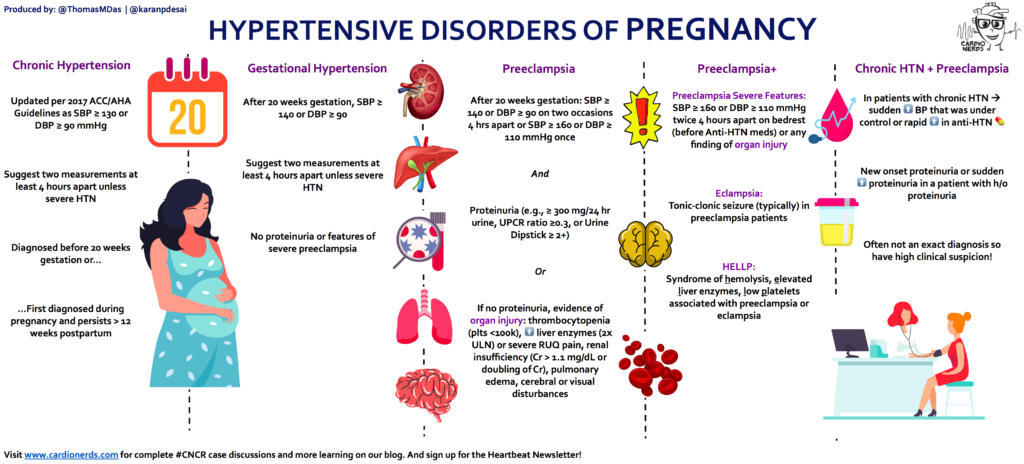
  • ✔ Take blood pressure- note those with BP 140/90 mmHg and above 
  • ✔ Check for anemia and jaundice by examination of the conjunctiva, tongue, palm  of the hand and capillary refilling in the nail beds 
  • ✔ Check for oedema of feet, hands, face and sacral area 
  • ✔ Carry out a systematic examination of the respiratory and cardiovascular systems  to exclude abnormalities. 
  • ✔ Examine breasts for possible masses and signs of breast malignancy, educate  women to care the nipples and teach herself breast examination 
  • ✔ Assessment of physical abuse: 
  1. – Drug abuse 
  2. – Bruising 
  • ✔ Assessment of any complaints 
  1. Abdominal examination 

The abdomen should be adequately exposed to show important landmarks. 

  1. ✔ Inspect the abdomen and note: 
  • – size, shape of abdomen and presence of scar that may indicate a previous  uterine operation 
  • – presence of fetal movements 

       2. ✔ Palpation of abdomen noting: 

  • – presence of enlarged liver, spleen and tenderness of renal angles 
  • – Height of fundus and compare it with the weeks of gestation. excessive  enlargement of abdomen, maybe an indication of multiple pregnancy or  presence of polyhydramnios 
  • – The lie, presentation, position, any tenderness and the amount of liquor. 

        3. ✔ Auscultation. listen to fetal heart noting the rate, volume and rhythm

Inspection of the vulva 

This should be done to detect lesions of the vulva, vagina and abnormal discharge. Note any  scars at the perineum or vulva. If an abnormal discharge is detected and there are facilities for  gram stain, take of specimen for analysis. If there are no laboratory services, use the STI  ―syndromic approach to provide treatment to the mother. 

Laboratory Investigations during Antenatal Care 

Baseline investigations: 

  • – Hb (normal 10.5-15gm) 
  • – Blood group (ABO and Rhesus factor) 
  • – Urinalysis (protein and sugar) 
  • – VDRL, RPR for syphilis 

Special Investigations (Refer When Necessary) 

  1. – Rhesus antibodies for RH-ve mothers 
  2. – Random blood sugar where there is a history or presence of glycosma 
  3. – Mid-stream urine for culture and sensitivity 
  4. – High vaginal swab (HVS) 
  5. – Elisa test for HIV 
  6. – Sickling test 

Others 

  • – Provide TT to complete the recommended schedule for immunization against tetanus. this  is routinely done to protect the mother and neonate from tetanus 
  • – Explain to the mother the importance of tetanus immunization 

Recording, Assessing Findings and Planning For Management 

  • ✔ After examination, all finding should be recorded on ANC clients‘ card and register 
  • ✔ Review findings on history, examination and investigations 
  • ✔ Share plans for next steps 
  • ✔ If the woman has to be referred, a referral note should be filled, handed to the client and  she should be explained on where to go for further management 

The health worker should refer a client/patient to health facility that is able to handle the types of  obstetric condition identified to avoid wastages of time and transport costs encountered by the  patient/family. The health worker with assistance of relatives should organize quick means of  transport. A relative/health worker escorts the mother where applicable. 

Conducting Follow up Visits for Pregnant Women 

Purpose 

  1. Monitor progress of pregnancy and the well-being of the mother and foetus
  2. Identify and manage arising conditions such as STIs or HIV risk, pre-eclampsia, anemia,  syphilis 
  3. Provide information on planning to delivery, preparing for the newborn, postpartum care  and family planning 
  4. Get opportunity to deal with the woman‘s‘ concerns 

Frequency of Follow-Up Visits 

Routine 

  1. More frequently if the mother has recurrent risk factor 
  2. Every 4 weeks until 30 weeks 
  3. Then every 2 weeks until 36 weeks 
  4. And then every week until delivery 

More frequently if the client has risk factors (past or present such as: 

  • – Vaginal bleeding during pregnancy late 
  • – Unsure of dates and booked 
  • – Past history pre-eclampsia, premature labour, small or large gestation 
  • – Not gaining weight or fundal height not growing 
  • – Gaining weight exclusively

Antenatal Care in Reproductive Health Read More »
delays in Safe Motherhood

DELAYS IN SAFE MOTHERHOOD

DELAYS IN SAFE MOTHERHOOD

DELAYS IN SAFE MOTHERHOOD MEANS DEATH

Many women die due to delay at several levels while seeking medical help. The community and health workers must work hand in hand to prevent this delay and addressing  this problem will reduce maternal death and promote safe motherhood. 

Some causes of delay in acquiring medical care 

  1. Delay in decision making. 
  • ✔ Lack of information on health services available 
  • ✔ Communication barrier in language or bad roads and physical barriers like lakes  or mountains 
  • ✔ Lack of resources e.g. no money or husbands is away and transport cannot be got  to transport mother to the hospital 
  • ✔ Inappropriate care e.g. mother taken to TBAs first  
  • ✔ Lack of decision making by the mother since she is waiting for the husband to  come back to give her permission and money. 
  1. Delay in reaching the health facility 
  • ✔ Distance may delay the mother so that by the time she reaches the hospital is too  late 
  • ✔ Transport may not be available to take mother quickly to hospital 
  • ✔ Road may be bad and impossible taking a longer time to reach hospital 
  • ✔ Cost of transport may be too high for the mother
  1. Delay in receiving adequate care 
  • ✔ Unskilled staffs who lack knowledge on what to do for the mothers and dealing  with high risk pregnancy 
  • ✔ Drugs may not be available in the health units, this includes blood for transfusion,  antibiotics, analgesics, etc 
  • ✔ Lack of equipment e.g. sterile supplies which may delay cesarean section or  syringes which may delay giving an oxytocic drugs 
  • ✔ Few varieties of services offered at the health facilities.

Factors that affect delay to seek medical care 

  1. Family – mother may be single or young and does not know whether she is pregnant or  fears to go to health unit – mothers may wait for a decision to be made by the husband who may be away – mother -in- law may delay as she tries to manage giving herbs for contraction 
  2.  Husband – she may take time to decide or may be away looking for money 
  3. Education level – if lowly educated, mother may not think of seeking the advice 
  4. Socio-economic status – poverty may prevent quick action 
  5. Natural barriers – like rivers, likes, mountains and floods 
  6. Security; wars and insurgencies 

Maternal Mortality 

This is the death of a woman/mother while pregnant or within 42 days of the termination of  pregnancy irrespective of the duration and the sites of pregnancy from any cause related to or  aggravated by the pregnancy or its management but not from accidental or incidental causes. 

Maternal mortality rate 

This is the ratio of the total number of maternal deaths occurring in a period of time (usually a  year) to the total number of live births occurring in the same period expressed as a percentage (or  per 1,000 or 100,000).  

Incidence 

Worldwide, every year approximately 8 million women suffer from pregnancy related  complications. Over half a million of them die as a result. The problem of maternal mortality and  morbidity are greatest (99%) for the poor women in the developing countries. One woman of 11  may die of pregnancy related complications in developing countries compared to one in 5000 in  developed countries. It is further estimated that for 1 maternal death at least 16 more suffer from  severe morbidities. 

The maternal mortality rate in Uganda has been declining over the years, from 506/100,000 in  2004 to 435/100,000 in 2011. However, this is one of the highest in the world and demands for  more concerted efforts towards its reactions. The new report released by the World health  organization (WHO) has shown a remarkable decrease in maternal mortality by 44% worldwide due to fully implemented millennium development goals. However, there is not much difference  in the reduction in the developing countries like Uganda.

Factors contributing to the high maternal mortality in Uganda 

There is no single factor that can be counted on as responsible for the high maternal mortality in  Uganda. It is rather an interplay of factors. Any approach therefore, aimed at effectively addressing maternal mortality has to pay a close look at all those factors. The easily identifiable ones in  Uganda include the following: 

  1. Poverty  

Several women are engaged in productive work at home and do not have means of  earnings. Such women cannot afford to meet even simple costs like transport in case any  emergencies develop. Poverty also means that the woman will not be able to afford basic human  needs like food which will predispose the woman to further complications during  pregnancy and/or labour. They are also likely to be less privileged in the fields of  nutrition, housing, education and antenatal care. 

  1. Gender issue 

In Uganda, men are decision makers on all matters in the home including health care  seeking. This means that the woman may have to wait for the man to grant her  permission in order to seek medical care. Some women are even prevented from  attending antenatal care by their husbands. This predisposes the mother to developing  complications in the absence of a trained health worker who can offer help. 

  1. Inadequate and inaccessible health services 

There are very few health facilities equipped to handle and manage conditions associated  with pregnancy and delivery. Despite government policy of bringing services close to the  people, some women need to travel long distances in order to access a health facility. This  usually keeps those who feel unwell away as they may not be in position to walk or have  the money for transport. 

  1. Limited health workers 

The number of trained health workers in Uganda is still very low compared with the  skyrocketing population. This has resulted in long queues observed daily at the various  rural and urban health facilities as clients wait to be attended to. Unfortunately others go  back without attention. This discourages many and at the end, women prefer to be 

attended to by the village traditional healer or herbalist who may not have the necessary  skills to manage incase complications develop. 

  1. Poor attitudes of health workers towards mothers. 

On many occasions, health workers have been reported of being rude, arrogant and  unfriendly while attending pregnant women and those in labour. This scares such  women away and finally ends up in the hands of untrained people for help. Health workers need to develop better attitudes and make the caring environment friendly so as to  motivate mothers to seek health services from them. 

  1. Early marriages 

For a long, the girl child has been seen as a source of wealth for the family. Girls are forced  into marriages at a tender age for the family to acquire cattle and money. These girls get  pregnant before their bones and bodies are fully developed which predisposes them to  various complications during pregnancy and/or labour. 

  1. Illiteracy 

Women, over the years, have comprised the highest number of those who cannot read and  write. This means that they cannot effectively influence policy on matters that affect them  like reproductive health. As such, they surrender all rights of decision making to the men  

including the number of children to have and sometimes the age of marriage. Education  keeps girls in school until they are old enough to marry and have children. It also  empowers them to stand out for their rights and freedom. 

  1. Beliefs, customs and taboos(harmful traditional practices) 

Some traditional customs, beliefs and taboos predispose women to developing  complications during pregnancy or labour. Denying women some nutritious foods like  chicken, eggs etc. predispose them to malnutrition which in turn has a negative bearing to  reproductive life. Practices like female genital mutilation predispose the woman to  extensive perineal tears that may lead to excessive hemorrhage during child birth and yet  the use of some traditional herbs (Cytoxic herbs) may predispose to uterine rupture. Some  communities perceive women who deliver from health units as not strong being enough.  This is dangerous as it predisposes any woman to unnecessary complications during  labour. 

  1. Poor transport and communication infrastructures 

Statistically, seventy five percent (75%) of the Ugandan population lives in rural areas  and yet most of the health facilities are located in urban centers. The road network linking  up these areas are very poor in most of the areas which delay transfer of women in case  complications develop during pregnancy or labour. This is more common in  geographically impassible areas like mountainous parts of Kigezi, areas encircled by water  bodies.


  1. High child mortality 

Uganda‘s child mortality is still high though it has been declining over the years. Parents  are filled with uncertainties as to how many of their children will make it to adulthood.  As such, they prefer to produce many for a few to survive. For example, in post war  Northern Uganda, many people claim that they have lost their relatives more than  expected in the war and so the need to produce more children is valued currently. 

  1. Desire for more children 

Many people perceive children as a source of prestige in the community. A family with  many children was always looked at as being very strong and secure and as a result, many  people desire to have many children and yet more children mean more deliveries and  moiré risk for maternal mortality. 

  1. Sex preferences in children 

Some women may keep on giving birth in an attempt to get a child of their preferred sex.  Parents tend to rate children of different children sex differently as a result may prefer a  particular sex. This is risky to the mother who carries and delivers the pregnancy and also  unhealthy to the father and children due to inadequate care that will be provided and  received. 

  1. High fertility rate 

Uganda has a very high fertility rate estimated at about 7 children per woman per  reproductive life span. It is one of the highest in the world. This implies that women  are exposed to the risks many times. 

  1. Underutilization of the existing services 
  2. Inadequate drug supplies and other medical related equipment is most often interrelated and are  responsible for an increased number of avoidable deaths. Poor referral systems for handling  emergency 
  3. Poor attitudes by the health workers 
  4. Noninvolvement of the husbands 
  5. Lack of awareness/ignorance 
  6. Disrespect for human rights 
  7. Gender stereotypes and inequalities 
Delays that can lead to maternal mortality 

In most instances, women who die in childbirth experienced at least one of the following delays: 

       1. Delays at the individual woman‘s levels 

  • – Inability to make decision on life threatening health conditions in time for  appropriate response 
  • – Late recognition that there is a problem,  
  • – Fear of the hospital or of the costs that will be incurred there,
  1. Delay at the level of the family and community levels in decision making to assist the  woman to more/husband‘s issues/ in laws‘ issues. 
  2. Delay at the level of accessing services. Usually transport is a major problem and or lack  of resources. Many villages has very limited transportation options and poor roads.
  3. Delay in the health units to institute the necessary interventions. 
  • – Inadequate skills and poor staffing 
  • – Failure to make appropriate decision 
  • – Lack of drug supplies etc. 

Note: Not only mothers die, babies too die. 4000,000 newborn deaths occur globally yet  almost all are due to preventable conditions. 

Causes of maternal mortality 

There are several causes of maternal mortality broadly grouped into direct and indirect causes. In Uganda 506 per 100,000 women die of pregnancy and birth related and recent data shows that 16  women die every day during giving birth related complications in Uganda. 

A direct death is one resulting from obstetric complications of pregnancy, delivery or from  interventions, omissions or incorrect treatment or a chain of events resulting from the above. 

An indirect death is one resulting from a previously existing diseases (present before) or  developed during pregnancy and was not due to obstetric causes but aggravated by the  physiological effects of pregnancy. 

Direct Causes of Maternal Mortality 
i) Sepsis 

This is a common cause of maternal mortality. All women get infections when  membranes rupture early, delivered in dirty environments like gardens or following  operative procedures where the aseptic technique was compromised. All women  should be given prophylactic antibiotics following cesarean section. Women who had  prolonged labour or early rupture of membranes should be given antibiotics. If such a  woman develops fever, she should be carefully assessed, admitted and appropriate  treatment instituted as soon as possible. 

ii) Hemorrhage 

This is a serious condition especially in women with underlying anemia or bleeding  disorders. It may present as APH due to placental retention, uterine inertia etc.  women should be encouraged and given micronutrient supplements during  pregnancy, screened for anemia and always book some units of blood for mothers in  labour. 

iii) Early pregnancy deaths

This is death resulting from ectopic pregnancies and abortions. This is one of the  major causes of maternal mortality in Uganda. Criminal abortions account for the  highest number of deaths in this category. 

iv) Hypertensive conditions 

Severe pre-eclampsia and eclampsia are common causes of maternal mortality. If any  mother develops any of these complications should be managed effectively.  Magnesium sulphate is the drug of choice. Ensure proper fluid management. Always  identify any risk factors of developing pre-eclampsia in a mother during antenatal  care and manage them promptly and effectively whenever possible. 

v) Others 

  • – Thrombosis and thrombo-embolism 
  • – Genital trauma 
Indirect causes of maternal mortality 

i) Cardiovascular diseases 

  • – Pulmonary hypertension 
  • – Endocarditis 

ii) HIV/AIDs 

iii) Malnutrition 

iv) Diabetes 
v) Thyroid diseases 
vi) Anemia 

Predisposing factors to maternal mortality and morbidity 
  • ∙ Early pregnancy (less than 20 years old); 
  • ∙ Uncontrolled fertility; 
  • ∙ Low socioeconomic status of women; 
  • ∙ Poverty and lack of empowerment of women; 
  • ∙ Lack of access to quality services; 
  • ∙ Inadequate referral systems; 
  • ∙ Lack of support from spouses
Prevention of maternal mortality 

Eighty percent (80%) of these deaths can be prevented through actions that are effective and  available in developing country‘s settings. This is a coordinated long term effort within the  families, countries and health systems, national legislation and policy. 

Primary prevention 

  1. Girl child education

Education keeps girls at school until they are old enough to marry and have children.  This means that they get fewer pregnancies and produce fewer babies. Educated women will  also have more chances of getting employed and have money to look after themselves better.  Education also empowers them to stand out for their rights and freedom. 

  1. Proper nutrition of the girl child 

Malnutrition during childhood and puberty has been closely related to the inadequate  development of the pelvis (contracted). This usually predisposes the woman to developing  obstetric complications like Cephalopelvic disproportion (CPD). Parents should be educated  that girl children need more to eat as much as boys and adolescent girls should be encouraged  to eat adequate food for proper body development and functioning. 

  1. Family planning 

Maternal mortality is common in women who get pregnant while too young (below 20 years  of age). Most cases of criminal abortion that turns out with complications are as a result of  unwanted pregnancies. Family planning provides an absolute answer to all these questions by  enabling the mother (couple) to have children by chop ice and not by chance. 

  1. Quality antenatal care 

All pregnant women should be encouraged to have timely attendance of at least 4 quality  antenatal visits, where the woman is fully assessed for presence of any risk factors that may  predispose her to developing complications. Once any risk factor has been identified, it  should be managed effectively and appropriately during antenatal care. 

  1. Immunization 

All women in the reproductive age should be immunized against tetanus, HepB. This is  because; such women are at higher risk of developing the infections during any time in the  reproductive cycle. 

  1. Provision of information, education and communication about maternal mortality.  Individuals and families should be given adequate information about the causes of maternal  mortality and how they can be prevented. It is important that such messages spell out the  roles of each individual in preventing maternal mortality. Individuals should be empowered  to take action and stop thinking that the sole role of government is to protect and care for  their lives. 

Secondary prevention 

  1. A skilled attendant should be present at every birth. Functional referral systems is very  essential here 
  2. Emergency obstetric care services are to be provided and made accessible to the people 
  3.  Transport and communication networks need to be improved to gain access to all health  facilities. Transport means like ambulances should be made available and accessible.
  4. Health facilities should be equipped with adequate equipment, operating theaters which  should be functional, blood storage facilities in case of any emergency, equipment in good  working conditions and drugs. The government should always ensure a steady supply of  essential drugs. 
  5. Adequate referral systems for complications should be instituted. Clients should be in  position to get assistance from a higher level in the shortest time possible. Some clients  decline referrals because they are not sure of obtaining any better help at the next level. In  most cases, such clients either refuse and stay at the referring health units or go home and  wait for whatever may happen next. 
  6. Proper evaluation and reporting of maternal deaths and timely intervention taken 
  7.  Decentralization of services to make them available to all women 
  8. Barriers to the access to health care facilities should be removed; policies should increase  women‘s decision making power as regards to their own health and reproduction.
  9. Recruitment of skilled staffs to balance of the workload 
  10. Improving the standard and quality of care by organizing refresher courses for the health  care personnel. 

Tertiary prevention 

  1.  This involves the control and management of complications that may arise 
  2.  Emergency obstetric care services should be provided.

 Maternal Morbidity 

Although considerable attention has been given to maternal mortality, very little concern has  been expressed for maternal morbidity. It is estimated that for one maternal death at least 15  more suffer from severe morbidities. As such about an optimistic 5-7 million suffer a severe  impaired quality of life as a result of short term or long term disability. 

Definitions 

Obstetric morbidity originates from any cause related to pregnancy or its management any time  during antepartum, intrapartum and postpartum period, usually up to 42 days ( weeks) after  confinement. 

Parameters of Maternal Morbidity 
  • ✔ Fever more than 38 degree centigrade 
  • ✔ Blood pressure greater than 140/90mmHg 
  • ✔ Recurrent vaginal bleeding 
  • ✔ Hb less than 10.5g/dl irrespective of gestational age 
  • ✔ Asymptomatic bacteriuria of pregnancy

Classifications 

  1. i) Direct obstetric morbidity 
  • – Temporary 
  • – Permanent 
  1. ii) Indirect obstetric morbidity 

Direct  

∙ Temporary (mild) 

  • – APH, PPH, eclampsia, obstructed labour 
  • – Rupture uterus 
  • – Sepsis 
  • – Ectopic pregnancy 
  • – Molar pregnancy etc. 

∙ Permanent (chronic) 

  • – Vesico-vaginal fistula and rectovaginal fistula 
  • – Dyspareunia 
  • – Prolaps 
  • – Secondary infertility 
  • – Obstetric palsy 

Indirect  

These conditions are only expressions of aggravated previous existing diseases like malaria,  hepatitis, tuberculosis, anemia etc. by changes in the various systems during pregnancy.

Perinatal Mortality 

This is defined as deaths among fetuses weighing 1000 g or more at birth (greater than 28 weeks  gestation) that die before or during delivery or within the first 7 days of delivery. The Perinatal mortality rate is expressed in terms of such deaths per 1000 total births. The  Perinatal mortality rate closely reflects both the standards of medical care and effectiveness of  public and social health measures. According to WHO, the limit of viability is brought to a fetus  weighing 500g (22 weeks).  


Incidence 

  • ∙ Worldwide nearly 4 million newborns die within the first week of life and another 3  million are born dead. 
  • ∙ Perinatal deaths could be reduced by at least 50% worldwide if key interventions are  applied for the newborn. 
  • ∙ Perinatal mortality is less than 10 per 1000 total births in the developed countries while in  the developing it is much higher. 
  • ∙ The major health problem in the developing world arise from the synergistic effects of  malnutrition, infections and unregulated fertility combined with lack of adequate  obstetric care 
  • ∙ Majority of feotal deaths (70-90%) occur before the onset of labour. The important  causes. 
Predisposing factors to perinatal mortality 

Many factors influence the perinatal mortality in Uganda and theses are briefly discussed below; 

Maternal factors 

  1. a) Epidemiology 
  • – Age over 35 years 
  • – Teenage pregnancies
  • – Multiparity 
  • – Low socio economic condition(poverty) 
  • – Poor maternal nutritional status 

Note. All the above adversely affect the pregnancy outcome 

  1. b) Medical disorders 
  • – Anemia (Hb less than 8g/dl) 
  • – Hypertensive disorders 
  • – Syphilis 
  • – Diabetic mellitus 
  • – Prematurity 
  • – Congenital malformation (baby) 
  • – Malaria 
  • – Other infections 
  1. c) Obstetric complications 
  • – Antepartum hemorrhage (APH) particularly abruptio placentae is  
  • responsible for about 10% of perinatal death due to severe hypoxia 
  • – Pre-eclampsia, eclampsia is associated with high perinatal loss either due to  placental insufficiency of prematurity 
  • – Rhesus Iso-immunization 
  • – Cervical incompetence which may lead to premature effacement and  
  • dilatation of cervix between 24-36 weeks 
  1. d) Complications of Labour 
  • – Dystocia from disproportion, mal-presentation and abnormal uterine action 
  • – Premature rupture of membranes (PROM) may result in hypoxia, amnionitis  and birth injuries contributing to perinatal death 

Feto-placental factors (causes) 

  • – Multiple pregnancy, most often leads to preterm delivery and usual complications 
  • – Congenital malformation and chromosomal abnormalities are responsible for 15%  of perinatal death 
  • – Intrauterine growth restriction and low birth weight babies 

Unexplained causes 

About 20% of stillbirths have no obvious fetal, placental, maternal or obstetric causes.

 4. Other causes/risk factors refer to maternal mortality 

Causes of perinatal mortality 

Infection 

  • – Sepsis 
  • – Meningitis 
  • – Pneumonia
  • – Neonatal tetanus, congenital 

Birth asphyxia and trauma 

 Hypothermia 

Prematurity and/ low birth weight 
Congenital malformation 

Control and prevention of perinatal mortality 

As every mother has a right to conclude her pregnancy safely, so also the baby has a right to be  born alive, safe and healthy. As such improvement of obstetric services will not minimize  perinatal death appreciably therefore simultaneously demographic and social changes help in the  reduction of perinatal mortality rate significantly. The following measures are helpful in  reducing perinatal mortality. 

  1. Pre pregnancy health care and counseling 
  2. Genetic counseling in high risk cases and prenatal diagnosis to detect genetic,  chromosomal or structural abnormalities are essential 
  3. Regular antenatal care with advice regarding health, diet and rest 
  4. Detection and early management of medical disorders in pregnancy such as anemia,  diabetes, hypertension 
  5. Screening of high risk clients where mandatory hospital delivery is instituted like those  from poor socioeconomic status, high parity, extreme of age etc. 
  6. Careful monitoring and management of Labour to detect hypoxia, early evidence of  traumatic vaginal delivery etc. 
  7. Skilled birth attendance to minimize sepsis  
  8. Provision of neonatal referral services especially to look after the preterm babies
  9. Health education of the mothers about the care of a new born such as early exclusive  breastfeeding and prevention of hypothermia 
  10. Educating the community to utilize family planning services and also to utilize the  available maternity and child health care services 
  11. Increased resource allocation towards maternal and child health services 
  12.  Regular review of perinatal death cases and ensuring effective supervision, monitoring  and evaluation to realize the missing gaps 
  13. Improving on social infrastructures like health care, transport and communication  network  
  14. Continuous decentralization of maternal and child health care services

Preconception Care

The outcome of pregnancy depends so much on the factors that operate during the period of  growth and development of the mother from childhood. Some of the factors which influence proper  growth and development of the mother are; 

  • – type of birth and circumstances surrounding her birth 
  • – her birth weight 
  • – breast feeding and nutrition 
  • – childhood infections 
  • – formal education 
  • – sexual and reproductive health education and services utilization 
  • – Socio-cultural practices 

Therefore it is important that the girl child is given adequate care during this period of  development. 

Pre-conception refers to the care of women and men during their reproductive years, which are  the years they can have a child. It focuses on taking steps now to protect the health of a baby  they might have sometimes in the future. 

However all women and men can benefit from preconception care, whether or not they plan to  have a baby one day. This is because part of preconception health is about people getting and  staying healthy overall, throughout their lives. In addition, no one expects an unplanned  pregnancy. But it happens often. 

Preconception care is the medical care a woman or man receives from trained medical  professionals that focus on the parts of health that have been shown to increase the chance of  having a healthy baby. 

Preconception health is important for every woman, not just those planning pregnancy. It means  taking every woman, not just those choosing healthy habits. It means living well, being healthy and feeling good about your life. Preconception care is about making plans for the future and  taking the steps to get there. 

Preconception care is important for men too. It means choosing to get and stay as healthy as  possible and helping others to do the same as well. As a partner it means encouraging and  supporting the health of your partner. As a father, it means protecting your children. 

Healthy babies 

Preconception care is a precious gift to babies. For babies it means their parents took steps to get  healthy before pregnancy. Such babies are less likely to be born early (preterm) or have a low  birth weight; they are likely to be born without birth defects or other disturbing conditions.  Preconception care gives babies the best gift of all the best chance for a healthy start in life. 

Healthy families 

Ensuring preconception health is a great way to create a healthy family. The health of a family  relies on the health of the people in the family. Taking care of your health now will help to  ensure a better quality of life for yourself and your family in the coming year. 

Objective 

  1. Assess clients‘ readiness for pregnancy by ensuring adequate mental, physical and socio economic readiness. 
  2. Prevent, treat and manage medical conditions that affect pregnancy and the newborn. 3. Prepare for pregnancy and childbirth 
  3. Promote safer and responsible sexual behaviors 
  4. Promote delay of age at first pregnancy 
  5. Prevention of HIV and sexually transmitted disease 

Services offered during Preconception Care 

  1. Education and information on: 
  • – Sexuality 
  • – Growth and development of the coming child  
  • – Pregnancy and child birth  
  • – Responsible parenthood  
  • – Family planning  
  • – STI/HIV 
  • – Malaria prevention  
  • – Personal hygiene  
  • – Nutrition 
  • – Use of drug during pregnancy (drugs of abuse and medicine ) 
  • – Previous health intervention – repair of Vesico-vaginal fistula, ruptured uterus, treatment for infertility etc. 
  • – Diabetes mellitus  
  1. Screening for and managing conditions which may complicate pregnancy, childbirth and  health of the mother and child thereafter e.g. 
  • – HIV  
  • – Syphilis  
  • – Sickle cell diseases – Heart disease  
  • – Hypertension  


  1. Provision of services  
  • – Congenital abnormalities – Aneamia 
  • – Diabetes Mellitus 
  • – Mental illness  
  • – Folic acid supplementation 3 months for woman before pregnancy  
  • – Immunization  
  • – Deworming for women  
  • – Management of STI/STDS and other identified diseases 
  • – Provision of long other insecticide treated nets  
  • – Routine screening for reproductive health cancers  
  • – Family planning  
  • – VCT for HIV  
  1. Support channels. 
  • – Identify and locate the organization that will support the groups and work with them.
  • – Appropriate counseling of individuals and couples about their pregnancy needs 
  • – Establishing the pre pregnancy health status/profile for the purpose of follow up. 
  • – Identify special group women such as, disabilities, adolescence and HIV infection 
  • – Develop appropriate intervention to address the needs of the different special groups 
  • – Mobilize and sensitize the community to be supportive to the needs of the special groups. 
  1. Responsible motherhood and fatherhood 
  2. Contraception and family planning information and service. 

Where Can Preconception Care be done. 

  • ∙ Health units 
  • ∙ Community based group. 

Ways to reach out to special groups

  • ∙ Health education in the community 
  • ∙ Mass media  
  • ∙ Church groups  
  • ∙ Appropriate ITC materials 
  • ∙ Opinion leaders. 

DELAYS IN SAFE MOTHERHOOD Read More »

Obstetrical Emergencies

Obstetrical Emergencies

Obstetrical Emergencies

Obstetrical Emergency is the situation when the life of the mother or baby is in danger of death and something must  be done quickly to save lives.

There is a need for the midwife to take quick action in provision of  emergency treatment and consideration of proper referral systems. 

List of Obstetrical Emergency 

  1. AntePartum Hemorrhage 
  2. Postpartum hemorrhage 
  3. Cord prolapse 
  4. Ruptured uterus 
  5. Fetal distress 
  6. Vasa previa 
  7. Intrapartum hemorrhage 
  8. Obstructed labour 
  9. Retained placenta 
  10. Severe preeclampsia and eclampsia 
  11. Pulmonary embolism 
  12. Severe anemia 
  13. Inversion of the uterus 
  14. Impending rupture of uterus 
  15. Obstetric shock. 

Roles of a Nurse/Midwife in Obstetrical Emergencies 

  1. At The Community Level 
  • ✔ Health education of the community about obstetrical emergencies and their roles in  management and prevention 
  • ✔ Educate, supervise and evaluate the TBAs in management given to the mother during  pregnancy, labour and puerperium 
  • ✔ To create awareness on the available health facility like dispensary, clinics, maternity  centre and hospitals
  • ✔ To encourage them to attend antenatal clinics, intranatal clinics, postnatal clinics,  young child clinics and family planning clinics 
  • ✔ Advice women to start self-help project to minimize over dependency on their  husbands 
  • ✔ Help them realize the importance of taking a well-balanced diet 
  • ✔ Discourage harmful traditional practices and beliefs which expose a girl child to early  sex marriages as a result of lack of education, boy preferences 
  • ✔ Husband should take over tiring duties from their wives when pregnant to relieve them  psychologically and physically 
  • ✔ Encourage the community to help to transport in case of obstetrical emergencies. 

2. During Pregnancy 

  • ✔ Identify cases of high risk pregnancies which may end in obstetrical emergencies and  refer in time 
  • ✔ Thorough history taking, examination and early investigations on every mothers during  pregnancy 
  • ✔ Early preparation of mothers for labour and successful lactation 
  • ✔ Prompt treatment of mothers with minor conditions like morning sickness etc 
  • ✔ Early referral of mothers with serious conditions for further management 
  • ✔ Proper referral systems. 
  1. During Labour 
  • ✔ Proper admission of mothers in labour inform of a warm welcome, reassurance and  counseling 
  • ✔ Proper history taking, examination and investigation on every mother in labour ✔ Proper monitoring of mothers in labour by use of a partograph 
  • ✔ Early detection of danger signs. the midwife should summon for help in time 
  • ✔ Avoid prolonged and exhausting labour by administration of analgesics, reassurance  and avoid early pushing plus rehydration with IV fluids or per Os 
  • ✔ Give assisted timely episiotomy in case of assisted delivers to prevent; extended tears,  hemorrhage; give episiotomy in mal-presentation and malposition 
  • ✔ Use aseptic techniques throughout labour, infection prevention and control techniques 
  • ✔ Ensure proper management of 3rd stage of labour to prevent PPH. 
  1. After Delivery 
  • ✔ Carryout proper observation to the mother and baby especially in the 1st 2 hours to  prevent 4th stage complications 
  • ✔ Health education of the mothers about the need of; 
  1. – Taking a well-balanced diet 
  2. – Breastfeeding on demands 
  3. – Carrying out postnatal exercise 
  4. – Maintain personal and environmental hygiene
  5. – Come back for review after 6 weeks to postnatal clinic 
  6. – Attending family planning clinic 
  7. – Bringing the baby in YCC for immunization 

General Management 

Principles applied in this management 

  1. Readiness with everything used in management used in management of high risk  pregnancy this includes facilities such as:  
  • ✔ Emergency tray containing the following; ▪ Drugs i.e. Ergometrine, hydrocortisone, diazepam, dexamethasone,  mannitol, digoxin, lasix, dextrose 5%, 50%, vitamin K, aminophylline,  atropine, pethidine, morphine, pitocin, magnesium sulphate, others are  adrenaline, oxygen cylinder, solutions like normal saline, needles and  syringes, adequate staffs, Umbu bags and any facility needed for  resuscitation 
  • ✔ The midwife/nurse should be calm, quick and knowledgeable and should summon  for help 
  • ✔ Start with the most urgent need first e.g. arresting hemorrhage, rehydration or  delivery of the baby 
  • ✔ Quick general history taking, examination and investigations 
  • ✔ Apply the essential care systematically according to the emergency such as  delivery, manual removal of the placenta, resuscitation etc (apply nursing process) ✔ Reassure the mother and the relatives 
  • ✔ Some mothers with HRP are cared for in the maternity centre during pregnancy  and referred at full term for delivery in the hospital. others are referred on the first  contact 
  • ✔ Early detection and referral are very important 
  • ✔ Prepare for transport 
  • ✔ Writing referral notes which includes the following:- 
  1. ▪ Time of arrival  
  2. ▪ Personal history of the mother 
  3. ▪ General conditions on arrival 
  4. ▪ All what has been found on examination and admission 
  5. ▪ Treatment given plus obstetrical management 
  6. ▪ Reasons for referral 
  7. ▪ Conditions at referral

Complications 

To the mother 

Obstetrical emergency exposes the mothers and fetus to a higher chance of morbidity and  mortality. This becomes worsened in case the management is delayed or even wrongly applied.  There is lack of facilities or poor knowledge; however the mothers and fetus may face the  following; 

  • ✔ Hemorrhage due to APH, PPH and intra-partum hemorrhage 
  • ✔ Shock as a result of severe bleeding 
  • ✔ Infections following delay in 2nd stage and in manual removal of the placenta 
  • ✔ General ill health 
  • ✔ Anemia 
  • ✔ Puerperal psychosis 
  • ✔ Venous thrombosis 
  • ✔ Poor lactation 
  • ✔ Sterility 
  • ✔ Assisted deliveries 
  • ✔ Premature labour 
  • ✔ Low resistance to infections 
  • ✔ ABO incompatibility 
  • ✔ Amniotic fluid embolism 
  • ✔ Infertility as a result of infections and damage to the reproductive system. 

To The Baby 

  • ✔ High neonatal and infant morbidity and mortality 
  • ✔ Failure to thrive 
  • ✔ Cerebral damage leading to mental retardation 
  • ✔ Premature deliveries with their complications 
  • ✔ Abortions (pregnancy wastage) 
  • ✔ Assisted deliveries and its complications 
  • ✔ Intrauterine fetal growth retardation 
  • ✔ Low resistance to infections. 

Prevention of Obstetric Emergencies 

  • ✔ The role of a midwife in the obstetric emergencies 
  • ✔ The nurse/midwife should be knowledgeable of how to deal with the obstetric  emergencies 
  • ✔ Update herself in obstetrical conditions 
  • ✔ Equip her maternity center and be able to deal with such emergencies efficiently 
  • ✔ Make sure she can transfer the mother to the hospital immediately.

\"Pediatric

Pediatric Emergencies

Pediatric Emergencies are conditions where the life of the baby is in danger of death or complications.

They are  considered right from birth up to 5 years of age. 

List of pediatric emergencies 

  • ✔ Asphyxia as seen in below conditions 
  • ✔ Intrauterine anoxia due to cord prolapsed and APH 
  • ✔ Cerebral damage 
  • ✔ Hemorrhagic of a newborn 

As The Child Grows 

  1. Swallowed objects and aspiration 
  2. Poisons 
  3. Insect bites 
  4. Falling 
  5. Burns 
  6. Cuts 
  7. Fractures and diseases. 

Causes of Neonatal Morbidity and Mortality 

  1. Asphyxia neonatorum 
  2. Birth injuries 
  3. Low birth weights 
  4. Hypothermia 
  5. Congenital abnormalities 
  6. Sepsis like neonatal sepsis, pneumonia, acute respiratory infection, diarrhea, tetanus,  meningitis and septicemia. 

Causes of infant mortality and morbidity in Uganda 

  • ✔ Measles 
  • ✔ Diarrhea 
  • ✔ URTI 
  • ✔ Malaria 
  • ✔ Malnutrition

Management of pediatrics emergencies 

Depends on the causes BUT you have to consider the following; 

  1. Resuscitation 
  2. Induced emesis if the substances taken is not acidic 
  3. Give milk to drink 
  4. Give oxygen  
  5. Put up a drip 

Complications of pediatric emergencies 

  1. Depends on the type of pediatric emergencies 
  2. Complications may happen permanently or temporarily at birth or later in life 

Prevention of Pediatric Emergencies 

  1. Health education to the public of pediatric emergencies, their causes and prevention. Since  most of the maternal conditions leads to paediatric emergencies, neonatal/infant  morbidity and mortality. Therefore in preventing such emergencies, neonatal /infant  morbidity and mortality such as high risk pregnancies 
  2. Knowledge of life saving skills in pediatric e.g. resuscitation is essential. 

Obstetrical Emergencies Read More »
High Risk Pregnancies

High Risk Pregnancies

High Risk Pregnancies

High Risk Pregnancy  is the pregnancy that is likely to end up with complications, death of the mother or  baby or both and the mother must be cared for or delivered from a well-equipped health  unit under doctor‘s supervision.

  1. Risk : This is the possibility that an event will occur. It is used in reference to un avoidable  events e.g. getting pregnancy when one has an underlying serious medical conditions like  diabetes puts the mother‘s life and her unborn child at danger 
  2. Risk Factors : These describe anything which actually causes or increases the chances of complication  e.g. diabetes illness increases the chances of maternal morbidity and mortality

Some High Risk Mothers 

  1. Young primigravida age 16 below 
  2. Elderly PG age 35 and above 
  3. Multigravida of 5 and above 
  4. Mothers who have had 3 or more miscarriages 
  5. Mothers in small statues- (153cm and below) 
  6. Limping mothers
  7. Mothers with history of pelvic fractures 
  8. Cephalopelvic disproportion which is compound 
  9. Multiple pregnancy 
  10. Mothers with intrauterine fetal death (IUFD) 
  11. PPH on previous deliveries 
  12. Mothers with history of retained placenta on previous delivery 
  13. Pre-eclampsia, eclampsia and any mother with a history of post eclampsia toxemia 
  14.  Mothers with cardiac or renal diseases, essential hypertension, diabetes, anemic,  asthmatic, APH, Rhesus negative (medical conditions) 
  15. Mothers with history of instrumental deliveries 
  16. Mothers with history of mental illness 
  17. Mothers with history of premature deliveries 
  18. Mothers with history of 2 or more stillbirth

Roles of a Midwife/nurse in High Risk Pregnancy 

Aims 

  • ∙ To educate the community 
  • ∙ Educate mothers 
  • ∙ Care mothers during pregnancy 
  • ∙ Care mothers during labour 
  • ∙ Care mothers after delivery 

At Community Level 

Educate the community about the following; 

  1. To value all children especially girl 
  2. To educate children and provide proper nutrition including all girls 
  3. Dangers of harmful practices to girls before, during pregnancy and after delivery 
  4.  To provide transport to pregnant women and to support them 
  5. To utilize the health facilities available or health services 
  6. To recognize danger services 
  7. To recognize danger signs of pregnancy and refer them to health units. 

To The Mother 

Educate mother about the following: 

  1. Importance of preparing for pregnancy 
  2. Use of family planning services so as to conceive when ready 
  3. Utilize the antenatal, intranatal and postnatal services 
  4. Eat well and know/learn how to prepare a balanced diet as well as sources and storage food 
  5.  Recognize danger signs of pregnancy 
  6. Avoid substance abuse.

At the Health Centre

During Pregnancy 

Health workers must ensure the following: 

  1. Proper ANC 
  2. Health education about proper nutrition, rest and sleep and good hygiene 
  3. Early detections of danger signs and management 
  4. Emergency care and referrals to facilities/hospitals 
  5. Give TT, Iron, Folic acid, Fansidar and Mebendazole to prevent complications e.g.  anemia and TT at birth 
  6. Discourage use of native medicine 
  7. Counseling mothers not to place blame on themselves for their situations like frequent child  bearing. 

During Labour 

Health worker should do the following: 

  1. Provide safe and clean delivery services 
  2. Kindness and understanding 
  3. Proper nutrition 
  4. Monitor mothers in labour properly, early detections of problems and use of partograph and management 
  5. Follow proper referral systems to prevent delay in accessing medical care 6. Prevent complications. 

Baby 

Offer the 9 needs of a newborn baby: 

  1. Establish of respirations and maintain it 
  2. Dry and keep warm 
  3. Immediate breastfeeding 
  4. Immunize earlier 
  5. Clean cutting of the cords and further care 
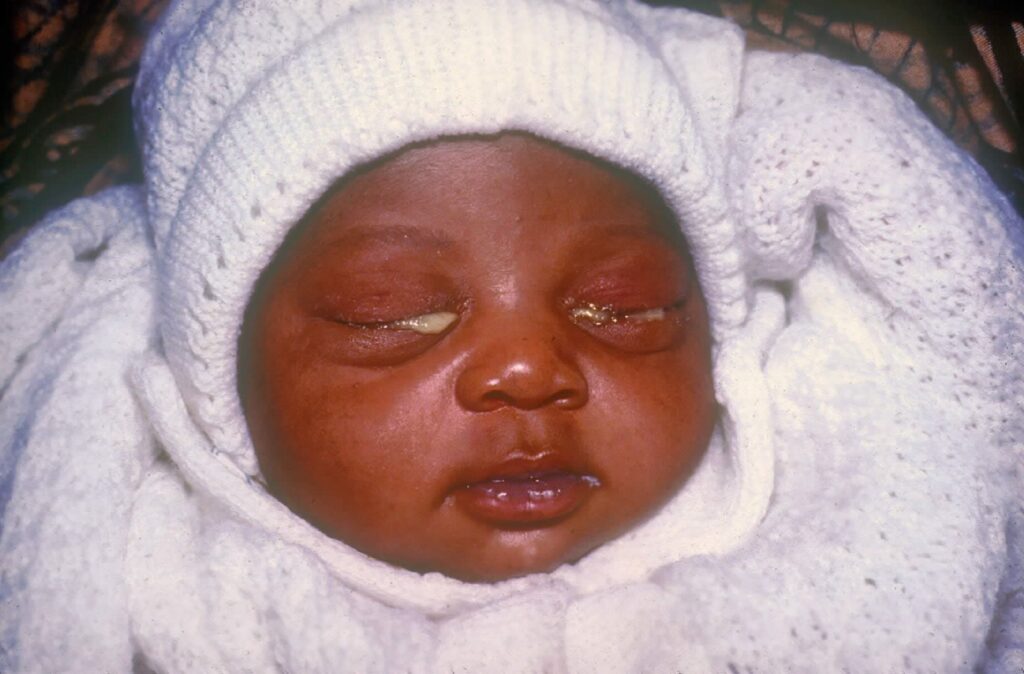
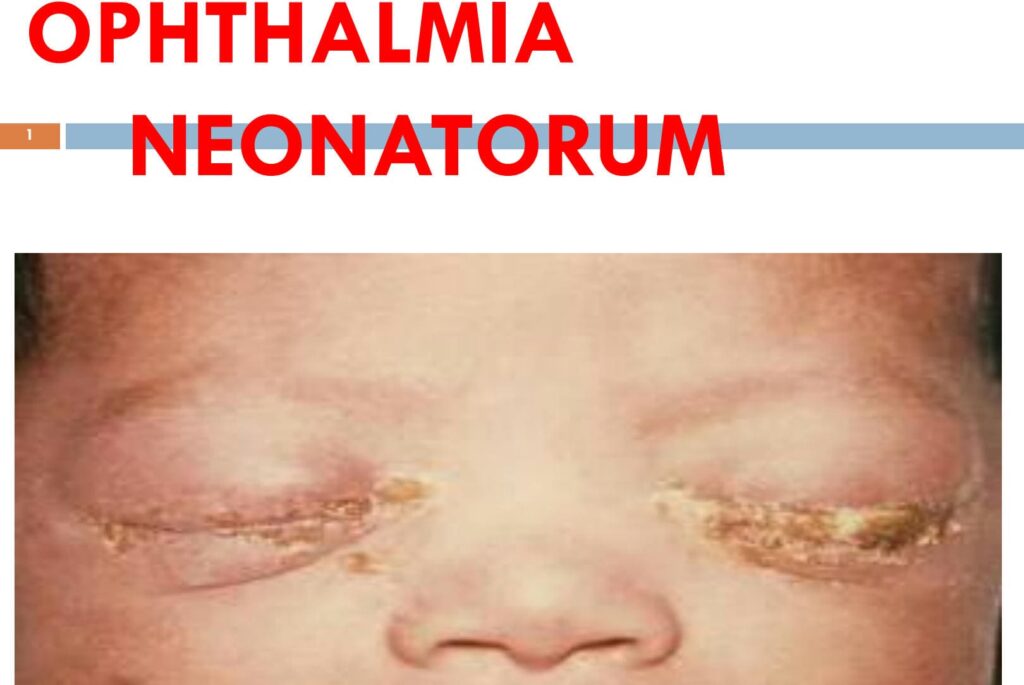
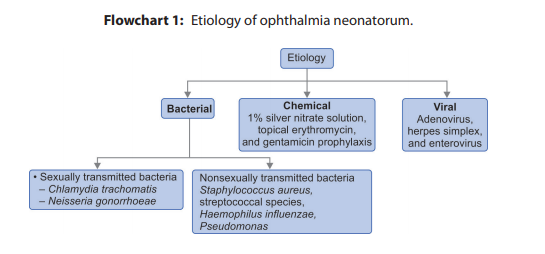
  6. Prevent blindness by instilling tetracycline eye ointment 
  7. Maintain warm.

The Roles of a Husband in Safe Motherhood 

They are subdivided into: 

  1. During pregnancy 
  2. During child birth/labour 
  3. After delivery 
  4. In family planning 
  5. During child rearing

During Pregnancy 

  1. To understand & appreciate the discomfort, anxiety & tiredness that pregnancy may  cause in a mother 
  2. Take over physically tiring tasks like working in the field, lifting heavy loads, washing  and scrubbing floors to avoid any work load on a woman 
  3. Take care of other children 
  4. Provide encouragement and emotional supports by trying not to make demands on her  and not criticizing 
  5. Learn about pregnant related conditions along with the mother to enable him to help her  more effectively and understand what she is going through especially danger signs in  pregnancy 
  6. Accompany the wife when going to the health center for antenatal care and health  education 
  7. Understand that good nutrition and medical care during pregnancy are important and  should provide it 
  8. Provide whatever money necessary to pay for transport fees, or medication 
  9.  Arrange to have transport ready in case of any emergency during pregnancy and postnatal care. 

During Labour/Child Birth 

  1. Give money, clothing, transport, etc. 
  2. Stay with his wife during labour and delivery to provide comfort and support. 

After Delivery 

  1. Adopt to a new person (baby) in his new life and meets the baby‘s demands and needs  especially breastfeeding 
  2. Give the mother and the baby understanding, support, attention and help her with day to  day tasks 
  3. Contribute to having a healthy and happy family by ensuring that the mother is well fed  and that both the mother and the baby receive medical care 
  4. Should be aware of danger signs that might necessitate seeking for medical health 

In Family Planning 

  1. To ensure that the mother has fully recovered from the demands of pregnancy and birth  thus after 2 or more years after delivery and protect her from becoming pregnant for at  least 2 years after childbirth of the last baby 
  2. Seek advice from the Doctor or family planning clinic about methods of contraception,  either alone or even better with the mother 
  3. Support and cooperate when using whatever method was selected 
  4. He should accept male family planning methods or co-operate when the woman is using  one.

During Child Bearing 

  1. Protect and provide the resources e.g. foods, clothing, shelter, school fees for the family 
  2.  Participate in the upbringing of the children 
  3. Involve the wife in decision making 
  4. Counsel and advice the children as teenagers, discussing issues like when to get married  and what career or job to transfer 
  5. Ensure that his daughters are given the same opportunities as his sons, in terms of  education, health care and other benefits; including home education, sex education of the  children. 
  6. Be available at home for your wife, children and show warmth.

Management of High Risk Factors 

General principles applied in this management: 

  1. Readiness with everything used in management used in management of high risk  pregnancy this includes facilities such as:  
  • ✔ Emergency tray containing the following; drugs i.e. Ergometrine, hydrocortisone, diazepam, dexamethasone,  mannitol, digoxin, lasix, dextrose 5%, 50%, vitamin K, aminophylline,  atropine, pethidine, morphine, pitocin, magnesium sulphate, others are  adrenaline, oxygen cylinder, solutions like normal saline, needles and  syringes, adequate staffs, Umbu bags and any facility needed for  resuscitation 
  • ✔ The midwife/nurse should be calm, quick and knowledgeable and should summon  for help 
  • ✔ Start with the most urgent need first e.g. arresting hemorrhage, rehydration or  delivery of the baby 
  • ✔ Quick general history taking, examination and investigations 
  • ✔ Apply the essential care systematically according to the emergency such as  delivery, manual removal of the placenta, resuscitation etc (apply nursing process)
  •  ✔ Reassure the mother and the relatives 
  • ✔ Some mothers with HRP are cared for in the maternity centre during pregnancy  and referred at full term for delivery in the hospital. others are referred on the first  contact 
  • ✔ Early detection and referral are very important 
  • ✔ Prepare for transport 
  • ✔ Writing referral notes which includes the following:- 
  1. ▪ Time of arrival  
  2. ▪ personal history of the mother 
  3. ▪ General conditions on arrival 
  4. ▪ All what has been found on examination and admission 
  5. ▪ Treatment given plus obstetrical management
  6. ▪ Reasons for referral 
  7. ▪ Conditions at referral. 

Prevention of High Risk Pregnancies 

  1. The roles of a midwife, husband and community in safe motherhood  
  2. The midwife/nurse should be knowledgeable on how to deal with HRP 
  3. Update herself in obstetrical conditions 
  4. Equipped her maternity center and be able to deal with such cases efficiently.

High Risk Pregnancies Read More »
delays in Safe Motherhood

 Safe Motherhood

 Safe Motherhood

Safe motherhood is defined as a series of initiative, practices and protocols and service  delivery guideline designed to ensure that women receive high quality gynecological,  family planning, prenatal, delivery and postpartum care in order to achieve optimal  health for the mother, fetus and infants during pregnancy, childbirth and postpartum

Safe motherhood means that no woman and child should die or be harmed by pregnancy  or birth. Safe motherhood begins with the assurance of basic safety living as a girl and a  woman in society.

❖ Safe motherhood is founded on freedom to choose when and whether to have children  and family planning for all couples. 

❖ Safe motherhood encourages active participation during health care. It is founded on the  freedom from discrimination of any form. 

❖ Safe motherhood values the girl child. 

❖ Safe motherhood implies the availability, acceptability and easy access to health care for  a woman\’s prenatal, birth, postpartum, family planning and gynecological needs. 

❖ Safe motherhood requires involvement and commitment from each community and the  nation to fairly allocate resources that promote the health of all women and infants.

❖ Safe motherhood means: social equity for women, maternal health care within PHC and  access to emergency obstetrics and newborn care for management of complications when  they arise. 

Note: Safe motherhood is the concept that no woman or fetus or baby should die or be harmed by  pregnancy or childbirth. 

This is made possible by providing timely appropriate and comprehensive quality obstetric care  during: 

  • ✔ Preconception 
  • ✔ Pregnancy 
  • ✔ Childbirth 
  • ✔ Puerperium

The Road Map to Safe Motherhood 

This is the way the health of a woman is maintained throughout their child bearing age and  during pregnancy, labor and puerperium so that the mother remains in good physical and  mental conditions to avoid complications which may put her life at risk. 

In order to achieve a safe motherhood, the health of the mother has to be monitored during  pregnancy so that she remains in a good physical condition and delivers a normal healthy well  breastfed baby without any abnormality. 

During childhood, female children should have good nutrition so that they remain healthy as a good diet promotes good growth and adequate pelvis with fewer complications of future  deliveries. 

Children should be fully immunized against the killer diseases which may interfere with normal  development and growth of the children. 

Adequate and early hospitalization of children to avoid serious complications which may occur  due to diseases 

During adolescence, girls should be educated about safe sexuality and thus should be done  before the sexual period experiment and, to risk early and unplanned pregnancy with all its  risks of sexually transmitted diseases. 

Information and education to young girls about maternal and child health and family planning so  that mothers may avoid many children will make her work hard without having adequate rest. 

Community and family support. A woman needs to be valued and protected both in an emotional and  physical way. She should not be allowed to work too much hard especially when she is pregnant  in order to avoid complications which may put her life in danger.

Mothers during pregnancy should be encouraged to attend antenatal clinics early and regularly  so that the pregnancy and her condition is monitored , disorder detected and investigated, mother  is given adequate treatment and the more serious ones sent for advanced management. 

Education of traditional birth attendants (TBAs) and healers about safe motherhood,  management of mothers during pregnancy, labour and puerperium; and to identify at risk cases  in time and to refer them to hospital. 

Community should participate in organizing referral system in case of emergency Adequate management of delivery to avoid complications to the mother and baby 

Proper management during puerperium to detect early any complications so that proper  management is given in Post natal clinic.  

The history of global safe motherhood programs began in 1987, the global strategy for safe  motherhood was launched in Nairobi, Kenya in 1987 at the international conference on safe  motherhood. This conference was co-sponsored by the WHO in partnership with the World  Bank, the United nation Funds for Development Activity (UNFPA) and United Nation  

Development Program (UNDP). 

During the program of Action of the international conference on population and Development  (ICPD) in 1994, a consensus was reached that meeting the reproductive health needs of women  and men is a critical requirement for human and social development. The conference affirmed  that reproductive health care is an integral component of primary health care and should be  provided in that context. The elements (components) of reproductive health have a profound impact on the course and outcome of pregnancy and health service requirements for addressing  them are closely related. 

It was during this conference that consensus was built to adopt a strategy that addresses all  aspects of reproductive health and provides an opportunity to develop an integrated approach to  safe delivery and hence the WHO Mother Baby Package. 

After about 5 years of introduction of the Mother Baby Package, WHO and partners introduced  the need to improve maternal health and reduce maternal mortality through the making  pregnancy safer strategy highlighted below:- 

\"\"

The making pregnancy safer strategy emphasizes the importance of the health sector  interventions highlighted: 

  • – Advocacy 
  • – Partnerships 
  • – Improving national capacity 
  • – Standard setting and tool development 
  • – Research and development 
  • – Monitoring and evaluation 

If these are well implemented they have the capacity to significantly reduce maternal mortality in  countries.

What is known worldwide about adverse maternal health is that a country\’s overall economic wealth  is not the only important determinant. 

According to national and internal human right treaties, safe motherhood is considered a human  right issue. Therefore it is considered that maternal death is the reflection of ―social  disadvantage not merely a― health disadvantage.

Aims of Safe Motherhood

  1. To ensure that all deliveries are conducted hygienically and according to accepted medical  practices, thereby preventing complications that are caused or exacerbated by poor care. 
  2.  Identify complications promptly and manage them appropriately either by treating or  referring them to a higher level of care. 
  3. Provision of high quality, culturally appropriate care, ensuring necessary follow up and  linkages with other services including antenatal and post-partum care as well as family  planning, post abortion care and treatment of STIs. 
  4. To enhance the quality and safety of girls‘ and women‘ lives through adaptation of a  combination of health and non-health related strategies. 

Note: Maternal and child health promotion is one of the key commitments in the WHO  constitutions

Safe motherhood initiative is a global effort and it is designed to operate through its partner i.e. 

  • – Government agencies 
  • – NGOs 
  • – Other groups and individuals 

It aims to improve women‘s health through social, community and economic interventions.

\"\"

Pillars of Safe Motherhood 

  1. Family planning; to ensure that individuals and couples have the information and  services to plan the timing, number and spacing of pregnancies and thus the number of  unsafe abortion. 
  2. Antenatal care; to prevent complications where possible and ensure that complications  of pregnancy are treated appropriately and very serious conditions referred within the  shortest possible time. 
  3. Clean/safe delivery and postnatal care; to ensure that all birth attendants have the  knowledge, skills and equipment to perform a clean and safe delivery and provide  postpartum care to the mother and baby, all women should have access to basic maternity  care during delivery. 
  4. Emergency obstetric care; to ensure that essential care for high risk pregnancies and  complications is made available to all women and girls who need it. It is estimated that  about 15 % of all normal pregnancies end up with complications therefore the need to  always be prepared for emergency obstetric care. 
  1. Basic maternity care 
  2. Primary health care 
  3. Equity for women 

Components of safe motherhood 

  1. Per-conception care 
  2. Antenatal care 
  3. Postpartum care 
  4. Post abortion care 
  5. Emergency obstetric care  
  6. Care of the newborn
Requirements for safe motherhood 

Achieving safe motherhood and reducing maternal mortality requires a 3 way strong strategy:

  1.   All women have access to contraception to avoid unintended pregnancies. 
  2.  All pregnant women have access to skilled attendance at the time of birth. 
  3.  All women with complications have timely access to quality emergency obstetric care. 

The roles of community in safe motherhood 

The community can give support in several ways to make motherhood safer: 

  1.  Share the workload so that mother can avoid heavy physical work 
  2. Encourage pregnant mother to eat a balanced diet and rest than usual especially during  the last three months 
  3. Encourage mothers to take their non-pills or other medication as provided 
  4.  Help with looking after children so that mother can go for antenatal care and delivery in  the hospital 
  5. Establish transport readiness for emergency referral and obstetrical complications 
  6.  Encourage risk mothers to use maternity waiting areas, if advised to do so during  antenatal care 
  7. Creates inform and motivated community based safe motherhood groups

High Risk Pregnancies Click Here

 Safe Motherhood Read More »
Integration of Reproductive Health Services

Integration of Reproductive Health Services

INTEGRATED REPRODUCTIVE HEALTH SERVICE DELIVERY

Integrated reproductive health service delivery is a way of providing complementary reproductive health services that suit the client’s needs with the least inconvenience, promoting quality care, acceptance, continuity, and client confidence. 

Ideally, it means meeting all the reproductive health needs of a client during a visit, potentially by different service providers.


It can also be defined as a process where several services are made available to clients or  groups of people so that people who need specific RHS can access them within their vicinity, for instance family planning with safe motherhood, Cancer of the cervix  screening. 


When an integration approach is applied in RHS the goal is to provide more than one service other than unique needs of the clients. Integrated services may be provided by one facility where the client  gets all of his/her health needs met during one encounter. 

Depending on the service capacity,  integrated services will be offered at the same facility or location during the same operating  hours. Services may be by the same provider in one visit or the provider of one services may  actively encourage the client to consider using another recommended services during that same  visit available within the same facility or if the needed services are beyond the capacity of the  facility or the skills of the attending provider then appropriate referral should be effected. 


However, for integration to be effective in the latter future an effective referral system must be in  place to provide accessible, timely and affordable coordinated care. 

ASPECTS OF SERVICE DELIVERY WHERE INTEGRATION CAN OCCUR

  1. Education and information: This can be provided in more than one reproductive component in a session, helping clients understand the links between reproductive health components and reinforcing behaviour change.
  2. Counselling: All components need the counselling aspect, and while counselling clients on, for example, Family Planning, involve STI and HIV prevention.
  3. History taking: The client’s entire reproductive history is obtained to get a clear diagnosis and proper treatment.
  4. Physical examination: This can address more than one reproductive health need.
  5. Client management: Based on findings from the client’s history and physical examination, the client is managed for any reproductive health need identified.

Principles for Integration of Reproductive Health Services

1. Build on existing opportunities for integration:

  • Assess the existing health services offered at the clinic, particularly Reproductive Health services.
  • Identify the type, age of clients being served, and client load.
  • Identify the strengths and limitations of the services offered and modes of offering the services.

2. Involve other stakeholders:

  • Hold meetings with supervisors, colleagues, as well as health unit management committees to:
  1. Review personnel tasks and make a list for each cadre.
  2. Draw a work plan and re-allocate services according to providers’ training and interest.

3. Reorganize services:

  • Create space and ensure smooth client flow to:
  1. Serve clients on a first-come, first-served basis.
  2. Prioritize very ill clients who need immediate care.
  3. Avoid clients having to queue twice.
  4. Avoid unnecessary delays.
  • Waiting areas should include:
  1. Reading materials on RH issues.
  2. Television and radio to help clients be educated as they wait and reduce boredom.
  3. Health talks by providers and peers.
  • Counseling/consultation rooms should:
  1. Ensure privacy and confidentiality.
  2. Be well-equipped with supplies.
  3. Minimize referrals.
  • Include recreation space/room to allow:

  1. Group discussion.
  2. Peer education.
  3. Indoor games, especially for adolescent-friendly services.

4. Orient the community to create demand for services through:

  • Client recruitment activities.
  • Identifying and offering services to young persons who come for other services.
  • Putting up notices in public places about services offered at the health center.
  • Working with community leaders to reach the community.
  • Liaising with community health workers to spread the news and refer clients for services.
  • Linking up with peer educators and providers.

Note: Counseling and IEC (Information, Education, and Communication) form the backbone of all reproductive health services.

Factors that can promote Integration of Sexual Reproductive Health Services 

Several factors can help in the smooth running of Reproductive Health Services in an integral  manner. It includes the following; 

  1. Capacity building (training). This involves improving the ability of the already existing  staff and recruiting more skilled staff to counter balance work load. 
  2. Improving infrastructures. The government and her partners in development should  improve on transport and communication networks as well as upgrading and improving  on her health centres, referral systems in a view to improve on clients‘ turn up and accessibility. 
  3. Increasing the range of commodities and sustaining availability. This can be achieved  by making constant and timely supply of Reproductive Health Services items to the  overwhelming number of clients. 
  4. Constant and timely integrated supervision, monitoring and evaluation to ascertain RHS  successes. 
  5. Facilitating effective referral across services. This will help to address and help clients  who need specialized care to be treated within the shortest time possible. 
  6. Community sensitization about the existence of integrated services in a bid to improve on the health care seeking behaviours and make them aware of the available services. 

ADVANTAGES OF INTEGRATING RHS

To the client

  • Upholds the client’s rights to information, confidentiality, comfort, and continuity.
  • Saves time and is convenient.
  • Addresses all the client’s RH needs.
  • Helps the client identify RH risks and needs.
  • Improves access to reproductive health services and client-provider relations.
  • Increases client satisfaction.
  • Effective because many services are obtained in one visit.
  • Improves financial sustainability.
  • Leads to improved health and service delivery outcomes.
  • Women with unmet needs for family planning can access services.
  • Reduces mother-to-child transmission of HIV.
  • Access to ARVs.

To the provider

  • Enhances the competences of health workers.
  • Makes resources accessible to every provider.
  • Increases the client’s confidence in the provider.
  • Proper distribution of duties is better and makes sharing them more efficient.
  • Adequate number of human resources available.
  • Training of staff for quality care service delivery.
  • Encourages research.
  • Achievement of gender equality.

To the Service: 

Integration is good for service provision because it makes services

  • Acceptable to the clients.
  • Complete- improves quality of care, Increases accessibility and availability of services.
  • Available and accessible ―ONE STOP SHOP
  • User- friendly. 
  • Efficient, effective and quick. 
  • Meet various clients‘ reproductive needs at the same time. 
  • Reduces missed opportunities. 
  • Maximizes utilization of the available resources, example; equipment, staff time.
  • Increases client satisfaction. 
  • Improves clients‘ provider relation. 

DISADVANTAGES OF INTEGRATING RHS

  • Increased costs; the client may need to pay for more than one service at a time.
  • A visit takes more time/Long waiting and turnaround time.
  • Shortage of human resources.
  • Shortage of ARV drugs and other medicines.
  • It increases workload especially where the number of staff is limited. 
  • Tiresomeness since service providers have to spend great time serving clients. 
  • It‘s costly especially where financial support is very poor. 
  • It‘s very difficult to perform the outreach integration especially where geographical  barriers, impassable roads e.t.c.
Modes of Reproductive Health Service Delivery:

Modes of Reproductive Health Service Delivery:

1. Community outreaches:

  • Health promotion and education.
  • Immunization.
  • Antenatal.
  • Family planning.
  • STI and HIV/AIDS screening and management.
  • Malaria prevention and treatment.
  • Treatment of minor ailments.
  • Deworming.

2. Static clinics:

  • All the above plus:
  • Adolescent health.
  • Male-friendly Reproductive Health services.
  • Infertility.
  • Screening of RH cancers (e.g., cancer of cervix, breast, prostate, and testicles).

3. Community-based services:

  • Distribution of contraceptives and condoms.
  • Distribution of iron and folic acid, distribution of anti-malarial.
  • Delivery services and referral.
  • Home-based care (e.g., for HIV and postpartum mothers).

4. Social marketing:

  • Health promotion and education.
  • Provision of family planning services.
  • Provision of medical supplies (e.g., Mama kits, insecticide-treated nets, and anti-malarial).

DETERMINANTS OF RHS CONSUMPTION

  • Availability of services.
  • Accessibility.
  • Advocacy by the media.

Challenges faced by women in accessing RHS

  • Poor physical accessibility.
  • Poor/little attention to clients by HCWs/Negative HCW attitudes.
  • Long queues at the health facility.
  • High cost of services.
  • Socio-discrimination.
  • Long distances from home to the health facility.
  • Poor quality care to clients.

RIGHTS OF THE CLIENTS

Every client seeking RHS has the right to the following:

  • Information: To learn the benefits and availability of RHS.
  • Access: To obtain services regardless of sex, color, mental status, or location.
  • Choice: To decide freely to receive RHS.
  • Safety: To be able to receive safe and effective health services.
  • Privacy: To have a private environment during all steps of service delivery.
  • Confidentiality: To be assured that no personal information will be breached.
  • Dignity: To be treated with courtesy, consideration, and attentiveness.
  • Comfort: To feel comfortable when receiving RH.
  • Continuity: To receive RHS for as long as needed.
  • Opinion: To express views on the services and receive respect for those views.

Integration of Reproductive Health Services Read More »
reproductive system

reproductive system

Reproductive System

Reproductive system, also known as the genital system or the reproductive system, is a collection of organs and structures in the human body responsible for sexual reproduction.

Its primary function is to produce, store, and deliver gametes (reproductive cells) and facilitate the union of sperm and egg for the purpose of fertilization, leading to the creation of new life.

\"The

The Male Reproductive System

External genital organs 

External male reproductive organs are those outside and can be seen. They comprise of the;

  •  Scrotum. 
  • Testis. 
  • Penis.

The penis 

It is an organ that carries the semen with the sperm into the vagina. During sexual arousal, blood  is pumped into the muscles of the penis making it stiff/erect so it can easily enter the vagina. The penis additionally serves as the urethral duct. Although both semen and urine pass through  the urethra in the penis, at the time of ejaculation the opening from the bladder is closed so that  only semen comes out of the penis. After ejaculation, the blood quickly drains away into the  body and the penis returns to the normal state.  

∙ The penis is enclosed by a foreskin (prepuce) that protects the glans penis. Usually the  penis produces a white creamy substance called smegma, which helps the foreskin to  slide back smoothly. When smegma accumulates under the foreskin, it causes a bad smell  or even infection. Therefore for men who are uncircumcised need to pull back the  foreskin and gently wash underneath it with clean water everyday 

The scrotum 

It is a sac of skin containing two egg-shaped organs called the testes, found in front of and  between the thighs. It protects the testes from physical damage and helps to regulate the  temperature of the sperm. 

The testes 

They are two sex glands that produce sperm and the male hormones, which are responsible for  the development of secondary sexual characteristics in men. 

The male internal reproductive organs 

  • Epididymis. 
  • Deferent ducts (vas deferens).
  •  Seminal vesicles.
  • Ejaculatory ducts. 
  •  Prostate gland
  • Urethra-bulbous glands.(bulbourethral  glands)

Vas deferens 

  • Prostate gland. 
  • Urethra-bulbous glands.(bulbourethral  glands) 

They are tubes through which the sperm passes from the testicles and penis.  

Epididymis 

  • They are cord-like structures coiled on top of the testes, it stores sperm.  
  • When sperm matures, it is allowed to pass into the vas deferens before being released  during ejaculation. 

Seminal vesicles  

  • They are glands where the white fluid, semen is produced.  
  • Semen is fluid that is released through the penis during ejaculation.  
  • It provides nourishment for the sperms and helps their movement. 
  • The seminal vesicles do not store sperm cells. 
  • They secrete a thick alkaline fluid that mixes with the sperm cells as they pass into the  ejaculatory ducts and then the urethra.  
  • These secretions provide most of the volume of the semen.  

\"Arterial

Arterial supply, venous drainage and nervous supply

  • The arteries are derived from the inferior vesical and middle rectal arteries.
  • The veins accompany the arteries.
  •  Nervous supply is by sympathetic and parasympathetic nerve fibers.


Prostate gland 

  • This is the largest accessory gland of the male reproductive system.  
  • It is situated below the bladder. 
  • The prostate is partly glandular and partly fibromuscular.  
  • The prostate produces fluid that makes up part of the semen; it helps create a good  environment for the sperm in the penile urethra and vagina 
  • Enables movement of sperm and provides nutrients for the sperm. 

Cowper\’s gland 

  • It comprises two small glands situated below the prostate with ducts opening into the  urethra.  
  • Its function is to produce some fluids, which helps create a good environment for the  sperm in the penile.

\"\"

The Female Reproductive System

The female external genital organs 

  • The Mons Pubis 
  • The Labia Majora 
  • The labia minora. 
  • The vestibule of the vagina. 
  • The External Urethral Orifice 
  • The Vaginal Orifice 
  • The Greater Vestibular Glands 
  • The Lesser Vestibular Glands 
  • The Clitoris 
  • The Bulbs of the Vestibule 

The mons pubis 

  • The mons pubis is a rounded fatty elevation located anterior to the pubic symphysis and  lower pubic region.  
  • It consists mainly of a pad of fatty connective tissue deep to the skin. 
  • The amount of fat increases during puberty and decreases after menopause.  
  • The mons pubis becomes covered with coarse pubic hairs during puberty, which also  decrease after menopause. 
  • The typical female distribution of pubic hair has a horizontal superior limit across the  pubic region.  

The labia majora 

  • The labia are two symmetrical folds of skin, which provide protection for the urethral  and vaginal orifices.  
  • These open into the vestibule of the vagina.  
  • Each labium majus, largely filled with subcutaneous fat, passes posteriorly from the mons pubis to about 2.5 cm from the anus.  
  • They are situated on each side of the pudendal cleft, which is the slit between the labia  majora into which the vestibule of the vagina opens.  
  • The labia majora meet anteriorly at the anterior labial commissure.  
  • They do not join posteriorly but a transverse bridge of skin called the posterior labial  commissure passes between them.  

The labia minora 

  • The labia minora are thin, delicate folds of fat-free hairless skin.  
  • They are located between the labia majora.  
  • The labia minora contains a core of spongy tissue with many small blood vessels but no  fat.  
  • The internal surface of each labium minus consists of thin skin and has the typical pink  color of a mucous membrane.  
  • It contains many sensory nerve endings.  
  • Sebaceous and sweat glands open on both of their surfaces.  
  • The labia minora enclose the vestibule of the vagina and lie on each side of the orifices  of the urethra and vagina.  
  • They meet just superior to the clitoris to form a fold of skin called the prepuce (clitoral  hood).  
  • In young females the labia minora are usually united posteriorly by a small fold of the  skin, the frenulum of the labia minora.  

The Vestibule of the Vagina 

  • The vestibule is the space between the labia minora.  
  • The urethra, vagina, and ducts of the greater vestibular glands open into the vestibule.  

The external urethral orifice 

  • This median aperture is located 2 to 3 cm posterior to the clitoris and immediately  anterior to the vaginal orifice.  
  • On each side of this orifice are the openings of the ducts of the paraurethral glands  (Skene\’s glands).  
  • These glands are homologous to the prostate in the male. 

The Vaginal Orifice 

  • This large opening is located inferior and posterior to the much smaller external urethral  orifice.  
  • The size and appearance of the vaginal orifice varies with the condition of the hymen, a  thin fold of mucous membrane that surrounds the vaginal orifice.  

The greater vestibular glands 

  • These glands are about 0.5 cm in diameter.  
  • They are located on each side of the vestibule of the vagina, posterolateral to the vaginal  orifice.  
  • They are round or oval in shape and the bulbs of the vestibule partly overlap them  posteriorly.  
  • From the anterior parts of the glands, slender ducts pass deep to the bulbs of the  vestibule and open into the vestibule of the vagina on each side of the vaginal orifice. 
  • These glands secrete a small amount of lubricating mucus into the vestibule of the  vagina during sexual arousal.  
  • The greater vestibular glands (Bartholin\’s glands) are homologous with the bulbourethral  glands in the male 

The clitoris 

  • The clitoris is 2 to 3 cm in length.  
  • It is homologous with the penis and is an erectile organ.  
  • Unlike the penis, the clitoris is not traversed by the urethra; therefore it has no corpus  spongiosum.  
  • The clitoris is located posterior to the anterior labial commissure, where the labia majora meet.  
  • It is usually hidden by the labia when it is flaccid.  
  • The clitoris consists of a root and a body that are composed of two crura, two corpora  cavernosa, and a glans.  
  • It is suspended by a suspensory ligament.  
  • The parts of the labia minora passing anterior to the clitoris form the prepuce of the  clitoris (homologous with the male prepuce).  
  • The parts of the labia passing posterior to the clitoris form the frenulum of the clitoris,  which is homologous with the frenulum of the penile prepuce.  
  • The clitoris, like the penis, will enlarge upon tactile stimulation, but it does not  lengthen significantly.  
  • It is highly sensitive and very important in the sexual arousal of a female.

\"Arterial

Arterial supply of female external genitalia 

  • The rich arterial supply to the vulva is from two external pudendal arteries and one  internal pudendal artery on each side.  
  • The internal pudendal artery supplies the skin, sex organs, and the perineal muscles.  
  •  The labial arteries are branches of the internal pudendal artery, as are the dorsal and deep  arteries of the clitoris.  

Venous drainage  

  • The labial veins are tributaries of the internal pudendal veins and venae comitantes of the  internal pudendal artery.  

Lymph drainage of the female external genitalia 

  • The vulva contains a very rich network of lymphatic channels.  
  • Most lymph vessels pass to the superficial inguinal lymph nodes and deep inguinal nodes.

reproductive system Read More »
Introduction to Reproductive Health

Introduction to Reproductive Health

INTRODUCTION TO REPRODUCTIVE HEALTH

Reproductive Health is an integral aspect of health care, included in the minimal health care package. The knowledge, skills, and attitude gained from this course will help students manage and counsel clients with health problems related to reproductive health.

Reproductive Health is when a person is well, not only physically but also mentally and socially, in all matters related to the reproductive system and how it functions.

Reproductive health is defined as a state of complete physical, mental and social well being and not merely the absence of the disease or infirmity on all matters related to reproductive function and its processes involved.

This is a process concerned with peoples‘ ability to have a responsible, satisfying and safe sex  life, their capability to reproduce and having the freedom to decide if, when and how often to do so. 

Reproductive health includes having: 

  1. Satisfying, safe sex life. 
  2. Ability to reproduce. 
  3. Successful maternal and infant survival outcome. 
  4. Freedom to control reproduction. 
  5. Information about and access to safer, effective and affordable methods of family planning. 
  6. Ability to minimize gynecological disease throughout life.
COMPONENTS OF REPRODUCTIVE HEALTH

COMPONENTS OF REPRODUCTIVE HEALTH

Safe Motherhood:

  • Preconception care
  • Antenatal care
  1. Maternal nutrition
  2. Focused antenatal care
  3. Immunization for tetanus, hepatitis B, etc.
  4. EMTCT of HIV/AIDS
  • Clean safe delivery
  • Emergency obstetric care
  • Postnatal (newborn care) and postpartum care
  • Breastfeeding/infant feeding
  • IEC and community mobilization
  • Post-abortion care services
  • Comprehensive abortion care

Family Planning:

  • Medical eligibility for family planning services
  • Provision of contraceptives and natural family planning
  • Emergency contraceptive
  • Management and follow-up for side effects of contraceptives
  • Infection prevention and quality care
  • Adolescent reproductive health

STIs/HIV/AIDS:

  • Behavioral change counseling
  • Condom promotion and distribution
  • Counseling and testing
  • STI management and treatment
  • Infection prevention and quality of care
  • Partner notification and treatment
  • Treatment compliance
  • Sexually Transmitted Infection, including HIV and AIDS
  • EMTCT

Sexual and Adolescent Health:

  • Behavior change counseling
  • Provision of adolescent-friendly services
  • Provision of contraceptive services
  • Screening and management of STIs
  • Sexual and Gender-Based Violence

Maternal and Child Health (MCH) (Safe Motherhood):

  • Preconception care
  • Antenatal care
  1. Maternal nutrition
  2. Focused antenatal care
  3. Immunization for tetanus, hepatitis B, etc.
  4. EMTCT of HIV/AIDS
  • Clean safe delivery
  • Emergency obstetric care
  • Postnatal (newborn care) and postpartum care
  • Breastfeeding/infant feeding
  • IEC and community mobilization
  • Post-abortion care services
  • Comprehensive abortion care

Reproductive Organ Cancers:

  • Screening and referral
  • Definitive management
  • Palliative care

Gender-Related Issues:

  • Advocacy
  • Partner involvement
  • Community involvement
  • Specialized management
  • Multi-sectorial collaboration
  • Legal support

Menopause and Andropause:

  • Symptomatic treatment
  • Hormonal replacement
  • Partner involvement
  • Advice on exercise and nutrition

Problems affecting women’s reproductive health/common RH concerns for women.

  • Anaemia
  • Unregulated fertility
  • Malnutrition
  • Infertility
  • STIs, HIV, and AIDS
  • Uterine fibroids
  • Maternal mortality and morbidity
  • Endometriosis
  • Poverty
  • Female Genital Mutilation
  • Gynaecological cancers
  • Sexual gender-based violence
  • Early marriage
  • Unintended pregnancy

Importance of reproductive health 

  1. Promotion of maternal and child health 
  2. Reduces maternal morbidity and mortality 
  3. Promotes free women‘s involvement in all matters related to reproductive health issues  e.g. family planning 
  4. Promotes prompt treatment and detection of life threatening cases throughout  reproductive life 
  5. It promotes safer sex practices and reduces the incidence of rampant sexual related abuses
  6. Reduces government expenditure on reproductive related health issues thus promotes  quality standard of living. 

Problems being faced during the implementation of Reproductive Health in Uganda 

The following are some of the problems being encountered during the implementation of  reproductive health services in Uganda; 

  1. Low socio-economic status (poverty): This is the major setback as many people in  Uganda live within poverty level which in turn makes them unable to access even the least  costly services. For instance, the Uganda Demographic Health Survey shows that  mortality rates are high in women from low socio-economic status as these women  are likely to be less privileged in the fields of nutrition, housing, quality education etc 
  2.  Improper/underutilization of the existing services: This can be attributed to several factors that lead to the improper or inadequate use of the existing services. These factors include: Lack of Awareness and Education, Stigma and Cultural Barriers, Limited Access to Services, Cost and Affordability, e.t.c
  3. Delivery of substandard care i.e. when the care provided is below the generally  accepted level available at that particular coupled up shortages of resources and under-equipped facilities 
  4. Lack of communication and referral facilities: This could be due to poor coordination  between lower health facilities with the higher ones backed-up by geographical  barriers, transport means like ambulances etc. 
  5. Poor cultural perspectives on reproductive health; variety of cultural practices are the  basic obstacles to Reproductive Health Services for instance, female genital  mutilation, early marriages, denying women to eat certain foods etc. 
  6. Lack of awareness by the community on issues related to reproductive health.
  7. Inadequate supply of resources related to reproductive health. This therefore makes  the little existing services disproportionately consumed by the overwhelming  individuals who visit the health Centers. 
  8. Inadequate skilled staff  specially trained on issues pertaining reproductive health.  The number of skilled staff to deliver various Reproductive Health Services in  Uganda is appalling as compared to the number of clients who desperately need the  scarce services. 
  9. Improper evaluation and supervision of reproductive health services to ascertain its  progress and successes .
  10. Lack of support from men, opinion leaders and development partners as they are  considered change agents in the community 
  11. Misappropriation and embezzlement of funds specially designed to facilitate  reproductive health services.

Ways through which Reproductive Health Services can be improved in Uganda.

It is a coordinated long term effort within the families, opinion leaders, communities, and health systems.

It also involves the national legislation and policies where action may vary in respect of an individual, and the government ought to make Reproductive Health a priority of public concern and to periodically evaluate the program to ascertain the successes.

1. Quality Obstetric and Referral Services: Upgrade facilities, ensure ongoing training for healthcare providers.

2. Decentralization of Services: Establish satellite clinics in underserved areas. Work with local governments to set up and manage decentralized clinics, ensuring accessibility for rural populations.

3. Empowerment and Education: Promote women’s education and economic opportunities. Collaborate with educational institutions, NGOs, and businesses to create scholarship programs and vocational training.

4. Community Sensitization: Conduct community workshops, health talks, and media campaigns. Engage local influencers, utilize community radio, and distribute informational materials.

5. Improving Standard Delivery of Care: Organize regular refresher courses for healthcare personnel. Establish a training calendar, facilitate workshops, and provide resources for continuous learning.

6. Proper Utilization of Services: Develop outreach programs and streamline service information. Engage community health workers for door-to-door awareness, and utilize digital platforms for service updates.

7. Discouraging Cultural Practices: Advocate for and enforce legislation against harmful practices. Collaborate with legal authorities, NGOs, and community leaders to raise awareness and enforce laws.

8. Penalization for Misuse of Funds: Institute transparent financial monitoring systems. Regular audits, community involvement in financial oversight, and legal consequences for mismanagement.

9. Male and Community Engagement:  Establish community support groups, involve men in awareness campaigns. Conduct community meetings, involve male leaders in reproductive health initiatives, and celebrate positive male involvement.

Introduction to Reproductive Health Read More »
DOMICILIARY CARE

DOMICILIARY CARE

DOMICILIARY CARE

Domiciliary care is an obstetric care given to a mother in her home during pregnancy, labour and puerperium.

Types of Domiciliary Care

  1.  Type one domiciliary midwifery care “continuity:; In this type the woman is cared for in her home all through during antenatal period delivery and postnatal care. The woman will only visit a health unit or hospital only when there is a problem that requires specialized care or more gadgets to be used. This care is known as continuity of care or fragmented care. In this case one midwife provides all the care to the woman.
  2.  Type two, community, integrated or centralized care; In this care service is integrated (mixed) in a way that part of the care may be given at home and some in the health setting like a hospital. Usually antenatal or delivery may be offered in the hospital and puerperium period managed at home. This is the type of care that student midwives and nurses offer as part of their midwifery part two and is compulsory for them.
  3.  Employee or independent practitioner in domiciliary; This is a type of care in which a midwife practices as a private midwife in the community but not necessarily on one woman. The midwife may have a maternity Centre for all or part of the care or she may combine it with one to one community midwifery care. This is the commonest type of domiciliary care in Uganda.

Forms of Domiciliary Care
Characteristics of patterns of domiciliary care depend on a number of factors and these can be:

  • Decision of the midwife
  • Decision of the woman / family
  •  Location and nature of community
  •  Availability of basic requirements for domiciliary care

Objectives of Domiciliary Care.

  1.  Domiciliary midwifery care  to take midwifery near to the community thus increasing accessibility to services

  2.  To encourage full participation and involvement of male partners and family members in the birth process so as to get their full support

  3.  To reduce on maternal / infant morbidity and mortality as the midwife has less workload and concentrates on one woman.

  4.  To reduce on hospital/health facility over crowding

  5.  To promote midwife-mother relationship and mutual understanding between the woman and the midwife.

Domiciliary Care given by midwives
  1.  Care before conception
    >   Health education to young girls on good nutrition and hygiene
    >   Teaching young girls about life skills
    >    Immunization of young girls with tetanus toxoid
    >    Counselling adolescents on reproductive health and other social issues
  2.  Care during pregnancy
    >   Immunization
    >   Antenatal check ups
    >   Treatment of minor problems.    >   Health education on problems in pregnancy
  3. Care during labour
    >   Care of mother in Labour
    >   Use of partograph to monitor labour
    >   Delivering of the baby
    >   Infection prevention
  4. Care after delivery
    >   Immunization
    >   Care of mother and baby
    >   Postnatal exercises
    >   Family planning

Advantages of Domiciliary Services.

  • Domiciliary services promotes midwife – mother relationships and thus minimizing fears and phobias of childbirth
  • It promotes continuity of care and close supervision of the mother thus – contributing to the reduction of maternal / infant morbidity and mortality
  •  Increases access to health services as the woman is found in her home instead of herself looking for the services
  •  Domiciliary is cost effective to a certain level as only relevant care will be given to individual women and at the same time the woman will continue her responsibilities especially supervision of the home
  •  It gives peace of mind to the mother, husband children and other house members because the woman remains at home
  •  It promotes woman centered care including choice control over services rendered and also encourages continuity of care.
  •  It promotes privacy and security and respect the mother with less interference and exposure
  • Promotes good communication and openness. Only relevant information is given to the mother and her family. As the midwife knows the woman personally, she understands better their concerns, lives, and challenges and assists them accordingly.
  •  Promotes autonomy to the midwife and there is job satisfaction
  •  It promotes creativity, problem solving skills and maturity in service with good experience.
 

Brief History of Domiciliary Care

 Throughout the ages, women have depended upon a skilled person, usually another woman to be with them during child birth
 In United Kingdom, the midwives skills are increasingly valued and midwives are being urged to expand their role even further in the field of public health.

  • In Uganda in 1960’s(May 1968), this is when the midwife would look after the mother in the home environment.  Midwives would do antenatal care, deliver mothers in their own homes and continue to give post natal care in the mother’s home.
     >    This would also give opportunity for the midwife to give health education to the other family members.
    >     In the 1970s when the political system in Uganda changed, leading to a lot of insecurity, the midwives stopped delivering mothers at home  and instead delivered mothers in hospitals and maternity units. Then the midwives continued to nurse the mothers and their babies at the mother’s home.
     > These services have continued today and are being practiced by Private Midwives and the student midwives who are undertaking Registered Midwifery Course of Diploma in Midwifery Course.
Types/ Groups of mothers Needing Domiciliary care
  • Group 1: Women with less risk of getting complications
    Women who have ever delivered one baby but have not exceeded five – that is gravid two to four.
    This group of women if they did not experience any major complication in pregnancy labour and puerperium, can be care for in the community throughout, pregnancy labour and puerperium
  • Group 2: These are the women who are suspected of developing a complication, though they may not develop them at all. For examples: primigravida – pregnant for the first time,
    Grand multi para – has delivered more than four times, short women- less than 152cm high, women with previous complications that are likely to occur again e.g. cord prolapsed.
    This group of women may be cared for only for antenatal or delivery and puerperium depending on other factors as detected on history and assessment.
  • Group 3: These are the high Risk Mothers, women who come with obvious complications, or are highly suspected of developing various complications. Examples: Multiple pregnancy – those with medical conditions like cardiac diseases, diabetes mellitus, sickle cell disease.

Common Drugs used in Domiciliary 

  •  Ergometrine
  •  Ferrous sulphate
  •  Folic acid
  •  Panadol
  •  Chloroquine

How Domiciliary is carried out.

  •  Booking

A mother who has to be booked must be with the following
>  Must be normal with no risk factors like CPD,
>  Grande multi parity, multiple pregnancy

  •  Home delivery

The following must be put in consideration
(a).   Well ventilated home without without overcrowding
(b).   Clean house, good hygiene in and around the house
(c).   The house should have more than 4 bedrooms, toilets
and kitchen
(d).   The floor must be cemented
(e).   There must be tap water
(f).   There must be easy means of boiling water

  •  Enough equipment especially for the mother and baby(bathing)
  •  Husband and wife should be willing for the care
  •  The distance from the home to hospital should be less than 2 miles.
QUALITIES OF A MIDWIFE

In normal circumstances the midwife should be a qualified senior student midwife with enough knowledge
(a)  She must create a friendly relationship between her, the mother and family
(b)   She must remember that she does not belong to the family and is only a guest so she must adopt her behavior in relation to the family routine
(c)   No commands or orders should be given but advices, the midwife should be flexible
(d)   She should show interest in the family
(e)   Avoid embarrassing the mother in the family

(f)   She has to apply her professional code of conduct and stay in the home only as a midwife
(g)   Quick and correct judgment has to be applied in providing the best care expected

DOMICILIARY BAGS

The midwife must be equipped with the following

  •  Sphyginomanometer
  •  Stethoscope
  •  Urine testing strips
  •  Clinical thermometer
  •  Spirit for baby’s cord
  •  Swabs in the gallipot and cord ligatures
  •  Receivers, dissecting forceps, artery forceps, scissors
  •  Antiseptic lotion
  •  Plastic apron and tape measure
  •  Drugs like Panadol, and iron tablets


Care

Here in Uganda a mother is delivered in the hospital then cared for in her home for seven day including the 1st days in the hospital

ANTENATAL CARE
Normally a mother is booked on her 1st visit at 12wks.It should be during this time when the midwife inspect the home of the mother until the mother is delivered in the hospital and cared for the first 2 days and  then 5 days at home

PUEPERIUM
During puerperium the midwife continues to visit the mother daily at her home. If there is any indication of complication arising of the mother requires extra supervision and support additional visits will be made
The midwife observes the mother’s general condition both mentally and physically, ask her how she is feeling. Inquire about the baby particularly feeding, sleeping, passage of urine and stool.

If the mother appears stressed, depressed, or anxious about the baby or any other problem. The midwife should sit, listens and responds. The time spent listening and discussing problems with the mother invariably of great value to her wellbeing
The midwife inquires whether the mother is sleeping and eating well passing urine without difficult or discomfort and has had a bowel action.
She take the mothers vitals and carries out a full postnatal examination of the breast, abdomen to palpate the uterus, vulva to inspect lochia and perineum.

Any abnormality detected should be discussed with the mother and appropriate advice is given. Postnatal exercises are taught on the first day after delivery and the mother is encouraged to practice them dairy throughout puerperium
On the first postnatal visit the midwife usually assists the mother to bath there after the mother should have a bath on her own should be twice or more daily, mother should be advised to change her pads frequently.

Adequate rest and sleep are essential and though ambulating is good but the mother should rest and sleep at appropriate time each day.
The mid wife performs a daily examination on the baby and shows the mother how to bath and dress the baby and attend to the cord.


  • > She observes its general condition,  examine him from head to toe observing the skin, eyes, mouth and cord for any signs of infection or any abnormality.
  • > Stool should be observed and the passage of urine.
  • > Baby should be observed whether breastfeeding well
  • > At the last visit, the mid wife advises the mother when to go back to postnatal clinic and the baby to health clinic.
  • > Health educate and demonstrates to the mother the postnatal exercises. 

DOMICILIARY CARE Read More »

PARTOGRAPH

PARTOGRAPH

PARTOGRAPH

Partograph is a graph or tool used to monitor fetal condition, maternal condition and labour progress during the active 1st stage of labour so as to be able to detect any abnormalities and be able to take action.
It’s only used during 1st stage of labour. It is used for recording salient conditions of the mother and the fetus.

USES OF A PARTOGRAPH

  1. To detect labour that is not progressing normally.
  2. To indicate when augmentation of labour is appropriate.
  3. To recognize CPD when obstruction occurs.
  4. It increases the quality of all observations on the mother and fetus in labour.
  5. It serves as an “early warning system”
  6. It assists on early decision of transfer and augmentation.

Who should not use a partograph?

  • Women with problems which are identified before labour starts or during labour which needs special attention.
  • Women not anticipating vaginal delivery (elective C/S).

Parts of a Partograph

A partograph has 3 parts i.e. –

  • Fetal part
  • Maternal part
  • Labour progress part

Observations charted on a partograph:

  1. The progress of labour
    >  Cervical dilatation 4 hourly
    >  Descent 2 hourly
    >  Uterine contractions
  2. Fetal condition
    >  Fetal heart rate ½ hourly
    >  Membranes and liquor 4 hourly
    >  Moulding of the fetal skull 4 hourly.
  3.  Maternal condition
    >  Pulse ½ hourly
    >  Blood Pressure 2 hourly
    >Respiration and >  temperature 4 hourly
    Urine; – volume 2 hourly, acetone, proteins and sugars.
    >  Drugs
    >  I.V fluids 2 hourly and Oxytocin regimen.
Starting a partograph:
  • The partograph should be started only when a woman is in active phase of labour.
  • Contractions must be 1 or more in 10 minutes.
  • Cervical dilatation should be 4cm or more.
FETAL CONDITION
  1. Fetal heart;
    It is taken 1/2 hourly unless there is need to check frequently i.e. if abnormal every 15 minutes and if it remains abnormal over 3 observations, take action. The normal fetal heart rate is 120-160b/m. below 120b/m or above 160b/m indicates fetal distress.
  2. Molding;
    This is felt on VE. It is charted according to grades.
    State of moulding                                         Record
    Absence of moulding.                                     (-)
    Bones are separate and sutures felt   (0)
    Bones are just touching each other   (+)
    Bone are over lapping but can be Separated (++)
    Bones are over lapping but cannot be separated (+++)
  3. Liquor amnii;
    This is observed when membranes are raptured artificially or spontaneously.
    It has different colour with different meaning and meconium stained liquor has grades.
    State of liquor Record
    Clear (normal)     (C)
    Light green in colour (m+)       Moderate green, more slippery       (m++)      Thick green, meconium stained   (m+++)       Blood stained    (B)
  4. Membranes;State of membranes  Record
  • Membranes intact    (I)
  • Membranes raptured   (R)
LABOUR PROGRESS

5. Cervical dilatation,
The dilatation of the cervix is plotted with an “X”. Vaginal examination is done at admission and once in 4 hours. Usually we start recording on a partograph at 4cm.
Alert line starts at 4cm of cervical dilation to a point of expected full dilatation at a rate of 1cm per hour
Action line– parallel and at 4 hours to the right of the alert line.

6. Descent of presenting part.
Descent is assessed by abdominal palpation. It is measured in terms of fifths above the brim.
The width of five fingers is a guide to the expression in the fifth of the head above the brim.
A head that is ballotable above the brim will accommodate the full width of five fingers.
As the head descends, the portion of the head remaining above the brim will be represented by fewer fingers.
It is generally accepted that the head is engaged when the portion of the head above the brim is represented by 2 or less fingers.
Descent is plotted with an “O” on the graph

7. Uterine contractions This is done ½ hourly for every 30 minutes. The duration, frequency and strength of contraction is observed. Observe the contractions within 10 minutes.

-Mild contractions last for less than 20 seconds.
-Moderate contractions last for 20-40 seconds.
-Strong contractions last for 40 seconds and above.
When plotting and shedding contractions use the following symbols.
Dots for mild contractions
Diagonal lines for moderate contractions
Shade for strong contractions

MATERNAL CONDITION
  1. Pulse; this is checked every 30 minutes. The normal pulse is 70-90b/min.
    The raised pulse may indicate maternal distress, infection especially if she had rapture of membranes for 8-12 hours and in case of low pulse, it can be due to collapse of the mother.
  2. Blood pressure; it is taken 2 hourly. The normal is 90/60-140/90mmHg. Any raise of 30mmHG systolic and 20mmhg diastolic from what is regarded as normal or if repeated over 3 times and remains high, test urine for albumen to rule out pre-eclampsia.
  3. Temperature; this is taken 4 hourly. The normal range is between 37.2 0 c to 37.5 0 c. Any raise in temperature may be due to infections, dehydration as a sign of maternal distress or if a mother had early rapture of membranes.
  4. Urine; the mother should pass urine atleast every after 2 hours and urine should be tested on admission.
  5. Fluids; she should be encouraged to take atleast 250-300 mls every 30 minutes. Any type of fluid can be given hot or cold except alcohol. The fluid should be sweetened in order to give her
    strength.
Further management in the normal 1st stage of labour
 Nursing care
  1. Emotional support:

Midwife should rub the mothers backto relieve pain.
Allow the mother to move around or sit in bed if membranes are still intact.
Re-assure the mother and keep her informed about the progress of labour to relieve anxiety.
Allow her to talk to relatives and husband.
Allow her to read or do knitting.

2. Nutrition;
Encourage mother to take light and easily digested food like bread, soup and sweet tea to rehydrate her and provide energy.

3. Elimination;
Taking care of the bladder and bowel. Encourage mother to empty bladder every 2 hours during labour. Every specimen is measured and tested for acetone, albumen, sugars and findings interpreted and recorded.
Pass catheter if mother is unable to pass urine.

4. Personal hygiene;
Allow mother to go for bath in early labour or on admission if condition allows. If membranes rapture, give a clean pad and ask mother to change frequently to prevent infections.
VE should be done only after aseptic technique.

5. Ambulation and position:
In early labour, mother is encouraged to walk around to aid descent of presenting part.
During contractions, ask mother to lean forward supporting herself on a chair or bed to reduce discomfort.
Allow mother to adopt a position of her choice except supine position.
Mother should be confined to bed when membranes rapture in advanced stage of labour.

6. Prevention of infections
Strict aseptic technique should be maintained when doing a VE and vulval swabbing.
When membranes rapture early, vulval toileting should be done 4 hourly to reduce the risk of infections. Put mother on antibiotics to avoid risk of ascending infections in early raptured of membranes.
Frequent sponging is done, bed linen changed when necessary when a mother is confined in bed.
The midwife should pay attention to her own hygiene and be careful to wash her hands before and after attending to the mother.

7. Sleep and rest
Mother is encouraged to rest when there is no contraction (rest in between contractions).

What to report
  • Abnormality found in urine.
  • Failure to pass urine.
  • Rise in temperature, pulse and BP.
  • Hypertonic uterine contractions.
  • Rapture of membranes with meconium stained liquor grade 2 and 3.
  • Failure of presenting part to descend despite good uterine contractions.
  • Tenderness of abdomen.
  • Bleeding per vagina.
  • Fall in BP.
  • Raise in fetal heart rate.
Complications
  • Infections
  • Early rapture of membranes
  • Cord prolapse
  • Supine hypotensive syndrome
  • Fetal distress
  • Maternal distress
  • APH
  • PET and eclampsia
  • Prolonged labour
  • Obstructed labour

PARTOGRAPH Read More »
Want notes in PDF? Join our classes!!

Send us a message on WhatsApp
0726113908

Scroll to Top
Enable Notifications OK No thanks