Nurses Revision

Mental Health

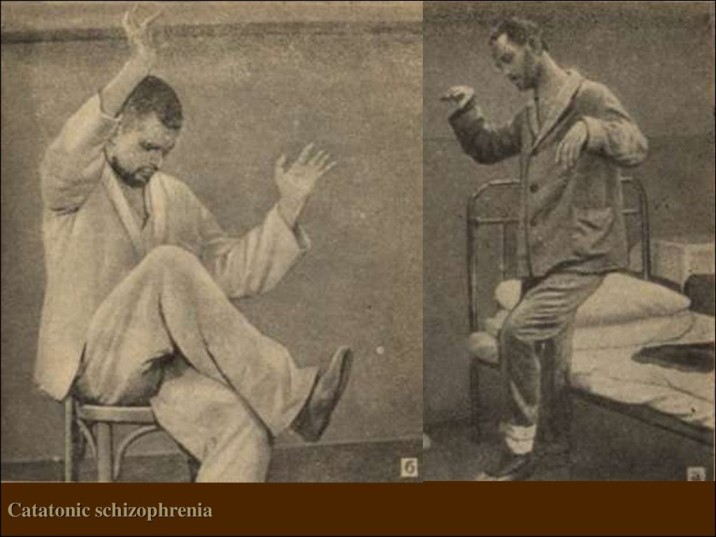
Catatonic stupor syndrome in schizophrenic patients

Catatonic stupor syndrome in schizophrenic patients

Catatonic Stupor Syndrome in Schizophrenic Patients

Catatonic schizophrenia is also the same as catatonic stupor syndrome. So before we start with catatonic stupor, let's begin by understanding Schizophrenia😊😊😊

Schizophrenia

Schizophrenia stands as one of the most severe and debilitating mental illnesses, often characterized by a progressive and chronic course. It impacts approximately 1% of the global population, transcending cultural and socioeconomic boundaries. The term "schizophrenia" was coined in 1908 by the Swiss psychiatrist Eugen Bleuler. He derived the word from the Greek roots "schizo," meaning "split," and "phren," meaning "mind," to describe the fragmentation of mental functions observed in affected individuals, not a "split personality" as is often mistakenly believed.

Schizophrenia is fundamentally a functional psychosis marked by profound disturbances across multiple domains of mental functioning.

Key characteristics include:
  • Disturbances in Thinking (Cognition): This can manifest as disorganized thought processes, delusions (fixed false beliefs), and impaired executive function.
  • Emotional Dysregulation: Individuals may experience flattened affect (reduced emotional expression), inappropriate emotional responses, or anhedonia (inability to experience pleasure).
  • Volitional Impairment: This refers to difficulties in initiating and sustaining goal-directed activities, leading to apathy and lack of motivation.
  • Perceptual Aberrations: Hallucinations, particularly auditory ones, are a hallmark symptom, where individuals perceive sensory experiences that are not real.
  • Deterioration of Interpersonal Relationships: Social withdrawal, difficulty with social cues, and impaired communication often lead to significant challenges in maintaining relationships.
Causes of Schizophrenia

While the precise etiology of schizophrenia remains unknown (idiopathic), current research strongly suggests a multifactorial interplay of genetic, neurobiological, developmental, and environmental factors. It's not caused by any single factor but rather an interaction of vulnerabilities and stressors.

Genetic Predisposition:
  • Family Studies: Extensive research demonstrates a significantly higher probability of developing schizophrenia among biological relatives of affected individuals compared to the general population. The closer the genetic relationship, the higher the risk.
  • Twin Studies: These studies provide compelling evidence for a genetic component. The concordance rate for schizophrenia in monozygotic (identical) twins (sharing 100% of their genes) is substantially higher (often cited as four to six times) than in dizygotic (fraternal) twins (sharing approximately 50% of their genes), even when raised in similar environments. This highlights the strong genetic influence.
Neurobiological Factors:
  • Biochemical Influences (Dopamine Hypothesis): The most enduring neurochemical theory posits that schizophrenia may be linked to an excess of dopamine-dependent neuronal activity in certain brain pathways (e.g., mesolimbic pathway) and potentially dopamine deficits in other areas (e.g., mesocortical pathway). This hypothesis is supported by the effectiveness of antipsychotic medications that block dopamine receptors. However, it's important to note that dopamine dysregulation is likely more complex than a simple "excess." Other neurotransmitters, such as serotonin, glutamate, and GABA, are also implicated.
  • Anatomical Abnormalities: Neuroimaging studies have consistently revealed structural brain differences in individuals with schizophrenia compared to healthy controls.
    • Ventricular Enlargement: Enlargement of the brain's ventricles (fluid-filled cavities) is one of the most consistent findings. This suggests a loss of brain tissue (gray matter) surrounding these areas and is often associated with more severe cognitive impairment and negative symptoms.
    • Reduced Gray Matter Volume: Reductions in gray matter density have been observed in various brain regions, including the frontal lobes (involved in executive function), temporal lobes (involved in auditory processing and memory), and hippocampus (involved in memory and emotion).
    • Abnormal Brain Connectivity: Disruptions in the connectivity between different brain regions, particularly in neural networks involved in cognitive control, attention, and social processing, are also increasingly recognized.
  • Developmental and Physiological Influences:

    These factors can contribute to neurodevelopmental vulnerabilities.

  • Prenatal and Perinatal Complications:
    • Viral Infections: Exposure to certain viral infections (e.g., influenza) during critical stages of fetal development has been linked to an increased risk.
    • Birth Injuries/Complications: Obstetric complications such as oxygen deprivation (hypoxia), low birth weight, and premature birth can also increase vulnerability.
    • Nutritional Deficiencies: Maternal malnutrition during pregnancy, particularly deficiencies in essential nutrients, may play a role.
  • Other Medical Conditions: While less direct, some conditions can mimic or exacerbate psychotic symptoms:
    • Alcohol and Substance Abuse: Chronic substance abuse, especially of cannabis and stimulants, can trigger psychotic episodes in vulnerable individuals and worsen the course of the illness.
    • Cerebral Vascular Accidents (Strokes): Brain damage from strokes can lead to a range of neurological and psychiatric symptoms.
    • Myxedema (Severe Hypothyroidism): Untreated hypothyroidism can cause cognitive and psychiatric symptoms that might be mistaken for or coexist with schizophrenia.
    • Parkinsonism: While distinct, some medications used to treat schizophrenia can induce Parkinsonian-like side effects, and some brain pathologies involved in Parkinson's can have psychiatric manifestations.
    • Head Injury in Adulthood: Severe head trauma, particularly to the frontal lobes, can sometimes precipitate or unmask psychotic symptoms.
    • Cerebral Tumors: Brain tumors can cause a variety of neurological and psychiatric symptoms depending on their location and size.
  • Psychological Influences:

    While not direct causes, certain psychological stressors and family dynamics can interact with biological predispositions.

    • Poor Parent-Child Relationships: Extremely critical, hostile, or emotionally unavailable parenting, while not causing schizophrenia, can contribute to higher stress levels and poorer coping mechanisms in individuals already vulnerable.
    • Dysfunctional Family Systems: Chronic family conflict, lack of clear communication, and high expressed emotion (criticism, hostility, over-involvement) in the family environment can exacerbate symptoms and increase the risk of relapse.
    Environmental Influences (Social Determinants of Health):
  • Urbanicity and Socioeconomic Disadvantage: There is a consistent finding that individuals from lower socioeconomic classes and those living in urban environments have a higher incidence and prevalence of schizophrenia. This association is complex and may be explained by:
    • Social Drift Hypothesis: Individuals with schizophrenia may "drift" into lower socioeconomic classes due to the debilitating effects of the illness on their education, employment, and social functioning.
    • Social Causation Hypothesis: Adverse environmental factors associated with poverty and urban living (e.g., chronic stress, discrimination, limited access to resources, exposure to crime, inadequate nutrition, absence of prenatal care, poor living conditions, congested housing) can act as stressors that trigger or exacerbate schizophrenia in vulnerable individuals.
    • Feeling of Hopelessness: The pervasive feeling of hopelessness about improving one's life circumstances, often prevalent in marginalized communities, can contribute to chronic stress and poor mental health outcomes.
  • Stressful Life Events:
    • Role of Stress: Stress, whether acute or chronic, does not cause schizophrenia but is widely recognized as a significant contributing factor to the onset of psychotic episodes and relapses in individuals who are genetically or biologically vulnerable. Major life changes, traumatic experiences, and ongoing daily stressors can overwhelm an individual's coping mechanisms and precipitate symptom exacerbation.
    Types of Schizophrenia

    While historical classifications often distinguished between "acute" and "chronic" schizophrenia, modern diagnostic frameworks (like the DSM-5-TR) primarily focus on the overall clinical course and symptom presentation over time.

    1. Acute Schizophrenia (Acute Episode/Psychotic Break):

    Refers to a sudden and rapid onset of prominent psychotic symptoms, such as delusions, hallucinations, disorganized speech, and severely disorganized or catatonic behavior. These symptoms appear relatively quickly, often over days or weeks, in an individual who may or may not have had prior psychiatric difficulties.

  • Characteristics:
    • Abrupt Onset: Symptoms emerge rapidly, often in response to significant stress or a precipitating event.
    • Prominent Positive Symptoms: Hallucinations (especially auditory), delusions (persecutory, grandiose, bizarre), and thought disorder are typically very pronounced.
    • Good Prognosis (Potentially): Individuals experiencing acute episodes often have a better prognosis, particularly if they receive prompt treatment, had good premorbid functioning (their functioning before the illness began), and have strong social support. They may achieve significant remission of symptoms.
    • Affective Symptoms: Can be accompanied by intense anxiety, depression, or even manic-like features during the acute phase.
  • 2. Chronic Schizophrenia:

    Describes a prolonged and persistent course of schizophrenia, involving a gradual onset of symptoms and a more enduring presence of both positive and negative symptoms (e.g., apathy, social withdrawal, flattened affect). The illness significantly impacts daily functioning over an extended period.

  • Characteristics:
    • Insidious Onset: Often begins subtly with a gradual decline in functioning and an increase in negative symptoms, sometimes years before a full-blown psychotic episode.
    • Persistent Symptoms: Symptoms may fluctuate in intensity but are generally present for a long duration, often meeting diagnostic criteria for continuous periods.
    • Prominent Negative Symptoms: Characterized by a significant presence of negative symptoms, such as alogia (poverty of speech), avolition (lack of motivation), anhedonia (inability to experience pleasure), and affective flattening.
    • Functional Impairment: Often associated with significant and long-lasting impairments in social, occupational, and academic functioning.
    • Less Favorable Prognosis: Generally implies a more challenging course with greater difficulty achieving full remission and a higher likelihood of persistent functional deficits.
  • Historical Subtypes of Schizophrenia (DSM-IV and earlier)

    It is important to note that the Diagnostic and Statistical Manual of Mental Disorders, Fifth Edition, Text Revision (DSM-5-TR), published by the American Psychiatric Association, 👉👉eliminated the traditional subtypes of schizophrenia (paranoid, disorganized/hebephrenic, catatonic, undifferentiated, residual). This change was made because these subtypes were found to have limited diagnostic stability, overlapping symptoms, and poor predictive validity for treatment response or outcome.

    Instead, the DSM-5-TR focuses on a dimensional approach, assessing the severity of core symptoms (e.g., delusions, hallucinations, disorganized speech, negative symptoms, catatonia) on a spectrum. However, understanding these historical subtypes remains valuable for grasping the diverse clinical presentations of schizophrenia and for comprehending older literature or discussions.

    Here are the traditional/old subtypes:

    1. Simple Schizophrenia

    (Historically a contentious diagnosis, often overlapping with prodromal phases or other disorders): Characterized by a slow, insidious onset and a progressive decline in functioning without prominent delusions or hallucinations. It is often considered a less severe form in terms of acute psychotic symptoms but can lead to profound social withdrawal and functional impairment.

  • Detailed Characteristics:
    • Gradual Onset: Symptoms develop very slowly over years, making it difficult to pinpoint the exact beginning.
    • Subtle Behavioral Changes: Individuals exhibit increasing apathy, lack of drive, and disinterest in previously enjoyed activities.
    • Odd Behaviors: May include peculiar mannerisms, unconventional speech patterns, or unusual interests.
    • Wandering Tendency: Some individuals may become aimless and drift, with no clear purpose or destination.
    • Self-Absorbed and Isolated: A profound withdrawal from social interactions, leading to a solitary existence. They become increasingly preoccupied with internal experiences rather than external reality.
    • Idle and Aimless Activity: Lacks initiative and engagement in productive activities; behavior often appears purposeless.
    • Onset: Typically observed in late adolescence or early adulthood, often between the late 20s and early 30s.
    • Absence of Prominent Psychosis: Distinct from other subtypes in its lack of clear-cut delusions or hallucinations, making diagnosis challenging and sometimes leading to misdiagnosis as personality disorders or severe depression.
  • 2. Hebephrenic Schizophrenia (Disorganized Type)

    Characterized by prominent disorganized speech and behavior, and a markedly inappropriate or flattened affect. Delusions and hallucinations, if present, are typically fragmented and not systematized.

  • Detailed Characteristics:
    • Onset: Tends to have an early onset, usually between the ages of 15 and 25 years, often during adolescence or early adulthood, coinciding with critical developmental stages.
    • Insidious Onset: Similar to simple type, the onset is often gradual, with a slow deterioration of personality and functioning.
    • Disorganized Speech (Thought Disorder): Speech is incoherent, tangential, associative loose, or completely incomprehensible (word salad).
    • Disorganized Behavior: Behavior is aimless, unpredictable, and often inappropriate for the situation. It can range from silliness and giggling to severe agitation.
    • Extreme Social Impairment: Significant difficulty maintaining relationships, engaging in meaningful social interactions, and fulfilling social roles.
    • Poor Premorbid Personality: Often associated with a history of social awkwardness, introversion, and academic difficulties prior to the onset of the illness.
    • Chronic Course: Tends to follow a chronic and deteriorating course, with significant functional decline.
    • Regressive and Primitive Behavior: Individuals may exhibit childlike behaviors, neglect personal hygiene, and engage in socially inappropriate acts.
    • Loss of Contact with Reality: Contact with external reality is severely impaired or lost, leading to a subjective world dominated by internal experiences.
    • Mood is Inappropriate/Flattened: Affect is often incongruous with the content of speech or situation (e.g., laughing at a tragic event) or markedly flattened and unresponsive.
    • Characteristic Affective/Behavioral Manifestations:
      • Silly laughter and giggling without apparent reason.
      • Bizarre mannerisms and grimaces.
      • Neglected personal hygiene and grooming.
      • Extreme social impairment, making independent living challenging.
  • 3. Paranoid Schizophrenia

    Characterized by a preoccupation with one or more delusions (often persecutory or grandiose) or frequent auditory hallucinations, in the absence of prominent disorganized speech, disorganized behavior, or flat/inappropriate affect.

  • Detailed Characteristics:
    • Dominant Symptoms: The defining characteristic is the presence of well-formed, often systematized delusions, typically of persecution (belief that one is being harmed or conspired against) or grandeur (exaggerated belief in one's own importance or abilities).
    • Auditory Hallucinations: Frequent auditory hallucinations, often voices conversing with each other or commenting on the individual's thoughts or actions.
    • Suspiciousness and Mistrust: Individuals are often profoundly suspicious of others, leading to social isolation and difficulty trusting even close family members or healthcare providers.
    • Hostility and Aggression: Due to their delusions of persecution, individuals can become hostile, irritable, and occasionally aggressive when they perceive threats or feel their beliefs are challenged.
    • Tension and Agitation: Often experience high levels of tension, anxiety, and agitation stemming from their internal experiences.
    • Argumentative: May engage in frequent arguments, especially when their delusional beliefs are questioned.
    • Later Onset: Typically has a later age of onset compared to other subtypes, often in the 20s or 30s.
    • Less Regression in Mental Faculties: Compared to disorganized type, individuals with paranoid schizophrenia tend to maintain better intellectual and emotional functioning, at least initially. Their cognitive abilities might be relatively preserved outside of their delusional system.
    • Preserved Emotional and Behavioral Responses: While their beliefs are distorted, their emotional responses and overall behavior might appear more congruent and less overtly disorganized than in the hebephrenic type. This often leads to a relatively better prognosis and higher level of functioning in some areas.
  • 4. Catatonic Schizophrenia

    Primarily characterized by marked disturbances in psychomotor behavior, which can range from extreme immobility (stupor) to excessive motor activity (excitement), often in a seemingly purposeless manner.

  • Detailed Characteristics:
    • Motor Abnormalities: The defining feature is a profound disturbance in voluntary movement.
    • Stupor (Decreased Motor Activity):
      • Catalepsy: Passive induction of a posture held against gravity (e.g., if an arm is lifted, it remains there).
      • Waxy Flexibility: A decrease in response to stimuli and a tendency to remain in an immobile posture, often described as a "waxy" resistance to movement.
      • Mutism: Absence or very little verbal response (not due to aphasia).
      • Negativism: Opposition to instructions or external stimuli, or resistance to passive movement.
      • Posturing: Spontaneous and active maintenance of a posture against gravity.
      • Grimacing: Distorted facial expressions.
      • Echolalia: Mimicking another's speech.
      • Echopraxia: Mimicking another's movements.
    • Excitement (Increased Motor Activity):
      • Catatonic Agitation: Apparently purposeless and excessive motor activity not influenced by external stimuli.
      • Stereotypy: Repetitive, abnormally frequent, non-goal-directed movements.
      • Mannerisms: Odd, circumstantial caricatures of normal actions.
      • Combativeness: Can become physically aggressive, especially if attempts are made to alter their position or restrain them.
    • Associated Symptoms: Can include bizarre delusions, hallucinations, and rapid shifts between states of stupor and excitement.
    • Medical Emergency: Severe catatonia can be a medical emergency due to associated risks like dehydration, malnutrition, and self-injury, often requiring hospitalization and rapid intervention (e.g., benzodiazepines, electroconvulsive therapy).
  • From Subtypes to a Spectrum (DSM-5-TR)

    The DSM-5-TR now views schizophrenia as a single disorder on a spectrum of severity, characterized by specific core symptoms. The diagnosis of "Schizophrenia" itself requires the presence of at least two of the following symptoms for a significant portion of time during a one-month period (or less if successfully treated), with at least one of these being delusions, hallucinations, or disorganized speech:

    1. Delusions
    2. Hallucinations
    3. Disorganized Speech (e.g., frequent derailment or incoherence)
    4. Grossly Disorganized or Catatonic Behavior
    5. Negative Symptoms (i.e., diminished emotional expression or avolition)

    The DSM-5-TR emphasizes assessing the severity of these individual symptoms on a dimensional scale (e.g., from 0 to 4, where 0 is not present and 4 is severe). This allows for a more nuanced description of each patient's unique presentation.

    The Role of Specifiers:
    • With Catatonia: Catatonia is no longer a subtype of schizophrenia but rather a specifier that can be applied to schizophrenia (and other mental disorders, such as bipolar disorder or major depressive disorder) when certain catatonic symptoms are present.
    • First Episode, Currently in Acute Episode; First Episode, Currently in Partial Remission; First Episode, Currently in Full Remission: These describe the stage and current status of the illness.
    • Multiple Episodes, Currently in Acute Episode; Multiple Episodes, Currently in Partial Remission; Multiple Episodes, Currently in Full Remission: For individuals who have experienced more than one episode.
    • Continuous: If symptoms have been continuously present for the past year.
    • With Unspecified Catatonia: If catatonic symptoms are present but don't meet the full criteria for the "with catatonia" specifier.
    • With Other Specified Catatonia: For other forms of catatonia.
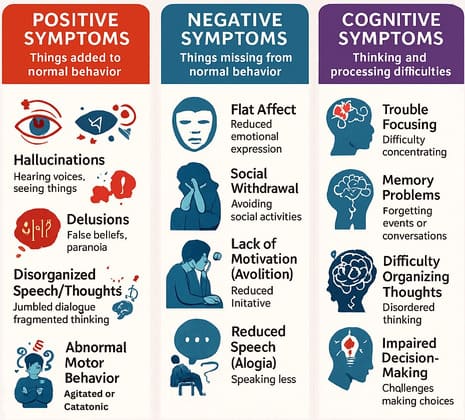
    General Clinical Features of Schizophrenia (Symptom Domains)
    Positive Symptoms (Psychotic Features)

    These are experiences and behaviors that are added to a person's normal mental life and are often considered the hallmark of psychosis.

  • Delusions: Firmly held, erroneous beliefs not amenable to change in light of conflicting evidence.
    • Persecutory Delusions: Belief that one is going to be harmed, harassed, plotted against.
    • Grandiose Delusions: Belief that one has exceptional abilities, wealth, or fame.
    • Referential Delusions: Belief that certain gestures, comments, environmental cues are directed at oneself.
    • Somatic Delusions: Preoccupations regarding health and organ function.
    • Erotomanic Delusions: Belief that another person is in love with them.
    • Nihilistic Delusions: Belief that a major catastrophe will occur.
    • Control Delusions (Passivity Phenomena):
      • Thought Insertion: Belief that one's thoughts have been placed into one's mind by an external source.
      • Thought Withdrawal: Belief that thoughts have been removed from one's mind by an external force.
      • Thought Broadcasting: Belief that one's private thoughts are being transmitted to others.
  • Hallucinations: Perception-like experiences that occur without an external stimulus.
    • Auditory Hallucinations: The most common type.
    • Visual Hallucinations: Seeing things that are not present.
    • Olfactory Hallucinations: Smelling odors that are not present.
    • Gustatory Hallucinations: Tasting flavors that are not present.
    • Tactile (Somatic) Hallucinations: Feeling sensations on or under the skin.
  • Illusions: Misinterpretations of an actual external stimulus.
  • Negative Symptoms

    These refer to deficits in normal emotional responses or other thought processes. They are taken away from a person's mental life.

    • Affective Flattening/Diminished Emotional Expression: Reduction in the range and intensity of emotional expression.
    • Alogia (Poverty of Speech): A lessening of speech fluency and productivity.
    • Avolition: Reduction, difficulty, or inability to initiate and persist in goal-directed activities.
    • Anhedonia: The inability to experience pleasure in activities.
    • Asociality: Apparent lack of interest in social interactions.
    Disorganized Symptoms (Formal Thought Disorder & Disorganized Behavior)
  • Disorganized Speech (Formal Thought Disorder):
    • Loosening of Associations/Derailment: Shifting from one topic to another without logical connection.
    • Tangentiality: Answering questions obliquely or only slightly related.
    • Incoherence ("Word Salad"): Speech that is nearly incomprehensible.
    • Neologisms: The creation of new, meaningless words.
    • Clanging: Speech governed by sound (e.g., rhyming).
    • Echolalia: Meaningless repetition of another person's spoken words.
  • Grossly Disorganized or Abnormal Motor Behavior:
    • Difficulty in Goal-Directed Behavior: Leading to impairments in activities of daily living.
    • Unpredictable Agitation or Silliness.
    • Social Disinhibition.
    • Bizarre Behaviors.
    • Neglected Personal Hygiene.
    • Wandering Tendency.
    • Regression.
  • Catatonic Features (as a Specifier in DSM-5-TR):
    • Flexibilitas Cerea (Waxy Flexibility): The capacity to maintain the limbs or other bodily parts in whatever position they have been placed.
    • Catalepsy: Passive induction of a posture held against gravity.
    • Echopraxia: Mimicking another person's movements.
    • Stupor: Lack of psychomotor activity.
    • Mutism: Absence or very little verbal response.
    • Posturing: Spontaneous and active maintenance of a posture against gravity.
    • Negativism: Opposition to instructions or external stimuli.
    • Stereotypy: Repetitive, abnormally frequent, non-goal-directed movements.
    • Agitation: Apparently purposeless and excessive motor activity.
    • Grimacing: Distorted facial expressions.
    Other Associated Features:
    • Lack of Insight (Anosognosia).
    • Disturbed Mood.
    • Social Withdrawal/Isolation.
    • Neglected Personal Hygiene.
    Prognostic Indicators in Schizophrenia
    Factors Associated with a Good Prognosis:
    • Acute and Later Onset (e.g., after age 30).
    • Obvious Precipitating Factor.
    • Good Premorbid Functioning.
    • Presence of Affective Symptoms.
    • Married Status.
    • Family History of Mood Disorder.
    • Good Support System.
    • Predominance of Positive Symptoms.
    Factors Associated with a Poor Prognosis:
    • Insidious and Younger Onset.
    • No Precipitating Factors.
    • Poor Premorbid Social and Work History.
    • Withdrawn/Isolated Premorbid Personality.
    • Single, Divorced, or Widowed Status.
    • Family History of Schizophrenia.
    • Poor Support System.
    • Predominance of Negative Symptoms.
    • Prominent Cognitive Deficits.
    • Substance Abuse Comorbidity.
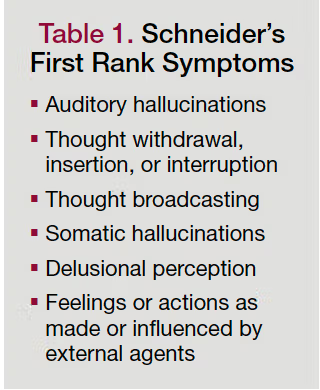
    Schneider's First-Rank Symptoms of Schizophrenia

    While not used as primary diagnostic criteria in current systems like DSM-5-TR, Schneider's First-Rank Symptoms (FRS) remain historically significant.

  • Auditory Hallucinations of Specific Types:
    • Hearing one's thoughts spoken aloud (Gedankenlautwerden).
    • Hearing voices referring to oneself in the third person.
    • Auditory hallucinations in the form of a commentary.
  • Experiences of Influence/Passivity:
    • Thought Withdrawal.
    • Thought Insertion.
    • Thought Broadcasting.
    • Feelings or actions experienced as made or influenced by external agents.
  • Somatic Passivity (Somatic Hallucinations).
  • Delusional Perception.
  • Management of Schizophrenia
    I. Nursing Management
    • Building a Therapeutic Relationship: Establish trust and rapport, maintain a consistent approach, respect boundaries.
    • Education and Psychoeducation: Educate patient/family, provide clear info on meds.
    • Reality Orientation and Validation: Consistently maintain focus on reality, do not argue with delusions, minimize environmental stimuli.
    • Meeting Basic Needs and Safety: Ensure nutrition/hygiene, prioritize safety from self-harm/aggression.
    • Emotional Regulation and Communication: Avoid highly expressed emotions (criticism, hostility), encourage clear communication.
    II. Collaborative Care (Multidisciplinary Team Approach)
    • Interdisciplinary Team: Nurse, psychiatrist, social worker, OT, psychologist.
    • Treatment Adherence: Ensure adherence to plan.
    • Medication Management: Administer meds, educate, plan for side effects.
    • Crisis Intervention: Manage aggression/agitation.
    • Advocacy: Advocate for rights and access.
    III. Psychological Management
    • Psychotherapy (Individual and Group): CBT for Psychosis, Supportive Psychotherapy, Group Therapy.
    • Social Skills Training (SST): Teach essential social behaviors.
    • Behavior Therapy/Modification: Reduce maladaptive behaviors.
    • Family Psychoeducation and Therapy: Reduce expressed emotion, improve communication.
    • Occupational Therapy (OT): Improve functional skills (ADLs/IADLs).
    IV. Medical Management (Pharmacotherapy)
    • Antipsychotic Medications:
      • First-Generation Antipsychotics (FGAs): Chlorpromazine, Haloperidol, Trifluoperazine, Thioridazine.
      • Second-Generation Antipsychotics (SGAs): Risperidone, olanzapine, quetiapine, ziprasidone, aripiprazole, lurasidone, paliperidone.
      • Long-Acting Injectables (LAIs).
      • Clozapine: For treatment-resistant schizophrenia.
    • Adjunctive Medications: Anticholinergics (e.g., Artane), Mood Stabilizers, Antidepressants.
    • Electroconvulsive Therapy (ECT): For severe, treatment-resistant cases or prominent catatonia.
    V. Rehabilitation and Social Therapy
    • Vocational Rehabilitation.
    • Supported Education.
    • Social Skills Training.
    • Habit Training.
    • Community Integration.
    VI. Advice on Discharge and Long-Term Support
    • Medication Adherence.
    • Follow-up Appointments.
    • Relapse Prevention Plan.
    • Support Systems.
    • Stigma Reduction.
    • Crisis Plan.
    • Functional Independence.
    • Healthy Lifestyle.
    CATATONIA AND CATATONIC STUPOR SYNDROME

    Catatonia is a severe neuropsychiatric syndrome characterized by profound disturbances in psychomotor behavior. It is no longer considered a subtype of schizophrenia in the DSM-5-TR but rather a specifier that can occur in the context of various mental disorders (e.g., schizophrenia, bipolar disorder, major depressive disorder) and certain medical conditions.

    "Catatonic Stupor Syndrome" specifically refers to the presentation of catatonia where stupor is a prominent feature. In this state, an individual is largely unresponsive to their environment, may appear "frozen" in a particular posture, have greatly reduced or absent spontaneous movements, and exhibit mutism. It is a severe manifestation of catatonia and can be life-threatening if not managed due to risks of dehydration, malnutrition, and medical complications from immobility.

    Key Features and Symptoms of Catatonia (DSM-5-TR Criteria)

    A diagnosis of catatonia requires the presence of three or more of the following 12 psychomotor symptoms:

    1. Stupor: Marked decrease in psychomotor activity; the individual is not actively relating to the environment. This is often what people colloquially refer to as "catatonic stupor."
    2. Catalepsy: Passive induction of a posture held against gravity. If an arm is lifted, it remains in that position for an extended period.
    3. Waxy Flexibility (Flexibilitas Cerea): A specific type of catalepsy where there is a slight, even resistance to positioning by the examiner. The limbs or other body parts can be placed in an awkward position and will be maintained there for a prolonged time, much like a wax statue.
    4. Mutism: No, or very little, verbal response (not due to aphasia or other communication impairment).
    5. Negativism: Opposition to instructions or external stimuli, or resistance to passive movement.
    6. Posturing: Spontaneous and active maintenance of a posture against gravity that is often bizarre or uncomfortable.
    7. Mannerism: Odd, circumstantial caricatures of normal actions (e.g., repeatedly saluting for no reason).
    8. Stereotypy: Repetitive, abnormally frequent, non-goal-directed movements (e.g., rocking back and forth, head banging).
    9. Agitation (not influenced by external stimuli): Apparently purposeless and excessive motor activity (this aligns with "Catatonic Excitement").
    10. Grimacing: Making strange or contorted facial expressions.
    11. Echolalia: Meaningless repetition of another person's spoken words.
    12. Echopraxia: Meaningless repetition of another person's movements.
    Manifestations of Catatonia: Stupor vs. Excitement

    Catatonia can manifest in two contrasting clinical pictures, though these can rapidly fluctuate within the same individual:

    1. Catatonic Stupor:
    • Description: Characterized by a severe reduction or absence of psychomotor activity. The patient is almost entirely unresponsive to external stimuli and may appear "frozen."
    • Symptoms Often Present: Profound stupor, mutism, negativism, waxy flexibility, catalepsy, and posturing.
    • Awareness: Despite the apparent unresponsiveness, patients in a catatonic stupor are often fully or partially aware of their surroundings and what is happening, which can be extremely distressing. This is a crucial point that differentiates it from a coma or other states of unconsciousness.
    • Risk: Can be a life-threatening condition due to the risks of dehydration, malnutrition, aspiration, deep vein thrombosis, and pressure sores from immobility.
    • Depressive Stupor: When catatonia, particularly with prominent stupor, occurs in the context of Major Depressive Disorder, it may be referred to as depressive stupor.
    2. Catatonic Excitement:
    • Description: Manifested by extreme psychomotor agitation, restlessness, and purposeless motor activity that is not influenced by external stimuli.
    • Symptoms Often Present: Agitation, restlessness, stereotypies, mannerisms, grimacing, and often incoherent speech.
    • Risk: Can be dangerous due to the potential for self-harm, aggression towards others, exhaustion, and physical injury.
    Pathophysiology

    The exact neurobiological mechanisms underlying catatonia are not fully understood, but several hypotheses exist, often involving dysregulation of key neurotransmitter systems:

    1. GABAergic Dysfunction:
      • This is the most widely accepted hypothesis. Catatonia is thought to be associated with an acute decrease in GABAergic (gamma-aminobutyric acid) activity in specific brain regions, particularly the motor circuits.
      • The strong and rapid response of catatonia to benzodiazepines (which enhance GABAergic activity) supports this theory.
    2. Dopamine Dysregulation:
      • Hypodopaminergia: Some theories suggest a state of reduced dopaminergic activity in catatonia, particularly in the basal ganglia. This aligns with conditions like Parkinson's disease (a hypodopaminergic state) that can present with catatonic-like features.
      • Hyperdopaminergia (less direct for stupor): While schizophrenia itself is often associated with hyperdopaminergia, the development of catatonia in this context might represent a complex interplay or even a compensatory hypodopaminergic state in certain circuits, perhaps exacerbated by antipsychotic use.
    3. Glutamate Dysregulation:
      • Abnormalities in glutamate, the brain's primary excitatory neurotransmitter, particularly within the N-methyl-D-aspartate (NMDA) receptor system, are also implicated. Conditions like anti-NMDA receptor encephalitis can cause profound catatonia.
    4. Other Neurotransmitters: Serotonin, norepinephrine, and acetylcholine systems may also play roles in the complex neural networks involved in motor control and behavioral regulation.
    Causes and Etiology of Catatonic Behavior

    Catatonia is not a standalone diagnosis but rather a syndrome that results from various underlying conditions. Identifying the cause is paramount for appropriate treatment.

    1. Psychiatric Conditions:

    Catatonia is most commonly associated with psychiatric disorders.

    • Schizophrenia: Historically the primary association, now specified as "Schizophrenia, With Catatonia."
    • Mood Disorders: Catatonia is actually more common in severe mood disorders than in schizophrenia.
      • Bipolar Disorder: Especially during severe manic or depressive episodes.
      • Major Depressive Disorder: (e.g., Depressive Stupor).
    • Other Psychotic Disorders: Such as schizoaffective disorder.
    • Autism Spectrum Disorder: Catatonic features can occur in individuals with autism.
    • Other Severe Mental Illnesses: Obsessive-compulsive disorder, post-traumatic stress disorder, eating disorders.
    2. Medical Conditions (Organic Catatonia):

    A wide range of medical conditions can induce catatonia, and it's essential to rule these out.

    • Neurological Disorders: Encephalitis (especially anti-NMDA receptor encephalitis), Parkinson's disease, seizure disorders (non-convulsive status epilepticus), traumatic brain injury, stroke, brain tumors.
    • Systemic Medical Conditions: Severe infections, metabolic derangements (e.g., diabetic ketoacidosis, electrolyte imbalances, hepatic or renal failure), autoimmune disorders, certain vitamin deficiencies (e.g., B12).
    • Toxins/Substances: Illicit drugs (e.g., PCP, stimulants), alcohol withdrawal, heavy metal poisoning.
    3. Medication-Induced Catatonia:
    • Antipsychotics: Can induce catatonia, particularly in vulnerable individuals, or in the context of Neuroleptic Malignant Syndrome (NMS), which is a severe and potentially fatal reaction.
    • Other Medications: Corticosteroids, disulfiram, some antibiotics.
    Risk Factors for Catatonia
    • Underlying Psychiatric Illness: As listed above, particularly severe mood disorders or psychotic disorders.
    • Genetic Predisposition: Family history of psychiatric disorders or catatonia.
    • Substance Misuse: Can precipitate or exacerbate catatonic episodes.
    • Discontinuation of Medications: Abrupt withdrawal from certain medications (e.g., benzodiazepines).
    • Severe Stressors: Extreme psychological or physical stress.
    Differential Diagnosis and Diagnostic Approach

    Diagnosing catatonia requires a comprehensive evaluation, as its symptoms can overlap with other conditions. There are no specific lab tests for catatonia itself, but tests are used to identify underlying causes.

    Clinical Assessment:
    • Psychiatric Examination: A thorough evaluation by a psychiatrist using standardized rating scales (e.g., Bush-Francis Catatonia Rating Scale) to assess for the presence and severity of catatonic symptoms.
    • Bush-Francis Catatonia Rating Scale (BFCRS):
      • Structure: Consists of 23 items. The first 14 items are for diagnosis (each item scored 0 or 1 for presence/absence). The remaining items provide a severity rating for the 14 diagnostic items if present.
      • Diagnostic Criteria: A diagnosis of catatonia is supported by the presence of at least 2 items from the first 14 (some guidelines suggest 3, aligning with DSM-5).
    • Physical Examination: To identify any medical signs or neurological deficits.
    Ruling Out Other Conditions:

    It's crucial to differentiate catatonia from other conditions that might present similarly:

    • Movement Disorders:
      • Tardive Dyskinesia: Involuntary, repetitive movements resulting from long-term use of certain medications (e.g., antipsychotics). Catatonia typically involves voluntary but abnormal postures/movements, whereas TD is involuntary.
      • Tourette's Syndrome: Characterized by tics (sudden, repetitive, nonrhythmic motor movements or vocalizations).
      • Dystonia: Sustained or intermittent muscle contractions causing abnormal, often repetitive, movements and postures.
    • Non-convulsive Status Epilepticus: A seizure disorder where individuals may appear stuporous or confused without overt convulsions.
    • Malingering: Feigning symptoms for external gain.
    • Delirium or Coma: States of altered consciousness with global brain dysfunction. Catatonia, especially stupor, is distinct from these as the patient is often internally aware.
    Diagnostic Tools (Used to identify underlying causes, not catatonia itself):
    • Electroencephalogram (EEG): To rule out non-convulsive status epilepticus or other neurological abnormalities.
    • MRI or CT Scan of the Brain: To identify structural brain abnormalities, tumors, or signs of inflammation.
    • Blood Tests: To check for metabolic imbalances, infections, autoimmune markers, and drug levels.
    • Cerebrospinal Fluid (CSF) Analysis: May be performed to look for infectious or autoimmune causes (e.g., encephalitis).
    Management of Catatonic Stupor Syndrome
    I. IMMEDIATE INTERVENTIONS: ENSURING PATIENT SAFETY AND ADDRESSING COMPLICATIONS

    Catatonic stupor is a medical emergency due to the significant risk of medical complications from prolonged immobility and lack of self-care.

    1. Monitor Vital Signs and Physical Status:
    • Regularly monitor temperature, pulse, respiratory rate, blood pressure, and oxygen saturation.
    • Monitor for signs of autonomic instability (suggesting NMS or other medical issues).
    • Monitor fluid intake and output.
    2. Maintain Hydration and Nutrition:
    • Patients in stupor are often unable to feed or drink.
    • Intravenous fluids (IV fluids): Essential to prevent dehydration.
    • Nutritional Support: Nasogastric (NG) tube feeding or parenteral nutrition may be required if the stupor is prolonged.
    3. Deep Vein Thrombosis (DVT) Prophylaxis:
    • Prolonged immobility significantly increases the risk of DVT and subsequent pulmonary embolism (PE), which can be fatal.
    • Measures: Sequential compression devices (SCDs), elastic compression stockings, and low-molecular-weight heparin (LMWH) or unfractionated heparin.
    • Frequent repositioning: Also aids in circulation.
    4. Pressure Sore (Decubitus Ulcer) Prevention:
    • Frequent repositioning (every 2 hours if possible).
    • Use of pressure-relieving mattresses and cushions.
    • Skin care to keep it clean and dry.
    5. Bladder and Bowel Care:
    • Monitor for urinary retention (bladder scan, catheterization if necessary).
    • Monitor for constipation or fecal impaction.
    • Ensure proper hygiene.
    6. Aspiration Pneumonia Prevention:
    • Elevate the head of the bed, especially if NG feeding is in place.
    • Monitor for signs of aspiration.
    7. Address Underlying Medical Conditions:
    • Immediately treat any medical conditions identified during the differential diagnosis (e.g., fluid and electrolyte imbalances, infections, NMS, NCSE). For instance, if NCSE is diagnosed, anticonvulsants are the primary treatment. If NMS, discontinue antipsychotics, provide supportive care, and consider dantrolene or bromocriptine.
    II. PHARMACOLOGICAL TREATMENTS

    The cornerstone of acute catatonia treatment involves benzodiazepines and, if necessary, ECT.

    A. Benzodiazepines (First-Line Acute Treatment):
  • Mechanism: Benzodiazepines enhance GABAergic neurotransmission, which is thought to be deficient in catatonia. This leads to an anxiolytic, sedative, and muscle relaxant effect.
  • Lorazepam Challenge Test (or Lorazepam Trial):
    • Purpose: This is both diagnostic and therapeutic. A positive response confirms the diagnosis of catatonia and guides ongoing treatment.
    • Procedure: Administer Lorazepam 1-2 mg intramuscularly (IM) or intravenously (IV).
    • Response: Observe the patient for 15-30 minutes. A positive response is characterized by a significant, albeit temporary, reduction in catatonic symptoms (e.g., improved eye contact, ability to follow commands, reduced rigidity, less mutism). Even a partial response is considered positive.
    • Dosing: If there is a positive response, Lorazepam can be repeated every 4-6 hours, titrating the dose upward (e.g., 2 mg, 4 mg, 6 mg IM/IV) until symptoms resolve or side effects (e.g., excessive sedation, respiratory depression) become prohibitive. Some patients may require high doses (e.g., 8-12 mg/day or even higher).
    • Maintenance: Once acute catatonia resolves, the patient may need oral lorazepam, which can be slowly tapered over days to weeks while other definitive treatments for the underlying condition (e.g., antipsychotics for schizophrenia) are initiated.
  • Other Benzodiazepines: Clonazepam (longer half-life) or diazepam may also be used, but lorazepam is generally preferred due to its rapid onset and efficacy, especially via IM/IV routes.
  • B. Electroconvulsive Therapy (ECT):
  • Indications:
    • Failure of Benzodiazepines: If there is no significant response to adequate doses of benzodiazepines within 24-48 hours.
    • Severe or Life-Threatening Catatonia: If the patient's physical health is deteriorating rapidly (e.g., due to severe dehydration, NMS-like features, or prolonged immobility leading to complications), ECT should be considered early, potentially even before a full trial of high-dose benzodiazepines.
    • Catatonia with Malignant Features: (e.g., high fever, autonomic instability, severe rigidity) where NMS cannot be definitively ruled out or is co-occurring.
  • Efficacy: ECT is highly effective for catatonia, often leading to rapid resolution of symptoms, typically within a few treatments (2-6 sessions).
  • Procedure: Usually administered 3 times a week. The exact mechanism in catatonia is not fully understood but is thought to involve broad neurochemical changes.
  • C. Antipsychotics (Careful Consideration in Schizophrenia-Associated Catatonia):
  • General Principle: While antipsychotics are the cornerstone of schizophrenia treatment, they must be used with extreme caution in the presence of catatonia.
  • Risk of Worsening Catatonia: Some antipsychotics, particularly high-potency typical antipsychotics (e.g., haloperidol), can worsen catatonia by blocking dopamine receptors, potentially pushing the patient towards a more hypodopaminergic state.
  • Risk of NMS: Antipsychotics are the primary cause of NMS, a life-threatening condition that can mimic or complicate catatonia.
  • When to Introduce:
    • Antipsychotics should generally be withheld until catatonic symptoms have significantly improved or resolved with benzodiazepines or ECT.
    • Once catatonia is improving, a low dose of an atypical antipsychotic (e.g., risperidone, olanzapine, quetiapine, or clozapine) can be cautiously introduced and slowly titrated upwards to manage the underlying schizophrenia symptoms. Atypicals are generally preferred due to a lower risk of extrapyramidal side effects and NMS compared to typicals.
  • Clozapine: Can be considered for refractory schizophrenia with catatonia, but requires careful monitoring due to its side effect profile.
  • III. SUPPORTIVE CARE

    Beyond the medical and pharmacological interventions, ongoing supportive care is vital.

    1. Maintaining Physical Health and Hygiene:
    • Continued monitoring and prevention of complications (as outlined in Immediate Interventions).
    • Regular bathing, oral care, skin care.
    2. Addressing Communication Needs:
    • Even if mute, the patient may be conscious and aware. Speak to them calmly, explain procedures, and reassure them.
    • Assume they can hear and understand.
    • Use simple, clear language.
    • Once responsive, explore their experience of the catatonic state.
    3. Environment:
    • Provide a safe, quiet, and low-stimulation environment to minimize agitation or overstimulation.
    IV. LONG-TERM MANAGEMENT

    The long-term management of catatonic stupor in the context of schizophrenia involves two main aspects: treating the underlying schizophrenia and preventing recurrence of catatonia.

    1. Integrating Management with the Broader Treatment Plan for Schizophrenia:
  • Once the acute catatonic episode resolves, the primary focus shifts back to managing the patient's schizophrenia. This typically involves:
    • Maintenance Antipsychotic Therapy: Continuation of an antipsychotic (usually atypical, at the lowest effective dose).
    • Psychotherapy: (e.g., CBT, supportive therapy) to address psychotic symptoms, improve coping skills, and enhance social functioning.
    • Psychoeducation: For the patient and family about schizophrenia and its management.
    • Social Skills Training and Vocational Rehabilitation: To improve functional outcomes.
  • 2. Preventing Relapse of Catatonia:
    • Continue Treatment of Underlying Schizophrenia: Effective management of schizophrenia is crucial, as uncontrolled psychosis can trigger catatonia.
    • Avoid Precipitating Factors: Identify and, if possible, avoid factors that may have triggered the catatonic episode (e.g., certain medications, stressors).
    • Education: Educate the patient and family about the early signs of catatonia so that prompt intervention can be sought if symptoms recur.
    • Consider Maintenance Benzodiazepines (in some cases): For patients with recurrent catatonia, a low dose of a long-acting benzodiazepine (e.g., clonazepam) might be considered as a preventative measure, but this is less common and must be carefully weighed against risks of dependence.
    • Regular Monitoring: Ongoing assessment for any re-emergence of catatonic symptoms.

    Nursing diagnoses of patient suffering from schizophrenic illness.

    1. Altered sensory-perception (auditory hallucination) related to
    schizophrenia as evidenced by patient seen communicating to
    people other people do not see, hearing voices.

    2. Altered thought process (delusions) related to schizophrenia
    as evidenced by patient believing that people are against him.

    3. Impaired communication (neologisms) related to the disorder as evidenced by patient talking language which other people do not understand.

    4. Impaired social interaction related to the disorder as
    evidenced by patient becoming isolated and been suspicious
    of the next of kin.

    Catatonic stupor syndrome in schizophrenic patients Read More »

    Panic attacks/disorders

    Panic Attacks and Disorders

    Panic Attacks and Disorders
    Panic Attacks and Disorders

    Lets first differentiate them.

    I. Panic Attack

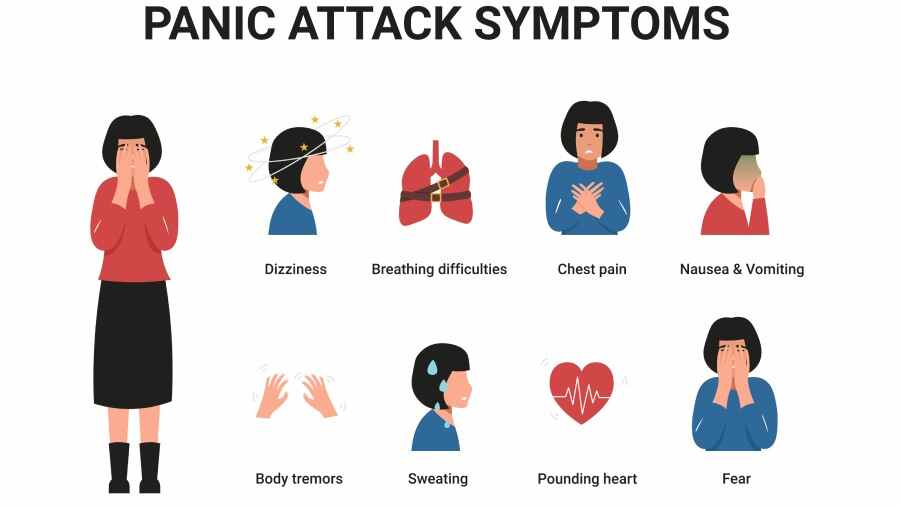
    A Panic Attack is an abrupt surge of intense fear or intense discomfort that reaches a peak within minutes, and during which time, four or more of the following symptoms occur:

    1. Palpitations, pounding heart, or accelerated heart rate.
    2. Sweating.
    3. Trembling or shaking.
    4. Sensations of shortness of breath or smothering.
    5. Feelings of choking.
    6. Chest pain or discomfort.
    7. Nausea or abdominal distress.
    8. Feeling dizzy, unsteady, light-headed, or faint.
    9. Chills or heat sensations.
    10. Paresthesias (numbness or tingling sensations).
    11. Derealization (feelings of unreality) or depersonalization (being detached from oneself).
    12. Fear of losing control or "going crazy."
    13. Fear of dying.
    Key Characteristics of a Panic Attack:
  • Abrupt onset: Symptoms appear suddenly, not gradually.
  • Peak intensity: Reach their peak within 10 minutes (though they can be shorter or longer).
  • Intense fear/discomfort: The emotional experience is overwhelming.
  • Multiple physical and cognitive symptoms: Not just one or two symptoms, but a cluster.
  • Can be expected or unexpected:
    • Expected Panic Attack: Occurs in anticipation of a feared situation (e.g., someone with social anxiety having a panic attack before a public speaking event).
    • Unexpected Panic Attack: Occurs "out of the blue" without an obvious trigger. These are particularly central to Panic Disorder.
  • Panic Disorder

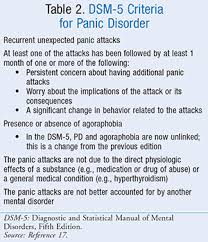
    Panic Disorder is a type of anxiety disorder characterized by recurrent, unexpected panic attacks. The diagnosis is made when an individual experiences:

    1. Recurrent, unexpected panic attacks.
    2. At least one of the attacks has been followed by 1 month (or more) of one or both of the following:
      • Persistent concern or worry about additional panic attacks or their consequences (e.g., losing control, having a heart attack, "going crazy"). This is often referred to as anticipatory anxiety.
      • A significant maladaptive change in behavior related to the attacks (e.g., behaviors designed to avoid having panic attacks, such as avoidance of exercise or unfamiliar situations, or avoidance of places where previous panic attacks occurred). This often leads to the development of agoraphobia.
    Key Characteristics of Panic Disorder:
    • Core Feature: The unexpected nature of the panic attacks. It's not just about having panic attacks, but having them without an obvious trigger, leading to a fear of having more panic attacks.
    • Anticipatory Anxiety: A constant state of worry about when and where the next attack will strike, leading to hypervigilance for bodily sensations.
    • Behavioral Change/Avoidance: People start to avoid situations, places, or even physical sensations (like increased heart rate from exercise) that they associate with previous panic attacks or fear might trigger one. This avoidance can become very pervasive.
    Differentiation from Other Anxiety Disorders

    It's crucial to distinguish Panic Disorder from other anxiety disorders, as treatment approaches can vary.

    1. Generalized Anxiety Disorder (GAD):
      • Panic Disorder: Characterized by acute, intense, episodic panic attacks, often unexpected, followed by worry about future attacks. The anxiety is typically episodic and focused on the panic attacks themselves.
      • GAD: Characterized by chronic, excessive, pervasive, and difficult-to-control worry about a variety of everyday life events (e.g., work, finances, family health). The anxiety is more diffuse and persistent, though individuals with GAD can also experience panic attacks, they are not the central focus of the disorder.
    2. Social Anxiety Disorder (Social Phobia):
      • Panic Disorder: Attacks are often unexpected, and the primary fear is of the panic attack itself or its consequences.
      • Social Anxiety Disorder: Panic attacks, if they occur, are expected and always triggered by specific social or performance situations where the individual fears scrutiny or embarrassment (e.g., public speaking, eating in public). The core fear is negative evaluation by others, not the panic attack itself.
    3. Specific Phobia:
      • Panic Disorder: Attacks are often unexpected, and the primary fear is of the panic attack itself.
      • Specific Phobia: Panic attacks, if they occur, are expected and consistently triggered by exposure to a specific object or situation (e.g., heights, spiders, flying). The core fear is of the specific object/situation.
    4. Post-Traumatic Stress Disorder (PTSD):
      • Panic Disorder: Focus on unexpected panic attacks and anticipatory anxiety.
      • PTSD: Panic attacks can occur, but they are typically expected and triggered by trauma-related reminders or flashbacks. The core features are re-experiencing the trauma, avoidance, negative alterations in cognitions and mood, and alterations in arousal and reactivity.
    5. Obsessive-Compulsive Disorder (OCD):
      • Panic Disorder: Anxiety is related to the recurrence of panic attacks.
      • OCD: Anxiety is triggered by obsessions (intrusive thoughts) and relieved by compulsions (repetitive behaviors). While panic can occur due to extreme anxiety from obsessions, it's not the central feature.
    Signs and Symptoms of a Panic Attack

    A panic attack is an abrupt surge of intense fear or discomfort accompanied by a cluster of specific symptoms. These can be categorized as follows:

    1. Physical/Somatic Symptoms:

    These are often the most prominent and distressing, leading many individuals to believe they are having a medical emergency (e.g., heart attack, stroke).

    • Cardiovascular: Palpitations, pounding heart, accelerated heart rate, chest pain or discomfort.
    • Respiratory: Sensations of shortness of breath, smothering, feelings of choking.
    • Gastrointestinal: Nausea or abdominal distress.
    • Neurological/Vestibular: Dizziness, unsteadiness, light-headedness, faintness, paresthesias (numbness or tingling), trembling or shaking.
    • Thermoregulation: Chills or heat sensations, sweating.
    2. Cognitive Symptoms:

    These involve distorted thoughts and misinterpretations that fuel the fear.

    • Fear of losing control or "going crazy."
    • Fear of dying.
    • Derealization: Feelings of unreality (e.g., feeling detached from one's surroundings, world seems dreamlike).
    • Depersonalization: Being detached from oneself (e.g., feeling like an observer of one's body, feeling unreal).
    3. Emotional Symptoms:

    The core emotional experience is intense fear.

    • Intense fear: Overwhelming and often unprovoked terror.
    • Apprehension: A sense of impending doom or danger.
    Diagnostic Criteria for Panic Disorder (based on DSM-5-TR)

    For a diagnosis of Panic Disorder, the following criteria must be met:

    A. Recurrent Unexpected Panic Attacks:

    The individual must experience recurrent, unexpected panic attacks.

    • "Unexpected" means the attack occurs without an obvious trigger or cue. This is a critical distinction from panic attacks that are always tied to a specific situation (e.g., a phobic situation).
    • A Panic Attack itself is defined by the abrupt surge of intense fear or intense discomfort that reaches a peak within minutes, during which four or more of the following 13 physical and cognitive symptoms occur: 1. Palpitations, pounding heart, or accelerated heart rate. 2. Sweating. 3. Trembling or shaking. 4. Sensations of shortness of breath or smothering. 5. Feelings of choking. 6. Chest pain or discomfort. 7. Nausea or abdominal distress. 8. Feeling dizzy, unsteady, light-headed, or faint. 9. Derealization (feelings of unreality) or depersonalization (being detached from oneself). 10. Fear of losing control or "going crazy." 11. Fear of dying. 12. Paresthesias (numbness or tingling sensations). 13. Chills or heat sensations.
    B. Subsequent Persistent Concern or Behavioral Change:

    At least one of the panic attacks has been followed by 1 month or more of one or both of the following:

    1. Persistent concern or worry about additional panic attacks or their consequences. This includes worries about potential implications like losing control, having a heart attack, or "going crazy." (This is often called anticipatory anxiety).
    2. A significant maladaptive change in behavior related to the attacks. This involves behaviors adopted to avoid having future panic attacks (e.g., avoidance of exercise, avoidance of unfamiliar situations, social withdrawal, not leaving home).
    C. Exclusion of Substance/Medical Condition:

    The disturbance is not attributable to the physiological effects of a substance (e.g., a drug of abuse, a medication) or another medical condition (e.g., hyperthyroidism, cardiopulmonary disorders). This emphasizes the importance of a thorough medical workup.

    D. Exclusion of Other Mental Disorder:

    The disturbance is not better explained by another mental disorder. For example, the panic attacks are not exclusively due to:

    • Social Anxiety Disorder (e.g., panic in response to social situations only).
    • Specific Phobia (e.g., panic in response to specific phobic objects/situations only).
    • Obsessive-Compulsive Disorder (e.g., panic in response to obsessions only).
    • Posttraumatic Stress Disorder (e.g., panic in response to trauma reminders only).
    • Separation Anxiety Disorder (e.g., panic in response to separation from attachment figures only).
    Development of Agoraphobia (often co-occurs with Panic Disorder):
    • While Agoraphobia can be diagnosed independently, it frequently develops as a direct consequence of Panic Disorder.
    • The fear of having a panic attack in situations where escape is difficult or help is unavailable leads to avoidance of these situations (e.g., public transportation, open spaces, enclosed places, standing in line, being outside the home alone).
    • In severe cases, individuals with agoraphobia may become housebound.
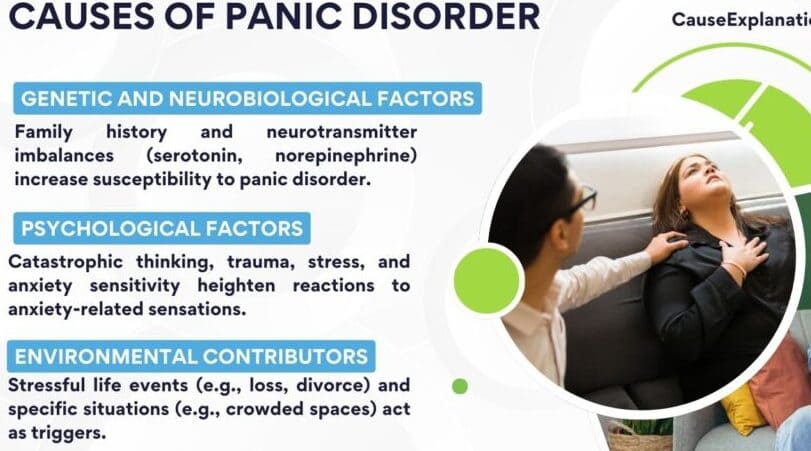
    Cause of panic attacks

    The cause of panic attack is unknown (idiopathic) but the following are thought to trigger panic attacks;

    I. Biological Factors
    1. Genetic Predisposition:
      • Panic Disorder often runs in families. First-degree biological relatives of individuals with Panic Disorder are at a higher risk (up to 4-8 times higher) of developing the disorder themselves.
      • Twin studies also support a genetic component, with higher concordance rates in monozygotic (identical) twins compared to dizygotic (fraternal) twins. However, genetics alone do not fully explain the disorder, indicating other factors are at play.
    2. Neurochemical Imbalances:
      • Several neurotransmitter systems are implicated in anxiety and panic:
        • Norepinephrine: Overactivity in the locus coeruleus (a brain region rich in norepinephrine neurons) is thought to contribute to the physiological arousal and "fight-or-flight" response seen in panic attacks.
        • Serotonin: Dysregulation in serotonergic systems is well-established in many anxiety disorders, including panic. Selective Serotonin Reuptake Inhibitors (SSRIs) are a primary treatment, suggesting serotonin's role.
        • GABA (Gamma-aminobutyric acid): GABA is an inhibitory neurotransmitter. Reduced GABAergic activity or fewer GABA receptors can lead to increased neuronal excitability and anxiety. Benzodiazepines, which enhance GABA's effects, are effective in acute panic.
      • Brain Structures: Abnormalities in brain circuits involving the amygdala (involved in fear processing), hippocampus (memory of fearful events), and prefrontal cortex (emotional regulation) are also being investigated.
    3. Interoceptive Sensitivity and False Suffocation Alarm Theory:
      • Interoception: Refers to the perception of internal bodily sensations (e.g., heart rate, respiration, stomach discomfort). Individuals with Panic Disorder often have heightened sensitivity to these normal bodily sensations.
      • False Suffocation Alarm Theory: Proposed by Donald Klein, this theory suggests that a subset of individuals with Panic Disorder have a hypersensitive "suffocation alarm" system in the brainstem. This system is normally triggered by changes in CO2 levels (indicating a need for more oxygen), but in these individuals, it may be overly sensitive and fire even when there's no actual threat, leading to feelings of breathlessness and triggering a panic attack.
    II. Psychological Factors
    1. Cognitive Misinterpretation of Bodily Sensations:
      • This is a cornerstone of the Cognitive-Behavioral Model of Panic. Individuals with Panic Disorder tend to catastrophically misinterpret normal or slightly elevated bodily sensations as signs of impending catastrophe.
      • Example: A slight increase in heart rate (e.g., from climbing stairs or drinking coffee) might be interpreted as "I'm having a heart attack," leading to increased anxiety, which further exacerbates physical symptoms, creating a vicious cycle of fear.
      • This misinterpretation amplifies benign physiological changes into full-blown panic.
    2. Anxiety Sensitivity:
      • Defined as the fear of anxiety-related sensations due to beliefs that these sensations have harmful consequences (e.g., "When I feel dizzy, I think I might faint and be embarrassed").
      • Individuals with high anxiety sensitivity are more likely to develop Panic Disorder. They are not just anxious, but they are afraid of being anxious.
    3. Conditioning and Learning Theories:
      • Classical Conditioning: A neutral stimulus (e.g., a specific location like a crowded mall) can become associated with the intense fear of a panic attack. Subsequently, just being in that location can trigger anxiety or even a panic attack.
      • Operant Conditioning (Negative Reinforcement): Avoiding situations that might trigger panic (e.g., agoraphobia) provides immediate relief from anxiety. This relief negatively reinforces the avoidance behavior, making it more likely that the person will continue to avoid those situations, thus maintaining the disorder.
    III. Environmental/Social Factors
    1. Stressful Life Events:
      • Panic attacks often first occur during periods of significant stress, such as job loss, relationship breakups, deaths of loved ones, or major life transitions. Stress can tax an individual's coping resources and increase physiological arousal, making them more vulnerable.
      • Childhood trauma: A history of childhood physical or sexual abuse, or other forms of trauma, is a significant risk factor for developing Panic Disorder.
    2. Substance Use and Withdrawal:
      • Stimulants: Caffeine, nicotine, and illicit stimulants (e.g., cocaine, amphetamines) can induce anxiety and panic-like symptoms due to their impact on the sympathetic nervous system.
      • Alcohol/Sedative-Hypnotic Withdrawal: Withdrawal from substances like alcohol or benzodiazepines can lead to severe anxiety, tremors, and even panic attacks, as the nervous system becomes overactive.
    3. Parenting Styles/Attachment:
      • Some research suggests that certain parenting styles (e.g., overprotective, critical) or insecure attachment styles may contribute to a child's vulnerability to anxiety disorders, including panic, by affecting emotional regulation and perceived self-efficacy.
    Nursing Concerns/Impact and Complications
    I. Impairment in Daily Functioning

    The constant threat of unexpected panic attacks and the associated anticipatory anxiety and avoidance behaviors can severely disrupt nearly every aspect of an individual's life:

    1. Occupational/Academic:
      • Difficulty concentrating due to persistent worry about attacks.
      • Avoidance of work/school due to fear of having an attack in public or in demanding situations.
      • Absence from work/school, leading to job loss, academic failure, or underemployment.
      • Reduced productivity and performance.
    2. Social Life:
      • Withdrawal from social activities and friends, especially if those activities involve feared situations (e.g., crowded places, driving, public transport).
      • Fear of embarrassment if a panic attack occurs in public.
      • Significant reduction in social support networks, leading to isolation.
    3. Relationships:
      • Strain on family and romantic relationships as partners or family members may struggle to understand or cope with the individual's avoidance and anxiety.
      • Dependence on others (e.g., relying on a partner to drive everywhere), which can create resentment or strain.
      • Communication difficulties surrounding the illness.
    4. Leisure and Hobbies:
      • Inability to participate in previously enjoyed activities, particularly those requiring travel or public interaction.
      • Overall reduction in pleasurable activities due to fear and avoidance.
    5. Independence:
      • In severe cases, particularly with co-occurring agoraphobia, individuals may become housebound, losing all independence and relying entirely on others.
    II. Comorbidity with Other Mental Health Disorders

    Panic Disorder rarely occurs in isolation. High rates of comorbidity are a significant challenge, complicating diagnosis and treatment, and often leading to worse outcomes.

    1. Major Depressive Disorder:
      • As noted previously, 50-65% of individuals with Panic Disorder will experience a major depressive episode in their lifetime. The chronic stress, impairment, and isolation often contribute to the development of depression.
      • The combination of Panic Disorder and depression typically leads to more severe symptoms, greater functional impairment, and a poorer prognosis.
    2. Other Anxiety Disorders:
      • Generalized Anxiety Disorder (GAD): Chronic, excessive worry can co-exist with episodic panic.
      • Social Anxiety Disorder: Fear of social situations and potential panic within them.
      • Specific Phobias: Co-occurring fears of specific objects or situations.
      • Post-Traumatic Stress Disorder (PTSD): Panic attacks can be a symptom of PTSD, or Panic Disorder can develop after a traumatic event.
    3. Substance Use Disorders:
      • Individuals with Panic Disorder have a significantly increased risk of developing alcohol or other substance use disorders (e.g., benzodiazepine abuse, cannabis).
      • Substances are often used as a form of "self-medication" to cope with anxiety and panic, though this ultimately exacerbates the problem and leads to dependence.
    4. Personality Disorders:
      • Certain personality disorders, particularly Cluster C (anxious/fearful cluster, e.g., dependent or avoidant personality disorder), can co-occur, making treatment more complex.
    III. Physical Health Consequences

    The chronic stress and physiological arousal associated with Panic Disorder can have long-term physical health implications, and the constant worry often leads to increased healthcare utilization.

    1. Cardiovascular Risk:
      • Chronic activation of the sympathetic nervous system, elevated heart rate, and blood pressure during panic attacks may contribute to an increased risk of cardiovascular disease over time.
      • However, it's more accurate to say that chronic stress and lifestyle factors associated with anxiety disorders (e.g., reduced exercise, poor diet, smoking) contribute to cardiovascular risk.
    2. Gastrointestinal Issues:
      • Chronic anxiety and stress can exacerbate or contribute to conditions like Irritable Bowel Syndrome (IBS) or functional dyspepsia.
    3. Sleep Disturbances:
      • Difficulty falling asleep or staying asleep due to worry, nightmares, or nocturnal panic attacks.
    4. Increased Healthcare Utilization:
      • Individuals with Panic Disorder frequently visit emergency rooms and general practitioners due to physical symptoms, fearing they have a serious medical condition. This leads to numerous diagnostic tests, often with negative results, incurring significant healthcare costs and reinforcing health anxiety if not properly managed.
    5. Headaches and Chronic Pain:
      • Increased muscle tension from chronic anxiety can lead to tension headaches and exacerbate other chronic pain conditions.
    IV. Impact on Quality of Life

    Ultimately, the cumulative effect of functional impairment, comorbidity, and physical health issues leads to a significantly reduced quality of life for individuals with Panic Disorder.

    • Reduced overall life satisfaction.
    • Feelings of helplessness, hopelessness, and demoralization.
    • Increased disability and unemployment rates.
    • Higher risk of suicidal ideation and attempts (especially when co-occurring with depression).
    Comprehensive Management of Panic Disorder

    This is a psychiatric emergency. Managing Panic Disorder (PD) is a process that requires a holistic approach, often involving a multidisciplinary team.

    Aims/ Goals of Management

    The primary objectives of Panic Disorder management are:

    1. Decrease Frequency of Attacks: Reduce the number of panic attacks experienced.
    2. Decrease Intensity of Attacks: Lessen the severity of symptoms during an attack.
    3. Decrease Anticipatory Anxiety: Alleviate the constant worry about future attacks.
    4. Decrease Phobic Avoidance: Reduce and eventually eliminate avoidance behaviors, including agoraphobia.
    5. Treat Co-occurring Psychiatric Disorders: Address common comorbidities such as depression, other anxiety disorders, or substance use disorders.
    6. Achieve Full Symptomatic Remission: Restore full functioning and quality of life.
    I. Initial Presentation and Immediate Management of a Panic Attack (Psychiatric Emergency)

    A panic attack, especially the first one, can be terrifying and often presents as a medical emergency due to the intensity of physical symptoms.

    1. Prioritize Medical Rule-Out:
      • Urgent Assessment: Any patient presenting with acute chest pain, dyspnea, palpitations, or near syncope requires immediate medical evaluation to rule out life-threatening physical conditions (e.g., myocardial infarction, pulmonary embolism, severe arrhythmias).
      • Medical Interventions: Place the patient on oxygen, position them appropriately (supine or Fowler's), and monitor vital signs, pulse oximetry, and perform electrocardiography (ECG). Address any abnormal findings (e.g., ventricular dysrhythmias) immediately.
      • Referral: If initial medical workup reveals cardiac or other significant medical abnormalities, the patient must be referred to the appropriate specialist (e.g., cardiologist).
    2. Ensure Patient Safety:
      • Suicide Risk Assessment: Always assess for potential suicide risk at all appointments, especially during acute anxiety crises, or if the patient reports suicidal or homicidal ideation. Inpatient care is warranted if there is evidence of dangerous behavior, severe suicidal ideation with a plan, or significant withdrawal symptoms from substances.
      • Calm Environment & Reassurance (Nursing Care): Approach the patient in a calm and quiet manner. For tensed, trembling, or sweating patients, a calm presence helps de-escalate their distress. Provide frequent reassurance and explanation, emphasizing that their symptoms are neither from a serious medical condition nor a psychotic disorder, but rather from a treatable chemical imbalance related to the fight-or-flight response. This psychoeducation is crucial.
    3. Acute Symptom Relief (Pharmacological - Short-Term):
      • In the acute crisis, a few doses of a fast-acting benzodiazepine (e.g., Lorazepam 1-2 mg orally or IM, Diazepam 10-20 mg IV, Clonazepam 0.5-2mg once daily) can be used to quickly alleviate severe anxiety and panic symptoms.
      • Caution: Emphasize that benzodiazepines are for short-term, as-needed use, and not for long-term monotherapy, due to the high risk of dependence, withdrawal, and the potential to mask symptoms or interfere with full engagement in psychotherapy. Avoid in patients with a history of substance misuse.
    III. Comprehensive Long-Term Management (Psychiatric and Collaborative Care)

    All patients with PD should be monitored by a psychiatrist, psychologist, or other mental health professional. Psychiatric care is highly effective and cost-efficient due to the potential for reducing emergency department visits and overall healthcare costs.

    A. Psychoeducation and Initial Supportive Measures:
    1. Patient and Family Education:
      • Explain the nature of Panic Disorder, clarifying that symptoms are not indicative of a serious physical illness or psychosis, but a treatable psychological condition.
      • Reassure the patient that many people experience similar problems and that the condition is treatable and often short-lived with proper intervention.
      • Educate on the "fight-or-flight" response and how it relates to panic symptoms.
    2. Monitoring:
      • Patients should self-monitor their symptoms by keeping a daily diary of panic symptoms and anxiety levels. Rating scales can also be used during sessions.
    3. Social Services Intervention:
      • Provide supportive discussions and explore resources for outpatient care and assistance.
    B. Psychological Therapies (First-Line Treatment)

    Cognitive Behavioral Therapy (CBT) is considered the most effective and low-cost approach for Panic Disorder, often leading to higher efficacy and lower relapse rates than medication alone, particularly when implemented early.

    1. Key Components of CBT:
      • Psychoeducation: As mentioned, understanding the benign nature of their physical sensations is crucial.
      • Cognitive Restructuring: Help patients identify and challenge automatic, catastrophic thoughts and false beliefs/distortions that lead to exaggerated emotional responses during a panic attack. Teach them to recognize that an increased heart rate, for example, is a normal physiological response, not a sign of impending doom.
      • Behavioral Therapy / Exposure Therapy:
        • Interoceptive Exposure: Gradually expose the patient to anxiety-provoking physical sensations (e.g., spinning in a chair for dizziness, hyperventilating for dyspnea, running in place for increased heart rate). The goal is to desensitize the patient to these sensations, allowing them to learn that these sensations are not dangerous and will pass.
        • In Vivo Exposure: Encourage and support the patient in sequentially and gradually confronting situations they have been avoiding (e.g., crowded places, driving, public transport) due to fear of panic. This helps extinguish avoidance behaviors and rebuilds confidence.
      • Relaxation Techniques: Teach patients relaxation techniques (e.g., diaphragmatic breathing) to help control hyperventilation during panic and manage overall anxiety levels.
    C. Pharmacological Treatments (Often Combined with Psychotherapy)

    Pharmacological therapy, particularly with SSRIs, is highly effective and often combined with psychotherapy, especially for more severe cases or when psychotherapy alone is insufficient. Patients should be informed about potential adverse reactions, realistic timelines for results, and the likely duration of treatment.

    1. Selective Serotonin Reuptake Inhibitors (SSRIs):
      • First Choice: SSRIs are the first-choice pharmacological treatment for PD.
      • Examples: Fluoxetine (10 mg starting, up to 60 mg maintenance), Paroxetine, Sertraline (50 mg starting, up to 200 mg maintenance), Fluvoxamine, Citalopram, Escitalopram.
      • Mechanism: Primarily antagonize the 5-HT2 receptor and inhibit the reuptake of 5-HT, increasing serotonin levels in the brain. They have negligible affinity for cholinergic and histaminergic receptors.
      • Onset: Initial follow-up care should occur within a week, as SSRIs can cause initial anxiety (jitteriness syndrome) or gastrointestinal issues. Start with the lowest dose and titrate slowly, with full therapeutic effects usually seen in 4-6 weeks.
      • Long-Term Management: Educate the patient about the importance of longer-term management with SSRI medication.
    2. Serotonin-Norepinephrine Reuptake Inhibitors (SNRIs):
      • Examples: Venlafaxine (often extended-release), Duloxetine. Trazodone (which is primarily an antidepressant and often used for sleep, though it affects serotonin) is mentioned in your slides as used for PD with or without agoraphobia.
      • Mechanism (Venlafaxine/Duloxetine): Inhibit the reuptake of both serotonin and norepinephrine.
      • Mechanism (Trazodone): Primarily an antagonist at the 5-HT2 receptor and inhibits the reuptake of 5-HT.
      • Use: Effective alternatives if SSRIs are not tolerated or ineffective.
    3. Benzodiazepines:
      • Intermediate to Strong Potency: (e.g., Alprazolam, Clonazepam, Lorazepam, Diazepam).
      • Mechanism: Potentiate GABA by binding to specific GABA receptors, leading to rapid anxiolytic effects.
      • Role: Primarily for acute symptom control or for short-term use (e.g., to bridge the gap while SSRIs take effect). They should not be used as monotherapy for long-term management of PD due to risks of dependence and abuse.
      • Prescription Caution: Dispensing should be limited to ensure patients understand it's a temporary or emergency option. Avoid in patients with a known history of substance misuse or alcoholism. Clonazepam is often preferred for its longer half-life compared to Alprazolam, which has a higher abuse potential.
    4. Tricyclic Antidepressants (TCAs):
      • Examples: Imipramine (25 mg nocte), Amitriptyline (25-50 mg once daily), Desipramine, Clomipramine.
      • Mechanism: Serotonin and Noradrenaline reuptake inhibitors.
      • Use: Effective, but often discontinued in 35% of cases due to a higher side-effect burden (e.g., blurred vision, dry mouth, dizziness, weight gain, GI disturbances, agitation, headache, insomnia, decreased libido) compared to SSRIs/SNRIs. Start at low doses and titrate gradually to manage side effects.
    5. Monoamine Oxidase Inhibitors (MAOIs):
      • Examples: Phenelzine, Tranylcypromine.
      • Mechanism: Nonselective monoamine oxidase inhibitors, increasing endogenous concentrations of dopamine, serotonin, epinephrine, and norepinephrine.
      • Use: Highly effective for PD and associated phobias, but typically reserved for refractory cases due to dietary restrictions (tyramine-free diet) and significant drug-drug interaction risks.
    D. Lifestyle Modifications and Adjunctive Strategies:
    1. Avoidance of Stimulants: Advise patients to reduce or eliminate caffeine, nicotine (cigarettes), and sympathomimetics (e.g., nasal decongestants), as these can be anxiety-producing agents and interfere with pharmacological therapy.
    2. Alcohol Reduction: Advise patients to reduce or eliminate alcohol intake, as it can exacerbate anxiety and interfere with treatment.
    3. Exercise: Encourage regular physical activity, which can reduce overall anxiety and improve mood.
    4. Relaxation Techniques: Reiterate the importance of techniques like controlled breathing and mindfulness to manage anxiety levels.
    E. Follow-up Care and Management of Relapses:
    1. Regular Follow-up: Initial follow-up for SSRI initiation should occur within a week. Continuous monitoring is essential, particularly for the emergence or worsening of depression, which can increase suicide risk.
    2. Referrals: Refer to chemical dependence treatment specialists if substance use issues are identified.
    3. Relapse Management:
      • Triggers: Patients may experience relapses after successful treatment, especially following significant stressful life events (e.g., loss of a loved one, discovery of a severe illness).
      • Strategy: If a relapse occurs, adopt the prior successful treatment plan (CBT, SSRIs, or SNRIs). If the previous approach is no longer effective, consider maintaining CBT and changing the class of pharmacological agents (e.g., switching from an SSRI to a TCA or SNRI).
    IV. Nursing Care Considerations

    Nursing staff play a vital role in the management of patients with Panic Disorder.

    1. Patient Comfort and Safety: These are paramount, particularly during acute episodes.
    2. Therapeutic Relationship: Approach patients calmly and quietly. Avoid allowing the patient to become overly dependent, as this can interfere with the therapeutic relationship and the patient's progress toward independence. The goal is to empower the patient, not foster dependence.
    3. Psychoeducation: Educate the patient to accept the reality of their condition and the effectiveness of treatment.
    4. Encouragement for Exposure: Actively encourage the patient to return to or remain in places or situations that trigger anxiety as part of exposure therapy.
    V. Prognosis

    The long-term prognosis for Panic Disorder is generally good.

    • Remission Rates: Almost 65% of patients achieve remission, typically within 6 months, with appropriate treatment.
    • Effectiveness: Appropriate pharmacologic therapy (especially SSRIs/SNRIs) and cognitive-behavioral therapy, individually or in combination, are effective in more than 85% of cases.
    • Cardiovascular Risk: While panic itself can induce myocardial ischemia in patients with existing coronary disease, and increase the risk of sudden death due to reduced heart rate variability and increased QT interval variability, it's also true that patients with PD have nearly double the risk of coronary artery disease. This highlights the importance of managing both the psychiatric and any co-occurring physical health conditions.

    Panic Attacks and Disorders Read More »

    AGGRESSION AND VIOLENCE

    Aggression and Violence

    Aggression and Violence Lecture Notes
    Aggression and Violence Lecture Notes

    Aggression is generally defined as any behavior directed toward another individual that is carried out with the proximate intent to cause harm. The intent is key here; accidental harm is not considered aggression.

    Aggression: It is harsh physical or verbal action intended to harm or injure another person. OR Aggression is verbal expression of readiness to cause an attack with threats.

    Key characteristics of aggression:
    • Behavioral: It must be an observable action, not just a thought or feeling.
    • Intent to Harm: The actor must intend to cause some form of harm (physical, psychological, social).
    • Targeted: It is directed at another living being, not an inanimate object (unless the object is destroyed with the intent to harm someone through its loss).

    Violence is a subset of aggression. It refers to aggression that has as its goal extreme physical harm, injury, or death.

    Violence: is a threat with physical attack that results into harm. OR Violence is showing marked physical force causing harm being inflicted on another person or object.

    Key characteristics of violence:
    • Extreme Form of Aggression: All violence is aggression, but not all aggression is violence.
    • Physical Harm: Specifically involves behaviors intended to cause severe physical injury or death.
    Forms of Aggression
    1. Instrumental (or Proactive) Aggression: Aggression committed to achieve a desired goal or outcome, rather than to cause harm for its own sake. It is premeditated and goal-oriented.
      • Motivation: Often driven by anticipated rewards or benefits (e.g., money, power, resources).
      • Example: A robber assaulting a victim to get their money; a hitman committing murder for hire; a bully intimidating someone to get their lunch money.
    2. Hostile (or Reactive/Emotional) Aggression: Aggression stemming from feelings of anger, frustration, or pain, with the primary goal of inflicting harm on another. It is often impulsive and unplanned.
      • Motivation: To hurt the other person, often in response to a perceived threat, insult, or provocation.
      • Example: Lashing out in anger during an argument; a spontaneous fight after a perceived slight; road rage.
    3. Physical Aggression: Involves causing physical harm to another person or animal.
      • Examples: Hitting, kicking, pushing, punching, using weapons. Violence is a severe form of physical aggression.
    4. Verbal Aggression: Involves causing psychological or emotional harm through words.
      • Examples: Yelling, screaming, insulting, threatening, name-calling, spreading rumors, cyberbullying.
    5. Relational Aggression: Harming others by damaging their social relationships or social status.
      • Examples: Spreading rumors, social exclusion, manipulation, betraying confidences, ostracizing. Often seen in peer groups, especially among adolescents.
    6. Direct Aggression: The aggressive act is aimed directly at the target.
      • Examples: A punch to the face, a direct insult.
    7. Indirect Aggression: The aggressive act is not directly aimed at the target, but causes harm through an intermediary or by damaging the target's possessions or reputation.
      • Examples: Spreading rumors behind someone's back, vandalizing someone's property, passive-aggressive behaviors.
    Epidemiology and Statistics

    Violence is a global public health problem. The WHO defines violence broadly, encompassing physical, sexual, psychological, and neglect, and classifies it by perpetrator (self-directed, interpersonal, collective).

    • Leading Cause of Death: Violence (especially interpersonal and self-directed) contributes significantly to mortality and morbidity worldwide, particularly among young people.
    • Economic Burden: The economic costs of violence are enormous, including healthcare expenses, lost productivity, legal costs, and long-term consequences for victims and society.
    Causes of Aggression and Violence

    This section will now explicitly incorporate your specific "causes" into the broader categories.

    I. Biological Risk Factors:
    1. Genetics and Heritability: Inherited from the parents (genetic). This reinforces the idea of a genetic predisposition.
    2. Neurobiological Factors (Expanded):
      • Pre or post ictal phase of epilepsy: This is a crucial physiological state that can directly cause aggression due to altered brain activity.
      • Hormonal dysfunction: Violent and aggressive behaviour is associated with hormonal dysfunction for example Cushing’s disease (hyperthyroidism). This adds a specific medical condition.
    3. Mental Illnesses & Neurological Conditions :
      • Mental illnesses: This section will now explicitly detail how certain symptoms directly cause aggression:
        • Hallucinations: Patient experiencing hallucinations where a patient may hear voices telling him/her to fight or may see the health service provide as a lion and so she is fighting in self defence.
        • Delusions: The patient may also be experiencing delusions for example a patient may be having persecutory delusions whereby she is suspecting her and planning to do evil to the patient so she gets violent in self-defense. This highlights the self-defense motivation arising from distorted reality.
        • Delusions and hallucinations especially auditory or visual types.
    II. Psychological Risk Factors:
    1. Personality Traits: Impulsive behaviour might be the cause if there is history of such behaviour. This directly links impulsive personality traits to aggressive causation.
    2. Cognitive Distortions: This still applies, especially how delusions lead to aggressive interpretations.
    3. Learned Behaviors: Learnt behaviour from friends or parents. This strongly supports Social Learning Theory. Peer group influence for example living with people who have naturally aggressive behaviour (learnt behaviour). This further emphasizes the role of observational learning and social reinforcement.
    4. Frustration: Frustration i.e. if one does not know what to do. This directly links to the Frustration-Aggression Hypothesis.
    III. Social Risk Factors:
    1. Family Environment: Learnt behaviour from friends or parents and Inherited from the parents (genetic) (though genetic is biological, its manifestation within a family context is social).
    2. Socioeconomic Disadvantage: Common in poor families due to lack essentials for life. This clearly ties economic hardship to aggression.
    3. Institutional/Environmental Factors (New Sub-category): This will be a significant addition, integrating your points about the hospital environment.
      • Forced Admissions/Discharges/Procedures:
        • Forced admission of a patient with mental illness.
        • Forced discharges of patients who prefer to stay in hospital than going back to the community (institutional neurosis).
        • Forced procedures such as Female Genital Mutilation. (While FGM is often cultural, the "forced" aspect makes it an immediate cause of aggression in the context of resisting the procedure).
      • Ward Environment & Routine:
        • Boredom and being idle on the ward.
        • Monotonous routine activities on the ward.
        • The ward environment may be boring or filthy.
      • Lack of Support/Communication/Neglect:
        • Lack of communication between patient and staff.
        • Staff may not be therapeutic to the patient. Poor nurse-patient relationship or patient being neglected by the health service provider.
        • Medication might have been forced so the patient looks at relatives as enemies.
        • Lack of financial support to the patient to return to hospital for review as prescribed by the psychiatrist or lack of review due to negligence of relatives.
      • Stigmatization: Stigmatization by community members or family members whereby the patient is called such names like, “wire”, “zolo” hence making the patient become violent. This highlights how social invalidation and dehumanization can provoke aggression.
      • Provocation: Provocation: by fellow patients, Staff , friends or relatives. This is a direct trigger.
    IV. Environmental/Societal Risk Factors:
    1. Substance Use:
      • Alcohol and drug misuse. This reinforces a significant environmental cause.
    Indicators (Warning Signs) of Aggression and Violence

    This section will now be much more robust, explicitly listing all the indicators you provided.

    1. Behavioral Indicators:
    • Restlessness: Restlessness moving up and down unable to sit still.
    • Tense Body Language: Tense facial expression and body language.
    • Verbal Escalation:
      • Loud voice.
      • Abusive language.
      • Shouting.
      • Use of obscenities.
      • Argumentative.
      • Scolding or annoying others.
    • Threats: Verbal or physical threats. Threats of homicide or suicide.
    • Object Use: Tendencies to move with harmful objects.
    • Temper Tantrums: Temper tantrums (sudden outbursts and falling off).
    • Negativism: Negativism - Doing the opposite of what is expected.
    • Quietness/Withdrawal (Paradoxical Indicator):
      • Isolated or withdrawn.
      • Quietness - Not being able to say anything due to too much anger. This is a critical point, as quietness can sometimes precede an outburst, indicating extreme emotional buildup.
    2. Emotional and Cognitive Indicators:
    • Angry Mood: Angry mood often inappropriate to the situation.
    • Disturbed Thought Process: Disturbed thought process. (Implies irrationality, difficulty processing information calmly).
    • Suspiciousness: Suspiciousness. (Can lead to defensive aggression).
    • Panic Attacks: Panic attacks. (High anxiety and fear can lead to 'fight or flight' response).
    • Crying (Paradoxical Indicator): Crying without any clear reason. (Can indicate extreme emotional distress and overwhelm, which can precede aggression in some individuals).
    • Disturbed Sleep: Disturbed sleep. (Often a sign of underlying distress, agitation, or mental health exacerbation).
    Assessment and Prediction of Aggression and Violence

    The goal is to identify individuals at higher risk of future violent acts to implement appropriate interventions and ensure public safety.

    I. Challenges in Prediction:
    1. Low Base Rate Event: Violent behavior, especially severe violence, is a relatively rare event. Predicting low base rate events is inherently difficult, as even highly accurate predictors will result in many false positives (predicting violence that doesn't occur).
    2. Dynamic Nature of Risk: Risk factors are not static. An individual's risk for violence can change rapidly based on environmental stressors, treatment adherence, substance use, and mental state.
    3. Ethical Concerns: The implications of prediction are significant. False positives can lead to unnecessary restrictions on liberty, stigmatization, and misallocation of resources. False negatives can result in harm to others.
    4. Context Dependency: Violence is highly context-dependent. A person may be at risk in one situation but not another.
    5. Probabilistic, Not Deterministic: Predictions are always probabilistic (likelihoods), never deterministic (certainties).
    II. Approaches to Risk Assessment:

    There are generally three generations or approaches to assessing the risk of violence:

    1. First Generation: Unstructured Clinical Judgment (UCJ):
      • Method: Relies on the clinician's training, experience, intuition, and subjective assessment of various factors without standardized tools.
      • Pros: Flexible, allows for consideration of unique individual factors.
      • Cons: Highly subjective, low reliability (different clinicians often reach different conclusions), and generally poor predictive validity. Often prone to biases (e.g., overestimating risk).
      • Status: While still part of clinical practice, it's generally considered insufficient as a standalone method for formal risk assessment.
    2. Second Generation: Actuarial Risk Assessment:
      • Method: Uses empirically derived statistical formulas or algorithms based on specific, static risk factors (factors that don't change over time, like past criminal history, age of first offense). These factors are weighted and combined to produce a numerical probability or risk category.
      • Examples: Violence Risk Appraisal Guide (VRAG), Static-99 (for sexual violence).
      • Pros: Objective, quantifiable, high inter-rater reliability, and generally better predictive validity than UCJ for identifying groups at higher risk.
      • Cons: Focuses almost exclusively on static (historical) factors, lacks consideration of dynamic (changeable) factors, provides a group probability rather than an individual prediction, and offers no guidance for intervention. Risk factors may be culturally biased.
      • Status: Useful for large-scale screening and research, but limited in clinical utility for individual case management.
    3. Third Generation: Structured Professional Judgment (SPJ):
      • Method: Combines the strengths of both clinical judgment and actuarial methods. Clinicians use a standardized set of empirically identified risk and protective factors (both static and dynamic) to guide their assessment. They then integrate this information with their clinical expertise to make a judgment about risk and provide recommendations for management.
      • Examples:
        • HCR-20 V3 (Historical, Clinical, Risk Management-20, Version 3): A widely used tool that assesses 20 risk factors across historical (past behavior), clinical (current mental state, symptoms), and risk management (future plans, supports) domains.
        • Forensic Version of the Psychopathy Checklist-Revised (PCL-R): While not a direct violence predictor, it assesses psychopathic traits strongly correlated with persistent antisocial and aggressive behavior.
        • Short-Term Assessment of Risk and Treatability (START): Focuses on both strengths and weaknesses (risk and protective factors) to provide a dynamic risk assessment.
      • Pros: Improved predictive validity over UCJ, considers dynamic and protective factors (which are crucial for intervention planning), good inter-rater reliability, and provides actionable recommendations.
      • Cons: Requires extensive training for clinicians, still relies on clinical judgment at the final stage, and can be time-consuming.
      • Status: Considered the current best practice for violence risk assessment in many clinical and forensic settings.
    III. Key Risk Factors Commonly Assessed (as per SPJ tools):
    • Historical (Static) Factors:
      • Prior violence/criminal history (strongest predictor)
      • Age at first violent offense
      • Childhood conduct problems/antisocial behavior
      • History of substance abuse
      • Psychopathy (as measured by PCL-R)
      • History of intimate partner violence
    • Clinical (Dynamic) Factors:
      • Current psychotic symptoms (especially command hallucinations or paranoid delusions)
      • Impulsivity/poor impulse control
      • Lack of insight into mental health issues
      • Angry affect/hostility
      • Treatment non-compliance
      • Presence of acute stressors (e.g., job loss, relationship breakup)
      • Lack of empathy/remorse
    • Risk Management (Contextual/Future) Factors:
      • Lack of social support
      • Poor response to supervision/treatment
      • Presence of destabilizers (e.g., access to weapons, negative peers)
      • Absence of a viable release plan
      • Lack of constructive leisure/employment activities
      • Negative attitudes towards authority
    IV. Protective Factors:

    It's equally important to assess factors that reduce the likelihood of violence. These are crucial for building resilience and informing treatment.

    • Strong social support network
    • Positive coping skills
    • Stable and positive relationships
    • Insight into one's problems
    • Adherence to treatment
    • Meaningful employment or education
    • Prosocial attitudes
    • Good problem-solving abilities
    Intervention and Treatment Strategies for Aggression and Violence

    This is a psychiatric emergency. The management of aggression and violence, particularly in a psychiatric emergency, is paramount for the safety of the individual, other patients, and staff.

    I. Aims of Management:
    1. To safeguard the public and the patient: This is the primary concern, ensuring physical safety for everyone involved.
    2. To treat and monitor the patient: Address the underlying causes and symptoms, and observe their response to interventions.
    II. Immediate Crisis Management (When Aggression is Escalating or Active):

    This phase focuses on de-escalation and ensuring safety.

    1. Preparation and Environment:
      • Admission on Acute Ward: Patient should be admitted on acute ward and ensuring there are no harmful objects near the vicinity.
      • Environmental Safety: Ensure that there is no weapon or dangerous tool available before approaching the patient. Remove any dangerous objects such as knives by requesting the patient to place them on the table or floor.
      • Team Readiness: Ensure that there is enough man power to help you in case the patient gets more violent. Ensure sufficient staff are available.
      • Removing Other Patients: Remove all other patients from the immediate environment.
    2. Initial Approach and De-escalation (Verbal & Non-Verbal):
      • Maintain Calmness: Remain calm when dealing with this patient.
      • Non-Threatening Stance: Move towards the patient with open hands to indicate no signs of harm. Approach the client from in front with open hands.
      • Respectful Communication:
        • Welcome the patient on the ward and address her by her name. Call the patient by names when approaching him or her.
        • Talk to the patient and hear her response.
        • Let patient express his feelings.
        • Be firm and kind. Show the aggressive patients that you are in control of the situation.
      • Transparency: In case the patient is hospitalized do not take her by surprise, explain all the procedures you are going to do assure the individual of his or her security.
      • Empathy and Understanding: As a health worker should try to understand why he patient is aggressive before resorting to restraining methods. Help the patient to establish the true cause of anger.
      • Ignoring Minor Provocations: If possible ignore initial derogatory remarks by the patient.
      • Addressing Immediate Causes: Assess for possible causes of violence and aggression. If any try to eliminate the cause. (e.g., if boredom, offer activity; if uncomfortable, adjust environment).
    3. Physical Restraint (Last Resort):
      • Justification: If not calmed down. When de-escalation fails and there's imminent danger.
      • Safety First: Make sure that in the process of restraining nobody is hurt. Also minimize damage to property. Ensure that patient and staff are not injured during the restraint. Do not sit on the patient. Ensure that patients are not involved in the restraint.
      • Technique: The patient should be approached convincingly but if he/she is still resistant, should be put on the bed swiftly or on the floor where he must readily be immobilized. Firmly hold the joints and limbs in firm position so as to avoid fractures and dislocation or hurting/injuries.
      • Pre-existing Restraints: If the patient is chained, remove the chains and observe patient’s response.
      • Distraction: Distract the patient’s attention as the rest of the manpower is getting close to the patient to restrain her.
    4. Chemotherapy (Pharmacological Intervention):
      • Administration: Administer sedatives or tranquilizers if available in injection form. i.e. diazepam 10mg to 20mg t.d.s. The drugs include: Tranquillizers for example chlorpromazine, haloperidol. Sedatives are also important for example diazepam intramuscularly.
      • Monitoring: Observe if the patient is still aggressive or violent. If yes repeat the sedation.
    5. Seclusion (Last Resort, Post-Restraint/Sedation):
      • Placement: If still the same, put him/her in the side room (seclusion room). Do not lift the patient when taking him to the side room. Let the patient walk to the seclusion room.
      • Documentation and Duration: Indicate the duration of the seclusion. Seclude the patient for specific period and indicate the reasons and goals of managing him in the side room.
      • Continuous Observation: Observe if still aggressive or violent. Continue observing if he has calmed down. If so remove him but if not continue to seclude with treatment.
    III. Ongoing Management and Nursing Care (Post-Crisis Stabilization):

    Once the immediate crisis has passed, the focus shifts to assessment, treatment, and prevention of recurrence.

    1. Comprehensive Assessment:
      • Common Observations: Vitals, specific and general.
      • Physical Health: Any physical illness.
      • Mental Status: Patients mental status.
      • Risk Factors: Risk of violence and aggression or indicators.
      • Causative Factors: Assess for possible causes of violence and aggression. If any try to eliminate the cause.
    2. Therapeutic Relationship & Communication:
      • Establish a positive nurse-patient relationship.
      • Set or establish contract with the patient that he will not become violent.
      • Continuous observation of client for escalation of anger.
    3. Treatment and Skill Building:
      • Medication Management: Administer prescribed medications for underlying conditions.
      • Emotional Regulation: Encourage the client to keep records of angry feelings that triggered him to become violent and how they were handled.
      • Coping Strategies: Patient should be told to control emotions and be taught the skill of stress management.
    4. Discharge Planning and Community Support:
      • Patient Education: Gradually tell the patient to avoid aggression and violence and avoid provoking situations. The nurse should talk to the patient to promise that he will not resort to violence if released back to his freedom.
      • Family Involvement: Encourage family members to support the patient. Relatives should be educated about the signs of aggression and violence so that early intervention can be made.
      • Addressing Stigma: Community should be taught about the dangers of stigmatisation.
      • Follow-up Care: Advise family members to always refer patient when he becomes violent or aggressive. Lack of financial support to the patient to return to hospital for review as prescribed by the psychiatrist or lack of review due to negligence of relatives. (This implicitly highlights the need to address financial barriers to follow-up).
      • Team Discussion: The clinical team should discuss the future of the patient. Make plans to release the patient.
    IV. Documentation:
    • Comprehensive Recording: Document your care. This is crucial for legal, ethical, and clinical continuity of care.
    Answering a Practical Nursing Exam Scenario on Managing an Aggressive Patient:

    Scenario: You are the nurse on duty on an acute psychiatric ward. You notice a male patient, Mr. X, who has been admitted for an acute psychotic episode, pacing rapidly, clenching his fists, and muttering loudly, directing angry comments towards another patient. He refuses to sit down when approached by a junior staff member. What are your immediate actions and subsequent management plan?

    I. Immediate Priority (Safety First!):
    1. Ensure Safety of All:
      • "My immediate and paramount priority is the safety of all patients, staff, and Mr. X himself. I would ensure that any other patients are safely removed from the immediate vicinity, preferably to a quiet common area, to prevent them from becoming targets or escalating the situation."
      • "I would quickly scan the environment for any potential weapons or harmful objects (e.g., chairs, sharp items) and remove them if safely possible, or note their presence for the team."
    2. Call for Assistance:
      • "Concurrently, I would immediately call for additional trained staff (e.g., rapid response team, security if available, or designated 'show of force' staff) as per ward protocol. This ensures adequate manpower for safe de-escalation or, if necessary, physical intervention."
    II. Assessment (Rapid & Focused):
    1. Environmental Scan: (Already covered in safety, but re-emphasize as part of assessment).
    2. Patient Observation:
      • "While calling for help, I would continuously observe Mr. X's behavior, body language, and verbalizations to gauge the level of threat and identify any potential triggers or immediate indicators of escalating aggression (e.g., specific threats, picking up objects, increased agitation, disturbed thought process)."
      • "I would also consider if there are any immediate physical causes that could be contributing, such as pain, discomfort, or medication side effects."
    3. Identify Potential Triggers/Causes:
      • "I would quickly consider recent events, e.g., medication changes, visitors, interaction with other patients, or if he's showing signs of delusions/hallucinations (e.g., 'muttering loudly, directing angry comments'). Understanding the 'why' helps in de-escalation."
    III. De-escalation Strategy (Verbal & Non-Verbal - My Initial Approach):
    1. Maintain Calm & Non-Threatening Stance:
      • "I would approach Mr. X calmly and confidently, maintaining a safe distance (e.g., 2-3 arm lengths) and ensuring I am not blocking his escape route. My body language would be open, with hands visible, indicating no threat."
      • "I would avoid direct eye contact initially, or use intermittent eye contact, as prolonged direct eye contact can be perceived as confrontational."
    2. Verbal De-escalation (Therapeutic Communication):
      • "I would address Mr. X by his preferred name, in a low, calm, and clear tone of voice. I would avoid shouting or speaking too quickly."
      • "I would acknowledge his distress and feelings: 'Mr. X, I can see you're very upset/angry right now. Can you tell me what's going on?' or 'It looks like something is bothering you, Mr. X.'"
      • "I would convey empathy and a willingness to listen, allowing him to express his feelings: 'Please tell me what's making you so angry.' 'I'm here to help.'"
      • "I would be firm but kind in setting limits if needed, e.g., 'I want to help you, Mr. X, but I need you to lower your voice/stop directing comments at others.'"
      • "I would avoid challenging his delusions or arguing, instead focusing on his feelings and offering to help with his distress."
      • "I would try to offer choices and empower him if possible, e.g., 'Would you like to come to the quiet room with me, or would you prefer to sit here for a moment?'"
    IV. Management If De-escalation Fails (Escalated Interventions):
    1. Physical Intervention (Restraint - as a LAST resort):
      • "If verbal de-escalation proves ineffective and Mr. X's aggression continues to escalate to the point of posing an immediate physical danger to himself or others (e.g., attempting to strike, picking up a weapon), I would initiate physical restraint with the assistance of the previously called-for staff."
      • "This would be performed swiftly, safely, and collaboratively by the trained team, ensuring all limbs and joints are held firmly to prevent injury to Mr. X or staff. I would ensure we do not sit on him and that no other patients are involved."
      • "Documentation of the decision, method, and duration of restraint would be immediate and thorough."
    2. Pharmacological Intervention (Chemotherapy):
      • "Concurrently or immediately following safe restraint, I would administer prescribed 'STAT' (as needed) or emergency calming medication (e.g., an intramuscular benzodiazepine like Diazepam or an antipsychotic like Haloperidol, as per doctor's order/ward protocol), aiming to rapidly reduce his agitation and distress."
      • "I would explain to Mr. X what medication I'm giving and why, if he is able to comprehend."
    3. Seclusion (as a LAST resort after restraint/medication):
      • "If restraint and medication are still insufficient to de-escalate the situation and safety cannot otherwise be maintained, I would initiate seclusion. Mr. X would be gently guided, not lifted, to a designated seclusion room."
      • "The seclusion would be for the shortest possible duration, with continuous observation, clear documentation of the reason, goals, and regular review."
    V. Post-Incident Care and Debriefing:
    1. Monitoring:
      • "After restraint/seclusion and medication, I would closely monitor Mr. X's vital signs, mental status, level of sedation, and any potential injuries. Regular observations would be continued until he is stable."
    2. Therapeutic Re-engagement:
      • "Once Mr. X is calm, I would re-engage in therapeutic communication, discussing the incident without judgment. I would help him explore triggers, feelings, and alternative coping strategies. I would aim to re-establish a positive nurse-patient relationship."
      • "I would explain the reasons for the interventions (e.g., 'We needed to keep everyone safe, including you')."
    3. Debriefing:
      • "I would participate in a debriefing with the staff involved to discuss what happened, what worked well, what could be improved, and to offer support to staff."
      • "A patient debrief would also occur when appropriate, to allow Mr. X to express his feelings about the incident."
    4. Documentation:
      • "Thorough and accurate documentation of the entire incident, including observations, interventions (de-escalation, restraint, medication, seclusion), Mr. X's response, injuries (if any), and post-incident care, is critical."
    5. Care Plan Review:
      • "I would contribute to a review of Mr. X's care plan with the multidisciplinary team, identifying new triggers, refining interventions, and incorporating new coping strategies to prevent future aggressive episodes."
    Key Principles to Emphasize in Your Answer:
    • Safety First: Always prioritize the safety of everyone.
    • De-escalation First: Always attempt verbal de-escalation before physical methods.
    • Least Restrictive Means: Use the least restrictive intervention necessary.
    • Team Approach: Emphasize working with trained staff.
    • Respect & Dignity: Maintain the patient's dignity throughout the process.
    • Documentation: Crucial for legal, ethical, and clinical reasons.
    • Therapeutic Relationship: The ultimate goal is to restore the nurse-patient relationship and promote healing.

    Aggression and Violence Read More »

    suicide , coronavirus, virus-4983590.jpg

    Suicide and Suicidal Behaviour

    Suicide and Suicide Behaviour
    Suicide and Suicide Behaviour Lecture Notes

    Death caused by self-directed injurious behavior with any intent to die as a result of the behavior.

    Suicide refers to deliberate act of self harm that result into death.

    NB: The critical component here is the intent to die. It's not merely self-harm, but self-harm carried out with the aim of ending one's life. Suicide refers to the act itself.

    Key Terms
    1. Suicidal Ideation (SI): Thinking about, considering, or planning suicide. This can range from fleeting thoughts that life is not worth living to detailed planning of how to end one's life. Spectrum includes:
      • Passive Suicidal Ideation: A desire to die, but without a specific plan or active intent to act (e.g., "I wish I wouldn't wake up," "I wish I could disappear").
      • Active Suicidal Ideation: Thoughts of taking one's own life, often accompanied by specific plans, methods, and a timeline.
    2. Suicide Attempt: A non-fatal self-directed injurious behavior with any intent to die as a result of the behavior.
      • Note: Similar to suicide, the intent to die is central. However, in this case, the attempt was unsuccessful, meaning the individual survived.
    3. Non-Suicidal Self-Injury (NSSI) (also known as Self-Harm or Self-Mutilation): Direct, deliberate destruction of body tissue without suicidal intent. This includes behaviors like cutting, burning, scratching, hitting oneself, or interfering with wound healing.
      • Note: The absence of intent to die. The purpose of NSSI is to cope with intense emotional pain, to feel something when numb, to punish oneself, to escape a difficult situation, or to exert control.
    In summary:
    • Suicide: Self-inflicted death with intent to die.
    • Suicidal Ideation: Thoughts or plans about ending one's life.
    • Suicide Attempt: Self-inflicted injury with intent to die, but not resulting in death.
    • Non-Suicidal Self-Injury (NSSI): Self-inflicted injury without intent to die, usually to cope with distress.
    Epidemiology and Statistics

    Suicide is a major global public health concern. The World Health Organization (WHO) reports that it is one of the leading causes of death worldwide.

    1. Mortality Rate: Globally, close to 800,000 people die by suicide every year. This translates to one death every 40 seconds.
    2. Age Group Impact: Suicide is the fourth leading cause of death among 15-29-year-olds globally.
    3. Completed Suicides: Globally, suicide rates are generally higher among men than women in most countries (often 2-4 times higher). Men tend to use more lethal means. Suicide Attempts: Women are more likely to attempt suicide than men, though men are more likely to die by suicide.
    4. Underreporting: Due to stigma, legal issues, and difficulties in determining intent, suicide is often underreported or misclassified, meaning the true numbers may be even higher.
    Risk Factors of Suicide

    These factors rarely act in isolation; rather, they often interact and accumulate, increasing an individual's vulnerability. Risk factors can be broadly categorized as follows:

    I. Demographic Risk Factors:

    These are statistical associations that indicate certain groups may have higher rates of suicide.

    • Age: Adolescents and young adults (15-29 years) are at elevated risk globally. Older adults (especially men over 75) also represent a high-risk group.
    • Gender: Men die by suicide more often than women. Women attempt suicide more often than men.
    • Sexual Orientation/Gender Identity: LGBTQ+ individuals, particularly youth, often face higher rates due to discrimination, stigma, and lack of support.
    • Socioeconomic Status: Poverty, unemployment, financial strain, and homelessness are associated with increased risk.
    • Marital Status: Single, divorced, or widowed individuals may be at higher risk than married individuals.
    II. Psychological/Psychiatric Risk Factors:

    These are among the strongest and most consistently identified risk factors.

  • Mental Health Disorders: This is the single most significant risk factor. Approximately 90% of individuals who die by suicide have a diagnosable mental health condition.
    • Mood Disorders: Major Depressive Disorder (MDD), Bipolar Disorder (especially during depressive or mixed episodes).
    • Substance Use Disorders: Alcohol and drug abuse significantly impair judgment, increase impulsivity, and exacerbate underlying mental health issues.
    • Schizophrenia and Psychotic Disorders: Increased risk due to command hallucinations, paranoia, and social isolation.
    • Anxiety Disorders: Severe anxiety, panic disorder, PTSD.
    • Eating Disorders: Anorexia Nervosa and Bulimia Nervosa.
    • Personality Disorders: Borderline Personality Disorder (BPD) is strongly associated with self-harm and suicide attempts due to emotional dysregulation, impulsivity, and relationship difficulties.
  • Previous Suicide Attempt: This is the strongest predictor of future suicide.
  • Hopelessness: A pervasive sense that nothing will ever get better, a core symptom of depression, is a powerful driver of suicidal ideation.
  • Impulsivity/Aggression: Tendency to act quickly without thinking through consequences, often seen in personality disorders or substance use.
  • Perfectionism: Especially when coupled with self-criticism and a fear of failure.
  • Chronic Pain/Illness: Living with debilitating or incurable physical conditions can lead to despair.
  • III. Social/Environmental Risk Factors:

    These factors relate to an individual's external circumstances and social connections.

  • Social Isolation/Loneliness: Lack of supportive relationships and feeling disconnected from others.
  • Trauma/Abuse History: Childhood abuse (physical, emotional, sexual), neglect, or exposure to violence.
  • Adverse Life Events:
    • Loss of a loved one (bereavement), especially by suicide (suicide contagion/cluster).
    • Relationship problems (divorce, breakup).
    • Job loss, financial collapse.
    • Legal problems, incarceration.
    • Bullying, cyberbullying.
  • Access to Lethal Means: Easy availability of firearms, prescription medications, or other methods can increase the risk of a fatal outcome during a crisis.
  • Exposure to Suicide: Media portrayals of suicide (especially sensationalized or glorified), or knowing someone who has died by suicide, can increase risk (contagion effect).
  • Lack of Access to Mental Healthcare: Barriers to receiving appropriate and timely mental health services.
  • Cultural and Religious Factors: In some cultures, suicide may carry intense shame or be considered taboo, leading to underreporting and reduced help-seeking.
  • IV. Biological Risk Factors:

    While less understood than psychological and social factors, biological predispositions play a role.

    • Genetics: A family history of suicide or mental illness suggests a genetic predisposition, though the exact mechanisms are complex.
    • Neurobiology: Imbalances in neurotransmitters (e.g., serotonin) and alterations in brain structure and function are implicated, particularly in mood disorders.
    • Chronic Pain: As mentioned above, it can have biological impacts that contribute to depression and suicidal ideation.
    V. Acquired Capability for Suicide (Joiner's Interpersonal Theory of Suicide):

    This theory posits that people will not die by suicide unless they have both the desire to die and the acquired capability to inflict lethal self-injury.

  • Desire for Suicide: Driven by feelings of:
    • Thwarted Belongingness: Feeling alone, isolated, alienated.
    • Perceived Burdensomeness: Feeling like a burden on others.
  • Acquired Capability: Developed through repeated exposure to painful or provocative experiences, which habituates one to pain and fear of death.
    • Examples: History of self-harm, repeated exposure to violence, military combat, medical procedures.
  • Protective Factors of Suicide

    Protective factors are characteristics or conditions that reduce the likelihood of a person developing a mental health condition, or reduce the impact of existing mental health conditions, thereby buffering against the risk of suicide. While risk factors highlight vulnerabilities, protective factors emphasize strengths and resources.

    These factors can exist at individual, relational, community, and societal levels.

    I. Individual Protective Factors:

    These are personal strengths and coping resources.

  • Strong Coping Skills:
    • Problem-solving skills: Ability to identify and effectively resolve problems.
    • Emotion regulation skills: Ability to manage intense emotions without resorting to destructive behaviours.
    • Distress tolerance: Capacity to withstand and cope with painful or uncomfortable emotions.
  • Resilience: The ability to bounce back from adversity and adapt to difficult life situations.
  • High Self-Esteem and Self-Worth: A positive sense of self, believing in one's value and capabilities.
  • Sense of Purpose or Meaning in Life: Having goals, aspirations, or beliefs that give life meaning.
  • Hopefulness: A belief that things can get better, a positive outlook on the future.
  • Optimism: A general disposition to expect good outcomes.
  • Effective Help-Seeking Behaviour: Willingness and ability to seek help when needed from mental health professionals, trusted adults, or support systems.
  • Religious or Spiritual Beliefs: For some individuals, strong spiritual or religious beliefs can provide a sense of meaning, hope, community, and a deterrent against suicide.
  • Good Physical Health: Maintaining physical health can positively impact mental well-being.
  • II. Relational Protective Factors:

    These involve supportive relationships and social connections.

  • Strong Social Support Networks:
    • Supportive Family Environment: Positive relationships with family members, open communication, a sense of belonging and being cared for.
    • Supportive Friends/Peers: Close friendships, feeling understood and accepted by peers.
    • Mentors/Trusted Adults: Presence of adults (teachers, coaches, community leaders) who provide guidance and support.
  • Feeling Connectedness: A sense of belonging to one's family, friends, school, or community.
  • Healthy Communication Skills: Ability to express needs and feelings effectively, and to resolve conflicts constructively.
  • Parental/Family Involvement: Parents or guardians who are engaged in their children's lives, providing supervision and support.
  • III. Community and Societal Protective Factors:

    These relate to the broader environment and available resources.

    • Access to Quality Mental Health Care: Availability and accessibility of mental health services, including crisis intervention, therapy, and psychiatric care.
    • Access to Physical Healthcare: Good overall healthcare infrastructure.
    • Reduced Access to Lethal Means: Policies and practices that make it harder for individuals in crisis to access methods for suicide (e.g., safe storage of firearms, medication safety, bridge barriers).
    • Support for Seeking Help: A community culture that encourages help-seeking and reduces the stigma associated with mental health issues.
    • Effective School and Community-Based Mental Health Programs: Programs that promote mental wellness, teach coping skills, and provide support to young people.
    • Positive School Environment: Schools that are safe, inclusive, and promote a sense of belonging.
    • Cultural and Religious Institutions: For some, these institutions provide strong social networks, values, and support systems.
    • Stable Housing and Employment: Basic needs being met contribute to overall well-being.
    • Policies that Reduce Economic Hardship: Social safety nets that provide support during times of financial difficulty.
    • Responsible Media Reporting of Suicide: Guidelines for media to report on suicide in a way that minimizes contagion effects and promotes help-seeking.
    Warning Signs of Suicide

    Warning signs are observable behaviors or statements that indicate an immediate and acute risk of suicide. It is important to take these signs seriously and act promptly.

    Warning signs can be remembered by the acronym "IS PATH WARM?" (developed by the American Association of Suicidology).

    I. "IS PATH WARM?" Acronym for Warning Signs:
    • I - Ideation:
      • Talking about wanting to die, kill oneself, or end one's life.
      • Expressing feelings of hopelessness or having no reason to live.
      • Searching for ways to kill oneself (e.g., online searches for methods, acquiring weapons or pills).
      • Making specific plans for suicide.
    • S - Substance Abuse:
      • Increased or excessive use of alcohol or drugs.
      • Misuse of prescription medication.
      • Substance abuse can lower inhibitions, impair judgment, and intensify suicidal thoughts.
    • P - Purposelessness:
      • Feeling that there is no reason to live, no purpose in life.
      • Feeling trapped, like there's no way out of a difficult situation.
      • Feeling like a burden to others.
    • A - Anxiety:
      • Experiencing extreme anxiety, agitation, or being unable to sleep.
      • Feeling restless or on edge.
    • T - Trapped:
      • Feeling trapped or feeling like there's no way out of a situation.
      • A sense of being caught in an unbearable circumstance.
    • H - Hopelessness:
      • Having no hope for the future, believing that things will never get better.
      • A pessimistic outlook on life and circumstances.
    • W - Withdrawal:
      • Withdrawing from friends, family, and social activities.
      • Becoming isolated or preferring to be alone.
      • Loss of interest in activities previously enjoyed.
    • A - Anger:
      • Exhibiting rage, uncontrolled anger, seeking revenge.
      • Irritability or extreme mood swings.
    • R - Recklessness:
      • Engaging in reckless or risky behaviors without thinking of consequences.
      • Excessive thrill-seeking that is out of character.
    • M - Mood Changes:
      • Dramatic shifts in mood, sudden changes from deep sadness to calm or happiness (which can sometimes indicate a decision to commit suicide has been made).
      • Severe depression, anhedonia (inability to feel pleasure).
    II. Other Important Warning Signs:
  • Making Preparations:
    • Giving away prized possessions.
    • Saying goodbye to friends and family.
    • Writing a will or suicide note.
    • "Getting affairs in order."
  • Previous Attempts: A prior suicide attempt is a very strong warning sign.
  • Increased Isolation: More pronounced than general withdrawal, actively pushing people away.
  • Significant Change in Sleep Patterns: Either insomnia or excessive sleep.
  • Sudden Calmness/Improvement: Sometimes, a sudden sense of calm or cheerfulness after a period of intense depression can be a warning sign, as it might mean the person has made a decision about ending their life and feels a sense of relief.
  • Assessment and Screening of Suicide Risk

    Suicide risk assessment and screening are systematic processes used by mental health professionals, healthcare providers, and trained individuals to identify individuals at risk of suicide, evaluate the severity of that risk, and determine the appropriate level of intervention.

    I. Screening vs. Assessment:
  • Screening:
    • Purpose: To quickly identify individuals who might be at risk for suicide and require further evaluation. It's a brief initial step.
    • Method: Often involves short questionnaires or a few direct questions (e.g., "In the past few weeks, have you wished you were dead or thought you would be better off dead?").
    • Who: Can be conducted by various healthcare providers (nurses, primary care physicians, social workers) in different settings (clinics, emergency departments, schools).
    • Outcome: Identifies individuals who need a more comprehensive suicide risk assessment. A positive screen does not mean a person is suicidal, but indicates a need for deeper inquiry.
  • Assessment:
    • Purpose: To conduct a comprehensive evaluation of an individual's suicidal ideation, intent, plan, and overall risk factors and protective factors to determine the imminence and severity of suicide risk. This informs clinical decision-making.
    • Method: A detailed clinical interview, often structured or semi-structured, conducted by a trained mental health professional. It integrates information from various sources (patient interview, family reports, medical records, collateral information).
    • Who: Primarily conducted by psychiatrists, psychologists, licensed clinical social workers, psychiatric nurse practitioners, or other mental health specialists.
    • Outcome: Develops a risk formulation and a safety plan, and determines the appropriate level of care (e.g., outpatient therapy, intensive outpatient program, inpatient hospitalization).
  • II. Key Components of a Comprehensive Suicide Risk Assessment:

    A thorough assessment typically covers the following areas:

    1. Suicidal Ideation:
      • Frequency, Intensity, Duration: How often do thoughts occur? How strong are they? How long do they last?
      • Content: Specific phrases, images, or scenarios.
      • Controllability: Can the person stop the thoughts?
      • Passive vs. Active Ideation: Distinguishing between wishing to be dead and active thoughts of taking one's life.
    2. Suicide Plan:
      • Specificity: How detailed is the plan?
      • Lethality: How deadly is the chosen method (e.g., firearms vs. superficial cuts)?
      • Accessibility: Does the individual have immediate access to the means specified in the plan?
      • Preparatory Behaviors: Has the person taken steps to prepare (e.g., acquiring means, writing notes, giving away possessions)?
    3. Suicide Intent:
      • Motivation: Why does the person want to die?
      • Expectation of Outcome: Does the person expect to die from the plan?
      • Ambivalence: Is there a part of them that wants to live? How strong are these conflicting feelings?
    4. Previous Suicide Attempts:
      • Details of past attempts: number, methods, lethality, intent, circumstances, and whether they sought help afterward. (This is the strongest predictor of future attempts).
    5. Risk Factors:
      • Mental health diagnoses (especially depression, bipolar disorder, substance use, psychosis, BPD).
      • History of trauma or abuse.
      • Family history of suicide.
      • Significant recent losses or stressors.
      • Chronic physical illness or pain.
      • Social isolation.
      • Impulsivity, hopelessness, agitation.
    6. Protective Factors:
      • Reasons for living.
      • Strong social support.
      • Religious or spiritual beliefs.
      • Effective coping skills.
      • Sense of responsibility to family/pets.
      • Access to mental health care.
    7. Current Mental State:
      • Presence of psychosis, severe anxiety, agitation, intoxication.
      • Ability to think clearly and make rational decisions.
    8. Support System:
      • Availability and willingness of family/friends to provide support.

    Read (SAD PERSONS SCALE) for Practicals

    III. Standardized Screening and Assessment Tools:

    While a clinical interview is paramount, several tools can aid the process:

  • Screening Tools:
    • PHQ-9 (Patient Health Questionnaire-9): Includes a question about suicidal thoughts (question 9).
    • Columbia-Suicide Severity Rating Scale (C-SSRS) - Screener Version: A brief, structured tool used in many settings.
    • ASQ (Ask Suicide-Screening Questions) Tool: Brief 4-question screen for medical settings.
    • SAD PERSONS Scale: A mnemonic to remember risk factors, often used in emergency settings (though its predictive validity is limited).
  • Assessment Tools (for more detailed evaluation):
    • C-SSRS - Full Version: Comprehensive interview for assessing suicide ideation and behavior.
    • Beck Scale for Suicide Ideation (BSSI): Self-report or clinician-rated scale.
    • Structured Clinical Interview for DSM-5 (SCID): Covers suicidal ideation in detail within mental health diagnoses.
  • Crisis Intervention and Safety Planning

    Crisis intervention focuses on providing immediate, short-term support during an acute suicidal crisis, while safety planning is a proactive, collaborative process to help individuals manage future suicidal urges. Both are vital components of suicide prevention.

    I. Crisis Intervention:

    Crisis intervention aims to stabilize the individual, reduce immediate danger, and connect them with ongoing support. Key principles include:

    1. Establish Rapport and Trust: Create a safe, non-judgmental space. Be empathetic, listen actively, and convey acceptance.
    2. Assess Imminent Risk:
      • Directly ask about suicidal thoughts, intent, and plan.
      • Determine if there's a specific plan, access to means, and a timeframe.
      • Evaluate impulsivity, hopelessness, and substance use.
    3. Ensure Safety:
      • Remove Lethal Means: If possible and safe, help remove access to firearms, excessive medication, ropes, etc. This is a critical immediate step.
      • Do Not Leave Alone: If risk is high, ensure the person is not left unsupervised.
      • Hospitalization: If the risk of harm is imminent and uncontrollable, psychiatric hospitalization may be necessary to ensure safety and provide intensive care. This is a last resort but essential when other options are insufficient.
    4. Listen and Validate: Allow the person to express their pain without judgment. Validate their feelings, even if you don't agree with their conclusions (e.g., "I hear how much pain you're in, and it makes sense that you feel trapped").
    5. Offer Hope: Gently remind them that feelings are temporary, and help is available. Focus on reasons for living or things they care about.
    6. Mobilize Support:
      • Involve trusted family members or friends (with the individual's consent if possible, but safety is paramount).
      • Connect them with crisis hotlines, emergency services, or mental health professionals.
    7. Problem-Solving (Short-Term): Focus on immediate steps to get through the crisis, rather than long-term solutions.
    II. Safety Planning:

    A safety plan is a personalized, written list of coping strategies and sources of support that individuals can use when they experience suicidal thoughts or urges. It is developed collaboratively with a clinician and the individual at risk. Unlike a "no-suicide contract" (which is largely ineffective and often discouraged), a safety plan focuses on actionable steps and personal resources.

    Key Components of a Safety Plan (often in a structured format):
    1. Warning Signs:
      • What are the specific thoughts, images, feelings, or situations that indicate a crisis may be developing? (e.g., "When I start isolating myself, feel overwhelming guilt, or can't sleep.")
    2. Internal Coping Strategies:
      • What can the individual do on their own to distract themselves or soothe themselves without contacting another person?
      • Examples: Listening to music, reading, going for a walk, mindfulness exercises, journaling, watching a favorite movie, engaging in a hobby.
    3. Social Contacts Who Provide Distraction:
      • Who can the individual contact to talk to or do something with to distract from suicidal thoughts, but without discussing the suicidal thoughts?
      • Examples: A friend for coffee, a family member for a movie, a colleague for a chat about work.
    4. Family Members or Friends Who Can Provide Support:
      • Who can the individual contact and talk to about their suicidal feelings and ask for help?
      • Examples: A trusted family member, a close friend, a partner, a spiritual leader. Include their names and phone numbers.
    5. Mental Health Professionals and Agencies:
      • Who are the professionals or agencies the individual can contact for help during a crisis?
      • Examples: Therapist's name/number, psychiatrist's name/number, local mental health clinic, crisis hotline (e.g., 988 Suicide & Crisis Lifeline). Include specific phone numbers.
    6. Making the Environment Safe (Reducing Access to Lethal Means):
      • What steps can be taken to reduce access to means that could be used for self-harm?
      • Examples: Removing firearms from the home, giving medications to a trusted person to dispense, securing sharp objects, avoiding certain locations. This section is often reviewed and updated regularly.
    Treatment Approaches for Suicide Behaviour

    Treatment approaches for suicidal individuals focus on addressing mental health disorders, enhancing coping skills, improving overall well-being, and directly targeting suicidal thoughts and behaviors. A comprehensive approach often involves a combination of psychotherapy, pharmacotherapy, and other supportive interventions.

    I. Psychotherapy (Talk Therapy):

    Several evidence-based psychotherapies have demonstrated effectiveness in reducing suicidal ideation and behaviors.

    1. Cognitive Behavioral Therapy (CBT):
      • Focus: Helps individuals identify and change distorted thinking patterns and maladaptive behaviors that contribute to distress and suicidal thoughts.
      • Techniques: Cognitive restructuring (challenging negative thoughts), behavioral activation (increasing engagement in enjoyable activities), problem-solving skills training, and coping skills development.
      • How it helps with suicide risk: Addresses hopelessness, improves problem-solving, and teaches skills to manage intense emotions.
    2. Dialectical Behavior Therapy (DBT):
      • Focus: Originally developed for individuals with Borderline Personality Disorder, who often struggle with chronic suicidality and self-harm.
      • Techniques: Emphasizes skill-building in four key areas:
        • Mindfulness: Being present and aware.
        • Distress Tolerance: Coping with painful emotions without acting on them.
        • Emotion Regulation: Understanding and managing intense emotions.
        • Interpersonal Effectiveness: Improving communication and relationships.
      • How it helps with suicide risk: Directly targets suicidal urges and self-harm behaviors by teaching concrete skills to manage emotional crises.
    3. Collaborative Assessment and Management of Suicidality (CAMS):
      • Focus: A therapeutic framework where the patient and clinician work together as a team to develop and implement a suicide-focused treatment plan.
      • Techniques: Utilizes a "Suicide Status Form" (SSF) to track suicidal ideation, identify drivers of suicidality, and collaboratively create a treatment plan that addresses these drivers. The patient is seen as the expert on their own suicidal experience.
      • How it helps with suicide risk: Directly and consistently engages with the patient's suicidality, fostering a strong therapeutic alliance and focusing on resolving the core reasons for wanting to die.
    4. Brief Cognitive Behavioral Therapy (BCBT) for Suicide Prevention:
      • Focus: A time-limited, goal-oriented CBT intervention specifically adapted for acute suicidal crises.
      • Techniques: Focuses on developing a safety plan, identifying triggers, enhancing coping skills, and preventing future crises.
    II. Pharmacotherapy (Medication):

    Medications are often used in conjunction with psychotherapy, especially when underlying mental health disorders (like depression, bipolar disorder, or anxiety) are present.

    1. Antidepressants: Treat major depressive disorder, which is a significant risk factor for suicide. Requires careful monitoring, especially in children, adolescents, and young adults, due to a black box warning about a possible transient increase in suicidal thoughts/behaviors early in treatment for a small subset of individuals. This risk is generally outweighed by the long-term benefits of treating depression.
    2. Mood Stabilizers: For Bipolar Disorder, which has a very high suicide risk. Lithium is notably the only medication with consistent evidence of reducing suicide rates, specifically in individuals with mood disorders.
    3. Antipsychotics: For psychotic disorders (e.g., schizophrenia) that are associated with increased suicide risk. Clozapine is an atypical antipsychotic shown to reduce suicide risk in patients with schizophrenia.
    4. Anxiolytics: For severe anxiety, but generally used short-term due to dependence potential. Not a primary suicide prevention medication.
    III. Other Interventions:
    1. Electroconvulsive Therapy (ECT): Highly effective for severe, treatment-resistant depression, especially when psychotic features are present, or when rapid reduction of suicidal ideation is needed in an acute crisis.
    2. Transcranial Magnetic Stimulation (TMS): A non-invasive brain stimulation technique approved for treatment-resistant depression.
    3. Hospitalization (Inpatient/Partial Hospitalization Programs): Provides a safe, structured environment for individuals at high risk of suicide. Partial hospitalization offers intensive day treatment while allowing patients to return home at night.
    4. Support Groups: Connects individuals with shared experiences, reducing isolation and fostering hope. Examples include groups for depression, addiction, or suicide attempt survivors.
    5. Case Management and Coordinated Care: Ensures that individuals receive comprehensive and integrated care across different providers and settings.
    Prevention and Postvention Strategies

    Suicide prevention refers to a range of efforts to reduce the risk of suicide, while postvention focuses on providing support to individuals and communities affected by suicide. Both are crucial for a comprehensive public health approach to mental wellness.

    I. Prevention Strategies:

    Prevention strategies operate at multiple levels – individual, relational, community, and societal – to address risk factors and enhance protective factors.

    1. Promoting Connectedness and Social Support:
      • Community Programs: Fostering community engagement, social activities, and support networks.
      • Mentorship Programs: Connecting vulnerable individuals with positive role models.
      • Reducing Social Isolation: Outreach to elderly, disabled, or marginalized populations.
    2. Reducing Access to Lethal Means:
      • Firearm Safety: Promoting safe storage (locked, unloaded, separate from ammunition), gun locks, and education on temporary removal during crises.
      • Medication Safety: Safe storage of prescription and over-the-counter medications, proper disposal of unused medications.
      • Bridge Barriers/Cliff Fences: Physical barriers at common suicide sites.
      • Poison Control: Restricting access to highly toxic substances.
    3. Enhancing Help-Seeking and Mental Health Services:
      • Early Identification & Screening: Implementing suicide risk screening in healthcare settings (primary care, emergency rooms).
      • Improved Access to Care: Increasing availability, affordability, and quality of mental health services.
      • Telehealth Services: Expanding access to mental health care, especially in rural or underserved areas.
      • Crisis Services: Promoting awareness and accessibility of crisis hotlines, text lines, and mobile crisis teams.
      • Training Gatekeepers: Training individuals in positions to recognize and refer people at risk (e.g., teachers, clergy, police, bartenders, beauticians).
    4. Responsible Media Reporting and Messaging:
      • Guidelines for Reporting: Encouraging media outlets to follow guidelines that avoid sensationalizing suicide, describe methods, or glorify individuals, which can lead to "suicide contagion."
      • Focus on Hope and Help: Promoting messages that offer hope, encourage help-seeking, and provide resources (e.g., crisis hotline numbers).
      • Stories of Recovery: Highlighting stories of individuals who have overcome suicidal thoughts and found recovery.
    5. Strengthening Economic Supports:
      • Poverty Reduction: Programs that address economic hardship, such as job training, housing assistance, and financial counseling.
      • Unemployment Benefits: Providing safety nets during periods of job loss.
    6. Teaching Coping and Problem-Solving Skills:
      • School-Based Programs: Integrating mental health education and coping skills training into school curricula.
      • Life Skills Training: Offering programs that teach stress management, conflict resolution, and emotional regulation.
    7. Addressing Underlying Mental Health Conditions:
      • Universal Prevention: Public health campaigns to reduce stigma around mental illness and promote mental wellness for all.
      • Selective Prevention: Targeting groups at higher risk (e.g., veterans, LGBTQ+ youth, indigenous communities) with tailored programs.
      • Indicated Prevention: Intervening early with individuals showing initial signs of mental health issues.
    II. Postvention Strategies:

    Postvention refers to interventions conducted after a suicide has occurred, aimed at alleviating distress and preventing further suicides. It is a critical, often overlooked, aspect of suicide prevention.

    1. Support for Survivors of Suicide Loss (Bereaved by Suicide):
      • Grief Support Groups: Providing safe spaces for individuals who have lost someone to suicide to share experiences and receive emotional support.
      • Individual Counseling: Offering therapy specifically tailored to the complex grief often associated with suicide loss (guilt, shame, anger, trauma).
      • Resources and Information: Connecting survivors with appropriate resources, including mental health services.
      • Peer Support: Connecting newly bereaved individuals with those who have navigated similar experiences.
    2. Community Healing and Resilience:
      • Crisis Response Teams: Mobilizing mental health professionals and support staff to schools or workplaces affected by a suicide to provide immediate counseling and support.
      • Commemorative Activities: Facilitating healthy ways for communities to mourn and remember those lost, while avoiding glorification.
      • Addressing Contagion: Proactively managing media attention and communication within the community to prevent a cluster of suicides.
    3. Reducing Stigma:
      • Open Dialogue: Fostering open and honest conversations about suicide and mental health to reduce shame and isolation among survivors and those struggling.
      • Education: Educating the public about the facts of suicide, common reactions to grief, and how to support those affected.
    4. Learning from Suicides:
      • Suicide Review Boards: Analyzing circumstances surrounding suicides to identify patterns, systemic gaps, and opportunities for prevention. This can include "psychological autopsies" to understand the deceased's state of mind.
    MANAGEMENT OF SUICIDE ATTEMPT

    Suicide attempt is a psychiatric emergency and therefore collaborative interventions should be implemented.

    Aims of management:

    1. To prevent self harm.
    2. To restore the patient’s functional state.
    3. To restore the patient's self esteem.
    Initial Steps & Creating a Safe Space:
    • Build Trust: Healthcare providers will try to build a positive relationship with the person who attempted suicide. This helps them cooperate and feel comfortable enough to accept help.
    • Caution Card: The person will be kept under very close observation. This might involve a "caution card" or specific handover procedures to ensure continuous monitoring.
    • Immediate Isolation (for safety): Admitted to a private room initially to create a secure environment while medical staff gather information and wait for the doctor.
    • Remove All Dangers: A critical first step is to remove anything that could be used for harm – sharp objects, belts, glass, certain medications. The goal is to make the environment completely safe.
    • Observations: Immediately, check vital signs (like heart rate, breathing), look for any physical injuries (like cuts, broken bones, or signs of poisoning). Life-threatening injuries are treated first. This means stopping serious bleeding, giving oxygen if they're struggling to breathe, doing a stomach pump/gastric lavage for ingested poisons, or immobilizing fractures.
    • Observe Behavior: carefully watch for signs that the person is still thinking about suicide. This includes talking about ending their life, handling dangerous items, refusing food, gathering medications, giving away possessions, or unusual sleep patterns.
    Medical Management
    • Assessing Mental State: Assess the patient’s mental status by interviewing the patient, attendants or family member to identify any underlying mental illnesses (like severe depression, psychosis, etc.) that contributed to the attempt.
    • Medication (When Appropriate):
      • If there was poisoning, specific medications like Hydrocortisone 100mg to 200mg 3 times to 4 times might be given to help.
      • For attempts linked to psychosis, Chlorpromazine 100mg nocte might be prescribed.
      • If depression was a factor, Amitriptyline 75mg nocte could be used.
      • If there are wounds, antibiotics like Cloxacillin will be given to prevent infection.
    • Chemotherapy/drug therapy:
      • Since depression is very common in people with suicidal tendencies, antidepressants (like Laroxyl 25mg-75mg ddd, Imipramine 25mg-75mg ddd) are often prescribed.
      • For mood swings or bipolar disorder, mood stabilizers (like Carbamazepine, Lithium carbonate, Sodium valproate) might be used.
    • Therapy and Other Treatments:
      • ECT (Electroconvulsive Therapy): For very severe depression, especially if other treatments haven't worked or if there's an immediate, life-threatening risk, ECT might be recommended.
      • Cognitive Therapy: This helps people change unhelpful thoughts and behaviors.
      • Psychotherapy: This includes various types of talk therapy – group therapy, individual sessions, family therapy – all aimed at helping the person process their feelings, develop coping skills, and understand their situation better.
      • Occupational Therapy: Engaging in activities or hobbies can help distract the mind and provide a sense of purpose.
    Ongoing Care & Support (Nursing Concerns):
    • Encourage Expression: It's important to allow the person to express all their feelings, even anger, in a safe way.
    • Focus on Strengths: Help them see their good qualities and achievements, rather than dwelling on perceived failures.
    • Rehabilitation: If needed, help them learn new skills or regain old ones to build a more stable life.
    • Engage in Activities: Provide distractions like games or simple activities to shift their focus away from suicidal thoughts.
    • Nutritional Support: Offer appealing foods to encourage eating, as self-starvation can be a concern.
    • Continuous Monitoring: Again, 24/7 close watch is crucial.
    • Consistent Care: Limiting the number of different nurses caring for them can help build trust and continuity.
    • Relaxation Techniques: Teach them ways to calm themselves when stressed.
    • Family Involvement is Key:
      • Advise family members to remove any potential means of harm from the home.
      • Encourage family to be supportive and non-judgmental, helping the person adapt to a "suicide-free" life.
    Planning for Discharge & Life After the Attempt:
    • Follow Treatment Plan: Emphasize the importance of taking all prescribed medications and attending therapy sessions.
    • Follow-Up Appointments: Regular check-ups are essential.
    • Report Side Effects: They should know to contact a healthcare provider if they experience any adverse effects from medication.
    • Manage Stressors: Advise them to try and avoid or manage stressful situations that could trigger a relapse.
    • Avoid Substances: Strongly advise against abusing drugs or alcohol, as these can severely impair judgment and increase risk.
    • Family Support Continues: Reiterate the vital role of family in providing ongoing support.
    • Community Integration: Encourage family and friends not to isolate the person, but rather to include them and foster a sense of belonging.

    Suicide and Suicidal Behaviour Read More »

    Want notes in PDF? Join our classes!!

    Send us a message on WhatsApp
    0726113908

    Scroll to Top
    Enable Notifications OK No thanks