Nurses Revision

Uncategorised

Onchocerciasis (River blindness)

Onchocerciasis (River blindness)

Onchocerciasis (River Blindness)

Onchocerciasis, also known as river blindness, is a chronic parasitic disease caused by the nematode worm Onchocerca volvulus. 

It is characterized by severe itching, skin lesions, and, in advanced cases, blindness. The disease is primarily found in sub-Saharan Africa, with smaller outbreaks in Central and South America.


\"\"

Transmission:

Vector: The disease is transmitted through the bite of infected blackflies (genus Simulium) that live near fast-flowing rivers and streams, hence the name \”river blindness.\”

Lifecycle:

In the Vector (Blackfly):

  1. The female blackfly ingests microfilariae (larval worms) from an infected human during a blood meal.
  2. Inside the blackfly, microfilariae develop into infective larvae.
  3. After approximately 1 to 2 weeks, the larvae mature and migrate to the mouthparts of the blackfly.

In Humans:

  1. An infected blackfly bites a human, injecting the infective larvae into the subcutaneous tissue.
  2. Larvae migrate to the skin, where they mature into adult worms within 1 to 2 years.
  3. Adult worms reside in nodules (onchocercomas) beneath the skin and produce microfilariae.
  4. Microfilariae travel throughout the body, especially to the eyes, skin, and lymph nodes.
  5. The cycle continues as blackflies ingest microfilariae from infected humans.


\"\"

Clinical Features:

Skin Lesions:

  • Papular, itchy skin lesions (onchocercal dermatitis).
  • Hyperpigmented or depigmented skin patches.
  • Severe itching, leading to secondary bacterial infections.
  • \”Elephantine\” skin thickening, especially on the legs and scrotum.

Eye Involvement:

  • Microfilariae migrate to the eyes, causing inflammation (onchocercal keratitis).
  • Loss of vision, including blindness, due to corneal scarring, optic atrophy, and retinal detachment.
  • Severe itching and burning in the eyes.

Onchocercomas:

  • Firm, subcutaneous nodules that contain adult worms.
  • Located in various parts of the body, including the head, neck, limbs, and buttocks.
  • Often painful and can cause pressure on nearby nerves or organs.

Lymphatic Involvement:

  • Swelling of lymph nodes and lymphedema.
  • Chronic inflammation of the lymph system.

General Symptoms:

  • Fever
  • Headache
  • Fatigue
  • Joint pain
  • Loss of appetite
  • Weight loss

Diagnosis and Investigations:

  • Skin Biopsy: Examination of skin samples for microfilariae under a microscope.
  • Slit-lamp Examination: Examination of the eyes to detect microfilariae and eye damage.
  • Nodule Biopsy: Biopsy of onchocercomas to confirm the presence of adult worms.
  • ELISA (Enzyme-Linked Immunosorbent Assay): Blood test to detect antibodies against Onchocerca volvulus.

Prevention:

Vector Control:

  • Reducing blackfly populations through insecticides and larvicides.
  • Using insect repellents and protective clothing.
  • Avoiding areas with high blackfly density.

Mass Drug Administration (MDA):

  • Regular administration of antiparasitic drugs (ivermectin) to kill microfilariae.
  • Typically given every 6 months to all individuals in endemic areas.
  • Ivermectin 150 micrograms/kg once yearly for 10-14 years 


Management:

Aims of Management:

  • To eliminate microfilariae and reduce the number of adult worms.
  • To prevent further transmission of the disease.
  • To manage complications and improve quality of life.


Medical Management:

  • Antibiotics: For treating secondary bacterial infections.
  • Doxycycline 100 mg twice a day for 6 weeks followed by;
  • Antiparasitic Drugs:
  • Ivermectin: Kills microfilariae but does not eliminate adult worms.
    • Ivermectin 150 micrograms/kg single dose.

  • Anti-Inflammatory Medications: For managing eye inflammation and other inflammatory conditions.

Surgical Management:

  • Excision of Onchocercomas: Surgical removal of nodules can be considered for symptomatic nodules or those causing pressure on nearby structures.

Nursing Care:

Symptom Management:

  • Provide comfort measures for itching and pain.
  • Administer medications as prescribed.
  • Monitor for side effects of medications.

Eye Care:

  • Teach patients proper eye hygiene and care.
  • Monitor for signs of eye infection and vision loss.

Skin Care:

  • Provide soothing baths and lotions for itching.
  • Encourage the use of insect repellents.

Education:

  • Educate patients about the disease, transmission, and prevention.
  • Encourage adherence to treatment and follow-up appointments.

Onchocerciasis (River blindness) Read More »

Helminthic diseases (Intestinal worms)

Helminthic diseases (Intestinal worms)

Helminthiasis/Worm Infestation

Helminthiasis, commonly known as worm infestation, refers to a group of infections caused by parasitic worms living within the human body. 

These infections are widespread, particularly in tropical and subtropical regions, affecting millions of people globally. 

Helminthiasis:

Helminthiasis encompasses infections caused by parasitic worms belonging to three major groups:

1. Nematodes (roundworms): These are cylindrical, unsegmented worms with a pointed tail. Examples include 

  • Ascaris lumbricoides, hookworms (Ancylostoma caninum and Necator americanus), and Trichuris trichiura.

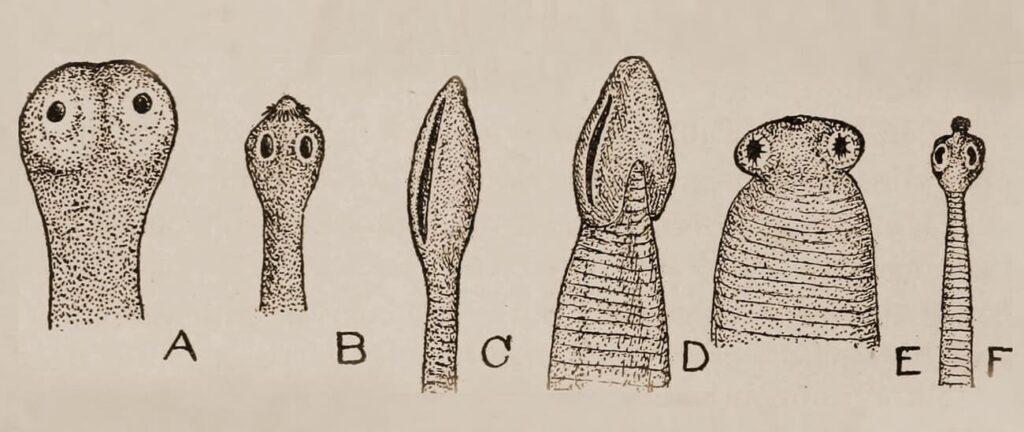
2. Cestodes (tapeworms): These are flat, ribbon-like worms with segments (proglottids). 

  • Taenia saginata, Taenia solium, and Diphyllobothrium latum are some commonly encountered species.

3. Trematodes (flukes): These are flat, leaf-like worms with a complex life cycle involving multiple hosts. 

  • Schistosoma species (blood flukes), Fasciola hepatica (liver fluke), and Clonorchis sinensis (Chinese liver fluke) are examples.


\"Lifecycles

Lifecycles of Helminthiasis

Helminthic infections occur when a host ingests or comes into contact with infectious stages of the parasite. The specific mode of transmission varies depending on the type of worm:

Transmission Routes & Lifecycle:

1. Fecal-Oral Route:

Nematodes like Ascaris lumbricoides, hookworms, and Trichuris trichiura: Human feces containing parasite eggs are released into the environment. These eggs mature and become infective. Humans become infected by ingesting contaminated soil, water, or food containing these eggs.

Lifecycle Example: Ascaris lumbricoides

  • Eggs: Ingested eggs hatch in the small intestine, releasing larvae.
  • Larvae: Larvae penetrate the intestinal wall, enter the bloodstream, and migrate to the lungs.
  • Adult Worms: Larvae mature in the lungs, migrate up the respiratory tract, are swallowed, and reach the small intestine where they mature into adults. Adult worms produce eggs that are passed in feces.

2. Skin Penetration:

Hookworms (Ancylostoma caninum and Necator americanus): Infective larvae present in contaminated soil penetrate the skin, usually through the feet.

Lifecycle Example: Hookworms

  • Larvae: Infective larvae in soil penetrate the skin.
  • Bloodstream Migration: Larvae travel through the bloodstream to the lungs, migrate up the respiratory tract, are swallowed, and reach the small intestine.
  • Adult Worms: Larvae mature into adults in the small intestine, where they attach to the intestinal wall and feed on blood. Eggs are produced and passed in feces.

3. Consumption of Undercooked Meat:

Cestodes like Taenia saginata and Taenia solium: Humans become infected by consuming undercooked meat containing the parasite\’s larval stage (cysticercus).

Lifecycle Example: Taenia saginata (beef tapeworm)

  • Ingestion of Cysticercus: Humans ingest undercooked beef containing cysticerci.
  • Adult Worm: Cysticerci mature into adult tapeworms in the small intestine.
  • Eggs: Eggs are released from the adult worm and passed in feces, contaminating the environment.

4. Consumption of Raw or Undercooked Fish:

Cestodes like Diphyllobothrium latum: Humans become infected by consuming raw or undercooked fish containing the parasite\’s larval stage (plerocercoid).

Lifecycle Example: Diphyllobothrium latum (broad fish tapeworm)

  • Ingestion of Plerocercoid: Humans ingest raw or undercooked fish containing plerocercoid larvae.
  • Adult Worm: Larvae mature into adult tapeworms in the small intestine.
  • Eggs: Eggs are released from the adult worm and passed in feces, contaminating the environment.


\"Clinical

Clinical Features:

The symptoms of helminthiasis vary depending on the type of worm and the intensity of infection. Common features include:

Gastrointestinal Symptoms:

  • Abdominal pain and cramping
  • Diarrhea or constipation
  • Nausea and vomiting
  • Anorexia (loss of appetite)
  • Weight loss

Other Symptoms:

  • Fatigue and weakness
  • Anemia (caused by blood loss due to hookworms)
  • Edema (swelling)
  • Coughing (associated with larval migration in the lungs)
  • Rectal prolapse (particularly in cases of heavy Trichuris trichiura infection)
  • Skin manifestations (rash, itching)
  • Neurologic symptoms (in cases of neurocysticercosis)

Diagnosis & Investigations:

  • History and Physical Examination: Detailed information regarding symptoms, travel history, and potential exposure to contaminated environments is crucial.
  • Stool Examination: This is the primary diagnostic tool for most intestinal helminth infections. Microscopic examination of stool samples can reveal parasite eggs or larvae.
  • Blood Tests: Blood tests can help detect the presence of antibodies against specific parasitic worms (e.g., schistosomiasis).
  • Imaging Studies: Imaging techniques like X-rays, ultrasound, and MRI can be used to detect larval cysts or adult worms in certain tissues (e.g., cysticercosis).

Prevention:

Sanitation and Hygiene:

  • Proper disposal of human feces through toilets or latrines.
  • Washing hands thoroughly with soap and water after using the toilet and before preparing food.
  • Wearing shoes when walking on contaminated soil.

Safe Food Practices:

  • Washing fruits and vegetables thoroughly before consumption.
  • Cooking meat thoroughly to kill any parasitic larvae.
  • Avoiding raw or undercooked fish.

Control of Human Waste:

  • Proper disposal of human waste, including sewage treatment.
  • Education and Awareness: Public education about the risks of helminthiasis, its transmission, and prevention measures is crucial.


Management:

Aims:

  • Elimination of Parasites: The primary aim is to eliminate the parasitic worms from the body.
  • Symptomatic Relief: Addressing the symptoms associated with the infection is vital for patient comfort.
  • Prevention of Complications: Measures are taken to prevent further complications related to the infection.

Management:

  • Supportive Care: Rest, hydration, and proper nutrition are important components of initial management.
  • Anti-Emetic Medications: These can be used to alleviate nausea and vomiting.
  • Anti-Diarrheal Medications: These may be necessary to control diarrhea.
  • Pain Relief: Pain medications can be prescribed for abdominal pain.
  • Iron Supplementation: In cases of anemia caused by hookworm infection, iron supplementation is needed.
  • Anti-Helminthic Medication: Anti-helminthic medications are used to kill or expel the parasitic worms. The specific medication depends on the type of worm causing the infection.
  • Repeat Dosing: Depending on the type of worm and the intensity of infection, repeat doses of anti-helminthic medications may be necessary.

Medical Management:

Drug Therapy: Anti-helminthic medications are the mainstay of treatment for helminthiasis.

Commonly used drugs:

  • Mebendazole: Effective against roundworms (Ascaris lumbricoides, hookworms, Trichuris trichiura) and some tapeworms.
  • Albendazole: Broad-spectrum anti-helminthic agent effective against a wide range of roundworms, tapeworms, and some flukes.
  • Praziquantel: Effective against tapeworms and flukes (e.g., schistosomiasis).
  • Ivermectin: Effective against roundworms (e.g., Onchocerca volvulus, Strongyloides stercoralis) and some other parasites.

Supportive Care:

  • Iron Supplementation: In cases of anemia caused by hookworm infection, iron supplementation is needed.
  • Nutritional Support: Patients with significant weight loss may require nutritional support.
  • Fluid Management: Maintaining adequate hydration is usefu, especially for patients with diarrhea.

Infestation Type

Drug

Dosage

Roundworm, Threadworm, Hookworm, Whipworm

Albendazole

400 mg single dose (200 mg for children under 2 years)

Mebendazole

500 mg single dose (250 mg for children under 2 years)

Ivermectin

150 micrograms/kg single dose

Prevention

  • Practice proper faecal disposal.
  • Maintain personal and food hygiene.
  • Regular deworming for children every 3-6 months.
  • Avoid walking barefoot to prevent skin penetration by larvae.

Complications:

  • Intestinal Obstruction: Large numbers of adult worms (especially Ascaris lumbricoides) can obstruct the intestines, leading to severe abdominal pain, vomiting, and difficulty passing stool.
  • Malnutrition: Chronic helminthic infections can contribute to malnutrition by interfering with nutrient absorption and causing blood loss (e.g., hookworms).
  • Anemia: Hookworms can cause anemia by feeding on blood in the intestines.
  • Rectal Prolapse: Heavy infestations with Trichuris trichiura can lead to rectal prolapse.
  • Cysticercosis: Ingestion of Taenia solium eggs can lead to cysticercosis, where larval cysts develop in various tissues, including the brain.
  • Neurocysticercosis: Cysticercosis in the brain can cause seizures, headaches, and other neurological problems.
  • Schistosomiasis-related Complications: Schistosoma infection can cause liver damage, urinary tract problems, and other complications.
  • Filariasis: Filariasis, caused by parasitic worms that reside in the lymphatic system, can lead to lymphedema, elephantiasis, and other problems.

Helminthic diseases (Intestinal worms) Read More »

Trypanosomiasis (sleeping sickness)

Trypanosomiasis (sleeping sickness)

African Trypanosomiasis (Sleeping Sickness)

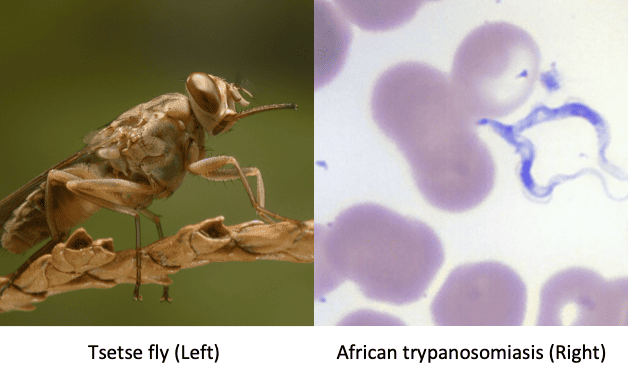
Trypanosomiasis, commonly known as African trypanosomiasis or sleeping sickness, is a parasitic disease caused by protozoa of the genus Trypanosoma.

These parasites are transmitted by the tsetse fly and affect both humans and animals. The disease is endemic to sub-Saharan Africa and can be fatal if left untreated.

Aetiology:

Trypanosomiasis is caused by two main species of Trypanosoma:

  • Trypanosoma brucei rhodesiense (TBr): This species causes the acute form of the disease and is predominantly found in East and Southern Africa.
  • Trypanosoma brucei gambiense (TBg): This species causes the chronic form of the disease and is prevalent in West and Central Africa.

Life Cycle:

Vector (Tsetse Fly):

  1. Infective stage: The tsetse fly ingests trypanosomes in the metacyclic trypomastigote stage from an infected host.
  2. Multiplication: Within the fly\’s gut, trypanosomes transform into procyclic trypomastigotes and multiply.
  3. Migration: The trypanosomes migrate to the salivary glands of the fly and differentiate into metacyclic trypomastigotes, the infective stage for humans and animals.

\"African

Human:

  1. Infection: Metacyclic trypomastigotes are injected into the bloodstream during a fly bite.
  2. Multiplication: The trypanosomes multiply in the bloodstream as bloodstream trypomastigotes.
  3. Spread: They can cross the blood-brain barrier, reaching the CNS and transforming into meningoencephalitic trypomastigotes.

Forms of Transmission:

  • Tsetse fly: This is the primary mode of transmission. The fly acquires trypanosomes by feeding on an infected animal or human. During its subsequent feedings, it injects the parasites into the bloodstream of its new host.
  • Blood transfusion: While rare, the disease can be transmitted through contaminated blood transfusions.
  • Mother to child: Transmission from mother to child can occur during pregnancy or childbirth.

Hosts:

  • TBg: Pigs, dogs, antelopes, cows, sheep, goats, humans.
  • TBr: Antelopes, pigs, and humans (humans are the most common source of infection).

Vectors:

  • Glossina palpalis (Riverine type): Breeds along rivers and lakes and transmits mainly T. b. gambiense.
  • Glossina morsitans (Wounded type): Stays in open, lightly wooded, packed land away from water and transmits T. b. rhodesiense.

Pathogenesis:

Trypanosomiasis arises when humans or animals are infected with trypanosomes through the bite of an infected tsetse fly. The parasite enters the bloodstream and multiplies, eventually reaching the central nervous system (CNS) in the later stages of the disease.

  • Toxins: Trypanosomes produce toxins that damage tissues, causing inflammatory changes at the primary chancre, skeletal and heart muscles.
  • CNS damage: Toxins may destroy ependymal cells lining the brain ventricles, interfering with serotonin release and causing sleep disturbances.
  • Hypersensitivity reactions: The presence of trypanosomes may cause itching (pruritis) and hives (urticaria).


\"\"

Clinical Presentation:

Onset: Both TBg and TBr follow a similar course, but TBr is often acute and virulent, leading to death within 2-3 years if untreated.

Stage 1: Primary/ Chancre Stage

  • History of bite
  • Local swelling/ nodule at the bite site, possibly hardened and reddened.
  • The chancre may resemble a large boil, but with less pain.
  • This stage can last 1-2 weeks and may resolve.

Stage 2: Blood Stage/ Systemic Stage/Haematolymphatic stage.

  • Fever: Intermittent fever
  • Lymphadenopathy: Swollen spleen and cervical lymph nodes (due to lymphatic spread).
  • Physical weakness: Loss of strength accompanied by fever.
  • Itchy rashes: Skin patches (15-30 cm in diameter) on the chest and back due to hypersensitivity to trypanosomes.
  • Dyspnoea: Shortness of breath due to pericardial effusion and congestive heart failure in chronic cases (TBr).
  • Hepatomegaly: Enlarged liver due to liver damage in chronic cases, with potential jaundice.
  • Pitting oedema: Swelling on the face, lower limbs, eyelids, and abdomen due to cardiac failure or kidney damage.
  • Neurological pains: Muscle cramps are common.
  • Reduced appetite and weight loss: Due to constant sleeping and difficulty eating.
  • Menstrual irregularities: Amenorrhoea in women.
  • Anaemia: Due to the destruction of red blood cells by the trypanosomes.

Stage 3: CNS Stage/ Meningoencephalitis

This stage develops after several months or years of infection, but can occur more rapidly in the acute form (TBr). It\’s characterized by involvement of the central nervous system.

Sleep disturbances:

  • Daytime sleepiness, lethargy, and coma.
  • Nighttime insomnia, restlessness, and nightmares.

Behavioral changes:

  • Confusion, apathy, and disorientation.
  • Personality changes, including aggression and irritability.
  • Hallucinations and delusions.

Neurological signs:

  • Motor incoordination: Tremors, jerky movements, paralysis (facial palsy, limb weakness, difficulty swallowing), ataxia (unsteady gait).
  • Sensory disturbances: Numbness and tingling sensations.
  • Headache: Often severe and persistent.

Meningitis:

  • Stiff neck (meningismus)
  • Photophobia (sensitivity to light)
  • Fever
  • Nausea and vomiting

Other Symptoms:

  • Swelling: The face and limbs may become swollen, especially in the late stages.
  • Cardiac complications: Irregular heartbeat, heart failure, and pericarditis can occur.
  • Renal complications: Kidney failure can occur in later stages.


\"\"

Diagnosis:

Clinical examination: Evaluating the patient\’s history, symptoms, and neurological signs.

Laboratory investigations:

Microscopy:

  • Wet blood smear: Examination of a fresh blood sample under a microscope for the presence of trypanosomes.
  • Thick blood smear: A higher concentration of blood is used to improve detection of trypanosomes.
  • Staining: Using Giemsa or Wright\’s stain to visualize the trypanosomes.

Serology: Blood tests to detect antibodies against trypanosomes.

Lumbar puncture (LP): A spinal tap to collect cerebrospinal fluid (CSF) for examination.

  • Microscopy: Examining the CSF for trypanosomes, especially in the meningoencephalitic stage.
  • Biochemical analysis: Measuring protein levels and cell counts in the CSF.

Molecular methods: PCR testing can be used to detect trypanosome DNA, especially in the early stages of infection.

Differential Diagnosis:

  • Malaria: Can present with fever, chills, sweating, and headaches.
  • Tuberculosis (TB): Can cause fever, weight loss, and night sweats.
  • Meningitis: Can cause headache, fever, stiff neck, and altered mental status.
  • HIV/AIDS: Can cause fever, weight loss, and neurological symptoms.
  • Other infections: Meningococcal meningitis, encephalitis, and viral infections.

Management:

Early Stages:

  • Suramin: Given intravenously (IV) every 3-5 days for 6-7 doses. Effective against bloodstream trypanosomes, but not CNS involvement.
  • Pentamidine: Given intramuscularly (IM) daily for 7-10 days. Effective against bloodstream trypanosomes.

Late Stages (CNS Involvement):

  • Melarsoprol (MEL.B): The only drug effective against trypanosomes in the CNS. Given intravenously and requires careful monitoring due to potential side effects.
  • Eflornithine: Alternative treatment for late-stage disease, especially in pregnant women.

Supportive Care:

  • Bed rest: To reduce the risk of complications and improve recovery.
  • Hydration: To prevent dehydration.
  • Nutrition: Adequate nutrition is essential to support the body\’s fight against infection.
  • Symptom management: Medication for fever, headache, and other symptoms.

Prevention and Control:

  • Vector control: Reducing the tsetse fly population through insecticides, traps, and clearing of vegetation in endemic areas.
  • Early diagnosis and treatment: Active screening and case finding programs are crucial for timely treatment and preventing the spread of the disease.
  • Sleeping sickness awareness: Public health education about the disease, its transmission, and prevention measures.

Prognosis:

  • Untreated: The disease is almost always fatal.
  • Treated: Early treatment is important for a positive prognosis. Late-stage treatment is more challenging and has a higher risk of complications.

Nursing Management:

  • Assessment: Monitor vital signs, neurological status, and symptoms.
  • Medications: Administer medications according to the doctor\’s orders and monitor for side effects.
  • Hydration: Ensure adequate fluid intake to prevent dehydration.
  • Nutrition: Provide a balanced diet to support the body\’s recovery.
  • Comfort: Provide comfort measures for symptoms like fever, headache, and pain.
  • Patient education: Educate the patient and their family about the disease, its management, and preventive measures.


Early Stage Treatment:

Trypanosoma rhodesiense sleeping sickness:

For both children and adults: Suramin is the drug of choice for early-stage T. rhodesiense infection.

Dosage:

  • A test dose of 5 mg/kg body weight should first be administered intravenously (IV) to check for anaphylactic reactions.
  • If no reaction occurs, five injections of 20 mg/kg body weight are given every 5 days, totaling 100 mg/kg over a 23-day period.
  • The schedule is as follows:
  1. Day 0: 5 mg/kg body weight
  2. Day 3: 20 mg/kg body weight
  3. Day 8: 20 mg/kg body weight
  4. Day 13: 20 mg/kg body weight
  5. Day 18: 20 mg/kg body weight
  6. Day 23: 20 mg/kg body weight
  • Important Note: If anaphylaxis occurs after the test dose, suramin should not be administered.

Trypanosoma gambiense sleeping sickness:

  • For both children and adults: Pentamidine is the preferred treatment for early-stage T. gambiense infection.
  • Dosage: 4 mg/kg body weight daily for 7 days, administered intramuscularly (IM).
  • Important Considerations:
  • Food should be given 1 hour before pentamidine administration to prevent hypoglycemia.
  1. The patient should lie flat (supine position) during administration and for 1 hour afterward to prevent hypotension.

Late Stage Treatment:

Trypanosoma rhodesiense sleeping sickness:

  • For both children and adults: Melarsoprol is the primary treatment for late-stage T. rhodesiense infection.
  • Dosage: 2.2 mg/kg body weight daily for 10 days administered intravenously (IV).

Trypanosoma gambiense sleeping sickness:

Children ≤ 12 years and <35 kg: Eflornithine is the preferred treatment.

  • Dosage: 150 mg/kg body weight every 6 hours for 14 days (total daily dose of 600 mg/kg).
  • Administration: Dilute the 150 mg/kg dose of eflornithine in 100 ml of distilled water and administer the infusion over at least 2 hours.

Children >12 years up to 15 years: Eflornithine is the preferred treatment.

  • Dosage: 100 mg/kg body weight every 6 hours for 14 days (total daily dose of 400 mg/kg).
  • Administration: Dilute the 100 mg/kg dose of eflornithine in 100 ml of distilled water and administer the infusion over at least 2 hours (rate of 20 drops/minute).

Adults >15 years:

  • NECT (Nifurtimox/Eflornithine Combination Therapy): This is the preferred treatment for late-stage T. gambiense infection in adults.
  1. Nifurtimox dosage: 5 mg/kg body weight every 8 hours orally for 10 days (total daily dose of 15 mg/kg).
  2. Eflornithine dosage: 200 mg/kg body weight every 12 hours for 7 days (total daily dose of 400 mg/kg).
  3. Administration: Dilute the 200 mg/kg dose of eflornithine in 250 ml of distilled water and administer the infusion over at least 2 hours (rate of 50 drops/minute).

Relapses: If a relapse occurs, IV melarsoprol at 2.2 mg/kg once daily for 10 days is used.

Important Notes:

Corticosteroids:

  • Corticosteroids should be given to patients with late-stage trypanosomiasis who are receiving melarsoprol, as they may have hypoadrenalism.
  • Corticosteroids can also reduce drug reactions.
  • Hydrocortisone should not be given after day 24, even if the melarsoprol treatment is not yet complete.
  • If prednisolone is used instead of hydrocortisone, the anti-inflammatory action is similar, but the correction of hypoadrenalism will be much less effective.

Suramin:

  • Suramin should not be used for early or late-stage T. gambiense treatment in areas where onchocerciasis (river blindness) is endemic, as it can cause blindness in individuals infected with onchocerciasis by killing the filariae in the eye.

Trypanosomiasis (sleeping sickness) Read More »

Severe Acute Respiratory Syndrome (SARS)

Severe Acute Respiratory Syndrome (SARS)

Severe Acute Respiratory Syndrome (SARS)

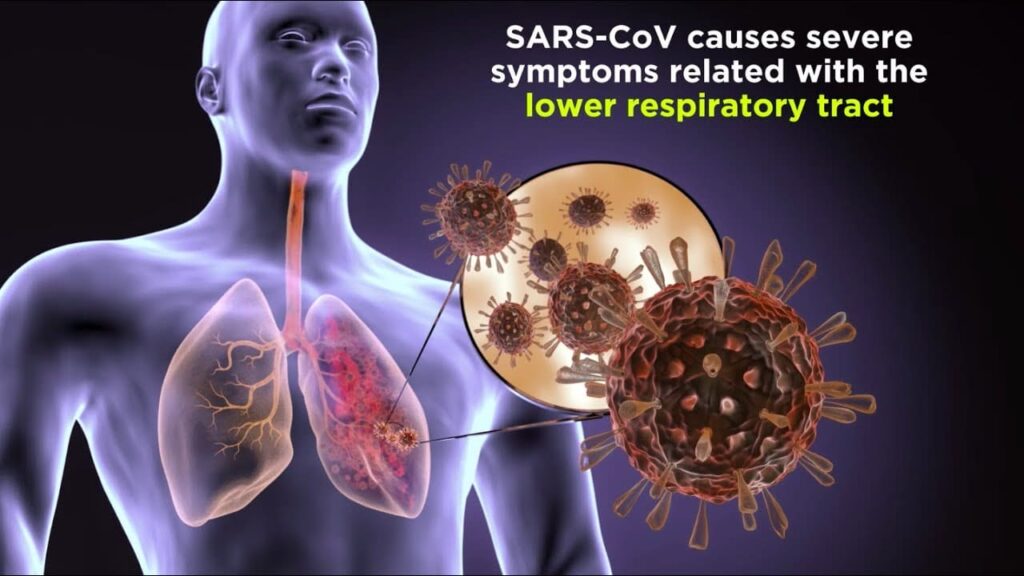
Severe Acute Respiratory Syndrome (SARS) is a viral respiratory illness caused by the SARS coronavirus (SARS-CoV), first identified in 2002. 

It\’s characterized by a rapid onset of fever, cough, and shortness of breath, often progressing to pneumonia and acute respiratory distress syndrome (ARDS). 

While the 2003 outbreak was effectively contained, the emergence of SARS-CoV-2 (the virus causing COVID-19) highlights the ongoing threat of novel coronaviruses. 

SARS is considered a zoonotic disease, meaning it originated in animals and then spread to humans. 


The exact animal origin remains uncertain, but evidence suggests it may have originated in bats, possibly with an intermediate animal host facilitating transmission to humans.


\"Forms

Forms and Routes of Transmission:

SARS primarily transmits through close contact with an infected individual. There are no known distinct \”forms\” of SARS like there are for anthrax (cutaneous, inhalation, etc.). The routes of transmission include:

  • Droplet Transmission: The primary route. Large respiratory droplets expelled during coughing, sneezing, or talking can infect individuals within close proximity (generally within 6 feet).

  • Contact Transmission: Touching contaminated surfaces (e.g., doorknobs, handrails) and then touching one\’s face (eyes, nose, mouth) can lead to infection.

  • Fecal-Oral Transmission: Although less common, SARS-CoV RNA has been detected in stool samples, suggesting potential fecal-oral transmission, especially in healthcare settings.

Incubation Period:

The incubation period for SARS is usually 2-10 days, with a median of about 5 days. This means that symptoms may not appear until several days after exposure.

Causes/Etiology:

The causative agent is the SARS coronavirus (SARS-CoV), a positive-sense single-stranded RNA virus belonging to the Coronaviridae family.


\"\"

Clinical Features

SARS presents with a range of symptoms, often starting with a relatively mild prodrome:

  1. High Fever: Typically above 38°C (100.4°F).
  2. Dry Cough: Often a prominent symptom.
  3. Shortness of Breath: Progressing to dyspnea (difficulty breathing).
  4. Myalgia (Muscle Aches): Widespread muscle pain.
  5. Headache: Often reported.
  6. Chills: Feeling cold and shivering.
  7. Fatigue: Significant exhaustion and weakness.
  8. Malaise: A general feeling of illness and discomfort.
  9. Diarrhea: Can occur in some patients.
  10. Sore Throat: May be present.
  11. Pneumonia: Often develops, leading to respiratory distress.
  12. Acute Respiratory Distress Syndrome (ARDS): A life-threatening complication involving severe lung inflammation.

Definitive Diagnosis and Investigations:

Diagnosis is confirmed through laboratory testing:

  • Reverse Transcription-Polymerase Chain Reaction (RT-PCR): Detects the SARS-CoV RNA in respiratory samples (e.g., nasal swabs, sputum). This is the gold standard for diagnosis.
  • Serological Tests: Detect antibodies against SARS-CoV in blood samples. These tests are helpful for retrospective diagnosis but may not be positive early in the course of infection.
  • Chest X-ray or CT Scan: May show characteristic findings of pneumonia. These imaging techniques help assess lung involvement but are not specific for SARS.

Management:

Aims of Management:

  • Supportive care to manage symptoms and complications.
  • Prevention of secondary infections.
  • Prevention of the spread of the virus.

Emergency Management:

Patients with severe respiratory distress (e.g., hypoxia, ARDS) require immediate emergency care including oxygen therapy, mechanical ventilation, and intensive care unit (ICU) admission.

First Aid/Initial Management:

  • Isolate the suspected patient to prevent further spread.
  • Provide supportive care: fluids, rest, fever control (acetaminophen).
  • Seek immediate medical attention.

Medical Management:

  • Antiviral Medications: No specific antiviral treatment proved definitively effective against SARS-CoV during the 2003 outbreak. Research is ongoing. However, supportive care is paramount.
  • Oxygen Therapy: For patients with hypoxia.
  • Mechanical Ventilation: For patients with severe respiratory failure and ARDS.
  • Corticosteroids: May be used in some cases to reduce inflammation, but their benefit is still debated.

Nursing Care:

  • Strict Infection Control: Use appropriate personal protective equipment (PPE) – gowns, gloves, masks, eye protection – to prevent transmission.
  • Respiratory Support: Monitor oxygen saturation, provide oxygen therapy, and assist with mechanical ventilation.
  • Fluid Balance: Monitor fluid intake and output, and administer intravenous fluids as needed.
  • Monitoring Vital Signs: Closely monitor temperature, heart rate, blood pressure, respiratory rate, and oxygen saturation.
  • Psychological Support: Provide emotional support to the patient and their family.
  • Isolation and Ventilation: Admit patients to a well-isolated and ventilated area to prevent further spread.
  • Protective Gear: Wear appropriate personal protective equipment (PPE) like gowns, gloves, masks, and eye protection when caring for SARS patients.
  • History and Physical Examination: Take a thorough history and perform a general physical examination.
  • Vital Signs: Monitor temperature, pulse, respiration, and blood pressure regularly and record the findings.
  • Temperature Management: For high fever, tepid sponging may be used to reduce body temperature.
  • Oxygen Therapy: Provide supplemental oxygen for patients with hypoxemia (low oxygen levels in the blood).
  • Medication Administration: Administer prescribed medications following proper protocols.
  • Hygiene: Practice strict hand hygiene – washing hands before and after caring for the patient.
  • Limit Staff Exposure: Minimize the number of healthcare workers caring for the patient to reduce transmission risk.
  • Reporting: Report suspected cases to the appropriate authorities for effective case management.

Management Up to Discharge:

Patients must meet specific criteria for discharge, including resolution of fever, improvement in respiratory symptoms, and two negative RT-PCR tests.

Advice on Discharge:

  • Continue to monitor for any recurrence of symptoms.
  • Contact a healthcare provider immediately if symptoms worsen.
  • Follow up appointments as scheduled.

Prevention:

  • Infection Control: Strict adherence to infection control measures in healthcare settings and other high-risk environments.

  • Hygiene: Frequent handwashing with soap and water or alcohol-based hand sanitizer.

  • Respiratory Hygiene: Covering coughs and sneezes with a tissue or elbow.

  • Quarantine: Isolation of infected individuals to prevent transmission.

  • Contact Tracing: Identifying and monitoring individuals who have been in contact with infected persons.

  • Early Detection and Case Management: Prompt identification and treatment of infected individuals.

Complications:

  • Pneumonia: A common complication that can be life-threatening.

  • Acute Respiratory Distress Syndrome (ARDS): A severe lung condition leading to respiratory failure.

  • Sepsis: A systemic inflammatory response to infection.

  • Multiple Organ Failure: Can occur in severe cases.

Severe Acute Respiratory Syndrome (SARS) Read More »

Hepatitis B:

Hepatitis B

Nursing Notes - Biliary System and Liver

HEPATITIS

Hepatitis is an inflammation of the liver. While it can be caused by exposure to certain chemicals, drugs, or autoimmune processes, it is most commonly caused by a viral infection.

Types of Hepatitis

  • Viral Hepatitis: Caused by a group of specific viruses (Hepatitis A, B, C, D, E, G). This is the most common form.
  • Non-viral Hepatitis: Inflammation resulting from exposure to toxins (e.g., alcohol, industrial chemicals) or as a side effect of certain drugs (drug-induced hepatitis).

Viral Hepatitis

Viral hepatitis is a systemic viral infection in which necrosis and inflammation of liver cells produce a characteristic cluster of clinical, biochemical, and cellular changes. It is marked by liver-cell destruction, necrosis, and autolysis.

  • Course: Viral hepatitis can be acute (short-term) or chronic (long-term, lasting more than 6 months). Hepatitis B, C, and D viruses can cause chronic hepatitis.
  • Prognosis: The prognosis is generally good for acute hepatitis, but it becomes poor if complications like hepatic encephalopathy develop.
  • Types: The main types are caused by viruses A, B, C, D, and E. Hepatitis F and G are rare.

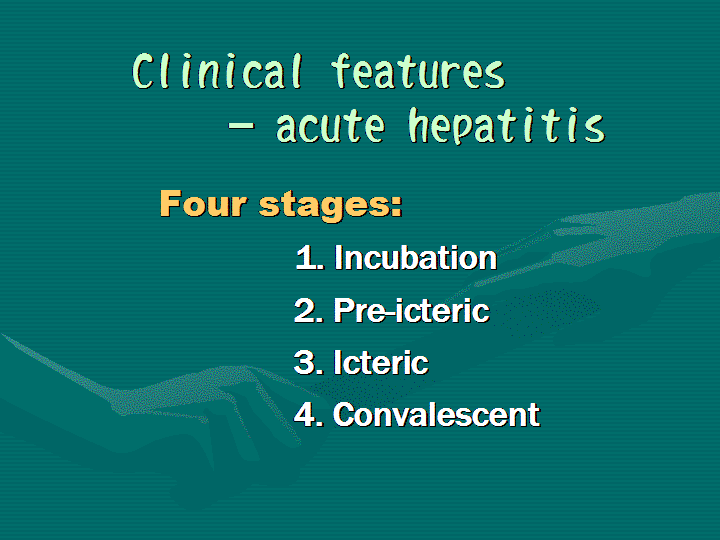
Clinical Features of Viral Hepatitis (Phases)

The clinical manifestations of viral hepatitis can be classified into three phases.

1. Pre-icteric or Prodromal Phase

This is the initial phase before the onset of jaundice. Symptoms are often non-specific and flu-like.

  • Anorexia (loss of appetite): Often the first and most significant symptom.
  • Nausea and vomiting.
  • Malaise, fatigue, and weakness.
  • Headache and low-grade fever.
  • Right upper quadrant discomfort or pain.
  • Constipation or diarrhea.
  • Decreased sense of taste and smell.
  • Urticaria (hives).
  • Hepatomegaly (enlarged liver) and splenomegaly (enlarged spleen) may be present.
2. Icteric Phase

This phase is characterized by the appearance of jaundice, although not all patients with hepatitis become jaundiced.

  • Jaundice: Yellowing of the skin and sclera.
  • Pruritus (itching): Due to bile salt deposition.
  • Dark Urine (Bilirubinuria): Urine may appear deep orange or brown.
  • Pale or White Stool (Acholic stool): Due to lack of bilirubin in the stool.
  • Continued fatigue.
  • Persistent hepatomegaly, often with tenderness.
  • Weight loss.
3. Post-icteric or Convalescent Phase

This is the recovery phase, which begins as jaundice fades and can last for several weeks or months.

  • Malaise and easy fatigability tend to persist.
  • Hepatomegaly may continue but usually subsides.
  • Appetite returns, and symptoms gradually improve.

Investigations for Viral Hepatitis

  • Liver Function Tests (LFTs): To detect liver abnormalities. Typically shows markedly elevated levels of Alanine Aminotransferase (ALT) and Aspartate Aminotransferase (AST).
  • Viral Antigen and Antibody Tests (Serology): Blood tests are crucial to identify the specific type of hepatitis virus (e.g., Anti-HAV for Hepatitis A, HBsAg for Hepatitis B, Anti-HCV for Hepatitis C). Stool analysis can be done for Hepatitis A antigens.
  • Abdominal Ultrasound Scan: To assess the size and texture of the liver and spleen and to rule out other causes of liver disease or obstruction.
  • Blood for HIV Serology: To rule out co-infection, as HIV shares transmission routes with Hepatitis B and C.

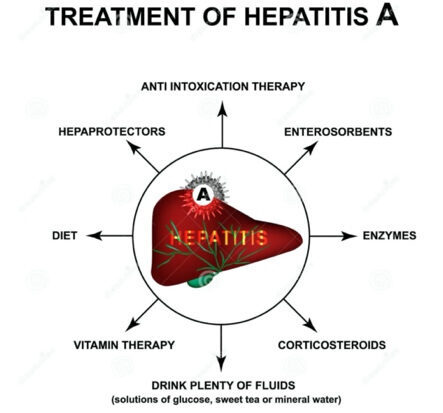
Hepatitis A (HAV)

Hepatitis A, formerly known as infectious hepatitis, is caused by an RNA virus of the genus Enterovirus. It typically causes an acute, self-limiting illness and does not lead to chronic infection.

Transmission and Incubation
  • Mode of Transmission: Primarily the fecal-oral route. This occurs through ingestion of food or liquids contaminated with the virus, poor sanitation, and close person-to-person contact.
  • High-Risk Settings: Outbreaks are common in areas of overcrowding, poor sanitation, day-care centers, and other institutional settings.
  • Infectious Period: The virus is found in the stool of infected patients before symptoms begin and during the first few days of illness.
  • Incubation Period: Ranges from 2 to 6 weeks (15-50 days), with an average of about 4 weeks (30 days). The illness typically lasts for 4 to 8 weeks.
Prevention
  • Hygiene: Regular and proper hand washing with clean water and soap is the single most effective preventive measure.
  • Sanitation: Ensuring a safe water supply (boiling drinking water) and proper sewage disposal.
  • Immunization (Pre-exposure Prophylaxis): Vaccination with the hepatitis A vaccine provides long-term protection. It is recommended for travelers to endemic areas.
  • Post-exposure Prophylaxis: Administration of immune globulin (if not previously vaccinated) can prevent infection if given within 2 weeks of exposure to household members or sexual contacts.
  • Health Education: Educating the public about safe food handling, personal hygiene, and transmission routes.
Management of HAV

Management is primarily supportive, as the infection is usually self-limiting.

  • Encourage bed rest during the acute stage to reduce metabolic demands on the liver.
  • Promote a nutritious, well-balanced diet. Small, frequent feedings may be better tolerated, supplemented by IV glucose if anorexia is severe.
  • Promote gradual but progressive ambulation to hasten recovery. Patients are usually managed at home unless symptoms are severe.
  • Instruct the patient and family on diet, rest, hygiene measures (especially hand washing) to prevent spread, and avoidance of alcohol, which is hepatotoxic.

Hepatitis B (HBV)

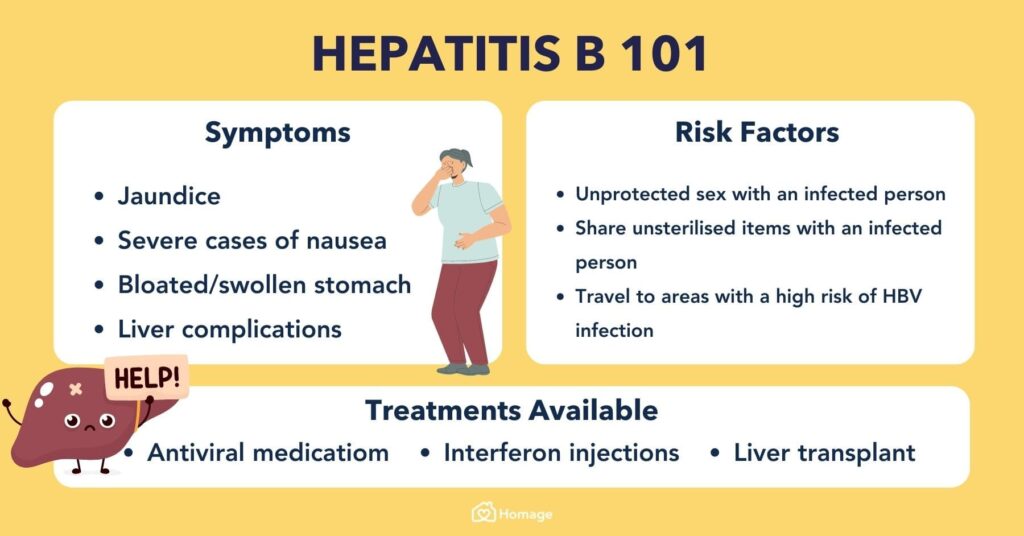
Hepatitis B is caused by a DNA virus (HBV). It can cause both acute and chronic liver disease. About 10% of infected adults progress to a chronic carrier state, which poses a major worldwide risk for developing cirrhosis and hepatocellular carcinoma.

Transmission and Incubation
  • Mode of Transmission: Transmitted primarily through blood and body fluids. The virus is found in blood, saliva, semen, and vaginal secretions and can be transmitted through breaks in the skin or mucous membranes.
  • Incubation Period: HBV has a long incubation period, ranging from 1 to 6 months.
  • Pathophysiology: The virus replicates in the liver and can remain in the serum for long periods, allowing for transmission.
Risk Factors for Hepatitis B
  • Frequent exposure to blood, blood products, or other body fluids.
  • Health care workers: Especially those in hemodialysis, oncology, and surgery, or those at risk for needlestick injuries.
  • Patients undergoing hemodialysis.
  • IV drug users (sharing needles).
  • Individuals with multiple sexual partners or engaging in unprotected sex.
  • Close contact with a person who is a chronic carrier of HBV.
  • Receipt of blood products or organ transplants before routine screening was implemented.
Clinical Manifestations

Symptoms are often insidious and variable. In addition to the general features of hepatitis, some patients may have arthralgias (joint pain) and rashes.

Prevention
  • Immunization: The hepatitis B vaccine is the mainstay of prevention. It is recommended for all children, health workers, and other high-risk populations.
  • Screening: Continued screening of blood donors for hepatitis B surface antigen (HBsAg) to reduce transmission risk.
  • Infection Control:
    • Use of disposable syringes, needles, and lancets.
    • Good personal hygiene and daily disinfection of work areas.
    • Use of gloves (Standard Precautions) when handling any blood or body fluids.
  • Safe Practices: Safe sexual practices (e.g., condom use) and safe transfusion practices.
Medical Management
  • Antiviral Therapy: For chronic HBV, medications like Alpha-interferon, Lamivudine, or Adefovir may be prescribed to suppress viral replication.
  • Supportive Care:
    • Bed rest and restriction of activities until liver enlargement and LFTs begin to resolve.
    • Maintain adequate nutrition. A diet low in protein may be necessary if the liver's ability to metabolize protein byproducts is impaired.
    • Administer antiemetics for nausea and vomiting.
    • Hospitalization and IV fluid therapy may be required for persistent vomiting and dehydration.

Hepatitis C (HCV)

Hepatitis C is caused by the hepatitis C virus. A significant portion of cases become chronic, making HCV a leading cause of cirrhosis, liver cancer, and liver transplantation.

  • Transmission: Primarily transmitted by parenteral (blood-borne) means. This includes sharing contaminated needles (IV drug use), needlestick injuries in healthcare workers, and receipt of infected blood transfusions or organ transplants (though this is rare now due to screening). Sexual transmission is less common but possible.
  • Incubation Period: Ranges from 15 to 160 days, with an average of 50 days.
  • Clinical Course: The course is similar to hepatitis B, but symptoms are often milder or asymptomatic. However, a chronic carrier state occurs frequently, which significantly increases the risk for cirrhosis and liver cancer.
  • Medical Management: Combination therapy with antiviral drugs like ribavirin and interferon has been used. Newer direct-acting antiviral (DAA) agents are now the standard of care, offering very high cure rates.
Risk Factors for Hepatitis C
  • Recipient of blood products or organ transplants before 1992.
  • Health care and public safety workers after needlestick injuries or mucosal exposure to blood.
  • Children born to women infected with HCV.
  • Past or current illicit IV or injection drug use.
  • Past treatment with chronic hemodialysis.
  • Having unprotected sex with an infected partner or multiple partners.

Hepatitis D (HDV - Delta Agent)

Hepatitis D is a unique virus that requires the hepatitis B surface antigen (HBsAg) for its replication. Therefore, HDV infection can only occur in patients who are also infected with hepatitis B.

  • Risk: Only patients with hepatitis B are at risk for hepatitis D. It can occur as a co-infection (infected with HBV and HDV at the same time) or a superinfection (a chronic HBV carrier later gets infected with HDV).
  • Transmission: Primarily through blood and sexual contact, similar to HBV. It is common in IV drug users and hemodialysis patients.
  • Incubation Period: Varies from 21 to 140 days, with an average of 35 days.
  • Clinical Course: Symptoms are similar to hepatitis B, but patients with HDV superinfection are more likely to have a severe, fulminant hepatitis and progress to chronic active hepatitis and cirrhosis.
  • Treatment: Treatment is similar to other forms of hepatitis; there is no specific therapy for HDV. Prevention of HBV with vaccination also prevents HDV infection.

Hepatitis E (HEV)

Hepatitis E is caused by the hepatitis E virus and is clinically similar to hepatitis A.

  • Transmission: Transmitted by the fecal-oral route, principally through contaminated water and poor sanitation.
  • Incubation Period: Estimated to range from 15 to 65 days, with an average of 42 days.
  • Clinical Course: Generally resembles hepatitis A, with a self-limited course and an abrupt onset. Jaundice is almost always present. HEV does not develop into a chronic form. However, it can be particularly severe in pregnant women, with a high mortality rate.
  • Prevention: The major method of prevention is avoiding exposure through good hand hygiene and ensuring safe drinking water. The effectiveness of immune globulin is uncertain.

Hepatitis G (HGV)

Hepatitis G is a less common and less understood form of hepatitis.

  • Transmission: It is primarily a post-transfusion hepatitis, transmitted through contaminated blood.
  • Incubation Period: 14 to 145 days.
  • Clinical Significance: Its role in causing significant liver disease is still being debated. The risk factors for infection are similar to those for hepatitis C.

NON-VIRAL HEPATITIS

Non-viral hepatitis is an inflammation of the liver that results from exposure to certain chemicals or drugs, rather than a viral infection. These substances can have toxic effects on the liver, leading to acute liver cell necrosis (toxic hepatitis).

Types of Non-Viral Hepatitis
  • Toxic Hepatitis: Caused by exposure to hepatotoxic chemicals.
  • Drug-Induced Hepatitis: Caused by a reaction to certain medications.
Causes
  • Hepatotoxic Chemicals: Exposure can be through ingestion, inhalation, or injection. Examples include carbon tetrachloride, trichloroethylene, phosphorus, chloroform, and gold compounds.
  • Drugs: Many drugs can be hepatotoxic, especially with overdose or in susceptible individuals. Common examples include acetaminophen (paracetamol), isoniazid, halothane, certain antibiotics, and anesthetic agents.
Clinical Features

The clinical presentation is similar to acute viral hepatitis.

  • Anorexia, nausea, and vomiting.
  • Jaundice with dark urine and clay-colored stools.
  • Hepatomegaly and abdominal pain.
  • Pruritus (itching) may be present in cholestatic forms.

Most patients recover fully from non-viral hepatitis once the offending agent is removed, although some may develop fulminant hepatitis or progress to cirrhosis.

Prevention
  • Strict avoidance of alcohol during the acute illness and for at least 6 months after recovery.
  • Avoidance of other potentially hepatotoxic substances, including certain medications, herbal remedies, illicit drugs, and toxins.
  • Early detection and treatment of the acute illness.

Complications of Hepatitis

While many cases of acute viral hepatitis resolve without issue, serious and life-threatening complications can occur, particularly with chronic infections (HBV, HCV).

  • Chronic Hepatitis: Persistent liver inflammation lasting more than 6 months, which can lead to more severe complications.
  • Fulminant Hepatic Failure: A rare but severe complication of acute hepatitis, characterized by the sudden and massive destruction of liver cells, leading to liver failure.
  • Liver Cirrhosis: Irreversible scarring of the liver tissue, which disrupts liver structure and function. This is a major long-term complication of chronic hepatitis B and C.
  • Hepatocellular Carcinoma (Hepatic Cancer): Chronic HBV and HCV infections are primary risk factors for the development of liver cancer.
  • Aplastic Anemia: A rare complication where the bone marrow fails to produce enough blood cells.
  • Renal Failure: Can occur as part of a systemic response to severe liver disease (hepatorenal syndrome).

Management of a Patient with Hepatitis

Aims of Management

  • To relieve signs and symptoms.
  • To minimize liver inflammation and prevent further liver damage.
  • To prevent complications.
  • To prevent transmission to others.

Nursing Care Plan

Admission

The patient is admitted to a medical ward, ideally in an isolated or well-ventilated room if the type of hepatitis requires it (e.g., contact precautions for HAV). Place the patient on complete bed rest initially to decrease the metabolic demands on the liver. Record all patient particulars in the admission book.

Psychological Care

Establish a therapeutic rapport with the patient and their relatives. Provide counseling and clear information about the condition, its transmission, and the treatment plan to allay anxiety and promote cooperation.

Position

Nurse the patient in a position of comfort that ensures a patent airway and promotes easy breathing and circulation, such as semi-Fowler's position.

Observations
  • Vital Observations: Monitor temperature, pulse, respiration, blood pressure, and oxygen saturation regularly (e.g., every 2-4 hours or as ordered). Maintain an observation chart and report any abnormalities promptly.
  • Specific/Physical Observations: Closely observe and monitor for:
    • Fever, jaundice, general aching, anorexia.
    • Changes in urine (dark) and stool (pale).
    • Dyspepsia, hepatomegaly, headache, pruritus.
    • Nausea and vomiting.
    • Signs of complications like changes in mental status (hepatic encephalopathy).
    • Note the intensity and severity of all symptoms and report to the doctor.
Investigations

Prepare the patient for and assist with investigations as ordered:

  • CBC: To rule out secondary bacterial infection and assess hemoglobin levels.
  • Blood Smear for Malaria Parasites (MPs): To rule out malaria, a common cause of fever and jaundice.
  • HIV Serology: To check for co-infection.
  • Abdominal Ultrasound: To assess the size of the liver and spleen and rule out intra-abdominal complications.
  • Liver Function Tests (LFTs): To monitor liver abnormalities.
  • Viral Serology: Blood tests for viral antigens and antibodies to confirm the type of hepatitis.
Medications

Administer medications as prescribed and maintain an accurate treatment chart. This may include:

  • IV antibiotics (e.g., Ceftriaxone) if a secondary bacterial infection is suspected.
  • IV fluids (e.g., Normal Saline / 5% Dextrose) to maintain hydration, especially if the patient has anorexia, nausea, or vomiting.
  • Analgesics/Antipyretics (e.g., Paracetamol) for pain and fever. Use with caution due to liver metabolism.
  • Antivirals (e.g., Lamivudine, Tenofovir) for chronic Hepatitis B.
  • Vitamin supplements as needed.
Diet

Provide a well-balanced diet that is high in carbohydrates and calories to spare protein and restore glycogen stores. Protein intake should be adequate unless signs of encephalopathy are present. Encourage plenty of oral fluids to aid digestion and prevent constipation. Small, frequent meals are often better tolerated.

Elimination
  • Bladder and Bowel Care: Offer a bedpan or urinal. Observe urine and stool for color, amount, and consistency, and record on a fluid balance chart.
Hygiene
  • Ensure comfort with daily bed baths and linen changes.
  • Provide daily oral care to prevent complications like stomatitis and to stimulate appetite.
  • Implement regular (e.g., 4-hourly) turning and pressure area care to prevent pressure sores, especially for debilitated patients on bed rest.
Physiotherapy / Exercises

Offer passive exercises while on bed rest. As the patient improves, encourage active exercises like deep breathing and gradual ambulation to prevent respiratory and circulatory complications (DVT, hypostatic pneumonia).

Advice on Discharge

Provide comprehensive health education to the patient and family:

  • Medication: Take all medications as prescribed and complete the full course.
  • Rest: Emphasize the need for adequate rest to allow the liver to regenerate.
  • Diet: Continue a well-balanced diet. Strictly avoid alcohol as it is toxic to the liver.
  • Hygiene: Reinforce infection control measures, especially hand washing, to prevent transmission.
  • Follow-up: Return for review on the scheduled date for follow-up blood work and assessment. Advise them to return earlier if symptoms worsen or complications arise.

Hepatitis B Read More »

Scabies

Scabies

Scabies:

Scabies is a highly contagious skin infestation caused by the mite Sarcoptes scabiei. 

The female mite burrows into the stratum corneum (the outermost layer of the skin) to lay eggs, causing intense itching and a characteristic rash. It\’s a significant public health problem, particularly affecting populations living in close proximity or with compromised hygiene.

Etiology

The causative agent is the Sarcoptes scabiei mite. The female mite burrows into the epidermis, depositing eggs and feces along its pathway. The mite\’s saliva and fecal matter trigger an inflammatory response in the host, leading to the characteristic symptoms.

Forms and Routes of Transmission:

Scabies is transmitted primarily through direct, prolonged skin-to-skin contact. This is most common during sexual activity, close physical contact (e.g., hugging, cuddling, wrestling), or sharing bedding, clothing, or towels with an infested person. Transmission can also occur indirectly via contaminated fomites (inanimate objects), although this is less frequent than direct contact. The mites cannot survive for extended periods away from a human host.

Incubation Period:

The incubation period (the time between infestation and the appearance of symptoms) varies, but it typically ranges from 4 to 6 weeks for a primary infestation. In individuals previously exposed to scabies, symptoms may appear more rapidly (within 1-4 days) due to a hypersensitivity reaction.

Types of Scabies:

There are two main types of scabies:

  • Crusted scabies (Norwegian scabies): This is a severe form characterized by thick, crusted lesions containing a large number of mites. It’s highly contagious and commonly seen in immunocompromised individuals.
  • Typical scabies: This is the most common form, characterized by intense itching and a papular rash.

\"\"

Clinical Features 

  • Intense nocturnal pruritus (itching): The itching is often worse at night.
  • Papular rash: Small, raised, itchy bumps (papules) that may be clustered or widespread.
  • Linear burrows: Thin, slightly raised lines in the skin representing the mite\’s burrow. These are often found on the hands, wrists, and interdigital webs.
  • Excoriations: Scratches and abrasions resulting from intense itching.
  • Nodules: Small, firm lumps that may be present.
  • Secondary bacterial infection: Infection can occur due to scratching and breaking the skin\’s integrity.
  • Distribution: Classic scabies tends to favor areas of the body with thin skin, such as the wrists, hands, interdigital spaces, elbows, and axillae. It can also affect the groin, buttocks, and genitalia. Crusted scabies can have a more widespread distribution.
  • Intense itch: this is present in typical scabies

Definitive Diagnosis and Investigations:

The diagnosis of scabies is primarily clinical, based on the characteristic rash, intense itching, and burrow identification. However, microscopic examination of skin scrapings can confirm the presence of the mite, its eggs, or fecal matter under a microscope (this is known as a skin scraping).

Management:

Aims: The primary aims of scabies management are to eradicate the mites, relieve symptoms (itching), prevent complications, and prevent transmission.

Medical Management:

  • Scabicides: Topical scabicides are the mainstay of treatment. Common options include permethrin cream (5%), malathion lotion (0.5%), ivermectin (oral), and lindane (less commonly used due to potential neurotoxicity). Treatment typically involves applying the scabicide to the entire body from the neck down, leaving it on for the recommended duration (usually overnight), and then washing it off. A second application might be necessary after a week.

Nursing Care:

  • Education: Provide thorough patient and family education about scabies transmission, treatment, and prevention.
  • Hygiene: Teach meticulous hygiene practices, including frequent handwashing and cleaning of bedding, clothing, and towels.
  • Symptom management: Help patients manage itching with appropriate strategies, such as cool compresses, calamine lotion, and antihistamines.
  • Monitoring: Monitor for signs of secondary infection, such as increased redness, swelling, pain, or pus.
  • Medication Administration: Administer and monitor medication as prescribed.

Prevention:

  • Avoid close contact: Limit skin-to-skin contact with individuals known to have scabies.
  • Good hygiene: Practice frequent handwashing and avoid sharing personal items such as towels, bedding, and clothing.
  • Prompt treatment: Seek prompt medical attention if scabies is suspected.

Scabies Read More »

Anthrax

Anthrax

Anthrax 

Anthrax is a serious infectious disease caused by the bacterium Bacillus anthracis. 

It\’s a zoonotic disease, meaning it can be transmitted from animals to humans. While rare in humans, anthrax remains a significant public health concern due to its potential for use as a bioweapon.

Etiology

Bacillus anthracis is a Gram-positive, rod-shaped bacterium that forms highly resistant spores. 

These spores can survive in soil and on animal products for extended periods, even decades. When conditions become favorable (e.g., entry into a living host), the spores germinate into vegetative bacteria, which then produce toxins responsible for the disease\’s pathogenesis. The toxins include edema toxin, lethal toxin, and protective antigen. These toxins disrupt cellular processes, leading to the characteristic symptoms of anthrax.

Forms of Transmission and Routes of Transmission:

Anthrax primarily occurs in three forms, each with its characteristic route of transmission: These are also the types of Anthrax

  • Cutaneous Anthrax: This is the most common form in humans. It occurs when spores enter the body through a break in the skin, often through contact with infected animals or contaminated animal products (e.g., hides, wool, hair). The spores germinate in the skin, leading to the development of a characteristic lesion.
  • Inhalation Anthrax: This is the most dangerous form. It occurs when spores are inhaled into the lungs. Inhalation anthrax typically starts with flu-like symptoms, but rapidly progresses to severe respiratory distress and potentially fatal sepsis. This route is less common than cutaneous anthrax but carries the highest mortality rate.
  • Gastrointestinal Anthrax: This is the rarest form. It occurs when spores are ingested, usually through consumption of contaminated meat. Symptoms include nausea, vomiting, abdominal pain, and bloody diarrhea. This form also has a high mortality rate if untreated.

Incubation Period:

The incubation period varies depending on the form of anthrax and the route of infection:

  • Cutaneous Anthrax: 1-7 days (typically 2-5 days)
  • Inhalation Anthrax: 1-60 days (typically 1-7 days)
  • Gastrointestinal Anthrax: 1-7 days (typically 1-5 days)


\"Clinical

Clinical Features

The clinical presentation varies widely depending on the type of anthrax:

  • Cutaneous Anthrax: Begins as a painless papule (pimple-like lesion) that develops into a vesicle (blister) and then an ulcer with a characteristic black eschar (scab). Other features may include lymphadenopathy (swollen lymph nodes), edema, and fever.
  • Inhalation Anthrax: Initial symptoms are flu-like (fever, cough, fatigue, muscle aches). This progresses to more severe symptoms, including shortness of breath, chest pain, respiratory distress, shock, and disseminated intravascular coagulation (DIC).
  • Gastrointestinal Anthrax: Severe abdominal pain, nausea, vomiting, bloody diarrhea, and potentially fatal sepsis.

Definitive Diagnosis and Investigations:

Diagnosis relies on a combination of clinical presentation, epidemiological information, and laboratory tests:

  • Clinical Examination: Careful assessment of the patient\’s symptoms and medical history is crucial.
  • Microscopic Examination: Gram staining of clinical specimens (blood, wound fluid, etc.) may reveal the characteristic Gram-positive bacilli.
  • Culture: Isolation and identification of B. anthracis from specimens is definitive. High biosafety level is required.
  • Serological Tests: Detection of antibodies against B. anthracis toxins can be helpful but is not always definitive.
  • PCR: Polymerase chain reaction can detect B. anthracis DNA in clinical samples.

Management:

Aims of Management:

  • To eliminate the infection.
  • To neutralize the toxins produced by B. anthracis.
  • To provide supportive care to manage complications.

 Medical Management:

The cornerstone of anthrax treatment is antibiotic therapy:

  • First-line: Ciprofloxacin (or other fluoroquinolones) or doxycycline.
  • Alternative: If the patient is allergic to fluoroquinolones, other antibiotics such as penicillin, clindamycin, or vancomycin may be used.
  • Duration: Antibiotics are typically administered for 60 days.

Cutaneous

  • 95% of anthrax infections occur through skin cut or abrasion
  • Starts as raised itchy bump that resemble an insect bite
  • Within 1-2 days, it develops into a vesicle and then a painless ulcer, usually 1-3 cm in diameter, with a characteristic black necrotic (dying) area in the centre (eschar)
  • Lymph glands in adjacent area may swell
  • About 20% of untreated cutaneous anthrax results in death
  • First line is ciprofloxacin 500 mg every 12 hours
  • Alternatives: doxycycline 100 mg every 12 hours
    Or amoxicillin 1 g every 8 hours

Inhalation

  • Initial symptoms resemble a cold
  • After several days, symptoms may progress to severe breathing problems and shock.
  • Inhalation anthrax is usually fatal.
  • In addition to antibiotics, patients with inhalation anthrax may require supportive care including oxygen therapy, mechanical ventilation, fluid resuscitation, and treatment for shock and DIC. Raxibacumab (a monoclonal antibody targeting protective antigen) may be given in severe cases of inhalation anthrax.

Gastrointestinal

  • Acute inflammation of the intestinal tract
  • Initial signs of nausea, loss of appetite, vomiting and fever
  • Then abdominal pain, vomiting blood, and severe diarrhoea
  • Intestinal anthrax results in death in 25% to 60% of the cases

Nursing Care:

Nursing care focuses on:

  • Monitoring vital signs: Closely monitor the patient\’s respiratory status, blood pressure, heart rate, and temperature.
  • Respiratory support: Provide oxygen therapy and assist with mechanical ventilation if necessary.
  • Fluid and electrolyte balance: Maintain adequate hydration and monitor electrolyte levels.
  • Wound care: For cutaneous anthrax, provide appropriate wound care to promote healing.
  • Infection control: Strict adherence to infection control protocols to prevent transmission.
  • Psychological support: Provide emotional support to the patient and their family.

Management up to Discharge:

Continue antibiotic therapy as prescribed. Monitor for any signs of relapse or complications. Provide patient education on medication, wound care (if applicable), and follow-up appointments.

Advice on Discharge:

  • Complete the entire course of antibiotics.
  • Monitor for any recurrence of symptoms.
  • Report any new symptoms to healthcare provider.
  • Follow-up appointments as scheduled.
Prevention:

Animal-focused Prevention:

  • Safe Carcass Disposal: Proper burial of animal carcasses, hides, and skins is crucial. Burning is ineffective as it can aerosolize spores, increasing the risk of spread.
  • Avoidance of Handling: Do not skin or handle dead animals suspected of anthrax infection, as this allows spore formation, which can persist in the soil for decades. Meat from such animals should never be consumed.
  • Movement Restriction: Restrict the movement of animals and animal by-products (e.g., hides, wool) from infected to unaffected areas to prevent disease spread.
  • Mass Animal Vaccination: Implement widespread vaccination programs for livestock in areas with a history of anthrax outbreaks.

Human-focused Prevention:

  • Vaccination: Human anthrax vaccination is recommended for individuals at high risk of exposure, including:
  1. Laboratory personnel working directly with Bacillus anthracis.
  2. Individuals handling potentially contaminated animal products (e.g., hides, wool).
  3. People residing in or visiting high-incidence areas.
  • Health Education: Public health campaigns should educate communities about anthrax transmission, prevention, and early recognition of symptoms. This includes safe handling practices for animal products and seeking immediate medical attention if exposure is suspected.


Complications:

  • Sepsis: A life-threatening complication that can occur in any form of anthrax.
  • Respiratory failure: A common complication in inhalation anthrax.
  • Meningitis: Inflammation of the meninges (protective membranes surrounding the brain and spinal cord).
  • Shock: A life-threatening drop in blood pressure.
  • DIC: Disseminated Intravascular Coagulation.
  • Death: The mortality rate is high for untreated inhalation and gastrointestinal anthrax.

Anthrax Read More »

Rabies

Rabies

RABIES

Rabies, also known as hydrophobia, is a fatal viral infection of the central nervous system (CNS) characterized by inflammation and acute encephalitis. It\’s caused by contact with the saliva of an infected animal.

Causes:

Rabies is caused by the rabies virus, a single-stranded RNA virus with a bullet-shaped morphology (130-300 nm). It belongs to the Lyssavirus genus of the Rhabdoviridae family and possesses an external envelope with short projections.

Source/Reservoir:

The primary reservoirs are infected wild animals, particularly those in the Canidae (dogs, foxes, etc.) and Felidae (cats, leopards, lions, etc.) families. Domestic dogs also serve as significant reservoirs, especially in areas with limited rabies control programs. Humans are accidental hosts.

Transmission:

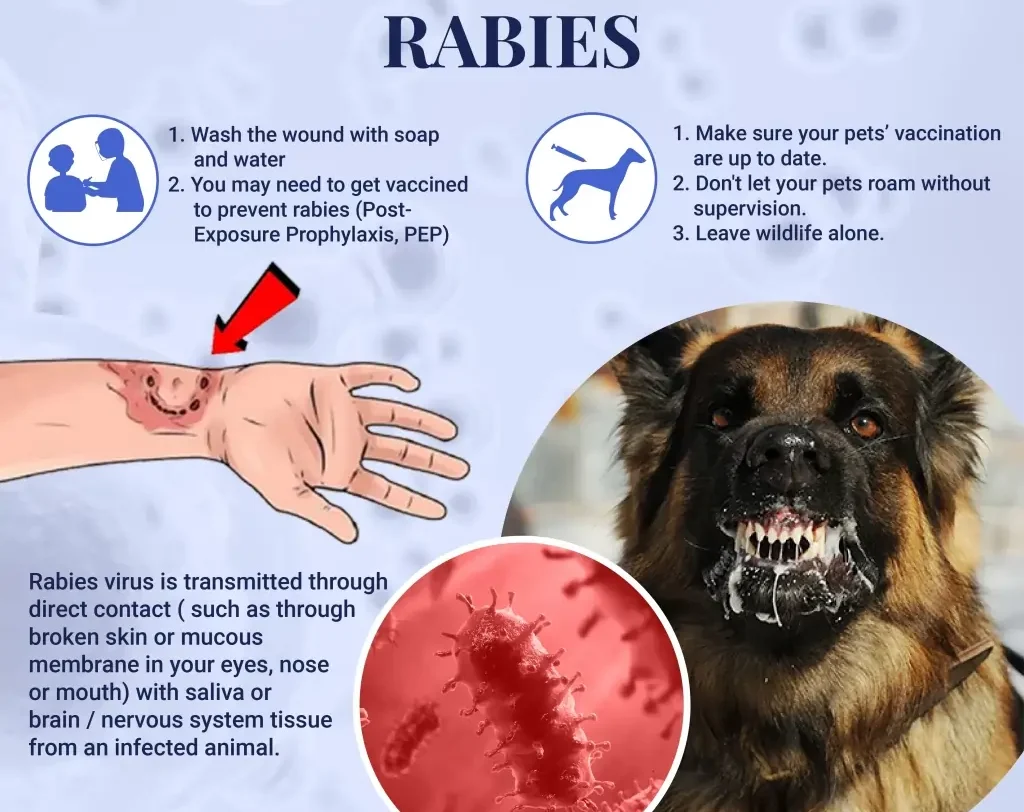
Transmission primarily occurs through the saliva of a rabid animal, typically via a bite. Other less common routes include:

  • Direct inoculation: A bite from a rabid animal directly introduces the virus into tissues.
  • Mucosal contact: Saliva contact with mucous membranes (eyes, nose, mouth), particularly on broken skin.
  • Aerosolization (rare): Inhalation of aerosolized saliva, primarily in bat caves or during close contact with infected animals.


\"Routes

Routes of Transmission:

The routes highlight the direct entry of the virus into the body:

  • Neural route: The virus travels along peripheral nerves to the central nervous system (CNS). This is the primary route and explains the neurotropic nature of rabies.
  • Hematogenous route (less common): The virus can enter the bloodstream and spread throughout the body, though neural spread is the predominant mechanism.

Incubation Period:

The incubation period varies (2 weeks to 1 year, averaging 2-342 days), depending on:

  • Bite site: Bites closer to the CNS (head, neck) have shorter incubation periods.
  • Tissue penetration: Deeper wounds allow for faster viral dissemination.
  • Viral load: Higher viral loads result in shorter incubation periods.
  • Site of the bite: Bites on the head and neck tend to have shorter incubation periods than bites on the extremities due to proximity to the brain.

Pathology:

Following inoculation, the virus initially replicates at the bite site for approximately 96 hours. It then spreads via peripheral nerves to the spinal cord and brain, primarily replicating in the gray matter. The virus subsequently disseminates through autonomic nerves to various organs (salivary glands, adrenal medulla, kidneys, lungs, liver, skeletal muscles, and skin). At this stage, the patient\’s saliva and secretions become infectious.


\"\"

Clinical Presentations:

Rabies progresses through distinct stages:

Prodromal Stage(pre-encephalitic): This initial phase is characterized by nonspecific symptoms:

  • Pain at the bite site
  • Headache
  • Fever
  • Malaise
  • Weakness
  • Anorexia
  • Vomiting
  • Sore throat
  • Non-productive cough

Encephalitic Phase

Furious (Excitory) Stage: Neurological symptoms become prominent:

  • Excessive motor activity, agitation, excitation
  • Confusion, anxiety, hallucinations
  • Muscle spasms
  • Aggression
  • Seizures
  • Hypersensitivity to light, noise, touch, temperature
  • Dilated pupils, lacrimation (excessive tearing), drooling, sweating
  • Hydrophobia (fear of water)
  • Aerophobia (fear of drafts)

Paralytic Stage:  Progressive paralysis sets in:

  • Pharyngeal spasms (difficulty swallowing), dysphagia, odynophagia
  • Weakness spreading from the bite site, leading to constipation, urinary retention, respiratory failure
  • Coma
  • Death

Survival beyond a week after the onset of encephalitic symptoms is uncommon.

Management:

Medical management of developed rabies is largely supportive and focuses on alleviating symptoms and maintaining vital organ function. Unfortunately, there is no specific treatment that cures rabies once clinical symptoms are evident.

Aims:

  • Prevent the progression of rabies to the encephalitic stage.
  • Provide supportive care to maintain vital functions.
  • Prevent further transmission of rabies if the patient is rabid.

First Aid Management:

Immediate wound care is crucial to minimize viral load:

  1. Thoroughly wash the wound with soap and water for at least 15 minutes. Scrub the wound gently.
  2. Rinse thoroughly with copious amounts of clean water.
  3. Leave the wound open (do not suture).

Hospital Management:

  • Admission: Isolate the patient in a barrier room to prevent transmission.
  • Treatment:
  1. Antibiotics: Systemic antibiotics (e.g., penicillin, metronidazole, doxycycline) to prevent secondary wound infections. Dosage adjustments are necessary for children and pregnant individuals (metronidazole and doxycycline are contraindicated in pregnancy).
  2. Passive Immunization: Administer rabies immunoglobulin (RIG) to neutralize the virus. Infiltrate RIG around and into the wound and give any remaining dose intramuscularly at a site distant from the rabies vaccine injection. If RIG cannot be given immediately, it may be administered within 7 days.
  3. Active Immunization: Administer rabies vaccine to stimulate an immune response. Vaccination schedules vary depending on pre- or post-exposure status and risk factors.
  4. Pre-exposure prophylaxis: For high-risk individuals (lab workers, wildlife personnel, etc.), a pre-exposure vaccination schedule (0, 7, 21 days) provides long-term protection. Boosters are needed periodically.
  5. Post-exposure prophylaxis: For those already bitten, a post-exposure regimen (2:1:1 schedule – 2 doses on day 0, 1 dose on day 7, 1 dose on day 21) is followed. This should be started as soon as possible after exposure.
  • Sedation: Sedatives (e.g., chlorpromazine, diazepam) to manage agitation, spasms, and convulsions.

  • Airway Management: Provide artificial ventilation and oxygen if respiratory failure occurs. Maintain a patent airway through suctioning or other appropriate measures.

  • Protection: Healthcare personnel should wear appropriate personal protective equipment (PPE), including gloves, gowns, masks,

Supportive Care:

  • Observation: Close monitoring of vital signs (heart rate, respiratory rate, blood pressure, temperature, oxygen saturation) is essential to detect early signs of respiratory or cardiac failure. Frequent monitoring (every 2-4 hours) and accurate charting are crucial.
  • Rest and Sleep: Provide a quiet, dimly lit environment to minimize stimulation. Rabies patients are hypersensitive to light, noise, touch, and temperature changes.
  • Nutrition: Nutritional support is critical. If the patient is sedated, feeding may be done via nasogastric tube (NGT) or intravenously (IV). If the patient is alert and able to swallow, oral feeding can be attempted. Close monitoring for aspiration is necessary.
  • Fluid Balance: Monitor fluid intake and output closely. Patients may experience dehydration due to excessive sweating or difficulty swallowing. Intravenous fluids may be necessary.
  • Hygiene: Maintain meticulous hygiene practices. Regular skin care, oral hygiene, and bladder care are essential.

Specific Treatment Considerations:

  • Cardiac Arrhythmias: Monitor for cardiac arrhythmias and treat as needed with appropriate medications (e.g., antiarrhythmics).
  • Respiratory Failure: If respiratory failure occurs, provide mechanical ventilation until spontaneous breathing resumes. The use of an ambu bag for artificial ventilation may be necessary if there\’s paralysis of the respiratory muscles.
  • Seizures: Manage seizures with anticonvulsant medications (e.g., diazepam, phenytoin).
  • Pneumonia: Monitor for pneumonia and treat with appropriate antibiotics as needed.
  • Brain Edema and Increased Intracranial Pressure: Monitor for signs of increased intracranial pressure (e.g., headache, vomiting, altered mental status) and consider measures to reduce intracranial pressure (e.g., corticosteroids, osmotic diuretics).
  • Hyper- or Hypopyrexia: Treat fever or hypothermia with appropriate methods (e.g., antipyretics, cooling blankets).
  • Diabetes Insipidus: Monitor for signs of diabetes insipidus (e.g., polyuria, polydipsia) and treat with desmopressin.
  • Paralysis: Provide supportive care to manage paralysis. Range-of-motion exercises and physical therapy may be necessary once the acute phase has passed.
  • Hematemesis: Manage hematemesis (vomiting blood) with appropriate measures (e.g., intravenous fluids, blood transfusion).

Rabies Post-Exposure Prophylaxis (PEP) Management

Rabies PEP aims to prevent rabies development after contact with potentially rabid animal saliva through bites, scratches, or licks on broken skin or mucous membranes (ICD-10 Codes: Z20.3, Z23). Treatment should follow guidelines such as those provided by the Veterinary Public Health Unit.

Dealing with the Animal:

The management of the animal is crucial in determining the appropriate PEP for the exposed individual.

A. Identifiable and Catchable Animal:

1. Domestic Animal: Determine rabies vaccination status. If unvaccinated or status unknown, quarantine the animal for 10 days (dogs, cats, or endangered species only). Humane euthanasia and head submission to the veterinary department for rabies testing is necessary if quarantine is not feasible.

  • If no rabies signs within 10 days, release the animal and discontinue PEP for the human if already started.
  • If rabies signs develop, euthanize, submit the head for testing, and proceed with full PEP for the human.

2. Wild Animal: Humane euthanasia and head submission to the veterinary department for rabies testing are necessary.

  • If rabies is confirmed, initiate full PEP for the human.
  • If the test is negative, rabies PEP is not necessary but local wound care is advised

B. Unidentifiable Animal: Assume the animal was rabid and the patient is at risk; initiate full PEP.

Dealing with the Patient:

The cornerstone of rabies PEP is a combination of local wound treatment, passive immunization with rabies immunoglobulin (RIG), and active immunization with rabies vaccine (RV). Regardless of the time elapsed since exposure (even months later), treatment should be initiated as if exposure were recent.

A. Local Wound Treatment: Prompt and thorough local treatment significantly reduces infection risk. This includes:

  1. Thorough cleansing: Wash the wound with soap and water for at least 15 minutes, followed by copious rinsing with clean water.
  2. Mucous membrane contact: Thoroughly rinse with water or normal saline.
  3. Deep wounds: Administer tetanus toxoid (TT) to prevent tetanus.
  4. Wound closure: DO NOT suture the wound.
  5. Late presentation: Local cleansing is indicated even if the patient presents late for treatment.

B. Immunization: The need for RIG and RV depends on the exposure type and animal status: (RV and RIG are both very expensive and should only be used when there is an absolute indication)

Animal Condition at Time of Exposure

Nature of Exposure

10 Days Later

Recommended Action

Healthy

Saliva contact with skin, no lesion

Healthy

Do not vaccinate

Rabid

Saliva contact with skin, no lesion

N/A

Vaccinate

Suspect/Unknown

Saliva contact with skin, no lesion

Healthy

Do not vaccinate

Suspect/Unknown

Saliva contact with skin, no lesion

Rabid

Vaccinate

Suspect/Unknown

Saliva contact with skin, no lesion

Unknown

Vaccinate

Healthy

Saliva contact with skin lesions, minor bites

Healthy

Do not vaccinate

Rabid

Saliva contact with skin lesions, minor bites

N/A

Vaccinate

Suspect/Unknown

Saliva contact with skin lesions, minor bites

Healthy

Vaccinate; stop if animal healthy after 10 days

Suspect/Unknown

Saliva contact with skin lesions, minor bites

Rabid

Vaccinate

Suspect/Unknown

Saliva contact with skin lesions, minor bites

Unknown

Vaccinate

Rabid or Suspect

Saliva contact with mucous membranes, serious bites (face, head, fingers, or multiple bites)

N/A

Vaccinate and give RIG

Rabid or Suspect

Saliva contact with mucous membranes, serious bites (face, head, fingers, or multiple bites)

N/A

Vaccinate; stop if animal healthy after 10 days


Rabies Vaccine Schedules

Intramuscular Regimen

DAY

Vaccine Dose

No. of Doses

Comments

0

0.5 ml

2 (one in each deltoid)

Into the deltoid muscle. NEVER IN THE GLUTEAL MUSCLE (buttocks).

7

0.5 ml

1

Children with less muscle mass: Anterolateral aspect of the thigh.

21

0.5 ml

1

Note: Day 14 is skipped. The 2:1:1 regimen uses 4 doses in 3 weeks. It has fewer patient appointments and it is easy to comply with. If the patient is on anti-malarial prophylaxis with Chloroquine, it should be withheld and an alternative malaria prophylaxis should be started if needed.

2-site Intradermal (ID) Regimen

DAY

Vaccine Dose

No. of Doses

Comments

0

0.1 ml

2 (one in each deltoid)

It is cheaper since it uses less drug.

3

0.1 ml

2 (one in each deltoid)

It requires special staff training in ID technique using 1 ml syringes with shorter needles.

7

0.1 ml

2 (one in each deltoid)

Note: Days 14 and 21 are skipped.

28

0.1 ml

2 (one in each deltoid)


Rabies Immunoglobulin

DAY

Vaccine Dose

No. of Doses

Comments

0

20 IU/kg

Infiltrate in the area around and in the wound at the same depth as the wound

The Immunoglobulin should be administered as far as possible from the vaccine to avoid antibody-antigen reaction.

Prognosis:

The prognosis for rabies is poor once clinical symptoms appear. Untreated rabies is virtually always fatal. Even with treatment, mortality remains significant. Early diagnosis and treatment are crucial to improving the chances of survival.

Prevention:

  • Animal Vaccination: Routine vaccination of pets (dogs, cats, etc.) is vital in preventing rabies transmission.
  • Public Health Education: Public health campaigns should educate people about rabies prevention, including avoiding contact with stray or wild animals and seeking immediate medical attention after a bite or exposure.
  • Wildlife Management: Controlling wildlife populations and reducing human-wildlife interaction can help prevent rabies transmission.
  • Education: Public education campaigns to inform people about rabies prevention and the importance of seeking medical attention after animal bites.
  • Avoid contact: Avoid contact with stray or wild animals, especially those exhibiting unusual behavior.
  • Safe handling of animals: Proper handling techniques when dealing with animals, including wearing protective gear if necessary.

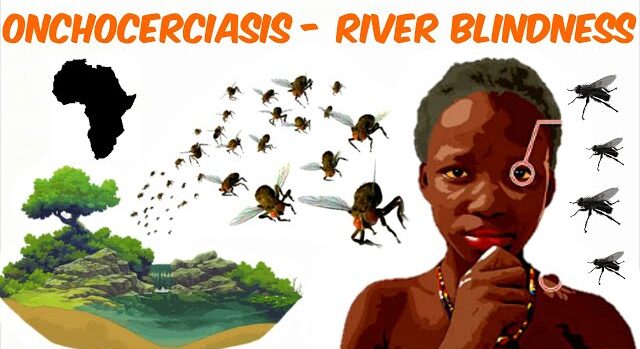
Rabies Read More »

Chicken Pox

Chicken Pox

CHICKEN POX (Varicella-Zoster Virus)

Chickenpox (varicella) is a highly contagious viral infection caused by the varicella-zoster virus (VZV), a member of the Herpesviridae family.

It\’s characterized by a pruritic (itchy) rash that progresses through macules (flat spots), papules (raised bumps), vesicles (fluid-filled blisters), pustules (pus-filled blisters), and finally crusts.

The colloquial name \”Don\’t Touch Me\” reflects its contagious nature. The name \”chicken pox\” likely originates from the French \”chich,\” meaning chickpea, referring to the appearance of the vesicles.

Aetiology: VZV is a double-stranded DNA virus with an envelope. It\’s transmitted via airborne droplets and direct contact with vesicle fluid.

Risk Groups:

  • Children under 10 years old (most commonly affected)
  • Immunocompromised individuals (those with weakened immune systems due to HIV, cancer, organ transplantation, etc.)
  • Pregnant women (risk of congenital varicella syndrome)
  • Adults who have not had chickenpox or the vaccine (risk of more severe illness)

Mode of Transmission:

  • Airborne: Inhalation of respiratory droplets from an infected person.
  • Direct contact: Touching the fluid from ruptured vesicles.
  • Indirect contact: Touching contaminated surfaces (fomites) then touching the eyes, nose, or mouth.

Epidemiology/Occurrence:

Chickenpox is globally prevalent, with most cases occurring in children. Mortality is very low, but scarring can occur, and these scars are susceptible to secondary bacterial infections. The infection typically confers lifelong immunity. However, the virus can remain latent in the nervous system and reactivate later in life, causing shingles (herpes zoster). This is especially likely in immunocompromised individuals or those with conditions like diabetes mellitus or leukemia.

Incubation Period: 10-21 days, averaging 14-16 days.

Pathogenesis:

The virus enters the body through the upper respiratory tract mucosa. Primary viremia (virus in the bloodstream) occurs, followed by secondary viremia, which disseminates the virus throughout the body. The virus then infects skin cells, causing the characteristic rash. The subcutaneous tissues and skin are primarily affected, with vesicle formation, rupture, and subsequent scarring during healing.

Signs and Symptoms:

  • Prodromal phase (1-2 days): Mild fever, headache, malaise, anorexia, body aches.
  • Maculopapular rash: Progresses to vesicles, pustules, and crusts. The rash is widespread, typically beginning on the face, scalp, and trunk, then spreading to the extremities. Different stages of lesions (macules, papules, vesicles, pustules, crusts) are often present concurrently.
  • Intense itching: A hallmark symptom.
  • Fever: Usually mild to moderate.
  • Lymphadenopathy: Swollen lymph nodes. (This is not explicitly mentioned in the provided text but is common).

Differential Diagnosis:

  • Impetigo
  • Multiple insect bites

Diagnosis

Diagnosis is primarily clinical, based on the characteristic rash and symptoms. Laboratory confirmation (viral culture, PCR, serology) might be done in ambiguous cases or for severe infections.


Management:

Aims:

  • Prevent spread of infection.
  • Prevent secondary bacterial infections.
  • Relieve symptoms (itching, pain, fever).
  • Prevent complications.

Actual Management:

  • Isolation: Strict isolation precautions are crucial to prevent spread until all lesions are crusted over (typically 5-7 days after rash onset). This includes contact precautions, airborne precautions (depending on local guidelines), and proper disposal of contaminated materials.
  • Skin care: Frequent bathing with lukewarm water, gentle patting dry, and application of calamine lotion or oatmeal baths to relieve itching. Keeping fingernails short is vital.
  • Medications:
  1. Antivirals: Acyclovir, valacyclovir, or famciclovir are recommended for high-risk individuals (adults, immunocompromised individuals, pregnant women) if started early in the course of the illness.
  2. Analgesics/Antipyretics: Acetaminophen (paracetamol) for fever and pain relief. NSAIDs (like ibuprofen) can be considered, but aspirin should be avoided due to the risk of Reye\’s syndrome.
  3. Antihistamines: To help control itching.
  4. Topical corticosteroids: Might be used in severe cases to reduce inflammation, but this should be at the discretion of a doctor.
  5. Antibiotics: Only necessary if secondary bacterial infections develop.
  • Diet: Nutritious, well-balanced diet to support healing and recovery.
  • Supportive care: Ensuring adequate fluid intake, rest, and emotional support.

Symptomatic and Supportive Treatment:

  • Skin Care: Frequent bathing with lukewarm water, gentle patting dry, and application of calamine lotion every 12 hours or as needed. Cool, wet compresses can also provide relief from itching.
  • Antihistamines: To alleviate itching.
  1. Chlorpheniramine: Adults: 4 mg every 12 hours. Children under 5 years: 1-2 mg every 12 hours for a maximum of 3 days. (Always follow age-appropriate dosing guidelines; this information should be considered a general guideline only).
  • Analgesics/Antipyretics: Acetaminophen (paracetamol) for fever and pain relief. The dose is generally 10 mg/kg every 6 hours, but precise dosing should always be determined by a healthcare professional based on the child\’s weight and age.
  • Antivirals: For adults and children over 12 years old, oral aciclovir 800 mg every 6 hours for 7 days may be considered, especially for severe cases or high-risk individuals. This decision should be made by a doctor, and early initiation is crucial for effectiveness.
  • Isolation: Keep the child home/away from school until all lesions are crusted over to prevent the spread of infection.

Complications:

  • Bacterial skin infections (impetigo, cellulitis): Most common complication resulting from scratching.
  • Pneumonia: VZV can directly infect the lungs.
  • Encephalitis: Rare but serious inflammation of the brain.
  • Hepatitis: Inflammation of the liver.
  • Myocarditis: Inflammation of the heart muscle.
  • Nephritis: Kidney inflammation (often due to secondary bacterial infection).
  • Congenital varicella syndrome: If a pregnant woman contracts chickenpox, particularly during the first 20 weeks of pregnancy, the fetus can suffer severe abnormalities.
  • Hemorrhagic chickenpox: Rare and severe, with bleeding into the skin.

Chicken Pox Read More »

mumps (Parotitis)

Mumps (Parotitis)

MUMPS

Mumps, also known as epidemic parotitis, is an acute, contagious viral infection primarily affecting the salivary glands, most notably the parotid glands. 

Mumps is an acute, systemic, communicable viral infection. Its most characteristic feature is the painful swelling of one or both parotid glands. 

Aetiology:

Mumps is caused by the mumps virus (genus Rubulavirus, family Paramyxoviridae). This enveloped, single-stranded RNA virus is transmitted through respiratory droplets produced during coughing, sneezing, or talking by an infected individual. The virus replicates in the respiratory tract before spreading to other sites in the body, including salivary glands.

Forms and Routes of Transmission:

The primary mode of transmission is through direct contact with respiratory droplets from an infected person. This can occur through:

  • Droplet spread: Inhalation of aerosolized droplets expelled from an infected person.
  • Direct contact: Touching surfaces contaminated with respiratory secretions, and then touching the mouth, nose, or eyes. (This is less common than droplet spread).

Incubation Period:

The incubation period for mumps is usually 16–18 days (range 12–25 days), representing the time between infection and the onset of symptoms.


\"Clinical

Clinical Features :

  1. Prodromal Stage: Mild fever, malaise, and anorexia may precede other symptoms.
  2. Parotitis: Painful swelling of one or both parotid glands usually develops within 24 hours (though it can be delayed up to a week). Other salivary glands may also be affected. Swelling is accompanied by tenderness in the area between the earlobes and the mandibular angle. Patients often report earache, difficulty eating, and difficulty speaking. Glandular swelling increases for a few days and then gradually subsides, usually disappearing within a week.
  3. Orchitis: Most common in post-pubertal males, presenting as painful and tender enlargement of one or both testes. This can lead to testicular atrophy and potentially sterility.
  4. Oophoritis: In females, it causes lower abdominal pain (LAP).
  5. Mumps Pancreatitis: Causes abdominal pain, which can be difficult to diagnose.
  6. Mumps Encephalitis: Presents with high fever and marked changes in the level of consciousness.
  7. Parotitis: Painful swelling of one or both parotid glands (located below and in front of the ears). This is the hallmark feature of mumps. The swelling typically begins unilaterally but often becomes bilateral.
  8. Fever: Often high-grade (39-40°C or higher).
  9. Headache: A common and often severe symptom.
  10. Myalgia (muscle aches): Generalized muscle pain and stiffness.
  11. Malaise (general feeling of illness): Fatigue, weakness, and lack of energy.
  12. Anorexia (loss of appetite): Reduced or absent desire to eat.
  13. Nausea and vomiting: Occasional symptoms, particularly in children.
  14. Facial pain: This can be intense and localized to the affected salivary gland(s).
  15. Swelling of other salivary glands: Although less common, submandibular and sublingual glands can also be involved.
  16. Painful swallowing: Due to inflammation of the salivary glands and surrounding tissues.
  17. Dry mouth (xerostomia): From reduced salivary gland function.

Definitive Diagnosis and Investigations:

Diagnosis is primarily clinical, based on the characteristic swelling of the parotid glands and other symptoms. However, laboratory confirmation may be helpful, especially in atypical cases or suspected outbreaks. Tests include:

  • Serological tests: Detecting specific IgM and IgG antibodies against the mumps virus. IgM indicates acute infection, while IgG suggests past infection or immunity.
  • Viral culture: Less commonly used due to its lower sensitivity and longer turnaround time than serology.
  • PCR (polymerase chain reaction): Can detect the viral RNA in saliva or other specimens. This is a highly sensitive and specific method for

Management:

Aims:

  • Relieve symptoms.
  • Prevent complications.
  • Prevent spread of infection.

Medical Management:

There\’s no specific antiviral treatment for mumps. Management focuses on supportive care:

  • Complete bed rest: Encourage rest to facilitate recovery.
  • Fever control: Antipyretics (e.g., acetaminophen) as needed.
  • Communication and feeding: Devise strategies to ensure effective communication and comfortable feeding, especially for those with difficulty swallowing.
  • Steroids (if prescribed): Corticosteroids (e.g., hydrocortisone 100-200 mg initially, followed by prednisolone 10-15 mg twice daily for 5-7 days) may be used to reduce inflammation in severe cases, but this is at the doctor\’s prescription..
  • Anti-inflammatory medications: (In severe cases, corticosteroids are sometimes considered, but mainly if there\’s severe complications)
  • Supportive care: Focuses on adequate rest, hydration, and pain management.
  • Hydration: Ensure adequate fluid intake to prevent dehydration. Offer fluids the patient can tolerate.
  • Pain relief: Acetaminophen (paracetamol) can be used to manage fever and pain and cold compresses. Avoid NSAIDs (like ibuprofen or aspirin) as these may increase the risk of bleeding.
  • Soft diet: Provide soft foods that are easy to swallow and minimize discomfort.
  • Oral hygiene: Encourage frequent rinsing of the mouth with warm salt water to soothe inflammation.
Prevention:
  • Vaccination: A live attenuated mumps vaccine ( part of the MMR vaccine) is highly effective in preventing mumps. It\’s usually given subcutaneously in two doses, starting at 9 months or first contact, and at 18 months of age in Uganda.
  • Hygiene: Avoid sharing eating and drinking utensils with infected individuals.
Complications
  • Meningitis (inflammation of the meninges): The virus can spread to the brain, causing meningitis, with symptoms such as severe headache, stiff neck, fever, and altered mental status.
  • Encephalitis (inflammation of the brain): A rare but serious complication characterized by inflammation of the brain tissue.Symptoms can include seizures, coma, and lasting neurological deficits.
  • Orchitis (inflammation of the testicles): Common in post-pubertal males, causing testicular pain, swelling, and tenderness. While it can cause temporary discomfort and potentially impact fertility in severe cases, it usually resolves without long-term effects.
  • Oophoritis (inflammation of the ovaries): Rare complication in females, causing similar symptoms to orchitis, though usually less severe.
  • Deafness: Rare complication of mumps.
  • Pancreatitis (inflammation of the pancreas): Can lead to severe abdominal pain, nausea, and vomiting.
  • Myocarditis (inflammation of the heart muscle): Rare but potentially life-threatening complication.
  • Nephritis (inflammation of the kidneys): Rare and typically mild.


Mumps (Parotitis) Read More »

Want notes in PDF? Join our classes!!

Send us a message on WhatsApp
0726113908

Scroll to Top
Enable Notifications OK No thanks