Nurses Revision

Uncategorized

wound_dressing

Wound Dressing

WOUND DRESSING

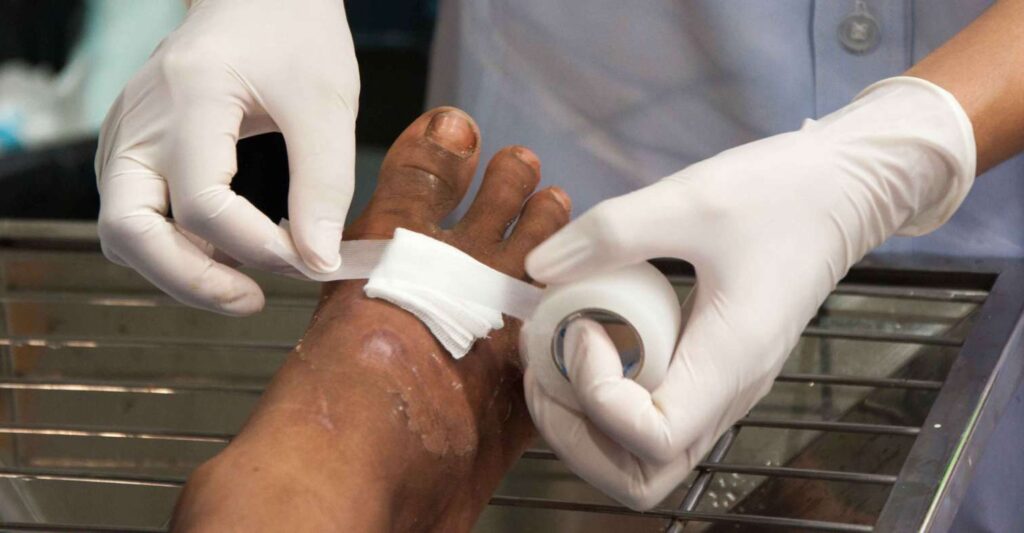
Wound dressing is a method of carrying out surgical dressing and operative treatment with an aim to prevent the entry of Microorganisms into the wound.

Indications for wound dressing

  • To protect the wound from further injury or infection
  • To absorb exudates such as pus or serum.
  • To immobilize and support the injured part.
  • To apply pressure on the wound to control bleeding or approximate the wound
  • To provide psychological and physical comfort for the patient.

Wound : A cut or break in the normal continuity of the skin or body structure internally or externally.

 
Classification of Wounds

Classification of Wounds

Wounds can be classified based on manner of production, bacterial content, extent, and time. Below is a detailed breakdown of each classification:

1. Classification by Manner of Production

Abraded Wound (Abrasion)

  • Caused by friction that removes the superficial layer of the skin.
  • Commonly occurs due to falls on rough surfaces, such as sand, concrete, or gravel.

Incised Wound

  • Resulting from a sharp cutting instrument that produces a clean and well-defined separation of tissue.
  • Example: Surgical incisions or cuts made by a sharp knife.

Contused Wound

  • Caused by a blunt object, leading to significant injury to the soft tissue.
  • Characterized by bruising (hemorrhage) and swelling due to damaged blood vessels.
  • Example: Injuries from a blow, impact from a falling object, or trauma from a blunt force.

Lacerated Wound

  • Involves tearing of tissue, resulting in irregular and ragged wound edges.
  • Commonly caused by injuries from glass, metal, machinery accidents, or animal bites.

Penetrating Wound

  • A wound that pierces through deep tissues and may enter a body cavity or organ.
  • Example: Stab wounds caused by knives, long nails, or gunshot injuries.

Punctured Wound

  • Made by a sharp, narrow, and pointed object.
  • Usually deep with a small entry point, increasing the risk of infection.
  • Example: Injuries caused by nails, splinters, or glass fragments.

2. Classification by Bacterial Content

Clean Wound

  • Contains no pathogenic organisms and is made under sterile conditions.
  • Example: Surgical wounds created with aseptic techniques.
  • While surgical wounds are clean, the skin cannot be completely sterilized, making some microbial presence inevitable. However, the body’s immune system prevents infection.

Contaminated Wound

  • A wound that contains a significant number of microorganisms.
  • All accidental wounds fall into this category since they occur in an uncontrolled environment where aseptic precautions are absent.

Septic (Infected) Wound

  • A wound infected by pathogenic microorganisms that lead to tissue destruction and pus formation.
  • Even a previously clean or contaminated wound can become septic if unsterile techniques are used during dressing or if the body’s immune response fails.

3. Classification by Extent

Open Wound

  • There is a break in the skin or mucous membrane, exposing the underlying tissue to external contaminants.
  • Open wounds pose a higher risk of infection due to potential entry of microorganisms and foreign objects.
  • Example: Incisions, abrasions, lacerations, and puncture wounds.

Closed Wound

  • The skin remains intact, but underlying tissue is damaged.
  • Internal bleeding, swelling, or bruising (hematoma) may occur.
  • Example: Contusions (bruises) caused by blunt trauma.

4. Classification by Time

Acute Wound

  • A wound that heals within four weeks.
  • Includes surgical wounds, minor cuts, and abrasions that heal without complications.

Chronic Wound

  • A wound that fails to heal within four weeks and remains in the inflammatory phase of healing.
  • Chronic wounds may be associated with conditions such as diabetes, poor circulation, or infection.
  • Example: Pressure ulcers, diabetic foot ulcers, and venous leg ulcers.
wound dressing Phases-of-the-wound-healing-process

WOUND HEALING

Wound healing refers to the body’s natural process of replacing destroyed tissue with new, living tissue. 

This complex biological process involves multiple phases and can be influenced by various internal and external factors.

Factors Affecting Wound Healing

Several factors determine the rate and effectiveness of wound healing:

1. Age

  • Younger individuals tend to heal faster due to higher cellular activity and collagen production.
  • Elderly individuals may experience delayed healing due to reduced skin elasticity, lower immune response, and slower cell regeneration.

2. Nutritional Status

  • Proper nutrition is essential for wound healing. Deficiencies in proteins, carbohydrates, lipids, vitamins (especially A, C, and E), and minerals (such as zinc and iron) can delay the process.
  • Proteins are crucial for cell growth and tissue repair.
  • Vitamin C is essential for collagen formation, while Vitamin A aids in immune function and epithelial cell formation.

3. Type of Wound

  • Clean surgical wounds heal faster than contaminated or infected wounds.
  • Deep wounds with tissue loss take longer to heal than superficial wounds.

4. Blood Supply to the Affected Area

  • Adequate blood circulation ensures oxygen and nutrient delivery to the wound, promoting faster healing.
  • Conditions like diabetes, peripheral artery disease, and smoking can impair circulation and slow healing.

5. Presence of Foreign Bodies

  • Dirt, debris, sutures, or other foreign materials in the wound can delay healing and increase infection risk.

6. Infection and Foreign Bodies in the Wound

  • Infections introduce bacteria into the wound, causing inflammation, pus formation, and delayed healing.
  • The presence of bacteria prevents new tissue from forming properly.

7. Lack of Rest of the Affected Part

  • Continuous movement or strain on a wound can prevent proper tissue formation and delay healing.
  • Immobilization and rest allow new cells to regenerate effectively.

8. Hemorrhage (Excessive Bleeding)

  • Uncontrolled bleeding can prevent clot formation, delaying the healing process.
  • Blood loss reduces oxygen supply to the wound, which is crucial for tissue repair.

9. Presence of Dead Space in the Wound

  • Dead space refers to empty spaces between tissues where fluid can accumulate, increasing infection risk.
  • Proper wound closure techniques (suturing or packing) help eliminate dead spaces.

10. Malnutrition

  • An inadequate supply of proteins, carbohydrates, lipids, vitamins, and trace elements can slow down all phases of wound healing.

11. Medications

Certain medications can impair the healing process, such as:

  • NSAIDs (Non-Steroidal Anti-Inflammatory Drugs): May interfere with inflammation, which is crucial for wound healing.
  • Chemotherapy and Immunosuppressive Drugs: Reduce cell proliferation, slowing tissue repair.
  • Corticosteroids: Suppress the immune response and delay new tissue formation.

12. Stress, Anxiety, and Depression

  • Emotional and psychological stress can negatively affect immune function and hormone balance, leading to slower wound healing.

13. Underlying Diseases

  • Conditions such as diabetes, autoimmune disorders, anemia, and cancer can impair wound healing by reducing immune function, circulation, and tissue regeneration.

14. Infection

  • A wound that becomes infected requires additional time to heal due to the presence of bacteria that compete with new tissue growth.
  • Infections can lead to chronic wounds if left untreated.

Types of Wound Healing (Wound Closure)

1. Healing by Primary Intention (First Intention)

  • The wound edges are brought together (approximated) using sutures, staples, or adhesive strips.
  • Occurs in clean, minimal tissue loss wounds such as surgical incisions.
  • Healing is quick with minimal scarring.

2. Healing by Secondary Intention (Granulation Healing)

  • Happens when there is significant tissue damage or infection, preventing the wound edges from being approximated.
  • The wound heals from the bottom up, filling with granulation tissue (new connective tissue and blood vessels).
  • Requires daily wound dressing as the open wound is at risk of infection.
  • Healing time is longer, and scarring is more prominent.
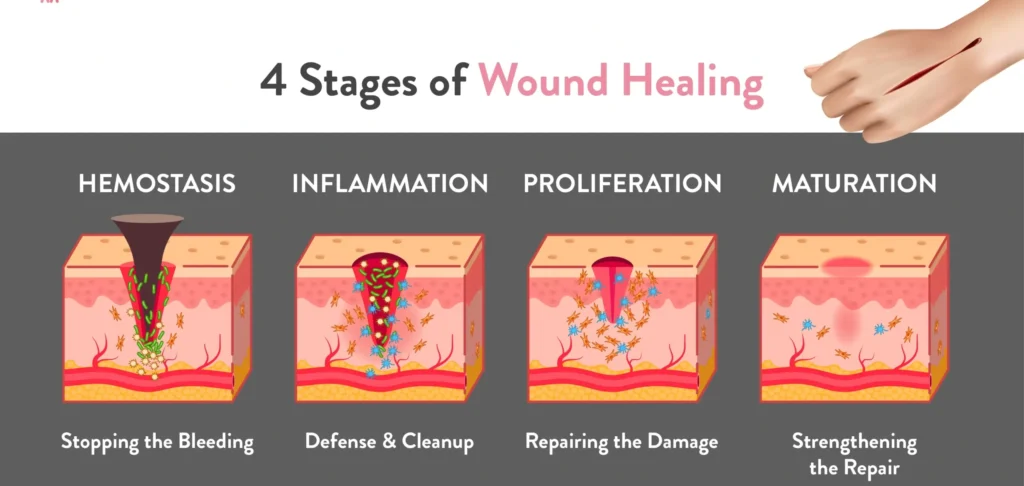
Phases of Wound Healing

The wound healing process consists of four overlapping phases, commonly referred to as the “cascade of healing.”

1. Hemostasis Phase (Bleeding Control Phase): The immediate response to physical injury, ensuring that bleeding is controlled.

Includes:

  • Vasoconstriction (narrowing of blood vessels to reduce bleeding).
  • Platelet response (platelets form a clot at the injury site).
  • Biochemical response (release of clotting factors to stabilize the wound).

2. Inflammatory Phase: Damaged cells release cytokines that attract white blood cells to fight infection.

Key events:

  • Histamine, serotonin, and kinins cause temporary blood vessel constriction, followed by dilation to allow immune cells to reach the wound.
  • Neutrophils arrive within 24 hours to remove bacteria and dead tissue.

3. Proliferative Phase: Begins once neutrophils have cleared cellular debris.

Key processes:

  • Fibroblasts migrate to the wound and produce collagen (Type III initially) to provide structural support.
  • Angiogenesis (formation of new blood vessels) starts within 48 hours.
  • Wound strength increases significantly during this phase.

This phase lasts up to 3 weeks.

4. Maturation (Remodeling) Phase: Begins around week 3 and continues for 9 to 12 months.

  • Collagen Type III is replaced with Collagen Type I, increasing tensile strength up to 80% of normal skin.
  • The wound contracts, and scar tissue forms.

Care of Wounds

Dressing Methods

  1. Dressing Method – Covers the wound to promote healing.
  2. Non-Dressing Method – Leaves the wound open to air for healing.

Advantages of Dressing

  • Absorbs wound drainage.
  • Protects from contamination (feces, urine, vomit, etc.).
  • Provides immobilization and prevents mechanical injuries.
  • Helps with hemostasis (prevents bleeding).
  • Provides psychological and physical comfort for the patient.

Advantages of Non-Dressing Method

  • Prevents bacterial growth by eliminating warmth and moisture.
  • Allows better observation of the wound.
  • Facilitates bathing without disrupting healing.
  • Avoids allergic reactions from adhesive tapes.
  • More economical and comfortable for the patient.

Disadvantages of Non-Dressing Method

  • Exposure of large wounds may cause anxiety for some patients.
  • Increased risk of contamination in an unclean environment.

Qualities of a Good Dressing

  • Sterile – Free from microorganisms.
  • Lightweight – Comfortable and non-bulky.
  • Porous – Allows air circulation to prevent moisture buildup.

Types of Dressings

Dry Dressing

  • Used for clean wounds.
  • Typically made of 4 to 8 layers of gauze, applied after antiseptic treatment.

Wet Dressing

  • Used for infected wounds with pus, softening discharge and promoting drainage.
  • Made of moistened antiseptic gauze with multiple layers.

Pressure Dressing

  • Applied with firm bandages to control bleeding and reduce oozing.
  • Commonly used for trauma or post-surgical wounds.

General Rules for Wound Dressing

Wound infections occur when microorganisms contaminate the wound, often originating from the ward environment. The primary sources of contamination include:

Sources of Wound Infection in the Ward

  1. Airborne Contaminants – Dust particles or infected droplets from the nose and mouth of patients, visitors, and medical staff.
  2. Hands of Healthcare Providers – Bacteria and pathogens from nurses, doctors, and other staff may transfer to wounds if proper hand hygiene is not followed.
  3. Improper Dressing Techniques – Inadequate sterilization and incorrect handling of wounds can introduce infections.
  4. Use of Unsterile Instruments – Dressing materials and instruments that are not properly sterilized can be a source of infection.

To prevent these risks and minimize wound infections, the following essential rules must be followed:

General Rules for Wound Dressing

No.

Rules

Rationale

1.

All bed making, mopping of the floor and dusting must be finished at least one hour before the dressing round is started.

To prevent spread of infections.

2.

Before the dressing round, wash the trolley with soap and water and dry it.


3.

Before each dressing, wipe the trolley shelves with a disinfectant using a mopper.


4.

Sterile articles are placed on the top shelf, un-sterile articles on the bottom shelf.


5.

Clean wounds are always dressed first


6.

Limit movements in the ward and windows near to the patient  being dressed must be closed.

To prevent cross infection.

7.

Do not carry out dressing when having a focal wound or droplet infection.


8.

If possible 2 nurses should be available to carry out dressing.

To prevent contamination and save time.

9.

Apply universal infection prevention and control before and after each procedure.

To prevent spread of infections.

10.

Nails must be short, watches and rings should be removed.


11.

Masks are worn if required and once in position they must not be handled. 

• When removing the mask, handle only the tapes and dispose off immediately. 

• Never put a used mask in the uniform pocket.

To prevent spread of infections

12.

Lotions: The dressing assistant should pour only enough lotion for one dressing. Unused lotion must be disposed off when clearing the trolley.

To avoid wastage and cross infection.

13.

The trolley is reset for each dressing.


14.

All used equipment must be decontaminated, washed with soap water, brushed, dried and sterilisation.

To be ready for next dressing

15.

The trolley is cleaned with disinfectant.


Wound Dressing Procedures

Dressing a Clean Wound

A clean wound is a superficial wound caused by uncontaminated sharp objects. 

It may occur electively (e.g., surgical incision) or accidentally (e.g., cuts from broken glass or sharp metal).

Purpose of Dressing a Clean Wound

  1. To keep the wound clean and free from infection.
  2. To prevent the wound from further injury and contamination.
  3. To hold medications applied locally in place.
  4. To immobilize the wound edges, promoting faster healing.
  5. To apply pressure, minimizing bleeding and swelling.

Requirements for Clean Wounds

Top Shelf

Bottom Shelf

Bed Side

Sterile dressing pack containing: 

– 2 dressing towels 

– 2 non-toothed dissecting forceps 

– 2 dressing forceps 

– 3 gallipots 

– 1 for swabs 

– 1 for the lotion 

– 1 for gauze dressing

– A pair of stitch scissor or a clip remover if required

– A dressing mackintosh and towel 

– Receiver for soiled dressing 

– Receiver for used instruments 

– A bottle of antiseptic lotions 

– A drum for dressing

– A drum for swabs 

– A tray with bandages, scissors, safety pins, strapping 

– A container of Cheatle forceps 

– A pair of gloves and a pair of clean glove 

– A bowl

– Hand washing equipment

Extra Requirements For Dirty Wound

– Probe 

– Sinus forceps

– Hydrogen peroxide 

– Pus swab 

– Laboratory form 

– Hypotonic saline

– Pedal bin

Bed-Side Requirements

  • Hand washing equipment
  • Screen for patient privacy
  • Safety box for disposal of sharps
  • A good source of ligh

Procedure

Steps

Action

Rationale

1.

Refer to general rules.

2.

Dressing assistant positions the patient.

To maintain sterility.

3.

Place a mackintosh and towel under the part to be dressed.

Provides comfort and prevents soiling of bed linen.

4.

Dressing assistant puts on clean gloves, removes the bandage, and loosens the strapping.

For easy removal of the old dressing.

5.

Dressing assistant removes gloves, washes hands, opens the dressing pack, and adds any additional sterile equipment using Cheatle forceps.

To arrange materials for easy use and maintain sterility.

6.

Adds sterile cleaning solution required.

To prevent the spread of infections.

7.

Dressing assistant puts on clean gloves, removes the dressing, and discards it in the receiver.

To prevent the spread of infections.

8.

Dressing nurse washes hands thoroughly with soap and water and dries with a sterile towel.

To reduce the spread of infections.

9.

Puts on sterile gloves.

To maintain surgical asepsis.

10.

Drapes the wound with a dressing towel.

To provide a sterile environment.

11.

Using forceps, swabs the wound, discarding each swab after use (first the center, then each side of the wound, working from the middle outwards).

To minimize the spread of infection.

12.

For a dirty wound, perform necessary toileting as prescribed, which may involve the removal of stitches or clips, probing the wound, or packing the wound.

To promote healing.

13.

Applies dressing to cover the wound and puts additional dressing if oozing or discharge is anticipated.

To protect the wound and prevent soiling of the linen.

14.

Places used instruments in a receiver.

To avoid cross infections.

15.

Removes gloves, applies strapping or a bandage on the wound as required.

16.

Washes hands, clears away, and leaves the patient comfortable.

To maintain hygiene and sterility.

17.

Documents the procedure and reports accordingly.

For continuity of care and follow-up.

Dressing of Septic Wound

Septic wound is characterized by the presence of pus, dead skin and offensive odour in the wound.

Purpose of Dressing a Septic Wound

  1. To absorb discharge from the wound.
  2. To apply pressure and prevent excessive fluid buildup.
  3. To apply local medications for infection control.
  4. To reduce pain, swelling, and further tissue injury.

Need irrigation: As for clean wounds and dirty wounds which may not need irrigation, however with addition of the following, on the top shelf.

Additional Items (Top Shelf)

Bowl containing irrigation lotion (e.g., hydrogen peroxide)

Saline 0.9% solution

Receiver containing large syringe and fine catheter

Receiver for used lotion

Procedure

Step

Action

Rationale 

1

Explain procedure to the patient

To gain patient cooperation and reduce anxiety.

2

Clean trolley or tray and assemble sterile equipment on one side and surgically clean items on the other side. Make sure the tray or trolley is covered.

To maintain asepsis and prevent contamination of sterile supplies.

3

Drape patient and position comfortably.

To provide privacy and comfort for the patient during the procedure.

4

Place the rubber sheet and its cover under the affected part.

To protect the bed linen from becoming soiled.

5

First remove the outer layer of the dressing.

To expose the inner dressing and wound site.

6

Wear gloves if necessary. Use forceps to remove the inner layer of the dressing smoothly and discard therefore caps.

To prevent contamination of the wound and protect healthcare worker from exposure to infectious materials.

7

Observe the wound and check if there is drainage rubber or tube.

To assess the wound’s condition and identify any complications.

8

Take specimens for culture or slide if ordered (Do not cleanse wounds with antiseptic before you obtain the specimen.)

To accurately identify any infectious organisms present in the wound.

9

Start cleaning the wound from the cleanest part of the wound to the most contaminated part using antiseptic solution. (Hydrogen peroxide 3%) is commonly used for septic wounds). Discard the cotton ball used for cleaning after each stroke over the wound.

To prevent the spread of contamination from the dirtier areas to the cleaner areas.

10

Cleanse the skin around the wound to remove the plaster gum with benzene or ether.

To ensure proper adhesion of the new dressing.

11

Use cotton balls for drying the skin around the wound properly.

To create a clean, dry surface for the new dressing.

12

Dress the wound and make sure that the wound is covered completely.

To protect the wound from infection and promote healing.

13

Fix dressing in place with adhesive tape or bandages.

To secure the dressing and prevent it from dislodging.

14

Leave the patient comfortable and tidy.

To promote patient well-being and satisfaction.

15

Cleanse and return equipment to its proper places.

To maintain a clean and organized work environment.

16

Discard soiled dressings properly to prevent cross infection in the ward.

To prevent the spread of infection to other patients and healthcare workers.

NB:

  • If sterile forceps are not available, use sterile gloves. 
  • Immerse used forceps, scissors and other instruments in strong antiseptic solution before cleansing and discard soiled dressing properly. 
  • In a big ward it is best to give priorities to clean wounds and then to septic wounds, when changing dressings, as this might lessen the risk of cross infection.
  • Consideration should be given to provide privacy for the patient while dressing the wound. 
  • Wounds should not be too tightly packed in effort to absorb discharge as this may delay healing.

Wound Irrigation

Wound irrigation is the process of removing foreign materials, reducing bacterial contamination, and clearing cellular debris or exudate from the wound surface. 

It is a critical step in wound management, helping to maintain a clean environment that promotes optimal healing.

The procedure must be vigorous enough to achieve effective cleansing but gentle enough to prevent additional tissue trauma or the unintentional spread of bacteria and foreign particles deeper into the wound.

Since wound irrigation involves bodily fluids, splashing and spraying can occur due to the use of pressure. To ensure the safety of healthcare providers, proper personal protective equipment (PPE) such as gloves, masks, eye protection, and gowns must be worn.


Essential Steps of Wound Irrigation

  1. Assessing the Wound – Evaluate the wound’s size, depth, level of contamination, and presence of infection.
  2. Wound Anesthesia – If necessary, provide local anesthesia to minimize patient discomfort during irrigation.
  3. Wound Periphery Cleansing – Clean the skin around the wound using antiseptic solutions to prevent external contamination.
  4. Irrigation with Solution Under Pressure – Flush the wound using an appropriate solution with controlled pressure to remove debris and bacteria effectively.

Indications for Wound Irrigation

Wound irrigation is recommended for both acute and chronic wounds, especially when:

  • The wound is contaminated with debris or foreign materials.
  • The wound will undergo suturing, surgical repair, or debridement.
  • The wound has exudate buildup, which may delay healing.

Contraindications for Wound Irrigation

Wound irrigation may not be necessary or should be carefully performed in the following situations:

Contraindication

Reason

Highly vascular areas (e.g., scalp wounds)

Excessive irrigation may not be required due to the scalp’s rich blood supply, which naturally aids in cleansing.

Wounds with fistulas or sinuses of unknown depth

Irrigation could push bacteria and debris deeper into the wound or surrounding body spaces, leading to complications.

Extensive tissue damage or fragile wounds

Excessive irrigation pressure can worsen tissue injury.


Wound Cleansing Agents

Various wound cleansing agents are available, each with different bactericidal properties:

Cleansing Agent

Bactericidal Action

Effect on Healthy Tissue

Povidone-Iodine Solution

Strong against both gram-positive and gram-negative bacteria

Mildly toxic to healthy cells and granulation tissues

Chlorhexidine

Strongly bactericidal against gram-positive bacteria, less effective against gram-negative bacteria

Generally safe but may cause irritation

Hydrogen Peroxide

Strong against gram-positive bacteria, less effective against gram-negative bacteria

Can damage healthy tissue and delay healing


Irrigation Solutions for Wound Cleansing

Different irrigation solutions can be used based on wound type and availability:

Irrigation Solution

Properties

Usage Considerations

Normal Saline (0.9%)

Non-toxic, similar in tonicity to body fluids

Most commonly used due to safety and effectiveness

Sterile Water

Non-toxic but hypotonic, may cause cell lysis

Suitable when saline is unavailable but should be used cautiously

Potable Water

Readily available, no significant difference from sterile water in infection rates

Used when sterile water or saline is unavailable

Requirements 

  • 2 Receivers
  • Rubber sheet and its cover
  • Solutions (Hydrogen Peroxide or Normal Saline)
  • Adhesive tape or bandage
  • Bandage scissors
  • Sterile Syringe (with desired amount of solution) and Catheter
  • Sterile Forceps (2)

Procedure

Step

Action

Rationale

1

Explain the procedure to the patient and organize the needed items.

To gain patient cooperation and ensure efficiency.

2

Drape and position patient.

To provide privacy and comfort.

3

Put a rubber sheet and its cover under the part to be irrigated.

To protect the bed linen from becoming soiled.

4

Remove the outer layer of the dressing.

To expose the inner dressing.

5

Remove the inner layer of the dressing using the first sterile forceps.

To maintain sterility during dressing removal.

6

Put the receiver under the patient to receive the outflow.

To collect the irrigation fluid and prevent mess.

7

Use a syringe with the desired amount of solution fitted with the catheter.

To deliver a controlled amount of irrigation fluid.

8

Use forceps to direct the catheter into the wound.

To ensure the catheter reaches the desired area of the wound.

9

First inject the solution such as hydrogen peroxide at body temperature gently and wait for the flow. This must be followed by normal saline for rinsing.

Hydrogen peroxide helps to loosen debris, while normal saline rinses away the debris and remaining peroxide.

10

Make sure the wound is cleaned and dried properly.

To prepare the wound for dressing and prevent maceration.

11

Dress the wound and check if it is covered completely.

To protect the wound from infection.

12

Secure dressing in place with adhesive tape or bandage.

To keep the dressing in place.

13

Leave the patient comfortable and tidy.

To promote patient well-being.

14

Record the state of the wound.

To monitor healing progress.

15

Clean and return equipment to its proper place.

To maintain a clean and organized environment.

NB:

Keep patient in a convenient position. According to the need so that solution will flow from wound down to the receiver.


Complications

Wound irrigation should be avoided if the wound is actively bleeding, as it can disrupt clot formation and exacerbate hemorrhage. Incomplete or inadequate wound irrigation can lead to several complications:

  • Persistent Debris: Failure to thoroughly remove debris, foreign bodies, or necrotic tissue increases the risk of infection and delayed healing.
  • Sinus Formation: In abscesses, inadequate irrigation can result in the persistence of purulent discharge, potentially leading to chronic sinus tract formation.
  • Infection: Retained bacteria and contaminants can promote local or systemic infection.
  • Cytotoxicity: While povidone-iodine is a common antiseptic, excessive use or direct instillation into deep wounds can be cytotoxic, impairing wound healing. It should be used carefully, primarily on wound edges, and avoided in large quantities within the wound.
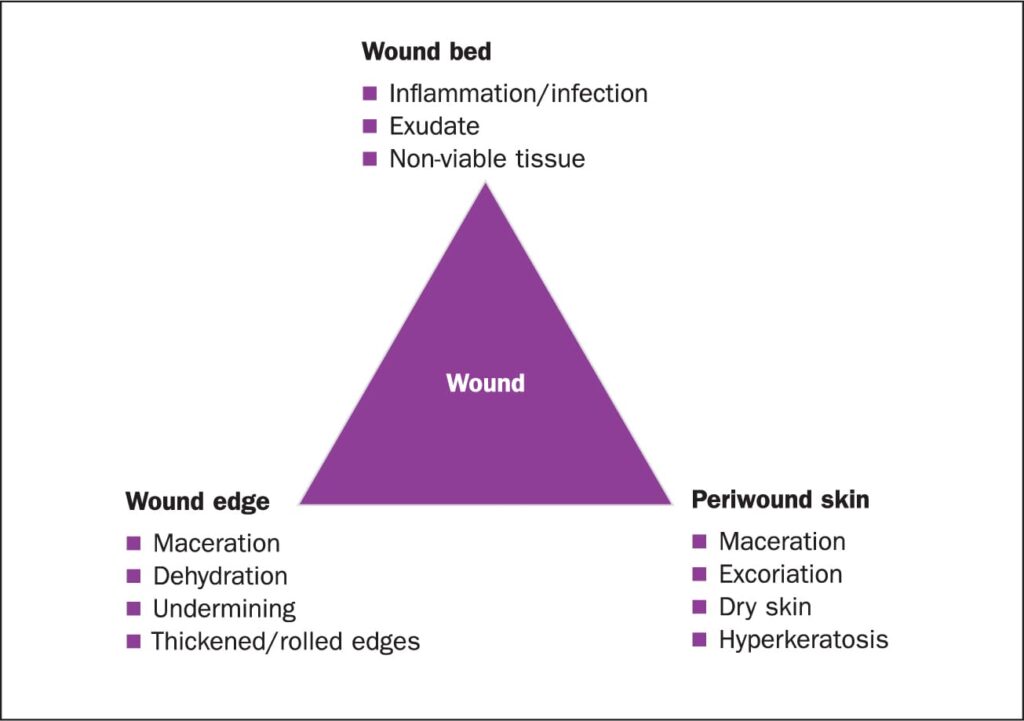
Wound Assessment

Wound Assessment

Wound assessment is a critical process in wound management that allows healthcare professionals to determine the appropriate treatment plan and monitor healing progression. 

It involves evaluating the type, severity, and condition of the wound, along with assessing for signs of infection, complications, or delayed healing.

Both initial and ongoing wound assessments should be conducted systematically in collaboration with the treating team to ensure optimal patient care.


Key Factors in Wound Assessment

The following considerations are essential for a comprehensive wound assessment:

  1. Type of Wound – Categorized as acute or chronic based on duration and healing progression.
  2. Aetiology (Cause of Wound) – Includes surgical wounds, lacerations, ulcers, burns, abrasions, traumatic injuries, pressure injuries, and neoplastic wounds.
  3. Wound Location & Surrounding Skin – Important for understanding healing potential and the impact on mobility or function.
  4. Tissue Loss – Determines whether the wound is superficial, partial-thickness, or full-thickness.
  5. Clinical Appearance of Wound Bed – Indicates the stage of healing and tissue viability.
  6. Measurement & Dimensions – Includes both two-dimensional and three-dimensional wound assessments.
  7. Wound Edges – Assessed for color, contraction, elevation, and rolling, all of which impact healing.
  8. Exudate (Wound Drainage) – Evaluated for quantity, color, consistency, and odor to detect infection or complications.
  9. Presence of Infection – Identified by local or systemic indicators of bacterial overgrowth.
  10. Pain – Helps assess wound progression and potential underlying complications.
  11. Previous Wound Management – Important for evaluating treatment effectiveness and necessary modifications.

1. Type of Wound

Wounds can be classified based on terminology related to their cause and general healing characteristics.

Wound Type

Description

Surgical Wound

Incision made during a medical procedure under sterile conditions.

Burn

Caused by heat, chemicals, electricity, or radiation.

Laceration

A deep cut or tear in the skin due to trauma.

Ulcer

A wound caused by prolonged pressure, infection, or vascular insufficiency.

Abrasion

Superficial wound caused by friction removing the skin’s surface.

Traumatic Wound

Resulting from external force, such as accidents, falls, or injuries.

Pressure Injury (Bedsore)

Skin and tissue damage due to prolonged pressure, especially in bedridden patients.

Neoplastic Wound

Caused by malignant tumors breaking down skin tissue.


2. Tissue Loss

The depth of a wound determines the level of tissue loss:

Tissue Loss Classification

Description

Superficial Wound

Involves only the epidermis (outer layer of the skin).

Partial-Thickness Wound

Affects both the epidermis and dermis.

Full-Thickness Wound

Extends beyond the dermis into subcutaneous tissue, possibly reaching muscles, bones, or tendons.


3. Clinical Appearance of the Wound Bed

The wound bed provides insight into the healing process. Different tissue types indicate the stage of healing and whether intervention is required.

Wound Bed Appearance

Description

Granulating

Healthy red/pink moist tissue, indicating active healing. Contains newly formed collagen, elastin, and capillary networks. Bleeds easily.

Epithelializing

Thin, pink or whitish layer forming over the wound. Signifies new skin formation over granulation tissue.

Sloughy

Yellow or whitish tissue, made up of dead cells and fibrin. Must not be confused with pus.

Necrotic

Black, dry, or grey dead tissue. Prevents healing and may require debridement.

Hypergranulating

Excess granulation tissue, extending beyond the wound margins. Often caused by infection, irritants, or bacterial imbalance.


4. Wound Measurement

A proper wound assessment requires accurate measurement of its size and depth.

Measurement Method

Description

Two-Dimensional Assessment

Uses a paper tape measure to record the length and width (in mm). Commonly used for chronic wounds.

Three-Dimensional Assessment

Depth is measured using a dampened cotton tip applicator. Helps assess cavity wounds or tracking (tunneling wounds).


5. Wound Edges

The edges of the wound give valuable insight into healing progress.

Wound Edge Feature

Indication

Pink edges

Indicate new tissue growth and healing.

Dusky edges

Suggest hypoxia (lack of oxygen) in the wound.

Erythema (redness)

May indicate inflammation or cellulitis.

Contracting wound edges

Show wound contraction, a normal part of healing.

Raised wound edges

Suggest hypergranulation, which may need intervention.

Rolled edges

Edges rolling inward may delay healing and require corrective action.

Changes in sensation

Increased pain or numbness should be investigated.


6. Exudate (Wound Drainage)

Exudate plays a critical role in healing but requires careful monitoring.

Functions of Exudate in Healing

  • Provides nutrients and growth factors for cell metabolism.
  • Contains white blood cells to fight infection.
  • Cleanses the wound by flushing out bacteria and debris.
  • Maintains moisture balance, preventing wound desiccation.
  • Promotes epithelialization, aiding tissue regeneration.

Complications Related to Exudate

  • Excess exudate → Causes maceration (breakdown of surrounding skin).
  • Insufficient exudate → Leads to wound dryness, slowing healing.
  • Odorous, thick exudate → Indicates infection or necrosis.

7. Surrounding Skin Condition

The surrounding skin should be examined for:

  • Signs of maceration (excess moisture causing soft, broken skin).
  • Erythema (redness indicating inflammation or infection).
  • Dryness or cracking, which may slow healing.
  • Skin integrity changes, requiring protection measures.

8. Presence of Infection

A wound infection occurs when bacteria multiply beyond the body’s ability to control them. 

This can lead to delayed healing, tissue destruction, or systemic illness.

Local Signs of Infection

  • Redness (Erythema or Cellulitis) – Surrounding skin appears inflamed.
  • Exudate Changes – Purulent (pus-like) or increased drainage.
  • Foul Odor – A strong smell may indicate bacterial growth.
  • Localized Pain – Increased pain in or around the wound.
  • Localized Heat – Warmer than surrounding tissue.
  • Swelling (Oedema) – Fluid accumulation around the wound.

Systemic Signs of Infection (Indicating worsening condition)

  • Fever or chills
  • Increased heart rate
  • Fatigue or malaise
  • Spreading redness beyond the wound area

Wound Dressing Read More »

Panic attacks/disorders

Panic Attacks and Disorders

Panic Attacks and Disorders

Lets first differentiate them.

I. Panic Attack

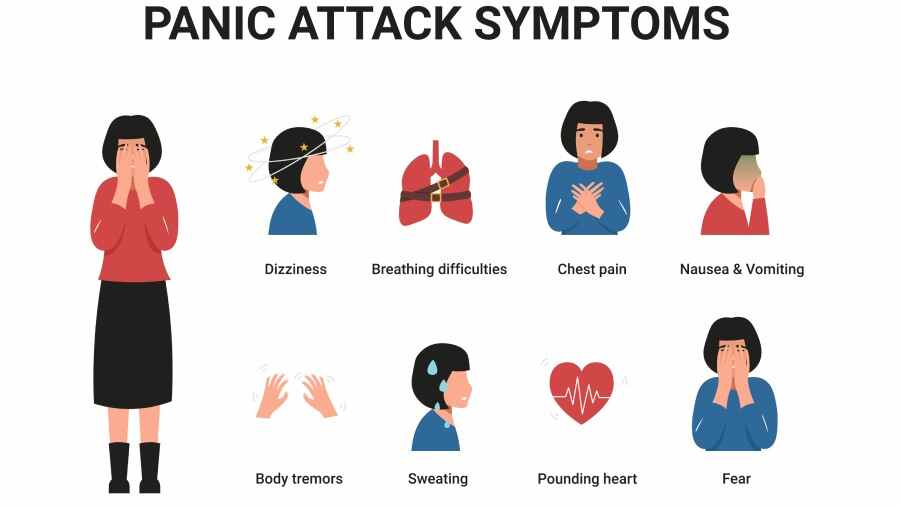
A Panic Attack is an abrupt surge of intense fear or intense discomfort that reaches a peak within minutes, and during which time, four or more of the following symptoms occur:

  1. Palpitations, pounding heart, or accelerated heart rate.
  2. Sweating.
  3. Trembling or shaking.
  4. Sensations of shortness of breath or smothering.
  5. Feelings of choking.
  6. Chest pain or discomfort.
  7. Nausea or abdominal distress.
  8. Feeling dizzy, unsteady, light-headed, or faint.
  9. Chills or heat sensations.
  10. Paresthesias (numbness or tingling sensations).
  11. Derealization (feelings of unreality) or depersonalization (being detached from oneself).
  12. Fear of losing control or "going crazy."
  13. Fear of dying.
Key Characteristics of a Panic Attack:
  • Abrupt onset: Symptoms appear suddenly, not gradually.
  • Peak intensity: Reach their peak within 10 minutes (though they can be shorter or longer).
  • Intense fear/discomfort: The emotional experience is overwhelming.
  • Multiple physical and cognitive symptoms: Not just one or two symptoms, but a cluster.
  • Can be expected or unexpected:
    • Expected Panic Attack: Occurs in anticipation of a feared situation (e.g., someone with social anxiety having a panic attack before a public speaking event).
    • Unexpected Panic Attack: Occurs "out of the blue" without an obvious trigger. These are particularly central to Panic Disorder.
  • Panic Disorder

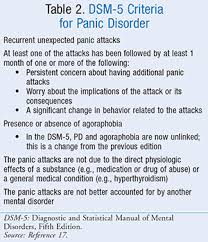
    Panic Disorder is a type of anxiety disorder characterized by recurrent, unexpected panic attacks. The diagnosis is made when an individual experiences:

    1. Recurrent, unexpected panic attacks.
    2. At least one of the attacks has been followed by 1 month (or more) of one or both of the following:
      • Persistent concern or worry about additional panic attacks or their consequences (e.g., losing control, having a heart attack, "going crazy"). This is often referred to as anticipatory anxiety.
      • A significant maladaptive change in behavior related to the attacks (e.g., behaviors designed to avoid having panic attacks, such as avoidance of exercise or unfamiliar situations, or avoidance of places where previous panic attacks occurred). This often leads to the development of agoraphobia.
    Key Characteristics of Panic Disorder:
    • Core Feature: The unexpected nature of the panic attacks. It's not just about having panic attacks, but having them without an obvious trigger, leading to a fear of having more panic attacks.
    • Anticipatory Anxiety: A constant state of worry about when and where the next attack will strike, leading to hypervigilance for bodily sensations.
    • Behavioral Change/Avoidance: People start to avoid situations, places, or even physical sensations (like increased heart rate from exercise) that they associate with previous panic attacks or fear might trigger one. This avoidance can become very pervasive.
    Differentiation from Other Anxiety Disorders

    It's crucial to distinguish Panic Disorder from other anxiety disorders, as treatment approaches can vary.

    1. Generalized Anxiety Disorder (GAD):
      • Panic Disorder: Characterized by acute, intense, episodic panic attacks, often unexpected, followed by worry about future attacks. The anxiety is typically episodic and focused on the panic attacks themselves.
      • GAD: Characterized by chronic, excessive, pervasive, and difficult-to-control worry about a variety of everyday life events (e.g., work, finances, family health). The anxiety is more diffuse and persistent, though individuals with GAD can also experience panic attacks, they are not the central focus of the disorder.
    2. Social Anxiety Disorder (Social Phobia):
      • Panic Disorder: Attacks are often unexpected, and the primary fear is of the panic attack itself or its consequences.
      • Social Anxiety Disorder: Panic attacks, if they occur, are expected and always triggered by specific social or performance situations where the individual fears scrutiny or embarrassment (e.g., public speaking, eating in public). The core fear is negative evaluation by others, not the panic attack itself.
    3. Specific Phobia:
      • Panic Disorder: Attacks are often unexpected, and the primary fear is of the panic attack itself.
      • Specific Phobia: Panic attacks, if they occur, are expected and consistently triggered by exposure to a specific object or situation (e.g., heights, spiders, flying). The core fear is of the specific object/situation.
    4. Post-Traumatic Stress Disorder (PTSD):
      • Panic Disorder: Focus on unexpected panic attacks and anticipatory anxiety.
      • PTSD: Panic attacks can occur, but they are typically expected and triggered by trauma-related reminders or flashbacks. The core features are re-experiencing the trauma, avoidance, negative alterations in cognitions and mood, and alterations in arousal and reactivity.
    5. Obsessive-Compulsive Disorder (OCD):
      • Panic Disorder: Anxiety is related to the recurrence of panic attacks.
      • OCD: Anxiety is triggered by obsessions (intrusive thoughts) and relieved by compulsions (repetitive behaviors). While panic can occur due to extreme anxiety from obsessions, it's not the central feature.
    Signs and Symptoms of a Panic Attack

    A panic attack is an abrupt surge of intense fear or discomfort accompanied by a cluster of specific symptoms. These can be categorized as follows:

    1. Physical/Somatic Symptoms:

    These are often the most prominent and distressing, leading many individuals to believe they are having a medical emergency (e.g., heart attack, stroke).

    • Cardiovascular: Palpitations, pounding heart, accelerated heart rate, chest pain or discomfort.
    • Respiratory: Sensations of shortness of breath, smothering, feelings of choking.
    • Gastrointestinal: Nausea or abdominal distress.
    • Neurological/Vestibular: Dizziness, unsteadiness, light-headedness, faintness, paresthesias (numbness or tingling), trembling or shaking.
    • Thermoregulation: Chills or heat sensations, sweating.
    2. Cognitive Symptoms:

    These involve distorted thoughts and misinterpretations that fuel the fear.

    • Fear of losing control or "going crazy."
    • Fear of dying.
    • Derealization: Feelings of unreality (e.g., feeling detached from one's surroundings, world seems dreamlike).
    • Depersonalization: Being detached from oneself (e.g., feeling like an observer of one's body, feeling unreal).
    3. Emotional Symptoms:

    The core emotional experience is intense fear.

    • Intense fear: Overwhelming and often unprovoked terror.
    • Apprehension: A sense of impending doom or danger.
    Diagnostic Criteria for Panic Disorder (based on DSM-5-TR)

    For a diagnosis of Panic Disorder, the following criteria must be met:

    A. Recurrent Unexpected Panic Attacks:

    The individual must experience recurrent, unexpected panic attacks.

    • "Unexpected" means the attack occurs without an obvious trigger or cue. This is a critical distinction from panic attacks that are always tied to a specific situation (e.g., a phobic situation).
    • A Panic Attack itself is defined by the abrupt surge of intense fear or intense discomfort that reaches a peak within minutes, during which four or more of the following 13 physical and cognitive symptoms occur: 1. Palpitations, pounding heart, or accelerated heart rate. 2. Sweating. 3. Trembling or shaking. 4. Sensations of shortness of breath or smothering. 5. Feelings of choking. 6. Chest pain or discomfort. 7. Nausea or abdominal distress. 8. Feeling dizzy, unsteady, light-headed, or faint. 9. Derealization (feelings of unreality) or depersonalization (being detached from oneself). 10. Fear of losing control or "going crazy." 11. Fear of dying. 12. Paresthesias (numbness or tingling sensations). 13. Chills or heat sensations.
    B. Subsequent Persistent Concern or Behavioral Change:

    At least one of the panic attacks has been followed by 1 month or more of one or both of the following:

    1. Persistent concern or worry about additional panic attacks or their consequences. This includes worries about potential implications like losing control, having a heart attack, or "going crazy." (This is often called anticipatory anxiety).
    2. A significant maladaptive change in behavior related to the attacks. This involves behaviors adopted to avoid having future panic attacks (e.g., avoidance of exercise, avoidance of unfamiliar situations, social withdrawal, not leaving home).
    C. Exclusion of Substance/Medical Condition:

    The disturbance is not attributable to the physiological effects of a substance (e.g., a drug of abuse, a medication) or another medical condition (e.g., hyperthyroidism, cardiopulmonary disorders). This emphasizes the importance of a thorough medical workup.

    D. Exclusion of Other Mental Disorder:

    The disturbance is not better explained by another mental disorder. For example, the panic attacks are not exclusively due to:

    • Social Anxiety Disorder (e.g., panic in response to social situations only).
    • Specific Phobia (e.g., panic in response to specific phobic objects/situations only).
    • Obsessive-Compulsive Disorder (e.g., panic in response to obsessions only).
    • Posttraumatic Stress Disorder (e.g., panic in response to trauma reminders only).
    • Separation Anxiety Disorder (e.g., panic in response to separation from attachment figures only).
    Development of Agoraphobia (often co-occurs with Panic Disorder):
    • While Agoraphobia can be diagnosed independently, it frequently develops as a direct consequence of Panic Disorder.
    • The fear of having a panic attack in situations where escape is difficult or help is unavailable leads to avoidance of these situations (e.g., public transportation, open spaces, enclosed places, standing in line, being outside the home alone).
    • In severe cases, individuals with agoraphobia may become housebound.
    Cause of panic attacks

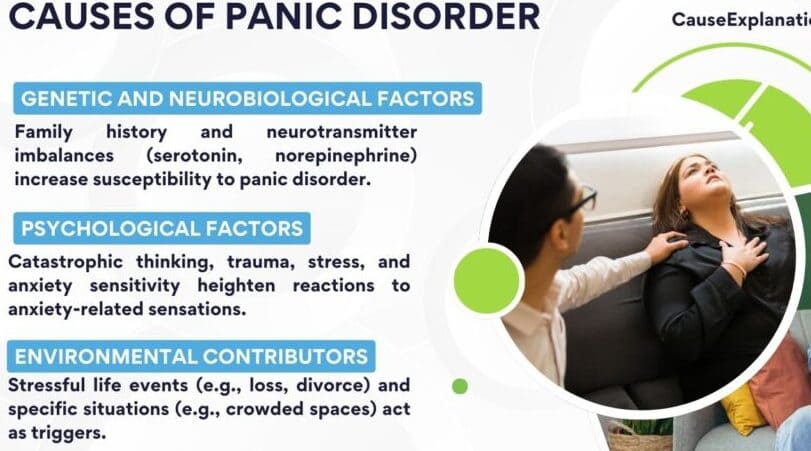
    The cause of panic attack is unknown (idiopathic) but the following are thought to trigger panic attacks;

    I. Biological Factors
    1. Genetic Predisposition:
      • Panic Disorder often runs in families. First-degree biological relatives of individuals with Panic Disorder are at a higher risk (up to 4-8 times higher) of developing the disorder themselves.
      • Twin studies also support a genetic component, with higher concordance rates in monozygotic (identical) twins compared to dizygotic (fraternal) twins. However, genetics alone do not fully explain the disorder, indicating other factors are at play.
    2. Neurochemical Imbalances:
      • Several neurotransmitter systems are implicated in anxiety and panic:
        • Norepinephrine: Overactivity in the locus coeruleus (a brain region rich in norepinephrine neurons) is thought to contribute to the physiological arousal and "fight-or-flight" response seen in panic attacks.
        • Serotonin: Dysregulation in serotonergic systems is well-established in many anxiety disorders, including panic. Selective Serotonin Reuptake Inhibitors (SSRIs) are a primary treatment, suggesting serotonin's role.
        • GABA (Gamma-aminobutyric acid): GABA is an inhibitory neurotransmitter. Reduced GABAergic activity or fewer GABA receptors can lead to increased neuronal excitability and anxiety. Benzodiazepines, which enhance GABA's effects, are effective in acute panic.
      • Brain Structures: Abnormalities in brain circuits involving the amygdala (involved in fear processing), hippocampus (memory of fearful events), and prefrontal cortex (emotional regulation) are also being investigated.
    3. Interoceptive Sensitivity and False Suffocation Alarm Theory:
      • Interoception: Refers to the perception of internal bodily sensations (e.g., heart rate, respiration, stomach discomfort). Individuals with Panic Disorder often have heightened sensitivity to these normal bodily sensations.
      • False Suffocation Alarm Theory: Proposed by Donald Klein, this theory suggests that a subset of individuals with Panic Disorder have a hypersensitive "suffocation alarm" system in the brainstem. This system is normally triggered by changes in CO2 levels (indicating a need for more oxygen), but in these individuals, it may be overly sensitive and fire even when there's no actual threat, leading to feelings of breathlessness and triggering a panic attack.
    II. Psychological Factors
    1. Cognitive Misinterpretation of Bodily Sensations:
      • This is a cornerstone of the Cognitive-Behavioral Model of Panic. Individuals with Panic Disorder tend to catastrophically misinterpret normal or slightly elevated bodily sensations as signs of impending catastrophe.
      • Example: A slight increase in heart rate (e.g., from climbing stairs or drinking coffee) might be interpreted as "I'm having a heart attack," leading to increased anxiety, which further exacerbates physical symptoms, creating a vicious cycle of fear.
      • This misinterpretation amplifies benign physiological changes into full-blown panic.
    2. Anxiety Sensitivity:
      • Defined as the fear of anxiety-related sensations due to beliefs that these sensations have harmful consequences (e.g., "When I feel dizzy, I think I might faint and be embarrassed").
      • Individuals with high anxiety sensitivity are more likely to develop Panic Disorder. They are not just anxious, but they are afraid of being anxious.
    3. Conditioning and Learning Theories:
      • Classical Conditioning: A neutral stimulus (e.g., a specific location like a crowded mall) can become associated with the intense fear of a panic attack. Subsequently, just being in that location can trigger anxiety or even a panic attack.
      • Operant Conditioning (Negative Reinforcement): Avoiding situations that might trigger panic (e.g., agoraphobia) provides immediate relief from anxiety. This relief negatively reinforces the avoidance behavior, making it more likely that the person will continue to avoid those situations, thus maintaining the disorder.
    III. Environmental/Social Factors
    1. Stressful Life Events:
      • Panic attacks often first occur during periods of significant stress, such as job loss, relationship breakups, deaths of loved ones, or major life transitions. Stress can tax an individual's coping resources and increase physiological arousal, making them more vulnerable.
      • Childhood trauma: A history of childhood physical or sexual abuse, or other forms of trauma, is a significant risk factor for developing Panic Disorder.
    2. Substance Use and Withdrawal:
      • Stimulants: Caffeine, nicotine, and illicit stimulants (e.g., cocaine, amphetamines) can induce anxiety and panic-like symptoms due to their impact on the sympathetic nervous system.
      • Alcohol/Sedative-Hypnotic Withdrawal: Withdrawal from substances like alcohol or benzodiazepines can lead to severe anxiety, tremors, and even panic attacks, as the nervous system becomes overactive.
    3. Parenting Styles/Attachment:
      • Some research suggests that certain parenting styles (e.g., overprotective, critical) or insecure attachment styles may contribute to a child's vulnerability to anxiety disorders, including panic, by affecting emotional regulation and perceived self-efficacy.
    Nursing Concerns/Impact and Complications
    I. Impairment in Daily Functioning

    The constant threat of unexpected panic attacks and the associated anticipatory anxiety and avoidance behaviors can severely disrupt nearly every aspect of an individual's life:

    1. Occupational/Academic:
      • Difficulty concentrating due to persistent worry about attacks.
      • Avoidance of work/school due to fear of having an attack in public or in demanding situations.
      • Absence from work/school, leading to job loss, academic failure, or underemployment.
      • Reduced productivity and performance.
    2. Social Life:
      • Withdrawal from social activities and friends, especially if those activities involve feared situations (e.g., crowded places, driving, public transport).
      • Fear of embarrassment if a panic attack occurs in public.
      • Significant reduction in social support networks, leading to isolation.
    3. Relationships:
      • Strain on family and romantic relationships as partners or family members may struggle to understand or cope with the individual's avoidance and anxiety.
      • Dependence on others (e.g., relying on a partner to drive everywhere), which can create resentment or strain.
      • Communication difficulties surrounding the illness.
    4. Leisure and Hobbies:
      • Inability to participate in previously enjoyed activities, particularly those requiring travel or public interaction.
      • Overall reduction in pleasurable activities due to fear and avoidance.
    5. Independence:
      • In severe cases, particularly with co-occurring agoraphobia, individuals may become housebound, losing all independence and relying entirely on others.
    II. Comorbidity with Other Mental Health Disorders

    Panic Disorder rarely occurs in isolation. High rates of comorbidity are a significant challenge, complicating diagnosis and treatment, and often leading to worse outcomes.

    1. Major Depressive Disorder:
      • As noted previously, 50-65% of individuals with Panic Disorder will experience a major depressive episode in their lifetime. The chronic stress, impairment, and isolation often contribute to the development of depression.
      • The combination of Panic Disorder and depression typically leads to more severe symptoms, greater functional impairment, and a poorer prognosis.
    2. Other Anxiety Disorders:
      • Generalized Anxiety Disorder (GAD): Chronic, excessive worry can co-exist with episodic panic.
      • Social Anxiety Disorder: Fear of social situations and potential panic within them.
      • Specific Phobias: Co-occurring fears of specific objects or situations.
      • Post-Traumatic Stress Disorder (PTSD): Panic attacks can be a symptom of PTSD, or Panic Disorder can develop after a traumatic event.
    3. Substance Use Disorders:
      • Individuals with Panic Disorder have a significantly increased risk of developing alcohol or other substance use disorders (e.g., benzodiazepine abuse, cannabis).
      • Substances are often used as a form of "self-medication" to cope with anxiety and panic, though this ultimately exacerbates the problem and leads to dependence.
    4. Personality Disorders:
      • Certain personality disorders, particularly Cluster C (anxious/fearful cluster, e.g., dependent or avoidant personality disorder), can co-occur, making treatment more complex.
    III. Physical Health Consequences

    The chronic stress and physiological arousal associated with Panic Disorder can have long-term physical health implications, and the constant worry often leads to increased healthcare utilization.

    1. Cardiovascular Risk:
      • Chronic activation of the sympathetic nervous system, elevated heart rate, and blood pressure during panic attacks may contribute to an increased risk of cardiovascular disease over time.
      • However, it's more accurate to say that chronic stress and lifestyle factors associated with anxiety disorders (e.g., reduced exercise, poor diet, smoking) contribute to cardiovascular risk.
    2. Gastrointestinal Issues:
      • Chronic anxiety and stress can exacerbate or contribute to conditions like Irritable Bowel Syndrome (IBS) or functional dyspepsia.
    3. Sleep Disturbances:
      • Difficulty falling asleep or staying asleep due to worry, nightmares, or nocturnal panic attacks.
    4. Increased Healthcare Utilization:
      • Individuals with Panic Disorder frequently visit emergency rooms and general practitioners due to physical symptoms, fearing they have a serious medical condition. This leads to numerous diagnostic tests, often with negative results, incurring significant healthcare costs and reinforcing health anxiety if not properly managed.
    5. Headaches and Chronic Pain:
      • Increased muscle tension from chronic anxiety can lead to tension headaches and exacerbate other chronic pain conditions.
    IV. Impact on Quality of Life

    Ultimately, the cumulative effect of functional impairment, comorbidity, and physical health issues leads to a significantly reduced quality of life for individuals with Panic Disorder.

    • Reduced overall life satisfaction.
    • Feelings of helplessness, hopelessness, and demoralization.
    • Increased disability and unemployment rates.
    • Higher risk of suicidal ideation and attempts (especially when co-occurring with depression).
    Comprehensive Management of Panic Disorder

    This is a psychiatric emergency. Managing Panic Disorder (PD) is a process that requires a holistic approach, often involving a multidisciplinary team.

    Aims/ Goals of Management

    The primary objectives of Panic Disorder management are:

    1. Decrease Frequency of Attacks: Reduce the number of panic attacks experienced.
    2. Decrease Intensity of Attacks: Lessen the severity of symptoms during an attack.
    3. Decrease Anticipatory Anxiety: Alleviate the constant worry about future attacks.
    4. Decrease Phobic Avoidance: Reduce and eventually eliminate avoidance behaviors, including agoraphobia.
    5. Treat Co-occurring Psychiatric Disorders: Address common comorbidities such as depression, other anxiety disorders, or substance use disorders.
    6. Achieve Full Symptomatic Remission: Restore full functioning and quality of life.
    I. Initial Presentation and Immediate Management of a Panic Attack (Psychiatric Emergency)

    A panic attack, especially the first one, can be terrifying and often presents as a medical emergency due to the intensity of physical symptoms.

    1. Prioritize Medical Rule-Out:
      • Urgent Assessment: Any patient presenting with acute chest pain, dyspnea, palpitations, or near syncope requires immediate medical evaluation to rule out life-threatening physical conditions (e.g., myocardial infarction, pulmonary embolism, severe arrhythmias).
      • Medical Interventions: Place the patient on oxygen, position them appropriately (supine or Fowler's), and monitor vital signs, pulse oximetry, and perform electrocardiography (ECG). Address any abnormal findings (e.g., ventricular dysrhythmias) immediately.
      • Referral: If initial medical workup reveals cardiac or other significant medical abnormalities, the patient must be referred to the appropriate specialist (e.g., cardiologist).
    2. Ensure Patient Safety:
      • Suicide Risk Assessment: Always assess for potential suicide risk at all appointments, especially during acute anxiety crises, or if the patient reports suicidal or homicidal ideation. Inpatient care is warranted if there is evidence of dangerous behavior, severe suicidal ideation with a plan, or significant withdrawal symptoms from substances.
      • Calm Environment & Reassurance (Nursing Care): Approach the patient in a calm and quiet manner. For tensed, trembling, or sweating patients, a calm presence helps de-escalate their distress. Provide frequent reassurance and explanation, emphasizing that their symptoms are neither from a serious medical condition nor a psychotic disorder, but rather from a treatable chemical imbalance related to the fight-or-flight response. This psychoeducation is crucial.
    3. Acute Symptom Relief (Pharmacological - Short-Term):
      • In the acute crisis, a few doses of a fast-acting benzodiazepine (e.g., Lorazepam 1-2 mg orally or IM, Diazepam 10-20 mg IV, Clonazepam 0.5-2mg once daily) can be used to quickly alleviate severe anxiety and panic symptoms.
      • Caution: Emphasize that benzodiazepines are for short-term, as-needed use, and not for long-term monotherapy, due to the high risk of dependence, withdrawal, and the potential to mask symptoms or interfere with full engagement in psychotherapy. Avoid in patients with a history of substance misuse.
    III. Comprehensive Long-Term Management (Psychiatric and Collaborative Care)

    All patients with PD should be monitored by a psychiatrist, psychologist, or other mental health professional. Psychiatric care is highly effective and cost-efficient due to the potential for reducing emergency department visits and overall healthcare costs.

    A. Psychoeducation and Initial Supportive Measures:
    1. Patient and Family Education:
      • Explain the nature of Panic Disorder, clarifying that symptoms are not indicative of a serious physical illness or psychosis, but a treatable psychological condition.
      • Reassure the patient that many people experience similar problems and that the condition is treatable and often short-lived with proper intervention.
      • Educate on the "fight-or-flight" response and how it relates to panic symptoms.
    2. Monitoring:
      • Patients should self-monitor their symptoms by keeping a daily diary of panic symptoms and anxiety levels. Rating scales can also be used during sessions.
    3. Social Services Intervention:
      • Provide supportive discussions and explore resources for outpatient care and assistance.
    B. Psychological Therapies (First-Line Treatment)

    Cognitive Behavioral Therapy (CBT) is considered the most effective and low-cost approach for Panic Disorder, often leading to higher efficacy and lower relapse rates than medication alone, particularly when implemented early.

    1. Key Components of CBT:
      • Psychoeducation: As mentioned, understanding the benign nature of their physical sensations is crucial.
      • Cognitive Restructuring: Help patients identify and challenge automatic, catastrophic thoughts and false beliefs/distortions that lead to exaggerated emotional responses during a panic attack. Teach them to recognize that an increased heart rate, for example, is a normal physiological response, not a sign of impending doom.
      • Behavioral Therapy / Exposure Therapy:
        • Interoceptive Exposure: Gradually expose the patient to anxiety-provoking physical sensations (e.g., spinning in a chair for dizziness, hyperventilating for dyspnea, running in place for increased heart rate). The goal is to desensitize the patient to these sensations, allowing them to learn that these sensations are not dangerous and will pass.
        • In Vivo Exposure: Encourage and support the patient in sequentially and gradually confronting situations they have been avoiding (e.g., crowded places, driving, public transport) due to fear of panic. This helps extinguish avoidance behaviors and rebuilds confidence.
      • Relaxation Techniques: Teach patients relaxation techniques (e.g., diaphragmatic breathing) to help control hyperventilation during panic and manage overall anxiety levels.
    C. Pharmacological Treatments (Often Combined with Psychotherapy)

    Pharmacological therapy, particularly with SSRIs, is highly effective and often combined with psychotherapy, especially for more severe cases or when psychotherapy alone is insufficient. Patients should be informed about potential adverse reactions, realistic timelines for results, and the likely duration of treatment.

    1. Selective Serotonin Reuptake Inhibitors (SSRIs):
      • First Choice: SSRIs are the first-choice pharmacological treatment for PD.
      • Examples: Fluoxetine (10 mg starting, up to 60 mg maintenance), Paroxetine, Sertraline (50 mg starting, up to 200 mg maintenance), Fluvoxamine, Citalopram, Escitalopram.
      • Mechanism: Primarily antagonize the 5-HT2 receptor and inhibit the reuptake of 5-HT, increasing serotonin levels in the brain. They have negligible affinity for cholinergic and histaminergic receptors.
      • Onset: Initial follow-up care should occur within a week, as SSRIs can cause initial anxiety (jitteriness syndrome) or gastrointestinal issues. Start with the lowest dose and titrate slowly, with full therapeutic effects usually seen in 4-6 weeks.
      • Long-Term Management: Educate the patient about the importance of longer-term management with SSRI medication.
    2. Serotonin-Norepinephrine Reuptake Inhibitors (SNRIs):
      • Examples: Venlafaxine (often extended-release), Duloxetine. Trazodone (which is primarily an antidepressant and often used for sleep, though it affects serotonin) is mentioned in your slides as used for PD with or without agoraphobia.
      • Mechanism (Venlafaxine/Duloxetine): Inhibit the reuptake of both serotonin and norepinephrine.
      • Mechanism (Trazodone): Primarily an antagonist at the 5-HT2 receptor and inhibits the reuptake of 5-HT.
      • Use: Effective alternatives if SSRIs are not tolerated or ineffective.
    3. Benzodiazepines:
      • Intermediate to Strong Potency: (e.g., Alprazolam, Clonazepam, Lorazepam, Diazepam).
      • Mechanism: Potentiate GABA by binding to specific GABA receptors, leading to rapid anxiolytic effects.
      • Role: Primarily for acute symptom control or for short-term use (e.g., to bridge the gap while SSRIs take effect). They should not be used as monotherapy for long-term management of PD due to risks of dependence and abuse.
      • Prescription Caution: Dispensing should be limited to ensure patients understand it's a temporary or emergency option. Avoid in patients with a known history of substance misuse or alcoholism. Clonazepam is often preferred for its longer half-life compared to Alprazolam, which has a higher abuse potential.
    4. Tricyclic Antidepressants (TCAs):
      • Examples: Imipramine (25 mg nocte), Amitriptyline (25-50 mg once daily), Desipramine, Clomipramine.
      • Mechanism: Serotonin and Noradrenaline reuptake inhibitors.
      • Use: Effective, but often discontinued in 35% of cases due to a higher side-effect burden (e.g., blurred vision, dry mouth, dizziness, weight gain, GI disturbances, agitation, headache, insomnia, decreased libido) compared to SSRIs/SNRIs. Start at low doses and titrate gradually to manage side effects.
    5. Monoamine Oxidase Inhibitors (MAOIs):
      • Examples: Phenelzine, Tranylcypromine.
      • Mechanism: Nonselective monoamine oxidase inhibitors, increasing endogenous concentrations of dopamine, serotonin, epinephrine, and norepinephrine.
      • Use: Highly effective for PD and associated phobias, but typically reserved for refractory cases due to dietary restrictions (tyramine-free diet) and significant drug-drug interaction risks.
    D. Lifestyle Modifications and Adjunctive Strategies:
    1. Avoidance of Stimulants: Advise patients to reduce or eliminate caffeine, nicotine (cigarettes), and sympathomimetics (e.g., nasal decongestants), as these can be anxiety-producing agents and interfere with pharmacological therapy.
    2. Alcohol Reduction: Advise patients to reduce or eliminate alcohol intake, as it can exacerbate anxiety and interfere with treatment.
    3. Exercise: Encourage regular physical activity, which can reduce overall anxiety and improve mood.
    4. Relaxation Techniques: Reiterate the importance of techniques like controlled breathing and mindfulness to manage anxiety levels.
    E. Follow-up Care and Management of Relapses:
    1. Regular Follow-up: Initial follow-up for SSRI initiation should occur within a week. Continuous monitoring is essential, particularly for the emergence or worsening of depression, which can increase suicide risk.
    2. Referrals: Refer to chemical dependence treatment specialists if substance use issues are identified.
    3. Relapse Management:
      • Triggers: Patients may experience relapses after successful treatment, especially following significant stressful life events (e.g., loss of a loved one, discovery of a severe illness).
      • Strategy: If a relapse occurs, adopt the prior successful treatment plan (CBT, SSRIs, or SNRIs). If the previous approach is no longer effective, consider maintaining CBT and changing the class of pharmacological agents (e.g., switching from an SSRI to a TCA or SNRI).
    IV. Nursing Care Considerations

    Nursing staff play a vital role in the management of patients with Panic Disorder.

    1. Patient Comfort and Safety: These are paramount, particularly during acute episodes.
    2. Therapeutic Relationship: Approach patients calmly and quietly. Avoid allowing the patient to become overly dependent, as this can interfere with the therapeutic relationship and the patient's progress toward independence. The goal is to empower the patient, not foster dependence.
    3. Psychoeducation: Educate the patient to accept the reality of their condition and the effectiveness of treatment.
    4. Encouragement for Exposure: Actively encourage the patient to return to or remain in places or situations that trigger anxiety as part of exposure therapy.
    V. Prognosis

    The long-term prognosis for Panic Disorder is generally good.

    • Remission Rates: Almost 65% of patients achieve remission, typically within 6 months, with appropriate treatment.
    • Effectiveness: Appropriate pharmacologic therapy (especially SSRIs/SNRIs) and cognitive-behavioral therapy, individually or in combination, are effective in more than 85% of cases.
    • Cardiovascular Risk: While panic itself can induce myocardial ischemia in patients with existing coronary disease, and increase the risk of sudden death due to reduced heart rate variability and increased QT interval variability, it's also true that patients with PD have nearly double the risk of coronary artery disease. This highlights the importance of managing both the psychiatric and any co-occurring physical health conditions.

    Panic Attacks and Disorders Read More »

    Want notes in PDF? Join our classes!!

    Send us a message on WhatsApp
    0726113908

    Scroll to Top
    Enable Notifications OK No thanks