Nurses Revision

Uncategorized

INFECTIVE ENDOCARDITIS, Causes, Investigations, Management, and Nursing Interventions

INFECTIVE ENDOCARDITIS: Causes, Investigations, Management, and Nursing Interventions

Nursing Notes - Inflammatory Diseases of the Heart

INFECTIVE ENDOCARDITIS: Causes, Investigations, Management, and Nursing Interventions

Infective Endocarditis (IE) is a severe and potentially life-threatening infection of the inner lining of the heart (the endocardium) and heart valves. It occurs when microorganisms, typically bacteria, enter the bloodstream and attach to damaged or abnormal heart valves or to areas of the endocardium, forming vegetations. These vegetations are composed of platelets, fibrin, inflammatory cells, and microorganisms, and can lead to valve destruction, embolization to other organs, and systemic infection.

I. Causes and Risk Factors of Infective Endocarditis (Etiology)

IE typically develops in individuals with pre-existing cardiac conditions or those with routes for bacteremia. The causative microorganisms are predominantly bacteria, but fungi can also be responsible, especially in immunocompromised individuals or those with indwelling catheters.

A. Microorganisms (Pathogens):

The type of pathogen often correlates with the route of infection and patient characteristics.

Staphylococci:
  • Staphylococcus aureus: The most common cause of acute IE, particularly in intravenous drug users (IVDUs), patients with prosthetic valves, and those with healthcare-associated infections. Known for rapid valve destruction and severe complications.
  • Coagulase-negative Staphylococci (e.g., Staphylococcus epidermidis): Common cause of prosthetic valve endocarditis (PVE), especially early PVE, as they are part of normal skin flora and can contaminate surgical sites.
Streptococci:
  • Viridans group Streptococci (e.g., S. mutans, S. sanguinis, S. mitis): The most common cause of subacute IE, typically originating from the oral cavity (e.g., dental procedures, poor oral hygiene). Affects previously damaged native valves.
  • Streptococcus gallolyticus (formerly S. bovis): Associated with gastrointestinal malignancies.
  • Enterococci (e.g., Enterococcus faecalis, E. faecium): Common in older males with genitourinary or gastrointestinal tract procedures, often resistant to multiple antibiotics.
HACEK Group:
  • Haemophilus, Aggregatibacter, Cardiobacterium, Eikenella, Kingella: Fastidious Gram-negative bacteria that are part of normal oral flora. Can cause large vegetations and embolic events, typically subacute.
Fungi:
  • Candida species, Aspergillus species: Rare but highly lethal, seen in IVDUs, immunocompromised patients, or those with prolonged antibiotic use/central venous catheters. Often causes large vegetations.
Other Rare Pathogens:
  • Gram-negative Bacilli: Pseudomonas aeruginosa, E. coli (rare).
  • Culture-negative Endocarditis: Occurs when standard blood cultures fail to identify the pathogen, often due to prior antibiotic use, fastidious organisms (e.g., Coxiella burnetii, Bartonella spp., Tropheryma whipplei), or fungal infections.
B. Risk Factors:

Conditions that predispose individuals to bacteremia or provide a suitable surface for bacterial attachment.

Pre-existing Cardiac Conditions:
  • Prosthetic Heart Valves: Mechanical or bioprosthetic, highest risk due to foreign material.
  • Previous Infective Endocarditis: Strongest risk factor for recurrence.
  • Congenital Heart Disease: Unrepaired cyanotic heart disease, surgically repaired defects with residual shunts/regurgitation, bicuspid aortic valve (most common congenital lesion).
  • Valvular Heart Disease: Rheumatic heart disease, degenerative valve disease (e.g., calcific aortic stenosis, mitral valve prolapse with regurgitation and thickened leaflets).
  • Hypertrophic Obstructive Cardiomyopathy (HOCM).
  • Intracardiac Devices: Pacemakers, implantable cardioverter-defibrillators (ICDs).
Routes for Bacteremia:
  • Intravenous Drug Use (IVDU): Especially with unsterile injection practices; often affects the tricuspid valve.
  • Intravascular Catheters: Central venous lines, PICCs, hemodialysis catheters.
  • Dental Procedures: With gingival manipulation (high-risk procedures in patients with predisposing cardiac conditions). Poor oral hygiene is an ongoing risk.
  • Other Invasive Procedures: Gastrointestinal, genitourinary, respiratory tract procedures, skin infections.
  • Chronic Hemodialysis.
Immunocompromised State:
  • HIV infection, malignancy, chemotherapy, immunosuppressive medications (e.g., post-transplant).
II. Clinical Manifestations (Signs and Symptoms) of Endocarditis

The clinical presentation of IE is diverse and can range from acute, rapidly progressing illness to a subacute, indolent course. Symptoms are often non-specific, making diagnosis challenging.

A. General and Constitutional Symptoms:

Common in both acute and subacute forms, reflecting systemic inflammation and infection.

  • Fever: Present in >90% of cases, though may be absent in elderly, immunocompromised, or those with renal failure. May be intermittent.
  • Chills, Sweats (especially night sweats).
  • Fatigue, Malaise, Weakness.
  • Anorexia and Weight Loss.
  • Arthralgia (joint pain), Myalgia (muscle pain).
  • Headache.
B. Cardiac Signs:

Reflect involvement of heart valves and potential heart failure.

  • New or Changing Heart Murmur: The most important physical sign, occurring in up to 85% of cases. Due to valve destruction or altered blood flow.
  • Signs of Heart Failure: Dyspnea, orthopnea, paroxysmal nocturnal dyspnea, peripheral edema, crackles in lungs, S3 gallop. Due to severe valvular regurgitation (e.g., aortic or mitral).
  • Pericarditis/Myocarditis: Less common, but inflammation can extend to adjacent structures.
C. Embolic Phenomena (Systemic and Pulmonary):

Result from fragments of vegetations breaking off and traveling through the bloodstream.

  • Systemic Embolism (Left-sided IE):
    • Cerebral Emboli: Stroke (most common and serious), transient ischemic attack (TIA).
    • Splenic Infarcts: Left upper quadrant pain, tenderness.
    • Renal Infarcts: Flank pain, hematuria.
    • Peripheral Arterial Emboli: Ischemia of limbs (pain, pallor, pulselessness, paresthesias, paralysis).
    • Mycotic Aneurysms: Weakening of arterial walls due to infection, can rupture.
  • Pulmonary Embolism (Right-sided IE, common in IVDUs):
    • Recurrent pneumonia-like symptoms, pleuritic chest pain, dyspnea, hemoptysis.
    • Septic pulmonary emboli can lead to lung abscesses.
D. Immunologic Phenomena:

Less specific but classic signs of IE, thought to be due to immune complex deposition or vasculitis.

  • Osler's Nodes: Painful, tender, red or purplish nodules on finger or toe pads.
  • Janeway Lesions: Non-tender, erythematous or hemorrhagic macules on palms and soles.
  • Roth Spots: Retinal hemorrhages with pale centers on fundoscopic exam.
  • Glomerulonephritis: Microscopic hematuria, proteinuria, renal dysfunction.
  • Clubbing of Fingers and Toes: In chronic IE.
III. Investigations for Infective Endocarditis (Diagnosis)

Diagnosis of IE relies on a combination of clinical features, microbiological evidence, and echocardiographic findings, typically guided by the modified Duke Criteria.

A. Laboratory Tests:
  • Blood Cultures:
    • Gold Standard: At least three sets of blood cultures from different venipuncture sites, drawn at different times, before initiating antibiotic therapy.
    • Yield: Positive in 90-95% of cases. Culture-negative IE requires specialized testing (e.g., serology for Coxiella burnetii, Bartonella, fungal cultures).
  • Inflammatory Markers:
    • ESR and CRP: Almost always elevated in active IE, but non-specific.
  • Complete Blood Count (CBC):
    • Anemia: Common in chronic IE (anemia of chronic disease).
    • Leukocytosis: May or may not be present.
  • Renal Function Tests:
    • Monitor for glomerulonephritis or renal infarcts.
  • Urinalysis:
    • May show microscopic hematuria (due to renal infarcts or glomerulonephritis).
  • B. Echocardiography:

    Crucial for visualizing vegetations, assessing valvular damage, and evaluating cardiac function.

  • Transthoracic Echocardiogram (TTE):
    • Initial Imaging: Non-invasive, widely available. Good for visualizing large vegetations (>2-3 mm) on native valves, and assessing ventricular function.
    • Limitations: Limited sensitivity for small vegetations, prosthetic valves, or in patients with poor acoustic windows.
  • Transesophageal Echocardiogram (TEE):
    • More Sensitive: Offers superior visualization of all four heart valves, prosthetic valves, perivalvular extensions (abscesses, fistulae), and smaller vegetations (<2-3 mm).
    • Indications: Suspected IE with negative TTE, prosthetic valves, intracardiac devices, complicated IE, or when surgical intervention is contemplated.
  • C. Other Imaging:
    1. CT Scans (Chest, Abdomen, Brain):
      • Purpose: To detect embolic events (e.g., splenic, renal, cerebral infarcts, mycotic aneurysms) or extracardiac infection.
    2. PET/CT (Positron Emission Tomography/Computed Tomography):
      • Emerging Role: Particularly useful for diagnosing PVE and culture-negative IE by identifying areas of increased metabolic activity consistent with infection.
    D. Modified Duke Criteria:

    A set of clinical criteria used to classify the likelihood of IE (definite, possible, or rejected) based on major and minor criteria. Requires clinical judgment.

    • Major Criteria:
      • Positive blood cultures for IE-typical microorganisms (e.g., S. aureus, Viridans strep) or persistently positive cultures.
      • Evidence of endocardial involvement by echocardiography (vegetation, abscess, new partial dehiscence of prosthetic valve, new regurgitation).
    • Minor Criteria:
      • Predisposition (predisposing heart condition or IVDU).
      • Fever (temperature >38°C).
      • Vascular phenomena (e.g., arterial emboli, septic pulmonary infarcts, mycotic aneurysm, conjunctival hemorrhages, Janeway lesions).
      • Immunologic phenomena (e.g., glomerulonephritis, Osler's nodes, Roth spots, rheumatoid factor).
      • Microbiological evidence (positive blood culture not meeting major criteria or serologic evidence of active infection with organism consistent with IE).
    IV. Management and Treatment of Infective Endocarditis

    Treatment of IE involves prolonged courses of high-dose intravenous antibiotics and, in many cases, surgical intervention. The goals are to eradicate the infection, prevent complications, and restore valvular function.

    A. Antibiotic Therapy:

    The cornerstone of IE treatment. Therapy is empiric initially, then tailored based on blood culture results and antibiotic sensitivities.

    1. Empiric Therapy:
      • Choice: Broad-spectrum antibiotics covering likely pathogens (e.g., Staphylococci, Streptococci, Enterococci). Often involves combination therapy (e.g., Vancomycin + Ceftriaxone or Gentamicin).
      • Initiation: Started after obtaining adequate blood cultures.
    2. Targeted Therapy:
      • Adjustment: Based on identification of the pathogen and its antibiotic sensitivities.
      • Duration: Typically 2-6 weeks of intravenous antibiotics. Longer courses are common for prosthetic valve endocarditis, fungal endocarditis, or difficult-to-treat organisms.
      • Route: Primarily IV, often requiring PICC line insertion for outpatient management.
    3. Monitoring Antibiotic Levels:
      • For certain antibiotics (e.g., Vancomycin, Gentamicin) to ensure therapeutic levels and minimize toxicity (e.g., nephrotoxicity, ototoxicity).
    B. Surgical Intervention:

    Up to 50% of patients with IE may require surgery. Timing of surgery is crucial and can be emergent, urgent, or elective.

    1. Indications for Surgery:
      • Heart Failure: Due to severe valvular regurgitation (e.g., aortic or mitral valve destruction) refractory to medical therapy. This is the most common indication.
      • Uncontrolled Infection: Persistent bacteremia despite appropriate antibiotic therapy (typically >7-10 days), perivalvular extension (abscess, fistula, pseudoaneurysm), or infection by resistant organisms (e.g., fungi, multidrug-resistant bacteria).
      • Prevention of Embolism: Large vegetations (>10-15 mm, especially mobile vegetations on the anterior mitral leaflet), or recurrent embolic events despite appropriate antibiotics.
      • Prosthetic Valve Dysfunction or Dehiscence.
    2. Surgical Procedures:
      • Valve Repair: Whenever possible, especially for mitral valve.
      • Valve Replacement: With mechanical or bioprosthetic valves.
      • Debridement of Infected Tissue: Removal of vegetations and abscesses.
    C. Management of Complications:
    1. Embolic Stroke: Medical management, potential anticoagulation (controversial in active IE due to risk of hemorrhagic transformation).
    2. Mycotic Aneurysm: May require surgical or endovascular repair.
    3. Renal Failure: Supportive care, dialysis if needed.
    4. Heart Block: Temporary or permanent pacemaker insertion.
    D. Prophylaxis:

    Antibiotic prophylaxis is recommended only for very specific high-risk cardiac conditions undergoing high-risk dental procedures.

    • High-Risk Cardiac Conditions: Prosthetic heart valves, previous IE, unrepaired cyanotic congenital heart disease, repaired congenital heart disease with residual defects, cardiac transplant recipients who develop valvulopathy.
    • High-Risk Dental Procedures: Involving manipulation of gingival tissue or periapical region of teeth, or perforation of the oral mucosa.
    • Not Recommended: For routine dental cleanings in low-risk individuals, or for GI/GU procedures unless there is an active infection.
    V. Nursing Interventions for Infective Endocarditis

    Nursing care for patients with IE is complex, requiring vigilant monitoring, meticulous infection control, comprehensive medication management, and extensive patient education.

    1. Infection Control and Prevention:
      • Aseptic Technique: Maintain strict aseptic technique during IV line insertion, dressing changes, and medication administration to prevent secondary infections.
      • Catheter Care: Meticulous care for central venous catheters (PICC lines, CVCs) used for prolonged antibiotic therapy. Monitor insertion sites for signs of infection (redness, swelling, drainage, pain).
      • Oral Hygiene: Encourage and assist with regular and thorough oral hygiene to reduce bacterial load.
      • Skin Care: Assess and maintain skin integrity, especially in IV drug users, to prevent skin breakdown and source of infection.
    2. Medication Administration and Monitoring:
      • Accurate IV Antibiotic Administration: Administer high-dose IV antibiotics on time, ensuring correct dilution and infusion rates.
      • Monitor for Adverse Drug Reactions: Assess for common side effects (e.g., rash, nausea, diarrhea) and specific toxicities (e.g., nephrotoxicity, ototoxicity with aminoglycosides/vancomycin; monitor peak and trough levels as ordered).
      • Anticoagulation Management: If on anticoagulants (e.g., for mechanical prosthetic valves), monitor INR/PTT and assess for bleeding.
      • Pain Management: Administer analgesics as needed, assess pain effectiveness.
    3. Cardiac Monitoring and Assessment:
      • Continuous Cardiac Monitoring: Observe for arrhythmias (e.g., new heart blocks due to perivalvular abscess) and signs of worsening heart failure.
      • Frequent Vital Signs: Monitor temperature (fever patterns), heart rate, blood pressure, and respiratory rate for signs of infection progression or sepsis.
      • Assess Heart Sounds: Auscultate regularly for new or changing heart murmurs, S3 gallop.
      • Monitor for Signs of Heart Failure: Assess for dyspnea, orthopnea, crackles, JVD, peripheral edema, daily weights.
    4. Monitoring for Embolic and Immunologic Phenomena:
      • Neurological Assessment: Frequent assessment for changes in mental status, new neurological deficits (e.g., weakness, numbness, speech changes) indicative of cerebral emboli.
      • Peripheral Vascular Assessment: Check pulses, color, temperature, and sensation in all extremities for signs of peripheral emboli.
      • Abdominal Assessment: Palpate for tenderness (splenic or renal infarcts).
      • Skin and Eye Assessment: Inspect skin for Janeway lesions, Osler's nodes, petechiae. Fundoscopic exam for Roth spots if indicated.
      • Urine Output: Monitor for hematuria or signs of renal impairment.
    5. Patient Education:
      • Disease Process: Educate the patient and family about IE, its causes, complications, and the importance of prolonged antibiotic therapy.
      • Medication Adherence: Emphasize the critical importance of completing the entire course of antibiotics, even if feeling better, to prevent relapse. Teach proper PICC line care if antibiotics are given at home.
      • Oral Hygiene: Stress the importance of meticulous lifelong oral hygiene and regular dental check-ups.
      • Prophylaxis: Educate high-risk patients about the need for antibiotic prophylaxis before specific dental procedures and provide them with an endocarditis prophylaxis card/information.
      • Warning Signs: Instruct on signs and symptoms of recurrent IE (e.g., fever, new murmur) and when to seek immediate medical attention.
      • Avoidance of IV Drug Use: For IVDU patients, provide counseling and referral to addiction treatment programs.
    6. Nutritional Support:
      • Assess nutritional status; encourage a high-protein, high-calorie diet to support recovery and combat weight loss associated with chronic infection.
      • Provide small, frequent meals if anorexia is an issue.
    7. Psychosocial Support:
      • Address anxiety, fear, and depression associated with a serious illness, prolonged hospitalization, and potential surgical intervention.
      • Encourage verbalization of feelings and provide emotional support.
      • Facilitate communication between the patient/family and the healthcare team.
      • Refer to social work or support groups if needed.
    8. Pre- and Post-Operative Care (if surgery is indicated):
      • Standard cardiac surgical nursing care, including close hemodynamic monitoring, pain management, wound care, and early mobilization.

    INFECTIVE ENDOCARDITIS: Causes, Investigations, Management, and Nursing Interventions Read More »

    MYOCARDITIS: Causes, Investigations, Management, and Nursing Interventions

    MYOCARDITIS: Causes, Investigations, Management, and Nursing Interventions

    Nursing Notes - Inflammatory Diseases of the Heart

    MYOCARDITIS: Causes, Investigations, Management, and Nursing Interventions

    Myocarditis is an inflammatory disease of the heart muscle (myocardium) that can be caused by various factors, most commonly viral infections. It can affect people of any age, from infants to adults, and its clinical presentation can range from asymptomatic to severe heart failure, arrhythmias, or sudden cardiac death. The inflammation can lead to damage of the heart muscle cells, impairing the heart's ability to pump blood effectively.

    I. Causes of Myocarditis (Etiology)

    Myocarditis can stem from a wide array of sources, often categorized as infectious or non-infectious.

    A. Infectious Causes:

    These are the most common triggers for myocarditis, with viruses being the predominant culprits.

    Viral Infections:
    • Enteroviruses: Coxsackievirus B (most common cause globally), Echovirus.
    • Adenoviruses: Often associated with respiratory infections.
    • Herpesviruses: Cytomegalovirus (CMV), Epstein-Barr Virus (EBV), Human Herpesvirus 6 (HHV-6).
    • Influenza Virus: Types A and B.
    • Parvovirus B19: Can cause persistent infection.
    • HIV: Direct viral effect or opportunistic infections in immunocompromised individuals.
    • SARS-CoV-2 (COVID-19): Myocarditis has been recognized as a complication of COVID-19 infection.
    Bacterial Infections:
    • Spirochetes: Lyme disease (Borrelia burgdorferi), Syphilis (Treponema pallidum).
    • Streptococcus: Post-streptococcal acute rheumatic fever can lead to myocarditis.
    • Staphylococcus, Corynebacterium diphtheriae (Diphtheria): Diphtheria toxin can directly damage myocardial cells.
    • Mycoplasma pneumoniae, Chlamydia pneumoniae.
    Fungal Infections:
    • Rare, typically seen in immunocompromised individuals.
    • Examples: Candida, Aspergillus, Histoplasma, Coccidioides.
    Parasitic Infections:
    • Trypanosoma cruzi (Chagas Disease): Endemic in Central and South America, causes chronic cardiomyopathy.
    • Toxoplasma gondii.
    B. Non-Infectious Causes:

    These include autoimmune conditions, toxins, and drug reactions.

  • Autoimmune and Systemic Diseases:
    • Systemic Lupus Erythematosus (SLE): Can cause inflammation of various organs, including the heart.
    • Rheumatoid Arthritis.
    • Scleroderma, Sarcoidosis: Granulomatous inflammation in the myocardium.
    • Inflammatory Bowel Disease (IBD): (Crohn's disease, Ulcerative colitis).
    • Giant Cell Myocarditis: A rare but aggressive form of myocarditis requiring prompt immunosuppression.
    • Eosinophilic Myocarditis: Associated with hypereosinophilic syndromes, parasitic infections, or drug reactions.
    Toxins and Drugs:
    • Alcohol: Chronic abuse can lead to alcoholic cardiomyopathy, which has an inflammatory component.
    • Chemotherapeutic Agents: Anthracyclines (e.g., Doxorubicin), Cyclophosphamide, Trastuzumab.
    • Illicit Drugs: Cocaine, Amphetamines.
    • Environmental Toxins: Heavy metals (e.g., lead), carbon monoxide.
    • Hypersensitivity Reactions: Penicillins, Sulfonamides, Phenytoin, Methyldopa, Clozapine.
    Physical Agents:
    • Radiation Therapy: To the chest for cancer treatment.
    • Heatstroke, Electric Shock.
    Idiopathic Myocarditis:
    • When no specific cause can be identified despite thorough investigation. Many cases presumed viral fall into this category retrospectively.
  • II. Clinical Manifestations (Signs and Symptoms) of Myocarditis

    The presentation of myocarditis is highly variable, depending on the severity of inflammation, extent of myocardial damage, and the patient's immune response. Symptoms can mimic other cardiac or non-cardiac conditions.

    Cardiac Symptoms:
    • Chest Pain: Can be sharp, stabbing, or dull, often mimicking myocardial infarction or pericarditis. May be pleuritic.
    • Dyspnea (Shortness of Breath): On exertion or at rest, due to impaired cardiac function and potential heart failure.
    • Fatigue and Weakness: Common, often profound, resulting from reduced cardiac output.
    • Palpitations or Arrhythmias: Due to inflammation affecting the heart's electrical conduction system (e.g., premature beats, atrial fibrillation, ventricular tachycardia).
    • Signs of Heart Failure: Peripheral edema, jugular venous distension (JVD), crackles in lungs, S3 gallop.
    • Syncope or Near-Syncope: Due to arrhythmias or severely reduced cardiac output.
    • Sudden Cardiac Death: In severe cases, due to malignant arrhythmias.
    Non-Cardiac (Constitutional/Systemic) Symptoms:
    • Fever, Chills, Body Aches, Headache: Often preceding or accompanying viral infections.
    • Myalgia (Muscle Pain), Arthralgia (Joint Pain): Common with systemic inflammatory responses.
    • Upper Respiratory or Gastrointestinal Symptoms: Sore throat, cough, nausea, vomiting, diarrhea (often preceding viral myocarditis).
    • Rash: Seen in some systemic or drug-induced causes.
    Asymptomatic:
    • Many cases of myocarditis may be subclinical and resolve spontaneously without causing noticeable symptoms or long-term damage.
    III. Investigations for Myocarditis (Diagnosis)

    Diagnosing myocarditis can be challenging due to its varied presentation and the lack of a single definitive non-invasive test. A combination of clinical assessment, laboratory tests, imaging, and sometimes biopsy is required.

  • Medical History and Physical Examination:
    • History: Recent viral illness, exposure to toxins/drugs, autoimmune conditions, family history of cardiomyopathy. Detailed description of symptoms.
    • Physical Exam: Auscultation for heart murmurs, S3 gallop, pericardial rub (if myopericarditis), signs of heart failure (rales, edema, JVD).
    Laboratory Tests:
    • Cardiac Biomarkers:
      • Troponin I or T: Elevated in acute myocardial injury/inflammation. High sensitivity troponins are very sensitive.
      • Creatine Kinase (CK) and CK-MB: May be elevated but less specific than troponin.
    • Inflammatory Markers:
      • C-reactive protein (CRP) and Erythrocyte Sedimentation Rate (ESR): Non-specific indicators of inflammation, often elevated.
    • Complete Blood Count (CBC): Leukocytosis (elevated white blood cells) or eosinophilia (in eosinophilic myocarditis).
    • Viral Serology/PCR: For specific viruses (e.g., Coxsackievirus, Adenovirus, HIV). May help identify the underlying cause but not always diagnostic of active cardiac involvement.
    • Autoimmune Panel: Antinuclear antibodies (ANA), rheumatoid factor (RF), anti-dsDNA, ANCA if autoimmune etiology suspected.
    • Renal and Liver Function Tests: To assess systemic effects or rule out other causes.
    Electrocardiography (ECG):
    • Findings: Highly variable and non-specific. Can include:
      • Sinus tachycardia (most common).
      • Non-specific ST-T wave changes (ST elevation or depression, T wave inversion).
      • Conduction abnormalities (bundle branch blocks, AV blocks).
      • Arrhythmias (atrial fibrillation, premature ventricular contractions, ventricular tachycardia).
      • Q waves (suggesting myocardial damage, but can be non-ischemic).
    Echocardiography (Echo):
    • Purpose: Assesses cardiac function, chamber size, wall motion abnormalities, and valvular function.
    • Findings: Often shows left ventricular dysfunction (reduced ejection fraction), regional or global wall motion abnormalities, ventricular dilatation, and occasionally pericardial effusion (in myopericarditis).
    Cardiac Magnetic Resonance Imaging (CMR):
    • Purpose: Considered the gold standard non-invasive imaging technique for diagnosing myocarditis.
    • Findings: Can detect myocardial edema (swelling), hyperemia (increased blood flow), and late gadolinium enhancement (LGE), which indicates myocardial fibrosis or necrosis. Uses "Lake Louise Criteria" for diagnosis.
    Endomyocardial Biopsy (EMB):
    • Purpose: The definitive diagnostic test, but rarely performed due to its invasive nature, patchy nature of the disease (sampling error), and risk of complications.
    • Indications: Reserved for patients with rapidly progressive heart failure, life-threatening arrhythmias, or when specific etiologies (e.g., giant cell myocarditis, eosinophilic myocarditis) require specific immunosuppressive therapy.
    • Findings: Histological examination shows inflammatory infiltrates with myocyte necrosis. Immunohistochemistry can identify specific inflammatory cell types.
    IV. Management and Treatment of Myocarditis

    Treatment is primarily supportive, aiming to manage symptoms, improve cardiac function, and prevent complications. Specific therapies are employed for identifiable causes.

    A. General Supportive Care:
    1. Rest: Physical rest is crucial to reduce myocardial workload and promote healing. Strenuous exercise should be avoided during the acute phase and for several months.
    2. Management of Heart Failure:
      • Diuretics: To reduce fluid overload and pulmonary congestion.
      • ACE Inhibitors/ARBs: To reduce afterload and improve ventricular function.
      • Beta-blockers: Once stable, to improve left ventricular function and control heart rate.
      • Digoxin: May be used in specific cases to improve contractility.
    3. Arrhythmia Management:
      • Antiarrhythmic Drugs: To control symptomatic arrhythmias.
      • Temporary Pacing: For severe bradyarrhythmias or heart blocks.
      • Implantable Cardioverter-Defibrillator (ICD): For persistent risk of malignant ventricular arrhythmias.
    4. Pain Management:
      • NSAIDs: Generally avoided in pure myocarditis due to potential for worsening inflammation or renal effects, but may be used cautiously if there's a strong pericarditis component (myopericarditis) and no significant heart failure.
      • Acetaminophen: Preferred for pain and fever control in pure myocarditis.
    5. Mechanical Circulatory Support:
      • For severe, refractory heart failure or cardiogenic shock (e.g., Intra-aortic balloon pump (IABP), Extracorporeal membrane oxygenation (ECMO), Ventricular assist devices (VADs)).
    6. Cardiac Transplantation:
      • In cases of irreversible, end-stage heart failure despite maximal medical therapy.
    B. Specific Therapies (Targeted Treatment):
    1. Immunosuppressive Therapy:
      • Corticosteroids: May be used in certain forms of myocarditis (e.g., giant cell myocarditis, eosinophilic myocarditis, sarcoidosis, lupus myocarditis) where there's an active inflammatory or autoimmune process. Generally not recommended for viral myocarditis.
      • Other Immunosuppressants: Azathioprine, Cyclosporine, Mycophenolate mofetil in specific autoimmune cases.
    2. Antiviral Therapy:
      • Not routinely used for acute viral myocarditis, as most cases resolve spontaneously. May be considered for specific viruses like HIV or CMV in certain contexts.
    3. Antibiotic/Antiparasitic/Antifungal Therapy:
      • For bacterial, parasitic (e.g., Chagas disease), or fungal causes.
    4. Intravenous Immunoglobulin (IVIG):
      • Some studies suggest a benefit in certain viral-induced myocarditis, but evidence is not conclusive and not routinely recommended.
    V. Nursing Interventions for Myocarditis

    Nursing care for patients with myocarditis is multifaceted, focusing on symptomatic relief, monitoring for complications, optimizing cardiac function, and providing emotional support and education.

    1. Cardiac Monitoring and Assessment:
      • Continuous ECG Monitoring: To detect arrhythmias (tachycardia, bradycardia, blocks) and ST-T wave changes. Report any significant changes immediately.
      • Frequent Vital Signs: Monitor heart rate, blood pressure, respiratory rate, and oxygen saturation regularly.
      • Assess for Signs of Worsening Heart Failure: Monitor for increasing dyspnea, orthopnea, crackles in lungs, S3 gallop, peripheral edema, weight gain, and JVD.
      • Auscultate Heart Sounds: Listen for muffled heart sounds, new murmurs, or pericardial friction rubs (if myopericarditis).
      • Assess Peripheral Perfusion: Check skin temperature, color, capillary refill, and peripheral pulses.
    2. Activity Management and Rest Promotion:
      • Strict Bed Rest: During the acute phase to reduce myocardial workload. Progress activity slowly as tolerated and as per physician orders.
      • Assist with ADLs: Help with personal care to conserve patient energy and reduce cardiac demand.
      • Provide a Quiet Environment: Minimize disturbances to promote rest and reduce anxiety.
      • Educate on Activity Restrictions: Explain the importance of avoiding strenuous physical activity for several months (typically 3-6 months or more, depending on recovery) to allow for myocardial healing.
    3. Pain and Symptom Management:
      • Assess Pain: Regularly assess chest pain characteristics (location, quality, severity, precipitating/alleviating factors).
      • Administer Analgesics: As prescribed, typically acetaminophen, avoiding NSAIDs if possible unless specifically ordered for a pericarditis component.
      • Positioning: Elevate the head of the bed to ease breathing and reduce cardiac workload.
      • Manage Fever: Administer antipyretics as ordered.
    4. Fluid Balance and Nutrition:
      • Monitor I&O: Accurately record all fluid intake and output.
      • Daily Weights: Monitor for fluid retention (suggesting worsening heart failure) or dehydration.
      • Administer Diuretics: As prescribed, and monitor for effectiveness and electrolyte imbalances (e.g., hypokalemia).
      • Sodium and Fluid Restriction: If signs of fluid overload or heart failure are present, educate the patient on dietary restrictions.
    5. Medication Administration and Monitoring:
      • Administer prescribed medications (e.g., ACE inhibitors, beta-blockers, antiarrhythmics, immunosuppressants) and monitor for their therapeutic effects and adverse reactions.
      • Educate the patient about each medication, its purpose, dosage, and side effects.
    6. Psychosocial Support and Education:
      • Address Anxiety and Fear: Acknowledge the patient's concerns regarding their cardiac condition. Provide reassurance and clear, concise information.
      • Education on Disease Process: Explain myocarditis, its potential causes, symptoms, and the importance of adhering to the treatment plan.
      • Risk Factor Modification: If applicable (e.g., abstinence from alcohol, illicit drugs).
      • Warning Signs: Educate patient and family on signs and symptoms that require immediate medical attention (e.g., worsening dyspnea, chest pain, syncope, significant swelling).
      • Coping Strategies: Help the patient develop coping strategies for managing chronic fatigue or activity limitations.
      • Referrals: Consider referrals to cardiac rehabilitation, social work, or support groups as appropriate.
    7. Prevention of Complications:
      • Infection Control: Practice strict aseptic technique for any invasive procedures.
      • Skin Integrity: Reposition frequently and provide skin care, especially if on prolonged bed rest.
      • Deep Vein Thrombosis (DVT) Prophylaxis: Implement measures such as sequential compression devices (SCDs) or anticoagulant therapy as ordered, given reduced mobility.
  • MYOCARDITIS: Causes, Investigations, Management, and Nursing Interventions Read More »

    Inflammatory disorders of the Heart and Blood Vessels

    Inflammatory disorders of the Heart and Blood Vessels

    Nursing Notes - Inflammatory Diseases of the Heart

    Topic 3.4.3: Inflammatory Disorders of the Heart and Blood Vessels

    INFLAMMATORY DISEASES OF THE HEART

    Introduction

    Inflammatory diseases of the heart refer to a diverse group of conditions characterized by inflammation affecting different layers of the heart. This inflammation can impact the heart's ability to pump blood effectively, leading to a range of symptoms and potential complications. The specific location and extent of inflammation determine the clinical presentation and management strategies.

    The three primary types of inflammatory heart diseases are:

    • Myocarditis: Inflammation of the myocardium (heart muscle).
    • Pericarditis: Inflammation of the pericardium (the protective sac surrounding the heart).
    • Endocarditis: Inflammation of the endocardium (the inner lining of the heart chambers and valves).
    Causes of Inflammatory Diseases of the Heart

    Inflammation in the heart can be triggered by a variety of factors, including:

  • Infections:
    • Viral: Common culprits include coxsackievirus B, adenovirus, influenza virus, parvovirus B19, and herpesviruses.
    • Bacterial: Such as streptococcus (leading to rheumatic fever), Staphylococcus aureus, and other bacteria causing infective endocarditis.
    • Fungal: Less common, but can occur in immunocompromised individuals.
    • Parasitic: For example, Chagas disease (Trypanosoma cruzi) can cause severe myocarditis.
  • Autoimmune Diseases: Conditions where the body's immune system mistakenly attacks its own tissues, including the heart. Examples include systemic lupus erythematosus (SLE), rheumatoid arthritis, and scleroderma.
  • Toxins and Drugs: Certain medications (e.g., some chemotherapy drugs, clozapine) or illicit drugs (e.g., cocaine) can cause cardiac inflammation.
  • Systemic Inflammatory Conditions: Conditions like sepsis or inflammatory bowel disease can sometimes lead to cardiac involvement.
  • Radiation Therapy: Can cause chronic inflammation and fibrosis in the heart, particularly after chest radiation for cancer.
  • Idiopathic: In many cases, especially for myocarditis, the exact cause remains unknown.
  • General Clinical Manifestations of Inflammatory Diseases of the Heart

    While specific symptoms vary depending on the affected part of the heart, some general signs and symptoms can be present across different inflammatory heart conditions:

    1. Chest Pain: Varies in character and location depending on the specific inflammatory condition (e.g., sharp and pleuritic in pericarditis, more diffuse in myocarditis).
    2. Dyspnoea (Shortness of Breath): Can occur at rest or with exertion, and may worsen when lying flat (orthopnea) due to fluid accumulation or impaired heart function.
    3. Fatigue and Weakness: Generalized tiredness and lack of energy are common due to the body's inflammatory response and reduced cardiac output.
    4. Palpitations: Sensations of a rapid, irregular, or pounding heartbeat, often due to arrhythmias triggered by inflammation.
    5. Fever: A low-grade fever is frequently present, especially in acute inflammatory processes.
    6. Malaise: A general feeling of discomfort, uneasiness, or illness.
    7. Flu-like Symptoms: May precede or accompany the cardiac symptoms, including muscle aches, joint pain, and headache, particularly in viral infections.
    8. Edema (Swelling): Swelling in the ankles, feet, or abdomen can occur due to fluid retention caused by impaired heart function, especially in chronic or severe cases.
    9. Syncope or Near-Syncope: Fainting or feeling faint due to transient reduction in blood flow to the brain, possibly from arrhythmias or severe heart dysfunction.
    10. Cough: Can be present, especially if there is pulmonary congestion due to heart failure.
    11. Changes in Voice (Hoarseness, Aphonia): Less common, but can occur if inflammation affects nerves near the heart (e.g., recurrent laryngeal nerve).
    12. Dysphagia (Difficulty Swallowing): Rare, but possible if severe inflammation or effusion puts pressure on the esophagus.
    13. Cyanosis: Bluish discoloration of the skin or mucous membranes, indicating poor oxygenation, typically seen in severe cases of heart failure.
    14. Distended Neck Veins (Jugular Venous Distension): Visible bulging of the neck veins, indicating increased pressure in the right side of the heart.
    15. Anxiety: Can be a direct symptom or a psychological response to the discomfort and uncertainty of the illness.
    16. Differences in Pulse and Blood Pressure in Upper Extremities: May suggest specific conditions like aortic dissection or certain types of vasculitis, which can sometimes be associated with inflammatory heart disease.
    Nursing Notes - Inflammatory Diseases of the Heart

    Inflammatory disorders of the Heart and Blood Vessels Read More »

    General signs and symptoms of Cardiovascular disorders

    General signs and symptoms of Cardiovascular disorders

    Nursing Notes - Circulatory System Conditions

    Sub-topic 3.4.1: Review of Anatomy and Physiology of the Circulatory system

    Anatomy of the Heart and Circulatory System
  • Heart: A muscular organ located slightly left of the center of the chest, responsible for pumping blood throughout the body. It has four chambers: two atria (upper chambers) and two ventricles (lower chambers).
  • Blood Vessels:
    • Arteries: Carry oxygenated blood away from the heart to the rest of the body. The largest artery is the aorta.
    • Veins: Carry deoxygenated blood back to the heart. The largest veins are the vena cavae.
    • Capillaries: Tiny blood vessels that connect arteries and veins, where the exchange of oxygen, nutrients, and waste products occurs between blood and tissues.
  • Blood: Composed of plasma, red blood cells (carry oxygen), white blood cells (fight infection), and platelets (involved in clotting).
  • Pulmonary Circulation: Carries deoxygenated blood from the heart to the lungs and returns oxygenated blood back to the heart.
  • Systemic Circulation: Carries oxygenated blood from the heart to the rest of the body and returns deoxygenated blood back to the heart.
  • Physiology of the Circulatory System
    • Cardiac Cycle: The sequence of events that occurs when the heart beats, including systole (contraction) and diastole (relaxation).
    • Blood Pressure: The force of blood against the walls of the arteries. Measured as systolic pressure (during heart contraction) over diastolic pressure (during heart relaxation).
    • Heart Rate: The number of times the heart beats per minute.
    • Cardiac Output: The volume of blood pumped by the heart per minute (Heart Rate x Stroke Volume).
    • Regulation of Blood Flow: Regulated by various mechanisms, including nervous system control, hormonal control, and local factors.
    • Gas Exchange: Occurs in the lungs (oxygen into blood, carbon dioxide out) and in the tissues (oxygen out of blood, carbon dioxide into blood).
    • Nutrient and Waste Transport: Blood delivers nutrients and hormones to cells and removes waste products.

    Sub-topic 3.4.2: General Signs and Symptoms of Cardiovascular Disorders

    Signs and symptoms of heart disease
    • Chest pain (Angina Pectoris): Often described as a heavy, squeezing, or burning sensation, typically in the center or left side of the chest. It may radiate to the left arm, neck, jaw, back, or stomach. Often provoked by exertion or stress and relieved by rest or nitroglycerin. Different types include stable angina, unstable angina, and Prinzmetal's angina.
    • Dyspnoea (Shortness of Breath): Difficulty breathing, which can be exertional (occurs with activity), orthopnea (occurs when lying flat), or paroxysmal nocturnal dyspnoea (occurs at night, waking the person from sleep). It results from pulmonary congestion due to inefficient heart pumping.
    • Palpitations: A sensation of a rapid, strong, irregular, or fluttering heartbeat. Can be caused by various arrhythmias (abnormal heart rhythms).
    • Syncope (Fainting): Temporary loss of consciousness due to a sudden decrease in blood flow to the brain, often caused by arrhythmias, severe valve disease, or significant drop in blood pressure.
    • Fatigue: Persistent and unexplained tiredness, often due to the heart's inability to pump enough oxygenated blood to meet the body's demands (inadequate systemic perfusion).
    • Peripheral Oedema: Swelling, typically in the ankles, feet, and legs, due to fluid retention. This occurs when the heart's pumping action is inefficient, leading to increased pressure in the veins and fluid leakage into surrounding tissues, exacerbated by renal underperfusion and activation of the Renin-Angiotensin-Aldosterone System (RAAS).
    • Cyanosis: Bluish discoloration of the skin and mucous membranes due to inadequate oxygenation of the blood. Can be central (lips, tongue) or peripheral (fingertips, toes).
    • Clubbing of the Fingers: Enlargement of the fingertips and curving of the nails, often associated with chronic oxygen deprivation.
    • Irregular or Thread Pulse: An abnormal heart rhythm or a weak and rapid pulse, indicating issues with heart function or blood volume.
    • Raised Jugular Venous Pressure (JVP) and Extended Jugular Veins: Visible distension of the jugular veins in the neck, indicating increased pressure in the right side of the heart.
    • Restlessness and Irritability: Non-specific symptoms that can be associated with reduced cerebral perfusion or overall systemic illness related to heart conditions.
    • Heart Murmurs: Abnormal sounds heard during auscultation of the heart, caused by turbulent blood flow through damaged or narrowed heart valves, or other structural abnormalities.
    Investigations done in heart disease
  • Blood work:
    • Complete Blood Count (CBC): To assess for anemia (which can exacerbate heart conditions) and signs of infection.
    • Haemoglobin level estimation: Specific measurement of oxygen-carrying capacity.
    • Cardiac Enzymes/Biomarkers: Such as troponin (I and T), creatine kinase-MB (CK-MB), and B-type natriuretic peptide (BNP). These are released into the bloodstream when the heart muscle is damaged.
    • Blood Urea Nitrogen (BUN) and Creatinine: To assess kidney function, which can be affected by heart disease and impact treatment.
    • Serum Electrolytes: (Sodium, Potassium, Chloride, Magnesium, Calcium) to check for imbalances that can affect heart rhythm and function.
    • Liver Function Tests (LFTs): To assess liver health, as liver congestion can occur in severe heart failure.
    • Thyroid Function Tests: To rule out thyroid disorders, which can mimic or exacerbate heart conditions.
    • Lipid Profile: (Total cholesterol, LDL, HDL, triglycerides) to assess risk factors for atherosclerosis and coronary artery disease.
    • Blood for Culture and Sensitivity: If an infection (e.g., endocarditis) is suspected.
    • C-reactive protein (CRP) and Erythrocyte Sedimentation Rate (ESR): Markers of inflammation, which can be elevated in various cardiac conditions.
  • Chest X-ray: Provides an image of the heart, lungs, and blood vessels. Can help to determine heart size, detect fluid in the lungs (pulmonary edema), identify calcifications, or exclude conditions like pericardial effusion.
  • Electrocardiography (ECG/EKG): Records the electrical activity of the heart. Used to detect arrhythmias, signs of heart attack, and other electrical abnormalities.
  • Echocardiography (Echo): An ultrasound of the heart that provides detailed images of the heart's structure and function, including valve function, chamber size, and pumping ability. Types include transthoracic (TTE) and transesophageal (TEE).
  • Cardiac Computed Tomography (CT): Uses X-rays and computer processing to create detailed cross-sectional images of the heart and blood vessels. Can detect coronary artery calcification, blockages, and structural abnormalities.
  • Cardiovascular Magnetic Resonance Imaging (MRI): Uses magnetic fields and radio waves to create detailed images of the heart. Provides excellent soft tissue contrast for assessing heart muscle, blood flow, and identifying areas of scar tissue or inflammation.
  • Cardiac Catheterization and Coronary Angiography: An invasive procedure where a thin, flexible tube (catheter) is inserted into a blood vessel and guided to the heart. Dye is injected to visualize the coronary arteries and detect blockages (angiography). Can also measure pressures within the heart chambers and assess valve function. Interventions like angioplasty and stenting can be performed during this procedure.
  • Stress Tests:
    • Exercise Stress Test: Monitors heart function during physical exertion (treadmill or stationary bike) to detect coronary artery disease.
    • Pharmacological Stress Test: Uses medication to simulate the effects of exercise on the heart for patients unable to exercise.
    • Stress Echocardiography or Nuclear Stress Test: Combines stress testing with imaging to assess blood flow to the heart muscle.
  • Holter Monitor/Event Monitor: Portable devices that record the heart's electrical activity over an extended period (24-48 hours for Holter, longer for event monitors) to detect intermittent arrhythmias.
  • Revision Questions:

    1. What is the difference between a diagnosis and a differential diagnosis?
    2. List five general causes of disease and provide one specific example for each.
    3. Describe the three levels of disease prevention and give a nursing activity that falls under each level.
    4. What is Cor-pulmonale?
    5. A patient presents with breathlessness that worsens when they lie flat. What is the medical term for this symptom?

    General signs and symptoms of Cardiovascular disorders Read More »

    Levels of disease prevention

    Nursing Notes - Introduction to Medical Nursing

    Levels of disease prevention

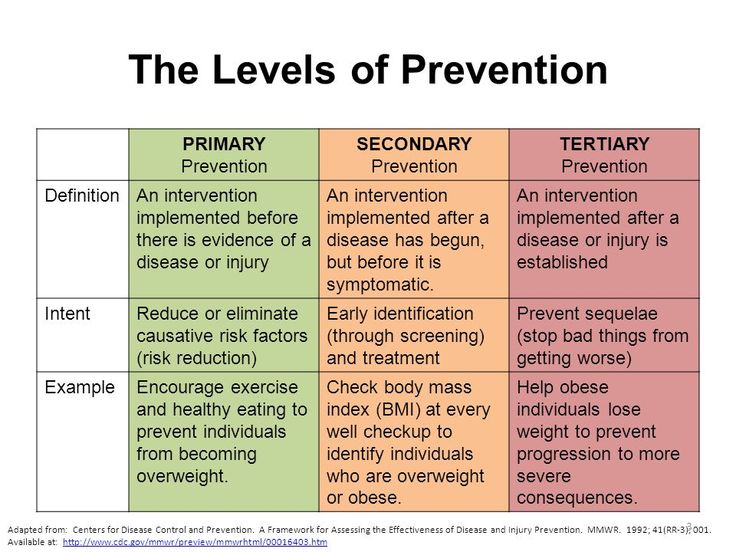
    Primary (1°) prevention

    1. Is prevention that proceeds disease or days function and is applied to patients considered physically and emotionally healthy.
    2. It is aimed at intervention before pathological diseases have begun during the stage of susceptibility.
    3. It includes activities that are directed at using the probability of specific illness or body function.
    4. 1° prevention includes both general health promotions and specific protection.

    General health promotions include e.g.

    • Health education
    • Good standard of nutrition adjusted to developmental stages of life.
    • Attention to personality development.
    • Provision of adequate housing and recreation and agreeable working conditions.
    • Genetic screening
    • Marriage and sex education
    • Periodic selective examination.

    Specific Protection refers to measures aimed at protecting individual against specific agents e.g. immunization,

    • Vaccination
    • Attention to personal hygiene for self-care.
    • Use of environment sanitation e.g. chlorination of well
    • Protection from accidents e.g. Wearing helmets.
    • Use of specific nutrients
    • Protection or avoidance of allergens
    • Protection from carcinogens.

    Any particular disease or health problem is a result of intervention between a number of specific or associated risks that can be classified as Agent; Host and Environmental factors.

    The interaction can be understood by visualizing the concepts or positive health and disease.

    Secondary prevention (2°)

    Focuses on the individuals who are experiencing health problems or illness and who are at risk for developing conditions or worsening conditions.

    Its efforts seek to detect disease early and treat if promptly.

    The goal is to cure the disease at the earliest stage when cure is impossible to slow its progression as well as prevent conditions of limit disability.

    The activities directed at:-

  • Early Diagnosis and Treatment:-
    • Case finding measures, individual and mass
    • screening surveys
    • Selective Exam
    • Cure and prevention of disease process to prevent spread of communicable disease, prevent conditions and short the period of disability.
  • Disability Limitations
    • Adequate TX to arrest disease process with prevents conditions.
    • Provision of facilities to limit disability and prevent death.
  • Tertiary (3°) prevention

    Occurs when the defect or disability is permanent.

    It includes limitations of rehabilitation for those persons who have already experienced residual damage.

    Tertiary prevention activities focus on the middle to latter phases of clinical disease.

    When irreversible pathological damage produces disability (e.g. smoke exercise). Here the activities of restoration and rehabilitation will include:-

    • Provision of hospital and community facilities for training and education to maximize use of remaining capacities.
    • Education of the public and industries to use rehabilitated –
    • Mother and father Meoble extent.
    • Selective placement
    • Work therapy and hospital

    In 3° prevention, mainly the activities are directed at rehabilitation rather than diagnoses and treatment. Case at this level aims to help the patient to achieve a high level of functioning as possible despite the limitation caused by illness or impaired functions.
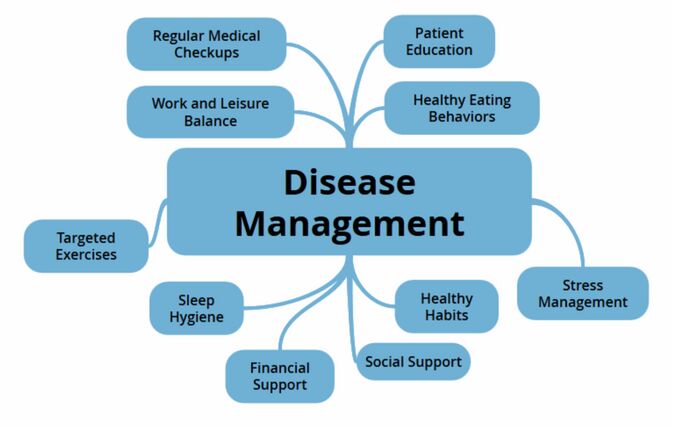
    Management of diseases

    Clinical diagnostic principles and treatment:

    1. History taking and recording
    2. Physical examination
    3. Tests and studies
    4. Treatment which involves first aid, nursing care, medical treatment, surgical treatment, preventive treatment/health education/discharge advice.

    History taking and recording

    This is the process of gathering information concerning the patient’s health problem as he arrives from home to the hospital.

    Factors to be considered before history taking are commenced:

    1. The clinician/nurse taking history should be understood by the patient in order for a good problem account to be taken and recorded.
    2. The language to be used in history taking should be simple, clear and understandable to the patient.
    3. Where the interpreter is involved, the patient should be given time to express him or herself.
    4. The interviewer should not as far as possible ask questions which do not have definite answers and the questions should be related to the suspected disease which may lead to the diagnosis but not off topic questions.
    5. The interviewer should not just stop at presenting complaint and assumes that that is all for the history but should go deeper than that since the presenting complaint may just be only a small part of the problem.
    6. The history should be taken from the right source, i.e., the patient her self, close family member who has been with the patient since the illness started or a mother in case of a child, or from the incident report from the first aider/health centre/ those who found the patient and helped him to reach the hospital.
    7. Allow the patient to present the complaints in the way he/she feels it and only fill in the necessary information which should include whatever has been disclosed concerning the patient and his/her attitudes.
    8. There must be privacy during history collection to avoid concealing more otherwise vital information that could have helped in the diagnosis.
    9. The history should be detailed, clear and chronological with significant information. It should include the interpretation of the present situation and should indicate the result they expect from consultation.
    10. History taking should be done is such a way that the patient/attendant learns from the interview so that he is made to discover what could have gone wrong such that the illness has occurred.

    Physical examination

    Introduction

    Physical examination can be done through inspection, palpation, percussion and auscultation and this may need a stretcher or just the laps of the mother for the case of a small child/a baby.

    1. Inspection: this is the act of visually observing the patient to note any significant physical change.
    2. Palpation: this is the use of sense of touch to assess factors such as texture, crepitance, temperature, moisture, vibration or pulsation, swelling, rigidity or spasticity, organ location and size, presence of lumps or masses, and presence of tenderness or pain. Different parts of the hands are used for palpation.
    3. Percussion: this is striking the patient’s skin to determine the density, size and location of the underlying structure. A tap on the skin sets the body wall in motion: and the quality of sound produced describes the organ below, i.e. the density of air versus solid matter of the different structures. The sounds of the different notes on the percussed areas may either be of normal clear, hollow quality, low pitched one, or much lower & louder in the lung areas where there is much air, or it may be dull: soft, high-pitched, muffled thud over the spleen and liver. The sound may be absolutely dull/flat sound where there is no air especially over the thigh muscles or large tumors.
    4. Auscultation: this is used to assess sounds produced by the heart, lungs, and bowel. Abnormalities can be detected as different sounds are interpreted and compared to the normal sounds produced by the above organs.

    General principles of Inspection

    1. Approaching the patient: whenever possible, ample time is allowed for the examiner and the patient to become acquainted. Patient should be treated as an individual with respect and dignity. The beliefs and other values should be considered. Encourage a good examiner-client relationship.
    2. Observations/inspection: this starts at the time the patient is entering the examination room/screen/hospital ward. The purpose is to note any significant physical characteristics. It is the point-specific scrutiny of the patient as a whole/system by system. It must be purposeful, focused, and unhurried.
    3. First observe the movement/gait and the way he/she is coming or being brought in, i.e., walking straight/limping/supported/rolled on a wheel chair/or on a stretcher. This tells you about how weak the patient is/how severe his condition is and the type of treatment/action he/she needs.
    4. Observe general appearance: is the face sad/sick looking, crying in deep pain/grimacing or vise versa.
    5. Carry out ABC plan of assessment: but you should be careful for your own safety before starting the assessment.
    6. Respiration: check if the breathing is normal/dyspnoiec and respiratory characteristics
    7. Dehydration, malnutrition and anemia: skin turgor/wrinkles, hollow cheek and jutting prominences, thirst, presence of secretions-saliva, urine, history of vomiting/diarrhea/bleeding/not eating and drinking for sometimes?
    8. Check for mental outlook: consciousness, confusion and hallucinations, alertness, orientation or unconsciousness. Observe the head for injuries, bleeding, and swelling. Do the same for the eyes, nose and ears, also the pupils for the size and their reaction to light.
    9. Smell for: breathe in case of alcohol/poisonous intake/acetone smell especially in patients who are unconscious.
    10. Take the vital signs: temperature, pulse, respiration, blood pressure and weight
    11. Look for muscle: for weakness, paralysis and spasms.

    Process of examination

    1. Undressing: the majority of patients resent the removal of clothes even for examination purposes, i.e., the bras, pants and knickers. Most females look shy. The reason for clothe removal must be explained to the patient and confidentiality be ensured. The patient should then be told to lie on the stretcher in an anatomical position.
    2. Examination: usually it is better to start with an area unlikely to be having pain or a site of a patient’s complaints. The ears, eyes throat should be last in children. Before performing a disagreeable painful or embarrassing examination, tell the patient what is likely to happen and how the patient can assist, tell him that the examination is necessary and it will be performed as fast as possible and that during examination, some specimen has to be taken like vaginal smears.

    Order of examination

    Head

    1. Check the hair for quantity, thickness, texture, distribution, infestation. The texture is very important when conditions like hyper/hypothyroidism, or HIV/AIDS/chronic wasting diseases that cause protein loss, drugs, or alopecia are implicated.
    2. Check the scalp for scaliness, parasites, lumps, lesions, and nits. Note also the skin color, cyanosis, pallor in the face, jaundice, and mucous membrane, and edema.
    3. Observe the general size and contour of the skull and note any deformity, lumps and tenderness especially when checking for hydrocephalus, microcephalus or acromegally. Check for facial expression, symmetry of the facial structures (stroke and hypertension).
    4. Eyes: ask if patient is able to see/has blurred vision esp. in hypertension and diabetes mellitus. Also look for photophobia, visual acuity (for long/short sightedness), any swelling, discharge, wounds, eye size, check pupil size and their reaction to light esp. in unconscious patients or those with injuries on the head.
    5. Ears: for size, skin lesions, swelling, tenderness and pain on the pinna. Look for redness, wounds in the middle ear and discharge (note the color whether bloody, purulent, serous, etc) for they have different indications.
    6. Nose: check for any deformity, asymmetry, inflammation, wounds, discharge, patency of each nostril, smelling test.
    7. Mouth and throat: inspect the lips for color, moisture, lumps, ulcers, cracking. Certain diseases affect the lips including dehydration. Note the color of the mucous membrane in the tongue, smoothness (for the dorsal surface of the tongue is normally roughened from the presence of papillae), check for rashes and fungal infections, sores and wounds. Check the gum for swelling; bleeding, discoloration, retraction, etc. check the throat for the swellings of thyroid glands, salivary glands, range of movement and strength of cervical bones and muscles.

    Thoracic cavity

    1. On inspection, look for shape (barrel chest-horizontal ribs+ large antero-posterior diameter or scoliosis-an S-shaped curvature, lordosis/sway-back=an anterior curvature of the lumbar spine, and kyphosis-an exaggerated posterior curvature of the thoracic spine= hump back).
    2. Observe the skin and muscles to determine the level of nutrition.
    3. Check for any respiratory movement, wounds and penetrations.
    4. Note respiratory abnormalities such as dyspnoea, tachypnoeic, bradypnea, irregular, shallow, slow breathing, apnea, cheyne stoke’s breathing.
    5. Look for chest sounds by use of percussion and auscultation ( decreased and absent sounds occur in bronchial obstruction by foreign bodies, secretions, mucus plug), and percussion notes( resonance = normal, hyperresonace = emphysema, dull = abnormal density in the lungs caused by pneumonia, pleural effusion, Atelectasis or tumor).
    6. Do breast examination for size, dimples, nodules, sores, swelling, etc. Do also cardiovascular examination.

    Abdomen by use of inspection, auscultation, percussion and palpation:

    1. Check the abdomen for distension, scars, rigidity, tenderness and pain, enlargement of the organs, ascites, skin turgor and folding. Nb: the abdomen is auscultated first after inspection and before percussion and palpation so that the auscultatory findings are not altered by increased or decreased peristalsis
    2. Pelvis: check it for position, size and proportion to detect any abnormality.
    3. Extremities (both lower and upper extremities): note the color, presence of clubbing of the fingers and toes in chronic illnesses, hair distribution, venous pattern, swellings, ulcers, temperature, palpate the blood supply to the extremities, check for range of movement abilities at the joints and observe for muscle strength, any deformity and inequality.
    4. Skin: check for color, texture, rashes, scales, desquamation, scars, swollen nodes, edema, sensation, temperature, wounds, etc.

    Neurological examination

    This involves assessing for the level of consciousness by calling him/her, shaking, shouting in the ears, pressing a nail bed for pain stimuli and see how he/she is responding, checking for papillary reaction to light and size, or by use of Glasgow coma scale, check for the senses of smell, taste, site, touch, muscle weakness, paralysis, reflexes, etc.

    Investigations/tests & studies

    Tests are procedures carried out from the laboratory to identify the pathogenic microbes while studies are investigations which need interpretation.

    The types of tests that can be done in the laboratory include:

    1. Urine: this may be collected either in a sterile way to identify the microbes such as; E.coli, enterococci, staphylococci, hemolytic streptococci, mycobacterium tubercle, parasites such as schistosoma haematobium, trichomonas vaginalis, urea, Creatinine, etc. clean urine may also be collected to check for amount, color, consistency, specific gravity, glucose, albumin, pH, acetone, etc.
    2. Blood: this may be removed for various tests such as complete blood count, erythro-sedimentation rate, Hb, grouping and cross-match, smears, urea, renal and liver function tests, glucose, etc.
    3. Stool: this is removed to identify the ova, cysts, occult blood, mucus, microbes, worms, etc.
    4. Discharges: vaginal, urethral, cervical, pus, sputum, skin smears are taken for gram staining, etc.
    5. Punctures: this is when cavities are gone into and their secretions are aspirated and taken to the laboratories for analysis; e.g. thoracentesis, paracentesis, lumbar punctures, knee aspirations, etc.

    Studies done to diagnose diseases include:

    1. Biopsies: this depends on the disease suspected and pieces of affected tissues are removed and taken for histological studies to identify the different cell types found in the tissue questioned especially if cancerous cells are suspected.
    2. Radiography: use of x-rays to detect any deformity/breakage in the bones; find abnormal lungs, distended loops of the gut, to show the size and shape of the heart.
    3. Ultra sound scan: use of sound waves emitted by the machine to produce an image of an anatomical structure which may either be normal/abnormal in size or structure.
    4. Endoscopies: this involves the insertion of tubes with light source at their tips and a viewing lens at the other side, into the tubular structures to view their walls for wounds, swellings, inflammations. These include: bronchoscopy, cystoscopy, endoscopy, etc.
    5. Use of radiopaque dyes: this is when radiopaque substances are injected into the tubular structures to coat up the walls of these organs so that when their radiograph is taken, blocked tubes, narrow ones are identified and actions are taken appropriately. These include: angiography, urography, venography, etc.
    6. Computerized tomography: a much more expensive method of imaging than the ultra sound scanning that can be used for more finely and diagnostic procedures for tumors especially in the brain where ultra sound scanning may not give any information that may be of help.
    7. Magnetic resonance imaging (MRI): use of magnetic waves to provide information about kidney masses that can not be obtained by other methods. Here solid masses look different from cystic/hollow masses which contain fluid in them.

    Treatment of diseases

    Principles of treatment of diseases

    1. First aid treatment: this is the kind of treatment offered especially for the patients who come to the hospital/health centers when they are badly off and their condition is deteriorating to the dying point within minutes. Assess for your own safety, carry out ABCDE plan of resuscitation and assessment, and refer the patient for further management.
    2. Nursing care: This care given to the patient without the use of drugs and it depends on the condition of the patient on arrival. Airway care is catered for first, then circulation (shock, anaemia, dehydration), and then others may follow. Nursing care involves preparing the patient, your self and equipment, doing the procedure, clearing and making the patient comfortable including records and patient follow up and continuous assessment and monitoring of the patient.
    3. Medical treatment: is the treatment of diseases using drugs. This may have been given during emergency before the doctor’s arrival and those that the doctor may prescribe before or after laboratory results.
    4. Surgical treatment: the use of mechanical means of operation to cure diseases in situations that drugs may not cure the patient.
    5. Preventive treatment: this involves prevention of infections through notification, isolation, health education and giving prophylactic drugs. Screening of contacts may be done and drugs given to the infected ones and you protect the health workers and other contacts.

    Levels of disease prevention Read More »

    Medicines Acting on Specific Body Systems

    Medicine Introduction and General Causes of Disease

    Nursing Notes - Introduction to Medical Nursing

    Module Unit: CN-2102 - Medical Nursing (I)

    Module Unit Description

    This module unit is intended for students to acquire competencies in providing high quality evidence-based nursing care in traditional as well as innovative healthcare settings. This will mainly cover introduction to medical nursing, study of conditions of circulating, respiratory systems and conditions of hematology.

    Learning Outcomes

    By the end of this module unit, students shall be able to;

  • Identify the common medical conditions affecting circulatory, blood and respiratory systems
  • Identify patients with circulatory, haematologic and respiratory conditions for referral
  • Identify cases in the above category of medical conditions for referral.
  • INTRODUCTION TO MEDICINE

    DEFINITION OF MEDICINE

    This is the study or science of treating diseases especially by means of internal remedies (drugs) as distinct from mechanical and operative procedures which is the domain of surgery.

    TERMS USED IN MEDICINE

    1. Health: is a state of complete physical, social, mental and spiritual wellbeing of an individual and not merely the absence of diseases or infirmity.
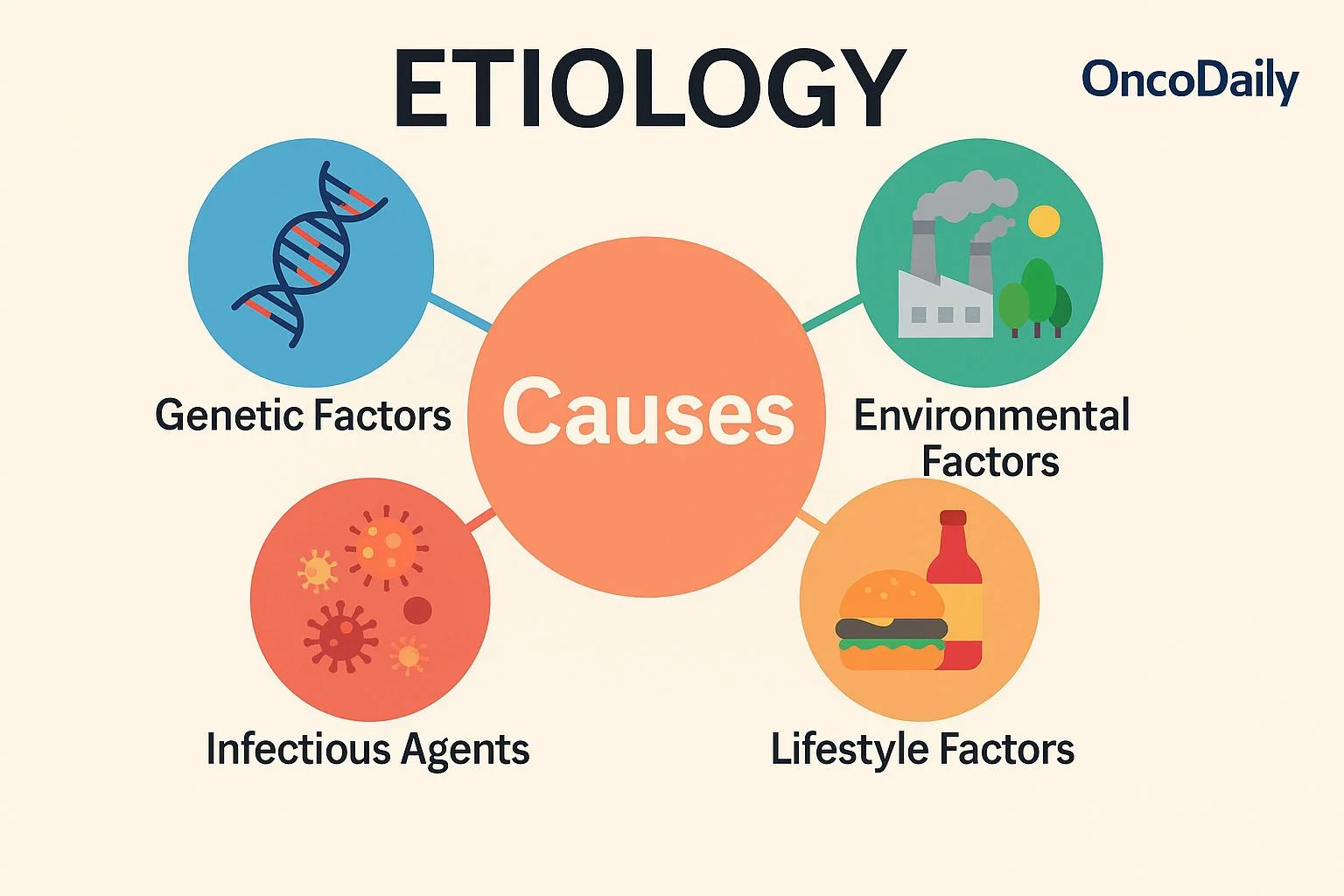
    2. Aetiology: is the study of the causes of diseases and the facts that influence their occurrence. The causes are divided into 2; the exciting cause (the micro-organism responsible for that particular disease) and predisposing causes/factors (these are factors encouraging/promoting/influencing/aggravating/precipitating the occurrence of that particular disease.
    3. Pathology: is the study of the disease process/developing or study of changes which occur in the diseased organs so as to produce signs and symptoms.
    4. Signs: are the abnormal things that we can see in a patient with our naked eyes, e.g. a rash, swelling, diarrhea, ulcer, scar, etc.
    5. Symptom: the abnormal things that we can not see in a patient with our naked eyes, e.g. pain, nausea, musclé ache, etc.
    6. Physical sign: is what is found on examination of the patient, e.g. an enlarged spleen, liver, full urinary bladder, a pregnant uterus, anaemia seen from the pale tongue and mucous membrane, fracture, sore, etc.
    7. Inspection: is the general observation of the patient by use of eyes only and this reveals many abnormalities such as deformity, diminished movements on the affected side of the body, etc.
    8. Palpation: this is feeling a patient by use of the palms of the hands for swellings (whether painful, hot, cold, smooth, fluctuant, fixed/mobile, round/irregular). It is a manual examination of the patient by placing the hands on the chest/abdomen and trying to feel the nature of underlying organs.
    9. Percussion: this is the tapping of the chest or abdominal wall using flat hands and fingers, then striking over them with fingers from the opposite hands. This is to detect normal sounds and abnormal ones from the underlying cavities or hollow organs as the tapping sounds are transmitted through the skin, muscles and into the cavities/organs. A dull sound in the chest indicates fluid filled cavities or consolidated hollow organ (filled and without any space), and a loud sound is heard over the normal area where the air is freely entering into the free space. The same to the abdomen and the organs contained there in.
    10. Auscultation: this is listening with the stethoscope on the chest wall/abdominal wall to enable the clinician/doctor/nurse to hear the normal breathe/abdominal sounds and the abnormal ones or for peristaltic movements in the abdomen in post-operative abdominally operated patients. Those with intestinal obstruction or abdominal post-operative patients who have taken 2 days may have no sounds at all.
    11. Complications: this is a lesion/damage/symptom which results from the original disease and not necessarily part of that disease, e.g., a complication of gonorrhea is urethral stricture, or meningitis results in paralysis if the brain was involved.
    12. Sequeale: is a symptom persisting after the original disease has subsided. It is a permanent complication that remains with the patient for life. The sequale of meningitis is permanent mental retardation.
    13. Diagnosis: is the recognition of a particular disease. It is arrived at through good history taking, physical examination and laboratory findings.
    14. Laboratory diagnosis: this is through identification of micro-organisms under the microscope in the laboratory to confirm the clinical diagnosis. In urgent situations, the patient should be treated according to the clinical diagnosis and not to wait for confirmation from the laboratory.
    15. Differential diagnosis: this is the knowledge of other diseases which resemble the disease in question and it points the difference which will help in performing a final diagnosis, e.g. malaria +meningitis are all fever causing diseases unless blood slide and lumbar puncture are done to differentiate btn the 2.
    16. Prognosis: is the act of foretelling how the disease will end judging from the course/progress/worsening reduction in the progress of the disease. E.g. the disease started like this, it later changed like this and it might end this way.
    17. Prophylaxis: this is the prevention of a disease by vaccination, giving treatment before the disease starts. It may be for an individual, or for the whole community.
    18. Path gnomic sign: this is a sign occurring in one disease only and not found in any other condition. When present, it affords the establishment of a certain disease. E.g., koplick’s spots in measles, polyarthritis in rheumatic fever which is shifting in nature.
    19. Syndrome: is a collection of signs and symptoms which constitute a special disease, e.g. Aids.
    20. Epidemiology: is the study of the diseases by reference to its incidence in the population, e.g., during which season, in which geographical areas, which group of people are more affected.
    21. Geriatric: is a branch of medicine which is concerned with the prevention of social neglect in the elderly. It is the health care given to the elderly.
    22. Infection: is a successful invasion of the body tissues by micro-organisms without showing any sign and symptoms.
    23. Inflammation: is the body’s reaction/response to infection (by developing fever in order to make the temperature unsuitable for the survival of microbes; swelling to take more cells-soldiers to the invaded area in much blood supply; pain is caused by the overstretching of a part due to swelling, due to destruction of tissues and nerves; loss of function in order for the affected part to rest and to heal without being disturbed. The inflammation can be acute or chronic.

    INTRODUCTION TO DISEASES

    Disease: is any alteration in the structure and function of an organ.

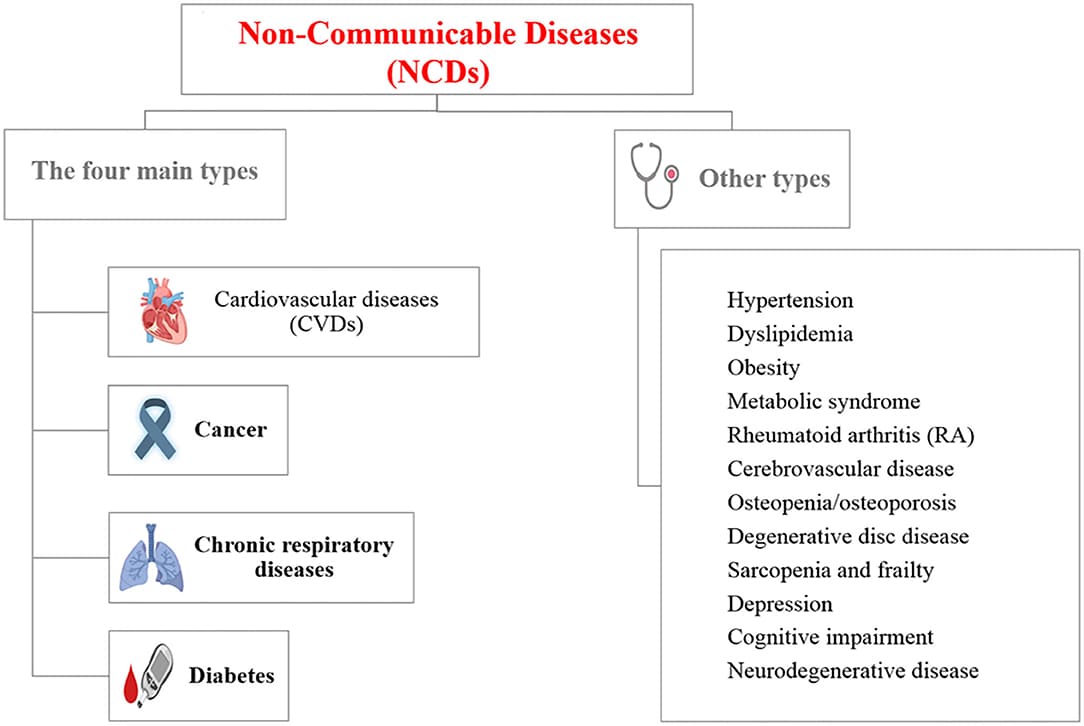
    Types of diseases

    • Communicable/infectious diseases
    • Non-communicable/non-infectious diseases

    Communicable/infectious diseases

    Definition: Communicable disease is an illness due to specific infectious agents in its toxic products, which under certain conditions tends to spread among individuals in a community.

    Period of communicability or communicable period: refers to the time during which an infectious agent may be transferred directly or indirectly from an infected person to a susceptible person. This period is usually equal to the maximum known incubation period for that disease.

    Examples of Communicable / infectious Diseases

    • Tuberculosis
    • Cholera
    • Malaria
    • Meningococcal meningitis and Viral meningitis
    • Plague
    • HIV
    • Ebola virus and Marburg virus
    • Hepatitis A, B, C and E

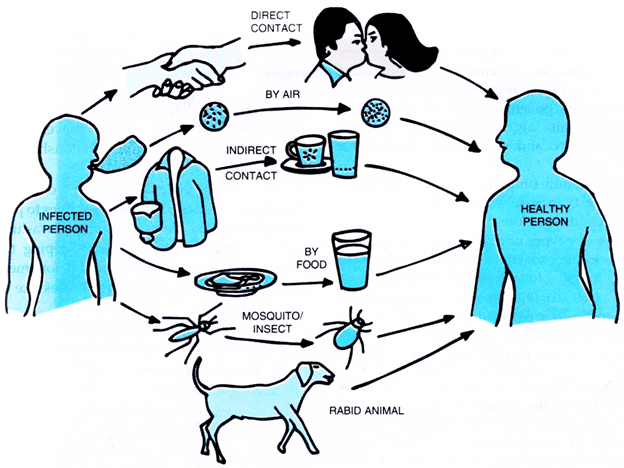
    Modes of Transmission of communicable diseases

    The modes of transmission may be classified into two broad categories: direct and indirect.

    Direct Transmission
    1. Direct contact: e.g., sexual contact, kissing, etc., and continued close contact. Diseases transmitted here include STI/HIV, Leprosy, and Scabies.
    2. Droplet infection: Through coughs, sneezes. Diseases include common cold, TB, measles, whooping cough, meningitis, etc.
    3. Contact with infected soil: e.g., Tetanus, infective hookworm larvae.
    4. Inoculation into skin or mucosa: e.g., animal bites (dog bites - rabies) and HIV or Hepatitis B virus from contaminated needle pricks.
    5. Trans-placental or vertical transmission: e.g., toxoplasmosis, HIV, rubella virus, syphilis.
    Indirect Transmission
    1. Vehicle-borne transmission: The common vehicle of transmission is water, milk, or food; other vehicles may be blood, serum, plasma, and other biological products. This group includes water-borne, milk-borne, food-borne, and blood-borne infections. Examples: enteric fever, cholera, dysentery, diarrhea, hepatitis A, B, E, food poisoning.
    2. Vector-borne transmission: e.g., malaria, filarial, kala-azar, and plague are transmitted by insects. The mode of transmission is vector transmission.
    3. Air-borne transmission: e.g., Droplet nuclei - (very small infective particles which float in the air, e.g., TB), infected dust (due to sweeping or dusty infected settled droplets on the ground).
    4. Fomite-borne transmission: Fomites are articles that convey infection to others because they have been contaminated, e.g., handkerchiefs, drinking glasses, door handles, clothing, etc. Highly infectious diseases, e.g., Ebola, can be easily transmitted by fomites.

    Other terms used in communicable diseases

    1. Zoonoses: An infectious disease transmissible under natural conditions from vertebrate animals to man is called a zoonoses. There are over 150 diseases common to man and animals. Examples include anthrax, liver fluke, bovine TB, salmonellosis, brucellosis, rabies, plague, typhus, and yellow fever.
    2. Nosocomial infections: An infection occurring in a patient in a hospital or other healthcare facility and in whom it was not present or incubating at the time of admission or arrival at a healthcare facility is called a nosocomial infection. It refers to diseases transmitted from a hospital. Usually such infections are more difficult to manage as they are generally resistant to most of the common antibiotics. Nosocomial infections also include those infections, which were contacted in the hospital but manifested after discharge, and also infections suffered by staff members if they contacted the infection from the hospitalized patients.
    3. Herd Immunity: The immune status of a group of people/community is called herd immunity as it is the immune status of the 'herd' of people. For many communicable diseases, an outbreak of disease is only possible if the level of immunity is sufficiently low and there are a large number of susceptible individuals in the population. In diseases like poliomyelitis, diphtheria, measles, etc., herd immunity plays an important role. However, in a disease like tetanus or rabies where every individual is at risk unless specifically protected, herd immunity plays no role.

    Factors responsible for the increased risk of infectious diseases are;

    • Failure to control vectors especially mosquitoes
    • Break down of the water and sanitation system.
    • Failure to detect the disease early.
    • Lack of immunization programmes
    • High risk human behavior.

    When the immune system is compromised especially in children and elderly, various conditions or diseases set in.

    Control of communicable diseases

    This refers to the reduction of the incidence and prevalence of communicable diseases to a level where it cannot be a major public health problem.

    There are three main methods of controlling communicable diseases:

    • Eliminating the reservoir (attacking the source)
    • Interrupting transmission
    • Primordial prevention

    Eliminating the reservoir (attacking the source)

    1. Detection and adequate treatment of cases: This arrests the communicability of the disease, e.g., control of tuberculosis and leprosy and most sexually transmitted diseases.
    2. Isolation: This means that the person with the disease is not allowed to come into close contact with other people except those who are providing care; therefore, the organism cannot spread. It is used to control highly infectious diseases such as hemorrhagic viral fevers.
    3. Quarantine: Limitation of the movement of apparently well person or animal who has been exposed to the infectious disease for the duration of the maximum incubation period of the disease.
    4. Reservoir control: In those diseases that have their main reservoir in animals, mass treatment or chemoprophylaxis or immunization of the animals can be carried out, e.g., in brucellosis. Other ways include separating humans from animals or killing the animals and so destroying the reservoir, e.g., plague, rabies, and hydatid disease.
    5. Notification: Means immediately informing the local health authorities (e.g., the District Medical Officer) that you suspect a patient is suffering from an infectious disease.

    Interrupting transmission

    This involves the control of the modes of transmission from the reservoir to the potential new host through:

    • Environmental sanitation
    • Personal hygiene and behavior change.
    • Vector control, e.g., mosquitoes
    • Disinfection and sterilization
    • Protection of susceptible host
    1. Immunization: This increases host resistance by strengthening internal defenses. It is one of the most effective controls of communicable diseases in Africa. To be more effective, immunization has to be given to a high proportion of the people (at least 80%).
    2. Chemoprophylaxis: Drugs that protect the host may be used for suppressing malaria and for preventing infection with such diseases as plague, meningitis, and tuberculosis.
    3. Personal protection: The spread of some diseases may be limited by the use of barriers against infection, e.g., shoes to prevent entry of hookworms from the soil, bed nets, and insect repellents to prevent mosquitoes.
    4. Better nutrition: Malnourished children get infections more easily and suffer more severe complications. Prevention and actions aimed at eradicating, eliminating, or minimizing the impact of disease and disability.

    Primordial prevention

    This consists of actions and measures that inhibit the emergence of risk factors in a country or population. It begins with the change in the social and environmental conditions. Examples of primordial prevention actions:

    • National policies and programs on nutrition involving agricultural sector, the food industry.
    • Comprehensive policies to discourage smoking
    • Programs to promote regular physical activity
    1. Primary prevention: This is action prior to the onset of disease which removes the possibility that the disease will occur. Its objectives are to promote health, prevent exposure, and prevent disease.
    2. Secondary prevention: This is the action which halts the progress of a disease and limits permanent damage through early detection and treatment of disease.
    3. Tertiary prevention: This is to limit disabilities and to promote the patients' adjustments to irremediable conditions. Interventions include disability limitation and rehabilitation.

    Non-communicable diseases

    These are types of diseases which cannot be transmitted from one person to another.

    Types of non-communicable diseases

    1. Congenital disease: It is a disease or an abnormality somebody is born with, e.g., syphilis, AIDS, extra digits, or an imperforate anus. These abnormalities may be caused by drugs, viral infections, radiations, and genetic factors like sickle cell disease (the passage of a gene of abnormal red blood cell shape to the offspring from the parents).
    2. Inherited disease: This is a disease which is hereditary and runs in families, such as SCD, diabetes mellitus (type one), or hemophilia, a condition of blood clotting abnormalities.
    3. Traumatic disease: Is a disease due to injury by mechanical means, e.g., fractures, burns, wounds, ruptured organs, etc.
    4. Inflammatory disease: Is a disease caused by an infection with pathogenic organisms. This can be acute or chronic. Acute disease occurs suddenly but chronic disease occurs slowly.
    5. Circulatory disease: This is a disease which affects the circulatory system like blood vessels; blood itself, the heart, and so on.
    6. Neoplasm/new growths: These are swellings or ulcers which result from overgrowth of new tissues from abnormal cells.
    7. Degenerative diseases/miscellaneous diseases: Degeneration means wearing out of cells and the gradual replacement of tissues by fats, fibrous tissues, or some other material. It may occur as a result of action of toxic metabolic changes or diminished blood supply. The diseases of degeneration may occur because of disease or old age. Examples of these diseases are diabetic and other metabolic disorders, blood vessel diseases, or brain deterioration due to old age.
    8. Allergic diseases: Allergy means an abnormal reaction or response of an individual to a normal allergen which would not cause any reaction to another individual. These abnormal allergens lead to the formation of antibodies (immunoglobulin Igb) and a high concentration of these in blood suggests an allergic reaction. The examples of allergic diseases are bronchial asthma, anaphylactic shock, and other minor ones which provoke characteristic symptoms whenever they are consequently encountered.

    Etiology of diseases

    Introduction

    • There are 3 elements that determine the etiology of health problems in population; these are: Agent, the Host, and Environment.
    • They are referred to as an epidemiological triad.
    • Epidemiology is a study of distribution and determinants of the diseases and health related events in human population.
    • Disease or disorder occurs when the agent is more powerful than the host and causes the host to become weaker and the environment becomes favorable for growth, multiplication, and survival of the agent.
    • This is possible when the host becomes stronger and the agent is moved and the environment becomes unfavorable to the agent.

    Agent

    It is a factor whose presence or absence causes a disease.

    It is a specific factor without that a disease cannot occur.

    A disease agent is defined as a substance living or non-living or a force; tangible or non-tangible, the excessive presence or relative lack of that is the immediate cause of a particular disease.

    The disease agent is classified as follows:

    1. Physical Agents: Various mechanical forces of frictions that may produce injury as well as atmospheric abnormalities such as extremes of heat, cold, humidity, pressure, radiation, electricity, sound, etc.
    2. Biological Agent: Include all living organisms, e.g., Viruses, Bacteria, Rickettsia, Chlamydia, Protozoa, Fungi, Helminthes, among others.
    3. Chemical Agents:
  • Endogenous: Some of the chemicals may be produced in the body as a result of decayed function, e.g., Urea (uremia), Ketones (Ketosis), Sodium, Bilirubin (Jaundice), uric acid (Gout), CaCo3 (Kidney stones), among others.
  • Exogenous Agents: These arise from outside of the human host, allergens, Metals, fumes, insecticides, etc. They may be acquired by inhalation, ingestion, or inoculation.
  • 4. Genetic Agents: Transmitted from parent to a child through the genes.
    5. Mechanical Agent: Chronic friction and other mechanical forces resulting in injuries, trauma, fractures, sprain, dislocation, and even death
    6. Nutrient Agents: Dietary components we need to survive, e.g., proteins, fats, Carbohydrates, vitamins, minerals, and H2O.
  • The excessive or deficient intake of nutrients leads to Malnutrition, etc., which in turn leads to susceptibility to disease.
  • Absence, Insufficiency or Excess of factor:
  • Chemical hormones, e.g., insulin, estrogen, etc.
  • Nutrients
  • Lack of structure, e.g., congenital defects of the heart.
  • Chromosomes, e.g., Mongolism, Mental retardation.
  • Host

    This refers to humans or animals that come in contact with the agent.

    Host factors influence the interaction with the agent and the environment as follows:

    1. Age: Certain diseases are more frequent in certain age groups than others, e.g.,
      • Childhood age; Measles, whooping cough
      • Advanced age, e.g., diabetes, hypertension, cardiovascular
    2. Sex: There are certain anatomical and hormonal differences between the two sexes, e.g., disorders associated with pregnancy in females; Prostatic hypertrophy in males.
    3. Race: Some races also suffer from particular diseases, e.g., Negroes suffer from sickle cell Anemia (SCA).
    4. Genetical factors: Behavioral disorders and diseases of blood run in the family due to chromosomal factors.
    5. Habits: Living habits or lifestyles such as dietary patterns, use of tobacco, alcohol, narcotics, and drugs are the factors that influence the susceptibility of disease, e.g., Malnutrition, drug dependence, sexual excesses.
    6. Nutrition: The effects of poor nutrition lead to susceptibility to various infections.
    7. Customs: Certain traditional systems like superstition lead to diseases, e.g., fixed belief in gods of disease in Hindu society makes people not to believe in immunization that leads to childhood diseases.
    8. Human Mobility: Frequent diseases in place may cause, e.g., malaria, cholera, AIDS, syphilis, etc.
    9. Immunity: The reaction of the human host to infection depends upon his previous immunological experience, e.g., infection, immunization. Those who acquired natural immunity will not be easily susceptible to disease.
    10. Social Status: Certain diseases occur according to social class, e.g., low social classes are susceptible to Bronchitis, TB. Usually, upper classes have lower mortality and morbidity than lower classes.
    11. Economic status: Person’s occupation itself may be the cause of certain occupational hazards and infections, e.g., Brucellosis, Dermatitis, etc., and unemployment also leads to diseases.
    12. Educational status: Diseases can be easily controlled and managed in the educated class whereas it will be difficult in the case of the uneducated class.

    Environment

    This refers to the aggregate of all external conditions and influences affecting the life and development of organisms, human behavior, and society.

    1. Physical Environment: It includes non-living things and physical factors like H2O, Air, Soil, Heat, Light, Radiation, Noise, Housing, Climate, etc. Alteration or disease in this environment due to various causes leads to H2O pollution, Air pollution, soil pollution, Noise pollution that is too may cause diseases, e.g., heavy flooding in the village or town can cause the likelihood that the area H2O sources will be contaminated with waste products.
    2. Biological Environment: Includes all the living things created in the world. Man lives around the living things that include bacteria, Viruses, and other various Microorganisms which may cause diseases and mal-adjustment in the ecological system leading to the causative factor of the disease.
    3. Social Environment: Man has to live in society and should follow the accepted patterns of particular society such as cultural values, customs, habits, beliefs, attitudes, and morals, religion, and other psychological factors. Any alteration in these factors may lead to conflicts and tensions that may cause behavioral diseases. Habits like smoking, alcohol, drug dependence are well known to cause diseases.

    Medicine Introduction and General Causes of Disease Read More »

    Learning, Intelligence, Memory and Motivation

    Learning, Intelligence, Memory and Motivation

    Nursing Notes - Sociology and Psychology

    2.11.4: Learning

    Definition of Learning

    Learning is a fundamental process by which individuals acquire new knowledge, skills, behaviors, or attitudes. It is characterized by:

    • A relatively permanent change in behavior produced by experience.
    • The acquisition, retention, and application of knowledge, skills, and attitudes.

    Key factors involved in learning include:

    1. Change in Behavior: This change must be positive or for the better, indicating an improvement or adaptation.
    2. Acquired Through Experience: Changes occur through practice or experience, rather than solely due to maturation or biological development.
    3. Permanence: The change in behavior should be relatively permanent, meaning it should last for a significant period.

    Physiological Nature of Learning

    Psychologists agree that learning primarily occurs within the central nervous system of the learner. While specific neurological changes are complex and still being researched, several mental faculties are recognized as facilitating learning:

    • Intelligence: The capacity to understand, reason, and apply knowledge.
    • Memory: The mental faculty that enables an individual to register, retain, and recall information and experiences.
    • Perception: The mental process by which individuals interpret and make sense of sensory information from their environment.

    Methods/Modes/Theories of Learning

    Theory of Conditioned Reflexes

    This theory encompasses two main types of conditioning: classical and operant.

    Classical Conditioning

    Developed by Russian psychologist Ivan Pavlov, classical conditioning is a type of learning in which a previously neutral stimulus becomes associated with another stimulus through repeated pairing. A stimulus is anything that causes sensation in our senses (e.g., seeing/smelling palatable food). This association leads to a conditioned response.

    Pavlov's Experiment

    Pavlov's famous experiment with dogs demonstrated classical conditioning:

    1. Initially, Pavlov presented food to a dog, which immediately caused it to salivate.
      • Unconditioned Stimulus (UCS): The food (naturally elicits a response).
      • Unconditioned Response (UCR): Salivation to the food (natural, unlearned response).
    2. During subsequent presentations of the food, Pavlov would simultaneously ring a bell. This pairing was repeated multiple times.
      • Neutral Stimulus (NS): The sound of the bell (initially elicits no salivation).
    3. After a number of pairings, Pavlov found that the mere ringing of the bell, without the presence of food, caused the dog to salivate.
      • Conditioned Stimulus (CS): The sound of the bell (previously neutral, now elicits a response).
      • Conditioned Response (CR): Salivation upon the sound of the bell (learned response).

    Extinction: When a conditioned stimulus (e.g., the sound of the bell) is presented repeatedly alone without the unconditioned stimulus (food), the strength of the conditioned response gradually decreases. This process is known as extinction.

    Advantages/Principles of Classical Conditioning:
    1. Developing Good Habits: Can be used to establish positive habits such as punctuality, toilet training in children, cleanliness, and avoiding dangers (e.g., burns).
    2. Animal Training: Effective in training animals, particularly dogs.
    3. Breaking Bad Habits and Eliminating Conditioned Fears: Principles can be applied to unlearn undesirable behaviors or phobias.
    4. Psychotherapy: Used in therapeutic contexts, such as "flooding" to de-condition emotional fears in mental health patients.
    5. Attitude Development: Can be utilized to develop favorable or unfavorable attitudes towards learning environments, teachers, or subjects.
    Operant (Instrumental) Conditioning

    Developed by Edward Thorndike and B.F. Skinner, operant conditioning involves learning through the association of behaviors with their consequences (reinforcement or punishment). The likelihood of a response being repeated depends on whether it is reinforced or punished.

    Skinner and Thorndike's Experiment:

    In a typical experiment, a rat was placed in a "Skinner box" containing a lever and a food tray. When the rat accidentally pressed the lever, a food pellet would drop into the tray. The pressing of the lever was the "operant response" to be learned, and the food pellet served as the "reinforcement." The rate at which the rat pressed the lever increased significantly due to the rewarding consequence.

    Types of Instrumental Conditioning:
    • Shaping: This involves reinforcing successive approximations to a desired behavior. The learner is rewarded as they perform responses that are progressively closer to the target behavior. For example, a toddler learning to walk might be clapped for (rewarded) each time they take a few steps without falling.
    • Behavior Modification: Operant conditioning principles are applied in behavior modification programs, especially for patients with behavioral disorders, to help them learn socially acceptable behaviors (e.g., proper use of latrines, table manners).
    Insight Learning

    Insight learning is characterized by the sudden awareness or perception of the essential relationships within a problem situation, leading to a rapid solution. The individual works at a problem, reasons it out, and then suddenly discovers the best solution.

    Kohler Wolfgang's Experiment with Sultan (Chimpanzee):

    Wolfgang Köhler conducted famous experiments demonstrating insight learning with chimpanzees, most notably with one named Sultan.

    • Scenario 1 (Sticks): Sultan was in a cage with a short stick, while bananas were placed outside, out of reach. A longer stick was also placed outside, but Sultan could not grasp it with his hands. Sultan initially tried to reach the bananas with the short stick. After some attempts, Sultan suddenly used the short stick to retrieve the long stick, and then used the long stick to reach the bananas. In another instance, Sultan accidentally joined two sticks together to create a longer tool to get the bananas.
    • Scenario 2 (Boxes): Sultan was placed in a room where bananas were hanging high, out of reach. There were several boxes in the room. After failed attempts to jump and reach the bananas, Sultan suddenly piled the boxes to form a platform, enabling him to reach the fruit.
    • Scenario 3 (Human Platform): In one instance, Sultan even used Köhler himself as a "platform" to reach the bananas, demonstrating an understanding of how to use available resources to solve the problem.
    Trial and Error Method of Learning

    Pioneered by Edward Lee Thorndike, the "father of educational psychology," the trial and error method involves learning by making varied attempts until a successful solution is found. Errors are gradually reduced with repeated trials.

    Thorndike's Experiment (Cat in a Puzzle Box / Rat in a Maze):

    Thorndike conducted experiments with hungry animals (e.g., cats in puzzle boxes, rats in mazes). In a maze experiment:

    • A hungry rat was placed at the entrance of a wooden maze with multiple pathways, only one of which led to a piece of bread at the center. Other paths were blocked.
    • The rat initially rushed through the maze, entering wrong paths and encountering blockages, forcing it to return and try other routes.
    • With each subsequent trial (on different days), the rat made fewer errors. Eventually, it learned to identify the correct path almost immediately without trying the wrong ones.

    Thorndike's observations led him to formulate the "laws of learning," anticipating that much learning occurs through a process of trial and error.

    Laws of Effective Learning

    Law of Effect

    This law states that any response followed by a satisfying consequence (a reward or positive outcome) is strengthened, making it more likely to be repeated. Conversely, any response followed by an unsatisfying consequence (punishment or a negative outcome) is weakened, making it less likely to be repeated.

    Law of Exercise

    This law proposes a direct relationship between repetition and the strength of the stimulus-response bond. It is based on two sub-principles:

    • Law of Use: The more frequently a task or behavior is practiced or used, the stronger the connection and the better it is learned.
    • Law of Disuse: The less frequently a task or behavior is practiced or used, the weaker the connection becomes, and the more likely it is to be forgotten.

    Activities requiring mastery, such as reading, writing, typing, singing, drawing, or dancing, are learned and perfected through constant practice over extended periods.

    Law of Readiness

    Learning is most effective when an individual is psychologically and physically ready to learn. If a person is prepared to act or learn, doing so brings satisfaction. Conversely, if an individual is not ready or motivated, learning will be difficult or ineffective. Readiness encompasses factors like motivation, inclination, attitude, and a receptive mindset.

    Factors Influencing Learning

    Nature of the Learner
    • Perception: Sense organs are crucial gateways to knowledge. Effective learning requires perfect or well-functioning perception and related factors.
    • Organic Defects: Visual impairments (hyperopia, myopia, astigmatism, color blindness) and hearing impairments or infections can significantly hinder learning.
    • Fatigue: Both mental (from compulsive learning, loneliness, strain, restlessness, boredom) and physiological (from poor environmental conditions like lack of fresh air, sunlight, or presence of toxic substances) fatigue negatively impact learning.
    • Time of the Day: While there is generally no significant variation in learning efficiency throughout the day, a learner's willpower can overcome adverse environmental conditions like heat or noise.
    • Age and Learning: The capacity to learn typically improves up to around 23 or 24 years of age, after which it may gradually decline after 40.
    Nature of the Learning Materials
    • Complexity: Materials with fewer learning elements and less complexity are easier to learn.
    • Meaningfulness: Learning is significantly easier when the material is meaningful and understood, as opposed to rote memorization without comprehension.
    • Organization: Well-organized and coherent individual elements within the learning material facilitate faster learning.
    Nature of the Learning Method (Making Learning More Effective)
    • Definite Goal: Having a clear learning goal provides purpose, enhances motivation, and ensures better learning outcomes.
    • Knowledge of Results/Psychological Feedback: Regular and frequent feedback on progress towards the goal acts as a strong motivator for continued effort.
    • Distribution of Practice Periods: Shorter, more frequent practice periods are generally more effective than long, continuous sessions. Distributing practice over several days yields better long-term retention.
    • Rest: Taking adequate rest breaks during study periods is crucial, as mental fatigue can prolong the learning process.
    • Level of Anxiety: A mild degree of anxiety can sometimes aid learning by promoting alertness. However, undue worry, high anxiety, and nervousness have an inhibiting and interfering effect on learning.
    • Overlearning/Repetitions: Practicing material beyond initial mastery (overlearning) and reviewing it at regular intervals helps to retain the information for a longer period.

    2.11.5: Intelligence

    Definition of Intelligence

    Defining intelligence precisely can be challenging, but various perspectives offer insights:

    • Intelligence is the ability to learn from experience, think in abstract terms, and deal effectively with one's environment.
    • Intelligence is often described as "what intelligence tests measure" (Aristotle).
    • It can be viewed as the quality of the mind (Thorndike, 1911).
    • Some psychologists define intelligence as the capacity to learn from experience and to successfully engage in problem-solving and abstract reasoning.
    • In the 20th century, psychologists often defined intelligence as encompassing thinking, reasoning, and problem-solving abilities.

    Types of Intelligence

    Intelligence can be categorized into several types:

    • Mechanical Intelligence: This is the ability or skill to manipulate and use tools and gadgets effectively in managing the operation of machines.
    • Social Intelligence: This involves understanding people and possessing the ability to act wisely and effectively in human relationships and social interactions.
    • Abstract/General Intelligence: This refers to the ability to work with and manipulate abstract concepts such as words, numbers, formulas, and general principles.

    Factors Influencing Intelligence

    Hereditary Factors

    Genetic and intrinsic biological factors play a significant role in determining an individual's intellectual capacity:

    • Intrinsic conditions affecting the brain, such as microcephaly (abnormally small head) and hydrocephaly (excess cerebrospinal fluid in the brain), can profoundly impact intelligence.
    • Even with normal brain structure and function, genetic factors inherited from parents can largely determine an individual's potential level of intelligence.
    • Studies on monozygotic (identical) twins, who share nearly identical IQs, strongly emphasize the influence of hereditary factors.
    Environmental Factors

    While an individual is born with an inherited capacity for learning, the development and expression of intelligence are significantly shaped by environmental influences:

    • Learning Materials: Access to facilitating materials like books, magazines, chalkboards, pictures, puzzles, and other educational resources.
    • Emotional Support: The presence of love, security, and consistent care from parents or caregivers (e.g., the absence of maternal deprivation) is crucial for a child's cognitive and emotional development.
    Social Factors

    The social environment and experiences also play a critical role:

    • Maternal Deprivation and Traumatic Experiences: These can severely affect an individual's mental functioning.
    • Type of Neighborhood: The safety, resources, and social dynamics of a neighborhood can influence cognitive development.
    • Cultural Practices: Certain cultural beliefs and priorities (e.g., valuing livestock acquisition over education in some tribes) can impact intellectual development.
    • Schools Attended: The quality of educational institutions, including their equipment and resources, exposes students to different levels of challenge and opportunity.
    • Financial Status: Socioeconomic status determines access to essential facilities like adequate housing, clean water, nutritious food, proper clothing, and other resources that support healthy development.
    • Communication: The quality and richness of language and interaction within the environment influence cognitive and linguistic development.
    • Nutrition: A balanced diet is essential for brain development and overall cognitive function.
    Other Factors
    • Immunity: A compromised immune system can lead to frequent infections, which can negatively impact cognitive health and development.
    • Emotional Upsets: Prolonged emotional distress, such as unhappiness in children, can adversely affect their intellectual development.
    • Infections: Specific infections, like cerebral malaria, can directly damage the brain and impair intelligence.

    Measurement of Intelligence

    The first significant attempt to measure intelligence systematically was made by Alfred Binet in 1905. His scale consisted of 30 items arranged in order of difficulty, aiming to compare a child's chronological age with their mental age. A child's mental age was determined by the number of items passed at various difficulty levels.

    Intelligence Quotient (IQ)

    The concept of the Intelligence Quotient (IQ) was first developed by German psychologist William Stern. He devised an index that expresses intelligence as a ratio of mental age to chronological age, multiplied by 100:

    IQ = (Mental Age / Chronological Age) × 100

    Note: An individual typically reaches their maximum IQ around 18 years of age, though it may increase slightly until about 30. After 30, it generally stabilizes but might show slight changes in old age.

    Distribution of Intelligence

    The inherent or inborn level of intelligence is believed to be equally distributed across societies, countries, and races. However, due to geographical environments, historical conditions, and other socio-economic factors, children in some societies have significantly more opportunities to develop their intellectual capacity than others. This disparity in opportunities accounts for the observed imbalances in the distribution of intellectual power globally.

    IQ Score Ranges and Descriptive Terms:
    IQ Range Descriptive Term Percentage of Population
    180 and above Genius 0.1%
    140-179 Gifted 1%
    130-139 Very Superior 3%
    120-129 Superior 7-8%
    110-119 Bright 17-18%
    90-109 Average 46%
    80-89 Dull 15-17%
    70-79 Inferior 6-8%
    50-69 Moron (High Grade of Mental Sub-normality) 3%
    20-49 Imbecile (Medium Grade of Mental Sub-normality) 3%
    0-19 Idiot (Low Grade of Mental Sub-normality) 3%

    Assignment: Read about intelligence tests.

    Assignment: Read About Intelligence Tests

    Introduction to Intelligence Tests

    Intelligence tests are standardized assessments designed to measure an individual's cognitive abilities and intellectual potential. The foundation of modern intelligence testing was laid in the early 20th century, evolving from initial efforts to identify students who might need special educational support.

    Historical Development: Alfred Binet's Contributions

    The first significant test resembling a modern intelligence test was developed in 1905 by Alfred Binet, a French psychologist. Binet's work was commissioned to identify Parisian schoolchildren who required additional assistance.

    • Scale Composition: Binet's initial scale comprised 30 items, carefully arranged in increasing order of difficulty.
    • Core Concept: His approach was revolutionary, focusing on comparing a child's performance to that of their peers by introducing the concept of "mental age."
    • Determining Mental Age: A child's mental age was obtained by summing the number of items successfully passed at each difficulty level. For example, if a 7-year-old could consistently pass tasks typically mastered by 9-year-olds, their mental age would be considered 9.

    The Evolution: William Stern and the Intelligence Quotient (IQ)

    Building upon Binet's work, the German psychologist William Stern introduced the concept of the Intelligence Quotient (IQ). Stern's innovation provided a standardized numerical measure to express an individual's intellectual capacity relative to their chronological age.

    • IQ Formula: Stern developed an index that expresses intelligence as a ratio of mental age to chronological age, which is then multiplied by 100 to eliminate decimals and create a whole number score:

      IQ = (Mental Age ÷ Chronological Age) × 100

    • Example:
      • If a child has a Mental Age of 10 and a Chronological Age of 8, their IQ would be (10 / 8) * 100 = 125.
      • If a child has a Mental Age of 8 and a Chronological Age of 10, their IQ would be (8 / 10) * 100 = 80.

    Key Considerations Regarding IQ and Its Distribution

    • IQ Stabilization: An individual's IQ typically reaches its maximum potential around 18 years of age, though minor increases may occur until approximately 30. After 30, it generally remains stable, with slight variations potentially occurring in old age.
    • Population Distribution: While the inherent capacity for intelligence is believed to be equally distributed across diverse populations (societies, countries, and races), the actual observed distribution of intellectual power can appear imbalanced. This imbalance is largely attributed to variations in environmental opportunities, historical conditions, and socio-economic factors that influence the development and expression of intellectual capacity.
    Typical IQ Score Ranges and Associated Descriptive Terms:

    The following table, provided in the source text, illustrates the general classification of IQ scores and the percentage of the population typically falling into each category:

    IQ Range Descriptive Term Approximate Percentage of Population
    180-above Genius 0.1%
    140-179 Gifted 1%
    130-139 Very Superior 3%
    120-129 Superior 7-8%
    110-119 Bright 17-18%
    90-109 Average 46%
    80-89 Dull 15-17%
    70-79 Inferior 6-8%
    50-69 Moron (High Grade of Mental Sub-normality) 3%
    20-49 Imbecile (Medium Grade of Mental Sub-normality) 3%
    0-19 Idiot (Low Grade of Mental Sub-normality) 3%

    2.11.6: Memory

    Definition of Memory

    Memory refers to the cognitive process that allows us to record, store, and subsequently retrieve experiences and information. It is a fundamental mental faculty crucial for learning and daily functioning.

    Processes of Memory

    Memory involves three key processes:

    1. Encoding (Registration): The initial processing of information so that it can be stored. This is similar to typing information into a computer.
    2. Storage (Retention): The process of maintaining encoded information in memory over time. This is like saving a document on a computer's hard drive.
    3. Retrieval (Recall): The process of locating and recovering stored information from memory. This is akin to opening a saved document.

    Memory plays a vital role in learning; learning implies the acquisition and recall of facts. The opposite of recall or retrieval is forgetting.

    Types of Memory

    Sensory / Immediate Memory

    This is the temporary storage of information that comes directly from our senses. It lasts for a very short duration, ranging from a fraction of a second to a few seconds. The material held in sensory memory may either be further processed and transferred to short-term or long-term memory, or it may be discarded if not attended to.

    Types of Sensory Memory:
    • Iconic Memory: Holds visual information (e.g., the afterimage of a flash of light).
    • Echoic Memory: Holds auditory information, where the sounds of words or other sounds are briefly recorded (e.g., remembering the last few words of a sentence even if you weren't fully paying attention).
    Short-Term (Working) Memory

    Short-term memory holds a relatively small amount of information for a limited period, typically about 15-30 seconds. It can generally hold about 7 items (plus or minus 2). This type of memory is actively used in real-life situations for immediate tasks. The information, whether words, images, or sentences, can be quickly discarded as new information enters, or it may be transferred to long-term memory. Retrieval from short-term memory is generally quick, but information not actively maintained can be lost.

    Long-Term Memory

    Long-term memory has an almost unlimited capacity and duration, storing information over extended periods, from minutes to a lifetime. It is the repository for all our knowledge, skills, and experiences. The provided text primarily details two types of long-term memory:

    • Episodic Memory: This is a type of long-term memory that stores information related to our personal experiences and specific events in our lives. It's a record of "what has happened to us" – for example, recalling your qualifications, your date of birth, or specific personal experiences like a graduation ceremony. This information is not used daily but can be brought into short-term (working) memory when needed.
    • Semantic Memory: This type of long-term memory stores general world knowledge and facts. It encompasses information about concepts, words, rules, and facts that are not tied to personal experiences. Examples include knowing that the Earth is round and revolves around the sun, mathematical facts like 2x2=4, or the meaning of words. Unlike episodic memories, semantic memories may fade over time if not reinforced.

    Why Do We Forget?

    Forgetting is a natural process, and several factors contribute to it:

    • Encoding Failure: Information was never properly encoded or registered into memory in the first place.
    • Decay of the Memory Trace: Memories fade over time if they are not used or rehearsed.
    • Interference: New information or old information interferes with the retrieval of other memories. This can be proactive (old information interferes with new) or retroactive (new information interferes with old).
    • Motivated Forgetting (through Repression): This is a psychological defense mechanism where anxiety-arousing memories or thoughts are unconsciously blocked from conscious recall. For example, the text provides an extreme example of a patient repressing a disturbing thought. Repression is a motivational process that protects an individual by preventing the conscious recall of anxiety-provoking memories.

    How to Improve Your Memory

    Several strategies can be employed to enhance memory retention and recall:

    1. Use Elaborate Rehearsal to Process Information Deeply: Instead of simple repetition, connect new information to existing knowledge, explain it in your own words, or find personal relevance.
    2. Link New Information to Examples and Items Already in Memory: Create associations between new concepts and familiar ones to build a strong retrieval path.
    3. Organize Information: Structure material logically, categorize it, or create outlines. Well-organized information is easier to store and retrieve.
    4. Use Imagery: Create vivid mental images to represent information, especially for abstract concepts.
    5. Overlearn the Material Through Continued Rehearsal: Practice beyond the point of initial mastery. This strengthens memory traces and makes recall more automatic.
    6. Distribute Learning Over Time and Test Yourself: Instead of cramming, spread out study sessions. Regularly self-testing actively retrieves information, reinforcing memory.
    7. Minimize Interference: Reduce distractions and avoid studying conflicting or similar material back-to-back.

    2.11.7: Motivation

    Definition of Motivation

    A motive is an internal state that has the power to initiate action. In psychology, motivation refers to the underlying factors that energize and direct behavior towards a specific goal. It is a process that influences the direction, persistence, and vigor of goal-directed behavior.

    Motivation can be defined as a condition within an organism that arouses, maintains, and directs behavior towards a specific goal. Motivation is typically divided into needs (physiological aspects of emotions) and drives (physiological factors).

    Types of Motivation

    Primary Motives

    These are physiological or basic needs that are essential for the survival of an organism. They are innate and unlearned. Examples include:

    • Hunger
    • Thirst
    • Avoidance of pain
    • Sleep
    • Need for air
    • Waste elimination
    • Temperature regulation
    • Sex (essential for the survival of the species)
    Secondary Motives

    These are social or learned needs that develop through interaction and relationship with people. They are not directly related to biological survival but are crucial for psychological well-being and social functioning. Examples include:

    • Achievement
    • Affiliation (the need to belong)
    • Aggression
    • Power
    • Curiosity
    • And others that emerge from social learning and cultural influences.

    Theories of Motivation

    Psycho-Analytic Theory (Sigmund Freud)

    Sigmund Freud proposed that human behavior is primarily determined by two fundamental, instinctual forces:

    • Life Instincts (Eros): These are instincts directed towards the preservation of life, including self-preservation and sexual behavior.
    • Death Instincts (Thanatos): These instincts lead to destruction, manifesting as aggression, self-harm, or violence.

    According to Freud, an instinct is an inherited characteristic common to all members of a species that automatically produces a response when the organism is exposed to a particular stimulus (e.g., nest building, hive building, bird migration).

    Homeostasis and Drive Theory

    This theory posits that the body strives to maintain a state of internal physiological equilibrium, known as homeostasis. The human body has corrective mechanisms to ensure that internal conditions (e.g., temperature, body fluids, various chemicals, hormones) are maintained within an optimal range. When these conditions deviate from the ideal, a drive (an internal state of tension) is created, motivating the organism to take action to restore balance.

    • Example: When blood glucose levels fall, the organism feels hungry, creating a drive to seek food to rectify the problem. Additionally, stored fats may be broken down to boost glucose levels. Similarly, when body fluids are depleted, an animal will seek to drink water, and the kidneys will conserve water by producing concentrated urine.
    Incentive (Behavioral) Theory

    Derived from learning theories, the Incentive Theory suggests that an organism is likely to engage in a certain type of behavior if it anticipates a reward or positive incentive. Behavior is pulled by external stimuli (incentives). While this theory effectively explains behaviors like food-seeking driven by external rewards, it struggles to explain behaviors such as exploratory behavior or sensation-seeking, which may not have immediate tangible rewards, although survival needs can be explained this way.

    Drive Reduction Theory

    This theory suggests that tension builds up within an organism in response to certain needs (drives). As goals are achieved (e.g., obtaining food), the tension is reduced, and this reduction is accompanied by a pleasurable feeling. Similar to the incentive theory, the drive reduction theory does not fully explain all human motives, particularly the tendency for some individuals to seek out tension-producing states or engage in activities that do not directly reduce a physiological drive.

    Humanistic Theory (Abraham Maslow's Hierarchy of Needs)

    Developed by Abraham Maslow, this approach proposes that human motivations are organized in a hierarchy of needs, often depicted as a pyramid. Maslow stated that lower-level needs in the hierarchy must be at least partly satisfied before higher-level needs can become significant or motivate behavior. If lower needs are not met, the individual remains preoccupied with them until they are satisfied.

    The hierarchy, from the most basic/physiological to the most complex/advanced, is:

    1. Physiological Needs: Basic survival needs such as hunger, thirst, and sexual gratification.
    2. Safety Needs: The need for security, stability, protection, and freedom from danger.
    3. Love and Belonging Needs: The need for acceptance, affiliation, affection, and a sense of belonging to groups or relationships.
    4. Esteem Needs: The need for competency, achievement, self-respect, independence, and recognition/fame from others.
    5. Self-Actualization Needs: The highest level; the need for self-fulfillment, realizing one's full potential, and achieving personal growth.

    MASLOW’S HIERARCHY OF HUMANISTIC NEEDS

    Motivation and Health Behavior

    Individuals do not always act in ways beneficial to their health (e.g., smoking, excessive drinking, unhealthy eating). Theories of motivation are used to understand why such seemingly irrational behaviors occur and to formulate strategies for behavioral change. In fields like alcohol and substance abuse treatment, motivating the individual to change is a crucial part of the therapeutic process.

    Motivation and Success

    Motivation is widely recognized as a key ingredient for success. Highly motivated individuals often outperform those who may possess more skill, training, experience, or talent, simply because they exert greater effort and persistence.

    Steps to Enhance Motivation for Success:

    Here are some brief, useful steps:

    1. First, Figure Out What You Want: You cannot achieve your goals unless you first know what those goals are. Begin by listing what you want to achieve in life and rank them by importance. Once clear on your desires, move to the next step.
    2. Identify Specific Actions to Reach Goals: Achieving important goals often requires performing tasks better than currently. Ensure your efforts are directed towards actions that will yield concrete results, rather than just "spinning your wheels."
    3. Set Concrete, Challenging, but Achievable Goals: Progress takes time. Start by setting goals that are specific, challenging yet realistic. Regularly measure and monitor your progress. When you achieve a goal, reward yourself and then set a higher one.

    Note: Psychologists believe that people have the capacity to change almost anything about themselves they desire, provided they truly wish to change and are willing to exert the necessary effort. Therefore, starting today can lead to truly satisfying results.

    Learning, Intelligence, Memory and Motivation Read More »

    Emotions

    Emotions

    Nursing Notes - Sociology and Psychology: Expanded

    Emotions

    The word "emotion" is derived from the Latin word "emovere," meaning "to move away, from, to excite, or to stir." Therefore, an emotion can be understood as:

    • A state of an individual that deprives him or her of equilibrium.
    • Psycho-physiological states arising from either pleasant or unpleasant feelings.
    • Strong feelings of excitement or perturbation, which may be pleasant or unpleasant, and are usually accompanied by an impulse to carry out a certain activity.

    Three Components of Emotion

    To fully understand emotion in a psychological context, it is helpful to break it down into three distinct but interacting components:

    • Subjective Experience (Cognitive): This is the personal, conscious awareness of the feeling (e.g., "I feel afraid"). It involves the labeling of the emotion based on the situation.
    • Physiological Response (Biological): The internal physical changes that occur, such as heart rate increasing, sweating, or hormonal shifts (adrenaline).
    • Behavioral/Expressive Response: The outward signs of the emotion, such as facial expressions (smiling, frowning), body language (clenching fists), or tone of voice.

    Major Theories of Emotion

    Psychologists have proposed several theories to explain the relationship between the physiological reaction and the subjective experience of emotion:

    • James-Lange Theory: Suggests that the physiological reaction happens first, and the brain interprets this physical change as an emotion. (e.g., "I am trembling, therefore I must be afraid").
    • Cannon-Bard Theory: Argues that the physiological reaction and the emotional experience happen simultaneously and independently. One does not cause the other.
    • Schachter-Singer (Two-Factor) Theory: Proposes that emotion is a result of physiological arousal plus a cognitive label. We feel arousal, look to the environment to explain it, and then label the emotion accordingly.

    Types of Emotions

    While there are numerous emotional states, they can broadly be categorized into primary emotions from which others stem. The basic types commonly identified are anger (annoyance), fear, and love. Other descriptive terms often represent variations, degrees, or combinations of these core emotions:

    • Anger: Includes annoyance, frustration, irritation, rage.
    • Fear: Includes worry, anxiety (mild and continuous fear), apprehension, fright, terror.
    • Love: Includes joy, happiness, liking, affection, desire, willingness, wanting, attraction.
    • Other: Emotions like sadness, surprise, jealousy, and envy are often seen as combinations or more complex forms of these basic emotions. For instance, jealousy and envy can be a combination of love, anger, and fear.

    These basic emotions are considered fundamental as they promote survival by guiding responses to environmental stimuli.

    Paul Ekman's Universal Emotions

    In addition to the broad categories above, psychological research (notably by Paul Ekman) suggests there are 6 universal facial expressions recognized across almost all cultures:

    • Happiness
    • Sadness
    • Fear
    • Disgust
    • Anger
    • Surprise

    Physiology of Emotions

    Both the expression and experience of emotions are deeply rooted in physiological arousal, primarily reflecting the activity of the Autonomic Nervous System (ANS). The ANS has a vast network of fibers that connect to all internal organs. It comprises two main divisions:

    • Sympathetic Nervous System: When activated by psychological and physical threats, it stimulates the secretion of epinephrine (adrenaline) and norepinephrine (noradrenaline) from the adrenal glands into the bloodstream. This prepares the body for "fight or flight" responses, increasing heart rate, blood pressure, and energy availability.
    • Parasympathetic Nervous System: This division works to calm the body, promoting "rest and digest" functions and returning physiological systems to a baseline state.

    Due to the release of hormones by the sympathetic nervous system, physiological arousal can persist for a period even after the immediate threat has passed, explaining why emotional states can linger.

    The Role of the Limbic System

    While the ANS handles the body's response, the brain's Limbic System is the control center for processing emotions:

    • Amygdala: Critical for processing fear and aggression. It acts as an alarm system, assessing threats before the conscious mind even fully processes them.
    • Hippocampus: Linked to memory. It helps form memories of emotional events (e.g., remembering a place where you felt safe vs. threatened).
    • Hypothalamus: Regulates the ANS and triggers the release of hormones, effectively translating the brain's emotional state into physical changes in the body.

    Effects of Emotions on the Body and Mind

    While emotions are a natural part of human experience, intense or prolonged emotional states, particularly unpleasant ones, can have significant detrimental effects on both physical and mental health:

    • Inhibition of Cognitive Functions: During strong emotions, cognitive processes such as thinking, reasoning, and memory can be inhibited or impaired.
    • Physiological Disruptions: Digestion can slow or stop during intense emotional states.
    • Gastrointestinal Issues: Prolonged emotional stress can lead to excessive production of hydrochloric acid in the stomach, contributing to conditions like peptic ulcers. This is often seen in individuals who experience chronic worry.
    • Psychosomatic Disorders: A significant number of diseases are known to be a direct or indirect result of prolonged emotional distress. These include:
      • Certain forms of hypertension (high blood pressure)
      • Heart diseases
      • Asthmatic conditions
      • Impotence
      • Various skin diseases
      • Migraine headaches
    • Worsening Patient Condition: For individuals who are ill, emotional distress can worsen their condition and significantly delay recovery.
    • Energy Release for Survival: The physical tension experienced during fear, for instance, is a survival response common to all mammals. It prepares the body to either "stay and fight" or "run away," both requiring a surge of strength and energy. Physical changes facilitated by the body during intense emotions, such as increased breathing and heart rate, are designed to release more energy to the tissues by enhancing oxygen and glucose delivery for metabolism.

    The Sociology of Emotions

    In sociology, emotions are not just biological reactions but are also shaped by social structures and cultural norms. Nurses must understand the social context of their patients' emotions.

    • Emotional Labor: Defined by Arlie Hochschild, this refers to the effort required to manage feelings and facial expressions as part of one's job. Nurses perform emotional labor constantly (e.g., remaining calm and smiling while dealing with a difficult patient or hiding disgust while dressing a severe wound).
    • Feeling Rules: Every society has unwritten rules about what we should feel in certain situations (e.g., feeling sad at a funeral, feeling happy at a wedding). Patients may experience distress if they feel their emotions do not match these societal expectations.
    • Cultural Variations: Different cultures have different "display rules." Some cultures encourage the open expression of pain and grief, while others value stoicism and silence. A nurse must interpret emotions through a culturally competent lens.

    Common Defense Mechanisms

    According to psychoanalytic theory (Freud), individuals often use unconscious strategies to cope with negative emotions and anxiety. Nurses often encounter these in patients:

    • Denial: Refusing to accept reality (e.g., a patient refusing to believe a cancer diagnosis).
    • Displacement: Redirecting emotions from the original source to a safer target (e.g., a patient angry at the doctor yelling at the nurse).
    • Projection: Attributing one's own unacceptable feelings to others (e.g., a hostile patient accusing the nurse of being hostile).
    • Regression: Reverting to an earlier stage of development (e.g., an adult patient becoming childlike and dependent during illness).
    • Rationalization: Creating logical excuses for illogical feelings or behaviors.

    Controlling Emotions (General Strategies for Individuals)

    Given the potential harm of prolonged or intense negative emotions, especially when experienced during challenging life events, learning to manage them is crucial. While personality plays a role in how individuals react, certain strategies can help in controlling emotional responses:

    • Prepare for Traumatic Experiences: It's important not to shut your mind to the inevitability of certain difficult events (e.g., loss of loved ones, failure). By contemplating how you might react to such possibilities, you can mentally prepare, making the actual occurrence less intensely upsetting. This involves being realistic, not pessimistic.
    • Accept Your Emotions: Acknowledge and accept that you have emotions. Do not pretend to be unaffected by disappointment or try to hide feelings like love. Suppression can be counterproductive.
    • Avoid Isolation: If you are facing problems, do not isolate yourself. Mix with friends and fully participate in social activities, whether work-related or recreational. Social support is vital.
    • Develop Problem-Solving Skills: Learning to successfully solve problems builds confidence and reduces feelings of hopelessness or helplessness when challenged by emotions.
    • Examine the Objective Situation: Try to objectively assess the situation that is causing emotional distress. Understanding the facts can help in managing your reactions.
    • Gain Perspective: Remind yourself that many people in the world face worse situations but have coped and continued living. This can help in contextualizing your own struggles.
    • Manage Public Speaking Anxiety: If you fear public speaking, remind yourself that you are capable. Stay calm, take deep breaths, start with short sentences, and gradually build confidence.
    • Get Enough Rest: Aim for 7-9 hours of sleep. Insufficient sleep can lead to more intense emotional responses to routine upsets.
    • Eat Well and Exercise: A healthy diet makes you less vulnerable to illnesses and can positively influence mood. Exercise promotes cardiovascular health and the production of endorphins, brain chemicals that help maintain calmness.
    • Learn to Soothe Yourself: Focus on your strengths and work to change negative self-judgments. Develop personal strategies for self-comfort.
    • Seek Information: Gather information about the stress or emotional challenge you are facing. Knowledge can help defeat fear and uncertainty.
    • Talk to Trusted Others: Cultivate a small circle of 2-3 trusted individuals (family or friends) with whom you can share your most intimate thoughts and feelings without judgment.
    • Plan Emotional Responses: If you find certain emotions consistently cause you trouble, proactively think through how you want to respond the next time you experience similar feelings (e.g., anger, fear, sadness).
    • Incorporate Enjoyable Activities: Dedicate time each day to something fun or enjoyable. This serves as a mental vacation from worries and troubles.
    • Help Others: Assisting others in similar circumstances can provide a new perspective on your own situation and foster a sense of purpose.
    • Consider Therapy: If intense negative emotions significantly interfere with daily functioning, professional help from a therapist or counselor may be necessary.

    Emotional Intelligence (EQ) in Nursing

    Emotional Intelligence is the ability to recognize, understand, and manage our own emotions and the emotions of others. It is a critical skill for nurses. High EQ involves:

    • Self-Awareness: Recognizing one's own emotional triggers and states.
    • Self-Regulation: Controlling impulsive feelings and behaviors (e.g., remaining professional when provoked).
    • Motivation: Using emotions to pursue goals with energy and persistence.
    • Empathy: Understanding the emotional makeup of other people; essential for patient care.
    • Social Skills: Managing relationships and building networks.

    Management of Patients with Different Emotional States and Role of a Nurse

    Emotions can significantly impact a patient's recovery. Therefore, it is crucial for healthcare professionals, especially nurses, to help patients manage their emotional states effectively.

    Desired Attitude and Role of a Nurse in Managing Patients with Emotional States:

    • Recognize the Impact: Understand that intense emotions can inhibit recovery and contribute to physical symptoms. The patient's mind needs to be as free as possible from overwhelming emotional distress.
    • Collaboration with Professionals: For complex or severe emotional issues, collaborate with social workers, psychologists, psychiatrists, or other charitable individuals who can provide specialized support.
    • Establish Good Rapport: Build a trusting and positive relationship with the patient from the very beginning. A strong nurse-patient relationship creates a safe space for emotional expression.
    • Provide Reassurance: Reassure the patient not only through tactful words but, more importantly, through consistent and supportive actions. Your presence, attentiveness, and care convey reassurance.
    • Maintain Professional Confidentiality/Discretion: Never discuss a patient's condition or sensitive information within their hearing or in a way that could cause them distress. Always use appropriate language and timing.
    • Keep the Patient Occupied (Occupational Therapy): Engage patients in meaningful activities that divert their attention from negative emotions and foster a sense of purpose and normalcy. This can include:
      • Referring them to an occupational therapy department.
      • Introducing them to other patients of similar age, interests, educational background, or those recovering from similar conditions. This can foster peer support and reduce feelings of isolation.
    • Avoid Emotionally Arousing Situations: Be mindful of factors that might trigger or escalate negative emotions in patients. This includes managing visitors, discussing sensitive topics, or exposing them to distressing news or environments.
    • Active Listening and Empathy: Listen attentively to the patient's emotional expressions and validate their feelings. Show empathy, even if you don't fully understand the depth of their emotion.
    • Provide Information and Education: Where appropriate, provide clear, concise, and honest information about their condition and treatment. This can reduce anxiety stemming from uncertainty.
    • Promote Healthy Coping: Encourage and teach patients healthy coping mechanisms, such as relaxation techniques, mindfulness, or controlled breathing exercises, as appropriate.
    • Observe and Document: Continuously observe and document the patient's emotional state and responses to interventions. This helps in tailoring care and communicating effectively with the healthcare team.
    • Maintain a Calm Demeanor: Nurses should strive to maintain a calm and composed demeanor, as their emotional state can influence the patient's.
    Managing Compassion Fatigue and Burnout

    To effectively manage patient emotions, a nurse must also manage their own professional well-being:

    • Compassion Fatigue: A condition characterized by physical and emotional exhaustion resulting from the chronic exposure to patients' suffering. It is often called the "cost of caring."
    • Signs: Reduced ability to feel empathy, irritability, fatigue, and dreading going to work.
    • Prevention: Requires strict boundaries between work and home life, debriefing difficult cases with colleagues, and prioritizing self-care routines.
    Nursing Notes - Motivation, Conflict, Attitude & Perception

    Motivation

    Motivation is derived from the Latin word "movere," meaning "to move." It is the driving force that initiates, guides, and maintains goal-oriented behaviors. In a healthcare context, understanding motivation is essential for encouraging patient compliance and managing staff effectively.

    Types of Motivation

    • Intrinsic Motivation: Driven by internal rewards. The behavior is performed because it is personally satisfying or rewarding (e.g., a nurse studying because they love learning about anatomy).
    • Extrinsic Motivation: Driven by external rewards or the avoidance of punishment (e.g., working overtime to earn extra money or following protocols to avoid disciplinary action).
    • Unconscious Motivation: Hidden impulses and drives that influence behavior without the individual's conscious awareness (a concept central to Freudian psychology).

    The Motivational Cycle

    Motivation is often viewed as a cycle consisting of three stages:

    1. Need (Drive): A state of deficiency or lack (e.g., hunger, need for safety).
    2. Instrumental Behavior: The action taken to satisfy the need (e.g., looking for food, visiting a doctor).
    3. Goal (Relief): The achievement of the desire, resulting in the reduction of the drive and a temporary state of equilibrium.

    Theories of Motivation

    1. Maslow’s Hierarchy of Needs

    Abraham Maslow proposed that human motivation is arranged in a hierarchy. Lower-level needs must be met before higher-level needs become motivating factors.

    • Physiological Needs (Base): Basic survival needs: air, water, food, sleep, homeostasis. (Nursing implication: Ensure patient can breathe, eat, and rest).
    • Safety Needs: Security of body, employment, resources, health. (Nursing implication: Prevent falls, infection control, job security for staff).
    • Love/Belonging Needs: Friendship, family, intimacy. (Nursing implication: Allow family visits, therapeutic nurse-patient relationship).
    • Esteem Needs: Self-esteem, confidence, achievement, respect of others.
    • Self-Actualization (Top): Achieving one's full potential, including creative activities.
    2. Freud’s Psychoanalytic Theory

    Freud suggested that motivation is driven by two unconscious instincts: Eros (life instinct/survival/sex) and Thanatos (death instinct/aggression).

    Significance of Motivation in Nursing

    • Patient Adherence: Motivating patients to follow treatment plans, take medication, and attend therapy.
    • Lifestyle Changes: Helping patients find the drive to quit smoking, lose weight, or exercise.
    • Learning: Motivation is a prerequisite for learning; a patient must want to learn about their condition to understand it.

    Frustrations

    Frustration is the emotional state that occurs when a person is blocked from reaching a desired goal or satisfying a need. It is a common experience in hospital settings for both patients (delayed recovery) and staff (lack of resources).

    Sources of Frustration

    • External Factors:
      • Physical Obstacles: Locked doors, traffic jams, lack of money, drought.
      • Social/Legal Obstacles: Rules, regulations, cultural norms that restrict behavior.
    • Internal (Personal) Factors:
      • Physical Limitations: Illness, disability, or lack of physical strength.
      • Psychological Limitations: Lack of intelligence, skill, or confidence; conflicting desires.

    Reactions to Frustration

    Individuals respond to frustration in various ways, often depending on their personality and the severity of the obstacle:

    • Aggression (Direct): Attacking the source of the frustration (e.g., a patient shouting at a nurse because the doctor is late).
    • Displaced Aggression: Directing anger toward a safer target rather than the actual source (e.g., kicking a door or yelling at a spouse after a bad day at work).
    • Regression: Reverting to childish behaviors like crying, sulking, or throwing tantrums.
    • Withdrawal/Apathy: Giving up and becoming indifferent. This is common in chronic illness when patients feel helpless.
    • Compromise/Substitution: Accepting a different goal or solution (e.g., if a student cannot become a doctor, they may choose to become a nurse).

    Conflicts

    Conflict is a psychological state of tension resulting from the presence of two or more opposing needs, drives, or wishes. It often arises when a person must choose between incompatible options.

    Types of Motivational Conflicts (Lewin’s Classification)

    • Approach-Approach Conflict: Choosing between two desirable alternatives. (e.g., Choosing between two great job offers). This is usually the least stressful conflict.
    • Avoidance-Avoidance Conflict: Choosing between two undesirable alternatives. (e.g., A patient must choose between risking a dangerous surgery or continuing to suffer from a painful illness). This causes high anxiety ("caught between a rock and a hard place").
    • Approach-Avoidance Conflict: A single goal has both positive and negative aspects. (e.g., A person wants to eat sugar because it tastes good [approach] but fears diabetes [avoidance]). This causes vacillation (wavering back and forth).
    • Double Approach-Avoidance Conflict: Choosing between two complex goals, both of which have pros and cons. (e.g., Choosing between a high-paying job in a city you hate vs. a low-paying job in a city you love).

    Conflict Resolution Strategies

    In a clinical setting, nurses must help resolve conflicts:

    • Clarification: Helping the patient clearly identify the pros and cons of their choices.
    • Information Giving: Reducing uncertainty by explaining medical facts.
    • Active Listening: Allowing the patient to vent feelings associated with the conflict.
    • Collaboration: Working together to find a "middle ground" solution.

    Attitude and Perception

    Attitudes and perceptions are the lenses through which individuals view the world. They dictate how a patient views their illness and how a nurse views their patient.

    Attitude

    An attitude is a relatively stable predisposition to respond to a person, object, or idea in a consistently favorable or unfavorable way.

    The ABC Model of Attitude (Components)
    • A - Affective (Feeling): The emotional reaction. (e.g., "I am scared of injections.")
    • B - Behavioral (Action): The tendency to act. (e.g., "I will avoid going to the doctor.")
    • C - Cognitive (Belief): The thoughts and beliefs. (e.g., "Injections are painful and unnecessary.")
    Functions of Attitudes
    • Adaptive/Utilitarian: Helping us gain rewards and avoid punishment.
    • Ego-Defensive: Protecting our self-esteem (e.g., holding a prejudice against others to feel superior).
    • Value-Expressive: Allowing us to express our core values and identity.
    • Knowledge: Helping us organize and understand the complex world.
    Changing Attitudes in Patients

    Nurses often need to change negative health attitudes (e.g., regarding vaccination or diet):

    • Provide Credible Information: Use facts from trusted sources.
    • Use Fear Appeals (Cautiously): Highlighting the dangers of non-compliance (must be paired with a solution).
    • Role Modeling: Demonstrating healthy behaviors.

    Perception

    Perception is the cognitive process of selecting, organizing, and interpreting sensory information to give meaning to the environment. It is how we make sense of what we see, hear, and feel.

    The Process of Perception
    1. Input/Sensation: Sensory organs receive stimuli.
    2. Selection: The brain chooses which stimuli to pay attention to (we ignore background noise to hear a conversation).
    3. Organization: The brain arranges stimuli into patterns (Gestalt principles).
    4. Interpretation: Assigning meaning based on past experiences, culture, and memory.
    Factors Influencing Perception
    • Physiological Factors: Poor eyesight, hearing loss, fatigue, or pain can distort perception.
    • Psychological Factors: Mood, motivation, and expectations. (e.g., A hungry person perceives food smells more acutely).
    • Social/Cultural Factors: Cultural background dictates how we interpret pain, touch, and eye contact.
    Errors in Perception
    • Illusion: A misinterpretation of a real external stimulus (e.g., Mistaking a hanging coat for a person in the dark).
    • Hallucination: A sensory perception without any external stimulus (e.g., Hearing voices when no one is speaking). Common in psychiatric disorders.
    • Stereotyping: Generalizing a group of people based on a few characteristics, often leading to bias in healthcare.
    • Halo Effect: Forming a general impression of a person based on a single characteristic (e.g., Assuming a well-dressed patient is compliant and intelligent).
    Nurses' Role regarding Perception
    • Assessment: Check if the patient is oriented to time, place, and person.
    • Validation: Do not assume; ask the patient to explain what they are experiencing.
    • Environment: Reduce sensory overload (noise, lights) to help patients with perceptual difficulties.

    Emotions Read More »

    Stress and Stressors

    Stress and Stressors

    Nursing Notes - Sociology and Psychology

    Stress and Stressors

    Stress

    Stress is a multifaceted concept with various definitions, but generally refers to the body's response to demands placed upon it. It can be a physical, psychological, and emotional reaction to challenging circumstances.

    • Physical and Psychological Response: Stress is a natural reaction to harmful or potentially harmful circumstances, triggering both bodily and mental changes.
    • State of Tension: It is characterized by a severe state of psychological and physiological tension.
    • Non-Specific Demand Response: Some definitions highlight stress as a non-specific response of the body to any demand, whether positive or negative.
    • Demanding Events: From another perspective, stress refers to events or situations that place strong or excessive demands on an individual.
    • Perceived Imbalance: Stress is experienced when a person perceives that the demands placed upon them exceed the personal and social resources they are able to mobilize to cope.

    Causes of Stress (Stressors)

    Stressors are the agents or stimuli that cause stress. They are threatening situations or events that trigger a stress response in an individual. These can range from major life events to daily annoyances.

    • Life Crises: Significant traumatic events such as accidents, the death of a spouse, divorce, job loss, or severe illness.
    • Transitions: Periods of major life change, even positive ones, can be stressful. Examples include bereavement, divorce, retirement, marriage, or starting a new job.
    • Catastrophes: Large-scale, unexpected events that affect many people, such as earthquakes, floods, hurricanes, or acts of terrorism.
    • Daily Hassles: The accumulation of minor frustrations and irritations encountered in everyday life, like traffic jams, misplaced keys, long queues, or minor arguments.
    • Frustrations and Conflicts: Obstacles to achieving goals, unmet expectations, or internal/external conflicts that create tension.
    • Uncertainty, Doubt, and Inability to Predict the Future: Lack of control or predictability over future events can be a significant source of stress.
    • Physical and Social Environment: Environmental factors such as noise pollution, overcrowding, lack of a clean and tidy environment, lack of personal space, or unsafe living conditions.
    • Interpersonal Relationships: While often a source of satisfaction, relationships can also be a major source of stress, especially due to conflicts, misunderstandings, or strained dynamics.

    How Does Stress Manifest? (Signs and Symptoms of Stress)

    Stress can manifest in a variety of ways, affecting physical, emotional, mental, and behavioral aspects of an individual. These manifestations are the body's way of signaling that it is under strain.

  • Physical Manifestations:
    • Palpitations (racing heart)
    • Headache
    • Gastrointestinal issues (constipation or diarrhea, upset stomach)
    • Muscle tension and aches
    • Constant restlessness and fidgeting
    • Worsening of long-standing discomfort or pain
    • Fatigue and weakness
  • Behavioral Manifestations:
    • Changed eating/feeding habits (overeating or undereating)
    • Altered sleep patterns (insomnia or excessive sleep)
    • Increased hunger (sometimes stress-related)
    • Below job satisfaction and absenteeism
    • Distancing and avoidance (social withdrawal)
    • Increased use of alcohol, drugs, or tobacco
  • Emotional/Mental Manifestations:
    • Irritability and mood swings
    • Lack of concentration and difficulty focusing
    • Bouts of amnesia (temporary memory loss)
    • Feeling overwhelmed or anxious
    • Feeling constantly worried or nervous
    • Reduced sense of humor
  • Management of Stress and Elimination of Stressors

    Stress management refers to the ability to maintain and control oneself when situations, people, and events place excessive demands on the individual. It involves strategies to reduce the impact of stressors and enhance coping abilities.

    Tips on How to Manage Stress:
  • Practice Deep Breathing: Stress often leads to shallow breathing, which reduces oxygen in the blood and can increase stress. Taking slow, deep breaths activates the body's relaxation response.
  • Effective Time Management: Overcommitment and poor planning are major stress sources. Plan ahead, create a reasonable schedule, and include time for relaxation and stress reduction. Prioritize tasks and avoid overworking.
  • Change Your Environment (Temporarily): When feeling overwhelmed, taking a short walk or changing your immediate surroundings can provide a fresh perspective and reduce tension.
  • Connect with Others: Social interaction can combat feelings of sadness, boredom, and loneliness. Engage in activities with others and consider helping others, which can provide a sense of purpose and connection.
  • Talk It Out/Express Emotions: Suppressing emotions can increase frustration and stress. Share your feelings with a trusted friend, family member, teacher, counselor, or clergy. Expressing yourself can help you see problems in a different light.
  • Journaling: Writing down thoughts and feelings can be a powerful tool for personal reflection. It helps clarify situations, process emotions, and gain new perspectives on problems.
  • Take Breaks and Relax: Dedicate time for mental breaks. Close your eyes and visualize a peaceful place, paying attention to sensory details. Engage in relaxing activities like reading a good book or listening to calming music to "change your mental channel."
  • Get Physical: Regular physical activity is crucial for reducing and preventing stress. Exercise releases endorphins, which have mood-boosting effects, and provides a healthy outlet for pent-up nervous energy, anger, or frustration.
  • Take Care of Your Body (Healthy Lifestyle):
    • Healthy Eating: Fuel your mind and body with nutritious foods. Avoid excessive caffeine and sugar, which can provide temporary highs followed by fatigue and increased anxiety.
    • Adequate Sleep: Ensure you get sufficient restorative sleep to allow your body and mind to recover and cope with stress more effectively.
    • Proper Breakfast: Eating a proper breakfast helps maintain energy levels and mental alertness throughout the day.
  • Maintain Your Sense of Humor: Laughter is a powerful stress reliever. Cultivate the ability to laugh at yourself and find humor in difficult situations.
  • Know Your Limits and Practice Acceptance:
    • When faced with a stressful situation, assess if it's genuinely your problem. If not, learn to let it go.
    • If it is your problem, determine if you can solve it now. If so, take action.
    • Once a decision is made or a problem is settled, avoid agonizing over it.
    • Practice accepting situations that are beyond your control and focus your energy on what you can influence.
  • Desired Attitude Regarding the Effects of Stress in Providing Nursing Management:

    Nurses play a critical role in recognizing and managing stress in patients. A desired attitude involves:

    • Empathy and Understanding: Recognizing that stress is a very real and often debilitating experience for patients, and approaching them with compassion and non-judgment.
    • Holistic Assessment: Being attuned to the physical, emotional, and behavioral manifestations of stress in patients, and assessing how stress impacts their overall well-being and recovery.
    • Patient-Centered Approach: Understanding that each patient's experience and tolerance of stress is unique. Tailoring interventions to the individual's specific needs and coping mechanisms.
    • Proactive Identification: Identifying potential stressors in the patient's environment or situation (e.g., diagnosis, treatment, hospital environment, family issues) and intervening early.
    • Providing a Calm and Supportive Environment: Creating an atmosphere that minimizes additional stressors and promotes relaxation and security for the patient.
    • Empowering Patients: Educating patients about stress, its effects, and effective coping strategies. Encouraging them to actively participate in their stress management.
    • Collaborative Care: Working with other healthcare professionals (e.g., physicians, psychologists, social workers) to provide comprehensive stress management for patients with significant distress.
    • Self-Awareness: Nurses also need to manage their own stress effectively to provide optimal care and avoid burnout. Recognizing their own stress responses and utilizing healthy coping strategies is essential.

    Stress and Stressors Read More »

    Mental Defense Mechanisms

    Mental Defense Mechanisms

    Nursing Notes - Sociology and Psychology

    2.11.1: Mental Defense Mechanisms (Ego Defense Mechanisms)

    Mental Defense Mechanisms (often referred to as Ego Defense Mechanisms) are unconscious psychological strategies employed by the ego to protect itself from anxiety, frustrations, and internal conflicts. These conflicts frequently arise from the tension between the id's demands for immediate gratification and the superego's moral standards. The ego constantly works to resolve these conflicts, and when faced with overwhelming demands from the id and superego, it triggers an unpleasant state of anxiety. Defense mechanisms are the ego's way of managing this anxiety by distorting reality, either consciously or unconsciously.

    Key Mental Defense Mechanisms:

    DISPLACEMENT

    This mechanism involves the transfer of emotions, typically fear or anger, from the actual person, situation, or object that caused them to a less threatening or more acceptable substitute. The original target of the emotion is too dangerous or too important to confront directly.

    • Example: A wife who is made angry by her spouse transfers her anger to the house help or yells at her children instead of confronting her husband.
    • Effect on Behavior: Can lead to misdirected aggression, strained relationships with innocent parties, and unresolved conflict with the original source of the emotion.
    DENIAL

    Denial is a refusal to accept or acknowledge a threatening or unpleasant reality, event, or fact. It involves blocking external events or internal experiences from awareness, thereby avoiding the anxiety associated with them.

    • Example 1: A cancer patient refusing to believe the news about their diagnosis, instead insisting it's a misdiagnosis or attributing it to external, non-medical causes like witchcraft.
    • Example 2: Alcoholics or other substance abusers who consistently refuse to admit they have a problem, despite overwhelming evidence and negative consequences.
    • Effect on Behavior: Prevents individuals from addressing real problems, delays necessary actions (e.g., seeking treatment), and can lead to continued self-destructive patterns.
    COMPENSATION

    This mechanism involves an unconscious strategy to cover up or make up for a perceived weakness, inadequacy, or deficiency in one area by excelling or overemphasizing another area. It's an attempt to maintain self-esteem.

    • Example 1: A very short man may compensate for his height by being very vocal, aggressive, or dominant in group settings to assert his presence.
    • Example 2: Socrates, known to be an extremely ugly man, compensated by becoming a great philosopher, excelling intellectually.
    • Effect on Behavior: Can lead to positive achievements and self-improvement, but can also result in over-exaggerated behaviors or neglecting areas where real improvement is needed.
    SUBSTITUTION

    This is a process where an object or goal that is highly valued emotionally but unattainable or unacceptable for various reasons is unconsciously replaced by another, more psychologically acceptable or attainable object or goal. The new object provides a similar, albeit lesser, form of satisfaction.

    • Example 1: Using Paracetamol tablets instead of Diclofenac tablets when the latter is desired but unavailable or contraindicated.
    • Example 2: Pursuing a nursing course when the desired medicine course was not achieved, finding satisfaction and purpose in the alternative.
    • Effect on Behavior: Allows individuals to cope with disappointment and move forward by finding alternative paths, but may also lead to lingering dissatisfaction if the original desire is never truly resolved.
    PROJECTION

    Projection involves attributing one's own undesirable thoughts, feelings, or qualities to another person or group. It's a way of displacing responsibility and avoiding personal accountability for unacceptable impulses or traits.

    • Example 1: "A bad workman blames his tools" – instead of admitting to poor craftsmanship, the worker blames the equipment.
    • Example 2: A surgeon whose patient does not respond as anticipated may tend to blame the theatre nurse who assisted during the operation, rather than examining their own performance.
    • Effect on Behavior: Leads to distorted perceptions of others, conflicts in relationships, and a lack of self-awareness or personal growth, as the individual avoids acknowledging their own flaws.
    RATIONALIZATION

    Rationalization involves constructing a logical, seemingly reasonable, and socially acceptable explanation for behavior, thoughts, or feelings that are actually driven by unacceptable impulses. It's about making excuses to maintain one's self-esteem and avoid guilt or anxiety.

    • Example 1: A student who fails exams may cover up their academic incompetency by saying that they are not the only one who failed, thus normalizing their failure.
    • Example 2: An unattractive man who fails to attract a beautiful woman may say that "beautiful women are all prostitutes" to devalue the desired object and protect his ego.
    • Example 3: "I drink because my wife nags me" – blaming an external factor for one's own problematic behavior.
    • Effect on Behavior: Protects self-esteem in the short term but prevents genuine self-reflection, learning from mistakes, and addressing underlying issues.
    REACTION FORMATION

    This mechanism involves behaving in a way that is exactly the opposite of one's true, often unconscious, thoughts, wishes, or feelings. The unacceptable impulse is repressed and then expressed in a diametrically opposed manner.

    • Example 1: A young man with unconscious homosexual feelings, which he finds undesirable or threatening, engages in excessive heterosexual activities to prove his heterosexuality to himself and others.
    • Example 2: A young girl who harbored deep-seated hatred for her sister and was punished for it may later shower her sister with exaggerated love and tenderness, while the repressed hostility can still be subtly detected.
    • Effect on Behavior: Can lead to insincere or overly enthusiastic behavior, emotional exhaustion from maintaining the façade, and difficulty in forming genuine relationships due to the underlying unresolved conflicts.
    REPRESSION

    Repression is an involuntary blocking or pushing of unacceptable or unpleasant thoughts, feelings, memories, or impulses from conscious awareness into the unconscious. It's an unconscious defense against anxiety-provoking material.

    • Example 1: A rape victim unconsciously forgetting the traumatic event of being raped during infancy, having no conscious memory of it.
    • Example 2: Forgetting a partner’s birthday after a significant fight, indicating an unconscious desire to punish or distance oneself.
    • Effect on Behavior: Can reduce immediate anxiety but the repressed material may still influence behavior, thoughts, and emotions indirectly (e.g., through dreams, neurotic symptoms, or unexplained anxieties).
    SUPPRESSION

    Unlike repression, suppression is a conscious and voluntary blocking or pushing away of unpleasant thoughts, feelings, or memories from awareness. It's an intentional decision to temporarily set aside unwelcome ideas to focus on something else.

    • Example: A student consciously decides not to think about their weekend plans or distractions so that they can study effectively for an upcoming exam.
    • Effect on Behavior: A healthy coping mechanism when used constructively to manage stress and focus on tasks. However, prolonged or excessive suppression without eventual processing can be less healthy.
    SUBLIMATION

    Sublimation is an unconscious, mature defense mechanism where unacceptable impulses (e.g., aggressive or sexual urges) are unconsciously channeled or redirected into socially acceptable, productive, and often highly valued behavioral patterns or activities. It's considered one of the healthiest defense mechanisms.

    • Example 1: A hostile young man who enjoys fighting or has aggressive urges becomes a successful footballer, channeling his aggression into competitive sport.
    • Example 2: A woman who is not married and has a strong maternal instinct but no children of her own dedicates herself to working long hours in a childcare center or as a volunteer in a youth program.
    • Effect on Behavior: Leads to positive and constructive outcomes for both the individual and society, allowing the expression of impulses in a safe and beneficial way.
    REGRESSION

    Regression involves coping with current conflict or stress by unconsciously returning to an earlier, more primitive, or less mature stage of development, where one felt more secure or had fewer responsibilities.

    • Example 1: A child going to school for the first time (a stressful transition) may start having toilet accidents after being fully toilet trained.
    • Example 2: Adults experiencing severe stress may resort to behaviors like thumb-sucking, excessive eating, or engaging in temper tantrums and crying fits to cope, reminiscent of childhood behaviors.
    • Effect on Behavior: Provides temporary relief from current stress but prevents mature coping and problem-solving, potentially leading to increased dependency.
    INTELLECTUALIZATION

    This mechanism involves focusing on the technical, factual, or logical aspects of a threatening situation or emotional conflict, while detaching from or ignoring the emotional impact. It's about acknowledging the facts but not the emotions.

    • Example 1: A wife who has just lost her husband calmly describes in medical detail the nurse’s unsuccessful attempts to prevent his death, without showing significant emotional distress.
    • Example 2: A person shows no emotional expression when discussing a serious accident they were involved in, instead focusing on the mechanics or statistics of the event.
    • Effect on Behavior: Allows for temporary emotional distance from painful realities but can hinder emotional processing and genuine grief or distress, making it harder to cope in the long term.
    CONVERSION

    Conversion is a mental mechanism in which an emotional conflict or psychological stress is unconsciously expressed as a physical symptom or neurological deficit for which there is no demonstrable organic (medical) basis. It's a dramatic physical manifestation of psychological distress.

    • Example: A student very anxious about their upcoming exams may develop a severe headache, temporary paralysis, or blindness for which no physical cause can be found.
    • Effect on Behavior: Provides an escape from a stressful situation (e.g., inability to take the exam due to symptoms) but does not resolve the underlying psychological conflict, often leading to recurring or new symptoms.
    UNDOING

    Undoing involves unconsciously motivated acts or rituals that symbolically or magically counteract or atone for unacceptable thoughts, feelings, or acts. It's an attempt to "undo" perceived wrongs or undesirable impulses.

    • Example: A mother who has just lost her temper and severely beaten her child later develops compulsive hand washing and checking behaviors, symbolically "washing away" her guilt or "checking" to ensure the child is safe, trying to erase the "bad" act.
    • Effect on Behavior: Temporarily reduces guilt or anxiety but can lead to the development of ritualistic or compulsive behaviors that interfere with daily functioning.
    FANTASY / DAYDREAMING

    Fantasy, or daydreaming, involves gratifying frustrated desires, unmet needs, or wishes through imaginary achievements and wishful thinking. It serves as a temporary escape from the pressures and problems of real life, creating a brief, ideal world where everything is possible.

    • Example 1: Planning in detail how to spend an imaginary fortune, creating a vivid mental world of luxury and freedom.
    • Example 2: Imagining yourself verbally or physically confronting your boss after they shouted at you in public, providing a sense of catharsis or control that is not possible in reality.
    • Effect on Behavior: Offers temporary relief from pressure and a sense of accomplishment, but excessive reliance can lead to avoidance of real-world problem-solving and a disconnect from reality.
    IDENTIFICATION

    Identification is the feeling of personal satisfaction and heightened self-esteem derived from the success, achievements, or characteristics of others (individuals or groups) with whom one associates or admires. "Hero worship" is a common form of identification.

    • This mechanism is very common among teenagers and is considered quite normal for healthy individuals, playing a large part in child development.
    • If the object with which one identifies is positive and constructive, the outcome will likely be beneficial. Conversely, if the identified object is negative or destructive, the outcome can be harmful.
    • Example: A young person identifying with a successful musician or athlete, taking pride in their achievements, and emulating their positive qualities or styles.

    Desired Attitude in Nursing Regarding Defense Mechanisms:

    Nurses frequently encounter patients using defense mechanisms, especially during times of stress, illness, and vulnerability. A desired attitude involves:

    • Recognition: Being able to identify various defense mechanisms and understand that they are often unconscious attempts to cope with anxiety.
    • Empathy and Non-Judgment: Approaching patients with empathy, understanding that these behaviors are coping strategies, not intentional defiance. Avoid judgment, as it can increase the patient's anxiety and lead to further use of defenses.
    • Patience: Understanding that defense mechanisms serve a purpose for the patient and cannot be simply "taken away." Change happens gradually.
    • Assessment of Functionality: Differentiating between adaptive (e.g., sublimation, occasional suppression) and maladaptive (e.g., chronic denial, excessive projection) use of defense mechanisms.
    • Therapeutic Communication: Using active listening, open-ended questions, and reflective communication to gently explore the underlying anxieties without directly confronting the defense mechanism initially.
    • Providing Support and Safety: Creating a safe and trusting environment where the patient feels secure enough to eventually lower their defenses and address their true feelings.
    • Education and Coping Strategies: When appropriate, gently helping patients gain insight into their coping patterns and teaching more constructive coping strategies.
    • Collaboration: Consulting with mental health professionals (psychologists, psychiatrists) for patients whose defense mechanisms are significantly impairing their well-being or hindering their treatment.

    Mental Defense Mechanisms Read More »

    Want notes in PDF? Join our classes!!

    Send us a message on WhatsApp
    0726113908

    Scroll to Top
    Enable Notifications OK No thanks