-
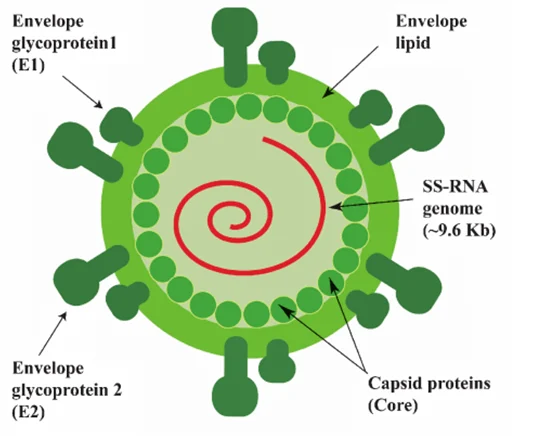
Hepatitis C Virus (HCV)
Microbiology: Oncogenic Viruses & Hepatitis C (HCV) Module Overview This master guide provides an exhaustive, deeply detailed exploration of oncogenic viruses, with a primary focus on the Hepatitis C Virus (HCV). We will explore the precise molecular mechanisms of viral replication, the complex immunological warfare between the virus and the human host, the pathophysiology of…
-
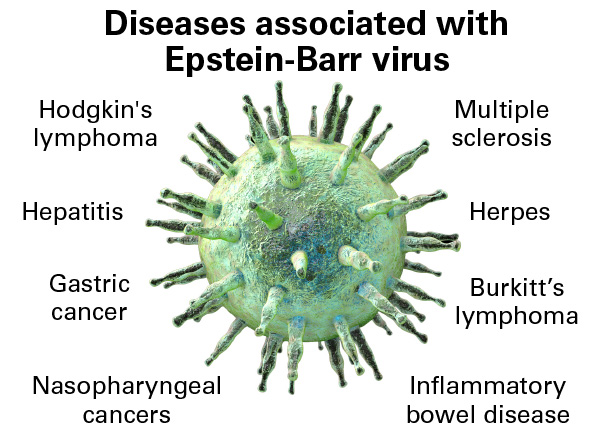
Epstein-Barr Virus (EBV)
The Epstein-Barr Virus (EBV) Module Focus The Epstein-Barr Virus (EBV) is a masterpiece of viral evolution. It is incredibly successful, infecting over 90% of humanity, yet it possesses a dark, deadly potential. By the end of this comprehensive guide, you will master: The unique structural and virological features of EBV. The exact molecular pathogenesis of…
-
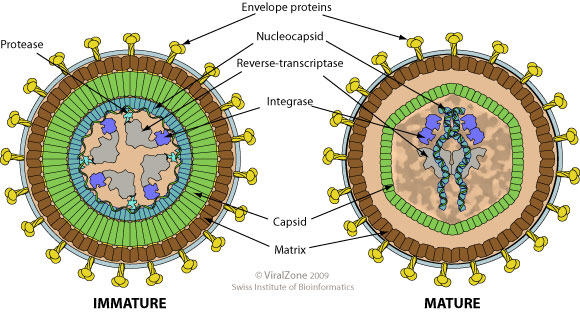
Human T-Cell Lymphotropic Virus (HTLV-1 & HTLV-2)
Human T-Cell Lymphotropic Virus (HTLV) Learning Objectives By the end of this exhaustive guide, you will be deeply conversant with: The unique epidemiology, taxonomy, and morphological structure of the HTLV retrovirus. The complete molecular replication cycle, focusing heavily on how HTLV integrates into the human genome as a provirus. The profound oncogenic mechanisms driven by…
-
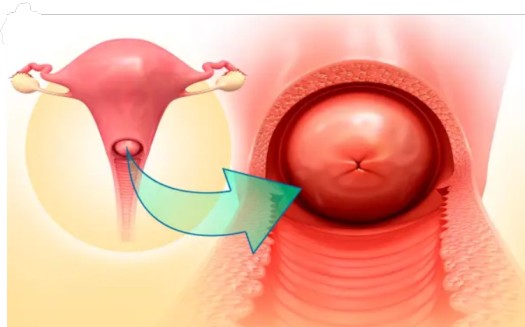
HPV and Cervical Cancer
Microbiology: Oncogenic Viruses and Human Papillomavirus (HPV) Module Overview This comprehensive master guide details the clinically vital study of tumor-causing viruses. We will thoroughly explore the molecular virology, pathophysiology, clinical manifestations, diagnosis, and prevention of Human Papillomavirus (HPV). You will understand exactly how a microscopic pathogen hijacks cellular machinery to transform healthy tissue into fatal…
-
HIV/AIDS IN MICROBIOLOGY
Comprehensive Master Guide: HIV Infection & AIDS I. Introduction: What is HIV/AIDS? To understand the clinical management of this disease, we must first master the strict definitions and the biological nature of the virus itself. Definitions HIV (Human Immunodeficiency Virus): A human retrovirus infection that specifically targets, invades, and destroys human T-helper lymphocytes (CD4+ cells).…
-
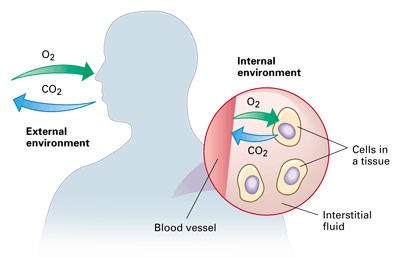
Body’s Environments, HOMEOSTASIS and Transport
The Body’s Environments: Internal and External The human body is a biological machine that does not exist alone. Rather, it exists within two distinct environments that constantly interact to maintain life, health, and functionality. To understand human physiology, we must first understand the boundaries and contents of these two environments. 1. The External Environment Description:…
-
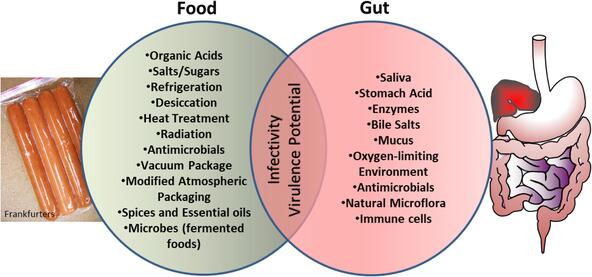
Gastro-intestinal Infections (GIs)
Gastrointestinal Infections 1. Introduction to Gastrointestinal Infections Gastrointestinal infections are diseases that primarily affect the stomach and intestines. When we talk about these infections, we usually use the term Gastroenteritis. Definition Definition of Gastroenteritis: It is a syndrome of diarrhea and/or vomiting that involves the upper small bowel or the colon. The Exception: Helicobacter pylori…
-
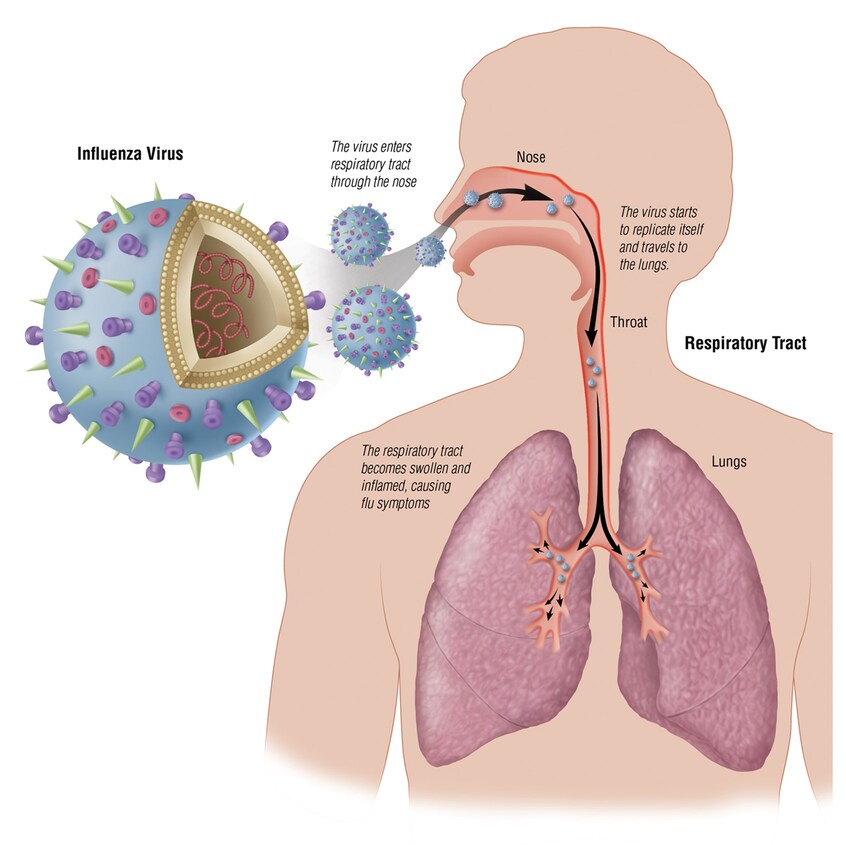
Lower Respiratory Tract Infections (LRTIs)
Respiratory Tract Infections (RTI) Module Overview This master guide provides an exhaustive look into Respiratory Tract Infections. It covers everything from the foundational anatomy and natural defenses of the lungs, to the specific clinical syndromes of the upper and lower respiratory tracts, and finally the rigorous laboratory protocols required to accurately diagnose these potentially life-threatening…
-
Upper Respiratory Tract Infections (URTIs)
Upper Respiratory Tract Infections (URTIs) 1. Overview and Magnitude of the Problem An Upper Respiratory Tract Infection (URTI), commonly referred to as “the common cold”, is a symptom complex primarily caused by viruses, occasionally bacteria, and very rarely fungi. EXAM TRIVIA The term “URTI” is actually considered a misnomer (inaccurate name). Why? Because it incorrectly…
-
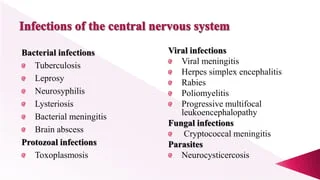
Infections of the Central Nervous System (CNS)
Infections of the Central Nervous System (CNS) Exam Prep Focus Welcome to CNS Infections! This section is highly tested on exams because recognizing a CNS infection quickly is a matter of life and death. 1. Introduction to CNS Infections The Central Nervous System (brain and spinal cord) is a highly protected fortress. However, when invaders…

