-
First Aid Medical Emergencies
First Aid Medical Emergencies. First aid is a crucial skill that everyone should possess, as it enables individuals to provide immediate care and assistance to someone who has been injured or is experiencing a medical emergency. There are various medical emergencies that require prompt first aid intervention. Some of the most common ones include: DROWNING…
-
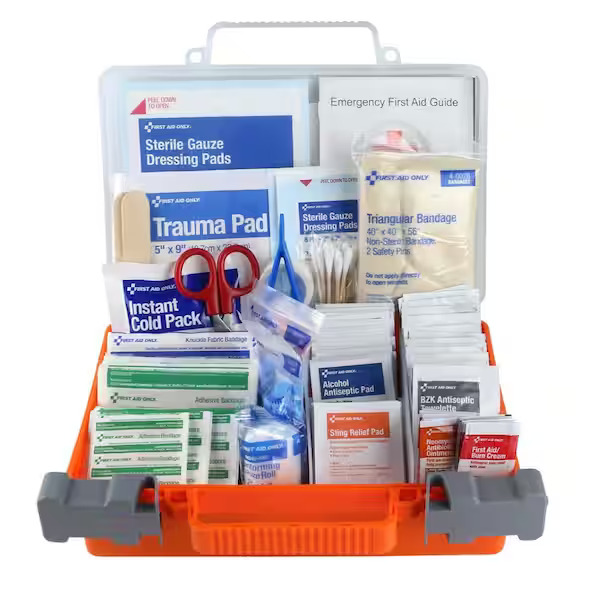
First Aid Kit
FIRST AID KIT First aid kit or medical kit is a collection of supplies and equipment used to give immediate medical treatment, primarily to treat injuries and other mild or moderate medical conditions. It is mandatory to have first aid kit in every work place like school, college, house and vehicles. It should be kept…
-
First Aid
First Aid First aid: refers to initial or immediate assistance given to someone who has sustained an injury or got a sudden illness before the arrival of an ambulance, a doctor or any other qualified person. Or: Is immediate care given to the injured or suddenly ill person. First aid does not take place in…
-

Question Approach
Guide to the Question Approach for Midwifery Exams It is important for midwives preparing for the exam to be able to answer questions effectively. This approach allows you to tackle questions in a systematic manner, ensuring that you cover all important points and provide concise and accurate answers. By following this structured approach, you will…
-
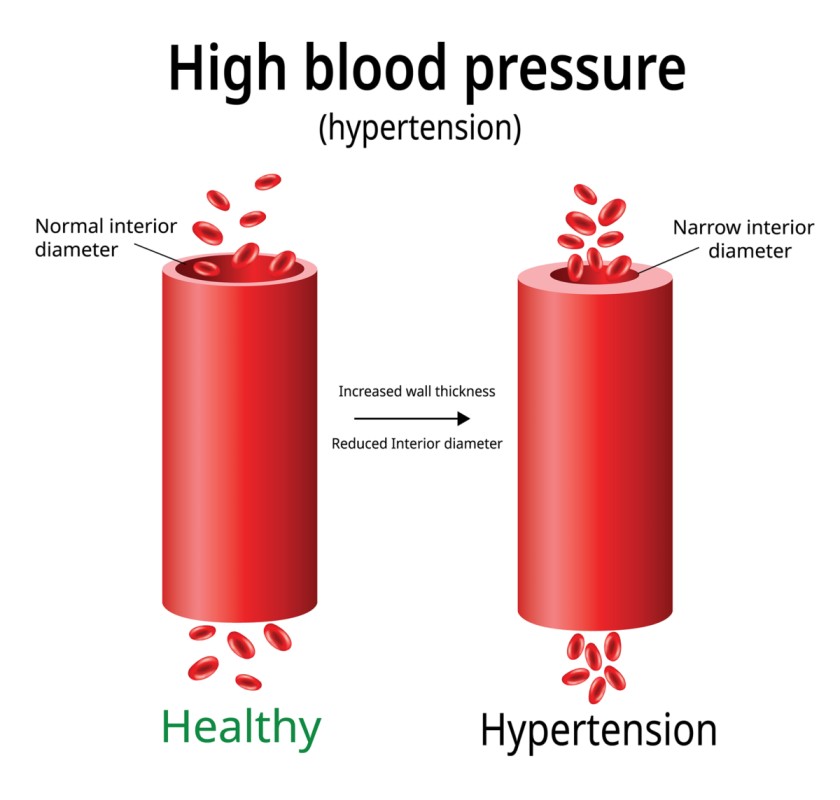
Hypertension
Nursing Notes – Thrombus and Embolus HYPERTENSION Introduction Definition: Hypertension, or high blood pressure (BP), is defined as a persistent systolic blood pressure (SBP) greater than or equal to 140 mm Hg, diastolic blood pressure (DBP) greater than or equal to 90 mm Hg. High blood pressure means that the heart is working harder than…
-
Mood Stabilizers
Mood Stabilizers Mood stabilizers are psychotropic drugs which are used in controlling mood disorders. Indications of Mood Stabilizers The major indications are the following: Bipolar affective disorder with frequent fluctuation of mood at short intervals. Can also be used as maintenance drug in mood disorder. However, patients with acute-phases of mania or depression should be…
-
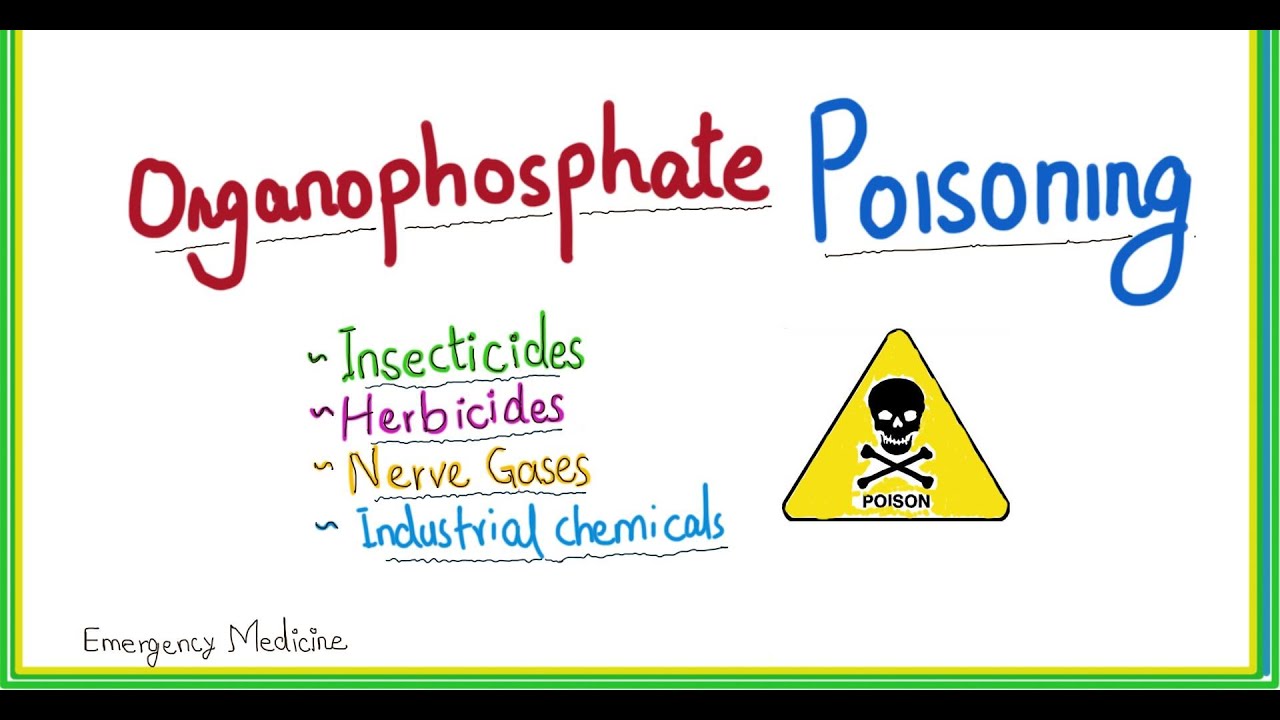
Organophosphates poisoning
Organophosphates Poisoning Organophosphates Poisoning is when a person develops an illness as a result of organophosphate exposure. Organophosphates are chemicals in insecticide used extensively in agriculture. When people, such as agricultural workers, are exposed to large quantities of organophosphates, these chemicals can be harmful. Organophosphates include: parathion, fenthion, malathion, diazinon, dursban, quinalphos and prothoate. Fast…
-

Storage Of Narcotics
Storage of Narcotics. Storage of narcotics: Being a drug that is associated with addiction and tolerance , it is prone abuse and the government has to prevent this by properly storing in such away that people have limited access to it. The following are the responsibilities in regard to storage of narcotics. Storage in pharmacy.…
-

Anxiolytic and Hypnotic Agents
Anxiolytic and Hypnotic Agents Anxiolytic agents are drugs used to depress the central nervous system (CNS) to prevents the signs and symptoms of anxiety. Hypnotic agents are drugs used to depress the CNS to causes sleep. Common Terms Anxiety: unpleasant feeling of tension, fear, or nervousness in response to an environmental stimulus, whether real orimaginary.…
-

Transverse Myelitis
Transverse Myelitis (TM) Transverse myelitis (TM) is a rare but serious neurological condition caused by inflammation of the spinal cord. This inflammation leads to the formation of scars or lesions that disrupt communication between the nerves of the spinal cord and the rest of the body. The term “transverse” refers to the fact that the…

