nursesrevision@gmail.com

MANAGING BUSINESS RISKS

MANAGING BUSINESS RISKS

MANAGING BUSINESS RISKS

Risk refers to the probability that an event will occur.

It can also be understood as an uncertain event or set of events that, should it occur, may affect the achievement of the business.

Risk Management refers to the systematic application of procedures to the tasks of identifying, assessing, and controlling risks through the implementation of planned risk responses.

Business Risk Management is a subset of risk management that focuses on the risks of businesses’ operations, systems, and processes.

It consists of a combination of:

  • The probability of a perceived threat or opportunity occurring
  • The magnitude of its impact on the objectives of the business

Threat refers to an uncertain event that could have a negative impact on the objectives of the business.

Opportunity refers to an uncertain event that could have a positive impact on the objectives of the business.

Types of Risks:

Types of Risks:

a) Systematic Risks:

  • Also known as external risks, these influence a number of assets and are often called market risks.
  • They affect nearly every business, including interest rates, inflation, and environmental regulations.
  • They are not under the direct control of management.

b) Unsystematic Risks:

  • These affect a small number of assets and are sometimes called unique or specific risks.
  • Examples include staff strikes, location factors, unavailability of raw materials, poor service delivery, and poor controls.
  • They are within the direct control of management.

c) Low Risks:

  • These are minimal risks that do not yield significant benefits or cause substantial damage.
  • Such risks tend to discourage entrepreneurs from investing resources due to their low return on investment.

d) Moderate (Calculated) Risks:

  • These risks can be forecasted, calculated, and managed by entrepreneurs.
  • They are not always desirable but offer a potentially higher benefit with a manageable loss propensity.
  • Examples include fire, theft, and burglary.

e) High Risks:

  • These risks have a high chance of occurrence, and if they occur, one has little or no control over them.
  • Examples include smuggling and dodging government taxes.

Forms of Risks

Financial Risks:

  • These risks may result in financial loss or gain.
  • Most businesses take risks with their financial assets regularly.
  • Choosing the wrong supplier or distributor can lead to problems if supplies don’t arrive on time or the distributor goes out of business.
  • Relationships with customers can also be risky, especially if a company relies on customers carelessly.

Employee Risk

  • While these may include physical risks, business risk management should consider preventing theft, fraud, and other crimes by employees.
  • Another risk caused by employees is human error, where even a tiny mistake in data entry or the manufacturing process can have significant consequences.
  • Risk management should include a quality control process for data input and production to minimize the impact of employee error.
Risk Management

Risk Management

Risk management refers to the identification, analysis, assessment, control, and avoidance, minimization, or elimination of unacceptable risks.

An organization may use risk assumptions, risk avoidance, risk retention, risk transfer, or any other strategy or combination of strategies to manage future events effectively.

Techniques or Methods of Managing Risks in Business:

  1. Risk Transfer/Sharing: An entrepreneur shifts the risk to another party to suffer the loss if it happens. For example, insurance companies suffer losses whenever they occur.
  2. Risk Avoidance: An entrepreneur takes measures to prevent the risk from occurring. For example, establishing quality assurance measures to avoid producing poor-quality products, paying taxes promptly, etc.
  3. Risk Reduction/Mitigation: The entrepreneur accepts that a risk or loss may happen but devises means to minimize its impact. For example, installing strong steel bars across a taxi or vehicle to reduce the impact of an accident.
  4. Risk Retention: Involves accepting the risk and budgeting for it when it occurs. This method is appropriate for small possible losses, especially when the cost of insuring the asset is greater than the possible loss.
  5. Risk Exploitation: This works for risks that have benefits for the business. The entrepreneur is encouraged to use the chance to make more profits, sales, among others.
The Risk Management Process

The Risk Management Process

Risk managers follow a five-step approach;

  1. Identify the risks: This involves identifying all potential risks that could impact the business, considering all aspects of the organization.
  2. Assess the risks: This step involves evaluating the likelihood of each risk occurring and the potential impact it could have on the business.
  3. Develop risk responses: Once the risks have been assessed, the risk manager develops strategies to address each risk. These strategies may include risk avoidance, risk reduction, risk transfer, or risk acceptance.
  4. Implement the risk responses: The risk manager then puts the chosen risk responses into action, ensuring that appropriate measures are taken to manage each risk effectively.
  5. Monitor the risks: Finally, the risk manager continuously monitors the risks and the effectiveness of the risk responses. This involves tracking key risk indicators and making adjustments to the risk management plan as needed.

Importance of Business Risk Management:

1. Business sustainability: Risk management helps businesses prepare for and respond to emergencies, ensuring that they can continue operating even in the face of unexpected events.

2. Confidence among entrepreneurs: Effective risk management instills confidence among entrepreneurs, particularly in areas such as goods in transit, transportation, freight, and shipping.

3. Cultivates faithfulness: Risk management fosters trust and loyalty among traders, as they are united by a common goal of managing risks effectively.

4. Employment opportunities: Risk management creates employment opportunities for professionals such as accountants, lawyers, underwriters, and others.

5. Proper planning and documentation: Risk management encourages proper planning and documentation of assets and their associated risks.

6. Facilitates trade: Risk management, particularly in the context of international trade, plays a crucial role in ensuring that goods are insured before transit.

7. Promotes professionalism: Effective risk management cultivates professionalism in business, as entrepreneurs adopt proactive approaches to managing risks.

8. Protects against risks: Risk management safeguards businesses against potential losses by implementing appropriate risk responses.

9. Enhances business continuity: By transferring risks to third parties through insurance, risk management helps ensure business continuity.


10. Prioritization and decision-making: Risk management aids in setting priorities by guiding the allocation of scarce resources and capital. This helps in effective decision-making and planning.

Reasons for Poor Risk Management by Ugandan Entrepreneurs:

Reasons for Poor Risk Management by Ugandan Entrepreneurs:

  1. Ignorance: Many entrepreneurs lack awareness of the importance of risk management and its benefits.
  2. Limited finances: Some organizations may have limited financial resources to invest in comprehensive risk management strategies.
  3. Inadequate government policies: The government’s policies regarding insurance enforcement may not be robust enough to encourage effective risk management practices.
  4. Negligence: Many business practitioners may neglect risk management due to a lack of understanding or prioritization.
  5. Traditional beliefs: Traditional norms, values, and cultures may influence entrepreneurs to rely on traditional risk management methods rather than modern approaches.
  6. Limited insurance firms: The number of insurance firms operating in Uganda may be limited, reducing the accessibility and affordability of insurance products.
  7. Excessive compensation procedures: Complex and time-consuming compensation procedures may discourage entrepreneurs from insuring their assets.
  8. Negative perception: The general public may have negative perceptions about risk management procedures, hindering its adoption.

MANAGING BUSINESS RISKS Read More »

BUSINESS ETHICS

BUSINESS ETHICS

BUSINESS ETHICS

Business ethics are moral principles which are recognized in respect to a particular class of human actions or a particular group.

Ethics refers to the study of right and wrong and the morality of choices individuals make.

Codes of Ethics

Codes of ethics are written guidelines that stipulate the acceptable behaviors in an organization.

Principles of Good Business Ethics

  1. Honesty: One should not present false or misleading information to others. One should openly and freely share information that is appropriate to the relationship with others.
  2. Keeping promises: One should not make promises that cannot be kept. One should not make promises on behalf of the company unless authorized to do so.
  3. Respect for others: It is important to honor the contributions and abilities of others.
  4. Fairness and honesty: Businesspeople must obey all laws and regulations and refrain from knowingly deceiving, misrepresenting, or intimidating others.
  5. Organizational relationships: These include relationships with employees and customers. Customers’ and employees’ confidential information is expected to be kept secret, and all obligations must be honored.
  6. Conflict of interest: This is where a businessperson takes advantage of a situation for his/her own personal interest rather than the employer’s interest.
  7. Compassion: One should maintain an awareness of the needs of others and act to meet those needs whenever possible.
  8. Integrity: One will always live up to ethical principles, even when confronted by personal, professional, and social risks, as well as economic pressure.

Examples of Business Unethical Issues

  • Corruption
  • Theft
  • Industrial espionage (e.g., stealing copyrights or technology using sophisticated cameras, listening devices, etc.)
  • Misleading advertisements
  • Sexual relations for favors
Benefits/Importance of Business Ethics

Benefits/Importance of Business Ethics

  1. Avoids expensive and embarrassing court lawsuits: Businesses that operate ethically are less likely to be involved in legal disputes, which can save them time, money, and reputation.
  2. Better public image: Businesses that are seen as ethical are more likely to have a positive reputation among consumers, investors, and other stakeholders. This can lead to increased sales and customer loyalty.
  3. Increases sales: Customers are more likely to do business with companies that they trust and perceive to be ethical.
  4. Brings about customer loyalty: Customers who have a positive experience with a business are more likely to become repeat customers and recommend the business to others.
  5. Reduces labor turnover: Employees are more likely to stay with a company that they believe is ethical and treats its employees well. This can save the company money on recruiting and training new employees.
  6. Increases employee morale to perform work: Employees who feel good about the company they work for are more likely to be motivated and productive.
  7. Increases productivity: A more ethical workplace can lead to increased productivity, as employees are more likely to be engaged and motivated.
  8. Increases the ability of an organization to attract and retain quality human resources: Top talent is more likely to be attracted to companies that are seen as ethical and have a good reputation.

Limitations of Business Ethics

  1. Absence of one agreed moral code (universal moral code). Morals differ in different communities: What is considered ethical in one culture may not be considered ethical in another. This can make it difficult for multinational companies to develop and implement a global code of ethics.
  2. Competing religious and social moral codes, especially for multinational companies operating in different parts of the world and employing people from different cultures and religions: This can make it difficult for companies to develop and implement a code of ethics that is acceptable to all employees.
  3. Pursuit of profits as a major objective, may lead to production of poor quality products, misleading advertisements, etc. with the aim of maximizing profits: This can damage the company’s reputation and lead to legal problems.
  4. Ambitions of managers and owners. For example, ambitions to own and belong to big organizations may lead to exploitation of workers and production of poor quality products with the aim of reducing production costs to make abnormal profits for fast growth: This can damage the company’s reputation and lead to legal problems.
  5. Modern technology creates ethical dilemmas, which never existed until quite recently. These allow unethical practices, for example, medical products (such as abortion), gene alteration of unborn babies, and selling of human bodies: This can make it difficult for companies to develop and implement a code of ethics that addresses all potential ethical issues.
  6. Limited resources, e.g., to pay workers well and produce environmentally friendly products: This can make it difficult for companies to operate in a completely ethical manner.

Negative Effects of Ethical Behavior

  • Increased costs as businesses try to do what is expected, e.g., not pay bottom wages or dump pollution cheaply at sea: This can reduce the company’s profitability.
  • Conflicts between profits and ethical standards: Sometimes, businesses may have to choose between doing what is profitable and doing what is ethical. This can lead to difficult decisions for managers.
  • Business practices and organizational culture will have to be changed, i.e., if the organization had a culture of unethical behavior, it may have to change it to behave ethically, and change in most times comes with associated costs: This can be disruptive and expensive.
  • Changes in relations with suppliers. This may mean passing the same standards down to the supply chain, and yet several suppliers may not be prepared to meet standards. Alternative suppliers may be more expensive: This can increase the company’s costs.
  • Ethics and business decisions: Making ethical decisions can be complex and time-consuming. This can slow down the decision-making process and make it more difficult to compete in a fast-paced business environment.

BUSINESS ETHICS Read More »
INNOVATION

INNOVATION

INNOVATION

Innovation is the implementation of a new or significantly improved product, service or process that creates value for business, government or society.

This is therefore the way of transforming the resources of an enterprise through creativity of people into new resources and wealth.


The ultimate goal of innovation is positive change, to make someone or something better, innovation and the introduction of it that leads to productivity is a fundamental source of increasing wealth in an economy.

CHARACTERISTICS OF INNOVATORS

1. An innovator has a compelling vision: the ability to formulate and articulate a compelling vision for your department or organization is the key characteristic of

your impact as an innovator. e.g Steve Jobs had a compelling vision for Apple to create a personal computer that was easy to use and accessible to everyone.

2. An innovator is opportunity oriented: an innovator always seem to find an

opportunity in any situation, he/she is constantly thinking about new ways of doing

things and is not afraid to try something new. e.g  Jeff Bezos saw an opportunity to create an online bookstore that would offer a wider selection of books than any physical bookstore.

3. Are self-disciplined: this means that he or she knows that it takes self discipline to achieve results. One has to do the hard work to make it happen. Innovators are able to prioritize their time so that they are doing the important work. e.g Elon Musk is known for his incredible work ethic and his ability to focus on his goals.

4. Innovators are passionate about he/she believe in: highly successful people have a great passion for what they do. They are usually passionate about one thing and go after it with all their hearts. 

5. An innovator is inner–directed: nobody has to tell an innovator what to do. Because of self discipline and ability to focus, innovators get up in the morning and get going, they are goal oriented and do not need anyone else to motivate them.

6. Are extraordinarily persistent: an innovator just keeps going, he does not let obstacles get in the way. It is this commitment and persistence that makes even the hardest goals to be achieved. e.g Thomas Edison failed over 10,000 times before he finally invented the light bulb.

7. An innovator is a trend–spotter: an innovator is able to identify something new and its social responsibility, i.e. its impact to the society.

TYPES OF INNOVATION

TYPES OF INNOVATION

  1. Marketing innovation: Developing new markets, new marketing systems, or methods of improvement in terms of product design, packaging, pricing, and promotional activities. Example: Kakira Sugar Limited innovated their packaging by changing from 50kg bags to 25kg bags. Beverage companies like Coca-Cola and Pepsi Cola have also changed their packaging from glass bottles and metallic containers to plastic bottles.
  2. Process innovation: Implementing a new and significantly improved production and delivery system. May include changing the production layout, the delivery routes, and manufacturing systems. Example: MTN Uganda introduced a new and significantly improved system for sending and receiving money using mobile phones. This innovation has revolutionized the way Ugandans conduct financial transactions, making it easier, faster, and more secure. 
  3. Organizational innovations: Creating or altering business structures, practices, and models. May include process, marketing, and business model innovations. Involves changing the way the organization does things to something better or different in almost all sectors of the organization. Example: Automating a production facility from a manual system, computerizing records registry at a university, or changing accounting systems.
  4. Product/Service innovation: Introducing new products and services or improving on existing ones. Example: Phone manufacturers have changed phones from Arial phones to wireless, buttoned phones to screen phones, and so on. MTN Uganda introduced a new product of Mobile Money, which was nonexistent in the country before.
  5. Supply chain innovations: Changing the sourcing of inputs from suppliers and the delivery of outputs to customers. May include changing to better distribution channels, getting more reliable and better suppliers of raw materials, or owning raw material deposits. Example: BIDCO Uganda Limited reduced importing inflammable oil for making cooking oil and changed to buying land and growing their own at Kalangala Island.

SOURCES OF INNOVATIONS

The sources of innovation can be grouped into two major categories: internal and external factors.

Internal Sources

  • Unexpected occurrences: These include mishaps like a failed product introduction. It is often through such unexpected failures or successes that new ideas are generated or born from new information brought to light. Unexpected occurrences can also take the form of accidents.
  • Innovation inspired by process needs: These are innovations created to support other products or processes. For instance, advertising was introduced to mass-produced newspapers to cover the printing expenses on the newly acquired machines.
  • Industry and market changes: This often results in the rise and decline of successful innovators. For example, the introduction of mobile money services by MTN on the Ugandan market and in the telecommunication industry has caused many innovations among all the players in the industry and even other sister industries like the insurance and banking industry.

External Forces

  • Demographic changes: These affect all aspects of business, for instance, factors like birth rates, death rates, and the proportion of the educated to the uneducated, among others.
  • Changes in perception: This leads to innovation. For example, healthcare in Uganda has continuously become better and more accessible. People have increasingly become concerned about their health, thus demanding better health services. This has caused a need for innovations in the medical sector, whereby doctors have been trained more and more, and more tests and drugs have been innovated for particular diagnoses and diseases.
  • New knowledge or technology: When new technology emerges, innovative companies earn profits by exploiting it in new applications and markets. For example, the introduction of the internet into business has generated thousands of new service innovations like online chatting, online registration, e-learning platforms, e-commerce, video-conferencing, and many others.

ADVANTAGES OF INNOVATION

1. Creativity: Innovative companies generally employ a large number of creative and competent individuals who not only introduce new products but also make sure they are accepted in the market. Such innovative individuals provide ideas on product design, product packaging, implementation, and marketing. This has made such companies stand out from the competition.

2. Market Leadership: Innovative companies are always market leaders. For instance, Riham Cola, which made innovations in the soft drinks industry, has made a greater impact on the market against Pepsi Cola and Coca-Cola companies. Riham introduced the plastic (disposable and non-returnable) packing bottles for soda against the glass bottles of Pepsi and Coca-Cola. This innovation outcompeted the former key players in the industry.

3. Experience: Innovative businesses are also advantaged with experience. They typically get the process of product development down to an exact science that can be repeated over and over again.

4. Name recognition, reputation, and good image: Such companies have always created a good reputation among the public. They are highly recognized in the country, and every good employee would wish to work for such organizations. For instance, MTN Uganda, Stanbic Bank, among others, have gained a reputation.

5. Expansion of market and sales maximization: Innovation in technology and marketing has seen smaller businesses compete on a global scale. Proprietors using internet marketing have acquired global markets even when they are smaller firms at home but provided they use website advertisements, registered with global marketing sites, among other avenues.

6. Cutting costs: Through innovations like mechanization, automation, and computerization of systems like banking systems and production processes, among others, companies have been able to cut costs relating to labor, late deliveries due to delays in production, and so on.

7. Improving the quality of products/services: Innovation can lead to improvements in the quality of products and services. This can be achieved through the development of new technologies, the use of new materials, or the adoption of new production methods. For example, the development of new medical technologies has led to the development of new drugs and treatments that have saved countless lives.

8. Attracting customers and retaining existing customers: Innovation can help businesses to attract new customers and retain existing customers. This can be achieved by offering new and improved products or services that meet the needs of customers. For example, the development of new smartphones with new features and capabilities has helped Apple to attract and retain customers

9. Giving the business a competitive advantage: Innovation can give businesses a competitive advantage over their competitors. This can be achieved by developing new products or services that are unique or superior to those offered by competitors. For example, the development of the iPod gave Apple a significant competitive advantage in the portable music player market.

DISADVANTAGES OF INNOVATION

  • Employee concerns and unemployment: While innovation is important, it may arouse employee concerns, especially where many workers are to be laid off due to the automation of production processes. This causes many problems for the affected parties.
  • Upfront costs: While innovation saves costs and expenses in the long run, in the short run, it is very costly to implement. For instance, the acquisition and installation of machinery, computers, and all necessary accessories to enable the automation of processes will be more demanding and may cause liquidity problems for the business.
  • Rivalry and witchcraft: Innovation can lead to increased competition and rivalry among businesses, as they strive to outdo each other with new and improved products or services. This can sometimes lead to unethical behavior, such as industrial espionage or even witchcraft, as companies try to gain an edge over their competitors.
  • Decline in craftsmanship: As businesses adopt new technologies and mass production techniques, there can be a decline in the quality of craftsmanship. This is because machines often cannot replicate the same level of detail and precision as human hands. As a result, traditional crafts and skills can be lost, as they are no longer economically viable.
  • Monopoly tendencies: Innovation can lead to the creation of monopolies, as companies that are first to market with a new product or service can gain a significant advantage over their competitors. This can make it difficult for new entrants to break into the market, and can lead to higher prices for consumers.
  • Over-exploitation and depletion of resources: Innovation can also lead to the over-exploitation and depletion of natural resources. For example, the development of new technologies for extracting oil and gas has led to increased drilling, which can have negative environmental impacts.
  • Cultural and moral degradation: Some innovations can have negative impacts on culture and morality. For example, the development of new technologies for communication and entertainment has led to concerns about the decline of traditional values and the rise of individualism and materialism.
Innovation in Small Businesses

Innovation in Small Businesses

Many people think innovation is a formal and complicated process, which only big organizations and businesses can undertake, and yet this is not the case. It is something that all businesses can afford to do since it requires only changing the way things are done normally to switch to something different.

Small businesses are, however, more chanced and more likely to be innovative than larger firms because of the following:

  • Most small business owners are willing to try new approaches to make their businesses more successful.
  • Small businesses understand customers’ needs, identify new opportunities, and can fix problems more quickly and efficiently.
  • Small businesses can quickly implement new business practices and adapt to changing market considerations.
  • When pursuing new opportunities, many small business entrepreneurs experiment and improvise. They accept failure as part of the path to success.
  • Small businesses traditionally rely on strong local social networks to share information needed for innovative thinking.
  • Small businesses are often more flexible than larger firms.
  • Small businesses have fewer bureaucratic issues to overcome.
  • Small businesses are often closer to their customers and can get feedback more quickly.
  • Small businesses are often more willing to take risks.
Ways to Foster Innovation in Small Businesses

Ways to Foster Innovation in Small Businesses

  1. Expect change. The rate, complexity, and unpredictability of change are increasing, creating a new hyper-competitive environment.
  2. Implement new rules. Innovators who go beyond the existing parameters of competition will achieve competitive advantage and success.
  3. Develop innovative strategies. Develop conscious strategies and mechanisms to promote consistent innovation, as entrepreneurs innovate all the time.
  4. Avoid barriers. Dissolve internal barriers that separate people and departments. Boundaries between firms, suppliers, customers, and competitors are also under severe pressure.
  5. Be fast. Implementation needs to be fast. It is better to be 80% right and quick than 10% right and late.
  6. Think global. The fastest-growing markets may be at the international level. Companies can now shop in a single global supermarket for just about everything.
  7. Think like an entrepreneur. Entrepreneurs make things happen and allow themselves to fail and improve because of it.
  8. Always be a faster learner. This is a key to competitive advantage in entrepreneurship: the ability to learn faster and better than competitors and to turn learnings into new products, services, and technologies before competitors can imitate your latest innovation.
  9. Measure performance indicators. Focus energy on what really drives the future success of the business.
  10. Do well. By doing well for others, success is easier to attain.
  11. Create a culture of innovation. Encourage employees to come up with new ideas and take risks.
  12. Provide resources for innovation. This could include things like training, funding, and access to technology.
  13. Celebrate successes. When employees come up with successful new ideas, make sure to recognize and reward them.
  14. Be patient. Innovation takes time. Don’t expect to see results overnight.

MOTIVATION

Motivation refers to the process of stimulating someone to adopt a desired course of action usually directed towards achievement of specific goals.

WAYS OF MOTIVATING EMPLOYEES

  1. Timely and adequate remuneration/payment: Employees are more likely to be motivated when they are paid fairly and on time.
  2. Provision of on-job training and education sponsorship for higher education: Employees appreciate opportunities to learn and grow, and they are more likely to be motivated when they feel that their employer is investing in their future.
  3. Pleasant or good working conditions: Employees are more likely to be motivated when they work in a safe, comfortable, and supportive environment.
  4. Providing job security: Employees are more likely to be motivated when they feel that their jobs are secure.
  5. Promotion prospects: Employees are more likely to be motivated when they have the opportunity to advance in their careers.
  6. Appraising and appreciating contributions of workers: Employees are more likely to be motivated when they feel that their work is valued and appreciated.
  7. Participation in decision making: Employees are more likely to be motivated when they feel that they have a say in how their work is done.
  8. Transparent management: Employees are more likely to be motivated when they trust their managers and feel that they are being treated fairly.
  9. Open communication: Employees are more likely to be motivated when they feel that they can communicate openly with their managers and coworkers.
  10. Giving fringe benefits: Employees appreciate fringe benefits such as health insurance, paid time off, and retirement plans.
  11. Management of discipline: Employees are more likely to be motivated when they feel that discipline is fair and consistent.

Importance of Motivation to a Business

  • Motivation stimulates workers to perform their duties and the given tasks effectively and efficiently.
  • It also improves workers’ productivity and profitability since workers work harder.
  • Motivation improves the image of the business or enterprise among the public.
  • It also prevents employees from seeking alternative employment opportunities elsewhere.
  • It also minimizes employee strikes and demonstrations.
  • It enhances teamwork.
  • It also improves on worker’s skills through providing training programs like on-job training.
  • Motivation in the form of financial or monetary reward improves the worker’s standard of living and increases commitment at work.

INNOVATION Read More »

ENTREPRENEURSHIP SKILLS

ENTREPRENEURSHIP SKILLS

ENTREPRENEURSHIP SKILLS 

Entrepreneurial skills refer to a broad range of abilities that individuals use to start and manage their own businesses

These skills can be broadly categorized into technical skills, leadership and business management skills, and creative thinking.

Examples of entrepreneurial skills include:

  1. Creativity skills: Ability to generate new ideas and solutions to problems.
  2. Innovation skills: Ability to think critically and analyze information to make informed decisions.
  3. Risk management: Ability to identify and assess potential risks and develop strategies to mitigate them.
  4. Business management skills: Ability to set goals, make decisions, and take calculated risks.
  5. Communication and Listening Skills: Ability to communicate effectively both verbally and in writing. Effective communication and interpersonal skills, including the ability to negotiate, persuade, and build relationships.
  6. Teamwork and leadership skills: Ability to work effectively with others to achieve common goals.
  7. Customer service skills: Ability to build and maintain strong relationships with customers.
  8. Financial skills: Understanding of financial management principles, including budgeting, forecasting, and tracking expenses. Ability to manage finances, including budgeting, forecasting, and tracking expenses.
  9. Analytical and problem-solving skills: Ability to identify and analyze problems, and develop and implement effective solutions.
  10. Critical thinking skills: Ability to think critically and analyze information to make informed decisions.
  11. Strategic thinking and planning skills: Ability to develop and implement strategic plans to achieve business goals.
  12. Technical skills: Proficiency in specific software, tools, or technologies related to the entrepreneur’s industry.
  13. Time management and organizational skills: Ability to manage time effectively and prioritize tasks. Strong organizational skills, including the ability to keep track of multiple projects and deadlines.
  14. Branding, marketing, and networking skills: Ability to develop and implement effective branding and marketing strategies.

CREATIVITY

Creativity is the process of bringing something new into existence

Creativity is characterized by the ability to perceive the world in new ways, find hidden patterns to make connections between seemingly unrelated phenomena and to generate solutions. Creativity involves two processes i.e. thinking, and then producing.

While creativity is generating something new like a new idea, new product, new technology, new design of packaging, new fashion style, new technique e.t.c, Innovation is the process of implementing or applying the created new concepts.

However if after creativity, innovation does not take place, the process is called invention, invention therefore means coming up with some new (creativity) but you leave it there unimplemented.

CHARACTERISTICS OF CREATIVE PEOPLE

CHARACTERISTICS OF CREATIVE PEOPLE

Deep focus and concentration: Creative people are able to focus deeply on a particular subject or problem for extended periods of time. This allows them to develop a deep understanding of the topic and to come up with innovative solutions.

Intelligence and problem-solving skills: Creative people are often highly intelligent and have strong problem-solving skills. They are able to think outside the box and come up with new and original ideas.

Risk-taking and open-mindedness: Creative people are willing to take risks and try new things. They are open to new ideas and experiences, and they are not afraid to fail.

Self-confidence and resilience: Creative people are confident in their abilities and are able to tolerate isolation and criticism. They are resilient and able to bounce back from setbacks.

Overcoming challenges: Creative people often have a history of overcoming challenges in their childhood, such as financial constraints or hunger. These experiences can help them to develop resilience and creativity.

Curiosity and experimentation: Creative people are curious and always looking for new things to learn. They are willing to experiment and try new things, even if they fail.

Collaboration and sharing: Creative people are good at sharing their ideas with others and collaborating on projects. They are not selfish with their knowledge and are always willing to help others.

METHODS/TECHNIQUES OF DEVELOPING CREATIVE ABILITY

METHODS/TECHNIQUES OF DEVELOPING CREATIVE ABILITY

1. Think beyond the invisible frameworks that surround problems or situations.

  • Challenge the status quo and look for alternative perspectives.
  • Be open to new ideas and possibilities.
  • Don’t be afraid to question assumptions.
  • Recognize when assumptions are made and challenge them.

2. Assumptions can limit our creativity and prevent us from seeing new possibilities.

  • Be aware of your own assumptions and be willing to challenge them.
  • Ask yourself why you believe something to be true and be open to considering other possibilities.
  • Stop narrow-minded thinking and widen the field of vision.

3. Draw on the experiences of other individuals or businesses.

  • Look for inspiration in different fields and industries.
  • Be open to new ideas and perspectives, even if they seem unrelated to your own work.
  • Develop/adapt ideas from one field to another.

4. Cross-pollination of ideas can lead to innovative solutions.

  • Look for ways to apply ideas from one field to another.
  • Be willing to experiment and try new things.
  • Be prepared to use unpredictable events to your advantage.

5. Unpredictable events can be a source of inspiration and creativity.

  • Be open to new possibilities and be willing to adapt your plans.
  • Embrace change and see it as an opportunity for growth.
  • Use your unconscious mind, e.g. by sleeping on a problem to generate creative solutions to the problems.

6. The unconscious mind can be a powerful tool for creativity.

  • Allow yourself time to relax and let your mind wander.
  • Keep a notebook handy to jot down any ideas that come to you, even if they seem silly or unrelated.
  • Note down ideas that apparently drop into the mind unsolicited/uncalled for, so that they are not forgotten.

7. Creative ideas can come at any time, so it’s important to be prepared to capture them.

  • Keep a notebook or journal with you at all times.
  • Write down any ideas that come to you, no matter how small or insignificant they may seem.
  • Make connections with points that are apparently irrelevant, disguised or outside your own sphere or expertise.

8. Creative ideas can often be found by making connections between seemingly unrelated things.

  • Be open to new experiences and be willing to learn about different things.
  • Look for patterns and relationships that others may have missed.
  • Suspend judgment to encourage the creative process and avoid premature criticisms.

9. Premature criticism can stifle creativity.

  • Allow yourself to generate ideas without judgment.
  • Save your criticism for later, once you have a number of ideas to work with.
  • Know when to leave a problem (remaining aware but detached) until solutions emerge, patience is important here as in the suspension of judgment.

10. Sometimes the best way to solve a problem is to step away from it for a while.

  • Allow your subconscious mind to work on the problem.
  • Be patient and don’t force a solution.
STAGES OF CREATIVITY PROCESS

STAGES OF CREATIVITY PROCESS

1. Preparation:

  • Gather information and analyze it.
  • Propose some possible solutions or alternatives.

2. Incubation:

  • Engage in mental work and self-storming of possible solutions.
  • Ask yourself many questions, but don’t expect to find answers yet.

3. Illumination:

  • Stop thinking about the questions and relax.
  • Engage in recreational activities that make you feel relaxed and at ease.
  • An idea to solve the problem may come to you during this free time.

4. Verification:

  • Test the idea or solution that you have developed.
  • If the idea or solution does not work, leave the problem for a while and then revisit it with a fresh perspective.
  • Consult with others and seek alternative solutions.
OBSTACLES TO CREATIVITY

OBSTACLES TO CREATIVITY

  1. Negativity: Not thinking positively about problems and seeing them as a threat rather than an opportunity.
  2. Fear of failure: Being afraid to take risks and try new things for fear of making mistakes or failing.
  3. Lack of quality thinking time: Being too busy or stressed to think objectively or think at all.
  4. Over-conformance with rules and regulations: Being too rigid and inflexible in one’s thinking and unwilling to break away from established norms.
  5. Making assumptions and conclusions: Assuming that something is not possible without exploring all the options.
  6. Applying too much logic: Relying too heavily on logic and reason and not being open to more intuitive or creative approaches.
  7. Thinking that you are not creative: Having a negative self-image and believing that you are not capable of being creative.
  8. Lack of aspirations: Being uninspired and lacking the motivation to come up with new ideas, even when presented with new information or challenges.
  9. Groupthink: The tendency to conform to the opinions of the group and not express creative ideas.
  10. Lack of diversity: Having a homogeneous group of people working on a project, which can lead to a lack of different perspectives and ideas.
  11. Unwillingness to take risks: Being afraid to step outside of one’s comfort zone and try new things.
  12. Perfectionism: Striving for perfection and being unwilling to accept anything less, which can stifle creativity.

ENTREPRENEURSHIP SKILLS Read More »

The Entrepreneur as a Manager

The Entrepreneur as a Manager  

The Entrepreneur as a Manager  

An entrepreneur will also be required to play the normal management roles:

  • Planning, organization, financial management, human resource management, leadership and control. 

The most common educational approach for entrepreneurship distinguishes six types of skills: 

  • Operational management, personnel and organization, financial administration, marketing, financial management, and making a business plan. 

The main difference between Entrepreneur and Manager is their role in the organization. An entrepreneur is the owner of the company whereas a Manager is the employee of the company.

Types of Entrepreneurs

  1. Innovative Entrepreneurs: Assemble diverse information to experimentally produce new possibilities in terms, techniques, or products. Example: Steve Jobs, co-founder of Apple Inc., introduced innovative products like the iPhone, revolutionizing the technology market.
  2. Imitative (Adoptive) Entrepreneurs: Copy and paste other people’s technology and techniques, using existing ideas in the market. Example: Generic pharmaceutical companies that replicate existing drugs with expired patents.
  3. Push (Forced or Necessity) Entrepreneurs: Forced into business due to circumstances beyond their control, like job retirement or single parenthood. Example: An individual starting a small business after job loss due to company downsizing.
  4. Pull (Motivated) Entrepreneurs:  Lured by the attractiveness of a business idea and its personal implications. Example: Entrepreneurs motivated to start eco-friendly businesses due to a personal commitment to environmental sustainability.
  5. Induced Entrepreneur:  Induced by government policy measures, assistance, incentives, and concessions to start a venture. Example: A renewable energy entrepreneur encouraged by government subsidies and incentives.
  6. Visionary Entrepreneurs: Concentrate on making one line of business the biggest, focusing on expansion. Example: Elon Musk, CEO of Tesla, who envisions a sustainable future and concentrates on electric vehicles and renewable energy.
  7. Opportunistic Entrepreneurs: Constantly seek and exploit opportunities due to wide skills and knowledge. Example: Entrepreneurs in the tech industry who quickly adopt emerging technologies for business growth.
  8. Portfolio Entrepreneurs: Run multiple businesses and have stakes in various other ventures. Example: Richard Branson, founder of the Virgin Group, involved in diverse industries like music, airlines, and telecommunications.
  9. Professional Entrepreneurs:  Interested in establishing a business but not in managing or operating it once established. Example: A doctor who establishes a healthcare clinic, then hires administrators to manage daily operations.
  10. Lifestyle (Craftsman) Entrepreneurs: Restrict business to areas of skill and experience, with limited growth ambitions. Example: Artisans like carpenters or potters who operate small, skill-focused businesses.
  11. Technical Entrepreneurs: Develop improved quality goods due to craftsmanship. Example: Craft breweries that focus on the technical aspects of brewing to produce unique and high-quality beer.
  12. Non-technical Entrepreneurs:  Focus on marketing and distribution strategies, not concerned with technical aspects. Example: Entrepreneurs in the fashion industry who emphasize marketing and branding rather than production techniques.
  13. Pure Entrepreneur:  Motivated by psychological and economic rewards, undertaking entrepreneurial activity for personal satisfaction. Example: An individual starting a social enterprise focused on community development, driven by a desire for social impact.
  14. Habitual Entrepreneur: Individuals with ownership stakes in multiple businesses, having experience in establishing or purchasing them. Example: An entrepreneur who has owned shares in various businesses, involving both successes and failures.
  15. Spontaneous Entrepreneur:  Persons with initiative, boldness, and confidence, activating them to undertake entrepreneurial activities. Example: Someone inspired to start a small business after identifying a sudden market demand for a unique product.
  16. Business Entrepreneurs: Conceive an idea for a new product or service and create a business to materialize the idea. Example: Entrepreneurs in the tech industry who develop innovative software solutions and establish startups to bring them to market.
  17. Trading Entrepreneur: Undertakes trading activities without involvement in manufacturing work. Example: Import-export entrepreneurs involved in the trading of goods between different countries.
  18. Industrial Entrepreneur:  A manufacturer identifying customer needs and tailoring products or services to meet market demands. Example: Henry Ford, founder of Ford Motor Company, revolutionized industrial entrepreneurship with the assembly line.
  19. Corporate Entrepreneur: Demonstrates innovative skills in organizing and managing a corporate undertaking. Example: Google’s development of new products and services within its corporate structure, fostering innovation and growth.
  20. Agricultural Entrepreneur (Agripreneur): Undertakes agricultural activities, including raising and marketing crops, fertilizers, and other agricultural inputs. Example: A farmer who not only cultivates crops but also sells agricultural products directly to consumers.
  21. Drone Entrepreneurs: Entrepreneurs resistant to change, who may close their business rather than adapt to new circumstances. Example: Traditional bookstores resistant to embracing e-commerce and digital platforms, leading to business closure.
  22. Fabian Entrepreneurs:  Reluctant to change, but circumstances may force them to adapt slowly. Example: Traditional brick-and-mortar retailers slowly transitioning to online sales due to changing consumer preferences.
  23. Individual and Institutional Entrepreneurs: Start-ups often initiated by individual entrepreneurs but may evolve into more complex ventures led by a corporate body. Example: A tech startup founded by individuals that later receives institutional funding and evolves into a larger corporate structure.
  24. Copreneurs:  Entrepreneurial couples working together as co-owners of an enterprise. Example: A husband-and-wife team starting and managing a family-owned restaurant.
  25. Part-time Entrepreneurs:  Entrepreneurs engaging in business irregularly or on a part-time basis. Example: A professional consultant who runs a small online business during weekends.
  26. Serial Entrepreneurs: Continuously generate new ideas and start multiple businesses. Example: Elon Musk, who founded multiple successful companies, including SpaceX, Tesla, and Neuralink.
  27. Corporate Entrepreneurs:  Develop new ideas and opportunities within large or established businesses, contributing to organizational profitability. Example: An employee within a large pharmaceutical company spearheading a successful internal startup division.
  28. Women Entrepreneur: Women with entrepreneurship skills engaging in business activities. Example: Amina, owner of Kingston Hardware and Oasis Mall, showcasing women entrepreneurs’ diverse roles.
  29. Social Entrepreneur:  Engages in business to empower disadvantaged people, with a focus on social impact rather than profit. Example: Prudence, owner of Bella Wine Company, who supports social causes through the proceeds of her business.
  30. Intrapreneurs:  Individuals within an organization who take responsibility for creating products and generating ideas. Intrapreneurs apply entrepreneurial skills, vision, and forward-thinking to their roles within the company. Example: An employee at a technology company who proposes and leads a project to develop a new software solution, bringing innovation to the organization’s product offerings.
Differences between an Entrepreneur and an Intrapreneur

Differences

Entrepreneur

Intrapreneur

1. Definition

An individual who builds a new business with limited resources.

An employee who develops new products for the company they are working for.

2. Goals

Aims at creating something of social and economic importance.

Aims to create organizational competitiveness.

3. Motivation

Motivated by achievement, passion, independence, and financial rewards.

Motivated by freedom to innovate, company backing, and incentives.

4. Resources

Uses their own resources.

Uses company resources.

5. Risk

Vulnerable to many kinds of risk.

Very limited risk, if at all.

6. Decision Making

Independent.

Collaborative/consultative.

7. Time Frame

Not time-bound.

Stipulated by the organization.

8. Service Focus

Primarily serves the customer.

Primarily serves the organization and themselves.

Important Roles and Functions of an Entrepreneur in an Enterprise

An entrepreneur plays a crucial role in the success and sustainability of an enterprise. From the initial planning stages to the final marketing of products or services, entrepreneurs fulfill various functions that contribute to the overall efficiency and effectiveness of the business. Here are some of the key roles and functions of an entrepreneur:

  1. Planning: Entrepreneurs initiate the process of establishing and organizing an enterprise. They formulate a comprehensive plan that outlines the methods of production, the size of output, the location of the industry, and the nature of the commodities to be produced. This plan serves as a roadmap for the successful operation of the business.
  2. Starting of Production: Entrepreneurs make critical decisions regarding the commencement of production. They take necessary steps to ensure the smooth and uninterrupted functioning of the production process, addressing any challenges or obstacles that may arise.
  3. Mobilization of Capital: Entrepreneurs play a vital role in securing the necessary capital to fund their business ventures. They explore various sources of financing, such as bank loans, investments from friends and family, issuing shares and debentures, or leveraging their own personal assets.
  4. Innovation: Entrepreneurs are often driven by a spirit of innovation. They continuously seek new methods of production, explore new market areas, and initiate steps to improve the technology and efficiency of their industry.
  5. Coordination: Entrepreneurs act as coordinators, bringing together and managing the various factors of production. They hire and allocate labor, procure raw materials and equipment, and ensure the smooth integration of all resources to achieve optimal productivity.
  6. Organization of Labor Force: Entrepreneurs recruit and place the right people in the right positions within the enterprise. They introduce division of labor, assigning tasks based on merit, ability, and the specific needs of the business. They also supervise and motivate employees to maximize their performance.
  7. Supply of Tools and Machines: Entrepreneurs provide the necessary tools, machinery, and equipment to enable employees to perform their tasks efficiently. They invest in up-to-date technology to enhance productivity and reduce costs.
  8. Marketing Mechanism: Entrepreneurs develop and implement marketing strategies to promote their products or services and generate demand in the market. They utilize various channels, including advertising, public relations, and social media, to reach their target audience and influence consumer behavior.
  9. Anticipation of Market Changes: Entrepreneurs closely monitor market trends, consumer preferences, and changing fashions. They adapt their products or services accordingly to meet the evolving needs and desires of their customers.
  10. Division of Labor: Entrepreneurs introduce division of labor within the enterprise to increase efficiency and productivity. They assign specific tasks to employees based on their skills and expertise, leading to improved output quality and reduced costs.
  11. Risk Taking: Entrepreneurs embrace risk as an inherent part of starting and running a business. They make calculated decisions, assess potential risks, and take proactive measures to mitigate uncertainties. They are willing to bear the financial and emotional risks associated with entrepreneurship.
  12. Uncertainty Bearing: Entrepreneurs navigate the inherent uncertainties of production and marketing. They understand that profits can fluctuate and losses may occur. They possess the resilience and adaptability to withstand market fluctuations and unexpected challenges.
  13. Distribution of Profits: Entrepreneurs allocate profits to various stakeholders, including employees, investors, and themselves. They determine the appropriate distribution of profits to ensure the sustainability and growth of the enterprise.
  14. Creation of Value: Entrepreneurs play a crucial role in creating value for society. By establishing new businesses and industries, they generate employment opportunities, contribute to economic growth, and introduce innovative products or services that enhance consumer welfare.
  15. Least-Cost of Production: Entrepreneurs strive to produce output at the lowest possible cost. They analyze the marginal productivity of different factors of production and make adjustments to optimize resource allocation. This focus on cost efficiency contributes to the profitability and competitiveness of the enterprise.
Differences between an Entrepreneur and a Manager


Differences

Entrepreneur

Manager

1. Role

Is the starter/owner of the business.

Is employed to run the business.

2. Risk

Bears all risks.

Does not shoulder any serious risk.

3. Reward

Rewarded with profit.

Rewarded with the salary he or she gets from the company.

4. Motivation

Key motivation is achievement.

Motivation comes from power and rewards that come with the position.

5. Approach

Can be casual/informal in approach.

Managers tend to be formal in behavior and approach.

6. Decision-Making

Decides independently and may take quick decisions.

Often involves a more structured decision-making process and follows company protocols.

7. Long-Term Focus

Focuses on the long-term success and growth of the business.

Typically concerned with meeting short-term goals and targets.

8. Innovation

Innovates and introduces new ideas to drive the business.

Implements and executes existing strategies and policies.

9. Job Security

Faces the uncertainty of business outcomes, leading to less job security.

Enjoys relatively more job security.

10. Work Hours

Often works irregular hours and may have a flexible schedule.

Usually follows a fixed work schedule with regular working hours.

STAGES OF ENTREPRENEURIAL PROCESS 

STAGES OF ENTREPRENEURIAL PROCESS 

There is a myth about entrepreneurship by most people. They think that it is a get rich quick scheme. However, the truth is that entrepreneurship is a lengthy process that requires patience and hard work. It goes through a series of steps and each step in the process has its own demands. Some of the key steps include;

  1. Self entrepreneurial identification: The entrepreneurial process begins by identifying yourself if you can start any business activity. This stage is the starting one because if someone cannot identify himself or herself as a potential entrepreneur, then one can never be one.
  2. Generation of ideas: When one decides to become an entrepreneur, the next step is to generate ideas and start to search for business opportunities.
  3. Evaluating the idea/ Idea Assessment: After generating several ideas and or identifying many opportunities, one starts to evaluate each of them in order to choose the best of the ideas. This is because it is difficult to implement all the ideas since the resources and expertise are limited.
  4. Business Planning: After you have well assessed the different ideas or opportunities, you should have concluded on one of them which looks to be more feasible and profitable. Then this step requires you to plan on how you will be marketing the business, how you will satisfy the customer’s needs, what new tactics you will use to be very competitive than your competitors. You have to plan on the production processes, staffing, financing options and when to start the business among other things.
  5. Resource mobilization and allocation: At this stage, after planning everything how it will be handled, you begin mobilizing all resources like finances, recruiting employees and search for marketing agents and suppliers. This stage also requires you to go for registration of business and launch of business.
  6. Managing the enterprise: This stage requires the entrepreneur to fully establish the business functions and ensure full scale operation of the business. At this point, the business has started to brand its name into the market. This requires skilled management and at times the entrepreneurs will become a director to supervise business management.
  7. Business growth, expansion and exit or closure: Some businesses are seasonal and so may reach its maturity stage where it will require closure of the enterprise. However many businesses are ongoing concerns and are not affected by seasonality and so after business has grown to full scale, the possible options are opening up sister businesses, branches and outlets in different countries. This is a stage that may require entrepreneurs to go global and make groups of companies. It is at this stage that we see the Madhvani group, Mukwano Group and many other groups of companies.
Success and Failure of Businesses in Uganda

Success and Failure of Businesses in Uganda

Building Success in a Business in Uganda
  1. Possession of entrepreneurial skills: These include creativity, risk-taking, endurance, and flexibility, among others.
  2. Command of business and technical skills: These skills, such as marketing, finance, and management, help entrepreneurs effectively exploit the full potential of their businesses.
  3. Mobility and exposure: This allows entrepreneurs to develop new ideas that shape creativity and save entrepreneurship.
  4. Presence of role models in the community: Successful entrepreneurs in the community can inspire and motivate aspiring entrepreneurs.
  5. Presence of resources: Access to raw materials, labor, and other necessary resources is crucial for business success.
  6. Government support: Favorable government policies and support can create a conducive environment for businesses to thrive.
  7. Availability of transport networks: Good transport infrastructure enables businesses to transport their goods and services to markets and customers.
  8. Political stability and presence of security: A stable political environment and adequate security measures create a favorable climate for businesses to operate.
  9. Availability of customers and consumers: A strong customer base is essential for business success.
  10. Presence of markets: Access to markets where businesses can sell their products and services is crucial.
  11. Rewarding of entrepreneurial effort: Recognition and rewards for successful entrepreneurs promote the enterprising spirit.
How Businesses Fail in Uganda
  1. Seasonality of markets: Some products have a seasonal demand, which can lead to fluctuations in sales and revenue.
  2. Absence of copyright laws: The lack of copyright protection allows for the duplication of products and ideas, which can harm original creators.
  3. Political instability and insecurity: Political instability and insecurity in certain areas can disrupt business operations and discourage investment.
  4. Natural disasters: Natural disasters such as fire, drought, and earthquakes can cause significant damage to businesses and lead to financial losses.
  5. Limited funds for expansion: Access to financing for business expansion can be limited, especially for small businesses that lack collateral.
  6. High-interest rates on loans: High-interest rates on loans can increase the cost of borrowing and reduce profitability.
  7. Intense competition: Intense competition in the Ugandan market can lead to price wars and reduced profit margins.
  8. Poor government policies: Inadequate government policies to liberalize the economy can leave infant businesses vulnerable to competition from stronger foreign businesses.
  9. Unreliable and expensive electricity: The unreliability and high cost of electricity in Uganda can hinder business operations and increase production costs.
  10. Poor transport infrastructure: The underdeveloped state of Uganda’s rail and air transport systems, as well as poor roads in rural areas, can limit market access and increase transportation costs.
  11. Heavy taxation: High tax rates can burden businesses and reduce their profitability.
How to Prevent Businesses from Failing
  1. Strategic management: Aligning business objectives with considerations of the internal and external environment can help businesses adapt to changing conditions.
  2. Customer retention and acquisition: Maintaining existing customers and attracting new ones is crucial for business growth and sustainability.
  3. High-quality products and services: Offering high-quality products and services can help businesses build a strong customer base and reputation.
  4. Skilled workforce: Employing a skilled and motivated workforce can improve productivity and efficiency.
  5. Training and development: Providing training and development opportunities for employees can enhance their skills and knowledge, leading to improved performance.
  6. Corporate social responsibility (CSR): Engaging in CSR activities can enhance a business’s reputation and foster goodwill among customers and the community.
  7. Advertising and promotion: Effective advertising and promotion can increase brand awareness and attract new customers.
  8. Compliance with legal requirements: Ensuring compliance with legal authorities and government regulations can avoid legal penalties and reputational damage.
  9. Supplier relationships: Maintaining healthy relationships with suppliers can ensure a steady supply of raw materials and other essential resources.
  10. Succession planning: Proper succession planning can ensure a smooth transition of ownership and management, preventing disruptions to the business.
  11. Separation of business and family: Maintaining a clear separation between business and family can prevent conflicts of interest and ensure professional decision-making.

The Entrepreneur as a Manager   Read More »
INTRODUCTION TO ENTREPRENEURSHIP

INTRODUCTION TO ENTREPRENEURSHIP

INTRODUCTION TO ENTREPRENEURSHIP  

The word entrepreneurship was first introduced by a French economist Richard Cantillon during the early 18th century. Entrepreneur is a French word ‘‘entreprendre’’ which literally  means ‘‘under take’. An entrepreneur is also referred to as ‘‘a risk taker’’ who buys  commodities at certain prices and sells at a relatively higher price. 

Definitions of an Entrepreneur

There is not a universally acceptable definition for an entrepreneur, different scholars have defined entrepreneurs according to what they seem to be attributing to the qualities of them (entrepreneurs).

1. The Middleman – Richard Cantillon (1751): He defines an entrepreneur as someone who bridges between a supplier and the market and takes a profit by facilitating the exchange process

2. The merchant – J. B. Say (1800) He defined an entrepreneur as one who shifts economic resources from an area of lower yield to an area of higher economic yield.

3. The Risk Taker – Knight, (1921) He defined Entrepreneurs as the organizers of uncertainty who recognize and seize opportunities that result from uncertainties.

4. The Innovator – Joseph Schumpeter (1934) Schumpeter defines an entrepreneur as one who destroys the existing economic order by introducing new products and services, by creating new forms of organization, or by exploiting new raw materials.

In summary, 

An entrepreneur is one who sees a need and brings together resources to meet that need.

An entrepreneur is an individual who generates or identifies innovative business ideas and mobilizes the  resources needed to turn the idea into a successful business. 

Definitions of Entrepreneurship

Stoner defines Entrepreneurship as the ability to make factors of production like land, labour and capital into new goods and services.

Schumpeter (1994), Entrepreneurship is a process of creative destruction that involves restructuring a previously stable market in order to create new and better systems.

Ronstadt (1984), who argues that: “Entrepreneurship is the dynamic process of creating incremental wealth.”

In summary;

Entrepreneurship is the process of exploring the opportunities in the market place and arranging resources  required to exploit these opportunities for long term gain.

Business refers to any activity that deals with buying and selling of goods or providing a service with  an aim of making a profit.

Why We Study Entrepreneurship

Why We Study Entrepreneurship

  1. Introduces learners to marketing skills with the aim of making profits. This includes marketing of laboratory services, supplies, and consumables.
  2. Teaches learners skills in starting up and managing small-scale and medium businesses/enterprises. For example, starting up a basic laboratory, distributing laboratory supplies, a basic clinic, or a basic drug shop.
  3. Enables the youth to develop a positive attitude and culture towards work, business, self-employment, entrepreneurship, creativity, and other careers in the business area.
  4. Helps individuals to learn how to make use of available resources in the economy. This includes human potential, knowledge and skills, and natural resources such as forests, lakes, and land, appropriately and effectively.
  5. Helps to acquire knowledge for scanning the environment, identifying relevant business opportunities, selecting a product or project, and manufacturing the product. For example, identifying gaps in laboratory services and establishing a lab that meets the set standards.
  6. Teaches entrepreneurs how to mobilize resources to start up small businesses.
  7. Helps learners to learn skills that are useful in enabling business growth and expansion.
  8. For academic purposes.

Terminologies Used in the Study of Entrepreneurship

1. Resource: Refers to an endowment that may exist in an area/locality.

  • A resource is something that can be used for making profits or benefits, whether that be a source, supply, or support.

There are five types of resources entrepreneurs have to mobilize and manage:

  • Financial resources (money)
  • Human resources (manpower)
  • Physical resources
  • Time resource (moments)
  • Informational resources (messages)

2. Business Opportunity: Refers to situations in the marketplace in which new goods or services can be introduced and sold at a price greater than their cost of production, i.e., at a profit.

3. Need: Refers to a basic that an individual must have in order to survive as a human being. Examples of needs include physiological needs and self-actualization needs, i.e., shelter, food, water, etc.

4. Good: Refers to an item that is tangible or physical and visible and has monetary value. Examples include a car, furniture, buildings, books, foodstuffs, etc.

5. Assets: These are resources owned by the business. They include money, stock of goods, land, buildings, goods and services paid for in advance, etc.

There are two types of assets:

  • Current assets
  • Fixed assets

Current Assets: These are resources owned by the business for a short period of time, i.e., for less than one year. Examples include stock, cash at hand, cash at bank, debtors, etc.

Fixed Assets: These are resources owned by the business for a long period of time, i.e They are used for running the business and are not intended for resale. They are kept within the business to create wealth. Examples include machinery, land, vehicles, equipment, computers, etc.

6. Liabilities: Refers to the financial obligations of the business. There are claims by outsiders against the business. Examples include creditors, bank loans, bank overdrafts, services that other people paid for in advance, outstanding expenses, etc.

There are two types of liabilities:

  • Current liabilities
  • Long-term liabilities

Current Liabilities: These are debts that must be paid quickly, within one year. For example, creditors, bank overdrafts, services, electricity bills, outstanding rent, etc.

Long-Term Liabilities: These are debts that must be paid after a long period of time. They can take more than one trading period, i.e., long-term loans for 3 years, 7 years, etc.

7. Debit Note: Refers to the document sent by the seller to the buyer to correct an undercharge in the original invoice.

8. Invoice: This is a demand note. It shows the items taken and the amount one is supposed to pay.

9. Dividends: Refers to payments to shareholders.

10. Salary: Refers to a fixed periodical payment to a non-manual employee, usually expressed in annual terms. It is usually paid on a monthly basis.

11. Wage: Refers to payment made to manual workers. It is usually expressed as a rate per hour.

12. Capital: Refers to the money invested in the business by the owner.

  • Fixed Capital: Refers to capital tied in the form of fixed assets that are maintained in the business for a long period of time. Examples include machinery, land, vehicles, equipment, computers, etc.
  • Working Capital: Refers to the difference between the current liabilities and the current assets.
  • Borrowed Capital: Refers to money borrowed for investment purposes.
  • Liquid Capital: Refers to current assets in liquid or cash form.
  • Circulating Capital: Refers to the value necessary to keep the business running and necessary to keep the day-to-day activities going.

13. Depreciation: Refers to the gradual reduction in the value of fixed assets through usage in the production process and during business operations.

14. Profits: This is income normally earned by business persons. It is earned when the selling of goods and services exceeds cost and expense.

15. Contract: Refers to a legally binding agreement between two or more parties that creates, modifies, or terminates a legal relationship.

16. Transaction: Business activities involving receipt or payment of money through buying and selling.

17. Drawings: Refers to the money or assets that an owner withdraws from a business for personal use.

18. Income Statement: Refers to a financial statement that shows the revenues, expenses, and profits of a business over a period of time.

19. Taxes: Refers to the mandatory payments that individuals and businesses make to the government to fund public services.

20. Supply Chain Management: Refers to the process of managing the flow of goods and services from suppliers to customers.

21. Corporate Social Responsibility (CSR): Refers to the obligation of a business to consider the interests of society as a whole in its decision-making.

Importances or Roles of Entrepreneurship

To the country:

  1. Employment opportunities: Entrepreneurs create new businesses, which in turn create new jobs. For example, a young entrepreneur who starts a tech startup may hire software engineers, marketers, and customer service representatives.
  2. Training & mentorship platform: Entrepreneurs often provide training and mentorship to their employees, helping them to develop new skills and advance in their careers. For example, a successful entrepreneur who owns a chain of restaurants may mentor young people who are interested in starting their own food businesses.
  3. Improves research: Entrepreneurs often invest in research and development to create new products and services. For example, a pharmaceutical entrepreneur may invest in research to develop new drugs and treatments for diseases.
  4. GDP in terms of exports: Entrepreneurs who export their products and services contribute to the country’s GDP. For example, a fashion entrepreneur who exports clothing to other countries is contributing to the country’s GDP.
  5. Revenue in terms of taxation: Entrepreneurs pay taxes on their businesses’ profits, which generates revenue for the government. For example, a manufacturing entrepreneur who makes a profit of 1 million may pay 200,000 in taxes to the government.
  6. Tool to regulate inflation: Entrepreneurship can help to regulate inflation by increasing competition and driving down prices. For example, if a new entrepreneur opens a grocery store in a town, it may force existing grocery stores to lower their prices in order to compete.
  7. Leads to industrialization: Entrepreneurship can lead to industrialization by creating new industries and businesses. For example, an entrepreneur who invents a new type of engine may start a company to manufacture and sell the engine, which could lead to the creation of a new industry.
  8. Infrastructure development: Entrepreneurs often invest in infrastructure development, such as building new roads, bridges, and schools. For example, a real estate entrepreneur may build a new shopping mall in a developing area, which could lead to the construction of new roads and other infrastructure.
  9. Diversification of the economy: Entrepreneurship can help to diversify the economy by creating new businesses in different sectors. For example, a tech entrepreneur may start a new software company, which could help to diversify the economy away from traditional industries such as manufacturing and agriculture.

To an individual:

  1. Provides one’s destiny: Entrepreneurship allows individuals to take control of their own lives and create their own destiny. They are not beholden to a boss or a company, and they can choose to work on projects that they are passionate about.
  2. Self-employment and reliance: Entrepreneurs are self-employed, which means that they are not dependent on a paycheck from someone else. They are responsible for their own success or failure.
  3. Enjoys lots of money: Entrepreneurs have the potential to earn a lot of money, especially if their businesses are successful. However, it is important to note that entrepreneurship is not a get-rich-quick scheme, and it takes hard work and dedication to succeed.
  4. An opportunity to make a difference: Entrepreneurs can make a difference in the world by creating new products and services that solve problems and improve people’s lives. For example, a social entrepreneur may start a company that provides affordable housing to low-income families.
  5. Helps one to reach his/her potential: Entrepreneurship can help individuals to reach their full potential by allowing them to pursue their passions and dreams. It can also help them to develop new skills and learn from their mistakes.
  6. Enjoyment of one’s work: Entrepreneurs often enjoy their work because they are passionate about what they do. They are not working for someone else, and they are free to make their own decisions.
  7. Contribute to the society and be recognized for it: Entrepreneurs can contribute to society by creating new jobs, paying taxes, and investing in their communities. They can also be recognized for their achievements and contributions.

To the organization:

  1. Competitive advantage: Entrepreneurship can give organizations a competitive advantage by allowing them to be more innovative and responsive to market changes. For example, a small business may be able to adapt to new trends more quickly than a large corporation.
  2. Expansion of the company: Entrepreneurship can help organizations to expand by creating new products and services, entering new markets, and increasing sales. For example, a manufacturing company may start a new division to produce a new product line.
  3. Increased revenue: Entrepreneurship can help organizations to increase revenue by generating new sales and profits. For example, a retail store may increase its sales by opening a new location.
  4. Good image: Entrepreneurship can help organizations to improve their image by creating new products and services that are seen as innovative and customer-focused. For example, a company that develops a new environmentally friendly product may improve its image among consumers.
  5. Leads to innovation: Entrepreneurship is often associated with innovation, as entrepreneurs are constantly looking for new ways to improve their products and services. For example, a tech company may develop a new software product that is more user-friendly and efficient than existing products.
  6. Creates an environment that sustains businesses: Entrepreneurship can help to create an environment that sustains businesses by providing access to capital, mentorship, and other resources. For example, a government may create a small business incubator that provides office space, training, and networking opportunities to new entrepreneurs.
  7. Improved productivity: Entrepreneurship can help to improve productivity by encouraging organizations to be more efficient and effective. For example, a manufacturing company may invest in new machinery that can produce more products with fewer workers.

To the industry:

  1. Competitiveness: Entrepreneurship can increase competitiveness in an industry by introducing new products and services, and by driving down prices. For example, a new entrant to the telecommunications industry may offer lower prices for phone calls, which could force existing companies to lower their prices in order to compete.
  2. Innovation/creativity: Entrepreneurship is often associated with innovation and creativity, as entrepreneurs are constantly looking for new ways to improve their products and services. For example, a fashion designer may create a new line of clothing that is more stylish and affordable than existing lines.
  3. Cost reduction: Entrepreneurship can help to reduce costs in an industry by introducing new technologies and processes. For example, a manufacturing company may develop a new process that allows it to produce products more efficiently and at a lower cost.
  4. New processes are created: Entrepreneurship can lead to the creation of new processes and technologies, which can benefit the entire industry. For example, a tech entrepreneur may develop a new software platform that can be used by other companies in the industry.
  5. Knowledge creation: Entrepreneurship can lead to the creation of new knowledge, as entrepreneurs often conduct research and development to create new products and services. For example, a pharmaceutical entrepreneur may conduct research to develop a new drug that can treat a disease.

To the community:

  1. Employment: Entrepreneurship creates employment opportunities for people in the community. For example, a new restaurant may hire cooks, waiters, and dishwashers.
  2. Improved image: Entrepreneurship can improve the image of a community by creating new businesses and jobs, and by investing in the community. For example, a new coffee shop may attract customers from outside the community, which can help to improve the community’s image.
  3. Increased standards of living: Entrepreneurship can help to increase the standard of living in a community by creating new jobs, paying taxes, and investing in the community. For example, a new factory may create jobs that pay higher wages than existing jobs in the community.
  4. Creation of role models: Entrepreneurs can be role models for young people in the community, showing them that it is possible to start their own businesses and be successful. For example, a young entrepreneur who starts a successful tech company may inspire other young people to start their own businesses.
  5. Infrastructure development: Entrepreneurs often invest in infrastructure development, such as building new roads, bridges, and schools. For example, a real estate developer may build a new shopping mall in a community, which could lead to the construction of new roads and other infrastructure.
CHARACTERISTICS/QUALITIES OF ENTREPRENEURS

CHARACTERISTICS/QUALITIES OF ENTREPRENEURS

Qualities or Personal Entrepreneurial Characteristics (PEC) of successful entrepreneurs refers to  the desired traits which enable an entrepreneur to do what is expected of him or her and succeed  in business. 

Personal Entrepreneurial Characteristics (PECs) are the desired traits that enable an entrepreneur to succeed in business.

The word “quality” can be used interchangeably with “Personal entrepreneurial  characteristics” also popularly known as PECs. These are; 

  1. Opportunity seeking: Entrepreneurs are able to identify and seize opportunities that others may overlook. For example, they may see a need for a new product or service, or they may find a way to improve an existing product or service.
  2. Commitment to the work: Entrepreneurs are passionate about their work and are willing to put in long hours and hard work to achieve their goals. They are also committed to satisfying their customers and providing them with the best possible products or services.
  3. Persistence: Entrepreneurs are persistent and never give up, even when faced with challenges or setbacks. They are determined to succeed and will work tirelessly to overcome any obstacles that stand in their way.
  4. Risk taking: Entrepreneurs are willing to take calculated risks in order to achieve their goals. They are not afraid to try new things or to invest in new ventures. However, they are also careful not to take unnecessary risks that could jeopardize their business.
  5. Demand for efficiency and equality: Entrepreneurs are always looking for ways to improve their efficiency and productivity. They are also committed to providing their customers with the best possible value for their money.
  6. Goal setting: Entrepreneurs set clear and specific goals for themselves and their businesses. They are also able to break down their goals into smaller, more manageable steps. This helps them to stay on track and to achieve their goals more easily.
  7. Information seeking: Entrepreneurs are constantly seeking out new information that can help them to improve their businesses. They read books, attend conferences, and network with other entrepreneurs. They are also willing to learn from their mistakes and to make changes to their businesses as needed.
  8. Systematic planning and monitoring: Entrepreneurs are organized and efficient. They develop detailed plans for their businesses and they track their progress regularly. This helps them to stay on track and to make adjustments as needed.
  9. Persuasion and networking: Entrepreneurs are able to persuade others to support their businesses. They are also good at networking and building relationships with other entrepreneurs, investors, and customers.
  10. Self-confidence: Entrepreneurs have a strong belief in themselves and their abilities. They are confident that they can succeed, even when faced with challenges or setbacks.
  11. Perseverance: Entrepreneurs are able to overcome challenges and setbacks. They are persistent and never give up on their dreams.
  12. Intelligence: Entrepreneurs are able to use their knowledge and skills to start and grow successful businesses. They are also able to learn from their mistakes and to make changes as needed.
  13. Use of resources: Entrepreneurs are able to make the most of the resources they have available. They are not afraid to take risks and to invest in their businesses.
  14. Leadership skills: Entrepreneurs are able to lead and motivate others. They are also able to create a positive work environment and to inspire their employees to achieve their goals.
  15. Highly competitive: Entrepreneurs are always looking for ways to improve their businesses and to stay ahead of the competition. They are also willing to take risks in order to achieve their goals.
  16. Interpersonal relationship: Entrepreneurs are able to build strong relationships with their customers, employees, and other stakeholders. They are also able to communicate effectively and to resolve conflicts.
  17. Emotional stability: Entrepreneurs are able to handle stress and pressure. They are also able to stay calm and focused, even when things are difficult.
  18. Unique skills: Entrepreneurs often have unique skills that set them apart from others. They may include unique customer care skills, business planning skills, unique  record keeping skills and the unique stock keeping skills.  
  19. Tolerance: Entrepreneurs despite the difficulties and challenges they face, they keep running  their businesses and finding better methods of running their business.  
  20. Other traits include 
  • Problem-solving ability
  • Communication skills
  • Flexibility
  • Optimism
Barriers to Entrepreneurship

Barriers to Entrepreneurship

Barriers to entrepreneurship are factors that hinder development of entrepreneurship. 

  1. Poor Entrepreneurial Skills:  Many entrepreneurs lack essential skills such as creativity, innovation, endurance, and flexibility. This hinders the overall success and sustainability of entrepreneurial ventures. Example: An entrepreneur who lacks creativity and innovation may struggle to develop new products or services that meet the needs of customers.
  2. Lack of Business and Technical Skills: Entrepreneurs require skills in marketing, accounting, management, and other technical areas to effectively manage their ventures. Example: An entrepreneur who lacks marketing skills may struggle to promote their business and attract customers.
  3. Lack of Role Models: Uganda faces a scarcity of entrepreneurial role models, limiting the number of aspiring entrepreneurs. Successful entrepreneurs are often admired but not emulated.This lowers the inspiration and willingness to pursue careers in entrepreneurship. Example: In a community where there are few successful entrepreneurs, people may be less likely to aspire to start their own businesses.
  4. Lack of Business Ethics: Unethical behaviors, such as unpaid loans, exploited employees, substandard goods, and tax evasion, contribute to the failure of many businesses. Example: An entrepreneur who engages in unethical behavior, such as selling counterfeit goods or evading taxes, may damage their reputation and lose customers.
  5. Lack of Continuity:  Few Ugandan firms survive the death of their founders, limiting the passing on of enterprises to the new generation. Example: A family business may struggle to survive if the founder dies and there is no one to take over the business.
  6. Political Instability: Decades of political instability in various regions of Uganda have resulted in the loss of entrepreneurs, savings, and business assets. This forces business closures and creates an unfavorable environment for entrepreneurship. Example: An entrepreneur who operates in a country with a history of political instability may be at risk of losing their business due to violence or economic disruption.
  7. Business Administrative Procedures: Complex regulations, favoritism, corruption, and weak enforcement mechanisms dominate the business environment, pushing businesses into the informal economy. Example: An entrepreneur who has to deal with complex and burdensome regulations may be discouraged from starting or growing their business.

Other Causes of Early Failure of Entrepreneur Ventures:

  • Lack of access to financing/Lack of sufficient capital

  • Poor or total lack of business planning

  • Death of the entrepreneur

  • Poor managerial skills

  • Heavy taxes

  • Competition from existing companies

  • Uncertainties like weather, wars, etc.

  • Inadequate market

  • Poor financial management

  • Poor business location

  • Poor infrastructure

Possible Solutions to the Above Challenges

  1. Poor entrepreneurial skills: Provide training and education programs to help entrepreneurs develop the skills they need to succeed.
  2. Lack of business and technical skills: Offer business and technical assistance programs to help entrepreneurs learn the skills they need to manage their businesses effectively.
  3. Lack of role models: Promote successful entrepreneurship stories and provide opportunities for aspiring entrepreneurs to network with successful entrepreneurs.
  4. Lack of business ethics: Promote ethical business practices and enforce laws and regulations against unethical behavior.
  5. Lack of continuity: Encourage entrepreneurs to develop succession plans to ensure that their businesses can continue to operate after their death.
  6. Political instability: Promote political stability and security to create a favorable environment for entrepreneurship.
  7. Business administrative procedures: Simplify and streamline business regulations and procedures to make it easier for entrepreneurs to start and grow their businesses.
  8. Excessive, complex taxation: Reduce taxes and simplify the tax code to make it easier for entrepreneurs to comply with tax laws.
  9. Lack of access to finance: Provide access to financing options, such as loans and grants, to help entrepreneurs start and grow their businesses.
  10. Low purchasing power: Promote economic development and job creation to increase the purchasing power of consumers.
  11. Poor or total lack of business planning: Encourage entrepreneurs to develop comprehensive business plans before starting their businesses.
  12. Death of the entrepreneur: Encourage entrepreneurs to develop succession plans to ensure that their businesses can continue to operate after their death.
  13. Lack of sufficient capital: Provide access to financing options, such as loans and grants, to help entrepreneurs get the capital they need to start and grow their businesses.
  14. Poor managerial skills: Provide training and education programs to help entrepreneurs develop the managerial skills they need to succeed.
  15. Heavy taxes: Advocate for tax policies that are favorable to entrepreneurs and small businesses.
  16. Competition from existing companies: Encourage entrepreneurs to differentiate their products or services from those of their competitors.
  17. Uncertainties like weather, wars, etc.: Encourage entrepreneurs to develop contingency plans to deal with uncertainties.
  18. Inadequate market: Conduct market research to identify opportunities and assess the demand for products or services.
  19. Poor financial management: Provide training and education programs to help entrepreneurs develop the financial management skills they need to succeed.
  20. Poor business location: Choose a business location that is accessible to customers and has the necessary infrastructure.
  21. Poor infrastructure: Advocate for improved infrastructure to create a more favorable environment for entrepreneurship.

Factors that encourage growth of entrepreneurship

  1. Availability of funds: Access to capital, including loans, grants, and investments, is essential for entrepreneurs to start and grow their businesses.
  2. Availability of technology: Technological advancements, such as the internet, e-commerce platforms, and mobile devices, have made it easier for entrepreneurs to reach customers, manage their businesses, and innovate.
  3. Good infrastructure: Reliable transportation, communication, and energy networks are crucial for entrepreneurs to operate their businesses efficiently.
  4. Appropriate knowledge and skills: Entrepreneurs need the necessary knowledge and skills to identify opportunities, develop business plans, manage finances, and market their products or services.
  5. Favorable government policies: Government policies that support entrepreneurship, such as tax incentives, regulations, and access to government contracts, can create a conducive environment for businesses to thrive.
  6. Individual strengths and talents: Entrepreneurs often possess unique strengths and talents, such as creativity, innovation, and risk-taking ability, which are essential for entrepreneurial success.
  7. Availability of markets: Access to domestic and international markets is crucial for entrepreneurs to sell their products or services and generate revenue.
  8. Availability of resources: Natural resources, such as minerals, forests, and agricultural land, can provide opportunities for entrepreneurs to develop businesses based on these resources.
  9. Culture: A culture that values entrepreneurship, innovation, and risk-taking can encourage individuals to start their own businesses.
  10. Natural factors: Favorable natural factors, such as climate and soil conditions, can support the development of agriculture-based businesses.
  11. Political stability: A stable political environment is essential for entrepreneurs to operate their businesses without fear of disruption or uncertainty.
  12. Fair competition: Fair competition promotes innovation and efficiency, allowing entrepreneurs to compete on a level playing field.
  13. Social security: Social security systems, such as healthcare and unemployment benefits, can provide a safety net for entrepreneurs, reducing the risks associated with starting a business.

INTRODUCTION TO ENTREPRENEURSHIP Read More »

PERFORMANCE APPRAISAL

PERFORMANCE APPRAISAL

PERFORMANCE APPRAISAL 

Performance appraisal is the systematic, periodic and an impartial rating of an employee’s excellence in the matters pertaining to his present job and his potential for a better job. -Flippo

Performance appraisal is a process by which an employee’s contribution to the organization during a specified period of time is assessed.

Characteristics of an Effective Appraisal System

Characteristics of an Effective Appraisal System

  1. Reliability and Validity: The appraisal system should provide consistent and accurate information that can be defended in legal challenges. Appraisals should satisfy the conditions of reliability and validity i.e measuring what they are supposed to measure.
  2. Job Relatedness: The appraisal technique should measure performance and provide information on job-related activities/areas.
  3. Standardization: Appraisal forms, procedures, administration of techniques, ratings, etc., should be standardized to ensure fair and consistent evaluations.
  4. Practical Viability: The appraisal techniques should be feasible to administer, implement, and undertake continuously without excessive costs.
  5. Legal Sanction: Appraisals must comply with labor laws and regulations.
  6. Training to Appraisers: Appraisers should receive training on rating, documenting appraisals, conducting appraisal interviews, and avoiding rating errors.
  7. Open Communication: Employees should receive regular feedback on their performance and have the opportunity to discuss their appraisals with their managers.
  8. Employee Access to Results: Employees should have access to their appraisal results to understand their strengths and weaknesses and identify areas for improvement.
  9. Due Process: Formal procedures should be in place for employees to challenge inaccurate or unfair appraisal results and have their grievances addressed objectively.
  10. Focus on Employee Development: Performance appraisals should primarily aim to develop employees as valuable resources rather than being used as a punitive measure.

Objectives of Performance Appraisal

  • Compensation and Rewards: To determine fair compensation packages, wage structures, salary raises, and other rewards based on employee performance.
  • Talent Placement: To identify the strengths and weaknesses of employees and place them in roles that best match their capabilities and contribute to the organization’s success.
  • Employee Development: To assess an employee’s potential for growth and development, and to create opportunities for training and advancement.
  • Feedback and Communication: To provide employees with constructive feedback on their performance, helping them understand their strengths and areas for improvement.
  • Performance Improvement: To influence and improve employee work habits and behaviors, promoting a culture of continuous improvement.
  • Training and Development Programs: To evaluate the effectiveness of training and development programs and make necessary adjustments to enhance employee performance.
  • Promotion and Career Planning: To identify employees who are ready for promotion and to develop career paths that align with their goals and the organization’s needs.

Principles of Performance Appraisal.

  • It must be based on objectives and behaviorally oriented performance standards for the position the person is holding.
  • The objectives should be in behavioral terms.
  • The criteria should be well defined and should be known to staff who will be appraised.
  • The methods used for appraisal based on the objectives, standards and criteria framed for appraisal.
  •  It should be documented and discussed with the employee.

Methods/Techniques/Approaches/Tools of Performance Appraisal

Traditional Methods: Traditional Methods emphasize rating the individual’s personality traits, such as initiative, dependability, drive, creativity, integrity, intelligence, leadership potential, etc.

  1. Ranking Method: Employees are ranked against each other within a work group. Useful  in small organizations.
  2. Paired Comparison Method: Each employee is compared with every other employee, one at a time, and a tick mark is given to the better employee.
  3. Forced Distribution Method: Raters are forced to distribute ratings of overall performance into predetermined categories, such as excellent, good, average, below average, and poor.
  4. Grading Method: Employees are assigned grades based on predefined categories of abilities or performance. Such grades are very good, good, average, poor and very poor. Here the individual traits and characteristics are identified. 
  5. Checklist Method: Employees are evaluated based on answers to a series of questions related to their behavior and performance. Such as  Does he respect the superiors? Yes/No.
  6. Forced Choice Method: Raters are presented with groups of positive and negative statements and forced to choose one statement from each group to describe the employee.
  7. Critical Incident Method: Performance is evaluated based on specific incidents or events that have occurred. Such as Refused to cooperate with other employees. Got angry over work or with subordinates. Suggested a procedure to improve the quality of goods.
  8. Graphic Rating Scale Method: It is also known as linear rating scale. In this method, the printed appraisal form is used to appraise each employee. The form lists traits (such as quality and reliability) and a range of job performance characteristics (from unsatisfactory to outstanding) for each trait. 
  9. Field Review Method: Raters interview the employee’s superiors to collect information for the performance appraisal.
  10. Essay Evaluation: Nurse manager is required to describe the employee’s performance over the entire evaluation period by writing a narrative detailing the strength and weaknesses of the appraise.
  11. Peer Review: Which is also called Peer appraisal is a type of feedback where employees write a review of their fellow co-workers during performance evaluation
  12. Confidential Reports: Mostly used in government organizations. Old and traditional methods of evaluating employees. A confidential report is a descriptive report about the employee and generally prepared at the end of every year by the immediate superior.

Modern Methods: Modern Methods are more inclined towards job achievement and evaluation of work results.

  1. MBO: It means management by objectives and the performance is rated against the achievement of objectives stated by the management.
  2. Behaviorally Anchored Rating Scales  (BARS): BARS are systematically developed checklists using critical incidents in combination with graphic rating scales.
  3. 360-Degree Feedback Appraisal: Also known as multi-rater feedback. The evaluation feedback is taken from superiors, subordinates, peer-groups or team members, clients and self appraisal.
  4. Cost Accounting Method: Here, performance is evaluated from the monetary returns yields to his or her organization. Cost to keep employees, and benefit the organization derives is ascertained. Hence it is more dependent upon cost and benefit analysis.

Process of Performance Appraisal

Step 1: Establish Performance Standards

  • Performance standards are set to ensure that employees are working towards achieving departmental and organizational goals.
  • Standards should be specific, measurable, achievable, relevant, and time-bound (SMART).
  • Performance standards should include both observable behaviors and expected results.

Step 2: Communicate Performance Standards

  • Performance standards must be clearly communicated to employees so that they understand what is expected of them.
  • Communication should include information about any training or development opportunities that are available to help employees meet the standards.

Step 3: Measure Performance

  • Performance can be measured through a variety of methods, including observation, oral reports, and written reports.
  • It is important to focus on measuring what matters, rather than what is easy to measure.

Step 4: Compare Actual Performance to Performance Standards

  • In this step, the employee’s actual performance is compared to the performance standards.
  • Documentation should highlight specific actions and results.

Step 5: Discuss the Appraisal with the Employee

  • The appraisal discussion should be a two-way conversation, with the manager providing feedback and the employee having the opportunity to respond.
  • It is important to focus on the employee’s strengths and weaknesses, and to develop a plan for improvement.

Step 6: Implement Personnel Action

  • The final step in the appraisal process is to implement any necessary personnel actions, such as rewards or corrective action.
  • Corrective action should be taken in a timely manner, and should be designed to help the employee improve their performance.

Principal Obstacles to Effective Performance Appraisal

1. Lack of support from top management: The hospital’s senior leadership does not prioritize performance appraisal and does not provide adequate resources or training to managers to conduct effective appraisals.

2. Resistance on the part of evaluators: Time, paperwork, and observation: Performance appraisal requires a significant investment of time and effort from supervisors, who may have other pressing responsibilities.

3. Playing god: Supervisors may be uncomfortable with the responsibility of evaluating and judging the performance of their subordinates.

4. Lack of understanding: Supervisors may not fully understand the purpose and procedures of performance appraisal, which can lead to confusion and resistance.

5. Lack of skills: Supervisors may lack the necessary skills and training to conduct effective performance appraisals.

6.  Performance appraisal not perceived as being productive: The hospital’s performance appraisal process is seen as a bureaucratic exercise that does not lead to meaningful improvements in employee performance or patient care.

7.  Evaluation biases and rating errors: Supervisors may be biased in their evaluations of employees, leading to inaccurate and unfair ratings. This can be due to factors such as personal relationships, favoritism, or stereotypes.

8. Lack of clear, objective standards of performance: The hospital’s performance appraisal system lacks clear and objective standards for evaluating employee performance, which can lead to inconsistent and subjective ratings.

9. Failure to communicate purposes and results of performance appraisal to employees: The hospital does not effectively communicate the purposes and results of performance appraisals to employees, which can lead to confusion and resentment.

7. Lack of a suitable appraisal tool:  The hospital’s performance appraisal tool is not well-designed or appropriate for evaluating the specific roles and responsibilities of hospital employees.

8. Failure to police the appraisal procedure effectively:  The hospital does not have a system in place to monitor and ensure that performance appraisals are conducted fairly and consistently.

Biases during Appraisals.

1. First Impression (primacy effect):  A manager forms a positive impression of an employee based on their strong performance in a recent project, and this biases their overall evaluation of the employee’s performance, even if their performance in other areas is not as strong.

2. Halo Effect: A manager rates an employee highly in all areas of performance because they have a positive impression of the employee’s personality or appearance.

3. Horn Effect:  A manager rates an employee poorly in all areas of performance because they have a negative impression of the employee’s personality or appearance.

4. Excessive Stiffness or Lenience: A manager rates all employees very strictly because they believe that high standards are important, even if this means that some employees are unfairly penalized.

5. Central Tendency: A manager rates all employees as average performers because they are uncomfortable with giving high or low ratings.

6. Personal Biases: A manager rates an employee poorly because they dislike the employee’s personal style or beliefs.

7. Spillover Effect:  A manager rates an employee highly based on their strong performance in the past, even though their performance in the current appraisal period has been weaker.

8. Recency Effect: A manager rates an employee poorly based on their recent performance, even though their performance over the entire appraisal period has been strong.

To avoid biases during appraisals, managers should:

  • Be aware of their own biases and take steps to minimize their impact on their evaluations.
  • Use objective performance standards to evaluate employees.
  • Consider all of an employee’s performance, not just their most recent or most visible work.
  • Get input from multiple sources, such as peers, subordinates, and customers, to get a more complete picture of an employee’s performance.
  • Provide employees with feedback on their performance regularly, so that they can address any areas that need improvement.

PERFORMANCE APPRAISAL Read More »
Job Analysis

Job Analysis

Job Analysis 

Job Analysis can be understood as the process of gathering information related to the specific job. 

OR

Job analysis refers to the process of obtaining information about jobs by determining what the duties, tasks, or activities of jobs are.

The information includes knowledge, skill, and ability, possessed by the incumbent, to perform the job effectively. It is helpful in the preparation of job description and job specification, therefore, HR managers use the data to develop job descriptions and job specifications that are the basis for recruitment, training, employee performance appraisal and career development.

Job description is a document indicating what a job covers, i.e. tasks, responsibilities, duties, powers and authorities, attached to a job.


The ultimate purpose of job analysis is to improve organizational performance and productivity. 

When is Job Analysis Carried out.

  1. New Organization: When an organization is newly established, job analysis is conducted to gather information about the jobs that need to be performed in order to achieve the organization’s goals.
  2. New Job Creation: When a new job is created in an existing organization, job analysis is conducted to determine the duties, responsibilities, and qualifications required for the new position.
  3. Job Changes: When a job is changed significantly due to changes in technology, methods, procedures, or systems, job analysis is conducted to update the job description and specification.
  4. Wage and Salary Administration: Before introducing a new wage and salary administration plan, job analysis is conducted to evaluate jobs and determine their relative worth.
  5. Job Inequities: When employees or managers feel that there are inequities between job demands and the remuneration it carries, job analysis is conducted to identify and address these inequities

Common techniques of job analysis include:

  • Questionnaire: A set of questions designed to gather information about the job from a current employee or expert.
  • Check List: A list of predefined job duties, tasks, and responsibilities that are checked off or rated by current employees or experts.
  • Individual Interview: A one-on-one conversation with a current employee or expert to gather detailed information about the job.
  • Observation: Direct observation of employees performing their tasks to gather information about the job’s physical demands, work environment, and interactions with others.
  • Group Interview: A discussion with a group of current employees or experts to gather information about the job from multiple perspectives.
  • Technical Conference: A meeting with experts in the field to gather information about the job’s technical aspects, industry trends, and future developments.
  • Diary/Self-Description/Self-Report: A written record kept by current employees describing their daily activities, tasks, and responsibilities.
  • Critical Incident: A detailed description of a specific event or situation that occurred on the job, highlighting the job’s critical tasks and behaviors.
  • Document Scanning: Reviewing existing documents, such as job descriptions, performance evaluations, and training materials, to gather information about the job.
Process of Job Analysis

The Process of Job Analysis

Step 1: Data Collection

  • Identify the sources from which you will collect data for job analysis. These sources can include job incumbents, supervisors, subject matter experts, and relevant documents.
  • Determine the methods you will use to collect data. Common methods include interviews, questionnaires, observations, and reviewing existing documentation.

Step 2: Job Data

  • Collect and compile the data obtained from the various sources and methods.
  • Analyze the job data to identify key information about the job, such as tasks, responsibilities, knowledge, skills, and abilities required.

Step 3: Job Description

  • Create a job description based on the job data. The job description should provide a detailed summary of the job’s purpose, essential functions, responsibilities, and reporting relationships.
  • The arrows from the job data should point towards the job description, indicating that the job data is used to inform the creation of the job description.

Step 4: Job Specifications

  • Develop job specifications based on the job data. Job specifications outline the qualifications, experience, and other attributes required for successful performance in the job.
  • The arrows from the job data should also point towards the job specifications, indicating that the job data is used to inform the creation of the job specifications.

Step 5: Human Resource Functions

  • Use the job description and job specifications to inform various human resource functions.
  • The arrows from the job description and job specifications should point towards the human resource functions, indicating that these documents are used to guide activities such as recruitment, selection, training, performance management, and compensation.

Benefits of Job Analysis to HRM Functions

Job analysis is a valuable tool for effective management of HR activities, ranging from HR planning to the maintenance of a safe and secure work environment and career planning. The information collected through job analysis serves a variety of HRM functions, as described below:

Strategic HR Planning:

  • Job analysis helps determine the number and type of personnel needed in the organization in the near future.
  • It provides job-related information necessary for HR planning, such as the number of positions required, the skills and qualifications needed, and the potential impact of changes in technology or business strategy.

Recruitment:

  • Job analysis helps in attracting and motivating job seekers to apply for organizational jobs by indicating the specific requirements of each job.
  • It provides information about the job duties, responsibilities, and qualifications, which can be used to develop targeted recruitment strategies.

Selection:

  • Job analysis is essential for selecting qualified candidates to fill job openings.
  • It provides information about the knowledge, skills, abilities, and other characteristics required for successful job performance, which can be used to develop selection criteria and assessments.

Training and Development:

  • Job analysis helps in designing and delivering effective training and development programs by identifying the skills and knowledge needed to perform specific jobs.
  • It also helps in identifying employees who need training and development interventions.

Job Evaluation:

  • Job analysis provides the information needed to evaluate jobs and determine their relative worth.
  • This information is used to establish wage and salary differentials and ensure that employees are compensated fairly.

Performance Appraisal:

  • Job analysis facilitates performance appraisal by providing clear-cut standards of performance for each job.
  • It helps managers to assess employee performance against expectations and provide feedback for improvement.

Wage and Salary Administration:

  • Job analysis helps in wage and salary administration by indicating the qualifications required for specific jobs and the risks and hazards involved in their performance.
  • This information is used to determine appropriate compensation levels and ensure that employees are paid fairly for their work.

Safety and Health:

  • Job analysis helps to identify hazardous conditions and unhealthy environmental factors in the workplace.
  • This information can be used to develop and implement safety and health measures to minimize the risk of accidents and injuries.

Career Planning:

  • Job analysis provides employees with a clear understanding of the opportunities for career growth and development within the organization.
  • This information can be used by employees and managers to make informed decisions about career paths and development goals.

Job Analysis Read More »
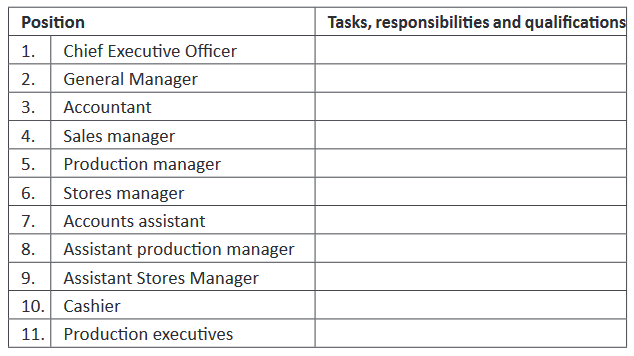
Recruitment and Selection

Recruitment and Selection

Recruitment and Selection 

Recruitment refers to the process of searching for prospective employees and stimulating them to apply for jobs in the organization.(Edwin B.Flippo)

Recruitment can also be defined as the process of developing a pool of potential employees in accordance with a human resource plan which an organization can depend on when it needs additional employees.

When a decision is made to recruit, the following are done,

  • Job analysis is done which is the technique of studying a job to identify the skills, knowledge, experience and other requirements necessary to perform the job.
  • Job descriptions are descriptions of the management position, covering the Job title, location and grading, Brief explanation on the purpose of the job, List of duties and responsibilities, Terms and conditions of employment  & its position in the organization chart. 
  • Job/Hiring Specification describes the type of person who fits the job which will guide the recruitment officer to choose the best candidate. They include; Knowledge, skills and abilities, Educational qualifications, Work experience, Physical requirements of the job, if any, Personality requirements, where relevant
Sources for recruitment

Sources for recruitment

  1. Internal Recruitment;  Promotion from within(peer recruitment) and/or transfer of existing staff.
  2. External Recruitment;
  • Employment Agencies and Consultants: Executive recruiters (headhunters) specialize in finding qualified candidates for specific positions.
  • Campus Recruitment: Firms visit schools and colleges to conduct interviews and recruit candidates directly from educational institutions.
  • Employee Referrals: Employees may recommend their relatives, friends, or acquaintances for job vacancies within the company.
  • Unsolicited Applicants: Applicants who apply for jobs without the company advertising for vacancies. This can include individuals who submit their resumes through the company’s website or job boards/HR.
  • The Internet: Companies advertise job openings on their websites, social media platforms (such as LinkedIn, WhatsApp, and Facebook), and job boards.
  • Advertising in the Mass Media: Job vacancies are advertised through various mass media channels, including newspapers, magazines, posters, banners, and radio and television announcements.
Recruitment Process

Recruitment Process

The recruitment procedure involves the following steps:

  1. Vacancy Identification: Identifying the need for a new employee or replacement due to factors such as growth, turnover, or restructuring.
  2. Sourcing for Candidates: Advertising the job vacancy through various channels, such as job boards, company website, social media, and employee referrals.
  3. Collecting and Screening Applications: Receiving and reviewing applications from interested candidates. Screening applications to identify those that meet the minimum requirements and qualifications for the position.
  4. Appointment Interviews, Selection & Placement: Scheduling interviews with shortlisted candidates to further assess their qualifications, skills, and fit for the role. Selecting the most suitable candidate based on the interview performance and other relevant factors. Extending a job offer to the selected candidate and negotiating the terms of employment.
  5. Induction: Providing the new employee with an orientation to the company, its culture, policies, and procedures. Introducing the new employee to their colleagues and work environment.
  6. Probation: Establishing a probationary period during which the new employee’s performance is evaluated to ensure they are meeting the company’s expectations and requirements.

Selection Process

The selection process involves a mutual decision between the organization and the candidate, where both parties assess each other’s suitability for the job. 

It Involves mutual decision whereby the organization decides whether or not to make a job offer and the candidate decides whether or not to accept the job.

Steps in the Selection Process

  1. Completed Job Application: Candidates submit a job application form that provides information about their desired position and relevant qualifications.
  2. Initial Screening: A quick evaluation of the applicant’s resume and application form is conducted to assess their initial suitability for the role.
  3. Testing: Applicants may be required to take tests to measure their job skills, abilities, and aptitude. These tests can provide insights into their potential to learn and perform the job effectively.
  4. Background Investigation: The organization verifies the accuracy and truthfulness of the information provided by the applicant on their resume and application form.
  5. In-Depth Selection Interview: Face-to-face interviews are conducted to explore the applicant’s personality, attitude, and fit for the job and the company culture.
  6. Physical Examination: Some roles may require a physical examination to assess the applicant’s physical fitness and overall health.
  7. Job Offer: If the applicant successfully passes all stages of the selection process, the organization extends a job offer, outlining the terms and conditions of employment.
Appointment

Appointment

An appointment is the act of formally selecting or assigning a person to a particular position or role. 

Appointment also refers to the process of hiring an individual to fill a specific job position within an organization.

Appointment Letter:

An appointment letter is a formal document issued by an organization to a selected candidate, confirming their appointment to a specific position. 

It serves as a written agreement between the employer and the employee, outlining the terms and conditions of employment.

The appointment letter should clearly outline the following important information:

  • Job Title: The specific title of the position that the candidate will hold.
  • Responsibilities: A detailed description of the duties and responsibilities associated with the role.
  • Duty Station: The location where the employee will be based to perform their job duties.
  • Job Grade: The classification or level of the position within the organization’s structure.
  • Benefits: A summary of the benefits and entitlements that come with the job, such as salary, leave allowances, medical insurance, and other perks.
  • Contract Duration: The length of the employment contract, whether it is a fixed-term, temporary, or permanent position.
  • Effective Date of Commencement: The date on which the employee is expected to start working in the role.

The newly appointed staff member should acknowledge and accept the terms and conditions of employment by signing the appointment letter and a formal employment contract.

Types of Appointment:
  1. Fixed-Term Contract: A short-term appointment with a specific duration, normally ranging from 1 to 2 years, with the possibility of renewal upon mutual agreement.
  2. Temporary Appointment: A short-term appointment with a maximum duration of 3 months, intended for specific projects or tasks that require temporary staffing.
  3. Permanent and Pensionable Appointment: A long-term appointment with no fixed end date, offered to employees in the civil service or other organizations with established pension schemes. This type of appointment is usually terminated only upon retirement or under specific circumstances.
Induction and Orientation

Induction and Orientation

Induction is an orientation programme aimed at introducing new employees and settling them in their new jobs.

Orientation and socialization programs are designed to help new employees fit into the organization smoothly and become productive members of the team.

These programs convey three types of information:

  1. General information about the daily routine activities: This includes information about the company’s work hours, dress code, break times, and other general policies and procedures.
  2. A review of the organization: This includes information about the company’s history, purpose, operations, products or services, and the expected contribution of the employee to the organization.
  3. Detailed presentation of the organization’s policies, rules, benefits, and brochure: This includes information about the company’s policies on topics such as workplace conduct, attendance, and leave, as well as information about the company’s benefits and perks.

Employee Concerns

New employees may have a number of concerns during the orientation and socialization process, including:

  • Anxiety about the new environment and how they will perform in their job.
  • Feelings of inadequacy, especially if they have less experience than other employees or if they are new to the industry.
  • Uncertainty about how to get along with other employees and how to fit into the company culture.
  • Personal and family problems that may affect their ability to adjust to the new job.

Solutions: Effective Socialization Programs: 

Effective socialization programs can help to address these concerns by providing information, introducing new employees to their colleagues, and encouraging them to ask questions. These programs may also include opportunities for new employees to shadow experienced employees, participate in team-building activities, and receive feedback on their performance.

  • Provide accurate and up-to-date information: New employees need to know what is expected of them and how to do their jobs effectively. Orientation programs should provide clear and concise information about the company’s policies, procedures, and goals.
  • Introduce new employees to their colleagues: New employees need to feel like they are part of a team. Orientation programs should provide opportunities for new employees to meet their colleagues and learn about their roles and responsibilities.
  • Encourage new employees to ask questions: New employees may have a lot of questions about their new jobs and the company. Orientation programs should encourage new employees to ask questions and provide them with the resources they need to find answers.
  • Provide opportunities for new employees to shadow experienced employees: Shadowing experienced employees can help new employees learn the ropes and get a better understanding of their roles. Orientation programs should provide opportunities for new employees to shadow experienced employees for a period of time.
  • Participate in team-building activities: Team-building activities can help new employees bond with their colleagues and feel like they are part of the team. Orientation programs should include team-building activities that are designed to help new employees get to know each other and work together effectively.
  • Receive feedback on their performance: New employees need to know how they are performing in their jobs. Orientation programs should provide opportunities for new employees to receive feedback on their performance from their supervisors and colleagues.

Recruitment and Selection Read More »
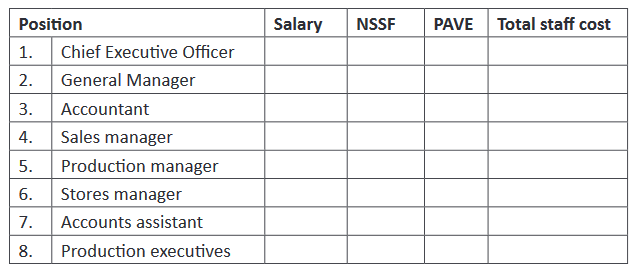
HUMAN RESOURCE PLANNING

HUMAN RESOURCE PLANNING

HUMAN RESOURCE PLANNING

Human resources planning is the process by which an organization ensures that it has the right number and kind of people at the right place and at the right time, capable of effectively and efficiently completing those tasks that help the organization achieve its overall objectives.

Human resources planning is planning for the future personnel needs of an organization required to meet its overall goals, taking into account both internal activities and factors in the external environment.


Human resources planning is the process of forecasting a firm’s future for, and supply of the right type of people in the right number.

Importance of Human Resource Planning

Importance of Human Resource Planning

1. Defining the future personnel need: Planning helps determine future personnel needs. Surplus and deficiency in staff strength result from the absence of or defective planning. Lack of systematic HRP has resulted in large-scale overstaffing in many public sector organizations.

2. Coping with changes: Fast changes in the business scene require formal, meticulous HRP. Health organizations must adapt to changes in medical technology, regulations, and patient demographics, necessitating strategic human resource planning.

3. Part of strategic planning: HR management must become an integral part of the strategic management process. In successful companies, there is no distinction between strategic planning and HRP. HR managers are important facilitators of the strategic planning process and are viewed as important contributors to carve the organization’s future.

4. Creating highly talented personnel: Jobs are becoming highly intellectual, requiring employees to possess higher levels of education and specialized skills. Manpower planning helps prevent shortages of such knowledgeable people.

5. International strategies: HRP plays a crucial role in supporting an organization’s international expansion strategy.. The HR department needs to fill key jobs with expatriates, motivate them, and compensate them. (Expatriates are individuals who live and work outside their home country. Sent abroad by their companies to work in foreign offices, subsidiaries, or on international projects.)

6. Foundation of personnel functions: Manpower planning provides essential information for designing and implementing personnel functions, such as recruitment, selection, personnel movement, and training and development. HR planning guides recruitment, selection, and training activities, ensuring that the workforce is well-prepared to meet the specific needs of the medical field.

7. Increasing investment in HR: An employee who gradually develops skills and abilities becomes a more valuable resource. Investing in training and development programs for healthcare professionals improves patient care and increases the overall value of the workforce in terms of skills, flexibility, and productivity.

Other Benefits:

a) Upper management perspective:  It enables leaders to understand how HR strategies align with overall business goals and objectives. This comprehensive view helps upper management make informed decisions that consider the impact on the workforce, talent acquisition, and employee development. 

b) Cost management: HR professionals can anticipate future labor needs and adjust staffing levels accordingly. This helps organizations avoid overstaffing or understaffing, which can lead to significant financial implications.

c) Diversity and inclusion: Creates a more inclusive work environment that attracts and retains top talent from all backgrounds. HRP also helps organizations develop targeted strategies to increase the representation of women and minority groups in leadership positions and to ensure that all employees have equal opportunities for growth and development.

d) Talent development: Ensures that organizations have the necessary talent to fill key leadership positions and drive future success.HR professionals can identify high-potential employees and provide them with challenging assignments that align with their career goals and the organization’s strategic objectives. 

e) Local labor market impact: Helps to identify potential challenges and opportunities related to the availability and quality of talent in the local area.  This information enables organizations to make informed decisions about hiring, training, and workforce development strategies to attract and retain top talent hence reduce turnover.

Human Resource Planning Process Or Steps Of HR Planning Human resource planning is a process through which the company anticipates future business and environmental forces. Human resources planning assesses the manpower requirement for future periods of time. It attempts to provide sufficient manpower required to perform organizational activities. HR planning is a continuous process which starts with identification of HR objectives, moves through analysis of manpower resources and ends at appraisal of HR planning. Following are the major steps involved in human resource planning: Assessing Human Resources: The assessment of HR begins with environmental analysis, under which the external and internal (objectives, resources and structure) are analyzed to assess the currently available HR inventory level. Analyze internal and external factors to identify strengths, weaknesses, opportunities, and threats. Conduct a comprehensive job analysis to understand the skills and competencies required for each role. Inventory current workforce skills and qualifications. Demand Forecasting: HR forecasting is the process of estimating demand for and supply of HR in an organization. Demand forecasting is a process of determining future needs for HR in terms of quantity and quality. It is done to meet the future personnel requirements of the organization to achieve the desired level of output. External factors - competition, laws & regulation, economic climate, changes in technology and social factors. Internal factors - budget constraints, production levels, new products & services, organizational structure & employee separations Estimate future demand for healthcare professionals based on factors such as patient volume, service expansion, and technological advancements. Consider demographic trends, such as an aging population, which may increase demand for certain specialties. Supply Forecasting: It is concerned with the estimation of supply of manpower given the analysis of current resource and future availability of human resource in the organization. It estimates the future sources of HR that are likely to be available from within and outside the organization. Assess internal sources of supply, such as current employees who can be promoted or transferred. Explore external sources, such as recruitment from educational institutions or experienced professionals. Consider factors like labor market conditions and competition for talent. Matching Demand and Supply: The matching process refers to bringing demand and supply in an equilibrium position so that shortages and over staffing positions will be solved. In case of shortages an organization has to hire a more required number of employees. Alternatively, in the case of over staffing it has to reduce the level of existing employment. Compare the forecasted demand and supply to identify potential gaps or surpluses. Develop strategies to address shortages, such as targeted recruitment, training programs, or flexible work arrangements. Manage surpluses through attrition, redeployment, or outplacement. Action Plan: Action plan is the last phase of human resource planning which is concerned with surplus and shortages of human resource. Under it, the HR plan is executed through the designation of different HR activities. The major activities which are required to execute the HR plan are recruitment, selection, placement, training and development, socialization etc. Implement the plan through specific HR activities, such as job postings, interviews, onboarding, and performance management. Regularly monitor and evaluate the effectiveness of the HR plan and make adjustments as needed. Finally, this step is followed by control and evaluation of performance of HR to check whether the HR planning matches the HR objectives and policies. This action plan should be updated according to change in time and conditions. HR Plan Implementation Implementation requires converting an HR plan into action. Recruitment, Selection & Placement Training & Development Retraining & Redeployment Retention Plan Downsizing Plan Succession Plan Control & Evaluation Are Budgets, Targets & Standards met? Responsibilities for Implementation & Control Reports for Monitoring HR Plan

Human Resource Planning Process Or Steps Of HR Planning

Human resource planning is a process through which the company anticipates future business and environmental forces. Human resources planning assesses the manpower requirement for future periods of time. It attempts to provide sufficient manpower required to perform organizational activities.

 HR planning is a continuous process which starts with identification of HR objectives, moves through analysis of manpower resources and ends at appraisal of HR planning. Following are the major steps involved in human resource planning:

1. Assessing Human Resources:  The assessment of HR begins with environmental analysis, under which the external and internal (objectives, resources and structure) are analyzed to assess the currently available HR inventory level.

  • Analyze internal and external factors to identify strengths, weaknesses, opportunities, and threats.
  • Conduct a comprehensive job analysis to understand the skills and competencies required for each role.
  • Inventory current workforce skills and qualifications.

2. Demand Forecasting: HR forecasting is the process of estimating demand for and supply of HR in an organization. Demand forecasting is a process of determining future needs for HR in terms of quantity and quality. It is done to meet the future personnel requirements of the organization to achieve the desired level of output. External factors – competition, laws & regulation, economic climate, changes in technology and social factors. Internal factors – budget constraints, production levels, new products & services, organizational structure & employee separations

  • Estimate future demand for healthcare professionals based on factors such as patient volume, service expansion, and technological advancements.
  • Consider demographic trends, such as an aging population, which may increase demand for certain specialties.

3. Supply Forecasting: It is concerned with the estimation of supply of manpower given the analysis of current resource and future availability of human resource in the organization. It estimates the future sources of HR that are likely to be available from within and outside the organization.

  • Assess internal sources of supply, such as current employees who can be promoted or transferred.
  • Explore external sources, such as recruitment from educational institutions or experienced professionals.
  • Consider factors like labor market conditions and competition for talent.

4. Matching Demand and Supply: The matching process refers to bringing demand and supply in an equilibrium position so that shortages and over staffing positions will be solved. In case of shortages an organization has to hire a more required number of employees. Alternatively, in the case of over staffing it has to reduce the level of existing employment. 

  • Compare the forecasted demand and supply to identify potential gaps or surpluses.
  • Develop strategies to address shortages, such as targeted recruitment, training programs, or flexible work arrangements.
  • Manage surpluses through attrition, redeployment, or outplacement.

5. Action Plan: Action plan is the last phase of human resource planning which is concerned with surplus and shortages of human resource. Under it, the HR plan is executed through the designation of different HR activities. 

  • The major activities which are required to execute the HR plan are recruitment, selection, placement, training and development, socialization etc. 
  • Implement the plan through specific HR activities, such as job postings, interviews, onboarding, and performance management.
  • Regularly monitor and evaluate the effectiveness of the HR plan and make adjustments as needed.

Finally, this step is followed by control and evaluation of performance of HR to check whether the HR planning matches the HR objectives and policies. This action plan should be updated according to change in time and conditions.

HR Plan Implementation

Implementation requires converting an HR plan into action.

  1. Recruitment, Selection & Placement
  2. Training & Development
  3. Retraining & Redeployment
  4. Retention Plan
  5. Downsizing Plan
  6. Succession Plan

Control & Evaluation

  1. Are Budgets, Targets & Standards met?
  2. Responsibilities for Implementation & Control
  3. Reports for Monitoring HR Plan

HUMAN RESOURCE PLANNING Read More »
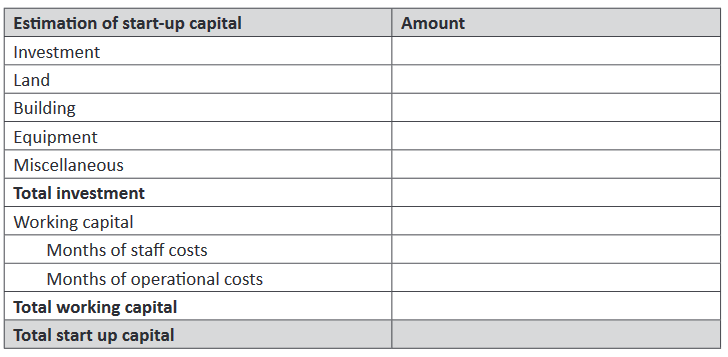
Want notes in PDF? Join our classes!!

Send us a message on WhatsApp
0726113908

Scroll to Top
Enable Notifications OK No thanks