Nurses Revision

nursesrevision@gmail.com

HEALTH AND DISEASE

HEALTH AND DISEASE

Nursing Lecture Notes - Personal & Communal Health

HEALTH AND DISEASE

Health: Health refers to a state of complete physical, mental, and social well-being, and not merely the absence of disease or infirmity.

Disease: A disease is a specific abnormal condition that affects the body or mind and impairs normal functioning. It is often characterized by specific symptoms and signs.

Terminologies Used

  • Endemic: Prevailing or continuously present in a community, e.g., TB and Malaria, Malnutrition, or diseases that are constantly found among people in a particular area.
  • Epidemic: A widespread occurrence of an infectious disease in a community at a particular time.
  • Prevalence: The number of cases of a disease existing at a particular time within a given population.
  • Prevalence Rate: The proportion of people in a population who have a particular disease at a specified point in time or over a specified period.
  • Pandemic: A disease widely prevalent in a population, e.g., HIV/AIDS.
  • Sporadic: Occurrence at irregular intervals or only in a few places; scattered or isolated.
  • Quarantine: Used to separate and restrict the movement of well persons who may have been exposed to a communicable disease to see if they become ill. It is often mistakenly used interchangeably with isolation, which means to separate ill persons who have a communicable disease from those who are healthy.
  • Maternal Death: The death of women while pregnant or within 42 days of the termination of pregnancy.
  • Mortality: The state of being subject to death.
  • Infant Mortality: The death of a child less than one year of age.
  • Infant Mortality Rate: The number of infants dying in the first month (year) of life (under 28 days) in a year per 1000 live births in the same year.
  • Perinatal Mortality Rate: The number of stillbirths plus deaths in the first week of life per 1000 live births in a year.
  • Postnatal Mortality Rate: The number of infants’ deaths at 28 days of one year of age per 1000 live births in a given year.
  • Morbidity: A diseased state or symptom.
  • Bioterrorism: The threatened or intentional release of biological agents (viruses, bacteria, or their toxins) for the purpose of influencing the conduct of government or intimidating or coercing a civilian population to further political or social objectives. These agents can be released via the air (aerosols), food, water, or insects.

Disease Causation and Prevention

Definition of Disease: A condition that impairs normal body functioning, typically manifested by distinguishing signs and symptoms. It represents a departure from a state of health. Diseases can be broadly categorized as communicable (infectious) or non-communicable (non-infectious).

Causes of Disease (Etiology)

Understanding the etiology of a disease is crucial for effective prevention and treatment. Diseases can arise from a variety of factors, often in combination:

Biological Agents: These are living organisms that can cause disease, often referred to as pathogens.
  • Bacteria: Single-celled microorganisms (e.g., strep throat, tuberculosis).
  • Viruses: Tiny infectious agents that replicate inside living cells (e.g., common cold, flu, HIV).
  • Fungi: Eukaryotic organisms that can cause infections (e.g., athlete's foot, ringworm).
  • Parasites: Organisms that live on or in a host and derive nutrients at the host's expense (e.g., malaria, hookworm).
Genetic Factors: Inherited predispositions or mutations in genes can increase susceptibility to certain diseases or directly cause them.
  • Single Gene Disorders: Caused by a mutation in one gene (e.g., cystic fibrosis, sickle cell anemia).
  • Chromosomal Disorders: Involve changes in the number or structure of chromosomes (e.g., Down syndrome).
  • Complex (Multifactorial) Disorders: Result from a combination of genetic and environmental factors (e.g., heart disease, diabetes, some cancers).
Environmental Factors: Exposure to certain substances or conditions in the environment can lead to disease.
  • Physical Agents: Radiation, extreme temperatures, noise pollution, injury.
  • Chemical Agents: Toxins, pollutants (e.g., lead poisoning, pesticide exposure), allergens.
  • Nutritional Deficiencies or Excesses: Lack of essential nutrients (e.g., scurvy from vitamin C deficiency) or excessive intake (e.g., obesity).
Lifestyle Factors: Individual behaviors and choices significantly impact health and disease risk.
  • Diet: Unhealthy eating habits (high in processed foods, sugar, unhealthy fats).
  • Physical Activity: Sedentary lifestyle.
  • Smoking and Alcohol Consumption: Major risk factors for numerous diseases.
  • Stress: Chronic stress can impact various bodily systems.
  • Sleep: Insufficient or poor quality sleep.
Immunological Factors: Dysfunctions in the immune system can lead to disease.
  • Autoimmune Diseases: Immune system attacks the body's own healthy cells (e.g., rheumatoid arthritis, lupus).
  • Immunodeficiency: Weakened immune system making the body more susceptible to infections (e.g., HIV/AIDS).
Modes of Disease Transmission (for Communicable Diseases)

Understanding how infectious diseases spread is fundamental to their prevention.

Direct Contact:
  • Person-to-person: Touching, kissing, sexual contact (e.g., common cold, STIs).
  • Droplet Spread: Respiratory droplets from coughing or sneezing (e.g., influenza).
Indirect Contact:
  • Airborne Transmission: Droplet nuclei or dust particles suspended in the air (e.g., measles, tuberculosis).
  • Vehicle-borne Transmission: Contaminated inanimate objects (fomites) like doorknobs, toys, or contaminated food/water (e.g., food poisoning, cholera).
  • Vector-borne Transmission: Living organisms (vectors) like mosquitoes, ticks, or fleas transmit the pathogen (e.g., malaria, Lyme disease).
Strategies for Disease Prevention and Control

A multi-faceted approach is often required for effective disease prevention.

  • Public Health Initiatives:
    • Immunization Programs: Widespread vaccination to achieve herd immunity.
    • Sanitation and Hygiene: Ensuring safe water, proper waste disposal, and promoting personal hygiene practices.
    • Disease Surveillance: Monitoring disease patterns and outbreaks to facilitate rapid response.
    • Health Education and Promotion: Empowering individuals and communities with knowledge and skills to make healthy choices.
    • Environmental Regulations: Controlling pollution and exposure to harmful substances.
  • Individual Actions:
    • Healthy Lifestyle: Balanced diet, regular physical activity, adequate sleep, stress management.
    • Personal Hygiene: Handwashing, proper food handling, respiratory etiquette.
    • Seeking Medical Care: Regular check-ups, early symptom recognition, and adherence to treatment plans.
    • Avoiding Risk Behaviors: Abstaining from smoking, limiting alcohol consumption, practicing safe sex.
  • Medical Interventions:
    • Vaccines: To prevent infectious diseases.
    • Antimicrobials: Antibiotics, antivirals, antifungals for treating infections.
    • Screening and Diagnostic Tests: For early detection.
    • Medications: For managing chronic conditions.
    • Surgery and Other Therapies: For treatment and management.
  • The Epidemiologic Triangle(The Epidemiological Triad)

    This is the classic model for understanding infectious disease causation. It demonstrates that for a disease to occur, there must be an interaction between three components: an Agent, a Host, and an Environment.

    Image Placeholder: A diagram showing a triangle with Agent, Host, and Environment at the corners, illustrating their interaction.

    Introduction

    There are three elements that determine the etiology of health problems in a population: Agent, Host, and Environment. These are referred to as the epidemiological triad.

    Epidemiology is the study of the distribution and determinants of diseases and health-related events in human populations.

    A disease occurs when the agent is more powerful than the host, causing the host to weaken and the environment to become favorable for the growth, multiplication, and survival of the agent.

    This is possible when the host becomes stronger, the agent is removed, and the environment becomes unfavorable to the agent.

    Agent

    It is a factor whose presence or absence causes a disease.

    It is a specific factor without which a disease cannot occur.

  • Agent: The microorganism or factor that causes the disease (the "what"). Agents can be:
    • Biological: Bacteria, viruses, fungi, parasites.
    • Chemical: Toxins, poisons, allergens.
    • Physical: Trauma, radiation, heat.
    • Nutritional: Lack or excess of certain nutrients.
  • A disease agent is defined as a substance, living or non-living, or a force, tangible or non-tangible, the excessive presence or relative lack of which is the immediate cause of a particular disease.

    The disease agent is classified as follows:

  • Physical Agents: Various mechanical forces or frictions that may produce injury, as well as atmospheric abnormalities such as extremes of heat, cold, humidity, pressure, radiation, electricity, sound, etc.
  • Biological Agents: Include all living organisms such as viruses, bacteria, rickettsia, chlamydia, protozoa, fungi, helminths, among others.
  • Chemical Agents:
    • a) Endogenous: Some chemicals may be produced in the body as a result of decayed function, e.g., urea (uraemia), ketones, ketosis, sodium, bilirubin (jaundice), uric acid (gout), CaCO3 (kidney stones), among others.
    • b) Exogenous Agents: These arise from outside the human host, such as allergens, metals, fumes, insecticides, etc. They may be acquired by inhalation, ingestion, or inoculation.
  • Genetic Agents: Transmitted from parent to child through genes.
  • Mechanical Agents: Chronic friction and other mechanical forces resulting in injuries, trauma, fractures, sprains, dislocations, and even death.
  • Nutrient Agents: Dietary components needed for survival, e.g., proteins, fats, carbohydrates, vitamins, minerals, and water. The excessive or deficient intake of nutrients can lead to malnutrition, which in turn leads to susceptibility to disease.
  • Host

    Refers to humans or animals that come into contact with the agent.

    Host factors influence the interaction with the agent and the environment.

  • Host: The person or animal who gets the disease (the "who"). Host factors that influence susceptibility include:
    • Age: The very young and the elderly are often more vulnerable.
    • Sex: Some diseases are more common in one sex than another.
    • Genetic Factors: Inherited traits can increase or decrease susceptibility.
    • Immunity: Previous exposure or vaccination can provide protection.
    • Lifestyle: Habits like diet, exercise, and smoking affect health.
  • Factors include age, sex, race, genetic factors, habits, nutrition, customs, human mobility, immunity, social status, economic status, educational status, and more.

    Environment

    Refers to the aggregate of all external conditions and influences affecting the life and development of organisms, human behavior, and society.

  • Environment: The external factors that allow or promote disease transmission (the "where"). Environmental factors include:
    • Physical Environment: Climate, water and food quality, housing conditions.
    • Social Environment: Cultural norms, socioeconomic status, access to healthcare.
    • Biological Environment: Presence of insects (vectors) or other animals that can transmit the agent.
  • Includes physical environment (non-living things and physical factors), biological environment (living organisms), and social environment (cultural values, customs, habits, beliefs, attitudes, morals, religion, and other psychological factors).

    Key Terms in Disease Causation

    Term Definition
    Infectivity The ability of a pathogenic agent to enter, multiply, and establish an infection in a host.
    Pathogenicity The ability of an agent to cause disease in an infected host.
    Virulence The degree or severity of the disease caused by the agent. A highly virulent agent causes a more severe illness.
    Susceptibility The likelihood of a host becoming infected and developing the disease. A host with low immunity is highly susceptible.
    Immunogenicity The ability of an agent to produce an immune response in the host, which can lead to immunity.

    Natural History of Disease

    The natural history of disease refers to the progression of a disease process in an individual over time, in the absence of intervention.

    The process begins with exposure to or accumulation of factors capable of causing disease and ends with recovery, disability, or death.

    Most diseases have a characteristic natural history, although the time frame and specific manifestations may vary from individual to individual.

    Intervention can halt the usual course of a disease’s progression.

    Main Stages of a Disease (Development of a Disease)

    • Susceptible Stage: Conditions favoring disease development are present as risk factors, but the disease has not developed in the individual.
    • Pre-symptomatic (Subclinical) Stage: Interaction of factors and pathogenic changes have occurred, but the disease has not manifested.
    • Symptomatic (Clinical) Stage: Organ and functional changes have occurred, leading to recognizable signs and symptoms.
    • Disability Stage: Inability stage, which may be partial or total disability.

    Types of Diseases

    • Communicable/Infectious Diseases
    • Non-communicable/Non-infectious Diseases

    Communicable/Infectious Diseases

    Definition: Communicable disease is an illness due to specific infectious agents and their toxic products, which, under certain conditions, tend to spread among individuals in a community.

    Period of Communicability: This refers to the time during which an infectious agent may be transferred directly or indirectly from an infected person to a susceptible person. This period is usually equal to the maximum known incubation period for that disease.

    Examples of Communicable/Infectious Diseases:

    • Tuberculosis
    • Cholera
    • Malaria
    • Meningococcal meningitis and Niral meningitis
    • Plague
    • HIV
    • Ebola virus and Marburg virus
    • Hepatitis A, B, C, and E

    Modes of Transmission of Communicable Diseases

    The modes of transmission may be classified into two broad categories: direct and indirect.

    Direct Transmission

    • Direct Contact: e.g., sexual contact, kissing, and continued close contact. Diseases transmitted here include STIs/HIV, Leprosy, and Scabies.
    • Droplet Infection: Through coughs, sneezing; diseases like common cold, TB, measles, whooping cough, meningitis, etc.
    • Contact with Infected Soil: e.g., Tetanus infective hookworm larvae.
    • Inoculation into Skin or Mucosa: e.g., animal bites (dog bites -rabies and HIV or Hepatitis B virus from contaminated needle pricks).
    • Transplacental or Vertical Transmission: e.g., toxoplasmosis, HIV, rubella virus, syphilis.

    Indirect Transmission

    • Vehicle-Borne Transmission: The common vehicle of transmission is water, milk, or food; other vehicles may be blood, serum, plasma, and other biological products. This group includes waterborne, milk-borne, food-borne, and bloodborne infections, e.g., enteric fever, cholera, dysentery, diarrhea, hepatitis A, B, E, food poisoning.
    • Vector-Borne Transmission: e.g., malaria, filarial, kala-azar, and plague are transmitted by insects. The mode of transmission is vector transmission.
    • Airborne Transmission: e.g., Droplet nuclei (very small infective particles that float in the air, e.g., TB, infected dust; due to sweeping or dusty infected settled droplets on the ground.
    • Fomite-Borne Transmission: Fomites are articles that convey infection to others because they have been contaminated, e.g., handkerchief, drinking glasses, doorknobs, clothing, etc. Highly infectious diseases, e.g., Ebola, can be easily transmitted by fomites.

    Disease Transmission Cycle (The Chain of Infection)

    For a communicable disease to spread, a series of linked events must occur. This is known as the Chain of Infection. Breaking any link in this chain can stop the spread of disease. As a nurse, understanding this cycle is fundamental to infection control.

    1. Infectious Agent: The pathogen (bacterium, virus, fungus, etc.) that causes the disease.
    2. Reservoir: The place where the infectious agent normally lives, grows, and multiplies. This can be humans, animals, or the environment (e.g., soil, water).
    3. Portal of Exit: The path by which the pathogen leaves the reservoir. Examples include respiratory tract (coughing, sneezing), gastrointestinal tract (feces, saliva), skin (wounds), or blood.
    4. Mode of Transmission: How the pathogen travels from the reservoir to the susceptible host.
      • Direct Contact: Person-to-person physical contact (e.g., touching, kissing).
      • Droplet Infection: Spread through respiratory droplets from coughing or sneezing that travel short distances.
      • Indirect Contact: Spread via a contaminated intermediate object (called a fomite), such as a doorknob, medical equipment, or utensil.
      • Airborne: Spread through tiny droplet nuclei that can remain suspended in the air for long periods and travel long distances.
      • Vehicle-borne: Spread through a medium such as contaminated water, food, or blood.
      • Vector-borne: Spread by an animal or insect, usually a biting arthropod (e.g., mosquito, tick).
    5. Portal of Entry: The path by which the pathogen enters a new host. This is often the same as the portal of exit (e.g., respiratory tract, broken skin, mucous membranes).
    6. Susceptible Host: An individual who is at risk of developing the infection. Factors increasing susceptibility include lack of vaccination, compromised immune system, malnutrition, and extreme age.

    The nurse's role involves implementing strategies to break the chain, such as hand hygiene, using personal protective equipment (PPE), ensuring proper waste disposal, and patient education.

    Other Terms Used in Communicable Diseases

    • Zoonoses: An infectious disease transmissible under natural conditions from vertebrate animals to humans is called a zoonosis. There are over 150 diseases common to both humans and animals. Examples include anthrax, liver fluke, bovine TB, salmonellosis, brucellosis, rabies, plague, typhus, and yellow fever.
    • Nosocomial Infections: An infection occurring in a patient in a hospital or other healthcare facility and in whom it was not present or incubating at the time of admission or arrival at a healthcare facility is called a nosocomial infection. It refers to diseases transmitted from a hospital. Usually, such infections are more difficult to manage as they are generally resistant to most common antibiotics. Nosocomial infections also include those infections contracted in the hospital but manifested after discharge and infections suffered by staff members if they were exposed to the infection from hospitalized patients.
    • Herd Immunity: The immune status of a group of people/community is called herd immunity as it represents the immune status of the population. For many communicable diseases, an outbreak of the disease is only possible if the level of immunity is sufficiently low, and there are a large number of susceptible individuals in the population. In diseases like poliomyelitis, diphtheria, measles, etc., herd immunity plays an important role. However, in diseases like tetanus or rabies, where every individual is at risk unless specifically protected, herd immunity plays no role.

    Factors Responsible for the Increased Risk of Infectious Diseases Are:

    • Failure to control vectors, especially mosquitoes.
    • Breakdown of the water and sanitation system.
    • Failure to detect the disease early.
    • Lack of immunization programs.
    • High-risk human behavior.

    Prevention & Control of Communicable Diseases

    Methods/Approaches of Prevention and Control of Communicable Diseases

    This refers to the reduction of the incidence and prevalence of communicable diseases to a level where they cannot be a major public health problem.

    There are three main methods of controlling communicable diseases:

    1. Eliminating the reservoir (attacking the source)
    2. Interrupting transmission
    3. Primordial prevention

    Eliminating the Reservoir (Attacking the Source)

    • Detection and Adequate Treatment of Cases: This arrests the communicability of the disease, e.g., control of tuberculosis and leprosy and most sexually transmitted diseases.
    • Isolation: This means that the person with the disease is not allowed to come into close contact with other people except those who are providing care, preventing the organism from spreading. It is used to control highly infectious diseases such as hemorrhagic viral fevers.
    • Quarantine: Limitation of the movement of apparently well persons or animals who have been exposed to the infectious disease for the duration of the maximum incubation period of the disease.
    • Reservoir Control: In diseases that have their main reservoir in animals, mass treatment, chemoprophylaxis, or immunization of the animals can be carried out, e.g., in brucellosis. Other methods include separating humans from animals or killing the animals and thus destroying the reservoir, e.g., plague, rabies, and hydatid disease.
    • Notification: This means immediately informing the local health authorities (e.g., the District Medical Officer) if you suspect a patient is suffering from an infectious disease.

    Interrupting Transmission

    This involves the control of the modes of transmission from the reservoir to potential new hosts through:

    • Environmental sanitation
    • Personal hygiene and behavior change
    • Vector control, e.g., mosquitoes
    • Disinfection and sterilization

    Protection of susceptible hosts

    • Immunization: This increases host resistance by strengthening internal defenses. It is one of the most effective controls of communicable diseases in Africa. To be more effective, immunization has to be given to a high proportion of the population (at least 80%).
    • Chemoprophylaxis: Drugs that protect the host may be used for suppressing malaria and preventing infection with diseases such as plague, meningitis, and tuberculosis.
    • Personal Protection: The spread of some diseases may be limited by the use of barriers against infection, e.g., shoes to prevent the entry of hookworms from the soil, bed nets, and insect repellants to prevent mosquito bites.
    • Better Nutrition: Malnourished children are more susceptible to infections and suffer more severe complications. Prevention and actions aimed at eradicating, eliminating, or minimizing the impact of disease and disability.

    Primordial Prevention

    This consists of actions and measures that inhibit the emergence of risk factors in a country or population. It begins with changes in social and environmental conditions.

    Examples of primordial prevention actions:

    • National policies and programs on nutrition involving the agricultural sector and the food industry.
    • Comprehensive policies to discourage smoking.
    • Programs to promote regular physical activity.

    Screening of Diseases

    Screening denotes the search for unrecognized diseases or defects in apparently healthy persons through the application of rapid diagnostic tests, examinations, or procedures. The basic objective of screening is to facilitate an early diagnosis so that the prognosis can be improved by remedial action.

    Types of Epidemiological Disease Screening

    • Mass Screening: When all members of a population are screened for disease, it is called mass screening. This is very costly, and the yield of cases is usually too small to warrant such a screening procedure.
    • High-Risk Screening: High risk or selective screening refers to the situation where tests are offered only to those individuals who are at high risk of developing a specific disease. This makes the screening process more focused and reduces overall costs, as a large number of people with extremely remote chances of developing a disease are not screened.

    The Sensitivity and Specificity of the Screening Test

    • Sensitivity: This refers to the proportion of truly diseased individuals in the population who have been correctly identified as diseased by the screening test. A test with high sensitivity gives only a few false negatives.
    • Specificity: This refers to the proportion of normal individuals who are correctly labeled as non-diseased by the screening test. A test with high specificity will only give a few false positives. It is desirable that a screening test should have high sensitivity and specificity.

    Disease Outbreak

    Introduction

    An epidemic is the occurrence of a disease clearly in excess of normal expectations.

    The number of cases that should be diagnosed before declaring an epidemic status depends on the number of cases routinely seen in that area. In an area where a disease has not been seen for many years, even the occurrence of a single case may be sufficient to call it an epidemic.

    Epidemic diseases need not necessarily be communicable diseases; therefore, WHO also looks at smoking as an epidemic. A pandemic is an epidemic that breaks out across many continents, occurring across the world. Some pandemic diseases include HIV/AIDS, Multi-drug Resistant Tuberculosis, and smoking, as they have affected millions of people across the world. Plague was also pandemic in historical times.

    Endemic diseases:

    The constant, continuous, or usual presence of a disease in a defined geographic area or delimited territory is called an endemic disease. An endemic disease may become an epidemic if the number of cases usually seen suddenly increases in proportion. Malaria, tuberculosis, leprosy, filariasis, etc., are examples of endemic diseases.

    Causes of Epidemics

    • Unplanned and under-planned urbanization.
    • Overcrowding.
    • Poor sanitation.
    • Deteriorating public health infrastructure, e.g., blocked sewage.
    • Resistance to antibiotics.
    • Increased exposure of humans to disease vectors and reservoirs.

    Other important factors responsible for epidemics include:

    • Illiteracy.
    • Ignorance.
    • Low socioeconomic status.
    • High population growth, etc.

    Management of an Epidemic in a Community

    Individual Cases

    • Managing individual cases demands a proper history and meticulous physical examination to clinically rule out all possible causes of fever in that area.
    • Consideration of appropriate laboratory investigation will also assist in narrowing down the list of possible differential diagnoses and arriving at the right diagnosis.
    • Once the diagnosis is confirmed, treatment should be promptly instituted accordingly (see the satellite module for health officers’ algorithm).
    • While managing individual cases, one should make note of their addresses and see if there is any clustering of the cases.

    Epidemic (Outbreaks)

    Surveillance for Early Detection of Epidemics

    Surveillance is an ongoing collection, analysis, and interpretation of data about people’s health.

    Health officials use the information to plan, implement, and evaluate health programs and activities.

    Types of Disease Surveillance

    No. Passive Active
    1. Gathers disease data without stimulating healthcare workers to report disease Gathers disease data that requires a stimulus to healthcare workers in the form of feedback or incentives.
    2. Data requested is minimal Requires more time and resources
    3. Most common type Data is more complete than passive surveillance
    4. Data is often incomplete because there are few incentives for healthcare workers to report the required data Example: trawling questionnaire for local infectious disease outbreak
    5. Example: Vaccination uptake
    No. Sentinel Syndromic
    1. Selection of health workers/services from whom data is gathered, e.g., selection of General Practices Monitors disease indicators in real-time or near real-time to detect clusters or outbreaks of disease earlier than would normally be possible
    2. Requires more time and resources Based on syndromes or clinical features, NOT diagnosis
    3. Can produce more detailed and more complete data, particularly if healthcare workers have volunteered to participate Inexpensive and rapid
    4. Example: Influenza surveillance Lacks specificity
    5. Example: Early detection of communicable and non-communicable disease outbreaks during the 2012 Olympic Games in London

    Syndromic Surveillance is the process of collecting, analyzing, and interpreting health-related data to provide an early warning of human or veterinary public health threats that require public health action.

    Uses of Disease Surveillance

    • Monitor, determine, and describe the magnitude and natural history (trends) of disease incidence and prevalence.
    • Identify key risk groups/populations, important risk factors, and etiological factors.
    • Timely detection of epidemics, outbreaks, incidents, and other untoward events.
    • Enable prediction of future trends (i.e., predictive modeling).
    • Inform or evaluate health improvement programs.

    Surveillance Loop

    Data Sources

    • Healthcare professionals.
    • Hospital activity data.
    • Laboratory data.
    • Mortality data.
    • Disease registers.
    • Internet.
    • Paper.
    • Telephone.
    • Electronic – emails.
    • Online portals.
    • Direct access via secure network.

    Data Collation and Analysis

    • Microsoft Excel & Access databases.
    • De-duplication and de-notification.
    • Time, place, person (Descriptive epidemiology).
    • Statistical algorithms.
    • Automated exceedance calculations.
    • Statistical process control charts (C-charts).
    • Statistical modeling.

    Data Interpretation

    Key considerations in interpreting trends:

    • Natural and random variation.
    • Data artifact – batched reporting, data entry errors, etc.
    • Clinical & system changes – changes in case definition, increased awareness/ascertainment, improved diagnostics.
    • Corroborate findings with other datasets and explore alternative explanations – highlight caveats (if any).
    • Decide if these are real changes.

    Key considerations in associations:

    • Bias e.g. self-selection of the sample.
    • Chance i.e. pure chance association.
    • Confounding e.g. association explainable by a third factor.

    Dissemination of Findings

    • Ad-hoc and routine reports.
    • Routine (weekly, monthly, or quarterly) epidemiological summaries.
    • Web-based datasets/summaries.
    • Special reports, guidelines, briefings, and queries.
    • Research articles.

    Evaluation

    Steps in Evaluating a Surveillance System

    • Usefulness.
    • Simplicity.
    • Flexibility.
    • Data quality.
    • Acceptability.
    • Sensitivity.
    • Predictive positive value.
    • Representativeness.
    • Timeliness.
    • Stability.

    Challenges Faced by Disease Surveillance

    • Secular trends.
    • Defining the population at risk.
    • Magnitude.
    • Changes from background incidence (outbreaks).
    • Trajectory.

    Disease Surveillance: Summary

    • Information for action.
    • Collect, collate, analyze, interpret, and disseminate.
    • Understand epidemiology, identify problems, guide policy, monitor changes, etc.
    • Cyclical in nature.
    • Should be regularly evaluated.
    • A key component of Public Health practice.

    Purpose of Surveillance

    • Detect outbreaks early.
    • Plan vaccination campaigns.
    • Estimate how many people become sick or die.
    • Assess the extent of the outbreak.
    • See if the outbreak is spreading and where.
    • Decide whether the control measures are working.

    It is essential to detect the epidemic early enough for preventive measures like vaccination campaigns to have an impact. Provide feedback of the surveillance data to peripheral levels to promote cooperation and interest in the surveillance system.

    Investigation of an Epidemic

    In the investigation of an epidemic, it is wise to follow a systematic approach, although public reaction, urgency, and the local situation may make this difficult.

    The following list of steps need not always be undertaken in the order given, and some are done concurrently.

    1. Verification of the Diagnosis
      • Take a detailed history as possible from the informants.
      • Make tentative differential diagnoses.
      • Make all arrangements, including laboratory equipment, for ascertaining the tentative differential diagnosis.
      • Conduct clinical and laboratory studies to confirm the diagnosis. This should be done except in a few situations where the urgency demands immediate action based on clinical diagnosis alone.
    2. Verify the Existence of an Epidemic
      • The existence of an epidemic could be ascertained by comparing the current incidence of the disease with its usual incidence in the community.
      • Approximate estimates of previous incidence of the disease could be obtained from clinical and hospital data and by questioning the local people.
    3. Identification of Affected Persons and Their Characteristics
      • Establish a case definition.
      • Record details of each confirmed or suspected case, including age, sex, occupation, address, recent movements, symptoms, and other relevant details.
      • Actively search for additional cases by interviewing all persons related in time and place to already known cases.
      • For food poisoning, identify and interview all persons who attended the meal.
      • Visit all health facilities, including dispensaries and village health workers, for unreported cases.
    4. General Management of the Epidemic
      • Begin by treating individual cases.
      • Prevent the spread and initiate control measures depending on the type of disease. Immediate measures may include chemoprophylaxis for immediate contacts, immunization, isolation of affected persons (quarantine), and measures to protect water sources, ensure food hygiene, and control vectors.
      • Health education plays a significant role in preventing the spread of the epidemic.
      • Continue surveillance of the population to detect further changes in incidence and ensure the effectiveness of selected control measures.
    5. Prevention
      • Proper disposal of feces in a well-maintained sanitary latrine that is screened or vented to discourage fly access.
      • Use of drinking water from protected sources, pot storage, exposure of drinking water to sunlight, or boiling before drinking.
      • Washing of cooking and eating utensils using soap and hot water, drying them on a rack, and storing them in a cabinet out of the reach of children and animals such as dogs, cats, and chickens.
      • Conduct hygiene education for the general public and especially for food handlers in mass catering institutions like prisons, restaurants, and hospitals.
      • Periodically check cooks from such institutions to restrict carriers from working in food preparation areas.

    Case Management

    In Healthcare Setting

    • Isolation of patients.
    • Implementation of barrier nursing practices (wearing gloves, masks).
    • Replenishment of fluid and electrolytes.
    • Administration of appropriate prescribed therapy.
    • Detection and prompt management of complications.

    At the Community Level

    • Visiting health posts and the community at large.
    • Performing home, school, and prison visits.
    • Following up at the homes of patients discharged from health centers.
    • Providing health education and demonstrations.
    • Offering immunizations and other preventive health programs.

    Role of the Public Health Nurse in Epidemic Management

    • Accurate diagnosis of cases.
    • Prompt provision of treatment.
    • Continuous follow-up.
    • Accurate reporting to the concerned body.
    • Active participation in the epidemic control system.
    • Investigation of cases.
    • Mobilization of the community for prevention activities.
    • Analysis of data from the peripheral level for epidemiological links, trends, and achievement of control targets.
    • Providing feedback to the peripheral level.
    • Organizing essential logistics.

    Sample of Management of a Cholera Epidemic

    Management of Cholera Epidemic in a Community

    Epidemic management activities include taking appropriate control measures, such as treating those who are ill to reduce the reservoir of infection, and providing health education to limit the transmission of the disease to others.

    Case Management:

    • Patients are admitted to a temporary facility (e.g., school, tents, cholera camp) in the community in the case of cholera.
    • Appropriate laboratory investigations are considered to narrow down possible differential diagnoses and confirm the diagnosis.
    • Patients are managed with water and electrolyte replacement in case of dehydration and electrolyte depletion.
    • The cause is treated with appropriate antimicrobials (e.g., Cotrimoxazole, erythromycin, ciprofloxacin, and doxycycline).

    Disease Prevention and Control Measures:

    • Proper disinfection and disposal of body fluids such as vomitus and stool.
    • Water purification, including sterilization by boiling or chlorination in areas where cholera may be present.
    • Ensuring food safety, avoiding uncooked food, covering leftovers to prevent fly contamination, and temporarily stopping food vendors until the epidemic is controlled.
    • Chemoprophylaxis for immediate contacts (e.g., Cotrimoxazole) as prophylaxis in the case of cholera.
    • Inspection of markets and other public institutions.

    Health Education to the Community/Public

    • Proper washing of cooking and eating utensils using soap and hot water, followed by drying and storage in a cabinet out of the reach of children and animals.
    • Hygiene education, especially for food handlers in mass catering institutions like prisons, restaurants, and hospitals.
    • Improving sanitation.
    • Promoting proper use of pit latrines.

    Disease Surveillance:

    This is continuous monitoring of all aspects of diseases, including field investigations such as culturing. It describes the magnitude and distribution of diseases by place, time, and personal characteristics such as age and sex.

    Public health surveillance of communicable diseases involves continuous data collection, data analysis, interpretation of the data, and dissemination of the information to concerned bodies such as the District Health Office and nearby Health Centers. Disease Surveillance helps evaluate progress toward control measures.

    Summary on Prevention of Infectious Diseases:

    This depends on:

    • The reservoir or source of infection.
    • Routes of transmission of infection.
    • Susceptible hosts (people at risk).

    The primary aim behind controlling and preventing a disease is to:

    • Eliminate the source of infection.
    • Interrupt the routes of transmission.
    • Strengthen the defense mechanisms of people at risk.

    Levels of Disease Prevention:

    Primary (1°) Prevention:

    • Prevention that occurs before disease or dysfunction and is applied to individuals considered physically and emotionally healthy.
    • It aims at intervention before pathological diseases have begun during the stage of susceptibility.
    • It includes activities directed at reducing the probability of specific illnesses or impairments.
    • 1° prevention includes both general health promotion and specific protection.

    General health promotion includes:

    • Health education.
    • Good standards of nutrition adjusted to developmental stages of life.
    • Attention to personality development.
    • Provision of adequate housing, recreation, and agreeable working conditions.
    • Genetic screening.
    • Marriage and sex education.
    • Periodic selective examination.

    Specific Protection refers to measures aimed at protecting individuals against specific agents, e.g.:

    • Immunization.
    • Vaccination.
    • Attention to personal hygiene for self-care.
    • Use of environmental sanitation, e.g., chlorination of wells.
    • Protection from accidents, e.g., wearing helmets.
    • Use of specific nutrients.
    • Protection or avoidance of allergens.
    • Protection from carcinogens.

    Any specific disease or health problem is the result of interactions between specific or associated risk factors that can be classified as Agent, Host, and Environmental factors. This interaction can be understood by visualizing the concepts of positive health and disease.

    Secondary Prevention (2°):

  • Focuses on individuals who are experiencing health problems or illnesses and who are at risk of developing or worsening conditions.
  • Efforts seek to detect diseases early and treat them promptly.
  • The goal is to cure the disease at the earliest stage when a cure is possible or to slow its progression and prevent conditions of limited disability.
  • Activities are directed at:

    • Early Diagnosis and Treatment:
      • Case finding measures, both individual and mass.
      • Screening surveys.
      • Selective exams.
      • Cure and prevention of the disease process to prevent the spread of communicable diseases, prevent conditions, and shorten the period of disability.
    • Limitation of Disability:
      • Adequate treatment to arrest the disease process and prevent conditions.
      • Provision of facilities to limit disability and prevent death.

    Tertiary (3°) Prevention:

    • Occurs when the defect or disability is permanent.
    • It includes rehabilitation for those individuals who have already experienced residual damage.
    • Tertiary prevention activities focus on the middle to latter phases of clinical disease, where irreversible pathological damage produces disability (e.g., post-stroke rehabilitation).

    Activities include:

    • Provision of hospital and community facilities for training and education to maximize the use of remaining capacities.
    • Education of the public and industries to use rehabilitated individuals to the fullest extent.
    • Selective placement.
    • Work therapy and hospital-based interventions.

    In 3° prevention, activities mainly aim at rehabilitation rather than diagnosis and treatment. The goal at this level is to help patients achieve the highest level of functioning possible despite limitations caused by illness or impaired functions.

    Malnutrition in the Community

    Definition of Malnutrition: Malnutrition is a disparity between the amount of food and other nutrients that the body needs and the amount that is received. This imbalance can result in undernutrition or overnutrition.

    Causes of Malnutrition in the Community:

    • Age: Basal metabolic rate (BMR) and physical energy expenditure vary with age, e.g., kwashiorkor is common in children.
    • Sex: Pregnant mothers usually suffer from nutritional anemia.
    • Habits and Traditional Beliefs: For example, the habit of consuming fast food rather than traditional foods.
    • Socioeconomic Factors: People with lower incomes are more likely to suffer from undernutrition, while the affluent may suffer from overnutrition.
    • Physical Factors: Climate, geographic location, and home environment can affect nutrition.
    • Population Density: Overpopulated areas compete for resources, including food, and are more likely to suffer from malnutrition.
    • Prevalence of Communicable and Parasitic Infestations: For example, measles in children and intestinal worms.
    • Unfavorable Climate Conditions: Such as droughts.
    • Lifestyles: Consuming excessive alcohol (alcoholism) and smoking can cause malnutrition.
    • Political Instability.
    • Natural Disasters, etc.

    Roles of a Nurse/Midwife in the Prevention of Community Malnutrition:

    These roles can be divided into three levels:

  • Primary Level of Prevention: This involves preventive measures before the occurrence of malnutrition in the community. These include:
    • Health Education: Providing community education about preventive, curative, and rehabilitative measures for malnutrition.
    • Immunization: Encouraging community members to immunize their children against communicable diseases.
    • Promoting Income-Generating Activities: To help individuals earn a living.
    • Family Planning: Encouraging people to have smaller families they can care for.
    • Promotion of Girl Child Education.
    • Advocating for Adequate Food Storage.
    • Proper Weaning Practices.
    • Encouraging a Well-Balanced Diet.
    • Early Detection of Congenital Abnormalities.
    • Maintaining Hygiene to Prevent Illness.
  • Secondary Prevention:
    • Conducting Population Screening to identify individuals with malnutrition and providing immediate referrals to prevent illness from becoming severe.
    • Case Management: Starting patients on nutritional intervention programs.
    • Maintaining Personal and Communal Sanitation.
  • Tertiary Prevention: This involves interventions to prevent the recurrence of malnutrition in the community and includes:
    • Encouraging Drug Compliance.
    • Promoting Girl Child Education.
    • Encouraging Follow-up to Assess the Effectiveness of Interventions.
    • Educating the Public on Various Economic Activities to Earn a Living.
    • Improving Medical Facilities, Including Maternal and Child Health Services in the Community.
  • Role of the Family in Health Promotion:

    • Child Spacing.
    • Engaging in Income-Generating Activities.
    • Improving Nutrition.
    • Providing Good Housing.
    • Ensuring Immunization.
    • Practicing Enhanced Personal Hygiene.
    • Creating a Safe Environment.

    Role of the Community in Health Promotion:

    • Proper Excreta Disposal.
    • Appropriate Refuse Disposal.
    • Contact Tracing.
    • Health Education.
    • Screening.
    • Rehabilitation.
    • Enhancing School Health.
    • Encouraging Community Participation and Involvement.

    Role of Government in Health Promotion:

    • Conducting Health Education.
    • Implementing Health Awareness and Enlightenment Programs.
    • Facilitating Inter-Sectoral Collaboration.
    • Establishing National Policies.
    • Enforcing Rules and Regulations to Protect Children Against Child Abuse.
    • Monitoring and Evaluating Programs.

    Role of Community Health in Disease Prevention and Health Promotion:

    • Maintaining Good Sanitation and Access to Clean Water.
    • Providing Health Education on Healthcare and Nutrition.
    • Controlling Both Communicable and Non-Communicable Diseases.
    • Organizing Adequate Medical and Nursing Services.
    • Improving Living Standards with the Help of Other Sectors and Active Involvement of Beneficiaries and the Community.

    Revision Questions:

    1. Explain the three components of the Epidemiological Triad and give an example of each for a common cold.
    2. What is the difference between Pathogenicity and Virulence?
    3. List the six links in the Chain of Infection in order. For each link, provide one example of a nursing intervention to break it.
    4. Describe the goal of each of the three levels of prevention.
    5. Giving a patient a vaccination is an example of which level of prevention? Why?

    HEALTH AND DISEASE Read More »

    Dimensions & Determinants of Health

    Dimensions & Determinants of Health

    CONCEPT OF HEALTH 

    According to WHO, health is defined as a state of complete physical, mental, and social well-being, and not merely the absence of disease or infirmity.

    Components/Dimensions of Health 

    According to WHO, the components of health include the following:

    1. Physical Health: The state of physical health implies the notion of perfect functioning of the body, including anatomical, physiological, and biochemical functioning. Every cell and organ must function optimally and in perfect harmony with the rest of the body.

    2. Social Well-being: This refers to the level of health that enables a person to live in harmony and integration with their surroundings. It includes the quantity and quality of an individual’s interpersonal ties and their involvement with the community.

    3. Mental Well-being: A positive mental health state indicates that the individual is well adapted to both external and internal stressors, has harmonious relations within the family and community spheres, and is able to lead a productive life.

    4. Spiritual Dimension: This refers to the part of an individual that seeks meaning and purpose in life. It recognizes our search for meaning and purpose in human existence.

    5. Emotional Dimension: The emotional dimension involves awareness and acceptance of one’s feelings. Emotional wellness includes the degree to which one feels positive and enthusiastic about oneself and life.

    6. Occupational Dimension: The occupational dimension recognizes personal satisfaction and enrichment in one’s life through work. Work, when fully adapted to human goals, capacities, and limitations, often plays a role in promoting both physical and mental health.

    Determinants of Health

    Determinants of Health

    There are many influences that affect health and well-being, known as determinants of health. These determinants include:

    1. Genetic Configuration: The health of a population or an individual is greatly dependent on genetic constitution. Genetic traits related to certain enzyme deficiencies and hereditary diseases can lead to changes in individuals’ health status.

    2. Lifestyle of Individuals: Sedentary lifestyles, excessive competition, lack of regular exercise, and the excessive consumption of alcohol and other substances like smoking have compromised individuals’ health status, leading to non-communicable diseases.

    3. Level of Development: Economic and social development helps improve the health status of populations.

    4. Environment: The physical, social, and biological environment is a crucial determinant of health. Factors such as poor environmental sanitation, inadequate safe water, and excessive air and water pollution can impact health.

    5. Health Infrastructure: Accessibility and acceptability of health facilities have a direct impact on health status. Availability and utilization of primary health facilities improve the health of individuals and communities.

    Health indicators

    Health indicators, also referred to as health variables or health indices, are measurable characteristics of a population that provide insights into its health status. These indicators serve several essential roles in the realm of healthcare management, including description, prediction, explanation, system oversight, evaluation, advocacy, accountability, research, and the assessment of gender disparities.

    Types of Health Indicators

    Health indicators are typically classified into two main categories: vital indicators and behavioral indicators.

    Vital Indicators: These encompass a wide range of measures that provide critical information about the health of a population. Some key types of vital health indicators include:

    1. Mortality Indicators: These indicators focus on data related to deaths within a population. They include statistics such as the crude death rate (the total number of deaths per 1,000 people in a given year) and specific death rates for various causes (e.g., cardiovascular disease, cancer).

    2. Morbidity Indicators: Morbidity indicators provide insights into the prevalence and incidence of diseases and illnesses within a population. Examples include the prevalence of diabetes or the incidence of new cases of tuberculosis.

    3. Disability Indicators: These indicators assess the prevalence of disabilities, impairments, and limitations in functioning within the population.

    4. Service Indicators: Service indicators gauge the accessibility, availability, and quality of healthcare services. This category includes measures like the number of healthcare facilities per capita or the availability of essential medications.

    5. Comprehensive Indicators: Comprehensive indicators offer a more holistic view of health by combining multiple aspects of well-being. They may include the Human Development Index (HDI), which factors in life expectancy, education, and income.

    6. Growth Rates: These indicators track changes in population size over time, which can impact healthcare resource planning and allocation.

    7. Fertility Rates: Fertility indicators, such as the total fertility rate (TFR), provide information about the average number of children born to women of childbearing age in a population.

    8. Couple Protection Rates: These rates evaluate the use and effectiveness of family planning methods among couples.

    9. Birth Rates: Birth rates indicate the number of live births per 1,000 people in a specific population during a given year.

    Behavioral Health Indicators: In contrast to vital indicators, behavioral health indicators focus on the actions, behaviors, and attitudes of individuals and communities regarding healthcare. Some examples of behavioral health indicators include:

    • Utilization of Services: These indicators measure the extent to which healthcare services are accessed by the population, including factors like hospital admissions, doctor visits, and preventive screenings.

    • Compliance Rates: Compliance indicators assess the adherence of individuals to recommended treatments, medications, and health guidelines.

    • Population Attitudes: Behavioral indicators also encompass surveys and data related to public perceptions and attitudes regarding health and healthcare facilities.

    Common Health Problems in the Community

    Health problems vary across different groups. Common health problems include:

    Health Problems in Children:

    • Diarrhea
    • Malnutrition, including protein-energy malnutrition like kwashiorkor
    • Convulsions
    • Malaria
    • Failure to thrive

    Health Problems in Women:

    • Malaria
    • Pregnancy-related problems like miscarriages, abortions, and anemia from excess bleeding
    • Stress-induced hypertension
    • Diabetes
    • HIV/AIDS
    • Typhoid
    • Tuberculosis (TB)
    • Cholera

    Health Problems in Men:

    • Malaria
    • Typhoid
    • Tuberculosis (TB)
    • Alcohol and drug addiction
    • Infections, including HIV/AIDS
    • Problems related to smoking, such as lung cancer

    Implications of Health Problems on the Family

    Health problems can have several implications for families, including:

    • Poverty
    • Family instability
    • Family separation or divorce
    • High mortality rates
    • Loss of jobs
    • Childhood diseases, including measles, TB, diphtheria, polio, tetanus, pertussis (whooping cough), yellow fever, hepatitis B, Haemophilus influenza type B, and diarrhea.

    Dimensions & Determinants of Health Read More »

    Concept of the Community

    Concept of the Community

    Concept of the Community

     Community is a social group determined by geographic boundaries, values, and interests. According to WHO (1974), 

    OR

    It is a group of inhabitants living together in a somewhat localized area under the same general regulations and having common interests, functions, needs, and organizations.

    OR

    A cluster of people with at least one common characteristic (geography, occupation, race, ethnicity, housing condition…).

    Elements of the Community:

    Elements of the Community:

    1. Membership – a sense of identity and belonging.
    2. Common symbol systems, e.g., a similar language, rituals, and ceremonies.
    3. Shared values and norms.
    4. Mutual influence, i.e., community members have influence and are influenced by each other.
    5. Shared needs and commitment to meeting them.
    6. Shared emotional connection, i.e., members share common problems, experiences, and mutual support.

    Features of a Community:

    A community has three features: location, population, and a social system.

    • Location: Every physical community carries out its daily existence in a specific geographical location. The health of the community is affected by this location, including the placement of services and geographical features.

    • Population: It consists of specialized aggregates, but all the diverse people who live within the boundary of the community.

    • Social system: The various parts of the community’s social system that interact and include the health system, family system, economic system, and educational system.

    Components of Community:

    Communities have common components which include people, goals, needs, environment, service systems, and boundaries.

    • The People: Refers to community residents; people are the most important resource; they are the community. People will cluster or separate based on a variety of individual demographics, hence psycho-social, economic & cultural characteristics.

    • Goals & Needs: Refers to the goals & needs of people within the community. These are reflected & determine community goals & needs, which follow Maslow’s hierarchy in order of physiology, safety, social affiliation, esteem & self-actualization.

    • Environment: Refers to where people are living. It includes physical characteristics such as geography, climate, and social entities. Biological & chemical characteristics like bacteria, water quality, and social characteristics such as economic, education, religion, and recreation, etc.

    • Boundaries: Community has boundaries which serve to regulate the exchange of energy between a community and its external world. The boundaries may be complete or conceptual, etc.

    • Service System: Residents of the community need to carry on their life within its boundaries. The community must be of sufficient size to sustain services & systems. The community must organize these systems so that the needs & goals of the population are met. These services & systems include health education, social welfare, religion, recreational facilities, and government.

    Community Core

    Community core includes traits such as history, socio-demographic characteristics, vital statistics, and values/beliefs/core religions.

    Functions of the Community:

    1. Production, Distribution, and Consumption: The community produces, distributes, and utilizes goods and services that meet the health and welfare needs of its residents.

    2. Socialization: It is the process by which prevailing knowledge, values, beliefs, and behavior are transmitted to community members to teach them how to be effective.

    3. Social Control: The community influences the behavior of its members through norms and beliefs of social control. A legal component is often enhanced through law agencies to safeguard and protect the community.

    4. Social Participation: It provides opportunities for members of the community to achieve psycho-social wellness, communication, social interaction with others, and support to meet self-fulfillment in the community.

    5. Natural Support: The provision of aid to one another is offered through families, friends, religious groups, official health services, and social fulfillment in the community.

      • To educate and cultivate newcomers, e.g., children and immigrants.
      • To determine the use of space for living and other purposes.
      • To provide opportunities for interaction between individuals and groups.

    Factors Affecting the Health of the Community:

    These factors are categorized into Physical, Social-Cultural, Individuals, and Community Organization.

    Physical Factors:

    Physical factors include the influences of geography, the environment, community size, and industrial development.

    1. Geography: Health problems in a community can be directly influenced by its altitude, latitude, and climate. For example, in tropical countries, parasitic and infectious diseases are leading community problems due to favorable climatic conditions.
    2. Environment: The quality of our environment is directly related to the quality of our stewardship over it. Uncontrolled population growth continues to deplete non-renewable natural resources, and pollution affects the soil, water, and air.
    3. Community Size: The larger the community, the greater its range of health problems and the more health resources needed. A community’s size can impact both positively and negatively on its health.
    4. Industrial Development: Industrial development can have positive or negative effects on health status. Negative effects include environmental pollution and occupational illnesses. Communities experiencing rapid industrial development need to regulate industries in various ways.

    Social and Cultural Factors:

    Social factors arise from interactions among individuals or groups within the community, while cultural factors stem from societal guidelines.

    1. Beliefs and Traditions: Community members’ beliefs and traditions can affect the community’s health. Some cultural beliefs influence food choices and health behaviors like smoking and exercise.
      • Prejudices among ethnic or racial groups can lead to violence and crime.
    2. Economy: National and local economies affect health and social services, like education. Economic downturns can lead to inadequate funds for community healthcare and other services, impacting the health of the unemployed and underemployed.
    3. Politics: Political leaders can improve or jeopardize community health through policy decisions and budgeting. Opposition politicians may propagate propaganda against government health policies.
    4. Religion: Religious beliefs can influence community health positively or negatively. Some religious communities restrict certain treatments, immunizations, or physician visits.
    5. Social Norms: Social norms can either positively or negatively impact community health. For example, smoking and excessive alcohol consumption may represent negative social norms in the community.
    6. Social-Economic Status (SES): Socio-economic status influences individuals’ access to healthcare services and overall well-being. Those with lower SES tend to have poorer health and less access to health-promoting resources.

    Individual Behavior:

    1. The behavior of individual community members contributes to the health of the entire community. Effective community health programs require concerted efforts from many individuals.
      • For example, higher immunization rates slow the spread of diseases, reducing exposure through herd immunity.
    2. Herd Immunity: This concept refers to the resistance of a population to the spread of infectious agents based on the immunity of a high proportion of individuals.
    3. Family Planning Activities:

      Family planning activities as an individual factor of a community refer to the actions and decisions made by individuals within a community to control their family size and spacing of pregnancies. These activities can have a significant impact on the overall well-being and development of the community. Here are some common family planning activities as an individual factor:

      1. Contraceptive use: Individuals can choose to use various contraceptive methods to prevent unintended pregnancies. These methods include condoms, oral contraceptives, intrauterine devices (IUDs), implants, and sterilization.

      2. Education and awareness: Individuals can actively seek information and educate themselves about different family planning methods, their effectiveness, benefits, and potential risks. They can also engage in discussions and share knowledge with others in the community.

      3. Seeking healthcare services: Individuals can visit healthcare providers to access reproductive health services, including family planning counseling, screenings, and the provision of contraceptives. Regular check-ups and consultations can help individuals make informed decisions about their reproductive health.

      4. Communication within relationships: Individuals can engage in open and honest communication with their partners regarding family planning decisions. This includes discussing desired family size, spacing of pregnancies, and the choice of contraceptive methods.

      5. Responsible parenting: Individuals can actively participate in responsible parenting practices, such as spacing pregnancies appropriately, ensuring the health and well-being of existing children, and providing them with proper education and healthcare.

      6. Financial planning: Individuals can consider their financial situation and plan their family size accordingly. By assessing their resources, individuals can make informed decisions about the number of children they can adequately support and provide for.

      7. Empowering women: Individuals can support gender equality and women’s empowerment within the community. This includes advocating for women’s access to education, healthcare, and economic opportunities, which can positively impact family planning decisions.

      8. Advocacy and community engagement: Individuals can actively participate in community-based organizations, advocacy groups, or local initiatives that promote family planning and reproductive health. By raising awareness and sharing personal experiences, individuals can contribute to the overall improvement of family planning services and policies in their community.

    Factors in the community which might influence the community health

    1. Safe H2O System 💧: Having clean and safe water to drink is important for everyone’s health. Dirty water can make people sick.

    2. Waste Disposal 🗑️: Properly getting rid of trash and waste is crucial. If it’s not done right, it can lead to diseases and pollution.

    3. Food Supplies (Quality and Quantity) 🍎🍞: Having enough good-quality food to eat is essential. If there’s not enough food or it’s not healthy, people can become malnourished.

    4. Access to Preventive and Curative Services 🏥💊: It’s important for people to have access to doctors and medicines to stay healthy and get better when they’re sick.

    5. Transportation System 🚗🚌: Having good transportation helps people get to work, school, and healthcare. It makes life easier for everyone.

    6. Education Facilities 📚✏️: Good schools help children learn and grow. Education is important for a healthy community.

    7. Employment Opportunities 💼👩‍💼: Having jobs means people can earn money to support themselves and their families. It’s crucial for a happy and healthy community.

    8. Climatic Conditions ☀️🌧️❄️: The weather can affect our health. Extreme heat or cold can be harmful if we’re not prepared.

    9. Size of Population 👥: The number of people in a community matters. A very crowded or very small population can have different health challenges.

    10. Cultural Benefits and Practices 🌍🌏: Different cultures have unique practices and traditions. Some of these practices can affect health positively or negatively.

    11. Internal and External Economic Influences 💰🌐: Money and trade with other places can impact a community’s wealth and access to resources.

    12. Formal and Informal Communication 🗣️📱: How people talk and share information matters. Good communication helps in emergencies and sharing health tips.

    Concept of the Community Read More »

    Euthanasia

    Euthanasia

    Euthanasia

    Euthanasia refers to the practice of intentionally ending a person’s life to relieve pain and suffering.

    •  Euthanasia comes from the Greek words “Eu” (good) and “Thanatosis” (death), meaning “Good Death” or “Gentle and Easy Death.” It is often referred to as “mercy killing.”
    • Euthanasia involves ending a person’s life, either through lethal injection or suspension of medical treatment.
    • The term “euthanasia” was first used in a medical context by Francis Bacon in the 17th century to describe a painless, happy death where it was a physician’s duty to alleviate physical suffering
    types of euthanasia

    Types of Euthanasia

    1. Active Euthanasia

      • Definition: Death is brought about by a direct action, such as administering a high dose of drugs.
      • Example: Taking a high dose of drugs to end a person’s life, with or without the aid of a physician.
    2. Passive Euthanasia

      • Definition: Death results from an omission, like withholding or withdrawing treatment.
      • Examples:
        • Withdrawing treatment: Turning off life-sustaining machines.
        • Withholding treatment: Refraining from performing surgery that might extend the patient’s life for a short period.
    3. Voluntary Euthanasia

      • Definition: The patient willingly cooperates without external pressure.
      • Example: A patient makes an autonomous decision to end their life with assistance.
    4. Non-Voluntary Euthanasia

      • Definition: A decision is made for an unconscious or incapable patient.
      • Example: An appropriate person makes the choice for an unconscious patient, which can sometimes be considered a favor for the patient.
    5. Indirect Euthanasia

      • Definition: Providing treatments (mainly to reduce pain) with the side effect of shortening the patient’s life.
      • Example: Administering pain-relieving treatments that inadvertently shorten the patient’s life.

    Religious Perspectives on Euthanasia

    1. Islam:

    • Beliefs: Muslims generally oppose euthanasia, considering life sacred and under Allah’s control.
    • Permissible Exceptions: The Islamic Medical Association of America (IMANA) allows for the discontinuation of mechanical life support for patients in a persistent vegetative state.

    2. Christianity:

    • Stance: Most Christian denominations oppose euthanasia, emphasizing the sanctity of life.
    • Ethical Considerations: Many churches stress not interfering with the natural process of death and respecting human life as a gift from God.

    3. Judaism:

    • Diverse Views: Jewish medical ethics show division on euthanasia and end-of-life treatment.
    • Acceptance: Some support voluntary passive euthanasia in specific circumstances.

    4. Shinto:

    • Beliefs: In Japan, where Shintoism is dominant, a majority of religious organizations agree with voluntary passive euthanasia.
    • Opposition: Shintoism discourages artificial life prolongation.

    5. Buddhism:

    • Compassion Principle: Compassion is a core value in Buddhism and can be used to justify euthanasia in relieving unbearable suffering.
    • Moral Boundaries: Despite compassion, Buddhism maintains restrictions on taking actions aimed at destroying human life.

    Nurses Roles in Euthanasia

    Phase I: Pre-Euthanasia

    • Assessment:

      • Listen attentively to the patient’s request for euthanasia.
      • Assess the underlying reasons for the request and contributing factors.
      • Evaluate the patient’s knowledge regarding their medical diagnosis, prognosis, and available alternatives, including palliative care.
      • Assess the patient’s general condition, physical examination, and the severity of their illness.
      • Evaluate the patient’s family’s reaction to the request for euthanasia, encourage communication, and identify their needs.
    • Consultation:

      • Nurses become advocates representing the patient’s condition and their relatives’ wishes in a panel of experts, including clinical psychologists, social workers, nurses, and doctors.
    • Written Consent:

      • Ensure the consent process takes place in a quiet and non-disturbing environment.
      • Explain the consent with a non-threatening tone and allow time for questions.
      • Ensure that the patient and their family fully understand the euthanasia process, potential discomfort, and the patient’s right to revoke their request within a specified period.

    Phase II: Intra-Euthanasia

    • Preparation:

      • Establish intravenous access for medication administration.
      • Reiterate the procedure to the patient and family members, providing reassurance and support.
      • Assist in preparing medication, including sedatives, analgesics, and euthanatics, and ensure proper labeling.
      • Administer premedication, such as midazolam, if the patient wishes to be unaware of the moment of coma induction.
    • Assistance:

      • Prepare an emergency set as per the protocol.
      • Offer emotional support to family members if present during the procedure.
    • Record:

      • Maintain a detailed record of all medications used, events, and persons involved.
      • Complete forms, including signed consent forms, pain assessment records, records of euthanasia, and the last office chart.

    Phase III: Post-Euthanasia

    • Certifying Death:

      • After doctors have certified the patient’s death, nurses can explain the cessation of euthanasia.
    • Support for the Family:

      • Provide emotional support to the patient’s family, as they may experience grief and guilt.
      • Offer reassurance and actively listen to their feelings.
      • Utilize communication and counseling skills to address their emotional needs.
      • Consider timely referral to a counselor for uncontrolled emotions.
    • Safe Disposal:

      • Ensure that all unused euthanatic agents are returned to the pharmacy for proper disposal.
      • Prevent the improper use of euthanatic agents through appropriate disposal methods.
    • Incident Evaluation:

      • Complete an incident evaluation form in case of unexpected problems, such as underdosing.

    Ethical Dilemmas Surrounding Euthanasia

    An ethical dilemma in euthanasia refers to a situation where there is a conflict between different ethical principles, values, or beliefs when considering end-of-life decisions and the practice of intentionally hastening the death of a person who is suffering from a terminal illness or unbearable pain.

    Ethical dilemmas often arise due to conflicting principles such as autonomy (the right to self-determination and control over one’s own life), beneficence (the duty to do good and alleviate suffering), non-maleficence (the duty to do no harm), and the sanctity of life (the belief that life is inherently valuable and should be protected).

    These ethical dilemmas can manifest in various ways, such as:

    1. Balancing Autonomy and Sanctity of Life:  One ethical dilemma revolves around the tension between respecting an individual’s autonomy and the belief in the sanctity of life. Advocates for euthanasia argue that individuals should have the right to decide when and how to end their lives to escape suffering, while others believe that life is inherently valuable and should be protected, even if the individual desires to die.

    A patient with a terminal illness expresses a strong desire to end their life to avoid further suffering. However, healthcare professionals and family members who believe in the sanctity of life may struggle with the decision to honor the patient’s autonomy and assist in euthanasia.


    1. Role of Healthcare Professionals and their morals:: Healthcare professionals often face ethical dilemmas when their personal beliefs conflict with their professional duty to provide care and alleviate suffering. Some healthcare providers may have moral or religious objections to participating in euthanasia, which can create a conflict between their professional responsibilities and personal values.

    A nurse who opposes euthanasia on moral grounds may face a dilemma when asked to administer medication to hasten the death of a patient. They must navigate their personal beliefs while also respecting the patient’s autonomy and ensuring the provision of appropriate care.


    1. Palliative Care and Access: The availability and quality of palliative care can present ethical dilemmas related to euthanasia. If individuals do not have access to adequate pain management and end-of-life care, they may feel compelled to choose euthanasia as a means to alleviate their suffering.

    A patient with a terminal illness who is experiencing severe pain and has limited access to palliative care options may consider euthanasia as a way to find relief. This raises ethical questions about the responsibility of healthcare systems to provide comprehensive end-of-life care and support.


    1. Psychological Impact and Role: Euthanasia can have a profound psychological impact on healthcare professionals involved in the process, as well as on family members and loved ones. Witnessing or participating in euthanasia may lead to moral distress, guilt, or emotional trauma, raising ethical concerns about the potential harm inflicted on those involved.

    A physician who performs euthanasia on a patient may experience emotional distress and moral conflict, questioning the decision and its implications. This highlights the ethical dilemma of balancing the relief of suffering with the potential psychological harm to healthcare professionals.


    1. Assessing the Quality of Life and Need: Evaluating the subjective experience of suffering and the quality of life is another ethical dilemma. Determining whether a person’s suffering is unbearable and if their quality of life has significantly deteriorated can be challenging, as it involves subjective judgments and personal values.

    A patient (ALS) may experience a gradual loss of motor function, leading to difficulties in breathing, swallowing, and speaking,  may also suffer from pain, discomfort, and a loss of independence and autonomy.Assessing the quality of life becomes an ethical dilemma. Healthcare professionals, caregivers, and family members may have differing perspectives on what constitutes an acceptable quality of life. Some may argue that the patient’s suffering is unbearable, and their quality of life has significantly deteriorated, others may argue that even in the face of severe physical limitations, individuals can find meaning and joy in their lives. They may emphasize the importance of palliative care, psychological support, and interventions to alleviate suffering, rather than resorting to euthanasia.


    1. Safeguards and Slippery Slope: Establishing clear criteria and safeguards to prevent abuse or misuse of euthanasia can be an ethical challenge. The concern of a “slippery slope” arises when there is a fear that legalizing euthanasia for specific cases may lead to broader acceptance and potentially open the door to abuse or involuntary euthanasia.

    In a country where euthanasia is legal for terminally ill patients with unbearable suffering, there is a debate about whether to expand the criteria to include individuals with chronic illnesses or psychiatric conditions. Proponents argue that these individuals may also experience significant suffering and should have the right to choose euthanasia. However, opponents express concerns about the potential slippery slope. They fear that individuals with chronic illnesses or psychiatric conditions may be coerced or influenced into choosing euthanasia, even if they may still have potential for improvement or quality of life.


    Euthanasia Read More »

    TEACHING METHODS

    TEACHING METHODS

    TEACHING METHODS

    Teaching methods refer to the regular ways or orderly procedures, employed by the teacher in guiding the learners in order to accomplish the aims of the learning situation.

    Teaching strategies: refers to methods used to help students learn the desired course content and be able to develop achievable goals in future.

    Teaching Learning activities: Learning activities are things students do, or are supposed to do, during the lesson, e.g. reading, taking a test, listening, taking down notes, etc. Any learning activity a teacher incorporates into a lesson is part of the teacher’s strategy.

    Factors to consider when selecting a teaching method to use.

    Efficient teaching methods are essential tools that can help students achieve success in the classroom. There are several factors that a teacher must consider when choosing a teaching method for their students. Some determining factors for selecting a teaching method to be applied include;

    1. Instructional objectives: Attaining instructional objectives depends on the teaching method used. For example, if the instructional objective requires students to administer an injection, the teaching method should be Demonstration.

    2. The cognitive nature of the learners: The teaching method used depends on how quickly learners understand the content—slow learners versus fast learners. If there are more slow learners in the class, the teacher may choose a method that is easier for those students to grasp the lesson or subject matter.

    3. The age of the learners: Every method selected should relate to the learners’ age. Adults may be more comfortable with problem-based learning than lecturing, teenagers might be more interested in experimentation and demonstration, while infants may be influenced by concept cartoons rather than experimentation.

    4. Availability of teaching aids: Teaching aids are materials used to help learners better grasp a given concept. If a teacher lacks proper teaching aids, they may need to adapt their method to align with the available resources.

    5. The size of the class: The number of students in the class guides the choice of the teaching method. Lecture methods are suited to large groups, while other methods like group discussions and demonstrations work well with smaller groups.

    6. Teacher’s ability and preference: The teacher’s ability to handle a method and their experience play a role in method selection.

    7. Student learning style: Students have different learning styles—some learn best by hearing, others by seeing, and some by touching. Therefore, different teaching methods are required to accommodate these styles.

    8. School policies: School policies can influence the choice of teaching method. Some schools emphasize learner-oriented methods like problem-based learning, while others prefer more traditional teaching approaches.

    9. Examination setup: Examination formats can also impact teaching methods. Teachers often align their teaching to help students prepare for the specific exams they will face.

    10. Time constraints: Methods of teaching are bounded by time. Teachers must consider the available time for covering a topic when selecting a teaching method.

    11. Available resources: The availability of resources can determine the final choice of teaching method. For instance, if a teacher wishes to use the demonstration method but lacks the required facilities, they may opt for video demonstrations if electrical gadgets are available.

    CLASSIFICATIONS OF TEACHING METHODS

    There are two major divisions of teaching methods:

    1. Teacher-centered methods – the learner is not directly involved in teaching (passive).

    2. Student-centered methods – the learner is directly involved in teaching (active learner).

    TEACHING

    TYPES OF TEACHING METHODS

    LECTURE METHOD

    A lecture is defined as the method of instruction in which the instructor has full responsibility for presenting the subject content orally. 

    OR

     Lecture is an oral presentation by a teacher to students about a particular subject. 

    Usually, the lecturer will stand in front of the room and recite to the students. It involves no student participation, and the students are usually passive, and teaching aids may be used such as a projector, charts, chalk, and chalkboard, etc.

    When is it applicable:

    • When introducing a new topic.
    • To stimulate the interests of the learners.
    • To clarify some misunderstood points.
    • When there are no appropriate or adequate textbooks for the learners.
    • When students are mature enough, like in tertiary institutions.

    Advantages of lecture method of teaching:

    1. Allows the instructor to precisely determine the aims, content, organization, pace, and direction of a presentation.
    2. It facilitates large class communication, as a single teacher can communicate with the whole class.
    3. It can be used to arouse interest in a subject, like the introduction of subject content.
    4. It also encourages great control of the class by the teacher as he or she is recognized to be an authoritative figure.
    5. Time-saving, as large amounts of new information are delivered at once.
    6. Gives the instructor the chance to expose students to unpublished or not readily available material.
    7. Useful method for auditory learners (those who learn by hearing).
    8. It is cost-effective as it enables a high student/teacher ratio to be achieved.

    Disadvantages of lecture method of teaching:

    1. It places students in a passive rather than an active role, which hinders learning.
    2. It enhances one-way communication, therefore the lecturer must make a conscious effort to become aware of student problems like where to simplify hard content.
    3. It does not provide immediate feedback to the lecturer since there is no verbal communication with students.
    4. It pays little regard to individual differences of students.
    5. It usually provides little time for questions and does not encourage teamwork.
    6. It cannot teach skills to be acquired by students.
    7. Since it doesn’t involve student participation, their rate of learning and attention declines as the lecture proceeds.
    8. It does not enhance the retention of content as it leaves gaps in understanding since there is no demonstration or experimentation.
    9. Requires the instructor to have effective speaking skills and be audible.
    TEACHING
    INTERACTIVE LECTURE

    It is also called modified lecture.

     This is a method of teaching where the instructor uses oral presentation but breaks the lecture at one point to have students actively participate in an activity of teaching and learning.

     Interactive lecture is different from the traditional lecture method in that it involves participants in discussion as much as possible.

    When is it applicable:

    Interactive lecture is applied in similar situations as the traditional lecture method but it enhances:

    • Active engagement of learners and avoids one-way communications.
    • Critical thinking.
    • Assessment of how well students are learning.

    Advantages of modified lecture method:

    1. It allows active engagement of learners.
    2. It brings flexibility in learning like a teacher can switch to previous content in an explanation.
    3. It improves the student attention span.
    4. The lecturers can inspire the audience with enthusiasm.
    TEACHING
    DEMONSTRATION METHOD

    Demonstration is a means of presenting material visually and audibly to a group of learners, emphasizing the important steps of a process or task. 

    Students witness a real or simulated activity in which one uses materials from the real world. Return demonstration is a process by which a learner accurately portrays a procedure, technique, or operation which the teacher demonstrated. The teacher may demonstrate the different processes relevant for students in order to perform a given task effectively, i.e., skills acquisition. Thereafter, the students are also given the opportunity to practice.

    When is it applicable:

    • When teaching a process leading to skills acquisition.
    • When materials and equipment are insufficient.
    • When experimenting with dangerous chemicals or solutions.

    Advantages of the demonstration method:

    1. It trains the students to be good listeners and observers.
    2. It stimulates thinking and the formation of concepts and generalization.
    3. It permits active participation of students in the teaching-learning process as, in turn, they will be required to perform return demonstrations.
    4. It has a high interest value since it often involves the use of gadgets and equipment that may be new to the students.
    5. It is very effective in skills acquisition.
    6. It permits reinforcement, as it allows the actual performance of the task through return demonstration.
    7. Reduces the gap between theory and practice.

    Disadvantages of the demonstration method:

    1. Active participation is likely to be reduced during the demonstration because students are acting as mere observers.
    2. When the class is big, there is likely to be a problem of audibility and visibility.
    3. It is likely to foster class management and control problems.
    4. May foster negative motivation (students thinking, “I can’t do that!”).
    5. It is economical in terms of time and money.
    6. It’s time-consuming in application.
    7. It requires pre-preparation, i.e., requires the instructor to have mastery of the skill or task being demonstrated.
    8. Often difficult to isolate tasks, skills, and behaviors in a step-by-step manner.
    SIMULATION

    A method of instruction whereby an artificial or hypothetical experience is used to engage learners in an activity reflecting real-life conditions but without the risk-taking consequences of an actual situation is created.

     It is defined as activities that mimic the reality of the clinical environment. In healthcare, simulation may refer to a device representing a simulated patient or part of the patient.

    Types of simulation:

    1. Standardized patient or patient simulator – an individual who is trained to act as a real patient in order to simulate a set of symptoms or problems.

    2. Part-task trainer – designed to replicate only a part of the body or a portion of the environment (e.g., teaching injection technique using a banana, pelvic model, plastic IV arm).

    3. Integrated or human patient simulators – combine whole-body mannequins and computerized technology that allows mannequins to respond in real time to specific care interventions and treatment (e.g., chest compressions). These mannequins are capable of realistic physiological responses like respirations, heart rate, breath sounds, etc.

    4. Simulation game – represents real-life situations in which learners follow a set of rules to accomplish a task. It involves computer screen-based clinical case simulators.

    Application of Simulation to teaching situations:

    Simulation is preferred in the following situations:

    • Having few patients. This makes it unable for every patient to perform a skill.
    • Limited faculty teaching time to allow every learner practice.
    • Preceptor/mentor shortages to supervise every learner.
    • Lack of clinical sites to place the students for clinical placement.

    Advantages of simulation:

    1. Allows students to practice reality in a safe setting.
    2. Enjoyable and motivating activity.
    3. Allows students to practice in real situations with the freedom to make mistakes and learn from them.
    4. Allows independent critical thinking, decision-making, and delegation.
    5. Provides immediate feedback.
    6. Boosts self-confidence and reduces anxiety.
    7. Reduces training variability and increases standardization.
    8. Guarantees experiential learning for every student.
    9. Can be customized for individualized learning.
    10. Bridges the gap between theory and practice.
    11. Is student-centered learning; hence the learner is actively involved.

    Disadvantages of simulation:

    1. Models or mannequins are expensive.
    2. They are time-consuming to design and execute.
    3. Not real, and students may not take it seriously.
    4. Limited realistic human interaction.
    5. No/incomplete physiological symptoms.
    6. Assessment is more complex than some traditional teaching methods.
    7. Does not enhance attitude learning.
    8. Lack of transferability of skill.
    9. Requires trained personnel to operate some task trainers.
    DISCUSSION METHOD

    Discussion is a method of teaching where there is effective participation of students in the teaching-learning process. 

    Both the educator and the learner combine ideas and arrive at the same conclusion or a dialogue. Unlike the lecture method where the teacher is the dominant person, in the discussion method, the teacher poses a problem, initiates interaction, and allows students to pursue the discussion towards the attainment of an objective.

    Types of discussion:

    • Spontaneous discussion – this generally starts from students’ questions about some current event that may be related to the topic under study. This helps students understand current events, analyze, and relate facts to real-life situations.
    • Planned discussion – this may be initiated by the teacher presenting a problem and asking students to discuss it in detail. It can involve the whole class, a small group, or a panel.

    When is it applicable:

    • When learners are familiar with the content to be delivered.
    • To actively involve all learners.
    • When there are appropriate or adequate textbooks for the learners to use.
    • To stimulate critical thinking and presentation skills.

    Characteristics of a good discussion:

    • Every group discussion should have educational purposes or be goal-oriented.
    • There is a need for the teacher to create open communication and a supportive atmosphere.
    • All members of the group think for themselves, and all have a chance to express their opinions.
    • The topic for discussion should be related to the common needs and interests of the participants.
    • Students should have sufficient information and knowledge about the discussion topic to effectively participate in the group discussion.

    Advantages of the discussion method:

    1. There is active participation by everyone in the class.
    2. Students learn more readily from each other (peer learning).
    3. It is an effective means of developing academic/study skills, e.g., utilizing facts and information, formulating and applying principles, etc.
    4. Arouses students’ interest in effective learning since it emphasizes students’ experiences to be utilized.
    5. Promotes the development of life skills, e.g., sharing, research, negotiation, conflict resolution, communication skills, critical and creative thinking skills, etc.
    6. There is rapport created between the teacher and students (teamwork).

    Limitations of the discussion method:

    1. It may give opportunities for brighter students to dominate the class.
    2. It is difficult to achieve maximum interaction when the group is large, and class control is always difficult.
    3. When a discussion leader is weak, a discussion can result in a disorganized and unproductive activity.
    4. It can create chances of deviation from the topic during the session.
    5. It cannot be applied in all subjects or topics because it needs students to have some idea of the topic.
    6. It takes time to prepare, implement, as well as evaluate the discussion method.
    ROLE PLAYING
    ROLE PLAYING

    In role-playing, learners adopt and act out the role of characters or parts that may have personalities, motivations, and backgrounds different from their own. 

    Role-playing is like being in an improvisational drama, in which the participants are the actors who are playing parts.

    When is role play applicable:

    The following are the chief purposes of this instructional method:

    • Develop concepts since it stimulates their imagination.
    • To adopt a simulation approach.
    • Illustrate aspects of interpersonal problems.
    • Promote understanding of the viewpoints and feelings of others.
    • Develop insight into personal attitudes, values, and behavior.
    • Heighten the students’ awareness of psychological and social problems.
    • Develop specific interpersonal or communication skills.

    Advantages of role-play:

    1. Raises students’ interest in the topic/subject matter.
    2. Integrates experiential learning into activity.
    3. Degree of retention is high as true learning takes place.
    4. Involves all students at the same time.
    5. Reduces or removes boredom in a classroom.
    6. Students become aware of the feeling of others and try to view situations from others’ points of view.
    7. Verbalizing the actions makes the students get insight into behavior patterns.
    8. It gives an opportunity for students to express their feelings.
    9. Dramatically introduces problem situations.
    10. Allows for exploration of solutions.
    11. Provides an opportunity to practice skills.

    Disadvantages of role-play:

    1. Students who are not alert and fluent will not be suitable to do the role-play.
    2. It is a time-consuming method. Competent leadership is required to prepare, perform, and conduct follow-up discussions.
    3. If students misrepresent the assumed character, the objectives will not be achieved.
    4. If not well managed, students will not take the role play seriously, but as entertainment.
    CLINICAL TEACHING
    CLINICAL TEACHING

    This is teaching and learning focused on and usually directly involving patients and their problems.

     It is applicable in medical education.

    Different clinical teaching methods:

    1. Bedside teaching – teaching and reinforcing skills at the patient’s bedside.
    2. Case study – a scenario is presented to learners followed by discussion.
    3. Nurses rounds – planned patient visits in which two or more nurses frequently check patients for comfort, assess their clinical needs, and perform routine nursing care.
    4. Clinical conference – a scheduled event at which practicing physicians present interesting clinical cases to their colleagues, share experience, and learn the latest practices.

    Advantages of clinical teaching:

    1. Increases students’ knowledge and skills.
    2. Refines practice efficiency and effectiveness.
    3. Promotes increasing clinical independence and the development of clinical reasoning.
    4. Prepares students for optimal health outcomes with patients.
    5. Allows observation of communication skills.
    6. Clinical skills and ethical issues in the process of patient care can be assessed.
    7. Helps students become competent, compassionate, independent, and collaborative clinicians.

    Advantages of clinical teaching:

    • Discomfort to patients when discussing their problems.
    • Lack of privacy.
    • Lack of patient consent.
    • May disrupt hospital routines.

    Limitations of clinical teaching (to learners):

    • Negative attitude towards bedside teaching.
    • Fear by the learners.
    • Many students compared to patients.

    Limitations of clinical teaching (to teachers):

    • Lack of confidence in teaching at the bedside.
    • Large numbers of students making it hard to supervise.
    • Needs a lot of time to select and prepare patients.
    • Patients are hard to locate or may be uncooperative.

    Environment:

    • Disruption by the patient’s condition or activities like ward rounds or other patients.
    SEMINAR
    SEMINAR

    A seminar may be defined as a gathering of people for the purpose of discussing a stated topic.

     Such gatherings are usually interactive sessions where the participants engage in discussions about the selected topic. The sessions are usually headed or led by one or two presenters who guide the discussion.

    When is it applicable:

    • To gain a better insight into the subject.
    • To impart knowledge and skills to learners.
    • To enhance the sharing of knowledge among learners.

    Advantages of a seminar:

    1. Learning is achieved efficiently.
    2. A great way for those who don’t like to read or attend classes to improve their knowledge of a specific subject.
    3. A sense of mutual trust and friendship, where individuals can meet others with the same interest in their chosen field.
    4. Usually, learner-centered.
    5. Encourages students to search for information on their own.

    Disadvantages of a seminar:

    1. It is expensive and not reliable to be setting it up for every topic.
    2. The speaker may give incorrect knowledge.
    3. There is a chance that the attendees will expect too much from the seminars and thus may be disappointed.
    4. Time-consuming.
    5. It requires forming many subjects relevant to the theme.
    TEACHING
    SELF-DIRECTED LEARNING

    This is a method in which individuals take initiative, with or without the help of others, to diagnose learning needs, identify learning resources, implement learning strategies, and evaluate learning outcomes.

     Here the individual assumes full responsibility for a learning experience.

    When is it applicable:

    • In institutions that cannot meet all the training needs of their employees.
    • When there are limited teachers available.
    • When there’s limited availability of learning materials.

    Advantages:

    1. Less costly.
    2. It promotes learners’ self-confidence.
    3. It stimulates critical thinking and research skills.
    4. Learners get up-to-date information.

    Limitations:

    1. If no syllabus is available, learners may not know what to learn.
    2. Lack of time for research.
    3. Lack of enough educational resources.

     Difference between teachers-directed learning and student directed learning

    Teacher-Directed LearningStudent-Directed Learning
    Learner depends on the teacher.Learner is self-directed.
    Teacher has responsibility for what and how learners should be taught.Teacher works as a consultant.
    Subject-centered.Task or problem-centered.
    External motivators like good grades and punishment.Internal motivators like satisfaction, need to know something, curiosity.
    It relies on the teacher’s experience, so the learner’s experiences are less valuable.Learner’s experience becomes an increasingly rich source of learning.


    TEACHING METHODS Read More »
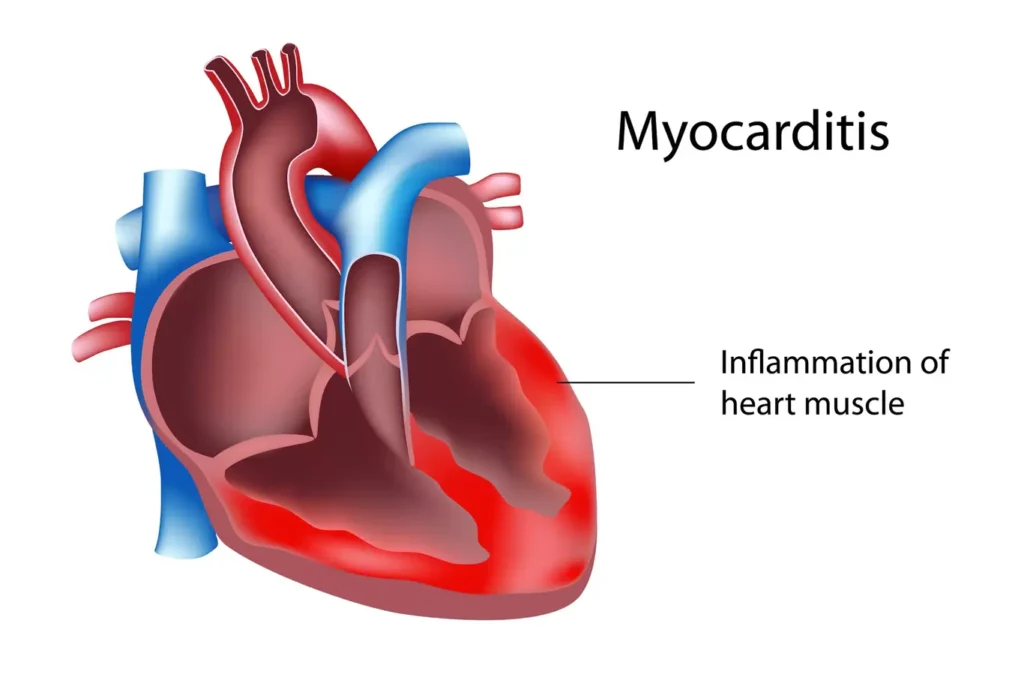
    STEPS IN RESEARCH PROCESS

    STEPS IN RESEARCH PROCESS

    The Research Process
    The Research Process
    Steps in research process consists of a series of systematic procedures that a researcher must go through in order to generate knowledge that will be considered valuable by the project and focus on the relevant topic.
    To conduct research effectively, you have to understand the research process steps and follow them. Here are a the steps in the research process;
    1st Step
    Identifying the
    Research Problem
    ↑ Literature not well reviewed
    2nd Step
    Reviewing
    related
    literature
    ↓ Literature well reviewed
    3rd Step
    Develop Research Objectives,
    Questions & Hypotheses
    4th Step
    Select the appropriate research
    design/ sample design & data
    collection methods.
    5th Step
    Develop data collection
    instruments and plot test them
    for validity & reliability
    6th Step
    Collect data
    ↑ Data not sufficient
    7th Step
    Analyze &
    Interpret data
    ↓ Sufficient & well analyzed
    8th Step
    Generate the research Report
    9th Step
    Present findings to stakeholders.
    10th Step
    Dissemination of findings
    STEP I: IDENTIFYING THE RESEARCH PROBLEM

    This is the first step in any research project, before a researcher proceeds with conducting research, s/he must endeavor that the research problem is clearly identified and has a vivid understanding of the research problem at hand.

    A research problem in this context may refer to:

    • An issue at hand.
    • Any form of imbalances
    • Technological challenges
    • Missing links
    • Any unsatisfactory state of affairs
    • Unanswered questions.
    • An existing gap
    • A problem that needs a solution
    • A crisis
    • An urgent situation / Extremity / Emergency

    Those among others are the common ways you can basically classify a research problem.

    Most researchers find challenges in identifying a researchable problem and as a result most of the researchers, identify problems which are not researchable. Some researchers are frequently heard asking questions as "where can I find a research problem?" Some researchers have been disappointed by their supervisor(s) and others by proposal defence panels where in most cases a researcher's proposal. Some proposal defense panels have failed to identify a researchable problem in the statement of the problem and forced the researcher to go back and identify a researchable problem.

    Common sources of a research problem include:
    1. Existing related literature mostly the unanswered questions.
    2. Observation and logical reasoning. This could be
      • Deductive reasoning - General to Specific reasoning
      • Inductive reasoning - Specific to General reasoning
    3. Practical issues.
    4. Experience. This could be direct experience or indirect experience.
    5. Existing theories such as the Goldratts Theory of Constraints and the Maslow's hierarchy of needs theory.
    6. Authority such as a directive from a superior to undertake a given research.
    7. Current Political, Economic and Social issues such as; High rates of youth unemployment, Inflation rates, Exchange rates, Increase youth migration, Religious issues and Poverty rates to mention but a few
    Features of a good research problem

    These are the characteristics or attributes of any research problem. They include:

    1. It must be researchable, implying that a good research problem is one that can be adequately investigated.
    2. It should be relevant, a good research problem should be significant and connected with the current issues. It should not only be relevant for today but for the future generations as well.
    3. Theoretical or practical significance.
    4. Feasibility, implying that a research problem should be one whose effect can be eradicated as a result of research. Therefore it should be accomplishable.
    5. It should be original in its state, a research problem should be of a new kind or different from other research problems. Therefore it should be novel in nature.
    STEP II: REVIEWING RELATED LITERATURE

    This is the most important step in any research process, reviewing of literature is a continuous process and it helps the researcher to become more grounded about his/her research area. Through reviewing related literature the researcher is able to develop a scholarly language, appreciate the works of other scholars and further conceptualize the research problem at hand. Reviewing of related literature will enable the researcher to identify study variables, theory(ies) to underpin the study and helps the researcher to refine the research problem and topic of the study. However, in a study where the research proposal may contain a section of literature review, then this step becomes very vital since it helps a researcher to compile the literature review section of the research proposal.

    STEP III: DEVELOP THE PROBLEM STATEMENT, RESEARCH OBJECTIVES, QUESTIONS & HYPOTHESIS

    At this level the researcher is assumed to have a deeper understanding of the entire research.

    Therefore this stage involves "state of the problem" where the researcher clearly states the current problematic situation, this section must show the gravity of the problem and reflect why the research should actually be conducted today and not tomorrow. The statement of the problem must show that the problem is researchable, backed with statistical evidence and its as well a practical problem. The statement of the problem must be concise, brief and specific, therefore it should not exceed ¾ (3 quarters or 0.75) of a page or maximumly 1 page.

    This stage further involves the development of the research objectives where the general objective is formulated directly from the research topic and the specific objectives are developed directly from the general objective by relating the independent variable(s) and the dependent variable. However, it's important to note that a researcher will only identify good and researchable variables only and only if s/he has sufficiently reviewed the related literature.

    Research Questions are further developed from the specific objectives implying that the number of specific objectives will always determine the number of research questions in a case where we have 3 objectives, there will be 3 questions if the specific objectives are 5 in number then the questions will equally be 5 in number". In this case research question(s) refer to the question(s) that the researcher intends to answer through specifically undertaking a study.

    Research Hypothesis; these are the tentative answers to the research questions above. At this point the researcher develops research hypotheses, it's important to note that unlike the research questions, research hypothesis may not necessarily be of the same number as the research questions, the hypotheses may even be less or more than the research questions.

    STEP IV: SELECT THE RESEARCH DESIGN, SAMPLE DESIGN AND DATA COLLECTION METHODS.

    At this stage, the researcher is expected to select the overall plan of the research or roadmap. Therefore at this point the researcher will select the most appropriate research design and the selection of the research design will be based research strategy or approach, that is to say whether it's a purely quantitative study, qualitative study or a triangulation (mixed method).

    • The quantitative research designs include; Experimental Design, Survey Design & Correlation Research Design among others.
    • The qualitative research designs include; Ex-Post Facto design, Ethnography design and Historical design among others.
    • Research design for mixed methods includes; The Longitudinal design, Cross-sectional design and Cross-cultural research design among others.

    This stage as well involves the selection of the most appropriate sample design to use in the study. Selection of the sample design depends greatly on the research strategy either qualitative research strategy, quantitative research strategy or mixed research strategy. Therefore the three forms of sample designs include;

    1. Quantitative / Probability / Random-sampling design
    2. Qualitative/ Probability / Non-Random sampling design
    3. Mixed Sample Design.
    Sampling Designs:
    • Quantitative / Probability Sampling Design: This is adopted when the research strategy is quantitative in nature and under this strategy the researcher will adopt sampling techniques such as; Simple Random Sampling (SRS), Stratified Sampling, Cluster Sampling, Systematic Sampling & Probability Proportionate to Size Sampling and Multi-stage Sampling.
    • Qualitative / Non-Probability Sampling Design: This is adopted when the research strategy is qualitative in nature and under this strategy the researcher will adopt sampling techniques such as; Judgmental sampling, Convenience sampling, Quota sampling, Snowball/ Chain Referral Sampling and Accidental Sampling among others.
    • Mixed Sampling Design: this is where the researcher adopts both the quantitative and qualitative sample designs and this is usually adopted where the research strategy is mixed research strategy (a combination of both qualitative and quantitative strategies).

    This step as well involves the selection of the most appropriate data collection methods, these methods will depend on the research strategy or approach, the research design and sample design that was adopted. There are three (3) main classifications of data collection methods these include;

    1. Quantitative data collection methods.
    2. Qualitative data collection methods
    3. Mixed data collection methods.
    Data Collection Methods:
    • Quantitative data collection methods: these are methods that are used to collect data which is numeric, figures or counts in nature. These data collection methods include; Questionnaire survey & experiment among others.
    • Qualitative data collection methods: these are methods that are used to collect data which is in form of words, statements, themes and descriptive in nature. These data collection methods include; Focus Group Discussions, Documentary Review, Observation and as well as Key Informant Interviews.
    • Mixed data collection methods: these include a triangulation of both qualitative and quantitative data collection methods in a given study.
    STEP V: DEVELOP DATA COLLECTION INSTRUMENTS AND PILOT TEST THEM

    This step is guided by the previous step, at this level the researcher starts by developing the data collection instruments, these instruments are classified into 3 broad categories which include;

    1. Quantitative data collection instruments.
    2. Qualitative data collection instruments.
    3. Mixed data collection instruments.

    The choice of the data collection instrument greatly depends on the data collection method(s) that was adopted.

    Types of Instruments:
    • Quantitative data collection instruments: include; Questionnaire/ Survey Guide and Experiment Checklist among others.
    • Qualitative data collection instruments: include Focus Discussion Topics / Focus Group Discussion Guide, Documentary Review Checklist, Observation Checklist and as well as Key Informant Interview Guides.
    • Mixed data collection instruments: this includes the adoption of both qualitative and qualitative data collection instruments. This is adopted in a study whose research design adopts both qualitative and quantitative research designs.

    This step as well involves the pre-testing of the selected instruments for both validity and reliability.

    • Validity in this context refers to the correctness of a research instrument or it can be understood as how well a research instrument measures what it is supposed to actually measure. The common method of measuring of validity is usually the Content Validity Index given by number of items declared valid divided by total number of items. Amin, (2005) recommends that CVI should be above 0.7 for the instrument to be considered. However, I recommend that for the sake of more valid result this value should be at least 0.8 for social research if the instrument is to be rendered valid.
    • Reliability or consistence of an instrument; this measures how consistent a given research instrument is, usually by examining the level of consistence of results produced by the instrument over time. It is usually measured using the cronbanch's alpha coefficient, this value is produced by statistical software. Amin (2005) recommends that the coefficient value should be more than 0.7 for an instrument used in social research. However, for the sake of more reliable results, I recommend that this value should be at least 0.8.
    STEP VI: DATA COLLECTION

    After pre-testing for validity and reliability of the research instruments (quality control). The researcher then embarks on data collection, at this point the researcher collects;

    • (i) Primary data - this is data that is directly collected by the researcher from a respondent. The researcher uses research instruments that have been tested for both validity and reliability.
    • (ii) Secondary data - this is data collected by a researcher from secondary sources of data such as text books, journals, recordings, newspapers & magazines among others.
    Note that:
    • In a single study a researcher can collect both primary and secondary data depending on the objectives of the study and interests of the researcher.
    • The researcher may decide to employ research assistants to help him/her in the process of data collection. Research assistants must be well trained before any research project in order to ensure that the research is ethical and its findings can actually be generalized.
    STEP VII: ANALYZE & INTERPRET DATA

    After collecting data, the researcher then thinks of presenting, analyzing and interpreting the data. It's important to note that quantitative data will be treated differently from qualitative data.

    • Quantitative data analysis techniques include: Uses of Correlations, Regression Analysis, Analysis of variance (ANOVA) and as well as Chi-square tests among others.
    • Qualitative data analysis methods include: Content Analysis & Thematic Analysis among other methods.

    Before data analysis a researcher must do data management which includes; cleaning of data, coding of data & capturing of data usually into statistical software.

    STEP VIII: GENERATE THE RESEARCH REPORT

    After presentation, Analysis and Interpretation of data, the researcher then compiles the research report. The format of a research report varies from Institution to Institution or Organization to Organization, therefore it's imperative that a researcher vividly understands the format of the research report of his or her organization. However, it's important to note that generally a research report will include; the summary of the findings, dissension of findings, conclusion of the study and as well as the recommendations of the study. Therefore ensure that you are conversant with the required format of a research report.

    STEP IX: PRESENT FINDINGS TO STAKEHOLDERS.

    After compiling the report, you should then present your findings to the concerned stakeholders. The researcher should organize a PowerPoint slide preferably with about 8-12 slides depending on the length of the report, purpose of the report and the target audience. Then present the findings to the concerned stakeholders.

    The slides may include:
    1. A slide with the topic of the research, author of the report (Researcher) month/year (Date)
    2. A slide with a summary of the abstract.
    3. A slide with the study objectives.
    4. A slide with the conceptual framework.
    5. A slide with the significance and justification of the study.
    6. A slide with the summary of literature review.
    7. A slide with the methodology.
    8. A slide with the findings of the study.
    9. A slide with the recommendations.
    10. A slide to thank the audience.

    These should range from 8-12 slides and depending the length of the report, purpose, audience and complexity of the subject matter, the report should be presented between 10 and 30 minutes. However, these are not standards all these guidelines may as well vary from Institution to Institution.

    STEP X: DISSEMINATE FINDINGS TO STAKEHOLDERS

    If it's an academic research then once it's approved, endeavor to disseminate the research findings to all the concerned stakeholders. These stakeholders may include;

    • The academic institution (Usually 2 copies),
    • Your research supervisor(s) (Usually 1 copy per supervisor),
    • The case you studied for example "A case of Uganda Revenue Authority" (Usually 1 copy) and
    • All other concerned stakeholders that you could have highlighted in the document as some of the potential beneficiaries of your research, including you the researcher. Don't give out everything and remain with totally nothing.
    Note that:

    You can disseminate your findings in soft copy or hard copy. You can disseminate in form of a standard /report or an article in a peer reviewed Journal or in form of a conference presentation among other forms. Use a form that the target beneficiaries can easily access.

    MONITORING & EVALUATION (M&E)

    After dissemination of findings, any focused researcher should monitor whether his/her findings made a contribution towards solving the existing problem, whether his or her findings influence policy making, decision making and whether they are appreciated by the target beneficiaries.

    The researcher should as well evaluate whether his/her findings were Relevant, whether they were Efficient, Effective, Impactful and whether his/her recommendations provided Sustainable solutions to the existing problems.

    Conducting of M&E is not part of the mainstream research process but it helps in making a researcher better and much better through identification of mistakes and learning hence improvement in any subsequent research project(s).

    Five Research Phases
    Phase Activities
    Phase 1: Conceptual Work
    • Identifying research problem/questions
    • Reviewing relevant literature
    • Developing theoretical framework & conceptual
    • Generating logical hypotheses
    Phase 2: Study Design & Planning
    • Research design & methods
    • Identifying population & accessible sample
    • Selecting measures
    • Establishing study protocol
    Phase 3: Research Implementation
    • Data collection
    • Intervention if applicable
    Phase 4: Analysis
    • Data screening & cleaning
    • Data analysis
    • Interpretation and writing up of findings
    Phase 5: Dissemination
    • Communication of findings

    STEPS IN RESEARCH PROCESS Read More »
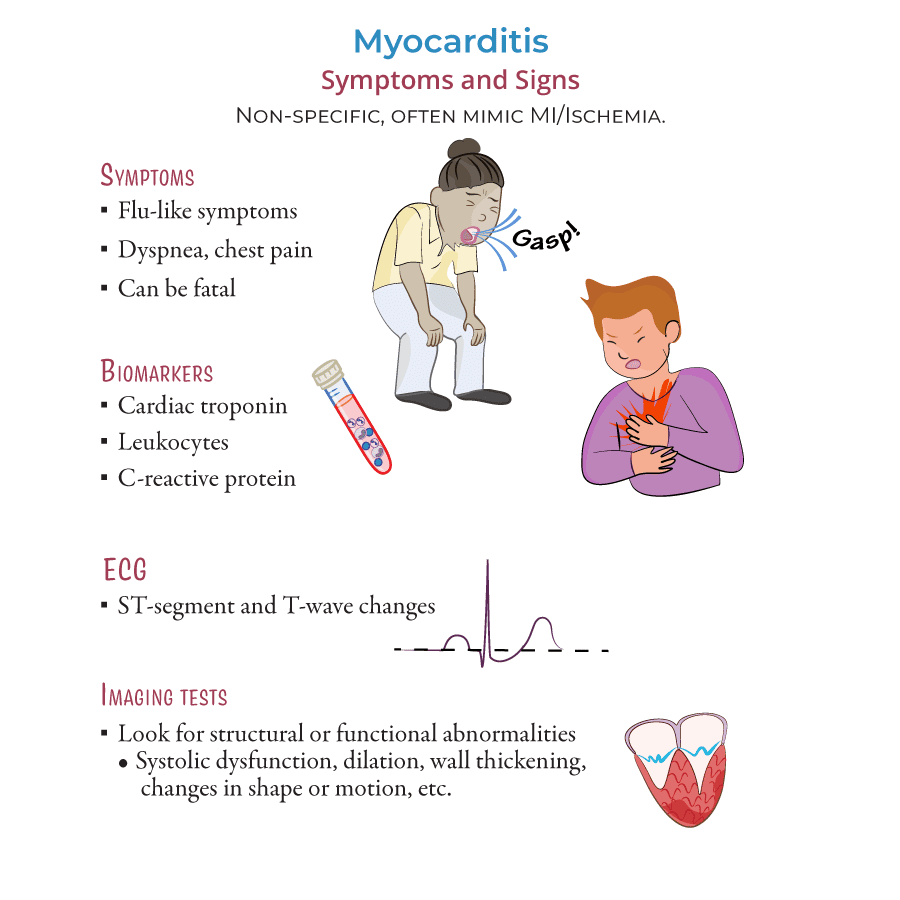
    TEACHING-LEARNING (EDUCATIONAL) OBJECTIVES

    TEACHING-LEARNING (EDUCATIONAL) OBJECTIVES

    TEACHING-LEARNING (EDUCATIONAL) OBJECTIVES

    Teaching-learning(Educational) objectives are statements describing desired changes in behavior as a result of specific teaching-learning activity. 

    Behavior is what the student should know or be able to do after teaching-learning activity, i.e. Therefore in education: the objective describes students’ performance, not teacher performance. 

    Or

    Educational objectives refer to what the student should be able to do at the end of a learning activity.

    Difference between goal and objectives

    Goals and objectives are often used interchangeably but they are different in the following ways


    GoalsObjectives
    Long-term aims that you want to accomplishShort-term statements
    They are broad statements (e.g., students should know the human body)Narrow statements (e.g., students should name all bones of the human body)
    They are abstract and IntagibleThey are concrete and tangible

    PURPOSE OF WRITING EDUCATIONAL OBJECTIVES

    • Objectives inform students what is required of them so that they can better prepare their work. 
    • Objectives help the planning team to select and design instructional content, material, or methods. It also allows teachers to organize and put into sequence the subject matter. 
    • Objectives provide means of measuring whether students have succeeded in acquiring knowledge and skills. 
    • Objectives provide a basis for self-evaluating both the student’s learning. 
    • Objectives provide the best means for communicating to colleagues, parents, and others what is to be taught and learnt.

    QUALITIES/CHARACTERISTICS OF A GOOD OBJECTIVE

    An objective should be SMART:

    • Specific: No argument, dispute about the meaning. It should clearly communicate an expected behavior modification. It should be unequivocal (not to bear more than one meaning); hence avoid words like to know, understand since they are not specific.
    • Measurable: There should be provision to evaluate the end result, i.e., quantified in an objective way. The measure should be observable so that one can view the progress.
    • Achievable: Can be attained/performed within the allocated time and with available resources.
    • Realistic: Makes sense in the situation, i.e., should have a direct relationship with the aims of learning and based on the needs of the learners (relevant).
    • Time-bound: It should have a time frame within which the outcome is evaluated.

    MAIN ELEMENTS OF AN OBJECTIVE

    The main elements of an objective are:

    1. Condition of performance: An objective always describes the important conditions (if any) under which the performance is to occur. For example, ‘By the end of this session’ or after attending this demonstration.

    2. AudienceThe learner – who will be doing the behavior, like diploma students.

    3. Behavior:  An objective always says what the teacher expects the learner to be able to do. It is the description of the task to be done expressed by an active verb. The performance indicator is the act whose satisfactory performance implies that the student is able to accomplish the task required. For example, ‘student will be able to perform intramuscular injection’ is the student behavior.

    4. Criterion or standard: It specifies the level of performance that the teacher will accept as successful attainment of the objective or describes how well the learner must perform in comparison with a predetermined standard or criteria. For example, ‘correctly’, 100%, ‘accurately’ indicate the criteria.

    Determinants of educational objectives
    • Needs of the learner– based on development stage, interests of learner.
    •  Subject matter– appropriate to the contents of the subject.
    • Needs of society– one has to considers the contemporary life outside school.

    Classification (Types) of Educational Objectives

    Educational objectives are classified differently:

    According to the Level of Objectives:

    •  Institutional or general
    •  Departmental or intermediate
    •  Specific / Instructional Objectives
    According to the domains of learning:
     
    •  Cognitive domain
    •  Affective domain
    •  Psychomotor domain
    According to the Level of Objectives:

    1. Institutional (General) Objectives: These objectives are usually formulated in consensus with general curriculum objectives of the educational program by the curriculum committee of the institute. They are broad in focus and align with what the institution aims to achieve. For instance, at the end of training at a medical college, the medical graduate should be able to diagnose and perform first-level management of acute emergencies promptly and efficiently.

    2. Departmental or Intermediate Objectives: Derived from institutional objectives, these objectives are related to a specific learning experience or subject matter. For example, at the end of the training in the Department of Medicine, students should be able to perform methods of first-level management of acute emergencies in medicine.

    3. Instructional/Behavioral Objectives: These objectives are specific, precise, attainable, measurable, and correspond to each specific teaching-learning activity. They are formulated by the teacher at the instructional level. For instance, at the end of the training sessions, the students should be able to perform CPR measures outside the hospital also without any access to modern resuscitative equipment.

    TEACHING-LEARNING (EDUCATIONAL) OBJECTIVES

    According to the domains of learning:

    BLOOM’S TAXONOMY OF EDUCATIONAL OBJECTIVES

    Taxonomy means ‘a set of classification principles’, or ‘structure’, and Domain simply means ‘category’.

    The most well-known description of learning domains was developed by Benjamin Bloom, hence it is known as “Bloom’s Taxonomy.” Bloom’s taxonomy (classification) of educational objectives divides the learning objectives into three major domains, namely:

    1. The Cognitive Domain (knowledge or intellectual abilities)
    2. The Affective Domain (attitudes, values, or interests)
    3. The Psychomotor Domain (motor skills)

    These categories are further categorized according to the level of behavior, progressing from the simplest to the highly complex.

    COGNITIVE DOMAIN

    The Cognitive domain is further subdivided into a hierarchy of six intellectual functions from the simplest to the most complex, as follows:

    1. Knowledge: The ability to memorize, recall, or otherwise repeat previously learnt materials. Action verbs used include; define, state, name, list, describe, write (e.g., define hypertension).
    2. Comprehension: Ability to grasp/understand the meaning of material. Ability to translate data from one form to another in the form of translation, interpretation, and extrapolation. Action verbs used include; classify, explain, justify, convert, formulate (e.g., given a set of B.P values, classify hypertension).
    3. Application: Ability to use material learnt such as rules, concepts, and principles in new and real situations. This demonstrates a higher level of understanding than comprehension. Verbs used include; demonstrate, construct, perform, prepare (e.g., formulate a diet plan for a patient with diabetes).
    4. Analysis: Ability to break down information into its component parts so that its organizational structure may be understood. It separates important aspects from less important. Action verbs include; analyse, justify, differentiate, discriminate, distinguish (e.g., differentiate between hypertensive urgency and emergency).
    5. Synthesis: Ability to build up information together to create something new. The learner is expected to combine various parts to form a new whole. Action verbs include: discuss, summarize, compose, plan, derive (e.g., compose a care plan for a patient with heart failure).
    6. Evaluation: The ability to make judgments, qualitatively and quantitatively based on a definite criteria. Typical verbs include, judge, assess, predict, evaluate, determine, appraise, compare, and contrast.
    AFFECTIVE DOMAIN

    This domain is divided into five hierarchical levels from the lowest to the highest, as follows:

    1. Receiving: Refers to the student’s willingness to respond or give attention to particular phenomena or activity (classroom activities, textbook, music, etc.). For example, the learner would be able to show awareness of anxiety of the patient waiting for an invasive procedure.
    2. Responding: Refers to active participation on the part of the student to particular phenomena, reflecting interest but not commitment. For instance, the learner would be able to reassure an anxious patient waiting for an invasive procedure.
    3. Valuing: Refers to perception of worth or value in phenomena. For example, the learner would be able to realize that it’s worth spending time reassuring patients whenever they are anxious.
    4. Organization: Refers to bringing together different values, resolving conflicts between them and beginning the building of an internally consistent value system. For instance, the learner would be able to form judgments as to the responsibility of the health care team for commitment towards the emotional well-being of patients.
    5. Characterization: At this level, a student has a value system to the extent of representing a philosophy of life. The learner would be able to display commitment toward emotional well-being of patients undergoing invasive procedures.
    PSYCHOMOTOR DOMAIN

    These are objectives which emphasize manipulative and motor skills such as handwriting, swimming, typing, operating machinery, and driving, etc. This domain is divided into six ascending levels of manipulative skills as follows:

    1. Readiness: Refers to the willingness to perform an activity. For instance, the learner develops interest in learning how to establish an IV infusion.
    2. Observation: Refers to attending the performance by a more experienced person. For instance, the learner observes the mentor establishing an IV infusion.
    3. Perception/Imitation: Refers to sensation and being able to perform the skill. The basic rudiments/steps of the skills acquired. For example, the learner mentions steps needed in the establishment of an IV infusion as observed.
    4. Practice/Response: Refers to practicing a skill or repetition of the sequence of phenomena as conscious effort decreases. For example, the learner performs the establishment of an IV infusion on the patient as demonstrated by the teacher.
    5. Adapting: Refers perfection of the skill, although further improvement is possible. For example, the learner demonstrates mastery of establishing an IV infusion.
    6. Origination: It involves the origination of new movement patterns to suit a particular circumstance. For example, design a split to restrain the forearm of the child on IV infusion.

    ADVANTAGES OF WRITING BEHAVIORAL OBJECTIVES

    a) Provides an opportunity for the teacher to examine the content to teach.
    b) Motivates the teacher to present the content in a student-friendly manner.
    c) Helps the teacher determine whether he/she has actually taught what was intended to be delivered.
    d) Allows the teacher to evaluate a student’s performance.
    e) Justifies the selection of content, learning experiences, and teaching-learning methods.

    LIMITATIONS OF BEHAVIORAL OBJECTIVES

    a) Most objectives relate to the lowest cognitive level (recall of information), which is the least important. This means that the really important outcomes of education receive little attention.
    b) The procedure employed for specifying objectives applies best to cognitive and psychomotor behaviors. Only rarely can objectives in the affective domain (attitudes) be stated in observable and measurable terms.
    c) They lead to predictability of outcomes rather than open-endedness, discovery, and creativity opportunities for learners.
    d) A teacher cannot specify in advance all potential outcomes of an instructional program. This narrow path of an objective may hinder useful un-anticipated needs and outcomes.

    TEACHING-LEARNING (EDUCATIONAL) OBJECTIVES Read More »
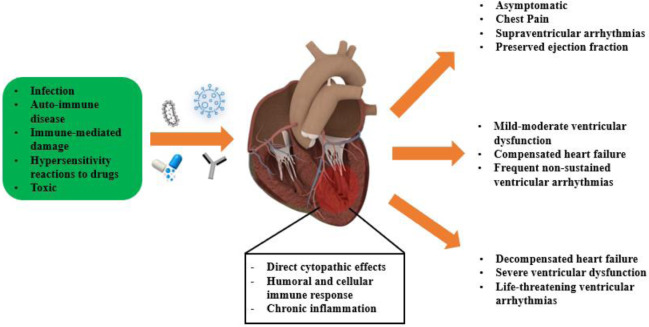
    ANDRAGOGY

    ANDRAGOGY

    ANDRAGOGY.

    Andragogy, often referred to as adult education, encompasses both the art and science of facilitating adult learning.

    Andragogy is the art and science of helping adults learn.
    It also refers to a method and practice of teaching adult learners.

    Reasons Behind Adult Learning

    Adults engage in learning for a variety of reasons, driven by their unique life circumstances and goals. 

    1. Staying Competitive: The dynamic nature of today’s world demands that adults continuously update their knowledge and skills to remain competitive in their professional fields. Learning becomes a means to adapt to changing landscapes and evolving technologies.

    2. Job Training and Advancement: Many adults engage in learning as a part of their job requirements or career advancement. Keeping up with new industry standards, technologies, and practices is essential for job performance and growth.

    3. Financial Growth: Learning can lead to better job opportunities and increased earning potential. Acquiring new skills and qualifications often opens doors to higher-paying positions or entrepreneurship.

    4. Self-Improvement: Adult learners also seek personal growth and self-improvement through learning. Whether it’s acquiring a new hobby, exploring a new field of interest, or enhancing personal skills, learning contributes to their overall well-being.

    5. Acquiring New Skills: Adults recognize the value of acquiring new skills that may not only be relevant to their careers but also enrich their personal lives. Learning a new language, mastering a musical instrument, or becoming proficient in a creative endeavor are examples of skill-based learning.

    andragogy

    Characteristics of Adult Learners

    1. Control over Learning: Adults tend to be self-directed in their lives, although responsibilities with jobs and families can remove a degree of their freedom to act. Adulthood brings an increasing sense of the need to take responsibility for our lives, and adults strongly resent it when others take away their rights to choose. This fact is clearly seen in educational efforts among adults. When not given some control over their learning, most adults will resist learning, and some will even attempt to sabotage education efforts. They require autonomy.

    2. High Motivation to Learn: Adults are particularly motivated to learn information that seems immediately applicable to their situation and needs. They tend to be frustrated with “theory” that needs to be stored away for future use or learning for the sake of learning.

    3. Pragmatic (Practical) Learning: Adults in the workplace prefer practical knowledge and experiences that will make work easier or provide important skills. In other words, adults need personal relevance in learning activities. Many adults prefer to learn by doing rather than listening to lectures.

    4. Learning as a Secondary Role: Adults fulfill multiple roles, and these roles inevitably create conflicting and competing demands on the adult learner. Multiple responsibilities and commitments to family, friends, community, and work cause most adults to have far less time and energy to read, study, or learn.

    5. Resistance to Change: Learning often involves changes in attitudes or actions. Adults tend to be somewhat resistant to such changes because life itself teaches us that change is not always for the better and that many outcomes of change are unpredictable. Youth tend to be more idealistic and are often open to change just for the sake of change.

    6. Diversity among Adult Learners: Adults vary from each other as learners in terms of age and experiences much more than traditional age learners. Such differences can be used as a powerful resource for adult learning. Through collaboration in small groups, adults can benefit from their variety of experiences. Dialogue with other adults enables adult learners to perceive more nuances of application and possible problems with new concepts than could ever be gained from private reflection.

    7. Drawing on Past Experiences in Learning: The adult’s experience is a key resource in any learning effort. Adults have a greater reservoir of life experiences simply because they have lived longer and seen or done more. Consciously or unconsciously, adults tend to link any new learning to their prior learning. Learning through mutual sharing is important.

    8. Goal-Oriented Learning: Learning is aimed at an immediate goal. Many adults have specific goals they are trying to achieve. They prefer to partake in learning activities that help them reach their goals.

    9. Results-Oriented Approach: Adults are results-oriented. They have specific expectations for what they will get out of learning activities and will often drop out of voluntary learning if their expectations aren’t met.

    Adult Learning Theory

    Andragogy, also known as adult learning theory, was proposed by Malcolm Shepard Knowles in 1968. Previously, much research and attention had been given to the concept of pedagogy – teaching children. Knowles recognized that there are many differences in the ways that adults learn as opposed to children.

    Knowles’ Five Assumptions of Adult Learners

    Knowles’ theory of andragogy identified five assumptions that teachers should make about adult learners:

    1. Self-Concept: Because adults are at a mature developmental stage, they have a more secure self-concept than children. This allows them to take part in directing their own learning.

    2. Past Learning Experience: Adults have a vast array of experiences to draw on as they learn, as opposed to children who are in the process of gaining new experiences.

    3. Readiness to Learn: Adults are ready to learn things that relate to their life and responsibilities. Many adults have reached a point at which they see the value of education and are ready to be serious about and focused on learning.

    4. Practical Reasons to Learn: Adults are looking for practical, problem-centered approaches to learning. Many adults return to continuing education for specific practical reasons, such as entering a new field.

    5. Driven by Internal Motivation: While many children are driven by external motivators – such as punishment if they get bad grades or rewards if they get good grades – adults are more internally motivated.

    Principles of Andragogy

    Educating adults involves understanding adult learning principles. Based on Knowles’ assumptions about adult learners, he discussed five principles that educators should consider when teaching adults:

    1. Self-Directed Learning: Since adults are self-directed and increasingly independent, they should have a say in the content and process of their learning.

    2. Building on Experience: Adults bring life and job experience with them. This experience is a resource for learning. Therefore, their learning should focus on adding to what they have already learned in the past.

    3. Readiness to Learn: Since adults are looking for practical learning, content should focus on issues related to their work or personal life. Adults want to learn what they can apply in their real-life situations.

    4. Problem-Oriented Approach: Additionally, learning should be centered on solving problems instead of memorizing content. Learning is organized around life/work situations rather than subject matter units.

    5. Motivation to Learn: Motivators for adults can be both external and internal. External motivators include better jobs and higher salaries. Internal motivators include increased job satisfaction, self-esteem, recognition, better quality of life, self-confidence, and self-actualization.

    6. Respect for Adult Learners: Adult learners like to be respected.

    Application of Andragogy to Teaching

    Applying andragogy to teaching involves tailoring the educational approach to meet the specific needs, backgrounds, and expectations of adult learners. Here are some ways in which andragogy can be applied to teachers:

    1. Understanding Learners: Teachers should start by understanding the needs, experiences, and expectations of their adult learners. This knowledge serves as the foundation for creating effective learning experiences.

    2. Learner-Centered Environment: Establishing a learner-centered educational environment is crucial. This means designing the learning process around the interests and goals of adult learners, allowing them to take an active role in shaping their education.

    3. Active Engagement: Teachers should design courses and activities that actively engage adult learners. This could involve hands-on activities, group discussions, problem-solving tasks, and real-world applications.

    4. Motivation: Recognize that adult learners are motivated when they see the immediate relevance and applicability of what they are learning. Teachers should emphasize the practical benefits and outcomes of the material being taught.

    5. Sharing Experiences: Create opportunities for adult learners to share their own experiences and insights. This promotes a collaborative learning environment where learners can learn from each other.

    Lessons from Adult Learning Theory:

    1. Lesson 1: Make Sure Your Adult Students Understand Why: Clearly communicate the importance and relevance of the material being taught. Adult learners are more engaged when they understand the significance of what they’re learning.

    2. Lesson 2: Respect Different Learning Styles: Recognize that adult learners have diverse learning styles – visual, auditory, and kinesthetic. Accommodate these styles to enhance comprehension and retention.

    3. Lesson 3: Allow Experiential Learning: Encourage experiential learning where learners actively engage with the subject matter. Any activity that involves learners in the learning process enhances their understanding.

    4. Lesson 4: Seize Teaching Moments: Pay attention to opportune teaching moments. If a topic naturally arises in conversation or during activities, take advantage of the opportunity to teach it immediately.

    5. Lesson 5: Encourage and Recognize Contributions: Foster a positive and encouraging atmosphere in the classroom. Give learners time to respond, recognize their contributions, and offer words of encouragement. Clear expectations motivate learners to meet them.

    andragogy

    Differences between Pedagogy and Andragogy.

    PedagogyAndragogy
    Learner is dependent upon the instructor for all learning.Learner is self-directed and responsible for own learning.
    The teacher assumes full responsibility for what is taught.Self-evaluation is characteristic of this approach.
    Teacher/instructor evaluates learning.The learner brings a greater volume and quality of experience.
    The learner comes with little experience as a resource.Adults are a rich resource for one another.
    Experience of the instructor is most influential.Different experiences assure diversity in groups of adults.
    Students are told what they have to learn.The need to know in order to perform more effectively in some aspect of life is important.
    Learning is acquiring prescribed subject matter.Learning must have relevance to real-life tasks.
    Content units are sequenced by subject matter logic.Learning is organized around life/work situations.
    Primarily motivated by external pressures.Internal motivators: self-esteem, recognition, better quality of life, self-confidence, self-actualization.

    1. What is the main difference between pedagogy and andragogy in terms of learner responsibility?
    A) Pedagogy involves self-directed learning.
    B) Andragogy involves instructor-directed learning.
    C) Both pedagogy and andragogy rely on instructor guidance.
    D) Both pedagogy and andragogy involve equal learner responsibility.

    Answer: B) Andragogy involves instructor-directed learning.

    2. Which of the following best describes the role of the instructor in andragogy?
    A) Complete responsibility for learner outcomes.
    B) Providing step-by-step guidance in all activities.
    C) Facilitating learning and encouraging self-evaluation.
    D) Evaluating learners’ achievements without input from learners.

    Answer: C) Facilitating learning and encouraging self-evaluation.

    3. What is a key characteristic of adult learners’ motivation to learn?
    A) Focus on theory for future application.
    B) Reliance on external rewards for learning.
    C) Emphasis on learning for the sake of learning.
    D) Interest in immediate practical applicability.

    Answer: D) Interest in immediate practical applicability.

    4. In the context of andragogy, what does the term “self-directed” mean?
    A) Learning without any guidance from the instructor.
    B) Relying solely on textbooks for learning.
    C) Taking initiative and responsibility for one’s learning.
    D) Following a strict curriculum without flexibility.

    Answer: C) Taking initiative and responsibility for one’s learning.

    5. What distinguishes adult learners from children in terms of their experiences?
    A) Adults have fewer experiences to draw upon.
    B) Children have more varied life experiences.
    C) Adults bring a greater volume and quality of experience.
    D) Children’s experiences are more relevant to education.

    Answer: C) Adults bring a greater volume and quality of experience.

    6. Which motivation factor is more relevant to adult learners than to children?
    A) Grades and competition.
    B) External rewards and punishments.
    C) Desire for recognition and self-esteem.
    D) Idealistic aspirations and curiosity.

    Answer: C) Desire for recognition and self-esteem.

    7. What does andragogy suggest about the relevance of learning content?
    A) Content should be abstract and theoretical.
    B) Content should be unrelated to real-life situations.
    C) Learning content should be irrelevant to learners’ needs.
    D) Learning content should have relevance to real-life tasks.

    Answer: D) Learning content should have relevance to real-life tasks.

    8. How should learning be organized according to andragogy?
    A) Around subject matter units.
    B) Sequentially based on pedagogical logic.
    C) Around life/work situations.
    D) Focused on theoretical concepts.

    Answer: C) Around life/work situations.

    9. What is a primary role of instructors in andragogy-based teaching?
    A) Delivering lectures without interaction.
    B) Following a strict curriculum.
    C) Tailoring content to learners’ needs.
    D) Assessing learners without their input.

    Answer: C) Tailoring content to learners’ needs.

    10. In andragogy, why is recognizing the contributions of adult learners important?
    A) To maintain teacher authority.
    B) To keep learners dependent on the instructor.
    C) To encourage learners to drop out of the course.
    D) To motivate and empower adult learners.

    Answer: D) To motivate and empower adult learners.


    11. Which learning style does andragogy emphasize in teaching adult learners?
    A) Visual learning.
    B) Auditory learning.
    C) Kinesthetic learning.
    D) All learning styles are equally emphasized.


    Answer: D) All learning styles are equally emphasized.


    12. What type of motivation is more intrinsic to adult learners?
    A) External rewards and punishments.
    B) Grades and competition.
    C) Internal motivators like self-esteem and self-actualization.
    D) Recognition and rewards from instructors.

    Answer: C) Internal motivators like self-esteem and self-actualization.


    13. What is the focus of learning in andragogy?
    A) Memorizing content.
    B) Gaining theoretical knowledge.
    C) Problem-solving and practical application.
    D) Achieving high grades.


    Answer: C) Problem-solving and practical application.


    14. Which teaching approach allows adult learners to actively engage, gain and share experiences, and collaborate?
    A) Instructor-centered approach.
    B) Traditional lecture-based approach.
    C) Learner-centered andragogical approach.
    D) Rote memorization approach.


    Answer: C) Learner-centered andragogical approach.

    ANDRAGOGY Read More »

    INTEGRATED DISEASE SURVEILLANCE

    INTEGRATED DISEASE SURVEILLANCE

    Lorem ipsum dolor sit amet, consectetur adipiscing elit. Ut elit tellus, luctus nec ullamcorper mattis, pulvinar dapibus leo.

    INTEGRATED DISEASE SURVEILLANCE AND RESPONSE-IDSR 

    IDSR – Is a strategy for a multi-disease surveillance of selected priority diseases or conditions which links the community, health facility, district and national levels allowing the rational use of resources for disease control and prevention. 

    Integrated Disease Surveillance is a comprehensive approach used by public health systems to monitor, detect, and respond to various diseases and health events in a coordinated manner.

    Surveillance – Is the ongoing systematic collection, analysis and interpretation of health data. It includes the timely dissemination and use of information for public health actions. 

    Surveillance is also used for planning, implementation and evaluation of public health practices at  any level  

    Disease surveillance refers to monitoring of diseases and factors affecting their  distribution/trends in order that action may be taken of the health system. 

    Disease Outbreak: A sudden increase in the number of cases of a particular disease in a defined geographic area and time period that is greater than what is normally expected.

    Communicable Diseases: Also known as infectious diseases, these are illnesses caused by microorganisms such as bacteria, viruses, fungi, or parasites that can be transmitted from one person to another, directly or indirectly.

    Case Definition: A set of standardized criteria that define what constitutes a confirmed case of a particular disease. It helps health workers accurately identify and classify cases during disease surveillance.

    Priority Diseases: Diseases that are given special attention due to their significant impact on public health and the potential for rapid spread and serious consequences. Priority diseases vary by region and context.

    Supervision, Monitoring, and Evaluation: These are components of disease surveillance that involve overseeing and assessing the implementation of surveillance systems, tracking data quality and completeness, and evaluating the effectiveness of response strategies.

    IDRS works in collaboration with bodies under Center for Disease Control (CDC) in order to achieve the goal of disease surveillance and response.

    The outstanding bodies are:

    • Division of emergency infectious and surveillance services (DEISS). It provides expertise to design, develop, implement, monitor and evaluate strategies for IDSR. They organize tools for the program like laboratory equipment.
    • Division of epidemiology and surveillance capacity building: provides experts for strengthening target countries by giving information on disease outbreaks.
    • Global Immunization Division (GID) that provides experts in surveillance for vaccines for preventable disease and integrated data management for an expanded program for immunization related surveillance, routine immunization.

    In 1996, there was a big problem with a disease called Ebola. Because of that, Uganda decided to join the IDSR program. They made a CDC to look out for disease outbreaks. Other African countries, like Ethiopia, Ghana, and Burkina Faso, also use IDSR to handle outbreaks.

    Objectives of Integrated Disease Surveillance and Response 

    • To strengthen national capacity for early detection, complete recording, timely reporting, use of  electronic tools, regular analysis and prompt feedback of IDSR priority diseases, events and  conditions at all levels. 
    • To strengthen national and subnational laboratory capacity to confirm IDSR priority diseases,  events and conditions. 
    • To strengthen capacity for public health emergency preparedness and response at all levels.
    • To strengthen the supervision, monitoring and evaluation system for IDSR. 
    • To integrate multiple surveillance systems so that tools, personnel and resources are used more  efficiently.
    • Emphasize community participation in detection, reporting and response to public health events  including case-based and event-based surveillance and response and risk communication in line  with International Health Regulations (IHR).

    According to WHO AFRO 1998, the objectives for IDSR include:

    •  To strengthen district level surveillance.
    •  To integrate the laboratory with laboratory reports.
    •  To reduce duplication of reporting on the outbreak.
    •  To share resources among disease control programs.
    •  To translate surveillance and laboratory data into specific and timely public health actions.

    Basic Ingredient for IDSR

     The IDSR also identified basic ingredients for it to achieve the goals as follows: To make IDSR work well, we need a few important things:

    1. Clear case definition and reporting mechanism.
    2. Efficient communication systems.
    3. Basic but sound epidemiological framework.
    4. Good laboratory report.
    5. Good feedback and rapid response.
    6. Nurses/Midwives attached to health centres to document the surveillance reports.

    Core functions of IDSR

    Step 1 – Identify and record cases, conditions and events: Use of standard case definitions for  health service delivery points (human, animal and environment), simplified case definitions for  community level, to identify priority diseases, conditions, and alerts that can signal emerging  public health  

    Step 2 – Report suspected cases or conditions or events to the next level for action: If this is  an epidemic prone disease or a potential Public Health Emergency of International Concern  (PHEIC), or a disease targeted for elimination or eradication, report immediately to the next level  

    Step 3 – Analyze (person, place and time) data and interpret findings: Surveillance data should  be compiled, analyzed for trends, compared with data from previous periods and interpreted for  public health actions at all levels  

    Step 4 – Investigate and confirm suspected cases, outbreaks or events: Take action to ensure  that the cases, outbreaks or events are investigated and confirmed by laboratory  

    Step 5 – Prepare: ensure the availability of public health emergency preparedness and  response plans, as well as a mechanism for coordination of response measures. Take steps in  advance of occurrence of outbreaks or public health events, to prepare teams that may respond  quickly and set aside essential supplies and equipment which will be available for immediate  action  

    Step 6 – Respond: On confirmation of the outbreak, coordinate and mobilize resources (human,  financial etc.) to implement the appropriate public health response  

    Step 7 – Risk communication: Risk communication is the real-time exchange of information,  advice and opinions between experts, community leaders, or officials and the people who are at risk. It encourages communicating with all levels and across sectors including communities that  provide data, report outbreaks, cases and events  

    Step 8 – Monitor, evaluate, supervise and provide feedback to improve the surveillance  system: Assess the effectiveness of the surveillance and response systems, in terms of timeliness,  quality of information, preparedness, and overall performance. Provide feedback to reinforce  health workers’ efforts to participate in the surveillance system. Take action to correct problems  and make improvements 

    Detecting and Planning for Disease Outbreak

    From the previous section where we introduced Integrated Disease Surveillance and Response (IDSR), you learned that the main group responsible for controlling diseases is the people who work in the Center for Disease Control (CDC), which is usually located in a hospital setting.

     You also learned about the important members of the team needed to make the work effective, including midwives like yourself who are stationed at the outskirts of the district. With the help of clear case definitions, you can accurately detect diseases and provide detailed reports to the CDC.

    In the earlier part of our community health discussions, you learned how to carry out health assessments to identify health issues within the community and diagnose priority diseases. You also understood that in order to reach a diagnosis for a community health problem, you have to perform surveillance. This involves screening through laboratory tests and actively searching for cases.

    Similarly, when you’re dealing with infectious diseases, you will follow similar guidelines. You’ll select and conduct surveillance activities to gather information, analyze it, interpret the findings, and create a report for the CDC to take action.

    To carry out these activities effectively, you need to organize your team, which will consist of:

    • District Health Officer: This is an important leader who oversees health activities in the district.
    • Community Health Workers: These are the frontline workers who engage directly with the community and gather information.
    • Laboratory Technician: This person handles lab tests and analysis, which is crucial for confirming diseases.
    • Subordinate Nurses: You’ll work with at least one nurse who assists you in carrying out various tasks.

    Together, this team will collaborate and follow the outlined guidelines until the final step of report writing. This coordinated effort ensures timely and accurate response to disease outbreaks and contributes to safeguarding public health.

    Approaches to public health surveillance

    Approaches to public health surveillance 

    A. Passive surveillance: a system by which a health institution receives routine reports  submitted from health facilities and the community. This is the most common, and it includes  the surveillance of diseases and other public health events through the Health Management  Information System (HMIS) 

    B. Active surveillance: It involves actively looking for the cases in the community or health facilities through; 

    • Records review by health workers at health facility level 
    • Screening for specific health conditions e.g., at points of entry, health  facilities etc. 
    • Regular communication and keeping in touch with key reporting sources.  This may take various forms such as telephone calls to health care workers  at a facility or laboratory or physically moving to the site. 
    • Finding additional cases and contacts during outbreaks. 
    • Finding diseases targeted for elimination and eradication e.g., Polio (through  Acute Flaccid Paralysis (AFP) surveillance), Guinea Worm etc. 

    C. Integrated Disease Surveillance: This approach aims at collecting health data for multiple  diseases using standardized tools, and supports Early Warning Alert and Response (EWAR)  systems. To ensure robust early warning and prompt response, the IDSR data collection and analysis system relies on two main channels of information or signal generation, namely:

    •  Indicator Based Surveillance (IBS)
    •  Event-Based Surveillance (EBS).  

    Indicator-based surveillance (IBS)  

    Indicator-based surveillance is the regular, systematic, identification, collection, monitoring,  analysis and interpretation of structured data, such as indicators produced by a number of well  identified, mostly health-based formal sources. Methods of indicator-based surveillance  include; facility-based surveillance, case-based surveillance, sentinel surveillance, syndromic  surveillance, laboratory-based surveillance, disease-specific surveillance and community  based surveillance  

    Event- based surveillance (EBS) 

    Event-based surveillance is rapid capture of information about events that are of potential risk  to public health. Information is initially captured as a rumor or signal with the potential of  becoming an alert after verification. All alerts may not necessarily become real events, as such  they all need to be triaged and verified before a response is initiated.


    Detecting and Planning for Disease Outbreak

    From the previous section where we introduced Integrated Disease Surveillance and Response (IDSR), you learned that the main group responsible for controlling diseases is the people who work in the Center for Disease Control (CDC), which is usually located in a hospital setting.

     You also learned about the important members of the team needed to make the work effective, including midwives like yourself who are stationed at the outskirts of the district. With the help of clear case definitions, you can accurately detect diseases and provide detailed reports to the CDC.

    In the earlier part of our community health discussions, you learned how to carry out health assessments to identify health issues within the community and diagnose priority diseases. You also understood that in order to reach a diagnosis for a community health problem, you have to perform surveillance. This involves screening through laboratory tests and actively searching for cases.

    Similarly, when you’re dealing with infectious diseases, you will follow similar guidelines. You’ll select and conduct surveillance activities to gather information, analyze it, interpret the findings, and create a report for the CDC to take action.

    To carry out these activities effectively, you need to organize your team, which will consist of:

    • District Health Officer: This is an important leader who oversees health activities in the district.
    • Community Health Workers: These are the frontline workers who engage directly with the community and gather information.
    • Laboratory Technician: This person handles lab tests and analysis, which is crucial for confirming diseases.
    • Subordinate Nurses: You’ll work with at least one nurse who assists you in carrying out various tasks.

    Together, this team will collaborate and follow the outlined guidelines until the final step of report writing. This coordinated effort ensures timely and accurate response to disease outbreaks and contributes to safeguarding public health.

    Priority diseases, conditions or events  

    Epidemic prone disease,  conditions or events 

    Diseases targeted for  eradication or elimination 

    Other major disease, events or  conditions of public health  importance 

    ─ Acute hemorrhagic fever  syndrome* 

    ─ Anthrax 

    ─ Chikungunya 

    ─ Cholera 

    ─ Dengue 

    ─ Diarrhea with blood  (Shigella) 

    ─ Listeriosis

    ─ Malaria 

    ─ Meningococcal  

    meningitis 

    ─ Monkeypox 

    ─ Plague 

    ─ SARI** 

    ─ Typhoid fever 

    ─ Yellow fever 

    ─ Zika 

    ─ Also; 

    ─ A cluster of deaths in the  community (animal or  human deaths) 

    ─ A cluster of unwell  people or animals with  similar signs or  symptoms 

    ─ *Ebola, Marburg, Rift  Valley, Lassa, Crimean  Congo, West Nile Fever,  Dengue.

    ─ Trachoma 

    ─ Yaws and endemic syphilis  or bejel 

    ─ Poliomyelitis


    Diseases or events of  international concern  

    ─ Human influenza due to a  new subtype1  

    ─ SARS1  

    ─ Smallpox1  

    ─ Zika  

    ─ Yellow fever  

    ─ Any public health event of  international or national  concern (infectious,  zoonotic, food borne,  chemical, radio nuclear, or  due to unknown conditions.  

    ─ Acute viral hepatitis 

    ─ Adverse events following  Immunization (AEFI) 

    ─ Diabetes mellitus (new cases) 

    ─ Diarrhea with dehydration  less than 5 years of age 

    ─ HIV (new cases) 

    ─ Hypertension (new cases)

    ─ Injuries (Road traffic  Accidents) 

    ─ Malaria 

    ─ Malnutrition in children  under 5 years of age 

    ─ Maternal deaths 

    ─ Perinatal deaths 

    ─ Epilepsy 

    ─ Human Rabies 

    ─ Severe pneumonia less than  5 years of age 

    ─ STIs 

    ─ Schistosomiasis 

    ─ Soil transmitted helminths ─ Trachoma

    DETECTING AND REPORTING OF PRIORITY DISEASES, CONDITIONS/EVENTS  

    An essential component of a public health surveillance system is its ability to detect priority  diseases which fall within the mandate of public health officials at all levels. Early detection, reporting and response of public health events help to reduce the burden of  mortality and morbidity. 

    Detection of suspected cases of outbreak prone diseases always be vigilant in your health facility and community for the following; 

    • Targeted outbreak prone diseases, conditions and events. 
    • Conditions that are reported more frequently than expected in the community.
    • Cluster (group) of diseases or sudden deaths following public gatherings.
    • Any unusual events that may cause health risks. 

    Health staff (human, animals and environmental) conduct surveillance activities at all levels of  the health system (public and private) so that they can detect public health problems of concerns  in their community. 

    In Community. 

    • Community Case definition for all priority diseases plays important roles in surveillance by  facilitating early detection and action to priority diseases, conditions and events.  
    • Community members should be oriented in surveillance so that they actively participate in  detecting, reporting, responding to and monitoring health events related to humans or animals in  their catchment areas. 
    • Encourage vigilance in ensuring that these events are identified and reported on time to facilitate  early and quick response. 
    Ways of detecting priority diseases, conditions and events. 
    1. A person falls ill and seeks treatment from a facility. 
    2. High rate of hospital admission for the same disease or symptoms. 
    3. Community members report unusual events or occurrences at local level such as clusters of deaths or unusual disease patterns to the health facility or perhaps school.
    4. Health workers who conducted routine record reviews to find cases for a specific disease  observe that cases of another priority disease have not been reported e.g. AFP, cholera,  measles. 
    5. During conducting routine record reviews of lab register and observe recorded continued  cases of priority diseases e.g. yellow fever, cholera. 
    6. Radio/T.V, newspapers or social media report a rumor of rare or unexplained events in  the area with potential exposure for humans. 
    7. Vital events records show an increase in maternal deaths. 
    8. Unusual reports of illness among health care workers. 
    9. An unusual death or number of deaths among animals, such as livestock, birds or rodent  species, or an unusually high number of sick animals presenting with the same signs. 
    10. Environmental officers observed during assessment of water bodies contamination which might be due to chemicals like lead or due to other related chemicals due to mining  activities. 

    A STANDARD CASE DEFINITION

    Case definition is an agreed-upon set of criteria used to decide if a person has a particular suspected  disease or condition. The definition specifies clinical criteria, laboratory diagnosis and  specifications on time, place and person. 

    A case definition of a disease is a standardized set of criteria that outlines the specific characteristics and symptoms that an individual must meet in order to be classified as having that particular disease.

    It serves as a clear guideline for healthcare professionals and public health authorities to accurately identify and classify cases of the disease.

    In simpler terms, a case definition is like a checklist that helps healthcare workers determine whether a person’s symptoms and characteristics match those of a specific disease. If they meet the criteria in the checklist, they can be considered a “case” of that disease. This is important for accurate disease tracking, monitoring, and response.

    Disease

    Clinical Presentation

    Measles

    – High fever that gets serious quickly- Rash appears 3 to 5 days after fever, followed by Koplik’s rash around the mouth and forehead 2 to 4 days after infection.

    Tetanus

    – Symptoms show up around 5 to 10 days after infection,- Common symptoms include jaw stiffness, restlessness, difficulty swallowing, headache, fever,- Other symptoms: sore throat, neck stiffness, abdominal rigidity, raised eyebrow.

    Poliomyelitis

    – Symptoms start 3 to 5 days after infection,- Early symptoms: slight headache, sore throat, vomiting in younger children,- Older children: symptoms appear 7 to 14 days,- Major symptoms: fever, severe headache, stiff neck and back, deep muscle pain, brain damage leading to paralysis of certain muscles.

    Tuberculosis

    – Patient may appear well or have a cough,- Cough might produce green or yellow sputum in the morning,- Night sweats and shortness of breath,- Pneumothorax (air in pleural space) in young adults,- Weight loss.

    Cholera

    – Symptoms begin 1 to 3 days after infection,- Range from mild, uncomplicated diarrhea to severe,- Common symptoms: sudden, painless watery diarrhea and vomiting,- Severe cases: loss of more than 1/4 of fluid an hour, eye sickness, intense thirst, muscle cramps, weakness, minimal urine.

    Hepatitis

    – Acute viral form: sudden onset with poor appetite, feeling ill, nausea, vomiting, and often fever,- Person develops joint pains with itchy red hives on the skin,- Dark urine, jaundice (yellowing of skin and eyes) with general itching, liver enlargement.

    Why do we need case definitions?

    1. To help decide if a person has a presumed disease or condition or event, or to exclude  other potential disease diagnoses.  
    2. To ensure that every case is diagnosed in the same way, regardless of where or when it  occurred, or who identified it. 
    3. To initiate action for reporting and investigation quickly if the clinical diagnosis takes  longer to confirm. 
    4. To compare the number of cases of the diseases, conditions or events that occurred in  one time or place with the number occurring in another time or place 

    Standard Case Definitions, for health facility level.

    Three-tiered classification system is normally used – Suspect, Probable, Confirmed:  

    A Suspected case: indicative clinical picture i.e., patient will have fewer or atypical clinical  features without being a confirmed or a probable case  

    Probable case: Clear clinical picture (meets the clinical case definition) i.e., patient will have  typical clinical features of the illness or linked epidemiologically to a confirmed case but a  laboratory sample cannot be taken because the case is lost or dead or a sample has been taken but  not available for laboratory testing or was not viable for sufficient laboratory testing  

    Confirmed case: A suspected or confirmed case verified by laboratory analysis.


    Priority Diseases in Uganda and their Case Definition

    Activity:

    1. Write down the most common priority diseases that you have ever participated in managing.

    • Measles
    • Tuberculosis
    • Poliomyelitis
    • Tetanus
    • Cholera
    • Hepatitis B

    2. Outline the case definition of the diseases.

    • Measles: A fever accompanied by a rash, cough, and red, watery eyes.
    • Tuberculosis: Persistent cough for more than two weeks, chest pain, and weight loss.
    • Poliomyelitis: Muscle weakness or paralysis, often affecting the legs.
    • Tetanus: Muscle stiffness and spasms, usually starting with the jaw muscles.
    • Cholera: Profuse watery diarrhea and vomiting, leading to dehydration.
    • Hepatitis B: Jaundice, fatigue, abdominal pain, and dark urine.

    As a quick reminder, priority diseases are communicable diseases caused by biological agents or their products.

     They spread from one person to another and are called priority diseases because of their serious impact on humans. Many of these diseases can lead to disasters, increase illness and death, and even cause economic problems for a country.

    In Uganda, there have been several outbreaks of diseases that have resulted in loss of lives. Some of these diseases include:

    • Measles: Common among children aged 1 to 3 years. Symptoms include rash, cough, and red, watery eyes.
    • Tuberculosis: Affects people of all age groups and is characterized by a persistent cough, chest pain, and weight loss.
    • Poliomyelitis: Recent research shows an increasing trend in this disease, which causes muscle weakness or paralysis, often in the legs.
    • Tetanus: Affects people of all ages, usually starting with stiffness and spasms in the jaw muscles.
    • Cholera: Common during rainy seasons and can become a disaster. Symptoms include severe watery diarrhea and vomiting, leading to dehydration.
    • Hepatitis B: Rampant throughout the country, presenting symptoms like jaundice, fatigue, abdominal pain, and dark urine.

    REPORTING SUSPECTED CASES OF PRIORITY DISEASE/EVENTS. 

    Rationale for Reporting Include; 

    1. To identify emerging problems or conditions and plan appropriate responses including  informing relevant staff or levels.
    2. Take action in a timely way.
    3. Monitor disease trends in the area.
    4. Evaluate the effectiveness of the response  

    In IDSR, data collection and data reporting follow different timelines for different purposes. 

    i. Immediate reportable diseases, conditions and events  

    • Report case based information to next level  
    • Notifying a potential public health emergency of international concern under IHR 2005  
    • Reporting events from the community sources  

    ii. Summarize immediate and Weekly reportable diseases.

    • Weekly reporting of immediate notifiable diseases 
    • Zero reporting  

    iii. Monthly /quarterly reporting. 

    • Report monthly and quarterly routine summary information for other diseases of public  health importance  

    iv. Improve routine reporting practices  

    • Review the flow of information at the reporting site  
    • Keeping records and procedures for managing reporting forms  
    • Perform periodic checks on data quality  
    • Enhance linkages to strengthen community based surveillance  
    • Strengthen linkages between laboratory and surveillance information  
    • Promote a Multisectoral one health approach with effective involvement from human,  animal and environmental health sectors as well as other relevant sectors to strengthen reporting.

    v. Data protection and security to protect patient’s confidentiality and privacy by using unique  numbers instead of names and this will prevent identities  

    1) Record details of the sick person including; 

    • The name of the sick person. 
    • Sex, age and job of the sick person. 
    • Address and location of the household. 
    • The signs of the disease. 
    • The date of the onset. 
    • How many people are affected in the household? 
    • The action taken. 
    • Any previous contacts as necessary. 

    2) Report immediately to the local area leaders, nearest health facility in the community and the  health sub district, DHO or surveillance team and MOH using phone calls, SMS, Android  and web. 

    3) Create a line list for the cases seen in the facility.

    ANALYZING/INTERPRETATION OF DATA IN PRIORITY DISEASES 

    • Data is a set of values of subjects with respect to qualitative or quantitative variables. OR;  
    • Data is information that has been translated into a form that is efficient for movement or  processing. 
    • Analysis refers to breaking a whole into its separate component for individual examination of raw  data and converting it into information useful for decision-making by users. 
    • Data analysis is the process of inspecting, cleansing, transforming and modeling data with the  goal of discovering useful information, informing conclusions and supporting decision making.  

    Analyzing data provides the information that is used to take relevant, timely and appropriate public  health action. 

    Analyzing a surveillance data allows for; 

    • Observing trends over time and alerting health staff about emergent events or unusual  patterns. 
    • Identifying geographic areas of higher risk. 
    • Characterizing personal variables such as age, gender or occupation that a person is at higher  risk for the disease or event. 
    • Monitoring and evaluation of public health interventions  

    1. RECEIVE, HANDLE AND STORE DATA FROM REPORTING SITES 

    a) Receive data

    • Make a careful record of all data received from the reporting site.
    • The surveillance team at each level or reporting site where data are received should;
    • Acknowledge the recipient of the data/report
    • Log into an appropriate logbook any data set or surveillance report received for any reporting site.
    • Record with log the data, they were received, what is the report about and who is the sender.
    • Verify whether the data send arrived timely or was late
    • Check the completeness of the data set or reports
    • Review the data quantity:
    • Verify whether the information (hard copy or electronic file) is filled out accurately
    • Ensure that the form is filled out completely
    • Check to be sure that there are no discrepancies on the form
    • Merge the data then store in database
    • For electronic surveillance refer to eIDSR guide

    b) Enter and clear the data

    • Extract the priority IDSR diseases from the register and enter correctly into aggregated IDSR reporting forms while listing data from all the reporting sites through liaison with health information assistants (HIAs).
    • Ensure that health facility personnel know the algorithm for reporting including reporting levels.

    Use the following practices regardless of the method

    2. Analyze data by time, place and person


    Objective 

    Method 

    Data display tools 

    Time 

    To detect abrupt or long-term  changes in disease or unusual  event occurrence, how many  occurred, the seasonality and  the period of time from  exposure to onset of  symptoms 

    Compare the number of  case reports received for the  current period with the  number of cases received in  a previous period (days,  weeks, months, quarters,  seasons or years 

    Record summary total in a; 

    ∙ Table  

    ∙ Line graph  

    ∙ Histogram  

    ∙ Sequential maps 

    Place 

    To identify where cases are  occurring 

    Plot cases on a map and  look for clusters or  relationships between the  location of the cases and the  health events being  investigated, e.g cases near a river, near a market or  near a slum 

    Plot cases on a spot map of  the district or area affected  during an outbreak  

    Dot density analysis can  also be used to depict the number of cases by  geographical location 

    Person 

    To describe reasons for  changes in disease occurrence,  how it occurred, who is at  greatest risk for disease and  potential risk factors 

    Depending on the disease,  characterize cases  according to the data  reported for case based  surveillance such as age,  sex, place of work,  immunization status,  school attendance and other  known risk factors for the  diseases 

    Extract specific data about  the population affected and summarize in a 

    ∙ Table or  

    ∙ Bar chart 


    • Analyze data by time  
    • Analyze data by place  
    • Analyze data by person  
    • Make a table for person analysis  
    • Calculate the percentage of cases occurring with a given age group  
    • Calculate the attack rates  
    • Calculate a case fatality rate  

    3. Compare analysis results with thresholds for public health action  

    • An alert threshold– Is the critical number of cases (or indicator, proportion, rate etc) that  is used to sound an investigation at the start of an epidemic and prepare to respond to  the epidemic. 
    • Action( Epidemic) threshold– Is the critical number or density of susceptible hosts  required for an epidemic to occur.

    4. Draw conclusions from the findings to generate information through;  

    • Routinely gather or present the graphs, maps and tables and meet with district health teams  or relevant stakeholders to review analysis results and discuss the findings.
    • Systematically review the findings following the district’s analysis plan if one has been  prepared.
    • Make sure you also correlate the analysis you have done with other data sources like  from animals, or the environment to assist in correct interpretation of the findings.
    • Consider quality of the data when interpreting results.
    • At minimum, review the findings to; 

    ∙ Assess  

    ∙ Compare  

    ∙ Consider possible explanation for increase in cases  

    ∙ Changes in reporting of cases  

    ∙ Changes in reporting procedures  

    ∙ Changes in case definition that is being used to report  

    • Summarize and use the analysis to improve public health action.
    • Prepare and share with all the stakeholders including the affected communities

    INVESTIGATION AND CONFIRMATION OF SUSPECTED CASES,  OUTBREAKS/EVENTS:  

    Purposes  

    • Verify the outbreak or confirm the public health event and risk.
    • Identify and treat additional cases that have not been reported or recognised 
    • Collect information and laboratory specimens for confirming the diagnosis  ∙ Identify the source of infection or cause of the outbreak.  
    • Helps to describe the epidemiological situation in time, place and person.
    • Describes how the disease is transmitted and the population at higher risk  ∙ Select appropriate response activities to control the outbreak or the public health  event.
    • Strengthen prevention activities to avoid future reoccurrence of the outbreak  
    Steps of outbreak investigation 

    1. Prepare to conduct an investigation. Mobilize Public health emergency rapid response team (PHERRT) 

    • Specify tasks of the people in the PHERRT what they are expected to perform
    • Define supervision and communication lines  
    • Decide where the investigation will take place  
    • Obtain the required authorizations  
    • Finalize forms and methods for collecting information and specimens  
    • Arrange transportation and other logistics  
    • Gather supplies for collecting laboratory specimens  

    2. Verify and confirm the outbreak/event  

    • Review the clinical history and epidemiology  
    • Collect laboratory specimens and 
    • Obtain laboratory results to confirm the diagnosis  

    3. Define and search for additional cases;

    • Develop a case definition to be used  
    • Isolate and treat cases as necessary  
    • Search for additional cases through;  Search for suspected cases and deaths in the health facility records and Search for contact persons and suspected deaths in the community (contact tracing)

    4. Develop a line list and record information about the additional cases 

    5. Analyze data about the outbreak; Interpret analysis results; 

    • Interpret the time analysis results  
    • Interpret the person analysis results  
    • Interpret the place analysis results  
    • Analyze data and generate hypothesis  
    • Test and refine hypothesis with analytic study  

    6. Report writing and dissemination of findings.

    7. Implement prevention and control measures.

    8. Conduct an assessment to determine if the event is a potential public health emergency of  international concern (PHEIC).

    9. Maintain and intensify surveillance.

    10. Conducting regular risk assessment after the outbreak has been confirmed.

    RESPONDING TO OUTBREAKS AND OTHER PUBLIC HEALTH EVENTS  

    Preparation: Preparations for public health events involves the following; 

    1. Establish a permanent PHEOC (command and control Centre) for overseeing public  health emergency preparedness and response activities. The PHEOC will need to develop the following essential elements so as to be fully functional to  support the preparation and response to emergencies. 

    • Plans and procedures for operations 
    • Telecommunication technology and infrastructure to enable timely communication 
    • Information system to support informed decision making (Hms/DHI3). 
    • Trained human resources 

    2. Establish a district or regional public health emergency management committee (PHEMC)

    • Identify members of the PHEMC
    • Identify functions of the PHEMC
    • Regular PHEMC meetings.

    3. Establish public health emergency management committee at all level  These includes;

    Coordination/management subcommittees. 

    Roles: Coordinate all aspects of the operations response, planning and management including: 

    • Selecting participating organizations and assigning responsibilities  
    • Designing, implementing and evaluating control interventions  
    • Coordination of technical EPR subcommittees and overall liaison with partners
    • Daily communication through situation report about the evolution of the outbreak 
    • Managing information for public and news media  
    • Operational support including mobilization of resources  
    • Responsible for staff wellbeing, security 
    Finance and administration  
    • Tracks expenditure, makes payments, and provides administrative services
    • Ensures appropriate cash flow management, tracking material and human resources,  looking at cost, budget preparation, monitoring, and maintenance of administrative  records.  
    Logistics committee 
    • Provide budgetary support/ funding for epidemic preparedness & response.
    • Procurement of equipment and supplies.  
    • Maintain adequate stocks of supplies and equipment.
    • Arrange for transport and communication systems. 
    • Liaison with other agencies for logistic support.  
    • Provide accountability for all the resources used during epidemic preparedness &  response.
    Planning committee 
    • Evaluate the situation (information gathering and analysis), assessment of the options for  dealing with it, and keeping track of resources. 
    Case management and infection prevention and control committee 
    • Ensure or make available guidelines and SOPs for case management and infection  prevention and control in all health facilities.
    • Strengthen isolation facilities and reinforce infection prevention and control measures.
    • Conduct risk assessment of health care workers.
    • Ensure appropriate medical care is being provided to patients.
    • Provide ambulance services – collection of suspected cases from the community using  the defined referral system.
    • Collect data from all treatment facilities (if available) and submit to the surveillance sub committee.
    • Ensure appropriate disinfection of homes and environments with suspected/ probable/  confirmed cases/ deaths of an infectious disease.
    • Conduct safe burial of dead bodies from isolation facilities and community deaths.
    • Training and refreshers training of health workers in the isolation facility and other health  facilities in the affected district 
    Surveillance and laboratory  
    • Ensure or make available all surveillance guidelines and tools in the health facilities.
    • Ensure the use of the outbreak case definition.
    • Conduct active case finding, case investigation, contact tracing and follow-up.
    • Verification of suspected cases/ alerts/ rumors in the community.
    • Ensure proper filing of case investigation, contact tracing and follow-up forms.
    • Ensure proper collection, packaging, transport, and testing of specimens from suspect/  probable cases/ deaths.
    • Communicate test results to clinical services.
    • Conduct data management and provide regular epidemiological analysis and reports.
    • Training of health personnel in disease surveillance.
    • Close linkage with burial, infection control and social mobilization groups
    Risk communication and social mobilization  
    • Ensure or make available risk communications materials and plans
    • Conduct rapid assessment to establish community knowledge, attitudes, practices & behavior on prevailing public health risks/events
    • Organize sensitization and mobilization of the communities
    • Serve as focal point for information to be released to the press and public
    • Liaise with the different subcommittees, local leadership and NGOs involved in activities on mobilizing communities
    Psychosocial support committee
    • Provide psychological and social support to suspected/probable/confirmed cases; affected families and communities
    • Provide wellness care and psychological support to the response team
    • Prepare bereaved families/ communities for burials
    • Prepare communities for reintegration of convalescent cases/ patients who have recovered
    Water sanitation and hygiene- WASH committee
    • Conduct environmental health risk assessment for the outbreak
    • Ensure provision of clean water
    • Improved water management at household and community level.
    • Plan for sanitation improvement campaign
    • Plan for improved hygiene practices including hand-washing, food hygiene and sanitation.
    Vaccination campaign committee/EPI team
    • Identify high risk groups during the outbreak that should be targeted for vaccination
    • Compute the targeted population for the vaccination campaign
    • Conduct micro-planning for all vaccination logistics including cold chain facilities, vaccine delivery and distribution, human resource needs, waste handling, social mob.
    • Conduct the vaccination campaign and post vaccination campaign validation exercise

    Establish public health emergency rapid response team (PHERRT)
    Roles of PHERRT includes;

    • Investigate rumors and reported outbreaks, verify diagnosis and other public health emergencies including laboratory testing
    • Collect additional samples from new patients and old ones if necessary (human, animals, food, and water
    • Make a follow up by visiting and interviewing exposed individuals, establish a case definition and work with community to find additional cases
    • Assist in laying out mechanisms for implementation of Infection Preventive Control Measures
    • Assist in generating a line list of the cases, and perform descriptive analysis of data (Person, Place and Time) to generate hypothesis including planning for a further analytical study
    • Propose appropriate strategies and control measures including risk communications activities
    • Establish appropriate and coordinated risk communication system through a trained spokesperson
    • Coordinate rapid response actions with national and local authorities, partners and other agencies.
    • Initiate the implementation of the proposed control measures including capacity building
    • Conduct ongoing monitoring and evaluation of effectiveness of control measures through continuous epidemiological analysis of the event
    • Conduct Risk Assessments to determine if the outbreak is a potential PHEIC
    • Prepare detailed investigation reports to share with PHEMC committee
    • Contribute to ongoing preparedness assessments and the final evaluation of any outbreak response.
    • Meet daily during outbreaks, and quarterly when there is no outbreak
    • Participate in simulation exercises

    4. Risk mapping for outbreaks and other public health events.

    • Risk assessment and mapping is used as an aid to preparedness to identify at-risk areas or populations, rank preparedness activities, and also to engage key policy and operational partners.

    5. Resource mapping to identify the available resources in every geographical area to ensure prompt mobilization and distribution of such resources including materials, human and funds in an outbreak situation

    6. Prepare an emergency preparedness and response plan to strengthen the ability of the national to subnational levels to respond promptly when an outbreak/event is detected. This plan should; Response to outbreaks/events

    • Declaring an outbreak and activating the response structures- once an epidemic threshold is reached at district level the head of DHMT should notify the region and MOH will assess whether the event is potential public health event of international concerns.
    • Mobile PHERRT for immediate action which includes;- convene the district public health management once an outbreak/event is confirmed, DHMT will work with the district authority to convene PHEMC to assess and implement the response.
    • Select and implement appropriate public health response activities. These includes;
    • Strengthen case management and infection prevent and control measures (IPC)
    • Build the capacity for response staff
    • Enhance surveillance during the response
    • Enhance surveillance with neighboring boarder districts
    • Engage community during response
    • Inform and educate the community
    • Conduct a mass vaccination campaign if indicated
    • Improve access to clean and safe water
    • Ensure safe disposal of infectious waste
    • Improve food handling practices
    • Reduce exposure to infectious or environmental hazards
    • Ensure safe and dignified burial and handling of dead bodies
    • Ensure appropriate and adequate logistics and supplies

    7. Provide regular situation reports on the outbreak and events

    8. Document the response including minutes of meeting, activity, process, epidemic report, evaluation reports and other relevant document

    9. Treatment of cases during an outbreak with appropriate medicine and procedures. These may include;

    • Antibiotics
    • Rehydration with fluids orally or intravenously
    • Assessment of pain and management
    • Ensure appropriate infection control
    • Observation- vitals and specific observation
    • Other routine nursing care

    The Different Levels Where Surveillance Activities Are Performed

    1. Community: Represented by basic community-level services such as VHTs, village leaders (religious, political, traditional), school teachers, extension workers, veterinarians, chemical and drug sellers, and traditional healers.
    2. Health facility: For surveillance purposes, all institutions (public and private health services providers) with outpatient and/or in-patient facilities are defined as a “health facility.”
    3. Health Sub-district (HSD): The HSD is the basic level for delivery of the Uganda National Minimum Health Care Package. It is mandated with planning, organization, budgeting, supervision, and management of health services at this and lower-level health centres. It carries an oversight function of health care services within the HSD with a referral facility at the level of a general hospital or HC IV. For surveillance purposes, the HSD receives and reviews reports from lower-level health facilities in its catchment area and submits aggregated reports to the district.
    4. District: The District Health Services have the responsibility of planning and directing implementation, supervision, and monitoring of integrated service delivery in the context of the One Health approach.
    5. Regional Level: It consists of regional referral hospitals (RRH), which provide referral services, support supervision, and response to public health threats to the districts within their respective regions.
    6. National level: The national health system consists of the Ministry of Health and other national-level institutions, including national referral hospitals, national reference laboratories, and national medical stores. It is where policies, guidelines, and standard operating procedures are developed and resources allocated. In relation to surveillance, this level reports on priority diseases and uses the IHR decision instrument.

    Roles and Responsibilities of Various Actors in IDSR

    Community-Based Surveillance Focal Person (Community Health Worker)
    1. Using lay simplified case definitions to identify priority diseases, events, conditions, or other hazards in the community.
    2. Conducting household visits on a regular basis.
    3. Meeting with key informants on a regular basis.
    4. Attending local ceremonies and events and following up on anything unusual, e.g., someone you were expecting to be there doesn’t show up.
    5. Recording priority diseases, conditions, or unusual health events in the reporting forms and tools (tally sheets) and reporting immediately within 24 hours.
    6. Participating in verbal autopsies by performing interview questions prepared by the supervisor at the health facility.
    7. Sending rapid notification to the nearest health facility and other relevant sectors of the occurrence of unexpected or unusual cases of disease or death in humans and animals for immediate verification and investigation according to the International Health Regulations (IHR) and in line with the IDSR strategy (within 24 hours).
    8. Involving local leaders in describing disease events and trends in the community.
    9. Sensitizing the community to report and seek care for priority diseases, conditions, and unusual events.
    10. Supporting health workers during case or outbreak investigation and contact tracing.
    11. Mobilizing local authorities and community members to support response activities.
    12. Participating in risk mapping of potential hazards and in training, including simulation exercises.
    13. Participating in containment and response activities in coordination with the district level.
    14. Participating in response activities, which could include home-based care, social or behaviour change of traditional practices, and logistics for distribution of drugs, vaccines, or other supplies. Providing trusted health education in a crisis is a useful contribution.
    15. Giving feedback to community members about reported cases, events, and prevention activities.
    16. Verifying if public health interventions took place as planned with the involvement of the community.
    17. Participating in meetings organized by sub-district, district, and higher-level authorities.
    Health Facility Staff and Point of Entry
    1. Identifying cases of priority diseases using the standard case definitions.
    2. Recording case-based information and reporting for immediately notifiable diseases, conditions, and events to the next level.
    3. Liaising with the district on how to conduct immediate laboratory investigation of suspected cases.
    4. Case treatment/ referral.
    5. Preparing for and participating in outbreak investigation and response and case treatment.
    6. Reporting summary data and case-based (weekly report) to the next level timely.
    7. Conducting simple data analysis (graphs, tables, charts) at the point of collection.
    8. Communicating diagnosis for outbreak-prone diseases to the district/ community.
    9. Convening the district rapid response team.
    10. Identifying resources (human, financial, commodities, phone cards) and timeline for deployment.
    District Surveillance Officer at District Level:
    • Investigate and verify possible outbreaks, collect diagnostic samples, and advise on treatment/prevention protocols.
    • Prepare and analyze weekly surveillance reports and submit them to higher authorities in a timely manner.
    • Ensure that surveillance sites maintain surveillance reports and ledgers/logbooks appropriately.
    • Maintain a list of all reporting sites.
    • Establish and maintain a database of all trained and registered healthcare workers who can serve as surveillance focal persons at the reporting sites as well as other CBS FPs.
    • Ensure there is an adequate supply of data collection and reporting tools available at the surveillance reporting sites.
    • Ensure that the IDSR standard case definitions for all the priority diseases are understood and used by healthcare workers at the site, and provide on-the-spot training if needed.
    • Monitor the performance indicators (such as timeliness and completeness) of the IDSR as stipulated in the IDSR guideline.
    • Periodically update graphs, tables, charts, etc. and compare current data with previous months, quarters, weeks, or years (important for seasonal events) and make recommendations for response.
    • Provide in-person feedback to surveillance reporting sites on a weekly or monthly basis regarding the implementation of the IDSR.
    • Closely follow up (through calling) with the reporting sites to ensure they report data on time.
    • Conduct regular supportive supervision visits to surveillance sites, including health facilities, border entries, and communities, and build their capacity to analyze and interpret their data to guide decisions. Sign and date the inpatient and outpatient record books, registries, or phone entries to document the visit and write recommendations for improvement.
    • Support healthcare facilities to verify alerts from the community.
    • Arrange and lead the investigation of verified cases or outbreaks.
    • Maintain an updated line list of suspected cases.
    • Assist healthcare facilities in the safe collection, packaging, storage, and transport of laboratory specimens for confirmatory testing.
    • Receive laboratory results from the Province/Region and provide them to the healthcare facility.
    • Conduct/coordinate on-the-job trainings for the surveillance sites with new staff.
    • Review the quality of surveillance data from time to time by conducting data quality audits and develop appropriate measures to improve data quality in the district.
    • Maintain a rumor logbook to record events for the surveillance site.
    • Ensure cross-border (district-district) coordination and collaboration on surveillance issues and provide notification of any outbreaks in the neighboring district. International or cross-border notification should also be done if needed.
    • Document the value added of IDSR and advocate to the health management team to support IDSR activities.
    • Participate in outbreak investigations and ensure there is an updated register/line list.
    The District Health Management Team:
    • Through the District Medical Officer, liaise with the District Executive Director/District Commissioner/Regional Medical Officer on overall surveillance activities and plans.
    • Support the Surveillance Officer at the district level to implement planned activities.
    • Ensure surveillance activities are included in the District Health Planning of overall activities.
    • Liaise with the District officials to mobilize funds (at the district level) for surveillance activities.
    • Ensure timely release of funds for surveillance activities.
    • Monitor IDSR performance and outputs of data analysis and monitoring tools.
    • Participate in risk mapping of the district and in the development of a plan of action based on the findings.
    • During outbreaks, assist the Emergency Preparedness and Response (EPR) committee in organizing the rapid response teams and ensure functionality (see section 5 for details).
    • Report findings of the initial investigation to the Province/Region.
    • Participate in risk mapping and community assessment.
    • Participate in the establishment and ensure the functionality of the emergency preparedness and response committees.
    • Design, train, and set up the implementation of community health education programs.
    • Participate in and support response training for healthcare facilities and the community.
    • Together with the Province/Region, select and implement appropriate public health responses.
    • Plan timely community information and education activities.
    • Document response activities.
    • In case of outbreaks, send daily district situation reports.
    Other Political Leaders at the District Level:

    Political leaders like Village//Ward//District Officers are very important people and they assist in fostering behavioral change on disease surveillance. They can play the following roles:

    • Support any declarations of a public health emergency.
    • Develop an inventory and identify local human/financial/logistics support that can be provided locally. A quick response will often prevent spread.
    • Ensure principles of hygiene and sanitation are followed (environmental cleanliness, availability of latrines and their utilization, advocate for people to drink clean and safe water, advocate personal hygiene and sanitation measures including handwashing).
    • Report clusters of illness/death to a nearby health facility.
    • Implement the bylaws to enhance principles of hygiene and sanitation.
    • Take an active role in sensitizing community members on how to promote, maintain, and sustain good health.
    • Facilitate community-based planning, implementation, and evaluation of health programs within the Ward (IDSR is among the programs).
    • Make follow-up on any outbreak in collaboration with healthcare providers and other extension workers at the Ward level.
    • Provide administrative backup to healthcare providers at the Ward and Village levels.
    • Support the enforcement of relevant legislations to prevent/control the outbreak of infectious diseases.
    • Supervise subordinates in ensuring principles of hygiene and sanitation are followed.
    • Ensure the convening of regular Public Health Care Committee (or institute a Public Health Committee) when an outbreak occurs.
    • Discuss disease patterns and their implications for action, as part of regular meetings with the District Medical Officer.
    • Ensure that various committees are established and facilitated to perform activities.
    • Solicit resources from various sources to respond to disasters, including epidemics.
    • Conduct advocacy on health matters in different campaigns carried out in the district.
    Regional or Provincial Health Management Team:
    • Liaise with the Regional/Provisional Commissioner and national-level Chief Medical Officer/Director General of Health on surveillance activities and plans.
    • Support the Regional Surveillance Officer and district surveillance officers to implement planned activities.
    • Ensure surveillance activities are included in regional/provincial and district health plans.
    • Mobilize funds and ensure timely release for surveillance and response activities.
    • Monitor district IDSR performance and data analysis.
    • Assist districts in risk mapping, developing action plans, and community assessments.
    • Support districts in emergency preparedness, response training, and public health response.
    Ministry of Health/National Level:
    • Set up a Public Health Emergency Operation Center and incident management system.
    • Identify a spokesperson and develop risk communication plans.
    • Set standards, policies, and guidelines for IDSR and update emergency preparedness and response plans.
    • Assess and rectify national-level capacity, including surge capacity.
    • Mobilize and coordinate domestic and external support for IDSR implementation.
    • Conduct overall supervision, monitoring, and evaluation of IDSR activities.
    • Produce and disseminate epidemiological bulletins.
    • Support investigation of suspected epidemics.
    • Provide national-level data management and analytical support.
    WHO and Other Partners:(UN Agencies, CDC, USAID, PATH MSF, REDCROSS, UNICEF)
    • Contribute to setting standards and developing guidelines.
    • Provide technical assistance, expertise, and material support to strengthen surveillance, laboratory, and health information systems.
    • Support resource mobilization for surveillance and response activities.
    • Assist in supervision, monitoring, and evaluation of IDSR.
    • Provide management support, such as writing funding proposals.
    • Support capacity building through training and equipment provision.
    • During public health emergencies, provide technical experts, surge staff, portable laboratories, and other equipment and vaccines.

    Roles of a Nurse in IDSR

    Before we proceed with outlining the roles, let’s engage in the activity:

    Activity

    Why is it important to involve a nurse in IDSR programs? 

    Answer: Nurses are vital in IDSR programs as they assume significant roles in healthcare delivery. Their involvement is crucial due to their extensive patient interactions and responsibilities in various healthcare settings. Nurses often serve as the frontline healthcare providers, offering care, education, and support to patients. Their presence in IDSR ensures early detection, prompt response, and effective management of disease outbreaks, leading to improved community health outcomes.

    Roles

    1. Assessment and Reporting: Evaluate and report priority disease cases from lower levels to higher levels of authority.
    2. Coordination of Activities: Facilitate the smooth coordination of IDSR activities among stakeholders, including community members and technical personnel at the CDC.
    3. Planning and Preparation: Strategize and prepare for effectively managing disease outbreaks within the community.
    4. Assistance in Monitoring and Evaluation: Actively participate in monitoring and evaluating disease outbreak programs.
    5. Assessment, Analysis, and Reporting: Analyze, interpret, and compile straightforward reports for priority disease outbreaks using your knowledge in epidemiology.
    6. Engagement in Immunization Programs: Participate in immunization initiatives aimed at protecting the community against vaccine-preventable diseases. The Center for Disease Control and Prevention (CDC) advocates for early childhood vaccination against preventable diseases, a role that nurses fulfill.


    Advantages of IDSR:

    • It is cost-effective as it utilizes the same health personnel and reporting formats for routine health data.
    • It enables the computerization of available data at the central level.
    • It provides training and capacity building opportunities for health personnel to develop new skills.
    • It encourages community participation in detecting and responding to disease outbreaks.
    • It facilitates effective resource utilization and allocation.
    • It enables quick response to public health events.

    Challenges in IDSR implementation:

    • Non-sustainable financial resources for IDSR activities.
    • Lack of coordination among different stakeholders.
    • Inadequate training and high turnover of peripheral/frontline health staff.
    • Unreliable feedback mechanisms from higher to lower levels.
    • Inadequate supervision and support from higher levels.
    • Weak laboratory capacities and lack of job aids (case definitions, reporting formats).
    • Poor availability of communication and transport systems, particularly at the peripheral level.
    • Inadequate data management and analysis capabilities at various levels.
    • Resistance to change from routine disease surveillance practices to the integrated approach.
    • Lack of community engagement and ownership of the IDSR system.
    • Weak linkages between animal and human health surveillance systems.
    • Insufficient political commitment and leadership to sustain IDSR implementation.
    • Fragmented health information systems that hinder data integration and analysis.
    • Inadequate use of digital technologies and innovations to enhance IDSR.
    • Challenges in adapting IDSR to changing epidemiological patterns and emerging threats.
    • Limited capacity for timely outbreak detection, investigation, and response.

    Let’s summarize what you’ve learned.

    What Have We Learned? 

    Throughout this section, we delved into Integrated Disease Surveillance and Response (IDSR) in comprehensive detail. We covered its aims, objectives, and foundational requirements for effective implementation. 

    Major priority diseases were identified, with detailed case definitions provided for each. We explored the crucial aspects of supervisory monitoring and evaluation within IDSR and highlighted key individuals involved in these activities. Lastly, we delved into the roles a nurse plays in IDSR, emphasizing the importance of their involvement.

    Now, it’s time to evaluate your understanding through a self-test. Attempt to answer the questions and consider discussing the information with your colleagues as you review your notes.

    Self-Test:

    1. Which organization is directly involved in the implementation of IDSR in Uganda?
    2. Outline the measures you would take when planning for an epidemic disease outbreak.
    3. Utilizing a table, explain the case definition for the following diseases:
      • Tetanus
      • Tuberculosis
      • Cholera
      • Hepatitis “B”
    4. State one activity you would perform when monitoring and evaluating disease outbreaks in your workplace.
    5. Enumerate two major roles you would play in the IDSR program as a nurse.

    INTEGRATED DISEASE SURVEILLANCE Read More »

    SCHOOL HEALTH PROGRAM

    SCHOOL HEALTH PROGRAM

    SCHOOL HEALTH PROGRAM

    School Health Program is a strategic endeavor designed to elevate the quality of life for students while fostering a culture of proactive health awareness. Its fundamental purpose is to instill a sense of responsibility towards one’s well-being among students, their families, and school staff.

    The School Health Program is like a special plan that helps students, their families, and school staff learn about staying healthy. It’s not just about books and classes; it’s also about taking care of our bodies and minds. This program makes sure that students have the tools they need to learn and grow in a healthy way.

    The programmes are to improve the quality of life and promote healthy seeking behavior to health positive  school children; their families with staff.

    Core Objectives of the School Health Program

    1. Promoting Health and Self-Care: The program aims to empower students with the knowledge and skills to value and maintain their own health. It encourages them to adopt healthy lifestyles and instills a lifelong commitment to well-being.

    2. Early Detection and Care: Timely identification of health deviations is crucial. The School Health Program strives to recognize signs of disease and abnormalities in their early stages, facilitating prompt intervention, treatment, and follow-up.

    3. Disease Prevention: Combating both communicable and non-communicable diseases is a priority. By imparting knowledge and promoting healthy practices, the program acts as a shield against illnesses that can hinder learning.

    4. Creating a Nurturing Environment: The program recognizes that a supportive environment is vital for the holistic development of students. It strives to provide a safe, nurturing space that promotes their physical, mental, social, emotional, and moral well-being.

    5. Optimizing Education: A healthy body and mind optimize the learning process. The School Health Program aims to help students capitalize on educational opportunities by ensuring they are in the best possible health.

    6. Fostering Health Consciousness: Beyond students, the program extends its impact to parents and teachers. It encourages them to embrace a health-conscious mindset, fostering the right attitudes towards health and illness.

    7. Empowering with Knowledge: Knowledge is a potent tool for prevention. The School Health Program empowers students and stakeholders with the essential information and skills needed for preventive health measures at various levels.

    In Summary,

    1. Promote health and develop concern for their own health. 
    2. Detect disease and deviation from normal heath at an early stage and arrange for promotion, treatment  and follow up. 
    3. Prevent communicable disease and non – communicable disease. 
    4. Provide a healthy and safe environment in all rounds for development of child physical, mental, social,  emotional and moral well-being. 
    5. Help children to make the best use of educational facilities. 
    6. Help children, their parents and teachers to be health conscious and develop the right attitude towards  health and illness. 
    7. Increase the basic knowledge and skills of children and those concerned in their welfare in all levels of  prevention.

    Importance of School Health

    1. Empowering Health Education: The school health program plays a crucial role in spreading knowledge and changing behaviors among different groups, including students, teachers, parents, and school management. It raises awareness and guides positive health choices.

    2. Ensuring Clean Water: The program ensures that the school’s water sources are used properly and kept clean. This is essential for maintaining a healthy environment.

    3. Maintaining Sanitation: A clean and safe environment is crucial for learning. The program focuses on providing proper sanitation facilities such as clean latrines, well-kept rooms, hygienic dormitories, and spaces for handwashing and sanitary disposal.

    4. Medical and Dental Care: The program ensures that students and staff have access to medical and dental care. Regular check-ups and health awareness campaigns are part of this effort.

    5. Fighting Communicable Diseases: Schools can be breeding grounds for diseases like malaria, diarrhea, HIV/STIs, skin issues, and tuberculosis. The program works to prevent and manage such health threats.

    6. Addressing Non-Communicable Health Issues: Apart from infectious diseases, students and staff may also face non-communicable health concerns like dental problems, mental health issues, psychological challenges, and injuries.

    7. Promoting Nutritional Health: Proper nutrition is vital for learning. The program ensures that both day and boarding schools offer nutritious meals, fruits, and drinks to students.

    8. Creating a Healthy Environment: The school health program fosters a positive psychological atmosphere. It reinforces rules against harmful practices such as smoking, alcoholism, drug abuse, unsafe sexual behaviors, and violence.

    9. Providing Support Services: Counseling and adolescent health services are an integral part of the program, helping students cope with various challenges they may face.

    10. Community Engagement: The program encourages active involvement between the school and the community. This collaboration extends to community-based primary health care activities like cleaning, protecting natural resources, improving infrastructure, and supporting immunization efforts.

    School health components (key elements)

    Health ServiceEnvironmental Protection and ControlHealth Education
    -Early detection– Construction of toilets and waste disposal– Teaching about first aids
    – Health screening– Use of toilet– Teaching about personal hygiene
    – School child nutrition and feeding practices– Water supply– Teaching about environmental sanitation
    – Sanitation– Proper waste disposal– Sex education
    – Life skill education– Cleanliness of the compound– Nutrition education
    – Medical and dental services for schools – Extra-ordinary activities (e.g., club)
    – School psychosocial environment  
    – Sexual and reproductive health  
    – Treatment of minor ailments  
    – Surveillance of immunization status  
    – Case finding for early detection of health problems  
    – Case management  
    – Counseling  
    – Care of pupils/students with special health needs  
    – Health promotion  
    – Minimum routine examination (e.g., of common eye problems and intestinal parasitosis and their Rx)  
    – Simple first Aid facilities  
    – Accident control (fall injury, burn injury, cut injury, traffic accident, drowning, snake bite)  

    Describe the school health components?

    School Health Components

    School health programs encompass a range of key elements aimed at promoting the well-being and overall health of students, staff, and the school community. These components are strategically designed to create a conducive environment for learning, growth, and development while addressing various health challenges. Let’s delve into the core components that constitute a comprehensive school health program:

    1. Health Services:

    • Health screening to detect and address potential health issues early.
    • Medical and dental services to provide necessary care for students and staff.
    • Treatment of minor ailments and injuries.
    • Surveillance of immunization status to ensure vaccination coverage.
    • Case finding for early detection of health problems.

    2. Environmental Protection and Control:

    • Ensuring a clean and safe school environment by constructing proper toilets and waste disposal facilities.
    • Providing clean drinking water and facilities for handwashing.
    • Maintaining cleanliness of the school compound.
    • Monitoring the presence of stagnant water and addressing it.

    3. Health Education:

    • Educating students about first aid, personal hygiene, and environmental sanitation.
    • Providing sex education and nutrition education.
    • Promoting health awareness and responsible behaviors among students, staff, and parents.

    4. Extraordinary Activities and Clubs:

    • Engaging students in clubs or activities focused on health promotion and awareness.
    • Encouraging students to actively participate in community-based primary health care activities.

    Recommended School Screening Examination 

    The recommended school screening examination encompasses a variety of assessments to ensure the well-being of students. The components of this examination include:

    Growth and Vital Signs:

    • Height and Weight: These measurements are taken and recorded on a growth chart to identify cases of underweight and obesity.
    • Blood Pressure: Hypertension criteria in children vary with age.

    Head (Scalp) Screening:

    • Lice
    • Fungal Infections: Conditions like Tinea capitis (Tinea of the head) can lead to patchy hair loss, broken hairs, and scaling. Treatment with oral griseofulvin for 4-8 weeks is the recommended choice.

    Vision Screening:

    • Visual Acuity: Assessed using an eye chart (Snellen chart) to identify any visual impairments.
    • Inflammation and Signs of Infection

    Ear Examination:

    • Hearing Impairment: Using the finger rub test for hearing acuity, assessment for any symptoms or signs of hearing problems.
    • Presence of Earwax
    • Otitis Media (Acute or Chronic Ear Infections)

    Mouth Examination:

    • Tonsils
    • Teeth for Caries

    Neck Examination:

    • Lymph Nodes
    • Enlargement of the Thyroid Gland
    • Nodules (Masses) of the Thyroid Gland

    Chest Examination:

    • Auscultation of Lungs
    • Presence of Exercise-Induced Asthma (Assessed by history)
    • Auscultation of the Heart (Detection of Murmurs)
    • Palpation of the Apical Area (Enlargement of the Heart)

    Abdominal Examination:

    • Palpation to Detect Occult Abdominal Problems: Enlargement of the Liver or Spleen, Tumors of the Kidney

    Genitalia Examination (Males):

    • Check for Undescended Testicles
    • Assessment for Hernias

    Screening of Spine and Extremities:

    • Scoliosis: Bending the child at the waist to examine for back asymmetry
    • Identification of Possible Deformities in Extremities

    Skin Screening:

    • Bacterial Skin Infections: Impetigo, Cellulitis, Folliculitis, Abscesses, Acne
    • Fungal Infections: Tinea corporis, Tinea cruris, Tinea pedis
    • Viral Conditions: Warts, Herpes Viruses
    • Dermatitis (Eczema)

    Assessment of Family Violence and Depressive Symptoms

    • Through assessment.

    School Health Inspection

    Purpose and Approach: School health inspection is a critical process carried out by a team of health workers to ensure that the school environment is conducive to maintaining good health. The aim is to create a healthful and safe setting for students. Several key aspects are considered during this inspection.

    Location of the School:

    • The school should be situated away from unpleasant odors and excessive noise.
    • It’s essential that the school is not in close proximity to markets, factories, cinema halls, bars, or restaurants.

    Building Conditions:

    • School buildings should be constructed with durable materials, such as bricks or stress-resistant materials, and have weatherproof roofs.
    • The halls and floors must be smooth to enhance safety.
    Healthy School Environment:

    It’s vital to assess whether the school environment promotes good health. Key points of consideration include:

    • Availability of clean drinking water
    • Presence of sufficient and well-maintained sanitary toilets
    • Facilities for handwashing
    • Adequate arrangements for refuse collection and disposal
    • Absence of stagnant water
    • Well-ventilated and well-lit classrooms
    • Comfortable seating arrangements that promote good posture
    • Identification and mitigation of accident hazards, such as defective wiring or fire hazards
    • Precautions against accidents, like provision of sand buckets and first aid kits
    • Availability of space for breaks and play
    • Suitable area for midday meals
    • Preventing children from buying and consuming exposed food from hawkers near the school
    • Collaborating with the school’s principal and teachers to address health hazards and improve cleanliness
    • Providing shelter or shade to protect students from heat

    Classroom Conditions:

    • The number of classrooms should be suitable for the number of students, ideally accommodating 35-40 students per room.
    • Proper lighting is crucial, with windows constituting at least 20% of the floor surface area.
    • Adequate ventilation is essential for classrooms.

    Furniture:

    • Furniture should be simple, sturdy, and comfortable, catering to different age groups of students.

    Playground:

    • The school yard should be smooth and free of hazards to prevent accidents.
    • Ample space is necessary for children to play and engage in school gardening activities.

    Sanitation:

    • The school should have proper water supply, latrines, urinals, and waste disposal systems.
    • Separate latrines for male and female students, as well as teachers, should be provided, accommodating 30-50 students per facility.

    Emotional Climate:

    • Fostering a warm and supportive environment at school is essential for the emotional development of students.
    • Reducing unnecessary tension and frustration contributes to a positive emotional climate.

    Implementation Strategies of School Health

    Multi-Sectoral Approach:

    • Involves engaging all stakeholders in school health, regardless of their level of involvement.
    • Collaboration among various entities ensures a comprehensive approach.

    Integration:

    • School health activities are seamlessly incorporated into the existing service delivery arrangements of organizations like the Ministry of Education and Sports (MOES), Ministry of Health (MOH), local governments, and other social services.
    • Integration streamlines processes and optimizes resources.

    Coordination and Networking:

    • MOH and MOES collaborate to ensure cohesive school health services.
    • Effective coordination and networking enhance the impact of school health programs.

    Capacity Building:

    • Training, operational research, infrastructure development, research mobilization, and networking efforts contribute to capacity building at all levels.
    • Capacity building equips stakeholders with the skills and knowledge needed to implement effective school health initiatives.

    Advocacy and Behavioral Change Communication Strategies:

    • Advocacy efforts raise awareness and support for school health programs.
    • Effective communication strategies drive behavioral change among students and the broader community.

    School-Community Link:

    • Promotes active engagement of schools in community-based primary health care activities.
    • Strengthening the link between schools and communities enhances overall health outcomes.

    Support Supervision, Monitoring, and Evaluation:

    • Regular supervision, monitoring, and evaluation ensure the effectiveness and sustainability of school health programs.
    • These processes allow for adjustments and improvements as needed.

    Potential Benefits from Health Services: 

    Health Benefits:

    • Improved health status of school children, who are future parents and leaders.
    • Positive spillover effects that impact health status indicators.

    Education Benefits:

    • Health education becomes an integral part of school curriculum.
    • Increased investment in health education contributes to overall well-being.

    Social-Cultural Benefits:

    • Adoption of hygienic practices, such as using sanitary facilities and safe water sources, becomes a cultural norm.
    • Positive health practices cultivated through school health programs extend to both students and the community.

    Role of Community Nurse in School Health Program:

    1. As a vital member of the school health team, the nurse participates in planning and coordinating health programs.
    2. The nurse serves as a school health consultant, offering expertise in health-related matters.
    3. Overseeing the establishment and maintenance of a safe and healthful environment within the school setting.
    4. Demonstrating proper techniques for teacher health inspections and related procedures.
    5. Assisting in screening physical, mental, and special examinations of school children.
    6. Contributing to communicable disease control efforts.
    7. Playing a pivotal role in setting up facilities and demonstrating first aid procedures.
    8. Conducting health programs within the school.
    9. Assisting in school medical examinations and follow-up procedures.

    SCHOOL HEALTH PROGRAM Read More »

    Want notes in PDF? Join our classes!!

    Send us a message on WhatsApp
    0726113908

    Scroll to Top
    Enable Notifications OK No thanks