Nurses Revision

Uncategorized

Congenital abnormalities of the reproductive organs

Congenital Abnormalities of the Reproductive Organs

CONGENITAL ANOMALIES OF THE FEMALE GENITAL ORGANS

These are developmental abnormalities of the reproductive female organs that occur intrauterine.

Congenital abnormalities of the female reproductive tract are developmental abnormalities in the reproductive organs that form in the embryo.

Congenital anomalies of the female genital tract result from genetic, environmental, or unknown factors. They can affect various parts of the reproductive system, including the uterus, vagina, cervix, ovaries, and external genitalia. 

They result from issues in the embryological development of the Müllerian ducts, which are the precursors to the female reproductive organs.

The Müllerian ducts are two tubes present in the developing embryo. In females, these ducts develop into the fallopian tubes, uterus, cervix, and the upper part of the vagina. Normally, these ducts fuse to form a single uterine cavity and then undergo canalization (hollowing out) to form the fallopian tubes, uterus, and upper vagina.

They can also be referred to as;

  • Uterine/vaginal anomalies
  • Mullerian anomalies
  • Mullerian duct anomalies
  • Aplasia (agenesis)

Aetiology/Causes

The cause of these disruptions in embryonic development is usually not known.

  • Genetic Factors: Inherited genetic mutations or chromosomal abnormalities. Turner syndrome (affects ovarian development), Androgen Insensitivity Syndrome (affects external genitalia development).
  • Environmental Factors: Exposure to harmful substances during pregnancy. Medications like diethylstilbestrol(DES), infections (like rubella), and toxins.
  • Unknown Factors: Sometimes, the exact cause is not known.

Mayer-Rokitansky-Küster-Hauser (MRKH) syndrome

Mayer-Rokitansky-Küster-Hauser (MRKH) syndrome

Mayer-Rokitansky-Küster-Hauser (MRKH) syndrome is a disorder that occurs in females and mainly affects the reproductive system. 

This condition causes the vagina and uterus to be underdeveloped or absent, although external genitalia are normal. It is also known as Rokitansky-Küster-Hauser syndrome

Anomalies of the Vulva

Labial Hypoplasia: Underdevelopment of the labia majora or minora, or both, resulting in smaller or absent labial structures.  Labial hypoplasia is a harmless condition in which one or both sides of the labia don’t form normally during puberty. One side may be normal while the other side grows smaller or is absent.
Can cause aesthetic concerns or discomfort, especially during activities like cycling or wearing tight clothing.

Management: 

  • Often no treatment is required unless associated with functional or aesthetic concerns, which can be addressed surgically.

Labial Hypertrophy: Overdevelopment or enlargement of the labia majora or minora.
May cause discomfort, difficulty with hygiene, or self-consciousness.

Clinical Features: 

  • Enlarged labia, potentially causing discomfort, irritation, hygiene problems, difficulty with urination, or cosmetic concerns. May be asymmetric.

Management:

  • Labiaplasty: Surgical reduction to achieve a more typical size.
  • Conservative Management: Symptom management like use of padded undergarments.

Clitoral Hypertrophy: An unusually large clitoris. Size is relative and depends on age and other factors.

Clinical Features: 

  • Enlarged clitoris, possibly impacting urination, sexual function, or causing cosmetic concerns. Often associated with conditions like congenital adrenal hyperplasia (CAH).

Management: 

  • Observation, clitoroplasty (surgical reduction), hormonal therapy (if CAH is present), and psychological support are options depending on severity and associated conditions.

Fusion Anomalies: Abnormal fusion of the labia. This can range from mild to complete fusion.

  • Labial adhesion: Fusion of the labia majora, sometimes extending to the labia minora.
  • Clinical Features: Fused labia, creating an obstruction to the vaginal opening (introitus), potentially impacting urination, menstruation, and hygiene.

Management: Labiaplasty (surgical separation) is needed to create a normal vaginal opening.

Imperforate Hymen types

Anomalies of the Hymen

Imperforate Hymen: Complete coverage of the vaginal opening by the hymen.

Symptoms (S/S): Usually asymptomatic until menarche, then presents with;

  • Cryptomenorrhea (hidden menstruation)
  • Amenorrhea (primary).
  • Severe abdominal or pelvic pain due to hematocolpos (accumulation of menstrual blood).
  • Urinary retention or frequency.
  • Constipation.
  • A bulging hymen
  • Back pain.

Management: Surgical hymenectomy to create a normal vaginal opening.

Microperforate Hymen: A very small opening in the hymen, resulting in limited menstrual flow. A small opening in the hymen, causing restricted menstrual flow.

Symptoms: 

  • May cause symptoms similar to imperforate hymen but less severe.
  • Spotting, pain, and delayed complete menstrual evacuation.

Management: Minor surgical intervention to enlarge the opening.

Hymenal Variations: The hymen’s appearance varies widely among individuals, and these variations are generally considered normal unless they cause symptoms. The terms you’ve listed describe different shapes and structures:

  • Annular Hymen: This is the most common type; it’s a circular or ring-like hymen with a central opening.
  • Septate Hymen: The hymen has one or more bands of tissue dividing the opening, creating multiple smaller openings. This can sometimes interfere with menstrual flow or sexual intercourse. Pain during intercourse or tampon insertion, obstruction of menstrual flow.
  • Cribiform Hymen: The hymen has multiple small openings, giving it a sieve-like appearance. This usually does not cause problems.

 Anomalies of the Vagina

Transverse Vaginal Septum

Transverse Vaginal Septum: Horizontal band of tissue partially or completely obstructing the vaginal canal.

  • Symptoms: Primary amenorrhea, cyclic abdominal pain, and dyspareunia.
  • Management: Surgical excision to restore vaginal patency.

Vertical or Complete Vaginal Septum

Vertical or Complete Vaginal Septum: A vertical partition dividing the vaginal canal into two separate channels.

  • Potential Effects: Dyspareunia, difficulty with tampon use, or complications in childbirth.
  • Management: Surgical correction to remove the septum.

Vaginal Agenesis

Vaginal Agenesis (Mayer-Rokitansky-Küster-Hauser (MRKH) Syndrome): Absence of a vaginal canal, with a functioning uterus or absence thereof.

  • Management: Surgical creation of a neovagina using techniques such as tissue grafting, balloon dilation, or bowel vaginoplasty.
  • Use of vaginal dilators to create or maintain vaginal width.

Vaginal Atresia: Narrowing or closure of the vagina.

Anomalies of the Cervix

Cervical Agenesis

Cervical Agenesis: Absence of the cervix, leading to obstruction of menstrual flow and infertility.

  • Clinical Features: Amenorrhea (absence of menstruation); infertility; Hematometra.
  • Management: Management depends on the specific situation and may involve surgical reconstruction or assisted reproductive technologies (ART).

Cervical Hypoplasia: Underdevelopment of the cervix.

  • Symptoms: Menstrual irregularities, or recurrent pregnancy losses, early onset of cervical incompetence (inability to support pregnancy), and potential fertility problems.
  • Management: Depends on severity; fertility treatments or surgical correction may be considered. Cerclage (stitching the cervix) might be used in pregnancy.

Cervical Duplication: Presence of two cervical canals, often associated with uterine duplication.

  • Potential Effects: Obstetric complications, such as difficulty during labor.
  • Management: Surgical correction or monitoring during pregnancy.

Anomalies of the Uterus

Uterine Duplication: Two separate uterine cavities, each with its own cervix and, in rare cases, separate vaginas.

  • Potential Effects: Menstrual irregularities, infertility, or recurrent miscarriages.
  • Management: Surgical unification if symptomatic.

Unicornuate Uterus

Unicornuate Uterus: Uterus formed from one Müllerian duct, resulting in a single uterine horn.

  • Potential Effects: Increased risk of miscarriage, preterm labor, or infertility.
  • Management: Monitoring during pregnancy or surgical interventions.

Septate Uterus: A fibrous or muscular septum dividing the uterine cavity.

  • Symptoms: Infertility, recurrent pregnancy loss.
  • Management: Hysteroscopic metroplasty to remove the septum.

Uterine Agenesis: Complete absence of the uterus, often part of MRKH syndrome.

Management:

  • Neovaginal creation for sexual function.
  • Gestational surrogacy for childbearing.

Arcuate Uterus: This is a variation rather than a true anomaly. The uterine cavity has a slightly indented fundus (top portion), giving it a heart-shaped appearance. The indentation is generally shallow. It’s often considered a normal variant and doesn’t usually cause problems with fertility or pregnancy. 

Didelphys Uterus (Uterus Didelphys): This is a complete duplication of the uterus, with two separate uterine horns, each having its own cervix and often its own vagina. Pregnancy complications, such as preterm birth and ectopic pregnancy, are more likely.

Bicornuate Uterus: This is characterized by a uterus with two horns that are partially fused. There’s a single cervix, but the uterine cavity is partially or completely divided. Similar to a didelphys uterus, there’s a higher chance of pregnancy complications, including miscarriage, preterm labor, and ectopic pregnancy.

Anomalies of the Fallopian Tubes

Fallopian Tube Agenesis

Fallopian Tube Agenesis: Absence of one or both fallopian tubes.

  • Potential Effects: Infertility, depending on whether one tube is functional.
  • Management: Assisted reproductive technologies like in vitro fertilization (IVF).

Accessory Fallopian Tubes: Presence of extra fallopian tubes, in addition to the normal pair.

  • Potential Effects: Increased risk of ectopic pregnancy.
  • Management: Surgical removal of accessory tubes.

Tubal Duplication: Presence of duplicated segments in fallopian tubes.

  • Potential Effects: Infertility or ectopic pregnancies.
  • Management: Corrective surgery.

Tubal Atresia: Underdevelopment or closure of one or more segments of the fallopian tubes.

  • Potential Effects: Impaired egg transportation, leading to infertility.
  • Management: Surgery or IVF.

(a) Types of Congenital Abnormalities of the Female Reproductive System:

1. Congenital Abnormalities of the Uterus:

  • Septate uterus: A uterus with a septum dividing the cavity partially or completely.
  • Bicornuate uterus: A uterus with two separate horns.
  • Unicornuate uterus: A uterus with only one horn.
  • Didelphys: A uterus with two separate cavities and two cervixes.

2. Congenital Abnormalities of the Vulva:

  • Labial hypoplasia: Underdevelopment or small size of the labia.
  • Labial hypertrophy: Overgrowth or excessive size of the labia.

3. Congenital Abnormalities of the Hymen:

  • Imperforate hymen: A hymen that completely blocks the vaginal opening.
  • Microperforate hymen: A hymen with a very small opening.
  • Septate hymen: A hymen with a band of tissue dividing the opening.

4. Congenital Abnormalities of the Vagina:

  • Transverse vaginal septum: A wall of tissue dividing the vagina horizontally.
  • Vertical or complete vaginal septum: A complete blockage of the vagina.
  • Vaginal agenesis: Absence or underdevelopment of the vagina.

5. Congenital Abnormalities of the Cervix:

  • Cervical agenesis: Absence or underdevelopment of the cervix.
  • Cervical duplication: Presence of two cervixes.

(b) Preventive Measures of Congenital Abnormalities:

  1. Genetic Counseling: Seek genetic counseling before planning a pregnancy to assess the risk of congenital abnormalities based on family history and genetic factors.
  2. Prenatal Care: Regular prenatal check-ups and screenings can help detect and manage any potential abnormalities early on.
  3. Avoidance of Teratogens: Avoid exposure to harmful substances, such as tobacco, alcohol, drugs, and certain medications, during pregnancy.
  4. Proper Nutrition: Maintain a balanced diet rich in essential nutrients, including folic acid, which can help prevent certain congenital abnormalities.
  5. Vaccinations: Ensure that you are up to date with recommended vaccinations to protect against infections that can cause fetal abnormalities.
  6. Environmental Safety: Take precautions to avoid exposure to environmental hazards, such as radiation, chemicals, and pollutants.
  7. Managing Chronic Conditions: Properly manage chronic conditions, such as diabetes or hypertension, before and during pregnancy to reduce the risk of congenital abnormalities.
  8. Genetic Testing: Consider genetic testing, such as carrier screening, to identify any potential genetic abnormalities before conception.
  9. Avoidance of Infections: Take measures to prevent infections during pregnancy, as certain infections can increase the risk of congenital abnormalities.
  10. Emotional Support: Seek emotional support and counseling to cope with stress and anxiety during pregnancy, as these factors can impact fetal development.

General Manifestation

  1. Primary amenorrhea: Absence of menstruation by the age of 16.
  2. Abnormal menstrual bleeding: Irregular or heavy menstrual bleeding.
  3. Pelvic pain: Chronic or cyclical pelvic pain
  4. Dyspareunia: Pain during sexual intercourse.
  5. Infertility: Difficulty conceiving or carrying a pregnancy to term.
  6. Recurrent miscarriages: Multiple pregnancy losses.
  7. Abnormal external genitalia: Unusual appearance or ambiguous genitalia.
  8. Urinary or bowel complaints: Symptoms such as urinary retention or bowel dysfunction.
  9. Mass or bulging in the vaginal area: Presence of a palpable mass or bulging membrane.
  10. Renal anomalies: Associated kidney abnormalities, such as unilateral agenesis or horseshoe kidney.

General Investigations for Congenital Abnormalities of the Female Reproductive System:

Medical History and Physical Examination:

  • A detailed medical history, including family history.
  • A thorough physical examination helps identify external genital abnormalities and assess the overall development of the reproductive organs.

Imaging Studies:

  • Ultrasound: This non-invasive imaging technique uses sound waves to visualize the reproductive organs and detect any structural abnormalities.
  • Magnetic Resonance Imaging (MRI): MRI provides detailed images of the reproductive organs and can help identify complex abnormalities.

Hormonal Testing:

  • Hormone levels can be assessed through blood tests to evaluate the functioning of the reproductive system and identify any hormonal imbalances.

Genetic Testing:

  • Genetic testing, such as karyotyping, can be performed to identify chromosomal abnormalities that may contribute to congenital reproductive system abnormalities.

Hysterosalpingogram (HSG):

  • HSG is an X-ray procedure that involves injecting a contrast dye into the uterus and fallopian tubes to evaluate their structure and detect any blockages or abnormalities.

Laparoscopy:

  • Laparoscopy is a minimally invasive surgical procedure that allows direct visualization of the reproductive organs using a small camera inserted through a small incision in the abdomen.

Biopsy:

  • In some cases, a biopsy may be performed to obtain a tissue sample for further examination and to rule out any underlying pathology.

General Management

Multidisciplinary Approach:

  • A multidisciplinary team consisting of gynecologists, pediatricians, geneticists, psychologists, nurses, and other specialists is often involved in the management of congenital abnormalities.

Surgical Interventions:

  • Surgical correction may be necessary for certain congenital abnormalities, such as blockages in the vagina or uterus.
  • The timing of surgery depends on the specific abnormality and the individual’s age and development.
  • Surgical procedures may be performed in infancy or delayed until the individual reaches puberty and has started menstruating.

Dilator Therapy:

  • For individuals born without a vagina, dilator therapy can be used to create a new vagina.
  • This nonsurgical approach involves using a dilator to gradually stretch or widen the area where the vagina should be.
  • Dilator therapy typically takes several months to achieve the desired outcome.

Hormonal Management:

  • Hormonal therapy may be considered to regulate menstrual cycles, manage hormonal imbalances, or address associated conditions.
  • Hormonal treatments can help alleviate symptoms such as menstrual pain or irregularities.

Emotional Support and Counseling:

  • Coping with a congenital abnormality of the reproductive system can be emotionally challenging for individuals and their families.
  • Emotional support, counseling, and support groups can provide valuable guidance, education, and a safe space for individuals to share their experiences.

Fertility Considerations:

  • Depending on the specific abnormality, fertility may be affected.
  • Fertility preservation options, such as oocyte or embryo cryopreservation, may be discussed with individuals who desire future fertility.

Congenital Abnormalities of the Reproductive Organs Read More »

Fibroids are non-cancerous growths in the muscle layer of your uterus (womb). Fibroids are very common. They are also known as myomas. Fibroids can vary in size, from being tiny to being the size of a melon.

Uterine Fibroids

FIBROIDS (FIBROMYOMAS)

Fibroids are benign / non-cancerous tumors that originates from the smooth muscle layer (myometrium) of the uterus.

Fibroids are non-cancerous growths in the muscle layer of the uterus (womb). Fibroids are very common. They are also known as myomas. Fibroids can vary in size, from being tiny to being the size of a melon.

This tumor is composed of smooth muscle and fibrous connective tissue. Other common names are: uterine leiomyoma, myoma, fibromyoma, fibroleiomyoma.

They occur usually after the age of 30 years and commonly in women who have not had children. It is predominantly an estrogen-dependent tumor.

Risk factors for uterine fibroids

Risk factors for uterine fibroids

  1. Age: Uterine fibroids are more common in women between the ages of 30 to 40 years.
  2. Parity: Women who have never given birth (nulliparous) or have had few pregnancies (low parity) are at a higher risk.
  3. Race: Uterine fibroids are more prevalent in individuals of African descent (negro or black) compared to those of Caucasian (white) ethnicity.
  4. Family History: If a woman has close relatives (such as mother, sister) with a history of uterine fibroids, her risk may be increased.
  5. Hyper-estrogenemia: Elevated levels of estrogen, a female hormone, can promote the growth of fibroids.
  6. Obesity: Being overweight or obese is associated with a higher risk of developing uterine fibroids.
  7. Early Onset of Menarche: Starting menstruation at a young age may be linked to an increased likelihood of fibroid development.
  8. Low Level of Vitamin D: Some studies suggest that insufficient vitamin D levels might be associated with a higher risk of uterine fibroids.
  9. Drugs (Estrogen Replacement Therapy): Long-term use of estrogen replacement therapy, particularly without progesterone, can be a risk factor for uterine fibroids.
Classes or types of Uterine fibroids Submucosal Fibroids: These fibroids grow into the uterine cavity. They are located just beneath the inner lining of the uterus (endometrium). Submucosal fibroids can cause various symptoms, including heavy menstrual bleeding and infertility. Intramural Fibroids (Interstitial): Intramural fibroids are the most common type and grow within the muscular wall of the uterus, known as the myometrium. They may expand and distort the shape of the uterus, leading to pain, pressure, and other symptoms. Subserosal Fibroids: These fibroids grow on the outside surface of the uterus. They can project outward and may become quite large. Subserosal fibroids can cause pelvic pain and pressure on nearby organs. Cervical Fibroids: Located on the cervix, the lower part of the uterus, cervical fibroids are relatively rare. They may cause symptoms such as pain and discomfort, and in some cases, they can affect fertility or lead to difficulties during labor. Pedunculated Fibroids: These fibroids are attached to the uterus by a narrow stalk or pedicel that contains blood vessels. Pedunculated fibroids can be either subserosal or submucous, depending on their location. Fibroid of the Broad Ligament: This type of fibroid develops in the broad ligament, which is a supportive structure that helps hold the uterus in place within the pelvis. Broad ligament fibroids are relatively uncommon and may require specific management depending on their size and location.

Classes or types of Uterine fibroids

  1. Submucosal Fibroids: These fibroids grow into the uterine cavity. They are located just beneath the inner lining of the uterus (endometrium). Submucosal fibroids can cause various symptoms, including heavy menstrual bleeding and infertility.
  2. Intramural Fibroids (Interstitial): Intramural fibroids are the most common type and grow within the muscular wall of the uterus, known as the myometrium. They may expand and distort the shape of the uterus, leading to pain, pressure, and other symptoms.
  3. Subserosal Fibroids: These fibroids grow on the outside surface of the uterus. They can project outward and may become quite large. Subserosal fibroids can cause pelvic pain and pressure on nearby organs.
  4. Cervical Fibroids: Located on the cervix, the lower part of the uterus, cervical fibroids are relatively rare. They may cause symptoms such as pain and discomfort, and in some cases, they can affect fertility or lead to difficulties during labor.
  5. Pedunculated Fibroids: These fibroids are attached to the uterus by a narrow stalk or pedicel that contains blood vessels. Pedunculated fibroids can be either subserosal or submucous, depending on their location.
  6. Fibroid of the Broad Ligament: This type of fibroid develops in the broad ligament, which is a supportive structure that helps hold the uterus in place within the pelvis. Broad ligament fibroids are relatively uncommon and may require specific management depending on their size and location.

Causes of Uterine Fibroids.

Causes of uterine fibroids are not fully understood, but research suggests that hormones and genetics play significant roles in their development. 

  1. Hormones: The hormones estrogen and progesterone, which regulate the menstrual cycle, have a close association with the growth and development of uterine fibroids. During each menstrual cycle, the lining of the uterus (endometrium) thickens under the influence of estrogen and progesterone. These hormones also seem to stimulate the growth of fibroids. As a result, fibroids often grow and enlarge during the reproductive years when hormone levels are at their highest. Conversely, as hormone production decreases during menopause, fibroids tend to shrink and become less symptomatic.
  2. Genetics: There is evidence to suggest that genetics can play a role in the development of uterine fibroids. Women with a family history of fibroids are at a higher risk of developing them themselves. This suggests that certain genetic factors may predispose individuals to fibroid formation.
  3. Other Factors: Although hormones and genetics are the main factors associated with uterine fibroids, some other factors may contribute to their development or growth. These factors include obesity, race (fibroids are more common in women of African descent), and dietary factors.

Clinical Presentation of Uterine Fibroids.

  1. Painful and Prolonged Menstrual Periods: Fibroids can cause heavy and prolonged menstrual bleeding, leading to painful periods (dysmenorrhea).
  2. Vaginal Bleeding after Menopause: Postmenopausal women with fibroids may experience vaginal bleeding, which is abnormal after menopause.
  3. Difficulty with Urination and Constipation: Large fibroids or fibroids pressing on the bladder can cause frequent urination or difficulty emptying the bladder. Fibroids pressing on the rectum can lead to constipation.
  4. Pressure in the Pelvic Area: Women with fibroids may feel pressure or heaviness in the lower abdomen or pelvis.
  5. Fullness or Pressure in the Belly: Enlarged fibroids can cause the abdomen to appear distended and feel full.
  6. Lower Back and Leg Pain: Some women may experience lower back pain or pain in the legs due to the pressure exerted by fibroids on surrounding structures.
  7. Pain During Sex (Dyspareunia): Fibroids can cause pain or discomfort during sexual intercourse.
  8. Difficulty in Getting Pregnant (Infertility): Depending on their size and location, fibroids can interfere with the implantation of a fertilized egg or lead to difficulties in conception.
  9. Pressure Symptoms: Fibroids can create pressure on the bladder, leading to increased frequency of urination. They can also exert pressure on the rectum, causing constipation. Additionally, pelvic vein pressure can lead to hemorrhoids and varicose veins.
  10. Acute Degeneration: In some cases, fibroids may undergo acute degeneration, which can cause severe pain.
  11. Enlargement of the Abdomen: Large fibroids or multiple fibroids can cause the abdomen to become visibly enlarged due to their projection into the abdominal cavity.
Diagnosis and Investigations of Uterine Fibroids.

Diagnosis and Investigations

  1. History Taking: A comprehensive medical history is taken to understand the patient’s symptoms, menstrual patterns, reproductive history, and any relevant medical conditions. This helps in assessing the likelihood of uterine fibroids and guides further evaluation.
  2. Physical Examination: A physical examination is conducted to assess general health and look for specific signs related to uterine fibroids. This may include checking for signs of chronic anemia (pallor) due to heavy menstrual bleeding.
  3. Abdominal Examination: An abdominal examination is performed to detect any large pelvi-abdominal swelling, which can be associated with significant fibroid growth.
  4. Pelvic Examination: During a pelvic examination, the healthcare provider assesses the size, shape, and position of the uterus. Uterine fibroids may cause the uterus to be symmetrically or asymmetrically enlarged. A speculum examination may also reveal the presence of fibroid polyps.
  5. Investigations: Various diagnostic tests are used to confirm the presence of uterine fibroids and assess their characteristics. These investigations may include:
  • Pregnancy Test: To rule out pregnancy as a cause of symptoms.
  • Full Blood Count (FBC) and Iron Studies: To check for anemia, which can result from heavy menstrual bleeding caused by fibroids.
  • Pelvic Ultrasound (U/S): An ultrasound is a common imaging test used to visualize the uterus and detect fibroids. It is a non-invasive and relatively simple procedure.
  • Saline Hysterosonography: This procedure involves injecting saline into the uterus during an ultrasound to enhance visualization of the uterine cavity and identify submucous fibroids.
  • Hysterosalpingogram (HSG): An HSG is an X-ray procedure that uses contrast dye to visualize the uterine cavity and fallopian tubes. It can help detect intrauterine fibroids.
  • Transvaginal Ultrasound (TVUSS): This type of ultrasound involves inserting a small probe into the vagina for a clearer view of the pelvic organs, which can be especially useful in obese patients.
  • Hysteroscopy: A hysteroscope, a thin, lighted instrument, is used to directly visualize the uterine cavity, enabling the identification and removal of submucous fibroids.
  • Bimanual Examination: A two-handed examination of the pelvic organs to assess the size, shape, and mobility of the uterus and detect any abnormal masses.
  • MRI (Magnetic Resonance Imaging): Although not always necessary, MRI is highly accurate in providing detailed information about the size, location, and number of fibroids.

Management of Fibroids.

Most fibroids do not require treatment unless they are causing symptoms. After menopause, fibroids usually shrink, and it is unusual for fibroids to cause problems. The choice of management depends on several factors:

  • Age
  • Parity
  • Size and location of fibroids
  • Desire for uterine preservation
  • If need for more children

For example:

  • Multiple myomas and completed childbearing benefit from hysterectomy.
  • Nulliparous women may undergo myomectomy.
  • Submucosal myomas can be treated with hysteroscopic resection.
  • Subserosal pedunculated myomas can be removed through laparoscopic resection.

Emergency Treatment:

  • Blood transfusion is given to correct anemia.
  • Emergency surgery is indicated for infected myoma, acute torsion, and intestinal obstruction.

Medical Management:

The aim of medical management for fibroids is to;

  • Alleviate symptoms, 
  • Reduce fibroid size, 
  • Manage associated complications without the need for invasive surgical procedures. 

This approach is particularly beneficial for women who wish to preserve fertility, avoid surgery, or are approaching menopause when fibroids naturally shrink.

1. Non-steroidal Anti-inflammatory Drugs (NSAIDs): Ibuprofen

  • NSAIDs help reduce pain and inflammation associated with fibroids. They are particularly useful in managing dysmenorrhea (painful periods).

2. Anti-fibrinolytic Agents: Tranexamic acid

  • Function: These agents reduce heavy menstrual bleeding (menorrhagia) by promoting blood clotting and stabilizing blood clots.

3. Hormonal Treatments

  • Low-dose Birth Control Pills and Intrauterine Devices (IUDs) with Hormones: Mirena (levonorgestrel-releasing IUD): These methods help control heavy menstrual bleeding by regulating hormonal levels, thinning the endometrial lining, and reducing menstrual flow.

4. Haematinics: Ferrous sulfate, folic acid

  • These supplements help improve hemoglobin levels and treat anemia caused by heavy menstrual bleeding.

5. Danazol

  • Danazol, with its anti-estrogenic effects, reduces fibroid size and controls symptoms by lowering estrogen levels, which fibroids depend on for growth. However, its use is limited due to significant side effects.

6. Gonadotropin-Releasing Hormone (GnRH) Agonists: Lupron, Synarel

  • GnRH agonists reduce estrogen and progesterone production, leading to a temporary menopausal state. This significantly shrinks fibroids and alleviates symptoms. These are usually used short-term due to their side effects and are often given before surgery to reduce fibroid size.

7. Anti Progesterones: Mifepristone (25-50 mg twice weekly)

  • As a progesterone receptor inhibitor, mifepristone reduces the size of fibroids and decreases bleeding by blocking the hormone progesterone, which is essential for fibroid growth.

Surgical Management:

Myomectomy: Surgery to remove one or more fibroids. Indicated when conservative treatments fail and the woman desires to preserve fertility or retain the uterus. Indications:

  • Young women needing more children
  • Small or few fibroids
  • Heavy or prolonged bleeding

Hysterectomy: Removal of the uterus. Indications:

  • Possible malignant changes
  • Large fibroids or numerous small fibroids
  • Completed family or approaching menopause

Endometrial ablation: Removing the lining of the uterine wall

Uterine artery embolization: Limiting blood supply to the myoma

Minimally Invasive Treatments

  • Radiofrequency Ablation: Shrinks fibroids by inserting a needle-like device into the fibroid through the abdomen and heating it with radio-frequency (RF).
  • Uterine Artery Embolism: Catheterization via the femoral artery with the injection of polyvinyl particles to reduce blood supply to the uterus, causing fibroids to shrink due to ischemia.
Pre and Post Operative Care/Management

This involves providing care for patients undergoing  surgery of gynecological procedures. 

1. Admission and History Taking:

  • Obtain personal, medical, social, and gynecological history.
  • Conduct a physical examination, including vital signs (temperature, respirations, blood pressure, and pulse), head-to-toe examination to rule out anemia, dehydration, jaundice, and vaginal examination to assess any abnormalities.
  • General assessment by the gynecologist.

2. Informed Consent: Explain the reasons for the operation, its benefits, risks, and expected results to the patient and involve the partner if necessary.

3. Investigations: Conduct various tests, including urinalysis, hemoglobin (HB) level, blood grouping and cross-match, abdominal ultrasound scan, urea and electrolytes, INR/PT (International Normalized Ratio/Prothrombin Time), and ECG/ECHO if required.

4. Patient Education: Educate the patient about the surgery, its purpose, potential complications, and side effects of anesthesia. Provide reassurance and counseling to relieve anxiety.

5. Preparing for Surgery:

  • Ensure the patient fasts from food and drinks on the day of the operation.
  • Arrange for IV line insertion, blood booking in the laboratory, and catheterization of the patient.
  • Administer pre-medications as prescribed.

6. Assisting with Theatre Preparation:

  • Help the patient change into a theater gown.
  • Continue providing counseling and emotional support.
Post-Operative Management:
  • After the operation, prepare the post-operative bed for the patient.
  • Obtain reports from the surgeon, recovery room nurses, and anesthetists.
  • Wheel the patient to the ward.
  • Receive the patient in a warm bed, keeping her in a flat position, or turning her to one side depending on the surgery type (supine for abdominal surgery or a comfortable position for vaginal surgery).

Observation:

  • Monitor the patient closely, taking vital signs regularly (every ¼ hr for the first hour and every ½ hr for the next hour until discharge).
  • Observe temperature, pulse, respiration, blood pressure, and signs of bleeding or edema at the surgical site.
  • Check the IV line and blood transfusion line if applicable.

Upon Consciousness:

  • Gently welcome the patient from the theater, explain the surgery, and assist with face sponging.
  • Provide a mouthwash and change the gown.

Medical Treatment:

  • Administer analgesics, such as Pethidine 100mg every 8 hours for 3 doses, and switch to Panadol to complete 5 days.
  • Prescribe antibiotics, such as ampicillin or gentamicin, as ordered.
  • Offer supportive care with vitamins like vitamin C, iron, and folic acid.
  • Monitor and care for the wound in case of abdominal surgery, leaving the wounds untouched if bleeding occurs and re-bandaging if necessary.

Nursing Care:

  • Assist the patient with hygiene, including bed baths and oral care.
  • Allow the patient to feed herself as soon as she is able and provide plenty of fluids.
  • Encourage regular bowel and bladder emptying, offering assistance as needed.
  • Initiate chest and leg exercises to avoid swelling and bleeding in the wound.
  • Gradually increase the exercise routine to prevent deformities and contractures.

Vaginal Surgery Management:

  • Insert a vaginal pack to control hemorrhage and inspect it frequently for severe bleeding.
  • Apply vulval padding after pack removal until bleeding stops, changing it when necessary to prevent infections.
  • Swab or clean the vulva at least every 8 hours to prevent infection.

Advice on Discharge:

  • For Myomectomy patients, advise avoiding conception for 2 years following the operation and delivering via cesarean section.
  • For hysterectomy patients, inform them that they will not conceive again or have periods.
  • Recommend abstaining from sexual intercourse for about 6 weeks and avoiding douching. Vaginal bleeding may persist for up to 6 weeks.

Complications of Uterine Fibroids:

  • Menorrhagia (heavy menstrual bleeding)
  • Premature birth, labor problems, and miscarriage
  • Infertility
  • Twisting of the fibroids
  • Anemia
  • Urinary tract diseases
  • Postpartum hemorrhage

Complications during pregnancy and labor may include:

  • Antepartum hemorrhage (placenta previa, placental abruption)
  • Abortion
  • Fetal restricted growth
  • Malpresentation
  • Cesarean section
  • Labor dystocia
  • Premature labor
  • Uterine inertia leading to postpartum hemorrhage
  • Obstructed labor
  • Subinvolution of the uterus with increased lochia.

Uterine Fibroids Read More »

uterus, fallopian tube, ovaries midwives revision

Uterus, Fallopian tubes and Ovaries

THE NON-PREGNANT UTERUS 

The uterus is a hollow muscular organ of the female reproductive system where offspring gestate.
A pear-shaped organ, the uterus lies posterior-superior to the bladder and anterior to the rectum in the female pelvis. It consists of the fundus (top), body (middle), and cervix (lower). The uterus is composed of the endometrium (inner mucosal lining), myometrium (smooth muscular middle layer), and perimetrium.

Situation: The uterus lies in the true pelvis in an anteverted (leans forward) and ante-flexed (bends over its body) position. The body of the uterus lies above the urinary bladder.

Shape – it resembles that of an avocado or it is pear shaped.

Size – 7.5cm long, 5cm wide and 2.5cm thick.

Weight – 60 grams.

Gross-structure: 

The uterus consists of two main parts; the body or corpus and the neck or cervix.

\"uterus,

1. THE BODY OR CORPUS
Forms the upper 2/3 of the uterus and it is the whole part above the cervix.

  • The Fundus: This is the portion of the body which lies between and above the cornua.
    NOTE: This is the part a midwife palpates during abdominal examination to measure the height of the uterus/fundus during pregnancy and fundal height during puerperium.
  • The cornua: These are the lateral angles of the uterine body where the fallopian tubes are attached. In normal labour, the uterine contractions start at the cornua and spread downwards the uterus.
  • The cavity: This is the potential space between the posterior and anterior walls. It is triangular in shape and it is occupied by the products of conception during pregnancy, mainly the fetus and the placenta.
  • The isthmus: Is the narrowest part of the body of the uterus immediately above the internal os. During pregnancy, this develops into the lower uterine segment.

2. THE NECK OF THE UTERUS
This forms the lower 1/3 of the uterus and enters the vagina at right angles.


\"Microscopic

Microscopic structure of the uterus
There are three layers of tissue from within.

1. The endometrium: It is the mucus membrane which lines the cavity of the uterus. It is made up of three layers; The compact layer, the Functional (spongy) layer and the Basal layer. The appearance of this lining varies with each day of the menstruation cycle. During menstruation, it is shed up to the basal layer.

2. The myometrium: It is the thickest muscle layer and has three layers.

  • Outer layer or longitudinal fibres — These pass over the fundus from front to back, starting and finishing at the level of the internal os with a few fibres into the cervix. In labour as the muscles contract and relax, they help to shorten the upper uterine segment and help to pull up and shorten the cervix.
  • The middle layer — Oblique fibres
    These are the interlacing fibres. They are known as living ligatures. They close the bleeding blood vessels after the separation of the placenta and so control bleeding.
  • The circular muscle fibres — Found in the cervix and cornua. Help in dilatation of the cervix. They relax during labour as they are more in the cervix.

3. The perimetrium – This is the outer covering of the peritoneum which covers the uterus except at the side where it forms the broad ligaments and at the level of the isthmus.

Relations to the uterus

  • Superiorly: The intestines and the abdominal muscles.
  • Anteriorly: The bladder, Uterovesical pouch, anterior vaginal fornix.
  • Posteriorly: The rectal uterine pouch, rectum, utero-sacral ligaments.
  • Laterally: The broad ligaments, ureters, Fallopian tubes, ovaries and round ligaments.
  • Inferiorly: The vagina.


\"Blood-Supply-to-Female-Reproductive-Tract

  • Blood supply: Uterine arteries: These arise from the internal iliac arteries and ovarian arteries.
  • Venous return: Uterine veins.
  • Lymphatic drainage: Into the internal iliac and sacral glands.
  • Nerve supply: By the sympathetic and the parasympathetic nerves which are branches of the lee Franken Hauser plexus.

Supports

  • The round ligaments: Maintain the uterus in its position of anteverted and anteflexed. They extend from the cornua at each side, pass downwards and insert into the tissue of the labia majora.
  • The broad ligaments: These are not true ligaments but folds of peritoneum extending laterally between the uterus and the side walls of the pelvis.
  • Cardinal ligament or Transverse cervical ligaments: They run out from the side walls of the cervix to the side walls of the pelvis.
  • The uterosacral ligament: These pass from the cervix to the sacrum.
  • Pub cervical ligament: These pass from the cervix under the bladder to the pubic bone.
  • The ovarian ligament: These begin at the cornua and attach to the ovaries.


\"ligament

Functions of the Uterus:

  1. Responsible for menstruation as the endometrium sheds during each monthly period.
  2. The endometrial cavity accommodates the fetus during pregnancy.
  3. Uterine muscles facilitate contractions during labor, enabling the expulsion of the infant through the birth canal.
  4. To accommodate and nourish the fertilized ovum for the gestation period.
  5. To involute following childbirth.
  6. It is a site for intra-Uterine Device insertion.

Clinical note

The uterus undergoes physiological changes in structure when one is pregnant due to the action of progesterone and oestrogen hormone.

Guiding questions

  1. Describe the non-pregnant uterus with a well-labeled diagram.
  2. List three layers of the uterus.
  3. Describe the myometrium of the uterus.
  4. Outline three uterine supports.
  5. Outline four functions of the uterus.

Clinical procedure: Antenatal Examination

An antenatal mother is waiting to be examined. Using the Leopold method, palpate her abdomen.

TASK: Abdominal examination

Step

Action:

Rationale:

1.

Welcome and explain the procedure to the mother, wash hands.

To allay anxiety and promote cooperation.

2.

Request mother to empty bladder.

For comfort.

3.

Put the mother in a recumbent position and expose the xiphisternum and symphysis pubis. 

To aid relaxation of the abdominal muscles.

4.

While standing at the foot of the bed, inspect and observe the abdomen for:
– Striae gravidarum, linear nigra,

 Fetal movements,
Size and shape
– Linea alba,
– Skin rashes, skin hyper-pigmented spots and scars

To rule out pregnancy.

5.

Stand on the right hand side of the mother,
– Ask the woman if she has any pain palpation in the abdomen. 

– Do light palpation of her left and right abdomen, and ensure to exclude enlargement of the spleen and liver.

To detect anatomical conditions of the organs.

6.

Fundal grip. Palpate the upper abdomen with both hands to feel the gravid uterus.

To detect the size and position of the uterus.

7.

Umbilical grip. Place the hand to apply deep pressure with the palm on the lateral sides to feel the uterus.
Take note of the irregular nodules which indicate fetal limbs.

To identify the location and position of the fetal back.

8.

Pawlik\’s grip – Turn and face the mother\’s legs.
– Use the fingers and thumbs to feel the moving fetal limbs in the lower abdomen.

To determine the presentation and the amniotic fluid volume.

9.

Pelvic grip. Move the finger towards the pelvis to determine where the brow is located.

To confirm presentation and the lie.

10.

Auscultation Place Pinard\’s stethoscope over the maternal abdomen where the fetal back was felt. Move the stethoscope until maximum intensity is felt. Place the right hand on the maternal radial pulse and compare it with the fetal heart rate. Count the fetal heart beats per minute.

To determine fetal viability.

11.

Tell the mother findings


\"Fallopian

Fallopian Tubes

Fallopian tubes are two muscular tubes leading from the ovaries to the uterus. 

They consist of the infundibulum (with fimbriae near the ovary), ampullary region, isthmus (narrowest part linking to the uterus), and interstitial part traversing the uterine musculature. They are also called oviduct or fallopian tubes named after Fallopius, an ancient Greek anatomist.

Situation

  1. They are situated in the true pelvis on either side of the uterus.
  2. Each tube extends from the cornua of the uterus and travels towards the side walls of the pelvis, then turns downwards and backwards before reaching it.
  3. The tubes lie in the broad ligaments.

Shape

  • They are tubes. The lumen of each communicates with the cavity of the uterus superiorly and the peritoneal cavity inferiorly.

Size

  1. The length of each tube is approximately 10 cm.
  2. The lumen is about 3mm.
  3. The thickness is that of an ordinary pencil.

Gross Structure/Surface Anatomy

Each tube is divided into four parts namely;

1. The interstitial portion/intramural.
a. This lies within the walls of the uterus.
b. It is 1.25cm thick.
c. Its lumen is about 1mm in diameter.

2. The isthmus.
Is the narrow part immediately adjoining the uterus. It is 2.5cm long.

\"\"

3. The ampulla.
Is a widened area of the tube where fertilization is thought to occur. It is 5cm long.


4. The infundibulum.
a. It is the funnel-shaped extremity.
b. It is the terminal portion of the tubes, which turns backwards and downwards.
c. It extends in finger-like processes which surround the orifice of the tube.
d. It measures 1.25cm long.


\"Microscopic

Microscopic Structure

The fallopian tube has 4 coats (from within outwards):

  1. A lining of ciliated columnar epithelium.
    a. This forms the lining of the tube and aids the passage of the ovum to the uterus.
    b. This epithelium is arranged in folds known as placae which slows down the journey of the fertilized ovum and so making it ready for embedding when it reaches the uterus.
  2. A layer of connective tissue:
    Lies beneath the epithelium.

  3. Muscle coat/Muscularis.
    This is a thin muscular coat arranged in two layers:
    a. Inner layer of circular fibres, which are numerous, near the infundibulum.
    b. Outer layer of longitudinal fibres.

  4. Peritoneum: A covering of the peritoneum of the broad ligament.
    hangs over the tubes but absent on their inferior surface.

Blood Supply

  • The blood comes from the uterine and ovarian arteries.
  • The venous return is by corresponding veins.

Lymphatic Drainage: The lymphatic drainage is into the lumbar glands.

Nerve Supply: From the ovarian plexus.

Supports: The Infundibulo-pelvic ligaments. These are formed from folds of the broad ligament and run from the infundibulum of the tube to the side walls of the pelvis.

FUNCTIONS

  • The tube forms a canal through which the ovum and sperm pass.
  • Provide a site for fertilization (ampulla) and guide the zygote to the uterus for implantation.
  • Commencements of early development of the fertilized ovum take place in the tube.
  • Female sterilization is hence a Family Planning site.
  • Facilitate sperm movement using tubal cilia and transport the ovum from the ovaries to the uterus.
  • Supply nutrients to the fertilized ovum during its journey to the uterus.

Relations

  • Anteriorly: Intestines and the peritoneal cavity.
  • Posteriorly: The peritoneal cavity and the intestines.
  • Superiorly: Peritoneal cavity.
  • Inferiorly: The broad ligaments and the ….
  • Laterally: Infundibulo-pelvic ligaments and the side walls of the pelvis.
  • Medial: The uterus.

Clinical note

Conditions like ectopic pregnancy and Salpingitis are associated with the fallopian tubes.

Important

  1. Cleanliness of the vulva is very significant.
  2. Early detection of abnormal vaginal discharge like the pus discharge of Gonorrhea is important so that treatment is given on time.

Revision Questions

  1. List four parts of the uterine tubes.
  2. Outline two functions of the ampulla.
  3. Describe the uterine tubes with the aid of a diagram.
  4. Explain three functions of the uterine tubes.


\"\"

Ovaries: 

The ovaries are two small glandular structures. They are the female sex endocrine glands in which ova are produced.

Two glands on each side of the uterus, ovaries are attached to the uterus by the ovarian ligament and the pelvic wall by the suspensory ligament. Covered by the mesovarium (part of the broad ligament), the ovary\’s size varies with age and menstrual cycle stage.

Situation

a. They lie within the peritoneal cavity in a small depression of the posterior wall of the broad ligaments.

b. They are situated at the fimbriated end of the uterine tubes, about the level of the pelvic brim.

c. Each is attached to the upper part of the uterus by the ligament of the ovary and the tissue called Mesovarium, a band of the broad ligament.

Shape: They are small, with a corrugated surface, like an organ, dull white in colour.

Size: The size of ovaries varies in age and in different individuals. They are about 2.5cm-3.5 cm long, 2cm wide and 1cm thick.

Development: The ovaries develop in the germinal ridges of the posterior wall and during fetal life, they descend into the pelvic cavity in the same manner as the testes.

Gross Structure/Surface Anatomy

The structure of the ovaries varies with the age of the woman.

  • From birth to puberty: The organs are smooth, dull white and solid in consistency.
  • Menstrual phase: Between puberty and menopause, the organs are larger and irregular on the surface, more like a walnut than an almond.
  • Post-menopausal phase: The ovaries become smaller and shrunken and are covered with scar tissue where month after month, the Graffian follicles have ruptured.

\"\"
\"ovary


Microscopic Structure

The ovaries have two layers of tissue or zones:

The Medulla.

  • This is the central portion, consisting chiefly of fibrous tissue, blood vessels, lymphatics and nerves.
  • Has the hilum which is the central point of entry for blood vessels, lymphatics and nerves.
  • Contains no follicular structures but in pregnancy, the corpus luteum may spread towards the medulla.

The cortex.

  • This is the functional part of the ovary, because it\’s where Graffian follicles grow.
  • It surrounds the medulla.
  • It consists mostly of stroma in which the Graffian follicles are embedded.
  • Before puberty, the ovaries are inactive, but the stroma already contains immature or primitive follicles known as primordial follicles.
  • In the cortex of each ovary of every female child, 100,000 to 200,000 primordial follicles can be found, although not all of them reach maturity.
  • As the child grows, the primitive structures become mature and are known as Graafian follicles.
  • With the onset of puberty, one Graffian follicle grows more rapidly each month than the others.
  • And after its full development, it bursts, releasing a mature ovum. This process is called ovulation.
  • The empty Graffian follicle starts to undergo certain changes and develops into a corpus luteum (a yellow body).
  • If fertilisation does not take place, the corpus luteum lasts for two weeks, then fibrosis occurs, and so it turns into corpus albicans (white body) then into the final stage of corpus fibrosum.
  • If the ovum becomes fertilized, the corpus luteum does not die but increases in size. It produces progesterone and a little amount of oestrogen under the influence of the Luteinizing hormone from the anterior pituitary gland. This maintains pregnancy until the placenta has developed sufficiently to fulfil its own function at 12 weeks of gestation.

Tunica albuginea – This is a dense fibrous coat which surrounds the cortex.

Germinal epithelium encloses the ovary.

  • Blood Supply: Ovarian arteries.
  • Venous drainage: Is into the ovarian veins.
  • Lymphatic drainage: Into the lumbar glands.
  • Nerve supply: Ovarian plexus.

Supports

  • The fossa where it lies.
  • The ovarian ligament.
  • The broad ligament that extends between the uterine tube and the ovary.
  • Ovarian fimbria and infundibulo-pelvic ligament.

Ovarian Functions:

  • Produce ova and female sex hormones—predominantly estrogen and progesterone.
  • Oestrogen promotes the development of secondary sex characteristics, growth, and maturity of reproductive organs.
  • Progesterone prepares the endometrium for pregnancy, aids in placental development, breast enlargement during pregnancy, and inhibits ovum production during gestation.
  • Together, estrogen and progesterone regulate menstrual cycle changes in the endometrium.

Clinical note:

The ovaries may become infected with microorganisms (Oophritis), a fertilized ovum may embed in the ovary (Ovarian pregnancy) and tumors and cysts can affect them as well.

Revision questions

  1. Describe the development of the Graffian follicle.
  2. Describe the cortex of the ovary.
  3. State two functions of the medulla.
  4. State two hormones produced by the ovary.
  5. With the aid of a diagram, describe the mature ovary.
  6. Define ovulation.
  7. Give three reasons why ovulation takes place.
  8. List four ovarian supports.
  9. State two functions of the ovary.

Uterus, Fallopian tubes and Ovaries Read More »

PELVIC ASSESSMENT MIDWIVES REVISION

PELVIC ASSESSMENT


Pelvic Assessment During Labor

A mother who is pregnant for the second time (Gravida 2, Para 1+0) reports with labor pains. Your task is to perform an internal pelvic assessment and create a plan for the mode of delivery.

Pelvic Assessment

Pelvic assessment is a process to determine whether a mother’s pelvis is wide enough for a baby to pass through safely during delivery.

Methods of Pelvic Assessment

  1. External Pelvic Assessment: This is a non-invasive assessment that can be performed by a midwife or healthcare provider. It involves observing the woman\’s physical characteristics and taking a detailed history.
  2. Internal Pelvic Assessment: This is a more invasive assessment that requires a vaginal examination. It is typically performed by a doctor, especially during labor.

External Pelvic Assessment

The woman is observed/as she moves towards the HCW/ midwife, note the stature, gait and shape of the abdomen. Any mother with a pendulous abdomen is suspected of having a contracted pelvis.

1. Observation:
Observe the woman as she approaches. Pay attention to her;

  • Stature: Observe the woman\’s height and build. A woman with a shorter stature might have a smaller pelvis.
  • Gait: Observe how the woman walks. A waddling gait can indicate a wider pelvis.
  • Abdomen: Observe the shape of the abdomen. A pendulous abdomen (protruding belly) can suggest a contracted pelvis

2. History Taking:

  • Social History:
      • Age:

  • Under 18 years may indicate an immature pelvis with smaller diameters.
  • Over 30 years may suggest that the pelvic joints are less flexible due to ossification, making labor more difficult.
      • Tribe: Some tribes are known to have smaller or larger pelvises, which can influence delivery outcomes.

  • Medical History:
    Ask if the mother has had diseases like poliomyelitis or rickets, which can affect the pelvis’s shape and size.
  • Surgical History:
    Inquire about any accidents or surgeries involving the spine, pelvis, or lower limbs, as these may lead to a contracted pelvis. 
  • Past Obstetrical History:
  1. This is especially important for mothers who have been pregnant before (multigravida).
  2. Ask about previous deliveries: Were they normal or assisted?
  3. Ask about the condition of babies at birth: This can help rule out obstructed labor.
  4. Ask about the baby\’s health: This can help rule out mental retardation, which could be a result of abnormal labor.
  5. Ask about the baby\’s birth weight: This gives an idea of the size of baby that can pass through the pelvis without complications.

3. General Examination:

  • Shoe Size: A woman wearing a smaller shoe size (size 4 or less) might have a smaller pelvis.
  • Size of Hands and Feet: Smaller hands and feet can indicate a smaller pelvis.
  • Height: A woman shorter than 152 cm might have a smaller pelvis that may not allow an average-sized baby to pass through.


\"Internal

Internal Pelvic Assessment

Internal pelvic assessment is usually done around 36 weeks of pregnancy for first-time mothers (primigravida) or by a midwife during labor. This assessment helps determine if the pelvis can accommodate the baby during delivery.

Scenario

A mother who is pregnant for the third time (Gravida 3, Para 1) arrives with labor pains. Your task is to perform a pelvic assessment to evaluate pelvic capacity.

Objectives

  1. Prepare the necessary equipment for an internal pelvic assessment.
  2. Conduct the internal pelvic assessment for the mother in labor.

Requirements

  • A pack containing

  • Two receivers

  • A gallipot of sterile swabs

  • Clean pad, Antiseptic lotion, Sterile gloves, Sterile bowl for lotion, Clean gloves, Lubricant, Mackintosh and draw sheet. 

  • At the bedside

  • Screen

  • Hand washing equipment 

  • Bedpan

NOTE: Measure the length of your fingers from the curve of the thumb to the middle finger, to measure the diagonal conjugate. 

Procedure

Step

Action

Rationale

1

Explain the procedure to the mother using soft skills.

To ensure the mother understands and feels comfortable.

2

Ask the mother to empty her bladder and provide privacy by screening the bed.

To allow accurate assessment and maintain the mother’s privacy.

3

Put on clean gloves.

To maintain hygiene.

4

Assist the mother into the dorsal position.

To allow proper access for the examination.

5

Place the mackintosh and draw sheet under her buttocks.

To provide a clean field.

6

Drape the mother.

To create a sterile area for the procedure.

7

Remove gloves, wash hands, and put on sterile gloves.

To prevent infection.

8

Observe the vulva.

To rule out any abnormalities.

9

Swab the vulva.

To prevent infection.

10

Lubricate the index and middle fingers of your dominant hand and insert them into the vagina, reaching under the symphysis pubis to feel for the sacral promontory.

This must not be prominent /tipped as this will reduce the Anteroposterior diameter of

the pelvic brim. 

To measure the diagonal conjugate.

11

Examine the sacral hollow, ensuring it is well curved, to allow proper rotation off the fetal head.

To check if internal rotation of the fetal head is possible.

12

Feel the left and right greater sciatic notches. They should be wide and round.

To assess the transverse diameter of the pelvic outlet.

13

Feel for the ischial spines; they should be blunt and round, not sharp, not to reduce the diameters of the outlet. If prominent, it can cause obstructed labour. 

Prominent spines can obstruct labor.

14

Examine the subpubic arch; it should accommodate two fingers with some space left.

If the space is less, it may reduce the pelvic outlet diameter.

15

Place four knuckles between the ischial tuberosities.

To measure the intertuberous diameter.

16

Clean the vulva, make the mother comfortable, and provide feedback.

To ensure the mother knows her status.

17

Clear the surroundings and record findings.

For follow-up and documentation.

Note:
During labour, while performing pelvic assessment, also assess the station of the fetus. Stations indicate how far the fetus has descended into the pelvis and can be felt during a vaginal examination, especially at stations -3, -2, and -1.

Station Table:

Station

Measurement from the Ischial Spine

Part of the True Pelvis

-3

-5 cm

Pelvic inlet or brim

-2

-3.3 cm

-1

-1.6 cm

0

0

Ischial spine

+1

+1.6 cm

Pelvic outlet

+2

+3.3 cm

+3

+5 cm

  • The table represents fetal station measurements during labor, which describe the position of the fetus\’s presenting part (usually the head) in relation to the maternal ischial spines.

  • The ischial spines are bony protrusions in the pelvis and serve as a key landmark in determining the station.


\"\"

Stations and their Significance:

Station 0: When the fetal head is at the level of the ischial spines, it is said to be at \”0 station.\” This is considered the midpoint, meaning the fetal head has engaged in the pelvis but hasn\’t descended past the spines.

Negative Stations (-3 to -1): When the fetal head is above the ischial spines, it is in a negative station. The numbers reflect the distance in centimetres above the spines. For example:

  • -3 Station: The head is 5 cm above the ischial spines, closer to the pelvic inlet.
  • -2 Station: The head is 3.3 cm above the ischial spines, indicating descent but not yet engaged.

Positive Stations (+1 to +3): When the fetal head is below the ischial spines, it is in a positive station. The numbers reflect the distance in centimetres below the spines:

  • +1 Station: The head is 1.6 cm below the ischial spines.
  • +3 Station: The head is 5 cm below the ischial spines, nearing the pelvic outlet, indicating significant descent and progress toward delivery.


PELVIC ASSESSMENT CHECKLIST

\"\"

PELVIC ASSESSMENT Read More »

female pelvis midwives revision

Female Pelvis


Introduction To Obstetric Anatomy

This field focuses on the anatomical structures involved in pregnancy, labor, and the postpartum period. Key areas of study include the pelvis, pelvic floor, female reproductive system, female breast, male reproductive system, embryology, fetal skull, and the female urinary system.

Definition of Terms

  • Anatomy: The study of the structures of the body.
  • Physiology: The study of how the body functions.
  • Obstetrics: A branch of medicine that focuses on pregnancy, childbirth, and the postpartum period (puerperium).

The Female Pelvis

The pelvis, or pelvic girdle, is a bony structure that forms a canal through which a fetus passes during birth.

Location: The pelvis is positioned between the movable vertebral column, which it supports, and the lower limbs, upon which it rests. It connects to the fifth lumbar vertebra above and the head of the femur (thigh bone) in the acetabulum (hip socket) below.

Shape: The pelvis resembles a bony basin.

Size: It is the largest bony structure in the body, with size varying based on individual age and body size.

Structure: The pelvis consists of the following components:

  1. Bones
  2. Joints
  3. Ligaments

\"bones

Bones of the Pelvis

1. The Innominate Bones:

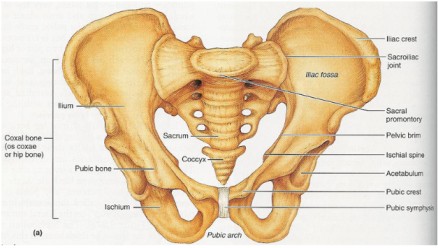
These are two large bones on either side of the sacrum, where the femur bones connect. Each innominate bone is made up of three parts that meet at a cup-shaped depression known as the acetabulum:

\"\"
\"Innominate

Ilium:
The largest and flared-out part of the innominate bone. It articulates with the alae (wings) of the sacrum and forms the upper two-fifths of the acetabulum.

  • Iliac Crest: The upper border of the ilium.
  • Anterior Superior Iliac Spine: The point where the iliac crest ends at the front.
  • Anterior Inferior Iliac Spine: Located about 2.5 cm below the anterior superior iliac spine.
  • Posterior Superior Iliac Spine: The point where the iliac crest ends at the back.
  • Posterior Inferior Iliac Spine: Located about 2.5 cm below the posterior superior iliac spine. This marks the upper border of the greater sciatic notch, where the sciatic nerves pass.

Ischium:
The lowest part of the innominate bone, forming the lower two-fifths of the acetabulum. 

  • Ischial Tuberosity: The body of the ischium, where the body rests.
  • Ischial Spine: Located about 2.5 cm above the ischial tuberosity. It divides the lesser and greater sciatic notches.


\"\"

Pubis:
The smallest part, forming the lowest fifth of the acetabulum. It includes the superior ramus, body, and inferior ramus. The two pubic bones join at the symphysis pubis.

  • Superior Ramus: The upper part of the pubis.
  • Body: The main part of the pubis.
  • Inferior Ramus: The lower part of the pubis.
  • Symphysis Pubis: The right and left pubic bones fuse together with a pad of cartilage at the symphysis pubis.
  • Obturator Foramen: The space surrounded by the inferior and superior pubic rami.

 2. The Sacrum:

A wedge-shaped structure made up of five fused sacral vertebrae, with foramina (holes) through which blood vessels, nerves, and lymphatics pass. The sacrum is smooth inside to protect organs and rough outside for muscle attachment.
Parts of the Sacrum:

  • Sacral Promontory: The upper border of the first sacral vertebra, projecting forward over the hollow of the sacrum.
  • Hollow of Sacrum: The smooth, concave anterior surface.
  • Alae of Sacrum: Wing-like extensions on each side of the first sacral vertebra.
  • Sacral Canal: Runs through the center of the bone and opens at the level of the fifth sacral vertebra. It provides a passage for the spinal cord and spinal nerves. At the level of the second and third sacral vertebrae, the nerves spread out to form the Cauda equina (horse\’s tail).

\"sacrum_coccyx_

3. The Coccyx:

A vestigial tailbone, made up of four fused coccygeal vertebrae. It is triangular in shape and articulates with the sacrum at the sacro-coccygeal joint.


\"The-pelvis-and-its-joints

Pelvic Joints

1. Sacroiliac Joints:
The strongest joints in the body, located between the first two sacral vertebrae and the ilium. These joints allow limited movement and are supported by ligaments.

  • Location: Between the first two bodies of the sacral vertebrae and the upper surface of the ilium.
  • Function: Strongest joints in the body, allowing limited movement. They are surrounded and supported by ligaments.

2. Symphysis Pubis:
A pad of cartilage between the two pubic bones, forming a cartilaginous joint that unites the pubic rami.

  • Definition: A pad of cartilage lying between the two bodies of the pubic bone.
  • Function: A cartilaginous joint uniting the two rami of the pubic bone.
  • Size: Approximately 4 cm in length, with supporting ligaments around it. Clinical Note:
    During pregnancy, the hormone progesterone relaxes and softens the smooth muscles of these joints, causing backache and pain at the symphysis.

3. Sacrococcygeal Joint:
This joint allows the coccyx to bend backward during labor, providing more room for the fetal head to pass through the birth canal.

  • Location: Where the base of the coccyx articulates with the tip of the sacrum.
  • Function: Allows a bend backwards during labor, providing more room for the fetal head as it passes through the birth canal.


\"Pelvic

Pelvic Ligaments

These strong fibrous bands strengthen the pelvic joints and support the pelvic organs. They include:

  1. Sacro-Iliac Ligaments: Strengthen the sacroiliac joint.
  2. Sacro-Tuberous Ligaments: Stretch from the lower sacrum to the ischial tuberosities.
  3. Sacro-Spinous Ligaments: Extend from the lower sacrum to the ischial spines, forming the posterior wall of the pelvic outlet.
  4. Inter-Pubic Ligament: Strengthens the pubic bones.
  5. Inguinal Ligaments: Extend between the anterior superior iliac spine and the pubic body.
  6. Lacuna Ligaments: Lie beneath the inguinal ligaments.
  7. Sacro-Coccygeal Ligament: Strengthens the sacro-coccygeal joint.
  8. Obturator Ligaments: Cover the obturator foramen, allowing the passage of blood vessels, nerves, and lymphatics.


\"Greater-and-Lesser-Pelvis-Divided-by-the-Pelvic-Brim

Divisions of the Pelvis

The pelvis is divided into:

1. The Lesser or True Pelvis (Pelvis Minor): The lower part of the pelvis, crucial in childbirth.

  • Location: The bottom part of the false pelvis.
  • Importance: It is for childbirth as it forms the birth canal.
  • Components:
  1. Brim (Inlet): The ring-shaped bone separating the false pelvis from the true pelvis.
  2. Cavity: The space between the brim and the outlet.
  3. Outlet: The lowest part of the true pelvis.

2. The Greater or False Pelvis (Pelvis Major): The upper part, less important in midwifery.

  • Location: The part above the pelvic brim.
  • Importance: Less significant in midwifery.

The True Pelvis

Brim/Inlet: A ring-shaped bone separating the false pelvis from the true pelvis.

  • Importance: The site where the engagement of the fetal head takes place.
  • Shape: Round, except where the sacral promontory projects into it.
  • Circumference: Approximately 36 cm, allowing a fetal head with a circumference of 35 cm to pass.

Landmarks:

  1. Promontory of the sacrum
  2. Alae of the sacrum
  3. Sacroiliac joint
  4. Ilio-pectineal eminence
  5. Superior pubic ramus
  6. Upper inner border of the body of the pubic bone
  7. Upper border of the symphysis pubis
  8. Ilio-pectineal line


\"pelvic

Important Landmarks:
  1. Sacral Promontory: If prominent, it can reduce the antero-posterior diameter, obstructing labor.
  2. Ilio-pectineal Eminence: Important for determining the fetal head\’s position.  Important because it\’s the point where the denominator (the presenting part of the fetus) faces during labor.
  3. Symphysis Pubis: If narrow, it reduces the antero-posterior diameter.
  4. Engagement: The oblique diameter is crucial for the engagement of the fetal head.

Diameters of the Pelvic Brim/Inlet:(11-12-13)

  1. Antero-Posterior Diameter: Measures 11 cm from the sacral promontory to the upper inner border of the symphysis pubis. Three conjugates are involved: anatomical (12 cm), obstetrical, and diagonal (12-13 cm, subtracting 1-2 cm for tissues).
  2. Oblique Diameters: Right and left, measuring 12 cm from the sacro-iliac joint to the ilio-pectineal eminence.
  3. Transverse Diameter: The largest diameter on the brim, measuring 13 cm from the ilio-pectineal line.

\"pelvic-dimensions

The Pelvic Outlet

  • Definition: The lowest part of the true pelvis.
  • Significance: Forms the narrow pelvic strait through which the fetus must pass.
    The pelvic outlet is the narrowest part of the pelvis, through which the fetus must pass.
  • Shape: Diamond-shaped.
  • Circumference: 36 cm.

\"Borders-of-the-Pelvic-Outlet

Measurements of the outlet:
  1. Antero-posterior Diameter: Measured from the lower border of the symphysis pubis to the lower border of the sacrum (13 cm).
  2. Oblique Diameter: Difficult to measure accurately due to the stretching of the sacro-tuberous ligaments by the fetal head. It\’s accepted to lie parallel to the oblique diameter of the brim and cavity and should be at least 12 cm.
  3. Transverse Diameter: Measured between the ischial spines (11 cm).
Important Landmarks of the Pelvic Outlet:
  • Coccyx: Important because it tilts (extends) backwards during labor to give more room for the passing fetus.
  • Sub-pubic Arch: Should accommodate at least two fingers and leave space for the passage of the baby.
  • Ischial Spines: Should be round. If prominent, they reduce the transverse diameter and obstruct labor.
  • Sacro-spinous Ligament: Should be soft and stretch outwards for the baby to pass.

Functions of the Pelvis:

  1. Birth Canal: Provides the passage through which the fetus must pass to be born.
  2. Protection: Contains and protects internal reproductive organs such as the bladder, uterus, and vagina.
  3. Weight Transmission: Transmits the weight of the trunk to the legs, acting as a bridge between the femurs.
  4. Movement: The primary function of the pelvic girdle is to allow movement of the body.
  5. Sitting and Kneeling: Permits a person to sit or kneel.
  6. Nerve Transmission: The sacrum transmits the cauda equina (the continuation of the nerve roots in the lumbar and sacral region) to and conveys nerves to various parts of the pelvis.


\"types

Types of Pelvis

There are four main types of pelvis, each with distinct characteristics:

Gynaecoid Pelvis (Normal Female Pelvis)

The normal female pelvis for childbirth. Found in women of average weight and height with a shoe size 4 or larger.

Characteristics:

  • Brim: Round, except where the sacral promontory protrudes slightly inward.
  • Cavity: Generous fore pelvis (the part in front of the transverse diameter), shallow cavity, broad, and well-curved sacrum.
  • Outlet: Blunt ischial spines, well-rounded sciatic notches, and a subpubic angle of 90 degrees.

Effects on Labour:

  • The rounded shape is favourable for childbirth. The fetus presents with its head in the occipito anterior position, which aligns with the rounded part of the pelvis, facilitating a smoother labor.
  • Favorable for the fetus at the start of labor because the pelvis is well-rounded anteriorly, allowing the fetus to present with the most rounded part of its head (occipital anterior).

Android Pelvis (Male-like Pelvis)

Resembles a male pelvis. Found in short and heavily built women.

Characteristics

  • Brim: Heart or triangular-shaped.
  • Cavity: Narrow fore pelvis, deep cavity, and straight sacrum.
  • Outlet: Prominent ischial spines, narrow sciatic notches, and a subpubic angle less than 90 degrees.

Effects on Labour:

  • Brim: Favours a posterior position of the occiput (fetus presents with the occiput lying posteriorly).
  • Outlet: May become obstructed at the outlet due to prominent ischial spines reducing the transverse diameter (Deep transverse arrest). Emergency Caesarean section is often necessary.

Platypelloid Pelvis (Flat Pelvis)

A flat pelvis characterized by a kidney/bean-shaped brim and a short anteroposterior diameter.

Characteristics

  • Brim: Kidney or bean-shaped with a short anteroposterior diameter.
  • Cavity: Wide transverse diameter, flat sacrum, and shallow cavity.
  • Outlet: Blunt ischial spines, wide sciatic notches, and a subpubic angle greater than 90 degrees.

Effects on Labour:

The fetus\’s head usually engages in the transverse diameter. However, due to the narrow anteroposterior diameter, the head may require tilting (asynclitism) to pass through, sometimes leading to face presentation or requiring a Caesarean section if the head remains high.

  • Engagement: The head must engage with the sagittal suture in the transverse diameter.
  • Descent: Descent through the cavity is usually without difficulty.
  • Asynclitism: Lateral tilting of the head is necessary to allow the bi-parietal diameter to pass the narrowest anteroposterior diameter of the brim.
  • Presentation: Can result in face presentation.
  • Contracted Brim: If the brim is severely contracted, the fetal head remains floating high above it, requiring a Cesarean section.

Anthropoid Pelvis

Found in tall women with narrow shoulders.

Characteristics

  • Brim: Long oval shape, with a longer anteroposterior diameter than the transverse diameter.
  • Cavity: Long, deep sacrum with side walls that diverge.
  • Outlet: Less prominent ischial spines, very wide sciatic notch, and a subpubic angle greater than 90 degrees.

Effects on Labour:
Labour is usually not problematic, but the fetus often remains in a posterior position, leading to delivery with the face towards the pubis instead of the perineum.

  • Labor: Usually does not present any difficulties.
  • Position: Direct occipito posterior position is often a feature, and the position adopted for engagement may persist up to delivery.
  • Delivery: The fetus passes through the pelvis remaining in the same position and so delivers face to pubis instead of face to perineum.

Summary of Pelvic Types

Features

Gynaecoid

Android

Anthropoid

Platypelloid

Brim

Rounded

Heart-shaped

Long oval

Kidney-shaped

Fore pelvis

Generous

Narrow

Narrowed

Wide

Side walls

Straight

Convergent

Divergent

Divergent

Ischial spines

Blunt

Prominent

Blunt

Blunt

Sciatic notch

Rounded

Narrow

Wide

Wide

Subpubic angle

90°

<90°

>90°

>90°

Incidence

50%

20%

25%

5%


Other Pelvic Variations

These variations can result from developmental anomalies, dietary deficiencies, injuries, or diseases. They often lead to a contracted pelvis, where one or more diameters are reduced, complicating the normal labor process.

1. Developmental Anomalies.

  • Robert\’s Pelvis: The sacrum\’s wings are underdeveloped or absent, causing contraction in all diameters, requiring a Caesarean section.
  • Naegele’s Pelvis: The sacrum has only one wing due to congenital abnormalities or disease, a true Naegele\’s pelvis may occur in a woman who has walked with a limp for many years, also requiring a Caesarean section.
  • Assimilation Pelvis: Can be high (six vertebrae in the sacrum) or low (four vertebrae in the sacrum). Normal is 5.
  1. High Assimilation Pelvis: The sacrum consists of six vertebrae.
  2. Low Assimilation Pelvis: The sacrum consists of four vertebrae.
  • Justominor Pelvis: A smaller version of the gynaecoid pelvis, common in petite women, with proportional reductions in all measurements. A Gynaecoid type of pelvis where all measurements are reduced but in correct proportions. Common in petite women of small stature. Effects on Labor:
  1. Small Baby: Can be delivered vaginally with little or no problems.
  2. Large Baby: May require Cesarean section.

2. Dietary Deficiencies.

  • Rachitic Pelvis: Deformity due to rickets, which affects the person in early childhood due to lack of vitamin D and calcium.
  • Osteomalacic Pelvis: An extreme deformity due to osteomalacia from dietary deficiencies, caused by a deficient diet and lack of vitamin D, leading to softening of the bones and a Y-shaped pelvic brim.

3. Injuries and Diseases.

  • Asymmetrical Pelvis: May result from congenital hip dislocation or polio, causing distortion on one side.

Main Differences Between Male and Female Pelvis

Feature

Male

Female

General structure

Thick and heavy

Thin and light

Muscle attachments

Well marked

Poorly marked

False pelvis

Deep

Shallow

True pelvis

Narrow and deep

Wide and shallow

Superior pelvic aperture

Heart-shaped

Oval or rounded

Inferior pelvic aperture

Comparatively small

Comparatively large

Subpubic angle

Narrow

Wide

Obturator foramen

Round

Oval

Acetabulum

Large

Small

Revision Questions

  • Describe the four bones of the gynaecoid pelvis.
  • Describe the innominate bones.
  • List four diameters of the pelvic brim.
  • Outline three important landmarks of the pelvic brim.
  • Describe the three parts of the true pelvis in structure.
  • List four joints of the pelvis.
  • Outline six ligaments of the pelvis.
  • Describe the main four types of pelvis.
  • A prime gravida at 36 weeks of gestation comes for antenatal care. How would you assess her pelvis?
  • Explain five causes of a contracted pelvis.

Female Pelvis Read More »

cOMMUNITY dAY 1 qUIZ

This quiz is for logged in users only.


cOMMUNITY dAY 1 qUIZ Read More »

METRORRHAGIA/INTERMENSTRUAL BLEEDING

METRORRHAGIA/INTERMENSTRUAL BLEEDING

METRORRHAGIA/INTERMENSTRUAL BLEEDING

Metrorrhagia, now commonly called Intermenstrual bleeding is vaginal bleeding that occurs at irregular intervals not associated with the menstrual cycle.

Metrorrhagia is a medical term used to describe irregular or abnormal uterine bleeding that occurs between menstrual periods. 

It is characterized by light spotting that occurs outside of one’s period patterns and does not need sanitary protection.

This is a symptom of some underlying pathology which may be organic or functional.

Causes of Metrorrhagia

  • Fibroid Uterus: Presence of uterine fibroids, noncancerous growths that can cause irregular and abnormal bleeding.
  • Adenomyosis: A disorder involving the glands that secrete cervical mucus and fluids, contributing to abnormal uterine bleeding.
  • Pelvic Endometriosis: Presence of endometrial tissue outside the uterine lining, leading to premenstrual pain and dysmenorrhea.
  • Chronic Tubo-Ovarian Mass: Persistent mass involving the fallopian tubes and ovaries, contributing to irregular uterine bleeding.
  • Retroverted Uterus (Due to Congestion): Uterus tilted backward, causing congestion and contributing to metrorrhagia.
  • Uterine Polyp: Presence of a polyp with a rich blood supply, making it prone to easy bleeding.
  • Cervical Erosions: Presence of wounds on the cervix with increased blood supply, leading to bleeding.
  • Cancer of the Cervix or Endometrial Cancer: Malignant growths in the cervix or endometrium causing abnormal bleeding.
  • Chronic Threatened Abortion or Incomplete Abortion: Prolonged or incomplete abortion affecting uterine function and causing irregular bleeding.
  • Retained Pieces of Placenta: Residual placental fragments interfering with uterine contraction, preventing proper closure of blood vessels after childbirth.
  • Mole Pregnancy: Abnormal uterine mass growing post-fertilization, characterized by an excess of blood capillaries leading to bleeding.
  • Ovulation Bleeding: Bleeding associated with the process of ovulation.
  • Short Cycles like Polymenorrhea: Menstrual cycles shorter than the average duration, contributing to irregular and frequent uterine bleeding.
  • Infections: Having lower abdominal or pelvic infections such as vaginitis can lead to metrorrhagia.
Signs and symptoms of Metrorrhagia

Signs and symptoms of Metrorrhagia

  1. Bleeding Between Menstrual Periods: Presence of abnormal bleeding episodes occurring between regular menstrual cycles.
  2. Irregular Menstrual Cycles: Variations in the normal pattern of menstrual cycles, including changes in cycle length or timing.
  3. Heavier or Lighter Bleeding Than Usual During Menstrual Periods: Experiencing unusually heavy or light menstrual flow compared to the individual’s typical pattern.
  4. Prolonged Bleeding That Lasts Longer Than Normal: Extended duration of menstrual bleeding beyond the usual timeframe.
  5. Pelvic Pain or Discomfort: Presence of pain or discomfort in the pelvic region, often associated with abnormal bleeding.
  6. Fatigue or Tiredness Due to Blood Loss: Feeling tired or fatigued as a result of significant blood loss during irregular bleeding episodes.
  7. Anaemia Symptoms: Manifestations of anaemia, including: Shortness of Breath, Dizziness, Weakness.

Investigations of Metrorrhagia

Assessment:

  • Thorough medical history and physical examination.
  • Detailed history  about menstrual cycles, associated symptoms, and relevant medical conditions.
  • Pelvic examination to assess the condition of reproductive organs.

Diagnostic Tests:

  • Hormone Level Assessment: Blood tests to evaluate hormone levels, including oestrogen, progesterone, and thyroid hormones. This helps identify hormonal imbalances that may contribute to metrorrhagia.
  • Transvaginal Ultrasound: Imaging test for visualizing the uterus and ovaries, detecting structural abnormalities or conditions such as fibroids.
  • Endometrial Biopsy: Collection of a sample from the uterine lining for microscopic evaluation. This procedure helps identify abnormalities, including signs of cancer.
  • Hysteroscopy: Procedure involving the insertion of a thin, lighted tube into the uterus to visualize the uterine cavity. It aids in detecting abnormalities or issues affecting the uterine lining.
  • Digital and Speculum Examination: Examination techniques to visualize the cervix for any signs of abnormality.
  • Pelvic Scan: Imaging scan focused on visualizing pelvic organs, assisting in ruling out any abnormalities.
  • Urine Test: Urine samples to check for pregnancy, infection, or STDs.
  • Pap Smear: To rule out cancer.
METRORRHAGIA rx
Management of Metrorrhagia
The best management to investigate and treat the cause.

Aims of Management:

  • Alleviate Symptoms.
  • Determine and address the root causes of metrorrhagia.
  • Prevent Complications

Medical and Nursing Management of Metrorrhagia:

  1. Assessment: Medical History and Physical Examination: Gather detailed information on menstrual cycles, symptoms, and relevant medical conditions. Conduct a pelvic examination to assess reproductive organs.
  2. Hormonal therapy: Depending on the underlying cause, hormonal medications, such as birth control pills or progestin therapy, may be prescribed to regulate the menstrual cycle and reduce abnormal bleeding.
  3. Nonsteroidal anti-inflammatory drugs (NSAIDs): These medications can help manage pain and reduce bleeding during episodes of metrorrhagia.
  4. Treatment of underlying conditions: If metrorrhagia is caused by conditions such as fibroids, polyps, or infections, appropriate treatment strategies will be implemented to address the specific cause.
  5. Surgical interventions: In some cases, surgical procedures may be necessary to remove uterine abnormalities or address the underlying cause of metrorrhagia.
  6. Supportive care: Nursing management focuses on providing emotional support, educating patients about menstrual hygiene and symptom management, and promoting overall well-being.
  7. Rest: Rest is advised during the bleeding phase. Assurance and sympathetic handling are helpful particularly in adolescents. Anaemia should be corrected energetically by diet, hematinics, and even by blood transfusion.
  8. Monitoring and follow-up: Monitor patients’ response to treatment, assess the effectiveness of interventions, and ensure appropriate follow-up care.

METRORRHAGIA/INTERMENSTRUAL BLEEDING Read More »

Tetanus

Tetanus

Tetanus

Tetanus is an acute infectious disease of the central nervous system caused by clostridium tetani and is characterized by spasms of the skeletal muscles frequently attacking the muscles of the jaw. 

Tetanus is commonly known as ‘Lock-jaw.’

Cause of Tetanus

Tetanus is caused by the exotoxins of clostridium tetani.

  • The organism can live for a long time in any condition, especially dirty environments. So it can be found in dust, soil, or grass.
  • The clostridia can be normal organisms in the alimentary canal of animals but when passed out and gain entry to the human body, they become harmful. The organism can be found in cows, horse, sheep, or goat.

Incidence of tetanus:

  • In babies born at home before arrival at the hospital.
  • In homes where domestic animals are kept.

\"route

Pathophysiology of Tetanus

The pathophysiology of tetanus involves the invasion of the body by bacilli or spores, typically through deep puncture wounds or cuts. These bacilli find a suitable environment to multiply in anaerobic conditions. It is crucial to note that all unclean wounds pose a significant risk. Once the clostridium tetani organisms enter the wound, they unleash two forms of exotoxins into the surrounding tissues: tetanospasmin and tetanolysin.

Tetanospasmin, a potent toxin, plays a critical role in producing the disease\’s clinical manifestations. It primarily affects the central nervous system (CNS). The toxins specifically target the motor nerve cells of the spinal cord and the brain. As a result, spasms develop in the muscles that are supplied by the corresponding nerves.

Route of entry

The route of entry for the clostridium tetani organisms includes various pathways, all of which can lead to infection and subsequent tetanus:

  1. Infected ulcerated wound.
  2. Postoperative wounds.
  3. Umbilical stumps (in newborns).
  4. Gun-shot wounds.
  5. Septic abortion.
  6. Jiggers or foreign bodies.
  7. Burns and scalds.

Signs and Symptoms

Tetanus manifests with a set of distinctive signs and symptoms, indicating the severity of the infection:

  1. Stiffness of the muscles, particularly noticeable in the jaw.
  2. Spasms affecting the muscles of the face, especially the cheek and jaw, leading to difficulty in opening the mouth, a condition referred to as trismus.
  3. The angles of the mouth are pulled outwards, causing a forced smile known as risus sardonicus or the \”Devil\’s grin.\”
  4. The head is thrown back, and the back becomes arched due to the rigid muscles in the neck, a condition called opisthotonus.
  5. Signs of inflammation may be evident, such as swelling of the umbilical cord (if present in newborns), a wet cord, offensive smell, or pus discharge from the wound site.
  6. Patients may experience an elevated temperature and rapid pulse.
  7. Weight loss may occur due to difficulties in eating, leading to starvation.
  8. Spasms of the sphincters can result in retention of urine or stool, and in severe cases, sphincter rupture may occur.
  9. Swallowing becomes challenging as the muscles of the mouth and esophagus are affected by spasms.
  10. Spasms affecting the respiratory muscles may lead to prolonged periods without oxygen (anoxia), which can be life-threatening and result in death.
  11. Patients may have a wound or a history of a wound, which could be the point of entry for the tetanus-causing bacteria.

Alblett Classification of Tetanus

There are several grading systems; the scale proposed by Ablett5
is the most widely used . This categorizes patients
into four grades depending upon the intensity of spasms, and
respiratory and autonomic involvement.

\"\"

Management of Tetanus

There\’s no cure for tetanus. A tetanus infection requires emergency and long-term supportive care while the disease runs its course.

Aims of Management

  • To control spasms.
  • To eliminate the causative organism and its toxins.
  • To prevent complications, and ensure adequate nutrition for the patient. 

Specific treatment measures include:

  1. Penicillin: Administering penicillin is a crucial step in destroying the tetanus-causing organism.

  2. Anti-tetanus serum: The administration of anti-tetanus serum helps neutralize the spreading toxins and halt their further detrimental effects.

  3. Sedation and muscle relaxants: Medications like diazepam and chlorpromazine are given to provide sedation and muscle relaxation, effectively alleviating spasms and minimizing discomfort.

  4. Wound management: If there is a wound or focus of infection where the tetanus bacteria may have entered, the dead tissue is excised, and the area is irrigated with hydrogen peroxide. Leaving the wound open without suturing promotes oxygen exposure, hindering the growth of tetanus bacilli, which thrive in anaerobic conditions.

Control of spasms involves the following measures:

  • Absolute rest and isolation: The patient should be kept in a quiet room with dim lighting to minimize triggers for spasms.
  • Prevention of external stimuli: Measures such as fitting the door with suitable closing materials or springs prevent slamming noises that could stimulate the patient.
  • Warming hands before touching: Nurses should warm their hands before touching the patient to avoid any stimulation that might trigger spasms.
  • Medication administration: Sedatives and muscle relaxants, such as chlorpromazine (Largactil), and Diazepam, are given regularly through a nasogastric tube to maintain a controlled state and alleviate spasms.
  • o Example of 6 hourly regimen 

    Drug 

    6-9 

    am

    9-12  

    pm

    12-3  

    pm

    3-6  

    pm 

    6-9 

    pm

    9-12 

    am

    12-3 

    am

    3-6 

    am

    6-9 

    am

    Largactil 

    ✔ 

    ⫼⫼⫼⫼ 

    ✔ 

    ⫼⫼⫼⫼ 

    ✔ 

    ⫼⫼⫼⫼ 

    ✔ 

    ⫼⫼⫼⫼ 

    ✔

    Diazepam 

    ⫼⫼⫼⫼ 

    ✔ 

    ⫼⫼⫼⫼ 

    ✔ 

    ⫼⫼⫼⫼ 

    ✔ 

    ⫼⫼⫼⫼ 

    ✔ 

    ⫼⫼⫼⫼

General Management:

  1. Close observation and airway management: Monitor the patient closely, ensuring a clear airway and using a mucous extractor if necessary.

  2. Vital signs monitoring: Regularly check temperature, pulse, and respirations, noting the severity of the condition. Record the strength, frequency, duration, and body part involved in spasms using a spasm chart.

  3. Nutrition: Maintain adequate nutrition through nasogastric tube feeding to avoid stimulating spasms with injections. Prevent aspiration of fluids into the airway.

  4. Catheterization: Catheterize the patient to maintain proper bladder function.

  5. Fluid balance chart: Monitor and maintain fluid balance, initially using intravenous fluids if necessary and later transitioning to nasogastric tube feeding.

  6. Hygiene: Ensure daily cleaning of the cord with normal saline and perform oral care carefully. Turn the patient every two hours to prevent pressure sores.

  7. Vaccination: Prevent future tetanus cases by ensuring all individuals receive a full course of DPT (diphtheria, pertussis, and tetanus) vaccination.

  8. Use sterile equipment: Prevent cross-infection by using sterile equipment during medical procedures.

  9. Bowel and bladder care: Monitor and assist the patient in passing stool and urine.

  10. Medication: Administer prescribed drugs as instructed.

  11. Physiotherapy: Implement physiotherapy sessions for deep breathing exercises and active limb movements.

Prevention:

  1. Public health education: Raise awareness about the dangers of using unsterilized equipment during childbirth and applying native medicine or other substances to the umbilical cord.

  2. Immunization: Ensure that all women of childbearing age are vaccinated against tetanus.

  3. Safe childbirth practices: Promote safe and clean practices during childbirth to prevent infections.

  4. Discourage harmful practices: Discourage practices like applying cow dung to a child\’s umbilical cord.

  5. Wound care education: Educate people on cleaning wounds thoroughly with water and soap to prevent infections. Encourage covering wounds with sterile dressings and seeking early medical attention for cut wounds.

  6. Protective gear: Encourage the use of gum boots when digging to prevent soil-related infections.

Complications of Tetanus

  1. Fracture of bones or the spine: The intense and frequent muscle spasms can cause fractures in bones or the spine, especially if the spasms are severe and uncontrolled.

  2. Pneumonia: Heavy sedation, a common treatment for managing tetanus spasms, may lead to shallow breathing or difficulty in clearing the airway, increasing the risk of pneumonia, a potentially severe respiratory infection.

  3. Brain damage: The potent toxins produced by the tetanus-causing bacteria can affect the central nervous system, leading to brain damage in severe cases.

  4. Growth retardation: In children affected by tetanus, the disease can interfere with proper nutrition and growth, potentially causing growth retardation.

  5. Exhaustion: The continuous and strenuous muscle spasms can lead to extreme exhaustion, further weakening the patient\’s overall condition.

  6. Respiratory failure: In severe cases, the spasms can affect the respiratory muscles, resulting in respiratory failure, where the patient is unable to breathe adequately on their own.

  7. Retention of urine: Spasms in the pelvic region can cause the sphincters to contract, leading to difficulty in passing urine and possible urine retention.

  8. Death due to airway obstruction: In the most severe cases, the intense spasms, particularly those affecting the muscles of the jaw and neck, can obstruct the airway, leading to suffocation and potential death.

Test Questions

Which bacterium causes tetanus?
a) Streptococcus pyogenes
b) Staphylococcus aureus
c) Clostridium tetani
d) Escherichia coli
Answer: c) Clostridium tetani

Explanation: Clostridium tetani is the bacterium responsible for causing tetanus.

What is the common term used to describe tetanus due to spasms in the jaw muscles?
a) Trismus
b) Opisthotonus
c) Risus sardonicus
d) Tetanospasmin
Answer: a) Trismus

Explanation: Trismus is the medical term for difficulty in opening the mouth due to jaw muscle spasms, which is commonly known as \”Lock-jaw.\”

What is the primary goal of managing tetanus?
a) Preventing complications
b) Destroying the toxin
c) Controlling fever
d) Alleviating pain
Answer: a) Preventing complications

Explanation: The main aim of managing tetanus is to prevent complications associated with the disease and ensure the best possible outcome for the patient.

What is the specific treatment given to destroy the tetanus-causing organism?
a) Penicillin
b) Paracetamol
c) Aspirin
d) Ibuprofen
Answer: a) Penicillin

Explanation: Penicillin is administered to destroy the Clostridium tetani bacterium responsible for causing tetanus.

Which complication of tetanus can lead to respiratory failure?
a) Pneumonia
b) Fracture of bones
c) Brain damage
d) Respiratory muscle spasms
Answer: d) Respiratory muscle spasms

Explanation: Tetanus-induced spasms affecting the respiratory muscles can lead to respiratory failure, where the patient is unable to breathe adequately on their own.

Why is the use of a mucous extractor important in tetanus management?
a) To prevent dehydration
b) To clear the airway
c) To alleviate muscle spasms
d) To prevent fever
Answer: b) To clear the airway

Explanation: A mucous extractor is used to clear the airway and prevent obstruction caused by excessive secretions, which is crucial in tetanus management.

What is the recommended method for feeding tetanus patients to avoid spasms triggered by injections?
a) Intravenous feeding
b) Nasogastric tube feeding
c) Oral feeding
d) Intramuscular injections
Answer: b) Nasogastric tube feeding

Explanation: Nasogastric tube feeding is used to provide nutrition and administer drugs to tetanus patients while avoiding the stimulation of spasms caused by intramuscular injections.

Which immunization should be given to prevent future tetanus cases?
a) Hepatitis B
b) Measles, Mumps, and Rubella (MMR)
c) Diphtheria, Pertussis, and Tetanus (DPT)
d) Polio
Answer: c) Diphtheria, Pertussis, and Tetanus (DPT)

Explanation: The DPT vaccine provides immunity against diphtheria, pertussis (whooping cough), and tetanus, preventing future tetanus cases.

What measure can be taken to prevent tetanus in newborns with umbilical stumps?
a) Cleaning the stump with cow dung
b) Applying native medicine on the stump
c) Keeping the stump dry and clean
d) Ignoring the stump until it falls off naturally
Answer: c) Keeping the stump dry and clean

Explanation: Maintaining cleanliness and dryness of the umbilical stump can prevent infection and the risk of tetanus in newborns.

What is the purpose of physiotherapy in tetanus management?
a) To provide pain relief
b) To promote muscle strength
c) To control spasms
d) To increase body temperature
Answer: b) To promote muscle strength

Explanation: Physiotherapy aims to promote muscle strength and mobility, which can be helpful in the recovery process of tetanus patients.

Tetanus Read More »

Leprosy

Leprosy

Leprosy

Leprosy, also known as Hansen\’s disease, is a chronic infection caused by the bacteria Mycobacterium leprae and Mycobacterium lepromatosis. 

It primarily affects the skin and peripheral nerves.

Cause of Leprosy

 Leprosy is caused by Mycobacterium leprae and Mycobacterium lepromatosis. M. lepromatosis is a relatively newly identified mycobacterium isolated from a fatal case of diffuse lepromatous leprosy in 2008.

Transmission of Leprosy

  •  Nasal route via secretions 
  •  Transplacental and breast feeding 
  •  Genetic predisposition

\"Types

Types of Leprosy:

  1. Lepromatous leprosy (90%): This is the most common type of leprosy, accounting for about 90% of cases. It is characterized by widespread skin lesions and a weak cellular immune response. The bacteria multiply profusely in the body, leading to severe skin and nerve damage.

  2. Tuberculoid leprosy: In this type, the immune response is stronger, and the skin lesions are few and well-defined. The affected areas may have a loss of sensation, but nerve damage is less severe compared to lepromatous leprosy.

  3. Borderline leprosy: Borderline leprosy lies in between lepromatous and tuberculoid leprosy in terms of immune response and clinical features. It displays mixed characteristics, with moderate skin lesions and nerve involvement.

  4. Undeterminate (Dismorphoid or Undetermined) leprosy: This type is diagnosed when the symptoms and immune response are not well-defined, making it difficult to classify precisely. It often occurs early in the disease\’s progression and may eventually develop into one of the other types.

Differences between Tuberculoid, Lepromatous and Borderline leprosy 

Cutaneous lesion 

Tuberculoid 

Lepromatous 

Borderline 

Characteristic number of lesions 

Few 

Many 

Many 

Size of lesion 

Large 

Small 

Both – large & small

Symmetry of lesions 

Asymmetrical 

Symmetrical 

Symmetrical 

Surface of lesions 

Rough and scaly 

Smooth 

Rough & scaly

Edges 

Sharp 

Vague 

Sharp 

Incubation Period: 

The incubation period of leprosy refers to the time between when a person is exposed to the bacteria Mycobacterium leprae and the onset of symptoms. In leprosy, this period usually lasts from 2 to 5 years. However, in certain cases, especially in lepromatous leprosy, the incubation period may extend to a longer duration, lasting 8 to 12 years before signs of the disease become apparent.

Signs and Symptoms:

 Leprosy presents with a variety of signs and symptoms, which may vary depending on the type and stage of the disease. Some common manifestations include:

  • Anaesthetic skin lesions: These are patches of skin that lose their ability to feel sensation. Individuals may not be able to detect pain, heat, or touch in these areas, making them prone to injuries.

  • Thickened peripheral nerves: Leprosy can affect the peripheral nerves, leading to their thickening and enlargement, often seen as lumps under the skin.

  • Nasal stuffiness: In some cases, leprosy can cause inflammation and swelling in the nasal passages, leading to nasal stuffiness and congestion.

  • Saddled nose (Saddle nose): This refers to the collapse of the nasal bridge due to the destruction of the nasal septum, which can occur in advanced cases of leprosy.

  • Loss of eyebrows and lashes: Leprosy can cause the loss of eyebrows and eyelashes, leading to changes in facial appearance.

  • Erythema nodosum: This is a condition characterized by painful, red nodules that can occur on the skin or under the skin\’s surface.

  • Inflammatory eye changes: Leprosy may affect the eyes, leading to various eye problems, including inflammation and potential vision impairment.

Investigations

To diagnose leprosy and confirm the presence of Mycobacterium leprae, healthcare professionals may conduct several investigations, such as:

  • Histamine test: This test helps assess the level of nerve damage by evaluating the body\’s response to histamine injection.

  • Lepromine test: Lepromine is a substance derived from the leprosy bacteria. The test measures the immune response to lepromine to determine the type of leprosy and the individual\’s immune status.

  • Polymerase Chain Reaction (PCR): PCR is a molecular technique used to detect the genetic material of the bacteria in skin samples, aiding in early and accurate diagnosis.

  • Skin snip for Mycobacterium leprae (modified ZN): A small sample of skin is taken and stained using the modified Ziehl-Neelsen method to visualize the presence of Mycobacterium leprae under a microscope.

Treatment for Leprosy:

  1. Tuberculoid leprosy:

    • Dapsone + Rifampicin
  2. Lepromatous leprosy:

    • Dapsone + Rifampicin + Clofazimine
  3. Borderline leprosy:

    • Dapsone
Non-leprosy drugs used in the management of leprosy:
  • Steroids
  • Vitamin B complex

Drugs for leprosy are commonly administered in fixed drug combinations known as MDT (Multi-Drug Therapy). MDT has been a highly effective approach in treating leprosy and preventing the development of drug resistance.

Complications of leprosy include:

  • Madorosis (loss of eyebrows and eyelashes)
  • Nasal bridge collapse
  • Ocular complications: corneal ulcer, blindness
  • Leonine faces (thickened, lion-like appearance of facial skin)
  • Loss of sensation to heat, pain, and light touch
  • Multiple ulcerations due to nerve damage and loss of sensation
  • Nerve enlargement
  • Orchitis (inflammation of the testicles)
  • Disuse of some parts of the body
  • Contractures and shortening of phalanges, especially the 4th and 5th fingers and toes
  • Elongated soft ear lobes
  • Sterility in men secondary to orchitis
  • Hammer toes (abnormal bending of the toes)
  • Reactional states secondary to successful drug therapy (erythema nodosum leprosum).

Test Questions

Question: Leprosy primarily affects which body parts?
a) Liver and kidneys
b) Skin and peripheral nerves
c) Lungs and heart
d) Brain and spinal cord
Answer: b) Skin and peripheral nerves
Explanation: Leprosy is a chronic infection that primarily affects the skin and peripheral nerves.

Question: What is the incubation period for lepromatous leprosy?
a) 1-2 years
b) 3-5 years
c) 6-8 years
d) 8-12 years
Answer: d) 8-12 years
Explanation: Lepromatous leprosy has a longer incubation period of 8-12 years, compared to other types of leprosy.

Question: Which type of leprosy has well-defined, few skin lesions and less severe nerve damage?
a) Tuberculoid leprosy
b) Lepromatous leprosy
c) Borderline leprosy
d) Indeterminate leprosy
Answer: a) Tuberculoid leprosy
Explanation: Tuberculoid leprosy is characterized by well-defined, few skin lesions and less severe nerve damage.

Question: Which drug combination is used to treat lepromatous leprosy?
a) Dapsone
b) Dapsone + Rifampicin
c) Dapsone + Rifampicin + Clofazimine
d) Rifampicin
Answer: c) Dapsone + Rifampicin + Clofazimine
Explanation: Lepromatous leprosy is treated with a combination of Dapsone, Rifampicin, and Clofazimine.

Question: What are the complications of leprosy that may lead to blindness?
a) Loss of eyebrows and lashes
b) Nasal bridge collapse
c) Corneal ulcer
d) Erythema nodosum leprosum
Answer: c) Corneal ulcer
Explanation: Leprosy can cause corneal ulcers, which may lead to blindness if left untreated.

Question: Which investigation helps diagnose leprosy by detecting Mycobacterium leprae in skin samples?
a) Lepromine test
b) Histamine test
c) PCR
d) Skin snip for Mycobacterium leprae (modified ZN)
Answer: d) Skin snip for Mycobacterium leprae (modified ZN)
Explanation: Skin snip test with modified Ziehl-Neelsen staining is used to visualize Mycobacterium leprae under a microscope.

Question: What is the most common type of leprosy?
a) Tuberculoid leprosy
b) Lepromatous leprosy
c) Borderline leprosy
d) Indeterminate leprosy
Answer: b) Lepromatous leprosy
Explanation: Lepromatous leprosy is the most common type, accounting for about 90% of leprosy cases.

Question: Which type of leprosy has a weak cellular immune response and widespread skin lesions?
a) Tuberculoid leprosy
b) Lepromatous leprosy
c) Borderline leprosy
d) Indeterminate leprosy
Answer: b) Lepromatous leprosy
Explanation: Lepromatous leprosy is characterized by a weak cellular immune response and widespread skin lesions.

Question: What is the term used to describe the thickened, lion-like appearance of facial skin in leprosy?
a) Madorosis
b) Leonine faces
c) Erythema nodosum
d) Nasal bridge collapse
Answer: b) Leonine faces
Explanation: Leonine faces refer to the thickened, lion-like appearance of facial skin seen in some cases of leprosy.

Question: Which non-leprosy drug is commonly used in the management of leprosy?
a) Antibiotics
b) Steroids
c) Antifungals
d) Antivirals
Answer: b) Steroids
Explanation: Steroids are used in the management of leprosy to control inflammation and reduce immune reactions in some cases.


Leprosy Read More »

Want notes in PDF? Join our classes!!

Send us a message on WhatsApp
0726113908

Scroll to Top
Enable Notifications OK No thanks