-
KEY GOVERNMENT POLICIES
KEY GOVERNMENT POLICIES A policy is a comprehensive set of guidelines that outlines the desired direction of actions and operations. A key government policy is a statement or set of statements that define the desired direction of operations or actions by a government. It outlines the interests and values of the people it is meant…
-

Management of equipment and supplies
Management of equipment and supplies Management of equipment and supplies refers to the processes and strategies implemented to effectively and efficiently handle and oversee the procurement, utilization, maintenance, and disposal of medical equipment and supplies within healthcare organizations. It is important for ensuring the availability of necessary equipment and supplies, optimizing their utilization, and…
-
TRANSPORT MANAGEMENT
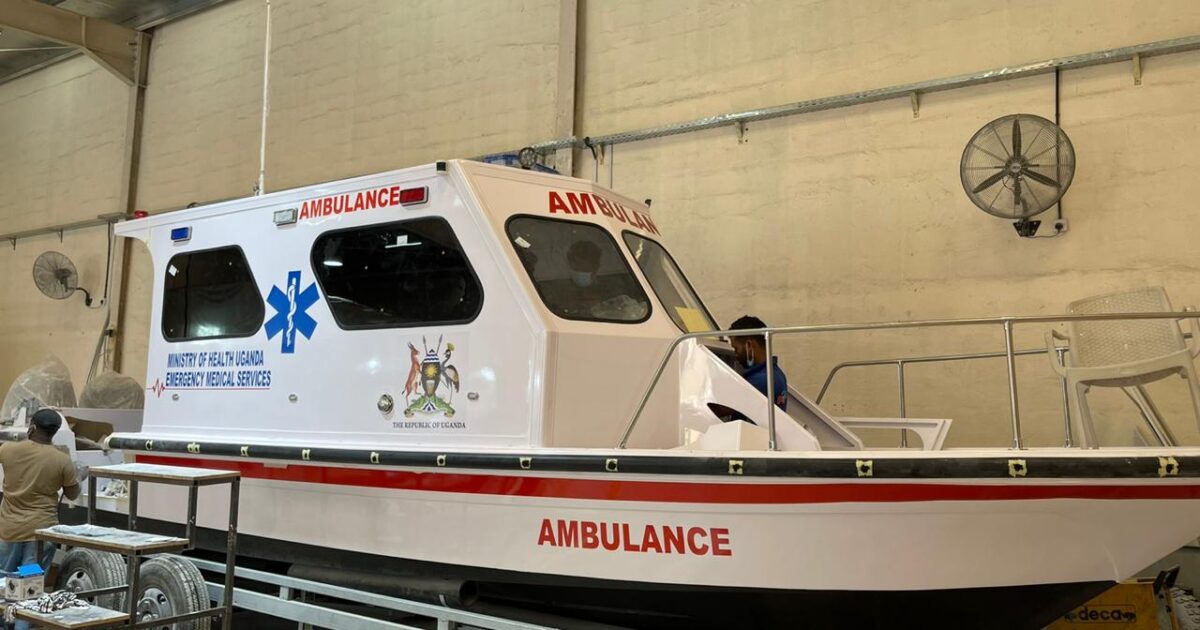
TRANSPORT MANAGEMENT Transport refers to the act or process of transferring or conveying people, goods, or materials from one place to another. It involves the movement of individuals, objects, or substances by various means such as vehicles, vessels, or even through digital networks. Transport is essential for carrying out both, Facility-Based and Non-Facility-Based community…
-

FINANCIAL MANAGEMENT, BUDGETING & ACCOUNTABILITY
FINANCIAL MANAGEMENT Financial management is balancing income and expenditure to ensure that available money is used appropriately to meet ongoing needs. Financial management has three crucial aspects: Quantity: This means that there must be enough money to meet the organization/health facility needs regardless of other factors. This applies particularly to cash. It is not safe…
-
ASSESS AND CLASSIFY A SICK YOUNG INFANT 0-2 MONTHS
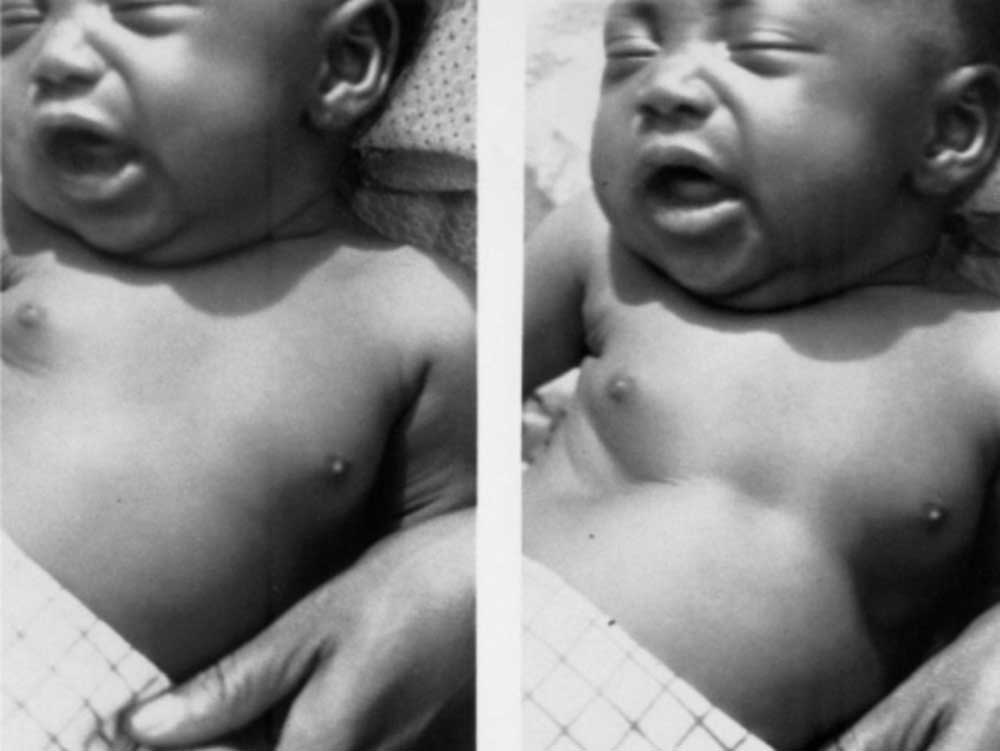
ASSESS AND CLASSIFY A SICK YOUNG INFANT 0-2 MONTHS Young infants have special characteristics which must be considered when classifying their illness. They can become sick and die very quickly from serious bacterial infection but which may manifest themselves through general signs e.g. reduced movements, fever or even hypothermia, failure to breastfeed etc. IMNCI PROCESS…
-
Manage HIV/AIDS using IMCI approach
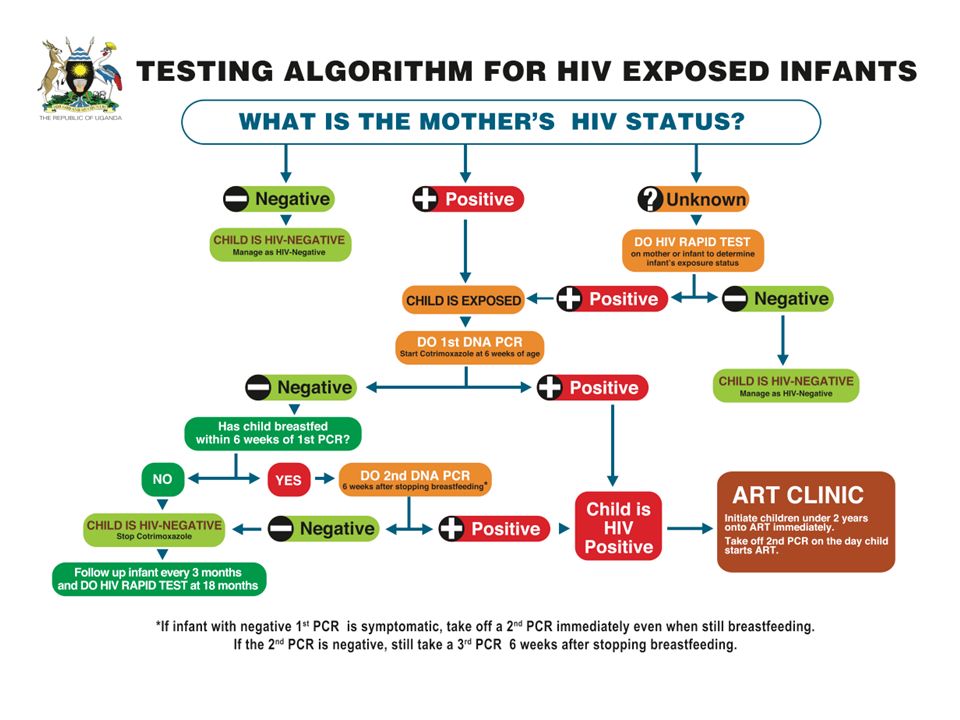
CHECK FOR HIV EXPOSURE AND INFECTION All children found to have pneumonia, persistent diarrhea, ear discharge or very low weight for age (any of these features) and have no urgent need or indication for referral, should be assessed for symptomatic HIV infection. Children may acquire HIV infection from an infected mother through vertical transmission in…
-
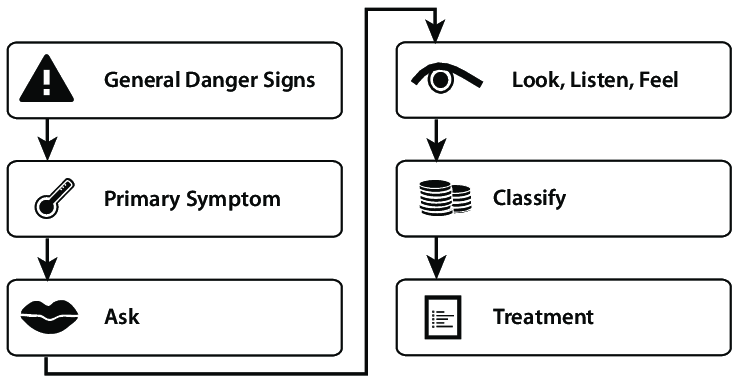
TREAT THE CHILD in IMCI
TREAT THE CHILD CARRY OUT THE TREATMENT STEPS IDENTIFIED ON THE ASSESS AND CLASSIFY CHART. TEACH THE MOTHER TO GIVE ORAL DRUGS AT HOME Follow the instructions below for every oral drug to be given at home Also, follow the instructions listed with each drug’s dose Determine the appropriate drugs & dosage for the child’s…
-

Assessing and Classification of a Sick Child and General Danger Signs.
Assessing and Classification of a Sick Child Determine whether this is an initial visit or a return (follow up) visit. If it is an initial visit, Ask, “what is the child’s problem”? After knowing the problem; Check for general danger signs. A general danger sign is an indicator that a child has a severe problem…
-

STRABISMUS
STRABISMUS Strabismus, also known as “crossed eyes” or “squint,” is a condition characterized by an eye misalignment. In individuals with strabismus, the eyes do not properly align with each other, meaning they point in different directions. One eye may look straight ahead, while the other eye may turn inward, outward, upward, or downward. This misalignment…
-
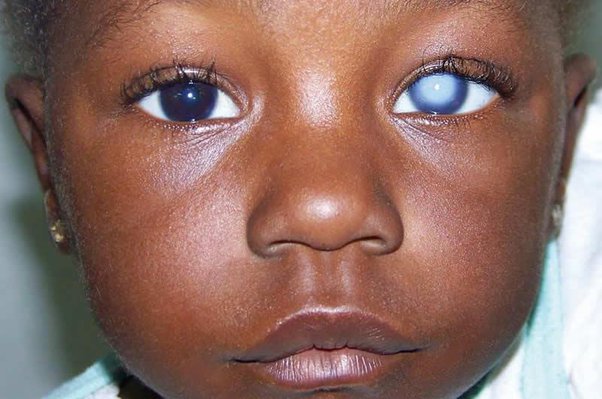
CONGENITAL CATARACTS
CONGENITAL CATARACTS Congenital cataracts are a type of cataract that occurs at birth or during a baby’s first year of life, characterized by clouding or opacity of the lens of the eye. A lens of the eye is the transparent tissue that helps focus light onto the retina. Congenital cataracts cover a broad spectrum…

