-
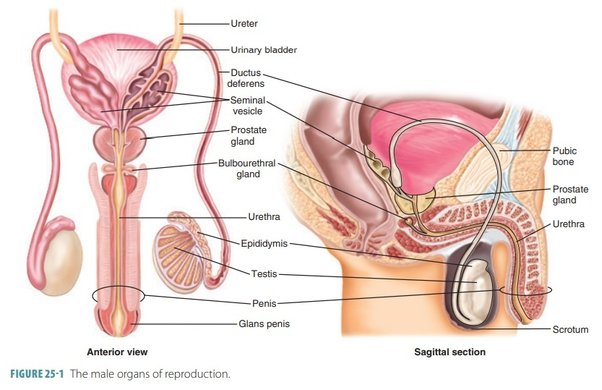
Male Reproductive System
Male Reproductive System The organs of the male reproductive system include the testes, a system of ducts (including the epididymis, ductus deferens, ejaculatory ducts, and urethra), accessory sex glands (seminal vesicles, prostate, and bulbo-urethral glands), and several supporting structures, including the scrotum and the penis Functions of Male Reproductive Organs Male reproductive system functions vital…
-
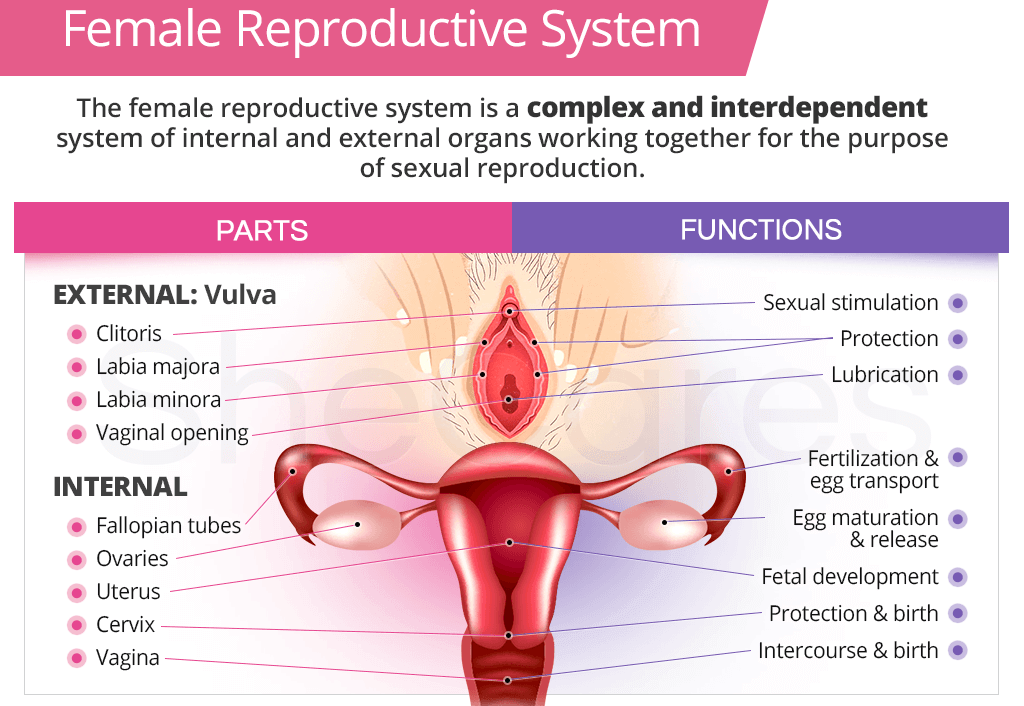
Internal and External Female Reproductive Organs
Female Reproductive System The functions of the female reproductive system are: Formation of ova Reception of spermatozoa Provision of suitable environments for fertilisation and fetal development Parturition (childbirth) Lactation, the production of breast milk, which provides complete nourishment for the baby in its early life. The female reproductive organs, or genitalia, include both external and…
-

Pelvic Inflammatory Diseases (PID)
Pelvic Inflammatory Diseases (PID) Pelvic inflammatory disease (PID) refers to various inflammatory conditions affecting the upper genital tract in females. Pelvic inflammatory diseases are diseases of the upper genital tract. It is a spectrum of infection and inflammation of the upper genital tract organs involving the endometrium, fallopian tubes, ovaries, pelvic peritoneum and surrounding structures.…
-

CERVICAL ECTROPION (CERVICAL EROSION)
CERVICAL ECTROPION (CERVICAL EROSION) Cervical ectropion is a condition where cells from inside the cervix form a red, inflamed patch on the outside the cervix. Cervical ectropion is a condition in which there is a raw-looking area on the cervix. Cervical ectropion happens when cells from inside the cervical canal grow onto the outside of…
-

HABITUAL ABORTION (RECURRENT ABORTION)
HABITUAL ABORTION (RECURRENT ABORTION) Habitual abortion refers to the occurrence of spontaneous abortion in three or more consecutive pregnancies. Recurrent abortion is the consecutive loss of 3 or more fetuses weighing less than 500g. It usually occurs before 20 weeks of gestation and the risk of further abortion increases with further pregnancy loss. Approximately 1%…
-

SEPTIC ABORTION
SEPTIC ABORTION Septic abortion is characterized by micro-organisms invading the retained products of conception in the uterus. It commonly arises as a complication of induced or incomplete abortion. Causative Organisms of Septic Abortion Escherichia coli. Non-hemolytic streptococci. Staphylococcus aureus. Streptococcus pyogenes. Streptococcus pneumoniae. Clinical Features of Septic Abortion History of amenorrhea and incomplete abortion.…
-

INCOMPLETE ABORTION
INCOMPLETE ABORTION Incomplete abortion occurs when some products of conception, that is the placental tissues (chorionic membranes), are retained within the uterus. Clinical Features of Incomplete Abortion Heavy and Excessive Vaginal Bleeding: Incomplete abortion presents with heavy and profuse vaginal bleeding, which may be accompanied by the passage of blood clots and tissue fragments. Abdominal…
-

THREATENED ABORTION
THREATENED ABORTION Threatened abortion occurs when products of conception tend to be expelled before 28 weeks of gestation, but the disturbance is minor enough that the fetus can continue to term. Clinical Features of Threatened Abortion Symptoms: History of amenorrhea. Painless vaginal bleeding. Slight or no abdominal pain. Patient may complain of backache and abdominal…
-

ABORTIONS
ABORTIONS Abortion is defined as the expulsion of products of conception before 28 weeks of gestation. Abortion is also defined as the termination of pregnancy prior to 28 weeks of gestation or delivery of a fetus weighing less than 500g. It may be early or late abortion. Early abortion is the termination of pregnancy before…
-
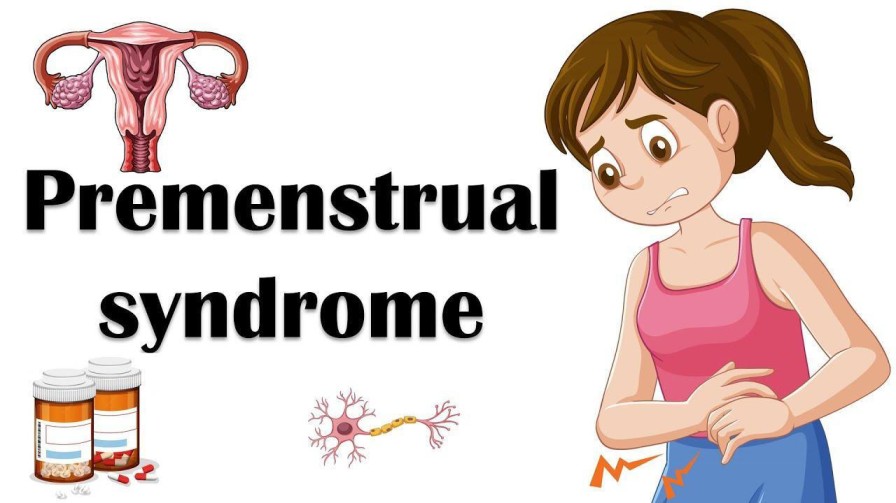
PREMENSTRUAL SYNDROME
PREMENSTRUAL SYNDROME Premenstrual syndrome is a group of symptoms both physical and psychological that occur before menstruation. Symptoms can range from mild to severe and occur during the luteal phase (begin 7-14 days before the onset of menses) and disappear after the onset of menses. Majority of women experience premenstrual syndrome but it is…

