-

Kidney Stones / Renal Calculi
Kidney Stones/Renal Calculi Lecture Notes Kidney Stones, also known as renal calculi, renal lithiasis, or nephrolithiasis, are small, hard deposits formed from mineral and acid salts that crystallize within the urinary tract. These deposits can form on the inner surfaces of the kidneys, but can also occur in the ureters or bladder. They can be…
-

Cystitis
Cystitis Lecture Notes Cystitis literally means “inflammation of the bladder.” In clinical practice, it almost invariably refers to inflammation of the bladder lining, most commonly caused by a bacterial infection of the lower urinary tract. This makes it a subset of what is broadly termed a “Urinary Tract Infection” (UTI). Key Characteristics: Infection: Predominantly bacterial,…
-

Urinary Tract Infections
Urinary Tract Infections (UTIs) Urinary tract infections (UTIs) are bacterial infections that can occur in any part of the urinary system, including the kidneys, bladder, ureters, and urethra. The most common cause of UTIs is the colonization of bacteria from the gastrointestinal tract, with Escherichia coli (E. coli) being the most frequently implicated pathogen. Other…
-

Anatomy and Physiology of the Renal System
ANATOMY AND PHYSIOLOGY OF THE RENAL SYSTEM The urinary system is the main excretory system eliminating waste products from blood through urine. Its anatomy consists of two kidneys, each joined to the bladder by the tube called ureter, which conveys urine from the kidneys to the bladder for storage. Following bladder contraction, urine is expelled…
-

Immunization
Complete Guide to Immunization Immunization Immunization is a process of deliberate inoculation of live attenuated or dead vaccines and toxoids to induce immunity against a specific disease. Immunization against a specific disease provides artificially acquired active immunity. The principle of immunization is to increase specific immunity to infection by administration of either immune serum (passive…
-
Immunity
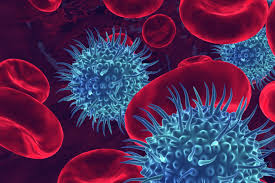
Immunity and Antibodies – Complete Study Guide Introduction to Immunity Pathogens are foreign disease-causing substances, such as bacteria and viruses, and people are exposed to them every day. Antigens are attached to the surface of pathogens and stimulate an immune response in the body. An immune response is the body’s defense system to fight against…
-

Immunological Agents
Immunological Agents Immunological agents are a broad class of drugs that modify the immune system’s activity, either by enhancing or suppressing its function. They are like tools that help your immune system work better or differently. For example, vaccines help your body fight off specific diseases(enhancing) or autoimmune drugs treat autoimmune diseases, where the immune…
-

Thyrotoxicosis
THYROTOXICOSIS. Thyrotoxicosis is the condition that occurs due to excessive thyroid hormone of any cause and therefore includes hyperthyroidism. Hyperthyroidism is the condition that occurs due to excessive production of thyroid hormone by the thyroid gland. Some, however, use the terms interchangeably Overactive thyroid, is called hyperthyreosis/Hyperthyroidism Anatomy of the Thyroid gland. The thyroid…
-

Wound Dressing
WOUND DRESSING Wound dressing is a method of carrying out surgical dressing and operative treatment with an aim to prevent the entry of Microorganisms into the wound. Indications for wound dressing To protect the wound from further injury or infection To absorb exudates such as pus or serum. To immobilize and support the injured part.…


