-
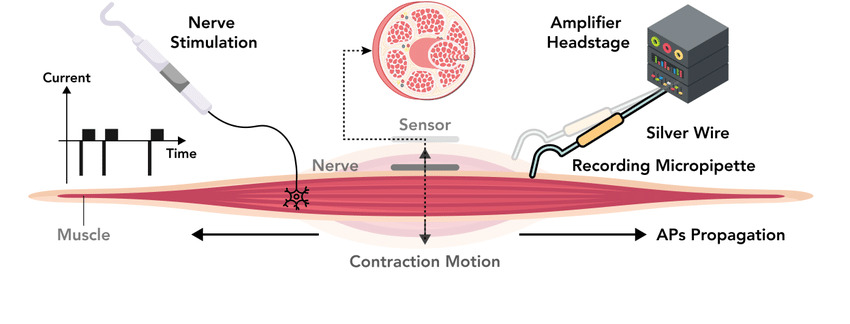
PHYSIOLOGY OF EXCITABLE TISSUES
Excitability: PHYSIOLOGY OF EXCITABLE TISSUES Excitability Excitability: The Ability to Respond and Communicate Excitability refers to the ability of a cell to respond to a stimulus by generating an electrical signal called an action potential. It can be defined as a physical chemical change that occurs when a stimulus is applied on a tissue. A…
-
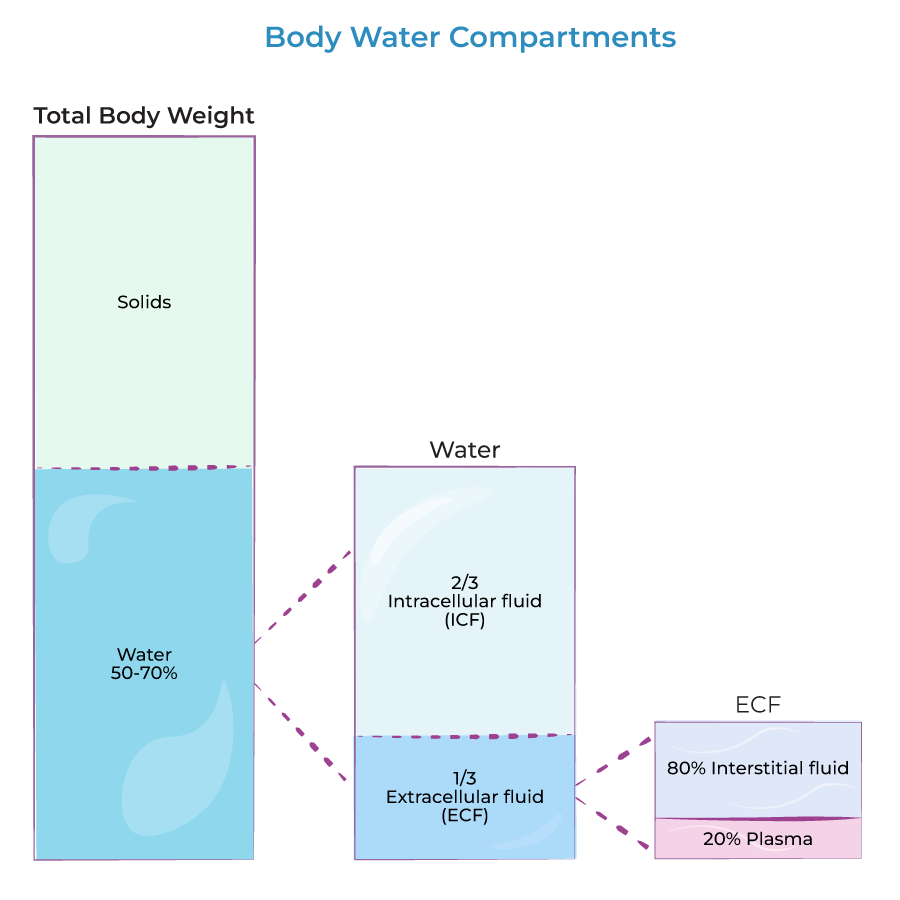
Body Fluids and Compartments
Body Fluids: And Compartments Body Fluids To truly appreciate the dynamics of body fluids, we first need to understand where all this fluid is located within the body. Imagine your body as a system of interconnected containers, each holding a specific type of fluid. These “containers” are what we call body fluid compartments. The human…
-
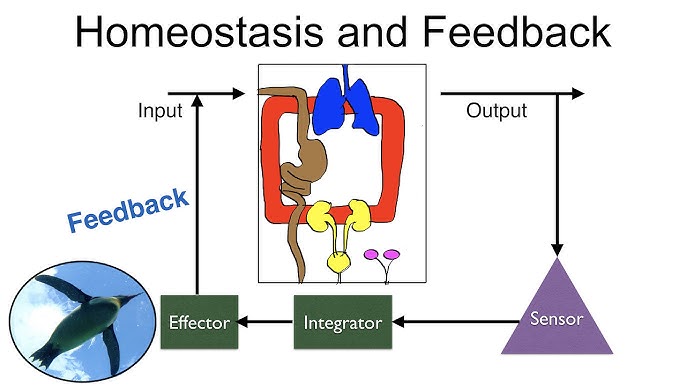
Homeostasis Physiology
Homeostasis: Maintaining the Internal Balance Homeostasis Imagine you’re driving a car, aiming to maintain a constant speed of 60 mph. You press the gas going uphill and ease off going downhill. Your goal is to keep that speed constant despite external changes. That’s essentially what your body does, constantly, for hundreds of variables. Homeostasis (from…
-
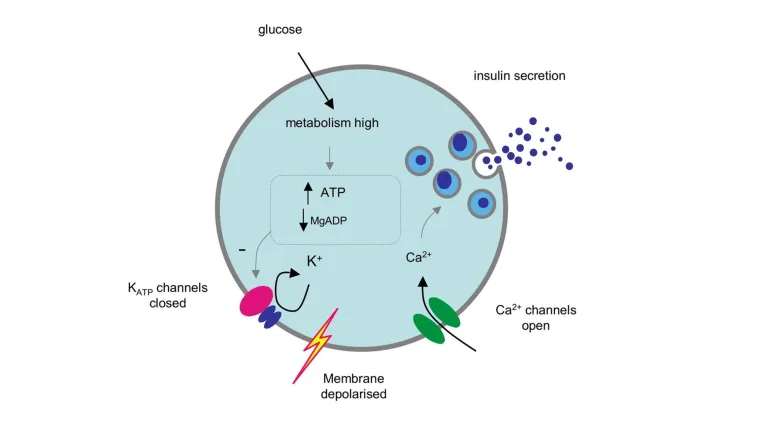
Physiology and Cell Physiology
Physiology Intro: Cell Physio and Transport Introduction to Basic Physiology & The Cell Physiology is the science of studying the functional activities and its mechanisms in the biological body. For example: why can the heart automatically beat? Physiology derived from two Greek words – physis = nature; logos = study. Physiology Involves Process and Function…
-

Anatomy & Physiology 2023 Paper
Final Examination Paper Anatomy & Physiology Bachelors in Nursing • Semester 2, 2023 3 Hours Duration 100 Marks Total Marks 3 Sections A, B, C Instructions to Candidates Answer ALL questions in Section A (Objectives & Fill-ins). Answer any THREE questions from Section B. Answer any TWO questions from Section C. Write clearly and legibly.…
-
Muscles of the Lower Limb
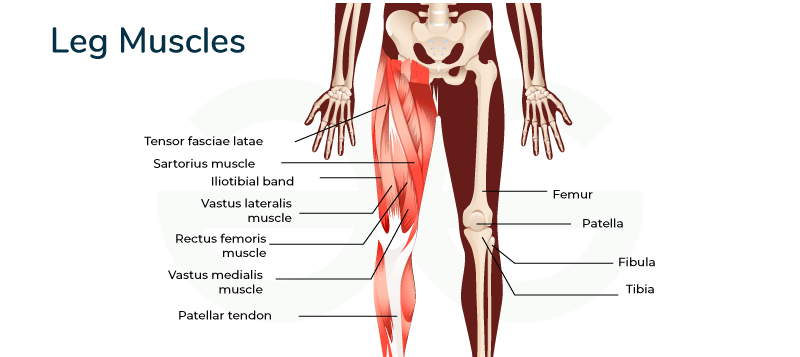
Anatomy of the Lower Extremities: Muscles from the Pelvis to the Toe Module Learning Outcomes By the end of this highly detailed anatomical master guide, you will be deeply conversant with: The Osteology (Bones) of the lower limb, including the intricate details of the bony pelvis, hip bone, and femur. The vital Ligaments of the…
-
Muscles of the Upper Limb
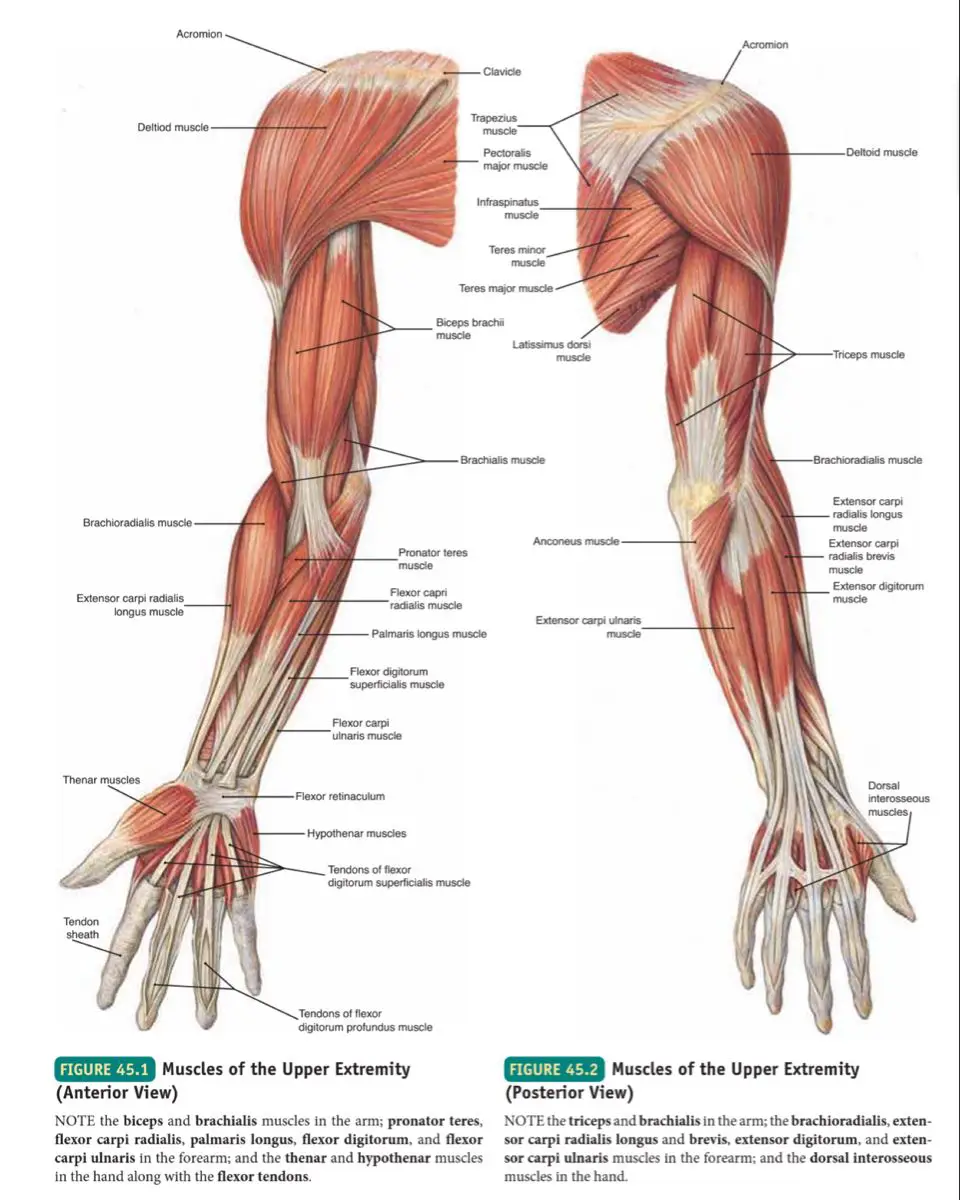
Muscles of the Upper Limbs and The Brachial Plexus Learning Objectives The upper limb is a area designed for both power (like lifting heavy weights) and precision (like performing microsurgery or playing the violin). By the end of this guide, you will master: The complex “wiring” of the upper limb via the Brachial Plexus. The…
-
Muscles of the Head, Neck and Trunk
Muscles of the Axial Skeleton & The Cranial Nerves Module Learning Objectives The axial skeleton forms the central axis of the human body, consisting of the skull, vertebral column, and thoracic cage. The muscles attached to this axis are fundamental for life—they allow us to express emotion, eat, breathe, maintain our posture, and protect our…
-
Axial and Appendicular Skeleton
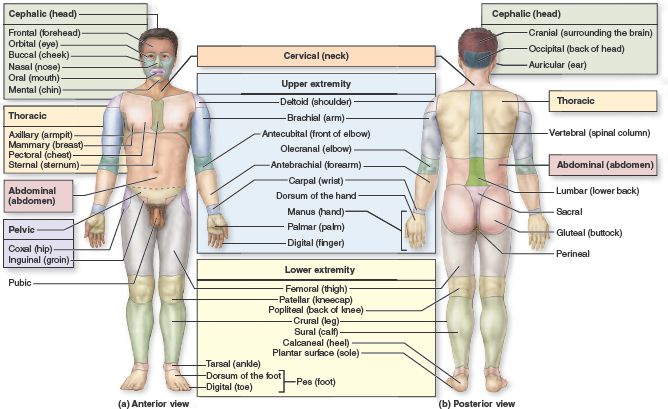
Axial and Appendicular Systems Module Overview The human skeleton is a living tissue that goes far beyond simple scaffolding. It is divided into two major functional parts: the Axial Skeleton and the Appendicular Skeleton. Together, these two divisions provide the support, protection, mineral storage, blood cell production (hematopoiesis), and leverage necessary for movement. Axial Skeleton:…
-
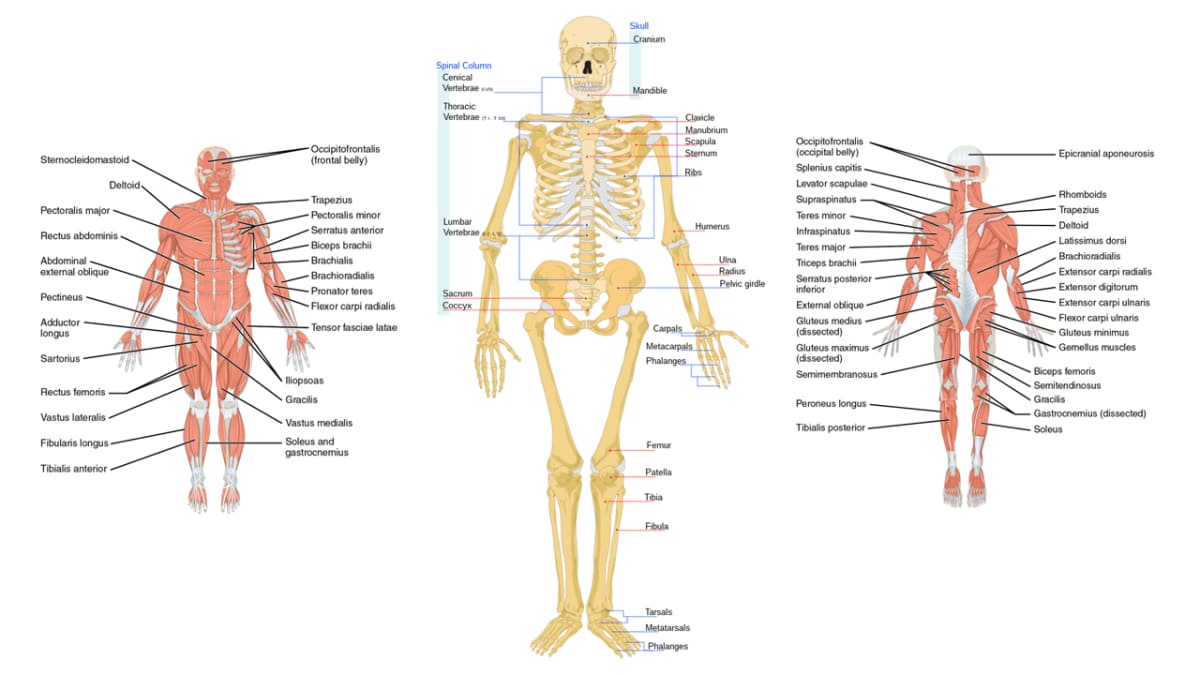
Introduction to Musculoskeletal System Anatomy
Introduction to the Musculoskeletal System Module Learning Objectives By the end of this comprehensive guide, you will be deeply conversant with: The structural and functional components of the musculoskeletal system. The microscopic and macroscopic anatomy of bone tissue (including cells, composition, and markings). The intricate, step-by-step biological processes of bone formation (ossification), growth, and fracture…

