Nurses Revision

nursesrevision@gmail.com

INJECTION SAFETY AND MANAGEMENT

INJECTION SAFETY AND MANAGEMENT

INJECTION SAFETY AND MANAGEMENT

INJECTION SAFETY AND MANAGEMENT INTRODUCTION

Injection, or Getting an injection is a very common medical procedure. Most injections, about 95%, are given to treat illnesses. Immunizations make up about 3% of all injections, and the rest are used for different reasons, like giving blood or contraceptives.

A Problem to Solve: In many countries that are still developing or going through changes, a lot of injections are given when they’re not really needed. Sometimes, as many as 9 out of 10 people who go to see a primary health care provider get an injection. But more than 70% of these injections aren’t necessary. They could be given as medicine you swallow instead.

What’s Important: After an injection, it’s really important to safely collect and get rid of the used needles and syringes. This is a big part of how injections are taken care of from start to finish.

Three Big Concerns: When we think about whether injections are safe, there are three important things to consider:

  1. The person getting the injection should be safe.
  2. The health worker giving the injection should be safe.
  3. The community where the injections are happening should be safe.

So, making sure injections are done safely is really important for everyone’s well-being.

Injection Safety Guidelines

According to the World Health Organization (WHO, 2005), a safe injection is one that doesn’t harm the person receiving it, doesn’t put the person giving the injection at unnecessary risk, and doesn’t create dangerous waste for the community.

Principles to Follow for Safe Injections:

  1. Always use a new syringe and needle for each vaccine.
  2. Keep injection equipment and vaccine clean to avoid contamination.
  3. Prepare injections in a clean area where there’s little chance of contamination from blood or body fluids.
  4. Use a clean, sterile needle to puncture the top of multi-dose vials.
  5. Don’t leave the needle in the stopper of the vial.
  6. Protect your fingers with a small gauze pad when opening ampoules.
  7. Throw away a needle that touches anything not sterile, like your hands or surfaces.
  8. Be ready for any sudden movements from the patient during and after the injection.
  9. To avoid getting hurt, don’t put the cap back on a used needle; put it straight into a safety box.
  10. Put used syringes and needles into a safety box right where you used them, and seal the box when it’s full. Don’t move the contents or overfill the boxes.
  11. Close and seal the safety boxes before taking them to a safe place. Don’t open, empty, or reuse them.
  12. Handle and dispose of injection waste in a way that’s safe for the environment.
  13. Prevent accidents for the people in charge of throwing away the waste.
  14. Don’t put empty vials in the safety box; they might burst when burned.
  15. Only put potentially contaminated injection equipment in the safety boxes. Don’t put empty vials, cotton pads, or other things in them.

Guidelines for Safe Injections:

  1. Follow the right infection control practices and keep everything clean when preparing and giving injections.
  2. Don’t use the same syringe for different patients, even if you change the needle or inject through a tube.
  3. Never put a used needle or syringe into a vial.
  4. Don’t use medications meant for one use on more than one patient.
  5. Don’t use a bag of IV solution for more than one patient.
  6. Use multi-dose vials for one patient if possible.
  7. Don’t keep multi-dose vials near where you treat patients. Prepare medications in a clean area away from any contamination, and not where you handle used syringes.
  8. Wear a facemask when injecting material or placing a catheter into the epidural or subdural space.

Ways to Prevent Unsafe Injections:

  1. Teach health care workers about injection safety.
  2. Supervise health workers when they give medicines.
  3. Set up rules and regulations to make sure injections are safe.
  4. Hire qualified health workers.
  5. Supervise intern nurses when they give medicines.

Prevent Needle Pricks

  1. Use Safety Needles: Choose needles with safety features like retractable or shielded needles. These devices automatically cover the needle after use, reducing the risk of accidental pricks.

  2. Follow Proper Handling: Handle needles with care and avoid recapping after use. Dispose of them immediately in designated sharps containers.

  3. Wear Personal Protective Equipment (PPE): Always wear gloves when handling needles or coming into contact with blood or body fluids. Use other appropriate PPE as needed.

  4. Safe Disposal: Properly dispose of used needles and sharps in puncture-resistant containers. Ensure containers are close to where procedures are performed.

  5. Use Needleless Systems: Employ needleless systems whenever possible for medication preparation and administration, reducing the need for needles.

  6. Adopt Engineering Controls: Install safety-engineered devices and equipment that minimize the risk of needle pricks during procedures.

  7. Education and Training: Provide thorough training on proper needle handling, disposal, and safety protocols to all healthcare workers.

  8. Sharps Injury Prevention Program: Establish a program that identifies risks, offers guidance, and encourages reporting of any needle prick incidents.

  9. Safe Practices for Disposal: Train staff to properly close and seal sharps containers when they’re full. Arrange for regular disposal and replacement of containers.

  10. Sharps Containers Accessibility: Place sharps containers at convenient locations throughout the facility to encourage proper disposal.

  11. Post-Procedure Safety: After using needles, avoid hurriedly disposing of equipment. Take time to ensure proper disposal and safety measures.

  12. Communication and Collaboration: Encourage open communication among healthcare team members about needle safety and potential risks.

  13. Needleless Catheters: Use needleless catheter systems for intravenous access to minimize needle use and related risks.

  14. Safety Syringes: Implement safety syringes with features that reduce the risk of needle pricks during injection or withdrawal.

  15. Regular Review and Updates: Continuously assess and update needle safety protocols based on new technologies and best practices.

Managing an Accidental Needle Prick.

Accidental needle pricks can happen, but knowing how to handle them properly is crucial. Here are the steps to manage an accidental needle prick:

  1. Stay Calm: Take a deep breath and try to stay calm. Accidents can happen, but you can take steps to minimize any potential harm.

  2. Allow Bleeding: If the needlestick causes a small cut or puncture, gently squeeze the area to encourage bleeding. This can help flush out any potential germs.

  3. Wash the Area: Clean the affected area with soap and running water. Thoroughly wash the wound for at least 20 seconds.

  4. Inform Your Supervisor: Let your immediate supervisor or instructor know about the incident as soon as possible. They can guide you through the proper procedures and documentation.

  5. Report to Occupational Health: Visit your institution’s occupational health department or designated medical personnel. They will assess the risk and guide you on any necessary actions.

  6. Identify the Source: If possible, identify the source patient (the person whose blood you were exposed to). This is important for assessing potential infections and taking appropriate measures.

  7. Collect Information: Note down important details, such as the type of exposure, the circumstances, and any information about the source patient.

  8. Testing and Treatment: Depending on the situation, you may need to undergo blood tests to check for infections like HIV, hepatitis B, and hepatitis C. Your healthcare provider will determine if post-exposure prophylaxis (PEP) is necessary.

  9. Follow Medical Recommendations: If PEP or any other treatment is prescribed, make sure to follow the instructions carefully. PEP is most effective when started as soon as possible after exposure.

  10. Document the Incident: Keep a record of the incident, including dates, times, actions taken, and any medical treatments received. This documentation is important for your own records and any future follow-up.

injection Disposal criteria in mass immunization flowchart

Disposal criteria in mass immunization

MethodsStrengthsWeaknesses
Waste burial pit/cement encapsulation or other immobilizing agent (sand, plaster)❒ Simple
❒ Inexpensive
❒ Low tech
❒ Prevents unsafe needle and syringe reuse
❒ Prevents sharp-related infections/injuries to waste handlers/scavengers
❒ Potential of being unburied (if pit is only soil-covered and waste not encapsulated)
❒ No volume reduction ❒ No disinfection of wastes
❒ Pit fills quickly during campaigns
❒ Not recommended for non-sharp infectious wastes
❒ Danger to the community if not properly buried
❒ Inappropriate in areas of heavy rain or if water table is near the surface
Burning (<400°C)❒ Relatively inexpensive ❒ Reduction in waste volume
❒ Reduction in infectious material
❒ Incomplete combustion
❒ May not completely sterilize
❒ Heavy smoke & potential fire hazard
❒ Requires fuel, dry waste to start burning
❒ Toxic air emissions (e.g., heavy metals, dioxins, furans, fly ash) which may violate environmental or health regulations
❒ Production of hazardous ash containing leachable metals, dioxins, and furans
❒ Potential for needlestick injuries since needles are not destroyed
Medium Temp Incineration (800°-1000°C)❒ Less expensive than high-temperature incinerators
❒ Reduction in waste volume
❒ Reduction in infectious material
❒ Incomplete combustion
❒ Potential for heavy smoke
❒ Requires fuel and dry waste for start-up and maintenance of high temperatures
❒ Trained personnel needed to operate
❒ Potential emission of toxic air pollutants to a low level (e.g., heavy metals, dioxins, furans, fly ash) which may violate environmental or health regulations
❒ Production of hazardous ash containing variable leachable metals, dioxins, and furans
❒ Potential for needle stick injuries since some needles may not be destroyed
❒ Needs constant attention during operation and regular maintenance throughout the year
High Temp Incineration (>1000°C)❒ Almost complete combustion and sterilization of used injection equipment
❒ Further reduces toxic emissions with pollution control devices
❒ Greatly reduces volume of immunization waste
❒ Expensive to build, operate, and maintain ❒ Requires electricity, fuel, and trained personnel to operate ❒ Toxic air emissions (e.g., metals, dioxins, furans, fly ash) may still be released without pollution control devices
❒ May produce hazardous ash containing variable leachable metals, dioxins, and furans
Needle removal/needle destruction (Models range from simple manual and battery operated to more complex electrical units)❒ Prevents needle reuse ❒ Reduces occupational risks to waste handlers and scavengers ❒ In some instances, plastic may be recycled after treatment ❒ Manual/battery-operated models available

❒ Fluid splashes may contaminate work area/operator

❒ Fluid splash back and needle manipulation may lead to disease transmission in some cases

❒ Used needles/syringes need further treatment for disposal in some cases ❒ Safety profile not established

Melting syringes❒ Greatly reduces volume of immunization waste ❒ Prevents reuse ❒ Safety profile not established❒ Emission of potentially toxic gases ❒ Electricity required
Steam sterilization (autoclaving or hydro claving), microwaving (with shredding)❒ Successfully used for decades to treat sharps and non-immunization healthcare wastes ❒ Range of models and capacities available ❒ Sterilizes used injection equipment ❒ Less hazardous air emissions (no dioxins or heavy metals) ❒ Reduced waste volume when used with shredder ❒ Plastic may be recycled after separation❒ High capital cost (but may be less than high-temperature incinerators with pollution control devices) ❒ Requires electricity and water ❒ High operational costs ❒ High maintenance ❒ May emit volatile organics in steam during depressurization and chamber opening ❒ Requires further treatment to avoid reuse (e.g., shredding) ❒ Resulting sterile waste still needs proper disposal

Injection misuse and overuse (Using Injections Safely and Responsibly)

Sometimes, injections are not used in the right way, and that can cause problems. Let’s understand why this happens and what can be done to prevent it.

Why Injections are Misused and Overused:

  1. People might think injections are stronger and faster, so they prefer them.
  2. Some believe that doctors think injections are the best treatment.
  3. Doctors might give more injections because they want to make patients happy.
  4. Also, doctors can charge more money for injections, so they might prescribe them even if they’re not needed.
  5. Talking openly with doctors and asking questions can help clear up these misunderstandings and stop too many injections from being given.

Bad Effects of Misusing and Overusing Injections:

  1. Using injections in the wrong way, especially for immunization, can lead to serious diseases like Hepatitis B, C, and HIV/AIDS.
  2. Vaccines given through injections can sometimes cause harmful side effects.
  3. Health providers who give injections could also get hurt.
  4. The environment, like soil, air, and water, can also be affected by unsafe injection practices.
  5. Using injections in the wrong way can make immunization programs not work well and affect how many people get protected from diseases.

What to Do if You Get Hurt by a Needle:

If you accidentally get hurt by a sharp needle:

  1. Let the wound bleed, but don’t suck or rub it.
  2. Wash the area well with soap and water.
  3. Cover the wound with a waterproof bandage.
  4. If you know the patient’s name, remember it.
  5. Report to occupational health unit.
  6. Let your boss know and write down what happened.
  7. If patient is thought to be HIV +, post-exposure prophylaxis (PEP) may be required. This should be given as soon as possible after injury.

NB: Staff should be familiar with local pep guidelines!

INJECTION SAFETY AND MANAGEMENT Read More »
FETAL SKULL

FETAL SKULL

FETAL SKULL

The skull bones encase and protect the brain, which is very delicate and subjected to pressure when the fetal head passes down the birth canal. 

Fetal skull is to some extent compressible and made mainly of thin pliable tabular (flat) bones forming the vault. This is anchored to the rigid and incompressible bones at the base of the skull.

AREAS OF SKULL: The skull is arbitrarily divided into several zones of obstetrical importance
 These are:

  • Vertex : It is a quadrangular area bounded anteriorly by the bregma and coronal sutures behind by the lambda and lambdoid sutures and laterally by lines passing through the parietal eminences.
  • Brow : It is an area bounded on one side by the anterior fontanel and coronal sutures and on the other side by the root of the nose and supraorbital ridges of either side.
  • Face : It is an area bounded on one side by root of the nose and supraorbital ridges and on the other, by the junction of the floor of the mouth with neck.

Fetal skull showing different regions and landmarks of obstetrical significance

\"fetal

    Sinciput is the area lying in front of the anterior fontanel and corresponds to the area of brow and the occiput is limited to the occipital bone.
    Flat bones of the vault are united together by non-ossified membranes attached to the margins of the bones. These are called sutures and fontanels. Of the many sutures and fontanels, the following are
of obstetric significance.

Bones of the Vault

The bony structure of the vault originates within a membrane framework. Over time, a process known as ossification hardens these structures from the center outward. 

At birth, ossification remains incomplete, resulting in small gaps existing between the bones referred to as sutures and fontanelles. Each bone features a distinct ossification center, which appears as a noticeable protrusion. The full ossification of the skull takes place only in early adulthood.

The vault\’s bony composition encompasses:

  •  The occipital bone, located at the posterior of the head. A portion of this bone contributes to the skull\’s base, encompassing the foramen magnum—a protective passage for the spinal cord as it exits the skull. The occipital protuberance marks the site of ossification. 
  •  The two parietal bones situated on either side of the skull. These bones\’ ossification centers are termed parietal eminences. 
  •  The two frontal bones, shaping the forehead or sinciput. Ossification initiates at the frontal eminence of each bone. These frontal bones fuse into a singular entity by the age of eight. 
  •  The upper segment of the temporal bone on both sides of the head participates in forming the vault\’s structure.

\"fetal\"

Regions and landmarks of the fetal skull

The fetal skull\’s various segments are defined by distinct regions, each marked by significant landmarks(see figure above). These points of reference hold particular importance for midwives during vaginal examinations, aiding in determining the fetal head\’s position.

The occiput region occupies the space between the foramen magnum and the posterior fontanelle. The area below the occipital protuberance (landmark) is referred to as the sub-occipital region.

The vertex region is enclosed by the posterior fontanelle, the paired parietal eminences, and the anterior fontanelle.

The forehead, or sinciput region, spans from the anterior fontanelle and the coronal suture to the orbital ridges.

• Extending from the orbital ridges and the base of the nose to the junction of the chin, or mentum (landmark), and the neck is the face region. The point situated between the eyebrows is recognized as the glabella

\"\"

SUTURES

  •  The sagittal or longitudinal suture is situated between two parietal bones.
  •  The coronal sutures run between the parietal and frontal bones on both sides.
  •  The frontal suture is positioned between two frontal bones.
  •  The lambdoid sutures separate the occipital bone and the two parietal bones.

Importance:

  1.  It allows smooth movement of one bone over the other during head molding, which is significant as the head passes through the pelvis during labor.
  2.  Palpating the sagittal suture during internal examination in labor provides insight into head engagement (asynclitism or synclitism), the degree of internal head rotation, and head molding.

\"fetal\"

FONTANELS

A wide gap in the suture line is referred to as a fontanel. Among the numerous fontanels (total of 6), two hold obstetric significance: (1) Anterior fontanel or bregma and (2) Posterior fontanel or lambda.

Anterior fontanel: It results from the fusion of four sutures in the midline. The sutures include the frontal suture anteriorly, the sagittal suture posteriorly, and the coronal sutures on either side. Its shape resembles a diamond, with anteroposterior and transverse diameters of approximately 3 cm each. The floor consists of a membrane, which undergoes ossification around 18 months after birth. If ossification does not occur even after 24 months, it becomes pathological.

Importance:

  •  Palpating it during internal examination indicates the degree of head flexion.
  •  It aids in head molding.
  •  Due to its membranous nature persisting after birth, it accommodates significant brain growth, with the brain nearly doubling in size during the first year of life.
  •  Palpation of the floor reflects intracranial conditions – depressed in dehydration, elevated in raised intracranial pressure.
  •  In rare cases, blood collection and exchange transfusion can be performed through it, via the superior longitudinal sinus.
  •  Although uncommon, cerebrospinal fluid can be drawn through the angle of the anterior fontanel from the lateral ventricle.

Posterior fontanel: It is formed by junction of three suture lines — sagittal suture anteriorly and lambdoid suture on either side. It is triangular in shape and measures about 1.2 × 1.2 cm (1/2\” × 1/2\”).
    Its floor is membranous but becomes bony at term. Thus, truly its nomenclature as fontanel is misnomer.
    It denotes the position of the head in relation to maternal pelvis.
Sagittal fontanel: It is inconsistent in its presence. When present, it is situated on the sagittal suture at the junction of anterior two-third and posterior one-third. It has got no clinical importance.

DIAMETERS OF SKULL

The engaging diameter of the fetal skull depends on the degree of
flexion present. The anteroposterior diameters of the head which may engage are:

Presentation Diameter (cm) Attitude of the Head
Vertex Suboccipitobregmatic — extends from the nape of the neck to
the center of the bregma
9.5 Complete
flexion
Vertex Suboccipito-frontal — extends from the nape of the neck to the
anterior end of the anterior fontanel or center of the sinciput
10 Incomplete
flexion
Vertex Occupitofrontal — extends from the occipital eminence to the
root of the nose (Glabella)
11.5 Marked
deflexion
Brow Mento-vertical — extends from the midpoint of the chin to the highest point on the sagittal suture 14 Partial
extension
Face Submentovertical — extends from junction of floor of the mouth and neck to the highest point on the sagittal suture 11.5 Incomplete extension
Face Submentobregmatic — extends from junction of floor of the
mouth and neck to the center of the bregma
9.5 Complete
extension

\"\"

Transverse diameters 

The transverse diameters of the fetal skull;

There are also two transverse diameters,
• The biparietal diameter (9.5 cm) – the diameter between the two parietal eminences.
• The bitemporal diameter (8.2 cm) – the diameter between the two furthest points of the coronal suture at the temples.
\"fetal\"

Knowledge of the diameters of the trunk is also important for the birth of the shoulders and breech

  • Bisacromial diameter 12 cm: This is the distance between the acromion processes on the two shoulder blades and is the dimension that needs to pass through the maternal pelvis for the shoulders to be born. The articulation of the clavicles on the sternum allows forward movement of the shoulders, which may reduce the diameter slightly.
  •  Bitrochanteric diameter 10 cm: This is measured between the greater trochanters of the femurs and is the presenting diameter in breech presentation.

\"\"

Presenting diameters

Some presenting diameters are more favourable than others for easy passage through the maternal pelvis and this will depend on the attitude of the fetal head. 

This term attitude is used to describe the degree of flexion or extension of the fetal head on the neck. The attitude of the head determines which diameters will present in labour and therefore influences the outcome.
The presenting diameters of the head are those that are at right-angles to the curve of Carus of the maternal pelvis.
There are always two: a longitudinal diameter and a transverse diameter. The presenting diameters determine the presentation of the fetal head, for which there are three:

  1. Vertex Presentation: When the head displays pronounced flexion, the sub-occipitobregmatic diameter (9.5 cm) and the biparietal diameter (9.5 cm) come into play. Given their equal length, the presenting area takes on a circular form, optimally conducive to cervix dilation and successful head birth. The sub-occipitofrontal diameter (10 cm) is the dimension that expands the vaginal orifice. Conversely, when the head is deflexed, the presenting diameters shift to the occipitofrontal (11.5 cm) and the biparietal (9.5 cm). This circumstance often arises when the occiput occupies a posterior position. In such cases, if the posterior position persists, the diameter expanding the vaginal orifice will be the occipitofrontal (11.5 cm).

  2. Face Presentation: Complete extension of the head leads to the submentobregmatic diameter (9.5 cm) and the bitemporal diameter (8.2 cm) serving as the presenting dimensions. The sub-mentovertical diameter (11.5 cm) is the dimension that stretches the vaginal orifice.

  3. Brow Presentation: Partial extension of the head results in the mentovertical diameter (13.5 cm) and the bitemporal diameter (8.2 cm) becoming the presenting diameters. In instances where this presentation persists, vaginal birth becomes less likely.

\"fetal

Moulding

The term moulding is used to describe the change in shape of the fetal head that takes place during its passage through the birth canal.

 Alteration in shape is possible because the bones of the vault allow a slight degree of bending and the skull bones are able to override at the sutures. This overriding allows a considerable reduction in the size of the presenting diameters, while the diameter at right-angles to them is able to lengthen owing to the give of the skull bones(Fig. 7.13). 

The shortening of the fetal head diameters may be by as much as 1.25 cm. The dotted lines in Figs 7.14–7.19 illustrate moulding in the various presentations.
Additionally, moulding is a protective mechanism and prevents the fetal brain from being compressed as long as it is not excessive, too rapid or in an unfavourable direction. The skull of the pre-term infant is softer and
has wider sutures than that of the term baby, and hence may mould excessively should labour occur prior to term.

Home

\"fetal\"

FETAL SKULL Read More »
research

Terms Used in Research

Common Terms Used in Research
  • Abstract: A concise summary of a study that communicates the essential information about the study.
  • Assumption: A statement based on logic or reason whose correctness or validity is taken for granted.
  • Data: Units of information.
  • Descriptive research: Non experimental research designed to discover new meanings and to provide new knowledge when there is little known about the phenomena of interest.
  • Hypothesis: A statement of predicted relationship between two or more variables in a research study. An educated or calculated guess by the researcher.
  • Informed consent: Voluntary agreement by a study subject to participate in the research study after being fully informed about the study.
  • Phenomena: Facts or events that can be observed or scientifically described because they are known through senses rather than thoughts or intuition.
  • Reliability: Stability of a measuring item overtime. A measure of the extent to which random variation may have influenced the stability and consistency of results.
  • Validity: Ability of the test item to measure what it is expected to measure. Extent to which research findings represent reality.
  • Variable: An attribute or characteristic that can have more than one value, such as height, weight and blood pressure.
  • Dependent variable: The variable that changes as the independent variable is manipulated by the researcher.
  • Independent variable: The variable that is purposely manipulated or changed by the researcher.
  • Confounding variable: Variable outside the purpose of the study that could influence the study’s results.
  • Qualitative data: Data characterized by words rather than numbers.
  • Quantitative data: Data characterised by numbers.
  • Population: A total group of individual people or things meeting the designed criteria of interest to the researcher.
  • Sample: A smaller part of the population selected to represent the whole population.
More Terminologies with Simple Detail
ABSTRACT

A clear, concise summary of a study, usually found at the beginning of an article in research journals.

Main purposes:
  • To help readers quickly see if the paper is relevant to their own research.
  • To share key findings with those who can't read the full paper.
DATA

Units of information, facts, figures, or knowledge collected during a study. This is also known as processed information.

Data is classified into major categories/scales:

  • Nominal data
  • Ordinal data
  • Discrete data
  • Continuous data
  • Interval data
  • Ratio data
Classifications/Scales of Data

Based on the provided visuals, data can be broadly divided and then further broken down:

I. Categorical or Qualitative Data

Non-numerical data that describes characteristics, such as yes/no responses or eye colour.

  • Nominal Data:
    • Description: Data used for naming variables, without any order or hierarchy.
    • Examples: Hair colour, Gender, Letters, Colours, Symbols, Words.
  • Ordinal Data:
    • Description: Data used to describe the order of values, where categories have a meaningful sequence, but the differences between ranks are not necessarily equal.
    • Examples: Opinion (Agree, neutral, disagree), Tumour Grade (1, 2, 3), Time of day (Morning, Noon, Night), 1 = happy, 2 = neutral, 3 = unhappy.
  • II. Numerical or Quantitative Data

    Data that can be measured with numbers, such as duration or speed.

  • Discrete Data:
    • Description: Whole numbers that can't be broken down, often representing counts.
    • Examples: Number of items, Dates (200; 1000; 1500), Temperature in specific increments (30°C; 45°C; 60°C), pH (1.2; 4.5; 7.2), IQ (80; 120; 140).
  • Continuous Data:
    • Description: Numbers that can be broken down into smaller units, representing measurements along a continuous scale.
    • Examples: Height, Weight, Temperature range, Distance travelled, Time interval, Age range.
  • Interval Data:
    • Description: Numbers with known differences between variables, but without a true zero point (zero doesn't mean the absence of the characteristic).
    • Examples: Time (from the visual's first diagram), Temperature (from the visual's second diagram, also showing as discrete/interval).
  • Ratio Data:
    • Description: Numbers that have measurable intervals and a true zero point (zero means the absence of the characteristic), allowing for meaningful ratios.
    • Examples: Height, Weight (from the visual's first diagram), Distance travelled, Time interval, Age range (from the visual's second diagram, also showing as continuous/ratio).
  • VARIABLES

    Qualities or quantities, properties, or characteristics of people, things, or situations that change or vary. They can have more than one value, such as height or weight.

  • Independent Variable (IV):
    • Variables purposely manipulated or changed by the researcher. Also called a "Manipulative Variable."
    • Example: In "factors influencing the uptake of family planning services," the "factors influencing" are the independent variables (e.g., educational level, access to clinics, cultural beliefs).
  • Dependent Variable (DV):
    • The variable influenced by the independent variable. It's the outcome variable that the researcher aims to understand, explain, or predict.
    • Example: Following the previous example, "uptake of family planning services" is the dependent variable.
  • Extraneous Variable (EV):
    • Undesirable variables that influence the relationship between the independent and dependent variables. They are not the focus of the study but can affect the outcome.
    • Example: In a study examining the effect of a new teaching method on student performance, students' prior knowledge or motivation could be extraneous variables.
  • Confounding Variable:
    • A type of extraneous variable that is related to both the independent and dependent variables, making it difficult to determine the true relationship between the IV and DV.
    • Example: In a study looking at the relationship between coffee consumption and heart disease, smoking could be a confounding variable if coffee drinkers are also more likely to smoke, and smoking itself increases heart disease risk.
  • Intervening Variable:
    • Hypothetical variables that help explain the relationship between the independent and dependent variables but cannot be directly observed or measured. They intervene between the IV and DV.
    • Example: In a study where increased job satisfaction (IV) leads to increased productivity (DV), "motivation" could be an intervening variable. Job satisfaction leads to increased motivation, which in turn leads to increased productivity.
  • Moderating Variable:
    • A variable that influences the strength or direction of the relationship between an independent variable and a dependent variable. It "moderates" the relationship.
    • Example: In a study on the relationship between stress (IV) and job performance (DV), social support could be a moderating variable. The negative effect of stress on performance might be weaker for individuals with high social support.
  • Control Variable:
    • Variables that are kept constant or accounted for by the researcher to minimize their potential effect on the relationship between the independent and dependent variables.
    • Example: In an experiment testing the effectiveness of a new fertilizer on plant growth, factors like sunlight exposure, soil type, and water amount would be controlled variables.
  • Categorical Variable:
    • Variables that can be divided into distinct categories, but do not have a natural numerical order.
    • Example: Gender (male, female, non-binary), blood type (A, B, AB, O), religious affiliation.
  • Continuous Variable:
    • Variables that can take on any value within a given range, and can be measured with infinite precision.
    • Example: Height, weight, temperature, time.
  • Dichotomous Variable:
    • A type of categorical variable that can only take on two values or categories.
    • Example: Yes/No, True/False, Alive/Dead, Pass/Fail.
  • Other Key Research Concepts
    OPERATIONAL DEFINITION

    The specific way a researcher defines and measures variables in a study. It specifies how study variables will be observed or measured in the actual research situation.

    • Example: If "pain" is a variable, its operational definition might be "the score on a 0-10 numerical pain rating scale reported by the patient."
    HYPOTHESIS

    A statement of the predicted relationship between two or more variables in a research study; an educated or calculated guess by the researcher.

    • Example: "Increased nurse-to-patient ratios will lead to decreased patient fall rates."
    LIMITATIONS

    Restrictions in a study that may decrease the credibility and generalizability of the research findings. These are flaws or shortcomings, perhaps due to limited resources, small sample size, or an imperfect methodology. Acknowledging limitations demonstrates honesty and a comprehensive understanding of the topic.

    • Example: "The small sample size of this study (n=30) limits the generalizability of these findings to a broader population of critical care nurses."
    POPULATION

    The entire set of individuals or objects sharing common characteristics, selected for a research study.

    • Target Population:
      • The entire group of individuals (or objects) that the researchers are interested in and to whom they want to generalize their findings.
      • Example: All pregnant women in a specific country.
    • Accessible Population:
      • The subgroup of the target population that is available to the researcher for a particular study.
      • Example: All pregnant women attending a particular antenatal clinic during the study period.
    SAMPLE

    A part or subset of the population selected to participate in the research study.

    • Representative Sample:
      • A sample whose characteristics closely mirror those of the population from which it is drawn. This allows for better generalization of findings.
    SAMPLING

    The act, process, or technique of selecting a representative part of a population (a sample) to determine characteristics of the whole population.

    • Probability Sampling:
      • Selecting subjects or sampling units from a population using a random procedure, ensuring each member has a known chance of selection.
      • Examples: Simple Random Sampling, Stratified Random Sampling.
    • Non-Probability Sampling:
      • Selecting subjects or sampling units from a population using a non-random procedure, where not every member has an equal chance of selection.
      • Examples: Convenience Sampling, Purposive Sampling.
    RELIABILITY

    The degree of consistency or accuracy with which an instrument measures the attributes it is designed to measure. It refers to the stability and consistency of results over time or across different administrations.

    • Example: A blood pressure cuff is reliable if it consistently gives similar readings when taken multiple times in a short period on the same person, assuming the person's blood pressure hasn't changed.
    VALIDITY

    The degree to which an instrument truly measures what it is intended to measure. It refers to the extent to which research findings represent reality.

    • Example: A questionnaire designed to measure anxiety is valid if it actually measures anxiety and not, for example, stress or depression.
    PRE-TESTING

    The stage in research where data collection instruments (like questionnaires) are tested on a small group of people from the target population before the main study. This identifies potential problems.

    • Purpose:
      • To find and solve problems with the data collection instrument.
      • To ensure the tools are valid, leading to reliable results.
      • To check if respondents can and will provide the needed information.
      • To allow the assessor to test solutions to questionnaire problems.
    • Principles:
      • Should mimic the actual data collection conditions as closely as possible.
      • Should involve participants similar to those in the main sample.
      • Careful notes should be taken on problems and potential solutions.
    PILOT STUDY

    A smaller version of a proposed study, conducted to refine the research methodology. It uses similar subjects, settings, treatments, and data collection/analysis techniques as the main study. It aims to test the feasibility of instruments and methods.

    • Example: Before a large study on a new nursing intervention, a pilot study might test the intervention on a small group of patients to ensure the procedures are clear, the data collection tools work, and the study is manageable.
    ANALYSIS

    The method of organizing, sorting, and scrutinizing data to answer research questions or draw meaningful conclusions. It usually follows the presentation and interpretation of research findings.

    • Example: Using statistical software to compare patient recovery times between two treatment groups or reading interview transcripts to identify common themes.
    INFORMED CONSENT

    The ongoing process where participants learn key facts about a study before deciding to participate, and continue to receive information throughout. Doctors, nurses, or researchers explain study details to help individuals make an informed decision.

    COHORT

    In epidemiology, a group of individuals who share a common characteristic or experience.

    • Types:
      • Prospective Cohort: Studies participants from the present into the future.
      • Retrospective Cohort: Studies participants based on their past records or experiences.
    • Example: A group of nurses who graduated from the same university in the same year (a cohort) might be followed for 20 years to study their career progression.
    BIAS

    When a point of view prevents impartial judgment on issues related to that viewpoint. In clinical studies, bias is controlled through methods like blinding and randomization.

    • Example: If a researcher believes a certain drug is superior, they might unconsciously interpret results in a way that favors that drug.
    BLIND

    In a randomized clinical trial, "blind" (or masked) means participants are unaware of which treatment arm (e.g., experimental drug or placebo) they are assigned to.

    • Example: In a "single-blind" study, only the participants don't know their treatment. In a "double-blind" study, neither the participants nor the researchers administering the treatment know.
    SIDE EFFECTS

    Any undesired actions or effects of a drug or treatment. These negative or adverse effects can include headaches, nausea, hair loss, skin irritation, or other physical problems. Experimental drugs are evaluated for both immediate and long-term side effects.

    Terms Used in Research Read More »
    Concepts of Primary Health Care phc and cbhc

    PRIMARY HEALTH CARE (PHC)

    PRIMARY HEALTH CARE (PHC)

    PRIMARY HEALTH CARE (PHC) INTRODUCTION

    BACK GROUND AND FACTS ON PHC

    In 1978 world leaders, international organizations and health authorities (WHO & UNICEF gathered in Alma-Ata (Almaty), Kazakhstan, and released the Declaration of Alma-Ata on Primary Health Care, which remains a landmark document in the history of global health. This was to get way forward to the health problems faced by people of the whole world.

    The Alma-Ata Declaration established a standard of public commitment to making community-driven, quality health care accessible, both physically and financially, for all.
     
    134 governments ratified the WHO Declaration of Alma-Ata, asserting that:
        (a) Health for all could be achieved by 2000.
        (b) Governments have a responsibility for the health of their people that can be fulfilled only by
    the provision of adequate health and social measures.
        (c) Primary health care is the key to attaining a level of health that will permit their citizens to lead a socially and economically productive life.
     
    The Alma-Ata Declaration of 1978 emerged as a major milestone of the 20th century in the field of public health and it identified Primary Health Care (PHC) as the key to the attainment of the goal of Health for All (HFA).

    HFA is defined as “the attainment by all peoples of the world by a particular date (kept at that time as the year 2000), of a level of health that will permit them to lead a socially and economically productive life”.

    The Global Strategy for Health for All by the Year 2000 (HFA2000) set the following guiding targets to be achieved by year 2000:

    •  Life expectancy at birth above 60 years
    • Infant mortality rate below 50 per 1000 live births
    • Under-5 mortality rate below 70 per 1000 live births.
    • About 930 million people worldwide are at risk of falling into poverty due to out-of-pocket health spending of 10% or more of there household budget.
    • Scaling up primary health care (PHC) interventions across low and middle-income countries could save 60 million lives and increase average life expectancy by 3.7 years by 2030.
    • Achieving the targets for PHC requires an additional investment of around US $ 200 to US$ 370 billion a year for a more comprehensive package of health services.
    • At the UN high level UHC meeting in 2019, countries committed to strengthening primary health care.
    • WHO recommends that every country allocate or reallocate an additional 1% of GDP to PHC from government and external funding sources.

    What is primary health care?

    • The concept of PHC has been repeatedly reinterpreted and redefined in the years since 1978, leading to confusion about the term and its practice..
    • A clear and simple definition has been developed to facilitate the coordination of future PHC efforts at the global, national, and local levels and to guide their implementation:

    PHC is a whole-of-society approach to health that aims at ensuring the highest possible level of health and well-being and their equitable distribution by focusing on people’s needs and as early as possible along the continuum from health promotion and disease prevention to treatment, rehabilitation and palliative care, and as close as feasible to people’s everyday environment. “WHO and UNICEF”

    ✔A Vision for primary health care in the 21st century: Towards UHC (Universal Health coverage) and the sustainable development goals(SDGs).

    • UHC Means that all individuals && communities receive the health services they need without suffering financial hardships.

     PHC entails three inter-related and synergistic components, including:

    • Comprehensive integrated health services that embrace primary care as well as public health goods and functions as central pieces
    • Multi-sectoral policies and actions to address the upstream and wider determinants of health:
    • Engaging and empowering individuals. families, and communities for increased social participation and enhanced self-care and self-reliance in health.
    1. For universal health coverage (UHC) to be truly universal, a shift is needed from health systems designed around diseases and institutions towards health systems designed for people, with people.
    2. PHC is rooted in a commitment to social justice, equity, solidarity and participation.
    3. PHC requires governments at all levels to underscore the importance of action beyond the health sector in order to pursue a whole-of government approach to health, including health-in-all-policies, a strong focus on equity and that encompass the entire life-course.
    4. PHC addresses the broader determinants of health and focuses on the comprehensive and interrelated aspects of physical, mental and social health and wellbeing.
    5. It provides whole-person care for health needs throughout the lifespan, not just for a set of specific diseases.
    6. Primary health care ensures people receive quality comprehensive care – ranging from promotion and prevention to treatment, rehabilitation and palliative care as close as feasible to people’s everyday environment
    7. In May 1998, the World Health Organization adopted a resolution in support of the new global Health for All policy.
    8. The new policy, Health for All in the 21st Century, succeeds the Health for All by the Year 2000 strategy launched in 1977
    9. In the new policy, the worldwide call for social justice is elaborated in key values, goals, objectives and targets.
    • The l0 global health targets are the most concrete end points to be pursued.
     They can be divided into three subgroups, Health outcome targets (total four targets). targets on determinants of health (two) and targets on health policies and sustainable health systems (four targets).

    Global Health Targets

    Health Outcome
    1.  Health equity: Childhood stunting-By 2005, health equity indices will be used within and between countries as a basis for promoting and monitoring equity in health. Initially equity will be assessed on the basis of a measure of child growth.
    2. Survival: Maternal mortality rates, child mortality rates, life expectancy-By 2020, the targets agreed at world conferences for maternal mortality rates (<100/100,000 live births). under 5 years or child mortality rates (<45/1000 live births) and life expectancy (>70 years) will be met.
    3. Reverse global trends of five major pandemics: By 2020, the worldwide burden of disease will be reduced substantially. This will be achieved by implementing sound disease control programs aimed at reversing the current trends of increasing incidence and disability caused by tuberculosis, HIV/AIDS, malaria, diseases related to tobacco and violence or trauma.
    4.  Eradicate and eliminate certain diseases
    • Measles will be eradicated by 2020. Lymphatic filariasis will be eliminated by the year 2020.
    •  The transmission of Chagas’ discase will be interrupted by 2010. 
    • Leprosy will be eliminated by 2010 and trachoma will be eliminated by 2020. In addition, vitamin A and iodine deficiencies will be eliminated before 2020.
    Determinants of Health
           5. Improve access to water, sanitation, food and shelter: By 2020, all countries, through intersectoral action, will have made major progress in making available safe drinking water, adequate sanitation and food and shelter in sufficient quantity and quality and in managing risks to health from major environmental determinants, including chemical, biological

    and physical agents.

           6. Measures to promote healthBy 2020, all countries will have introduced and be actively managing and monitoring, strategies
    those strengthen health enhancing lifestyles and weaken health damaging ones through a combination of regulatory, economic, educational, organizational and community based programs
     
    Health Policies and Sustainable Health Systems
           7. Develop, implement and monitor national Health for All policies: By 2005, all member states will have operational mechanisms for developing, implementing and monitoring policies that are consistent with this Health for All policy.
           8. Improve access to comprehensive essential health care: By 2010, all people will have access throughout their lives to comprehensive, essential, quality health care, supported by essential public health functions.
     
           9. Implement global and national health information and surveillance systems: By 2010, appropriate global and national health information, surveillance and alert systems will be established.
     

           10. Support research for health:

    • By 2010, research policies and institutional mechanisms will be operational at global, regional and country levels.
    • The Member States of WHO have to translate the Regional Health Policy into realistic national policies backed up by appropriate implementation plans.
    • WHO, on its part, will provide support to the Member States based on countries’ realities and needs, especially community health problems, the strengthening of health systems and services and the mobilization of countries and the international community for concerted action in the harmonization of national policies with regional and global policies.

    Why is primary health care important?

    • Member States have committed to primary health care renewal and implementation as the cornerstone of a sustainable health system for UHC, health related Sustainable Development Goals (SDGs) and health security.
    • PHC provides the ‘programmatic engine’ for UHC, the health-related SDGs and health security.
    • This commitment has been codified and reiterated in the Declaration of Astana, the accompanying World Health Assembly Resolution, the 2019 Global Monitoring Report on UHC, and the United Nations General Assembly high-level meeting on UHC.
    • UHC, the health-related SDGs and health security goals are ambitious but achievable.
    • Progress must be urgently accelerated, and P1C provides the means to do so.
    • PHC is the most inclusive, equitable, cost-effective and efficient approach to enhance people’s physical and mental health, as well as social well-being.
    • Evidence of wide-ranging impact of investment in PHC continues to grow around the world, particularly in times of crisis such as the COVID-19 pandemic.
    • Across the world, investments in PHC improve equity and access, health care performance, accountability of health systems, and health outcomes.
    • While some of these factors are directly related to the health system and access to health services,
    • The evidence is clear that a broad range of factors beyond health services play a critical role in shaping health and well-being.
    • These include social protection, food systems, education, and environmental factors, among others.
    • PHC is also critical to make health systems more resilient to situations of crisis, more proactive in detecting early signs of epidemics and more prepared to act early in response to surges in demand for services.

    PRIMARY HEALTH CARE (PHC) Read More »
    Teaching and Learning process

    TEACHING-LEARNING PROCESS

    Teaching – Learning Process

    Teaching – Learning Process Learning Outcomes.

    By the end of this session, learning will be able to;
    1. Define teaching and learning
    2. State elements that make up a teaching -learning process
    3. List the phases involved in teaching process
    4. Outline the tasks of the teacher
    5. State the phases of learning
    6. Explain factors influencing learning
    7. Mention ways how teachers can use to help students learn
    Definitions
    • Education – is a process through which an individual attains knowledge, skills, attitudes and other abilities required for leading a productive life in the society
    • Teaching: deliberate intervention that involves planning and implementation of instructional activities in order to bring about desired behavioral changes in students.
    • Learning – is the process of acquiring new knowledge skills and attitudes which enable students to do something that they could not do before OR this is a change in an individual’s behavior as a result of receiving instructions.
     

    Teaching-learning process

    This a combined process where an educator assesses learning needs, establishes specific learning objectives, develops teaching and learning strategies, implements plan of work and evaluates the outcome of the instruction.
    • Learning is brought about through teaching. Teaching process is the arrangement of the environment within which the students can interact and study how to learn.
    The process of teaching and learning aims at transmission of knowledge, imparting skills and formation of attitude, values and behavior.

    Elements/components of teaching-learning process

    1. Learner– someone who is going to attain knowledge and skills in order to change behavior
    2.  Teacher– someone who selects and organizes teaching-learning process
    3. Learning objectives– intended learning outcomes which can be observed or measured.
    4. Sequence of stimulus-response stimulation (teaching) -here the teacher starts to direct learning in order to ensure enhancement of student’s cognitive (knowledge), psychomotor (skills) and affective (attitude ) abilities.
    5. Reinforcement of the behavior-there should be an activity which increases the likelihood that some event will occur again. It can involve continuous practice of what has been taught.
    6.  Monitoring, assessment and evaluation-it involves finding out whether the set objectives were achieved.

    TEACHING PROCESS 

    Qualities of a good teacher
    •  Enthusiastic with content to be taught.
    • Organized
    • Good communicator
    • Active listener
    • Empathy
    • Time manager
    • Confident
    • Respectful
    • Counsellor
    • Honesty/ trustworthy
    • Knowledgeable
    • Good teaching ethics
    • Good leader- lead and guide learners
    • Team work
    • Creative /innovative

    The Teaching and Learning Process refers to phases of teaching i.e. steps  taken to achieve effective teaching and learning. Sometimes it is referred to  as The Instruction Process

    They include: 

    1. Planning for teaching: 
    •  Mind about the nature or level of the learners- whom am I going  to teach? 
    •  Prepare teaching objectives-what am I going to teach? ∙ Prepare the teaching method(s)-what appropriate strategy or  strategies am I going to use in teaching? 
    •  Prepare the teacher’s and learners’ tasks-what will I do to involve  my learners in their learning? 
    •  Prepare teaching aids/materials-what do I need to teach/what  tools or equipment will I use in teaching? 
    •  Prepare the assessment and evaluation methods-how will I know  that my learners have achieved the level of ability or competence  I want? 
    •  Research and review the content meant for teaching-am I  confident of what I am going to teach? 

    Remember: failing to prepare for teaching you are preparing to fail  teaching

            2. Implementation of teaching (active phase): 

    •  Creating rapport 
    •  Introducing teaching/learning objectives 
    •  Assessing learners’ prior knowledge 
    •  Giving content and major ideas of the session, 
    •  Implementing the teaching methods.  
    1. Assessment and Evaluation of teaching:  

    Measure the level of acquired skills, attitudes or knowledge (determine the  level of achievement of the objectives of teaching and learning) by: 

    • ∙ Ask one of the learners to summarize  
    • ∙ Ask important questions about what has been taught 
    • ∙ Administer the assessment tool/test 
    • ∙ Score/mark the learners 
    • ∙ Giving feedback about performance of the learners 
    • ∙ Determine or decide the direction to take basing on their  performance

    THE SIX MAJOR TASKS OF A TEACHER

    1.  Planning
    • Decide what students should learn (prepare objectives / tasks)
    • Put the contents in a suitable sequence
    • Allocate amount of time and different learning activities.
    • Select learning activities and teaching methods
    • Choose assessment procedures
    • Identify resources needed
    • Inform the student about the plan
     
            2. Communications

    • Tell, explain, advise
    • Help students to exchange ideas. Students can still learn in your absence
    • Provide students’ thinking
    • Use varied teaching techniques, Be creative
    • Detect whether students understand.
     
             3. Providing Resources

    • Prepare, select or adapt educational materials e.g. handouts, exercises, reference books etc.
    • Arrange learning experiences, especially opportunities to practice skills (visit the wards, Field visit, attachments to clinical areas & projects etc.)
    • Arrange aceess to materials (Such as patients, learning models, libraries, audio visual programs etc)
            4. Counselling

    • Show students that you care.
    • Listen and attempt to understand
    • Help students to identify their options and to make their decisions
    • Provide advice and information that helps students.
     
         5. Assessment

    • Design an assessment that measures how much students have learnt
    • Use the assessment to guide students learning
    • Use the assessment to give feedback that modifies teaching.
    • Use the assessment to decide whether students are competent to provide health care.
    • Encourage students to use self -assessment and peer-assessment.   
         6. Continuous self education

    • Know the subject matter that is taught and where to find relevant information
    • Know the way in which health care is provided locally.
    • Set an example as a continuous learner.
    LEARNING PROCESS

    LEARNING PROCESS

    Learning is defined as a change in an individual’s behaviour caused by experiences or self activity
     

    Types of learning

    Learning involves either physical or mental activities. There are different types of learning which could be classified as:

    1. Depending on the way of acquiring knowledge
    •  Formal learning– it occurs in organized or structured form like school or workplace
    • Informal learning-this is learning that occurs away from structured, formal environment. It happens through self-directed learning or experience like observing,
    • Non-formal learning– it includes various structured learning situation which do not have a curriculum or syllabus e.g swimming, driving, scouting sessions
            2. Depending on the number of individuals
     
    • Individual learning- involves self directed training and instructions
    • Group learning– co-operative learning involving groups of people

    Roles of a learner

     
    1. Attending classes on time
    2. Completing all assignments
    3. Active participation in class and all school activities
    4. Revision or reading on regular basis
    5. Respecting teachers and colleagues
    6. Plan their time
    7. Give feedback to teachers
    8. Maintain discipline in the class
    9. Maintain environment clean and keep school property in good condition
    10. Abide to school rules and regulation
     

    Phases of Learning

    These are steps involved as learning is taking place.
    1.  Motivation phase– the learner must be motivated to learn by expectation that learning will be rewarding. Each learner has their motives and needs in life to achieve.
    2. Apprehending phase– learner stands or pay attention if learning has to take place. It involves understanding or perceiving what is taught.
    3. Acquisition phase – while learner is paying attention, there is attainment of new information or behaviour.
    4. Retention phase– newly acquired information must be transferred from short term to long term memory.
    5. Recall phase – recall previously learned information; to learn to gain access to what has been learned is a critical phase in learning.
    6. Generalization phase – transfer of information to new situations allows application of the learned information in the context in which it was learned.
    7.  Feedback phase – students must receive feedback on their performance after assessment.

    WAYS TEACHERS CAN USE TO HELP STUDENT LEARN (ROLES)

    1. Individualize: Allow for individual differences and abilities.
    • Accept all students as they are, and then start to do a good work in them.
    • Consider students as individuals, engaged each in learning on their own.
    • Vary your teaching.
    • Try to make sure that each student gets what he / she needs.
     
       2. Active learning: Give students some activity to do, e.g. ask questions, set problems, projects, or case studies, etc

    • Students learn by doing these activities.
       3.  Give feedback; Give frequent, early, positive feedback that supports students’ beliefs that they can do well.

    •  Tell students how well they are doing things,
    • What was done poorly and how they could have done better in order to correct their mistakes.

       4. Also encourage students to provide their own feedback

    • Like, how best they need to learn, check their own work for mistakes etc.
       5. Clarity: Make your teaching clear, speak loudly, write neatly, use visual aids and make your teaching meaningful and relevant to the students.
    •   Help students to make sense of what they are learning by showing how it is relevant to them
       6. Ensure mastery: Check that all students know and can do it.
    • Provide plenty of practice and repetition of what they learn
      7. Tell students what they need to do to succeed in your course.
    • Don’t let your students struggle to figure out what is expected of them.
    • Reassure students that they can do well in your course, and tell them exactly what they must do to succeed
       8. Be enthusiastic (love) about your subject.
    • An instructor’s enthusiasım is a crucial factor in student motivation. If you become bored or apathetic, students will too.
       9. Sequence: Organise what is to be learned so that students find it easy and systematic.
    • From easy to difficult
    • From what they know to what they don’t know
      10. Demonstrations: Help students see very clearly what they are trying to learn.
    • – Use illustrations
      11. Vary your teaching methods.
    • Variety reawakens students’ involvement in the course and their motivation.
    • Break the routine by incorporating a variety of teaching activities and methods in your course: ward teaching, role playing, debates, brainstorming, discussion, demonstrations, case studies, audiovisual presentations, or small group work.
    12. Design tests that encourage the kind of learning you want students to achieve
     
    • If you base your tests on memorizing details, students will focus on memorizing facts.
    • If your tests stress the synthesis and evaluation of information, students will be motivated to practice those skills when they study.
      13. Avoid using grades as threats.
    • The threat of low grades may prompt some students to work hard, but other students may resort to academic dishonesty, excuses for late work, and other counterproductive behavior.
      14. Motivation: Help to motivate students, to see that they want to learn
    • Make your teaching interesting, lively, relevant and rewarding.
    Assignment 
    Unfortunately, there is no single magical formula for motivating students. Many factors affect a given student’s motivation to learn. Explain the 10 factors that motivate students to learn.
    1. 1. Relevance and Meaningful Learning: When students can see the relevance of what they are learning to their lives, interests, and future goals, they are more likely to be motivated to engage with the subject matter.

    2. 2. Autonomy and Choice: Allowing students to have some control over their learning, such as selecting projects or topics of interest, can enhance their motivation and sense of ownership in the learning process.

    3. 3. Clear Goals and Expectations: Setting clear and achievable learning goals helps students understand what is expected of them and provides a sense of direction, which can increase their motivation to accomplish those objectives.

    4. 4. Positive Learning Environment: A supportive and positive classroom or learning environment, where students feel respected, valued, and safe, can foster motivation and a willingness to participate actively.

    5. 5. Recognition and Rewards: Acknowledging and rewarding students’ efforts and achievements, both individually and collectively, can boost their confidence and motivation to excel in their studies.

    6. 6. Teacher Enthusiasm and Engagement: Teachers who show genuine enthusiasm for their subjects and actively engage students in the learning process can inspire excitement and curiosity, motivating students to learn.

    7. 7. Peer Interaction and Collaboration: Collaborative learning experiences and positive interactions with peers can create a sense of community and motivation to learn from and with others.

    8. 8. Intrinsic Curiosity and Interest: Cultivating curiosity and encouraging students to explore topics that fascinate them can lead to a natural desire to learn and discover more.

    9. 9 Feedback and Progress: Providing constructive and timely feedback on students’ work helps them understand their strengths and areas for improvement, contributing to their motivation to progress and grow.

    10. 10 Challenging Yet Attainable Tasks: Striking the right balance between challenging students with meaningful tasks and ensuring those tasks are achievable can foster a sense of accomplishment and motivation to take on new challenges.

    TEACHING-LEARNING PROCESS Read More »
    Proptosis

    Proptosis / Exophthalmos

    Proptosis

    Proptosis of the eye, also known as exophthalmos, is a condition where one or both eyes bulge or protrude from their normal position in the eye sockets. 

    It can be caused by various factors affecting the structures around the eyes. 

    Causes and Risk Factors:

    1. Thyroid Eye Disease: One of the common causes of proptosis is thyroid eye disease, also known as Graves’ ophthalmopathy. It occurs when the immune system mistakenly attacks the tissues around the eyes, causing inflammation and pushing the eyes forward.

    2. Orbital Cellulitis and Infections: Infections in the eye socket, known as orbital cellulitis, can lead to swelling and proptosis.

    3. Orbital Tumors: Benign or malignant tumors in the eye socket can cause the eyes to bulge out. These growths need to be evaluated and treated promptly.

    4. Trauma or Injury: Severe injuries to the eye or orbit can displace the eye from its normal position, resulting in proptosis.

    5. Allergic Reactions: Severe allergic reactions in and around the eyes can cause swelling and push the eyes forward.

    Risk Factors:

    • Thyroid disorders, such as hyperthyroidism (overactive thyroid)
    • Previous history of eye injuries or surgeries
    • Family history of thyroid eye disease or other eye conditions
    • Certain infections that can affect the eye socket and surrounding tissues

    Classifications of Proptosis:

    Proptosis, also known as exophthalmos, can be classified based on different criteria

    Based on Onset:
    a. Acute Proptosis: Sudden onset of bulging eyes, often associated with infections, trauma, or inflammatory conditions.
    b. Chronic Proptosis: Gradual and persistent eye protrusion, frequently linked to conditions like thyroid eye disease or slow-growing tumors.

    Based on Cause:
    a. Thyroid-Related Proptosis: Caused by thyroid eye disease, usually associated with hyperthyroidism (Graves’ ophthalmopathy).
    b. Inflammatory Proptosis: Resulting from infections or autoimmune disorders that lead to eye inflammation and swelling.
    c. Neoplastic Proptosis: Caused by benign or malignant tumors within the orbit.
    d. Traumatic Proptosis: Arising from injuries or fractures involving the eye and surrounding structures.
    e. Allergic Proptosis: Due to severe allergic reactions affecting the eye and eye socket.

    Based on Uni or Bilaterality:
    a. Unilateral Proptosis: Affecting only one eye, often seen in localized conditions or trauma to one eye.
    b. Bilateral Proptosis: Involving both eyes, commonly observed in systemic or thyroid-related causes.

    Based on Severity:
    a. Mild Proptosis: Minimal eye protrusion with no significant impact on vision or eye function.
    b. Moderate Proptosis: Noticeable eye bulging with mild-to-moderate impact on eye movement and visual acuity.
    c. Severe Proptosis: Pronounced eye protrusion with significant visual impairment, restricted eye movement, and potential complications.

    Eye Structure: Anatomy of the eye

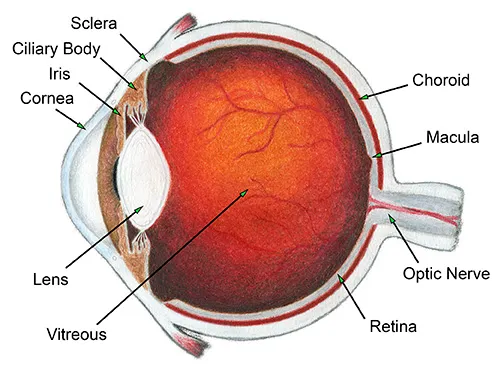
    It consists of several important parts:

    1. Cornea: The clear front part that allows light to enter the eye.
    2. Iris: The colored part of the eye that controls the size of the pupil.
    3. Pupil: The black center that regulates the amount of light entering the eye.
    4. Lens: Located behind the iris, it focuses light onto the retina.
    5. Retina: The back of the eye where images are formed and sent to the brain through the optic nerve.
    6. Optic Nerve: Carries visual information from the retina to the brain for processing.

    Orbit and Eye Socket:

    The orbit, also called the eye socket, is a bony cavity in the skull that houses the eye and its surrounding structures. The orbit is made up of several bones, including the frontal bone, maxilla, zygomatic bone, and others. It not only protects the eye but also provides support and attachment points for the eye muscles.

    Within the orbit, there are important soft tissues that include:

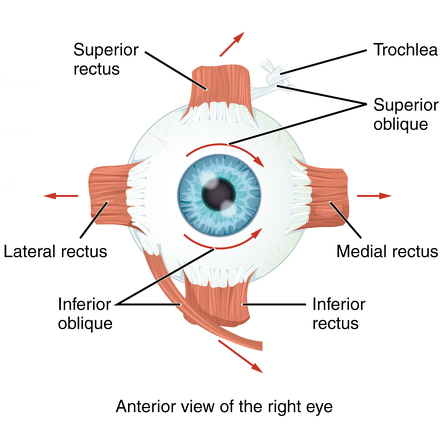
    1. Extraocular Muscles: These muscles control the movement of the eye in different directions.
    2. Fat Tissue: Provides cushioning and support for the eye within the orbit.
    3. Blood Vessels and Nerves: Supply nutrients and transmit sensory information to and from the eye.

    Pathophysiology

    Proptosis occurs when there is an abnormal increase in the volume of tissue within the orbit, causing the eye to bulge forward. This can happen due to swelling, growths, or displacement of structures within the eye socket. As a result of proptosis, the eye is pushed out of its normal position, which can lead to several effects:

    1. Visible Bulging: The affected eye(s) may appear more prominent than the other eye due to the forward displacement.
    2. Limited Eye Movement: Proptosis can hinder the normal movement of the eye because of the increased pressure within the confined space of the orbit.
    3. Exposure of the Eye Surface: The bulging eye may have difficulty closing fully, leading to problems with lubrication and dryness.
    4. Vision Problems: Proptosis can impact the alignment of the eyes, leading to double vision (diplopia) or blurred vision.
    signs of Proptosis

    Signs and Symptoms of Proptosis

    A. Bulging or Protruding Eye(s): One of the most noticeable signs of proptosis is when one or both eyes appear to bulge or protrude from their normal position within the eye sockets. The affected eye(s) may look larger and more prominent than usual, which can be concerning for the person experiencing this symptom.

    B. Redness and Swelling: Proptosis often leads to redness and swelling around the affected eye(s) and the surrounding tissues. The increased pressure within the eye socket can cause inflammation, making the eye area appear puffy and irritated.

    C. Vision Changes and Diplopia (Double Vision): Changes in vision are common with proptosis. The displaced position of the eye can disrupt the normal alignment, leading to double vision (diplopia). This occurs when the images seen by each eye do not merge properly, resulting in two overlapping images instead of a single clear image.

    D. Pain or Discomfort: Patients with proptosis may experience varying degrees of pain or discomfort around the affected eye(s) and the surrounding area. The pressure and stretching of tissues within the eye socket can cause pain, which may worsen with eye movement or touch.

    E. Eyelid Abnormalities: Proptosis can affect the position and function of the eyelids. Some patients may experience difficulty fully closing the affected eye, leading to incomplete blinking and potential corneal exposure, which can cause dryness and irritation.

    F. Photophobia (Light Sensitivity): Increased protrusion of the eye can make it more sensitive to light, leading to discomfort or pain when exposed to bright lights.

    G. Watery Eyes: Proptosis can disrupt the normal tear flow and drainage, resulting in excessive tearing (epiphora).

    H. Displacement of the Eye Muscles: The abnormal position of the eye may cause the extraocular muscles (responsible for eye movement) to become misaligned, leading to limited or abnormal eye movements.

    I. Changes in Eye Appearance: Aside from bulging, proptosis may cause changes in the appearance of the eye(s), such as a widened palpebral fissure (the opening between the upper and lower eyelids) or changes in the position of the iris.

    J. Pressure Sensation: Some individuals with proptosis may describe a feeling of pressure or heaviness around the eyes due to the increased tissue volume within the eye socket.

    Diagnosing Proptosis

    Diagnosis of Proptosis

    Clinical Examination by Healthcare Professionals: The first step in diagnosing proptosis involves a thorough clinical examination by healthcare professionals, such as ophthalmologists or eye specialists. During the examination, the following assessments may be performed:

    1. Visual Acuity Test: To assess how well the patient can see at various distances using an eye chart.
    2. Eye Movement Examination: To check for any limitations or abnormalities in the movement of the affected eye(s).
    3. Pupil Examination: To evaluate the size and reaction of the pupils to light.
    4. Eye Pressure Measurement: To check for increased intraocular pressure, which may be associated with certain eye conditions.
    5. Slit-Lamp Examination: A specialized microscope used to examine the front structures of the eye, including the cornea, iris, and lens.
    6. Fundoscopy: To visualize the back of the eye (retina and optic nerve) using an ophthalmoscope.

    Imaging Studies (MRI, CT Scan) for Accurate Assessment: Imaging studies are essential to get a detailed view of the eye and the structures within the orbit. The two most common imaging modalities used for proptosis diagnosis are:

    1. Magnetic Resonance Imaging (MRI): This non-invasive technique uses powerful magnets and radio waves to create detailed images of the eye, orbit, and surrounding soft tissues. MRI helps identify any abnormal growths, inflammation, or changes in the eye and orbital structures.

    2. Computed Tomography (CT Scan): CT scans provide cross-sectional images of the eye and orbit, offering precise information about the bony structures and any abnormalities present. It helps in identifying fractures, tumors, or other conditions affecting the eye socket.

    Differential Diagnosis

    1. Thyroid Eye Disease (Graves’ Ophthalmopathy): This autoimmune condition is one of the common causes of proptosis and may be associated with other signs of hyperthyroidism.

    2. Orbital Cellulitis: An infection of the tissues around the eye, causing redness, swelling, and pain.

    3. Orbital Tumors: Benign or malignant growths that can push the eye forward.

    4. Allergic Reactions: Severe allergies can cause eye swelling and redness.

    5. Traumatic Eye Injury: Severe eye injuries may lead to eye displacement and proptosis.

    Management of Proptosis

    Medical Management:

    1. Treating Underlying Conditions (e.g., Thyroid Disorders): If proptosis is caused by an underlying condition like thyroid eye disease, the primary focus of treatment is managing the underlying disorder. For instance, in Graves’ ophthalmopathy, controlling the overactive thyroid with medications, radioactive iodine, or surgery may help stabilize or improve eye symptoms.

    2. Corticosteroids and Immunosuppressive Therapy: In certain cases of proptosis associated with inflammation or autoimmune conditions, corticosteroids may be prescribed. These anti-inflammatory medications help reduce swelling and inflammation around the eyes. In more severe cases, immunosuppressive therapy may be used to modulate the immune response and manage the underlying cause.

    Surgical Interventions: (Pre and Post operative care)

    1. Orbital Decompression Surgery: Orbital decompression is a surgical procedure performed to alleviate pressure in the eye socket by creating additional space. It involves removing or reshaping parts of the bony orbit to allow the displaced eye to move back to a more normal position. This surgery is commonly used for patients with proptosis due to thyroid eye disease or other conditions causing compression of the optic nerve.

    2. Orbital Tumor Removal: If proptosis is caused by benign or malignant tumors within the orbit, surgical removal may be necessary. The goal is to excise the tumor while preserving the surrounding eye structures and restoring a more natural eye position.

    3. Eye Realignment Surgery: In cases of proptosis resulting from muscle imbalances or nerve problems, eye realignment surgery may be recommended. This procedure aims to reposition the affected eye(s) to improve alignment and reduce double vision.

    Nursing Care for Patients with Proptosis

    Patient Education:

    1. Understanding the Diagnosis and Treatment Plan: Nurses play a vital role in educating patients about their proptosis diagnosis, explaining the underlying cause, and discussing the treatment options available. They should ensure that patients comprehend the information, addressing any questions or concerns they may have.

    2. Eye Care and Hygiene: Nurses should provide guidance on proper eye care and hygiene practices to prevent complications like dry eyes and corneal exposure. This includes instructing patients on how to use lubricating eye drops, avoiding eye rubbing, and maintaining a clean eye area to reduce the risk of infections.

    Monitoring and Assessment:

    1. Visual Acuity Checks: Regular visual acuity assessments should be performed to monitor changes in the patient’s vision. Record and report any abnomarities in visual acuity to the healthcare team promptly.

    2. Assessing for Complications: Monitoring for potential complications related to proptosis, such as signs of optic nerve compression, corneal exposure, and eye infections. Regular assessments can help detect these issues early, allowing for timely intervention.

    Emotional Support for Patients and Families:

    1. Addressing Psychological Impact: Having proptosis can significantly impact a patient’s emotional well-being and self-esteem. Nurses should provide empathetic support, actively listen to patients’ concerns, and offer reassurance to help alleviate anxiety or distress related to the condition.

    2. Encouraging Coping Mechanisms: Nurses can recommend stress-reducing techniques and coping mechanisms to help patients manage their emotions and cope with the challenges of living with proptosis. Encouraging patients to engage in hobbies, relaxation techniques, or support groups can be beneficial.

    3. Positioning the Patient After Surgery: Following orbital surgeries, nurses will help position the patient to minimize swelling and promote comfort. Elevating the head of the bed and keeping the patient’s head elevated can help reduce post-operative swelling and pressure around the eyes.

    Other measures, 
    • Lubricating Eye Drops: For patients experiencing dry eye symptoms due to incomplete eye closure, artificial tears or lubricating eye drops can help keep the eyes moist and reduce discomfort.

    • Eye Protection: Patients with proptosis should be advised to wear appropriate eye protection, such as safety glasses or goggles, to safeguard the eyes from potential injury.

    • Eye Patching: In cases where there is significant corneal exposure, eye patches may be used to protect the cornea and promote healing.

    • Vision Therapy: For patients with residual double vision, vision therapy exercises may be prescribed to help improve eye muscle coordination and reduce the impact of diplopia.

    • Psychological Support: Dealing with proptosis and its effects on appearance and vision can be emotionally challenging for patients. Providing psychological support and counseling can help patients cope with the condition and boost self-esteem.

    Proptosis / Exophthalmos Read More »
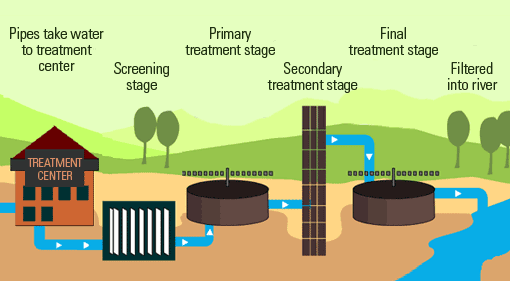
    FIBROIDS (FIBROMYOMAS)

    FIBROIDS (FIBROMYOMAS)


    FIBROIDS (FIBROMYOMAS)

    Fibroids are benign / non-cancerous tumors that originates from the
    smooth muscle layer (myometrium) of the uterus.
    Fibroids are benign tumors arising from the smooth muscle of the uterus.

     Other common names are :uterine leiomyoma, myoma, fibromyoma,
    fibroleiomyoma.

    They occur usually after the age of 30 years and commonly in women who have not had children. Fibroids are more likely to arise in the body of the uterus than the cervix. They are composed of muscle and fibrous tissue may be single or multiple and may be from a pinhead size to enormous size.


    Risk factors for uterine fibroids

    1. Age: Uterine fibroids are more common in women between the ages of 30 to 40 years.

    2. Parity: Women who have never given birth (nulliparous) or have had few pregnancies (low parity) are at a higher risk.

    3. Race: Uterine fibroids are more prevalent in individuals of African descent (negro or black) compared to those of Caucasian (white) ethnicity.

    4. Family History: If a woman has close relatives (such as mother, sister) with a history of uterine fibroids, her risk may be increased.

    5. Hyper-estrogenemia: Elevated levels of estrogen, a female hormone, can promote the growth of fibroids.

    6. Obesity: Being overweight or obese is associated with a higher risk of developing uterine fibroids.

    7. Early Onset of Menarche: Starting menstruation at a young age may be linked to an increased likelihood of fibroid development.

    8. Low Level of Vitamin D: Some studies suggest that insufficient vitamin D levels might be associated with a higher risk of uterine fibroids.

    9. Drugs (Estrogen Replacement Therapy): Long-term use of estrogen replacement therapy, particularly without progesterone, can be a risk factor for uterine fibroids.


    \"Classes

    Classes or types of Uterine fibroids

    1. Submucosal Fibroids: These fibroids grow into the uterine cavity. They are located just beneath the inner lining of the uterus (endometrium). Submucosal fibroids can cause various symptoms, including heavy menstrual bleeding and infertility.

    2. Intramural Fibroids (Interstitial): Intramural fibroids are the most common type and grow within the muscular wall of the uterus, known as the myometrium. They may expand and distort the shape of the uterus, leading to pain, pressure, and other symptoms.

    3. Subserosal Fibroids: These fibroids grow on the outside surface of the uterus. They can project outward and may become quite large. Subserosal fibroids can cause pelvic pain and pressure on nearby organs.

    4. Cervical Fibroids: Located on the cervix, the lower part of the uterus, cervical fibroids are relatively rare. They may cause symptoms such as pain and discomfort, and in some cases, they can affect fertility or lead to difficulties during labor.

    5. Fibroid of the Broad Ligament: This type of fibroid develops in the broad ligament, which is a supportive structure that helps hold the uterus in place within the pelvis. Broad ligament fibroids are relatively uncommon and may require specific management depending on their size and location.

    Location or Sites of Uterine Fibroids

    The locations or sites of uterine fibroids can be described as follows:

    I. Subperitoneal (Under the Peritoneal Surface): These fibroids grow on the outer surface of the uterus, just beneath the peritoneum (the thin, protective layer covering the abdominal organs). They can extend and project outward, leading to symptoms such as abdominal discomfort and pressure.

    II. Submucous (Bulging/Protruding into the Endometrial Cavity): Submucous fibroids grow into the uterine cavity, bulging and protruding into the endometrial lining. They can cause heavy menstrual bleeding, irregular periods, and even affect fertility.

    III. Pedunculated Fibroids: These fibroids are attached to the uterus by a narrow stalk or pedicle that contains blood vessels. Pedunculated fibroids can be either subserosal or submucous, depending on their location.

    IV. Intramural (Within the Wall of the Uterus or Centrally within the Myometrium): Intramural fibroids are the most common type and grow within the muscular wall of the uterus (myometrium). They can cause the uterus to enlarge and lead to symptoms such as pelvic pain and pressure.

    V. Subserosal (At the Outer Border of the Myometrium): Subserosal fibroids grow on the outer surface of the uterus, just beneath the serosa (the outermost layer of the uterus). These fibroids can be large and cause pelvic discomfort.

    VI. Cervical Fibroids: Cervical fibroids are located on the cervix, the lower part of the uterus that connects to the vagina. They are relatively rare and can cause symptoms similar to other types of fibroids, such as pain and pressure.

    Wondering what\’s the difference? 
    The difference between \”types\” and \”location\” of uterine fibroids lies in what they describe:

    1. Types of Uterine Fibroids: The types of uterine fibroids refer to the different categories or classifications based on their specific characteristics and growth patterns. The main types of uterine fibroids are:
      a. Submucous (bulging into the endometrial cavity)
      b. Intramural (within the wall of the uterus or centrally within the myometrium)
      c. Subserosal (at the outer border of the myometrium)
      d. Pedunculated (attached to the uterus by a narrow stalk or pedicle)
      e. Cervical (located on the cervix)
      These types help healthcare professionals understand the nature of the fibroids and how they may be affecting the uterus and surrounding structures.
    2. Location of Uterine Fibroids: The location of uterine fibroids refers to the specific sites within or around the uterus where the fibroids are situated. The different locations are:
      a. Subperitoneal (under the peritoneal surface)
      b. Bulging/Protruding into the endometrial cavity (submucous)
      c. Attached to the uterus by a narrow pedicle containing blood vessels (pedunculated)
      d. In the wall of the uterus or centrally within the myometrium (intramural)
      e. At the outer border of the myometrium (subserosal)
      f. Cervical (located on the cervix)
      The location of the fibroids is crucial because it determines their proximity to other organs, how they may impact the uterine cavity or the cervical region, and how they might be approached for treatment.

    In summary, the \”types\” of uterine fibroids describe the different categories based on their growth patterns, while the \”location\” refers to the specific sites within or around the uterus where the fibroids are found

    Changes (degenerative) that can take place in the fibroid

    Degenerative changes in uterine fibroids refer to alterations in the fibroid tissue that can occur over time or due to specific circumstances. 

    1. Red Degeneration: This type of degeneration often occurs during pregnancy. It happens when the fibroid\’s blood supply is disrupted, leading to necrosis (cell death) of the fibroid tissue. The fibroid becomes reddish and soft, with a \”beefy\” appearance.

    2. Atrophy: After menopause, when hormone production decreases, fibroids may undergo atrophy. Atrophy refers to a decrease in size or wasting away of the fibroid due to the reduction in hormonal stimulation.

    3. Hyaline Degeneration: In hyaline degeneration, the fibroid tissue becomes soft, and the muscle fibers are replaced by a homogenous, structureless material.

    4. Parasitic Fibroid: This occurs when the blood supply to a fibroid is cut off due to torsion (twisting) of its pedicle. The fibroid then establishes a new blood supply from the surrounding tissues.

    5. Cystic Change: Following hyaline degeneration, the fibroid\’s tissue can become fluid-filled, giving it a cystic appearance similar to an ovarian cyst.

    6. Fatty Change: The muscle fibers of the fibroid are replaced by fat tissue.

    7. Calcification: In calcification, calcium salts are deposited in the fibroid, causing it to harden and become similar to a stone.

    8. Eggshell Fibroid (Calcification): In this type of calcification, the calcium deposits form on the outside of the fibroid, leaving the inside with its usual consistency.

    9. Womb Stone: This term describes a fibroid that is entirely deposited with calcium salts, causing the entire fibroid to become hardened like a stone.


    Causes of Uterine Fibroids.

    Causes of uterine fibroids are not fully understood, but research suggests that hormones and genetics play significant roles in their development. Here\’s a more detailed explanation:

    1. Hormones: The hormones estrogen and progesterone, which regulate the menstrual cycle, have a close association with the growth and development of uterine fibroids. During each menstrual cycle, the lining of the uterus (endometrium) thickens under the influence of estrogen and progesterone. These hormones also seem to stimulate the growth of fibroids. As a result, fibroids often grow and enlarge during the reproductive years when hormone levels are at their highest. Conversely, as hormone production decreases during menopause, fibroids tend to shrink and become less symptomatic.

    2. Genetics: There is evidence to suggest that genetics can play a role in the development of uterine fibroids. Women with a family history of fibroids are at a higher risk of developing them themselves. This suggests that certain genetic factors may predispose individuals to fibroid formation.

    3. Other Factors: Although hormones and genetics are the main factors associated with uterine fibroids, some other factors may contribute to their development or growth. These factors include obesity, race (fibroids are more common in women of African descent), and dietary factors.

    \"Clinical

    Clinical Presentation of Uterine Fibroids.

    1. Painful and Prolonged Menstrual Periods: Fibroids can cause heavy and prolonged menstrual bleeding, leading to painful periods (dysmenorrhea).

    2. Vaginal Bleeding after Menopause: Postmenopausal women with fibroids may experience vaginal bleeding, which is abnormal after menopause.

    3. Difficulty with Urination and Constipation: Large fibroids or fibroids pressing on the bladder can cause frequent urination or difficulty emptying the bladder. Fibroids pressing on the rectum can lead to constipation.

    4. Pressure in the Pelvic Area: Women with fibroids may feel pressure or heaviness in the lower abdomen or pelvis.

    5. Fullness or Pressure in the Belly: Enlarged fibroids can cause the abdomen to appear distended and feel full.

    6. Lower Back and Leg Pain: Some women may experience lower back pain or pain in the legs due to the pressure exerted by fibroids on surrounding structures.

    7. Pain During Sex (Dyspareunia): Fibroids can cause pain or discomfort during sexual intercourse.

    8. Difficulty in Getting Pregnant (Infertility): Depending on their size and location, fibroids can interfere with the implantation of a fertilized egg or lead to difficulties in conception.

    9. Pressure Symptoms: Fibroids can create pressure on the bladder, leading to increased frequency of urination. They can also exert pressure on the rectum, causing constipation. Additionally, pelvic vein pressure can lead to hemorrhoids and varicose veins.

    10. Acute Degeneration: In some cases, fibroids may undergo acute degeneration, which can cause severe pain.

    11. Enlargement of the Abdomen: Large fibroids or multiple fibroids can cause the abdomen to become visibly enlarged due to their projection into the abdominal cavity.


    \"investigations

    Diagnosis and Investigations

    1. History Taking: A comprehensive medical history is taken to understand the patient\’s symptoms, menstrual patterns, reproductive history, and any relevant medical conditions. This helps in assessing the likelihood of uterine fibroids and guides further evaluation.

    2. Physical Examination: A physical examination is conducted to assess general health and look for specific signs related to uterine fibroids. This may include checking for signs of chronic anemia (pallor) due to heavy menstrual bleeding.

    3. Abdominal Examination: An abdominal examination is performed to detect any large pelvi-abdominal swelling, which can be associated with significant fibroid growth.

    4. Pelvic Examination: During a pelvic examination, the healthcare provider assesses the size, shape, and position of the uterus. Uterine fibroids may cause the uterus to be symmetrically or asymmetrically enlarged. A speculum examination may also reveal the presence of fibroid polyps.

    5. Investigations: Various diagnostic tests are used to confirm the presence of uterine fibroids and assess their characteristics. These investigations may include:

      • Pregnancy Test: To rule out pregnancy as a cause of symptoms.
      • Full Blood Count (FBC) and Iron Studies: To check for anemia, which can result from heavy menstrual bleeding caused by fibroids.
      • Pelvic Ultrasound (U/S): An ultrasound is a common imaging test used to visualize the uterus and detect fibroids. It is a non-invasive and relatively simple procedure.
      • Saline Hysterosonography: This procedure involves injecting saline into the uterus during an ultrasound to enhance visualization of the uterine cavity and identify submucous fibroids.
      • Hysterosalpingogram (HSG): An HSG is an X-ray procedure that uses contrast dye to visualize the uterine cavity and fallopian tubes. It can help detect intrauterine fibroids.
      • Transvaginal Ultrasound (TVUSS): This type of ultrasound involves inserting a small probe into the vagina for a clearer view of the pelvic organs, which can be especially useful in obese patients.
      • Hysteroscopy: A hysteroscope, a thin, lighted instrument, is used to directly visualize the uterine cavity, enabling the identification and removal of submucous fibroids.
      • Bimanual Examination: A two-handed examination of the pelvic organs to assess the size, shape, and mobility of the uterus and detect any abnormal masses.
      • MRI (Magnetic Resonance Imaging): Although not always necessary, MRI is highly accurate in providing detailed information about the size, location, and number of fibroids.

    \"\"

    Management of Fibroids.

    Most fibroids do not require treatment unless they are causing symptoms. After menopause, fibroids usually shrink, and it is unusual for fibroids to cause problems. The choice of management depends on several factors:

    • Age
    • Parity
    • Size and location of fibroids
    • Desire for uterine preservation
    • If need for more children

    For example:

    • Multiple myomas and completed childbearing benefit from hysterectomy.
    • Nulliparous women may undergo myomectomy.
    • Submucosal myomas can be treated with hysteroscopic resection.
    • Subserosal pedunculated myomas can be removed through laparoscopic resection.

    Emergency Treatment:

    • Blood transfusion is given to correct anemia.
    • Emergency surgery is indicated for infected myoma, acute torsion, and intestinal obstruction.

    Medical Management:

    • Nonsteroidal anti-inflammatory drugs (NSAIDs) such as ibuprofen can help manage pain.
    • Antifibrinolytic agents like tranexamic acid may reduce menorrhagia.
    • Low-dose birth control pills or an intrauterine device with a slow-release hormone (Mirena) can control heavy menstrual bleeding.
    • Haematenics like ferrous sulphate or folic acid are used to improve hemoglobin levels in cases of Menorrhagia.
    • Levonorgestrel intrauterine devices effectively limit menstrual blood flow and improve other symptoms with minimal side effects.
    • Gonadotropin-releasing hormone (GnRH) agonists like Lupron and Synarel can temporarily reduce estrogen and progesterone levels, leading to fibroid shrinkage.
    • Mifepristone (25-50mg twice weekly) is a progesterone receptor inhibitor that can reduce fibroid size and bleeding.
    • Danazol, an androgen, interrupts ovulation.

    Surgical Management:

    • Myomectomy: Surgical removal of one or more fibroids, often recommended for women who want to preserve fertility.
    • Hysterectomy: Removal of the uterus, suitable for women with multiple myomas and completed childbearing.
    • Endometrial ablation: Removal of the uterine lining.
    • Uterine artery embolization: Limiting blood supply to the myoma by injecting polyvinyl particles via the femoral artery.
    • Radiofrequency ablation: Shrinking fibroids by inserting a needle-like device into the fibroid and heating it with radiofrequency.

    Indications:

    • Myomectomy: Young women who want more children, small or few fibroids, heavy or prolonged bleeding.
    • Hysterectomy: Possible malignant changes, large or numerous fibroids, desire to limit family size, or approaching menopause.


    Pre and Post Operative Care/Management

    This involves providing care for patients undergoing  surgery of gynecological procedures. 

    1. Admission and History Taking:

    • Obtain personal, medical, social, and gynecological history.
    • Conduct a physical examination, including vital signs (temperature, respirations, blood pressure, and pulse), head-to-toe examination to rule out anemia, dehydration, jaundice, and vaginal examination to assess any abnormalities.
    • General assessment by the gynecologist.

    2. Informed Consent:

    • Explain the reasons for the operation, its benefits, risks, and expected results to the patient and involve the partner if necessary.

    3. Investigations:

    • Conduct various tests, including urinalysis, hemoglobin (HB) level, blood grouping and cross-match, abdominal ultrasound scan, urea and electrolytes, INR/PT (International Normalized Ratio/Prothrombin Time), and ECG/ECHO if required.

    4. Patient Education:

    • Educate the patient about the surgery, its purpose, potential complications, and side effects of anesthesia.
    • Provide reassurance and counseling to relieve anxiety.

    5. Preparing for Surgery:

    • Ensure the patient fasts from food and drinks on the day of the operation.
    • Arrange for IV line insertion, blood booking in the laboratory, and catheterization of the patient.
    • Administer pre-medications as prescribed.

    6. Assisting with Theatre Preparation:

    • Help the patient change into theatre gown.
    • Continue providing counseling and emotional support.
    Post-Operative Management:
    • After the operation, prepare the post-operative bed for the patient.
    • Obtain reports from the surgeon, recovery room nurses, and anesthetists.
    • Wheel the patient to the ward.
    • Receive the patient in a warm bed, keeping her in a flat position, or turning her to one side depending on the surgery type (supine for abdominal surgery or a comfortable position for vaginal surgery).

    Observation:

    • Monitor the patient closely, taking vital signs regularly (every ¼ hr for the first hour and every ½ hr for the next hour until discharge).
    • Observe temperature, pulse, respiration, blood pressure, and signs of bleeding or edema at the surgical site.
    • Check the IV line and blood transfusion line if applicable.

    Upon Consciousness:

    • Gently welcome the patient from the theater, explain the surgery, and assist with face sponging.
    • Provide a mouthwash and change the gown.

    Medical Treatment:

    • Administer analgesics, such as Pethidine 100mg every 8 hours for 3 doses, and switch to Panadol to complete 5 days.
    • Prescribe antibiotics, such as ampicillin or gentamicin, as ordered.
    • Offer supportive care with vitamins like vitamin C, iron, and folic acid.
    • Monitor and care for the wound in case of abdominal surgery, leaving the wounds untouched if bleeding occurs and re-bandaging if necessary.

    Nursing Care:

    • Assist the patient with hygiene, including bed baths and oral care.
    • Allow the patient to feed herself as soon as she is able and provide plenty of fluids.
    • Encourage regular bowel and bladder emptying, offering assistance as needed.
    • Initiate chest and leg exercises to avoid swelling and bleeding in the wound.
    • Gradually increase the exercise routine to prevent deformities and contractures.

    Vaginal Surgery Management:

    • Insert a vaginal pack to control hemorrhage and inspect it frequently for severe bleeding.
    • Apply vulval padding after pack removal until bleeding stops, changing it when necessary to prevent infections.
    • Swab or clean the vulva at least every 8 hours to prevent infection.

    Advice on Discharge:

    • For Myomectomy patients, advise avoiding conception for 2 years following the operation and delivering via cesarian section.
    • For hysterectomy patients, inform them that they will not conceive again or have periods.
    • Recommend abstaining from sexual intercourse for about 6 weeks and avoiding douching. Vaginal bleeding may persist for up to 6 weeks.

    Complications of Uterine Fibroids:

    • Menorrhagia (heavy menstrual bleeding)
    • Premature birth, labor problems, and miscarriage
    • Infertility
    • Twisting of the fibroids
    • Anemia
    • Urinary tract diseases
    • Postpartum hemorrhage

    Complications during pregnancy and labor may include:

    • Antepartum hemorrhage (placenta previa, placental abruption)
    • Abortion
    • Fetal restricted growth
    • Malpresentation
    • Cesarean section
    • Labor dystocia
    • Premature labor
    • Uterine inertia leading to postpartum hemorrhage
    • Obstructed labor
    • Subinvolution of the uterus with increased lochia.


    FIBROIDS (FIBROMYOMAS) Read More »
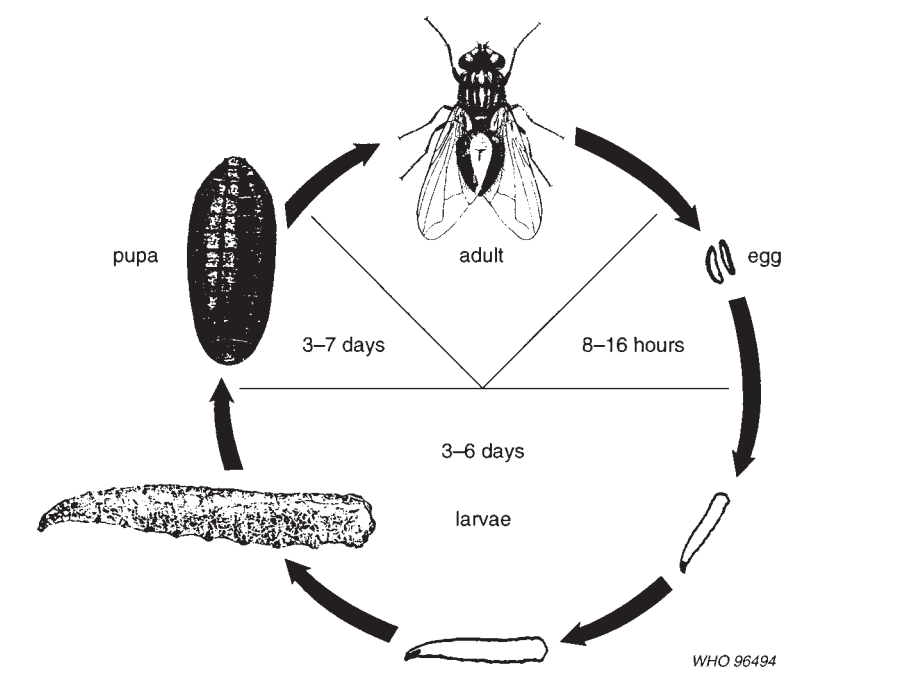
    PELVIC INFLAMMATORY DISEASES (PID)

    PELVIC INFLAMMATORY DISEASES (PID)

    Pelvic Inflammatory Diseases (PID)

    Pelvic inflammatory disease (PID) refers to various inflammatory conditions affecting the upper genital tract in females.

    Pelvic Inflammatory Diseases (PID) refer to infections that affect the pelvic organs, pelvic peritoneum, and the pelvic vascular system.

    Pelvic inflammatory diseases are diseases of the upper genital tract.

    It is a spectrum of infection and inflammation of the upper genital tract organs involving the endometrium, fallopian tubes, ovaries, pelvic peritoneum and surrounding structures.

    Infections, often ascending from the vagina, can lead to salpingitis, endometritis, pelvic peritonitis, or the formation of tubo-ovarian abscesses. 

    Aetiology of Pelvic Inflammatory Diseases

    PID is often attributed to multiple pathogens, including 

    • Neisseria Gonorrhoeae: A bacterium that causes the sexually transmitted infection gonorrhoea. If left untreated, gonorrhoea can ascend from the cervix to the upper reproductive organs, leading to PID.
    • Chlamydia Trachomatis: The bacterium responsible for chlamydia, another common sexually transmitted infection. Chlamydia can infect the cervix and ascend to the uterus and fallopian tubes, leading to PID.
    • Mycoplasma: Certain species of Mycoplasma, such as Mycoplasma genitalium, have been implicated in PID. These bacteria can cause inflammation and infection in the reproductive tract.
    • Gardnerella Vaginalis: An overgrowth of Gardnerella vaginalis can lead to bacterial vaginosis, an imbalance of vaginal bacteria that can contribute to the development of PID.
    • Bacteroides: Bacteroides species are anaerobic bacteria that can be involved in the polymicrobial infection associated with PID.
    • Gram-Negative Bacilli like Escherichia Coli: Certain gram-negative bacteria, including Escherichia coli, commonly found in the gastrointestinal tract, can cause infections in the reproductive organs, contributing to the development of PID.

    Risk Factors/Other Factors.

    The aetiology of pelvic inflammatory diseases (PIDs) can be attributed to several other factors, including:

    1. Sexually Transmitted Infections (STIs): Infections such as chlamydia and gonorrhoea are common causes of PID. These bacteria can travel from the cervix to the upper genital tract, leading to inflammation and infection.
    2. Bacterial Vaginosis: Imbalance of normal vaginal bacteria can increase the risk of developing PID. The overgrowth of harmful bacteria can lead to inflammation and infection of the reproductive organs.
    3. Postpartum or Post-Abortion Infections: Infections following childbirth or abortion can lead to inflammation of the reproductive organs, increasing the risk of PID.
    4. IUD Insertion: Insertion of intrauterine devices (IUDs) for contraception can introduce bacteria into the reproductive tract, potentially leading to PID.
    5. Endometrial Procedures: Certain medical procedures, such as endometrial biopsy or dilation and curettage (D&C), can introduce bacteria into the uterus, increasing the risk of PID.
    6. Unprotected Sexual Activity: Engaging in unprotected sexual activity with multiple partners can increase the risk of acquiring STIs, which can lead to PID.
    7. Douching: Douching is the practice of washing or flushing the vagina with water or other fluids. It can disrupt the natural balance of bacteria in the vagina, increasing the risk of developing PID.
    8. Previous PID Infections: Individuals with a history of pelvic inflammatory disease are at an increased risk of developing recurrent episodes of PID.
    9. Multiple or New Sexual Partners: Engaging in sexual activity with multiple partners or having a new sexual partner can elevate the risk of acquiring sexually transmitted infections (STIs) that can lead to PID.
    10. History of STIs in the Patient or Her Partner: A history of sexually transmitted infections, such as chlamydia or gonorrhea, in either the patient or her partner can increase the likelihood of developing PID.
    11. History of Abortion: Previous induced abortions can be a risk factor for PID, particularly if the procedure leads to infections in the reproductive tract.
    12. Young Age (Less Than 25 Years): Younger individuals, particularly adolescents, are at a higher risk of PID, possibly due to increased sexual activity and immature cervix, which may facilitate the spread of infections.
    13. Postpartum Endometritis: Infections following childbirth, particularly involving the lining of the uterus (endometritis), can increase the risk of developing PID.

    Pathophysiology of Pelvic Inflammatory Diseases

    Pelvic Inflammatory Disease is often caused by multiple microorganisms, with gonorrhoea and Chlamydia being the most common causes. 

    The infection starts in the vagina and then ascends through the endocervical canal to reach the Fallopian tubes and ovaries

    During menstruation, the endocervical canal is slightly dilated, facilitating the entry of bacteria into the uterus. Once inside the reproductive tracts, the bacteria rapidly multiply and can spread further to the fallopian tubes, ovaries, and even the peritoneum or other abdominal organs.


    Clinical Manifestations of Pelvic Inflammatory Diseases (PID)

    The clinical presentation of PID can vary, and common symptoms include:

    1. Lower Abdominal Pain (usually <2 weeks): Patients with PID commonly experience pain in the lower abdominal region, usually lasting for less than two weeks. This pain is often a result of the inflammation and infection affecting the pelvic organs.  The nature of the pain is bilateral, affecting both sides of the lower abdomen.
    2. Dysuria, Fever: Dysuria (painful or difficult urination) and fever are indicative symptoms of PID. These manifestations result from the inflammatory response and the body’s attempt to combat the infection.
    3. Smelly Vaginal Discharge Mixed with Pus: PID can lead to an alteration in vaginal discharge, which may become malodorous and contain pus. This change is a consequence of the infection affecting the reproductive organs and the discharge’s composition.
    4. Purulent Vaginal Discharge: About 90% of PID patients have purulent (pus-like) vaginal discharge. The discharge may have a foul odour and appear yellowish or greenish.
    5. Painful Sexual Intercourse (Dyspareunia): Dyspareunia, or pain during sexual intercourse, is a common symptom of PID. Inflammation and infection can make sexual activity uncomfortable or painful.
    6. Cervical Motion Tenderness: Cervical motion tenderness is a clinical sign observed during a pelvic examination. It involves pain or discomfort when the cervix is moved, indicating inflammation in the pelvic region, specifically around the cervix.
    7. Abnormal Uterine Bleeding: PID may cause irregular or abnormal uterine bleeding. The inflammatory processes can disrupt the normal menstrual cycle, leading to unusual bleeding patterns.
    8. Palpable Swellings in Severe Cases: In severe cases of PID, palpable swellings may be detected, indicating the presence of pus in the fallopian tubes or the development of a pelvic abscess. Signs of peritonitis, such as rebound tenderness (pain upon release of pressure), suggest an advanced and serious stage of the disease.
    9. Urinary Symptoms: PID can sometimes affect the nearby urinary structures, leading to symptoms like increased frequency or urgency of urination. This occurs due to the proximity of the reproductive and urinary organs in the pelvic region.
    10. Gastrointestinal Symptoms: PID’s inflammatory processes can extend to the gastrointestinal tract, causing symptoms such as nausea, vomiting, or diarrhoea. These symptoms may result from the proximity of the reproductive and digestive organs in the pelvic cavity.
    11. Painful Bowel Movements: PID can cause inflammation around the pelvic organs, leading to pain during bowel movements. This symptom is a consequence of the infection affecting the nearby structures.
    12. Adnexal Mass:  The presence of an adnexal mass, indicating swelling or enlargement in the region near the uterus and ovaries, can be detected in PID cases. This mass is a clinical finding associated with pelvic inflammation.
    13. Speculum Examination: A speculum examination may reveal a congested cervix with purulent discharge, providing visual evidence of cervical involvement in PID.
    14. Intermenstrual Bleeding: Intermenstrual bleeding, occurring between regular menstrual cycles, is another symptom associated with PID, contributing to the spectrum of abnormal bleeding patterns.
    15. Post-coital Bleeding: Post-coital bleeding, or bleeding following sexual intercourse, is highlighted as a distinctive symptom of PID, reflecting the impact of inflammation on the reproductive organs.
    16. Menstrual Changes: PID can disrupt the normal menstrual cycle, leading to various menstrual irregularities. These changes may include dysmenorrhea (painful periods), menorrhagia (heavy or prolonged periods), or oligomenorrhea (infrequent or scanty periods).

    Diagnosis and Investigations for Pelvic Inflammatory Diseases (PID)

    • Gram Staining: Gram staining to detect intracellular diplococci, providing microscopic evidence of bacterial presence. This method aids in identifying pathogens like Neisseria gonorrhoeae.
    • Cervical Culture and Sensitivity: Collecting pus samples for culture and sensitivity from the cervix helps identify the specific microorganisms causing the infection and their sensitivity to antibiotics.
    • Abdominal Pelvic Ultrasound Scan: An ultrasound scan assesses the abdominal and pelvic regions. While it may appear normal in some cases, it is crucial for detecting complications such as pelvic tubo-ovarian abscess or hydrosalpinx.
    • Pelvic Tubo-Ovarian Abscess: Visualization of a pelvic tubo-ovarian abscess is a diagnostic indicator, revealing a localized collection of pus and inflammatory tissue within the pelvic region.
    • Physical Examination – Must Include:
    1. Lower Abdominal Pain (LAP): Assessment of lower abdominal pain,, as PID commonly presents with pelvic discomfort.
    2. Cervical Motion Tenderness: Tenderness observed during movement of the cervix is a clinical sign of PID.
    3. Adnexal Tenderness: Tenderness in the adnexal region (near the uterus and ovaries).
    • Speculum Examination: A speculum examination assists in assessing the cervix and vaginal canal.
    • Pregnancy Test: Conducting a pregnancy test is essential to rule out pregnancy-related causes of pelvic symptoms.
    •  

    Management of Pelvic Inflammatory Diseases

    Aims of Management 

    • To eliminate the infection.
    • To relieve symptoms.
    • To prevent complications.

    Medical Management:

    Outpatient treatment involves a combination of medications covering multiple microorganisms.

    • Ceftriaxone 250 mg IM (or cefixime 400 mg stat if ceftriaxone is not available)
    • Doxycycline 100 mg orally every 12 hours for 14 days
    • Metronidazole 400 mg twice daily orally for 14 days
    • In pregnancy, erythromycin 500 mg every 6 hours for 14 days replaces doxycycline.
    • Do not use doxycycline during pregnancy and breastfeeding.

    For severe Cases, Admission is considered.

    • Severe cases or those not improving after 7 days require referral for ultrasound scan and parenteral treatment.
    • Patients with severe PID should be admitted and injectable antibiotics should be given for at least 2 days then switch to the oral antibiotics.
    • IV Clindamycin 900 mg 8 hourly plus gentamycin 2 mg/kg loading dose then 1.5mg/kg 8 hourly. OR Ceftriaxone 1 g IV daily plus metronidazole 500mg IV every 8 hours until clinical improvement, then continue oral regimen.
    • Note: A number of patients have repeated infection resulting from inadequate treatment or re-infection from untreated partners.
    • Therefore: Male sexual partners should be treated with drugs that cover N.gonorrhoeae and C. Trachomatis to avoid reinfection.ie. Cefixime 400 mg stat Plus Doxycycline 100mg 12 hourly for 7 days.

    Nursing Interventions for Pelvic Inflammatory Disease (PID):

    1. Assessment (History and Physical Examination): Thorough assessment, including a detailed history and physical examination, helps identify specific symptoms, risk factors, and the extent of pelvic involvement.
    2. Fever Management: Effective management of fever involves monitoring temperature regularly and implementing interventions such as antipyretic medications and cooling measures to ensure patient comfort and prevent complications.
    3. Pain Management: Over-the-counter nonsteroidal anti-inflammatory drugs (NSAIDs), like ibuprofen, can alleviate pelvic pain and inflammation. Prescription pain medications may be considered for severe cases.
    4. Anxiety Alleviation:  Addressing emotional well-being is crucial. Provide support and information to alleviate anxiety related to the diagnosis, treatment, and potential complications of PID.
    5. Health Education: Patient education focuses on understanding PID, its causes, and the importance of compliance to prescribed medications. Information on preventive measures, symptom recognition, and follow-up care is also provided.
    6. Rest and Sleep Promotion: Encouraging adequate rest and sleep aids in the body’s recovery process. Assist in creating a conducive environment for rest, addressing discomfort and promoting relaxation.
    7. Hygiene (Bowel and Bladder Care):  Maintaining proper hygiene, especially regarding bowel and bladder care, is emphasized to prevent infections and promote overall well-being during the recovery phase.
    8. Dietary Guidance: Provide dietary recommendations to support healing. Adequate nutrition is essential for recovery, and guidance may include hydration, balanced meals, and nutritional supplements if necessary.
    9. Discharge Advice: Comprehensive discharge instructions cover post-treatment care, prescribed medications, and potential signs of complications. Patients are educated on when to seek medical attention and the importance of completing the entire course of antibiotics.
    10. Sexual Partners: Educating and treating sexual partners exposed to the same STIs is A MUST. This preventive measure aims to interrupt the cycle of reinfection and reduce the transmission of STIs.
    11. Follow-up Care:  Post-treatment follow-up ensures the effectiveness of antibiotic therapy. Recommend additional tests or visits to confirm resolution and assess for any complications.
    12. Prevention: Emphasize preventive measures, including safe sex practices, consistent condom use, regular STI testing, and limiting sexual partners. Vaccination against specific STIs, such as HPV and hepatitis B, is promoted to reduce the risk of PID. Education on maintaining a healthy sexual lifestyle is also provided.

    Complications of Pelvic Inflammatory Disease (PID):

    1. Infertility: PID poses a high risk of infertility by causing scarring and damage to the reproductive organs. This can impair fertility by obstructing the fallopian tubes, disrupting normal ovulation, or affecting the uterus.
    2. Ectopic Pregnancy: The increased likelihood of scarring in the fallopian tubes from PID raises the risk of ectopic pregnancies. An ectopic pregnancy occurs when a fertilized egg implants outside the uterus, usually in the fallopian tubes, posing a serious medical emergency.
    3. Chronic Pelvic Pain: Persistent or recurrent pelvic pain may develop as a long-term consequence of PID. 
    4. Pelvic Abscess: In some cases, untreated or severe PID can lead to the formation of a pelvic abscess—a collection of pus within the pelvic cavity. 
    5. Pelvic Peritonitis: Pelvic peritonitis refers to inflammation of the peritoneum, the lining of the pelvic cavity. It can result from the spread of infection within the pelvis, leading to severe abdominal pain, tenderness, and potential complications.
    6. Tubo-ovarian Abscess (TOA): A tubo-ovarian abscess is a localized collection of infected fluid involving the fallopian tubes and ovaries. This serious complication may necessitate surgical intervention, such as drainage or removal of the abscess.
    7. Adhesions and Scarring: PID can contribute to the formation of adhesions and scarring within the pelvic organs. These adhesions may lead to structural changes, increasing the risk of complications such as bowel obstruction or chronic pain.

    CERVICITIS

    Cervicitis refers to the inflammation of the cervix, which is the lower part of the uterus that opens into the vagina

    It is often caused by infections, most commonly sexually transmitted infections (STIs) like Chlamydia and Gonorrhea.

    Signs and Symptoms of Cervicitis:

    1. Redness of the Cervix: Inflammation may cause the cervix to appear red and swollen when examined by a healthcare provider.
    2. Slight Bleeding on Intercourse: Cervicitis can lead to cervical friability, making the cervix more prone to bleeding, especially during sexual intercourse.
    3. Itching and Burning: Some individuals with cervicitis may experience itching and a burning sensation around the vaginal area.
    4. Vaginal Discharge: An abnormal vaginal discharge, which may be watery, yellowish, or greenish, can be present in cervicitis.
    5. Pelvic Pain: Some individuals may experience mild pelvic discomfort or pain.

    SALPINGITIS:

    Salpingitis is the inflammation of one or both fallopian tubes

    It often occurs as a result of infections ascending from the vagina and uterus. Common causes of salpingitis include untreated or inadequately treated STIs, particularly Chlamydia and Gonorrhea.

    Signs and Symptoms of Salpingitis:

    1. Abdominal or Back Pain: Salpingitis can cause lower abdominal or back pain, which may range from mild to severe.

    2. Dyspareunia: Pain during sexual intercourse, known as dyspareunia, can be a symptom of salpingitis.

    OOPHORITIS:

    Oophoritis is the inflammation of one or both ovaries

    It can occur independently or in conjunction with other pelvic infections, such as salpingitis.

    Signs and Symptoms of Oophoritis:

    • Abdominal or Back Pain: Similar to salpingitis, oophoritis may cause abdominal or back pain.

    • Dyspareunia: Pain during sexual intercourse may also be present in cases of oophoritis.

    ENDOMETRITIS:

    Endometritis is the inflammation of the endometrium, which is the inner lining of the uterus. 

    It can be acute or chronic and is often caused by bacterial infections, most commonly occurring after childbirth, abortion, or the insertion of an intrauterine contraceptive device (IUD).

    Signs and Symptoms of Endometritis:

    1. Fever: The patient may have an elevated body temperature as a response to the infection.

    2. Abdominal Pain: Pain or discomfort in the lower abdomen is a common symptom.

    3. Enlargement of the Uterus: In some cases, the uterus may appear larger than usual upon examination.

    4. Vaginal Discharge: Abnormal vaginal discharge may be present, which can be foul-smelling and may vary in color.

    HOSPITAL MANAGEMENT:

    AIMS:

    • Prevent complications

    • Relieve pain

    • Prevent the disease from spreading

    Admission:

    • Admit the patient to a clean and well-ventilated gynecological ward for complete bed rest.

    • Start an I.V. line immediately to prevent dehydration and encourage oral fluids.

    Position:

    • Place the patient in a comfortable position, especially semi-fowler’s, to aid discharge drainage.

    Histories and Examination:

    • Take patient histories and conduct a comprehensive general examination.

    Observations:

    • Monitor vital signs (TPR & BP).

    • Observe and record color, amount, and smell of the discharge daily.

    • Monitor the general condition of the patient.

    Investigations:

    • Conduct high vaginal swab for culture and sensitivity to identify the causative organism.

    • Perform urinalysis for culture and sensitivity.

    • Rule out malaria with a malaria slide.

    • Take a blood sample for culture and sensitivity to check for a hematogenous source.

    • Perform an ultrasound scan to rule out other causes of abdominal pain.

    Diet:

    • Advise the patient to take a highly nutritious diet with plenty of oral fluids.

    Elimination:

    • Provide a bedpan or urinal and advise the patient to urinate whenever needed.

    • Observe and record the color, amount, and smell of the urine.

    • Disinfect urine and feces with JIK before disposal.

    Hygiene:

    • Make the bed daily and remove wrinkles for cleanliness.

    Exercise:

    • Encourage the patient to do some physical exercise, such as walking around. Psychotherapy may be necessary.

    Care of Mind:

    • Reassure the patient and relatives.

    • Provide newspapers, TV, radios, etc.

    Medical Treatment:

    • Start treatment immediately while waiting for culture and sensitivity results.

    • Use broad-spectrum antibiotics (chloramphenicol 2 gm stat, then I gm 6 hourly for 5 days, gentamicin 160 mg OD for 5 days, ceftriaxone 2 gm daily for 5 days). If the discharge reduces, switch to oral antibiotics.

    • Use other drugs based on sensitivity results (metronidazole 500 mg TDS i.v., azithromycin 1g as a single dose, ciprofloxacin, tetracycline, doxycycline, Septrin).

    Analgesics:

    • Use narcotics for severe pain. Other options include Panadol, ibuprofen, Diclofenac to reduce pain and inflammation.

    Advice on Discharge:

    • Reduce sexual partners, use condoms, avoid intrauterine contraceptive devices, seek early treatment for sexually transmitted infections, maintain hygiene, and follow prescribed drugs.

    • Instruct the patient to return for review in case of any problems like pain, discharges, or itching.

    Complications

    • Untreated or poorly managed endometritis can lead to several complications, including:
    1. Pelvic Abscess: Accumulation of pus in the pelvic region.
    2. Infertility: Inflammation and scarring can affect the fallopian tubes and reduce fertility.
    3. Ectopic Pregnancy: An abnormal pregnancy outside the uterus, usually in the fallopian tubes.
    4. Chronic Pelvic Pain: Persistent pelvic pain lasting for an extended period.
    5. Pelvic Adhesions: Scar tissue formation that can cause organs to stick together.
    6. Salpingitis: Inflammation of the fallopian tubes.
    7. Peritonitis: Inflammation of the abdominal lining.
    8. Tubal Ovarian Mass: Formation of masses involving the fallopian tubes and ovaries.
    9. Intestinal Obstruction: Partial or complete blockage of the intestine

    PELVIC INFLAMMATORY DISEASES (PID) Read More »
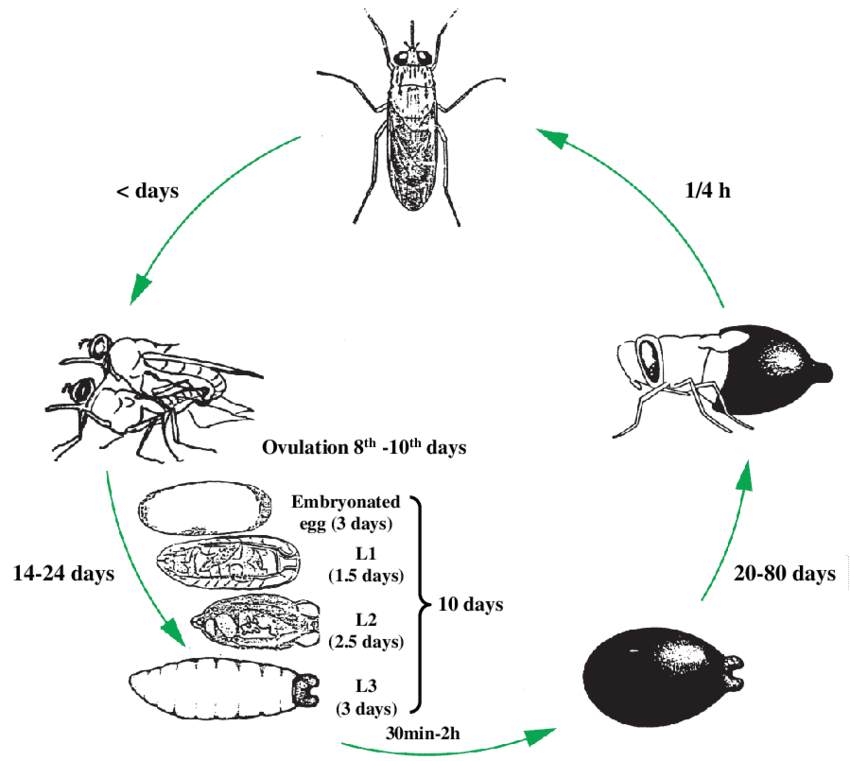
    Formulation of research topics

    Formulation of research topics

    Formulation of Research Topics & Objectives
    Formulation of Research Topics & Objectives
    Formulation of Research Topics

    Often, researchers want to define a research topic before fully understanding the underlying problem. However, a strong research topic emerges from identifying issues that require attention and solutions.

    This means a problem should be at hand in order to develop a research topic, which then naturally leads to objectives and questions.

    A research topic (or title) is essentially a central theme or idea around which all aspects of the research will revolve.

    Visualizing Research as a Tree: Imagine the research process as a tree:
    • Root: The research topic acts as the root, anchoring all ideas and ensuring every concept identifies with the topic.
    • Stem: The middle ideas and activities form the stem of the tree, connecting the root to the upper parts.
    • Branches, Leaves, and Fruits: These represent the actual conducting of the research.
    • Fruits: The research findings are the fruits. These should directly relate to the initial "fruit planted" (the topic), meaning the information obtained must have a clear relationship with the topic.

    Example Topic: ‘A study on knowledge and practice among mothers of neonates at Soba village, Jota district.’

    Research Problem

    A research problem is the core interest of a researcher, representing what they aim to discover or study. It can be defined as a statement about an area of concern, a condition to be improved, or a difficulty to be eliminated.

    Sources of a Research Problem

    Research problems can originate from various avenues:

    • Personal Interest and Experience: Researchers often draw from their own observations, professional experiences, or personal curiosity. For example, a nurse might notice a recurring issue in patient care that sparks a desire to investigate.
    • Use of Intellectual Curiosity: Asking fundamental questions like "How?" "Why?" "What if?" "What factors influence...?" can lead to the identification of researchable problems.
    • Prior Research and Recommendations: Reviewing existing literature often reveals recommendations for further studies, unsolved questions, or limitations in previous research that present new problems to explore.
    • Program Evaluation Gaps: During the assessment of a specific program or intervention, a researcher might identify an unaddressed gap or an area needing further investigation to improve effectiveness.
    • Direct Observation of Community Needs (Applied Research): Observing current needs or challenges within a community often gives rise to applied research problems aimed at finding practical solutions. For instance, a health worker might observe a high prevalence of a certain disease in a community, prompting research into its causes or prevention strategies.
    Examples of Research Problems

    A research problem is often framed by asking specific questions:

    1. "What is the cause of the cholera outbreak among people in Katanga?"
      • Here, the researcher is interested in studying or finding out the cause of the cholera outbreak among people in Katanga. This problem identifies a health crisis, a specific population, and a location.
    2. "Which age group is most affected by malaria in Mulago?"
      • Here, the researcher is interested in studying or finding out the age group most affected by malaria in Mulago. This problem identifies a disease, a specific demographic, and a location.
    Themes of Researchable Topics (according to UHPAB Guidelines)

    Trainees should select topics related to Nursing and Midwifery practice. The following are some examples, but Trainees are not limited to those listed below:

    • a) Reproductive health
    • b) Legal aspects in Nursing Practice
    • c) Mental Health
    • d) Management, leadership, and Administration in Nursing
    • e) Child Health
    • f) Older adults and gerontological Nursing
    • g) Neglected / Forgotten diseases and vulnerable groups
    • h) Persons with special needs
    • i) Infectious and Emerging Diseases like Ebola, Marburg virus, swine flu, and others
    • j) Task shifting in Healthcare, skill mixing, and task sharing
    • k) Gender-related issues in the Nursing profession
    • l) Occupational Health Hazards
    • m) Nursing Education
    • n) Nursing Practice
    • o) Genetics and Genomics
    • p) Community and Public Health
    How to Develop a Research Topic/Question

    This process integrates problem identification with narrowing down to a focused question:

    1. Begin by identifying a broader subject of interest that may lead to investigation:
      • Example: Diarrheal diseases.
    2. Do preliminary research on the general topic:
      • Find out what research has already been done and what literature already exists. This helps in understanding the current state of knowledge.
    3. Begin with "information gaps" (What do you already know about the problem?):
      • Example: You might know that studies exist showing the high incidence of diarrheal diseases.
      • What do you still need to know? (e.g., causes of diarrheal diseases, risk factors to diarrheal diseases, effectiveness of specific interventions, etc.).
    4. What are the broad questions?:
      • The need to know about a problem will lead to a few specific questions.
      • Example: What are the primary drivers of diarrheal disease burden in specific communities?
    5. Narrow this to a specific population:
      • Example: Among children less than one year.
    6. Narrow the scope and focus of research:
      • Combine the problem, population, and specific aspect.
      • Example: "Assessment of risk factors to diarrheal diseases among children less than one year in [Specific Region/Village]."
    Qualities of a Good Research Topic

    A good research topic should be FINER (Feasible, Interesting, Novel, Ethical, and Relevant) and therefore should have the following attributes:

    • Relevant to the Nursing profession: Directly addresses issues, practices, or knowledge gaps within nursing and midwifery.
    • Feasible in relation to time, method, material resources, and funds: Can realistically be completed within the given constraints.
    • In line with national development priorities: Contributes to broader health goals or policies of the country (e.g., Uganda).
    • Acceptable by the leadership: Politically, culturally, professionally, and economically viable and supported by relevant stakeholders.
    • Potentially advancing new knowledge in Nursing: Offers the possibility of contributing fresh insights or understanding.
    • Applicable in the Nursing profession: The findings can be used to improve practice, education, or policy in nursing.
    • In the trainee’s interest and appealing to the reader: Keeps the researcher motivated and engages the target audience.
    • Ethically acceptable: Adheres to all ethical guidelines and principles, ensuring participant safety and rights.
    • Reflect a level of innovativeness: Shows some originality or a fresh perspective on an existing problem.
    The FINER Criteria:
    • F: Feasible: The problem must be researchable within practical constraints such as cost, available time, access to respondents/participants, and other resources.
    • I: Interesting: The problem should be interesting enough to sustain the researcher's motivation through the many hurdles and frustrations of the research process. It's also wise to confirm that others (e.g., academic community, stakeholders) also find it interesting, ensuring its relevance.
    • N: Novel: Good research contributes new information. The problem should ideally explore something that is not too common or has not been extensively researched, offering fresh insights.
    • E: Ethical: The study should not pose physical, psychological, social, or financial risks to respondents, nor should it involve an invasion of privacy. Ethical considerations are paramount.
    • R: Relevant or Significant: Consider how the results of addressing this problem might advance scientific knowledge, improve clinical practice, or influence health policy. The problem should have a meaningful impact on society.
    Research Objectives

    A research objective is a clear and summarized statement that provides direction to investigate the variables under study. A clearly defined objective directs a researcher in the right direction. Well-defined objectives are an important feature of a good research study. Without a clear objective, a researcher is aimless and directionless in conducting the study, and without focused objectives, no replicable scientific findings can be expected.

    Why Research Objectives?

    Research objectives are crucial for several reasons:

    • FOCUS: A clearly defined research objective helps the researcher to focus on the study. The formulation of research objectives helps in narrowing down the study to its essentials. It avoids unnecessary findings, which otherwise lead to a wastage of resources.
    • AVOID UNNECESSARY DATA: The formulation of research objectives helps the researcher to avoid unnecessary accumulation of data that is not needed for the chosen problem.
    • ORGANIZATION: The formulation of objectives organizes the study into clearly defined parts or phases. Thus, the objectives help organize the study results into main parts as per the preset objectives.
    • GIVES DIRECTION: A well-formulated objective facilitates the development of research methodology and helps to orient the collection, analysis, interpretation, and utilization of data.
    Characteristics of a Good Research Objective

    A well-stated objective must be “SMART”:

    • S – SPECIFIC: A good research objective should be clear and focused on a specific aspect or goal of the study. It avoids being too broad or vague, so researchers know exactly what they want to achieve.
    • M – MEASURABLE: The objective should be measurable, meaning that there should be a way to determine if the research goal has been achieved. It’s important to use concrete and quantifiable terms to assess the outcomes.
    • A – ATTAINABLE: The research objective should be achievable within the resources, time, and scope of the study. It’s important to set realistic goals that can be accomplished with the available means.
    • R – REALISTIC: A good research objective should be grounded in reality and aligned with what is feasible. Researchers should consider practical constraints and not set impossible goals.
    • T – TIME-BOUND: The objective should have a specific timeframe within which it will be accomplished. Setting a deadline helps researchers stay focused and ensures the study progresses effectively.
    Types of Research Objectives

    Research objectives are generally categorized into two types:

    1. General Objectives

    General objectives are broad goals to be achieved. They state what the researcher expects to achieve by the study in general terms. General objectives are broad and overall goals that the researcher aims to achieve through the study. They provide a big-picture view of what the research intends to accomplish. These objectives are not very detailed and do not specify the exact actions to be taken. Instead, they outline the general direction and purpose of the study.

    • Example: For a nursing research study on patient satisfaction, a general objective could be: “To assess the factors influencing patient satisfaction in a hospital setting.” or “The study will aim at assessing the factors influencing patient satisfaction in a hospital setting”
    2. Specific Objectives

    Specific objectives are short-term and narrow in focus. General objectives are broken into small, logically connected parts to form specific objectives. The general objective is met through meeting the specific objectives stated. Specific objectives clearly specify what the researcher will do in the study, where, and for what purpose the study is done. Specific objectives are more detailed and narrow in focus. They are derived from the general objective and break it down into smaller, manageable parts. These objectives clearly state what the researcher will do, where the study will take place, and the specific purpose of the study.

    • Example: Continuing from the general objective above, specific objectives could be:
      • “The study will aim at identifying individual factors influencing patient satisfaction in a hospital setting.”
      • “The study will aim at finding out health worker related factors influencing patient satisfaction in a hospital setting..”

    In this example, the specific objectives provide clear directions for data collection and analysis. Achieving these specific objectives will contribute to fulfilling the broader, general objective of understanding the factors influencing patient satisfaction.

    Overall, general objectives set the overall direction of the research, while specific objectives break down the research process into smaller, achievable steps, guiding the researcher in accomplishing the broader research goal.

    Example 2: Risk Factors to Diarrheal Diseases Among Children Below 1 Year

    In the example provided, the broad objective and specific objectives can be identified as follows:

    • Broad Objective: The broad objective is the overarching goal of the research study. In this case, the broad objective is: “The study will aim at identifying risk factors to diarrheal diseases among children below 1 year.”
    • Specific Objectives: Specific objectives are the smaller, more focused goals that contribute to achieving the broad objective. In this example, some specific objectives could be:
      • “To assess socioeconomic risk factors to diarrheal diseases among children below 1 year.”
      • “To find out environmental risk factors to diarrheal diseases among children below 1 year”
    How to State Objectives
    • The objective should be presented briefly and concisely.
    • The objective should cover the different aspects of the problem and its contributing factors in a coherent way and in a logical sequence.
    • The objectives should be clearly phrased in operational terms, specifying exactly what the researcher is going to do, where, and for what purpose.
    • The objectives are realistic considering the local conditions.
    • The objectives use action verbs that are specific enough to be evaluated.
    Examples of Action Verbs:
    • Define
    • Describe
    • Draw
    • Identify
    • Label
    • List
    • Match
    • Record
    • Select
    • State
    • Name
    • Outline
    • Point out
    • Quote
    • Read
    • Recite
    • Recognize

    Formulation of research topics Read More »

    PHYSIOLOGY OF PUERPERIUM

    PHYSIOLOGY OF PUERPERIUM

    Physiology of Puerperium

    The term \”involution\” is used to refer to the regressive changes taking place in all of the organs and structures of the reproductive tract.

     During this stage, a number of physiological changes take place.

    •  The reproductive organs return to the non-gravid state
    •  lactation is established, and all other physiological changes that occurred during pregnancy are reversed. 
    • The foundations of the relationship between the infant and the parents are laid, and the mother recovers from the stress of pregnancy and delivery, taking on the responsibility for the infant\’s care.
    Changes in the Endocrine System: 
    • The posterior pituitary gland secretes oxytocin, which stimulates uterine contractions and aids in the expulsion of the placenta during the third stage of labor.
    • Oxytocin also acts on the breast tissue, facilitating milk production when the baby suckles.
    • Hormones such as HCG, HPL, estrogen, and progesterone, which were increased during pregnancy, gradually decrease to their normal levels.
    Changes in the Reproductive System: 

    Uterus

    Involution of the uterus; The uterus tries to go back to its original size, position and situation as in a pre-gravid state.

     At the end of labour, the uterus weighs approximately 900g and goes back at the end of puerperium to 60g representing a reduction of 16 times the weight.

    Size; The uterus is about 12.5-15 cm above the symphysis pubis. It goes back eventually by1.25 cm daily. A week later, the fundus is 7.5cm above the symphysis pubis. 10-12 days later, the uterus will not be palpable. The size of the uterus soon after labour is 15x12x’8 to 10’cm in length, width and thickness and by the end of puerperium, it will be 7.5x5x2.5cm.


    Shape; When the placenta has been expelled, the uterus contracts and retracts to become globular in shape.

    As involution takes place, the cavity becomes small and 6 weeks following delivery, the uterus returns to its normal shape. The decidua continues to shed up to the basal layer and a new endometrium forms.


    Involution Of the uterus.

    This undergoes four processes, namely;- 

    Autolysis

    The proteolytic enzymes digest muscle fibres which had increased during pregnancy to 10 times their normal length and5 times their normal thickness.

    Phagocytosis

    The end products of autolysis are removed by phagocytic action of the polymorphs and macrophages in the blood and lymphatic system and are excreted by the kidneys.

    Ischemia

    This results in compression of the blood vessels and there is reduction in the uterine blood supply producing a relative state of ischemia. The site is gradually covered by glandular tissue then by endometrium.

    Contraction and retraction of uterine muscles under the influence of oxytocin.


    Other factors

    • Breast feeding.

    During breast feeding, the posterior pituitary gland produces oxytocin which assists in the involution of the uterus. 

    • Exercises(ambulation)
    • Continuous draining of the bladder.

    Progression of changes in the uterus after delivery

    Period 

    Weight of uterus

    Diameter of placental site

    Cervix

    End of labour

    900g

    12.5cm

    Soft and flabby

    End of 1 week

    450g

    7.5cm

    2cm

    End of 2 weeks

    200g

    5.0cm

    1cm

    End of 6 weeks

    60g

    2.5cm

    A slit

    Vulva

    The labia majora and minora become flabby and are less segmented due to decreased vascularity.

    Cervix

    After delivery, the cervix may be seen protruding into the vagina but is soft and vascular.

    It loses its vascularity rapidly and it normally regains its shape within 2-3 days after delivery.

    A finger can still be passed through the cervical canal up to 1 week following delivery. The external os closes eventually leaving a transverse slit which is large enough to admit a finger known as a multiparous os.

    Lochia 

    It’s a term used to describe the discharges from the uterus during puerperium. Its alkaline in reaction and so it favors rapid growth of micro- organisms as compared to acidic vaginal secretion.

    The amount varies in different women. It’s heavy but not offensive and non- irritant.

    Lochia under goes sequential special changes as involution takes place.

    Red lochia (lochia rubra)

    It’s red in colour and consists of blood from the placental site and debris arising from the decidua and chorion.

    It’s the 1st lochia that starts immediately after delivery and continues for the 1st 3-4 days postpartum.

    Serous lochia( Lochia serosa)

     It’s the next lochia. Its paler than lochia rubra and is serous and pink.

    It contains fewer RBCs but more leucocytes, wound exudates, Decidual tissue and mucus from the cervix.

    It lasts for 5-9 days.

    White lochia(lochia alba)

     It is the last lochia. It is pale, creamy white-brown in colour. It consists of leukocytes, Decidual cells, mucus and debris from healing tissue. It lasts up to 15 days.

    Some evidence of blood may continue for 2-3 weeks. A slight increase in the amount of lochia may be seen when a mother is active and during breast feeding. The average lochia discharge for the 1st 5-6 days is estimated to be approximately 250ml.

    Vagina

    Immediately after delivery, the vagina may remain quite stretched and may have some degree of oedema and gapes open at the introitus. In a day or more it regains its tone and gaping reduces.

    It is smooth walled rather than usual and elastic. By the 3rd week postpartum, the vaginal rugae return and it reduces in size. It will always be a little larger than it was before the birth of the 1st child. The torn hymen heals by a scar formation leaving several tissue tags called carunculae myrtiformes.

    Breasts

    No further anatomical changes occur in the breast for the 1st 2 days following delivery.

    The secretion from the breast called colostrum starts during pregnancy and becomes more abundant during this period.

    The rise in circulating prolactin acts upon the alveoli of the breasts and stimulates milk production in the 1st 3-4 days and the breasts become heavy and engorged.  As the baby sucks, engorgement is reduced. 

    Respiratory System:

    • Breathing returns to normal as the diaphragm and lungs are no longer compressed, as they were during pregnancy.

    Urinary System:

    • Physiological Diuresis: There is an increase in urinary frequency and volume due to the elimination of retained fluid from pregnancy and labor.
    • Bladder Changes: The bladder may be edematous and hypotonic initially, leading to over-distension and incomplete emptying. Proper voiding practices are encouraged to prevent complications.

    Circulatory System:

      • Heart size returns to normal after the increased cardiac workload during pregnancy.
      • Blood volume gradually returns to non-pregnant levels by the second week postpartum.
    • Vital Signs:

      • Blood pressure, pulse rate, respiration, and temperature generally return to normal levels within the first 24 hours postpartum.

    Digestive System:

      • Increased Thirst: Women may experience increased thirst due to fluid losses during labor and postpartum diuresis.
      • Constipation: Constipation may be a concern initially due to the lack of muscle tone in the perineal and abdominal areas.

    Musculoskeletal System:

      • Pelvic joints gradually regain their tone over three months.
      • Abdominal walls become flabby but can regain tone with exercises.

    \"\"

    Disorders of Puerperium and Relief Measures

    These are common discomforts that new mothers may experience after childbirth, but there\’s no reason for them to suffer unnecessarily.

    1. Afterbirth pains: Afterbirth pains are the uterus\’s sequential contractions and relaxations. They are more common in women with higher parity and those who breastfeed.

      Management:
    • Keep the bladder empty to prevent the uterus from shifting and hindering its contractions.
    • Advise the mother to lie in a prone position with a pillow under her lower abdomen.
    • Administer analgesics to alleviate pain.
    1. Excessive perspiration: Excessive sweating occurs as the body eliminates excess interstitial fluid resulting from hormonal changes during pregnancy.

      Management
      :
    • Ensure the mother stays clean and dry.
    • Change gowns and bed sheets regularly.
    • Keep the mother well-hydrated by offering fluids frequently.
    1. Breast engorgement: Breast engorgement is caused by milk accumulation and stasis, increased vascularity, and congestion. It typically occurs around the 3rd day postpartum and lasts for approximately 24-48 hours.

      Management: Non-breastfeeding:
    • Provide good breast support.
    • Apply ice bags or packs to relieve pain.
    • Use analgesics like PCM or aspirin, if needed, for pain relief.
    • Avoid massaging the breasts to express milk.
    • Avoid applying heat to the breasts, as it may increase milk flow. Breastfeeding:
    • Encourage breast massage, manual expression, and nipple rolling.
    • Ensure the baby nurses every 2-3 hours without missing any feeds or using supplements.
    • Alternate between both breasts during feedings to ensure complete emptying.
    • Apply warmth to the breasts before each feeding to promote milk flow.
    • Use proper breast support without creating pressure points.
    • Ice bags may be used between feedings to reduce swelling and pain.
    • Analgesics can be used if necessary.
    1. Perineal (stitch) pain: Before providing treatment, examine the perineum to determine whether the pain is normal or if complications like hematoma or infection are present.

      Management
      :
    • Apply ice packs or bags to reduce discomfort.
    • Use topical analgesic spray as directed.
    • Take sitz baths 2-3 times a day after defecation and voiding, as the warmth and motion of the water can soothe and promote healing.
    1. Constipation: Constipation can be caused by increased progesterone levels in late pregnancy, decreased bowel motility, and reduced fluid intake during labor.

      Management
      :
    • Stool softeners or mild laxatives are usually prescribed for women with 3rd or 4th-degree perineal repair.
    1. Hemorrhoids: If a woman experiences hemorrhoids, they may be quite painful for a few days.

      Management
      :
    • Use ice bags or packs.
    • Administer analgesics.
    • Apply warm water compresses.
    • Prescribe stool softeners.
    • Consider rectal suppositories and creams, such as sediproct suppositories.
    • Replace external hemorrhoids inside the rectum if necessary.

    \"POSTNATAL

    POSTNATAL EXAMINATION

    The puerperal mother should attend the postnatal clinic for a full examination at 6 weeks after delivery to confirm full recovery from the effects of pregnancy, labour, and delivery.

    The nurse should follow an organized method when examining the postpartum client, which provides a consistent, quality approach to nursing care. The acronym BUBBLE-HE can serve as a helpful reminder of the elements in a postpartum assessment. BUBBLE-HE stands for:

    Breasts Uterus Bladder Bowel Lochia Episiotomy Homan’s sign Emotional status

    Requirements: A VE tray containing;

    • A gallipot of sterile swabs
    • 2 receivers
    • Clean pads
    • Sterile gloves
    • Sterile bowel of lotion
    • Antiseptic lotion in a bowel
    • Clean gloves
    • Lubricant
    • Cusco’s vaginal speculum
    • Sim’s speculum
    • Sponge holding forceps
    • Tape measure.

    At the bedside:

    • Vital observations tray.
    • Acetic acid
    • Stationary.

    Procedure:

    1. The mother\’s general condition and emotional health are assessed.
    2. Welcome the mother and the spouse if any.
    3. Offer the mother a seat.
    4. Greet the mother.
    5. Introduce yourself and vice versa.
    6. Communicate to the mother about the activities done at the clinic and the reason for any procedure.
    7. Observe for signs of emotional distress or depression and anxiety.
    8. Take history of pregnancy, labor, and puerperium.
    9. Present health statuses e.g. sleep, appetite, breastfeeding habits, and reactions.
    10. Ask how she feels and how she is managing the baby, if breast milk is adequate.
    11. Ask about any discomforts.
    12. Ask about the onset of menstruation or any vaginal bleeding or abnormal discharges.
    13. Give the mother the opportunity to discuss any problems.
    14. Check and record TPR (temperature, pulse rate, and blood pressure).
    15. Screen for any health concerns by performing a systematic examination from head to toe.
    16. Conduct a breast examination, re-examining for signs of infections or lumps, and check for cracks and blisters on the nipples. Instruct the mother on self-breast examination.
    17. Palpate the uterus and lower abdomen for tenderness to confirm involution of the uterus and note the tone of the abdominal muscles.

    \"Bimanual

    Examination is done from head to toe systematically.

    Breast examination: The breasts are re-examined for signs of infections, lumps, cracks, and blisters on the nipples. The mother is instructed on self-breast examination.

    Uterus: The lower abdomen is palpated for tenderness to confirm involution of the uterus and to note the tone of the abdominal muscles.

    Bimanual pelvic examination and speculum vaginal examination:

    Speculum examination:

    • Follow the general rules for a pelvic examination.
    • Ask the mother to empty her bladder.
    • Place the mother in a dorsal position.
    • Inspect the vulva for any swelling, inflammation, or soreness.
    • Examine the urethral opening for inflammation and local discharge.
    • Have the mother cough or strain while separating the labia to check for any prolapse of the uterus or stress incontinence with urine leakage.
    • If a specimen from the vagina is needed for laboratory examination, pass the speculum before a digital examination.
    • Place the mother in the Sim\’s position and examine the anterior and posterior walls using Sim\’s speculum.

    Bimanual examination:

    • Follow the general rules for a pelvic examination.
    • Have the mother empty her bladder.
    • Position the mother in a dorsal position.
    • Perform vulval swabbing and apply a drape.
    • Lubricate the gloved fingers of the right hand and gently introduce them into the vagina.
    • Palpate for any swelling in the labia or adjacent structures.
    • Note the condition of the vaginal wall.
    • Examine the cervix for direction (anteverted or retroverted), station (position of external os relative to the ischial spines), texture, shape, movement, and tendency to bleed on touch.
    • Place the left hand on the abdomen and palpate the uterus between the two hands.
    • Note the size, consistency, shape, position, mobility of the uterus, as well as possible tumors and areas of tenderness.
    • Move fingers in the vagina to the left and right fornix, following with the hand on the abdomen to look for any enlargement or tenderness of the tubes and ovaries.
    • Move the fingers to the posterior fornix to check for any swelling in the pouch of Douglas.
    • Check the integrity and tone of the perineal body by flexing the internal finger posteriorly and palpating it with the thumb placed externally.
    • Withdraw the fingers and inspect them for any blood stains or abnormal discharge.

    Vaginal examination is done to assess the condition of the pelvic floor and the vagina. Examine for organ prolapse, such as cystocele, urethrocele, and cystourethrocele. A cervical smear (Pap smear) may be taken for cytology to detect cancer cells.

    Bowel and gastrointestinal system: Assess for dehydration, constipation, and hemorrhoids. Inquire about the mother\’s appetite and advise accordingly.

    Lochia: Observe the type of discharge, color, odor, and consistency.

    Episiotomy: Examine the perineum for healing and good muscle tone.

    Extremities: Assess Homan\’s sign to check for the presence of thrombophlebitis.

    Emotional status: Assess the mother\’s response towards her baby, attainment of parental roles, infant care, and family adaptations.

    Share the findings with the mother and provide education accordingly.

    Discuss family planning and advise the mother to attend a family planning clinic.

    Refer appropriately and document the examination findings appropriately, including a full signature.

    \"\"

    TRANSFER OR REFERRAL OF MOTHERS

    Transfer or referral involves preparing a mother for relocation to another department within the hospital or to a different hospital or home. This is necessary in obstetric emergencies, such as APH (antepartum hemorrhage), vasa previa, cord prolapse, ruptured uterus, obstetric shock, pre-eclampsia, eclampsia, and other major disorders of pregnancy.

    Purposes of Referring:

    1. To obtain necessary diagnostic tests and procedures.
    2. To provide treatment and specialized nursing care.
    3. To access specialized care.
    4. To utilize the most appropriate personnel and services available.
    5. To match the intensity of nursing care based on the patient\’s level of needs and problems.

    Types of Transfer:

    1. Internal Transfer: This involves moving the patient from one unit to another within the hospital, where special care or specific care suited to her needs is provided. For example, transferring a mother from the maternity ward to the intensive care unit.

    2. External Transfer: This refers to relocating the mother from one hospital to another, usually for the purpose of specialized care. For instance, transferring a patient from a lower facility to a referral center.

    Preliminary Assessment:

    • Assess the method of transport and inform the receiving midwife.
    • Ensure the patient\’s physical well-being during the transfer to the new nursing unit.
    • Provide a verbal report about the patient\’s condition to the receiving unit midwife.
    • Ensure all necessary documentation and the care plan are completed.
    • Assist the patient upon arrival at the new unit.
    • Announce the patient\’s arrival to the new unit.
    • Transport the patient to the new admission room and assist in transferring her to the bed.
    • Hand over the patient\’s investigation records in her file to the receiving midwife.

    Requirements:

    • Wheelchair or stretcher
    • Identification labels
    • Patient\’s belongings
    • Scans or medical reports

    Procedure for Transfer of a Mother to Another Hospital or Department:

    1. Check the doctor\’s order for the transfer of the mother.
    2. Inform the mother and her relatives about the transfer.
    3. Inform the ward sister or the hospital where the patient will be transferred.
    4. Arrange for transportation for the mother to the referred hospital.
    5. Check the mother\’s chart for complete recording of vital signs, nursing care, and treatment given, and write a referral note.
    6. Collect the mother\’s scans, medicines, and other belongings.
    7. Cancel the hospital diet or transfer arrangements if applicable.
    8. Assist the relatives in collecting other belongings.
    9. Make arrangements to settle any due bills if the patient is going to another hospital.
    10. Record the time, mode of transfer, and the general condition of the patient.
    11. Assist in transferring the mother to a wheelchair or stretcher and accompany her to the hospital with proper documentation.
    12. Hand over the mother\’s documents and belongings, and give a verbal report to the in-charge or the sister in charge at the receiving unit.
    13. Collect ward articles and take them back.
    14. Clean the unit thoroughly and prepare it for the next patient.
    REFERRAL NOTE

    Date of referral……………………………..

    From: Health unit

    To: ………………………………………………………………………………………………………

    Referral number………………………………………………………………………………….

    Patient name………………………………………………………………………………………

    Patient number…………………………………………………………………………………..

    Date of first visit………………………………………………………………………………..

    History and symptoms……………………………………………………………………………………………………

    ………………………………………………………………………………………………………………………………………………………………………………………………………………………………………………………………………………………………………….

    Diagnosis……………………………………………………………………………………………………………………………………..

    Treatment given…………………………………………………………………………………………………………………………………………………………………………………………………………………………………………………………………………………………………

    Treatment or surveillance to be continued………………………………………………………………………………….

    ………………………………………………………………………………………………………

    Remarks……………………………………………………………………………………………

    Name of obstetrician…………………………………………………………………….signature………………………………

     
    \"\"

    Postnatal exercises

    Postnatal exercises are a series of physical activities designed to help new mothers recover from childbirth and regain their strength, flexibility, and overall fitness. 

    These exercises are essential for promoting healing, restoring pelvic floor function, and enhancing overall well-being after giving birth.

    1. Kegel Exercises: Kegels target the pelvic floor muscles, which play a crucial role in supporting the bladder, uterus, and rectum. Contracting and relaxing these muscles can help prevent or treat urinary incontinence and pelvic organ prolapse.

    2. Deep Breathing Exercises: Deep breathing helps relax the body, reduce stress, and improve circulation. It is especially beneficial for promoting relaxation and managing stress, which is essential during the postpartum period.

    3. Abdominal Contractions: Gently engaging and releasing the abdominal muscles can aid in toning the core and supporting abdominal recovery after pregnancy. Be cautious not to strain the abdominal muscles, especially if you had a cesarean section.

    4. Pelvic Tilts: Pelvic tilts involve tilting the pelvis forward and backward while lying on your back. This exercise helps strengthen the abdominal muscles and alleviate lower back pain.

    5. Ankle Pumps and Circles: These exercises involve moving the ankles in circles or pumping them up and down to improve blood circulation and prevent blood clots, which can be a concern during postpartum recovery.

    6. Glute Squeezes: Squeezing and releasing the glute muscles while sitting or lying down can help strengthen the buttocks and support the pelvic region.

    7. Leg Slides: Lying on your back with knees bent, gently slide one leg out straight and then back in. Alternate legs to engage the core and strengthen the hip muscles.

    8. Bridge Pose: Lying on your back with knees bent, lift your hips off the floor to create a bridge shape. This exercise targets the glutes, hamstrings, and lower back.

    9. Wall Push-Ups: Standing facing a wall, place your palms on the wall at shoulder height. Bend your elbows and lean in towards the wall, then push back to the starting position. This exercise helps strengthen the upper body.

    10. Gentle Cardio: As you progress in your postpartum recovery, you can incorporate low-impact cardio exercises like walking or swimming. Always start slowly and gradually increase the intensity as your body heals.

    PHYSIOLOGY OF PUERPERIUM Read More »
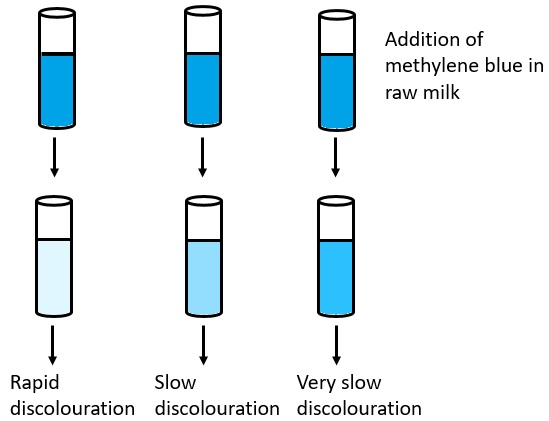
    Want notes in PDF? Join our classes!!

    Send us a message on WhatsApp
    0726113908

    Scroll to Top
    Enable Notifications OK No thanks