Nurses Revision

nursesrevision@gmail.com

INTEGRATED MANAGEMENT OF CHILDHOOD ILLNESSES (IMCI)

INTEGRATED MANAGEMENT OF CHILDHOOD ILLNESSES (IMCI)

INTEGRATED MANAGEMENT OF CHILDHOOD ILLNESSES (IMCI)

Integrated Management of Childhood Illnesses is a child management process where care/treatment of a sick child is done in totality. 

IMCI stands for Integrated Management of Childhood Illness is an approach developed by the United Nations Children’s Fund (UNICEF) and the World Health Organization (WHO) to improve the health and well-being of children under the age of five. 

IMCI is an integrated approach to child health that focuses on the well-being of the whole child.

IMCI aims to reduce death, illness, disability, and to promote improved growth and development among children under five years of age.

IMCI aims to reduce preventable mortality, minimize illness and disability, and promote healthy growth and development in young children.

IMCI guidelines help to interview caretakers accurately and recognize clinical signs, choose appropriate treatments, provide counseling and preventive care of children aged unto 5 years.

Goals of IMCI

  • Identify key causes of childhood mortality.
  • Explain the meaning and purpose of integrated case management.
  • Describe the major steps in the IMCI strategy.
  • Introduce use of IMCI tools including chart booklet, wall posters and case management sheets.

Components of IMCI

Key Components of IMCI

IMCI aims at three (3) main components of health care.

  • Improving case management skills of healthcare providers.
  • Improving health systems to provide quality care.
  • Improving family and community health practices for health, growth, and development.

CHILD HEALTH AND MORTALITY

In 2015, approximately 5.9 million children under the age of five died worldwide, which translates to nearly 16,000 deaths every day. The leading causes of death in this age group are infections, neonatal conditions, and nutritional issues. Alarmingly, the majority of these deaths are preventable.

Uganda has been reported to have a high child mortality rate. According to the World Health Organization (WHO), Uganda ranks 168th out of 188 countries in terms of infant mortality rates.

The under-five mortality rate in Uganda was reported at 53 deaths per 1,000 live births in 2016, according to the World Bank.

Seventy five percent (75%) of the common causes of child mortality in developing countries include:

  • Infectious Diseases: Acute respiratory infections, diarrhea diseases, malaria, and measles are leading causes of death among children under five years old. These diseases can be severe and life-threatening, especially in resource-constrained settings where access to healthcare and preventive measures may be limited.
  • Malnutrition: Malnutrition is a significant contributor to child mortality in developing countries. Children who are malnourished have weakened immune systems, making them more susceptible to infectious diseases and less able to recover from illness.

It is important to note that these causes often overlap, and children may suffer from a combination of these conditions. The clinical presentations of these diseases can be similar, which may lead to challenges in diagnosing and treating children effectively.

WHY IMNCI? (Need for IMCI)

Multiple Conditions:

  • Children often present with multiple potentially deadly conditions at the same time. IMCI takes a holistic approach, considering all the conditions that may affect a child and put them at risk of preventable mortality or impaired growth and development. By facilitating an integrated assessment and combined treatment of these conditions, IMCI focuses on effective case management and prevention of diseases, contributing to healthy growth and development.

Lack of Diagnostic Tools:

  • In many healthcare settings, there is a lack of diagnostic tools such as laboratory tests or radiology. IMCI recognizes this challenge and provides clinical algorithms that rely on patient history, signs, and symptoms for diagnosis. By training healthcare providers in IMCI, they can effectively assess and manage childhood illnesses even in resource-limited settings.

Reliance on Patient History:

  • IMCI acknowledges the importance of patient history in diagnosing and managing childhood illnesses. Healthcare providers are trained to gather comprehensive information about the child’s symptoms, medical history, and other relevant factors. This information, combined with the IMCI clinical algorithms, helps providers make accurate diagnoses and provide appropriate treatment.

Need for Referrals:

  • In cases where a child has a serious illness that requires specialized care, IMCI emphasizes the need for timely referrals to a higher level of care . By identifying severe illnesses and facilitating prompt referrals, IMCI ensures that children receive the necessary treatment and support from specialized healthcare providers.


IMCI PROCESS

The IMCI (Integrated Management of Childhood Illness) process is a comprehensive approach to the identification and management of childhood illnesses in outpatient settings

It aims to improve the quality of care for children under the age of five by providing standardized guidelines and interventions. 

Here is an overview of the IMCI process and the interventions included in the IMCI guidelines:

IMCI Process:

  • List of Conditions: The IMCI process involves checking for a list of conditions in children and infants to ensure comprehensive assessment and treatment.
  • Assessment and Treatment: Children are assessed and treated for all conditions that are present, following standardized algorithms that guide management decisions.
  • Decision to Transfer: If necessary, the IMCI guidelines provide guidance on when to transfer a child to higher levels of care for further management.

Interventions Included in the IMCI Guidelines:

The IMCI guidelines include both curative and preventive interventions for various childhood conditions.

Curative Interventions:

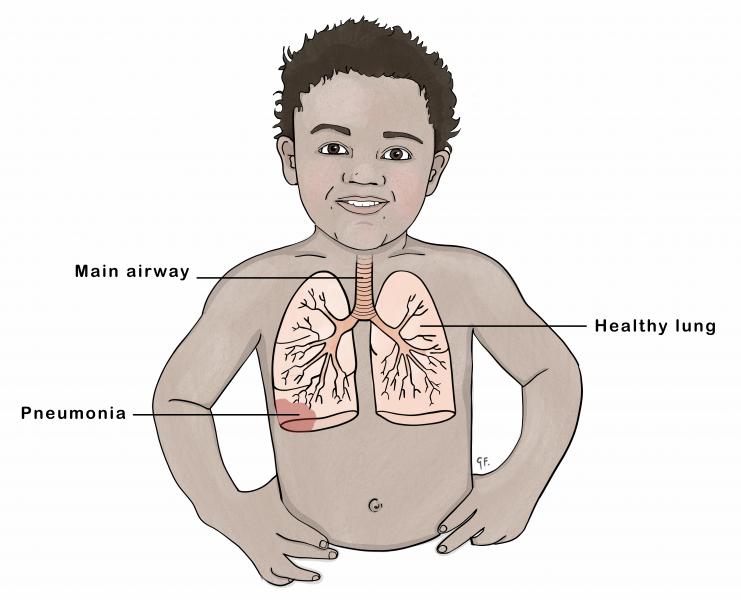
  • Acute Respiratory Infections (ARI) including pneumonia
  • Anaemia
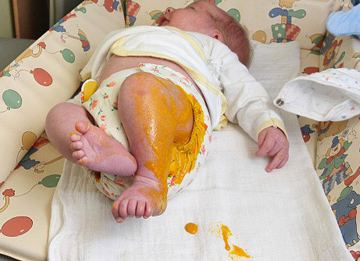
  • Diarrhoea (dehydration, persistent, dysentery)
  • Ear infections
  • HIV/AIDS
  • Local bacterial infections
  • Meningitis and sepsis
  • Malnutrition
  • Wheeze
  • Malaria
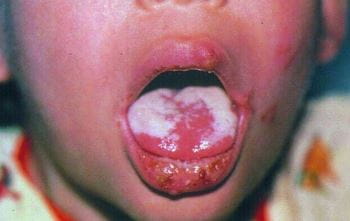
  • Measles
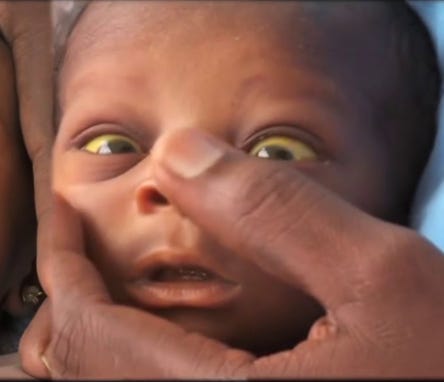
  • Neonatal jaundice

Preventive Interventions:

  • Breastfeeding support
  • Immunization
  • Nutrition counseling
  • Periodic deworming
  • Vitamin A supplementation
  • Zinc supplementation

Who Can Use IMCI:

The IMCI process can be used by all doctors, nurses, and other health professionals who provide care for young infants and children under the age of five. It is primarily designed for first-level facilities such as clinics, health centers, or outpatient departments of hospitals.

The Case Management Process

The Case Management Process

IMCI classifies children into two categories:

  • Sick young infants who range from 1 week to 2 months. Less than 1 week infants are not managed under IMCI, mainly because their illnesses are usually related to antenatal, labour and delivery.
  • Sick child who range from 2 months to 5 years.

IMCI is designed for health workers (doctors, nurses etc) who treat sick children and infants in a first level health facility e.g. clinic, health center or OPD in a hospital.

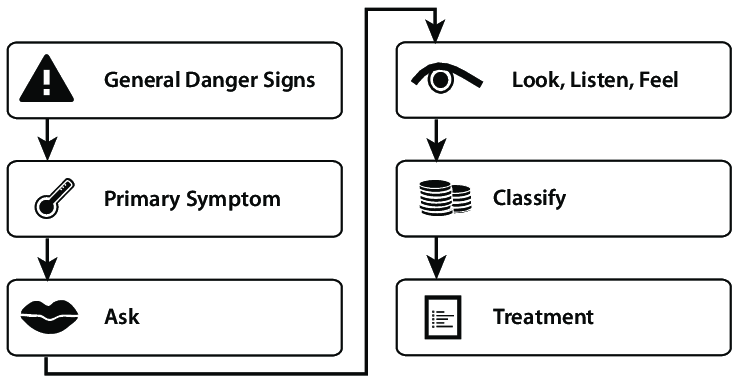
In the management process the following steps are taken:

  1. Assessing the child/young infant.
  2. Classify the illness.
  3. Identify treatment.
  4. Treating the child/ young infant.
  5. Give counseling to the mother.
  6. Give follow up care.
  • Assessing the child means taking the history and performing a physical examination.
  • Classifying the illness implies making a decision on the severity of illness i.e. you select a category of classification which corresponds with the severity of the disease.

Note that, classifications are not specific diagnoses but can be used to determine treatment e.g. severe febrile disease is a classification for a child who could be having cerebral malaria, meningitis, septicemia etc, but treatment for this classification covers for all the possible causes of the problem.

Steps in Integrated Case Management according to IMCI guidelines:
STEP 1: ASSESS

The assess column in the chart booklet describes how to take history and do a physical exam.

  • Establish good communication with the mother of the child.
  • Screen for general danger signs, which would indicate any life-threatening condition.
  • Specific questions about the most common conditions affecting a child’s health (diarrhea, pneumonia, fever, etc).
  • If the answers are positive, focus on a physical exam to identify life-threatening illness.
  • Evaluation of the child’s nutrition and immunization status.
  • The assessment includes checking the child for other health problems.
STEP 2: CLASSIFY

The classify (signs and classify) column of the chart lists clinical signs of illnesses and their classification. “Classify” in the chart means the health worker has to make a decision on the severity of the illness.

  • Classify the child’s illnesses based on the assessment using a specially developed color-coded triage system.
  • Because many children have more than one condition, each condition is classified according to whether it requires:

COLOUR

CLASSIFICATION

PINK

Severe classification needing admission or pre-referral treatment and referral.

YELLOW

Classification needing specific medical treatment and advice.

GREEN

Not serious, and in most cases, no drugs are needed. Simple advice on home management given.

STEP 3: IDENTIFY TREATMENT

The identify treatment column helps the healthcare workers to quickly and accurately identify treatments for the classifications selected. If a child or young infant has more than one classification, the healthcare worker must look at more than one table to find the appropriate treatments.

COLOUR

CLASSIFICATION

PINK

If a child requires urgent referral, determine essential treatment to be given before referral.

YELLOW

If a child needs specific treatment, develop a treatment plan and identify the drugs to be administered at the clinic. Also, decide on the content of the advice to be given to the mother.

GREEN

If no serious conditions have been found, provide appropriate advice to the mother on the actions to be taken for the child’s care at home. 

STEP 4: TREAT

The treat column shows how to administer the treatment identified for the classifications. Treat means giving the treatment in the facility, prescribing drugs or other treatments to be given at home and also teaching the mother/caregiver how to administer treatment at home.

The following rules should be adhered to.

COLOUR

CLASSIFICATION

PINK

If a child or young infant requires admission or referral, it is important the essential treatment is offered to the child or young infant before admission or referral.

YELLOW

If the child or young infant requires specific treatment, develop a treatment plan, administer drugs to be given at the facility and advise on treatment at home and counsel the mother/caregiver accordingly.

GREEN

If no serious conditions have been found (green classification), advise the mother/caregiver on care of the child at home.

STEP 5: COUNSEL
  • If follow up care is indicated, teach the mother/caregiver when to return to the clinic. Also teach the mother/ caregiver how to recognize signs indicating that the child or young infant should be brought back to the facility immediately.
  • Assess feeding, including breastfeeding practice, and provide counseling to solve any feeding problems found. This also includes counseling the mother about her own health. 
STEP 6: FOLLOW-UP

Some children or young infants need to be seen more than once for a current episode of illness. Identify such children or young infants and when they are brought back, offer appropriate follow up care as indicated in the IMNCI guidelines and also reassess the child or young infant for any new problems.

The guidelines also aim to empower healthcare workers to:

  • Identify children who require additional follow-up visits.
  • Provide appropriate follow-up care as indicated in IMCI guidelines.
  • Correctly counsel the mother about her own health.
  • Provide counseling for appropriate preventative and treatment measures.
  • If necessary, reassess the child for any new problems.

INTEGRATED MANAGEMENT OF CHILDHOOD ILLNESSES (IMCI) Read More »

Autism Spectrum Disorder

Autism Spectrum Disorder

Autism Spectrum Disorder (ASD)

Autism Spectrum Disorder (ASD) is a complex neurodevelopmental disorder characterized by persistent challenges in social interaction, verbal and nonverbal communication, and by restricted, repetitive patterns of behavior, interests, or activities.

The term "spectrum" reflects the wide variation in the type and severity of symptoms experienced by individuals with ASD.

Key Characteristics of the Definition:
  1. Neurodevelopmental Disorder: This classification indicates that ASD originates in early brain development. It affects how the brain functions, impacting areas such as social perception, communication, and processing sensory information.
    • It is not a mental illness, although co-occurring mental health conditions are common.
    • The signs and symptoms typically emerge in early childhood, often before the age of three, and can be lifelong.
  2. Persistent Challenges in Social Communication and Social Interaction: This deficit manifests in various ways, including:
    • Difficulties with social-emotional reciprocity: Problems with back-and-forth conversation, reduced sharing of interests, emotions, or affect; failure to initiate or respond to social interactions.
    • Deficits in nonverbal communicative behaviors used for social interaction: Atypical use of eye contact, body language, facial expressions, gestures; difficulty understanding and using nonverbal cues.
    • Deficits in developing, maintaining, and understanding relationships: Challenges adjusting behavior to suit different social contexts, difficulties in sharing imaginative play or making friends, absence of interest in peers.
  3. Restricted, Repetitive Patterns of Behavior, Interests, or Activities: This characteristic also presents in diverse forms, such as:
    • Stereotyped or repetitive motor movements, use of objects, or speech: (e.g., hand flapping, finger flicking, rocking; lining up toys or flipping objects; echolalia, idiosyncratic phrases).
    • Insistence on sameness, inflexible adherence to routines, or ritualized patterns of verbal or nonverbal behavior: (e.g., extreme distress at small changes, difficulties with transitions, rigid thinking patterns, greeting rituals).
    • Highly restricted, fixated interests that are abnormal in intensity or focus: (e.g., strong attachment to or preoccupation with unusual objects, excessively circumscribed or perseverative interests).
    • Hyper- or hyporeactivity to sensory input or unusual interests in sensory aspects of the environment: (e.g., apparent indifference to pain/temperature, adverse response to specific sounds or textures, excessive smelling or touching of objects, visual fascination with lights or movement).
II. The "Spectrum" Concept:

The diagnostic criteria for ASD are presented on a spectrum because the presentation varies significantly among individuals. This variability encompasses:

  • Severity of Symptoms: Some individuals have mild challenges that may require minimal support, while others have severe impairments necessitating substantial support.
  • Developmental Profile: Intellectual ability can range from profound intellectual disability to giftedness.
  • Language Skills: Communication abilities range from being nonverbal to having highly advanced vocabulary but still struggling with social pragmatics (the social rules of language).
  • Co-occurring Conditions: The presence and impact of other medical or psychiatric conditions vary widely.

The Diagnostic and Statistical Manual of Mental Disorders, 5th Edition (DSM-5), published by the American Psychiatric Association, consolidated previous separate diagnoses (Autistic Disorder, Asperger's Disorder, Childhood Disintegrative Disorder, Pervasive Developmental Disorder Not Otherwise Specified) into one overarching diagnosis of "Autism Spectrum Disorder." This change aimed to better reflect the continuum of symptoms and presentations. The DSM-5 also introduced severity levels to specify the amount of support an individual needs.

Etiology and Risk Factors for ASD

The widely accepted etiology of ASD is primarily genetic in origin, with a significant contribution from various environmental factors that interact with genetic predispositions.

I. Genetic Factors (Primary Contribution):

Genetics play the most substantial role in the etiology of ASD.

  • Heritability: ASD has a high heritability rate, estimated to be between 70% and 90%. This means that genetic factors account for a large proportion of the variation in ASD susceptibility.
  • Rare Genetic Variants: like De Novo Mutations: Genetic mutations that occur spontaneously in the egg or sperm cell, or during early embryonic development, and are not inherited from either parent. These can have a significant impact.
  • Copy Number Variants (CNVs): Duplications or deletions of segments of DNA that can include multiple genes. Examples include deletions on chromosome 16p11.2, which are strongly associated with ASD.
  • Single-Gene Disorders: A small percentage of ASD cases are directly linked to specific genetic syndromes (e.g., Fragile X syndrome, Rett syndrome, Tuberous Sclerosis Complex). These disorders have a known genetic cause and frequently present with ASD symptoms.
  • Sibling Risk: If one child in a family has ASD, the risk of a subsequent child also having ASD is significantly higher than in the general population (around 2-18%, depending on the study and specific genetic factors).
  • Twin Studies: High concordance rates in identical (monozygotic) twins (70-90%) compared to fraternal (dizygotic) twins (10-30%) strongly support a genetic basis.
II. Environmental Factors (Interact with Genetic Predisposition):

Environmental factors are not considered direct causes of ASD but rather as modulators that can interact with genetic vulnerabilities to influence the risk. The timing of exposure is often critical, typically during prenatal or early postnatal development.

  • Prenatal Factors:
    • Maternal Illnesses: Certain maternal infections during pregnancy (e.g., rubella, cytomegalovirus) or metabolic conditions (e.g., gestational diabetes, maternal obesity, untreated celiac disease).
    • Maternal Medications: Exposure to certain medications during pregnancy, such as valproate (an anti-epileptic drug) or thalidomide.
    • Nutritional Deficiencies: Folic acid deficiency during the periconceptional period has been studied, with some evidence suggesting that adequate folic acid supplementation may reduce risk.
    • Maternal-Paternal Age: Both advanced maternal and paternal age have been associated with a slightly increased risk of ASD.
    • Birth Complications: Perinatal complications such as birth asphyxia, very low birth weight, and prematurity have been identified as risk factors, possibly due to their impact on brain development.
  • Environmental Toxins:
    • Exposure to certain environmental toxins (e.g., air pollution, pesticides) during critical windows of neurodevelopment is an area of ongoing research, though their specific role in ASD etiology is not yet fully understood.
  • Important Clarifications and Misconceptions:
    • Vaccines DO NOT Cause Autism: This myth has been thoroughly debunked by numerous large-scale, rigorous scientific studies around the world. Major medical and scientific organizations (e.g., CDC, WHO, AAP) have unequivocally stated that there is no link between vaccines (specifically the MMR vaccine or thimerosal) and ASD.
    • ASD is NOT Caused by "Bad Parenting": This outdated and harmful theory has no scientific basis.
    • It is NOT a "Choice" or a "Lifestyle": ASD is a biological disorder with complex neurodevelopmental underpinnings.
    Diagnostic Criteria and Clinical Manifestations of ASD

    The diagnosis of Autism Spectrum Disorder (ASD) is made based on specific behavioral criteria outlined in the Diagnostic and Statistical Manual of Mental Disorders, 5th Edition (DSM-5). These criteria are divided into two main domains, both of which must be met for a diagnosis, alongside the onset of symptoms in early development and significant functional impairment.

    I. Core Diagnostic Criteria (DSM-5):
    A. Persistent deficits in social communication and social interaction across multiple contexts, as manifested by the following, currently or by history (all three must be present):
    1. Deficits in social-emotional reciprocity: This refers to the back-and-forth nature of social interaction.
      • Manifestations:
        • Failure of normal back-and-forth conversation (e.g., not initiating or responding to social overtures).
        • Reduced sharing of interests, emotions, or affect (e.g., not showing or bringing objects of interest to others).
        • Lack of spontaneous seeking to share enjoyment, interests, or achievements with other people.
        • Absence of reciprocal interaction (e.g., difficulty engaging in give-and-take play).
    2. Deficits in nonverbal communicative behaviors used for social interaction: This encompasses difficulties in using and understanding nonverbal cues that facilitate social communication.
      • Manifestations:
        • Poorly integrated verbal and nonverbal communication.
        • Atypical eye contact (e.g., reduced, fleeting, or overly intense).
        • Lack of facial expressions or very limited range of expressions, or inappropriate use of facial expressions.
        • Atypical use of gestures (e.g., not pointing to share interest, unusual or repetitive gestures).
        • Difficulty understanding body postures and gestures of others.
    3. Deficits in developing, maintaining, and understanding relationships: This criterion addresses challenges in forming and navigating social bonds beyond immediate family.
      • Manifestations:
        • Difficulties adjusting behavior to suit various social contexts (e.g., being overly formal with friends, too casual with authority figures).
        • Difficulties in sharing imaginative play or making friends.
        • Absence of interest in peers or struggles in understanding peer relationships.
        • Difficulties with perspective-taking (understanding others' thoughts and feelings).
    B. Restricted, repetitive patterns of behavior, interests, or activities, as manifested by at least two of the following, currently or by history:
    1. Stereotyped or repetitive motor movements, use of objects, or speech: These are actions that are often rigid, lacking apparent purpose, and repeated.
      • Manifestations:
        • Motor stereotypies: Simple motor stereotypies (e.g., hand flapping, finger flicking, body rocking), complex whole-body movements.
        • Use of objects: Lining up toys, flipping objects, spinning wheels on toy cars in a non-functional way.
        • Speech: Echolalia (immediate or delayed repetition of words/phrases), idiosyncratic phrases, repetitive questions.
    2. Insistence on sameness, inflexible adherence to routines, or ritualized patterns of verbal or nonverbal behavior: This reflects a need for predictability and resistance to change.
      • Manifestations:
        • Extreme distress at small changes (e.g., route to school, arrangement of items).
        • Difficulties with transitions between activities.
        • Rigid thinking patterns (e.g., needing to follow specific rules for a game exactly).
        • Ritualized greetings or specific patterns in daily activities.
    3. Highly restricted, fixated interests that are abnormal in intensity or focus: These are passions that are often narrow in scope and pursued with an unusual level of dedication.
      • Manifestations:
        • Preoccupation with unusual objects (e.g., drains, fans, specific types of fabric).
        • Excessively circumscribed or perseverative interests (e.g., an intense focus on train schedules, vacuum cleaner models, specific historical dates).
        • These interests are often consuming and can interfere with other activities.
    4. Hyper- or hyporeactivity to sensory input or unusual interests in sensory aspects of the environment: This refers to atypical responses to sensory stimuli.
      • Manifestations:
        • Hyperreactivity: Apparent indifference to pain/temperature, excessive smelling or touching of objects, visual fascination with lights or movement.
        • Hyporeactivity: Adverse response to specific sounds (e.g., vacuum cleaner, fire alarms), textures (e.g., certain clothing), or tastes; resistance to grooming activities.
        • Some individuals may seek out intense sensory experiences (e.g., deep pressure, spinning).
    • C. Symptoms must be present in the early developmental period (but may not become fully manifest until social demands exceed limited capacities, or may be masked by learned strategies in later life).
    • D. Symptoms cause clinically significant impairment in social, occupational, or other important areas of current functioning.
    • E. These disturbances are not better explained by intellectual developmental disorder or global developmental delay. (Intellectual developmental disorder and ASD frequently co-occur; to make co-occurring diagnoses of ASD and intellectual developmental disorder, social communication should be below that expected for general developmental level).
    II. Specifiers and Severity Levels:

    The DSM-5 also includes specifiers to describe the individual's presentation:

    • With or without accompanying intellectual impairment.
    • With or without accompanying language impairment.
    • Associated with a known medical or genetic condition or environmental factor.
    • Associated with another neurodevelopmental, mental, or behavioral disorder.
    • With catatonia.

    Furthermore, severity levels are assigned for each of the two core domains, indicating the level of support an individual requires:

    • Level 3: "Requiring very substantial support."
    • Level 2: "Requiring substantial support."
    • Level 1: "Requiring support."

    Based on the degree of severity and level of support ASD are classified into 3 types.

    Severity level Social communication Restricted, repetitive behaviors
    Level 3
    Requiring very substantial support
    • Severe deficits in verbal and non-verbal communication skills
    • Severe impairment in functioning
    • Very limited initiation of social interactions
    • Minimal response to social overtures from others
    • Inflexibility of behavior
    • Extreme difficulty in coping with change
    • Repeated behavior markedly interferes with functioning in all spheres
    • Great distress/difficulty changing focus or action
    Level 2
    Requiring substantial support
    • Marked deficits in verbal and non-verbal communication skills
    • Marked impairment in functioning
    • Limited initiation of social interactions
    • Difficulty in coping with change
    • Distress/difficulty changing focus or action
    • Repetitive behaviors occur frequently
    Level 1
    Requiring support
    • Without support, deficits in verbal and non-verbal communication skills
    • Atypical and unusual social responses
    • Interference with functioning in one or more context
    • Problems of organization and planning hamper independence
    Co-occurring Conditions (Comorbidities) with ASD

    Comorbidity, or the simultaneous presence of two or more medical conditions in a patient, is exceptionally common in individuals with Autism Spectrum Disorder. These co-occurring conditions can significantly impact an individual's development, daily functioning, quality of life, and the complexity of their care.

    I. Neurodevelopmental and Psychiatric Conditions:
    1. Attention-Deficit/Hyperactivity Disorder (ADHD):
      • Prevalence: Very high, estimated to occur in 30-50% of individuals with ASD.
      • Impact: Symptoms like inattention, impulsivity, and hyperactivity can worsen executive function difficulties, further impacting learning, social interactions, and daily living skills.
      • Clinical Consideration: Distinguishing ADHD from ASD-related difficulties with focus or restlessness can be challenging but is important for appropriate intervention.
    2. Anxiety Disorders:
      • Prevalence: Extremely common, affecting 40-80% of individuals with ASD. Includes Generalized Anxiety Disorder, Social Anxiety Disorder, Specific Phobias, Obsessive-Compulsive Disorder (OCD), and Panic Disorder.
      • Impact: Can manifest as heightened distress in social situations, extreme reactions to changes in routine, specific fears (e.g., loud noises, certain objects), or repetitive behaviors driven by anxiety. OCD-like symptoms (e.g., compulsions) are often distinct from ASD's restricted, repetitive behaviors in their underlying motivation.
      • Clinical Consideration: Anxiety can significantly interfere with learning, social engagement, and quality of life.
    3. Depression:
      • Prevalence: Common, especially in adolescents and adults with ASD, with estimates ranging from 10-70%.
      • Impact: Can present with typical depressive symptoms (sadness, anhedonia, sleep/appetite changes) but may also manifest atypically (e.g., increased irritability, aggression, withdrawal, or exacerbation of repetitive behaviors).
      • Clinical Consideration: Often underdiagnosed in ASD due to communication challenges and atypical presentation. Suicide risk can be elevated.
    4. Intellectual Developmental Disorder (IDD):
      • Prevalence: Approximately 30-50% of individuals with ASD also have IDD.
      • Impact: IDD significantly impacts cognitive and adaptive functioning, influencing learning capacity, communication strategies, and the level of support required.
      • Clinical Consideration: When both are present, social communication deficits should be below that expected for the general developmental level.
    5. Language Disorders:
      • Prevalence: High.
      • Impact: Can range from being nonverbal to having fluent but pragmatically impaired speech.
    6. Tourette Syndrome/Tic Disorders:
      • Prevalence: More common in ASD than in the general population.
      • Impact: Involuntary motor or vocal tics can add to functional challenges and social difficulties.
    II. Medical and Physical Conditions:
    1. Epilepsy/Seizure Disorders:
      • Prevalence: Significantly higher in individuals with ASD, affecting approximately 20-30%, compared to 1% in the general population. The risk increases with intellectual disability.
      • Impact: Seizures can significantly impair cognitive function, safety, and quality of life.
      • Clinical Consideration: Screening for seizure activity is important, as some seizure types (e.g., absence seizures) can be subtle.
    2. Gastrointestinal (GI) Issues:
      • Prevalence: Highly prevalent, with estimates ranging from 9-90%. Includes chronic constipation, diarrhea, abdominal pain, reflux, and feeding difficulties.
      • Impact: GI discomfort can contribute to irritability, sleep disturbances, and challenging behaviors, especially in nonverbal individuals who cannot express their pain.
      • Clinical Consideration: Careful assessment of diet, stool patterns, and GI symptoms is crucial.
    3. Sleep Disturbances:
      • Prevalence: Very common, affecting 40-80% of individuals with ASD. Includes difficulty falling asleep, frequent night awakenings, and altered sleep architecture.
      • Impact: Chronic sleep deprivation can exacerbate behavioral challenges, attention deficits, anxiety, and impact overall family functioning.
      • Clinical Consideration: Behavioral interventions and sometimes pharmacological approaches are used.
    4. Sensory Processing Differences:
      • Prevalence: Nearly universal in ASD, though not a standalone diagnosis in DSM-5.
      • Impact: Hyper- or hyporeactivity to sensory stimuli can lead to sensory overload, distress, avoidance behaviors, or sensory-seeking behaviors, profoundly affecting daily routines and participation.
      • Clinical Consideration: Integrated into many therapeutic approaches (e.g., Occupational Therapy).
    5. Feeding Issues and Nutritional Deficiencies:
      • Prevalence: Common due to sensory sensitivities, rigid food preferences, and GI issues.
      • Impact: Can lead to inadequate nutrition, growth concerns, and increased family stress.
    6. Obesity and Metabolic Syndrome:
      • Prevalence: Higher risk, particularly in adults with ASD, due to medication side effects, sedentary lifestyles, and restrictive diets.
    Nursing Diagnoses for Individuals with ASD

    For individuals with Autism Spectrum Disorder (ASD), nursing diagnoses address the specific challenges related to their social communication deficits, restricted/repetitive behaviors, sensory processing differences, and common comorbidities.

    I. Communication and Social Interaction Related Diagnoses:
    1. Impaired Social Interaction
      • Related to: Altered neurological development affecting social cognition, difficulty understanding social cues, expressive language deficits, rigid adherence to routines.
      • As evidenced by: Lack of eye contact, limited reciprocal social gestures, absence of interest in peers, difficulty initiating or maintaining conversations, limited shared enjoyment, inappropriate social responses.
    2. Impaired Verbal Communication
      • Related to: Altered neurological processing, developmental delay, limited ability to express needs/emotions, difficulty with abstract concepts.
      • As evidenced by: Absence of speech, limited vocabulary, echolalia, tangential or repetitive speech, difficulty using nonverbal cues to supplement communication, inability to understand or use social pragmatics.
    3. Risk for Impaired Social Interaction (for younger children or those with milder presentations)
      • Related to: Limited opportunities for social engagement, parental anxiety, lack of understanding of social norms.
      • As evidenced by: (Potential for) isolation, difficulty forming friendships, social withdrawal.
    II. Behavioral and Emotional Regulation Related Diagnoses:
    1. Disturbed Thought Processes
      • Related to: Altered neurological processing, difficulty with abstract thinking, concrete interpretation of language, preoccupation with specific interests.
      • As evidenced by: Rigid adherence to routines, difficulty with transitions, repetitive questions, literal interpretation of language, limited insight into social situations.
    2. Risk for Self-Mutilation / Risk for Other-Directed Violence
      • Related to: Inability to verbally express needs/frustration/pain, sensory overload, anxiety, impulsivity, communication deficits, change in routine.
      • As evidenced by: (Potential for) head banging, biting self, scratching, hitting others, property destruction, aggression. Note: These are serious risks and often require immediate intervention and careful assessment of triggers.
    3. Excessive Anxiety
      • Related to: Sensory overload, fear of change, difficulty processing unpredictable situations, social communication challenges, inability to express concerns.
      • As evidenced by: Increased repetitive behaviors, withdrawal, irritability, agitation, sleep disturbances, physiological signs of distress (e.g., increased heart rate, sweating).
    4. Maladaptive Coping
      • Related to: Limited problem-solving skills, difficulty with emotional regulation, rigidity in thinking, sensory sensitivities.
      • As evidenced by: Increased repetitive behaviors, tantrums, aggression, withdrawal when faced with stress or change, difficulty adapting to new situations.
    III. Self-Care and Daily Living Related Diagnoses:
    1. Impaired Home Maintenance (often for family)
      • Related to: Complexity of care for child with ASD, need for structured environment, high energy demands of child.
      • As evidenced by: Disorganized home environment, family fatigue, frequent changes to daily schedule to accommodate child's needs.
    2. Feeding Self-Care Deficit
      • Related to: Sensory sensitivities (texture, taste, smell), ritualistic eating patterns, difficulty adapting to new foods, G.I. issues.
      • As evidenced by: Refusal of certain foods, extremely limited food repertoire, malnutrition, weight loss/gain.
    3. Sleep Pattern Disturbance
      • Related to: Altered neurological function, anxiety, sensory sensitivities (noise, light), lack of consistent bedtime routines, medication side effects.
      • As evidenced by: Difficulty initiating or maintaining sleep, frequent night awakenings, restless sleep, daytime fatigue, behavioral problems due to lack of sleep.
    IV. Family-Focused Diagnoses:
    1. Compromised Family Coping
      • Related to: Chronic stress of caring for a child with special needs, limited support systems, financial burdens, difficulty managing challenging behaviors.
      • As evidenced by: Verbalization of helplessness, family role disruption, impaired communication among family members, neglectful care of other family members.
    2. Caregiver Role Strain
      • Related to: Complexity of care, demands of therapies and appointments, lack of respite, emotional and physical burden.
      • As evidenced by: Caregiver fatigue, withdrawal, expressions of frustration or anger, health problems of caregiver, difficulty performing care activities.
    Interventions and Management Strategies for ASD

    The management of Autism Spectrum Disorder is highly individualized, multifaceted, and involves a combination of behavioral, educational, developmental, medical, and family-focused interventions.

    I. Aims of Management:
    1. Promoting Communication and Social Interaction: Fostering the ability to express needs, understand others, and engage in meaningful relationships.
    2. Reducing Challenging Behaviors: Addressing behaviors that impede learning, social integration, or safety (e.g., aggression, self-injury, severe tantrums).
    3. Supporting Cognitive and Behavioral Development: Enhancing learning, problem-solving, adaptive skills, and emotional regulation.
    4. Optimizing Outcomes Through Early Intervention: Early identification and the initiation of appropriate interventions as early as possible are crucial.
    II. Interventions and Therapeutic Approaches:
    1. Behavioral Therapies (e.g., Applied Behavior Analysis - ABA): A highly structured and intensive intervention based on learning theory, utilizing systematic methods to teach new skills (e.g., communication, social, self-help, academic) and decrease undesirable behaviors by analyzing antecedents, behaviors, and consequences (ABC model).
    2. Speech and Language Therapy (SLT): Addresses a wide range of communication challenges, from developing spoken language to improving pragmatic (social) language skills. Uses techniques like Picture Exchange Communication System (PECS), Augmentative and Alternative Communication (AAC) devices, and social stories.
    3. Occupational Therapy (OT):: Addresses fine and gross motor skills, visual-perceptual skills, and sensory processing differences, helping individuals adapt to their environment and develop self-care skills.
    4. Physical Therapy (PT): Focuses on gross motor skills, balance, coordination, and motor planning.
    5. Developmental, Individual Difference, Relationship-based (DIR) Model / Floortime: Focuses on building foundational capacities for relating, communicating, and thinking by following the child's lead and engaging them in activities they enjoy, emphasizing emotional development and interaction.
    6. Treatment and Education of Autistic and Related Communication-Handicapped Children (TEACCH): A structured teaching approach utilizing visual supports (schedules, task organizers, clearly defined areas) to make the environment predictable and understandable.
    III. Pharmacological Management:

    Medications do not treat the core symptoms of ASD but can be effective in managing co-occurring conditions and challenging behaviors that significantly impair functioning.

    1. Atypical Antipsychotics (Risperidone, Aripiprazole):
      • Use: approved for irritability associated with ASD (e.g., aggression, self-injury, temper tantrums).
      • Considerations: Significant side effects (weight gain, metabolic issues, sedation).
    2. SSRIs (Selective Serotonin Reuptake Inhibitors):
      • Use: Often used off-label for anxiety, OCD-like behaviors, and repetitive behaviors.
      • Considerations: Monitor for side effects (agitation, sleep disturbances).
    3. Stimulants (Methylphenidate, Amphetamines):
      • Use: To manage symptoms of co-occurring ADHD.
      • Considerations: May exacerbate anxiety or tics in some individuals with ASD.
    4. Other Medications: For sleep disturbances (e.g., melatonin), seizures (anti-epileptics), or severe mood dysregulation.
    IV. Nursing Interventions for Symptom Management and Support:
    1. Promote Communication Skills:
      • Encourage and support the development of communication skills using visual aids, augmentative and alternative communication (AAC) devices, and social stories.
      • Provide a communication-friendly environment and use simple, short, and concise language to facilitate understanding.
      • Repeat instructions, provide explanations and clarifications, and avoid assuming understanding.
    2. Implement Structure and Routine:
      • Establish consistent routines and visual schedules to provide predictability and reduce anxiety.
      • Help the child understand and follow daily routines through visual cues and verbal prompts.
      • Introduce one activity at a time and be specific while teaching skills.
    3. Manage Sensory Sensitivities:
      • Create a sensory-friendly environment by reducing excessive noise, bright lights, and other sensory triggers.
      • Offer sensory breaks or provide sensory tools like fidget toys or weighted blankets to help the child self-regulate.
    4. Support Social Interaction:
      • Facilitate social interactions by creating opportunities for the child to engage with peers, such as structured play activities or social groups.
      • Teach and reinforce appropriate social skills (e.g., good eye contact, smiling, helping others).
      • Train social skills and reward positive behaviors.
    5. Provide Emotional Support and Behavior Management:
      • Recognize and address the emotional needs of the child with ASD. Use calming techniques, such as deep breathing exercises or sensory input, to help manage anxiety or emotional distress.
      • Develop a trusting relationship with the child and convey acceptance of the child separate from the unacceptable behavior.
      • Develop a symptom management plan for the child, including improving communication, promoting good social interaction, enhancing the child’s interests, and reducing repetitive behaviors.
      • Create tasks with a high chance of success, such as guided play and introducing stimulative activities with rewards.
      • Ensure the child’s attention by calling their name and establishing eye contact before giving instructions.
    6. Facilitate Self-Care Skills:
      • Teach and encourage age-appropriate self-care skills, such as grooming, dressing, and feeding.
      • Use visual cues and step-by-step instructions to assist the child in developing independence and promoting self-confidence.
      • Simplify activities and teaching techniques when necessary.
      • Provide assistance during task performance.
      • Be patient and tolerant. Gradually decrease assistance and the number of assistants, while assuring the patient that assistance is still available when necessary.
    V. Family Support and Education (Crucial for Long-Term Success):
    1. Comprehensive Family Education:
      • Provide support and education to families, including accurate and up-to-date information about ASD, available resources, and effective strategies for managing challenges at home.
      • Educate the child and family on the use of psycho stimulants (if prescribed) and practice strategies for dealing with the child’s behaviors.
      • Provide information and materials related to the child’s disorder and effective parenting techniques to the parents or guardians, using written or verbal step-by-step explanations.
    2. Coping Strategies and Resources:
      • Offer guidance on coping strategies, community resources, and access to support groups.
      • Be sensitive to parents’ needs, as they often experience exhaustion of parental resources due to prolonged coping with the child. Assess parenting skill levels, considering intellectual, emotional, physical strengths, and limitations.
    3. Advocacy:
      • Advocate for the child's needs within healthcare and educational settings.
      • Serve as an advocate for the child with ASD and ensure their needs are met in various settings (school, community, healthcare). Communicate with teachers, caregivers, and other professionals to promote understanding and inclusion.
    VI. Coordinated and Individualized Care:
    1. Individualized Care Plans:
      • Collaborate with families, educators, and therapists to develop personalized plans that address the unique strengths and challenges of each individual. These plans include specific goals, strategies, and accommodations to optimize the individual’s functioning and well-being.
      • Coordinate overall treatment plans with schools, collateral personnel, the child, and the family.
    2. Multidisciplinary Team Collaboration:
      • Work closely with the child’s healthcare team, including therapists, psychologists, and educators, to ensure coordinated and comprehensive care. Share relevant information and collaborate on treatment plans and interventions.
    Role of the Nurse in the Care of Individuals with ASD

    The nurse plays a role in the care of individuals with Autism Spectrum Disorder (ASD), serving as a clinician, educator, advocate, coordinator, and supporter throughout the individual's life journey.

    I. Early Identification and Screening (Infancy/Early Childhood):
    • Developmental Surveillance: Nurses are often the first point of contact in primary care settings (e.g., well-child visits). They conduct ongoing developmental surveillance, observing children, listening to parental concerns about atypical development (e.g., lack of eye contact, delayed speech, repetitive behaviors), and monitoring milestones.
    • ASD-Specific Screening: Administering and interpreting standardized screening tools like the M-CHAT-R/F at recommended ages (18 and 24 months).
    • Referral: Recognizing "red flags" and making timely referrals for comprehensive diagnostic evaluations to specialists (e.g., developmental pediatricians, child psychologists). Early referral is critical for early intervention.
    II. Diagnosis and Initial Management (Childhood):
    • Emotional Support and Education: Providing emotional support to families receiving an ASD diagnosis, which can be overwhelming. Educating parents about ASD, explaining the diagnosis in understandable terms, and dispelling myths.
    • Information Provision: Supplying accurate and evidence-based information about ASD, available therapies, resources, and support groups.
    • Care Coordination: Initiating the coordination of care among the multidisciplinary team (e.g., developmental pediatricians, psychologists, speech therapists, occupational therapists, educators).
    • Baseline Assessment: Conducting comprehensive nursing assessments to establish a baseline of the child's communication, social, behavioral, self-care, and sensory needs.
    III. Intervention and Ongoing Management (Childhood and Adolescence):
    • Implementing Nursing Interventions:
      • Promoting Communication: Using visual aids, AAC, social stories; employing simple, concise language; ensuring attention before giving instructions; repeating and clarifying.
      • Establishing Structure and Routine: Helping families implement consistent schedules and visual cues to reduce anxiety and manage transitions.
      • Managing Sensory Sensitivities: Identifying sensory triggers and strategies (e.g., creating a sensory-friendly environment, providing sensory tools, advocating for sensory breaks).
      • Supporting Social Interaction: Facilitating structured social opportunities and reinforcing appropriate social behaviors.
      • Behavioral Management: Collaborating with behavioral therapists (e.g., ABA providers), educating families on behavior modification techniques, and developing symptom management plans for challenging behaviors. Developing trusting relationships and conveying acceptance.
      • Self-Care Skill Development: Teaching and reinforcing age-appropriate self-care skills (e.g., hygiene, dressing, feeding) using step-by-step instructions and visual supports.
    • Medication Management: Monitoring effectiveness and side effects of prescribed medications for co-occurring conditions (e.g., anxiety, ADHD, seizures, irritability), educating families on proper administration.
    • Advocacy: Advocating for the child's educational needs, ensuring appropriate IEPs are in place, and promoting inclusion in school and community settings.
    • Family Support: Assessing caregiver role strain, providing guidance on coping strategies, connecting families to support groups, and providing respite resources. Being sensitive to parents' needs and providing practical parenting techniques.
    IV. Transition to Adulthood and Adult Care:
    • Transition Planning: Assisting individuals and families in navigating the complex transition from pediatric to adult healthcare services. This includes planning for independent living, vocational training, higher education, and continued therapies.
    • Health Promotion: Educating on general health maintenance, healthy lifestyle choices, and preventive care, considering common comorbidities in adults with ASD (e.g., obesity, metabolic syndrome).
    • Sexual Health Education: Providing age-appropriate education on sexual health, consent, and safe practices, addressing unique communication and social understanding challenges.
    • Mental Health Support: Continuing to monitor for and address mental health conditions such as anxiety and depression, which can be highly prevalent in adults with ASD.
    • Vocational Support: Advocating for job coaching, supported employment programs, and workplace accommodations.
    • Community Integration: Facilitating involvement in community activities, promoting independence, and addressing ongoing social support needs.
    V. General Roles of the Nurse Across the Lifespan:
    • Care Coordinator/Navigator: Serving as a central point of contact for families, helping them navigate complex healthcare and educational systems, scheduling appointments, and ensuring continuity of care.
    • Educator: Providing ongoing education to the individual with ASD (at their developmental level), family members, and other healthcare providers about ASD, its management, and specific strategies.
    • Advocate: Championing the rights and needs of individuals with ASD, ensuring access to appropriate services, accommodations, and promoting understanding and acceptance within society.
    • Counselor/Support Person: Offering emotional support, active listening, and guidance to individuals with ASD and their families, especially during challenging times.
    • Clinical Expertise: Utilizing specialized knowledge of ASD to anticipate needs, identify potential problems, and implement appropriate interventions.
    • Collaboration: Working effectively as part of a multidisciplinary team to ensure holistic and integrated care.

    Autism Spectrum Disorder Read More »

    Self study questions for nurses and midwives

    Questions and Answers

    Questions and Answers

    Medicine

    Hyperglycemia
    1. Mrs. Loyce a thirty three year old female patient has been admitted with signs and symptoms of hyperglycemia.

                  (a). Manage Loyce from the time of her admission up to discharge.

                  (b) Differentiate between hyperglycemia and hypoglycemia.

                  (c) Explain how you can prevent a diabetic foot.

    SOLUTIONS

    a). Hyperglycemia– refers to chronically high blood glucose level .it is usually over 240mg/dl.

    Hypoglycemia– refers to dangerously low blood glucose levels that drop below 70mg/dl

    However the sign and symptoms of hyperglycemia includes:-

    • Blood glucose over 240mg/dl
    • More urine output than normal
    • Increased thirst (polydipsia)
    • Dry skin and mouth (dehydration)
    • Nausea and vomiting
    • Decreased appetite
    • Easy fatiquability ,drowsiness or no energy 

    Management of Loyce from the time of admission up to discharge

    Aims of management

    1. To reduce blood glucose level to normal 
    2. To prevent further complication 
    3. To provide basic nursing care  
    4. To alley anxiety

    ACTUAL MANAGEMENT

    • Mrs. Loyce is received in female medical ward given a seat and rapport created to alley anxiety
    • Brief history taking of the patient’s condition including the demographic data

    Admission

    •  The patient is admitted in female medical ward in a clean admission bed with clean linens in a well lit room free from dust and well ventilated

    Position

    • The patient adopts any comfortable position under nurse’s supervision

    Observations 

    1. Vital observations .temperature, pulse respiration and blood pressure of the patient are taken and recorded in the observation chart. So that incase of any deviation from normal, it can be managed appropriately.
    2. Specific observations .this includes observing the patient for jaundice, anemia ,cyanosis, clubbing, oedema, lymphadenitis, dehydration, urine colour and smell. Findings recorded and reported to the doctor.

    General observation 

    • This is done from head to toe to rule out any abnormalities.

    Inform the doctor: As soon as the observations are done the doctor is informed who will come and carry out his assessments (confirm the nurses findings) and may order for the following investigations

    Investigations

    1. Specific investigations
    • Haematology 

        -Blood for random blood sugar

        – Renal function test

       – Complete blood count

        – Blood electrolytes

    • Urinalysis to rule out presence of acetone & ketones, urine protein, blood in urine etc 
    1. b) General investigations

        – HIV serology

         – When results are out, the doctor makes a diagnosis and may prescribe the following supportive treatment

    • Intravenous fluids normal saline 3 liters while monitoring blood pressure until blood glucose level is lowered to normal
    • Insulin administered intradermal .it can be pre-breakfast or pre- supper depending on doctor’s prescription 
    • Antibiotics e.g. ceftriaxone 2g in case of any sign of infections 

    Specific nursing care

    • Diet. -The patient is given low sugar diet ,low fats diet and  diet rich in vitamins 
    • Elimination. – Bladder is monitored for urine output using the fluid balance chart (FBC) and recorded on the chart.
    • Bowel. Patient is encouraged to empty the bowel whenever necessary
    • Exercise:- passive exercise in acute state eg massaging the patients toes and fingers to aid circulation 
    • Active exercise e.g. deep breathing exercise to prevent hypostatic pneumonia, lower limbs to prevent DVT, the patient is encouraged to move around the ward 

    General nursing care

    • Rest and sleep by restricting number of visitors and noise in the room should be minimized
    •  Personal hygiene e.g. skin care, oral care and bed linens changed whenever it is soiled.
    • Environmental hygiene of the ward .the ward should be maintained clean and free  from horrible dour that may discomfort the patient 
    • Psychotherapy e.g. the nurse allows relatives to stay with the patient and also may invite religious leaders who may update the  patients spiritually 

    Investigations before discharge.

     When the patient’s condition has improved, the doctor may order for investigations like:-

    • Urinalysis
    • Blood  for blood sugar & CBC
    • Renal function test

    When the results are satisfactory, the doctor writes a discharge form and the patient is discharged

      Advice on discharge

    • Take medications as prescribed 
    • Come back for review on the schedule date
    • Avoid injuries that can cause damage to the skin
    • The patient is advised on diet as follows
    •  Food with reduced sugar 
    • Fatty food should be limited
    • Diet should contain vitamins
    • Improve on life style for example cessation of smoking ,alcoholism etc. 
    • Differences between hyperglycemia and hypoglycemia

    Hyperglycemia

    Hypoglycemia

    • High blood glucose level  more than 240mg/dl 
    • Low blood glucose level 
    • The onset is gradual over few days 
    • Onset is sudden over minutes 
    • Urine contains large amount of sugar and acetone 
    • Urine has no sugar and acetone 
    • Insulin is administered in most cases 
    • Glucose is given 
    • The skin is worm and dry 
    • The skin is pale, cold and sweaty 
    • Patients become gradually drowsy and lethargic 
    • Patient is confused ,restless and anxious 
    • Breath is deep and fast in most cases 
    • Shallow breath 
    • Fruity smell of the breath due to acetone
    • No fruity smell, acetone absent 
    • Rapid pulse rate 
    • Normal pulse rate 


    • Prevention of diabetic foot

    Diabetic foot is a neurological condition that occurs during diabetes. However, it can be prevented from occurring through the following ways:-

    • Maintain and keep the blood glucose level low in a target range to prevent  complications by administering insulin and advising on diet for example reduce on intake of sugar and fatty foods 
    • Examine and screen the patient’s feet daily for senses, colour, cuts, swelling, pain and temperature for early interventions incase of any.
    • Wash and dry feet paying much attention between the toes.
    • Turn the patient 2 hourly to prevent excessive pressure on the pressure areas of the foot to prevent pressure sores 
    • Wash and dry feet paying much attention between the toes.
    • Turn the patient 2 hourly to prevent excessive pressure on the pressure areas of the foot to prevent pressure sores 
    • Wear for the patient shoes and stockings to prevent injury to the feet .the shoes should be of appropriate size. Always check the shoes before wearing.
    • Trim the patients nail. This is done using the nail file to prevent under growing nails that can cause infections. 
    • Keep the skin soft and smooth by rubbing the skin with lotion over  the top and bottom to prevent cracks
    • Massage the feet to maintain blood circulation and the patient is encouraged not to cross the legs for long time because this can cut off circulation for the feet
    • Protect the feet from cold and hot water since this can impair the senses 
    • Exercise the foot by moving it for about  5 minutes and teach the patient how to do it (physiotherapy)
    •  

    Health educate the patient (Loyce) on the following;

    • Importance of wearing  a well fitting pair of shoes
    • Not to move bare foot 
    • Check her foot before putting on shoes
    • Seek medical assistance in case of any injury
    • Put on gumboots incase of farming activities
    Pulmonary Tuberculosis

    2. Joseph an adult patient has been diagnosed with pulmonary tuberculosis.

     (a) Outline ten signs and symptoms of PTB.

    (b) Describe his management using nursing process from the time of admission up to discharge.

     (c) List five complications of TB.

    SOLUTIONS

    Tuberculosis (TB)

    This is a chronic lung disease caused by a bacillus called mycobacterium of the genus mycobacterium tuberculosis.

    It can also occasionally be caused by other strains of mycobacteria including mycobacterium bovis which is found in animals.

    TB is of two types;

    1. Pulmonary TB
    2. Extra pulmonary TB

    PULMONARY TB:

    Type of TB that affects mainly the lungs and is the most common type of TB.

    SIGNS AND SYMPTOMS.

    • Fever and chills
    • Night sweats
    • Productive or non productive cough
    • Weight loss
    • Fatigue
    • Cough for more than 3 weeks.
    • Coughing up blood (Haemoptysis)
    • Chest pain
    • Significant figure clubbing may occur
    • Lymphdenopathy which is a sign of bacterial infection.
    • Aneroxia
    • Insomnia

    ASSESSMENT

    NURSING DIAGNOSIS

    PLAN/GOAL∕EXPECTED OUTCOME

    INTERVENTION OR IMPLEMENTATION

    RATIONALE

    EVALUATION

    Chest Pain

    A cute chest pain related to inflammatory response secondary to disease process as evidenced by patient coughing out blood and reporting pain.

    Relieve pain within 24 hours.


    Patient will be free from pain until discharge.

    Admit the patient on the medical ward specifically the TB unit.


    Take vital observations i.e. TPRIBP and weight.


    Position the patient in sit up position.


    Re-assure the patient.

    Inform doctor to prescribe drugs and order for investigations.


    Administer prescribed 

    analgesics like 1m diclofenac  

    75mg stat then later tabs paracetamol 1g tds x 3/7. 

    For proper management


    As baseline and for future reference.


    To relieve pressure of the abdominal organs onto the diaphragm.


    To allay the patient’s anxiety


    For proper assessment and management of the patient.


    To relieve pain.

    Goal met, patient was relieved from pain after 24 hours and patient was free from pain at discharge.

    Cough 

    Altered respiratory patterns related to disease process as evidenced by patient having cough for more than 3 weeks.

    Patient will have normal respiratory patterns until discharge.

    Maintain the patient in the sit up position.


    Do investigations as ordered.


    Do sputum analysis and chest x – ray, erythrocyte sedimentation rate (ESR).


    Complete blood count  (CBC)


    Administer prescribed anti TB drugs and give the right regimen (6EHRZ + 2EH)


    Administer prescribed supportive drugs like multi-vitamins i.e. Folic acid

    For comfortibility.


    To confirm the causative agent and to rule out the involvement of other organs like the heart and complications.


    To help in the re-epithelialisation and boost the patient’s appetite.


    To destroy the causative organism

    Goal met, patient reports normal respiratory patterns until discharge.

    Fever 

    Altered thermoregulation / body temperature related to disease process as evidenced by the patient hot on touch also the patient reporting fevers for the last 3 weeks.

    To normalize the body temperatures wit in 24 hours and maintain within normal ranges until discharge.

    Expose the patient.


    Tepid sponge the patient.


    Maintain the already prescribed antipyretics.


    Take temperature 4 hourly until discharge.

    To allow cool air to reach the patient’s skin.


    To cool the external body.


    To act on the temperature regulating centres in the brain.


    As baseline and for future comparison.

    Goal met, patient’s temperatures normalized after 24 hours and the patient’s temperatures were maintained with in the normal ranges till discharge.

    Weight loss

    Altered nutrition less than body requirements related to loss of appetite as evidenced by the patient reporting having lost weight for the last 3 weeks or months.

    To nourish the patient throughout his stay on the ward.

    Encourage nourishing diet.


    Encourage oral care and continue with prescribed multi-vitamins.

    To nourish the patient.


    To boost the patient’s appetite.

    Goal met, patient was well nourished at discharge. 

    Fatigue 

    Activity intolerance related to disease process as evidenced by patient unable to perform activities of daily life.

    Patient will perform activities of daily living throughout his stay on the ward.

    Encourage patient to carryout activities of daily living such as bathing, eating, toileting, oral care and going to the urinals by himself  

    To improve on patient’s general hygiene and improve on the appetite 


    To avoid complications that may arise as a result of over staying in bed. 

    Goal met, patient is able to perform activities of daily living at discharge.

    Insomnia 

    Altered sleeping patterns related to night sweats and irritating cough secondary to disease process as evidenced by the patient reporting not sleeping well.

    Patient will have normal sleeping patterns during his stay on the ward.

    Minimize noise and visitors on the ward.


    Switch off light (bright lights)


    Administer prescribed sedatives like tabs diazepam 5mg OD or PRN 


    Continue re-assuring the patient.

    To enable the patient have enough rest.

    To induce sleep.

    To alley patient anxiety


    COMPLICATIONS ARE;

    • Plueral effusion
    • Pericardial effusion
    • Empyema (pus in the pleural cavity)
    • Pneumothorax
    • Lung fibrosis
    • Lung collapse (Atelectasis)
    • Extra TB due to spread of the infection to other organs.
    Nephrotic Syndrome

    3. An adult male patient has been brought to medical ward with features of nephrotic syndrome

               (a) List five cardinal signs and symptoms of nephrotic syndrome

                (b) Describe his management from admission up to discharge.

                (c) Mention five likely complications of this condition.

    SOLUTIONS

     (a) NEPHROTIC SYNDROME.

    Is a syndrome caused by many diseases that affect the kidney characterized by severe and prolonged loss of protein in urine especially albumen, retention of excessive salts and water, increased levels of fats.

    FIVE CARDINAL SIGNS AND SYMPTOMS.

    • Massive protenuria.
    • Generalized edema.
    • Hyperlipidemia.
    • Hypoalbuminemia.
    • Hypertension.

    (b) MANAGEMENT.

    Aims of management

    • To prevent protein loss in urine.
    • To prevent and control edema.
    • To prevent complications.

     ACTUAL MANAGEMENT.

    • Admit the patient in medical ward male side in a warm clean bed in a well ventilated room and take the patients particulars such as name, age, sex, religion, status.
    • General physical examination is done to rule out the degree of oedema and other medical conditions that may need immediate attention.
    • Vital observations are taken such as pulse, temperature, blood pressure recorded and any abnormality detected and reported for action to be taken.
    • Inform the ward doctor about the patient’s conditions and mean while the following should be done.
    • Position the patient in half sitting to ease and maintain breathing as the patient may present with dyspnoea due to presence of fluids in the pleural cavity.
    • Weigh the patient to obtain the baseline weight and daily weighing of the patient should be done to ascertain whether edema is increasing or reducing which is evidenced by weight gain or loss.
    • Monitor the fluid intake and output using a fluid balance chart to ascertain the state of the kidney.
    • Encourage the patient to do deep breathing exercises to prevent lung complications such as atelectasis.
    • Provide skin care particularly over edematous area to prevent skin breakdown.
    • On doctor’s arrival, he may order for the following investigations.
    • Urine for culture and sensitivity to identify the causative agent.
    • Urine analysis for proteinuria and specific gravity.     
    • blood for; 
    • Renal function test, it will show us the state of the kidney function.
    • Cholesterol levels; this will show us the level of cholesterol in blood.
    • Serum albumen; this will show us the level of protein or albumen in blood.
    • The doctor may prescribe the following drugs to be administered;
    • Diuretics, such as spirinolactone 100-200mg o.d to reduce edema by increasing the fluid output by the kidney.
    • Antihypertensives such as captoril to control the blood pressure.
    • Infusion albumen 1g/kg in case of massive edema ascites and this will help to shift fluid from interstitial spaces back to the vascular system.
    • Plasma blood transfusion to treat hypoalbuminemia.
    • Cholesterol reducing medication to have the cholesterol levels in blood such as lovastatin.
    • Anticoagulants to reduce the blood ability to clot and reduce the risk of blood clot formation e.g. Hepanine. 
    • Immune suppressing medications are given to control the immune system such as prednisolone if the cause is autoimmune. 
    • Antibiotics such as ceftriaxone to treat secondary bacterial infections.
    • The doctor may order for renal transplant if the chemotherapy fails.


      Routine nursing care.


    • Continuous urine testing is done to see whether proteinuria is reducing or increasing.
    • Encourage the patient to take a deity rich in carbohydrates and vitamins but low in protein and salts.
    • Ensure enough rest for the patient as this will reduce on body demand for oxygen and hence prevent fatigue.
    • Promote physical comfort by ensuring daily bed bath, change of position, oral care and change of bed linen. 
    • Re-assure the patient to alley anxiety and hence promote healing.
    • Ensure bladder and bowel care for the patient.

    ADVICE ON DISCHARGE 

    The patient is advised on the following:

    • To take a deity low in salt and protein.
    • Drug compliance.
    • Personal hygiene. 
    • Stop using drugs like heroin, NSAID’s.
    • Screening and treating of diseases predisposing or causing the disease.
    • To come back for review on the appointment given.

     COMPLICATIONS.

    • Acute kidney failure.
    • Kidney necrosis.
    • Ascites.
    • Pyelonephrosis.
    • Cardiac failure
    • Pulmonary embolism.
    • Atherosclerosis.
    • Deep venous thrombosis.

    Surgical Nursing

    Fractures

    Josephine a thirty year old female patient has been involved in a road traffic accident and sustained a compound fracture.

    (a) Outline ten signs and symptoms of fracture.

    (b) Discuss the negative factors that can influence healing of a bone.

    (c) Describe the healing of a bone.

    (d) Mention ten complications of fractures.

    SOLUTIONS

    1. a) History from the patient or the on lookers.
    • Pain aggravated by movement
    • Tenderness over the fractured limb
    • Loss of function of the affected part or the whole limb
    • Deformity
    • Shortening of the limb
    • Abnormal mobility at the affected area
    • Creepers or grating of the bone ends as they move each other
    • Swelling of the affected part
    • Shock may occur
    • The bone may be seen out if it’s a compound fracture

    b)

    • Tissue fragments between bone ends; Splinters of dead bone (sequestrate) and soft tissue fragments not removed by phagocytosis delay healing.
    • Deficient blood supply; this delays growth of granulation tissue and new blood vessels. Hypoxia also reduces the number of osteoblasts and increases the number of chondrocytes that develop from there common parent cells. This may lead to cartilaginous union of fracture which results in a weaker repair.
    • Poor alignment of bone ends: This may result in the formation of a callus that heals slowly and often results in permanent disability
    • Continued mobility of bone ends; Continuous movement results in fibrosis of the granulation tissue followed fibrous union of the fracture.
    • Miscellaneous; this include
    • Infection; pathogens enter through broken skin, although they occasionally be blood borne, healing will not occur until infection resolves
    • System illness 
    • Malnutrition
    • Drugs e.g. Corticosteroids
    • Aging

    c)

    • Following a fracture the broken ends of a bone a joined by the deposition of a new bone. This occurs in several stages
    • Hematoma forms between the ends of the bone and in the surrounding soft tissues.
    • There follows development of acute inflammation and accumulation of inflammatory exudates, continuing microphages that phagocytosis the hematoma and small fragments of a bone without blood supply(this takes place about five days). Fibroblasts migrate to the site, granulation tissue and the new capillaries develop.
    • New bone forms as large numbers of osteoblasts secretes spongy bone, which unit the broken ends, and is protected by the outer layer of the bone and cartilage, this new deposits of bone and cartilage are called callus.
    • Over the next few weeks, the callus matures and the cartilage is gradually replaced by new bone
    • Reshaping of the bone continues and gradually the medullary canal is re –opened through the callus (in weeks or month). In time the bone heals completely with callus tissue replaced with mature compact bone. Often the bone is thicker and stronger at the repair site that originally, and the second is more likely to occur at a different site.
    1. d) Complications of fractures are divided in to two.

    General complications.

    • Local complications
    • General complications are;
    • Hemorrhage which may lead in to shock.
    • Fat embolism
    • Infections
    • Hypostatic Pneumonia
    • Damage to the nearby structures

    Local complications

    • Keloids
    • Loss of function
    • Damage to the nerves
    • Necrosis
    • Delayed union of bones; this may be as a result of incomplete reduction, inadequate immobilization, lack of blood supply to areas, infection which disrupt formation
    • Malunion of the bones; this when there’s failure of bone fragments to unit. This as a result of a big gap between the fragment
    Hyperthyroidism

    1.Define:

    (a) Hyperthyroidism:

    (b)Hypothyroidism

    (c) Thyrotoxicosis

    2. Outline the differences between hyperthyroidism and hypothyroidism

    3. Describe the management of a patient with hyperthyroidism.

    4. Mention seven complications which are likely to occur following a thyroidectomy.

    SOLUTIONS

    The hub of excellence 

    a)  Hyperthyroidismthis is a condition in which there is high circulating thyroid hormone in blood.
    b) Hypothyroidism-this a condition in which there are low circulating thyroxin hormone in blood.
    c) Thyrotoxicosis– it is a state of hyper secretion of  thyroxin by the thyroid gland.

    2. Differences between hyperthyroidism and hypothyroidism

    Hyperthyroidism 

    Hypothyroidism 

    It is characterized  by  excessive thyroxin production. 

    Characterized by  insufficient thyroxin production. 

    Characterized by weight loss with increased appetite and diarrhea 

    Characterized by weight gain 

    More commonly caused by  an auto immune response to specific anti bodies 

    Can be of congenital cause 

    T4( thyronine ) levels are elevated 

    The serum Thyroid stimulating hormone is elevated  in an attempt to produce more thyroxin 

    Commonly occurs in women than men, usually at age of 20 to 40 years 

    Common in women of ages 30 to 60 years 

    Surgery is always indicated incase medication  and radio therapy has failed 

    Primarily managed by hormonal replacement therapy 


    3. Management

    • Patient is admitted on a medical ward for complete bed rest. 
    • Reassure patient and relatives.
    • Vitals are taken and doctor informed
    • Thorough physical assessment is done 

      Pre operative tests are ordered by the doctor and blood taken for the following tests;

    •  Serum thyroxin estimation- which levels are elevated in hyperthyroidism
    • Serum tri-thyroxin(T3) 
    • TSH estimation –to rule out hypothyroidism
    • Thyroid antibody measurement in cases of autoimmune thyroidism 
    • Radio active iodine uptake and scan for both diagnosis and treament.
    • FNAC- for cytology to rule out any malignancy
    • Fibre optic laryngoscopy-to view the vocal cords

    Pre operative preparation(immediate)

    • Patent’s HB is checked
    • Cross match  and book 2 units of blood
    • x-ray chest thoracic inlet
    • Shaving of the neck skin, upper part of the chest, the axilla and the upper arms

    Pre operative drugs are also given as ordered by the doctor  to  bring patient to euthyroid state including;

    • Carbimazole 10-20mg start 8hourly,several weeks then stopped 10days to surgery
    • Propranolol 120-160 mg daily in divided doses. this is continued up to operation day 
    • Lugol’s iodine 0.3-0.9mls T.D.S. for 10 days-to reduce vascularity 
    • Diazepam 5mg 12 hourly to sedate the patient 
    • Digitalis incase of atrial fibrilation

     Meanwhile, specific  pre operative nursing care  includes;

    • Daily measuring of the neck circumference to monitor progression of thyroid enlargement
    • Monitor serum electrolyte levels and check for hyperglycaemia
    • Monitor for signs of heart failure e.g date dyspnoea
    • Ensure nutritious diet with adequate calorie, proteins
    • Minimize physical and emotional stress
    • Re assure patient and family that mood swings will disappear with Rx.
    • Monitor frequency and characteristic of stool and give anti diarrhaels as ordered

    Post operative management

    • Post operative bed is prepared and patient put in lateral position till recovery, then propped up supported by back rest.
    • Monitor vitals including BP, Respirations. Give oxygen incase respirations are fast, shallow
    • Report any respiratory difficulty for prompt management
    • Ensure little fluid intake to clean the mouth.  

    Specific nursing care

    • Ensure constant drainage in a drainage bottle or dressing
    • Intubation if there is respiratory edema.
    • Closely observe for hemorrhage.
    • Ensure a calm environment, and possibly give drugs to encourage sleep.
    • Care of drain and sutures; change drainage 24 hourly and sutures removed on third day or fourth day.
    • Minimize patient’s neck movement to minimize neck pain.
    • Give analgesics 1g start to reduce pain.
    • 2 hourly vitals’ taking including temperature, respiration and blood pressure to monitor for any complications like thyroid storm or infections.
    • Give antibiotics; ceftriaxone 2g 24 hourly

    4. Complications of thyroidectomy

    • Hemorrhage due  to hyper ventilation of the thyroid gland
    • Thyroid crisis (thyroid storm); characterized by rapid pulse, raised temperature, profuse,      sweating, and confusion.
    • Tetany; due to removal or trauma to parathyroid glands- it’s characterized by tingling and numbness of the face, lips and hands.
    • Soreness of the throat. 
    • Hoarseness –due to damage to the recurrent laryngeal nerve
    • Hypothyroidism due to thyroid removal
    • Recurrent thyrotoxicosis
    • Respiratory obstruction –due to laryngeal edema.
    • Wound  infection
    Shock

    1.An adult male patient has been brought to S.O.P.D with featured of shock.

    (a)Define shock

    (b) Explain seven types of shock that you know.

    (c) Describe how you would manage a patient with hypovolemic shock.

    SOLUTIONS

    a). shock.

    Is the failure of the circulatory system to maintain adequate tissue perfusion of the vital organs like the heart and kidney, brain?

    PATHOPHYSIOLOGY

    • Heart:-due to the reduced fluid volume in the body(blood) caused by vaso constriction leads to inadequate blood supply to the heart which decreases cardiac output hence less amount of blood reach the brain leading to hypoxia eventually shock occurs.
    1. B) . seven types of shock.
    • Hemorrhagic shock.

    It occurs due to severe blood loss causes are as follows:- Obstetric emergencies e.g. post partum heamorrhage, abortion etc, Trauma i.e. RTA, gun shot

    • Septic shock

    It occurs as result of bacteria multiplying in the blood and releasing toxins in the circulation leading to pooling of blood in the capillaries and blood vessels. It occurs in diabetic wounds, crutch wounds, burns.

    • Carcinogenic shock ; this is when the heart fails to maintain tissue perfusion leading to shock. It results from the following; Heart attack, Myocardial infarction
    • Neurogenic shock. 

    This is generalized vasodilatation due to stimulation of Vegas nerve e.g. due to strong pain.

    • Anaphylactic shock.

    This is due to hypersensitivity reaction which results from exposer to allergens leading to sudden cardiac arrest or respiratory distress. It can be due to reaction to drugs, foods.

    • Hypovolemic shock.

    This is due to loss of body fluids through diarrhea, vomiting, burns etc.

    • Ologenic shock.

    This is due to either receiving of good or bad news: – emotional upset

    C). management

    • It’s a surgical emergency that requires immediate intervention 

    Aims of management 

    • To maintain functions of the vital organs like the brain and heart
    • To improve circulation 
    • To prevent complications 
    • To promote patients comfort 

    Admission 

    • The patient is received and quickly admitted in surgical ward in warm well ventilated room  
    • The relatives of the patient are reassured 
    • Patient is put in semi porn Position with the head turned to one side for easy drainage of secretions and to prevent the tongue from falling back 
    • The foot of the bed is elevated to aid return of blood to the circulatory center
    • Quick assessment done

    Assess the consciousness of the patient using Glasgow coma scale. This is performed as follows .

    PARAMETERS

    SCORE

    Eye opening 

    • Spontaneously
    • To speech
    • To pain 
    • None

    4

    3

    2

    1

    Best verbal response

    • Oriented
    • Disoriented
    • Inappropriate
    • Incompressible
    • No response

    5

    4

    3

    2

    1

    Best motor response

    • Obeys command
    • Localized pain
    • With draw or flexion
    • Extension with rigidity
    • None response

    6

    5

    4

    3

    2

    1

    Total response for 3 is 15


    Observations i.e.

    • Vital observations like temperature, pulse, respiration and BP (blood pressure).
    • General observations such as level of dehydration, skin color for cyanosis.
    • Doctor is informed 

    Specific management

    Air way:-

    • Artificial air way is put in position and sanction is done whenever necessary to avoid blockage of the air way with secretion and falling back tongue
    • Air way piece is insitu to prevent back flow of the tongue.

    Breathing:

    • Patient is administered oxygen 5-8 liters per minute in order to ventilate the lungs and increase tissue perfusion.

    Circulation:-

    • Plan c of management of dehydration applies
    • An intravenous line is established to re hydrate patient with intravenous fluids like normal saline  0.9% and ringers lactate(se) allows it to run faster at a drop /rate of 40drops per minute
    • Continue monitoring the patient’s condition for over flow 

    Investigations 

    Doctor orders for the following investigations below.

    Blood 

    • Hb, grouping and cross matching
    • CBC (complete blood count, Ph of the blood showing decreased Ph (acidic Ph)

    ECG (Electrocardiogram)

    • To check for the activities of the heart.

    EEG (.electro encephalogram):- 

    • To check for the activities of the brain.

    Urinalysis:

    • To determine kidney function

    Specific nursing care

    • Patient is provided with warmth by adding additional blanket but not to overheated transfuse the patient incase patient is anemic with whole blood and to improve blood volume in the circulation
    • Foot of the bed is elevated to aid return of blood into the circulatory center.
    • Continue monitoring vitals that is TPR/BP, to detect deviation from the normal.

    General nursing care

    Hygiene:-

    • Ensure patient s hygiene by daily oral care, care of the skin , finger nails, patients hair, daily bathing of patient if able and if patient unable to bath by self carry out bed bath for patient as well much attention is on the pressure areas.

    Diet:-

    • The patient is feed on well balanced diet and light diet which can digest easily. Feeding is done using naso gastric tube, when patients condition improves give patient food orally.

    Rest and sleep:-

    • Adequate rest is ensured by limiting visitors; minimize noise in the room or ward etc.

    Psychotherapy:-

    • This includes care of mind by counseling, give adequate information about the illness to the patient and the relatives or family members

    Physiotherapy: – 

    • This is done by helping and encouraging the patient to carry out some light exercise that is passive and active exercise such as deep breathing exercise. 

    Elimination 

    • Care of the bladder and bowel check if patient is passing urine out normally and avoid constipation by encouraging plenty of fluids and light diet is suitable 
    • Pass catheter incase of incontinence to prevent wetting of the bed or soiling of the bed linen
    • Give bed pan to the patient if passing out stool normally.
    • Establish fluid balance chart in order to monitor fluid input and output.
    Tracheostomy

    A male patient aged 40 yrs has been brought to S.O.P.D with features of an airway obstruction, upon assessment the surgeon recommended for a tracheotomy.

    1. Define tracheotomy.
    2. Mention 10 indications of a tracheotomy.
    3. Describe the pre and post operative management of the patient up to discharge.
    4. Mention 5 likely complications which may occur following a tracheotomy.

    SOLUTIONS

    Tracheotomy is the artificial opening through the neck into the trachea to relieve sudden airway obstruction

    Indications of a tracheotomy

    These are divided into two i.e. obstructive conditions of the larynx and paralysis or spasm of the respiratory muscles or respiratory failure.

    • Obstructive conditions of the larynx
    • Acute laryngitis e.g. in diphtheria
    • Carcinoma of the larynx
    • A cute oedema of the glottis
    • Foreign body in the airway
    • Trauma to the trachea
    • Severe burns of the mouth or involving the larynx
    • Severe neck or mouth injuries
    • Paralysis or spasms of the respiratory muscles failure
    • Paralysis of the respiratory muscles
    • Respiratory failure
    • Tetanus
    • Following thyroidectomy
    • Surgery around the box (larynx) that prevents normal breathing and swallowing

    Pre-operative management of the patient for tracheostomy

    Aims

    • To relieve sudden airway obstruction
    • To alley patient’s anxiety
    • To prevent likely complications to occur .

    Admission:  The patient is admitted to the surgical ward in a well ventilated room and all procedures are done within this time.

    Nurse patient relationship / rapport: A positive nurse patient relationship is created to alley patients, anxiety; explain the nature of condition is having to the patient and what is going to be done.

    Observation: Both general and vital observations are done to know the state of condition in which the patient is in starting with general observations then vital observations that is temperature, tube, respiration and pressure monitor patients conditions 

    Investigation: The doctor will order for investigation i.e. Hb, biopsy 

    Consent form: It’s obtained from the patient after through explanation towards what is going to be done in theatre to relieve airway obstruction

    Shaving: This is done immediately before the patient being taken to theatre for operation

    Theatre gown: The patient is offered with a theatre gown before going in for operation, all other items like bangle and dentures are removed there and then 

    Premedication: Will be administered to the patient if any was prescribed by the doctor

    Informing of theatre staffs: They are informed before the patient is taken for theater for the operation

    Patient taken of theatre: The patient will then be taken to theatre for operation by two nurses who will handle the patient to theatre staff

    Post – operative bed: After the nurses have handled over the patient in theatre they will come and make a postoperative bed and all its accompaniments

    In theatre : A patient well be positioned in a supine position with the neck hyper extended over the shoulder which brings the tracheal orifice closer to the surface. An incision is made on the trachea and the tracheal tube inserted into the opening and secured in position with tapes tied around the neck

    Post operative management 

    Prepare an emergency tray at the bed side with tapes tied around the neck

    • Sterile tracheal dilators, 
    • Sterile suction catheters
    • Sterile gloves
    • Suction machine with half an inch of savlon in the suction bottle
    • Bowl of savlon
    • Gallipot with saline to act as a lubricant

    After completion of the operation, the theatre team will inform ward nurse s to come all collect the [patent taken to the ward

    On the ward

    Position: The patient should lie flat in bed had turned on one side hourly for easy drainage, when patient a wakens he should be probed up and kept in this position for 48 hours

    Observations: Vital observations are done ½  hourly for ½ hourly for 2 hours , 1 hourly , 2 hourly for 6b hours then when the patient stabilizers they are done twice a day , much emphasis is put on the respiration rates , observe the tube to see if its not blocked.

    Medication: Drugs like antibiotics to treat or prevent any infections like – IV ceftriaxone1-2 gms o.d for 5-7 days 

    Analgesics e.g. in diclofenac 75 mg IM 8hry for 24 hours then  paracetamol tablets 1gm tds for 3 days 

    Oxygen may be administered via the tracheotomy mask or tube 

    Care of the tubes: Frequent suction is very important at least 2 hourly then later PRN , it’s done by anesthetist and a nurse , the inner tube is washed with sodium bicarbonate , sterilized and replaced as required a supply of sterile tubes be readily available

    Keep the tube covered loosely with gauze to prevent entry of cockroaches and other insects especially at night

    Care of the incision wound: It should be cleaned daily using a suitable antiseptic and new dressings replaced, key hole dressing is used

    Exercises: Deep breathing exercises are carried out under the direction by a physiotherapist, suction must be readily available for the nurse to suck the secretions

    Provide a bell, book and pen for easy communication in acute phase

    Diet: Swallowing may be very difficult especially in the  acute phase but small amounts of fluids can usually be taken and if the patient fails to tolerate intravenous fluids are given , when the condition improves they are stopped

    Hygiene : Is should be observed throughout to prevent respiratory infections, hands scrubbed and worn to prevent cross infection. Tubes must be stylized before re use

    Psychological care: This is maintained throughout the patient’s stays on the ward to alley anxiety

    Bowel and bladder care: By taking of plenty of oral sips and roughages to prevent constipation

    Rest and sleep: Ensure that the patient facts enough reset a sleep by minimizing noise, dimming lights during the night and covering the tube to prevent entry of insects into the tube 

    Discharge : When the patient’s condition is satisfaction will be discharged home and follow up date given

    N.B 

    In case the tracheostomy is permanent like in cases of career ,  the patient will be returning for reviews and increase where its temporarily when the obstruction has resolved the tube is removed and the wound left to close

    Advice on discharge

    • Take drugs as prescribed
    • Maintain proper hygiene
    • Maintain / keep follow up dates

    Complications

    • Haemorrhage 
    • Shock 
    • Infections
    • Respiratory failure
    • Emphysema
    • Nerve injury including paralysis
    • Scarring
    • Damage to the thyroid gland

    Pharmacology

    Malaria

    Opio aged 10 years with a body weight of 18 kg was diagnosed with severe malaria. The doctor prescribed IV artesunate and requested the nurse to calculate the right dose.

    1. State any four cardinal symptoms of severe malaria.
    2. Calculate the dose of IV artesunate you would give to Opio.
    3. Outline the steps you would take as you administer IV artesunate.
    4. Mention any 3 drugs used in the prevention of malaria.

    SOLUTIONS

    Malaria: Is an acute illness characterized by fever and other clinical features which is caused by infection with the malaria parasites of the genus anopheles mosquito.

    TRANSMISSION: Malaria is transmitted from one person to another through the bite of an infected anopheles mosquito.

    Plasmodium species

    • P. Falciparum
    • P. Malarie
    • P. Vivax
    • P. Ovale 

    No.1

    • Altered mental state / confusion.
    • Convulsions.
    • Severe anemia.
    • Prostration.
    • Difficulty in breathing.

    No.2

    Artesunate dosage   =3.0mg × body weight

      =3mg ×18

      = 54mg

    Therefore: The dosage of Artesunate to be given to Opio is 54mg.

    No. 3

    • Identify the patient.
    • Create a rapport and weigh the patient.
    • Identify the drug and check for the expiry date.
    • Reconstitute the drug by mixing Sodium bicarbonate with Artesunate powder.
    • Shake approximately for 2 minutes until the dissolved solution will be cloudy.
    • The reconstituted solution will be clear in about 1 minute. Discard if not clear.
    • Insert the needle to remove air.
    • Inject the required volume of saline in to the reconstituted solution.
    • Artesunate solution is now ready for use.
    • With draw the required dose in m/s according to the route of administration.
    • Give slow IV injection 3-4 minutes per minute or injection in the appropriate site by deep IM.

    No.4

    • Chloroquine
    • Sulphurdoxine.
    • Doxycycline.
    • Mefloquine.
    Hypertension

    MN, a 44 year old truck driver was diagnosed with hypertension by his doctor after registering a BP of 160/ 95 mmhg on 3 separate clinic visits. MN weighs 107 kgs and his height is 1.7 M tall. He smokes an average of 16 cigarettes per day and drinks 4 bottles of beer every evening. The doctor prescribed Nifedipine 20mg 12 hourly for 30 days.

    1. To which class of anti hypertensive does Nifedipine belong?
    2. Name any other 3 drugs that belong to the same class as Nifedipine.
    3. Give 4 common side effects associated with the use of Nifedipine.
    4. Besides drug treatment, give any 5 advices you would give to Opio in order to effectively control his blood pressure.
    5. Mention any 4 complications associated with poorly managed hypertension.

    SOLUTIONS

    1.  Nifedipine belongs to a group of antihypertensive called calcium channel blockers

    Calcium channel blockers act by decreasing calcium uptake into cardiac and smooth muscles by blocking slow calcium channels which reduces on the vascular tone that results into reduction in peripheral resistance thus controlling blood pressure

           2. Examples of other calcium channel blockers

    • Amlodipine   Tablets 10mg, 5mg
    • Nicardipine   Capsules 20mg, 30mg
    • Felodipine     Tablets 2.5mg, 5mg, 10mg
    • Nimodipine   Tablets 30mg

         3. Side effects associated with the use of Nifedipine

    • Peripheral edema
    • Flushing
    • Hypotension
    • Visual disturbances
    • Headache
    • Dizziness
    • Fatigue 
    • Fast heart rate 

         4.  Advises which can be given to Mr. Opio to effectively control his blood pressure

    • Health educating Opio about dangers of smoking
    • Health educating him about the dangers of excessive alcohol consumption
    • Eating much less than usual to reduce the weight 
    • Eating fat free foods
    • Doing enough exercises
    • Visiting the clinic regularly for blood pressure checking
    • Teaching him about the warning signs of elevated blood pressure 

         5. Complications of poorly managed hypertension

    • Renal failure
    • Glomeronephritis
    • Heart failure
    • Retinopathy 
    • Un explained abortions
    • Intra uterine growth retardation  i.e. in pregnant mothers
    • Cerebral vascular accident
    • Hypertensive encephalopathy
    • Impotence
    • Brain damage

    Mental Health

    Causes of Mental Illnesses
    1. Mental illness is very common in Uganda, Write down the general causes of mental illness.

    SOLUTIONS

    CAUSES OF MENTAL ILLNESS.

    The chief cause of mental illness is unknown i.e. it is idiopathic.

    However research states a number of factors responsible for causing mental illness.

    These factors are either;

    • Predisposing factors
    • Precipitating factors
    • Perpetuating factors.

    PREDISPOSING FACTORS 

    • These factors determine an individual’s susceptibility to mental illness. They interact with triggering factors resulting into mental illness. Examples include; Genetic risk factor, physical damage to the central nervous system (the brain and spinal cord).

    PRECIPITATING FACTORS.

    • These are events that occur shortly before the onset of the disorder. I.e. they trigger the onset of the disease. Examples include; physical stress and psychosocial stress.

    PERPETUATING FACTORS.

    • These factors are responsible for aggravating or prolonging the disease already existing in an individual. Examples include; psychosocial stress.

    Thus, etiological factors of mental illness can be;

    • Biological factors
    • Physiological factors
    • Psychological factors
    • Social factors

    BIOLOGICAL FACTORS

      • Genetic risk factor; According to research individuals born in families with parents and relatives who have suffered from mental illness, are susceptible to developing mental illness once exposed stressful conditions. This is because the predisposition gene is passed on from the parents to the offspring.
      •   Biochemical; This regards the neurotransmitters (provide medium for transmission of impulses). Any imbalances in the levels of the neurotransmitters in the brain may result into mental illness as shown below.

    Neurotransmitter related state

    Mental disorder

    Increased in dopamine level

    Schizophrenia

    Decrease in nor epinephrine level

    Depression

    Decrease in serotonin level

    Alzheimer’s disease

    Decrease in gamma amino butyric acid

    Anxiety

    Decrease in glutamate level

    Psychotic thinking

    Brain damage; This may be as a result of;

    • Infections e.g. HIV infection, neurosphilis, encephalitis etc.
    • Injury that involves loss of the brain tissue.
    • Intoxication; toxins that can damage the brain tissue e.g. alcohol.
    • Vascular damage; damage to blood vessels leading to poor blood supply to the brain, subdural hemorrhage, intracranial hemorrhage, etc.
    • Tumors; brain tumors
    • Degenerative diseases; dementia.

    Physiological factors; The functioning of the body changes at certain critical periods in life i.e., puberty, pregnancy, menstruation, peurperium and delivery. Coupling these physiological changes with maladaptive psychological capacity makes an individual susceptible to mental ill health.
    Psychological factors; 

    • Personality; It has been observed that specific personality types are more prone to certain psychological disorders, e.g. Schizoid personality (unsocial and reserved) are vulnerable to schizophrenia under stressful situations.
    • Strained interpersonal relationships at home, school and work.
    • Childhood insecurity due to parent’s over strictness, rejection and unhealthy comparisons.
    • Social and recreational deprivation; which may result into boredom, isolation and alienation.
    • Marriage problems e.g. forced bachelorhood, childlessness and many children.
    • Sexual difficulties.
    • Stress and frustrations.

    Social factors;

    • Poverty.
    • Unemployment.
    • Injustice.
    • Insecurity.
    • Migration.
    • Urbanization.
    • Gambling.
    • Alcoholism.
    • Prostitution.
    • Divorce.
    • Religions.
    • Traditions.
    Psychiatric Emergencies

    Psychiatric emergencies are very common in the community.

    1. Mention all the psychiatric emergencies.
    2. How can we prevent psychiatric emergencies?
    3. Nakimbugwe, a psychiatric patient has completely refused to eat food and she wants to starve herself to death, How can you manage such a patient?

    SOLUTIONS

    • The psychiatric emergencies.
      1. Aggression and violence; Aggression is an intended behavior that can cause pain, harm directly to one self or others either physically or verbally whereas violence is an intention to use physical force/power to threatened action against one’s self, other person or group resulting into injury.
      2. Suicidal attempts; This is a type of deliberate self-harm and is defined as an intentional human act of killing oneself.
      3. Delirium tremens; A type of delirium caused by abrupt withdraw from excessive taking of alcohol or substance of abuse
      4. Status Epilepticus; This is said to occur when a seizure lasts too long or when seizures occur close together and the person doesn’t recover between seizures.
      5. Catatonic stupor; This refers to decreased motor activity or being emotionless or being unresponsive to the environment stimuli although he or she is conscious
      6. Hysterical attacks; This personality disorder due to the upbringing. Individual of this category present with exaggeration, attention seeking, want over protection, very sensitive to pain and also want to be cared about
      7. Furor Epilepticus; The sudden unprovoked attacks of intense anger and violence to which individuals with psychomotor epilepsy are occasionally subject.
      8. Panic attacks; This is a psychiatric emergency characterized by periods of intensive fear, which occurs suddenly without accompanying danger but person thinks or perceives that there is danger
      9. Total insomnia; Sleeping disorder characterized by loss of sleep of an individual
      10. Food refusal; Psychiatric eating disorder characterized by abandoning of oneself to eat food
      11. Severe depression; Excessive type of depression characterized by persisted low mood or sadness

       2. How we can prevent psychiatric emergencies. 

    Psychiatric emergencies are life threatening and therefore they should be attended to urgently to prevent complications and save life. I.e. the ways include;

    • Proper counseling and guidance of patients with stress disorders 
    • Proper management of psychiatric conditions
    • Early diagnosis and treatment of psychiatric conditions
    • Health education of the people about the predisposing factors to severe mental illness
    • Equipping heath skilled workers on how to manage the psychiatric conditions by regular CME’s.
    • Ensuring drug compliance to prevent relapses and progression to severity

    3. Management of food refusal

    On admission

    Patient is hospitalized in a psychiatric unit and a rapport is created in order to gain confidence of the patient in the health unit and the healthy worker

    Assessment

    • Subjective data; Here history is obtained of any chronic illness, and any history about mental illness in the family
    • Objective data; physical examination from head to toe and general appearance of the patient to rule out any underlining conditions
    • Mental data; This involves the emotional response, concentration, orientation , memory and perception.

    Investigation

    • Do an FBC to rule out any infection
    • VDL test to rule out syphilis
    • Do an RBS  to check the amount of sugar levels of the patient
    • Do a urinalysis for ketones

    Nursing care

    • Daily weighing of the patient is paramount
    • Monitor status of skin and mucous membranes 
    • Encourage the patient to verbalize feelings of not wanting food.
    • Maintenance of a strict output and input chart
    •  Avoid discussions that focus on food and weight gain
    • Allow patient to take packed foods and fluids
    • Encourage family to participate in education regarding connection between family process and the patient’s disorders
    • Control vomiting by making the bathroom inaccessible for at least 2hours
    • Eating must be supervised by the nurse and a balanced diet of atleast 3000 calories should be provided in 24hours

    Drugs

    • Give appetite stimulants like multivitamins
    • Give antidepressants like Amitriptyline 25mg-75mgs

    Family therapy; Educate and counsel the family to accept the patient

    Psychotherapy; If the patient’s condition improves, assist the patient to sit and move around and encourage her by respecting her suggestions

    Individual therapy; Talk politely to the patient and make him aware that she is important by respecting her decisions

    Bi-Polar

    Bipolar Affective Disorder is one of the common conditions patients present with.

    1. What is bipolar affective disorder?
    2. Mention the signs and symptoms of Bipolar Affective Disorder?
    3. How would you manage a patient with bipolar affective disorder?

    SOLUTIONS

      1. Bipolar affective disorder– is an affective/ mood disorder characterized by alternating attacks of Mania and Depression separated by episodes of normal mood
    1. Signs and symptoms of Bipolar affective disorder

    Manic episode

    • Persistently elevated mood
    • Increased psychomotor activity
    • Flight of ideas
    • Poor judgement
    • Pressure of speech
    • Lack of insight
    • Delusions of grandeur and persecution
    • Decreased food intake due to over activity
    • Dressed in flamboyant clothes. In severe cases, there is poor self care
    • Decreased need for sleep (less than 3hrs)
    • Increased libido
    • Decreased attention and concentration
    • High risk activity
    • Irritability
    • Increased sociabilities
    • Impulsive behavior
    • High risk activities e.g. reckless driving, foolish business investment, distributing money or articles to unknown people

    Depressive episode

    • Decreased psychomotor activity
    • Persistent low mood/ sadness
    • Social withdrawal
    • Loss of energy
    • Hopelessness, unworthlessness and powerlessness
    • Fatigue
    • Delusion of persecution, sin, control, unworthiness, hypochondriasis
    • Decreased food intake due to lack of appetite
    • Auditory hallucinations
    • Avolition i.e. lack of will to act
    • Ambivalence i.e. two opposing ideas
    • Anhedonia i.e. inability to experience pleasure
    • Insomnia
    • Physiological symptoms e.g. headache, backache, chest pain, amenorrhea, decreased libido, abdominal pain
    • Tearfulness
    • Pessimistic
    • Recurrent thoughts of death
    • Slow speech/ poverty of ideas
    • Negativism

        3. Management of Bipolar affective disorder

    Manic phase

    Aims of management

    1. To alleviate delusions and hallucination
    2. To alleviate hyperactivity
    3. To prevent possible injury and aggression
    4. To calm down the patient
    5. To restore normal food intake
    6. To restore normal sleep pattern

    Management

    • Assessment to obtain baseline data and the basis for evaluation. It focuses on the severity of the disorder, causes, patients’ resources, mood and affect, thinking, perceptual ability, sleep disturbance, changes in energy level. 

    Obtain both objective and subjective data from the patient

    Objective data

    • Disturbed speech
    • Rapid speech
    • Loud pressured speech
    • Over activity
    • Mood lability
    • Weight changes

        Subjective data

    • Feelings of joy
    • Rapid mood swing
    • Sleep disturbance 
    • Delusions and hallucinations
    1. Admit the patient on an acute non-storeyed psychiatric ward with minimum furniture, free from harmful objects with reduced environmental stimuli to prevent possible harm to self or others.
    2. Form a positive nurse-patient relationship to win the patients’ trust and confidence
    3. Encourage patient to verbally express his feelings to relieve tension and hostility
    4. Have sufficient staff to show strength to the patient and convey contrl over the situation
    5. Reassure patients and relatives to allay anxiety
    6. Encourage performance of planned activities to channel excess energy into socially acceptable behaviours
    7. Formulate a contract and set limits on manipulative behavior, explain the consequences if limits are violated
    8. Stay with the patient as hyperactivity increases to offer support and provide a feeling of security
    9. Keep the patient occupied most of the time during day, discourage day sleep eliminate uncomfortable stimuli at bed time, avoid caffeine containing drinks  at bed time, administer prescribed hypnotics to promote sleep and rest of the patient
    10. Teach the patient relaxation techniques e.g. deep breathing exercise, diversion techniques e.g. listening to music to cope with anxiety
    11. To restore normal food intake:
    • Serve the patient meals on time
    • Involve patient in food preparation
    • Serve meals in clean and attractive dishes
    • Fruits should be provided unpeeled
    • Provide patients with foods that the patient can eat while moving
    • Encourage patient to sit down and eat
    • Provide a balanced diet
    • Ensure adequate fluid intake
    • Monitor fluid intake and output
    • Weigh the patient regularly

          12. Encourage the patient to interact with others to promote communication

          13. Positive reinforcement for desired behaviours

          14. Involve family members in the management of this patient

          15. Administer prescribed drugs i.e.

    • Major tranquilizers such as Chlorpromazine 100-600mg daily in divided doses, Haloperidol 5-60mg daily
    • Mood stabilizers such as carbomazepine200-1000mg daily, Lithium carbonate300-1500mg daily in divided doses, Sodium valporate600-2600mg daily
    • Anxiolytics and sedatives such as Diazepam 5-20mg daily in divided doses

           16. Monitor side effects of drugs 

            17. ECT

            18. Health educate patient and family members about side effects and how to manage them, increased fluid intake, drug compliance 

            19. Advice on discharge


    Depressive episode

    Aims of management

    • To promote possible harm self and others
    • To restore normal nutritional status
    • To restore normal sleep pattern
    • To restore normal communication

           Interventions

    • Assessment to obtain baseline information and determine the basis for evaluation. It focuses on severity, risk for suicide, causes, resources available, Mood, affect, thinking, somatic complaints. Obtain both objective and subjective data

    Objective data

    • Alteration of activity
    • Poor personal hygiene
    • Apathy
    • Altered social interaction
    • Impaired cognition
    • Delusions

    Subjective data

    • Anhedonia
    • Worthlessness, hopelessness, helplessness
    • Suicidal idea
    1. Admit the patient on a non-stored  open psychiatric ward with limited furniture, free from dangerous objects to prevent possible harm to self
    2. Form a therapeutic nurse- patient relationship to win patients’ trust and confidence
    3. Closely supervise the patient during meals and medication time
    4. Form a contract with the patient not to harm self. This gives a degree of responsibility of his safety
    5. Explore feelings of anger and help the client direct them towards intended object
    6. Accept the clients’ feelings, spend time with the patient, focus on the strengths and accomplishments and minimize failures to build patients’ self esteem
    7. Teach patient assertive and communication skills to promote self esteem
    8. Allow the patient to participate in goal setting and decision making regarding own core to increase his or her feelings of control
    9. Positive reinforcement for desired behavior
    10. Close supervision is always required when recovering from the disease
    11. Involve patient in groups as he improves to promote communication
    12. Ensure quiet and peaceful environment, give warm bath to the patient, do not allow patient to sleep during day, sedatives, plan day activities basing on patients’ interest to improve night sleep
    13. Closely monitor food and fluid intake, maintain input and output chart, record patients’ weight regularly, serve patient with the food he likes, feed the patient on small but frequent meals, encourage more fluid intake to restore normal nutrition. Feed patient on roughage diet and green vegetables to prevent constipation
    14. Administer prescribed drugs i.e.
    • Antidepressants such as
    • SSRI’s  e.g. Fluoxetine 20-60mg daily, Paroxetine, Sertraline, Citalopram
    • Tricyclic antidepressants e.g. Amitriptyline 25-75mg Nocte, Imipramine 25-150mg
    • MAOIs’ e.g. Phenelzine
    • Others e.g. Maprotiline
    Mania

    Nakibirye, a mentally ill is presenting with a provisional diagnosis of mania.

    1. Define the term mania.
    2. What are the causes of mania?
    3. Mention the signs and symptoms of mania.
    4. What medical treatment will be given to this patient with mania?

    SOLUTIONS

    1. Mania is a mood disorder characterized by self important ideas, mood changes consisting of elation, irritability and over activity sustained over a long period of time

          2. Causes of mania

    The actual cause is idiopathic but however there are factors that are believed to contribute to its occurrence.

    They include:

    1. Predisposing factors
    2. Precipitating factors
    3. Perpetuating factors/ maintaining factors

    (I) PREDISPORSING FACTORS

    These are factors that may operate from early life or people are born with them. 

    • Hereditary: Mania is believed to have been passed on from the parents/ relatives who suffered from it to children
    • Uterine environment: This includes factors like maternal drug abuse while pregnant which can be transplacental and causes effect to the fetus
    • Personality: People with difficult personalities like the paranoid are predisposed to mania due to their irritative mood
    • Biochemical factor: This includes the abnormal secretion of neuro transmitters and hormones like over secretion of serotonin, dopamine, acetylcholine, adrenaline hormone stimulates the hyperactivity of the body.

    (II) PRECIPITATING FACTOR

    These are factors which occur shortly before the onset of the illness and appear to have induced the disorder for example: 

    • Physical and social factors like upbringing of children: Which can be due to too much freedom/ permissiveness given to children by parents when growing up?
    • Maternal deprivation: This creates a depressive mood at early childhood due to inadequate maternal love provided to the child but later mania may be developed as denial to the depression.
    • Anxious parents: For example parents who expect much from the child and hence drive child’s mind to go for bigger positions (like in leadership if at school) in order to sustain the parents. 
    • Physical stressors: These include changes that which occur for example during adolescents
    • Psychological situations: Financial achievements like acquiring a job, winning money/prizes. Fulfilled goals in life like education at higher levels like masters degree, PHD.
    • Marriage and partnership: Being wedded/ introduced especially among women by their husbands. Becoming pregnant for example among women once pronounced infertile by community.
    • Drug abuse like alcohol abuse marijuana, khaki etc: Trauma to the brain for example through accidents involving the head. Brain tumor like brain cancer can precipitate mania. Infections like syphilis, meningitis that affect the brain tissues may precipitate mania .

    (iii) PERPECUATING FACTOR

    1. Continuous drug abuse during the illness.
    2. Poor drug compliance during the illness.
    3. Loss of a job due to the disorder.
    4. Difficulty personality maintaince for example psyclothemic who have mood swing

      4. What medical treatment will be given to this patient with mania? 

    • Mania can be managed with/ without treatment depending on the cause.
    • The patient is admitted on psychiatric ward in a side room with no furniture’s, open sealing or an y other metals to avoid injuries to the patient.
    • She is given the following medical treatment as prescribed by the psychiatric doctor.
    • Anti-psychotic drugs-  to control psychotic features like hallucination for example chlorpromazine initially 100-200mg 8hourly,then daily doses of up to 300mg are given as a single dose at night.

    OR.

    • Iv sterazine 5-10mg every 12hours;then adjust according to the response up to 40mg or more daily may be required in severe or persistent cases..

    OR.

    • IV haloperidol 5-10mg for every 12 hours; then assessment is made according to response.
    • An additional dose of diazepam 5-20mg 12hourly for 3/7 its given with chlorpromazine (above)
    • If patients condition improves is given tablets diazepam 10mg once at night to allow patient rest.
    • She can also be given a mood stabilizer for example. 
    • Carbamezapine 200mg once a day until a condition stabilizers

    OR

    • Tabs: sodium valporate 200-500mg 12 hourly

    OR

    • Tabs: lithium carbonate 300mg once a day till condition stabilizers.
    • In case of extra pyramidal side effects, tablets artane is given 2mg-5mg once daily.

    Supportive treatment

    • Family planning is initiated for example IM depoprouera 150mg for every 3 months since she has a high libido.
    • I.V fluids like normal saline/ dextrose 10% for rehydrating the patient.
    • A nutritious diet is provided to the patient to boast the immunity.
    • Psychotherapy like counseling incase patient gains insight.
    • And investigations are carried out to find out the underlying cause for example rapid plasma reagent (RPR) to R/O for syphilis , serology to R/O HIV/AIDS , and a CT-scan to R/O brain tumors.

    Pediatrics

    Immunisation, Cold chain
    1. Define the term immunization.
    2. Outline the current immunization schedule.
    3. Describe the cold chain system.

    SOLUTIONS

    Definition.

    Immunization is the process of introducing a weakened or killed vaccine into the body in an attempt to increase the body’s ability to fight against immunizable diseases.

    UGANDA NATIONAL EXPANDED PROGRAMME ON IMMUNIZATION (UNEPI)

    Vaccine

    Doses

    No of dosage

    Interval between dosage

    Minimum age to start.

    Route of administration.

    Site of administration.

    Storage temperature.

    Remark

    BCG

    -0.05mls up to 11months

    -0.1mls after 11months.

    1

    None

    -At birth 

    -At 1st contact.

    I M

    -Right upper arm.

    +2-+8

    -Use diluents provided for BCG ONLY.

    Not to be given to children with symptomatic HIV/AIDS.

    -Discard reconstituted vaccine after 6 hrs.

    Use sponge method.

    DPT+ Hep B – Hip


    0.5mls

    3

    1 month

    At 6 weeks.

    I M

    -Outer aspect of the left thigh.

    +2-+8

    -Don’t freeze

    -Don’t place directly on ice.

    Use sponge method.

    PCV

    0.5mls

    3

    1 month

    At 6 weeks.

    I M

    -Outer aspect of the thigh.

    +2-+8

    -Don’t freeze

    Use sponge method.

    Polio O.P.V


    3 drops

    0+3

    1 month

    -At birth OPV

    -First contact.

    Orally

    Mouth

    +2-+8

    -Use diluents provided.

    -Discard used vial.

    Use sponge method.

    Measles

    0.5mls

    1

    None

    At 9 months

    1st contact.

    S/C

    -Left upper aspect of the arm.

    -Outer aspect of the thigh.

    +2-+8

    -Use diluents provided.

    Use sponge method.

    Tetanus toxoid

    0.5mls

    5

    TT1-TT2=1mnth

    TT2-TT3=6mnth

    TT3-TT4=1yr

    TT4-TT5=1yr. 

    -At child bearing age 1st contact

    Pregnant mother

    I M

    -Upper arm or 

    -Outer aspect of the thigh.

    +2-+8

    -Don’t freeze

    -Don’t place vial directly on the ice pack.

    Use sponge method.

    HPV

    0.5mls

    2

    HPV 1:At first contact with a girl in primary 4 or aged 10 years for those in the community

    HPV2; 6 months after HPV1.

    Girls in primary 4 or 10 years old girls who are out of school.

    IM

    Left upper arm.

    +2 to 8

    Don’t freeze 

    Use conditioned ice packs

    Use sponge method


    IPV

    0.5mls

    1

    None

    At 14 weeks (or first contact after that age)

    IM

    Outer upper aspect of right thigh2.5cm from PCV injection site.

    +20c to +80c

    -Do not freeze

    -Use conditioned ice packs.

    -Use sponge method.


    b).       Cold chain – Refers to the set of equipments or containers in which vaccines are stored at specified temperatures and transported from the moment of manufacture to the time of administration. It is essential to ensure an unbroken cold chain for vaccines right from the manufacturer (producer) to the person being vaccinated. The specified temperature range is 35° F (2°C) to 45°F (8°C),the system involves personnels, equipments, vaccines, supplies and procedures.

    If the vaccines get warm, their potency (effectiveness) is lost, especially those containing live organisms such as polio and measles. On the other hand, vaccines made from toxoids such as Tetanus and diphtheria, and suspended dead organisms such as whooping cough (pertussis) must not be frozen as this will make them loose potency. Vaccines must be stored at their own correct temperatures all the time. The cold chain must not be broken. If the cold chain is broken, Vaccines may loose potency and become useless.

    DIAGRAMATIC REPRESENTATION OF THE COLD CHAIN.


    Manufacturer of vaccines


    Airport


    Central vaccine store


    Regional or District store


    Mobile or Outreach post


    Health centre


    Immunization post


    Recipient (Mothers, children)

    The chain travels in this way;

    1. From the manufacturer to the airport, vaccines are carried in deep freezers in the aeroplane.
    2. From the airport, to the general medical vaccines stores and they are carried in freezers or cold boxes.
    3. From the general medical vaccines stores to the regional (Districts). They are carried in a refrigerated van, in a refrigerator, cold boxes or vaccine carriers.
    4. From the district to the health units, they are carried in the vaccine carriers or cold boxes.
    5. From the health unit to the outreach site, the vaccine should be wrapped in black polythene bags and carried in a well packed vaccine carrier with ice packs.

       In the chain vaccines should be separated into those that can be frozen and those that must not be frozen.

    The temperature monitoring devices used in the cold chain are; Thermometers and vaccine vial monitors (VVMS).

    The equipments used in the cold chain are;

    1. Cold rooms
    2. Freezers and Refrigerators 
    3. Vaccine carriers
    4. Ice packs.
    5. Thermometers.

    COLD ROOMS

    Cold rooms are large, specially constructed rooms or self- contained buildings located at national and in some cases regional levels for storage of large quantities of vaccines that last for 12 months or more.

    They have a 24-hour temperature monitoring system with an alarm, a recorder, and a back up generation that will turn on automatically when the regular power is interrupted.

    FREEZERS AND REFRIGERATORS

    Freezers and refrigerators are used at the district, regional and central stores.

    Freezers are used for freezing icepacks and storing some vaccines, particularly OPV that need to be kept at temperatures below 0°c. Other vaccines are stored in refrigerators, which are also used for chilling diluents before mixing with freeze- drained Ice lined refrigerations, which are used at the central and regional levels, are capable of maintaining temperatures below =8°c even when electricity fails as many as 16 of every 24 hours, day after day.

    HOW TO CARE FOR REFRIGERATORS.

    COLD BOXES

    Cold boxes are insulated containers that are lined with icepacks to keep vaccines and diluents cold. They are normally used to transport vaccines from the central level to the regions, regions to districts, and sometimes from districts to the service delivery levels (immunization posts). In some developing countries, Refrigerated vehicles are used instead of cold boxes.

    However, these vehicles are expensive to buy, and are subject to frequent mechanical breakdowns, a good cold box works as well, or even better.

    Cold boxes are used for temporary storage of vaccines when a refrigerator is out of order, or being defrosted.

    VACCINE CARRIERS

    These are insulated containers that are lined with icepacks to keep vaccines and diluents cold. They are more portable, are commonly used to transport vaccines from distinct stores to smaller health facilities and to outreach sessions (immunization posts).

    ICE PACKS

    An icepack is a flat rectangular plastic container designed to be filled with clean water, frozen and then used to keep vaccine. Icepacks must be placed in a cold box or vaccine carrier in a precise way, So their size is important. One extra set of ice packs should be available so that while one set is being frozen at a temperature of (-) 25°C, the other is being used. Freezing icepacks is a process that usually takes at least 24 hours. The icepacks are different from vaccine carriers and should be as per the guide of the manufacturer.

    THERMOMETERS

    Health unit staffs use alcohol thermometers to monitor the temperature of vaccines in refrigerators, cold boxes and vaccine carriers.

    VACCINES

    • It is stored at a temperature of +2°C to+8°C.
    • Restricted BCG and Measles vaccine should not be used beyond 6 hours.

            Only use the diluents supplied and packaged by the manufacturer with the vaccine since the diluents is specifically designed for the needs of that vaccine, with respect to volume, HP level and chemical properties.

    The diluents may be stored outside the cold chain as it may occupy the space of the fridge but keep diluents for at least 24 hours before use in the fridge to ensure that the vaccine and diluents are at +2°C to 8°C when being reconstituted. Otherwise, it can lead to thermal shock that is, the death of some or all the essential live organisms in the vaccine. Store all the diluents and droppers with the vaccine in the vaccine carrier during transportation. Diluents should not come in contact with the ice packs.

          Any vials that are expired or frozen or with VVMS beyond the discard point, should not be kept in the cold chain.

    Questions and Answers Read More »

    MALE INVOLVEMENT IN REPRODUCTIVE HEALTH SERVICES

    Male Involvement in Reproductive Health Services

    MALE INVOLVEMENT IN REPRODUCTIVE HEALTH SERVICES

    Male involvement is having men participating more in Reproductive health matters as clients and partners. 

    This can be in the form of seeking and sharing reproductive health information and services with their partners and friends. Sharing domestic chores and child rearing responsibilities is another form of male involvement, joint decision-making between men and their partners will improve the utilization of family planning, STI and EMTCT services. 

    Male involvement is embedded in the International Conference on Population and Development Program of Action which includes male responsibilities and participation as critical aspects for improving reproductive health outcomes, achieving gender equality, equity and empowering women. This mandate contributes to broadening the concept of gender so that it now includes men. 

    Male involvement is critical in the reduction of maternal and infant mortality and morbidity in Uganda. Culturally men are the decision-makers in Uganda. Many women are not empowered (decision and economically) to seek health care without consulting their spouses. Some recognize danger signs during or puerperium but wait for their spouses to return home and consent to their seeking for health care. The decision on where to seek care primarily depends on the spouse and his relatives. Evidence from maternal death audits shows that this delay has contributed to the high maternal and infant mortality and morbidity rates in Uganda.  

    • Decisions to keep the family healthy and seek care involve gender power roles 
    • Where men control household resources indirect costs of care seeking are at their discretion 
    • Control of STDs/HIV is a key R.H issue for men, who are often involved in high risk behaviour 
    • Decision on number of children is often dictated by men 
    • SRH issues involve an emotional journey and both men women need the emotional support 
    • Since men control the resources, women often have to explain why they have go to facilities 
    • Preventive services are often harder to justify than emergencies that men need in equal measures are inaccessible to them 

    Men have sexual and reproductive health problems which need to be addressed. Conditions of the male reproductive system including; – HIV/AIDs, fertility problems, midlife concerns, such as andropause and sexual dysfunction. Serious conditions include non- malignant genitor-urinary conditions and malignancies of prostate, testicles and genitor-urinary organs. 

    Vulnerability of males to SRH problems, their roles and responsibilities in prevention and care, including the prevention of gender based violence, are important aspects of a gendered approach to prevention interventions. Empirical and anecdotal evidence indicates that often, cultural beliefs and expectations of manhood or masculinity encourage risky behaviour in men. Masculinity requires males to play brave by not seeking help or medical treatment if they are faced with ailments including HIV/AIDs. Violence against women is more common and arises from the notion of masculinity based on sexual and physical domination over women. Gender based violence is a cross-cutting issue in all the sectors, exists within family and community spaces, and is entrenched within the existing ethno-cultures and its consequences are grave. 

    In the past, men\’s involvement has sometimes been opposed by women\’s health advocates, who understandably fear that adding these services will damage the quality of women\’s services and create additional competition for already scarce resources. However, adding programs for men can enhance rather than deplete existing programs if the designers of these programs carefully integrate them into the existing health care structure in a way that benefits both women and men. 

    Both the 1994 International Conference on Population and Development in Cairo and the 1995 Fourth World Conference on Women in Beijing endorsed the incorporation of reproductive health services that include men, mandating that men\’s constructive roles be made part of the broader reproductive health agenda. 

    In fact, neglecting to provide information and services for men can detract from women\’s overall health. For example, men who are educated about reproductive health issues are more likely to support their partners in decisions on contraceptive use and family planning, support that may be essential if women are to practice safe sex or avoid unwanted pregnancy. Moreover, if men are knowledgeable about reproductive health issues and can communicate about them with their partners, they are more likely to be supportive during pregnancy and may make better health care decisions: for example, by ensuring that their partner receives emergency obstetric services when needed, rather than delaying recourse to such care. The effect of men\’s attitudes and behavior on women\’s health is perhaps most obvious in regard to the pandemic of AIDS and other STDs. Programs that educate, test and treat only one partner will not be effective in safeguarding the continued health of both. Men need to share the responsibility of disease prevention, as well as the risks and benefits of contraception. 

    Importance of Male Involvement

    Involving men in reproductive health services benefits men and women, community and the service provider 

                    Reasons for Involving Men in Reproductive Health

    • Provides male support for female actions related to reproduction and respect for women’s reproductive and sexual rights
    • Increases access to male contraceptive methods and hence helps on expanding the range of contraceptive options
    • Promotes responsible and healthy reproductive and sexual behavior in young men
    • Involves men with their spouses during counseling and other FP/RH information
    • Helps in preventing the spread of HIV/AIDS and STDs
    • Helps inform men of the ill effects of men’s risky sexual behaviour on the health of women and children
    • men approve of family planning and hence supporting women’s contraceptive use
    • men make decisions that affect women and men’s health 
    • demands from women for more involvement
    • involving men in reproductive health is to use the forum of reproductive health programmes to promote gender equity and the transformation of men’s and women’s social roles

    Factors limiting male participation in reproductive health 

    1. Primary health center (PHC) programs not geared to meet men’s needs
    2. Unfavorable social and cultural climate. Cultural factors have limited men’s abilities to take an active role in family planning practice and reproductive health decision making.
    3. Services aimed at women and children. Most family planning and reproductive health services are designed to meet women‘s or children‘s needs and, as a result, men often do not consider them as a source of information and services. Many may be inconvenient or unwelcoming to men, and providers may not have the training or skills necessary to meet men‘s reproductive health needs. Men also may be embarrassed about visiting a facility that primarily serves women. 
    4. Limited number of male contraceptives available. As mentioned above, available male methods are limited to condoms, natural family planning, vasectomy, and withdrawal. Like contraceptives for women, each of these methods has advantages and disadvantages and each potential client will have to decide for himself whether a particular method will meet his needs. While research is ongoing on new methods for men (including hormonal injections and implants), it is unlikely that a new method will be widely available for several years. 
    5. Rumors and misinformation. Because of the general lack of access to accurate information about male contraceptive methods, many men and women may not know how to use them correctly or may have misperceptions and fears that prevent them from using the methods. For instance, men may be un- willing to consider using vasectomy because they equate it with castration or believe that it leads to impotence; similarly, they may be unwilling to use condoms because they believe condoms will reduce sexual satisfaction or cause an allergic reaction. 
    6. Provider bias against male methods. Providers also may have misconceptions or biases about male methods or men‘s roles in family planning. As a result, they may not present information about male methods or assume that men are not interested. Concerns about the lower effectiveness of some male methods can be addressed through counseling about correct and consistent use as well as by offering emergency contraceptive pills to users as a backup in case condoms are not used properly or break. 
    7. Unfavorable social or religious climate. In societies where sexual matters are not discussed openly, men may feel uncomfortable talking about their family planning needs and sexual concerns with their partners and with health educators. Young men may face particularly strong social pressures that prevent them from seeking reproductive health information and services. In addition, some men may believe that practicing 
    8. contraception is contrary to the teaching of their religion. Priority given to women‘s health services. Many programs are reluctant to invest time and money to reach men with information and services when their female clients have significant unmet health and family planning needs.
    9. PHC service providers are mostly female
    10. Priorities to women and child care services
    11. Health workers attitude were some Providers have bias against male involvement
    12. Lack of information and knowledge
    13. Limited communication between spouses about FP needs
    14. Health centre resource constraints such as lack of enough male H/W, lack of male clinics
    15. Psychological factors (mindset and shyness of men)
    16. Difficult reaching couple with health information before pregnancy 

    Reproductive Health Needs and Services for Men (Male reproductive health needs) 

    • Information: 
        • Basic sexual and reproductive health education 
        • Genital health and hygiene 
        • Healthy relationships 
        • Pregnancy prevention 
        • STI including HIV 
        • Fatherhood 
        • Where and how to obtain other services (violence, sexual abuse, genetic counseling etc.)
        • Contraception
        • Reproductive physiology 
        • Sexuality
        • Pregnancy
        • Birth preparedness
        • Male reproductive cancers
        • Sexual and gender based violence
        • Fertility and infertility 
    • Skills: 
        • Pregnancy and STI prevention and sex/sexual skills 
        • Fatherhood skills 
    • Preventive health care services: 
        • Sexual and reproductive history 
        • Cancer screening 
        • Substance abuse screening 
        • Mental health assessment 
        • Physical examination 
        • Links to other services, if needed 
    • Clinical diagnosis and treatment 
      • Testing for STIs, including HIV 
      • Diagnosis of and treatment for sexual dysfunction 
      • Fertility evaluation 
      • Contraceptive services (vasectomy) treatment of urologic disease: vasectomy reversal 

    Social and Reproductive Health Responsibility of Men 

    1. Discussing contraceptive with the partner 
    2. Discussing and  utilizing STI/HIV screening services with partners 
    3. Escorting partners to antenatal care, delivery and postnatal care services 
    4. Men should only marry partners who are 18 years and above 
    5. Abstain from sex until marriage 
    6. Use condoms to prevent STI/HIV and unwanted pregnancies 
    7. Have good relationship with partner especially during pregnancy, labor and puerperium 
    8. Provide moral and financial support to the partners during pregnancy, child birth and postnatal 
    9. Provide support to the partner for infant feeding choices 
    10. Help bringing up children 

    Social Norms, Beliefs, Practices and Taboos: 

    1. Promiscuity 
    2. Power imbalances where male dominance is the norm 
    3. Inadequate dialogue(lack of communication between spouses) 
    4. Inadequate participation of men in child care 
    5. Assigned roles due to gender biases example men do not cook therefore cannot assist   their wives during pregnancy 
    6. Early marriage is culturally accepted 
    7. Wife inheritance 
    8. Polygamy 
    9. Competition among wives 
    10. Poverty 

    Strategies to Increase Male Involvement in Reproductive Health 

    1. Working with young men to influence gender biases for better reproductive health (e.g. in school) 
    2. Integrate the desired services to address needs of men in the existing services 
    3. Improved services at existing clinics.
    4. Sensitize the general community to re-address gender biases which have negative impacts on reproductive health 
    5. Build capacity of health workers to involve men in reproductive health services 
    6. Develop information, education and communication and advocacy materials, address male involvement/responsibilities in reproductive health services.
    7. RH information and services should focus the couple rather than the individual. 
    8. Remove myths about condom and vasectomy.
    9. Service providers to be sensitized for men’s reproductive health needs. 
    10. In RH health clinics, a arrangement health services may increase the male clientele.
    11. Separate clinic for males.
    12. Workplace services.
    13. Community-based services.
    14. Commercial and social marketing.
    15. Increase contraceptive choice for men.
    16. Train providers about male FP/RH needs.
    17. Culturally appropriate messages
    18. Male health workers
    19. Engaging different institutions such as MoH and NGOs
    20. Develop guidelines on male involvement in RH

    Male Involvement in Reproductive Health Services Read More »

    Infertility-Causes-Symptoms-Treatment

    Infertility

    INFERTILITY

    Infertility is the inability of a couple to conceive or to get a child after one year of regular coitus without having used any form of contraception.


    Infertility refers to failure to conceive in spite of regular unprotected sex during the child bearing age that is 15-49 years without any contraception for at least one year.

    types of infertility primary and secondary

    Types of infertility

    Primary infertility

    • Primary infertility is the inability to conceive in a couple that has had no previous pregnancies.
    • Primary infertility is the term used for a couple who have never achieved a pregnancy at any time after 1 year of unprotected sex.

    Secondary infertility

    •  Secondary infertility is where one has ever conceived but then stops to produce when she is not on any method of family planning.
    • Secondary Infertility also refers to a couple who have previously succeeded in achieving at least one pregnancy even if this ended in spontaneous abortion being unable to conceive again. 
    forms of infertility

    Forms of Infertility

    Male Infertility

    • Male infertility means a man is not able to start a pregnancy with his female partner. 

    Female Infertility

    • Female infertility is defined as not being able to get pregnant (conceive) after one year (or longer) of unprotected sex.

    Causes of infertility

    In males
    • Depression: Mental health conditions, such as depression, can affect the ability of a man to engage in sexual intercourse since it can affect sustaining an erection. Stress and emotional factors may contribute to the release of immature or abnormal sperm.
    • Poor Sperm Movement: Factors like extreme heat, prolonged fever, or exposure to excessive heat can reduce sperm count, impair movement, and increase the number of abnormal sperm in semen.
    • Ejaculation Issues: Difficulties in ejaculation, including poor or failed ejaculation, can contribute to male infertility.
    • Hydrocele: Excessive fluid collection in the scrotum (hydrocele) can hinder proper sperm production, impacting fertility.
    • Varicocele: Varicose veins in the scrotum can affect blood supply and drainage, leading to increased temperatures and reduced sperm production. It may also impact ejaculation.
    • Drug-Induced Erectile Dysfunction: Certain medications, such as amebicides, anti-hypertensives (e.g., aldomet), and diabetic drugs, may cause erectile dysfunction, contributing to infertility.
    • Diseases like Mumps:  Mumps can lead to orchitis, an inflammation of the testes, affecting sperm production.
    • Hormonal Imbalance: Inadequate production of testosterone hormone can result in the production of immature sperm.
    • Degenerative Changes in Sperm: Nitrofurantoin, a medication, can cause degenerative changes in sperm.
    • Lifestyle Factors: Excessive smoking, alcohol consumption, and obesity can negatively impact sperm quality and fertility.
    • Retrograde Ejaculation: Ejaculation into the bladder can occur, affecting fertility. This can be assessed through urinalysis after ejaculation.
    • Exposure to Toxins: Exposure to toxic chemicals or radiation can adversely affect spermatogenesis.
    • Genetic Factors: Genetic conditions like Klinefelter’s syndrome (XXY chromosomes) and Turner’s syndrome (45XO chromosomes) can lead to infertility in males.
    female infertility causes 2
    Causes/factors in females

    Are best discussed under the following headings;

    • Defective Implantation
    • Endocrine Disorders
    • Ovarian Disorders
    • Defective Transport
    • Physical / Psychological Disorders
    • Systemic Disorders

    DEFECTIVE IMPLANTATION

    Major cause is tubal blockage due to PID (in Uganda especially). This contributes to 60 – 70%.

    • Salpingitis caused by infection after abortion or delivery by gonorrhoea, chlamydia or tuberculosis or by pelvic peritonitis from acute appendicitis may damage the tubal epithelium and in severe cases bring about tubal blockage.
      When the tubes are not completely blocked, fertilization of the ovum may still take place but because of the damage to the ciliated epithelium the fertilized ovum may not be carried down the tube to the uterus and an ectopic pregnancy results.
    • Abnormalities of the uterus. Some people are born with no uterus or with a bicornuate uterus or Didelphys uterus with 2 horns).
    • Tubal factors eg tubal blockage due to adhesions resulting from STIs.eg gonorrhoea 
    •  Uterine fibroids: Large uterine fibroids can cause irregular implantation surfaces.
    • Endometrial Abnormalities: Severe inflammation (endometritis) or intrauterine adhesions can affect implantation.
    • Endometriosis:  Presence of endometrial-like tissue outside the uterus can cause inflammation, scarring, and infertility.
    • Over curettage of the uterus or surgery of the uterus i.e. Hysterectomy, Stenosed Cervix due to trauma or injury due to dilatation and curettage. May be acquired or congenital Gynatresia i.e. a very small hole with a blind end of the vagina.

    ENDOCRINE DISORDERS

    • Hormonal Inefficiency: Alterations in hypothalamic function due to stress, drugs, or weight changes can lead to anovulation.
    • Prolactin Hormone Issues: Pituitary tumours causing excessive prolactin production can lead to anovulation.
    • Thyroid and Adrenal Function: Changes in thyroid or adrenal function can result in anovulation.
    • Age-Related Factors: Fertility declines with age, impacting women during menopause.

    OVARIAN CAUSES

    • Ovary Malfunction: Absence of FSH receptors or disturbances in FSH-follicle interaction can lead to anovulation or polycystic ovarian syndrome.
    • Premature Menopause: Early cessation of ovarian function can result in infertility.
    • Surgery and Infection:  Surgical removal of ovaries or infections like PID can damage ovarian tissue.

    DEFECTIVE TRANSPORT

    • Allergy to the man’s sperms/cervical hostility – This is a condition in which the cervical mucus is unreceptive to spermatozoa either preventing their progressive advance or actually killing them. It may be due to infection or to the presence of sperm antibodies.
    • Vaginal Ph: Acidic environment in the vagina destroying the motility of the sperms.

    PHYSICAL/ PSYCHOLOGICAL CAUSES

     Other conditions preventing union of ova and sperm in female are;

    • Dyspareunia and Vaginismus: Painful intercourse (dyspareunia) or psychological conditions like vaginismus can affect conception.
    • Physical Abnormalities: Physical abnormalities like a retroverted uterus can impact fertility.
    • Psychological Factors: Stress, depression, and wrong timing of intercourse can influence fertility.

    SYSTEMIC CAUSES

    • Systemic Diseases: Diseases like diabetes, hypertension, and renal failure can affect reproductive health.

    Conditions that should be fulfilled for implantation to occur.

    For successful implantation to occur, the following conditions must be fulfilled:

    1. Two individuals engaging in unprotected sexual intercourse must be actively involved and share a mutual desire to conceive.
    2. The sexual intercourse should involve the right sexual route, with the male ejaculating healthy semen containing normal spermatozoa into the female’s vagina.
    3. Both individuals should be within the age range of conception, ranging between 14 to 49 years, to optimize the chances of successful fertilization and implantation.
    4. The female partner must release a normal, healthy ova from her ovary during her menstrual cycle.
    5. The released ovum must be fertilized by the sperm to form a zygote.
    6. The fertilized ovum, or zygote, must then successfully implant itself in the lining of the uterus to initiate pregnancy.

    NOTE: It is important to note that the term “sterility” should only be used when there is no available treatment to enable a couple to conceive, such as in cases where a man lacks testes or a woman lacks a uterus.

    GENERAL INVESTIGATIONS

    All couples who complain of infertility should be investigated but the length to which the investigations should be carried out will vary.
    Both partners should be seen for the initial interview.

    Female Investigations

    Male Investigations

    1. History Taking

    1. General Physical Examination

    2. Urinalysis

    2. Medical History

    3. Full Blood Count

    3. Semen Analysis

    4. Pelvic Ultrasound Scan

    4. Scrotal Ultrasound

    5. Hysterosonography

    5. Hormone Testing

    6. Laparoscopy

    6. Post-Ejaculation Urinalysis

    7. Cervical Mucus Analysis

    7. Genetic Tests

    8. Endometrial Biopsy

    8. Testicular Biopsy

    9. Testing for Tubal Patency

    9. Specialized Sperm Function Tests

    – Tubal Insufflation/Rubin Test

    10. Transrectal Scan

    – Hysterosalpingography


    10. Ovarian Reserve Testing


    11. Post Coital Test (Sims Huhner Test)


    Evaluation in Women (Females):
    History:
    • Menstrual History:  Menarche and length of menstrual periods.
    • Gynaecological History: 
    1. Previous contraceptive use and outcomes.
    2. History of procedures like dilatation and curettage, salpingectomy.
    3. Any history of abortions or suggestive Pelvic Inflammatory Diseases (PID).
    4. Previous obstetric history, including pregnancies and children fathered.
    • Pelvic Infection History: History of pelvic infections.
    • General Health and Nutrition: Assess general health and nutritional status.
    • Age and Weight: Age of both partners and consider weight; very lean or obese women may face fertility challenges.
    • Visual Examination: Assess hair distribution, including pubic hair and general body hair.
    • Vaginal Examination: Confirm vaginal normality through visual examination and ultrasound.
    • Hormonal Investigations:
    1. Check progesterone levels on day 21 of a 28-day cycle to assess ovulation.
    2. Serial ultrasound for ovulation.
    3. FSH and LH levels, especially in cases of premature menopause or ovary removal.
    • Special Tests:
    1. Hysterosalpingogram to check tubal patency.
    2. Post-coital test to assess sperm allergy.
    3. Basal body temperature charting for ovulation confirmation.
    4. Examination of cervical mucus for ovulation characteristics.
    5. Blood progesterone level testing.
    • Histology: Premenstrual endometrial biopsy to show secretory changes after ovulation.
    • Laparoscopy: Tubal patency test, with methylene blue injection to observe spillage.
    • Tubal Insufflation: Carbon dioxide test via the vagina, coupled with X-rays to assess blockages.
    • Hysterosalpingogram: Radiographic test with opaque radio aqueous solution to check patency.
    • Post-Coital Test (Huhner’s Test): Conducted around ovulation to assess sperm motility and quantity.
    • Prolactin Tests: Conducted when prolactin levels are elevated.
    • Endometrial Biopsy: Performed 10-12 days after ovulation.
    • Transvaginal Ultrasound (TVS): Used for evaluation with certain contraindications and risks.
    Evaluation in Men (Male):
    1. Obesity Assessment: Check for associations with diabetes mellitus,  hypertension, and infertility.
    2. Hair Distribution and Genitalia Development: Assess hair distribution and genitalia development.
    3. Undescended Testis: Check for undescended testes, with corrective surgery before puberty if necessary.
    4. Breast Examination: Check for breast enlargement indicating increased oestrogen levels.
    5. Testes Examination: Assess testis size and position.
    6. Blood Tests: Sperm Count/Seminal Fluid Analysis:
    • Normal count is ≥20 million/ml; below 10 million may indicate an issue (oligospermia).
    • Decreased androgen levels may indicate infertility.
    Normal Findings in Semen Analysis:
    • Volume: Normal volume is ≥2 ml or 2.5ml.
    • pH: 7-8.
    • Total Sperm Count: More than 20 million/ml.
    • Liquefaction: Complete in 1 hour.
    • Motility: ≥50% with forward motility.
    • Morphology: 30% or more with normal shape.
    • Concentration: ≥20 million/ml.

    Note:

    • Azoospermia: Lack of sperms in semen.
    • Oligospermia: Few sperms, less than 20 million/ml.
    • Asthenospermia: Decreased sperm motility.
    • Teratospermia: Excessive abnormality of sperms in semen.
    female infertility treatment

    MANAGEMENT AND TREATMENT OF INFERTILITY.

    Treatment In Females

    Management of infertility involves a range of strategies, including 

    • Medication,
    • Surgery,
    • Artificial insemination, or advanced reproductive technologies.

     The choice of treatment depends on factors such as;

    • The cause of infertility,
    • Age of the individual,
    • Duration of infertility, and individual preferences. 

    Medical Management(Chemotherapy): This Involves stimulating ovulation using fertility drugs. Fertility drugs regulate or stimulate ovulation. Fertility drugs are the main treatment for women who are infertile due to ovulation disorders.

    Fertility drugs generally work like the natural hormones — follicle-stimulating hormone (FSH) and luteinizing hormone (LH) — to trigger ovulation. They’re also used in women who ovulate to try to stimulate a better egg or an extra egg or eggs. Fertility drugs may include:

    Clomiphene citrate

    • Clomiphene is taken by mouth and stimulates ovulation by causing the pituitary gland to release more FSH and LH, which stimulate the growth of an ovarian follicle containing an egg.
    •  Dose: Clomiphene Citrate (Clomid): 50mg daily for 5 days, with potential second course.
    • The treatment is usually started on the fifth day of your menstrual period. But can still be taken at any time.
    • If ovulation does not occur a second course of 100 mgs daily for 5 days may be given starting as early as 30 days after the previous one, In general 3 courses of therapy are adequate to assess whether ovulation is obtainable. Clomiphene induces ovulation by stimulating the Hypothalamic pituitary system.

    Gonadotropins

    • Instead of stimulating the pituitary gland to release more hormones, these injected treatments stimulate the ovary directly to produce multiple eggs. 
    • Gonadotropin medications include human menopausal gonadotropin or hMG (Pregonal) or Pure FSH (Metrodin) may be used if clomiphene has failed. 
    • Another gonadotropin, human chorionic gonadotropin is used to mature the eggs and trigger their release at the time of ovulation. 
    • Administered via syringe pump every 90 minutes to trigger ovulation. 10-25 micrograms released via a syringe pump every 90 minutes. It’s given intravenously or subcutaneously.
    • The treatment is continued throughout the menstrual cycle
    • The success rate of 60-70% has been shown.
    • Concerns exist that there’s a higher risk of conceiving multiples and having a premature delivery with gonadotropin use. 

    Metformin

    • Metformin is used when insulin resistance is a known or suspected cause of infertility, usually in women with a diagnosis of Polycystic ovary syndrome (PCOS). Metformin helps improve insulin resistance, which can improve the likelihood of ovulation.

    Letrozole

    • Letrozole belongs to a class of drugs known as aromatase inhibitors and works in a similar fashion to clomiphene. 
    • Letrozole may induce ovulation. However, the effect this medication has on early pregnancy isn’t yet known, so it isn’t used for ovulation induction as frequently as others.
    • One study found that 27.5% of women who took letrozole achieved a successful birth. Other studies suggest that compared to women who took Clomid, women who took letrozole had higher rates of ovulation, pregnancy, and live birth.

    Bromocriptine:

    • Bromocriptine(also called parlode lactodel, dopagon or Brameston), a dopamine agonist, may be used when ovulation problems are caused by excess production of prolactin (hyperprolactinemia) by the pituitary gland.
    • Initially 1.25 mgs at bed time which is increased gradually to the usual dose of 2.5mgs 3 times a day with food. Increased if necessary to a maximum dose of 30 mgs daily.

    Tamoxifen: 

    • Tamoxifen Is in the same class of medication as Clomiphene and works in a similar fashion. It has been shown to effectively induce ovulation in 65-75 percent of women, a rate similar to that of Clomid. 
    • Give Tamoxifen 20 mgs daily on days 2, 3, 4 and 5 of the menstrual cycles. Dose may be increased to 40 mgs the 80mgs.

    Surgery

    Tubal Blockage:
    Surgery is performed in an attempt to unblock them and remove adhesions. Success rate is low.

    • Salpingolysis: This is when peritubal adhesions around the ampullary ends of the tubes are divided and
      function restored.
    • Salpingostomy: This is when the fimbriae are turned back to produce a new opening of the tube.
    • Tubal Anastomosis and Repair: This is usually done when the blockage is at the Isthmus. The blocked segment is incised and cut ends are anastomosed.
    • Laparoscopic or hysteroscopic surgery: These surgeries can remove or correct abnormalities to help improve your chances of getting pregnant. Surgery might involve correcting an abnormal uterine shape, removing endometrial polyps and some types of fibroids that misshape the uterine cavity, or removing pelvic or uterine adhesions.
    • Uterine, Cervix, or Vaginal Issues: Corrective surgeries, e.g., Myomectomy for uterine fibroids.
    TREATMENT IN MALE

    Surgical Interventions:

    • Varicocele Correction: Surgical correction of varicoceles, common dilations of the spermatic veins, is a viable option.
    • Vas Deferens Repair: Surgical procedures can address obstructions in the vas deferens, facilitating the passage of sperm.
    • Vasectomy Reversal: Reversal procedures can be performed for individuals who had previously undergone vasectomies.
    • Sperm Retrieval Techniques: In cases of absent sperm in ejaculate, direct retrieval from the testicles or epididymis using specialized techniques may be employed.

    Management of Infections:

    • Antibiotic treatments are considered to address reproductive tract infections, aiming to restore fertility. However, efficacy varies.

    Addressing Sexual Dysfunction:

    • Conditions like erectile dysfunction or premature ejaculation impacting fertility can be managed with medications or counseling.

    Hormone Therapies and Medications:

    • Hormone Replacement: In cases of hormonal imbalances affecting fertility, hormone replacement therapy may be recommended.
    • Human Gonadotropin Therapy: Clomiphene citrate might be administered to stimulate sperm production.
    • Testosterone Treatment: Prescribed to stimulate sexual desire, caution is exercised in cases of impaired spermatogenesis.  It is administered subcutaneously or intramuscularly 2 to 3 times per week at doses of 2,000 to 3,000 international units (IU).

    Surgical Measures:

    • Reproductive Tract Obstruction Relief: Surgical procedures aim to alleviate obstructions in the reproductive tract.
    • Inguinal Hernia Repair: Surgical correction is performed for inguinal hernias.
    • Assisted Reproductive Technology (ART): ART involves various methods to obtain sperm, including normal ejaculation, surgical extraction, or from donor individuals.

    Lifestyle Modifications:

    • Diet and Exercise: Encouraging a healthy lifestyle with a balanced diet and regular exercise can positively impact sperm quality.
    • Avoidance of Environmental Hazards: Minimizing exposure to environmental factors like toxins and excessive heat can contribute to improved fertility.
    • Increase frequency of sex. Having sexual intercourse every day or every other day beginning at least 4 days before ovulation increases your chances of getting your partner pregnant.
    • Have sex when fertilization is possible. A woman is likely to become pregnant during ovulation — which occurs in the middle of the menstrual cycle, between periods. This will ensure that sperm, which can live several days, are present when conception is possible.
    • Advise the patient to avoid the use of lubricants. Products such as Astroglide or K-Y jelly, lotions, and saliva might impair sperm movement and function. Supplements with studies showing potential benefits on improving sperm count or quality include: Herbal supplements, Chewing dry coffee, Eating plenty of ground nuts, Chewing roots of herbal plants e.g. Mulondo.

    Medications for Specific Conditions:

    • Depending on the underlying causes, specific medications targeting conditions affecting fertility, such as anti-inflammatory drugs, may be prescribed.
    OTHER CONSIDERATIONS FOR BOTH PARTNERS

    In Vitro Fertilization (IVF):

    • Developed in 1978, by Robert Edwards who received the nobel prize in Physiology for development of IVF. It is a type of Assisted reproductive technology.
    • IVF is an infertility treatment for women unable to conceive naturally.
    • Involves retrieving a healthy ovum from the woman or a donor, fertilizing it with sperms, and implanting the embryo in the uterus.
    • Often results in multiple pregnancies due to transferring several fertilized ova to enhance implantation chances.

    Intrauterine insemination (IUI).

    • During an intrauterine insemination (IUI) procedure, sperm is placed directly into the uterus using a small catheter. 
    • The goal of this treatment is to improve the chances of fertilization by increasing the number of healthy sperm that reach the fallopian tubes when the woman is most fertile.
    • During IUI, millions of healthy sperm are placed inside the uterus close to the time of ovulation.

    Surrogate Parents:

    • In situations where the woman lacks a uterus, her ova can be fertilized with the husband’s sperms and implanted in another woman’s uterus.
    • As soon as the baby is born the surrogate mother hands over the child to the rightful parents.

    Adoption of Children:

    • If still eager to have children, they can visit an adoption centre, fill in forms and apply for adoption of a child of choice.

    Artificial Insemination by a Sperm Donor (AID):

    • Artificial insemination is often used by couples who have tried to conceive naturally for at least one year without success. 
    • Treatment for couples struggling with male fertility problems, including low sperm counts, decreased sperm motility, or ejaculation dysfunction disorders.

    NURSING DIAGNOSES

    1.  Anxiety and fear related to unknown procedures, treatment and outcome evidenced by the patient’s verbalization.
    2.  Low self esteem related to inability to conceive evidenced by low mood, negative attitude and social isolation.
    3.  Knowledge deficit related to the process of ovulation, pregnancy and sexual relationship evidenced by inadequate verbalization of correct sexual behavior information.
    4.  Knowledge deficit related to sexual anatomy and physiology/ causes of infertility evidenced by inadequate verbalization of related information.
    Nursing Interventions

    Nursing Interventions

    1. Assessment: Conduct a thorough assessment of the patient’s medical history, reproductive health, and lifestyle factors influencing fertility.
    2. Emotional Support: Provide empathetic support to address the emotional distress associated with infertility. Offer counseling or refer to mental health professionals when needed.
    3. Educational Guidance: Offer education about the various causes of infertility, available treatments, and assisted reproductive technologies (ART) to empower patients with knowledge.
    4. Lifestyle Modification: Collaborate with patients to identify and modify lifestyle factors that may impact fertility, such as smoking cessation, reducing alcohol intake, and maintaining a healthy diet.
    5. Medication Education: Educate patients on the proper administration, potential side effects, and expected outcomes of fertility medications prescribed..
    6. Fertility Monitoring: Instruct patients on methods of monitoring fertility, such as tracking ovulation cycles and recognizing fertile periods.
    7. Assistive Reproductive Technologies (ART): Explain the processes and options associated with ART, including in vitro fertilization (IVF), intracytoplasmic sperm injection (ICSI), and other advanced techniques.
    8. Infection Prevention: Emphasize the importance of preventing and treating reproductive infections that may contribute to infertility.
    9. Nutritional Counselling: Collaborate with a dietitian to provide nutritional counselling, ensuring patients are aware of the impact of diet on fertility and overall reproductive health.
    10. Sexual Health Education: Offer guidance on maintaining a healthy sexual relationship and addressing any concerns related to sexual dysfunction or discomfort.
    11. Monitoring Medication Adherence: Regularly assess and monitor the patient’s adherence to prescribed medications and treatments, addressing any concerns or challenges.
    12. Facilitate Support Groups: Arrange or recommend participation in support groups where patients can share experiences, coping strategies, and emotional support with others facing similar challenges.
    13. Referral to Specialist: Collaborate with fertility specialists, reproductive endocrinologists, or other healthcare professionals to ensure a multidisciplinary approach to care.
    14. Advocacy: Advocate for patients’ needs and ensure they have access to comprehensive fertility care, addressing any barriers or challenges they may face during the diagnostic and treatment process.

    Prevention of Infertility

    • Cease Smoking: Smoking is associated with reduced fertility in both men and women. Quitting smoking enhances reproductive health by improving sperm quality and reducing the risk of reproductive complications in women.
    • Moderate Alcohol Consumption: Excessive alcohol intake can adversely affect fertility. Limiting alcohol consumption promotes overall reproductive well-being. It is advisable for both partners to maintain moderation.
    • Adopt a Nutrient-Rich Diet: A well-balanced diet rich in essential nutrients supports reproductive health. Key elements include antioxidants, vitamins, and minerals that contribute to optimal hormonal balance and overall fertility.
    • Timed Intercourse: Understanding the menstrual cycle and engaging in timed intercourse during the fertile window increases the chances of conception. Regular sexual activity throughout the menstrual cycle is encouraged.
    • Stress Reduction Techniques: Chronic stress can impact fertility. Incorporating stress-reduction practices such as meditation, yoga, or mindfulness can contribute to a healthier reproductive environment.
    • Maintain a Healthy Weight: Both obesity and being underweight can affect fertility. Maintaining a healthy weight through regular exercise and a balanced diet supports hormonal balance and reproductive function.
    • Safe Sex Practices: Protecting against sexually transmitted infections (STIs) is crucial. STIs can lead to pelvic inflammatory diseases (PID) that may result in infertility. Consistent and correct use of barrier methods, like condoms, helps prevent STIs.
    • Regular Health Check-ups: Routine health check-ups for both partners can detect and address potential reproductive health issues early on. Identifying and managing health conditions timely contributes to fertility preservation.
    • Avoid Exposure to Environmental Toxins: Limit exposure to environmental pollutants and toxins, such as certain chemicals and radiation, which may impact fertility. Precautions in the workplace and living environment are essential.
    • Manage Chronic Health Conditions: Proper management of chronic conditions like diabetes, hypertension, and thyroid disorders is crucial. Uncontrolled health conditions may negatively impact fertility.

    Complications of Infertility

    • Depression: Experiencing infertility can lead to emotional distress and, in some cases, clinical depression. The frustration, disappointment, and uncertainty about the future can contribute to mental health challenges.
    • Strain on Relationships: Marital Challenges and Divorce: Infertility may strain relationships, leading to conflicts and challenges. The pressure to conceive can create emotional distance, and, in extreme cases, contribute to marital strain and even divorce.
    • Sexual Morality: The stress of infertility might impact the couple’s intimate life, leading to challenges in maintaining a healthy sexual relationship.
    • Polygamy: Cultural or societal expectations, combined with the desire for children, may lead some individuals to consider polygamy as a solution, introducing additional complexities to relationships.
    • Social Stigma: Societal attitudes towards fertility and parenthood can contribute to stigmatization, causing individuals or couples to feel isolated or judged.
    • Financial Strain: Economic Impact: Fertility treatments can be financially demanding. The cost of various procedures, medications, and assisted reproductive technologies may contribute to economic stress.
    • Health Risks and Treatment Complications: Health Concerns: Fertility treatments, especially hormonal interventions, may pose certain health risks. 
    • Treatment Complications: Some fertility treatments carry risks and potential complications that individuals and couples need to be aware of.

    Infertility Read More »

    Ectopic Pregnancy

    Ectopic Pregnancy

    ECTOPIC PREGNANCY

    Ectopic pregnancy is a condition in which a fertilized egg implants and grows outside the uterus. Instead of the fertilized egg traveling to and implanting in the uterus as it should during a normal pregnancy, it implants in a location where it cannot develop properly.

    Ectopic pregnancy is when the fertilized ovum embeds outside the uterine cavity.

    Causes of Ectopic Pregnancy.

    1. Fallopian tube damage: Scarring or blockage in the fallopian tubes,  caused by previous infections, surgeries, or conditions like endometriosis, can interfere with the the movement of the fertilized egg through the tube and increase the likelihood of implantation outside the uterus. Congenitally long tubes which are liable to kink, Congenital narrowing of the fallopian tube also increases the risk.

    2. Hormonal factors: Certain hormonal imbalances or abnormalities can affect the movement and implantation of the fertilized egg, increasing the risk of ectopic pregnancy.

    3. Previous ectopic pregnancy: Women who have had an ectopic pregnancy in the past are at a higher risk of experiencing another ectopic pregnancy in the future.

    4. Reproductive system abnormalities: Structural abnormalities of the reproductive system, such as a misshapen uterus or an abnormally located fallopian tube, can contribute to the occurrence of ectopic pregnancy.

    5. Pelvic inflammatory diseases.eg salpingitis. This cause destruction or erosion of Cilia, formation of adhesions interfering with peristalsis in the tubes.

    6. Tumours: pressing on adjacent sides of the tube causing partial or complete blockage of the tube.

    7. Endometriosis ie development of the endometrium in other places other than the uterus.

    8. Repeated induced abortions

    9. Tubal surgery ie surgical procedures on the fallopian tubes may cause intraluminal or extraluminal adhesions.

    10. Intra Uterine Devices. This can interfere with implantation of the fertilized ovum.

    \"Ectopic

    SITES OF ECTOPIC PREGNANCY

    The commonest is the uterine tube but can also occur in the broad ligament, ovary and abdominal cavity.

    • Fallopian tubes(commonest)
    • Ovary
    • Intraperitoneal abdominal cavity 
    • Cervix
    Tubal pregnancy

    This is when a fertilized ovum embeds it self in the fallopian tubes.

    Sites for tubal pregnancy

    • Ampulla(commonest)
    • Isthmus (e most dangerous because it has tendency to rupture
      very early sometimes even before the mother realizes she is pregnant)
    • Fimbriated end(infundibulum) – rare
    • Interstitial part(rare)

    POSSIBLE OUTCOMES OF TUBAL PREGNANCY

    • Tubal mole: The zygote dies but it is retained in the fallopian tubes surrounded by a blood clot. This may result into a slow leaking ectopic pregnancy
    • Tubal abortion:  The zygote separates from the fallopian tube lining and it is expelled through the fimbriated end. It may die out or continue to survive on abdominal organs resulting into abdominal pregnancy which can go up to term.
    • Tubal rapture: The tube becomes too small for the growing zygote so it raptures causing internal bleeding into the abdominal cavity. 
    • It is one of the obstetric emergencies since it causes a lot of internal bleeding and thus shock. 
    • Tubal erosion: The zygote erodes the fallopian tube lining causing bleeding in to the abdominal cavity.
    Signs and symptoms ectopic pregnancy (tubal rapture)

    On history taking

    • History of amenorrhea 6 – 10 weeks
    • Patient complains of a feeling of fainting, dizziness, thirsty and vomiting.
    • Patient complains of acute abdominal pain localized in the iliac fossa which is colicky in nature. It can be referred to the shoulder especially on lying down due to blood irritating the diaphragmic nerve and peritoneum. 

    On examination

    • Signs of pregnancy are present. eg darkening of areolar. 
    • Signs of shock i.e. cold, clammy skin, rapid and thread pulse, low blood pressure and temperature.
    • Patient is anxious and restless.
    • Pallor of the mucous membrane.

    On palpation

    • Abdominal tenderness especially on the affected side
    • Abdominal muscles become rigid due to mother guarding against pain.
    • Abdominal distension due to presence of blood in the abdominal cavity

    On vaginal examination

    • Amount of bleeding doesn’t correspond to the mother’s condition.
    • Tenderness on movement of the cervix and a mass is felt in the lateral fornix of the vagina.
    • Painful mass in the pouch of Douglas
    • Dark brown blood on the examining finger.

    Investigations 

    • Ultra sound scan will reveal the rupture and collection of blood on the affected side. Ultrasound scan will confirm the diagnosis
    • Blood for Hb, grouping and cross match.
    • On CBC, Haemoglobin level will be low
    •  Pregnancy test is positive
    •  In an emergency if scan is not available a puncture into the Pouch of Douglas fresh blood will be found on aspiration

    Differential diagnosis

    • Salpingitis if associated with irregular menses
    • Appendicitis
    • Abortion
    • Twisted ovarian cyst
    •  Urinary tract infection

    Management of Ectopic Pregnancy

    In health centre.

    This is an emergency and everything must be done as quickly as possible to save life of the mother.

    Aims

    • To prevent shock
    • To relieve pain
    • To reassure the patient
    1.  Admission:  Mother is admitted temporarily on gynaecological ward. Histories are taken, general examination, observations, abdominal and vaginal examination done. A diagnosis is then made.
    2. Histories: these are taken including personal, social, surgical, medical, obstetrical history, how the condition started etc
    3. Examination: This is carried out from head to toe to rule out anaemia, dehydration, shock etc
    4. Observation: Temperature, pulse, respiration and blood pressure are taken and recorded to assess functioning of vital organs.
    5. Resuscitation:  A drip of normal saline is put up and morphine 15 mg given intramuscularly. The foot of the bed should be raised to allow blood to move to vital centers.
    6. Transport: Send for transport as soon as possible and inform the patient and relatives about the decision made and why it is necessary.
    7. Transfer:  The decision is explained to the patient and relatives, a well written note made stating time of admission, treatment given condition on arrival and leaving. Transport is arranged then the mother is transferred to hospital. The midwife escorts the mother and hands her over to the hospital staff.
    8. Treatment: Put up intravenous infusion of normal saline to prevent or treat shock. This is to elevate the low blood pressure. Administer morphine or pethidine to relieve pain as prescribed.
    9. Nursing care: The vulva is swabbed and a clean pad is applied. Send the patient to hospital with a written note stating when the patient reported to the center, condition on admission and at time leaving and treatment given.
    Hospital Management

    In the hospital

    It is a gynecological emergency, so everything must be done quickly as possible and all nurses must work as a team to see that the patient is taken for operation as soon as possible.

    Aims

    1. To treat anaemia
    2. To prevent or treat shock
    3. To reassure the patient
    4. To prevent complications
    5. Admission: Admit the patient in a well-ventilated room and warm admission bed. Establish a good nurse patient relationship.
    6. Histories :Histories are taken from the patient if able or from the relatives if patient is unable (collateral history).These will include social, medical, surgical, obstetrical, gynaecological histories. More emphasis is put on history of the presenting complaint i.e. when the condition started, amount of bleeding, site of pain, any vomiting or if any treatment has been given. Weeks of amenorrhoea are estimated.
    7. The doctor is then informed
    8. General examination: This carried out from head to toe to rule out anemia, shock, dehydration etc
    9. Observations: Vital observations like temperature, pulse, respiration and blood pressure.
    10. Investigations: On arrival of the doctor, he orders for the following investigations;
      > Haemoglobin estimation to rule out malaria
      > Blood group and cross matching because blood transfusion may be necessary
      > Pregnancy test to confirm that the mother was pregnant and the pain is not due to other conditions
      > Ultra sound scan to confirm the diagnosis
      > Urinalysis to rule out urinary tract infection
    11. Resuscitation: Intravenous Normal saline is started to prevent or treat shock. Morphine 15 mg I.M. will be given as ordered by doctor. If mother is in shock it is also managed. Intravenous fluids eg normal saline are put up and fluid balance chart is maintained.
    12. Blood transfusion: This carried out depending on the haemoglobin results.
    13. Pain relief: Analgesics such as morphine is administered to relieve pain as prescribed by the doctor.
    Pre-operative care

    The doctor will determine the operation.

    Preparation for theatre

    Nursing care

    • A bed bath is given, theatre gown offered, observations done and recorded, all charts collected then the patient is wheeled to theatre. 
    • Explain the nature of operation to the patient and obtain an informed consent.
    • Reassure the patient to allay anxiety
    • Theatre staffs are informed
    • Pass an intravenous line for infusion
    • Vulva swabbing is done to minimize infections
    • Catheterization is done and a fluid balance chart is started.
    • Pass a naso-gastric tube for aspiration gastric or stomach contents or an anti-acid like magnesium trisilicate is given to make the stomach contents alkaline. This prevents aspiration of acidic contents into the lungs.
    • Pre- medication is given like atropine to dry the secretions.
    • Repeat vital observations and compare with the baseline observations and record.
    • Compile the clinical charts and notes, dress the patient in gown and transport her carefully to theatre.
    • In theatre give a full report to the theatre nurse about the patient.
    • Book about 1-2 units of blood.
    • The patient is handed over to the theatre staff and if possible the ward nurse stays with the patient until she is anesthetized. The nurse goes back to the ward and makes a post-operative bed with all its requirements. 

    In theatre

    • Laparatomy and salpingectomy is done to remove the ruptured portion and repair the area to control bleeding. The other tube is examined for patency and unblocked if possible. If the rupture was acute and the blood is fresh it may be collected, sieved into an anticoagulant (sodium citrate) and re-transfused into the patient. This is known as auto transfusion. If this is not possible cross matched blood is transfused.

    Post- operative care

    • Post-operative bed should be made with all its accessories such as a drip stand, oxygen machine, vital observation tray, emergency tray, resuscitation tray e.t.c. ready to receive the patient.
    • When the operation is complete, the ward staff are informed and two qualified nurses go to theatre to collect the patient.
    • In theatre, receive a full report from the anesthetic and the theatre nurse in a recovery room should report the condition of the patient.
    • Confirm the report while patient is still in the recovery room by;
    • Checking airway, breathing and circulation.
    • Taking vital observations
    • Observing the site of operation for bleeding
    • Observe the catheter to see if it is draining well and in good position.
    • After confirming, the patient is gently wheeled to ward in a recumbent position with the head turned to one side meanwhile observing the airway.

    On ward

    • The patient is lifted from the trolley with care to a well made post-operative bed with all its accessories close to the nurse’s station for close observations.
    • The patient is put in a recumbent position with the head turned to one side to allow drainage of secretions and also to prevent falling back of the tongue. 

    Observations and records

    • Vital observations of temperature, respiration, blood pressure and pulse are taken1/4 ,1/2, 1, 2 hourly according to surgeon’s instructions and duration is increased as the patient stabilizes.

    These observations are continued until the patient is discharged.

    • Observe the site of operation for bleeding
    • Observe the catheter if it is draining well, colour and the quantity of urine passed. 
    • Maintain a fluid balance chart and balance it every 24 hours to rule out renal failure.
    • On gaining consciousness, the patient is welcomed from theatre, face is sponged, theatre gown changed, mouth wash is done to remove anesthetic smell and a pillow is offered.

    Fluid/hydration

    • Intravenous fluid.eg 0.9% are continued to replace lost fluids.
    • Observation of IV infusion are done such as observing the cannular site for swelling, drip rate and incase of anything it should be corrected.
    • Keep monitoring fluid intake and out put to avoid over hydration.
    • IV fluids are stopped when bowel sounds are heard and the patient is able to take by mouth.
    • Cannula is also removed when necessary.eg if patient has completed intravenous drugs.

    Drug therapy

    Administer prescribed antibiotics to counteract infections and administer prescribed strong analgesics for pain relief.

    • Antibiotics
      > Ampicillin 500 mg 6 hourly for 5 days
      > Ceftriaxone 2 gm o.d. for 5 days
      > Metronidazole 500 mg 8 hourly for 5 days
      > Gentamycin 160 mg o.d. for 5 days
      Analgesics
      > Pethidine 100mg 8 hourly for 3 doses
      > Diclofenac 75 mg 8 hourly for 12 hours
      > Panadol 1 gm 8 hourly to complete 5 days as soon as patient can take orally.
    • Monitor the patient for side effects of the drugs given.
    • Supportive drugs such as ferrous and folic acid are given to prevent anaemia.

    Wound care

    • Observe the wound for bleeding and if so add more dressing if soiled change the dressing. Also check signs of infections.
    • Carry out daily wound dressing.
    • Stitches are removed on the 7th and 8th day alternatingly.

    Physiotherapy.

    • Encourage the patient to do deep breathing exercise to prevent chest complications like hypostatic pneumonia.
    • Also encourage the patient to start with passive exercises such as limb movement then active exercises like walking around to prevent deep vein thrombosis.

    Psychotherapy

    • In addition to the psychological care given to the patient pre-operatively, she is continuously reassured to allay anxiety.

    Diet 

    • First carryout digestion test and if positive the bowel sounds are heard, start the patient on small sips of water. Soft foods are introduced and given according to the tolerance and should be rich in;
    • Proteins to help in tissue repair
    • Roughages to prevent constipation
    • Carbohydrates for energy

    NB: The nasal gastric tube is removed as long as the patient can take orally without any complaint.

     Hygiene 

    • Carryout bed bath on the first day of operation when the patient is still weak and later assist her to the bathroom.
    • Carryout mouthcare to prevent neglected mouth complaints like stomatitis, halitosis e.t.c.
    • Ensure that the patient’s clothing, bed linen and the surrounding environment are clean.

    Bowel and bladder care

    • If urine is clear in 24-48 hours, the urethral catheter is removed and patient is encouraged to pass urine.
    • The patient is encouraged to pass stool, offered privacy and also given foods rich in roughages to prevent constipation.
    • Incase of constipation and conservative measures have failed, give purgatives such as bisacodyl 5-10mg O.D or NOCTE. 

    Rest and sleep

    • The patient is kept in a quiet well-ventilated room, visitors restricted, bright light avoided so as to create a conducive environment for the patient to sleep and rest.

    Advice on discharge

    When the patient is fit for discharge advise on the following;

    • Should have enough rest at home
    • Avoid heavy lifting so as to avoid straining the abdominal muscles.
    • To come back for review on appointed dates
    • To attend ANC clinics when pregnant
    • To bring the husband for treatment if the cause of ectopic pregnancy was PIDs.
    • To complete the prescribed medications
    Complications of ectopic pregnancy

    Immediate complications

    • Shock 
    • Peritonitis
    • Dehydration

    Long term complications

    • Sepsis
    • Anaemia
    • Fibrosis
    • Adhesions following surgery
    • Recurrence

    Ectopic Pregnancy Read More »

    Under water seal drainage

    Under water seal drainage

    UNDER WATER SEAL DRAINAGE

    Under water seal drainage is a system that allows drainage of the pleural space using an airtight system to maintain sub-atmospheric intrapleural pressure.

    Pleural Space underwater seal drainage (1)

    It’s used when air or fluid gets trapped in the pleural space.

    • Pleural Space: This is the space between the two layers of pleura, which are thin membranes lining the lungs and the inside of the chest wall. Normally, this space has negative pressure, which helps the lungs stay inflated.

    Purpose: The water seal drainage system has two main jobs:

    • To remove air and fluid: It allows air and fluid that have accumulated in the pleural space to escape out of the chest. Under water seal drainage is used to remove blood, air, pus, or serous fluid from the pleural cavity after thoracotomy, chest injury, pleural effusion, or pneumothorax.
    • To prevent backflow: It stops air and fluid from going back into the pleural space, especially when you breathe in (inhale). This one-way system is nice for proper lung function.

    In simpler terms: Imagine a bottle with a straw dipped in water. When you blow into the straw, bubbles escape, but water doesn’t come back up the straw into your mouth. Water seal drainage works on a similar principle for your chest.

    • The underwater seal acts as a one-way valve.

    Conditions necessitating Underwater Seal Drainage

    • Traumatic Pneumothorax: This happens when an injury to the chest (like a car accident or stab wound) causes air to leak into the pleural space, collapsing the lung.
    • Hemopneumothorax: This is a combination of air and blood in the pleural space. It can also be caused by trauma.
    • Spontaneous Pneumothorax: Sometimes, a lung can collapse on its own, without an obvious injury. This is more common in tall, thin young adults or people with lung diseases.
    • Iatrogenic Pneumothorax: This occurs unintentionally as a result of a medical procedure, such as inserting a central line or during a lung biopsy.
    • Broncho-pleural Fistula: This is an abnormal connection between an airway in the lung (bronchus) and the pleural space, causing air to leak into the pleural space.
    • Emphysema: A chronic lung disease where air sacs in the lungs are damaged. In some cases, it can lead to air leaks into the pleural space.
    • Malignancy: Lung cancers or other cancers in the chest can sometimes cause fluid buildup in the pleural space (pleural effusion).
    • Pleural Effusion: This is the buildup of excess fluid in the pleural space. It can be caused by various conditions like heart failure, pneumonia, or cancer.
    • Thoracic or Thoraco-abdominal Surgeries: After surgeries in the chest or upper abdomen, chest tubes are often placed to drain air and fluid and prevent complications.

    In short: Any condition that causes air or fluid to accumulate in the pleural space and disrupt normal lung function may require water seal drainage.

    Indications of Water Seal Drainage

    The goals of water seal drainage are to:

    • Permit Drainage of Air and Fluid: The most direct purpose is to remove unwanted air, blood, or fluid from the pleural cavity. This helps to relieve pressure and allow the lung to re-expand.
    • Establish Normal Negative Pressure: The pleural space normally has a negative pressure, which is essential for keeping the lungs inflated. Water seal drainage helps to restore this negative pressure. Think of it like sucking air out of a balloon to make it inflate inside a jar.
    • Promote Lung Expansion: By removing air and fluid and restoring negative pressure, water seal drainage allows the collapsed lung to re-inflate and function properly.
    • Equalize Pressure on Both Sides of the Thoracic Cavity: Conditions like pneumothorax can disrupt the pressure balance in the chest. Water seal drainage helps to restore this balance.
    • Prevent Tension Pneumothorax: In a tension pneumothorax, air keeps getting trapped in the pleural space and cannot escape, leading to dangerous pressure buildup that can compress the heart and major blood vessels. Water seal drainage prevents this life-threatening situation by providing an escape route for the air.
    • Provide Continuous Suction (if needed): In some cases, gravity alone may not be enough to drain the air or fluid, or to re-expand the lung quickly. In these situations, gentle suction may be added to the water seal drainage system to assist the process.

    In essence: Water seal drainage aims to bring the lung back to its normal, healthy state by removing obstacles and restoring the necessary pressure for it to function.

    Site for Chest Tube Insertion

    Where is the Chest Tube Inserted? The location of the chest tube depends on the reason for drainage:

    For Thoracic Surgery (usually  two tubes):

    Anterior Chest Tube (Front):

    • Location: Usually placed in the upper and front part of the chest wall.
    • Intercostal Space: Inserted in the 2nd intercostal space (the space between the 2nd and 3rd ribs).
    • Purpose: Primarily to remove air. Air rises, so placing the tube high in the chest helps to drain air that has collected in the upper pleural cavity.

    Posterior Chest Tube (Back):

    • Location: Placed in the back of the chest.
    • Intercostal Space: Inserted in the 8th or 9th intercostal space at the mid-axillary line (roughly in line with the middle of your armpit).
    • Purpose: Primarily to remove fluid (like blood or serous fluid). Fluid tends to settle at the bottom of the pleural cavity due to gravity, so a lower tube placement is effective for drainage.
    • Tube Diameter: Tubes for fluid drainage (posterior tubes) are often wider or longer than tubes for air drainage (anterior tubes) to facilitate better fluid removal.

    For Pneumothorax (usually one tube for air removal):

    • Location: In the front or side of the chest.
    • Intercostal Space: Usually placed in the 2nd or 3rd intercostal space along the mid-clavicular line (in line with the middle of your collarbone) or anterior axillary line (front of your armpit).
    • Purpose: To remove air from the pleural space, allowing the lung to re-expand. Since air rises, a higher placement is effective for pneumothorax.

    Types of Drainage Systems

    Water seal drainage systems can be categorized based on the number of bottles (or chambers in modern systems). The basic principle remains the same, but complexity increases with more bottles.

    Under water seal drainage
    One-Bottle Drainage System (Simple System) 

    Components:

    Drainage Bottle: A single sterile bottle containing a specific amount of sterile water or saline solution.

    Two Tubes:

    1. Patient Tube (A): Connects to the chest tube from the patient. This tube is submerged underwater in the bottle, creating the water seal.
    2. Vent Tube (B): A shorter tube that vents to the atmosphere (or suction). This allows air to escape from the bottle.

    How it Works:

    • Air and fluid drain from the patient’s pleural space through tube A into the bottle.
    • The underwater seal prevents air from being sucked back into the pleural space during inhalation.
    • Air from the pleural space bubbles through the water and escapes out through vent tube B.
    • Drainage fluid collects in the bottle.

    Limitations:

    • As drainage collects in the bottle, the water level rises, increasing the positive pressure needed to push out more fluid. This can slow down drainage if a large amount of fluid needs to be removed.
    • Not ideal for large amounts of drainage or when suction is needed.
    Under water seal drainage
    Two-Bottle Drainage System (Improved Drainage and Collection)

    Components:

    • Trap Bottle (Collection Bottle): The first bottle to receive drainage from the patient. It’s simply a collection container and doesn’t contain water.
    • Underwater Seal Bottle: The second bottle, containing sterile water and acting as the water seal, similar to the one-bottle system.

    How it Works:

    • Drainage from the patient first goes into the Trap Bottle, which collects the fluid.
    • Air then passes from the Trap Bottle to the Underwater Seal Bottle.
    • The Underwater Seal Bottle functions exactly as in the one-bottle system, providing the water seal and venting air.
    • The collection of drainage in a separate bottle prevents the increasing water level issue of the one-bottle system.

    Advantages over One-Bottle System:

    • More efficient drainage, especially for larger volumes, as the water seal is not affected by the amount of drainage.
    • Allows for more accurate measurement of drainage as it’s collected in a separate bottle.
    Under water seal drainage
    Three-Bottle Drainage System (Suction Control Added)

    Components:

    • Trap Bottle (Collection Bottle): First bottle, collects drainage.
    • Underwater Seal Bottle: Second bottle, provides the water seal.
    • Manometer Bottle (Suction Control Bottle): Third bottle, controls the amount of suction applied to the system. It also contains sterile water.
    • Adjustable Vent Tube: A tube in the Manometer Bottle that is open to the atmosphere.

    How it Works:

    Drainage flows through the Trap Bottle and Underwater Seal Bottle as in the two-bottle system.

    Suction Control: The Manometer Bottle regulates the suction.

    • The depth of the vent tube in the water in the Manometer Bottle determines the amount of negative pressure (suction). For example, if the tube is submerged 20 cm underwater, the suction will be approximately -20 cm H₂O.
    • When suction is applied, air is drawn in through the adjustable vent tube and bubbles through the water in the Manometer Bottle. This bubbling indicates that the suction is working and is being controlled at the desired level.
    • Excess suction is vented to the atmosphere, preventing excessive negative pressure from being applied to the patient’s pleural space.

    Advantages of Three-Bottle System:

    • Controlled Suction: Allows for the application of gentle suction to aid in lung re-expansion and drainage, especially when gravity drainage is insufficient.
    • Safety: Prevents excessive suction, which could damage lung tissue.
    • More efficient drainage: Especially useful for persistent air leaks or when rapid lung re-expansion is needed.

    Modern Systems: Today, many systems use pre-assembled, disposable plastic units that combine the functions of these bottles into chambers within a single unit. These are often referred to as multi-chamber drainage systems and are more convenient and easier to manage, but the underlying principles are the same as the bottle systems.

    Factors Affecting Water Seal Drainage

    Several factors can influence how well a water seal drainage system works. Knowing these factors is key for effective nursing care and management.

    1. Proper Placement of Chest Catheter (Chest Tube): Rationale: Correct placement is key for effective drainage. As discussed earlier, tubes placed high are for air, and tubes placed low are for fluid.

    Considerations:

    • Intercostal Space: Using the correct intercostal space (e.g., 2nd for air, 8th-9th for fluid).
    • Anterior/Posterior: Anterior for air, posterior for fluid in surgical cases with two tubes.
    • Single Tube: If only one tube is used, it’s often placed lower for general drainage of both air and fluid, although its effectiveness for air drainage alone might be less optimal than a higher placed tube in pneumothorax.
    • Separate Bottles: If multiple tubes are placed, they should be connected to separate drainage bottles to manage drainage from different areas effectively.

    2. Proper Placement of Chest Drainage Apparatus: Rationale: Gravity is key. The drainage system must be lower than the chest for drainage to occur effectively and to prevent backflow.

    Considerations:

    • Below Chest Level: Always ensure the drainage unit is consistently below the patient’s chest level, whether the patient is in bed, sitting, or walking.
    • Gravity Assist: This helps gravity to pull drainage from the pleural space into the collection system.
    • Prevent Backflow: Keeping it low prevents fluid in the drainage system from flowing back into the pleural space, which could cause infection or other complications.
    • During Transfer: When moving the patient (e.g., to another bed or for transport), the drainage unit should be held or placed carefully below chest level. It’s also advisable to briefly clamp the tubing (as instructed by protocol or physician order) during transfer to prevent accidental spillage or backflow, but clamping should be brief and tubing must be unclamped immediately after.

    3. Length of Drainage Tubing: Rationale: Tubing length affects drainage efficiency and patient mobility.

    Considerations:

    • Not Too Short: Tubing that is too short can restrict patient movement, potentially dislodge the chest tube, or cause tension on the insertion site.
    • Not Too Long: Tubing that is too long can create loops that impede drainage flow due to increased resistance and potential fluid collection in loops.
    • Straight Line: Tubing should ideally run in a relatively straight line from the chest to the drainage system, avoiding kinks or dependent loops.
    • No Loops: Avoid creating loops in the tubing, as these can trap fluid and air, obstructing drainage.

    4. Patency of Chest Tubing: Rationale: The chest tube must be open and clear for drainage to flow.

    Considerations:

    • Frequent Checks: Regularly check the tubing for kinks, clamps, or pressure points that might obstruct flow.
    • No Kinks or Pressure: Ensure the patient is not lying on the tubing, and that bedding or clothing is not pressing on it.
    • Mucus Plugs/Clots: Clots or mucus plugs inside the tubing can block drainage.
    • Milking the Tube: If clots or plugs are suspected, gently “milking” or stripping the tubing (following hospital protocol and physician orders) can help to dislodge them and maintain patency. However, routine stripping/milking is generally discouraged as it can create excessive negative pressure and potentially damage lung tissue. Gentle manipulation to maintain patency is preferred.
    • Avoid Clamping: Never clamp the chest tubing routinely, as this can lead to tension pneumothorax if air is still leaking into the pleural space. Clamping is generally only done briefly in specific situations, such as changing the drainage system, assessing for air leaks, or prior to removal, and should be done per physician order or hospital protocol.

    5. Maintenance of Air Tight Drainage System: Rationale: The system must be airtight to maintain the water seal and suction (if used) and prevent air from entering the pleural space.

    Considerations:

    • Air Tight Seals: Ensure all connections in the drainage system (tubing connections, bottle stoppers, connections to the chest tube at the insertion site) are airtight.
    • Taping Connections: Tape all tubing connections securely to prevent accidental disconnections and air leaks.
    • Stoppers and Seals: Make sure bottle stoppers (if using bottle systems) are firmly in place and that any seals in modern systems are intact.
    • Check for Leaks: Regularly check the system for air leaks. Continuous bubbling in the water seal bottle (when not expected) may indicate an air leak in the system rather than from the patient. To check for system leaks, briefly and sequentially clamp sections of the tubing starting close to the patient. If bubbling stops when you clamp a certain section, the leak is likely in that section or closer to the patient. If bubbling continues even when clamped near the patient, the leak is likely from the patient (e.g., lung air leak) or the chest tube insertion site.

    6. Position of the Client: Rationale: Patient position can affect drainage, especially fluid drainage.

    Considerations:

    • Fowler’s Position (Semi- or High-Fowler’s): Elevating the head of the bed (Fowler’s position) is often recommended.
    • Fluid Localization: Fowler’s position helps to localize fluid in the lower pleural space, making it easier to drain through a lower placed chest tube.
    • Lung Expansion: It can also improve lung expansion and breathing mechanics.
    • Regular Repositioning: Encourage the patient to change position regularly (within activity limitations) to promote drainage from different areas of the pleural space and prevent fluid from settling in one area.

    7. Application of Mechanical Suction: Rationale: Suction, when used appropriately, can enhance drainage but must be applied correctly.

    Considerations:

    • Continuous and Gentle: Suction should be continuous and gentle, not intermittent or high pressure.

    When to Use Suction: Suction is typically used when:

    • Gravity drainage alone is not enough (e.g., persistent air leak, slow lung re-expansion).
    • The patient’s respiratory effort and cough are weak.
    • There’s a fast or significant air leak into the pleural space.
    • Speedier removal of air or fluid from the pleural space is needed.

    • Physician Order: Suction should always be applied based on a physician’s order.
    • Proper Setting: Ensure the suction is set to the prescribed level (often indicated by the water level in the suction control bottle or the setting on a modern drainage unit).
    • Bubbling in Suction Chamber: Gentle, continuous bubbling in the suction control chamber (Manometer Bottle) is a sign that suction is being applied correctly. Vigorous bubbling is usually unnecessary and can increase water evaporation and noise.

    8. Activity of the Client: Rationale: Patient activity can promote drainage and lung function.

    Considerations:

    • Movement on Bed: Encourage gentle movement in bed (turning side to side, repositioning). Movement helps to shift fluid and air within the pleural space, promoting drainage.
    • Coughing and Deep Breathing: Encourage the patient to cough and deep breathe regularly.
    • Intrapleural and Intrapulmonary Pressure: Coughing and deep breathing help to increase intrapleural and intrapulmonary pressure, which can assist in expelling air and fluid from the pleural space and promote lung expansion.
    • Walking (if appropriate): If medically appropriate and ordered by the physician, ambulation (walking) can also be beneficial, as it encourages deeper breathing and overall lung function.

    Requirements for Under Water Seal Drainage (UWSD)

    STERILE TROLLEY – Top Shelf

    A trocar and cannula, intercostal tubing, and an introducer

    Artery forceps in a receiver

    Scalpel

    Suturing material

    Safety pin

    A large Winchester bottle containing water or normal saline to a level of about 6cm

    A rubber cork pierced by a short and long glass tube or by rigid plastic tubes

    Bottom Shelf

    A pair of gloves

    Chest X-ray investigations and ultrasound scan results

    A dressing pack

    A patient’s file

    Bedside

    Hand washing equipment

    Suction machine

    Screen

    Patient’s file

    Emergency tray

    Procedure for Underwater Seal Drainage (UWSD)

    Step

    Action

    Rationale

    Preparation of equipment

    1

    Preferably a graduated bottle is used

    For correct reading of the drainage fluid

    2

    Assist Doctor to submerge the long tube in the water at 2 to 3 cm but must not touch the bottom of the bottle. The short tube acts as an escape route for air in the vacuum space in the bottle.

    To prevent air from going to pleural cavity

    3

    Assist the Doctor to connect the tube to the top of the under-water to the patient’s intercostal drainage tube.

    To drain fluid from the pleural cavity

    Procedure

    1

    Explain the procedure carefully to the patient; to understand the importance of limited movements during the period of UWSD.

    Explanation encourages patients cooperation and relieves anxiety

    2

    Take the trolley to the bedside, screen the bed and close nearby windows.

    To provide privacy

    3

    Wash and dry hands and be ready to assist the doctor.

    Promote hygiene measures

    4

    Position the patient leaning over the bed table supported by pillows. The patient’s arm which is on the side where the tube will be inserted must be placed forward and supported by a nurse.

    This position gives best access to the second or third intercostal space

    5

    Observe the patient’s colour, pulse and respirations throughout the procedure.

    To detect any change in patient condition and manage accordingly

    6

    The doctor cleans the patient’s skin, places a drape in position and injects local anaesthesia. A scalpel is used to make an incision through the skin and muscle of the intercostal space. Using the introducer, the tubing is inserted and secures it with a stitch.

    Local anaesthesia helps to relieve pain

    7

    The nurse connects the tube to the UWSD bottle once the introducer is removed, then clamps the tube with two pairs of clamps until all the connections of the apparatus are sealed.

    To be able to clip the tube so as to prevent air going to the lungs

    8

    Remove the clamps and check the functioning of the apparatus by noting if the fluid in the tube rises and falls in rhythm with the patient’s respirations.

    To ensure that the system is air tight and no air leakages and no risk of emphysema.

    9

    Apply a dressing to the wound.

    A dressing makes an airtight seal at the incision site and prevents infection.

    10

    Wash hands, clear away the equipment and leave the patient comfortable.

    To prevent spread of infections

    Changing the bottle

    11

    • Securely clamp off the drain with two clamps but for a short time. 

    • Disconnect the tubing and put used apparatus to one side. 

    • Connect new tubing and bottle and remove the clamps.

    Minimise re-infection of the patient.

    12

    Monitor the fluid in tubing whether it is moving up and down in rhythm with the patient’s respiration rate.

    To ensure that the tube is in situ and functioning.

    13

    Record the amount of drainage on the fluid balance chart and note any abnormalities.

    For effective assessment of progress of therapy and the patient


    Wash hands, Clear away and clean the used apparatus and equipment.

    To prevent spread of infections

    Points to remember

    • Make sure that all connections are secure to avoid leakages
    • Check that the patient is not compressing or kicking any part of the drainage system, to avoid obstructing the tube.
    • The bottle must always remain below the level of the patient’s chest and should preferably be in a stand to avoid being easily knocked over, to prevent back flow of fluid from drainage chamber to pleural cavity and to maintain the water seal.

    Under water seal drainage Read More »

    MENSTRUAL DISORDERS

    MENSTRUAL DISORDERS

    Menstrual Disorders

    Menstrual disorders are abnormalities in menstruation during reproductive life.

    Common disorders associated with menstruation are as follows;

    1. Amenorrhoea
    2. Dysmenorrhoea
    3. Menorrhagia
    4. Metrorrhagia
    5. Polymenorrhoea (epimenorrhoea)
    6. Dysfunctional uterine bleeding
    7. Endometriosis

    AMENORRHOEA

    Amenorrhoea refers to absence of menstruation which occurs in female during their reproductive age.

    Types of Amenorrhoea
    1. Primary amenorrhoea. This is the failure of menses to occur by 16 years of age. It could be due to imperforated hymen when she has been menstruating but  when blood does not come out.
    2. Secondary amenorrhoea. This is the cessation of menses in a woman who has previously menstruated. It is regarded as secondary when she takes a period of 6 month and above without seeing her menses.
    Causes of Amenorrhoea
    • Physiological like pregnancy and lactation, during pregnancy the levels of oestrogen and progesterone remains high thus ensuring the integrity of the endometrium resulting into amenorrhoea.
    • During lactation– soon after delivery prolactin is secreted in large quantities by the anterior pituitary. There is partial suppression of LH production so that the ovarian follicles may grow but ovulation does not occur resulting into amenorrhoea.
    • Hypothalamic dysfunction-such kind of patients have lower levels of follicle stimulating hormone(FSH) and  luteinizing hormone (LH). Several congenital syndromes associated with abnormal hypothalamic- gonadal function have been described and these conditions present with primary amenorrhoea and absence of secondary sex characteristics. It is also due to failure to the development of central structures of hypothalamus.
    • Pituitary disorder, this is associated with elevated levels of prolactin (hyperplolactinemia).
    • Congenital abnormalities , like imperforated hymen, vaginal septum, no uterus, no endometrium but with uterus, absence of ovaries, cervical stenosis, and  absence of hypothalamus (kallmann’s syndrome). This is a congenital hypogonadotrophic hypogonadism disorder characterized by absence of secondary sex characteristics.
    • Change of environment or occupation.
    • Fear, anxiety or excitement
    • Pseudoamenorrhoea, pseudo means false. Here a woman psychologically thinks that she is pregnant yet she is not.
    • After hysterectomy or bilateral removal of ovaries
    • Full doses of radiation
    • Drugs ,like contraceptives especially hormonal methods
    • Debilitating diseases like, TB, HIV/AIDS, DM etc
    • Tumours of the pituitary gland, hypothalamus, ovaries and uterus
    • Early onset of menopause
    • Idiopathic
    Diagnosis and investigation
    • A detailed history taking (history of change in weight, presence of stress, questions about excessive weight, presence of excessive body or facial hair) and physical examination.
    • Urine for HCG to rule out pregnancy
    • Ultra sound scans of the pelvis to visualize the contents or organs of the pelvic cavity.
    • Blood for hormone analysis to rule out hormonal imbalance.
    • Computerized tomography (CT) scans to visualize the organs.
    Management of Amenorrhoea

    This will depend on the cause. It may be medical, surgical, or psychological.

    Nursing Management:

    • Assessment: Conducting a comprehensive evaluation of the woman\’s medical and menstrual history, as well as performing a physical examination to identify the underlying cause of amenorrhea.
    • Emotional Support: Offering empathetic and non-judgmental support to address any emotional distress associated with the condition.
    • Education: Providing information on menstrual health, reproductive anatomy and physiology, and the potential causes and treatment options for amenorrhea.
    • Lifestyle Modifications: Encouraging women to adopt a healthy lifestyle, including regular exercise, balanced nutrition, stress reduction, and sufficient sleep, as these factors can contribute to hormonal balance regulation.
    • Contraception Counseling: Discussing contraceptive methods and family planning options to prevent unintended pregnancies.

    Medical Management:
    Medical management of amenorrhea  encompasses treating the root cause identified through investigations done. Various medical management options include:

    • Hormone Therapy: If hormonal imbalance, such as polycystic ovary syndrome or hypothalamic dysfunction, is determined as the cause of amenorrhea, hormone therapy may be prescribed to regulate hormone levels and restore menstruation.
    • Medications: Certain medications like progestins or combined oral contraceptives may be prescribed to induce menstruation or regulate the menstrual cycle.
    • Treatment of Underlying Conditions: If amenorrhea is a result of an underlying medical condition, such as a thyroid disorder or a pituitary tumor, appropriate medical treatment will be initiated to address the specific condition.
    • Hyperprolactinaemia is treated by administration of bromocriptine. This is an ergot alkaloid which directly opposes prolactin secretion. Radiotherapy is reserved for those patients who fails to respond to medical therapy.

    Surgical Management:
    Surgical management is rarely required for the treatment of amenorrhea. However, in certain cases, surgery may be necessary to address structural abnormalities or correct anatomical issues contributing to the condition. For example:

    • Hysteroscopic Surgery: This minimally invasive procedure involves the insertion of a thin, illuminated tube called a hysteroscope through the vagina and cervix to visualize and treat abnormalities within the uterus, such as polyps or adhesions.
    • Imperforated hymen is treated by incision and drainage. Very large amount of blood may be released, and if the septum is particularly thick, some form of plastic operation may be required.
    • Surgical Intervention: In some instances, surgical intervention may be essential to correct structural abnormalities in the reproductive organs or to remove tumors or cysts that are interfering with normal menstruation.

    Psychological Management:
    Psychological management plays a crucial role in providing support for women with amenorrhea, as it significantly impacts their emotional well-being. It involves:

    • Counseling: Offering psychological counseling or referring women to mental health professionals who can assist them in coping with the emotional distress associated with amenorrhea.
    • Support Groups: Suggesting participation in support groups or facilitating connections with other women who have faced similar challenges to foster a sense of community and validation.
    • Body Image and Self-esteem: Addressing concerns related to body image and promoting a positive self-image by emphasizing that amenorrhea does not define  femininity or a woman\’s worth.

    DYSMENORRHOEA

    Dysmenorrhea is a medical term used to describe painful menstrual cramps that occur just before or during menstruation (the monthly shedding of the uterine lining). OR These are painful menstrual periods.

     Nearly 50% of all women have some degree of pain associated with their periods. About 10% are unable to perform their normal activities because of this pain. Dysmenorrhoea can occur at any age, though uncommon in the first 6 months after the onset of menses and relatively uncommon in the years prior to menopause. The most common ages for this problem to occur are in the late teens and early twenties.

    Cause

    The exact cause of primary dysmenorrhea is not fully understood, but it is believed to be related to the release of certain chemicals called prostaglandins in the uterus. This is due to release of a chemical substance called prostaglandins from the lining cells of the uterus at the time of menstrual period. The prostaglandin causes contractions of the muscle wall of the uterus, that are called menstrual cramps.

    Types of dysmenorrhoea

    Primary dysmenorrhoea.

    This refers to painful menstruation that starts few years after puberty and usually no exact cause can be identified.

    Pre-disposing factors
    • Narrow cervical OS (stenosis) ,which results into tension during contraction of muscles.
    • Reduced blood supply to the endometrium (ischaemia)
    • Hormonal imbalance
    • Retroverted uterus, that is , when the uterus leans backwards resulting into tension.
    • Psycological or social stress, fear or anxiety
    Signs and symptoms

    Dysmenorrhea is cyclic with pain most often occurring just before or during the first few days of each period.

    • Lower abdominal pain (LAP) that varies in severity among individuals, ranging from mild to colicky or crampy, extending to the back, thighs and legs.
    • Nausea and vomiting
    • Constipation or diarrhea
    • Fainting, headache, malaise
    • Irritability, nervousness, depression
    Diagnosis
    • History taking: It is through history taking, ask about the nature of pain, duration and when it occurs. This is often confirmatory.
    • Physical examination: It is also through physical examination to rule out pelvic tumours, endometriosis which is often absent.
    Treatment

    Treatment options for dysmenorrhea depend on the severity of symptoms and the underlying cause.

    • For primary dysmenorrhea, Non steroidal anti inflammatory drugs (NSAIDS) like Iboprufen, mefenamic acid, diclofenac and others. These prevent the formation of prostaglandins in the uterine lining cells. They are more effective if taken before the onset of cramps.
    • Antispasmodics like Buscopan
    • Antiemetics like Phenegan for nausea and vomiting.
    • Heat therapy in the form of a hot water bottle or heating pad applied to the abdomen can also provide relief.
      • Drugs
      • Mild analgesics to relieve pain eg ibuprofen 400mg tds.
      • Prostaglandin synthetase inhibitors eg. Mefenamic acid 250-500mg tds or Flufenamic acid 100-200mg tds
      • Oral contraceptives eg COCs. These decrease endometrial proliferation.
      • Progesterones. Eg dydrogesterone 10mg b.d taken from day 5 of the cycle for 20 days. Mechanism of action is presumably myometrial relaxation.

    NOTE

    • Begin treatment 2 days before menstruation periods begins and continue until 2 days after the period has stopped.
    • Avoid additive drugs since this treatment is for long period.
    • Contraceptive drugs like COCs may be given to suppress ovulation and relieve pain. Usually given for 4-6 months and many get permanent relief after this treatment has been stopped.
    • Dilatation and Curettage (D&C) may be of help to remove necrotic tissue of endometrium, but usually not encouraged since it increases the risk of infections.
    • Cervical stenosis can be treated by surgical widening of the canal.
    • Effective counseling is important since pain is usually psychological to avoid drug dependence and abuse.
    • Delivery or with age will finally treat pain since there will be relaxation of uterine muscles and reduce ischaemia.
    • Encourage enough rest and sleep as well as exercises, hygiene and good diet.
    • Other management options may include hypnotherapy and acupuncture.

    Secondary dysmenorrhoea

    This refers to painful periods which start many years following normal and well established menstrual periods. It is more of pathological occurrence and on investigations the cause is easily established.

    Causes
    • Pelvic inflammatory diseases (PID)
    • Uterine fibroids. This results into the partial contraction of the uterus resulting into pain.
    • Endometriosis: This is the growth of the endometrial tissue in other area rather than the uterus.
    • Endometritis: This is the inflammation of the endometrium.
    Signs and symptoms

    In addition to signs and symptoms found in primary dysmenorrhoea, there is;

    • Lower abdominal pain (LAP) usually happens 3-4 days or even a week before menstruation and either pain becomes better or worsens with menstruation.
    • There may be backache
    • Signs and symptoms of menorrhagia
    • Painful coitus
    • Inability to conceive.
    Management

    Investigate and treat the cause.

    NURSING MANAGEMENT

    Nursing diagnosis

    1. Acute pain related to increased uterine contractility evidenced by verbalization of the girl or woman.

    Nursing interventions

    • Warm the abdomen, this causes vasodilation and reduces the spasmodic contractions of the uterus.
    • Massage the abdominal area that feels pain, this reduces pain due to the stimulus of therapeutic touch.
    • Perform light exercises ,to blood flow to the uterus and improves muscle tone.
    • Perform relaxation techniques to reduce pressure to get relaxed.
    • Administer analgesics as prescribed to block nociceptive receptors
    1. Ineffective individual coping related to emotional stress evidenced by patient’s verbalization.

    Nursing interventions

    • Assess patient’s understanding of the condition. This is because patient’s anxiety of the pain is greatly influenced by knowledge.
    • Provide an opportunity to discuss how the pain is. Help the patient identify coping mechanisms.
    • Provide the patient with periods of sleep or rest. Ensures relaxation of the body and mind.
    1. Risk for imbalanced nutrition less than body requirements related to nausea and vomiting.

    Nursing interventions

    • Provide the patient with periods of sleep or rest ,this is to ensure relaxation of the body.
    • Encourage small frequent feeds. These are easily tolerated by the patient.
    • Administer anti-emetic drugs like promethazine. This blocks the emetic centres.
    Nursing Concerns:
    • Assessing the severity and characteristics of the pain, including its location, intensity, and duration.
    • Monitoring vital signs and assessing for any signs of complications or worsening symptoms.
    • Assessing menstrual patterns, including the duration and heaviness of bleeding.
    • Evaluating the impact of dysmenorrhea on the patient\’s quality of life, emotional well-being, and ability to carry out daily activities.
    • Assessing for any associated symptoms or complications, such as nausea, vomiting, headaches, or anemia.
    Nursing Interventions:
    • Providing pain management: Administering prescribed pain medications, such as nonsteroidal anti-inflammatory drugs (NSAIDs), as ordered by the healthcare provider. Monitoring the effectiveness of pain relief and reassessing pain levels after medication administration.
    • Applying heat therapy: Instructing the patient on the use of heat therapy, such as a hot water bottle or heating pad, to relieve pain. Educating the patient on the proper technique and duration of heat application.
    • Assisting with relaxation techniques: Teaching relaxation techniques, deep breathing exercises, and guided imagery to help the patient manage pain and reduce stress.
    • Promoting rest and comfort: Encouraging the patient to rest in a comfortable position during painful episodes. Providing supportive pillows, blankets, or cushions to enhance comfort.
    • Educating the patient about the condition: Providing information about the underlying cause of secondary dysmenorrhea, its management, and treatment options. Answering any questions or concerns the patient may have.
    • Collaborating with the healthcare team: Communicating and collaborating with the healthcare provider, gynecologist, or other specialists involved in the patient\’s care to ensure appropriate management of the underlying condition.
    • Offering emotional support: Acknowledging and validating the patient\’s pain and emotional distress. Providing a supportive environment for the patient to express her feelings and concerns. Referring to counseling or support groups if needed.

    MENORRHAGIA

    Menorrhagia is a condition characterized by abnormally heavy or prolonged menstrual bleeding. Can be heavy or prolonged menstrual bleeding or both.

    Causes
    1. Hormonal imbalances: Fluctuations in estrogen and progesterone levels can disrupt the normal menstrual cycle and lead to excessive bleeding.
    2. Uterine fibroids: These noncancerous growths in the uterus can cause heavy menstrual bleeding.
    3. Adenomyosis: The condition where the inner lining of the uterus (endometrium) grows into the muscular wall of the uterus can result in heavy bleeding.
    4. Polyps: Small, benign growths on the lining of the uterus can contribute to menorrhagia.
    5. Endometrial hyperplasia: Abnormal thickening of the uterine lining can cause heavy bleeding.
    6. Inherited bleeding disorders: Certain inherited conditions, such as von Willebrand\’s disease, can lead to excessive bleeding during menstruation.
    7. PID (pelvic inflammatory disease)
    8. Retroverted uterus
    9. Cancers like cancer of the cervix and endometrial cancer
    Signs and symptoms
    • Menstrual bleeding lasting longer than seven days.
    • Soaking through one or more sanitary pads  every hour for several consecutive hours.
    • Passing large blood clots during menstruation.
    • Fatigue and tiredness due to excessive blood loss.
    • Shortness of breath or rapid heart rate caused by anemia.
    • Feeling lightheaded or dizzy.
    • Menstrual periods that disrupt daily activities.
    Investigations
    • Complete medical history and physical examination.
    • Blood tests to assess blood count, iron levels, and hormonal imbalances.
    • Transvaginal ultrasound to evaluate the structure of the uterus and detect any abnormalities.
    • Endometrial biopsy to examine a sample of the uterine lining for abnormalities or cancer.
    • Hysteroscopy, a procedure using a thin, lighted tube inserted into the uterus, to directly visualize the uterine cavity.
    •  Bleeding time to test for coagulopathy
    • Prothrombin time to test for coagulopathy.
    • Clotting time to test for availability of platelets.
    • In the above three tests, results will be abnormal.
    • Full haemoglobin levels and hormone analysis to rule out hormonal imbalance.
    MANAGEMENT

    The best management is to investigate  and treat the cause

    Medical Management of Menorrhagia:

    1. Medications: Nonsteroidal anti-inflammatory drugs (NSAIDs) can help reduce pain and bleeding. Hormonal contraceptives, such as birth control pills or hormonal intrauterine devices (IUDs), can regulate menstrual cycles and decrease bleeding.
    2. Iron supplementation: If anemia is present due to excessive bleeding, iron supplements may be recommended to restore iron levels.
    3. Endometrial ablation: A minimally invasive procedure that destroys the lining of the uterus to reduce menstrual bleeding.
    4. Uterine artery embolization: A procedure in which small particles are injected into the blood vessels supplying the uterus to reduce blood flow and control bleeding.

    Nursing management

    1. Symptom management: Assisting patients in managing pain and discomfort during heavy bleeding episodes.
    2. Emotional support: Acknowledging the emotional impact of menorrhagia and providing a safe space for patients to express their concerns.
    3. Education: Providing information on menstrual hygiene, use of sanitary products, and available treatment options.
    4. Lifestyle modifications: Advising patients to maintain a healthy lifestyle, including a balanced diet and regular exercise, to promote overall well-being.

    Nursing diagnosis

    Ineffective tissue perfusion related to excessive bleeding evidenced by pallor.

    Nursing interventions

    • Assess patient’s vital signs. To obtain baseline data.
    • Lift the foot of the bed. To allow blood flow to vital centres of the body like brain, kidneys, lungs, heart and liver.
    • Administer intravenous fluids. To maintain the circulatory volume of fluids.
    • Administer vitamin k as prescribed to reduce bleeding. Vitamin k activates coagulation factors.
    • Administer whole blood as prescribed. To maintain circulatory volume of blood.

    METRORRHAGIA

    Metrorrhagia is a medical term used to describe irregular or abnormal uterine bleeding that occurs between menstrual periods. Can also be defined as cyclic bleeding at normal intervals, the bleeding is either excessive in amount (>80 ml) or duration or both.

    This is a symptom of some underlying pathology which may be organic or functional.

    Causes
    • Fibroid uterus
    • Adenomyosis (A disorder of the glands that secrete cervical mucus and fluids)
    • Pelvic endometriosis(The presence of endometrium elsewhere than in the lining of the uterus causing premenstrual pain and dysmenorrhea)
    • Chronic tubo-ovarian mass
    • Retroverted uterus-due to congestion
    • Uterine polyp. This is due to vast blood supply to the polyp which makes it bleed easily.
    • Cervical erosions. This is due to the presence of a wound and an increase in blood supply resulting into bleeding.
    • Cancer of the cervix or endometrial cancer.
    • Chronic threatened abortion or incomplete abortion
    • Retained pieces of placenta. This interferes with contraction of the uterus to seal off blood vessels after birth.
    • Mole pregnancy. This is due to an abnormal uterine mass which grows after fertilization and is supplied with a lot of blood capillaries resulting into bleeding.
    • Ovulation bleeding
    • Short cycles like polymenorrhoea.
    Signs and symptoms
    1. Bleeding between menstrual periods.
    2. Irregular menstrual cycles.
    3. Heavier or lighter bleeding than usual during menstrual periods.
    4. Prolonged bleeding that lasts longer than normal.
    5. Pelvic pain or discomfort.
    6. Fatigue or tiredness due to excessive blood loss.
    7. Anemia symptoms, such as shortness of breath, dizziness, or weakness.
    Investigations
    • Medical history and physical examination: A detailed history of menstrual cycles, symptoms, and any relevant medical conditions is obtained. A pelvic examination may be performed to assess the reproductive organs.
    • Hormone level assessment: Blood tests may be conducted to evaluate hormone levels, including estrogen, progesterone, and thyroid hormones.
    • Transvaginal ultrasound: This imaging test can provide visualization of the uterus, ovaries, and any structural abnormalities.
    • Endometrial biopsy: A sample of the uterine lining may be obtained for microscopic evaluation to check for abnormalities or cancer.
    • Hysteroscopy: A procedure in which a thin, lighted tube is inserted into the uterus to visualize the uterine cavity and detect any abnormalities. 
    • Digital and speculum examination, to visualize the cervix for any abnormality.
    • Pelvic scan, to visualize pelvic organs and rule out any abnormality.
    Management

    The best management to investigate and treat the cause.

    Medical and Nursing Management of Metrorrhagia:

    1. Hormonal therapy: Depending on the underlying cause, hormonal medications, such as birth control pills or progestin therapy, may be prescribed to regulate the menstrual cycle and reduce abnormal bleeding.
    2. Nonsteroidal anti-inflammatory drugs (NSAIDs): These medications can help manage pain and reduce bleeding during episodes of metrorrhagia.
    3. Treatment of underlying conditions: If metrorrhagia is caused by conditions such as fibroids, polyps, or infections, appropriate treatment strategies will be implemented to address the specific cause.
    4. Surgical interventions: In some cases, surgical procedures may be necessary to remove uterine abnormalities or address the underlying cause of metrorrhagia.
    5. Supportive care: Nursing management focuses on providing emotional support, educating patients about menstrual hygiene and symptom management, and promoting overall well-being.
    6. Monitoring and follow-up: Nurses play a vital role in monitoring patients\’ response to treatment, assessing the effectiveness of interventions, and ensuring appropriate follow-up care.

    POLYMENORRHOEA/ EPIMENORRHPEA

    Polymenorrhea, also known as epimenorrhoea, is a medical condition characterized by frequent menstrual periods that occur more frequently than the normal menstrual cycle. Also refers to menstruation periods that occurs at shorter intervals than usual (14-21 days), but they are frequent and regular.

    Causes of Polymenorrhea/Epimenorrhoea:

    1. Hormonal imbalances: Fluctuations in estrogen and progesterone levels can disrupt the normal menstrual cycle and result in more frequent periods.
    2. Thyroid disorders: Overactive thyroid (hyperthyroidism) or underactive thyroid (hypothyroidism) can affect hormone production and menstrual regularity.
    3. Polycystic ovary syndrome (PCOS): This condition is characterized by hormonal imbalances, enlarged ovaries with cysts, and irregular menstrual cycles.
    4. Uterine abnormalities: Conditions such as uterine fibroids, polyps, or adenomyosis can cause abnormal bleeding and frequent periods.
    5. Stress and lifestyle factors: Chronic stress, excessive exercise, drastic weight changes, and poor nutrition can disrupt the hormonal balance and contribute to polymenorrhea.
    Signs and Symptoms of Polymenorrhea/Epimenorrhoea:
    1. Menstrual cycles shorter than 21 days.
    2. More frequent periods, with menstrual bleeding occurring every two weeks or less.
    3. Lighter or heavier bleeding than usual.
    4. Increased menstrual discomfort or pain.
    5. Fatigue or tiredness due to frequent blood loss.
    6. Emotional and psychological impact, such as anxiety or mood swings.
    Investigations for Polymenorrhea/Epimenorrhoea:
    1. Medical history and physical examination: A thorough evaluation of the menstrual patterns, symptoms, and any underlying medical conditions is conducted. A pelvic examination may be performed to assess the reproductive organs.
    2. Hormone level assessment: Blood tests may be done to measure hormone levels, including estrogen, progesterone, thyroid hormones, and other relevant hormones.
    3. Pelvic ultrasound: This imaging test can provide visual information about the ovaries, uterus, and any structural abnormalities.
    4. Endometrial biopsy: A sample of the uterine lining may be obtained and examined to rule out any abnormalities or cancer.

    Medical and Nursing Management of Polymenorrhea/Epimenorrhoea:

    1. Hormonal therapy: Depending on the underlying cause, hormonal medications, such as oral contraceptives or hormone-regulating medications, may be prescribed to regulate the menstrual cycle and reduce the frequency of periods.
    2. Treatment of underlying conditions: If polymenorrhea is caused by conditions such as PCOS or uterine abnormalities, appropriate treatment strategies will be implemented to address the specific cause. Carry out dilatation and curettage (D&C) to remove retained products if its the cause.
    3. Lifestyle modifications: Stress reduction techniques, maintaining a balanced diet, regular exercise, and adequate sleep can help regulate hormonal balance and promote overall well-being.
    4. Supportive care: Nursing management focuses on providing emotional support, educating patients about menstrual hygiene, symptom management, and lifestyle modifications.
    5. Monitoring and follow-up: Monitoring patients\’ response to treatment, assessing the effectiveness of interventions, and ensuring appropriate follow-up care should be put into considerations.

    DYSFUNCTIONAL UTERINE BLEEDING

    Dysfunctional uterine bleeding (DUB) refers to abnormal uterine bleeding that occurs in the absence of organic causes or underlying medical conditions. It is typically characterized by irregular, prolonged, or heavy menstrual bleeding. Can also refers to abnormal bleeding resulting from hormonal changes rather than from trauma, inflammation, pregnancy or a tumour.

    Incidence

    The prevalence varies widely  but an incidence 10% among patients attending the outpatient seems logical. The bleeding may be abnormal in frequency ,amount or duration or combination of both.

    Causes
    • It is due to sustained levels of oestrogen leading to thickening of the endometrium which shed incompletely and irregularly.
    Pathophysiology
    • In most cases, abnormal bleeding is caused by local causes in the endometrium.
    • However,there is some disturbance  of the endometrial blood vessels and capillaries and coagulation of blood in and around these vessels.
    • These are caused by alteration in the ratio of endometrial prostaglandins which are delicately balanced in hemostasis of menstruation  and may be related to incoordination in the  hypothalamo-pituitary –ovarian axis.
    Signs and Symptoms of Dysfunctional Uterine Bleeding:
    1. Irregular menstrual cycles: Menstrual periods may occur more frequently or infrequently than usual.
    2. Prolonged bleeding: Menstrual bleeding may last longer than the typical duration.
    3. Heavy menstrual bleeding: Excessive or abnormally heavy bleeding during menstrual periods.
    4. Intermenstrual bleeding: Bleeding that occurs between menstrual cycles.
    5. Fatigue or tiredness due to excessive blood loss.
    6. Anemia symptoms: Weakness, lightheadedness, shortness of breath, or pale skin.

    NOTE : A diagnosis of dysfunctional uterine bleeding is made only when all other possibilities of causes of bleeding have been excluded.

    Investigations
    • Ultra sound scan to rule out new growth
    • Blood analysis for hormonal imbalance
    • Biopsy for histology
    MANAGEMENT
    • Treatment depends on various factors like age, condition of the uterine lining and the woman’s plans regarding pregnancy.
    • Total hysterectomy is indicated if the woman is over 35 years, uterine lining thickened and contains abnormal cells and she does not want to become pregnant.
    • When the uterine lining is thickened but contains normal cells, heavy bleeding may be treated with high dose of oral contraceptive oestrogen and progestin(COC) or oestrogen alone usually intravenously, then followed by a progestin given by mouth. Bleeding generally stops within 12-24 hours and then low doses of oral contraceptives may be given in usual manner for atleast 3 months.
    • Women who have lighter bleeding may be given low doses from the start.
    • If a woman has contraindications to oestrogen containing drug, progestin only pills may be given by mouth for 10-14 days each month.
    • D&C may be used if response or hormonal therapy proves ineffective.
    • If a woman wants to become pregnant, clomiphene drug may be given orally to induce ovulation.

    ENDOMETRIOSIS

    Endometriosis is a chronic and often painful condition in which tissue similar to the lining of the uterus, called the endometrium, grows outside the uterus. This abnormal tissue growth can occur in various areas of the reproductive system, such as the ovaries, fallopian tubes, and pelvic lining.

    Can also refer to growth or presence of endometrial tissue outside the uterus. It may be referred to as a misplaced endometrial tissue.

    Incidence

    • 10-15% of women between 25 and 45 years. 25-50% in infertile women.

    Common sites that may be affected

    Abdominal organs, ovaries, ligaments, intestines, ureters, urinary bladder, vagina, vulva, naval, lungs, nose, conjunctiva and rarely on normal skin.

    Cause

    The actual cause is not known. But has the following predisposing factors.

    1. Retrograde menstruation: One possible cause is the backward flow of menstrual blood into the fallopian tubes and pelvic cavity, allowing endometrial tissue to implant and grow outside the uterus.
    2. Hormonal imbalance: Estrogen may play a role in promoting the growth of endometrial tissue outside the uterus.
    3. Genetic factors: Having a close relative with endometriosis increases the risk of developing the condition.
    4. Immune system dysfunction: A weakened immune response may allow the abnormal growth and survival of endometrial tissue outside the uterus.
    5. Environmental factors: Exposure to certain chemicals and toxins may contribute to the development of endometriosis.
    6. Surgery involving the uterus like C/S, D&C.
    7. Too late prime para (over 30 years)
    8. Genetic makeup (tend to run in families) especially first degree relatives like mother, sister, daughter.
    9. Race-common in Caucasians
    10. Abnormal uterus like retroverted uterus
    Signs and symptoms
    • Some are asymptomatic
    • Lower abdominal pain
    • Irregular periods like spotting before periods
    • Infertility
    • Painful coitus (dyspareunia)
    • Pain during bowel opening
    • Rectal bleeding during menstruation. This is due to the presence of endometrial tissue in the rectum.
    • Bleeding from the site during menstruation
    • Palpable mass (endometrioma)
    • Adhesions
    Diagnosis / investigations
    • Presence of endometrial tissue in the site after microscopic examinations confirms the disease (biopsy)
    • To view the tubes and ovaries for the presence of endometrial tissue.
    • Ultra sound scan. To visualize pelvic organs for any abnormality.
    • Barium enema with x-ray. To locate the site of the tissue.
    • Computerized Tomography (CT ) scan. To visualize the tissue.
    • Magnetic Resonance Imaging (MRI ).
    • Blood for marker cell (CA-125 ) and antibodies to endometrial tissue.
    • Medical history and symptom assessment: The healthcare provider will discuss the patient\’s symptoms, menstrual patterns, and medical history.
    • Pelvic examination: A pelvic exam may be performed to check for abnormalities or areas of tenderness.
    • Imaging tests: Transvaginal ultrasound or MRI may be used to visualize the pelvic organs and detect the presence of endometrial growths.
    • Laparoscopy: This minimally invasive surgical procedure allows for direct visualization and biopsy of the abnormal tissue, confirming the diagnosis of endometriosis. 
    Nursing, Medical, and Surgical Management of Endometriosis:
    1. Pain management: Provide education on pain management strategies, including the use of over-the-counter pain relievers or prescribed medications.
    2. Hormonal therapy: Medications such as birth control pills, hormonal patches, or progestin-only therapies may be prescribed to regulate the menstrual cycle and reduce symptoms. 
    3. Drugs that suppress the activity of ovaries and slow the growth of endometrial tissue like COCs, progestin and GnRH agonists.
    4. Surgical intervention: In cases of severe pain or infertility, laparoscopic surgery may be performed to remove or destroy endometrial growths. Surgical intervention is primarily to remove as much of the misplaced endometrium tissue as possible
    5.  Combination of drugs and surgery or Total hysterectomy when all other treatments fail.
    6. Fertility treatments: Assisted reproductive technologies, such as in vitro fertilization (IVF), may be recommended for individuals experiencing infertility due to endometriosis.
    7. Supportive care: Provide emotional support, educate patients about the condition, and help individuals cope with the physical and emotional challenges associated with endometriosis.
    Complications of Endometriosis:
    1. Infertility: Endometriosis can affect fertility by causing scarring, adhesions, and structural abnormalities in the reproductive organs.
    2. Ovarian cysts: Endometriomas, also known as \”chocolate cysts,\” can form on the ovaries and may require surgical removal.
    3. Adhesions: Endometriosis can lead to the formation of scar tissue, causing organs and tissues to stick together.
    4. Chronic pain: Severe and persistent pelvic pain can significantly impact a person\’s quality of life.

    MENSTRUAL DISORDERS Read More »
    Introduction To Gynaecology

    Introduction To Gynaecology

    INTRODUCTION TO GYNAECOLOGY

    Gynaecology is a branch of medicine which deals with diseases of the female reproductive systems. 

    OVERVIEW OF ANATOMY AND PHYSIOLOGY OF THE FEMALE REPRODUCTIVE SYSTEM

    The female reproductive system is composed of the external genitalia, internal genitalia and the mammary glands.

    EXTERNAL GENITALIA


    The female external genitalia, also known as the vulva, is a complex structure comprising several distinct parts, each with its unique functions and characteristics:

    EXTERNAL GENITALIA

    Mons Pubis: The mons pubis is a rounded, fatty region located over the pubic bone. It becomes covered with hair after puberty and acts as a cushion during sexual intercourse.

    Labia Majora: These are two prominent, fatty skin folds that extend from the mons pubis to the perineum. They protect the delicate structures within and typically become thinner with age or after childbirth.

    Labia Minora: These are smaller, thinner, and more pigmented skin folds situated inside the labia majora. They encircle the vaginal and urethral openings and contain numerous sweat and oil glands. The labia minora are composed of erectile tissue, which becomes engorged during sexual arousal, and they are highly sensitive to touch.

    Clitoris: This is a highly sensitive and erectile organ located at the top of the vulva, partially hidden beneath the upper junction of the labia minora. It is analogous to the male penis and is a central focus of sexual response, becoming swollen with blood and sensitive to stimulation during sexual arousal.

    Vestibule: The vestibule is a space or cleft enclosed by the labia minora. It contains the openings to the urethra (the tube that allows urine to exit the body) and the vagina.

    Vaginal Opening (Introitus): This is the entrance to the vagina, located within the vestibule. In many women, this opening is partially closed by a membrane called the hymen.

    Functions of the Vulva

    • Protection: The labia majora act as a protective barrier for the internal reproductive organs, helping to shield them from injury and infection.
    • Sexual Arousal: The clitoris and the highly sensitive nerve endings in the labia minora play a crucial role in sexual arousal and pleasure.
    • Reproduction: The vaginal opening allows for sexual intercourse and serves as the birth canal during childbirth.
    • Urination: The urethral opening within the vestibule allows for the passage of urine from the bladder to the outside of the body.
    • Secretion: The vulva contains numerous sweat and oil glands that secrete fluids to keep the area moist and lubricated.
    • Childbirth: During childbirth, the vulva and vaginal opening stretch to accommodate the passage of the baby.
    INTERNAL GENITALIA


    The internal reproductive system comprises the vagina, cervix, uterus, fallopian tubes, and ovaries, all situated within the pelvic region.

    internal genitalia

    Vagina: The vagina is a fibro-muscular tube extending from the vulva’s vestibule to the cervix. Approximately 10 cm in length, it can extend further during childbirth. The vaginal mucous membranes secrete fluids that cleanse and maintain an acidic environment. The hymen may cover the vaginal opening, typically breaking during the first penetrative sexual encounter.

    Functions of the Vagina:

    • Allows the exit of blood and fluids during menstruation.
    • Serves as a passage for sperm to the fallopian tubes.
    • Receives the penis and sperm during sexual intercourse.
    • Provides the pathway for the fetus during vaginal delivery.

    Cervix: The cervix, the most inferior part of the uterus, extends into the vaginal canal. It connects the uterus to the vagina, facilitating the passage of menstrual contents, sperm, and the baby during childbirth.

     The cervix has two main portions: 

    • The ectocervix (visible during gynecologic examination) and 
    • The endocervix (a tunnel through the cervix leading to the uterus).

    During Childbirth: The cervix undergoes changes, becoming soft and dilating to accommodate the fetus. Cervical dilation is indicative of labor initiation.

    Uterus: A pear-shaped organ, the uterus lies posterior-superior to the bladder and anterior to the rectum in the female pelvis. It consists of the fundus (top), body (middle), and cervix (lower). The uterus is composed of the endometrium (inner mucosal lining), myometrium (smooth muscular middle layer), and perimetrium.

    Functions of the Uterus:

    • Responsible for menstruation as the endometrium sheds during each monthly period.
    • The endometrial cavity accommodates the fetus during pregnancy.
    • Uterine muscles facilitate contractions during labor, enabling the expulsion of the infant through the birth canal.

    Fallopian Tubes: Also known as oviducts or salpinges, fallopian tubes measure approximately 10 cm and extend from the uterine fundus to the pelvic wall. They consist of the infundibulum (with fimbriae near the ovary), ampullary region, isthmus (narrowest part linking to the uterus), and interstitial part traversing the uterine musculature.

    Functions of the Fallopian Tubes:

    • Facilitate sperm movement using tubal cilia and transport the ovum from the ovaries to the uterus.
    • Provide a site for fertilization and guide the zygote to the uterus for implantation.
    • Supply nutrients to the fertilized ovum during its journey to the uterus.

    Ovaries: Two glands on each side of the uterus, ovaries are attached to the uterus by the ovarian ligament and the pelvic wall by the suspensory ligament. Covered by the mesovarium (part of the broad ligament), the ovary’s size varies with age and menstrual cycle stage.

    Ovarian Functions:

    • Produce ova and female sex hormones—predominantly estrogen and progesterone.
    • Oestrogen promotes the development of secondary sex characteristics, growth, and maturity of reproductive organs.
    • Progesterone prepares the endometrium for pregnancy, aids in placental development, breast enlargement during pregnancy, and inhibits ovum production during gestation.
    • Together, estrogen and progesterone regulate menstrual cycle changes in the endometrium.

    COMMON TERMS IN GYNAECOLOGY

    Menarche: Menarche refers to the first menstrual period and is considered the first sign of puberty and may be the first sign of the possibility of fertility. The average age of menarche usually ranges from 12-13 years.

    Precocious puberty: This is the onset of menstruation before the age of 8 years in girls or 9 years in boys. This is an abnormality which requires investigation.

    Menorrhagia: Menorrhagia is an excessive amount or prolonged bleeding during the woman’s menstrual period. Blood loss is usually greater than 80 ml per menstrual cycle. It is common during adolescence and perimenopausal. Menorrhagia can be caused by abnormal blood clotting, disruption of normal hormonal regulation of periods, or disorders of the endometrium.

    Oligomenorhoea: Oligomenorhoea defines the occurrence of very light or infrequent menstrual periods usually at intervals of more than 35 days.

    Post coital bleeding: Post coital bleeding is defined as vaginal bleeding that occurs after sexual intercourse.

    COMMON CAUSES OF GYNECOLOGICAL ISSUES

    1. Congenital Abnormalities:

    • Absence of Vagina, Ovaries, Uterus, or Uterine Division.
    • Structural anomalies present at birth impacting reproductive organs.

    2. Environmental Factors:

    • Physical and Mental Well-being: Stress and anxiety may contribute to menstrual irregularities or the absence of menstruation.
    • Lifestyle Choices: Unhealthy habits, sedentary lifestyle, or exposure to environmental toxins can affect reproductive health.

    3. Pathological Agents:

    • Infections: Entry of pathogenic microorganisms can result in various infections.
    • Vaginitis
    • Vulvitis
    • Other inflammatory conditions impacting the reproductive system.

    4. Trauma:

    • Instrumental Trauma: Injuries caused by medical instruments during procedures, potentially leading to complications such as fistula.
    • Accidental Trauma: Physical injuries impacting the genital organs due to accidents or trauma.

    5. Hormonal Imbalances:

    • Endocrine Disorders: Conditions affecting hormone production and regulation.
    • Polycystic Ovary Syndrome (PCOS): Disruption of hormonal balance affecting ovarian function.

    6. Reproductive System Disorders:

    • Endometriosis: Growth of uterine tissue outside the uterus, causing pain and fertility issues.
    • Fibroids: Non-cancerous growths in the uterus affecting fertility and causing discomfort.
    • Pelvic Inflammatory Disease (PID): Infections affecting the reproductive organs.

    7. Menstrual Disorders:

    • Dysmenorrhea: Painful menstruation.
    • Menorrhagia: Heavy menstrual bleeding.
    • Amenorrhea: Absence of menstruation.

    8. Gynecological Cancers:

    • Cervical, ovarian, uterine, or other reproductive cancers.
    • Regular screenings and early detection are crucial for effective management.

    9. Pregnancy-Related Complications:

    • Ectopic Pregnancy: Implantation outside the uterus.
    • Gestational Trophoblastic Disease (GTD): Abnormal growth of cells inside a woman’s uterus.

    1O. Pelvic Floor Disorders:

    • Prolapse: Descent of pelvic organs.
    • Incontinence: Loss of bladder or bowel control.

    Introduction To Gynaecology Read More »
    Nursing Management question approach

    Nursing Management Question Approach

    Nursing Care Management: Answering Questions with Confidence

    As nurses prepare for nursing exams, it is important to develop effective strategies for answering questions related to nursing care management. Nursing exams often include questions that require nurses to demonstrate their knowledge of nursing considerations, Nursing concerns, Nursing issues, and Nursing interventions


    In this post, we will expand into each of these areas and provide detailed explanations and examples of how to approach and answer these types of questions with confidence.

    Nursing Considerations

    Master the critical factors nurses must prioritize to ensure patient safety and effective treatment outcomes.

    In Simple Terms:

    Considerations are all the important things you must think about before and during a procedure to make sure the patient is safe and the treatment is effective.

    In nursing, considerations refer to the factors that nurses must take into account when providing care to their patients. These considerations encompass various aspects, including patient assessment, specific health conditions, treatments, interventions, and potential complications. By considering these factors, nurses can tailor their care plans and interventions to meet the unique needs of each patient.

    Question Approach: NURSING CONSIDERATIONS

    “What are ten nursing considerations when applying Plaster of Paris on a limb?”

    Simulated Examination Script

    To effectively answer this question, we need to identify and describe ten essential nursing considerations when applying Plaster of Paris on a limb. Let’s explore each consideration in detail:

    1. Assessment of Limb Condition:

    Before applying plaster of Paris, assess the condition of the limb thoroughly. This assessment includes evaluating skin integrity, checking for any open wounds or infections, and assessing neurovascular status.

    2. Proper Positioning:

    Proper positioning is essential to ensure accurate application and alignment of the plaster. Assist the patient in a comfortable position that allows easy access to the limb and facilitates proper molding.

    3. Skin Preparation:

    Preparing the skin before applying plaster of Paris is crucial to prevent skin complications. Clean the skin thoroughly, remove any hair, and ensure it is dry before applying the plaster.

    4. Education and Informed Consent:

    Provide education to the patient and their family about the plaster application process, including the expected duration, care instructions, and potential complications. Obtaining informed consent is also a vital nursing consideration.

    5. Selection and Preparation of Materials:

    Select the appropriate plaster of Paris materials and prepare them according to the manufacturer’s instructions. This involves measuring and cutting the plaster strips to the required length and immersing them in water.

    6. Proper Application Technique:

    Applying plaster of Paris requires proper technique to ensure a secure and well-fitting cast. Apply the wet plaster strips smoothly and evenly, avoiding wrinkles or excessive pressure that could compromise circulation.

    7. Patient Comfort and Pain Management:

    During the plaster application process, continuously assess the patient’s comfort and manage any associated pain. This may involve administering analgesics as prescribed, providing positioning support, and offering emotional support.

    8. Monitoring Neurovascular Status:

    Closely monitor the neurovascular status of the limb after applying the plaster. This includes assessing for signs of impaired circulation, such as changes in color, temperature, sensation, and capillary refill time.

    9. Prevention of Complications:

    To prevent complications, educate the patient and their family about proper care techniques, such as keeping the cast dry, avoiding putting weight on the cast, and recognizing signs of infection or circulation problems.

    10. Follow-Up and Evaluation:

    After applying the plaster of Paris, schedule appropriate follow-up appointments to monitor the limb’s progress, assess the cast’s integrity, and ensure proper healing. Regular evaluation is essential to detect any complications early and provide timely interventions.

    Nursing Concerns

    Nursing Concerns

    Learn how to identify and prioritize the "warning lights" of patient care to prevent complications and ensure clinical excellence.

    In Simple Terms:

    Concerns are the potential problems or dangers you worry might happen to your patient because of their condition. They are like "warning lights" you need to watch for.

    Nursing concerns refer to the specific areas of attention or any issues or problems that a nurse recognizes or identifies as something that has potential impact on the health of the patient. These concerns include the actual problems, potential risks, complications, and specific care needs associated with the patient’s health condition. Understanding nursing concerns allows nurses to provide holistic and patient-centered care.


    Have you ever wondered what nurses are thinking about when they’re caring for a patient? It’s not just about administering medication and taking vital signs. Nurses are constantly on the lookout for potential problems, known as nursing concerns, that could impact a patient’s health.

    Question Approach: NURSING CONCERNS

    “Explain five nursing concerns to address when caring for a patient with trigeminal neuralgia?”

    Simulated Examination Script

    Answer: A nurse would be concerned about:

    Risk for Injury:

    The pain might make it difficult for the patient to move around safely, increasing the chance of falls.

    Impaired Oral Intake:

    Eating and drinking can become painful, leading to malnutrition and dehydration.

    Ineffective Coping:

    Chronic pain can cause anxiety, depression, and social isolation.

    Noncompliance with Medication Regimen:

    The patient may be hesitant to take medications due to side effects or fear of addiction.

    Risk for Adverse Drug Reactions:

    Certain medications used to treat trigeminal neuralgia can have serious side effects.

    Risk for Social Isolation:

    The pain and discomfort can make it difficult for the patient to participate in social activities.

    Risk for Impaired Skin Integrity:

    The patient may have difficulty maintaining oral hygiene due to pain, leading to skin breakdown.

    Nursing Issues

    Understand the practical, everyday challenges in patient care and how to navigate them effectively in a clinical setting.

    In Simple Terms:

    Issues are the real, practical challenges you have to actively solve every day when caring for a patient, especially one with a long-term illness.

    Nursing issues refer to the specific challenges or problems that nurses may encounter when managing patients with certain health conditions. These issues encompass the physical, emotional, and social aspects that can impact patient care and require nursing interventions. Understanding nursing issues allows nurses to anticipate and address potential difficulties in providing holistic care.

    Question Approach: NURSING ISSUES

    “Outline five nursing issues of a patient with Parkinson’s disease?“

    Simulated Examination Script

    To effectively answer this question, we need to outline five nursing issues encountered when managing a patient with Parkinson’s disease. Let’s explore each issue in detail:

    1. Mobility and Gait Disturbances:

    Parkinson’s disease often presents with mobility and gait disturbances, including bradykinesia, rigidity, and postural instability. Assess and address these issues by implementing interventions such as physical therapy, assistive devices, and fall prevention strategies.

    2. Medication Management:

    Patients with Parkinson’s disease require complex medication categories to manage their symptoms. Educate patients and caregivers about the medications, their dosages, possible side effects, and the importance of adherence.

    3. Psychosocial Support:

    Parkinson’s disease can significantly impact a patient’s mental and emotional well-being. Provide psychosocial support by addressing concerns, facilitating support groups, and connecting patients and caregivers with resources for counseling or therapy.

    4. Communication Difficulties:

    As the disease progresses, patients with Parkinson’s disease may experience speech and swallowing difficulties. Employ alternative communication methods, such as augmentative and alternative communication devices, to facilitate effective communication.

    5. Nutrition and Swallowing:

    Impaired swallowing, known as dysphagia, is a common issue in Parkinson’s disease. Collaborate with dieticians and speech therapists to develop appropriate dietary modifications and swallowing techniques to ensure adequate nutrition and prevent aspiration.

    Nursing Interventions

    Master the "doing" part of nursing. Learn specific clinical actions to promote health, prevent complications, and deliver evidence-based care.

    In Simple Terms:

    Interventions are the specific actions you take—the "doing" part of nursing—to help your patient, prevent problems, and promote their well-being.

    Nursing interventions refer to the actions and activities that nurses perform to promote health, prevent complications, and manage patient care. These interventions encompass a wide range of activities, including assessment, education, medication administration, wound care, and emotional support. Understanding nursing interventions allows nurses to deliver effective and evidence-based care to their patients.

    Question Approach: NURSING INTERVENTIONS

    “Explain six nursing interventions performed during the care of a patient with a tracheostomy tube?“

    Simulated Examination Script

    To effectively answer this question, we need to explain six nursing interventions performed during the care of a patient with a tracheostomy tube. Let’s explore each intervention in detail:

    1. Tracheostomy Tube Care and Suctioning:

    Perform regular tracheostomy tube care, including cleaning and suctioning to maintain airway patency and prevent infection. This involves sterile techniques, monitoring secretion consistency, and assessing for any signs of complications.

    2. Humidification and Hydration:

    Patients with a tracheostomy tube often require humidification to maintain proper airway moisture. Ensure adequate humidification and hydration to prevent mucus plugs and support optimal respiratory function.

    3. Communication Support:

    Patients with a tracheostomy tube may face communication challenges. You should provide alternative communication methods, such as communication boards, pen and a paper or electronic devices, to facilitate effective interaction and alleviate patient frustration.

    4. Skin and Stoma Care:

    Assess and care for the tracheostomy site to prevent infection and skin breakdown. This involves regular cleaning, monitoring for redness or irritation, and applying appropriate dressings or barriers.

    5. Mobilization and Positioning:

    Proper positioning is crucial for patients with a tracheostomy tube to ensure optimal ventilation and prevent complications. Assist with positioning changes, mobilization, and providing appropriate support and stability during transfers or ambulation.

    6. Education and Support:

    Provide comprehensive education to patients and caregivers regarding tracheostomy tube care, emergency management, signs of complications, and home care instructions. Emotional support and counseling are also essential to help patients and their families adapt to the lifestyle changes associated with a tracheostomy.

    In conclusion, we have covered the question approach for each category, providing detailed explanations and examples. By considering nursing considerations, addressing nursing concerns, understanding nursing issues, and implementing nursing interventions, nurses can excel in their nursing exams and deliver high-quality care to their patients.

    Nursing Management Question Approach Read More »
    Want notes in PDF? Join our classes!!

    Send us a message on WhatsApp
    0726113908

    Scroll to Top
    Enable Notifications OK No thanks