nursesrevision@gmail.com

HABITUAL ABORTION (RECURRENT ABORTION)

HABITUAL ABORTION (RECURRENT ABORTION)

HABITUAL ABORTION (RECURRENT ABORTION)

Habitual abortion refers to the occurrence of spontaneous abortion in three or more consecutive pregnancies

  • Recurrent abortion is the consecutive loss of 3 or more fetuses weighing less than 500g.

It usually occurs before 20 weeks of gestation and the risk of further abortion increases with further pregnancy loss.

Approximately 1% of women experience this, with an increased risk of further abortion with each pregnancy loss. The high incidence suggests underlying causes.

Causes of Habitual Abortion

Causes of Habitual Abortion

  1. Genetic causes: Abnormal parental karyotype, commonly translocation.
  2. Immunological factors: Women with a history of pregnancy loss lack immunological G (1gG) locking agent (rhesus incompatibility).
  3. Endocrine factors: Hypersecretion of Luteinizing hormone may affect the oocyte or endometrium, leading to errors in implantation.
  4. Polycystic ovaries in mothers increase the risk of early pregnancy loss.
  5. Infections (TORCHES): Toxoplasmosis, Rubella, Syphilis, Herpes Simplex Virus, and Cytomegalovirus.
  6. Structural abnormalities:
  • Uterine abnormalities like bicornuate uterus.
  • Cervical incompetence.

Management of Habitual Abortion

  1. Mothers should be referred to specialized clinics for screening services.
  2. The treatment of recurrent abortion depends on the cause.
  3. Recurrent abortion due to cervical incompetence is treated with cervical suture/ cerclage at the 14th week of pregnancy and remains in place until the 38th week of pregnancy.
  4.  Specific treatment for any identified cause, e.g., cervical cerclage at 14 weeks using Shirodkar’s or McDonald’s method.
  5. An absorbable suture is inserted at the level of the cervical os, remaining until 38 weeks or the onset of labour when it is removed.

CRIMINAL ABORTIONS

Criminal abortions are intentionally performed to end pregnancy, violating the law. 


Implements like knives, sticks, and oxytocin drugs are used, often leading to septic abortion.

Treatment

  • Treatment follows the protocol for septic abortion.

At the medical Centre.

  • Mother is received and put in bed.
  • Counselling but she must be sent to the hospital
  • She should be started on Antibiotics for example ceftriaxone 1g stat IV or any other antibiotics available but in large doses.
  • Resuscitate the mother depending on her condition
  • Refer to hospital for further management
  • A full report will be received plus the general examination of the mother.
  • Re-assurance is necessary

At the Hospital.

  • The mother is admitted and preferably isolation done due to the fear of infection
  • Doctor is informed, Meanwhile the following should be done:
  • Histories are obtained from the mother.
  • General examination will be done and Vaginal examination too.
  • If sepsis has set in, she will be put on IV drugs immediately (antibiotics) like Gentamycin 160 mg o.d for 5/7 and metronidazole 500 mg 8 hourly for 5/7 then the evacuation of the products.

Dangers of Criminal Abortions:

  • Death due to haemorrhage.
  • Pelvic Sepsis.
  • Pelvic peritonitis.
  • General peritonitis.
  • Sterility.
  • Acute renal failure.

THERAPEUTIC ABORTION

Therapeutic abortion consists of evacuating the uterus and is undertaken as a treatment to save the life of the mother.

 It is performed only by a doctor, with the consent of the woman and her husband.

Indications for Therapeutic Abortion

  • Chronic nephritis.

  • Severe hypertension.

  • Heart defects.


HABITUAL ABORTION (RECURRENT ABORTION) Read More »
SEPTIC ABORTION

SEPTIC ABORTION

SEPTIC ABORTION

Septic abortion is characterized by micro-organisms invading the retained products of conception in the uterus.


 It commonly arises as a complication of induced or incomplete abortion.

Causative Organisms of Septic Abortion

Causative Organisms of Septic Abortion

  • Escherichia coli.
  • Non-hemolytic streptococci.
  • Staphylococcus aureus.
  • Streptococcus pyogenes.
  • Streptococcus pneumoniae.

Clinical Features of Septic Abortion

  • History of amenorrhea and incomplete abortion.
  • Pyrexia (fever).
  • Tender uterus on palpation.
  • Rapid pulse.
  • Patient’s awareness of interference with the pregnancy.
  • Headache.
  • General malaise.
  • Severe lower abdominal pain.
  • Profuse offensive brownish discharge from the vagina.
  • Mental confusion and endotoxic shock.

Management of Septic Abortion

In the Maternity Center:

  • Arrange transport to the hospital.
  • While waiting for transport, keep the patient isolated.
  • Examine the patient and record all particulars.
  • Send the patient to the hospital with a written note.

In the Hospital:

  1. Admit the mother to a gynaecological ward in isolation.
  2. Take a detailed history from the patient.
  3. Nurse the patient in a sitting-up position to aid drainage of liquor or pus from the uterus.
  4. Perform a general examination to rule out anaemia, shock, etc.
  5. Monitor vital observations.
  6. Inform the doctor.
  7. Conduct necessary investigations, e.g., blood for HB, grouping, and cross-match, high vaginal swab for culture and sensitivity.
  8. CBC indicates elevation of white blood cell count.
  9. Vaginal swab may be recommended to identify the causative bacteria 
  10. Administer intravenous fluids for rehydration and electrolyte replacement.
  11. Conduct blood transfusion if the patient is anaemic.
  12. Provide a highly nutritious diet.
  13. Administer broad-spectrum antibiotics based on laboratory results.
  14. Avoid urine retention and oliguria indicating tubular necrosis.
  15. Perform evacuation after the course of antibiotics.
  16. Medical treatment includes injection penicillin, gentamycin, and hydrocortisone to counteract shock.
  17. Treatment should start with IV antibiotics and then switch to oral antibiotics. Amoxicillin 500mg 8 hourly for 7 days plus metronidazole 400mg 8 hourly for 7 days.
  18. Give IV fluids and tetanus toxoid.

Complications of Septic Abortion

  • Septicemia: Septic abortion can lead to the development of septicemia, a condition characterized by the systemic spread of infection, resulting in high fever, rapid heart rate, and altered mental status.
  • Renal Failure: In severe cases of septic abortion, the systemic infection can lead to acute renal failure, a condition marked by the loss of kidney function, resulting in decreased urine output, fluid retention, and electrolyte imbalances.
  • Uterine Perforation: Instrumentation or medical procedures associated with septic abortion can lead to uterine perforation, a serious complication that may result in internal bleeding, infection.
  • Pelvic Thrombophlebitis: Septic abortion can increase the risk of developing pelvic thrombophlebitis, a condition characterized by the formation of blood clots in the pelvic veins, leading to pain, swelling, and the risk of pulmonary embolism.
  • Anaemia: Prolonged or heavy bleeding associated with septic abortion can lead to anaemia, a condition marked by a low red blood cell count, resulting in fatigue, weakness, and shortness of breath.
  • Disseminated Intravascular Coagulation (DIC): In severe cases of septic abortion, the body’s response to infection can lead to disseminated intravascular coagulation, a condition characterized by abnormal blood clotting and bleeding.

MISSED ABORTION

Missed abortion occurs when the embryo dies or fails to develop, and the products of conception are retained in the uterus for weeks or months.

Missed abortion also refers to fetal death without expulsion of products of conception.

Death of the embryo usually occurs before 8 weeks gestation.


Cessation of symptoms of pregnancy usually prompts the mother to seek medical attention from a health facility. Symptoms include vaginal bleeding, abdominal pain, brown vaginal discharge and the cervix is usually closed.

Clinical Features of Missed Abortion

  • History of amenorrhea.
  • Symptoms of threatened abortion occur and cease.
  • Absence of usual signs of pregnancy progress.
  • Reduction in breast size.
  • Fundus loss for dates due to fetal non-growth.
  • Complete separation of products of conception from uterine walls without expulsion.
  • Uterus ceases to enlarge, and the cervix remains tightly closed.
  • After several weeks, brown discharge precedes bleeding, lower abdominal pain, and expulsion of a reddish-brown mass.
Management of Missed Abortion

Management of Missed Abortion

In the Maternity Center:

  1. Prepare transport to the hospital.
  2. While waiting, obtain the patient’s history and conduct an examination.
  3. Send the patient to the hospital with a written note.

In the Hospital:

  • Admit the patient to a gynaecological ward.
  • If spontaneous abortion doesn’t occur, intravenous infusion of prostaglandins or oxytocin may be given.
  • If the mole is not expelled, surgical emptying of the uterus using a suction curette is performed after cervix dilation.
  • Administer analgesics for pain relief.
  • Monitor vital observations: temperature, pulse, respiration, and blood pressure.

SEPTIC ABORTION Read More »

INCOMPLETE ABORTION

INCOMPLETE ABORTION

INCOMPLETE ABORTION

Incomplete abortion occurs when some products of conception, that is the placental tissues (chorionic membranes), are retained within the uterus.
Clinical Features of Incomplete Abortion

Clinical Features of Incomplete Abortion

  • Heavy and Excessive Vaginal Bleeding: Incomplete abortion presents with heavy and profuse vaginal bleeding, which may be accompanied by the passage of blood clots and tissue fragments.
  • Abdominal Pain and Backache: Individuals experiencing incomplete abortion commonly report abdominal pain, which may be crampy or persistent, and backache, indicative of ongoing uterine contractions and tissue expulsion.
  • Cervical Changes: Physical examination may reveal a partially open and soft cervix, reflecting the incomplete nature of the abortion process and the presence of retained products of conception within the uterus.
  • Bulky Uterus: A palpable enlargement of the uterus may be observed, indicating the presence of retained tissue and blood within the uterine cavity.
  • Products of Conception Felt on Abdominal Palpation: May detect the presence of retained products of conception during abdominal palpation.
  • Signs of Anaemia: Symptoms such as fatigue, weakness, and pallor may indicate the development of anaemia due to prolonged or heavy bleeding associated with incomplete abortion.
  • Signs of Shock: In severe cases, incomplete abortion can lead to signs of shock, including rapid heart rate, low blood pressure, and cold, clammy skin, reflecting the body’s response to significant blood loss and compromised circulation.
  • Fever and Chills: The presence of fever and chills may indicate an infection, which can complicate incomplete abortion and necessitate immediate medical attention.
  • Foul-Smelling Vaginal Discharge: In cases of infection, individuals may experience a foul-smelling vaginal discharge, suggestive of uterine or pelvic involvement requiring evaluation and treatment.
  • Emotional Distress: Coping with the physical symptoms and emotional impact of incomplete abortion can lead to psychological distress, including feelings of grief, anxiety, and depression.
Management of Incomplete Abortion

Management of Incomplete Abortion

  1. Admit the mother to a gynaecological ward.
  2. Take the patient’s history.
  3. Reassure the patient and relatives to allay anxiety.
  4. Notify the doctor for investigations such as HB, grouping, and cross-match.
  5. Resuscitate the patient with intravenous fluids.
  6. If in shock, keep the patient warm.
  7. Monitor vital observations.
  8. Obtain informed consent.
  9. Administer oxytocin or misoprostol to contract the uterus and expel retained products, controlling bleeding.
  10. If products are seen in the vagina, perform manual evacuation with sterile gloves.
  11. Monitor airway, breathing, and circulation.
  12. Transfuse according to laboratory HB results.
  13. Shave and dress the patient in a clean theatre gown, informing theatre staff.
  14. Evacuate the uterus under general anaesthesia in theatre when the mother is stable. Manual vacuum aspiration is recommended to remove retained products
  15.  Misoprostol 400-800 mcg every 6 hours orally OR Oxytocin may be recommended to control blood loss.
  16.  Rhesus negative mothers should receive Anti-D immunoglobulin 300 μg IM single dose.
  17. Provide prophylactic antibiotics.
  18. Administer ferrous/folic acid.
  19. Ensure a good nutritious diet.

Provide advice on discharge:

  • Adequate rest at home.
  • Nutritious diet.
  • Report for scheduled reviews.
  • Take prescribed medications.
  • Attend antenatal care clinics as required.
Complications of Incomplete Abortion

Complications of Incomplete Abortion

  • Hemorrhagic Shock: Excessive bleeding associated with incomplete abortion can lead to hemorrhagic shock, a critical condition characterized by inadequate blood flow to vital organs. This can result in symptoms such as rapid heart rate, low blood pressure, and organ dysfunction.
  • Anaemia: Prolonged or heavy bleeding during incomplete abortion can lead to anaemia, a condition characterized by a low red blood cell count, which can result in fatigue, weakness, and shortness of breath.
  • Sepsis: Incomplete abortion can increase the risk of uterine infection, potentially leading to sepsis, a life-threatening condition characterized by the body’s extreme response to an infection. Symptoms of sepsis may include fever, rapid breathing, elevated heart rate, and altered mental status.
  • Uterine Perforation: In rare cases, instrumentation or medical procedures during incomplete abortion can lead to uterine perforation.
  • Retained Tissue: Incomplete abortion may result in the retention of fetal or placental tissue within the uterus, increasing the risk of infection, haemorrhage, and ongoing symptoms.
  • Future Fertility Concerns: In cases of recurrent or severe incomplete abortion, there may be concerns about its impact on future fertility and reproductive health.
  • Emotional and Psychological Impact: Coping with the physical and emotional aspects of incomplete abortion can lead to psychological distress, including feelings of grief, guilt, and anxiety.

COMPLETE ABORTION

Complete abortion occurs when all products of conception have been expelled spontaneously.

Clinical Features of Complete Abortion

  • Resolution of Pain: Following a complete abortion, patients experience a cessation of the previously reported abdominal pain and cramping, indicating the successful expulsion of all products of conception from the uterus.
  • Minimal Blood Loss: Scanty or minimal vaginal bleeding is commonly observed after a complete abortion, reflecting the natural cessation of uterine bleeding as the pregnancy-related tissues are fully expelled.
  • Well-Contracted Uterus: Physical examination may reveal a well-contracted uterus, indicating that the uterine muscles have effectively expelled all fetal and placental tissues, leading to the restoration of its normal size and tone.
  • Regression of Signs of Pregnancy: As the pregnancy-related tissues are expelled during a complete abortion, signs and symptoms of pregnancy, such as breast tenderness, nausea, and fatigue, usually regress, reflecting the resolution of the pregnancy.
  • Emotional Relief: Following a complete abortion, individuals may experience a sense of emotional relief and closure as they no longer experience the physical symptoms and uncertainty associated with an ongoing pregnancy complication.
  • Negative Pregnancy Test: A pregnancy test may return negative following a complete abortion, indicating the absence of pregnancy hormones in the bloodstream.

Management of Complete Abortion.

  1. Evacuation of the uterus is NOT necessary.
  2. Observe for heavy bleeding.
  3. Ensure follow-up of the woman after treatment.
  4. Recommend bed rest
  5. Rhesus negative mothers should receive Anti-D immunoglobulin 300 μg IM single dose within 72 hours.
  6. Advice the mother to come back if bleeding reoccurs or she develops fever which may be a sign of infection.

Note: If no active bleeding and ultrasound shows an empty uterine cavity, no further treatment is required, and hospital admission is unnecessary.

INCOMPLETE ABORTION Read More »

THREATENED ABORTION

THREATENED ABORTION

THREATENED ABORTION

Threatened abortion occurs when products of conception tend to be expelled before 28 weeks of gestation, but the disturbance is minor enough that the fetus can continue to term.

Clinical Features of Threatened Abortion

Clinical Features of Threatened Abortion

Symptoms:

  • History of amenorrhea.
  • Painless vaginal bleeding.
  • Slight or no abdominal pain.
  • Patient may complain of backache and abdominal discomfort.

Examination (Signs):

  • General condition is good; on Vaginal examination, the OS is closed.
  • No uterine contractions.
  • Membranes remain intact.
  • Slight bleeding per vagina.
  • Signs of pregnancy.
  • The size of the uterus corresponds with the weeks of amenorrhea.
  • On abdominal palpation, the height of the fundus usually corresponds to the period of amenorrhea.

NB: No vaginal examinations must be done unless the bleeding is severe with clots.

Management of Threatened Abortion

Management of Threatened Abortion

Maternity:

  • Admit the patient and ensure complete bed rest.
  • Take personal and obstetrical histories, including the last normal menstrual period.
  • Monitor vital signs: temperature, pulse, respiration, and blood pressure.
  • Conduct a general examination to rule out anaemia, dehydration, and jaundice.
  • Investigations include, Blood smear for malaria parasites, Urine for urinalysis
  • Aseptic vulval scrubbing, provide a clean pad, and save used pads.
  • Administer Phenobarbital tablets 30mg – 60 mg 8 hourly.
  • Observe for 4-6 hours.
  • Paracetamol 1 g every 6-8 hours prn for 5 days.
  • Provide lubricants such as liquid paraffin (30 ml) to lubricate the faeces.
  • No enema is provided.
  • Change vulval scrubbing pads and examine used ones for blood loss.
  • Record the amount of blood loss, including clots and membranes.
  • Ensure daily bath and oral hygiene.
  • Pay special attention to the bladder; ensure regular urination and bowel movements.
  • If bleeding stops, avoid strenuous activity and abstain from sex for at least 14 days.
  • Follow up in 2 days in the ANC clinic.
  • If bleeding persists, refer to the hospital.

Hospital:

  • Admit the mother in the gynaecological ward for complete bed rest.
  • Take personal and obstetrical histories, including the last normal menstrual period.
  • Monitor vital signs: temperature, pulse, respiration, and blood pressure.
  • Conduct a general examination to rule out anaemia, dehydration, and jaundice.
  • Order investigations: blood for HB, grouping and cross-match, blood smear for malaria parasites, urine for urinalysis.
  • Reassure and calm the mother.
  • Conduct vaginal inspection, clean the vulva with normal saline, and apply a clean pad.
  • Encourage frequent urination to avoid urine retention.
  • Provide roughages to prevent constipation.
  • Ensure a highly nutritious diet.
  • Administer prescribed mild sedatives if the patient is restless and anxious.
  • Treat the identified cause of abortion (e.g., malaria).
  • Administer Phenobarbital tablets 30mg – 60 mg 8 hourly as prescribed.
  • Observe for 4-6 hours.
  • Paracetamol 1 g every 6-8 hours prn for 5 days as prescribed.
  • Provide lubricants such as liquid paraffin (30 ml) to lubricate the faeces.
  • No enema is provided.
  • Change vulval scrubbing pads and examine used ones for blood loss.
  • Record the amount of blood loss, including clots and membranes.
  • Ensure daily bath and oral hygiene.
  • Pay special attention to the bladder; ensure regular urination and bowel movements.
  • Maintain hygiene by changing soiled linen, carrying out bed baths, and ensuring oral hygiene.
  • Provide clean clothing to the patient.

Advice on discharge:

  • Continue bed rest at home.
  • Avoid sexual intercourse for 3-6 weeks.
  • Avoid heavy work such as lifting heavy things.
  • Report immediately if bleeding reoccurs.
  • Attend antenatal clinics.
  • Take only prescribed drugs.

Note: If threatened abortion is not attended to properly, it may lead to inevitable abortion.

Causes of Inevitable Abortion

INEVITABLE ABORTION

Inevitable abortion occurs when no measures can be taken to stop the abortion, leading to the cessation of pregnancy.

Causes of Inevitable Abortion

  • Maternal Infections: Infections such as syphilis, especially during the mid-trimester, can significantly increase the risk of inevitable abortion. Syphilis can lead to complications that affect the developing fetus and the health of the pregnancy, potentially resulting in unavoidable pregnancy loss.
  • Congenital Abnormalities: Fetal congenital abnormalities, which may arise due to genetic factors or environmental influences, can contribute to inevitable abortion. These abnormalities can impact the fetus’s viability and development, leading to pregnancy complications that cannot be averted.
  • History of Induced Abortion: A previous history of induced abortion can be a risk factor for inevitable abortion in subsequent pregnancies. The uterine scarring or damage resulting from a previous abortion procedure may increase the likelihood of pregnancy loss in future gestations.
  • Incompetent Cervix: Also known as cervical insufficiency, this condition involves the cervix opening too early during pregnancy, potentially leading to inevitable abortion. The weakened cervix is unable to support the growing fetus, resulting in premature dilation and pregnancy loss.
  • Uterine Anomalies: Structural abnormalities of the uterus, such as a septate or bicornuate uterus, can predispose women to inevitable abortion. These anomalies can interfere with the implantation and development of the fetus, increasing the risk of pregnancy loss.
  • Hormonal Imbalances: Fluctuations in hormone levels, particularly progesterone, can impact the maintenance of a healthy pregnancy. Hormonal imbalances may lead to inadequate support for the developing fetus, contributing to inevitable abortion.

Clinical Features of Inevitable Abortion

  • History of amenorrhea.
  • Lower abdominal pain and backache.
  • Heavy vaginal bleeding with clots.
  • Dilated cervix.
  • Painful uterine contractions.
  • Rupture of membranes, with liquor visible, especially after 16 weeks.
  • On speculum examination, membranes and other products of conception may protrude through the cervix or vagina.
  • Signs and symptoms of shock in the mother.
  • Palpable uterus may be smaller than expected.

NB: Inevitable abortion may be either complete or incomplete.

Management of Inevitable Abortion

In the Maternity Center:

  1. Considered a gynaecological emergency requiring swift actions.
  2. Admit the patient and provide reassurance.
  3. Take a history, including presenting complaints.
  4. Perform a physical examination, including vital signs and general examination.
  5. Rule out signs of shock.
  6. Examine to determine the level of the fundus and estimate gestation.
  7. For pregnancies above 12 weeks, conduct a speculum examination to remove blood clots or visible products of conception.
  8. If bleeding is heavy, administer ergometrine 0.5mg IM or oxytocin IV to induce uterine contractions and expel products of conception.
  9. Administer pethidine injection 100 mg if Blood Pressure is 100/80 mm/Hg or more.
  10. Keep the mother on IV fluids to prevent shock.
  11. After complete expulsion of products of conception, check the uterus for adequate contraction.
  12. Measure and record all blood loss and observations accurately.
  13. Allow the mother to rest comfortably.
  14. Assess if abortion is complete or incomplete and manage accordingly.

In the Hospital:

  1. Admit the mother to a well-equipped gynaecological ward.
  2. Take a complete history, focusing on the onset and amount of bleeding and any history of infection or disease.
  3. Reassure the patient and relatives.
  4. Conduct a brief general examination to assess the mother’s condition and rule out anaemia, dehydration, and shock.
  5. Palpate the mother’s abdomen to estimate weeks of gestation.
  6. Take baseline vital observations.
  7. Clean the vulva, prepare for a vaginal examination, and apply a sterile pad.
  8. Attempt to remove parts of the placenta or fetus visible through the cervical os or vagina.
  9. Inform the doctor.
  10. Carry out investigations as requested by the doctor.
  11. Doctor’s treatment includes IV oxytocin for pregnancies 16 weeks and below; blood loss control with oxytocin/ergometrine injection; possible blood transfusion according to lab results; administration of intravenous fluids to prevent shock.
  12. Prescribe analgesics to reduce pain, haematinics such as ferrous, and ensure good hygiene.
  13. Provide a nutritious diet to the patient.

Prevention of Inevitable Abortion

  • Regular Antenatal Care: Attending antenatal clinics is crucial for the early identification and management of potential risk factors for inevitable abortion. Regular prenatal check-ups allow healthcare providers to monitor the pregnancy closely and address any emerging issues promptly.
  • Prompt Reporting of Symptoms: Early detection of symptoms such as bleeding is vital in preventing inevitable abortion. Individuals experiencing any signs of potential pregnancy complications, such as abnormal bleeding, should promptly report to maternity centres for thorough evaluation and appropriate intervention.
  • Timely Medical Consultation: Seeking prompt medical advice and treatment in the event of any concerning symptoms or risk factors can significantly contribute to preventing inevitable abortion. Timely intervention by healthcare professionals can help mitigate potential complications and support the continuation of a healthy pregnancy.
  • Lifestyle Modifications: Adopting a healthy lifestyle, including proper nutrition, regular exercise, and avoiding harmful substances such as alcohol and tobacco, can contribute to reducing the risk of inevitable abortion. Maintaining a healthy weight and managing pre-existing medical conditions can also play a role in preventing pregnancy loss.
  • Addressing Underlying Health Conditions: Managing pre-existing health conditions such as diabetes, hypertension, and thyroid disorders through appropriate medical care and lifestyle modifications can help minimize the risk of inevitable abortion.
  • Genetic Counselling: For individuals with a history of genetic abnormalities or recurrent pregnancy loss, genetic counselling can provide valuable insights and guidance on family planning, prenatal testing, and potential interventions to reduce the risk of inevitable abortion.

Complications of Inevitable Abortion

  • Hemorrhagic Shock: Excessive bleeding associated with inevitable abortion can lead to hemorrhagic shock, a life-threatening condition characterized by inadequate blood flow to vital organs. This can result in symptoms such as rapid heart rate, low blood pressure, and organ dysfunction.
  • Anaemia: Prolonged or heavy bleeding during inevitable abortion can cause anaemia, a condition characterized by a low red blood cell count. Anaemia can lead to fatigue, weakness, and shortness of breath, impacting the overall health and well-being of the individual.
  • Dehydration: Significant blood loss and prolonged bleeding can lead to dehydration, potentially resulting in electrolyte imbalances and compromised organ function. Dehydration can manifest as dizziness, dry mouth, decreased urine output, and in severe cases, may necessitate medical intervention.
  • Infection: Incomplete evacuation of the products of conception during inevitable abortion can increase the risk of uterine infection. This can lead to symptoms such as fever, pelvic pain, and abnormal vaginal discharge, requiring prompt medical attention to prevent complications.
  • Psychological Distress: Coping with the emotional impact of inevitable abortion can lead to psychological distress, including feelings of grief, guilt, and anxiety. Providing appropriate emotional support and counselling is essential to address the mental health implications of pregnancy loss.
  • Uterine Perforation: In rare cases, instrumentation or medical procedures during inevitable abortion can lead to uterine perforation, a serious complication that requires immediate medical evaluation and intervention.
  • Long-term Reproductive Health Implications: In some instances, inevitable abortion may be associated with long-term reproductive health implications, including scarring of the uterus, which can impact future pregnancies.

THREATENED ABORTION Read More »
ABORTIONS

ABORTIONS

ABORTIONS

Abortion is defined as the  expulsion of products of conception before 28 weeks of gestation.

Abortion is also defined as the termination of pregnancy prior to 28 weeks of gestation or delivery of a fetus weighing less than 500g.

It may be early or late abortion. 

  • Early abortion is the termination of pregnancy before 12 weeks of gestation
  • Late abortion is the termination of pregnancy between 12-24 weeks of gestation.
causes of abortions

Causes of Abortion

Abortion can be categorized into 

  • Fetal, Maternal, Uterine and Local causes. 

Fetal Causes:

  • Malformation of the Zygote in Chromosomal Disorders: Abnormalities in the zygote’s chromosomal structure such as trisomy 21 (Down syndrome) or monosomy X (Turner syndrome) are examples of conditions that can result in fetal malformation and contribute to abortion.
  • Abnormal Implantation in the Uterus: Includes conditions like placenta previa, where the placenta attaches near the internal os, can impact normal fetal development and lead to complications that may result in abortion. Abnormal implantation can disrupt the supply of nutrients and oxygen to the fetus, affecting its growth and development.
  • Diseases of the Fertilized Ovum: Disorders affecting the fertilized ovum such as genetic or metabolic abnormalities, can compromise the viability of the embryo and contribute to spontaneous abortion. These diseases may interfere with the embryo’s ability to develop and thrive in the early stages of pregnancy.
  • Chromosome Abnormalities of the Fetus (30% – 40%): Genetic irregularities in the fetus including numerical and structural chromosomal abnormalities, are significant contributors to spontaneous abortion. These abnormalities can disrupt normal fetal development and increase the likelihood of pregnancy loss.

Maternal Causes:

  • Acute Illness with High Temperatures: Conditions like malaria, typhoid, rubella, etc., which can raise body temperatures.
  • Chronic Illnesses: Persistent conditions like anaemia, chronic nephritis, diabetes mellitus (DM), syphilis, etc.
  • Cervical Incompetence: Impaired cervical function leading to the inability to maintain a pregnancy.
  • Severe Malnutrition: Inadequate nutritional support impacting maternal health and fetal development.
  • Oxytocic Drugs: Medications that stimulate uterine contractions.
  • Hormonal Insufficiency: Such as insufficient production of progesterone before placental formation, affecting decidua development. Thyroid Deficiency and Hyperthyroidism also increase the risk.
  • Effects of Drugs Taken: Such as Cytotoxic Drugs which are toxic to cells, Radiation therapy, Overdose of malaria drugs, etc.
  • Uterine Abnormalities: Such as Retroverted Uterus, Divided Uterus (Bicornuate) or Fibroids (Submucosal): Noncancerous growths in the uterus affecting implantation.
  • Trauma: Severe Trauma on the Uterus informs of  Impact injuries or falls or Insertion of Instruments or Foreign Bodies into the cervix, Operations Like Myomectomy.
  • Immunological Factors: Antibodies Crossing the Placenta in maternal blood attacking fetal erythrocytes (rhesus incompatibility).
  • Acute Emotional Disturbances like Severe Fright or Sudden Bereavement triggering contractions and potential abortions.

Predisposing Factors to Abortion

Unwanted Pregnancy:

  • Too early (adolescence): Teenage pregnancies are often unplanned and may result in abortion due to lack of resources, support, and education.
  • Too frequent: Pregnancies that occur too close together may strain a woman’s physical and emotional resources, increasing the risk of abortion.
  • Too late: Pregnancies that occur later in a woman’s reproductive life may carry increased health risks, leading some women to consider abortion.

Problem of Teenage Sexuality and Pregnancy:

  • Lack of sex education and access to contraception can contribute to high rates of teenage pregnancy and abortion.
  • Social and cultural factors may also influence teenage sexual behavior and the likelihood of unplanned pregnancy.

Low Preference Use of Family Planning:

  • Inconsistent or incorrect use of family planning methods can lead to contraceptive failure and unplanned pregnancy.
  • Lack of access to affordable and effective contraception can also contribute to unplanned pregnancy and abortion.

Sexual Coercion or Rape:

  • Unwanted pregnancy resulting from sexual coercion or rape may lead to abortion, as the woman may not have consented to the pregnancy.

Unstable Relationship:

  • Unstable or abusive relationships may contribute to unplanned pregnancy and abortion, as the woman may feel unsafe or unsupported in continuing the pregnancy.

Financial Constraints:

  • Financial difficulties may make it difficult for a woman to afford the costs of raising a child, leading her to consider abortion.

Need to Continue with Education or Job:

  • Some women may choose abortion in order to continue their education or maintain their job, as they may not have the resources or support to balance pregnancy and these other responsibilities.

Unfaithfulness:

  • In some cases, a woman may choose abortion if she discovers that her partner has been unfaithful, as she may not want to raise a child with someone she no longer trusts.

PREVENTION OF ABORTIONS.

  1. Health educate the community about the dangers of unsafe abortion.
  2. Talk about the importance of family planning to the community.
  3. Provide family planning services to school girls.
  4. The government should strengthen the rule governing unsafe abortion.
  5. Good upbringing of children by the parents.
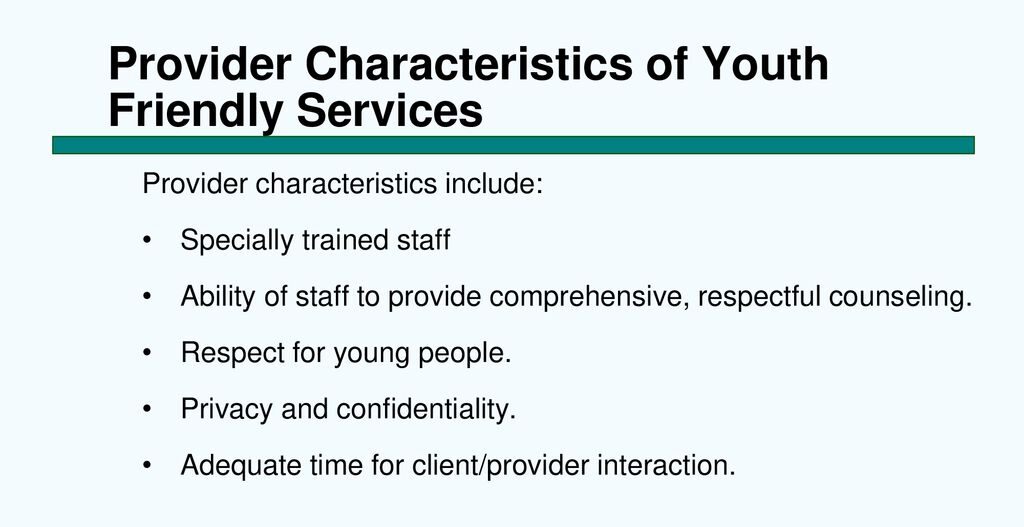
  6. Strengthening youth friendly services at all health facilities.
  7. Strengthening community based organization to teach the community on the dangers of unsafe abortion.
Classifications of abortions

Types of Abortion

Abortions are broadly classified into spontaneous and induced types. 

Spontaneous Abortion
Spontaneous abortion, also known as miscarriage, is the unintentional loss of a pregnancy before 20 weeks of gestation. 

It is the most common type of pregnancy loss, occurring in about 10-20% of all pregnancies.

Types of Spontaneous Abortion:

  1. Threatened Abortion: Bleeding occurs in early pregnancy without the opening of the cervix or evacuation of the products of conception (POC). Resolves on its own with no medical intervention.
  2. Inevitable Abortion: The cervix is open and POC are visible indicating an unavoidable termination of pregnancy. The pregnancy will not continue and will proceed to incomplete or complete abortion.
  3. Incomplete Abortion: POC are partially expelled.
  4. Complete Abortion: POC are completely expelled.
  5. Habitual Abortion: Three or more recurrent spontaneous abortions
Induced Abortion
Induced abortion is the intentional termination of a pregnancy before the fetus is viable outside the uterus. It is a legal medical procedure in many countries, but it is illegal in some countries.

Types of Induced Abortion:

  1. Legal or Therapeutic Abortion: This type of abortion is performed to protect the life or health of the mother, or in cases of rape or incest.
  2. Illegal or Criminal Abortion: This type of abortion is performed outside the law and is considered a crime in many countries. Poses serious health risks to the woman due to non-professional and unsafe procedures hence increased likelihood of Septic abortion.

General Nursing Interventions and Actions for Patients with Abortion

1. Helping Patient Through Anxiety and Providing Emotional Support

Assess and Encourage Expression of Feelings:

  • Assess the client’s anxiety and facilitate the expression of her emotions.
  • Recognize potential feelings of guilt in both the client and her partner.
  • Encourage grieving and acknowledge that the process may differ for each individual.

Consider Cultural Beliefs:

  • Assess the client’s and her partner’s cultural beliefs regarding abortion.
  • Establish a therapeutic relationship by demonstrating empathy and unconditional positive regard.
  • Provide compassionate care, acknowledging the significance of the pregnancy.

Provide Psychological Comfort:

  • Offer psychological and mental support to the client and her partner.
  • Utilize comfort measures such as breathing and relaxation techniques to reduce anxiety.
  • Explain procedures, stay with the client, and provide information for informed decision-making.

Support Person and Spiritual Guidance:

  • Facilitate the presence of a support person, especially during second-trimester procedures.
  • Explore spiritual support as a resource for coping.
  • Encourage questions, allowing the client to express fears and concerns.

2. Providing Pain Relief and Comfort:

Assess and Monitor Pain:

  • Evaluate the severity and location of discomfort, considering variations in pain perception.
  • Systematically monitor the client for verbal reports and objective cues of pain every two hours.

Educate About Expected Discomfort:

  • Explain the nature of expected discomfort associated with the termination process.
  • Provide information about the use of prescription or nonprescription analgesics.

Administer Analgesics and Comfort Measures:

  • Administer narcotic/non-narcotic analgesics, sedatives, and antiemetics as prescribed.
  • Offer comfort measures, including relaxation and breathing techniques.
  • Position the client for comfort and encourage position changes.

Assist with Pain Management Procedures:

  • Assist with the administration of paracervical block before surgical termination.
  • Support the client through pain management strategies during the termination process.

3. Promoting Maternal Safety and Preventing Injuries:

Assess and Monitor Methods Used:

  • Evaluate if the abortion is self-managed and assess for any additional methods used.
  • Monitor for excessive nausea and vomiting before and after elective termination.

Evaluate Discomfort and Vital Signs:

  • Assess for dyspnea, wheezing, or agitation, which may indicate complications.
  • Evaluate the level of discomfort, addressing abdominal pain and tenderness.
  • Stress the importance of returning for a follow-up examination.

Ensure Proper Procedures and Support:

  • Determine cervical status before the procedure and assist with the insertion of Laminaria tent or prostaglandin.
  • Administer RhoGAM to Rh-negative clients after termination.
  • Assist with additional treatment or procedures to control complications.

4. Preventing Hypovolemic Shock:

Monitor Vital Signs and Blood Loss:

  • Monitor vital signs, noting increased pulse rate and signs of shock.
  • Monitor and assess blood loss, counting and weighing peri pads.

Educate and Provide Emergency Contacts:

  • Educate the client on reporting signs of haemorrhage and adherence to prescribed medications.
  • Provide emergency contact information for immediate assistance.

Determine Cervical Status and Administer Medications:

  • Determine cervical status before the procedure and assist with the insertion of Laminaria tent or prostaglandin.
  • Administer antiemetic agents and draw blood specimens for blood typing and crossmatch.

Administer Oxygen and Intravenous Fluids:

  • Administer oxygen to increase oxygen tension and intravenous fluids as ordered.
  • Assist with surgical procedures to mitigate haemorrhage.

5. Preventing Infection:

Monitor and Assess for Signs of Infection:

  • Monitor for signs of infection, including fever, crampy abdominal pain, and tender uterus.
  • Regularly assess vital signs, particularly temperature.

Perform Hand Hygiene and Educate on Perineal Hygiene:

  • Practice hand hygiene before and after each care activity.
  • Educate the client on proper perineal hygiene to prevent the spread of bacteria.

Encourage Universal STD Screening:

  • Educate the client about the importance of universal STD screening for sexually active women.
  • Instruct the client to report any signs or symptoms of infection promptly.

ABORTIONS Read More »

PREMENSTRUAL SYNDROME

PREMENSTRUAL SYNDROME 

PREMENSTRUAL SYNDROME 

Premenstrual syndrome is a group of symptoms both physical and psychological that occur before menstruation.

Symptoms can range from mild to severe and occur during the luteal phase (begin 7-14 days before the onset of menses) and disappear after the onset of menses.


Majority of women experience premenstrual syndrome but it is considered severe if it impairs work, relationships or usual activities.

Causes of Premenstrual Syndrome


The cause of premenstrual syndrome remains unknown/unclear although changes in the hormonal level, Vitamin B6 and calcium deficiency have been suspected.

PREMENSTRUAL SYNDROME signs and symptoms (1)

Signs and symptoms of Premenstrual Syndrome

Premenstrual syndrome presents with both physical and psychological symptoms as outlined below.

Psychological Symptoms: These are emotional and mental aspects affected by PMS, including irritability, depression, tension, anxiety, fatigue, and difficulties in concentration.

  • Irritability: Feelings of annoyance, impatience, and mood disturbances.
  • Depression: Persistent feelings of sadness, hopelessness, and despair.
  • Tension: Increased stress levels and heightened emotional response.
  • Anxiety: Experiencing nervousness, unease, or a sense of impending doom.
  • Fatigue: A general feeling of tiredness, weakness, and lack of energy.
  • Inability to Concentrate: Difficulty focusing, poor attention, and mental fog.

Physical Symptoms: Physical manifestations of PMS, such as abdominal bloating, perceived weight gain, breast swelling, acne, headache, and migraines.

  • Abdominal Bloating: Swelling or feeling of fullness in the abdominal area.
  • Feeling of Weight Gain: Perceived increase in body weight, often due to fluid retention.
  • Swelling of Breasts: Breast tenderness and enlargement due to hormonal changes.
  • Acne: Skin breakouts and increased oiliness.
  • Headache: Pain or discomfort in the head.
  • Migraine: Severe headaches often accompanied by other symptoms like nausea and sensitivity to light.

Management of Premenstrual Syndrome (PMS)

A woman is considered to have PMS if her symptoms interfere with the activities of daily living.

Non-pharmacological Strategies

Diet:

  • Increase intake of vitamin B6, carbohydrates, fruits, and vegetables, such as legumes and cereals.
  • Avoid consumption of caffeine.
  • Refrain from smoking and limit alcohol intake.
  • Reduce overall salt intake.
  • Educate patients about the benefits of a diet rich in omega-3 fatty acids and low in saturated fats.
  • Encourage the consumption of fruits and vegetables.

Physical Exercises:

  • Engage in regular physical activities, including aerobic exercises and walking.
  • Encourage exercises to relieve bloating, irritability, and insomnia.

Education and Counseling:

  • Provide education about the causes, treatment, and prevention of PMS.
  • Offer counselling to address emotional aspects and coping mechanisms.

Stress Management:

  • Implement relaxation techniques and mental imagery to manage stress.

General Measures:

  • Educate the patient about premenstrual syndrome.
  • Encourage regular exercises to relieve bloating, irritability, and insomnia.
  • Advise a diet rich in carbohydrates, calcium, omega-3 fatty acids, and low in saturated fats.
  • Avoid caffeine to reduce breast tenderness and irritability.
  • Reduce the consumption of sugar, alcohol, and salt.
  • Restrict salt intake to decrease abdominal bloating and fluid retention.
  • Encourage the consumption of fruits and vegetables.
  • Advise patients who smoke to quit.

Pharmacological Strategies

Combined Oral Contraceptives (COCs): Use hormonal contraceptives to regulate hormonal fluctuations.

Antidepressants

  • Consider selective serotonin reuptake inhibitors (SSRIs) like fluoxetine (20 mg once daily) or paroxetine (20 mg once daily) if PMS presents with depression and anxiety symptoms.
  • Start SSRIs at the time of ovulation and stop on the first day of menses.
  • Monitor for side effects such as insomnia, fatigue, and loss of libido.

Diuretics:

  • Recommend diuretics, such as furosemide (20-40 mg), for patients with weight gain.
  • Spironolactone (50-100 mg daily for 7 days) may help reduce fluid retention.

Vitamins:

  • Consider Vitamin B6 (50-100 mg once daily) and calcium (600 mg twice daily) to reduce physical symptoms.

PREMENSTRUAL SYNDROME  Read More »

DYSFUNCTIONAL UTERINE BLEEDING

DYSFUNCTIONAL UTERINE BLEEDING

DYSFUNCTIONAL UTERINE BLEEDING

Dysfunctional uterine bleeding (DUB) refers to abnormal uterine bleeding that occurs in the absence of organic causes or underlying medical conditions. 


It is characterized by irregular, prolonged, or heavy menstrual bleeding. Dysfunctional uterine bleeding also refers to abnormal bleeding resulting from hormonal changes rather than from trauma, inflammation, pregnancy or a tumour.

Associated Causes of Dysfunctional Uterine Bleeding

Although there is no apparent structural or organic cause, the term “dysfunctional” means that the bleeding originates from a dysfunction within the normal hormonal regulation of the menstrual cycle rather than a specific anatomical abnormality. 

While these are not direct causes of DUB, they can influence or worsen the condition.

  1. Hormonal Dysfunction: Hormonal imbalances, particularly disruptions in oestrogen and progesterone levels, can interfere with the normal menstrual cycle. These imbalances may result from various factors, including stress, medical conditions, or natural hormonal fluctuations.
  2. Benign and Malignant Tumours: The presence of benign growths (such as uterine fibroids) or malignant tumours (like uterine or cervical cancer) can lead to abnormal bleeding patterns. Tumours affect the uterine structure, impacting the regularity of menstrual cycles.
  3. Use of Some Contraceptives: Certain contraceptives, especially those containing hormones, can influence menstrual patterns. Changes in contraceptive methods or formulations may contribute to dysfunctional bleeding in susceptible individuals.
  4. Coagulation Disorders: Conditions affecting blood clotting, such as thrombocytopenia or leukaemia, can lead to dysfunctional bleeding. Impaired coagulation mechanisms may result in irregular and excessive menstrual flow.
  5. Systemic Diseases – Ovarian Failure: Ovarian failure, characterized by the loss of normal ovarian function, can disrupt hormonal balance and menstrual regularity. Systemic diseases impacting ovarian function contribute to dysfunctional bleeding.
  6. Various Factors Influencing Hormonal Balance: 
  7. Immature hypothalamus

  8. Changes in exercise patterns

  9. Impaired follicular stimulation

  10. Malnutrition

  11. Emotional viability/crises

  12. Temporary oestrogen withdrawal at ovulation

  13. Radiation and chemotherapy

  14. Lifestyle changes

dysfunctional

Types of Dysfunctional Uterine Bleeding (DUB):

DUB may present in any of the following ways:

  1. Menorrhagia: Menorrhagia involves prolonged or excessive bleeding during regular menstruation.
  2. Metrorrhagia: Metrorrhagia refers to vaginal bleeding occurring between regular menstrual periods. 
  3. Oligomenorrhea: Oligomenorrhea is characterized by a significantly reduced menstrual flow, often accompanied by irregular cycles.
  4. Polymenorrhea: Polymenorrhea manifests as frequent menstruation, occurring at intervals of less than three weeks. 
  5. Menometrorrhagia: Menometrorrhagia involves excessive bleeding both during the usual menstrual time and at irregular intervals.

Signs and Symptoms of Dysfunctional Uterine Bleeding

  • Irregular menstrual cycles: Menstrual periods may occur more frequently or infrequently than usual.
  • Prolonged bleeding: Menstrual bleeding may last longer than the typical duration.
  • Heavy menstrual bleeding: Excessive or abnormally heavy bleeding during menstrual periods.
  • Intermenstrual bleeding: Bleeding that occurs between menstrual cycles.
  • Fatigue or tiredness due to excessive blood loss.
  • Anaemia symptoms: Weakness, lightheadedness, shortness of breath, or pale skin.

NOTE : A diagnosis of dysfunctional uterine bleeding is made only when all other possibilities of causes of bleeding have been excluded.

Investigations

Dysfunctional uterine bleeding is diagnosed based on patient history and physical examination and laboratory investigations.

  • Complete blood count (CBC): Helps to detect anaemia
  • HCG test: It is recommended to rule out pregnancy
  • Thyroid stimulating hormone (TSH): Elevated levels of TSH may be due to hypothyroidism
  • Measurement of prolactin levels: Helps to rule out pituitary adenoma
  • Pelvic ultrasound: Helps to rule out ovarian or uterine causes
MANAGEMENT OF D.U.B
  • Treatment depends on various factors like age, condition of the uterine lining and the woman’s plans regarding pregnancy.
  • When the uterine lining is thickened but contains normal cells, heavy bleeding may be treated with a high dose of oral contraceptive oestrogen and progestin(COC) or oestrogen alone usually intravenously, then followed by a progestin given by mouth. Bleeding generally stops within 12-24 hours and then low doses of oral contraceptives may be given in the usual manner for at least 3 months. Women who have lighter bleeding may be given low doses from the start.
  • If a woman has contraindications to oestrogen-containing drugs, progestin only pills may be given by mouth for 10-14 days each month.
  • Other medications include;

Class of Drug

Example

Remarks

NSAIDs

Mefenamic acid 500mg

Reduces menstrual blood loss by lowering endometrial prostaglandin concentration.


Ibuprofen 400-800mg

Should be taken before and during menstruation.

Antifibrinolytics

Tranexamic acid 1g twice daily

Helps prevent blood loss during menstruation.

Hormonal Contraceptives

Combined Oral Contraceptives or IUDs

Controls chronic bleeding by suppressing the endometrium.

Progesterone Therapy

Norethisterone 5mg bd from day 5-26 of menstrual cycle

Helps stop acute bleeding.


  • Total hysterectomy is indicated if the woman is over 35 years, uterine lining thickened and contains abnormal cells and she does not want to become pregnant.
  • D&C may be used if response or hormonal therapy proves ineffective.
  • If a woman wants to become pregnant, clomiphene drugs may be given orally to induce ovulation.

DYSFUNCTIONAL UTERINE BLEEDING Read More »

POLYMENORRHOEA/ EPIMENORRHOEA

POLYMENORRHOEA/ EPIMENORRHOEA

POLYMENORRHOEA/ EPIMENORRHOEA

Polymenorrhea, also known as epimenorrhoea, is a medical condition characterized by frequent menstrual periods that occur more frequently than the normal menstrual cycle

Polymenorrhoea also refers to menstruation periods that occur at shorter intervals than usual (14-21 days), but they are frequent and regular.

Signs and Symptoms of Polymenorrhea/Epimenorrhoea: Menstrual Cycles Shorter than 21 Days: Defined by the duration between the onset of one period and the beginning of the next, with cycles constantly falling below the normal 21-days. Frequent Menstrual Periods: Menstrual bleeding occurring every two weeks or at intervals of less than 14 days, indicating increased frequency compared to the standard monthly cycle. Altered Bleeding Patterns: Variations in blood flow, with episodes of lighter or heavier bleeding than what is considered for the individual. Increased Menstrual Discomfort: Discomfort or pain associated with menstruation, more than the discomfort experienced during a regular menstrual cycle. Fatigue or Tiredness: Resulting from more frequent blood loss due to polymenorrhea, leading to a decrease in energy levels and an increased sense of tiredness. Emotional and Psychological Impact: Potential emotional consequences, including anxiety or mood swings, from the physical and hormonal changes associated with more frequent menstrual cycles.

Causes of Polymenorrhea/Epimenorrhoea:

  1. Hormonal imbalances: Fluctuations in oestrogen and progesterone levels can disrupt the normal menstrual cycle and result in more frequent periods.
  2. Thyroid disorders: Overactive thyroid (hyperthyroidism) or underactive thyroid (hypothyroidism) can affect hormone production and menstrual regularity.
  3. Polycystic ovary syndrome (PCOS): This condition is characterized by hormonal imbalances, enlarged ovaries with cysts, and irregular menstrual cycles.
  4. Uterine abnormalities: Conditions such as uterine fibroids, polyps, or adenomyosis can cause abnormal bleeding and frequent periods.
  5. Stress and lifestyle factors: Chronic stress, excessive exercise, drastic weight changes, and poor nutrition can disrupt the hormonal balance and contribute to polymenorrhea.

Signs and Symptoms of Polymenorrhea/Epimenorrhoea:

  • Menstrual Cycles Shorter than 21 Days: Defined by the duration between the onset of one period and the beginning of the next, with cycles constantly falling below the normal 21-days.
  • Frequent Menstrual Periods: Menstrual bleeding occurring every two weeks or at intervals of less than 14 days, indicating increased frequency compared to the standard monthly cycle.
  • Altered Bleeding Patterns: Variations in blood flow, with episodes of lighter or heavier bleeding than what is considered for the individual.
  • Increased Menstrual Discomfort: Discomfort or pain associated with menstruation, more than the discomfort experienced during a regular menstrual cycle.
  • Fatigue or Tiredness: Resulting from more frequent blood loss due to polymenorrhea, leading to a decrease in energy levels and an increased sense of tiredness.
  • Emotional and Psychological Impact: Potential emotional consequences, including anxiety or mood swings, from the physical and hormonal changes associated with more frequent menstrual cycles.

Investigations for Polymenorrhea/Epimenorrhoea:

  1. Medical history and physical examination: A thorough evaluation of the menstrual patterns, symptoms, and any underlying medical conditions is conducted. A pelvic examination may be performed to assess the reproductive organs.
  2. Hormone level assessment: Blood tests may be done to measure hormone levels, including oestrogen, progesterone, thyroid hormones, and other relevant hormones.
  3. Pelvic ultrasound: This imaging test can provide visual information about the ovaries, uterus, and any structural abnormalities.
  4. Endometrial biopsy: A sample of the uterine lining may be obtained and examined to rule out any abnormalities or cancer.

Medical and Nursing Management of Polymenorrhea/Epimenorrhoea:

  1. Hormonal therapy: Depending on the underlying cause, hormonal medications, such as oral contraceptives or hormone-regulating medications, may be prescribed to regulate the menstrual cycle and reduce the frequency of periods.
  2. Treatment of underlying conditions: If polymenorrhea is caused by conditions such as PCOS or uterine abnormalities, appropriate treatment strategies will be implemented to address the specific cause. Carry out dilatation and curettage (D&C) to remove retained products if its the cause.
  3. Lifestyle modifications: Stress reduction techniques, maintaining a balanced diet, regular exercise, and adequate sleep can help regulate hormonal balance and promote overall well-being.
  4. Supportive care: Nursing management focuses on providing emotional support, educating patients about menstrual hygiene, symptom management, and lifestyle modifications.
  5. Monitoring and follow-up: Monitoring patients’ response to treatment, assessing the effectiveness of interventions, and ensuring appropriate follow-up care should be put into considerations.

POLYMENORRHOEA/ EPIMENORRHOEA Read More »

METRORRHAGIA/INTERMENSTRUAL BLEEDING

METRORRHAGIA/INTERMENSTRUAL BLEEDING

METRORRHAGIA/INTERMENSTRUAL BLEEDING

Metrorrhagia, now commonly called Intermenstrual bleeding is vaginal bleeding that occurs at irregular intervals not associated with the menstrual cycle.

Metrorrhagia is a medical term used to describe irregular or abnormal uterine bleeding that occurs between menstrual periods. 

It is characterized by light spotting that occurs outside of one’s period patterns and does not need sanitary protection.

This is a symptom of some underlying pathology which may be organic or functional.

Causes of Metrorrhagia

  • Fibroid Uterus: Presence of uterine fibroids, noncancerous growths that can cause irregular and abnormal bleeding.
  • Adenomyosis: A disorder involving the glands that secrete cervical mucus and fluids, contributing to abnormal uterine bleeding.
  • Pelvic Endometriosis: Presence of endometrial tissue outside the uterine lining, leading to premenstrual pain and dysmenorrhea.
  • Chronic Tubo-Ovarian Mass: Persistent mass involving the fallopian tubes and ovaries, contributing to irregular uterine bleeding.
  • Retroverted Uterus (Due to Congestion): Uterus tilted backward, causing congestion and contributing to metrorrhagia.
  • Uterine Polyp: Presence of a polyp with a rich blood supply, making it prone to easy bleeding.
  • Cervical Erosions: Presence of wounds on the cervix with increased blood supply, leading to bleeding.
  • Cancer of the Cervix or Endometrial Cancer: Malignant growths in the cervix or endometrium causing abnormal bleeding.
  • Chronic Threatened Abortion or Incomplete Abortion: Prolonged or incomplete abortion affecting uterine function and causing irregular bleeding.
  • Retained Pieces of Placenta: Residual placental fragments interfering with uterine contraction, preventing proper closure of blood vessels after childbirth.
  • Mole Pregnancy: Abnormal uterine mass growing post-fertilization, characterized by an excess of blood capillaries leading to bleeding.
  • Ovulation Bleeding: Bleeding associated with the process of ovulation.
  • Short Cycles like Polymenorrhea: Menstrual cycles shorter than the average duration, contributing to irregular and frequent uterine bleeding.
  • Infections: Having lower abdominal or pelvic infections such as vaginitis can lead to metrorrhagia.
Signs and symptoms of Metrorrhagia

Signs and symptoms of Metrorrhagia

  1. Bleeding Between Menstrual Periods: Presence of abnormal bleeding episodes occurring between regular menstrual cycles.
  2. Irregular Menstrual Cycles: Variations in the normal pattern of menstrual cycles, including changes in cycle length or timing.
  3. Heavier or Lighter Bleeding Than Usual During Menstrual Periods: Experiencing unusually heavy or light menstrual flow compared to the individual’s typical pattern.
  4. Prolonged Bleeding That Lasts Longer Than Normal: Extended duration of menstrual bleeding beyond the usual timeframe.
  5. Pelvic Pain or Discomfort: Presence of pain or discomfort in the pelvic region, often associated with abnormal bleeding.
  6. Fatigue or Tiredness Due to Blood Loss: Feeling tired or fatigued as a result of significant blood loss during irregular bleeding episodes.
  7. Anaemia Symptoms: Manifestations of anaemia, including: Shortness of Breath, Dizziness, Weakness.

Investigations of Metrorrhagia

Assessment:

  • Thorough medical history and physical examination.
  • Detailed history  about menstrual cycles, associated symptoms, and relevant medical conditions.
  • Pelvic examination to assess the condition of reproductive organs.

Diagnostic Tests:

  • Hormone Level Assessment: Blood tests to evaluate hormone levels, including oestrogen, progesterone, and thyroid hormones. This helps identify hormonal imbalances that may contribute to metrorrhagia.
  • Transvaginal Ultrasound: Imaging test for visualizing the uterus and ovaries, detecting structural abnormalities or conditions such as fibroids.
  • Endometrial Biopsy: Collection of a sample from the uterine lining for microscopic evaluation. This procedure helps identify abnormalities, including signs of cancer.
  • Hysteroscopy: Procedure involving the insertion of a thin, lighted tube into the uterus to visualize the uterine cavity. It aids in detecting abnormalities or issues affecting the uterine lining.
  • Digital and Speculum Examination: Examination techniques to visualize the cervix for any signs of abnormality.
  • Pelvic Scan: Imaging scan focused on visualizing pelvic organs, assisting in ruling out any abnormalities.
  • Urine Test: Urine samples to check for pregnancy, infection, or STDs.
  • Pap Smear: To rule out cancer.
METRORRHAGIA rx
Management of Metrorrhagia
The best management to investigate and treat the cause.

Aims of Management:

  • Alleviate Symptoms.
  • Determine and address the root causes of metrorrhagia.
  • Prevent Complications

Medical and Nursing Management of Metrorrhagia:

  1. Assessment: Medical History and Physical Examination: Gather detailed information on menstrual cycles, symptoms, and relevant medical conditions. Conduct a pelvic examination to assess reproductive organs.
  2. Hormonal therapy: Depending on the underlying cause, hormonal medications, such as birth control pills or progestin therapy, may be prescribed to regulate the menstrual cycle and reduce abnormal bleeding.
  3. Nonsteroidal anti-inflammatory drugs (NSAIDs): These medications can help manage pain and reduce bleeding during episodes of metrorrhagia.
  4. Treatment of underlying conditions: If metrorrhagia is caused by conditions such as fibroids, polyps, or infections, appropriate treatment strategies will be implemented to address the specific cause.
  5. Surgical interventions: In some cases, surgical procedures may be necessary to remove uterine abnormalities or address the underlying cause of metrorrhagia.
  6. Supportive care: Nursing management focuses on providing emotional support, educating patients about menstrual hygiene and symptom management, and promoting overall well-being.
  7. Rest: Rest is advised during the bleeding phase. Assurance and sympathetic handling are helpful particularly in adolescents. Anaemia should be corrected energetically by diet, hematinics, and even by blood transfusion.
  8. Monitoring and follow-up: Monitor patients’ response to treatment, assess the effectiveness of interventions, and ensure appropriate follow-up care.

METRORRHAGIA/INTERMENSTRUAL BLEEDING Read More »

MENORRHAGIA

MENORRHAGIA

MENORRHAGIA

Menorrhagia is a condition characterized by abnormally heavy or prolonged menstrual bleeding


Menorrhagia can be heavy or prolonged menstrual bleeding or both.

Causes of Menorrhagia

Causes of Menorrhagia

  • Hormonal imbalances: Fluctuations in oestrogen and progesterone, two key hormones in the menstrual cycle, can disrupt the normal regulation of the menstrual cycle. Irregularities in these hormones may lead to excessive and prolonged menstrual bleeding.
  • Uterine fibroids: Uterine fibroids are noncancerous growths in the uterus. Depending on their size and location, they can interfere with the normal contraction and relaxation of the uterine muscles, resulting in heavy menstrual bleeding.
  • Adenomyosis: Adenomyosis occurs when the inner lining of the uterus (endometrium) grows into the muscular wall of the uterus. This condition can lead to an enlarged uterus and heavy menstrual bleeding.
  • Polyps: Uterine polyps are small, benign growths on the lining of the uterus. These growths can cause irregularities in the menstrual cycle, leading to heavy and prolonged bleeding.
  • Endometrial hyperplasia: Endometrial hyperplasia is the abnormal thickening of the uterine lining. This condition can result in an increase of the surface area leading to heavy and prolonged menstrual bleeding.
  • Inherited bleeding disorders: Conditions like von Willebrand’s disease, which are inherited, affect blood clotting. Women with such disorders may experience excessive bleeding during menstruation.
  • PID (Pelvic Inflammatory Disease): PID is an infection of the female reproductive organs. Inflammation and infection can disrupt the normal functioning of the uterus and surrounding structures, leading to heavy menstrual bleeding.
  • Cancers (cervix and endometrium): Cancerous growths in the cervix or endometrium can lead to irregular and heavy menstrual bleeding. The abnormal growth of cancerous cells interferes with the normal shedding of the uterine lining.
  • Ovarian tumours: Tumours in the ovaries can disrupt hormonal balance. Changes in hormone levels may affect the regularity of the menstrual cycle, resulting in heavy bleeding.
  • Nutritional factors: Deficiencies or imbalances in certain nutrients can impact overall health, including menstrual health.
  • Psychogenic factors (e.g., stress): Psychological stress can influence hormonal balance and the menstrual cycle. Chronic stress may contribute to irregularities in menstrual bleeding, including excessive and prolonged periods.
  • Family inheritance: A family history of certain conditions, especially those related to blood clotting or hormonal imbalances, may increase the likelihood of menorrhagia.
  • Intrauterine Device (IUD): The use of intrauterine devices for contraception may lead to increased menstrual bleeding in some cases. The presence of the IUD can cause changes in menstrual flow.
  • Clotting disorders: Conditions that affect blood clotting, such as certain disorders like Thrombocytopenia, DIC, DVT,  or medications like warfarin, heparin, can result in heavy menstrual bleeding. Proper blood clotting is essential for the normal cessation of menstrual flow.
  • Functional tumours of ovaries: Tumours in the ovaries that are hormonally active can disrupt the balance of reproductive hormones. This disruption may lead to irregular menstrual cycles and heavy bleeding.

Signs and symptoms of Menorrhagia

  1. Prolonged Menstrual Bleeding: Menstrual bleeding lasting longer than seven days. Menstrual periods last around five to seven days, and bleeding beyond this timeframe may indicate menorrhagia.
  2. Heavy Menstrual Flow: Soaking through one or more sanitary pads every hour for several consecutive hours, indicating a heavy flow. This level of bleeding is considered excessive and can impact quality of life.
  3. Passing Large Blood Clots: Experiencing the passage of large blood clots during menstruation. The presence of large blood clots can be a sign of menorrhagia, often causing discomfort and contributing to heavy bleeding.
  4. Fatigue and Tiredness: Feeling fatigued and tired due to excessive blood loss during menstruation, which can lead to anaemia. Menorrhagia can result in the loss of a significant amount of blood, leading to fatigue, weakness, and decreased energy levels.
  5. Shortness of Breath or Rapid Heart Rate: Experiencing shortness of breath or a rapid heart rate caused by anaemia resulting from excessive blood loss. Anaemia, a common consequence of menorrhagia, can lead to symptoms such as shortness of breath and an increased heart rate due to decreased oxygen-carrying capacity in the blood.
  6. Lightheadedness or Dizziness: Feeling lightheaded or dizzy, which can be a symptom of anaemia or excessive blood loss. These symptoms may occur as a result of reduced blood volume and oxygen supply to the body due to heavy menstrual bleeding.
  7. Disruption of Daily Activities: Menstrual periods that significantly disrupt daily activities due to the severity of symptoms and discomfort. Menorrhagia can lead to the inability to engage in regular activities, impacting work, social life, and overall well-being.
  8. Iron Deficiency: Developing symptoms of iron deficiency, such as pale skin, brittle nails, and cravings for non-nutritive substances like ice or dirt, due to chronic blood loss associated with menorrhagia.
  9. Sleep Disturbances: Experiencing sleep disturbances, such as waking up due to the need to change sanitary products during the night, leading to disrupted sleep patterns and fatigue.
menorrhagia

Diagnosis and Investigations of Menorrhagia

  • Complete Medical History and Physical Examination: Conduct a thorough review of the patient’s medical history and perform a physical examination to gather information about symptoms & menstrual patterns.
  • Blood Tests: Blood tests will be conducted to assess blood count, iron levels, and hormonal imbalances. These tests can help identify anaemia, iron deficiency, and hormonal irregularities that may contribute to menorrhagia. 
  • Transvaginal Ultrasound: A transvaginal ultrasound will be performed to evaluate the structure of the uterus and detect any abnormalities, such as fibroids, polyps, or other structural issues that could be causing or contributing to menorrhagia. This imaging technique helps in visualizing the internal reproductive organs and identifying potential sources of abnormal bleeding.
  • Endometrial Biopsy: An endometrial biopsy involves the collection and examination of a sample of the uterine lining to check for abnormalities, such as hyperplasia or cancer. 
  • Hysteroscopy: Hysteroscopy is a minimally invasive procedure that involves the insertion of a thin, lighted tube into the uterus to directly visualize the uterine cavity. This allows to identify and evaluate abnormalities within the uterus, such as polyps, fibroids, or other structural issues contributing to menorrhagia.
  • Coagulation Tests: Bleeding time, prothrombin time, and clotting time tests may be conducted to assess for coagulopathy and platelet availability. Abnormal results in these tests can indicate potential bleeding disorders or coagulation abnormalities that may contribute to heavy menstrual bleeding.
  • Full Haemoglobin Levels and Hormone Analysis: To rule out hormonal imbalances and to identify any underlying endocrine disorders that could be contributing to menorrhagia. This includes evaluating levels of oestrogen, progesterone, thyroid hormones, etc.
  • Pelvic MRI: In some cases, a pelvic MRI may be recommended to provide detailed imaging of the pelvic organs, helping to identify structural abnormalities, such as adenomyosis or other conditions that may be contributing to menorrhagia.
  • Coagulation Factor Testing: Testing for specific coagulation factors, such as von Willebrand factor and other clotting factors, may be performed to assess for inherited bleeding disorders that could be a contributing factor to menorrhagia.

Management of Menorrhagia

The best management is to investigate  and treat the cause.

Aims of Management

  • Identify and Address Underlying Causes.
  • Alleviate Symptoms and Improve Quality of Life.
  • Preserve Fertility and Reproductive Health

Medical Management of Menorrhagia:

  1. Medications: Nonsteroidal anti-inflammatory drugs (NSAIDs) can help reduce pain and bleeding. Hormonal contraceptives, such as birth control pills or hormonal intrauterine devices (IUDs), can regulate menstrual cycles and decrease bleeding.
  2. Iron supplementation: If anaemia is present due to excessive bleeding, iron supplements may be recommended to restore iron levels.
  3. Endometrial ablation: A minimally invasive procedure that destroys the lining of the uterus to reduce menstrual bleeding.
  4. Uterine artery embolization: A procedure in which small particles are injected into the blood vessels supplying the uterus to reduce blood flow and control bleeding.

Other drugs;

Treatment Approach

Examples

Mechanism

NSAIDs (Nonsteroidal Anti-Inflammatory Drugs)

Ibuprofen, Naproxen

Inhibits prostaglandin synthesis, reducing menstrual bleeding

Tranexamic Acid

Tranexamic acid

Antifibrinolytic action prevents the breakdown of blood clots, reducing excessive bleeding

Hormonal Therapy

– Oral Contraceptives (Birth Control Pills) 

 – Progesterone Therapy 

 – Hormonal IUDs

Regulates hormonal fluctuations, stabilizes endometrial lining, and reduces menstrual bleeding

GnRH Agonists (Gonadotropin-Releasing Hormone)

Leuprolide, Goserelin

Suppresses ovarian function, inducing a state similar to menopause, temporarily reducing menstrual bleeding

Desmopressin (DDAVP)

Desmopressin

Enhances blood clotting, used in women with bleeding disorders

Antifibrinolytic Medications

Aminocaproic acid, Tranexamic acid

Prevents the breakdown of blood clots, reducing bleeding

Iron Supplements

Iron supplements

Treats or prevents iron-deficiency anemia caused by chronic heavy bleeding

Selective Progesterone Receptor Modulators (SPRMs)

Ulipristal acetate

Affects the endometrium, reducing menstrual bleeding


Nursing Management

Assessment:

Detailed History:

  • Menstrual history, including onset, duration, and flow characteristics.
  • Obstetric history, noting any pregnancies, deliveries, and miscarriages.
  • Current medications, including contraceptives.
  • Family history of bleeding disorders or gynaecological issues.

Physical Examination:

  • Vital signs, including blood pressure and heart rate.
  • Pelvic examination to assess the reproductive organs and identify abnormalities.
  • Blood tests to check for anaemia, clotting disorders, and hormonal imbalances.
Education:
  • Patient Education: Educate the patient about menorrhagia, its causes, and potential complications.
  • Medication Management: Provide information on prescribed medications, their purpose, and proper usage. Emphasize the importance of adherence to medication schedules.
  • Home Care: Advise on the use of over-the-counter pain relievers for discomfort. Educate on the use of heat therapy to alleviate pain.
  • Signs of Complications: Instruct the patient on signs of excessive bleeding or other complications. Encourage immediate reporting of any concerning symptoms.

Symptom Management:

  • Pain Relief: Administer prescribed pain medications. Assist with the application of heat therapy for pain relief.
  • Monitoring and Assessing Bleeding: Regularly assess and document the amount and characteristics of menstrual bleeding. Monitor for signs of anaemia.
  • Supportive Measures: Provide emotional support, addressing any anxiety or concerns. Encourage the patient to rest and maintain a balanced diet.

Collaboration with Healthcare Team:

  • Communication: Maintain open communication with the healthcare team regarding the patient’s condition.
  • Follow-Up: Coordinate follow-up appointments for ongoing evaluation and adjustments to the treatment plan.

Patient Advocacy:

  • Ensuring Informed Decision-Making: Support the patient in making informed decisions about treatment options.
  • Advocating for Patient Needs: Advocate for the patient’s needs, including pain management and emotional support.

Documentation:

  • Accurate Records: Maintain accurate and detailed records of the patient’s symptoms, interventions, and responses to treatment.
  • Communication with Healthcare Team: Ensure clear documentation for effective communication within the healthcare team.

Continuous Evaluation:

  • Response to Treatment: Continuously evaluate the patient’s response to medications and other interventions.
  • Adjustment of Care Plan: Collaborate with the healthcare team to adjust the care plan based on the patient’s progress.

Nursing diagnosis

Ineffective tissue perfusion related to excessive bleeding evidenced by pallor.

Nursing interventions

  • Assess the patient’s vital signs. To obtain baseline data.
  • Lift the foot of the bed. To allow blood flow to vital centres of the body like the brain, kidneys, lungs, heart and liver.
  • Administer intravenous fluids. To maintain the circulatory volume of fluids.
  • Administer vitamin k as prescribed to reduce bleeding. Vitamin k activates coagulation factors.
  • Administer whole blood as prescribed. To maintain circulatory volume of blood.

MENORRHAGIA Read More »

Want notes in PDF? Join our classes!!

Send us a message on WhatsApp
0726113908

Scroll to Top
Enable Notifications OK No thanks