Nurses Revision

Medical Nursing

Medical Nursing related content

Self study questions for nurses and midwives

Questions and Answers

Questions and Answers

Medicine

Hyperglycemia
  1. Mrs. Loyce a thirty three year old female patient has been admitted with signs and symptoms of hyperglycemia.

              (a). Manage Loyce from the time of her admission up to discharge.

              (b) Differentiate between hyperglycemia and hypoglycemia.

              (c) Explain how you can prevent a diabetic foot.

SOLUTIONS

a). Hyperglycemia– refers to chronically high blood glucose level .it is usually over 240mg/dl.

Hypoglycemia– refers to dangerously low blood glucose levels that drop below 70mg/dl

However the sign and symptoms of hyperglycemia includes:-

  • Blood glucose over 240mg/dl
  • More urine output than normal
  • Increased thirst (polydipsia)
  • Dry skin and mouth (dehydration)
  • Nausea and vomiting
  • Decreased appetite
  • Easy fatiquability ,drowsiness or no energy 

Management of Loyce from the time of admission up to discharge

Aims of management

  1. To reduce blood glucose level to normal 
  2. To prevent further complication 
  3. To provide basic nursing care  
  4. To alley anxiety

ACTUAL MANAGEMENT

  • Mrs. Loyce is received in female medical ward given a seat and rapport created to alley anxiety
  • Brief history taking of the patient’s condition including the demographic data

Admission

  •  The patient is admitted in female medical ward in a clean admission bed with clean linens in a well lit room free from dust and well ventilated

Position

  • The patient adopts any comfortable position under nurse’s supervision

Observations 

  1. Vital observations .temperature, pulse respiration and blood pressure of the patient are taken and recorded in the observation chart. So that incase of any deviation from normal, it can be managed appropriately.
  2. Specific observations .this includes observing the patient for jaundice, anemia ,cyanosis, clubbing, oedema, lymphadenitis, dehydration, urine colour and smell. Findings recorded and reported to the doctor.

General observation 

  • This is done from head to toe to rule out any abnormalities.

Inform the doctor: As soon as the observations are done the doctor is informed who will come and carry out his assessments (confirm the nurses findings) and may order for the following investigations

Investigations

  1. Specific investigations
  • Haematology 

    -Blood for random blood sugar

    – Renal function test

   – Complete blood count

    – Blood electrolytes

  • Urinalysis to rule out presence of acetone & ketones, urine protein, blood in urine etc 
  1. b) General investigations

    – HIV serology

     – When results are out, the doctor makes a diagnosis and may prescribe the following supportive treatment

  • Intravenous fluids normal saline 3 liters while monitoring blood pressure until blood glucose level is lowered to normal
  • Insulin administered intradermal .it can be pre-breakfast or pre- supper depending on doctor’s prescription 
  • Antibiotics e.g. ceftriaxone 2g in case of any sign of infections 

Specific nursing care

  • Diet. -The patient is given low sugar diet ,low fats diet and  diet rich in vitamins 
  • Elimination. – Bladder is monitored for urine output using the fluid balance chart (FBC) and recorded on the chart.
  • Bowel. Patient is encouraged to empty the bowel whenever necessary
  • Exercise:- passive exercise in acute state eg massaging the patients toes and fingers to aid circulation 
  • Active exercise e.g. deep breathing exercise to prevent hypostatic pneumonia, lower limbs to prevent DVT, the patient is encouraged to move around the ward 

General nursing care

  • Rest and sleep by restricting number of visitors and noise in the room should be minimized
  •  Personal hygiene e.g. skin care, oral care and bed linens changed whenever it is soiled.
  • Environmental hygiene of the ward .the ward should be maintained clean and free  from horrible dour that may discomfort the patient 
  • Psychotherapy e.g. the nurse allows relatives to stay with the patient and also may invite religious leaders who may update the  patients spiritually 

Investigations before discharge.

 When the patient’s condition has improved, the doctor may order for investigations like:-

  • Urinalysis
  • Blood  for blood sugar & CBC
  • Renal function test

When the results are satisfactory, the doctor writes a discharge form and the patient is discharged

  Advice on discharge

  • Take medications as prescribed 
  • Come back for review on the schedule date
  • Avoid injuries that can cause damage to the skin
  • The patient is advised on diet as follows
  •  Food with reduced sugar 
  • Fatty food should be limited
  • Diet should contain vitamins
  • Improve on life style for example cessation of smoking ,alcoholism etc. 
  • Differences between hyperglycemia and hypoglycemia

Hyperglycemia

Hypoglycemia

  • High blood glucose level  more than 240mg/dl 
  • Low blood glucose level 
  • The onset is gradual over few days 
  • Onset is sudden over minutes 
  • Urine contains large amount of sugar and acetone 
  • Urine has no sugar and acetone 
  • Insulin is administered in most cases 
  • Glucose is given 
  • The skin is worm and dry 
  • The skin is pale, cold and sweaty 
  • Patients become gradually drowsy and lethargic 
  • Patient is confused ,restless and anxious 
  • Breath is deep and fast in most cases 
  • Shallow breath 
  • Fruity smell of the breath due to acetone
  • No fruity smell, acetone absent 
  • Rapid pulse rate 
  • Normal pulse rate 


  • Prevention of diabetic foot

Diabetic foot is a neurological condition that occurs during diabetes. However, it can be prevented from occurring through the following ways:-

  • Maintain and keep the blood glucose level low in a target range to prevent  complications by administering insulin and advising on diet for example reduce on intake of sugar and fatty foods 
  • Examine and screen the patient’s feet daily for senses, colour, cuts, swelling, pain and temperature for early interventions incase of any.
  • Wash and dry feet paying much attention between the toes.
  • Turn the patient 2 hourly to prevent excessive pressure on the pressure areas of the foot to prevent pressure sores 
  • Wash and dry feet paying much attention between the toes.
  • Turn the patient 2 hourly to prevent excessive pressure on the pressure areas of the foot to prevent pressure sores 
  • Wear for the patient shoes and stockings to prevent injury to the feet .the shoes should be of appropriate size. Always check the shoes before wearing.
  • Trim the patients nail. This is done using the nail file to prevent under growing nails that can cause infections. 
  • Keep the skin soft and smooth by rubbing the skin with lotion over  the top and bottom to prevent cracks
  • Massage the feet to maintain blood circulation and the patient is encouraged not to cross the legs for long time because this can cut off circulation for the feet
  • Protect the feet from cold and hot water since this can impair the senses 
  • Exercise the foot by moving it for about  5 minutes and teach the patient how to do it (physiotherapy)
  •  

Health educate the patient (Loyce) on the following;

  • Importance of wearing  a well fitting pair of shoes
  • Not to move bare foot 
  • Check her foot before putting on shoes
  • Seek medical assistance in case of any injury
  • Put on gumboots incase of farming activities
Pulmonary Tuberculosis

2. Joseph an adult patient has been diagnosed with pulmonary tuberculosis.

 (a) Outline ten signs and symptoms of PTB.

(b) Describe his management using nursing process from the time of admission up to discharge.

 (c) List five complications of TB.

SOLUTIONS

Tuberculosis (TB)

This is a chronic lung disease caused by a bacillus called mycobacterium of the genus mycobacterium tuberculosis.

It can also occasionally be caused by other strains of mycobacteria including mycobacterium bovis which is found in animals.

TB is of two types;

  1. Pulmonary TB
  2. Extra pulmonary TB

PULMONARY TB:

Type of TB that affects mainly the lungs and is the most common type of TB.

SIGNS AND SYMPTOMS.

  • Fever and chills
  • Night sweats
  • Productive or non productive cough
  • Weight loss
  • Fatigue
  • Cough for more than 3 weeks.
  • Coughing up blood (Haemoptysis)
  • Chest pain
  • Significant figure clubbing may occur
  • Lymphdenopathy which is a sign of bacterial infection.
  • Aneroxia
  • Insomnia

ASSESSMENT

NURSING DIAGNOSIS

PLAN/GOAL∕EXPECTED OUTCOME

INTERVENTION OR IMPLEMENTATION

RATIONALE

EVALUATION

Chest Pain

A cute chest pain related to inflammatory response secondary to disease process as evidenced by patient coughing out blood and reporting pain.

Relieve pain within 24 hours.


Patient will be free from pain until discharge.

Admit the patient on the medical ward specifically the TB unit.


Take vital observations i.e. TPRIBP and weight.


Position the patient in sit up position.


Re-assure the patient.

Inform doctor to prescribe drugs and order for investigations.


Administer prescribed 

analgesics like 1m diclofenac  

75mg stat then later tabs paracetamol 1g tds x 3/7. 

For proper management


As baseline and for future reference.


To relieve pressure of the abdominal organs onto the diaphragm.


To allay the patient’s anxiety


For proper assessment and management of the patient.


To relieve pain.

Goal met, patient was relieved from pain after 24 hours and patient was free from pain at discharge.

Cough 

Altered respiratory patterns related to disease process as evidenced by patient having cough for more than 3 weeks.

Patient will have normal respiratory patterns until discharge.

Maintain the patient in the sit up position.


Do investigations as ordered.


Do sputum analysis and chest x – ray, erythrocyte sedimentation rate (ESR).


Complete blood count  (CBC)


Administer prescribed anti TB drugs and give the right regimen (6EHRZ + 2EH)


Administer prescribed supportive drugs like multi-vitamins i.e. Folic acid

For comfortibility.


To confirm the causative agent and to rule out the involvement of other organs like the heart and complications.


To help in the re-epithelialisation and boost the patient’s appetite.


To destroy the causative organism

Goal met, patient reports normal respiratory patterns until discharge.

Fever 

Altered thermoregulation / body temperature related to disease process as evidenced by the patient hot on touch also the patient reporting fevers for the last 3 weeks.

To normalize the body temperatures wit in 24 hours and maintain within normal ranges until discharge.

Expose the patient.


Tepid sponge the patient.


Maintain the already prescribed antipyretics.


Take temperature 4 hourly until discharge.

To allow cool air to reach the patient’s skin.


To cool the external body.


To act on the temperature regulating centres in the brain.


As baseline and for future comparison.

Goal met, patient’s temperatures normalized after 24 hours and the patient’s temperatures were maintained with in the normal ranges till discharge.

Weight loss

Altered nutrition less than body requirements related to loss of appetite as evidenced by the patient reporting having lost weight for the last 3 weeks or months.

To nourish the patient throughout his stay on the ward.

Encourage nourishing diet.


Encourage oral care and continue with prescribed multi-vitamins.

To nourish the patient.


To boost the patient’s appetite.

Goal met, patient was well nourished at discharge. 

Fatigue 

Activity intolerance related to disease process as evidenced by patient unable to perform activities of daily life.

Patient will perform activities of daily living throughout his stay on the ward.

Encourage patient to carryout activities of daily living such as bathing, eating, toileting, oral care and going to the urinals by himself  

To improve on patient’s general hygiene and improve on the appetite 


To avoid complications that may arise as a result of over staying in bed. 

Goal met, patient is able to perform activities of daily living at discharge.

Insomnia 

Altered sleeping patterns related to night sweats and irritating cough secondary to disease process as evidenced by the patient reporting not sleeping well.

Patient will have normal sleeping patterns during his stay on the ward.

Minimize noise and visitors on the ward.


Switch off light (bright lights)


Administer prescribed sedatives like tabs diazepam 5mg OD or PRN 


Continue re-assuring the patient.

To enable the patient have enough rest.

To induce sleep.

To alley patient anxiety


COMPLICATIONS ARE;

  • Plueral effusion
  • Pericardial effusion
  • Empyema (pus in the pleural cavity)
  • Pneumothorax
  • Lung fibrosis
  • Lung collapse (Atelectasis)
  • Extra TB due to spread of the infection to other organs.
Nephrotic Syndrome

3. An adult male patient has been brought to medical ward with features of nephrotic syndrome

           (a) List five cardinal signs and symptoms of nephrotic syndrome

            (b) Describe his management from admission up to discharge.

            (c) Mention five likely complications of this condition.

SOLUTIONS

 (a) NEPHROTIC SYNDROME.

Is a syndrome caused by many diseases that affect the kidney characterized by severe and prolonged loss of protein in urine especially albumen, retention of excessive salts and water, increased levels of fats.

FIVE CARDINAL SIGNS AND SYMPTOMS.

  • Massive protenuria.
  • Generalized edema.
  • Hyperlipidemia.
  • Hypoalbuminemia.
  • Hypertension.

(b) MANAGEMENT.

Aims of management

  • To prevent protein loss in urine.
  • To prevent and control edema.
  • To prevent complications.

 ACTUAL MANAGEMENT.

  • Admit the patient in medical ward male side in a warm clean bed in a well ventilated room and take the patients particulars such as name, age, sex, religion, status.
  • General physical examination is done to rule out the degree of oedema and other medical conditions that may need immediate attention.
  • Vital observations are taken such as pulse, temperature, blood pressure recorded and any abnormality detected and reported for action to be taken.
  • Inform the ward doctor about the patient’s conditions and mean while the following should be done.
  • Position the patient in half sitting to ease and maintain breathing as the patient may present with dyspnoea due to presence of fluids in the pleural cavity.
  • Weigh the patient to obtain the baseline weight and daily weighing of the patient should be done to ascertain whether edema is increasing or reducing which is evidenced by weight gain or loss.
  • Monitor the fluid intake and output using a fluid balance chart to ascertain the state of the kidney.
  • Encourage the patient to do deep breathing exercises to prevent lung complications such as atelectasis.
  • Provide skin care particularly over edematous area to prevent skin breakdown.
  • On doctor’s arrival, he may order for the following investigations.
  • Urine for culture and sensitivity to identify the causative agent.
  • Urine analysis for proteinuria and specific gravity.     
  • blood for; 
  • Renal function test, it will show us the state of the kidney function.
  • Cholesterol levels; this will show us the level of cholesterol in blood.
  • Serum albumen; this will show us the level of protein or albumen in blood.
  • The doctor may prescribe the following drugs to be administered;
  • Diuretics, such as spirinolactone 100-200mg o.d to reduce edema by increasing the fluid output by the kidney.
  • Antihypertensives such as captoril to control the blood pressure.
  • Infusion albumen 1g/kg in case of massive edema ascites and this will help to shift fluid from interstitial spaces back to the vascular system.
  • Plasma blood transfusion to treat hypoalbuminemia.
  • Cholesterol reducing medication to have the cholesterol levels in blood such as lovastatin.
  • Anticoagulants to reduce the blood ability to clot and reduce the risk of blood clot formation e.g. Hepanine. 
  • Immune suppressing medications are given to control the immune system such as prednisolone if the cause is autoimmune. 
  • Antibiotics such as ceftriaxone to treat secondary bacterial infections.
  • The doctor may order for renal transplant if the chemotherapy fails.


  Routine nursing care.


  • Continuous urine testing is done to see whether proteinuria is reducing or increasing.
  • Encourage the patient to take a deity rich in carbohydrates and vitamins but low in protein and salts.
  • Ensure enough rest for the patient as this will reduce on body demand for oxygen and hence prevent fatigue.
  • Promote physical comfort by ensuring daily bed bath, change of position, oral care and change of bed linen. 
  • Re-assure the patient to alley anxiety and hence promote healing.
  • Ensure bladder and bowel care for the patient.

ADVICE ON DISCHARGE 

The patient is advised on the following:

  • To take a deity low in salt and protein.
  • Drug compliance.
  • Personal hygiene. 
  • Stop using drugs like heroin, NSAID’s.
  • Screening and treating of diseases predisposing or causing the disease.
  • To come back for review on the appointment given.

 COMPLICATIONS.

  • Acute kidney failure.
  • Kidney necrosis.
  • Ascites.
  • Pyelonephrosis.
  • Cardiac failure
  • Pulmonary embolism.
  • Atherosclerosis.
  • Deep venous thrombosis.

Surgical Nursing

Fractures

Josephine a thirty year old female patient has been involved in a road traffic accident and sustained a compound fracture.

(a) Outline ten signs and symptoms of fracture.

(b) Discuss the negative factors that can influence healing of a bone.

(c) Describe the healing of a bone.

(d) Mention ten complications of fractures.

SOLUTIONS

  1. a) History from the patient or the on lookers.
  • Pain aggravated by movement
  • Tenderness over the fractured limb
  • Loss of function of the affected part or the whole limb
  • Deformity
  • Shortening of the limb
  • Abnormal mobility at the affected area
  • Creepers or grating of the bone ends as they move each other
  • Swelling of the affected part
  • Shock may occur
  • The bone may be seen out if it’s a compound fracture

b)

  • Tissue fragments between bone ends; Splinters of dead bone (sequestrate) and soft tissue fragments not removed by phagocytosis delay healing.
  • Deficient blood supply; this delays growth of granulation tissue and new blood vessels. Hypoxia also reduces the number of osteoblasts and increases the number of chondrocytes that develop from there common parent cells. This may lead to cartilaginous union of fracture which results in a weaker repair.
  • Poor alignment of bone ends: This may result in the formation of a callus that heals slowly and often results in permanent disability
  • Continued mobility of bone ends; Continuous movement results in fibrosis of the granulation tissue followed fibrous union of the fracture.
  • Miscellaneous; this include
  • Infection; pathogens enter through broken skin, although they occasionally be blood borne, healing will not occur until infection resolves
  • System illness 
  • Malnutrition
  • Drugs e.g. Corticosteroids
  • Aging

c)

  • Following a fracture the broken ends of a bone a joined by the deposition of a new bone. This occurs in several stages
  • Hematoma forms between the ends of the bone and in the surrounding soft tissues.
  • There follows development of acute inflammation and accumulation of inflammatory exudates, continuing microphages that phagocytosis the hematoma and small fragments of a bone without blood supply(this takes place about five days). Fibroblasts migrate to the site, granulation tissue and the new capillaries develop.
  • New bone forms as large numbers of osteoblasts secretes spongy bone, which unit the broken ends, and is protected by the outer layer of the bone and cartilage, this new deposits of bone and cartilage are called callus.
  • Over the next few weeks, the callus matures and the cartilage is gradually replaced by new bone
  • Reshaping of the bone continues and gradually the medullary canal is re –opened through the callus (in weeks or month). In time the bone heals completely with callus tissue replaced with mature compact bone. Often the bone is thicker and stronger at the repair site that originally, and the second is more likely to occur at a different site.
  1. d) Complications of fractures are divided in to two.

General complications.

  • Local complications
  • General complications are;
  • Hemorrhage which may lead in to shock.
  • Fat embolism
  • Infections
  • Hypostatic Pneumonia
  • Damage to the nearby structures

Local complications

  • Keloids
  • Loss of function
  • Damage to the nerves
  • Necrosis
  • Delayed union of bones; this may be as a result of incomplete reduction, inadequate immobilization, lack of blood supply to areas, infection which disrupt formation
  • Malunion of the bones; this when there’s failure of bone fragments to unit. This as a result of a big gap between the fragment
Hyperthyroidism

1.Define:

(a) Hyperthyroidism:

(b)Hypothyroidism

(c) Thyrotoxicosis

2. Outline the differences between hyperthyroidism and hypothyroidism

3. Describe the management of a patient with hyperthyroidism.

4. Mention seven complications which are likely to occur following a thyroidectomy.

SOLUTIONS

The hub of excellence 

a)  Hyperthyroidismthis is a condition in which there is high circulating thyroid hormone in blood.
b) Hypothyroidism-this a condition in which there are low circulating thyroxin hormone in blood.
c) Thyrotoxicosis– it is a state of hyper secretion of  thyroxin by the thyroid gland.

2. Differences between hyperthyroidism and hypothyroidism

Hyperthyroidism 

Hypothyroidism 

It is characterized  by  excessive thyroxin production. 

Characterized by  insufficient thyroxin production. 

Characterized by weight loss with increased appetite and diarrhea 

Characterized by weight gain 

More commonly caused by  an auto immune response to specific anti bodies 

Can be of congenital cause 

T4( thyronine ) levels are elevated 

The serum Thyroid stimulating hormone is elevated  in an attempt to produce more thyroxin 

Commonly occurs in women than men, usually at age of 20 to 40 years 

Common in women of ages 30 to 60 years 

Surgery is always indicated incase medication  and radio therapy has failed 

Primarily managed by hormonal replacement therapy 


3. Management

  • Patient is admitted on a medical ward for complete bed rest. 
  • Reassure patient and relatives.
  • Vitals are taken and doctor informed
  • Thorough physical assessment is done 

  Pre operative tests are ordered by the doctor and blood taken for the following tests;

  •  Serum thyroxin estimation- which levels are elevated in hyperthyroidism
  • Serum tri-thyroxin(T3) 
  • TSH estimation –to rule out hypothyroidism
  • Thyroid antibody measurement in cases of autoimmune thyroidism 
  • Radio active iodine uptake and scan for both diagnosis and treament.
  • FNAC- for cytology to rule out any malignancy
  • Fibre optic laryngoscopy-to view the vocal cords

Pre operative preparation(immediate)

  • Patent’s HB is checked
  • Cross match  and book 2 units of blood
  • x-ray chest thoracic inlet
  • Shaving of the neck skin, upper part of the chest, the axilla and the upper arms

Pre operative drugs are also given as ordered by the doctor  to  bring patient to euthyroid state including;

  • Carbimazole 10-20mg start 8hourly,several weeks then stopped 10days to surgery
  • Propranolol 120-160 mg daily in divided doses. this is continued up to operation day 
  • Lugol’s iodine 0.3-0.9mls T.D.S. for 10 days-to reduce vascularity 
  • Diazepam 5mg 12 hourly to sedate the patient 
  • Digitalis incase of atrial fibrilation

 Meanwhile, specific  pre operative nursing care  includes;

  • Daily measuring of the neck circumference to monitor progression of thyroid enlargement
  • Monitor serum electrolyte levels and check for hyperglycaemia
  • Monitor for signs of heart failure e.g date dyspnoea
  • Ensure nutritious diet with adequate calorie, proteins
  • Minimize physical and emotional stress
  • Re assure patient and family that mood swings will disappear with Rx.
  • Monitor frequency and characteristic of stool and give anti diarrhaels as ordered

Post operative management

  • Post operative bed is prepared and patient put in lateral position till recovery, then propped up supported by back rest.
  • Monitor vitals including BP, Respirations. Give oxygen incase respirations are fast, shallow
  • Report any respiratory difficulty for prompt management
  • Ensure little fluid intake to clean the mouth.  

Specific nursing care

  • Ensure constant drainage in a drainage bottle or dressing
  • Intubation if there is respiratory edema.
  • Closely observe for hemorrhage.
  • Ensure a calm environment, and possibly give drugs to encourage sleep.
  • Care of drain and sutures; change drainage 24 hourly and sutures removed on third day or fourth day.
  • Minimize patient’s neck movement to minimize neck pain.
  • Give analgesics 1g start to reduce pain.
  • 2 hourly vitals’ taking including temperature, respiration and blood pressure to monitor for any complications like thyroid storm or infections.
  • Give antibiotics; ceftriaxone 2g 24 hourly

4. Complications of thyroidectomy

  • Hemorrhage due  to hyper ventilation of the thyroid gland
  • Thyroid crisis (thyroid storm); characterized by rapid pulse, raised temperature, profuse,      sweating, and confusion.
  • Tetany; due to removal or trauma to parathyroid glands- it’s characterized by tingling and numbness of the face, lips and hands.
  • Soreness of the throat. 
  • Hoarseness –due to damage to the recurrent laryngeal nerve
  • Hypothyroidism due to thyroid removal
  • Recurrent thyrotoxicosis
  • Respiratory obstruction –due to laryngeal edema.
  • Wound  infection
Shock

1.An adult male patient has been brought to S.O.P.D with featured of shock.

(a)Define shock

(b) Explain seven types of shock that you know.

(c) Describe how you would manage a patient with hypovolemic shock.

SOLUTIONS

a). shock.

Is the failure of the circulatory system to maintain adequate tissue perfusion of the vital organs like the heart and kidney, brain?

PATHOPHYSIOLOGY

  • Heart:-due to the reduced fluid volume in the body(blood) caused by vaso constriction leads to inadequate blood supply to the heart which decreases cardiac output hence less amount of blood reach the brain leading to hypoxia eventually shock occurs.
  1. B) . seven types of shock.
  • Hemorrhagic shock.

It occurs due to severe blood loss causes are as follows:- Obstetric emergencies e.g. post partum heamorrhage, abortion etc, Trauma i.e. RTA, gun shot

  • Septic shock

It occurs as result of bacteria multiplying in the blood and releasing toxins in the circulation leading to pooling of blood in the capillaries and blood vessels. It occurs in diabetic wounds, crutch wounds, burns.

  • Carcinogenic shock ; this is when the heart fails to maintain tissue perfusion leading to shock. It results from the following; Heart attack, Myocardial infarction
  • Neurogenic shock. 

This is generalized vasodilatation due to stimulation of Vegas nerve e.g. due to strong pain.

  • Anaphylactic shock.

This is due to hypersensitivity reaction which results from exposer to allergens leading to sudden cardiac arrest or respiratory distress. It can be due to reaction to drugs, foods.

  • Hypovolemic shock.

This is due to loss of body fluids through diarrhea, vomiting, burns etc.

  • Ologenic shock.

This is due to either receiving of good or bad news: – emotional upset

C). management

  • It’s a surgical emergency that requires immediate intervention 

Aims of management 

  • To maintain functions of the vital organs like the brain and heart
  • To improve circulation 
  • To prevent complications 
  • To promote patients comfort 

Admission 

  • The patient is received and quickly admitted in surgical ward in warm well ventilated room  
  • The relatives of the patient are reassured 
  • Patient is put in semi porn Position with the head turned to one side for easy drainage of secretions and to prevent the tongue from falling back 
  • The foot of the bed is elevated to aid return of blood to the circulatory center
  • Quick assessment done

Assess the consciousness of the patient using Glasgow coma scale. This is performed as follows .

PARAMETERS

SCORE

Eye opening 

  • Spontaneously
  • To speech
  • To pain 
  • None

4

3

2

1

Best verbal response

  • Oriented
  • Disoriented
  • Inappropriate
  • Incompressible
  • No response

5

4

3

2

1

Best motor response

  • Obeys command
  • Localized pain
  • With draw or flexion
  • Extension with rigidity
  • None response

6

5

4

3

2

1

Total response for 3 is 15


Observations i.e.

  • Vital observations like temperature, pulse, respiration and BP (blood pressure).
  • General observations such as level of dehydration, skin color for cyanosis.
  • Doctor is informed 

Specific management

Air way:-

  • Artificial air way is put in position and sanction is done whenever necessary to avoid blockage of the air way with secretion and falling back tongue
  • Air way piece is insitu to prevent back flow of the tongue.

Breathing:

  • Patient is administered oxygen 5-8 liters per minute in order to ventilate the lungs and increase tissue perfusion.

Circulation:-

  • Plan c of management of dehydration applies
  • An intravenous line is established to re hydrate patient with intravenous fluids like normal saline  0.9% and ringers lactate(se) allows it to run faster at a drop /rate of 40drops per minute
  • Continue monitoring the patient’s condition for over flow 

Investigations 

Doctor orders for the following investigations below.

Blood 

  • Hb, grouping and cross matching
  • CBC (complete blood count, Ph of the blood showing decreased Ph (acidic Ph)

ECG (Electrocardiogram)

  • To check for the activities of the heart.

EEG (.electro encephalogram):- 

  • To check for the activities of the brain.

Urinalysis:

  • To determine kidney function

Specific nursing care

  • Patient is provided with warmth by adding additional blanket but not to overheated transfuse the patient incase patient is anemic with whole blood and to improve blood volume in the circulation
  • Foot of the bed is elevated to aid return of blood into the circulatory center.
  • Continue monitoring vitals that is TPR/BP, to detect deviation from the normal.

General nursing care

Hygiene:-

  • Ensure patient s hygiene by daily oral care, care of the skin , finger nails, patients hair, daily bathing of patient if able and if patient unable to bath by self carry out bed bath for patient as well much attention is on the pressure areas.

Diet:-

  • The patient is feed on well balanced diet and light diet which can digest easily. Feeding is done using naso gastric tube, when patients condition improves give patient food orally.

Rest and sleep:-

  • Adequate rest is ensured by limiting visitors; minimize noise in the room or ward etc.

Psychotherapy:-

  • This includes care of mind by counseling, give adequate information about the illness to the patient and the relatives or family members

Physiotherapy: – 

  • This is done by helping and encouraging the patient to carry out some light exercise that is passive and active exercise such as deep breathing exercise. 

Elimination 

  • Care of the bladder and bowel check if patient is passing urine out normally and avoid constipation by encouraging plenty of fluids and light diet is suitable 
  • Pass catheter incase of incontinence to prevent wetting of the bed or soiling of the bed linen
  • Give bed pan to the patient if passing out stool normally.
  • Establish fluid balance chart in order to monitor fluid input and output.
Tracheostomy

A male patient aged 40 yrs has been brought to S.O.P.D with features of an airway obstruction, upon assessment the surgeon recommended for a tracheotomy.

  1. Define tracheotomy.
  2. Mention 10 indications of a tracheotomy.
  3. Describe the pre and post operative management of the patient up to discharge.
  4. Mention 5 likely complications which may occur following a tracheotomy.

SOLUTIONS

Tracheotomy is the artificial opening through the neck into the trachea to relieve sudden airway obstruction

Indications of a tracheotomy

These are divided into two i.e. obstructive conditions of the larynx and paralysis or spasm of the respiratory muscles or respiratory failure.

  • Obstructive conditions of the larynx
  • Acute laryngitis e.g. in diphtheria
  • Carcinoma of the larynx
  • A cute oedema of the glottis
  • Foreign body in the airway
  • Trauma to the trachea
  • Severe burns of the mouth or involving the larynx
  • Severe neck or mouth injuries
  • Paralysis or spasms of the respiratory muscles failure
  • Paralysis of the respiratory muscles
  • Respiratory failure
  • Tetanus
  • Following thyroidectomy
  • Surgery around the box (larynx) that prevents normal breathing and swallowing

Pre-operative management of the patient for tracheostomy

Aims

  • To relieve sudden airway obstruction
  • To alley patient’s anxiety
  • To prevent likely complications to occur .

Admission:  The patient is admitted to the surgical ward in a well ventilated room and all procedures are done within this time.

Nurse patient relationship / rapport: A positive nurse patient relationship is created to alley patients, anxiety; explain the nature of condition is having to the patient and what is going to be done.

Observation: Both general and vital observations are done to know the state of condition in which the patient is in starting with general observations then vital observations that is temperature, tube, respiration and pressure monitor patients conditions 

Investigation: The doctor will order for investigation i.e. Hb, biopsy 

Consent form: It’s obtained from the patient after through explanation towards what is going to be done in theatre to relieve airway obstruction

Shaving: This is done immediately before the patient being taken to theatre for operation

Theatre gown: The patient is offered with a theatre gown before going in for operation, all other items like bangle and dentures are removed there and then 

Premedication: Will be administered to the patient if any was prescribed by the doctor

Informing of theatre staffs: They are informed before the patient is taken for theater for the operation

Patient taken of theatre: The patient will then be taken to theatre for operation by two nurses who will handle the patient to theatre staff

Post – operative bed: After the nurses have handled over the patient in theatre they will come and make a postoperative bed and all its accompaniments

In theatre : A patient well be positioned in a supine position with the neck hyper extended over the shoulder which brings the tracheal orifice closer to the surface. An incision is made on the trachea and the tracheal tube inserted into the opening and secured in position with tapes tied around the neck

Post operative management 

Prepare an emergency tray at the bed side with tapes tied around the neck

  • Sterile tracheal dilators, 
  • Sterile suction catheters
  • Sterile gloves
  • Suction machine with half an inch of savlon in the suction bottle
  • Bowl of savlon
  • Gallipot with saline to act as a lubricant

After completion of the operation, the theatre team will inform ward nurse s to come all collect the [patent taken to the ward

On the ward

Position: The patient should lie flat in bed had turned on one side hourly for easy drainage, when patient a wakens he should be probed up and kept in this position for 48 hours

Observations: Vital observations are done ½  hourly for ½ hourly for 2 hours , 1 hourly , 2 hourly for 6b hours then when the patient stabilizers they are done twice a day , much emphasis is put on the respiration rates , observe the tube to see if its not blocked.

Medication: Drugs like antibiotics to treat or prevent any infections like – IV ceftriaxone1-2 gms o.d for 5-7 days 

Analgesics e.g. in diclofenac 75 mg IM 8hry for 24 hours then  paracetamol tablets 1gm tds for 3 days 

Oxygen may be administered via the tracheotomy mask or tube 

Care of the tubes: Frequent suction is very important at least 2 hourly then later PRN , it’s done by anesthetist and a nurse , the inner tube is washed with sodium bicarbonate , sterilized and replaced as required a supply of sterile tubes be readily available

Keep the tube covered loosely with gauze to prevent entry of cockroaches and other insects especially at night

Care of the incision wound: It should be cleaned daily using a suitable antiseptic and new dressings replaced, key hole dressing is used

Exercises: Deep breathing exercises are carried out under the direction by a physiotherapist, suction must be readily available for the nurse to suck the secretions

Provide a bell, book and pen for easy communication in acute phase

Diet: Swallowing may be very difficult especially in the  acute phase but small amounts of fluids can usually be taken and if the patient fails to tolerate intravenous fluids are given , when the condition improves they are stopped

Hygiene : Is should be observed throughout to prevent respiratory infections, hands scrubbed and worn to prevent cross infection. Tubes must be stylized before re use

Psychological care: This is maintained throughout the patient’s stays on the ward to alley anxiety

Bowel and bladder care: By taking of plenty of oral sips and roughages to prevent constipation

Rest and sleep: Ensure that the patient facts enough reset a sleep by minimizing noise, dimming lights during the night and covering the tube to prevent entry of insects into the tube 

Discharge : When the patient’s condition is satisfaction will be discharged home and follow up date given

N.B 

In case the tracheostomy is permanent like in cases of career ,  the patient will be returning for reviews and increase where its temporarily when the obstruction has resolved the tube is removed and the wound left to close

Advice on discharge

  • Take drugs as prescribed
  • Maintain proper hygiene
  • Maintain / keep follow up dates

Complications

  • Haemorrhage 
  • Shock 
  • Infections
  • Respiratory failure
  • Emphysema
  • Nerve injury including paralysis
  • Scarring
  • Damage to the thyroid gland

Pharmacology

Malaria

Opio aged 10 years with a body weight of 18 kg was diagnosed with severe malaria. The doctor prescribed IV artesunate and requested the nurse to calculate the right dose.

  1. State any four cardinal symptoms of severe malaria.
  2. Calculate the dose of IV artesunate you would give to Opio.
  3. Outline the steps you would take as you administer IV artesunate.
  4. Mention any 3 drugs used in the prevention of malaria.

SOLUTIONS

Malaria: Is an acute illness characterized by fever and other clinical features which is caused by infection with the malaria parasites of the genus anopheles mosquito.

TRANSMISSION: Malaria is transmitted from one person to another through the bite of an infected anopheles mosquito.

Plasmodium species

  • P. Falciparum
  • P. Malarie
  • P. Vivax
  • P. Ovale 

No.1

  • Altered mental state / confusion.
  • Convulsions.
  • Severe anemia.
  • Prostration.
  • Difficulty in breathing.

No.2

Artesunate dosage   =3.0mg × body weight

  =3mg ×18

  = 54mg

Therefore: The dosage of Artesunate to be given to Opio is 54mg.

No. 3

  • Identify the patient.
  • Create a rapport and weigh the patient.
  • Identify the drug and check for the expiry date.
  • Reconstitute the drug by mixing Sodium bicarbonate with Artesunate powder.
  • Shake approximately for 2 minutes until the dissolved solution will be cloudy.
  • The reconstituted solution will be clear in about 1 minute. Discard if not clear.
  • Insert the needle to remove air.
  • Inject the required volume of saline in to the reconstituted solution.
  • Artesunate solution is now ready for use.
  • With draw the required dose in m/s according to the route of administration.
  • Give slow IV injection 3-4 minutes per minute or injection in the appropriate site by deep IM.

No.4

  • Chloroquine
  • Sulphurdoxine.
  • Doxycycline.
  • Mefloquine.
Hypertension

MN, a 44 year old truck driver was diagnosed with hypertension by his doctor after registering a BP of 160/ 95 mmhg on 3 separate clinic visits. MN weighs 107 kgs and his height is 1.7 M tall. He smokes an average of 16 cigarettes per day and drinks 4 bottles of beer every evening. The doctor prescribed Nifedipine 20mg 12 hourly for 30 days.

  1. To which class of anti hypertensive does Nifedipine belong?
  2. Name any other 3 drugs that belong to the same class as Nifedipine.
  3. Give 4 common side effects associated with the use of Nifedipine.
  4. Besides drug treatment, give any 5 advices you would give to Opio in order to effectively control his blood pressure.
  5. Mention any 4 complications associated with poorly managed hypertension.

SOLUTIONS

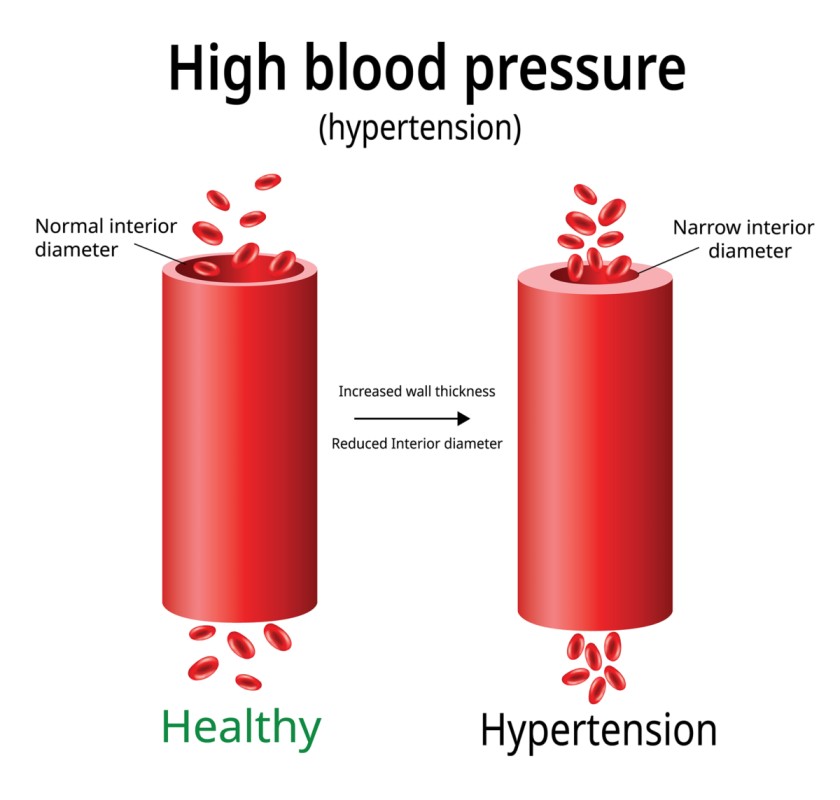
  1.  Nifedipine belongs to a group of antihypertensive called calcium channel blockers

Calcium channel blockers act by decreasing calcium uptake into cardiac and smooth muscles by blocking slow calcium channels which reduces on the vascular tone that results into reduction in peripheral resistance thus controlling blood pressure

       2. Examples of other calcium channel blockers

  • Amlodipine   Tablets 10mg, 5mg
  • Nicardipine   Capsules 20mg, 30mg
  • Felodipine     Tablets 2.5mg, 5mg, 10mg
  • Nimodipine   Tablets 30mg

     3. Side effects associated with the use of Nifedipine

  • Peripheral edema
  • Flushing
  • Hypotension
  • Visual disturbances
  • Headache
  • Dizziness
  • Fatigue 
  • Fast heart rate 

     4.  Advises which can be given to Mr. Opio to effectively control his blood pressure

  • Health educating Opio about dangers of smoking
  • Health educating him about the dangers of excessive alcohol consumption
  • Eating much less than usual to reduce the weight 
  • Eating fat free foods
  • Doing enough exercises
  • Visiting the clinic regularly for blood pressure checking
  • Teaching him about the warning signs of elevated blood pressure 

     5. Complications of poorly managed hypertension

  • Renal failure
  • Glomeronephritis
  • Heart failure
  • Retinopathy 
  • Un explained abortions
  • Intra uterine growth retardation  i.e. in pregnant mothers
  • Cerebral vascular accident
  • Hypertensive encephalopathy
  • Impotence
  • Brain damage

Mental Health

Causes of Mental Illnesses
  1. Mental illness is very common in Uganda, Write down the general causes of mental illness.

SOLUTIONS

CAUSES OF MENTAL ILLNESS.

The chief cause of mental illness is unknown i.e. it is idiopathic.

However research states a number of factors responsible for causing mental illness.

These factors are either;

  • Predisposing factors
  • Precipitating factors
  • Perpetuating factors.

PREDISPOSING FACTORS 

  • These factors determine an individual’s susceptibility to mental illness. They interact with triggering factors resulting into mental illness. Examples include; Genetic risk factor, physical damage to the central nervous system (the brain and spinal cord).

PRECIPITATING FACTORS.

  • These are events that occur shortly before the onset of the disorder. I.e. they trigger the onset of the disease. Examples include; physical stress and psychosocial stress.

PERPETUATING FACTORS.

  • These factors are responsible for aggravating or prolonging the disease already existing in an individual. Examples include; psychosocial stress.

Thus, etiological factors of mental illness can be;

  • Biological factors
  • Physiological factors
  • Psychological factors
  • Social factors

BIOLOGICAL FACTORS

    • Genetic risk factor; According to research individuals born in families with parents and relatives who have suffered from mental illness, are susceptible to developing mental illness once exposed stressful conditions. This is because the predisposition gene is passed on from the parents to the offspring.
    •   Biochemical; This regards the neurotransmitters (provide medium for transmission of impulses). Any imbalances in the levels of the neurotransmitters in the brain may result into mental illness as shown below.

Neurotransmitter related state

Mental disorder

Increased in dopamine level

Schizophrenia

Decrease in nor epinephrine level

Depression

Decrease in serotonin level

Alzheimer’s disease

Decrease in gamma amino butyric acid

Anxiety

Decrease in glutamate level

Psychotic thinking

Brain damage; This may be as a result of;

  • Infections e.g. HIV infection, neurosphilis, encephalitis etc.
  • Injury that involves loss of the brain tissue.
  • Intoxication; toxins that can damage the brain tissue e.g. alcohol.
  • Vascular damage; damage to blood vessels leading to poor blood supply to the brain, subdural hemorrhage, intracranial hemorrhage, etc.
  • Tumors; brain tumors
  • Degenerative diseases; dementia.

Physiological factors; The functioning of the body changes at certain critical periods in life i.e., puberty, pregnancy, menstruation, peurperium and delivery. Coupling these physiological changes with maladaptive psychological capacity makes an individual susceptible to mental ill health.
Psychological factors; 

  • Personality; It has been observed that specific personality types are more prone to certain psychological disorders, e.g. Schizoid personality (unsocial and reserved) are vulnerable to schizophrenia under stressful situations.
  • Strained interpersonal relationships at home, school and work.
  • Childhood insecurity due to parent’s over strictness, rejection and unhealthy comparisons.
  • Social and recreational deprivation; which may result into boredom, isolation and alienation.
  • Marriage problems e.g. forced bachelorhood, childlessness and many children.
  • Sexual difficulties.
  • Stress and frustrations.

Social factors;

  • Poverty.
  • Unemployment.
  • Injustice.
  • Insecurity.
  • Migration.
  • Urbanization.
  • Gambling.
  • Alcoholism.
  • Prostitution.
  • Divorce.
  • Religions.
  • Traditions.
Psychiatric Emergencies

Psychiatric emergencies are very common in the community.

  1. Mention all the psychiatric emergencies.
  2. How can we prevent psychiatric emergencies?
  3. Nakimbugwe, a psychiatric patient has completely refused to eat food and she wants to starve herself to death, How can you manage such a patient?

SOLUTIONS

  • The psychiatric emergencies.
    1. Aggression and violence; Aggression is an intended behavior that can cause pain, harm directly to one self or others either physically or verbally whereas violence is an intention to use physical force/power to threatened action against one’s self, other person or group resulting into injury.
    2. Suicidal attempts; This is a type of deliberate self-harm and is defined as an intentional human act of killing oneself.
    3. Delirium tremens; A type of delirium caused by abrupt withdraw from excessive taking of alcohol or substance of abuse
    4. Status Epilepticus; This is said to occur when a seizure lasts too long or when seizures occur close together and the person doesn’t recover between seizures.
    5. Catatonic stupor; This refers to decreased motor activity or being emotionless or being unresponsive to the environment stimuli although he or she is conscious
    6. Hysterical attacks; This personality disorder due to the upbringing. Individual of this category present with exaggeration, attention seeking, want over protection, very sensitive to pain and also want to be cared about
    7. Furor Epilepticus; The sudden unprovoked attacks of intense anger and violence to which individuals with psychomotor epilepsy are occasionally subject.
    8. Panic attacks; This is a psychiatric emergency characterized by periods of intensive fear, which occurs suddenly without accompanying danger but person thinks or perceives that there is danger
    9. Total insomnia; Sleeping disorder characterized by loss of sleep of an individual
    10. Food refusal; Psychiatric eating disorder characterized by abandoning of oneself to eat food
    11. Severe depression; Excessive type of depression characterized by persisted low mood or sadness

   2. How we can prevent psychiatric emergencies. 

Psychiatric emergencies are life threatening and therefore they should be attended to urgently to prevent complications and save life. I.e. the ways include;

  • Proper counseling and guidance of patients with stress disorders 
  • Proper management of psychiatric conditions
  • Early diagnosis and treatment of psychiatric conditions
  • Health education of the people about the predisposing factors to severe mental illness
  • Equipping heath skilled workers on how to manage the psychiatric conditions by regular CME’s.
  • Ensuring drug compliance to prevent relapses and progression to severity

3. Management of food refusal

On admission

Patient is hospitalized in a psychiatric unit and a rapport is created in order to gain confidence of the patient in the health unit and the healthy worker

Assessment

  • Subjective data; Here history is obtained of any chronic illness, and any history about mental illness in the family
  • Objective data; physical examination from head to toe and general appearance of the patient to rule out any underlining conditions
  • Mental data; This involves the emotional response, concentration, orientation , memory and perception.

Investigation

  • Do an FBC to rule out any infection
  • VDL test to rule out syphilis
  • Do an RBS  to check the amount of sugar levels of the patient
  • Do a urinalysis for ketones

Nursing care

  • Daily weighing of the patient is paramount
  • Monitor status of skin and mucous membranes 
  • Encourage the patient to verbalize feelings of not wanting food.
  • Maintenance of a strict output and input chart
  •  Avoid discussions that focus on food and weight gain
  • Allow patient to take packed foods and fluids
  • Encourage family to participate in education regarding connection between family process and the patient’s disorders
  • Control vomiting by making the bathroom inaccessible for at least 2hours
  • Eating must be supervised by the nurse and a balanced diet of atleast 3000 calories should be provided in 24hours

Drugs

  • Give appetite stimulants like multivitamins
  • Give antidepressants like Amitriptyline 25mg-75mgs

Family therapy; Educate and counsel the family to accept the patient

Psychotherapy; If the patient’s condition improves, assist the patient to sit and move around and encourage her by respecting her suggestions

Individual therapy; Talk politely to the patient and make him aware that she is important by respecting her decisions

Bi-Polar

Bipolar Affective Disorder is one of the common conditions patients present with.

  1. What is bipolar affective disorder?
  2. Mention the signs and symptoms of Bipolar Affective Disorder?
  3. How would you manage a patient with bipolar affective disorder?

SOLUTIONS

    1. Bipolar affective disorder– is an affective/ mood disorder characterized by alternating attacks of Mania and Depression separated by episodes of normal mood
  1. Signs and symptoms of Bipolar affective disorder

Manic episode

  • Persistently elevated mood
  • Increased psychomotor activity
  • Flight of ideas
  • Poor judgement
  • Pressure of speech
  • Lack of insight
  • Delusions of grandeur and persecution
  • Decreased food intake due to over activity
  • Dressed in flamboyant clothes. In severe cases, there is poor self care
  • Decreased need for sleep (less than 3hrs)
  • Increased libido
  • Decreased attention and concentration
  • High risk activity
  • Irritability
  • Increased sociabilities
  • Impulsive behavior
  • High risk activities e.g. reckless driving, foolish business investment, distributing money or articles to unknown people

Depressive episode

  • Decreased psychomotor activity
  • Persistent low mood/ sadness
  • Social withdrawal
  • Loss of energy
  • Hopelessness, unworthlessness and powerlessness
  • Fatigue
  • Delusion of persecution, sin, control, unworthiness, hypochondriasis
  • Decreased food intake due to lack of appetite
  • Auditory hallucinations
  • Avolition i.e. lack of will to act
  • Ambivalence i.e. two opposing ideas
  • Anhedonia i.e. inability to experience pleasure
  • Insomnia
  • Physiological symptoms e.g. headache, backache, chest pain, amenorrhea, decreased libido, abdominal pain
  • Tearfulness
  • Pessimistic
  • Recurrent thoughts of death
  • Slow speech/ poverty of ideas
  • Negativism

    3. Management of Bipolar affective disorder

Manic phase

Aims of management

  1. To alleviate delusions and hallucination
  2. To alleviate hyperactivity
  3. To prevent possible injury and aggression
  4. To calm down the patient
  5. To restore normal food intake
  6. To restore normal sleep pattern

Management

  • Assessment to obtain baseline data and the basis for evaluation. It focuses on the severity of the disorder, causes, patients’ resources, mood and affect, thinking, perceptual ability, sleep disturbance, changes in energy level. 

Obtain both objective and subjective data from the patient

Objective data

  • Disturbed speech
  • Rapid speech
  • Loud pressured speech
  • Over activity
  • Mood lability
  • Weight changes

    Subjective data

  • Feelings of joy
  • Rapid mood swing
  • Sleep disturbance 
  • Delusions and hallucinations
  1. Admit the patient on an acute non-storeyed psychiatric ward with minimum furniture, free from harmful objects with reduced environmental stimuli to prevent possible harm to self or others.
  2. Form a positive nurse-patient relationship to win the patients’ trust and confidence
  3. Encourage patient to verbally express his feelings to relieve tension and hostility
  4. Have sufficient staff to show strength to the patient and convey contrl over the situation
  5. Reassure patients and relatives to allay anxiety
  6. Encourage performance of planned activities to channel excess energy into socially acceptable behaviours
  7. Formulate a contract and set limits on manipulative behavior, explain the consequences if limits are violated
  8. Stay with the patient as hyperactivity increases to offer support and provide a feeling of security
  9. Keep the patient occupied most of the time during day, discourage day sleep eliminate uncomfortable stimuli at bed time, avoid caffeine containing drinks  at bed time, administer prescribed hypnotics to promote sleep and rest of the patient
  10. Teach the patient relaxation techniques e.g. deep breathing exercise, diversion techniques e.g. listening to music to cope with anxiety
  11. To restore normal food intake:
  • Serve the patient meals on time
  • Involve patient in food preparation
  • Serve meals in clean and attractive dishes
  • Fruits should be provided unpeeled
  • Provide patients with foods that the patient can eat while moving
  • Encourage patient to sit down and eat
  • Provide a balanced diet
  • Ensure adequate fluid intake
  • Monitor fluid intake and output
  • Weigh the patient regularly

      12. Encourage the patient to interact with others to promote communication

      13. Positive reinforcement for desired behaviours

      14. Involve family members in the management of this patient

      15. Administer prescribed drugs i.e.

  • Major tranquilizers such as Chlorpromazine 100-600mg daily in divided doses, Haloperidol 5-60mg daily
  • Mood stabilizers such as carbomazepine200-1000mg daily, Lithium carbonate300-1500mg daily in divided doses, Sodium valporate600-2600mg daily
  • Anxiolytics and sedatives such as Diazepam 5-20mg daily in divided doses

       16. Monitor side effects of drugs 

        17. ECT

        18. Health educate patient and family members about side effects and how to manage them, increased fluid intake, drug compliance 

        19. Advice on discharge


Depressive episode

Aims of management

  • To promote possible harm self and others
  • To restore normal nutritional status
  • To restore normal sleep pattern
  • To restore normal communication

       Interventions

  • Assessment to obtain baseline information and determine the basis for evaluation. It focuses on severity, risk for suicide, causes, resources available, Mood, affect, thinking, somatic complaints. Obtain both objective and subjective data

Objective data

  • Alteration of activity
  • Poor personal hygiene
  • Apathy
  • Altered social interaction
  • Impaired cognition
  • Delusions

Subjective data

  • Anhedonia
  • Worthlessness, hopelessness, helplessness
  • Suicidal idea
  1. Admit the patient on a non-stored  open psychiatric ward with limited furniture, free from dangerous objects to prevent possible harm to self
  2. Form a therapeutic nurse- patient relationship to win patients’ trust and confidence
  3. Closely supervise the patient during meals and medication time
  4. Form a contract with the patient not to harm self. This gives a degree of responsibility of his safety
  5. Explore feelings of anger and help the client direct them towards intended object
  6. Accept the clients’ feelings, spend time with the patient, focus on the strengths and accomplishments and minimize failures to build patients’ self esteem
  7. Teach patient assertive and communication skills to promote self esteem
  8. Allow the patient to participate in goal setting and decision making regarding own core to increase his or her feelings of control
  9. Positive reinforcement for desired behavior
  10. Close supervision is always required when recovering from the disease
  11. Involve patient in groups as he improves to promote communication
  12. Ensure quiet and peaceful environment, give warm bath to the patient, do not allow patient to sleep during day, sedatives, plan day activities basing on patients’ interest to improve night sleep
  13. Closely monitor food and fluid intake, maintain input and output chart, record patients’ weight regularly, serve patient with the food he likes, feed the patient on small but frequent meals, encourage more fluid intake to restore normal nutrition. Feed patient on roughage diet and green vegetables to prevent constipation
  14. Administer prescribed drugs i.e.
  • Antidepressants such as
  • SSRI’s  e.g. Fluoxetine 20-60mg daily, Paroxetine, Sertraline, Citalopram
  • Tricyclic antidepressants e.g. Amitriptyline 25-75mg Nocte, Imipramine 25-150mg
  • MAOIs’ e.g. Phenelzine
  • Others e.g. Maprotiline
Mania

Nakibirye, a mentally ill is presenting with a provisional diagnosis of mania.

  1. Define the term mania.
  2. What are the causes of mania?
  3. Mention the signs and symptoms of mania.
  4. What medical treatment will be given to this patient with mania?

SOLUTIONS

  1. Mania is a mood disorder characterized by self important ideas, mood changes consisting of elation, irritability and over activity sustained over a long period of time

      2. Causes of mania

The actual cause is idiopathic but however there are factors that are believed to contribute to its occurrence.

They include:

  1. Predisposing factors
  2. Precipitating factors
  3. Perpetuating factors/ maintaining factors

(I) PREDISPORSING FACTORS

These are factors that may operate from early life or people are born with them. 

  • Hereditary: Mania is believed to have been passed on from the parents/ relatives who suffered from it to children
  • Uterine environment: This includes factors like maternal drug abuse while pregnant which can be transplacental and causes effect to the fetus
  • Personality: People with difficult personalities like the paranoid are predisposed to mania due to their irritative mood
  • Biochemical factor: This includes the abnormal secretion of neuro transmitters and hormones like over secretion of serotonin, dopamine, acetylcholine, adrenaline hormone stimulates the hyperactivity of the body.

(II) PRECIPITATING FACTOR

These are factors which occur shortly before the onset of the illness and appear to have induced the disorder for example: 

  • Physical and social factors like upbringing of children: Which can be due to too much freedom/ permissiveness given to children by parents when growing up?
  • Maternal deprivation: This creates a depressive mood at early childhood due to inadequate maternal love provided to the child but later mania may be developed as denial to the depression.
  • Anxious parents: For example parents who expect much from the child and hence drive child’s mind to go for bigger positions (like in leadership if at school) in order to sustain the parents. 
  • Physical stressors: These include changes that which occur for example during adolescents
  • Psychological situations: Financial achievements like acquiring a job, winning money/prizes. Fulfilled goals in life like education at higher levels like masters degree, PHD.
  • Marriage and partnership: Being wedded/ introduced especially among women by their husbands. Becoming pregnant for example among women once pronounced infertile by community.
  • Drug abuse like alcohol abuse marijuana, khaki etc: Trauma to the brain for example through accidents involving the head. Brain tumor like brain cancer can precipitate mania. Infections like syphilis, meningitis that affect the brain tissues may precipitate mania .

(iii) PERPECUATING FACTOR

  1. Continuous drug abuse during the illness.
  2. Poor drug compliance during the illness.
  3. Loss of a job due to the disorder.
  4. Difficulty personality maintaince for example psyclothemic who have mood swing

  4. What medical treatment will be given to this patient with mania? 

  • Mania can be managed with/ without treatment depending on the cause.
  • The patient is admitted on psychiatric ward in a side room with no furniture’s, open sealing or an y other metals to avoid injuries to the patient.
  • She is given the following medical treatment as prescribed by the psychiatric doctor.
  • Anti-psychotic drugs-  to control psychotic features like hallucination for example chlorpromazine initially 100-200mg 8hourly,then daily doses of up to 300mg are given as a single dose at night.

OR.

  • Iv sterazine 5-10mg every 12hours;then adjust according to the response up to 40mg or more daily may be required in severe or persistent cases..

OR.

  • IV haloperidol 5-10mg for every 12 hours; then assessment is made according to response.
  • An additional dose of diazepam 5-20mg 12hourly for 3/7 its given with chlorpromazine (above)
  • If patients condition improves is given tablets diazepam 10mg once at night to allow patient rest.
  • She can also be given a mood stabilizer for example. 
  • Carbamezapine 200mg once a day until a condition stabilizers

OR

  • Tabs: sodium valporate 200-500mg 12 hourly

OR

  • Tabs: lithium carbonate 300mg once a day till condition stabilizers.
  • In case of extra pyramidal side effects, tablets artane is given 2mg-5mg once daily.

Supportive treatment

  • Family planning is initiated for example IM depoprouera 150mg for every 3 months since she has a high libido.
  • I.V fluids like normal saline/ dextrose 10% for rehydrating the patient.
  • A nutritious diet is provided to the patient to boast the immunity.
  • Psychotherapy like counseling incase patient gains insight.
  • And investigations are carried out to find out the underlying cause for example rapid plasma reagent (RPR) to R/O for syphilis , serology to R/O HIV/AIDS , and a CT-scan to R/O brain tumors.

Pediatrics

Immunisation, Cold chain
  1. Define the term immunization.
  2. Outline the current immunization schedule.
  3. Describe the cold chain system.

SOLUTIONS

Definition.

Immunization is the process of introducing a weakened or killed vaccine into the body in an attempt to increase the body’s ability to fight against immunizable diseases.

UGANDA NATIONAL EXPANDED PROGRAMME ON IMMUNIZATION (UNEPI)

Vaccine

Doses

No of dosage

Interval between dosage

Minimum age to start.

Route of administration.

Site of administration.

Storage temperature.

Remark

BCG

-0.05mls up to 11months

-0.1mls after 11months.

1

None

-At birth 

-At 1st contact.

I M

-Right upper arm.

+2-+8

-Use diluents provided for BCG ONLY.

Not to be given to children with symptomatic HIV/AIDS.

-Discard reconstituted vaccine after 6 hrs.

Use sponge method.

DPT+ Hep B – Hip


0.5mls

3

1 month

At 6 weeks.

I M

-Outer aspect of the left thigh.

+2-+8

-Don’t freeze

-Don’t place directly on ice.

Use sponge method.

PCV

0.5mls

3

1 month

At 6 weeks.

I M

-Outer aspect of the thigh.

+2-+8

-Don’t freeze

Use sponge method.

Polio O.P.V


3 drops

0+3

1 month

-At birth OPV

-First contact.

Orally

Mouth

+2-+8

-Use diluents provided.

-Discard used vial.

Use sponge method.

Measles

0.5mls

1

None

At 9 months

1st contact.

S/C

-Left upper aspect of the arm.

-Outer aspect of the thigh.

+2-+8

-Use diluents provided.

Use sponge method.

Tetanus toxoid

0.5mls

5

TT1-TT2=1mnth

TT2-TT3=6mnth

TT3-TT4=1yr

TT4-TT5=1yr. 

-At child bearing age 1st contact

Pregnant mother

I M

-Upper arm or 

-Outer aspect of the thigh.

+2-+8

-Don’t freeze

-Don’t place vial directly on the ice pack.

Use sponge method.

HPV

0.5mls

2

HPV 1:At first contact with a girl in primary 4 or aged 10 years for those in the community

HPV2; 6 months after HPV1.

Girls in primary 4 or 10 years old girls who are out of school.

IM

Left upper arm.

+2 to 8

Don’t freeze 

Use conditioned ice packs

Use sponge method


IPV

0.5mls

1

None

At 14 weeks (or first contact after that age)

IM

Outer upper aspect of right thigh2.5cm from PCV injection site.

+20c to +80c

-Do not freeze

-Use conditioned ice packs.

-Use sponge method.


b).       Cold chain – Refers to the set of equipments or containers in which vaccines are stored at specified temperatures and transported from the moment of manufacture to the time of administration. It is essential to ensure an unbroken cold chain for vaccines right from the manufacturer (producer) to the person being vaccinated. The specified temperature range is 35° F (2°C) to 45°F (8°C),the system involves personnels, equipments, vaccines, supplies and procedures.

If the vaccines get warm, their potency (effectiveness) is lost, especially those containing live organisms such as polio and measles. On the other hand, vaccines made from toxoids such as Tetanus and diphtheria, and suspended dead organisms such as whooping cough (pertussis) must not be frozen as this will make them loose potency. Vaccines must be stored at their own correct temperatures all the time. The cold chain must not be broken. If the cold chain is broken, Vaccines may loose potency and become useless.

DIAGRAMATIC REPRESENTATION OF THE COLD CHAIN.


Manufacturer of vaccines


Airport


Central vaccine store


Regional or District store


Mobile or Outreach post


Health centre


Immunization post


Recipient (Mothers, children)

The chain travels in this way;

  1. From the manufacturer to the airport, vaccines are carried in deep freezers in the aeroplane.
  2. From the airport, to the general medical vaccines stores and they are carried in freezers or cold boxes.
  3. From the general medical vaccines stores to the regional (Districts). They are carried in a refrigerated van, in a refrigerator, cold boxes or vaccine carriers.
  4. From the district to the health units, they are carried in the vaccine carriers or cold boxes.
  5. From the health unit to the outreach site, the vaccine should be wrapped in black polythene bags and carried in a well packed vaccine carrier with ice packs.

   In the chain vaccines should be separated into those that can be frozen and those that must not be frozen.

The temperature monitoring devices used in the cold chain are; Thermometers and vaccine vial monitors (VVMS).

The equipments used in the cold chain are;

  1. Cold rooms
  2. Freezers and Refrigerators 
  3. Vaccine carriers
  4. Ice packs.
  5. Thermometers.

COLD ROOMS

Cold rooms are large, specially constructed rooms or self- contained buildings located at national and in some cases regional levels for storage of large quantities of vaccines that last for 12 months or more.

They have a 24-hour temperature monitoring system with an alarm, a recorder, and a back up generation that will turn on automatically when the regular power is interrupted.

FREEZERS AND REFRIGERATORS

Freezers and refrigerators are used at the district, regional and central stores.

Freezers are used for freezing icepacks and storing some vaccines, particularly OPV that need to be kept at temperatures below 0°c. Other vaccines are stored in refrigerators, which are also used for chilling diluents before mixing with freeze- drained Ice lined refrigerations, which are used at the central and regional levels, are capable of maintaining temperatures below =8°c even when electricity fails as many as 16 of every 24 hours, day after day.

HOW TO CARE FOR REFRIGERATORS.

COLD BOXES

Cold boxes are insulated containers that are lined with icepacks to keep vaccines and diluents cold. They are normally used to transport vaccines from the central level to the regions, regions to districts, and sometimes from districts to the service delivery levels (immunization posts). In some developing countries, Refrigerated vehicles are used instead of cold boxes.

However, these vehicles are expensive to buy, and are subject to frequent mechanical breakdowns, a good cold box works as well, or even better.

Cold boxes are used for temporary storage of vaccines when a refrigerator is out of order, or being defrosted.

VACCINE CARRIERS

These are insulated containers that are lined with icepacks to keep vaccines and diluents cold. They are more portable, are commonly used to transport vaccines from distinct stores to smaller health facilities and to outreach sessions (immunization posts).

ICE PACKS

An icepack is a flat rectangular plastic container designed to be filled with clean water, frozen and then used to keep vaccine. Icepacks must be placed in a cold box or vaccine carrier in a precise way, So their size is important. One extra set of ice packs should be available so that while one set is being frozen at a temperature of (-) 25°C, the other is being used. Freezing icepacks is a process that usually takes at least 24 hours. The icepacks are different from vaccine carriers and should be as per the guide of the manufacturer.

THERMOMETERS

Health unit staffs use alcohol thermometers to monitor the temperature of vaccines in refrigerators, cold boxes and vaccine carriers.

VACCINES

  • It is stored at a temperature of +2°C to+8°C.
  • Restricted BCG and Measles vaccine should not be used beyond 6 hours.

        Only use the diluents supplied and packaged by the manufacturer with the vaccine since the diluents is specifically designed for the needs of that vaccine, with respect to volume, HP level and chemical properties.

The diluents may be stored outside the cold chain as it may occupy the space of the fridge but keep diluents for at least 24 hours before use in the fridge to ensure that the vaccine and diluents are at +2°C to 8°C when being reconstituted. Otherwise, it can lead to thermal shock that is, the death of some or all the essential live organisms in the vaccine. Store all the diluents and droppers with the vaccine in the vaccine carrier during transportation. Diluents should not come in contact with the ice packs.

      Any vials that are expired or frozen or with VVMS beyond the discard point, should not be kept in the cold chain.

Questions and Answers Read More »

nursing exam Nursing Management nursing exam

Nursing Exam Question Approach

Nursing Exam Question Approach

A comprehensive guide on how to interpret and answer UNMEB question types: EXPLAIN, OUTLINE, DESCRIBE, MENTION, IDENTIFY, STATE, LIST, WHAT, and GIVE.

This guide explores specific nursing interventions, considerations, concerns, and issues frequently tested in professional medical exams.
EX

The EXPLAIN Approach

In Simple Terms: "Explain" means to give details and reasons. You need to show *how* or *why* something happens, not just what it is.
1
Understand the question: Carefully read and identify the main concept. Pay attention to specific instructions.
2
Organize your response: Create a mental map. Start with a concise introduction, context, and clear thesis.
3
Provide thorough explanation: Elaborate using clear language. Use nursing terminology and case studies.

Simulated Examination Sheet

Qn: Explain the pathophysiology of diabetes mellitus and its effects on the body.

Diabetes mellitus is a chronic metabolic disorder characterized by high blood glucose levels due to impaired insulin secretion, insulin action, or both. The pathophysiology of diabetes involves multiple factors that contribute to the development and progression of the disease. Firstly, in type 1 diabetes, an autoimmune process leads to the destruction of insulin-producing beta cells in the pancreas. This results in a deficiency of insulin and requires external insulin administration. On the other hand, type 2 diabetes is primarily characterized by insulin resistance, where the body’s cells become less responsive to insulin. Insulin is a hormone produced by the beta cells of the pancreas, and its main function is to regulate glucose metabolism. In diabetes, the lack of insulin or the body’s inability to use it effectively leads to hyperglycemia. Persistently high blood glucose levels can have detrimental effects on various organs and systems in the body. The effects of diabetes on the body are many. It can lead to macrovascular complications, such as cardiovascular disease, stroke, and peripheral vascular disease. Also, microvascular complications may arise, affecting small blood vessels in the eyes, kidneys, and nerves. Diabetes can also increase the risk of infections, slow wound healing, and cause diabetic neuropathy and nephropathy
OU

The OUTLINE Approach

In Simple Terms: "Outline" means to create a structured summary. Use main headings and sub-points to show parts in an organized way.
1
Analyze the question: Identify main components that need to be outlined.
2
Organize your response: Identify main headings and arrange them in a coherent order.
3
Provide detailed information: Use concise and informative language under each heading. JUMP A LINE, UHPAB HAS VERY MANY BOOKLETS

Simulated Examination Sheet

Qn: Outline the steps involved in the nursing process.

1. Assessment: Gather relevant patient data, including physical, psychological, social, and cultural aspects. Perform a comprehensive health history and physical examination. Utilize assessment tools and techniques to collect objective and subjective data. Document and organize the collected data systematically.

2. Diagnosis: Analyze the assessment data to identify health problems, risks, or potential complications. Formulate nursing diagnoses based on the identified issues. Ensure that the diagnoses are accurate, concise, and specific.

Collaborate with other healthcare professionals when necessary. 3. Planning: Establish patient-centered goals and outcomes in collaboration with the patient.

Develop a nursing care plan that includes evidence-based interventions and strategies. Prioritize nursing actions based on the urgency and importance of each goal. Ensure that the care plan is feasible, realistic, and adaptable. 4. Implementation: Execute the planned nursing interventions effectively and efficiently.

Provide safe and compassionate care while considering the patient's preferences. Document the implementation process and any modifications made. Collaborate with the interdisciplinary healthcare team to deliver comprehensive care.

5. Evaluation: Assess the patient's response to the nursing interventions and the achievement of goals. Compare the actual outcomes with the expected outcomes. Modify the care plan if needed based on the evaluation findings. Document the evaluation results and communicate them to the healthcare team.
DE

The DESCRIBE Approach

In Simple Terms: "Describe" means to paint a picture with words. Give a detailed account of characteristics or features. Describe usually likes STEPS in order, even using IMAGES where applicable!
1
Understand the question: Identify the main topic that needs characterization.
2
Provide comprehensive description: Offer thorough details, features, or components.
3
Use terminology: Accurately describe concepts to demonstrate knowledge.

Simulated Examination Sheet

Qn: Describe the stages of wound healing.

1. Hemostasis: This initial stage begins immediately after the injury occurs. Blood vessels constrict to reduce blood flow and prevent excessive bleeding. Platelets aggregate to form a temporary clot. The clotting process releases various growth factors and cytokines, initiating the subsequent stages of healing.

2. Inflammatory phase: This phase typically lasts for 2-3 days. Inflammation occurs as a response to tissue injury. Vasodilation and increased vascular permeability allow immune cells to migrate to the wound site. Neutrophils arrive first to eliminate debris and prevent infection. Macrophages then remove dead tissue and release additional growth factors to stimulate healing.

3. Proliferative phase: This phase generally occurs between days 3 and 20. New blood vessels form to supply oxygen and nutrients to the wound. Fibroblasts produce collagen, which provides structural support for wound healing. Epithelial cells migrate from the wound edges to resurface the wound. Granulation tissue forms, consisting of new blood vessels, fibroblasts, and extracellular matrix.

4. Maturation phase: This final phase can last for several months to years. Collagen fibers reorganize and remodel, increasing the wound's tensile strength. Scar tissue forms, but it may not possess the same strength and flexibility as the original tissue. The scar gradually becomes more refined and fades over time.
ST

MENTION / IDENTIFY / STATE

In Simple Terms: These words mean "give a short, direct answer." Just name the facts without extra explanation.
1
Identify facts: Read and identify the specific information required.
2
Direct response: Offer a concise response. Avoid unnecessary elaboration.

Simulated Examination Sheet

Qn: State the types of delusions.

  • Grandiose delusions; the patient believes s/he is somebody great /important ,knowledgeable or powerful contrary to the social cultural ,religious background and experiences.

  • Delusion of guilty and worthlessness; the patient believes s/he is not worth to live even though there’s nothing to justify this belief.

  • Delusions of jealousy; the patient believes that spouse/partner is being unfaithful even when there is no evidence to suggest so.

  • Delusion of persecution: the patient believes they’re being deliberately wronged, conspired or harmed by another person or agency even when there’s no evidence to suggest so.

  • Religious delusions; the individual believes he or she has a special link with God that is out keeping with people of the same religious belief.

  • Delusions of control, influence or phenomenon; these are three types; belief that the person performs activities as a result of an extreme force.
  • LI

    The LIST Approach

    In Simple Terms: "List" means to present points one after another, usually with a short description for each.
    1
    Identify factors: Carefully identify the elements that need to be listed.
    2
    Organize: Present items in a logical order using bullet points.

    Simulated Examination Sheet

    Qn: List the risk factors for cardiovascular disease.

    - Hypertension: increases strain on heart.
    - Smoking: damages blood vessels.
    - Obesity: increases risk of diabetes.
    - Sedentary lifestyle: contributes to obesity.
    WH

    The WHAT Approach

    In Simple Terms: "What" asks for a definition. Give a clear, simple explanation of the term or concept.
    1
    Identify term: Pinpoint the specific procedure or concept to define.
    2
    Clear explanation: Offer a concise definition using simple language.

    Simulated Examination Sheet

    Qn: What is sepsis?

    Sepsis is a potentially life-threatening condition that occurs when the body’s response to an infection becomes unregulated, leading to widespread inflammation and organ dysfunction.

    Nursing Exam Question Approach Read More »

    Hypertension high blood pressure

    Hypertension

    Nursing Notes - Thrombus and Embolus

    HYPERTENSION

    Introduction

    Definition: Hypertension, or high blood pressure (BP), is defined as a persistent systolic blood pressure (SBP) greater than or equal to 140 mm Hg, diastolic blood pressure (DBP) greater than or equal to 90 mm Hg. High blood pressure means that the heart is working harder than normal thus putting the heart and the blood vessels on a high pressure.

    This is based on the average of two or more accurate blood pressure measurements during two or more consultations with the healthcare provider. The definition is taken from the Seventh Report of the Joint National Committee on Prevention, Detection, Evaluation, and Treatment of High Blood Pressure.

    1. Blood pressure: This is the pressure exerted when blood flows into the arteries. It is measured in mmHg using a sphygmomanometer (blood pressure machine).
    2. Diastolic pressure: This is the pressure exerted on the arteries when the heart relaxes.
    3. Systolic pressure: This the pressure exerted on the arteries when the heart contracts.

    Types of Hypertension

    1. Primary (essential or idiopathic) hypertension: elevated BP without an identified cause; accounts for 90% to 95% of all cases of hypertension.
    2. Secondary hypertension: elevated BP with a specific cause; accounts for 5% to 10% of hypertension in adults.

    Stages of Hypertension

    Blood pressure is classified to guide treatment and assess risk.

    Category Systolic BP (mmHg) Diastolic BP (mmHg)
    Normal less than 120 and less than 80
    Elevated 120 – 129 and less than 80
    Stage 1 hypertension 130 – 139 or 80 – 89
    Stage 2 hypertension 140 or higher or 90 or higher
    Hypertensive crisis higher than 180 and/or higher than 120

    Proper Measurement of Blood Pressure

    In order to obtain appropriate results, the following must be followed:

    • Right Blood Pressure Machine: The cuff should not be too small or too large for the patient.
    • Rest Period: Allow the patient to rest for at least 5 to 10 minutes before measuring the blood pressure, as exercise increases blood pressure.
    • Avoid Talking: The patient should not be talking while the blood pressure is being measured, as wrong results (higher) may be obtained when the patient talks.
    • Arm Position: The arm of the patient should be positioned at the level of the heart.
    • Multiple Measurements: At least 2-3 measurements should be made at different visits for those with pre-hypertension and stage 1 hypertension before the patient is confirmed to be having hypertension.
    • Inform Patient: Inform the patient of his or her blood pressure results and what they mean.
    • Record and Provide Copy: Record the patient’s blood pressure on the medical form, and a copy of results should be given to the patient.

    Pathophysiology

    There are various mechanisms described for the development of hypertension which includes increased salt absorption resulting in volume expansion, an impaired response of the renin-angiotensin-aldosterone system (RAAS), increased activation of the sympathetic nervous system. These changes lead to the development of increased total peripheral resistance and increased afterload which in turn leads to the development of hypertension.

    Causes of Hypertension

    Hypertension has a lot of causes just like how fever has many causes. The factors that are implicated as causes of hypertension are:

    1. Increased sympathetic nervous system activity: Sympathetic nervous system activity increases because there is dysfunction in the autonomic nervous system.
    2. Increase renal reabsorption: There is an increase reabsorption of sodium, chloride, and water which is related to a genetic variation in the pathways by which the kidneys handle sodium.
    3. Increased RAAS activity: The renin-angiotensin-aldosterone system increases its activity leading to the expansion of extracellular fluid volume and increased systemic vascular resistance.
    4. Decreased vasodilation of the arterioles: The vascular endothelium is damaged because of the decrease in the vasodilation of the arterioles.

    Risk factors of Hypertension

    1. Age: Increasing age increases the risk of development of hypertension
    2. Family History of the disease increases the risk
    3. Lack of exercise
    4. Obesity
    5. Stress and depression
    6. Vitamin D deficiency
    7. Smoking
    8. Drug abuse and alcoholism
    9. Cushing syndrome
    10. Diabetes
    11. Sedentary lifestyle
    12. Intake of extra salt
    13. Insufficient calcium, magnesium, and potassium intake
    14. Chronic kidney disease
    15. Adrenal and thyroid problems
    16. Adrenal gland tumors
    17. Thyroid problems
    18. Certain medications such as birth control pills, cough, and cold remedies and over-the-counter pain relievers( NSAIDs)
    19. Obstructive sleep apnea

    Clinical manifestations

    Often called the “silent killer” because it is frequently asymptomatic until it becomes severe and target organ disease occurs.

    • Headache: The red blood cells carrying oxygen is having a hard time reaching the brain because of constricted vessels, causing headache.
    • Dizziness occurs due to the low concentration of oxygen that reaches the brain.
    • Chest pain: Chest pain occurs also due to decreased oxygen levels.
    • Blurred vision: Blurred vision may occur later on because of too much constriction in the blood vessels of the eye that red blood cells carrying oxygen cannot pass through.
    • Fatigue or confusion,
    • Lightheadedness,
    • Vertigo,
    • Tinnitus,
    • Fainting,
    • Irregular heartbeat,
    • Blood in the urine.

    Test and Diagnosis for Hypertension

    1. History exam
    2. Physical exam: Manual checking of blood pressure by a sphygmomanometer.
    3. Urinalysis is performed to check the concentration of sodium in the urine though the specific gravity.
    4. Blood chemistry (e.g. analysis of sodium, potassium, creatinine, fasting glucose, and total and high density lipoprotein cholesterol levels). These tests are done to determine the level of sodium and fat in the body.
    5. Renin level. Renin level should be assessed to determine how RAAS is coping.
    6. Urinalysis: May show blood, protein, or white blood cells; or glucose suggests renal dysfunction and/or presence of diabetes.
    7. Renin: Elevated in renovascular and malignant hypertension, salt-wasting disorders.
    8. Urine steroids: Elevation may indicate hyperadrenalism, pheochromocytoma, pituitary dysfunction, Cushing’s syndrome.
    9. Intravenous pyelogram (IVP): May identify cause of secondary hypertension, e.g., renal parenchymal disease, renal/ureteral -calculi.
    10. Kidney and renography nuclear scan: Evaluates renal status (TOD).
    11. Excretory urography: May reveal renal atrophy, indicating chronic renal disease.

    Management

    Medical Management

    The medications used for treating hypertension decrease peripheral resistance, blood volume, or the strength and rate of myocardial contraction.

    • For uncomplicated hypertension, the initial medications recommended are diuretics and beta blockers.
    • Only low doses are given, but if blood pressure still exceeds 140/90 mmHg, the dose is increased gradually.
    • Thiazide diuretics decrease blood volume, renal blood flow, and cardiac output.
    • ARBs (Angiotensin II Receptor Blockers) are competitive inhibitors of aldosterone binding.
    • Beta blockers block the sympathetic nervous system to produce a slower heart rate and a lower blood pressure.
    • ACE inhibitors inhibit the conversion of angiotensin I to angiotensin II and lowers peripheral resistance.
    Drug therapy
    1. ACE Inhibitors (Captopril, Enalapril, Perindopril, Quinapril). an ACE inhibitor is particularly. Useful if heart failure and diabetes present.
    2. Beta-blockers (Acebutolol, Atenolol, Bisoprolol, Propranolol, Timolol). Slowing the heart rate and reducing the force of the heart.
    3. Calcium channel blockers (Amlodipine, DIltiazem, Felodipine, Nifedipine, Verapamil). Relaxing blood vessels and control blood pressure.
    4. Diuretics (Bendroflumethiazide, Chlortalidone, Cyclopenthiazide and Indapamide).
    Lifestyle modification

    Lifestyle modifications are indicated for all patients with prehypertension and hypertension and include the following:

    1. Weight reduction: A weight loss of 10 kg (22 lb) may decrease SBP by approximately 5 to 20 mm Hg.
    2. Dietary Approaches to Stop Hypertension (DASH) eating plan. Involves eating several servings of fish each week, eating plenty of fruits and vegetables, increasing fiber intake, and drinking a lot of water. The DASH diet significantly lowers BP.
    3. Restriction of dietary sodium to less than 6 g of salt (NaCl) or less than 2.4 g of sodium per day. This involves avoiding foods known to be high in sodium (e.g., canned soups) and not adding salt in the preparation of foods or at meals.
    4. Restriction of alcohol
    5. Regular aerobic physical activity (e.g., brisk walking) at least 30 minutes a day most days of the week. Moderately intense activity such as brisk walking, jogging, and swimming can lower BP, promote relaxation, and decrease or control body weight.
    6. It is strongly recommended that tobacco use be avoided.
    7. Stress management. Stress can raise BP on a short-term basis and has been implicated in the development of hypertension. Relaxation therapy, guided imagery, and biofeedback may be useful in helping patients manage stress, thus decreasing BP.

    Nursing management

    1. Assessment of the patient
    • a. Carrying out history of the presenting signs and symptoms e.g. fever, headaches among others.
    • b. Taking vital observation e.g. TPR/BP and general examination to exclude other diseases
    • c. Alerting the doctor who will order for investigations and admission, there the nurse will assist the patient throughout the process
    2. To prevent the heart failure as a result of BP > 140 systolic
    • a. Monitor bp. Measure in both arms/thighs three times, 3–5 min apart while patient is at rest, then sitting, then standing for initial evaluation. Use correct cuff size and accurate technique.
    • b. Note presence, quality of central and peripheral pulses because pulses in the legs/feet may be diminished, reflecting effects of vasoconstriction increased systemic vascular resistance and venous congestion.
    • c. Auscultate heart tones and breath sounds to detect pulmonary congestion secondary to developing or chronic heart failure.
    • d. Observe skin color, moisture, temperature, and capillary refill time to detect or exclude peripheral vasoconstriction.
    3. To relieve pain (head ache among others)
    • a. Determine specifics of pain, e.g., location, characteristics, intensity (0–10 scale), onset/duration and note nonverbal cues to identify the pain
    • b. Encourage/maintain bed rest during acute phase to minimizes stimulation/promotes relaxation.
    • c. Provide/recommend non-pharmacological measures for relief of headache, e.g., cool cloth to forehead; back and neck rubs; quiet, dimly lit room; relaxation techniques (guided imagery, distraction); and diversional activities to reduce cerebral vascular pressure.
    4. Diet
    • a. Establish a realistic weight reduction plan with the patient, e.g., 1 lb weight loss/wk.
    • b. Instruct and assist in appropriate food selections, such as a (DASH diet) diet rich in fruits, vegetables, and low-fat dairy foods referred to as the dash dietary approaches to stop hypertension) diet and avoiding foods high in saturated fat (butter, cheese, eggs, ice cream, meat) and cholesterol (fatty meat, egg yolks, whole dairy products, shrimp, organ meats).
    5. To promote patient’s knowledge:
    • a. Instruct patient and family about the cause, management of symptoms, signs, and symptoms, and the need for follow-up.
    • b. Instruct patient about the factors that may have contributed to the development of the disease.
    6. Discharge and Home Care Guidelines
    • a. The nurse can help the patient achieve blood pressure control through education about managing blood pressure.
    • b. Assist the patient in setting goal blood pressures.
    • c. Encourage the involvement of family members in the education program to support the patient’s efforts to control hypertension.
    • d. Encourage and teach patients to measure their blood pressures at home.
    • e. Emphasize strict compliance of follow-up checkup.

    Complications of Hypertension

    • Heart attack or stroke,
    • Aneurysm,
    • Weakened and narrowed blood vessels of the kidney,
    • Heart failure,
    • Thickened narrowed or torn blood vessels of eyes (Blindness),
    • Metabolic syndrome.

    Drug Therapy for Hypertension

    Drug treatment is recommended for those patients who have not responded to non-drug measures and for those who report when the blood pressure is already very high. One drug (monotherapy) is recommended initially for patients with mild hypertension.

    In case of poor response, another drug may be added or substituted.

    Patients who present when already in stage 2 hypertension may be started on two drugs at once in lower doses, then adjusted depending on the response.

    Choice of Antihypertensive

    When choosing a drug for treating hypertension, consider the following in order to safely use the drugs and effectively control blood pressure:

    • Co-existing Diseases/Conditions: Patients with other existing diseases or conditions such as pregnancy, asthma, diabetes, heart failure, and angina pectoris. This is because some antihypertensives are not recommended to be used in some of the above conditions.
    • Affordability and Accessibility: Ensure affordability and accessibility of the medicine by the patients.
    • Allergies: Establish whether the patient is allergic to the drug or not.
    • Target Organ Damage: Establish the presence of target organ damage.
    Choice of Antihypertensive in Different Conditions
    Condition 1st Choice 2nd Choice
    Pregnancy Methyldopa (Aldomet) Atenolol, Nifedipine
    Diabetes Mellitus Captopril, Lisinopril Nifedipine, Amlodipine
    Asthma Amlodipine, Nifedipine
    Preeclampsia or Eclampsia of Pregnancy Hydralazine (Apresoline) Labetalol
    Angina Pectoris Nifedipine, Amlodipine Atenolol, Propranolol
    Heart Failure Frusemide, Lisinopril, Captopril Carvedilol

    Resistant Hypertension

    This is the persistent elevation of blood pressure above 140/90mmHg despite the use of 3 or more appropriate drug combinations including a diuretic at full doses.

    Causes:
    • Patients above 60 years
    • Poor drug compliance (taking the drugs wrongly)
    • Continuous presence of risk factors such as smoking, excessive alcohol intake, and obesity
    • Concurrent use of drugs that elevate blood pressure, for example, flu (common cold) preparations (decongestants), painkillers like diclofenac
    • Presence of secondary causes of hypertension, for example, kidney failure

    Malignant Hypertension, Hypertensive Emergency, Hypertensive Urgency

    Malignant Hypertension

    Malignant hypertension is a condition characterized by a sudden severe rise in blood pressure resulting in small vessel damages.

    Clinical Presentation:
    • Confusion
    • Headache
    • Visual loss
    • Coma

    It is a medical emergency that requires hospital admission and rapid control of blood pressure over 12 to 24 hours to a normal level.

    Hypertensive Emergency

    This is a severe elevation of blood pressure (more than 180/120mmHg) with signs of damage to target organs such as the brain and kidney.

    The patient must be admitted to the hospital, if possible in an intensive care unit, and pressure must be lowered immediately to prevent damage to the kidney, heart, and brain.

    Blood pressure should be gradually lowered since cerebral hypoperfusion can occur if the blood pressure is lowered by more than 40% in the initial 24 hours.

    Drugs used to treat hypertensive emergencies in Uganda include intravenous hydralazine or Labetalol.

    Hypertensive Urgency

    This is a situation in which blood pressure is very elevated but there is no potential organ damage.

    The blood pressure must be reduced within 1-2 days, and oral medications are recommended, for example, Nifedipine (Sublingual), Captopril, Labetalol tablet, etc.

    Drugs Used in the Treatment of Hypertension

    Drugs used in the treatment of hypertension in Uganda include:

    • Beta blockers
    • Calcium channel blockers
    • Diuretics
    • Angiotensin converting enzyme inhibitor (ACE inhibitors)
    • Angiotensin II antagonist
    • Centrally acting antihypertensive
    • Direct acting vasodilators
    1. Beta Blockers

    Beta blockers are the most commonly used drugs in the treatment of hypertension in Uganda because they are affordable and available in most places countrywide.

    Examples:
    • Propranolol (Inderal)
    • Atenolol (Totamol)
    • Carvedilol
    • Labetalol
    Mechanism of Action:

    Beta blockers block beta 1 receptors in the heart, which results in slowing of the heart rate and reduction in the force of heart contraction. This action results in lowering of blood pressure.

    Indications:
    • Hypertension
    • Angina pectoris
    • Migraine headache
    • Congestive heart failure (Carvedilol)
    • Post myocardial infarction
    Side Effects:
    • Impotence
    • Wheezing
    • Cold extremities
    • Bradycardia
    • Reduced exercise tolerance
    • Tiredness
    • Heart failure
    Contraindications:
    • Patients with asthma
    • Patients with acute heart failure
    • Heart block
    • Chronic obstructive airway disease
    • Patients with diabetes mellitus (since they mask signs of hypoglycemia)
    • Depression
    • Pregnancy and breast feeding

    Generally, common beta blockers are recommended for use in pregnant mothers, though prolonged use may lead to growth retardation in fetuses. Beta blockers may be used in breast feeding mothers.

    2. Calcium Channel Blockers

    Calcium channel blockers are among the first-line drugs used in the treatment of hypertension. They can be used alone or in combination with other antihypertensives such as beta blockers, Angiotensin converting enzyme inhibitors, or diuretics. These drugs can be used safely in patients who also have other co-existing conditions such as asthma, hyperlipidemia, diabetes mellitus, and renal dysfunction.

    Examples:
    • Nifedipine
    • Amlodipine
    • Felodipine
    Mechanism of Action:

    Calcium channel blockers decrease the entry of calcium ions into the smooth muscles, causing vasodilation and lowering of the blood pressure.

    Indications:
    • Hypertension
    • Angina pectoris
    Side Effects:
    • Flushing
    • Oedema
    • Headache
    • Postural hypotension
    • Dizziness
    • Weakness
    • Heart burn
    • Tachycardia
    Contraindications:
    • 2nd or 3rd degree heart block
    • Known hypersensitivity to any of the members
    • Severe heart failure
    • Severe hypotension
    • Pregnancy and breast feeding

    Calcium channel blockers, especially Nifedipine, are used in the treatment of hypertension in pregnant mothers.

    3. Diuretics

    Diuretics are among the first-line drugs used in the treatment of hypertension. Diuretics, for example Bendrofluazide, are safe, cheap, and effective in the treatment of hypertension. These drugs may be used alone or in combination with ACE inhibitors, beta blockers, etc., in the treatment of hypertension.

    Classification of Diuretics:
    Class Example
    Thiazide Diuretics Bendrofluazide (Aprinox), Metolazone
    Loop Diuretics Frusemide (Lasix)
    Potassium Sparing Diuretics Spironolactone
    Mechanism of Action:

    Diuretics work by promoting the excretion of large amounts of water in the form of urine, thereby reducing the blood volume and lowering of blood pressure.

    Indications:
    • Hypertension
    • Heart failure

    Note: Thiazide diuretics are mainly used in the treatment of hypertension but may be used in mild cases of heart failure. Loop diuretics are commonly used in the treatment of heart failure and rarely in the treatment of hypertension unless associated with fluid overload (oedema).

    Side Effects:
    Class Common Side Effects
    Thiazide Diuretics Hypokalaemia, Hyperuricaemia (elevated level of uric acid), Glucose intolerance, Sexual dysfunction (impotence), Weakness, Dehydration
    Loop Diuretics Dehydration, Dry mouth, Muscle aches, Hypokalaemia, Elevation of blood sugar, Postural hypotension
    Contraindications:

    Thiazide diuretics are not recommended in patients with:

    • Gout
    • Diabetes
    • Hypokalaemia
    • Hyperlipidemia
    • Known hypersensitivity
    Pregnancy and Breastfeeding:

    Generally, diuretics should be used with caution during pregnancy and breastfeeding.

    4. Angiotensin Converting Enzyme Inhibitors (ACE Inhibitors)

    ACE inhibitors are drugs of first choice in the treatment of hypertension and also hypertension in diabetic patients. They may be used alone or in combination with diuretics or beta blockers.

    Examples:
    • Captopril
    • Ramipril
    • Lisinopril
    • Enalapril
    Mechanism of Action:

    These drugs interfere with the conversion of Angiotensin I (vasodilator) to Angiotensin II (vasoconstrictor) by inhibiting the Angiotensin converting enzyme. This leads to a reduction of peripheral resistance and lowering of blood pressure.

    Indications:
    • Hypertension
    • Heart failure
    • Diabetic nephropathy
    Side Effects:

    The common side effects associated with the use of ACE inhibitors include:

    • Dry irritating cough
    • Skin rash
    • Taste disturbance
    • Angioedema
    Contraindications:
    • Pregnant mothers
    • Patients with renal impairment
    • Previous history of angioedema
    • Known hypersensitivity to any of the drugs in this group
    • Breastfeeding
    5. Centrally Acting Antihypertensives

    These drugs were among the first to be used in the treatment of hypertension in Uganda. They are no longer used so much in the general management of hypertension because of associated side effects and presence of effective drugs with less side effects.

    Examples:
    • Methyldopa
    • Clonidine

    Methyldopa, the only member currently registered in Uganda, is used as a drug of 1st choice in the treatment of hypertension in pregnant mothers because of its safety in this category of patients.

    Mechanism of Action:

    These drugs inhibit sympathetic outflow from the brain, thereby decreasing total peripheral resistance and lowering of blood pressure.

    Indications:
    • Hypertension during pregnancy
    • Severe hypertension as a 3rd line drug
    Side Effects:
    • Tiredness
    • Headache
    • Impotence
    • Dizziness
    • Mental depression
    • Sedation
    • Rebound hypertension on withdrawal
    Contraindications:
    • Severe liver disease
    • Known hypersensitivity to methyldopa
    6. Angiotensin II Antagonists

    These drugs are among the new ones used in the treatment of hypertension. They are as effective as ACE inhibitors but are usually recommended in patients who cannot tolerate ACE inhibitors because of side effects such as cough.

    Examples:
    • Losartan
    • Telmisartan
    • Valsartan
    • Candesartan
    Mechanism of Action:

    Angiotensin II antagonists bind tightly at Angiotensin II receptors, preventing the action of Angiotensin II. This action reduces peripheral resistance, resulting in vasodilation and lowering of blood pressure.

    Indications:
    • Hypertension
    • Heart failure
    Side Effects:

    The most common side effects associated with the use of these drugs include:

    • Hypotension
    • Dizziness
    • Hyperkalaemia
    Contraindications:

    These drugs should be avoided during pregnancy, especially during the 2nd and 3rd trimester, since they are associated with fetal malformation.

    • Breastfeeding mothers
    7. Direct Acting Vasodilators

    Drugs that belong to this group include:

    • Hydralazine
    • Minoxidil

    Hydralazine is the only member registered in Uganda and is only recommended in the treatment of hypertension that has not responded to other antihypertensives.

    The use of hydralazine in the long-term treatment of hypertension is associated with fluid retention and reflex tachycardia, which can be offset by combining it with beta blockers (to prevent reflex tachycardia) or diuretics (to reduce fluid retention).

    Mechanism of Action:

    Direct acting vasodilators work directly on the blood vessels causing relaxation (widening of the blood vessel) leading to a reduction in the blood pressure.

    Indications:
    • Severe hypertension
    • Hypertensive emergencies
    • Hypertension in pregnancy associated with pre-eclampsia and eclampsia
    Side Effects:

    The following side effects are commonly seen when hydralazine is used:

    • Headache
    • Tachycardia
    • Flushing
    • Dyspnoea
    • Oedema
    • Postural hypotension
    Contraindications:
    • Angina pectoris
    • Patients with heart failure
    • Known hypersensitivity

    Hypertension Read More »

    Transverse Myelitis

    Transverse Myelitis

    Transverse Myelitis (TM)

    Transverse myelitis (TM) is a rare but serious neurological condition caused by inflammation of the spinal cord

    This inflammation leads to the formation of scars or lesions that disrupt communication between the nerves of the spinal cord and the rest of the body.

    The term transverse refers to the fact that the inflammation can spread across the width of the spinal cord. However, in some cases, the swelling may only affect a portion of the spinal cord’s width. TM can occur at any age and affects both children and adults.

    signs and symptoms of transverse myelitis

    Signs and Symptoms of Transverse Myelitis

    Symptoms of transverse myelitis typically develop over a few hours to several weeks. They can vary depending on the severity and location of the inflammation. Common signs and symptoms include:

    1. Motor Symptoms (Affecting Movement)

    • Muscle weakness in the legs, and sometimes the arms
    • Mobility problems, including difficulty walking or paralysis (paraplegia or quadriplegia)
    • Muscle spasms or involuntary muscle contractions (spasticity)

    2. Sensory Symptoms (Affecting Sensation)

    • Tingling, numbness, or unusual sensations (burning, prickling, or coldness) in the legs, arms, or torso
    • Loss of sensation in affected areas
    • Heightened sensitivity to touch, temperature, or pain.

    3. Autonomic Dysfunction (Affecting Involuntary Functions)

    • Bladder dysfunction (incontinence, urinary retention, or frequent urination)
    • Bowel dysfunction (constipation or incontinence)
    • Sexual dysfunction (erectile dysfunction in men, loss of sensation in women)

    4. Pain Symptoms

    • Sharp or shooting pain in the lower back, chest, or limbs
    • Chronic neuropathic pain, which can persist even after inflammation subsides

    In severe cases, TM can lead to complete paralysis and loss of all sensory functions below the affected area of the spinal cord.

    Types of Transverse Myelitis

    Transverse myelitis can be classified into different types based on how quickly symptoms develop and their duration:

    1. Acute Transverse Myelitis (ATM)

    • The most common form of TM.
    • Symptoms develop suddenly, often within a few hours or days.
    • Can lead to rapid deterioration and may require urgent medical intervention.

    2. Subacute Transverse Myelitis (STM)

    • Symptoms develop gradually over several weeks to months.
    • Less aggressive than ATM but still causes significant neurological issues.

    3. Chronic Transverse Myelitis (CTM)

    • Symptoms persist for six months or longer.
    • Can lead to long-term disability due to persistent nerve damage.

    Causes of Transverse Myelitis

    Transverse myelitis can result from autoimmune disorders, infections, or other underlying conditions. In many cases, the exact cause remains unknown (idiopathic transverse myelitis).

    1. Autoimmune Disorders

    In some cases, TM is caused by an autoimmune reaction, where the immune system mistakenly attacks the body’s own nerve tissues. Autoimmune diseases that can trigger TM include:

    • Neuromyelitis optica (NMO) – A condition that affects both the spinal cord and optic nerves.
    • Myelin oligodendrocyte glycoprotein (MOG)-associated myelitis – A demyelinating disorder affecting the central nervous system.
    • Sarcoidosis – An inflammatory disease that can affect multiple organs, including the nervous system.
    • Sjögren’s syndrome – A chronic autoimmune disease affecting moisture-producing glands and sometimes the nervous system.
    • Systemic lupus erythematosus (lupus) – An autoimmune disease that can cause inflammation throughout the body, including the spinal cord.

    2. Viral Infections

    Certain viral infections can lead to TM, either directly attacking the nervous system or triggering an immune response that causes spinal cord inflammation. These include:

    • Enteroviruses (e.g., echovirus
    • Epstein-Barr virus (EBV)
    • Hepatitis A
    • Herpes simplex virus (HSV)
    • Human immunodeficiency virus (HIV)
    • Influenza virus (flu)
    • Rubella virus
    • Varicella-zoster virus (causes chickenpox and shingles)

    3. Bacterial Infections

    Some bacterial infections can also contribute to transverse myelitis, including:

    • Syphilis – A sexually transmitted infection that can affect the nervous system in its later stages.
    • Lyme disease – Caused by Borrelia burgdorferi bacteria transmitted through tick bites.
    • Tuberculosis – A bacterial infection that primarily affects the lungs but can also involve the nervous system.

    4. Cancer (Paraneoplastic Syndrome)

    Certain cancers may trigger an abnormal immune response, leading to inflammation of the spinal cord. This is known as paraneoplastic transverse myelitis and can occur in cancers such as:

    • Lung cancer
    • Breast cancer
    • Lymphomas

    Diagnosing Transverse Myelitis

    Diagnosis of transverse myelitis requires a combination of clinical evaluation and diagnostic tests to confirm spinal cord inflammation and rule out other conditions.

    1. Neurological Examination: Assess reflexes, muscle strength, coordination, and sensory responses to determine the extent of spinal cord dysfunction.

    2. Magnetic Resonance Imaging (MRI) Scan : MRI scans of the spine help identify lesions, swelling, and inflammation in the spinal cord.

    • MRI of the brain may be done to check for conditions like multiple sclerosis (MS) or neuromyelitis optica (NMO).

    3. Lumbar Puncture (Spinal Tap): Cerebrospinal fluid (CSF) analysis can detect inflammation, infections, or autoimmune activity. 

    • Elevated white blood cell counts or abnormal proteins may indicate infection or immune system dysfunction.

    4. Blood Tests: Blood tests help detect infections, autoimmune markers, and vitamin deficiencies that might contribute to TM. 

    • Specific antibody tests can help identify conditions like neuromyelitis optica (NMO-IgG antibody test) or MOG-associated myelitis.

    5. Additional Imaging and Tests

    • Computed Tomography (CT) Scan – Used if MRI is unavailable or to rule out other spinal conditions.
    • Evoked Potential Tests – Measures how quickly nerves respond to stimulation.

    Management of Transverse Myelitis (TM)

    The management of transverse myelitis involves a multidisciplinary approach aimed at reducing inflammation, managing symptoms, preventing complications, and promoting functional recovery. 

    Aims of Management

    The main objectives in managing transverse myelitis include:

    1. Reducing inflammation in the spinal cord to minimize nerve damage.
    2. Alleviating symptoms such as pain, muscle weakness, and bowel/bladder dysfunction.
    3. Restoring mobility and function through rehabilitation therapies.
    4. Preventing complications such as pressure sores, infections, and contractures.
    5. Addressing underlying causes such as autoimmune disorders or infections.
    1. Acute Phase Management (Hospital Admission and Initial Treatment)

    A. Admission and Monitoring

    Patients with suspected transverse myelitis are typically admitted to a hospital for close monitoring. Initial care includes:

    • Vital signs monitoring, especially respiratory function and cardiovascular status.
    • Neurological assessment to evaluate the severity and progression of symptoms.
    • Bladder and bowel assessment to manage dysfunctions early.

    B. Medical Treatment

    1. Corticosteroids (First-line Treatment)

    • High-dose intravenous corticosteroids (e.g., methylprednisolone) are administered to reduce inflammation and prevent further spinal cord damage.
    • If effective, an oral steroid taper may be given over weeks to prevent recurrence.
    • Side effects include increased infection risk, mood changes, stomach irritation, and weight gain.

    2. Plasma Exchange Therapy (Plasmapheresis)

    • Used for patients who do not respond to corticosteroids.
    • Helps remove harmful autoantibodies from the blood.
    • Typically done over 5-7 sessions.

    3. Immunomodulatory Therapy

    • For autoimmune-related TM, immunosuppressants such as azathioprine, rituximab, or cyclophosphamide may be required.

    4. Antiviral or Antibiotic Therapy

    • If an infection (viral or bacterial) is suspected, appropriate antiviral (e.g., acyclovir) or antibiotic (e.g., ceftriaxone) treatment is given.

    5. Symptomatic Treatment (Pain and Spasticity Management)

    • Neuropathic pain is managed with gabapentin, pregabalin, or amitriptyline.
    • Muscle spasms and stiffness are treated with baclofen, tizanidine, or diazepam.

    2. Symptom Management and Rehabilitation

    A. Managing Muscle Weakness and Mobility Issues

    Muscle weakness and paralysis significantly impact mobility and independence. Treatment includes:

    • Physical therapy to improve muscle strength, coordination, and endurance.
    • Stretching and strengthening exercises to prevent contractures.
    • Use of mobility aids (e.g., walkers, canes, wheelchairs) for movement support.
    • Occupational therapy to enhance daily activities and recommend home modifications (e.g., stair lifts, grab bars).

    B. Bladder Dysfunction Management

    1. Overactive bladder treatment: Anticholinergic medications like oxybutynin or tolterodine.

    2. Urinary retention treatment:

    • Intermittent self-catheterization (ISC) to empty the bladder as needed.
    • Indwelling catheterization for patients with severe dysfunction.
    • Hand-held external stimulators may help initiate urination.

    C. Bowel Dysfunction Management

    • Constipation: High-fiber diet, increased fluid intake, and laxatives (e.g., lactulose, bisacodyl).

    • Severe constipation: May require suppositories or enemas.

    • Bowel incontinence: Pelvic floor exercises and medications like loperamide for diarrhea control.

    D. Pain Management

    1. Neuropathic Pain (Nerve-Related Pain) Treatment

    • Anticonvulsants: Gabapentin, pregabalin.
    • Tricyclic antidepressants: Amitriptyline, nortriptyline.

    2. Musculoskeletal Pain Management

    • Physical therapy: Exercises, proper seating posture.
    • Pain relievers: NSAIDs (e.g., ibuprofen) or stronger analgesics if needed.
    • Transcutaneous Electrical Nerve Stimulation (TENS): May help alleviate chronic pain.

    E. Sexual Dysfunction Management

    • Men with erectile dysfunction: PDE-5 inhibitors (e.g., sildenafil).
    • Women with decreased libido: Psychological counseling and sexual therapy.
    • Relationship counseling: Helps couples adjust to changes in intimacy.

    3. Nursing Management of Transverse Myelitis

    Nursing care focuses on supportive management, preventing complications, and assisting with rehabilitation.

    A. Nursing Diagnoses and Interventions

    Nursing Diagnosis

    Interventions

    Impaired physical mobility (related to muscle weakness/spasticity)

    – Assist with physical therapy.

    – Provide mobility aids.

    – Prevent contractures with passive ROM exercises.

    Risk for skin breakdown (due to immobility and pressure ulcers)

    – Reposition every 2 hours.

    – Use pressure-relieving mattresses.

    – Keep skin dry and moisturized.

    Urinary retention/incontinence

    – Assist with catheterization.

    – Monitor fluid intake.

    – Teach bladder training techniques.

    Bowel incontinence or constipation

    – Encourage high-fiber diet and hydration.

    – Assist with bowel training.

    Chronic pain (related to nerve damage)

    – Administer prescribed analgesics.

    – Provide warm compresses or TENS therapy.

    Risk for infection (due to catheterization, immunosuppressants)

    – Follow aseptic techniques.

    – Monitor for fever and signs of infection.

    B. Psychological and Emotional Support

    • Patients with TM may experience anxiety, depression, and frustration due to mobility loss.
    • Counseling and mental health support can help cope with emotional challenges.
    • Support groups allow patients to connect with others facing similar challenges.
    4. Preventing Complications

    Complications of transverse myelitis can be serious and life-threatening. Preventative strategies include:

    Complication

    Prevention Strategies

    Pressure ulcers

    Regular repositioning, skin assessments, pressure-relieving mattresses.

    Deep vein thrombosis (DVT)

    Compression stockings, anticoagulants, leg exercises.

    Urinary tract infections (UTIs)

    Proper catheter care, increased hydration, bladder training.

    Respiratory failure

    Respiratory exercises, mechanical ventilation if needed.

    Chronic pain

    Early pain management, physiotherapy, psychological counseling.

    Transverse Myelitis Read More »
    Psoriasis

    Psoriasis

    Psoriasis Lecture Notes
    Psoriasis

    Psoriasis is a chronic, immune-mediated inflammatory disease that primarily affects the skin, characterized by periods of exacerbation and remission.

    It is not simply a skin condition; it is a systemic disease that manifests most visibly on the skin and can also impact joints (psoriatic arthritis) and other organ systems.

    Psoriasis is a chronic non contagious auto immune disease of the skin in which the epidermal cells are produced at an abnormal rate.

    Key characteristics:
    1. Chronic: This means it is a lifelong condition with no known cure. Patients will experience flare-ups (worsening of symptoms) and periods of remission (improvement or resolution of symptoms), but the underlying predisposition remains.
    2. Immune-Mediated: Psoriasis is driven by an overactive immune system. Specifically, certain immune cells (particularly T-cells) become overactive and trigger an inflammatory response in the skin. This abnormal immune activity leads to the rapid growth of skin cells.
    3. Inflammatory: The affected skin areas exhibit signs of inflammation, such as redness (erythema), swelling, and heat. This inflammation is a direct result of the immune system's attack on healthy skin cells.
    4. Skin Disease: The most prominent and characteristic signs of psoriasis appear on the skin. These manifestations are typically well-demarcated, erythematous (red), scaly plaques, often covered with silvery scales. While skin is the primary target, nails and joints can also be affected.
    5. Accelerated Keratinocyte Turnover: In healthy skin, keratinocytes (the main cells of the epidermis) mature and shed over approximately 28-30 days. In psoriasis, this process is dramatically accelerated, occurring in as little as 3-7 days. This rapid turnover leads to the accumulation of immature skin cells on the surface, forming the characteristic thick, silvery scales.
    Epidemiology and Risk Factors

    Understanding the epidemiology and risk factors of psoriasis helps us appreciate its global impact and identify individuals who may be more susceptible to the disease.

    I. Epidemiology:
    1. Prevalence:
      • Psoriasis is a common chronic inflammatory disease, affecting approximately 2-3% of the global population.
      • Prevalence varies geographically, with higher rates observed in Northern European and Scandinavian populations (e.g., up to 11% in some studies) and lower rates in East Asian and African populations.
      • It affects males and females equally.
    2. Age of Onset:
      • Psoriasis can occur at any age, from infancy to old age.
      • There are typically two peaks of onset:
        • Early-onset (Type I): Occurs between 15 and 30 years of age (peak in the early 20s). This type is often associated with a stronger genetic predisposition and is usually more severe.
        • Late-onset (Type II): Occurs between 50 and 60 years of age. This type is generally less severe and has a weaker genetic link.
      • Approximately one-third of psoriasis cases begin in childhood or adolescence.
    II. Risk Factors:

    Psoriasis is a multifactorial disease, meaning it results from a complex interplay of genetic, immunological, and environmental factors.

    1. Genetic Predisposition:
  • This is the strongest risk factor. Psoriasis often runs in families.
  • Having a first-degree relative (parent, sibling) with psoriasis significantly increases an individual's risk.
    • If one parent has psoriasis, the risk for a child is about 10-25%.
    • If both parents have psoriasis, the risk for a child can be as high as 50-70%.
  • Numerous genes are associated with psoriasis, with the HLA-Cw6 allele on chromosome 6 being the most strongly linked, particularly with early-onset plaque psoriasis. Other genes involved in immune regulation (e.g., those related to IL-23, IL-12, TNF-alpha pathways) also play a significant role.
  • 2. Environmental Triggers:
  • While genetics provide the predisposition, environmental factors often act as "triggers" that initiate or exacerbate the disease in susceptible individuals.
  • Infections:
    • Streptococcal infections (e.g., strep throat): A common trigger for guttate psoriasis, especially in children and young adults.
    • Other infections (e.g., HIV) can also exacerbate psoriasis.
  • Trauma to the Skin (Koebner Phenomenon):
    • Physical injury to the skin (e.g., cuts, scrapes, burns, insect bites, surgical incisions, even aggressive scratching) can induce psoriatic lesions in that area. This phenomenon is highly characteristic of psoriasis.
  • Stress:
    • Psychological stress is a well-recognized trigger for psoriasis flares in many individuals. The exact mechanisms are still being researched but involve neuro-immune interactions.
  • Medications:
    • Certain drugs can induce or worsen psoriasis. Common culprits include:
      • Beta-blockers (used for hypertension, heart disease)
      • Lithium (used for bipolar disorder)
      • Antimalarials (e.g., chloroquine, hydroxychloroquine)
      • NSAIDs (Nonsteroidal Anti-inflammatory Drugs)
      • Systemic corticosteroids (withdrawal of systemic steroids can trigger severe flares, especially pustular or erythrodermic psoriasis).
      • Interferon
  • Smoking:
    • Cigarette smoking is an independent risk factor for psoriasis development and can also worsen existing disease. It's thought to be related to its effects on the immune system and inflammation.
  • Alcohol Consumption:
    • Heavy alcohol intake, particularly in men, is associated with an increased risk and severity of psoriasis, and can also interfere with treatment efficacy.
  • Obesity:
    • Obesity is strongly linked to an increased risk of developing psoriasis and can exacerbate its severity. It's also associated with a poorer response to treatment and a higher risk of psoriatic comorbidities. Adipose tissue is metabolically active and can contribute to systemic inflammation.
  • Vitamin D Deficiency:
    • While not a primary cause, low vitamin D levels have been observed in psoriasis patients, and vitamin D analogues are a common treatment.
  • Pathophysiology of Psoriasis

    The pathophysiology of psoriasis is complex, involving a dysregulation of the immune system that leads to chronic inflammation and rapid turnover of skin cells. It's primarily considered a T-cell mediated autoimmune disease.

    I. The Role of the Immune System (The Immune Axis):

    The central players in psoriatic inflammation are a type of white blood cell called T-lymphocytes (T-cells) and various cytokines (signaling proteins) they produce.

    1. Initiation by Antigen-Presenting Cells (APCs):
      • It is hypothesized that initial triggers (e.g., genetic predisposition, environmental factors like trauma or infection) activate resident dendritic cells (a type of APC) in the skin.
      • These activated dendritic cells produce inflammatory cytokines, particularly IL-12 and IL-23.
    2. Activation and Differentiation of T-cells:
      • IL-12 and IL-23 act on naive T-cells, promoting their differentiation into specific types of effector T-cells:
        • Th1 cells (T-helper 1): Stimulated by IL-12, they produce cytokines like interferon-gamma (IFN-γ) and TNF-alpha.
        • Th17 cells (T-helper 17): Stimulated by IL-23 (and IL-6), they are considered key drivers in psoriasis. Th17 cells produce a range of inflammatory cytokines, notably IL-17A, IL-17F, IL-22, and TNF-alpha.
      • Resident memory T-cells (Trm): These T-cells, which "remember" previous inflammation, are found in psoriatic plaques and can quickly reactivate the inflammatory cascade upon re-exposure to triggers.
    3. Cytokine Cascade:
      • The activated Th1 and Th17 cells, along with other immune cells (e.g., macrophages, neutrophils), release a cascade of pro-inflammatory cytokines into the skin.
      • Key Pro-inflammatory Cytokines:
        • TNF-alpha (Tumor Necrosis Factor-alpha): A central inflammatory mediator involved in many chronic inflammatory diseases. It promotes inflammation, activates keratinocytes, and attracts other immune cells.
        • IL-17 (Interleukin-17): A potent cytokine that plays a crucial role in psoriasis. It directly stimulates keratinocyte proliferation and the release of further inflammatory mediators.
        • IL-22 (Interleukin-22): Also directly stimulates keratinocyte proliferation and contributes to epidermal hyperplasia.
        • IL-23 (Interleukin-23): Essential for the survival and expansion of Th17 cells, thus sustaining the inflammatory cycle.
    II. Effects on Keratinocytes and Skin Structure:

    The constant bombardment of keratinocytes by these inflammatory cytokines (especially IL-17, IL-22, TNF-alpha) leads to the hallmark features of psoriatic plaques:

    1. Accelerated Keratinocyte Proliferation (Epidermal Hyperplasia):
      • Normal keratinocyte turnover is about 28-30 days. In psoriasis, it's reduced to 3-7 days.
      • This rapid proliferation leads to a massive accumulation of immature keratinocytes, forming thickened epidermis (acanthosis) and the characteristic silvery scales.
    2. Abnormal Keratinocyte Differentiation:
      • The rapid cell division means keratinocytes don't have enough time to mature properly.
      • They retain their nuclei in the stratum corneum (parakeratosis), which contributes to the silvery, flaky appearance of the scales.
      • There is a loss of the granular layer of the epidermis.
    3. Inflammation and Angiogenesis:
      • The inflammatory environment leads to the dilation and proliferation of blood vessels in the upper dermis (angiogenesis). This contributes to the redness (erythema) of the psoriatic plaques and accounts for the Auspitz sign (pinpoint bleeding when scales are removed, due to thin epidermis over dilated capillaries).
      • Inflammatory cells (neutrophils, T-cells) infiltrate the epidermis and dermis. Neutrophils can aggregate to form sterile microabscesses (Munro's microabscesses) in the stratum corneum, particularly visible in pustular psoriasis.
    III. Genetic Predisposition:
    • Genetic factors (e.g., HLA-Cw6, genes related to IL-23R/IL-12B, TNF-alpha) predispose individuals by influencing the immune system's responsiveness and regulation. These genetic variants can lead to a more easily triggered and sustained inflammatory response.
    IV. The Psoriatic Cycle:

    The pathophysiology of psoriasis can be visualized as a vicious cycle:

    1. Genetic predisposition + Environmental trigger (e.g., trauma, infection, stress).
    2. Activation of APCs in the skin.
    3. APCs release IL-12 and IL-23.
    4. These cytokines activate and differentiate T-cells (Th1, Th17).
    5. Activated T-cells release a cascade of pro-inflammatory cytokines (e.g., TNF-alpha, IL-17, IL-22).
    6. These cytokines drive keratinocyte hyperproliferation and abnormal differentiation, as well as inflammation and angiogenesis.
    7. The resulting skin changes perpetuate the inflammatory environment, creating a chronic cycle.
    Clinical Manifestations and Classification

    Psoriasis can manifest in several distinct clinical types, each characterized by specific lesion morphology, distribution, and associated features. It's also important to recognize associated conditions like nail psoriasis and psoriatic arthritis.

    I. Classification by Type of Psoriasis:
    1. Plaque Psoriasis (Psoriasis Vulgaris):
      • Most Common Type: Accounts for approximately 80-90% of all cases.
      • Appearance: Characterized by well-demarcated, erythematous (red) plaques covered with silvery-white scales. The plaques can vary in size from small to large, often coalescing to form larger patches.
      • Texture: Lesions are typically raised, thickened, and often feel rough.
      • Location: Commonly found on the extensor surfaces of the body (e.g., elbows, knees, scalp, lower back, sacral area). However, it can appear anywhere.
      • Symptoms: Often itchy (pruritic), and can be painful, especially if the skin cracks or bleeds.
      • Auspitz Sign: When the silvery scales are gently scraped, pinpoint bleeding occurs due due to the thinning of the epidermis over dilated capillaries.
      • Koebner Phenomenon: New psoriatic lesions can appear at sites of skin trauma (e.g., scratches, cuts, surgical scars).
    2. Guttate Psoriasis:
      • Appearance: Characterized by numerous small (0.5-1.5 cm diameter), salmon-pink, drop-like lesions with fine scales.
      • Location: Often appears suddenly and widely over the trunk and proximal extremities.
      • Trigger: Frequently triggered by a preceding streptococcal infection (e.g., strep throat) 1-3 weeks prior to onset, especially in children and young adults.
      • Course: Can resolve spontaneously, but some cases may progress to chronic plaque psoriasis.
    3. Inverse Psoriasis (Flexural Psoriasis):
      • Appearance: Presents as smooth, shiny, erythematous plaques without significant scaling. The moist environment prevents the typical scale formation.
      • Location: Found in skin folds (intertriginous areas) such as the armpits (axillae), groin, under the breasts, in the belly button, and in the gluteal cleft.
      • Symptoms: Often exacerbated by friction, sweating, and often accompanied by itching and pain. Can be challenging to differentiate from fungal infections.
    4. Pustular Psoriasis:
      • Appearance: Characterized by sterile pustules (small, pus-filled blisters) on red, inflamed skin. The pustules are not infectious.
      • Types:
        • Generalized Pustular Psoriasis (GPP / Von Zumbusch Psoriasis): A rare, severe, and potentially life-threatening form. Presents with widespread pustules, high fever, malaise, extreme fatigue, and often requires hospitalization. Can be triggered by abrupt withdrawal of systemic corticosteroids, infection, or certain medications.
        • Localized Pustular Psoriasis (e.g., Palmoplantar Pustulosis): Affects specific areas, most commonly the palms and soles. Characterized by crops of sterile pustules on a red, thickened background. Often chronic and difficult to treat, and not typically associated with systemic symptoms.
    5. Erythrodermic Psoriasis:
      • Rarest and Most Severe Form: Affects almost the entire body surface (over 90% BSA), causing widespread redness, scaling, and shedding of skin.
      • Symptoms: Patients often experience severe itching, pain, swelling, and systemic symptoms like fever, chills, malaise, and fluid loss.
      • Complications: Can lead to serious complications such as dehydration, hypothermia or hyperthermia (due to impaired skin barrier), fluid and electrolyte imbalance, and high-output cardiac failure. Requires immediate medical attention and often hospitalization.
      • Triggers: Can develop gradually from chronic plaque psoriasis or be triggered by systemic corticosteroid withdrawal, severe sunburn, infection, or certain medications.
    II. Associated Manifestations:
    1. Nail Psoriasis (Psoriatic Onychodystrophy):
      • Affects approximately 50% of psoriasis patients and up to 80% of those with psoriatic arthritis.
      • Appearance: Can manifest as:
        • Pitting: Small depressions in the nail plate.
        • Onycholysis: Separation of the nail plate from the nail bed.
        • Oil spots (salmon patches): Translucent, reddish-yellow discoloration under the nail plate.
        • Subungual hyperkeratosis: Thickening of the nail bed, accumulation of scales under the nail.
        • Crumbing: Disintegration of the nail plate.
      • Impact: Can be painful, functionally impairing, and aesthetically distressing.
    2. Psoriatic Arthritis (PsA):
      • Definition: A chronic inflammatory arthritis associated with psoriasis, affecting up to 30% of psoriasis patients.
      • Onset: Can precede, coincide with, or (most commonly) follow the onset of skin psoriasis.
      • Symptoms:
        • Joint Pain and Swelling: Can affect peripheral joints (fingers, toes, knees, ankles) and/or axial skeleton (spine, sacroiliac joints).
        • Dactylitis ("Sausage Fingers/Toes"): Inflammation of an entire digit.
        • Enthesitis: Inflammation at sites where tendons or ligaments attach to bone (e.g., Achilles tendon).
        • Morning Stiffness: Joint stiffness that is worse in the morning and improves with activity.
        • Fatigue.
      • Subtypes: Can be symmetrical, asymmetrical, distal (DIP joint dominant), spondylitis, or arthritis mutilans (a severe, deforming type).
      • Diagnosis: Clinical, often supported by imaging (X-rays, MRI) and exclusion of other arthropathies.
    III. Other Less Common Manifestations:
    • Oral Psoriasis: Very rare, can appear as white or grey lesions, fissured tongue, or geographic tongue.
    • Psoriasis of the Eyes: Can cause conjunctivitis, blepharitis, or uveitis.
    Diagnostic Evaluation

    Diagnosing psoriasis typically relies heavily on the characteristic clinical appearance of the lesions. However, in atypical cases or when differentiation from other skin conditions is necessary, additional diagnostic tools may be employed.

    I. Clinical Assessment (History and Physical Examination):
    1. Patient History:
      • Onset and Duration: When did the lesions first appear? How long have they been present?
      • Progression: Have they spread? Have they changed in appearance?
      • Symptoms: Are they itchy (pruritic)? Painful? Burning?
      • Precipitating Factors: Has the patient identified any triggers (stress, infection, trauma, medications)?
      • Family History: Is there a family history of psoriasis or psoriatic arthritis?
      • Medical History: Past medical conditions, current medications (including over-the-counter drugs and supplements), alcohol and tobacco use.
      • Systemic Symptoms: Ask about joint pain, stiffness, swelling (to screen for psoriatic arthritis); fever, malaise (for severe forms like erythrodermic or generalized pustular psoriasis).
      • Impact on Quality of Life: Assess the psychological and social impact of the disease.
    2. Physical Examination:
      • Skin Inspection:
        • Lesion Morphology: Carefully observe the size, shape, color, and texture of the lesions (e.g., well-demarcated erythematous plaques with silvery scales are classic for plaque psoriasis).
        • Distribution: Note the location of the lesions (extensor surfaces, scalp, lower back, flexural areas, palms/soles, nails).
        • Auspitz Sign: Gently scrape a scale to check for pinpoint bleeding. (Often done cautiously as it can irritate the skin).
        • Koebner Phenomenon: Look for lesions in areas of trauma or scarring.
      • Nail Examination: Inspect for signs of nail psoriasis (pitting, oil spots, onycholysis, subungual hyperkeratosis).
      • Joint Examination:
        • Palpate joints for tenderness, swelling, and warmth.
        • Assess range of motion.
        • Look for dactylitis (sausage digits) or enthesitis. (Crucial for screening for psoriatic arthritis).
      • Mucous Membranes: Examine mouth, genitals for inverse psoriasis (less common).
    II. Skin Biopsy:
    • When Indicated: A skin biopsy is generally not required for typical cases of psoriasis where the clinical presentation is classic. However, it is invaluable in:
      • Atypical presentations.
      • When the diagnosis is uncertain and needs to be differentiated from other inflammatory dermatoses (e.g., eczema, seborrheic dermatitis, lichen planus, cutaneous T-cell lymphoma, tinea infections).
      • Suspected drug-induced eruptions.
    • Histopathological Findings:
      • Epidermal Hyperplasia (Acanthosis): Marked thickening of the epidermis.
      • Parakeratosis: Retention of nuclei in the stratum corneum (outermost layer), which is normally anucleated. This correlates with the silvery scales.
      • Elongated Rete Ridges: Downward projections of the epidermis are elongated and thickened.
      • Dilated Blood Vessels: In the dermal papillae, close to the epidermis.
      • Inflammatory Infiltrate: Lymphocytes and neutrophils in the upper dermis and epidermis.
      • Munro's Microabscesses: Collections of neutrophils in the stratum corneum (especially in pustular forms).
      • Spongiform Pustules of Kogoj: Intraepidermal collections of neutrophils (especially in pustular forms).
    III. Differential Diagnoses:

    It's important to consider other conditions that may resemble psoriasis, especially in its atypical forms:

    • Seborrheic Dermatitis: Can overlap with psoriasis (sebopsoriasis), but typically less erythematous, greasier scales, and predilection for face, scalp, chest.
    • Atopic Dermatitis (Eczema): Often more poorly demarcated, intense pruritus, and usually affects flexural surfaces (though inverse psoriasis affects flexural surfaces, its appearance is different).
    • Lichen Planus: Characterized by purple, polygonal, pruritic papules and plaques, often with Wickham's striae.
    • Pityriasis Rosea: Oval, erythematous, fine-scaling patches, often following skin cleavage lines, usually preceded by a "herald patch."
    • Tinea (Fungal Infections): Can mimic plaque or inverse psoriasis; usually unilateral, often with active border; potassium hydroxide (KOH) examination or fungal culture helps differentiate.
    • Cutaneous T-cell Lymphoma (Mycosis Fungoides): Can appear as erythematous, scaly patches and plaques, requiring biopsy for differentiation.
    • Drug Eruptions: Many drugs can cause psoriasiform rashes.
    IV. Laboratory Tests:
    • Generally not used for diagnosis of skin psoriasis.
    • May be ordered to:
      • Rule out other conditions (e.g., antistreptolysin O (ASO) titer for guttate psoriasis triggered by strep infection).
      • Monitor for comorbidities (e.g., lipids, glucose for metabolic syndrome).
      • Baseline monitoring for systemic therapies (e.g., complete blood count, liver and kidney function tests for methotrexate).
      • Screen for psoriatic arthritis (e.g., inflammatory markers like ESR, CRP, though not specific for PsA; rheumatoid factor and anti-CCP antibodies are typically negative in PsA, helping differentiate from rheumatoid arthritis).
    Assessment of Severity

    Assessing the severity of psoriasis is crucial for determining the appropriate treatment strategy, monitoring treatment effectiveness, and evaluating the overall impact of the disease on a patient's life. Severity assessment typically involves a combination of objective measures of skin involvement and subjective measures of patient well-being.

    I. Objective Measures of Skin Involvement:

    These scales quantify the extent and characteristics of psoriatic lesions.

    1. Psoriasis Area and Severity Index (PASI):
      • Description: The most widely used and validated tool for assessing the severity of plaque psoriasis in clinical trials and often in clinical practice. It considers the area of involvement and the severity of erythema (redness), induration (thickness), and desquamation (scaling).
      • Calculation:
        • The body is divided into four regions: head (10%), upper extremities (20%), trunk (30%), and lower extremities (40%).
        • For each region, the area of involvement (A) is estimated on a scale from 0 to 6 (0=none, 1=<10%, 2=10-29%, 3=30-49%, 4=50-69%, 5=70-89%, 6=90-100%).
        • The severity of erythema (E), induration (I), and desquamation (D) for the affected areas within each region is rated on a scale from 0 to 4 (0=none, 1=mild, 2=moderate, 3=severe, 4=very severe).
        • The PASI score is calculated using a complex formula: PASI = 0.1(H(Eh+Ih+Dh) + 0.2(U(Eu+Iu+Du) + 0.3(T(Et+It+Dt) + 0.4(L(El+Il+Dl)
        • The final PASI score ranges from 0 to 72.
      • Interpretation:
        • Mild Psoriasis: PASI < 10
        • Moderate Psoriasis: PASI 10-20
        • Severe Psoriasis: PASI > 20
      • Limitation: Can be time-consuming to calculate and requires training, making it less practical for routine clinical use by general practitioners.
    2. Body Surface Area (BSA):
      • Description: A simpler and quicker measure. It estimates the percentage of the total body surface area affected by psoriasis.
      • Calculation: Often estimated using the "rule of palms," where the patient's palm (including fingers) represents approximately 1% of their total BSA.
      • Interpretation:
        • Mild Psoriasis: < 3% BSA
        • Moderate Psoriasis: 3-10% BSA
        • Severe Psoriasis: > 10% BSA
      • Limitation: Does not account for the redness, thickness, or scaling of the lesions, nor does it consider involvement of critical areas (e.g., face, genitals, palms/soles) which can significantly impair quality of life even with small BSA.
    3. Physician's Global Assessment (PGA) or Static Physician's Global Assessment (sPGA):
      • Description: A subjective assessment by the clinician, providing an overall evaluation of the patient's psoriasis severity.
      • Scale: Typically a 5- or 6-point scale ranging from clear/almost clear to severe/very severe, based on the physician's holistic judgment of erythema, induration, and desquamation.
      • Advantage: Quick and easy to use.
      • Limitation: More subjective and less quantitative than PASI.
    II. Subjective Measures of Disease Impact (Quality of Life Assessments):

    These tools evaluate how psoriasis affects a patient's daily life, which is critical for defining severity, especially if it affects critical areas or causes significant distress.

    1. Dermatology Life Quality Index (DLQI):
      • Description: A widely used, 10-item questionnaire completed by the patient. It assesses the impact of skin disease on various aspects of daily life over the past week.
      • Questions Cover: Symptoms and feelings, daily activities, leisure, work/school, personal relationships, and treatment.
      • Score: Ranges from 0 (no impact) to 30 (extremely large impact).
      • Interpretation:
        • 0-1: No effect on patient's life
        • 2-5: Small effect
        • 6-10: Moderate effect
        • 11-20: Very large effect
        • 21-30: Extremely large effect
      • Importance: A high DLQI score, even with a low BSA, can indicate severe disease from the patient's perspective, warranting systemic treatment.
    2. Psoriasis Disability Index (PDI):
      • Similar to DLQI but specific to psoriasis.
    III. Classification of Severity for Treatment Decisions:

    Based on a combination of these measures, psoriasis is often categorized for treatment planning:

    • Mild Psoriasis:
      • BSA < 3% to 5%
      • PASI < 5-10
      • DLQI < 5
      • No involvement of critical areas (e.g., face, palms, soles, genitals, nails) causing significant functional or psychological impairment.
    • Moderate to Severe Psoriasis:
      • BSA > 5% to 10%
      • PASI > 10
      • DLQI > 5
      • OR significant involvement of critical areas, even if BSA is low, due to profound impact on quality of life, function, or psychological well-being.
      • OR failure of topical treatments.
      • OR presence of psoriatic arthritis.
    Why is severity assessment important?
    • Treatment Selection: Guides the choice between topical therapies, phototherapy, systemic medications (oral or injectable biologics). More severe disease often necessitates more aggressive systemic treatments.
    • Monitoring: Allows clinicians to objectively track a patient's response to treatment over time (e.g., PASI 75 - 75% improvement in PASI score is a common endpoint in clinical trials).
    • Research: Standardizes patient populations for clinical studies.
    • Communication: Provides a common language for healthcare providers.
    • Patient Advocacy: Helps justify access to more expensive systemic therapies for patients with severe disease.
    Management and Treatment Strategies

    The management of psoriasis is highly individualized, depending on the type and severity of psoriasis, the presence of comorbidities, patient preferences, and response to previous treatments. It often follows a "step-up" approach, starting with less intensive therapies for mild disease and progressing to more potent systemic treatments for moderate to severe cases.

    I. General Principles of Management:
    • Patient Education: Crucial for adherence, self-management, and coping.
    • Identification and Avoidance of Triggers: Stress reduction, managing infections, avoiding certain medications, cessation of smoking and alcohol.
    • Addressing Comorbidities: Managing associated conditions like psoriatic arthritis, cardiovascular disease, obesity, and mental health issues.
    • Psychosocial Support: Psoriasis can significantly impact mental health; support groups and counseling can be beneficial.
    II. Treatment Modalities:
    A. Topical Therapies (First-line for mild to moderate localized disease, often adjunctive for severe disease):

    These are applied directly to the skin.

    1. Corticosteroids (Topical):
      • Mechanism: Anti-inflammatory, antiproliferative, vasoconstrictive.
      • Forms: Creams, ointments, lotions, gels, foams, sprays. Potency varies (low, medium, high, super high).
      • Use: Often first-line for localized plaques. High potency for thick plaques on trunk/extremities, lower potency for face/intertriginous areas.
      • Side Effects: Skin atrophy, telangiectasias, striae, hypopigmentation, folliculitis. Systemic absorption can occur with extensive use of high-potency steroids. Tachyphylaxis (decreasing response over time) can occur. Intermittent use or pulse therapy helps mitigate side effects.
    2. Vitamin D Analogues:
      • Agents: Calcipotriene (calcipotriol), calcitriol.
      • Mechanism: Regulate keratinocyte proliferation and differentiation, reduce inflammation.
      • Use: Effective for mild to moderate plaque psoriasis, often used in combination with topical corticosteroids.
      • Side Effects: Skin irritation, burning, itching. Minimal risk of hypercalcemia with appropriate use.
    3. Topical Retinoids:
      • Agent: Tazarotene.
      • Mechanism: Normalizes keratinocyte differentiation, anti-inflammatory.
      • Use: Mild to moderate plaque psoriasis. Often used with corticosteroids to reduce irritation.
      • Side Effects: Irritation, redness, burning, photosensitivity. Contraindicated in pregnancy.
    4. Calcineurin Inhibitors:
      • Agents: Tacrolimus, pimecrolimus.
      • Mechanism: Immunomodulatory, suppress T-cell activation.
      • Use: Off-label for inverse psoriasis, facial psoriasis, or areas where steroids are contraindicated due to risk of atrophy.
      • Side Effects: Burning, itching (especially initially). No risk of skin atrophy.
    5. Coal Tar:
      • Mechanism: Antiproliferative, anti-inflammatory.
      • Use: Available in various concentrations, often in shampoos, creams, and lotions. Less frequently used due to odor, staining, and messiness.
      • Side Effects: Folliculitis, photosensitivity, skin irritation.
    6. Anthralin:
      • Mechanism: Reduces keratinocyte proliferation.
      • Use: Short-contact therapy for chronic plaques.
      • Side Effects: Significant skin irritation and staining (skin, clothing, hair). Less commonly used.
    B. Phototherapy (Often for moderate to severe widespread plaque psoriasis or when topicals fail):

    Uses specific wavelengths of ultraviolet light.

    1. Narrowband UVB (NB-UVB):
      • Mechanism: Suppresses DNA synthesis in keratinocytes, induces apoptosis of activated T-cells.
      • Use: Most common form of phototherapy. Effective for widespread plaque psoriasis, guttate psoriasis. Usually 2-3 times per week in a clinic setting.
      • Side Effects: Erythema (sunburn), itching, dryness, increased risk of skin cancer (though less than PUVA), premature skin aging.
      • Home Phototherapy: Can be prescribed for selected patients with appropriate training and supervision.
    2. Psoralen plus UVA (PUVA):
      • Mechanism: Psoralen (a photosensitizing agent taken orally or applied topically) makes the skin more sensitive to UVA light. This combination inhibits cell proliferation.
      • Use: Highly effective, especially for thick plaque psoriasis or palmoplantar psoriasis.
      • Side Effects: Nausea (oral psoralen), severe sunburn, increased risk of skin cancer (squamous cell carcinoma, melanoma), premature skin aging, cataracts (eye protection essential). Due to higher risk profile, NB-UVB is generally preferred.
    3. Excimer Laser (308 nm):
      • Mechanism: Targets specific areas with NB-UVB light.
      • Use: For localized, persistent plaques (e.g., scalp, elbows, knees) without affecting surrounding healthy skin.
      • Side Effects: Localized erythema, blistering.
    C. Systemic Therapies (For moderate to severe psoriasis, erythrodermic, pustular, or psoriatic arthritis, or failure of topical/phototherapy):

    These medications work throughout the body and require careful monitoring.

    1. Traditional Systemic Agents (Non-biologics):
      • Methotrexate (MTX):
        • Mechanism: Folic acid antagonist, immunosuppressive, reduces cell proliferation.
        • Use: Long-standing, effective for moderate to severe plaque psoriasis and psoriatic arthritis. Administered once weekly (oral or injectable).
        • Side Effects: Nausea, fatigue, hepatotoxicity (liver damage, requires regular monitoring of liver function tests), myelosuppression (bone marrow suppression, requires blood counts), lung toxicity. Contraindicated in pregnancy. Folic acid supplementation is usually given to reduce side effects.
      • Cyclosporine:
        • Mechanism: Calcineurin inhibitor, potent immunosuppressant.
        • Use: Rapid onset of action, highly effective for severe, recalcitrant psoriasis (including erythrodermic and pustular) or as a bridge therapy. Short-term use generally preferred.
        • Side Effects: Nephrotoxicity (kidney damage, requires regular monitoring of kidney function and blood pressure), hypertension, gingival hyperplasia, hirsutism, increased risk of infection and certain malignancies.
      • Acitretin (Oral Retinoid):
        • Mechanism: Normalizes keratinocyte proliferation and differentiation.
        • Use: Effective for severe plaque psoriasis, generalized pustular psoriasis, and erythrodermic psoriasis. Less effective for psoriatic arthritis.
        • Side Effects: Teratogenic (absolute contraindication in pregnancy, and women must avoid pregnancy for 3 years after stopping), dry mucous membranes (lips, eyes), hair loss, hyperlipidemia, hepatotoxicity.
      • Apremilast (PDE4 Inhibitor):
        • Mechanism: Inhibits phosphodiesterase 4 (PDE4), leading to increased intracellular cAMP, which modulates pro-inflammatory and anti-inflammatory mediators.
        • Use: Oral medication for moderate plaque psoriasis and psoriatic arthritis.
        • Side Effects: Diarrhea, nausea, headache, weight loss, depression.
    2. Biologic Therapies (Advanced Systemic Agents):
      • Mechanism: Target specific components of the immune system involved in psoriasis pathogenesis (e.g., TNF-alpha, IL-12/23, IL-17, IL-23). They are highly effective but expensive and given via injection or infusion.
      • TNF-alpha Inhibitors:
        • Agents: Adalimumab (Humira), Etanercept (Enbrel), Infliximab (Remicade), Certolizumab pegol (Cimzia).
        • Mechanism: Block the action of TNF-alpha, a key pro-inflammatory cytokine.
        • Use: Moderate to severe plaque psoriasis and psoriatic arthritis.
        • Side Effects: Increased risk of serious infections (tuberculosis, fungal infections, bacterial sepsis), reactivation of hepatitis B, demyelinating diseases, heart failure exacerbation, injection site reactions. Screening for TB and HBV is mandatory before starting.
      • IL-12/23 Inhibitors:
        • Agent: Ustekinumab (Stelara).
        • Mechanism: Targets the p40 subunit common to IL-12 and IL-23, blocking their activity.
        • Use: Moderate to severe plaque psoriasis and psoriatic arthritis.
        • Side Effects: Similar to TNF-alpha inhibitors (infections), often better tolerated with less frequent dosing.
      • IL-17 Inhibitors:
        • Agents: Secukinumab (Cosentyx), Ixekizumab (Taltz), Brodalumab (Siliq).
        • Mechanism: Block IL-17A, a key cytokine in psoriasis inflammation.
        • Use: Highly effective for moderate to severe plaque psoriasis and psoriatic arthritis. Brodalumab has a black box warning for suicidal ideation.
        • Side Effects: Increased risk of infections (candidiasis), exacerbation of inflammatory bowel disease (especially Crohn's).
      • IL-23 Inhibitors:
        • Agents: Guselkumab (Tremfya), Risankizumab (Skyrizi), Tildrakizumab (Ilumya).
        • Mechanism: Specifically block the p19 subunit of IL-23, preventing activation of Th17 cells.
        • Use: Latest generation of biologics, highly effective for moderate to severe plaque psoriasis and psoriatic arthritis, generally well-tolerated.
        • Side Effects: Upper respiratory tract infections, headache, injection site reactions.
    3. Janus Kinase (JAK) Inhibitors (Small Molecule - Oral):
      • Agent: Tofacitinib (Xeljanz - approved for psoriatic arthritis, not currently for skin psoriasis in all regions), Upadacitinib (Rinvoq - approved for psoriatic arthritis, also for atopic dermatitis).
      • Mechanism: Block the JAK pathway involved in signaling for multiple cytokines, including those in psoriasis.
      • Use: Oral option for psoriatic arthritis and potentially skin psoriasis (off-label or in trials).
      • Side Effects: Increased risk of serious infections, herpes zoster, cardiovascular events, thrombosis, malignancy. Require careful monitoring.
    D. Combination Therapies:
    • Often used to enhance efficacy, reduce side effects of individual agents, or manage difficult-to-treat areas. Examples:
      • Topical corticosteroids + Vitamin D analogues.
      • Phototherapy + Systemic agents.
      • Biologics + Methotrexate (for psoriatic arthritis).
    E. Treatment of Specific Types/Situations:
    • Psoriatic Arthritis: Requires systemic therapy (DMARDs, biologics) to prevent irreversible joint damage.
    • Erythrodermic/Generalized Pustular Psoriasis: Medical emergency, often requires hospitalization and rapid-acting systemic agents (e.g., cyclosporine, methotrexate, biologics).
    • Nail Psoriasis: Difficult to treat, often requires systemic therapy, intralesional steroid injections, or topical therapies under occlusion.
    • Scalp Psoriasis: Often treated with medicated shampoos (tar, salicylic acid), steroid solutions, foams, or calcipotriene solutions. Systemic agents for severe cases.
    Comorbidities Associated with Psoriasis

    Psoriasis is now recognized as a systemic inflammatory disease that significantly increases the risk of developing several associated medical conditions, known as comorbidities. This understanding underscores the importance of a holistic approach to patient care, moving beyond just managing skin lesions.

    I. Psoriatic Arthritis (PsA):
    • Description: As previously discussed, PsA is a chronic inflammatory arthritis that affects up to 30% of individuals with psoriasis. It can affect peripheral joints, the axial skeleton, and entheses.
    • Significance: Early diagnosis and treatment are crucial to prevent irreversible joint damage and maintain physical function. It often requires systemic therapy, including biologics, independent of skin disease severity.
    II. Cardiovascular Disease (CVD) and Metabolic Syndrome:

    This is one of the most significant and well-established comorbidities, contributing to reduced life expectancy in severe psoriasis.

    1. Metabolic Syndrome: A cluster of conditions that increase the risk of heart disease, stroke, and type 2 diabetes. Psoriasis patients have a higher prevalence of:
      • Obesity: Particularly central obesity.
      • Type 2 Diabetes Mellitus (T2DM): Insulin resistance is more common.
      • Dyslipidemia: Abnormal lipid levels (high triglycerides, low HDL, high LDL).
      • Hypertension: High blood pressure.
    2. Increased Risk of Cardiovascular Events: Psoriasis patients, especially those with severe disease, have an increased risk of:
      • Myocardial Infarction (Heart Attack)
      • Stroke
      • Peripheral Artery Disease
      • Cardiovascular Mortality
    Underlying Mechanisms: Chronic systemic inflammation in psoriasis contributes to accelerated atherosclerosis (hardening of the arteries), endothelial dysfunction, and increased oxidative stress. Traditional CVD risk factors are also often magnified in this population.
    III. Inflammatory Bowel Disease (IBD):
    • Description: Psoriasis patients have a higher incidence of Crohn's disease and ulcerative colitis, the two main forms of IBD.
    • Connection: Shared genetic predispositions (e.g., specific HLA alleles) and common inflammatory pathways (e.g., IL-23/Th17 axis) are thought to link these conditions.
    • Clinical Relevance: Certain biologic treatments for psoriasis (e.g., some IL-17 inhibitors) may exacerbate IBD, while others (e.g., TNF-alpha inhibitors, ustekinumab) are effective treatments for both.
    IV. Mental Health Conditions:

    The chronic, visible nature of psoriasis, coupled with its associated symptoms (itching, pain), significantly impacts mental well-being.

    • Depression: Highly prevalent in psoriasis patients, ranging from mild to severe.
    • Anxiety: Often co-occurs with depression.
    • Low Self-Esteem and Body Image Issues: The cosmetic impact can lead to social stigma and isolation.
    • Suicidal Ideation: The risk of suicidal thoughts and attempts is higher in individuals with severe psoriasis.
    • Psychological Distress: Can worsen psoriasis flares and impact treatment adherence.
    V. Chronic Kidney Disease:
    • Description: Emerging evidence suggests a link between psoriasis and an increased risk of developing chronic kidney disease, particularly with severe disease.
    • Possible Mechanisms: Chronic inflammation, presence of other comorbidities like hypertension and diabetes, and nephrotoxic effects of some psoriasis treatments (e.g., cyclosporine).
    VI. Non-Alcoholic Fatty Liver Disease (NAFLD):
    • Description: Psoriasis patients have a higher prevalence of NAFLD, which can progress to non-alcoholic steatohepatitis (NASH), cirrhosis, and liver failure.
    • Connection: Strongly linked to metabolic syndrome, obesity, and insulin resistance, all of which are common in psoriasis.
    • Clinical Relevance: Important to monitor liver function, especially if patients are on hepatotoxic medications like methotrexate.
    VII. Malignancies:
    • Description: Psoriasis patients may have a slightly increased risk of certain cancers.
    • Types:
      • Non-melanoma Skin Cancers: Squamous cell carcinoma (SCC) and basal cell carcinoma (BCC), particularly with long-term phototherapy (especially PUVA) or immunosuppressive treatments.
      • Lymphoma: A small but increased risk, particularly cutaneous T-cell lymphoma, and potentially systemic lymphomas with certain systemic treatments.
      • Other Cancers: Some studies suggest a modest increased risk of lung, kidney, and gastrointestinal cancers, though this area requires further research.
    VIII. Other Comorbidities:
    • Osteoporosis: Chronic inflammation and certain treatments (e.g., oral corticosteroids for flares) may contribute.
    • Uveitis: Inflammation of the eye, particularly in those with psoriatic arthritis or ankylosing spondylitis.
    • Sleep Apnea: More prevalent, likely linked to obesity.
    Implications for Management:
    • Holistic Patient Care: Dermatologists, primary care physicians, and other specialists must work collaboratively.
    • Early Screening: Regular screening for comorbidities (e.g., blood pressure, lipids, glucose, liver function, mental health assessment) is essential, especially in patients with moderate to severe psoriasis.
    • Risk Factor Modification: Lifestyle interventions (diet, exercise, smoking cessation, alcohol moderation) are crucial.
    • Treatment Choice: When selecting systemic therapies, potential effects on comorbidities (both positive and negative) should be considered. For instance, a TNF-alpha inhibitor might treat both skin psoriasis and psoriatic arthritis, and potentially reduce cardiovascular risk.
    Nursing Diagnoses and Interventions for Psoriasis

    Nursing diagnoses provide a way to describe actual or potential health problems that nurses can identify and treat independently. Interventions are the actions nurses take to achieve desired patient outcomes.

    1. Nursing Diagnosis: Impaired Skin Integrity

    Related to: Inflammatory process leading to hyperproliferation of epidermal cells, characterized by erythematous, scaly plaques, fissures, and lesions (Objective 1, 2).
    Defining Characteristics: Disruption of skin surface (lesions, scales, erythema), presence of plaques, dry skin, potential for bleeding/crusting.
    Goals/Outcomes: Patient will demonstrate improved skin integrity, reduced scaling/erythema, and absence of new lesions.

    Action/Assessment Detail/Rationale
    Assessment Regularly assess skin condition, documenting location, size, color, and characteristics of lesions (Objective 2). Monitor for signs of infection (redness, warmth, purulent drainage, odor, pain) in affected areas. Evaluate effectiveness of current topical treatments.
    Therapeutic Management Administer prescribed topical medications (corticosteroids, vitamin D analogues, retinoids) as ordered, ensuring proper application technique and patient education (Objective 7). Apply emollients and moisturizers frequently, especially after bathing, to maintain skin hydration and reduce dryness/scaling (e.g., petroleum jelly, urea creams) (Objective 7).
    Skin Care Educate on gentle skin care: patting skin dry rather than rubbing, using lukewarm water for bathing, avoiding harsh soaps. Protect skin from trauma (Koebner phenomenon) by advising loose-fitting clothing, avoiding scratching, and protective padding as needed (Objective 2).
    Patient Education Teach proper application of topical agents, including dosage, frequency, and potential side effects (Objective 7). Advise on trigger avoidance (e.g., harsh chemicals, excessive sun exposure if photosensitive, stress management) (Objective 1, 7).
    2. Nursing Diagnosis: Chronic Pain/Pruritus

    Related to: Inflammatory process, skin dryness, nerve irritation, and lesion formation (Objective 1, 2).
    Defining Characteristics: Verbal reports of itching or pain, observed scratching, irritability, restless sleep, skin excoriations.
    Goals/Outcomes: Patient will report decreased pain/pruritus intensity, demonstrate effective coping strategies, and experience improved sleep patterns.

    Action/Assessment Detail/Rationale
    Assessment Routinely assess pain and pruritus levels using a subjective scale (e.g., 0-10) and document its impact on daily activities and sleep. Identify triggers that exacerbate itching or pain.
    Therapeutic Management Administer prescribed antipruritic medications (e.g., antihistamines, gabapentin for neuropathic itch) as ordered (Objective 7). Apply cool compresses or cool, moist dressings to affected areas to soothe irritated skin. Recommend colloidal oatmeal baths or similar soothing preparations.
    Non-pharmacological Educate on distraction techniques and relaxation strategies (e.g., deep breathing, meditation) to manage discomfort. Advise keeping fingernails short and clean to minimize skin damage from scratching.
    Patient Education Discuss the chronic nature of symptoms and the importance of consistent management. Encourage wearing soft, breathable fabrics (cotton) to prevent irritation.
    3. Nursing Diagnosis: Disrupted Body Image

    Related to: Visible skin lesions, societal stigma, perception of unattractiveness, and chronicity of the condition (Objective 2, 8).
    Defining Characteristics: Verbalization of negative feelings about body, avoiding social situations, hiding affected body parts, feelings of shame/embarrassment, reluctance to engage in intimate relationships.
    Goals/Outcomes: Patient will verbalize increased acceptance of self, engage in social interactions, and demonstrate coping mechanisms for managing feelings about their appearance.

    Action/Assessment Detail/Rationale
    Assessment Listen actively to patient's feelings and concerns about their appearance. Assess for signs of depression, anxiety, or social withdrawal (Objective 8). Evaluate the impact of psoriasis on relationships, work, and leisure activities.
    Therapeutic Management Provide a supportive and non-judgmental environment; emphasize that the condition is not contagious. Focus on patient strengths and positive attributes. Encourage discussion about feelings and concerns.
    Referrals Refer to support groups (e.g., National Psoriasis Foundation) or psychological counseling as needed (Objective 8, 9).
    Patient Education Educate family members and significant others to foster understanding and support. Advise on cosmetic camouflage techniques if desired. Reinforce the importance of adhering to treatment to improve skin appearance, which can positively impact body image.
    4. Nursing Diagnosis: Social Isolation

    Related to: Feelings of embarrassment or shame due to visible lesions, fear of rejection, and perceived stigma from others (Objective 8).
    Defining Characteristics: Reports of feeling lonely, lack of social contact, withdrawal, expression of feelings of being different.
    Goals/Outcomes: Patient will participate in desired social activities, identify strategies to improve social interaction, and express feelings of connectedness.

    Action/Assessment Detail/Rationale
    Assessment Determine the patient's usual social patterns and extent of withdrawal. Explore specific fears or anxieties related to social interactions.
    Therapeutic Management Encourage participation in activities that do not emphasize skin appearance initially. Facilitate connection with peer support groups. Role-play responses to insensitive comments or questions.
    Patient Education Provide accurate information about psoriasis to the patient and offer suggestions on how to explain it to others. Reinforce that psoriasis is not contagious.
    5. Nursing Diagnosis: Inadequate health Knowledge

    Related to: New diagnosis, lack of exposure to information, misinterpretation of information (Objective 1, 2).
    Defining Characteristics: Verbalization of questions, inaccurate follow-through of instructions, development of preventable complications.
    Goals/Outcomes: Patient will verbalize understanding of psoriasis, its management, and potential complications.

    Action/Assessment Detail/Rationale
    Assessment Assess current knowledge base and learning needs regarding psoriasis, its causes, triggers, and treatment options. Identify preferred learning style.
    Therapeutic Management Provide clear, concise, and accurate information verbally and in writing (brochures, reliable websites). Explain the chronicity of psoriasis and the need for ongoing management, rather than a "cure" (Objective 1).
    Medication Review Review all prescribed medications (topical, phototherapy, systemic, biologics) including their purpose, dosage, administration, side effects, and monitoring requirements (Objective 7).
    Clarification Clarify myths and misconceptions about psoriasis (e.g., contagiousness).
    Patient Education Teach symptom recognition and when to contact a healthcare provider. Emphasize the importance of lifestyle modifications and trigger avoidance.
    6. Nursing Diagnosis: Ineffective Health Management

    Related to: Complex treatment regimen, financial constraints, side effects of treatment, lack of perceived benefit, lack of social support (Objective 7, 8).
    Defining Characteristics: Failure to follow prescribed treatment plan, verbalized reluctance to adhere, worsening of condition despite treatment.
    Goals/Outcomes: Patient will adhere to prescribed treatment regimen, verbalize factors influencing noncompliance, and demonstrate commitment to health management.

    Action/Assessment Detail/Rationale
    Assessment Identify barriers to adherence (e.g., cost, inconvenience, side effects, forgetfulness, lack of understanding). Explore patient's beliefs and attitudes about their illness and treatment.
    Therapeutic Management Collaborate with the patient to develop a realistic and manageable treatment plan. Simplify regimens where possible (e.g., fewer applications, combination products). Address financial barriers by connecting patients with patient assistance programs or social work resources. Provide positive reinforcement for adherence.
    Patient Education Reiterate the benefits of adherence and the potential consequences of non-adherence (e.g., flares, progression of disease, comorbidities). Empower the patient in decision-making about their care.

    Quick Quiz

    Psoriasis Quiz

    Medical Nursing - mobile-friendly and focused practice.

    Privacy: Your details are used only for quiz tracking and certificates.

    Psoriasis Read More »
    Onychomycosis

    Onychomycosis

    Onychomycosis Lecture Notes
    Onychomycosis

    Onychomycosis is a common infectious disease affecting the nail unit, specifically a fungal infection of the nail plate, nail bed, or both. The term "onychomycosis" is derived from Greek: onyx (nail) and mykes (fungus).

    It is a persistent and often progressive condition that, if left untreated, can lead to significant nail destruction, pain, and functional impairment.

    Key Characteristics of Onychomycosis:
    1. Causative Organisms:
      • Dermatophytes (most common): These fungi are keratinophilic, meaning they thrive on keratin, the main protein component of skin, hair, and nails.
        • Trichophyton rubrum is the most frequent cause (accounting for 70-90% of cases, especially in toenails).
        • Trichophyton mentagrophytes is another common dermatophyte involved.
        • Epidermophyton floccosum can also be a cause.
      • Yeasts: Primarily Candida species (e.g., Candida albicans), which are more commonly found in fingernail infections, often associated with chronic paronychia (inflammation of the nail fold) and frequent water exposure.
      • Non-dermatophyte Molds: Less common but increasingly recognized, these include species like Scopulariopsis brevicaulis, Aspergillus species, and Fusarium species. They typically require a pre-existing nail injury or disease to invade.
    2. Affected Structures: Onychomycosis can involve any part of the nail unit:
      • Nail Plate: The hard, visible part of the nail.
      • Nail Bed: The tissue beneath the nail plate.
      • Nail Matrix: The area at the base of the nail where nail growth originates.
      • Nail Folds: The skin surrounding the nail plate (less direct involvement, but can be a route of entry or associated with paronychia).
    3. Nature of Infection:
      • Chronic: Onychomycosis is typically a slow-growing, chronic infection.
      • Progressive: Without treatment, the infection tends to worsen, affecting more of the nail and potentially spreading to other nails.
      • Contagious: While not highly contagious, it can spread between individuals (e.g., in shared communal areas) or to other nails on the same person.
    Epidemiology and Risk Factors for Onychomycosis

    Onychomycosis is a highly prevalent condition, particularly affecting adults, and its incidence is influenced by a combination of demographic, environmental, and host-specific factors.

    I. Epidemiology (Prevalence and Demographics):
    1. High Prevalence: Onychomycosis is the most common nail disorder, accounting for approximately 50% of all nail pathologies.
      • Global Impact: It affects millions worldwide, with estimates of prevalence ranging from 2-18% in the general population.
    2. Age: Prevalence increases significantly with age.
      • Rare in Children: Uncommon in prepubertal children.
      • Increasing with Age: Affects about 5% of young adults, rising to 15-20% in individuals over 40-60 years old, and up to 50% in the elderly (over 70 years). This is attributed to reduced peripheral circulation, slower nail growth, increased exposure, and higher rates of predisposing conditions.
    3. Location:
      • Toenails (much more common): Accounts for over 80% of all onychomycosis cases. The enclosed, warm, and moist environment of shoes, slower growth rate of toenails, and trauma contribute to this predominance.
      • Fingernails: Less common, but can occur, especially in individuals with frequent hand immersion in water or trauma.
    4. Geographic Distribution: Found worldwide, with variations in prevalence due to climate (more common in warm, humid climates) and cultural practices (e.g., shoe-wearing habits).
    5. Sex: While some studies suggest a slightly higher prevalence in males, others find no significant difference, or a slight increase in females due to fashion footwear.
    II. Risk Factors:

    Risk factors for onychomycosis can be broadly categorized into host-related, environmental, and trauma-related factors.

    1. Host-Related Factors (Intrinsic):
    • Aging: As discussed, the elderly are particularly susceptible due to slower nail growth, reduced immune function, and higher incidence of comorbidities.
    • Genetics: A predisposition to fungal infections may be inherited in some individuals.
    • Immunosuppression:
      • Diabetes Mellitus: Poorly controlled diabetes is a significant risk factor due to impaired circulation, peripheral neuropathy, and compromised immune response. Diabetics are at higher risk of secondary bacterial infections and more severe outcomes.
      • HIV/AIDS: Weakened immune systems make individuals more vulnerable to opportunistic fungal infections.
      • Organ Transplant Recipients: Patients on immunosuppressant medications.
      • Other Immunosuppressive Conditions/Medications: Malignancies, systemic corticosteroids, etc.
    • Peripheral Vascular Disease (PVD) / Poor Circulation: Reduced blood flow to the extremities compromises the nail's ability to resist infection and heal.
    • Psoriasis: Individuals with nail psoriasis are more prone to developing onychomycosis, as the damaged nail provides an easier entry point for fungi. It can also be difficult to distinguish between the two conditions.
    • Hyperhidrosis: Excessive sweating of the feet creates a moist environment conducive to fungal growth.
    • Tinea Pedis (Athlete's Foot): A pre-existing fungal infection of the skin of the feet (interdigital or plantar) is the most common source for onychomycosis. The fungus spreads from the skin to the nail.
    2. Environmental Factors (Extrinsic):
    • Warm, Humid Climates: Fungi thrive in such conditions.
    • Occlusive Footwear: Wearing tight, non-breathable shoes for prolonged periods creates a warm, moist environment conducive to fungal growth.
    • Communal Areas: Frequent use of public showers, locker rooms, swimming pools, and gyms (where fungi can easily spread) increases exposure.
    • Shared Contaminated Items: Sharing nail clippers, files, or towels.
    • Occupational Exposure: Jobs requiring prolonged shoe wearing (e.g., military personnel, construction workers) or frequent hand immersion in water (e.g., healthcare workers, hairdressers) can increase risk.
    3. Trauma-Related Factors:
    • Repetitive Nail Trauma: Minor, repetitive trauma to the nails (e.g., ill-fitting shoes, sports activities) can create microscopic breaks in the nail unit, allowing fungi to invade.
    • Direct Nail Injury: A single, significant injury to the nail.
    • Poor Nail Hygiene: Infrequent cleaning or improper trimming of nails.
    Clinical Subtypes of Onychomycosis

    Onychomycosis is classified into several clinical subtypes based on the pattern of fungal invasion into the nail unit. Understanding these subtypes is important for diagnosis, treatment planning, and prognostic considerations. The most widely accepted classification system is based on the route of fungal entry and the location of the infection.

    I. Main Clinical Subtypes:
    1. Distal and Lateral Subungual Onychomycosis (DLSO):
      • Most Common Form: Accounts for 80-90% of all onychomycosis cases.
      • Invasion Route: Fungi (usually dermatophytes like T. rubrum) invade the nail plate from the hyponychium (the skin under the free edge of the nail) and the lateral nail folds. They then grow proximally beneath the nail plate in the nail bed.
      • Clinical Features:
        • Begins with discoloration (yellowish, brownish, or whitish streaks) at the distal (free edge) and lateral (sides) aspects of the nail.
        • Subungual Hyperkeratosis: Accumulation of keratinous debris under the nail plate, causing the nail to lift (onycholysis).
        • Onycholysis: Separation of the nail plate from the nail bed.
        • Nail plate becomes thickened, brittle, and crumbly.
        • Often associated with tinea pedis (athlete's foot).
    2. White Superficial Onychomycosis (WSO):
      • Less Common: Accounts for about 10% of cases.
      • Invasion Route: Fungi (often T. mentagrophytes) directly invade the superficial layers of the dorsal (upper) nail plate.
      • Clinical Features:
        • Characterized by well-demarcated, opaque, white, chalky patches or spots on the surface of the nail plate.
        • The nail plate is soft, powdery, and easily scraped away at the affected areas.
        • Does not typically involve the nail bed initially, and there is usually no subungual hyperkeratosis or onycholysis.
        • More amenable to topical treatment due to superficial involvement.
    3. Proximal Subungual Onychomycosis (PSO):
      • Rarest Form: Accounts for less than 1% of cases in immunocompetent individuals.
      • Invasion Route: Fungi (often T. rubrum) invade from the proximal nail fold, through the cuticle, and into the nail matrix and then the proximal nail bed, growing distally towards the free edge.
      • Clinical Features:
        • Opaque, white, or yellowish discoloration appears at the proximal end of the nail, near the cuticle.
        • The nail plate often separates from the nail bed proximally.
      • Significance: This form is highly suggestive of immunodeficiency, particularly common in patients with HIV/AIDS, or those who are otherwise immunosuppressed.
    4. Endonyx Onychomycosis (EO):
      • Relatively Uncommon:
      • Invasion Route: Fungi (often T. rubrum or T. soudanense) invade directly into the nail plate itself, without involving the nail bed or causing subungual hyperkeratosis.
      • Clinical Features:
        • Appears as milky white discoloration of the nail plate, often laminating.
        • The nail plate becomes soft and opaque, resembling WSO, but without the chalky surface and often affecting deeper layers.
        • No subungual hyperkeratosis or onycholysis.
    II. Less Common or Special Forms:
    1. Total Dystrophic Onychomycosis (TDO):
      • End Stage: This is the most severe and advanced form, representing the end stage of any of the other subtypes if left untreated.
      • Clinical Features: The entire nail plate is completely destroyed, thickened, crumbling, discolored, and often separated from the nail bed. There is significant subungual hyperkeratosis.
    2. Candidal Onychomycosis:
      • Causative Agent: Caused by Candida species (yeast).
      • Clinical Features:
        • Often associated with chronic paronychia (inflammation and swelling of the nail folds), which can precede the nail infection.
        • Nail plate typically becomes thickened, discolored (yellow, brown, or green), and can separate from the nail bed.
        • More common in fingernails, especially in individuals with frequent hand immersion in water (e.g., housekeepers, bartenders) or those with impaired immunity.
    III. Mixed Forms:

    It is possible for a patient to have more than one subtype simultaneously, or for one subtype to evolve into another over time. For example, DLSO can progress to TDO.

    Identifying the specific subtype helps guide treatment, as some forms (like WSO) may respond better to topical therapies, while others (like PSO or TDO) almost always require systemic treatment.

    Clinical Manifestations of Onychomycosis

    The clinical manifestations of onychomycosis can vary depending on the specific subtype, the causative organism, and the duration of the infection. However, a set of common signs and symptoms helps identify the condition.

    I. General Appearance Changes:
    1. Discoloration (Chromonychia):
      • Yellow or Brown: Most common colors, often seen in DLSO.
      • White: Characteristic of White Superficial Onychomycosis (WSO) or early Proximal Subungual Onychomycosis (PSO), or Endonyx Onychomycosis.
      • Green or Black: Can be due to secondary bacterial infection (e.g., Pseudomonas aeruginosa) or certain molds.
      • Opaque/Cloudy: The nail loses its healthy translucency.
    2. Thickening (Onychauxis):
      • The nail plate often becomes significantly thicker and harder due to hyperkeratosis (excessive keratin production) in the nail bed, which is a common feature of DLSO and TDO.
      • This can make the nails difficult to trim and can cause pressure or pain when wearing shoes.
    3. Brittleness and Crumbly Texture:
      • The infected nail becomes fragile, easily breaking or crumbling, especially at the edges.
      • Pieces of the nail can flake off.
    4. Deformity and Distortion:
      • The nail may become misshapen, twisted, or lifted from the nail bed.
      • Loss of the normal convex curvature, sometimes resulting in a "ram's horn" appearance (onychogryphosis) in severe, long-standing cases.
    II. Specific Nail Alterations:
    1. Subungual Hyperkeratosis:
      • Accumulation of keratinaceous debris and fungal elements beneath the nail plate.
      • This causes the nail plate to lift and become elevated from the nail bed, contributing to thickness and discoloration. It is a hallmark of DLSO.
    2. Onycholysis:
      • Separation of the nail plate from the nail bed. This often starts distally or laterally and progresses proximally.
      • The detached area may appear white or yellow.
      • Creates a space where debris, dirt, and moisture can accumulate, potentially worsening the infection or allowing secondary infections.
    3. Loss of Luster (Dullness):
      • Healthy nails are typically smooth and shiny. Infected nails often lose their natural sheen and appear dull or opaque.
    4. "Moth-Eaten" Appearance:
      • In some cases, particularly with WSO or extensive TDO, parts of the nail may appear eroded or pitted.
    III. Symptoms Experienced by the Patient:

    While often asymptomatic in the early stages, as the disease progresses, patients may experience:

    1. Pain or Discomfort:
      • Especially when wearing shoes, walking, or engaging in activities that put pressure on the affected nail.
      • Pain can be due to pressure from the thickened nail, inflammation of the nail bed, or secondary bacterial infection.
    2. Difficulty with Ambulation:
      • Severe thickening and pain can make walking uncomfortable or difficult, especially if multiple toenails are affected.
    3. Difficulty Trimming Nails:
      • The hardness and thickness of the infected nails can make self-care challenging.
    4. Odor:
      • A foul odor can sometimes be present, often due to accumulated debris, secondary bacterial infection, or the fungal metabolites themselves.
    5. Psychosocial Impact:
      • Embarrassment, self-consciousness, and reduced quality of life due to the unsightly appearance of the nails, especially if fingernails are involved.
      • Reluctance to wear open-toed shoes or engage in activities that expose the feet.
    Diagnostic Evaluation of Onychomycosis

    While the clinical appearance of onychomycosis can be highly suggestive, a definitive diagnosis requires laboratory confirmation.

    I. Why Laboratory Confirmation is Crucial:
    • Mimics: Conditions like nail psoriasis, lichen planus, bacterial infections, trauma, benign or malignant tumors of the nail unit, and even normal aging changes can present with similar clinical features (e.g., thickening, discoloration, onycholysis).
    • Treatment Efficacy: Antifungal treatments are often long, expensive, and can have side effects. Administering them without confirmation of a fungal infection is inappropriate.
    • Identification of Organism: Identifying the specific fungal pathogen can sometimes guide treatment choice, especially if non-dermatophyte molds or Candida are suspected.
    II. Specimen Collection:

    Proper specimen collection is paramount for accurate laboratory results. The sample should be taken from the most actively infected part of the nail.

    1. Preparation: Clean the nail surface with 70% alcohol to remove contaminants.
    2. Sampling Location:
      • DLSO: Scrape subungual debris from the most proximal area of involvement (underneath the lifted nail plate), as this is where the fungus is most active and least likely to be dead or contaminated. If subungual hyperkeratosis is minimal, a nail clipping that includes the free edge and extends proximally to the affected area is best.
      • WSO: Scrape the white, powdery material from the surface of the nail plate.
      • PSO: Obtain a clipping from the proximal nail plate or perform a punch biopsy of the nail matrix.
      • Candida Onychomycosis: May involve scraping under the nail or from the nail plate, often in conjunction with a swab or scrape from the inflamed nail fold (paronychia).
    3. Quantity: Collect a sufficient amount of material to ensure adequate fungal elements are present.
    III. Laboratory Diagnostic Methods:
    1. Potassium Hydroxide (KOH) Microscopy (Initial and Most Common):
      • Procedure: Nail scrapings or clippings are placed on a slide with a drop of 10-20% KOH solution, which dissolves keratin and cellular debris, making fungal elements (hyphae, spores) visible. Gentle heating can accelerate the process.
      • Results: Observed under a microscope. The presence of septate hyphae (for dermatophytes) or pseudohyphae/budding yeasts (for Candida) indicates a fungal infection.
      • Advantages: Quick, inexpensive, and can be performed in-office.
      • Limitations:
        • Does not identify the specific species of fungus.
        • Can have false negatives (e.g., if fungal load is low, poor specimen collection, or if non-dermatophyte molds are present but not recognized).
        • Requires trained personnel to interpret.
    2. Fungal Culture (Gold Standard for Species Identification):
      • Procedure: The collected specimen is inoculated onto selective fungal media (e.g., Sabouraud Dextrose Agar with antibiotics to inhibit bacterial growth).
      • Results: Cultures are incubated for several weeks (typically 2-4 weeks, but can be longer for slow growers) and then examined for characteristic fungal colony morphology. Microscopic examination of the colonies helps identify the species.
      • Advantages: Identifies the specific causative organism, which can be crucial for guiding treatment, especially if non-dermatophyte molds are involved (as they often require different antifungals than dermatophytes). Confirms viability of the fungus.
      • Limitations:
        • Time-consuming (takes weeks).
        • Can have false negatives (e.g., prior antifungal use, poor sample, overgrowth by contaminants).
        • Contaminants can grow, making interpretation difficult.
    3. Histopathology (Nail Biopsy):
      • Procedure: A small piece of the nail plate, nail bed, or nail matrix (biopsy) is taken and sent for histological examination. Special stains, such as Periodic Acid-Schiff (PAS) stain, are used to highlight fungal elements.
      • Advantages:
        • Considered highly sensitive (often more sensitive than KOH or culture, especially for difficult-to-diagnose cases or when previous tests are negative).
        • Can differentiate onychomycosis from other nail pathologies (e.g., psoriasis) and detect non-viable fungal elements.
        • Can detect fungi even after antifungal treatment has started.
      • Limitations: Invasive procedure, requires local anesthesia, can cause discomfort or scarring.
    4. PCR (Polymerase Chain Reaction) Testing:
      • Procedure: Molecular technique that detects fungal DNA in the nail sample.
      • Advantages:
        • Highly sensitive and specific.
        • Faster results than culture (days vs. weeks).
        • Can detect fungal DNA even if the fungus is non-viable or in very low numbers.
      • Limitations:
        • More expensive and not as widely available as KOH or culture.
        • Can detect non-viable fungi, meaning a positive result might not always indicate an active infection requiring treatment.
    IV. Clinical Pearls for Diagnosis:
    • Perform at least two diagnostic tests: Often, a KOH prep is done first, and if positive, culture is often recommended for species identification, or a nail biopsy if initial tests are negative but suspicion remains high.
    • Stop Antifungals Before Testing: If possible, discontinue any topical or oral antifungal medications for several weeks (topicals for 1-2 weeks, oral for 4 weeks) before collecting samples to avoid false negatives.
    • Consider Differential Diagnoses: Always keep other nail conditions in mind, especially if lab tests are repeatedly negative.
    Management and Treatment Strategies for Onychomycosis

    The treatment of onychomycosis is often challenging due to the slow growth rate of nails, the protective barrier of the nail plate, and the potential for recurrence. Treatment aims to eradicate the fungal infection, restore healthy nail appearance, and prevent reinfection.

    I. Non-Pharmacological Approaches:

    These are generally adjunctive to pharmacological treatment or may be considered for very mild cases, or when systemic therapy is contraindicated.

    1. Nail Debridement:
      • Mechanical Reduction: Regular trimming, filing, or grinding down of the thickened, dystrophic nail tissue can reduce fungal load, improve the penetration of topical agents, and alleviate pressure and pain. This can be done by the patient or a podiatrist.
      • Chemical Reduction (e.g., Urea paste): High concentration urea paste can soften the nail plate, allowing for easier removal of affected portions.
    2. Good Foot and Nail Hygiene:
      • Keep feet clean and dry, especially after showering or swimming.
      • Wear clean, dry socks (preferably cotton or moisture-wicking material) and change them daily, or more often if they become damp.
      • Wear breathable footwear and avoid tight, occlusive shoes.
      • Avoid walking barefoot in communal areas (showers, locker rooms, pools).
      • Disinfect shoes regularly with antifungal sprays or powders.
      • Do not share nail clippers, files, or other nail care tools.
      • Ensure professional pedicures adhere to strict sterilization protocols.
    3. Topical Antifungal Agents (for mild to moderate cases, or as adjunctive therapy):
      • Mechanism: These penetrate the nail plate to reach the infection. Their efficacy is limited by nail plate penetration, so they are generally best for superficial infections (e.g., WSO) or early/mild DLSO involving less than 50% of the nail plate and not involving the matrix.
      • Examples:
        • Ciclopirox 8% topical solution: Applied daily, often for 48 weeks or longer. Requires removal of previous layers with alcohol every week.
        • Amorolfine 5% nail lacquer: Applied once or twice weekly, typically for 6-12 months.
        • Efinaconazole 10% topical solution: Applied daily for 48 weeks. Shown to have better nail plate penetration than older topical agents.
        • Tavaborole 5% topical solution: Applied daily for 48 weeks. Also demonstrates good nail penetration.
      • Limitations: Long treatment duration, low cure rates for severe infections, potential for poor patient adherence.
    II. Pharmacological Approaches (Oral Antifungal Agents):

    Oral antifungal medications are considered the most effective treatment for moderate to severe onychomycosis, especially when multiple nails are involved, the nail matrix is affected, or topical treatments have failed.

    1. Terbinafine:
      • Dosage: 250 mg once daily.
      • Duration: Typically 6 weeks for fingernails and 12 weeks for toenails.
      • Mechanism: Highly fungicidal against dermatophytes. It accumulates in the nail plate for several months after stopping treatment, providing a sustained antifungal effect.
      • Cure Rates: High, generally 70-80% mycological cure (eradication of fungus) and 50-70% clinical cure (clearance of symptoms) for toenails.
      • Side Effects: Generally well-tolerated. Potential side effects include gastrointestinal upset, headache, rash. Rarely, hepatotoxicity (liver damage) can occur, requiring baseline and periodic liver enzyme monitoring. Drug interactions are possible.
    2. Itraconazole (Pulse Therapy):
      • Dosage: 200 mg twice daily for 1 week per month (pulse therapy).
      • Duration: 2 pulses for fingernails, 3-4 pulses for toenails.
      • Mechanism: Broad-spectrum antifungal, effective against dermatophytes, yeasts (Candida), and some molds. Also accumulates in the nail plate.
      • Cure Rates: Similar to terbinafine.
      • Side Effects: Gastrointestinal upset, headache, rash. More significant drug interactions than terbinafine, and potential for hepatotoxicity and congestive heart failure (rarely). Liver enzyme monitoring is required.
    3. Fluconazole:
      • Dosage: 150-400 mg once weekly.
      • Duration: Varies widely, from 6-12 months or longer, depending on response.
      • Mechanism: Fungistatic against dermatophytes, fungicidal against Candida.
      • Cure Rates: Lower than terbinafine and itraconazole for dermatophyte onychomycosis, but a good option for candidal onychomycosis or if other oral agents are contraindicated.
      • Side Effects: Gastrointestinal upset, headache, rash, potential for hepatotoxicity. Fewer drug interactions than itraconazole.
    III. Other Treatment Modalities:
    1. Laser Therapy:
      • Mechanism: Uses various laser wavelengths to heat and destroy fungal elements within the nail.
      • Efficacy: Emerging evidence, but generally considered less effective than oral antifungals and not routinely covered by insurance. Often requires multiple sessions.
      • Advantages: Non-invasive, no systemic side effects.
    2. Photodynamic Therapy:
      • Mechanism: Involves applying a photosensitizing agent to the nail, followed by exposure to a specific light wavelength, which generates reactive oxygen species that kill fungal cells.
      • Efficacy: Still largely investigational for onychomycosis.
    3. Surgical Nail Avulsion (Removal):
      • Partial or Total: Can be done mechanically or chemically (e.g., with high-concentration urea).
      • Indications: Severely deformed nails, painful nails, treatment failures, or as an adjunct to topical or oral therapy to reduce fungal load and improve penetration.
      • Limitations: Invasive, painful, and does not address the underlying fungal infection alone.
    IV. Treatment Considerations and Challenges:
    • Combination Therapy: Often, a combination of oral and topical agents, along with nail debridement, provides the best results, especially for severe cases.
    • Duration of Treatment: Long treatment durations are common due to the slow growth of nails. Treatment must continue until a completely healthy nail has grown out.
    • Recurrence: Onychomycosis has a high recurrence rate (up to 50%), often due to reinfection from untreated tinea pedis, environmental exposure, or incomplete eradication.
    • Patient Education: Crucial for adherence, managing expectations, and preventing recurrence.
    • Monitoring: Regular monitoring for efficacy and side effects (especially liver function tests for oral antifungals) is essential.
    • Special Populations:
      • Diabetics: Requires careful management to prevent complications like cellulitis or ulceration. Oral antifungals may need adjustment due to comorbidities and polypharmacy.
      • Immunocompromised: May require longer or more aggressive treatment.
    Nursing Diagnoses and Outline Nursing Interventions for Onychomycosis

    Nurses play a role in assessing, planning, implementing, and evaluating care for these patients.

    I. Common Nursing Diagnoses for Onychomycosis:

    Based on the clinical manifestations and potential impacts of onychomycosis, several nursing diagnoses can be formulated:

    1. Impaired Skin Integrity (Nail Unit) related to fungal infection and dystrophic changes of the nail.
    2. Acute/Chronic Pain related to pressure from thickened nails, inflammation, or complications (e.g., secondary bacterial infection).
    3. Disrupted Body Image related to the unsightly appearance of infected nails.
    4. Risk for Infection (Secondary) related to impaired nail integrity and potential for bacterial entry.
    5. For Inadequate HealthKnowledge related to the disease process, treatment regimen, and prevention of recurrence.
    6. Ineffective Health Maintenance related to lack of understanding or resources for proper nail care and hygiene.
    7. Impaired Physical Mobility related to pain or discomfort from severely thickened or ingrown nails.
    8. Risk for Injury (e.g., falls) related to altered gait secondary to painful nail changes (especially in elderly).
    II. Nursing Interventions:

    Nursing interventions should be tailored to the individual patient's needs, based on their specific nursing diagnoses.

    A. For Impaired Skin Integrity (Nail Unit):
    Action Detail/Rationale
    Assessment Regularly inspect nails for signs of infection progression, changes in color, thickness, or pain. Document findings.
    Debridement Assistance Educate the patient on proper self-care for nail debridement (e.g., filing, trimming) or assist with referrals to podiatry for professional debridement.
    Topical Application Instruct on the correct application of topical antifungal medications, ensuring adequate coverage and penetration.
    Moisture Control Emphasize keeping feet dry and clean to prevent maceration and further fungal growth.
    B. For Acute/Chronic Pain:
    Action Detail/Rationale
    Pain Assessment Ask the patient to rate their pain using a pain scale and describe its characteristics.
    Footwear Advice Advise on wearing comfortable, well-fitting, open-toed, or wide-toed shoes to reduce pressure on affected nails.
    Debridement Ensure regular debridement to reduce pressure from thickened nails.
    Analgesics If pain is significant, discuss pain management strategies with the healthcare provider, including OTC analgesics or prescribed medications.
    Warm Soaks Suggest warm soaks to relieve discomfort and soften nails before trimming.
    C. For Disrupted Body Image:
    Action Detail/Rationale
    Therapeutic Communication Provide a non-judgmental and supportive environment for the patient to express feelings about the appearance of their nails.
    Education Explain that improvement is gradual but possible with consistent treatment.
    Coping Strategies Discuss ways to cope, such as using nail polish (if appropriate and not contraindicated by topical medications) or cosmetic nail improvements as the nail heals.
    Focus on Function Emphasize the importance of treatment for preventing pain and complications, not just aesthetics.
    D. For Risk for Infection (Secondary):
    Action Detail/Rationale
    Monitor for Signs of Infection Educate patients to recognize and report signs of secondary bacterial infection (e.g., increased redness, swelling, warmth, pus, fever).
    Hygiene Reinforce meticulous foot hygiene and nail care.
    Foot Protection Advise on wearing protective footwear in public areas.
    Wound Care If secondary infection or trauma occurs, provide instructions for appropriate wound care and prompt reporting.
    E. For Inadequate Health Knowledge & Ineffective Health Maintenance:
    Action Detail/Rationale
    Disease Education
    • Explain what onychomycosis is, its causes, and why treatment is necessary.
    • Discuss the difference between fungal infections and other nail conditions.
    • Emphasize the chronic nature of the infection and the potential for recurrence.
    Treatment Regimen Education
    • Provide clear, written instructions for all medications (oral and topical), including dosage, frequency, duration, and potential side effects.
    • Explain the importance of completing the full course of treatment, even if nails appear improved.
    • Advise on monitoring for side effects (e.g., liver function test requirements for oral antifungals).
    • Discuss potential drug interactions.
    Prevention of Recurrence
    • Foot Hygiene: Reinforce daily washing and thorough drying of feet, especially between toes.
    • Sock & Shoe Care: Advise on wearing clean, breathable socks (cotton, moisture-wicking) and rotating shoes to allow them to dry out. Recommend antifungal sprays/powders for shoes.
    • Public Areas: Emphasize wearing sandals or water shoes in communal wet areas.
    • Avoid Sharing: Stress the importance of not sharing nail tools.
    • Address Tinea Pedis: Explain that treating athlete's foot is crucial to prevent re-infection of the nails.
    Realistic Expectations Explain that nail growth is slow (toenails take 12-18 months to fully grow out), so visible improvement will take time, and full clearance can take many months.
    F. For Impaired Physical Mobility/Risk for Injury:
    Action Detail/Rationale
    Assessment Evaluate the patient's gait and balance, especially if nails are severely painful or deformed.
    Podiatry Referral Facilitate referral to a podiatrist for professional nail care, especially for elderly or diabetic patients.
    Footwear Reiterate appropriate footwear choices.
    Fall Prevention Advise on fall prevention strategies if mobility is compromised.

    Quick Quiz

    Onychomycosis Quiz

    Medical Nursing - mobile-friendly and focused practice.

    Privacy: Your details are used only for quiz tracking and certificates.

    Onychomycosis Read More »
    Herpes zoster

    Herpes zoster

    Herpes Zoster (Shingles) Lecture Notes
    Herpes Zoster (Shingles)

    Herpes Zoster, commonly known as shingles, is a viral disease characterized by a painful skin rash with blisters in a localized area on the body. It is caused by the reactivation of the Varicella-Zoster Virus (VZV), the same virus that causes varicella (chickenpox).

  • The incubation period ranges from 7 to 21 days.
  • The total course of the disease is 10 days to 5 weeks from onset to full recovery.
  • Breakdown:
    1. Viral Disease: This signifies that the condition is caused by a virus, specifically VZV.
    2. Painful Skin Rash with Blisters: This describes the primary and most characteristic clinical manifestation. The rash typically involves erythema (redness) and clusters of vesicles (small, fluid-filled blisters) that often break, crust over, and heal within 2 to 4 weeks. The pain can be severe and is a hallmark symptom.
    3. Localized Area on the Body: The rash usually appears in a dermatomal pattern, meaning it follows the distribution of a single sensory nerve root. This typically results in a band-like rash on one side of the body or face, rarely crossing the midline.
    4. Reactivation of Varicella-Zoster Virus (VZV):
      • Primary Infection (Chickenpox): When an individual is first infected with VZV, they develop chickenpox. After the chickenpox resolves, the virus is not eliminated from the body.
      • Latency: Instead, VZV travels along sensory nerves and remains dormant (latent) in the dorsal root ganglia (collections of nerve cells) near the spinal cord, or cranial nerve ganglia, for years or even decades.
      • Reactivation (Shingles): At a later time, often due to a decline in cell-mediated immunity (which naturally occurs with aging or can be caused by immunosuppression), the dormant VZV can reactivate. When it reactivates, it travels back down the sensory nerve fibers to the skin, causing the characteristic rash and pain of shingles.
    Etiology and Pathophysiology of Herpes Zoster

    Understanding the etiology (causes) and pathophysiology (how the disease develops and progresses) of Herpes Zoster (shingles) is crucial for appreciating its clinical presentation, complications, and treatment.

    I. Etiology: The Varicella-Zoster Virus (VZV)

    The sole etiologic agent of Herpes Zoster is the Varicella-Zoster Virus (VZV), a double-stranded DNA virus belonging to the Herpesviridae family, specifically the Alphaherpesvirinae subfamily.

    1. Primary Infection (Varicella/Chickenpox):

    The initial exposure to VZV typically occurs during childhood, leading to varicella, commonly known as chickenpox. This is an acute, generalized, highly contagious infection characterized by a widespread vesicular rash.

    • During chickenpox, the virus infects keratinocytes, resulting in the characteristic skin lesions. It also disseminates hematogenously (via the bloodstream) and infects neurons.
    2. Establishment of Latency:
    • After the primary infection resolves, the VZV is not eliminated from the body. Instead, it establishes a state of latency.
    • The virus travels retrograde (backward) along sensory nerve fibers from the infected skin or mucous membranes to the associated dorsal root ganglia (DRG) of the spinal cord or cranial nerve ganglia (e.g., trigeminal, geniculate).
    • In the DRG, the viral genome persists within the neuronal nuclei in a non-replicating form. During latency, only a few viral genes, known as latency-associated transcripts (LATs), are expressed, which play a role in maintaining latency and preventing apoptosis of the infected neurons. The host's immune system, particularly cell-mediated immunity (T-cells), keeps the virus in check, preventing its reactivation.
    II. Pathophysiology: Reactivation and Disease Progression

    Herpes Zoster occurs when the latent VZV reactivates. This reactivation is almost always due to a decline in VZV-specific cell-mediated immunity (CMI).

    1. Trigger for Reactivation:
    • Aging: The most common trigger. As individuals age, their immune system naturally weakens (immunosenescence), leading to a decline in VZV-specific T-cell numbers and function.
    • Immunosuppression: Any condition or treatment that weakens the immune system can trigger reactivation. Examples include:
      • HIV/AIDS
      • Organ transplantation
      • Malignancies (e.g., leukemia, lymphoma)
      • Chemotherapy and radiation therapy
      • Systemic corticosteroids or other immunosuppressive drugs.
    • Stress, Trauma, Illness: Acute physical or emotional stress, local trauma to the dermatome, or other severe illnesses (e.g., surgery) can transiently depress CMI and potentially trigger reactivation, though these are less consistently proven factors than aging or overt immunosuppression.
    2. Viral Replication and Spread:
    • Upon reactivation, the latent VZV within the DRG begins to replicate.
    • The newly replicated virions travel anterograde (forward) down the sensory nerve axons to the sensory nerve endings in the skin of the corresponding dermatome.
    • The virus infects epidermal cells (keratinocytes), leading to cell lysis, inflammation, and the characteristic skin lesions.
    • The inflammatory process also affects the sensory nerve itself, causing ganglionitis (inflammation of the ganglion), neuritis (inflammation of the nerve), and sometimes myelitis (inflammation of the spinal cord), which accounts for the severe pain associated with shingles.
    3. Clinical Manifestations and Progression:
    • Prodromal Phase: Before the rash appears, patients often experience prodromal symptoms in the affected dermatome, including pain (burning, throbbing, stabbing, itching), tingling, numbness, or hypersensitivity. This pain can sometimes be mistaken for other conditions (e.g., cardiac pain, appendicitis). Systemic symptoms like fever, headache, and malaise may also occur.
    • Acute Eruptive Phase:
      • Erythematous macules (red spots) and papules (small raised bumps) appear in a dermatomal distribution.
      • These rapidly progress to groups of clear, fluid-filled vesicles (blisters) on an erythematous base.
      • The vesicles become pustular (pus-filled) over several days, then crust over, typically healing in 2 to 4 weeks.
      • The lesions are unilateral and generally do not cross the midline, reflecting the innervation of a single sensory ganglion.
      • New lesions may continue to appear for several days.
    • Resolution: As the lesions heal, they can leave behind temporary or permanent changes in skin pigmentation (hypo- or hyperpigmentation) and sometimes scarring.
    • Pain: Pain is present throughout the eruptive phase and can persist after the rash resolves. This persistent pain is known as Postherpetic Neuralgia (PHN), a major complication of shingles. The exact mechanisms of PHN are complex but involve nerve damage, sensitization, and changes in the central nervous system.
    III. Immune Response:
    • Even after reactivation, the host's immune system attempts to control the infection. VZV-specific T-cell responses limit viral spread and promote healing.
    • However, the immune response may not be sufficient to prevent the severe nerve damage that leads to chronic pain.
    • The appearance of rash typically indicates active viral replication and an ongoing inflammatory process.
    Risk Factors for Herpes Zoster

    Herpes Zoster (shingles) occurs due to the reactivation of the latent Varicella-Zoster Virus (VZV). This reactivation is primarily triggered by a decline in VZV-specific cell-mediated immunity (CMI). Therefore, anything that compromises this immune response increases the risk.

    I. Age (The Most Significant Risk Factor):
    • Advanced Age: The incidence of shingles increases dramatically with age. It is most common in individuals over 50 years old, with the risk continuing to rise significantly with each decade of life.
    • Immunosenescence: As people age, their immune system naturally undergoes a process called immunosenescence, leading to a gradual decline in the strength and effectiveness of cell-mediated immunity, particularly VZV-specific T-cells. This makes it harder for the immune system to keep the latent virus suppressed.
    II. Immunosuppression/Immunocompromised States:

    Any condition or treatment that weakens the immune system, especially cell-mediated immunity, significantly increases the risk of shingles and can lead to more severe, prolonged, or atypical presentations.

    • HIV/AIDS: Individuals with HIV infection, particularly those with lower CD4+ T-cell counts, have a substantially increased risk of shingles, often occurring at a younger age.
    • Malignancies: Cancers that directly affect the immune system, such as leukemias, lymphomas, and Hodgkin's disease, are strong risk factors. Other solid tumors, especially if advanced, can also increase risk.
    • Organ or Stem Cell Transplantation: Patients undergoing organ or hematopoietic stem cell transplantation receive powerful immunosuppressive medications to prevent rejection, making them highly susceptible to VZV reactivation.
    • Autoimmune Diseases: Conditions like systemic lupus erythematosus, rheumatoid arthritis, Crohn's disease, or psoriasis, and the immunosuppressive treatments used to manage them, increase the risk.
    • Immunosuppressive Medications:
      • Corticosteroids: High-dose or prolonged systemic corticosteroid use is a well-known risk factor.
      • Biologic Agents: Drugs that target specific components of the immune system (e.g., TNF-alpha inhibitors, IL-17 inhibitors) used for autoimmune conditions can increase risk.
      • Chemotherapy and Radiation Therapy: These treatments for cancer severely suppress the immune system.
    III. Primary VZV Infection (Chickenpox) Status:
    • Prior History of Chickenpox: A history of having chickenpox is a prerequisite for developing shingles. Without a primary VZV infection, there is no latent virus to reactivate.
    • Severity of Primary Infection: Some studies suggest a more severe primary chickenpox infection might correlate with a higher risk of shingles later in life, possibly due to a larger viral load establishing latency.
    IV. Trauma and Stress:
    • Physical Trauma: Localized physical trauma or surgery affecting a specific dermatome has occasionally been implicated as a trigger for shingles in that dermatome, possibly by inducing a localized decline in immunity or directly affecting the nerve.
    • Psychological Stress: While anecdotal evidence is common, scientific evidence linking psychological stress directly to VZV reactivation is less robust than for other risk factors. However, severe psychological stress can suppress the immune system, potentially contributing to reactivation.
    V. Other Factors (Less Consistent or Less Significant):
    • Female Sex: Some studies suggest a slightly higher incidence in females, but this is not consistently observed across all populations.
    • Race/Ethnicity: Certain demographic groups may have slightly varying incidence rates, though this is likely related to other underlying risk factors.
    • Genetics: While not fully understood, there might be some genetic predisposition to VZV reactivation.
    • Infancy: Shingles can rarely occur in infants who were exposed to VZV in utero or during early infancy, especially if their mothers had chickenpox during pregnancy.
    • Prior Episode of Shingles: While rare, it is possible to have more than one episode of shingles, especially in severely immunocompromised individuals. However, having one episode confers some protective immunity, so subsequent episodes are generally less common than the initial one.
    Clinical Manifestations of Herpes Zoster

    The clinical manifestations of Herpes Zoster (shingles) typically follow a predictable progression, characterized by both systemic symptoms and the distinctive skin rash. It usually begins with prodromal symptoms, followed by an acute eruptive phase, and then resolution.

    I. Prodromal Phase (Pre-eruptive Phase):

    This phase usually precedes the appearance of the skin rash by 2 to 4 days, but can last up to a week. It is often the first indication that shingles is developing.

    • Pain: This is the most common and characteristic prodromal symptom. The pain is localized to the dermatome (area of skin supplied by a single sensory nerve) where the rash will eventually appear. Descriptions of pain include:
      • Burning, tingling, itching, throbbing, aching, stinging, or stabbing sensation.
      • Hyperesthesia: Increased sensitivity to touch or temperature in the affected area.
      • The intensity can range from mild discomfort to severe, debilitating pain, sometimes mimicking other conditions like cardiac pain (if thoracic dermatomes are involved), appendicitis, or pleurisy, leading to misdiagnosis.
    • Paresthesias: Numbness, prickling, or "pins and needles" sensation.
    • Systemic Symptoms (less common, but can occur):
      • Malaise (general feeling of unwellness)
      • Headache
      • Photophobia (sensitivity to light)
      • Low-grade fever
      • Fatigue
    II. Acute Eruptive Phase (Active Rash):

    This phase begins with the appearance of the rash and typically lasts for 7 to 10 days, though healing can take 2 to 4 weeks.

    1. Rash Characteristics:
    • Erythematous Macules and Papules: The rash initially appears as a cluster of red spots (macules) and small raised bumps (papules) on an inflamed base within the affected dermatome.
    • Vesicles: Within 12-24 hours, these lesions rapidly progress to groups of clear, fluid-filled vesicles (blisters) on an erythematous and edematous (swollen) base. The vesicles are typically uniform in size within a cluster.
    • Pustules: Over the next 3-4 days, the vesicles often become cloudy and pustular (filled with pus).
    • Crusting: The pustules eventually break open, or dry up, forming crusts (scabs) within 7-10 days of onset.
    • Healing: The crusts then fall off, usually leaving behind temporary post-inflammatory hyperpigmentation (darkening) or hypopigmentation (lightening), and sometimes scarring, particularly if the lesions were severe or became secondarily infected.
    2. Distribution of the Rash:
    • Dermatomal Pattern: The hallmark of shingles is its unilateral, dermatomal distribution. This means the rash is confined to the area of skin supplied by a single sensory nerve root (dermatome) and typically does not cross the midline of the body.
    • Common Locations:
      • Thoracic (T3-T12): Most common (50-60% of cases), appearing as a band around the chest or abdomen.
      • Cervical (C2-C8): Affects the neck, shoulder, and arm.
      • Lumbar (L1-L5): Affects the lower back, groin, and leg.
      • Sacral (S1-S4): Affects the buttocks, perineum, and posterior thigh.
      • Cranial Nerves (especially Trigeminal - V1): Ophthalmic zoster (herpes zoster ophthalmicus) involves the first division of the trigeminal nerve (V1), affecting the forehead, scalp, and potentially the eye, which can lead to severe ocular complications.
    3. Pain in the Eruptive Phase:
    • The pain experienced during the prodromal phase intensifies and persists throughout the eruptive phase. It can be severe and debilitating, often described as burning, deep aching, or electric shock-like.
    • The pain is due to inflammation and damage to the sensory nerve and ganglion.
    III. Resolution Phase:
    • Once the lesions crust over and heal, the acute pain generally subsides over weeks to months.
    • However, a significant number of patients, especially older individuals, will experience Postherpetic Neuralgia (PHN), which is persistent pain in the affected dermatome for months or even years after the rash has cleared. PHN is considered a distinct complication, and we will discuss it in more detail later.
    Key Distinguishing Features:
    • Unilateral and Dermatomal: Unlike chickenpox, which is generalized, shingles is typically localized to one side of the body following a nerve pathway.
    • Painful: The pain is usually a prominent feature, often preceding the rash and sometimes persisting after it resolves.
    • Clustering of Vesicles: The lesions appear in distinct clusters rather than randomly scattered.
    Atypical Presentations and Complications of Herpes Zoster

    While the classic presentation of Herpes Zoster (unilateral, dermatomal rash with pain) is well-recognized, it's nice to be aware of atypical forms and the wide array of potential complications, some of which can be severe and life-altering.

    I. Atypical Presentations of Herpes Zoster:

    These presentations can make diagnosis challenging or indicate a more widespread disease.

    1. Zoster Sine Herpete (Zoster without rash):
      • This is a rare but significant atypical presentation where patients experience the prodromal pain, itching, or paresthesia in a dermatomal distribution, but without the characteristic skin rash.
      • Diagnosis is difficult and often relies on serological testing (detecting VZV DNA or a significant rise in VZV antibody titers) or polymerase chain reaction (PCR) from a tissue biopsy if there are any subtle skin changes.
      • It can cause diagnostic confusion, with the pain being misdiagnosed as other conditions (e.g., musculoskeletal pain, angina).
    2. Disseminated Zoster:
      • Occurs when the VZV spreads beyond the initial dermatome, either with involvement of three or more dermatomes or, more commonly, with widespread cutaneous lesions that resemble chickenpox (generalized vesicular rash).
      • This usually occurs in immunocompromised individuals (e.g., HIV/AIDS, cancer patients, transplant recipients, those on high-dose corticosteroids).
      • Disseminated zoster is a serious condition as it indicates viremia and carries a significant risk of visceral involvement (e.g., VZV pneumonia, hepatitis, encephalitis), which can be life-threatening.
    3. Zoster Ophthalmicus (Herpes Zoster Ophthalmicus - HZO):
      • Involves the ophthalmic division (V1) of the trigeminal nerve.
      • The rash affects the forehead, scalp, and nose on one side.
      • Hutchinson's Sign: The presence of lesions on the side or tip of the nose (supplied by the nasociliary branch of V1) indicates a high risk of ocular involvement. This is a critical sign for early ophthalmological consultation.
      • Complications: Can lead to severe and chronic eye problems, including conjunctivitis, episcleritis, keratitis, uveitis, glaucoma, retinopathy, and optic neuritis, potentially resulting in permanent vision loss.
    4. Zoster Oticus (Ramsay Hunt Syndrome Type II):
      • Involves the geniculate ganglion of the facial nerve (cranial nerve VII), and sometimes the vestibulocochlear nerve (cranial nerve VIII).
      • Classic Triad: Ipsilateral (same side) facial paralysis, painful vesicular rash on the external ear canal or auricle, and sometimes in the mouth.
      • Other Symptoms: May include tinnitus, hearing loss, vertigo, nausea, and taste disturbances.
      • Complications: Permanent facial paralysis, hearing loss, or balance issues.
    5. Motor Zoster:
      • While primarily a sensory nerve infection, VZV can occasionally spread to adjacent motor nerve roots.
      • Can cause segmental motor weakness or paralysis in the muscles corresponding to the affected dermatome, occurring days to weeks after the rash.
      • Most commonly affects the upper extremities, diaphragm, or lower extremities. Prognosis for recovery is variable.
    6. Bullous or Hemorrhagic Zoster:
      • The vesicles may be unusually large (bullous) or filled with blood (hemorrhagic), which can be alarming but does not necessarily indicate a worse prognosis unless associated with immunocompromised states.
    7. Necrotizing Zoster:
      • Severe, deep skin lesions leading to tissue necrosis, often seen in severely immunocompromised individuals. Can result in significant scarring.
    II. Complications of Herpes Zoster:

    Beyond the atypical presentations, several direct and indirect complications can arise.

    1. Postherpetic Neuralgia (PHN): The most common and debilitating complication. Persistent or recurrent pain in the dermatomal distribution of the original rash that lasts for more than 3 months after the rash has healed.
      • Character: The pain can be severe, burning, stabbing, throbbing, or aching, often accompanied by allodynia (pain from stimuli that are not normally painful, e.g., light touch of clothing) and hyperalgesia (increased sensitivity to painful stimuli).
      • Risk Factors: Increases significantly with age, greater acute pain, more severe rash, and ophthalmic involvement.
      • Impact: Can severely impact quality of life, leading to sleep disturbances, depression, anxiety, social isolation, and functional impairment.
    2. Ocular Complications (from Zoster Ophthalmicus): As mentioned above, can include chronic conjunctivitis, keratitis (corneal inflammation, leading to scarring and vision loss), uveitis, glaucoma, and even optic neuropathy. Requires urgent ophthalmological intervention.
    3. Neurological Complications (beyond PHN):
      • Meningoencephalitis/Encephalitis: Rare but serious, especially in immunocompromised patients, where VZV directly infects the brain and meninges. Can cause headache, fever, confusion, seizures, focal neurological deficits.
      • Vasculopathy/Stroke: VZV vasculopathy can cause inflammation and narrowing of cerebral arteries, leading to ischemic stroke or transient ischemic attacks, often occurring months after the acute rash, particularly with HZO.
      • Myelitis: Inflammation of the spinal cord.
      • Guillain-Barré Syndrome: Rarely, VZV infection has been implicated as a trigger.
      • Bladder Dysfunction: If sacral dermatomes are involved.
    4. Secondary Bacterial Skin Infections:
      • The open vesicles and skin breakdown provide an entry point for bacteria (commonly Staphylococcus aureus or Streptococcus pyogenes).
      • Can lead to cellulitis, impetigo, or even more serious infections like fasciitis or sepsis.
    5. Scarring and Pigmentation Changes:
      • The rash can leave permanent scars, especially if lesions were deep, severe, or secondarily infected.
      • Post-inflammatory hypo- or hyperpigmentation is common.
    6. Psychological Impact: Chronic pain (PHN) and disfiguring scars can lead to depression, anxiety, social withdrawal, and a significant decrease in quality of life.
    Diagnostic Evaluation of Herpes Zoster

    The diagnosis of Herpes Zoster (shingles) is primarily clinical, based on the characteristic history and physical examination findings. However, laboratory confirmation can be helpful in atypical cases or when complications are suspected.

    I. Clinical Diagnosis (Most Common Method):
    1. Patient History:
      • Prodromal Symptoms: Inquire about pain, burning, tingling, itching, or hyperesthesia localized to a specific dermatome, preceding the rash by several days.
      • Rash Onset and Progression: Ask about the appearance of a rash, its distribution (unilateral, dermatomal), and how it has evolved (macules to papules to vesicles to pustules to crusts).
      • Pain Characteristics: Elicit details about the quality, intensity, and impact of the pain.
      • Previous Chickenpox: Confirm a history of prior varicella (chickenpox) infection.
      • Risk Factors: Assess for immunosuppression, age, or other predisposing factors.
      • Exposure: Rule out recent exposure to chickenpox, which would be inconsistent with shingles (shingles is reactivation, not new infection).
    2. Physical Examination:
      • Characteristic Rash: The hallmark finding is a unilateral, dermatomal rash consisting of clusters of vesicles on an erythematous base.
      • Location: Confirm that the rash respects the midline and follows a sensory nerve distribution (e.g., thoracic, cervical, trigeminal).
      • Lesion Stage: Observe the stage of the lesions (macules, papules, vesicles, pustules, crusts).
      • Associated Findings: Check for hyperesthesia or allodynia in the affected dermatome.
      • Atypical Sites: Inspect for involvement of the eye (Hutchinson's sign for V1 zoster), ear (Ramsay Hunt syndrome), or mucous membranes.
      • Lymphadenopathy: Regional lymphadenopathy (swollen lymph nodes) may be present.
    II. Laboratory Confirmation (When Indicated):

    Laboratory testing is generally not required for typical cases of shingles but is valuable in:

    • Atypical presentations: Such as zoster sine herpete, disseminated zoster, or when the rash is not clearly dermatomal.
    • Immunocompromised patients: Where presentation might be altered or viral dissemination is a concern.
    • Severe cases or suspected complications: To guide specific antiviral therapy or confirm VZV involvement in internal organs.
    • Differentiating from other conditions: When the diagnosis is uncertain (e.g., herpes simplex virus (HSV) infection, contact dermatitis, insect bites, impetigo).
    1. Direct Fluorescent Antibody (DFA) or Immunofluorescence Assay:
      • Specimen: Scrapings from the base of a fresh vesicle (Tzanck smear can also be used initially but is less specific).
      • Method: Detects VZV antigens within the cells.
      • Advantages: Rapid results.
      • Disadvantages: Less sensitive than PCR, especially if lesions are crusted.
    2. Polymerase Chain Reaction (PCR):
      • Specimen: Vesicle fluid, scrapings, crusts, cerebrospinal fluid (CSF) if CNS involvement is suspected, blood (in disseminated disease).
      • Method: Detects VZV DNA.
      • Advantages: Highly sensitive and specific, considered the gold standard for confirming VZV presence. Can detect virus even in crusted lesions or CSF.
      • Disadvantages: Can take longer for results compared to DFA.
    3. Viral Culture:
      • Specimen: Vesicle fluid.
      • Method: Attempts to grow VZV in cell culture.
      • Advantages: Can confirm live virus.
      • Disadvantages: Poor sensitivity (VZV is difficult to grow in culture), slow (can take days to weeks), and often negative, especially in later stages. Rarely used now.
    4. Serology (Antibody Testing):
      • Specimen: Blood sample.
      • Method: Detects VZV-specific antibodies (IgM, IgG).
      • VZV IgM: Indicates recent or reactivated infection.
      • VZV IgG: Indicates past exposure/immunity. A fourfold rise in IgG titer between acute and convalescent (2-4 weeks later) samples can indicate recent infection, but this is retrospective and not helpful for acute diagnosis.
      • Limitations: Not ideal for acute diagnosis of shingles as IgM can be absent, especially in older or immunocompromised patients. More useful for epidemiological studies or confirming VZV in atypical cases where the rash is absent.
    III. Differential Diagnosis:

    It's important to consider other conditions that can mimic shingles, especially in the early stages or with atypical presentations:

    • Herpes Simplex Virus (HSV) infection: Can cause vesicular lesions, but usually recurrent and often in the same location (e.g., lips, genitals), and less likely to be strictly dermatomal.
    • Contact Dermatitis: Localized inflammatory skin reaction, often itchy, but usually not vesicular in a dermatomal pattern.
    • Insect Bites: Can cause clustered lesions but lack the characteristic progression and pain.
    • Impetigo: Bacterial skin infection with honey-crusted lesions.
    • Cellulitis: Bacterial skin infection, typically diffuse redness and swelling, not vesicular.
    • Scabies: Itchy rash, but typically in web spaces, wrists, and other areas, with burrows.
    • Drug Eruptions: Skin reactions to medications.
    • Other Pain Syndromes: In the prodromal phase, the pain can be confused with cardiac pain, pleurisy, appendicitis, cholecystitis, sciatica, or musculoskeletal pain.
    Management and Treatment Strategies for Herpes Zoster

    The primary goals of managing Herpes Zoster (shingles) are to:

    1. Shorten the duration and severity of the acute painful rash.
    2. Prevent or reduce the incidence and severity of complications, particularly Postherpetic Neuralgia (PHN).
    3. Alleviate acute pain.

    Treatment strategies generally involve antiviral medications, pain management, and supportive care.

    I. Antiviral Therapy:

    Antiviral medications are the cornerstone of Herpes Zoster treatment. They work by inhibiting VZV replication, thereby reducing viral shedding, hastening lesion healing, and decreasing the severity and duration of acute pain. Most importantly, early initiation of antivirals is crucial for reducing the risk of PHN.

    • Indications: Antivirals are most effective when initiated within 72 hours of rash onset. However, they may still be beneficial if started beyond 72 hours in:
      • Individuals at high risk for severe disease or complications (e.g., older adults, immunocompromised patients).
      • Patients with new lesions still appearing.
      • Patients with ophthalmic zoster or other cranial nerve involvement.
    • Recommended Antiviral Agents (Oral):
      • Acyclovir: The oldest and most studied antiviral.
        • Dosage: 800 mg orally 5 times a day (every 4 hours while awake) for 7 to 10 days.
        • Considerations: Requires frequent dosing, which can affect adherence.
      • Valacyclovir: A prodrug of acyclovir with better bioavailability.
        • Dosage: 1000 mg orally 3 times a day for 7 days.
        • Considerations: More convenient dosing (3 times daily) improves adherence and is generally preferred.
      • Famciclovir: Another prodrug, converted to penciclovir.
        • Dosage: 500 mg orally 3 times a day for 7 days.
        • Considerations: Similar efficacy and convenience to valacyclovir.
    • Intravenous Antivirals:
      • Indication: Used for severe cases, disseminated zoster, immunocompromised patients, or those with central nervous system involvement (e.g., encephalitis, myelitis).
      • Agent: Intravenous acyclovir (e.g., 10 mg/kg every 8 hours) is typically used in a hospital setting.
    II. Pain Management:

    Managing the pain associated with acute zoster is critical for patient comfort and can help prevent the development of chronic pain.

    • Non-opioid Analgesics:
      • NSAIDs (Nonsteroidal Anti-inflammatory Drugs): Ibuprofen, naproxen for mild to moderate pain.
      • Acetaminophen: For mild pain.
    • Neuropathic Pain Agents:
      • These medications are often started early, especially in older patients or those with severe pain, to manage the neuropathic component and reduce the risk of PHN.
      • Gabapentin and Pregabalin: Anticonvulsants that are effective for neuropathic pain.
      • Tricyclic Antidepressants (TCAs): Amitriptyline, nortriptyline (low doses) can help with neuropathic pain and promote sleep.
    • Topical Analgesics:
      • Lidocaine patches or gels: Can provide localized pain relief.
      • Capsaicin cream: Can be used after lesions have healed for PHN, but not on open lesions.
    • Corticosteroids (Adjunctive Therapy):
      • Role: The use of systemic corticosteroids in acute zoster is controversial and generally not routinely recommended in immunocompetent patients, as studies have shown limited benefit in preventing PHN and potential risks of immunosuppression.
      • Potential Use: May be considered in specific cases of severe inflammation or cranial nerve involvement (e.g., Ramsay Hunt syndrome) in conjunction with antivirals, under careful medical supervision, to reduce acute inflammation and nerve damage. They are contraindicated in immunocompromised patients.
    • Opioid Analgesics:
      • For severe acute pain, short-term use of opioid analgesics may be necessary, but with caution due to side effects and addiction potential.
    III. Supportive Care:
    • Skin Care:
      • Keep lesions clean and dry: To prevent secondary bacterial infection.
      • Loose-fitting clothing: To minimize irritation.
      • Cool compresses or colloidal oatmeal baths: Can soothe itching and discomfort.
      • Avoid scratching: To prevent scarring and secondary infection.
      • Topical antibiotics: Only if secondary bacterial infection is suspected.
    • Eye Care (for Zoster Ophthalmicus):
      • Urgent ophthalmological consultation is mandatory.
      • May require topical antiviral eye drops (e.g., ganciclovir gel) or oral antivirals, and topical corticosteroids (only under ophthalmologist supervision).
    • Patient Education:
      • Educate about the contagious nature of the virus to susceptible individuals (those who have not had chickenpox or been vaccinated).
      • Advise to avoid contact with pregnant women, infants, and immunocompromised individuals.
      • Explain the course of the disease, potential complications, and importance of adherence to treatment.
    IV. Management of Postherpetic Neuralgia (PHN):

    PHN is a chronic pain condition that requires specific management strategies, often involving a multimodal approach.

    • First-line Agents:
      • Gabapentin and Pregabalin: Commonly used.
      • Tricyclic Antidepressants (TCAs): Amitriptyline, nortriptyline.
      • Lidocaine patches: Topical relief.
    • Second-line Agents:
      • Capsaicin patches (high concentration): Applied by a healthcare professional.
      • Opioids: Used cautiously and as a last resort due to risks.
      • Tramadol: A weaker opioid.
    • Other Therapies:
      • Pain clinics, nerve blocks, physical therapy, psychological support.
    Nursing Diagnoses and Outline Nursing Interventions for Herpes Zoster

    Nursing care for a patient with Herpes Zoster focuses on alleviating symptoms, preventing complications, promoting healing, and providing comprehensive education.

    I. Nursing Diagnoses:
    1. Acute Pain related to inflammation and nerve damage secondary to Varicella-Zoster Virus reactivation.
    2. Impaired Skin Integrity related to vesicular eruption, inflammation, and potential secondary infection.
    3. Risk for Infection related to open lesions and compromised skin barrier.
    4. Disrupted Body Image related to visible skin lesions and potential scarring.
    5. Deficient Knowledge regarding disease process, treatment, self-care, and prevention of transmission.
    6. Excessive Anxiety related to pain, visible rash, fear of complications (e.g., PHN, vision loss), and potential contagiousness.
    7. Social Isolation related to fear of transmitting the virus or discomfort with visible lesions.
    8. Risk for Postherpetic Neuralgia (collaborative problem, identified by nurse, managed with medical team).
    II. Nursing Interventions:

    Based on the identified nursing diagnoses, here are specific nursing interventions:

    A. For Acute Pain:
    Action Detail/Rationale
    Assessment Regularly assess pain characteristics (location, intensity using a 0-10 scale, quality, duration), noting any changes. Assess for allodynia or hyperesthesia in the affected dermatome.
    Pharmacological Interventions Administer prescribed analgesics (NSAIDs, acetaminophen, neuropathic pain medications like gabapentin/pregabalin, TCAs, or opioids) as ordered, ensuring timely delivery. Educate the patient on the purpose, dosage, and potential side effects of pain medications.
    Non-pharmacological Interventions Apply cool, moist compresses to the affected area (avoiding rubbing). Encourage loose-fitting clothing made of soft, natural fibers. Teach relaxation techniques (deep breathing, guided imagery). Minimize tactile stimulation to the affected area (e.g., avoid tight bed linens). Provide distraction (music, reading, television). Collaborate with the healthcare team for referral to pain specialists if pain is severe or persistent.
    B. For Impaired Skin Integrity and Risk for Infection:
    Action Detail/Rationale
    Assessment Inspect lesions daily for signs of healing (crusting) or worsening (redness, warmth, swelling, purulent drainage, increased pain) indicative of secondary bacterial infection. Monitor for systemic signs of infection (fever, chills, increased WBC count).
    Interventions
    • Strict Hand Hygiene: Before and after contact with lesions.
    • Lesion Care: Keep lesions clean and dry. Gently wash with mild soap and water. Advise against scratching or picking at scabs to prevent scarring and infection. Apply non-occlusive dressings if needed to protect lesions from friction and contamination, changing them regularly. Avoid adhesive tapes directly on vesicles.
    • Isolation Precautions: Implement contact precautions for hospitalized patients until lesions are crusted over. Airborne precautions are needed for disseminated zoster in immunocompromised patients.
    • Education: Instruct patient on proper wound care and signs of infection.
    C. For Disrupted Body Image:
    Action Detail/Rationale
    Assessment Observe patient's reaction to the rash (e.g., withdrawal, shame, sadness). Encourage verbalization of feelings about the visible lesions, potential scarring, or perceived disfigurement.
    Interventions
    • Provide Emotional Support: Listen actively and empathize with the patient's concerns.
    • Normalize: Explain that the rash is temporary and most lesions heal without significant scarring, especially with proper care.
    • Focus on Healing: Emphasize progress in lesion healing and pain management.
    • Reinforce Self-Care: Empower the patient by teaching effective self-care strategies.
    D. For Inadequate Health Knowledge and Anxiety:
    Action Detail/Rationale
    Assessment Identify patient's current understanding of Herpes Zoster. Assess their concerns, fears, and learning style.
    Interventions
    • Disease Education: Explain the cause (VZV reactivation), course of the disease, and expected symptoms. Reinforce the importance of antiviral medication adherence and early initiation. Educate about PHN: its symptoms, risk factors, and the importance of early pain management to minimize its occurrence.
    • Contagion Education: Explain that shingles is contagious only to individuals who have not had chickenpox or the varicella vaccine, via direct contact with open blisters. Instruct to avoid contact with pregnant women, unvaccinated children, infants, and immunocompromised individuals until all lesions are crusted over.
    • Self-Care Instruction: Provide clear, written instructions on medication schedules, wound care, and warning signs of complications.
    • Coping Strategies: Discuss stress-reduction techniques. Encourage open communication about fears and concerns.
    E. For Risk for Postherpetic Neuralgia (Collaborative):
    Action Detail/Rationale
    Assessment Monitor for persistent pain after rash resolution. Identify risk factors (age > 50, severe acute pain, larger rash area).
    Interventions
    • Early Antiviral Therapy: Reinforce adherence to prescribed antivirals.
    • Aggressive Acute Pain Management: Ensure effective control of acute zoster pain.
    • Patient Education: Inform the patient about PHN, its symptoms, and the importance of reporting persistent pain for prompt evaluation and management.
    • Collaboration: Work with the physician to consider prophylactic neuropathic pain medications (e.g., low-dose gabapentin) in high-risk patients.
    F. For Ophthalmic Zoster (Collaborative):
    Action Detail/Rationale
    Assessment Monitor for Hutchinson's sign (lesions on tip/side of nose). Assess for eye pain, redness, blurred vision, photophobia, or discharge.
    Interventions
    • Urgent Referral: Facilitate immediate consultation with an ophthalmologist.
    • Administer Ocular Medications: As prescribed by ophthalmologist.
    • Educate: Warn patient about potential for permanent vision loss and importance of adherence to eye treatment.
    Documentation: Document all assessments, interventions, patient education, and patient responses thoroughly. This ensures continuity of care and provides a clear record of the patient's progress.
    Preventive Measures of Herpes Zoster

    Preventive measures for Herpes Zoster (shingles) primarily focus on strengthening immunity against the Varicella-Zoster Virus (VZV) to prevent its reactivation. Vaccination is the most effective and widely recommended strategy.

    I. Vaccination:

    Two types of vaccines have been developed to prevent Herpes Zoster, both aiming to boost VZV-specific cell-mediated immunity in individuals who have previously had chickenpox.

    1. Recombinant Zoster Vaccine (RZV) - Shingrix:
    • Type: A non-live, recombinant subunit vaccine. It contains a VZV glycoprotein E antigen and an adjuvant system (AS01B) to enhance the immune response.
    • Efficacy: Highly effective. Clinical trials have shown over 90% efficacy in preventing shingles and similar efficacy in preventing postherpetic neuralgia (PHN) in adults 50 years and older. Efficacy remains high for at least 7-10 years post-vaccination.
    • Recommendations:
      • Adults 50 years and older: Recommended by the CDC/ACIP (Advisory Committee on Immunization Practices) for all immunocompetent adults in this age group, regardless of prior zoster history or prior vaccination with ZVL.
      • Immunocompromised Adults 18 years and older: Recommended for adults aged 18 years and older who are or will be immunocompromised due to disease or therapy (e.g., HIV infection, solid organ transplant recipients, stem cell transplant recipients, chronic kidney disease, rheumatoid arthritis, lupus). This recommendation was expanded due to the higher risk and greater severity of zoster in this population.
    • Dosing: Two doses administered intramuscularly, 2 to 6 months apart.
    • Side Effects: Most common are local reactions at the injection site (pain, redness, swelling), and systemic reactions (myalgia, fatigue, headache, fever, shivering, gastrointestinal symptoms). These are generally mild to moderate and resolve within 2-3 days.
    • Contraindications: Severe allergic reaction to any component of the vaccine. Pregnancy and lactation are not contraindications, but it's generally advised to discuss with a healthcare provider.
    2. Live Attenuated Zoster Vaccine (ZVL) - Zostavax:
    • Type: A live, attenuated vaccine, containing a weakened form of the VZV.
    • Efficacy: Lower efficacy than RZV (around 51% for preventing shingles and 67% for preventing PHN) and wanes over time.
    • Recommendations: While it was previously recommended, RZV (Shingrix) is now the preferred vaccine in the United States and many other countries due to its superior efficacy and durability. ZVL is still available but RZV is generally used if available.
    • Contraindications: As it is a live vaccine, it is contraindicated in immunocompromised individuals, pregnant women, and individuals with severe allergic reactions to gelatin or neomycin.
    Key Points Regarding Zoster Vaccination:
    • Prior History of Shingles: Individuals who have had shingles should still be vaccinated with RZV, as it can prevent recurrence and strengthen immunity. Vaccination should be given after the acute episode resolves.
    • Prior Chickenpox: A history of chickenpox is assumed for adults in the target age groups; testing for VZV immunity is not required before vaccination.
    • Co-administration: RZV can generally be co-administered with other adult vaccines (e.g., influenza, pneumococcal) at different injection sites.
    II. Other Preventive Measures:

    While vaccination is the most effective strategy, other measures contribute to preventing the spread of the virus or managing individual risk.

    1. Varicella (Chickenpox) Vaccination:
    • Type: Live, attenuated vaccine.
    • Target: Children and susceptible adults who have not had chickenpox.
    • Mechanism: Prevents primary VZV infection (chickenpox). By preventing chickenpox, it prevents the establishment of latent VZV in sensory ganglia, thus preventing future shingles.
    • Impact: Universal childhood vaccination programs have significantly reduced the incidence of chickenpox and are expected to reduce the incidence of shingles in vaccinated cohorts over time.
    2. Avoidance of Exposure (for Susceptible Individuals):
    • Individuals who have not had chickenpox or the varicella vaccine (e.g., unvaccinated infants, immunocompromised individuals, pregnant women who are not immune) should avoid direct contact with people who have active chickenpox or shingles until all lesions are crusted over.
    • This is crucial because contact with shingles lesions can cause primary chickenpox in a susceptible person.
    3. Maintaining Overall Health:
    • A strong immune system is better equipped to keep latent VZV suppressed. While not a direct preventive measure for shingles in the same way vaccination is, maintaining general health through:
      • Balanced nutrition
      • Regular exercise
      • Adequate sleep
      • Stress management
    • Can contribute to immune competence.

    Quick Quiz

    Herpes Zoster Quiz

    Medical Nursing - mobile-friendly and focused practice.

    Privacy: Your details are used only for quiz tracking and certificates.

    Herpes zoster Read More »
    Acne Vulgaris

    Acne Vulgaris

    Acne Vulgaris Lecture Notes
    Acne Vulgaris

    Acne Vulgaris is an inflammatory skin disease caused by changes in the pilosebaceous units (skin structures comprising a hair follicle and its related sebaceous gland) of the skin.

    The term acne comes from a Greek word acme meaning a skin eruption.

    Acne vulgaris is the most common cutaneous disorder affecting adolescents and young adults. Patients with acne can experience significant psychological morbidity and, rarely, mortality due to suicide.

    The psychological effects of embarrassment and anxiety can impact the social lives and employment of affected individuals. Scars can be disfiguring and lifelong.

    I. Definition of Acne Vulgaris:

    Acne Vulgaris is a common, chronic inflammatory skin condition affecting the pilosebaceous unit (hair follicle and its associated sebaceous gland). It is characterized by the presence of polymorphic lesions, including comedones (blackheads and whiteheads), papules, pustules, nodules, and cysts, primarily on the face, neck, chest, and back.

    Key characteristics in its definition:
    • Chronic: It is a long-lasting condition that often requires ongoing management, with periods of exacerbation and remission.
    • Inflammatory: While non-inflammatory lesions (comedones) are primary, inflammation is a key component, leading to the more visible and painful lesions.
    • Affects the Pilosebaceous Unit: This is the anatomical target. The dysfunction of this unit is central to the disease.
    • Polymorphic Lesions: Meaning multiple types of lesions can be present simultaneously in the same individual.
    II. Epidemiology of Acne Vulgaris:

    Acne vulgaris is one of the most widespread skin disorders globally, affecting millions of people at some point in their lives.

    1. Prevalence:
    • Adolescence: It is overwhelmingly prevalent in adolescents, affecting an estimated 85-100% of individuals between the ages of 12 and 24 years. It often begins around puberty.
    • Adults: While traditionally associated with adolescence, acne can persist into adulthood (adult-onset acne) or even begin in adulthood. Approximately 8% of individuals aged 35-44 years and 3% of individuals aged 45-54 years still experience acne. Adult female acne, in particular, is a recognized and common phenomenon.
    2. Age of Onset:
    • Begins during puberty, driven by hormonal changes (androgen surge).
    • Can occur earlier in prepubescent children (prepubertal acne) or even in infants (infantile acne) and neonates (neonatal acne), though these often have distinct underlying causes and presentations.
    3. Gender Distribution:
    • In adolescence, acne affects both males and females, though severe nodulocystic acne may be more common in males.
    • In adulthood, adult-onset and persistent acne are more common in females, often linked to hormonal fluctuations (e.g., menstrual cycle, pregnancy, polycystic ovary syndrome - PCOS).
    Clinical Manifestations of Acne Vulgaris

    Acne vulgaris presents with a variety of lesions, often appearing simultaneously (polymorphic lesions) on characteristic body areas. The specific types of lesions present are important for classifying acne severity and determining the most appropriate treatment.

    I. Types of Acne Lesions:

    Acne lesions are broadly categorized into non-inflammatory and inflammatory types.

    A. Non-Inflammatory Lesions (Comedones):

    These are the primary lesions of acne and represent the initial blockage of the pilosebaceous unit.

    1. Open Comedones (Blackheads):
      • Appearance: Small, flat, dark or blackish papules. The dark color is not dirt, but rather oxidized sebum and compacted keratinocytes within the dilated follicular opening.
      • Mechanism: The follicular orifice is dilated, allowing for exposure of the sebaceous material to air, leading to oxidation and the characteristic dark color.
      • Significance: Indicative of follicular hyperkeratinization and sebum accumulation.
    2. Closed Comedones (Whiteheads):
      • Appearance: Small, flesh-colored or whitish, slightly raised papules. They lack a visible opening to the skin surface.
      • Mechanism: The follicular opening is completely blocked, trapping sebum and keratinocytes beneath the skin surface.
      • Significance: These are often precursors to inflammatory lesions, as the trapped material can easily lead to rupture and inflammation.
    B. Inflammatory Lesions:

    These lesions develop when the follicular wall ruptures, releasing sebum, keratinocytes, and C. acnes into the surrounding dermis, triggering an immune response.

    1. Papules:
      • Appearance: Small, tender, red bumps (typically <5 mm in diameter) that are elevated above the skin surface.
      • Mechanism: Represent early, superficial inflammation around a ruptured microcomedone.
      • Significance: Indicate an inflammatory reaction, often painful to the touch.
    2. Pustules:
      • Appearance: Red, tender bumps with a visible white or yellowish center of pus.
      • Mechanism: Similar to papules, but with a more pronounced inflammatory response involving neutrophils, leading to the formation of purulent material.
      • Significance: Clearly indicate bacterial involvement and significant inflammation.
    3. Nodules (Nodular Acne):
      • Appearance: Larger (>5 mm), firm, tender, erythematous (red) lesions that extend deeper into the dermis. They lack a central pore.
      • Mechanism: Result from a more extensive and deeper rupture of the follicular wall, leading to a profound inflammatory reaction.
      • Significance: More painful, more prone to scarring, and represent a more severe form of inflammatory acne.
    4. Cysts (Cystic Acne / Nodulocystic Acne):
      • Appearance: Large, deep, fluctuating, often painful, pus-filled lesions. They can feel soft and compressible.
      • Mechanism: Often described as a severe form of nodular acne where large, interconnected, fluid-filled lesions form beneath the skin. Can be a result of multiple follicular ruptures coalescing.
      • Significance: The most severe form of acne lesions, almost always leading to significant scarring and requiring aggressive treatment.
    II. Typical Locations for Acne Lesions:

    Acne lesions typically appear in areas with a high density of sebaceous glands and hair follicles.

    • Face: Forehead, nose, cheeks, chin (most common site).
    • Neck: Especially the back of the neck or along the jawline.
    • Chest: Upper chest, sternum area.
    • Back: Upper back and shoulders (can be extensive and severe).
    III. Potential for Sequelae (Post-Acne Marks and Scarring):

    Beyond the active lesions, acne can leave behind persistent marks and permanent scarring, which often cause significant distress.

    1. Post-Inflammatory Hyperpigmentation (PIH):
      • Appearance: Flat, dark spots (brown, grey, or black) left after an inflammatory lesion has healed.
      • Mechanism: Inflammation triggers melanocytes to produce excess melanin.
      • Significance: More common and often more prominent in individuals with darker skin tones; can fade over months to years but is a major cosmetic concern.
    2. Post-Inflammatory Erythema (PIE):
      • Appearance: Flat, reddish-purple spots that remain after inflammatory lesions have healed.
      • Mechanism: Residual dilation or damage to superficial blood vessels following inflammation.
      • Significance: Can be persistent and is often more noticeable in lighter skin types.
    3. Scarring: Permanent textural changes in the skin resulting from significant damage to the dermis during the healing of inflammatory lesions, particularly nodules and cysts.
      • Atrophic Scars: Depressed scars where tissue has been lost.
        • Icepick Scars: Small, deep, narrow, V-shaped pits (resemble a puncture from an icepick).
        • Boxcar Scars: Wider, U-shaped depressions with sharp, defined vertical edges (like chickenpox scars).
        • Rolling Scars: Broad depressions with sloping edges, giving the skin a wavy or "rolling" appearance.
      • Hypertrophic Scars: Raised, firm scars that remain within the boundaries of the original wound.
      • Keloidal Scars: Raised, firm scars that extend beyond the boundaries of the original wound and can continue to grow. More common in individuals with a genetic predisposition and darker skin types.
    Classification and Severity Assessment of Acne Vulgaris

    Classifying and assessing acne severity involves considering the types, number, and extent of lesions, as well as the presence of sequelae like scarring, and critically, the psychosocial impact on the patient. While there are various grading systems, most clinical practice relies on a simpler mild, moderate, severe categorization.

    I. Classification of Acne Types:

    Acne can be broadly classified based on the predominant lesion type:

    1. Comedonal Acne:
      • Predominant Lesions: Primarily open and closed comedones.
      • Inflammation: Minimal to no inflammatory lesions (papules, pustules).
      • Severity: Typically considered a mild form of acne.
    2. Papulopustular Acne:
      • Predominant Lesions: A mixture of comedones with a significant number of papules and pustules.
      • Inflammation: Moderate inflammation is evident.
      • Severity: Can range from mild to moderate, depending on the number and extent of lesions.
    3. Nodulocystic (or Severe Papulopustular) Acne:
      • Predominant Lesions: Presence of numerous comedones, papules, pustules, and critically, deep-seated inflammatory nodules and/or cysts.
      • Inflammation: Severe, extensive inflammation.
      • Severity: Always considered severe acne, with a high risk of scarring.
    II. Methods for Assessing Acne Severity:

    While formal grading scales exist (e.g., Global Acne Severity Scale, Leeds Acne Grading System), in daily clinical practice, a simpler categorization is often used, often incorporating both objective lesion count and subjective impact.

    A. Clinical Severity Categorization (Most Commonly Used):
    1. Mild Acne:
      • Lesions: Few to several comedones (open and closed), and possibly a few scattered papules or pustules.
      • Extent: Usually localized to one area (e.g., face only).
      • Impact: Minor or no significant psychosocial impact.
      • Scarring: Little to no risk of scarring.
    2. Moderate Acne:
      • Lesions: Numerous comedones, and several to many papules and pustules. May have occasional small nodules.
      • Extent: Involvement of face and potentially the upper trunk (chest/back).
      • Impact: Moderate psychosocial impact, some distress or self-consciousness.
      • Scarring: Moderate risk of post-inflammatory hyperpigmentation and some superficial scarring.
    3. Severe Acne:
      • Lesions: Numerous and extensive comedones, papules, and pustules, with multiple large, painful, deep-seated nodules and/or cysts. May include confluent lesions.
      • Extent: Widespread involvement of the face and significant areas of the trunk.
      • Impact: Significant psychosocial distress, anxiety, depression, and impaired quality of life.
      • Scarring: High risk of significant and permanent scarring (atrophic, hypertrophic, keloidal) and post-inflammatory hyperpigmentation/erythema.
    B. Factors to Consider Beyond Lesion Count:
    1. Extent of Involvement: Is it localized to the face, or also affecting the chest and back? Widespread involvement indicates higher severity.
    2. Presence of Nodules/Cysts: The presence of even a few nodules or cysts immediately elevates acne to at least moderate, and often severe, due to their higher inflammatory potential and risk of scarring.
    3. Risk of Scarring: Any patient with nodular/cystic lesions or with a history of scarring is considered to have more severe acne, regardless of the exact lesion count.
    4. History of Treatment Response: Acne that has been recalcitrant to previous treatments is considered more severe.
    5. Psychosocial Impact: This is a critical factor. A patient with objectively mild acne but significant emotional distress (e.g., anxiety, depression, social withdrawal, body image issues) due to their skin condition should be treated more aggressively, often as if they had moderate or severe acne. The DLQI (Dermatology Life Quality Index) can be a useful tool here.
    6. Associated Features: Conditions like Acne Fulminans (acute onset, severe nodulocystic acne with systemic symptoms like fever and joint pain) or Acne Conglobata (interconnecting abscesses, cysts, and sinuses) represent highly severe forms.
    III. Importance of Severity Assessment:
    • Treatment Selection: Severity directly guides the choice of treatment (e.g., topical for mild, systemic for moderate-to-severe, isotretinoin for severe or recalcitrant acne).
    • Monitoring Progress: Regular severity assessment allows clinicians to evaluate the effectiveness of treatment and make necessary adjustments.
    • Patient Education: Helps patients understand their condition and the rationale behind the chosen treatment plan.
    • Psychosocial Consideration: Emphasizes that acne is more than just a cosmetic concern and that quality of life is an important treatment goal.
    Differential Diagnosis of Acne Vulgaris

    The term "acneiform eruption" is often used to describe conditions that resemble acne but have different underlying causes and require distinct treatments. A thorough patient history and physical examination are essential to differentiate acne vulgaris from its mimics.

    Here are some common dermatological conditions that can mimic acne vulgaris:

    I. Conditions Primarily Affecting the Face (and often mistaken for acne):
    1. Rosacea:
      • Key Differentiating Features:
        • No Comedones: This is a hallmark difference from acne vulgaris.
        • Age of Onset: Typically appears in adulthood (30s-50s), whereas acne usually starts in adolescence.
        • Lesions: Characterized by persistent facial erythema (redness), papules, and pustules. Telangiectasias (visible blood vessels) are common.
        • Location: Predominantly central face (cheeks, nose, forehead, chin).
        • Triggers: Flares can be triggered by heat, spicy foods, alcohol, sunlight, stress.
        • Subtypes: Ocular rosacea (eye involvement), phymatous rosacea (tissue hypertrophy, e.g., rhinophyma).
    2. Perioral Dermatitis (or Peri-orifice Dermatitis):
      • Key Differentiating Features:
        • No Comedones: Similar to rosacea.
        • Lesions: Small, erythematous papules and pustules, often with some scaling.
        • Location: Classically spares the vermilion border (area immediately around the lips), forming a band of affected skin. Can also affect perinasal and periorbital areas.
        • History: Often associated with prior or current use of topical corticosteroids on the face.
    3. Folliculitis (Bacterial, Fungal - Pityrosporum/Malassezia, Demodex):
      • Key Differentiating Features:
        • No Comedones: Typically pustules or papules centered around hair follicles.
        • Etiology:
          • Bacterial Folliculitis: Usually Staphylococcus aureus. Presents as papules/pustules with central hair. Can occur anywhere, but common in beard area (Pseudofolliculitis Barbae is related to shaving, not true folliculitis) or scalp.
          • Pityrosporum (Malassezia) Folliculitis: Caused by yeast (Malassezia furfur or P. ovale). Presents as pruritic (itchy), monomorphic (similar-looking) papules and pustules. Common on chest, back, and sometimes forehead/jawline. Often resistant to standard acne treatments.
          • Demodex Folliculitis: Overgrowth of Demodex mites. Can resemble rosacea or folliculitis.
        • Symptoms: Often itchy, whereas acne is typically not.
    4. Drug-Induced Acne (Acneiform Eruption):
      • Key Differentiating Features:
        • History: Clear temporal relationship with the initiation of a new medication.
        • Lesions: Often monomorphic (all lesions look similar), typically papules and pustules without comedones.
        • Onset: Can be sudden.
        • Common Culprits: Corticosteroids (oral or high-potency topical), androgens, lithium, isoniazid, antiepileptics (phenytoin, carbamazepine), epidermal growth factor receptor (EGFR) inhibitors.
    II. Other Conditions Less Commonly Mistaken but Important to Consider:
    1. Miliaria (Heat Rash):
      • Key Differentiating Features:
        • Cause: Obstruction of sweat ducts, not hair follicles.
        • Appearance: Small, clear vesicles (miliaria crystallina), red papules (miliaria rubra), or pustules (miliaria pustulosa).
        • Context: Occurs in hot, humid environments, often in skin folds.
    2. Keratosis Pilaris:
      • Key Differentiating Features:
        • Appearance: Small, rough, follicular papules, often with a central keratotic plug (feels like sandpaper). Can be red or skin-colored.
        • Location: Classically on the posterior upper arms, thighs, and buttocks. Face involvement (keratosis pilaris rubra faceii) can occur but typically lacks inflammatory acne lesions.
        • Symptoms: Generally asymptomatic, sometimes itchy.
    3. Hidradenitis Suppurativa (Acne Inversa):
      • Key Differentiating Features:
        • Location: Primarily in intertriginous areas (skin folds) such as axillae (armpits), groin, inner thighs, buttocks, and inframammary folds. Not typically on the face.
        • Lesions: Recurrent, painful nodules, abscesses, draining sinuses, and "tombstone" comedones (double-headed blackheads). Significant scarring is common.
        • Cause: Chronic inflammatory condition affecting the apocrine glands, distinct from pilosebaceous unit dysfunction in typical acne vulgaris.
    4. Sebaceous Filaments:
      • Key Differentiating Features:
        • Appearance: Small, greyish-black dots that resemble open comedones but are flat to the skin surface, not raised. They represent normal follicular structures filled with sebum and dead skin cells.
        • Location: Most common on the nose, chin, and forehead.
        • Nature: Not inflammatory; a normal physiological finding, not a disease process. They cannot be "cured" but can be minimized with retinoids or salicylic acid.
    III. Diagnostic Considerations:
    • Comedones: The presence of true comedones (blackheads and whiteheads) is the most reliable distinguishing feature of acne vulgaris.
    • Lesion Monomorphism vs. Polymorphism: Acne vulgaris typically presents with a mix of lesion types (polymorphic). Conditions like drug-induced acne or pityrosporum folliculitis often have lesions that are all very similar (monomorphic).
    • Location: While acne can be widespread, specific patterns like perioral distribution or intertriginous involvement point away from typical acne.
    • Patient History: Age of onset, associated symptoms (itching, burning), medication use, topical product use, and response to previous treatments are all crucial.
    Management and Treatment Strategies for Acne Vulgaris

    The goal of acne treatment is to reduce lesion count, prevent new lesion formation, minimize scarring and post-inflammatory changes, and improve the patient's quality of life. Treatment strategies are generally stratified by acne severity.

    I. General Principles of Acne Management:
    • Individualized Approach: No one-size-fits-all treatment.
    • Combination Therapy: Often more effective, targeting multiple pathogenic factors.
    • Consistency and Patience: Treatments take time to work (typically 6-12 weeks to see significant improvement).
    • Adherence: Crucial for success; nurses play a key role in education.
    • Prevention of Scarring: A primary goal, especially in moderate to severe cases.
    • Gentle Skin Care: Avoid harsh scrubbing or irritating products.
    II. Topical Therapies (Often First-Line for Mild to Moderate Acne, or in Combination for Severe Acne):

    These agents primarily target follicular hyperkeratinization, C. acnes proliferation, and inflammation.

    1. Retinoids (e.g., Tretinoin, Adapalene, Tazarotene):
      • Mechanism: Vitamin A derivatives that normalize follicular keratinization (preventing comedone formation), reduce inflammation, and enhance the penetration of other topical agents.
      • Use: First-line for comedonal acne; often combined with other agents for inflammatory acne. Applied once daily, typically at night.
      • Side Effects: Common initial irritation (redness, dryness, peeling, stinging), photosensitivity. Advise starting slowly (every other night) and using moisturizer.
      • Special Considerations: Tazarotene is more potent and irritating. Adapalene is often better tolerated. Tretinoin is available in various formulations (cream, gel, micro-gel).
    2. Benzoyl Peroxide (BPO):
      • Mechanism: A potent antibacterial agent that kills C. acnes by releasing free radicals. It also has mild comedolytic (breaks down comedones) properties. Crucially, it does not induce bacterial resistance.
      • Use: Effective for both comedonal and inflammatory acne. Available over-the-counter (OTC) and by prescription in various concentrations (2.5% to 10%) and formulations (wash, cream, gel).
      • Side Effects: Dryness, redness, peeling, irritation. Can bleach fabrics (clothing, towels, pillowcases).
      • Special Considerations: Often used in combination with topical retinoids or antibiotics to enhance efficacy and prevent antibiotic resistance.
    3. Topical Antibiotics (e.g., Clindamycin, Erythromycin):
      • Mechanism: Reduce C. acnes population and have anti-inflammatory effects.
      • Use: For inflammatory papules and pustules.
      • Concerns about Resistance: Due to growing C. acnes resistance, topical antibiotics should always be used in combination with benzoyl peroxide (or a topical retinoid in some cases) to minimize resistance development. Monotherapy is discouraged.
      • Side Effects: Dryness, redness, burning.
    4. Azelaic Acid:
      • Mechanism: Has antibacterial, anti-inflammatory, and mild comedolytic properties. Also helps reduce post-inflammatory hyperpigmentation.
      • Use: Good option for mild to moderate inflammatory acne, particularly useful in patients with sensitive skin, or those who also have rosacea. Safe in pregnancy.
      • Side Effects: Mild burning, stinging, itching.
    5. Salicylic Acid:
      • Mechanism: A beta-hydroxy acid that is a mild comedolytic and anti-inflammatory agent. It penetrates oil well.
      • Use: Primarily for mild comedonal acne, often found in OTC cleansers, toners, and spot treatments.
      • Side Effects: Mild dryness or irritation.
    6. Combination Topical Therapies: Many products combine two active ingredients (e.g., clindamycin/BPO, adapalene/BPO) to simplify regimens and target multiple pathways.
    III. Systemic Therapies (For Moderate to Severe Acne, or when Topicals are Ineffective):

    These treatments work throughout the body.

    1. Oral Antibiotics (e.g., Tetracyclines - Doxycycline, Minocycline, Sarecycline):
      • Mechanism: Primarily anti-inflammatory, also reduce C. acnes population.
      • Use: For moderate to severe inflammatory acne (papules, pustules, nodules). Should be used for the shortest possible duration (3-4 months) and always with a topical retinoid and/or BPO to prevent resistance.
      • Side Effects:
        • Doxycycline: Photosensitivity, esophageal irritation (take with full glass of water, sit upright).
        • Minocycline: Dizziness, hyperpigmentation (skin, nails, teeth), drug-induced lupus-like syndrome.
        • General: Gastrointestinal upset, vaginal candidiasis.
      • Special Considerations: Not for use in children under 8 (teeth discoloration) or pregnant women.
    2. Hormonal Therapies (e.g., Oral Contraceptives, Spironolactone):
      • Mechanism: Reduce androgen levels or block androgen receptors, thereby decreasing sebum production.
      • Use: Effective for adult women with acne, especially those with hormonal fluctuations (e.g., premenstrual flares, PCOS) or those unresponsive to antibiotics.
      • Oral Contraceptives: Regulate hormones.
      • Spironolactone: An androgen receptor blocker and aldosterone antagonist.
      • Side Effects:
        • OCPs: Nausea, breast tenderness, weight gain, increased risk of blood clots (rare).
        • Spironolactone: Diuresis, menstrual irregularities, breast tenderness, hyperkalemia (rare).
      • Special Considerations: Not for use in men for acne. Spironolactone is category D in pregnancy.
    3. Oral Isotretinoin (13-cis-retinoic acid):
      • Mechanism: A highly effective, powerful retinoid that targets all four pathogenic factors of acne: dramatically reduces sebum production (shrinks sebaceous glands), normalizes follicular keratinization, reduces C. acnes (due to dry environment), and has significant anti-inflammatory effects. Often leads to long-term remission or "cure."
      • Indications: Severe nodulocystic or recalcitrant inflammatory acne that has failed other treatments, acne causing significant scarring or psychosocial distress.
      • Dosing: Weight-based, taken for several months (typically 4-6 months, or until a cumulative dose is reached).
      • Comprehensive Side Effect Profile:
        • Common: Dryness (lips, skin, eyes, nasal passages), photosensitivity, muscle/joint aches, temporary hair thinning, elevated triglycerides, elevated liver enzymes.
        • Serious (rare): Pseudotumor cerebri, inflammatory bowel disease (controversial link), mood changes/depression (requires careful monitoring).
        • Teratogenicity: EXTREMELY teratogenic (causes severe birth defects). Requires strict adherence to a risk management program (e.g., iPLEDGE in the US) for all females of childbearing potential, including two forms of contraception and monthly pregnancy tests.
      • Monitoring: Monthly lab tests (liver function, lipids, pregnancy tests for females).
    IV. Procedural Therapies (Adjunctive Treatments):

    These complement medical therapies.

    1. Comedone Extraction: Manual removal of open and closed comedones by a trained professional. Provides immediate improvement for individual lesions.
    2. Intralesional Corticosteroid Injections: Small amounts of dilute corticosteroid injected directly into large, inflamed nodules or cysts to reduce inflammation rapidly and prevent scarring.
    3. Chemical Peels (e.g., salicylic acid, glycolic acid): Help exfoliate skin, reduce comedones, and improve texture.
    4. Laser/Light Therapies: Can reduce C. acnes, decrease inflammation, or target specific concerns like redness and scarring.
    V. Adjunctive Care and Patient Education:
    1. Gentle Skin Care: Use mild cleansers (non-comedogenic, non-abrasive), avoid harsh scrubbing.
    2. Moisturizers: Essential to counteract dryness from topical and systemic treatments. Choose non-comedogenic formulations.
    3. Sun Protection: Many acne medications cause photosensitivity. Daily use of broad-spectrum, non-comedogenic sunscreen is crucial.
    4. Diet: While the link is complex and individual, some studies suggest high glycemic index foods and dairy might exacerbate acne in some individuals. Avoid anecdotal advice; focus on a balanced diet.
    5. Avoidance of Picking/Squeezing: This can worsen inflammation, spread bacteria, and increase the risk of scarring and hyperpigmentation.
    6. Psychosocial Support: Acknowledge the emotional impact of acne. Refer to support groups or counseling if needed.
    Complications and Scarring in Acne Vulgaris

    Acne, especially when moderate to severe or left untreated, can lead to significant and often permanent sequelae that extend beyond the active lesions. These complications can have a profound impact on a patient's physical appearance, self-esteem, and quality of life.

    I. Post-Inflammatory Changes (Not True Scars):

    These are temporary discoloration changes that occur after an inflammatory lesion resolves. While they can be distressing, they typically fade over time without intervention, though the process can take months to years.

    1. Post-Inflammatory Hyperpigmentation (PIH):
      • Description: Flat, dark spots (brown, grey, or black) that appear at the site of a healed inflammatory lesion.
      • Mechanism: Inflammation stimulates melanocytes (pigment-producing cells) to produce and deposit excess melanin in the epidermis and/or dermis.
      • Risk Factors: More common and often more pronounced in individuals with darker skin tones (Fitzpatrick skin types IV-VI). Picking or squeezing lesions can worsen PIH.
      • Management: Sun protection is paramount to prevent darkening. Topical agents like retinoids, azelaic acid, hydroquinone, vitamin C, and chemical peels can help accelerate fading.
    2. Post-Inflammatory Erythema (PIE):
      • Description: Flat, persistent red or reddish-purple spots that remain after an inflammatory lesion resolves.
      • Mechanism: Thought to be due to residual dilation or damage to superficial capillaries (blood vessels) in the dermis following inflammation.
      • Risk Factors: More noticeable and common in individuals with lighter skin tones.
      • Management: Often fades naturally. Lasers (e.g., pulsed dye laser) can be effective in reducing persistent PIE. Sun protection is also important.
    II. Acne Scarring (Permanent Tissue Damage):

    Acne scars represent permanent textural changes in the skin resulting from significant damage to the dermis during the healing process of inflammatory lesions (papules, pustules, especially nodules and cysts). Scarring is a direct consequence of inadequate collagen production or destruction during healing.

    A. Atrophic Scars (Depressed Scars):

    These occur when there is a net loss of collagen during the healing process, resulting in depressions in the skin. They are the most common type of acne scar.

    1. Icepick Scars:
      • Appearance: Narrow (less than 2 mm), deep, V-shaped pits that extend into the deep dermis or subcutaneous tissue. They resemble a puncture wound from an icepick.
      • Mechanism: Result from destruction of the follicular wall and subsequent loss of dermal collagen, creating a narrow, deep defect.
      • Treatment: Often challenging. Punch excision or punch grafting, TCA CROSS (chemical reconstruction of skin scars), fractional lasers, and microneedling can be used.
    2. Boxcar Scars:
      • Appearance: Round or oval depressions with sharp, vertically defined edges, similar to chickenpox scars. They are wider than icepick scars (2-4 mm) and can be shallow or deep.
      • Mechanism: Caused by localized collagen destruction and fibrous septa anchoring the epidermis to the subcutaneous tissue.
      • Treatment: Subcision, fractional lasers (ablative and non-ablative), chemical peels, microneedling, dermal fillers (for shallow boxcar scars).
    3. Rolling Scars:
      • Appearance: Broad, undulating depressions that give the skin a wavy or "rolling" appearance. They have ill-defined, sloping edges.
      • Mechanism: Caused by fibrous bands (fibrous septa) tethering the dermis to the subcutaneous tissue, creating an underlying "tethered" depression.
      • Treatment: Subcision (to break the fibrous bands), dermal fillers, fractional lasers, microneedling.
    B. Hypertrophic and Keloidal Scars (Raised Scars):

    These occur when there is an overproduction of collagen during the healing process, resulting in raised lesions.

    1. Hypertrophic Scars:
      • Appearance: Raised, firm, erythematous (red) scars that remain within the boundaries of the original acne lesion.
      • Mechanism: Excessive collagen deposition during wound healing.
      • Risk Factors: More common on the chest and back.
      • Treatment: Intralesional corticosteroid injections, silicone sheeting, cryotherapy, pulsed dye laser, topical retinoids.
    2. Keloidal Scars:
      • Appearance: Raised, firm, often shiny, and extend beyond the boundaries of the original acne lesion, spreading into the surrounding healthy skin. They can continue to grow over time.
      • Mechanism: Abnormal, excessive collagen production and aberrant wound healing response.
      • Risk Factors: Genetic predisposition, more common in individuals with darker skin tones.
      • Treatment: Similar to hypertrophic scars, but often more challenging. Combination therapy is frequently used, including intralesional corticosteroids, cryotherapy, surgical excision (often with adjunctive therapies to prevent recurrence), and pulsed dye laser.
    III. Psychosocial Impact of Complications:

    The persistent nature of PIH, PIE, and especially scarring can have a profound and lasting psychosocial impact, even after active acne has resolved.

    • Emotional Distress: Anxiety, depression, frustration, low self-esteem.
    • Social Withdrawal: Avoidance of social situations.
    • Body Image Concerns: Dissatisfaction with appearance.
    • Reduced Quality of Life: Overall impact on daily functioning and well-being.
    IV. Prevention of Scarring:

    The best treatment for acne scarring is prevention.

    • Early and Aggressive Treatment: Timely and effective treatment of inflammatory acne (especially nodules and cysts) is paramount to minimize tissue destruction and subsequent scarring.
    • Avoidance of Picking/Squeezing: Manipulating lesions significantly increases the risk of inflammation, PIH, and scarring.
    • Sun Protection: Reduces the darkening of PIH and protects healing skin.
    Long-Term Management and Patient Education

    Acne is often a chronic condition, and effective management extends beyond acute treatment to include long-term maintenance, prevention of recurrence, and addressing the patient's holistic needs. Patient education is paramount for adherence, understanding, and achieving successful long-term outcomes.

    I. Long-Term Management Strategies:
    1. Maintenance Therapy:
      • Once active acne is controlled, a maintenance regimen is essential to prevent relapse.
      • Topical Retinoids (e.g., Adapalene, Tretinoin): These are often the cornerstone of maintenance therapy. By normalizing follicular keratinization, they prevent the formation of new microcomedones, thereby interrupting the acne cascade. They are typically used once daily, even after lesions clear.
      • Benzoyl Peroxide: Can also be used as a maintenance therapy, either alone or in combination with a retinoid, to prevent C. acnes overgrowth and resistance.
      • Azelaic Acid: A good alternative for maintenance, especially for those sensitive to retinoids or with persistent PIE/PIH.
      • Oral Antibiotics: Should not be used for long-term maintenance due to the risk of resistance and side effects. They are for short-term control of inflammatory flares.
    2. Addressing Recurrence and Flares:
      • Patients should be educated that occasional breakouts are normal, even on maintenance therapy.
      • Temporary intensification of treatment (e.g., adding a short course of topical antibiotic to a retinoid, or a BPO wash) can manage flares.
      • Reviewing adherence to maintenance therapy and lifestyle factors is crucial during flares.
    3. Scar and Pigmentation Management:
      • Even with effective treatment, some patients will have residual PIH, PIE, or scarring.
      • PIH/PIE: Continue topical retinoids, azelaic acid, or consider specific treatments like vitamin C, hydroquinone (for PIH), or pulsed dye lasers (for PIE). Sun protection is vital.
      • Scarring: Management of established acne scars often requires procedural interventions performed by dermatologists or plastic surgeons (as discussed in Objective 7). These include:
        • Atrophic Scars: Fractional lasers (ablative and non-ablative), microneedling, subcision, dermal fillers, chemical peels, punch excision/grafting.
        • Hypertrophic/Keloidal Scars: Intralesional corticosteroids, cryotherapy, laser therapy.
      • Patients should have realistic expectations regarding scar improvement.
    4. Psychosocial Support:
      • Acne's impact on mental health can be significant and extend into remission.
      • Continue to acknowledge and validate the patient's concerns.
      • Screen for ongoing anxiety, depression, or body dysmorphia. Refer to mental health professionals if indicated.
      • Support groups can be beneficial for some patients.
    II. Key Elements of Patient Education:

    Effective patient education is critical for treatment success, adherence, and satisfaction. Nurses play a vital role in delivering this information.

    1. Explanation of Acne and Its Causes:
      • Briefly review the four pathogenic factors (sebum, keratinization, C. acnes, inflammation).
      • Debunk myths (e.g., acne caused by dirt, chocolate, greasy foods – clarify the nuanced role of diet if applicable).
    2. Detailed Explanation of Treatment Regimen:
      • Medication Name, Strength, and Form: Be specific.
      • How to Apply: Amount, frequency, technique (e.g., thin layer, entire affected area, not just individual lesions).
      • When to Apply: Morning/night, before/after moisturizer.
      • Expected Side Effects: Prepare patients for common side effects (e.g., dryness, redness with retinoids/BPO) and how to manage them (e.g., using a moisturizer, applying every other night initially). Emphasize that these often improve with continued use.
      • Duration of Treatment: Emphasize that significant improvement takes weeks to months (typically 6-12 weeks) and that maintenance therapy is long-term. Discourage stopping treatment too soon.
      • Importance of Combination Therapy: Explain why multiple agents are often used (targeting different pathogenic factors).
      • Oral Medications: Clear instructions on dosage, frequency, with or without food, specific warnings (e.g., photosensitivity with doxycycline, teratogenicity of isotretinoin).
    3. Gentle Skin Care Practices:
      • Cleansing: Use a mild cleanser twice daily. Avoid harsh scrubs, abrasive products, and excessive washing, which can irritate the skin and worsen acne.
      • Moisturizing: Use a non-comedogenic, oil-free moisturizer to combat dryness caused by treatments.
      • Sun Protection: Daily use of broad-spectrum, non-comedogenic sunscreen (SPF 30+) is crucial, especially when using photosensitizing medications (retinoids, tetracyclines).
      • Makeup/Cosmetics: Advise using non-comedogenic, oil-free products.
      • Avoidance of Picking/Squeezing: Strongly educate against manipulating lesions, explaining it worsens inflammation, increases infection risk, and significantly contributes to PIH and scarring.
    4. Lifestyle Modifications (as appropriate):
      • Diet: Discuss the potential link between high glycemic index foods and dairy for some individuals, advising a balanced diet over strict elimination unless a clear pattern is observed.
      • Stress Management: Acknowledge stress as a potential exacerbating factor and suggest healthy coping mechanisms.
      • Hygiene: Regular washing of pillowcases, hats, helmets, and cleaning of cell phones that touch the face.
    5. Setting Realistic Expectations:
      • Acne is manageable, but not always "curable" in a permanent sense for chronic forms.
      • Emphasize reduction in lesions, prevention of new ones, and minimization of scarring as key goals.
      • Improvement is gradual; patience and consistency are key.
    6. When to Seek Further Help:
      • Persistent or worsening acne despite treatment.
      • New or severe side effects.
      • Significant psychosocial distress.
    Nursing Diagnoses and Interventions for Patients with Acne Vulgaris

    Beyond administering treatments, nurses provide essential education, emotional support, and monitor for treatment effectiveness and side effects.

    I. Nursing Diagnosis: Disrupted Body Image
    • Definition: Disruption in the way one perceives one's body image.
    • Related Factors: Presence of visible lesions (papules, pustules, nodules, cysts), scarring, post-inflammatory hyperpigmentation, social stigma, perceived negative reactions from others, age (adolescence particularly vulnerable), psychosocial impact of acne.
    • Defining Characteristics: Verbalization of feelings (e.g., shame, embarrassment, self-consciousness, frustration, anxiety), avoidance of social situations, negative feelings about one's body, preoccupation with appearance, reluctance to look at or touch affected body part, social isolation.
    Nursing Interventions Rationale
    1. Assess Psychosocial Impact: Initiate open-ended conversations about how acne affects the patient's daily life, self-esteem, social interactions, and mood. Utilize tools like the Dermatology Life Quality Index (DLQI) if appropriate. Helps to understand the depth of the patient's distress and provides a baseline for evaluating the effectiveness of interventions.
    2. Provide a Safe and Non-Judgmental Environment: Ensure privacy during assessment and discussions. Maintain a calm, empathetic demeanor. Encourages the patient to express feelings openly without fear of judgment.
    3. Educate on Acne Pathophysiology and Treatment: Explain that acne is a common medical condition, not a reflection of poor hygiene. Detail the causes and the rationale behind prescribed treatments. Dispels myths, reduces self-blame, and empowers the patient with knowledge, fostering a sense of control.
    4. Emphasize Treatment Goals and Realistic Expectations: Clearly communicate that improvement takes time (weeks to months) and that complete "cure" may not be possible, but significant control and improvement are achievable. Manages expectations, reduces frustration with slow progress, and promotes adherence to long-term therapy.
    5. Focus on Strengths and Positive Attributes: Gently shift focus from skin imperfections to other positive aspects of the patient's life or personality. Helps to rebuild self-esteem and recognize self-worth beyond physical appearance.
    6. Teach Concealing Techniques (if desired): Offer practical advice on using non-comedogenic makeup or topical products to temporarily camouflage lesions, if the patient expresses interest. Provides a sense of immediate control and can reduce feelings of self-consciousness in social settings.
    7. Encourage Support Systems: Facilitate discussions with family/friends. Suggest support groups or online communities for individuals with acne. Reduces feelings of isolation and provides opportunities for shared experiences and coping strategies.
    8. Refer to Mental Health Professional (as needed): If symptoms of anxiety, depression, or significant social withdrawal are present, recommend counseling or psychological support. Addresses underlying mental health issues that may exacerbate or be exacerbated by disturbed body image.
    II. Nursing Diagnosis: Inadequate Health Knowledge
    • Definition: Absence or deficiency of cognitive information related to specific topic.
    • Related Factors: Lack of exposure to information, misinterpretation of information, cognitive limitation, lack of interest in learning, unfamiliarity with information resources.
    • Defining Characteristics: Verbalization of misconception, inaccurate follow-through of instructions, inappropriate behaviors, request for information.
    Nursing Interventions Rationale
    1. Assess Current Knowledge and Misconceptions: Ask the patient what they already know about acne, its causes, and their current treatment plan. Identify any myths or inaccurate beliefs. Establishes a baseline for education and allows tailoring of information to individual needs.
    2. Provide Comprehensive Education on Acne and Treatment: Systematically review the information covered in the "Patient Education" section of Objective 8, including:
    • Acne causes and types.
    • Rationale for each prescribed medication (how it works).
    • Detailed instructions for medication application (amount, frequency, timing, area).
    • Expected side effects and how to manage them.
    • Importance of consistency and long-term adherence.
    • Gentle skin care practices (cleansing, moisturizing, sun protection).
    • Why picking/squeezing is harmful.
    • Realistic expectations for improvement.
    Ensures the patient has a complete understanding of their condition and treatment, promoting adherence and reducing anxiety.
    3. Utilize Various Teaching Methods: Use verbal explanations, written handouts, visual aids (e.g., diagrams of lesions), and demonstrate application techniques (if appropriate). Accommodates different learning styles and reinforces information.
    4. Encourage Questions and Active Participation: Create an environment where the patient feels comfortable asking questions. Ask "teach-back" questions (e.g., "Can you tell me in your own words how you'll apply this cream?"). Confirms understanding and allows for clarification of any misunderstandings.
    5. Address Lifestyle Factors: Discuss potential dietary links (if applicable), stress management, and hygiene practices (e.g., clean pillowcases). Provides holistic guidance that can complement medical treatment.
    6. Provide Reliable Resources: Refer to reputable websites (e.g., American Academy of Dermatology) or patient education leaflets. Empowers the patient to seek further accurate information independently.
    III. Nursing Diagnosis: Risk for Impaired Skin Integrity
    • Definition: Vulnerable to alteration in epidermis and/or dermis, which may compromise health.
    • Related Factors: Inflammatory processes of acne, presence of comedones/papules/pustules/nodules/cysts, manipulation of lesions (picking/squeezing), environmental factors (e.g., sun exposure without protection), dryness/irritation from treatments.
    Nursing Interventions Rationale
    1. Educate on Proper Skin Care Regime: Instruct on using mild, non-comedogenic cleansers twice daily. Emphasize avoiding harsh scrubbing, exfoliating brushes, or abrasive products. Prevents further irritation and micro-trauma to already compromised skin, supporting the skin barrier.
    2. Reinforce Importance of Sun Protection: Advise daily use of broad-spectrum (UVA/UVB) sunscreen SPF 30+ that is non-comedogenic, especially when using photosensitizing medications (e.g., retinoids, doxycycline). Protects skin from UV damage, which can worsen inflammation, hyperpigmentation, and increase the risk of skin cancer.
    3. Strongly Advise Against Picking/Squeezing Lesions: Explain that manipulation increases inflammation, pushes bacteria deeper, prolongs healing, and significantly elevates the risk of scarring (atrophic, hypertrophic, keloidal) and post-inflammatory hyperpigmentation. Direct correlation between manipulation and permanent skin damage.
    4. Teach Management of Treatment-Related Irritation: Instruct patients on how to manage dryness, redness, or peeling caused by medications (e.g., using a non-comedogenic moisturizer, reducing application frequency temporarily, mixing with moisturizer). Reduces discomfort, prevents worsening of skin barrier function, and promotes adherence to treatment.
    5. Monitor Skin for Signs of Infection or Worsening: Instruct patient to report any signs of increased redness, swelling, pain, purulent discharge, or fever. Assess skin during follow-up visits. Early detection and intervention for potential secondary infections or adverse reactions.
    6. Refer for Scar Management (as needed): If permanent scarring develops, discuss options for scar treatment and refer to a dermatologist or aesthetic specialist. Addresses long-term complications and improves patient outcomes.
    IV. Nursing Diagnosis: Noncompliance (or Risk for Noncompliance)
    • Definition: Behavior of person and/or caregiver that fails to coincide with a health-promoting or therapeutic plan agreed on by the person (and/or family and/or community) and health care professional.
    • Related Factors: Complex regimen, perceived unpleasant side effects, lack of knowledge/understanding, perceived lack of benefit, cost of treatment, low self-esteem, psychosocial impact.
    • Defining Characteristics: Failure to keep appointments, failure to progress, evidence of exacerbation of symptoms, verbalization of noncompliance.
    Nursing Interventions Rationale
    1. Assess Barriers to Adherence: Openly discuss challenges the patient faces with their regimen (e.g., side effects, cost, time commitment, forgetfulness, lack of perceived results). Identifies specific obstacles that can be addressed directly.
    2. Provide Clear, Concise, and Personalized Education: Reiterate all aspects of treatment education (as above), ensuring the patient understands the "what, why, and how." Use tools to confirm understanding. Lack of understanding is a primary driver of noncompliance.
    3. Simplify the Regimen (if possible): Collaborate with the prescribing clinician to explore once-daily formulations, combination products, or less frequent application schedules if complexity is a barrier. Easier regimens are more likely to be followed.
    4. Emphasize Long-Term Benefits and Realistic Timeline: Remind the patient that results are gradual and consistency is key for both treatment and maintenance. Show "before and after" photos of similar cases (with consent) if available. Sustained motivation requires understanding that the effort will eventually yield results.
    5. Manage Side Effects Proactively: Provide practical strategies for managing common side effects (moisturizers, gentle application, starting slow). Unpleasant side effects are a major reason for discontinuing treatment.
    6. Address Financial Concerns: Discuss medication costs and explore options like generic alternatives, patient assistance programs, or prescription discount cards. High cost can be a significant barrier to adherence.
    7. Incorporate Treatment into Daily Routine: Help the patient identify cues or routines to link their medication application (e.g., "apply retinoid after brushing teeth at night"). Makes the regimen a habit rather than a chore.
    8. Schedule Regular Follow-Up: Plan follow-up appointments to monitor progress, adjust treatment, and provide ongoing support and encouragement. Regular contact reinforces adherence and allows for early identification and resolution of problems.

    Quick Quiz

    Acne Vulgaris Quiz

    Medical Nursing - mobile-friendly and focused practice.

    Privacy: Your details are used only for quiz tracking and certificates.

    Acne Vulgaris Read More »
    Dermatitis

    Dermatitis

    Dermatitis Lecture Notes
    Dermatitis Lecture Notes

    "Dermatitis" is a broad, umbrella term derived from Greek, where "derma" means skin and "-itis" signifies inflammation. Therefore, dermatitis fundamentally refers to inflammation of the skin.

    It is characterized by a reaction pattern of the skin to various internal or external factors, leading to a range of symptoms. While the specific presentation can vary significantly depending on the type and chronicity, common features of dermatitis include:

    • Pruritus (Itching): Often the most prominent and distressing symptom.
    • Erythema (Redness): Due to increased blood flow to the inflamed area.
    • Edema (Swelling): Accumulation of fluid in the tissue.
    • Papules and Vesicles: Small, raised bumps and fluid-filled blisters, especially in acute phases.
    • Scaling: Flaking of the skin, often in chronic phases.
    • Crusting: Dried exudate from ruptured vesicles or erosions.
    • Lichenification: Thickening and accentuation of skin lines, occurring with chronic scratching.
    • Dryness/Xerosis: Often a prominent feature, particularly in atopic dermatitis.

    It's important to note that while "dermatitis" and "eczema" are often used interchangeably, "eczema" specifically refers to a type of dermatitis characterized by inflamed, itchy, and often oozing or scaly skin. Historically, eczema implied an endogenous (internal cause) inflammation, while dermatitis encompassed both endogenous and exogenous (external cause) inflammation. However, in modern clinical practice, atopic dermatitis is the most common form of eczema, and the terms are often synonymous for this condition. For simplicity in this module, we will primarily use "dermatitis" as the overarching term, and specify "atopic dermatitis" when referring to that particular type of eczema.

    Differentiation of Key Types of Dermatitis

    While many forms of dermatitis exist, we will focus on the most common and clinically significant types:

    01. Atopic Dermatitis (AD) - Often referred to as Eczema:

    A chronic, relapsing, inflammatory skin condition characterized by intense pruritus, erythema, scaling, and often lichenification.

  • Key Features:
    • Endogenous: Primarily driven by internal factors (genetics, immune dysfunction, skin barrier defects).
    • "The Itch that Rashes": Itching often precedes the visible rash.
    • Distribution: Varies with age (e.g., extensor surfaces in infants, flexural creases in children/adults).
    • Associated Conditions: Often part of the "atopic triad" (asthma, allergic rhinitis, atopic dermatitis).
    • Skin Barrier Dysfunction: A hallmark feature, leading to increased water loss and susceptibility to irritants/allergens.
  • 02. Contact Dermatitis (CD):

    An inflammatory skin reaction caused by direct contact with an external substance. It is always an exogenous dermatitis.

  • Key Features:
    • Distribution: Typically localized to the area of contact with the offending substance.
    • Two Main Types:
      • Irritant Contact Dermatitis (ICD):
        • Mechanism: Non-allergic skin reaction to a direct chemical or physical injury from an irritant (e.g., strong acids, alkalis, solvents, detergents, prolonged water exposure).
        • Prevalence: Accounts for 80% of contact dermatitis cases.
        • Onset: Can occur on first exposure, depending on the irritant's potency.
      • Allergic Contact Dermatitis (ACD):
        • Mechanism: A delayed-type hypersensitivity (Type IV) reaction to an allergen in a sensitized individual (e.g., poison ivy, nickel, fragrances, preservatives).
        • Prevalence: Accounts for 20% of contact dermatitis cases.
        • Onset: Requires prior sensitization; reaction develops 24-72 hours after re-exposure.
  • Phototoxic contact dermatitis: It is further divided into two categories, phototoxic and photoallergic contact dermatitis. Phototoxic contact dermatitis is a sunburn-like skin disorder resulting from direct tissue damage following the ultraviolet light-induced activation of a phototoxic agent. It is usually associated only with areas of skin which are left uncovered by clothing especially during scans and x-rays.
  • 03. Seborrheic Dermatitis (SD):

    A chronic inflammatory skin condition affecting areas rich in sebaceous glands (where oil is produced).

  • Key Features:
    • Distribution: Scalp (dandruff in adults, cradle cap in infants), face (eyebrows, nasolabial folds, ears), chest, intertriginous areas.
    • Appearance: Greasy, yellowish scales on an erythematous base. Itching can be present but is usually less severe than in atopic dermatitis.
    • Association: Linked to the yeast Malassezia (formerly Pityrosporum ovale) and often exacerbated by stress, fatigue, or neurological conditions (e.g., Parkinson's disease).
  • 04. Stasis Dermatitis:

    An inflammatory skin condition that develops on the lower legs due to chronic venous insufficiency.

  • Key Features:
    • Distribution: Typically involves the ankles and lower calves.
    • Appearance: Erythema, scaling, pruritus, edema, and often hyperpigmentation (hemosiderin staining from extravasated red blood cells, giving a "brawny" or reddish-brown appearance).
    • Underlying Cause: Impaired venous return leads to increased pressure in capillaries, fluid leakage, and inflammation.
    • Progression: Can progress to ulceration if untreated.
  • Summary Table of Key Differences:
    Feature Atopic Dermatitis Contact Dermatitis (Irritant/Allergic) Seborrheic Dermatitis Stasis Dermatitis
    Primary Cause Genetic, immune, skin barrier defect Direct contact with irritant/allergen Malassezia yeast, sebaceous activity Venous insufficiency, impaired circulation
    Nature Chronic, relapsing, endogenous Acute/Chronic, exogenous (external) Chronic, relapsing Chronic, due to vascular compromise
    Main Symptom Intense pruritus ("itch that rashes") Pruritus, burning, pain Greasy scaling, mild itch Pruritus, edema, heaviness in legs
    Appearance Erythema, papules, vesicles, scaling, lichenification, dry skin Erythema, edema, vesicles/bullae, oozing, crusting, sharp borders Erythema, greasy yellow scales, sometimes oily skin Erythema, edema, scaling, hyperpigmentation, varicosities
    Typical Location Flexural folds (children/adults), face (infants), neck Area of contact with offending substance Scalp, face (T-zone), chest, intertriginous areas Lower legs, ankles
    Associated Factors Asthma, allergic rhinitis Exposure history, occupation Stress, neurological conditions, immunosuppression Varicose veins, DVT, heart failure, obesity
    The other less common;
    • Dermatitis herpetiformis. Appears as a result of a gastrointestinal condition, known as celiac disease.
    • Seborrheic dermatitis. More common in infants and in individuals between 30 and 70 years old. It appears to affect primarily men and it occurs in 85% of people suffering from AIDS.
    • Nummular dermatitis. Also known as discoid dermatitis, it is characterized by round or oval-shaped itchy lesions. (The name comes from the Latin word "nummus," which means "coin.")
    • Perioral dermatitis. Inflammation of the skin around the mouth.
    • Infective dermatitis. Dermatitis secondary to a skin infection.
    Pathophysiology of Dermatitis
    I. Pathophysiology of Atopic Dermatitis (AD)

    Atopic Dermatitis (AD) is a complex, multifactorial disease involving a vicious cycle of skin barrier dysfunction, immune dysregulation, and environmental factors.

    1. Skin Barrier Dysfunction (The "Outside-In" Theory):
      • Filaggrin Deficiency: A primary defect in many AD patients is a genetic mutation in the FLG gene, which codes for filaggrin. Filaggrin is a protein essential for forming the stratum corneum (outermost layer of the skin) and breaking down into Natural Moisturizing Factors (NMFs).
      • Consequence: A deficient or dysfunctional skin barrier (epidermal tight junctions are also affected) leads to:
        • Increased Transepidermal Water Loss (TEWL): Skin becomes dry (xerosis), making it more susceptible to external factors.
        • Enhanced Penetration: Allows irritants, allergens, and microbes (e.g., Staphylococcus aureus) to easily penetrate the skin barrier.
    2. Immune Dysregulation (The "Inside-Out" Theory):
      • Type 2 Immune Response: AD is predominantly driven by a Type 2 inflammatory response, characterized by the activation of T-helper 2 (Th2) cells.
      • Key Cytokines: Th2 cells produce cytokines like Interleukin-4 (IL-4), IL-13, and IL-31.
        • IL-4 and IL-13: Promote IgE production by B cells (leading to allergic sensitization), contribute to skin barrier disruption, and stimulate pruritus.
        • IL-31: Directly stimulates sensory nerves, causing intense itching.
      • Dendritic Cells & Mast Cells: Antigen-presenting cells (dendritic cells/Langerhans cells) in the skin take up allergens that penetrate the compromised barrier and present them to T cells, perpetuating the immune response. Mast cells, when activated, release histamine and other inflammatory mediators, further contributing to itch and inflammation.
      • Neural Dysregulation: Sensory nerves in the skin become more sensitive and grow into the epidermis, making the skin more prone to itching.
    3. Microbiome Alterations (Dysbiosis):
      • Staphylococcus aureus: The skin of AD patients is frequently colonized with Staphylococcus aureus. These bacteria produce toxins (superantigens) that further activate the immune system, worsen inflammation, and exacerbate skin barrier damage.
      • Reduced Diversity: A decrease in the diversity of beneficial skin microbes may also play a role.
    4. The "Itch-Scratch Cycle":
      • Intense pruritus leads to scratching, which physically damages the skin barrier.
      • This damage allows more allergens/irritants/microbes to enter, amplifying the immune response and inflammation.
      • Inflammation further stimulates nerve endings, leading to more itching, thus perpetuating the cycle.
    II. Pathophysiology of Contact Dermatitis (CD)

    Contact dermatitis arises from a direct reaction of the skin to an external substance.

    A. Irritant Contact Dermatitis (ICD):
    1. Non-Immunological Reaction: ICD is a direct toxic damage to keratinocytes (skin cells) and the skin barrier, not involving an allergic immune response.
    2. Mechanism of Injury:
      • Direct Cytotoxicity: Irritants (e.g., strong acids, alkalis, detergents, solvents, excessive water) directly damage cell membranes and proteins in the epidermis.
      • Lipid Extraction: Solvents can dissolve the protective lipid layer of the stratum corneum, increasing permeability and water loss.
      • Inflammatory Cascade: Damaged keratinocytes release pro-inflammatory cytokines (e.g., IL-1, TNF-alpha) and chemokines. These recruit inflammatory cells (neutrophils, monocytes, T cells) to the site, leading to erythema, edema, and pain.
      • Individual Susceptibility: Factors like genetic predisposition (e.g., pre-existing dry skin, atopic diathesis), skin site (thinner skin areas are more vulnerable), occlusive environments, and concentration/duration of irritant exposure influence the severity of the reaction.
    3. Triggers: Contact dermatitis is caused by exposure to a substance that irritates your skin or triggers an allergic reaction, such irritants include;
      • Soaps. Most kinds of soaps, detergents, shampoos and other cleaning agents have harmful substances that could possibly irritate the skin.
      • Solvents. Solvents such as turpentine, kerosene, fuel, and thinners are strong substances that are harmful to the sensitive skin.
      • Extremes of temperature. There are people who are highly sensitive even when exposed to extremes of temperature and could cause contact dermatitis.
      • Products that cause a reaction when you’re in the sun (photoallergic contact dermatitis), such as some sunscreens and cosmetics
      • Formaldehyde, which is in preservatives, cosmetics and other products
      • Personal care products, such as body washes, deodorants, hair dyes and cosmetics
      • Plants such as poison ivy and poison oak, cashew nuts, which contain a highly allergenic substance called urushiol
      • Airborne allergens, such as pollen and spray insecticides
      • Nickel, which is used in jewelry, and many other items
      • Medications, such as antibiotic creams, and there side effects such as diazepam, ceftriaxone.
      • Latex and long exposure to wet surfaces such as staying in a wet diaper for a long time.
    B. Allergic Contact Dermatitis (ACD):
    1. Delayed-Type Hypersensitivity (Type IV) Reaction: ACD is a T-cell mediated immune response that requires prior sensitization to an allergen.
    2. Sensitization Phase (Initial Exposure - Asymptomatic):
      • Hapten Penetration: Small molecular weight chemicals (haptens) that are too small to be antigenic on their own penetrate the skin barrier.
      • Protein Binding: Haptens bind covalently to larger skin proteins (often keratinocytes or extracellular matrix proteins), forming a complete antigen (hapten-protein complex).
      • Antigen Presentation: Langerhans cells (dendritic cells in the epidermis) capture these hapten-protein complexes, process them, and migrate to regional lymph nodes.
      • T-cell Priming: In the lymph nodes, the Langerhans cells present the antigen to naive T-helper cells. These T cells proliferate and differentiate into allergen-specific memory T cells. This phase takes 7-14 days.
    3. Elicitation/Challenge Phase (Re-exposure - Symptomatic):
      • Re-penetration: Upon subsequent re-exposure to the same allergen, it again penetrates the skin.
      • Memory T-cell Activation: The memory T cells, having "seen" the allergen before, are rapidly activated.
      • Cytokine Release: Activated T cells release a cascade of pro-inflammatory cytokines (e.g., IFN-gamma, TNF-alpha, IL-17) and chemokines.
      • Inflammatory Cell Recruitment: These mediators attract and activate other inflammatory cells (macrophages, keratinocytes, and more T cells) to the site of allergen contact.
      • Tissue Damage: The recruited inflammatory cells and cytokines cause direct damage to keratinocytes and the surrounding tissue, leading to the characteristic clinical manifestations (erythema, edema, vesicles, itching) typically appearing 24-72 hours after re-exposure.
    III. Pathophysiology of Seborrheic Dermatitis (SD)

    The exact pathophysiology of Seborrheic Dermatitis is not fully understood, but it is believed to involve a combination of factors related to sebaceous gland activity, the skin microbiome, and the host's immune response.

    1. Role of Malassezia Species:
      • Commensal Yeast: Malassezia is a genus of lipophilic (fat-loving) yeasts that are normal inhabitants of human skin, particularly in sebaceous gland-rich areas.
      • Immune Response: In SD, there is an abnormal immune response to these yeasts, or an overgrowth of Malassezia, or both. The yeasts break down triglycerides in sebum, releasing unsaturated fatty acids that can be irritating and trigger inflammation.
      • Host Susceptibility: Not all individuals with Malassezia develop SD, suggesting host factors (e.g., immune system alterations) play a crucial role.
    2. Sebaceous Gland Activity:
      • Increased Sebum Production: SD occurs in areas with a high density of sebaceous glands (scalp, face, chest). While increased sebum production is often observed, it's not simply an excess of oil; rather, it's the composition of the sebum and its interaction with Malassezia that is important.
    3. Immune Response:
      • Inflammation: The inflammatory response in SD involves keratinocytes, which react to Malassezia metabolites by releasing pro-inflammatory cytokines. This leads to the characteristic erythema and scaling.
      • Genetic and Environmental Factors: Genetic predisposition, hormonal changes, stress, fatigue, neurological conditions (e.g., Parkinson's disease), and immunosuppression (e.g., HIV/AIDS) can all exacerbate SD, suggesting a complex interplay with the immune system.
    IV. Pathophysiology of Stasis Dermatitis

    Stasis Dermatitis is a consequence of chronic venous insufficiency (CVI), where impaired venous return leads to a cascade of events in the lower extremities.

    1. Chronic Venous Insufficiency (CVI):
      • Venous Hypertension: Damaged or incompetent venous valves in the leg veins (often following deep vein thrombosis, trauma, or due to genetic predisposition) prevent efficient blood return to the heart. This leads to increased hydrostatic pressure in the veins of the lower legs.
      • Capillary Leakage: The sustained high pressure forces fluid, red blood cells, and macromolecules (like fibrinogen) out of the capillaries and into the interstitial space of the dermis.
    2. Inflammation and Tissue Damage:
      • Edema: Leakage of fluid causes chronic swelling (edema) in the lower legs.
      • Hemosiderin Deposition: Red blood cells extravasate into the tissue. As they break down, they release iron-containing hemosiderin, which is phagocytosed by macrophages and deposited in the dermis, leading to the characteristic reddish-brown (brawny) hyperpigmentation.
      • Fibrin Cuffing: Fibrinogen that leaks into the interstitial space is converted to fibrin, forming "fibrin cuffs" around capillaries. This theoretically impairs oxygen and nutrient delivery to the skin, contributing to tissue hypoxia and damage.
      • Inflammatory Cell Infiltration: The chronic inflammation recruits macrophages, lymphocytes, and other inflammatory cells, further damaging the skin.
      • Lipodermatosclerosis: In chronic, severe cases, inflammation and fibrosis of the subcutaneous fat can occur, leading to hardening of the skin and a "woody" appearance (often described as an "inverted champagne bottle" appearance).
    3. Skin Barrier Impairment and Pruritus:
      • The chronic inflammation, edema, and poor tissue nutrition impair the skin barrier, leading to dryness, scaling, and intense pruritus.
      • Scratching further damages the skin, increasing the risk of secondary infection and ulceration.
    Clinical Manifestations of Dermatitis

    Characteristic signs (what the clinician observes) and symptoms (what the patient experiences) of each major type of dermatitis.

    I. Clinical Manifestations of Atopic Dermatitis (AD)

    Atopic dermatitis is characterized by intense pruritus and an inflammatory rash that varies in morphology and distribution with age. The key is "the itch that rashes."

    A. General Features of AD:
    • Pruritus (Itching): The cardinal symptom, often severe, leading to scratching and perpetuating the itch-scratch cycle. It can be worse at night, disrupting sleep.
    • Xerosis (Dry Skin): Very common, contributing to pruritus and skin barrier dysfunction.
    • Erythema: Redness of the affected skin.
    • Scaling: Flaking of the skin surface.
    B. Age-Specific Presentations:
  • Infantile Atopic Dermatitis ( 2 months to 2 years):
    • Distribution: Primarily affects the face (cheeks, forehead, scalp), extensor surfaces of the limbs (outer elbows, knees), and trunk. Diaper area is usually spared.
    • Appearance: Often acute, presenting with bright red patches, papules (small, raised bumps), vesicles (small, fluid-filled blisters) that may rupture and weep, leading to crusting and oozing. Lesions can be quite edematous (swollen).
  • Childhood Atopic Dermatitis ( 2 to 12 years):
    • Distribution: Characteristically involves the flexural creases (antecubital fossae - inner elbows, popliteal fossae - behind the knees), wrists, ankles, and neck.
    • Appearance: Becomes more chronic. Lesions are often less exudative and more lichenified (thickened, leathery skin with exaggerated skin lines due to chronic rubbing/scratching). Papules and plaques are common. Erythema and scaling persist. Post-inflammatory hyperpigmentation (darkening) or hypopigmentation (lightening) can occur.
  • Adult Atopic Dermatitis ( 12+ years):
    • Distribution: Similar to childhood, still commonly affecting flexural areas (antecubital, popliteal, neck, eyelids, hands, feet). Can also be more widespread or localized to hands/feet (pompholyx/dyshidrotic eczema), eyelids, or nipples.
    • Appearance: Highly variable. Often chronic, lichenified plaques dominate. Nodules (prurigo nodularis) can develop from intense scratching. Erythema and scaling are present. Exacerbations can lead to more acute, vesicular lesions. Significant psychosocial impact is common.
  • C. Other Features Associated with AD:
    • Dennie-Morgan Folds: Extra fold of skin below the eye.
    • Allergic Shiners: Dark circles under the eyes.
    • Facial Pallor: Paleness around the mouth.
    • Pityriasis Alba: Hypopigmented (lighter) patches, especially on the face and upper arms after sun exposure.
    • Ichthyosis Vulgaris: Genetic condition causing dry, scaly skin, often associated with AD.
    • Hyperlinear Palms: Increased number of lines on the palms.
    II. Clinical Manifestations of Contact Dermatitis (CD)

    Contact dermatitis presents as an itchy, erythematous rash that occurs where the skin has come into contact with an irritant or allergen. The pattern often provides a clue.

    A. Irritant Contact Dermatitis (ICD):
  • Symptoms: Burning, stinging, pain, and itching (though itching may be less prominent than in ACD).
  • Appearance:
    • Acute: Erythema, edema, vesicles, bullae (large blisters), oozing, and crusting.
    • Chronic: Scaling, lichenification, fissuring (cracks in the skin), and sometimes hyperpigmentation.
  • Distribution: Confined to the area of direct contact with the irritant, often with poorly defined borders if the irritant spreads (e.g., detergents). The severity depends on the concentration of the irritant, duration of contact, and skin site.
  • Examples: Diaper rash (from urine/feces), "housewife's eczema" (from frequent handwashing/detergents), chemical burns.
  • B. Allergic Contact Dermatitis (ACD):
  • Symptoms: Intense pruritus is the hallmark, often more severe than in ICD. Burning and stinging can also occur.
  • Appearance:
    • Acute: Erythematous, edematous patches and plaques, often with numerous vesicles and bullae, sometimes linearly arranged (e.g., from poison ivy). Oozing and crusting are common.
    • Chronic: Dryness, scaling, lichenification, and fissuring.
  • Distribution: Typically restricted to the area of contact with the allergen, but with potentially sharper, more geometric borders reflecting the shape of the offending object (e.g., watchband, buckle). Can also spread beyond the direct contact area in sensitized individuals due to transfer by hands or airborne particles. Lesions often appear 24-72 hours post-exposure.
  • Examples: Rash from nickel jewelry, poison ivy/oak, reaction to a topical medication, cosmetic allergy.
  • III. Clinical Manifestations of Seborrheic Dermatitis (SD)

    Seborrheic dermatitis is characterized by greasy, yellowish scales on an erythematous base, typically in sebaceous gland-rich areas.

  • Symptoms: Mild to moderate pruritus (less intense than AD), burning, flaking.
  • Appearance:
    • Erythematous Patches/Plaques: Red skin.
    • Greasy Yellowish Scales: Characteristic appearance, sometimes with crusting.
    • Well-demarcated: Lesions often have distinct borders.
  • Distribution:
    • Scalp: Most common site. Presents as dandruff (fine, white, loose scales) in adults. In infants, it's known as cradle cap (thick, oily, yellowish scales, sometimes matted to hair).
    • Face: Common in eyebrows, glabella (between eyebrows), nasolabial folds (sides of nose), retroauricular area (behind ears), external ear canal.
    • Trunk: Sternum (central chest), interscapular area (between shoulder blades).
    • Intertriginous Areas: Skin folds (axillae, groin, inframammary folds), especially in obese or immunosuppressed individuals.
  • IV. Clinical Manifestations of Stasis Dermatitis

    Stasis dermatitis primarily affects the lower legs and is a consequence of chronic venous insufficiency.

  • Symptoms: Itching, a feeling of heaviness or aching in the legs, and swelling (especially after prolonged standing).
  • Appearance:
    • Edema: Swelling of the lower legs and ankles, often pitting.
    • Erythema: Redness, especially around the ankles and lower calves.
    • Scaling and Crusting: Due to inflammation and dryness.
    • Hyperpigmentation: Characteristic reddish-brown discoloration due to hemosiderin deposition (often described as "brawny" edema).
    • Varicose Veins: May be visible, indicating underlying venous insufficiency.
    • Atrophie Blanche: Scar-like, porcelain-white areas surrounded by telangiectasias (spider veins) and hyperpigmentation, indicating skin damage and poor healing.
    • Lichenification: Can develop from chronic scratching.
    • Ulceration: In advanced or neglected cases, particularly around the medial malleolus (inner ankle bone), due to poor circulation and minor trauma. These are typically shallow, irregular, and exudative.
  • Summary of Clinical Manifestations:
    Feature Atopic Dermatitis Contact Dermatitis (Irritant/Allergic) Seborrheic Dermatitis Stasis Dermatitis
    Pruritus Intense, often nocturnal Intense (ACD) to mild/burning (ICD) Mild to moderate Moderate to severe, associated with heaviness
    Appearance Erythema, papules, vesicles, oozing, crusting, lichenification, xerosis Erythema, edema, vesicles, bullae, oozing, crusting, sharp borders (ACD) Erythema, greasy yellowish scales, well-demarcated Erythema, edema, brawny hyperpigmentation, scaling, ulcers
    Typical Location Face, extensors (infants); flexural folds (children/adults) Area of contact with offending agent Scalp (dandruff/cradle cap), face (T-zone), chest, folds Lower legs, ankles
    Chronicity Chronic, relapsing Acute to chronic, depending on exposure Chronic, relapsing Chronic, progressive
    Diagnostic Approaches of Dermatitis

    Diagnosis of dermatitis primarily relies on a comprehensive clinical history and physical examination.

    General Principles of Diagnosis for All Dermatitis Types:
  • Comprehensive Clinical History:
    • Onset and Duration: When did the rash start? Is it acute or chronic? Intermittent or continuous?
    • Symptom Characterization: Detailed description of pruritus (severity, timing, aggravating/alleviating factors), pain, burning, stinging.
    • Distribution and Evolution: Where did it start? How has it spread or changed over time?
    • Aggravating/Alleviating Factors: What makes it worse or better (e.g., stress, weather, specific activities, products)?
    • Personal and Family History:
      • Atopic History: Personal or family history of asthma, allergic rhinitis, food allergies (critical for AD).
      • Occupational/Hobby Exposure: Detailed review of work, hobbies, personal care products, clothing, jewelry (critical for CD).
      • Medical Comorbidities: Neurological conditions (Parkinson's), HIV/AIDS (for SD); history of DVT, varicose veins, heart failure (for Stasis Dermatitis).
      • Medications: Current prescription and over-the-counter medications, including topical preparations.
    • Previous Treatments: What has been tried, and what was the response?
  • Thorough Physical Examination:
    • General Skin Assessment: Note overall skin type (dry, oily), signs of xerosis.
    • Morphology of Lesions: Identify primary (macules, papules, vesicles, bullae) and secondary (scales, crusts, erosions, excoriations, lichenification, fissures) lesions.
    • Distribution and Configuration: Is it generalized or localized? Symmetrical or asymmetrical? Are there patterns suggestive of contact (e.g., linear, geometric)? Are flexural or extensor surfaces involved?
    • Severity Assessment: Tools like Eczema Area and Severity Index (EASI) for AD, or subjective assessment of erythema, edema, excoriation, and lichenification.
  • Specific Diagnostic Approaches for Each Dermatitis Type:
    A. Atopic Dermatitis (AD):
  • Diagnosis is primarily clinical, based on established criteria (e.g., Hanifin and Rajka criteria, UK Working Group criteria). There is no single diagnostic lab test for AD.
    • Major Criteria (Hanifin and Rajka):
      1. Pruritus
      2. Typical morphology and distribution (flexural lichenification/linearity in adults; facial/extensor involvement in infants/children)
      3. Chronic or chronically relapsing dermatitis
      4. Personal or family history of atopy (asthma, allergic rhinitis, AD)
    • Minor Criteria: Include early age of onset, xerosis, ichthyosis, hyperlinear palms, elevated serum IgE, recurrent conjunctivitis, periorbital darkening, Dennie-Morgan folds, facial pallor/erythema, white dermatographism, anterior neck folds, food intolerance, skin infections, wool intolerance, and perifollicular accentuation. (Diagnosis requires 3 major + 3 minor criteria).
  • Laboratory Tests (Generally Not for Primary Diagnosis, but for Workup/Exclusions):
    • Serum IgE Levels: Often elevated, but not specific for AD and not required for diagnosis.
    • Allergen-Specific IgE (RAST/ImmunoCAP) or Skin Prick Tests: Can identify specific aeroallergens or food allergens in sensitized individuals, which may be contributing to flares. However, a positive test does not automatically mean the allergen is a trigger for the skin condition.
    • Skin Biopsy: Rarely needed for typical AD. May be considered if diagnosis is uncertain or to rule out other conditions (e.g., cutaneous T-cell lymphoma, psoriasis). Histology shows spongiosis (epidermal edema), exocytosis of lymphocytes, and chronic inflammatory infiltrate.
    • Bacterial/Viral Swabs: To check for secondary infections (e.g., Staphylococcus aureus, Herpes Simplex Virus) if exudative lesions or atypical presentations are noted.
  • B. Contact Dermatitis (CD):
  • Clinical History and Examination are paramount. The key is to identify the suspected irritant or allergen and its relationship to the distribution of the rash.
  • Patch Testing (for Allergic Contact Dermatitis - ACD):
    • Gold Standard for ACD.
    • Procedure: Small amounts of suspected allergens are applied to the skin (usually the back) under occlusive patches for 48 hours. The patches are removed, and the site is evaluated at 48 hours and again at 72 or 96 hours for a delayed-type hypersensitivity reaction (erythema, papules, vesicles).
    • Purpose: To identify the specific allergen(s) causing the reaction, which is crucial for avoidance strategies.
    • Timing: Should be performed when the dermatitis is quiescent or mild, as severe inflammation can lead to false positives (irritant reactions) or false negatives.
  • Repeated Open Application Test (ROAT): For cosmetics or leave-on products where patch testing might be too aggressive. Product is applied to a small area of skin (e.g., forearm) twice daily for up to two weeks.
  • Skin Biopsy: Rarely necessary for typical CD. Considered if the diagnosis is unclear or to rule out conditions like mycosis fungoides (cutaneous T-cell lymphoma). Histology shows spongiosis and mixed inflammatory infiltrate.
  • C. Seborrheic Dermatitis (SD):
    • Diagnosis is primarily clinical, based on the characteristic appearance and distribution of lesions.
    • No specific diagnostic tests are routinely performed.
    • Skin Scraping/Culture: May be considered if there's suspicion of secondary bacterial or fungal infection, or if the presentation is atypical (e.g., to rule out tinea capitis in the scalp).
    • Biopsy: Rarely indicated. Histology shows superficial perivascular lymphocytic infiltrate, spongiosis, and parakeratosis.
    D. Stasis Dermatitis:
  • Diagnosis is primarily clinical, based on the characteristic skin changes in the lower extremities and a history consistent with chronic venous insufficiency.
  • Vascular Studies: To confirm and assess the severity of underlying venous insufficiency.
    • Duplex Ultrasound: Non-invasive imaging to visualize leg veins, assess valve function, and identify reflux or obstruction (e.g., post-thrombotic changes). This is often recommended to guide management.
  • Ankle-Brachial Index (ABI): May be performed to rule out significant arterial insufficiency, especially before initiating compression therapy.
  • Skin Biopsy: Rarely needed. If performed, histology shows features related to venous hypertension: capillary proliferation, hemosiderin deposition, dermal fibrosis, and chronic inflammation.
  • Exclusion of Other Causes: Important to rule out contact dermatitis (e.g., to topical medications applied to ulcers) or cellulitis (acute bacterial infection) which can mimic or complicate stasis dermatitis.
  • Management of Dermatitis
    Aims of Management
    • The primary goals of dermatitis management are to reduce inflammation, alleviate pruritus, prevent flares, manage complications, and improve the patient's quality of life.
    I. General Management Principles for Dermatitis:
    1. Patient Education: Crucial for all types of dermatitis. Patients need to understand their condition, its chronic nature (for AD, SD, Stasis), identify their triggers, and adhere to treatment plans.
    2. Skin Barrier Care: Emphasize regular moisturization, gentle cleansing, and avoidance of harsh soaps/irritants to support skin barrier function.
    3. Pruritus Control: Addressing itch is paramount to break the itch-scratch cycle and prevent exacerbations.
    4. Infection Management: Prompt recognition and treatment of secondary bacterial, fungal, or viral infections.
    II. Specific Management Strategies for Each Dermatitis Type:
    A. Atopic Dermatitis (AD):

    Management of AD is multi-faceted, focusing on skin barrier restoration, inflammation control, and trigger avoidance.

  • Skin Care and Barrier Repair:
    • Emollients/Moisturizers: Daily, liberal application (at least twice daily) of thick creams or ointments (e.g., petroleum jelly, ceramide-containing products) is foundational. Apply within minutes of bathing to "trap" moisture.
    • Gentle Cleansing: Short, lukewarm baths/showers with mild, fragrance-free cleansers. Avoid harsh soaps and excessive scrubbing.
    • Wet Wraps: Can be highly effective for severe flares, providing intense moisturization and anti-inflammatory effects.
  • Anti-inflammatory Medications:
    • Topical Corticosteroids (TCS): First-line therapy for flares. Available in varying potencies (low, medium, high, super high). Potency and duration depend on severity, location (avoid high potency on face/intertriginous areas), and patient age. Used to reduce inflammation and pruritus.
    • Topical Calcineurin Inhibitors (TCIs): (e.g., tacrolimus, pimecrolimus). Non-steroidal alternatives, particularly useful for sensitive areas (face, intertriginous zones) and for long-term maintenance/flare prevention (proactive therapy).
    • Topical PDE4 Inhibitors: (e.g., crisaborole). Newer non-steroidal option for mild-to-moderate AD.
    • Topical JAK Inhibitors: (e.g., ruxolitinib). Newer non-steroidal option for short-term and non-continuous chronic treatment of mild-to-moderate AD.
  • Systemic Therapies (for moderate-to-severe AD unresponsive to topicals):
    • Phototherapy: (e.g., narrowband UVB). Can be effective for widespread AD.
    • Systemic Immunosuppressants: (e.g., cyclosporine, methotrexate, azathioprine, mycophenolate mofetil). Used for severe, refractory AD, often as a bridge to biologics. Require close monitoring for side effects.
    • Biologic Agents: (e.g., dupilumab, tralokinumab, lebrikizumab). Monoclonal antibodies targeting key cytokines (IL-4, IL-13) involved in AD pathogenesis. Highly effective for moderate-to-severe AD.
    • Oral JAK Inhibitors: (e.g., upadacitinib, abrocitinib). Oral medications targeting Janus kinase pathways. Also highly effective for moderate-to-severe AD.
  • Antipruritics:
    • Oral Antihistamines (sedating): (e.g., hydroxyzine, diphenhydramine). Can help with nocturnal pruritus and sleep, but primarily due to sedation, not direct anti-itch effect on AD. Non-sedating antihistamines are generally not effective for AD itch.
    • Antipruritic Creams/Lotions: (e.g., menthol, pramoxine).
  • Infection Control:
    • Topical Antibiotics: For localized secondary bacterial infection (e.g., mupirocin).
    • Systemic Antibiotics: For widespread or severe bacterial infections.
    • Antiviral Agents: (e.g., acyclovir) for eczema herpeticum.
    • Dilute Bleach Baths: Can reduce S. aureus colonization and inflammation.
  • Trigger Avoidance: Identify and avoid personal triggers (e.g., specific fabrics, harsh soaps, dust mites, food allergens if proven to be triggers).
  • B. Contact Dermatitis (CD):

    The cornerstone of CD management is identifying and avoiding the causative irritant or allergen.

  • Identification and Avoidance:
    • Irritant Contact Dermatitis (ICD): Educate on the irritant(s) and provide advice on protective measures (e.g., gloves, barrier creams, gentle skin care).
    • Allergic Contact Dermatitis (ACD): After patch testing, provide a detailed list of identified allergens and cross-reacting substances. Emphasize complete avoidance. Referral to an occupational therapist for workplace adjustments may be necessary.
  • Topical Corticosteroids (TCS): Primary treatment for active inflammation. Potency depends on severity and location. Used until lesions clear.
  • Antipruritics:
    • Oral antihistamines (sedating) for itch and sleep.
    • Topical pramoxine or menthol for symptomatic relief.
  • Systemic Corticosteroids: For severe or widespread ACD (e.g., widespread poison ivy reaction). A short course (e.g., 2-3 weeks, often with a taper) can be very effective.
  • Wet Dressings/Compresses: For acute, weeping lesions, using saline or Burow's solution (aluminum acetate) can help dry and soothe the skin.
  • Skin Barrier Repair: Once acute inflammation subsides, regular use of emollients to restore barrier function.
  • C. Seborrheic Dermatitis (SD):

    Management aims to control Malassezia overgrowth and reduce inflammation.

    1. Topical Antifungals:
      • Shampoos/Creams: (e.g., ketoconazole, selenium sulfide, zinc pyrithione, ciclopirox). Used regularly (e.g., 2-3 times/week) initially, then for maintenance.
      • Mechanism: Reduce Malassezia population.
    2. Topical Corticosteroids (TCS): Low-potency TCS (e.g., desonide, hydrocortisone) for short durations to reduce inflammation and erythema on the face and sensitive areas.
    3. Topical Calcineurin Inhibitors (TCIs): (e.g., tacrolimus, pimecrolimus). Non-steroidal alternatives for facial SD, particularly for long-term use to avoid corticosteroid side effects.
    4. Keratolytics: Salicylic acid or urea preparations can help remove thick scales on the scalp or other areas.
    5. Systemic Therapies: Rarely needed. Oral antifungals (e.g., fluconazole, itraconazole) may be considered for severe, widespread, or refractory cases, especially in immunocompromised individuals.
    6. Cradle Cap (Infantile SD):
      • Gentle scrubbing with a soft brush and baby shampoo to loosen scales.
      • Mineral oil or baby oil applied before shampooing can help soften scales.
      • Topical low-potency corticosteroids or antifungal creams (e.g., ketoconazole) for persistent cases.
    7. D. Stasis Dermatitis:

      Management focuses on improving venous return, reducing edema, and treating skin inflammation and complications.

    8. Compression Therapy:
      • Cornerstone of treatment. Graduated compression stockings (20-30 mmHg or higher) are essential to reduce venous hypertension and edema. Must be worn daily.
      • Bandages: For acute flares or ulceration, compression bandages are used.
    9. Leg Elevation: Regular elevation of the legs above heart level, especially when resting, to promote venous return.
    10. Exercise: Regular walking and calf muscle exercises to improve the calf muscle pump function.
    11. Topical Corticosteroids (TCS): Medium-potency TCS for short durations to reduce inflammation and pruritus of the skin. Avoid long-term use on thin skin.
    12. Treat Edema: Diuretics may be considered in cases of significant generalized edema, but direct management of venous hypertension with compression is primary.
    13. Wound Care (for Ulceration): Management of venous ulcers includes debridement, appropriate dressings (e.g., hydrocolloids, foams), and continued compression. Referral to a wound care specialist.
    14. Infection Management: Prompt recognition and treatment of secondary bacterial infections (cellulitis) with systemic antibiotics.
    15. Vein Surgery/Intervention: Referral to a vascular specialist may be considered for underlying venous insufficiency (e.g., varicose vein ablation, venous valve repair) if conservative measures are insufficient.
    16. Avoidance of Irritants: Avoid applying sensitizing topical products (e.g., neomycin, lanolin) to already compromised skin, as this can lead to superimposed ACD.
    17. Potential Complications of Dermatitis

      Dermatitis, particularly chronic forms, can lead to various complications, ranging from secondary infections to long-term skin changes and impacts on quality of life.

      I. Common Complications Across All Dermatitis Types (Especially Atopic and Stasis):
      1. Secondary Bacterial Infections:
        • Mechanism: Disruption of the skin barrier (due to inflammation, scratching, fissures) creates entry points for bacteria, particularly Staphylococcus aureus, which commonly colonizes eczematous skin.
        • Clinical Presentation: Impetiginization (yellow-brown crusts, honey-crusted lesions), pustules, folliculitis. Can progress to cellulitis, especially in stasis dermatitis (erythema, warmth, pain, swelling).
        • Management: Topical antibiotics for localized infection (e.g., mupirocin), systemic antibiotics for widespread or severe infections. Dilute bleach baths can help reduce S. aureus colonization.
      2. Secondary Viral Infections:
        • Mechanism: Compromised skin barrier makes individuals more susceptible to viral infections, particularly Herpes Simplex Virus (HSV).
        • Eczema Herpeticum (EH) / Kaposi's Varicelliform Eruption: A severe, widespread HSV infection occurring on eczematous skin.
        • Clinical Presentation: Monomorphic, painful, punched-out erosions or vesicles, often with fever and lymphadenopathy. Can be life-threatening if it spreads to organs.
        • Management: Prompt systemic antiviral therapy (e.g., acyclovir, valacyclovir).
      3. Secondary Fungal Infections:
        • Mechanism: Increased moisture (e.g., intertriginous areas in seborrheic dermatitis, occluded skin in stasis dermatitis) and compromised skin can predispose to fungal overgrowth.
        • Clinical Presentation: Tinea (e.g., tinea corporis, tinea pedis) with annular lesions, or candidiasis (bright red, often with satellite lesions) in intertriginous areas.
        • Management: Topical or systemic antifungals.
      4. Lichenification:
        • Mechanism: Chronic scratching and rubbing lead to epidermal hyperplasia and dermal fibrosis.
        • Clinical Presentation: Thickened, leathery skin with exaggerated skin markings. Often seen in chronic AD, CD, and areas of persistent pruritus.
        • Management: Potent topical corticosteroids, emollients, and breaking the itch-scratch cycle.
      5. Post-Inflammatory Hyperpigmentation (PIH) or Hypopigmentation (PIH):
        • Mechanism: Inflammation can affect melanocytes, leading to either increased melanin production (hyperpigmentation) or decreased melanin production (hypopigmentation).
        • Clinical Presentation: Darkening (brown/black) or lightening (white) of the skin in areas where dermatitis has healed. More prominent in individuals with darker skin tones.
        • Management: Often resolves spontaneously over time, but can be slow. Sun protection is key. Topical retinoids or hydroquinone for hyperpigmentation may be used cautiously.
      6. Excoriations:
        • Mechanism: Skin damage resulting from scratching.
        • Clinical Presentation: Linear abrasions, often crusted. Increases risk of secondary infection and scarring.
        • Management: Anti-itch strategies, wound care, and behavioral interventions to reduce scratching.
      7. Scarring:
        • Mechanism: Severe inflammation, deep excoriations, or secondary infections (e.g., cellulitis, extensive eczema herpeticum) can lead to permanent skin damage.
        • Clinical Presentation: Depressed, raised, or discolored scars.
      8. Psychosocial Impact:
        • Mechanism: Chronic, visible skin disease can significantly affect quality of life, sleep, self-esteem, and social interactions. Pruritus can lead to sleep disturbance, fatigue, and irritability.
        • Clinical Presentation: Anxiety, depression, social isolation, poor sleep quality, impaired academic/work performance.
        • Management: Psychosocial support, counseling, addressing sleep disturbances, and effective disease control.
      II. Specific Complications for Each Dermatitis Type:
      A. Atopic Dermatitis (AD):
      • Growth Retardation: In severe, chronic AD, especially in children, due to inflammation, sleep disturbance, and sometimes systemic medications.
      • Ocular Complications: Atopic keratoconjunctivitis, anterior subcapsular cataracts, retinal detachment (rare).
      • Food Allergies/Asthma/Allergic Rhinitis: AD is often the "first march" in the atopic march, predisposing individuals to other atopic diseases.
      • Erythroderma: Rare but severe complication where nearly the entire skin surface becomes red and inflamed, leading to systemic effects like temperature dysregulation and fluid loss.
      B. Contact Dermatitis (CD):
      • Chronic Eczema: If the irritant/allergen is not identified and removed, the acute contact dermatitis can become chronic, leading to lichenification and persistent symptoms.
      • Occupational Disability: For work-related contact dermatitis, failure to manage can lead to prolonged absence from work or inability to perform certain tasks, leading to changes in occupation.
      C. Seborrheic Dermatitis (SD):
      • Blepharitis: Inflammation of the eyelid margins, often seen with scalp or facial SD.
      • Widespread or Exfoliative Dermatitis: In severe, generalized cases, particularly in immunocompromised individuals (e.g., HIV/AIDS), SD can become extensive and difficult to control.
      D. Stasis Dermatitis:
      • Venous Ulcers: The most significant and common complication. Chronic venous hypertension and inflammation lead to skin breakdown, resulting in poorly healing wounds, typically around the ankles.
      • Lipodermatosclerosis: Chronic inflammation and fibrosis of subcutaneous tissue, leading to a "champagne bottle" or "inverted wine bottle" appearance of the lower leg, with hardening and induration of the skin.
      • Atrophie Blanche: Scarred, porcelain-white areas of skin, often painful, surrounded by telangiectasias and hyperpigmentation, typically seen in the context of healed or chronic venous ulcers.
      • Recurrent Cellulitis: Stasis dermatitis impairs local immunity and skin barrier function, increasing susceptibility to recurrent bacterial infections.
      • Chronic Edema: Persistent swelling due to impaired venous and lymphatic drainage, further exacerbating skin changes.
      Nursing Diagnoses and Interventions

      For patients with dermatitis, these diagnoses often revolve around skin integrity, comfort, knowledge deficits, and psychosocial well-being.

      I. Common Nursing Diagnoses for Patients with Dermatitis:
      1. Impaired Skin Integrity related to inflammatory process, dry skin, excoriation, and altered skin barrier function.
        • Defining Characteristics: Disruption of skin surface, erythema, edema, scaling, crusting, lichenification, presence of lesions (papules, vesicles), excoriations, secondary infection.
      2. Chronic Pain or Acute Pain related to skin inflammation, pruritus, and scratching.
        • Defining Characteristics: Verbal reports of itching or burning, restless sleep, irritability, scratching behaviors, guarding inflamed areas, altered activity level. (For pruritus, "Impaired Comfort: Pruritus" is also a very appropriate diagnosis.)
      3. Disrupted Body Image related to visible skin lesions, scarring, and chronic nature of the condition.
        • Defining Characteristics: Negative feelings about body, feelings of shame or embarrassment, social isolation, reluctance to expose affected skin, altered social participation.
      4. Inadequate health Knowledge related to disease process, triggers, treatment regimen, and prevention of complications.
        • Defining Characteristics: Verbalized misconceptions, inadequate adherence to treatment, inappropriate skin care practices, questions about condition, recurrence of flares.
      5. Risk for Infection related to impaired skin barrier, excoriations, and presence of open lesions.
        • Defining Characteristics: (This is a risk diagnosis, so no defining characteristics, but risk factors include) broken skin, compromised immune status (especially for severe AD or SD), colonization with pathogenic organisms (e.g., S. aureus).
      6. Sleep Deprivation related to intense pruritus, discomfort, and scratching at night.
        • Defining Characteristics: Verbal reports of difficulty falling asleep or staying asleep, fatigue, irritability, reduced concentration, dark circles under eyes.
      7. Ineffective Health Maintenance related to insufficient knowledge about therapeutic regimen, lack of resources, or perceived lack of control over chronic illness.
        • Defining Characteristics: Recurrent exacerbations, non-adherence to medication/treatment, inadequate self-care practices.
      8. Social Isolation related to embarrassment about skin condition or fear of negative judgment from others.
        • Defining Characteristics: Expresses feelings of loneliness, withdrawal, lack of social contact, reluctance to participate in social activities.
      II. Nursing Interventions for Patients with Dermatitis:

      Interventions should be tailored to the specific nursing diagnoses and individual patient needs, emphasizing a holistic approach.

      A. Interventions for Impaired Skin Integrity:
      Action/Assessment Detail/Rationale
      Assessment
      • Regularly assess skin for color, temperature, turgor, integrity, presence of lesions, erythema, scaling, edema, crusting, excoriations. Document size, location, and characteristics of lesions.
      • Monitor for signs of infection (e.g., increased warmth, pain, purulent drainage, fever).
      Wound Care/Topical Applications
      • Cleanse skin gently with mild, non-perfumed cleansers and lukewarm water. Pat dry, do not rub.
      • Apply prescribed topical medications (corticosteroids, TCIs, emollients) as directed, ensuring correct technique and amount. Educate patient on proper application.
      • Apply emollients liberally and frequently (at least BID), especially after bathing, to "trap" moisture.
      • Implement wet wraps or damp dressings as prescribed to soothe, reduce inflammation, and enhance medication absorption.
      Protection
      • Advise patient to wear loose-fitting, soft cotton clothing to minimize irritation.
      • Recommend protective gloves for hands if irritation or contact dermatitis is present (e.g., for household chores).
      • Keep fingernails short and smooth to minimize skin damage from scratching.
      B. Interventions for Chronic Pain / Impaired Comfort: Pruritus:
      Action/Assessment Detail/Rationale
      Pharmacological
      • Administer prescribed oral antihistamines (especially sedating ones at night) to reduce itching and promote sleep. Educate on side effects (drowsiness).
      • Administer prescribed topical antipruritics (e.g., pramoxine) as needed.
      Non-Pharmacological
      • Encourage cool compresses or cool baths (oatmeal baths can be soothing).
      • Advise against hot showers/baths, which can exacerbate itching.
      • Teach relaxation techniques (deep breathing, meditation) to manage the urge to scratch.
      • Distraction techniques, especially for children.
      • Ensure a cool, humidified environment to prevent skin dryness.
      C. Interventions for Disrupted Body Image / Social Isolation:
      Action/Assessment Detail/Rationale
      Support and Education
      • Provide a non-judgmental and empathetic environment.
      • Educate patient and family about the chronic nature of the condition and that it is not contagious.
      • Encourage expression of feelings about their skin condition and its impact on their life.
      • Highlight the positive aspects of treatment adherence and improvements.
      Coping Strategies
      • Suggest support groups or counseling to help cope with the emotional and social challenges.
      • Encourage participation in activities they enjoy, adapting as needed.
      • Provide resources for psychosocial support.
      D. Interventions for Inadequate health Knowledge / Ineffective Health Maintenance:
      Action/Assessment Detail/Rationale
      Education
      • Assess current knowledge level and readiness to learn.
      • Provide clear, consistent, and individualized education on:
        • Disease process: What dermatitis is, its causes, and its chronic nature.
        • Triggers: Help identify and avoid personal triggers (e.g., irritants, allergens, stress, harsh chemicals, specific foods if clearly linked).
        • Medication regimen: Name, purpose, dose, route, frequency, duration, side effects, and proper application technique for all prescribed medications (topical and systemic).
        • Skin care routine: Emphasize daily moisturization, gentle bathing, and avoiding harsh soaps.
        • Signs of complications: What to look for (e.g., signs of infection) and when to seek medical attention.
        • Importance of adherence: Explain that consistent management prevents flares and complications.
      Reinforcement
      • Use teach-back method to confirm understanding.
      • Provide written materials, reputable websites, or patient education pamphlets.
      • Involve family members or caregivers in the education process.
      E. Interventions for Risk for Infection:
      Action/Assessment Detail/Rationale
      Prevention
      • Strict hand hygiene before and after touching affected skin.
      • Educate on avoiding scratching; use anti-itch strategies.
      • Monitor for signs of secondary infection (redness, warmth, swelling, pain, pus, fever, lymphadenopathy).
      • Administer prescribed antibiotics/antivirals/antifungals promptly if infection is present.
      F. Interventions for Sleep Deprivation:
      Action/Assessment Detail/Rationale
      Environment and Routine
      • Encourage a cool, dark, quiet bedroom environment.
      • Advise establishing a consistent bedtime routine.
      Symptom Management
      • Ensure effective itch control (antihistamines, topical treatments) before bed.
      • Suggest cool compresses before sleep if itching is severe.
      Education
      • Explain the link between itching and sleep disturbance.
      • Advise against caffeine or heavy meals before bedtime.
      III. Evaluation of Nursing Interventions:

      Nurses continuously evaluate the effectiveness of interventions by monitoring patient outcomes, including:

      • Reduced inflammation and pruritus.
      • Intact skin without excoriations or signs of infection.
      • Improved sleep patterns.
      • Verbalization of increased comfort.
      • Expression of positive feelings about body image.
      • Demonstration of correct medication application and adherence to skin care regimen.
      • Identification and avoidance of triggers.
      • Absence of complications.
      Long-Term Management and Patient Education

      Dermatitis, particularly chronic forms like Atopic Dermatitis, Seborrheic Dermatitis, and Stasis Dermatitis, requires ongoing management and a proactive approach to prevent flares and maintain remission.

      I. Strategies for Long-Term Control, Prevention of Flares, and Maintenance of Remission:
      1. Consistent Skin Barrier Maintenance:
        • Daily Emollients: Emphasize the daily, liberal, and consistent use of thick moisturizers (creams or ointments, not lotions) even when the skin appears clear. This is the cornerstone of preventing flares in conditions like AD.
        • Gentle Cleansing: Continue to use mild, fragrance-free cleansers and lukewarm water for baths/showers. Avoid harsh scrubbing.
        • Humidity Control: Maintain adequate humidity in living spaces, especially during dry seasons, using humidifiers.
      2. Proactive Anti-inflammatory Therapy (for AD):
        • Maintenance Therapy: For individuals with frequently flaring AD, a proactive approach using topical corticosteroids or topical calcineurin inhibitors 2-3 times a week on previously affected areas (even when asymptomatic) can prevent relapses. This differs from reactive treatment of acute flares.
      3. Trigger Identification and Avoidance:
        • Personalized Approach: Work with patients to identify their specific triggers (e.g., environmental allergens, irritants, stress, certain fabrics, prolonged sweating, specific foods if proven).
        • Avoidance Strategies: Provide practical advice on how to avoid these triggers (e.g., dust mite covers, wearing gloves, stress management techniques, avoiding known contact allergens).
      4. Regular Follow-up and Monitoring:
        • Scheduled Appointments: Encourage regular check-ups with healthcare providers (dermatologist, primary care) to monitor disease activity, assess treatment effectiveness, and adjust therapy as needed.
        • Self-Monitoring: Teach patients to monitor their skin condition and recognize early signs of a flare-up so they can intervene promptly.
      5. Adherence to Treatment Regimens:
        • Simplified Regimens: Whenever possible, simplify treatment plans to improve adherence.
        • Reinforcement: Continuously reinforce the importance of consistent medication use, even when symptoms improve, to maintain remission.
      6. Addressing Psychosocial Factors:
        • Stress Management: Provide resources and strategies for stress reduction (e.g., mindfulness, relaxation techniques, counseling), as stress can be a significant trigger for flares.
        • Support Networks: Encourage participation in support groups or connecting with others who have similar conditions.
        • Mental Health: Screen for and address anxiety, depression, and sleep disturbances, which can exacerbate dermatitis.
      7. Management of Comorbidities:
        • Atopic March: For AD patients, manage associated atopic conditions (asthma, allergic rhinitis, food allergies).
        • Venous Insufficiency: For stasis dermatitis, aggressive long-term management of underlying chronic venous insufficiency is paramount (e.g., consistent compression therapy, regular leg elevation, exercise).
      II. Key Educational Points for Patients and Caregivers:

      Effective patient education is a continuous partnership between the healthcare team and the patient/family.

      1. Understanding the Disease:
        • Name and Type: Clearly explain the specific type of dermatitis they have and its characteristics.
        • Chronic Nature: Emphasize that many forms are chronic and require ongoing management, even during periods of remission. It is not "curable" but "controllable."
        • Non-Contagious: Reassure them that dermatitis is not contagious.
      2. Trigger Identification and Avoidance:
        • Personal Triggers: Help them identify and keep a log of potential triggers.
        • Environmental: Discuss common irritants (soaps, detergents, solvents), allergens (nickel, fragrances, plants), environmental factors (dust mites, pet dander, pollen, dry air), and extreme temperatures.
        • Lifestyle: Discuss stress, sweating, tight clothing.
        • Dietary: If specific food allergies are proven triggers, advise on strict avoidance.
      3. Proper Skin Care Practices:
        • Bathing: Short, lukewarm baths/showers (5-10 minutes). Use mild, fragrance-free cleansers. Avoid scrubbing. Pat skin dry gently.
        • Moisturization: Apply emollients liberally within 3 minutes of bathing/showering to damp skin. Reapply throughout the day. Advise on choosing appropriate moisturizers (ointments/creams vs. lotions).
        • Clothing: Recommend soft, breathable fabrics (e.g., cotton). Avoid wool or synthetic materials that can irritate.
        • Nail Care: Keep fingernails short and smooth to minimize skin damage from scratching.
      4. Medication Adherence and Proper Application:
        • Purpose and Expectations: Explain the purpose of each medication (e.g., steroids reduce inflammation, emollients moisturize) and what to expect.
        • Application Technique: Demonstrate correct application (e.g., thin layer, rub in gently, on affected areas only for active treatment).
        • Side Effects: Discuss potential side effects and when to report them.
        • "Fear of Steroids": Address corticosteroid phobia by explaining appropriate use, potency, and duration to minimize side effects.
        • Maintenance vs. Acute Treatment: Differentiate between daily preventative care and treatment for flares.
      5. Pruritus Management:
        • Itch-Scratch Cycle: Explain how scratching perpetuates the itch and damages the skin.
        • Strategies: Discuss non-pharmacological (cool compresses, distraction, relaxation) and pharmacological (antihistamines) strategies.
      6. Recognition and Management of Flares and Complications:
        • Early Signs of Flare: Teach patients to recognize early signs of worsening dermatitis.
        • Signs of Infection: Educate on symptoms of bacterial (pus, spreading redness, fever), viral (painful clusters of blisters), and fungal infections.
        • When to Seek Medical Attention: Provide clear guidelines on when to contact a healthcare provider (e.g., signs of infection, severe itching, spreading rash, fever, worsening symptoms despite treatment).
      7. Psychosocial Support:
        • Coping Strategies: Discuss ways to cope with the emotional impact of chronic skin conditions.
        • Communication: Encourage open communication with family, friends, and healthcare providers.
        • Resources: Provide information on support groups or counseling services.

    Quick Quiz

    Dermatitis Quiz

    Medical Nursing - mobile-friendly and focused practice.

    Privacy: Your details are used only for quiz tracking and certificates.

    Dermatitis Read More »
    Paget’s disease

    Paget’s disease

    Paget's Disease of Bone Lecture Notes
    Paget's Disease of Bone

    Paget’s disease of bone is a disorder in which there’s a lot of bone remodeling that happens in some regions of the bone. There’s excessive bone resorption followed by excessive bone growth, and that leads to skeletal deformities and potential fractures.

    Paget's disease of bone, also known as osteitis deformans, is a chronic and progressive disorder of localized abnormal bone remodeling.

    It is characterized by an excessive and disorganized breakdown and formation of bone tissue.

    Breakdown of the key areas of its definition:
    1. Chronic and Progressive: This means it's a long-lasting condition that tends to worsen over time if not managed. It's not a self-limiting illness.
    2. Localized Abnormal Bone Remodeling:
      • Localized: Unlike osteoporosis, which affects the entire skeleton, Paget's disease typically affects specific bones or areas within bones. Common sites include the pelvis, spine, skull, and long bones of the legs (femur, tibia). It can be monostotic (affecting one bone) or polyostotic (affecting multiple bones).
      • Abnormal Bone Remodeling: In healthy bone, a continuous process of remodeling occurs, where old bone is resorbed by osteoclasts and new bone is formed by osteoblasts. This process is tightly coupled and balanced, maintaining bone strength and integrity. In Paget's disease, this balance is severely disrupted:
        • Excessive Bone Resorption: There's an initial phase of markedly increased and uncontrolled osteoclastic activity, leading to rapid breakdown of existing bone.
        • Compensatory Excessive Bone Formation: In response to the rapid bone resorption, osteoblasts become hyperactive, attempting to rebuild bone. However, this new bone is laid down haphazardly, in a chaotic and disorganized fashion, rather than in the structured lamellar pattern of healthy bone.
    3. Disorganized, Enlarged, and Weakened Bone: The result of this chaotic remodeling process is bone that is:
      • Disorganized (Woven Bone): Instead of strong, parallel lamellae, the new bone has a "woven" or "mosaic" pattern, making it structurally unsound.
      • Enlarged: The affected bones often become abnormally thick and enlarged due to the excessive deposition of new bone.
      • Weakened: Despite being enlarged, the pagetic bone is mechanically weaker than normal bone. This makes it more susceptible to deformities, bowing, and fractures.
    Pathophysiology of Paget's Disease

    The pathophysiology of Paget's disease is characterized by a focal (localized) acceleration of normal bone remodeling, resulting in the production of bone that is architecturally unsound. This abnormal process occurs in three main phases:

    1. Lytic Phase (Osteoclastic Phase):
      • Initiation: The disease typically begins with a dramatic increase in osteoclastic activity. Osteoclasts are the cells responsible for bone resorption (breaking down old bone).
      • Giant Osteoclasts: In pagetic lesions, the osteoclasts are unusually large (often containing 10-100 nuclei, compared to 2-10 in normal osteoclasts) and significantly more numerous and active than normal osteoclasts.
      • Rapid Resorption: These hyperactive osteoclasts resorb bone at an extremely high rate, creating extensive areas of bone breakdown. This leads to bone loss and weakening in the affected area. This initial phase can be difficult to detect clinically and may not cause symptoms.
    2. Mixed Phase (Osteoclastic-Osteoblastic Phase):
      • Compensatory Osteoblastic Activity: As a direct response to the excessive bone resorption, there is a compensatory increase in osteoblastic activity. Osteoblasts are the cells responsible for forming new bone.
      • Rapid, Disorganized Bone Formation: However, the new bone formed by these osteoblasts is laid down in a chaotic, disorganized, and accelerated manner. Instead of the typical, strong lamellar bone (well-organized layers), a large quantity of immature, woven bone is produced.
      • Vascularity: The affected bone becomes highly vascularized (rich in blood vessels) during this phase, which can contribute to warmth over the pagetic lesions.
      • Bone Enlargement: The excessive and rapid formation of disorganized bone leads to an overall increase in bone mass and enlargement of the affected bone.
    3. Sclerotic Phase (Quiescent or Osteoblastic Phase):
      • Reduced Activity: In this final phase, osteoclastic activity decreases, and osteoblastic activity also slows down, but the bone formation continues to be disorganized.
      • Dense, Sclerotic Bone: The bone becomes very dense, thick, and sclerotic (hardened), but it retains its disorganized, woven structure with a characteristic "mosaic" pattern on microscopic examination (interlocking fragments of lamellar bone separated by prominent cement lines).
      • Mechanical Weakness: Despite its apparent density and thickness, this pagetic bone remains mechanically weak, brittle, and prone to deformity and fracture due to its abnormal architecture. It does not have the intrinsic strength of normal, well-structured lamellar bone.
    Key Cellular and Molecular Abnormalities:
    • Osteoclast Dysfunction: The primary defect is believed to reside within the osteoclast. Pagetic osteoclasts are not only larger and more numerous but also exhibit increased sensitivity to various stimuli that promote bone resorption.
    • Genetic Factors: Mutations in the SQSTM1 gene (sequestosome 1, also known as p62) are found in a significant proportion of familial Paget's disease cases and some sporadic cases. This gene is involved in regulating osteoclast function.
    • Viral Hypothesis: For many years, a slow virus infection (paramyxoviruses like measles virus or canine distemper virus) was suspected as a causative agent, based on the presence of viral-like inclusions in pagetic osteoclasts. While this hypothesis is still investigated, it's not universally accepted as the sole cause, and viral RNA/proteins are not consistently found. The current understanding often views it as a "genetic predisposition with an environmental trigger" model, where a viral infection might act as a trigger in genetically susceptible individuals.
    • Cytokine and Growth Factor Dysregulation: There is evidence of altered local production and sensitivity to cytokines (e.g., IL-6) and growth factors (e.g., M-CSF, IGF-1, TGF-beta) in pagetic bone, which can promote both osteoclast and osteoblast activity.
    Etiology and Risk Factors for Paget's Disease

    The exact cause (etiology) of Paget's disease is not fully understood, but it is believed to involve a complex interplay of genetic predisposition and environmental factors. It is generally not considered a cancer, nor is it contagious.

    I. Genetic Factors (Hereditary Predisposition):

    Genetics play a significant role, with approximately 15-40% of individuals with Paget's disease reporting a family history of the condition.

    1. SQSTM1 Gene Mutation:
      • Most Common: The most well-established genetic link is to mutations in the SQSTM1 gene (sequestosome 1, also known as p62).
      • Function: This gene provides instructions for making a protein that plays a role in various cellular processes, including osteoclast differentiation and function. Mutations in SQSTM1 lead to hyperactivity of osteoclasts, which is the hallmark initial event in Paget's disease.
      • Prevalence: SQSTM1 mutations are found in a high percentage (40-50%) of familial cases and 10-15% of sporadic (non-familial) cases.
      • Penetrance: Not everyone with an SQSTM1 mutation will develop Paget's disease, indicating incomplete penetrance. This suggests other factors are needed for the disease to manifest.
    2. Other Genetic Loci: Other genes and genetic regions have been implicated, particularly those involved in cellular signaling pathways (like RANK-RANKL-OPG system) and immune responses, but SQSTM1 is the most significant.
    3. Family History: Having a first-degree relative (parent, sibling, child) with Paget's disease significantly increases an individual's risk.
    II. Environmental Factors (Potential Triggers):

    While not definitively proven as sole causes, several environmental factors have been investigated as potential triggers in genetically susceptible individuals.

    1. Viral Infection Hypothesis:
      • Persistent Theory: This remains a leading environmental hypothesis. It suggests that a slow virus infection (paramyxoviruses, particularly measles virus or canine distemper virus) may trigger the disease in individuals with a genetic predisposition.
      • Evidence: Viral-like nuclear inclusions (containing viral nucleocapsid material) have been observed in pagetic osteoclasts, though this finding is not universal and can be controversial due to detection methods.
      • Mechanism: It's hypothesized that the virus alters osteoclast function, making them more sensitive to activating factors and leading to uncontrolled bone resorption.
    2. Geographic Distribution:
      • Historical Observation: Paget's disease has a distinct geographic distribution, being more common in people of Anglo-Saxon descent and those living in certain parts of Europe (e.g., UK, France, Germany) and areas with historical migration from these regions (e.g., Australia, New Zealand, USA).
      • Declining Incidence: There has been a notable decline in the incidence and severity of Paget's disease in many Western countries over the past few decades. This decline is difficult to explain by genetic factors alone and lends some support to a changing environmental trigger (e.g., decreased exposure to certain viruses, improved public health).
    3. Toxic Exposure: Some older theories considered exposure to certain toxins or lead as potential factors, but these are less supported by current research.
    III. Risk Factors:

    Based on the etiology, key risk factors include:

    1. Age: The prevalence of Paget's disease increases significantly with age. It is rare before the age of 40 and becomes more common in individuals over 50.
    2. Ethnicity/Ancestry: More common in populations of Western European descent. Less common in individuals of African or Asian descent.
    3. Family History: As mentioned, a strong family history is a major risk factor.
    4. Sex: Affects men slightly more often than women.
    Clinical Manifestations of Paget's Disease

    The clinical manifestations of Paget's disease are highly variable, ranging from asymptomatic (no symptoms) to severe and debilitating.

    I. Common Presenting Symptoms:
    1. Bone Pain:
      • Most Common Symptom: Often described as a deep, aching, constant, and dull pain. It can be worse at night or with weight-bearing.
      • Cause: Due to increased bone turnover, microfractures, nerve compression, or secondary osteoarthritis in affected joints.
      • Location: Depends on the affected bone(s). Common sites of pain correspond to common sites of disease (pelvis, spine, skull, long bones).
    2. Bone Deformity:
      • Enlargement: Bones may become visibly enlarged. This is most noticeable in the skull (hat size increases) or long bones.
      • Bowing: Long bones (e.g., tibia, femur) can develop bowing, leading to changes in gait. A bowed leg might appear shorter or cause a waddling gait.
      • Spinal Curvature: Vertebral involvement can lead to kyphosis (exaggerated outward curvature of the thoracic spine) or scoliosis.
      • Facial Changes: Rarely, if facial bones are involved, it can lead to facial asymmetry.
    3. Warmth Over Affected Bone:
      • Cause: Due to the increased vascularity in active pagetic lesions, the skin over affected bones may feel warm to the touch.
    II. Site-Specific Manifestations and Complications:
    1. Skull Involvement:
      • Headache: Common symptom.
      • Increased Hat Size: The most classic sign of skull enlargement.
      • Deafness/Hearing Loss (Conductive or Sensorineural): A significant and common complication, resulting from compression of cranial nerves (especially cranial nerve VIII) due to bone enlargement, or direct involvement of the ossicles in the middle ear.
      • Vertigo/Dizziness.
      • Basilar Invagination: Rarely, softening of the skull base can lead to invagination of the skull into the foramen magnum, causing brainstem or cerebellar compression.
    2. Spinal Involvement:
      • Back Pain: Often indistinguishable from other causes of back pain, but can be severe.
      • Spinal Stenosis: Enlargement of vertebrae can narrow the spinal canal, compressing the spinal cord or nerve roots, leading to radiculopathy, weakness, numbness, or even paraplegia (rare).
      • Kyphosis/Scoliosis: As mentioned, vertebral collapse or reshaping can cause spinal deformities.
    3. Long Bone Involvement (e.g., Femur, Tibia):
      • Pain: Often localized to the affected bone.
      • Bowing: Femur or tibia may bow, causing gait disturbances and stress on joints.
      • Fractures (Pathological Fractures): The disorganized bone is weak and prone to fractures, often transverse or "chalk stick" fractures. These can occur with minimal trauma.
      • Secondary Osteoarthritis: Joint involvement (especially hips, knees) can occur due to altered biomechanics, bone deformity, and stress on articular cartilage.
    4. Pelvic Involvement:
      • Pain: Common, often radiating to the hips or lower back.
      • Gait Abnormalities.
      • Secondary Osteoarthritis of the Hip.
    5. Cardiovascular Complications (Rare in localized disease, more common in extensive polyostotic disease):
      • High-Output Cardiac Failure: The increased vascularity of extensive pagetic bone acts like an arteriovenous shunt, increasing cardiac output and potentially leading to heart failure in severe, widespread disease.
    6. Neurological Complications:
      • Nerve Entrapment: Enlarged bone can compress peripheral nerves or cranial nerves, leading to pain, weakness, or sensory deficits (e.g., hearing loss, visual disturbances, facial nerve palsy).
      • Hydrocephalus: Very rare, due to obstruction of CSF flow from basilar invagination.
    7. Malignant Transformation (Osteosarcoma):
      • Rare but Serious: The most feared complication is the development of osteosarcoma (or fibrosarcoma/chondrosarcoma) within a pagetic lesion.
      • Risk Factors: More common in polyostotic disease, older age, and long-standing disease.
      • Symptoms: Sudden, severe increase in pain, swelling, or rapid enlargement of a pagetic bone.
      • Prognosis: Generally poor due to late diagnosis and aggressive nature.
    8. Hypercalcemia (Rare):
      • Usually only occurs if an individual with extensive, severe Paget's disease is immobilized (e.g., bed rest after a fracture), as the reduced mechanical stress shifts the balance towards resorption, leading to calcium release into the bloodstream.
    Diagnostic Evaluation of Paget's Disease

    The diagnosis of Paget's disease relies on a combination of clinical assessment, biochemical markers, and imaging studies.

    I. Clinical Assessment:
    1. History:
      • Symptoms: Inquire about bone pain (onset, character, location, aggravating/alleviating factors), bone deformities (e.g., increasing hat size, bowing of limbs), hearing loss, headaches, or neurological symptoms.
      • Family History: A positive family history significantly increases suspicion.
    2. Physical Examination:
      • Inspection: Look for visible deformities (e.g., skull enlargement, kyphosis, bowed long bones).
      • Palpation: Check for warmth over affected bones, tenderness, or masses.
      • Neurological Assessment: Evaluate for signs of nerve compression (e.g., hearing deficits, motor weakness, sensory changes).
      • Gait Analysis: Observe for gait abnormalities due to pain or limb bowing.
    II. Biochemical Markers (Blood Tests):

    These reflect the high rate of bone turnover characteristic of Paget's disease.

    1. Serum Alkaline Phosphatase (ALP):
      • Key Diagnostic Marker: Elevated serum total ALP is the most common and sensitive biochemical indicator of active Paget's disease, especially when bone-specific ALP is also elevated.
      • Source: ALP is an enzyme produced by osteoblasts during bone formation. Its elevation reflects the increased osteoblastic activity trying to compensate for excessive osteoclastic resorption.
      • Correlation: The level of elevation generally correlates with the extent and activity of the disease.
      • Considerations: Other conditions can also elevate ALP (e.g., liver disease, growing children, bone healing). If total ALP is elevated, checking bone-specific ALP or liver function tests (LFTs) can differentiate the source. Gamma-glutamyl transferase (GGT) is a liver enzyme; if GGT is normal, an elevated ALP is more likely to be from bone.
    2. Other Bone Turnover Markers:
      • Urinary N-telopeptide (NTX) or C-telopeptide (CTX): These are markers of bone resorption and are often elevated.
      • Serum Procollagen Type 1 N-terminal Propeptide (P1NP): A marker of bone formation, which can also be elevated.
      • Use: While ALP is usually sufficient for diagnosis and monitoring, these markers can be useful in specific situations (e.g., normal total ALP but suspected Paget's, or to monitor treatment response when ALP is not significantly elevated).
    3. Serum Calcium and Phosphate:
      • Typically Normal: In uncomplicated Paget's disease, serum calcium and phosphate levels are usually normal.
      • Hypercalcemia: May occur if the patient with extensive disease is immobilized.
      • Hypocalcemia: Can occur if patients are treated with potent bisphosphonates without adequate calcium and vitamin D supplementation.
    III. Imaging Studies:

    Imaging is crucial for identifying affected bones, assessing the extent of the disease, and detecting complications.

    1. Plain Radiographs (X-rays):
      • Initial Imaging: Often the first and most diagnostic imaging modality.
      • Characteristic Features:
        • Lytic Phase: V-shaped "cutting cone" or "blade of grass" appearance (lucent, resorptive front advancing through cortical bone) in long bones.
        • Mixed/Sclerotic Phase:
          • Bone Enlargement: Thickening and expansion of the cortex, often with loss of distinction between cortex and medulla.
          • Disorganized Trabeculae: Coarsened, prominent, and chaotic trabecular pattern (a "cotton wool" appearance, especially in the skull).
          • Bowing: Deformity of long bones.
          • Vertebral Changes: "Picture frame" vertebrae (thickened cortices).
      • Limitations: Detects only affected areas and may not reveal early lesions or the full extent of active disease.
    2. Radionuclide Bone Scan (Technetium-99m Methylene Diphosphonate - MDP Scan):
      • Highly Sensitive: The most sensitive imaging modality for detecting active pagetic lesions throughout the entire skeleton, even before they are visible on X-rays or cause symptoms.
      • Mechanism: Increased uptake of the tracer in areas of high metabolic bone activity (both resorption and formation).
      • Appearance: Shows "hot spots" in affected bones.
      • Use: Excellent for determining the extent of the disease (monostotic vs. polyostotic) and identifying all active sites that may require treatment.
    3. Computed Tomography (CT) Scan:
      • Detailed Bone Anatomy: Provides more detailed cross-sectional images of bone than X-rays.
      • Use: Useful for evaluating skull and spinal involvement (e.g., assessing nerve impingement, spinal stenosis, basilar invagination) and for planning surgical procedures.
      • Detection of Complications: Good for detecting osteosarcoma or stress fractures.
    4. Magnetic Resonance Imaging (MRI):
      • Soft Tissue Detail: Excellent for visualizing soft tissues, including nerves, spinal cord, and bone marrow.
      • Use: Indicated when neurological complications are suspected (e.g., spinal cord compression, nerve entrapment), or to evaluate for malignant transformation (osteosarcoma).
    Management and Treatment Strategies for Paget's Disease

    There is no cure for Paget’s disease and no way to reverse its effects on bone.

    Aims;

    The primary goals of managing Paget's disease are to control symptoms, prevent complications, and normalize the abnormal bone remodeling process.

    I. Indications for Treatment:

    Not all patients with Paget's disease require treatment, especially if they are asymptomatic with mildly elevated alkaline phosphatase (ALP). However, treatment is generally recommended for:

    1. Symptomatic Disease: Bone pain, headache, nerve compression symptoms, etc.
    2. Asymptomatic Patients with Active Disease in Critical Locations:
      • Weight-bearing bones: To prevent deformity and fracture (e.g., femur, tibia, pelvis, vertebrae).
      • Skull: To prevent hearing loss or neurological complications.
      • Bones adjacent to major joints: To prevent or mitigate secondary osteoarthritis.
    3. Preventing Complications: Before orthopedic surgery (e.g., joint replacement) on a pagetic bone to reduce blood loss and improve healing.
    4. Very High ALP Levels: Even if asymptomatic, a significantly elevated ALP might warrant treatment to reduce the long-term risk of complications.
    II. Pharmacological Treatment (Drug Therapy):

    The cornerstone of medical treatment for Paget's disease is bisphosphonates, which are potent inhibitors of osteoclastic bone resorption.

    1. Bisphosphonates:
      • Mechanism of Action: These drugs are taken up by osteoclasts and inhibit their activity, thereby reducing bone breakdown. This leads to a subsequent decrease in osteoblastic activity and normalization of bone turnover.
      • Goals: Reduce bone pain, normalize biochemical markers (especially ALP), and prevent progression of bone lesions and complications.
      • Types:
        • Aminobisphosphonates (Potent):
          • Zoledronic Acid (IV): Considered the most potent and effective bisphosphonate for Paget's disease. A single intravenous (IV) infusion can induce long-term remission (often for years). Side effects can include acute phase reaction (fever, flu-like symptoms) within days of infusion, and rarely, osteonecrosis of the jaw (ONJ) or atypical femoral fractures with prolonged use.
          • Risedronate (Oral): Effective oral option.
          • Alendronate (Oral): Another effective oral bisphosphonate.
          • Ibandronate: Less commonly used for Paget's.
        • Non-aminobisphosphonates (Less Potent):
          • Etidronate, Tiludronate: Older agents, less potent and often associated with more mineralization defects; rarely used now.
      • Administration: Oral bisphosphonates require careful administration (empty stomach, with plain water, remaining upright for 30-60 minutes) to ensure absorption and prevent esophageal irritation.
      • Monitoring: Treatment response is monitored by serial measurements of serum ALP. Remission is typically defined as normalization of ALP, or a reduction to the patient's individual normal range.
      • Pre-treatment: Adequate calcium and vitamin D levels are crucial before and during bisphosphonate therapy to prevent hypocalcemia.
    2. Calcitonin (Less Common Now):
      • Mechanism of Action: A hormone that directly inhibits osteoclast activity.
      • Administration: Administered subcutaneously or intranasally.
      • Use: While effective in reducing pain and ALP levels, it is less potent than bisphosphonates and has a shorter duration of action. It's now rarely used as a first-line agent, mostly reserved for patients who cannot tolerate bisphosphonates or have contraindications. Side effects can include flushing, nausea, and local injection site reactions.
    3. Other Analgesics:
      • NSAIDs (Nonsteroidal Anti-inflammatory Drugs): Can help manage bone pain.
      • Acetaminophen: For mild pain.
      • Opioids: May be used for severe, intractable pain, but with caution due to side effects and potential for dependence.
    III. Non-Pharmacological Management:
    1. Pain Management: Besides medications, heat/cold applications, massage, and physical therapy can help.
    2. Physical Therapy and Exercise:
      • Maintain Mobility: Encourage regular, low-impact exercise (e.g., walking, swimming, cycling) to maintain strength, flexibility, and mobility.
      • Strengthening: Exercises to strengthen muscles around affected joints can improve stability.
      • Weight-Bearing: Important for maintaining bone health, but activities that put excessive stress on affected bones should be avoided.
    3. Assistive Devices:
      • Orthotics/Braces: Can help support weakened limbs, correct gait abnormalities, or reduce stress on affected joints.
      • Canes, Walkers: To aid mobility and reduce fall risk.
      • Hearing Aids: For patients with significant hearing loss.
    4. Nutrition:
      • Calcium and Vitamin D: Adequate intake is essential for overall bone health and to prevent secondary hyperparathyroidism, especially when taking bisphosphonates.
    5. Lifestyle Modifications:
      • Weight Management: Maintaining a healthy weight reduces stress on weight-bearing joints.
      • Fall Prevention: Modify the home environment to reduce fall risks.
    IV. Surgical Management:

    Surgery is reserved for complications of Paget's disease.

    1. Osteotomy:
      • Purpose: To correct severe bone deformities (e.g., bowed tibia or femur) and realign limbs, thereby improving function and reducing stress on joints.
      • Timing: Often performed after medical therapy has reduced disease activity.
    2. Arthroplasty (Joint Replacement):
      • Purpose: To relieve pain and improve function in joints severely affected by secondary osteoarthritis (e.g., hip or knee replacement).
      • Considerations: Surgery on pagetic bone can be more challenging due to increased vascularity and altered bone structure, potentially leading to increased blood loss and higher risk of complications. Pre-treatment with bisphosphonates can help.
    3. Spinal Decompression:
      • Purpose: To relieve pressure on the spinal cord or nerve roots caused by vertebral enlargement or collapse.
    4. Fracture Repair:
      • Purpose: To stabilize pathological fractures. Internal fixation with rods or plates may be necessary.
    V. Monitoring:
    • Serum ALP: Regular monitoring (e.g., every 3-6 months initially, then annually once stable) to assess disease activity and treatment response.
    • Imaging: Repeat X-rays or bone scans are usually not routinely needed for monitoring unless there is a change in symptoms or suspicion of complications.
    • Clinical Assessment: Ongoing evaluation of pain, neurological symptoms, and new deformities.
    Nursing Diagnoses and Outline Nursing Interventions for Paget's Disease

    Nurses play a vital role in the care of patients with Paget's disease, focusing on symptom management, education, preventing complications, and supporting functional independence.

    I. Common Nursing Diagnoses for Paget's Disease:
    1. Chronic Pain related to pathological bone changes, nerve compression, and/or secondary osteoarthritis.
    2. Impaired Physical Mobility related to bone pain, deformities, pathological fractures, and/or neurological deficits.
    3. Risk for Injury (Fractures) related to weakened and disorganized bone structure.
    4. Impaired Verbal Communication (Hearing Loss) related to cranial nerve compression or ossicle involvement in the skull.
    5. Disrupted Body Image related to skeletal deformities (e.g., enlarged skull, bowed limbs).
    6. Inadequate health Knowledge regarding disease process, treatment regimen, potential complications, and self-care strategies.
    7. Risk for Ineffective Health Maintenance related to chronic nature of the disease and need for ongoing therapy and monitoring.
    8. Activity Intolerance related to bone pain, muscle weakness, and/or cardiovascular complications (rare).
    9. Risk for Peripheral Neurovascular Dysfunction related to nerve compression by enlarging bone.
    II. Nursing Interventions (Categorized by Nursing Diagnosis):
    A. For Chronic Pain:
    Action Detail/Rationale
    Assessment
    • Regularly assess pain characteristics (location, intensity, quality, aggravating/alleviating factors) using a pain scale.
    • Monitor for signs of acute exacerbations or new pain sites.
    Administer Analgesics Administer prescribed pain medications (NSAIDs, acetaminophen, opioids) on a regular schedule, and evaluate effectiveness.
    Administer Bisphosphonates/Calcitonin Administer as prescribed and monitor for side effects. Educate on proper oral bisphosphonate administration.
    Non-pharmacological Pain Relief
    • Apply heat or cold packs to affected areas as tolerated and appropriate.
    • Assist with gentle range-of-motion (ROM) exercises and positioning.
    • Encourage rest during periods of exacerbation.
    • Provide diversional activities, relaxation techniques, and guided imagery.
    Collaborate With physical therapy for modalities (e.g., TENS unit) and exercises.
    B. For Impaired Physical Mobility & Risk for Injury (Fractures):
    Action Detail/Rationale
    Assessment
    • Assess gait, balance, muscle strength, and range of motion.
    • Identify factors contributing to impaired mobility (pain, deformity, weakness).
    • Evaluate home environment for safety hazards.
    Promote Safe Mobility
    • Encourage regular, non-impact exercises (walking, swimming, cycling) to maintain muscle strength and joint flexibility, as tolerated.
    • Assist with ambulation using appropriate assistive devices (cane, walker, crutches) to reduce stress on affected bones.
    • Educate on proper body mechanics and lifting techniques.
    • Ensure a safe environment (remove clutter, adequate lighting, use non-slip mats).
    Prevent Fractures
    • Educate patient on activities to avoid (high-impact sports, heavy lifting).
    • Provide information on adequate calcium and Vitamin D intake.
    • Monitor for signs of new fractures (sudden, severe pain, swelling, deformity).
    • Collaborate with physical therapy for strengthening and balance exercises.
    Support Deformed Limbs Use orthotic devices or braces as prescribed to support weakened or bowed limbs and improve stability.
    C. For Impaired Verbal Communication (Hearing Loss):
    Action Detail/Rationale
    Assessment
    • Assess baseline hearing acuity and monitor for changes.
    • Observe for non-verbal cues indicating difficulty hearing.
    Facilitate Communication
    • Speak clearly and slowly, facing the patient.
    • Use written communication or visual aids as needed.
    • Minimize background noise during conversations.
    • Ensure adequate lighting for lip-reading.
    Assistive Devices Encourage and assist with the use of hearing aids as prescribed.
    Referral Collaborate with audiologist for comprehensive hearing evaluation and management.
    D. For Disrupted Body Image:
    Action Detail/Rationale
    Assessment
    • Assess patient's perception of self and reaction to physical changes.
    • Identify feelings of embarrassment, anxiety, or depression related to deformities.
    Provide Emotional Support
    • Encourage verbalization of feelings and concerns.
    • Listen actively and empathetically.
    • Reinforce positive self-attributes.
    Educate Provide accurate information about the disease to alleviate misconceptions.
    Suggest Adaptive Strategies Encourage use of clothing that camouflages deformities if desired.
    Referral Consider referral to support groups or counseling if psychological distress is significant.
    E. For Inadequate health Knowledge & Risk for Ineffective Health Maintenance:
    Action Detail/Rationale
    Assessment
    • Assess current knowledge level about Paget's disease, medications, and self-care.
    • Identify learning needs and preferred learning styles.
    Comprehensive Education
    • Disease Process: Explain in simple terms what Paget's disease is, its chronic nature, and the goals of treatment.
    • Medication Education:
      • Name, dose, purpose, side effects, and correct administration (especially for oral bisphosphonates).
      • Importance of calcium and vitamin D supplementation.
    • Activity and Exercise: Importance of regular exercise and activity restrictions.
    • Diet: Balanced diet, adequate calcium and vitamin D.
    • Monitoring: Importance of regular follow-up appointments and blood tests (ALP).
    • Complications: Signs and symptoms of potential complications (fractures, neurological symptoms, osteosarcoma) and when to seek medical attention.
    • Fall Prevention: Strategies to reduce fall risk at home.
    Provide Written Materials Reinforce verbal teaching with brochures, pamphlets, or reliable website resources.
    Encourage Questions Create an open environment for discussion.
    Family Involvement Include family members or caregivers in education as appropriate.
    F. For Risk for Peripheral Neurovascular Dysfunction:
    Action Detail/Rationale
    Assessment
    • Monitor for signs of nerve compression, especially in affected areas (e.g., spinal involvement, skull involvement).
    • Assess for changes in sensation, motor strength, pain, and pulses.
    Early Detection Educate patient on symptoms to report immediately (e.g., new weakness, numbness, severe radiating pain).
    Positioning Assist with positioning to avoid pressure on nerves.
    Referral Promptly notify the healthcare provider if neurovascular changes are noted, as surgical intervention may be required.

    Quick Quiz

    Paget\'s Disease Quiz

    Medical Nursing - mobile-friendly and focused practice.

    Privacy: Your details are used only for quiz tracking and certificates.

    Paget’s disease Read More »
    Want notes in PDF? Join our classes!!

    Send us a message on WhatsApp
    0726113908

    Scroll to Top
    Enable Notifications OK No thanks