Nurses Revision

Pharmacology

antipsychotics

ATYPICAL ANTIPSYCHOTIC

Atypical or second generation or novel 

Atypical or ‘2nd generation’. These medications have been used since the 1990s. These are newer types of antipsychotics.

  • These are sometimes referred to as ‘atypicals’

These are newer antipsychotic drugs on the Ugandan market and are less commonly used because they are  expensive. They are however the best antipsychotics because they control both negative and positive  symptoms of schizophrenia. These drugs are also associated with fewer side effects compared to the  typical antipsychotics. Are also called new antipsychotic drugs.

  • Some are also less likely to cause sexual side effects compared to first generation antipsychotics.

But second generation antipsychotics may be more likely to cause serious metabolic side effects. This may include rapid weight gain and changes to blood sugar levels, diabetes mellitus, hypercholesterolemia.

Mechanism of Action 

  • They block 5-HT2A-receptors with lesser degree of antagonism of D2-receptor. 
  •  Have efficacy against negative effects especially clozapine 
  •  As a result, they have fewer extrapyramidal adverse effects than the older traditional agents.
  • Atypical agents are serotonin-dopamine 2 antagonists (SDAS)
  • They are considered atypical in the way they affect dopamine and serotonin neurotransmission in the four key dopamine path way in the brain.

Classes of Atypical Antipsychotics

  •  Benzoxazoles- Risperidone 
  • Dibenzodiazepines – Clozapine  
  •  Thienobenzodiazepine- Olanzapine  
  •  Dibenzothiazepine- Quetiapine   
  •  Imidazolidinone – Sertindole 

Risperidone (Risperdal)

  • Available in regular tabs, I.M depot form and rapidly dissolving tablet.
  • Functions more like atypical antipsychotic at doses greater than 6 mg.
  • Increased extra pyramidal side effects (dose dependent) 
  • Most likely atypical to induce hyperprolactinemia. 
  • Weight gain and sedation (dose dependent) 
  • Hypotension, fatigue, abdominal pain, nausea.

Olanzapine (Zyprexa)

  • Available in regular tabs, immediate release I.M, rapidly dissolving tab, depot form. Dose 5mg-20mg/ day-OD /nocte.

Side effects

  • Sedation, weight gain, hypotension, anti cholinergic effects, changes in liver function tests.

Quetiapine (Seroquel)

  • Available in a regular tablet form only.
  • Dose: 100-400mg bid or DDD

Side effects

  • Weight gain,
  • Most likely to cause orthostatic hypotension 
  • Increase blood sugar-diabetes     

Clozapine (Clozaril) 

Available in one form-a regular tablet

  • Dose: 100-900mg bid or in  DDD

Side effects

  • Sedation , weight gain 
  • Hyper salivation

SIDE EFFECTS OF ANTI-PSYCHOTICS:

Extra pyramidal side effects:

Most of the anti-psychotic drugs may cause the imbalance of the neurotransmitters (excitatory and inhibitory) resulting into side effects known as extra pyramidal.

  1. Acute dystonia– uncontrolled muscular spasm. Muscle from spasm many part of the body, for example:
  • Oculogyric: crisis-eyes rolling upwards. 
  • Torticollis: head and neck twisted to the side

The patient may be unable to swallow or speak clearly. in extreme cases , the back may arch or the jaw dislocate.

Management: 

  • Give artane tablets or anticholinergic drugs given orally, I.M or I.V depending on the severity of symptoms.
  • Benzodiazepines like diazepam.
  • Some times change in medication, or lowering dose.
  1. Parkinsonian symptoms (pseudo-parkinsonism)
  • Tremor
  • Rigidity 
  • Bradykinesia: decreased facial expression, flat monotone voice, slow body movements, inability to initiate movement.
  • Mask like face
  • Bradyphrenia
  • Slowed thinking 
  • Salivation
  • Drooping posture.

Management 

  • Reduce the antipsychotic dose.
  • Change to atypical drug (as antipsychotic monotherapy)
  • Prescribe an anticholinergic like Artane.
  1. Akathisia (restlessness) A subjectively unpleasant state of inner restlessness where there is a strong desire or compulsion to move.
  • Foot stamping when seated.
  • Constantly crossing or uncrossing legs.
  • Rocking from foot to foot.
  • Constantly pacing up and down.

Management

  • Reduce or lower the antipsychotic dose.
  • Give benzodiazepines like diazepam
  • Give beta blockers like propranolol 
  • Give an anti cholinergic like artane.
  1. Tardive dyskinesia (abnormal movement): It is an irreversible extrapyramidal syndrome usually common in patients who have been on anti-psychotics for long. It is characterized by persistent involuntary movement of all oral facial muscles.
  • Rabbit syndrome: lip smacking or chewing type movement as of a rabbit.
  • Tongue protrusion: fly catching.
  • Choreiform hand movements (pill rolling or piano playing)

Severe orofacial movement can lead to difficulty, speaking, eating, or breathing. Movements are worse when under stress.

Management:

  • Stop anti-cholinergic if prescribed
  • Reduce dose of anti psychotic.
  • Change to a typical drug.
  1. Neuroleptic malignant syndrome: It is rare but fatal (life threatening), occurs as a result of prolonged intake of anti psychotic drugs it is characterized by:
  • Severe mental, motor and autonomic disturbance.
  • Hyper tonicity increased muscle tone. There is an increased reflex to stimuli.
  • Generalized stiffness of the muscles affecting i.e. patient may find it unable to swallow.
  • Hyperpyrexia increased body temperature, because of that, they get profuse  sweating, this leads to fast dehydration
  •  There is increased blood pressure leading to tachycardia.

The mortality rate is 20 % as per global population. They need intensive medical and nursing.

For the above extra-pyramidal side effects, we use the following drugs to counter act them.

  • Benzhexol (artane)

We can use 2mg-4mg o.d /bid 4-5 days and then go back to PRN when acute. But otherwise, they are supposed to be given when necessary. It is under the group of anti-cholinergic drugs under the classification of drugs.

  • Benztropine mosylate (congetin)

It also falls under the group of anti-cholinergic.

Dose: 0.5-1mg to 4mg maximum o.d / PRN (orally) 

Injection: 1mg-2mg to I.m-PRN.

N.B: Children below 5yrs should not be given chlorpromazine (Largactil). Use haloperidol.

Other side effects as per systems.

Gastro intestinal tract(GIT)

  •  Dry mouth: Management: Rinsing of mouth with water (avoid candy ‘’sweetie’’ as carriers may result).
  •  Excessive salvation (sialorrhea): management give antiparkinsonian like artane or stop drug.
  •  Constipation: management: give high fibred diet, laxatives like bisacodyl
  •  Sedation: management: give smaller dose in the morning some patients can only cope with single night-time dosing. Reduce dose if necessary. 

Cardio vascular system:

  •  Postural hypotension (orthostatic hypotension): Management: advise patient to take time when standing up or change posture gradually. Reduce dose or slow down rate of increase 
  •  Cardiac arrhythmias (ECG changes): Management:  ECG monitoring, change drug.

Endocrine and metabolic system:

  •  Weight gain: Management: dietary control, exercise, change drug.
  • Galactorrhea (increased lactation): Management: change the drug
  • Amenorrhea: Management: change the drug.
  • Decreased libido: Management: reduce dose or change drug.

Haemotological.

  • Bone marrow depression.
  • Obstructive jaundice.

Ocular 

  • Blurred vision 
  • Glaucoma- increased intraocular pressure
  • Retina  pigmentation (may lead to blindness)

Genital and urinary systems.

  • Retention of urine-people can retain or pass urine 
  • Polyuria- excessive passage of urine of low specific gravity.
  • Impotence.

Allergic.

  • Photo sensitivity.
  • Skin pigmentation.
  •  Nasal congestion (thioridazine)

NURSE’S RESPONSIBILITY FOR A PATIENT RECEIVING ANTIPSYCHOTICS

  • Instruct patients the patient to take sips of water frequently to relieve dryness of mouth. Frequent mouth washes, use of chewing gum, applying glycerine on the lips are also helpful.
  • A higher fiber diet, increased fluid intake and laxatives if needed, help to reduce constipation.
  • Advise the patient to get up from the bed or chair slowly. Patient should sit on the edge of the bed for one full minute dangling his feet before standing up. Check BP before and after medication is given. This is an important measure to measure to prevent falls and other complications resulting from orthostatic hypotension.
  • Differentiate between akathisia and agitation and inform the physician. A change of drug may be necessary if side effects are severe. Administer antiparkinsonian drugs as prescribed
  • Observe the patient regularly for abnormal movements
  • Take all seizure precautions.
  • Patient should be warned about driving a car or operating machinery when first treated with antipsychotics. Giving the entire dose at bedtime usually eliminates any problem from sedation.
  • Advise the patient to use sunscreen measures (use of full sleeves, dark glasses etc) for photosensitive reactions.
  • Teach the importance of drug compliance, side-effects of drugs and reporting if too severe, and regular follow ups. Give reassurance and reduce unfounded fears and anxieties.
  • Seizure precautions should also be taken as clozapine reduces seizure threshold. The dose should be regulated carefully and the patient may also be put on anticonvulsants such as carbamazepine.

ATYPICAL ANTIPSYCHOTIC Read More »

antipsychotics

Classifications of Antipsychotics.

Typical Antipsychotics or first-generation (conventional)

  • Also called typical, conventional or traditional antipsychotic agents
  • Their antipsychotic effects reflect competitive blocking of D2 receptors
  • More likely to be associated with extra pyramidal side effects (EPS) or movement disorders, such as Parkinsonism,  neck stiffness, protrusion of the tongue, upward eyeball rolling.  
  • This is most common with the highly potent drugs.
  • Primarily improve positive symptoms of schizophrenia
  • Low potency typical antipsychotics have less affinity for the D2 receptors but  tend to interact with non dopaminergic receptors resulting in more cardio toxic and anti-cholinergic adverse effects including sedation, hypotension. 

These are the most commonly used drugs in Uganda because they are cheap and available. Typical  antipsychotics are more effective in the treatment of positive symptoms than the negative symptoms.

Mechanism of Action

Predominantly block dopamine D2 receptors in the mesolimbic system of the brain.   Also blocks:  

  •  Muscarinic acetylcholine receptors  
  •  Histamine H1 receptors  
  •  Αlpha adrenoreceptors  

 The binding affinity of the typical is very strongly correlated with clinical antipsychotic and  extrapyramidal potency: the typical antipsychotic drugs must be given in sufficient doses to  achieve 60% occupancy of striatal D2 receptors 

Classes of Typical Antipsychotics

  1. Phenothiazines.
  2.  Butyrophenones.
  3. Thioxanthones.

Phenothiazines

  • Chlorpromazine (Thorazine)(Largactil)
  • Fluphenazine (Prolixin) 
  • Perphenazine (Trilafon)
  • Prochlorperazine (Compazine)
  • Thioridazine (Mellaril)
  • Trifluoperazine (Stelazine)
  • Mesoridazine
  • Promazine
  • Triflupromazine (Vesprin)
  • Levomepromazine (Nozinan)
  • Promethazine (Phenergan)

Chlorpromazine (Largactil)

 Chlorpromazine it is in a phenothiazine group. It has high sedating properties but with low extra pyramidal side effects. It is absorbed in the jejunum (in alimentary canal) and metabolized in the liver. Anti- depressants reduces metabolism of chlorpromazine. Chlorpromazine works as a competitor for relevant enzymes.

Indications

  • Schizophrenia (psychotic disorders).
  • Mania.
  • Agitation in the elders.
  • Alcohol related problems (where there are no antipsychotic drugs i.e. haloperidol and thioridazine).
  • Intractable hiccups. 
  • Nausea and  vomiting
  • It can also control spasms in small doses i.e. in tetanus.

Contra-indications:

  • Liver diseases e.g. liver cirrhosis, bone marrow depletion, in glaucoma (increased pressure in the eye.)

N.B: Chlorpromazine can induce seizures it lowers the threshold of a seizure, so a fit chart should be put to observe that.

Dosage

Orally: Depending on the severity of psychosis, dosages can range from 100mg-1500mg in daily divided doses (DDD) as per prescription. 

Injectables: This may range from 25-200mg IM. This may be given start depending on the severity of the condition. Or: It may be given continuous i.e. (continuous narcosis) i.e. 8 hourly or 12hourly, until the patient calms down, then oral treatment can be continued with.

Rectal suppository : Each suppository is of 100mg, this may be OD, BD, or TDS. It may be used in children above 5 years who cannot take drugs orally.

Syrups: This is 25mg/5mls. Suspension is also 100mg/5mls

Note: haloperidol and stelazine may be preferable in epileptic patients.  

 Piperazine e.g. Trifluoperazine (stelazine)

It is a neuroleptic of phenothiazine group. It has high extra pyramidal side effects and less sedating effects. It also has high properties of anti-hallucigenesis.

Indications:

  • Schizophrenia
  •  Mania  
  • Organic brain syndrome 
  • Mental  retardation with psychosis
  • Agitation in the elderly.
  • Severe anxiety.

Note: It’s a good drug in schizophrenic patients with negative features such as apathy, social with draw, lack of self drive.

Dosages

Oral tablets: 5-45mg in divided doses (DDD)

Injectable: 1-3mg IM. the maximum is usually 6mg, this may be given PRN.

 Piperidine e.g. Thioridazine (melleril)

It is a neuroleptics in phenothiazine group. It has moderate sedating effects and less extra pyramidal side effects, but with high anti-cholinergic effects. 

Indications:

  • Schizophrenia. 
  • Mania.
  • Agitation in the elderly (moderate side effects)

N.B: Their regular blood pressure should be monitored.

  • Behavioral disorders associated with psychosis 
  • Severe anxiety (it has also anxiolytic effect)

Contra-indications

  • As for chlorpromazine.

Dosage:

  • Give 100-1000mg in divided doses (DDD) depending on the severity of the condition.
  • Can also be given 1mg/kg body weight in children 

Butyrophenones

  • Haloperidol (Haldol) 
  • Pimozide (Orap)
  • Melperone
  • Benperidol
  • Triperidol

Haloperidol (haldol).

Generally, it has high extra pyramidal side effects but less sedating effects, 

Indications

  • Mania (drug of choice)
  • Schizophrenia
  • Alcohol related problems.
  • Organic brain syndrome of any cause 
  • Mental retardation with psychosis and agitation.
  • Nausea & vomiting 
  • Hiccup

Contra indications:

  • As for chlorpromazine.

Dosage: 5-30mg is divided doses; the maximum dose can be 60mg DDD.

It is in tablets form: 0.1, 0.5, 1mg,   5mg, and 10mg 

Injectables: 5mg-20mg IM start or continued narcosis i.e. 2hrly, 6hrly and 8hrly. 

Dosage range for children: 25-50microgram.

Trifluperidol (triperidol)

Dose: 6-8mg OD/BD or TDS

Benperidol

It is very good in patients with deviant behavior (anti-social personality disorders) 

Dose: 0.25-1.5mg OD, BD or TDS.

BLACKBOX WARNING
WARNING
See full prescribing information for complete Boxed Warning.
Increased Mortality in Elderly Patients with Dementia-Related Psychosis:
  • Elderly patients with dementia-related psychosis treated with antipsychotic drugs are at an increased risk of death. Analyses of seventeen placebo-controlled trials (modal duration of 10 weeks), largely in patients taking atypical antipsychotic drugs, revealed a risk of death in drug-treated patients of between 1.6 to 1.7 times the risk of death in placebo-treated patients. Over the course of a typical 10-week controlled trial, the rate of death in drug-treated patients was about 4.5%, compared to a rate of about 2.6% in the placebo group. Although the causes of death were varied, most of the deaths appeared to be either cardiovascular (e.g., heart failure, sudden death) or infectious (e.g., pneumonia) in nature. Observational studies suggest that, similar to atypical antipsychotics drugs, treatment with conventional antipsychotic drugs may increase mortality. The extent to which the findings of increased mortality in observational studies may be attributed to the antipsychotic drug as opposed to some characteristic(s) of the patients is not clear. Haloperidol is not approved for the treatment of patients with dementia-related psychosis (see WARNINGS).

Thioxanthones.

  • Chlorprothixene
  • Flupentixol (Depixol and Fluanxol)
  • Thiothixene (Navane)
  • Zuclopenthixol (Clopixol and Acuphase)

Thioxanthines are psychotropic drugs in the neuroleptics group. They were the first neuroleptics to come into use.

They are noted to have very gross side effects. With production of  new  neuroleptics drugs, the use of thioxanthines has reduced.

Indications: 

  • Schizophrenia (chronic)
  • Mania
  • And other psychotic associated conditions.

Flupentixol (depixal)

Dose: 3mg-9mg. The maximum dose can be 18mg in divided doses 

N.B: avoid giving neuroleptic injectables by I.V route for the fear of postural hypotension.

ANTIPSYCHOTIC DEPOT INJECTIONS (LONG ACTING) 

These are antipsychotics given by injection I.M. They are oily in nature and therefore, slowly released and metabolized over a period of 2 weeks up to 4 weeks.

Indications 

  • Chronic schizophrenia 
  • Cases of persistent mania 
  • Where there is total lack of oral medication compliancy in a psychotic patient. 
  • When it can be consistently be maintained. 

Give it concurrently with other oral treatment. However, it can be given alone as a maintained treatment.

Haloperidol decanoate (haldol decamate).

Dose: 50mg, 100mg-150mg (maximum) I.M. This is given monthly (4weeks).

Fluphenazine decanoate (modecate)

Initially with 12.5mg I.M stat if he is starting then 25mg-50mg for 2-4weeks

Fluspirilence (redeptin) 2mg/ml.

Give 2-4mg which is equivalent to 2mls. We can give 2mg in alternative days or weekly for one month (½) or 2months

Flupentixol decanoate (depixol)

It is very useful in patients with negative feature of schizophrenia. It has mood elevating effects.

Dose: Initially 20mg I.M, then after 10 days, increased to 40mg I.M 2-4 weekly.

Note:

  1. Give a quarter or half stated doses in elderly.
  2. After test dose, wait 4-10days before starting titration to maintenance therapy 
  3. Dose range is given in mg/week for convenience only avoid using shorter dose intervals than those recommended except in exceptional circumstances e.g. long  interval necessitates high volume ( >3-4ml) injection. 

Advice on prescribing depot injection/ medication:

  • Give a test dose.
  • Begin with the lowest therapeutic dose.
  • Administer at the longest possible licensed interval 
  • Adjust doses only after an adequate period of assessment

Classifications of Antipsychotics. Read More »

antipsychotics

Antipsychotics

Antipsychotics

Antipsychotics are a type of psychiatric medication which are available on prescription to treat psychosis.

 Anti psychotic drugs are psychiatric drugs used in treatment of mental disorders that are  characterized by disturbance of reality and perception, impaired cognitive functioning, and diminished  mood 

They are licensed to treat certain types of mental health problem whose symptoms include psychotic experiences.

Antipsychotics, also known as neuroleptics, are a class of psychotropic medication primarily used to manage psychosis, mainly schizophrenia but also in a range of other psychotic disorders such as manic states with psychotic symptoms

They are also used together with mood stabilizers in the treatment of bipolar disorder, and they are also used in  management of other psychosis associated with depression and manic depressive illness and psychosis  associated with Alzheimer’s disease. 

Introduction to Psychosis

The term psychosis refers to a variety of mental disorders characterized by one or more of the following  symptoms:  

  1.  Diminished and distorted capacity to process information and draw logical conclusions  
  2.  Hallucinations, usually auditory or visual, but sometimes tactile or olfactory 
  3.  Delusions (false believes)  
  4.  Incoherence or marked loosening of associations  
  5.  Catatonic or disorganized behavior  
  6.  Aggression or violence 

 Antipsychotic drugs lessen these symptoms regardless of the underlying cause or causes ;

 Conditions characterized with psychosis include

  • schizophrenia,
  • mania,
  • bipolar disorder,
  • schizoaffective disorder,
  • depression,
  • alcohol withdraw syndrome,
  • and delirium. 

Factors that may lead to psychosis. 

  1.  Genetic factors 
  2.  Alcoholism 
  3.  Brain tumor 
  4.  Brain injures 
  5.  Central nervous system stimulants eg cocaine.  

Psychosis-Producing Drugs 

  1.  Levodopa 
  2.  CNS stimulants like 
  •  Cocaine  
  •  Amphetamines 
  •  Khat, cathinone, methcathinone  

     3.  Apomorphine ,Phencyclidine

Neurotransmitters 

  1. Excitatory: dopamine, adrenaline, nor adrenaline, serotonin (5-HT-5-hydroxy tryptamine)
  2. Inhibitory: Gama Amino Butyric acid (GABA)

 SCHIZOPHRENIA 

 Schizophrenia is a chronic mental disorder (psychotic) characterized by disordered thinking and loss of  touch with reality.

In other words, it is a mental disorder characterized by;

  • change in personality leading to  inability to relate to others ,
  • disturbed mood ,
  • impaired appreciation and interpretation of environment

The onset of symptoms usually occurs during adolescence and early adulthood.

Schizophrenia is thought  to be caused by excessive release of dopamine which leads to over stimulation of the brain cells resulting  into abnormal behavior. 

DOPAMINE 

  • it’s a neurotransmitter found in brain  

Effects of Dopamine 

  • Dopamine (DA) plays a critical role in initiation of movement.  
  • Controls reinforcement and cognitive function.  
  • Regulates prolactin release  
  • Plays a major role in vomiting  
  • Regulates temperature  
  • Reduces appetite  

Signs and symptoms 

Symptoms of schizophrenia are classified into two namely positive symptoms (due to distorted function)  and negative symptoms (due to diminished function).  

Positive and negative symptoms of schizophrenia 

Positive symptoms 

Negative symptoms

Hallucinations( Hearing voices, seeing things) 

Social withdrawal

Delusions( False belief) 

Emotional withdrawal

Disorganized speech 

Lack of motivation

Agitations 

Poverty of speech


Flat mood


Poor self – care

  • The positive symptons are due to stimulation. If you want to reduce these effects you would use a  depressant drug which would worsen the negative symptoms. 
  • The negative symptoms are due to depression. If you want to treat them, we would use a  stimulant drug which would potentiate the positive symptoms.  
  • The clinical phenotype varies greatly, particularly with respect to the balance between negative  and positive symptoms  
  • The positive symptoms are associated with increase in Dopamine pathway activation whereas the  negative symptoms are associated with a decrease in serotonin pathway activation.  
Key path ways affected by dopamine in the brain antipsychotics

Key path ways affected by dopamine in the Brain.

  1. Meso-cortical: – projects from the brain stem to the cerebral cortex. This path way is felt to be where the negative symptoms and cognitive disorders (lack of executive function) arise. Problem here for a psychotic patient, is too little dopamine. 
  2. Meso-limbic: – projects from the dopaminergic cell bodies in the ventral tegmentum (brain stem) to the limbic system. This pathway is where the positive symptoms come from (hallucinations, delusions and thought disorders). Problem here in a psychotic patient, there is too much dopamine.  
  3. Nigro striatal: – projects from dopaminergic cell bodies in the substantia nigra to the basal ganglia. This pathway is involved in movement regulation. Remember that dopamine suppresses acetylcholine activity. Dopamine hypo activity: can cause parkinsonian movements i.e. rigidity, brady kinesia, tremors, akathisia and dystonia
  4. Tuberoinfundibular: projects from the hypothalamus to the anterior pituitary. Remember that the dopamine release inhibits or regulates prolactin release. Blocking dopamine in this way will predispose your patient to hyper prolactinemia (gynecomastia/galactorrhea/decreased libido/ menstrual dysfunction).

General mechanisms of action antipsychotics

  • Blocking the action of dopamine receptors and path ways. Some scientists believe that some psychotic experiences are caused by the brain producing too much of a chemical called dopamine.  Dopamine is a neurotransmitter, which passes messages around the brain. Most antipsychotic drugs are known to block some of the dopamine receptors in the brain. 
  • This reduces the flow of these messages, which can help to reduce  psychotic symptoms. By blocking these pathways antipsychotics can produce both therapeutic and adverse effects.

 Blockade of dopamine and /or 5HT2 receptors in mesolimbic system.  

Blockade of 5HT2 receptor (like the α2 receptors in ANS), which allows constant release of  serotonin.  

 Many of these agents also block cholinergic, adrenergic, and histaminergic receptors. The  undesirable side effects of these agents are often a result of actions at these other receptors 

Absorption and Distribution 

  • Most antipsychotics are readily but incompletely absorbed. 
  • Significant first-pass metabolism. 
  • Bioavailability is 25-65%. 
  • Most are highly lipid soluble. 
  • Most are highly protein bound (92-98%). 
  • High volumes of distribution (>7 L/Kg). 
  • Slow elimination. 

**Duration of action longer than expected, metabolites are present and relapse occurs, weeks after  discontinuation of drug.** 

Metabolism 

  • Most antipsychotics are almost completely metabolized. 
  • Most have active metabolites, although not important in therapeutic effect, with one exception.  The metabolite of thioridazine, mesoridazine, is more potent than the parent compound and  accounts for most of the therapeutic effect. 

Excretion 

Antipsychotics are almost completely metabolized and thus, very little is eliminated unchanged. Elimination half-life is 10-24 hrs.

Antipsychotics Read More »

Antidepressants

Antidepressants 

Antidepressants 

Antidepressants are a type of medicine used to treat clinical depression.

Antidepressants are a class of medications used to treat major
depressive disorder, anxiety disorders, chronic pain, and addiction.

They are known as mood elevators. The first antidepressant drug to be discovered was a monoamine oxidase inhibitor by Crane (1957) and Kline (1958).

Depression, or major depressive disorder, is characterized by feelings of extreme sadness and hopelessness.

A patient may experience episodes that last for several days or even weeks.

Mechanism / Mode of action

Anti depressants acts by preventing the re-uptake of amines/ neurotransmitters involved here are serotonin and nor adrenaline. There is reduced production of these neurotransmitters are prevented, there by building up their quantities to the normal body level resulting into good clinical effect. Anti-depressants commonly take 2-3weeks before their effects are realized.

They are generally indicated in the following;

Depression like:

  • Psychotic depression (major depression)
  • Agitated depression.
  • Neurotic depression.
  • Reactive depression.
  • Atypical depression.
  • Suicidal tendencies.
  • Unipolar depression.

N.B: can also be used in alcoholism.

  • Sleeping disorders i.e. specifically can be used in early morning awakening here he feels unrefreshed in mind, lack of energy, in morning, he feels weak to wake up i.e. diurnal variation.
  • Eating disorders i.e. anorexia nervosa; here they have appetite but deliberately refuses to eat bulimia nervosa- excessive eating.
  • Chronic body complaints without pathology.
  • Nocturnal enuresis: bedwetting, if this follows no pathology i.e. physical, anti-depressants can be used in small doses.
  • Panic disorder.
  • Agora phobia, social phobia, school phobia.
  • Obsessive-compulsive disorder with or without depression.
  • Migraine headache.
  • Attention deficit disorder.
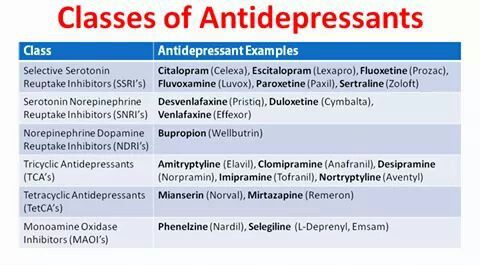
Classes of antidepressants

Classes of Antidepressants

  1. Selective Serotonin Re-uptake Inhibitors.(SNRI’s)
  2. Tricyclic  Antidepressants.(TCA’s)
  3. Tetracyclic Antidepressants.(TetCA’s)
  4. Monoamine Oxidase Inhibitors.(MAOI’s)
  5. Serotonin Norepinephrine Reuptake Inhibitors.(SNRI’s)
SELECTIVE SEROTONIN RE-UPTAKE INHIBITORS (SSRI’s)

These are antidepressants which target specific neurotransmitter receptor i.e. serotonin, and works on those without causing cholinergic effects. They are much safe to be used as they cause less side effects compared to other antidepressants.

Common antidepressants could fuel the rise of superbugs, study finds - ABC News

  1. Fluoxetine (Prozac).

Dose: 20mg-60mg, o.d/ mane. (‘mane’ stands for morning)

Indications

  • Obsessive compulsive disorder.
  • Depression.
  • Premenstrual dysphoric disorder.
  • Bulimia nervosa.

Side effect

  • Nausea 
  • Weight loss
  • Agitation.
  • Dryness of the mouth
  • Constipation 
  • Insomnia
  • Headache
  • Sexual dysfunction
  • Nervousness.

Contraindications

  • Hepatic/renal disease
  • Pregnancy 
  1. Paroxetine (Paxil, Aropax)

Dosage: 20mg-60mg o.d/nocte. ( ‘nocte’ stands for night)

Indications:

  • Depression
  • Anxiety
  • OCD
  • PTSD
  • Social phobia 
  • Panic disorder.

Side effects

  • Sedation.
  • Dryness of mouth 
  • Constipation.

Contra indication:

As for fluoxetine.

  1. Sertraline (Zoloft).

Dosage: 50-200mg/day

Indications:

  • PTSD
  • OCD
  • Depression
  • Panic disorders
  • Premature ejaculation.
  • Premenstrual dysphoric disorder.

Side effects

Contra indications

  • As for fluoxetine.
TRICYCLIC ANTIDEPRESSANTS (TCA’s)

MODE OF ACTION

They are well absorbed by mouth. Act by increasing the availability of the biogenic amine neurotransmitters. Noradrenaline and 5-hydroxytryptamine (5-HT) in the synaptic cleft through blocking their re-uptake into the pre-synaptic neuron. TCAS have along half-life; they are therapeutically effective if given once a day. The onset of their antidepressant action is relatively slow and variable, 2-4 weeks elapsing before any noticeable improvement in mood occurs. 

Examples:

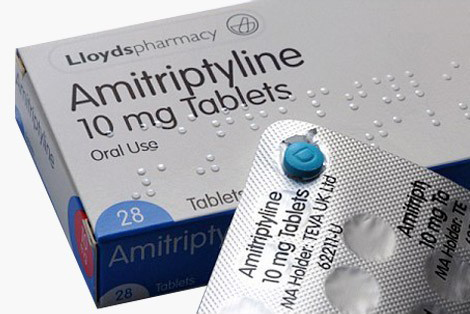
Amitriptyline | Elavil Prescribing Information - MedWorks Media

  1. Amitriptyline (laroxyl)

It is tricyclic with high sedating properties. It is usually started in smaller doses and keeps on increasing. It is usually given as a single dose. Dosage: 25-75mg nocte. Maximum dose up to 200mg nocte. It is a very good anti depressant in agitated depression i.e. with restlessness.

       2.   Imipramine (tofranil)

It is a tricyclic with less sedating property.  The dose is the same as that of amitriptyline. It is a very good drug for depressive patients with psychomotor retardation.

       3. Clomipramine (Anafranil)

It is mainly indicated in obsessive compulsive neurosis with an underlying depression. 

Dose: 50mg, increase gradually up to 250mg nocte.

TETRACYCLIC ANTIDEPRESSANTS.(TetCA’s)

Example: 

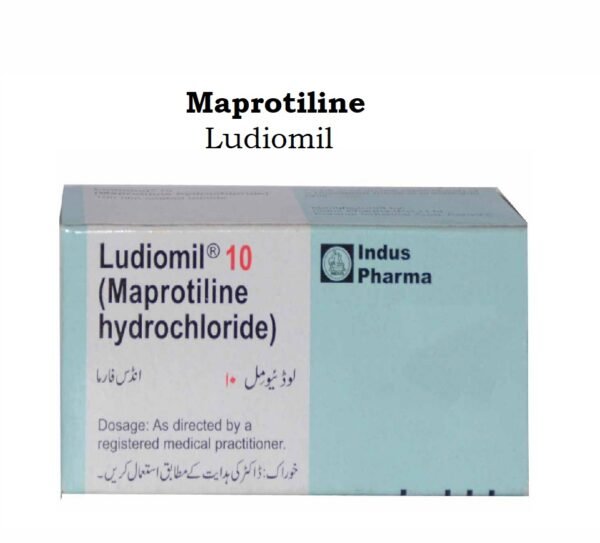
Maprotiline (Ludiomil) - Uses, Dose, Side effects

Maprotiline( ludiomil) 

A tetracyclic antidepressant with an advantage of working on 

  • Agitated and retarded depression. 

Dose: 50mg-75mg b.d or tds in 24hrs or day 

Side effects of tricyclics and  tetracyclics: 

  • Causes mania.
  • Mild postural hypotension (orthostatic hypotension)
  • Tarchycardia.
  • Cardiac arrhythmias 
  • May cause heart block
  • Sedation
  • Dry mouth
  • Nausea & vomiting
  • Constipation. 
  • Weight gain 
  • Bone marrow depression
  • Blurred vision
  • Urticaria (rash)
  • Sexual dysfunction
  • Anti-histamininic: sedation and weight gain
  • Anti-cholinergic: dry mouth, dry eyes, constipation
  • Anti-adrenergic: orthostatic hypotension, sedation, sexual dysfunction
MONO AMINE OXIDASE INHIBITORS (MAOI).

The earliest antidepressant, but currently rarely used due to its gross side effect, and has been replaced by tricyclic and serotonin selective re-up take inhibitors.

INDICATIONS

It is indicated in depressive- neurosis, anxiety, phobic states, depressive illness which had failed to respond to other therapies.

It works by increasing the concentration of monoamines especially the nor adrenaline and serotonin.

Nardil Tabs (Phenelzine) | InternationalPharmacy.com

  1. Phenelzine ( Nardil)

Dosage: 15mg- 30mg bid /tds –maximum dose 60mg in 24hours.

Indications:

  • Anxiety states.
  • Obsessive compulsive disorder.

Side effects:

  • Weight gain.
  • Hypotension.
  • Oedema.
  •  Nervousness

Contra –indications:

  • Diabetes
  • CVS disease.  
  • Liver disease.
  1. Iso carboxazide(Marplan)

Dosage: 20mg-60mg single or divided doses.

Indications 

As for phenelzine.

Side effects:

  • Weight loss
  • Hypotension.
  • Drowsiness
  • Sexual dysfunction.
  • Mania 
  • Jaundice
  • Nausea 

Contra indications

As for phenelzine.

  1. Tranyl (cypromine ‘’parnate’’).

Dosage: 20mg-40mg bid

Side effects: 

  • Insomnia 
  • Weight gain but less common

Contra indications

As for phenelzine.

Mono-amine oxidase inhibitors (MAOI) interact with certain foods and drugs. These drugs interact with some foods and drugs to cause the following:

Hypertensive crisis: this is usually life threatening (fatal). This is usually caused by the MAOI combining with a substance called tyramine which is usually found in certain foods e.g. cheese, yeast extracts like wine, smoked fish, beans with broad pods, avocado, left over food which is decomposing.

Drugs

  • Amphetamine.
  • Barbiturates.
  • Ephedrine
  • Phenytoin
  • Tricyclic anti- depressants 

Note: Anti-depressants be given to the patients for 6months after improvement i.e. if has been on treatment for 3months and improves, now count 6months ahead without defaulting the treatment.  

SEROTONIN NORADRENALINE REUPTAKE INHIBITORS.(SNRI’s)

These work by affecting chemical messengers(neurotransmitters) used to communicate between brain cells, hence regulating mood and relieving depression. 

Examples

  • Duloxetine
  • Venlafaxine
Duloxetine® 30 - شرکت داروسازی تسنیم

Duloxetine (  Cymbalta, Yentreve)

Duloxetine is a type of antidepressant medicine known as a serotonin-noradrenaline reuptake inhibitor tha are thought to work by increasing the amount of mood-enhancing chemicals, serotonin and noradrenaline, in your brain.

Dose: the starting dose is 60mg, taken once a day and this can be increased to 120mg, taken once a day

Indications

  • depression
  • anxiety.
  • nerve pain such as fibromyalgia,
  • used to treat stress
  • urinary incontinence in women.

Side effects

  • Difficulty sleeping
  • Headaches
  • Feeling dizzy
  • Blurred vision
  • Constipation
  • Diarrhoea
  • Feeling or being sick
  • (nausea or vomiting)
  • Dry mouth
  • Sweating
  • Tiredness
  • Less appetite than usual and weight loss
  • Feeling less interested in sex, or having problems keeping an erection or reaching orgasm

CONTRA INDICATIONS

  • A bleeding disorder.
  • Type 1 diabetes or type 2 diabetes.
  • Epilepsy – SSRIs should only be taken if your epilepsy is well controlled, and the medicine should be stopped if the epilepsy gets worse.
  • kidney disease.
  • heart problems, or a thyroid disorder.
  • Have glaucoma.
  • Have a liver disease.
  • Have a history of seizures.

Antidepressants  Read More »

benign prostatic hyperplasia bph

Benign Prostatic Hyperplasia (BPH)

BPH 

BPH-Benign prostatic hyperplasia is the enlargement, or hypertrophy, of the prostate gland.

 BPH is common in elderly men over 60 years and above

Common causes of BPH and Pathophysiology

The outcome of BPH depends on two major factors i.e.

  1. Anatomical factors:   These involve enlargement of the Prostate gland which produces a physical blockage at the neck of the bladder against urinary flow.  This results in increased responsiveness of the prostate gland to androgens and estrogens. 
  2.  Dynamic factors; These result from excessive sympathetic stimulation via alpha-1 receptors in the prostate gland leading to increased tone at the sphincters of urinary bladder and the prostate.

The pathophysiology of BPH is as follows:

  • Resistance. BPH is a result of complex interactions involving resistance in the prostatic urethra to mechanical and spastic effects.
  • Obstruction. The hypertrophied lobes of the prostate may obstruct the bladder neck or urethra, causing incomplete emptying of the bladder and urinary retention.
  • Dilation. Gradual dilation of the ureters and kidneys can occur.

Resulting symptoms of BPH.

  • Urinary frequency. Frequent trips to the bathroom to urinate may be an early sign of a developing BPH.
  • Urinary urgency. This is the sudden and immediate urge to urinate.
  • Nocturia. Urinating frequently at night is called nocturia.
  • Weak urinary stream. Decreased and intermittent force of stream is a sign of BPH.
  • Dribbling urine. Urine dribbles out after urination.
  • Straining. There is presence of abdominal straining upon urination.
  • Urinary retention
  • Decrease in force of urinary out put
  • Intermittency during urination

Investigations and Diagnosis of BPH

  • Digital rectal examination (DRE). A DRE often reveals a large, rubbery, and nontender prostate gland.

bph dre

  • Urinalysis. A urinalysis to screen for hematuria and UTI is recommended.
  • Prostate specific antigen levels. A PSA level is obtained if the patient has at least a 10-year life expectancy and for whom knowledge of the presence of prostate cancer would change management.
  • Urinalysis: Color: Yellow, dark brown, dark or bright red (bloody); appearance may be cloudy. pH 7 or greater (suggests infection); bacteria, WBCs, RBCs may be present microscopically.
  • Urine culture: May reveal Staphylococcus aureus, Proteus, Klebsiella, Pseudomonas, or Escherichia coli.
  • Urine cytology: To rule out bladder cancer.
  • BUN/Cr: Elevated if renal function is compromised.
  • Prostate-specific antigen (PSA): Glycoprotein contained in the cytoplasm of prostatic epithelial cells, detected in the blood of adult men. Level is greatly increased in prostatic cancer but can also be elevated in BPH. Note: Research suggests elevated PSA levels with a low percentage of free PSA are more likely associated with prostate cancer than with a benign prostate condition.
  • WBC: May be more than 11,000/mm3, indicating infection if patient is not immunosuppressed.
  • Uroflowmetry: Assesses degree of bladder obstruction.
  • IVP with post voiding film: Shows delayed emptying of bladder, varying degrees of urinary tract obstruction, and presence of prostatic enlargement, bladder diverticula, and abnormal thickening of bladder muscle.
  • Voiding cystourethrography: May be used instead of IVP to visualize bladder and urethra because it uses local dyes.
  • Cystometrogram: Measures pressure and volume in the bladder to identify bladder dysfunction unrelated to BPH.
  • Cystourethroscopy: To view degree of prostatic enlargement and bladder-wall changes (bladder diverticulum).
  • Cystometry: Evaluates detrusor muscle function and tone.
  • Transrectal prostatic ultrasound: Measures size of prostate and amount of residual urine; locates lesions unrelated to BPH.

Classification of drugs for BPH

They are classified into 3 major groups;

  1. 5 alpha-reductase inhibitors
  2. Alpha-1 selective blockers
  3. Combined therapies

5 alpha-reductase inhibitors  

They inhibit an enzyme 5 alpha – reductase in the prostate thus preventing the conversion of testosterone into active form thus suppressing the activity of androgens in the prostate. The overall effect is decreased growth of the prostate gland.

N.B the effects of these drugs is not prompt and don’t relieve urine retention.

  • Finasteride 5mg o.d.
  • Dutasteride 0.5mg o.d

Both are administered orally

Alpha – 1 selective blockers

They block alpha I receptors in the prostate and bladder leading to relaxation of sphincter and so improved urine flows.

These are grouped into two;

  • Short acting agent e.g. Prazosin, Indamine, and Alfuzosin.
  • Long acting agents e.g. Tamucurosin, Doxazocin and Terazosin.

Doses;

  • Prazosin 0.5-1mg o.d given at bed time after few days orally then maintained  at 1mg b.d * 3/7
  • Terazosin 2-10mg o.d
  • Doxazocin  1mg o.d.
  • Tamucurosin 0.4 mg once daily given with meals orally.

 NB:  Tamucurocin is a long acting member best indicated since doesn’t interfere with blood pressure

Trazocin should be given at a lower dose then maintained later this is to avoid hypotension while standing

Their effects are faster thus usually combined with Finasteride

Adverse effects:

  • Postural hypotension
  • Tachycardia reflex

Others rarely used members include; Phentolamine and phenoxybenzamine

Medical Management

The goals of medical management of BPH are to improve the quality of life and treatment depends on the severity of symptoms.

  • Catheterization. If a patient is admitted on an emergency basis because he is unable to void, he is immediately catheterized.
  • Cystostomy. An incision into the bladder may be needed to provide urinary drainage.

Pharmacologic Management

  • Alpha-adrenergic blockers (eg, alfuzosin, terazosin), which relax the smooth muscle of the bladder neck and prostate, and 5alpha reductase inhibitors.
  • Hormonal manipulation with antiandrogen agents (finasteride [Proscar]) decreases the size of the prostate and prevents the conversion of testosterone to dihydrotestosterone (DHT).
  • Use of phytotherapeutic agents and other dietary supplements (Serenoa repens [saw palmetto berry] and Pygeum africanum [African plum]) are not recommended, although they are commonly used.
  • One herbal medication effective against BPH is Saw Palmetto.
Saw Palmetto bph
Saw Palmetto

Surgical Management

Other treatment options include minimally invasive procedures and resection of the prostate gland.

  • Transurethral microwave heat treatment. This therapy involves the application of heat to prostatic tissue.
  • Transurethral needle ablation (TUNA). TUNA uses low-level radio frequencies delivered by thin needles placed in the prostate gland to produce localized heat that destroys prostate tissue while sparing other tissues.
  • Transurethral resection of the prostate (TURP). TURP involves the surgical removal of the inner portion of the prostate through an endoscope inserted through the urethra.
  • Open prostatectomy. Open prostatectomy involves the surgical removal of the inner portion of the prostate via a suprapubic, retropubic, or perineal approach for large prostate glands.

Benign Prostatic Hyperplasia (BPH) Read More »

Erectile dysfunction medications

Erectile Dysfunction Medications

Erectile Dysfunction

Erectile dysfunction, ED is the inability of the male to attain and maintain an erection sufficient to permit satisfactory sexual intercourse.

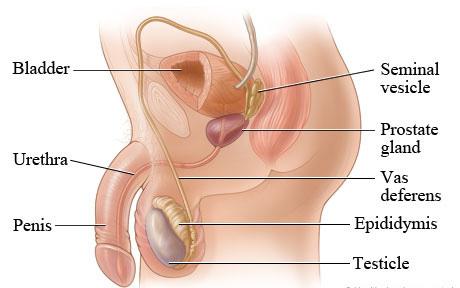
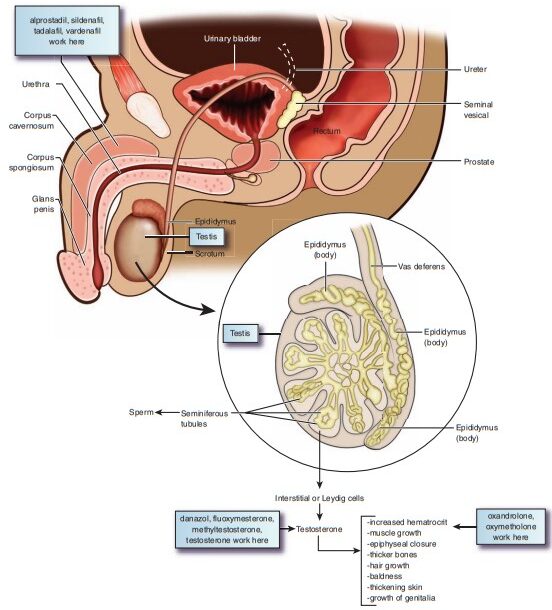
Penile erectile dysfunction is a condition in which the corpus cavernosum does not fill with blood to allow for penile erection. This can result from the aging process and in vascular and neurological conditions.

So, what is impotence?

Impotence, a term often used synonymously with ED, many involve a total inability to achieve erection, an inconsistent ability to achieve or ability to sustain only brief erections.

Physiology of an Erection

This begins with stimulus such as sight and touch. This stimulates the parasympathetic nervous division that transmits nerve impulses to the erectile tissue of the penis (corpus carvernosum). The nerve endings release nitric oxide(NO) which binds on muscle cells in the penis leading to generation of cyclic GMP (Cyclic Guanosine monophosphate) which relaxes the muscle cells in the corpus cavernosum leading to creation of larger intracellular spaces and sinusoids. More blood flows into the erectile tissues, the tissue expands compresses the veins leaving the penis, thus increased blood volume in the organ and one erects.

      Erection is continuously maintained during sexual intercourse by the release of NO, and prostaglandin E1 (PGE1).

Termination of erection( Detumescence ) is brought about by 2 events i.e.

  • Activity of enzyme phosphodiesterase type 5 enzyme (PDE-5) which catalyzes the breakdown of GMP into inactive form.
  • Stimulation of sympathetic nervous division to bring about the contraction of the penile muscles terminating ejaculation.


Pharmacology application of the above;

  • Erection relies on the penile blood flow thus an event that interferes with penile blood flow results into penile dysfunction.
  • Any factor which interferes with neuro-transmitters such as acetylcholine may end with Erectile Dysfunction.
  • Psychological factors e.g. stress may as well interfere initiation of erection.

Classification of Erectile Dysfunction.

Primary Erectile Dysfunction; is where a man has never  been able to attain and maintain an erection for sexual intercourse

Secondary Erectile Dysfunction: is where impotence occurs in a man who has past history of satisfactory sexual performance.

Causes of Erectile Dysfunction

  • Erectile Dysfunction mainly occurs past middle age and is common after the age of 65 years.

A variety of vascular, Neurological, hormonal or endocrinal, pharmacological or psychological and genetic causes may underly the disorder, i.e.

  • Vascular diseases: Blood supply to the penis can become blocked or narrowed as a result of vascular disease such as atherosclerosis (hardening of the arteries).
  • Neurological disorders (such as multiple sclerosis): Nerves that send impulses to the penis can become damaged from stroke, diabetes, or other causes.
  • Psychological states: These include stress, depression, lack of stimulus from the brain and performance anxiety.
  • Trauma: An injury could contribute to symptoms of Erectile Dysfunction.
  • Cancer treatments;  near the pelvis can affect the penis’ functionality.
    Surgery and or radiation for cancers in the lower abdomen or pelvis can cause Erectile dysfunction. Treating prostate, colon-rectal or bladder cancer often leaves men with Erectile dysfunction.
  • Drugs;  used to treat other health problems can negatively impact erections such as Cimetidine (Tagamet), Ranitidine (Zantac)

Classification of Drugs used to treat Erectile Dysfunction.

There are divided into 4 groups;

  • Central inhibitors
  • Peripheral inhibitors
  • Central conditioners
  • Peripheral conditioners

PDE 5 Inhibitors/Peripheral Inhibitors.

These are agents which act in the penile tissue to maintain the environment of erection. They include phosphodiesterase-5 inhibitors e.g. sildenafil, tadalafil, and vardenafil are selective PDE-5 inhibitors developed drugs in the past decade and found effective in a majority of patients with Erectile Dysfunction.

SILDENAFIL:

 It is an orally active drug

Classification:

Therapeutic– ED agent, vasodilator

Pharmacological– phosphodiesterase type 5 inhibitor

Brand names:
  • Kamagra
  • Penegra
  • viagra
  • Caverta
  • Edegra 25, 50, 100mg tablets
Indications:         
  • Erectile Dysfunction
  • Pulmonary Hypertension.
Mechanism of action;

 Sildenafil acts by selectively inhibiting an enzyme phosphodiesterase-5 and enhancing nitric oxide action in corpus cavernosum thus preventing the breakdown of GMP produces smooth muscle relaxation of the corpus cavernosum which in turn promotes increased blood flow and subsequent erection hence sex intercourse and exercise tolerance is improved but it has no effect on penile (swelling) tumescence in the absence of sexual activity. It doesn’t cause priapism in most patient.

 Dosage:

  It is recommended in the dose of

  • 50mg for men less than 65 years,
  • elderly 25mg if not effective then 100mg 1 hour by intercourse.

Duration and degree of penile erection is increased in 74-82% of men with Erectile Dysfunction including diabetic Neuropathy cases.

However, Sildenafil is effective in men who have lost libido or when ED is due to spinal cord injury or damaged Nervic eregantis since Nitric Oxide is an important regulator of pulmonary vascular resistance, PDE-5 inhibitor lower pulmonary circulation than vardenafil and is only PDE-5 inhibitor shown to improve arterial   oxygenation in pulmonary Hypertension. It has now become the drug of choice for this condition

N.B.; it should be given once a day.  

Adverse effects/ side effects:

These are mainly due to preservation of nitric oxide which causes vasodilatation in the brain.

  • Dizziness and headache
  • Nasal congestion
  • Hypotension and palpitation
  • Loose emotion
  • A feeling of dependency/ addiction
  • Flushing
  • Tachycardia
  • Muscle pain
  • Diarrhoea
  • Sildenafil in addiction, weakly inhibits the isoenzyme PDE-5 which is involved in photoreceptor transduction in the retina. As such impairment of colour vision especially, blue-green discrimination occurs in some recipients.
  • Hormones and related drug neuropathy among users of PDE-5 inhibitors have be reported.
Contraindications:
  • In patients with coronary heart diseases.
  • Those taking nitrates. Though sildenafil remains effective for less than 2hours, it is advised that nitrates should be avoided for 24hours
  • Presence of liver or kidney disorder
  • Peptic ulcer, bleeding disorder
  • Patients of leukemia, sickle cell anemia, myocardial infarction etc.
Drug interactions:
  •  Sildenafil markedly potentiates the vasodilator action of nitrates, precipitates fall in Blood Pressure and myocardial infarction may occur.
  • Inhibitors of CYP3A4 like erythromycin, Ketoconazote, cemetidine may potentiate its action i.e. may increase Sildenafil plasma concentration.
  • Vitamin k antagonist may increase the risk of bleeding.
  • Concomitant use with alpha- blockers may lead to hypotension.

N.B: men even without Erectile Dysfunction are going for it to enhance sexual satisfaction.

Nursing implications:
  • Determine Erectile Dysfunction before administration.
  • Monitor hemodynamic parameters and exercise before and after therapy
Patient/ family teaching:
  • Instruct the patient to take drugs at least 1 hour before sexual activity
  • Not more than once a day.
  • Instruct the patient that sexual stimulation is required for erection to occur.
  • Advise the patient that the drug is not indicated for women.
  • Advise the patient not to concurrently take the drug with nitrates or alpha-adrenergic blockers
  • Instruct the patient if chest pain occurs after taking the drug to report to the PHC practioners immediately.
  • Advise the patient to avoid excess alcohol intake in combination with PDE-5 since it can increase the risk of orthostatic hypotension
TADALAFIL:
  Brand names;
  • Megalis,
  • Tadarich,
  • Tadalis,
  • Cialis and Apcalis 10, 20mg tablets

            It is a more potent and longer acting congener of Sildenafil, duration of action is 24-36 hours. It is claimed to act faster, though peak plasma levels are attained between 30-120minutes.

Indication;
  • Erectile Dysfunction
Mechanism of action
  • As for Sildenafil

Side effects, risks, contraindications and drug interactions are similar to Sildenafil

  • Because of its longer lasting action, nitrates are contraindicated for 36-48hours after Tadalafil.
  • Due to its lower affinity for PDE-6, visual disturbances occur less frequently
Dosage:
  •  10mg o.d. at least 30minutes before sexual intercourse (max 20mg)

Peripheral Initiators of Erection

They include Alprostadil administered intra cavernously (injected) directly into the corpus cavernosum using a fine needle or introduced into the urethra as a small pellet, produces erection in few hours to permit intercourse  .  It is more used in patients taking anti-hypertensive drugs, those with cardiac diseases e.g Coronary artery disease and patients who do not respond to PDE-5 inhibitors.

Mode of Action

It is a prostaglandin E1 analog thus relaxes the penile muscles bringing about erection.

Contraindications
  1.  Presence of any anatomical obstruction or condition that might predispose to priapism. The risk could be exacerbated by these drugs.
  2.  Penile implants.
  3.  Bleeding disorders, CV diseases, optic neuropathy, severe hepatic and renal disorders.
Adverse effects
  • Priapism
  • Thrombo-embolism
  • Local tenderness
  • Penile fibrosis

Central initiators:

 These initiate neuronal path ways for erection e.g.

  • Apomorphine administered orally
Mechanism of action:

Apomorphine is a dopamine agonist  which acts centrally to stimulate an erectile neuronal path way.

It is also for known for Parkinsonism and induction of vomiting thus rarely used for this indication

Adverse effect:
  • Nausea and vomiting
  • Head ache and dizziness
  • Decreased milk production if taken by lactating mothers for another use

Central conditioners:

These provide a central mood condition of erection. They include;

(a). Trazodone which is a CNS anti-depressant due to massive adverse effects

(b). Androgens: e.g. testosterone

Click here to read more about Androgens.

Erectile Dysfunction Medications Read More »

androgens

Androgens

Androgens

Androgens are male sex hormones

Androgens include Testosterone, which is produced in the testes, and the Androgens, which are produced in the Adrenal glands.

Androgens are chiefly produced in the testes and small amounts in adrenal cortex. In female, small amounts are produced in the ovary and adrenal cortex.

        Testosterone is the most important natural androgen and in adult male, 8-10mg is produced daily. Its secretion is regulated by gonadotropins and gonadotrophic releasing Hormone (GnRH).  Inadequate production of androgens is due to pituitary malfunction or atrophy, injury to or removal of testicles. Androgens stimulate the development of male characteristics.

Naturally occurring androgens hormones are;

  • Testosterone, the principal androgenic hormone produced by the leydig cells of the testes.
  • Dehydroepiandrosterone (DHEA) produced by adrenal cortex.

Common Terms

Anabolic steroids: androgens developed with more anabolic or protein-building effects than androgenic effects.
Androgenic effects: effects associated with development of male sexual characteristics and secondary characteristics (e.g., deepening of voice, hair distribution, genital development, acne)
Androgens: male sex hormones, primarily testosterone; produced in the testes and adrenal glands
Hirsutism: hair distribution associated with male secondary sex characteristics (e.g., increased hair on trunk, arms, legs, face)
Hypogonadism: underdevelopment of the gonads (testes in the male)
Penile Erectile Dysfunction: condition in which the corpus cavernosum does not fill with blood to allow for penile erection; can be related to aging or to neurological or vascular conditions

Examples of Androgens

Drug NameUsual DosageUsual Indications
danazol (Danocrine)100–600 mg/d PO, depending on use and responsePrevent ovulation for treatment of endometriosis; prevention of hereditary angioedema
fluoxymesterone (Androxy)5–20 mg/d PO for replacement therapy; 10–40 mg/d PO for certain breast cancersTreatment of delayed puberty in male patients and certain breast cancers in postmenopausal women
testosterone (Androderm, Depo-testosterone)50–400 mg IM every 2–4 weeks, dose varies with preparation (check more below)Replacement therapy in hypogonadism (check more below)
methyltestosterone (Testred, Virilon)Males: 10–50 mg/d PO Females: 50–200 mg/d POReplacement therapy in hypogonadism; treatment of delayed puberty in male patients and certain breast cancers in postmenopausal women

TESTOSTERONE (depo-testerone, androderm) 

Classification:

Therapeutic: Hormone

Pharmacological: Androgen

Pregnancy; Category-x

Schedule: III controlled substance.

Dosage: 50–400 mg IM every 2–4 weeks, dose varies with preparation; some long-acting depository forms are available; dermatological patch 4–6 mg/day, replace patch daily.

Effects of Testosterones.

Anabolic Effects (Growth and Metabolic Functions)

  • Maintains bone density.
  • Regulates fat distribution.
  • Helps in Red Blood Cell production.
  • Supports muscle growth, strength and body mass.
  • Speeds up recovery from injury.
  • They act to increase the retention of nitrogen, sodium, potassium, and phosphorus.
  • They decrease the urinary excretion of calcium.
  • Testosterones increase protein anabolism and
    decrease protein catabolism (breakdown).

Androgenic Effects ( Sexual Characteristics and Functions)

  • Enhances sex drive and libido.
  • Increases aggression.
  • Acne.
  • Beard and body hair.
  • Male pattern boldness.
  • Development and maintenance of male sex organs.
  • Spermatogenesis.
  • Increased size of the prostate.

Control of Testosterone Secretion.

Hypothalamus releases GnRH, which stimulates the Anterior Pituitary gland to secrete FSH an LH which in turn stimulate the Leydig cells to secrete testosterone. High levels of serum testosterone exerts a negative feedback i.e.

  • APG suppresses secretion of LH.
  • Hypothalamus suppresses the GnRH.

Indications of Testosterone.

  1. Hypogonadism and impotence in males due to testicular/pituitary/hypothalamic deficiency.
  2. Testosterone deficiency .
  3. Breast cancer treatment in post menopausal women, who cant be operated.
  4. Treatment of delayed male puberty.
  5. Prevention of postpartum breast engorgement.
  6. Illegally, sportsmen often use anabolic steroids for promoting their musculature and sporting abilities.
  7. Blockage of follicle-stimulating hormone and luteinizing
    response hormone release in women to prevent ovulation for
    treatment of endometriosis.
  8. Prevention of hereditary angioedema

Contraindications of Testosterone.

  •  Allergy to androgens or other ingredients in the drug. Prevent hypersensitivity reactions.
  •  Pregnancy, lactation. Potential adverse effects on the neonate. It is not clear whether androgens enter breast milk.
  •  Presence or history of prostate or breast cancer . Aggravated by the testosterone effects of the drug.
  •  Liver dysfunction, Cardiovascular disease. Can be exacerbated by the effects of the hormones.
  •  Topical forms of testosterone have a Black Box Warning alerting user to the risk of virilization (Female develops male characteristics) in children who come in contact with the drug.
  •  Danazol has Black Box warning regarding the risk of thromboembolic events, fetal abnormalities, hepatitis, and intracranial hypertension.
  • For use with caution in patients with Diabetes Mellitus, BPH and Sleep apnea.

Side Effects and Adverse Effects of Testosterone

                      In men,

  • Administration of an androgen may result in breast enlargement
  • (gynecomastia),
  • testicular atrophy,
  • inhibition of testicular function,
  • impotence,
  • enlargement of the penis,
  • nausea and vomiting,
  • jaundice,
  • headache,
  • anxiety,
  • male pattern baldness,
  • acne and depression,
  • fatigue,
  • abdominal cramps,
  • confusion,
  • deepening of the voice,
  • edema,
  • drug-induced hepatitis,
  • gingivitis.
  • hirsutism (increased hair distribution)

                         In women,

  • receiving an androgen preparation for breast carcinoma the most common adverse reactions are;
  • amenorrhea and virilization (acquisition of male sexual characteristics such as changes in body and facial hair, a deepening voice, acne, menstrual irregularities and enlargement of the clitoris).
Drug Interactions
  1. May increase action of warfarin (anti-coagulants),  oral hypoglycemic agents and insulin.

  2.  Concurrent use with corticosteroids may increase the risk of edema formation.

Nursing intervention/ involvement:

  •  If the androgen is to be administered as a buccal tablet, the nurse demonstrates the placement of the tablet and warns the patient not to swallow the tablet but to allow it to dissolve in the mouth.
  • The nurse reminds the patient not to smoke or drink water until the tablets is dissolved. Oral and parenteral androgens are often taken or given by injection outpatient basis.
  • When given by injection, the injection is administered deep I.M into the gluteus muscle.
  •   Oral testosterone is given with or before meal to decrease gastric upset.
  • When testosterone Trans -dermal system testostederm is prescribed, the nurse places the system on clean, dry scrotal skin. Optimal skin contact of the Trans dermal system is achieved by shaving scrotal hair before placing the system.
  • Monitor fluid input and output
  • Weigh the patient twice a week
  • Assess for edema and report
  • Monitor secondary sexual characteristics in men
  •  Monitor menstrual irregularities, deepening of the voice, in females.
  • Monitor Hemoglobin and hematocrit periodically
  • Monitor urine and serum calcium levels
Patient/family teaching:
  1.  Advise the patient to report signs of priapism, difficulty in urinating, hypercalcemia, edema, unexpected weight gain, swelling of the fee, hepatitis, unusual bleeding.
  2. Explain rationale for prohibiting use of testosterone for increasing athletic performance
  3.   Notify Doctor of pregnancy.
  4.   DM patients to monitor blood sugar.
  5. Regular follow up, laboratory tests and physical examination
  6.  For ladies to notify doctor if signs of body hair distribution, deepening of voice menstrual irregularities occur.

ANABOLIC STEROIDS

 These are agents that are not easily converted to the potent androgen 5 alpha o-dihydrotestosterone (DHT) hence their effects on sex are less but their anabolic effect are high.

Drugs commonly used by athletes include; nandolone, stanozolol, and mithenelone. All of this drugs are regulated as controlled substances, making their use by athletes illegal.

Clinical uses/indications of anabolic steroids.

  • Osteoporosis
  • Appetite improves and there is a feeling of well being.
  • To counteract osteoporosis seen in chronic glucocorticosteroid therapy.
  • Stimulates linear growth in prepubertal boys (height).
  • Used in renal diseases.
NANDROLONE

      This is another steroid naturally produced by body, it is often synthesized and sold under the trade names Deca- Durabolin and Durbolin.

Professional athletes like Berry Bonds and Roger Clemens alleged used nandrolone to illegally enhance their performance.

STANOZOLOL:

       This synthetic steroid goes by the brand name Winstrol. This steroid is unusual in that it can be taken orally. Base ball players like Rafael. Palmeiro have tested positive for illegal use of stanozolol and strength athletes often use it illegally to quickly get stronger.

OXANDROLONE:

          Is a synthetic steroid retailed as the drug Anavar, which is approved for use in osteoporosis. Body builders use this steroid illegally to create greater muscle.

Contraindications:

  • Male patients with cancer of the breast or with known or suspected carcinoma of the prostate.
  • Carcinoma of the breast in female with hypercalcemia; androgenic anabolic steroids may stimulate osteolytic resorption of bones.
  • Pregnant because of masculinization of the fetus.
  • Nephrosis or the nephritic phase of nephritis.

Side effects of anabolic steroids:

  • Severe acne, oily skin and hair – hair loss.(virilization)
  • Liver diseases resulting into complications such as heart attack and stroke.
  • Altered mood, irritability, increased aggression, depression or suicidal tendencies.
  • Alteration in cholesterol and other blood lipids
  • High blood pressure
  • Gynecomastia- abnormal development of mammary glands in men causing breast enlargement.
  • Shrinking of testicles.
  • Azoospermia (absence of sperm in semen)
  • Menstrual irregularities in women
  • Infertility
  • Excess facial or body hair, deeper voice in women.
  • Stunted growth and heat in teens
    risk of viral or bacterial un function due to unsterile injections
  • Edema
  • Prostate cancer
  • Injury from skin-to-skin transfer of topical testosterone


Drug interactions:

  • Anti-coagulants. Anabolic steroids may increase sensitivity to oral anti-coagulants. Dosage of the anti-coagulants may have to be decreased in order to maintain the prothrombin time at the desired therapeutic level. Patients receiving oral anti-coagulant therapy require close monitoring, especially when anabolic steroids are started or stopped.

Patient’s information:

  • The physician should instruct patients to report any of the following effects of androgenic anabolic steroids,
  • hoarseness,
  • acne,
  • changes in menstrual periods,
  • more hair on the face,
  • Nausea and vomiting,
  • changes in skin colour or ankle swelling.

ANTI ANDROGENS

Antiandrogens, also known as androgen antagonists or testosterone blockers, are a class of drugs that prevent androgens  from mediating their biological effects in the body.

They act by blocking the androgen receptor and/or inhibiting or suppressing androgen production. They include:

  • Danzol
  • Finasteride
  • Spironolactone
  • Flutamide
  • Cyproterone
  • Ketoconazote
  • Bicalutamide and Nilutamide

Finasteride

Available preparations:      Tablets 5mg

Available brands:                 Finest, Proscar

           The androgen hormone inhibitor finasteride is a synthetic drug that inhibits the conversion of testosterone into the  androgen 5 alpha o-dihydrotestosterone (DHT). The development of the prostate glands is dependent on DHT. The lowering of serum levels of DHT reduces the effect of this hormone on the prostate gland, resulting in decrease in the size of the gland and this synthesis associated with prostate gland enlargement.

Indications;

  • Benign Prostatic Hyperplasia(BPH)
  • Androgenetic alopecia (male pattern baldness) in men only

Mechanism of action:

 It inhibits the enzyme 5-alpha-reductase which is responsible for converting testosterone to its potent metabolite 5-alpha dihydrotestosterone in prostate, liver and skin since 5-alphs dihydrotestosterone is partially responsible for prostatic hyperpiesia and hair loss.

Dose:

  • In BPH 5mg o.d
  • Alopecia 1mg/day for 3 months or more. Available in tablets of mg and 5mg

Side effects;

  • Decreased libido
  • Decreased volume of ejaculation
  • Erectile dysfunction/impotence
  • Breast tenderness and enlargement
  • Testicular pain

Contraindications/precautions;

  • Known hypersensitivity to finasteride
  • Use with caution on hepatic impairment

Nursing implications:

  •   Assess for symptoms of prostatic hyperplasia e.g. feeling of incomplete bladder emptying, interruption of the urinary stream
  •   Digital rectal examination should be done before and periodically during BPH therapy.
  •   Laboratory tests of prostate specific antigen cancer concentration which is used to screen for cancer of prostate.
  • Take this drug without regard to meals.

Patient/ family teaching;

  1. Finasteride possesses risk to male fetus; tell males not to have sex with pregnant women to avoid the risk of absorption
  2. Inform the Doctor immediately if sexual partner is or may become pregnant because additional measures such as discontinuing the drug or use of condom may be necessary.

Androgens Read More »

Uterine Relaxants

Uterine Relaxants

Uterine Relaxants / Tocolytics

Uterine relaxants, clinically referred to as tocolytics, are pharmacological agents used to inhibit uterine contractions and delay preterm labor.

The term "tocolysis" is derived from the Greek words tokos (childbirth) and lysis (loosening/dissolving).

Clinical Goals of Using Tocolytics

The objective of tocolytic therapy is rarely to prevent preterm birth indefinitely. Instead, the focus is on short-term prolongation of pregnancy (around 48 hours to 7 days) to allow for critical interventions that improve neonatal outcomes.

  1. The "48-Hour Window" for Corticosteroids: The most significant goal is to delay delivery long enough to administer a full course of antenatal corticosteroids (e.g., Betamethasone or Dexamethasone). These steroids require approximately 48 hours to achieve maximum effect in stimulating fetal surfactant production, which significantly reduces the risk of Respiratory Distress Syndrome (RDS), intraventricular hemorrhage, and necrotizing enterocolitis in the neonate.
  2. In Utero Transport: Delaying delivery provides time to safely transfer the pregnant person to a tertiary care facility with a Neonatal Intensive Care Unit (NICU) equipped to handle highly premature infants.
  3. Magnesium Sulfate for Neuroprotection: For pregnancies less than 32 weeks gestation, tocolysis allows time to administer Magnesium Sulfate for fetal neuroprotection, which reduces the risk and severity of cerebral palsy.
Key Consideration: Tocolytics are generally indicated between 24 and 34 weeks of gestation when the benefits of delaying delivery outweigh the risks of continuing the pregnancy.

Classification and Mechanisms of Action

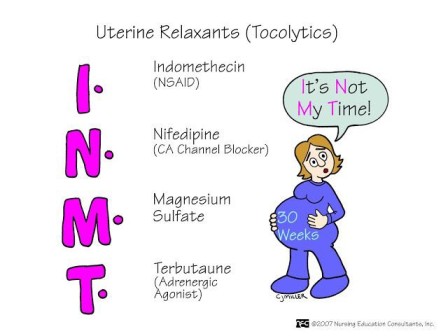
Tocolytic agents are categorized by their pharmacological class. Each works through a different way to reduce the availability of intracellular calcium or decrease the sensitivity of uterine myofibrils to calcium, thereby inhibiting contractions.

Class Primary Medication Mechanism of Action
Beta-Adrenergic Agonists Terbutaline (Brethine) Stimulates β2-receptors in uterine smooth muscle. This increases intracellular cyclic adenosine monophosphate (cAMP), which leads to muscle relaxation.
Calcium Channel Blockers (CCBs) Nifedipine (Procardia) Inhibits the influx of extracellular calcium ions into the uterine smooth muscle cells (myometrium). Less calcium means the muscles cannot contract effectively.
Nonsteroidal Anti-inflammatory Drugs (NSAIDs) Indomethacin (Indocin) Blocks the enzyme cyclooxygenase (COX), which inhibits the synthesis of prostaglandins. Prostaglandins are potent stimulators of uterine contractions and cervical ripening.
Magnesium Sulfate Magnesium Sulfate Acts as a calcium antagonist. It competes with calcium for entry into the cell and displaces calcium from the sarcoplasmic reticulum, effectively "quieting" the electrical activity of the muscle.
Clinical Note on Preference: Currently, Nifedipine and Indomethacin are often preferred first-line agents due to their oral/rectal ease of administration and generally more favorable maternal side-effect profiles compared to older treatments like Terbutaline or high-dose Magnesium Sulfate.

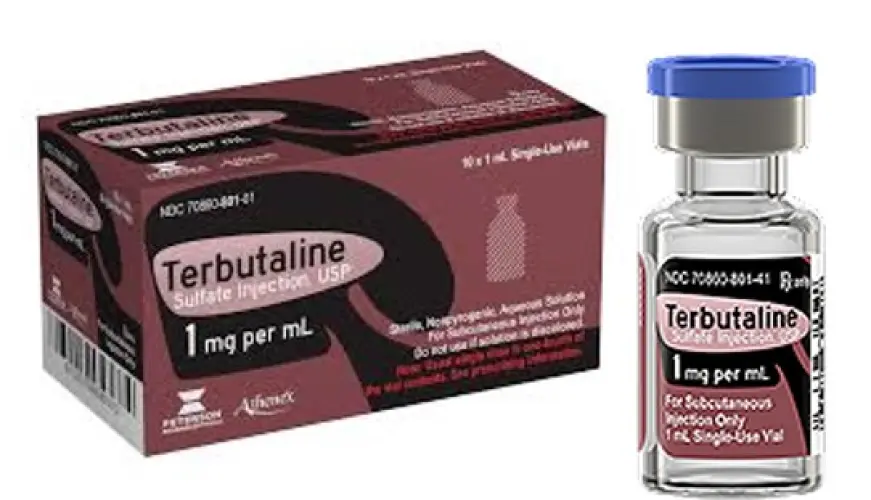
Terbutaline (Brethine)

1. Classification

  • Therapeutic Class: Tocolytic (Uterine Relaxant).
  • Pharmacologic Class: Beta2-Adrenergic Agonist (Sympathomimetic).
  • Legal Classification: Prescription Only (Schedule VI in various jurisdictions).

2. Available Forms and Precise Dosages

  • Subcutaneous (SC) Injection:
    • Dosage: 0.25 mg administered every 20 minutes to 3 hours.
    • Note: Primarily used for short-term "rescue" tocolysis or to delay delivery for maternal transport/steroid administration.
  • Intravenous (IV) Infusion:
    • Dosage: Start at 2.5–5 mcg/min; increase by 2.5 mcg/min every 20 minutes.
    • Maximum Dose: Generally capped at 25 mcg/min depending on maternal heart rate and uterine response.
  • Oral (PO):
    • Note: No longer recommended for long-term maintenance tocolysis due to FDA Black Box warnings regarding cardiac risks.
  • 3. Indications and Contraindications

    Indications

    • Preterm Labor: Management of preterm labor in pregnancies between 20 and 34 weeks gestation.
    • Uterine Hyperstimulation: Treatment of uterine tachysystole (with or without fetal heart rate changes).

    Contraindications

    • Maternal Cardiac Disease: Pre-existing structural heart disease or arrhythmias.
    • Uncontrolled Hyperthyroidism: Risk of thyroid storm or severe tachycardia.
    • Poorly Controlled Diabetes: Risk of severe hyperglycemia and ketoacidosis.
    • Gestational Age >34 Weeks: Risk-benefit ratio shifts toward delivery.
    • Cervical Dilation >4 cm: Advanced labor where tocolysis is unlikely to be effective.

    4. Side Effects and Adverse Effects

    Maternal Effects

    • Tachycardia: Significant increase in heart rate due to cross-stimulation of Beta1 receptors.
    • Palpitations and Tremors: Common peripheral nervous system side effects.
    • Hypokalemia: Intracellular shifting of potassium; requires monitoring of serum levels.
    • Hyperglycemia: Stimulation of glycogenolysis in the liver.
    • Pulmonary Edema: A severe adverse effect, often associated with fluid overload or concurrent corticosteroid use.
    • Hypotension: Resulting from peripheral vasodilation.

    Fetal/Neonatal Effects

    • Fetal Tachycardia: Direct result of the drug crossing the placenta.
    • Neonatal Hypoglycemia: Reactive hyperinsulinemia in the neonate following maternal hyperglycemia.

    5. Drug Interactions

    • Beta-Blockers: Antagonize the effects of Terbutaline, rendering it ineffective.
    • Corticosteroids: Significantly increases the risk of maternal pulmonary edema.
    • Diuretics: Can exacerbate Terbutaline-induced hypokalemia.

    6. Nursing Care and Administration

    Assessments

    • Vital Signs: Monitor maternal pulse and blood pressure every 15 minutes during IV titration; hold dose if maternal HR >120 bpm.
    • Fetal Heart Rate (FHR): Continuous electronic monitoring to detect tachycardia or distress.
    • Lung Sounds: Auscultate every 4 hours to check for crackles (early sign of pulmonary edema).
    • I/O Monitoring: Strict fluid intake/output tracking; limit fluid intake to 1,500–2,500 mL/24 hours to prevent fluid overload.

    Administration Guidelines

    • IV Setup: Administer via a secondary infusion pump for precise titration.
    • Patient Positioning: Maintain the patient in a lateral recumbent position to maximize placental perfusion and minimize hypotension.
    • Laboratory Review: Monitor blood glucose and potassium levels frequently during prolonged administration.
    • Patient Education: Instruct the patient to report chest pain, shortness of breath, or "racing" heart immediately.

    Salbutamol (Albuterol)

    1. Classification

    • Therapeutic Class: Tocolytic (Uterine Relaxant); Bronchodilator.
    • Pharmacologic Class: Short-Acting Beta2-Adrenergic Agonist (SABA).
    • Legal Classification: Prescription Only (Schedule VI).

    2. Available Forms and Precise Dosages

  • Intravenous (IV) Infusion:
    • Standard Concentration: Often 5 mg diluted in 500 mL of 5% Glucose or 0.9% Normal Saline.
    • Titration: Initial rate of 10 mcg/min (1.2 mL/min of the standard solution).
    • Increments: Increase by 10 mcg/min every 10–20 minutes until uterine contractions cease or side effects become intolerable.
    • Maximum Dose: capped at 45–60 mcg/min.
  • Subcutaneous (SC)/Intramuscular (IM) Injection:
    • Dosage: 100–500 mcg every 4 hours, primarily used for acute stabilization or transport.
  • Oral (PO):
    • Note: Similar to Terbutaline, oral use for maintenance tocolysis is generally avoided due to poor efficacy and high maternal cardiac risk.
  • 3. Indications and Contraindications

    Indications

    • Preterm Labor (Uncomplicated): Short-term (up to 48 hours) management to allow for corticosteroid administration or maternal transfer.
    • External Cephalic Version: To relax the uterus during attempts to turn a breech fetus.
    • Uterine Hypertonus: Emergency management of tetanic contractions during labor.

    Contraindications

    • Cardiac Disease: Pre-existing ischemic heart disease, severe hypertension, or hypertrophic cardiomyopathy.
    • Antepartum Hemorrhage: Conditions such as placenta previa or abruption where delay of delivery may endanger the mother/fetus.
    • Eclampsia/Severe Pre-eclampsia: The cardiovascular strain of Salbutamol can worsen maternal status.
    • Intrauterine Infection: Tocolysis is contraindicated in the presence of chorioamnionitis.
    • Fetal Compromise: Evidence of fetal distress or intrauterine growth restriction (IUGR).

    4. Side Effects and Adverse Effects

    Maternal Effects

    • Reflex Tachycardia: Compulsory monitoring required; hold dose if HR exceeds 130–140 bpm.
    • Hypotension: Due to Beta2-mediated vasodilation of peripheral blood vessels.
    • Tremors and Anxiety: Stimulation of skeletal muscle receptors leads to fine tremors and nervousness.
    • Hypokalemia: Shifts potassium into cells, potentially causing arrhythmias.
    • Metabolic Acidosis/Hyperglycemia: Enhanced glycogenolysis; particularly dangerous in diabetic patients.
    • Chest Pain: May indicate myocardial ischemia in susceptible patients.

    Fetal/Neonatal Effects

    • Fetal Tachycardia: Crosses the placenta directly; fetal HR often mirrors maternal HR increases.
    • Hyperinsulinism: Fetal response to maternal hyperglycemia, leading to neonatal hypoglycemia post-delivery.

    5. Drug Interactions

    • Beta-Adrenergic Blockers: Negate the tocolytic effect (e.g., Propranolol).
    • Corticosteroids (Dexamethasone/Betamethasone): Synergy in causing pulmonary edema and severe hyperglycemia.
    • Non-Potassium Sparing Diuretics: Potentiates the risk of life-threatening hypokalemia.

    6. Nursing Care and Administration Protocols

    Assessments

    • Maternal Heart Rate: Monitor continuously or every 10 minutes during titration; withhold if pulse >140 bpm.
    • Fluid Balance: Maintain strict intake/output records; fluid restriction is often implemented (e.g., <2,000 mL/day).
    • Respiratory Status: Observe for dyspnea, chest tightness, or productive cough (indicators of pulmonary edema).
    • Blood Chemistry: Frequent monitoring of blood glucose and serum potassium.

    Administration Guidelines

    • IV Delivery: Use an infusion pump and a dedicated IV line; never bolus Salbutamol for tocolysis.
    • Dilution: Ensure compatibility with carrier fluids (avoid highly concentrated dextrose if the patient is diabetic).
    • Post-Treatment Monitoring: Continue monitoring for at least 12 hours after the infusion stops for rebound effects or pulmonary complications.
    • Patient Education: Reassure the patient that tremors and palpitations are expected side effects but to report chest pain immediately.

    Nifedipine (Calcium Channel Blocker)

    Legal and Medical Classifications

    • Pharmacological Class: Calcium Channel Blocker (Dihydropyridine derivative). It inhibits the influx of calcium ions through "slow channels" into vascular smooth muscle and myocardium.
    • Therapeutic Class: Tocolytic / Antihypertensive. In obstetrics, it is used off-label to delay preterm labor by relaxing uterine smooth muscle.
    • Pregnancy Category: Category C. Human studies are limited, but it is widely used as a first-line tocolytic due to a more favorable side-effect profile compared to beta-agonists.

    Available Forms and Precise Dosages

    • Oral Immediate-Release (IR) Capsules: Preferred for rapid onset during the initial "loading" phase of tocolysis.
    • Oral Extended-Release (ER/XL) Tablets: Used for maintenance therapy to provide stable plasma concentrations.
    • Loading Dose: 10–20 mg orally every 20 minutes for up to 3 doses. This rapid titration aims to achieve therapeutic levels quickly to stop contractions.
    • Maintenance Dose: 10–20 mg orally every 4–8 hours. The total daily dose should not exceed 120 mg to minimize systemic cardiovascular risks.

    Indications and Contraindications

    • Indications: Management of preterm labor (24–34 weeks gestation). It is used to delay delivery for 48 hours to allow for corticosteroid administration (fetal lung maturation) and GBS prophylaxis.
    • Contraindications (Maternal): Hypersensitivity to nifedipine or other dihydropyridines.
    • Contraindications (Cardiovascular): Severe hypotension (BP < 90/60 mmHg) or preload-dependent cardiac states (e.g., aortic stenosis), as vasodilation may cause critical drops in cardiac output.
    • Contraindications (Obstetric): Intrauterine infection (chorioamnionitis), fetal distress, or premature rupture of membranes (PROM) with signs of infection, where delaying delivery is unsafe.

    Side Effects and Adverse Effects

    • Maternal Hypotension: Peripheral vasodilation reduces systemic vascular resistance, which can lead to lightheadedness or syncope.
    • Reflex Tachycardia: A compensatory mechanism where the heart rate increases in response to a drop in blood pressure caused by vasodilation.
    • Facial Flushing and Headache: Resulting from the dilation of cutaneous and cerebral blood vessels.
    • Peripheral Edema: Increased capillary hydrostatic pressure caused by precapillary vasodilation leads to fluid extravasation into tissues.
    • Fetal Effects: Generally considered safe with minimal impact on fetal heart rate, though severe maternal hypotension can theoretically lead to decreased uteroplacental perfusion and fetal hypoxia.

    Drug Interactions

    • Magnesium Sulfate: Concurrent use is controversial and requires extreme caution. Both are calcium antagonists and can synergistically cause profound hypotension and neuromuscular blockade.
    • Beta-Blockers: May increase the risk of congestive heart failure or severe hypotension by suppressing compensatory tachycardia.
    • Grapefruit Juice: Inhibits CYP3A4 metabolism of nifedipine, significantly increasing plasma concentrations and the risk of toxicity.
    • Antihypertensives: Enhanced hypotensive effect when combined with other vasodilators or diuretics.

    Nursing Care and Administration

    • Blood Pressure Monitoring: Assess BP and pulse immediately before each dose and every 15–30 minutes during the loading phase. Hold medication if BP is < 90/60 or if significant tachycardia is present.
    • Administration Route: Capsules should be swallowed whole. Sublingual administration is strictly contraindicated in obstetrics due to the risk of unpredictable, precipitous drops in blood pressure.
    • Patient Positioning: Maintain the patient in a left lateral recumbent position to maximize uteroplacental perfusion and minimize orthostatic hypotension.
    • Fluid Balance: Monitor Intake and Output (I&O) and assess for signs of pulmonary edema, especially if the patient is receiving concurrent IV fluids or steroids.
    • Fetal Assessment: Continuous electronic fetal monitoring (EFM) is required during the loading phase to ensure fetal well-being remains stable as maternal hemodynamics shift.
    • Patient Education: Instruct the patient to rise slowly from a sitting or lying position to prevent falls from orthostatic hypotension.

    Indomethacin (NSAID)

    Classification

    • Therapeutic Class: Antipyretic, analgesic, nonsteroidal anti-inflammatory drug (NSAID).
    • Pharmacologic Class: Nonselective cyclooxygenase (COX) inhibitor.
    • Pregnancy Category: Category B (first and second trimester); Category D (third trimester/after 30 weeks gestation).

    Available Forms and Dosage

    • Oral (Capsules): 25 mg and 50 mg.
    • Rectal (Suppositories): 50 mg.
    • Loading Dose: 50 mg to 100 mg administered orally or rectally.
    • Maintenance Dose: 25 mg to 50 mg every 6 hours for a maximum of 48 hours.
    • Dosage Limitation: Treatment is strictly limited to 48 hours to prevent premature closure of the fetal ductus arteriosus.
    • Gestational Age Limit: Typically not administered after 32 weeks gestation due to increased fetal risks.

    Indications

    • Preterm Labor Suppression: Used as a first-line or second-line tocolytic, particularly for early preterm labor (less than 30–32 weeks).
    • Polyhydramnios Management: Reduces fetal urine production to lower amniotic fluid volume.

    Contraindications

    • Maternal Asthma: Risk of bronchospasm (aspirin-sensitive asthma triad).
    • Active Peptic Ulcer Disease: Risk of gastrointestinal hemorrhage or perforation.
    • Coagulation Disorders: Interference with platelet aggregation increases bleeding risk.
    • Renal Impairment: Reduces renal blood flow and glomerular filtration rate.
    • Gestational Age >32 Weeks: High risk for fetal ductus arteriosus constriction.
    • Suspected Fetal Heart Defect: Especially ductal-dependent lesions.

    Side Effects and Adverse Effects

    Maternal

    • Gastrointestinal Distress: Nausea, vomiting, and dyspepsia due to inhibition of protective prostaglandins in the gastric mucosa.
    • Platelet Dysfunction: Increased bleeding time because COX-1 inhibition prevents thromboxane A2 production.
    • Peripheral Edema: Prostaglandin inhibition in the kidneys leads to sodium and water retention.

    Fetal

    • Premature Closure of Ductus Arteriosus: Inhibition of PGE2 (which keeps the ductus patent) causes constriction, potentially leading to pulmonary hypertension.
    • Oligohydramnios: Reduced fetal renal blood flow leads to decreased urine output, lowering amniotic fluid volume.
    • Necrotizing Enterocolitis (NEC): Possible reduction in fetal mesenteric blood flow.
    • Intraventricular Hemorrhage (IVH): Related to alterations in fetal cerebral blood flow and platelet function.

    Drug Interactions

    • Anticoagulants/Antiplatelets: Potentiates bleeding risks.
    • ACE Inhibitors/Diuretics: Increases risk of renal failure due to combined effects on renal hemodynamics.
    • Lithium: May increase lithium levels to toxic ranges by decreasing renal clearance.

    Nursing Care and Assessments

    Administration

    • Administer with Food/Milk: Reduces gastric irritation and risk of ulceration.
    • Rectal Administration: Consider if the patient is experiencing significant nausea or vomiting.
    • Adherence to 48-Hour Limit: Meticulous tracking of start time to prevent prolonged fetal exposure.

    Maternal Assessments

    • Gastrointestinal Screening: Monitor for epigastric pain or occult blood in stool.
    • Respiratory Assessment: Check for wheezing or shortness of breath, especially in patients with a history of allergies.
    • Renal Function Monitoring: Track Intake and Output (I&O) and serum creatinine if therapy is repeated.

    Fetal Assessments

    • Ultrasound Evaluation: Assessment of amniotic fluid index (AFI) before and during therapy to detect oligohydramnios.
    • Fetal Echocardiogram: Indicated if therapy exceeds 48 hours to monitor for ductal constriction (evidenced by increased flow velocity).
    • Continuous Fetal Monitoring: Assessing for non-reassuring heart rate patterns related to decreased placental or fetal perfusion.

    Magnesium Sulfate (MgSO4)

    Legal and Medical Classifications

    • Legal Classification: Class B Controlled Drug (Prescription Only Medication).
    • Medical Classification: Anticonvulsant, Tocolytic, Electrolyte Replenisher, and Osmotic Laxative.

    Available Forms and Strengths

    • Form: Sterile aqueous solution for intravenous (IV) or intramuscular (IM) injection.
    • Common Strength: 50% solution (5 g/10 ml), 20% solution (2 g/10 ml), or 10% solution (1 g/10 ml).

    Indications

    • Preeclampsia and Eclampsia: Used primarily to prevent and control seizures. It acts as a CNS depressant and blocks neuromuscular transmission.
    • Fetal Neuroprotection: Administered in anticipated preterm birth (usually <32 weeks) to reduce the risk of cerebral palsy.
    • Tocolysis: Utilized as a secondary agent to inhibit uterine contractions by competing with calcium at the cellular level, thereby decreasing myometrial contractility.
    • Hypomagnesemia: Correction of magnesium deficiency.
    • Severe Asthma: Bronchodilation via smooth muscle relaxation.

    Dosage and Administration Protocols

    Loading Dose (Total 14 g)

    • Intravenous (IV) Component: 4 g of MgSO4 administered slowly over 15–20 minutes.
      • Preparation: Draw 8 ml of 50% MgSO4 (4 g) into a 20 ml syringe. Add 12 ml of water for injection to create a 20% solution (4 g in 20 ml).
    • Intramuscular (IM) Component: 10 g administered immediately following the IV dose.
      • Preparation: Draw 10 ml of 50% MgSO4 (undiluted 5 g) into each of two 20 ml syringes. Add 1 ml of 2% Lignocaine to each to minimize injection site pain.
      • Administration: Deep IM injection into each buttock (Z-track method recommended).

    Maintenance Dose

    • Dosage: 5 g of 50% MgSO4 every 4 hours.
    • Preparation: 10 ml of 50% MgSO4 plus 1 ml of 2% Lignocaine.
    • Duration: Continued for 24 hours after the last seizure or 24 hours post-delivery.
    • Breakthrough Seizures: If a seizure occurs before the next scheduled dose, an additional 2 g may be given slowly IV.

    Contraindications

    • Myasthenia Gravis: Magnesium inhibits acetylcholine release at the neuromuscular junction, which can precipitate a fatal myasthenic crisis.
    • Renal Impairment: Magnesium is excreted solely by the kidneys; impaired clearance leads to rapid toxic accumulation.
    • Myocardial Damage/Heart Block: Magnesium affects cardiac conduction and can exacerbate existing heart blocks.
    • Hypocalcemia: High magnesium levels further suppress calcium, risking tetany or cardiac arrest.

    Side Effects and Adverse Effects

    Maternal Effects

    • Flushing and Diaphoresis: Result of peripheral vasodilation.
    • Nausea and Vomiting: Gastric irritation and CNS effects.
    • Muscle Weakness: Inhibition of neuromuscular transmission.
    • Hypotension: Due to smooth muscle relaxation in the vascular walls.

    Fetal/Neonatal Effects

    • Neonatal Hypotonia: "Floppy baby" syndrome due to neuromuscular blockade crossing the placenta.
    • Respiratory Depression: Reduced drive in the neonate if maternal levels are high.
    • Reduced Fetal Heart Rate (FHR) Variability: CNS depressant effect on the fetus.

    Toxicity (Hypermagnesemia)

    • Loss of Deep Tendon Reflexes (DTRs): Occurs at 7–10 mEq/L; magnesium interferes with the release of acetylcholine at the motor endplate.
    • Respiratory Depression: Occurs at >10–12 mEq/L; paralysis of respiratory muscles.
    • Cardiac Arrest: Occurs at >25 mEq/L; profound electrical conduction interference.

    Drug Interactions

    • Calcium Channel Blockers (e.g., Nifedipine): Synergistic effect can lead to severe hypotension and neuromuscular blockade.
    • Neuromuscular Blockers: Potentiates the effect of agents like vecuronium.
    • Digitalis: Magnesium toxicity can be masked or cardiac arrhythmias exacerbated.

    Nursing Care and Assessments

    Pre-Administration Assessment

    • Verify presence of Patellar Reflex (Knee Jerk): If absent, the drug must be withheld as this is the first sign of toxicity.
    • Respiratory Rate (RR): Must be >12–16 breaths/min.
    • Urinary Output: Must be >30 ml/hr (or 100 ml/4 hours) to ensure adequate drug excretion.

    Monitoring during Therapy

    • Continuous Fetal Monitoring: Assessing for loss of variability or bradycardia.
    • Strict Intake/Output: Use of a Foley catheter to monitor renal clearance accurately.
    • Bed Rest/Safety: Side rails up and seizure precautions due to sedation and muscle weakness.

    Management of Toxicity

    • Antagonist: Calcium Gluconate (10% solution).
    • Dose: 1 g (10 ml) given slowly IV over 3 minutes.
    • Mechanism: Calcium directly antagonizes the neuromuscular and cardiac effects of magnesium.

    Uterine Relaxants Read More »

    Drugs used in labor

    Drugs used in Labor

    Drugs used in Labour

    Drugs used in labour can be grouped according to the effect they have on the uterus.

    1. Uterine Stimulants/Uterine Mortility drugs. (Oxytocics)
    2. Uterine relaxants (Tocolytics)

    Uterine Stimulants/Uterine Motility Drugs(Oxytocics)

    Uterine motility drugs stimulate uterine contractions to assist labor (oxytocics) or induce abortion (abortifacients)

    Oxytocics

    Oxytocics stimulate contraction of the uterus, much like the action of the hypothalamic hormone oxytocin, which is stored in the posterior pituitary. These drugs include

    • Ergonovine (Ergotrate)
    • Methylergonovine (Methergine)
    • Oxytocin (Pitocin, Syntocinon).

    Oxytocin

    Legal class; class B controlled drugs
    Medical class; oxytocic drugs
    Form; sterile solution for injection
    Strength; 10 IV per ampule.

    Indications of Oxytocin
    1.  Induction of labor
    2.  Cases of inter-uterine fetal death.
    3.  Hypotonic uterine contractions
    4.  Mothers with hypertension
    5.  After delivery to control bleeding
    6. Pre-eclampsia and eclampsia
    7.  Congestive cardiac failure
    8.  Post term
    9. Prevent PPH
    10. Incomplete or missed abortion.
    11. Active management of third stage of labor.

    Contraindications of Oxytocin
    •  Hypertonic uterine
    •  Fetal and maternal distress
    •  Multiple pregnancy
    •  Trial of labor
    •  Mal presentation like breech, brow
    •  Cephalo pelvic disproportion
    •  Low blood pressure
    Dose
    1. Induction/argumentation of labour;  5 I.U into 500mls of solution for infusion, initially, 5 drops per min.
    2. Preventing of PPH after delivery of the placenta; Slow I.V, 5 I.U, increase rate during 3rd stage.

    Route
    •  Intramuscular
    • Intravenously when mixed with normal saline or dextrose

    Side Effects
    •  Dizziness
    • Nausea and vomiting
    • Rashes
    • Fetal brandy cardia
    • Hypotension

    Adverse Effects
    •  Lead to ruptured uterus
    • Hypotension
    • Tachycardia
    • Intra uterine fetal anoxia and hypoxia to the fetus leading to birth asphyxia.
    Pharmacokinetics
    •  Absorption is immediate following IV injections
    • Drug is distributed throughout the extracellular fluid. Some amount enters the fetal circulation.
    • It is metabolized rapidly in kidney and liver in small amount and are excreted in urine

    Abortifacients

    Abortifacients are used to evacuate uterine contents via intense uterine contractions. These drugs include;

    • Misoprostol
    • Carboprost (Hemabate)
    • Dinoprostone (Cervidil, Prepidil Gel, Prostin E2)
    • Mifepristone ( Mifeprex). 

    Misoprostol

    Legal class; class B controlled drugs
    Medical class; oxytocic drugs/ cervical, rippening agent
    Form; tablet
    Strength; 200mcg/ 100mcg tablet

    Indications
    •  Induction of labour
    • Control post partum hemorrhage due to uterine atony
    • Before cervical dilatation
    • Intra-uterine fetal death
    • Gastric and deudenal ulcerations
    Contraindications
    •  Mal presentation
    • Placeta previa grade 3 and 4
    • Multiparous mothers
    • Cephalo pelvic disproportion
    • Hypersensitivity to misoprostol
    Dose
    • Induction of labour; 100mcg vaginally every after 12hrs
    • NSAID ulcerations; 200mcg 4 times a day
    Route
    • Sublingually
    • Rectally
    • Vaginally
    Side Effects
    • Headache
    • Dizziness
    • Fever
    • Shivering
    • Vomiting
    • Uterine rupture
    • Fetal distress.
    • Constipation
    Pharmacokinetics.

    Absorbed in the GIT and distributed widely through out the body metabolised in the liver and is excreted in urine.

    DINOPROSTOL

    Available preparation – 3mg tab
    Available brand – Prostin

    Pharmacokinetics

    Following vaginal insertion, it diffused slowly into the maternal blood.
    There is also some local absorption into the uterus through the cervix
    It is distributed widely in the molter, metabolized in the lungs, liver, kidney, spleen and other maternal tissues and excreted in urine with small amount in faeces.

    Indications
    • Induction of labor
    • Missed abortion
    Contraindications
    •  Active cardiac diseases
    • Multiple pregnancy
    • Hypersentivity to dinoprostol
    • Untreated pelvic infection
    • Caesarian section

    Dose :  3 mg vaginally

    Side Effects
    •  Abdominal pain
    • Nausea and vomiting
    • Hypotension
    • Shivering
    • Back pain
    • Rapid cervical dilatation

    SYNTOMETRINE

    Legal class; class B controlled drugs
    Medical class; oxytocic drug
    Form; sterile solution for injection
    Strength; combination of ergometrine and Pitocin ( ergometrine 0.5 mg + Pitocin 5 IU) –It exists in an ampules of 1 mill

    Dose
    • I ml as single dose but can be repeated where necessary if bleeding is not controlled
    Route
    •    Intramuscular
    •    Intravenous
    Indications
    1.  Give to multi gravidas after delivery
    2.   Mothers with a history of post partum hemorrhage
    3. Multiple or twin delivery because of large placental site
    4. Mothers with heavy lochia
    5. Abortion when fundal height is less than 12 weeks
    Contraindications

    Mothers with cardiac disease, pre eclampsia, eclampsia and hypertension.

    Adverse Effects
    •  Retained placenta
    •  IUFD in undiagnosed second twin
    • Lead to retained 2nd twin
    • Uterine rapture if given in abortion, above 20 weeks of gestation products of conception are not fully out.
    • Causes hypoxia and anoxia
    Side Effects
    • Nausea and vomiting
    • Headache
    • Hypotension
    • Dyspnea
    • Muscle pain

    ERGOMETRINE

    Legal class; class B controlled drugs
    Medical class; oxytocic drug
    Form; tablet and sterile solution
    Strength/dosage; tabs 0.25 to 0.5mg tab
    Injection 200mcg/ml
    0.5mg/ml
    EFFECTS
    It causes sudden prolonged intermittent uterine contraction
    INDICATION
    Contra indications
    Side effects
    Dangers
    (Are the same as for syntometrine)

    Drugs used in Labor Read More »

    Fertility Drugs/ Gonadotropin Drugs drugs

    Fertility Drugs/Gonadotropin Drugs

    Fertility Drugs

    Fertility drugs are drugs that stimulate the female reproductive system.

    Examples of Fertility drugs;

    • Cetrorelix (Cetrotide)
    • Chorionic gonadotropin (Chorex, Profasi, Pregnyl).
    • Chorionic gonadotropin alpha (Ovidrel).
    • Clomiphene (Clomid)
    • Menotropins
      (Pergonal, Humegon).

    Therapeutic Actions and Indications.

    Women without primary ovarian failure who cannot get pregnant after 1 year of trying may be candidates for the use of fertility drugs. Fertility drugs work either directly to stimulate follicles and ovulation or stimulate the hypothalamus to increase FSH and LH levels, leading to ovarian follicular development and maturation of ova.

    Indications

    1. Given in sequence with human chorionic gonadotropin (HCG) to maintain the follicle and hormone production, these drugs are used to treat infertility in women with functioning ovaries whose partners are fertile.
    2. Fertility drugs also may be used to stimulate multiple follicle development for the harvesting of ova for in vitro fertilization.
    3. Menotropins also stimulate spermatogenesis in men with low sperm counts and otherwise normally functioning testes.
    4. Cetrorelix inhibits premature LH surges in women undergoing controlled ovarian stimulation by acting as a GnRH antagonist.
    5. Chorionic gonadotropin is used to stimulate ovulation by acting like GnRH and affecting FSH and LH release.

    Contraindications of fertility drugs

    1. Allergy to fertility drug:  Prevent hypersensitivity.
    2.  Primary ovarian failure: These drugs only work to stimulate functioning ovaries
    3. Thyroid or adrenal dysfunction. Drugs have effects on the hypothalamic-pituitary axis.
    4. Ovarian cysts: Can be stimulated by the drugs and can become larger
    5. Pregnancy: Due to the potential for serious fetal effects
    6. Idiopathic uterine bleeding: Can represent an underlying problem that could be exacerbated by the stimulatory effects of these drugs.
    7. Lactation: Risk of adverse effects on the baby
    8. Thromboembolic disease. Increased risk of thrombus formation
    9. Women with respiratory diseases: Alterations in fluid volume and blood flow can overtax the respiratory system.

    Adverse effects of fertility drugs

    • Greatly increased risk of multiple births and birth defects
    • Ovarian overstimulation: abdominal plain, distention, ascites, pleural effusion
    • Headache
    • Fluid retention
    • Nausea
    • Bloating
    • Uterine bleeding
    • Ovarian enlargement
    • Gynecomastia
    • Febrile reactions possibly due to stimulation of progesterone release.

    Fertility Drugs

    DrugIndicationDose
    Clomifene Anovulatory infertility50mg daily for 5 days, starting within 5 days of onset of menstruation (preferably on the second day) or at any time if cycles have ceased
    Bromocriptine Hyper prolactanaemic, infertility, Suppression of lactation, Hypogonadism, Galactorrhoea syndrome, Benign breast diseaseInitially 1.25mg at bed time increased gradually to the usual dose of 2.5mg 3 times a day with food increased if necessary to a max. dose 30mgdaily

    Nursing Diagnosis

    • Acute pain related to headache, fluid retention, or GI upset
    • Sexual dysfunction related to alterations in normal hormone control
    • Disturbed body image related to drug treatment and diagnosis
    • Deficient Knowledge regarding drug therapy
    •  Risk for Impaired Tissue Perfusion (Cardiopulmonary, Peripheral) related to increased risk for thrombus formation
    •  Situational Low Self-Esteem related to the need for fertility drugs.

    Fertility Drugs/Gonadotropin Drugs Read More »

    Want notes in PDF? Join our classes!!

    Send us a message on WhatsApp
    0726113908

    Scroll to Top
    Enable Notifications OK No thanks