Nurses Revision

PHC and CBHC

Community Organization

Community Organization

Community Organization

Community organization is the process of organizing the community in such a way that they can identify and  prioritize their needs and objectives, develop confidence and will to achieve them by finding resources through  cooperative and collaborative attitude, practices and community participation.  This follows Community Participation

Assumptions of community organizing:

Those who engage in community organizing operate based on certain assumptions. The outlined assumptions are as follows:

  1. Communities of people have the potential to develop the capacity to address their own problems.
  2. People possess the desire and capability to initiate and undergo change.
  3. Individuals should actively participate in decision-making processes and have control over major changes occurring within their communities.
  4. Changes that originate from within the community and are self-driven hold greater significance and permanence compared to externally imposed changes.
  5. Democracy necessitates cooperative participation and collective action in community affairs, and individuals must acquire the skills needed to facilitate this process.
  6. Communities often require assistance in organizing to address their needs, just as individuals require support in coping with their individual challenges.

The process of community organization

  1. Recognizing the issue: The process begins when someone identifies a problem within the community and takes the initiative to address it. This person, known as the initial organizer, may or may not remain involved throughout the entire process.

  2. Gaining entry into the community: If the issue is identified by someone from outside the community, it is important to gain entry into the community. This involves establishing connections and building relationships with community gatekeepers such as local leaders, businesses, educational institutions, political figures, or activist groups.

  3. Organizing the people: The support of community members is essential for addressing the identified problem. The initial focus should be on organizing individuals who are already interested in resolving the issue (executive participants).

  4. Assessing the community: Different strategies such as locality development, social planning, or social action can be employed to assess the needs of the community. The assessment process aims to understand the community’s requirements and challenges.

  5. Determining priorities and setting goals: Based on the findings from the community assessment, the group must determine the priorities among the identified problems. 

  6. Arriving at a solution and selecting intervention strategies: Multiple solutions exist for community problems. The group should evaluate various alternatives considering their potential outcomes, acceptability to the community, and required resources. Ultimately, one or more intervention strategies are selected.

  7. Implementation, evaluation, monitoring, and looping back: These steps involve implementing the chosen intervention strategies and activities, evaluating the outcomes, monitoring progress, and if necessary, revisiting previous steps in the process (looping back) to modify or restructure the community organizing plan.

Note: The process involves implementing the intervention strategies, evaluating the outcomes, monitoring the progress over time, and making adjustments as needed to effectively organize the community.

Roles of a Community Nurse in Community Organization

  1. Advocating for the health of the community: Community nurses work to ensure that the voices of community members are heard when decisions about health care are being made. They also advocate for policies and programs that promote health and well-being.

  2. Building community capacity: Community nurses help communities develop the skills and resources they need to address their own health needs. This includes providing training, technical assistance, and financial support through health initiatives.

  3. Fostering collaboration: Community nurses work to bring together different stakeholders to work together on common health goals. This includes building relationships, resolving conflicts, and facilitating communication.

  4. Planning and implementing interventions: Community nurses help communities develop and implement plans to address their health needs. This includes conducting needs assessments, developing interventions, and evaluating outcomes.

  5. Evaluating the impact of interventions: Community nurses assess the impact of interventions to ensure that they are effective and to identify areas for improvement.

  6. Educating community members about health: Community nurses provide education about a variety of health topics, including disease prevention, healthy lifestyles, and access to care.

  7. Providing direct care to individuals and families: Community nurses provide direct care to individuals and families who are experiencing health problems. This includes providing home visits, case management, and health education.

  8. Researching health issues in the community: Community nurses conduct research to identify health problems in the community and to develop interventions to address these problems.

Community Organization Read More »

Community Participation

Community Participation

Community Participation

Community participation is the process by which community members are empowered to take part in  problem identification, setting priorities, identifying possible solution, taking decisions, implementing,  monitoring and evaluating activities for their own health and development. 

Community participation is a process where a community is fully involved in identification of its  problems, making decisions on interventions, and implementation. Community participation is not just  utilization of services and being passive users. This follows Community Mobilization

Principles of Community Participation

  1. Bottom-up approach: Community participation involves starting from the grassroots level and engaging communities in decision-making processes regarding issues that directly affect them. It recognizes that communities have valuable knowledge and perspectives that should be considered in shaping interventions and programs.

  2. Democratic process: Community participation ensures that everyone in the community has the opportunity to be involved and consulted. It promotes inclusivity, transparency, and equal participation, allowing community members to voice their opinions, contribute to discussions, and have their voices heard.

  3. Enabling environment: Community participation creates a supportive environment that enables communities to develop and advance. It empowers community members to take ownership of programs and initiatives, fostering a sense of responsibility, commitment, and accountability.

  4. Shifting power dynamics: Community participation shifts the traditional power dynamics from external experts to the communities themselves. It recognizes the expertise and lived experiences of community members and involves them in all stages of the process, including

  • needs assessment,
  • priority setting
  • planning
  • implementation, and
  • monitoring and evaluation of programs.

Types of participation.

  1. Manipulative participation: In this type, participation is merely symbolic, and individuals are given positions on official boards or committees without real decision-making power. Their representation is used as a pretense to create an illusion of community involvement.

  2. Passive participation: In passive participation, community members are informed about decisions or actions that have already been taken by external agencies. They are not actively involved in the decision-making process and their role is limited to receiving information or providing feedback after the fact.

  3. Participation by consultation: This type involves consulting community members, usually by external agencies, to gather their opinions or feedback. However, the decision-making power remains with the professionals or experts, and community input may not be fully considered in the design or implementation of interventions.

  4. Participation by material incentives: In this form of participation, individuals are motivated to participate by receiving material incentives such as food, cash, or other resources. Their involvement is primarily driven by the tangible benefits they receive in return for their time, labor, or resources.

  5. Functional participation: Functional participation occurs when community members are involved in specific tasks or activities that are predetermined and related to a project. Their participation typically occurs after major decisions have already been made, and their role is limited to carrying out specific objectives rather than being involved in the decision-making process.

  6. Interactive participation: Interactive participation involves joint problem-solving and action planning between community members and external agencies. It fosters active engagement and empowers local groups to take control over local decisions. This type of participation recognizes the importance of community input and ensures that people have a stake in the decisions that affect them.

  7. Self-mobilization: Self-mobilization occurs when community members take independent initiative to address and change systems or situations without relying on external institutions. It is a self-driven form of participation where communities take ownership of their own development and work towards achieving their goals.

Indicators for  community participation

  1. People working together as a group: This indicator assesses the formation and functioning of community groups or clubs, such as youth groups, women’s groups, or other community-based organizations. It demonstrates the level of collective action and collaboration within the community.

  2. Increased participation of women: This indicator looks at the involvement of women in decision-making processes at both household and community levels. It reflects the empowerment of women and the recognition of their voices and contributions in community affairs.

  3. Community contributions: This indicator measures the extent of community involvement in development activities and projects. It includes contributions in terms of labor, materials, and financial resources. The indicator demonstrates the level of ownership and commitment of community members.

  4. Documentation of activities and accomplishments: Keeping records of community activities, such as minutes of meetings, progress reports, or project documentation, serves as an indicator of community participation. It shows the community’s engagement in planning, implementation, and monitoring of initiatives.

  5. Utilization of local resources and services: This indicator assesses the extent to which community members utilize local resources and services for their own development. It reflects the community’s self-reliance and ability to meet their needs through local means.

  6. Response to community mobilization: This indicator measures the level of response and engagement of community members when mobilized for community activities or projects. It indicates the level of interest, commitment, and active participation within the community.

  7. Diversity of roles among community leaders: This indicator focuses on the distribution of leadership roles and responsibilities among community members. It reflects a decentralized and inclusive approach to decision-making and community development.

  8. Engagement in seeking external support: This indicator assesses the community’s proactive efforts in seeking external support, both technical and material, to complement their own resources and capacities. It demonstrates the community’s networking and resource mobilization abilities.

Importance of Community Participation.

  1. Decision-making authority: Community participation ensures that individuals have the right to be involved in making decisions that directly impact them. It promotes democratic principles and gives community members a voice in shaping their own development.

  2. Increased utilization of services: When community members actively participate in planning and implementing projects or services, they are more likely to use and benefit from them. Their involvement fosters a sense of ownership, making them more invested in utilizing the resources available to them.

  3. Development of responsibility and ownership: By actively participating in community initiatives, individuals develop a sense of responsibility and ownership. They take pride in their contributions and are more likely to take care of and sustain the activities or programs they have helped create.

  4. Enhanced sustainability: Community participation contributes to the long-term sustainability of initiatives. When community members have a sense of ownership, they are more committed to maintaining and improving projects, ensuring their continued success even after external support diminishes.

  5. Increased resources: Community participation brings forth additional resources such as labor, materials, financial contributions, and volunteered time. With more resources available, planned activities can be executed more effectively, leading to better outcomes.

  6. Improved planning and implementation: When community members participate in the planning and implementation processes, there is a greater understanding of the objectives and rationale behind the activities. This shared understanding leads to more efficient planning and smoother implementation.

  7. Confidence and unity building: Active community participation fosters confidence among individuals as they witness the positive outcomes resulting from their contributions. It also builds a greater sense of unity and cohesion within the community, as members work together towards common goals.

  8. Community empowerment and capacity building: Participation empowers community members by giving them a sense of agency and control over their own development. Through participation, individuals gain valuable skills, knowledge, and experience, contributing to their personal growth and the overall capacity of the community.

Ways in which community members participate in development activities / projects

  1.  They use the service provided 
  2.  They provide resources (labor, materials, money, and spare their time) for pre-planned activities.
  3.  They can monitor and evaluate programs of planned activities. 
  4.  They can participate in making decisions with plans 

Factors that promote community participation.

  1. Good leadership: Effective leadership builds trust and confidence among community members, ensuring that their resources will be utilized transparently and for their benefit. Trust in leaders encourages active participation.
  2. Good planning: When community members are involved in the planning process, they have a sense of ownership and are more likely to participate actively in the activities. Their input in identifying needs, setting goals, and determining implementation strategies increases their commitment.
  3. Clear understanding of project goals and stakeholders’ roles: Community members should have a clear understanding of the project’s objectives, expected outcomes, and the roles and responsibilities of different stakeholders. This clarity helps individuals see the value of their participation and how their contributions contribute to the overall success of the project.
  4. Effective communication: Transparent and consistent communication about the project’s purpose, challenges, benefits, and the commitment required from participants is crucial. When people have a comprehensive understanding of the project, they are more motivated to take action.
  5. Knowledge, attitudes, and skills: Community members need to have the necessary knowledge, attitudes, and skills to actively participate in project activities. Providing training and capacity-building opportunities ensures that individuals feel capable and confident in their roles.
  6. Positive attitudes: A positive and favorable attitude towards working with others fosters collaboration and cooperation. Creating an environment where community members, leaders, and project staff have a positive attitude towards working together encourages greater participation.
  7. Cooperation and collaboration: Building strong relationships and fostering cooperation between the project staff and the community is essential. Collaboration ensures that everyone is working towards a common goal and that decisions are made collectively.
  8. Involvement of relevant sectors: Engaging and involving various sectors within the community ensures that different perspectives are considered, increasing the diversity and effectiveness of community participation.
  9. Income-generating activities: Encouraging the community to engage in income-generating activities fosters economic empowerment and motivates individuals to actively participate in community initiatives. Economic opportunities can enhance the overall well-being of community members and strengthen their commitment to the project.

Levels of Community Participation

There are four levels of community participation:

1. Participation in the use of services provided: This level involves actively mobilizing the community to utilize the services that are provided, such as community programs or initiatives. Community members are encouraged to take advantage of the services available to them.

2. Participation in pre-planned programs: At this level, the program content is developed outside the community, and community committees or representatives are invited to participate in the implementation process. For example, communities may be involved in activities related to the protection of water sources.

3. Community involvement based on local assessment and decision-making: This level of participation involves assisting community committees or groups in developing essential skills for analysis, problem identification, priority setting, and action planning. The community is actively engaged in assessing local needs, making decisions, and implementing appropriate plans of action. Examples of programs at this level include AIDS prevention programs and community-based health care programs.

4. Community empowerment: At this highest level of participation, the community becomes sufficiently aware and empowered to assume full control of the development process. Community members are actively involved in all aspects of decision-making, planning, implementation, and evaluation of programs and initiatives. Achieving community empowerment requires adequate preparation and capacity-building of the facilitators or personnel involved in supporting the community’s development journey.

N.B: It is important to note that progressing from one level to another may take time and requires careful preparation and facilitation to ensure the meaningful and effective engagement of the community throughout the process.

Factors that hinder community participation and possible solutions:

No.Factors that HinderPossible Solutions
1.Poor leadership– Selecting good leaders
  – Encouraging teamwork
2.Political differences– Promoting mature politics
3.Lack of transparency– Emphasizing transparency
4.Poor planning– Implementing good planning
  – Setting clear and realistic objectives
5.Abrupt changes to set schedules– Sticking to the schedule
6.Failure to involve community– Actively involving community members
  – Ensuring effective communication and engagement
7.Higher expectations– Encouraging openness to self-reliance
  – Managing expectations through clear communication
8.Conflicts among beneficiaries and source providers– Continuous sensitization with transparency
   
9.Poor motivation– Providing motivation, encouragement, and recognition
  – Conducting effective sensitization and training programs
10.Conflicts with cultures and traditions in the community– Understanding and respecting community cultures and traditions
   
11.Disrespect towards community members– Fostering respect for community members
   
12.Natural calamities (e.g., earthquakes, floods, etc.)– Seeking assistance from community leaders and relevant organizations
   

Effective community participation results 

Community assumes responsibility of; 

  1. Sense of ownership 
  2. Self-reliance 
  3. Acquisition of skill & abilities & abilities to sustain the PHC process. 
  4. Efficiency & effectiveness in PHC implementation. 
  5. Equitable distribution of resources among others

Community Participation Read More »

Community Mobilization

Community Mobilization

Community Mobilization

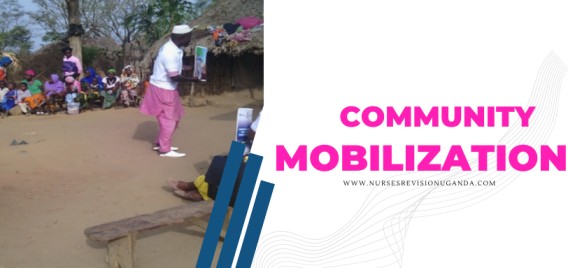
Community mobilization is a process that involves bringing individuals and groups together with a common purpose to plan, implement, and evaluate activities in a participatory and sustained manner.

This follows Community Diagnosis

Importance of effective community mobilization

  1. Encourages local ownership: Community mobilization empowers community members to take ownership of initiatives and solutions, leading to a sense of pride, responsibility, and accountability for the outcomes.

  2. Promotes sustainability of health programs: When communities actively participate in the planning, implementation, and evaluation of health programs, it increases the likelihood of sustainability beyond the initial phase. Communities are more likely to continue and support initiatives that they have been actively involved in.

  3. Motivates and involves community members: Community mobilization fosters motivation and active participation among community members. It creates a sense of belonging, purpose, and shared responsibility, leading to increased engagement in health-related activities.

  4. Builds community capacity: Through community mobilization, communities can develop their capacity to identify and address their own needs. It promotes knowledge sharing, skill development, and the utilization of local resources and expertise.

  5. Promotes sustainability and commitment: Effective community mobilization cultivates a long-term commitment to community change. It fosters a culture of collaboration, innovation, and continuous improvement, ensuring that positive changes are sustained over time.

  6. Advocacy for policy changes: Mobilized communities are more likely to advocate for policy changes to address their health needs. They can effectively engage with policymakers, raise awareness about key issues, and influence decisions that have a broader impact on the community’s well-being.

  7. Fosters unity and teamwork: Community mobilization brings people together, creating unity and fostering teamwork. It strengthens social togetherness, collaboration, and collective action towards common goals.

  8. Knowledge exchange: Through community mobilization, individuals have the opportunity to learn from each other, share experiences, and benefit from collective wisdom. This facilitates the adoption of best practices and innovative solutions.

  9. Increases effectiveness and efficiency: Mobilized communities are more effective and efficient in implementing interventions. They can identify and prioritize needs, allocate resources appropriately, and make informed decisions based on community-specific needs.

  10. Resource optimization: Community mobilization contributes additional resources to the response by leveraging community assets and networks. It maximizes the utilization of available resources, such as time, funds, skills, and expertise.

  11. Conflict resolution: Community mobilization facilitates the resolution of misunderstandings and conflicts through open dialogue, negotiation, and consensus-building. It promotes peaceful coexistence and cooperation among community members.

  12. Assessing community problems: Effective community mobilization enables a comprehensive assessment of community problems. It facilitates the identification of health issues, underlying causes, and potential solutions based on community needs and priorities.

The Role of a Community Nurse in Community Mobilization

  1. Developing an ongoing dialogue between community members: The community nurse facilitates open and continuous communication among community members, encouraging dialogue, active participation, and the sharing of ideas and concerns.

  2. Creating or strengthening community organizations: The nurse helps establish and strengthen community organizations, such as committees or community health groups, to provide a platform for community members to collaborate, plan, and implement health initiatives.

  3. Creating an empowering environment: The nurse fosters an environment that empowers individuals and communities to take charge of their health needs. This includes promoting self-efficacy, self-advocacy, and community-driven decision-making processes.

  4. Promoting community members’ participation: The nurse encourages community members to actively participate in health-related activities, such as community meetings, health campaigns, and awareness programs. This may involve conducting outreach efforts to engage community members and ensuring their voices are heard.

  5. Working in partnership with community members: The nurse collaborates with community members as equal partners in the planning, implementation, and evaluation of health initiatives. This includes respecting and valuing community members’ perspectives, knowledge, and expertise.

  6. Identifying and supporting the creative potential of communities: The nurse recognizes and supports the diverse skills, resources, and ideas within the community. They facilitate the exploration of various strategies and approaches that align with the community’s unique strengths and aspirations.

  7. Assisting in linking communities with external resources: The nurse acts as a bridge between the community and external resources, such as healthcare organizations, government agencies, and non-governmental organizations. They help community members access necessary support, services, and expertise.

  8. Committing enough time to work with communities: The nurse dedicates sufficient time and effort to engage with communities effectively. This involves building relationships, gaining trust, and investing in sustained partnerships to ensure meaningful community mobilization efforts. 

Steps taken during community mobilization 

Pre-entry phase (Preparing to mobilize)

 Select the mobilization team members and plan for other resources needed for mobilization.

 Before making initial contact with selected communities, it is recommended to gather all the information  available on this community beforehand. This is done through review of existing information about the  community includes 

  •  Geographical location and cover 
  •  Population density and distribution 
  •  Ethnicity (tribe, religion e.t.c) 
  •  Socio-economic activities 
  •  Political and social organization of the community 
  •  Ongoing projects 
  •  Gender Relations/Role, 
  •  Health and Health systems, 
  •  Local Resources 

Initial community contact phase 

 One of the highest priorities for community mobilization is building strong relationships with members of  each community. These relationships should be built on trust and respect, which starts with the very first  meeting in the community. 

 During this phase, hold meetings the focal persons and other leaders like; 

  •  Local council team
  •  Community leaders (who act as gatekeepers) 
  •  Extension workers and CBOs 

Note

  •  Ensure to follow the protocol and meet all leaders both formal and informal. 
  •  It is important to approach the community through their gate keepers ‘i.e. the community leaders.

Problem identification phase (How do you identify community problems)

 In order to identify the problems of the community, we need to perform a community assessment and  community diagnosis 

 This can be done using different approaches or methods which include the following

  •  Document out surveys – field survey “the eyeball test” 
  •  Meet and discuss with individuals, specific groups and the community as a whole, ‘” Carry out  informal interviews and discussions with the community leaders 
  •  Observations – use of sensory data 
  •  Informal conversations 
  •  Brainstorming during meetings 

Note: There is no standardized tool or approach to assessment of community problem identification 

  •  Organize meetings with various levels/ groups of people to create awareness and then gain support.  Organize meetings with actual community people for continuous awareness 
  •  Give feedback about the problems identified. It is very crucial to involve the community and suggest  their solutions. 

Prioritizing health problems 

✔ This is done through creating awareness of the problem and sensitizing the community to solve the  problem by themselves.  

Prioritizing refers to putting health problems in order of their importance. Guide the community to prioritize these identified problems. 

The factors that you should consider in prioritizing are: 

  • The magnitude of the problem: e.g. how many cases are occurring over what period of time? 
  •  The severity of the problem: how high is the risk of serious illness, disability or death? 
  •  The feasibility of addressing the problem: are the prevention and control measures effective,  available and affordable by the community? 
  •  The level of concern of the community and the government about the problem. 
  •  Community members preferences 
  •  Members of individuals in the community who are or could be affected by health problems. 
  •  Availability of potential solutions to the problems. 

In specifying priority health needs in the community, the health workers should not fall into a danger of  dictating to the people or community what their problems are and which priorities to be specified.  

Health problems which have a high magnitude and severity, which can be easily solved, and are major  concerns of the community and the government, are given the highest priority. 

Interventional Planning

Identify resourceful persons and other resources needed to solve the problem i.e. identify with the  community the necessary resources like natural resources, manpower and money. 

Interventions may be focused on any of the three levels of prevention. 

  1. PRIMARY PREVENTION: Consists of health promotion and activities directed at providing a specific  protection for illness e.g. immunization. 
  2. SECONDARY PREVENTION: It involves early Diagnosis with prompt TX to force the duration and severity of  disease e.g. breast examination for lumps, blood slides etc. 
  3. TERTIARY PREVENTION: Carried out when irreversible disability or damage has occurred; Rehabilitation and  Restoration of optimal levels of functioning is the goal of 3o prevention. 

Consider the following questions 

  •  What to do? 
  •  What methods to use (how to do it) 
  •  Who will do what? 
  •  When to do it? 

Validate the practically of the planned interaction according to the available personal, aggregate and  sub-system resources. 

✔ Plan the scheduling of interactions with the community and maximize participation. 

✔ Involve the community in planning right from the beginning to the end 

Implementation (action phase) 

 Tackle the problems in order of their priorities. 

  1.  Involve community members to actively participate in implementation- this will depend on the work  plan e.g. training, resource mobilization, and carrying out other activities. 
  2.  You need to be available to help the community with continuous mobilization to run the program. 

Sustainability Phase 

✔Ensure that a program once initiated will continue in the absence of external or outside support This  is sustainability and can be done by; 

  •  Setting up committees to oversee the program implementation and continuity. 
  •  Encouraging regular meetings 
  •  Encouraging the spirit of volunteerism 

Participatory evaluation 

  •  Get the community and local leaders involved in evaluation i.e. what is done, what is left undone, when  and how it will be accomplished. 

Re-planning 

  •  This is done based on the results of evaluation and using the learnt lessons. It is aimed at improving the  output of the planned and implemented project.

Methods of community mobilization

  1. Mass media:

    • Advantages: Quick dissemination of messages and responses.
    • Disadvantages: Expensive, limited coverage, potential language barriers.
  2. Letter Writing:

    • Advantages: Provides first-hand information, travels fast, can be kept for reference.
    • Disadvantages: Poor handwriting can affect readability, exclusion of visually impaired individuals, potential language barriers.
  3. Telephones:

    • Advantages: Quick communication, first-hand information, room for feedback.
    • Disadvantages: Network problems, expensive to manage, potential health concerns, may discriminate against those with limited access to phones.
  4. Drumming, Whistles, and Horns:

    • Advantages: Affordable, information travels quickly, culturally acceptable, non-discriminatory.
    • Disadvantages: May not be loud enough for larger communities, requires drumming skills, exclusion of hearing-impaired individuals.
  5. Posters:

    • Advantages: Messages can travel quickly if well-placed, acts as a reminder when left in place.
    • Disadvantages: Easily removed or damaged, understanding limited to literate individuals, exclusion of visually impaired individuals, potential language barriers, expensive to produce.
  6. Announcements:

    • Advantages: Quick dissemination of information, easy sensitization of the community.
    • Disadvantages: Language barriers, can be expensive, may not reach everyone, timing may not be optimal.
  7. Home Visiting:

    • Advantages: Provides first-hand information, affordable.
    • Disadvantages: Tiresome and time-consuming, potential language barriers.
  8. Music, Dance, and Drama:

    • Advantages: Attractive and engaging, non-discriminatory, effective in sensitizing people, fast message delivery.
    • Disadvantages: Language barriers, can be expensive, potential distortion of the message by the audience, prone to misinterpretation, requires prior preparations.

Opportunities for community mobilization 

  1. Church Gatherings: Church services and gatherings provide a platform to reach a large number of community members.
  2. Funerals: Funerals are occasions where community members come together, providing an opportunity for mobilization and sharing of information.
  3. Political Rallies: Political rallies attract community members and can be utilized to raise awareness and engage the public in community initiatives.
  4. Markets: Markets are bustling community hubs where people gather, presenting an opportunity to disseminate information and engage with community members.
  5. Club Meetings: Community clubs and organizations offer a platform for mobilization, fostering community engagement and collaboration.
  6. Social Gatherings: Events such as weddings, cultural festivals, and community celebrations can be leveraged to mobilize the community and promote health initiatives.

Special considerations for community mobilization include:

  1. Timing: Consider the seasonal variations and the timing of community activities to ensure maximum participation. Give sufficient notice for events and activities.
  2. Capacity: Assess the community’s capacity for effective planning, communication, and delegation of duties and responsibilities. Provide support and training if needed.
  3. Punctuality: Emphasize the importance of being timely in carrying out activities to maintain community engagement and trust.

Factors that promote community mobilization include:

  1. Good Leadership: Strong leadership plays a crucial role in motivating and mobilizing the community towards a common goal.
  2. Community Interests: Aligning mobilization efforts with the interests and needs of the community enhances participation and engagement.
  3. Motivation: Creating a sense of motivation and urgency within the community to address health issues encourages active involvement.
  4. Functional Community Organizations: Existing community structures and organizations can facilitate mobilization efforts by providing a framework for coordination and collaboration.
  5. Good Transport System and Roads: Accessible transportation infrastructure enables community members to participate in mobilization activities.
  6. Appropriate Communication: Using language and communication methods that are easily understandable by the community helps in effective mobilization.
  7. Stable Seasonality: Considering the seasonal variations in the community and planning activities during stable periods can enhance participation and engagement.

Factors that hinder community mobilization.

  1. Unfunctional Community Organization: When community organizations or structures are not well-established or lack active participation, it can hinder effective mobilization efforts.
  2. Past Bad Experiences: Negative experiences or failures in previous mobilization attempts may create reluctance or resistance within the community.
  3. Corruption by Leaders: Corrupt leaders or authorities can undermine trust and hinder community mobilization efforts.
  4. Poor Approach to the Community: Inadequate understanding of the community’s needs, culture, and values can result in ineffective approaches that fail to resonate with community members.
  5. Difficult Communities: Some communities may present unique challenges, such as high levels of poverty, social unrest, or cultural barriers, which can derail mobilization efforts.
  6. Insecurity: Communities facing security threats or instability may be hesitant to engage in mobilization activities due to safety concerns.
  7. Diversity of Community Interests: Competing interests within the community can divert attention and resources away from mobilization efforts.
  8. Poor Planning: Inadequate planning, including overlapping community activities or lack of coordination, can hinder the success of mobilization initiatives.
  9. Tribal/Religious Conflicts: Intertribal or religious tensions can create divisions and hinder community collaboration.
  10. Rumors and Misconceptions: Spread of rumors, misinformation, or misconceptions about the mobilization activities can undermine trust and participation.

Problems anticipated or commonly encountered during community mobilization.

  1. Lack of Supportive Leaders: Resistance or lack of support from community leaders can hinder the success of mobilization programs.
  2. Negative Attitude of the Community: Community members may exhibit skepticism or resistance towards the proposed program or activity, affecting their participation.
  3. Community Division: Internal divisions or conflicts within the community can impede cooperation and hinder mobilization efforts.
  4. Punctuality Issues: Challenges in maintaining punctuality and ensuring attendance at meetings or activities can disrupt the mobilization process.
  5. Political/Religious Differences: Political or religious affiliations and differences can create barriers to community unity and collaboration.
  6. Transportation Challenges: Lack of accessible transportation, particularly in remote or difficult-to-reach locations, can limit community members’ participation.
  7. Lack of Trust: Community members may have concerns about the credibility or intentions of service providers, leading to a lack of trust and reluctance to engage.
  8. High Expectations: Communities may have high expectations for the outcomes or benefits of the mobilization program, which can pose challenges in meeting those expectations.

Community Mobilization Read More »

Community Diagnosis/Community Situation Analysis

Community Diagnosis/Community Situation Analysis

Community Diagnosis

Community diagnosis refers to the process of collecting quantitative and qualitative data about a community to understand the health status of individuals, families, and the community as a whole.

It involves identifying and quantifying health problems, assessing their causes and correlates, and determining the population groups at risk or in need of healthcare interventions.

Community diagnosis can be described as a comprehensive assessment of the community’s health in relation to its social, political, economic, physical, and biological environment. 

The collected information should cover a range of health-related factors such as sanitation, nutrition, immunization, and vital statistics including birth and death rates. Additionally, community diagnosis may include other development issues related to the community’s well-being.

The process of community diagnosis involves gathering data from various sources within the community, including household heads, health units, local authorities, women’s clubs, youth clubs, and extension workers, among others. This data collection aims to provide a holistic understanding of the community’s health needs, challenges, and resources. This follows Community Assessment.

Objectives of Community Diagnosis

  1. Analyze health status: Community diagnosis aims to assess the health status of individuals, families, and the community as a whole. It involves collecting and analyzing data on mortality rates, morbidity rates, prevalence of diseases, and other health indicators to understand the current health situation.

  2. Evaluate health resources, services, and systems of care: Community diagnosis involves assessing the availability, accessibility, and quality of health resources, services, and systems within the community. This evaluation helps identify gaps, strengths, and weaknesses in the healthcare infrastructure.

  3. Assess attitudes toward community health services and issues: Community diagnosis seeks to understand the attitudes, perceptions, and beliefs of community members regarding health services and health-related issues. This assessment helps in designing interventions that are culturally appropriate and acceptable to the community.

  4. Identify priorities, establish goals, and determine courses of action to improve health status: Based on the analysis of health status, resources, and community attitudes, community diagnosis helps in identifying priority areas for intervention. It helps establish goals and develop strategies to improve the health status of the community.

  5. Establish an epidemiologic baseline for measuring improvement over time: Community diagnosis provides a baseline for measuring changes and improvements in health status over time. It helps in monitoring and evaluating the effectiveness of interventions and programs implemented to address the identified health issues.

Goals of Community Diagnosis

  1. Analyze the health status of the community: Community diagnosis aims to assess the overall health status of the community, including the prevalence of diseases, health behaviors, and the determinants of health. It provides a comprehensive understanding of the health issues and needs of the community.

  2. Evaluate the health resources and systems of care within the community: Community diagnosis involves evaluating the availability, accessibility, and quality of health resources, services, and systems in the community. This assessment helps identify strengths, weaknesses, and gaps in healthcare delivery.

  3. Assess attitudes towards community health services: Community diagnosis aims to understand the attitudes, perceptions, and beliefs of community members towards health services and healthcare providers. This assessment helps in identifying barriers to accessing and utilizing healthcare and enables the development of strategies to address them.

  4. Increase levels of awareness about prevailing negative factors: Community diagnosis helps raise awareness about the existing negative factors that contribute to poor health outcomes in the community. By identifying and highlighting these factors, community members, healthcare providers, and policymakers can work together to address them and promote positive health behaviors.

Goals: The goals mentioned (analyzing the health status, evaluating health resources and systems of care, assessing attitudes towards community health services, increasing levels of awareness about negative factors) represent the overall intentions and purposes of community diagnosis. They provide a broad framework for the process and guide the overall direction of the assessment.

Objectives: The objectives listed (analyzing health status, evaluating health resources, assessing attitudes towards community health services, increasing levels of awareness about prevailing negative factors) are more specific and measurable targets that contribute to achieving the broader goals. They outline the specific actions and outcomes that need to be accomplished during the community diagnosis process.

In summary, goals represent the broader purpose or direction, while objectives are specific, measurable targets that contribute to achieving the goals.

Content of community diagnosis (sample)

  1. Demographic Information: Who lives in the community?
  • Number of households/families
  • Number of adults, including male-to-female ratio
  • Number of children, including male-to-female ratio
  1. Geographical Location: Where do they live?
  • Identification of the specific locations of houses within the community
  1. Socioeconomic Status: How do they live?
  • Source of income for community members
  • Source of food supply
  • Income distribution within the community
  1. Community Problems: What problems do they have?
  • Identification of general problems faced by the community, including security concerns
  • Health-related problems prevalent in the community
  1. Community Resources: What resources do they have?
  • Industrial or agricultural facilities available within the community
  • Schools and educational institutions
  • Markets and business centers
  • Health facilities, including clinics or hospitals
  • Water supply sources and quality
  • Sanitary facilities, such as toilets and waste management systems
  • Road network and transportation infrastructure
  • Access to information sources like radio or newspapers

Process / stages of carrying out community diagnosis 

  1.  Initiation 
  2.  Data collection and Analysis 
  3.  Diagnosis 
  4.  Dissemination 
  5. Prioritization
  6. Action Plan


1. Initiation phase

  1. Define or identify the area of study from which the data is to be gathered for community diagnosis (i.e.  location, population size, sex and age structure, climate condition, ethnicity, economic status, education,  standards of living, occupation, religion, infrastructure, e.t.c). 
  2. At an early stage, it is important to identify the available resources needed to determine the scope of  the diagnosis. 
  3. In order to initiate a community Diagnosis, a dedicated committee or working group should be networked to  manage and coordinate the project.
  4. The committee should involve relevant parties such as government departments, health professionals  and non – governmental –organizations 
  5. Some of the common areas to be studied may include health status, lifestyles, living conditions,  socioeconomic conditions, physical and social infrastructure, inequalities, as well as public health  services and policies, medical services, public health issues, education, housing, public security and  transportation 
  6. Once the scope is defined, a working schedule to conduct the community diagnosis, production and  dissemination of reports should be set. 

2. Data collection with analysis 

  1. Data collection refers to gathering data about the health problems present in the community.
  2.  Design the relevant tools to be used in data collection.  
  3. Prepare for data collection using selected methods e.g. these can be the questionnaires, interview guide  or observational checklists, focus group discussions. 
  4. The following sources of data can be used: 
  •  Discussion with community members about their main health problems 
  •  Reviewing records of the health services utilized by the community 
  • Undertaking a community surveyor a small-scale project 
  •  Observing the risks to health present in the community. 
  1. 5. Data analysis: Data analysis refers to categorizing the whole of the data you collected into groups so as  to make meaning out of it. For instance you can assess the magnitude of a disease by calculating its  prevalence and its incidence from the numbers of cases you recorded and the number of people in the  population in your community.
  2. 6. Collected data can then be analyzed and interpreted by experts, Here are some practical tips on data  analysis and presentation:
  •  Statistical information is best presented as rates or ratios for comparison 
  •  Trends and projections are useful for monitoring changes over a time period for future planning 
  •  Graphical presentation is preferred for easy understanding 

3. Diagnosis 

Diagnosis of the community is reached from conclusions drawn from the data analysis. It should preferably  comprise three areas: 

  •  Health status of the community 
  •  Determinants of health in the community 
  •  Potential for healthy community development 

4. Dissemination 

  1. The production of the community diagnosis report is not an end in itself; efforts should be put into  communication to ensure that targeted actions are taken.  
  2. The target audience for the community diagnosis includes policy-makers, health professionals and the  general public in the community.
  3. The report can be disseminated through the following channels: presentations at meetings of the health  boards and committees, or forums organized for voluntary organizations, local community groups and  the general public through press releases or meetings. 
  4. It is important to realize that Community Diagnosis is not a one-off project, but is part of a dynamic  process leading to health promotion in the community. 
  5. Target audience for report can be determined to;- 
  •  Policy makers  
  •  Press release 
  •  Health professionals  
  •  presentation  
  •  Meetings of health boards  
  •  General public committees 

5. Prioritizing health problems

  1. As a health professional working in a community affected by several health problems at the same time  it is difficult to address all the problems at once. Therefore, you should give priority to the most  important ones first. 
  2. Health problems which have a high magnitude and severity, which can be easily solved, and are major  concerns of the community and the government, are given the highest priority. 
  3. After prioritizing which disease (or diseases) you will give most urgent attention to, the next step is to  develop an action plan. 

6. Action plan (work plan) 

  1. An action plan sets out the ways in which you will implement the interventions required to prevent and  control the disease or solve a problem.  
  2. It contains a list of the objectives and corresponding interventions to be carried out, and specifies the  responsible bodies who will be involved.  
  3. It also identifies the time and any equipment needed to implement the interventions.

Summary of Steps to consider when carrying out community diagnosis 

  1. Plan for the resources required for the activity 
  2. Decide the scope I areas to be studied 
  3. Design the relevant tools to be used in data collection 
  4. Conduct surveys to obtain quantitative and qualitative data 
  5. Collect and analyze the data 
  6. Form a community diagnosis and disseminate the report via different channels 
  7. Establish and prioritize areas for improvement 
  8. Set work plans for implementation and indicators for evaluation

Importance of community diagnosis  

  1. Helps to identify community needs and problems 
  2. It provides data as a prerequisite for planning, implementation and evaluation of successful  community based health and development programmes. 
  3. Helps to decide strategies for community involvement
  4. It gives an opportunity for the community to learn about itself i.e. the community becomes conscious of  its existing problems and finds solutions. 
  5. Helps to match project organizations and services to community needs. 
  6. Helps to understand about the social, cultural and environmental characteristics of the community. 
  7.  To create opportunities for Intersectoral collaboration and media involvement 
  8. It helps to obtain up-to-date information about the community quality is necessary for effective  planning, Monitoring with evaluation for development. 
  9. It helps to improve community level of awareness about the prevailing factors that affect their health  and general development. 
  10. It helps the community to prioritize their problems before implementation. 
  11. It fosters community participation.

Roles of a Nurse in Community Diagnosis

  1. Data Collection: Nurses play a crucial role in collecting relevant data about the health status of individuals, families, and communities. They gather information through interviews, surveys, and observations.

  2. Assessment: Nurses assess the health needs and concerns of individuals and the community as a whole. They identify risk factors, social determinants of health, and existing health problems through comprehensive assessments.

  3. Collaboration: Nurses collaborate with other healthcare professionals, community leaders, and stakeholders to gather diverse perspectives and insights. They work as part of a multidisciplinary team to ensure comprehensive data collection and analysis.

  4. Health Education: Nurses educate community members about the importance of community diagnosis, encourage participation, and explain the relevance of data collection in improving health outcomes.

  5. Data Analysis: Nurses contribute to the analysis of collected data by interpreting and summarizing the findings. They assist in identifying patterns, trends, and health priorities to inform the community diagnosis process.

  6. Planning and Implementation: Nurses collaborate with the healthcare team to develop action plans based on the community diagnosis. They help in setting goals, defining interventions, and implementing strategies to address identified health needs.

  7. Advocacy: Nurses advocate for the community’s health needs and concerns based on the findings of the community diagnosis. They raise awareness about key issues and work towards ensuring equitable access to healthcare services.

  8. Evaluation: Nurses participate in the evaluation of interventions and programs implemented based on the community diagnosis. They assess the effectiveness of the strategies and make recommendations for improvement.

  9. Health Promotion: Nurses engage in health promotion activities within the community, empowering individuals and groups to make informed decisions about their health. They support community members in adopting healthy behaviors and lifestyles.

  10. Collaborative Partnerships: Nurses collaborate with community organizations, government agencies, and non-governmental organizations to leverage resources and strengthen community health initiatives based on the findings of the community diagnosis.

Related Question

4. (a) Define the term community diagnosis. 

Community diagnosis is defined as a comprehensive assessment of the state of the entire community in relation to its social, political, economic, physical and biological environment.

(b) Outline any 5 objectives of community diagnosis.

  1. To analyze the health status of the community.
  2. To evaluate health resources, services, and systems of care in the community.
  3. To assess the attitudes towards community health services and issues.
  4. To identify priorities, establish goals, and determine courses of action to improve health status.
  5. To establish epidemiologic baseline for measuring improvement over time.

(c) Explain the process/stages of carrying out community diagnosis.

  1. Initiation phase:

  • Planning for the resources required for the activity
  • Defining  or identifying the area of study from which the data is to be gathered for community diagnosis (i.e. location, population size, sex and age structure, climate condition,. ethnicity, economic status, education, standards of living, occupation, religion
  • Once the scope is defined, a working schedule to conduct the community diagnosis, production and dissemination of report should be set.
  • Some of the common areas to be studied may include health status, lifestyles, living conditions,  socioeconomic conditions, physical and social infrastructure, inequalities, as well as public health  services and policies, medical services, public health issues, education, housing, public security and  transportation 
  1. Data collection with analysis

  • Data collection refers to gathering data about the health problems present in the community.
  •  Design the relevant tools to be used in data collection.  
  • Prepare for data collection using selected methods e.g. these can be the questionnaires, interview guide  or observational checklists, focus group discussions. 
  • The following sources of data can be used: 
  •  Discussion with community members about their main health problems 

  •  Reviewing records of the health services utilized by the community 

  • Undertaking a community surveyor a small-scale project 

  •  Observing the risks to health present in the community. 

  • Data analysis: Data analysis refers to categorizing the whole of the data you collected into groups so as  to make meaning out of it. For instance you can assess the magnitude of a disease by calculating its  prevalence and its incidence from the numbers of cases you recorded and the number of people in the  population in your community. 

3. Diagnosis:

Diagnosis of the community is reached from conclusions drawn from the data analysis. It should preferably  comprise three areas: 

  •  Health status of the community 
  •  Determinants of health in the community 
  •  Potential for healthy community development 

4. Dissemination

  1. The production of the community diagnosis report is not an end in itself; efforts should be put into  communication to ensure that targeted actions are taken.  
  2. The target audience for the community diagnosis includes policy-makers, health professionals and the  general public in the community.
  3. The report can be disseminated through the following channels: presentations at meetings of the health  boards and committees, or forums organized for voluntary organizations, local community groups and  the general public through press releases or meetings. 
  4. It is important to realize that Community Diagnosis is not a one-off project, but is part of a dynamic  process leading to health promotion in the community. 
  5. Target audience for report can be determined to;- 
  •  Policy makers  
  •  Press release 
  •  Health professionals  
  •  presentation  
  •  Meetings of health boards  
  •  General public committees 

5. Prioritizing health problems

  • Health problems which have a high magnitude and severity, which can easily be solved, and are major concerns of the community and the government, are given the highest priority.
  • After prioritizing which disease (or diseases) you will give urgent attention to, the next step is to develop an action plan.

       6. Action plan (work plan)

  1.  An action plan sets out the ways in which you will implement the interventions required to prevent and control the disease or solve a problem. 
  2. It contains a list of the objectives and corresponding interventions to be carried out, and specifies the responsible bodies who will be involved.
  3. It also identifies the time and any equipment needed to implement the interventions.
Lets use a scenario to understand the steps/process.

Initiation Phase:

The health committee in Goma village, Mukono District, Uganda, notices an increase in waterborne diseases and a lack of proper sanitation facilities after Community Assessment. They decide to conduct a community diagnosis to address these issues.

Planning:

The committee plans the resources needed, including volunteers, survey tools, and educational materials. They define the area of study, considering factors like population size, age structure, economic status, and sanitation practices.

Data Collection with Analysis:

Volunteers design questionnaires and conduct interviews and focus group discussions with community members. They also review health service records and observe sanitation practices. The collected data is analyzed to identify the prevalence of waterborne diseases and sanitation challenges.

Diagnosis:

Based on data analysis, the community diagnosis reveals a high prevalence of waterborne diseases due to poor sanitation and inadequate access to clean water. Determinants of health problems include a lack of awareness, limited resources, and insufficient sanitation infrastructure. The potential for healthy community development is hindered by these issues.

Dissemination:

The community diagnosis report is disseminated through presentations at health board meetings, press releases, and community meetings. The target audience includes policymakers, health professionals, and the general public. The report emphasizes the urgent need for interventions to improve sanitation and access to clean water.

Prioritizing Health Problems:

Waterborne diseases are prioritized due to their high magnitude, severity, and impact on the community. The committee identifies diarrhea and cholera as the most urgent health problems.

Action Plan (Work Plan):

a. The committee develops an action plan focusing on improving sanitation practices and providing access to clean water sources.

b. Objectives include raising awareness, building sanitation facilities, and collaborating with local authorities.

c. Responsibilities, timelines, and required resources are clearly outlined in the action plan.


(d) Outline any 10 importance of community diagnosis.

  1. Helps to identify community needs and problems 
  2. It provides data as a prerequisite for planning, implementation and evaluation of successful  community based health and development programmes. 
  3. Helps to decide strategies for community involvement
  4. It gives an opportunity for the community to learn about itself i.e. the community becomes conscious of  its existing problems and finds solutions. 
  5. Helps to match project organizations and services to community needs. 
  6. Helps to understand about the social, cultural and environmental characteristics of the community. 
  7.  To create opportunities for Intersectoral collaboration and media involvement 
  8. It helps to obtain up-to-date information about the community quality is necessary for effective  planning, Monitoring with evaluation for development. 
  9. It helps to improve community level of awareness about the prevailing factors that affect their health  and general development. 
  10. It helps the community to prioritize their problems before implementation. 
  11. It fosters community participation.

Community Diagnosis/Community Situation Analysis Read More »

Community Assessment

Community Assessment

Community Assessment

Community assessment is a process that involves identifying and recognizing the most significant and prevalent diseases, health problems, or needs within a specific area.

It aims to prioritize these issues for intervention by the health ministry and healthcare workers.

  1. Assessment: Assessment is a systematic approach to collecting, validating, analyzing, and documenting data related to the health of a community.

  2. Parameters: Parameters refer to the specific aspects that are assessed during a community assessment.

This follows Community Survey.

Parameters

Demographic data:

  • Age distribution: Understanding the age groups present in the community, including children, adults, and older adults.
  • Sex: Determining the male-to-female ratio within the community.
  • Culture: Identifying cultural practices and beliefs that influence health behaviors and healthcare utilization.
  • Socioeconomic status: Assessing the economic conditions and social standing of individuals in the community.
  • Religion: Recognizing the religious diversity and its potential impact on health practices.

Statistical data:

  • Population: Gathering information about the total population size, including specific subgroups like children under five years of age.
  • Infant mortality rate: Assessing the number of infant deaths per 1,000 live births in the community.
  • Maternal mortality rate: Assessing the number of maternal deaths per 100,000 live births in the community.

Economy:

  • Source of income: Identifying the main sources of livelihood for community members, such as agriculture, industry, or services.
  • Industries: Recognizing the presence of specific industries or economic sectors within the community.

Disease pattern:

  • Common diseases: Identifying prevalent diseases or health conditions within the community.
  • Level of immunization: Assessing the coverage and compliance rates for immunizations among different age groups.

Education:

  • Schools: Determining the number and type of educational institutions in the community, including primary, secondary, and tertiary schools.
  • Distance from community: Understanding the proximity of educational facilities to the community.
  • Expenditure: Assessing the community’s investment in education, such as school fees, educational materials, and resources.
  • Health services: Evaluating the availability and accessibility of health services within educational institutions.

Nutrition:

  • Source of food: Identifying the main sources of food for community members, including agriculture, markets, or food assistance programs.
  • Type of food: Assessing the quality and diversity of the community’s diet, including staple foods and access to nutritious options.

Sanitation:

  • Source of water: Determining the main sources of water for the community, such as piped water, wells, or rivers.
  • Land: Assessing land use and availability for agriculture and other purposes.
  • Pit latrines: Identifying the presence and usage of sanitation facilities within the community.

Community:

  • Roads: Assessing the condition and accessibility of roads within the community.
  • Type of transport used: Identifying the main modes of transportation utilized by community members.

Process of Community Assessment 

1. Knowledge about the community: Gain a basic understanding of the community by gathering information about its location, demographics, culture, and socio-economic characteristics. This can be done through literature review, data analysis, and consultations.

2. Share the idea with others: Discuss the community assessment plan with colleagues, supervisors, or relevant stakeholders to gain insights, perspectives, and additional resources for conducting the assessment effectively.

3. Visit the community leaders: Establish contact and engage with community leaders, such as local government officials, community elders, or representatives. Seek their permission and cooperation for conducting the assessment.

4. Take a tour of the community: Visit the community physically to familiarize yourself with the surroundings, observe the living conditions, infrastructure, and gain a firsthand experience of the community’s environment.

5. Stay with them for a few days: Immerse yourself in the community by staying there for a period of time. This allows you to develop relationships with community members, understand their daily lives, and build trust.

6. Collect data from the community: Engage with community members through interviews, focus group discussions, surveys, or other data collection methods. Collect information on demographics, health status, socio-economic factors, cultural practices, and community perceptions of health needs.

7. Share ideas with colleagues: After gathering data, collaborate with colleagues and team members to analyze and interpret the findings. Share insights, observations, and initial analysis to gain diverse perspectives and refine the understanding of the community’s health needs.

8. Make a diagnosis and prioritize: Based on the collected data and analysis, identify the major health problems, challenges, and needs within the community. Prioritize these issues based on their severity, prevalence, and impact on the community’s well-being.

In summary,

Process of community assessment 

  • Knowledge about the community 
  • Share the idea with others 
  • Visit the community leaders 
  • Take you around the community 
  • Stay with them for some few days 
  • Collect data from the people around the community
  • Come back and share ideas with colleagues. 
  • Make a diagnosis by relating the problem and prioritizing them

Roles of a Nurse in Community Assessment

  1. Data collection: Nurses are responsible for collecting data from community members through various methods such as interviews, surveys, or observations. They interact with individuals, families, and groups to gather information about their health status, needs, and resources available.

  2. Health assessment: Nurses conduct health assessments of individuals and families within the community. They assess vital signs, physical health, and gather information on existing health conditions, diseases, and risk factors.

  3. Identifying health disparities: Nurses play a crucial role in identifying disparities and inequalities in health within the community. They analyze collected data to recognize patterns and variations in health outcomes based on factors such as age, gender, ethnicity, or socioeconomic status.

  4. Collaboration with community members: Nurses collaborate with community members to understand their perspectives, needs, and priorities. They engage in active listening and foster trust and rapport to ensure community participation in the assessment process.

  5. Cultural sensitivity: Nurses demonstrate cultural sensitivity during the assessment process. They respect and value the cultural beliefs, practices, and traditions of the community members. They adapt their approach to ensure effective communication and understanding.

  6. Health education and promotion: Nurses provide health education and promote health awareness during the assessment process. They share relevant information about preventive measures, healthy lifestyle choices, and available healthcare resources within the community.

  7. Documentation and reporting: Nurses maintain accurate and detailed records of the assessment findings. They document the data collected, observations made, and insights gained. They contribute to the preparation of reports summarizing the assessment outcomes and recommendations for further actions.

  8. Collaboration with interdisciplinary team members: Nurses collaborate with other healthcare professionals and members of the interdisciplinary team involved in the community assessment. They share their findings, exchange insights, and contribute to the overall analysis and interpretation of the data.

Community Assessment Read More »

Community Survey

Community Survey

Community Survey

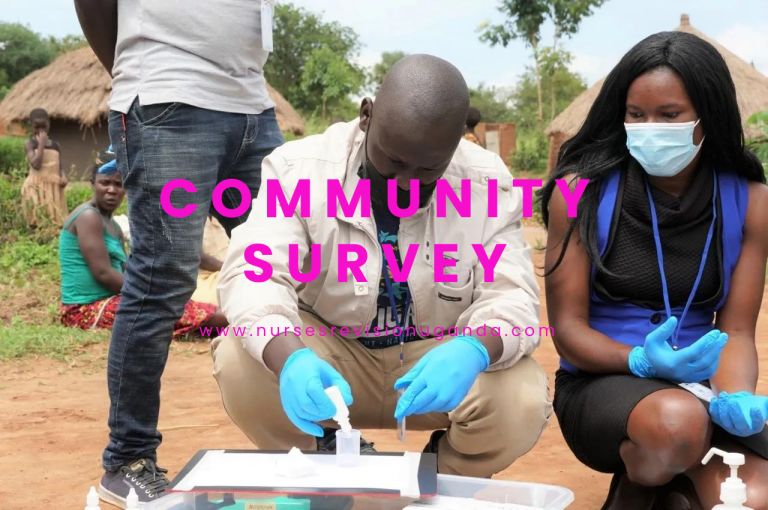
Community survey is a method of gathering information and data about a specific community.

This follows Community Entry.

Facts or Profile to be obtained during a Community Survey

1. Population Size: The survey collects data on the total number of individuals living in the community. This information helps in understanding the scale of the population and its implications for planning and resource allocation.

2. Location: The survey identifies the geographical location of the community, including its specific geographical boundaries. This information is important for mapping, resource allocation, and understanding the community’s environmental status.

3. Climate Conditions: Data on the climate conditions of the community, such as temperature, rainfall patterns, and prevailing weather conditions, are collected. This information helps in understanding the environmental status and can have implications for various sectors, including agriculture, health, and infrastructure.

4. Ethnicity: The survey gathers information on the ethnic composition of the community, including the major ethnic groups residing in the area. Understanding the ethnic diversity of a community is important for cultural sensitivity, equitable service provision, and promoting social cohesion.

5. Economic Status: Information on the economic status of the community is obtained during the survey. This includes factors such as income levels, poverty rates, employment opportunities, and economic indicators. Understanding the economic status helps in addressing socio-economic differences and designing targeted interventions.

6. Education: The survey collects data on the education levels and literacy rates within the community. This information provides insights into the educational needs, availability of educational resources, and potential barriers to accessing education.

7. Standard of Living: Data on the standard of living are obtained to assess the overall quality of life within the community. This may include housing conditions, access to basic needs (such as clean water, sanitation, and electricity), and indicators related to health and well-being.

8. Occupation: The survey gathers information on the types of occupations and employment patterns within the community. This data helps in understanding the community’s economic activities, labor markets, and potential skill gaps or opportunities.

9. Religion: Information on religious affiliations and practices within the community is collected during the survey. This helps in understanding the religious diversity and cultural practices that may influence various aspects of community life.

Questions to Address during Community Survey

  1. What are the major problems or challenges faced by the community?
  2. How well is the existing health facility addressing these problems or challenges?
  3. What are the strengths and weaknesses of health workers in their roles and responsibilities?
  4. What are the perceived problems and needs of health workers in delivering healthcare services?
  5. What are the perceived problems and needs of community members regarding their healthcare?
  6. Are community members satisfied with the quality and accessibility of healthcare services?
  7. What are the barriers or challenges community members face in accessing healthcare?
  8. Are there specific health issues or diseases prevalent in the community that need attention?
  9. Are community members aware of preventive healthcare measures and health promotion activities?
  10. Are there any specific groups within the community (e.g., children, elderly, marginalized populations) that require targeted healthcare interventions?
  11. Are there any cultural or social factors that influence healthcare-seeking behaviors in the community?
  12. Are there any existing community-based healthcare initiatives or programs? How effective are they?
  13. What are the community’s perceptions and attitudes toward healthcare providers and services?
  14. Are there any gaps in healthcare infrastructure or resources within the community?
  15. How does the community perceive the affordability and availability of healthcare services?

Importance of conducting a Community Survey

1. Identification of the community’s needs and problems: A community survey helps to systematically identify the specific needs, challenges, and issues faced by the community. It provides valuable data and insights that inform decision-making and resource allocation.

2. Provision of data for planning, implementation, and evaluation: The data collected through a community survey serves as a foundation for planning, implementing, and evaluating community-based health and development programs. It ensures that interventions are evidence-based, targeted, and aligned with the community’s needs.

3. Development and decision-making for community involvement: A community survey helps in developing strategies to involve the community actively in the planning and implementation of programs. It fosters participatory approaches, ownership, and empowerment within the community.

4. Community self-awareness and problem-solving: By conducting a survey, the community becomes more conscious of its existing problems, challenges, and potential solutions. It creates an opportunity for the community to reflect on its own strengths and weaknesses and take collective action to address the identified issues.

5. Matching project organization and services to community needs: The data from a community survey helps in aligning project organizations and services with the specific needs and priorities of the community. It ensures that resources and interventions are tailored to the unique characteristics of the community.

6. Understanding social, cultural, and environmental characteristics: A community survey provides insights into the social, cultural, and environmental aspects of the community. It helps in understanding the way in which interventions will be implemented and tailoring strategies to the community’s specific characteristics.

7. Creating opportunities for inter-sectoral collaboration: A community survey facilitates the identification of opportunities for collaboration among different sectors, such as healthcare, education, social services, and environmental agencies. It promotes coordination  among stakeholders to address the multifaceted needs of the community.

How to Conduct a Community Survey

When planning a survey, consider the following

  1. Time 
  2. What information will be collected 
  3. Community health problems 
  4. Competencies of the health workers 
  5. Community attitude towards health workers 
  6. Health resources in the community 
  7. Environmental sanitation as in H2O, housing, nutrition, hygiene 
  8. Where will the data be collected? 
  9. How will the data be analyzed? 
  10. How will the data be used?
Process of community survey 

Planning:

  1. Clearly define the purpose and objectives of the survey.
  2. Consult individuals with relevant experience and expertise in survey design and implementation.
  3. Visit the community to gather information about the population, culture, and specific health issues.
  4. Determine the key questions or observations to be included in the survey and ensure they are standardized.
  5. Design the survey instrument or questionnaire and finalize its format and presentation.
  6. Select an appropriate sample size and sampling method.
  7. Allocate resources required for the survey, including personnel, equipment, and funding.

Organizing:

  1. Obtain cooperation and involvement from local community members who can assist in organizing and conducting the survey.
  2. Recruit and train survey staff or volunteers who will administer the survey.
  3. Arrange for necessary laboratory facilities or equipment if required for data collection.
  4. Develop a detailed plan outlining the tasks, responsibilities, and timeline for each phase of the survey.
  5. Prepare all the required resources, such as survey materials, data collection tools, and logistics.

Implementation:

  1. Provide supervision to the survey staff to ensure they have the necessary equipment and resources for data collection.
  2. Supervise and coordinate with senior members of the local community who are assisting with the survey.
  3. Ensure that the survey is administered properly, and participants receive satisfactory service.
  4. Monitor data collection to maintain data quality and accuracy.

Evaluation and Feedback:

  1. Analyze the collected survey data using appropriate statistical methods.
  2. Discuss the results with medical staff and members of the community to gain additional insights and perspectives.
  3. Prepare a brief report summarizing the findings, including recommendations for action.
  4. Share the report and recommendations with relevant stakeholders, such as the Ministry of Health or community leaders.
  5. Provide feedback to the community, sharing the survey results and engaging in a dialogue about potential interventions and next steps.

Roles of a nurse in a community survey

1. Planning and Design: Nurses play a crucial role in the planning and design phase of a community survey. They contribute their knowledge and expertise in identifying relevant health indicators, designing appropriate survey questions related to health, and ensuring that the survey instrument captures important health data.

2. Data Collection: Nurses actively participate in the data collection process during a community survey. They administer surveys, conduct interviews, and engage with community members to gather accurate and reliable health-related information. Nurses ensure that data collection is conducted in an ethical and culturally sensitive manner.

3. Health Education and Promotion: Nurses have an opportunity to provide health education and promotion messages during the community survey. They can disseminate information about preventive measures, health behaviors, and available healthcare services to community members. This role helps to raise awareness and promote positive health practices.

4. Health Assessment: Nurses contribute to the health assessment component of the community survey. They assess the health status of individuals, families, and the community as a whole. They may conduct physical assessments, collect vital signs, and screen for common health conditions. This assessment helps in identifying prevalent health issues and planning appropriate interventions.

5. Collaboration and Networking: Nurses actively collaborate with other healthcare professionals, community leaders, and organizations involved in the community survey. They work together to ensure the smooth execution of the survey, share health-related insights, and collaborate on follow-up actions, such as referrals for healthcare services or interventions.

6. Data Analysis and Interpretation: Nurses participate in the analysis and interpretation of health-related data collected during the survey. They apply their clinical knowledge and expertise to analyze health indicators, identify patterns or trends, and draw meaningful conclusions. Nurses contribute to the interpretation of data to inform healthcare planning and decision-making.

7. Reporting and Documentation: Nurses play a vital role in documenting survey findings, outcomes, and recommendations. They contribute to the preparation of reports summarizing the health-related data, observations, and identified health needs. Nurses ensure accurate documentation and communication of the survey results to relevant stakeholders, including healthcare teams and community leaders.

Community Survey Read More »

Community Entry

Community Entry

Community Entry

Community entry refers to the process of engaging and integrating into a specific community or local area in order to work collaboratively with its members.

A process where one gets to know the status of the community and learns how best one can help the  community following the normal steps. 

It involves establishing relationships, building trust, and understanding the social, cultural, and economic dynamics of the community. This follows Community Approach.

Steps involved in Community Entry.

1. Preliminary study of the community: Conduct a comprehensive study to gather information about the community’s location, population size, climate conditions, education levels, ethnicity, economic status, standard of living, occupations, and religious affiliations. This information will provide a foundation for understanding the community’s needs and priorities.

2. Contact the community leaders: Reach out to influential individuals in the community, such as local councilors (L.Cs) or community representatives(CORPS), to establish initial contact. Introduce yourself, explain the purpose of your engagement, and express your interest in working collaboratively with the community.

3. Sensitization meeting: Organize a sensitization meeting with key community leaders and stakeholders. During this meeting, present your intentions, objectives, and proposed initiatives to seek their commitment, support, and feedback. This helps to create awareness about your presence and builds a foundation for collaboration.

4. Identification of potential partners: Identify potential partners within the community who share similar objectives or have experience working on related issues. This could include local NGOs, community-based organizations, or government agencies. Collaborating with established partners increases the likelihood of success and ensures a more comprehensive approach to community development.

5. Design a social map of the community: Develop a social map of the community, which outlines the key institutions, organizations, and influential individuals within the community. This map acts as a guideline for navigating the community and understanding the social status and power structures at play.

Factors to Consider when entering a Community

1. Community Structures: Understand the existing community structures and institutions, such as local councils, community-based organizations, or traditional leadership systems. Engage with these structures to utilize their knowledge, networks, and resources for effective community entry and collaboration.

2. Proper Timing: Consider the timing of your entry into the community. Be aware of significant cultural or religious events, agricultural seasons, or any other factors that may affect community members’ availability or presence to new initiatives. Choosing an appropriate time enhances acceptance and engagement.

3. Appropriate Target: Clearly define your target audience or beneficiaries within the community. Identify the specific group or individuals who will benefit from your interventions or initiatives. Tailor your approach, messaging, and activities to meet their specific needs and aspirations.

4. Approach Methodologies: Determine the most suitable approach and methodologies for engaging with the community. This could include participatory methods, community mobilization, workshops, focus group discussions, or one-on-one interactions. Choose methods that facilitate active community participation, ensure inclusivity, and encourage meaningful engagement.

5. Resource Assessment: Assess the available resources within the community, including human resources, infrastructure, and local expertise. Identify potential assets and strengths that can be utilized or built upon for community development initiatives. This promotes sustainability and maximizes local ownership.

6. Power Status: Understand the power dynamics within the community, including social hierarchies, gender roles, and decision-making structures. Be sensitive to these dynamics and ensure inclusivity and equity in your engagement. Empower marginalized groups and ensure their voices are heard.

7. Local Knowledge and Expertise: Respect and value the community’s local knowledge, traditional practices, and expertise. Collaborate with community members to integrate their knowledge into your initiatives. This fosters mutual respect and ensures the relevance and effectiveness of interventions.

8. Community Priorities: Identify and align your initiatives with the community’s priorities and aspirations. Conduct needs assessments or consultations to understand their most pressing concerns and work together to address them. This increases community buy-in and ownership.

9. Monitoring and Evaluation: Establish mechanisms for ongoing monitoring and evaluation of your initiatives. Involve community members in the evaluation process to assess the impact, identify areas for improvement, and ensure accountability.

Importance of Community Entry

1. Conducting a Preliminary Study: Community entry allows for conducting a comprehensive preliminary study of the community. This study involves gathering information about the community’s demographics, socio-economic conditions, cultural practices, and other relevant factors. It provides a foundation for understanding the community’s unique characteristics, needs, and priorities.

2. Identifying Potential Partners: Through community entry, potential partners within the community can be identified. These partners can be local NGOs, community-based organizations, or other stakeholders who have experience working in the community. Collaborating with these partners enhances the effectiveness and sustainability of interventions by leveraging their local knowledge, resources, and networks.

3. Meeting Influential Community Members: Engaging with influential members of the community, such as community leaders or key stakeholders, is an essential aspect of community entry. These interactions allow for proper planning, establishing rapport, and gaining support from individuals who hold influence within the community. Their involvement contributes to the success and acceptance of initiatives.

4. Reviewing Community Health Data: Community entry provides an opportunity to review existing data about the community’s health status and problems. This data review helps in understanding the prevailing health issues, disease prevalence, healthcare utilization, and the specific health needs of the community. It enables the development of targeted interventions and strategies to address these health challenges effectively.

Roles of a Nurse in Community Entry

  1. Conducting a Preliminary Study: Nurses gather information about the community’s demographics, health indicators, existing health services, and healthcare utilization patterns. This information helps in understanding the community’s specific health needs and designing appropriate interventions.

  2. Engaging Community Leaders: Nurses establish relationships with influential community leaders, such as local council members or community health workers, to gain their support and involvement in community health initiatives. Collaboration with community leaders enhances the acceptance and effectiveness of healthcare interventions.

  3. Collaborating with Local Healthcare Providers: Nurses collaborate with local healthcare providers, such as doctors, midwives, VHT’s or community health workers, to ensure seamless coordination and continuity of care. This collaboration improves access to healthcare services and promotes comprehensive and integrated healthcare delivery.

  4. Mobilizing Community Resources: Nurses identify and mobilize community resources that can support health promotion activities. They may involve local organizations, volunteers, or community members in implementing health initiatives and leveraging available resources to address health challenges.

  5. Advocating for Community Health: Nurses serve as advocates for the community’s health needs and rights. They raise awareness of health disparities, facilitate access to healthcare services, and advocate for policies and interventions that promote the well-being of the community.

Community Entry Read More »

Introduction To Community Based Health Care (CBHC)

TECHNIQUES USED TO ESTABLISH COMMUNITY HEALTH ACTIVITIES

TECHNIQUES USED TO ESTABLISH COMMUNITY HEALTH ACTIVITIES

Below are the steps taken to establish community health activity. 

  • Community approach  
  • Community entry  
  • Community Assessment  
  • Community situation analysis (Diagnosis)  
  • Community mobilization 
  • Community participation  
  • Community organization  
  • Community empowerment 
  • Community based rehabilitative services for disabled and disadvantaged groups 

Community Approach

Community approach refers to a comprehensive and participatory approach to addressing health issues and promoting well-being within a specific community or geographic area.

It emphasizes the active involvement and engagement of community members in identifying, prioritizing, and solving health challenges.

A community approach involves recognizing the unique characteristics, cultural beliefs, and social dynamics of a particular community. It seeks to understand the community’s needs, resources, and strengths, and collaboratively develop and implement interventions that are  appropriate and sustainable. This approach recognizes that communities are not passive recipients of healthcare services but active partners in their own health promotion.

Elements of Community Approach

  1. Community participation and ownership: The community is actively engaged and empowered to take ownership of their health. This includes involving community members in decision-making processes, mobilizing community resources, and fostering a sense of collective responsibility for health outcomes.

  2. Needs Assessment: Conducting a thorough needs assessment is an integral part of the community approach. This involves gathering information about the community’s health challenges, existing health infrastructure, socio-economic factors, cultural beliefs, and practices. It helps identify priority health issues and tailor interventions to the specific needs of the community.

  3. Community Mobilization, Health Education and Awareness: Community mobilization activities are carried out to raise awareness and engage community members. This may include community meetings, workshops, door-to-door campaigns, and the use of various communication channels to disseminate health-related information. The aim is to educate community members about health issues, prevention strategies, and available services.

  4. Capacity Building and Training: Building the capacity of community members, including community health workers and volunteers, is crucial for effective implementation of the community approach. Training programs are conducted to equip them with the necessary knowledge, skills, and resources to deliver health services, health promotion activities, and community mobilization efforts. Training may cover areas such as health education, disease prevention, first aid, data collection, and management.

  5. Integration with existing systems: The community approach strives to integrate community-based health services with the existing formal healthcare system. This coordination ensures seamless referral mechanisms, effective collaboration with health facilities and professionals, and alignment with national health policies and guidelines.

  6. Collaboration and partnerships: Successful community-based health programs in Uganda often involve partnerships and collaborations between community organizations, non-governmental organizations (NGOs), government agencies, and other stakeholders. These partnerships help leverage resources, expertise, and support for sustainable implementation and scaling up of interventions.

  7. Monitoring and evaluation: Regular monitoring and evaluation are essential components of the community approach. They enable the assessment of program effectiveness, identification of challenges, and adjustment of strategies as needed. Monitoring and evaluation also facilitate accountability and learning within the community and among program implementers.

What is involved in Community Approach?

1. Site identification and location of the community:
– These activities can be considered as part of the needs assessment stage in the community approach. They involve identifying the specific site or area where the community is located and understanding its geographical area.

2. Request community members:
– This step aligns with community participation and engagement. Requesting community members’ involvement indicates the intention to actively engage them in the community approach, seeking their input, and involving them in decision-making processes.

3. Get data from other sources:
– Gathering data from other sources helps in understanding the community’s health challenges, existing infrastructure, and socio-cultural factors that influence health. This activity is related to the needs assessment element of the community approach. 

4. Site Investigations:
Accessibility to health facilities: This aligns with the goal of assessing the community’s existing health infrastructure and understanding the availability and proximity of health facilities, which is important for planning interventions.
Community interest: Evaluating the community’s interest and receptiveness towards health programs is an important part of community mobilization and engagement.
Availability of health facilities: Assessing the availability and functionality of health facilities relates to the needs assessment and resource mapping components of the community approach.

5. Other Resources: LCS, clan leaders, chiefs, community residents:
– These mentioned resources represent key stakeholders in the community who play a significant role in the community approach:
LCS (Local Council Systems): They are local government structures that can provide support and collaboration in implementing community-based health programs.
Clan leaders and chiefs: These community leaders are important influencers who can facilitate community mobilization, engagement, and collaboration with health initiatives.
Community residents: Community members’ active participation and involvement are crucial for the success of the community approach, as they are the primary beneficiaries and contributors to their own health outcomes.

How to Carry Out Community Approach

1. Go through their gatekeepers:
–  Engage with gatekeepers to gain access to the community and seek their support and collaboration. Gatekeepers may include community leaders, local authorities, respected individuals, or community-based organizations.

2. Understand the culture and norms of the community:
– Take the time to learn about the community’s culture, traditions, values, and social norms. This understanding helps build trust, respect, and effective communication with community members. It enables you to adapt interventions to align with community practices and preferences.

3. Assess the needs of the community:
– Conduct a comprehensive assessment of the community’s health needs, challenges, and assets. Engage community members through surveys, interviews, focus groups, and observations to gather information. This assessment provides a foundation for planning interventions that are responsive to the community’s specific needs.

4. Prioritize the community needs with them:
– Collaborate with community members to prioritize the identified needs. Engage in dialogue and discussions to understand their perspectives, values, and priorities. Together, determine which needs are most critical and align with the community’s goals and resources.

5. Plan with them:
– Facilitate a participation-planning process that involves community members at every stage. Engage them in setting goals, defining strategies, and developing action plans. Encourage their active participation, ownership, and leadership in the planning process.

6. Implement with them:
– Work together with community members to implement the planned interventions. Assign roles and responsibilities, and involve community members in the execution of activities. Ensure that the implementation aligns with the community’s cultural setting, resources, and capacities.

7. Evaluate with them:
– Conduct evaluations in collaboration with community members to assess the impact and effectiveness of the interventions. Use participatory evaluation methods, such as surveys, focus groups, and community feedback sessions. Involve community members in data collection, analysis, and interpretation. This process promotes transparency, accountability, and shared learning.

Reasons for Community Approach

1. Ownership, Sustainability, and Community Engagement: The community approach promotes community ownership and involvement in health initiatives. When community members actively participate in decision-making, planning, and implementation, they feel a sense of ownership and responsibility for the success of the interventions. This leads to increased sustainability as the community is more likely to continue and maintain the initiatives even after external support diminishes.

2. Maintenance of Equipment and Infrastructure: By engaging community members in the upkeep and maintenance of health facilities, equipment, and resources, the longevity and functionality of these assets are improved. Community members take pride in their health facilities, ensuring they are well-maintained and available for use when needed.

3. Accessibility: The community approach focuses on improving access to healthcare services. By bringing healthcare services closer to the community, barriers such as distance, transportation costs, and lack of infrastructure are reduced. This results in increased accessibility to healthcare, particularly for marginalized and underserved populations who may face significant challenges in accessing formal healthcare facilities.

4. Support in Terms of Resources: The community approach taps into the resources available within the community. This can include community members’ skills, knowledge, traditional practices, and local resources. By leveraging these community resources, the community approach reduces dependence on external resources and fosters self-reliance. It also ensures that interventions are culturally relevant, aligned with local practices, and utilize resources that are readily available within the community.

5. Local Knowledge and Expertise: Communities possess valuable knowledge about their specific health challenges, local setting, and traditional practices. The community approach acknowledges and values this local knowledge, involving community members as experts in their own health. By incorporating local knowledge and expertise, interventions can be more effective, culturally appropriate, and responsive to the unique needs of the community.

6. Trust and Relationship Building: Implementing the community approach helps build trust and relationships between community members and healthcare providers or organizations. Working directly with the community and involving community members in decision-making builds trust, credibility, and mutual understanding. This strengthens the relationship between healthcare providers and the community, leading to improved collaboration and better health outcomes.

Challenges in Community Approach

1. High Expectations: Community members may have high expectations regarding the outcomes and impact of community-based interventions. Managing these expectations and ensuring realistic goals can be a challenge, especially when resources and capacity are limited.

2. Difference in Priorities: Community members may have distinct priorities, and their perspectives on what constitutes a priority, may vary. Balancing and addressing different priorities within the community can be challenging, requiring careful negotiation and consensus-building processes.

3. Communication Barriers: Effective communication is crucial for the success of the community approach. However, communication barriers such as language differences, cultural variations, or limited literacy levels can hinder effective information sharing, understanding, and engagement with community members.

4. Wrong Perceptions: Misconceptions or wrong perceptions about the purpose, goals, or benefits of community-based interventions can exist within the community. Overcoming these misconceptions and fostering accurate understanding can be challenging, requiring targeted communication and education efforts.

5. Lack of Community Participation: Limited community participation or engagement in the planning and implementation of interventions can hinder the success of the community approach. Encouraging and sustaining community involvement requires continuous efforts to build trust, address barriers, and promote active participation.

6. Lack of Political Commitment and Support: Political commitment and support at various levels are crucial for the success of community-based approaches. However, a lack of political will, limited allocation of resources, or inconsistent support can undermine the implementation and sustainability of interventions.

7. Negative Attitudes: Negative attitudes or resistance from community members, key stakeholders, or even healthcare providers can pose challenges. These attitudes may be due to cultural beliefs, fear of change, mistrust, or previous negative experiences. Addressing and changing negative attitudes requires targeted communication, education, and relationship-building efforts.

Nurses Roles in Community Approach

1. Health Promotion and Education: Nurses are involved in health promotion activities to educate and empower individuals and communities to make informed decisions about their health. They provide health education on various topics such as preventive measures, healthy lifestyles, disease management, and the importance of regular screenings.

2. Disease Prevention and Management: Nurses actively participate in community-level disease prevention efforts. They conduct screenings, immunizations, and health assessments to identify and manage health conditions. They also collaborate with other healthcare professionals to develop and implement disease prevention strategies, such as awareness campaigns and community-wide interventions.

3. Community Assessment and Needs Identification: Nurses contribute to community assessments by gathering data, identifying health needs and priorities, and determining the resources and assets available within the community. They use this information to design and implement tailored interventions that address the specific health challenges of the community.

4. Community Engagement and Collaboration: Nurses build relationships and collaborate with community members, community organizations, and key stakeholders to facilitate community engagement. They actively involve community members in the planning, implementation, and evaluation of healthcare initiatives, ensuring that interventions are culturally appropriate, relevant, and accepted by the community.

5. Care Coordination and Case Management: Nurses play a crucial role in coordinating care and providing case management services to individuals within the community. They assess individual health needs, develop care plans, and collaborate with other healthcare providers, social workers, and community resources to ensure continuity and comprehensive care.

6. Advocacy and Empowerment: Nurses advocate for the health and well-being of individuals and communities. They address health differences, social determinants of health, and systemic issues that impact community health. They empower individuals to become active participants in their own healthcare decisions, promoting self-care and self-advocacy.

7. Health System Navigation: Nurses assist community members in navigating the healthcare system, providing guidance on accessing healthcare service, and available resources. They act as a bridge between the community and healthcare facilities, ensuring that individuals receive appropriate and timely care.

8. Data Collection and Evaluation: Nurses contribute to data collection and evaluation efforts within the community approach. They collect and analyze health data, monitor health outcomes, and assess the effectiveness of interventions. This information guides decision-making, helps identify areas for improvement, and supports evidence-based practice. 

TECHNIQUES USED TO ESTABLISH COMMUNITY HEALTH ACTIVITIES Read More »

Self study questions for nurses and midwives

Self Study Question For Nurses and Midwives

PREPARATORY QUESTIONS FOR END OF SEMESTER EXAMINATIONS

SURGERY

1a) define the term epistaxis

b) What are the causes of epistaxis?

c) Write down the management of a patient presenting with epistaxis

2a) define a sty

b) What are the causes of a sty?

c) Outline the signs and symptoms of a sty

3 An adult has been admitted to a surgical ward with difficulty in breathing, he requires urgent tracheostomy.

a) List the indications of tracheostomy

b) Describe the post-operative management of this patient till discharge

c) Outline the complications that are likely to occur

d) Formulate five actual nursing diagnoses and four potential diagnoses from this patient with tracheostomy

4. Mrs Akello 38years old has presented with nasal polyps and she is to undergo polypectomy

a) List the causes of nasal polyps

b) Outline the signs and symptoms of nasal polyps

c) Give the specific pre and post-operative management of this patient

d) List four complications of nasal polyps

5. a) Define tonsillitis

b) List 6 symptoms and signs of a patient with tonsillitis

c) Give the specific post-operative management for a patient who has undergone tonsillectomy

6. Mrs Nabukeera was admitted on a surgical with a diagnosis of adenitis .She is to undergo adenoidectomy

a) Define adenitis

b) List the signs and symptoms of adenitis

c) Describe the specific post-operative management you would give to her till discharge

7. a) Define burns

b) What are the causes of burns?

c) How can burns be classified

d )Mr. KK has sustained burns on the neck and chest

>calculate the percentage of the area burnt

>what specific management do you give to Mr. KK in the first 72hrs of admission

>give five actual nursing diagnoses Mr KK will have due to the burns

8a) Define the term electrolyte imbalance

b) Give the causes of electrolyte imbalance

c) List the signs and symptoms of electrolyte imbalance

d) Mention the types of electrolyte imbalance in the body

e) How can you manage patient with electrolyte imbalance

9a) Define the term gangrene

b) What are the causes of gangrene?

c) Write down the types of gangrene

d) Mention the signs and symptoms of different types of gangrene

e) Describe the specific management which is given to this patient with gas gangrene

10a) Define the term shock

b) Write down the types/classification of shock

c) State the clinical features of shock

d) Write down all possible complications of shock

e) How can a health worker prevent surgical shock?

11a) Outline the classifications of wounds

b) Give the factors that delay wound healing

c) State five complications of wounds

d) What advice do you give to a patient about wound care at home who is due for discharge?

e) Explain the process of wound healing

12a) Define the term a fracture

b) Mention the different types of fracture

c) Describe the management of a closed fracture of a femur

d) List any 6 complications of a fracture

13a) Define the term inflammation

b) List the signs and symptoms of inflammation

c) Describe the process of inflammation

d) Explain the specific management of a 12yr old patient with inflammation on the lower limb

13A 28year old male was admitted on a surgical ward with a diagnosis of tetanus

a) List five cardinal signs and symptoms this patient would present with

b) Explain the specific nursing management you would give to this from admission to discharge

c) Formulate four actual and two potential nursing diagnoses from this patient’s condition

14a) Define the term immunity

b)Classify immunity

c) Explain the factors that affect an individual’s immune system

15a) Define hemorrhage

b) Explain the different types of hemorrhage

c) Explain the mechanism of hemostasis

d) Outline the specific management of a patient with severe bleeding on the left lower leg

16a)What is blood transfusion?

b) Describe five complications that may occur due to blood transfusion

c) What would cause failure of of a blood drip to run during blood transfusion

d) Explain the nurse’s responsibility before , during, and after blood transfusion

17a) Define a cataract

b) outline the cardinal signs of a cataract

c)Describe the management of Mr Moses a 40yr old presented to your OPD department with a cataract using a nursing process

d)list the likely complications of a cataract

MENTAL HEALTH

18. Define the following terms

a)suicide

b) Suicidal ideation

c) Attempted suicide

d) par suicide

e) paradoxical suicide

19a) outline the common psychiatric conditions associated with suicidal ideation

b) Explain the common factors contributing to suicide in the community

c) Mention the impact of suicide to the family and the community

d) Describe the management of a patient who intends to commit suicide

e) Explain the assessment you would carry out on a patient with suicidal ideation

20a) Define PTSD

b) Outline four signs and symptoms of a patient with PTSD

c) Manage an 11yr old girl who presented with PTSD after rape

21a) Define the term delirium tremens

b) Identify the causes of delirium tremens

C) How can you manage the patient with delirium tremens?

d) Formulate 5 potential nursing diagnoses for a patient with delirium tremens

22. Madam EKEB a 26yr old is very aggressive on the ward that she cares away fellow patients

a) Differentiate between aggression and violence

b) What management do you give to madam EKEB who presents with severe aggression on the ward?

23a) what is a psychiatric emergency?

b) List 10 common psychiatric emergencies

c) Which admission procedure would you follow when admitting a patient presenting with any of the psychiatric emergencies

23a) Explain standards of care in psychiatry

b) Who is a class B criminal lunatic?

c) Mention all the orders used to admit mentally ill patient

d) Write down and explain all the sections used in discharging a mentally ill patient

e) Outline the rights of a mentally ill patient

24. A 30yr old patient has presented in a psychiatric ward with status epilepticus

a) Define status epilepticus

b) Manage the patient who presents with status epilepticus on a ward

c) Formulate four potential and 2actual nursing diagnoses for a patient with status epilepticus

25aDefine mental retardation

b) Classify mental retardation

c) Explain 8 causes of mental retardation

d) What advice do you give to a family with a mentally retarded child?

26. ADHD is one of the common psychiatric conditions in children

a) Outline 6 signs and symptoms of ADHD

b) Manage an 11yr old boy with ADHD

c) What specific advice do you give to a family with a child having ADHD?

27a) Define autism

b) Explain the common features of autism

c) Describe the management of the above condition

28. Depression is one of the common psychiatric conditions

a) Define depression

b) Outline the specific management of a patient with severe depression on a psychiatric ward

c) Make 4 priority nursing diagnoses for a patient with severe depression

COMMUNITY HEALTH

29. a) Define PHC

b) Mention the principles of PHC

c) Outline components /elements of PHC

d) What strategies are used to achieve PHC activities in a given community?

30a) What is community assessment?

b) Explain how you would identify any health problems in a given community

c) Outline 9 important information you would find out in a given home during assessment

31a) Define a home visit

b) Explain how you apply a nursing process during a home visit

c) Outline the merits and demerits of a home visit

32a) Define vital statistics in health

b) Explain the importance of vital statistics in health

c) Outline 6 key vital statistics used to determine the health status of a community or country

33a) Explain the relationship between PHC and CBHC

b) Explain the role of a community nurse/midwife in implementation and achievement of any 4 of the PHC principles

c) Outline the advantages of PHC over other specialized medical services

34a) Define community mobilization

b) Describe how you would mobilize a community towards implementation of a health education program

35a) Define school health

b) Explain the importance of a school health program

c) Explain the role of a nurse in the provision of a school health program

d) Outline the components of school health services

36a) Explain the role of a community in PHC services

b) Give 8 advantages of community participation in PHC services

c) Explain the obstacles to effective community participation in PHC programs

37a) Define community diagnosis

b) Discuss why community diagnosis is important

c) Explain the steps in conducting community diagnosis

38Health promotion are actions related to lifestyles and choices that maintain/enhance population health

a) Outline any 5 health promotion interventions you would implement in a given a community

b) Explain 5major steps in community mobilization

39. Describe the different levels of disease prevention

40. Appropriate technology is one of the elements of PHC

a) How is appropriate technology expressed in implementation of PHC services?

b) Explain the advantages and disadvantages of appropriate technology as an element

41. a) Define the term epidemics

b) Explain the factors that contribute to the causes of epidemics

c) What is the role of a nurse in the management of an epidemic in the community?

42a) Define community health and community based health care

b) State the characteristics of CBHC

c) Describe how you would enter a village in Mityana to implement a community health activity

TROPICAL MEDICINE

43a) Define schistomiasis

b) Explain the different types of schistosomiasis

c )Give the clinical manifestations of schistosoma mansoni

d) Describe the lifecycle of schistosomiasis haematobium using a well labelled diagram

e) Outline the preventive measures of all types of schistosomiasis

44The current disease burden in Uganda is attributed to communicable diseases

a) Describe the modes of transmission of communicable diseases in general

b) Describe the methods/approaches used to prevent and control communicable diseases in the community

c) Explain the types of water diseases and their examples

45a) Define diarrhoea

b) Outline the causes of diarrhoea in Uganda

c) Discuss the drugs used in the management of diarrhoea in children

d) Formulate 5 priority nursing diagnoses of this patient

46a) Define measles

b) Outline the signs and symptoms of measles basing on the stages

c) Describe the management of a12yr old child presenting with measles from admission to discharge

d) List the likely complications of measles

47. Malaria is one of the communicable diseases affecting most communities of Uganda

a) Classify malaria

b) Outline the cardinal signs of complicated malaria

c) Describe the lifecycle of malaria in both man and the mosquito with the aid of diagrams

d) How can different communities prevent the spread of malaria?

e) Make 5 actual and 3 potential diagnoses of malaria

48a) Describe the life cycle of ackylostomiasis with the aid of diagrams

b) Explain the preventive measures of hook worm infestation

c) List the likely complications of neglected worms

49a) Ebola is one of the hemorrhagic fevers devastating some communities and countries due to known and unknown reasons

a) Define hemorrhagic fevers

b) List the different hemorrhagic fevers

c) Outline the different causes and predisposing factors to hemorrhagic fevers

d) Describe the management of Mr. X presented to your hospital suspected to be an Ebola patient

50a) Define rabies

b) Describe the management of rabbis both at home and in the hospital

c) Explain the complications of rabies

51a) Define bacilliary dysentery

b) State the differences between bacilliary dysentery and amoebic dysentery

c) Describe the specific management of a 3yr old child with bacilliary dysentery from admission to discharge

52a) Define typhoid fever

b) Explain the cardinal signs and symptoms of typhoid fever

c) Describe the important information you would give to the community concerning prevention of typhoid fever

53a) Define trachoma

b) Outline the signs and symptoms of trachoma

c) Explain the management of 23yr female presenting with trachoma

d) List the complication

54. Samuel a 30yr old peasant has been presented to the OPD with all the features of tetanus

a) Outline the clinical features of tetanus

b) Describe the management from admission to discharge

c) List the complications of tetanus

MIDWIFERY 1 AND 2 AND OBSTETRIC ANATOMY

55. List the 5 medications used in antenatal and discuss them under

a) Dose

b) Indication

c) Side effects

56a) Outline the obstetrical causes of anemia in pregnancy

b) List the five causes of hemolytic anemia

c) Describe the management of Mrs. mucosal who presents at 36weeks with severe anemia

57a) Define a cervix

b) With the aid of a diagram, describe the structure of the cervix

c) Outline the 6 functions of the cervix

58a) Define the term good antenatal care

b) Give the indications of referring a mother to a doctor during this period

c) How would you manage a mother who comes with lower back pain in antenatal at 32weeks?

59a) Define normal puerperium

b) Describe the management of a mother who has had normal delivery up to discharge

c) List the complication that may occur during this period

60a) Outline the symptoms of pregnancy

61a) Explain the characteristics of normal uterine action during first stage of Labour

b) What is the management of a gravid 3 para 2 mother at term who presents to hospital with history of precipitate Labour on the previous pregnancies?

62a) Describe a vagina

b) What information is got on vaginal examination during labor?

c) Mention four contractions of vaginal examination giving reasons for each

d) List the complications of vaginal examination

63a) Define intrauterine fetal death

b) Outline the causes of IUFD

c) How is the diagnosis of IUFD made?

d) What is the management of IUFD in the hospital?

64a) Describe the pelvic floor

b) Outline injuries that can occur to the pelvic floor during Labour

c) Explain how the knowledge of fetal skull can help you as a midwife prevent perineal tears

65a) Describe the fetal skull

b) How is fetal wellbeing monitored during pregnancy?

C) List the indications of ultrasound scan in late pregnancy

66a) Describe a non-pregnant uterus

b) Describe the changes that take place in this organ during pueperium

c) List the likely complication in the first stage of labor

67a) what is the effect of DM on pregnancy?

68a) how does pregnancy affect DM?

b) How would you care for a diabetic mother who has had a caesarean section in the first 48hours of the operation

69a) Describe the umbilical cord

b) Describe the different abnormalities of the cord

70. Malaria is of the conditions contributing affecting pregnancy and contributing factor to increased maternal mortality and morbidity

a) Explain why pregnant women are more susceptible to malaria

b)Describe the a primigravida who presents to your maternity center at 34 weeks with severe malaria

c) Outline the likely complications of malaria on pregnancy

71. Essential hypertension is one of the hypertensive disorders experienced by pregnant women

a) Define essential hypertension

b) Classify hypertensive disorders in pregnancy

c) Describe the management of Mrs Nangobi a G4P2+1 presenting in antenatal clinic at 32weeks with a diagnosis of essential hypertension

d) How does hypertension affect pregnancy?

72a) outline the signs and symptoms of first stage of Labour

b) Describe the management of a young primigravida in first stage of Labour

c) List the complications likely to occur during this stage of Labour

73a) Define hyperemesis gravidarum

b) Outline the causes of hyperemesis gravidarum

c) Describe the management of G2P1+0 presenting to your maternity center with hyperemesis gravidarum at 28 weeks of gestation

d) Explain the likely complications of this condition

74a) what is preeclampsia

b) Outline the signs and symptoms of preeclampsia

c) What are the predisposing factors of this condition?

d) Outline the nursing of a mother with severe preeclampsia

e) List the complication of severe preeclampsia

75a) Describe the placenta at term

b)Explain the functions of the placenta

c) Outline the abnormalities that may be found on the placenta

76a) With the aid of a diagram, describe the structure of the female breast

b) Explain the physiology of lactation

c) Explain the factors that promote successful lactation

77a) Define labor

b) Explain the physiology of the first stage of Labour

c) Describe the management of a mother in the second stage of Labour admitted in the hospital

78a) Outline the changes in the cervix during the first stage of labor

b) What information is found on the partograph?

c) A G2P1+0 mother came to a health center in normal labor , what may make you refer?

79. Most women find it helpful to get further information and support in their own homes.

a) Give 5 advantages of following up post-partum mothers

b) Explain postpartum maternal assessment you would carry out during domiciliary care

c) List the problems that you would identify during domiciliary care

80a) Describe 6 factors that influence the length of second stage of labor

b) Explain 3 phases used in conducting 2nd stage of labor

c) Give immediate assessment of the baby after 2nd stage of labor

81a) Mention factors that aid in involution of the uterus

b) Explain how you assess and document uterine involution immediately after delivery to 10days postpartum

c) Give five complications of sub involution of the uterus

82a) Explain the antenatal appointment schedules

b) Give 6 barriers to adherence to goal oriented antenatal visits

c) Identify 5 complications a pregnant woman is likely to get if no antenatal is attended

83a) Describe the structure of the ovary

b) List the functions of the ovary

c) Describe the menstrual cycle

MEDICINE I AND 111

84. Mr. KIBULA known hypertensive has been brought to hospital with suggestive features of hypertensive crisis.

a) Mention 8 clinical features of hypertension

b) List 4 causes of HTN and predisposing factors

c) Explain the specific Nursing Care you will give to Mr. KIBULA from the time of admission to discharge.

85. Write short notes on the following (definition, causes, signs and symptoms and complications).

a) Hydrocele

b) Hodgkin’s disease

c) Ankylosing spondylitis

86 a) Define Paget’s disease/Osteitus, deformans?

b) Explain the pathophysiology and etiology of Paget’s disease

c) Describe the specific nursing care you would give to Mr. Muwonge with Paget’s disease

87. Hepatitis B morbidity and mortality is much higher today than before.

a) What are the factors, contributing to the high prevalence of hepatitis B in the communities

b) How does a patient with hep.B present?

c) Give five priority nursing diagnoses for a patient with Hep B infection.

d) Describe the specific nursing management you would give to a patient with hep B.

e) Mention the complications of hep B.

f) Suggest ways how we can prevent hep B infection in the community

88. Define myocardial infarction. List the clinical features of myocardial infarction.

Explain the specific Nursing care given to a patient with myocardial infarction within the first 24Hrs of admission.

89. An adult male patient has presented to OPD with features of pulmonary tuberculosis

a) Outline five cardinal signs and symptoms of pulmonary tuberculosis.

b) List five specific investigations that can be done to confirm pulmonary tuberculosis.

c) Explain the specific nursing care given to this patient from the time of admission until discharge.

90. Mrs. A, a female patient has been admitted on a medical ward with suspected bronchial pneumonia,

a) Outline the clinical features of bronchial pneumonia

b) Describe the specific nursing management you would give to Mrs. X with in the first 72HRS of admission.

c) Explain five likely complications Mrs. X is likely to get following this condition.

91. Mr. Lusoke, a 62 yrs. old male is presented at the OPD with features of congestive cardiac failure

a) Outline the signs and symptoms of congestive cardiac failure.

b) Mention the causes of congestive cardiac failure.

c) Describe the specific nursing care / management you will give to Mr. Lusoke from time of admission to discharge.

92. Outline the signs and symptoms of Parkinson’s disease.

b) Mention the causes and predisposing factors to Parkinson’s disease.

c) Describe the specific Nursing management given to a patient with Parkinson’s disease.

93. Mr. Okello a 28yrs old male presents at OPD with clinical features of urinary tract infection and was admitted.

a) List 5 causes and 6 signs and symptoms of urinary tract infection.

b) Describe the specific nursing care you would give to Mr.Okello within the first 48 hours of admission.

c) Give the measures that can be taken to prevent urinary tract infections.

94 Define Addison’s disease?

b) Outline the causes and risk factions that leads to Addison’s disease.

c) Using the Nursing process, describe the management of a patient with Addison’s disease.

PEDIATRICS 1 AND 11

95. Define the term Apgar score

a) Outline 10 characteristics of a normal new born baby

b) Describe the care given to the normal new born baby within 72 hours after delivery of the head.

96. Differentiate between SAM and MAM

b) Explain the causes of malnutrition in children under 5 years.

c) Explain the importance of breastfeeding in babies’ up to 2years of age.

97. Define the term congenital abnormalities

a) Classify the congenital abnormalities of the heart

b) Explain ways of preventing congenital abnormalities.

98. Mention the factors that predispose to neonatal infections in new born babies.

b) List 8 clinical features of a child with neonatal tetanus.

c) Describe the specific management of a 3 month old child with tetanus.

99. Outline the factors that predispose to birth injuries

Differentiate between a caput succedaneum and a cephalo hematoma.

c) Describe the specific management you would give to a new born baby who presents with a caput succedaneum.

100. Brandon a five weeks old neonate is admitted on ward with a history of fast breathing, chest in drawing and stridor.

b) Explain the specific nursing care you would offer to Brandon in a hospital within the first eight hours of admission.

101. A five year old child has been bought to OPD in a painful sickle cell crisis.

a) Outline 5 possible causes of sick cell crisis.

b. List 4 diagnostic signs and symptoms of sick cell disease in children.

c) Explain the specific management of this child from admission to discharge.

102. A 4 months old baby has been admitted on a pediatric ward and diagnosed with pneumonia.

a) Outline the clinical presentation of this child.

b) Explain the specific management given to the child with in the first 72 hours.

103. Define the following terms.

1) Fracture

ii)Osteopenia of prematurity

osteogenesis imperfecta

Osteomyelitis

b) Mention 5 signs and symptom of osteomyelitis in children.

c) Describe the nursing management of 3 years old child with osteomyelitis.

104. A 8 month old child has been diagnosed with nephrotic syndrome.

a) List 6 signs and symptoms of nephrotic syndrome in children.

b) Describe the specific nursing management you world give to this child within the first 72 hours of admission on a pediatric ward.

c) Outline five complications of nephrotic syndrome.

105. What are the advantages of breast feeding?

Compare human milk and cow’s milk

Outline problems that are faced by mothers during breastfeeding.

106. List five congenital abnormalities of the G’T and 5 musculoskeletal system

Outline the causes of congenital abnormalities.

How do you cause a mother who has delivered a baby with spinal bifida?

107. List the factors that promote good nutrition in the under-five.

List five pieces of advice you would give to a prime para with a two year old baby suffering from protein calorie malnutrition.

List five problems of birth injuries in Uganda.

Outline the roles of a nurse in prevention of birth injuries in Uganda.

PHARMACOLOGY 1 AND 111

108. Define rational drug use

Outline the medical classification of drugs giving examples of each

Mention the legal classes of drugs with examples of each.

109. Define infertility.

State the common cause of infertility in women

c) State the indications, side effects and contraindications of clomiphene and Bromocriptine.

110. Describe the mechanism of action of non-opioid analgesics.

b) Write briefly about the handling of the class of drugs in a hospital

c) Define the following:-

Chemotherapy

Anti tussive

111. Mention 4 Four sources of drugs

b) Write down all routes which can be used for drug administration giving advantages and disadvantages of each.

c) Write down the factors that affects drugs absorption.

d) What factors affect drug dosage and action?

112. State the clinical uses of oxytocin and mention 6 adverse side effects of the drug.

b) Outline 5(five) contraindications of oxytocin

c) Describe 10 (ten) Nursing considerations while administering oxytocin.

113. Define Narcotic drugs and state the types of narcotics.

b) List down 7 nursing considerations before during and after administrating narcotics on ward.

c) What are the legal implications of Narcotics according to the Uganda narcotic drugs and psychotropic substance control ACT?

114. Define immunity and explain the two major types of immunity.

State the specific side effects, indication and the dosage following drugs:-

  1. Anti D (RHO) Immunoglobulin
  2. B) Rabies vaccine
  3. Pneumococcal Vaccine.

115. Describe the physiology of erection in males

b) State the causes of erectile dysfunction

b) Mention the class, indication, Dosage and side effects of the following drugs.

i) Sildenafil.

ii) Tadalafil

iii) Finesteride.

GYNAECOLOGY

  1. a) Outline signs of breast cancer.

b) Explain post operative care after mastectomy.

c) List possible complications of mastectomy.

  1. . a) Draw a diagram showing possible sites of vaginal fistula.

b) Outline the 5 major causes of vaginal fistula.

c) Explain specific nursing care of a woman after VVF repair.

118. a) Define the different types of Abortion.

b) Outline causes of missed Abortion.

c) Explain different methods used in the management of missed abortion.

d) Outline the 5 elements of PAC.

  1. a) Define ectopic pregnancy.

b) Outline signs and symptoms of tubal pregnancy.

c) A mother presents to the medical facility with a tubal pregnancy, describe her management till discharge.

119. a) List the disorders of menstruation.

b) Explain the advice and treatment given to a 17 year old girl with dysmenorrhea.

120 a) Define Hydatidiform mole.

b) Outline signs and symptoms of hydatidiform mole.

c) Describe the methods of managing the above condition and list complications that may follow.

121. Describe pelvic inflammatory disease.

b) What are the predisposing factors of this condition?

c) Describe management of PID in the hospital.

  1. a) What is infertility?

b) Outline causes of infertility.

c) Explain the different methods that can be used to manage infertility.

  1. a) Draw a diagram of a uterus indicating sites of fibroids.

b) Differentiate between benign and malignant tumor.

c) Give the management of the mother after myomectomy within the first 48 hours.

d) What specific advice would you give this mother on discharge.

REPRODUCTIVE HEALTH

  1. a) Define STDs?

b) Explain ten preventive measures against sexually transmitted infections.

c) Describe the syndromic management of STDs.

  1. a) List 7 components of reproductive health.

b) Outline the advantages and disadvantages of intergrating reproductive health.

c) Outline 10 factors that affect women’s reproductive health.

  1. a) Define sexual abuse?

b) Explain factors that expose adolescent girls to sexual abuse or vulnerability.

c) Outline 5 clinical features of sexual abuse in an adolescent.

  1. a) Define i) Post Abortion Care

ii) Comprehensive abortion care.

b) Explain the Rational for PAC.

  1. a) Who is an adolescent?

b) Describe Tanner’s stage of development in an adolescent.

c) List common health problems faced by adolescents.

  1. a) What is safe motherhood?

b) Outline the 3 delays that can increase maternal mortality.

c) What is your role as a midwife in reduction of maternal mortality in your community?

  1. Describe syndromic approach of managing STIs.
  2. a) Define domestic violence.

b) What are the factors that make you suspect that one is a victim of domestic violence?

c) How would you prevent domestic violence?

  1. Describe manual vacuum aspiration.

FOUNDATIONS OF NURSING.

  1. a) Define wounds.

b) Give 5 types of wounds.

c) Outline the factors that delay wound healing.

d) Give the specific management for a patient with specific wound.

e) What specific advice do you give to a patient with a wound prior to discharge.

f) Describe the process of wound healing.

  1. a) Outline the indications for oxygen administration.

b) Give the rules to follow before, during and after administration of oxygen.

c) Define blood transfusion.

d) Outline the indications of blood transfusion.

e) Outline the appropriate care of the patient before, during and after blood transfusion.

f) Give the complications of blood transfusion.

  1. a) Define drug administration.

b) Outline the different routes of drug administration.

c) Mention the principles of drug administration including the dos and don’ts in drug administration.

  1. a) Define infection prevention and control.

b) Define nosocomial infection.

c) Outline the steps taken to prevent infections of the wound.

d) What are the advantages of oral route drug administration over the parental route.

  1. a) Outline the indications of Tracheostomy.

b) Give the specific pre and post operative nursing care for the patient with tracheostomy.

c) Mention the complications of tracheostomy.

d) Formulate 4 actual nursing diagnoses for a patient with colostomy.

  1. a) Define lumber puncture.

b) Outline the indications of lumber puncture.

c) Explain the specific nursing care given to the patient prior to after the procedure of lumber puncture.

d) List the complications of lumber puncture.

  1. a) Define abdominal paracentesis.

b) Outline the indications of paracentesis.

c) Give the specific care given to the patient before and after abdominal paracentesis.

d) Mention the complications of abdominal paracentesis.

  1. a) Define tractions.

b) Explain the different types of tractions.

c) Outline the specific nursing care given to a patient with tractions.

d) Formulate 5 actual nursing diagnoses for a patient with tractions.

e) Outline the likely complications of the patient on traction.

  1. a) Outline the indications of underwater seal drainage.

b) Give the specific nursing care for a patient on underwater seal drainage.

c) Formulate four nursing diagnoses for a patient on underwater seal drainage.

d) List the complications of underwater seal drainage.

  1. a) Outline 6 indications of gastric lavage.

b) Define colostomy.

c) Formulate 4 actual nursing diagnoses and 4 potential nursing diagnoses for a patient with colostomy.

d) Give the specific nursing care to the patient with colostomy.

  1. a) List the indications of Glasgow coma scale.

b) Describe the Glasgow coma scale.

ANATOMY AND PHYSIOLOGY II

  1. a) With illustration, describe the formation of flow of CSF.

b) List the functions of CSF.

c) Describe the meninges covering the brain and spinal cord.

  1. a) Describe the position and gross structure of the parathyroid glands. Outline the functions of parathyroid hormone and calcitonin.

b) Explain the disorders of the thyroid gland.

  1. a) Describe the structure of a nephron.

b) Explain the processes involved in the formation of urine.

c) Describe how body water and electrolyte balance is maintained.

  1. a) Describe the structure of the ear.

b) Explain the physiology of hearing.

c) Explain the functions of the accessory organs of the eye.

  1. a) Explain the role of lymphatic vessels in the spread of infections and malignant disease.
  2. a) Describe the location of the pharynx and relate it’s structure to it’s function.

b) List the functions of the trachea in respiration.

c) Explain the main mechanisms by which respiration is controlled.

d) Describe the common inflammatory and infectious disorders of the upper respiratory tract.

  1. a) Define a neuron.

b) Outline the 12 cranial nerves of the nervous system.

c) Describe the transmission of an impulse across a synapse.

PALLIATIVE CARE NURSING

150 a) Define palliative care

b) Explain the principles of palliative care

c) Give the challenges faced in implementing in palliative care services in Uganda

151.a) Define pain according to WHO

b) Explain different types of pain in palliative care

c) Describe the principles of pain management in palliative care

d) Describe the steps of breaking bad news

152.a) Explain 6 roles of palliative care in Uganda

b) Outline 6 symptoms commonly experienced by terminary ill patients

153.a) What is grief?

b) Explain 5 stages of grief experienced by palliative care patients

c) Explain the HOPE approach to spiritual pain management

d) Outline the spiritual problems experienced by palliative care patients

Self Study Question For Nurses and Midwives Read More »

Introduction To Community Based Health Care (CBHC)

Introduction to Community Based Health Care (CBHC)

CBHC is the program on health care in which community members are actively involved in the identification, prioritization of their own health needs and in mobilization of their own resources to meet those needs.

Introduction

Community Based Health Care (CBHC) is part of Primary Health Care (PHC) while more concerned with people. 
CBHC is viewed in the context that when giving care to patients, you must put in mind that client needs continuous care even when you have left. It shows that community participation is very important and doesn’t
work in isolation when giving care, involve them in plan so that they take responsibility. Since most of resources come from the community like food and other materials. It will be simple if you can teach them how to make
use of them in the care.

The need for PHC and CBHC arises from the following.

  1.  Most illnesses can be prevented: the most common illnesses are preventable or controllable, either by the people themselves or a combined effort between the people and government or other partner
    (NGO) services e.g. malaria.
  2. Morbidity and Mortality rates can be reduced: a reduction in this suffering can only happen if there is more “encouragement” and “enablement” of individuals and communities together to have a positive attitude towards preventive habits and to be willing to take part in improving their local amenities, rather than expecting the people to go to the health services and development projects.
  3.  The encouraging and enabling cannot go on within the walls of the hospitals and health centers; it must go on in the villages and homes.
  4.  Coverage of health services: even if there was full service in the health units, there are still few e.g. dental and mental services and they are mainly located in towns and rural population have little access to essential health care.

Objectives of CBHC

The main objective of CBHC is to encourage and enable the community to take care for its own health and welfare, if the community can,

  1.  Identify its own health problems
  2. Find solutions for those problems
  3. Make its own decisions
  4. Find (identify) resources outside the community
  5. Evaluate its actions and replan
  6. Together and individually make healthy behaviors into common practices and habits.

CBHC activities

  • Provision of information, education and training concerning prevailing health problems in communities and the methods of preventing and controlling them
  •  Promotion of proper nutrition,
  • Maternal and child care;
  • Immunization against the major infectious diseases;
  • Prevention and control of locally endemic diseases such as diarrheal diseases, acute respiratory infection and malaria;
  • Reproductive health services, including family planning and the prevention and control of sexually transmitted infections with particular emphasis on HIV/AIDS;
  • Appropriate treatment for common diseases and injuries; ;
  • Community Mental health;
  • Rehabilitation for people with disabilities and
  • School health activities

Advantages of CBHC

  1.  Community becomes responsible to care for their own health problems.
  2.  Empowers community to take systematic care of their health using available means at affordable costs.
  3.  Helps the community members in planning, making decision, implementation and evaluation of health care approach in the community
  4.  Gives the communities sense of ownership and belonging in the health care system.
  5. It cuts down costs of health care delivery
  6.  It reduces on dependency the government and donors,
  7.  Helps health workers to have knowledge base in family theory, principle of communication, group dynamic and cultural diversity in care of the patients at community level.
  8.  CBHC forces distance by giving services nearest to the community members, hence become easily accessible.
  9.  Creates awareness with – in the community on various health issues.
  10.  Individual families and communities are actively involved in health activities
  11.  Promotes holistic care that is physical, psychologically, spiritually and culturally.
  12.  Bridges the gap between community and extension worker e.g. from other ministries e.g. Agriculture.
  13.  It promotes unity
  14.  Helps to get appropriate action
  15.  Improves the quality of life
  16.  Community development
  17.  Early identification of the individual
  18.  Mutual interaction
  19.  Uplifts the standards of living

Disadvantages of CBHC

  •  Diagnosis is made on assumption in most cases no investigations
  •  Increases stigma.


Source of the CBHC services

  •  TASO (The AIDS Support Organization)
  •  UWESO (Uganda Women’s Effort To Save Orphans)
  •  CGC (Concern for the Girl Child)
  •  Hospice that provides palliative care services

Village Health Team (Community Based Workers)

Village Health team / committee; is a non- political health implementing structure responsible for health of the city community members at house hold (HH) level.

The structure is put in place to facilitate the process of community mobilization, empowerment and participation in delivery, management and implementation of health services at house hold level.
The overall goal of the village health team/ committee is to achieve an improved quality of life by strengthening service delivery at house hold level.

Roles or responsibilities of village health team

  •  Facilitate the community to identify an recognize their health problems
  • Mobilize community for health programs e.g. immunization, malaria control etc
  • To collect information and maintenance of record book of house hold members and use it for planning and other programs.
  • Serves as a link between the community and health providers.
  • Follow up patients or clients
  • Conduct home visit
  • Identify individuals who need care at and outside their homes and refer appropriately.
  • Provide basic health message for behavioral change.
  • Distribution of drugs, supplies, information , communication, materials , insect treated nets.
  • Serves as role model in the community, collaborate with other community structures or other ministries.

Basic health services done by the VHT

Advice and information will be given on:
Diseases
>   Giving treatment and managing simple illness at home
>   Sexually transmitted diseases (HIV/AIDS, )
>   Tuberculosis (TB)
Family
>   Family Planning (child spacing)
>   Pregnancy, delivery and care of new born baby
>   Adolescent sexual and reproductive health
>   Breast feeding
>   Food and nutrition
>   Abuse and violence
>   Immunization
>   Mental health
The home
>   Water and sanitation
>   Hygiene
>   First Aid


How will the basic health services be done?
>   Community mapping
>   Community registers
>   Home visits
>   Talking with neighbors about health issues which have been found.


What should community members do?
>   Select and support VHT
>   Attend village health events
>   Use health services

>   Improve personal and family health

What should local leaders do?
>   Inform communities about VHT
>   Advocacy for health at home
>   Mobilize communities for health
>   Supervision of VHT activities
>   Give financial support
>   Planning for VHT in district and village health plans
>   Attend and support health events

Selecting and training of village health team

 Selection of a village Health Team (VHT/C) will be done on popular vote after sensitization and conservation, building of all stake holders.
A = 20 – 30 house holds
 The following will be to guide the voting (selecting) process
>  Mature 18 years and above
>  A resident of the village
>  Able to read and write / a least the local language
>  A good communication skills).
>  A dependable & trust worthy person
>  Interested in health and development issues.
>  Should be a resource person in the community.

Composition of village health team / committee
>   Community own resource persons. (CORPS)
>   Local leaders
>   Any similar resource persons in the community.

Community own resource person [corps]
A community own resource person (CORP) – is a member of a community residing within the same community selected by the community and trained to help community to improve their own health and facilitate development.

His / her specific tasks are not to be confined to health care delivery alone but also other aspects of development
e.g. food production, and income generating activities.
CORPS includes the following
>   Community Health Workers
>   Traditional Birth Attendants (TBA).
>   Traditional healers
>   Community Drug Distributors (CDD).
>   Community HIV/AIDS counselor.
>   Community reproductive health workers.
>   Community DOTS. (DOTS – Directly Observed Therapy Short course.)

>   Peer educators, etc.


Responsibilities of A CORP

 A CORP has to carry out the following duties/ responsibilities:-
>   Home Visiting and advising and personal hygiene and environmental sanitation.
>   Advising and educating communities on matters related to:-
– Food production and Nutrition
– Prevention of diseases
– Use of safe water.
– Identify health problems (concerns) and prioritize together with community members.
>   Keeping records and using them for organizing, prioritizing, implementing, monitoring, and evaluation of health services.
>   Identifying individual and families at risk and refer them for further management.

TECHNIQUES USED TO ESTABLISH COMMUNITY HEALTH ACTIVITIES

Below are the steps taken to establish community health activity.

  •  Community approach
  •  Community entry
  •  Community Assessment
  •  Community situation analysis (Diagnosis)
  •  Community mobilization
  •  Community participation
  •  Community organization
  •  Community empowerment
  •  Community based rehabilitative services for disabled and disadvantaged groups

Introduction to Community Based Health Care (CBHC) Read More »

Want notes in PDF? Join our classes!!

Send us a message on WhatsApp
0726113908

Scroll to Top
Enable Notifications OK No thanks