
My Courses

Life-Threatening Conditions

Life-Threatening Conditions Life-Threatening Conditions Assessment of the Casualty (DR C ABCDE) Before touching any casualty, you must answer a series of questions in strict order. Each answer directs your next life-saving action. Life threats are treated as they are FOUND. The modern primary survey sequence is DR C ABCDE. 3.1 D — DANGER Check for…
Pathology of the Female Genital Tract
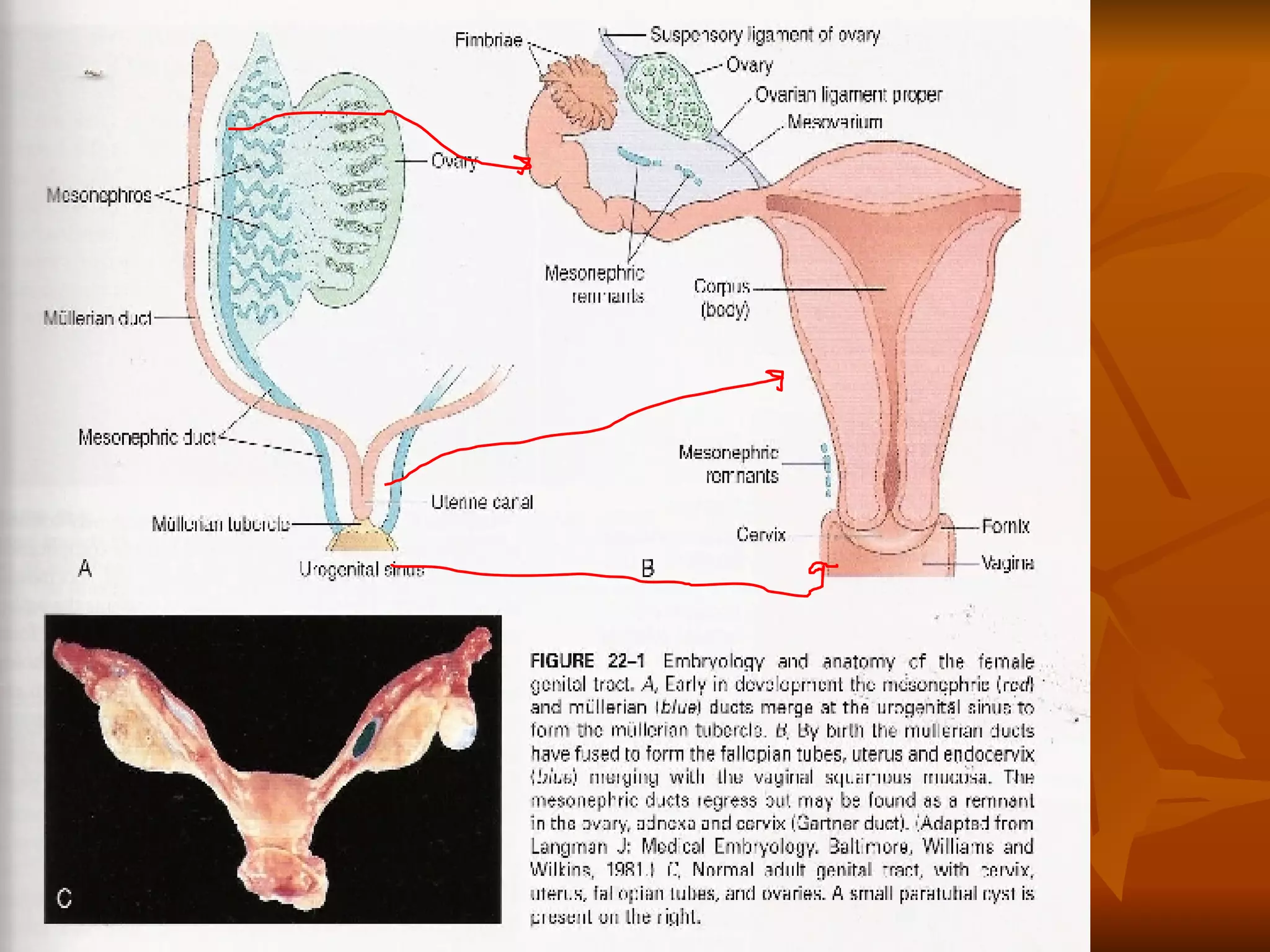
Pathology of the Female Genital Tract (Part 1: Vulva, Vagina, & Cervix) I. Foundational Concepts: Anatomy & Epithelium Before studying the pathology of the female genital tract, it is absolutely crucial to understand the normal anatomy and the specific types of epithelial tissues that line these organs. The type of epithelium directly dictates the type…

Pathology of Rheumatic Fever & Rheumatic Heart Disease
Pathology of Rheumatic Fever & Rheumatic Heart Disease I. Foundational Concepts (Must-Know Before Starting) Before diving into the complex pathology of Rheumatic Fever (RF) and Rheumatic Heart Disease (RHD), examiners expect you to fully understand the following foundational anatomical and immunological principles. Foundation 1: Cardiac Anatomy & Hemodynamics Layers of the Heart: The heart has…
Pathology of Congenital Heart Diseases (CHD)
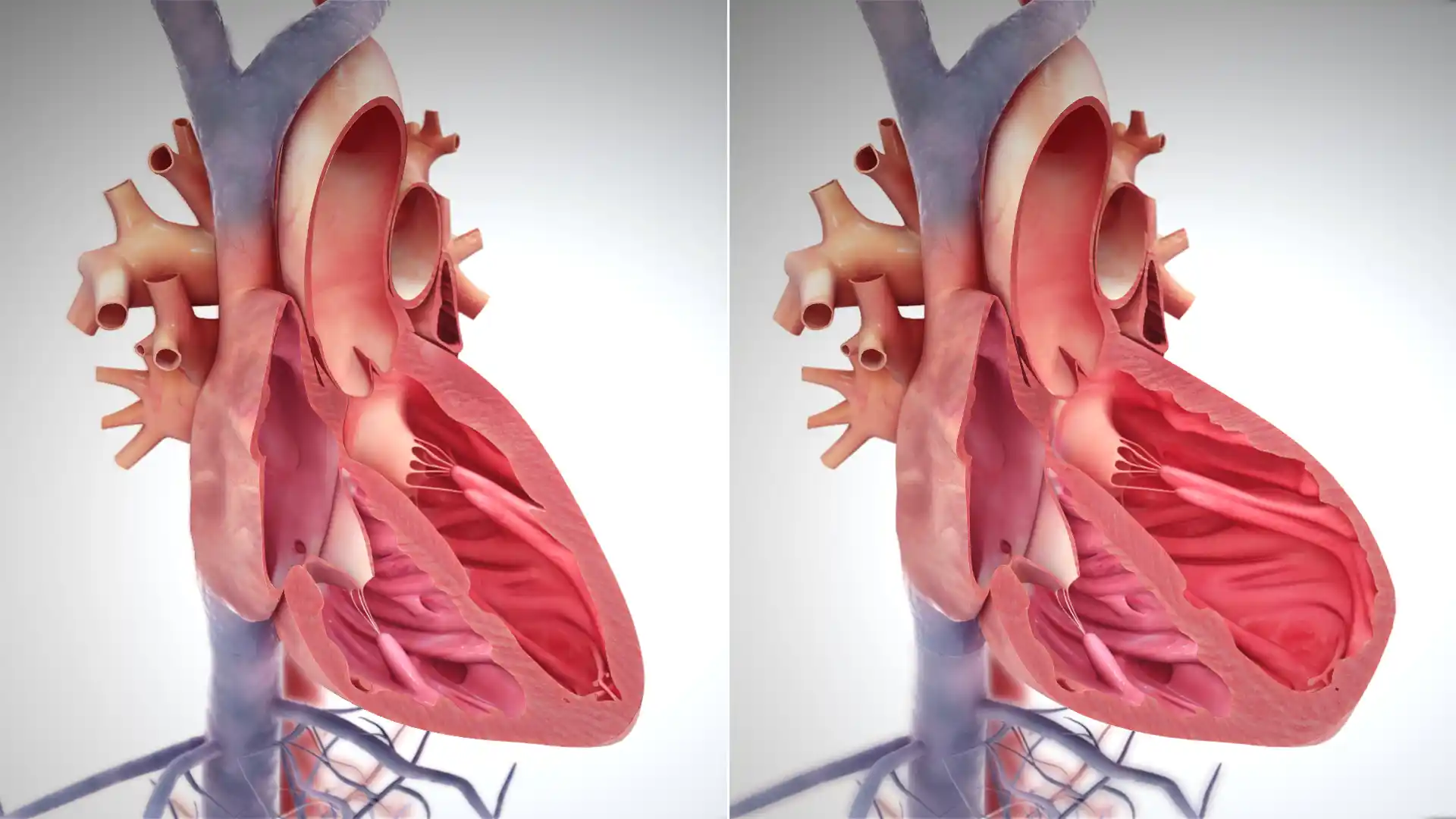
Pathology of Congenital Heart Diseases (CHD) = I. Foundational Concepts: What You Must Know Before the Exam Congenital Heart Disease (CHD) refers to structural abnormalities of the heart or great vessels that are present at birth. Before memorizing the defects, you must understand the basic rules of cardiac embryology and pressure gradients. Foundation 1: Embryogenesis…
Pathology of Heart Failure
Pathology of Heart Failure: Pathogenesis, Morphology & Clinical Consequences I. Foundational Concepts (Pre-Requisite Physiology) Before diving into the pathology of a failing heart, you must completely understand how a healthy heart functions. The cardiovascular system is a closed circuit. This means the right heart and the left heart are strictly connected in a continuous loop.…
Pharmacology of Antimalarial Agents
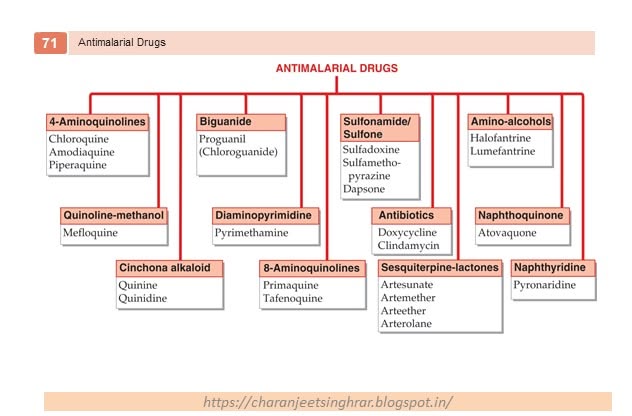
Antimalarial Pharmacology I. Foundational Concepts: Understanding the Enemy Before memorizing any drug, you must understand what malaria is. Malaria is not caused by a bacterium or a virus; it is caused by a single-celled protozoan parasite of the genus Plasmodium. Because it is a eukaryotic organism (like human cells), creating drugs that are toxic to…
Pharmacology of Antifungal Agents
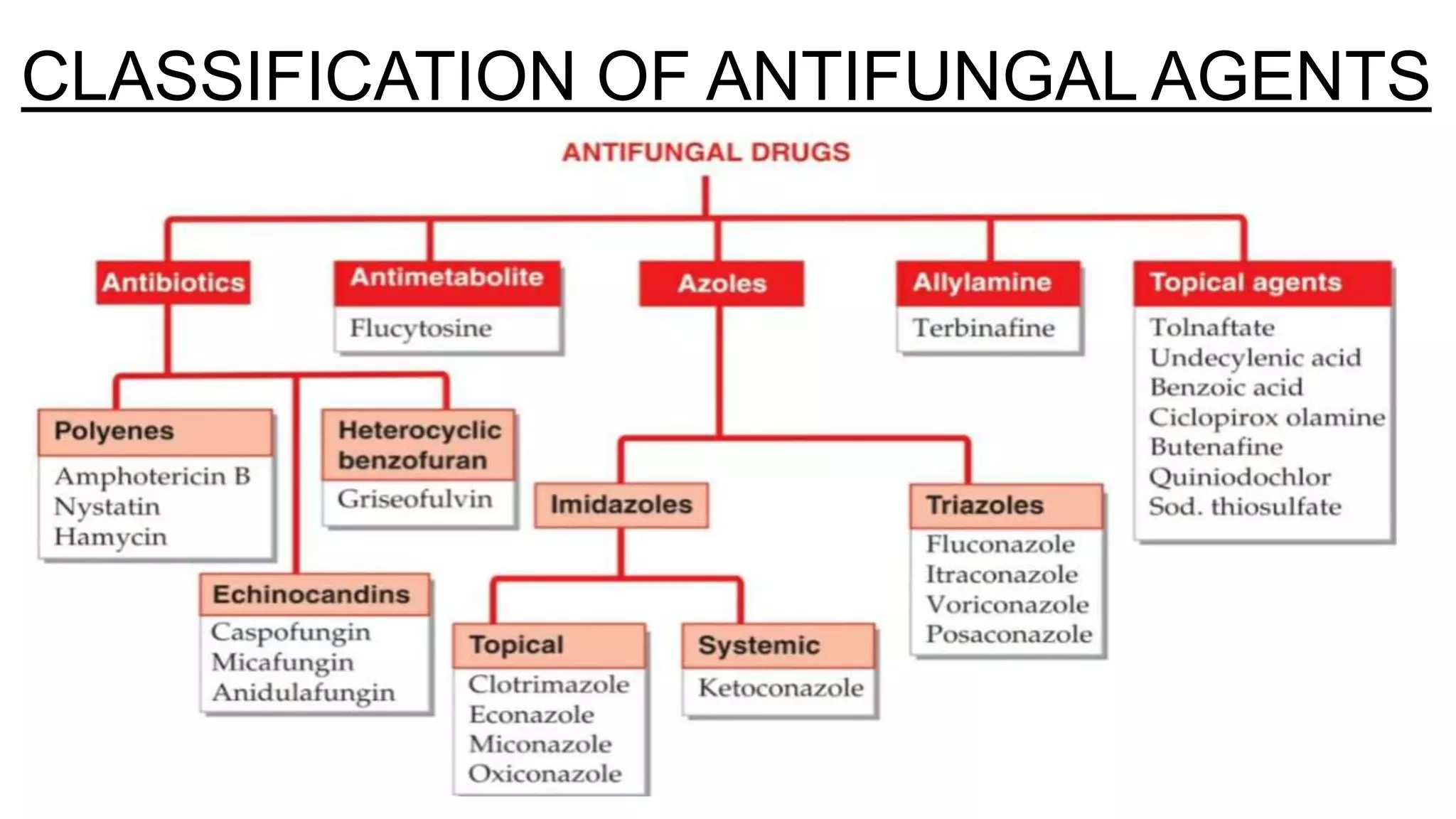
Pharmacology of Antifungal Agents I. Foundational Concepts: Understanding the Enemy Before memorizing any antifungal drugs, you must understand the target. Why can’t we just use normal antibiotics like Penicillin to kill fungi? Because bacteria are prokaryotes, while fungi are eukaryotes (just like human cells). This structural similarity makes finding drugs with “selective toxicity” (killing the…
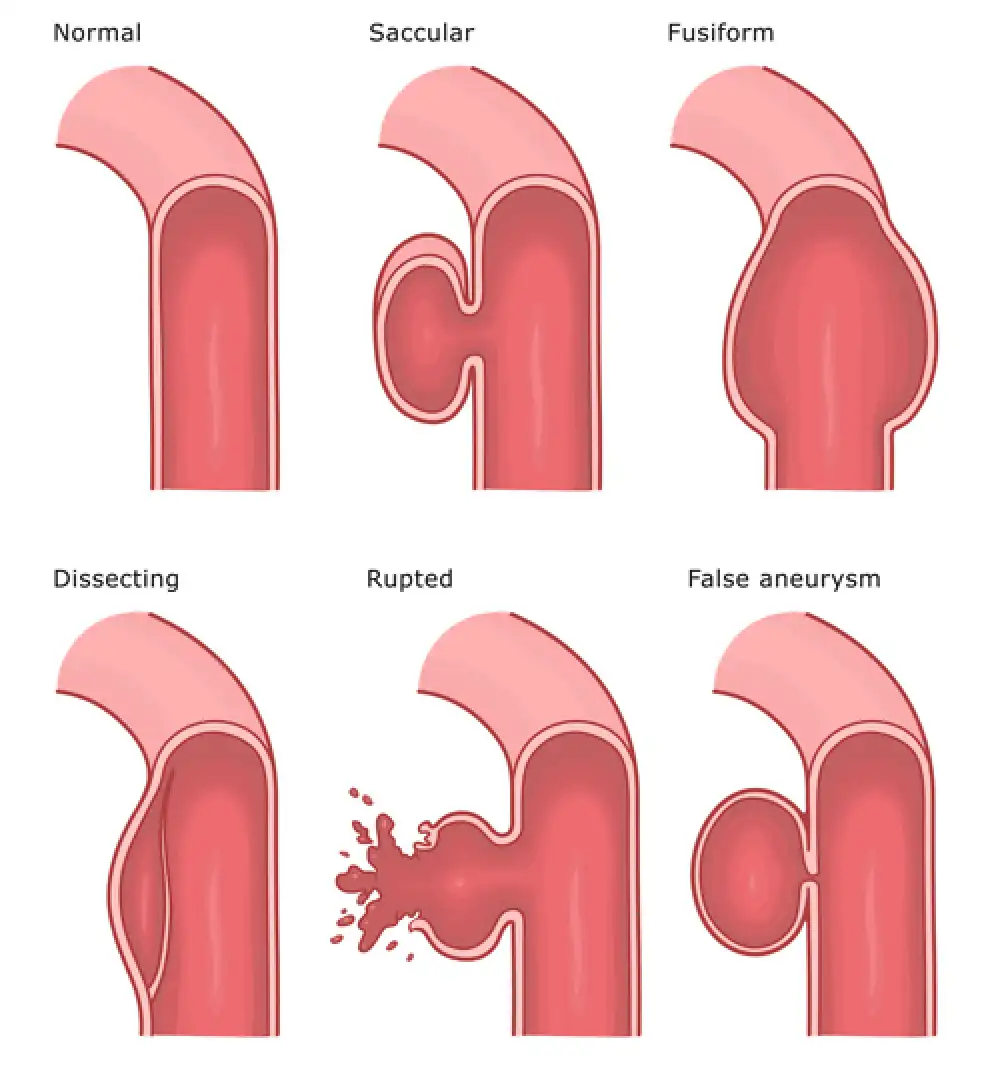
Aneurysms and Dissections and Vascular Disorders in Pathology
Pathology of Aneurysms, Aortic Dissection, and Vascular Disorders I. Introduction to Aneurysms In vascular pathology, an aneurysm is defined as a localized, abnormal dilation of a blood vessel or the wall of the heart. These dilations can be congenital (present from birth) or acquired (developing later in life due to underlying vascular disease). To understand…
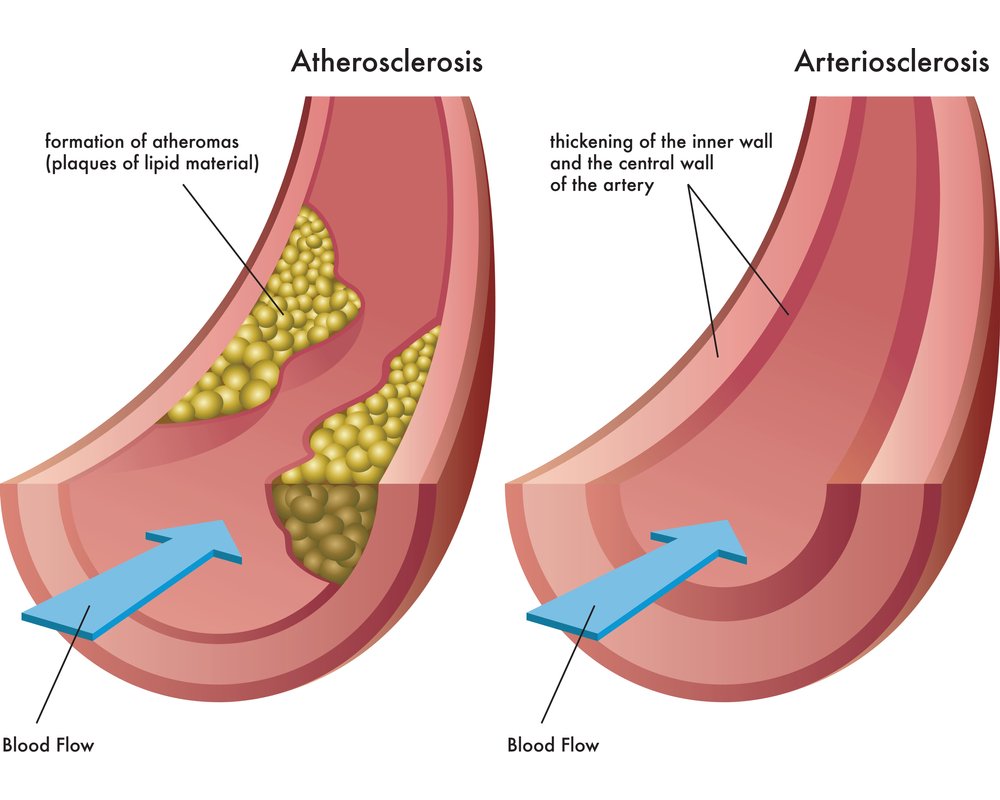
ARTERIOSCLEROSIS AND ARTHEROSCLEROSIS IN PATHOLOGY
Pathology of Arteriosclerosis & Atherosclerosis I. Arteriosclerosis: The Umbrella Term Arteriosclerosis literally means “hardening of the arteries.” It is a generic, umbrella term for arterial wall thickening and loss of elasticity. Pathology recognizes four distinct general patterns of arteriosclerosis, each with entirely different clinical and pathologic consequences: Arteriolosclerosis: Affects small arteries and arterioles. It has…
Systemic and Pulmonary Hypertension in Pathology
Pathology of Hypertension: Systemic & Pulmonary I. Introduction to Blood Pressure Regulation Before understanding the pathology of hypertension, we must first understand how the body normally regulates blood pressure. Blood pressure is essentially a function of two variables: Cardiac Output (CO) and Peripheral Vascular Resistance (PVR). The equation is BP = CO × PVR. Both…
