Nurses Revision

Pediatrics

SKIN ALLERGIES

SKIN ALLERGIES

SKIN ALLERGIES

Skin allergy, also known as allergic dermatitis, is a condition in which the immune system has an abnormal reaction to a harmless substance, known as an allergen, that comes into contact with the skin. 

Skin allergy is an abnormal reaction of the skin following an irritant that continues as long as there is an exposure to that irritant.


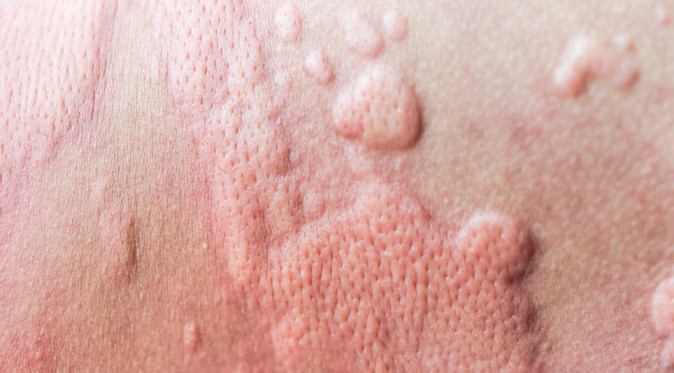
Skin allergies frequently cause rashes, or swelling and inflammation within the skin, in what is known as a “weal and flare” reaction characteristic of hives and angioedema.

Causes and Triggers of Skin Allergies

Causes and Triggers of Skin Allergies

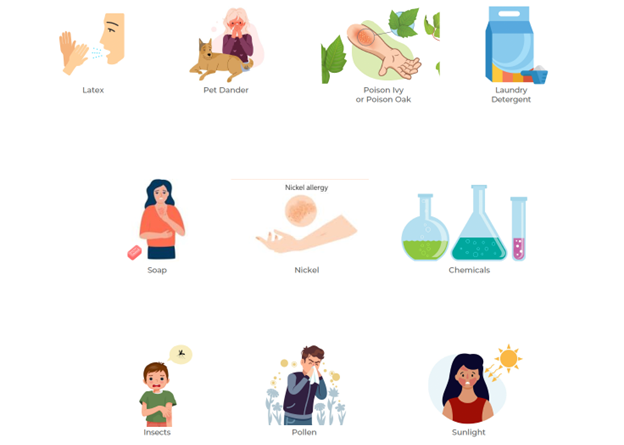
  • Contact Allergens: Substances that directly touch the skin and trigger an allergic reaction, such as nickel, latex, fragrances, and certain plants (e.g., poison ivy).
  • Food Allergies: Allergic reactions to certain foods, such as peanuts, shellfish, dairy, and eggs, that can manifest as skin rashes or hives.
  • Insect Bites and Stings: Bites or stings from insects, such as bees, wasps, and mosquitoes, can release allergens that cause allergic reactions.
  • Medications: Certain medications, such as antibiotics (e.g., penicillin), nonsteroidal anti-inflammatory drugs (NSAIDs), and chemotherapy drugs, can cause allergic skin reactions.
  • Environmental Irritants: Exposure to environmental irritants, such as dust mites, pollen, and pet dander, can trigger allergic reactions in susceptible individuals.
  • Skin Conditions: Certain skin conditions, such as eczema and psoriasis, can make the skin more sensitive and prone to allergic reactions.
  • Metals: Exposure to certain metals, such as nickel, cobalt, and chromium, can cause allergic reactions in some people, like some who react to necklaces and rings.
  • Rubber and Latex: Some individuals are allergic to rubber or latex, which can be found in gloves, condoms, and certain clothing items.
  • Cosmetics and Personal Care Products: Ingredients in cosmetics, skincare products, and hair dyes can cause allergic reactions in some people.
  • Genetics: Some individuals are genetically predisposed to developing skin allergies, increasing their risk of developing reactions to various triggers.

Pathophysiology of Skin Allergies

Contact with Allergen:

  • Skin allergies occur when the skin comes into contact with an allergen, which is a substance that triggers an immune response in the body.
  • Common allergens include chemicals, metals (such as nickel), fragrances, plants (like poison ivy), medications, and certain fabrics.

Sensitization:

  • When the allergen comes into contact with the skin, it can penetrate the outermost layer of the skin called the stratum corneum.
  • Langerhans cells, a type of immune cell in the skin, capture and process the allergen.
  • The allergen is then presented on the surface of Langerhans cells, activating the immune response.

Activation of the Immune Response:

  • The immune system recognizes the allergen as a threat and triggers an immune response.
  • Immune cells, such as T cells and B cells, are activated and release chemical mediators, including histamine.
  • Histamine causes blood vessels to dilate and become leaky, leading to redness, swelling, and itching.

Inflammatory Response:

  • The release of histamine and other chemical mediators leads to inflammation in the skin.
  • Inflammatory cells, such as mast cells and eosinophils, are recruited to the site of allergen contact.
  • These cells release additional inflammatory substances, increasing the allergic reaction.

Symptoms:

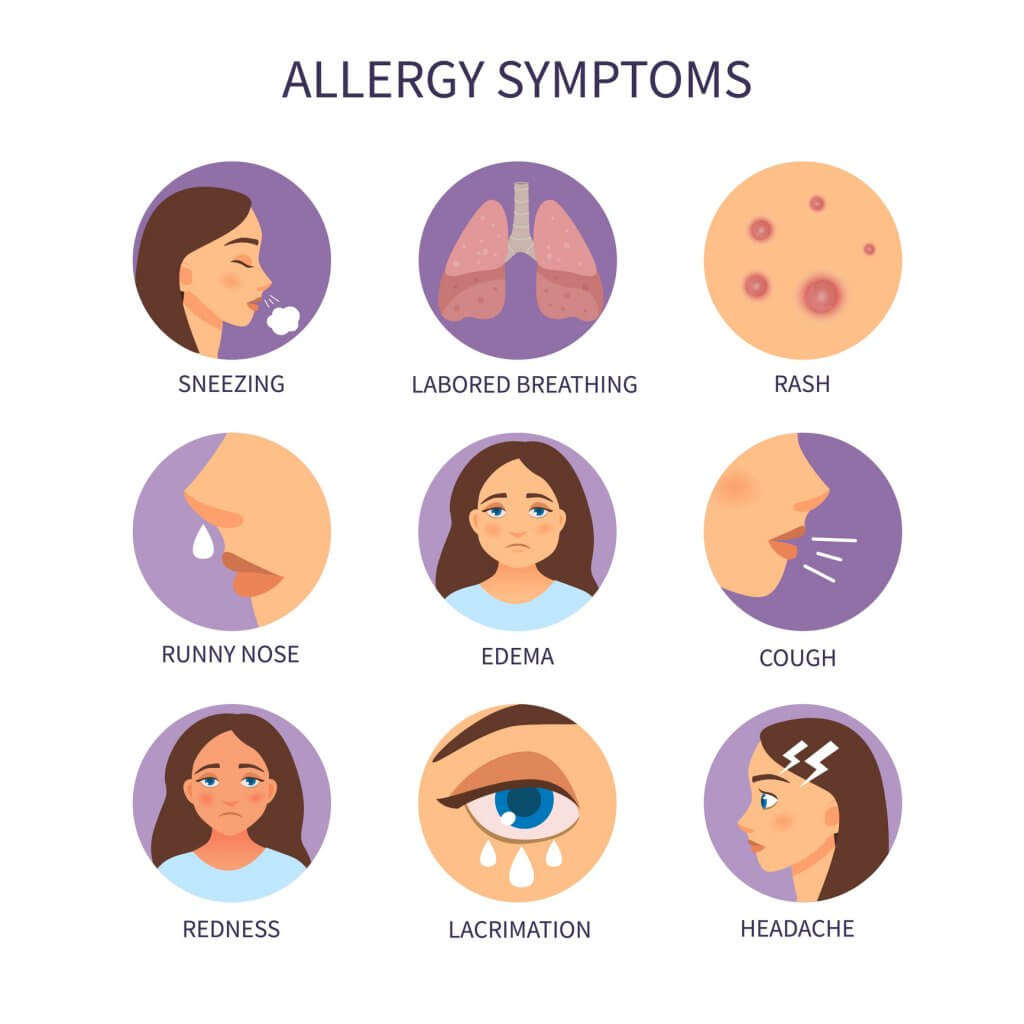
  • The immune response and inflammation in the skin result in various symptoms, including redness, itching, swelling, and the formation of a rash.
  • The specific symptoms and their severity can vary depending on the individual and the allergen involved.
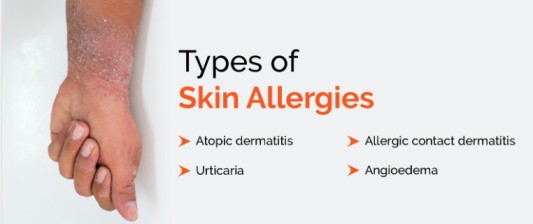
Types of skin allergies

Forms of Skin Allergies

Atopic Dermatitis (Eczema):

  • Atopic dermatitis, also known as eczema, is a common skin condition that primarily affects children but can also occur in adults.
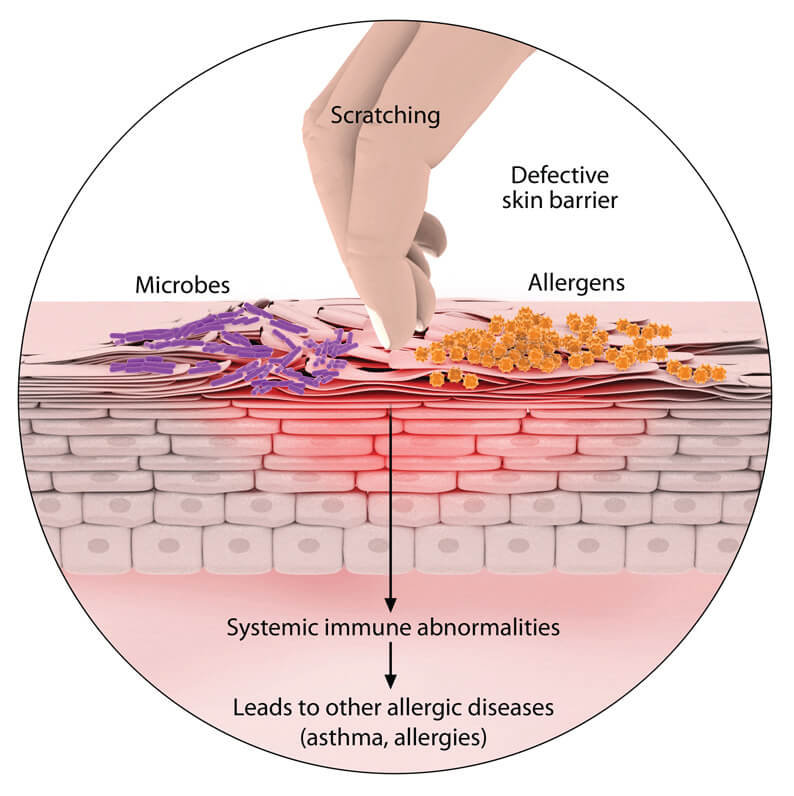
  • It is characterized by dry and itchy skin due to a “leakiness” of the skin barrier, making it more susceptible to irritation and inflammation from environmental factors.
  • In some cases, eczema symptoms can be worsened by food sensitivities.
  • Severe atopic dermatitis can be caused by a genetic mutation in the skin called filaggrin.
  • Eczema is often associated with asthma, allergic rhinitis (hay fever), or food allergies, and this progression is known as the atopic march.

Allergic Contact Dermatitis:

  • Allergic contact dermatitis occurs when the skin comes into direct contact with an allergen.
  • Common allergens include nickel, certain plants like poison ivy, poison oak, and poison sumac, as well as various chemicals found in everyday products.
  • Symptoms of allergic contact dermatitis can include redness, bumps, scales, itching, or swelling at the point of contact .

Urticaria (Hives):

  • Urticaria, commonly known as hives, is an inflammatory skin condition triggered by the release of histamine by the immune system.
  • It causes small blood vessels to leak, resulting in swelling of the skin.
  • Acute urticaria can be caused by allergic reactions to certain foods, medications, insect bites, or non-allergic triggers like heat or exercise.
  • Chronic urticaria, on the other hand, lasts for a longer period and is often not caused by specific triggers.

Angioedema:

  • Angioedema is swelling that occurs in the deeper layers of the skin, often accompanying hives .
  • It commonly affects soft tissues such as the eyelids, mouth, or genitals .
  • Acute angioedema is usually caused by allergic reactions to medications or foods.
  • Chronic recurrent angioedema is characterized by the return of symptoms over a long period without an identifiable cause .
Signs and Symptoms of Skin Allergies

Signs and Symptoms of Skin Allergies

Skin allergies can manifest in various ways and may differ depending on the specific allergic reaction.

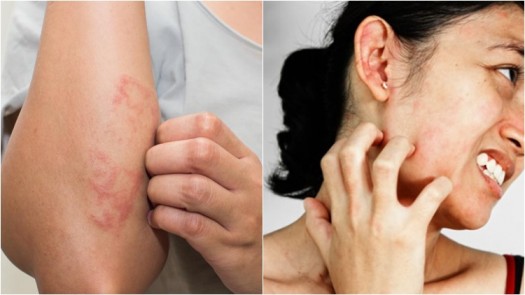
  • Rash: Skin allergies often result in the development of a rash, which can appear as red, inflamed patches on the skin.
  • Itching: Itchy skin is a common symptom of skin allergies. The urge to scratch the affected area may be intense.
  • Redness: Allergic reactions can cause redness in the affected area, making the skin appear flushed or irritated.
  • Swelling: Skin allergies can lead to swelling, which may be localized or affect a larger area of the body.
  • Raised bumps: Allergic reactions can cause the formation of raised bumps on the skin, known as hives or wheals.
  • Scaling: Scaling refers to the flaking of the skin, which can occur as a result of an allergic reaction.
  • Cracked skin: In some cases, skin allergies can cause the skin to become dry and cracked, leading to discomfort.
  • Dry skin: Eczema, a common skin condition associated with allergies, can cause itchy, red, or dry skin. The affected skin may also weep or leak fluid when scratched.
  • Excessive little lines on the skin of the palms: Individuals with a faulty filaggrin gene may develop hand eczema with excessive little lines on the skin of their palms.
  • Swelling without itch: Angioedema is a deeper layer of swelling that often appears on the face, particularly around the eyes, cheeks, or lips. It can also occur on the hands, feet, genitals, or inside the bowels or throat. Unlike hives, angioedema does not cause itching.

Prevention of Skin Allergies

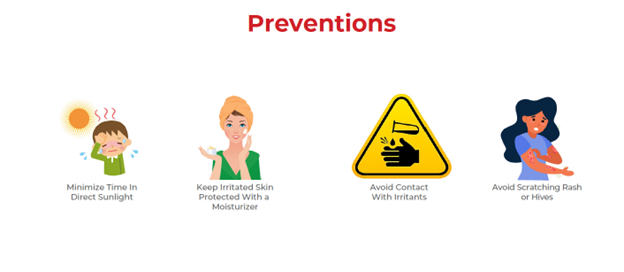
  1. Identify and avoid allergens: The first step in preventing skin allergies is to identify the specific allergens that trigger your reactions. Common allergens include certain metals (like nickel), fragrances, chemicals, latex, and certain plants.
  2. Read product labels: When purchasing skincare products, cosmetics, detergents, or any other products that come into contact with your skin, carefully read the labels. Look for products that are labeled hypoallergenic, fragrance-free, and free of known allergens.
  3. Patch testing: This test involves applying small amounts of potential allergens to your skin to determine which substances you are allergic to.
  4. Protect your skin: Use protective measures to minimize contact with potential allergens. For example, wear gloves when handling chemicals or irritants, and use barrier creams or ointments to protect your skin from potential allergens.
  5. Moisturize regularly: Keeping your skin moisturized can help maintain its natural barrier function and reduce the risk of skin allergies. Choose moisturizers that are gentle and free of potential allergens.
  6. Practice good hygiene: Maintain good hygiene practices to prevent skin allergies. This includes regular bathing with mild, fragrance-free soaps and shampoos. After bathing, pat your skin dry instead of rubbing it.
  7. Avoid hot water and harsh soaps: Hot water and harsh soaps can strip your skin of its natural oils and disrupt its protective barrier. Instead use lukewarm water and mild, fragrance-free soaps to minimize the risk of skin allergies.
  8. Wear appropriate clothing: Choose clothing made from natural, breathable fabrics like cotton or silk. Avoid clothing with rough textures or tight-fitting garments that can irritate the skin. Wash new clothes before wearing them to remove any potential irritants.
  9. Manage stress: Stress can exacerbate skin conditions and increase the risk of allergic reactions. Practice stress management techniques such as exercise, meditation, or engaging in hobbies to reduce stress levels.

Diagnosis and Investigations for Skin Allergies:

  • Medical History: Taking a detailed medical history through assessment about symptoms, their duration, and any potential triggers or exposures that may be related to skin allergies.
  • Physical Examination: A thorough physical examination of the affected skin to assess the nature and severity of the allergic reaction. Look for specific signs such as redness, swelling, rash, or other characteristic skin changes.
  • Allergy Skin Tests: Allergy skin tests, such as a skin prick test or scratch test, are used to identify specific allergens causing skin allergies. During these tests, small amounts of potential allergens are applied to the skin, like on the forearm or back. If you are allergic to any of the substances, a small raised bump or redness, known as a wheal, will appear at the test site.
  • Intradermal Test: This involves injecting a small amount of allergen just under the skin to check for a more sensitive reaction. Intradermal tests are more sensitive but may also have a higher risk of false-positive results.
  • Blood Tests: Blood tests, such as the radioallergosorbent test (RAST) or enzyme-linked immunosorbent assay (ELISA), may be used to measure the levels of specific IgE antibodies in the blood. These tests can help identify allergens that may be causing skin allergies. Blood tests are used when skin tests cannot be performed, or as a follow-up to confirm the results of skin tests.
  • Patch Testing: Patch testing is commonly used to diagnose allergic contact dermatitis, a type of skin allergy caused by direct contact with allergens. During this test, small amounts of potential allergens are applied to patches, which are then placed on the skin for a specific period. The patches are then removed, and the skin is evaluated for any allergic reactions.
Management of Skin Allergies

Management of Skin Allergies

Initial Assessment:

  • Obtain a detailed medical history, including the onset, duration, and progression of symptoms, previous allergic reactions, and any known triggers.
  • Perform a physical examination to assess the extent and severity of the skin allergy, including the appearance of the rash, presence of swelling or blistering, and any associated symptoms.

Identification of Allergen:

  • Conduct a thorough evaluation to identify the specific allergen causing the skin allergy. This may involve a detailed history, physical examination, and potentially allergy testing such as patch testing or skin prick tests.
  • Collection of blood samples where necessary can also be done.

Allergic Reaction:

  • Anyone having an allergic reaction should be watched closely for changes
  • Remember that allergy reactions are unpredictable
  • The way that your body reacts to an allergen one time cannot predict how it will react the next time
  • Stay with the child and alert his or her parents or emergency contacts
  • Symptoms can also worsen quickly, progressing to the life-threatening condition anaphylaxis
  • Epinephrine is the only treatment for anaphylaxis!

Symptomatic Treatment:

  • Provide immediate relief for symptoms such as itching and inflammation.
  • Prescribe and administer antihistamines to alleviate itching and reduce allergic reactions.
  • Advise the patient to avoid scratching the affected area to prevent further irritation and potential infection.
  • Suggest the use of cool compresses or topical corticosteroid creams to reduce inflammation and soothe the skin.

Avoidance of Allergen:

  • Educate the patient about the identified allergen and provide guidance on how to avoid exposure.
  • Advise the patient to read product labels carefully and avoid using products that contain the allergen.
  • Provide information on alternative products or ingredients that can be used instead.

Medical Management: 

An Action Plan may include these medications

  • Topical Antihistamine  
  • Inhaler (if allergy triggers asthma symptoms)
  • Nebulizer (if allergy triggers asthma symptoms)
  • Epinephrine

Refer to the Action Plan!

  • Antihistamines are appropriate for mild to moderate symptoms. The antihistamines cannot control a severe reaction and are not a substitute for epinephrine. If symptoms multiply or worsen, give epinephrine.
  • Antihistamines, known as H1 blockers, reduce or block histamines/ chemicals the body releases when it comes into contact with an allergen
  • Examples of Antihistamines include diphenhydramine (Benadryl®) and cetirizine (Zyrtec®)
  • Antihistamines may be topical or oral.
  • Prescribe topical corticosteroids for moderate to severe skin allergies to reduce inflammation and relieve symptoms. Consider prescribing oral corticosteroids for severe cases or when topical treatment is not sufficient.
  • In cases of allergic contact dermatitis, recommend the use of barrier creams or ointments to protect the skin from further exposure to the allergen.

Pediatric Care:

  • Ensure appropriate dosing of medications based on age and weight.
  • Provide education to parents or caregivers on how to manage the child’s skin allergies, including avoidance of allergens and proper application of topical medications.
  • Monitor pediatric patients closely for any signs of worsening symptoms or adverse reactions to medications and should report these changes immediately.

Follow-up and Referral:

  • Schedule a follow-up appointment to assess the patient’s response to treatment and make any necessary adjustments.
  • Consider referral to an allergist or dermatologist for further evaluation and management, especially in complex or severe cases.

SKIN ALLERGIES Read More »
ECZEMA

ECZEMA

ECZEMA

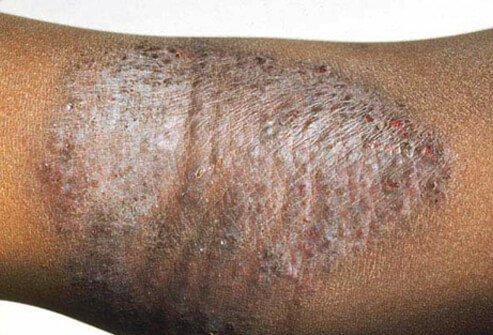
Eczema, also known as atopic dermatitis, or atopic eczema, is a dermatologic problem where patches of skin become inflamed, itchy, red, cracked, and rough. Blisters may sometimes occur.

It is commonly seen in children. It is a relapsing skin problem that is manifested as pruritus, accompanied with swelling, redness, and dryness of the skin. Flaking, cracking, oozing, blistering or bleeding may occur as a result of excessive scratching of the skin.

Several factors are linked with this disease such as genetic mutation, and family history. Eczema cannot be cured, but it is not contagious. This is usually associated with allergy.

Causes of Eczema

Causes of Eczema

The specific cause of eczema remains unknown, but it is believed to develop due to a combination of genetic and environmental factors.

Genetic Factors:

  • Family History: Children with relatives affected by eczema or other atopic diseases, such as asthma or hay fever, have a higher likelihood of developing the condition.
  • Inherited Gene Mutations: Genetic mutations can disrupt the skin’s natural barrier function, increasing vulnerability to irritants and allergens.

Environmental Factors:

  • Irritants: Exposure to harsh soaps, detergents, shampoos, disinfectants, and even juices from fresh fruits, meats, or vegetables can trigger eczema. Certain fabrics like wool or synthetic materials may also contribute to irritation.
  • Allergens: Eczema can be aggravated by exposure to common allergens, including dust mites, pet dander, pollen, mold, and dandruff.
  • Microbes: Presence of microbes like bacteria (e.g., Staphylococcus aureus), viruses, and fungi can play a role in eczema development.
  • Environmental Conditions: Extreme temperatures, whether hot or cold, and fluctuations in humidity levels can impact eczema.

Dietary Factors:

  • Common Food Triggers: Consumption of certain foods, including dairy products, eggs, nuts, seeds, soy products, and wheat, can be associated with eczema development.

Other Factors:

  • Stress: Psychological stress can exacerbate eczema symptoms.
  • Hormonal Changes: Hormonal fluctuations, such as those occurring during pregnancy or the menstrual cycle, may influence the severity of eczema symptoms.
  • Age: Eczema is more common in children and infants, although it can affect individuals of all ages.
  • Skin Dryness: Dry skin can worsen eczema symptoms, emphasizing the importance of maintaining proper skin hydration.
Classification of Eczema 

Classification of Eczema 

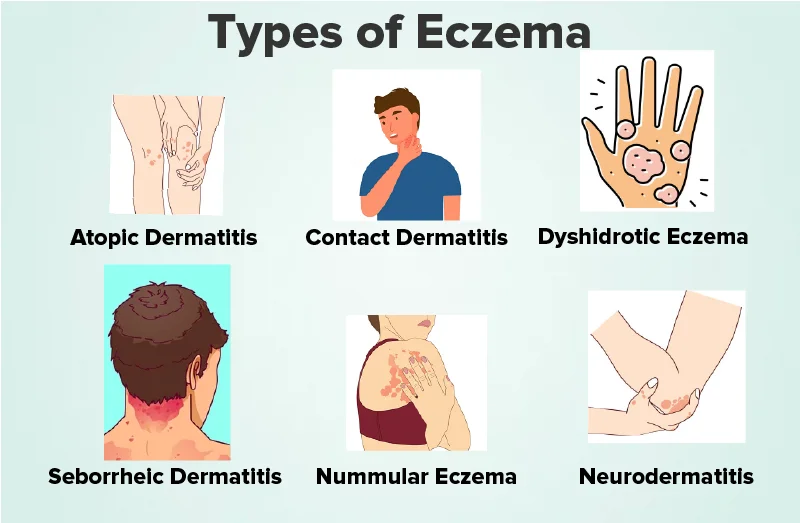
The National Eczema Association has categorized eczema into various types.

Table 1. More Common Types of Eczema.

Classification

Description

Atopic eczema

Presented as xerosis and pruritus.

Contact dermatitis

Skin lesions attributed to any allergens or irritants.

Seborrhoeic dermatitis

Papulosquamous dermatologic disease with greasy scales on the scalp

Table 2. Lesser Common Types of Eczema.

Classification

Description

Dyshidrosis (Dyshidrotic Eczema/ Housewife’s Eczema)

Presents as pruritic vesicles with thickening and cracks on palms, soles, and lateral borders of fingers and toes.

Nummular Dermatitis (Discoid Eczema)

Well-demarcated round, oozing lesions mainly on lower extremities with an unknown etiology.

Stasis Dermatitis (Varicose eczema/Venous eczema)

Commonly found in ankles of individuals aged 50 and above with blood circulation problems; may lead to leg ulcers.

Dermatitis herpetiformis

Often associated with celiac disease, featuring a symmetrical, pruritic rash on arms, knees, back, and thigh.

Neurodermatitis(Lichen Simplex Chronicus)

Thickened, hyperpigmented, pruritic patch.

Autoeczematization (Autosensitization)

Skin reaction to microorganisms, manifesting at a distance from the original site of infection.

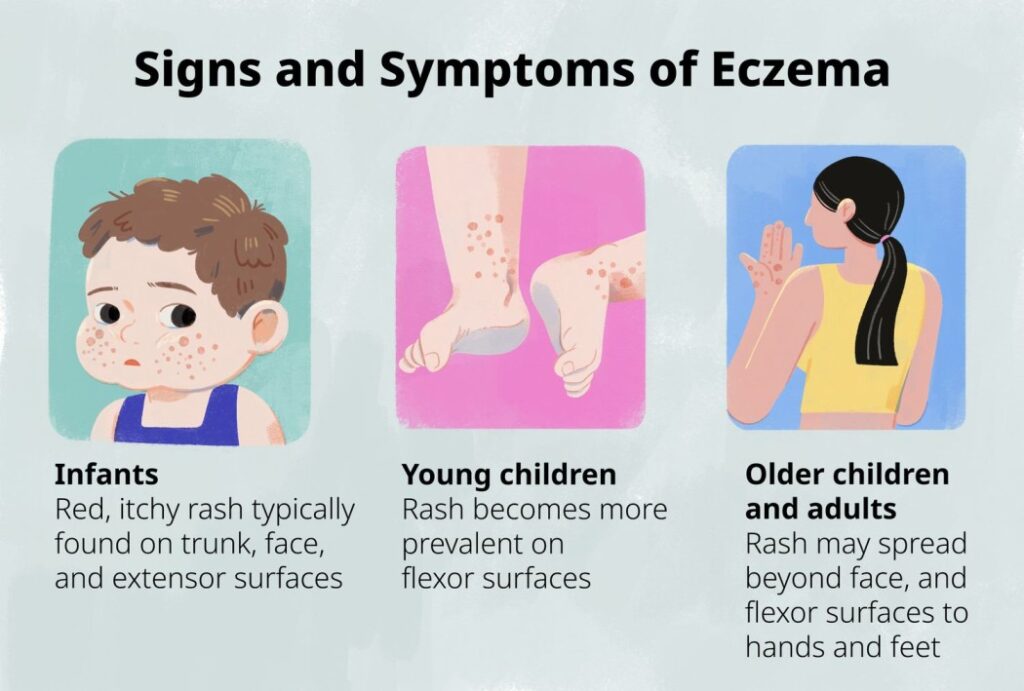
Symptoms of atopic eczema vary across different age groups:


Symptoms of atopic eczema vary across different age groups:

Infants (Under 2 Years Old):

  • Rashes commonly appear on the scalp and cheeks.
  • Rashes typically bubble up before leaking fluid.
  • Extreme itchiness may interfere with sleep, and continuous rubbing can lead to skin infections.

Children (2 Years Until Puberty):

  • Rashes commonly appear behind the creases of elbows or knees, as well as on the neck, wrists, ankles, and buttock- leg creases.
  • Over time, rashes can become bumpy, change in color, thicken (lichenification), develop knots, and lead to permanent itching.

Eczema (Atopic Dermatitis) Causes, Symptoms, Treatment

Adults:

  • Rashes commonly appear in creases
  • of the elbows or knees, the nape of the neck, and cover much of the body.
  • Prominent rashes on the neck, face, and around the eyes may occur.
  • Skin can become very dry, and rashes can be perma
  • nently itchy.
  • Rashes in adults may be more scaly than those in children.
  • Skin infections can result from scratching.
  • Adults who had atopic dermatitis as children may still experience dry or easily-irritated skin, hand eczema, and eye problems, even if the condition has resolved.
Diagnosis of Eczema.

Diagnosis of Eczema.

Assessment:

  • Eczema is a skin condition and the main characteristic of this disease is itching. 
  • Acute refers to the initial stage, where the skin may have crusted, oozing, eroded vesicles (small blisters), erythematous plaques (red, raised areas of skin), or papules (small, raised bumps).
  • Subacute is the stage that comes after the acute stage, where the skin may have erythematous scaly plaques (red, flaky areas of skin) or papules.
  • Chronic is the stage that comes after the subacute stage, where the skin may have slightly pigmented (discolored), lichenified (thickened and hardened) plaques or excoriations (areas where the skin has been scraped or scratched).

Skin Allergy Test:

  • Conducting a skin allergy test helps identify specific allergens that may be contributing to eczema flare-ups.
  • Skin Prick Testing: Involves introducing small amounts of allergens into the skin to identify specific triggers.
  • Patch Testing: Identifies delayed hypersensitivity reactions by applying small amounts of potential allergens to the skin and observing reactions over time.
  • Food Allergy Testing: Helps identify food triggers contributing to eczema symptoms.

Skin Biopsy:

  • In some cases, a skin biopsy may be recommended, involving the collection of a small skin sample for laboratory examination. This procedure helps in confirming the diagnosis and ruling out other skin disorders.

Blood Tests – IgE Level:

  • An elevated IgE level can be associated with eczema and may be measured through blood tests.

Treatment and Management of Eczema

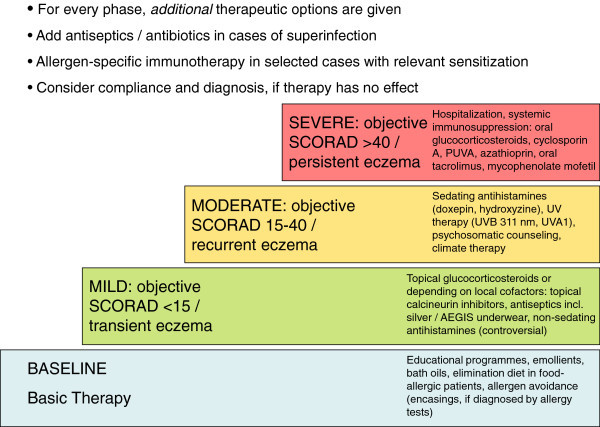
There is no cure for eczema. Treatment for the condition aims to heal the affected skin and prevent flare-ups of symptoms.

Treatment based on an individual’s age, symptoms, and current state of health.

For some people, eczema goes away over time. For others, it remains a lifelong condition.

Home Care

  • Lukewarm baths: Avoid hot water, which can dry out the skin.
  • Moisturizing: Apply moisturizer within 3 minutes of bathing to “lock in” moisture. Moisturize daily, especially after bathing.
  • Clothing: Wear loose-fitting, soft fabrics like cotton. Avoid rough, scratchy fibers and tight clothing.
  • Cleansing: Use a mild soap or non-soap cleanser when washing.
  • Drying: Air dry or gently pat skin dry with a towel. Avoid rubbing.
  • Temperature control: Avoid rapid temperature changes and activities that cause sweating.
  • Trigger avoidance: Identify and avoid individual eczema triggers.
  • Humidifiers: Use a humidifier in dry or cold weather.
  • Nail care: Keep fingernails short to prevent scratching.

Medications

  • Topical corticosteroids: Anti-inflammatory creams or ointments applied directly to the skin to reduce inflammation and itching.
  • Systemic corticosteroids: Injected or oral corticosteroids for severe cases. Used for short periods only.
  • Antibiotics: Prescribed if eczema is accompanied by a bacterial skin infection.
  • Antiviral and antifungal medications: Treat fungal and viral infections.
  • Antihistamines: Reduce nighttime scratching by causing drowsiness.
  • Topical calcineurin inhibitors: Suppress immune system activity, reducing inflammation and preventing flare-ups.Calcineurin works by suppressing the activity of the immune system, specifically by inhibiting the production of certain inflammatory chemicals called cytokines.
  • Barrier repair moisturizers: Reduce water loss and repair the skin’s barrier.

Other Therapies

  • Phototherapy: Exposure to ultraviolet light to treat moderate eczema. Skin is monitored closely.

Ongoing Care

  • Even after skin has healed, it is important to continue caring for it to prevent irritation. Regular moisturizing and trigger avoidance are helpful for long term care.


ECZEMA Read More »
Nephritic and Nephrotic syndromes

NEPHRITIC SYNDROME

NEPHRITIC SYNDROME.

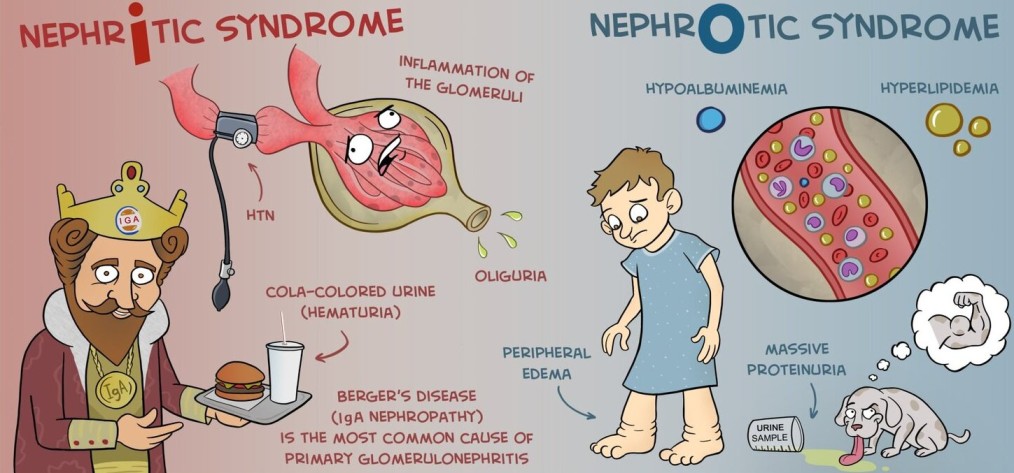
Nephritic syndrome is a clinical state that is characterized by acute onset of hematuria, proteinuria, hypertension, oedema and oliguria following an infective illness about 10 to 20 days earlier.

Nephritic syndrome is a group of disorders that cause swelling or inflammation of the internal kidney structures (specifically the glomeruli) leading to acute onset of hematuria, proteinuria, hypertension, oedema and oliguria


Acute Nephritic Syndrome

This is a syndrome of acute glomerular injury/ inflammation characterized by fever, abrupt onset of haematuria, proteinuria, high blood pressure and oliguria.

This can also be referred to as Acute Glomerulonephritis

nephritic syndrome signs and symptoms

Signs and Symptoms

Historically, nephritic syndrome has been described to present with The classical triad of;

  1. Hematuria: This is the presence of blood in the urine. It is usually microscopic, meaning that it can only be seen under a microscope. However, in some cases, the hematuria may be visible to the naked eye, causing the urine to appear pink or red.
  2. Hypertension: This is high blood pressure. It is caused by the kidneys’ inability to properly regulate fluid and electrolyte balance.
  3. Edema: This is swelling in the body’s tissues. It is caused by the kidneys’ inability to properly excrete fluid.

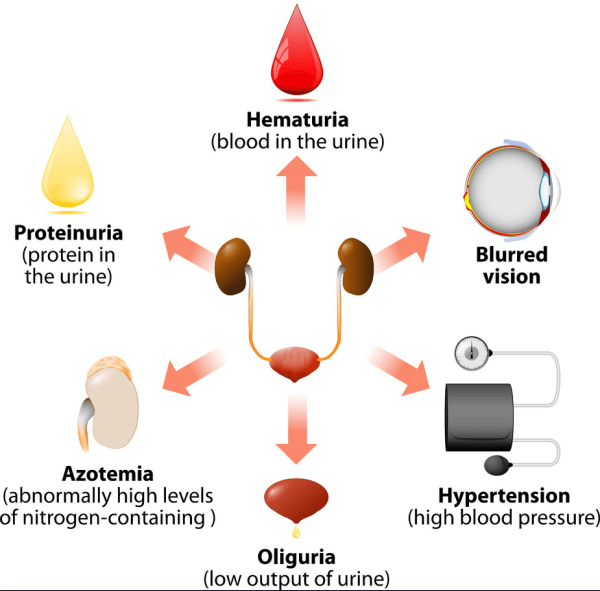
Nephritic syndrome is also  characterized by PHAROH 

  • P: Proteinuria (Proteins in the urine): Small amounts of proteins are lost in the urine but this is usually trivial (< 3.5g/day
  • H: Hematuria (Blood in the urine) slight giving the urine smoky appearance 
  • A: Azotemia (Elevated blood Urea and Creatinine): Due to retention of waste products and variable renal insufficiency.
  • R: Red blood cell casts present in the urine. 
  • O: Oliguria: Low urine output less than 400ml/day. 
  • H: Hypertension: High blood pressure which is usually mild 

Other signs and symptoms of nephritic syndrome may include:

  • Nocturia: This is the need to urinate frequently at night. 
  • Fatigue: This is a feeling of tiredness or weakness. It is caused by the buildup of waste products in the blood.
  • Loss of appetite: This is a decrease in the desire to eat. It is caused by the buildup of waste products in the blood.
  • Nausea and vomiting: These are symptoms of gastrointestinal upset. They are caused by the buildup of waste products in the blood.
  • Blurred vision: This is a symptom of high blood pressure. It is caused by the damage to the blood vessels in the eyes.

Causes of Nephritic Syndrome

Nephritic syndrome is caused by inflammation of the glomerulus, which is the filtering unit of the kidney. This inflammation can damage the glomerulus and prevent it from working properly, leading to a buildup of waste products in the blood and urine.

Causes of nephritic syndrome can be divided into three main categories:

Infectious causes: These are the most common causes of nephritic syndrome in children. They include:

  • Post-streptococcal glomerulonephritis: This is the most common cause of nephritic syndrome in children. It is caused by a recent streptococcal infection, such as strep throat or scarlet fever. The bacteria produce antigens that are similar to antigens in the glomeruli of the kidneys. The body’s immune system produces antibodies to fight the bacteria, but these antibodies also cross-react with the glomeruli, causing inflammation and damage.
  • Infective endocarditis/Bacterial endocarditis : This is an infection of the lining of the heart valves.The bacteria that cause infective endocarditis can release antigens into the bloodstream, which can then be deposited in the glomeruli. This can lead to inflammation and damage to the glomeruli, resulting in nephritic syndrome.
  • Viral infections: Some viral infections, such as hepatitis B and C, can also cause nephritic syndrome.
  • Hepatitis B glomerulonephritis:This is a type of glomerulonephritis that is caused by the hepatitis B virus. The virus can replicate in the glomerular cells, causing inflammation and damage. This can lead to nephritic syndrome.
  • Systemic lupus erythematosus (SLE): This is a chronic autoimmune disease that can affect many organs of the body, including the kidneys. In SLE, the body’s immune system produces antibodies that attack its own tissues. These antibodies can target the glomeruli, causing inflammation and damage that lead to nephritic syndrome.
  • Vasculitis: This is a condition in which the blood vessels become inflamed. Vasculitis can affect blood vessels in the kidneys, leading to inflammation and damage to the glomeruli.

Autoimmune causes: These are causes in which the body’s immune system attacks its own tissues. They include:

  • IgA nephropathy: This is the most common cause of nephritic syndrome in adults. It is caused by the deposition of IgA antibodies in the glomeruli.
  • Lupus nephritis: This is a type of kidney disease that is caused by the autoimmune disease lupus.
  • Goodpasture syndrome: This is a rare autoimmune disease that attacks the lungs and kidneys. This is a rare autoimmune disease in which the body produces antibodies that attack the glomeruli and the alveoli of the lungs. This can lead to nephritic syndrome and pulmonary hemorrhage.
  • Serum sickness: This is a reaction to a foreign protein, such as a medication or vaccine. The body’s immune system produces antibodies to fight the foreign protein, but these antibodies can also cross-react with the glomeruli, causing inflammation and damage. This can lead to nephritic syndrome.

Other causes: These include:

  • Hemolytic uremic syndrome: This is a condition that is characterized by the destruction of red blood cells, low platelet count, and kidney failure. It can be caused by certain infections, such as E. coli, or by certain medications.
  • Henoch-Schonlein purpura: This is a condition that is characterized by a rash, joint pain, and kidney problems. It is caused by the deposition of IgA antibodies in the blood vessels.
  • Rapidly progressive glomerulonephritis: This is a rare condition that can lead to kidney failure in a matter of weeks or months. It is often caused by an autoimmune disease or an infection.
Pathophysiology of nephritic (1)

Pathophysiology of Nephritic Syndrome. 

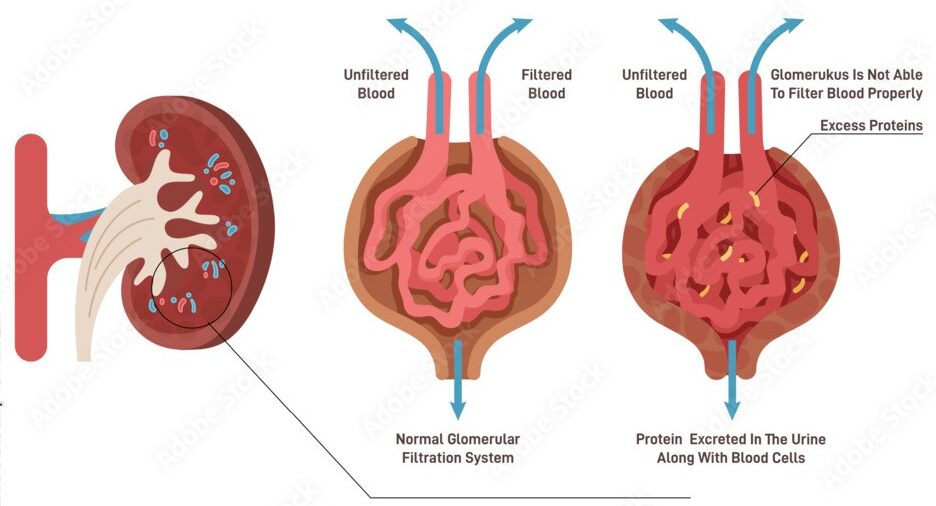
Nephritic syndrome results from damage to the kidney’s glomeruli, the tiny blood vessels that filter waste and excess water from the blood and send them to the bladder as urine which is caused by an immune response triggered by a post streptococcal infection

The inflammation disrupts the functioning of the glomerulus, which is part of the kidney that controls filtering and getting rid of wastes. Damage to the glomeruli from inflammation due to streptococcal infection causes the membrane to become porous, so that small proteins and RBCs pass through the kidneys into urine. 

Swelling occurs when the protein is lost from the bloodstream. (Proteins maintain fluid within the blood vessels, and when it is lost the fluid collects in the tissues of the body). Blood loss from the damaged kidney structures leads to blood in the urine 

Diagnosis of nephritic syndrome

Diagnosis of nephritic syndrome

Assessment: The diagnosis of nephritic syndrome begins with a thorough medical history and physical examination. The doctor will ask about the patient’s symptoms, including the onset and duration of symptoms, as well as any recent infections or illnesses. Physical examination is done, which may reveal signs of edema, hypertension, or other abnormalities.

Laboratory tests:

  • Urinalysis: This test is used to examine the urine for abnormalities, such as the presence of blood, protein, or casts.
  • Blood tests: Blood tests may be performed to measure the levels of electrolytes, urea nitrogen, and creatinine in the blood. These tests can help to assess the kidney’s function and to rule out other conditions that may be causing the patient’s symptoms. 
  • Creatinine clearance test: This is a blood test that is used to estimate how well the kidneys are filtering waste products from the blood. Creatinine is a waste product that is produced by the muscles and is excreted by the kidneys.
  • Kidney biopsy: A kidney biopsy may be performed to obtain a tissue sample from the kidney. This sample can be examined under a microscope to look for signs of inflammation or damage to the glomeruli.
  • Streptococcal serology: This test is used to look for antibodies to Streptococcus bacteria in the blood. This can help to determine if the patient has had a recent Streptococcus infection, which is a common cause of nephritic syndrome.

Imaging tests:

  • Imaging tests, such as ultrasound or magnetic resonance imaging (MRI), may be performed to visualize the kidneys and to look for any abnormalities in their structure or function.
Management of Nephritic Syndrome

Management of Nephritic Syndrome

Most patients with acute nephritic syndrome recover completely, but a small percentage become chronic. Children tend to do better than adults and recover completely; only rarely do they develop complications and progress to chronic glomerulonephritis

Aims:

  • To preserve renal function.
  • To reduce inflammation and edema.
  • To prevent complications.
  1. Rest: The patient is nursed at complete bed rest in a warm well-ventilated room. Bed rest is continued until all the symptoms have gone and the urine is free of red blood cells and if possible, of albumin also. As, however, in some patients the albumin persists indefinitely in the urine as the condition goes into the chronic stage.( It may not be possible to keep  all patients in bed till the urine is completely normal.)
  2. Diet: Because of the need to rest the diseased kidneys as much as possible, perhaps the most important item in the treatment of acute stage is diet. As most of the work of the kidneys.
    consists of excreting the waste products of protein, as little protein as possible is given in the vital early days. In addition, owing to the presence of oedema, fluids and salt are restricted.
  3. An intake and output chart must be kept for all patients, and the urine examined daily for albumin, red blood cells and casts. The bowels are kept open by means of a suitable aperient.
  4.  Prevention of complications: Convulsions seen in severe cases are treated by sedatives. If the blood pressure is very high the rapid withdrawal of about 500mIs of blood is often useful in relieving the strain on the heart.

Medications:

  1. Immune-system-suppressing medications, such as corticosteroids, may decrease the inflammation that accompanies certain kidney disorders, such as membranous nephropathy.
  2.  Adrenocorticosteroids to reduce proteinuria.
  3.  Diuretics are used to treat edema.
  4. Antibiotics to treat bacterial infections.
  5. Anticonvulsants to manage convulsions.
  6. Anticoagulants and antiplatelet drugs, such as dipyridamole, indomethacin, urokinase, and cyproheptadine, may be used to prevent blood clots.

Other treatments:

  • Restricting protein and sodium in the diet can help to reduce the workload on the kidneys.
  • Fluid restriction may be necessary to prevent edema.
  • Dialysis may be necessary if the kidneys are unable to function properly.

Nursing Management of Nephritic Syndrome

  1. Monitor the patient’s vital signs, including blood pressure, heart rate, and respiratory rate.
  2. Monitor the patient’s intake and output.
  3. Weigh the patient daily to monitor for fluid retention.
  4. Assess the patient’s skin for edema.
  5. Monitor the patient’s urine for protein, blood, and casts.
  6. Administer medications as prescribed.
  7. Educate the patient about the importance of following the prescribed diet and fluid restrictions.
  8. Encourage the patient to rest and avoid strenuous activity.
  9. Provide emotional support to the patient and family.
  10. Monitor the patient for signs and symptoms of complications, such as convulsions, heart failure, and infection.
  11. Provide skin care to prevent pressure ulcers.
  12. Turn the patient frequently to prevent pneumonia.
  13. Assist the patient with activities of daily living, as needed.
  14. Educate the patient about the importance of follow-up care.
Complications of Nephritic Syndrome

Complications of Nephritic Syndrome

  1. Poor nutrition: Loss of protein in the urine can lead to malnutrition. This can result in weight loss, but it may be masked by swelling.
  2. High blood pressure: Damage to the glomeruli and the resulting buildup of wastes in the bloodstream (azotemia) can raise the blood pressure.
  3. Acute kidney failure: If the kidneys lose their ability to filter blood due to damage to the glomeruli, waste products may build up quickly in the blood. If this happens, emergency dialysis may be necessary.
  4. Chronic kidney failure: Nephritic syndrome may cause the kidneys to gradually lose their function over time, leading to the need for dialysis or transplant.
  5. Infections: Children with nephritic syndrome have an increased risk of infections, especially skin infections and pneumonia.
  6. Seizures: Severe high blood pressure can lead to seizures.
  7. Encephalopathy: A buildup of toxins in the blood due to kidney failure can lead to encephalopathy, which is a condition that affects brain function.
  8. Stroke: Severe high blood pressure can also increase the risk of stroke.

Other complications:

  • Fluid overload, which can lead to swelling in the hands, feet, and ankles
  • Heart failure
  • Pericarditis
  • Anemia
  • Growth retardation in children
Nursing Care Plan: Nephritic Syndrome

Nephritic Syndrome is a clinical syndrome caused by acute inflammation of the capillary loops of the glomeruli (e.g., acute glomerulonephritis). It is critically distinct from Nephrotic Syndrome. While Nephrotic Syndrome is marked by massive proteinuria and severe systemic edema, Nephritic Syndrome is characterized by an active inflammatory process leading to hematuria (often with RBC casts), mild to moderate proteinuria, acute hypertension, oliguria, and varying degrees of edema (classically periorbital). A common cause is Post-Streptococcal Glomerulonephritis (PSGN).

I. NURSING ASSESSMENT

Assessment focuses on closely monitoring fluid status, detecting severe hypertension, and evaluating renal function recovery.

  • Hemodynamic Status: Frequently monitor blood pressure; acute, severe hypertension is a hallmark of this syndrome and can lead to hypertensive encephalopathy or acute heart failure.
  • Fluid Status & Edema: Assess strict intake and output (I&O) and daily weights. Evaluate for edema, which classically begins as periorbital or facial edema in the morning, spreading to the extremities later in the day.
  • Urine Characteristics: Assess for macroscopic hematuria (urine often appears "cola-colored," "tea-colored," or smoky due to red blood cell breakdown). Monitor for oliguria (low urine output).
  • Respiratory Status: Auscultate lung sounds for crackles and assess for dyspnea, which may indicate fluid volume overload progressing to pulmonary edema.
  • Neurological Status: Monitor for headaches, blurred vision, irritability, confusion, or seizures, which are warning signs of hypertensive encephalopathy.
  • Laboratory Surveillance:
    • Urinalysis: Presence of RBCs, RBC casts (pathognomonic for glomerular bleeding), and mild-to-moderate proteinuria.
    • Renal Function: Elevated BUN and Creatinine (azotemia), decreased GFR.
    • Electrolytes: Monitor for hyperkalemia secondary to oliguria/reduced excretion.
    • Immunological/Microbial: Elevated Antistreptolysin O (ASO) titer if a recent streptococcal infection (PSGN) is the suspected trigger.
  • Patient History: Inquire about a recent history (usually 1-3 weeks prior) of a sore throat (pharyngitis) or skin infection (impetigo).
II. COMMON NURSING DIAGNOSES

Nursing diagnoses for Nephritic Syndrome center around the acute inflammatory state of the kidneys and the resulting systemic circulatory overload.

  1. Fluid Volume Excess related to decreased glomerular filtration rate (GFR) and retention of sodium and water.
  2. Ineffective Renal Tissue Perfusion related to glomerular inflammation, capillary loop occlusion, and edema.
  3. Risk for Decreased Cardiac Output related to acute hypertension, increased afterload, and fluid overload.
  4. Inadequate protein energy intake related to anorexia, nausea, and strict prescribed dietary restrictions (sodium, fluid, and sometimes protein).
  5. Risk for Injury (Neurological) related to potential hypertensive encephalopathy or seizures from severe acute hypertension.
  6. Risk for Impaired Skin Integrity related to tissue edema and periods of enforced bed rest.
  7. Deficient Knowledge related to the disease process, complex dietary modifications, and discharge medication regimen.
III. NURSING INTERVENTIONS AND RATIONALE
No. Intervention Rationale
Fluid & Hemodynamic Management
1 Monitor blood pressure frequently (e.g., every 2-4 hours during the acute phase). Acute hypertension is a severe complication. Early detection allows for prompt treatment to prevent hypertensive crisis, encephalopathy, or cardiac failure.
2 Measure and record daily weights (using the same scale, same clothing, at the same time) and maintain strict intake and output (I&O) logs. Daily weight is the most accurate indicator of fluid volume status. Strict I&O helps assess the severity of oliguria and evaluates the effectiveness of diuretic therapy.
3 Administer antihypertensives (e.g., ACE inhibitors, calcium channel blockers) and loop diuretics as prescribed. Monitor for effectiveness. Antihypertensives control severe blood pressure elevations, while loop diuretics stimulate urine output to reduce fluid overload and edema.
4 Enforce ordered fluid restrictions. Calculate allowable fluid based on previous day's output plus insensible losses. Prevents the exacerbation of edema and circulatory overload when the inflamed kidneys cannot excrete excess water.
Rest & Monitoring for Complications
5 Promote strict bed rest or significant activity restriction during the acute phase of the illness. Rest reduces the body's metabolic rate, thereby decreasing the buildup of nitrogenous wastes (azotemia), lowering blood pressure, and reducing the workload on the inflamed kidneys.
6 Perform frequent neurological assessments. Assess for severe headache, visual disturbances, or altered level of consciousness. These are classic warning signs of hypertensive encephalopathy, a medical emergency requiring immediate intervention.
7 Auscultate lung sounds routinely and monitor for tachypnea or orthopnea. Detects early signs of fluid backing up into the lungs (pulmonary edema) due to systemic fluid overload.
Dietary Management
8 Provide a diet low in sodium and, if oliguric, low in potassium. Sodium restriction limits fluid retention and helps control hypertension. Potassium restriction prevents life-threatening hyperkalemia when the kidneys fail to excrete it.
9 Implement a low-to-moderate protein diet if severe azotemia (elevated BUN) is present, as prescribed. Limiting dietary protein reduces the accumulation of nitrogenous waste products, which the inflamed kidneys cannot adequately filter.
10 Offer small, frequent, visually appealing meals. Anorexia is common due to uremic toxins and malaise; this approach maximizes nutritional intake without overwhelming the patient.
Patient Education & Discharge Planning
11 Educate the patient and family on the necessity of completing the entire course of prescribed antibiotics (e.g., penicillin) if a continuing streptococcal infection is identified. Eradicates any remaining nephritogenic streptococcal bacteria, preventing further immune-complex formation and subsequent kidney damage.
12 Teach the patient to monitor weight and blood pressure at home, and to recognize signs of recurrence (edema, dark urine, headache). Empowers the patient to catch relapses or worsening conditions early, prompting timely medical intervention.
13 Advise the patient to seek prompt medical treatment for future sore throats or upper respiratory infections. Early treatment of strep throat prevents the immune complex cascade that triggers Post-Streptococcal Glomerulonephritis.

Quick Quiz

Nephritic Syndrome Quiz

Medical Nursing - mobile-friendly and focused practice.

Privacy: Your details are used only for quiz tracking and certificates.

NEPHRITIC SYNDROME Read More »
PRECOCIOUS PUBERTY

PRECOCIOUS PUBERTY

PRECOCIOUS PUBERTY

Precocious puberty refers to any physical sex hormone effect, due to any cause, occurring earlier than the usual age, especially when it is being considered as a medical problem. 

Precocious puberty is puberty occurring at an unusually early age. In girls, this is before the age of 8, and in boys, before the age of 9. It is a condition where secondary sexual characteristics develop earlier than the known age range.

Early pubic hair, breast, or genital development may result from natural early maturation or from several other conditions. 

Precocious puberty can make a child fertile when very young, with the youngest mother on record being Lina Medina, who gave birth at the age of 5 years, 7 months and 17 days, in one report and at 6 years 5 months in another.

precocious puberty nursing case study
CASE STUDY

A 3-year-old girl presents with a one-year history of breast enlargement and per vaginal discharge. The child was reported to be well one year ago, has achieved normal developmental milestones, and has no history of birth injury, head injury, encephalitis, headaches, or seizures.

Clinical Findings:

  • White discharge per vagina is observed.
  • On examination, bilateral breast enlargement is noted, which is firm in consistency. Developed nipple and areola are also observed.
  • Axillary and pubic hair are sparse.

Investigations:

  • Elevated levels of LH (luteinizing hormone) and FSH (follicle-stimulating hormone) are reported.
  • Abdominal ultrasound reveals an enlarged uterus and ovaries of adult size.

Diagnosis:

This clinical scenario suggests a case of precocious puberty in the 3-year-old girl, marked by premature development of secondary sexual characteristics. Further evaluation and management will be necessary to address the underlying hormonal imbalance and its impact on the child’s health and development.

PUBERTY

Puberty is the developmental stage during which a child becomes a young adult, characterized by the maturation of gametogenesis, secretion of gonadal hormones, and development of secondary sexual characteristics and reproductive functions.

Tanner Staging in Puberty:

Tanner Staging, invented by James Tanner, is a widely used system to assess the progression of puberty based on physical changes.

  • Thelarche denotes the onset of breast development, an estrogen effect.
  • Pubarche denotes the onset of sexual hair growth, an androgen effect.
  • Menarche indicates the onset of menses.
  • Spermarche the appearance of spermatozoa in seminal fluid.
  • Gonadarche refers to the earliest gonadal changes of puberty. 
Tanner Stages in Females:

Tanner Stages in Females breasts

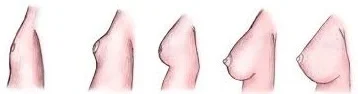
Breast Development (Thelarche):

  • Stage 1 (Preadolescent): No glandular tissue; only the papilla elevated.
  • Stage 2: Breast buds appear, along with a small mound of breast and papilla enlargement.
  • Stage 3: Further enlargement, with the breast mound elevating, and areola enlargement.
  • Stage 4: Continued enlargement, areola forms a secondary mound above the breast.
  • Stage 5 (Adult): Mature breast; areola returns to general breast contour.

Tanner Stages in Females pubic

Pubic Hair Development (Pubarche):

  • Stage 1 (Preadolescent): No pubic hair.
  • Stage 2: Sparse, long, downy hair, mostly along the labia.
  • Stage 3: Darker, coarser, curlier hair spreading over the mons pubis.
  • Stage 4: Hair resembles that of an adult, but less in quantity.
  • Stage 5 (Adult): Adult distribution; extends to inner thighs.

Tanner Stages in Males:

Tanner Stages in Males

Genital Development (Gonadarche):

  • Stage 1 (Preadolescent): Testes, scrotum, and penis are at childhood size.
  • Stage 2: Testes and scrotum enlarge; reddening of scrotum.
  • Stage 3: Penis lengthens; continued testicular and scrotal growth.
  • Stage 4: Increased penis size; scrotum darkens.
  • Stage 5 (Adult): Mature genitalia; adult size and shape.

Tanner Stages in Males pubic

Pubic Hair Development (Pubarche):

  • Stage 1 (Preadolescent): No pubic hair.
  • Stage 2: Sparse, long, downy hair at the base of the penis.
  • Stage 3: Darker, coarser, curlier hair spreading over the pubic symphysis.
  • Stage 4: Hair resembles an adult, but less in quantity.
  • Stage 5 (Adult): Adult distribution; extends to inner thighs.
Classification of Precocious Puberty.

Classification of Precocious Puberty.

Precocious puberty can be divided into 2 types

1. Gonadotropin-releasing hormone (GnRH)–dependent (Central Precocious Puberty): GnRH-dependent precocious puberty is more common overall and 5 to 10 times more frequent in girls. In GnRH-dependent precocious puberty, the hypothalamic-pituitary axis is activated, resulting in enlargement and maturation of the gonads, development of secondary sexual characteristics, and oogenesis or spermatogenesis. 

  •  Caused by early maturation of the hypothalamic-pituitary-gonadal axis.
  • Characterized by both breast development and pubic hair sexual maturation in girls, and pubic hair and testicular enlargement in boys.

2. GnRH-independent (peripheral sex hormone effects)Classified as Central or Peripheral Precocious Puberty): GnRH-independent precocious puberty is much less common. Secondary sexual characteristics result from high circulating levels of estrogens or androgens, without activation of the hypothalamic-pituitary axis.

  • Caused by excess secretions of sex hormones from the gonads or adrenal glands.
  • Isosexual precocious puberty: Feminizing signs in girls, masculinization in boys.
  • Heterosexual precocious puberty: Masculine characteristics in girls, feminization in boys.
Conditions Causing Precocious Puberty

Conditions Causing Precocious Puberty:

Central Precocious Puberty: Also known as complete or true precocious puberty, is characterized by the early activation of the hypothalamicpituitarygonadal (HPG) axis, leading to premature sexual development. Several underlying issues in the hypothalamus or pituitary can contribute to the onset of central precocious puberty. Possible causes include:

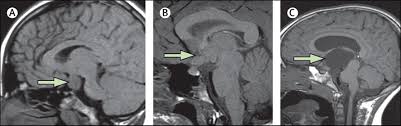
  1. Hypothalamic Haematoma: Formation of a hematoma in the hypothalamus can disrupt the normal inhibitory control of the HPG axis. This leads to the pulsatile release of gonadotropin-releasing hormone (GnRH), initiating premature puberty.
  2. Langerhans Cell Histiocytosis: Langerhans cell histiocytosis, a rare condition involving the proliferation of Langerhans cells, can affect the regulatory mechanisms in the hypothalamus. Dysregulation in the hypothalamus may result in early activation of the HPG axis, triggering precocious puberty.
  3. McCune–Albright Syndrome: Genetic mutations causing McCune–Albright syndrome can lead to abnormal functioning of the hypothalamus. Altered hypothalamic function disrupts the normal timing of puberty onset, causing it to occur prematurely.
  4.  Intracranial Neoplasm: Presence of tumors within the brain can interfere with the normal signaling pathways in the hypothalamus.  Tumor-induced disruptions can lead to the early release of GnRH, initiating the cascade of events leading to central precocious puberty.
  5.  Infection: Infections, especially central nervous system tuberculosis, can cause inflammation and affect the hypothalamic-pituitary axis.  Inflammatory processes may disrupt the normal control mechanisms, triggering premature puberty.
  6. Trauma: Trauma to the brain, such as head injuries, can damage the hypothalamus and pituitary. Structural damage may result in malfunctioning of the regulatory centers, contributing to the early activation of puberty.
  7. Hydrocephalus:  Hydrocephalus, characterized by an accumulation of cerebrospinal fluid in the brain, can exert pressure on the hypothalamus. Pressure-related damage to the hypothalamus may disrupt the normal control of the HPG axis, leading to central precocious puberty.
  8.  Angelman Syndrome: Angelman syndrome, a genetic disorder, can impact neurological functions, including those in the hypothalamus. Altered neural regulation may contribute to the premature activation of the HPG axis, causing central precocious puberty.
  9. Idiopathic or Constitutional:  If no identifiable cause is found. 

Peripheral Precocious Puberty: Peripheral precocious puberty, also referred to as precocious pseudopuberty, involves the premature onset of secondary sexual characteristics due to the influence of sex steroids from abnormal sources.  Causes include:

Isosexual (Feminizing) Conditions in Females:

  • McCune-Albright Syndrome: Genetic mutations leading to overactive endocrine glands, particularly in the ovaries. Excessive estrogen secretion triggers feminizing features prematurely.
  • Ovarian Tumors: Tumors in the ovaries can autonomously produce estrogen. Elevated estrogen levels induce early development of secondary sexual characteristics in females.

Heterosexual (Masculinizing) Conditions in Females:

  • Congenital Adrenal Hyperplasia (CAH): Genetic disorder causing adrenal glands to overproduce androgens. Androgen excess leads to the development of masculinizing features in females.
  • Adrenal Tumors: Tumors in the adrenal glands produce excess androgens. Androgenic influence results in the manifestation of male secondary sexual characteristics.
  • Ovarian Tumors: Ovarian tumors may produce androgens, leading to masculinization. Androgen excess induces the development of male secondary sexual characteristics.

Isosexual (Masculinizing) Conditions in Boys:

  • Congenital Adrenal Hyperplasia (CAH): Genetic disorder causing adrenal glands to overproduce androgens.  Excess androgens result in the development of male secondary sexual characteristics.
  • Leydig Cell Tumors: Tumors in the testes (Leydig cells) produce excess androgens.  Elevated androgen levels lead to the premature appearance of male secondary sexual characteristics.
  • hCG-Secreting Tumors: Tumors producing human chorionic gonadotropin (hCG) stimulate androgen production. Increased androgen levels contribute to the development of male secondary sexual characteristics.

Heterosexual (Feminizing) Conditions in Boys:

  • Feminizing Adrenocortical Tumor: Tumors in the adrenal cortex produce excess estrogen.  Elevated estrogen levels induce feminization in boys.
  • Exogenous Hormones: Introduction of external hormones, often used as a treatment for various conditions. Altered hormonal balance influences the onset of secondary sexual characteristics.

Isosexual and Heterosexual Precocity:

Patients with precocious puberty usually develop phenotypically appropriate secondary sexual characteristics, termed isosexual precocity. In rare cases, the development may be in the opposite direction, known as heterosexual or contrasexual precocity.

  • Example: Aromatase excess syndrome, a rare genetic condition, causes exceptionally high estrogen levels, leading to hyper feminization in both males and females.

Risk Factors:

  • Girls with a high-fat diet, lack of physical activity, or obesity may mature earlier.
  • Exposure to xenoestrogens, such as Bisphenol A in plastics.
  • Pineal tumor secreting chorionic gonadotropin (beta-hCG).
  • Elevated melatonin levels.
  • Familial cases of idiopathic central precocious puberty (ICPP).
  • Mutations in genes like LIN2, LEP, and LEPR, associated with leptin and the leptin receptor.

Diagnosis and Investigations in Precocious Puberty.

Clinical Manifestations: The diagnosis of precocious puberty is based on the premature appearance of secondary sex characteristics, occurring before the known age range.

  • In Boys: Pubic hair or genital enlargement (gonadarche) before 9.5 years.
  • In Girls: Pubic hair (pubarche) before 8 years or breast development (thelarche) before 7 years. Menstruation (menarche) before 10 years.

Blood Tests: Blood tests reveal elevated androgen levels with low cortisol levels.

  • Hormone Levels: Elevated androgen levels, plus low cortisol levels. 

Evaluation – Medical History:

  • Age at onset
  • Sex
  • Pubertal progression
  • Symptoms suggestive of hypothyroidism
  • History of past CNS infection, headache, visual disturbances & seizures.

Physical Examination:

  • Measurements of height, weight, height velocity
  • Pubertal staging according to Tanner’s staging.
  • Evaluate androgen & estrogen effects.
  • Inspection of skin (Café au lait macules in McCune-Albright Syndrome).
  • Examination for signs of hypothyroidism.

Basic Radiology:

  • Bone Age: Determines skeletal maturity, aiding in diagnostic accuracy.
  • Pelvic & Abdominal Sonography: Identifies anomalies or structural abnormalities influencing puberty.

Hormone Evaluation:

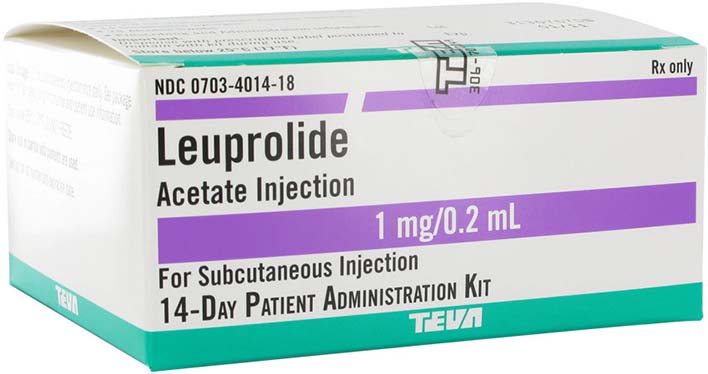
  • Intravenous administration of gonadotropin-releasing hormone (GnRH stimulation test) or a GnRH agonist (leuprolide stimulation test) is a helpful diagnostic tool for boys.
  • In girls, the central nature of sexual precocity can be proven by detecting pubertal levels of estradiol (>50 pg/mL), 20-24 hr after stimulation with leuprolide.
Challenges Faced by Precocious Children

Challenges Faced by Precocious Children

The early onset of sexual development poses several challenges:

In Girls:

  • Early bone maturation, potentially reducing adult height.
  • Indication of tumors or serious health issues.
  • Increased risk of becoming an object of adult sexual exploitation.
  • Higher vulnerability to sexual abuse.
  • Elevated risk of teasing or bullying.
  • Mental health disorders.
  • Short stature in adulthood due to advanced bone age.

In Boys:

  • Increased aggressiveness due to hormonal surges.
  • Social pressure to conform to adult norms.
  • Cognitive and social development lagging behind physical appearance.
  • Early maturing boys are more likely to be sexually active and engage in risky behaviors.

Treatment:

  • One possible treatment is with anastrozole. 
  • GnRH agonists like histrelin acetate (Supprelin LA), triptorelin, or leuprolide may be used. Inj. Leuprolide (0.5-0.3 mg/kg/dose) monthly.
  • Non-continuous use of GnRH agonists stimulates the pituitary gland, releasing follicle-stimulating hormone (FSH) and luteinizing hormone (LH).  Regular use decreases FSH and LH release, but prolonged use carries a risk of osteoporosis. After discontinuation, pubertal changes resume within 3 to 12 months. Regular monitoring is essential during treatment.

Surgery:

  • Tumors of the ovary, testis, and adrenals require surgical removal.
  • Hypothalamic Hamartomas are hazardous and not recommended because they never grow or become malignant.
  • Germ cell, pineal tumors, and hCG-producing suprasellar tumors can be treated by radiotherapy.

Nurses Roles during management of Precocious Puberty.

  1. Assessment and Monitoring: Conduct thorough assessments of patients to gather relevant data. Monitor the progression of secondary sexual characteristics and hormonal levels. Regularly assess the emotional and psychological well-being of the patient.
  2. Patient and Family Education: Provide extensive education about precocious puberty, its causes, and potential treatments. Explain the significance of diagnostic tests and procedures. Offer guidance on the expected course of treatment and potential side effects.
  3. Emotional Support: Offer emotional support to the patient and their family throughout the diagnostic and treatment processes. Address concerns and anxieties related to the condition. Facilitate communication between the healthcare team, patient, and family.
  4. Collaboration with Healthcare Team: Collaborate with endocrinologists, radiologists, and other specialists in the development and implementation of the patient’s care plan. Contribute nursing expertise to the interdisciplinary team.
  5. Administration of Medications: Administer medications as prescribed, such as GnRH agonists, which are commonly used in the management of central precocious puberty. Educate patients and families on medication administration and potential side effects.
  6. Monitoring for Adverse Effects: Monitor patients for any adverse effects of medications or interventions. Report and document any unexpected reactions promptly.
  7. Psychosocial Support: Address psychosocial challenges associated with precocious puberty, such as body image concerns and social interactions. Facilitate support groups or counseling for patients and families.
  8. Advocacy: Advocate for the patient’s needs within the healthcare system. Ensure that the patient’s rights and preferences are respected.
  9. Coordination of Care: Coordinate the various aspects of the patient’s care plan. Ensure smooth transitions between different stages of diagnosis, treatment, and follow-up.
  10. Continuity of Care: Promote continuity of care by maintaining regular follow-up appointments. Facilitate communication between the outpatient and inpatient settings, if necessary.
  11. Patient Safety: Prioritize patient safety during diagnostic procedures and treatment interventions. Educate patients and families on safety measures at home.
  12. Documentation: Maintain accurate and comprehensive documentation of patient assessments, interventions, and outcomes. Ensure that all relevant information is available for the healthcare team.
  13. Patient Advocacy: Advocate for the patient’s holistic well-being, considering physical, emotional, and psychosocial aspects. Address any ethical concerns that may arise during the management process.
  14. Education on Follow-Up Care: Provide detailed instructions for follow-up care, including medications, appointments, and potential lifestyle adjustments.
  15. Promoting Coping Strategies: Facilitate the development of coping strategies for both the patient and their family. Encourage open communication and expression of feelings.

PRECOCIOUS PUBERTY Read More »
CEREBRAL PALSY

CEREBRAL PALSY

CEREBRAL PALSY.

Cerebral palsy is defined as a group of permanent disorders of the development of movement and posture, causing activity limitation, that are attributed to non-progressive disturbances that occurred in the developing fetal or infant brain.”

If your body was a computer, the brain would be the mainframe. It controls mostly everything.

Cerebral Palsy means a brain condition causing paralysis, Therefore its a brain condition that makes the body lose control. It is also considered a neurodevelopmental condition meaning something happens to the brain during its development

Cerebral palsy is caused by abnormal development or damage to the parts of the brain that control movement, balance and posture. Therefore, severity is according to the part of the brain affected.

Cerebral palsy is the most common movement disorder in children. It occurs in about 1 per 323 live births. Cerebral palsy has been documented throughout history, with the first known descriptions occurring in the work of Hippocrates in the 5th century BCE.

Fetal stroke, a disruption of blood supply to the developing brain. Lack of oxygen to the brain (asphyxia) related to difficult labor or delivery. Rare. Infant infections that cause inflammation in or around the brain. Traumatic head injury to an infant from a motor vehicle accident or fall.

Causes of Cerebral Palsy

Most often, the problems occur during pregnancy; however, they may also occur during childbirth or shortly after birth, however, other causes are unknown.

 Structural problems in the brain are seen in 80% of cases, most commonly within the white matter. More than three-quarters of cases are believed to result from issues that occur during pregnancy. Most children who are born with cerebral palsy have more than one risk factor associated with Cerebral Palsy.

In Africa birth asphyxia, high bilirubin levels, and infections in newborns of the central nervous system are the main cause.

Before Birth (Prenatal Causes)

Intrauterine Development Issues:

  • Exposure to radiation during pregnancy.
  • Infections affecting fetal development.
  • Fetal growth restriction.

Hypoxia of the Brain:

  • Thrombotic events affecting blood flow.
  • Placental conditions leading to reduced oxygen supply.

Genetic Factors:

  • Autosomal recessive inheritance pattern.
  • Inherited cases involving enzymes like glutamate decarboxylase-1.

Prematurity:

  • Births before 28 weeks of gestation carry a higher risk.
  • Between 34 and 37 weeks, the risk is elevated but lower (0.4%).

Multiple-Birth Infants:

  • Increased likelihood, especially with low birth weight.

Genetic Factors in Prematurity:

  • Genetic influences contributing to both prematurity and cerebral palsy.

During Birth (Perinatal Causes)

Birth Trauma:

  • Injuries occurring during labor and delivery.
  • Complications arising just after birth.

Low Birth Weight:

  • Term infants with low birth weight are at risk.

Instrumental Delivery or Emergency C-Section:

  • Use of instruments or emergency Cesarean section.

Placental Issues:

  • Problems with the placenta affecting fetal development.

Meconium Aspiration:

  • Breathing meconium into the lungs during delivery.

Birth Asphyxia:

  • Oxygen deprivation during birth.
  • Seizures occurring just after birth.

After Birth (Postnatal Causes)

  • Toxins: Exposure to toxins in the environment.
  • Severe Jaundice: High bilirubin levels impacting the brain.
  • Lead Poisoning: Environmental exposure to lead.
  • Physical Brain Injury: Trauma causing damage to the brain / Abusive head trauma.
  • Stroke: Disruption of blood flow to the brain.
  • Hypoxia Incidents: Near-drowning incidents impacting oxygen supply to the brain.
  • Infections: Infections during early childhood, such as encephalitis or meningitis.
  • Maternal Infections: Infections in the mother, even if asymptomatic.
  • Chorioamnionitis: Infections of fetal membranes increasing the risk.
  • Identical Twin Death: Hypothesized cases resulting from the death of an identical twin in early pregnancy.
  • Rh Blood Type Incompatibility: Mother’s immune system attacking the baby’s red blood cells.
Risk Factors:
  • Preterm Birth: Major risk factor, occurring in 40-50% of Cerebral Palsy cases.
  • Twin Birth: Being a twin increases the likelihood.
  • Infections During Pregnancy: Toxoplasmosis, rubella, and other infections.
  • Methylmercury Exposure: Environmental exposure during pregnancy.
  • Difficult Delivery and Head Trauma: Traumatic events during the first few years of life.
  • Inherited Genetic Causes: Approximately 2% of cases have a hereditary basis.

A newborn with severe CP may present with:

  1. An irregular posture; their bodies may be either very floppy or very stiff
  2. Birth defects, such as spinal curvature, a small jawbone, or a small head.
  3. Unable to suck, swallow or chew
  4. Lack of control of the head, mouth and trunk
Signs and Symptoms of Cerebral Palsy (CP)

Signs and Symptoms of Cerebral Palsy (CP)

I. Developmental Milestones and Motor Function:

  • Delayed achievement of developmental milestones; Not reaching expected physical and cognitive milestones within typical time frames.
  • Abnormal motor development and coordination; Lack of smooth, coordinated muscle movements during development.
  •  Unusual gait patterns; Unusual walking patterns that may indicate motor control issues.

II. Muscle Tone and Reflexes:

  • Abnormal muscle tone; Muscles may be too tight (spasticity) or too floppy (hypotonia).
  • Spasticity or hypertonia; Increased muscle stiffness, making movement challenging.
  • Hypotonia in some cases; Reduced muscle tone leading to poor muscle control.

III. Joint and Skeletal Abnormalities:

  • Joint contractures; Limited movement in joints due to tight muscles.
  •  Dynamic deformities progressing to static deformities; Irregular bone and joint development due to muscle imbalances.
  • Bone and joint deformities due to unequal growth; Asymmetric bone growth caused by muscle-related stresses.

IV. Coordination and Movement Issues:

  • Difficulty with precise movements; Challenges in performing accurate and controlled movements.
  •  Incoordination and tremors; Lack of coordination and uncontrollable shaking during movement.
  •  Challenges in voluntary muscle control; Difficulty in intentionally controlling muscle actions.

V. Speech and Communication:

  • Speech and language disorders; Difficulty in articulating words or understanding language.
  • Dysarthria (impaired speech due to muscle control); Speech difficulties resulting from poor muscle control.
  • Non-verbal communication in some cases; Reliance on gestures or other non-verbal cues for communication.

VI. Cognitive and Behavioral Aspects:

  • Learning disabilities; Difficulty in acquiring knowledge and skills.
  • Intellectual disabilities in some cases; Below-average intellectual functioning.
  • Behavioral challenges; Emotional or behavioral issues that may impact daily life.

VII. Sensory and Perception Issues:

  •  Visual impairments; Problems with vision or visual processing.
  • Auditory impairments; Hearing difficulties or processing issues.
  • Sensory processing difficulties; Challenges in interpreting and responding to sensory information.

VIII. Seizures:

  • Epilepsy in a significant percentage of cases; Recurrent seizures affecting brain function.

IX. Posture and Balance:

  • Poor posture; Inability to maintain an upright and balanced body position.
  • Balance issues; Difficulty in maintaining stability during movement or at rest.

X. Fine and Gross Motor Skills:

  • Impaired fine motor skills; Difficulty in performing precise tasks with hands and fingers.
  •  Difficulty with gross motor skills; Challenges in performing larger movements like crawling, walking, or jumping.

XI. Feeding and Eating Difficulties:

  • Challenges in chewing and swallowing; Difficulty in the process of biting, chewing, and swallowing food.
  • Gastro-oesophageal reflux; Stomach contents flowing back into the esophagus.
  •  Nutritional concerns; Issues related to inadequate nutrient intake.

XII. Behavioral and Emotional Issues:

  • Emotional challenges due to limitations; Psychological struggles arising from physical constraints.
  • Social difficulties; Challenges in interacting and forming relationships with others.

XIII. Drooling:

  • Excessive drooling due to lack of control; Inability to manage saliva flow.

XIV. Pain and Sleep Issues:

  • Chronic pain; Persistent discomfort or pain.
  • Sleep disturbances; Interruptions in regular sleep patterns.

XV. Orthopedic Complications:

  • Scoliosis; Abnormal sideways curvature of the spine.
  •  Hip dislocation; Displacement of the hip joint.
  • Skeletal deformities; Abnormalities in bone structure and shape.

Pathological effects of Cerebral Palsy on different body functions.

Urinary System: Lower Urinary Tract Symptoms:

  • Excessive storage issues are more prevalent than voiding issues.
  • Pelvic floor overactivity in some cases leads to upper urinary tract dysfunction.

Skeletal System: Bone Development:

  • Increased risk of low bone mineral density.
  • Thin bone shafts (diaphyses) contrasted with enlarged centers (metaphyses).
  • Joint compression from muscular imbalances leads to atrophy of articular cartilage and narrowed joint spaces.
  • Angular joint deformities and hindered bone development due to spasticity and abnormal gait.
  • Height reduction and potential limb length disparities.

Deformities and Conditions:

  • Common deformities include hip dislocation, ankle equinus, planter flexion, and torsional deformities.
  • Scoliosis prevalence increases with higher GMFCS levels.
  • Fracture susceptibility, especially in non-ambulant children, affecting mobility and schooling.

Eating and Nutrition: Feeding Challenges:

  • Sensory and motor impairments result in difficulty preparing food, holding utensils, chewing, and swallowing.
  • Gastro-oesophageal reflux is common; poor sensitivity around the mouth complicates self-feeding.

Nutritional Risks: Feeding difficulties linked to higher GMFCS levels.

  • Dental problems contribute to eating challenges.
  • Risk of undernutrition, particularly in severe cases; drooling and associated complications.

Language and Communication: Speech and Language Disorders:

  • Dysarthria incidence ranges from 31% to 88%; a quarter are non-verbal.
  • Associated with respiratory control, oral-facial muscle movement restrictions, and articulation disorders.
  • Early use of augmentative communication systems may aid language development.
  • Overall language delay is associated with cognitive issues, deafness, and learned helplessness.

Pain and Sleep: Painful Implications:

  • Chronic pain is prevalent, exacerbated by muscle spasms.
  • Pain associated with tight muscles, abnormal posture, and joint stiffness.
  • Hip migration or dislocation as a significant pain source.
  • High rates of sleep disturbance.
  • Chronic sleep disorders due to physical and environmental factors.
  • Babies with Cerebral Palsy may cry more or face challenges in sleep initiation.

Associated disorders.

Cerebral palsy is often accompanied by other disorders of cerebral function. Associated abnormalities may affect cognition, vision, hearing, language, cortical sensation, attention, vigilance, and behavior. Common conditions associated with cerebral palsy include:

Intellectual Disabilities:

  • Around 30-50% of individuals with Cerebral Palsy experience varying degrees of intellectual disability, affecting learning, memory, and problem-solving.
  • The severity can range from mild (requiring some support) to profound (needing extensive assistance).
  • Early intervention and tailored educational programs can significantly improve outcomes.

Seizures:

  • Up to 50% of individuals with Cerebral Palsy have epilepsy, experiencing recurring seizures.
  • Various types of seizures can occur, affecting movement, consciousness, and behavior.
  • Anti-seizure medications and other therapies can help manage seizures and improve quality of life.

Muscle Contractures:

  • These are involuntary muscle shortening and tightening, restricting movement and causing joint pain.
  • They can arise due to muscle imbalances, spasticity, and lack of use.
  • Physiotherapy, stretching, and sometimes surgery can help manage contractures and improve mobility.

Abnormal Gait:

  • Difficulty walking is a common symptom of Cerebral Palsy due to muscle weakness, spasticity, and coordination issues.
  • Different types of abnormal gait patterns exist, impacting balance, stability, and walking efficiency.
  • Assistive devices, orthotics, and gait training can help improve walking patterns and independence.

Osteoporosis:

  • Individuals with Cerebral Palsy have a higher risk of osteoporosis due to reduced bone density, often caused by limited mobility and decreased weight-bearing activity.
  • Bone mineral density checks, dietary adjustments, vitamin D supplementation, and strengthening exercises can help prevent and manage osteoporosis.

Communication Disorders:

  • Speech and language challenges are common in Cerebral Palsy, affecting articulation, fluency, and comprehension.
  • Different types of communication disorders may occur, like dysarthria (motor speech issues), aphasia (language processing difficulties), and apraxia (difficulty planning and executing speech movements).
  • Speech therapy, assistive technology, and alternative communication methods can help individuals communicate effectively.

Malnutrition:

  • Nutritional challenges can arise due to feeding difficulties, gastrointestinal issues, and decreased energy expenditure.
  • This can lead to deficiencies in essential nutrients, impacting growth, development, and overall health.
  • Specialized feeding techniques, nutritional supplements, and dietary adaptations can improve nutritional status.

Sleep Disorders:

  • Individuals with Cerebral Palsy may experience various sleep problems like insomnia, sleep apnea, and restless sleep.
  • These can be caused by medical conditions, muscle tone issues, medications, or environmental factors.
  • Good sleep hygiene practices, addressing underlying medical conditions, and specific sleep therapies can help improve sleep quality.

Mental Health Disorders:

  • Depression and anxiety are more common in individuals with Cerebral Palsy due to chronic health challenges, social limitations, and emotional strain.
  • Early identification, mental health counseling, and support groups can significantly improve mental well-being and quality of life.

Functional Gastrointestinal Abnormalities:

  • Digestive issues like constipation, vomiting, and bowel obstruction can arise due to impaired muscle coordination in the digestive system.
  • Dietary modifications, medications, and bowel management techniques can help manage these issues and improve digestive function.

Classification/Types of Cerebral Palsy

Cerebral Palsy is classified by the types of motor impairment of the limbs or organs, and by restrictions to the activities an affected person may perform. 

There are three main Cerebral Palsy classifications by motor impairment: 

  1. Spastic
  2. Ataxic
  3. Athetoid/Dyskinetic. 
  • Additionally, there is a Mixed type that shows a combination of features of the other types. 
Spastic Cerebral Palsy:

Spastic Cerebral Palsy where spasticity (muscle tightness) is the exclusive or almost exclusive impairment present and is the most common type, affecting over 70% of cases. It is characterized by hypertonicity (increased muscle tone) and neuromuscular mobility impairment.

This damage impairs the ability of some nerve receptors in the spine to receive gamma-Aminobutyric acid properly, leading to hypertonia in the muscles signaled by those damaged nerves.

  • Pathology: The condition results from damage to the upper motor neurons in the brain, corticospinal tract, or motor cortex, leading to difficulties in the proper reception of gamma-Aminobutyric acid and causing hypertonia in affected muscles.
  • Characteristics:
  1. Clonus: Involuntary muscle contractions.
  2. Muscle Spasms: Resulting from pain or stress due to muscle tightness.
  • Management: Treatment involves orthopedic and neurological interventions throughout life. Physical and occupational therapy, along with medications like antispasmodics, botulinum toxin, or surgical procedures, may be considered.
Ataxic Cerebral Palsy:

Ataxic cerebral palsy is caused by damage to cerebellar structures. Because of the damage to the cerebellum, patients experience problems in coordination, specifically in their arms, legs, and trunk. Ataxic cerebral palsy is known to decrease muscle tone.

  • Prevalence: Accounts for 5-10% of Cerebral Palsy cases.
  • Cause: Ataxic Cerebral Palsy is caused by damage to the cerebellum, impacting coordination, particularly in the arms, legs, and trunk. It results in decreased muscle tone.
  • Symptoms:
  1. The most common manifestation of ataxic cerebral palsy is intention (action) tremor, which is especially apparent when carrying out precise movements, such as tying shoe laces or writing with a pencil.
  • This symptom gets progressively worse as the movement persists, making the hand shake. As the hand gets closer to accomplishing the intended task, the trembling intensifies, which makes it even more difficult to complete.

Athetoid/Dyskinetic Cerebral Palsy:

Athetoid cerebral palsy or dyskinetic cerebral palsy (sometimes abbreviated ADCerebral Palsy) is primarily associated with damage to the basal ganglia in the form of lesions that occur during brain development due to bilirubin encephalopathy and hypoxic-ischemic brain injury.

  • Characteristics:
  • Tonic States: Displays both hypertonia and hypotonia, causing an inability to control muscle tone.
  • Subtypes:
  1. Choreoathetotic: Involuntary movements, primarily in the face and extremities.
  2. Dystonic: Slow, strong contractions, either localized or involving the entire body.
  • Diagnosis: Clinical diagnosis occurs within 18 months, based on motor function assessment and neuroimaging techniques.


Mixed Cerebral Palsy:

Mixed Cerebral Palsy presents a combination of symptoms from different Cerebral Palsy types.

  • Characteristics: Highly heterogeneous and unpredictable, combining features of spastic, ataxic, and athetoid Cerebral Palsy to varying degrees.

Diagnosis and Investigations

1. Clinical Assessment:

History and Physical Examination:

  • Thorough medical history to understand prenatal, perinatal, and postnatal factors.
  • Comprehensive physical examination to assess motor skills, reflexes, muscle tone, coordination, and other developmental milestones.

General Movements Assessment:

  • Especially effective in infants under four months.
  • Observes spontaneous movements to detect abnormalities and assess overall motor function.

2. Neuroimaging:

MRI (Magnetic Resonance Imaging):

  • Preferred over CT due to higher diagnostic yield and safety.
  • Provides detailed images of the brain’s structure, helping identify lesions or abnormalities.
  • Useful when the cause of cerebral palsy is unclear.

CT (Computed Tomography):

  • An alternative when MRI is not feasible.
  • Provides detailed cross-sectional images of the brain.

3. Blood Tests:

Metabolic Screening:

  • Blood tests to rule out metabolic disorders that might present with symptoms similar to cerebral palsy.
  • Includes tests for genetic and biochemical abnormalities.

4. Electroencephalogram (EEG):

  • Detects abnormal brain activity, especially in cases where seizures or epilepsy symptoms are present.
  • Rules out or confirms any underlying electrical abnormalities in the brain.

5. Genetic Testing:

  • Identifies genetic factors that may contribute to cerebral palsy.
  • Useful in cases where there’s a suspicion of a genetic predisposition.

6. Muscle and Nerve Studies:

Electromyography (EMG):

  • Measures electrical activity in muscles.
  • Helps assess the function of the nerves controlling muscles.

Nerve Conduction Studies:

  • Measures the speed at which nerves transmit signals.
  • Assesses the integrity of the nerve pathways.

7. Visual and Auditory Assessments:

Vision and Hearing Tests:

  • Essential to identify and address any associated sensory impairments.
  • Ensures a comprehensive evaluation of the individual’s functional abilities.

8. Developmental and Behavioral Assessments:

  • Assesses cognitive and emotional aspects.
  • Important for understanding the impact of cerebral palsy on overall well-being.

9. Orthopedic Evaluation:

  • X-rays and other imaging techniques to evaluate bone structure and joint health.
  • Helpful in planning orthopedic interventions if deformities are present.

Management of Cerebral Palsy

There is no cure for Cerebral Palsy; however, supportive treatments, medications and surgery may help many individuals.  It needs a team of health workers, which include; a paediatrician, social worker, physiotherapist, speech and language therapist, an occupational therapist, a teacher specializing in helping children with visual impairment, educational psychologist, orthopedic surgeon, a neurologist and a neurosurgeon.

Aims of Management.;

  • To maximize the child’s movements
  • To help the child live well with others
  • To correct disabilities

Much of childhood therapy is aimed at improving gait and walking. Approximately 60% of people with Cerebral Palsy are able to walk independently or with aids at adulthood.

  • Physical therapy: Helps relieve pain and muscle stiffness, as well as improve balance, coordination, and overall mobility. Physical therapists will use specialized equipment to help your child move more freely and live more independently.
  • Occupational therapy: Helps children with cerebral palsy learn how to complete everyday tasks and activities by improving fine motor skills and cognitive abilities.
  • Speech therapy: Helps children to improve their communication and language skills. This type of therapy gives children the confidence to learn and socialize. Speech therapy can also help children who have difficulty eating and swallowing.
  • Communication aids such as computers with attached voice synthesizers.
  • Assistive devices or aids such as  Eye glasses, Hearing aids, Walking aids, Body braces, Wheelchairs, e.t.c.
  • Medication
  • Anticholinergics: Block neurotransmitters, addressing specific symptoms.
  • Anticonvulsants: Suppress neurons to control seizures.
  • Antidepressants: Manage mood-related symptoms.
  • Anti-inflammatories: Reduce pain and inflammation.
  • Baclofen: Muscle relaxer to alleviate stiffness.
  • Benzodiazepines: Treat anxiety, seizures, and insomnia.
  • Botox: Target spasticity.
  • Stool Softeners: Address constipation issues.
  • Surgery: Orthopedic surgery may be used to relieve pain and improve mobility. It may also be needed to release tight muscles or correct bone irregularities caused by spasticity.
  • Selective dorsal rhizotomy (SDR) might be recommended as a last resort to reduce chronic pain or spasticity. It involves cutting nerves near the base of the spinal column. Rhizotomy is a minimally invasive surgical procedure to remove sensation from a painful nerve by killing nerve fibers responsible for sending pain signals to the brain. The nerve fibers can be destroyed by severing them with a surgical instrument or burning them with a chemical or electrical current.    
  • Other surgical measures may include lengthening muscles and cutting overly active nerves.
  • Some affected children can achieve near normal adult lives with appropriate treatment. 

Prognosis

  • Cerebral Palsy is not a progressive disorder (meaning the brain damage does not worsen), but the symptoms can become more severe over time.
  • A person with the disorder may improve somewhat during childhood if he or she receives extensive care
  •  Some individuals with cerebral palsy require personal assistant services for all activities of daily living.
  • Puberty in young adults with cerebral palsy may be delayed due to nutritional deficiencies.
  • Cerebral palsy can significantly reduce a person’s life expectancy, depending on the severity of the condition and the quality of care with which they are provided.
Prevention of Cerebral Palsy.

Prevention of Cerebral Palsy.

Pre-pregnancy and pregnancy:

  • Prenatal care: Early and regular prenatal checkups for monitoring both mother and baby’s health and identifying potential risks like infections, gestational diabetes, or high blood pressure, which can all contribute to Cerebral Palsy.
  • Vaccinations: Ensuring that all recommended vaccinations are received , especially those that protect against infections harmful to the developing fetus, such as rubella, cytomegalovirus, and influenza.
  • Healthy lifestyle: Maintaining a healthy weight, eating a balanced diet rich in vitamins and minerals, exercising regularly, and avoiding smoking, alcohol, and drugs are all essential for a healthy pregnancy and reducing the risk of Cerebral Palsy.
  • Manage chronic conditions: In case of  pre-existing health conditions like diabetes or high blood pressure, actively manage them well to minimize potential complications during pregnancy.

During and after childbirth:

  • Safe delivery practices: Carrying out delivery from a designated hospital or maternity center and managing any associated  birth issued can help ensure a safe and low-risk delivery, minimizing the risk of birth complications that can contribute to Cerebral Palsy.
  • Postpartum care: Regular checkups for both mother and baby after birth for monitoring development and promptly addressing any potential issues.
  • Vaccinations for baby: Ensure the child receives all recommended vaccinations on time, as they protect against potentially Cerebral Palsy-causing infections like meningitis and encephalitis.
  • Preventing head injuries: Implementing safety measures at home and during car rides, using age-appropriate helmets for activities like bike riding, and closely supervising children around water can significantly reduce the risk of head injuries, a potential cause of Cerebral Palsy.

CEREBRAL PALSY Read More »
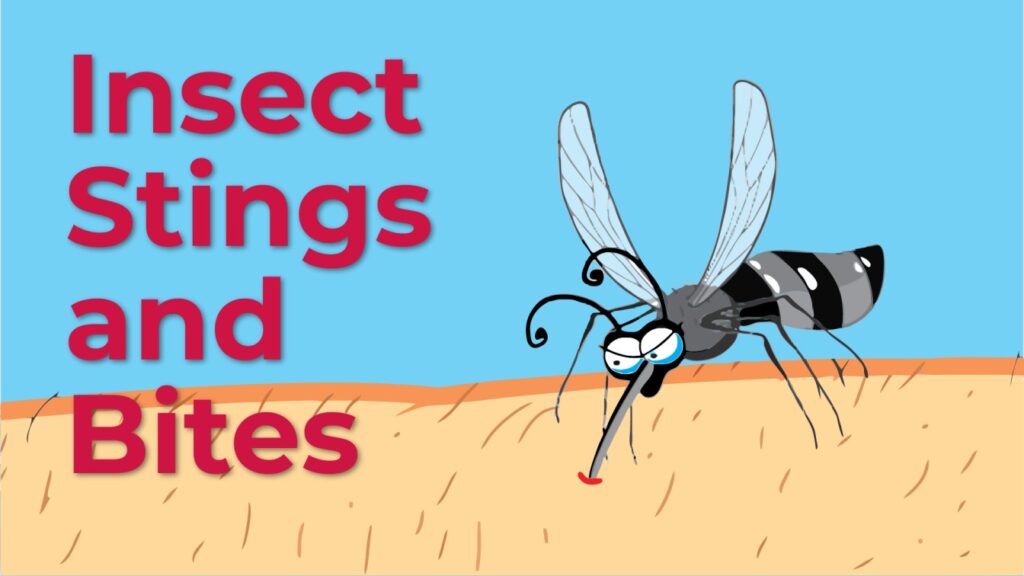
SEIZURE DISORDERS

SEIZURE DISORDERS

SEIZURE DISORDERS.

Seizure is defined as when there is a non-recurrent abnormal electrical activity in the brain or central nervous system resulting in abnormal motor, sensory or psychomotor experiences.

A seizure is an abnormal, unregulated electrical discharge that occurs within the brain’s cortical gray matter and gradually interrupts normal brain function.

Therefore when a person has recurrent, intermittent tendency to develop a seizure, we say he is having epilepsy.

  • A seizure causes altered awareness, abnormal sensations, focal involuntary movements, or convulsions (widespread violent involuntary contraction of voluntary muscles).
  • About 2% of adults have a seizure at some time during their life. Two thirds of these people never have another one.
  • Seizure disorders are either epileptic or non-epileptic.

Epileptic seizures:

Epilepsy is a neurological disorder in which the brain activity becomes abnormal, causing seizures or periods of unusual behaviour, sensations, and sometimes loss of awareness.

Epilepsy (also called epileptic seizure disorder) is a chronic brain disorder characterized by recurrent seizures that are unprovoked (ie, not related to reversible stressors) and that occur > 24 h apart.

 A single seizure is not considered an epileptic seizure. Epilepsy is often idiopathic, but various brain disorders, such as malformations, strokes, and tumors, can cause symptomatic epilepsy.

Symptomatic epilepsy is epilepsy due to a known cause (eg, brain tumor, stroke). The seizures it causes are called symptomatic epileptic seizures. Such seizures are most common among neonates (see Neonatal Seizure Disorders) and the elderly.


Cryptogenic epilepsy is epilepsy assumed to be due to a specific cause, but whose specific cause is currently unknown.

Non epileptic seizures.

These are provoked by a temporary disorder or stressor (eg, metabolic disorders, CNS infections, cardiovascular disorders, drug toxicity or withdrawal, psychogenic disorders). In children, fever can provoke a seizure (febrile seizures).


Psychogenic nonepileptic seizures (pseudoseizures) are symptoms that simulate seizures in patients with psychiatric disorders but that do not involve an abnormal electrical discharge in the brain.

causes of epilepsy

Etiology of Seizure Disorders:

I. Age-Specific Causes:

A. Before Age 2:

  • Fever: Seizures in young children often result from fevers, a common occurrence in this age group.
  • Birth or Developmental Defects: Structural abnormalities present at birth or developmental issues contribute to seizures.
  • Birth Injuries: Trauma during the birthing process can lead to seizure disorders in infants.
  • Metabolic Disorders: Disorders affecting metabolism may manifest as seizures in early childhood.

B. Ages 2 to 14:

  • Idiopathic Seizure Disorders: Seizures with no identifiable cause, often occurring during childhood, fall under idiopathic seizure disorders.

C. Adults:

  • Cerebral Trauma: Traumatic brain injuries, often resulting from accidents, can trigger seizures in adults.
  • Alcohol Withdrawal: Abrupt cessation of alcohol intake can lead to seizures as the body adjusts.
  • Tumors: The presence of tumors in the brain may cause seizures, especially in adults.
  • Strokes: Disruption of blood flow to the brain, resulting in a stroke, is a significant cause of seizures in adults.
  • Unknown Cause (50%): In many cases, the cause of seizures in adults remains unidentified, highlighting the complexity of diagnosis.

D. The Elderly:

  • Tumors: Tumors in the brain become a more prominent cause of seizures in the elderly.
  • Strokes: Similar to adults, strokes are a common contributor to seizures in the elderly.

E. Reflex Epilepsy

  • Seizures are predictably triggered by external stimuli, such as lights, sounds, or touch, in rare cases known as reflex epilepsy.

F. Cryptogenic and Refractory Epilepsy:

  • Anti-NMDA receptor encephalitis, particularly in young women, is identified as a rare cause, leading to psychiatric symptoms and movement disorders. Ovarian teratoma is associated with this condition.

II. General Causes of Seizures Irrespective of Age:

  • Autoimmune Disorders: Cerebral vasculitis, anti-NMDA receptor encephalitis, and multiple sclerosis may lead to seizures, although rarely.
  • Cerebral Edema: Swelling of the brain tissue, known as cerebral edema, can trigger seizures.
  • Eclampsia, Hypertensive Encephalopathy: Conditions related to high blood pressure during pregnancy can result in seizures.
  • Cerebral Ischemia or Hypoxia: Insufficient blood flow or oxygen to the brain may cause seizures.
  • Cardiac Issues, Carbon Monoxide Toxicity, and Stroke: Conditions affecting the heart, carbon monoxide exposure, drowning, suffocation, and strokes are potential triggers.
  • Head Trauma: Both birth-related injuries and traumatic injuries during life can contribute to seizure disorders.
  • CNS Infections: AIDS, brain abscess, malaria, meningitis, neurocysticercosis, neurosyphilis, rabies, tetanus, toxoplasmosis, and viral encephalitis can lead to seizures.
  • Congenital or Developmental Abnormalities: Structural abnormalities present from birth or those developing during early life contribute to seizures.
  • Drugs and Toxins: Various substances, including drugs and toxins like camphor, ciprofloxacin, cocaine, and others, may induce seizures.
  • Expanding Intracranial Lesions: Hemorrhage, hydrocephalus, and tumors contribute to seizures by causing pressure on the brain.
  • Hyperpyrexia: Extremely high fever, associated with drug toxicity or heatstroke, can lead to seizures.
  • Metabolic Disturbances: Hypocalcemia (linked to hypoparathyroidism), hypoglycemia, and hyponatremia.
  1. Less Common Causes: Aminoacidurias, hepatic or uremic encephalopathy, hyperglycemia, hypomagnesemia, hypernatremia.
  2. Neonatal Cause: Vitamin B6 (pyridoxine) deficiency in neonates.
  • Withdrawal Syndromes: Alcohol, anesthetics, barbiturates, benzodiazepines—withdrawal from these substances can induce seizures.
seizure anticonvulsants

Classification of Seizures

Seizures are classified as generalized or partial.

1. Partial seizures/focal seizures.

In partial seizures, the excess neuronal discharge occurs in one cerebral cortex, and most often results from structural abnormalities.

 Partial seizures may be;

  • Simple : Focal seizures without impairment of consciousness or awareness.
  • Complex : Focal seizures with impairment of consciousness or awareness.

Partial seizures may evolve into a generalized seizure (called secondary generalization), which causes loss of consciousness. Secondary generalization occurs when a partial seizure spreads and activates the entire cerebrum bilaterally. Activation may occur so rapidly that the initial partial seizure is not clinically apparent or is very brief.

Symptoms and Signs of partial seizures.

The manifestation depends on the part of the brain that is affected;

A. Simple Partial Seizures:

  • Aura: Simple partial seizures may begin with auras, such as motor activity, sensory sensations, autonomic changes, or psychic experiences. Auras are simple partial seizures that begin focally. Auras may consist of motor activity or sensory, autonomic, or psychic sensations (eg, paresthesias, a rising epigastric sensation, abnormal smells, a sensation of fear, a déjà vu sensation).
  • Most seizures end spontaneously in 1 to 2 min.
  • Postictal State: Following generalized seizures, a postictal state occurs, characterized by deep sleep, headache, confusion, and muscle soreness; this state lasts from minutes to hours. 
  • Most patients appear neurologically normal between seizures, although high doses of the drugs used to treat seizure disorders, particularly anticonvulsants, can reduce alertness.

B. Jacksonian Seizures:

  • In Jacksonian seizures, focal motor symptoms begin in one hand and then march up the arm (Jacksonian march). Other focal seizures affect the face first, and then spread to an arm and sometimes a leg. Some partial motor seizures begin with an arm raising and the head turning toward the raised arm (called fencing posture).

C. Complex Partial Seizures:

Complex partial seizures are often preceded by an aura. During the seizure, patients may stare. Consciousness is impaired, but patients have some awareness of the environment (eg, they purposefully withdraw from noxious stimuli). The following may also occur:

  • Oral automatisms (involuntary chewing or lip smacking)
  • Limb automatisms (eg, automatic purposeless movements of the hands)
  • Utterance of unintelligible sounds without understanding what they say
  • Resistance to assistance
  • Tonic or dystonic posturing of the extremity contralateral to the seizure focus
  • Head and eye deviation, usually in a direction contralateral to the seizure focus
  • Bicycling or pedaling movements of the legs if the seizure emanates from the medial frontal or orbitofrontal head regions
  • Motor symptoms subside after 1 to 2 min, but confusion and disorientation may continue for another 1 or 2 min. 
  • Postictal amnesia is common.
  • Patients may lash out if restrained during the seizure or while recovering consciousness if the seizure generalizes. However, unprovoked aggressive behavior is unusual.
  • Left temporal lobe seizures may cause verbal memory abnormalities; right temporal lobe seizures may cause visual spatial memory abnormalities.

Generalized seizures

In generalized seizures, abnormal electrical discharge diffusely involves the entire cortex of both hemispheres from the onset, and consciousness is usually lost. Generalized seizures result mostly from metabolic disorders and sometimes from genetic disorders. 

Generalized seizures include the following:

1. Infantile spasms: Characterized by sudden flexion and adduction of the arms and forward flexion of the trunk. Seizures last a few seconds and recur many times a day. They occur only in the first 5 years of life, then are replaced by other types of seizures. Developmental defects are usually present.

2. Typical absence seizures (formerly called petit mal seizures): Consist of a 10- to 30-second loss of consciousness with eyelid fluttering; axial muscle tone may or may not be lost. Patients do not fall or convulse; they abruptly stop activity, then just as abruptly resume it, with no postictal symptoms or knowledge that a seizure has occurred. Absence seizures are genetic and occur predominantly in children. Without treatment, such seizures are likely to occur many times a day. Seizures often occur when patients are sitting quietly, can be precipitated by hyperventilation, and rarely occur during exercise. Neurologic and cognitive examination results are usually normal.

3. Atypical absence seizures: Usually occur as part of the Lennox-Gastaut syndrome, a severe form of epilepsy that begins before age 4 years. They differ from typical absence seizures in the following ways:

  • They last longer.
  • Jerking or automatic movements are more pronounced.
  • Loss of awareness is less complete.
  • Many patients have a history of damage to the nervous system, developmental delay, abnormal neurologic examination results, and other types of seizures. Atypical absence seizures usually continue into adulthood.

4. Atonic seizures: Occur most often in children, usually as part of Lennox-Gastaut syndrome. Atonic seizures are characterized by a brief, complete loss of muscle tone and consciousness. Children fall or pitch to the ground, risking trauma, particularly head injury.

5. Tonic seizures: Occur most often during sleep, usually in children. The cause is usually the Lennox-Gastaut syndrome. Tonic (sustained) contraction of axial muscles may begin abruptly or gradually, then spread to the proximal muscles of the limbs. Tonic seizures usually last 10 to 15 seconds. In longer tonic seizures, a few rapid clonic jerks may occur as the tonic phase ends.

6. Tonic-clonic seizures: Can be primarily generalized or secondarily generalized.

  • Primarily generalized seizures typically begin with an outcry, followed by a loss of consciousness, falling, tonic contraction, and then clonic (rapidly alternating contraction and relaxation) motion of muscles of the extremities, trunk, and head. Urinary and fecal incontinence, tongue biting, and frothing at the mouth sometimes occur. Seizures usually last 1 to 2 minutes, and there is no aura.
  • Secondarily generalized tonic-clonic seizures begin with a simple partial or complex partial seizure and then progress to resemble other generalized seizures.

7. Myoclonic seizures: Brief, lightning-like jerks of a limb, several limbs, or the trunk. They may be repetitive, leading to a tonic-clonic seizure. The jerks may be bilateral or unilateral. Unlike other seizures with bilateral motor movements, consciousness is not lost unless the myoclonic seizure progresses into a generalized tonic-clonic seizure.

8. Juvenile myoclonic epilepsy: An epilepsy syndrome characterized by myoclonic, tonic-clonic, and absence seizures. It typically appears during adolescence. Seizures begin with a few bilateral, synchronous myoclonic jerks, followed in 90% of cases by generalized tonic-clonic seizures. They often occur when patients awaken in the morning, especially after sleep deprivation or alcohol use. Absence seizures may occur in one-third of patients.

GENERAL MANAGEMENT OF SEIZURE DISORDERS.

During the attack; (first aid)

  1. Ensure Safety:
    1. Observe warning signs.

    2. Lay the individual on a flat surface.

    3. Ensure the surrounding environment is safe.

  2. Remove Hazards: Clear the area of dangerous objects like sticks or stones.
  3. Do Not Restrain: Avoid restraining the person during the seizure.
  4. Protect Airways: Do not insert anything into the mouth.
  5. Note Duration: Record the length of the seizure for medical evaluation.
  6. Post-Seizure:
    • Allow the person to rest.

    • Provide refreshments if needed.

Drug Management:

  1. Anticonvulsant Medications:

  • Use medications such as diazepam, phenytoin, sodium valproate, among others.
  • Follow prescribed dosage and administration schedules.

Severe Epileptic Attack (Pediatric/Medical/Psychiatric Emergency):

  1. Anticonvulsant Administration: Administer appropriate anticonvulsants promptly.
  2. Cardio-Respiratory Support: Provide immediate support for cardiac and respiratory functions.
  3. Prevent Falling: Ensure a safe environment to prevent injuries during seizures.
  4. Intravenous Fluids: Administer intravenous fluids to maintain hydration.
  5. Hypoglycemia Prevention: Monitor and maintain blood glucose levels to prevent hypoglycemia.

Long-Term Management:

  1. Individualized Treatment Plans: Develop a personalized treatment plan in collaboration with healthcare professionals.
  2. Regular Medication Adherence: Ensure consistent adherence to prescribed anticonvulsant medications.
  3. Lifestyle Modifications: Encourage a healthy lifestyle with regular sleep patterns, stress management, and a balanced diet.
  4. Trigger Identification: Identify and manage potential triggers, such as stress or lack of sleep.
  5. Seizure Action Plan: Establish a comprehensive seizure action plan in coordination with healthcare providers.
  6. Regular Medical Follow-Up: Schedule routine medical follow-ups to monitor progress and adjust treatment as needed.
  7. Educational Support: Provide educational resources and support for individuals and their families to understand and cope with epilepsy.
  8. Psychosocial Interventions: Integrate psychosocial interventions to address emotional and psychological aspects of living with epilepsy.
  9. Emergency Medication Access: Ensure accessibility to emergency medications in case of prolonged seizures.
  10. Multidisciplinary Approach: Involve a multidisciplinary team, including neurologists, psychologists, and social workers, for holistic care.

Nursing Interventions for Seizure Disorder

Prevent Trauma/Injury:

  • Teach caregivers to recognize warning signs and manage patients during and after seizures.
  • Advise against using breakable thermometers; opt for tympanic thermometers when necessary.
  • Maintain strict bedrest during prodromal signs or auras.
  • Turn the head to the side, suction the airway as needed, and provide support during seizures.
  • Avoid restraint attempts; monitor and document antiepileptic drug (AED) levels, side effects, and seizure frequency.

Promote Airway Clearance:

  • Keep the patient in a lying position on a flat surface.
  • Turn the head to the side during seizure activity.
  • Loosen clothing around the neck, chest, and abdomen.
  • Perform suctioning as needed.
  • Supervise supplemental oxygen or bag ventilation postictally.

Improve Self-Esteem:

  • Assess individual situations contributing to low self-esteem.
  • Avoid over-protectiveness; encourage independence.
  • Support and monitor activities; consider the attitudes and capabilities of significant others.
  • Help individuals understand that their feelings are normal, discouraging guilt and blame.

Enforce Education About the Disease:

  • Review the pathology and prognosis of the condition.
  • Emphasize the lifelong need for treatments.
  • Identify specific trigger factors (flashing lights, hyperventilation, loud noises, video games, TV).
  • Stress the importance of good oral hygiene and regular dental care.
  • Educate on the medication regimen, emphasizing adherence and the significance of not discontinuing therapy without physician supervision.
  • Provide clear instructions for missed doses.

Seizure Documentation:

  • Maintain detailed records of seizure occurrences, duration, and characteristics.
  • Document any changes in the patient’s behavior or aura.

Family Education and Support:

  • Educate family members on seizure first aid and safety measures.
  • Offer emotional support and counseling to both the patient and family members.

Regular Neurological Assessments:

  • Perform routine neurological assessments to monitor changes in seizure patterns or neurological status.

Medication Administration:

  • Administer antiepileptic medications as prescribed, ensuring proper dosage and adherence.

Lifestyle Modifications:

  • Collaborate with the patient to identify and manage lifestyle factors that may trigger seizures.
  • Encourage the establishment of consistent sleep patterns and stress reduction techniques.

Emergency Preparedness:

  • Ensure caregivers are equipped to handle emergencies, providing guidance on when to seek medical attention.

Social Integration:

  • Assist in facilitating social integration for the patient, addressing any potential stigma or discrimination.

FEBRILE CONVULSIONS 

A febrile seizure, also known as a fever fit, is a seizure associated with a high body temperature without any serious underlying health issue.

Primarily occurs in children aged 6 months to 5 years. Usually, seizures last less than five minutes, and the child returns to normal within sixty minutes.

Causes:

  • Familial predisposition to febrile seizures.
  • Linked to fevers exceeding 38 °C (100.4 °F), often triggered by viral illnesses. The risk increases with the height of the temperature.
  • Vaccines, although with a small associated risk, may contribute, including measles/mumps/rubella/varicella, diphtheria/tetanus/acellular pertussis/polio/Haemophilus influenzae type b, and others.

Types:

Simple Febrile Seizures:

  • Short duration (<15 minutes), no focal features.
  • Usually, a single tonic-clonic seizure in a 24-hour period.

Complex Febrile Seizures:

  • Last longer than 15 minutes or occur multiple times within 24 hours.
  • May have focal features.

Febrile Status Epilepticus:

  • Lasts for more than 30 minutes.
  • Occurs in up to 5% of febrile seizure cases.

Diagnosis:

  • Generally clinical, eliminating serious causes such as meningitis and encephalitis.
  • Blood tests, brain imaging, and EEG are typically not required.
  • Verify absence of brain infection, metabolic issues, and prior seizures unrelated to fever.

Management:

First Aid During Seizure:

  • Ensure a safe environment.
  • Remove dangerous objects.
  • Do not restrain the child.
  • Note seizure duration.

Medical Intervention:

  • No routine use of anti-seizure or anti-fever medications.
  • Benzodiazepines (e.g., lorazepam) for seizures lasting over five minutes.

Treatment:

  • Maintain a calm environment.
  • Note seizure start time; call an ambulance if >5 minutes.
  • Place the child on a protected surface.
  • Do not restrain; position on the side to prevent choking.
  • Seek immediate medical attention, especially if the first seizure or concerning symptoms persist.
  • Intravenous lorazepam for prolonged seizures.

Prevention:

  • Proper fever management in children.
  • Avoid exposing babies to excessive heat.

SEIZURE DISORDERS Read More »
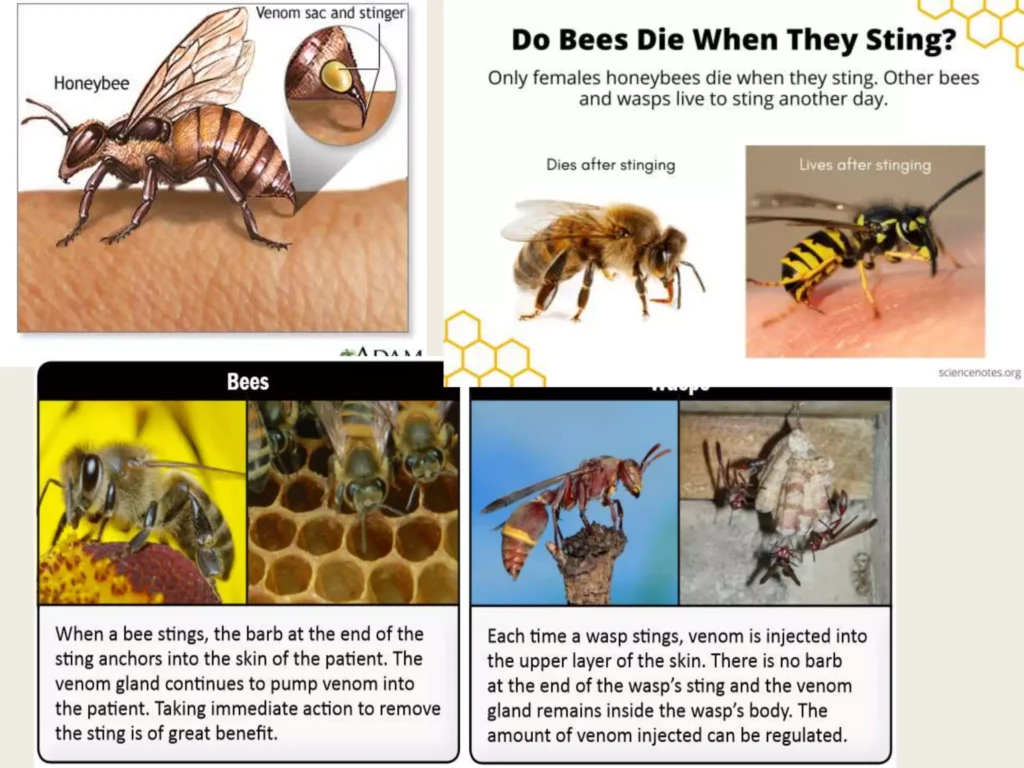
INTERSEXUAL DISABILITIES

INTERSEXUAL DISABILITIES

INTERSEXUAL DISABILITIES.

Intersex is an umbrella term used to describe anyone with reproductive or sexual anatomy that doesn’t align with the traditional definitions of “male” or “female.”

Intersex people were previously referred to as hermaphrodites, “congenital eunuchs”, or congenitally “frigid“. Such  terms have  fallen out of  favor; in  particular ,the  term “hermaphrodite” is considered  to  be  misleading and stigmatizing.

The term intersexuality was coined by Richard Goldschmidt in 1917. The first suggestion to replace the term ‘hermaphrodite’ with ‘intersex’ was made by Cawadias in the 1940s.

Normal Sexual Development

Normal Sexual Development

During normal sexual development, humans have two chromosome pairs: XX for females and XY for males

  1. Fertilization: When the sperm fertilizes the egg, it contributes either an X (female) or a Y (male) chromosome, determining the genetic sex of the embryo.
  2. Early Development: In the initial weeks, male and female fetuses are “anatomically indistinguishable.” Primitive gonads start developing around the sixth week of gestation in a bipotential state.
  3. Gonadal Differentiation: Gonads can become testes (male) or ovaries (female) based on subsequent events. By the seventh week, male and female fetuses look identical.
  4. Hormonal Influence: Around the eighth week, XY embryos’ gonads differentiate into functional testes, producing testosterone. In XX embryos, ovarian differentiation occurs around the twelfth week.
  5. Duct System Development: In females, the Mullein duct system becomes the uterus, Fallopian tubes, and inner vagina. In males, Müllerian duct-inhibiting hormone causes regression, while androgens lead to the Wolffian duct system’s development. intersex
  6. Birth: By birth, the fetus is completely “sexed” as male or female. This alignment includes genetic sex (XY or XX), internal and external gonads, and external genital appearance.
Causes of Intersex Conditions

Causes of Intersex Conditions:

Masculinizing:

1. XX Congenital Adrenal Hyperplasia (CAH):

  • Common cause involving abnormal adrenal gland production of virilizing hormones during fetal development. (“Virilizing hormones” refer to hormones that promote the development of male sexual characteristics or traits. The term “virilization” is associated with the development of male secondary sex characteristics, and these hormones are responsible for shaping the male reproductive system and external features.)
  • Detection of CAH genes in the embryo is possible, and early treatment with dexamethasone is controversial but aims to prevent genital masculinization.
  • Some XX-females with CAH may experience partial or complete masculinization, including a large clitoris or even a male appearance.

2. XX Progestin-Induced Virilization:

  • Caused by progestin drug use in the 1950s and 1960s to prevent miscarriage.
  • Individuals have female anatomy but may develop male secondary sex characteristics, including unusually large clitorises.

3. XX Freemartinism:

  • Common in cattle, where female twins born with a male may share blood supply, leading to masculinization of the female.
  • External female appearance, infertility, and behavior resembling a castrated male.

Feminizing:

4. XY Androgen Insensitivity Syndrome (AIS):

  • Individuals with XY chromosomes unable to metabolize androgens, leading to varying degrees of feminization.
  • Complete AIS results in a female appearance, including a vagina, but with undescended or partially descended testes.

5. XY 5-Alpha-Reductase Deficiency (5-ARD):

  • Affects individuals with a Y chromosome, hindering the conversion of testosterone to dihydrotestosterone (DHT).
  • Results in ambiguous genitalia at birth, with effects ranging from male genitalia to female genitalia with mild clitoromegaly.

6. XY Congenital Adrenal Hyperplasia (CAH):

  • In XY individuals with CAH due to 17 alpha-hydroxylase deficiency, virilization is inhibited compared to cases without a Y chromosome.

7. XY Persistent Müllerian Duct Syndrome (PMDS):

  • XY individuals with male chromosomes but an internal uterus and fallopian tubes due to the absence of Müllerian inhibiting factor during fetal development.

8. XY Anorchia:

  • Loss of gonads after 14 weeks of fetal development in XY individuals.
  • Results in the inability to produce hormones for male secondary sex characteristics, leading to feminization.

9. XY Gonadal Dysgenesis:

  • Heterogeneous condition in XY individuals where gonads fail to develop properly.

10. XY Hypospadias:

  • Caused by various factors, including alterations in testosterone metabolism.
  • Urethra opening does not reach the tip of the penis, with severity ranging from mild to severe.

Others:

  • Unusual chromosomal sex variations, including Turner syndrome (XO), Triple X syndrome (XXX), Klinefelter syndrome (XXY) and variants (XXYY, XXXY), XYY syndrome, de la Chapelle syndrome (XX male), Swyer syndrome (XY female).
signs of intersex

Categories/Types of Intersex:

Intersex can either be chromosomal or homonal. Categories/Types can also be causes of intersex.

  1. 46, XX Intersex:
  • Chromosomes and ovaries are female, but external genitals appear male.
  • Often caused by exposure to excess male hormones in utero.
  • Conditions include congenital adrenal hyperplasia (most common), male hormone exposure during pregnancy, tumors in the mother, or aromatase deficiency.
  • Labia fuse, clitoris enlarges, but normal uterus and fallopian tubes are present.
  • Formerly known as female pseudohermaphroditism.

46” refers to the total number of chromosomes in a normal human cell. Humans have 23 pairs of chromosomes, and when you count them all, it adds up to 46 chromosomes. Each parent contributes one chromosome to each pair, resulting in a total of 23 chromosomes from the mother and 23 chromosomes from the father, making a complete set of 46 chromosomes in most cells of the human body.

2. 46, XY Intersex:

  • Chromosomes are male, but external genitals are incompletely formed, ambiguous, or female.
  • Internal testes may be normal, malformed, or absent.
  • Causes include testes problems (e.g., XY pure gonadal dysgenesis), testosterone formation issues, or difficulties in using testosterone (e.g., androgen insensitivity syndrome, 5-alpha-reductase deficiency).
  • 5-alpha-reductase deficiency babies may have varying genitalia that often align with male characteristics during puberty.
  • AIS is the most common cause, where receptors to male hormones don’t function properly.

3. True Gonadal Intersex:

  • Presence of both ovarian and testicular tissue, either in the same gonad (ovotestis) or with 1 ovary and 1 testis.
  • May have XX chromosomes, XY chromosomes, or both.
  • External genitals can be ambiguous, female, or male.
  • Formerly known as true hermaphroditism.
  • Underlying causes are often unknown, but in some animal studies linked to exposure to agricultural pesticides.

4. Complex or Undetermined Intersex Disorders of Sexual Development:

  • Various chromosome configurations beyond 46, XX or 46, XY.
  • Examples include 45, XO (only one X chromosome) and 47, XXY, 47, XXX (extra sex chromosomes, X or Y).
  • Disorders may not lead to a discrepancy between internal and external genitalia but can affect sex hormone levels, overall sexual development, and the number of sex chromosomes.
Intersex types signs and symptoms

SIGNS & SYMPTOMS OF INTERSEX CONDITIONS

The signs and symptoms of intersex conditions can vary based on their underlying causes. 

  1. Ambiguous Genitalia at Birth: The external genitalia may not have the usual male or female appearance, making it challenging to assign a clear gender.
  2. Micropenis: A smaller than usual penis in males, which can be a result of hormonal imbalances or genetic factors.
  3. Clitoromegaly (Enlarged Clitoris): In females, the clitoris is larger than expected, possibly due to hormonal influences during fetal development.
  4. Partial Labial Fusion: In females, there may be a partial fusion of the labia, the folds of skin surrounding the vaginal opening.
  5. Apparently Undescended Testes (May Turn Out to Be Ovaries) in Boys: Testes that appear not to have descended may actually be ovaries, indicating a discrepancy between external appearance and internal structures.
  6. Labial or Inguinal Masses (May Turn Out to Be Testes) in Girls: Masses in the labial or inguinal (groin) area in females may turn out to be testes, highlighting the complexity of internal organ development.
  7. Hypospadias: The opening of the penis is not at the tip, and in females, the urethra opens into the vagina instead of its usual location.
  8. Otherwise Unusual-Appearing Genitalia at Birth: Genitalia may have features that deviate from the typical male or female appearance, leading to uncertainty in gender assignment.
  9. Electrolyte Abnormalities: Imbalances in electrolytes, essential for bodily functions, may be present and require monitoring and management.
  10. Delayed or Absent Puberty: Puberty may be delayed or absent, affecting the development of secondary sexual characteristics such as breast development or facial hair growth.
  11. Unexpected Changes at Puberty: Some individuals may experience unexpected changes during puberty, further complicating the understanding of their sexual development.
  12. Underdeveloped Secondary Sexual Characteristics: Individuals may exhibit underdeveloped or atypical secondary sexual characteristics, such as minimal breast development in females or a lack of facial hair growth in males.
  13. Infertility: Some intersex conditions can lead to infertility due to irregularities in reproductive organ development or hormonal imbalances affecting gamete production.
  14. Atypical Pubic Hair Growth: Unusual patterns or absence of pubic hair growth may be observed, contributing to the complexity of sexual development.
  15. Urinary or Reproductive System Complications:  Intersex conditions may be associated with complications in the urinary or reproductive systems, leading to issues like urinary tract abnormalities or difficulties in conceiving.
  16. Gender Dysphoria: Individuals may experience distress or discomfort with their assigned gender at birth, potentially leading to gender identity concerns and the need for psychological support.
  17. Hormonal Irregularities: Fluctuations in hormone levels can result in various symptoms, including mood swings, fatigue, or irregular menstrual cycles, depending on the specific intersex condition.
  18. Chromosomal Abnormalities: Some intersex variations involve chromosomal abnormalities beyond the typical XX or XY configurations, contributing to the diversity of intersex presentations.
  19. Psychosocial Challenges: Intersex individuals may face unique psychosocial challenges related to societal perceptions, self-identity, and acceptance, emphasizing the importance of supportive environments.
  20. Skeletal and Muscular Variances: Skeletal and muscular development may exhibit differences, affecting overall body structure and physical abilities.
  21. Emotional and Mental Health Factors: The emotional and mental well-being of intersex individuals may be influenced by societal attitudes, disclosure of their intersex status, and coping with unique challenges.
Diagnosis and Investigations

Diagnosis and Investigations

  1. Chromosome Analysis: This test examines the chromosomal composition, determining if there are variations from the normal XX (female) or XY (male) chromosome. It helps identify chromosomal intersex variations.
  2. Hormone Level Testing (e.g Testosterone): Measurement of hormone levels, such as testosterone, provides an overview into the endocrine system’s functioning. Deviations may indicate hormonal imbalances affecting sexual development.
  3. Hormone Stimulation Tests: These tests assess the body’s response to hormonal stimuli, helping evaluate the capacity of endocrine organs to produce and regulate hormones crucial for sexual development.
  4. Electrolyte Tests: Electrolyte tests assess the balance of minerals in the body, helping in the identification of potential abnormalities that may be associated with specific intersex conditions.
  5. Specific Molecular Testing: Molecular testing involves examining genetic material at the molecular level. This can reveal specific genetic variations or mutations associated with intersex conditions.
  6. Endoscopic Exam (Vaginal or Cervical Presence): An endoscopic examination is performed to visually confirm the absence or presence of a vagina or cervix.
  7. Ultrasound or MRI (Evaluation of Internal Organs): Imaging techniques, such as ultrasound or MRI, are used to visualize internal organs like the uterus. This helps determine the presence or absence of internal sex organs.

Challenges Faced by Intersex People:

I. Stigmatization: Intersex individuals face stigma due to misconceptions and lack of understanding about differences in sex development. Stigmatization can have an impact on mental health and well-being.

II. Discrimination from Birth or Discovery: Intersex individuals may experience discrimination immediately upon birth or when their intersex trait is discovered. Discrimination can be seen in many ways, affecting their sense of belonging and acceptance.

III. Infanticide: Unfortunately, some intersex infants face the risk of infanticide, due to cultural beliefs or misinformation surrounding intersex. This creates a severe threat to the lives of newborns with intersex traits.

IV. Abandonment: The discovery of intersex traits in a child may lead to parental distress, and in extreme cases, it can result in abandonment. This abandonment can have profound emotional and psychological effects on the individual.

V. Stigmatization of Families: Families with intersex members may also face stigma from society. The lack of awareness and understanding in communities can lead to judgment and isolation of the intersex.

VI. Unequal Treatment: Intersex individuals may face unequal treatment in many settings, including healthcare, education, and employment. Discrimination based on their intersex status can lead to unequal distribution  opportunities and services.

VII. Mental Health Struggles: Coping with pressures from the community, discrimination, and potential medical interventions can contribute to mental health challenges for intersex individuals. Access to mental health support is very important for their well-being.

VIII. Lack of Inclusive Education: Educational systems may lack inclusivity in addressing intersex variations, leading to misunderstandings among peers and educators. 

X. Inadequate Medical Care: Some intersex individuals may face challenges in accessing competent and sensitive healthcare. Inadequate medical care can result in physical and emotional distress, emphasizing the need for informed healthcare providers.

XI. Limited Awareness and Advocacy: Widespread ignorance about intersex variations contributes to the challenges faced. Increased awareness and advocacy are necessary to promote understanding, tolerance, and equal rights for intersex individuals.


XII. Isolation and Loneliness: The combination of stigma from society and limited understanding can lead to feelings of isolation and loneliness among intersex individuals. 

Medical Management for Intersex Individuals:

1. Diagnosis and Evaluation:

  • Chromosome Analysis: Conduct chromosomal analysis to determine the genetic composition (XX, XY, or other variations).
  • Hormone Levels: Measure hormone levels, including testosterone, estrogen, and other relevant hormones.
  • Imaging Studies: Utilize ultrasound or MRI to assess internal sex organs and identify any anomalies.

2. Hormone Therapy:

  • Feminizing or Masculinizing Hormones: Administer prescribed hormones based on the individual’s gender identity, aiming to align secondary sex characteristics with their affirmed gender.

3. Psychological Support:

  • Mental Health Counseling: Provide psychological support through counseling to address the emotional impact, to promote a positive self-image and coping mechanisms.
  • Support Groups: Connect individuals with support groups to create peer support and shared experiences.

4. Prenatal Counseling:

  • Genetic Counseling: Offer genetic counseling for parents to understand the intersex condition, potential issues, and available options.

Surgical Management for Intersex Individuals

Surgical Management for Intersex Individuals:

5. Genital Reconstruction Surgery:

  • Feminizing Procedures: Include vaginoplasty, clitoroplasty, and labiaplasty for individuals assigned female.
  • Masculinizing Procedures: Involve procedures like phalloplasty and scrotoplasty for individuals assigned male.

6. Gonadectomy:

  • Removal of Gonads: Address concerns related to gonadal cancer risk or hormone imbalances by removing gonads. Determine the appropriate timing for gonadectomy based on individual health considerations.

7. Corrective Surgeries:

  • Hypospadias Repair: For individuals with hypospadias, surgical correction to reposition the urethral opening may be performed.
  • Vaginal or Penile Reconstruction: Tailored surgeries to address specific anatomical variations.

8. Breast Augmentation or Chest Reconstruction:

  • Gender-Affirming Surgeries: Support individuals in achieving a physical appearance aligned with their gender identity.

Nursing Care for Intersex Individuals:

9. Communication and Education:

  • Open Communication: Foster open dialogue, addressing concerns and providing information about medical procedures.
  • Patient Education: Educate individuals and their families about the intersex condition, treatment options, and postoperative care.

10. Preoperative Care:

  • Emotional Support: Offer emotional support before surgery, addressing anxieties and concerns.
  • Physical Preparation: Ensure individuals understand preoperative instructions and are physically prepared for surgery.

11. Postoperative Care:

  • Pain Management: Monitor and manage postoperative pain, ensuring individuals are comfortable.
  • Wound Care: Provide wound care for surgical incisions to prevent infections and promote healing.
  • Emotional Support: Offer psychological support during the recovery period, addressing body image concerns and promoting a positive self-image.

12. Long-Term Follow-Up:

  • Hormone Monitoring: Regularly monitor hormone levels and adjust hormone therapy as needed.
  • Psychosocial Support: Continue providing ongoing psychosocial support, addressing any evolving emotional needs.

13. Advocacy and Dignity:

  • Advocacy: Advocate for the rights and dignity of intersex individuals, promoting inclusive and respectful care.
  • Cultural Sensitivity: Ensure cultural competence and sensitivity in nursing care, respecting diverse identities and backgrounds.

INTERSEXUAL DISABILITIES Read More »
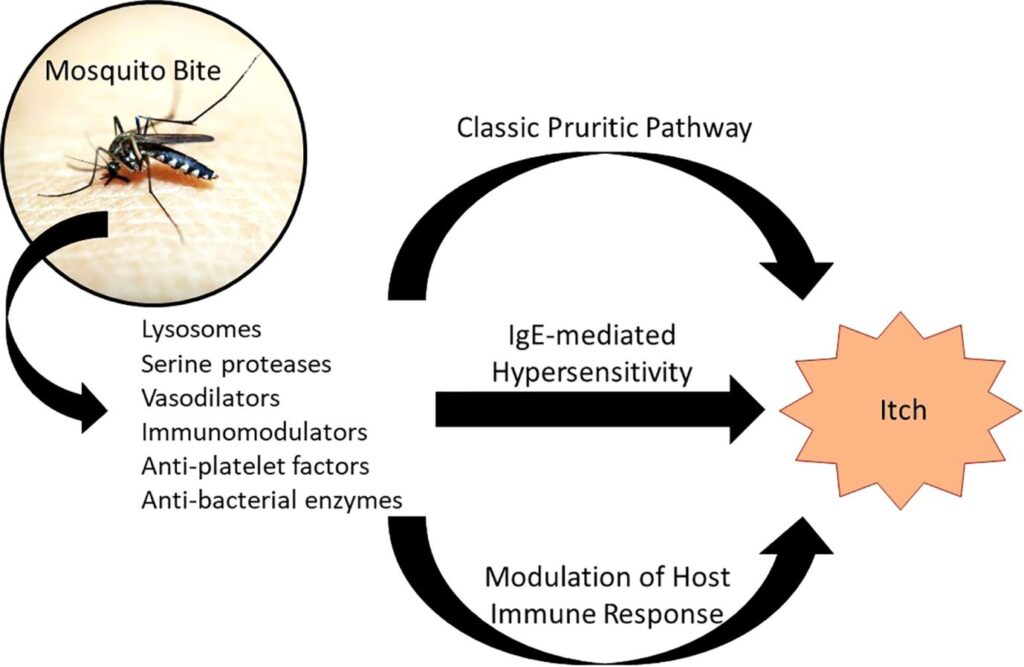
MENINGITIS

MENINGITIS

MENINGITIS

The word meningitis is from Greek μῆνιγξ meninx, “membrane” and the medical suffix –itis, “inflammation“.

Meningitis is an acute inflammation of the protective membranes covering the brain and spinal cord, known collectively as the meninges

Meningitis can be life-threatening because of the inflammation’s proximity to the brain and spinal cord; therefore, the condition is classified as a medical emergency.

WHAT ARE MENINGES? 

The meninges comprise three membranes that, together with the cerebrospinal fluid, enclose and protect the brain and spinal cord (the central nervous system).  There are 3 meninges, namely; the pia mater, the arachnoid mater and the dura mater – this naming is from inwards outwards.

  • The pia mater is a very delicate impermeable membrane that firmly adheres to the surface of the brain, following all the minor contours.
  • The arachnoid mater (so named because of its spider-web-like appearance) is a loosely fitting sac on top of the pia mater. The subarachnoid space separates the arachnoid and pia mater membranes and is filled with cerebrospinal fluid.
  • The outermost membrane, the dura mater, is a thick durable membrane, which is attached to both the arachnoid membrane and the skull. 

The meninges provide a blood brain barrier which prevents infections from blood to spread to the brain, however, some organisms cross this and cause some diseases. They also prevent direct injury to the brain.

Causes of Meningitis and their  Mode of transmission.

Causes of Meningitis and their  Mode of transmission.

1. Bacterial Causes:

  • Streptococcus pneumoniae: Common bacterial cause, transmission through respiratory droplets.
  • Group B Streptococci (subtypes III): Inhabit the vagina, main cause in the first week of life for newborns.
  • Escherichia coli (carrying K1 antigen): Normally found in the digestive tract, affecting newborns during birth.
  • Listeria monocytogenes (serotype IVb): Transmitted by the mother before birth, impacting newborns.
  • Neisseria meningitidis (meningococcus): More common in children around 6 years, transmission through respiratory droplets.
  • Haemophilus influenzae type B: Common in those under 5 years in countries without vaccination, transmission through respiratory droplets.
  • Mycobacterium tuberculosis: More common in people from tuberculosis-endemic countries, transmission through respiratory droplets.
  • Treponema pallidum (syphilis) and Borrelia burgdorferi (Lyme disease): Transmitted through sexual contact (syphilis) and tick bites (Lyme disease).

Note: Aseptic meningitis, where no bacterial infection is demonstrated, is usually caused by viruses.

2. Viral Causes:

  • Enteroviruses: Spread through fecal-oral route.
  • Herpes simplex virus (generally type 2): Transmitted through direct contact with infected lesions (genital sores).
  • Varicella-zoster virus: Causes chickenpox and shingles, transmitted through respiratory droplets.
  • Mumps virus: Spread through respiratory droplets and saliva.
  • HIV: Transmitted through blood, sexual contact, or from mother to child during childbirth or breastfeeding.
  • LCMV (Lymphocytic choriomeningitis virus): Spread through the urine, droppings, saliva, or nesting materials of infected rodents.

3. Fungal Causes:

  • Cryptococcus neoformans: Inhalation of fungal spores from the environment.
  • Coccidioides immitis, Histoplasma capsulatum, Blastomyces spp.: Inhalation of fungal spores from the environment.

4. Parasitic Causes:

  • Eosinophil-predominant CSF indicates parasitic causes.
  • Cerebral malaria: Transmitted through infected mosquitoes.
  • Amoebic meningitis (e.g., Naegleria fowleri): Contracted from freshwater sources.
  • Angiostrongylus cantonensis, Gnathostoma spinigerum, Schistosoma: Various modes of transmission (e.g., contaminated food, water, or snail intermediate hosts).
  • Cysticercosis, Toxocariasis, Baylisascariasis, Paragonimiasis: Different modes of transmission (e.g., ingestion of contaminated food or water).

5. Non infectious Conditions:

  • Neoplastic: Meningitis may result from cancer metastasis to the meninges.
  • Sarcoidosis: An inflammatory condition with an unknown cause.
  • Systemic lupus erythematosus: An autoimmune disorder.
  • Granulomatosis with polyangiitis (Wegener’s): An autoimmune condition affecting blood vessels.
  • Behçet’s disease: An autoimmune condition causing inflammation of blood vessels.
  • Certain drugs may cause meningeal irritation and resemble as meningitis including: Nonsteroidal antiinflammatory drugs (NSAIDs), Intravenous immunoglobulin, Intrathecal agents, Certain antibiotics (eg, trimethoprim-sulfamethoxazole).

Risk Factors for Meningitis:

  1. Immunosuppression: Weakens the immune system.  Use of immunosuppressants (post-organ transplantation), HIV/AIDS, age-related loss of immunity. Associated Pathogens: Staphylococci, Pseudomonas, and other Gram-negative bacteria.
  2. Recent Skull Trauma: Provides an entry point for nasal cavity bacteria into the meningeal space.
  3. Brain and Meninges Devices: Presence of devices like cerebral shunts, extraventricular drains, or Ommaya reservoirs.
  4. Head and Neck Infections: Infections in the head and neck area, such as otitis media or mastoiditis.
  5. Cochlear Implants: Devices for hearing loss.
  6. Persisting Anatomical Defects: Congenital or acquired defects allowing continuity between the external environment and the nervous system.
  7. Extremes of Age: Children, especially below 5 years, and individuals over 50 years old.
  8. Infections (e.g., Endocarditis, Pneumonia): Spread of bacteria clusters through the bloodstream.
  9. Asplenia (Absence of the Spleen):  Lack of a spleen.
Pathophysiology

Pathophysiology of Meningitis:

1. Entry of Organisms:

(a) Routes:

  • Direct Entry: Through open fractures.
  • Blood-Borne: Via the bloodstream.
  • Adjacent Part: From neighboring areas.

2. Bloodstream Invasion: Organisms enter the bloodstream and reach the meninges. Upon reaching the meninges, organisms are identified as foreign.

3. Immune Response Initiation: Recognition triggers a battle between the body’s defense cells and the invading organisms.

Cytokine Release: Astrocytes and microglia release cytokines, recruiting immune cells and stimulating tissues for the immune response.

4. Blood-Brain Barrier Permeability:

  • Vasogenic Edema: Increased permeability leads to cerebral edema, swelling the brain due to fluid leakage from blood vessels.
  • White Blood Cell Influx: Large numbers of white blood cells enter the cerebrospinal fluid (CSF), causing meningeal inflammation and interstitial edema.

5. Cerebral Vasculitis:

  • Inflammation of Blood Vessels: Walls of blood vessels become inflamed, resulting in decreased blood flow.
  • Cytotoxic Edema: Further edema, affecting cells directly.

6. Increased Intracranial Pressure (ICP):

  • Combined Edema Effects: Vasogenic, interstitial, and cytotoxic edema collectively elevate ICP.
  • Impaired Blood Flow: Decreased blood flow makes it challenging for blood to enter the brain.
  • Oxygen Deprivation: Brain cells undergo apoptosis (programmed cell death) due to reduced oxygen supply.

7 .Brain Swelling and Symptoms:

  • CSF Flow Blockade: Brain swelling obstructs cerebrospinal fluid (CSF) flow.
  • Clinical Signs: Severe headache, seizures, and other symptoms manifest.

8. Untreated Progression:

  1. Spread to the Brain: Unchecked inflammation extends to various parts of the brain.
  2. Complications: Encephalitis, increased ICP, brainstem dysfunction, multi-organ dysfunction.
  3. Outcome: Without treatment, progression can lead to death.

CLINICAL FEATURES

  1. Fever: Elevated body temperature. Common and indicative of systemic infection, including meningitis.
  2. Headache: Severe head pain. Present in nearly 90% of bacterial meningitis cases.
  3. Neck Stiffness (Nuchal Rigidity): Increased neck muscle tone and stiffness. Classic symptom, suggests irritation of the meninges. Common in both adults and children with meningitis.
  4. Photophobia: Intolerance to bright light. Reflects heightened sensitivity of the eyes due to meningeal inflammation.
  5. Phonophobia: Intolerance to loud noises. Similar to photophobia, indicative of sensory hypersensitivity.
  6. Irritability (in Small Children): Behavioral changes, increased fussiness.
  7. Unwell Appearance (in Small Children): General discomfort, outward signs of illness. Nonspecific but compliments other symptoms.
  8. Fontanelle Bulging (in Infants): Bulging of the soft spot on a baby’s head. Specific to infants; indicates increased intracranial pressure. Visually noticeable in infants aged up to 6 months.
  9. Leg Pain: Discomfort in the legs. May result from systemic effects of inflammation.
  10. Cold Extremities: Cool hands and feet. Peripheral effects of systemic inflammation. Physical examination reveals cooler-than-normal extremities.
  11. Abnormal Skin Color: Changes in skin tone.  Peripheral circulation disturbances due to inflammation.  Altered skin color noted during examination.
  12. Positive Kernig’s Sign: Pain limits passive extension of the knee. Specific for meningitis; indicates meningeal irritation. Tested with the person lying supine; pain restricts knee movement.
  13. Positive Brudzinski’s Sign: Neck flexion causes involuntary knee and hip flexion. Specific for meningitis; reflects meningeal irritation. Neck flexion triggers involuntary leg movements.
  14. Jolt Accentuation Maneuver: Determines likelihood of meningitis in those with fever and headache. A procedure is done where Rapid horizontal head rotation; worsening headache indicates possible meningitis. Simple bedside test aiding diagnostic decision-making.
  15. Rapidly Spreading Petechial Rash (Meningococcal Meningitis): Small, reddish-purple spots on the skin. Specific to meningococcal meningitis; requires urgent medical attention. May precede other symptoms, aiding early identification.
  16. Confusion or Altered Consciousness: Mental state changes, disorientation. Indicates severe cases with potential neurological involvement. Altered mental status evident during examination.
  17. Vomiting: Forceful expulsion of stomach contents.
  18. Nonspecific Symptoms in Young Children: Irritability, Drowsiness, Poor Feeding:
  • Irritability: Behavioral changes.
  • Drowsiness: Increased sleepiness.
  • Poor Feeding: Reduced appetite or feeding reluctance.

Diagnosis and Investigations

  1. History Taking and Physical Examination:
  • Classic Triad of Diagnostic Signs:
  1. Nuchal Rigidity: Increased neck muscle tone and stiffness.
  2. Sudden High Fever: Elevated body temperature.
  3. Altered Mental Status: Changes in cognitive function.
  • Diagnostic Accuracy: The classic triad is present in only 44–46% of bacterial meningitis cases.
  • Additional Signs: Positive Kernig’s sign or Brudziński sign may be present.

CSF Findings in Different Forms of Meningitis:

  • Parameters Assessed: Glucose levels, Protein levels, White Blood Cell count (predominantly Polymorphonuclear Cells).
  • Diagnostic Differentiation: Discrepancies in CSF composition aid in identifying the type of meningitis.

Blood Tests and Imaging:

  • Inflammatory Markers: C-reactive protein, Complete Blood Count.
  • Blood Cultures: Performed to identify pathogens.
  • Electrolyte Monitoring: Essential for managing complications (e.g., hyponatremia).
  • Imaging (CT or MRI): Recommended before lumbar puncture in 45% of adult cases.
  • Indications: Identify brain masses (tumors or abscesses) or elevated intracranial pressure (ICP).

Lumbar Puncture (Spinal Tap):

  • Procedure: Needle inserted into the dural sac to collect cerebrospinal fluid (CSF).
  • Contraindications: Mass in the brain or elevated ICP.
  • Opening Pressure Measurement: Typically elevated in bacterial meningitis.
  • Appearance of Fluid: Cloudiness may indicate higher levels of protein, white and red blood cells, and/or bacteria.

Specialized Tests for Differentiating Meningitis Types:

-Latex Agglutination Test:

  • Positive Results: Streptococcus pneumoniae, Neisseria meningitidis, Haemophilus influenzae, Escherichia coli, and group B streptococci.
  • Routine Use: Not encouraged unless other tests are inconclusive.

-Limulus Lysate Test:

  • Positive Results: Gram-negative bacteria.

-Polymerase Chain Reaction (PCR):

  • Purpose: Amplify bacterial or viral DNA in CSF.
  • Sensitivity and Specificity: Highly sensitive and specific; detects trace amounts of infecting agent’s DNA.

-Tuberculous Meningitis:

  • Diagnostic Techniques: Ziehl-Neelsen stain (low sensitivity), Tuberculosis culture (time-consuming), increasing use of PCR.

MANAGEMENT OF MENINGITIS.

Meningitis is a potentially life-threatening condition with a high mortality rate if left untreated. Prompt treatment is crucial, and a delay has been linked to a poorer outcome. The initial treatment involves promptly administering antibiotics and sometimes antiviral drugs. Corticosteroids may also be used to prevent complications from excessive inflammation.

Treatment with broad-spectrum antibiotics should not be delayed while confirmatory tests are being conducted. In cases where meningococcal disease is suspected, benzylpenicillin is recommended before transfer to a hospital. Intravenous fluids are administered if there is hypotension or shock, and admission to an intensive care unit may be necessary.

Aims of Management

  • To minimize further complication.
  • To relieve pain.
  • To preserve life.
  • To promote comfort

Immediate Intervention:

  • The patient and relatives are received and admitted to the male medical ward in an isolation room with dim light, on a comfortable bed, and positioned for comfort.
  • Quick assessment of the patient’s condition, including level of consciousness (using the Glasgow Coma Scale), and baseline observations (TPR/BP) are recorded.
  • Relatives and the patient are reassured to alleviate anxiety.
  • The doctor is informed about the patient’s condition.

Meanwhile;

In case of unconsciousness, oxygen administration is instituted.

An Intravenous (IV) line is established for fluid and drug administration, and a blood sample is taken for hematology.

The doctor may request for the following investigations;

  • Cerebral Spinal Fluid analysis for quality, quantity, and nature.
  • Chest x-ray and ultrasound to identify a possible primary site.

Continuous care

  • Catheter insertion for monitoring urine output and fluid balance charting after 24 hours.
  • Nasogastric tube insertion for nutritional support.
  • Tepid sponging is performed to reduce fever and enhance patient comfort.
  • Continuous monitoring of CSF for quality, quantity, and appearance.
  • Collection, disinfection, and safe disposal of all patient discharges to prevent cross-infection.

Following Doctor’s Review and Prescription:

For Streptococcus pneumonia (10-14 day course; up to 21 days in severe cases):

  • Benzyl penicillin 3-4 MU IV or IM every 4 hours
  • Or Ceftriaxone 2 g IV or IM every 12 hours

For Haemophilus influenza (10-day course):

  • Ceftriaxone 2 g IV or IM every 12 hours.

For Neisseria meningitides (up to 14-day course):

  • Benzyl penicillin IV 5-6 MU every 6 hours
  • Or Ceftriaxone 2 g IV or IM every 12 hours
  • Or Chloramphenicol 1 g IV every 6 hours (IM if IV not possible)

For adults above 50 years:

  • Cefotaxime 2g IV every 6 hours
  • Or Ceftriaxone 2 g IV every 12 hours
  • Or Co-trimoxazole 50mg/kg IV daily in 2 divided doses, plus Ampicillin 2g IV every 4 hours
  • Or Co-trimoxazole 50mg/kg IV daily in 2 divided doses.

Meningitis is potentially life-threatening and has a high mortality rate if untreated; delay in treatment has been associated with a poorer outcome.  The first treatment in acute meningitis consists of promptly giving antibiotics and sometimes antiviral drugs. Corticosteroids can also be used to prevent complications from excessive inflammation.

Thus, treatment with wide-spectrum antibiotics should not be delayed while confirmatory tests are being conducted. If meningococcal disease is suspected in primary care, guidelines recommend that benzylpenicillin be administered before transfer to hospital.

Continuous Nursing Care:

  • Reassurance of the patient and relatives.
  • Position change every 2 hours to prevent pressure sores and aspiration.
  • Infusion site cleaning, bed baths, and regular oral care.
  • Proper bed-making and changing of soiled linen.
  • Ensuring a balanced diet.
  • Encouraging patient exercises for healing.
  • Providing a bedpan for bowel opening.
  • Health education about meningitis, its causes, features, and prevention.

Specific Interventions:

Mechanical Ventilation: Required if the level of consciousness is very low or if respiratory failure is evident.

Raised Intracranial Pressure (ICP):

  • Monitoring measures are taken to optimize cerebral perfusion pressure.
  • Various treatments, including medication (e.g., mannitol), are used to decrease intracranial pressure.

Seizures: Treated with anticonvulsants.

  • Hydrocephalus: May require the insertion of temporary or long-term drainage devices, such as a cerebral shunt.

Bacterial Meningitis:

  • Antibiotics Used: Cefotaxime, vancomycin, chloramphenicol, and ampicillin can be used, sometimes in combination.
  • Empirical Therapy: Based on age, history of head injury, recent neurosurgery, and the presence of a cerebral shunt. Ampicillin is recommended for young children, those over 50, and immunocompromised individuals to cover Listeria monocytogenes.
  • Tuberculous Meningitis: Requires prolonged treatment with antibiotics (typically a year or longer).

Steroids:

  • Additional treatment with corticosteroids (usually dexamethasone) shows benefits such as a reduction in hearing loss and better short-term neurological outcomes. Their role differs in children and adults.

Viral Meningitis:

  • Usually requires supportive therapy.
  • Antiviral drugs (e.g., aciclovir) may be used for herpes simplex virus and varicella-zoster virus.
  • Mild cases can be treated at home with conservative measures.

Fungal Meningitis:

  • Treated with long courses of high-dose antifungals (amphotericin B and flucytosine).
  • Frequent lumbar punctures or lumbar drains may be needed to relieve raised intracranial pressure.

Note:

  • Untreated bacterial meningitis is almost always fatal.
  • Viral meningitis tends to resolve spontaneously and is rarely fatal.
  • With treatment, mortality from bacterial meningitis depends on age and the underlying cause. Mortality rates are highest in newborns (20–30%) and adults (19–37%).

 Note; in managing meningitis; (general)

  1. Isolation Precautions: Meningitis, especially of bacterial origin, can be highly contagious. Isolation precautions involve placing the patient in a dedicated room to prevent the spread of the infectious agent to others. Healthcare providers and visitors may need to wear protective gear to minimize exposure.
  2. Initiation of Antimicrobial Therapy: Swift initiation of antimicrobial therapy is paramount. Broad-spectrum antibiotics are administered promptly to target the causative microorganism. This immediate action helps control the infection and improve the chances of a positive outcome.
  3. Maintenance of Optimal Hydration:  Dehydration is a common complication in meningitis due to fever, vomiting, and decreased oral intake. Maintaining optimal hydration involves administering intravenous fluids to prevent dehydration, support overall health, and assist in medication delivery.
  4. Maintenance of Ventilation:  Ensuring adequate ventilation is crucial, especially if the patient exhibits signs of respiratory distress or altered consciousness. Mechanical ventilation may be employed if necessary to assist with breathing and maintain proper oxygen levels.
  5. Reduction of Increased Intracranial Pressure (ICP): Increased intracranial pressure can lead to severe complications. Various measures, such as medications like mannitol, may be employed to reduce intracranial pressure. Monitoring and managing ICP are critical to prevent further damage to the brain.
  6. Management of Bacterial Shock: Bacterial meningitis can lead to septic shock, a life-threatening condition. Managing bacterial shock involves interventions to stabilize blood pressure, improve perfusion, and address systemic inflammatory responses to prevent multiple organ failure.
  7. Control of Seizures: Seizures can occur in meningitis, particularly in the acute phase. Anticonvulsant medications are administered to control and prevent seizures, helping to protect the brain from additional damage.
  8. Control of Temperature: Elevated body temperature is common in meningitis and can worsen outcomes. Temperature control involves antipyretic medications, cooling measures like tepid sponging, and maintaining a comfortable environment to prevent hyperthermia.
  9. Correction of Anemia:  Anemia may develop due to various factors, including inflammation. Correction of anemia involves addressing underlying causes, providing iron supplementation if needed, and ensuring adequate oxygen-carrying capacity in the blood.
  10. Treatment of Complications: Meningitis can lead to various complications, such as neurological deficits, organ dysfunction, and long-term sequelae. Treatment of complications involves targeted interventions to address specific issues, enhance recovery, and improve overall patient outcomes.
  • Intravenous fluids should be administered if hypotension (low blood pressure) or shock is present admit the person to an intensive care unit if deemed necessary.
  • Mechanical ventilation may be needed if the level of consciousness is very low, or if there is evidence of respiratory failure.
  •  If there are signs of raised intracranial pressure, measures to monitor the pressure may be taken; this would allow the optimization of the cerebral perfusion pressure and various treatments to decrease the intracranial pressure with medication (e.g. mannitol).
  •  Seizures are treated with anticonvulsants.
  • Hydrocephalus (obstructed flow of CSF) may require insertion of a temporary or long-term drainage device, such as a cerebral shunt.
prevention of meningitis

Prevention of Meningitis:

Behavioral Measures:

  • Personal Hygiene:  Practicing good personal hygiene, such as regular handwashing, can reduce the risk of bacterial and viral meningitis transmission.
  • Respiratory Etiquette:  Since meningitis can spread through respiratory droplets, avoiding close contact during sneezing, coughing, or kissing helps minimize the risk of transmission.
  • Fecal Contamination Awareness: Viral meningitis, often caused by enteroviruses, can be spread through fecal contamination. Being cautious about hygiene and avoiding behaviors that may lead to contamination helps reduce the risk.

Vaccination:

  • Haemophilus influenzae Type B (Hib) Vaccine: Routine childhood vaccination against Hib has significantly reduced Hib-related meningitis in many countries since the 1980s.
  • Pneumococcal Conjugate Vaccine (PCV):  Vaccination against Streptococcus pneumoniae with PCV reduces the incidence of pneumococcal meningitis, especially in young children.
  • Bacillus Calmette-Guérin (BCG) Vaccine: Childhood vaccination with BCG has been linked to a reduction in the rate of tuberculous meningitis.

Antibiotics:

  • Short-Term Prophylaxis: Administering antibiotics to individuals with significant exposure to specific meningitis-causing agents can serve as short-term prophylaxis. This approach is particularly relevant in risk groups, such as those with basilar skull fractures.

Complications of Meningitis:

  1. Sepsis: Meningitis may trigger sepsis, characterized by a systemic inflammatory response affecting blood pressure, heart rate, temperature, and breathing. It can lead to organ dysfunction due to insufficient blood supply.
  2. Disseminated Intravascular Coagulation (DIC):  Excessive blood clotting in DIC may obstruct blood flow to organs, increasing the risk of bleeding. Gangrene of limbs is a severe complication in meningococcal disease.
  3. Increased Intracranial Pressure (ICP): Swelling of brain tissue may increase pressure inside the skull, leading to herniation. Symptoms include decreased consciousness, loss of pupillary light reflex, and abnormal posturing. Hydrocephalus may result from inflammation obstructing normal cerebrospinal fluid flow.
  4. Seizures:  Seizures, common in the early stages, may persist and lead to epilepsy. They are observed in 30% of cases in children.
  5. Cranial Nerve Abnormalities: Meningitis-induced inflammation may affect cranial nerves, leading to issues with eye movement, facial muscles, and hearing. Visual symptoms and hearing loss may persist post-recovery.
  6. Brain Inflammation and Vascular Issues: Encephalitis and cerebral vasculitis may result in weakness, loss of sensation, or abnormal movement in body parts controlled by the affected brain areas.
  7. Long-Term Consequences: Meningitis can cause long-term complications such as deafness, epilepsy, hydrocephalus, and cognitive deficits, especially if not promptly treated.

MENINGITIS Read More »
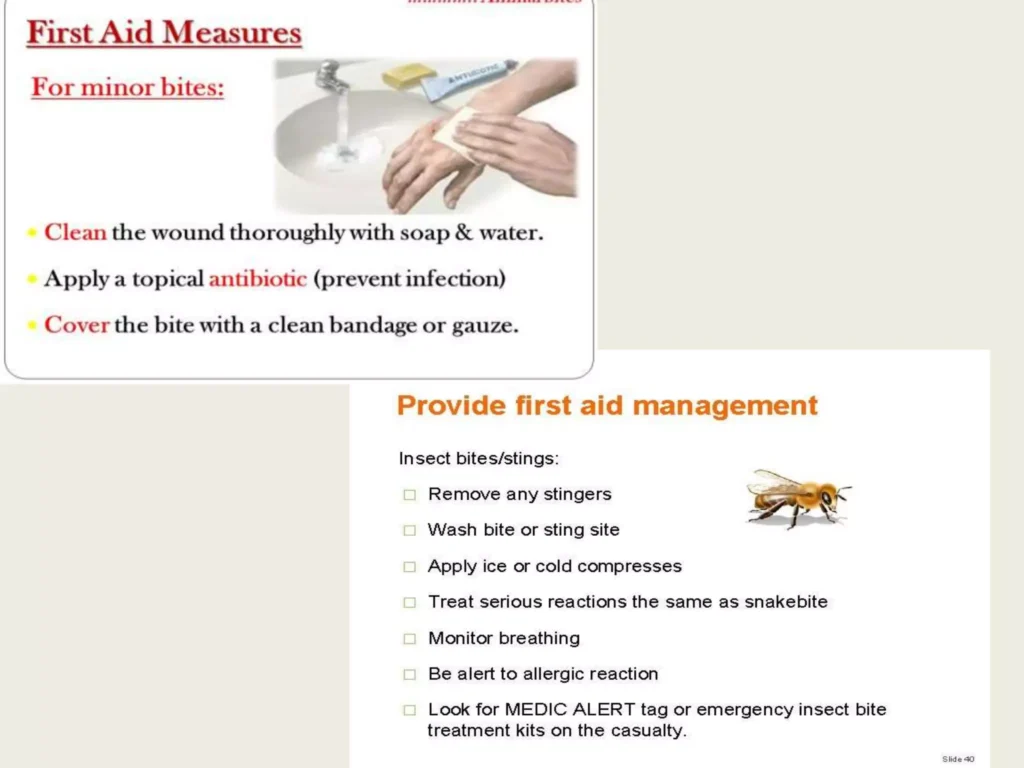
HAEMOPHILUS INFLUENZA INFECTION

HAEMOPHILUS INFLUENZA INFECTION

HAEMOPHILUS INFLUENZA INFECTION.

Haemophilus influenzae is a gram-negative, cocco-bacillary, facultatively anaerobic bacterium that falls within the Coccobacilli group. While it normally resides as a commensal in the nose and throat without causing infections under normal conditions, it can become pathogenic if host defenses are compromised.

The bacterium was initially misattributed as the cause of influenza, later identified correctly as the influenza virus.

Classifications of Haemophilus Influenzae

Classifications of Haemophilus Influenzae

Haemophilus influenzae is classified into two main groups based on the presence or absence of a capsule: Encapsulated and Unencapsulated (non-typeable).

Encapsulated Types:

  • There are six subtypes (a to f) distinguished by alphabetical letters corresponding to their capsular antigens (e.g., Haemophilus influenzae type a, b, c, d, e, and f).
  • Among these, type b (Hib) is the most prevalent and notorious for causing severe diseases.
  • The encapsulated types are susceptible to vaccination, notably the Hib vaccine.

Unencapsulated Types (Non-typeable):

  • Lack capsular serotypes and are generally less invasive but can still cause inflammation.
  • Not affected by the Hib vaccination.

Infections and Diseases:

Haemophilus influenzae infections can lead to various diseases, particularly when the bacterium successfully invades the body. These include:

Invasive Diseases: (For Encapsulated)

Non-invasive Diseases: ( For Non-encapsulated)

Mode of spread of Haemophilus Influenzae:

The primary mode of spread for Haemophilus influenzae is person-to-person transmission through respiratory droplets. The bacterium is spread when an infected person coughs or sneezes, releasing tiny droplets containing the bacteria into the air. These droplets can then be inhaled by individuals in close contact, leading to the colonization of the respiratory tract.

Key points regarding the mode of spread:
  1. Respiratory Droplets: The most common mode of transmission is through respiratory droplets expelled by infected individuals during activities such as coughing, sneezing, or talking.
  2. Close Contact: Transmission is more likely to occur in situations where people are in close contact with an infected person, especially in crowded or confined spaces.
  3. Asymptomatic Carriers: Individuals colonized with Haemophilus influenzae, even if asymptomatic, can still potentially transmit the bacterium to others.
  4. Opportunistic Nature: Haemophilus influenzae is considered an opportunistic pathogen, meaning it takes advantage of weakened immune defenses to cause infections. While it can colonize the respiratory tract without causing disease in healthy individuals, it may lead to infections when the host’s immune system is compromised.
  5. Age Groups: The transmission is particularly significant in settings with a high density of young children, as they are more prone to certain types of invasive Haemophilus influenzae infections, such as Hib (Haemophilus influenzae type b) meningitis.
Risk Factors for Hib Disease:
  1. Household Crowding: Living in a crowded household where people are in close proximity increases the likelihood of person-to-person transmission of the bacterium through respiratory droplets, which can lead to Hib infection.
  2. Large Household Size: Larger households provide more opportunities for the spread of infectious agents. The more people there are in a household, the higher the chances of someone being a carrier of Haemophilus influenzae, increasing the risk of transmission.
  3. Child Care Attendance: Children in daycare settings may have closer contact with each other, facilitating the spread of bacteria. Additionally, young children may not have fully developed immune systems, making them more susceptible to infections like Hib.
  4. Low Socioeconomic Status: Lower socioeconomic status often correlates with limited access to healthcare, crowded living conditions, and potential challenges in maintaining hygiene. These factors collectively contribute to an increased risk of Hib infection.
  5. Low Parental Education Levels: Parents with lower education levels may have less awareness of preventive measures and healthcare practices. This lack of knowledge can impact their ability to protect their children from infectious diseases, including Hib.
  6. School-Age Siblings: Siblings attending school may be exposed to various infectious agents, including Haemophilus influenzae. As carriers, they can potentially transmit the bacterium to younger siblings at home.
  7. Age (Youngest and Oldest): The youngest and oldest individuals are at an elevated risk. Young children often have developing immune systems, and the elderly may have weakened immune defenses, making both age groups more susceptible to severe infections.
  8. Race/Ethnicity (Native Americans): Native Americans may face elevated risks due to a combination of genetic, socioeconomic, and healthcare access factors that can contribute to a higher incidence of Hib disease.
  9. Chronic Diseases (e.g., HIV, Immunodeficiency): Conditions that compromise the immune system, such as HIV, immunodeficiency, or asplenia, reduce the body’s ability to fight infections, increasing the risk and severity of Hib disease.
  10. Prematurity: Premature infants may have underdeveloped immune systems, placing them at a higher risk of infections, including Hib. Their immune systems may not be fully equipped to respond effectively to bacterial threats.
  11. Extremes of Age (Below 5 and Above 65): Both very young children (below 5 years) and the elderly (above 65 years) often have weaker immune responses, making them more vulnerable to severe infections, including those caused by Haemophilus influenzae.
  12. Immunocompromised Individuals: Individuals with compromised immune systems, such as those with HIV/AIDS, cancers, or sickle cell disease, are less capable of mounting an effective immune response against pathogens, increasing the risk of severe Hib infections.
  13. Asplenia: Asplenia (lack of a spleen or non-functional spleen) impairs the immune system’s ability to clear bacteria from the bloodstream, leading to an increased risk of severe Hib infections.
HAEMOPHILUS

Pathophysiology of Haemophilus influenzae Infection:

  1. Entry into the Body: Haemophilus influenzae enters the body through the nasopharynx, commonly the upper respiratory tract.
  2. Colonization in the Nasopharynx: The organisms colonize the nasopharynx, where they may remain shortly or for several months. Some individuals may carry the bacteria without displaying symptoms, becoming asymptomatic carriers.
  3. Multiplication and Immune Recognition: Once inside the body, the organisms start to multiply. The immune system recognizes the presence of the foreign invader, sensitizing immune cells to the threat.
  4. Immune Response Activation: The immune system responds by transporting various defense cells, including cytokines, to the affected area. This mobilization is a defensive reaction against the invading bacteria.
  5. Inflammation Occurs: In response to the interaction between the immune cells and the bacteria, inflammation takes place. This is a protective mechanism designed to eliminate the infectious agent.
  6. Signs and Symptoms of Infection: The inflammatory response leads to signs and symptoms of infection, including fever, weakness, nausea, and other systemic manifestations. These symptoms are indicative of the body’s efforts to combat the infection.

Clinical Features according to Infections and Diseases

Clinical Manifestation

Signs and Symptoms

Pneumonia

  • Fever and chills
  • Cough
  • Shortness of breath
  • Sweating
  • Chest pain
  • Headache
  • Tiredness
  • Fatigue

Bacteraemia

  • Fever and chills
  • Tiredness
  • Anorexia
  • Nausea
  • Vomiting
  • Dyspnea
  • Confusion
  • Irritability

Meningitis

  • Fever
  • Headache
  • Neck stiffness
  • Nausea ± vomiting
  • Photophobia
  • Confusion, decreased mental status.
  • Hearing impairment or neurologic sequelae in survivors
  • Case fatality ratio: 3% to 6%

Epiglottitis

  • Infection and swelling of the epiglottis
  •  Life-threatening airway obstruction

In Children:


Signs and Symptoms

  • Irritability
  • Vomiting feeds
  • Poor feeding and refusal of feeds
  • Lack of interest in everything and inactivity
  • General weakness
  • Drowsiness
  • Decreased reflexes in babies
Diagnosis and Investigations

Diagnosis and Investigations

Clinical Assessment:

  • Medical History: Inquire about the patient’s symptoms, recent illnesses, and exposure to potential sources of infection.
  • Physical Examination: A thorough examination to assess specific signs and symptoms associated with the type of infection, such as lung sounds for pneumonia or neck stiffness for meningitis.

Laboratory Tests:

  • Gram Stain: To visualize the morphology of the bacteria. Gram stain of infected body fluids may reveal small, gram-negative coccobacilli, suggesting H. influenzae infection.
  • Culture: Specimens for culture include CSF, blood, pleural fluid, joint fluid, and middle ear aspirates. Purpose is To isolate and identify H. influenzae. Positive culture for H. influenzae establishes the diagnosis. Detection of antigen or DNA can be used as an adjunct, especially in patients partially treated with antimicrobials.
  • Cerebrospinal Fluid (CSF) Analysis: For suspected cases of meningitis, a lumbar puncture is performed to collect CSF. Analysis of the CSF can reveal the presence of bacteria, white blood cells, and other indicators of infection.
  • Sputum Culture: In cases of pneumonia, a sputum sample may be collected and cultured to identify the causative organism, including Haemophilus influenzae.
  • Polymerase Chain Reaction (PCR): Molecular techniques like PCR can help identify the specific strain of Haemophilus influenzae, providing more detailed information for targeted treatment.

Imaging Studies:

  • Chest X-ray: For suspected pneumonia, a chest X-ray may be conducted to visualize abnormalities in the lungs and confirm the diagnosis.

Management

Aims

  • To minimize further complication.
  • To relieve pain.
  • To preserve life.
  • To promote comfort

Immediate intervention

The patient and relatives are received, admitted to the medical ward. Incase patient has meningitis, they are admitted in an isolation room with dim light on a comfortable bed and positioned in a comfortable position.

Medical Management

  1. Antimicrobial Therapy:
  • Choice of Antibiotics: Effective third-generation cephalosporins such as cefotaxime or ceftriaxone are the first-line treatment and should be initiated immediately. An alternative regimen includes chloramphenicol in combination with ampicillin.
  • Duration of Treatment: A 10-day course of antimicrobial therapy is usually prescribed for severe infections. In cases of penicillin resistance, alternative antibiotics such as ceftriaxone, fluoroquinolones, or macrolides may be considered.

2. Supportive Treatment:

  • Oxygen Therapy: Administered as needed, especially in cases of respiratory distress or pneumonia.
  • Fluid Infusion: Maintaining hydration through intravenous fluid administration is crucial, especially in cases of severe infections where fluid loss may occur.
  • Other Supportive Measures: Depending on the severity and the affected organ system, additional supportive measures may include analgesics for pain relief, antipyretics for fever management, and antiemetics for nausea and vomiting.

4. Monitoring: Regular monitoring of vital signs, blood pressure, and oxygen saturation to assess the patient’s response to treatment.

5.Vaccination: Administration of Haemophilus influenzae type b (Hib) vaccine as a preventive measure, especially in populations at risk, to reduce the incidence of invasive Hib disease.

Nursing care 

1. Admission and Initial Assessment:

  • Vital Signs: Regular monitoring of vital signs, including temperature, heart rate, respiratory rate, and blood pressure.
  • Assessment: Conduct a thorough initial assessment to determine the severity of symptoms and the affected organ systems.

2. Infection Control Measures:

  • Implement standard precautions to prevent the spread of infection.
  • Isolation precautions may be necessary based on the specific type of infection.

3. Hydration and Nutrition:

  • Administer intravenous fluids as prescribed to maintain hydration.
  • Monitor and encourage oral fluid intake if tolerated.
  • Collaborate with the dietitian to provide appropriate nutrition, considering any dietary restrictions or preferences.

4. Medication Administration:

  • Administer prescribed antibiotics promptly and as directed.
  • Monitor for any adverse reactions to medications.

5. Respiratory Support:

  • Administer supplemental oxygen as prescribed for patients with respiratory distress or pneumonia.
  • Monitor respiratory status closely and provide respiratory treatments as needed.

6. Pain Management:

  • Assess and manage pain using appropriate pain management strategies.
  • Administer analgesics as prescribed.

7. Fever Management:

  • Implement measures to manage fever, such as administering antipyretics as prescribed.
  • Employ physical cooling measures (cool compresses, fans) as needed.

8. Neurological Monitoring:

  • For cases involving meningitis, monitor neurological status closely.
  • Assess for signs of increased intracranial pressure.

9. Emotional Support:

  • Provide emotional support to the patient and family, addressing any concerns or fears.
  • Keep the family informed about the patient’s condition and treatment plan.

10. Patient Education:

  • Educate the patient and family about the nature of the infection, treatment plan, and the importance of completing the prescribed antibiotic course.
  • Provide information on preventive measures, such as vaccination.

11. Follow-Up Care:

  • Plan for follow-up care and provide instructions for any necessary post-hospitalization care.
  • Ensure the patient and family understand signs of complications and when to seek medical attention.

12. Collaboration with Other Healthcare Providers:

  • Collaborate with physicians, pharmacists, and other healthcare providers to ensure a coordinated and effective treatment plan.

13. Documentation:

  • Maintain thorough and accurate documentation of assessments, interventions, and patient responses.

Complications of Haemophilus influenzae Infection:

Meningitis Complications:

  • Hearing Impairment: Occurs in 15% to 30% of survivors of meningitis.
  • Neurological Sequelae: Such as cognitive deficits, motor abnormalities, or seizures.

Epiglottitis Complications:

  • Airway Obstruction: Life-threatening complications may arise due to swelling of the epiglottis.
  • Bacteremia Complications:

  • Sepsis: Bacteremia can progress to sepsis, a severe systemic response to infection.
  • Endocarditis: Infection of the heart valves may occur in rare cases.
  • Pneumonia Complications:

  • Respiratory Distress: Severe pneumonia can lead to respiratory failure and the need for mechanical ventilation.
  • Arthritis Complications:

  • Joint Damage: Infective arthritis can result in joint damage and functional impairment.
  • Cellulitis Complications:

  • Abscess Formation: Cellulitis may progress to the formation of abscesses in severe cases.
  • Osteomyelitis Complications:

  • Bone Damage: Invasive infections can lead to osteomyelitis, causing damage to bone tissue.

Prevention of Haemophilus influenzae Infection:

  • Vaccination:
  • Hib Vaccine: Vaccination against Haemophilus influenzae type b (Hib) is highly effective in preventing invasive diseases, including meningitis and bacteremia. It is a routine childhood vaccine.
  • Pneumococcal Vaccine: Protects against pneumonia caused by various bacteria, including some strains of Haemophilus influenzae.

    Routine Immunizations:

  • Ensuring timely administration of routine childhood immunizations as recommended by national vaccination schedules.
  • Good Hygiene Practices:

  • Hand Hygiene: Regular handwashing can help prevent the spread of respiratory infections, including Haemophilus influenzae.
  • Avoiding Crowded Places:

  • Especially during peak seasons of respiratory infections.
  • Prompt Antibiotic Treatment:

  • Early diagnosis and treatment of respiratory infections to prevent complications and the spread of the bacteria.
  • Health Education:

  • Raising awareness about the signs and symptoms of invasive infections and the importance of seeking medical attention promptly.
  • Antibiotic Prophylaxis:

  • In certain cases, antibiotic prophylaxis may be recommended for close contacts of individuals with Haemophilus influenzae infection to prevent secondary cases.
  • Respiratory Etiquette:

  • Encouraging the practice of covering the mouth and nose when coughing or sneezing to prevent the spread of respiratory droplets.
  • Maintaining Healthy Lifestyle:

  • Ensuring good nutrition, regular exercise, and overall well-being to support a healthy immune system.

HAEMOPHILUS INFLUENZA INFECTION Read More »
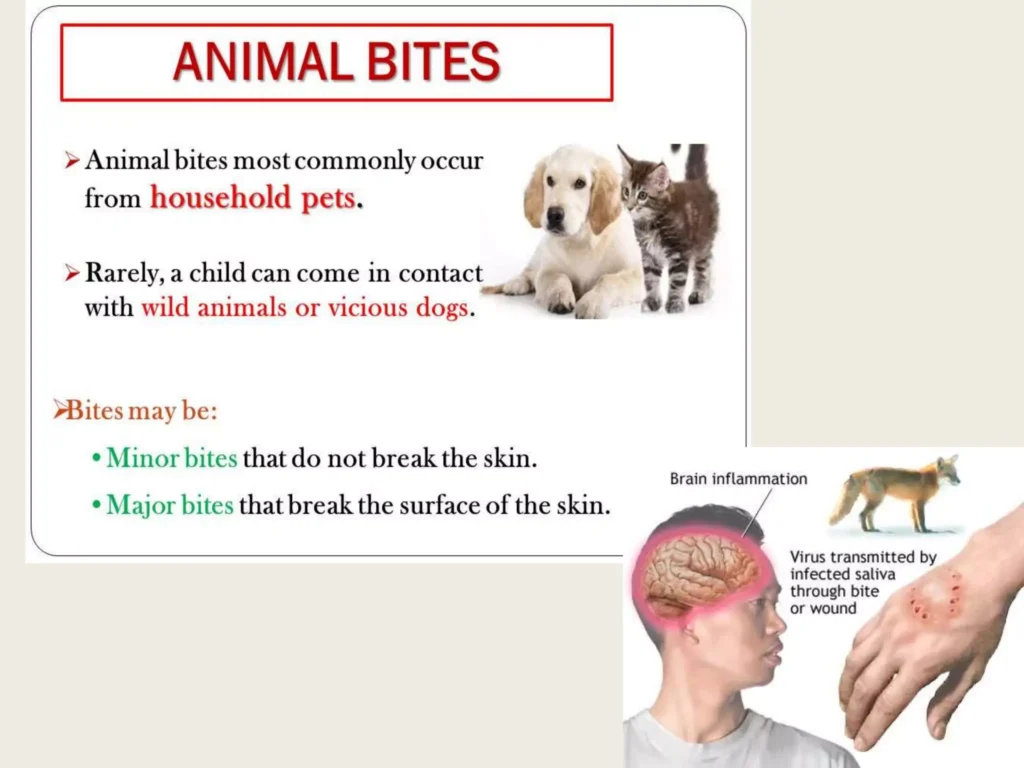
immunization schedule

Uganda National Immunization Schedule

Immunization in Uganda - A Comprehensive Guide for Health Workers

The Uganda National Expanded Programme on Immunization (UNEPI)

The Uganda National Expanded Programme on Immunization (UNEPI), officially launched in October 1993, was established to address critical challenges in immunization services. These included low immunization coverage, the use of non-potent vaccines, inadequate skills among health workers, limited community participation, and a lack of regular monitoring and evaluation. The re-launch of the program in 1997 marked a significant turning point, leading to great improvements in routine immunization coverage and a reduction in the incidence of Vaccine Preventable Diseases (VPDs) like measles.

UNEPI Strategic Objectives

The core objectives that guide UNEPI's work are:

  • To formulate and update national immunization policy, standards, and guidelines.
  • To ensure a consistent and reliable supply of potent and effective vaccines.
  • To increase both access to and demand for immunization services from the community.
  • To build technical and management capacity for the immunization program at all levels of the health system.
  • To continuously monitor disease trends and program performance to guide actions.

UNEPI Strategies

To achieve its objectives, UNEPI employs a multi-faceted approach:

  1. Service Delivery: Providing routine immunization through the national health delivery system, including static (at the facility) and outreach services.
  2. Logistics: Providing and maintaining an effective cold chain and logistics system at all levels.
  3. Communication: Improving the communication skills of health workers to effectively engage with parents, leaders, and communities.
  4. Supervision: Strengthening technical and administrative support supervision to ensure quality.
  5. Training: Providing technical guidance for both pre-service training of health workers and continuous on-the-job training.
  6. Partnerships: Strengthening partnerships with other child health programs, NGOs, civil society, religious organizations, and the private sector.
  7. Advocacy & Social Mobilization: Enhancing public education and community involvement to increase vaccine uptake.
  8. Injection Safety: Promoting and ensuring safe injection practices and proper waste management.
  9. Surveillance: Maintaining a robust surveillance system for vaccine-preventable diseases using the Integrated Disease Surveillance and Response (IDSR) approach.
  10. AEFI Management: Promoting the monitoring, investigation, and management of Adverse Events Following Immunization (AEFI).
  11. Supplemental Activities: Carrying out mass vaccination campaigns (Supplemental Immunization Activities - SIAs) against targeted diseases as needed.
  12. Innovation: Adopting internationally recommended approaches like Reaching Every District/Reaching Every Child (RED/REC) and developing strategies to reach hard-to-reach populations.
  13. Disease Control Goals: Strengthening specific disease control measures, including for measles, maternal and neonatal tetanus elimination, and polio eradication.

Roles and Responsibilities in Immunization Service Delivery

Central Level (UNEPI and National Medical Stores)

  • UNEPI: Policy and guideline formulation, strategic planning, resource mobilization, technical support and supervision, capacity building, and national monitoring and evaluation.
  • National Medical Stores (NMS): Procurement, storage, and distribution of vaccines, injection materials, and other logistics to the district level.

District Level

  • Implementation of national policies and plans.
  • Forecasting, ordering, and storing vaccines and logistics.
  • Distribution of supplies to lower-level health facilities.
  • Cold chain maintenance and repair.
  • Support supervision and on-the-job training for health facility staff.
  • Monitoring performance data (e.g., coverage, dropout rates, vaccine wastage) for action.
  • Conducting active surveillance for diseases like Acute Flaccid Paralysis (AFP), Neonatal Tetanus (NNT), and measles.

Health Facility Level (The Frontline)

This is where nurses and midwives play their most direct role.

  • Providing daily immunization services (static and outreach).
  • Counseling and health-educating parents/caretakers.
  • Screening every child visiting the facility for their immunization status to reduce missed opportunities.
  • Estimating vaccine needs, ordering, and storing them correctly.
  • Maintaining the vaccine refrigerator temperature between +2°C and +8°C and recording it twice daily.
  • Monitoring and reporting performance data (coverage, wastage, dropouts).
  • Tracking defaulters through home visiting and community engagement.
  • Working with community mobilizers like Village Health Teams (VHTs).
  • Ensuring safe injection practices and proper disposal of sharps in a safety box.

Community Level (VHTs, Parents/Caregivers)

  • Taking children for all scheduled immunizations and ensuring completion.
  • Participating in planning for outreach services.
  • Mobilizing other parents and community members for immunization.
  • Keeping the child's health card safe and presenting it at every health facility visit.

The Uganda National Immunization Schedule

The immunization schedule is the standard plan that guides all health workers in the country. It details the vaccines, doses, intervals, and administration sites. This schedule can change over time based on epidemiological data and new scientific discoveries.

Visit/Contact When it is Given (Age) Vaccine Given & Dose Disease(s) Prevented How it is Given (Route and Site)
1st AT BIRTH
(Within 24 hours is best)
Oral Polio Vaccine 0 (OPV0) Polio 2 Drops in the mouth (Oral)
BCG Tuberculosis (severe forms like TB meningitis) 0.05ml Injection on right upper arm (Intradermal)
Hepatitis B (Birth Dose) Hepatitis B (prevents mother-to-child transmission) Injection on left upper thigh (Intramuscular)
Injectable Polio Vaccine (IPV1) Polio Injection on right upper thigh (Intramuscular)
2nd AT 6 WEEKS
(One and a half months)
Pentavalent 1 (DPT-HepB-Hib 1) Diphtheria, Pertussis (Whooping cough), Tetanus, Hepatitis B, Haemophilus influenzae type B Injection on left upper thigh (Intramuscular)
Pneumococcal Conjugate Vaccine (PCV1) Meningitis and Pneumonia (caused by S. pneumoniae) Injection on right upper thigh (Intramuscular)
Rotavirus vaccine 1 Diarrhoea caused by Rotavirus Slow release into the mouth (Oral)
Oral Polio Vaccine 2 (OPV2) Polio 2 Drops in the mouth (Oral)
3rd AT 10 WEEKS
(Two and a half months)
Pentavalent 2 (DPT-HepB-Hib 2) Diphtheria, Pertussis, Tetanus, Hepatitis B, Haemophilus influenzae type B Injection on left upper thigh (Intramuscular)
Pneumococcal Conjugate Vaccine (PCV2) Meningitis and Pneumonia Injection on right upper thigh (Intramuscular)
Rotavirus vaccine 2 Diarrhoea caused by Rotavirus Slow release into the mouth (Oral)
Injectable Polio Vaccine (IPV2) Polio Injection on right upper thigh (Intramuscular)
4th AT 14 WEEKS
(Three and a half months)
Pentavalent 3 (DPT-HepB-Hib 3) Diphtheria, Pertussis, Tetanus, Hepatitis B, Haemophilus influenzae type B Injection on left upper thigh (Intramuscular)
Pneumococcal Conjugate Vaccine (PCV3) Meningitis and Pneumonia Injection on right upper thigh (Intramuscular)
Rotavirus vaccine 3 Diarrhoea caused by Rotavirus Slow release into the mouth (Oral)
5th At 6 months Malaria Vaccine 1 Malaria Injection on right upper arm (Intramuscular)
6th At 7 months Malaria Vaccine 2 Malaria Injection on right upper arm (Intramuscular)
7th At 8 months Malaria Vaccine 3 Malaria Injection on right upper arm (Intramuscular)
8th AT 9 MONTHS Measles-Rubella vaccine 1 Measles, Rubella Injection on left upper arm (Subcutaneous)
Yellow Fever vaccine Yellow Fever Injection on right upper arm (Subcutaneous)
9th AT 18 MONTHS Measles-Rubella vaccine 2 Measles, Rubella Injection on left upper arm (Subcutaneous)
Malaria Vaccine 4 Malaria Injection on right upper arm (Intramuscular)
Single dose 10 Year old girls Human Papilloma Virus (HPV) Vaccine Cancer of the cervix Injection on the upper arm (Intramuscular)
TETANUS-DIPHTHERIA (Td) FOR WOMEN OF CHILDBEARING AGE (15-49 years)
Td1 At first contact or as early as possible in pregnancy Tetanus Diphtheria (Td) Vaccine Tetanus, Diphtheria in the mother;
Prevents Neonatal Tetanus in the baby
Injection on the upper arm (Intramuscular)
Td2 At least 1 month after Td1
Td3 At least 6 months after Td2
Td4 At least 1 year after Td3
Td5 At least 1 year after Td4

Vaccines and Practical Administration

Vaccines Used in the Immunization Schedule

BCG (Bacillus Calmette-Guérin) Vaccine

This is a live attenuated (weakened) bacterial vaccine. It is used in the immunization program to protect the child against tuberculosis. BCG is given in a single dose at birth or first contact. The vaccine is very sensitive to light and loses much of its potency when exposed to light. It is given by injecting the child in the skin (intradermally) at the right upper arm. The amount of 0.05 ml is recommended for children up to eleven (11) months of age, and 0.1 ml for children after eleven years.

Polio Vaccine

Polio vaccine is a live attenuated virus vaccine used in the immunization program to protect the child against poliomyelitis. The Sabin type is given orally (by mouth) in Uganda. Some countries use another type called Salk vaccine, which is given by injection.

Oral polio vaccine is given four times beginning:

  • at birth (polio 0);
  • at 6 weeks polio 1;
  • at 10 weeks polio 2, and
  • at 14 weeks polio 3 respectively.

2 drops in the mouth are recommended for each dose. It should be noted that booster doses are sometimes given to all children below five years of age in the entire country regardless of immunization status. This is done during national immunization days (NIDs), whose primary objective is to eradicate poliomyelitis. It is nice to remember that polio vaccine is made up of three polio viruses, and the oral polio vaccine is given four times to enable each of three viruses to stimulate the production of antibodies.

Pentavalent Vaccine

Pentavalent vaccine has 5 vaccines which include DPT and Hep.b & Hib. The DPT vaccine is commonly referred to as a triple vaccine because it is used to prevent three diseases, namely diphtheria, pertussis, and tetanus. The diphtheria and tetanus parts of the vaccine are made from the respective toxins, while the pertussis vaccine is made of killed bacterial antigen. It has become necessary to add hepatitis B and haemophylus influenza type b vaccines to DPT to form what is now known as the Pentavalent vaccine (five vaccines).

These are given three times because they do not stimulate the body to produce antibodies as well as the live attenuated vaccines. When the second and the third dose are given, the body’s memory of the earlier dose quickly leads to the production of more antibodies. The Pentavalent vaccine is given by injecting the child intramuscularly (in the muscle) at the left upper thigh.

It is given three times beginning:

  • at 6 weeks,
  • at 10 weeks, and
  • at 14 weeks, respectively.

A dose of 0.5 ml is recommended each time given.

Tetanus Toxoid Vaccine

This is a toxoid vaccine used in the immunization program to prevent children against neonatal tetanus. UNEPI targets all women of childbearing age (15-49 years) and pregnant mothers for tetanus toxoid (TT) vaccination. It is better and safe to give two doses of TT vaccine to any pregnant woman if you are not sure she has had TT in a previous pregnancy. The aim is to use the TT vaccine to provide passive immunity for unborn babies, through the transfer of the mother’s antibodies. This type of immunity reduces with time and is normally boosted by giving the child Pentavalent vaccines at 6 weeks after birth.

Pneumococcal Conjugate Vaccine (PCV 10)

PCV 10 consists of sugars (polysaccharides) from the capsule of the bacterium streptococcus pneumonia, which are conjugated to a carrier protein.

The PCV 10 contains serotypes 1, 4, 5, 6B, 7F, 9V, 14, 18C, 19F, and 23F. It is highly effective and protects children younger than 2 years of age against severe forms of pneumococcal disease, such as meningitis, pneumonia, and bacteremia. It will not protect against these conditions if they are caused by agents other than pneumococcus or pneumococcal serotypes not present in the vaccine.

The World Health Organization and Ministry of Health recommend that infants be given three doses of PCV vaccine, at 6 weeks, 10 weeks, and 14 weeks. PCV should be integrated with DPT-HepB-Hib vaccination.

Rotavirus Vaccine

Rotavirus vaccine is a vaccine used to protect against rotavirus infections. These viruses are the leading cause of severe diarrhea among young children. The vaccines are safe. This includes their use in people with HIV/AIDS. The vaccines are made from weakened rotavirus.

The World Health Organization recommends the first dose of vaccine be given right after 6 weeks of age. Two or three doses more than a month apart should be given, depending on the vaccine administered. The vaccine is not recommended for use in children over two years of age.

Malaria Vaccine (RTS,S/AS01)

The malaria vaccine, known by its brand name Mosquirix™, is a landmark achievement in public health. It is a recombinant protein-based vaccine that targets the Plasmodium falciparum parasite, the most deadly species causing malaria in Africa. It works by preventing the parasite from infecting the liver and maturing, thus stopping the disease before it can cause symptoms. It is given in a four-dose schedule starting at 6 months of age, with subsequent doses at 7, 8, and 18 months. It is administered as an intramuscular injection in the upper arm.

Human Papillomavirus (HPV) Vaccine

The HPV vaccine is a crucial tool for cancer prevention. It is a recombinant vaccine that protects against specific high-risk types of HPV that are responsible for the vast majority of cervical cancer cases. In Uganda, it is targeted at 10-year-old girls before they are likely to be exposed to the virus through sexual activity. Providing the vaccine at this age ensures the strongest possible immune response. It is administered as an injection in the upper arm.

Administration of Vaccines: General Principles

Immunization coverage should be high to reduce disease transmission. As health workers, we should aim to achieve immunization coverage of over 80%. All children should be immunized at every opportunity. There is no contraindication for immunization. If immunization is done daily, this improves immunization coverage. Children with minor illnesses should be immunized. The misconception that sick children should not be immunized should be discarded. Very sick children admitted to the hospital should be immunized on discharge. Malnourished children should also be immunized. The danger of vaccine of any given type to the malnourished child is much less than the infection itself. For children with HIV/AIDS, BCG can spread rapidly and thus should be treated as an opportunistic infection.

Administering Vaccines: Practical Steps

Preparing Vaccines

Vaccines used in the immunization program are in different forms. Some vaccines are in powder form and must be dissolved in the diluent supplied with them, while others come in liquid form and will not need a diluent. There is a need to prepare the vaccine before immunization.

  • Preparing Polio Vaccine: To prepare this vaccine the following should be done: If a dropper is separate, attach it securely to the vial (bottle). Keep polio vaccine shaded from sunlight during the immunization session. Place the vial on a frozen icepack or place it in the sponge hole placed at the mouth of the vaccine carrier, which is provided for this purpose to maintain the temperature.
  • Preparing BCG and Measles Vaccines: The following should be done: Use the diluent provided for each vaccine. The diluent should be cold, +4°C – +8°C. Use different 9 ml syringes for mixing measles and BCG vaccines. Draw up the full required amount of the diluent provided as per instruction on the vial. Draw and expel mixture back into the bottle three times or until the vaccine is mixed. Do not shake the vial. BCG and measles vaccines should be placed on a frozen icepack or use the sponge in the vaccine carrier for maintaining the correct temperature. Draw 0.5 ml of measles vaccine (recommended dosage). Draw 0.05 ml of BCG vaccine for babies up to 11 months old and 0.1 ml for babies above 11 months of age (recommended dose).
  • Preparing DPT and TT: DPT and TT come in liquid form. You will not need to dissolve or mix them. Remove the metal top from the vial. Draw 0.5 ml into the sterile syringe. Remove bubbles. Keep the vaccine shaded from the light.
  • Preparing PCV 10: Ensure availability of a clean vaccine carrier and a sponge. The vaccine carrier should be able to close tightly. Condition icepacks prior to packing vaccines in a vaccine carrier to prevent freezing of PCV, TT, and DPT-Hep B-Hib. On a table with a plastic sheet: – Vaccines, diluent, and droppers – Thermometer – Cotton swab in a clean container – Clean water in a clean container for cleaning injection sites – A tin of vitamin A and a pair of scissors – AD syringe and needles – Child health cards – Child register.

Important Points to Remember Before Administering

  • Never take two vials of the same vaccine out of the vaccine carrier at the same time.
  • Do not mix vaccines until mothers and children are present.
  • Mix one vial of a particular vaccine at a time.
  • Keep opened vials of polio, measles, and BCG vaccines on a frozen icepack or use the sponge in the vaccine carrier. Their temperature must be carefully maintained.
  • Do not keep vials of DPT and TT vaccines directly on the frozen icepack.
  • Open the vaccine carrier when necessary.
  • NEVER SHAKE VACCINE VIALS!!!

After preparing vaccines, the next step is to administer them. Before administering vaccines, you should always remember the following important points:

  • Use one sterile syringe and needle per vaccine (antigen) per child or mother.
  • Avoid holding loaded syringes in your hand for long to avoid exposing the vaccine to heat or direct sunlight.
  • Inform each parent what type of vaccine you are giving the child, the possible reactions to it, what to do about the reactions, and when to bring the child back for more immunization.
  • Listen to parents and encourage questions.
  • Remove any child’s clothes that are in your way when vaccinating.
  • During immunization, ask the mother to hold the child firmly to restrict their movement during immunization.
  • Administer the vaccine.
  • Give specific health information about each vaccine.

Administration Techniques

  • Administering BCG:

    1. Clean the skin with cotton wool soaked in clean water and let it dry.
    2. Hold the middle of the child’s upper right arm firmly with your left hand.
    3. Hold the syringe by the barrel with the millimeter scale upward and the needle pointing in the direction of the child’s shoulder. Do not touch the plunger.
    4. Point the needle against the skin, barrel turned up about 3 cm above the thumb. Gently insert its tip into the upper layer of the skin (intradermally).
    5. Make sure that the needle is in the skin (intradermally) and not under the skin. If the needle goes under the skin, take it out and insert it again. If you bend the needle, replace it with another sterile one.
    6. Holding the barrel with your index and middle finger, put your thumb on the plunger.
    7. Holding the syringe flat (parallel to the surface of the skin), inject the vaccine intradermally.
    8. If the vaccine is injected correctly into the skin, a wheal, with the surface pitted like an orange peel, will appear at the injection site. An indication that the vaccine has been injected incorrectly is that the plunger will move much more easily when the needle is injected under the skin than when it is injected in the skin. If there is no local reaction, re-immunize the child.
    9. Give the mother health information about BCG, i.e., in 7-9 days, a small sore will appear at the site where the injection was given. The sore might ooze a bit and will last for 6-8 weeks. Keep the baby’s arm clean with soap and water. Do not put dressing or medicine on the sore. The sore will not hurt and it will heal by itself.
    10. Change the syringe and needle after each vaccine and each child.
    11. Fill in the immunization tally sheet in the BCG section.
    12. Administer the next vaccine.
  • Administering DPT Vaccine:

    1. Ask the mother to hold the child across her laps so that the front of the child’s thigh is facing upwards. Then ask her to hold the child’s legs from moving.
    2. Clean the site to be injected with a cotton swab moistened in clean water and let it dry.
    3. Place your thumb and index finger on each side of the place you intend to inject. Stretch the skin slightly.
    4. Quickly push the needle deeply into the muscle (intramuscular). Pull the plunger back; if there is blood in the syringe, withdraw the needle and discard the vaccine. Obtain a sterile syringe with a needle and new vaccine.
    5. If no blood appears in the syringe, inject 0.5 ml of vaccine.
    6. Withdraw the needle.
    7. Rub the injection spot quickly with a clean piece of cotton swab.
    8. Give health advice about DPT. Tell the mother that: DPT may cause some tenderness at the site which will go away after a few days, and may cause fever but it will subside in 24 hours.
    9. Fill the immunization tally sheet appropriately.
    10. Use another needle and syringe to vaccinate another child.
  • Administering PCV Vaccine:

    1. Explain to the mother that the child is going to be given two types of vaccines in the form of injections. One will be given in the right and the other in the left thigh.
    2. Explain to the parent the disease prevented by the vaccine, the number of doses in order to achieve the protection, and reassure her that there is no danger in giving two injections in one visit.
    3. Explain to the mother the likely side effects and how to manage them, then wash hands with soap and water, drip dry.
    4. Open the vaccine carrier and pick one vial of PCV and quickly check the expiry date and status of the vial.
    5. Observe the vial content for unusual appearance and particles. If either is observed, the vial must be discarded.
    6. Shake the vaccine vial gently to obtain a uniform solution.
    7. Draw 0.5 ml of the vaccine from the vial using an AD syringe and return the partially used vial in a sponge in a vaccine carrier.
    8. Instruct the mother on how to hold the child for vaccine administration.
    9. Clean the right upper outer thigh with a swab soaked in water and administer the vaccine intramuscularly.
    10. Press the injection site firmly for a few seconds. Do not massage.
    11. Dispose of the used syringe and needle immediately into the safety box. Do not put swabs in the safety box. Do not recap the needle.
    12. If a vial is opened for one child and another child is not immediately available to be vaccinated with the remaining vaccine dose in the vial, write on the vial the time it was opened and ensure that the vial is kept cool in the sponge pad and away from any potential contamination for 6 hours.
  • Administering Oral Polio:

    1. Ask the child’s mother whether the child has diarrhea. If yes, note this on the child’s card and tell the mother that this dose of polio needs to be repeated after one month. This child with diarrhea should have a total of 4-9 doses of polio vaccine depending on whether the child got polio 0 or not.
    2. Use the dropper or device supplied with the vaccine.
    3. If the child will not open the mouth, gently squeeze his/her cheeks to open his mouth.
    4. Put 2 drops of vaccine on the child’s tongue.
    5. Fill in the immunization tally sheet appropriately.
    6. Note that every child below 5 years of age should receive an extra 2 doses of oral polio vaccine (OPV) each year during national immunization days (NIDs), whether she/he was immunized before or not.
  • Administering Measles:

    1. Use a sterile syringe and needle for each injection. Draw 0.5 ml dose of mixed measles vaccine.
    2. Ask the mother to expose the child’s left outer upper arm and hold the child firmly to restrict their movement.
    3. Clean the injection site with a cotton swab soaked in clean water and let it dry.
    4. With the fingers of one hand, pinch the skin on the outer side of the upper arm.
    5. Hold the syringe at an acute angle to the child’s arm. Inject the vaccine subcutaneously.
    6. To avoid injecting the vaccine into a vein, withdraw the plunger slightly before injecting the vaccine. Never give the vaccine if blood is seen in the syringe.
    7. Press the plunger gently, inject 0.5 ml of vaccine.
    8. Withdraw the needle. If a drop of blood appears at the injection site, ask the mother to wipe it away with a piece of cotton wool.
    9. If blood is drawn back in the syringe, the vaccine should not be given. Use another needle and syringe to obtain new vaccine.
    10. Record the immunization in the immunization tally sheet.
  • Administering TT Vaccine:

    1. Pregnant mothers should be given two doses of TT vaccine (0.5 ml) a month apart. However, if it is not possible to establish whether the mother had previously been immunized with TT or whether the mother was a default from a previous dose, two doses should be given a month apart.
    2. Use a sterile syringe and needle for each injection.
    3. Clean the thigh with cotton wool moistened in clean water.
    4. Hold the thigh muscle between your thumb and forefinger.
    5. With your other hand, inject the vaccine intramuscularly.
    6. Withdraw the needle.
    7. Discard the needle and syringe into a safety box. Ensure you do not put swabs in the safety box. Safety boxes are collected and burned.
    8. Fill the immunization tally sheet.
  • Equipment/Logistics Needed for Safe Vaccination

    A well-prepared immunization session requires specific equipment to ensure vaccines are kept potent and administered safely.

    • Vaccine Carrier with Conditioned Ice Packs: A portable, insulated container to maintain the cold chain during an immunization session.
    • Foam Pad/Sponge: A slotted sponge placed in the top of the vaccine carrier to hold opened multi-dose vials and protect them from heat and direct sunlight.
    • Vaccines and their specific Diluents: The correct vaccines and diluents for the session.
    • Syringes and Needles: Including single-use Auto-Disable (AD) syringes and separate mixing syringes.
    • Safety Box (Sharps Container): A puncture-proof container for the immediate and safe disposal of used needles and syringes.
    • Cleaning Supplies: Cotton swabs and a bottle of clean water for cleaning injection sites.
    • Documentation Tools: Child health cards, immunization register, and tally sheets.
    • Supplemental Supplies: Vitamin A capsules and a pair of scissors to open the blister packs.
    • Cold Boxes and Ice Packs: Larger insulated containers used for transporting vaccines from a district store to a health facility.

    Post-Vaccination Counselling and Health Education

    Communication with the parent or caregiver after vaccination is a critical nursing role. It builds trust and ensures proper follow-up care.

    • Reassure parents of the vaccine's safety and explain the common, minor side effects, such as swelling and redness at the injection site, slight fever, or soreness.
    • Advise parents on how to manage these side effects (e.g., giving paracetamol for fever).
    • Offer integrated health education on topics like nutrition, hygiene, and the importance of breastfeeding.
    • Always ask mothers if they have any concerns and take the time to answer their questions respectfully.
    • Clearly inform the mother about the date of the next visit required for immunization.
    • Administer Vitamin A supplementation to children according to the national schedule (e.g., at 6 months and 12-59 months). If a child receives their first measles dose at 6 months, inform the mother the second dose is due at 18 months.

    Record Keeping: The Foundation of Program Monitoring

    Accurate record keeping is mandatory for the immunization program. All vaccines administered must be recorded in tally sheets and registers to monitor performance, check a child's immunization status, calculate coverage rates, and plan for future needs.

    The Immunization Register

    • The register must be clearly labeled with the name of the health facility.
    • It should include the names of the children (not parents), their date of birth, and their medical file/card number.
    • For each vaccine (BCG, Polio, Pentavalent, Measles, etc.), enter the date the dose was given. If a dose was missed or not given, it should be clearly indicated, often with a zero (0).
    • Note: Supplemental doses like extra OPV or Vitamin A given during campaigns are typically recorded on the child's health card, not in the main immunization register.

    Health Cards

    • Each child must have their own health card.
    • The card must contain essential identifying information: child’s name, mother’s name, date of birth, village, and the primary health unit.
    • It serves as the child's personal record of all vaccines received, including dates. Other health information, like Vitamin A administration, is also recorded here.
    • Always ensure the child’s card is up-to-date before administering any vaccine.

    The Refrigerator and Cold Chain Management

    The Vaccine Refrigerator

    The refrigerator is the most critical piece of equipment for storing vaccines at the health facility. It must be properly maintained and kept in good working condition at all times. All refrigerators must be maintained at a temperature between +2°C and +8°C.

    Types of Refrigerators Used in Immunization:
    • Solar direct drive (SDD) vaccine refrigerator.
    • Gas refrigerators (using Kerosene or paraffin).
    • Electric vaccine refrigerator.

    The refrigerator should also be able to freeze ice packs. These ice packs are used to keep vaccines cool in vaccine carriers during outreach sessions. Ice packs inside a vaccine carrier are referred to as Conditioned Icepacks.

    Preventive Maintenance and Repair

    All refrigerators should be serviced and maintained regularly (e.g., every 3 months). During maintenance, the following activities are done:

    • The refrigerator is cleaned thoroughly.
    • The thermostat setting is checked for accuracy.
    • The defrosting system is checked.
    • The cooling system and compressor are checked and cleaned.
    • The electrical connection or gas/kerosene system is checked.

    Managing Adverse Events Following Immunization (AEFI)

    An AEFI is any untoward medical occurrence which follows immunization and does not necessarily have a causal relationship with the use of the vaccine. It is important to respond appropriately to any AEFI.

    • Fever: Advise parents to give the child paracetamol (acetaminophen) in the correct dose for their weight. Do not give aspirin to children. Encourage plenty of fluids.
    • Swelling or Redness at the Site of Injection: This is usually a normal, mild reaction. Reassure the parent it will go away on its own. Do not give any drug or apply any substance to the site.
    • Swelling of the Limbs or Face, or Difficulty in Breathing: This is a sign of a potential severe allergic reaction and is a medical emergency. Do not give any drug. Advise the parent to seek medical attention at the nearest health facility immediately.
    • Loss of Weight, Generalized Body Swelling, Poor Feeding, or Coughing: These are unlikely to be side effects of vaccination and are more likely symptoms of an underlying condition like malnutrition or another illness. Refer the child to the health facility for assessment and treatment.
    • Diarrhea: This is most likely not related to vaccination. Ensure the child receives oral rehydration solution (ORS) or other appropriate fluids to prevent dehydration.

    Conducting Mass Vaccination Campaigns

    Mass vaccination campaigns, such as National Immunization Days (NIDs) or outbreak responses, require careful planning and execution.

    1. Planning and Training: Plan the campaign, identify target populations, and train healthcare workers on all procedures.
    2. Community Mobilization: Inform communities well in advance about the campaign's purpose, date, and location.
    3. Logistics: Ensure all necessary equipment (vaccines, syringes, safety boxes, cold chain equipment) is in place.
    4. Safety Measures: Implement infection control, safe waste disposal, and crowd control measures at vaccination sites.
    5. Vaccination Site Setup: Organize sites for an efficient flow of people from registration to vaccination to a post-vaccination observation area.
    6. Vaccine Administration: Follow standard procedures, ensuring one sterile syringe and needle per injection.
    7. Monitoring and Reporting: Monitor the campaign’s progress, track doses administered, and ensure AEFIs are reported and managed promptly.
    8. Documentation: Maintain detailed records of all vaccines administered, including tallies and vaccine wastage.
    9. Post-Campaign Evaluation: Evaluate the campaign’s success and identify areas for improvement.
    10. Follow-Up: After the campaign, ensure routine immunization services continue and that children receive follow-up doses as needed.

    Uganda National Immunization Schedule Read More »
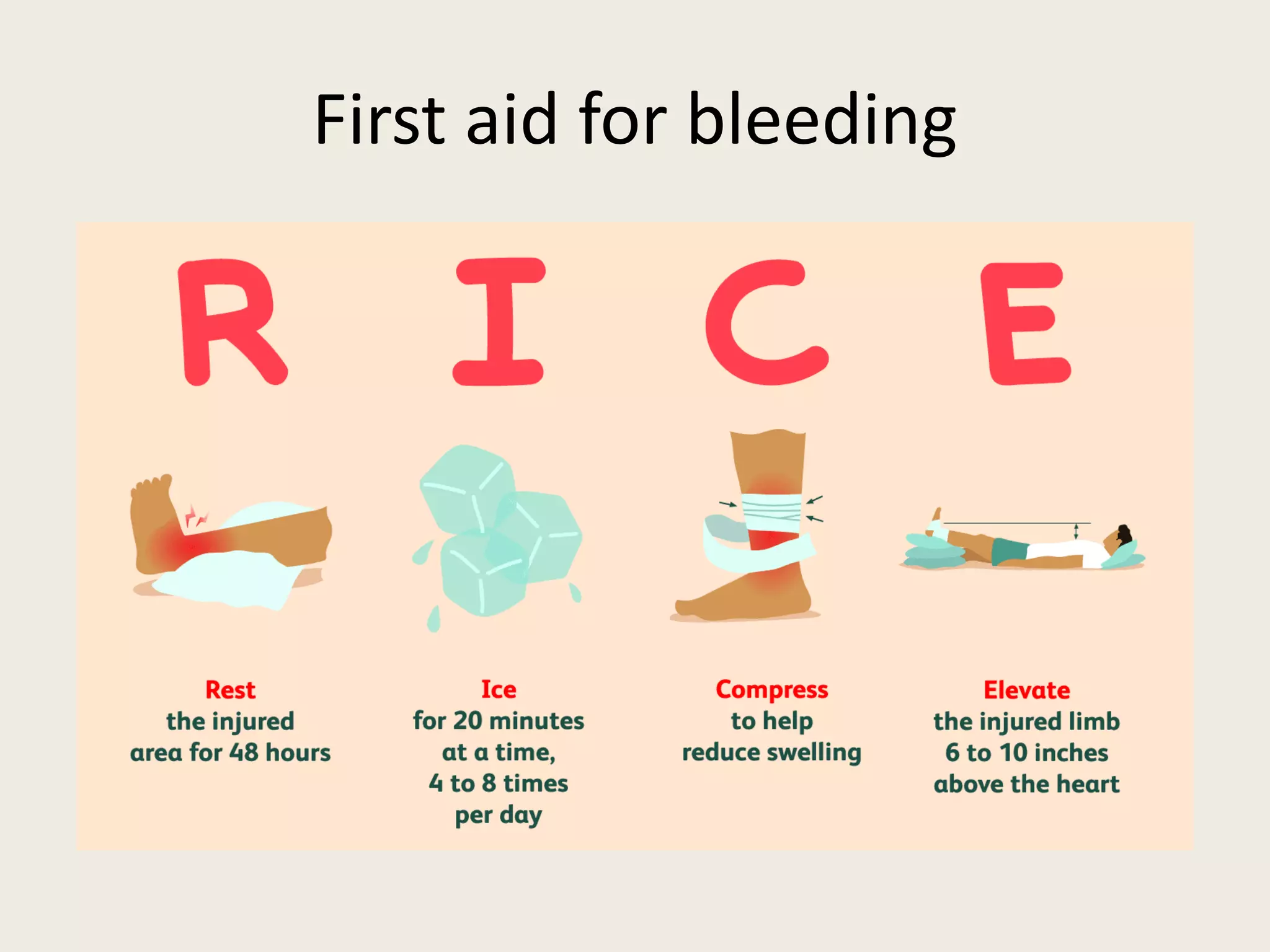
    Want notes in PDF? Join our classes!!

    Send us a message on WhatsApp
    0726113908

    Scroll to Top
    Enable Notifications OK No thanks