Nurses Revision

Pediatrics

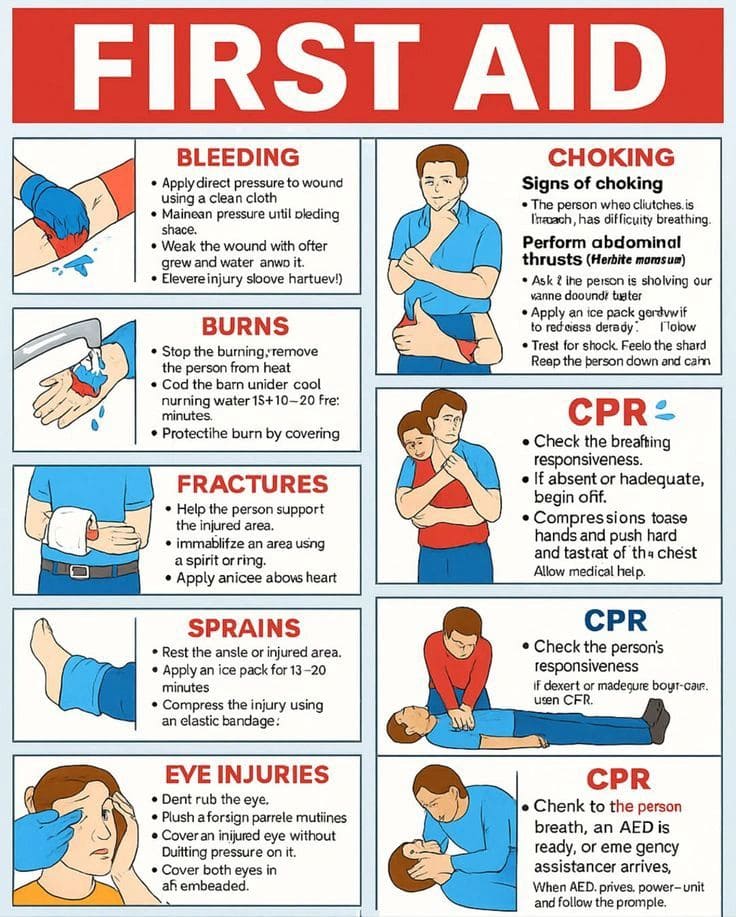
fractures

Fractures in Children

1. INTRODUCTION TO THE SKELETAL SYSTEM IN CHILDREN
What is the Skeleton?

Think of the skeleton as the strong frame (like the iron bars in a building) on which the entire body is built. Without bones, the body would be like a bag of water - soft and shapeless.

🧠 Mnemonic: Functions of Bones

Remember: P-S-M-R

Function Simple Explanation Why It Matters for Nurses
Protection Bones act like a hard shell protecting delicate organs inside. The skull protects the brain; the ribcage protects the heart and lungs.
Storage Bones store calcium like a bank stores money. When blood calcium is low, bones release calcium into the blood.
Movement Bones work with muscles like a lever system. Muscles pull on bones to create movement.
Red Blood Cell Production Bone marrow (inside bones) makes blood cells. This is why bone marrow diseases affect blood counts.
🔬 Physiology Expansion: Bone Storage & RBC Production
  • Storage: The bone "bank" is controlled by hormones. Parathyroid Hormone (PTH) stimulates Osteoclasts (bone-crushing cells) to break down bone and release calcium into the blood when levels are low. Calcitonin stimulates Osteoblasts (bone-building cells) to pull calcium from the blood and store it in the bone.
  • Hematopoiesis: In children, almost ALL bones contain active Red Bone Marrow. As we age, this converts to Yellow Marrow (fat), and RBC production is restricted to flat bones (pelvis, sternum, skull).
Bone Structure - Simple Terms

Bones are living organs - they are NOT dead like dry sticks. They have their own blood vessels (to bring food and oxygen) and nerves (to feel pain). Bone tissue is also called osseous tissue ("os" means bone in Latin). Bones have three layers:

  1. Periosteum: Outer covering like the skin of the bone, rich in blood vessels and pain receptors.
  2. Compact bone: Hard, dense outer layer (like the shell of an egg). Composed of osteons.
  3. Spongy bone (Cancellous): Inner layer with holes like a sponge, contains the bone marrow.
2. ANATOMY & PHYSIOLOGY: CHILDREN VERSUS ADULTS
Why Children's Bones Are Different

Children's bones are like green tree branches - they bend before they break. Adult bones are like dry twigs - they snap easily.

Detailed Comparison Table
Feature CHILDREN ADULTS Nursing Implication
Flexibility More flexible and porous (like a sponge with many holes). Less flexible, less porous. Children's bones can bend without breaking.
Response to Force Bones often bend rather than break. Bones often break rather than bend. Greenstick fractures are unique to children.
Periosteum Thick, strong, and highly osteogenic (bone-producing). Thinner and weaker. Children's periosteum helps hold broken bones together and speeds up healing.
Cartilage Content More cartilage (soft, rubbery tissue). More bone (hard tissue). Growth plates are made of cartilage.
Ossification Continues throughout childhood (bone is still forming). Complete by adolescence (bone formation finished). Children's bones are still "under construction".
Remodeling Capacity Increased (bones can easily reshape themselves). Less remodeling capacity. Children's bone deformities can correct themselves over time.
Healing Speed Bone healing is faster. Bone healing takes longer. Children recover from fractures quicker.
Nutrient Supply Rich nutrient supply to periosteum. Less nutrient supply. Better healing potential in children.
Growth Plates Present and active (epiphyseal plates). Closed and inactive. Growth plate injuries can affect final height.
Key Concept: The Growth Plate (Epiphyseal Plate)
  • The growth plate is the most vulnerable part of a child's bone.
  • It is made of cartilage (soft tissue) where new bone is produced.
  • It is located at the ends of long bones (between the epiphysis and the metaphysis).
  • By late teens, the growth plate closes - cartilage is replaced by bone tissue.
  • The epiphyseal line (where the plate was) can be used to estimate a person's age.

Nursing Alert: Injuries to the growth plate (Salter-Harris fractures) can cause permanent shortening or deformity of the limb.

🔬 Physiology Expansion: How the Growth Plate Works

The epiphyseal plate grows via Endochondral Ossification. It has distinct microscopic zones:

  1. Resting zone: Inactive cartilage cells attaching to the epiphysis.
  2. Proliferating zone: Cartilage cells multiply rapidly, stacking up like coins to lengthen the bone.
  3. Hypertrophic zone: Cells swell up and mature (this is the weakest zone where most fractures occur!).
  4. Calcification zone: The matrix calcifies, cells die, and osteoblasts turn it into true bone.
3. FRACTURES IN CHILDREN
Learning Objectives

By the end of this section, you should be able to: Define what a fracture is; Classify different types of fractures; Understand general management principles; Identify common nursing diagnoses; Manage fractures following nursing diagnoses.

Definition

A fracture is a complete or incomplete break in the continuity of a bone. Think of it like a break in a stick - it can be cracked but not fully broken (incomplete) or snapped into two (complete).

Epidemiology (How Common Are Fractures?)
  • Fractures occur frequently in children and adolescents.
  • 42% of boys and 27% of girls will suffer a fracture during childhood.
  • Most common sites: Forearm and wrist (because children put their hands out when they fall).
  • Overall rate: 12-36 per 1,000 children per year. Children under 5 years: 4.38 per 1,000 per year.
🧠 Mnemonic: Causes of Fractures

Remember: D-C-T-M

Cause Explanation Example
Direct blows Something hits the bone directly. Being hit by a ball, car accident.
Crushing forces Heavy weight presses on bone. Heavy object falling on hand.
Twisting motions Bone is twisted forcefully. Falling while foot is stuck.
Muscle contractions Muscles pull too hard on bone. Severe muscle spasm or seizure.
Common scenarios in Uganda:
  • Falls from trees (common in rural areas)
  • Road traffic accidents (Boda-boda injuries)
  • Sports injuries (football, running)
  • Home accidents (falling from beds, chairs)
  • Physical abuse (always consider in children with unexplained or spiral fractures!)
COMMON TYPES OF FRACTURES IN CHILDREN
1. PLASTIC DEFORMITY (Bowing Fracture)
  • What happens: The bone bends significantly but does NOT break.
  • Like: Bending a green tree branch - it curves but doesn't snap.
  • Common in: Young children (under 10 years).
  • Treatment: May need gentle straightening (reduction) and casting.
2. BUCKLE FRACTURE (Torus Fracture)
  • What happens: The bone buckles (wrinkles) like crushing a paper cup.
  • Cause: Compression injury - the bone is squeezed together.
  • Common in: Children under 10 years. Usually caused by: Fall on an outstretched hand (FOOSH).
  • Characteristics: Inherently stable (won't move out of place). One side of bone is compressed, the other bulges out.
  • Treatment: Immobilize in Plaster of Paris or backslab (half cast). Follow-up in fracture clinic within 2-3 days. Remove plaster in 3-4 weeks. Then mobilize.
3. GREENSTICK FRACTURE
  • What happens: Incomplete fracture - the bone bends on one side and tears slightly on the other.
  • Like: Breaking a green stick from a tree - it cracks on one side but stays connected.
  • Most common type of fracture in children.
  • Why it happens: The energy from the injury is not enough to break the bone completely through both sides. (Physiology note: The convex side undergoes tension and fractures, while the concave side is under compression and remains intact).
  • Treatment: May require manipulation under anesthesia (MUA) - doctor gently straightens the bone while child is sleeping. Then apply cast. Healing time: 3-6 weeks.
4. OPEN FRACTURE (Compound Fracture)
  • What happens: Broken bone sticks out through the skin.
  • Danger: High risk of infection (osteomyelitis) because bone is exposed to outside environment.
  • Nursing Priority: Cover wound with sterile dressing immediately. Do NOT push bone back in. Give IV antibiotics urgently. Administer Tetanus prophylaxis. Prepare for emergency surgery (washout and fixation).
5. CLOSED FRACTURE (Simple Fracture)
  • What happens: Bone is broken but skin is intact.
  • Advantage: Lower risk of infection. Treatment: Reduction (straightening) and immobilization.
6. COMPLETE FRACTURE

What happens: Break goes across the entire cross-section of the bone. The bone is broken into two separate pieces.

Types by pattern:

  • Transverse: Break is straight across (like cutting a log straight).
  • Oblique: Break is at an angle (like cutting a log diagonally).
  • Spiral: Break goes around the bone like a spiral staircase (caused by twisting force - highly suspicious for child abuse if unexplained).
7. COMMINUTED FRACTURE
  • What happens: Bone is shattered into three or more pieces.
  • Like: Breaking a biscuit into many crumbs.
  • Cause: High-energy trauma (road accidents, falls from severe height).
  • Treatment: Usually requires surgery (ORIF - Open Reduction Internal Fixation) to fix pieces together.
8. DISPLACED FRACTURE
  • What happens: Broken ends of bone are not aligned properly.
  • Non-displaced: Bone is broken but still in correct position.
  • Displaced: Bone ends have moved apart or overlapped (causing limb shortening).
  • Treatment: Must be realigned (reduced) before casting.
❓ Check Your Understanding

Scenario: A 6-year-old child arrives at the clinic after falling from a swing, landing on their outstretched hands. An X-ray reveals that the distal radius is slightly compressed and bulging on one side, but the other side of the cortex is completely intact. No fracture line goes through the bone. What is the specific diagnosis?

Answer: A Buckle (Torus) Fracture. This is highly characteristic of a compressive FOOSH (Fall On Outstretched Hand) injury in young children whose bones are porous and compressible.
CLINICAL MANIFESTATIONS (Signs & Symptoms)
Sign/Symptom What You See/Feel Why It Happens (Physiological Basis)
Pain Continuous pain that gets worse. Nerve endings in the highly innervated periosteum and surrounding tissue are irritated by the break and stretching.
Loss of function Child cannot move the limb normally. Pain and broken bone prevent movement (the skeletal "lever" system is broken).
Swelling (Edema) Area becomes puffy and enlarged. Blood and fluid leak into tissues due to ruptured vessels and the inflammatory cascade (histamine release increases capillary permeability).
Discoloration (Ecchymosis) Skin turns blue, purple, or black. Blood from broken vessels leaks under the skin. As macrophages break down the trapped red blood cells, hemoglobin converts to biliverdin (green) and bilirubin (yellow), causing the changing colors of a bruise!
Crepitus Grating sound or feeling when touching gently. Broken, jagged bone ends rubbing together. (Never intentionally try to elicit this as it causes extreme pain and further tissue damage!)
Deformity Limb looks bent, shortened, or twisted. Bone ends have moved out of alignment due to the force of the injury or pulling of attached muscles.
Lengthening/Shortening Limb appears longer or shorter than normal. Muscle spasm pulls the distal bone fragment upward, causing overlap and shortening.

Nursing Assessment Tip: Always compare both sides of the body. If the right arm looks swollen, compare it to the left arm.

DIAGNOSTIC TESTS
Test What It Does When to Use & Clinical Notes
Radiography (X-ray) Shows bone structure and fracture lines. First-line investigation for ALL suspected fractures. Rule of Two: Get 2 views (AP & Lateral), and image the joint above AND below the fracture!
Ultrasound Scan Uses sound waves to see soft tissues and bones. Good for young children, no radiation. Great for detecting fluid/blood in a joint.
CT Scan (Computerized Tomography) Detailed 3D images of bone. Complex fractures, joint involvement (articular fractures), or spinal fractures.
MRI (Magnetic Resonance Imaging) Shows soft tissues, bone marrow, ligaments. Suspected growth plate injury, soft tissue/ligament damage, or early osteomyelitis.
Blood Tests (FBC) Checks white blood cells (infection), hemoglobin (bleeding). All fracture patients (especially open fractures to check for blood loss anemia).
ESR & CRP Measures inflammation. Suspected infection. Note: CRP rises fast and falls fast (better for day-to-day monitoring of treatment), while ESR rises slow and stays elevated longer.
Coagulation Profile Checks blood clotting ability. Essential baseline before any emergency surgery.
Blood Culture Identifies bacteria in blood. Suspected osteomyelitis (must draw BEFORE giving first dose of antibiotics!).
Arthrocentesis Removing fluid from a joint space. Suspected joint infection (septic arthritis).
PRINCIPLES OF MANAGEMENT
Initial Assessment (ABCDE Approach)

Before looking at the broken bone, ensure the child is stable!

  • Airway - Is the child breathing?
  • Breathing - Is breathing adequate?
  • Circulation - Is there severe bleeding? (A femur fracture can hide 1+ liters of blood inside the thigh!)
  • Disability - Is there head injury? (Assess GCS/AVPU).
  • Exposure - Examine the whole body.
Specific Fracture Assessment
  • History Taking:
    • How did the injury happen? (Mechanism tells you what type of fracture to expect).
    • When did it happen?
    • Is the child left or right handed? (Important for upper limb fractures).
    • Any previous fractures? (Multiple fractures? Think Osteogenesis Imperfecta or abuse).
    • Any medical conditions?
  • Physical Examination:
    • Is the fracture open (bone sticking out) or closed (skin intact)?
    • Is the limb neurovascularly intact? (Check: pulse, color, temperature, sensation, movement).
    • Is there compartment syndrome? (See below - EMERGENCY!)
    • Is there associated joint dislocation?
  • Immediate Care:
    • Splint the limb for comfort and to prevent further damage.
    • Give analgesia (pain relief) - do not wait for X-ray!
    • Elevate the limb to reduce swelling.
    • Apply ice packs (wrapped in cloth) to reduce swelling.
  • Imaging & Referral:
    • X-ray the affected bone. X-ray the joint above and below.
    • Consider CT/MRI for complex fractures.
    • Liaise with orthopedic team urgently. Open fractures = emergency surgery.
NURSING DIAGNOSES FOR FRACTURES
  1. Acute Pain: Related to fracture, soft tissue injury, muscle spasm. Evidence: Child cries, guards limb, refuses to move, increased heart rate.
  2. Impaired Physical Mobility: Related to fracture, cast, traction, pain. Evidence: Cannot move limb, needs assistance with activities.
  3. Risk for Infection: Related to open fracture, surgical wounds, pin sites. Especially high in open (compound) fractures.
  4. Risk for Neurovascular Compromise: Related to swelling, tight cast, compartment syndrome. This is a MEDICAL EMERGENCY.
  5. Anxiety/Fear: Related to pain, unfamiliar environment, separation from parents. Common in children.
NURSING INTERVENTIONS
A. Pain Management
  • Immobilization: Keep the fractured limb still. Use splints, casts, or traction as ordered. Immobilization reduces pain by preventing bone ends from grinding against nerves.
  • Analgesics (Pain medicines):
    • Paracetamol/Acetaminophen: First line for mild pain.
    • NSAIDs (Ibuprofen): For moderate pain and inflammation.
    • Opioids (Morphine, Pethidine): For severe pain.
    • Remember: Give pain medicine BEFORE procedures (like X-ray or cast application).
  • Elevation: Raise the limb above heart level to reduce swelling and pain.
  • Ice packs: Apply for 15-20 minutes at a time (wrap in cloth, not directly on skin to prevent frostbite). Ice causes vasoconstriction, limiting edema.
  • Distraction techniques: For children: toys, games, storytelling, singing. Involve parents in comforting the child.
B. Infection Prevention
  • Maintain asepsis (clean technique): Wash hands before and after touching wound. Use sterile dressings for open wounds. Clean pin sites daily with antiseptic.
  • Wound management: Irrigate (wash out) open wounds with copious sterile saline. Debride (remove dead tissue) as soon as possible. Cover with sterile dressing.
  • Antibiotics: Give prophylactic (preventive) antibiotics for open fractures within the first hour! Usually started in ED; continue as prescribed.
C. Neurovascular Assessment (THE 5 P's)

Every nurse must check these regularly. Frequency: Check every 15 minutes for first hour, then every hour for 4 hours, then every 4 hours.

Sign What to Check Normal Abnormal (Danger!)
Pulse Feel pulse distal to (below) the fracture. Strong, regular. Weak, absent (pulselessness is a VERY LATE sign of ischemia).
Pallor Check skin color and capillary refill. Pink, cap refill < 2 seconds. Pale, white, blue (cyanotic), sluggish cap refill.
Paresthesia Sensation (feeling). Ask child to close eyes and tell you which toe/finger you are touching. Normal feeling. Numbness, tingling ("pins and needles"). This is an EARLY sign of nerve compression!
Paralysis Movement. "Can you wiggle your toes/fingers?" Can move freely. Cannot move, or extreme weakness.
Pain Pain level, specifically upon passive movement. Controlled with meds. Severe, unrelieved by narcotics, extreme pain when YOU gently stretch their fingers/toes.
🚨 Pathophysiology Alert: Compartment Syndrome

Muscles are grouped together in "compartments" wrapped in a tough, unyielding fascia. When a bone breaks, massive bleeding and swelling occur inside this fascia. Because the fascia cannot stretch, the pressure inside the compartment skyrockets.

If pressure exceeds capillary pressure, blood flow stops. The muscle and nerves begin to suffocate (ischemia). If ANY of the 5 P's are abnormal: Remove cast/splint immediately (bivalve the cast) and call the doctor! If not relieved, the child will need an emergency Fasciotomy (slicing the skin and fascia open to relieve the pressure) or the limb will die and require amputation.
D. Edema (Swelling) Control & E. Vital Signs
  • Elevate the limb above heart level. Remove tight clothing/jewelry before swelling increases. Apply ice packs. Do NOT apply tight bandages over a fresh fracture.
  • Monitor temperature (fever = infection), pulse/BP (tachycardia/hypotension = hypovolemic shock from internal bleeding), and respiratory rate (rapid = pain or fat embolism).
SPECIFIC MANAGEMENT METHODS
1. CASTING (Plaster of Paris / Fiberglass Cast)
  • What it is: A hard shell that keeps the bone in place while it heals.
  • Types: Full cast (covers all around), Backslab/Half cast (allows for acute swelling), Walking cast (has a sole for weight-bearing).
  • Nursing Care: Keep cast dry. Do NOT insert objects inside cast to scratch (can cause hidden abrasions/infections). Check for signs of pressure sores under cast (bad smell, staining, "hot spots"). Elevate limb. Teach parents cast care.
  • Complications: Compartment syndrome, pressure sores, Cast syndrome (Superior Mesenteric Artery Syndrome: stomach/duodenum compression from a tight body cast leading to vomiting/bowel obstruction), joint stiffness.
2. BRACING & 3. SPLINTING
  • Bracing: Removable support that allows some movement and hygiene. Used for stable fractures.
  • Splinting: Temporary immobilization. Used in emergency department. Allows for swelling (unlike tight cast). Usually converted to cast after swelling reduces.
4. TRACTION
  • What it is: Applying a pulling force to align bones and reduce muscle spasm.
  • Physiology Note: When a bone breaks, the surrounding muscles go into violent spasms, causing the bone ends to overlap. Continuous traction fatigues the muscles until they finally relax, allowing the bone ends to meet face-to-face.
  • Types: Skin traction (pull applied through tapes/bandages on skin, e.g., Buck's traction) vs. Skeletal traction (pull applied directly through a pin drilled into the bone).
  • Nursing Care: Maintain correct weight and alignment (never lift weights off the floor!). Check ropes/pulleys. Clean pin sites to prevent osteomyelitis. Prevent pressure sores. Perform neurovascular checks.
5. PHYSIOTHERAPY & 6. CRUTCHES
  • Starts after cast removal to restore movement and strength.
  • Teach safe crutch use: Ensure proper height (2-3 finger widths below the armpit, hand grips at wrist level). Caution: Resting weight directly on the armpits crushes the brachial plexus nerves, leading to "crutch palsy"!
COMPLICATIONS RELATED TO CASTING AND TRACTION
Complication What It Is / Signs Immediate Action
Compartment Syndrome Pressure cuts off blood. Severe pain with passive stretch, tense swelling. EMERGENCY - Remove cast, keep limb at heart level (NOT elevated), call doctor.
Neurovascular Compromise Nerves/vessels compressed. 5 P's abnormal. Remove cast, call doctor.
Skin Integrity Impairment Pressure sores. Bad smell, staining, burning sensation. Window cast or remove cast.
Pin Site Infection Infection at traction pin. Redness, pus, pain. Clean with antiseptic, give antibiotics.
Osteomyelitis Bone infection. Fever, persistent pain. IV antibiotics, possible surgery.
Deep Vein Thrombosis (DVT) Blood clot in deep veins. Swollen, painful calf. Anticoagulants, compression, do NOT massage leg!
FRACTURE HEALING IN CHILDREN
Why children heal faster:
  • Thick periosteum provides excellent blood supply.
  • High metabolic rate.
  • Active bone growth naturally occurring.
  • Better remodeling capacity (the bone can easily correct mild angulations as the child grows).
Stages of Bone Healing (Physiological Process):
  1. Hematoma formation (0-1 week): When the bone breaks, blood vessels rupture. A massive blood clot (hematoma) forms around the fracture site. Macrophages rush in to clean up dead tissue, triggering an intense inflammatory response.
  2. Fibrocartilaginous callus (1-3 weeks): Fibroblasts and chondroblasts invade the hematoma. They secrete a soft, rubbery matrix of collagen and cartilage, forming a "soft callus" that acts like internal biological glue holding the bone ends together.
  3. Bony callus (3-6 weeks): Osteoblasts (bone-building cells) arrive and begin replacing the soft cartilage with spongy bone. This creates a hard, bulging "bony callus" that is visible on an X-ray, confirming clinical union.
  4. Remodeling (months to years): Osteoclasts (bone-crushing cells) shave down the excess bulge of the callus, while osteoblasts lay down strong compact bone along the lines of mechanical stress. The bone eventually reshapes to normal!
❓ Check Your Understanding

Question: Healing times vary greatly depending on the type of bone and injury. Based on your notes, what are the average healing times for different pediatric fractures?

Answer:
  • Greenstick fracture: 3-4 weeks
  • Simple fracture: 4-6 weeks
  • Long bone fracture (e.g., femur): 6-12 weeks
  • Complete remodeling: Up to 2 years!

Quick Quiz

Fractures in Children Quiz

Paediatrics - mobile-friendly and focused practice.

Privacy: Your details are used only for quiz tracking and certificates.

Fractures in Children Read More »

Conditions of the Gastro-Intestinal Tract

Paediatric GIT Conditions
DIARRHOEA IN CHILDREN
Definition & Key Concepts

Diarrhoea is the passage of more than three loose or liquid stools in 24 hours. It is important to understand that diarrhoea is a symptom, not a disease itself. It is the body's natural defence mechanism to flush out harmful germs, toxins, or irritants from the gastrointestinal tract.

Why children get diarrhoea more often than adults:
  • Their immune systems are still developing.
  • They have not yet built immunity to many common germs.
  • They explore their environment by putting things in their mouths (hand-to-mouth stage).
  • Their gut microbiome is still maturing.

Most episodes of acute diarrhoea last a few days to one week. Diarrhoea is often accompanied by:

  • Fever: The body's systemic response to fighting infection.
  • Nausea and vomiting: Due to stomach irritation (gastroenteritis).
  • Abdominal cramps: Gut muscles contracting violently (hypermotility) to push out contents.
  • Dehydration: The most dangerous complication, caused by the loss of too much water and vital electrolytes (sodium, potassium).
💡 Physiological Expansion: Secretory vs. Osmotic Diarrhoea

To truly understand diarrhoea, you must know the two main mechanisms:

  1. Secretory Diarrhoea: Toxins (like from Cholera or E. coli) force the gut cells to actively pump chloride and water into the gut lumen. The gut is "weeping" fluid.
  2. Osmotic Diarrhoea: Viruses (like Rotavirus) destroy the tips of the gut villi. The child cannot absorb nutrients (like lactose). These unabsorbed nutrients stay in the gut and act like a sponge, pulling water out of the body and into the stool.
Causes of Diarrhoea
1. Infections Within the GIT (Intra-intestinal)

These are the most common causes of diarrhoea in children.

A. Viral Infections
  • Rotavirus: The leading cause of severe diarrhoea in infants and young children worldwide. It is highly contagious and spreads through the faecal-oral route (contaminated hands, surfaces, food, or water). It causes watery diarrhoea, vomiting, and fever, and can lead to severe dehydration. (Prevention note: The Rotarix vaccine given at 6 and 10 weeks has drastically reduced these numbers in Uganda).
  • Norovirus: Often called the "winter vomiting bug." It spreads rapidly in crowded places like schools and hospitals. Causes sudden onset of vomiting and diarrhoea.
  • Adenovirus: Another common viral cause, particularly in children under 2 years.
🧠 Mnemonic for Common Viral Causes
Remember the acronym "RNA":
Rotavirus
Norovirus
Adenovirus
B. Bacterial Infections

Bacteria cause diarrhoea by invading the gut lining (causing inflammation and bleeding) or by producing toxins that force the gut to secrete water.

Bacteria Key Features & Pathophysiology
Salmonella Found in raw eggs, poultry, unpasteurised milk. Causes fever, abdominal pain, bloody diarrhoea. Invades the mucosa.
Shigella Highly contagious; even a few bacteria can cause illness. Causes dysentery (bloody, mucoid stools with severe abdominal cramps). Secretes Shiga-toxin which causes severe mucosal ulceration.
Campylobacter Most common bacterial cause worldwide. Found in undercooked poultry, unpasteurised milk.
E. coli Several types: ETEC (traveller's diarrhoea, watery), EHEC (bloody diarrhoea, can cause kidney failure), EIEC (dysentery-like).
Staphylococcus aureus Produces pre-formed toxins in contaminated food (cream pastries, mayonnaise). Causes rapid-onset vomiting and diarrhoea within 2-6 hours.
C. Parasitic Infections
Parasite Key Features
Giardia lamblia Found in contaminated water. Causes chronic, foul-smelling, greasy diarrhoea (steatorrhea) with bloating and malabsorption. Common in areas with poor water sanitation. (It coats the intestinal wall, preventing fat absorption).
Cryptosporidium Resistant to chlorine; outbreaks occur in swimming pools. Causes watery diarrhoea, especially in immunocompromised children (e.g., HIV+ children).
Entamoeba histolytica Causes amoebic dysentery (bloody diarrhoea with abdominal pain). (Treated with Metronidazole).
2. Infections Outside the GIT (Extra-intestinal / Parenteral Diarrhoea)

These are systemic infections where the germ is not in the gut, but the body responds with diarrhoea as part of the illness.

Condition Why It Causes Diarrhoea
Malaria Toxins from parasites affect the gut; high fever increases gut motility.
Pneumonia Systemic inflammation; swallowed respiratory secretions (mucus) irritate the gut; antibiotics used for treatment disrupt gut flora.
Measles Virus directly damages gut lining; severe immune suppression allows secondary gut infections.
Septicaemia Blood infection. Toxins circulate systemically and affect gut function and blood flow.
Otitis media Ear infection. Swallowed pus from ear drainage; antibiotics used for treatment.
UTI Urinary tract infection. Systemic inflammatory response; antibiotics.
Meningitis Systemic toxins; reduced gut blood flow.
⚠️ Clinical Tip: Always check for these conditions if a child has diarrhoea without obvious gut infection – especially if there is high fever, lethargy, or other systemic signs. Never just assume it's "food poisoning" if a child has a bulging fontanelle (meningitis) or rapid breathing (pneumonia).
3. Weaning-Related Diarrhoea

Exclusive breastfeeding is recommended for the first 6 months of life. Early weaning (starting solids before 6 months) causes diarrhoea because:

  • The infant's gut is immature – digestive enzymes are not fully developed to handle complex foods.
  • The gut lining is permeable – allowing undigested proteins to pass through, causing irritation and allergies.
  • Poor hygiene during food preparation leads to contamination.
  • Bottle feeding is particularly risky because bottles are notoriously difficult to clean properly, and bacteria multiply rapidly in leftover milk trapped in the teat.

Peak age: 6 to 18 months – when most mothers start weaning and children begin crawling and exploring.

4. Dietary Causes
  • A. Malnutrition: Kwashiorkor (protein deficiency) and Marasmus (severe calorie deficiency) both cause severe atrophy (shrinking) of the gut lining. This leads to malabsorption diarrhoea – a vicious cycle where diarrhoea worsens malnutrition, and malnutrition worsens diarrhoea.
  • B. Indigestible Foods: Foods like sorghum, maize, and fibrous vegetables are difficult for young children to digest. Herbs and traditional remedies given to infants can severely irritate the delicate gut lining.
5. Medication-Induced Diarrhoea
Medication Mechanism
Laxatives Deliberately increase bowel movements (often given accidentally or inappropriately).
Antibiotics Kill beneficial gut bacteria (normal flora), allowing harmful, resistant bacteria (like Clostridium difficile) to overgrow and secrete toxins.
Iron supplements Can cause gastric irritation and loose, dark/black stools in some children.
6. Food Poisoning
  • Caused by toxins produced by bacteria in contaminated food (not the live bacteria invading the gut).
  • Rapid onset: Usually within 2-6 hours of eating.
  • Symptoms: Sudden vomiting, diarrhoea, sometimes fever. Usually resolves within 24 hours as the body naturally clears the toxin.
  • Common sources: Reheated rice (Bacillus cereus), undercooked meat, contaminated salads.
7. Chronic/Non-Infectious Causes
Condition Description
Irritable Bowel Syndrome (IBS) Functional gut disorder; abdominal pain relieved by defecation; alternating constipation and diarrhoea.
Crohn's Disease Chronic inflammation of any part of the gut; causes diarrhoea, weight loss, abdominal pain, blood in stool.
Food Allergies Immune reaction to proteins (e.g., cow's milk protein allergy); causes diarrhoea, vomiting, eczema, blood in stool.
Celiac Disease Autoimmune reaction to gluten (wheat, barley, rye); damages small intestine villi, causing severe malabsorption, bloating, and chronic diarrhoea.
8. Cultural Beliefs & Misconceptions in Uganda

In many Ugandan communities, certain deeply rooted beliefs exist about diarrhoea causes. As nurses, we must respectfully educate while understanding these beliefs:

Belief Reality / Nursing Education Point
Breastfeeding while pregnant causes diarrhoea Not true. However, pregnant mothers may have reduced milk supply, leading to the introduction of contaminated supplemental feeds. Ensure proper hygiene and adequate nutrition.
Teething causes diarrhoea Teething does not directly cause diarrhoea. But during teething, children drool more, put dirty objects/fingers in their mouths to soothe the gums, and may start weaning – all of which introduce germs.
Crawling causes diarrhoea Crawling itself does not cause diarrhoea. But crawling babies explore their environment, pick up dirty objects off the floor, and ingest germs (faecal-oral route).
"False Teeth" (Ebinyo) A mythical condition where communities believe un-erupted canine teeth cause diarrhoea and fever. In reality, the child usually has a febrile illness like malaria or pneumonia that is causing the extra-intestinal diarrhoea. Dangerous practice: Traditional healers gouge out the tooth buds with unsterile instruments, leading to massive haemorrhage, septicaemia, and death.

Nursing Role: Never dismiss cultural beliefs rudely. Explain the scientific cause while acknowledging the community's concerns to build trust.

Assessment of the Child with Diarrhoea
Step 1: LOOK and FEEL
Assessment What to Look For What It Means
General condition Lethargic, unconscious, restless, irritable Indicates the severity of illness and neurological impact of dehydration.
Eyes Sunken eyes Classic sign of dehydration (loss of fluid from the fat pads behind the eyes).
Mouth and tongue Dryness, stickiness, coated tongue Reflects intracellular dehydration; poor oral intake.
Skin pinch (turgor test) Pinch skin on abdomen – does it spring back slowly? Poor skin turgor = significant loss of interstitial fluid.
Thirst/Drinking Not able to drink, drinking poorly, drinking eagerly Eager = Moderate dehydration. Unable to drink = Severe dehydration (Emergency).
Urine output Decreased or absent urine (anuria) Severe dehydration; the kidneys are shutting down to conserve water.
Anterior Fontanelle Sunken fontanelle (soft spot on head in infants < 18 months) A highly reliable sign of moderate to severe dehydration in babies.
How to Perform the Skin Pinch Test:
  1. Locate the skin on the child's abdomen (side of the belly, halfway between umbilicus and flank).
  2. Pinch the skin and subcutaneous fat between your thumb and forefinger for 1-2 seconds.
  3. Release and observe how quickly it returns to normal.
  4. Immediate return (<2 seconds): Normal hydration.
  5. Slow return (2+ seconds): Some dehydration.
  6. Very slow return (>5 seconds): Severe dehydration.
Classification of Dehydration (Strict WHO Guidelines)
Classification Signs (Look for TWO or more of the following) Severity & Action
NO DEHYDRATION Not enough signs to classify as some or severe dehydration. Mild – can be managed at home (Plan A).
SOME DEHYDRATION Two or more of:
1. Restless / irritable
2. Sunken eyes
3. Drinks eagerly / thirsty
4. Skin pinch goes back slowly
Moderate – needs ORS in clinic (Plan B).
SEVERE DEHYDRATION Two or more of:
1. Lethargic / unconscious
2. Sunken eyes
3. Not able to drink or drinking poorly
4. Skin pinch goes back very slowly
EMERGENCY – needs immediate IV fluids (Plan C).
Management of Diarrhoea
TREATMENT PLAN A: No Dehydration

Goal: Prevent dehydration and treat at home.

Action Details
Extra fluids Give more fluids than usual to replace what is lost. Use ORS, clean water, breast milk, diluted fresh fruit juice, or cereal porridge.
Zinc supplements Give for 10-14 days. (Physiology: Zinc repairs the damaged gut epithelium, reduces severity and duration of the current episode, and prevents future episodes for up to 3 months).
Continue breastfeeding Breast milk is the best fluid – it provides nutrition, antibodies, and perfectly balanced water.
Continue feeding Do not stop regular foods. Give small, frequent, highly nutritious meals to prevent malnutrition.
Home-made ORS (SSS) Teach mothers: 6 level teaspoons of sugar + ½ level teaspoon of salt dissolved in 1 litre of clean, boiled water.
Hygiene education Handwashing, safe water storage, proper food handling, safe disposal of child's stool.
When to return Teach danger signs: blood in stool, persistent vomiting, fever, worsening condition, child not drinking/feeding.
🧠 The 3 Rules of Home Treatment (Plan A)
1. Give extra fluid (as much as the child will take).
2. Continue feeding (never starve a child with diarrhoea; the gut needs food to heal).
3. Know when to return (recognize the danger signs).
TREATMENT PLAN B: Some Dehydration

Goal: Rehydrate with ORS over 4 hours in a health facility.

💡 Why does ORS work like magic? (Physiology Expansion)

You cannot just give plain water to a severely dehydrated child; it won't be absorbed fast enough. ORS contains exact ratios of Sodium and Glucose. In the gut wall, there is a special pump called the SGLT-1 (Sodium-Glucose Linked Transporter). This pump ONLY works if it grabs one molecule of sodium and one molecule of glucose at the exact same time. When it pulls them into the blood, water follows rapidly by osmosis! This is why adding sugar to salt water saves lives.

ORS Administration in First 4 Hours:
Weight Age Amount of ORS in 4 Hours
< 5 kg< 4 months200–400 ml
5–< 8 kg4–< 12 months400–600 ml
8–< 11 kg12 months–< 2 years600–800 ml
11–< 16 kg2–< 5 years800–1200 ml
16–30 kg5–15 years1200–2200 ml
Important Instructions for Plan B:
  • If the child wants more ORS than the calculated volume, give more.
  • For infants under 6 months who are not breastfeeding, also give 100–200 ml of clean water to prevent hypernatremia.
  • Give frequent small sips from a cup or spoon (do not use bottles).
  • If the child vomits, wait 10 minutes, then continue more slowly.
  • Continue breastfeeding whenever the child wants.
After 4 Hours:
  • Reassess the child using LOOK and FEEL.
  • Reclassify dehydration status.
  • Choose Plan A (if resolved), Plan B (if still some dehydration), or Plan C (if worsened) accordingly.
Feeding During Plan B:
  • If child is 6 months or older, give freshly prepared foods.
  • Cereal or starchy food mixed with pulses, vegetables, meat/fish.
  • Add 1–2 teaspoons of vegetable oil to each serving (for dense calories).
  • Fresh fruit juice or mashed banana (to replenish lost potassium).
  • Offer food at least 6 times a day.
  • After diarrhoea stops, give an extra meal a day for 2 weeks to catch up on lost nutrition.
TREATMENT PLAN C: Severe Dehydration

⚠️ THIS IS A MEDICAL EMERGENCY

Immediate Actions:
  • Start IV fluids IMMEDIATELY.
  • If no IV access can be secured, pass a nasogastric tube (NGT) and give ORS at 20ml/kg/hr, or consider intraosseous (IO) access.
  • Transfer to hospital URGENTLY if at a lower-level clinic.
  • Encourage mother to continue giving ORS by mouth during transport if the child can drink.
IV Fluid Protocol (Ringer's Lactate preferred; Normal Saline if unavailable):
Age First Give (Rapid Volume Expansion) Then Give (Deficit Replacement)
Infants under 12 months 30 ml/kg in 1 hour 70 ml/kg in 5 hours
Children 12 months to 5 years 30 ml/kg in 30 minutes 70 ml/kg in 2.5 hours
Monitoring During Plan C:
  • Reassess every 1–2 hours. Check radial pulse, consciousness, and breathing.
  • If hydration status is not improving, increase the IV drip rate.
  • Give ORS by mouth (5 ml/kg/hour) as soon as child can drink safely without choking – usually after 3–4 hours for infants, or 1–2 hours for older children.
  • Reassess completely after 6 hours (infants) or 3 hours (children). Reclassify and choose appropriate plan (A, B, or C).
Additional Management:
  • Monitor vital signs every 15 minutes until a strong pulse is present.
  • Investigations: Stool microscopy and culture, blood slide for malaria.
  • Administer antibiotics only if bacterial infection (like bloody dysentery or cholera) is suspected or confirmed.
  • Maintain nutrition: Start feeding as soon as child is stable and can eat safely.
  • Infection control: Disinfect surfaces, isolate if highly infectious (e.g., Cholera/Rotavirus).
Prevention of Diarrhoea (WaSH and Beyond)
Strategy Explanation / Rationale
Exclusive breastfeeding for 6 months Protects against infections; provides maternal IgA antibodies directly to the gut; inherently clean and safe from water contamination.
Discourage bottle feeding Bottles are notoriously hard to clean; bacteria grow in the rubber teats and leftover milk. Use cups and spoons instead.
Boiled drinking water Boiling kills bacterial, viral, and parasitic germs; makes water safe for preparing feeds and drinking.
Proper food storage Cooked food should be eaten within 2 hours or refrigerated to prevent toxin-producing bacteria (like Staph aureus or Bacillus cereus) from multiplying.
Hand hygiene Wash hands with soap and water at 5 critical times: after using toilet, after cleaning a child's bottom/stool, before eating, before feeding a child, and before preparing food.
Proper waste disposal Use latrines. Prevents flies from carrying faeces to food, and prevents contamination of community water sources.
Prevent malnutrition Well-nourished children have intact gut linings and stronger immune systems to fight off invading pathogens.
Immunization Ensure the child receives the Rotavirus vaccine (at 6 and 10 weeks in Uganda) and the Measles vaccine (at 9 months) which protect against diseases that heavily feature diarrhoea.
❓ Applied Clinical Question

Case: A 2-year-old child weighing 12 kg is brought to the clinic. The mother states the child has had 6 watery stools today. On assessment, the child is irritable, has sunken eyes, and drinks ORS eagerly from a cup. The skin pinch goes back slowly (in 2 seconds).

  1. What is the WHO classification of dehydration?
  2. What Treatment Plan will you use?
  3. How much ORS will you administer in the first 4 hours?

Answers:

  1. Some Dehydration (Child has 3 signs: irritable, sunken eyes, drinks eagerly).
  2. Plan B.
  3. Looking at the table for a 12 kg, 2-year-old child: Give 800–1200 ml of ORS over 4 hours.
CONGENITAL ABNORMALITIES & DISORDERS OF THE GIT
1. CLEFT LIP AND CLEFT PALATE
Definition
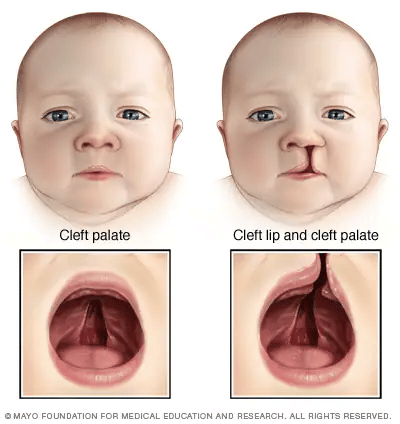
  • Cleft Lip: A physical split or separation of the two sides of the upper lip. It appears as a gap or opening that may extend from the lip up to the base of the nose, and may involve the upper jaw bone and gum.
  • Cleft Palate: A split in the roof of the mouth (the palate), which separates the mouth from the nose. It can involve the soft palate (back), hard palate (front), or both.
  • Both conditions can occur on one side (unilateral) or both sides (bilateral).
💡 Embryology Expansion: Why it happens

During early pregnancy (weeks 4–7), the tissues that form the lip and palate fail to fuse together properly. There is not enough tissue, or the tissue does not join correctly. Specifically, the maxillary prominences fail to fuse with the medial nasal prominences. If this happens early (week 5-6), you get a cleft lip. If it happens slightly later (week 7-9) when the palatal shelves are supposed to zip together, you get a cleft palate.

Causes
Cause Explanation / Clinical Detail
Unknown (most cases) No specific cause identified in the majority of cases (multifactorial).
Hereditary/Genetic If one parent has a cleft, the risk is higher. If a sibling has a cleft, future children have an increased risk. Often associated with syndromes (e.g., Pierre Robin sequence).
Maternal medications Anti-seizure drugs (phenytoin, valproate), methotrexate (for cancer/arthritis), some acne medications (isotretinoin) act as teratogens during the critical first trimester.
Maternal infections/illness Viruses like rubella, or exposure to certain chemicals during pregnancy.
Nutritional deficiencies Folic acid deficiency heavily increases the risk (just like with neural tube defects).
Environmental factors Smoking, alcohol, radiation exposure during pregnancy restrict blood flow to the developing fetal face.
Associated Problems
  • A. Feeding Problems: The palate normally seals the nasal cavity from the mouth during swallowing. With a cleft palate, milk and food can enter the nose. Babies cannot create suction on a regular nipple because air leaks through the cleft. This leads to poor intake, frustration, and inadequate nutrition.
  • B. Hearing Loss: The Eustachian tube (connects middle ear to throat) does not function properly because the palatal muscles that normally pull it open are detached. Fluid builds up behind the eardrum (otitis media with effusion). This causes conductive hearing loss and recurrent ear infections. If untreated, can lead to permanent hearing damage.
  • C. Dental Abnormalities: Small, missing, extra, or crooked teeth. Defects in the alveolar ridge (bone supporting teeth). Teeth may be displaced, rotated, or fail to erupt properly.
  • D. Speech Difficulties: Air escapes through the nose instead of the mouth. Sounds like "p," "b," "t," "d," "k," "g" are difficult to produce (because they require building up pressure in the mouth). Speech may sound hypernasal (too much air through nose).
  • E. Psychological Effects: Parents (especially mothers) may feel guilt, shame, or sadness. Older children may experience bullying or low self-esteem. Family support and counselling are essential.
Nursing Management
Aspect Management & Physiology
Feeding Minor cleft lip: may still suck. Combined cleft lip and palate: cannot suck effectively. Express breast milk and feed by cup, spoon, or special feeding bottle (e.g., Haberman feeder, Pigeon bottle - these have one-way valves so the baby only has to chew, not suck, to get milk).
Hygiene Strict hygiene of feeding utensils to prevent diarrhoea and respiratory infections. Clean the cleft with sterile water after feeding to prevent crusting.
Artificial palate In specialised units, a dental plate (obturator) may be fitted to help the baby suck until surgery.
Weight monitoring Regular weighing until baby reaches 4.5 kg – minimum weight for safe surgery.
Surgery timing Cleft lip: Repaired at 3–6 months.
Cleft palate: Repaired at 12–18 months (bones need to be stronger; earlier repair may restrict mid-facial bone growth, but delaying too long hurts speech development).
Post-surgical care Arm restraints (No-No's) to prevent baby touching sutures; soft diet; pain management; wound care (clean suture line with saline); monitor for bleeding or airway obstruction.
Multidisciplinary Follow-up Speech therapy (after palate repair), regular audiology (hearing) checks, and orthodontic dental assessment as the child grows.
🧠 Clinical Rule of Thumb: The "Rule of 10s" for Cleft Lip Surgery

Surgeons traditionally wait until the infant meets the "Rule of 10s" to ensure they can survive general anaesthesia safely:

  • At least 10 weeks old
  • At least 10 pounds in weight (approx 4.5 kg)
  • At least 10 g/dL of Haemoglobin
2. TONGUE TIE (ANKYLOGLOSSIA)

Definition: Tongue tie is a congenital condition where the frenulum (the thin piece of skin connecting the underside of the tongue to the floor of the mouth) is unusually short, thick, or tight. This restricts tongue movement.

Problems Caused by Tongue Tie:
Age Group Problem Explanation / Physiology
Newborns/Infants (Breastfeeding) Cannot open mouth wide enough; slides off breast; poor milk transfer; causes severe maternal nipple pain/damage. The tongue needs to lift and extend over the lower gum to grasp the breast and create a vacuum seal. A tied tongue cannot do this.
Bottle-fed infants Cannot form seal around teat; milk leaks out; swallows excessive air. Leads to severe colic, discomfort, and poor weight gain.
Older children Speech difficulties (especially "l," "r," "t," "d," "th" sounds). Eating difficulties. Tongue cannot reach the roof of the mouth or the upper teeth. Cannot efficiently move food to the back of the mouth for chewing.
Treatment: Frenulotomy (Tongue-Tie Division)
  • Procedure: A quick, simple procedure where the frenulum is snipped with sterile scissors.
  • Timing: Can be done in newborns (minimal pain, few nerve endings and blood vessels in the frenulum) or later if diagnosed late.
  • Anaesthesia: Usually none needed in very young infants; local or general anaesthetic required for older children.
  • Aftercare: Breastfeed immediately! This comforts the baby, acts as a natural analgesic, checks feeding improvement, and the sucking motion acts as gentle tongue exercises to prevent re-attachment.
  • Frenuloplasty: More extensive surgical release if the frenulum is very thick or posterior – requires stitches.
3. OESOPHAGEAL ATRESIA (OA) & TRACHEO-OESOPHAGEAL FISTULA (TOF)
Definition
  • Oesophageal Atresia (OA): A congenital defect where the oesophagus (food pipe) does not form properly. The upper part ends in a blind pouch and does not connect to the stomach.
  • Tracheo-Oesophageal Fistula (TOF): An abnormal connection (fistula) between the oesophagus and the trachea (windpipe). This means food and saliva can enter the lungs, or stomach acid can splash into the lungs.
💡 Maternal Clue: Polyhydramnios

During a normal pregnancy, the fetus swallows amniotic fluid, absorbs it in the gut, and urinates it back out. If the fetus has Oesophageal Atresia, it cannot swallow the fluid. Therefore, the fluid builds up excessively in the womb. A mother presenting with Polyhydramnios (too much amniotic fluid) on ultrasound is a massive red flag that the baby might have OA!

Types of Oesophageal Atresia
Type Description
Type A (8%) Both upper and lower oesophagus end in blind pouches – NO TOF.
Type B (1%) Upper pouch connects to trachea (dangerous aspiration immediately); lower pouch blind.
Type C (85%) Upper pouch blind; lower pouch connects to trachea – MOST COMMON. (Air fills the stomach causing a bloated abdomen).
Type D (1%) Both upper and lower pouches connect to trachea.
Type E (4%) Oesophagus is intact but has a TOF (H-type fistula). Less obvious at birth, causes recurrent pneumonias later.
Clinical Features (The 3 Cs)
  • Excessive drooling: Saliva cannot pass to the stomach; it pools in the mouth and overflows.
  • Coughing, choking, cyanosis (The 3 Cs) with the first feed: Milk enters the blind pouch and instantly overflows/spills into the trachea and lungs.
  • Inability to pass nasogastric tube (NGT): Key Diagnostic Test! Attempt to pass a 10F catheter through the nose into the stomach. In OA, it will hit a wall and coil in the upper oesophageal pouch at 10–12 cm.
  • Respiratory distress: Aspiration of saliva/milk into lungs.
  • Scaphoid (sunken) abdomen OR Bloated abdomen: Scaphoid if Type A (no air reaches stomach). Bloated if Type C (every time the baby breathes, air goes through the fistula into the stomach).
Management
  • Pre-Operative Care:
    • Suction upper pouch continuously: (Replogle tube) Prevents saliva aspiration into lungs.
    • Nurse in semi-upright position (30–45°): Crucial for Type C! Keeps stomach acid from refluxing up the lower fistula into the lungs.
    • NPO / IV fluids / Antibiotics / Warmth: Standard emergency neonatal prep.
    • Gastrostomy: A surgical opening directly into the stomach may be placed early for feeding and to decompress the stomach air.
  • Surgical Management: Primary repair (thoracotomy to join the two ends and tie off the fistula) if the gap is short. Staged repair if the gap is too wide.
  • Complications: Aspiration pneumonia, Oesophageal stricture (scarring at surgical site causes narrowing/dysphagia), Tracheomalacia (weak tracheal cartilage causes a "honking" seal-like cough), recurrent fistula, severe Gastro-oesophageal reflux (GOR).
4. CONGENITAL PYLORIC STENOSIS

Definition: Pyloric stenosis is the narrowing of the pylorus (the muscular valve at the outlet of the stomach that opens into the duodenum). This is caused by hypertrophy (thickening) and hyperplasia of the pyloric circular muscle, which completely clamps down and prevents the stomach from emptying properly.

Epidemiology & Pathophysiology:
  • Males are affected 4–5 times more than females (especially first-born males).
  • The pyloric muscle thickens and elongates, severely narrowing the pyloric canal.
  • The stomach must work extremely hard to push food through this tiny hole. This causes the stomach muscle itself to hypertrophy, leading to visible peristaltic waves across the baby's belly.
  • Eventually, the stomach fails to push milk through. The stomach fills up, and the milk is violently vomited back up.
Signs and Symptoms (Detailed)
Sign / Symptom Explanation / Physiology
Projectile vomiting Forceful ejection of stomach contents up to 1 metre away! Occurs shortly after feeding. It is non-bile-stained because the blockage is before the bile duct entry in the duodenum.
Hunger after vomiting The "Hungry Vomiter". The stomach is completely empty, and the intestines haven't received any food, so the baby frantically wants to feed again immediately.
Weight loss & Constipation Inadequate nutrition reaching the intestines. Little or no stool is produced because no food is getting through.
Dehydration No tears when crying, dry mouth, sunken fontanelle, decreased urine output.
Visible peristaltic waves Left-to-right wave seen across the upper abdomen as the stomach fights to contract against the blockage.
Palpable "olive" mass The hugely thickened pylorus muscle can be felt physically; it feels exactly like a small, firm olive in the right upper quadrant or epigastrium.
⚠️ Hypochloraemic Metabolic Alkalosis
Question: Why do blood tests in Pyloric Stenosis show Hypochloraemic Hypokalaemic Metabolic Alkalosis?
Physiology Answer:
1. The baby vomits massive amounts of pure stomach acid (Hydrochloric Acid - HCl).
2. Losing H+ (acid) causes the blood to become alkaline (Metabolic Alkalosis). Losing Cl- causes Hypochloraemia.
3. Because the baby is vomiting, they become severely dehydrated. Dehydration causes blood pressure to drop, which triggers the kidneys to activate the RAAS system to save Sodium and Water.
4. In order to save Sodium, the kidneys are forced to pee out Potassium in exchange. This leads to severe Hypokalaemia (low potassium).
Conclusion: You MUST correct the electrolytes and hydration with IV fluids before you ever send this baby to surgery, or they will die of cardiac arrest on the operating table due to the low potassium.
Diagnosis & Management
  • Diagnosis: Clinical exam (olive mass). Ultrasound is the Gold Standard – shows thickened pyloric muscle (>3–4 mm) and elongated pylorus (>14–16 mm). Barium meal X-ray shows the "String sign" (thin stream of barium squeezing through the narrowed pylorus).
  • Pre-Op: NPO (Nil Per Os), NGT for gastric decompression. CRITICAL: Correct dehydration over 24-48 hours using Normal Saline with added Potassium. Never operate before correcting this!
  • Surgical Management: Pyloromyotomy (Ramstedt's Procedure). A longitudinal incision is made strictly through the outer muscle layers of the pylorus, splitting it open like a hotdog bun, without cutting the inner mucosa. This widens the channel.
  • Post-Op: Keep NPO until fully awake. After 6 hours, give 5ml of boiled water/glucose water. Gradually advance to breastmilk/formula. Expected outcome is excellent; baby goes home in a few days.
5. IMPERFORATE ANUS (ANORECTAL MALFORMATIONS – ARM)

Definition: Imperforate anus is a congenital condition where the anus (opening for stool) is absent, narrowed, or misplaced. The rectum (last part of the large intestine) does not connect properly to the outside of the body. This is part of a spectrum of ARMs.

Classification
  • Low lesions: The rectum descends fully through the pelvic floor muscles but ends just under the skin. May present as a tiny stenosis or a blind pouch where the anus should be.
  • High lesions: The rectum ends high up in the pelvis, completely missing the sphincter muscles. It often forms an abnormal fistula to the bladder or urethra (in boys), or the vagina (in girls), causing stool to leak out of the genitals.
  • Persistent cloaca: Most severe (only in females). The rectum, vagina, and urinary tract all fail to separate and join into a single common exit channel.
🧠 Associated Anomalies (VACTERL Association)
If a baby has an imperforate anus, you MUST urgently check them for other congenital defects, because these defects happen together during early embryology. Remember VACTERL:
V - Vertebral anomalies (spine defects, missing vertebrae)
A - Anal atresia (Imperforate Anus - ARM)
C - Cardiac (heart) defects (e.g., VSD, ASD)
T - Tracheo-Oesophageal fistula
E - Esophageal atresia
R - Renal (kidney) anomalies (missing or deformed kidneys)
L - Limb anomalies (e.g., missing radius bone in the arm)
Diagnosis
  • Physical examination at birth: The most crucial step. No anal opening; anal opening in wrong place; or only a small dimple where the anus should be.
  • Passage of meconium: Meconium may pass through the urethra or vagina (indicating a high fistula), or not at all.
  • "Wink" reflex test: Stroking the perianal skin should cause the hidden sphincter muscles to twitch (anal wink). If absent, it indicates a high lesion missing sphincter muscles.
  • Invertogram X-ray: A classic test. A coin is taped to the baby's anal dimple. The baby is held upside down for 1–2 minutes so swallowed air rises to the very end of the rectum. The X-ray shows the distance between the trapped air in the rectum and the coin on the skin (determines high vs. low lesion).
  • Renal ultrasound & Echocardiogram: Mandatory to rule out VACTERL anomalies.
Management & Surgery
  • Immediate Mgmt: NPO, IV fluids, NGT decompression (to prevent bowel rupture from obstruction), and IV Antibiotics (critical if stool is leaking into the urinary tract).
  • Surgical Mgmt for Low Lesions: Anoplasty – surgical creation of an anus in the correct position; usually done as a single immediate procedure.
  • Surgical Mgmt for High Lesions: Requires 3 stages.
    • 1. Colostomy on day 1 to save the baby's life and allow stool to exit the abdomen.
    • 2. Definitive repair (PSARP) at 3–12 months to pull the rectum down through the center of the pelvic muscles.
    • 3. Colostomy closure months later once the new anus has healed.
  • Post-Op Care: Dilatation! After anoplasty, parents must dilate the new anus daily with graduated metal dilators (Hegar dilators) to prevent severe scar tissue stricture. Monitor bowel management (constipation and faecal incontinence are lifelong struggles for these children).
QUICK REVISION MNEMONICS & EXAM TIPS
Mnemonic Meaning
"RICE" for diarrhoea causes Rotavirus, Infections, Contaminated food/water, Environmental
"SOS" for dehydration signs Sunken eyes, Offer drink (poorly), Skin pinch (slow)
"VACTERL" for ARM associations Vertebral, Anal, Cardiac, Tracheo-Oesophageal, Esophageal, Renal, Limb
"Pyloric PS" Projectile vomiting, Small "olive" mass, Male baby
🎯 EXAM TIPS FOR UGANDAN NURSING STUDENTS
  • Know the WHO dehydration classification perfectly – this is tested frequently.
  • Understand ORS preparation (6 sugar, half salt in 1 Litre) and administration – practical exam favourite.
  • Remember Plan A, B, and C – know exactly when to use each based on the "Look and Feel" signs.
  • Pyloric stenosis – classic presentation: male, 2–6 weeks, projectile non-bilious vomiting, palpable "olive", metabolic alkalosis.
  • Cleft palate feeding – cup/spoon feeding, Haberman bottles, upright position.
  • Oesophageal atresia – Polyhydramnios in mother, 3 Cs (cough, choke, cyanosis), NGT coiling, continuous suction, surgical emergency.
  • Imperforate anus – Always inspect the perineum at birth, watch for meconium in urine, check for associated VACTERL anomalies.

Quick Quiz

GIT Conditions Quiz

Paediatrics - mobile-friendly and focused practice.

Privacy: Your details are used only for quiz tracking and certificates.

Conditions of the Gastro-Intestinal Tract Read More »

Care of the Child Undergoing Eye Surgery:

 Common health problems during childhood

Common Health Problems During Childhood
1. CHICKENPOX (Varicella)
What is Chickenpox?

Chickenpox is a very common childhood illness caused by a virus called Varicella Zoster Virus (VZV). It is one of the most contagious diseases in children. Once a child has had chickenpox, they usually develop lifelong immunity (protection), meaning they will not get it again.

Points for Attention: Pathophysiology of VZV
Varicella Zoster is a herpesvirus. When it enters the body through the respiratory tract, it replicates in the regional lymph nodes and causes a primary viremia (virus in the blood). It travels to the liver and spleen, replicates massively, and causes a secondary viremia, which is what delivers the virus to the skin, causing the classic rash. Note: After the infection clears, the virus travels up the sensory nerves and lies dormant in the dorsal root ganglia of the spinal cord forever. If the immune system weakens decades later, it can reactivate and travel back down the nerve to cause Shingles (Herpes Zoster).
Who Gets It?
  • Most common in children under 10 years old.
  • Can also affect teenagers and adults (usually more severe in adults, with a higher risk of varicella pneumonia).
  • Very rare in babies under 3 months if the mother had chickenpox before pregnancy (due to passive immunity from transplacental maternal IgG antibodies).
How Does It Spread?
  • Airborne droplets: When an infected person coughs or sneezes, tiny droplets containing the virus float in the air.
  • Direct contact: Touching the fluid from the blisters.
  • Contaminated objects: Touching toys, clothes, or bedding used by an infected person.
  • A person is contagious from 1-2 days BEFORE the rash appears until all blisters have crusted over (usually 5-7 days after the rash starts).
The Three Stages of the Rash

Chickenpox rash appears in crops (groups), meaning new spots appear while old ones are healing. This is why you see spots at different stages on the same child:

Stage Appearance Duration
Stage 1: Red spots (macules) Small, flat, pink-red spots on face, scalp, chest, back 1-2 days
Stage 2: Fluid-filled blisters (vesicles) Raised bumps with clear fluid, look like "dew drops on rose petals" 2-3 days
Stage 3: Scabs/Crusts Blisters burst, dry out, and form brown crusts 5-7 days

Mnemonic: The Chickenpox Progression
"Red, Wet, Dry" — Red spots (macules) ➔ Wet blisters (vesicles) ➔ Dry crusts (scabs).

Common Symptoms
  • Itching (pruritus): This is the most bothersome symptom and drives the risk of secondary infections.
  • Fever: Usually mild (37.5°C – 38.5°C).
  • Feeling tired and unwell (malaise).
  • Loss of appetite and headache.
  • The rash starts on the face, scalp, and trunk (chest/back), then spreads to arms and legs.
  • The rash is usually more on the trunk and fewer on the limbs (central distribution).
Complications
Complication Signs to Watch For Pathophysiological Reason
Secondary bacterial skin infection Blisters become very red, swollen, painful, or have yellow pus. Scratching breaks the skin barrier, allowing Staphylococcus aureus or Streptococcus pyogenes to enter.
Pneumonia Fast breathing, chest pain, difficulty breathing. The virus directly attacks the lung parenchyma (Varicella pneumonia, mostly in adults).
Encephalitis (brain swelling) Severe headache, confusion, seizures, stiff neck. Virus crosses the blood-brain barrier causing CNS inflammation.
Dehydration Dry mouth, no tears when crying, sunken eyes, not passing urine. Fever increases insensible fluid loss; oral lesions make drinking painful.
Reye's syndrome Vomiting, confusion, seizures. Linked to aspirin use during viral illness. Causes acute mitochondrial failure in the liver, leading to cerebral edema. NEVER give aspirin!
Nursing Management & Treatment
A. Symptomatic Treatment (Treating the Symptoms, Not the Virus)

Since chickenpox is caused by a virus, antibiotics do NOT work. The body fights it off naturally. We treat the symptoms:

    • Calamine lotion: Apply gently to itchy spots using cotton wool.
    • Cool baths: Add oatmeal or baking soda to lukewarm bath water.
    • Keep nails short: To prevent scratching and skin infection.
    • Wear loose, soft cotton clothes: Avoid wool or synthetic fabrics.
    • Antihistamines: (like chlorpheniramine or cetirizine) Can be given to reduce itching, especially at night.
  1. Fever Management
    • Paracetamol (acetaminophen): Safe for fever and pain.
    • NEVER give aspirin to children with chickenpox — it can cause Reye's syndrome, a life-threatening brain and liver condition.
    • Avoid ibuprofen during chickenpox — some clinical studies suggest it may worsen skin infections and increase the risk of invasive Group A Strep infections.
  2. Skin Care
    • Keep skin clean and dry.
    • Do NOT burst blisters — this causes severe scarring and opens the door to infection.
    • Pat skin dry gently after bathing — do not rub.
  3. Hydration
    • Encourage plenty of fluids: water, oral rehydration solution (ORS), diluted fruit juice, soup.
    • Offer small, frequent feeds if appetite is poor.
B. Antiviral Treatment (In Special Cases)

Acyclovir (an antiviral medicine) interferes with viral DNA polymerase. It may be given to:

  • Children with weakened immune systems.
  • Newborns whose mothers had chickenpox near delivery.
  • Children with severe chickenpox.
  • Adults with chickenpox.
  • Best given within 24 hours of the rash appearing to be effective.
C. Isolation & Infection Control
  • Keep child at home until ALL blisters have crusted over (usually 5-7 days).
  • Keep away from pregnant women, newborn babies, and people with weak immune systems.
  • Do not send child to school or daycare.
  • Wash hands frequently and do not share towels, clothes, or bedding.
Prevention
  • Varicella vaccine: Given in some countries as part of routine immunization (not yet universal in Uganda, but available in private clinics).
  • One dose gives about 85% protection; two doses give about 98% protection.
Parent/Caregiver Education

"Keep your child comfortable, prevent scratching, give paracetamol for fever, and watch for signs of skin infection like redness, swelling, or pus. Bring the child back immediately if they have trouble breathing, severe headache, are very drowsy, or the rash looks infected."

Applied Clinical Scenario

Case: A 5-year-old child presents with a low-grade fever and a rash. Upon examination, you notice a mixture of red macules, clear vesicles, and a few crusted scabs on the child's trunk and face. The mother asks if she can give the child Aspirin for the fever and when the child can return to school.

Answer: The diagnosis is Chickenpox (classic "crop" presentation of all 3 stages). You must emphatically tell the mother NO ASPIRIN due to the risk of fatal Reye's Syndrome; she should use Paracetamol instead. The child can return to school only when all the lesions have completely crusted over (usually 5-7 days).

2. WHOOPING COUGH (Pertussis)
What is Whooping Cough?

Whooping cough is a serious bacterial infection of the lungs and breathing tubes caused by the bacterium Bordetella pertussis. It is called "whooping cough" because of the high-pitched "whoop" sound children make when they try to breathe in after a severe coughing fit.

Points for Attention: Pathophysiology of Pertussis
Bordetella pertussis attaches to the cilia (tiny hair-like sweepers) of the respiratory epithelial cells. The bacteria release Pertussis Toxin and Tracheal Cytotoxin, which paralyze and kill the cilia. Without cilia to sweep away mucus, thick secretions build up massively in the lungs. The body attempts to forcefully expel this mucus, resulting in the violent, unending "paroxysmal" coughing fits because the normal clearing mechanism is destroyed.
Why is it Dangerous?
  • It is most dangerous for babies under 6 months old.
  • It can cause apnoea (pauses in breathing), pneumonia, seizures, and even death.
  • Babies may not "whoop" — they may just stop breathing or turn blue.
How Does It Spread?
  • Spread through respiratory droplets when an infected person coughs or sneezes.
  • Very contagious — one infected person can infect up to 15 others.
  • Incubation period: 7-10 days (range 4-21 days).
The Three Clinical Phases
Phase Duration Symptoms
Catarrhal Phase 1-2 weeks Runny nose, mild cough, low fever, sneezing — looks like a common cold. (Highly infectious phase!)
Paroxysmal Phase 2-6 weeks (up to 10 weeks) Severe coughing fits, "whooping" sound on breathing in, vomiting after coughing, face turns red or blue.
Convalescent Phase 2-6 weeks Coughing gradually decreases but can return with other respiratory infections due to damaged cilia.

Mnemonic: The Pertussis Phases
"Cold, Whoop, Better" — Catarrhal (cold-like) ➔ Paroxysmal (whooping) ➔ Convalescent (getting better).

Classic Signs of the Paroxysmal Phase
  • Paroxysms: Sudden, violent bursts of rapid coughing (5-10 coughs in a row without breathing).
  • Whoop: High-pitched sound when inhaling forcefully through a narrowed glottis after a coughing fit.
  • Post-tussive vomiting: Vomiting after coughing (due to severe vagal nerve stimulation).
  • Cyanosis: Lips and face turn blue during coughing due to oxygen deprivation.
  • Apnoea: Breathing stops entirely, especially in fragile infants.
  • Symptoms are notably worse at night.
Complications (Especially in Infants <6 Months)
  • Pneumonia: Most common complication; bacteria or secondary virus infects the lung parenchyma.
  • Apnoea and bradycardia: Breathing stops and heart rate slows — life-threatening in infants.
  • Seizures & Encephalopathy: Brain damage resulting directly from hypoxia (lack of oxygen) during coughing fits or from bacterial toxins.
  • Weight loss and malnutrition: Due to continuous post-tussive vomiting preventing nutrient absorption.
  • Rib fractures & Subconjunctival haemorrhage: Mechanical trauma from the extreme physical pressure of violent coughing.
Nursing Assessment & Investigations
  • Assessment: Ask about duration of cough, contact with infected persons, and vaccination history. Observe the color of the child (cyanosis?), breathing pattern, feeding ability. Listen for the "whoop" sound or lung crackles.
  • Investigations:
    • Nasopharyngeal swab/aspirate for PCR: Best test, most accurate in first 2-3 weeks.
    • Culture: Takes longer but checks antibiotic resistance.
    • Full Blood Count (FBC): Very unique for a bacterial infection, pertussis presents with a high white cell count with massive lymphocytosis (normally bacteria cause elevated neutrophils, but pertussis toxin specifically blocks lymphocytes from leaving the blood, causing them to pool).
Nursing Management & Treatment
A. Antibiotic Treatment

Antibiotics do not cure the cough once the paroxysmal phase has started (because the ciliary damage is already done), but they: 1) Reduce severity if given in the catarrhal phase, 2) Stop the child from being infectious after 5 days, and 3) Prevent spread to others.

Antibiotic Age Group / Dose Route Duration
Azithromycin (Drug of Choice) <6 months: 10 mg/kg once daily
≥6 months: 10 mg/kg day 1, then 5 mg/kg days 2-5
Oral 5 days
Clarithromycin ≥1 month: 7.5 mg/kg twice daily Oral 7 days
Co-trimoxazole >2 months (if macrolides contraindicated) Oral 14 days

Important Note: Erythromycin is NOT recommended for infants due to a high risk of pyloric stenosis (hypertrophy and narrowing of the stomach outlet).

B. Supportive Care
  • Oxygen therapy: If child is cyanosed or has low oxygen levels.
  • Suctioning: Clear thick secretions from nose and throat, especially in infants who cannot clear it themselves.
  • Feeding: Nasogastric feeding if child cannot feed. Offer small, frequent feeds immediately after a coughing bout.
  • IV fluids: If child is dehydrated. Restrict fluids slightly to 2 mL/kg/hour to prevent pulmonary fluid overload (SIADH is a potential complication).
  • Isolation: Droplet precautions.
C. Post-Exposure Prophylaxis & Exclusion
  • Give antibiotics to close contacts (especially infants <6 months, pregnant women in 3rd trimester, unvaccinated children).
  • Exclusion: Child is infectious until 21 days after symptoms start, OR 14 days after paroxysmal cough starts, OR 5 days after starting antibiotics. Notify public health authorities.
Prevention
  • DTaP/DTP vaccine: Given at 6, 10, and 14 weeks, with a booster at 18 months (Uganda EPI schedule).
  • Cocooning strategy: Vaccinate pregnant women in the third trimester to pass maternal antibodies to the newborn, protecting them until they are old enough to be vaccinated at 6 weeks.
Parent Education

"Keep your baby away from anyone with a cough. If your baby stops breathing, turns blue, or has a coughing fit with vomiting, come to hospital immediately. Complete all vaccinations on time — this is the best protection."

3. IMPETIGO
What is Impetigo?

Impetigo is a highly contagious bacterial skin infection very common in young children, especially in hot, humid climates like Uganda. It is the third most common skin disease in children worldwide.

  • Causes: Streptococcus pyogenes (Group A strep), Staphylococcus aureus (including MRSA), or a mixed infection of both.
  • Spread: Direct skin-to-skin contact, sharing towels/clothes, auto-inoculation (scratching one sore and touching another part of the body). Insect bites or minor cuts provide the entry point.
Types of Impetigo
Type Pathophysiology & Description Appearance
Non-bullous impetigo (70% of cases) Bacteria enter traumatized skin. Host response forms a pustule which ruptures. Red sores with thick, honey-coloured (golden-yellow) crusts; usually on face (around nose and mouth), arms, legs.
Bullous impetigo Caused exclusively by Staph aureus. It releases Exfoliative Toxins which dissolve the protein connections (desmoglein 1) holding epidermal skin cells together, causing the skin to separate and blister. Large, thin-walled, fluid-filled blisters that burst easily; more common on the trunk and buttocks.
Complications
  • Cellulitis: Deeper skin infection — red, hot, swollen, painful skin.
  • Post-streptococcal glomerulonephritis: Kidney disease 1-3 weeks after skin infection (immune complexes clog the kidney filters). Watch for blood in urine, swollen face, high blood pressure.
  • Sepsis: Bacteria enter bloodstream — life-threatening.
Nursing Management & Treatment
  1. Crust Removal (Crucial Nursing Action!)
    Topical antibiotics cannot penetrate the thick crusts. You MUST soak crusts in warm water/saline for 10-15 minutes, gently wash with soap, and pat dry before applying medicine.
  2. Topical Antibiotics (Mild Cases)
    Mupirocin ointment or Fusidic acid applied 3 times daily for 5-7 days.
  3. Oral Antibiotics (Widespread/Severe/Bullous)
    Cephalexin or Cloxacillin for 7 days. If MRSA is suspected, use Co-trimoxazole (contraindicated in infants under 2 months or those with G6PD deficiency).
  4. School Exclusion: Exclude until 24 hours after starting antibiotics OR until sores are completely healed/crusted.
4. DENTAL CARIES (Tooth Decay)
What is Dental Caries?

Dental caries (cavities) is the destruction of the hard tissues of the tooth. It is the most common chronic disease in children worldwide.

Points for Attention: Anatomy & Pathophysiology of a Cavity
The tooth has three layers: 1) The hard outer Enamel, 2) The softer middle Dentine, and 3) The deep Pulp containing nerves and blood vessels.
Bacteria (Streptococcus mutans) in plaque feed on sugars and excrete lactic acid. This acid drops the pH of the mouth below 5.5, which dissolves (demineralizes) the calcium in the enamel. Once the hole breaches the enamel and reaches the nerve-rich pulp, the child experiences agonizing pain and is at risk for a dental abscess.
Risk Factors & Complications
  • Baby bottle tooth decay: Sleeping with a bottle of milk or juice pools sugar around the teeth all night.
  • Frequent sugar intake and poor oral hygiene.
  • Complications: Dental abscess, facial cellulitis, osteomyelitis (bone infection of the jaw), malnutrition (due to inability to chew painlessly), and spread to developing permanent adult teeth below the gums.
Nursing Management & Prevention (Most Important!)
  • Oral Hygiene: Brush twice daily with a pea-sized amount of fluoride toothpaste as soon as the first tooth erupts. Parents must help brush until age 7-8.
  • Dietary Advice: Limit fizzy drinks, cakes, and sweets. Give water between meals. Absolutely NO bottle feeding at bedtime!
  • Fluoride: Ensure fluoride toothpaste is used (1000-1500 ppm). Fluoride physically incorporates into the tooth structure (fluorapatite), making it highly resistant to acid attacks.
  • Nursing Role: Screen children for caries during routine health visits, educate on the dangers of nocturnal bottle feeding, and refer to dentists for fillings or extractions.


5. DIARRHOEA
What is Diarrhoea?

Diarrhoea is the passing of loose or watery stools, usually three or more times in 24 hours. It is one of the leading causes of death in children under 5 years old worldwide, especially in low-resource settings like Uganda. The main danger is dehydration (loss of too much water and vital electrolytes from the body).

Pathophysiology of Diarrhoea
Normally, the intestines absorb massive amounts of water from digested food. In diarrhoea, pathogens (like Rotavirus or Vibrio cholerae) produce enterotoxins that destroy the absorptive cells (enterocytes) on the intestinal villi, or force chloride channels to open. When chloride pumps into the gut lumen, sodium follows it, and water follows the sodium (osmosis). The result is a massive outpouring of fluid into the gut, overwhelming absorption and causing severe watery stools.
Why Are Children More at Risk?
  • Children have a smaller body size and higher metabolic rate — they lose fluids much faster relative to their body weight.
  • Their immune systems are still developing.
  • They may not be able to tell you they are thirsty.
  • Malnutrition makes diarrhoea worse (vicious cycle: diarrhoea causes malnutrition, malnutrition worsens diarrhoea).
  • Poor sanitation and unsafe water increase exposure to germs.
Types of Diarrhoea & Common Causes
Type Duration Causes Key Features
Acute watery diarrhoea <14 days Viruses (Rotavirus, Norovirus, Adenovirus), Bacteria (E. coli), Parasites Most common; major risk is rapid dehydration.
Persistent diarrhoea 14 days or more Malnutrition, chronic infections, food intolerance Leads to severe weight loss and malnutrition. Intestinal lining fails to heal.
Dysentery (bloody) Variable Shigella, Campylobacter, Entamoeba histolytica Blood and mucus in stool; implies mucosal invasion; needs antibiotics.
Cholera Variable Vibrio cholerae Severe watery "rice water stools"; causes profoundly rapid, lethal dehydration.
How to Assess Dehydration (Critical Nursing Skill!)

WHO classifies dehydration into three levels. Accurate assessment dictates the treatment plan.

Sign No Dehydration Some Dehydration Severe Dehydration
General condition Well, alert Restless, irritable Lethargic, unconscious
Eyes Normal Sunken Very sunken
Tears Present Absent Absent
Mouth and tongue Moist Dry Very dry
Thirst Drinks normally Thirsty, drinks eagerly Drinks poorly or unable to drink
Skin pinch Goes back quickly Goes back slowly (>2 seconds) Goes back very slowly (>2 seconds)
Urine Normal Reduced Very reduced or absent

Mnemonic: Severe Dehydration
"SHOCK"

  • Sunken eyes
  • Hypotension (low blood pressure from low volume)
  • Oliguria (little or no urine)
  • Cold skin (poor perfusion)
  • Ketones (in urine due to starvation/metabolic stress)
Nursing Management & Treatment
A. Plan A: Treat Diarrhoea at Home (No Dehydration)

Four Rules for Home Treatment:

  • Rule 1: Give Extra Fluid
    Breastfeed more often and longer. Give ORS after every loose stool: Under 2 years (50-100 mL); 2 years+ (100-200 mL). Also give food-based fluids: soup, rice water, porridge. Give small, frequent sips.
  • Rule 2: Give Zinc Supplements
    Under 6 months: 10 mg (½ tablet) daily for 10-14 days. 6 months+: 20 mg (1 tablet) daily for 10-14 days.
    Why Zinc? Zinc physically regenerates the destroyed intestinal epithelium, restores intestinal enzyme function, and boosts local immunity. It reduces the duration of the current episode and prevents future episodes!
  • Rule 3: Continue Feeding
    Do not starve the child! Continue breastfeeding and regular food. Offer an extra meal daily after recovery. Avoid very fatty or sugary foods (osmotic load worsens diarrhoea).
  • Rule 4: Know When to Return
    Many watery stools, very thirsty, sunken eyes, fever, blood in stool, or not improving after 3 days.
B. Plan B: Treat Some Dehydration (In Health Facility)
  • Give ORS in the clinic: 75 mL per kg over 4 hours. (e.g., 10 kg child = 750 mL ORS over 4 hours).
  • Give frequent small sips. If child vomits, wait 10 minutes, then continue more slowly.
  • Reassess after 4 hours. Start zinc and continue breastfeeding.
C. Plan C: Treat Severe Dehydration (Emergency!)
  • This is a medical emergency. Start IV fluids immediately with Ringer's Lactate or Normal Saline.
  • If no IV access within 30 minutes, use a nasogastric tube.
  • IV Fluid Volumes (First 4 hours for children > 12 months, or over 6 hours for infants): 30 mL/kg rapidly, followed by 70 mL/kg more slowly.
  • Give ORS by mouth as soon as child can drink. Monitor pulse, breathing, urine output, and LOC closely.
D. Additional Treatments & What NOT to Give
  • For Dysentery: Needs antibiotics (Ciprofloxacin 15 mg/kg BID x 3 days, or Azithromycin).
  • For Cholera: Aggressive rehydration and Azithromycin/Erythromycin. Monitor for severe hypokalaemia.
  • For Persistent Diarrhoea: Assess for malnutrition/HIV, give multivitamins (Vitamin A is crucial for gut healing), consider lactose-free diet.

What NOT to Give:

  • ✗ Anti-diarrhoeal drugs (loperamide): They paralyze the gut, trapping the infectious bacteria inside, which can lead to toxic megacolon.
  • ✗ Anti-emetics routinely: Vomiting helps clear the infection naturally.
  • ✗ Stop breastfeeding or food: Starvation worsens malnutrition and delays gut healing.
Prevention & Parent Education

Promote exclusive breastfeeding for 6 months, safe water boiling, handwashing, latrine use, and Rotavirus/Measles vaccination. Tell parents: "Diarrhoea kills through dehydration. Give ORS and zinc immediately. Do not stop feeding your child!"

6. ATOPIC ECZEMA (Atopic Dermatitis)
What is Atopic Eczema?

Atopic eczema is a chronic inflammatory skin condition causing itchy, dry, cracked, and red skin. It is the most common eczema in children. "Atopic" refers to a genetic tendency to develop allergic conditions.

Points for Attention: The "Atopic March" & Skin Barrier
Children with eczema often follow a predictable allergic progression called the Atopic March: Eczema → Food Allergy → Allergic Rhinitis (hay fever) → Asthma.
Pathophysiology: Many of these children have a genetic mutation in the filaggrin gene. Filaggrin is a protein that binds skin cells tightly together. Without it, the skin barrier is "leaky". Water escapes easily (causing profound dryness), and allergens/bacteria enter easily (triggering massive immune overreactions and inflammation).
Common Triggers
Trigger Examples
Irritants Soaps, detergents, bubble bath, wool clothing, perfumes
Allergens Dust mites, pollen, pet dander, mould
Foods Cow's milk, eggs, peanuts, wheat, soy (in some children)
Environmental Heat, sweating, cold dry weather, low humidity
Infections & Stress Staph bacteria, viruses, emotional stress, hormonal changes (puberty)
Signs, Symptoms & Age-Related Patterns
  • Intense itching (pruritus): Worse at night, causing severe sleep disturbance.
  • Thickened skin (lichenification): Caused by long-term scratching.
Age Common Sites
Infants Face (cheeks, forehead), scalp, extensor surfaces (outer arms and legs).
Children (2-12 yrs) Flexural areas — inside elbows, behind knees, around neck, wrists, ankles.
Adolescents/Adults Hands, feet, face, neck, skin folds.

Mnemonic: Flexural Eczema Sites in Children
"Eyes Behind, Elbows Inside, Knees Behind" (Around eyes/behind ears, inside elbows, behind knees).

Complications
  • Secondary bacterial infection: Staph or strep entering scratched skin (yellow crusts, pus).
  • Eczema herpeticum (EMERGENCY): Herpes simplex virus infecting eczema. Causes rapid, painful, punched-out blisters, fever, and severe illness. Can be fatal.
  • Psychosocial: Sleep disturbance affecting growth, low self-esteem, anxiety from visible skin.
Nursing Management & Treatment
  1. Emollients (Moisturisers) — The Foundation
    Must be used generously, at least twice daily, even when skin looks clear! Apply within 3 minutes of bathing to lock in moisture. Use thick, greasy ointments (Vaseline, emulsifying ointment) rather than watery lotions. Apply in the direction of hair growth to prevent folliculitis.
  2. Bathing & Triggers
    Use lukewarm water (short baths 5-10 mins). Pat dry, never rub. Avoid soaps/perfumes. Wear soft cotton. Keep nails very short to minimize scratch damage.
  3. Topical Corticosteroids (For Flare-ups)
    Many parents have "steroid phobia." Reassure them that when used correctly (thin layer, only on inflamed red areas, lowest effective strength), they are incredibly safe. Mild: Hydrocortisone 1% (face/folds). Moderate: Betamethasone valerate 0.1% (body).
  4. Other Therapies
    Topical Calcineurin Inhibitors (Tacrolimus) for face/folds. Sedating antihistamines at night to break the itch-scratch cycle and promote sleep. Wet wrap therapy for severe flare-ups. Antibiotics/Antivirals if infected.
7. MEASLES
What is Measles?

Measles is a highly contagious viral disease. It is one of the most infectious diseases known — 9 out of 10 unvaccinated contacts will catch it. It spreads via airborne droplets and can survive in the air for up to 2 hours after the patient has left the room!

Measles Immunosuppression
Why do so many children die from pneumonia or severe diarrhea weeks after the measles rash fades? The measles virus directly infects and destroys memory T-cells and B-cells. This causes a phenomenon called "immune amnesia," wiping out the child's immune memory of previous diseases. For months after recovering from measles, the child is dangerously vulnerable to secondary bacterial and viral infections.
Clinical Features (The Classic Picture)
  1. Prodromal Phase (First 3-4 Days)
    • High fever (up to 40.5°C).
    • The 3 C's: Cough (dry, hacking), Coryza (watery runny nose), Conjunctivitis (red, watering, photophobic eyes).
    • Koplik's spots (Pathognomonic sign!): Tiny white spots like "grains of salt on a red carpet" on the buccal mucosa inside the cheeks. They appear 1-2 days BEFORE the rash and confirm the diagnosis.
  2. Rash Phase (Days 3-7)
    • Maculopapular rash starting behind the ears and hairline.
    • It spreads strictly downward: face → neck → trunk → arms → legs.
    • Fades in the same order it appeared, leaving a fine peeling skin (desquamation).
Complications (Common in Developing Countries)
Complication Frequency Description
Pneumonia 1 in 20 cases Leading cause of measles death; can be direct viral or secondary bacterial.
Diarrhoea Very common Can lead to severe dehydration and exacerbation of malnutrition.
Encephalitis 1 in 1000 Brain inflammation causing seizures, coma, or permanent brain damage.
SSPE (Subacute sclerosing panencephalitis) Rare A 100% fatal, degenerative brain disease appearing 7-10 years after the initial measles infection.
Corneal ulceration / Blindness Common Measles rapidly depletes the body's Vitamin A stores, destroying the cornea.
Nursing Management & Treatment
  • Supportive Care: Paracetamol for fever (NO ASPIRIN). Frequent fluids. Keep feeding. Darken the room if photophobia is severe. Clean eyes gently.
  • Vitamin A Supplementation (Critical!): All children with measles MUST receive high-dose Vitamin A, regardless of nutritional status. It prevents blindness and reduces mortality by 50% by regenerating damaged epithelial linings in the gut, eyes, and lungs.
    Doses (given once daily for 2 days): < 6 mos (50,000 IU), 6-11 mos (100,000 IU), 12 mos+ (200,000 IU)
  • Isolation & Antibiotics: Airborne precautions (N95). Isolate for 4 days after the rash appears. Give antibiotics ONLY if secondary pneumonia/otitis media occurs.
  • Prevention: Measles vaccine (MR or MMR) at 9 months and 15-18 months.
8. MUMPS
What is Mumps?

Mumps is a viral infection (paramyxovirus) that specifically targets glandular tissue. It is best known for causing painful swelling of the salivary glands (parotid glands) on one or both sides of the face, giving a "hamster face" or "chipmunk cheeks" appearance.

Signs, Symptoms & Complications
  • Early signs: Fever, headache, muscle aches, fatigue.
  • Parotid Swelling: Painful swelling pushing the earlobe outward/upward. Pain significantly worsens when chewing or swallowing sour foods (because sour foods heavily stimulate saliva production, forcing fluid into an already swollen, blocked gland).
  • Complications:
    • Orchitis: Inflammation of the testicles in post-pubertal males (painful, can rarely cause infertility).
    • Oophoritis: Ovary inflammation in females.
    • Meningitis/Encephalitis: Virus crosses into the meninges (headache, stiff neck).
    • Pancreatitis: Severe abdominal pain.
    • Deafness: Rare but usually permanent in one ear.
Nursing Management & Prevention
  • Supportive: Soft, easy-to-chew foods. Avoid citrus/vinegar. Paracetamol for pain. Scrotal support (jockstrap) and cold packs for orchitis.
  • Isolation: Exclude from school for 5 days from the onset of parotid swelling.
  • Prevention: MMR vaccine (Measles, Mumps, Rubella).

QUICK REFERENCE: VACCINATION SCHEDULE (Uganda EPI)
Age Vaccine Diseases Prevented
Birth BCG, OPV0 Tuberculosis, Polio
6 weeks DTP-HepB-Hib, OPV1, PCV1, Rotavirus1 Diphtheria, Tetanus, Pertussis, Hepatitis B, Hib, Polio, Pneumococcal, Rotavirus
10 weeks DTP-HepB-Hib, OPV2, PCV2, Rotavirus2 (Same as above)
14 weeks DTP-HepB-Hib, OPV3, PCV3, IPV (Same as above) + Inactivated Polio
9 months Measles-Rubella (MR), Yellow Fever Measles, Rubella, Yellow Fever
15-18 months MR2, DTP booster (Second doses)
🎯 KEY NURSING EXAM TIPS
Condition Key Exam Point
Chickenpox All spots at different stages (crops); NEVER give aspirin (Reye's); contagious until all crusted.
Whooping Cough "Whoop" on inspiration; most dangerous <6 months; severe lymphocytosis; azithromycin first choice.
Impetigo Honey-coloured crusts; highly contagious; MUST soak crusts before applying ointment.
Dental Caries Most common chronic childhood disease; no bottles at bedtime.
Diarrhoea Assess dehydration (SHOCK); ORS + Zinc for all; never stop feeding or breastfeeding.
Atopic Eczema "Atopic march"; flexural distribution; daily thick emollients; topical steroids safe if used right.
Measles Koplik's spots; 3 C's prodrome; rash spreads downward; high-dose Vitamin A is mandatory.
Mumps Parotid swelling; "hamster face"; watch for orchitis in teenage boys; 5-day school exclusion.
🏥 CLINICAL SCENARIOS FOR PRACTICE (With Answers)
Scenario 1: Mixed Rash

Case: A 3-year-old child comes to your clinic with a rash. You see red spots, fluid-filled blisters, and crusts all on the same child. The mother says the child had a fever 2 days ago. What is your diagnosis? What advice do you give about school?

Answer: The diagnosis is Chickenpox (Varicella), evidenced by the classic "crops" of lesions in multiple stages at once. The child must be completely excluded from school until every single blister has dried up and formed a crust (usually 5-7 days).

Scenario 2: The Coughing Infant

Case: A 2-month-old baby is brought in with coughing fits, turning blue, and vomiting after coughing. The mother says the cough is worse at night. What is your immediate concern? What antibiotic will you give? What precautions must you take?

Answer: The diagnosis is severe Whooping Cough (Pertussis). The immediate concern is apnoea, hypoxia, and respiratory failure, as infants this young often stop breathing instead of "whooping". You will give an oral macrolide, specifically Azithromycin (Erythromycin is avoided due to pyloric stenosis risk). You must institute strict Droplet precautions.

Scenario 3: Assessing Dehydration

Case: A mother brings her 18-month-old with watery diarrhoea for 2 days. The child is irritable, has sunken eyes, and drinks eagerly when offered water. How do you classify the dehydration? What is your treatment plan?

Answer: This child has "Some Dehydration" (irritable, sunken eyes, drinks eagerly). You will implement Plan B: Administer ORS in the clinic (75 mL/kg over 4 hours), observe, continue breastfeeding, and start a 10-14 day course of Zinc supplements.

Scenario 4: Community Outbreak

Case: During a community outreach, you see several children with golden-yellow crusts around their mouths and noses. Some have sores on their arms. What is this? How do you manage it in the community setting?

Answer: This is classic non-bullous Impetigo. Management involves educating parents to soak off the crusts with warm water and soap (vital so the medicine can penetrate), applying topical antibiotics (like Mupirocin), keeping nails short to stop auto-inoculation, and ensuring children do not share towels or bedding.

Scenario 5: The Sick, Spotted Baby

Case: A 10-month-old baby presents with high fever, cough, runny nose, red eyes, and a rash starting behind the ears. You notice white spots inside the cheeks. What are these spots called? What vitamin must you give? What is the most dangerous complication?

Answer: The diagnosis is Measles. The spots inside the cheeks are Koplik's Spots. You MUST give two daily doses of high-dose Vitamin A (100,000 IU for a 10-month-old) to prevent blindness and epithelial damage. The most dangerous, leading cause of death from measles is secondary Pneumonia.

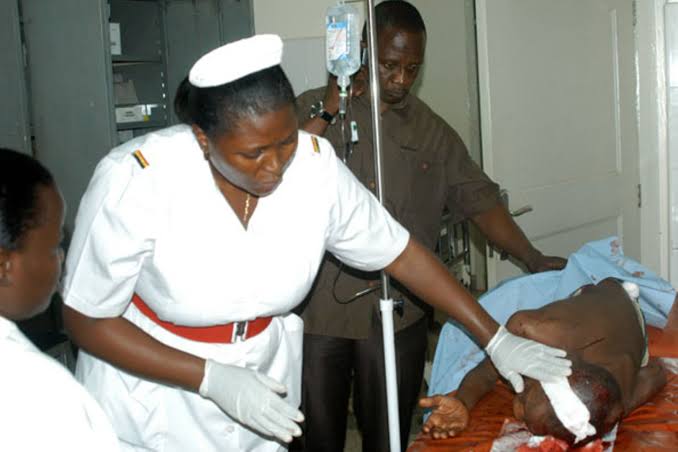
Quick Quiz

Common Health Problems Quiz

Paediatrics - mobile-friendly and focused practice.

Privacy: Your details are used only for quiz tracking and certificates.

 Common health problems during childhood Read More »

Nature and Causes of Diseases

Nature and Causes of Disease: Foundations of Pathology

A Disease is an abnormal physiological or psychological condition that harms the body or mind, fundamentally changing how the body normally works. It represents a failure of homeostasis (the body's internal balance).

It is NOT caused by an immediate, outside mechanical injury (like a broken bone from a fall), though severe injuries can lead to disease processes (like infection).

The Factory Analogy: Think of the human body as a complex factory. A disease is when one machine (an organ or cell) in the factory stops working properly, causing a cascading problem throughout the entire system.

1. What is a Disease?

At a microscopic level, a disease represents a failure of cellular adaptation. When cells are stressed beyond their biological ability to adapt (due to toxins, hypoxia, or pathogens), they undergo cellular injury.

  • Reversible Injury: If the stress is mild or temporary, the cell can recover (e.g., cellular swelling or fatty change).
  • Irreversible Injury: If the stress is severe or prolonged, it leads to programmed cell death (apoptosis) or messy, inflammatory cell death (necrosis). This cellular failure cascades into tissue failure, organ failure, and systemic disease.
Signs vs. Symptoms

In clinical practice, a disease presents with specific indicators that guide diagnosis:

Indicator Definition Clinical Examples
Signs (Objective) Measurable and observable clinical findings detected by the healthcare provider. Blood pressure of 160/100 mmHg, visible vesicular rash, wheezing heard through a stethoscope, pallor, elevated temperature (39°C).
Symptoms (Subjective) Experiences reported exclusively by the patient; cannot be physically measured by the examiner. "My chest hurts," nausea, overwhelming fatigue, dizziness, blurry vision, feeling anxious.
⚠️ Clinical Scenario: Recognizing Signs vs. Symptoms

Scenario: Maria, an 8-year-old girl, presents with a high fever, a red vesicular rash, and intensely itchy skin. The doctor visibly observes the rash and measures the fever (Signs). Maria complains that she feels itchy and extremely tired (Symptoms). Diagnosis: Chickenpox.

Physiological Context: The varicella-zoster virus (VZV) enters through the respiratory tract, replicates in the lymph nodes, and causes primary viremia (virus circulating in the blood). This systemic spread leads to the subjective symptom of fatigue and the objective clinical sign of a vesicular rash.

2. The Meaning of Disease

In medical sociology, "disease" covers any condition causing pain, organ dysfunction, mental distress, social isolation, or premature death. Here is what clinically counts under the broad umbrella of disease:

Category Clinical Meaning Example & Pathophysiological Context
Disabilities Physical or mental functional limits. A child unable to walk after polio. (The poliovirus specifically targets and destroys lower motor neurons in the anterior horn of the spinal cord, leading to flaccid paralysis).
Disorders Disruption of systemic organization or function without a single infectious cause. Anxiety or Eating disorders. (Often linked to neurotransmitter imbalances, such as serotonin, GABA, or dopamine dysregulation in the brain).
Syndromes A recognizable group of signs and symptoms that consistently occur together. Down syndrome. (Trisomy 21 - caused by chromosomal non-disjunction during meiosis, leading to systemic structural and cognitive manifestations).
Infections Pathogenic microbes invading and multiplying in the host tissue. Influenza, COVID-19. (Pathogens evade the innate immune system, replicate, and trigger massive inflammatory cytokine release causing tissue damage).
Isolated Symptoms A singular clinical problem without an immediately identifiable systemic cause. Idiopathic chronic headache. (The exact biochemical, vascular, or structural etiology remains unknown).
Deviant Behaviors Behaviors fundamentally diverging from physiological norms, causing harm. Severe substance addiction. (Pathological neuroplastic rewiring of the brain's reward pathways—specifically the ventral tegmental area and nucleus accumbens).

Note: Pure mechanical injuries (burns, fractures) are generally not classified as diseases, but their physiological complications (e.g., burn sepsis) absolutely are.

3. Effects of Disease & Death by Natural Causes

Diseases fit perfectly into the Biopsychosocial Model of Health, heavily affecting patients in two primary domains:

  • Physical Effects (Physiological): Direct changes in the body's structure or chemistry. Examples include pyrexia (fever caused by cytokines altering the hypothalamus), nociceptor activation (pain), weakness, and lesions.
  • Mental Effects (Psychological): Changes in emotion and cognition. Chronic illness directly increases serum cortisol levels, permanently altering brain chemistry, leading to clinical depression, severe anxiety, and "illness fatigue."
⚠️ Clinical Concept: Death by Natural Causes

When a patient expires strictly due to an internal disease process (not trauma, accident, or foul play), it is medically termed "death by natural causes."

Example: An elderly man dies from a sudden Myocardial Infarction (heart attack). Pathophysiology: An atherosclerotic plaque ruptures in a coronary artery, forming a thrombus that completely starves the myocardium of oxygen, inducing fatal ventricular arrhythmias. This is natural. A car crash is NOT.

4. The Four Main Types of Disease (I.D.H.P.)

All major pathologies can be classified into four primary categories. You must understand these thoroughly for your pathology and community health exams.

🧠 Mnemonic: The 4 Main Disease Types

I.D.H.P. — "I Don't Have Problems" (But diseases DO cause problems!)

  • I = Infectious
  • D = Deficiency
  • H = Hereditary
  • P = Physiological
TYPE 1: Infectious Diseases

Diseases caused by pathogenic microbes that breach host defenses, multiply, and induce tissue damage or systemic inflammation. They are categorized by the type of invading germ:

Pathogen Type Characteristics & Mechanism of Action Clinical Examples
Bacteria Single-celled prokaryotes. They damage tissue directly, release deadly toxins (exotoxins/endotoxins), or trigger hyper-inflammatory responses. Tuberculosis (M. tuberculosis), Cholera (Vibrio cholerae), Typhoid, Syphilis.
Viruses Obligate intracellular parasites (DNA/RNA in a protein coat). They hijack the host cell's ribosomes to replicate, eventually destroying the host cell. HIV/AIDS, Measles, Chickenpox, Influenza, COVID-19, Hepatitis B.
Fungi Eukaryotic organisms (yeasts/molds). They thrive in warm, moist body areas and digest organic keratin or mucosal tissue. Ringworm (Tinea corporis), Athlete's foot, Oral Thrush (Candidiasis).
Protozoa Single-celled eukaryotic parasites. Often require a complex life cycle involving an intermediate vector host (like an insect). Malaria (Plasmodium spp.), Amoebic dysentery, Toxoplasmosis.
Helminths (Worms) Multicellular parasitic worms that reside in the GI tract, blood, or lymphatic system, depriving the host of nutrients. Hookworm, Tapeworm, Schistosomiasis, Ascariasis.
Modes of Transmission:
  • Airborne/Droplet: Inhaling aerosolized particles (e.g., coughing, sneezing).
  • Fecal-Oral Route: Ingesting contaminated water/food (e.g., Cholera).
  • Direct Contact: Skin-to-skin or sexual fluid exchange (e.g., HIV, Syphilis).
  • Vector-Borne: Injected by blood-feeding insects (e.g., Malaria via Anopheles mosquito).
TYPE 2: Deficiency Diseases

Conditions caused by a chronic lack of essential micronutrients (vitamins/minerals) or macronutrients (proteins/carbs). Without these, vital biochemical pathways completely halt.

Deficient Nutrient Resulting Disease Symptoms & Exact Pathophysiology
Vitamin A (Retinol) Night Blindness / Xerophthalmia Inability to see in low light. Pathology: Vitamin A is required to synthesize Rhodopsin, the critical light-sensitive pigment in the retina's rod cells.
Vitamin B1 (Thiamine) Beriberi Severe weakness, nerve damage, heart failure. Pathology: Thiamine is a vital co-enzyme for ATP (energy) production. High-energy tissues (nerves/heart) fail first.
Vitamin C (Ascorbic Acid) Scurvy Bleeding gums, teeth falling out, unhealing wounds. Pathology: Vitamin C is strictly required for the cross-linking of Collagen. Connective tissue literally dissolves.
Vitamin D (Calciferol) Rickets (kids) / Osteomalacia (adults) Soft bones, severely bowed legs. Pathology: Vitamin D is mandatory for intestinal Calcium absorption. Without calcium, bones cannot mineralize.
Iron Iron Deficiency Anaemia Extreme fatigue, pallor, tachycardia. Pathology: Iron is the core atom of the Heme molecule. Without it, RBCs cannot bind or carry oxygen.
Iodine Endemic Goitre Massive swelling of the neck. Pathology: Iodine is the building block of Thyroid hormones (T3/T4). The gland undergoes massive hypertrophy trying to make hormones it lacks ingredients for.
Protein Kwashiorkor Severe edema (swollen belly), flaky skin. Pathology: Lack of dietary protein causes severe hypoproteinemia (low blood albumin), leading to a drop in oncotic pressure; fluid leaks into the tissues.
TYPE 3: Hereditary Diseases

Diseases passed vertically from parents to offspring via genes (DNA). They are divided into two main categories:

  1. Monogenic (Single-Gene) Genetic Diseases: Caused by direct, identifiable mutations in the DNA sequence.
    Examples: Sickle Cell Anaemia (Autosomal Recessive trait where valine replaces glutamic acid, causing RBCs to sickle and block blood vessels), Cystic Fibrosis, Hemophilia (X-linked).
  2. Multifactorial (Non-Genetic Hereditary): A "family tendency" or genetic predisposition that requires an environmental trigger to manifest.
    Examples: Essential hypertension, Type 2 Diabetes, certain cancers.

Exam Trap: "Hereditary" means passed via genes. "Congenital" means present exactly at birth. Not all congenital diseases are hereditary! (e.g., Fetal Alcohol Syndrome is congenital but caused by maternal toxin exposure, not genetics).

TYPE 4: Physiological (Metabolic/Degenerative) Diseases

Diseases caused when specific body organs or entire systemic networks stop working properly due to cellular wear-and-tear, endocrine failure, or autoimmune dysfunction.

  • Diabetes Mellitus: The pancreas fails to make insulin (Type 1), or peripheral cells become completely resistant to insulin (Type 2). Glucose builds up in the blood, starving cells and damaging vessels.
  • Hypertension (High BP): Blood pressure stays chronically elevated due to stiffening of arteries or an overactive Renin-Angiotensin-Aldosterone System. The immense shearing force damages the delicate inner lining (endothelium) of vessels, leading to strokes or kidney failure.
  • Asthma: Bronchial airways become hyper-reactive to triggers. The smooth muscle constricts violently, and thick mucus is produced, causing expiratory wheezing and hypoxia.
  • Heart Failure: The myocardium weakens and fails to pump blood effectively forward. Blood backs up into the lungs (pulmonary edema) and venous system (peripheral edema).
5. Communicable vs. Non-Communicable Diseases (NCDs)

Public health categorizes diseases by how they spread through populations.

Feature Communicable (Infectious) Non-Communicable (NCDs)
Spread YES — Spreads directly or indirectly from person to person. NO — Does not spread. It is an internal patient condition.
Primary Causes Pathogens (Bacteria, Viruses, Parasites, Fungi). Lifestyle, genetic mutations, poor nutrition, environmental toxins, aging.
Classic Examples Malaria, Tuberculosis, HIV/AIDS, Cholera, COVID-19. Diabetes, Cancer, Heart Disease, Hypertension, Asthma.
Prevention Strategy Vaccination, strict hand hygiene, safe sex, improved sanitation. Healthy diet, routine exercise, weight management, avoiding tobacco.
🌍 WHO Alert: The "Big Four" NCDs

The World Health Organization warns that Non-Communicable Diseases cause over 75% of global deaths (excluding pandemics). The four deadliest are: 1. Cardiovascular Diseases (Heart attacks/Strokes), 2. Cancers (Neoplasms), 3. Chronic Respiratory Diseases (COPD/Asthma), and 4. Diabetes.

6. Other Important Medical Classifications
  • Congenital: Present exactly at birth (e.g., Ventricular septal defect / hole in the heart, cleft palate).
  • Acquired: Develops anytime after birth due to environment, lifestyle, or infection (e.g., Type 2 Diabetes, HIV).
  • Acute: Starts very suddenly, has a rapid onset, and a short, severe duration (e.g., Acute appendicitis, common cold).
  • Chronic: Long-lasting, develops slowly, usually persisting over 3-6 months or a lifetime (e.g., Osteoarthritis, Hypertension).
  • Degenerative: Tissues and organs slowly break down and lose biological function over time due to wear and tear (e.g., Alzheimer's disease, Osteoarthritis).
  • Autoimmune: A catastrophic failure of immunological self-tolerance. The body's immune system generates auto-antibodies that aggressively attack its own healthy tissues (e.g., Systemic Lupus Erythematosus (SLE), Rheumatoid Arthritis, Type 1 Diabetes).
7. Key Epidemiological Terms You Must Know

Master these definitions for multiple-choice and short-answer exam questions:

  • Pathogen: Any microorganism that successfully bypasses defenses and causes disease in a host.
  • Vector: A living organism (usually an arthropod/insect) that carries and transmits a pathogen to humans (e.g., Anopheles mosquito for Malaria, Tsetse fly for Sleeping Sickness).
  • Host: The living person, animal, or plant that a pathogen invades and relies on for biological nourishment and replication.
  • Immunity: The physiological ability of the host's white blood cells and antibodies to recognize and destroy specific foreign pathogens.
  • Vaccination (Immunization): The clinical injection of dead, weakened, or fragmented germs to artificially stimulate the immune system to build active, long-lasting immunity.
  • Incubation Period: The silent time gap between the initial exposure to the pathogen and the appearance of the very first clinical symptom.
  • Epidemic: A disease spreading violently and rapidly, affecting a disproportionately large number of individuals within a specific community or region.
  • Pandemic: An epidemic that has crossed borders, spreading globally across multiple continents (e.g., COVID-19, 1918 Spanish Flu).
  • Endemic: A disease that is consistently present at a baseline, predictable level within a specific geographic area (e.g., Malaria is endemic in sub-Saharan Africa).
  • Iatrogenic: A disease, infection, or complication caused directly by medical examination or hospital treatment itself (e.g., getting sepsis from an unsterilized surgical scalpel, or severe kidney damage from a prescribed drug).
💡 Quick Exam Review Questions
  1. What is the difference between a sign and a symptom?
    Answer: A sign is an objective finding a doctor measures (e.g., fever of 39°C, rash). A symptom is subjective, felt only by the patient (e.g., nausea, fatigue).
  2. Name the four main types of disease (IDHP).
    Answer: Infectious, Deficiency, Hereditary, Physiological.
  3. What specific vitamin deficiency causes Scurvy?
    Answer: Vitamin C (Ascorbic Acid) deficiency. It halts collagen production, causing gums to bleed and wounds to open.
  4. Is Diabetes Type 2 communicable? Explain.
    Answer: No, it is non-communicable (physiological/metabolic). It is caused by cellular insulin resistance and lifestyle factors, not a transmissible pathogen.
  5. What is the difference between an Epidemic and a Pandemic?
    Answer: An epidemic is a rapid outbreak in a localized region or country. A pandemic is when that outbreak spreads globally across multiple continents.
References
  • Kumar, V., Abbas, A. K., & Aster, J. C. (2020). Robbins Basic Pathology (10th ed.). Elsevier.
  • Hinkle, J. L., & Cheever, K. H. (2018). Brunner & Suddarth's Textbook of Medical-Surgical Nursing (14th ed.). Wolters Kluwer.
  • World Health Organization (WHO) Global Reports on Non-Communicable Diseases (NCDs) and Infectious Disease Epidemiology.

Quick Quiz

Nature & Causes of Disease Quiz

Paediatrics - mobile-friendly and focused practice.

Privacy: Your details are used only for quiz tracking and certificates.

Nature and Causes of Diseases Read More »

INTEGRATED MANAGEMENT OF CHILDHOOD ILLNESSES (IMCI)

IMNCI Cumulative Exam

IMNCI Cumulative Quiz
Logo

IMNCI Cumulative Quiz

Integrated Management of Childhood Illness

Test your knowledge with these 50 questions.

IMNCI Cumulative Exam Read More »

INTEGRATED MANAGEMENT OF CHILDHOOD ILLNESSES (IMCI)

IMNCI Session 3 Identify Treatment Quiz

Quick Quiz

IMCI Identify Treatment Quiz

Paediatrics - mobile-friendly and focused practice.

Privacy: Your details are used only for quiz tracking and certificates.

IMNCI - Identify Treatment Quiz
Logo

IMNCI Identify Treatment Quiz

Integrated Management of Childhood Illness

Test your knowledge with these 25 questions.

IMNCI Session 3 Identify Treatment Quiz Read More »

INTEGRATED MANAGEMENT OF CHILDHOOD ILLNESSES (IMCI)

IMNCI Session One Continuation QUIZ

IMNCI Session One - Assessment
Logo

IMNCI Session One Cont. Assessment

Integrated Management of Childhood Illness

Test your knowledge with these 30 questions.

IMNCI Session One Continuation QUIZ Read More »

INTEGRATED MANAGEMENT OF CHILDHOOD ILLNESSES (IMCI)

IMNCI Session One Asess and cLASSIFY QUIZ

IMNCI Session One Quiz
Logo

IMNCI Session One Quiz

Integrated Management of Childhood Illness

Test your knowledge with these 30 questions.

IMNCI Session One Asess and cLASSIFY QUIZ Read More »

stomatitis

Stomatitis lecture notes

Nursing Notes - Malnutrition

STOMATITIS

REVIEW: Anatomy of the Gastrointestinal (GI) Tract

The gastrointestinal (GI) tract is a continuous, hollow, muscular tube that serves as the primary pathway for digestion and absorption. It is approximately 23 to 26 feet (7 to 8 meters) long and extends from the mouth to the anus, passing through the thoracic and abdominopelvic cavities.

Esophagus
  • Location: The esophagus is a collapsible tube located in the mediastinum of the thoracic cavity, situated anterior to the spine and posterior to the trachea and heart.
  • Structure: It is about 25 cm (10 inches) in length. Its muscular walls become distended (stretched) to allow the passage of a food bolus.
  • Passage: It passes through the diaphragm at an opening known as the diaphragmatic hiatus to connect to the stomach. The remaining portion of the GI tract is located within the peritoneal cavity.
  • Stomach
  • Location: The stomach is a J-shaped, distensible pouch situated in the upper left portion of the abdomen, just under the left diaphragm and to the left of the midline.
  • Capacity: It has a capacity of approximately 1500 mL.
  • Regions: The stomach is divided into four main regions:
    • Cardia: The entrance area surrounding the esophageal opening.
    • Fundus: The rounded upper portion superior and to the left of the cardia.
    • Body: The large central portion.
    • Pylorus: The lower outlet portion that connects to the small intestine.
  • Sphincters: Two smooth muscle sphincters regulate the passage of food:
    • The Lower Esophageal Sphincter (LES) or cardiac sphincter surrounds the esophagogastric junction (inlet). When it contracts, it closes off the stomach from the esophagus, preventing reflux.
    • The Pyloric Sphincter is a ring of circular smooth muscle at the junction of the pylorus and the duodenum. It controls the rate at which partially digested food (chyme) leaves the stomach and enters the small intestine.
  • Small Intestine
  • Structure: The small intestine is the longest segment of the GI tract, accounting for about two-thirds of its total length. It is highly coiled and folded upon itself, providing a massive surface area of approximately 7000 cm² for secretion and absorption.
  • Function: It is the primary site where nutrients from digested food enter the bloodstream through the intestinal walls.
  • Anatomic Parts: It is divided into three sections:
    • Duodenum: The first and shortest part (about 10 inches), where chyme from the stomach is mixed with bile and pancreatic secretions. The common bile duct and pancreatic duct empty into the duodenum at the ampulla of Vater.
    • Jejunum: The middle section, which is the primary site for nutrient absorption.
    • Ileum: The final and longest section, which absorbs vitamins (especially B12) and bile salts.
  • Ileocecal Valve: This valve is located at the junction of the ileum and the cecum (the beginning of the large intestine). It controls the passage of intestinal contents into the large intestine and prevents the backflow (reflux) of bacteria. The vermiform appendix is a small, finger-like pouch attached near this junction.
  • Large Intestine
  • Structure: The large intestine frames the small intestine and consists of several segments:
    • Ascending Colon: Travels up the right side of the abdomen.
    • Transverse Colon: Extends across the upper abdomen from right to left.
    • Descending Colon: Travels down the left side of the abdomen.
  • Terminal Portion: The end of the large intestine consists of two parts: the S-shaped sigmoid colon and the rectum.
  • Function: Its primary functions are the absorption of water and electrolytes from indigestible food matter and the storage of feces before defecation.
  • Rectum and Anus
    • The rectum is the final section of the large intestine, terminating at the anus.
    • The anus is the external opening of the GI tract. Its outlet is regulated by the internal and external anal sphincters, which are a network of smooth and striated (voluntary) muscles, respectively.

    Blood and Nerve Supply of the GI Tract

    Blood Supply
    • Arterial blood is supplied by arteries originating from the thoracic and abdominal aorta, primarily the gastric artery (for the stomach) and the superior and inferior mesenteric arteries (for the intestines).
    • Venous blood, rich in absorbed nutrients, is drained from these organs by veins that merge to form the hepatic portal vein. This nutrient-rich blood is carried directly to the liver for processing.
    • The blood flow to the GI tract is significant, accounting for about 20% of total cardiac output at rest and increasing substantially after eating.
    Nerve Supply
    • The GI tract is innervated by both the sympathetic and parasympathetic divisions of the autonomic nervous system.
      • Sympathetic nerves generally have an inhibitory effect: they decrease gastric secretions and motility, and cause sphincters and blood vessels to constrict.
      • Parasympathetic nerves (primarily the vagus nerve) generally have a stimulatory effect: they increase peristalsis and secretory activities, and cause sphincters to relax.
    • The only portions of the GI tract under voluntary control are the upper esophagus (for swallowing) and the external anal sphincter (for defecation).

    Primary Functions of the Digestive System

    1. Ingestion & Digestion: To take in food and break it down from complex particles into its molecular form (e.g., carbohydrates into glucose).
    2. Absorption: To absorb the small molecules produced by digestion into the bloodstream and lymphatic system for use by the body.
    3. Elimination: To eliminate undigested foodstuffs, unabsorbed nutrients, and other waste products from the body as feces.

    General Signs and Symptoms of Digestive System Disorders

    • Stomatitis: Inflammation of the mouth (oral mucosa).
    • Nausea and Vomiting: Nausea is a feeling of discomfort in the epigastrium with a conscious desire to vomit. Vomiting is the forceful ejection of partially digested food and secretions from the upper GI tract.
    • Dysphagia: Difficulty in swallowing.
    • Dyspepsia (Indigestion): A symptom complex including post-meal fullness, heartburn, bloating, and possibly nausea.
    • Achalasia: Absent or ineffective peristalsis of the distal esophagus, accompanied by the failure of the lower esophageal sphincter to relax in response to swallowing.
    • Hematemesis: Bloody vomitus, which can appear as fresh, bright red blood or have a 'coffee ground' appearance (dark, grain-digested blood).
    • Melena: Black, tarry, and often foul-smelling stools caused by the digestion of blood in the GI tract. The black appearance is due to the presence of iron.
    • Changes in Bowel Habits: This can include:
      • Constipation: An abnormal infrequency of defecation or the passage of abnormally hard stools.
      • Diarrhea: The passage of 3 or more loose or watery stools in 24 hours.
    • Fecal Incontinence: The involuntary passage of stool, which may be due to piles, trauma, surgery, infection, etc.
    • Abdominal Distension: Swelling or enlargement of the abdomen.
    • Abdominal Pain and Tenderness: Can be diffuse, localized, dull, burning, or sharp.
    • Abdominal Rigidity: Involuntary stiffness of the abdominal muscles, often indicating peritoneal irritation.
    • Rebound Tenderness: Pain upon removal of pressure rather than application of pressure to the abdomen.
    • Decreased or Absent Bowel Sounds: May indicate an ileus or obstruction.
    • Tenesmus: A sensation of incomplete bowel emptying.
    • Gas or Bloating (Flatulence): Excessive stomach or intestinal gas.
    • Jaundice: Yellowish discoloration of the skin and sclera due to elevated bilirubin levels.
    • Hepatomegaly/Splenomegaly: Enlargement of the liver and spleen, respectively.
    • Pruritus and Urticaria: Itching and hives, which can be associated with liver disorders.
    • Shock: Particularly hypovolemic shock, due to fluid or blood loss from the GI tract.

    Disorders of the Digestive System

    Stomatitis

    Stomatitis refers to a broad range of inflammatory conditions affecting the epithelial lining of the oral mucosa, which is the moist membrane that lines the inside of the mouth. This inflammation can manifest in various ways, from mild redness and discomfort to severe ulceration and pain, significantly impacting a person's ability to eat, speak, and maintain oral hygiene. Stomatitis is not a single disease but rather a symptom or a group of symptoms that can arise from a diverse array of local (within the mouth) and systemic (affecting the entire body) factors.

    Causes and Etiology of Stomatitis

    The etiology of stomatitis is multifaceted, often involving an interplay of various predisposing and precipitating factors. Understanding the underlying cause is crucial for effective diagnosis and management.

    Trauma:
    • Mechanical Injury: This is a common cause, including accidental biting of the cheek or tongue, irritation from sharp or abrasive foods (e.g., hard crackers, bones), ill-fitting dental appliances (braces, dentures), or vigorous toothbrushing.
    • Thermal Injury: Burns from hot foods or liquids.
    • Chemical Injury: Exposure to irritating chemicals or highly acidic substances.
    Infections: Oral mucosa is susceptible to various microbial invasions.
    • Bacterial Infections: Can lead to conditions like acute necrotizing ulcerative gingivitis (ANUG), impetigo affecting the perioral region, or secondary infections of existing lesions.
    • Fungal Infections:
      • Candida albicans: Most commonly associated with oral thrush, presenting as creamy white patches that can be scraped off, revealing reddened, often bleeding, underlying tissue. It is particularly common in infants, immunocompromised individuals (e.g., HIV/AIDS patients, those undergoing chemotherapy), or those on long-term antibiotic or corticosteroid therapy.
    • Viral Infections:
      • Herpes Simplex Virus (HSV): Primarily HSV-1, causing primary herpetic gingivostomatitis (especially in children) characterized by widespread oral ulcers, fever, and malaise, or recurrent herpes labialis (cold sores) around the lips.
      • Varicella-Zoster Virus (VZV): Causes chickenpox (primary infection) and shingles (reactivation), both of which can involve painful oral lesions.
      • Other Viruses: Coxsackievirus (hand, foot, and mouth disease), Epstein-Barr Virus (infectious mononucleosis), and Human Papillomavirus (oral warts).
    Irritants: Chronic exposure to certain substances can significantly damage the oral mucosa.
    • Tobacco Use: Smoking, chewing tobacco, and snuff are major irritants, increasing the risk of leukoplakia, erythroplakia, and oral cancers, often preceded by chronic stomatitis.
    • Alcohol Consumption: Heavy alcohol use is corrosive to oral tissues and is a significant risk factor for oral lesions and cancers, especially when combined with tobacco.
    • Spicy Foods: Can cause temporary irritation and inflammation in sensitive individuals.
    Systemic Disorders: Stomatitis can be an oral manifestation of various underlying systemic diseases, acting as an important diagnostic clue.
    • Renal Disorders: Uremic stomatitis can occur in patients with severe kidney failure, characterized by a white, thick, or pseudomembranous coating on the oral mucosa, often with a metallic taste due to urea breakdown products.
    • Liver Disorders: Chronic liver disease can lead to oral mucosal changes due to metabolic disturbances.
    • Hematologic Disorders:
      • Anemia (e.g., iron deficiency anemia, pernicious anemia): Can cause atrophic glossitis (smooth, red, painful tongue), angular cheilitis (cracking at mouth corners), and general oral soreness.
      • Leukemia, Agranulocytosis: Can lead to severe gingivitis, ulcerations, and opportunistic infections due to compromised immune function.
    • Autoimmune Diseases:
      • Pemphigus Vulgaris, Bullous Pemphigoid: Autoimmune blistering diseases that can severely affect the oral mucosa, causing painful erosions.
      • Lichen Planus: A chronic inflammatory condition that can present as white lacy patterns, red erosions, or ulcers in the mouth.
      • Systemic Lupus Erythematosus (SLE): Oral lesions (ulcers, red patches) can be a feature.
      • Crohn's Disease, Ulcerative Colitis (Inflammatory Bowel Diseases): Can cause oral aphthous ulcers or granulomatous lesions.
    • Diabetes Mellitus: Poorly controlled diabetes can predispose individuals to candidiasis and other oral infections due to impaired immune response and higher glucose levels in saliva.
    Medication Side Effects: Many pharmacological agents can induce stomatitis.
    • Chemotherapeutic Drugs: Mucositis (a severe form of stomatitis) is a very common and debilitating side effect of many cancer chemotherapeutic agents (e.g., methotrexate, 5-fluorouracil) and radiation therapy to the head and neck, causing widespread painful ulcerations.
    • Antibiotics: Can disrupt the normal oral flora, leading to opportunistic infections like candidiasis.
    • Anticonvulsants (e.g., phenytoin): Can cause gingival hyperplasia (overgrowth of gum tissue).
    • Immunosuppressants: Increase susceptibility to oral infections.
    • Other Drugs: Certain antihypertensives, antidepressants, and anti-inflammatory drugs can also cause oral side effects.
    Nutritional Deficiencies: Inadequate intake or absorption of specific nutrients can severely compromise oral tissue health.
    • B Vitamins (especially B1, B2, B3, B6, B12, Folate): Deficiencies can lead to glossitis, angular cheilitis, and recurrent aphthous ulcers.
    • Iron: Iron deficiency anemia frequently causes atrophic glossitis, oral burning, and angular cheilitis.
    • Vitamin C (Ascorbic Acid): Severe deficiency (scurvy) results in swollen, bleeding gums, tooth mobility, and poor wound healing.
    • Vitamin A: Important for maintaining healthy epithelial tissues; deficiency can lead to dry mouth and increased susceptibility to infection.
    • Zinc: Essential for immune function and wound healing; deficiency can impact oral health.
    Poor Oral Hygiene: A primary contributor to various oral pathologies.
    • Allows for the accumulation of plaque and calculus, leading to gingivitis and periodontitis.
    • Promotes the overgrowth of pathogenic microorganisms (bacteria, fungi), increasing the risk of infections.
    Denture-Related Issues:
    • Poor Denture Hygiene: Inadequate cleaning allows for biofilm formation and microbial proliferation, particularly Candida species, leading to denture stomatitis (inflammation of the mucosa under the denture).
    • Ill-Fitting Dentures: Cause chronic frictional trauma and pressure points, leading to localized inflammation, sores, and hyperplastic tissue reactions.
    • Continuous Night-Time Wear: Deprives the underlying mucosa of exposure to saliva and oxygen, creating an environment conducive to microbial growth and inflammation.
    Other Factors:
    • Hormonal Changes: Fluctuations during puberty, menstruation, pregnancy, and menopause can influence oral health and susceptibility to inflammation.
    • High Intake of Sugary Foods: Promotes an acidic oral environment and provides substrate for bacterial growth, contributing to dental caries and potentially exacerbating inflammation.
    • Stress: Psychological stress can weaken the immune system and has been linked to the exacerbation of conditions like recurrent aphthous stomatitis.
    • Allergies: Allergic reactions to dental materials, food components, or oral hygiene products can trigger localized inflammatory responses.
    • Genetic Predisposition: Some individuals may be genetically more prone to certain types of stomatitis, such as recurrent aphthous ulcers.

    Clinical Manifestations of Stomatitis

    The signs and symptoms of stomatitis vary depending on the cause, location, and severity of the inflammation, but commonly include:

    • Changes in Salivation: Can range from excessive salivation (sialorrhea), often due to irritation or pain, to pronounced dryness of the mouth (xerostomia), which can exacerbate discomfort and increase infection risk.
    • Halitosis (Bad Breath): A common symptom, resulting from bacterial overgrowth, tissue breakdown, or metabolic products associated with certain systemic diseases.
    • Glossitis: Inflammation of the tongue, causing it to appear red, swollen, smooth (due to atrophy of papillae), and often exquisitely painful. This can be a sign of nutritional deficiencies (e.g., B vitamins, iron) or systemic diseases.
    • Oral Ulcers: Painful, open sores that can occur on any part of the oral mucosa, including the gums, palate, buccal mucosa (inner cheeks), and lips. These can range from small aphthous ulcers to large, irregular erosions characteristic of viral infections or autoimmune conditions.
    • Thrush (Oral Candidiasis): Characterized by creamy white, cottage-cheese-like patches on the tongue, inner cheeks, palate, or throat. These lesions are typically adherent but can be scraped off, revealing an erythematous (red) and sometimes bleeding base. It is a hallmark of fungal infection, especially in immunocompromised or debilitated individuals (e.g., infants, HIV/AIDS patients, those on prolonged antibiotics or corticosteroids).
    • Gingivitis: Swelling, redness, and bleeding of the gums, often an early sign of periodontal disease but can also be part of a generalized stomatitis.
    • Denture Stomatitis: A specific form of inflammation seen in denture wearers, presenting as reddening and sometimes swelling of the mucosa directly under the denture-bearing area, often associated with a fungal infection.
    • Dysphagia and Odynophagia: Difficulty and pain during swallowing, respectively, especially if the inflammation extends to the throat or pharynx.
    • Dysgeusia: Altered taste sensation.
    • Pain and Discomfort: Ranging from a mild burning sensation to severe, constant pain that interferes with eating and speaking.

    Investigations and Diagnosis

    Diagnosing stomatitis involves a thorough clinical examination and, often, specific laboratory tests to identify the underlying cause.

    Mouth Swab: A sample taken from the affected area for:
    • Microscopy: Direct visualization of microorganisms (e.g., fungal hyphae in candidiasis).
    • Culture and Sensitivity: To grow and identify bacterial or fungal pathogens and determine their susceptibility to various antimicrobial agents.
    • PCR (Polymerase Chain Reaction) or Viral Culture: To detect viral DNA/RNA (e.g., HSV).
    Blood Tests:
    • Complete Blood Count (CBC): To check for signs of anemia, infection, or other hematologic abnormalities.
    • Nutritional Deficiencies: Serum levels of vitamins (e.g., B12, folate) and minerals (e.g., iron, ferritin).
    • Inflammatory Markers: ESR (Erythrocyte Sedimentation Rate) or CRP (C-reactive protein) if systemic inflammation is suspected.
    • Rapid Plasma Reagin (RPR) or VDRL: Blood tests for syphilis, which can cause oral lesions (e.g., mucous patches, gummas).
    • HIV Serology: To rule out HIV/AIDS, as these patients are highly susceptible to recurrent and severe oral infections, particularly candidiasis and herpes.
    • Random Blood Sugar (RBS) or HbA1c: To screen for or monitor diabetes, as hyperglycemia can promote fungal growth and impair healing.
    • Liver and Kidney Function Tests: To assess for underlying systemic diseases (e.g., uremic stomatitis).
    • Autoantibody Tests: If an autoimmune condition is suspected (e.g., ANA for SLE, anti-desmoglein for pemphigus).
    Biopsy: In cases of persistent, atypical, or suspicious lesions (e.g., white patches that cannot be scraped off, chronic ulcers), a tissue biopsy is essential to rule out dysplasia or malignancy.
  • Imaging Studies: Rarely needed for primary stomatitis, but may be used to investigate underlying systemic causes or complications.
  • Treatment and Management Strategies

    Effective management of stomatitis is multimodal, focusing on treating the underlying cause, alleviating symptoms, and preventing recurrence.

    Treat the Underlying Cause: This is the cornerstone of effective therapy. Antimicrobial Therapy:
    • Broad-spectrum Antibiotics: For identified bacterial infections (e.g., metronidazole for ANUG).
    • Antifungals: For oral candidiasis, systemic antifungals (e.g., fluconazole, itraconazole) may be necessary for widespread or resistant infections, in addition to topical agents.
    • Antivirals: For severe or recurrent viral infections (e.g., acyclovir, valacyclovir for HSV).
  • Nutritional Supplementation: Correcting identified vitamin or mineral deficiencies through dietary changes and/or supplements.
  • Management of Systemic Diseases: Controlling underlying conditions like diabetes, kidney disease, or autoimmune disorders.
  • Discontinuation or Adjustment of Medications: If a drug is identified as the cause, a physician may consider adjusting the dosage or switching to an alternative medication.
  • Correction of Traumatic Factors: Removing sharp food edges, adjusting or replacing ill-fitting dental appliances.
  • Oral Hygiene Measures: Meticulous oral hygiene is fundamental to both treatment and prevention.
    • Saline Rinses: Rinsing the mouth 3-4 times a day with a warm salt solution (e.g., 1/2 teaspoon of salt in 1 cup of warm water) helps to soothe inflamed tissues, cleanse the mouth, and promote healing.
    • Antiseptic Mouthwashes:
      • Hydrogen Peroxide Solution (6%): Diluted (e.g., 15 ml in 200 ml of warm water) can be used as an oxygenating rinse, particularly beneficial for anaerobic infections and debridement.
      • Chlorhexidine Mouthwash (0.2%): An effective broad-spectrum antiseptic, used twice daily, helps reduce bacterial load and plaque formation. Note: Can cause temporary tooth staining with prolonged use.
    • Gentle Brushing: Using a soft-bristled toothbrush and non-irritating toothpaste to clean teeth and gums gently, avoiding affected areas if too painful initially.
  • Denture Care: Specific instructions for denture wearers are vital to prevent and treat denture stomatitis.
    • Remove Dentures at Night: Allows the oral mucosa to rest and be exposed to saliva and oxygen.
    • Improve Denture Hygiene: Regular cleaning by brushing the denture and soaking it daily in an appropriate denture cleanser (e.g., hypochlorite cleanser – 10 drops of household bleach in a cup of water, or commercial denture tablets). The fitting surface of the denture should also be brushed to remove accumulated plaque and fungi.
    • Replace Ill-Fitting Dentures: Essential to eliminate chronic trauma and pressure points.
  • Dietary Modification:
    • Reduce Irritants: Avoid highly acidic, spicy, salty, or very hot/cold foods and beverages that can irritate inflamed mucosa.
    • Soft, Bland Diet: Encourage consumption of soft, bland, and nutrient-dense foods (e.g., mashed potatoes, soft cooked vegetables, pureed soups, yogurt) to ensure adequate nutrition without causing further discomfort.
    • Reduce Sugar Intake: Especially important in cases of candidiasis, as sugar promotes fungal growth.
    • Hydration: Drink plenty of fluids to maintain oral moisture and prevent dehydration.
  • Pharmacological Treatment (Symptomatic Relief and Specific Therapies):
    • Antifungals:
      • Nystatin Suspension (100,000 IU/mL): A common topical antifungal for oral thrush. Typically, the patient is instructed to "swish and swallow" 5-10 ml 4-6 times daily for 7-14 days (or at least 48 hours after symptoms resolve). The "swish and swallow" method ensures contact with the oral mucosa and allows some medication to reach the esophagus if candidiasis has extended.
      • Clotrimazole Troches: Lozenges that dissolve slowly in the mouth, providing prolonged contact time with the oral mucosa.
    • Topical Medications:
      • Topical Anesthetics: Viscous lidocaine or benzocaine preparations can be applied directly to painful ulcers before meals to allow for easier eating.
      • Corticosteroids: Topical steroids (e.g., triamcinolone acetonide in an adhesive paste) can be used for non-infectious inflammatory conditions like aphthous ulcers or lichen planus to reduce inflammation and promote healing.
      • Protective Barriers: Over-the-counter gels or rinses that form a protective barrier over ulcers, shielding them from irritation.
    • Analgesics (Pain Relievers):
      • Systemic Analgesics: Over-the-counter pain relievers like Paracetamol (acetaminophen) (e.g., 500mg or 1g every 4-6 hours, not exceeding daily maximums) or NSAIDs (non-steroidal anti-inflammatory drugs like ibuprofen) can help manage pain and inflammation, especially in widespread or severe cases. Duration of use typically 3 to 5 days, or as directed by a healthcare professional.
      • Topical Analgesics: As mentioned above, for localized pain relief.
    • Sialagogues: If xerostomia is a significant issue, medications or products that stimulate saliva flow (e.g., pilocarpine) or artificial saliva substitutes may be beneficial.
  • Patient Education: Educating the patient on the importance of adhering to treatment, maintaining good oral hygiene, and recognizing signs of recurrence is vital for long-term management.
  • Complications of Stomatitis

    If left untreated or improperly managed, stomatitis can lead to a range of complications that can significantly impact a patient's health and quality of life. These complications can be localized to the oral cavity or have systemic repercussions.

  • Severe Pain and Discomfort: Persistent and intense pain is perhaps the most immediate and debilitating complication. It can severely interfere with daily activities.
  • Nutritional Deficiencies and Malnutrition:
    • Difficulty and pain upon eating lead to reduced food intake.
    • This can result in significant weight loss, dehydration, and deficiencies in essential macro and micronutrients, particularly in children, elderly, or already debilitated individuals.
    • In severe cases, it may necessitate alternative feeding methods like nasogastric tube feeding.
  • Dehydration: Painful swallowing and general discomfort can lead to inadequate fluid intake, increasing the risk of dehydration, especially in vulnerable populations.
  • Spread of Infection:
    • Uncontrolled local infections (bacterial, fungal, viral) can spread beyond the oral cavity to adjacent structures (e.g., pharynx, esophagus, larynx) or even enter the bloodstream (sepsis), leading to more severe systemic infections, particularly in immunocompromised patients.
    • Oral candidiasis can extend to cause esophagitis.
  • Speech Impairment (Dysarthria): Significant inflammation and pain can make speaking difficult and unclear.
  • Psychological Impact:
    • Chronic pain and difficulty with eating and speaking can lead to social isolation, anxiety, and depression.
    • Halitosis associated with stomatitis can also cause embarrassment and affect self-esteem.
  • Impaired Oral Health:
    • Difficulty with brushing and flossing due to pain can lead to increased plaque accumulation, gingivitis, and progression to periodontitis (gum disease) and dental caries.
    • Chronic inflammation can sometimes lead to precancerous lesions, especially if associated with irritants like tobacco and alcohol, or certain infectious agents (e.g., HPV).
  • Chronic Ulceration and Scarring: Persistent or recurrent ulcers can lead to chronic inflammation and, in rare cases, scarring that might affect oral function.
  • Impact on Underlying Systemic Conditions: In patients with chronic diseases (e.g., diabetes, autoimmune disorders), severe stomatitis can complicate the management of their primary condition and reduce their overall quality of life.
  • Prevention of Stomatitis

    Preventing stomatitis involves addressing the predisposing factors and maintaining optimal oral and general health. A proactive approach is key.

  • Maintain Excellent Oral Hygiene:
    • Regular Brushing: Brush teeth at least twice daily with a soft-bristled toothbrush and fluoride toothpaste.
    • Flossing: Floss daily to remove plaque and food particles from between teeth and under the gum line.
    • Antiseptic Mouthwashes: Use non-alcohol based mouthwashes as recommended by a dental professional, especially if prone to gum inflammation.
    • Tongue Cleaning: Gently clean the tongue to remove bacteria and food debris.
  • Regular Dental Check-ups:
    • Visit the dentist at least twice a year for professional cleaning and examination.
    • Early detection and management of dental problems (e.g., cavities, gum disease) and ill-fitting restorations can prevent irritation.
  • Proper Denture Care:
    • Remove dentures at night to allow oral tissues to rest.
    • Clean dentures daily using a denture brush and appropriate cleanser.
    • Ensure dentures fit well and are relined or replaced as needed to prevent trauma and pressure sores.
  • Balanced Nutrition:
    • Consume a diet rich in fruits, vegetables, whole grains, and lean proteins to ensure adequate intake of essential vitamins and minerals, especially B vitamins, iron, zinc, and vitamin C.
    • Consider nutritional supplements if dietary intake is insufficient or if specific deficiencies are identified.
  • Avoid Oral Irritants:
    • Tobacco and Alcohol: Abstain from or significantly reduce the use of tobacco products (smoking, chewing) and limit alcohol consumption, as these are major contributors to oral inflammation and malignancy.
    • Spicy and Acidic Foods: If prone to irritation, limit intake of excessively spicy, acidic, or abrasive foods.
    • Avoid Very Hot Beverages: Allow hot drinks to cool slightly before consuming.
  • Stay Hydrated: Drink plenty of water throughout the day to maintain adequate salivary flow and keep the oral mucosa moist. This helps in cleansing and protecting the mouth.
  • Manage Underlying Systemic Conditions:
    • Effectively manage chronic diseases such as diabetes, autoimmune disorders, and kidney disease, as good control can prevent oral manifestations.
  • Judicious Use of Medications:
    • Be aware of potential oral side effects of medications.
    • If undergoing chemotherapy or radiation to the head and neck, follow all recommended mucositis prevention protocols (e.g., cryotherapy, specific rinses).
  • Stress Reduction: Implement stress-reduction techniques, as stress can sometimes exacerbate conditions like recurrent aphthous stomatitis.
  • Address Traumatic Habits: Avoid habits like cheek biting, lip biting, or tongue thrusting that can cause chronic irritation.
  • Stomatitis lecture notes Read More »

    MALNUTRITION IN CHILDREN

    Nursing Notes - Malnutrition

    MALNUTRITION

    Malnutrition is a pathological state resulting from a relative or absolute deficiency or excess of one or more essential nutrients. It refers to any condition in which the body does not receive enough nutrients for proper function, encompassing both undernutrition and overnutrition.

    Forms of Malnutrition
    • Undernutrition: An insufficient intake of energy and nutrients to meet an individual's needs to maintain good health. This includes conditions like stunting, wasting, and being underweight.
    • Overnutrition: An excessive intake of nutrients, especially calories, leading to conditions like overweight and obesity.
    • Imbalance: Disproportionate consumption of nutrients, which can lead to adverse health effects even if calorie intake is adequate.
    • Specific Deficiency: A lack of one or more specific micronutrients (vitamins or minerals), such as iron deficiency or vitamin A deficiency.

    Causes and Risk Factors for Malnutrition

    • Inadequate Dietary Intake: This is a primary cause, where a child does not consume enough food, or the right kinds of food, to meet their body's needs. This is often linked to a lack of knowledge about adequate feeding practices or poor weaning methods.
    • Infections and Disease Conditions: Illness increases the body's metabolic needs while often decreasing appetite. Conditions like chronic diarrhea, malabsorption syndromes, childhood cancers, congenital heart defects, and cystic fibrosis impair the body's ability to absorb and utilize nutrients.
    • Poor Socioeconomic Status: Poverty, insufficient education, food insecurity, inadequate sanitation, and large family sizes are major contributing factors to malnutrition.
    • Cultural Influences: Deep-rooted beliefs, customs, food taboos, and specific cooking practices can restrict the intake of essential nutrients. For example, some cultures may deny children protein-rich foods like eggs or chicken.
    • Social and Political Factors:
      • Social issues like inadequate child spacing, neglect, or separation from parents put a child at risk.
      • Political instability and conflict displace populations, disrupting access to food and healthcare.
      • Natural disasters like droughts or floods can destroy crops and lead to famine.
    • Inadequate Health Services: Lack of access to primary healthcare, nutrition rehabilitation centers, and preventative services like immunization contributes to the cycle of illness and malnutrition.
    • Biological Factors: Premature babies have higher nutritional needs and are at greater risk. The nutritional status of the mother during pregnancy also plays a crucial role. Worm infestations are also a common cause, as parasites compete with the host for nutrients.

    PROTEIN-ENERGY MALNUTRITION (PEM)

    Protein-Energy Malnutrition (PEM), also known as Protein-Calorie Malnutrition (PCM), is a group of clinical conditions resulting from varying degrees of protein and/or energy (calorie) deficiency. It is primarily caused by an inadequate intake of food in both quantity and quality.

    Classification of PEM
    • Kwashiorkor: Primarily a deficiency of protein, with adequate or near-adequate energy intake.
    • Marasmus: A severe deficiency of both protein and calories (total energy).
    • Marasmic-Kwashiorkor: A mixed form with features of both Marasmus and Kwashiorkor. The child is wasted but also has edema.
    • Nutritional Dwarfing (Stunting): A chronic condition where a child has a significantly low height for their age due to long-term undernutrition, without other specific signs of Kwashiorkor or Marasmus.
    Kwashiorkor

    This condition is mainly found in preschool children (typically 1-3 years) after being weaned from breast milk onto a diet high in carbohydrates but low in protein. The name is said to mean "the sickness the older child gets when the new baby comes."

    Clinical Features of Kwashiorkor
    • Essential Features (Always Present):
      • Edema: Pitting edema is the hallmark sign, usually starting in the lower limbs and progressing to the face and upper limbs, giving a "moon face" appearance.
      • Growth Retardation: Marked failure to gain weight and height.
      • Muscle Wasting: Significant muscle wasting is present, but it can be masked by the edema and retention of some subcutaneous fat.
      • Psychomotor Changes: The child is typically apathetic, lethargic, irritable, and lacks interest in their surroundings. Appetite is poor.
    • Non-Essential Features (May or May Not Be Present):
      • Hair Changes: Hair becomes thin, dry, brittle, and may change to a reddish-brown or light color. It is easily pluckable. The "flag sign" (alternating bands of light and dark hair) indicates periods of poor nutrition.
      • Skin Changes: Characterized by "flaky paint" dermatosis, with patches of hyperpigmentation that peel off to reveal hypo-pigmented or raw skin underneath.
      • Hepatomegaly: Enlarged, fatty liver due to impaired synthesis of lipoproteins.
      • Associated Problems: Increased susceptibility to infections (GI tract, respiratory), vitamin deficiencies, and diarrhea due to villous atrophy.
    Marasmus

    This condition results from a severe, prolonged deficiency of all nutrients, especially energy (calories) and protein. It is common in infants and toddlers. It is also known as infantile atrophy.

    Clinical Features of Marasmus
    • Essential Features (Always Present):
      • Severe Wasting: Marked wasting of both muscle and subcutaneous fat. The child appears emaciated ("skin and bones").
      • Severe Growth Retardation: The child is significantly underweight (<60% of expected weight for age) and stunted.
      • No Edema: Absence of edema is a key distinguishing feature from kwashiorkor.
    • Non-Essential Features (May or May Not Be Present):
      • Appearance: The face appears shriveled and old ("wizened face") due to the loss of the buccal pad of fat. Loose skin folds are prominent, especially on the buttocks ("baggy pants").
      • Psychomotor Changes: The child is often irritable and fretful, but may also be apathetic. Unlike in kwashiorkor, the child usually has a good appetite (craving for food).
      • Hair and Skin: Hair may be thin and sparse, but changes are less pronounced than in kwashiorkor. The skin is dry, thin, and inelastic.
      • Associated Problems: Prone to infections, dehydration, anemia, and hypothermia. The liver is usually shrunken.

    Management of Severe Acute Malnutrition (SAM)

    Management depends on the severity of the condition and the presence of complications. It can take place at home, in a nutritional rehabilitation center, or in a hospital.

    Hospital-Based Management

    This is essential for children with severe PEM who have complications like severe edema, infections, dehydration, shock, or persistent loss of appetite. The WHO outlines a 10-step plan for inpatient management.

    1. Treat/Prevent Hypoglycemia: Give glucose or a sugar solution immediately.
    2. Treat/Prevent Hypothermia: Keep the child warm with blankets and skin-to-skin contact.
    3. Treat/Prevent Dehydration: Rehydrate slowly using a special low-osmolarity solution (ReSoMal), not standard ORS.
    4. Correct Electrolyte Imbalances: Provide potassium and magnesium supplements. Avoid diuretics for edema.
    5. Treat Infections: Administer broad-spectrum antibiotics, as signs of infection are often masked.
    6. Correct Micronutrient Deficiencies: Provide multivitamins, but give iron only after the initial stabilization phase (usually after week 2).
    7. Start Cautious Feeding: Begin with small, frequent feeds of a therapeutic starter formula (F-75).
    8. Achieve Catch-Up Growth: Gradually transition to a higher-calorie, higher-protein formula (F-100) or ready-to-use therapeutic food (RUTF) to promote rapid weight gain.
    9. Provide Sensory Stimulation and Emotional Support: Engage the child in play therapy and provide a caring environment to support developmental recovery.
    10. Prepare for Follow-Up After Discharge: Educate caregivers on continued feeding, hygiene, and the importance of regular follow-up visits.

    Micronutrient Deficiencies

    Vitamins and minerals are essential for bodily functions. Deficiencies can lead to specific disorders.

    Fat-Soluble Vitamins
    • Vitamin A: Essential for normal vision, immune function, and cell growth. Sources: Liver, egg yolk, butter, cheese, green leafy vegetables, yellow/orange fruits. Deficiency: Leads to night blindness and xerophthalmia (dry eyes).
    • Vitamin D: Promotes calcium and phosphorus absorption for bone mineralization. Sources: Sunlight, fortified milk, fish, egg yolk. Deficiency: Causes rickets in children (bone deformities) and osteomalacia in adults.
    • Vitamin E: An antioxidant that protects cells from damage. Sources: Vegetable oils, nuts, seeds. Deficiency: Is rare, but can cause neurological problems.
    • Vitamin K: Essential for blood clotting. Sources: Green leafy vegetables, soybeans. Deficiency: Leads to bleeding disorders due to prolonged clotting time.
    Water-Soluble Vitamins
    • Vitamin B Complex:
      • B1 (Thiamine): Causes Beriberi.
      • B2 (Riboflavin): Causes angular stomatitis (cracks at corners of the mouth), glossitis.
      • B3 (Niacin): Causes Pellagra (characterized by the 3 D's: Dermatitis, Diarrhea, Dementia).
      • B12 (Cyanocobalamin): Causes megaloblastic anemia. Not found in plant foods.
      • Folic Acid: Causes megaloblastic anemia and glossitis. Crucial for preventing neural tube defects in pregnancy.
    • Vitamin C (Ascorbic Acid): Essential for collagen formation, iron absorption, and immune function. Sources: Citrus fruits (oranges, lemons), guava, tomatoes, green vegetables. Deficiency: Causes Scurvy (swollen, bleeding gums; subcutaneous bruising; poor wound healing).
    Minerals
    • Calcium: For bone/teeth formation, muscle contraction, nerve conduction, and blood coagulation. Sources: Milk, fish, eggs, green leafy vegetables. Deficiency: Can contribute to rickets and osteoporosis.
    • Phosphorus: Key role in bone formation and energy metabolism. Widely available in foods, so deficiency is rare.
    • Iron: Essential for hemoglobin formation and oxygen transport. Sources: Meat, liver, eggs, fortified cereals. Deficiency: The most common nutritional deficiency worldwide, causing iron-deficiency anemia.
    • Iodine: Essential for thyroid hormone synthesis. Sources: Iodized salt, seafood. Deficiency: Causes goiter and cretinism (impaired neurological function).

    Diagnosis and Assessment of Malnutrition

    Nutritional Anthropometry

    This is the science of body measurements to assess nutritional status.

    • Weight-for-Age: A general indicator of nutritional status but does not distinguish between acute and chronic malnutrition.
    • Height-for-Age (Stunting): Indicates chronic or long-term malnutrition. A child who is stunted is too short for their age.
    • Weight-for-Height (Wasting): Indicates acute or recent malnutrition. A child who is wasted is too thin for their height.
    • Mid-Upper Arm Circumference (MUAC): A simple, effective measure to identify severe acute malnutrition, especially in community settings. A MUAC of <11.5 cm in children aged 6-59 months indicates SAM.
    • Growth Charts: Used to plot a child's measurements over time to monitor growth trends and identify deviations from the norm.
    Laboratory Investigations

    These are used to identify complications and associated conditions:

    • Blood Glucose: To check for hypoglycemia.
    • Serum Electrolytes: To assess for imbalances, especially potassium.
    • Complete Blood Count (CBC) & Hemoglobin: To check for anemia.
    • Blood Smear: To test for malaria parasites.
    • Blood/Urine Cultures: To identify underlying infections.

    MALNUTRITION IN CHILDREN Read More »

    Want notes in PDF? Join our classes!!

    Send us a message on WhatsApp
    0726113908

    Scroll to Top
    Enable Notifications OK No thanks