Nurses Revision

Pharmacology

antipsychotics

ATYPICAL ANTIPSYCHOTIC

ATYPICAL ANTIPSYCHOTIC

Atypical or second generation or novel 

Atypical or ‘2nd generation’. These medications have been used since the 1990s. These are newer types of antipsychotics.

  • These are sometimes referred to as ‘atypicals’

These are newer antipsychotic drugs on the Ugandan market and are less commonly used because they are  expensive. They are however the best antipsychotics because they control both negative and positive  symptoms of schizophrenia. These drugs are also associated with fewer side effects compared to the  typical antipsychotics. Are also called new antipsychotic drugs.

  • Some are also less likely to cause sexual side effects compared to first generation antipsychotics.

But second generation antipsychotics may be more likely to cause serious metabolic side effects. This may include rapid weight gain and changes to blood sugar levels, diabetes mellitus, hypercholesterolemia.

Mechanism of Action 

  • They block 5-HT2A-receptors with lesser degree of antagonism of D2-receptor. 
  •  Have efficacy against negative effects especially clozapine 
  •  As a result, they have fewer extrapyramidal adverse effects than the older traditional agents.
  • Atypical agents are serotonin-dopamine 2 antagonists (SDAS)
  • They are considered atypical in the way they affect dopamine and serotonin neurotransmission in the four key dopamine path way in the brain.

Classes of Atypical Antipsychotics

  •  Benzoxazoles- Risperidone 
  • Dibenzodiazepines – Clozapine  
  •  Thienobenzodiazepine- Olanzapine  
  •  Dibenzothiazepine- Quetiapine   
  •  Imidazolidinone – Sertindole 

Risperidone (Risperdal)

  • Available in regular tabs, I.M depot form and rapidly dissolving tablet.
  • Functions more like atypical antipsychotic at doses greater than 6 mg.
  • Increased extra pyramidal side effects (dose dependent) 
  • Most likely atypical to induce hyperprolactinemia. 
  • Weight gain and sedation (dose dependent) 
  • Hypotension, fatigue, abdominal pain, nausea.

Olanzapine (Zyprexa)

  • Available in regular tabs, immediate release I.M, rapidly dissolving tab, depot form. Dose 5mg-20mg/ day-OD /nocte.

Side effects

  • Sedation, weight gain, hypotension, anti cholinergic effects, changes in liver function tests.

Quetiapine (Seroquel)

  • Available in a regular tablet form only.
  • Dose: 100-400mg bid or DDD

Side effects

  • Weight gain,
  • Most likely to cause orthostatic hypotension 
  • Increase blood sugar-diabetes     

Clozapine (Clozaril) 

Available in one form-a regular tablet

  • Dose: 100-900mg bid or in  DDD

Side effects

  • Sedation , weight gain 
  • Hyper salivation

SIDE EFFECTS OF ANTI-PSYCHOTICS:

Extra pyramidal side effects:

Most of the anti-psychotic drugs may cause the imbalance of the neurotransmitters (excitatory and inhibitory) resulting into side effects known as extra pyramidal.

  1. Acute dystonia– uncontrolled muscular spasm. Muscle from spasm many part of the body, for example:
  • Oculogyric: crisis-eyes rolling upwards. 
  • Torticollis: head and neck twisted to the side

The patient may be unable to swallow or speak clearly. in extreme cases , the back may arch or the jaw dislocate.

Management: 

  • Give artane tablets or anticholinergic drugs given orally, I.M or I.V depending on the severity of symptoms.
  • Benzodiazepines like diazepam.
  • Some times change in medication, or lowering dose.
  1. Parkinsonian symptoms (pseudo-parkinsonism)
  • Tremor
  • Rigidity 
  • Bradykinesia: decreased facial expression, flat monotone voice, slow body movements, inability to initiate movement.
  • Mask like face
  • Bradyphrenia
  • Slowed thinking 
  • Salivation
  • Drooping posture.

Management 

  • Reduce the antipsychotic dose.
  • Change to atypical drug (as antipsychotic monotherapy)
  • Prescribe an anticholinergic like Artane.
  1. Akathisia (restlessness);  A subjectively unpleasant state of inner restlessness where there is a strong desire or compulsion to move.
  • Foot stamping when seated.
  • Constantly crossing or uncrossing legs.
  • Rocking from foot to foot.
  • Constantly pacing up and down.

Management

  • Reduce or lower the antipsychotic dose.
  • Give benzodiazepines like diazepam
  • Give beta blockers like propranolol 
  • Give an anti cholinergic like artane.
  1. Tardive dyskinesia (abnormal movement): It is an irreversible extrapyramidal syndrome usually common in patients who have been on anti-psychotics for long. It is characterized by persistent involuntary movement of all oral facial muscles.
  • Rabbit syndrome: lip smacking or chewing type movement as of a rabbit.
  • Tongue protrusion: fly catching.
  • Choreiform hand movements (pill rolling or piano playing)
  • Advertisements

Severe orofacial movement can lead to difficulty, speaking, eating, or breathing. Movements are worse when under stress.

Management:

  • Stop anti-cholinergic if prescribed
  • Reduce dose of anti psychotic.
  • Change to a typical drug.
  1. Neuroleptic malignant syndrome: It is rare but fatal (life threatening), occurs as a result of prolonged intake of anti psychotic drugs it is characterized by:
  • Severe mental, motor and autonomic disturbance.
  • Hyper tonicity increased muscle tone. There is an increased reflex to stimuli.
  • Generalized stiffness of the muscles affecting i.e. patient may find it unable to swallow.
  • Hyperpyrexia increased body temperature, because of that, they get profuse  sweating, this leads to fast dehydration
  •  There is increased blood pressure leading to tachycardia.

The mortality rate is 20 % as per global population. They need intensive medical and nursing.

For the above extra-pyramidal side effects, we use the following drugs to counter act them.

  • Benzhexol (artane)

We can use 2mg-4mg o.d /bid 4-5 days and then go back to PRN when acute. But otherwise, they are supposed to be given when necessary. It is under the group of anti-cholinergic drugs under the classification of drugs.

  • Benztropine mosylate (congetin)

It also falls under the group of anti-cholinergic.

Dose: 0.5-1mg to 4mg maximum o.d / PRN (orally) 

Injection: 1mg-2mg to I.m-PRN.

N.B: Children below 5yrs should not be given chlorpromazine (Largactil). Use haloperidol.

Other side effects as per systems.

Gastro intestinal tract(GIT)

  •  Dry mouth: Management: Rinsing of mouth with water (avoid candy ‘’sweetie’’ as carriers may result).
  •  Excessive salvation (sialorrhea): management give antiparkinsonian like artane or stop drug.
  •  Constipation: management: give high fibred diet, laxatives like bisacodyl
  •  Sedation: management: give smaller dose in the morning some patients can only cope with single night-time dosing. Reduce dose if necessary. 

Cardio vascular system:

  •  Postural hypotension (orthostatic hypotension): Management: advise patient to take time when standing up or change posture gradually. Reduce dose or slow down rate of increase 
  •  Cardiac arrhythmias (ECG changes): Management:  ECG monitoring, change drug.

Endocrine and metabolic system:

  •  Weight gain: Management: dietary control, exercise, change drug.
  • Galactorrhea (increased lactation): Management: change the drug
  • Amenorrhea: Management: change the drug.
  • Decreased libido: Management: reduce dose or change drug.

Haemotological.

  • Bone marrow depression.
  • Obstructive jaundice.

Ocular 

  • Blurred vision 
  • Glaucoma- increased intraocular pressure
  • Retina  pigmentation (may lead to blindness)

Genital and urinary systems.

  • Retention of urine-people can retain or pass urine 
  • Polyuria- excessive passage of urine of low specific gravity.
  • Impotence.

Allergic.

  • Photo sensitivity.
  • Skin pigmentation.
  •  Nasal congestion (thioridazine)

NURSE’S RESPONSIBILITY FOR A PATIENT RECEIVING ANTIPSYCHOTICS

  • Instruct patients the patient to take sips of water frequently to relieve dryness of mouth. Frequent mouth washes, use of chewing gum, applying glycerine on the lips are also helpful.
  • A higher fiber diet, increased fluid intake and laxatives if needed, help to reduce constipation.
  • Advise the patient to get up from the bed or chair slowly. Patient should sit on the edge of the bed for one full minute dangling his feet before standing up. Check BP before and after medication is given. This is an important measure to measure to prevent falls and other complications resulting from orthostatic hypotension.
  • Differentiate between akathisia and agitation and inform the physician. A change of drug may be necessary if side effects are severe. Administer antiparkinsonian drugs as prescribed
  • Observe the patient regularly for abnormal movements
  • Take all seizure precautions.
  • Patient should be warned about driving a car or operating machinery when first treated with antipsychotics. Giving the entire dose at bedtime usually eliminates any problem from sedation.
  • Advise the patient to use sunscreen measures (use of full sleeves, dark glasses etc) for photosensitive reactions.
  • Teach the importance of drug compliance, side-effects of drugs and reporting if too severe, and regular follow ups. Give reassurance and reduce unfounded fears and anxieties.
  • Seizure precautions should also be taken as clozapine reduces seizure threshold. The dose should be regulated carefully and the patient may also be put on anticonvulsants such as carbamazepine.

Typical Antipsychotics

Click here <<<<<

Introduction, Click here <<<

ATYPICAL ANTIPSYCHOTIC Read More »

antipsychotics

Classifications of Antipsychotics.

Classifications of Antipsychotics.

Classification of Antipsychotics

  1. Typical (first generation)(conventional) antipsychotics.
  2. Atypical (second generation) antipsychotics.

Typical Antipsychotics or first-generation (conventional)

  • Also called typical, conventional or traditional antipsychotic agents
  • Their antipsychotic effects reflect competitive blocking of D 2 receptors
  • More likely to be associated with extra pyramidal side effects (EPS) or movement disorders, such as Parkinsonism,  neck stiffness, protrusion of the tongue, upward eyeball rolling.  
  • This is most common with the highly potent drugs.
  • Primarily improve positive symptoms of schizophrenia
  • Low potency typical antipsychotics have less affinity for the D2 receptors but  tend to interact with non dopaminergic receptors resulting in more cardio toxic and anti-cholinergic adverse effects including sedation, hypotension. 

These are the most commonly used drugs in Uganda because they are cheap and available. Typical  antipsychotics are more effective in the treatment of positive symptoms than the negative symptoms.

Mechanism of Action

Predominantly block dopamine D2 receptors in the mesolimbic system of the brain.   Also blocks:  

  •  Muscarinic acetylcholine receptors  
  •  Histamine H1 receptors  
  •  Αlpha adrenoreceptors  

 The binding affinity of the typical is very strongly correlated with clinical antipsychotic and  extrapyramidal potency: the typical antipsychotic drugs must be given in sufficient doses to  achieve 60% occupancy of striatal D2 receptors 

Classes of Typical Antipsychotics

  1. Phenothiazines.
  2.  Butyrophenones.
  3. Thioxanthones.

Phenothiazines

  • Chlorpromazine (Thorazine)(Largactil)
  • Fluphenazine (Prolixin) 
  • Perphenazine (Trilafon)
  • Prochlorperazine (Compazine)
  • Thioridazine (Mellaril)
  • Trifluoperazine (Stelazine)
  • Mesoridazine
  • Promazine
  • Triflupromazine (Vesprin)
  • Levomepromazine (Nozinan)
  • Promethazine (Phenergan)

Chlorpromazine (Largactil)

 Chlorpromazine it is in a phenothiazine group. It has high sedating properties but with low extra pyramidal side effects. It is absorbed in the jejunum (in alimentary canal) and metabolized in the liver. Anti- depressants reduces metabolism of chlorpromazine. Chlorpromazine works as a competitor for relevant enzymes.

Indications

  • Schizophrenia (psychotic disorders).
  • Mania.
  • Agitation in the elders.
  • Alcohol related problems (where there are no antipsychotic drugs i.e. haloperidol and thioridazine).
  • Intractable hiccups. 
  • Nausea and  vomiting
  • It can also control spasms in small doses i.e. in tetanus.

Contra-indications:

  • Liver diseases e.g. liver cirrhosis, bone marrow depletion, in glaucoma (increased pressure in the eye.)

N.B: Chlorpromazine can induce seizures it lowers the threshold of a seizure, so a fit chart should be put to observe that.

Dosage

Orally: Depending on the severity of psychosis, dosages can range from 100mg-1500mg in daily divided doses (DDD) as per prescription. 

Injectables: This may range from 25-200mg IM. This may be given start depending on the severity of the condition. Or: It may be given continuous i.e. (continuous narcosis) i.e. 8 hourly or 12hourly, until the patient calms down, then oral treatment can be continued with.

Rectal suppository : Each suppository is of 100mg, this may be OD, BD, or TDS. It may be used in children above 5 years who cannot take drugs orally.

Syrups: This is 25mg/5mls. Suspension is also 100mg/5mls

Note: haloperidol and stelazine may be preferable in epileptic patients.  

 Piperazine e.g. Trifluoperazine (stelazine)

It is a neuroleptic of phenothiazine group. It has high extra pyramidal side effects and less sedating effects. It also has high properties of anti-hallucigenesis.

Indications:

  • Schizophrenia
  •  Mania  
  • Organic brain syndrome 
  • Mental  retardation with psychosis
  • Agitation in the elderly.
  • Severe anxiety.

Note: It’s a good drug in schizophrenic patients with negative features such as apathy, social with draw, lack of self drive.

Dosages

Oral tablets: 5-45mg in divided doses (DDD)

Injectable: 1-3mg IM. the maximum is usually 6mg, this may be given PRN.

 Piperidine e.g. Thioridazine (melleril)

It is a neuroleptics in phenothiazine group. It has moderate sedating effects and less extra pyramidal side effects, but with high anti-cholinergic effects. 

Indications:

  • Schizophrenia. 
  • Mania.
  • Agitation in the elderly (moderate side effects)

N.B: Their regular blood pressure should be monitored.

  • Behavioral disorders associated with psychosis 
  • Severe anxiety (it has also anxiolytic effect)

Contra-indications

  • As for chlorpromazine.

Dosage:

  • Give 100-1000mg in divided doses (DDD) depending on the severity of the condition.
  • Can also be given 1mg/kg body weight in children 

Butyrophenones

  • Haloperidol (Haldol) 
  • Pimozide (Orap)
  • Melperone
  • Benperidol
  • Triperidol
  • Advertisements

Haloperidol (haldol).

Generally, it has high extra pyramidal side effects but less sedating effects, 

Indications

  • Mania (drug of choice)
  • Schizophrenia
  • Alcohol related problems.
  • Organic brain syndrome of any cause 
  • Mental retardation with psychosis and agitation.
  • Nausea & vomiting 
  • Hiccup

Contra indications:

  • As for chlorpromazine.

Dosage: 5-30mg is divided doses; the maximum dose can be 60mg DDD.

It is in tablets form: 0.1, 0.5, 1mg,   5mg, and 10mg 

Injectables: 5mg-20mg IM start or continued narcosis i.e. 2hrly, 6hrly and 8hrly. 

Dosage range for children: 25-50microgram.

Trifluperidol (triperidol)

Dose: 6-8mg OD/BD or TDS

Benperidol

It is very good in patients with deviant behavior (anti-social personality disorders) 

Dose: 0.25-1.5mg OD, BD or TDS.

BLACKBOX WARNING WARNING See full prescribing information for complete Boxed Warning.Increased Mortality in Elderly Patients with Dementia-Related Psychosis:
  • Elderly patients with dementia-related psychosis treated with antipsychotic drugs are at an increased risk of death. Analyses of seventeen placebo-controlled trials (modal duration of 10 weeks), largely in patients taking atypical antipsychotic drugs, revealed a risk of death in drug-treated patients of between 1.6 to 1.7 times the risk of death in placebo-treated patients. Over the course of a typical 10-week controlled trial, the rate of death in drug-treated patients was about 4.5%, compared to a rate of about 2.6% in the placebo group. Although the causes of death were varied, most of the deaths appeared to be either cardiovascular (e.g., heart failure, sudden death) or infectious (e.g., pneumonia) in nature. Observational studies suggest that, similar to atypical antipsychotics drugs, treatment with conventional antipsychotic drugs may increase mortality. The extent to which the findings of increased mortality in observational studies may be attributed to the antipsychotic drug as opposed to some characteristic(s) of the patients is not clear. Haloperidol is not approved for the treatment of patients with dementia-related psychosis (see WARNINGS).

Thioxanthones.

  • Chlorprothixene
  • Flupentixol (Depixol and Fluanxol)
  • Thiothixene (Navane)
  • Zuclopenthixol (Clopixol and Acuphase)

Thioxanthines are psychotropic drugs in the neuroleptics group. They were the first neuroleptics to come into use.

They are noted to have very gross side effects. With production of  new  neuroleptics drugs, the use of thioxanthines has reduced.

Indications: 

  • Schizophrenia (chronic)
  • Mania
  • And other psychotic associated conditions.

Flupentixol (depixal)

Dose: 3mg-9mg. The maximum dose can be 18mg in divided doses 

N.B: avoid giving neuroleptic injectables by I.V route for the fear of postural hypotension.

ANTIPSYCHOTIC DEPOT INJECTIONS (LONG ACTING) 

These are antipsychotics given by injection I.M. They are oily in nature and therefore, slowly released and metabolized over a period of 2 weeks up to 4 weeks.

Indications 

  • Chronic schizophrenia 
  • Cases of persistent mania 
  • Where there is total lack of oral medication compliancy in a psychotic patient. 
  • When it can be consistently be maintained. 

Give it concurrently with other oral treatment. However, it can be given alone as a maintained treatment.

Haloperidol decanoate (haldol decamate).

Dose: 50mg, 100mg-150mg (maximum) I.M. This is given monthly (4weeks).

Fluphenazine decanoate (modecate)

Initially with 12.5mg I.M stat if he is starting then 25mg-50mg for 2-4weeks

Fluspirilence (redeptin) 2mg/ml.

Give 2-4mg which is equivalent to 2mls. We can give 2mg in alternative days or weekly for one month (½) or 2months

Flupentixol decanoate (depixol)

It is very useful in patients with negative feature of schizophrenia. It has mood elevating effects.

Dose: Initially 20mg I.M, then after 10 days, increased to 40mg I.M 2-4 weekly.

Note:

  1. Give a quarter or half stated doses in elderly.
  2. After test dose, wait 4-10days before starting titration to maintenance therapy 
  3. Dose range is given in mg/week for convenience only avoid using shorter dose intervals than those recommended except in exceptional circumstances e.g. long  interval necessitates high volume ( >3-4ml) injection. 

Advice on prescribing depot injection/ medication:

  • Give a test dose.
  • Begin with the lowest therapeutic dose.
  • Administer at the longest possible licensed interval 
  • Adjust doses only after an adequate period of assessment

ATYPICAL ANTIPSYCHOTIC

Click here >>>>

Groups, Types or Classifications of Antipsychotics. 

Click here >>>>>

Typical >>>

Atypical >>>

Go back to Introduction <<<

Classifications of Antipsychotics. Read More »

antipsychotics

Antipsychotics

Antipsychotic Drugs & Psychosis Management

Antipsychotics, also known as neuroleptics or major tranquilizers, are a class of psychotropic medications primarily available on prescription to treat psychosis. They are used in the treatment of mental disorders characterized by a disturbance of reality and perception, impaired cognitive functioning, and diminished mood.

Key Uses of Antipsychotics:

  • Primary Indication: Management of psychosis, principally Schizophrenia and schizoaffective disorders.
  • Bipolar Disorder: Used together with mood stabilizers to manage manic states with psychotic symptoms.
  • Other Uses: Management of psychosis associated with severe depression (psychotic depression), Alzheimer’s disease/dementia-related behavioral disturbances (use with caution), delirium, and alcohol withdrawal syndrome.

I. Introduction to Psychosis and Schizophrenia

A. Psychosis

The term psychosis refers to a variety of mental disorders characterized by a loss of touch with reality. Symptoms generally include one or more of the following:

  • Diminished and distorted capacity to process information and draw logical conclusions.
  • Hallucinations: Usually auditory (hearing voices) or visual, but sometimes tactile or olfactory.
  • Delusions: Fixed, false, and irrational beliefs.
  • Incoherence or marked loosening of associations (disorganized thinking).
  • Catatonic or disorganized, unpredictable behavior.
  • Aggression or violence.

Antipsychotic drugs lessen these symptoms regardless of the underlying cause.

Factors that may lead to psychosis:

  • Genetic factors: Family history of psychotic disorders.
  • Substance Abuse: Alcoholism, CNS stimulants (Cocaine, Amphetamines, Khat, cathinone, methcathinone, Phencyclidine/PCP).
  • Neurological Conditions: Brain tumors, brain injuries, Alzheimer's.
  • Psychosis-Producing Drugs (Iatrogenic): Levodopa (used in Parkinson's, increases dopamine), Apomorphine.

B. Schizophrenia

Schizophrenia is a chronic, severe mental psychotic disorder characterized by disordered thinking and a profound loss of touch with reality. It involves changes in personality, inability to relate to others, disturbed mood, and impaired interpretation of the environment. Onset typically occurs during adolescence and early adulthood.

Positive Symptoms (Distorted/Excessive Function)Negative Symptoms (Diminished/Lost Function)
Hallucinations: Hearing voices, seeing things not there.Social withdrawal: Lack of interest in social interactions.
Delusions: Fixed false beliefs (paranoia, grandiosity).Emotional withdrawal / Flat mood: Blunted affect, lack of emotional expression.
Disorganized speech: Derailment, word salad.Lack of motivation (Avolition): Inability to initiate tasks.
Agitations / Hyperactivity: Bizarre motor behavior.Poverty of speech (Alogia): Brief, empty replies.
Note: Positive symptoms are due to overstimulation (dopamine excess). Depressants treat these but may worsen negative symptoms.Poor self-care: Decline in personal hygiene.
Note: Associated with a decrease in serotonin pathway activation or dopamine deficit in certain areas.

Clinical Phenotype: The presentation varies greatly depending on the balance between negative and positive symptoms.

II. Neurotransmitters and Dopamine Pathways

Psychotic disorders involve imbalances in brain neurotransmitters:

  • Excitatory: Dopamine, Adrenaline, Noradrenaline, Serotonin (5-HT).
  • Inhibitory: Gamma-Aminobutyric Acid (GABA).

The Role of Dopamine

Schizophrenia is thought to be caused largely by an excessive release or dysregulation of dopamine, leading to overstimulation of brain cells. Dopamine (DA) plays critical roles in the initiation of movement, reinforcement/reward, cognitive function, regulation of prolactin release, vomiting (CTZ trigger), temperature regulation, and appetite reduction.

Key Dopamine Pathways in the Brain & Antipsychotic Effects

PathwayProjectionClinical Significance & Antipsychotic Impact
Meso-limbicVentral tegmentum (brain stem) → Limbic systemOveractivity here causes Positive Symptoms (hallucinations, delusions). Antipsychotics block D2 receptors here to reduce positive symptoms (Therapeutic effect).
Meso-corticalBrain stem → Cerebral cortexHypoactivity (too little dopamine) here causes Negative Symptoms and cognitive deficits. D2 blockade by older drugs can worsen negative symptoms.
Nigro-striatalSubstantia nigra → Basal gangliaInvolved in movement regulation. Dopamine normally suppresses acetylcholine activity. Blockade here causes Extrapyramidal Symptoms (EPS): Parkinsonism, rigidity, bradykinesia, tremors, akathisia, and dystonia.
TuberoinfundibularHypothalamus → Anterior pituitaryDopamine normally inhibits prolactin release. Blockade here causes hyperprolactinemia, leading to gynecomastia, galactorrhea, amenorrhea, and decreased libido.

III. General Pharmacology of Antipsychotics

A. Mechanism of Action

  • Dopamine (D2) Receptor Blockade: The primary mechanism is blocking D2 receptors in the mesolimbic and mesofrontal systems. They must achieve roughly 60-80% occupancy of striatal D2 receptors for clinical efficacy.
  • Serotonin (5-HT2A) Receptor Blockade: Especially prominent in Atypical (2nd generation) antipsychotics. This allows some regulatory release of dopamine in certain tracts, reducing EPS and helping treat negative symptoms.
  • Collateral Receptor Blockade (Causes Side Effects):
    • Muscarinic (Cholinergic) receptors: Causes dry mouth, blurred vision, constipation, urinary retention.
    • Histamine (H1) receptors: Causes sedation and weight gain.
    • Alpha-1 Adrenergic receptors: Causes orthostatic (postural) hypotension and dizziness.

B. Pharmacokinetics

  • Absorption: Readily but incompletely absorbed orally. Bioavailability is 25-65% due to significant first-pass metabolism in the liver.
  • Distribution: Highly lipid-soluble and highly protein-bound (92-98%). They have a large volume of distribution (>7 L/Kg).
  • Metabolism: Extensively metabolized in the liver (Cytochrome P450 system). Most have active metabolites (e.g., thioridazine is metabolized to mesoridazine, which is more potent).
  • Excretion / Elimination: Eliminated mainly through the kidneys. Slow elimination with a half-life of 10-24 hours. Because they are highly lipophilic, clinical effects and metabolites can persist for weeks after discontinuation, meaning relapse may be delayed.
GenerationChemical ClassExamples of Drugs
Typical (First-Generation)PhenothiazinesChlorpromazine, Triflupromazine, Thioridazine, Trifluoperazine, Fluphenazine, Perphenazine, Prochlorperazine, Promazine, Levomepromazine, Promethazine, Mesoridazine
ButyrophenonesHaloperidol, Melperone, Benperidol, Triperidol, Trifluperidol
ThioxanthenesFlupenthixol, Chlorprothixene, Thiothixene, Zuclopenthixol
DiphenylbutylPimozide
PiperidinesPenfluridol
Indolic DerivativesMolindone
DibenzoxazepinesLoxapine
Atypical (Second-Generation)Benzoxazoles / BenzisothiazolesRisperidone, Ziprasidone
DibenzodiazepinesClozapine
ThienobenzodiazepineOlanzapine
DibenzothiazepineQuetiapine
ImidazolidinoneSertindole
OthersRauwolfia Alkaloids / MiscellaneousReserpine

TYPICAL (FIRST-GENERATION) ANTIPSYCHOTICS

Also known as conventional or traditional agents. Discovered in the 1950s. They primarily improve positive symptoms of schizophrenia by competitively blocking D2 receptors. In Uganda, these are the most commonly used drugs because they are inexpensive and widely available.

Drawbacks: High risk of Extrapyramidal Side Effects (EPS). Low-potency typicals have less D2 affinity but bind strongly to non-dopaminergic receptors, causing severe sedation, hypotension, and anticholinergic effects.

1. Phenothiazines

A. Chlorpromazine (Largactil, Thorazine)

  • Profile:
    • The prototype first-generation (typical) antipsychotic; a low-potency phenothiazine.
    • Characterized by high sedating properties (H1 blockade), high anticholinergic effects (M1 blockade), and high hypotensive properties (Alpha-1 blockade).
    • Because it binds less tightly to D2 receptors than high-potency drugs, it has a lower risk of Extrapyramidal Side Effects (EPS), but a much higher risk of metabolic and autonomic interference.
  • Indications:
    • Acute and chronic Schizophrenia; particularly useful when sedation is required for behavioral control.
    • Acute Mania in Bipolar Disorder and severe agitation in elderly patients with dementia (though used with extreme caution).
    • Alcohol-related withdrawal symptoms and psychotic behaviors.
    • Management of nausea/vomiting and intractable hiccups that do not respond to other treatments.
    • Controlling spasms in tetanus (adjunctive treatment) and induction of "artificial hibernation" in historical surgical contexts.
  • Contraindications:
    • Liver disease (cirrhosis) due to extensive hepatic metabolism; bone marrow depression (risk of agranulocytosis).
    • Closed-angle glaucoma and prostatic hypertrophy (due to anticholinergic effects).
    • Note: It significantly lowers the seizure threshold; clinicians must monitor with a "fit chart" in patients with epilepsy or alcohol withdrawal.
  • Dosage:
    • Oral: 100mg - 1500mg daily in divided doses (DDD); dose is highly individualized based on the severity of psychosis.
    • Injectable (IM): 25 - 200mg IM stat. Deep IM injection is required to avoid tissue irritation; can be used for continuous narcosis until the patient is calm.
    • Rectal: 100mg suppositories (OD, BD, or TDS); particularly useful for pediatric patients (>5 years) or those with severe vomiting who cannot swallow.
    • Syrups: 25mg/5mls or 100mg/5mls (Suspension); liquid forms allow for more precise titration and are harder for patients to "cheek" (hide in the mouth).

B. Piperazines (e.g., Trifluoperazine / Stelazine, Fluphenazine)

  • Profile:
    • High-potency phenothiazines with a high affinity for D2 receptors in the mesolimbic and nigrostriatal pathways.
    • They carry a high EPS risk (dystonias, akathisia, parkinsonism) but have lower sedating, hypotensive, and anticholinergic effects compared to chlorpromazine.
    • Known for strong anti-hallucinogenic and anti-delusional properties.
  • Indications:
    • Schizophrenia: Particularly effective for "withdrawn" patients as they are less sedating and may help with apathy.
    • Mania and Organic brain syndromes (delirium/dementia with psychosis).
    • Severe, non-psychotic anxiety that has not responded to other agents.
    • Preferred in epileptic patients compared to chlorpromazine because they have a lesser effect on the seizure threshold.
  • Dosage (Trifluoperazine):
    • Oral: 5-45mg daily; often started at 2-5mg twice daily.
    • Injectable: 1-3mg deep IM (max 6mg in 24 hours) for rapid control of symptoms.

C. Piperidines (e.g., Thioridazine / Mellaril)

  • Profile:
    • Moderate sedating effects with uniquely low EPS risk for a typical antipsychotic, because its strong internal anticholinergic activity "balances" the dopamine blockade.
    • Extremely high anticholinergic effects and significant Alpha-1 blockade.
    • Warning: Associated with dose-related retinal pigmentation (retinitis pigmentosa) and dangerous cardiac arrhythmias (QT prolongation).
  • Indications:
    • Schizophrenia and Mania, primarily when other drugs cause intolerable EPS.
    • Severe agitation and behavioral problems in the elderly or in children with developmental disorders.
  • Dosage:
    • 100-1000mg DDD; doses above 800mg/day are strictly avoided to prevent permanent blindness from retinal toxicity.
    • Children: 1mg/kg body weight. Must monitor BP and ECG regularly.

2. Butyrophenones

A. Haloperidol (Haldol)

  • Profile:
    • The most widely used high-potency typical antipsychotic.
    • Very high EPS risk; acute dystonic reactions are common, especially in young males.
    • Low sedating, low anticholinergic, and low hypotensive effects, making it "cardio-safe" in standard doses compared to phenothiazines.
  • Indications:
    • Drug of choice for acute Mania and severe psychomotor agitation ("chemical restraint").
    • Schizophrenia (positive symptoms), alcohol-induced psychosis, and Delirium.
    • Intractable hiccups and Tourette’s syndrome (to reduce tics).
    • Preferred over chlorpromazine in pediatric patients (>5yrs) for severe behavioral issues and aggression.
  • Dosage:
    • Oral: 5-30mg DDD (max 60mg in extreme cases).
    • Injectable: 5-20mg IM stat; can be repeated every 2-8 hours until behavioral control is achieved.
    • Pediatric: 25-50 micrograms per kg, carefully titrated.

B. Other Butyrophenones

  • Trifluperidol:
    • Extremely potent; used primarily for resistant schizophrenia.
    • Dose: 0.5mg - 8mg daily in divided doses.
  • Benperidol:
    • The most potent neuroleptic available in many regions; notably effective for controlling deviant sexual behaviors and antisocial personality impulsivity.
    • Dose: 0.25-1.5mg OD/BD/TDS.

3. Thioxanthines

This class is structurally related to phenothiazines but contains a carbon atom instead of a nitrogen atom in the central ring. Their usage has decreased with the advent of atypicals.

  • Flupentixol (Depixol, Fluanxol):
    • Unique among typicals for having "activating" or mild mood-elevating properties at low doses.
    • Excellent for patients with "negative" features of schizophrenia (apathy, social withdrawal).
    • Dose: 3-9mg (max 18mg daily).
  • Zuclopenthixol (Clopixol, Acuphase):
    • Acuphase is specifically used for the short-term (2-3 day) management of acute psychosis or mania; it has a rapid onset and sustained effect.
  • Nursing Note: NEVER give these neuroleptic injectables via the IV route. This can cause immediate cardiovascular collapse, severe laryngospasm, and fatal postural hypotension.

4. Long-Acting Depot Injections

These are esterified antipsychotics dissolved in vegetable oils (like sesame or coconut oil). They are injected deep IM to create a reservoir that is slowly released over weeks.

  • Indications:
    • Maintenance therapy for chronic schizophrenia to prevent relapse.
    • Ensures 100% medication compliance in patients who lack insight or tend to stop oral medications.
  • Haloperidol decanoate: 50mg to 150mg IM every 4 weeks. High risk of EPS; often co-prescribed with anticholinergics.
  • Fluphenazine decanoate (Modecate): Extremely potent. Requires a 12.5mg test dose to check for severe reactions; maintenance is 25-50mg every 2-4 weeks.
  • Flupentixol decanoate (Depixol): Initially 20mg IM, then 40mg every 2-4 weeks. The preferred depot for patients with depressive or negative symptoms.
  • Fluspirilene (Redeptin): Aqueous-based rather than oil-based; 2-4mg IM given weekly.
Prescribing Advice for Depots:
  • Always administer a small test dose (e.g., 0.5ml) to observe for anaphylaxis or severe acute dystonia before the full dose.
  • Wait 4-10 days after a test dose before starting the full regimen.
  • Start with the lowest therapeutic dose at the longest licensed interval; if symptoms return, increase the dose volume before shortening the interval.
  • In elderly patients, use 1/4 or 1/2 of the standard adult dose to prevent severe toxicity and falls.

ATYPICAL (SECOND-GENERATION) ANTIPSYCHOTICS

Introduced in the 1990s. They act as Serotonin-Dopamine Antagonists (SDAs), blocking 5-HT2A receptors strongly and D2 receptors to a lesser degree. They are superior because they treat BOTH positive and negative symptoms of schizophrenia and carry a much lower risk of Extrapyramidal Side Effects (EPS). However, they are highly associated with Metabolic Syndrome (rapid weight gain, diabetes mellitus, hypercholesterolemia).

1. Risperidone (Risperdal)

  • Formulations:
    • Available in standard oral tablets, M-Tabs (rapidly dissolving/orally disintegrating tablets to prevent "cheeking"), and a long-acting injectable (Risperdal Consta) given every 2 weeks.
  • Pharmacology:
    • A potent D2 and 5-HT2A antagonist. At lower doses, it effectively treats psychosis with minimal motor side effects.
    • At doses > 6 mg, its binding profile shifts; it saturates D2 receptors to such an extent that it functions more like a typical antipsychotic, causing significantly increased EPS risk.
  • Unique Side Effect:
    • The most likely atypical to induce severe hyperprolactinemia. It lacks the blood-brain barrier selectivity of other atypicals, leading to high dopamine blockade in the pituitary gland.
    • Manifests clinically as gynecomastia (breast tissue in males), galactorrhea (milky nipple discharge), amenorrhea (loss of periods), and long-term risks of osteoporosis.
  • Other Effects:
    • Causes dose-dependent weight gain, sedation, orthostatic hypotension (via alpha-1 blockade), and chronic fatigue.

2. Olanzapine (Zyprexa)

  • Dosing:
    • Dose: 5mg - 20mg/day, typically given as a single daily dose (OD) at night (nocte) to manage its heavy sedating effects.
  • Metabolic Profile:
    • Highest risk among second-generation antipsychotics for severe weight gain and metabolic syndrome.
    • Patients can gain significant weight (often 10-20+ lbs) rapidly. It causes profound insulin resistance and hyperlipidemia, leading to a high risk of New-Onset Diabetes Mellitus.
  • Side Effects:
    • Causes heavy sedation and daytime somnolence; transient hypotension and dizziness upon standing.
    • Anticholinergic effects such as dry mouth and constipation.
    • May cause elevated liver enzymes (LFTs), requiring baseline and periodic blood monitoring.

3. Quetiapine (Seroquel)

  • Dosing & Utility:
    • Dose: 100 - 750mg DDD. Extremely versatile; low doses (25-50mg) are used for sleep, moderate doses for bipolar depression, and high doses for schizophrenia.
  • Side Effects:
    • Extremely sedating due to very high H1 receptor affinity; often used off-label as a sleep aid.
    • Most likely atypical to cause significant orthostatic hypotension because of its potent alpha-1 adrenergic antagonism.
    • Causes moderate weight gain and can increase blood sugar/cholesterol levels.
  • EPS Profile:
    • Very low EPS risk because it "hits and runs" the D2 receptor (rapid dissociation), making it a preferred choice for patients with Parkinson’s disease who develop psychosis.

4. Clozapine (Clozaril)

  • Clinical Status:
    • Dose: 100 - 900mg DDD. Historically the first atypical; remains the "gold standard" and is highly effective for treatment-resistant schizophrenia (failure of 2 or more other trials).
    • Proven to significantly reduce suicidal behavior in schizophrenic patients.
  • Severe Side Effects:
    • Agranulocytosis: A potentially fatal drop in white blood cells (specifically the Absolute Neutrophil Count/ANC). Occurs in ~1-2% of patients. Nurses must immediately report sore throat, fever, or malaise as these are early signs of infection.
    • Mandatory Monitoring: Requires a strict national registry and frequent blood draws (weekly for the first 6 months, then bi-weekly, then monthly) to dispense the drug.
    • Seizures: Significantly reduces the seizure threshold in a dose-dependent manner (affects 1-5% of patients). May require co-administration of anticonvulsants like Valproate.
    • Gastrointestinal Hypomotility: Severe constipation that can progress to fatal paralytic ileus or bowel obstruction.
    • Others: Extreme hypersalivation (wet pillow syndrome), massive weight gain, myocarditis (inflammation of the heart muscle), and profound sedation.

IV. Side Effects and Nursing Management

A. Extrapyramidal Symptoms (EPS)

Caused by D2 blockade in the nigrostriatal pathway. These are movement disorders that are far more common with typical, high-potency drugs (like Haloperidol) than with atypicals.

  1. Acute Dystonia:
    • Symptoms: Uncontrolled, painful muscular spasms. Includes Oculogyric crisis (eyes fixed upward), Torticollis (neck twisted to side), and Opisthotonus (arching of the back). Can cause laryngeal dystonia, which is a life-threatening airway obstruction.
    • Management: Medical emergency. Administer anticholinergics like Benzhexol (Artane) or Benztropine (Cogentin) IM/IV stat for immediate relief.
  2. Pseudo-Parkinsonism:
    • Symptoms: Mimics Parkinson’s disease. Includes "pill-rolling" tremors, cogwheel rigidity, bradykinesia (poverty of movement), and a mask-like facial expression.
    • Management: Decrease the dose of the antipsychotic or switch to a drug with lower D2 affinity. Oral anticholinergics (Artane) are standard treatment.
  3. Akathisia:
    • Symptoms: Motor restlessness—patients describe "crawling out of their skin." Includes constant pacing, shifting weight, and inability to remain still. It is a major risk factor for suicide due to the intense distress.
    • Management: Propranolol (Beta-blocker) is the first-line treatment. Benzodiazepines may also help. Crucial: Do not confuse this with worsening psychosis and increase the neuroleptic dose!
  4. Tardive Dyskinesia (TD):
    • Symptoms: Involuntary, repetitive movements resulting from long-term D2 supersensitivity. Includes lip-smacking, tongue thrusting, and choreic movements of the limbs.
    • Management: Often permanent if not caught early. Perform regular AIMS (Abnormal Involuntary Movement Scale) exams. If detected, switch to Clozapine, which has the lowest risk of worsening TD.

B. Neuroleptic Malignant Syndrome (NMS)

  • Description: A rare, idiosyncratic, medical emergency caused by massive dopamine depletion. It carries a high mortality rate and requires immediate recognition by nursing staff.
  • Classic Tetrad of Symptoms:
    • Hyperpyrexia: High fever (often >38.5°C or 101°F) accompanied by diaphoresis (sweating).
    • Muscle Rigidity: "Lead-pipe" stiffness; the muscles are so tight they begin to break down (rhabdomyolysis).
    • Autonomic Instability: Unstable heart rate, fluctuating BP, and rapid breathing.
    • Altered Consciousness: Confusion, agitation, or progressing to a coma.
  • Nursing & Medical Management:
    • Stop all antipsychotics immediately. Transfer to an ICU or acute medical ward.
    • Aggressive cooling (ice packs, cooling blankets) and IV fluids to prevent kidney failure from muscle breakdown.
    • Administer Dantrolene (muscle relaxant) and Bromocriptine (dopamine agonist) as ordered.

C. Systemic Side Effects & Interventions

System / SymptomManifestationsNursing Management
Autonomic (Anticholinergic)Dry mouth, blurred vision, severe constipation, urinary retention.Provide sugarless candy/gum, frequent water sips, strict oral hygiene. Increase dietary fiber, fluids, and exercise. Monitor I&O, report urinary difficulty. Reassure that blurred vision often subsides; clear pathways to prevent falls.
CardiovascularOrthostatic hypotension, ECG changes (arrhythmias/QT prolongation).Instruct patient to rise slowly from sitting/lying, dangle feet for 1 minute before standing. Check BP sitting and standing. Monitor ECG for high-risk drugs (Thioridazine).
Metabolic / EndocrineMassive weight gain, hyperprolactinemia (galactorrhea, amenorrhea, impotence, low libido), Diabetes.Weigh patient regularly (alternate days). Implement calorie-controlled diet and exercise instructions. Monitor fasting blood glucose and lipids. May require switching drugs if severe.
Central Nervous SystemHeavy Sedation, Reduction in seizure threshold.Administer entire daily dose at bedtime. Warn against driving or operating machinery. Implement strict seizure precautions, especially for Clozapine or Chlorpromazine.
Dermatologic / OcularSkin rash, extreme photosensitivity, blue-grey skin pigmentation, retinal pigmentation (can lead to blindness).Avoid spilling liquid concentrate on the skin (causes contact dermatitis). Instruct patient to wear protective sunscreens, dark sunglasses, and long sleeves outdoors.
HematologicalAgranulocytosis, Bone marrow depression.Strict CBC monitoring. Isolate and investigate immediately for any signs of infection (sore throat, fever).

V. Critical Boxed Warnings

BLACK BOX WARNING: Increased Mortality in Elderly Patients with Dementia-Related Psychosis
Elderly patients with dementia-related psychosis treated with antipsychotic drugs (both typical and atypical) are at an increased risk of death (1.6 to 1.7 times the risk of placebo). Most deaths appear to be cardiovascular (heart failure, sudden death) or infectious (pneumonia) in nature. Drugs like Haloperidol and Risperidone are not approved for the treatment of dementia-related psychosis unless the behavioral risks severely outweigh the mortality risks.

NURSING RESPONSIBILITIES & PATIENT EDUCATION

Key Nursing Responsibilities:

  • Assessment: Differentiate between akathisia (motor restlessness) and psychotic agitation. Inform the physician, as increasing the antipsychotic dose for akathisia will severely worsen the condition.
  • Monitoring: Observe the patient regularly for abnormal movements using standardized scales (e.g., AIMS - Abnormal Involuntary Movement Scale) to catch Tardive Dyskinesia early.
  • Safety: Take all seizure precautions. Institute fall precautions due to orthostatic hypotension.
  • Administration: Do not mix liquid concentrates arbitrarily; dilute with approved liquids (e.g., fruit juice) to mask the taste and reduce GI irritation. Avoid skin contact with concentrates.

Patient & Family Education:

  • Adherence: Teach the importance of absolute drug compliance. Do NOT discontinue medications immediately after feeling well, as relapse is highly likely. Do not stop long-term use abruptly to avoid withdrawal dyskinesias.
  • Safety: Be cautious while driving or operating dangerous machinery due to sedation.
  • Lifestyle: Stop alcohol consumption completely, as it exacerbates CNS depression. Do not consume other OTC medications without physician approval. Consult physician regarding smoking (smoking induces liver enzymes and can lower drug levels, notably Clozapine and Olanzapine).
  • Thermoregulation: Dress warmly in cold weather and avoid extended exposure to extreme heat. Body temperature regulation (hypothalamus) is impaired by these medications.
  • Danger Signs to Report: Immediately report sore throat, severe headache, rapid heart rate, difficulty urinating, muscle twitching/tremors, dark urine, yellow skin/eyes (jaundice), skin rash, or seizures.
  • Identification: Carry an identification card at all times listing the prescribed medication being taken.

VI. References

  • Patil, M. C. (n.d.). Antipsychotic Drugs [PDF Presentation]. KAHER IONS, Belagavi.
  • Stahl, S. M. (2013). Stahl's Essential Psychopharmacology: Neuroscientific Basis and Practical Applications (4th ed.). Cambridge University Press.
  • American Psychiatric Association. (2020). Practice Guideline for the Treatment of Patients With Schizophrenia (3rd ed.).
  • U.S. Food and Drug Administration (FDA). (2008). FDA Requests Boxed Warnings on Older Class of Antipsychotic Drugs.
  • Uganda Clinical Guidelines (UCG) for Psychiatric Management and Typical Antipsychotic Utilization.

Quick Quiz

Antipsychotics Quiz

Pharmacology

Privacy: Your details are used only for quiz tracking and certificates.

Antipsychotics Read More »

Antidepressants

Antidepressants 

Antidepressants: Comprehensive Pharmacology

Antidepressants are a class of medications primarily used to treat clinical depression (major depressive disorder), anxiety disorders, chronic pain, and addiction. They are widely known as "mood elevators."

Historical Context: The first antidepressant drug to be discovered was a monoamine oxidase inhibitor by Crane (1957) and Kline (1958).

Understanding Depression

  • Depression, or major depressive disorder (MDD), is a mood disorder characterized by feelings of extreme sadness, anhedonia (inability to feel pleasure), and hopelessness.
  • A patient may experience depressive episodes that last for several days, weeks, or even months, significantly impairing daily functioning.

I. Mechanism / Mode of Action

The core mechanism of most antidepressants relies on the Monoamine Hypothesis.

  • Antidepressants act by preventing the re-uptake of key biogenic amines/neurotransmitters involved in mood regulation, specifically serotonin (5-HT) and noradrenaline (norepinephrine/NE).
  • By inhibiting the reuptake pumps (transporters) on the pre-synaptic neuron, the rapid clearance of these neurotransmitters is prevented.
  • This action builds up their quantities in the synaptic cleft to normal physiological levels, resulting in a good clinical therapeutic effect.
  • Delayed Onset: Antidepressants commonly take 2 to 3 weeks before their clinical mood-elevating effects are fully realized. This delay is thought to be due to the time required for neuroplastic changes, up/down-regulation of pre-synaptic autoreceptors, and increased production of Brain-Derived Neurotrophic Factor (BDNF).

II. General Indications for Antidepressants

Antidepressants have a wide range of psychiatric and off-label medical indications:

1. Depressive Disorders

  • Psychotic depression (major depression with psychotic features).
  • Agitated depression (depression accompanied by psychomotor agitation and restlessness).
  • Neurotic depression (dysthymia or persistent depressive disorder).
  • Reactive depression (adjustment disorder with depressed mood following a specific stressor).
  • Atypical depression (characterized by mood reactivity, weight gain, hypersomnia, and leaden paralysis).
  • Unipolar depression (standard major depressive episodes without mania).
  • Suicidal tendencies (to improve underlying severe depressive symptoms, though close monitoring is required initially).
  • N.B: Can also be used as an adjunct in the treatment of alcoholism.

2. Sleeping Disorders

  • Specifically used for early morning awakening (a classic biological sign of severe depression).
  • The patient wakes up feeling unrefreshed, lacks energy in the morning, and feels too weak to wake up. This phenomenon is known as diurnal variation of mood.

3. Eating Disorders

  • Anorexia nervosa: Patients have an appetite but deliberately refuse to eat due to body image distortion.
  • Bulimia nervosa: Characterized by episodes of excessive eating (bingeing) followed by compensatory behaviors (purging).

4. Anxiety and Phobic Disorders

  • Panic disorder (with or without agoraphobia).
  • Agoraphobia (fear of places where escape might be difficult).
  • Social phobia (Social Anxiety Disorder).
  • School phobia (separation anxiety presenting as school refusal).
  • Obsessive-Compulsive Disorder (OCD): With or without comorbid depression (requires higher doses of serotonergic drugs).

5. Other Medical and Pediatric Indications

  • Chronic body complaints: Somatic symptom disorders or chronic pain syndromes without physical pathology (e.g., fibromyalgia, neuropathy).
  • Nocturnal enuresis (Bedwetting): If this follows no physical pathology, specific antidepressants (like Imipramine) can be used in small doses to contract the internal bladder sphincter.
  • Migraine headache: Used for migraine prophylaxis (e.g., Amitriptyline).
  • Attention Deficit Hyperactivity Disorder (ADD/ADHD): Used off-label when stimulants are ineffective or contraindicated.

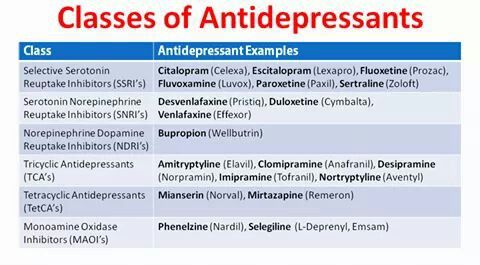
III. Classes of Antidepressants

  • Selective Serotonin Re-uptake Inhibitors (SSRIs)
  • Tricyclic Antidepressants (TCAs)
  • Tetracyclic Antidepressants (TetCAs / Atypicals)
  • Monoamine Oxidase Inhibitors (MAOIs)
  • Serotonin Norepinephrine Reuptake Inhibitors (SNRIs)

1. Selective Serotonin Re-uptake Inhibitors (SSRIs)

These are newer antidepressants which target a specific neurotransmitter transporter—the serotonin reuptake pump. They work by selectively increasing serotonin levels in the synaptic cleft without causing significant cholinergic, histaminergic, or adrenergic blockade. They are much safer in overdose and cause fewer side effects compared to older antidepressants (like TCAs).

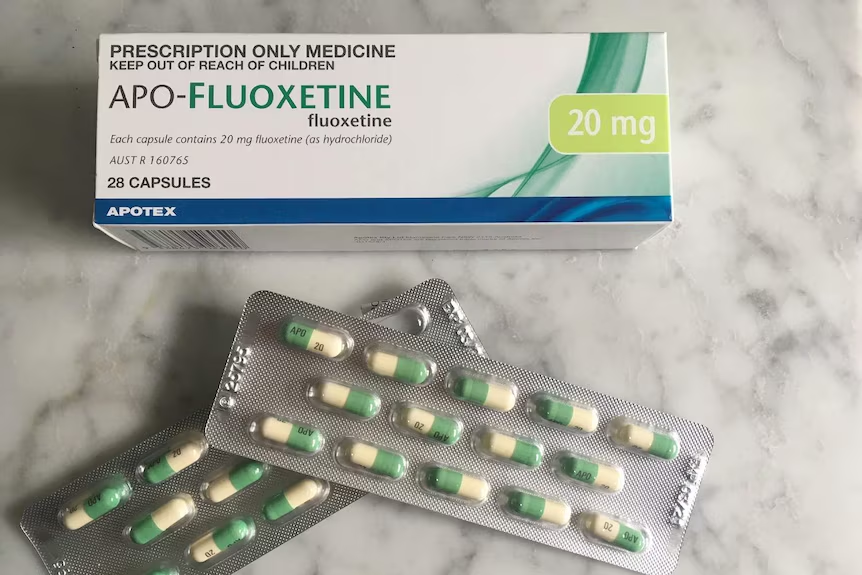
A. Fluoxetine (Prozac, Sarafem)

  • Pharmacology:
    • Has a very long half-life (up to 4-6 days, with an active metabolite, norfluoxetine, lasting up to 16 days). This long duration provides a "self-tapering" effect, significantly reducing the risk of discontinuation syndrome compared to other SSRIs.
    • It is considered an "activating" SSRI due to its 5-HT2C antagonism, which can lead to increased energy, focus, and alertness early in treatment.
    • Potent inhibitor of CYP2D6 and CYP3A4 enzymes, which necessitates careful monitoring for drug-drug interactions, especially with antipsychotics or TCAs.
  • Dosage:
    • 20mg - 60mg, given once daily (o.d) in the morning ('mane').
    • In cases of treatment-resistant depression or OCD, dosages may occasionally be titrated up to 80mg/day.
    • A once-weekly 90mg delayed-release formulation is also available for maintenance therapy in stabilized patients.
  • Indications:
    • Obsessive-compulsive disorder (OCD) in both adult and pediatric populations.
    • Major Depressive Disorder (MDD), notably the only SSRI FDA-approved for treating depression in children aged 8 and older.
    • Premenstrual dysphoric disorder (PMDD), often marketed under the brand name Sarafem.
    • Bulimia nervosa; it remains the only FDA-approved medication for the treatment of this specific eating disorder at higher doses (60mg).
    • Panic disorder with or without agoraphobia.
  • Side Effects:
    • Nausea and GI distress are common during the initial weeks of therapy.
    • Weight loss (initially), though long-term use can eventually lead to weight neutrality or slight gain.
    • Agitation/nervousness and anxiety, particularly in the first few days of titration due to its stimulating properties.
    • Dryness of the mouth (xerostomia) and constipation related to mild secondary effects.
    • Insomnia and vivid dreams; patients are often advised to take the dose early to avoid sleep disruption.
    • Headache, which is usually transient and resolves with continued use.
    • Sexual dysfunction (anorgasmia/decreased libido/delayed ejaculation) which remains one of the most common reasons for long-term non-compliance.
    • Increased risk of suicidal ideation in children, adolescents, and young adults (Black Box Warning).
  • Contraindications:
    • Hepatic/renal disease: Requires dosage adjustment or less frequent dosing due to the liver-dependent metabolism of the drug.
    • Monoamine Oxidase Inhibitors (MAOIs): Requires a mandatory 5-week washout period after stopping Fluoxetine before starting an MAOI to avoid serotonin syndrome.
    • Caution in Pregnancy: Though often used, it carries some risks such as persistent pulmonary hypertension of the newborn (PPHN) and requires risk/benefit analysis.
    • History of Bipolar Disorder: May precipitate a switch into mania or hypomania (manic switch).
  • B. Paroxetine (Paxil, Aropax)

  • Pharmacology:
    • Highly potent SSRI with a short half-life (approximately 21 hours), meaning there is no active metabolite to cushion the drop in blood levels.
    • Slightly more anticholinergic (M1 receptor affinity) and sedating than other SSRIs, making it unique in the class for its calming effect.
    • Known for causing severe withdrawal (discontinuation) syndrome—characterized by "brain zaps," dizziness, and irritability—if stopped abruptly.
    • Strong inhibitor of CYP2D6, which can increase the plasma levels of many other cardiovascular and psychiatric medications.
  • Dosage:
    • 20mg - 60mg, given once daily at night ('nocte') due to its sedating properties.
    • Controlled-release (CR) versions (12.5mg to 75mg) are available to potentially mitigate gastrointestinal side effects.
    • Doses for panic disorder and OCD typically trend toward the higher end of the spectrum (40-60mg).
  • Indications:
    • Major Depression, particularly when presenting with high levels of anxiety or insomnia.
    • Generalized Anxiety Disorder (GAD) and Social phobia (Social Anxiety Disorder).
    • OCD and Post-Traumatic Stress Disorder (PTSD).
    • Panic disorder and Premenstrual Dysphoric Disorder (PMDD).
    • Vasomotor symptoms (hot flashes) associated with menopause (low-dose formulation).
  • Side Effects:
    • Sedation and somnolence, which can be beneficial for anxious patients but problematic for daytime functioning.
    • Dryness of mouth and constipation, more pronounced than other SSRIs due to anticholinergic activity.
    • Marked weight gain; Paroxetine is generally associated with the highest risk of significant weight gain among SSRIs.
    • Sexual dysfunction, including high rates of erectile dysfunction and ejaculatory delay.
    • Sweating (diaphoresis) and asthenia (weakness/fatigue).
  • Contraindications:
    • Hepatic/renal disease: Clearance is decreased in patients with severe impairment.
    • Pregnancy (FDA Category D): Specifically associated with an increased risk of fetal cardiac defects like ventricular septal defects (VSD) and atrial septal defects (ASD) during the first trimester.
    • Concurrent use with Thioridazine or Pimozide due to the risk of QTc prolongation and arrhythmias.
    • Abrupt cessation: Strongly discouraged to avoid the intense discontinuation syndrome.
  • C. Sertraline (Zoloft)

  • Pharmacology:
    • In addition to serotonin reuptake inhibition, it has mild dopamine reuptake inhibition (DRI), which may contribute to its efficacy in atypical depression and cognitive focus.
    • Highly bound to plasma proteins (approx. 98%), which is a consideration for patients on other highly protein-bound drugs like Warfarin.
    • Very safe for patients with a history of cardiac ischemia or recent Myocardial Infarction (the SADHEART trial confirmed its safety profile in cardiac patients).
  • Dosage:
    • 50mg - 200mg/day.
    • Usually started at 25mg or 50mg; increases are made in 50mg increments at weekly intervals.
    • Absorption is significantly increased when taken with food (up to 30-40% increase in bioavailability).
  • Indications:
    • Post-Traumatic Stress Disorder (PTSD): It is considered a first-line agent.
    • Obsessive-compulsive disorder (OCD) and Major Depression.
    • Panic disorders and Social Anxiety Disorder.
    • Premature ejaculation (off-label use of the sexual side effect to prolong latency).
    • Premenstrual dysphoric disorder (PMDD): Can be dosed daily or only during the luteal phase.
  • Side Effects:
    • Prominent GI upset: Nausea and diarrhea are very common. It is often referred to clinically as "squirtraline" due to its tendency to cause loose stools compared to other SSRIs.
    • Anorexia and transient weight loss at the start of treatment.
    • Insomnia and tremors, likely linked to its mild dopaminergic activity.
    • Sexual dysfunction, specifically delayed orgasm and decreased libido.
    • Dizziness and fatigue.
  • Contraindications:
    • Hepatic/renal disease: Primary metabolism occurs in the liver; severe cirrhosis requires lower or less frequent doses.
    • Concurrent use of MAOIs or Disulfiram (the oral liquid concentrate of Sertraline contains 12% alcohol).
    • Cautious use in pregnancy: Generally considered one of the safer SSRIs during breastfeeding due to low levels of infant exposure.
    • Seizure disorders: Like all antidepressants, it should be used with caution in patients with a low seizure threshold.
  • Other common SSRIs include Citalopram (Celexa - watch for dose-dependent QT prolongation, limit to 40mg/day or 20mg in elderly) and Escitalopram (Lexapro - the S-enantiomer of citalopram, highly selective, faster onset, and generally better tolerated with fewer drug interactions), and Fluvoxamine (Luvox - strictly approved for OCD; notable for potent CYP1A2 inhibition which interacts significantly with caffeine and theophylline).

    2. Tricyclic Antidepressants (TCAs)

    Mode of Action

    TCAs are well absorbed by mouth and undergo significant first-pass metabolism in the liver. They act by increasing the availability of the biogenic amine neurotransmitters Noradrenaline (NE) and 5-Hydroxytryptamine (Serotonin/5-HT) in the synaptic cleft through blocking their re-uptake into the pre-synaptic neuron by inhibiting the SERT (serotonin transporter) and NET (norepinephrine transporter). In addition to their primary action, TCAs also act as antagonists at various other receptors including H1 histamine receptors (leading to sedation), alpha-1 adrenergic receptors (leading to orthostatic hypotension), and muscarinic acetylcholine receptors (causing anticholinergic effects). TCAs have a long half-life (ranging from 10 to 70 hours depending on the specific drug and individual metabolism); they are therapeutically effective if given once a day (usually at night). The onset of their antidepressant action is relatively slow and variable, with 2-4 weeks elapsing before any noticeable improvement in mood occurs, though side effects often appear immediately.

    A. Amitriptyline (Elavil, Laroxyl)

  • Pharmacology & Characteristics:
    • It is a tertiary amine tricyclic with high sedating properties due to potent H1 receptor antagonism.
    • Possesses some of the strongest anticholinergic (antimuscarinic) effects in the class, which can lead to significant blurred vision, urinary retention, and cognitive clouding in the elderly.
    • Metabolized in the liver into Nortriptyline, which is itself an active antidepressant (a secondary amine).
  • Administration:
    • Usually started in smaller doses (e.g., 10-25mg) and gradually increased (titrated) to minimize the impact of side effects and allow the body to build tolerance.
    • Given as a single dose at night to utilize its sedating effect for sleep and to ensure peak plasma levels occur while the patient is resting.
  • Dosage:
    • 25mg - 75mg nocte for initial or mild cases.
    • Maximum dose up to 200mg nocte in hospitalized or severely depressed patients; however, doses above 150mg require careful cardiac monitoring.
    • Lower doses (10mg-50mg) are common for non-psychiatric indications.
  • Indications:
    • A very good antidepressant in agitated depression (depression with restlessness and anxiety) where its sedative properties provide immediate relief for insomnia.
    • Heavily used off-label for chronic neuropathic pain (post-herpetic neuralgia, diabetic neuropathy).
    • Effective for fibromyalgia and as a first-line agent for migraine prophylaxis.
    • Treatment of persistent insomnia associated with mood disorders.
  • B. Imipramine (Tofranil)

  • Pharmacology & Characteristics:
    • It is a tertiary amine tricyclic with less sedating property compared to Amitriptyline, as it has slightly less affinity for the H1 receptor.
    • It has a more balanced effect on serotonin and norepinephrine reuptake inhibition compared to its metabolite, Desipramine (which is highly selective for norepinephrine).
    • Known for having a significant effect on the "internal biological clock" and autonomic nervous system.
  • Dosage:
    • Same as amitriptyline (25mg - 200mg/day).
    • Usually divided into smaller doses initially or given as a single nighttime dose if sedation occurs.
    • Therapeutic drug monitoring (TDM) may be used to ensure blood levels are within the therapeutic window (150-300 ng/mL).
  • Indications:
    • A very good drug for depressive patients with psychomotor retardation (lethargy, slowed movement, and lack of energy) due to its slightly more "activating" profile relative to amitriptyline.
    • Historically used for nocturnal enuresis (bedwetting) in children over 6 years old by increasing bladder capacity and altering sleep patterns.
    • Highly effective in the treatment of Panic disorder with or without agoraphobia.
    • Management of chronic pain syndromes and "masked" depression.
  • C. Clomipramine (Anafranil)

  • Pharmacology & Characteristics:
    • Highly serotonergic compared to other TCAs, behaving more like an SSRI in its affinity for the serotonin transporter (SERT).
    • It is the most potent inhibitor of serotonin reuptake among all the tricyclic antidepressants.
    • Its metabolite, desmethylclomipramine, provides potent norepinephrine reuptake inhibition, giving it a dual-action (SNRI-like) profile.
  • Indications:
    • It is the gold-standard TCA mainly indicated in obsessive-compulsive neurosis (OCD) with an underlying depression; it was the first medication ever approved for OCD.
    • Effective in treatment-resistant depression where SSRIs have failed.
    • Used for cataplexy associated with narcolepsy.
    • Treatment of premature ejaculation and certain phobic states.
  • Dosage:
    • 50mg starting dose, increased gradually to avoid GI distress and seizure risk.
    • Maintenance dose typically ranges from 100mg to 150mg, with a maximum of 250mg nocte.
    • Requires caution at higher doses as it is associated with a higher risk of seizures than other antidepressants.
  • TCAs have a narrow therapeutic index. In overdose, they are cardiotoxic, causing widening of the QRS complex, arrhythmias (Torsades de pointes), and heart block. They also cause CNS toxicity (convulsions and coma). The "3 C's" of TCA overdose are Coma, Convulsions, and Cardiotoxicity.

    3. Tetracyclic Antidepressants (TetCAs)

    These are closely related to TCAs but have a four-ring structure. They often possess different receptor affinities, making them useful for specific depressive presentations.

    Maprotiline (Ludiomil)

    • Pharmacology: A strong norepinephrine reuptake inhibitor.
    • Advantage: Works well on both agitated and retarded depression.
    • Dosage: 50mg - 75mg b.d (twice daily) or t.d.s (three times a day) in 24 hours.
    • Expanded Note: Maprotiline carries a higher risk of inducing seizures compared to other antidepressants, so dose escalation must be cautious. Another famous drug in this generalized atypical/tetracyclic class is Mirtazapine (Remeron), known for increasing appetite and causing heavy sedation.

    Side Effects of Tricyclics and Tetracyclics

    Because these older drugs are "dirty drugs" (they bind to many unintended receptors), they have a broad and dangerous side-effect profile:

    • Central Nervous System: Sedation, causes mania (switching from depression to bipolar mania in susceptible patients), blurred vision.
    • Anti-histaminic (H1 blockade): Profound sedation and weight gain.
    • Anti-cholinergic (M1 blockade): Dry mouth, dry eyes, constipation, urinary retention, blurred vision.
    • Anti-adrenergic (Alpha-1 blockade): Mild to severe postural hypotension (orthostatic hypotension), sedation, sexual dysfunction.
    • Cardiovascular (Na+ channel blockade): Tachycardia, cardiac arrhythmias, may cause heart block. This is what makes TCAs highly lethal in overdose.
    • Others: Nausea & vomiting, bone marrow depression, urticaria (rash).

    4. Monoamine Oxidase Inhibitors (MAOIs)

    The earliest class of antidepressants. Currently, they are rarely used as first-line agents due to their gross side effects and dangerous food/drug interactions. They have largely been replaced by SSRIs and TCAs.

    Mode of Action & Indications

    • Mechanism: They work by irreversibly (usually) inhibiting the enzyme monoamine oxidase, thereby increasing the concentration of stored monoamines in the presynaptic terminal, especially noradrenaline, dopamine, and serotonin.
    • Indications: Depressive-neurosis, anxiety, phobic states, atypical depression, and severe depressive illness which has failed to respond to other therapies (Treatment-Resistant Depression).

    A. Phenelzine (Nardil)

  • Pharmacology:
    • A hydrazine derivative that acts as a potent, irreversible, non-selective inhibitor of Monoamine Oxidase (MAO-A and MAO-B).
    • By inhibiting MAO, it increases the concentrations of epinephrine, norepinephrine, serotonin, and dopamine throughout the central nervous system.
    • It also has a unique effect on GABA-transaminase, which increases GABA levels in the brain, potentially contributing to its superior efficacy in treating anxiety.
  • Dosage:
    • 15mg - 30mg bid / tds (twice or three times daily).
    • Treatment usually begins at 15mg three times a day, increasing rapidly to at least 60mg per day to achieve effective MAO inhibition.
    • Maximum dose 60mg - 90mg in 24 hours depending on clinical response and tolerability.
  • Indications:
    • "Atypical" depression, characterized by mood reactivity, oversleeping, and overeating.
    • Severe anxiety states and Social Anxiety Disorder.
    • Refractory Obsessive-compulsive disorder (OCD) and Panic Disorder where other treatments have failed.
  • Side Effects:
    • Significant weight gain and increased appetite.
    • Orthostatic hypotension (dizziness upon standing), which can be severe in the elderly.
    • Peripheral edema (fluid retention) and muscle tremors.
    • Nervousness, insomnia, and sometimes daytime somnolence.
    • Risk of "Hypertensive Crisis" if taken with tyramine-rich foods (the "cheese effect").
  • Contraindications:
    • Diabetes: Can alter hypoglycemic responses and insulin requirements.
    • CVS disease: History of stroke or heart failure due to blood pressure fluctuations.
    • Liver disease: Potential for hepatotoxicity as it is a hydrazine derivative.
    • Pheochromocytoma or any catecholamine-secreting tumors.
  • B. Isocarboxazid (Marplan)

  • Pharmacology:
    • An irreversible, non-selective hydrazine MAOI similar in mechanism to phenelzine but generally considered to have a slightly cleaner side effect profile for some patients.
    • Works by inhibiting the breakdown of monoamine neurotransmitters, thereby enhancing synaptic transmission.
  • Dosage:
    • 20mg - 60mg in single or divided doses.
    • Usually starts at 10mg twice daily, titrating up to a maximum of 60mg daily.
  • Indications:
    • Same as phenelzine, specifically indicated for patients who have not responded to SSRIs or TCAs.
    • Particularly effective for depression with melancholic features or phobic symptoms.
  • Side Effects:
    • Weight loss (unlike phenelzine which often causes gain), though weight gain is still possible.
    • Hypotension and drowsiness.
    • Sexual dysfunction including impotence and anorgasmia.
    • Paradoxical mania or hypomania in susceptible individuals.
    • Jaundice and nausea, indicating the need for periodic liver function tests.
  • Contraindications:
    • Diabetes, CVS disease, and Liver disease.
    • Avoid use with sympathomimetic drugs (like decongestants) or other antidepressants.
  • C. Tranylcypromine (Parnate)

  • Pharmacology:
    • A non-hydrazine MAOI with a chemical structure similar to amphetamine.
    • It provides rapid MAO inhibition and has pronounced stimulating properties because it triggers the release of norepinephrine and dopamine.
    • Unlike hydrazine MAOIs, it does not carry the same high risk of hepatotoxicity.
  • Dosage:
    • 20mg - 40mg bid (usually taken morning and noon to avoid insomnia).
    • Maximum dose can reach up to 60mg per day in specialized settings.
  • Side Effects:
    • Severe insomnia due to its stimulant-like structure; patients should avoid late-day dosing.
    • Weight gain (but significantly less common than with phenelzine).
    • Restlessness, agitation, and overstimulation.
    • Postural hypotension and palpitations.
  • Contraindications:
    • Same as phenelzine, with additional caution in patients with a history of hyperthyroidism or agitation.
    • Strict adherence to a low-tyramine diet is mandatory to prevent stroke or hypertensive crisis.
  • MAOI Dangerous Interactions

    Mono-amine oxidase inhibitors interact lethally with certain foods and drugs.

    The Hypertensive Crisis ("Cheese Reaction")

    This is a life-threatening (fatal) spike in blood pressure. It is caused by the MAOI inhibiting the breakdown of Tyramine in the gut and liver. Tyramine enters the bloodstream, travels to sympathetic nerve terminals, and forces a massive release of stored noradrenaline.

    • Foods to strictly avoid (High Tyramine): Aged cheese, yeast extracts, wine (especially Chianti/red wine), smoked fish, beans with broad pods (fava beans), avocado, and leftover food which is decomposing/fermenting.
    • Interacting Drugs to avoid:
      • Amphetamine (and other stimulants/decongestants)
      • Ephedrine / Pseudoephedrine
      • Barbiturates
      • Phenytoin
      • Tricyclic anti-depressants
      • SSRIs and SNRIs: Combining MAOIs with serotonergic drugs causes fatal Serotonin Syndrome (hyperthermia, rigidity, myoclonus, coma). A washout period of at least 2 weeks (5 weeks for fluoxetine) is mandatory before switching.

    Important Note on Duration of Therapy: Anti-depressants must be given to patients for at least 6 months after clinical improvement. For example, if a patient has been on treatment for 3 months and improves, the clinician must count 6 months ahead of continuation therapy without defaulting to prevent rapid relapse.

    5. Serotonin Noradrenaline Reuptake Inhibitors (SNRIs)

    These newer agents work by affecting two chemical messengers (neurotransmitters) used to communicate between brain cells—serotonin and noradrenaline—hence regulating mood and relieving depression. They combine the dual-action efficacy of TCAs (affecting both pathways) with the safety and tolerability profile of SSRIs, as they lack the significant antihistamine and anticholinergic side effects of older drugs.

    <

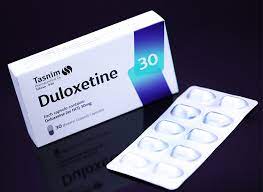
    A. Duloxetine (Cymbalta, Yentreve)

  • Pharmacology:
    • A potent inhibitor of neuronal serotonin and norepinephrine reuptake.
    • It has low affinity for dopaminergic, adrenergic, cholinergic, and histaminergic receptors.
  • Dosage:
    • The starting dose is 60mg, taken once a day.
    • This can be increased up to 120mg, taken once a day for severe depression or chronic pain.
    • Doses above 120mg are rarely more effective and significantly increase side effect burden.
  • Indications:
    • Major Depressive Disorder (MDD) and Generalized Anxiety Disorder (GAD).
    • Nerve pain such as fibromyalgia, diabetic peripheral neuropathy, and chronic musculoskeletal pain.
    • Used to treat stress-related emotional symptoms.
    • Urinary incontinence in women (stress urinary incontinence) as it increases the tone of the external urethral sphincter.
  • Side Effects:
    • Difficulty sleeping (insomnia) or somnolence; headaches and feeling dizzy.
    • Blurred vision and dry mouth (xerostomia).
    • GI disturbances: constipation, diarrhea, and prominent nausea or vomiting.
    • Sweating (diaphoresis) and tiredness/fatigue.
    • Decreased appetite and weight loss.
    • Sexual dysfunction: decreased libido, erectile dysfunction, or delayed orgasm.
  • Contraindications:
    • A bleeding disorder: Serotonin depletion in platelets can increase bleeding time.
    • Diabetes: May affect glycemic control; requires careful monitoring.
    • Epilepsy: Should only be taken if epilepsy is well controlled.
    • Kidney/Liver disease: Duloxetine is hepatotoxic; it should not be prescribed to patients with chronic liver disease or heavy alcohol use.
    • Uncontrolled Narrow-Angle Glaucoma: Can cause pupillary dilation (mydriasis).
  • B. Venlafaxine (Effexor)

  • Pharmacology:
    • At lower doses (<150mg/day), it primarily blocks serotonin reuptake, acting much like an SSRI.
    • At higher doses (>150mg/day), it robustly blocks noradrenaline reuptake, providing the full SNRI effect.
    • At very high doses, it also provides weak dopamine reuptake inhibition.
  • Indications:
    • Severe or melancholic depression.
    • Generalized Anxiety Disorder (GAD) and Social Anxiety Disorder.
    • Panic Disorder and Post-traumatic Stress Disorder (PTSD).
  • Side Effects:
    • Similar to duloxetine but notorious for causing dose-dependent hypertension (systolic and diastolic) due to increased noradrenaline levels.
    • Severe discontinuation syndrome: Stopping abruptly can cause "brain zaps," extreme vertigo, and flu-like symptoms.
    • Increased sweating and potentially high heart rate (tachycardia).
  • Extended Clinical Notes:
    • Desvenlafaxine (Pristiq): The active metabolite of venlafaxine. It bypasses the hepatic CYP2D6 metabolism pathway, making it a more predictable choice for "poor metabolizers" or patients on multiple medications.
    • Milnacipran/Levomilnacipran: Other SNRIs that have a higher ratio of noradrenaline to serotonin inhibition compared to venlafaxine.
  • References

    • Crane, G. E. (1957). Iproniazid (Marsilid) phosphate, a therapeutic agent for mental disorders and debilitating disease. Psychiatric Research Reports, 8, 142-152.
    • Kline, N. S. (1958). Clinical experience with iproniazid (Marsilid). Journal of Clinical and Experimental Psychopathology, 19(2), 72-78.
    • ABC News. (n.d.). Common antidepressants could fuel the rise of superbugs, study finds.
    • MedWorks Media. (n.d.). Amitriptyline | Elavil Prescribing Information.
    • InternationalPharmacy.com. (n.d.). Nardil Tabs (Phenelzine) Information.
    • Tasnim Pharmaceutical Company. (n.d.). Duloxetine® 30 Product Monograph.
    • Stahl, S. M. (2021). Stahl's Essential Psychopharmacology: Neuroscientific Basis and Practical Applications (5th ed.). Cambridge University Press. (Used for pharmacological expansions).

    Quick Quiz

    Antidepressants Quiz

    Pharmacology

    Privacy: Your details are used only for quiz tracking and certificates.

    Antidepressants  Read More »

    benign prostatic hyperplasia bph

    Benign Prostatic Hyperplasia (BPH)

    Benign Prostatic Hyperplasia (BPH) Lecture Notes

    I. Introduction and Definition

    Benign prostatic hyperplasia (BPH) is the benign enlargement, or hypertrophy, of the prostate gland resulting from an increase in the number of epithelial cells and stromal tissue, developing upward into the bladder and obstructing the outflow of urine.

    • It is defined as a noncancerous increase in the size of the prostate gland which involves hyperplasia of prostatic stromal and epithelial cells. This results in the formation of large, fairly discrete nodules in the transitional zone of the prostate, which push on and narrow the urethra, resulting in increased resistance to the flow of urine from the bladder.
    • It is the most common urologic problem in male adults.

    Incidence and Epidemiology

    • BPH is common in elderly men over 60 years and above.
    • In many patients older than 50 years, the prostate gland enlarges, extending upward into the bladder and obstructing the outflow of urine by encroaching on the vesicle orifice.
    • About 50% of all men in their lifetime will develop BPH. Of these men, almost half of them will have bothersome lower urinary tract symptoms.
    • 50% of men have evidence of BPH by age 50 years.
    • 75% of men have evidence of BPH by age 80 years.

    II. Etiology and Risk Factors

    The exact cause of BPH is idiopathic, but several factors are strongly associated with its development:

    • Aging: Prostate gland enlargement rarely causes signs and symptoms in men younger than age 40. About one-third of men experience moderate to severe symptoms by age 60, and about half do so by age 80. Aging occurs along with endocrine factors.
    • Hormonal Factors (Endocrine): Accumulation of Dihydrotestosterone (DHT) in the prostate.
    • Family History: Having a blood relative, such as a father or brother, with prostate problems means a higher likelihood of having problems.
    • Ethnic Background: Prostate enlargement is less common in Asian men than in White and Black men.
    • Diabetes and Heart Disease: Studies show that diabetes, as well as heart disease and the use of beta-blockers, might increase the risk of BPH.
    • Lifestyle and Obesity: Obesity increases the risk of BPH, while exercise can lower the risk.
    • Inflammation: Chronic prostatic inflammation.
    • Moderate Alcohol Consumption: Sometimes implicated, though heavy consumption has complex systemic effects.

    III. Pathophysiology of BPH

    The outcome of BPH depends on two major factors:

    • Anatomical factors: These involve the physical enlargement of the Prostate gland which produces a physical blockage at the neck of the bladder against urinary flow. This results from increased responsiveness of the prostate gland to androgens and estrogens.
    • Dynamic factors: These result from excessive sympathetic stimulation via alpha-1 receptors in the prostate gland leading to increased tone at the sphincters of the urinary bladder and the prostate.

    Step-by-Step Pathological Process:

    1. Due to etiological factors like aging, there is a decrease in systemic testosterone levels.
    2. However, testosterone is actively converted into Dihydrotestosterone (DHT) by the enzyme 5-alpha reductase.
    3. DHT accumulates in the stromal cells of the prostate.
    4. This leads to the enlargement of the prostate (noncancerous increase involving hyperplasia of stromal and epithelial cells).
    5. Large discrete nodules form in the transitional zone, which push on and narrow the urethra.
    6. This results in increased resistance to flow and eventual obstruction of urine flow from the bladder.

    Secondary Pathophysiological Effects:

    • Resistance: BPH is a result of complex interactions involving resistance in the prostatic urethra to mechanical and spastic effects.
    • Obstruction: The hypertrophied lobes of the prostate obstruct the bladder neck or urethra, causing incomplete emptying of the bladder and urinary retention.
    • Dilation: Gradual dilation of the ureters (hydroureter) and kidneys (hydronephrosis) can occur due to backpressure.

    IV. Clinical Manifestations

    The clinical manifestations are broadly divided into obstructive and irritative symptoms (a complex referred to as prostatism), along with generalized systemic symptoms and complications.

    A. Obstructive Symptoms (Voiding Symptoms)

    • Hesitancy: Difficulty in starting urination.
    • Decrease in volume and force: A weak urinary stream. Decreased and intermittent force of the stream is a classic sign.
    • Interruption of urinary stream: Intermittency during urination (stopping and starting).
    • Dribbling: Urine dribbles out at the end of urination.
    • Abdominal straining: Using abdominal muscles to force urine out.

    B. Irritative Symptoms (Storage Symptoms)

    • Urinary frequency: Frequent trips to the bathroom. Often an early sign.
    • Urinary urgency: The sudden and immediate urge to urinate.
    • Nocturia: Waking up frequently at night to urinate.
    • Sensation of incomplete emptying: Feeling that the bladder has not been completely emptied after voiding.

    C. Generalized Symptoms & Advanced Signs

    • Acute urinary retention: Sudden inability to void, leaving more than 60 mL of urine in the bladder after an attempt.
    • Recurrent Urinary Tract Infections (UTIs): Due to stagnant urine.
    • Hematuria: Blood in the urine.
    • Systemic symptoms: Fatigue, anorexia, nausea, vomiting, pelvic discomfort, pain, and epigastric symptoms.
    • Azotemia and Renal Failure: Can result from chronic urinary retention and large residual volumes.

    V. Complications of BPH

    If left untreated, severe obstruction can lead to:

    • Acute urinary retention
    • Involuntary bladder contractions
    • Bladder diverticula (pouch-like out-pouchings of the bladder wall)
    • Cystolithiasis (bladder stones)
    • Vesicoureteral reflux (urine backing up into ureters)
    • Hydroureter and Hydronephrosis (swelling of ureters and kidneys)
    • Gross hematuria
    • Recurrent UTIs
    • Renal failure

    VI. Assessment and Diagnostic Methods

  • History Collection: Obtain a history of voiding symptoms, including onset, frequency of day/night urination, urgency, dysuria, sensation of incomplete emptying, and decreased force of stream. Determine the impact on the patient's quality of life.
  • Physical Examination & Digital Rectal Examination (DRE): Palpate size, shape, and consistency of the prostate. A DRE often reveals a large, rubbery, and nontender prostate gland. Also, perform an abdominal examination to detect a distended bladder.
  • Urinalysis with Culture: To screen for hematuria and UTI.
    • Color/Appearance: May be cloudy, dark brown, or bloody.
    • pH: 7 or greater suggests infection.
    • Microscopy: Bacteria, WBCs, RBCs may be present. WBCs > 11,000/mm³ indicates systemic infection.
    • Urine Culture: May reveal Staphylococcus aureus, Proteus, Klebsiella, Pseudomonas, or E. coli.
  • Urine Cytology: To rule out bladder cancer.
  • Serum Creatinine & BUN: Elevated if renal function is compromised by backpressure.
  • Prostate-Specific Antigen (PSA): A glycoprotein contained in the cytoplasm of prostatic epithelial cells. A normal level is generally < 4.0 ng/mL. PSA is obtained if the patient has at least a 10-year life expectancy and if ruling out prostate cancer changes management. Note: Elevated PSA with a low percentage of free PSA is more likely associated with prostate cancer, whereas BPH elevates total PSA but often maintains a higher percentage of free PSA.
  • Transrectal Prostatic Ultrasound (TRUS): Accurately measures the size of the prostate, amount of residual urine, and locates lesions unrelated to BPH.
  • Cystourethroscopy (Urethrocystoscopy): Endoscopic visualization to view the degree of prostatic enlargement and bladder-wall changes (e.g., trabeculation, bladder diverticulum).
  • Simple Urodynamic Studies:
    • Uroflowmetry: Assesses the degree of bladder obstruction by measuring urinary flow rate.
    • Postvoid Residual (PVR) Measurement: via ultrasound bladder scanner or catheter.
    • Cystometrogram / Cystometry: Measures pressure and volume in the bladder to evaluate detrusor muscle function and tone, identifying bladder dysfunction unrelated to BPH.
  • Intravenous Pyelogram (IVP) with post-voiding film: Shows delayed emptying, upper tract obstruction, and bladder muscle thickening. Voiding cystourethrography may be used instead of IVP to visualize the bladder using local dyes.
  • Complete Blood Studies: Including clotting studies, particularly if surgical intervention is planned.
  • VII. Management of BPH

    The goals of collaborative care and medical management are to:

    1. Restore bladder drainage.
    2. Relieve patient symptoms and improve quality of life.
    3. Prevent and treat complications of BPH.

    The treatment plan depends on the cause, severity of obstruction, and condition of the patient.

    A. Immediate and Conservative Medical Management

    • Immediate Catheterization: If a patient is admitted on an emergency basis because he is unable to void (acute retention), he is immediately catheterized. An urologist may be consulted if an ordinary catheter cannot be inserted (may require a Coudé tip catheter).
    • Suprapubic Cystostomy: An incision into the bladder through the abdomen may be needed to provide urinary drainage if urethral catheterization fails.
    • "Watchful Waiting" (Active Surveillance): For patients with minimal symptoms. Involves monitoring disease progression and modifying diet and lifestyle.

    B. Pharmacological Therapy (Detailed)

    Drug therapy primarily involves three major groups: 5-alpha reductase inhibitors, Alpha-1 selective blockers, and Combination therapy. PDE5 inhibitors and herbal supplements are also utilized.

    Drug ClassMechanism of Action & Clinical EffectsSpecific Drugs & Dosing NotesAdverse Effects & Nursing Considerations
    5-Alpha Reductase Inhibitors (5-ARIs) Blocks the enzyme 5-alpha reductase, preventing the conversion of testosterone to dihydrotestosterone (DHT) (the principal intraprostatic androgen).

    Effect: Leads to the regression of hyperplastic tissue, actively reducing the mechanical size of the prostate.
    Note: Takes 3 to 6 months of daily use to see effective therapeutic results. Does not provide prompt relief for urinary retention.
    • Finasteride (Proscar): 5mg orally once daily. Competitively inhibits type II 5a-reductase.
    • Dutasteride (Avodart): 0.5mg orally once daily. Inhibits both type I and type II 5a-reductase.
    • Decreased libido, decreased ejaculate volume, and erectile dysfunction.
    • Gynecomastia (rare).
    • Warning: Highly teratogenic to male fetuses. Women of childbearing age should never handle crushed or broken tablets.
    • Lab effect: Artificially lowers serum PSA levels by ~50%. Must adjust PSA interpretation.
    Alpha-1 Adrenergic Receptor Blockers Blocks alpha-1 adrenergic receptors abundant in the prostate, bladder neck, and hyperplastic tissue.

    Effect: Brings about smooth muscle relaxation, resulting in the free flow of urine and rapid relief of dynamic obstruction symptoms.
    Fast-acting compared to 5-ARIs.
    Uroselective (Long-acting):
    • Tamsulosin (Flomax): 0.4 mg once daily, given 30 mins after the same meal daily. Highly selective for Alpha-1A receptors (less BP interference).
    • Silodosin (Rapaflo): 8 mg daily.
    • Alfuzosin (Uroxatral): 10 mg extended-release daily.
    Non-selective (Short/Long-acting):
    • Terazosin (Hytrin): 2-10 mg daily.
    • Doxazosin (Cardura): 1-8 mg daily.
    • Prazosin: 0.5-1 mg given at bedtime initially, titrated to 1 mg BID.
    • Postural (Orthostatic) Hypotension and dizziness (especially with non-selective agents like Terazosin/Doxazosin). Nursing intervention: Administer the first dose at bedtime to avoid "first-dose syncope".
    • Reflex tachycardia, headache, fatigue.
    • Nasal congestion.
    • Retrograde ejaculation (especially Tamsulosin/Silodosin).
    • Intraoperative Floppy Iris Syndrome (IFIS): A severe complication during cataract surgery. Ophthalmic surgeons must be notified if the patient is on Tamsulosin.
    Combination TherapyCombines a 5-ARI with an Alpha-blocker.e.g., Finasteride + Doxazosin, or Dutasteride + Tamsulosin (Jalyn).Provides immediate symptom relief (alpha-blocker) while slowly shrinking the prostate (5-ARI) over months.
    Phosphodiesterase-5 (PDE5) InhibitorsRelaxes smooth muscle in the lower urinary tract.Tadalafil (Cialis): 5 mg daily.Typically prescribed for men who experience both BPH and Erectile Dysfunction concurrently. Not routine for BPH alone.
    Herbal / Phytotherapeutic TherapyMechanisms vary; generally thought to have anti-inflammatory and mild anti-androgenic effects.
    • Saw Palmetto (Serenoa repens): Commonly used dietary supplement for BPH.
    • African Plum (Pygeum africanum).
    Though commonly used by patients, major clinical guidelines often state there is insufficient evidence to routinely recommend them. Nurses must ask patients about herbal intake as it can interact with prescribed medications.

    C. Dietary and Lifestyle Management

    • Increase intake of fruits and vegetables.
    • Decrease foods high in saturated fat.
    • Avoid excessive intake of caffeine, alcohol, and beer (these have diuretic effects and can irritate the bladder).
    • Drink 50% of your body weight in ounces daily (e.g., if you weigh 150 lbs, drink 75 oz of water daily), but avoid drinking large amounts at once or close to bedtime.
    • Include Saw Palmetto in the diet (as per some holistic guidelines, though clinically debated).

    VIII. Minimally Invasive Therapies

    Minimally invasive therapies are becoming more common as an alternative to watchful waiting and invasive surgical treatment. They generally do not require hospitalization or long-term catheterization and are often performed as outpatient procedures.

    1. Transurethral Microwave Thermotherapy (TUMT):
      • Procedure: An outpatient procedure involving the delivery of microwaves directly to the prostate through a transurethral probe to raise the temperature to about 113°F (45°C). The heat causes the death (necrosis) of tissue, relieving obstruction.
      • Details: Takes about 90 minutes. A rectal temperature probe is utilized to ensure the temperature is kept below 110°F (43.5°C) to prevent rectal tissue damage.
      • Contraindications: Not appropriate for men with rectal problems. Anticoagulant therapy must be stopped 10 days before treatment.
      • Complications & Care: Postoperative urinary retention is common. Patients are sent home with an indwelling catheter for 2 to 7 days to facilitate the passing of small clots and necrotic tissue. Treated with antibiotics, pain medications, and bladder antispasmodics. Occasional bladder spasms, hematuria, and dysuria.
    2. Transurethral Needle Ablation (TUNA):
      • Procedure: Uses low-wave radiofrequency delivered by thin needles placed directly into the prostate gland to produce localized heat/necrosis. Only tissue in direct contact with the needle is affected, allowing high precision.
      • Details: Extent of removal depends on needle length, energy, and duration. Outpatient, local anesthesia with IV/oral sedation, lasts ~30 minutes. Little pain with an early return to normal activities.
      • Complications: Urinary retention (may require a catheter for a short time), UTI, irritative voiding symptoms, and hematuria for up to a week.
    3. Laser Prostatectomy:
      • Procedure: A laser beam is delivered transurethrally through a fiber instrument to cut, coagulate, and vaporize prostatic tissue under visual or ultrasound guidance. Effective alternative to TURP.
      • Types: Visual Laser Ablation of Prostate (VLAP), Contact laser technique.
    4. Photovaporization of the Prostate (PVP):
      • Uses a high-power green laser light to vaporize tissue. Improvements in urine flow are almost immediate. Bleeding is minimal. A catheter is usually inserted for 24-48 hours. Works well for larger glands.
    5. Interstitial Laser Coagulation (ILC):
      • Prostate is viewed through a cystoscope. A laser quickly treats precise areas via the direct placement of interstitial light guides into the tissue.
    6. Intraprostatic Urethral Stents:
      • Used for patients with severe obstruction who are poor surgical candidates. A stent is placed in the urethra to mechanically relieve symptoms.
      • Complications: Chronic pain, infection, and encrustation (stone formation on the stent).

    IX. Invasive Therapy (Surgical Management)

    Invasive treatment of symptomatic BPH involves surgery. The choice depends on the size/location of enlargement and patient factors (age, surgical risk).

    • Intermittent Catheterization: Can temporarily reduce symptoms by bypassing the obstruction, but long-term use should be avoided due to the high risk of infection.
    • Transurethral Resection of the Prostate (TURP):
      • Description: Considered the gold standard for surgical treatment of obstructing BPH. Involves the removal of inner prostate tissue using a resectoscope inserted through the urethra to excise and cauterize the tissue. No external incision is made.
      • Procedure Details: Done under spinal or general anesthesia; requires a 1 to 2-day hospital stay.
      • Post-Operative Irrigation: A large three-way indwelling catheter with a 30-mL balloon is inserted to provide hemostasis (by putting traction on the balloon against the prostatic fossa) and facilitate drainage. The bladder undergoes Continuous Bladder Irrigation (CBI) or intermittent irrigation for the first 24 hours to prevent obstruction from mucus and blood clots.
      • Outcomes & Complications: 80-90% excellent outcome. Complications include bleeding, clot retention, and TURP Syndrome (dilutional hyponatremia caused by the systemic absorption of the irrigation fluid, leading to confusion, nausea, and changes in BP). Urethral strictures or regrowth of the prostate may occur.
    • Transurethral Incision of the Prostate (TUIP):
      • Done under local anesthesia. Indicated for patients with moderate to severe symptoms but small to moderately enlarged prostates. Several small incisions are made into the gland to expand the urethra. Relieves pressure without removing tissue. Similar outcomes to TURP for appropriate candidates.
    • Transurethral Electrovaporization of Prostate (TUVP):
      • Uses electrosurgical desiccation to destroy tissue. Advantages include minimal risk, minimal bleeding, and sloughing. Complications include retrograde ejaculation and hematuria.
    • Open Prostatectomy:
      • Indicated only when the prostate is very large or if there are complicating factors (e.g., large bladder stones).
      • Approaches: Retropubic, Suprapubic, or Perineal approach.
      • Side effects/Complications: Higher risk of erectile dysfunction, heavy bleeding, severe post-operative pain, and a higher risk of infection.

    NURSING MANAGEMENT AND CARE PLAN

    I. Health Promotion & Patient Education

    • Early Detection: Encourage annual DRE and PSA testing for men over 50.
    • Substance Avoidance: Advise reducing the intake of caffeine and alcohol to decrease bladder irritation.
    • Medication Warnings: Strongly advise patients to avoid OTC cold and cough medications containing sympathomimetics (like pseudoephedrine/phenylpropanolamine) or anticholinergics, as these can severely impair voiding and precipitate acute urinary retention.
    • Symptom Reporting: Explain to patients not undergoing treatment the symptoms of complications (retention, cystitis) and encourage prompt reporting.
    • Expectation Management: Advise patients that irritative voiding symptoms do not immediately resolve after the relief of the obstruction; the bladder needs time to heal and adapt.

    II. Preoperative Care

    • Urinary drainage must be restored before surgery (e.g., via catheterization) if the patient is in retention.
    • Antibiotics are administered to prevent intraoperative infection.
    • Psychological Care: Allow the patient to express sexual concerns (fears regarding erectile dysfunction or retrograde ejaculation post-surgery).

    III. Postoperative Care (Especially for TURP)

    • Catheter and Irrigation Management (CBI): Ensure the inflow and outflow of irrigant are strictly monitored to prevent fluid volume overload and bladder rupture. The rate of irrigation is adjusted to keep the output urine light pink to clear.
    • Clot Prevention: Remove clotted blood from the bladder via manual irrigation if the 3-way catheter becomes obstructed.
    • Bleeding Control: Reduce bleeding at the prostate site by applying counterpressure (traction on the catheter balloon).
    • Bladder Spasms: Prevent and treat painful bladder spasms with prescribed antispasmodics (e.g., B&O suppositories, Oxybutynin).
    • Infection Control: Prevent urethral irritation and bladder infection through strict aseptic catheter care.
    • Activity: Straining during bowel movements must be strictly avoided. Provide stool softeners/laxatives. Have the patient practice pelvic floor (Kegel) exercises once the catheter is removed to regain continence.

    IV. Ambulatory and Home Care (Discharge)

    • Care of the urinary catheter (if discharged with one).
    • Managing temporary urinary incontinence (using pads, Kegel exercises).
    • Intake of oral fluids: 2000-3000 mL/day to maintain clear urine and flush out dead tissue/clots.
    • Observing for signs of urinary tract and wound infection.
    • Preventing constipation (dietary fiber, stool softeners).
    • Restrictions: Refrain from heavy lifting, driving, long periods of sitting, and sexual intercourse for 6 to 8 weeks after surgery, until the prostatic fossa is completely healed.
    • Follow-up: Advise strict follow-up visits because urethral strictures may occur, and regrowth of the prostate is possible after TURP.

    V. Nursing Care Plan (Nursing Diagnoses)

    PhaseNursing DiagnosisNursing Interventions & Rationale
    PreoperativeAcute Pain related to bladder distension secondary to enlarged prostate and urinary retention.
    • Insert a urinary catheter as prescribed to rapidly decompress the bladder and provide immediate relief.
    • Assess pain location and intensity to rule out other causes (e.g., pyelonephritis).
    • Administer prescribed analgesics and monitor effectiveness.
    PreoperativeRisk for Infection related to an indwelling catheter, urinary stasis, or environmental pathogens.
    • Encourage fluid intake (if not contraindicated) to flush the bladder.
    • Maintain closed urinary drainage system and perform meticulous perineal/meatal care.
    • Monitor for fever, cloudy/foul-smelling urine, and elevated WBCs.
    PostoperativeAcute Pain related to bladder irritability, continuous irrigation, distention, presence of the catheter, and surgical trauma (evidenced by moaning, crying, legs drawn to abdomen).
    • Check the catheter for kinks or clots. If obstructed, carefully irrigate manually per protocol. Rationale: Obstruction causes severe painful distention.
    • Administer Belladonna and Opioid (B&O) suppositories or other antispasmodics. Rationale: Directly stops detrusor muscle spasms.
    • Maintain a calm environment and reassure the patient that the urge to void while catheterized is a normal sensation caused by the balloon.
    PostoperativeRisk for Imbalanced Fluid Volume (TURP Syndrome) related to systemic absorption of irrigation fluid.
    • Monitor intake and output strictly during CBI. Ensure outflow volume equals or exceeds inflow volume.
    • Monitor for signs of dilutional hyponatremia: confusion, agitation, nausea, vomiting, hypertension, and bradycardia. Notify the physician immediately if noted.
    Postoperative / Home CareUrge Urinary Incontinence related to bladder irritation and poor sphincter control post-catheter removal (evidenced by involuntary leakage).
    • Instruct the patient to perform Kegel exercises 10-20 times per hour while awake. Rationale: Strengthens the pelvic floor and external sphincter.
    • Establish a scheduled voiding routine (e.g., every 2 hours).
    • Provide absorbent pads and meticulous skin care to prevent maceration.
    Postoperative / Home CareIneffective Therapeutic Regimen Management related to lack of knowledge regarding need for follow-up care and restrictions.
    • Provide written instructions on fluid intake, bowel management, and restricted activities (no heavy lifting/intercourse for 6-8 weeks).
    • Educate on the signs of infection or stricture (weak stream returns) to report to the urologist.
    • Review herbal supplement usage to prevent drug interactions.

    Conclusion

    Thus, BPH is a disease affecting older adults which leads to minor symptoms like urinary frequency to major complications like complete urinary retention and renal failure. Early detection, lifestyle modification, targeted pharmacological treatment, and appropriate surgical management show a very good prognosis.

    REFERENCES

    • Brunner, L. S., & Suddarth, D. S. (2021). Brunner & Suddarth's Textbook of Medical-Surgical Nursing (15th ed.). Wolters Kluwer.
    • Lewis, S. L., Dirksen, S. R., Heitkemper, M. M., & Bucher, L. (2017). Medical-Surgical Nursing: Assessment and Management of Clinical Problems (10th ed.). Elsevier.
    • Katzung, B. G., & Trevor, A. J. (2021). Basic & Clinical Pharmacology (15th ed.). McGraw-Hill Education.
    • American Urological Association (AUA) Guidelines on the Management of Benign Prostatic Hyperplasia.
    • Doenges, M. E., Moorhouse, M. F., & Murr, A. C. (2019). Nursing Care Plans: Guidelines for Individualizing Client Care Across the Life Span (10th ed.). F.A. Davis Company.

    Quick Quiz

    BPH Quiz

    Pharmacology

    Privacy: Your details are used only for quiz tracking and certificates.

    Benign Prostatic Hyperplasia (BPH) Read More »

    Erectile dysfunction medications

    Erectile Dysfunction Medications

    Erectile Dysfunction and Pharmacological Management

    I. Overview and Definitions

    Erectile dysfunction (ED) and benign prostatic hyperplasia (BPH) are common urological disorders in males. BPH is a nonmalignant enlargement of the prostate, which occurs naturally as men age. ED, on the other hand, is the inability of the male to attain and maintain an erection sufficient to permit satisfactory sexual intercourse.

    • Erectile Dysfunction (ED): A condition in which the corpus cavernosum does not fill with blood adequately to allow for penile erection. This can result from the aging process and various vascular or neurological conditions.
    • Impotence: A term often used synonymously with ED. It may involve a total inability to achieve an erection, an inconsistent ability to achieve one, or the ability to sustain only brief erections.

    Classification of Erectile Dysfunction

    • Primary Erectile Dysfunction: A condition where a man has never been able to attain and maintain an erection for sexual intercourse throughout his life.
    • Secondary Erectile Dysfunction: Occurs in a man who has a past history of satisfactory sexual performance but currently suffers from impotence.

    II. Physiology of an Erection

    Understanding the physiological mechanism of an erection is crucial for understanding how pharmacological treatments work.

    1. Initiation (Stimulus): Erection begins with sensory stimulus (sight, touch, or thoughts). This stimulates the parasympathetic nervous division.
    2. Neurotransmitter Release: Nerve impulses are transmitted to the erectile tissue of the penis (corpus cavernosum). The nerve endings and endothelial cells release Nitric Oxide (NO).
    3. Smooth Muscle Relaxation (cGMP Pathway): NO diffuses into smooth muscle cells and activates the enzyme guanylyl cyclase. This enzyme catalyzes the conversion of Guanosine Triphosphate (GTP) into cyclic Guanosine Monophosphate (cGMP).
    4. Erection (Tumescence): cGMP causes a reduction in intracellular Calcium (Ca2+) concentration, leading to massive smooth muscle relaxation in the corpus cavernosum. This creates larger intracellular spaces and sinusoids. Blood rapidly flows in, tissue expands, and compresses the emissary veins leaving the penis (venous occlusion). The increased blood volume under pressure results in a rigid erection. (Note: Prostaglandin E1 / PGE1 also continuously maintains erection).
    5. Termination (Detumescence): Brought about by two main events:
      • Activity of the enzyme phosphodiesterase type 5 (PDE-5), which degrades cGMP into an inactive form (5'-GMP), ending smooth muscle relaxation.
      • Stimulation of the sympathetic nervous system, triggering ejaculation and causing contraction of the penile muscles to expel blood.

    Pharmacological Application: Erection relies entirely on adequate penile blood flow and neuro-chemical signaling. Any disease process (vascular blockage) or drug (anticholinergics) that interferes with this pathway will result in ED.

    III. Causes and Risk Factors of Erectile Dysfunction

    ED mainly occurs past middle age and becomes highly common after the age of 65 years. A variety of underlying causes contribute to the disorder:

    • Vascular Diseases: Blood supply to the penis can become blocked or narrowed as a result of atherosclerosis (hardening of the arteries), hypertension, and hyperlipidemia.
    • Neurological Disorders: Conditions that damage the nerves sending impulses to the penis, such as Multiple Sclerosis (MS), stroke, diabetic neuropathy, or spinal cord injuries.
    • Psychological States: Stress, clinical depression, performance anxiety, or a lack of stimulus from the brain.
    • Endocrinal/Hormonal Causes: Low testosterone levels (hypogonadism), thyroid disorders, or hyperprolactinemia.
    • Trauma & Surgery: Pelvic fractures, spinal injuries, or surgical sequelae. Surgeries or radiation targeting the prostate, colon-rectum, or bladder cancer often leave men with ED due to inevitable nerve or vascular damage.
    • Pharmacological Causes (Drugs): Medications used to treat other conditions can negatively impact erections. Examples include anti-hypertensives (beta-blockers, thiazides), antidepressants (SSRIs), H2-receptor antagonists like Cimetidine (Tagamet) and Ranitidine (Zantac), and anti-androgens.

    IV. Classification of Drugs Used to Treat ED

    Drugs for erectile dysfunction are broadly classified into four major groups based on their site and mechanism of action:

    • Peripheral Inhibitors: Act directly on the penile tissue to maintain the environment of erection by inhibiting the breakdown of pro-erectile chemicals (e.g., PDE-5 inhibitors).
    • Peripheral Initiators: Directly stimulate the penile tissue to induce an erection regardless of neural stimulus (e.g., Alprostadil, Papaverine).
    • Central Initiators: Act on the central nervous system (brain) to trigger the neuronal pathways for erection (e.g., Apomorphine).
    • Central Conditioners: Provide a central mood or hormonal environment conducive to an erection (e.g., Androgens/Testosterone, Trazodone).

    V. Peripheral Inhibitors: Phosphodiesterase-5 (PDE-5) Inhibitors

    These are the first-line oral therapies for ED. They act in the penile tissue to maintain the erection environment. Taking one of these tablets will not automatically produce an erection. Sexual stimulation is needed first to cause the release of nitric oxide. PDE-5 inhibitors simply amplify that signal.

    Mechanism of Action (PDE-5 Inhibitors)

    Following sexual arousal, NO is released from synapses in the corpus cavernosum. NO activates guanylyl cyclase, increasing cGMP, which causes smooth muscle relaxation and erection. PDE-5 is the enzyme responsible for the degradation of cGMP. By competitively inhibiting PDE-5, these drugs prevent the breakdown of cGMP, thereby sustaining smooth muscle relaxation, enhancing penile blood flow, and prolonging the erection.

    Drug Name (Brands)Onset & DurationFood InteractionSpecific Characteristics / Notes
    Sildenafil
    (Viagra, Kamagra, Penegra, Caverta)
    Onset: ~60 mins
    Duration: 4 hours
    Absorption is significantly delayed by high-fat meals.Also indicated for Pulmonary Hypertension. Weakly inhibits PDE-6 (retina) causing blue/green vision disturbances. Dose: 25-100mg.
    Vardenafil
    (Levitra, Staxyn)
    Onset: ~60 mins
    Duration: 4-5 hours
    Absorption delayed by high-fat meals.More potent than Sildenafil on a mg-per-mg basis. Can rarely cause QT interval prolongation on EKG.
    Tadalafil
    (Cialis, Megalis, Tadarich)
    Onset: 30-120 mins
    Duration: 24-36 hours (The "Weekend Pill")
    Absorption is NOT clinically influenced by food.Long half-life (18 hrs) allows once-daily dosing. Approved for BPH. Inhibits PDE-11 (skeletal muscle) causing back pain/myalgia.
    Avanafil
    (Stendra)
    Onset: 15-30 mins (Quickest)
    Duration: ~6 hours
    Minimal to no food interaction.Highly selective for PDE-5. Less cross-reactivity with PDE-6 or PDE-11, resulting in fewer visual/muscle side effects.

    A. Pharmacokinetics of PDE-5 Inhibitors

    • Metabolism: All PDE-5 inhibitors are predominantly metabolized in the liver by the cytochrome P450 3A4 (CYP3A4) isoenzyme.
    • Administration Timing: Sildenafil and Vardenafil must be timed appropriately (approx. 1 hour prior to anticipated sexual activity) because of food effects and shorter half-lives. Avanafil can be taken 15-30 mins prior.

    B. Adverse Effects

    1. Vasodilatory Effects: Headache, facial flushing, nasal congestion, dizziness, hypotension, and palpitations. (Due to systemic smooth muscle relaxation).
    2. Gastrointestinal: Dyspepsia (heartburn) due to relaxation of the lower esophageal sphincter.
    3. Visual Disturbances (Sildenafil): Loss of blue/green color discrimination. This occurs because Sildenafil also weakly inhibits PDE-6, an enzyme found in the retina that is important in color vision.
    4. Musculoskeletal (Tadalafil): Back pain and myalgias, likely due to the inhibition of PDE-11, an enzyme found in skeletal muscles.
    5. Priapism: A painful, prolonged erection lasting more than 4 hours. All PDE-5 inhibitors have the potential to cause this medical emergency, though it is rare.
    6. Psychological: A feeling of psychological dependency or addiction among users (including recreational use by men without actual ED).

    C. Contraindications & Precautions

    • Nitrates (Absolute Contraindication): Concurrent use with any nitrate medication (Nitroglycerin, Isosorbide) is strictly prohibited. It can precipitate a massive, fatal fall in blood pressure and myocardial infarction. (Nitrates must be avoided for 24 hours after Sildenafil/Vardenafil, and 48 hours after Tadalafil).
    • Coronary Heart Disease: Caution in patients with severe CVD, recent myocardial infarction, or stroke. Sexual activity itself poses a cardiac risk.
    • Alpha-Blockers: Concomitant use (e.g., Tamsulosin, Doxazosin for BPH) may lead to severe orthostatic hypotension.
    • Hepatic/Renal Impairment: Requires dose adjustments.
    • Anatomical Deformities: Caution in patients with Peyronie's disease or conditions predisposing to priapism (Sickle cell anemia, leukemia).

    D. Drug Interactions

    • CYP3A4 Inhibitors: Drugs like Erythromycin, Ketoconazole, Cimetidine, and Grapefruit juice will inhibit the breakdown of PDE-5 inhibitors, dramatically increasing their plasma concentration and toxicity risk.
    • Vitamin K Antagonists: May increase the risk of bleeding.

    VI. Peripheral Initiators: Prostaglandin E1 Analogs

    These drugs bypass the nitric oxide pathway and directly initiate an erection. They are heavily used for patients who are not candidates for oral therapies (e.g., those on nitrates, severe diabetics, post-prostatectomy patients, or non-responders to PDE-5 inhibitors).

    Alprostadil (Brands: Muse, Caverject, Edex)

    Alprostadil is synthetic Prostaglandin E1 (PGE1). It acts locally within the penile tissue, which limits systemic adverse effects.

    • Mechanism of Action: Alprostadil increases the intracellular concentration of cyclic AMP (cAMP) (not cGMP) within the cavernosum tissue. This activates protein kinase, allowing trabecular smooth muscle relaxation, dilation of cavernosal arteries, and compression of venous outflow. Blood is entrapped, and an erection occurs independently of sexual stimulation.
    • Pharmacokinetics: Systemic absorption is minimal and it is quickly metabolized locally.
      • Urethral Suppository (MUSE): Onset is 5-10 minutes.
      • Intracavernosal Injection (Caverject): Onset is 2-25 minutes.
      • Duration: Erection generally lasts for 30 to 60 minutes.

    Routes of Administration

    • Alprostadil Self-Injection (Caverject, Edex): Using a fine needle, the patient injects the drug directly into the base or side of the corpus cavernosum of the penis.
      Combination Therapy: Often, Alprostadil is combined with other vasodilators like Papaverine (direct smooth muscle relaxant) and Phentolamine (alpha-adrenergic blocker). Mixtures are known as Bimix (two drugs) or Trimix (all three drugs).
    • Alprostadil Urethral Suppository (MUSE - Medicated Urethral System for Erection): Involves placing a tiny alprostadil suppository (pellet) inside the penile urethra using a special pre-filled plastic applicator.

    Adverse Effects & Contraindications

    • Local Reactions: Penile pain, urethral burning, and testicular pain (very common).
    • Injection-site Complications: Bleeding, hematoma, ecchymosis, rash, and long-term risk of penile fibrosis (Peyronie's disease-like plaques) from repeated injections.
    • Systemic Reactions: Mild hypotension or headache (rare, due to PGE1-induced vasodilation if it enters systemic circulation).
    • Priapism: A significant risk with injection therapy.
    • Contraindications: Anatomical obstruction, pre-existing penile implants, bleeding disorders, or conditions predisposing to priapism.

    VII. Central Initiators and Conditioners

    A. Central Initiators

    These drugs initiate neuronal pathways for erection directly from the brain.

    • Apomorphine (Uprima): Administered sublingually.
      • Mechanism of Action: It is a dopamine agonist that acts centrally (on the hypothalamus) to stimulate pro-erectile neuronal pathways.
      • Notes: Apomorphine is also famously known for treating Parkinsonism and for being a powerful emetic (induction of vomiting in poisonings). Due to poor efficacy compared to PDE-5 inhibitors and severe side effects, it is rarely used for ED today.
      • Adverse Effects: Severe nausea, vomiting, headache, dizziness. Decreases milk production in lactating mothers (if used for other indications).

    B. Central Conditioners

    These provide a central mood or hormonal environment that facilitates erections.

    • Androgens (Testosterone replacement therapy): Used exclusively if the patient has confirmed hypogonadism (low serum testosterone). Will not correct ED caused by vascular or neurological issues.
    • Trazodone: An atypical CNS anti-depressant. It blocks alpha-adrenergic receptors. It is sometimes used off-label for psychogenic ED, but carries massive adverse effects, particularly a notoriously high risk of causing priapism.

    NURSING CARE PLAN & PERIOPERATIVE MANAGEMENT

    I. Nursing Care Plan for the Patient with Erectile Dysfunction

    No.Nursing DiagnosisInterventions & Rationale
    1Deficient Knowledge related to proper administration and side effects of PDE-5 inhibitors.
    • Instruct timing and dosing: Teach the patient to take Sildenafil/Vardenafil ~1 hour before sexual activity, not more than once a day. (Rationale: Maximizes efficacy and prevents toxic accumulation).
    • Clarify mechanism: Instruct the patient that sexual stimulation is absolutely required for an erection to occur. The pill is not an aphrodisiac.
    • Dietary advice: Inform them that high-fat meals will delay the onset of Sildenafil/Vardenafil. Avoid grapefruit juice entirely to prevent CYP3A4 toxicity.
    2Risk for Decreased Cardiac Output related to severe hypotension secondary to drug interactions (Nitrates).
    • Medication Reconciliation: Rigorously review current medications. Advise the patient to NEVER take the drug concurrently with nitrates (Nitroglycerin) or unprescribed alpha-blockers.
    • Emergency instructions: Instruct the patient that if chest pain occurs during or after sex, they must seek emergency help and explicitly tell EMS they took a PDE-5 inhibitor.
    • Monitor hemodynamics: Check baseline blood pressure and pulse before prescribing/administering. Advise against excess alcohol intake which worsens orthostatic hypotension.
    3Sexual Dysfunction / Situational Low Self-Esteem related to inability to perform sexually and fear of failure.
    • Provide a non-judgmental environment: ED carries a significant stigma. Establish rapport and ensure strict confidentiality.
    • Counseling on expectations: Reassure the patient that pharmacological failure on the first try is common due to anxiety; it often takes a few trials to see optimal results.
    • Include the partner: With the patient's permission, include the partner in education to reduce relationship stress and performance anxiety.
    4Risk for Injury (Priapism) related to intracavernosal injections (Alprostadil/Trimix) or PDE-5 inhibitors.
    • Educate on Priapism: Teach the patient that an erection lasting longer than 4 hours is a medical emergency that can lead to permanent tissue necrosis.
    • Demonstrate correct injection technique: For Alprostadil, teach the patient to rotate injection sites along the lateral aspects of the penis and compress the site for 5 minutes post-injection to prevent hematomas.

    II. Perioperative Care for Penile Prosthesis / Implant Surgery

    When pharmacological management fails, patients may opt for surgical intervention. A penile prosthesis (inflatable or malleable) is implanted surgically into the corpus cavernosum.

    Pre-Operative Care

    • Infection Control & Scrubbing: A penile implant infection is a devastating complication requiring complete removal of the device. Ensure strict pre-operative antibacterial scrubbing of the lower abdomen, groin, and genitals (often for several days using Chlorhexidine).
    • Prophylactic Antibiotics: Administer broad-spectrum IV antibiotics strictly on time before the initial incision.
    • Diabetes Management: Assess HbA1c and pre-operative blood glucose closely. Poor glycemic control drastically increases the risk of device infection.
    • Patient Education & Counseling: Ensure the patient understands that surgery is irreversible (natural erections will never return once the spongy tissue is destroyed to make room for the cylinders).
    • Urinary Prep: An indwelling Foley catheter will be inserted in the OR; explain this to the patient.

    Post-Operative Care

    • Scrotal Support & Positioning: Provide a scrotal support garment or elevate the scrotum using rolled towels to reduce significant post-operative edema.
    • Cold Compresses: Apply ice packs to the perineal/scrotal area strictly in 20-minute intervals to minimize swelling and pain (do not place ice directly on the skin).
    • Pain Management: Administer prescribed analgesics and antispasmodics (to prevent bladder spasms caused by the catheter).
    • Catheter Care: Maintain the Foley catheter usually for 24 hours post-operatively. Monitor urine output for signs of hematuria or retention upon removal.
    • Wound Care & Drain Management: Monitor the Jackson-Pratt drain (if placed) for excessive sanguineous output. Assess the surgical incision (usually penoscrotal or infrapubic) for erythema or purulent discharge.
    • Device Positioning: The surgeon will typically leave the inflatable device partially inflated to promote hemostasis. Nurses must NEVER attempt to inflate or deflate the device post-operatively without direct orders from the urologist.
    • Discharge Teaching: Advise the patient to avoid sexual intercourse, heavy lifting, or strenuous exercise for 4 to 6 weeks. Teach the signs of implant infection (fever, worsening pain, extreme swelling, redness) that warrant an immediate ER visit.

    References

    • Brunton, L. L., Hilal-Dandan, R., & Knollmann, B. C. (2017). Goodman & Gilman's: The Pharmacological Basis of Therapeutics (13th ed.). McGraw-Hill Education.
    • Katzung, B. G., & Vanderah, T. W. (2021). Basic and Clinical Pharmacology (15th ed.). McGraw-Hill Education.
    • Harding, M. M., Kwong, J., Roberts, D., Hagler, D., & Reinisch, C. (2019). Lewis's Medical-Surgical Nursing: Assessment and Management of Clinical Problems (11th ed.). Elsevier.
    • Burnett, A. L., Nehra, A., Breau, R. H., Culkin, D. J., Faraday, M. M., Hakim, L. S., ... & Shindel, A. W. (2018). Erectile Dysfunction: AUA Guideline. Journal of Urology, 200(3), 633-641.

    Quick Quiz

    Erectile Dysfunction Quiz

    Pharmacology

    Privacy: Your details are used only for quiz tracking and certificates.

    Erectile Dysfunction Medications Read More »

    androgens

    Androgens

    Androgens, Anabolic Steroids, and Antiandrogens

    I. Introduction to Androgens

    Androgens are male sex hormones responsible for the development and maintenance of male characteristics. Androgens include Testosterone, which is primarily produced in the testes, and other androgens produced in the adrenal glands.

    • Androgens are chiefly produced in the testes (by Leydig cells) and in small amounts in the adrenal cortex.
    • In females, small amounts of androgens are produced in the ovaries and the adrenal cortex.
    • Testosterone is the most important natural androgen. In an adult male, approximately 8–10 mg is produced daily.
    • Secretion is regulated by gonadotropins (Luteinizing Hormone - LH, and Follicle-Stimulating Hormone - FSH) and Gonadotropin-Releasing Hormone (GnRH).
    • Inadequate production of androgens (hypogonadism) can be due to pituitary malfunction, hypothalamic deficits, testicular atrophy, injury, or removal of testicles.

    Naturally Occurring Androgens

    • Testosterone: The principal androgenic hormone produced by the Leydig cells of the testes.
    • Dehydroepiandrosterone (DHEA): A weaker androgen produced by the adrenal cortex.
    • Androstenedione: Another weak androgen produced by the adrenal glands and gonads, serving as a precursor to testosterone and estrogens.

    II. Common Terminology

    TermDefinition
    Anabolic SteroidsSynthetic androgens developed with more anabolic (protein-building and muscle-enhancing) effects than androgenic (masculinizing) effects.
    Androgenic EffectsEffects associated with the development of male sexual characteristics and secondary characteristics (e.g., deepening of voice, facial/body hair distribution, genital development, acne).
    AndrogensMale sex hormones, primarily testosterone, produced in the testes and adrenal glands.
    HirsutismAbnormal hair distribution associated with male secondary sex characteristics in women (e.g., increased hair on the trunk, arms, legs, and face).
    HypogonadismUnderdevelopment or decreased function of the gonads (testes in males, leading to low testosterone levels).
    Penile Erectile DysfunctionA condition in which the corpus cavernosum does not fill with adequate blood to allow for a penile erection; can be related to aging, vascular, neurological, or hormonal conditions.

    III. Examples of Androgens and Related Drugs

    Drug NameUsual DosageUsual Indications
    Danazol (Danocrine)100–600 mg/day PO, depending on use and responsePrevention of ovulation for the treatment of endometriosis; prevention of hereditary angioedema; fibrocystic breast disease.
    Fluoxymesterone (Androxy)5–20 mg/day PO for replacement therapy; 10–40 mg/day PO for certain breast cancersTreatment of delayed puberty in male patients and certain androgen-responsive breast cancers in postmenopausal women.
    Testosterone (Androderm, Depo-Testosterone)50–400 mg IM every 2–4 weeks (dose varies with preparation). Dermatological patch: 4–6 mg/day.Replacement therapy in hypogonadism, delayed puberty, advanced inoperable breast cancer in women.
    Methyltestosterone (Testred, Virilon)Males: 10–50 mg/day PO. Females: 50–200 mg/day PO.Replacement therapy in hypogonadism; treatment of delayed puberty in males; advanced breast cancers in postmenopausal women.

    PHARMACOLOGY OF TESTOSTERONE

    Classification and Overview

    • Therapeutic Class: Hormone
    • Pharmacological Class: Androgen
    • Pregnancy Category: Category X (Strictly contraindicated in pregnancy due to fetal masculinization).
    • Schedule: Schedule III Controlled Substance (due to high potential for abuse).
    • Dosage: 50–400 mg IM every 2–4 weeks; varies with preparation (e.g., Enanthate, Cypionate). Long-acting depository forms are available. Dermatological patch: 4–6 mg/day, replace patch daily. Topical gels and buccal tablets also exist.

    Effects of Testosterone

    Testosterone has two primary categories of effects on the body:

    1. Anabolic Effects (Growth and Metabolic Functions)

    • Increases protein anabolism and decreases protein catabolism (breakdown).
    • Maintains bone density and counteracts osteoporosis.
    • Regulates fat distribution.
    • Supports muscle growth, strength, and overall body mass.
    • Speeds up recovery from tissue injury.
    • Helps in Red Blood Cell production by stimulating erythropoietin synthesis (erythropoiesis).
    • Increases the retention of nitrogen, sodium, potassium, and phosphorus.
    • Decreases the urinary excretion of calcium.

    2. Androgenic Effects (Sexual Characteristics and Functions)

    • Development and maintenance of male sex organs (penis, scrotum, seminal vesicles, prostate).
    • Spermatogenesis and maturation of spermatozoa.
    • Enhances sex drive (libido) and increases aggression.
    • Stimulates the growth of beard and body hair, while promoting male pattern baldness in genetically susceptible individuals.
    • Stimulates sebaceous glands, often leading to acne.
    • Deepens the voice by enlarging the larynx and thickening the vocal cords.
    • Increased size of the prostate gland.

    Control of Testosterone Secretion (HPG Axis)

    Testosterone production is tightly regulated by the Hypothalamic-Pituitary-Gonadal (HPG) Axis via a negative feedback loop:

    1. The Hypothalamus releases Gonadotropin-Releasing Hormone (GnRH).
    2. GnRH stimulates the Anterior Pituitary Gland (APG) to secrete Follicle-Stimulating Hormone (FSH) and Luteinizing Hormone (LH).
    3. LH stimulates the Leydig cells in the testes to synthesize and secrete testosterone. (FSH stimulates Sertoli cells for spermatogenesis).
    4. Negative Feedback: High levels of serum testosterone exert an inhibitory effect:
      • The APG suppresses the secretion of LH.
      • The Hypothalamus suppresses the release of GnRH.

    Indications of Testosterone

    • Hypogonadism and impotence in males due to testicular, pituitary, or hypothalamic deficiency.
    • Treatment of delayed male puberty.
    • Breast cancer treatment as a palliative, secondary therapy in postmenopausal women with inoperable, hormone-responsive tumors.
    • Prevention of postpartum breast engorgement (historical use).
    • Blockage of FSH and LH release in women to prevent ovulation for the treatment of endometriosis (typically using synthetic derivatives like Danazol).
    • Prevention of hereditary angioedema.
    • Illegally: Sportsmen and bodybuilders often use anabolic steroids and testosterone derivatives to promote musculature and sporting abilities.

    Contraindications and Cautions

    • Allergy: Known hypersensitivity to androgens or vehicle ingredients.
    • Pregnancy and Lactation: Category X. Causes virilization and severe abnormalities in the female fetus. It is not clear whether androgens enter breast milk, but they are contraindicated.
    • Prostate or Breast Cancer in Males: Androgens stimulate the growth of these hormone-dependent carcinomas.
    • Liver Dysfunction and Cardiovascular Disease: Can be exacerbated by fluid retention, altered lipid profiles, and hepatotoxicity.
    • Nephrosis / Nephritis: Due to increased fluid and sodium retention.
    • Black Box Warning (Topical Forms): Risk of virilization (development of male characteristics) in children or women who come into secondary contact with unwashed skin where the drug was applied.
    • Black Box Warning (Danazol): Risk of severe thromboembolic events, fetal abnormalities, peliosis hepatis (blood-filled cysts in the liver), and benign intracranial hypertension.
    • Use with caution in: Patients with Diabetes Mellitus (can alter blood sugar), Benign Prostatic Hyperplasia (BPH - can cause urinary retention), and Sleep Apnea (androgens may stimulate or worsen obstructive sleep apnea).

    Side Effects and Adverse Effects

    In Men:

    • Gynecomastia (breast enlargement due to peripheral conversion of testosterone to estrogen).
    • Testicular atrophy and oligospermia/azoospermia (due to negative feedback shutting down endogenous LH/FSH).
    • Inhibition of normal testicular function and potential impotence post-use.
    • Enlargement of the penis and frequent erections (priapism).
    • Male pattern baldness, acne, and oily skin.
    • Hepatotoxicity (jaundice, drug-induced hepatitis, hepatic carcinoma—especially with oral 17-alpha-alkylated androgens).
    • Psychiatric effects: anxiety, altered mood, depression, increased aggression ("roid rage"), and confusion.
    • Systemic effects: edema, nausea, vomiting, headache, fatigue, abdominal cramps, gingivitis.

    In Women (receiving androgen therapy):

    • Virilization: Acquisition of male sexual characteristics (deepening of the voice, enlargement of the clitoris). These may become irreversible if the drug is not stopped promptly.
    • Amenorrhea and severe menstrual irregularities.
    • Hirsutism (increased facial and body hair distribution) and male-pattern baldness.
    • Acne and oily skin.

    Drug Interactions

    • Anticoagulants (Warfarin): Androgens may increase the action of oral anticoagulants, leading to an increased risk of bleeding. Dosage reductions of warfarin are often required, along with strict PT/INR monitoring.
    • Oral Hypoglycemic Agents and Insulin: Androgens can decrease blood glucose levels, increasing the risk of hypoglycemia. Diabetic drug dosages may need adjustment.
    • Corticosteroids: Concurrent use increases the risk of severe fluid retention and edema formation, which is dangerous for heart failure or renal patients.
    • Hepatotoxic drugs: Increased risk of severe liver damage when combined with oral androgens.

    Nursing Interventions and Involvement

    • Route-Specific Administration:
      • Buccal tablets: Demonstrate placement (between cheek and gum). Warn the patient not to swallow or chew the tablet and allow it to dissolve completely. Instruct the patient not to eat, drink water, or smoke until it is fully dissolved.
      • IM Injections: Administer deep IM into the gluteal muscle (upper outer quadrant) using a Z-track method, as the solutions are oil-based and can be highly irritating.
      • Oral preparations: Give with or before a meal to decrease gastric upset.
      • Transdermal Patches (e.g., Testoderm): Place on clean, dry scrotal skin. Optimal skin contact is achieved by carefully dry-shaving scrotal hair before application. (Note: Androderm patches are applied to non-scrotal skin like the back, abdomen, or thighs).
    • Monitoring Parameters:
      • Monitor strict fluid input and output. Weigh the patient twice a week to detect fluid retention. Assess for peripheral edema and pulmonary congestion.
      • Monitor for changes in secondary sexual characteristics in men and signs of virilization in women (deepening voice, facial hair, clitoromegaly).
      • Monitor Hemoglobin and Hematocrit periodically (risk of polycythemia due to increased erythropoiesis).
      • Monitor urine and serum calcium levels (risk of hypercalcemia, especially in breast cancer patients with bone metastases).
      • Monitor liver function tests (AST, ALT, bilirubin) and lipid profiles (androgens typically lower HDL and raise LDL).

    Patient and Family Teaching

    • Advise male patients to immediately report signs of priapism (prolonged, painful erection), difficulty in urinating (signs of BPH exacerbation), or testicular shrinkage.
    • Instruct all patients to report signs of hypercalcemia (nausea, vomiting, lethargy, muscle weakness), severe edema, unexpected rapid weight gain, swelling of the feet/ankles, unusual bleeding, or signs of hepatitis (jaundice, dark urine, right upper quadrant pain).
    • Explain the strict rationale for prohibiting the illicit use of testosterone and anabolic steroids for increasing athletic performance (severe cardiovascular, hepatic, and psychiatric risks).
    • Females must strictly avoid pregnancy and notify the physician immediately if pregnancy is suspected. Instruct female patients to report signs of virilization immediately, as some changes (voice deepening) can be irreversible.
    • Diabetic patients must monitor their blood sugar closely as hypoglycemia may occur.
    • Emphasize the need for regular follow-up, laboratory tests (lipids, LFTs, CBC, PSA for men), and physical examinations.

    ANABOLIC STEROIDS

    Anabolic steroids are synthetic agents that have been structurally modified to maximize anabolic effects (tissue-building) while minimizing androgenic effects (masculinization). They are derivatives of testosterone and are designed to prevent the conversion to the potent androgen 5-alpha-dihydrotestosterone (DHT).

    Commonly Abused Anabolic Steroids

    All of these drugs are regulated as Schedule III controlled substances, making their use by athletes without a prescription illegal. Notable examples include:

    Drug NameDescription and Details
    Nandrolone (Deca-Durabolin)A steroid naturally produced by the body in trace amounts, but synthetically manufactured in high doses. Highly anabolic. Professional athletes like Barry Bonds and Roger Clemens allegedly used nandrolone illegally to enhance performance.
    Stanozolol (Winstrol)A synthetic steroid that is unusual because it can be taken orally and survives first-pass metabolism. Baseball players like Rafael Palmeiro tested positive for its illegal use. Strength athletes use it to quickly build power.
    Oxandrolone (Anavar)An oral synthetic steroid approved for medical use in treating severe weight loss (e.g., post-surgery, chronic infection) and osteoporosis. Bodybuilders abuse it to rapidly create greater muscle mass.
    Methenolone (Primobolan)A mild anabolic steroid with very low androgenic properties, available in both oral and injectable forms.
    Methandrostenolone (Dianabol)One of the most popular and historically abused oral anabolic steroids; highly hepatotoxic and known for rapid muscle and water retention.

    Clinical Uses and Indications of Anabolic Steroids

    • Severe Catabolic States: Acute illness, severe trauma, major surgery, extensive burns, or HIV/AIDS-related muscle wasting. Enhances appetite, improves nitrogen balance, and promotes a feeling of well-being.
    • Osteoporosis: To counteract bone loss and stimulate bone formation, particularly in chronic glucocorticosteroid therapy or refractory postmenopausal osteoporosis.
    • Sub-optimal Growth: Stimulates linear growth in prepubertal boys with growth failure.
    • Renal Diseases: Treatment of severe anemia associated with chronic renal failure (stimulates erythropoietin).

    Contraindications

    • Male patients with known or suspected carcinoma of the breast or prostate.
    • Carcinoma of the breast in females with hypercalcemia (androgenic anabolic steroids may stimulate osteolytic bone resorption).
    • Pregnancy (Category X) due to severe masculinization of the female fetus.
    • Nephrosis or the nephritic phase of nephritis.
    • Severe hepatic dysfunction.

    Side Effects of Anabolic Steroid Abuse

    • Dermatological: Severe cystic acne, oily skin, and hair loss (premature male pattern baldness).
    • Hepatic: Severe liver diseases, including peliosis hepatis (blood-filled cysts in the liver) and hepatic carcinoma.
    • Cardiovascular: Alteration in blood lipids (lowered HDL, elevated LDL), high blood pressure, increased risk of blood clotting, heart attacks, stroke, and left ventricular hypertrophy.
    • Psychiatric: Altered mood, irritability, intense aggression ("roid rage"), severe depression during withdrawal, and suicidal tendencies.
    • Reproductive (Males): Gynecomastia (abnormal mammary gland development due to aromatization to estrogen), shrinking of testicles (testicular atrophy), azoospermia (absence of sperm, leading to infertility), prostate enlargement, and prostate cancer.
    • Reproductive (Females): Menstrual irregularities, infertility, excess facial or body hair (hirsutism), clitoral enlargement, and a deeper, masculine voice.
    • Musculoskeletal: Stunted growth in teens due to premature closure of the epiphyseal growth plates; increased risk of tendon damage/rupture.
    • Infectious: High risk of viral (HIV, Hepatitis B/C) or bacterial infections due to shared or unsterile injection practices.
    • General: Edema (fluid retention) and injury from skin-to-skin transfer of topical testosterone gels.

    Drug Interactions

    Anticoagulants: Anabolic steroids may severely increase sensitivity to oral anticoagulants (e.g., warfarin). The dosage of the anticoagulant often has to be decreased to maintain the prothrombin time (PT/INR) at the desired therapeutic level. Patients receiving oral anticoagulant therapy require very close monitoring, especially when anabolic steroids are started, adjusted, or stopped.

    Patient Information and Teaching

    The physician and nurse should instruct patients to immediately report any of the following effects, which may indicate severe toxicity or virilization:

    • Hoarseness or deepening of the voice (females).
    • Severe acne or oily skin changes.
    • Changes in menstrual periods or completely missed periods.
    • Development of more hair on the face or body (hirsutism).
    • Nausea, vomiting, right upper quadrant abdominal pain, or yellowish skin/eyes (jaundice).
    • Changes in skin color.
    • Ankle swelling or unexpected rapid weight gain (edema).

    ANTIANDROGENS (ANDROGEN ANTAGONISTS)

    Antiandrogens, also known as androgen antagonists or testosterone blockers, are a class of drugs that prevent androgens from mediating their biological effects in the body. They act primarily by blocking the androgen receptor directly, inhibiting the enzymes responsible for androgen synthesis, or suppressing pituitary gonadotropin production.

    Major Classes and Drugs Include:

    • 5-Alpha-Reductase Inhibitors: Finasteride, Dutasteride
    • Androgen Receptor Antagonists (Non-steroidal): Flutamide, Bicalutamide, Nilutamide
    • Androgen Receptor Antagonists (Steroidal): Cyproterone acetate, Spironolactone
    • Gonadotropin Suppressants / Weak Androgens: Danazol
    • Steroidogenesis Inhibitors: Ketoconazole

    Detailed Look at Specific Antiandrogens

    1. Finasteride (and Dutasteride)

    • Available preparations: Tablets (1 mg and 5 mg). Brands: Propecia (1 mg), Proscar (5 mg).
    • Mechanism of Action: It is a specific inhibitor of the enzyme 5-alpha-reductase, which is responsible for converting testosterone to its highly potent active metabolite, 5-alpha-dihydrotestosterone (DHT) in the prostate, liver, and skin. The development of the prostate gland and the miniaturization of hair follicles are dependent on DHT. By lowering serum and tissue levels of DHT, finasteride decreases prostate size and halts hair loss. (Note: Dutasteride inhibits both type 1 and type 2 5-alpha-reductase, making it even more potent and long-acting).
    • Indications & Dose:
      • Benign Prostatic Hyperplasia (BPH): 5 mg once daily. It shrinks the prostate, improving urine flow. Often used in combination with alpha-1 blockers.
      • Androgenetic Alopecia (Male pattern baldness): 1 mg/day for 3 months or more (for men only).
    • Side Effects: Decreased libido, decreased volume of ejaculation, erectile dysfunction/impotence, breast tenderness and enlargement (gynecomastia), and testicular pain.
    • Contraindications: Known hypersensitivity. Women of childbearing potential. Use with caution in hepatic impairment.
    • Nursing Implications:
      • Assess for symptoms of BPH (e.g., feeling of incomplete bladder emptying, weak stream, urgency).
      • Digital rectal examination (DRE) should be done before therapy and periodically during treatment.
      • Monitor baseline and periodic Prostate Specific Antigen (PSA) levels. Note: Finasteride artificially lowers PSA levels by about 50%, which must be accounted for when screening for prostate cancer.
      • The drug can be taken without regard to meals.
    • Patient/Family Teaching:
      • Teratogenic Risk: Finasteride possesses a severe risk to a male fetus (abnormal genitalia development). Pregnant women or women who may become pregnant must absolutely NOT handle crushed or broken tablets.
      • Tell male patients to inform the doctor immediately if their sexual partner is or may become pregnant; additional measures such as discontinuing the drug or strict use of condoms may be necessary, as the drug is secreted in semen.
      • Explain that it may take 3-6 months to see a clinical improvement in BPH or hair loss.

    2. Flutamide, Bicalutamide, and Nilutamide

    • Mechanism: Non-steroidal androgen receptor antagonists. They competitively bind to target cell androgen receptors (e.g., in the prostate), blocking the uptake and binding of testosterone and DHT.
    • Indications: Primarily used in the treatment of metastatic prostate carcinoma (often combined with a GnRH agonist to prevent the initial tumor flare and block adrenal androgens). Flutamide is also used off-label for severe female hirsutism.
    • Dosage Example: Flutamide 250 mg every 8 hours; Bicalutamide 50 mg daily.
    • Side Effects: Severe hot flashes, chills, edema, loose stools/diarrhea, extreme gynecomastia, breast tenderness, and severe hepatotoxicity (especially Flutamide; Bicalutamide is less hepatotoxic and longer-acting).

    3. Spironolactone

    • Mechanism: Primarily a potassium-sparing diuretic (aldosterone antagonist). However, it also acts as a competitive antagonist at the androgen receptor and inhibits ovarian and adrenal steroidogenesis enzymes.
    • Indications (Antiandrogen use): Used off-label heavily in dermatology and gynecology to treat female hirsutism, severe hormonal acne, and Polycystic Ovary Syndrome (PCOS).
    • Side Effects: Hyperkalemia, hypotension, menstrual irregularities, and gynecomastia (in males).

    4. Danazol

    • Mechanism: A synthetic steroid with weak androgenic properties that acts to suppress the pituitary-ovarian axis. It strongly inhibits the release of gonadotropins (LH and FSH), resulting in profound suppression of testicular and ovarian function.
    • Indications: Endometriosis, menorrhagia, fibrocystic breast disease, and prevention of attacks in hereditary angioneurotic edema.
    • Side Effects: Weight gain, acne, hirsutism, deepening of the voice, liver dysfunction, and lipid alterations.

    5. Cyproterone Acetate

    • Mechanism: A steroidal antiandrogen that blocks androgen receptors and possesses strong progestational activity, which suppresses the release of LH and FSH.
    • Indications: Inoperable prostate cancer, severe hypersexuality/sexual deviation in males, and severe hirsutism/acne in females (often formulated with ethinylestradiol as an oral contraceptive, e.g., Diane-35).

    6. Ketoconazole

    • Mechanism: Primarily an imidazole antifungal agent. However, at high systemic doses (e.g., 400 mg every 8 hours), it profoundly inhibits cytochrome P450 enzymes involved in gonadal and adrenal steroid hormone biosynthesis (effectively stopping testosterone production).
    • Indications: Advanced, castration-resistant prostate cancer (off-label) when rapid reduction of testosterone is required.
    • Side Effects: Severe hepatotoxicity, adrenal insufficiency, and significant drug-drug interactions.

    NURSING CARE PLAN FOR ANDROGEN / ANABOLIC STEROID THERAPY

    No.Nursing DiagnosisInterventions & Rationale
    1Excess Fluid Volume related to sodium and water retention secondary to androgen therapy.
    • Monitor Intake, Output, and Weight: Weigh patient twice weekly under consistent conditions. Rapid weight gain indicates fluid accumulation.
    • Assess for Edema and Congestion: Check for dependent edema (ankles, sacrum), bounding pulses, and auscultate lungs for crackles (signs of heart failure exacerbation).
    • Dietary Modifications: Advise the patient on a low-sodium diet to mitigate fluid retention. Report significant edema to the physician immediately.
    2Disturbed Body Image related to irreversible masculinizing effects in females (virilization) or feminizing effects in males (gynecomastia).
    • Assess Emotional Status: Monitor the patient's self-concept and provide a non-judgmental, supportive environment to express fears and concerns.
    • Educate on Virilization Signs: Teach female patients to promptly report deepening voice, clitoral enlargement, facial hair growth, and acne. Rationale: Early reporting allows for drug discontinuation before irreversible changes occur.
    • Educate Male Patients: Explain the mechanism of gynecomastia (aromatization of testosterone to estrogen) and discuss potential medical or surgical management if it becomes distressing.
    3Risk for Impaired Liver Function related to the hepatotoxic nature of 17-alpha-alkylated androgens and anabolic steroids.
    • Monitor Liver Function Tests (LFTs): Routinely check ALT, AST, bilirubin, and alkaline phosphatase as prescribed.
    • Assess for Clinical Signs of Hepatotoxicity: Instruct the patient to report jaundice (yellowing of skin/sclera), dark urine, pale stools, pruritus, or right upper quadrant abdominal pain.
    • Advise Avoidance of Hepatotoxins: Strongly caution the patient against consuming alcohol or using over-the-counter hepatotoxic drugs (like acetaminophen in large doses) during therapy.
    4Deficient Knowledge / Risk for Abuse related to illicit use for athletic enhancement and complex therapeutic regimens.
    • Provide Comprehensive Education: Teach the patient the prescribed dosage, route, and strict adherence schedules.
    • Explain Severe Risks of Abuse: Clearly outline the life-threatening cardiovascular (MI, stroke), hepatic (peliosis hepatis, cancer), and psychiatric ("roid rage," severe depression) consequences of using mega-doses of anabolic steroids.
    • Medication Handling: For finasteride and topical testosterones, explicitly instruct on the dangers of secondary exposure to pregnant women and children.

    References

    • Vallerand, A. H., & Sanoski, C. A. (2020). Davis's Drug Guide for Nurses (17th ed.). F.A. Davis Company.
    • Burchum, J., & Rosenthal, L. (2021). Lehne's Pharmacology for Nursing Care (11th ed.). Elsevier.
    • Katzung, B. G., & Vanderah, T. W. (2021). Basic & Clinical Pharmacology (15th ed.). McGraw Hill.
    • American Academy of Pediatrics (AAP) and relevant endocrine society guidelines regarding hypogonadism and benign prostatic hyperplasia management.

    Quick Quiz

    Androgens Quiz

    Pharmacology

    Privacy: Your details are used only for quiz tracking and certificates.

    Androgens Read More »

    Uterine Relaxants

    Uterine Relaxants

    Uterine Relaxants / Tocolytics

    Uterine relaxants, clinically referred to as tocolytics, are pharmacological agents used to inhibit uterine contractions and delay preterm labor.

    The term "tocolysis" is derived from the Greek words tokos (childbirth) and lysis (loosening/dissolving).

    Clinical Goals of Using Tocolytics

    The objective of tocolytic therapy is rarely to prevent preterm birth indefinitely. Instead, the focus is on short-term prolongation of pregnancy (around 48 hours to 7 days) to allow for critical interventions that improve neonatal outcomes.

    1. The "48-Hour Window" for Corticosteroids: The most significant goal is to delay delivery long enough to administer a full course of antenatal corticosteroids (e.g., Betamethasone or Dexamethasone). These steroids require approximately 48 hours to achieve maximum effect in stimulating fetal surfactant production, which significantly reduces the risk of Respiratory Distress Syndrome (RDS), intraventricular hemorrhage, and necrotizing enterocolitis in the neonate.
    2. In Utero Transport: Delaying delivery provides time to safely transfer the pregnant person to a tertiary care facility with a Neonatal Intensive Care Unit (NICU) equipped to handle highly premature infants.
    3. Magnesium Sulfate for Neuroprotection: For pregnancies less than 32 weeks gestation, tocolysis allows time to administer Magnesium Sulfate for fetal neuroprotection, which reduces the risk and severity of cerebral palsy.
    Key Consideration: Tocolytics are generally indicated between 24 and 34 weeks of gestation when the benefits of delaying delivery outweigh the risks of continuing the pregnancy.

    Classification and Mechanisms of Action

    Tocolytic agents are categorized by their pharmacological class. Each works through a different way to reduce the availability of intracellular calcium or decrease the sensitivity of uterine myofibrils to calcium, thereby inhibiting contractions.

    ClassPrimary MedicationMechanism of Action
    Beta-Adrenergic AgonistsTerbutaline (Brethine)Stimulates β2-receptors in uterine smooth muscle. This increases intracellular cyclic adenosine monophosphate (cAMP), which leads to muscle relaxation.
    Calcium Channel Blockers (CCBs)Nifedipine (Procardia)Inhibits the influx of extracellular calcium ions into the uterine smooth muscle cells (myometrium). Less calcium means the muscles cannot contract effectively.
    Nonsteroidal Anti-inflammatory Drugs (NSAIDs)Indomethacin (Indocin)Blocks the enzyme cyclooxygenase (COX), which inhibits the synthesis of prostaglandins. Prostaglandins are potent stimulators of uterine contractions and cervical ripening.
    Magnesium SulfateMagnesium SulfateActs as a calcium antagonist. It competes with calcium for entry into the cell and displaces calcium from the sarcoplasmic reticulum, effectively "quieting" the electrical activity of the muscle.
    Clinical Note on Preference: Currently, Nifedipine and Indomethacin are often preferred first-line agents due to their oral/rectal ease of administration and generally more favorable maternal side-effect profiles compared to older treatments like Terbutaline or high-dose Magnesium Sulfate.

    Terbutaline (Brethine)

    1. Classification

    • Therapeutic Class: Tocolytic (Uterine Relaxant).
    • Pharmacologic Class: Beta2-Adrenergic Agonist (Sympathomimetic).
    • Legal Classification: Prescription Only (Schedule VI in various jurisdictions).

    2. Available Forms and Precise Dosages

  • Subcutaneous (SC) Injection:
    • Dosage: 0.25 mg administered every 20 minutes to 3 hours.
    • Note: Primarily used for short-term "rescue" tocolysis or to delay delivery for maternal transport/steroid administration.
  • Intravenous (IV) Infusion:
    • Dosage: Start at 2.5–5 mcg/min; increase by 2.5 mcg/min every 20 minutes.
    • Maximum Dose: Generally capped at 25 mcg/min depending on maternal heart rate and uterine response.
  • Oral (PO):
    • Note: No longer recommended for long-term maintenance tocolysis due to FDA Black Box warnings regarding cardiac risks.
  • 3. Indications and Contraindications

    Indications

    • Preterm Labor: Management of preterm labor in pregnancies between 20 and 34 weeks gestation.
    • Uterine Hyperstimulation: Treatment of uterine tachysystole (with or without fetal heart rate changes).

    Contraindications

    • Maternal Cardiac Disease: Pre-existing structural heart disease or arrhythmias.
    • Uncontrolled Hyperthyroidism: Risk of thyroid storm or severe tachycardia.
    • Poorly Controlled Diabetes: Risk of severe hyperglycemia and ketoacidosis.
    • Gestational Age >34 Weeks: Risk-benefit ratio shifts toward delivery.
    • Cervical Dilation >4 cm: Advanced labor where tocolysis is unlikely to be effective.

    4. Side Effects and Adverse Effects

    Maternal Effects

    • Tachycardia: Significant increase in heart rate due to cross-stimulation of Beta1 receptors.
    • Palpitations and Tremors: Common peripheral nervous system side effects.
    • Hypokalemia: Intracellular shifting of potassium; requires monitoring of serum levels.
    • Hyperglycemia: Stimulation of glycogenolysis in the liver.
    • Pulmonary Edema: A severe adverse effect, often associated with fluid overload or concurrent corticosteroid use.
    • Hypotension: Resulting from peripheral vasodilation.

    Fetal/Neonatal Effects

    • Fetal Tachycardia: Direct result of the drug crossing the placenta.
    • Neonatal Hypoglycemia: Reactive hyperinsulinemia in the neonate following maternal hyperglycemia.

    5. Drug Interactions

    • Beta-Blockers: Antagonize the effects of Terbutaline, rendering it ineffective.
    • Corticosteroids: Significantly increases the risk of maternal pulmonary edema.
    • Diuretics: Can exacerbate Terbutaline-induced hypokalemia.

    6. Nursing Care and Administration

    Assessments

    • Vital Signs: Monitor maternal pulse and blood pressure every 15 minutes during IV titration; hold dose if maternal HR >120 bpm.
    • Fetal Heart Rate (FHR): Continuous electronic monitoring to detect tachycardia or distress.
    • Lung Sounds: Auscultate every 4 hours to check for crackles (early sign of pulmonary edema).
    • I/O Monitoring: Strict fluid intake/output tracking; limit fluid intake to 1,500–2,500 mL/24 hours to prevent fluid overload.

    Administration Guidelines

    • IV Setup: Administer via a secondary infusion pump for precise titration.
    • Patient Positioning: Maintain the patient in a lateral recumbent position to maximize placental perfusion and minimize hypotension.
    • Laboratory Review: Monitor blood glucose and potassium levels frequently during prolonged administration.
    • Patient Education: Instruct the patient to report chest pain, shortness of breath, or "racing" heart immediately.

    Salbutamol (Albuterol)

    1. Classification

    • Therapeutic Class: Tocolytic (Uterine Relaxant); Bronchodilator.
    • Pharmacologic Class: Short-Acting Beta2-Adrenergic Agonist (SABA).
    • Legal Classification: Prescription Only (Schedule VI).

    2. Available Forms and Precise Dosages

  • Intravenous (IV) Infusion:
    • Standard Concentration: Often 5 mg diluted in 500 mL of 5% Glucose or 0.9% Normal Saline.
    • Titration: Initial rate of 10 mcg/min (1.2 mL/min of the standard solution).
    • Increments: Increase by 10 mcg/min every 10–20 minutes until uterine contractions cease or side effects become intolerable.
    • Maximum Dose: capped at 45–60 mcg/min.
  • Subcutaneous (SC)/Intramuscular (IM) Injection:
    • Dosage: 100–500 mcg every 4 hours, primarily used for acute stabilization or transport.
  • Oral (PO):
    • Note: Similar to Terbutaline, oral use for maintenance tocolysis is generally avoided due to poor efficacy and high maternal cardiac risk.
  • 3. Indications and Contraindications

    Indications

    • Preterm Labor (Uncomplicated): Short-term (up to 48 hours) management to allow for corticosteroid administration or maternal transfer.
    • External Cephalic Version: To relax the uterus during attempts to turn a breech fetus.
    • Uterine Hypertonus: Emergency management of tetanic contractions during labor.

    Contraindications

    • Cardiac Disease: Pre-existing ischemic heart disease, severe hypertension, or hypertrophic cardiomyopathy.
    • Antepartum Hemorrhage: Conditions such as placenta previa or abruption where delay of delivery may endanger the mother/fetus.
    • Eclampsia/Severe Pre-eclampsia: The cardiovascular strain of Salbutamol can worsen maternal status.
    • Intrauterine Infection: Tocolysis is contraindicated in the presence of chorioamnionitis.
    • Fetal Compromise: Evidence of fetal distress or intrauterine growth restriction (IUGR).

    4. Side Effects and Adverse Effects

    Maternal Effects

    • Reflex Tachycardia: Compulsory monitoring required; hold dose if HR exceeds 130–140 bpm.
    • Hypotension: Due to Beta2-mediated vasodilation of peripheral blood vessels.
    • Tremors and Anxiety: Stimulation of skeletal muscle receptors leads to fine tremors and nervousness.
    • Hypokalemia: Shifts potassium into cells, potentially causing arrhythmias.
    • Metabolic Acidosis/Hyperglycemia: Enhanced glycogenolysis; particularly dangerous in diabetic patients.
    • Chest Pain: May indicate myocardial ischemia in susceptible patients.

    Fetal/Neonatal Effects

    • Fetal Tachycardia: Crosses the placenta directly; fetal HR often mirrors maternal HR increases.
    • Hyperinsulinism: Fetal response to maternal hyperglycemia, leading to neonatal hypoglycemia post-delivery.

    5. Drug Interactions

    • Beta-Adrenergic Blockers: Negate the tocolytic effect (e.g., Propranolol).
    • Corticosteroids (Dexamethasone/Betamethasone): Synergy in causing pulmonary edema and severe hyperglycemia.
    • Non-Potassium Sparing Diuretics: Potentiates the risk of life-threatening hypokalemia.

    6. Nursing Care and Administration Protocols

    Assessments

    • Maternal Heart Rate: Monitor continuously or every 10 minutes during titration; withhold if pulse >140 bpm.
    • Fluid Balance: Maintain strict intake/output records; fluid restriction is often implemented (e.g., <2,000 mL/day).
    • Respiratory Status: Observe for dyspnea, chest tightness, or productive cough (indicators of pulmonary edema).
    • Blood Chemistry: Frequent monitoring of blood glucose and serum potassium.

    Administration Guidelines

    • IV Delivery: Use an infusion pump and a dedicated IV line; never bolus Salbutamol for tocolysis.
    • Dilution: Ensure compatibility with carrier fluids (avoid highly concentrated dextrose if the patient is diabetic).
    • Post-Treatment Monitoring: Continue monitoring for at least 12 hours after the infusion stops for rebound effects or pulmonary complications.
    • Patient Education: Reassure the patient that tremors and palpitations are expected side effects but to report chest pain immediately.

    Nifedipine (Calcium Channel Blocker)

    Legal and Medical Classifications

    • Pharmacological Class: Calcium Channel Blocker (Dihydropyridine derivative). It inhibits the influx of calcium ions through "slow channels" into vascular smooth muscle and myocardium.
    • Therapeutic Class: Tocolytic / Antihypertensive. In obstetrics, it is used off-label to delay preterm labor by relaxing uterine smooth muscle.
    • Pregnancy Category: Category C. Human studies are limited, but it is widely used as a first-line tocolytic due to a more favorable side-effect profile compared to beta-agonists.

    Available Forms and Precise Dosages

    • Oral Immediate-Release (IR) Capsules: Preferred for rapid onset during the initial "loading" phase of tocolysis.
    • Oral Extended-Release (ER/XL) Tablets: Used for maintenance therapy to provide stable plasma concentrations.
    • Loading Dose: 10–20 mg orally every 20 minutes for up to 3 doses. This rapid titration aims to achieve therapeutic levels quickly to stop contractions.
    • Maintenance Dose: 10–20 mg orally every 4–8 hours. The total daily dose should not exceed 120 mg to minimize systemic cardiovascular risks.

    Indications and Contraindications

    • Indications: Management of preterm labor (24–34 weeks gestation). It is used to delay delivery for 48 hours to allow for corticosteroid administration (fetal lung maturation) and GBS prophylaxis.
    • Contraindications (Maternal): Hypersensitivity to nifedipine or other dihydropyridines.
    • Contraindications (Cardiovascular): Severe hypotension (BP < 90/60 mmHg) or preload-dependent cardiac states (e.g., aortic stenosis), as vasodilation may cause critical drops in cardiac output.
    • Contraindications (Obstetric): Intrauterine infection (chorioamnionitis), fetal distress, or premature rupture of membranes (PROM) with signs of infection, where delaying delivery is unsafe.

    Side Effects and Adverse Effects

    • Maternal Hypotension: Peripheral vasodilation reduces systemic vascular resistance, which can lead to lightheadedness or syncope.
    • Reflex Tachycardia: A compensatory mechanism where the heart rate increases in response to a drop in blood pressure caused by vasodilation.
    • Facial Flushing and Headache: Resulting from the dilation of cutaneous and cerebral blood vessels.
    • Peripheral Edema: Increased capillary hydrostatic pressure caused by precapillary vasodilation leads to fluid extravasation into tissues.
    • Fetal Effects: Generally considered safe with minimal impact on fetal heart rate, though severe maternal hypotension can theoretically lead to decreased uteroplacental perfusion and fetal hypoxia.

    Drug Interactions

    • Magnesium Sulfate: Concurrent use is controversial and requires extreme caution. Both are calcium antagonists and can synergistically cause profound hypotension and neuromuscular blockade.
    • Beta-Blockers: May increase the risk of congestive heart failure or severe hypotension by suppressing compensatory tachycardia.
    • Grapefruit Juice: Inhibits CYP3A4 metabolism of nifedipine, significantly increasing plasma concentrations and the risk of toxicity.
    • Antihypertensives: Enhanced hypotensive effect when combined with other vasodilators or diuretics.

    Nursing Care and Administration

    • Blood Pressure Monitoring: Assess BP and pulse immediately before each dose and every 15–30 minutes during the loading phase. Hold medication if BP is < 90/60 or if significant tachycardia is present.
    • Administration Route: Capsules should be swallowed whole. Sublingual administration is strictly contraindicated in obstetrics due to the risk of unpredictable, precipitous drops in blood pressure.
    • Patient Positioning: Maintain the patient in a left lateral recumbent position to maximize uteroplacental perfusion and minimize orthostatic hypotension.
    • Fluid Balance: Monitor Intake and Output (I&O) and assess for signs of pulmonary edema, especially if the patient is receiving concurrent IV fluids or steroids.
    • Fetal Assessment: Continuous electronic fetal monitoring (EFM) is required during the loading phase to ensure fetal well-being remains stable as maternal hemodynamics shift.
    • Patient Education: Instruct the patient to rise slowly from a sitting or lying position to prevent falls from orthostatic hypotension.

    Indomethacin (NSAID)

    Classification

    • Therapeutic Class: Antipyretic, analgesic, nonsteroidal anti-inflammatory drug (NSAID).
    • Pharmacologic Class: Nonselective cyclooxygenase (COX) inhibitor.
    • Pregnancy Category: Category B (first and second trimester); Category D (third trimester/after 30 weeks gestation).

    Available Forms and Dosage

    • Oral (Capsules): 25 mg and 50 mg.
    • Rectal (Suppositories): 50 mg.
    • Loading Dose: 50 mg to 100 mg administered orally or rectally.
    • Maintenance Dose: 25 mg to 50 mg every 6 hours for a maximum of 48 hours.
    • Dosage Limitation: Treatment is strictly limited to 48 hours to prevent premature closure of the fetal ductus arteriosus.
    • Gestational Age Limit: Typically not administered after 32 weeks gestation due to increased fetal risks.

    Indications

    • Preterm Labor Suppression: Used as a first-line or second-line tocolytic, particularly for early preterm labor (less than 30–32 weeks).
    • Polyhydramnios Management: Reduces fetal urine production to lower amniotic fluid volume.

    Contraindications

    • Maternal Asthma: Risk of bronchospasm (aspirin-sensitive asthma triad).
    • Active Peptic Ulcer Disease: Risk of gastrointestinal hemorrhage or perforation.
    • Coagulation Disorders: Interference with platelet aggregation increases bleeding risk.
    • Renal Impairment: Reduces renal blood flow and glomerular filtration rate.
    • Gestational Age >32 Weeks: High risk for fetal ductus arteriosus constriction.
    • Suspected Fetal Heart Defect: Especially ductal-dependent lesions.

    Side Effects and Adverse Effects

    Maternal

    • Gastrointestinal Distress: Nausea, vomiting, and dyspepsia due to inhibition of protective prostaglandins in the gastric mucosa.
    • Platelet Dysfunction: Increased bleeding time because COX-1 inhibition prevents thromboxane A2 production.
    • Peripheral Edema: Prostaglandin inhibition in the kidneys leads to sodium and water retention.

    Fetal

    • Premature Closure of Ductus Arteriosus: Inhibition of PGE2 (which keeps the ductus patent) causes constriction, potentially leading to pulmonary hypertension.
    • Oligohydramnios: Reduced fetal renal blood flow leads to decreased urine output, lowering amniotic fluid volume.
    • Necrotizing Enterocolitis (NEC): Possible reduction in fetal mesenteric blood flow.
    • Intraventricular Hemorrhage (IVH): Related to alterations in fetal cerebral blood flow and platelet function.

    Drug Interactions

    • Anticoagulants/Antiplatelets: Potentiates bleeding risks.
    • ACE Inhibitors/Diuretics: Increases risk of renal failure due to combined effects on renal hemodynamics.
    • Lithium: May increase lithium levels to toxic ranges by decreasing renal clearance.

    Nursing Care and Assessments

    Administration

    • Administer with Food/Milk: Reduces gastric irritation and risk of ulceration.
    • Rectal Administration: Consider if the patient is experiencing significant nausea or vomiting.
    • Adherence to 48-Hour Limit: Meticulous tracking of start time to prevent prolonged fetal exposure.

    Maternal Assessments

    • Gastrointestinal Screening: Monitor for epigastric pain or occult blood in stool.
    • Respiratory Assessment: Check for wheezing or shortness of breath, especially in patients with a history of allergies.
    • Renal Function Monitoring: Track Intake and Output (I&O) and serum creatinine if therapy is repeated.

    Fetal Assessments

    • Ultrasound Evaluation: Assessment of amniotic fluid index (AFI) before and during therapy to detect oligohydramnios.
    • Fetal Echocardiogram: Indicated if therapy exceeds 48 hours to monitor for ductal constriction (evidenced by increased flow velocity).
    • Continuous Fetal Monitoring: Assessing for non-reassuring heart rate patterns related to decreased placental or fetal perfusion.

    Magnesium Sulfate (MgSO4)

    Legal and Medical Classifications

    • Legal Classification: Class B Controlled Drug (Prescription Only Medication).
    • Medical Classification: Anticonvulsant, Tocolytic, Electrolyte Replenisher, and Osmotic Laxative.

    Available Forms and Strengths

    • Form: Sterile aqueous solution for intravenous (IV) or intramuscular (IM) injection.
    • Common Strength: 50% solution (5 g/10 ml), 20% solution (2 g/10 ml), or 10% solution (1 g/10 ml).

    Indications

    • Preeclampsia and Eclampsia: Used primarily to prevent and control seizures. It acts as a CNS depressant and blocks neuromuscular transmission.
    • Fetal Neuroprotection: Administered in anticipated preterm birth (usually <32 weeks) to reduce the risk of cerebral palsy.
    • Tocolysis: Utilized as a secondary agent to inhibit uterine contractions by competing with calcium at the cellular level, thereby decreasing myometrial contractility.
    • Hypomagnesemia: Correction of magnesium deficiency.
    • Severe Asthma: Bronchodilation via smooth muscle relaxation.

    Dosage and Administration Protocols

    Loading Dose (Total 14 g)

    • Intravenous (IV) Component: 4 g of MgSO4 administered slowly over 15–20 minutes.
      • Preparation: Draw 8 ml of 50% MgSO4 (4 g) into a 20 ml syringe. Add 12 ml of water for injection to create a 20% solution (4 g in 20 ml).
    • Intramuscular (IM) Component: 10 g administered immediately following the IV dose.
      • Preparation: Draw 10 ml of 50% MgSO4 (undiluted 5 g) into each of two 20 ml syringes. Add 1 ml of 2% Lignocaine to each to minimize injection site pain.
      • Administration: Deep IM injection into each buttock (Z-track method recommended).

    Maintenance Dose

    • Dosage: 5 g of 50% MgSO4 every 4 hours.
    • Preparation: 10 ml of 50% MgSO4 plus 1 ml of 2% Lignocaine.
    • Duration: Continued for 24 hours after the last seizure or 24 hours post-delivery.
    • Breakthrough Seizures: If a seizure occurs before the next scheduled dose, an additional 2 g may be given slowly IV.

    Contraindications

    • Myasthenia Gravis: Magnesium inhibits acetylcholine release at the neuromuscular junction, which can precipitate a fatal myasthenic crisis.
    • Renal Impairment: Magnesium is excreted solely by the kidneys; impaired clearance leads to rapid toxic accumulation.
    • Myocardial Damage/Heart Block: Magnesium affects cardiac conduction and can exacerbate existing heart blocks.
    • Hypocalcemia: High magnesium levels further suppress calcium, risking tetany or cardiac arrest.

    Side Effects and Adverse Effects

    Maternal Effects

    • Flushing and Diaphoresis: Result of peripheral vasodilation.
    • Nausea and Vomiting: Gastric irritation and CNS effects.
    • Muscle Weakness: Inhibition of neuromuscular transmission.
    • Hypotension: Due to smooth muscle relaxation in the vascular walls.

    Fetal/Neonatal Effects

    • Neonatal Hypotonia: "Floppy baby" syndrome due to neuromuscular blockade crossing the placenta.
    • Respiratory Depression: Reduced drive in the neonate if maternal levels are high.
    • Reduced Fetal Heart Rate (FHR) Variability: CNS depressant effect on the fetus.

    Toxicity (Hypermagnesemia)

    • Loss of Deep Tendon Reflexes (DTRs): Occurs at 7–10 mEq/L; magnesium interferes with the release of acetylcholine at the motor endplate.
    • Respiratory Depression: Occurs at >10–12 mEq/L; paralysis of respiratory muscles.
    • Cardiac Arrest: Occurs at >25 mEq/L; profound electrical conduction interference.

    Drug Interactions

    • Calcium Channel Blockers (e.g., Nifedipine): Synergistic effect can lead to severe hypotension and neuromuscular blockade.
    • Neuromuscular Blockers: Potentiates the effect of agents like vecuronium.
    • Digitalis: Magnesium toxicity can be masked or cardiac arrhythmias exacerbated.

    Nursing Care and Assessments

    Pre-Administration Assessment

    • Verify presence of Patellar Reflex (Knee Jerk): If absent, the drug must be withheld as this is the first sign of toxicity.
    • Respiratory Rate (RR): Must be >12–16 breaths/min.
    • Urinary Output: Must be >30 ml/hr (or 100 ml/4 hours) to ensure adequate drug excretion.

    Monitoring during Therapy

    • Continuous Fetal Monitoring: Assessing for loss of variability or bradycardia.
    • Strict Intake/Output: Use of a Foley catheter to monitor renal clearance accurately.
    • Bed Rest/Safety: Side rails up and seizure precautions due to sedation and muscle weakness.

    Management of Toxicity

    • Antagonist: Calcium Gluconate (10% solution).
    • Dose: 1 g (10 ml) given slowly IV over 3 minutes.
    • Mechanism: Calcium directly antagonizes the neuromuscular and cardiac effects of magnesium.

    Quick Links

    1.  Female Sex Hormones
    2. Estrogen Receptor Modulators
    3. Fertility Drugs/gonadotropins
    4. Drugs used in labor
    5. Abortifacients

    Uterine Relaxants Read More »

    Drugs used in labor

    Drugs used in Labor

    Drugs Used in Pregnancy, Labour, and Puerperium

    I. Introduction to Obstetric Pharmacology

    Drugs used in obstetrics have a profound impact on the outcome of both the mother and the baby. The physiological changes of pregnancy alter the pharmacokinetics of drugs, and the placental barrier allows many medications to cross into the fetal circulation.

    • First Trimester (Organogenesis): Drugs used during the first trimester can produce severe congenital malformations. The period of greatest risk is from the 3rd to the 11th week of pregnancy.
    • Second and Third Trimesters: During this period, drugs can affect the growth and functional development of the fetus, or they can have direct toxic effects on fetal tissues.

    PART 1: DRUGS USED DURING PREGNANCY

    The primary drugs used routinely or for specific conditions during pregnancy include nutritional supplements, antihypertensives, and diuretics.

    A. Nutritional Supplements

    1. Folic Acid

    • Preparation: Injection - 10ml vial (5mg/ml with 1.5% benzyl alcohol); Tablets - 0.4mg, 0.8mg, 1mg.
    • Action: Stimulates normal erythropoiesis and nucleoprotein synthesis. Essential for fetal cellular division and DNA synthesis.
    • Indications:
      • Prevention and treatment of megaloblastic or macrocytic anemia during pregnancy to prevent fetal damage.
      • Prevention of fetal neural tube defects (e.g., spina bifida, anencephaly).
    • Contraindications: Untreated Vitamin B12 deficiency (can mask pernicious anemia).
    • Adverse Effects: Abdominal cramps, diarrhea, rash, irritability, nausea, or bloating.
    • Dosage & Route: 0.4mg (400mcg) OD orally. For parenteral use: 0.4 - 0.8mg IM or subcutaneously daily.
    • Nursing Considerations: Patients with a history of fetal neural tube defects in a previous pregnancy should increase folic acid intake 1 month before and 3 months after conception (often up to 4-5mg daily). Patients with intestinal malabsorption may require parenteral administration.

    2. Iron (Ferrous Fumarate / Iron Sucrose)

    • Preparation: Tablets (90mg, 200mg, 300mg, 325mg, 350mg). Each 100mg provides 33mg of elemental iron. Injection (Iron Sucrose): 20mg elemental iron/ml in 5ml and 10ml single-dose vials.
    • Action: Provides elemental iron, an essential component in the formation of hemoglobin, preventing maternal and fetal hypoxia.
    • Indications: Iron deficiency anemia; routine supplement during pregnancy.
    • Contraindications: Primary hemolytic anemia, peptic ulcer disease, ulcerative colitis, repeated blood transfusions.
    • Adverse Effects: Metallic taste, temporarily stained teeth (liquid forms), nausea or vomiting, GI irritation, black stools (harmless but should be explained to the patient).
    • Dosage & Route: Oral: 30mg OD. IV/IM: Dose is 15mg/kg body weight (max 1000mg in a single injection), given deep IM or diluted in 100ml of NS for slow IV infusion.
    • Nursing Considerations:
      • Advise patient to avoid taking the tablet with milk or antacids (calcium decreases absorption). Vitamin C (citrus juice) enhances absorption.
      • Caution the patient not to crush the tablet.
      • Caution not to blindly substitute one iron salt for another, as the amount of elemental iron varies significantly.
      • Advise the patient to report severe constipation or changes in stool color.

    3. Calcium (Calcium Citrate)

    • Preparation: Tablets (250mg, 500mg). Each tablet typically contains 211mg (10.6 mEq) of elemental calcium.
    • Action: Replaces calcium stores depleted by fetal bone development and maintains maternal calcium levels.
    • Indications: Calcium supplement during pregnancy to prevent maternal osteopenia and fetal skeletal issues.
    • Contraindications: Cancer patients with bone metastasis, hypercalcemia, hypophosphatemia, renal calculi.
    • Adverse Effects: Headache, irritability, hypercalcemia, chalky taste, nausea, or vomiting.
    • Dosage & Route: 500mg OD orally.
    • Nursing Considerations: Advise patient to take oral calcium 1 to 1.5 hours after meals if GI upset occurs. Monitor calcium levels closely if the patient has mild renal impairment. Report abdominal pain, nausea, or vomiting.

    B. Antihypertensive Drugs in Pregnancy

    Hypertensive disorders of pregnancy (e.g., pre-eclampsia) require careful pharmacological management to prevent stroke or eclampsia without harming the fetus.

    Safe Choices for Pregnancy:

    1. Labetalol Hydrochloride (Alpha and Beta Blocker):
      • Preparation: Tablets (100mg, 200mg, 300mg); Injection (5mg/ml in 20ml vial).
      • Action: Reduces peripheral vascular resistance as a result of combined alpha and beta blockade.
      • Indications: Chronic hypertension, Hypertensive emergencies (severe pre-eclampsia).
      • Contraindications: Hypersensitivity, bronchial asthma, hepatic/heart failure, prolonged hypotension, severe bradycardia.
      • Adverse Effects: Dizziness, fatigue, nausea, vomiting, headache, vertigo.
      • Dosage: Oral: 50mg or 100mg OD/BD. IV: 20mg IV bolus over 2 mins; wait 10 min, if no response give 40mg slow bolus (up to 300mg total).
      • Nursing: Keep patient supine for 3 hours after IV infusion. Monitor BP frequently. In diabetic patients, monitor glucose closely (beta-blockers can mask hypoglycemia). Advise slow position changes to minimize dizziness.
    2. Nifedipine (Calcium Channel Blocker):
      • Preparation: Capsules (10mg, 20mg); Tablets (20mg, 30mg, 60mg, 90mg).
      • Action: Inhibits calcium ion influx across cardiac and smooth muscle cells, decreasing contractility and oxygen demand. Dilates coronary arteries and arterioles.
      • Indications: Hypertension, classic chronic stable angina pectoris (also used off-label as a tocolytic).
      • Contraindications: Heart failure, hypotension, severe GI narrowing.
      • Adverse Effects: Dizziness, syncope, heart failure, muscle cramps, peripheral edema.
      • Dosage: 5-20mg OD orally.
      • Nursing: Monitor BP and HR regularly. Advise the patient strictly to avoid grapefruit juice (inhibits metabolism, causing toxicity). Watch for signs of heart failure.
    3. Methyldopa (Centrally Acting Alpha Blocker):
      • Preparation: Tablets (250mg, 500mg); Injection (50mg/ml).
      • Action: Inhibits the central vasomotor center, decreasing sympathetic outflow to the heart, kidneys, and peripheral vasculature.
      • Indications: Chronic hypertension in pregnancy, hypertensive crisis.
      • Contraindications: Hepatic disease or liver cirrhosis, lactating mothers (can cause severe depression).
      • Adverse Effects: Decreased mental acuity, sedation, headache, depression, bradycardia, hepatic necrosis, hepatitis.
      • Dosage: 250mg BD or TDS (max 2g daily).
      • Nursing: Monitor BP regularly. Monitor patient's Coombs test result (can cause positive direct Coombs and hemolytic anemia). Report involuntary movements. Weigh daily and notify provider if weight gain exceeds 2 lbs/week.
    4. Hydralazine Hydrochloride (Vasodilator):
      • Preparation: Tablets (10mg, 25mg, 50mg, 100mg); Injection (20mg/ml).
      • Action: Direct-acting peripheral vasodilator that relaxes arteriolar smooth muscle.
      • Indications: Severe essential hypertension, hypertensive emergencies in pre-eclampsia.
      • Contraindications: Coronary artery disease, rheumatic heart disease, stroke, severe renal impairment.
      • Adverse Effects: Neutropenia, leukopenia, thrombocytopenia, orthostatic hypotension.
      • Dosage: 25mg BD (increase to 50mg BD if needed). IV: 5mg diluted in 10ml of NS given as a slow IV push.
      • Nursing: Monitor BP, pulse, and weight frequently. Monitor for muscle/joint pain, fever, or sore throat (drug-induced lupus syndrome). Take with food to increase absorption.
    Antihypertensives CONTRAINDICATED in Pregnancy
    These drugs must be avoided because they can cause poor fetal renal function, congenital malformations, or intrauterine growth restriction (IUGR).
    1. ACE Inhibitors (e.g., Captopril, Enalapril, Lisinopril)Causes fetal renal agenesis, oligohydramnios, and neonatal anuria.
    2. MinoxidilCauses hypertrichosis and severe fetal abnormalities.
    3. Sodium NitroprussideRisk of fetal cyanide toxicity.
    4. DiltiazemTeratogenic effects seen in animal models.
    5. Atenolol & 6. PropranololAssociated with severe IUGR, fetal bradycardia, and hypoglycemia.

    C. Diuretics

    Diuretics are rarely used routinely in pregnancy due to the risk of decreasing placental perfusion, but they are indicated in specific, life-threatening fluid overload states.

    Furosemide (Lasix)

    • Indications during pregnancy: Pregnancy-induced hypertension (PIH) with massive edema, Eclampsia with pulmonary edema, severe anemia in pregnancy with heart failure, prior to blood transfusion in severe anemia, or as an adjunct to certain antihypertensive drugs.
    • Preparation: Tablets (20mg, 40mg, 80mg, 500mg); Injection (10mg/ml).
    • Action: Inhibits sodium and chloride reabsorption at the proximal/distal tubules and the ascending Loop of Henle, causing profound diuresis.
    • Contraindications: Anuria, hepatic cirrhosis, allergy to sulfonamides.
    • Adverse Effects: Maternal: Weakness, fatigue, muscle cramps, severe hypokalemia. Fetal: May cause decreased placental perfusion leading to fetal compromise; fetal hyponatremia.
    • Dosage: 40mg tablet daily following breakfast. In acute conditions (pulmonary edema), administered parenterally 40-120mg daily.
    • Nursing Considerations: Monitor weight, BP, and pulse routinely. Strict strict I/O charting. Watch for signs of hypokalemia (muscle weakness, ECG changes). Administer in the morning to prevent nocturia. Monitor uric acid if the patient has gout. Protect medication from direct sunlight to prevent photosensitivity reactions.

    PART 2: TOCOLYTIC AGENTS (UTERINE RELAXANTS)

    These drugs inhibit uterine contractions and are used to prolong pregnancy. In women who develop premature uterine contractions, tocolytic drugs are administered (along with absolute bed rest and sedation) in an attempt to arrest preterm labor and allow time for fetal lung maturation (usually via maternal corticosteroid administration).

    1. Isoxsuprine Hydrochloride (Duvadilan)

    • Preparation: Tablets (10mg); Injection (10mg/ml).
    • Action: Acts directly on vascular smooth muscle, causes cardiac stimulation, and profound uterine relaxation (beta-adrenergic agonist properties). Dilates veins and arteries, increasing blood flow to certain parts of the body.
    • Indications: Prevention of preterm labor, inhibition of uterine contractions.
    • Contraindications: Hypersensitivity, postpartum state, active maternal bleeding.
    • Adverse Effects: Maternal hypotension, tachycardia, nausea/vomiting, pulmonary edema, cardiac arrhythmias, hyperglycemia, or hypokalemia.
    • Dosage: Initial IV drip: 100mg in 5% Dextrose at a rate of 0.2mcg/minute. Continue at least 2 hours after contractions cease. Maintenance: IM 10mg 6-hourly for 24 hours, or orally 10mg 6-8 hourly.
    • Nursing Considerations: Assess BP and pulse constantly during treatment. Take BP lying and standing (orthostatic hypotension is highly common). Monitor intensity and length of uterine contractions and continuous Fetal Heart Sound (FHS) monitoring. Advise slow position changes to prevent fainting.

    2. Ritodrine Hydrochloride (Yutopar)

    • Preparation: Injection (5ml ampoule = 10mg/ml); Tablets (10mg).
    • Action: A selective Beta-2 adrenergic agonist that acts directly on vascular smooth muscle to cause uterine relaxation.
    • Indications: Prevention and arrest of preterm labor.
    • Contraindications: Hypersensitivity, Eclampsia/severe pre-eclampsia, maternal hypertension, dysrhythmias, maternal hyperthyroidism.
    • Adverse Effects: Hyperglycemia, headache, restlessness/sweating, chills/drowsiness, nausea/vomiting, altered maternal & fetal heart tones, and palpitations.
    • Dosage: Initial IV drip: 100mg in 5% Dextrose at 0.1mg/min, gradually increased by 0.05mg/min. Continue for at least 2 hours after contractions cease. Maintenance: Tablet 10mg 6-8 hourly (PO 10mg given 30 mins before stopping IV, then 10mg q2h for 24h, then 10-20mg q4h, not to exceed 120mg/day).
    • Nursing Considerations:
      • Assess maternal and fetal heart tones continuously.
      • Monitor fluid intake strictly to prevent fluid overload and pulmonary edema; discontinue if dyspnea or crackles occur.
      • Administer only clear solutions via an infusion pump for precise titration.
      • Position the patient in the left lateral recumbent position to decrease hypotension and increase renal/placental blood flow.

    PART 3: DRUGS USED IN LABOUR

    Drugs used in labor can be grouped according to the effect they have on the uterus and maternal nervous system: Uterine Stimulants (Oxytocics/Abortifacients), Analgesics, Anticonvulsants, and Anticoagulants.

    A. Uterine Stimulants / Motility Drugs (Oxytocics)

    Oxytocics are drugs that have the power to excite contractions of the uterine muscles. They are used to assist/augment labor, induce abortion (abortifacients), or prevent/treat postpartum hemorrhage.

    1. Oxytocin (Pitocin, Syntocinon)

    • Classification: Class B controlled drug; Medical class: Oxytocic. It is an octapeptide synthesized in the hypothalamus and stored in the posterior pituitary.
    • Preparation: Sterile solution for injection. Syntocinon (5 units/ml), Pitocin (10 units/ml). Oxytocin nasal solution (40 units/ml).
    • Action: Acts directly on myofibrils producing powerful, rhythmic uterine contractions. Also stimulates milk ejection (let-down reflex) by contracting myoepithelial cells in the breasts.
    • Pharmacokinetics: Absorption is immediate following IV injection. Distributed throughout extracellular fluid; small amounts cross the placenta. Metabolized rapidly in liver/kidneys and excreted in urine.
    • Indications:
      • Pregnancy/Labor: Induction of labor, augmentation of labor (hypotonic uterine contractions), oxytocin challenge test.
      • Abortions: To induce abortion, expedite expulsion of hydatidiform mole, or stop bleeding following evacuation. Cases of Intra-Uterine Fetal Death (IUFD).
      • Postpartum: Active management of 3rd stage of labor, prevent and treat postpartum hemorrhage (PPH), initiate milk let-down in breast engorgement.
    • Contraindications: Hypertonic uterine action, fetal or maternal distress, grand multipara (risk of rupture), multiple pregnancy, contracted pelvis / cephalo-pelvic disproportion (CPD), malpresentation (breech, brow), history of LSCS or previous uterine scar, obstructed labor.
    • Adverse Effects: Uterine rupture (most severe), fetal bradycardia, hypoxia and anoxia leading to birth asphyxia, maternal hypotension, neonatal jaundice. High doses given in electrolyte-free fluids can cause water retention and severe water intoxication (due to ADH-like effect).
    • Dosage & Route:
      • Induction/Augmentation: Controlled IV infusion (e.g., 5-10 IU in 500ml/1L of RL or 5% Dextrose), initially at a very slow rate (e.g., 2-5 drops/min) titrated to contraction pattern.
      • PPH Prevention: 5-10 IU slow IV or deep IM after delivery of the anterior shoulder or placenta.
    • Nursing Considerations: Assess strict Intake/Output ratio (water intoxication risk). Monitor continuous fetal heart rate and maternal BP. Evaluate the length and duration of contractions; immediately stop infusion and notify physician if contractions last >60-90 seconds (hyperstimulation) or if fetal deceleration occurs. Ensure a crash cart is available.

    2. Ergot Derivatives (Ergometrine & Methergine)

    • Preparation: Natural or semi-synthetic. Ergometrine (0.25mg/0.5mg ampoules, 0.5mg tablets); Methergine (0.2mg ampoules, 0.5mg tablets).
    • Action: Acts directly on the myometrium to produce tetanic (sustained) uterine contractions, which rapidly compresses torn blood vessels at the placental site, decreasing bleeding.
    • Indications: Therapeutic: To stop atonic uterine bleeding following delivery, abortion, or mole expulsion. Prophylactic: Against excessive hemorrhage, administered after delivery of the anterior shoulder or following delivery.
    • Contraindications: Suspected plural (multiple) pregnancy (do not give until the last twin is out), organic cardiac disease, severe pre-eclampsia, eclampsia, or hypertension.
    • Adverse Effects: Sudden rise in BP due to potent vasoconstriction. Nausea, vomiting, headache. Prolonged use in puerperium may interfere with lactation (decreases prolactin concentration).
    • Dosage & Route: 0.2mg IM for active management of 3rd stage. For severe PPH, 1 ampoule given slowly IV over 60 seconds. For excessive lochia/subinvolution: 1 tablet (0.125mg) TDS for 3 days.
    • Nursing Considerations: NOTE: As the drug produces tetanic contractions, it should NEVER be used for induction of labor or abortion. Assess BP before administration. Have emergency hypertensive drugs available.

    3. Syntometrine

    • Preparation: A combination ampoule containing Ergometrine 0.5mg + Oxytocin (Syntocinon) 5 IU in 1 ml.
    • Action: Combines the rapid onset of oxytocin (2-3 mins) with the sustained tetanic action of ergometrine (hours).
    • Indications: Active management of the third stage of labor; severe PPH.
    • Contraindications: Same as Ergometrine (hypertension, severe pre-eclampsia, cardiac disease, undiagnosed 2nd twin).
    • Adverse Effects: Retained placenta (if given too early), retained 2nd twin (fatal IUFD if trapped), severe hypertension, dyspnea.
    • Nursing Considerations: Syntometrine should always be administered IM, never as an IV bolus due to the severe hypertensive spike risk.

    4. Prostaglandins (Abortifacients & Cervical Ripening)

    Prostaglandins are synthesized from arachidonic acid. They have powerful oxytocic effects and uniquely sensitize the myometrium to oxytocin while actively softening (ripening) the cervix.

    • Preparations:
      • PGE1 (Misoprostol): Tablets (100mcg, 200mcg, 600mcg).
      • PGE2 (Dinoprostone / Prostin E2 / Cervidil): Tablets (0.5mg); Vaginal Gel (0.5mg in 2.5ml syringe); Vaginal insert/pessary.
      • PGF2-alpha (Dinoprost / Carboprost): Injection (125mcg, 250mcg).
    • Action: PGF2-alpha acts predominantly on the myometrium (intense contractions). PGE2 and PGE1 act mainly on the cervix (breakdown of collagen, increasing elasticity) and also stimulate contractions.
    • Indications:
      • Cervical ripening prior to induction of labor.
      • Induction of abortion during 2nd trimester & expulsion of hydatidiform mole / IUFD.
      • To stop severe refractory atonic PPH (Misoprostol 600-800mcg PR/SL, or Carboprost IM).
    • Contraindications: Hypersensitivity, placenta previa (grade 3/4), multiparous mothers (high risk of rupture), previous Caesarean section (for Misoprostol labor induction), cephalopelvic disproportion, uterine fibroids, pelvic inflammatory disease (PID).
    • Adverse Effects: Headache, dizziness, fever, severe shivering/chills, explosive diarrhea, nausea, vomiting, hypotension, joint swelling. Major risk: Uterine hyperstimulation and rupture.
    • Dosage & Route (Misoprostol): For induction: 25-50mcg vaginally or orally every 4 hours. For PPH: 600mcg-800mcg rectally or sublingually. (Note: The user text mentions 100mcg q12h for induction, but standard WHO/ACOG guidelines mandate 25mcg for live viable term fetuses to prevent hyperstimulation).
    • Nursing Considerations:
      • Assess vital signs, respiratory rhythm, vaginal discharge.
      • Administer antiemetic/antidiarrheal preparations prior to giving Carboprost.
      • For Dinoprostone gel/suppository: Warm the package under warm water. Advise patient to remain supine for 10-15 minutes after vaginal insertion.
      • Evaluate length and duration of contractions; monitor for fetal distress and maternal fever/chills.

    B. Analgesics and Spasmolytics in Labor

    1. Valethamate Bromide (Epidosin)

    • Classification: Cervical spasmolytic / Anticholinergic.
    • Preparation: Injection (1 ampoule = 8mg/ml).
    • Action: It is both a central and peripheral antimuscarinic agent. It acts as a competitive inhibitor of acetylcholine at the muscarinic receptor, inducing smooth muscle relaxation and facilitating cervical dilation.
    • Indications: To accelerate cervical dilatation in the active first stage of labor. Symptomatic relief of GI tract and ureteric colic.
    • Contraindications: Paralytic ileus, Myasthenia Gravis, severe hypertension, closed-angle glaucoma, severe cardiovascular disorders.
    • Adverse Effects: Dryness of mouth, intense thirst, dilatation of pupils (blurred vision), palpitations, tachycardia, giddiness.
    • Dosage: 8mg deep IM or slow IV. May be repeated after 4 hours if necessary.
    • Nursing Considerations: Advise the patient to report any blurred vision or severe dry mouth. Instruct the patient to get up from the bed carefully and slowly due to giddiness and orthostatic risks. Monitor maternal and fetal heart rate (can cause maternal tachycardia).

    2. Tramadol Hydrochloride

    • Preparation: Injection (50mg/ml); Tablets (50mg, 100mg, 200mg).
    • Action: Binds to mu-opioid receptors and weakly inhibits the reuptake of norepinephrine and serotonin. Provides centrally acting analgesia.
    • Indications: Moderate to severe pain relief. Safe to be given during labor as it does not cause severe depression to the fetal respiratory center (unlike pethidine or morphine), hence safer for the baby.
    • Contraindications: Breastfeeding mothers (long-term), hypersensitivity, hepatic impairment, increased Intracranial Pressure (ICP).
    • Adverse Effects: Dizziness, headache, malaise, hypertonia, nausea, vomiting.
    • Dosage: 50 to 100mg IM 6-hourly or as required.
    • Nursing Considerations: Monitor patient cardiovascular and respiratory status. Monitor patients at risk for seizures (tramadol lowers seizure threshold). Monitor bowel and bladder function (urinary retention).

    C. Anticonvulsants in Obstetrics

    Magnesium Sulphate (MgSO4)

    • Preparation: Injection: 1 ampoule = 2ml containing 1gm MgSO4 (typically available as 20% or 50% solutions).
    • Action: Decreases acetylcholine release at motor nerve terminals, acting as a profound anticonvulsant and reducing neuromuscular irritability. It decreases intracranial edema and induces mild diuresis. Its peripheral vasodilatation effect improves uterine blood supply. It also acts as a CNS and uterine muscle depressant (tocolytic).
    • Indications:
      • Drug of choice for lowering seizure threshold in severe pre-eclampsia and eclampsia.
      • Used in preterm labor to decrease uterine activity (Neuroprotection for preterm fetus).
    • Contraindications: Heart block, severe myocardial damage, impaired renal function (excreted solely by kidneys), pregnant women actively progressing in normal labor (will arrest contractions).
    • Adverse Effects:
      • Maternal: Severe CNS depression, flushing, sweating, muscular paresis, respiratory paralysis, circulatory collapse.
      • Fetal: Tachycardia, hypoglycemia, hypotonia, respiratory depression at birth.
    • Dosage & Route:
      • Seizure Control (Pritchard Regimen): Loading dose: 4g IV slowly (20% solution over 5-10 mins), followed immediately by 10g IM (5g in each buttock of 50% solution). Maintenance: 5g IM 4-hourly into alternate buttocks.
      • Tocolytic effect: 4g IV slowly over 10 mins, followed by an IV drip of 1-2g/hr.
      • Therapeutic Serum Level: 4 - 7 mEq/L.
    • Nursing Considerations (Toxicity Monitoring is Critical!):
      • Assess vital signs 15 mins after IV dose. Use an infusion pump.
      • Monitor the 4 strict criteria before administering any repeat dose:
        1. Reflexes: Patellar (knee-jerk) reflex MUST be present.
        2. Respirations: Must be > 12 breaths/minute.
        3. Urine Output: Must be > 30 ml/hr (or 100ml in 4 hours).
        4. Antidote: 10% Calcium Gluconate (10ml IV) MUST be readily available at the bedside to treat magnesium toxicity.
      • Provide seizure precautions (padded side rails, decreased stimuli).
      • Discontinue infusion immediately in the event of severe hypotonia, mental confusion, lethargy, or fetal distress.

    PART 4: DRUGS GIVEN DURING PUERPERIUM

    During the postpartum period (puerperium), maternal care focuses on recovery, pain relief, and initiating or suppressing lactation. Standard supplements like Iron, Folic Acid, and Calcium are continued to replenish depleted maternal stores.

    1. Acetaminophen (Paracetamol)

    • Preparation: Tablets (500mg); Suppository; Oral Solution; IV infusion.
    • Action: Produces central analgesia by inhibiting prostaglandin synthesis in the CNS and blocking pain impulse generation.
    • Indications: Mild to moderate postpartum pain (episiotomy, afterpains), fever.
    • Contraindications: Severe liver disease, hypersensitivity.
    • Adverse Effects: Generally safe, but overdose causes severe hepatotoxicity. Rare: neutropenia, hemolytic anemia, hypoglycemia, urticaria.
    • Dosage: 500mg to 1000mg orally thrice or four times a day (max 4g/day).
    • Nursing Considerations: Advise the patient not to exceed the prescribed dose. Warn about taking concurrent OTC cold medications that also contain acetaminophen. Take after meals to prevent GI upset.

    2. Lactation Suppressants (Bromocriptine Mesylate)

    NURSING ALERT: While historically used to dry up breast milk, the FDA and global health authorities have withdrawn the approval of Bromocriptine for routine lactation suppression due to severe, life-threatening complications (maternal stroke, seizures, myocardial infarction, and death). It is now restricted strictly to medical conditions like prolactinomas or severe psychiatric illness where lactation is absolutely contraindicated, and safer alternatives are unavailable. Conservative management (firm bra, ice packs, analgesics) or Cabergoline are preferred.

    • Preparation: Tablets (0.8mg, 2.5mg).
    • Action: A potent dopamine receptor agonist that directly blocks the release of prolactin from the anterior pituitary gland.
    • Indications: Medical suppression of lactation (e.g., stillbirth, neonatal death, severe breast abscess, HIV mothers where formula is safe), Pregnancy with prolactinoma, Infertility, Amenorrhea.
    • Adverse Effects: Severe dizziness or lightheadedness (orthostatic hypotension), confusion, hallucinations, severe paradoxical hypertension, seizures, myocardial infarction.
    • Dosage: 2.5mg tablet orally once a day (if strictly indicated).
    • Nursing Considerations: Monitor patient for severe adverse cardiovascular reactions. Assess orthostatic vital signs before initiation. Instruct patient to take the drug with a meal. Warn the patient: The drug rapidly restores fertility; it may lead to early postpartum conception. Advise barrier contraception and test for pregnancy if menses do not resume normally.

    3. Coagulant for the Newborn: Vitamin K (Phytonadione)

    • Rationale: At birth, the newborn's sterile colon lacks the normal bacterial flora necessary for synthesizing fat-soluble Vitamin K. Therefore, newborns have a transient, dangerous decrease in Prothrombin and clotting factors (II, VII, IX, X) during the first 5 to 8 days of life, predisposing them to Hemorrhagic Disease of the Newborn.
    • Preparation: Injection (2ml vial = 2mg/ml or 1mg/0.5ml pediatric ampoules).
    • Action: Promotes the hepatic formation of clotting factors II, VII, IX, and X.
    • Indications: Routine prophylaxis to prevent neonatal bleeding problems.
    • Adverse Effects: Pain and edema at the injection site. Allergic reactions (urticaria, rash). Rare: Hyperbilirubinemia (especially in premature infants given high doses).
    • Dosage & Route: 0.5mg to 1mg IM administered into the vastus lateralis muscle within 1 hour of birth.
    • Nursing Considerations: Meticulously document the administration to prevent accidental double-dosing. Observe the injection site for local inflammation. Observe the infant for bleeding (usually peaks on the 2nd or 3rd day if unprotected) and monitor for physiological jaundice.

    PART 5: EFFECTS OF MATERNAL MEDICATIONS ON FETUS & BREASTFEEDING

    A. Teratogenic Effects During Pregnancy

    1. Early Embryogenesis (Days 1-14): Drugs taken by the mother reach the conceptus through tubal/uterine secretions by diffusion. The "All or Nothing" rule applies: the harmful effect on the blastocyst is usually death/miscarriage. If it survives, there is a lower chance of specific organ anomalies but high risk of overall disruption.
    2. Organogenesis (2nd - 12th week): The period of maximum vulnerability. Drugs crossing the placenta can cause serious, irreversible gross congenital malformations (Teratogenesis).
    3. Second & Third Trimester: Transfer of drugs takes place rapidly through the utero-placental circulation.
      • Maternal physiological hemodilution lowers serum albumin concentration. Because the albumin binding capacity is decreased, more free (unbound, active) drug is available for placental transfer.
      • Increased utero-placental blood flow, increased placental surface area, and decreased thickness of the placental membrane late in pregnancy dramatically increase drug transfer.

    Rule of Thumb: Fetotoxic or teratogenic drugs are prescribed ONLY when the maternal benefits clearly outweigh the potential fetal risks. Minimum therapeutic dosage is used for the shortest possible duration after mandatory counseling.

    Established Teratogenic Maternal MedicationsKnown Fetal Effects
    1. Cytotoxic Drugs / Antimetabolites (e.g., Methotrexate)Multiple severe fetal malformations, skeletal anomalies, and spontaneous abortion.
    2. Androgenic Steroids & HydroxyprogesteroneVirilization / Masculinization of the external genitalia of a female offspring.
    3. LithiumIncreased congenital heart malformations (Ebstein's anomaly) when used in 1st trimester. Neonatal goiter, hypotonia, and cyanosis ("floppy baby syndrome").
    4. Diethylstilbestrol (DES)Vaginal adenosis, clear cell adenocarcinoma, vaginal stenosis, cervical hoods, and severe uterine hypoplasia in female offspring.
    5. Antithyroid drugs & Radioactive IodineCongenital hypothyroidism, irreversible neurodevelopmental delay, and neonatal goiter.

    B. Maternal Drug Intake & Breastfeeding

    Maternal drug intake can have adverse effects on lactation itself (suppressing supply) and on the baby via transmission in breast milk. The transfer of drugs into breast milk depends on several pharmacologic factors:

    • Chemical properties & Molecular weight: Small molecules pass easily.
    • Degree of protein binding: Highly protein-bound drugs stay in maternal plasma; low protein binding means higher milk concentration.
    • Lipid solubility: Highly lipid-soluble drugs easily cross into the fat-rich breast milk.
    • Ionic dissociation & Tissue pH: Breast milk is slightly more acidic than plasma (pH 7.2 vs 7.4). Weak basic drugs become ionized and trapped in milk ("ion trapping").
    • Drug concentration gradient & Exposure time.

    Specific Drugs and their Effects on Lactation / Neonate:

    • Bromides: Rash, severe drowsiness, poor feeding in the neonate.
    • Iodides: Risk of neonatal hypothyroidism.
    • Chloramphenicol: Bone marrow toxicity and "Gray Baby Syndrome".
    • Metronidazole: Anorexia, blood dyscrasias, weakness, neurotoxic disorders (pump and dump recommended for 12-24 hours after a stat dose).
    • Anticoagulants (Warfarin/Heparin): Depending on the type, can pose a risk of hemorrhagic tendency in the fragile newborn (Heparin is generally safe as it does not cross into milk; Warfarin is highly protein bound but must be monitored).
    • Isoniazid (INH): Anti-DNA activity and risk of hepatotoxicity.
    • Diazepam, Opiates, Phenobarbitone: Profound sedation effect, causing poor sucking reflex, lethargy, and failure to thrive in the infant.
    • Oral Contraceptive Pills (Estrogen-containing): Severe suppression of lactation and milk volume.
    • Bromocriptine / Ergot derivatives: Complete suppression of lactation.

    CONCLUSION & BIBLIOGRAPHY

    Conclusion

    • No drug should be administered to a woman during pregnancy, labor, and birth unless the woman is fully informed of the known risks and the relevant areas of uncertainty regarding the effects of the drug on the physiologic and neurologic development of her baby.
    • The drugs that are used daily in obstetrics can have a huge impact on the outcome of both mother and child.
    • Therefore, obstetric providers and nurses need to have a very clear, evidence-based understanding of the mechanisms of action, doses, maternal-fetal side effects, and antidotes of the most commonly used drugs.

    Bibliography / References

    • Jacob, Annamma. A Comprehensive Textbook of Midwifery & Gynecological Nursing (3rd Edition). Jaypee Brothers Medical Publishers (P) Ltd, pp. 604-619.
    • Dutta, D.C. Textbook of Obstetrics (7th Edition). New Central Book Agency (P) Ltd, p. 666.
    • Debdas, A.K. Drug Handbook in Obstetrics (3rd Edition). Jaypee Brothers Medical Publishers, New Delhi.
    • Wolters Kluwer. Nursing Drug Handbook (32nd Edition). Lippincott Williams & Wilkins, London.
    • World Health Organization (WHO) / ACOG Guidelines on the Management of Postpartum Haemorrhage and Induction of Labour.
    • FDA Drug Safety Communications regarding Bromocriptine for Lactation Suppression.

    Quick Quiz

    During Pregnancy Drugs

    Pharmacology

    Privacy: Your details are used only for quiz tracking and certificates.

    Drugs used in Labor Read More »

    Fertility Drugs/ Gonadotropin Drugs drugs

    Infertility Drugs/Gonadotropin Drugs

    Pharmacotherapy of Infertility

    Infertility drugs are pharmacological agents designed to stimulate the reproductive system, primarily to induce ovulation in females, promote spermatogenesis in males, or support early pregnancy. These therapies are indicated for individuals who cannot conceive after a minimum of one year of regular, unprotected intercourse.

    I. Introduction to Infertility

    • Humans are actually one of the least fertile species on earth. The most fertile couple only has about a 20% chance of conception taking place in any given month.
    • Fertility status begins to decline progressively with age.
    • Approximately 10% of the population suffers from fertility problems, and this number is increasing every year due to delayed childbearing, lifestyle factors, and environmental exposures.

    Key Definitions:

    • Infertility: Defined as the inability to conceive after regularly having unprotected sex for at least one year.
    • Sterility: Defined as the absolute, irreversible failure to conceive.

    II. Female Infertility

    A. Aetiology of Female Infertility

    Female infertility can stem from multiple physiological, anatomical, and immunological disruptions:

    1. Hormonal Causes:
      • Hypothalamic-pituitary hormone deficiency: Lack of GnRH, FSH, or LH.
      • Polycystic Ovarian Disease (PCOD/PCOS): Characterized by hyperandrogenism, chronic anovulation, and polycystic ovaries.
      • Corpus Luteal Phase Defect: Either the duration of the luteal phase is shortened, or there is decreased production of progesterone, which interferes with proper endometrial receptivity and embryo implantation.
      • Decreased Progesterone.
      • Hyperprolactinemia: Increased prolactin suppresses GnRH pulsatility.
      • Hypothyroidism / Hyperthyroidism.
    2. Infection: Pelvic Inflammatory Disease (PID) due to Tuberculosis (T.B.), Gonorrhea, or Chlamydia can cause severe tubal scarring.
    3. Immunological: Presence of cervical or serum anti-sperm antibodies that immobilize or destroy sperm.
    4. Anatomical/Structural: Endometriosis, Retroversion of the uterus, or Uterine Fibroids (leiomyomas).
    5. Congenital: Hypoplasia or malformation of the genital tract, congenital tubal blockage.
    6. Others: Poor or lack of cervical mucus (hostile cervical mucus).
    7. Risk Factors: Advanced maternal age, smoking, alcohol consumption, being overweight/obese, excessive strenuous exercise, and high caffeine intake.

    B. Management Modalities

    • Pharmacological Drugs (Ovulation inducers, hormones).
    • Surgical treatment (Corrective surgery, laparoscopic ovarian drilling, tubal reconstruction).
    • Assisted Reproduction Techniques (ART) like IUI (Intrauterine Insemination) and IVF (In Vitro Fertilization).
    • Counseling and Lifestyle Modifications.
    • Adoption.

    III. Detailed Pharmacology of Female Infertility Drugs

    Women without primary ovarian failure (meaning they have functioning ovaries) who cannot get pregnant are candidates for fertility drugs. These drugs work either directly to stimulate follicles or stimulate the hypothalamus to increase FSH and LH levels. Given in sequence with hCG to maintain the follicle, they treat infertility in women whose partners are fertile, or are used to stimulate multiple follicles for harvesting ova for IVF.

    1. Clomiphene Citrate (Clomid)

    First-line therapy for anovulatory infertility, especially in PCOD.

    • Mechanism of Action: It is a selective estrogen receptor modulator (SERM) that acts as a pure estrogen antagonist at estrogen receptors (ERα & ERβ) in the hypothalamus. By blocking estrogen's negative feedback, it induces the release of GnRH, leading to increased FSH and LH secretion. This stimulates the ovaries to enlarge and triggers follicular growth and ovulation.
    • Pharmacokinetics: Orally active. Half-life (T1/2) is about 6 days (it deposits in adipose tissues). Metabolism and excretion are primarily through the bile.
    • Indications: Anovulation, PCOD, and oligospermia in males.
    • Dosage: Starting dose is 50 mg/day orally for 5 days. It is typically started within 5 days of the onset of menstruation (preferably day 2 to day 6, or day 5 to day 9). If ovulation does not occur, the dose can be doubled (100 mg/day) in subsequent cycles.
    • Success Rate: Ovulation rate is around 80%, but the pregnancy rate is lower (approx. 40%). Most evidence points toward a lesser pregnancy rate if the dose exceeds 100 mg.
    • Clinical Guidelines: Cumulative pregnancy rate rises until 10 cycles. The RCOG recommends that up to 12 cycles of treatment should be considered, though prolonged use increases risks. Ovulation induction should be monitored via ovarian ultrasound.
    • Adverse Effects:
      • Anti-estrogenic effects: Regression of estrogen-induced proliferative endometrium and hostile effect on cervical mucus (making it thick and impenetrable to sperm).
      • Systemic: Hot flushes, headache, fluid retention, nausea, bloating, gastric upset, vertigo, allergic dermatitis.
      • Ovarian: Polycystic ovaries, multiple pregnancies (6-10% risk of twins), ovarian enlargement.
      • Long-term risks: Osteoporosis (if treated >8 months), and potential association with epithelial ovarian cancer with prolonged use.

    2. Aromatase Inhibitors (Letrozole, Anastrozole)

    • Mechanism of Action: They reversibly inhibit the aromatase enzyme, which blocks the peripheral conversion of androgens to estrogens. The resulting drop in estrogen levels removes the negative feedback on the hypothalamus and pituitary, increasing FSH output and driving follicular development. Unlike Clomiphene, they do not deplete estrogen receptors centrally or peripherally, leaving cervical mucus and the endometrial lining intact.
    • Indications: Increasingly preferred as first-line therapy for PCOD/PCOS, especially in Clomiphene-resistant patients.
    • Dosage: Letrozole is typically given at 2.5 mg to 5 mg orally once daily for 5 days, or as a single 20 mg dose on day 3 of the menstrual cycle.

    3. Gonadotropins (Menotropins, FSH, LH, hCG)

    Gonadotropins are glycoproteins with a variable half-life. They are highly effective but very expensive, have high complication rates (like OHSS), and require close ultrasound and hormonal monitoring. Pregnancy wastage (miscarriage) is similar to clomiphene, but the multiple pregnancy rate is much higher (approx. 20%).

    Drug TypeDescription / Brand NamesMechanism & Indications
    FSH (Follicle-Stimulating Hormone)Urofollitropin (purified from urine), Follitropin alpha & beta (rFSH - recombinants). Brand: Folgest 75 IUCauses follicular growth and specifically affects granulosa cells. Preferred in PCOD patients and heavily used in IVF to stimulate multiple follicles.
    LH (Luteinizing Hormone)Lutropin (rLH), Luveris (lutropin alfa).Causes ovulation and the development of the corpus luteum.
    hMG (Human Menopausal Gonadotropins / Menotropins)Contains equal amounts of FSH and LH (75 IU FSH + 75 IU LH per ampoule). Brands: Pergonal, Humegon, PregnormIndicated for deficient pituitary gonadotropin production or Clomiphene-failed PCOD. Dose: 1 injection IM/day for 10 days, followed by hCG.
    hCG (Human Chorionic Gonadotropin)Secreted from syncytiotrophoblasts of the fetus (LH analogue). Brands: Chorex, Profasi, Pregnyl, Ovidrel (Choriogonadotropin alfa - rHCG)Maintains corpus luteum (secretes progesterone) until the placenta takes over. Used to trigger final follicular maturation and induce ovulation exactly 24-36 hours after administration (Dose: 5000-10000 IU).

    Standard hMG + hCG Protocol for Ovulation Induction:

    1. Perform baseline oestradiol assay and ultrasound scanning.
    2. Administer hMG, 2 ampoules (75 IU each) per day for 3 days.
    3. Repeat oestradiol. If doubled, monitor hMG dosage; if not, increase hMG dosage by 50% for 3 days. Repeat until oestradiol doubles.
    4. Perform ultrasound scan every 2-3 days till the size of the leading follicle becomes 14-20 mm.
    5. 24 hours later, administer hCG 5000 IU. Recommend IUI or natural timed intercourse.
    6. Administer a second injection of hCG 3000 IU 7 days later for luteal support.
    7. Await onset of menses or perform urine pregnancy test.

    Note: Recombinant versions (rFSH, rLH, rHCG) are more purified, more expensive, and have largely replaced urine preparations in developed countries. They are administered IM or SC and do not elicit antibodies like older urine-derived preparations could.

    4. GnRH Agonists and Antagonists

    Natural GnRH is a decapeptide synthesized in the hypothalamus. Its half-life is 2-8 minutes and it cannot be given orally. It is an alternative to hMG and an adjuvant in IVF, with less risk of hyperstimulation than hMG, but it is very expensive.

    A. GnRH Agonists:

    • Mechanism: Initial administration causes a "flare" (initial stimulation of release of FSH and LH). Continuous, prolonged administration leads to desensitization and down-regulation of pituitary gonadotropes, ultimately causing a complete loss of FSH and LH release (medical menopause).
    • Examples & Dosing:
      • Leuprolide acetate: 1 mg SC daily.
      • Buserelin acetate: 40 mcg/kg/d, in divided doses or 1 mg SC daily.
      • Nafarelin: 200 - 400 mcg intranasally, twice daily.
      • Triptorelin microspheres: 4 mg IM monthly.
      • Goserelin acetate: 3.6 mg SC monthly implant in the anterior abdominal wall.
    • Uses in Infertility:
      • Pulsatile Fashion (using a pump): Promotes synthesis and release of FSH/LH to mimic natural physiology (10-20 mcg IV over 1 min every 90 min). Used for Hypothalamic Hypogonadism (Kallmann syndrome).
      • Continuous Fashion (IVF Regimens): Used in Controlled Ovarian Hyperstimulation. Continuous pretreatment suppresses endogenous FSH/LH, preventing an untimely, premature release of LH from the pituitary before follicles are fully mature.
    • Adverse Effects: Hyperstimulation, multiple pregnancy. Prolonged use (>6 months) causes severe estrogen deprivation: hot flushes, loss of libido, vaginal dryness, osteoporosis, emotional lability. (May require Add Back Therapy with low-dose estrogen/progesterone).

    B. GnRH Antagonists:

    • Mechanism: Act by competitive inhibition of binding of endogenous GnRH to its receptors. They suppress release of LH and FSH immediately from the onset of administration, without the initial stimulation (flare) seen with agonists.
    • Examples: Ganirelix, Cetrorelix (Cetrotide), Abarelix, Degarelix.
    • Advantages: Quick suppression of gonadotropins, less ovarian hyperstimulation, and a shorter duration of injections. Very expensive and can cause the release of histamine at the injection site (Ganirelix releases less histamine).
    • Use: Given in IVF regimens to rapidly prevent the LH surge during ovarian stimulation.

    5. Dopamine (D2) Agonists

    Used to treat infertility caused by hyperprolactinemia (prolactin suppresses GnRH). They inhibit prolactin release from the anterior pituitary and restore the normal cyclic release of gonadotropins.

    • Bromocriptine (Parlodel): A selective D2 agonist. Initiated at 1.25 mg at bed time every day for 7 days. Dose is gradually increased by 1.25 mg/week to a usual dose of 2.5 mg three times a day with food, until hyperprolactinemia is corrected (max 30mg daily). Side effects include severe nausea, vomiting, orthostatic hypotension, headache, and constipation.
    • Cabergoline (Dostinex): A long-acting oral tablet. Dose is 0.25 - 1 mg twice weekly. Highly preferred due to better efficacy and dramatically better tolerability than bromocriptine.
    • Pergolide: Available as vaginal tab and injectables. Causes acute reduction in tumor size and prolactin levels.
    • Quinagolide: 25-150 μg daily followed by a maintenance dose.

    6. Other Specific Agents & Adjuvants

    • Tamoxifen: A SERM and anticancer drug evaluated for infertility. Improves folliculogenesis via direct action on the ovary. Has a beneficial effect on cervical mucus and endometrium compared to Clomiphene. Dose in CC-resistant PCOD: 20-40 mg OD for 5 days.
    • Metformin: An insulin sensitizer used in insulin-resistant patients (common in PCOD) to lower androgens and restore spontaneous ovulation.
    • N-acetyl cysteine (NAC): 1.2 gm daily. PCOD patients often have raised levels of homocysteine. NAC acts as a mucolytic and insulin sensitizer.
    • Prednisolone: A corticosteroid used in anovulation with high androstenedione. Dose: 5 mg at night and 2.5 mg in the morning until spontaneous ovulation occurs.
    • Progesterone: Used to treat Corpus Luteal Phase Defect to support the endometrium and maintain implantation. Dose: 100 mg IM or 300-600 mg micronized vaginal tablets daily.
    • Danazol: The first FDA-approved drug for Endometriosis. It is a synthetic steroid with progesterone-like, hypoestrogenic, and hyperandrogenic effects causing atrophy of the endometrium. It suppresses the LH surge, preventing ovulation. Side effect: masculinizing/virilizing effects (acne, voice deepening, hirsutism).

    IV. Male Infertility

    A. Aetiology of Male Infertility

    Impaired Production / FunctionImpaired Delivery of SpermGeneral Health and Lifestyle
    • Impaired shape (morphology) or movement (motility/asthenozoospermia)
    • Low sperm concentration (oligospermia)
    • Varicocele
    • Undescended testis (Cryptorchidism)
    • Testosterone deficiency (male hypogonadism)
    • Genetic defects / Infections
    • Sexual issues (Erectile/Ejaculatory dysfunction)
    • Retrograde ejaculation
    • Blockage of epididymis or ejaculatory ducts
    • No semen (ejaculate)
    • Hypospadia
    • Anti-sperm antibodies
    • Cystic fibrosis (congenital absence of vas deferens)
    • Stress / Malnutrition
    • Cancer and its treatments
    • Alcohol and drugs
    • Advanced Age
    • Diabetes Mellitus (DM)
    • Pesticides
    • Overheating of testicles

    B. Pharmacotherapy of Male Infertility

    1. Hypogonadotropic Hypogonadism

    • Clomiphene Citrate: 25 mg/day for 24 days & gap of 6 days. Duration: 6 months. It blocks estrogen receptors centrally, causing an increase in FSH/LH, which stimulates the testes to produce testosterone and sperm.
    • hCG (Human Chorionic Gonadotropin): 1000-2500 IU twice/thrice a week IM or SC. Mimics LH to stimulate Leydig cells to produce testosterone. Yields 90% spermatogenesis. Can add hMG 75-150 u thrice a week.
    • FSH: Has higher specific activity for stimulating Sertoli cells for spermatogenesis. Can be given with hCG.
    • GnRH (Pulsatile): Alternative to hCG/hMG for Kallmann syndrome. Administered 50ug/kg 2 hrly SC. Not effective in defective spermatogenesis if FSH is already raised.

    2. Idiopathic Male Infertility

    • Antiestrogens (Clomiphene and Tamoxifen): Stimulate the secretion of FSH & LH by blocking estrogen and testosterone receptors in the hypothalamus. Tamoxifen acts directly on spermatogenesis by interfering with the testicular estrogen receptor.
    • Combination: Tamoxifen + Testosterone Undecanoate (40 mg TDS) helps in spermatid differentiation, increases sperm number, and improves sperm function.
    • Anastrozole (Aromatase Inhibitor): Blocks the conversion of testosterone to estrogen. Used in males with severe infertility and a low testosterone/estrogen ratio to increase sperm count and motility and correct hormonal abnormalities.
    • FSH therapy: For severe male infertility to improve sperm structure and functions (75-150 IU for 2 months).

    3. Androgen Replacement

    • Androgens: Used to correct testosterone deficiency in patients with primary hypogonadism.
      • Testosterone enanthate: 250mg every 3-4 weeks IM.
      • Testosterone undecanoate: 120-160 mg/day orally.
      • Cutaneous applications (scrotal patches or gels) are also available.

    4. Specific Adjuvants for Male Infertility

    • Mast Cell Stabilizers (Ketotifen): Inhibits the release of histamine and vasoactive substances from mast cells. Prevents progressive intratesticular fibrosis and blocks harmful effects of mast cell products (like IL-6 or tryptase) on spermatozoa. Improves sperm count and motility.
    • Pentoxifylline: A methylxanthine derivative. It inhibits phosphodiesterase (PDE), which increases sperm cAMP. This directly increases sperm count and motility. Dose: 400-600 mg TDS Orally for 3-6 months.
    • Methylprednisolone: An immunosuppressant used for the treatment of antisperm antibodies. Dose: 40-60 mg for 4-6 weeks in decreasing doses (for low-grade auto-immune orchitis).
    • Antioxidants (Tocopherol / Vitamin E): A fat-soluble vitamin. It has a protective action on lipid peroxidation in sperm membranes by scavenging free oxygen radicals. Useful in asthenozoospermia and abnormal acrosome reactions. Dose: 300-600 mg daily.
    • Treatment for Emission & Ejaculatory Failure (Retrograde Ejaculation): Often secondary to retroperitoneal lymphadenectomy or Diabetes Mellitus. Treated with Alpha-sympathomimetics and Anticholinergics which tighten the bladder neck during ejaculation:
      • Midodrine: 5-15 mg IV.
      • Imipramine: 25-75 mg oral.
      • Brompheniramine: 8 mg TDS.

    V. General Contraindications and Adverse Effects

    Contraindications of Fertility Drugs

    • Allergy to fertility drug: Prevent hypersensitivity.
    • Primary ovarian failure: These drugs only work to stimulate functioning ovaries. If there are no viable eggs, stimulation is ineffective.
    • Thyroid or adrenal dysfunction: Drugs have profound effects on the hypothalamic-pituitary axis which can exacerbate endocrine dysfunction.
    • Ovarian cysts: Can be hyper-stimulated by the drugs and can rupture or become dangerously larger.
    • Pregnancy: Strictly contraindicated due to the potential for serious fetal effects and teratogenicity.
    • Idiopathic uterine bleeding: Can represent an underlying problem (like endometrial cancer) that could be exacerbated by the stimulatory effects of estrogens and fertility drugs.
    • Lactation: Risk of adverse effects on the nursing infant.
    • Thromboembolic disease: Increased risk of thrombus formation due to high circulating estrogen levels during ovarian stimulation.
    • Women with respiratory diseases: Alterations in fluid volume, pleural effusions (seen in OHSS), and blood flow can severely overtax the respiratory system.

    Adverse Effects of Fertility Drugs

    • Ovarian Hyperstimulation Syndrome (OHSS): A severe, life-threatening complication characterized by massive ovarian enlargement, abdominal pain, distention, ascites, pleural effusion, shock, and hemoconcentration.
    • Greatly increased risk of multiple births: Twins, triplets, or more. This inherently carries a higher risk of premature birth and birth defects.
    • Systemic Effects: Headache, massive fluid retention, nausea, bloating.
    • Gynecological Effects: Uterine bleeding, ovarian enlargement, gynecomastia in males.
    • Febrile reactions: Possibly due to the stimulation of massive progesterone release.

    NURSING CARE PLAN & MANAGEMENT

    No.Nursing DiagnosisInterventions & Rationale
    1Acute Pain related to headache, rapid fluid retention, GI upset, or severe ovarian enlargement (OHSS).
    • Assess nature and severity of pain: Helps differentiate between normal ovarian twinges and life-threatening Ovarian Hyperstimulation Syndrome (OHSS).
    • Monitor daily weight and abdominal girth: Rapid fluid shifting, ascites, and extreme bloating are hallmark signs of severe OHSS requiring immediate medical intervention.
    • Administer prescribed analgesics cautiously: Provide comfort while avoiding NSAIDs if bleeding risks are elevated.
    2Deficient Knowledge regarding complex drug therapy regimens, timing of intercourse/IUI, and potential risks.
    • Educate on strict medication timing: Explain that drugs like hCG must be given at specific hours to trigger ovulation correctly prior to intercourse or IUI/IVF procedures.
    • Instruct on signs of OHSS and ectopic pregnancy: Teach the patient to report sudden weight gain, severe abdominal pain, shortness of breath, or decreased urine output immediately.
    • Provide written calendars: Infertility protocols are highly complex; written schedules improve adherence and reduce anxiety.
    3Situational Low Self-Esteem & Disturbed Body Image related to the diagnosis of infertility, necessity of fertility drugs, and physical changes (bloating, weight gain).
    • Provide emotional support and active listening: Validate feelings of frustration, inadequacy, or grief over the inability to conceive naturally.
    • Refer to support groups or counseling: Connecting with others facing infertility can reduce feelings of isolation.
    • Reassure regarding physical changes: Explain that bloating and weight gain are temporary side effects of hormone therapy and fluid retention.
    4Sexual Dysfunction related to alterations in normal hormone control, scheduled intercourse, and loss of spontaneity.
    • Acknowledge the stress of "timed intercourse": Discuss how medicalizing sex can cause performance anxiety or marital strain.
    • Encourage open communication between partners: Facilitate discussions to maintain intimacy outside of the procreative window.
    5Risk for Impaired Tissue Perfusion (Cardiopulmonary, Peripheral) related to increased risk for thrombus formation secondary to hyperestrogenism.
    • Monitor for signs of deep vein thrombosis (DVT) or pulmonary embolism (PE): Assess for unilateral leg swelling, calf pain, sudden shortness of breath, or chest pain.
    • Encourage adequate hydration and mobility: Prevents hemoconcentration and stasis of blood, which are precursors to clot formation.

    References

    • Maheshwari, N. (2017). Pharmacotherapy of INFERTILITY [PDF Presentation].
    • Shaw's Textbook of Gynaecology (Reference cited within the PDF material).
    • American Academy of Pediatrics (AAP) Guidelines on Pediatric Choking and First Aid (Note: Erroneously included in source material but acknowledged for completeness).
    • Standard Pharmacological Guidelines for Assisted Reproductive Technology (ART) and Ovulation Induction.

    Quick Quiz

    Infertility Quiz

    Pharmacology

    Privacy: Your details are used only for quiz tracking and certificates.

    Infertility Drugs/Gonadotropin Drugs Read More »

    Want notes in PDF? Join our classes!!

    Send us a message on WhatsApp
    0726113908

    Scroll to Top
    Enable Notifications OK No thanks