Nurses Revision

Surgical Nursing

Proptosis

Proptosis / Exophthalmos

Proptosis

Proptosis of the eye, also known as exophthalmos, is a condition where one or both eyes bulge or protrude from their normal position in the eye sockets. 

It can be caused by various factors affecting the structures around the eyes. 

Causes and Risk Factors:

  1. Thyroid Eye Disease: One of the common causes of proptosis is thyroid eye disease, also known as Graves’ ophthalmopathy. It occurs when the immune system mistakenly attacks the tissues around the eyes, causing inflammation and pushing the eyes forward.

  2. Orbital Cellulitis and Infections: Infections in the eye socket, known as orbital cellulitis, can lead to swelling and proptosis.

  3. Orbital Tumors: Benign or malignant tumors in the eye socket can cause the eyes to bulge out. These growths need to be evaluated and treated promptly.

  4. Trauma or Injury: Severe injuries to the eye or orbit can displace the eye from its normal position, resulting in proptosis.

  5. Allergic Reactions: Severe allergic reactions in and around the eyes can cause swelling and push the eyes forward.

Risk Factors:

  • Thyroid disorders, such as hyperthyroidism (overactive thyroid)
  • Previous history of eye injuries or surgeries
  • Family history of thyroid eye disease or other eye conditions
  • Certain infections that can affect the eye socket and surrounding tissues

Classifications of Proptosis:

Proptosis, also known as exophthalmos, can be classified based on different criteria

Based on Onset:
a. Acute Proptosis: Sudden onset of bulging eyes, often associated with infections, trauma, or inflammatory conditions.
b. Chronic Proptosis: Gradual and persistent eye protrusion, frequently linked to conditions like thyroid eye disease or slow-growing tumors.

Based on Cause:
a. Thyroid-Related Proptosis: Caused by thyroid eye disease, usually associated with hyperthyroidism (Graves’ ophthalmopathy).
b. Inflammatory Proptosis: Resulting from infections or autoimmune disorders that lead to eye inflammation and swelling.
c. Neoplastic Proptosis: Caused by benign or malignant tumors within the orbit.
d. Traumatic Proptosis: Arising from injuries or fractures involving the eye and surrounding structures.
e. Allergic Proptosis: Due to severe allergic reactions affecting the eye and eye socket.

Based on Uni or Bilaterality:
a. Unilateral Proptosis: Affecting only one eye, often seen in localized conditions or trauma to one eye.
b. Bilateral Proptosis: Involving both eyes, commonly observed in systemic or thyroid-related causes.

Based on Severity:
a. Mild Proptosis: Minimal eye protrusion with no significant impact on vision or eye function.
b. Moderate Proptosis: Noticeable eye bulging with mild-to-moderate impact on eye movement and visual acuity.
c. Severe Proptosis: Pronounced eye protrusion with significant visual impairment, restricted eye movement, and potential complications.

Eye Structure: Anatomy of the eye

It consists of several important parts:

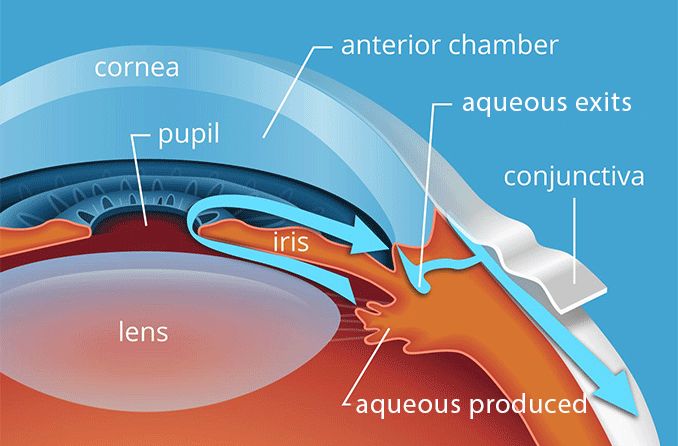
  1. Cornea: The clear front part that allows light to enter the eye.
  2. Iris: The colored part of the eye that controls the size of the pupil.
  3. Pupil: The black center that regulates the amount of light entering the eye.
  4. Lens: Located behind the iris, it focuses light onto the retina.
  5. Retina: The back of the eye where images are formed and sent to the brain through the optic nerve.
  6. Optic Nerve: Carries visual information from the retina to the brain for processing.

Orbit and Eye Socket:

The orbit, also called the eye socket, is a bony cavity in the skull that houses the eye and its surrounding structures. The orbit is made up of several bones, including the frontal bone, maxilla, zygomatic bone, and others. It not only protects the eye but also provides support and attachment points for the eye muscles.

Within the orbit, there are important soft tissues that include:

  1. Extraocular Muscles: These muscles control the movement of the eye in different directions.
  2. Fat Tissue: Provides cushioning and support for the eye within the orbit.
  3. Blood Vessels and Nerves: Supply nutrients and transmit sensory information to and from the eye.

Pathophysiology

Proptosis occurs when there is an abnormal increase in the volume of tissue within the orbit, causing the eye to bulge forward. This can happen due to swelling, growths, or displacement of structures within the eye socket. As a result of proptosis, the eye is pushed out of its normal position, which can lead to several effects:

  1. Visible Bulging: The affected eye(s) may appear more prominent than the other eye due to the forward displacement.
  2. Limited Eye Movement: Proptosis can hinder the normal movement of the eye because of the increased pressure within the confined space of the orbit.
  3. Exposure of the Eye Surface: The bulging eye may have difficulty closing fully, leading to problems with lubrication and dryness.
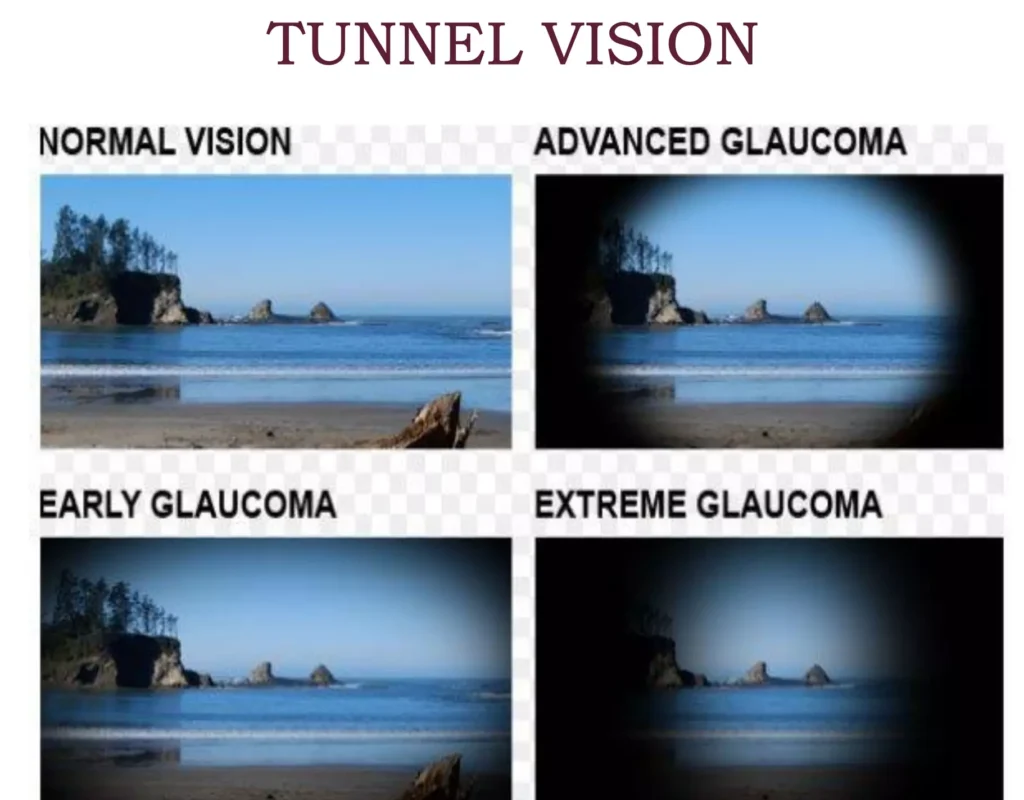
  4. Vision Problems: Proptosis can impact the alignment of the eyes, leading to double vision (diplopia) or blurred vision.
signs of Proptosis

Signs and Symptoms of Proptosis

A. Bulging or Protruding Eye(s): One of the most noticeable signs of proptosis is when one or both eyes appear to bulge or protrude from their normal position within the eye sockets. The affected eye(s) may look larger and more prominent than usual, which can be concerning for the person experiencing this symptom.

B. Redness and Swelling: Proptosis often leads to redness and swelling around the affected eye(s) and the surrounding tissues. The increased pressure within the eye socket can cause inflammation, making the eye area appear puffy and irritated.

C. Vision Changes and Diplopia (Double Vision): Changes in vision are common with proptosis. The displaced position of the eye can disrupt the normal alignment, leading to double vision (diplopia). This occurs when the images seen by each eye do not merge properly, resulting in two overlapping images instead of a single clear image.

D. Pain or Discomfort: Patients with proptosis may experience varying degrees of pain or discomfort around the affected eye(s) and the surrounding area. The pressure and stretching of tissues within the eye socket can cause pain, which may worsen with eye movement or touch.

E. Eyelid Abnormalities: Proptosis can affect the position and function of the eyelids. Some patients may experience difficulty fully closing the affected eye, leading to incomplete blinking and potential corneal exposure, which can cause dryness and irritation.

F. Photophobia (Light Sensitivity): Increased protrusion of the eye can make it more sensitive to light, leading to discomfort or pain when exposed to bright lights.

G. Watery Eyes: Proptosis can disrupt the normal tear flow and drainage, resulting in excessive tearing (epiphora).

H. Displacement of the Eye Muscles: The abnormal position of the eye may cause the extraocular muscles (responsible for eye movement) to become misaligned, leading to limited or abnormal eye movements.

I. Changes in Eye Appearance: Aside from bulging, proptosis may cause changes in the appearance of the eye(s), such as a widened palpebral fissure (the opening between the upper and lower eyelids) or changes in the position of the iris.

J. Pressure Sensation: Some individuals with proptosis may describe a feeling of pressure or heaviness around the eyes due to the increased tissue volume within the eye socket.

Diagnosing Proptosis

Diagnosis of Proptosis

Clinical Examination by Healthcare Professionals: The first step in diagnosing proptosis involves a thorough clinical examination by healthcare professionals, such as ophthalmologists or eye specialists. During the examination, the following assessments may be performed:

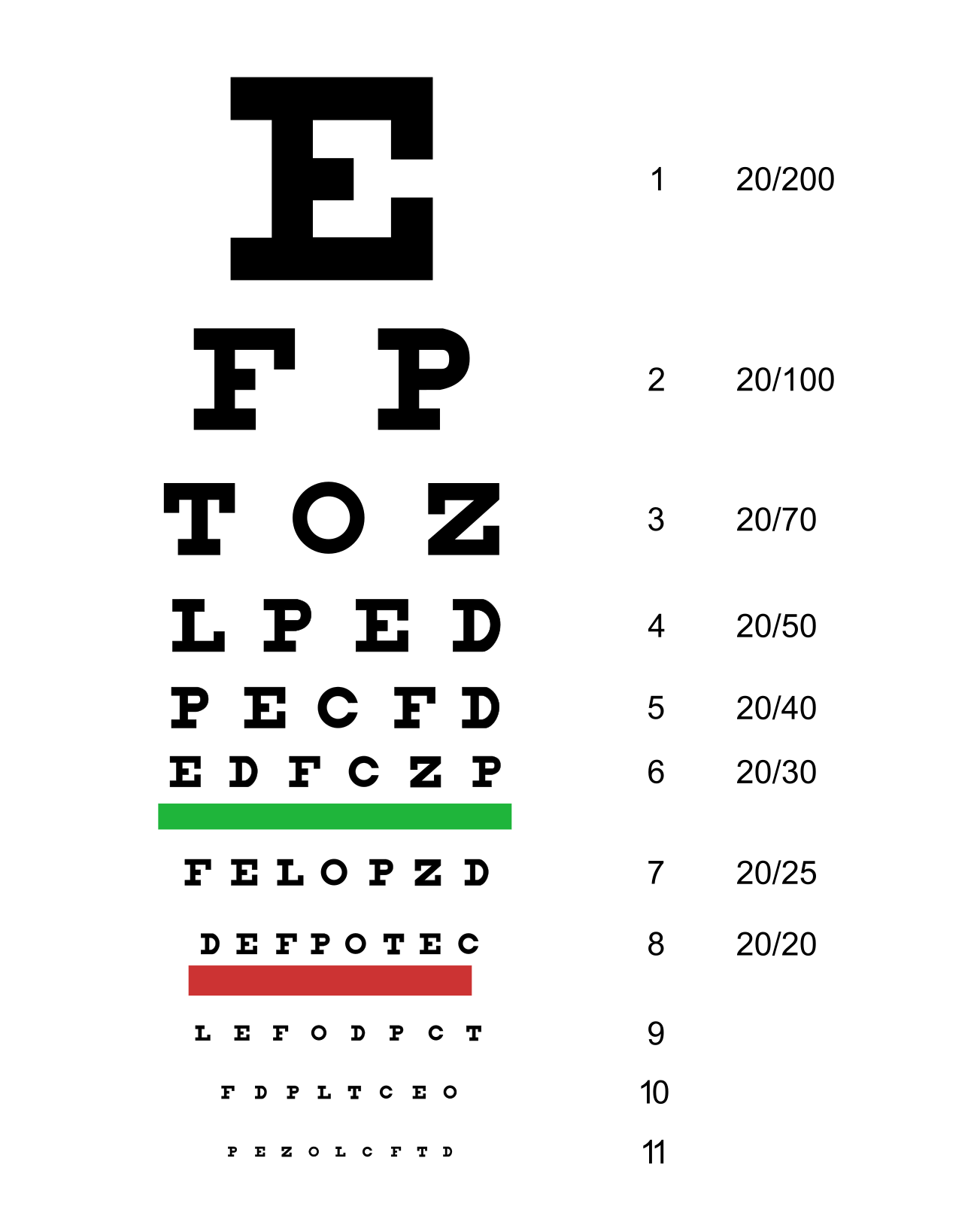
  1. Visual Acuity Test: To assess how well the patient can see at various distances using an eye chart.
  2. Eye Movement Examination: To check for any limitations or abnormalities in the movement of the affected eye(s).
  3. Pupil Examination: To evaluate the size and reaction of the pupils to light.
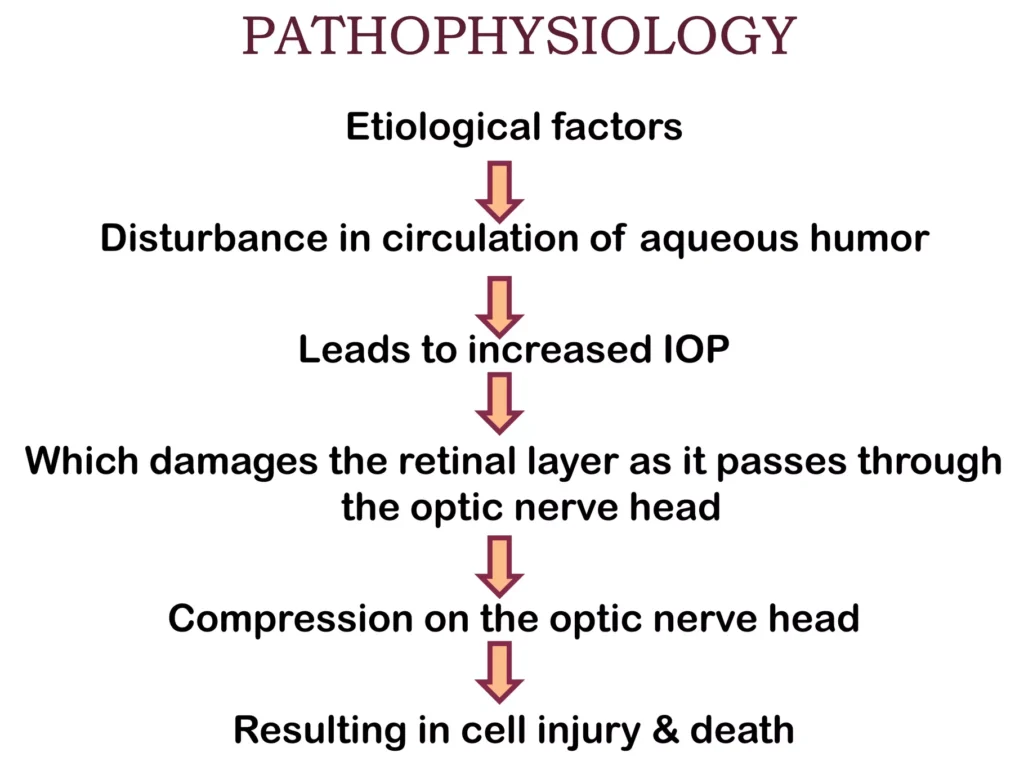
  4. Eye Pressure Measurement: To check for increased intraocular pressure, which may be associated with certain eye conditions.
  5. Slit-Lamp Examination: A specialized microscope used to examine the front structures of the eye, including the cornea, iris, and lens.
  6. Fundoscopy: To visualize the back of the eye (retina and optic nerve) using an ophthalmoscope.

Imaging Studies (MRI, CT Scan) for Accurate Assessment: Imaging studies are essential to get a detailed view of the eye and the structures within the orbit. The two most common imaging modalities used for proptosis diagnosis are:

  1. Magnetic Resonance Imaging (MRI): This non-invasive technique uses powerful magnets and radio waves to create detailed images of the eye, orbit, and surrounding soft tissues. MRI helps identify any abnormal growths, inflammation, or changes in the eye and orbital structures.

  2. Computed Tomography (CT Scan): CT scans provide cross-sectional images of the eye and orbit, offering precise information about the bony structures and any abnormalities present. It helps in identifying fractures, tumors, or other conditions affecting the eye socket.

Differential Diagnosis

  1. Thyroid Eye Disease (Graves’ Ophthalmopathy): This autoimmune condition is one of the common causes of proptosis and may be associated with other signs of hyperthyroidism.

  2. Orbital Cellulitis: An infection of the tissues around the eye, causing redness, swelling, and pain.

  3. Orbital Tumors: Benign or malignant growths that can push the eye forward.

  4. Allergic Reactions: Severe allergies can cause eye swelling and redness.

  5. Traumatic Eye Injury: Severe eye injuries may lead to eye displacement and proptosis.

Management of Proptosis

Medical Management:

  1. Treating Underlying Conditions (e.g., Thyroid Disorders): If proptosis is caused by an underlying condition like thyroid eye disease, the primary focus of treatment is managing the underlying disorder. For instance, in Graves’ ophthalmopathy, controlling the overactive thyroid with medications, radioactive iodine, or surgery may help stabilize or improve eye symptoms.

  2. Corticosteroids and Immunosuppressive Therapy: In certain cases of proptosis associated with inflammation or autoimmune conditions, corticosteroids may be prescribed. These anti-inflammatory medications help reduce swelling and inflammation around the eyes. In more severe cases, immunosuppressive therapy may be used to modulate the immune response and manage the underlying cause.

Surgical Interventions: (Pre and Post operative care)

  1. Orbital Decompression Surgery: Orbital decompression is a surgical procedure performed to alleviate pressure in the eye socket by creating additional space. It involves removing or reshaping parts of the bony orbit to allow the displaced eye to move back to a more normal position. This surgery is commonly used for patients with proptosis due to thyroid eye disease or other conditions causing compression of the optic nerve.

  2. Orbital Tumor Removal: If proptosis is caused by benign or malignant tumors within the orbit, surgical removal may be necessary. The goal is to excise the tumor while preserving the surrounding eye structures and restoring a more natural eye position.

  3. Eye Realignment Surgery: In cases of proptosis resulting from muscle imbalances or nerve problems, eye realignment surgery may be recommended. This procedure aims to reposition the affected eye(s) to improve alignment and reduce double vision.

Nursing Care for Patients with Proptosis

Patient Education:

  1. Understanding the Diagnosis and Treatment Plan: Nurses play a vital role in educating patients about their proptosis diagnosis, explaining the underlying cause, and discussing the treatment options available. They should ensure that patients comprehend the information, addressing any questions or concerns they may have.

  2. Eye Care and Hygiene: Nurses should provide guidance on proper eye care and hygiene practices to prevent complications like dry eyes and corneal exposure. This includes instructing patients on how to use lubricating eye drops, avoiding eye rubbing, and maintaining a clean eye area to reduce the risk of infections.

Monitoring and Assessment:

  1. Visual Acuity Checks: Regular visual acuity assessments should be performed to monitor changes in the patient’s vision. Record and report any abnomarities in visual acuity to the healthcare team promptly.

  2. Assessing for Complications: Monitoring for potential complications related to proptosis, such as signs of optic nerve compression, corneal exposure, and eye infections. Regular assessments can help detect these issues early, allowing for timely intervention.

Emotional Support for Patients and Families:

  1. Addressing Psychological Impact: Having proptosis can significantly impact a patient’s emotional well-being and self-esteem. Nurses should provide empathetic support, actively listen to patients’ concerns, and offer reassurance to help alleviate anxiety or distress related to the condition.

  2. Encouraging Coping Mechanisms: Nurses can recommend stress-reducing techniques and coping mechanisms to help patients manage their emotions and cope with the challenges of living with proptosis. Encouraging patients to engage in hobbies, relaxation techniques, or support groups can be beneficial.

  3. Positioning the Patient After Surgery: Following orbital surgeries, nurses will help position the patient to minimize swelling and promote comfort. Elevating the head of the bed and keeping the patient’s head elevated can help reduce post-operative swelling and pressure around the eyes.

Other measures, 
  • Lubricating Eye Drops: For patients experiencing dry eye symptoms due to incomplete eye closure, artificial tears or lubricating eye drops can help keep the eyes moist and reduce discomfort.

  • Eye Protection: Patients with proptosis should be advised to wear appropriate eye protection, such as safety glasses or goggles, to safeguard the eyes from potential injury.

  • Eye Patching: In cases where there is significant corneal exposure, eye patches may be used to protect the cornea and promote healing.

  • Vision Therapy: For patients with residual double vision, vision therapy exercises may be prescribed to help improve eye muscle coordination and reduce the impact of diplopia.

  • Psychological Support: Dealing with proptosis and its effects on appearance and vision can be emotionally challenging for patients. Providing psychological support and counseling can help patients cope with the condition and boost self-esteem.

Proptosis / Exophthalmos Read More »

Self study questions for nurses and midwives

Questions and Answers

Questions and Answers

Medicine

Hyperglycemia
  1. Mrs. Loyce a thirty three year old female patient has been admitted with signs and symptoms of hyperglycemia.

              (a). Manage Loyce from the time of her admission up to discharge.

              (b) Differentiate between hyperglycemia and hypoglycemia.

              (c) Explain how you can prevent a diabetic foot.

SOLUTIONS

a). Hyperglycemia– refers to chronically high blood glucose level .it is usually over 240mg/dl.

Hypoglycemia– refers to dangerously low blood glucose levels that drop below 70mg/dl

However the sign and symptoms of hyperglycemia includes:-

  • Blood glucose over 240mg/dl
  • More urine output than normal
  • Increased thirst (polydipsia)
  • Dry skin and mouth (dehydration)
  • Nausea and vomiting
  • Decreased appetite
  • Easy fatiquability ,drowsiness or no energy 

Management of Loyce from the time of admission up to discharge

Aims of management

  1. To reduce blood glucose level to normal 
  2. To prevent further complication 
  3. To provide basic nursing care  
  4. To alley anxiety

ACTUAL MANAGEMENT

  • Mrs. Loyce is received in female medical ward given a seat and rapport created to alley anxiety
  • Brief history taking of the patient’s condition including the demographic data

Admission

  •  The patient is admitted in female medical ward in a clean admission bed with clean linens in a well lit room free from dust and well ventilated

Position

  • The patient adopts any comfortable position under nurse’s supervision

Observations 

  1. Vital observations .temperature, pulse respiration and blood pressure of the patient are taken and recorded in the observation chart. So that incase of any deviation from normal, it can be managed appropriately.
  2. Specific observations .this includes observing the patient for jaundice, anemia ,cyanosis, clubbing, oedema, lymphadenitis, dehydration, urine colour and smell. Findings recorded and reported to the doctor.

General observation 

  • This is done from head to toe to rule out any abnormalities.

Inform the doctor: As soon as the observations are done the doctor is informed who will come and carry out his assessments (confirm the nurses findings) and may order for the following investigations

Investigations

  1. Specific investigations
  • Haematology 

    -Blood for random blood sugar

    – Renal function test

   – Complete blood count

    – Blood electrolytes

  • Urinalysis to rule out presence of acetone & ketones, urine protein, blood in urine etc 
  1. b) General investigations

    – HIV serology

     – When results are out, the doctor makes a diagnosis and may prescribe the following supportive treatment

  • Intravenous fluids normal saline 3 liters while monitoring blood pressure until blood glucose level is lowered to normal
  • Insulin administered intradermal .it can be pre-breakfast or pre- supper depending on doctor’s prescription 
  • Antibiotics e.g. ceftriaxone 2g in case of any sign of infections 

Specific nursing care

  • Diet. -The patient is given low sugar diet ,low fats diet and  diet rich in vitamins 
  • Elimination. – Bladder is monitored for urine output using the fluid balance chart (FBC) and recorded on the chart.
  • Bowel. Patient is encouraged to empty the bowel whenever necessary
  • Exercise:- passive exercise in acute state eg massaging the patients toes and fingers to aid circulation 
  • Active exercise e.g. deep breathing exercise to prevent hypostatic pneumonia, lower limbs to prevent DVT, the patient is encouraged to move around the ward 

General nursing care

  • Rest and sleep by restricting number of visitors and noise in the room should be minimized
  •  Personal hygiene e.g. skin care, oral care and bed linens changed whenever it is soiled.
  • Environmental hygiene of the ward .the ward should be maintained clean and free  from horrible dour that may discomfort the patient 
  • Psychotherapy e.g. the nurse allows relatives to stay with the patient and also may invite religious leaders who may update the  patients spiritually 

Investigations before discharge.

 When the patient’s condition has improved, the doctor may order for investigations like:-

  • Urinalysis
  • Blood  for blood sugar & CBC
  • Renal function test

When the results are satisfactory, the doctor writes a discharge form and the patient is discharged

  Advice on discharge

  • Take medications as prescribed 
  • Come back for review on the schedule date
  • Avoid injuries that can cause damage to the skin
  • The patient is advised on diet as follows
  •  Food with reduced sugar 
  • Fatty food should be limited
  • Diet should contain vitamins
  • Improve on life style for example cessation of smoking ,alcoholism etc. 
  • Differences between hyperglycemia and hypoglycemia

Hyperglycemia

Hypoglycemia

  • High blood glucose level  more than 240mg/dl 
  • Low blood glucose level 
  • The onset is gradual over few days 
  • Onset is sudden over minutes 
  • Urine contains large amount of sugar and acetone 
  • Urine has no sugar and acetone 
  • Insulin is administered in most cases 
  • Glucose is given 
  • The skin is worm and dry 
  • The skin is pale, cold and sweaty 
  • Patients become gradually drowsy and lethargic 
  • Patient is confused ,restless and anxious 
  • Breath is deep and fast in most cases 
  • Shallow breath 
  • Fruity smell of the breath due to acetone
  • No fruity smell, acetone absent 
  • Rapid pulse rate 
  • Normal pulse rate 


  • Prevention of diabetic foot

Diabetic foot is a neurological condition that occurs during diabetes. However, it can be prevented from occurring through the following ways:-

  • Maintain and keep the blood glucose level low in a target range to prevent  complications by administering insulin and advising on diet for example reduce on intake of sugar and fatty foods 
  • Examine and screen the patient’s feet daily for senses, colour, cuts, swelling, pain and temperature for early interventions incase of any.
  • Wash and dry feet paying much attention between the toes.
  • Turn the patient 2 hourly to prevent excessive pressure on the pressure areas of the foot to prevent pressure sores 
  • Wash and dry feet paying much attention between the toes.
  • Turn the patient 2 hourly to prevent excessive pressure on the pressure areas of the foot to prevent pressure sores 
  • Wear for the patient shoes and stockings to prevent injury to the feet .the shoes should be of appropriate size. Always check the shoes before wearing.
  • Trim the patients nail. This is done using the nail file to prevent under growing nails that can cause infections. 
  • Keep the skin soft and smooth by rubbing the skin with lotion over  the top and bottom to prevent cracks
  • Massage the feet to maintain blood circulation and the patient is encouraged not to cross the legs for long time because this can cut off circulation for the feet
  • Protect the feet from cold and hot water since this can impair the senses 
  • Exercise the foot by moving it for about  5 minutes and teach the patient how to do it (physiotherapy)
  •  

Health educate the patient (Loyce) on the following;

  • Importance of wearing  a well fitting pair of shoes
  • Not to move bare foot 
  • Check her foot before putting on shoes
  • Seek medical assistance in case of any injury
  • Put on gumboots incase of farming activities
Pulmonary Tuberculosis

2. Joseph an adult patient has been diagnosed with pulmonary tuberculosis.

 (a) Outline ten signs and symptoms of PTB.

(b) Describe his management using nursing process from the time of admission up to discharge.

 (c) List five complications of TB.

SOLUTIONS

Tuberculosis (TB)

This is a chronic lung disease caused by a bacillus called mycobacterium of the genus mycobacterium tuberculosis.

It can also occasionally be caused by other strains of mycobacteria including mycobacterium bovis which is found in animals.

TB is of two types;

  1. Pulmonary TB
  2. Extra pulmonary TB

PULMONARY TB:

Type of TB that affects mainly the lungs and is the most common type of TB.

SIGNS AND SYMPTOMS.

  • Fever and chills
  • Night sweats
  • Productive or non productive cough
  • Weight loss
  • Fatigue
  • Cough for more than 3 weeks.
  • Coughing up blood (Haemoptysis)
  • Chest pain
  • Significant figure clubbing may occur
  • Lymphdenopathy which is a sign of bacterial infection.
  • Aneroxia
  • Insomnia

ASSESSMENT

NURSING DIAGNOSIS

PLAN/GOAL∕EXPECTED OUTCOME

INTERVENTION OR IMPLEMENTATION

RATIONALE

EVALUATION

Chest Pain

A cute chest pain related to inflammatory response secondary to disease process as evidenced by patient coughing out blood and reporting pain.

Relieve pain within 24 hours.


Patient will be free from pain until discharge.

Admit the patient on the medical ward specifically the TB unit.


Take vital observations i.e. TPRIBP and weight.


Position the patient in sit up position.


Re-assure the patient.

Inform doctor to prescribe drugs and order for investigations.


Administer prescribed 

analgesics like 1m diclofenac  

75mg stat then later tabs paracetamol 1g tds x 3/7. 

For proper management


As baseline and for future reference.


To relieve pressure of the abdominal organs onto the diaphragm.


To allay the patient’s anxiety


For proper assessment and management of the patient.


To relieve pain.

Goal met, patient was relieved from pain after 24 hours and patient was free from pain at discharge.

Cough 

Altered respiratory patterns related to disease process as evidenced by patient having cough for more than 3 weeks.

Patient will have normal respiratory patterns until discharge.

Maintain the patient in the sit up position.


Do investigations as ordered.


Do sputum analysis and chest x – ray, erythrocyte sedimentation rate (ESR).


Complete blood count  (CBC)


Administer prescribed anti TB drugs and give the right regimen (6EHRZ + 2EH)


Administer prescribed supportive drugs like multi-vitamins i.e. Folic acid

For comfortibility.


To confirm the causative agent and to rule out the involvement of other organs like the heart and complications.


To help in the re-epithelialisation and boost the patient’s appetite.


To destroy the causative organism

Goal met, patient reports normal respiratory patterns until discharge.

Fever 

Altered thermoregulation / body temperature related to disease process as evidenced by the patient hot on touch also the patient reporting fevers for the last 3 weeks.

To normalize the body temperatures wit in 24 hours and maintain within normal ranges until discharge.

Expose the patient.


Tepid sponge the patient.


Maintain the already prescribed antipyretics.


Take temperature 4 hourly until discharge.

To allow cool air to reach the patient’s skin.


To cool the external body.


To act on the temperature regulating centres in the brain.


As baseline and for future comparison.

Goal met, patient’s temperatures normalized after 24 hours and the patient’s temperatures were maintained with in the normal ranges till discharge.

Weight loss

Altered nutrition less than body requirements related to loss of appetite as evidenced by the patient reporting having lost weight for the last 3 weeks or months.

To nourish the patient throughout his stay on the ward.

Encourage nourishing diet.


Encourage oral care and continue with prescribed multi-vitamins.

To nourish the patient.


To boost the patient’s appetite.

Goal met, patient was well nourished at discharge. 

Fatigue 

Activity intolerance related to disease process as evidenced by patient unable to perform activities of daily life.

Patient will perform activities of daily living throughout his stay on the ward.

Encourage patient to carryout activities of daily living such as bathing, eating, toileting, oral care and going to the urinals by himself  

To improve on patient’s general hygiene and improve on the appetite 


To avoid complications that may arise as a result of over staying in bed. 

Goal met, patient is able to perform activities of daily living at discharge.

Insomnia 

Altered sleeping patterns related to night sweats and irritating cough secondary to disease process as evidenced by the patient reporting not sleeping well.

Patient will have normal sleeping patterns during his stay on the ward.

Minimize noise and visitors on the ward.


Switch off light (bright lights)


Administer prescribed sedatives like tabs diazepam 5mg OD or PRN 


Continue re-assuring the patient.

To enable the patient have enough rest.

To induce sleep.

To alley patient anxiety


COMPLICATIONS ARE;

  • Plueral effusion
  • Pericardial effusion
  • Empyema (pus in the pleural cavity)
  • Pneumothorax
  • Lung fibrosis
  • Lung collapse (Atelectasis)
  • Extra TB due to spread of the infection to other organs.
Nephrotic Syndrome

3. An adult male patient has been brought to medical ward with features of nephrotic syndrome

           (a) List five cardinal signs and symptoms of nephrotic syndrome

            (b) Describe his management from admission up to discharge.

            (c) Mention five likely complications of this condition.

SOLUTIONS

 (a) NEPHROTIC SYNDROME.

Is a syndrome caused by many diseases that affect the kidney characterized by severe and prolonged loss of protein in urine especially albumen, retention of excessive salts and water, increased levels of fats.

FIVE CARDINAL SIGNS AND SYMPTOMS.

  • Massive protenuria.
  • Generalized edema.
  • Hyperlipidemia.
  • Hypoalbuminemia.
  • Hypertension.

(b) MANAGEMENT.

Aims of management

  • To prevent protein loss in urine.
  • To prevent and control edema.
  • To prevent complications.

 ACTUAL MANAGEMENT.

  • Admit the patient in medical ward male side in a warm clean bed in a well ventilated room and take the patients particulars such as name, age, sex, religion, status.
  • General physical examination is done to rule out the degree of oedema and other medical conditions that may need immediate attention.
  • Vital observations are taken such as pulse, temperature, blood pressure recorded and any abnormality detected and reported for action to be taken.
  • Inform the ward doctor about the patient’s conditions and mean while the following should be done.
  • Position the patient in half sitting to ease and maintain breathing as the patient may present with dyspnoea due to presence of fluids in the pleural cavity.
  • Weigh the patient to obtain the baseline weight and daily weighing of the patient should be done to ascertain whether edema is increasing or reducing which is evidenced by weight gain or loss.
  • Monitor the fluid intake and output using a fluid balance chart to ascertain the state of the kidney.
  • Encourage the patient to do deep breathing exercises to prevent lung complications such as atelectasis.
  • Provide skin care particularly over edematous area to prevent skin breakdown.
  • On doctor’s arrival, he may order for the following investigations.
  • Urine for culture and sensitivity to identify the causative agent.
  • Urine analysis for proteinuria and specific gravity.     
  • blood for; 
  • Renal function test, it will show us the state of the kidney function.
  • Cholesterol levels; this will show us the level of cholesterol in blood.
  • Serum albumen; this will show us the level of protein or albumen in blood.
  • The doctor may prescribe the following drugs to be administered;
  • Diuretics, such as spirinolactone 100-200mg o.d to reduce edema by increasing the fluid output by the kidney.
  • Antihypertensives such as captoril to control the blood pressure.
  • Infusion albumen 1g/kg in case of massive edema ascites and this will help to shift fluid from interstitial spaces back to the vascular system.
  • Plasma blood transfusion to treat hypoalbuminemia.
  • Cholesterol reducing medication to have the cholesterol levels in blood such as lovastatin.
  • Anticoagulants to reduce the blood ability to clot and reduce the risk of blood clot formation e.g. Hepanine. 
  • Immune suppressing medications are given to control the immune system such as prednisolone if the cause is autoimmune. 
  • Antibiotics such as ceftriaxone to treat secondary bacterial infections.
  • The doctor may order for renal transplant if the chemotherapy fails.


  Routine nursing care.


  • Continuous urine testing is done to see whether proteinuria is reducing or increasing.
  • Encourage the patient to take a deity rich in carbohydrates and vitamins but low in protein and salts.
  • Ensure enough rest for the patient as this will reduce on body demand for oxygen and hence prevent fatigue.
  • Promote physical comfort by ensuring daily bed bath, change of position, oral care and change of bed linen. 
  • Re-assure the patient to alley anxiety and hence promote healing.
  • Ensure bladder and bowel care for the patient.

ADVICE ON DISCHARGE 

The patient is advised on the following:

  • To take a deity low in salt and protein.
  • Drug compliance.
  • Personal hygiene. 
  • Stop using drugs like heroin, NSAID’s.
  • Screening and treating of diseases predisposing or causing the disease.
  • To come back for review on the appointment given.

 COMPLICATIONS.

  • Acute kidney failure.
  • Kidney necrosis.
  • Ascites.
  • Pyelonephrosis.
  • Cardiac failure
  • Pulmonary embolism.
  • Atherosclerosis.
  • Deep venous thrombosis.

Surgical Nursing

Fractures

Josephine a thirty year old female patient has been involved in a road traffic accident and sustained a compound fracture.

(a) Outline ten signs and symptoms of fracture.

(b) Discuss the negative factors that can influence healing of a bone.

(c) Describe the healing of a bone.

(d) Mention ten complications of fractures.

SOLUTIONS

  1. a) History from the patient or the on lookers.
  • Pain aggravated by movement
  • Tenderness over the fractured limb
  • Loss of function of the affected part or the whole limb
  • Deformity
  • Shortening of the limb
  • Abnormal mobility at the affected area
  • Creepers or grating of the bone ends as they move each other
  • Swelling of the affected part
  • Shock may occur
  • The bone may be seen out if it’s a compound fracture

b)

  • Tissue fragments between bone ends; Splinters of dead bone (sequestrate) and soft tissue fragments not removed by phagocytosis delay healing.
  • Deficient blood supply; this delays growth of granulation tissue and new blood vessels. Hypoxia also reduces the number of osteoblasts and increases the number of chondrocytes that develop from there common parent cells. This may lead to cartilaginous union of fracture which results in a weaker repair.
  • Poor alignment of bone ends: This may result in the formation of a callus that heals slowly and often results in permanent disability
  • Continued mobility of bone ends; Continuous movement results in fibrosis of the granulation tissue followed fibrous union of the fracture.
  • Miscellaneous; this include
  • Infection; pathogens enter through broken skin, although they occasionally be blood borne, healing will not occur until infection resolves
  • System illness 
  • Malnutrition
  • Drugs e.g. Corticosteroids
  • Aging

c)

  • Following a fracture the broken ends of a bone a joined by the deposition of a new bone. This occurs in several stages
  • Hematoma forms between the ends of the bone and in the surrounding soft tissues.
  • There follows development of acute inflammation and accumulation of inflammatory exudates, continuing microphages that phagocytosis the hematoma and small fragments of a bone without blood supply(this takes place about five days). Fibroblasts migrate to the site, granulation tissue and the new capillaries develop.
  • New bone forms as large numbers of osteoblasts secretes spongy bone, which unit the broken ends, and is protected by the outer layer of the bone and cartilage, this new deposits of bone and cartilage are called callus.
  • Over the next few weeks, the callus matures and the cartilage is gradually replaced by new bone
  • Reshaping of the bone continues and gradually the medullary canal is re –opened through the callus (in weeks or month). In time the bone heals completely with callus tissue replaced with mature compact bone. Often the bone is thicker and stronger at the repair site that originally, and the second is more likely to occur at a different site.
  1. d) Complications of fractures are divided in to two.

General complications.

  • Local complications
  • General complications are;
  • Hemorrhage which may lead in to shock.
  • Fat embolism
  • Infections
  • Hypostatic Pneumonia
  • Damage to the nearby structures

Local complications

  • Keloids
  • Loss of function
  • Damage to the nerves
  • Necrosis
  • Delayed union of bones; this may be as a result of incomplete reduction, inadequate immobilization, lack of blood supply to areas, infection which disrupt formation
  • Malunion of the bones; this when there’s failure of bone fragments to unit. This as a result of a big gap between the fragment
Hyperthyroidism

1.Define:

(a) Hyperthyroidism:

(b)Hypothyroidism

(c) Thyrotoxicosis

2. Outline the differences between hyperthyroidism and hypothyroidism

3. Describe the management of a patient with hyperthyroidism.

4. Mention seven complications which are likely to occur following a thyroidectomy.

SOLUTIONS

The hub of excellence 

a)  Hyperthyroidismthis is a condition in which there is high circulating thyroid hormone in blood.
b) Hypothyroidism-this a condition in which there are low circulating thyroxin hormone in blood.
c) Thyrotoxicosis– it is a state of hyper secretion of  thyroxin by the thyroid gland.

2. Differences between hyperthyroidism and hypothyroidism

Hyperthyroidism 

Hypothyroidism 

It is characterized  by  excessive thyroxin production. 

Characterized by  insufficient thyroxin production. 

Characterized by weight loss with increased appetite and diarrhea 

Characterized by weight gain 

More commonly caused by  an auto immune response to specific anti bodies 

Can be of congenital cause 

T4( thyronine ) levels are elevated 

The serum Thyroid stimulating hormone is elevated  in an attempt to produce more thyroxin 

Commonly occurs in women than men, usually at age of 20 to 40 years 

Common in women of ages 30 to 60 years 

Surgery is always indicated incase medication  and radio therapy has failed 

Primarily managed by hormonal replacement therapy 


3. Management

  • Patient is admitted on a medical ward for complete bed rest. 
  • Reassure patient and relatives.
  • Vitals are taken and doctor informed
  • Thorough physical assessment is done 

  Pre operative tests are ordered by the doctor and blood taken for the following tests;

  •  Serum thyroxin estimation- which levels are elevated in hyperthyroidism
  • Serum tri-thyroxin(T3) 
  • TSH estimation –to rule out hypothyroidism
  • Thyroid antibody measurement in cases of autoimmune thyroidism 
  • Radio active iodine uptake and scan for both diagnosis and treament.
  • FNAC- for cytology to rule out any malignancy
  • Fibre optic laryngoscopy-to view the vocal cords

Pre operative preparation(immediate)

  • Patent’s HB is checked
  • Cross match  and book 2 units of blood
  • x-ray chest thoracic inlet
  • Shaving of the neck skin, upper part of the chest, the axilla and the upper arms

Pre operative drugs are also given as ordered by the doctor  to  bring patient to euthyroid state including;

  • Carbimazole 10-20mg start 8hourly,several weeks then stopped 10days to surgery
  • Propranolol 120-160 mg daily in divided doses. this is continued up to operation day 
  • Lugol’s iodine 0.3-0.9mls T.D.S. for 10 days-to reduce vascularity 
  • Diazepam 5mg 12 hourly to sedate the patient 
  • Digitalis incase of atrial fibrilation

 Meanwhile, specific  pre operative nursing care  includes;

  • Daily measuring of the neck circumference to monitor progression of thyroid enlargement
  • Monitor serum electrolyte levels and check for hyperglycaemia
  • Monitor for signs of heart failure e.g date dyspnoea
  • Ensure nutritious diet with adequate calorie, proteins
  • Minimize physical and emotional stress
  • Re assure patient and family that mood swings will disappear with Rx.
  • Monitor frequency and characteristic of stool and give anti diarrhaels as ordered

Post operative management

  • Post operative bed is prepared and patient put in lateral position till recovery, then propped up supported by back rest.
  • Monitor vitals including BP, Respirations. Give oxygen incase respirations are fast, shallow
  • Report any respiratory difficulty for prompt management
  • Ensure little fluid intake to clean the mouth.  

Specific nursing care

  • Ensure constant drainage in a drainage bottle or dressing
  • Intubation if there is respiratory edema.
  • Closely observe for hemorrhage.
  • Ensure a calm environment, and possibly give drugs to encourage sleep.
  • Care of drain and sutures; change drainage 24 hourly and sutures removed on third day or fourth day.
  • Minimize patient’s neck movement to minimize neck pain.
  • Give analgesics 1g start to reduce pain.
  • 2 hourly vitals’ taking including temperature, respiration and blood pressure to monitor for any complications like thyroid storm or infections.
  • Give antibiotics; ceftriaxone 2g 24 hourly

4. Complications of thyroidectomy

  • Hemorrhage due  to hyper ventilation of the thyroid gland
  • Thyroid crisis (thyroid storm); characterized by rapid pulse, raised temperature, profuse,      sweating, and confusion.
  • Tetany; due to removal or trauma to parathyroid glands- it’s characterized by tingling and numbness of the face, lips and hands.
  • Soreness of the throat. 
  • Hoarseness –due to damage to the recurrent laryngeal nerve
  • Hypothyroidism due to thyroid removal
  • Recurrent thyrotoxicosis
  • Respiratory obstruction –due to laryngeal edema.
  • Wound  infection
Shock

1.An adult male patient has been brought to S.O.P.D with featured of shock.

(a)Define shock

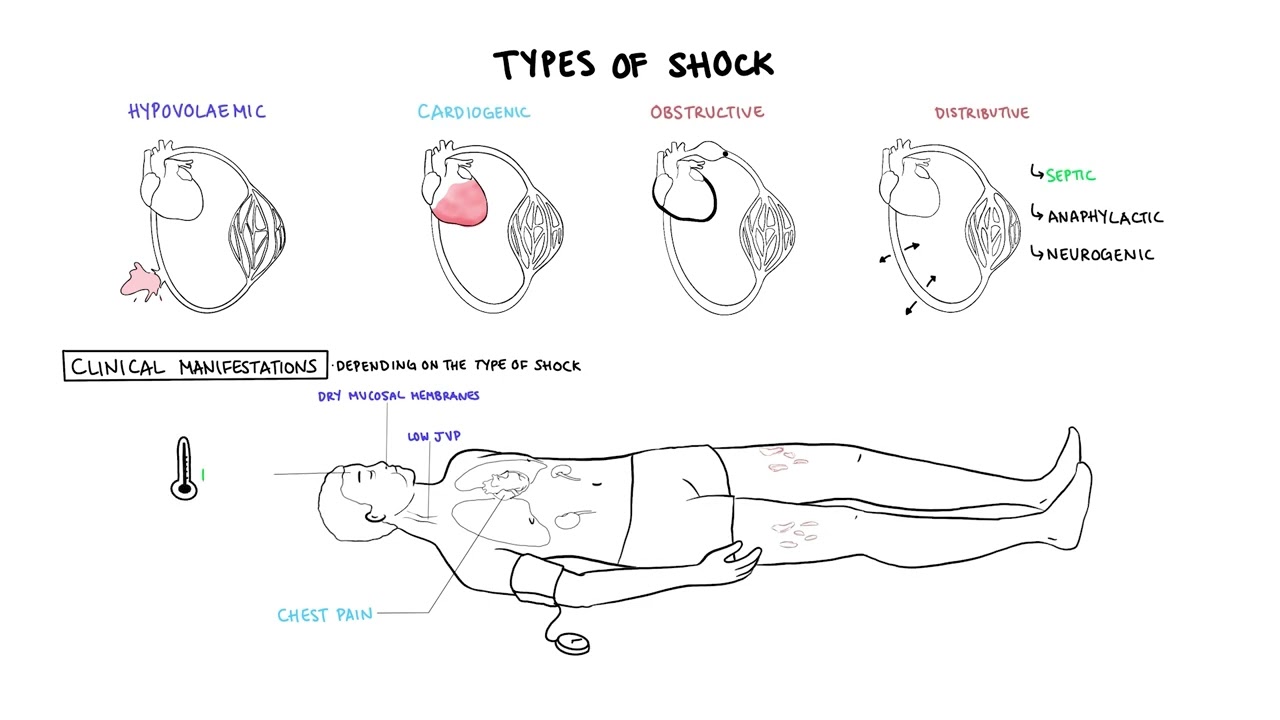
(b) Explain seven types of shock that you know.

(c) Describe how you would manage a patient with hypovolemic shock.

SOLUTIONS

a). shock.

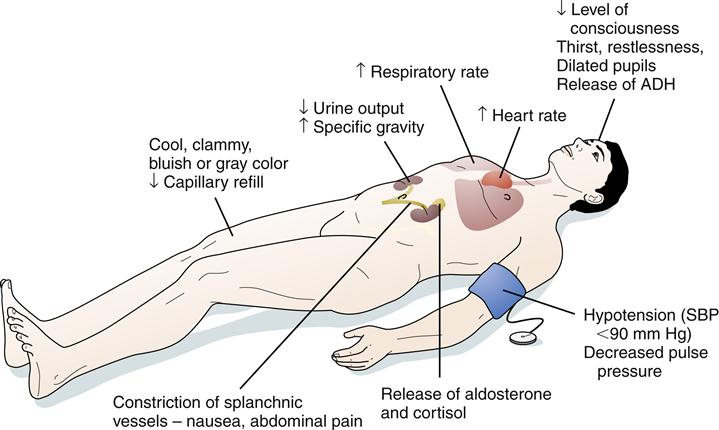
Is the failure of the circulatory system to maintain adequate tissue perfusion of the vital organs like the heart and kidney, brain?

PATHOPHYSIOLOGY

  • Heart:-due to the reduced fluid volume in the body(blood) caused by vaso constriction leads to inadequate blood supply to the heart which decreases cardiac output hence less amount of blood reach the brain leading to hypoxia eventually shock occurs.
  1. B) . seven types of shock.
  • Hemorrhagic shock.

It occurs due to severe blood loss causes are as follows:- Obstetric emergencies e.g. post partum heamorrhage, abortion etc, Trauma i.e. RTA, gun shot

  • Septic shock

It occurs as result of bacteria multiplying in the blood and releasing toxins in the circulation leading to pooling of blood in the capillaries and blood vessels. It occurs in diabetic wounds, crutch wounds, burns.

  • Carcinogenic shock ; this is when the heart fails to maintain tissue perfusion leading to shock. It results from the following; Heart attack, Myocardial infarction
  • Neurogenic shock. 

This is generalized vasodilatation due to stimulation of Vegas nerve e.g. due to strong pain.

  • Anaphylactic shock.

This is due to hypersensitivity reaction which results from exposer to allergens leading to sudden cardiac arrest or respiratory distress. It can be due to reaction to drugs, foods.

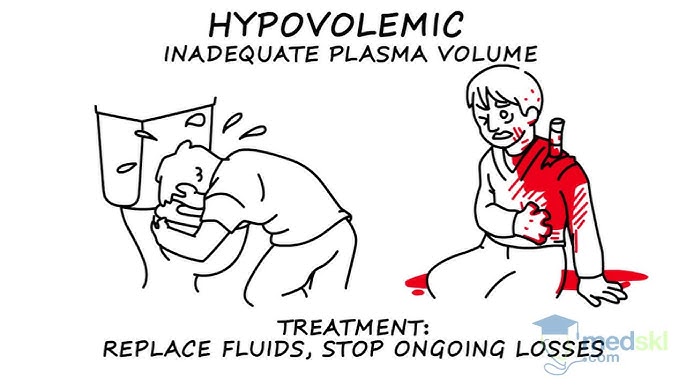
  • Hypovolemic shock.

This is due to loss of body fluids through diarrhea, vomiting, burns etc.

  • Ologenic shock.

This is due to either receiving of good or bad news: – emotional upset

C). management

  • It’s a surgical emergency that requires immediate intervention 

Aims of management 

  • To maintain functions of the vital organs like the brain and heart
  • To improve circulation 
  • To prevent complications 
  • To promote patients comfort 

Admission 

  • The patient is received and quickly admitted in surgical ward in warm well ventilated room  
  • The relatives of the patient are reassured 
  • Patient is put in semi porn Position with the head turned to one side for easy drainage of secretions and to prevent the tongue from falling back 
  • The foot of the bed is elevated to aid return of blood to the circulatory center
  • Quick assessment done

Assess the consciousness of the patient using Glasgow coma scale. This is performed as follows .

PARAMETERS

SCORE

Eye opening 

  • Spontaneously
  • To speech
  • To pain 
  • None

4

3

2

1

Best verbal response

  • Oriented
  • Disoriented
  • Inappropriate
  • Incompressible
  • No response

5

4

3

2

1

Best motor response

  • Obeys command
  • Localized pain
  • With draw or flexion
  • Extension with rigidity
  • None response

6

5

4

3

2

1

Total response for 3 is 15


Observations i.e.

  • Vital observations like temperature, pulse, respiration and BP (blood pressure).
  • General observations such as level of dehydration, skin color for cyanosis.
  • Doctor is informed 

Specific management

Air way:-

  • Artificial air way is put in position and sanction is done whenever necessary to avoid blockage of the air way with secretion and falling back tongue
  • Air way piece is insitu to prevent back flow of the tongue.

Breathing:

  • Patient is administered oxygen 5-8 liters per minute in order to ventilate the lungs and increase tissue perfusion.

Circulation:-

  • Plan c of management of dehydration applies
  • An intravenous line is established to re hydrate patient with intravenous fluids like normal saline  0.9% and ringers lactate(se) allows it to run faster at a drop /rate of 40drops per minute
  • Continue monitoring the patient’s condition for over flow 

Investigations 

Doctor orders for the following investigations below.

Blood 

  • Hb, grouping and cross matching
  • CBC (complete blood count, Ph of the blood showing decreased Ph (acidic Ph)

ECG (Electrocardiogram)

  • To check for the activities of the heart.

EEG (.electro encephalogram):- 

  • To check for the activities of the brain.

Urinalysis:

  • To determine kidney function

Specific nursing care

  • Patient is provided with warmth by adding additional blanket but not to overheated transfuse the patient incase patient is anemic with whole blood and to improve blood volume in the circulation
  • Foot of the bed is elevated to aid return of blood into the circulatory center.
  • Continue monitoring vitals that is TPR/BP, to detect deviation from the normal.

General nursing care

Hygiene:-

  • Ensure patient s hygiene by daily oral care, care of the skin , finger nails, patients hair, daily bathing of patient if able and if patient unable to bath by self carry out bed bath for patient as well much attention is on the pressure areas.

Diet:-

  • The patient is feed on well balanced diet and light diet which can digest easily. Feeding is done using naso gastric tube, when patients condition improves give patient food orally.

Rest and sleep:-

  • Adequate rest is ensured by limiting visitors; minimize noise in the room or ward etc.

Psychotherapy:-

  • This includes care of mind by counseling, give adequate information about the illness to the patient and the relatives or family members

Physiotherapy: – 

  • This is done by helping and encouraging the patient to carry out some light exercise that is passive and active exercise such as deep breathing exercise. 

Elimination 

  • Care of the bladder and bowel check if patient is passing urine out normally and avoid constipation by encouraging plenty of fluids and light diet is suitable 
  • Pass catheter incase of incontinence to prevent wetting of the bed or soiling of the bed linen
  • Give bed pan to the patient if passing out stool normally.
  • Establish fluid balance chart in order to monitor fluid input and output.
Tracheostomy

A male patient aged 40 yrs has been brought to S.O.P.D with features of an airway obstruction, upon assessment the surgeon recommended for a tracheotomy.

  1. Define tracheotomy.
  2. Mention 10 indications of a tracheotomy.
  3. Describe the pre and post operative management of the patient up to discharge.
  4. Mention 5 likely complications which may occur following a tracheotomy.

SOLUTIONS

Tracheotomy is the artificial opening through the neck into the trachea to relieve sudden airway obstruction

Indications of a tracheotomy

These are divided into two i.e. obstructive conditions of the larynx and paralysis or spasm of the respiratory muscles or respiratory failure.

  • Obstructive conditions of the larynx
  • Acute laryngitis e.g. in diphtheria
  • Carcinoma of the larynx
  • A cute oedema of the glottis
  • Foreign body in the airway
  • Trauma to the trachea
  • Severe burns of the mouth or involving the larynx
  • Severe neck or mouth injuries
  • Paralysis or spasms of the respiratory muscles failure
  • Paralysis of the respiratory muscles
  • Respiratory failure
  • Tetanus
  • Following thyroidectomy
  • Surgery around the box (larynx) that prevents normal breathing and swallowing

Pre-operative management of the patient for tracheostomy

Aims

  • To relieve sudden airway obstruction
  • To alley patient’s anxiety
  • To prevent likely complications to occur .

Admission:  The patient is admitted to the surgical ward in a well ventilated room and all procedures are done within this time.

Nurse patient relationship / rapport: A positive nurse patient relationship is created to alley patients, anxiety; explain the nature of condition is having to the patient and what is going to be done.

Observation: Both general and vital observations are done to know the state of condition in which the patient is in starting with general observations then vital observations that is temperature, tube, respiration and pressure monitor patients conditions 

Investigation: The doctor will order for investigation i.e. Hb, biopsy 

Consent form: It’s obtained from the patient after through explanation towards what is going to be done in theatre to relieve airway obstruction

Shaving: This is done immediately before the patient being taken to theatre for operation

Theatre gown: The patient is offered with a theatre gown before going in for operation, all other items like bangle and dentures are removed there and then 

Premedication: Will be administered to the patient if any was prescribed by the doctor

Informing of theatre staffs: They are informed before the patient is taken for theater for the operation

Patient taken of theatre: The patient will then be taken to theatre for operation by two nurses who will handle the patient to theatre staff

Post – operative bed: After the nurses have handled over the patient in theatre they will come and make a postoperative bed and all its accompaniments

In theatre : A patient well be positioned in a supine position with the neck hyper extended over the shoulder which brings the tracheal orifice closer to the surface. An incision is made on the trachea and the tracheal tube inserted into the opening and secured in position with tapes tied around the neck

Post operative management 

Prepare an emergency tray at the bed side with tapes tied around the neck

  • Sterile tracheal dilators, 
  • Sterile suction catheters
  • Sterile gloves
  • Suction machine with half an inch of savlon in the suction bottle
  • Bowl of savlon
  • Gallipot with saline to act as a lubricant

After completion of the operation, the theatre team will inform ward nurse s to come all collect the [patent taken to the ward

On the ward

Position: The patient should lie flat in bed had turned on one side hourly for easy drainage, when patient a wakens he should be probed up and kept in this position for 48 hours

Observations: Vital observations are done ½  hourly for ½ hourly for 2 hours , 1 hourly , 2 hourly for 6b hours then when the patient stabilizers they are done twice a day , much emphasis is put on the respiration rates , observe the tube to see if its not blocked.

Medication: Drugs like antibiotics to treat or prevent any infections like – IV ceftriaxone1-2 gms o.d for 5-7 days 

Analgesics e.g. in diclofenac 75 mg IM 8hry for 24 hours then  paracetamol tablets 1gm tds for 3 days 

Oxygen may be administered via the tracheotomy mask or tube 

Care of the tubes: Frequent suction is very important at least 2 hourly then later PRN , it’s done by anesthetist and a nurse , the inner tube is washed with sodium bicarbonate , sterilized and replaced as required a supply of sterile tubes be readily available

Keep the tube covered loosely with gauze to prevent entry of cockroaches and other insects especially at night

Care of the incision wound: It should be cleaned daily using a suitable antiseptic and new dressings replaced, key hole dressing is used

Exercises: Deep breathing exercises are carried out under the direction by a physiotherapist, suction must be readily available for the nurse to suck the secretions

Provide a bell, book and pen for easy communication in acute phase

Diet: Swallowing may be very difficult especially in the  acute phase but small amounts of fluids can usually be taken and if the patient fails to tolerate intravenous fluids are given , when the condition improves they are stopped

Hygiene : Is should be observed throughout to prevent respiratory infections, hands scrubbed and worn to prevent cross infection. Tubes must be stylized before re use

Psychological care: This is maintained throughout the patient’s stays on the ward to alley anxiety

Bowel and bladder care: By taking of plenty of oral sips and roughages to prevent constipation

Rest and sleep: Ensure that the patient facts enough reset a sleep by minimizing noise, dimming lights during the night and covering the tube to prevent entry of insects into the tube 

Discharge : When the patient’s condition is satisfaction will be discharged home and follow up date given

N.B 

In case the tracheostomy is permanent like in cases of career ,  the patient will be returning for reviews and increase where its temporarily when the obstruction has resolved the tube is removed and the wound left to close

Advice on discharge

  • Take drugs as prescribed
  • Maintain proper hygiene
  • Maintain / keep follow up dates

Complications

  • Haemorrhage 
  • Shock 
  • Infections
  • Respiratory failure
  • Emphysema
  • Nerve injury including paralysis
  • Scarring
  • Damage to the thyroid gland

Pharmacology

Malaria

Opio aged 10 years with a body weight of 18 kg was diagnosed with severe malaria. The doctor prescribed IV artesunate and requested the nurse to calculate the right dose.

  1. State any four cardinal symptoms of severe malaria.
  2. Calculate the dose of IV artesunate you would give to Opio.
  3. Outline the steps you would take as you administer IV artesunate.
  4. Mention any 3 drugs used in the prevention of malaria.

SOLUTIONS

Malaria: Is an acute illness characterized by fever and other clinical features which is caused by infection with the malaria parasites of the genus anopheles mosquito.

TRANSMISSION: Malaria is transmitted from one person to another through the bite of an infected anopheles mosquito.

Plasmodium species

  • P. Falciparum
  • P. Malarie
  • P. Vivax
  • P. Ovale 

No.1

  • Altered mental state / confusion.
  • Convulsions.
  • Severe anemia.
  • Prostration.
  • Difficulty in breathing.

No.2

Artesunate dosage   =3.0mg × body weight

  =3mg ×18

  = 54mg

Therefore: The dosage of Artesunate to be given to Opio is 54mg.

No. 3

  • Identify the patient.
  • Create a rapport and weigh the patient.
  • Identify the drug and check for the expiry date.
  • Reconstitute the drug by mixing Sodium bicarbonate with Artesunate powder.
  • Shake approximately for 2 minutes until the dissolved solution will be cloudy.
  • The reconstituted solution will be clear in about 1 minute. Discard if not clear.
  • Insert the needle to remove air.
  • Inject the required volume of saline in to the reconstituted solution.
  • Artesunate solution is now ready for use.
  • With draw the required dose in m/s according to the route of administration.
  • Give slow IV injection 3-4 minutes per minute or injection in the appropriate site by deep IM.

No.4

  • Chloroquine
  • Sulphurdoxine.
  • Doxycycline.
  • Mefloquine.
Hypertension

MN, a 44 year old truck driver was diagnosed with hypertension by his doctor after registering a BP of 160/ 95 mmhg on 3 separate clinic visits. MN weighs 107 kgs and his height is 1.7 M tall. He smokes an average of 16 cigarettes per day and drinks 4 bottles of beer every evening. The doctor prescribed Nifedipine 20mg 12 hourly for 30 days.

  1. To which class of anti hypertensive does Nifedipine belong?
  2. Name any other 3 drugs that belong to the same class as Nifedipine.
  3. Give 4 common side effects associated with the use of Nifedipine.
  4. Besides drug treatment, give any 5 advices you would give to Opio in order to effectively control his blood pressure.
  5. Mention any 4 complications associated with poorly managed hypertension.

SOLUTIONS

  1.  Nifedipine belongs to a group of antihypertensive called calcium channel blockers

Calcium channel blockers act by decreasing calcium uptake into cardiac and smooth muscles by blocking slow calcium channels which reduces on the vascular tone that results into reduction in peripheral resistance thus controlling blood pressure

       2. Examples of other calcium channel blockers

  • Amlodipine   Tablets 10mg, 5mg
  • Nicardipine   Capsules 20mg, 30mg
  • Felodipine     Tablets 2.5mg, 5mg, 10mg
  • Nimodipine   Tablets 30mg

     3. Side effects associated with the use of Nifedipine

  • Peripheral edema
  • Flushing
  • Hypotension
  • Visual disturbances
  • Headache
  • Dizziness
  • Fatigue 
  • Fast heart rate 

     4.  Advises which can be given to Mr. Opio to effectively control his blood pressure

  • Health educating Opio about dangers of smoking
  • Health educating him about the dangers of excessive alcohol consumption
  • Eating much less than usual to reduce the weight 
  • Eating fat free foods
  • Doing enough exercises
  • Visiting the clinic regularly for blood pressure checking
  • Teaching him about the warning signs of elevated blood pressure 

     5. Complications of poorly managed hypertension

  • Renal failure
  • Glomeronephritis
  • Heart failure
  • Retinopathy 
  • Un explained abortions
  • Intra uterine growth retardation  i.e. in pregnant mothers
  • Cerebral vascular accident
  • Hypertensive encephalopathy
  • Impotence
  • Brain damage

Mental Health

Causes of Mental Illnesses
  1. Mental illness is very common in Uganda, Write down the general causes of mental illness.

SOLUTIONS

CAUSES OF MENTAL ILLNESS.

The chief cause of mental illness is unknown i.e. it is idiopathic.

However research states a number of factors responsible for causing mental illness.

These factors are either;

  • Predisposing factors
  • Precipitating factors
  • Perpetuating factors.

PREDISPOSING FACTORS 

  • These factors determine an individual’s susceptibility to mental illness. They interact with triggering factors resulting into mental illness. Examples include; Genetic risk factor, physical damage to the central nervous system (the brain and spinal cord).

PRECIPITATING FACTORS.

  • These are events that occur shortly before the onset of the disorder. I.e. they trigger the onset of the disease. Examples include; physical stress and psychosocial stress.

PERPETUATING FACTORS.

  • These factors are responsible for aggravating or prolonging the disease already existing in an individual. Examples include; psychosocial stress.

Thus, etiological factors of mental illness can be;

  • Biological factors
  • Physiological factors
  • Psychological factors
  • Social factors

BIOLOGICAL FACTORS

    • Genetic risk factor; According to research individuals born in families with parents and relatives who have suffered from mental illness, are susceptible to developing mental illness once exposed stressful conditions. This is because the predisposition gene is passed on from the parents to the offspring.
    •   Biochemical; This regards the neurotransmitters (provide medium for transmission of impulses). Any imbalances in the levels of the neurotransmitters in the brain may result into mental illness as shown below.

Neurotransmitter related state

Mental disorder

Increased in dopamine level

Schizophrenia

Decrease in nor epinephrine level

Depression

Decrease in serotonin level

Alzheimer’s disease

Decrease in gamma amino butyric acid

Anxiety

Decrease in glutamate level

Psychotic thinking

Brain damage; This may be as a result of;

  • Infections e.g. HIV infection, neurosphilis, encephalitis etc.
  • Injury that involves loss of the brain tissue.
  • Intoxication; toxins that can damage the brain tissue e.g. alcohol.
  • Vascular damage; damage to blood vessels leading to poor blood supply to the brain, subdural hemorrhage, intracranial hemorrhage, etc.
  • Tumors; brain tumors
  • Degenerative diseases; dementia.

Physiological factors; The functioning of the body changes at certain critical periods in life i.e., puberty, pregnancy, menstruation, peurperium and delivery. Coupling these physiological changes with maladaptive psychological capacity makes an individual susceptible to mental ill health.
Psychological factors; 

  • Personality; It has been observed that specific personality types are more prone to certain psychological disorders, e.g. Schizoid personality (unsocial and reserved) are vulnerable to schizophrenia under stressful situations.
  • Strained interpersonal relationships at home, school and work.
  • Childhood insecurity due to parent’s over strictness, rejection and unhealthy comparisons.
  • Social and recreational deprivation; which may result into boredom, isolation and alienation.
  • Marriage problems e.g. forced bachelorhood, childlessness and many children.
  • Sexual difficulties.
  • Stress and frustrations.

Social factors;

  • Poverty.
  • Unemployment.
  • Injustice.
  • Insecurity.
  • Migration.
  • Urbanization.
  • Gambling.
  • Alcoholism.
  • Prostitution.
  • Divorce.
  • Religions.
  • Traditions.
Psychiatric Emergencies

Psychiatric emergencies are very common in the community.

  1. Mention all the psychiatric emergencies.
  2. How can we prevent psychiatric emergencies?
  3. Nakimbugwe, a psychiatric patient has completely refused to eat food and she wants to starve herself to death, How can you manage such a patient?

SOLUTIONS

  • The psychiatric emergencies.
    1. Aggression and violence; Aggression is an intended behavior that can cause pain, harm directly to one self or others either physically or verbally whereas violence is an intention to use physical force/power to threatened action against one’s self, other person or group resulting into injury.
    2. Suicidal attempts; This is a type of deliberate self-harm and is defined as an intentional human act of killing oneself.
    3. Delirium tremens; A type of delirium caused by abrupt withdraw from excessive taking of alcohol or substance of abuse
    4. Status Epilepticus; This is said to occur when a seizure lasts too long or when seizures occur close together and the person doesn’t recover between seizures.
    5. Catatonic stupor; This refers to decreased motor activity or being emotionless or being unresponsive to the environment stimuli although he or she is conscious
    6. Hysterical attacks; This personality disorder due to the upbringing. Individual of this category present with exaggeration, attention seeking, want over protection, very sensitive to pain and also want to be cared about
    7. Furor Epilepticus; The sudden unprovoked attacks of intense anger and violence to which individuals with psychomotor epilepsy are occasionally subject.
    8. Panic attacks; This is a psychiatric emergency characterized by periods of intensive fear, which occurs suddenly without accompanying danger but person thinks or perceives that there is danger
    9. Total insomnia; Sleeping disorder characterized by loss of sleep of an individual
    10. Food refusal; Psychiatric eating disorder characterized by abandoning of oneself to eat food
    11. Severe depression; Excessive type of depression characterized by persisted low mood or sadness

   2. How we can prevent psychiatric emergencies. 

Psychiatric emergencies are life threatening and therefore they should be attended to urgently to prevent complications and save life. I.e. the ways include;

  • Proper counseling and guidance of patients with stress disorders 
  • Proper management of psychiatric conditions
  • Early diagnosis and treatment of psychiatric conditions
  • Health education of the people about the predisposing factors to severe mental illness
  • Equipping heath skilled workers on how to manage the psychiatric conditions by regular CME’s.
  • Ensuring drug compliance to prevent relapses and progression to severity

3. Management of food refusal

On admission

Patient is hospitalized in a psychiatric unit and a rapport is created in order to gain confidence of the patient in the health unit and the healthy worker

Assessment

  • Subjective data; Here history is obtained of any chronic illness, and any history about mental illness in the family
  • Objective data; physical examination from head to toe and general appearance of the patient to rule out any underlining conditions
  • Mental data; This involves the emotional response, concentration, orientation , memory and perception.

Investigation

  • Do an FBC to rule out any infection
  • VDL test to rule out syphilis
  • Do an RBS  to check the amount of sugar levels of the patient
  • Do a urinalysis for ketones

Nursing care

  • Daily weighing of the patient is paramount
  • Monitor status of skin and mucous membranes 
  • Encourage the patient to verbalize feelings of not wanting food.
  • Maintenance of a strict output and input chart
  •  Avoid discussions that focus on food and weight gain
  • Allow patient to take packed foods and fluids
  • Encourage family to participate in education regarding connection between family process and the patient’s disorders
  • Control vomiting by making the bathroom inaccessible for at least 2hours
  • Eating must be supervised by the nurse and a balanced diet of atleast 3000 calories should be provided in 24hours

Drugs

  • Give appetite stimulants like multivitamins
  • Give antidepressants like Amitriptyline 25mg-75mgs

Family therapy; Educate and counsel the family to accept the patient

Psychotherapy; If the patient’s condition improves, assist the patient to sit and move around and encourage her by respecting her suggestions

Individual therapy; Talk politely to the patient and make him aware that she is important by respecting her decisions

Bi-Polar

Bipolar Affective Disorder is one of the common conditions patients present with.

  1. What is bipolar affective disorder?
  2. Mention the signs and symptoms of Bipolar Affective Disorder?
  3. How would you manage a patient with bipolar affective disorder?

SOLUTIONS

    1. Bipolar affective disorder– is an affective/ mood disorder characterized by alternating attacks of Mania and Depression separated by episodes of normal mood
  1. Signs and symptoms of Bipolar affective disorder

Manic episode

  • Persistently elevated mood
  • Increased psychomotor activity
  • Flight of ideas
  • Poor judgement
  • Pressure of speech
  • Lack of insight
  • Delusions of grandeur and persecution
  • Decreased food intake due to over activity
  • Dressed in flamboyant clothes. In severe cases, there is poor self care
  • Decreased need for sleep (less than 3hrs)
  • Increased libido
  • Decreased attention and concentration
  • High risk activity
  • Irritability
  • Increased sociabilities
  • Impulsive behavior
  • High risk activities e.g. reckless driving, foolish business investment, distributing money or articles to unknown people

Depressive episode

  • Decreased psychomotor activity
  • Persistent low mood/ sadness
  • Social withdrawal
  • Loss of energy
  • Hopelessness, unworthlessness and powerlessness
  • Fatigue
  • Delusion of persecution, sin, control, unworthiness, hypochondriasis
  • Decreased food intake due to lack of appetite
  • Auditory hallucinations
  • Avolition i.e. lack of will to act
  • Ambivalence i.e. two opposing ideas
  • Anhedonia i.e. inability to experience pleasure
  • Insomnia
  • Physiological symptoms e.g. headache, backache, chest pain, amenorrhea, decreased libido, abdominal pain
  • Tearfulness
  • Pessimistic
  • Recurrent thoughts of death
  • Slow speech/ poverty of ideas
  • Negativism

    3. Management of Bipolar affective disorder

Manic phase

Aims of management

  1. To alleviate delusions and hallucination
  2. To alleviate hyperactivity
  3. To prevent possible injury and aggression
  4. To calm down the patient
  5. To restore normal food intake
  6. To restore normal sleep pattern

Management

  • Assessment to obtain baseline data and the basis for evaluation. It focuses on the severity of the disorder, causes, patients’ resources, mood and affect, thinking, perceptual ability, sleep disturbance, changes in energy level. 

Obtain both objective and subjective data from the patient

Objective data

  • Disturbed speech
  • Rapid speech
  • Loud pressured speech
  • Over activity
  • Mood lability
  • Weight changes

    Subjective data

  • Feelings of joy
  • Rapid mood swing
  • Sleep disturbance 
  • Delusions and hallucinations
  1. Admit the patient on an acute non-storeyed psychiatric ward with minimum furniture, free from harmful objects with reduced environmental stimuli to prevent possible harm to self or others.
  2. Form a positive nurse-patient relationship to win the patients’ trust and confidence
  3. Encourage patient to verbally express his feelings to relieve tension and hostility
  4. Have sufficient staff to show strength to the patient and convey contrl over the situation
  5. Reassure patients and relatives to allay anxiety
  6. Encourage performance of planned activities to channel excess energy into socially acceptable behaviours
  7. Formulate a contract and set limits on manipulative behavior, explain the consequences if limits are violated
  8. Stay with the patient as hyperactivity increases to offer support and provide a feeling of security
  9. Keep the patient occupied most of the time during day, discourage day sleep eliminate uncomfortable stimuli at bed time, avoid caffeine containing drinks  at bed time, administer prescribed hypnotics to promote sleep and rest of the patient
  10. Teach the patient relaxation techniques e.g. deep breathing exercise, diversion techniques e.g. listening to music to cope with anxiety
  11. To restore normal food intake:
  • Serve the patient meals on time
  • Involve patient in food preparation
  • Serve meals in clean and attractive dishes
  • Fruits should be provided unpeeled
  • Provide patients with foods that the patient can eat while moving
  • Encourage patient to sit down and eat
  • Provide a balanced diet
  • Ensure adequate fluid intake
  • Monitor fluid intake and output
  • Weigh the patient regularly

      12. Encourage the patient to interact with others to promote communication

      13. Positive reinforcement for desired behaviours

      14. Involve family members in the management of this patient

      15. Administer prescribed drugs i.e.

  • Major tranquilizers such as Chlorpromazine 100-600mg daily in divided doses, Haloperidol 5-60mg daily
  • Mood stabilizers such as carbomazepine200-1000mg daily, Lithium carbonate300-1500mg daily in divided doses, Sodium valporate600-2600mg daily
  • Anxiolytics and sedatives such as Diazepam 5-20mg daily in divided doses

       16. Monitor side effects of drugs 

        17. ECT

        18. Health educate patient and family members about side effects and how to manage them, increased fluid intake, drug compliance 

        19. Advice on discharge


Depressive episode

Aims of management

  • To promote possible harm self and others
  • To restore normal nutritional status
  • To restore normal sleep pattern
  • To restore normal communication

       Interventions

  • Assessment to obtain baseline information and determine the basis for evaluation. It focuses on severity, risk for suicide, causes, resources available, Mood, affect, thinking, somatic complaints. Obtain both objective and subjective data

Objective data

  • Alteration of activity
  • Poor personal hygiene
  • Apathy
  • Altered social interaction
  • Impaired cognition
  • Delusions

Subjective data

  • Anhedonia
  • Worthlessness, hopelessness, helplessness
  • Suicidal idea
  1. Admit the patient on a non-stored  open psychiatric ward with limited furniture, free from dangerous objects to prevent possible harm to self
  2. Form a therapeutic nurse- patient relationship to win patients’ trust and confidence
  3. Closely supervise the patient during meals and medication time
  4. Form a contract with the patient not to harm self. This gives a degree of responsibility of his safety
  5. Explore feelings of anger and help the client direct them towards intended object
  6. Accept the clients’ feelings, spend time with the patient, focus on the strengths and accomplishments and minimize failures to build patients’ self esteem
  7. Teach patient assertive and communication skills to promote self esteem
  8. Allow the patient to participate in goal setting and decision making regarding own core to increase his or her feelings of control
  9. Positive reinforcement for desired behavior
  10. Close supervision is always required when recovering from the disease
  11. Involve patient in groups as he improves to promote communication
  12. Ensure quiet and peaceful environment, give warm bath to the patient, do not allow patient to sleep during day, sedatives, plan day activities basing on patients’ interest to improve night sleep
  13. Closely monitor food and fluid intake, maintain input and output chart, record patients’ weight regularly, serve patient with the food he likes, feed the patient on small but frequent meals, encourage more fluid intake to restore normal nutrition. Feed patient on roughage diet and green vegetables to prevent constipation
  14. Administer prescribed drugs i.e.
  • Antidepressants such as
  • SSRI’s  e.g. Fluoxetine 20-60mg daily, Paroxetine, Sertraline, Citalopram
  • Tricyclic antidepressants e.g. Amitriptyline 25-75mg Nocte, Imipramine 25-150mg
  • MAOIs’ e.g. Phenelzine
  • Others e.g. Maprotiline
Mania

Nakibirye, a mentally ill is presenting with a provisional diagnosis of mania.

  1. Define the term mania.
  2. What are the causes of mania?
  3. Mention the signs and symptoms of mania.
  4. What medical treatment will be given to this patient with mania?

SOLUTIONS

  1. Mania is a mood disorder characterized by self important ideas, mood changes consisting of elation, irritability and over activity sustained over a long period of time

      2. Causes of mania

The actual cause is idiopathic but however there are factors that are believed to contribute to its occurrence.

They include:

  1. Predisposing factors
  2. Precipitating factors
  3. Perpetuating factors/ maintaining factors

(I) PREDISPORSING FACTORS

These are factors that may operate from early life or people are born with them. 

  • Hereditary: Mania is believed to have been passed on from the parents/ relatives who suffered from it to children
  • Uterine environment: This includes factors like maternal drug abuse while pregnant which can be transplacental and causes effect to the fetus
  • Personality: People with difficult personalities like the paranoid are predisposed to mania due to their irritative mood
  • Biochemical factor: This includes the abnormal secretion of neuro transmitters and hormones like over secretion of serotonin, dopamine, acetylcholine, adrenaline hormone stimulates the hyperactivity of the body.

(II) PRECIPITATING FACTOR

These are factors which occur shortly before the onset of the illness and appear to have induced the disorder for example: 

  • Physical and social factors like upbringing of children: Which can be due to too much freedom/ permissiveness given to children by parents when growing up?
  • Maternal deprivation: This creates a depressive mood at early childhood due to inadequate maternal love provided to the child but later mania may be developed as denial to the depression.
  • Anxious parents: For example parents who expect much from the child and hence drive child’s mind to go for bigger positions (like in leadership if at school) in order to sustain the parents. 
  • Physical stressors: These include changes that which occur for example during adolescents
  • Psychological situations: Financial achievements like acquiring a job, winning money/prizes. Fulfilled goals in life like education at higher levels like masters degree, PHD.
  • Marriage and partnership: Being wedded/ introduced especially among women by their husbands. Becoming pregnant for example among women once pronounced infertile by community.
  • Drug abuse like alcohol abuse marijuana, khaki etc: Trauma to the brain for example through accidents involving the head. Brain tumor like brain cancer can precipitate mania. Infections like syphilis, meningitis that affect the brain tissues may precipitate mania .

(iii) PERPECUATING FACTOR

  1. Continuous drug abuse during the illness.
  2. Poor drug compliance during the illness.
  3. Loss of a job due to the disorder.
  4. Difficulty personality maintaince for example psyclothemic who have mood swing

  4. What medical treatment will be given to this patient with mania? 

  • Mania can be managed with/ without treatment depending on the cause.
  • The patient is admitted on psychiatric ward in a side room with no furniture’s, open sealing or an y other metals to avoid injuries to the patient.
  • She is given the following medical treatment as prescribed by the psychiatric doctor.
  • Anti-psychotic drugs-  to control psychotic features like hallucination for example chlorpromazine initially 100-200mg 8hourly,then daily doses of up to 300mg are given as a single dose at night.

OR.

  • Iv sterazine 5-10mg every 12hours;then adjust according to the response up to 40mg or more daily may be required in severe or persistent cases..

OR.

  • IV haloperidol 5-10mg for every 12 hours; then assessment is made according to response.
  • An additional dose of diazepam 5-20mg 12hourly for 3/7 its given with chlorpromazine (above)
  • If patients condition improves is given tablets diazepam 10mg once at night to allow patient rest.
  • She can also be given a mood stabilizer for example. 
  • Carbamezapine 200mg once a day until a condition stabilizers

OR

  • Tabs: sodium valporate 200-500mg 12 hourly

OR

  • Tabs: lithium carbonate 300mg once a day till condition stabilizers.
  • In case of extra pyramidal side effects, tablets artane is given 2mg-5mg once daily.

Supportive treatment

  • Family planning is initiated for example IM depoprouera 150mg for every 3 months since she has a high libido.
  • I.V fluids like normal saline/ dextrose 10% for rehydrating the patient.
  • A nutritious diet is provided to the patient to boast the immunity.
  • Psychotherapy like counseling incase patient gains insight.
  • And investigations are carried out to find out the underlying cause for example rapid plasma reagent (RPR) to R/O for syphilis , serology to R/O HIV/AIDS , and a CT-scan to R/O brain tumors.

Pediatrics

Immunisation, Cold chain
  1. Define the term immunization.
  2. Outline the current immunization schedule.
  3. Describe the cold chain system.

SOLUTIONS

Definition.

Immunization is the process of introducing a weakened or killed vaccine into the body in an attempt to increase the body’s ability to fight against immunizable diseases.

UGANDA NATIONAL EXPANDED PROGRAMME ON IMMUNIZATION (UNEPI)

Vaccine

Doses

No of dosage

Interval between dosage

Minimum age to start.

Route of administration.

Site of administration.

Storage temperature.

Remark

BCG

-0.05mls up to 11months

-0.1mls after 11months.

1

None

-At birth 

-At 1st contact.

I M

-Right upper arm.

+2-+8

-Use diluents provided for BCG ONLY.

Not to be given to children with symptomatic HIV/AIDS.

-Discard reconstituted vaccine after 6 hrs.

Use sponge method.

DPT+ Hep B – Hip


0.5mls

3

1 month

At 6 weeks.

I M

-Outer aspect of the left thigh.

+2-+8

-Don’t freeze

-Don’t place directly on ice.

Use sponge method.

PCV

0.5mls

3

1 month

At 6 weeks.

I M

-Outer aspect of the thigh.

+2-+8

-Don’t freeze

Use sponge method.

Polio O.P.V


3 drops

0+3

1 month

-At birth OPV

-First contact.

Orally

Mouth

+2-+8

-Use diluents provided.

-Discard used vial.

Use sponge method.

Measles

0.5mls

1

None

At 9 months

1st contact.

S/C

-Left upper aspect of the arm.

-Outer aspect of the thigh.

+2-+8

-Use diluents provided.

Use sponge method.

Tetanus toxoid

0.5mls

5

TT1-TT2=1mnth

TT2-TT3=6mnth

TT3-TT4=1yr

TT4-TT5=1yr. 

-At child bearing age 1st contact

Pregnant mother

I M

-Upper arm or 

-Outer aspect of the thigh.

+2-+8

-Don’t freeze

-Don’t place vial directly on the ice pack.

Use sponge method.

HPV

0.5mls

2

HPV 1:At first contact with a girl in primary 4 or aged 10 years for those in the community

HPV2; 6 months after HPV1.

Girls in primary 4 or 10 years old girls who are out of school.

IM

Left upper arm.

+2 to 8

Don’t freeze 

Use conditioned ice packs

Use sponge method


IPV

0.5mls

1

None

At 14 weeks (or first contact after that age)

IM

Outer upper aspect of right thigh2.5cm from PCV injection site.

+20c to +80c

-Do not freeze

-Use conditioned ice packs.

-Use sponge method.


b).       Cold chain – Refers to the set of equipments or containers in which vaccines are stored at specified temperatures and transported from the moment of manufacture to the time of administration. It is essential to ensure an unbroken cold chain for vaccines right from the manufacturer (producer) to the person being vaccinated. The specified temperature range is 35° F (2°C) to 45°F (8°C),the system involves personnels, equipments, vaccines, supplies and procedures.

If the vaccines get warm, their potency (effectiveness) is lost, especially those containing live organisms such as polio and measles. On the other hand, vaccines made from toxoids such as Tetanus and diphtheria, and suspended dead organisms such as whooping cough (pertussis) must not be frozen as this will make them loose potency. Vaccines must be stored at their own correct temperatures all the time. The cold chain must not be broken. If the cold chain is broken, Vaccines may loose potency and become useless.

DIAGRAMATIC REPRESENTATION OF THE COLD CHAIN.


Manufacturer of vaccines


Airport


Central vaccine store


Regional or District store


Mobile or Outreach post


Health centre


Immunization post


Recipient (Mothers, children)

The chain travels in this way;

  1. From the manufacturer to the airport, vaccines are carried in deep freezers in the aeroplane.
  2. From the airport, to the general medical vaccines stores and they are carried in freezers or cold boxes.
  3. From the general medical vaccines stores to the regional (Districts). They are carried in a refrigerated van, in a refrigerator, cold boxes or vaccine carriers.
  4. From the district to the health units, they are carried in the vaccine carriers or cold boxes.
  5. From the health unit to the outreach site, the vaccine should be wrapped in black polythene bags and carried in a well packed vaccine carrier with ice packs.

   In the chain vaccines should be separated into those that can be frozen and those that must not be frozen.

The temperature monitoring devices used in the cold chain are; Thermometers and vaccine vial monitors (VVMS).

The equipments used in the cold chain are;

  1. Cold rooms
  2. Freezers and Refrigerators 
  3. Vaccine carriers
  4. Ice packs.
  5. Thermometers.

COLD ROOMS

Cold rooms are large, specially constructed rooms or self- contained buildings located at national and in some cases regional levels for storage of large quantities of vaccines that last for 12 months or more.

They have a 24-hour temperature monitoring system with an alarm, a recorder, and a back up generation that will turn on automatically when the regular power is interrupted.

FREEZERS AND REFRIGERATORS

Freezers and refrigerators are used at the district, regional and central stores.

Freezers are used for freezing icepacks and storing some vaccines, particularly OPV that need to be kept at temperatures below 0°c. Other vaccines are stored in refrigerators, which are also used for chilling diluents before mixing with freeze- drained Ice lined refrigerations, which are used at the central and regional levels, are capable of maintaining temperatures below =8°c even when electricity fails as many as 16 of every 24 hours, day after day.

HOW TO CARE FOR REFRIGERATORS.

COLD BOXES

Cold boxes are insulated containers that are lined with icepacks to keep vaccines and diluents cold. They are normally used to transport vaccines from the central level to the regions, regions to districts, and sometimes from districts to the service delivery levels (immunization posts). In some developing countries, Refrigerated vehicles are used instead of cold boxes.

However, these vehicles are expensive to buy, and are subject to frequent mechanical breakdowns, a good cold box works as well, or even better.

Cold boxes are used for temporary storage of vaccines when a refrigerator is out of order, or being defrosted.

VACCINE CARRIERS

These are insulated containers that are lined with icepacks to keep vaccines and diluents cold. They are more portable, are commonly used to transport vaccines from distinct stores to smaller health facilities and to outreach sessions (immunization posts).

ICE PACKS

An icepack is a flat rectangular plastic container designed to be filled with clean water, frozen and then used to keep vaccine. Icepacks must be placed in a cold box or vaccine carrier in a precise way, So their size is important. One extra set of ice packs should be available so that while one set is being frozen at a temperature of (-) 25°C, the other is being used. Freezing icepacks is a process that usually takes at least 24 hours. The icepacks are different from vaccine carriers and should be as per the guide of the manufacturer.

THERMOMETERS

Health unit staffs use alcohol thermometers to monitor the temperature of vaccines in refrigerators, cold boxes and vaccine carriers.

VACCINES

  • It is stored at a temperature of +2°C to+8°C.
  • Restricted BCG and Measles vaccine should not be used beyond 6 hours.

        Only use the diluents supplied and packaged by the manufacturer with the vaccine since the diluents is specifically designed for the needs of that vaccine, with respect to volume, HP level and chemical properties.

The diluents may be stored outside the cold chain as it may occupy the space of the fridge but keep diluents for at least 24 hours before use in the fridge to ensure that the vaccine and diluents are at +2°C to 8°C when being reconstituted. Otherwise, it can lead to thermal shock that is, the death of some or all the essential live organisms in the vaccine. Store all the diluents and droppers with the vaccine in the vaccine carrier during transportation. Diluents should not come in contact with the ice packs.

      Any vials that are expired or frozen or with VVMS beyond the discard point, should not be kept in the cold chain.

Questions and Answers Read More »

nursing exam Nursing Management nursing exam

Nursing Exam Question Approach

Nursing Exam Question Approach

A comprehensive guide on how to interpret and answer UNMEB question types: EXPLAIN, OUTLINE, DESCRIBE, MENTION, IDENTIFY, STATE, LIST, WHAT, and GIVE.

This guide explores specific nursing interventions, considerations, concerns, and issues frequently tested in professional medical exams.
EX

The EXPLAIN Approach

In Simple Terms: "Explain" means to give details and reasons. You need to show *how* or *why* something happens, not just what it is.
1
Understand the question: Carefully read and identify the main concept. Pay attention to specific instructions.
2
Organize your response: Create a mental map. Start with a concise introduction, context, and clear thesis.
3
Provide thorough explanation: Elaborate using clear language. Use nursing terminology and case studies.

Simulated Examination Sheet

Qn: Explain the pathophysiology of diabetes mellitus and its effects on the body.

Diabetes mellitus is a chronic metabolic disorder characterized by high blood glucose levels due to impaired insulin secretion, insulin action, or both. The pathophysiology of diabetes involves multiple factors that contribute to the development and progression of the disease. Firstly, in type 1 diabetes, an autoimmune process leads to the destruction of insulin-producing beta cells in the pancreas. This results in a deficiency of insulin and requires external insulin administration. On the other hand, type 2 diabetes is primarily characterized by insulin resistance, where the body’s cells become less responsive to insulin. Insulin is a hormone produced by the beta cells of the pancreas, and its main function is to regulate glucose metabolism. In diabetes, the lack of insulin or the body’s inability to use it effectively leads to hyperglycemia. Persistently high blood glucose levels can have detrimental effects on various organs and systems in the body. The effects of diabetes on the body are many. It can lead to macrovascular complications, such as cardiovascular disease, stroke, and peripheral vascular disease. Also, microvascular complications may arise, affecting small blood vessels in the eyes, kidneys, and nerves. Diabetes can also increase the risk of infections, slow wound healing, and cause diabetic neuropathy and nephropathy
OU

The OUTLINE Approach

In Simple Terms: "Outline" means to create a structured summary. Use main headings and sub-points to show parts in an organized way.
1
Analyze the question: Identify main components that need to be outlined.
2
Organize your response: Identify main headings and arrange them in a coherent order.
3
Provide detailed information: Use concise and informative language under each heading. JUMP A LINE, UHPAB HAS VERY MANY BOOKLETS

Simulated Examination Sheet

Qn: Outline the steps involved in the nursing process.

1. Assessment: Gather relevant patient data, including physical, psychological, social, and cultural aspects. Perform a comprehensive health history and physical examination. Utilize assessment tools and techniques to collect objective and subjective data. Document and organize the collected data systematically.

2. Diagnosis: Analyze the assessment data to identify health problems, risks, or potential complications. Formulate nursing diagnoses based on the identified issues. Ensure that the diagnoses are accurate, concise, and specific.

Collaborate with other healthcare professionals when necessary. 3. Planning: Establish patient-centered goals and outcomes in collaboration with the patient.

Develop a nursing care plan that includes evidence-based interventions and strategies. Prioritize nursing actions based on the urgency and importance of each goal. Ensure that the care plan is feasible, realistic, and adaptable. 4. Implementation: Execute the planned nursing interventions effectively and efficiently.

Provide safe and compassionate care while considering the patient's preferences. Document the implementation process and any modifications made. Collaborate with the interdisciplinary healthcare team to deliver comprehensive care.

5. Evaluation: Assess the patient's response to the nursing interventions and the achievement of goals. Compare the actual outcomes with the expected outcomes. Modify the care plan if needed based on the evaluation findings. Document the evaluation results and communicate them to the healthcare team.
DE

The DESCRIBE Approach

In Simple Terms: "Describe" means to paint a picture with words. Give a detailed account of characteristics or features. Describe usually likes STEPS in order, even using IMAGES where applicable!
1
Understand the question: Identify the main topic that needs characterization.
2
Provide comprehensive description: Offer thorough details, features, or components.
3
Use terminology: Accurately describe concepts to demonstrate knowledge.

Simulated Examination Sheet

Qn: Describe the stages of wound healing.

1. Hemostasis: This initial stage begins immediately after the injury occurs. Blood vessels constrict to reduce blood flow and prevent excessive bleeding. Platelets aggregate to form a temporary clot. The clotting process releases various growth factors and cytokines, initiating the subsequent stages of healing.

2. Inflammatory phase: This phase typically lasts for 2-3 days. Inflammation occurs as a response to tissue injury. Vasodilation and increased vascular permeability allow immune cells to migrate to the wound site. Neutrophils arrive first to eliminate debris and prevent infection. Macrophages then remove dead tissue and release additional growth factors to stimulate healing.

3. Proliferative phase: This phase generally occurs between days 3 and 20. New blood vessels form to supply oxygen and nutrients to the wound. Fibroblasts produce collagen, which provides structural support for wound healing. Epithelial cells migrate from the wound edges to resurface the wound. Granulation tissue forms, consisting of new blood vessels, fibroblasts, and extracellular matrix.

4. Maturation phase: This final phase can last for several months to years. Collagen fibers reorganize and remodel, increasing the wound's tensile strength. Scar tissue forms, but it may not possess the same strength and flexibility as the original tissue. The scar gradually becomes more refined and fades over time.
ST

MENTION / IDENTIFY / STATE

In Simple Terms: These words mean "give a short, direct answer." Just name the facts without extra explanation.
1
Identify facts: Read and identify the specific information required.
2
Direct response: Offer a concise response. Avoid unnecessary elaboration.

Simulated Examination Sheet

Qn: State the types of delusions.

  • Grandiose delusions; the patient believes s/he is somebody great /important ,knowledgeable or powerful contrary to the social cultural ,religious background and experiences.

  • Delusion of guilty and worthlessness; the patient believes s/he is not worth to live even though there’s nothing to justify this belief.

  • Delusions of jealousy; the patient believes that spouse/partner is being unfaithful even when there is no evidence to suggest so.

  • Delusion of persecution: the patient believes they’re being deliberately wronged, conspired or harmed by another person or agency even when there’s no evidence to suggest so.

  • Religious delusions; the individual believes he or she has a special link with God that is out keeping with people of the same religious belief.

  • Delusions of control, influence or phenomenon; these are three types; belief that the person performs activities as a result of an extreme force.
  • LI

    The LIST Approach

    In Simple Terms: "List" means to present points one after another, usually with a short description for each.
    1
    Identify factors: Carefully identify the elements that need to be listed.
    2
    Organize: Present items in a logical order using bullet points.

    Simulated Examination Sheet

    Qn: List the risk factors for cardiovascular disease.

    - Hypertension: increases strain on heart.
    - Smoking: damages blood vessels.
    - Obesity: increases risk of diabetes.
    - Sedentary lifestyle: contributes to obesity.
    WH

    The WHAT Approach

    In Simple Terms: "What" asks for a definition. Give a clear, simple explanation of the term or concept.
    1
    Identify term: Pinpoint the specific procedure or concept to define.
    2
    Clear explanation: Offer a concise definition using simple language.

    Simulated Examination Sheet

    Qn: What is sepsis?

    Sepsis is a potentially life-threatening condition that occurs when the body’s response to an infection becomes unregulated, leading to widespread inflammation and organ dysfunction.

    Nursing Exam Question Approach Read More »

    Cataract

    Cataract

    Cataract

    Cataract refers to the clouding or opacity of the eye’s lens, leading to impaired vision. This condition occurs when proteins in the lens clump together, causing light to scatter as it passes through the lens. This prevents a sharply defined image from forming on the retina, resulting in blurred or diminished vision. 

    Cataracts can develop in one or both eyes but do not spread from one eye to the other.
    The loss of transparency, or opacity formation is called Cataract.

    Cataract vision

    WHEN EYES WORK PROPERLY

    In a healthy eye, light passes through the cornea and pupil, and the lens focuses this light to produce clear, sharp images on the retina. When a cataract forms, the lens becomes cloudy, which disrupts this process. The light becomes scattered, and the image that reaches the retina is blurred. As a cataract progresses, it can severely impact vision, making daily tasks like reading, driving, and recognizing faces difficult.

    • Light passes through the cornea and the pupil to the lens.
    • The lens focuses light and produces clear, sharp images on the retina.
    • As a cataract develops, the lens becomes clouded, which scatters the light and prevents a sharply defined image from reaching the retina. As a result, vision becomes blurred.
    • Cataract can occur to one eye or both

    Risk Factors for Cataracts in Adults

    Cataracts are primarily associated with aging, but several other factors can increase the risk:

    • Age: The most significant risk factor, with cataracts being prevalent in older adults.
    • Sunlight (UV light) Exposure: Prolonged exposure to ultraviolet radiation from the sun can increase the risk.
    • Smoking: Tobacco smoke contains harmful chemicals that can damage the lens.
    • Diabetes: High blood sugar levels can cause changes in the lens, leading to cataracts.
    • Trauma: Both blunt and penetrating injuries to the eye can cause cataracts.
    • Family History: A genetic predisposition can increase the likelihood of developing cataracts.
    • Corticosteroid Therapy: Long-term use of corticosteroids can contribute to cataract formation.
    • Radiation Exposure: Exposure to radiation, including X-rays and other forms of ionizing radiation, can increase the risk.
    • Electrical Injury: Electric shocks can cause cataracts due to the energy damaging the lens.
    • Myotonic Dystrophy: This genetic disorder can lead to early-onset cataracts.
    • Ocular Inflammation (Uveitis): Chronic inflammation of the uvea can damage the lens and lead to cataract formation.

    Causes of Cataracts

    • Aging: The most common cause, leading to changes in the lens over time.
    • Ocular Diseases: Conditions like diabetes mellitus and uveitis can cause cataracts.
    • Previous Ocular Surgery: Surgery for conditions like glaucoma can increase the risk of cataracts.
    • Systemic Medications: Prolonged use of steroids and phenothiazines can contribute to cataract formation.
    • Trauma: Injuries to the eye, including those involving intraocular foreign bodies, can lead to cataracts.
    • Ionizing Radiation: Exposure to X-rays and UV rays can damage the lens.
    • Congenital Factors: Some infants are born with cataracts due to maternal illnesses like rubella or genetic conditions.
    • Inherited Abnormalities: Conditions like myotonic dystrophy, Marfan syndrome, and high myopia can predispose individuals to cataracts.
    • Dehydration: Severe dehydration, such as that seen in cholera victims, can increase the risk, as noted in some cases in India.

    Types of Cataracts

    1. Acquired Cataracts

    • Age-Related Cataract: The most common type, typically developing after age 40.
    • Presenile Cataract: Occurs in individuals younger than the typical age range for cataracts.
    • Traumatic Cataract: Results from an injury to the eye.
    • Drug-Induced Cataract: Caused by prolonged use of certain medications, such as corticosteroids.
    • Secondary Cataract: Develops as a result of other medical conditions like diabetes or ocular inflammation.

    2. Congenital Cataracts

    • Inborn Cataract: Present at birth and often associated with genetic conditions or maternal infections.

    Classifications of Cataracts

    Age-Related Cataract Classification


    A. Morphological Classification

    NUCLEAR CATARACT

    Nuclear Cataracts: Symptoms, Causes, and Treatment

    Nuclear Cataract: Occurs in the central nucleus of the lens, often leading to a yellowing or browning of the lens. This type can progress slowly over years. Most common.

    CORTICAL CATARACT

    Cortical cataracts symptoms, causes and treatment - Neoretina Blog

    Cortical Cataract:  Occur on the outer edge/layer of the lens (cortex). Begins on the outer edge of the lens, characterized by white, wedge-shaped opacities that spread towards the center. This type often causes issues with glare.

    SUBCAPSULAR CATARACT


    •  Occur just under the capsule of the lens.
    •  Starts as a small, opaque area.
    •  It usually forms near the back of the lens, right in the path of light on its way to the retina.
    •  It’s interferes with reading vision
    •  Reduces vision in bright light
    •  Causes glare or halos around lights at night.

    POSTERIOR SUBCAPSULAR CATARACTS

    Symptoms, causes and treatment for posterior subcapsular cataracts


    • Posterior Subcapsular Cataracts: Begins at the back of the lens (posterior pole) and spreads to the periphery or edges of the lens. It can be developed when: Part of the eye is chronically inflamed or Heavy use of some medications (steroids). 
    • Affects vision more than other types of cataracts because the light converges at the back of the lens. Dilating drops are useful in this type by keeping the pupils large and thus allow more light into the eye.
    B. Maturity Classification

    IMMATURE CATARACT

    Immature cuneiform senile cortical cataract. EyeRounds.org: Online Ophthalmic Atlas

    • Immature Cataract: The lens is partially opaque, with some areas remaining clear. Vision is still possible but may be significantly impaired.

    MATURE CATARACT
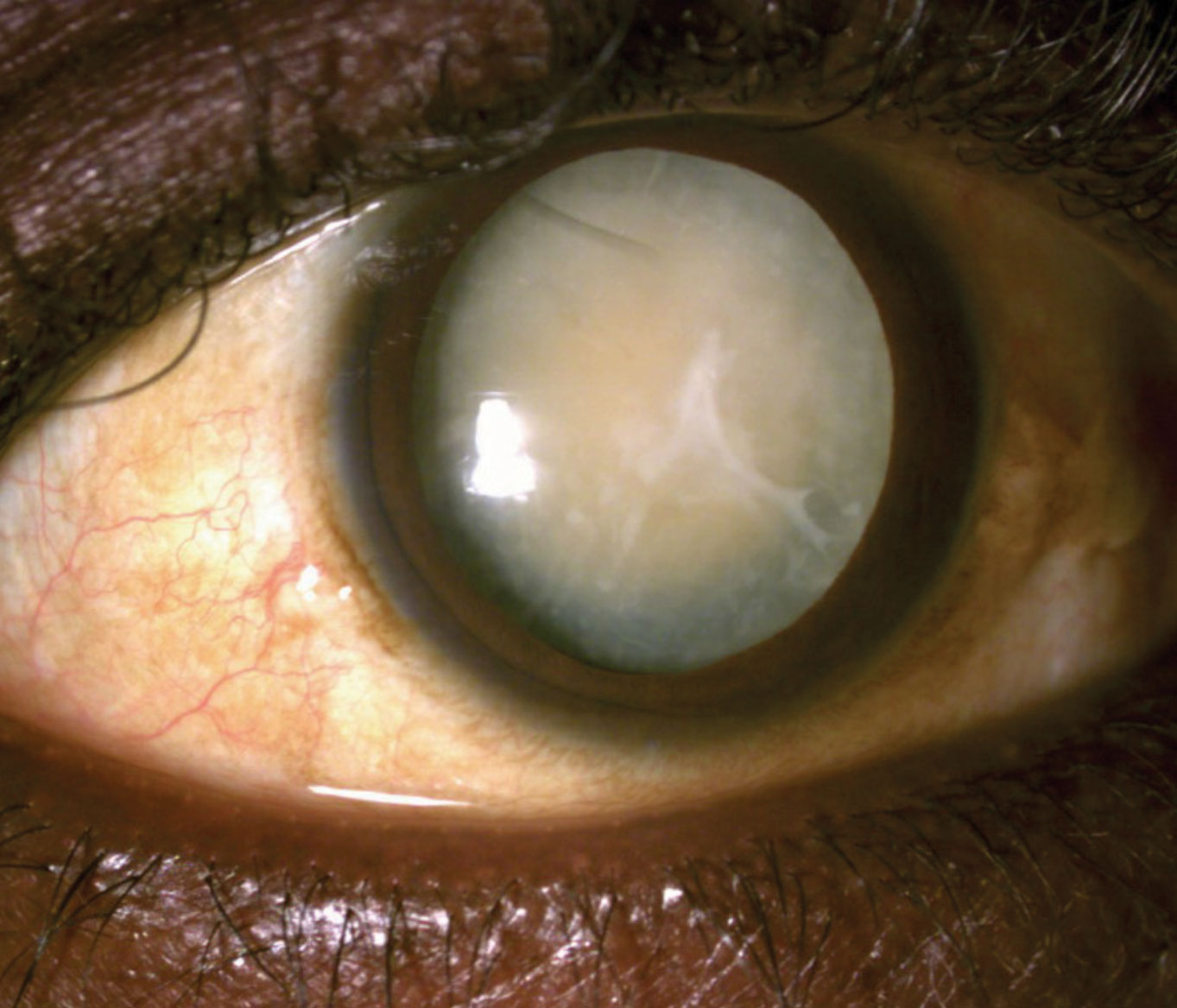
    Hunting the Great White

    • Mature Cataract: The lens is completely opaque, leading to a significant reduction in vision. The lens may appear pearly white. 
    •  Lens appears pearly white
    •  Mature cataract, with obvious white opacity at the Centre of pupil.

    HYPERMATURE CATARACT ( Morgagnian)
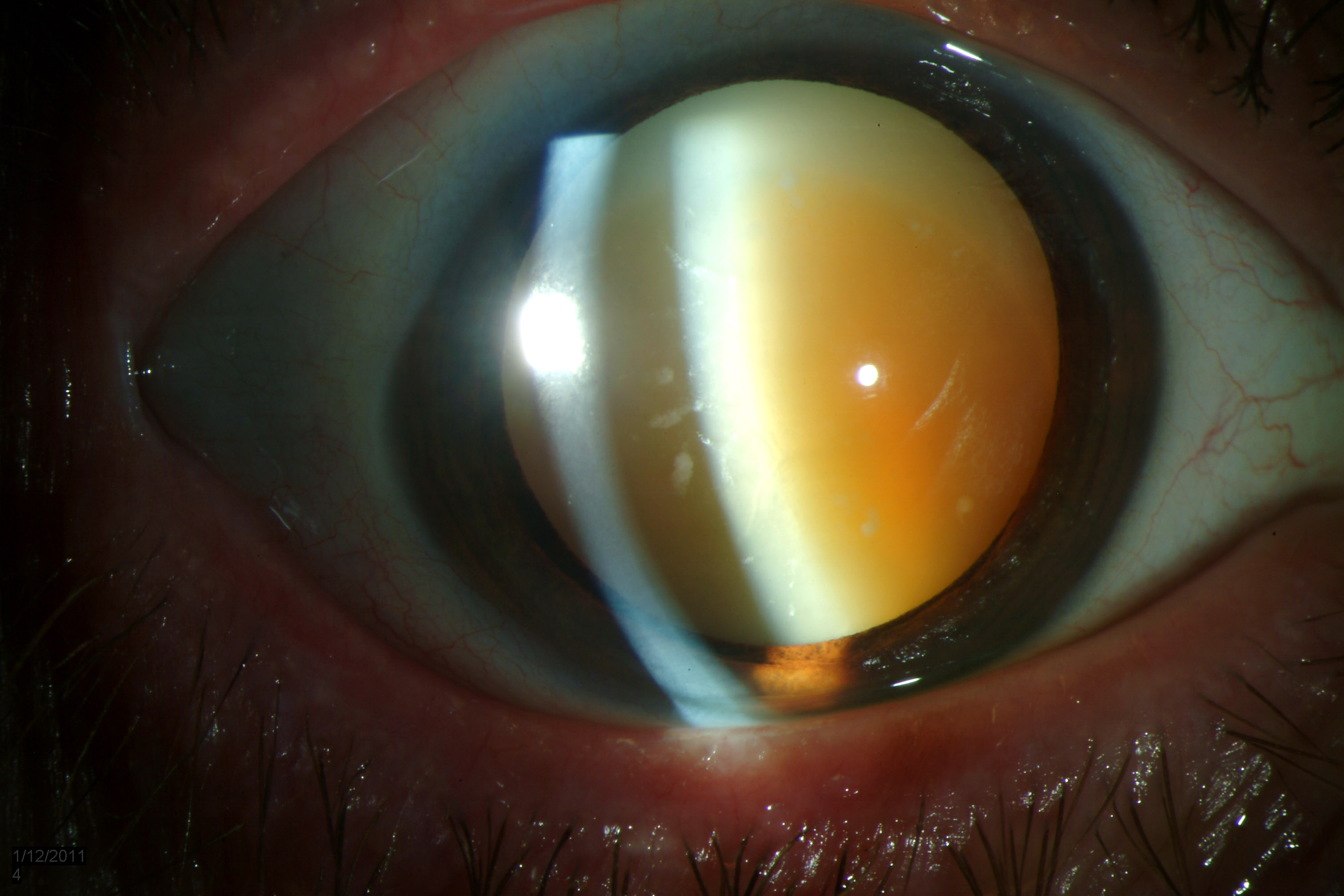
    Morgagnian Cataract. EyeRounds.org - Ophthalmology - The University of Iowa

    Hypermature Cataract (Morgagnian): The lens cortex becomes liquefied, and the lens nucleus may sink within the capsule. This can lead to a wrinkled anterior capsule and potentially severe complications.

    • Intumescent: The proteins in the lens break down and the lens absorbs water and becomes swollen, appearing milky white.
    • Liquefactive/Morgagnian Type: Cortex undergoes auto-lytic liquefaction and turns uniformly milky white. The nucleus loses support and settles to the bottom.

    CONGENITAL CATARACT

    Samprathi Eye Hospital and Squint Centre

    Congenital Cataract Classification

    • Occur in about 3:10000 live births.
    • 2/3 of case are bilateral (half of the cause can be identified)
    • The most common cause is genetic mutation usually.
    •  It can cause amblyopia(lazy eye) in infants.

    It is divided to:

    1. Systemic Association

    • Metabolic Disorders: Conditions like galactosemia and galactokinase deficiency can cause cataracts in infants.
    • Prenatal Infections: Infections like congenital rubella can lead to cataract formation in newborns.
    • Chromosomal Abnormalities: Genetic syndromes such as Down syndrome, Patau syndrome, and Edward syndrome are associated with a higher risk of congenital cataracts.

    2. Non-Systemic Association

    • Idiopathic Cases: In some cases, the cause of congenital cataracts is unknown.

    Clinical Presentation of Cataracts

    • Blurred Vision: Gradual loss of clarity, leading to difficulty in seeing fine details.
    • Reduced Visual Acuity: Difficulty in seeing both near and distant objects.
    • Night Vision Problems: Increased difficulty seeing in low light or at night.
    • Glare Sensitivity: Bright lights, such as sunlight or car headlights, may cause discomfort or halos.
    • Halos Around Lights: Rings of light may appear around bright sources.
    • Double Vision: Seeing two images of a single object, typically in one eye.
    • Color Distortion: Colors may appear faded or yellowed.

    Differential Diagnosis

    • Glaucoma: Increased intraocular pressure leading to optic nerve damage.
    • Diabetic Retinopathy: Damage to the retinal blood vessels due to diabetes.
    • Hypertensive Retinopathy: Retinal damage caused by high blood pressure.
    • Age-Related Macular Degeneration: Deterioration of the central part of the retina.
    • Retinitis Pigmentosa: A group of genetic disorders causing retinal degeneration.
    • Trachoma: A bacterial infection leading to roughening of the inner eyelid.
    • Onchocerciasis (River Blindness): A parasitic infection that can cause blindness.
    • Vitamin A Deficiency: Can lead to night blindness and, in severe cases, total blindness.

    Clinical Findings / Investigations 

    • The most common objective finding associated with cataracts is decreased visual acuity.
    • This is measured with an office wall chart or near-vision card.

    1. VISUAL ACUITY

    Visual acuity - Wikipedia

     Acuity refers to the sharpness of vision or how clearly you see an object.
    • In this test, the doctor checks to see how well you read letters from across the room
    • Eyes are tested one at a time, while the other eye is covered.
    • Using the chart with progressively smaller letters from top to bottom, to determine the level of vision.

            2. SLIT LAMP EXAM (SLE)
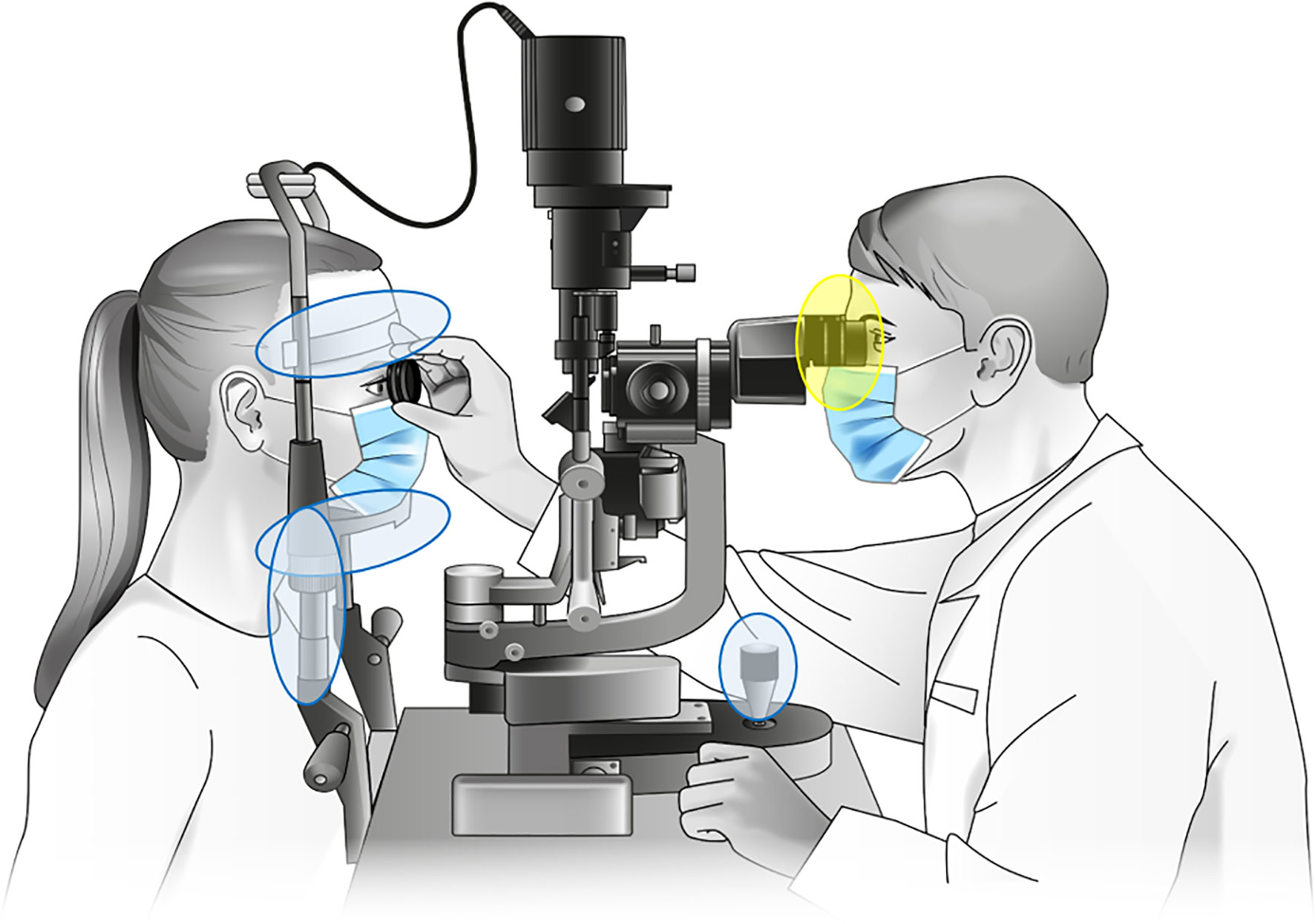
    Frontiers | Comprehensive Compositional Analysis of the Slit Lamp Bacteriota
    • SLE allows the ophthalmologist to see the structures of the eye under
    magnification.
    • The microscope is called a slit lamp because it uses an intense slit of light to illuminate your cornea, iris, and lens.
    • These structures are viewed in small sections to detect any small
    abnormalities.

            3. DILATED EXAM
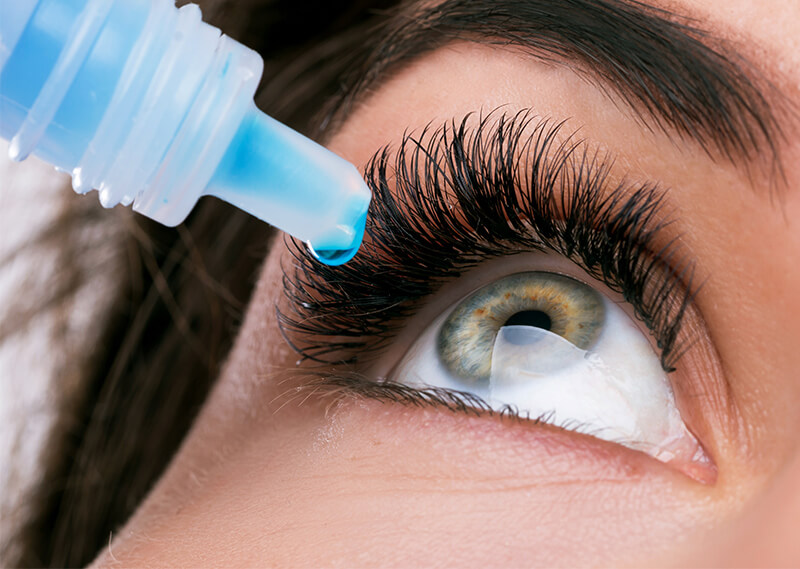
    Why is a Pupil Dilation Test Important for You? - Looking Glass Optical
    • Dilating drops are placed in the eyes to dilate the pupils wide and provide a better view to the back of the eyes.
    • It allows the ophthalmologist to examine the lens for signs of a cataract and, if needed, determine how dense the clouding is.
    • It also allows for examination of the retina and the optic nerve.
    • Dilating drops usually keep your pupils open for a few hours before
    their effect gradually wears off.

             4. REFRACTION

    “Which is clearer?” “One or two?” Learning Manifest Refraction

    • This is performed by your doctor to see if the decrease in vision is simply
    due for need for new glasses, or if there is another process at work that accounts for the decrease in visual acuity.

    Treatment/Management of Cataracts

    1. Non-Surgical Management.

    • Glasses: Cataracts alter the refractive power of the natural lens, so glasses can help maintain good vision.
    • Make sure that eyeglasses or contact lenses are the most accurate prescription possible.
    • Patient Advice:
    1. Lighting: Improve home lighting with more or brighter lamps.
    2. Sunglasses: Wear sunglasses outdoors to reduce glare.
    3. Night Driving: Limit night driving.

    2. Surgical Management.

    Indications:

    • Changes in eyeglasses no longer improve vision.
    • Quality of life is significantly impacted.
    • Cataract removal is likely to improve vision (when visual acuity cannot be improved with glasses).

    Surgical Techniques:

    Phacoemulsification:

    • Phacoemulsification
    • Procedure: A tiny, hollowed tip uses high-frequency (ultrasonic) vibrations to break up the cloudy lens (cataract). The same tip is used to suction out the lens.
    • Advantages: Minimally invasive, precise, and generally results in faster recovery.
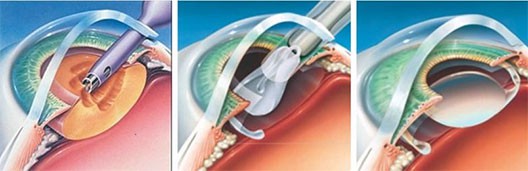
    Extracapsular Cataract Extraction (ECCE):

    • Procedure: The nucleus and cortex are removed from the capsule, leaving behind the intact posterior capsule, peripheral anterior capsule, and zonules.
    • Advantages: Preserves the capsular bag, reducing the risk of complications like vitreous prolapse.

    Intracapsular Cataract Extraction:

    • Procedure: The entire lens (nucleus, cortex, and capsule) is removed as a single piece after breaking the zonules.
    • Advantages: Eliminates the risk of posterior capsular opacification (after-cataract).
    • Disadvantages: Increased risk of complications like vitreous prolapse and retinal detachment.

    3. Pre-Operative Assessment:

    • General Health Evaluation:
      • Blood pressure check.

      • Assessment of patient’s ability to cooperate with the procedure and lie flat during surgery.

    • Eye Drop Instillation Instruction: Teach patients how to instill eye drops correctly.

    • Reassurance and Consenting: Provide reassurance and obtain informed consent.

    • Intraocular Pressure: Ensure normal intraocular pressure or adequate control of pre-existing glaucoma.

    4. Post-Operative Care:

    • Discharge: Patients are usually discharged home the same day.
    • Follow-Up: Patients are seen in the office the next day, the following week, and then again after a month to monitor healing progress.

    • Patient Advice:

      • Discomfort: Mild discomfort is normal for a couple of days after surgery.

      • Eye Patch/Shield: Wear an eye patch or protective shield the day of surgery.

      • Exertion: Avoid strenuous exertion to prevent increased pressure in the eyeball.

      • Trauma: Avoid ocular trauma.

    • Medications: The doctor may prescribe medications to prevent infection and control eye pressure:

      • Steroid drops: To reduce inflammation.

      • Antibiotic drops: To prevent infection.


    Complications of Cataract Surgery

    • Infective Endophthalmitis: A rare but severe infection that can lead to vision loss.
    • Suprachoroidal Hemorrhage: Severe intraoperative bleeding that can cause permanent vision loss.
    • Uveitis: Inflammation of the uvea, more common in patients with diabetes or a history of ocular inflammation.
    • Ocular Perforation: A rare but serious complication.
    • Refractive Error: Incorrect intraocular lens power can lead to residual vision problems.
    • Posterior Capsular Rupture and Vitreous Loss: Can increase the risk of retinal detachment.
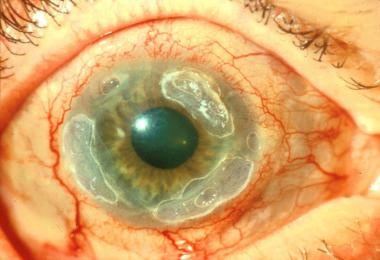
    Nursing Care Plan for Cataracts

    Assessment

    Nursing Diagnosis

    Goals/Expected Outcomes

    Interventions

    Rationale

    Evaluation

    Patient reports blurred vision, difficulty seeing at night, and sensitivity to glare

    Disturbed Sensory Perception related to cataract formation as evidenced by blurred vision, difficulty seeing at night, and sensitivity to glare

    To improve visual acuity and reduce sensory disturbances within 2 weeks

    – Assess visual acuity using a Snellen chart or other appropriate tools

    – Educate the patient about cataract symptoms and the impact on vision

    – Advise on environmental modifications, such as using brighter lights and reducing glare

    – Encourage the patient to use magnifying aids or reading glasses as needed

    – Regular assessment of visual acuity helps in monitoring the progression of cataracts

    – Patient education empowers the patient with knowledge about their condition

    – Environmental modifications can help manage symptoms and improve quality of life

    – Magnifying aids can assist in daily activities and reading

    – Patient reports improved ability to see clearly and manage symptoms with environmental modifications

    Patient expresses concern about vision loss and the need for surgery

    Anxiety related to vision loss and surgical intervention as evidenced by patient expressing concern and fear about the procedure

    To reduce anxiety and improve the patient’s understanding of the treatment plan within 1 week

    – Provide information about cataract surgery, including the procedure, risks, and benefits

    – Reassure the patient that cataract surgery is a common and effective treatment

    – Discuss postoperative care and recovery expectations

    – Offer emotional support and address any specific concerns or fears

    – Providing information helps alleviate fear and confusion about the surgery

    – Reassurance and education can reduce anxiety and increase patient comfort

    – Understanding postoperative care and recovery helps prepare the patient for the process

    – Emotional support fosters a positive therapeutic relationship

    – Patient reports feeling less anxious and demonstrates understanding of the surgical procedure and recovery process

    Assessment of preoperative and postoperative visual acuity and any changes

    Ineffective Health Maintenance related to inadequate knowledge of postoperative care as evidenced by patient’s lack of understanding of care instructions

    To ensure proper adherence to postoperative care and monitor visual changes within 1 week

    – Provide detailed instructions on postoperative care, including eye drop administration, avoiding eye strain, and recognizing signs of complications

    – Schedule follow-up appointments to monitor recovery and visual acuity

    – Educate the patient on signs of infection or complications, such as increased redness, pain, or vision changes

    – Review the importance of attending follow-up appointments and adhering to care instructions

    – Detailed instructions help prevent complications and promote proper healing

    – Follow-up appointments are crucial for monitoring progress and addressing any issues

    – Early recognition of complications can prevent further problems and improve outcomes

    – Adherence to care instructions ensures optimal recovery and visual improvement

    – Patient demonstrates proper postoperative care practices and reports no signs of complications

    – Visual acuity improves as expected and follow-up appointments are attended

    Patient reports difficulty performing daily activities and decreased quality of life due to vision changes

    Impaired Functional Ability related to decreased visual acuity as evidenced by difficulty performing daily activities and decreased quality of life

    To enhance functional ability and quality of life through improved visual acuity within 4 weeks

    – Assess the impact of visual changes on daily activities and quality of life

    – Collaborate with an occupational therapist to address functional limitations and recommend adaptive strategies

    – Provide resources for low vision aids and support services

    – Encourage the patient to engage in activities they enjoy to improve overall well-being

    – Assessment of impact helps tailor interventions to the patient’s specific needs

    – Occupational therapy can provide strategies and tools to improve daily functioning

    – Resources for low vision aids and support services can enhance independence and quality of life

    – Encouraging engagement in enjoyable activities supports emotional and psychological well-being

    – Patient reports improved ability to perform daily activities and an enhanced quality of life

    Patient has difficulty understanding and following medication regimens and postoperative care

    Knowledge Deficit related to unfamiliarity with postoperative medication and care instructions as evidenced by patient’s questions and confusion

    To improve patient understanding and adherence to the medication and care regimen within 1 week

    – Provide clear, written instructions on medication administration and postoperative care

    – Demonstrate the proper technique for administering eye drops and caring for the eye

    – Use teach-back methods to confirm understanding and clarify any questions

    – Schedule a follow-up call or visit to review instructions and address any issues

    – Written instructions reinforce verbal teaching and provide a reference for the patient

    – Demonstration ensures proper technique and reinforces learning

    – Teach-back methods confirm understanding and allow for clarification of doubts

    – Follow-up calls or visits provide additional support and address any remaining concerns

    – Patient demonstrates correct medication administration and adherence to postoperative care instructions


    Cataract Read More »

    Corneal Ulcers

    Corneal Ulcers

    CORNEAL ULCERS

    Corneal ulcers are open sores or epithelial defects with underlying inflammation on the cornea, the transparent front part of the eye that covers the iris and pupil. 

    These ulcers are often visible as grey to white opaque or translucent areas on the normally clear cornea. In some cases, they may be too small to detect without adequate magnification.


    The cornea is useful in focusing light on the retina and protecting the inner eye structures. Corneal ulcers can be a serious condition leading to vision loss if not treated.

    A Cornea ulcer will often appear as a grey to white opaque or translucent area on the normally clear and transparent cornea. Some corneal ulcers may be too small to see without adequate magnification.
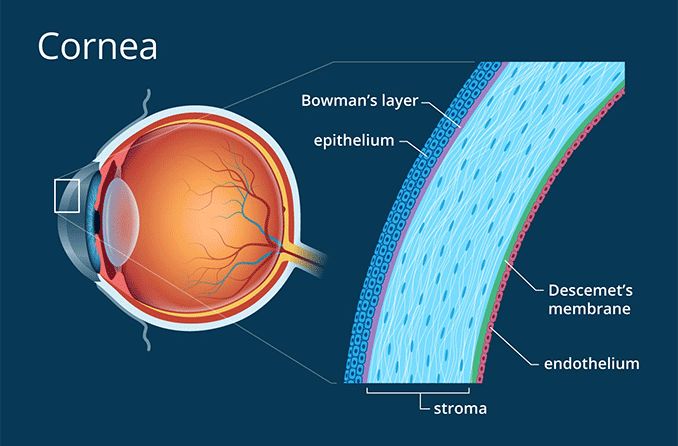
    Cornea - Definition and Detailed Illustration


    Cornea is the structure in front of the eye. The cornea overlies the iris which is the coloured part of the eye and is separated from the iris by the aqueous fluid in the anterior chamber of the eye.

    Causes of Corneal Ulcers

    Infections:

    • Bacterial Infections: Commonly caused by bacteria like Staphylococcus and Pseudomonas. These bacteria can invade the cornea, especially if the surface is disrupted. Contact lens wearers are particularly at risk, especially with improper hygiene or prolonged wear.
    • Viral Infections: Herpes simplex virus (responsible for cold sores) and varicella-zoster virus (causing chickenpox and shingles) can lead to corneal ulcers. These viruses can cause recurrent infections, leading to chronic corneal ulceration.
    • Fungal Infections: These occur mainly due to improper contact lens care or prolonged use of corticosteroid eye drops. Fusarium and Candida species are common culprits.

    Trauma:

    • Mechanical Injuries: Tiny cuts or scratches from metal, wood, glass, or any particle can damage the cornea, creating an entry point for infection. Even minor injuries can lead to significant complications if not treated properly.
    • Chemical Burns: Exposure to caustic chemicals or irritants can cause corneal burns, leading to ulceration. Alkali burns (from substances like ammonia or lye) are particularly dangerous because they penetrate deeper into the cornea.

    Pre-existing Eye Conditions:

    • Dry Eye Syndromes: Conditions like keratoconjunctivitis sicca reduce the protective tear film, making the cornea more susceptible to injury and infection.
    • Eyelid Disorders: Conditions that prevent the eyelid from closing completely, such as Bell’s palsy, can leave the cornea exposed and prone to ulceration. Entropion (inward-turning eyelid) and trichiasis (ingrown eyelashes) can cause constant irritation and lead to ulcer formation.

    Immunological Disorders:

    • Autoimmune Diseases: Conditions like rheumatoid arthritis and lupus can predispose individuals to corneal ulcers, either through direct inflammation or secondary infection. Immune-mediated conditions like scleritis can also contribute to ulcer formation.

    Signs and Symptoms of Corneal Ulcers

    • Redness: The conjunctiva (the white part of the eye) and the anterior chamber may appear red due to dilated blood vessels.
    • Eye Pain: Ranges from mild to severe, often worsening with bright light exposure (photophobia).
    • Visual Disturbance: Blurred vision, especially if the ulcer is centrally located.
    • Tearing and Discharge: Excessive tearing, pus, or thick discharge from the affected eye.
    • Foreign Body Sensation: A constant feeling that something is in the eye.
    • Swelling: The eyelids may be swollen, and there may be noticeable edema around the ulcer.
    • Visible Ulcer: In some cases, a white or grey round spot on the cornea may be visible.

    Frontiers | Comprehensive Compositional Analysis of the Slit Lamp Bacteriota

    Investigations

    • Slit Lamp Examination: A slit lamp microscope is used to examine the eye in detail. A fluorescein dye is often applied to highlight the ulcer, making it more visible under blue light.
    • Microbial Cultures: Swabs or scrapings from the ulcer are sent for microscopy, culture, and sensitivity testing to identify the causative organism and guide treatment.
    • Corneal Sensitivity Test: This assesses the sensitivity of the cornea, which may be reduced in cases of viral ulcers or chronic conditions.
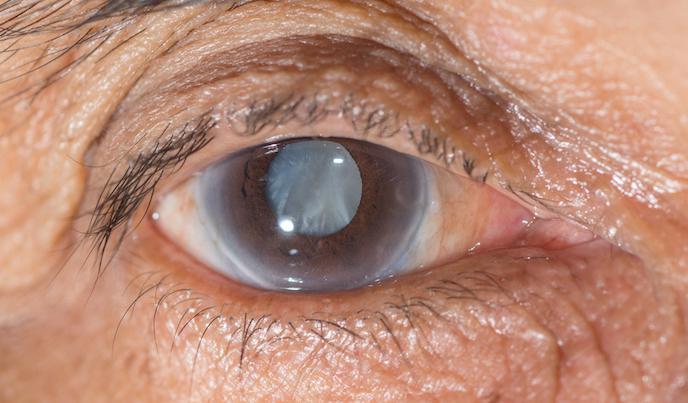
    Management of Corneal Ulcers

    Medical Treatment:

    • Anti-Infective Agents: Antibiotic, antiviral, or antifungal eye drops/ointments are used depending on the cause. For viral ulcers, oral antiviral medications may also be prescribed.
    • Cycloplegics: These are eye drops like cyclopentolate or atropine, used to dilate the pupil and relieve pain from ciliary muscle spasms.
    • Steroids: These may be used cautiously to reduce inflammation but only after the infectious cause is under control. They are usually prescribed by an ophthalmologist to avoid worsening the infection.

    Surgical Management:

    • Eyelash Removal: If an ingrown eyelash is causing the ulcer, it may be removed along with its root. Recurrent cases may require electrolysis to destroy the hair follicle.
    • Eyelid Surgery: In cases where an inward-turning eyelid (entropion) is causing the ulcer, corrective surgery may be necessary.
    • Corneal Transplant (Keratoplasty): If the ulcer causes significant thinning of the cornea, a corneal transplant may be required to restore the integrity of the eye.

    Preventive Measures

    • Eye Protection: Always wear protective eyewear when working with tools, chemicals, or in environments with flying debris.
    • Proper Contact Lens Care: Wash hands before handling lenses, avoid using saliva to wet lenses, never use tap water for cleaning, and do not wear lenses overnight unless they are specifically designed for extended wear.
    • Lubrication: Individuals with dry eyes or incomplete eyelid closure should use artificial tears to keep the cornea moist.
    • Early Treatment: Seek prompt medical attention for red or irritated eyes that do not improve with over-the-counter drops within 24 hours.

    Complications

    • Corneal Scarring: A healed ulcer may leave a scar, leading to permanent visual impairment if the scar is centrally located.
    • Secondary Infections: An untreated ulcer can lead to secondary infections, worsening the prognosis.
    • Corneal Perforation: In severe cases, the ulcer may perforate the cornea, potentially leading to loss of the eye.
    • Endophthalmitis: This is a severe infection of the interior of the eye, which can result from untreated corneal ulcers.
    • Blindness: If not treated adequately, corneal ulcers can lead to significant vision loss or complete blindness.
    Preventive Measures
    • Individuals should wear eye protective gears when using power tools or when they may be exposed to small particles that can enter the eye ( like particles from grinding wheel or a weed whacker)
    • Individuals who have dry eyes or whose lids do not close properly should use artificial teardrops to lubricate the eyes and keep them lubricated.
    • If an eye is red and irritated and worsens or does not respond to OTC ( Over the counter) eyedrops within a day contact an Ophthalmologist promptly.
    • People wearing contact lenses should be very careful about the way they clean and wear those lenses.
    • Always wash hands before handling those lenses.
    • Never use saliva to lubricate contact lenses because the mouth contains bacteria that can harm the cornea.
    • Remove lenses from the eyes every evening and clean them.
    • Never use tap water to clean the lenses
    • Never sleep with contact lenses not designed for overnight wear in the eyes.
    • Store lenses in disinfecting solutions overnight.
    • Remove lenses whenever the eyes are irritated and leave them out until there is no longer any irritation or redness.
    • Regularly clean the contact lens case, carefully read the instructions about contact lens care supplied by the lens maker, consider using daily disposable lenses.

    Nursing Care Plan for Corneal Ulcer

    Assessment

    Nursing Diagnosis

    Goals/Expected Outcomes

    Interventions

    Rationale

    Evaluation

    Observation of severe eye pain, redness, tearing, and photophobia

    Acute pain related to inflammation and ulceration of the cornea as evidenced by patient verbalizing severe eye pain and sensitivity to light

    To reduce eye pain and discomfort within 3 days

    – Assess pain level using a pain scale and monitor changes

    – Administer prescribed analgesics and/or topical anesthetics as ordered

    – Apply cool compresses to the affected eye to alleviate discomfort

    – Encourage the patient to rest in a dimly lit room and avoid bright lights

    – Pain assessment helps in evaluating the effectiveness of interventions

    – Analgesics and topical anesthetics help in reducing pain and providing relief

    – Cool compresses reduce inflammation and soothe the eye

    – Resting in a dimly lit room minimizes light exposure, reducing photophobia

    – Patient reports a decrease in eye pain and discomfort, with less sensitivity to light

    Presence of a white or grayish spot on the cornea and purulent discharge

    Risk for infection related to bacterial or fungal invasion of the corneal ulcer.

    To prevent the spread of infection and promote healing within 1 week

    – Administer prescribed antibiotic or antifungal eye drops as ordered

    – Educate the patient on the importance of completing the full course of medication

    – Instruct the patient on proper hand hygiene before and after applying eye drops

    – Avoid the use of contact lenses until the ulcer has healed

    – Antibiotics or antifungals are essential for treating the underlying infection and promoting healing

    – Completing the full course of medication ensures that the infection is fully eradicated

    – Proper hand hygiene reduces the risk of further contamination and spread of infection

    – Contact lenses can aggravate the ulcer and hinder healing


    Assessment of visual acuity and patient’s ability to perform daily activities

    Impaired vision related to corneal ulceration as evidenced by blurred vision and difficulty performing daily activities

    To maintain or improve vision and functional ability within 2 weeks

    – Perform visual acuity tests to monitor changes in vision

    – Educate the patient on the need to avoid activities that strain the eyes (e.g., reading, using screens)

    – Encourage the use of protective eyewear to shield the eye from dust and foreign particles

    – Arrange for assistance with daily activities as needed

    – Visual acuity tests help in tracking the progression of the ulcer and its impact on vision

    – Avoiding eye strain supports the healing process and reduces discomfort

    – Protective eyewear prevents further injury and contamination of the affected eye

    – Assistance with daily activities ensures the patient’s safety and well-being during recovery

    – Patient’s vision remains stable or improves, with no significant impairment in performing daily activities

    Patient expresses concern about potential vision loss and the appearance of the eye

    Anxiety related to fear of vision loss and changes in eye appearance as evidenced by the patient expressing concern about the condition

    To reduce anxiety and improve the patient’s understanding of the condition within 1 week

    – Provide information about corneal ulcers, their causes, treatment, and prognosis

    – Reassure the patient that early and appropriate treatment can prevent permanent vision loss

    – Offer emotional support and encourage the patient to express their fears and concerns

    – Refer the patient to a support group or counselor if anxiety persists

    – Education empowers the patient with knowledge and reduces fear of the unknown

    – Reassurance helps the patient feel more confident in the treatment process

    – Emotional support fosters a therapeutic relationship and addresses the patient’s psychological needs

    – Support groups or counseling can provide additional emotional and psychological support

    – Patient reports feeling less anxious and demonstrates understanding of the condition and treatment plan

    Assessment of the patient’s adherence to treatment and follow-up care

    Knowledge deficit related to unfamiliarity with the treatment regimen and follow-up care as evidenced by the patient asking questions about the medication and care plan

    To ensure the patient understands and adheres to the treatment plan within 1 week

    – Provide clear, step-by-step instructions on how to administer eye drops and medications

    – Educate the patient on the importance of attending follow-up appointments

    – Provide written materials or visual aids to reinforce teaching

    – Encourage the patient to ask questions and seek clarification about the treatment

    – Clear instructions ensure proper medication administration and adherence to the treatment plan

    – Follow-up appointments are essential for monitoring healing and making necessary adjustments

    – Written materials or visual aids enhance understanding and retention of information

    – Encouraging questions ensures that the patient fully understands the treatment and care plan

    – Patient demonstrates proper administration of eye drops and expresses confidence in managing the treatment plan

    Corneal Ulcers Read More »

    Glaucoma

    Glaucoma

    GLAUCOMA

    Glaucoma is a group of disorder characterized by an abnormally high intraocular pressure , optic nerve dystrophy, and peripheral filed loss. (BRUNNER)

    Glaucoma is a group of eye diseases which result in damage to the optic nerve and vision loss due to IOP. 

    It’s among the common causes of blindness.

    Glaucoma occurs as a result of increased intraocular pressure (IOP) caused by a malformation or malfunction of the eyes drainage system.

    The main cause of damage to the optic nerve is intraocular pressure (IOP), excessive fluid pressure within the eye, which can be due to various reasons including blockage of drainage ducts, and narrowing or closure of the angle between the iris and cornea.

    Normal intraocular pressures average from 12-21 mm Hg. The increased pressure causes compression of the retina and the optic nerve, and causes progressive , permanent loss of eyesight if left untreated.

    INCIDENCE

    • Globally 6 to 67 million.
    • More common in peoples older than 40 years.

     Glaucoma has been called the “silent thief of sight” because the loss of vision usually occurs slowly over a long period of time. Worldwide, glaucoma is the second-leading cause of blindness after cataracts.

    EYE ANATOMY ( Click here for eye anatomy)

    Normal Pathway of Aqueous Humor

    Aqueous Humor production pathway

    Aqueous fluid Circulation: 

    • The aqueous fluid is a clear fluid produced in the Cilliary body then it will flow out through the Iris, lens, Pupil, Cornea, Anterior Chamber Trabecular Meshwork then to the Schlemm Canal.
    • The aqueous fluid flows nourishing the cornea and lens.
    • The eye has an internal fluid circulation system
    • Fluid is produced at the base of the iris
    • The fluid flows through the pupil to the front of the iris
    • The fluid exits the eye at the angle between the iris and the cornea where it drains through a spongy meshwork

    The IOP is determined by:

    • Rate of aqueous production in the ciliary body
    • Resistance encountered by the aqueous as it flows out of the passages.
    Causes/ Aetiology of Glaucoma

    Causes/ Aetiology of Glaucoma

    Glaucoma is a chronic eye disease that can lead to vision loss and blindness. We have primary causes of glaucoma which refers to the underlying mechanism or condition that directly leads to the development of glaucoma or secondary causes of glaucoma which refer to an underlying condition or factor that contributes to the development of glaucoma.

    Primary Causes of Glaucoma:

    • Increased Eye Pressure: One of the major risk factors for glaucoma is elevated eye pressure. An abnormality in the eye’s drainage system can cause fluid to build up, leading to excessive pressure that damages the optic nerve.
    • Optic Nerve Damage: Glaucoma develops when the optic nerve becomes damaged. The exact reason for this nerve damage is not fully understood, but it is often related to increased eye pressure.
    • Fluid Buildup: The fluid inside the eye, known as aqueous humor, may not drain properly due to a malfunction in the drainage system. This can result in a gradual increase in eye pressure, leading to glaucoma.

    Secondary Causes of Glaucoma:

    • Angle-Closure Glaucoma: This form of glaucoma occurs when the iris bulges and partially or completely blocks the drainage angle, preventing fluid circulation and increasing eye pressure.
    • Normal-Tension Glaucoma: In some cases, optic nerve damage occurs even when eye pressure is within the normal range. The exact cause of this type of glaucoma is unknown, but it may be related to reduced blood flow to the optic nerve.
    • Glaucoma in Children: Children can be born with glaucoma or develop it in the first few years of life. Blocked drainage, injury, or underlying medical conditions can cause optic nerve damage in children.
    • Pigmentary Glaucoma: In pigmentary glaucoma, pigment granules from the iris can block or slow fluid drainage from the eye, leading to increased eye pressure.
    • Inflammation of the Middle Layer of the Eye: Uveitis, which is inflammation of the middle layer of the pigmented vascular eye structure, can lead to uveitic glaucoma

    Risk Factors for Glaucoma:

    • High Internal Eye Pressure: Elevated intraocular pressure is a significant risk factor for glaucoma.
    • Age: Glaucoma is more common in older adults, especially those over the age of 60.
    • Ethnicity: Individuals of Black, Asian, or Hispanic heritage have a higher risk of developing glaucoma.
    • Family History: Glaucoma tends to run in families, so having a close relative with glaucoma increases the risk.
    • Medical Conditions: Certain medical conditions, such as diabetes, migraines, high blood pressure, and sickle cell anemia, can increase the risk of glaucoma.
    • Thin Corneas: Having thin corneas is associated with a higher risk of glaucoma.
    • Extreme Nearsightedness or Farsightedness: Individuals with severe nearsightedness or farsightedness are at an increased risk of developing glaucoma.
    • Eye Injury or Surgery: Previous eye injuries or certain types of eye surgery can increase the risk of glaucoma.
    • Long-term Use of Corticosteroid Medications: Taking corticosteroid medicines, especially eye drops, for an extended period can increase the risk of glaucoma.
    Pathophysiology of Glaucoma

    Pathophysiology of Glaucoma

    The underlying cause of open-angle glaucoma remains unclear. 

    Excess production of aqueous humor, and decreased outflow of aqueous humor, are the key factors in the pathophysiology of glaucoma. 

    Excess production of aqueous humor can occur, leading to an increase in intraocular pressure. Additionally, there may be a decrease in the outflow of aqueous humor due to blockage or narrowing of the drainage pathways.

    The increased intraocular pressure puts pressure on the optic nerve, compromising its blood supply and leading to ischemia. The optic nerve is responsible for transmitting visual information from the eye to the brain. When the optic nerve is damaged, it can result in the loss of vision.
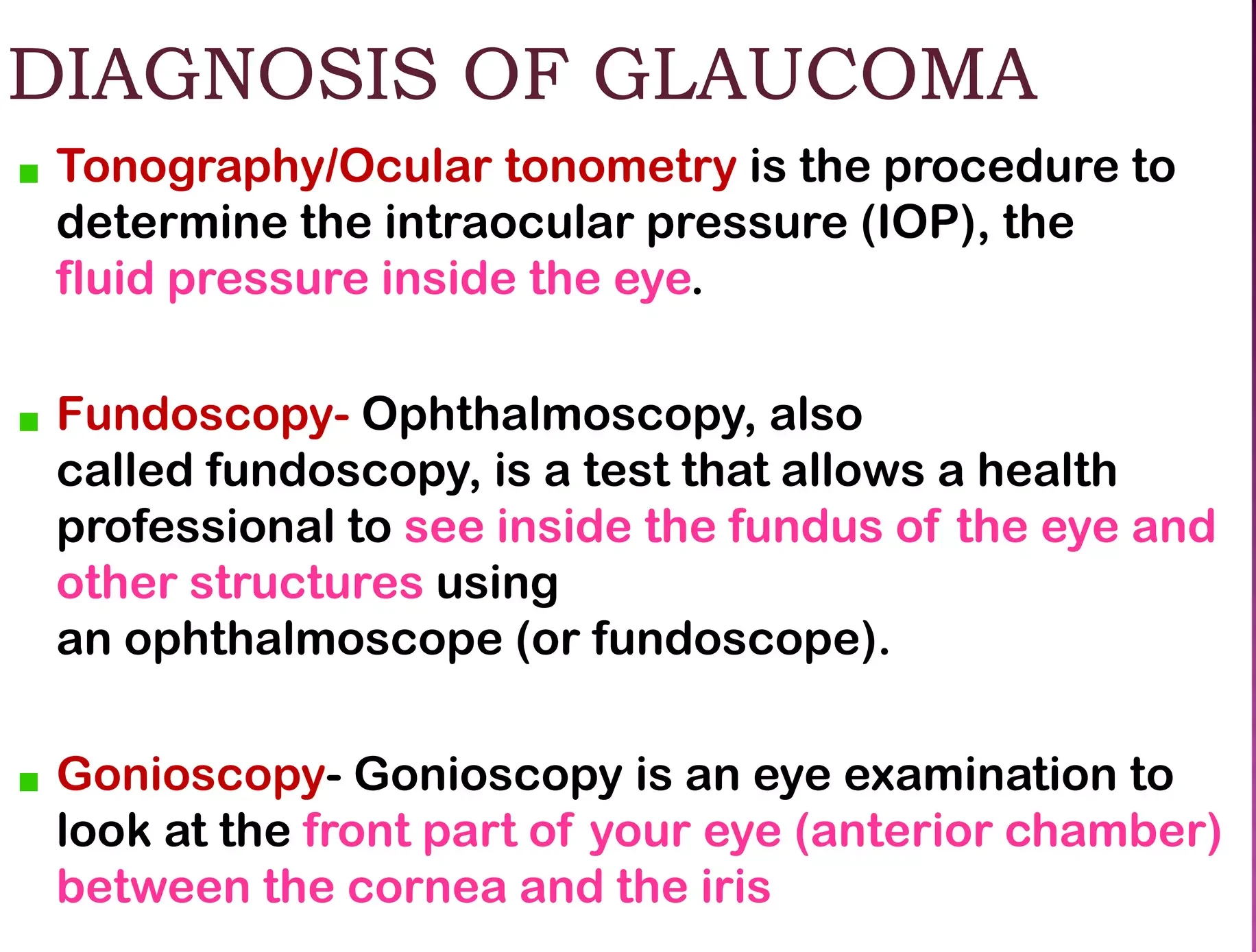
    Pathophysiology of Glaucoma

    Diagnosis of Glaucoma

    Screening for glaucoma is usually performed as part of a standard eye examination performed by optometrists and ophthalmologists. 

    • History taking: Examination for glaucoma also could be assessed with more attention given to sex, race, history of drug use, refraction, inheritance and family history.

    Glaucoma tests; 

    • Tonometry: This test measures the intraocular pressure (IOP) within the eye. The examiner will numb the eye with eye drops and then use a tonometer to measure the pressure. This can be done by applying a puff of warm air or using a tiny tool.
    • Gonioscopy: This test examines the angle where the iris meets the cornea. Eye drops are used to numb the eye, and a hand-held contact lens with a mirror is gently placed on the eye to visualize the angle between the cornea and iris.
    • Ophthalmoscopy (Dilated Eye Examination): This test examines the shape and color of the optic nerve. Eye drops are used to dilate the pupil, allowing the examiner to use a magnification device with a light to examine the optic nerve
    • Perimetry (Visual Field Test): This test assesses the complete field of vision. Patient is asked to look straight ahead while a light spot is presented in different areas of the peripheral vision. This helps create a map of the vision.
    • Pachymetry: This test measures the thickness of the cornea. A pachymeter is gently placed on the front of the eye to measure the corneal thickness. This measurement can help in understanding eye pressure readings.
    • Nerve Fiber Analysis: Imaging techniques such as optical coherence tomography, scanning laser polarimetry, and scanning laser ophthalmoscopy can be used to assess the thickness of the retinal nerve fiber layer.
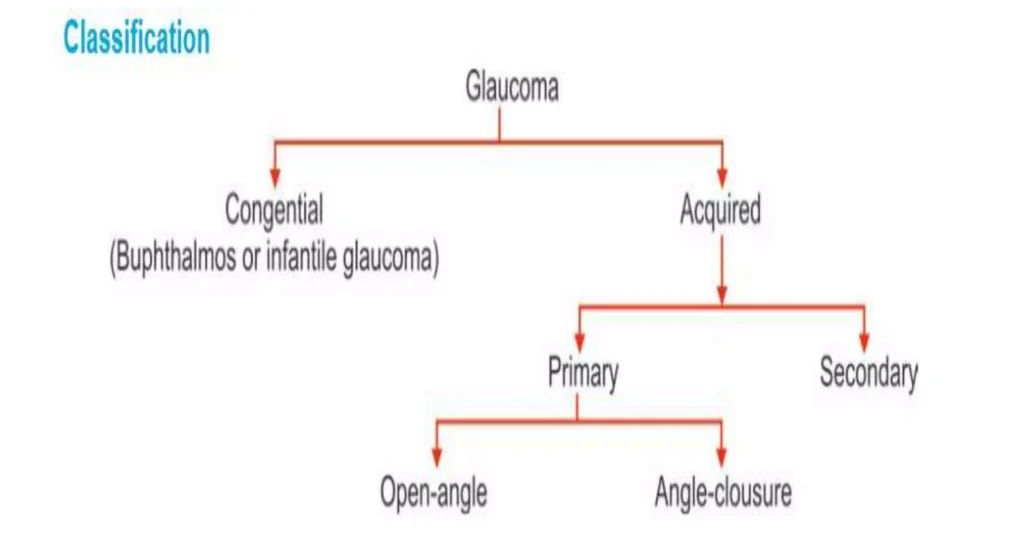
    Classification of Glaucoma.

    Glaucoma has been classified into specific types:

    congenital

    Congenital Glaucoma

    Congenital glaucoma is a rare form of glaucoma that is present at birth or develops shortly after birth

    • It is characterized by abnormalities in the angle of anterior chamber obstructing the outflow of aqueous humour, leading to increased intraocular pressure and potential damage to the optic nerve. 
    • Congenital glaucoma can manifest at birth ( True Congenital) before 3 years ( Infantile) or between 3-16 years Juvenile).

    Clinical Feature of Congenital Glaucoma.

    • Age of onset: Congenital glaucoma presents in infants and young children, usually before the age of 3 years.
    • Triad of symptoms: The classic triad of symptoms associated with congenital glaucoma includes :
    1. Watering (epiphora): Excessive tearing or watery eyes.
    2. Photophobia: Sensitivity to light.
    3. Blepharospasm: Involuntary contraction or twitching of the eyelids.
    • Buphthalmos: Congenital glaucoma can cause enlargement of the eyeball, known as buphthalmos or “ox eye or bull’s eye” . This occurs due to increased intraocular pressure (IOP) and rapid expansion of the eye.
    • Corneal changes: The elevated IOP in congenital glaucoma can lead to corneal enlargement and clouding. This can result in corneal edema and opacification, which may cause visual impairment.
    • Haab striae: Horizontal or oblique breaks in Descemet membrane, known as Haab striae, can be seen in congenital glaucoma. These striae are a result of the stretching of the cornea due to increased IOP.
    • Optic nerve damage: If left untreated or uncontrolled, congenital glaucoma can lead to optic nerve damage. This can result in vision loss.
    • Variable presentation: The severity and presentation of congenital glaucoma can vary. Some cases may be unilateral (affecting one eye) while others may be bilateral (affecting both eyes).
    • Blepharospasm (involuntary forceful closure of eyes): In congenital glaucoma, blepharospasm is a common clinical feature that refers to the involuntary and forceful closure of the eyelids.
    • Excessive lacrimation: Excessive tearing or lacrimation is another common symptom of congenital glaucoma since the increased pressure in the eye can cause the tear ducts to produce more tears than usual.
    • Enlarged and edematous cornea: The cornea, the clear front part of the eye, can become enlarged and edematous in congenital glaucoma. The increased pressure in the eye can lead to fluid accumulation in the cornea, causing it to swell which can result in cloudiness and opacification of the cornea.
    • Thin and blue sclera: The sclera, the white outer layer of the eye, may appear thin and blue in congenital glaucoma, due to increased pressure in the eye. The blue color is due to the visibility of the underlying choroid layer through the thin sclera.
    • Deep anterior chamber: Congenital glaucoma can cause a deepening of the anterior chamber, which is the space between the cornea and the iris. The increased pressure in the eye can push the iris backward, resulting in a deeper anterior chamber.
    • Flat lens: In congenital glaucoma, the lens of the eye may appear flat. The increased pressure in the eye can affect the shape and position of the lens. This can lead to changes in the focusing ability of the eye.
    • Optic disc atrophy: Optic disc atrophy, which refers to the degeneration and loss of nerve fibers in the optic disc, can occur in congenital glaucoma. The increased pressure in the eye can cause damage to the optic nerve.

    Management of Congenital Glaucoma

    The management of congenital glaucoma involves a combination of medical therapy and surgical interventions. 

    The main Aims of management is to lower intraocular pressure (IOP) and prevent further damage to the optic nerve. 

    Medical Therapy:

    • Medical therapy is often used as a temporary measure to control IOP and clear the cornea before surgery.
    • Medications such as topical beta-blockers like timolol, betaxolol, or prostaglandin analogs, and carbonic anhydrase inhibitors may be prescribed to reduce IOP.

    Surgical Interventions:

    1. Angle Surgery: The mainstay of treatment for congenital glaucoma is angle surgery, which aims to improve aqueous outflow and lower IOP.

    • Goniotomy: In this procedure, an incision is made across the trabecular meshwork to improve drainage of aqueous humor.
    • Trabeculotomy: This surgery involves incising the trabecular meshwork to create a new drainage pathway for aqueous humor.

    2. Trabeculectomy: If angle surgery is not successful in controlling IOP, trabeculectomy may be performed. This procedure involves creating a new drainage channel to bypass the trabecular meshwork.

    3. Glaucoma Implant Surgery: In cases where other surgical options fail, glaucoma implant surgery may be considered. This involves the placement of a drainage device, such as a Molteno, Baerveldt, or Ahmed implant, to regulate the flow of aqueous humor and lower IOP.

    Follow-up and Monitoring:

    • Regular follow-up visits with an ophthalmologist are essential to monitor IOP, assess the effectiveness of treatment, and detect any potential complications or disease progression.
    • Ongoing management may involve adjustments to medication dosages, additional surgical interventions if necessary, and monitoring for potential long-term complications such as refractive errors or amblyopia.


    ACQUIRED GLAUCOMA 

    Acquired glaucoma refers to glaucoma that develops later in life due to various factors such as age, genetics, underlying medical conditions, or trauma.

     It is a chronic and progressive condition that requires ongoing management to control IOP and preserve vision. 

    It is further divided into; 

    PRIMARY GLUCOMA.

    1. Primary Open angle glaucoma.
    2. Primary angle closure Glaucoma
    3. Chronic angle closure glaucoma.

    SECONDARY GLAUCOMA

    1. Lens induced glaucoma
    2. Glaucoma due to uveitis
    3. Neurovascular Glaucoma
    4. Glaucoma associated with intraocular tumor
    5. Steroid induced glaucoma.

    open angle GLAUCOMA

    PRIMARY OPEN-ANGLE GLAUCOMA (POAG)

    Primary Open-Angle Glaucoma (POAG) also called as open angle glaucoma or chronic simple glaucoma or simple complex glaucoma results from the overproduction of aqueous humour through trabecular mesh work resulting into increased IOP and damage to optic nerve, resulting into loss of vision.

    In this type there in no narrowing of the anterior chamber BUT there is resistance in the trabecular meshwork to aqueous flow resulting in gradual increase in IOP along with cupping of the optic disc and visual fields defects.

    Predisposing factors for primary glaucoma include:

    • Cigarette smoking.
    • Diabetes Mellitus and Hypertension diseases.
    • Myopia (nearsightedness).
    • Old age.

    Clinical features of primary glaucoma may include:

    • Asymptomatic in the early stages.
    • Mild headache and pain in the eye.
    • Difficulty in reading.
    • Delayed dark adaptation.
    • Alteration in vision sites.
    • Mild ache in the eyes
    • Increased IOP ( more than24 mmhg)
    • Loss of Peripheral vision
    • Reduced visual acquity at night.
    • Corneal edema
    • Visual field deficit.

    Investigations for primary glaucoma include:

    • Tonometry: To measure intraocular pressure (IOP). In glaucoma, IOP may remain permanently high in the late stages and fluctuating in the early stages.
    • Gonioscopy: To assess the angle of the anterior chamber. Narrowing of the angle may be observed in glaucoma.
    • Fundus examination: Done with the use of ophthalmoscopy and a slit lamp biomicroscope to look for disc changes.
    • Perimetry: To assess changes in the visual field.

    Treatment options for primary glaucoma include:

    Medical treatment: This is the first choice for open-angle glaucoma.

    • Topical beta blockers: These drugs lower the production of aqueous fluid, thereby reducing IOP. Examples include Timolol mealate: (2.5-5 mg B.D), Betaxolol 25mg B.D, Levabunolol 2.5-5% B.D it has a longer effect
    • Dorzolamide(2%): It lowers IOP by decreasing the production of aqueous fluid.
    • Latanoprost(0.5): It decreases the flow of aqueous fluid.
    • Pilocarpine: It contracts the ciliary muscle and opens the trabecular meshwork, allowing increased outflow of aqueous humor.
    • Adrenergic group: Drugs like epinephrine hydrochloride decrease aqueous production through vasoconstriction.

    Surgical treatment: Surgery is considered when there is a failure to respond to maximal medical therapy.

    • Laser therapy: Laser trabeculoplasty (ALT) may be performed if the patient does not respond to medical treatment
    • Filtering surgery: Trabeculectomy is a surgical procedure that creates an opening in the white of the eye to allow fluid to leave the eye.
    • Drainage tubes: Small tubes may be inserted in the eye to drain excess fluid and lower IOP.
    • Minimally invasive glaucoma surgery (MIGS): These procedures have less risk and require less postoperative care compared to traditional surgeries
    PRIMARY ANGLE CLOSURE GLAUCOMA 

    Primary angle closure glaucoma, also known as primary closed angle glaucoma, narrow angle glaucoma, pupil block glaucoma, or acute congestive glaucoma, is a type of glaucoma characterized by a rapid onset and is considered an ophthalmic emergency. If not treated promptly, it can lead to blindness within a few days.

    It is the type of glaucoma where the IOP is raised due to narrowing of the angle of anterior chamber it is more common in female with nervous personality.

    Causes and Risk Factors:

    • Abnormality of the structures in front of the eyes, resulting in obstruction to the outflow of aqueous humor.
    • Narrow angle glaucoma due to factors such as a large-sized lens, bigger-sized ciliary body, smaller diameter of the cornea, or a small eyeball.
    • Anteriorly placed iris.
    • Hypermetropic eyes (related to far-sightedness).
    • Precipitating factors: Dim light, Emotional stress/anxiety and Mydriatic drugs like ( atropine, tropicamide, cyclopentolate)

    Clinical Features:

    The course of the disease can be divided into two types: subacute glaucoma and acute congestive glaucoma.

    Subacute Glaucoma:

    Gradual onset with transient attacks of blurring vision and mild headache.

    • Temporary increase in intraocular pressure (IOP) during the attacks, which last for a few seconds to minutes or hours.
    • Dilated pupils, shallow anterior chamber, and mild corneal edema during the attacks.
    • Symptoms resolve on their own.

    Acute Congestive Glaucoma:

    Abrupt increase in IOP due to sudden closure of the anterior chamber.

    • Symptoms include severe eye pain, defective vision, redness of the eye, photophobia, lacrimation, nausea, and vomiting.
    • Dilated pupils that are non-reactive to light and edematous optic disc.

    Treatment Options:

    The main goals of treatment for primary angle closure glaucoma are to prevent progression of angle closure and to control IOP.

    Laser Iridotomy:

    • The conventional treatment for primary angle closure glaucoma is laser iridotomy (LI).
    • Laser iridotomy eliminates pupillary block and widens the angles by reducing the pressure differential between the anterior and posterior chambers.
    • Stepped-up standard glaucoma medications may be added if IOP remains high despite laser iridotomy .

    “Stepped-up standard glaucoma medications” refers to the progression of treatment options for glaucoma patients that  involves starting with the most commonly prescribed and effective medications and then adjusting or adding additional medications if necessary to achieve the desired reduction in intraocular pressure (IOP) and prevent further progression of the disease.

    The following are some of the commonly used stepped-up standard glaucoma medications:

    • Prostaglandin analogs: Prostaglandin analogs, such as latanoprost (Xalatan), are often the first-line treatment choice for glaucoma. They are prescribed as eye drops and work by increasing the outflow of fluid from the eye, thereby reducing IOP.
    • Beta blockers: Beta blockers, such as timolol (Timoptic) and levobunolol (Betagan), are another class of medications used to treat glaucoma. They reduce IOP by decreasing the production of fluid in the eye. Beta blockers can be nonselective or selective, and they may have side effects such as burning/stinging, blurred vision, and systemic effects like decreased heart rate and bronchospasm.
    • Miotics: Miotics, such as pilocarpine (Isopto Carpine), work by constricting the pupil and increasing the outflow of fluid from the eye. They can be used as eye drops and may cause side effects such as blurred vision, sweating, and gastrointestinal symptoms.
    • Carbonic anhydrase inhibitors: Carbonic anhydrase inhibitors, such as dorzolamide (Trusopt) and brinzolamide (Azopt), reduce IOP by decreasing the production of fluid in the eye. They are available as eye drops and may cause side effects such as burning, bitter taste, and ocular allergies.
    • Sympathomimetics: Sympathomimetics, such as dipivefrin (Propine), work by reducing IOP through various mechanisms, including increasing the outflow of fluid and decreasing its production. They are available as eye drops and may cause side effects such as burning, increased blood pressure, and tremor.
    • Alpha-2 adrenergic agonists: Alpha-2 adrenergic agonists, such as brimonidine (Alphagan) and apraclonidine (Iopidine), reduce IOP by decreasing the production of fluid and increasing its outflow. They are available as eye drops and may cause side effects such as conjunctival blanching, headache, and drowsiness.

    Surgical Options:

    • Trabeculectomy: Effective for primary angle closure glaucoma, but associated with a higher risk of complications such as filtration failure, shallow anterior chamber, and malignant glaucoma/aqueous misdirection.
    • Lens Extraction: Lens extraction, either alone or in combination with trabeculectomy, has been shown to significantly increase anterior chamber depth and widen the drainage angle, leading to IOP reduction.
    • Clear lens extraction (CLE) has been found to be highly effective in reducing IOP and improving quality of life in angle-closure glaucoma patients.
    • Phacoemulsification alone or combined with trabeculectomy may be considered depending on the patient’s condition.
    CHRONIC CLOSED-ANGLE GLAUCOMA
    CHRONIC CLOSED-ANGLE GLAUCOMA

    Chronic closed-angle glaucoma is a condition characterized by elevated intraocular pressure (IOP) and damage to the optic nerve. 

    When this angle is narrowed or closed, pressure increases over time, causing damage to the optic nerve and leading to blindness. This will lead to Absolute Glaucoma.

    Treatment Options for Chronic Closed-Angle Glaucoma:

    Medical Therapy; This is used to lower the IOP in emergency cases as a temporary measure before surgery

    This includes:

    • Parenteral analgesic to relieve pain
    • IV Mannitol and Acetazolamide 250mg TDS to lower IOP
    • Pilocarpine eye drops (2%) instilled every 30 minutes for 2 hours later hourly
    • Eye drops may include Beta blockers like Timolol mealate (5%) BD, prostaglandin analogs, alpha agonists, carbonic anhydrase inhibitors, or a combination of these medications.
    • Corticosteroid eye drops to reduce inflammation

    Surgery:

    • Laser Iridotomy: In chronic closed-angle glaucoma, laser iridotomy is often performed to reopen the blocked drainage angle. This procedure involves creating a small hole in the iris to allow the fluid to flow freely and reduce IOP.
    • Trabeculectomy: Trabeculectomy is a surgical procedure that creates a new drainage channel to lower IOP. It involves creating a small flap in the sclera (white part of the eye) to allow the fluid to drain out.
    • Glaucoma Drainage Device: In some cases, a glaucoma drainage device, also known as a tube shunt, may be implanted to help drain the excess fluid and reduce IOP.
    • Cyclophotocoagulation: Cyclophotocoagulation is a laser procedure that targets the ciliary body, which produces the fluid in the eye. By reducing the production of fluid, it helps lower IO.

    Absolute glaucoma

    Absolute glaucoma is the final stage or end stage of all types of glaucoma, characterized by permanent vision loss or blindness due to increased intraocular pressure. 

    The eye has no vision, absence of pupillary light reflex and pupillary response, and has a stony appearance. Severe pain is present in the eye. The primary focus of treatment for absolute glaucoma is to reduce pain and keep the eye comfortable.

    The treatment of absolute glaucoma is a destructive procedure like 

    Risk factors:

    Include elevated intraocular pressure, IOP fluctuation, male gender, pseudoexfoliation syndrome, worsening visual fields, optic disc hemorrhage, migraine, systemic diseases (hypertension, diabetes, myopia), and low socioeconomic status.

    Causes:

    Absolute glaucoma can occur due to various reasons, including uncontrolled raised ocular pressure, non-compliance with glaucoma medication, trauma, intraocular surgery (especially cataract extraction), and association with certain syndromes like aniridia, Lowe syndrome, or Sturge-Weber syndrome.

    Symptoms:

    In the final stage of glaucoma, patients may experience severe eye pain, a stone-like appearance of the eye, tearing, photophobia, lost pupillary reflex, and no pupillary response.

    In absolute glaucoma :

    • The pain can be relieved by retrobulbular injection of alcohol.
    • The IOP may be reduced by destroying the ciliary epithelium by cryphotocoagulation.
    • If the pain is not relieved by the conservative approaches then the painful blind eye is enucleated.
    SECONDARY GLAUCOMA

    SECONDARY GLAUCOMA

    Secondary glaucoma is a type of glaucoma that occurs as a result of underlying diseases or conditions within the eyes. 

    It can be caused by various factors such as uveitis (inflammation), trauma, intraocular hemorrhage, previous surgeries, diabetes, and the use of steroid medications. 

    Types of Secondary Glaucoma

    • Lens-induced glaucoma: This type of glaucoma occurs due to trabecular blockage caused by the lens. It can happen when the lens material clogs the trabeculae, leading to increased intraocular pressure (IOP).
    • Glaucoma due to uveitis: Inflammation associated with uveitis can lead to increased IOP. The inflammatory material can clog the trabecular meshwork and cause trabeculitis, resulting in elevated pressure within the eye.
    • Neurovascular glaucoma: This is a less common type of glaucoma that is difficult to treat. It is caused by proliferative diabetic retinopathy, which affects the blood flow to the eyes. Individuals with poor blood flow to the eyes are at a higher risk of developing this condition.
    • Glaucoma associated with intraocular tumors: Intraocular tumors, such as retinoblastoma and malignant melanoma, can cause an increase in IOP.
    • Steroid-induced glaucoma: Some individuals may develop glaucoma as a result of sensitivity to steroid medications. Sudden rises in IOP can occur, but appropriate use of steroids can help prevent this.
    • Pigmentary glaucoma: This is a rare condition where pigment cells slough off from the back of the iris and float around in the aqueous humor. It can lead to increased IOP.

    Treatment of secondary glaucoma depends on the underlying cause and may involve a combination of medical management, laser therapy, or surgical intervention. 

    Nursing care for patients with glaucoma

    • Recognize and assess signs and symptoms of glaucoma.
    • Monitor intraocular pressure (IOP) and optic nerve function.
    • Administer prescribed medications, such as eye drops, to manage intraocular pressure.
    • Educate patients about glaucoma, including risk factors, treatment options, and the importance of regular eye exams.
    • Provide support and guidance on strategies to optimize eye health and prevent disease progression.
    • Coordinate referrals to ophthalmologists or glaucoma specialists for further evaluation and management.
    • Offer emotional support and counseling to patients adjusting to the diagnosis of glaucoma.
    • Assess for gradual loss of peripheral vision.
    • Monitor for increased intraocular pressure.
    • Assess for blurred or hazy vision, halos around lights, vision loss, headaches, or eye strain.
    • Implement measures to assist patients in managing visual limitations, such as reducing clutter, arranging furniture out of the travel path, and correcting for dim light and problems of night vision.
    • Demonstrate administration of eye drops, including counting drops, adhering to the schedule, and not missing doses.
    • Assist with the administration of medications as indicated, such as topical myotic drugs or other prescribed medications.
    • Provide sedation and analgesics as necessary, especially during acute glaucoma attacks associated with sudden pain.
    Nursing Diagnosis for Glaucoma.

    Impaired Visual Sensory Perception related to increased intraocular pressure and optic nerve damage.

    • Assess the patient’s visual acuity and field.
    • Monitor for changes in visual perception.
    • Provide education on strategies to optimize visual function.

    Risk for Injury related to visual impairment and decreased peripheral vision.

    • Assess the patient’s mobility and safety awareness.
    • Implement measures to reduce environmental hazards.
    • Educate the patient on fall prevention strategies.

    Anxiety related to the fear of vision loss and the chronic nature of the disease as evidenced by patient asking alot of questions about the diagnosis.

    • Assess the patient’s anxiety level and coping mechanisms.
    • Provide emotional support and counseling.
    • Teach relaxation techniques to help manage anxiety.

    Deficient Knowledge related to glaucoma diagnosis and treatment as evidenced by the patient asking alot of questions.

    • Assess the patient’s understanding of glaucoma.
    • Provide education on the disease process, treatment options, and the importance of regular eye exams.
    • Encourage the patient to ask questions and clarify any misconceptions.

    Noncompliance related to difficulty adhering to medication regimen as evidenced by the patient verbalizing problems in eye drop self administration.

    • Assess the patient’s understanding of the prescribed medications.
    • Identify barriers to medication adherence.
    • Provide education on the importance of medication compliance and strategies to improve adherence.

    Disturbed Body Image related to changes in visual appearance and functional limitations as evidenced by the patient wearing black glasses.

    • Assess the patient’s perception of body image and self-esteem.
    • Provide emotional support and counseling.
    • Encourage the patient to express feelings and concerns about body image changes.
    Preventive measures for glaucoma

    Preventive measures for glaucoma

    1. Regular Eye Exams: Schedule regular comprehensive eye exams, especially if you are at a higher risk for glaucoma. Early detection and treatment can help prevent vision loss.
    2. Medication Adherence: If you have been diagnosed with glaucoma or are at risk, it is important to take prescribed medications as directed by your healthcare provider. These medications help in reducing intraocular pressure and preventing further damage to the optic nerve.
    3. Know Your Risk Factors: Be aware of the risk factors associated with glaucoma, such as age, family history, race (African Americans are at higher risk), and certain medical conditions like diabetes. If you fall into any high-risk category, it is important to be vigilant and take appropriate preventive measures.
    4. Lifestyle Modifications:
    • Healthy Diet: Include a diet rich in leafy green vegetables, colored fruits, berries, and vegetables. These foods contain vitamins and minerals that are beneficial for eye health.
    • Regular Exercise: Engage in regular exercise at a moderate pace, as it can help lower eye pressure and improve overall health. However, avoid intense exercises that significantly raise your heart rate, as they may increase eye pressure.
    • Eye Protection: Wear protective eyewear during sports or activities that may pose a risk of eye injury.
    • Avoid Head-down Positions: If you have glaucoma or are at high risk, avoid prolonged head-down positions, as they can significantly raise eye pressure.
    • Sleep Position: Avoid sleeping with your eye against the pillow or on your arm, especially if you have obstructive sleep apnea (OSA), as it may increase the risk or severity of glaucoma.
    • Sun Protection: Wear quality polarized sunglasses and a hat to protect your eyes from harmful UV rays.
    • Oral Hygiene: Maintain good oral hygiene by brushing and flossing your teeth regularly, as there may be a link between gum disease and optic nerve damage in glaucoma.
    • Blood Pressure Management: Inform your ophthalmologist about your blood pressure medication, as low blood pressure during sleep can worsen glaucoma damage.

    Complications of glaucoma

    1. Vision Loss: Glaucoma can cause gradual and irreversible vision loss, starting with peripheral vision and eventually affecting central vision.
    2. Blindness: If left untreated or poorly managed, glaucoma can lead to permanent blindness. It is one of the leading causes of irreversible blindness worldwide.
    3. Optic Nerve Damage: Glaucoma causes damage to the optic nerve, which is responsible for transmitting visual information from the eye to the brain. This damage can result in permanent vision impairment.
    4. Increased Intraocular Pressure: Elevated intraocular pressure can cause discomfort, pain, and headaches. It can also lead to corneal damage and changes in the shape of the eye.
    5. Secondary Cataracts: Some types of glaucoma, such as angle-closure glaucoma, can lead to the development of secondary cataracts. 
    6. Macular Edema: In some cases, glaucoma can lead to macular edema, which is the accumulation of fluid in the macula, the central part of the retina. This can cause blurred or distorted central vision.
    7. Visual Field Defects: Glaucoma can result in the loss of peripheral vision, leading to blind spots and difficulty with activities such as driving or navigating crowded spaces.
    8. Corneal Damage: Increased intraocular pressure can cause corneal thinning and damage, leading to vision disturbances and discomfort.
    9. Emotional and Psychological Impact: Glaucoma can have a significant emotional and psychological impact on individuals, causing anxiety, depression, and a decreased quality of life.

    Glaucoma Read More »

    Eye Trauma

    Eye Trauma

    Eye Trauma (Ocular Trauma)

    Eye trauma is an injury to the eye that may result in visual impairment.

    Ocular trauma refers to any injury to the eye or its surrounding structures caused by physical, chemical, thermal, or radiation agents

    It can range from minor irritations to severe injuries affecting vision or structural integrity. Commonly injured structures include the cornea, sclera, lens, retina, vitreous, optic nerve, and orbital tissues.

    Types of eye injuries

    1. Corneal Abrasions: A corneal abrasion is a scratch or injury to the cornea, the clear, dome-shaped surface that covers the front of the eye.
    2. Chemical burns: Chemical burns occur when the child gets any type of chemical in his or her eye. Chemical burns are a medical emergency, and your child should receive immediate medical care. Chemical burns can result in a loss of vision and even a loss of the eye itself, if not treated promptly and accurately. Household cleaning agents are a common cause of this type of injury.
    3. Hyphemia: This refers to blood in the anterior chamber of the eye. The anterior chamber is the front section of the eye’s interior where fluid flows in and out, providing nourishment to the eye and surrounding tissues. A hyphema is usually caused by an injury to the eye, and blood is seen in the eyeball. This is a medical emergency, and immediate medical care is necessary.
    4. Bruising or Black Eye (Ecchymosis): Ecchymosis, more commonly known as a “black eye,” usually occurs from some type of injury to the eye, causing the tissue around the eye to become bruised. 
    5. Fractures of the orbit: The orbit is the bony structure around the eye. When one or more bones surrounding the eye are broken, the condition is called orbital fracture. An orbital fracture usually occurs after some type of injury or a strike to the face. Depending on where the fracture is located, it can be associated with severe eye injury and damage.
    6. Eyelid lacerations: Eyelid lacerations are cuts to the eyelid caused by injury. The physician will examine the eye closely to make sure there is no damage to the eye itself. 
    7. Foreign bodies. Click here for more on foreign bodies of the eyes
    Corneal Abrasion

    Corneal Abrasion

    Corneal abrasion is defined as a superficial injury that disrupts the integrity of the corneal epithelium, typically caused by trauma, physical irritation, or external mechanical forces.

    Corneal abrasion is one of the most frequent types of eye injuries and can result from various causes. Although most cases heal rapidly without long-term effects, deeper injuries can lead to complications such as facet formation or stromal scarring, which may impair vision.


    Causes of Corneal Abrasion

    Corneal abrasions occur when the corneal surface is physically scraped or disrupted. The following are common causes:

    1. Contact Lenses: Prolonged use, improper fit, or poor hygiene can irritate the cornea, causing abrasions.
    2. Eyelashes: Misaligned (trichiasis) or ingrown eyelashes can repeatedly rub against the cornea.
    3. Foreign Bodies: Small objects such as dust, dirt, sand, or metal fragments can scratch the cornea when lodged under the eyelid.
    4. Eye Surface Dryness: Dehydration of the corneal surface due to poor tear production or exposure to wind can predispose to abrasion.
    5. Chemical Irritants: Exposure to chemicals like cleaning agents or fumes may lead to epithelial disruption, increasing the risk of abrasion.

    Signs and Symptoms

    Corneal abrasion presents with noticeable symptoms that may significantly affect a patient’s comfort and ability to keep the eye open. These include:

    1. Photophobia: Sensitivity to light, causing reluctance to open the affected eye.
    2. Excessive Tearing: Reflex tearing occurs due to irritation and stimulation of the lacrimal glands.
    3. Severe Eye Pain: The cornea is highly innervated, so even small abrasions cause significant discomfort.
    4. Redness (Conjunctival Injection): Inflammation of the conjunctiva due to irritation or injury.
    5. Blurred Vision: If the abrasion affects the visual axis, it may temporarily interfere with clarity of vision.

    Clinical Diagnosis

    History Taking: A detailed history is essential to identify the cause and assess risk factors, such as:

    • Use of contact lenses.
    • Exposure to environmental irritants (e.g., debris, chemicals).
    • Past history of similar episodes or underlying eye conditions.
    • Any known drug allergies.

    Examination:

    1. Record Visual Acuity: Test both eyes separately to assess the extent of visual impairment.
    2. Use of Slit Lamp: Employ a slit lamp for high magnification to examine the corneal surface for epithelial defects. Fluorescein staining may be applied to highlight the abrasion under cobalt blue light.
    3. Check for Discharge: Evaluate the eye for signs of infection, such as purulent discharge.
    4. Rule Out Foreign Bodies: Carefully evert the eyelids and inspect for retained debris or lashes causing irritation.

    Management of Corneal Abrasion

    Treatment aims to promote healing, reduce pain, and prevent infection.

    Antibiotic Prophylaxis:

    • Apply Chloramphenicol Eye Ointment:
    1. Dosage: Twice daily for 5 days.
    2. Purpose: Prevent bacterial infection during the healing process.
    • Alternatives: Fusidic acid or fluoroquinolone eye drops for contact lens-related abrasions.

    Cycloplegic Eye Drops:

    • Administer Cyclopentolate (1%):
    1. Use one drop if the patient experiences photophobia.
    2. Purpose: Relieves pain by paralyzing the ciliary muscle and reducing spasm.

    Pain Management:

    • Prescribe oral or topical analgesics for severe discomfort.
    • Avoid over-the-counter anesthetic eye drops, as they delay healing and mask symptoms.

    Foreign Body Removal:

    • If a foreign object is present, gently remove it using sterile instruments or irrigation.

    Follow-Up:

    • Patients should return for reassessment if symptoms persist beyond 48 hours or worsen, as deeper corneal injuries or infections may require additional interventions.
    Chemical Burns eye ocular injury

    Chemical Burns

    Chemical burns are serious ocular injuries caused by the exposure of the eye to harmful chemicals, which can damage the cornea, conjunctiva, and deeper ocular structures

    They are often considered ophthalmic emergencies requiring immediate attention to minimize vision loss. Depending on the type and extent of exposure, chemical burns can range from minor irritation to extensive tissue damage, including permanent scarring and blindness.


    Types of Chemical Burns

    Chemical burns can be broadly classified based on the nature of the chemical agent involved:

    1. Alkali Burns:

    • Alkalis (e.g., ammonia, lime, lye, bleach) cause more severe injuries as they penetrate tissues rapidly, leading to extensive damage.
    • They saponify cell membranes and dissolve the stroma, resulting in deeper penetration.
    • Common sources: Cleaning agents, fertilizers, cement, and industrial chemicals.

    2. Acid Burns:

    • Acids (e.g., sulfuric acid, hydrochloric acid, nitric acid) tend to cause coagulative necrosis, forming a barrier that limits further penetration.
    • The damage is usually less severe than alkali burns but still can result in significant ocular injury.
    • Common sources: Car batteries, glass polishing solutions, and chemical labs.

    3. Irritants:

    • Substances such as detergents or pepper spray may cause irritation without penetrating tissues deeply.
    • The damage is commonly superficial but can be painful and temporarily debilitating.

    Causes of Chemical Burns

    Chemical burns are typically caused by exposure to industrial, household, or agricultural chemicals. Common sources include:

    1. Household Cleaners: Ammonia-based cleaners, drain cleaners, and bleach are common culprits.
    2. Industrial Chemicals: Cement, fertilizers, solvents, and laboratory chemicals pose occupational hazards.
    3. Accidents: Splashes from car batteries or exposure to acid-based solutions during industrial processes.
    4. Self-Harm or Assault: Intentional chemical exposure, often involving strong acids or alkalis.
    5. Chemical Weapons: Tear gas, pepper spray, and other irritants used in law enforcement or conflicts.

    Signs and Symptoms

    Chemical burns to the eye present with symptoms that depend on the type, concentration, and duration of exposure to the chemical. Common signs and symptoms include:

    1. Immediate Pain: Severe burning sensation and discomfort.
    2. Photophobia: Sensitivity to light due to corneal irritation.
    3. Tearing (Epiphora): Reflex tearing to flush out the chemical irritant.
    4. Redness (Conjunctival Injection): Intense redness due to inflammation and vascular dilation.
    5. Blurred Vision: Corneal edema or damage can interfere with vision clarity.
    6. Swelling: Swelling of the eyelids (chemosis) and conjunctiva.
    7. Corneal Haze or Opacity: Indicative of stromal damage, which is more common in alkali burns.
    8. Severe Cases: Ischemia (whitening of the conjunctiva), perforation, or loss of corneal integrity.

    Management of Chemical Burns

    Chemical burns require immediate intervention to prevent irreversible damage. Treatment includes the following steps:

    1. Immediate Irrigation:

    • Goal: Dilute and remove the chemical as quickly as possible.
    • Flush the eye thoroughly with copious amounts of water, saline, or Ringer’s lactate for at least 15-30 minutes.
    • Use an irrigation device (e.g., Morgan lens) if available.
    • Ensure eyelids are fully everted to remove any trapped chemical or debris.
    • Alkali Burns: Continue irrigation longer as they penetrate more deeply.

    2. History Taking:

    • Identify the chemical agent if possible (e.g., safety data sheets, packaging).
    • Ask about the time of exposure and initial management attempts.

    3. Assessment of pH:

    • Use pH paper to assess the tear film after irrigation.
    • Normal pH is 7.0-7.4; continue irrigation until pH normalizes.

    4. Comprehensive Examination:

    • Visual Acuity: Test both eyes separately to document baseline vision.
    • Slit Lamp Examination: Assess corneal integrity, conjunctival damage, and anterior chamber involvement. Apply fluorescein dye to detect epithelial defects.
    • Eyelid and Conjunctiva: Check for burns, ischemia, or necrosis.

    5. Medical Management:

    • Topical Antibiotics: Apply Chloramphenicol or Ciprofloxacin eye drops to prevent secondary infection.
    • Cycloplegic Drops: Administer Cyclopentolate (1%) or Atropine (1%) to relieve ciliary spasm and reduce pain.
    • Topical Steroids: Use cautiously to minimize inflammation but avoid long-term use as it may delay epithelial healing.
    • Artificial Tears: Provide lubrication to promote epithelial regeneration and comfort.
    • Ascorbic Acid and Citric Acid: Administered to promote collagen synthesis and minimize corneal ulceration.
    • Tetracycline or Doxycycline: May be prescribed to inhibit collagenase activity and prevent corneal melting.

    6. Surgical Management: For severe cases, surgical intervention may be required:

    • Debridement: Removal of necrotic tissue to facilitate healing.
    • Amniotic Membrane Grafts: Promote epithelial recovery in severe damage.
    • Limbal Stem Cell Transplantation: Necessary for extensive limbal ischemia.

    7. Follow-Up: Monitor the patient regularly for complications such as:

    • Persistent epithelial defects.
    • Corneal ulcers or thinning.
    • Secondary infections or glaucoma.

    Penetrating Eye Trauma

    Penetrating eye trauma is a severe ocular injury where an object pierces the eye, resulting in a full-thickness wound to the cornea, sclera, or both. This type of trauma often involves a high risk of vision loss, infection, and other complications if not treated promptly. It is a true ophthalmic emergency requiring immediate assessment and intervention.

    Definition and Key Features
    • Penetrating Eye Trauma: A full-thickness injury caused by a sharp or high-velocity object that creates a single-entry wound.
    • Distinguished from perforating trauma, where there are both entry and exit wounds.
    • Commonly associated with other ocular injuries such as lens damage, vitreous hemorrhage, or retinal detachment.

    Common Causes of Penetrating Eye Trauma

    Penetrating eye injuries often result from accidents, occupational hazards, or violent incidents. Typical causes include:

    1. Sharp Objects: Knives, scissors, needles, or glass shards.
    2. High-Velocity Projectiles: Metal fragments, nails, or bullets.
    3. Industrial or Construction Accidents: Tools like drills or saws, especially in environments without protective eyewear.
    4. Agricultural Work: Injuries from sharp plant material or equipment in farming.
    5. Assault or Violence: Stabbing or intentional harm.
    6. Household Incidents: Injuries caused by mishandling tools or broken objects.
    Signs and Symptoms

    Penetrating eye trauma presents with distinctive signs and symptoms that require urgent medical attention:

    1. Pain: Severe, acute pain in the affected eye.
    2. Vision Loss: Blurred vision, reduced visual acuity, or complete loss of vision, depending on the injury’s severity.
    3. Visible Wound: Laceration or puncture site visible on the cornea or sclera.
    4. Protrusion of Internal Structures: Uveal prolapse (iris or ciliary body visible outside the wound).
    5. Hyphema: Blood pooling in the anterior chamber.
    6. Vitreous Hemorrhage: Blood in the vitreous humor, often causing visual obscuration.
    7. Decreased Intraocular Pressure (IOP): Often due to globe rupture or leakage of intraocular contents.
    8. Signs of Foreign Body: Visible or detected foreign object within the eye or orbit.
    9. Eye Misalignment: Strabismus or restricted movement due to injury to extraocular muscles.
    10. Seidel’s Test Positive: Fluorescein dye leak indicating aqueous humor leakage.
    Management of Penetrating Eye Trauma

    Penetrating eye trauma is a medical emergency, requiring immediate and meticulous management to prevent complications.

    1. First Aid at the Scene:

    • Avoid Eye Manipulation: Do not attempt to remove the foreign object or apply pressure to the injured eye.
    • Protect the Eye: Shield the eye with a rigid eye shield (e.g., a plastic cup) to prevent further injury.
    • Do Not Instill Drops: Avoid placing any medications or liquids until assessed by a specialist.
    • Prompt Transport: Arrange for immediate transfer to a healthcare facility specializing in eye trauma.

    2. History and Examination:

    History Taking:

    • Mechanism of injury, time of occurrence, and presence of a foreign body.
    • Assess tetanus vaccination status.

    Examination:

    • Record visual acuity in both eyes before intervention.
    • Use a slit lamp to assess the anterior segment, if possible.
    • Perform a Seidel’s test to check for aqueous leakage.

    Avoid Pressure on the Eye:

    • Do not press the globe while examining.

    3. Imaging:

    X-ray or CT Scan:

    • To detect and localize intraocular or orbital foreign bodies.
    • Preferred imaging modality: CT scan (without contrast) to visualize metallic or radiopaque objects.

    Ultrasound (B-scan):

    • For posterior segment evaluation, only if globe rupture is ruled out.

    4. Medical Management:

    • Antibiotics: Administer systemic antibiotics (e.g., cefazolin + ciprofloxacin) to prevent endophthalmitis.
    • Tetanus Prophylaxis: Provide tetanus immunoglobulin or booster based on the patient’s vaccination history.
    • Pain Relief: Systemic analgesics for pain management.
    • Cycloplegics: Cyclopentolate or atropine drops to reduce ciliary spasm and pain.
    • Avoid Topical Steroids: Steroids are contraindicated until epithelial healing begins.

    5. Surgical Intervention: Surgical repair is essential for restoring ocular integrity and function:

    • Wound Closure: Repair corneal or scleral lacerations using sutures.
    • Removal of Foreign Body: Extract intraocular foreign bodies via pars plana vitrectomy or other techniques.
    • Addressing Secondary Injuries: Treat associated injuries like lens damage, retinal detachment, or hemorrhage.
    • Vitrectomy: Indicated in cases of vitreous hemorrhage or retinal injury.
    • Enucleation (if necessary): In severe, irreparable cases, to prevent sympathetic ophthalmia or infection.

    6. Postoperative Care: Close monitoring for complications:

    • Endophthalmitis: Intraocular infection requiring aggressive treatment.
    • Glaucoma: Secondary increase in intraocular pressure.
    • Retinal Detachment: Delayed complication requiring surgical repair.

    7. Follow-up: Regular follow-up to assess visual recovery and detect late sequelae.


    Complications of Penetrating Eye Trauma
    1. Endophthalmitis: Severe, sight-threatening intraocular infection.
    2. Retinal Detachment: Due to posterior segment injury.
    3. Sympathetic Ophthalmia: Autoimmune reaction affecting the uninjured eye.
    4. Corneal or Scleral Scarring: Permanent scarring leading to visual impairment.
    5. Globe Rupture: Extensive damage causing loss of globe integrity.
    6. Blindness: Permanent vision loss if damage is extensive or complications arise.

    Prevention
    1. Protective Eyewear: Essential in high-risk environments such as construction, manufacturing, or sports.
    2. Safety Protocols: Adherence to workplace safety guidelines to minimize risks.
    3. Public Awareness: Education on the importance of eye safety and early medical intervention.
    Blunt Trauma to the Eye

    Blunt Trauma to the Eye

    Blunt trauma to the eye refers to injuries caused by a non-penetrating force that impacts the eye and surrounding structures

    It is a common type of ocular trauma resulting from direct blows, sudden acceleration or deceleration forces, or high-energy impacts. These injuries can range from mild to severe, potentially leading to vision-threatening complications if not promptly addressed.


    Definition and Mechanism of Injury

    Blunt Trauma: Non-penetrating injuries caused by a forceful impact to the eye, leading to compression and sudden deformation of the globe.

    The trauma can result in:

    • Anterior Segment Injuries: Corneal abrasions, hyphema, and lens dislocation.
    • Posterior Segment Injuries: Retinal detachment, choroidal rupture, and optic nerve damage.
    • Orbital Injuries: Fractures or damage to adjacent structures like the eyelids or lacrimal apparatus.


    Common Causes of Blunt Eye Trauma
    1. Sports Injuries: Injuries from balls (e.g., basketball, baseball), racquets, or physical contact in contact sports.
    2. Assaults: Fists, punches, or other blunt objects during physical altercations.
    3. Motor Vehicle Accidents: Airbag deployment, dashboard impact, or windshield collision.
    4. Falls: Impact with hard surfaces during slips or falls.
    5. Industrial Accidents: Blows from heavy machinery or tools without proper eye protection.
    6. Explosive Blasts: Resulting from the shockwave of an explosion.

    Signs and Symptoms

    Blunt trauma presents a wide variety of symptoms depending on the severity of the injury and the structures involved:

    General Symptoms:

    1. Pain: Ranges from mild to severe, depending on the depth and location of the injury.
    2. Blurred Vision: Visual impairment due to corneal, lens, or retinal involvement.
    3. Photophobia: Sensitivity to light, especially in anterior segment injuries.
    4. Periorbital Swelling or Bruising: “Black eye” or ecchymosis around the orbit.
    5. Visible Deformity: In cases of orbital fractures or severe swelling.

    Specific Clinical Signs:

    1. Hyphema: Accumulation of blood in the anterior chamber.
    2. Subconjunctival Hemorrhage: Blood pooling under the conjunctiva, giving a red appearance to the eye.
    3. Corneal Abrasions or Edema: Scraping or swelling of the corneal epithelium.
    4. Iris or Pupil Abnormalities: Traumatic mydriasis or irregularly shaped pupil due to sphincter damage.
    5. Retinal Detachment: Flashes, floaters, or loss of peripheral vision due to retinal separation.
    6. Globe Rupture: Severe globe deformity, decreased intraocular pressure (IOP), and prolapse of intraocular contents.
    7. Orbital Fractures: Diplopia (double vision) and enophthalmos (sunken eye) due to damage to the orbital bones.

    Management of Blunt Eye Trauma

    Blunt trauma to the eye can lead to complex injuries requiring prompt, systematic management.

    1. Initial Assessment:

    History Taking:

    • Mechanism of injury, time of occurrence, use of protective eyewear, and associated symptoms.
    • Tetanus vaccination history if there are lacerations.

    Visual Acuity Testing:

    • Assess vision in both eyes using a Snellen chart or pinhole test.

    Comprehensive Examination:

    • Inspect for swelling, bruising, lacerations, and deformities.
    • Perform slit-lamp examination to evaluate corneal, anterior chamber, and lens injuries.
    • Measure intraocular pressure (if no globe rupture is suspected).

    2. Imaging:

    • CT Scan (Preferred): Essential for detecting orbital fractures, intraocular foreign bodies, and posterior segment injuries.
    • Ultrasound (B-scan): To assess vitreous hemorrhage or retinal detachment, only if globe integrity is intact.
    • X-ray: May identify fractures but is less sensitive than CT.

    3. Acute Medical Management:

    • Pain Management: Administer systemic analgesics for pain relief.
    • Cycloplegics: Cyclopentolate drops to reduce ciliary spasm and photophobia.
    • Topical Antibiotics: Prophylactic antibiotic eye drops or ointments to prevent infection.
    • Steroids: Considered in non-perforating injuries to reduce inflammation and swelling (under specialist guidance).
    • Elevate Head: Helps reduce intraocular pressure and manage hyphema.

    4. Specialized Interventions:

    • Hyphema Management: Treat with bed rest, head elevation, and monitoring of intraocular pressure. Avoid NSAIDs (e.g., aspirin) as they may worsen bleeding.
    • Surgical Repair: Required for globe rupture, retinal detachment, or severe orbital fractures.
    • Orbital Decompression: Necessary for severe orbital fractures causing nerve or muscle entrapment.
    • Secondary Procedures: Removal of vitreous hemorrhage or scar tissue in delayed presentations
    Complications of Blunt Trauma to the Eye

    Blunt eye trauma can lead to acute and long-term complications, including:

    1. Vision Loss: Temporary or permanent, depending on the severity of injury.
    2. Glaucoma: Traumatic glaucoma due to elevated intraocular pressure.
    3. Retinal Detachment: A sight-threatening complication requiring surgical repair.
    4. Post-Traumatic Cataract: Opacification of the lens following trauma.
    5. Sympathetic Ophthalmia: A rare autoimmune reaction affecting the uninjured eye.
    6. Scarring or Deformities: Visible scars or orbital deformities impacting function and appearance.
    Prevention
    1. Protective Eyewear: Use safety goggles in high-risk environments such as sports, construction, or industrial work.
    2. Public Awareness: Educate on the importance of eye safety and early medical evaluation.
    3. Occupational Safety Measures: Follow workplace safety protocols to minimize the risk of injury.

    Classification of Eye Injuries Based on BETTS

    The Birmingham Eye Trauma Terminology System (BETTS) provides a systematic approach for classifying ocular trauma. It categorizes injuries based on whether the globe remains intact (closed globe) or is compromised (open globe).

    Closed Globe Injuries

    In closed globe injuries, the outer layers of the eye (cornea and sclera) remain intact, and the injury is confined within the eye.

    A. Contusion: Caused by blunt trauma that compresses and damages ocular tissues without causing an open wound.

    Features:

    • Hyphema: Blood in the anterior chamber.
    • Vitreous Hemorrhage: Bleeding into the vitreous humor.
    • Choroidal Rupture: Break in the choroid, visible on fundus examination.
    • Retinal Edema or Detachment: May result from force transmitted through the eye.

    Examples: Punch to the eye, sports injuries (e.g., impact from a ball).

    B. Lamellar Laceration: A partial-thickness wound where the outer layers of the cornea or sclera are disrupted but do not penetrate fully.

    Features:

    • No communication between the external environment and the interior of the eye.
    • Symptoms include pain, tearing, and light sensitivity.

    Causes: Sharp objects that lightly scrape the eye without full penetration.


    Open Globe Injuries

    Open globe injuries involve a full-thickness wound of the cornea or sclera, leading to exposure of intraocular structures.

    A. Rupture: Caused by a blunt force that increases intraocular pressure, resulting in a burst injury at the weakest point of the globe.

    Features:

    • Irregular globe shape due to prolapse of internal tissues.
    • Severe vision loss or no light perception.

    Causes: Direct blows to the eye or accidents causing sudden, severe impact.

    B. Laceration: A full-thickness wound caused by a sharp object cutting through the eye wall.

    Subcategories:

    1. Penetrating Injury:

    • A single-entry wound caused by a sharp object.
    • Example: Injury from a nail, knife, or pencil.

    2. Perforating Injury:

    • Two wounds: an entry and an exit wound.
    • Example: Gunshot or sharp object passing entirely through the globe.

    3. IOFB (Intraocular Foreign Body):

    • A foreign object enters the eye and remains lodged inside.
    • Examples: Metal shards, glass, or wood splinters.
    • Complications include infection (endophthalmitis) or chronic inflammation.

    Key Differences in BETTS Terminology

    Type

    Key Characteristics

    Examples

    Closed Globe

    Intact outer layers (no full-thickness wound).

    Contusion, lamellar laceration.

    Open Globe

    Full-thickness wound of cornea or sclera.

    Rupture, laceration, IOFB.

    Contusion

    Non-penetrating injury causing internal damage.

    Hyphema, retinal detachment.

    Lamellar Laceration

    Partial-thickness wound.

    Sharp objects causing abrasion.

    Rupture

    Burst injury due to increased intraocular pressure.

    Blunt trauma from fist or object.

    Laceration

    Full-thickness cut with intraocular involvement.

    Penetrating, perforating injuries.

    IOFB

    Retained foreign body inside the eye.

    Metallic or glass fragments.


    Injury by Ocular Structures

    Structure

    Injuries

    Cornea

    – Simple abrasions or epithelial damage.

    – Recurrent erosions.

    – Corneal opacity from trauma or edema.

    Sclera

    – Partial or full-thickness lacerations.

    – Associated with globe rupture in severe cases.

    Anterior Chamber

    – Hyphema (blood in the chamber).

    – Exudates from traumatic uveitis.

    Iris and Pupil

    – Traumatic miosis (pupil constriction).

    – Traumatic mydriasis (dilated, non-responsive pupil).

    – Iridodialysis (detachment of the iris root).

    – Aniridia (complete loss of the iris).

    Lens

    – Vossius ring: Pigment deposit on the lens capsule.

    – Concussion cataracts.

    – Lens dislocation.

    Retina and Vitreous

    – Commotio retinae (retinal whitening).

    – Retinal tears or detachment.

    – Vitreous hemorrhage.

    Choroid

    – Rupture seen as crescent-shaped whitish areas on fundus examination.

    – Choroidal hemorrhage or detachment.

    General Nursing Interventions for Patients with Eye Trauma

    1. Assess Visual Acuity

    • Intervention: Perform baseline and ongoing visual acuity testing using a Snellen chart or equivalent.
    • Rationale: Establishes the degree of visual impairment and helps monitor progression or recovery of vision.

    2. Inspect the Eye for Injuries

    • Intervention: Examine the eye for lacerations, swelling, foreign bodies, or other visible abnormalities.
    • Rationale: Identifies the type and extent of injury, guiding appropriate care and treatment.

    3. Apply Sterile Eye Dressing

    • Intervention: Cover the affected eye with a sterile eye patch or dressing if indicated.
    • Rationale: Protects the injured eye from further trauma, infection, or environmental irritants.

    4. Maintain Head Elevation

    • Intervention: Position the patient with the head elevated at 30–45 degrees.
    • Rationale: Reduces intraocular pressure, minimizes edema, and assists in the management of hyphema or swelling.

    5. Administer Prescribed Medications

    • Intervention: Administer antibiotics, cycloplegics, or anti-inflammatory eye drops as prescribed.
    • Rationale: Prevents infection, reduces pain, and controls inflammation to promote healing.

    6. Avoid Eye Rubbing

    • Intervention: Educate the patient to avoid touching or rubbing the injured eye.
    • Rationale: Prevents further damage, infection, or aggravation of the injury.

    7. Assess for Pain

    • Intervention: Monitor the patient’s pain level and administer analgesics as prescribed.
    • Rationale: Pain relief enhances comfort and compliance with treatment, facilitating recovery.

    8. Use Cold Compresses for Swelling

    • Intervention: Apply a cold compress to the affected area if there is swelling (avoid direct pressure on the globe).
    • Rationale: Reduces inflammation and bruising in cases of blunt trauma.

    9. Monitor for Signs of Infection

    • Intervention: Observe for redness, warmth, purulent discharge, or worsening pain.
    • Rationale: Early detection of infection allows for timely intervention to prevent complications.

    10. Provide Emotional Support

    • Intervention: Reassure the patient and provide emotional support throughout treatment.
    • Rationale: Helps reduce anxiety and promotes trust, improving the patient’s cooperation and recovery.

    11. Educate on Proper Medication Use

    • Intervention: Teach the patient how to administer eye drops or ointments correctly.
    • Rationale: Ensures effective use of medications and reduces the risk of further injury or contamination

    12. Monitor for Vision Changes

    • Intervention: Frequently assess the patient for any new or worsening visual symptoms.
    • Rationale: Detects complications such as retinal detachment, glaucoma, or optic nerve damage early.

    13. Protect the Unaffected Eye

    • Intervention: Advise the patient to limit activities that may strain the uninjured eye.
    • Rationale: Prevents sympathetic ophthalmia, a rare condition where the unaffected eye becomes inflamed.

    14. Facilitate Diagnostic Testing

    • Intervention: Prepare the patient for imaging (e.g., CT scan, ultrasound) as ordered.
    • Rationale: Provides detailed information about the injury, aiding in accurate diagnosis and treatment planning.

    15. Prepare for Surgical Intervention

    • Intervention: If surgery is required, educate and prepare the patient for the procedure.
    • Rationale: Ensures the patient is informed and reduces preoperative anxiety, improving surgical outcomes.

    Eye Trauma Read More »

    Foreign body in the Eye

    Foreign body in the Eye

    FOREIGN BODY IN THE EYE

    Foreign object in the eye is something that enters the eye from outside the body.

    A foreign body in the eye refers to any external object or substance that enters and remains within the ocular structures, causing discomfort, irritation, or injury.

    It can be anything that does not naturally belong there, and may include a speck of dust, wood chip, metal shaving, grass clipping, insect or a piece of glass. 

    Most foreign bodies are found under the eyelid or on the surface of the eye. When a foreign object enters the eye it will most likely affect the cornea or the conjunctiva.

    • It can be EXTRA OCCULAR: Lid, sclera conjunctiva cornea or
    • It can be INTRAOCCULAR: Angle of the anterior chamber, iris lens, Vitreous, Retina.
    eye anatomy

    Find the anatomy of the eye by clicking here

    MORBID ANATOMY:

    The cornea is a clear doom that covers the front surface of the eye. It serves as a protective covering from the front of the eye. Light enters the eye through the cornea. It also helps to focus light on the retina at the back of the eye.

    The conjunctiva is the thin mucous membrane that covers the sclera, or the white of the eye. The conjunctiva runs to the edge of the cornea. It also covers the moist area under the eyelids.

    A foreign object that lands on the front part of the eye can not get lost behind the eye ball, but they can cause scratches on the cornea. These injuries usually are minor. However some types of foreign objects can cause  infection or damage the vision.

    Causes of Foreign Bodies in the eye.

    Causes of Foreign Bodies in the eye.

    Foreign bodies commonly enter the eye as a result of everyday activities, environmental factors, or accidents. While most are superficial and easily removable, high-velocity objects present the greatest danger due to their potential to penetrate deeper structures.

    • Foreign Objects at High Speed: Objects like metal or glass particles are often propelled into the eye during explosions, drilling, or hammering. These pose a high risk of injury due to their velocity and sharp edges.
    • Natural Causes:

    1. Eyelashes: Often fall into the eye and cause irritation.
    2. Dried Mucus: Flakes of dried mucus can lodge on the eye’s surface.
    • Environmental Debris:

    1. Dirt and Sand: Typically blown into the eyes by wind or falling debris, these materials are common in outdoor settings.
    2. Sawdust: Often occurs during woodworking or construction activities.
    • Sharp Particles:

    1. Metal Fragments: A common occupational hazard in welding, machining, or using power tools.
    2. Glass Fragments: May result from car accidents, breaking glass, or explosions.
    • Cosmetics: Mascara, eyeliner, or powder-based cosmetics can accidentally enter the eye, especially during application.

    • Chemicals: Cleaning agents, industrial chemicals, or sprays can irritate or damage the cornea when they come into contact with the eye.

    • Contact Lenses: Damaged lenses or improper handling may leave particles in the eye, causing discomfort or injury.

    Signs and Symptoms of foreign bodies in the eye.

    Foreign bodies in the eyes can present with various symptoms and signs, depending on their location, size, and nature.

    A. Corneal Foreign Body

    • Pain: The cornea is highly innervated, making even small foreign bodies excruciatingly painful.
    • Foreign Body Sensation: The patient often describes feeling like something is in the eye, even when the object is not visible.
    • Photophobia (Light Sensitivity): Corneal irritation triggers light sensitivity, as the inflammation affects the pupillary reflex.
    • Tearing: Excessive tearing is a protective mechanism to wash away the irritant.
    • Blurred Vision: May occur if the cornea’s central area is involved, interfering with light transmission.
    • Ciliary Injection: Redness concentrated around the limbus (the junction of the cornea and sclera) indicates corneal irritation or inflammation.
    • Hypopyon: Accumulation of pus in the anterior chamber suggests severe infection or inflammation.

    B. Conjunctival Foreign Body

    • Mild Discomfort: Less painful compared to corneal foreign bodies because the conjunctiva has fewer nerve endings.
    • Gritty Sensation: Described as feeling like sand in the eye.
    • Visible Foreign Body: The object is often seen on the conjunctiva upon inspection.
    • Redness and Swelling: Conjunctival injection and mild edema may accompany irritation.
    • Localized Irritation: Irritation is often limited to the area in contact with the foreign body.

    C. Intraocular Foreign Body (Penetrating)

    • Severe Pain and Vision Loss: Indicate deeper damage to the eye’s structures.
    • Photophobia and Tearing: Reflex responses to protect the eye.
    • Hyphema: Blood in the anterior chamber is a sign of significant trauma to the iris or ciliary body.
    • Retinal Damage or Detachment: May present as flashes of light, floaters, or sudden loss of peripheral vision.
    • Nausea and Vomiting: These symptoms may accompany severe trauma, possibly due to vagus nerve stimulation.

    D. Chemical Foreign Bodies

    • Burning Pain: Often severe, depending on the chemical’s nature (alkali burns cause deeper damage than acidic burns).
    • Tearing and Redness: Immediate attempts by the eye to flush out the irritant.
    • Corneal Opacification: The cornea may become cloudy in severe cases, affecting vision.
    • Conjunctival Injection: Intense redness from irritation or damage.

    Additional Clinical Signs

    • Lid Edema: Swelling of the eyelids may occur with significant irritation or trauma.
    • Subconjunctival Hemorrhage: Blood under the conjunctiva may indicate minor trauma or chemical irritation.
    • Anterior Chamber Reaction: Inflammatory cells or blood in the anterior chamber suggest deeper penetration or severe irritation.
    • A Feeling of Pressure or Discomfort: The object’s presence creates a constant sense of heaviness or pressure in the eye.
    • Sensation of a Foreign Body: Patients often feel like something is stuck in their eye, even when the object is not visible.
    • Rubbing of Eyes: Patients instinctively rub their eyes in an attempt to dislodge the object, which can worsen abrasions or push the object deeper.
    • Eye Pain: Pain intensity varies depending on the location and type of foreign body. Corneal foreign bodies are particularly painful due to the cornea’s dense innervation.
    • Extreme Tearing: Reflexive tearing occurs as the eye tries to flush out the irritant naturally.
    • Photophobia (Pain When Looking at Light): Inflammation and irritation make the eye sensitive to light, causing additional discomfort.
    • Excessive Blinking: The eye blinks frequently as a natural protective mechanism.
    • Redness or Bloodshot Appearance: Dilation of conjunctival blood vessels causes visible redness.
    • Discharge of Fluid or Blood: Seen in penetrating injuries, this is a sign of structural damage or rupture.
    foreign body classification (1)

    Classification of Foreign Bodies in the Eye

    Classification Based on Toxicity

    Type

    Description

    Examples

    Clinical Relevance

    Toxic Foreign Bodies

    Substances that can cause chemical burns, systemic toxicity, or significant tissue damage.

    – Metallic: Iron, nickel, copper, mercury.

    – Non-Metallic: Organic (plant, wood) or inorganic (plastic, glass).

    – May cause severe inflammation or infection (e.g., plant matter harboring bacteria).

    – Metals like copper and mercury can lead to systemic toxicity.

    Inert Foreign Bodies

    Generally non-toxic materials causing irritation or mechanical injury rather than chemical damage.

    – Metallic: Gold, silver, platinum.

    – Non-Metallic: Glass, carbon, rubber.

    – Often well-tolerated (e.g., gold) but may cause irritation or abrasion if embedded.


    Classification Based on Material Properties

    Type

    Examples

    Clinical Relevance

    Metallic

    • Magnetic

    Iron, steel, nickel.

    – Easily removed using magnets.

    – Can rust, causing toxic corneal rust rings requiring removal (Alger brush).

    • Non-Magnetic

    Copper, aluminum, mercury, zinc.

    – Copper: Can cause chalcosis (severe inflammation).

    – Mercury: Highly toxic, potential for systemic absorption.

    – Zinc: Tissue irritation and inflammation.

    Non-Metallic

    • Organic

    Wood, thorns, plant material, insect parts.

    – High risk of infection (bacteria or fungi).

    • Inorganic

    Glass, plastic, stone, porcelain, rubber.

    – Less reactive but can cause significant mechanical damage depending on size and sharpness.


    Classification Based on Location

    Location

    Description

    Examples

    Clinical Relevance

    Superficial

    Foreign body located on the surface of the cornea or conjunctiva.

    Dust, sand, small metal shavings.

    Easily accessible and removed, but may cause corneal abrasions if not treated promptly.

    Embedded

    Partially or fully lodged in the cornea, sclera, or conjunctiva.

    Plant thorns, glass shards, metallic particles.

    Can lead to scarring, infection, or tissue damage if not removed properly.

    Intraocular

    Foreign body penetrating the globe, possibly reaching deeper structures.

    High-velocity metal fragments, sharp objects.

    Medical emergency; may cause hyphema, retinal detachment, or loss of vision if untreated.


    Classification Based on Mechanism of Entry

    Type

    Description

    Examples

    Clinical Relevance

    Blunt Trauma

    Impact without penetration; foreign body may remain on the surface or cause abrasions.

    Dirt, dust, small particles.

    Can cause significant irritation, tearing, and superficial corneal injuries.

    Sharp Trauma

    Penetrating injuries caused by sharp objects that may embed foreign bodies deeply in ocular tissues.

    Needles, plant thorns, glass shards.

    Increased risk of intraocular infection, retinal damage, or structural complications like perforation.

    High Velocity

    Objects propelled at high speeds, often during industrial accidents.

    Metal fragments during welding, explosions.

    High risk of intraocular penetration, hyphema, and globe rupture. Requires urgent specialist intervention.


    Management of Foreign

    Management of foreign bodies in the eyes includes emergency care, hospital care, and preventive measures


    A. Emergency Management (Pre-Hospital)

    1. Wash Hands: Ensure hands are clean to prevent infection when managing the affected eye.
    2. Inspect the Eye in Bright Light: Use a flashlight or other bright light for better visualization.
    3. Avoid Eye Pressure: Do not press or rub the eye to prevent further injury.
    4. Do Not Use Tools: Avoid using tweezers or swabs on the eye’s surface, as this can push the object deeper.
    5. Restrict Eye Movement: Minimize eye movement by instructing the patient to keep both eyes still.
    6. Do Not Remove Contact Lenses: Unless there is swelling or a chemical injury, leave lenses in place to avoid additional trauma.
    7. Bandage the Eye: Use a clean cloth or sterile gauze to cover the injured eye gently.
    8. Cover the Uninjured Eye: This helps reduce sympathetic movement of the injured eye.
    9. Refer to Hospital: Ensure the patient gets professional medical care promptly.

    B. Hospital Management

    10. Topical Anesthesia:

    • Proparacaine or Tetracaine: To numb the eye for painless examination and removal.

    11. Fluorescein Staining:

    • A fluorescent dye highlights corneal abrasions or objects under a cobalt blue light.

    12. Inspection and Removal:

    • Use a magnifier or slit lamp to locate and remove foreign objects.
    • Moistened Cotton Swab: For superficial conjunctival foreign bodies.
    • Irrigation: Sterile saline may flush out loose debris.
    • Special Instruments: Tools like an Alger brush or fine forceps may be required for embedded objects.

    13. Management of Corneal Abrasions:

    • Antibiotic Ointments: Prevent infection (e.g., Ciprofloxacin, Moxifloxacin).
    • Cycloplegics: Eye drops like cyclopentolate or homatropine keep pupils dilated, reducing painful spasms.

    14. Pain Management:

    • Acetaminophen or NSAIDs: For larger abrasions or persistent discomfort.

    15. Advanced Imaging:

    • CT Scan: Used to detect intraocular foreign bodies or fractures in orbital bones.

    16. Treatment of Complications:

    • Corneal Rust Rings: Removed using an Alger brush under magnification.
    • Hyphema Management: Elevate the head, apply cold compresses, and refer for specialized care.

    C. Prevention

    • Protective Eyewear: Wear goggles or safety glasses when:
    1. Working with tools like saws, grinders, or hammers.
    2. Handling chemicals or engaging in welding activities.
    • Hygiene and Awareness:
    1. Avoid touching the eyes with dirty hands.
    2. Be cautious in environments prone to airborne debris.

    gonioscope

    Complications of Foreign Bodies in the Eye

    Foreign bodies in the eye, if untreated or improperly managed, can lead to a range of complications. These complications depend on factors such as the type, size, and location of the foreign body, as well as the speed and manner in which it entered the eye.

    1. Rust Ring: Iron or steel foreign bodies can oxidize upon contact with eye fluids, leaving a rust ring on the cornea.

    • This can lead to persistent irritation, delayed healing, and requires removal using specialized tools like an Alger brush.

    2. Corneal Abrasions and Erosions: Superficial scratches caused by the foreign body or attempts to remove it.

    • May result in recurrent corneal erosions, chronic pain, or blurred vision if not treated properly.

    3. Infectious Keratitis: Infection of the cornea, commonly seen with organic foreign bodies like wood or plant material.

    • Can progress to corneal ulcers or abscesses, potentially leading to vision loss if untreated.

    4. Endophthalmitis: A severe intraocular infection caused by penetrating injuries introducing pathogens into the globe.

    • Requires urgent treatment to prevent blindness or loss of the eye.

    5. Hyphema: Bleeding into the anterior chamber caused by trauma from a penetrating or high-velocity foreign body.

    • Can lead to increased intraocular pressure, corneal staining, or secondary glaucoma.

    6. Iritis or Anterior Uveitis: Inflammation of the iris or anterior uveal tract due to trauma or irritation.

    • Causes pain, photophobia, redness, and may lead to long-term complications such as synechiae (adhesions between the iris and lens).

    7. Scleral or Corneal Scarring: Permanent scarring due to embedded foreign bodies or complications from abrasions and infections.

    • Can cause significant visual impairment if the scar obstructs the central visual axis.

    8. Globe Rupture: Penetrating foreign bodies or severe blunt trauma can lead to rupture of the eye’s outer layers.

    • Medical emergency requiring surgical intervention, often resulting in partial or total vision loss.

    9. Retinal Detachment: High-velocity foreign bodies can damage the retina, leading to its separation from the underlying tissue.

    • Presents as flashes of light, floaters, or curtain-like vision loss and requires urgent surgical repair to prevent permanent blindness.

    10. Sympathetic Ophthalmia: A rare immune-mediated inflammatory response affecting both eyes, triggered by trauma to one eye.

    • Can cause bilateral vision loss if not identified and treated early.

    11. Increased Risk of Glaucoma: Secondary glaucoma may develop due to chronic inflammation, hyphema, or scarring in the anterior chamber.

    • Can result in gradual vision loss due to elevated intraocular pressure.

    12. Subconjunctival Hemorrhage: Bleeding under the conjunctiva, often seen in blunt trauma.

    • Usually resolves without treatment but may mask more severe injuries.

    13. Persistent Foreign Body Sensation: Residual irritation after removal due to incomplete removal of debris or secondary abrasions.

    • May lead to chronic discomfort, requiring further evaluation and management.

    14. Anterior Chamber Foreign Bodies: Small foreign bodies can settle in the anterior chamber, causing inflammation or secondary infection.

    • May require advanced surgical techniques for removal.

    15. Cataract Formation: Penetrating injuries that disrupt the lens capsule may lead to traumatic cataracts.

    • Requires surgical intervention to restore vision.

    Nursing Interventions for a Child with a Foreign Body in the Eye

    The interventions aim to minimize the child’s pain and anxiety, prevent complications, and ensure timely and effective treatment while educating caregivers on prevention.

    1. Assess the Child’s Condition.

    • Intervention: Conduct a thorough assessment of the child’s eye, documenting signs such as redness, tearing, swelling, or visible foreign body.
    • Rationale: Early assessment helps determine the severity of the injury and guides immediate care.

    2. Ensure Safety and Comfort.

    • Intervention: Calm and reassure the child, keeping them still to prevent further eye movement.
    • Rationale: Reducing anxiety minimizes reflexive rubbing or blinking, preventing further injury.

    3. Educate the Caregiver.

    • Intervention: Instruct the caregiver to avoid touching or attempting to remove the foreign body themselves.
    • Rationale: Improper handling can worsen the condition or cause secondary trauma.

    4. Position the Child Properly.

    • Intervention: Position the child upright and instruct them to avoid lying flat, especially in cases of suspected penetration.
    • Rationale: Upright positioning reduces intraocular pressure and minimizes the risk of fluid leakage.

    5. Restrict Eye Movement.

    • Intervention: Cover both eyes with a sterile dressing or eye shield to restrict ocular movement.
    • Rationale: Moving one eye causes the other to move reflexively, which can exacerbate the injury.

    6. Perform Gentle Irrigation (If Appropriate).

    • Intervention: Irrigate the affected eye with sterile saline solution if the foreign body is superficial and safe to remove.
    • Rationale: Irrigation helps flush out loose debris without causing further trauma.

    7. Administer Prescribed Topical Anesthesia.

    • Intervention: Apply prescribed topical anesthetics (e.g., proparacaine) to numb the eye for examination or treatment.
    • Rationale: Reduces pain and allows easier inspection and removal of the foreign body.

    8. Monitor for Signs of Complications.

    • Intervention: Observe for signs of infection, vision changes, or increased swelling and redness.
    • Rationale: Prompt detection of complications like infection or hyphema ensures timely intervention.

    9. Provide Pain Management.

    • Intervention: Administer prescribed pain relievers, such as acetaminophen, to manage discomfort.
    • Rationale: Relieving pain helps keep the child calm and cooperative during treatment.

    10. Facilitate Ophthalmology Referral.

    • Intervention: Arrange for immediate referral to an ophthalmologist for advanced care, especially for penetrating or embedded foreign bodies.
    • Rationale: Specialized care is necessary to prevent complications such as corneal scarring or vision loss.

    11. Support Emotional Well-being.

    • Intervention: Use age-appropriate communication to explain procedures to the child and involve caregivers in comforting them.
    • Rationale: Addressing fear and anxiety improves cooperation and builds trust.

    12. Educate on Prevention.

    • Intervention: Teach the child and caregivers about using protective eyewear during activities such as playing with sharp objects, using tools, or engaging in outdoor activities.
    • Rationale: Preventive measures reduce the risk of future injuries.


    Foreign body in the Eye Read More »

    Stye (Hordeolum)

    Stye (Hordeolum).

    Stye Lecture Notes for Nurses

    Stye or Hordeolum

    A stye is a painful, red lump that forms on the edge of the eyelid. It is an acute infection of a small gland in the eyelid, most commonly caused by the bacterium Staphylococcus aureus. The medical term is Hordeolum.

    A stye is a localized infection of the hair follicles or sebaceous glands of the eyelids.

    A stye is a staphylococcal abscess that may occur on either the external or internal margin of the eyelids.

    Types of Stye

    External Stye (Hordeolum Externum)

    This is the most common type, appearing on the outer edge of the eyelid. It is an infection of an eyelash follicle or a gland of Zeis or Moll. External styes are generally more painful than internal styes because they form on the surface of the eyelid, often along the lash line, involving many nerve endings, making them tender and noticeable.

    • Location: Outer edge of the eyelid, at the lash line.
    • Cause: Acute bacterial infection of an eyelash follicle or a sebaceous gland (Gland of Zeis or Moll).
    • Pain Level: Typically more acutely painful, sharp, and localized tenderness.
    • Appearance: Often resembles a small, red, tender pimple or boil, sometimes with a visible head.
    Internal Stye (Hordeolum Internum)

    This forms on the inner surface of the eyelid and is an infection of a Meibomian gland (an oil-producing gland within the eyelid). Unlike external styes, the pain from an internal stye is often described as a more generalized ache or pressure rather than sharp, localized pain, and they tend to be less acutely painful. However, they can cause more significant and diffuse swelling of the entire eyelid. Internal styes may sometimes require medical intervention for drainage as they are less likely to rupture on their own and tend to recur.

    • Location: Inner surface of the eyelid, often causing swelling across the entire eyelid.
    • Cause: Acute bacterial infection of a Meibomian gland.
    • Pain Level: Less acutely painful than external styes, often a generalized ache or pressure.
    • Appearance: Can cause significant, diffuse swelling of the eyelid; the lump may be felt or seen when the eyelid is everted.
    Chalazion

    A chalazion is not a type of stye, but rather a chronic, non-infectious lump in the eyelid. It often develops when an internal stye doesn't fully resolve, or when a Meibomian gland becomes blocked and its contents (oil) are released into the surrounding tissue, causing sterile inflammation. Unlike styes, chalazia are typically painless once the initial inflammation subsides, although they can cause cosmetic concerns or, if large enough, temporary blurred vision by pressing on the cornea.

    • Location: Usually forms deeper in the eyelid, away from the lid margin.
    • Cause: Blocked Meibomian gland, leading to sterile inflammation; often a sequela of an untreated internal stye.
    • Pain Level: Generally painless and non-tender after the initial inflammatory phase subsides.
    • Appearance: A firm, round, non-tender lump in the eyelid; typically no acute redness unless secondarily infected.

    Clinical Features (Signs and Symptoms)

    The signs and symptoms of a stye are very distinct. You will see and hear the following from your patient:

    • A visible lump: A noticeable red lump appears on the top or bottom eyelid.
    • Swelling and Redness: The area is red and swollen. Sometimes a small area is affected, but sometimes the entire eyelid swells up.
    • Pain and Tenderness: The lump is painful, and it is tender when touched.
    • Itching and Burning: Patients often complain of itching in the early stages, as well as a burning sensation in the eye.
    • Pus Formation: A tiny, yellowish spot (pus point) develops at the center of the swollen area after 2-3 days, right before it may burst spontaneously.
    • Eye Discomfort: Patients feel a gritty sensation, as if a foreign body is in the eye. There is also discomfort during blinking.
    • Watering and Discharge: The eye may water excessively (tearing) and can have mucous discharge. This can lead to crusting of the eyelid margins, especially upon waking.
    • Sensitivity to Light (Photophobia): The eye becomes very sensitive to bright light.
    • Blurred Vision: In some cases, vision may be temporarily blurred due to the swelling or discharge.

    In summary,

  • Redness on the affected area
  • Pain
  • Tenderness
  • Itching
  • Photophobia
  • Pus formation
  • Yellowish swelling 3 days b4 opening spontaneously
  • May burst spontaneously
  • Itching in the early stages
  • A lump on the top or bottom eyelid
  • Swelling, pain & tenderness
  • Pus formation
  • Watering of the eye
  • Eye is sensitive to light
  • Small area of the eyelid is swollen but sometimes the entire eyelid swells up
  • Tiny, yellowish spot develops at the center of the swollen area
  • Discomfort during blinking
  • Sensation of a foreign body in the eye
  • Mucous discharge in the eye
  • Blurred vision
  • Crusting of the eyelid margins
  • Burning in the eye
  • Management of a Stye

    The goals are to

  • relieve pain, promote drainage, and prevent the spread of infection. Most styes will heal spontaneously with simple care.
    • Usually the stye will heal spontaneously
    • Avoid rubbing the eye as this might spread the infection
    • Apply a warm/ hot compress to the eye for 10 minutes
    • Apply tetracycline eye ointment 1% 2-4 times daily until 2 days after symptoms have disappeared
    • Remove the eye lash when it’s loose
    • When the forms in one of the deeper glands of the eyelid a condition is called internal hordeolum
    • The pain and other symptoms are usually more severe.
    • Because this type of the stye rarely ruptures by it self, a doctor may have to open it to drain the pus
    Immediate and Home Care (Conservative Management)
    • Warm Compresses: This is the most important treatment. Apply a clean cloth soaked in warm water to the closed eye for 10-15 minutes, 3-4 times a day. This helps drainage.
    • Lid Hygiene: Gently clean the eyelid margins to remove crusts and bacteria.
    • Important Advice: Tell the patient to NEVER squeeze or rub the stye, as this can spread the infection deeper.
    • Eyelash Removal: You can gently remove an eyelash if it is loose and coming directly from the center of the stye, as this can help it drain.
    Medical Management
    • Topical Antibiotics: A clinician may prescribe Tetracycline 1% eye ointment or Chloramphenicol eye ointment, applied 2-4 times daily until 2 days after symptoms have disappeared.
    • Pain Relief: Simple analgesics like Paracetamol can be used for pain.
    • Oral Antibiotics: These are reserved for severe infections or if the infection spreads to the surrounding skin (preseptal cellulitis).
    Surgical Management
    • Incision and Drainage (I&D): This procedure is performed if resolution does not begin in the next 48 hours after warm compresses are started, especially for a painful internal hordeolum.
    • Procedure: The procedure consists of the doctor numbing the area, making a very small incision on the inner or outer surface of the eyelid, and draining the pus. Very small sutures may be used to close the lesion.

    Nursing Interventions

    Your role as a nurse is central to effective management and prevention.

  • Assess and Differentiate: Conduct a thorough assessment of the patient’s eye, taking a good history to differentiate between a stye and other conditions like a chalazion or cellulitis. Assess pain using a pain scale.
  • Educate on Warm Compresses: Demonstrate the correct technique for warm compresses—using a clean cloth, ensuring the water is warm (not hot), and applying for the right duration and frequency.
  • Reinforce the "No Squeeze" Rule: Emphatically explain why squeezing or rubbing is dangerous and can lead to a much worse infection like cellulitis.
  • Promote Eyelid Hygiene: Teach the patient and their family how to gently clean the eyelids with warm water and a clean cotton ball to remove crusts and reduce bacterial load.
  • Administer Medications Safely: If prescribed, teach the patient the correct way to apply eye ointment or drops without contaminating the tube/bottle tip and without touching the eye itself.
  • Implement Infection Control Measures: Stress the importance of rigorous hand washing before and after touching the eye. Advise against sharing towels, pillowcases, and facecloths.
  • Monitor for Complications: Continuously assess for signs of worsening infection, such as increased swelling, severe pain, changes in vision, or fever. Know the red flags for referring to a doctor immediately.
  • Provide Pain and Comfort Management: Administer prescribed analgesics and reassure the patient that styes are common and usually resolve with proper care. This reduces anxiety.
  • Offer Nutritional Advice: Suggest a healthy diet rich in vitamins A and C to support immune function and promote healing.
  • Provide Clear Discharge and Prevention Advice: Give clear, simple instructions on how to prevent recurrence, focusing on makeup hygiene, not rubbing eyes, and managing underlying conditions like blepharitis.
  • Document Everything: Accurately document all assessments, interventions, patient education provided, and the patient's response to treatment in the nursing notes.
  • Nursing Care Plan

    Assessment Nursing Diagnosis Planning (Goals) Implementation: Interventions Implementation: Rationale Evaluation
    Subjective: Patient states, "My eyelid is very sore."
    Objective: Localised, red, swollen, tender lump on the upper eyelid margin.
    Acute Pain related to the inflammatory process and pressure from abscess as evidenced by patient's verbal report and tenderness on palpation. Patient will report a reduction in pain within 24 hours. Patient will demonstrate correct application of warm compress. 1. Teach and demonstrate application of warm compresses for 10-15 mins, 4x daily.
    2. Administer prescribed analgesics.
    3. Advise patient to avoid touching the stye.
    1. Heat promotes drainage, which relieves pressure and pain.
    2. Analgesics provide systemic pain relief.
    3. Pressure worsens pain and risks spreading infection.
    Goal Met. Patient reports pain has decreased and correctly shows how to apply a warm compress.
    Objective: Patient wears contact lenses and heavy eye makeup. Asks, "Why do I keep getting these?" Deficient Knowledge related to disease process, self-care, and prevention strategies as evidenced by patient's question and identified risk factors. By end of session, patient will verbalize 3 key preventive measures. 1. Educate on strict hand hygiene.
    2. Instruct on not sharing cosmetics/towels.
    3. Advise to remove makeup nightly and discard old products.
    4. Instruct to avoid wearing contact lenses until healed.
    1. Reduces bacterial transfer to the eye.
    2. Prevents cross-contamination.
    3. Empowers patient to modify risk factors and prevent recurrence.
    4. Prevents trapping bacteria and irritating the eye.
    Goal Met. Patient correctly lists hand washing, not sharing makeup, and removing makeup as preventive measures.
    Objective: Pus point is visible on the stye. Patient lives in close quarters with siblings. Risk for Infection related to the presence of an active bacterial lesion and potential for poor hygiene. Patient and family will remain free from signs of spreading infection throughout the illness. 1. Emphasize that personal items (towels) must not be shared.
    2. Instruct to wash hands after touching the eye or applying medication.
    3. Teach correct application of antibiotic ointment if prescribed.
    1. Staph bacteria are easily transmitted via contaminated items.
    2. Prevents auto-inoculation and spreading to others.
    3. Topical antibiotics treat the local infection and reduce bacterial load.
    Goal Met. The stye resolved without spreading. No other family members developed styes.

    Complications

    • Chalazion: An internal stye may heal and leave a painless lump.
    • Preseptal Cellulitis: The infection spreads to the whole eyelid. This needs urgent antibiotic treatment.
    • Orbital Cellulitis: A medical emergency where the infection goes behind the eye. Refer immediately.
    • Recurrence: Styes can come back, especially with poor hygiene.

    Prevention

    • Good Personal Hygiene: Proper and regular hand washing is the most important preventive measure.
    • Face Washing: Keep the face, especially the eye area, clean.
    • Makeup Hygiene: Never share cosmetics or eye makeup tools. Remove all makeup every night. Discard old or contaminated eye makeup (every 3-6 months).
    • Do Not Share Personal Items: Avoid sharing towels, flannels, or pillowcases.
    • Good personal hygiene,Proper hand washing
    • Regular washing of the face
    • Remove any loose eyelashes
    • it is recommended to never share cosmetics or cosmetic eye tools with other people
    • It is also recommended to remove makeup every night before going to sleep and discard old or contaminated eye makeup.

    Stye (Hordeolum). Read More »

    Trachoma

    Trachoma

    Trachoma Lecture Notes
    Trachoma Lecture Notes

    Trachoma is a contagious infection of the conjunctiva and cornea characterized by formation of granulation and scarring.

    - Is a Greek word meaning "Roughness"

    Trachoma is a chronic, infectious keratoconjunctivitis caused by repeated infection with specific serovars of Chlamydia trachomatis. It is the leading infectious cause of blindness worldwide.

    Simply;

    • Chronic: This indicates that the infection is persistent and can lead to long-term inflammation and progressive scarring over many years if left untreated. It's not a fleeting illness.
    • Infectious: It is caused by a living pathogen and can be transmitted from person to person.
    • Keratoconjunctivitis: This term indicates that the inflammation affects both the conjunctiva (the mucous membrane lining the eyelids and covering the front of the eye) and the cornea (the transparent front part of the eye that covers the iris, pupil, and anterior chamber). Involvement of the cornea is particularly significant as it can lead to vision impairment and blindness.
    • Repeated infection: This is a crucial aspect. A single infection might resolve, but it's often repeated infections, especially in endemic areas with poor hygiene, that drive the progressive and blinding stages of the disease.

    Incubation Period: 5- 21 days

    Causative Agent of Trachoma

    The specific microorganism responsible for Trachoma is Chlamydia trachomatis.

    More precisely, it is caused by specific serovars (serotypes) of Chlamydia trachomatis, primarily serovars A, B, Ba, and C. These serovars are distinct from those that cause sexually transmitted infections (STIs) and lymphogranuloma venereum (LGV), although they are all part of the same species.

    Epidemiology of Trachoma

    Trachoma remains the world's leading infectious cause of blindness. While significant progress has been made, millions of people are still at risk of Trachoma blindness, and many more suffer from its painful, blinding complications. Trachoma is overwhelmingly a disease of poverty. It is endemic in rural, underserved communities in many of the poorest areas of the world.

    • Africa: Sub-Saharan Africa bears the greatest burden, with the majority of countries reporting endemic Trachoma.
    • Middle East, Asia, and Latin America: Pockets of endemicity also exist in parts of the Middle East, Asia (e.g., India, Nepal, Myanmar, China), and some regions of Latin America and indigenous communities in Australia.

    Decline: Due to concerted global efforts (particularly the WHO SAFE strategy), the global burden has been significantly reduced over the past few decades. Many countries have eliminated Trachoma as a public health problem, but vigilance is important.

    Factors (Risk Factors) Contributing to Spread and Persistence of Trachoma

    The transmission of Chlamydia trachomatis and the progression of Trachoma are intimately linked to a complex interplay of social, environmental, and economic factors, often summarized as "the five F's":

  • Flies (Eye-seeking flies, Musca sorbens):
    • Mechanism: These flies feed on ocular and nasal secretions and are highly efficient mechanical vectors for transmitting Chlamydia trachomatis from infected individuals to others, especially children.
    • Environmental Link: Fly populations thrive in unhygienic conditions, especially where human and animal waste is abundant and poorly managed.
  • Faces (Poor facial cleanliness):
    • Mechanism: Visible ocular and nasal discharge in children is a strong indicator of active infection and a major source of transmission. When faces are not regularly washed, these secretions persist, increasing the likelihood of direct contact transmission and attracting flies.
    • Social Link: Lack of access to water, soap, and culturally appropriate hygiene practices contribute to poor facial cleanliness.
  • Fingers (Poor personal hygiene):
    • Mechanism: Contaminated fingers (of infected individuals or caregivers) can directly transfer ocular secretions to their own or others' eyes.
    • Social Link: Inadequate handwashing practices, especially after contact with eyes or children, facilitate spread.
  • Fomites (Contaminated objects):
    • Mechanism: Shared towels, bed linen, clothing, and other objects that come into contact with ocular secretions can harbor the bacteria and act as indirect vehicles for transmission.
    • Social Link: Overcrowding and sharing of household items, common in impoverished settings, increase fomite transmission.
  • Filth (Poor sanitation and hygiene environment):
    • Mechanism:
      • Lack of Access to Clean Water: Insufficient water for personal hygiene (washing hands, faces, clothes) and environmental cleaning.
      • Lack of Adequate Sanitation: Open defecation or inadequate latrine use leads to fecal contamination of the environment, which promotes fly breeding.
      • Overcrowding: Increases close contact between individuals, facilitating direct transmission and raising the infectious load in a community.
      • Poverty: Underpins all these factors, limiting access to resources, education, and infrastructure necessary for good hygiene and sanitation.
  • Pathophysiology of Trachoma

    The pathophysiology of Trachoma describes the precise way Chlamydia trachomatis infects ocular tissues, the body's response to this infection, and how this interaction ultimately leads to the blinding complications.

    I. Initial Infection and Inflammatory Response:
    1. Entry of Chlamydia trachomatis (Elementary Bodies):
      • Infectious elementary bodies (EBs) of C. trachomatis (serovars A, B, Ba, C) come into contact with the conjunctival epithelial cells, typically of the upper tarsal conjunctiva.
      • Transmission occurs primarily through direct contact with ocular/nasal secretions, contaminated fomites, or eye-seeking flies.
    2. Infection of Epithelial Cells:
      • EBs are endocytosed by conjunctival epithelial cells.
      • Inside the host cell, EBs transform into metabolically active reticulate bodies (RBs) within a membrane-bound vacuole called an "inclusion."
      • RBs replicate extensively, forming new EBs, which are then released when the host cell lyses, ready to infect new cells.
    3. Acute Inflammatory Response (Trachomatous Inflammation—Follicular, TF; Trachomatous Inflammation—Intense, TI):
      • The host immune system recognizes the C. trachomatis infection, leading to an acute inflammatory response.
      • Follicle Formation (TF): This is a hallmark sign. Sub-epithelial lymphoid follicles (small, pale, raised lesions) form, particularly on the upper tarsal conjunctiva. These are aggregations of lymphocytes (B and T cells) and macrophages, indicating a cell-mediated immune response.
      • Papillary Hypertrophy: The conjunctival epithelium also undergoes papillary hypertrophy, characterized by small, vascularized mounds.
      • Diffuse Infiltrate (TI): In more severe or intense inflammation, the follicles become so numerous and confluent that they obscure the underlying tarsal blood vessels. There is also a diffuse inflammatory infiltrate of neutrophils, macrophages, plasma cells, and lymphocytes. This intense inflammation can also involve the cornea.
      • Symptoms: This stage is characterized by conjunctival redness, irritation, itching, tearing, and mucopurulent discharge.
    II. Chronic Inflammation and Scarring (Trachomatous Scarring, TS):
    1. Repeated Infections are Key: It is the repeated bouts of infection and subsequent chronic inflammation, rather than a single infection, that drive the destructive and blinding pathology of Trachoma.
    2. Fibrosis and Scarring: Persistent inflammation leads to a dysregulated wound healing response. Over time, the lymphoid follicles resolve, but the chronic inflammation stimulates fibroblasts to lay down collagen, resulting in fibrosis and scarring of the conjunctiva.
    3. Arlt's Line: A characteristic feature of Trachomatous Scarring (TS) is the formation of a white, fibrous band of scar tissue running horizontally across the upper tarsal conjunctiva, parallel to the eyelid margin. This is known as Arlt's line.
    4. Consequences of Scarring:
      • Distortion of Tarsal Plate: The scarring causes the normally rigid upper tarsal plate (which gives the eyelid its shape and stability) to contract and deform. This contraction eventually leads to the inward turning of the eyelid margin.
    III. Blinding Sequelae: Trichiasis and Corneal Opacification (Trachomatous Trichiasis, TT; Corneal Opacity, CO):
    1. Trachomatous Trichiasis (TT):
      • As the tarsal plate contracts and distorts, the eyelid margin turns inward (entropion), causing one or more eyelashes to rub against the globe (trichiasis).
      • This constant abrasion of the cornea by the eyelashes is incredibly painful and leads to chronic irritation.
    2. Corneal Damage:
      • Pannus: In earlier stages, the chronic inflammation and irritation can lead to vascularization of the cornea (pannus), where blood vessels grow from the limbus into the clear cornea.
      • Corneal Ulceration and Abrasion: The abrasive action of the inturned eyelashes causes repeated micro-trauma to the corneal epithelium. This creates entry points for secondary bacterial infections, leading to corneal ulcers.
      • Corneal Opacification (CO): Chronic inflammation, repeated infections, and persistent trauma from trichiasis result in irreversible scarring and clouding of the cornea. This corneal opacity blocks light from reaching the retina, leading to irreversible vision loss and blindness.
    Summary of Pathophysiological Progression:
    • Infection (C. trachomatis in conjunctival cells)
    • Acute Inflammation (follicles, papillae, diffuse infiltrate)
    • Repeated Infections (in children)
    • Chronic Inflammation
    • Conjunctival Scarring (Arlt's line, distortion of tarsal plate)
    • In-turning Eyelid Margin (entropion)
    • Eyelashes Rubbing the Cornea (trichiasis)
    • Corneal Damage (ulceration, scarring, pannus)
    • Irreversible Corneal Opacification and Blindness.
    Clinical Manifestations (Signs and Symptoms) of Trachoma

    The clinical manifestations of Trachoma vary depending on the stage and intensity of the disease. The World Health Organization (WHO) developed a simplified grading system to standardize the assessment of Trachoma, primarily focusing on signs observed in the upper tarsal conjunctiva of the eyelids.

    WHO Simplified Grading System (Signs):

    The WHO grading system uses five signs to classify Trachoma, from active inflammatory disease to blinding sequelae. These are observed by everting the upper eyelid and examining the tarsal conjunctiva with a magnifying loupe.

    1. TF - Trachomatous Inflammation – Follicular:
      • Description: Presence of at least five or more follicles (raised lymphatic nodules), each >= 0.5 mm in diameter, on the upper tarsal conjunctiva.
      • Significance: Indicates active infection and inflammation, most commonly seen in children. The follicles appear as small, pale, elevated "bumps."
      • Pathophysiology Link: Corresponds to the initial immune response to Chlamydia trachomatis infection.
    2. TI - Trachomatous Inflammation – Intense:
      • Description: Marked inflammatory thickening of the upper tarsal conjunctiva that obscures more than half of the normal deep tarsal blood vessels. Follicles may also be present but the intense inflammation is the dominant feature.
      • Significance: Represents a more severe, active inflammatory disease, often associated with high bacterial load and increased risk of scarring later.
      • Pathophysiology Link: Indicative of a more robust and possibly repeated immune response leading to diffuse cellular infiltration.
    3. TS - Trachomatous Scarring:
      • Description: Presence of clearly visible scars in the tarsal conjunctiva. These appear as white, fibrous bands. A characteristic sign is Arlt's line, a white or grayish linear scar running horizontally across the upper tarsal conjunctiva, parallel to the lid margin.
      • Significance: Indicates chronic inflammation and past infection, which has led to irreversible fibrous changes. Once scarring develops, it does not regress.
      • Pathophysiology Link: Result of chronic inflammation and dysregulated wound healing response, leading to collagen deposition and fibrosis.
    4. TT - Trachomatous Trichiasis:
      • Description: At least one eyelash rubbing on the eyeball (cornea or conjunctiva). This can be current or evidence of recent removal of such lashes.
      • Significance: This is the immediate precursor to irreversible blindness and causes immense pain and discomfort. It is typically a consequence of severe conjunctival scarring (TS) that distorts the eyelid.
      • Pathophysiology Link: Direct consequence of tarsal plate distortion from scarring (TS), causing entropion and misdirection of eyelashes.
    5. CO - Corneal Opacity:
      • Description: Clearly visible corneal opacification, at least partly obscuring the pupil. This appears as a whitish or grayish clouding of the normally clear cornea.
      • Significance: Represents irreversible vision loss. This is the blinding stage of Trachoma.
      • Pathophysiology Link: Final result of chronic corneal trauma from trichiasis, repeated infections, and inflammation, leading to permanent corneal scarring.
    Associated Signs and Symptoms (Across Stages):

    Patients with Trachoma may experience a variety of symptoms, which can vary in severity depending on the stage of the disease:

    A. In Active Trachoma (TF, TI):
  • Symptoms:
    • Ocular discharge: Watery, mucoid, or mucopurulent (especially in bacterial co-infection).
    • Irritation/Foreign body sensation: Feeling of grittiness or something in the eye.
    • Itching: Especially pronounced in inflammatory stages.
    • Tearing (epiphora): Excessive watering of the eyes.
    • Photophobia: Sensitivity to light (less common than in advanced stages, but can occur).
    • Mild pain or discomfort.
  • Other Signs:
    • Conjunctival redness/hyperemia: The whites of the eyes appear red.
    • Eyelid swelling: Mild to moderate.
    • Preauricular lymphadenopathy: Swollen lymph nodes in front of the ear (more common in acute phases, especially in children).
    • Herbert's pits: Small depressions at the limbus (junction of cornea and sclera), which are remnants of limbal follicles that have resolved. These are a strong indicator of past Trachoma infection, even if active disease is no longer present.
    • Corneal Pannus: Vascularization (blood vessels growing) into the superior cornea, often seen in chronic active Trachoma.
  • B. In Scarring and Blinding Stages (TS, TT, CO):
  • Symptoms (due to Trichiasis and Corneal Opacity):
    • Severe pain and discomfort: Constant rubbing of eyelashes on the cornea.
    • Increased foreign body sensation.
    • Photophobia: Often severe, making it difficult to be in daylight.
    • Tearing (epiphora): Due to irritation.
    • Vision loss/impairment: Gradually progressing to severe visual impairment or complete blindness, profoundly impacting daily life.
    • Difficulty reading or performing fine tasks.
    • Blepharospasm: Involuntary blinking or spasm of the eyelids due to pain.
  • Other Signs (often in addition to the WHO grading signs):
    • Corneal abrasions or ulceration: Visible defects on the corneal surface caused by trichiasis.
    • Secondary bacterial keratitis: Bacterial infection of the damaged cornea.
    • Corneal thinning or perforation (rare but possible).
    • Dry eye: Can be exacerbated by scarring of conjunctival goblet cells.
  • Diagnostic Methods for Trachoma

    The diagnosis of Trachoma relies primarily on clinical examination using the WHO simplified grading system.

    I. Clinical Diagnosis (Primary Method):

    The cornerstone of Trachoma diagnosis, especially in endemic field settings and for public health programs, is a trained examiner's clinical assessment using the WHO simplified grading system.

    1. Procedure:
      • Eyelid Eversion: The examiner gently everts the upper eyelid, exposing the tarsal conjunctiva. This is typically done using a clean cotton swab or finger, with the patient looking downwards.
      • Magnification: A magnifying loupe (typically 2.5x to 3.5x magnification) is used to carefully inspect the upper tarsal conjunctiva for the presence of the five key signs: TF, TI, TS, TT, CO.
      • Assessment: Each eye is assessed independently. The presence or absence of each sign is noted, and the most severe sign observed dictates the diagnosis for that eye. For example, if a child has TF and TI, they are graded as TI because it represents more severe inflammation. If an adult has TS and TT, they are graded as TT.
      • Training and Standardization: Critical for accurate and consistent diagnosis in field surveys. Examiners undergo rigorous training and standardization exercises to ensure inter-observer agreement.
    II. Laboratory Diagnostic Techniques (Supportive/Research/Surveillance):

    While not routinely used for field diagnosis, laboratory methods provide definitive confirmation of Chlamydia trachomatis infection.

    1. Nucleic Acid Amplification Tests (NAATs):
      • Method: PCR (Polymerase Chain Reaction) and other NAATs (e.g., LAMP - Loop-mediated Isothermal Amplification) are highly sensitive and specific tests that detect Chlamydia trachomatis DNA or RNA from conjunctival swabs.
      • Advantages: Can detect very low levels of the bacterium, making it excellent for confirming infection, especially in surveillance efforts after mass drug administration or in low-prevalence settings.
      • Disadvantages: Requires specialized equipment, trained personnel, and can be expensive and difficult to implement in remote field settings. Swab collection can also be uncomfortable.
    2. Enzyme Immunoassay (EIA) / Immunofluorescence (DFA):
      • Method: These tests detect Chlamydia trachomatis antigens from conjunctival swabs or smears. Direct fluorescent antibody (DFA) test involves staining with fluorescently labeled antibodies specific to C. trachomatis.
      • Advantages: Faster than culture, relatively specific.
      • Disadvantages: Less sensitive than NAATs, particularly if the bacterial load is low. Requires a microscope and trained personnel for DFA.
    3. Culture:
      • Method: Involves growing Chlamydia trachomatis in cell culture from conjunctival swabs.
      • Advantages: Considered the "gold standard" for viability of the organism.
      • Disadvantages: Very demanding, technically challenging, time-consuming, expensive, and not highly sensitive. Not practical for routine diagnosis.
    4. Serology:
      • Method: Detects antibodies to Chlamydia trachomatis in blood samples.
      • Advantages: Can indicate past or chronic infection.
      • Disadvantages: Cannot distinguish between active and past infection, nor between ocular and genital C. trachomatis infections. Therefore, it is generally not useful for diagnosing active ocular Trachoma. More useful for epidemiological surveillance to assess exposure history in a population.
    Nursing Diagnoses for Patients with Trachoma

    Nursing diagnoses provide a clinical judgment about individual, family, or community responses to actual or potential health problems or life processes.

    I. For Active Trachoma (Trachomatous Inflammation - Follicular [TF], Trachomatous Inflammation - Intense [TI]):
    1. Risk for Infection (Transmission):
      • Related to: Presence of Chlamydia trachomatis in ocular secretions, close living quarters, inadequate personal hygiene (facial cleanliness, handwashing), presence of eye-seeking flies.
      • WHY?: High prevalence of active Trachoma in community, visible ocular discharge, shared personal items.
      • Focus: Preventing spread within the household and community.
    2. Acute Pain:
      • Related to: Ocular inflammation, conjunctival irritation from infection.
      • As evidenced by: Patient verbalizing eye discomfort/grittiness/burning, eye rubbing, tearing, photophobia.
    3. Inadequate health Knowledge (of disease process and transmission):
      • Related to: Lack of exposure to information regarding Trachoma, its causes, transmission, and preventive measures.
      • As evidenced by: Continued poor hygiene practices, lack of understanding of medication regimen, recurrent infections within family/community.
    4. Ineffective Health Maintenance:
      • Related to: Lack of access to clean water and sanitation facilities, limited financial resources, cultural practices, lack of community health education programs.
      • As evidenced by: Persistent unhygienic environmental conditions, visible ocular/nasal discharge in children, high rates of active Trachoma.
    II. For Scarring and Blinding Stages (Trachomatous Scarring [TS], Trachomatous Trichiasis [TT], Corneal Opacity [CO]):
    1. Chronic Pain:
      • Related to: Corneal abrasion/ulceration from inturned eyelashes (trichiasis).
      • As evidenced by: Patient verbalizing persistent eye pain, photophobia, tearing, blepharospasm, seeking relief by rubbing eyes.
      • Focus: Managing chronic discomfort and preventing further corneal damage.
    2. Impaired Visual Sensory Perception:
      • Related to: Corneal opacity, corneal scarring, recurrent corneal abrasions, and ulcerations.
      • As evidenced by: Patient verbalizing difficulty seeing, squinting, bumping into objects, inability to perform daily tasks, diagnosed corneal opacity or trichiasis.
      • Focus: Preserving existing vision and, where possible, restoring vision through intervention (e.g., surgery).
    3. Risk for Further Corneal Injury:
      • Related to: Constant mechanical trauma from trichiasis, secondary bacterial infection, inadequate tear production.
      • As evidenced by: Presence of trichiasis, corneal abrasions, history of recurrent eye infections.
      • Focus: Preventing irreversible damage and blindness.
    4. Social Isolation/Disrupted Body Image:
      • Related to: Visible signs of eye disease (e.g., severe scarring, corneal opacity), functional limitations due to impaired vision, stigma associated with blindness.
      • As evidenced by: Patient withdrawing from social activities, verbalizing feelings of shame or embarrassment, expressing concern about appearance.
      • Focus: Providing emotional support and facilitating social reintegration.
    5. Activity Intolerance (related to visual impairment):
      • Related to: Reduced vision affecting ability to perform daily activities safely and efficiently.
      • As evidenced by: Patient reporting fatigue during activities, needing assistance for mobility, expressing frustration with limitations.
      • Focus: Promoting independence and adaptation to visual limitations.
    III. Community-Level Nursing Diagnoses:
    1. Risk for Compromised Community Coping:
      • Related to: High prevalence of preventable blindness, limited access to healthcare resources, lack of effective public health programs, poverty.
      • As evidenced by: Community members exhibiting resignation towards the disease, limited participation in health initiatives, ongoing transmission.
      • Focus: Strengthening community resources and collective action.
    2. Risk for Delayed Development (in children):
      • Related to: Impaired vision due to Trachoma affecting learning, play, and social interaction.
      • As evidenced by: Children with visual impairment exhibiting difficulties in school, reduced engagement in age-appropriate activities.
      • Focus: Early intervention and supportive environments.
    Nursing Interventions for Managing Trachoma

    Nurses play a role across all components of SAFE, from direct patient care to community health promotion and education.

    I. Interventions Related to the "S" - Surgery for Trichiasis:

    For individuals with Trachomatous Trichiasis (TT), surgical correction is the only effective treatment to prevent further corneal damage and preserve vision.

    1. Identification and Referral:
      • Screening: Conduct community-based and facility-based screenings to identify individuals with TT.
      • Referral: Promptly refer patients diagnosed with TT to trained ophthalmic surgeons for eyelid surgery (e.g., bilamellar tarsal rotation).
      • Pre-operative Counseling: Explain the surgical procedure, its benefits, potential risks, and expected outcomes to the patient and their family. Address fears and build trust.
    2. Post-operative Care and Education:
      • Wound Care: Instruct patients on proper wound care, hygiene, and the importance of keeping the surgical site clean to prevent infection.
      • Medication Administration: Teach about and administer prescribed post-operative eye drops (e.g., antibiotics, anti-inflammatories) and explain their purpose and correct instillation technique.
      • Pain Management: Assess and manage post-operative pain using appropriate analgesics.
      • Activity Restrictions: Advise on temporary activity restrictions to promote healing and prevent complications.
      • Follow-up: Schedule and emphasize the importance of follow-up appointments to monitor healing and visual outcomes.
      • Complication Monitoring: Educate patients/families on signs of complications (e.g., severe pain, redness, discharge, decreased vision) and when to seek immediate medical attention.
    II. Interventions Related to the "A" - Antibiotics for Infection Control:

    Antibiotics are crucial for treating active Chlamydia trachomatis infection and preventing its progression.

    1. Mass Drug Administration (MDA) / Targeted Treatment:
      • Coordination and Participation: Participate in planning, organizing, and implementing MDA campaigns, where an entire community or specific age groups receive antibiotics (typically oral azithromycin).
      • Drug Dispensing: Accurately dispense antibiotics, ensuring correct dosage, administration route, and understanding by the recipient or caregiver.
      • Patient Education (MDA): Explain the purpose of the antibiotic, reinforce the importance of completing the full course, and discuss potential side effects. Emphasize that it's for the benefit of the whole community to reduce the bacterial reservoir.
      • Targeted Treatment: For individual cases of active Trachoma outside of MDA, ensure appropriate antibiotic prescribing and patient education (e.g., topical tetracycline eye ointment for specific cases or oral azithromycin).
    2. Monitoring for Efficacy and Side Effects:
      • Observation: Monitor patients for adherence to treatment and for any adverse drug reactions.
      • Reporting: Report any significant side effects according to protocol.
    III. Interventions Related to the "F" - Facial Cleanliness Promotion:

    Promoting clean faces, especially in children, is a primary strategy to reduce transmission.

    1. Health Education and Promotion:
      • Individual/Family Counseling: Teach parents/caregivers about the importance of regular face washing, particularly for young children, using clean water and soap.
      • School Health Programs: Conduct hygiene education sessions in schools, teaching children about personal hygiene and disease transmission.
      • Community Workshops: Organize and facilitate community workshops on hygiene, linking clean faces to Trachoma prevention.
      • Demonstrations: Show practical techniques for face washing.
    2. Resource Mobilization:
      • Advocacy: Advocate for increased access to clean water sources (e.g., boreholes, protected wells) and soap within communities.
      • Distribution: Facilitate distribution of soap or water containers if available and appropriate.
    IV. Interventions Related to the "E" - Environmental Improvement:

    Environmental improvements address the underlying risk factors for Trachoma transmission, particularly sanitation and water access.

    1. Sanitation Promotion:
      • Education: Educate communities on the link between open defecation, flies, and Trachoma transmission.
      • Advocacy: Encourage the construction and consistent use of latrines, emphasizing their benefits for health and dignity.
      • Community-Led Total Sanitation (CLTS): Participate in or support CLTS initiatives, empowering communities to recognize the problem of open defecation and collectively find solutions.
    2. Water Access and Management:
      • Education: Teach about safe water storage and handling practices at the household level.
      • Advocacy: Support initiatives to improve access to clean, potable water for domestic use and hygiene.
    3. Fly Control:
      • Education: Inform communities about the role of flies in disease transmission and simple measures to reduce fly breeding sites (e.g., proper waste disposal, covering food, managing animal waste).
    V. General Nursing Interventions (Across all SAFE components):
    1. Assessment: Continuously assess individuals and communities for active Trachoma, trichiasis, and risk factors.
    2. Documentation: Maintain accurate records of assessments, interventions, and patient outcomes.
    3. Referral: Ensure appropriate and timely referral to specialists (e.g., ophthalmologists, public health officials) when needed.
    4. Advocacy: Advocate for policies and resources that support Trachoma elimination efforts at local, regional, and national levels.
    5. Community Engagement: Build rapport and trust with community members, involving them in planning and implementing health interventions.
    6. Monitoring and Evaluation: Participate in monitoring the impact of interventions and evaluating the effectiveness of programs.
    7. Training: Train community health workers and volunteers in basic Trachoma screening and health education.
    WHO SAFE Strategy for Trachoma Control

    The World Health Organization (WHO) developed the SAFE strategy as a comprehensive, multi-faceted public health approach to control and ultimately eliminate Trachoma as a public health problem. Each letter in "SAFE" represents a core component, addressing different aspects of the disease's transmission and progression.

    The SAFE strategy is a cornerstone of global efforts against neglected tropical diseases and has led to significant reductions in Trachoma prevalence worldwide. Nurses are pivotal in the implementation of all four components.

    S: Surgery for Trachomatous Trichiasis (TT)
  • Purpose: To manage the blinding complication of Trachoma (trichiasis) by correcting the inward-turning eyelashes, thereby preventing further corneal damage and restoring vision where possible.
  • Mechanism: Surgical intervention, typically bilamellar tarsal rotation, is performed by trained ophthalmic personnel (ophthalmologists, ophthalmic nurses, or trained cataract surgeons).
  • Key Interventions:
    • Case Finding: Active identification of individuals with trichiasis in endemic communities through screening programs.
    • Referral: Establishing efficient referral pathways from communities to surgical facilities.
    • Surgical Provision: Performing high-quality, accessible surgery.
    • Post-operative Care: Providing follow-up care and patient education to ensure good outcomes and prevent recurrence.
  • Nursing Role: Nurses are often involved in case finding (screening), pre-operative counseling, patient education, post-operative wound care, administering eye drops, and follow-up care. They also help identify and refer patients to surgeons.
  • A: Antibiotics for Chlamydia trachomatis Infection
  • Purpose: To treat active Chlamydia trachomatis infection, reduce the community reservoir of infection, and interrupt transmission.
  • Mechanism: Mass Drug Administration (MDA) of oral azithromycin is the preferred strategy. In specific cases, topical tetracycline eye ointment may be used. MDA involves treating entire communities (or specific high-risk age groups, like children) with a single dose of azithromycin, typically annually for several years.
  • Key Interventions:
    • Mapping: Identifying communities where the prevalence of active Trachoma (TF in children aged 1-9) exceeds the WHO-defined threshold (e.g., >= 5% for TF).
    • Mass Drug Administration (MDA): Distributing antibiotics to the entire at-risk population or specified target groups.
    • Coverage: Ensuring high treatment coverage (ideally >= 80%) to effectively reduce the community bacterial load.
  • Nursing Role: Nurses are instrumental in planning, organizing, and implementing MDA campaigns, including drug logistics, community mobilization, dispensing medications, and educating the community on the importance of taking the full dose and potential side effects.
  • F: Facial Cleanliness Promotion
  • Purpose: To reduce the transmission of Chlamydia trachomatis by decreasing contact with ocular and nasal discharges. Clean faces are less likely to attract eye-seeking flies, and direct contact transmission is reduced.
  • Mechanism: Behavioral change communication focusing on improved personal hygiene, particularly regular face washing, especially in children.
  • Key Interventions:
    • Health Education: Promoting daily face washing (especially children's faces) using clean water and soap.
    • Hygiene Promotion: Emphasizing handwashing, especially after contact with eyes or children.
    • Community Engagement: Involving community leaders, school teachers, and parents in promoting these practices.
  • Nursing Role: Nurses lead health education initiatives at individual, family, and community levels. They conduct demonstrations, run school health programs, and advocate for access to water and soap.
  • E: Environmental Improvement
  • Purpose: To improve household and community environments to reduce C. trachomatis transmission by decreasing fly populations and improving overall sanitation and access to clean water.
  • Mechanism: Addressing the underlying socioeconomic determinants of Trachoma.
  • Key Interventions:
    • Improved Water Access: Promoting access to safe, clean water for drinking, washing, and personal hygiene.
    • Improved Sanitation: Encouraging the construction and consistent use of latrines/toilets and discouraging open defecation, which reduces fly breeding sites.
    • Waste Management: Proper disposal of human and animal waste.
    • Fly Control: Simple measures to reduce fly populations.
  • Nursing Role: Nurses act as advocates for community development, participate in campaigns for improved water and sanitation facilities, and educate communities on the link between environmental hygiene and health outcomes. They may support Community-Led Total Sanitation (CLTS) initiatives.
  • Interrelationship of SAFE Components:

    It is crucial to understand that the SAFE strategy is most effective when all four components are implemented synergistically.

    • Surgery addresses the consequences of past infection.
    • Antibiotics tackle the active infection and reduce the reservoir.
    • Facial Cleanliness and Environmental Improvement prevent new infections and re-infections by breaking the chain of transmission.
    Public Health Implications of Trachoma and the Role of Nursing in Advocacy and Policy Development for Elimination

    Trachoma is more than just an eye disease; it has profound public health, social, and economic implications, particularly in the impoverished communities it affects.

    I. Public Health Implications of Trachoma:
    1. Leading Cause of Preventable Blindness:
      • Trachoma remains the leading infectious cause of blindness globally. This has immense human cost, leading to suffering, disability, and reduced quality of life for millions.
    2. Economic Burden:
      • Individual/Household Level: Blindness and visual impairment due to Trachoma lead to a significant loss of productivity. Affected individuals, often in their most productive years, are unable to work, farm, or care for their families, pushing already poor households deeper into poverty. Caregivers (often women) are diverted from productive activities to care for the blind.
      • National Level: Trachoma places a substantial burden on national health systems due to the need for screening, treatment, surgery, and long-term care for the blind. It also hampers economic development by reducing the workforce's overall productivity.
    3. Social and Educational Impact:
      • Reduced Quality of Life: Chronic pain from trichiasis, visual impairment, and blindness severely reduce the quality of life, leading to social isolation, depression, and increased dependency.
      • Children's Education: Visually impaired children may struggle in school or be unable to attend, perpetuating cycles of illiteracy and poverty. Active Trachoma can also lead to chronic eye discomfort, affecting concentration and learning.
      • Gender Inequality: Women are disproportionately affected by blinding Trachoma due to their role as primary caregivers and their increased exposure to children with active infection. This exacerbates existing gender inequalities.
    4. Community Health and Development:
      • Health System Strain: Endemic Trachoma often indicates a weak health system with limited access to basic services like clean water, sanitation, and primary healthcare.
      • Stigma: In some cultures, blindness can be associated with stigma, leading to further marginalization of affected individuals.
    II. Role of Nursing in Advocacy and Policy Development for Trachoma Elimination:

    Nurses, as frontline healthcare providers and trusted community members, are uniquely positioned to advocate for policy changes and resource allocation necessary for Trachoma elimination.

    1. Data Collection and Reporting:
      • Evidence-Based Advocacy: Nurses are crucial in collecting accurate epidemiological data (prevalence of TF, TT, CO) through surveys and routine surveillance. This data provides the evidence base for advocating for resources and policy decisions.
      • Highlighting Gaps: By documenting unmet needs (e.g., number of people requiring TT surgery, areas lacking access to clean water), nurses can highlight gaps in services and advocate for targeted interventions.
    2. Community Mobilization and Empowerment:
      • Voice of the Community: Nurses are often the direct link between health services and communities. They can articulate the needs and concerns of affected populations to policymakers.
      • Empowering Communities: By educating communities about their rights to health and advocating for their participation in decision-making, nurses can empower them to demand better services.
    3. Policy Development and Implementation:
      • Influence Policy: Nurses can participate in national and local health committees, contributing their practical insights and experience to the development of Trachoma elimination strategies and policies.
      • Advocate for Resources: They can advocate for sufficient funding for MDA campaigns, TT surgery programs, water and sanitation infrastructure, and health education initiatives.
      • Standard Setting: Contribute to setting and maintaining standards for Trachoma care and prevention programs.
    4. Inter-sectoral Collaboration:
      • Bridging Gaps: Trachoma elimination requires collaboration between health, water, sanitation, education, and community development sectors. Nurses can advocate for and facilitate this inter-sectoral collaboration, recognizing that health outcomes are influenced by factors beyond the healthcare system.
      • Advocacy for WASH: Specifically, nurses can advocate for policies and investments in Water, Sanitation, and Hygiene (WASH) infrastructure and programs, which are fundamental to Trachoma prevention.
    5. Professional Advocacy:
      • Leadership Roles: Nurses can assume leadership roles in professional organizations to advocate for the inclusion of Trachoma elimination in nursing curricula, research priorities, and national health agendas.
      • Continuous Education: Advocating for ongoing training and professional development for themselves and other healthcare workers in Trachoma management.
    6. Global Health Advocacy:
      • Nurses can contribute to global advocacy efforts through international nursing organizations, sharing their experiences and calling for sustained international commitment to Trachoma elimination targets (e.g., WHO's goal of elimination by 2030).
    Preventive Measures
    • Avoid physical contact with a person suffering from trachoma
    • Personal cleanliness especially the face and hands
    • Washing hands and face frequently with soap and water
    • Keep separate towels, handkerchiefs, linens for each member of the family
    • Use latrines to dispose off faeces covered with lid
    • Avoid crowded places
    • Wash, hang, dry and iron all linens
    • Good hygiene during deliveries
    • Avoid eye makeup
    • Spray flies
    • clean compounds to keep away flies
    • Early diagnosis and treatment

    Trachoma Read More »

    Want notes in PDF? Join our classes!!

    Send us a message on WhatsApp
    0726113908

    Scroll to Top
    Enable Notifications OK No thanks