Nurses Revision

Surgical Nursing

conjunctivitis

Conjunctivitis

Conjunctivitis Lecture Notes

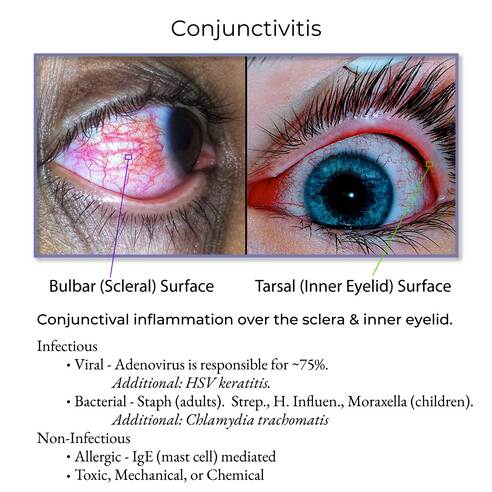
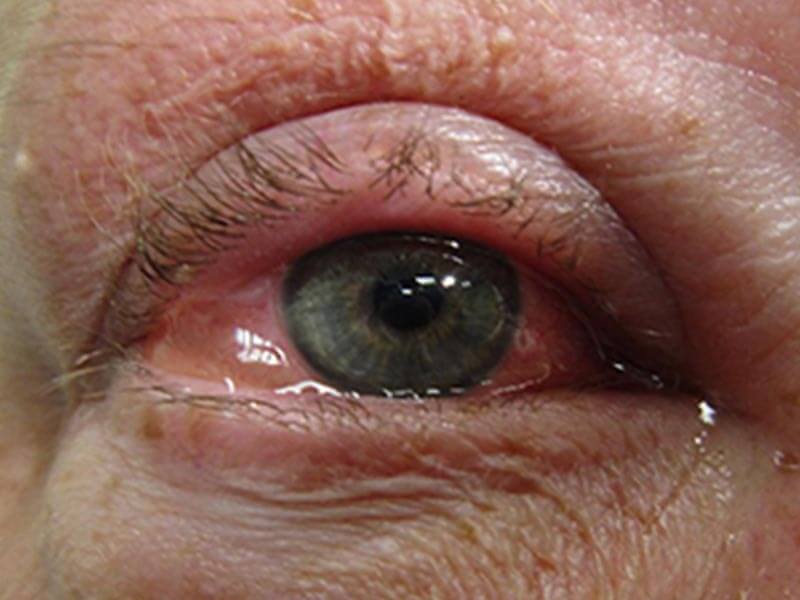
Conjunctivitis is medically defined as the inflammation of the conjunctiva. It is commonly known as "pink eye" or "red eye" due to the characteristic redness that often accompanies the condition.

  • Inflammation: This refers to the body's protective response to injury or irritation, involving increased blood flow, swelling, and often pain and redness. In the case of conjunctivitis, this response is localized to the conjunctiva.
  • Conjunctiva: This is the key anatomical structure involved.
Anatomy: The Conjunctiva

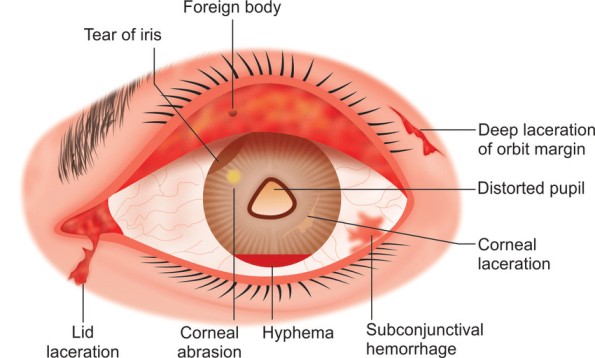
The conjunctiva is a thin, transparent mucous membrane that lines the inner surface of the eyelids (palpebral conjunctiva) and covers the anterior surface of the eyeball, extending from the limbus (the junction between the cornea and sclera) to the inner surface of the eyelids (bulbar conjunctiva).

1. Structure:
  • Palpebral (Tarsal) Conjunctiva: This portion lines the inner surface of the upper and lower eyelids. It is firmly adherent to the tarsal plates (which give the eyelids their stiffness).
  • Bulbar (Ocular) Conjunctiva: This portion covers the anterior sclera (the white outer layer of the eyeball) but does not cover the cornea (the clear front part of the eye). It is loosely attached to the sclera, allowing for free movement of the eyeball.
  • Fornix (Conjunctival Fornices): This is the loose fold of conjunctiva that connects the palpebral and bulbar conjunctivas. It acts as a cul-de-sac and is where the tear film collects and where topical medications can pool.
2. Key Features and Functions:
  • Transparency: The conjunctiva is normally transparent, allowing the white sclera underneath to be visible.
  • Blood Vessels: It is richly supplied with small blood vessels. When these vessels become dilated due to inflammation, they give the eye its characteristic red or pink appearance.
  • Mucous-Secreting Goblet Cells: These cells are scattered throughout the conjunctiva and produce mucin, a component of the tear film. Mucin helps to spread tears evenly over the ocular surface, moisten the eye, and trap foreign particles.
  • Accessory Lacrimal Glands (Glands of Krause and Wolfring): These small glands, located in the conjunctival fornices, contribute to the aqueous layer of the tear film.
  • Lymphoid Tissue: The conjunctiva contains lymphoid follicles (especially in the fornices), which are part of the ocular immune system and play a role in defending against pathogens.
  • Protection: The conjunctiva helps protect the eyeball from foreign bodies and pathogens, and its smooth, moist surface facilitates easy movement of the eyelids over the globe.
3. Susceptibility to Inflammation:

The conjunctiva's exposed location and rich vascularity make it particularly vulnerable to various insults:

  • Direct Exposure: It is directly exposed to the external environment, making it susceptible to pathogens (bacteria, viruses), allergens (pollen, dust), and irritants (smoke, chemicals).
  • Vascularity: Its extensive blood supply means that inflammatory responses (vasodilation, increased permeability) quickly become evident as redness and swelling.
  • Immune Response: Its lymphoid tissue readily mounts an immune response, leading to the characteristic cellular infiltrates and exudates seen in different types of conjunctivitis.
I. BACTERIAL CONJUNCTIVITIS

This category involves conjunctivitis caused by bacteria. It is typically contagious.

1. Etiology and Causes
  • Common (non-gonococcal, non-chlamydial): Caused by bacteria such as Staphylococcus aureus (most common), Streptococcus pneumoniae, Haemophilus influenzae, and Moraxella catarrhalis.
    • Streptococcus pyogenes (haemolyticus) is virulent and usually produces pseudomembranous conjunctivitis.
    • Pseudomonas pyocyanea is a virulent organism, which readily invades the cornea.
    • Corynebacterium diphtheriae causes acute membranous conjunctivitis.
  • Hyperacute (Gonococcal): Caused by Neisseria gonorrhoeae. A severe, rapidly progressive form that can lead to corneal perforation and vision loss if not treated urgently. Often seen in neonates (ophthalmia neonatorum) or sexually active adults.
  • Neisseria meningitidis: May produce muco-purulent conjunctivitis.
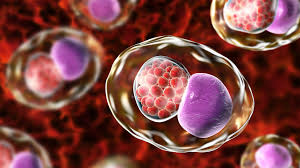
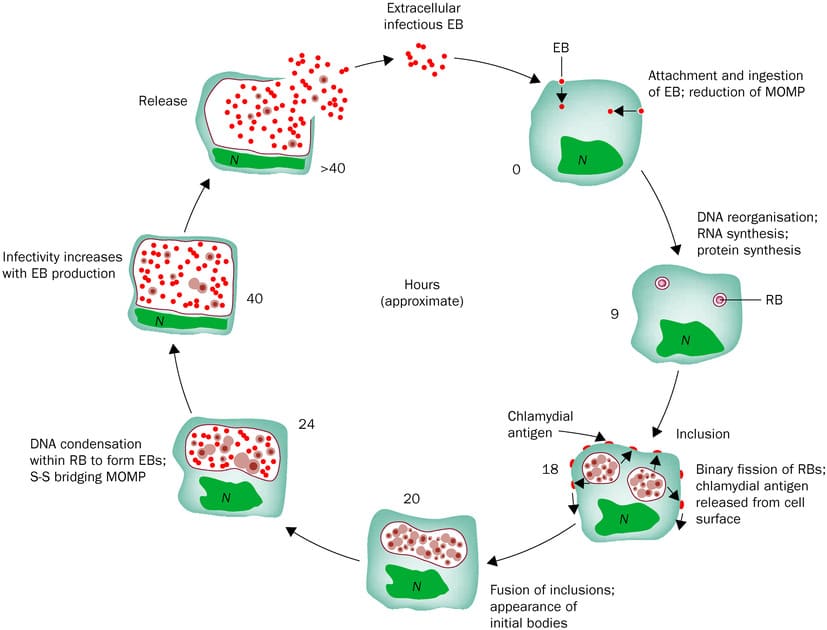
  • Chlamydial (Inclusion) Conjunctivitis: Caused by Chlamydia trachomatis. Can be acquired by neonates during passage through the birth canal or in adults through sexual contact. Can become chronic if untreated.
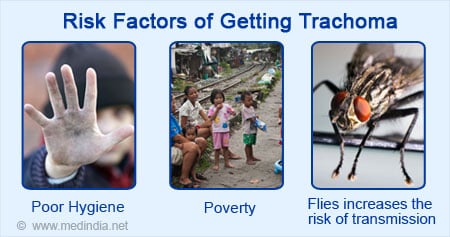
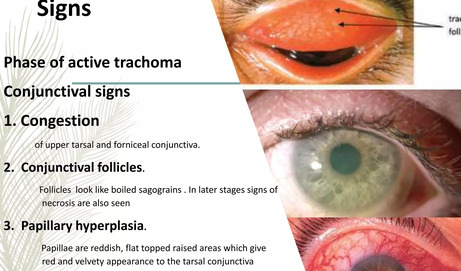
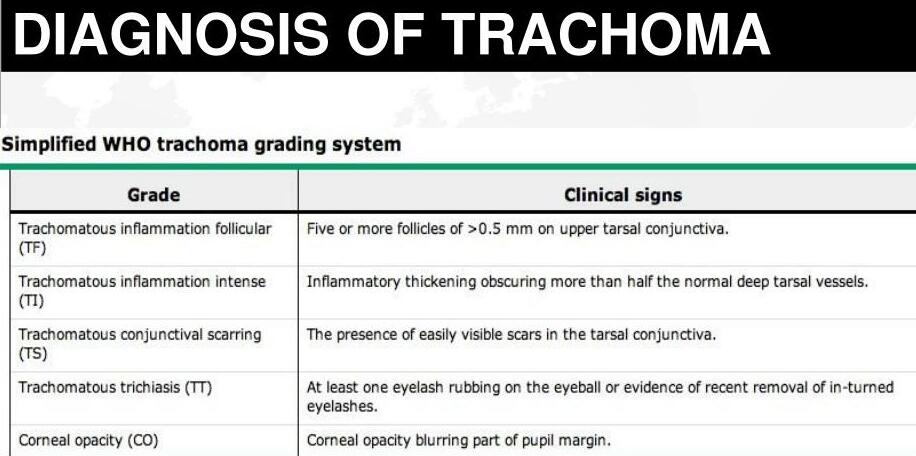
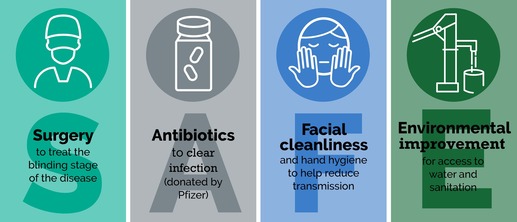
  • Trachoma: A chronic form of chlamydial conjunctivitis (serovars A, B, C) that is a leading cause of preventable blindness worldwide.
Predisposing Factors:
  • Flies (vector transmission)
  • Poor hygienic conditions and poor sanitation
  • Hot dry climate
  • Dirty habits
Mode of Infection:
  1. Exogenous infections: Spread directly through close contact, vector transmission (e.g., flies), or material transfer (e.g., infected fingers of health workers, common towels, handkerchiefs, tonometers).
  2. Local spread: From neighbouring structures such as infected lacrimal sac, lids, and nasopharynx.
  3. Endogenous infections: Very rare spread through blood (e.g., gonococcal and meningococcal infections).
2. Pathophysiology

Pathological changes of bacterial conjunctivitis consist of:

  1. Vascular response: Characterized by congestion and increased permeability of the conjunctival vessels associated with proliferation of capillaries.
  2. Cellular response: Exudation of polymorphonuclear cells (Neutrophils) and other inflammatory cells into the substantia propria of conjunctiva as well as in the conjunctival sac.
  3. Conjunctival tissue response: Conjunctiva becomes edematous. Superficial epithelial cells degenerate, become loose and even desquamate. Proliferation of basal layers of conjunctival epithelium and increase in the number of mucin-secreting goblet cells.
    • Papillae Formation: Hypertrophy of the conjunctival epithelium with a central vascular core, often seen in bacterial conjunctivitis, especially on the tarsal conjunctiva. These appear as small, elevated bumps.
  4. Conjunctival discharge: Consists of tears, mucus, inflammatory cells, desquamated epithelial cells, fibrin and bacteria. If the inflammation is very severe, diapedesis of red blood cells may occur and discharge may become blood stained.
    • Gonococcal Specifics: Rapid and aggressive bacterial proliferation, profound neutrophilic response, massive purulent discharge, and a high risk of corneal ulceration due to bacterial enzymes.
3. Clinical Presentation
  • Onset: Can be sudden, often starts unilaterally but can spread to the other eye. (Mucopurulent usually bilateral, although one eye may become affected 1–2 days before the other).
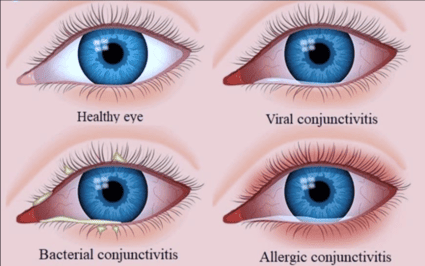
  • Discharge: Copious, thick, purulent (pus-like) or mucopurulent discharge (white, yellow, or green). Eyelids often "stuck together" upon waking.
  • Itching: Mild.
  • Appearance:
    • Typically there is conjunctival infection (hyperemia), especially in the fornices where the blood supply is rich.
    • Eyelids may be red and inflamed.
    • Flakes of mucopus seen in the fornices, canthi and lid margins is a critical sign.
  • Sensation: The patient may complain of a gritty or foreign body sensation, some discomfort, and very occasionally very mild photophobia. Vision is always unaffected (unless corneal involvement), though there may be slight blurring due to mucous flakes.
  • Specific Types:
    • Acute Bacterial Conjunctivitis: Marked conjunctival hyperemia and mucopurulent discharge.
    • Hyperacute (Gonococcal): Extremely copious, thick, green-yellow purulent discharge, severe chemosis, painful, rapid progression.
    • Chronic Bacterial (Chronic Catarrhal): Characterized by mild catarrhal inflammation.
  • Infectious Period: The time during which the eye discharge is present.
4. Management and Nursing Care
Medical Management:
  • Topical Antibiotics: Treatment may be started with chloramphenicol (1%), gentamicin (0.3%), tobramycin (0.3%), or framycetin (0.3%).
    • Regimen: Eye drops 3–4 hourly in day and ointment used at night (provides antibiotic cover and reduces morning stickiness).
    • Severe Cases: Quinolone antibiotic drops such as ciprofloxacin (0.3%), ofloxacin (0.3%), gatifloxacin (0.3%) or moxifloxacin (0.5%) may be used.
    • Note: Bacterial conjunctivitis usually resolves without treatment; antibiotics may be needed only if no improvement after 3 days.
  • Systemic Antibiotics: Required for severe cases (e.g., gonococcal, chlamydial) or in neonates.
Nursing Interventions (Bacterial Specific):
  • Clean the eyes: Remove crusts and discharge before applying medication.
  • Apply Topical Antibiotics: Emphasize compliance with the full course.
  • Dark Goggles: Use to prevent photophobia.
  • NO Bandage: No bandage should be applied in patients with mucopurulent conjunctivitis. Exposure to air keeps the temperature of conjunctival cul-de-sac low which inhibits bacterial growth.
  • NO Steroids: No steroids should be applied, otherwise infection will flare up and bacterial corneal ulcer may develop.
  • Infection Control: Rigorous hand hygiene, do not share towels/pillows, wash linens in hot water. Exclude from school/work until 24 hours after antibiotics started.
II. VIRAL CONJUNCTIVITIS

This category is highly contagious and often associated with systemic viral infections.

1. Etiology and Subtypes
  • Adenovirus: Most common cause.
    • Pharyngoconjunctival Fever (PCF): Types 3, 4, 7. Characterized by fever, pharyngitis (sore throat), and conjunctivitis.
    • Epidemic Keratoconjunctivitis (EKC): Types 8, 19, 37, 54. More severe, can involve the cornea, and is highly contagious.
  • Herpes Simplex Virus (HSV): Less common, but can lead to corneal involvement and vision loss.
  • Acute Hemorrhagic Conjunctivitis (AHC): Caused by Enterovirus 70 or Coxsackievirus A24. Characterized by sudden onset, pain, and subconjunctival hemorrhage.
  • Other causes: Varicella-zoster, Poxvirus, Mycovirus, Paramyxovirus.
2. Pathophysiology
  • Entry: Virus replicates in conjunctival epithelial cells.
  • Immune Response: Primarily a lymphocytic response. Lymphocytes and plasma cells infiltrate the conjunctiva.
  • Tissue Response:
    • Follicle Formation: Small, avascular mounds of lymphoid tissue (aggregates of lymphocytes), typically seen in the inferior fornix.
    • Pseudomembranes: Can occur in severe cases.
  • Corneal Involvement: The virus can infect corneal epithelial cells leading to epithelial keratitis (punctate lesions) and subepithelial infiltrates.
3. Clinical Presentation
  • Onset: Often sudden, typically unilateral initially but frequently spreads to the other eye within days.
  • Discharge: Watery, serous, or scant mucoid discharge. Not thick or purulent.
  • Itching: Mild.
  • Signs: Red/pink eye, Chemosis (if severe), Follicles on palpebral conjunctiva. Bleeding from conjunctival vessels in severe adenoviral cases.
  • Associated Symptoms:
    • Recent Upper Respiratory Tract Infection (URTI).
    • Preauricular Lymphadenopathy: Swelling/tenderness of the lymph node in front of the ear (Key diagnostic sign).
4. Management and Nursing Care
Medical Management:
  • Supportive Treatment: This is the only treatment required for adenovirus.
    • Cold compresses.
    • Dark glasses for photophobia.
    • Artificial lubricants for comfort.
  • Antivirals: NOT beneficial for adenoviral conjunctivitis. Used ONLY for HSV (e.g., topical ganciclovir/trifluridine or oral acyclovir) to prevent corneal scarring.
  • Antibiotics: Topical antibiotics help only to prevent superadded bacterial infections.
  • Steroids: Topical steroids should not be used during active inflammation as they may enhance viral replication and extend infectivity. (Exception: Weak steroids for severe subepithelial infiltrates or membrane formation).
Nursing Interventions (Viral Specific):
  • Strict Isolation/Hygiene: Highly contagious. Rigorous hand washing. Advise patients not to share towels or pillows.
  • School/Work Exclusion: Generally 5-7 days depending on severity.
  • Comfort Measures: Cool compresses to reduce swelling.
III. ALLERGIC CONJUNCTIVITIS

Non-infectious, generally not contagious.

1. Etiology and Subtypes

Etiology: An immune-mediated hypersensitivity reaction (Type I) to airborne allergens.

  • Simple Allergic Conjunctivitis:
    • Seasonal Allergic Conjunctivitis (SAC): Triggered by seasonal allergens (tree/grass pollen). Associated with allergic rhinitis.
    • Perennial Allergic Conjunctivitis (PAC): Triggered by year-round allergens (dust mites, pet dander). Onset is subacute/chronic.
  • Vernal Keratoconjunctivitis (VKC): Severe, chronic, often in children/young adults, associated with atopy (asthma/eczema). Can involve the cornea (shield ulcers).
  • Atopic Keratoconjunctivitis (AKC): Similar to VKC but in adults with atopy. Potentially vision-threatening.
  • Giant Papillary Conjunctivitis (GPC): Associated with contact lens wear or ocular prosthetics due to chronic mechanical irritation and protein deposits.
2. Pathophysiology
  • Mechanism: Type I (IgE-mediated) immediate hypersensitivity reaction.
  • Process: Allergen binds to IgE on Mast Cells → Degranulation → Release of mediators (Histamine, prostaglandins, etc.).
  • Effects:
    • Histamine: Causes intense itching, vasodilation, and increased permeability.
    • Cellular Infiltration: Eosinophils are predominant (abundant in discharge).
    • Papillae: Large/Giant papillae form in chronic cases (cobblestone appearance in VKC/GPC).
3. Clinical Presentation
  • Symptom: Intense itching (hallmark), burning sensation, watery mucus, mild photophobia.
  • Signs: Hyperemia, Chemosis (swollen juicy appearance of conjunctiva), Edema of lids.
  • Discharge: Watery, clear, or stringy/ropy mucoid.
  • Onset: Acute (SAC/PAC) or chronic. usually bilateral.
  • Associated: Allergic shiners (dark circles), rhinitis symptoms.
4. Management and Nursing Care
Medical Management:
  • Elimination: Avoidance of allergens.
  • Topical Agents:
    • Vasoconstrictors: Naphazoline, antizoline (immediate decongestion).
    • Antihistamines/Mast Cell Stabilizers: Olopatadine, azelastine, sodium cromoglycate (effective for prevention).
    • NSAIDs: Ketorolac.
    • Steroids: Only if severe (risk of side effects).
  • Systemic: Oral antihistamines.
Nursing Interventions (Allergic Specific):
  • Cool Compresses: Reduce itching and swelling.
  • Cool Water: Poured over face with head inclined downward constricts capillaries.
  • Artificial Tears: Wash away allergens.
  • Contact Lens Management: Discontinue during flare-ups.
IV. IRRITANT / CHEMICAL CONJUNCTIVITIS
1. Etiology and Features
  • Etiology: Direct exposure to chemicals (smoke, chlorine, acid/alkali) or foreign bodies.
  • Pathophysiology: Direct damage to epithelial cells. Alkalis cause liquefactive necrosis (penetrate deep); Acids cause coagulative necrosis.
  • Symptoms: Immediate onset, burning/stinging, watery discharge. No itching, no lymphadenopathy.
2. Management
  • Immediate Irrigation: Copious irrigation with sterile saline or water for 15-30 minutes is the most critical first step.
  • Remove Irritant: Carefully remove foreign body.
  • Artificial Tears: Lubricate and flush.
Differentiating Features (Summary)
Feature Viral Bacterial Allergic Irritant/Chemical
Discharge Watery, serous, scant mucoid Copious, thick, purulent/mucopurulent Watery, clear, stringy/ropy mucoid Watery, minimal
Itching Mild Mild Intense Absent (burning/stinging)
Lymphadenopathy Preauricular (common) Absent (except Chlamydia) Absent Absent
Onset Sudden, often unilateral spreading Sudden, unilateral spreading Acute/chronic, usually bilateral Immediate, history of exposure
Eyelids "stuck" Mild Prominent (especially in morning) Mild Absent
Associated Sx URTI, sore throat, fever None (except STI for specific types) Rhinitis, asthma, eczema (atopy) History of exposure (smoke, chemicals, FB)
Key Ocular Signs Follicles, punctate keratitis Papillae, (hyperacute: rapid progression) Chemosis, giant papillae (VKC/AKC/GPC) Redness proportional to exposure/severity
Contagious Highly Yes No No
DIAGNOSTIC METHODS

Diagnosing conjunctivitis primarily relies on a thorough history and physical examination. However, in certain cases, laboratory tests may be necessary to confirm the etiology, especially for severe, recurrent, or atypical presentations.

I. History Taking (Key Questions)

A detailed patient history provides crucial clues:

  • Onset and Duration: Acute vs. chronic, sudden vs. gradual.
  • Unilateral vs. Bilateral: Does it affect one or both eyes? Does it spread?
  • Nature of Symptoms:
    • Discharge: Watery, purulent, mucopurulent, ropy.
    • Itching: Absent, mild, severe.
    • Pain/Grittiness/Foreign Body Sensation: Severity.
    • Photophobia: Presence and severity.
  • Associated Systemic Symptoms:
    • Upper Respiratory Tract Infection (URTI) symptoms: Cold, cough, sore throat, fever (suggests viral).
    • Allergic symptoms: Sneezing, runny nose, asthma, eczema (suggests allergic).
    • Genitourinary symptoms: Urethritis, cervicitis (suggests chlamydial or gonococcal).
    • Recent Illness/Exposure: Contact with sick individuals.
  • History of Exposure:
    • Allergens: Pollen, dust, pet dander.
    • Irritants/Chemicals: Smoke, chlorine, workplace chemicals.
    • Contact Lens Wear: Type, duration, hygiene, solutions.
  • Medical History:
    • Atopy: History of allergies, asthma, eczema.
    • Immunocompromised state.
    • Sexually Transmitted Infections (STIs).
    • Previous episodes of conjunctivitis.
  • Medications:
    • Eye drops used.
    • Anticoagulants (can increase bleeding risk).
  • II. Physical Examination (Ocular and Systemic)
  • Visual Acuity: Always assess, as a significant decrease may indicate corneal involvement or a more serious condition.
  • External Examination:
    • Eyelids: Edema, erythema, crusting.
    • Periorbital area: Allergic shiners, skin changes.
    • Preauricular Lymph Node Palpation: Tenderness and enlargement are highly suggestive of viral conjunctivitis (especially adenoviral) or chlamydial conjunctivitis.
  • Slit Lamp Examination (by an Ophthalmologist/Optometrist) or Penlight Examination:
    • Conjunctival Injection: Diffuse redness.
    • Discharge Character: As described in Objective 5.
    • Conjunctival Reaction:
      • Follicles: Small, round, avascular lymphatic aggregates, typically on the inferior palpebral conjunctiva (classic for viral, chlamydial, toxic conjunctivitis).
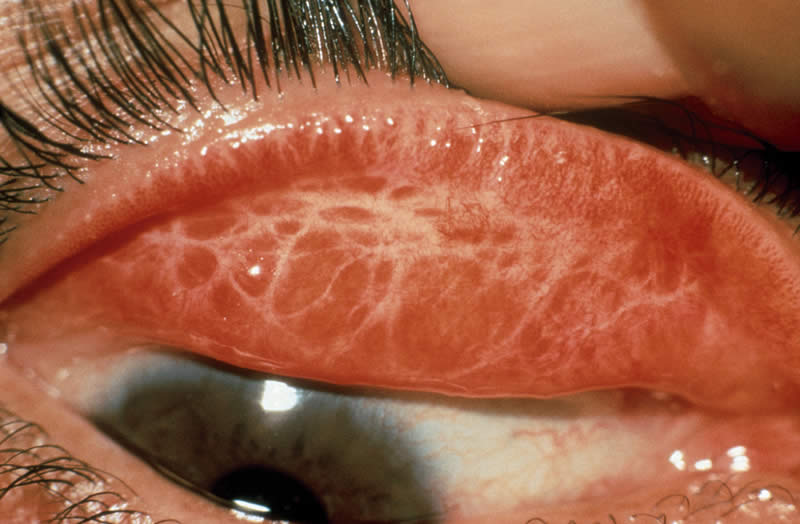
      • Papillae: Small, raised mounds with a central vascular core, typically on the superior palpebral conjunctiva (classic for bacterial, allergic conjunctivitis; giant papillae in VKC, AKC, GPC).
      • Chemosis: Swelling of the conjunctiva.
      • Pseudomembranes/True Membranes: Can be peeled off in severe viral or bacterial cases.
    • Cornea: Check for epithelial defects, infiltrates, ulcers (using fluorescein staining).
    • Anterior Chamber: Look for cells/flare (indicating uveitis, which can mimic conjunctivitis but is more serious).
    • Iris/Pupil: Check for abnormalities.
  • III. Laboratory Investigations (When Indicated)

    Laboratory tests are not always necessary for routine conjunctivitis, as many cases are mild and resolve spontaneously or with empirical treatment. However, they are crucial for:

    • Severe, persistent, or recurrent cases.
    • Cases unresponsive to initial therapy.
    • Hyperacute conjunctivitis (suspected gonococcal).
    • Neonatal conjunctivitis.
    • Suspected chlamydial conjunctivitis.
    • Corneal involvement (ulceration, severe keratitis).
    • Immunocompromised patients.
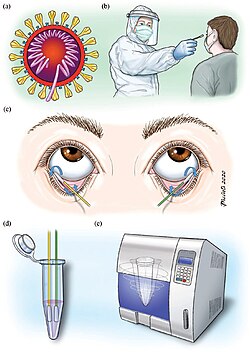
    1. Conjunctival Swabs/Scrapings:
    • Gram Stain: Rapid identification of bacteria (gram-positive cocci, gram-negative rods, etc.) and presence of inflammatory cells (neutrophils in bacterial, lymphocytes in viral/chlamydial, eosinophils in allergic). Crucial for suspected gonococcal conjunctivitis.
    • Bacterial Culture and Sensitivity: Identifies the specific bacterial pathogen and its antibiotic susceptibility. Essential for severe bacterial cases, non-responsive cases, and hyperacute forms.
    • Chlamydia Testing:
      • Direct Fluorescent Antibody (DFA): Detects C. trachomatis antigens.
      • PCR (Polymerase Chain Reaction): Highly sensitive and specific for detecting chlamydial DNA.
      • Giemsa Stain: Can reveal intracytoplasmic inclusions in epithelial cells (pathognomonic for chlamydia).
    • Viral Culture/PCR: Detects specific viral pathogens (e.g., adenovirus, HSV). Typically reserved for severe, recurrent, or atypical viral cases, or when HSV is suspected.
    • Cytology: Microscopic examination of stained conjunctival scrapings.
      • Neutrophils: Predominant in bacterial conjunctivitis.
      • Lymphocytes/Monocytes: Predominant in viral conjunctivitis.
      • Basophilic cytoplasmic inclusion bodies: Classic for chlamydia.
      • Eosinophils/Mast Cells: Predominant in allergic conjunctivitis.
    2. Allergy Testing:
    • Skin Prick Test or Blood Test (RAST/ImmunoCAP): To identify specific environmental allergens, especially in chronic or severe allergic conjunctivitis.
    3. Other Tests:
    • Fluorescein Staining: To detect corneal abrasions, epithelial defects, or ulcers.
    • Schirmer Test: May be used if dry eye is suspected as a contributing factor.
    NURSING DIAGNOSES
    1. Acute Pain related to inflammation of the conjunctiva, as evidenced by patient reports of burning, grittiness, foreign body sensation, and grimacing.
      • Rationale: The inflammatory process (vasodilation, edema, cellular infiltration) directly causes discomfort and pain, which is a primary concern for patients.
    2. Disrupted Sensory Perception (Visual) related to ocular discharge, eyelid edema, and photophobia, as evidenced by patient reports of blurred vision, difficulty reading, and avoidance of bright lights.
      • Rationale: Swelling and exudate can temporarily obscure vision, while inflammation can increase light sensitivity, impacting the patient's ability to perceive their environment clearly.
    3. Risk for Infection Transmission related to contagious nature of viral/bacterial conjunctivitis and lack of knowledge regarding proper hygiene, as evidenced by patient's expression of concern about spreading it to family members or observed ineffective hand hygiene.
      • Rationale: Viral and bacterial conjunctivitis are highly contagious. Patients and their families need clear guidance on preventing spread. This diagnosis is not applicable to allergic or irritant conjunctivitis.
    4. Inadequate health Knowledge related to disease process, treatment regimen, and prevention of transmission, as evidenced by patient questions about the cause of symptoms, how to use eye drops, or concern about infecting others.
      • Rationale: Patients often lack comprehensive understanding of their condition, its management, and infection control, which can lead to non-adherence and continued spread or discomfort.
    5. Impaired Comfort related to ocular irritation, discharge, and eyelid crusting, as evidenced by patient reports of "sticky eyes," constant need to wipe eyes, and desire for relief.
      • Rationale: The physical manifestations of conjunctivitis directly interfere with the patient's comfort and can be quite distressing.
    6. Excessive Anxiety related to changes in vision, fear of permanent eye damage, or concern about social activities/work, as evidenced by patient expressing worries about their condition and asking repeated questions.
      • Rationale: Any eye condition can cause significant anxiety, particularly if vision is affected or if the condition is perceived as unsightly or highly contagious, impacting daily life.
    7. Ineffective Health Maintenance related to insufficient knowledge about managing chronic allergic conjunctivitis or contact lens hygiene, as evidenced by recurrent episodes of allergic conjunctivitis or contact lens-related infections.
      • Rationale: For patients with chronic forms (like allergic) or those with modifiable risk factors (like contact lens use), ongoing education and support are needed to prevent recurrence.
    8. Risk for Impaired Skin Integrity related to frequent wiping of periorbital area and irritation from discharge.
      • Rationale: Constant rubbing or wiping to remove discharge can irritate the delicate skin around the eyes, leading to redness, dryness, or even breakdown.
    NURSING INTERVENTIONS
    I. General Nursing Interventions
  • Assess and Monitor:
    • Continuously monitor visual acuity, comfort level, type and amount of discharge, eyelid swelling, and conjunctival redness.
    • Assess effectiveness of prescribed treatments and document any adverse reactions.
    • Monitor for signs of worsening infection or corneal involvement (increased pain, photophobia, decreased vision).
  • Comfort Measures:
    • Warm or Cool Compresses: Apply warm compresses for bacterial conjunctivitis to help loosen crusts and reduce discomfort. Use cool compresses for allergic or viral conjunctivitis to reduce itching and swelling.
    • Lid Hygiene: Gently clean eyelids with a clean, warm, moist cloth to remove discharge and crusting. Always use a fresh cloth for each eye or discard after single use.
    • Artificial Tears: Encourage the use of preservative-free artificial tears to soothe irritation and wash away irritants/allergens.
    • Dark Glasses: Advise wearing sunglasses to reduce photophobia.
  • Patient Education (Crucial for all types):
    • Medication Administration: Provide clear, step-by-step instructions on how to correctly instill eye drops or apply ointment. Emphasize hand hygiene before and after, avoiding touching the eye with the dropper tip, and proper spacing of different drops.
    • Expected Course: Explain the typical duration and expected resolution of symptoms.
    • When to Seek Further Medical Attention: Educate on warning signs of complications (e.g., sudden vision changes, severe pain, inability to open eye, increasing redness after treatment).
    • Avoid Eye Rubbing: Explain that rubbing can worsen irritation and spread infection.
  • II. Type-Specific Nursing Interventions
    A. For Infectious Conjunctivitis (Viral and Bacterial)
  • Pharmacological Interventions (Administer as Prescribed):
  • Bacterial:
    • Topical Antibiotics: Administer antibiotic eye drops (e.g., erythromycin, azithromycin, fluoroquinolones) or ointment as prescribed. Emphasize compliance with the full course, even if symptoms improve.
    • Systemic Antibiotics: For severe cases (e.g., gonococcal, chlamydial) or in neonates, systemic antibiotics will be prescribed and administered.
  • Viral:
    • Antivirals: If HSV conjunctivitis is diagnosed or strongly suspected, administer topical (e.g., ganciclovir, trifluridine) or oral (e.g., acyclovir, valacyclovir) antiviral medications as prescribed. This is critical to prevent corneal scarring.
    • No specific antiviral for adenovirus: Treatment is generally supportive.
  • Topical Corticosteroids: Generally avoided in infectious conjunctivitis unless prescribed by an ophthalmologist, as they can worsen viral infections (especially HSV) and prolong bacterial infections.
  • Non-Pharmacological & Infection Control Interventions:
    • Rigorous Hand Hygiene: Teach and reinforce frequent and thorough hand washing with soap and water for at least 20 seconds, especially after touching the eyes, before and after medication administration, and after contact with other people. Alcohol-based hand sanitizers can be used if soap and water are unavailable.
    • Avoid Sharing: Emphasize not sharing towels, pillows, makeup, eye drops, or any personal items.
    • Disinfection: Advise disinfecting frequently touched surfaces (doorknobs, phones, remote controls).
    • Laundry: Wash pillowcases, towels, and clothes in hot water and detergent.
    • School/Work Exclusion: Advise patients (especially children) to stay home from school/work until symptoms improve or they are no longer contagious (e.g., after 24 hours on antibiotics for bacterial, or for 5-7 days for viral depending on severity).
    • Contact Lens Avoidance: Instruct contact lens wearers to discontinue lens use until the infection resolves and to discard current lenses and cases. Replace with new, sterile lenses and cases after recovery.
  • B. For Allergic Conjunctivitis
  • Pharmacological Interventions (Administer as Prescribed):
    • Topical Antihistamines/Mast Cell Stabilizers: Administer dual-acting agents (e.g., olopatadine, azelastine) or separate antihistamine (e.g., levocabastine) and mast cell stabilizer (e.g., cromolyn sodium) eye drops.
    • Topical NSAIDs: May be prescribed for mild to moderate cases (e.g., ketorolac).
    • Topical Corticosteroids: For severe, refractory cases (e.g., VKC, AKC), an ophthalmologist may prescribe short courses of topical steroids (e.g., loteprednol, fluorometholone) with careful monitoring for side effects (IOP elevation, cataract formation).
    • Oral Antihistamines: May be used for systemic allergic symptoms.
    • Immunotherapy (Allergy Shots/Sublingual Tablets): For chronic, severe cases, referral to an allergist may be considered.
  • Non-Pharmacological & Environmental Control Interventions:
    • Allergen Avoidance: Identify and advise on avoiding specific triggers (e.g., staying indoors when pollen counts are high, using air purifiers, frequent dusting, vacuuming, pet management).
    • Cool Compresses: Effective for reducing itching and swelling.
    • Artificial Tears: To wash away allergens and soothe the eyes.
    • Contact Lens Management: Advise against contact lens wear during acute flare-ups. Consider daily disposable lenses or re-evaluate lens hygiene and type if GPC is present.
  • C. For Irritant/Chemical Conjunctivitis
  • Pharmacological Interventions:
    • Topical Antibiotics: May be used prophylactically if there is significant epithelial damage to prevent secondary bacterial infection.
    • Topical Corticosteroids: May be used in some chemical burns under ophthalmological guidance to reduce inflammation and scarring, but their use is complex and depends on the specific chemical and severity.
  • Non-Pharmacological Interventions:
    • Immediate Irrigation: For chemical exposures, immediate and copious irrigation with sterile saline or water is the most critical first step. Continue for at least 15-30 minutes and seek emergency medical attention.
    • Remove Irritant: If a foreign body is present, attempt to remove it carefully if superficial, or refer for removal by an ophthalmologist.
    • Avoid Further Exposure: Educate on protective eyewear in occupational or recreational settings.
    • Artificial Tears: To lubricate and flush out remaining irritants.
  • EXPECTED OUTCOMES

    Evaluating expected outcomes allows nurses to determine if interventions were successful, if the patient's condition is improving, and if the established goals of care have been met.

    I. General Expected Outcomes (Common to All Types)
    • Resolution of Symptoms:
      • Patient reports decreased or absence of eye redness within [specific timeframe, e.g., 3-7 days].
      • Patient reports decreased or absence of foreign body sensation, burning, or grittiness within [specific timeframe].
      • Patient reports improved comfort level (e.g., verbalizes less discomfort, less rubbing of eyes).
      • Patient demonstrates improved visual acuity (if initially impaired).
    • Effective Medication Management:
      • Patient correctly demonstrates proper instillation technique for eye drops/ointment.
      • Patient verbalizes understanding of the medication regimen, including dosage, frequency, duration, and potential side effects.
      • Patient adheres to the prescribed treatment plan for the entire duration.
    • Prevention of Complications:
      • Patient's eyes show no signs of corneal involvement (e.g., no ulcers, infiltrates, or significant keratitis).
      • Patient experiences no secondary bacterial infections (if the initial conjunctivitis was viral or allergic).
    II. Type-Specific Expected Outcomes
    A. For Infectious Conjunctivitis (Viral and Bacterial)
    • Resolution of Infection:
      • Patient's eyes exhibit decreased or absence of purulent/mucopurulent discharge (bacterial) or watery discharge (viral) within [specific timeframe, e.g., 24-48 hours for bacterial after starting antibiotics, 5-7 days for viral].
      • Patient reports no eyelid matting upon waking.
      • Preauricular lymphadenopathy (if present) is resolved or significantly reduced.
      • Cultures (if taken) are negative for bacterial growth after treatment, or viral load significantly decreased.
    • Prevention of Transmission:
      • Patient and family members correctly verbalize and demonstrate appropriate infection control measures (e.g., hand hygiene, avoiding sharing personal items).
      • Patient verbalizes understanding of the contagious nature of their condition.
      • There is no evidence of spread of infection to household contacts or others.
    B. For Allergic Conjunctivitis
    • Symptom Control and Allergen Management:
      • Patient reports significantly reduced or absence of intense itching within [specific timeframe, e.g., hours to days with effective medication].
      • Patient demonstrates ability to identify and implement strategies for allergen avoidance.
      • Patient experiences decreased chemosis and eyelid edema.
      • Patient verbalizes a reduction in associated allergic symptoms (e.g., sneezing, nasal congestion).
      • Patient with chronic allergic conjunctivitis (e.g., VKC, AKC, GPC) reports fewer flare-ups or less severe symptoms due to ongoing management.
    C. For Irritant/Chemical Conjunctivitis
    • Resolution of Irritation and Protection:
      • Patient reports cessation of burning or stinging sensation within [specific timeframe, e.g., immediately after irrigation for chemical exposure, or within hours for mild irritants].
      • Patient's eyes show no residual signs of chemical injury (e.g., corneal opacification, persistent redness) or foreign body presence.
      • Patient verbalizes understanding of preventative measures to avoid future exposure (e.g., wearing protective eyewear, safe handling of chemicals).
    III. Patient-Centered Outcomes
    • Improved Quality of Life:
      • Patient reports resumption of normal daily activities, including work, school, and social interactions, without significant discomfort or visual impairment.
      • Patient verbalizes reduced anxiety related to their eye condition.

    Conjunctivitis Read More »

    eye anatomy and physiology

    Eye Anatomy and Physiology

    Eye Anatomy.

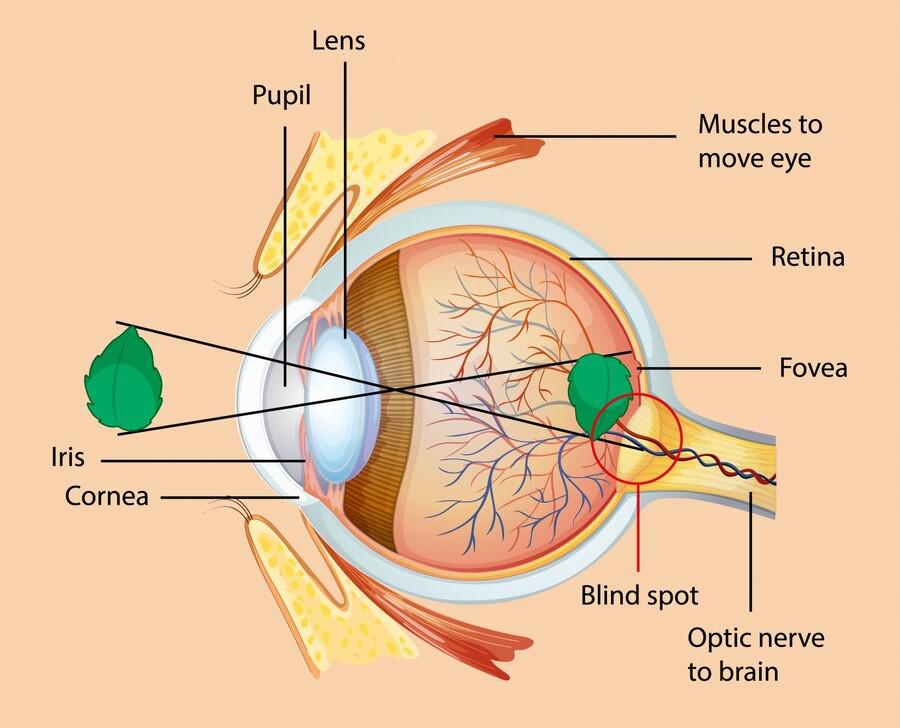
     Eye  is the organ for sight. The globe-shaped eyeball occupies the anterior part of the orbit/eye socket. The eyeball is embedded in the orbital cavity.  

    The eye contains the receptors for vision and a refracting system that focuses light rays on the receptors in the retina.

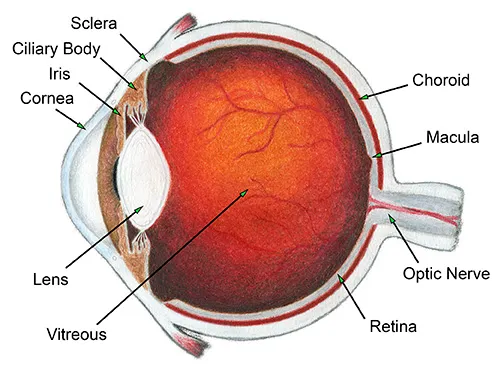
    Diagram Showing the structure of the Eye.


    The Structure of the Eye

    • The eye is spherical in shape and the diameter of an adult eye is approximately 2.5cm.   
    • Internally, the eye is divided into 2 chambers.  
    • The lens, suspensory ligaments and ciliary body separate the 2 chambers; 

    Anterior and posterior chamber 

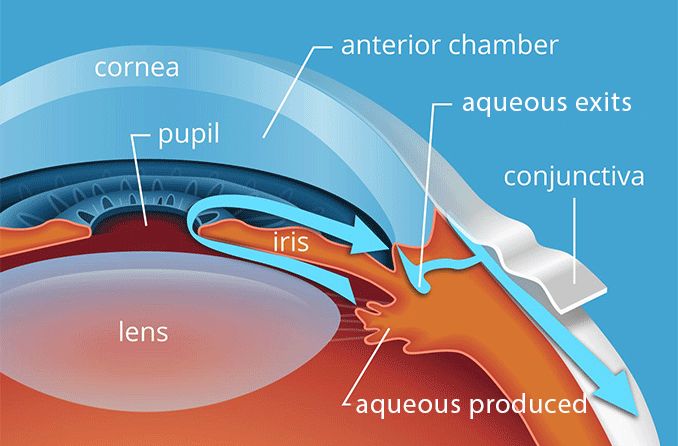
    Anterior chamber. It is filled with a clear watery fluid called aqueous humour.  

    • This chamber is in front of the lens.  
    • It is further divided into 2 cavities ie anterior and posterior cavities. 

    Posterior chamber. It is filled with a jelly like substance called vitreous humour (vitreous body).  This chamber is behind the lens. 

    There are three main layers of tissue in the walls of the eye: 

    • The outer fibrous layer consisting of sclera and cornea 
    • The middle vascular layer or uveal tract consisting of the choroid, ciliary body and iris 
    • The inner nervous tissue layer consisting of the retina. 

    The outer fibrous layer

    • This consists of sclera and cornea.  

    The sclera or white of the eye forms the outermost layer of the posterior and lateral aspects of the eyeball.  

    • It is continuous anteriorly with a clear transparent epithelial membrane, the cornea.  

    The cornea is transparent due to its vascularity and the regular arrangement of its fibres.  

    • Its surface is lined by the conjunctiva.  
    • It is well supplied with nerve endings from the trigeminal nerve. 
    • It consists of a firm fibrous membrane that maintains the shape of the eye.  
    • This membrane gives attachment to the extrinsic muscles of the eye. 
    • Light rays pass through the cornea to reach the retina.  
    • The cornea is convex anteriorly. 
    • It is involved in refracting (bending) light rays to focus them on the retina. 

    The middle vascular layer

    • The middle vascular layer is also known as the uveal tract. 
    • This layer consists of the choroid, ciliary body and iris. 

    The choroid lines sclera in the posterior compartment of the eye.  

    • The choroid is rich in blood supply and is chocolate brown in colour.  

    The ciliary body is an anterior continuation of the choroid which is inserted into suspensory ligaments.  

    • These ligaments extend to the lens and hold it in position.   
    • The ciliary body is supplied by the 3rd cranial nerve (Oculomotor).  
    • The ciliary body also consists of;  
    • Ciliary muscles. Contraction and relaxation of these smooth muscles determine the size and thickness of the lens. 
    • Secretory epithelial cells (Ciliary glands). These secrete aqueous humour which nourishes structures in the anterior chamber. 

    The iris is the visible coloured ring at the front of the eye. 

    • The iris extends anteriorly from the ciliary body lying behind the cornea and in front of the lens.  
    • It divides the anterior chamber of the eye into anterior and posterior cavities.  
    • It contains both circular and radiating muscle fibres which control the size of the pupil.  
    • The colour of iris is genetically determined and depends on the number of pigment cells present. 
    • NB: The Oculomotor nerve supplies the muscles of the iris and ciliary body (intrinsic eye muscles).  

    The inner nervous tissue layer

    • The inner layer of the eye ball is the retina.  
    • It is the light sensitive (photosensitive) part of the eye.  
    • It contains several millions of sensory photo receptor cells. 
    • These cells are responsible for converting light into nerve impulses.  

    The retina consists of two layers;  

    • The pigmented outer layer which lines choroid. 
    • The inner most neural layer which is in contact with the vitreous humour.  
    • The light sensitive layer consists of sensory receptor cells ie rods and cones. 
    • These contain photosensitive pigments that convert light rays into nerve impulses. 
    • Rod cells pre-dominate in the periphery and function best in dim light.  These cells are much more numerous. 
    • Cone cells pre-dominate near the centre of the retina. These are adapted for bright light and colour vision. 
    • Near the posterior of the retina is a part called macula lutea or yellow spot.  
    • The greatest concentration of cone cells is at a small area in the yellow spot called the fovea centralis.  
    • It is the most vital part of retina for high definition or vision.  
    • The optic disc or blind spot is a small area where the optic nerve leaves the eye.  
    • The blind spot does not have light sensitive cells. 
    eye anatomy
    Parts of the Eye and functions.

    Eyebrows-protect eyeball from sweat, dust and other foreign bodies.

    Eyelids –movable folds acting as curtains, preventing injuries. Meet at palpebral fissure(both eyelids meet). It contains sebaceous glands, sweat glands and accessory lacrimal glands all aligned with conjuctival material.

    Conjunctiva-clear, delicate mucous membrane. it lines the eyelids and is highly vascularised. It protects the eye against infections. It also acts as a physical barrier, and produces mucin (goblet cells)which lubricates the eye ball.

    Sclera-is a fibrous tissue of the eye(white),is tough and contains collagen fibres, and covers 5/6 of the eyeball. It protects inner structures maintains the shape of the eyeball. It also acts as a passage of blood vessels and nerves

    Cornea-covers 1/6 of the eyeball. Its clear, transparent and has 5 layers.

    Its functions include;

    • protection of the eye as it’s very
    • Refractive media of the and
    • Prevents aqueous from coming out of the eye Anterior chamber

    Is just behind the cornea and its functions include;

    • Refractive media
    • Maintains shape and structure of the eyeball
    • Bathes/nourishes the

    Production and flow of aqueous humor.

    Aqueous Humor is secreted by the epithelial cells of the ciliary body. it passes through suspensory ligaments into the posterior chamber, then flow through the pupil into the anterior chamber. From anterior chamber it drains through trabecular meshwork into the canal of schlemm (scleral venous sinus) then goes to the general circulation

    Iris-is the thin visible, contractile, and coloured part of the eye, with a central aperture known as the pupil. It divides the anterior segment of the eye into anterior and posterior chambers. It controls amount of light entering the eye and plays a role in accommodation.

    Ciliary body-Is continuous with choroid(middle layer of eyeball). It suspends the lens which is important during accommodation, and produces aqueous.

    Choroid-Is the soft brown part behind the eye. Is most vascularized, and nourishes the retina.

    Lens-is the transparent, highly elastic biconvex body, that lies immediately behind the pupil/front of the vitreous body. Its thickness is controlled by ciliary muscle through the suspensory ligaments.

    Its functions include:

    • Refractive media
    • Absorbs ultra violet rays

    Retina-Innermost layer of eyeball where images are formed. It has macula, optic disk, rods and cones. It consists of 2 layers.

    • Epithelial
    • Nervous layer
    • It absorbs
    • Stores and releases vitamin

    Vitreous body-is transparent, jelly like media.

    • It maintains the shape of eyeball and acts as refractive
    blood and nerve supply of the eye

    Blood and Nerve supply to the eye

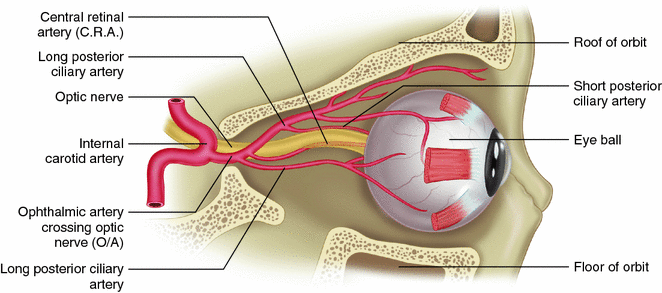
    • The blood supply of the eye is from the ciliary and central retinal arteries. 
    • These are branches of ophthalmic artery which is also a branch of the internal carotid artery.  
    • Venous drainage is by the central retinal vein.  
    • These vessels run alongside the optic nerve. 
    • Nerve supply is by the optic nerve which is the 2nd cranial nerve.  
    • The retinal nerve fibres originate in the retina. 
    • These fibres converge to form the optic nerve at the optic disc. 

    Physiology of Sight 

    • Light rays from objects are bent (refracted) as they pass through varying densities of the clear media of the eye to focus onto the retina.  
    • In the eye, the biconvex shape of the lens refracts and focuses light rays on the retina.  
    • Before reaching the retina, the light rays pass through the cornea. 

    Physiology of vision - Online Biology Notes

    • The cornea also plays a role in the refractive power of the eyes. 
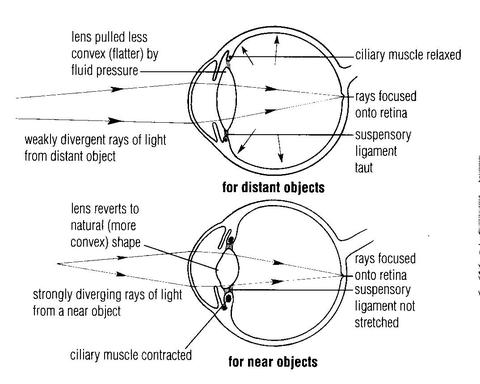
    • The lens is elastic thus has ability to change shape. Change in shape varies the amount of refraction for clarity of focus.  This is known as accommodation.  
    • Accommodation is necessary in order for objects at different distances to be visualized with equal clarity. 
    • The normal eye in its relaxed state brings rays of light from distant objects into sharp focus.  
    • However for clear focusing on near objects, an autonomic reflex comes into play.  
    • The reflex involves accommodation, miosis and convergence as follows; 

    Accommodation. This refers to the increase in the refractive power of the lens in order to focus light rays from near objects on the retina.  The ciliary muscle contracts and changes shape of the lens to bulge increasing its convexity and refractive power. 

    Miosis. This is also known as constriction of pupils. 

    • It accompanies accommodation.  
    • It ensures that light rays are concentrated to pass through the centre of the lens and focus on the retina. 

    Convergence (movement of the eyeballs). This refers to bilateral movement of the eyes at the same time in order to focus on a nearby object eg focusing the tip of one’s nose.   

    • The light sensitive layer in the retina containing sensory photo receptor cells (rods and cones) convert light rays into nerve impulses.  
    • These are transmitted through the visual pathways to the visual area in occipital lobe of cerebrum. 
    • Here, they are interpreted as sensation of light form. 
    • They are processed into images of objects which are given meaning by other cerebral areas. 
    • This process involves interaction with information stored as memory in the association areas of the brain. 

    NB: The images refracted on the retina are upside down. 

    • The brain adapts to this early in life so that objects are perceived as upside/upright. 

    Anatomy and Physiology of Human Eye - GeeksforGeeks

    Accessory Organs of the Eye

    • The eye is a delicate organ on the body and it is protected by several structures.  

    These include; 

    (1).  The eye brows:

    • These are numerous hairs that project from the skin at the supra orbital margins of the frontal bone. 
    • These protect the eye from sweat, dust and other foreign bodies. 

    (2). Eyelids and eyelashes: 

    • These are two movable folds of tissue above and below the front of each eye.  
    • There are sebaceous glands, some open into the hair follicles of the eye lids. 

    The eyelids contain two muscles. 

    • These include;  
    •  Levator palpebrae superioris which raises the upper eyelid
    •  Orbicularis oculi which closes the eyelids. 
    • The hair on the eye lid is called eye lashes. 
    • The eyelids have a lining (mucous membrane) of the conjunctiva. 
    • This lining is a fine transparent membrane that is on the inner surface of the eyelid.  
    • This layer also covers the eyeball.  Where it lines the eyelids, there is a highly vascularized columnar epithelium  The corneal conjunctiva has avascular stratified epithelium.  
    • This means that the conjunctiva has epithelium without blood vessels at the cornea.  
    • The medial and lateral angles where the eyelids come together are called medial and lateral canthus respectively. 
    • At the edges of the eyelids, are eyelid margins that have numerous sebaceous glands.  
    • These are modified and secrete an oily material (meibum) spread over the conjunctiva by blinking.  
    • The material delays evaporation of the tears. 
      • Protect the eye from injury  
      • Blinking at about 3 to 7 seconds interval spreads tears and oily secretions over the cornea.  This prevents drying of the eyeball. 
        • Function of the eyelids and eyelashes 

    (3). Lacrimal apparatus: 

    • The lacrimal apparatus consists of the structures that secrete tears and drain them from the front of the eyeball.  
    • These include;  
    • 1 lacrimal gland and its ducts 
    • 2 lacrimal canaliculi ie superior and inferior to the caruncle of the eye. 
    • 1 lacrimal sac 
    • 1 nasolacrimal duct 
    • Each eye has a lacrimal gland behind the supra orbital margin.  
    • Lacrimal glands are exocrine glands.  
    • They secrete tears which are composed of water, mineral salts, antibodies and bactericidal enzymes. 
    • The tears leave the lacrimal glands by several small ducts. 
    • They then pass over to the front of the eye under the eyelids towards the medial canthus where they drain into two lacrimal canaliculi.  
    • The opening of canaliculi on each side is called punctum.  
    • The canaliculi lie above one another separated by a red body called caruncle. 
    • The tears then drain into the lacrimal sac which is the upper expanded part of the nasolacrimal duct
    • When foreign bodies or other irritants enter the eye, secretion of tears is greatly increased and the conjunctival blood vessels dilate.  
    • Secretion of tears is also increased in emotional states like crying and laughing. 
    • Excess tears are drained from the eye via the lacrimal apparatus into the lacrimal sac and then into the nasolacrimal duct. 
    • Functions of the lacrimal apparatus.
    • It has a fluid which is filled into the conjunctival sac. 
    • This fluid consists of tears and oily (meibum) secretions of meibomian/tarsal glands. 
    • The fluid is spread over the cornea by blinking. 
    • This mixture washes away irritants eg dust. 
    • It provides oxygen and nutrients to the avascular corneal conjunctiva and drains off wastes. 
    • Bactericidal enzyme lysozyme protects the eye by preventing microbial infection. 
    • The oiliness nature of the fluid delays its evaporation and prevents drying/friction of the conjunctiva. 
    • The fluid also prevents the eyelids from sticking together while sleeping. 
    • Main function of tears / tear fluid
    • To lubricate the eye to facilitate oxygen and carbon dioxide exchange. 
    • To produce an optically smooth cornea surface. 
    • To cleanse the eye with a bactericidal enzyme lysozyme.
    • To prevent the conjunctiva from drying. 


    (4). Extrinsic muscles :

    • These are also called extrinsic muscles.  
    • They are 6 in number and include the following; 
    • Medial rectus which rotates the eyeball inwards. 
    • Lateral rectus which rotates the eyeball outwards 
    • Superior rectus which rotates the eyeball upwards 
    • Inferior rectus which rotates the eyeball downwards 

    Function of the muscles 

    • They protect the eye through the flexible movement of the types of muscles.  
    • These movements help us to see in all directions of the eyeball movement.  
    • Hence they also play a protective function ie protecting the eye and the whole body. 

    Eye Anatomy and Physiology Read More »

    Self study questions for nurses and midwives

    Self Study Question For Nurses and Midwives

    PREPARATORY QUESTIONS FOR END OF SEMESTER EXAMINATIONS

    SURGERY

    1a) define the term epistaxis

    b) What are the causes of epistaxis?

    c) Write down the management of a patient presenting with epistaxis

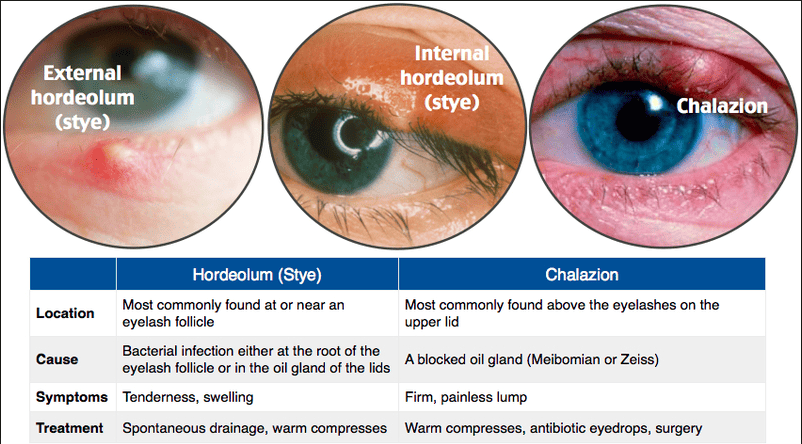
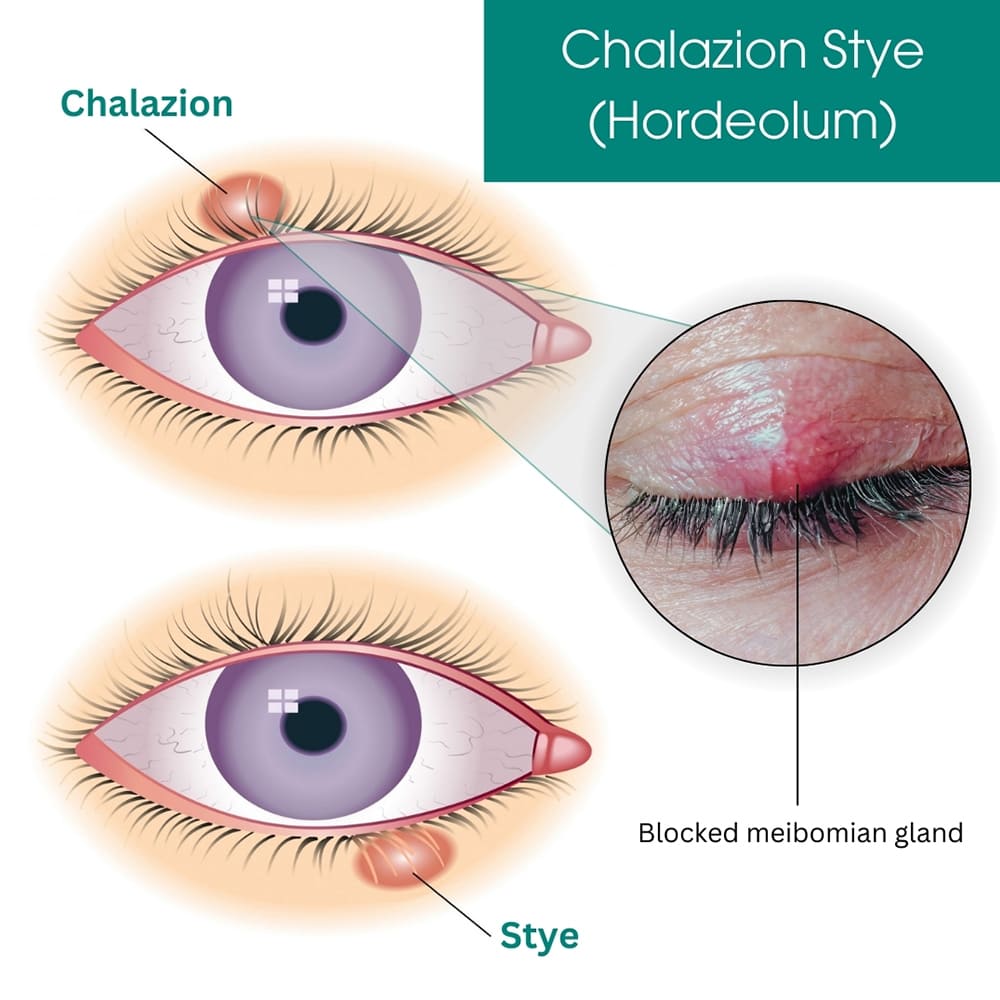
    2a) define a sty

    b) What are the causes of a sty?

    c) Outline the signs and symptoms of a sty

    3 An adult has been admitted to a surgical ward with difficulty in breathing, he requires urgent tracheostomy.

    a) List the indications of tracheostomy

    b) Describe the post-operative management of this patient till discharge

    c) Outline the complications that are likely to occur

    d) Formulate five actual nursing diagnoses and four potential diagnoses from this patient with tracheostomy

    4. Mrs Akello 38years old has presented with nasal polyps and she is to undergo polypectomy

    a) List the causes of nasal polyps

    b) Outline the signs and symptoms of nasal polyps

    c) Give the specific pre and post-operative management of this patient

    d) List four complications of nasal polyps

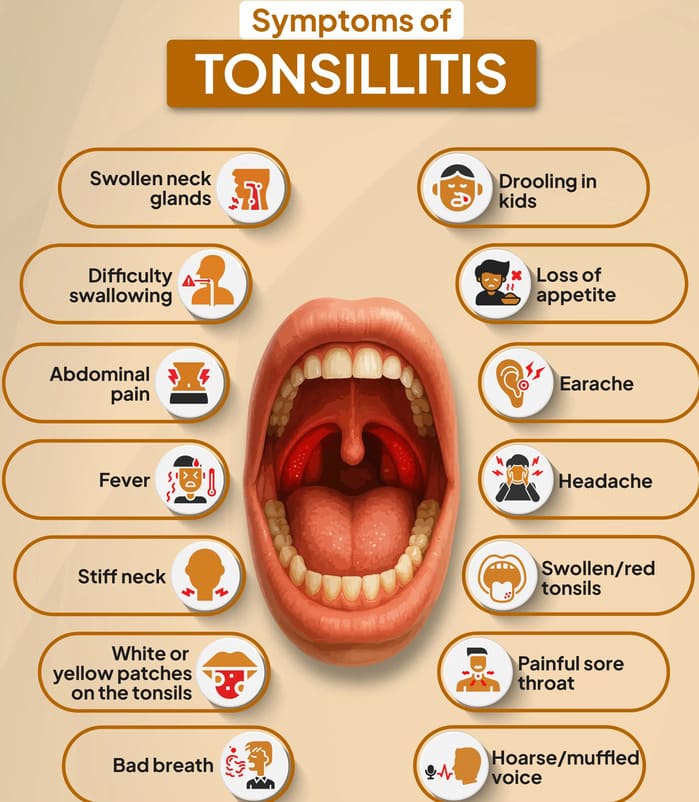
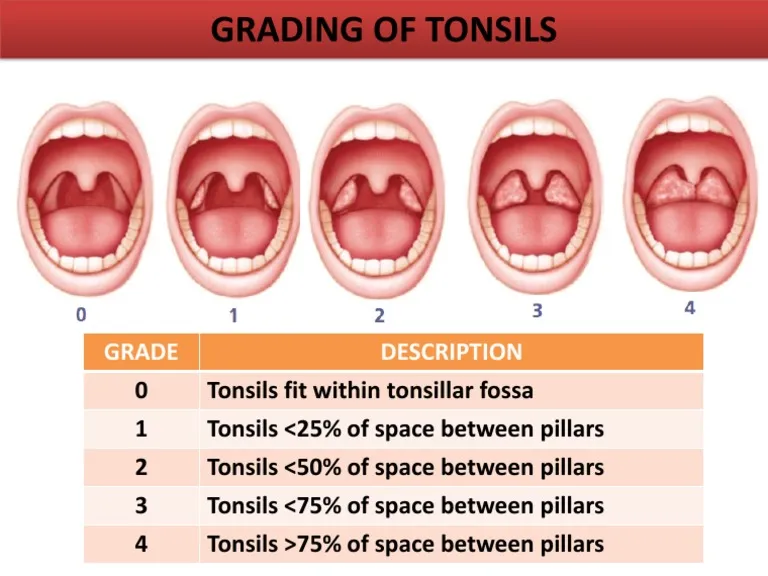
    5. a) Define tonsillitis

    b) List 6 symptoms and signs of a patient with tonsillitis

    c) Give the specific post-operative management for a patient who has undergone tonsillectomy

    6. Mrs Nabukeera was admitted on a surgical with a diagnosis of adenitis .She is to undergo adenoidectomy

    a) Define adenitis

    b) List the signs and symptoms of adenitis

    c) Describe the specific post-operative management you would give to her till discharge

    7. a) Define burns

    b) What are the causes of burns?

    c) How can burns be classified

    d )Mr. KK has sustained burns on the neck and chest

    >calculate the percentage of the area burnt

    >what specific management do you give to Mr. KK in the first 72hrs of admission

    >give five actual nursing diagnoses Mr KK will have due to the burns

    8a) Define the term electrolyte imbalance

    b) Give the causes of electrolyte imbalance

    c) List the signs and symptoms of electrolyte imbalance

    d) Mention the types of electrolyte imbalance in the body

    e) How can you manage patient with electrolyte imbalance

    9a) Define the term gangrene

    b) What are the causes of gangrene?

    c) Write down the types of gangrene

    d) Mention the signs and symptoms of different types of gangrene

    e) Describe the specific management which is given to this patient with gas gangrene

    10a) Define the term shock

    b) Write down the types/classification of shock

    c) State the clinical features of shock

    d) Write down all possible complications of shock

    e) How can a health worker prevent surgical shock?

    11a) Outline the classifications of wounds

    b) Give the factors that delay wound healing

    c) State five complications of wounds

    d) What advice do you give to a patient about wound care at home who is due for discharge?

    e) Explain the process of wound healing

    12a) Define the term a fracture

    b) Mention the different types of fracture

    c) Describe the management of a closed fracture of a femur

    d) List any 6 complications of a fracture

    13a) Define the term inflammation

    b) List the signs and symptoms of inflammation

    c) Describe the process of inflammation

    d) Explain the specific management of a 12yr old patient with inflammation on the lower limb

    13A 28year old male was admitted on a surgical ward with a diagnosis of tetanus

    a) List five cardinal signs and symptoms this patient would present with

    b) Explain the specific nursing management you would give to this from admission to discharge

    c) Formulate four actual and two potential nursing diagnoses from this patient’s condition

    14a) Define the term immunity

    b)Classify immunity

    c) Explain the factors that affect an individual’s immune system

    15a) Define hemorrhage

    b) Explain the different types of hemorrhage

    c) Explain the mechanism of hemostasis

    d) Outline the specific management of a patient with severe bleeding on the left lower leg

    16a)What is blood transfusion?

    b) Describe five complications that may occur due to blood transfusion

    c) What would cause failure of of a blood drip to run during blood transfusion

    d) Explain the nurse’s responsibility before , during, and after blood transfusion

    17a) Define a cataract

    b) outline the cardinal signs of a cataract

    c)Describe the management of Mr Moses a 40yr old presented to your OPD department with a cataract using a nursing process

    d)list the likely complications of a cataract

    MENTAL HEALTH

    18. Define the following terms

    a)suicide

    b) Suicidal ideation

    c) Attempted suicide

    d) par suicide

    e) paradoxical suicide

    19a) outline the common psychiatric conditions associated with suicidal ideation

    b) Explain the common factors contributing to suicide in the community

    c) Mention the impact of suicide to the family and the community

    d) Describe the management of a patient who intends to commit suicide

    e) Explain the assessment you would carry out on a patient with suicidal ideation

    20a) Define PTSD

    b) Outline four signs and symptoms of a patient with PTSD

    c) Manage an 11yr old girl who presented with PTSD after rape

    21a) Define the term delirium tremens

    b) Identify the causes of delirium tremens

    C) How can you manage the patient with delirium tremens?

    d) Formulate 5 potential nursing diagnoses for a patient with delirium tremens

    22. Madam EKEB a 26yr old is very aggressive on the ward that she cares away fellow patients

    a) Differentiate between aggression and violence

    b) What management do you give to madam EKEB who presents with severe aggression on the ward?

    23a) what is a psychiatric emergency?

    b) List 10 common psychiatric emergencies

    c) Which admission procedure would you follow when admitting a patient presenting with any of the psychiatric emergencies

    23a) Explain standards of care in psychiatry

    b) Who is a class B criminal lunatic?

    c) Mention all the orders used to admit mentally ill patient

    d) Write down and explain all the sections used in discharging a mentally ill patient

    e) Outline the rights of a mentally ill patient

    24. A 30yr old patient has presented in a psychiatric ward with status epilepticus

    a) Define status epilepticus

    b) Manage the patient who presents with status epilepticus on a ward

    c) Formulate four potential and 2actual nursing diagnoses for a patient with status epilepticus

    25aDefine mental retardation

    b) Classify mental retardation

    c) Explain 8 causes of mental retardation

    d) What advice do you give to a family with a mentally retarded child?

    26. ADHD is one of the common psychiatric conditions in children

    a) Outline 6 signs and symptoms of ADHD

    b) Manage an 11yr old boy with ADHD

    c) What specific advice do you give to a family with a child having ADHD?

    27a) Define autism

    b) Explain the common features of autism

    c) Describe the management of the above condition

    28. Depression is one of the common psychiatric conditions

    a) Define depression

    b) Outline the specific management of a patient with severe depression on a psychiatric ward

    c) Make 4 priority nursing diagnoses for a patient with severe depression

    COMMUNITY HEALTH

    29. a) Define PHC

    b) Mention the principles of PHC

    c) Outline components /elements of PHC

    d) What strategies are used to achieve PHC activities in a given community?

    30a) What is community assessment?

    b) Explain how you would identify any health problems in a given community

    c) Outline 9 important information you would find out in a given home during assessment

    31a) Define a home visit

    b) Explain how you apply a nursing process during a home visit

    c) Outline the merits and demerits of a home visit

    32a) Define vital statistics in health

    b) Explain the importance of vital statistics in health

    c) Outline 6 key vital statistics used to determine the health status of a community or country

    33a) Explain the relationship between PHC and CBHC

    b) Explain the role of a community nurse/midwife in implementation and achievement of any 4 of the PHC principles

    c) Outline the advantages of PHC over other specialized medical services

    34a) Define community mobilization

    b) Describe how you would mobilize a community towards implementation of a health education program

    35a) Define school health

    b) Explain the importance of a school health program

    c) Explain the role of a nurse in the provision of a school health program

    d) Outline the components of school health services

    36a) Explain the role of a community in PHC services

    b) Give 8 advantages of community participation in PHC services

    c) Explain the obstacles to effective community participation in PHC programs

    37a) Define community diagnosis

    b) Discuss why community diagnosis is important

    c) Explain the steps in conducting community diagnosis

    38Health promotion are actions related to lifestyles and choices that maintain/enhance population health

    a) Outline any 5 health promotion interventions you would implement in a given a community

    b) Explain 5major steps in community mobilization

    39. Describe the different levels of disease prevention

    40. Appropriate technology is one of the elements of PHC

    a) How is appropriate technology expressed in implementation of PHC services?

    b) Explain the advantages and disadvantages of appropriate technology as an element

    41. a) Define the term epidemics

    b) Explain the factors that contribute to the causes of epidemics

    c) What is the role of a nurse in the management of an epidemic in the community?

    42a) Define community health and community based health care

    b) State the characteristics of CBHC

    c) Describe how you would enter a village in Mityana to implement a community health activity

    TROPICAL MEDICINE

    43a) Define schistomiasis

    b) Explain the different types of schistosomiasis

    c )Give the clinical manifestations of schistosoma mansoni

    d) Describe the lifecycle of schistosomiasis haematobium using a well labelled diagram

    e) Outline the preventive measures of all types of schistosomiasis

    44The current disease burden in Uganda is attributed to communicable diseases

    a) Describe the modes of transmission of communicable diseases in general

    b) Describe the methods/approaches used to prevent and control communicable diseases in the community

    c) Explain the types of water diseases and their examples

    45a) Define diarrhoea

    b) Outline the causes of diarrhoea in Uganda

    c) Discuss the drugs used in the management of diarrhoea in children

    d) Formulate 5 priority nursing diagnoses of this patient

    46a) Define measles

    b) Outline the signs and symptoms of measles basing on the stages

    c) Describe the management of a12yr old child presenting with measles from admission to discharge

    d) List the likely complications of measles

    47. Malaria is one of the communicable diseases affecting most communities of Uganda

    a) Classify malaria

    b) Outline the cardinal signs of complicated malaria

    c) Describe the lifecycle of malaria in both man and the mosquito with the aid of diagrams

    d) How can different communities prevent the spread of malaria?

    e) Make 5 actual and 3 potential diagnoses of malaria

    48a) Describe the life cycle of ackylostomiasis with the aid of diagrams

    b) Explain the preventive measures of hook worm infestation

    c) List the likely complications of neglected worms

    49a) Ebola is one of the hemorrhagic fevers devastating some communities and countries due to known and unknown reasons

    a) Define hemorrhagic fevers

    b) List the different hemorrhagic fevers

    c) Outline the different causes and predisposing factors to hemorrhagic fevers

    d) Describe the management of Mr. X presented to your hospital suspected to be an Ebola patient

    50a) Define rabies

    b) Describe the management of rabbis both at home and in the hospital

    c) Explain the complications of rabies

    51a) Define bacilliary dysentery

    b) State the differences between bacilliary dysentery and amoebic dysentery

    c) Describe the specific management of a 3yr old child with bacilliary dysentery from admission to discharge

    52a) Define typhoid fever

    b) Explain the cardinal signs and symptoms of typhoid fever

    c) Describe the important information you would give to the community concerning prevention of typhoid fever

    53a) Define trachoma

    b) Outline the signs and symptoms of trachoma

    c) Explain the management of 23yr female presenting with trachoma

    d) List the complication

    54. Samuel a 30yr old peasant has been presented to the OPD with all the features of tetanus

    a) Outline the clinical features of tetanus

    b) Describe the management from admission to discharge

    c) List the complications of tetanus

    MIDWIFERY 1 AND 2 AND OBSTETRIC ANATOMY

    55. List the 5 medications used in antenatal and discuss them under

    a) Dose

    b) Indication

    c) Side effects

    56a) Outline the obstetrical causes of anemia in pregnancy

    b) List the five causes of hemolytic anemia

    c) Describe the management of Mrs. mucosal who presents at 36weeks with severe anemia

    57a) Define a cervix

    b) With the aid of a diagram, describe the structure of the cervix

    c) Outline the 6 functions of the cervix

    58a) Define the term good antenatal care

    b) Give the indications of referring a mother to a doctor during this period

    c) How would you manage a mother who comes with lower back pain in antenatal at 32weeks?

    59a) Define normal puerperium

    b) Describe the management of a mother who has had normal delivery up to discharge

    c) List the complication that may occur during this period

    60a) Outline the symptoms of pregnancy

    61a) Explain the characteristics of normal uterine action during first stage of Labour

    b) What is the management of a gravid 3 para 2 mother at term who presents to hospital with history of precipitate Labour on the previous pregnancies?

    62a) Describe a vagina

    b) What information is got on vaginal examination during labor?

    c) Mention four contractions of vaginal examination giving reasons for each

    d) List the complications of vaginal examination

    63a) Define intrauterine fetal death

    b) Outline the causes of IUFD

    c) How is the diagnosis of IUFD made?

    d) What is the management of IUFD in the hospital?

    64a) Describe the pelvic floor

    b) Outline injuries that can occur to the pelvic floor during Labour

    c) Explain how the knowledge of fetal skull can help you as a midwife prevent perineal tears

    65a) Describe the fetal skull

    b) How is fetal wellbeing monitored during pregnancy?

    C) List the indications of ultrasound scan in late pregnancy

    66a) Describe a non-pregnant uterus

    b) Describe the changes that take place in this organ during pueperium

    c) List the likely complication in the first stage of labor

    67a) what is the effect of DM on pregnancy?

    68a) how does pregnancy affect DM?

    b) How would you care for a diabetic mother who has had a caesarean section in the first 48hours of the operation

    69a) Describe the umbilical cord

    b) Describe the different abnormalities of the cord

    70. Malaria is of the conditions contributing affecting pregnancy and contributing factor to increased maternal mortality and morbidity

    a) Explain why pregnant women are more susceptible to malaria

    b)Describe the a primigravida who presents to your maternity center at 34 weeks with severe malaria

    c) Outline the likely complications of malaria on pregnancy

    71. Essential hypertension is one of the hypertensive disorders experienced by pregnant women

    a) Define essential hypertension

    b) Classify hypertensive disorders in pregnancy

    c) Describe the management of Mrs Nangobi a G4P2+1 presenting in antenatal clinic at 32weeks with a diagnosis of essential hypertension

    d) How does hypertension affect pregnancy?

    72a) outline the signs and symptoms of first stage of Labour

    b) Describe the management of a young primigravida in first stage of Labour

    c) List the complications likely to occur during this stage of Labour

    73a) Define hyperemesis gravidarum

    b) Outline the causes of hyperemesis gravidarum

    c) Describe the management of G2P1+0 presenting to your maternity center with hyperemesis gravidarum at 28 weeks of gestation

    d) Explain the likely complications of this condition

    74a) what is preeclampsia

    b) Outline the signs and symptoms of preeclampsia

    c) What are the predisposing factors of this condition?

    d) Outline the nursing of a mother with severe preeclampsia

    e) List the complication of severe preeclampsia

    75a) Describe the placenta at term

    b)Explain the functions of the placenta

    c) Outline the abnormalities that may be found on the placenta

    76a) With the aid of a diagram, describe the structure of the female breast

    b) Explain the physiology of lactation

    c) Explain the factors that promote successful lactation

    77a) Define labor

    b) Explain the physiology of the first stage of Labour

    c) Describe the management of a mother in the second stage of Labour admitted in the hospital

    78a) Outline the changes in the cervix during the first stage of labor

    b) What information is found on the partograph?

    c) A G2P1+0 mother came to a health center in normal labor , what may make you refer?

    79. Most women find it helpful to get further information and support in their own homes.

    a) Give 5 advantages of following up post-partum mothers

    b) Explain postpartum maternal assessment you would carry out during domiciliary care

    c) List the problems that you would identify during domiciliary care

    80a) Describe 6 factors that influence the length of second stage of labor

    b) Explain 3 phases used in conducting 2nd stage of labor

    c) Give immediate assessment of the baby after 2nd stage of labor

    81a) Mention factors that aid in involution of the uterus

    b) Explain how you assess and document uterine involution immediately after delivery to 10days postpartum

    c) Give five complications of sub involution of the uterus

    82a) Explain the antenatal appointment schedules

    b) Give 6 barriers to adherence to goal oriented antenatal visits

    c) Identify 5 complications a pregnant woman is likely to get if no antenatal is attended

    83a) Describe the structure of the ovary

    b) List the functions of the ovary

    c) Describe the menstrual cycle

    MEDICINE I AND 111

    84. Mr. KIBULA known hypertensive has been brought to hospital with suggestive features of hypertensive crisis.

    a) Mention 8 clinical features of hypertension

    b) List 4 causes of HTN and predisposing factors

    c) Explain the specific Nursing Care you will give to Mr. KIBULA from the time of admission to discharge.

    85. Write short notes on the following (definition, causes, signs and symptoms and complications).

    a) Hydrocele

    b) Hodgkin’s disease

    c) Ankylosing spondylitis

    86 a) Define Paget’s disease/Osteitus, deformans?

    b) Explain the pathophysiology and etiology of Paget’s disease

    c) Describe the specific nursing care you would give to Mr. Muwonge with Paget’s disease

    87. Hepatitis B morbidity and mortality is much higher today than before.

    a) What are the factors, contributing to the high prevalence of hepatitis B in the communities

    b) How does a patient with hep.B present?

    c) Give five priority nursing diagnoses for a patient with Hep B infection.

    d) Describe the specific nursing management you would give to a patient with hep B.

    e) Mention the complications of hep B.

    f) Suggest ways how we can prevent hep B infection in the community

    88. Define myocardial infarction. List the clinical features of myocardial infarction.

    Explain the specific Nursing care given to a patient with myocardial infarction within the first 24Hrs of admission.

    89. An adult male patient has presented to OPD with features of pulmonary tuberculosis

    a) Outline five cardinal signs and symptoms of pulmonary tuberculosis.

    b) List five specific investigations that can be done to confirm pulmonary tuberculosis.

    c) Explain the specific nursing care given to this patient from the time of admission until discharge.

    90. Mrs. A, a female patient has been admitted on a medical ward with suspected bronchial pneumonia,

    a) Outline the clinical features of bronchial pneumonia

    b) Describe the specific nursing management you would give to Mrs. X with in the first 72HRS of admission.

    c) Explain five likely complications Mrs. X is likely to get following this condition.

    91. Mr. Lusoke, a 62 yrs. old male is presented at the OPD with features of congestive cardiac failure

    a) Outline the signs and symptoms of congestive cardiac failure.

    b) Mention the causes of congestive cardiac failure.

    c) Describe the specific nursing care / management you will give to Mr. Lusoke from time of admission to discharge.

    92. Outline the signs and symptoms of Parkinson’s disease.

    b) Mention the causes and predisposing factors to Parkinson’s disease.

    c) Describe the specific Nursing management given to a patient with Parkinson’s disease.

    93. Mr. Okello a 28yrs old male presents at OPD with clinical features of urinary tract infection and was admitted.

    a) List 5 causes and 6 signs and symptoms of urinary tract infection.

    b) Describe the specific nursing care you would give to Mr.Okello within the first 48 hours of admission.

    c) Give the measures that can be taken to prevent urinary tract infections.

    94 Define Addison’s disease?

    b) Outline the causes and risk factions that leads to Addison’s disease.

    c) Using the Nursing process, describe the management of a patient with Addison’s disease.

    PEDIATRICS 1 AND 11

    95. Define the term Apgar score

    a) Outline 10 characteristics of a normal new born baby

    b) Describe the care given to the normal new born baby within 72 hours after delivery of the head.

    96. Differentiate between SAM and MAM

    b) Explain the causes of malnutrition in children under 5 years.

    c) Explain the importance of breastfeeding in babies’ up to 2years of age.

    97. Define the term congenital abnormalities

    a) Classify the congenital abnormalities of the heart

    b) Explain ways of preventing congenital abnormalities.

    98. Mention the factors that predispose to neonatal infections in new born babies.

    b) List 8 clinical features of a child with neonatal tetanus.

    c) Describe the specific management of a 3 month old child with tetanus.

    99. Outline the factors that predispose to birth injuries

    Differentiate between a caput succedaneum and a cephalo hematoma.

    c) Describe the specific management you would give to a new born baby who presents with a caput succedaneum.

    100. Brandon a five weeks old neonate is admitted on ward with a history of fast breathing, chest in drawing and stridor.

    b) Explain the specific nursing care you would offer to Brandon in a hospital within the first eight hours of admission.

    101. A five year old child has been bought to OPD in a painful sickle cell crisis.

    a) Outline 5 possible causes of sick cell crisis.

    b. List 4 diagnostic signs and symptoms of sick cell disease in children.

    c) Explain the specific management of this child from admission to discharge.

    102. A 4 months old baby has been admitted on a pediatric ward and diagnosed with pneumonia.

    a) Outline the clinical presentation of this child.

    b) Explain the specific management given to the child with in the first 72 hours.

    103. Define the following terms.

    1) Fracture

    ii)Osteopenia of prematurity

    osteogenesis imperfecta

    Osteomyelitis

    b) Mention 5 signs and symptom of osteomyelitis in children.

    c) Describe the nursing management of 3 years old child with osteomyelitis.

    104. A 8 month old child has been diagnosed with nephrotic syndrome.

    a) List 6 signs and symptoms of nephrotic syndrome in children.

    b) Describe the specific nursing management you world give to this child within the first 72 hours of admission on a pediatric ward.

    c) Outline five complications of nephrotic syndrome.

    105. What are the advantages of breast feeding?

    Compare human milk and cow’s milk

    Outline problems that are faced by mothers during breastfeeding.

    106. List five congenital abnormalities of the G’T and 5 musculoskeletal system

    Outline the causes of congenital abnormalities.

    How do you cause a mother who has delivered a baby with spinal bifida?

    107. List the factors that promote good nutrition in the under-five.

    List five pieces of advice you would give to a prime para with a two year old baby suffering from protein calorie malnutrition.

    List five problems of birth injuries in Uganda.

    Outline the roles of a nurse in prevention of birth injuries in Uganda.

    PHARMACOLOGY 1 AND 111

    108. Define rational drug use

    Outline the medical classification of drugs giving examples of each

    Mention the legal classes of drugs with examples of each.

    109. Define infertility.

    State the common cause of infertility in women

    c) State the indications, side effects and contraindications of clomiphene and Bromocriptine.

    110. Describe the mechanism of action of non-opioid analgesics.

    b) Write briefly about the handling of the class of drugs in a hospital

    c) Define the following:-

    Chemotherapy

    Anti tussive

    111. Mention 4 Four sources of drugs

    b) Write down all routes which can be used for drug administration giving advantages and disadvantages of each.

    c) Write down the factors that affects drugs absorption.

    d) What factors affect drug dosage and action?

    112. State the clinical uses of oxytocin and mention 6 adverse side effects of the drug.

    b) Outline 5(five) contraindications of oxytocin

    c) Describe 10 (ten) Nursing considerations while administering oxytocin.

    113. Define Narcotic drugs and state the types of narcotics.

    b) List down 7 nursing considerations before during and after administrating narcotics on ward.

    c) What are the legal implications of Narcotics according to the Uganda narcotic drugs and psychotropic substance control ACT?

    114. Define immunity and explain the two major types of immunity.

    State the specific side effects, indication and the dosage following drugs:-

    1. Anti D (RHO) Immunoglobulin
    2. B) Rabies vaccine
    3. Pneumococcal Vaccine.

    115. Describe the physiology of erection in males

    b) State the causes of erectile dysfunction

    b) Mention the class, indication, Dosage and side effects of the following drugs.

    i) Sildenafil.

    ii) Tadalafil

    iii) Finesteride.

    GYNAECOLOGY

    1. a) Outline signs of breast cancer.

    b) Explain post operative care after mastectomy.

    c) List possible complications of mastectomy.

    1. . a) Draw a diagram showing possible sites of vaginal fistula.

    b) Outline the 5 major causes of vaginal fistula.

    c) Explain specific nursing care of a woman after VVF repair.

    118. a) Define the different types of Abortion.

    b) Outline causes of missed Abortion.

    c) Explain different methods used in the management of missed abortion.

    d) Outline the 5 elements of PAC.

    1. a) Define ectopic pregnancy.

    b) Outline signs and symptoms of tubal pregnancy.

    c) A mother presents to the medical facility with a tubal pregnancy, describe her management till discharge.

    119. a) List the disorders of menstruation.

    b) Explain the advice and treatment given to a 17 year old girl with dysmenorrhea.

    120 a) Define Hydatidiform mole.

    b) Outline signs and symptoms of hydatidiform mole.

    c) Describe the methods of managing the above condition and list complications that may follow.

    121. Describe pelvic inflammatory disease.

    b) What are the predisposing factors of this condition?

    c) Describe management of PID in the hospital.

    1. a) What is infertility?

    b) Outline causes of infertility.

    c) Explain the different methods that can be used to manage infertility.

    1. a) Draw a diagram of a uterus indicating sites of fibroids.

    b) Differentiate between benign and malignant tumor.

    c) Give the management of the mother after myomectomy within the first 48 hours.

    d) What specific advice would you give this mother on discharge.

    REPRODUCTIVE HEALTH

    1. a) Define STDs?

    b) Explain ten preventive measures against sexually transmitted infections.

    c) Describe the syndromic management of STDs.

    1. a) List 7 components of reproductive health.

    b) Outline the advantages and disadvantages of intergrating reproductive health.

    c) Outline 10 factors that affect women’s reproductive health.

    1. a) Define sexual abuse?

    b) Explain factors that expose adolescent girls to sexual abuse or vulnerability.

    c) Outline 5 clinical features of sexual abuse in an adolescent.

    1. a) Define i) Post Abortion Care

    ii) Comprehensive abortion care.

    b) Explain the Rational for PAC.

    1. a) Who is an adolescent?

    b) Describe Tanner’s stage of development in an adolescent.

    c) List common health problems faced by adolescents.

    1. a) What is safe motherhood?

    b) Outline the 3 delays that can increase maternal mortality.

    c) What is your role as a midwife in reduction of maternal mortality in your community?

    1. Describe syndromic approach of managing STIs.
    2. a) Define domestic violence.

    b) What are the factors that make you suspect that one is a victim of domestic violence?

    c) How would you prevent domestic violence?

    1. Describe manual vacuum aspiration.

    FOUNDATIONS OF NURSING.

    1. a) Define wounds.

    b) Give 5 types of wounds.

    c) Outline the factors that delay wound healing.

    d) Give the specific management for a patient with specific wound.

    e) What specific advice do you give to a patient with a wound prior to discharge.

    f) Describe the process of wound healing.

    1. a) Outline the indications for oxygen administration.

    b) Give the rules to follow before, during and after administration of oxygen.

    c) Define blood transfusion.

    d) Outline the indications of blood transfusion.

    e) Outline the appropriate care of the patient before, during and after blood transfusion.

    f) Give the complications of blood transfusion.

    1. a) Define drug administration.

    b) Outline the different routes of drug administration.

    c) Mention the principles of drug administration including the dos and don’ts in drug administration.

    1. a) Define infection prevention and control.

    b) Define nosocomial infection.

    c) Outline the steps taken to prevent infections of the wound.

    d) What are the advantages of oral route drug administration over the parental route.

    1. a) Outline the indications of Tracheostomy.

    b) Give the specific pre and post operative nursing care for the patient with tracheostomy.

    c) Mention the complications of tracheostomy.

    d) Formulate 4 actual nursing diagnoses for a patient with colostomy.

    1. a) Define lumber puncture.

    b) Outline the indications of lumber puncture.

    c) Explain the specific nursing care given to the patient prior to after the procedure of lumber puncture.

    d) List the complications of lumber puncture.

    1. a) Define abdominal paracentesis.

    b) Outline the indications of paracentesis.

    c) Give the specific care given to the patient before and after abdominal paracentesis.

    d) Mention the complications of abdominal paracentesis.

    1. a) Define tractions.

    b) Explain the different types of tractions.

    c) Outline the specific nursing care given to a patient with tractions.

    d) Formulate 5 actual nursing diagnoses for a patient with tractions.

    e) Outline the likely complications of the patient on traction.

    1. a) Outline the indications of underwater seal drainage.

    b) Give the specific nursing care for a patient on underwater seal drainage.

    c) Formulate four nursing diagnoses for a patient on underwater seal drainage.

    d) List the complications of underwater seal drainage.

    1. a) Outline 6 indications of gastric lavage.

    b) Define colostomy.

    c) Formulate 4 actual nursing diagnoses and 4 potential nursing diagnoses for a patient with colostomy.

    d) Give the specific nursing care to the patient with colostomy.

    1. a) List the indications of Glasgow coma scale.

    b) Describe the Glasgow coma scale.

    ANATOMY AND PHYSIOLOGY II

    1. a) With illustration, describe the formation of flow of CSF.

    b) List the functions of CSF.

    c) Describe the meninges covering the brain and spinal cord.

    1. a) Describe the position and gross structure of the parathyroid glands. Outline the functions of parathyroid hormone and calcitonin.

    b) Explain the disorders of the thyroid gland.

    1. a) Describe the structure of a nephron.

    b) Explain the processes involved in the formation of urine.

    c) Describe how body water and electrolyte balance is maintained.

    1. a) Describe the structure of the ear.

    b) Explain the physiology of hearing.

    c) Explain the functions of the accessory organs of the eye.

    1. a) Explain the role of lymphatic vessels in the spread of infections and malignant disease.
    2. a) Describe the location of the pharynx and relate it’s structure to it’s function.

    b) List the functions of the trachea in respiration.

    c) Explain the main mechanisms by which respiration is controlled.

    d) Describe the common inflammatory and infectious disorders of the upper respiratory tract.

    1. a) Define a neuron.

    b) Outline the 12 cranial nerves of the nervous system.

    c) Describe the transmission of an impulse across a synapse.

    PALLIATIVE CARE NURSING

    150 a) Define palliative care

    b) Explain the principles of palliative care

    c) Give the challenges faced in implementing in palliative care services in Uganda

    151.a) Define pain according to WHO

    b) Explain different types of pain in palliative care

    c) Describe the principles of pain management in palliative care

    d) Describe the steps of breaking bad news

    152.a) Explain 6 roles of palliative care in Uganda

    b) Outline 6 symptoms commonly experienced by terminary ill patients

    153.a) What is grief?

    b) Explain 5 stages of grief experienced by palliative care patients

    c) Explain the HOPE approach to spiritual pain management

    d) Outline the spiritual problems experienced by palliative care patients

    Self Study Question For Nurses and Midwives Read More »

    introduction to surgical Nursing

    Introduction to Surgical Nursing

    Nursing Notes - Surgical Nursing Introduction

    Module Unit: CN-2103 - Surgical Nursing (I)

    Contact Hours: 75

    Credit Units: 5

    Module Unit Description:

    This module unit is intended to provide students with the opportunity to learn techniques and approaches of providing nursing care for conditions related to surgical attention. The content in this unit includes, introduction to surgical nursing, common surgical conditions, pre- and post-operative management, natural body defense mechanisms and specific surgical conditions.

    Learning Outcomes:

    • Identify the common surgical conditions
    • Manage common surgical infections among pre-and post-operative patients
    • Identify surgical cases for referral
    • Apply infection prevention and control measures in the management of surgical conditions

    INTRODUCTION TO SURGICAL NURSING

    Definition of Surgery:

    • Surgery is a specialized branch of medicine that involves the diagnosis, treatment, and management of diseases, injuries, or deformities through physical intervention, typically by cutting, manipulating, or repairing tissues and organs. It is performed using a combination of manual and instrumental techniques.

    HISTORICAL BACKGROUND OF SURGERY:

    The history of surgery is a testament to humanity's continuous efforts to heal and improve health, evolving from rudimentary practices to highly sophisticated procedures.

    Ancient Surgery: Early surgical practices were often rudimentary, driven by necessity, and based on empirical observations. Operations, though often crude, included trepanation (drilling holes in the skull), setting fractures, and wound care. Without understanding anatomy, physiology, or microbiology, these procedures were associated with immense pain and high mortality rates. Anesthesia was non-existent or relied on natural sedatives like opium or alcohol. Aseptic techniques were unknown, leading to rampant infections and septicemia. Practitioners were often individuals with practical skills, rather than formally trained medical professionals.
  • Transition and Early Modern Surgery: Significant advancements began in the 19th century with the revolutionary discoveries of anesthesia and antiseptic/aseptic techniques.
    • Anesthesia: The introduction of ether (by William Morton in 1846) and chloroform dramatically changed surgery by allowing patients to undergo painful procedures without consciousness or pain. This extended the duration and complexity of operations possible.
    • Antiseptic and Aseptic Techniques: Joseph Lister's work in the mid-19th century, applying Louis Pasteur's germ theory, led to the use of carbolic acid as an antiseptic. This drastically reduced post-operative infections and mortality. Aseptic techniques, emphasizing sterile environments, instruments, and surgical attire, further minimized contamination.
  • Modern Surgery: The 20th and 21st centuries have witnessed exponential growth in surgical capabilities, driven by:
    • Specialization: Emergence of distinct surgical specialties (e.g., cardiothoracic, neurosurgery, orthopedics).
    • Technological Advancements: Development of advanced imaging (X-rays, CT, MRI), minimally invasive techniques (laparoscopy, endoscopy), robotics, laser surgery, and microsurgery.
    • Improved Diagnostics and Pre-operative Care: Better understanding of patient physiology, improved diagnostic tools, and meticulous pre-operative preparation have significantly enhanced patient outcomes.
    • Post-operative Care: Advances in critical care, pain management, infection control, and rehabilitation have revolutionized recovery.
    • Formal Training and Research: Establishment of rigorous surgical training programs and continuous research contribute to evidence-based practices and innovation.
  • Implication of Surgery to Patients: From the patient's perspective, surgery has evolved from a terrifying last resort to a precise and often life-saving or quality-of-life-improving intervention. However, it still carries significant physical and psychological implications:
    • Physical Implications: Pain, risk of infection, bleeding, scarring, potential for complications related to anesthesia, and recovery time.
    • Psychological Implications: Anxiety, fear (of the unknown, pain, death, disfigurement), body image changes, loss of independence, and emotional distress.
    Healthcare providers, especially nurses, must demonstrate empathy, provide comprehensive information, manage expectations, and offer psychological support to help patients navigate these implications.
  • TERMS USED IN SURGERY

    1. Abscess: A localized collection of pus.
    2. Adenoma: A benign epithelial tumour of glandular origin.
    3. Aneurysm: Dilation of an artery/vein.
    4. Colitis: Inflammation of the colon.
    5. Dysplasia: Abnormal development or growth of tissue organs or cells.
    6. Empyema: A collection of pus in a body cavity.
    7. Cutaneous: Relating to or existing on or affecting the skin.
    8. Gangrenous: Localized death and decomposition of body tissue, resulting from either obstructed circulation or bacterial infection.
    9. Haematoma: A solid swelling of clotted blood within the tissues.
    10. Haemorrhage: A heavy bleeding from a ruptured blood vessel.
    11. Necrosis: Death of most or all of the cells in an organ or tissue due to disease, injury or failure of the blood supply and hence tissue death (ischemia).
    12. Sepsis: The presence of pus-forming bacteria or their toxins in the blood or tissues.
    13. Slough: A piece of dead soft tissue. Or a necrotic tissue separated from the living structure.
    14. Stoma: Surgical opening/artificial opening made in an organ, especially an opening in the colon (colostomy) or ileum (ileostomy) made via the abdomen.
    15. Suture: The fine thread or other material used surgically to close a wound or join tissues, an immovable joint (especially between the bones of the skull).
    16. Thrombus: A blood clot that forms in a blood vessel and remains at the site of formation.
    17. Infection: Is the invasion of the body tissue by pathogenic microorganisms.
    18. Disinfectant: Is a chemical substance that is used for rendering only inanimate objects free from disease causing microorganisms with the exception of their spores. They include, phenol, chlorine.
    19. Anti-septic solution: Is a substance that is used on a person’s skin to inhibit the growth and activity of micro-organisms, but not necessarily destroying them.
    20. Contamination: Is the process by which something is rendered unclear or unsterile.
    21. Carriers: Are people or animals that show no symptoms of illness but have pathogens on or in their bodies that can be transferred to others.
    22. Disinfection: Is the elimination of virtually all pathogenic microorganism on inanimate objects with the exception of their spores, i.e., reducing the level of microbial contamination to an acceptably safe level.

    COMMON SUFFIXES USED IN SURGERY

    • Angio: relating to blood vessels e.g. angiograms, contrast imaging of an artery
    • Antegrade: going in the direction of flow e.g. antegrade pyelogram; injection of contrast medium under imaging control into the renal pelvis percutaneously
    • Chole: related to the ability tree or bill e.g. cholelithiasis; gall stones
    • Cele: a cavity containing gas or fluid e.g. hydrocele, lymphocele, galactocele
    • Ectasia: related to dilation of the ducts e.g. sialectasia; dilation of salivary gland ducts
    • Ectomy: cutting something out e.g. gastrectomy
    • Gram: an imaging technique using radio-opaque contrast medium e.g. cholangiogram; to visualize the bile ducts
    • Lith: stone e.g. pyelolithotomy; removal of a stone from the renal pelvis by opening the renal pelvis
    • Oscopy: the inspection of a cavity, tube or organ with an instrument e.g. cystoscopy inspection of the bladder
    • Ostomy: opening something into another cavity or to the outside e.g colostomy; an opening of the colon on to the skin
    • Oma: denotes tumour/ neoplasm
    • Pyelo: relating to the pelvis of the kidney e.g. pyelogram; contrast imaging showing the renal pelvis
    • Otomy: making an opening in something e.g. laparotomy; exploring the abdomen
    • Per: going through a structure e.g. percutaneous; going through the skin
    • Plasty: refashioning something to alter functioning e.g. angio-plasty; to widen an obstruction in an artery
    • Retrograde: going in a reverse direction against the flow e.g. endoscopic retrograde, cholangiopancreatogram (ERC)
    • itis: denotes inflammation
    • rrhage: excessive flow
    • pnea: relates to breathing
    • rrhoea: means discharge
    • plegia: means paralysis
    • scopy: means examining
    • galy: relates to enlargement of an organ/structure
    • logy: study of
    • ase: related to enzyme
    • trans: going across a structure e.g percutaneous transluminal angioplasty

    GENERAL CAUSES OF DISEASES

    The study of causes of diseases is referred to as etiology.

    THE GENERAL CAUSES INCLUDE:

    1. Congenital: It’s when an individual is born with a disease in any of the organs due to damage in early weeks of development while in the uterus.
    2. Hereditary: This is whereby an individual inherits (is passed on) the disease from the ancestors via genes e.g. sickle cell disease.
    3. Traumatic: These include gunshots, surgical operations, excessive heat, or cold, corrosive chemicals, poisonous gases and electricity.
    4. Mechanical: Those are any agencies that cause obstruction to the normal passages e.g. GIT, RT and blood vessels.
    5. Deficiency: These are due to the absence of diet substances necessary for normal health, growth and replacement e.g. Kwashiorkor, Marasmus, Rickets, etc.
    6. Metabolic disorders: Is the inability to deal with certain results of food. It may result in accumulation of unwanted chemical in the blood which may lead to trouble e.g. excess sugar in the blood which leads to diabetes mellitus.
    7. Tumours: These are over growth of cells which have undergone changes that makes them multiply themselves. This can be benign or malignant.
    8. Hypersensitivity: Some people are hypersensitive to small amounts of certain proteins and if exposed to them, they react. Hypersensitivity can be;
      1. An allergy
      2. Anaphylaxis.
    9. Degenerative diseases: The ageing process usually results in various conditions e.g. osteo-arthritis, stroke etc.
    10. Psychological factors: This can be an important cause of disease e.g. stress, anxiety, disappointments etc.

    Aims of Surgery:

    Surgery is performed with various objectives, often categorized by the primary goal of the intervention:

    1. Diagnostic Purpose: To obtain tissue samples (e.g., biopsy) or to explore the body to confirm or determine the cause of a disease or condition.
    2. Curative Purpose: To remove diseased tissue or an organ, repair damaged structures, or correct a deformity to cure a disease (e.g., appendectomy for appendicitis, tumor excision).
    3. Palliative Purpose: To relieve symptoms or improve quality of life when a cure is not possible (e.g., tumor debulking to reduce pressure, colostomy for bowel obstruction).
    4. Preventive Purpose (Prophylactic): To prevent the occurrence of a disease or complication in an at-risk individual (e.g., prophylactic mastectomy for high-risk breast cancer, removal of a precancerous polyp).
    5. Reconstructive/Restorative Purpose: To repair or restore damaged tissue or organs, often after injury or disease (e.g., skin graft for burns, joint replacement).
    6. Cosmetic Purpose: To improve physical appearance (e.g., rhinoplasty, facelift), though this often overlaps with reconstructive surgery.

    Types and Classification of Surgery:

    Surgery can be classified based on urgency, invasiveness, and purpose.

    Classification by Urgency:
    • Emergency Surgery: Performed immediately to save a life, preserve function, or restore a vital body part (e.g., severe bleeding, ruptured appendix).
    • Urgent Surgery: Performed within 24-48 hours to address a condition that requires prompt intervention but is not immediately life-threatening (e.g., acute cholecystitis, kidney stones with obstruction).
    • Planned or Elective Surgery: Scheduled in advance, often to correct a non-life-threatening condition, improve quality of life, or for cosmetic reasons (e.g., cataract removal, hernia repair). This allows for thorough pre-operative assessment and patient preparation.
    Classification by Extent/Magnitude:
    • Major Surgery: Involves significant risk, often requires general anesthesia, extensive tissue manipulation, and typically involves a longer hospital stay (e.g., open-heart surgery, organ transplantation).
    • Minor Surgery: Involves minimal risk, often performed under local or regional anesthesia, limited tissue manipulation, and may be done in an outpatient setting (e.g., removal of a skin lesion, carpal tunnel release).
    Other Classifications:
    • Multistage Surgery: Procedures performed in several separate operations to achieve a complete outcome, often due to the complexity of the condition or the patient's recovery needs (e.g., reconstructive surgery after severe trauma).
    • Invasiveness:
      • Open Surgery: Involves a large incision to access the surgical site.
      • Minimally Invasive Surgery: Performed through small incisions using specialized instruments and cameras (e.g., laparoscopic surgery, robotic surgery, endoscopic surgery).

    Principles of Surgery:

    Fundamental principles guide surgical practice to ensure patient safety and optimal outcomes.

    1. Safe Administration of Anesthesia: Ensuring the patient's physiological stability and comfort throughout the procedure, minimizing risks associated with anesthetic agents.
    2. Asepsis and Infection Control: Strict adherence to sterile techniques to prevent surgical site infections, including meticulous hand hygiene, sterile draping, and instrument sterilization.
    3. Hemostasis (Control of Bleeding): Meticulous control of bleeding to maintain patient's circulatory volume and provide a clear surgical field.
    4. Gentle Tissue Handling: Minimizing trauma to tissues to promote healing and reduce post-operative pain and complications.
    5. Accurate Anatomical Dissection: Precise identification and manipulation of anatomical structures to avoid damage to vital organs and achieve the surgical objective.
    6. Prevention/Treatment of Circulatory Failure: Maintaining adequate fluid balance, blood pressure, and tissue perfusion throughout the perioperative period.
    7. Quick and Effective Wound Healing: Employing proper surgical closure techniques, providing optimal wound care, and managing factors that can impair healing.
    8. Prevention/Treatment of Complications: Proactive identification and management of potential complications such as DVT, pulmonary embolism, respiratory compromise, and organ dysfunction.
    9. Restoration of Function: The ultimate goal of many surgeries, aiming to return the affected body part or system to its normal or near-normal function.
    10. Patient Safety and Advocacy: Prioritizing patient well-being, verifying correct patient and site, and advocating for the patient throughout the surgical journey.

    Patient's Concept of Disease:

    A patient's concept of their disease significantly influences their acceptance of surgical intervention, adherence to pre- and post-operative instructions, and overall recovery. This concept is shaped by a multitude of factors, including:

    • Personal Beliefs and Experiences: Prior experiences with illness, surgery, or healthcare, as well as personal beliefs about health and illness, can heavily influence a patient's understanding and emotional response to a new diagnosis.
    • Cultural Background: Cultural beliefs about the causation of disease (e.g., spiritual, supernatural, environmental), traditional healing practices, and societal roles can affect how a patient perceives their illness and the proposed surgical treatment.
    • Socioeconomic Status: Access to information, educational background, and financial stability can impact a patient's ability to understand complex medical information and comply with treatment plans.
    • Emotional State: Feelings of fear, anxiety, depression, or denial can distort a patient's perception of their illness and their capacity to process information about their condition.
    • Information Received: The clarity, completeness, and manner in which information about the disease and surgery is conveyed by healthcare professionals plays a crucial role. Misinformation or lack of understanding can lead to mistrust or non-adherence.
    • Support Systems: The presence or absence of family and social support can influence a patient's emotional well-being and ability to cope with their illness and recovery.
    • Perceived Severity and Impact: How serious the patient perceives their condition to be, and its anticipated impact on their life, livelihood, and family, will shape their perspective.

    Nurses play a critical role in assessing and understanding the patient's concept of disease, clarifying misconceptions, providing culturally sensitive care, and offering appropriate emotional and educational support.

    Factors Affecting the Success of Surgical Care:

    The success of surgical care is multifaceted, extending beyond the technical proficiency of the surgeon. It encompasses a complex interplay of patient-related, disease-related, surgical team-related, and systemic factors.

    Patient-Related Factors:
    • Overall Health Status and Comorbidities: Pre-existing conditions (e.g., cardiovascular disease, diabetes, renal impairment, malnutrition, obesity) can significantly impact surgical risk, recovery, and susceptibility to complications.
    • Age: Extremes of age (very young or very old) often present unique physiological challenges and increased risks.
    • Nutritional Status: Poor nutrition can impair wound healing, immune function, and overall recovery.
    • Psychological State: High levels of anxiety, stress, or depression can negatively affect pain perception, immune response, and patient cooperation.
    • Compliance with Pre/Post-operative Instructions: Adherence to dietary restrictions, medication regimens, and post-operative rehabilitation is crucial for optimal outcomes.
    • Lifestyle Factors: Smoking, alcohol consumption, and substance abuse can increase surgical risks and hinder recovery.
    Disease-Related Factors:
    • Severity and Stage of Disease: Advanced disease or critical conditions generally carry higher surgical risks and potentially less favorable outcomes.
    • Type and Location of Pathology: The nature of the condition and its anatomical location can influence surgical complexity and potential for complications.
    • Presence of Infection: Active infection at the surgical site or systemically can increase the risk of complications and delay healing.
    Surgical Team and Process Factors:
    • Surgeon's Expertise and Experience: The skill, experience, and specialization of the surgical team directly influence the technical success of the procedure.
    • Anesthesia Management: Safe and effective administration of anesthesia, tailored to the patient's needs and the procedure, is vital.
    • Aseptic Technique and Infection Control: Strict adherence to sterilization and aseptic practices minimizes the risk of surgical site infections.
    • Pre-operative Assessment and Optimization: Thorough evaluation of the patient before surgery to identify and mitigate risks.
    • Intra-operative Management: Meticulous surgical technique, proper hemostasis, and efficient management of the surgical environment.
    • Post-operative Care: Comprehensive nursing care, pain management, early mobilization, and monitoring for complications.
    • Team Communication and Coordination: Effective communication among all members of the multidisciplinary surgical team (surgeon, anesthesiologist, nurses, technicians) is paramount for seamless and safe care.
    Systemic and Environmental Factors:
    • Availability of Resources: Access to appropriate equipment, technology, blood products, and medical supplies.
    • Hospital Infrastructure and Policies: Quality of facilities, staffing levels, and adherence to evidence-based protocols.
    • Access to Follow-up Care: Availability of timely and appropriate post-discharge care, including rehabilitation and specialist consultations.
    • Socioeconomic Support Systems: Patient's access to social support, transportation, and home care resources after discharge.

    ANESTHESIA

    Introduction

    Anesthesia is a critical component of modern surgical practice, derived from the Greek word "anaisthesia," meaning "without sensation." It is a pharmacologically induced and reversible state characterized by controlled and temporary loss of sensation, consciousness, or both, enabling painful medical procedures or surgical operations to be performed without the patient experiencing pain, touch, pressure, or temperature. The primary aim is to ensure patient comfort, safety, and cooperation during invasive procedures.

    Medications that cause anesthesia are called anesthetics. These agents work by interfering with the transmission of nerve signals to the brain, thereby preventing the processing of painful stimuli. When the anesthetic effect wears off, nerve signals resume normal function, and sensation returns.

    How Anesthetics Work

    Anesthetics exert their effects by interacting with various components of the nervous system, primarily by altering the flow of ions across nerve cell membranes, which in turn inhibits the generation and propagation of electrical signals (nerve impulses). Specifically:

    • They can block voltage-gated sodium channels in nerve axons, preventing the initiation and conduction of action potentials (nerve signals).
    • They can enhance the activity of inhibitory neurotransmitters (like GABA) or suppress excitatory neurotransmitters, leading to a general depression of central nervous system activity.
    • The precise mechanisms vary depending on the class of anesthetic (e.g., local anesthetics directly block nerve conduction, while general anesthetics primarily affect the brain and spinal cord).

    By stopping these nerve signals from reaching the brain, anesthetics allow medical procedures to be carried out without the patient experiencing pain or awareness. As the anesthetic is metabolized and eliminated from the body, its effects dissipate, allowing nerve signals to function normally and sensation to return.

    Types of Anesthesia

    Anesthesia is categorized based on the extent of the body affected and the level of consciousness maintained:

    • Local Anesthesia: This involves numbing a small, specific area of the body by injecting an anesthetic agent directly into the tissues around the nerves supplying that area. The patient remains fully conscious but does not feel pain in the numbed region. It is typically used for minor procedures (e.g., dental procedures, suturing a small cut, skin biopsies).
    • Regional Anesthesia: This type of anesthesia blocks sensation in a larger region of the body, such as an entire limb or the lower half of the body, by injecting anesthetic near a cluster of nerves (nerve block) or into the spinal canal. The patient typically remains conscious but may be sedated.
      • Spinal Anesthesia: Anesthetic is injected into the cerebrospinal fluid (CSF) in the subarachnoid space surrounding the spinal cord. This rapidly produces profound numbness and muscle relaxation in the lower body, used for lower abdominal, pelvic, or lower limb surgeries.
      • Epidural Anesthesia: Anesthetic is injected into the epidural space (outside the dura mater, the outermost membrane covering the spinal cord). A catheter can be left in place to allow for continuous or repeated administration of medication, providing prolonged pain relief. Commonly used for childbirth (labor analgesia) and surgeries of the lower body.
      • Peripheral Nerve Blocks: Anesthetic is injected near specific nerves or nerve plexuses (networks of nerves) to numb a particular limb or area (e.g., brachial plexus block for arm surgery, femoral nerve block for leg surgery).
    • General Anesthesia: This induces a state of controlled, reversible unconsciousness, where the patient is completely unaware and experiences no pain or memory of the procedure. It involves a combination of medications administered intravenously and/or by inhalation. The patient's vital functions (breathing, heart rate) are carefully monitored and supported, often requiring mechanical ventilation. It is used for major surgeries or procedures that require the patient to be completely still and unaware.
    • Sedation: This involves administering medications to depress the central nervous system, producing a state of reduced awareness, relaxation, and sometimes amnesia, but the patient remains able to respond to verbal commands or light tactile stimulation. It is used for uncomfortable or anxiety-provoking procedures that do not require full general anesthesia (e.g., colonoscopy, some dental procedures, minor orthopaedic reductions). Levels can range from minimal (anxiolysis) to deep sedation.
    Route of Administration of Anesthetics

    The method of delivery depends on the type of anesthesia and the specific agent used:

    • Inhalation: Volatile liquid anesthetics (e.g., Sevoflurane, Isoflurane) are vaporized and delivered as gases through a mask or endotracheal tube into the patient's respiratory system for general anesthesia. Nitrous oxide is also given via inhalation.
    • Intravenous (IV): Many anesthetic agents (e.g., Propofol, Ketamine, Midazolam, Fentanyl) are administered directly into the bloodstream through a vein, used for induction of general anesthesia, maintenance of anesthesia, or for sedation.
    • Local Infiltration: Anesthetic is injected directly into the tissue surrounding the surgical site (e.g., Lidocaine for suturing a wound).
    • Regional Injection: Anesthetic is injected near specific nerves or into the epidural or subarachnoid space (e.g., Bupivacaine for spinal or epidural blocks).
    • Topical/Transdermal: Applied to the skin or mucous membranes (e.g., lidocaine cream for numbing skin before an injection, sprays for throat numbing).
    Side Effects of Anesthetics

    While generally safe, anesthetics can cause various side effects, most of which are temporary and manageable:

    • Gastrointestinal: Feeling sick (nausea) or vomiting, which can be managed with antiemetics.
    • Neurological: Dizziness and feeling faint, headache (especially after spinal or epidural anesthesia), confusion or disorientation (particularly in older adults).
    • Temperature Regulation: Feeling cold and shivering (post-anesthesia shivering is common).
    • Local Reactions: Bruising and soreness at the injection site (for local or regional blocks).
    • Skin Reactions: Itchiness (especially with opioid use).
    • Throat Irritation: Sore throat or hoarseness (after endotracheal intubation for general anesthesia).
    • Muscle Aches: Generalized muscle pain from muscle relaxants used during general anesthesia.
    Complications and Risks of Anesthesia

    Serious complications are rare but can occur and are usually discussed during the pre-operative consent process:

    • Allergic Reactions: Severe allergic reactions (anaphylaxis) to anesthetic agents, though rare, can be life-threatening.
    • Cardiovascular Complications: Hypotension (low blood pressure), arrhythmias (irregular heartbeats), myocardial infarction (heart attack), or stroke, particularly in patients with pre-existing cardiac conditions.
    • Respiratory Complications: Respiratory depression, aspiration of gastric contents into the lungs (pneumonitis), bronchospasm, or laryngospasm.
    • Nerve Damage: Temporary or, rarely, permanent nerve damage (causing prolonged numbness, weakness, or paralysis) due to direct trauma from injection or compression.
    • Malignant Hyperthermia: A rare, life-threatening genetic condition triggered by certain general anesthetics, leading to a rapid rise in body temperature and muscle rigidity.
    • Awareness During Anesthesia: A rare occurrence where a patient gains some level of consciousness during general anesthesia.
    • Death: Extremely rare, but possible, particularly in patients with severe underlying health conditions.

    Nurse’s Role in Surgical Diagnosis

    The nurse plays a pivotal and continuous role in the diagnostic phase of surgical care. While the surgeon makes the definitive diagnosis, the nurse's observations, assessments, and data collection are crucial for accurate, timely, and holistic diagnosis, contributing significantly to the patient's care plan.

    • Taking a Comprehensive Patient History: The nurse often conducts the initial and ongoing patient assessments, collecting subjective data through detailed history taking. This includes the chief complaint, history of present illness, past medical and surgical history, family history, social history (e.g., smoking, alcohol, substance use), medication history, allergies, and review of systems. Proper documentation of this history is essential for the medical team.
    • Performing Physical Assessments and Documenting Observations: The nurse regularly performs physical assessments (e.g., vital signs, head-to-toe assessment, focused assessment on the affected area). Accurately recording and monitoring these objective observations (e.g., temperature, pulse, respiration, blood pressure, pain level, wound characteristics, changes in patient condition) provides critical data points for diagnostic reasoning.
    • Assisting with Diagnostic Procedures and Examinations: The nurse prepares the patient and the environment for physical examinations and various diagnostic tests. This includes setting up equipment (e.g., for physical exam, wound assessment), ensuring patient comfort and privacy, providing explanations of procedures, and assisting the physician as needed during examinations or specimen collection.
    • Carrying Out Ordered Investigations and Other Orders: The nurse is responsible for ensuring that prescribed diagnostic tests (e.g., blood tests, imaging studies like X-rays, CT scans, MRI, ECG) are performed correctly and that specimens are collected and transported appropriately. This includes preparing the patient for the test (e.g., NPO status, contrast dye administration), verifying orders, and ensuring patient safety during the process.
    • Patient Education and Preparation: Explaining the purpose of diagnostic tests and procedures to the patient, ensuring understanding and compliance.
    • Recognizing and Reporting Changes: Constantly observing the patient for changes in symptoms, physical signs, or responses to interventions, and promptly reporting significant findings to the medical team.
    • Advocacy: Advocating for the patient's needs and ensuring that all necessary diagnostic steps are taken to arrive at an accurate diagnosis.

    Identification of a Patient (Patient Safety and Verification)

    Correct patient identification is a fundamental and non-negotiable principle in healthcare, especially in the surgical setting, to prevent errors and ensure patient safety. Errors in patient identification can lead to wrong-patient, wrong-site, or wrong-procedure surgeries, medication errors, and incorrect test results.

    • Using Multiple Identifiers: Patients should be identified by at least two unique identifiers, never by room or bed number alone. Acceptable identifiers include:
      • Patient's full name (first and last).
      • Date of birth.
      • Medical record number.
    • Active Patient Participation: Whenever possible, the patient should be actively involved in the identification process by stating their name and date of birth. Nurses should be aware that some patients may respond "yes" when another patient's name is called due to confusion, hearing impairment, or a desire to be cooperative; therefore, asking open-ended questions like "Can you please state your full name and date of birth?" is crucial.
    • Addressing Bed Swaps: Nurses must be vigilant about potential bed or room changes without their knowledge. Re-identification of the patient should occur at every significant interaction, including medication administration, before procedures, and before transport.
    • Site Marking for Surgical Procedures: For procedures involving laterality (e.g., right vs. left limb), multiple structures (e.g., specific finger), or levels (e.g., spinal surgery), the surgical site should be clearly and unambiguously marked by the surgeon with indelible ink while the patient is awake and involved in the process. This is a critical component of the "Universal Protocol" for preventing wrong-site, wrong-procedure, wrong-person surgery.
    • "Time Out" Procedure: Immediately before the start of any invasive procedure, a "time out" (or pause for cause) is performed by the entire surgical team. During this time-out, the team collectively confirms:
      • The correct patient.
      • The correct site.
      • The correct procedure.
      • Availability of correct implants/equipment.
      This final verification step is a crucial safety barrier.
    • Wristbands/Identification Bands: Patients should wear identification wristbands with their unique identifiers throughout their hospital stay. These should be checked against medical records before any intervention.

    DECONTAMINATION

    Decontamination is a crucial initial step in the reprocessing of reusable medical instruments and equipment. It refers to the process of physically or chemically removing or neutralizing harmful substances, particularly pathogenic microorganisms, from objects or surfaces to render them safe for subsequent handling, cleaning, and sterilization. The goal of decontamination is to protect healthcare workers from exposure to potentially infectious materials and to prevent cross-contamination.

    Principles of Decontamination:

    • Risk Reduction: Reduces the bioburden (number of microorganisms) on instruments, making them safer to handle for staff involved in cleaning and sterilization.
    • Immediate Action: Should occur as soon as possible after use to prevent drying of organic matter (blood, tissue), which makes cleaning more difficult.
    • Personal Protective Equipment (PPE): Healthcare workers involved in decontamination must wear appropriate PPE, including gloves, gowns, masks, and eye protection, to prevent exposure to contaminants.

    Methods of Decontamination:

    • Manual Cleaning (Pre-cleaning):
      • Initial step often done at the point of use or in a designated decontamination area.
      • Involves rinsing instruments with cool water to remove gross contamination, followed by scrubbing with brushes using enzymatic detergents or neutral pH detergents.
      • This step is critical as sterilization cannot compensate for inadequate cleaning.
    • Automated Cleaning:
      • Ultrasonic Cleaners: Use high-frequency sound waves to create cavitation bubbles that dislodge debris from instruments, especially in hard-to-reach areas.
      • Washer-Disinfectors: Automated machines that clean and thermally disinfect instruments, rendering them safe for handling before sterilization. They often include pre-rinse, wash, rinse, and thermal disinfection cycles.
    • Chemical Decontamination:
      • Use of chemical solutions to kill or inactivate microorganisms. Often used for heat-sensitive instruments or for surface disinfection.
      • Examples include glutaraldehyde or hydrogen peroxide solutions, but these are typically for high-level disinfection rather than full sterilization.

    Importance in Surgical Nursing:

    • Nurses are often responsible for the initial decontamination at the point of use (e.g., wiping instruments during surgery) and ensuring proper transport of soiled instruments to the central sterile supply department.
    • Understanding decontamination processes is vital for preventing surgical site infections and maintaining a safe environment for both patients and staff.

    STERILIZATION

    Sterilization is the process by which all forms of microbial life, including bacteria, viruses, fungi, and highly resistant bacterial spores, are completely destroyed or removed from an object or surface. It represents the highest level of microbial killing and is essential for any medical device or instrument that will come into contact with sterile body tissues or the bloodstream during surgical procedures. The aim is to prevent healthcare-associated infections (HAIs).

    Key Principles of Sterilization:

    • "All or Nothing": An item is either sterile or not sterile; there are no degrees of sterility.
    • Packaging Integrity: Sterile items must remain in intact, undamaged packaging until the point of use to maintain sterility.
    • Time-Related or Event-Related Sterility: Sterility is maintained until the package is opened, damaged, or expires, depending on the storage conditions and packaging.
    • Cleaning First: Sterilization cannot effectively occur if instruments are not thoroughly cleaned and decontaminated beforehand.

    Common Methods of Sterilization:

    • Steam Sterilization (Autoclaving):
      • The most common, reliable, and cost-effective method for heat- and moisture-stable items.
      • Uses saturated steam under pressure at high temperatures (e.g., 121°C or 132°C) for a specific duration.
      • Works by denaturing and coagulating proteins within microorganisms.
    • Dry Heat Sterilization:
      • Used for materials that can be damaged by moisture (e.g., powders, oils, heat-stable glassware).
      • Involves exposure to high temperatures (e.g., 160°C to 170°C) for longer periods than steam sterilization.
      • Works by oxidation of cell components.
    • Ethylene Oxide (EtO) Sterilization:
      • Used for heat- and moisture-sensitive medical devices.
      • A colorless, flammable gas that kills microorganisms by alkylation of proteins and nucleic acids.
      • Requires a lengthy aeration time to dissipate residual EtO, which is toxic and carcinogenic.
    • Hydrogen Peroxide Gas Plasma Sterilization (e.g., Sterrad):
      • A low-temperature sterilization method suitable for heat- and moisture-sensitive instruments.
      • Uses hydrogen peroxide vapor in a plasma state, which generates reactive free radicals that destroy microorganisms.
      • Faster cycle times and safer than EtO as it produces non-toxic byproducts (water and oxygen).
    • Peracetic Acid Sterilization (e.g., Steris System):
      • A liquid chemical sterilant used for immersible, heat-sensitive instruments, often used for flexible endoscopes.
      • Rapidly destroys microorganisms by oxidation.

    Monitoring Sterilization:

    Sterilization processes are monitored using various indicators to ensure effectiveness:

    • Mechanical Indicators: Gauges and displays on the sterilizer that show temperature, pressure, and exposure time.
    • Chemical Indicators: Tapes, strips, or packages that change color when exposed to specific sterilization conditions (e.g., heat, steam, EtO). They indicate that the item has been processed, but not necessarily that it is sterile.
    • Biological Indicators: Vials containing highly resistant bacterial spores (e.g., Geobacillus stearothermophilus for steam, Bacillus atrophaeus for EtO/dry heat). These are the only indicators that directly monitor the lethality of the sterilization process by demonstrating whether the most resistant organisms have been killed.

    Role of the Nurse in Sterilization:

    • Understanding the principles of sterility and aseptic technique.
    • Checking the integrity of sterile packaging before opening.
    • Maintaining a sterile field during surgical procedures.
    • Properly handling and storing sterile supplies.
    • Advocating for correct sterilization practices within the healthcare setting.

    CONSENT IN SURGICAL NURSING (INFORMED CONSENT)

    Informed consent is a cornerstone of ethical and legal medical practice, particularly in surgical nursing. It is a process by which a patient, or their legally authorized representative, grants voluntary permission for a medical procedure or treatment only after receiving and comprehending all relevant information about it. This ensures patient autonomy and protects their right to self-determination regarding their healthcare decisions.

    Key Elements of Valid Informed Consent:

    • Disclosure of Information: The healthcare provider (typically the physician or surgeon performing the procedure) must provide the patient with comprehensive information, including:
      • The nature of the proposed procedure or treatment.
      • The purpose of the procedure (what it aims to achieve).
      • The expected benefits of the procedure.
      • The potential risks, common side effects, and serious complications associated with the procedure (including those related to anesthesia).
      • Available alternative treatments, including their risks and benefits.
      • The consequences of not undergoing the proposed procedure.
    • Patient Understanding: The patient must be able to comprehend the information provided. The information should be presented in a language and manner understandable to the patient, avoiding medical jargon. The provider should assess the patient's understanding by asking open-ended questions.
    • Voluntariness: The patient's decision to consent or refuse treatment must be made freely, without any form of coercion, manipulation, or undue pressure from healthcare providers, family, or others.
    • Competence/Capacity: The patient must have the mental capacity to make healthcare decisions. This means they must be able to understand the information, appreciate the consequences of their decision, and communicate their choice. If a patient is deemed incompetent (e.g., due to severe cognitive impairment, unconsciousness), a legally appointed surrogate decision-maker (e.g., power of attorney for healthcare, legal guardian, next of kin in a hierarchical order defined by law) will provide consent on their behalf.

    Role of the Nurse in Informed Consent:

    While the responsibility for obtaining informed consent rests with the physician performing the procedure, nurses play a crucial and multifaceted role in the informed consent process:

    • Reinforcing Information and Clarifying: Nurses often reinforce the information provided by the physician, clarify any misunderstandings the patient may have, and answer questions within their scope of practice. They should not provide new information that changes the scope of the consent.
    • Assessing Patient Understanding: Nurses are frequently present during the consent discussion or review the consent form with the patient. They can assess the patient's comprehension and identify if the patient has further questions or appears to be unduly influenced.
    • Witnessing the Signature: Nurses often witness the patient's signature on the consent form. By witnessing, the nurse is verifying that the patient signed the form and that, to their knowledge, the patient appeared to be competent and voluntarily signed. It does not imply that the nurse provided all the information or explained the procedure.
    • Advocating for the Patient: If a nurse believes the patient does not understand the information, is being coerced, or is not competent, they have an ethical responsibility to advocate for the patient. This may involve notifying the physician, nursing supervisor, or ethics committee.
    • Documentation: Accurately documenting the informed consent process, including who provided information, when it was discussed, and any patient questions or concerns, is essential.
    • Ensuring Valid Consent Before Procedures: Before any surgical procedure, the nurse is responsible for verifying that a valid informed consent form is present in the patient's chart and that it is complete and signed.

    Informed consent is an ongoing process, not a one-time event, and applies to changes in treatment plans or additional procedures that may arise during the course of care.

    Introduction to Surgical Nursing Read More »

    FURUNCULOSIS

    Furunculosis

    Furunculosis Lecture Notes
    Furunculosis Lecture Notes

    Furunculosis refers to the condition characterized by the recurrent or multiple presence of furuncles (also known as boils).

    A furuncle (or boil) is an acute, deep-seated, red, hot, tender nodule that develops in a hair follicle, usually resulting from bacterial infection. It begins as a painful, firm papule (small, raised bump) and evolves into a larger, fluctuating, pus-filled lesion with a necrotic (dead tissue) core that eventually ruptures or is incised, expelling pus and necrotic material.

    Key distinctions:
    • Folliculitis: A superficial inflammation of the hair follicle, often less severe and not as deep as a furuncle. A furuncle can develop from an untreated or progressing folliculitis.
    • Carbuncle: A deeper and more extensive infection involving multiple adjacent hair follicles, forming a cluster of interconnected furuncles with multiple draining heads. Carbuncles are typically larger, more painful, and often associated with systemic symptoms (e.g., fever, malaise). Furunculosis, when it involves multiple lesions or recurrence, can sometimes involve carbuncles.

    Furunculosis of the external ear canal refers to the development of one or more furuncles (boils) within the hair-bearing skin of the cartilaginous portion of the external auditory canal. It is a localized, acute, and painful infection originating in a hair follicle and its associated sebaceous gland within the ear canal.

    • An ear furuncle presents as a painful, red, swollen nodule inside the ear canal. As the infection progresses, it fills with pus, leading to a "head" that may spontaneously rupture, draining purulent material.
    • This condition is a form of folliculitis that has progressed deeply, creating an abscess within the hair follicle.
    Etiology and Risk Factors for Furunculosis of the External Ear Canal
    1. Bacterial Infection:

    The primary cause of furunculosis of the external ear canal is a bacterial infection of a hair follicle.

    • Staphylococcus aureus: This bacterium is by far the most common causative organism. It is a common commensal (normal inhabitant) of the skin and nasal passages, but can become pathogenic when there's a break in the skin barrier or impaired local immunity.
    • Less commonly, other bacteria like Streptococcus pyogenes may be involved.
    Risk Factors (Predisposing Factors):

    These factors either introduce bacteria into the ear canal or create an environment conducive to bacterial growth and infection.

  • Trauma to the Ear Canal Skin:
    • Self-inflicted Trauma: This is perhaps the most significant risk factor.
      • Improper Ear Cleaning: Using cotton swabs (Q-tips), fingernails, hairpins, pen caps, or other sharp objects to clean or scratch the ear canal can cause micro-abrasions or small cuts in the delicate skin.
      • Scratching: Intense itching (e.g., due to eczema, allergies, or fungal infections) can lead to scratching and subsequent skin breakdown.
    • Instrumentation: Ill-fitting hearing aids, earplugs, or earbud headphones can cause chronic irritation or minor trauma.
  • Excessive Moisture and Maceration:
    • Swimming ("Swimmer's Ear"): Prolonged exposure to water can lead to maceration (softening and breakdown) of the ear canal skin, making it more permeable to bacteria. It can also wash away protective cerumen.
    • Humid Climates: Living in a hot, humid environment can increase sweating and moisture in the ear.
  • Compromised Skin Barrier/Cerumen:
    • Lack of Cerumen (Earwax): Cerumen has protective antibacterial and antifungal properties. Excessive cleaning or conditions that reduce cerumen can remove this natural barrier.
    • Dermatological Conditions: Conditions like eczema, psoriasis, or seborrheic dermatitis affecting the ear canal can compromise the skin barrier and increase susceptibility to infection.
  • Systemic Predisposing Factors:
    • Diabetes Mellitus: Individuals with diabetes are more prone to infections, including skin infections, due to impaired immune function and higher glucose levels which can support bacterial growth.
    • Immunocompromised States: Conditions that weaken the immune system (e.g., HIV/AIDS, chemotherapy, long-term corticosteroid use) increase the risk of infections.
    • Malnutrition: Poor nutritional status can impact immune response.
  • Hot and Humid Environment: As mentioned under moisture, these conditions can lead to increased perspiration and maceration, favoring bacterial proliferation.
  • Sharing of Ear Hygiene Tools: Using unsterilized or shared ear-cleaning tools can directly introduce bacteria.
  • Previous History of Furunculosis: Individuals who have had furuncles before may be more susceptible to recurrence, possibly due to persistent colonization by Staphylococcus aureus (e.g., in the nasal passages) or predisposing skin conditions.
  • Pathophysiology of Furunculosis of the External Ear Canal

    The pathophysiology of an ear furuncle involves a sequence of events, starting with bacterial invasion and progressing through inflammation, pus formation, and eventual resolution. It is essentially a deep infection of a hair follicle.

    1. Predisposing Event (Initiation):
      • The process typically begins with a breach in the integrity of the hair follicle or surrounding skin. This is most commonly due to minor trauma, such as scratching the ear canal with a fingernail, inserting foreign objects (e.g., cotton swabs), or irritation from hearing aids.
      • This trauma creates a microscopic entry point for bacteria.
      • Other factors like maceration from excessive moisture can also weaken the skin barrier, making it more permeable.
    2. Bacterial Invasion and Colonization:
      • Once the skin barrier is compromised, opportunistic bacteria, overwhelmingly Staphylococcus aureus, which are common inhabitants of the skin (especially the nasal vestibule and external ear), invade the hair follicle.
      • The bacteria begin to multiply within the warm, moist, and nutrient-rich environment of the hair follicle.
    3. Inflammatory Response:
      • The host's immune system recognizes the invading bacteria and initiates an acute inflammatory response.
      • Vasodilation: Blood vessels in the area dilate, increasing blood flow, which causes the characteristic redness (erythema) and warmth.
      • Increased Capillary Permeability: Fluid, proteins, and immune cells (neutrophils, macrophages) leak from the capillaries into the surrounding tissue, leading to swelling (edema) and tenderness.
      • Pain: The swelling and inflammatory mediators (e.g., prostaglandins, bradykinin) stimulate nerve endings, causing significant pain, which is particularly severe in the confined, rigid cartilaginous portion of the external ear canal.
    4. Abscess Formation (Pus Development):
      • As the infection progresses, neutrophils aggressively attack the bacteria. Both live and dead bacteria, dead neutrophils, tissue debris, and inflammatory exudate accumulate, forming pus.
      • This collection of pus, walled off by the body's immune response, forms an abscess within the hair follicle – this is the core of the furuncle.
      • The furuncle typically starts as a red, firm, tender papule or nodule and then becomes more fluctuant (soft and compressible) as pus accumulates.
      • Necrotic Core: The intense inflammation and bacterial toxins can lead to localized tissue death (necrosis) within the center of the furuncle, forming a "core" or "plug."
    5. Maturation and Resolution:
      • The furuncle continues to enlarge and become more painful until it "points" – a visible head of pus develops on the surface.
      • Spontaneous Rupture or Incision: Eventually, the pressure from the accumulated pus leads to the spontaneous rupture of the furuncle, discharging the pus and necrotic core. Alternatively, it may be surgically incised and drained.
      • Drainage: Once the pus is drained, the pain typically subsides rapidly as the pressure is relieved.
      • Healing: Following drainage, the inflammatory response subsides, and the remaining cavity heals by granulation and re-epithelialization. Scarring may or may not occur, depending on the depth and severity of the infection.
    Common Sites of Occurrence of Furunculosis within the External Ear Canal

    Furuncles in the external ear canal are specifically limited to the areas where hair follicles are present.

    The external ear canal is divided into two main parts:

    1. Cartilaginous Portion (Outer One-Third): This is the outer, more elastic part of the ear canal, continuous with the auricle (the visible part of the ear).
      • This is the primary site for ear furuncles.
      • This section is lined with skin that contains hair follicles, sebaceous glands (produce oil), and ceruminous glands (produce earwax).
      • Furuncles occur here because this is where the hair follicles, which are the origin of the infection, are located.
      • The skin in this area is thicker and more prone to trauma from self-cleaning or foreign objects.
    2. Bony Portion (Inner Two-Thirds): This is the inner, rigid part of the ear canal, leading up to the tympanic membrane (eardrum).
      • Furuncles generally DO NOT occur in the bony portion.
      • The skin lining this section is very thin, tightly adherent to the bone, and lacks hair follicles and sebaceous glands. Therefore, the primary structures necessary for furuncle formation are absent here.
      • Infections in this part of the ear canal are more likely to be diffuse otitis externa (swimmer's ear), which is a broader inflammation of the skin lining.
    Clinical Manifestations of Furunculosis of the External Ear Canal

    The clinical manifestations of an ear furuncle are primarily local and characterized by symptoms related to inflammation and pressure within the confined space of the ear canal.

    Characteristic Symptoms:
  • Severe Otalgia (Ear Pain): This is the most prominent and often debilitating symptom.
    • Intensity: Pain is typically intense, throbbing, and constant. It is disproportionately severe compared to the size of the lesion due to the unyielding cartilaginous walls of the ear canal.
    • Aggravating Factors: The pain is significantly exacerbated by:
      • Chewing or talking: Movement of the temporomandibular joint (jaw) near the ear canal.
      • Touching the tragus or auricle: Especially pulling on the pinna (outer ear) or pressing on the tragus (the small cartilaginous flap in front of the ear canal). This is a key diagnostic sign that differentiates it from otitis media.
      • Inserting anything into the ear.
    • Radiation: Pain may radiate to the jaw, temple, or neck.
  • Swelling and Tenderness:
    • Localized Swelling: A visible or palpable localized swelling or bump may be present within the outer ear canal.
    • Diffuse Swelling: In severe cases, the swelling can be extensive enough to occlude the ear canal, and may even cause some edema of the surrounding periauricular tissues.
    • Tenderness: The area around the furuncle is exquisitely tender to touch.
  • Aural Fullness or Blockage: As the furuncle enlarges, it can partially or completely obstruct the ear canal, leading to a sensation of fullness or a blocked ear.
  • Conductive Hearing Loss: If the ear canal becomes significantly occluded by swelling or pus, sound transmission to the eardrum is impeded, resulting in temporary conductive hearing loss.
  • Pruritus (Itching): Initially, or in the healing phase, there may be some itching, which can sometimes precede the pain as a predisposing factor (due to scratching).
  • Characteristic Signs (On Otoscopic Examination):
    1. Localized Redness and Swelling: An otoscopic examination will reveal a well-demarcated, often bright red, painful, and tender swelling or nodule within the cartilaginous portion of the external ear canal. The skin overlying the furuncle will be inflamed.
    2. Presence of a "Head" or Pustule: As the furuncle matures, a yellowish or whitish "head" (pustule) may become visible at the center of the swelling, indicating the collection of pus. A black "core" of necrotic tissue might also be seen.
    3. Spontaneous Rupture and Drainage: A mature furuncle may spontaneously rupture, releasing a small amount of purulent (pus-filled) and sometimes bloody discharge into the ear canal. This often brings significant pain relief.
    4. Normal Tympanic Membrane (usually): In an isolated furuncle, the tympanic membrane (eardrum) typically appears normal unless there is an underlying or coexisting otitis media (which is less common). However, visualization of the tympanic membrane may be difficult or impossible due to the severe swelling of the ear canal.
    Systemic Symptoms (Less Common, but possible with severe infection):
    • Low-grade fever
    • Malaise
    • Regional lymphadenopathy: Swelling and tenderness of lymph nodes around the ear (preauricular or postauricular).
    Diagnostic Methods for Furunculosis of the External Ear Canal

    The diagnosis of an ear canal furuncle is primarily clinical, based on a thorough history and physical examination. Laboratory tests are usually not required unless there are unusual circumstances or concerns about systemic involvement.

    I. Clinical History:
    1. Onset and Nature of Pain:
      • Sudden onset of severe, localized ear pain.
      • Exacerbation of pain with jaw movement (chewing, talking), and especially with manipulation of the auricle or tragus.
      • The pain is often described as throbbing.
    2. Associated Symptoms:
      • Sensation of ear fullness or blockage.
      • Any hearing changes (usually transient conductive hearing loss).
      • Presence of discharge (if the furuncle has ruptured).
      • Any systemic symptoms like fever or malaise (less common).
    3. Predisposing Factors:
      • Recent history of ear canal trauma (e.g., using cotton swabs, scratching with fingernails, inserting foreign objects).
      • Recent swimming or water exposure.
      • History of dermatological conditions affecting the ear (e.g., eczema).
      • Underlying medical conditions, especially diabetes mellitus or immunocompromise.
      • Previous episodes of ear furuncles.
    II. Physical Examination:

    This is the cornerstone of diagnosis.

    1. External Ear (Auricle and Periauricular Area):
      • Inspection for any redness, swelling, or tenderness around the ear.
      • Palpation of the tragus and pinna: Exquisite tenderness upon manipulation of the tragus or pulling the auricle upwards and outwards is a classic sign of external otitis, including furunculosis.
      • Check for regional lymphadenopathy (swollen lymph nodes) in the preauricular or postauricular areas.
    2. Otoscopy (Examination of the Ear Canal and Tympanic Membrane):
      • Visualization: Using an otoscope, the examiner will carefully inspect the external auditory canal. This can be challenging due to pain and swelling.
      • Key Findings:
        • Localized Redness and Swelling: A discrete, red, swollen, and very tender lesion will be seen in the cartilaginous (outer one-third) portion of the ear canal.
        • Pustule/Head: A yellowish-white "head" (pustule) may be visible at the apex of the swelling, indicating the collection of pus. A central "core" might also be noted.
        • Ear Canal Occlusion: The furuncle may be large enough to partially or completely occlude the ear canal, making visualization of the tympanic membrane difficult or impossible.
        • Tympanic Membrane: If visible, the tympanic membrane usually appears normal, which helps differentiate furunculosis from acute otitis media (where the eardrum would be bulging, red, and possibly perforated).
    III. Laboratory Tests (Generally Not Required):
    1. Culture and Sensitivity Testing:
      • Not routinely performed for uncomplicated furuncles.
      • May be considered in cases of recurrent furunculosis, unresponsive to standard treatment, in immunocompromised patients, or if there's concern about unusual pathogens or antibiotic resistance. A swab of any discharge or material obtained after incision and drainage would be sent to the lab.
    2. Blood Tests:
      • Complete Blood Count (CBC): Usually not necessary. May show a mild elevation in white blood cells (leukocytosis) in severe cases or with systemic involvement, but this is rare for a localized furuncle.
      • Blood Glucose: If diabetes is suspected or known to be poorly controlled, blood glucose or HbA1c levels may be checked as diabetes is a significant risk factor for recurrent infections.
    Differential Diagnosis:

    It's important to differentiate an ear furuncle from other conditions that cause ear pain and swelling, such as:

    • Diffuse Otitis Externa: More generalized inflammation of the ear canal skin, less localized pain.
    • Acute Otitis Media: Infection behind the eardrum, usually with bulging and red eardrum, pain not typically exacerbated by tragal pressure.
    • Mastoiditis: Infection of the mastoid bone, characterized by pain, swelling, and redness behind the ear.
    • Perichondritis: Infection of the cartilage of the outer ear.
    Management and Treatment Strategies for Furunculosis of the External Ear Canal

    The primary goals of treatment are to relieve pain, eradicate the infection, facilitate drainage of pus, and prevent recurrence. Treatment involves a combination of local measures, pain control, and antibiotics.

    I. General Principles:
    • Pain Relief: Due to the severe pain, adequate analgesia is crucial from the outset.
    • Drainage: Promoting the drainage of pus is key to resolving the infection.
    • Antibiotics: To target the bacterial infection.
    • Local Measures: To reduce inflammation and promote healing.
    II. Specific Treatment Strategies:
    1. Analgesia (Pain Management):
      • Non-Steroidal Anti-Inflammatory Drugs (NSAIDs): Over-the-counter options like ibuprofen or naproxen are often effective for mild to moderate pain and also help reduce inflammation.
      • Acetaminophen (Paracetamol): Can be used alone or in combination with NSAIDs.
      • Stronger Analgesics: In cases of severe pain, especially initially, prescription analgesics (e.g., opioids) may be necessary, but usually for a short duration.
    2. Local Heat Application:
      • Warm Compresses: Applying warm, moist compresses to the outer ear can help to reduce pain, promote vasodilation, and encourage the furuncle to "point" and drain spontaneously. This should be done carefully to avoid burning the skin.
    3. Antibiotics:
      • Topical Antibiotics (Limited Role): Topical antibiotic creams or ointments (e.g., fusidic acid, mupirocin) may be applied if the furuncle is very small and superficial, but their penetration into a deep-seated infection is often limited. They are more effective after drainage.
      • Systemic Antibiotics (Oral): These are the mainstay of antibiotic treatment, especially given that Staphylococcus aureus is the primary pathogen.
        • Choice of Antibiotic:
          • Antistaphylococcal Penicillins: Dicloxacillin or flucloxacillin (where available).
          • First-generation Cephalosporins: Cephalexin.
          • Clindamycin or Trimethoprim-sulfamethoxazole (TMP-SMX): These are good alternatives, particularly if Methicillin-Resistant Staphylococcus aureus (MRSA) is suspected or prevalent in the community, or if the patient is penicillin-allergic.
        • Duration: Typically a 7-10 day course, but this can vary based on severity and response to treatment.
        • Indications for Systemic Antibiotics: All but the most superficial and resolving furuncles. Particularly indicated for larger furuncles, those with surrounding cellulitis, patients with systemic symptoms (fever), immunocompromised individuals, or diabetics.
    Nursing Care
    • Thorough cleaning of the ear by wicking
    • Then, apply an antibiotic like chloramphenicol ear drops 0.5% 2 drops 8hrly for 14 days.
    • If severe, add Caps cloxacillin 250-500mgs QID for 5 days, In children 12.5-25mgs per kg body weight.
    • Steroids like betamethasone ear drops
    • Analgesics for pain like PCT Ig tds for 3 days or Ibuprofen
    • You can also use warm icepacks to relieve pain
    • If the cause is fungal; Use clotrimazole solution apply O.D for 4-8 Weeks Or Fluconazole 200mg O.D for 10 days.
    • Proper drying the ear by ear wicking is very important
    1. Incision and Drainage (I&D):
      • Indication: This is often the most effective treatment for a mature, fluctuant furuncle. Once a furuncle has "pointed" and formed a collection of pus, surgical incision and drainage provides immediate pain relief by decompressing the abscess and removes the source of infection.
      • Procedure:
        • Local anesthetic is injected around the furuncle.
        • A small incision is made at the most fluctuant or pointed part of the furuncle.
        • Pus and necrotic debris are drained.
        • A small wick or packing may be inserted into the cavity to ensure continued drainage and prevent premature closure. This is usually removed within 24-48 hours.
      • Culture: If drainage is performed, a sample of pus can be sent for culture and sensitivity testing, especially in recurrent or recalcitrant cases.
    2. Local Debridement/Wick Placement (Post-Drainage):
      • After drainage, the ear canal may be gently cleaned.
      • A small piece of gauze or an ear wick impregnated with an antibiotic (e.g., polymyxin B/neomycin/hydrocortisone) may be placed to keep the canal open, promote drainage, and deliver topical antibiotics.
    III. Adjunctive Measures and Prevention of Recurrence:
    1. Avoid Manipulation: Advise the patient to strictly avoid inserting anything into the ear canal (e.g., cotton swabs, fingers) to prevent further trauma and re-infection.
    2. Keep Ear Dry: During the healing phase, advise the patient to keep the ear dry when showering or bathing (e.g., by using cotton wool lightly smeared with petroleum jelly).
    3. Identify and Address Risk Factors:
      • Diabetes Control: For diabetic patients, optimizing blood glucose control is crucial.
      • Skin Conditions: Manage underlying dermatological conditions like eczema.
      • Hygiene: Emphasize proper ear hygiene and avoidance of trauma.
    4. Nasal Decolonization (for recurrent cases): If recurrent furunculosis is a problem, the patient may be a nasal carrier of Staphylococcus aureus. Mupirocin nasal ointment applied to the nostrils twice daily for a few days can help decolonize the nose and reduce the source of infection.
    IV. Follow-up:
    • Follow-up is important to ensure the infection is resolving and to remove any wicks.
    • Monitor for complications.
    Nursing Diagnoses and Interventions for Furunculosis of the External Ear Canal

    Based on the clinical manifestations and pathophysiology,

    I. Nursing Diagnoses:
    1. Acute Pain related to inflammation, tissue swelling, and pressure from the furuncle within the confined ear canal, evidenced by patient's report of severe ear pain, facial grimacing, guarding behavior, and tenderness on palpation of the tragus/auricle.
    2. Risk for Infection (Spread or Recurrence) related to compromised skin integrity (due to trauma, drainage), presence of Staphylococcus aureus, and potential for inadequate self-care practices.
    3. Impaired Comfort related to ear pain, swelling, and potential hearing impairment, evidenced by patient's restlessness, difficulty sleeping, or expressed frustration.
    4. Inadequate health Knowledge regarding disease process, treatment regimen, ear hygiene, and prevention of recurrence, evidenced by patient's questions, inaccurate statements, or observed ineffective self-care practices.
    5. Disrupted Body Image (potentially) related to visible swelling or discharge from the ear, particularly if prolonged or recurrent, evidenced by patient's verbalizations about appearance or social withdrawal (less common for a single furuncle, but possible).
    6. Risk for Impaired Hearing related to obstruction of the external auditory canal by swelling or discharge.
    II. Nursing Interventions (with Rationales):
    A. For Acute Pain:
    Intervention Rationale
    Assess pain regularly Use a pain scale (e.g., 0-10) to monitor intensity, quality, and aggravating/alleviating factors. Rationale: Provides objective data for pain management and effectiveness of interventions.
    Administer prescribed analgesics Provide NSAIDs, acetaminophen, or stronger pain medications as ordered. Rationale: Reduces pain and inflammation, improving patient comfort.
    Apply warm compresses to the affected ear As prescribed or directed, ensuring the temperature is safe and not too hot. Rationale: Promotes vasodilation, reduces inflammation, and encourages localization/drainage of the furuncle, offering symptomatic relief.
    Educate patient on positioning Advise resting with the affected ear elevated or avoiding direct pressure on it. Rationale: Reduces pressure on the inflamed area, potentially lessening pain.
    Minimize manipulation of the ear Instruct patient to avoid touching, rubbing, or inserting anything into the affected ear. Rationale: Prevents further irritation and exacerbation of pain.
    B. For Risk for Infection (Spread or Recurrence):
    Intervention Rationale
    Administer prescribed oral antibiotics Ensure patient understands the importance of completing the full course of antibiotics, even if symptoms improve. Rationale: Eradicates the bacterial infection, preventing spread and recurrence.
    Educate on proper ear hygiene Instruct patient to avoid inserting cotton swabs, fingers, or other objects into the ear canal. Rationale: Prevents trauma to the delicate skin, which is a primary entry point for bacteria.
    Emphasize hand hygiene Before and after touching the ear area, especially if drainage is present. Rationale: Prevents introduction of new pathogens or spread of existing ones.
    Instruct on keeping the ear dry Advise using cotton balls lightly coated with petroleum jelly during showering/shampooing. Rationale: Excessive moisture can macerate skin and promote bacterial growth.
    Monitor for signs of worsening infection Redness, increased swelling, fever, increased pain, or purulent discharge. Rationale: Early detection allows for prompt adjustment of treatment.
    For draining furuncles Instruct on gentle cleaning of exudate from the external ear, avoiding forcing anything into the canal. Rationale: Maintains cleanliness and prevents crusting which can impede drainage.
    C. For Impaired Comfort:
    Intervention Rationale
    Provide a quiet and calm environment Minimize external stimuli that might heighten discomfort. Rationale: Promotes rest and reduces stress associated with pain.
    Offer diversional activities As appropriate and tolerated by the patient. Rationale: Distracts from pain and discomfort.
    Encourage rest Advise patient to get adequate rest to aid in healing. Rationale: Body uses energy for healing during rest.
    Address hearing changes Reassure patient that temporary hearing loss due to canal obstruction is common and will likely resolve with treatment. Rationale: Reduces anxiety and provides accurate information.
    D. For Inadequate health Knowledge:
    Intervention Rationale
    Explain the disease process Use simple language to describe what a furuncle is, its cause, and how it's treated. Rationale: Empowers the patient to understand their condition and adhere to the treatment plan.
    Provide detailed instructions on medication Include name, dosage, frequency, route, potential side effects, and importance of completing the full course. Rationale: Ensures safe and effective medication use.
    Demonstrate and reinforce ear care techniques Show patient how to apply warm compresses or keep the ear dry, if applicable. Rationale: Promotes proper self-care.
    Discuss prevention strategies Emphasize avoiding ear canal trauma (e.g., no cotton swabs), managing underlying conditions (e.g., diabetes control), and keeping the ears dry. Rationale: Reduces the risk of recurrence.
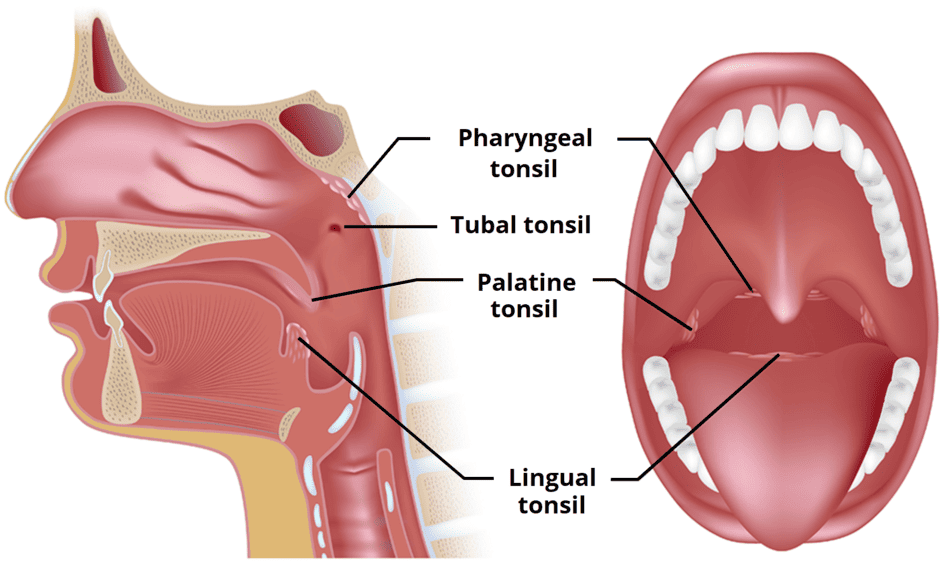
    Identify signs and symptoms requiring medical attention Explain when to contact a healthcare provider (e.g., worsening pain, fever, spreading redness, no improvement). Rationale: Ensures timely intervention for complications or treatment failure.
    Provide written instructions Supplement verbal teaching with written materials. Rationale: Reinforces learning and provides a reference for the patient.
    E. For Risk for Impaired Hearing:
    Intervention Rationale
    Assess hearing status Note any reports of hearing loss. Rationale: Establishes baseline and monitors for improvement or worsening.
    Reassure patient Explain that hearing loss is typically temporary due to canal obstruction and will likely improve as swelling subsides and drainage occurs. Rationale: Reduces patient anxiety.
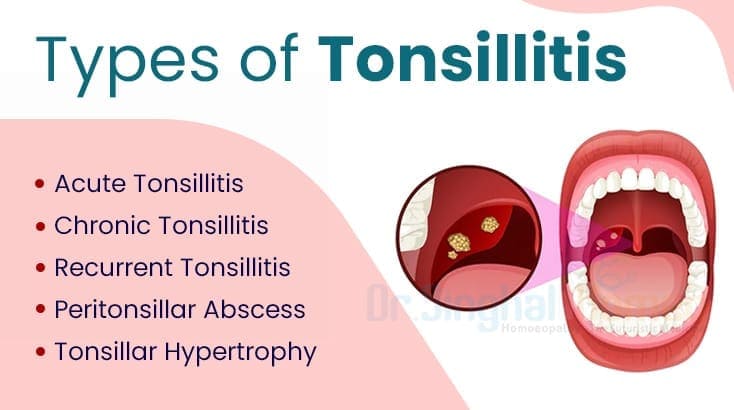
    Encourage communication strategies Advise speaking clearly and facing the patient if hearing is significantly impaired. Rationale: Facilitates effective communication despite temporary hearing impairment.
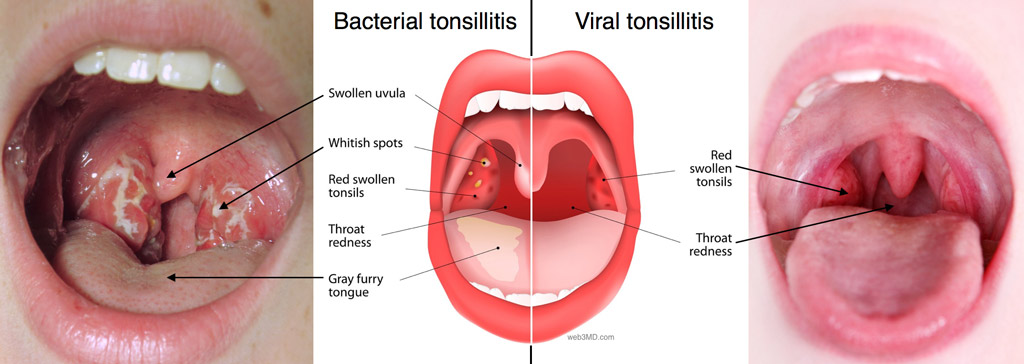
    Ongoing Evaluation:
    • Regularly assess the patient's pain level and comfort.
    • Monitor for signs of infection resolution or worsening.
    • Evaluate patient's understanding of care instructions and adherence to the treatment plan.

    Furunculosis Read More »

    Tonsillitis

    Tonsillitis

    Tonsillitis and Tonsillectomy Lecture Notes
    Tonsillitis and Tonsillectomy Lecture Notes

    To understand tonsillitis, it's essential to first know what the tonsils are and their role in the body.

    I. Anatomy and Function of the Tonsils:
    • Location: The tonsils are lymphoid tissues located at the back of the throat. The most commonly referred to tonsils are the palatine tonsils, which are two oval-shaped pads of tissue located on either side of the back of the throat, visible upon examination. Other tonsils include the lingual tonsils (at the base of the tongue) and the pharyngeal tonsil (adenoid, located behind the nasal cavity).
    • Structure: Each palatine tonsil is covered by mucous membrane and contains crypts (invaginations or pockets) where lymphocytes are present.
    • Function: Tonsils are part of the body's lymphatic system and play a crucial role in the immune system. They act as a first line of defense against pathogens (bacteria, viruses) that enter the body through the mouth or nose. They contain immune cells (lymphocytes) that can identify and trap germs, producing antibodies to fight infections. They are particularly active in early childhood when the immune system is developing.
    II. Definition of Tonsillitis:

    Tonsillitis is an inflammation of the tonsils, most commonly affecting the palatine tonsils. This inflammation results from an infection, which can be caused by either viruses or bacteria.

    Tonsillitis is inflammation of the tonsils, two oval-shaped pads of tissue located at the back of the throat (one tonsil on each side). Tonsillitis is contagious especially before signs and symptoms show up. Tonsils act as filters, trapping germs that could otherwise enter the air and cause infection in our body. They also make antibodies. Tonsillitis may be acute or chronic.

    Key Characteristics:
    • Inflammation: The tonsils become swollen, red, and often painful.
    • Infection: It is primarily an infectious process, leading to the body's immune response in the tonsillar tissue.
    • Symptoms: Typically characterized by a sore throat, difficulty swallowing (dysphagia), and sometimes fever.
    Types and Classifications of Tonsillitis

    When discussing "types" of tonsillitis, it's helpful to classify them in a few ways:

    1. Based on Duration and Frequency: This is the most common medical classification.
    2. Based on Etiology (Cause): Viral vs. Bacterial.
    3. Related Conditions/Complications often seen in conjunction with Tonsillitis: Conditions that can either be confused with tonsillitis or arise from it.
    I. Classification by Duration and Frequency:

    This is the primary way medical professionals categorize tonsillitis episodes.

    1. Acute Tonsillitis: A sudden onset of tonsil inflammation due to infection. Symptoms are severe but short-lived. It is usually accompanied by inflammation of the fornices and pharynx. It is more common in children than adults, normally caused by group A Beta streptococcus and sometimes viruses. Presents with Severe sore throat, difficulty swallowing, fever, often headache, malaise.
    2. Recurrent Tonsillitis: Multiple, distinct episodes of acute tonsillitis occurring frequently over a specific period. This isn't a continuous state but rather repeated acute infections.
      • Common Criteria (often used for considering tonsillectomy):
        • 7 episodes in the past year, OR
        • 5 episodes per year in the past 2 years, OR
        • 3 episodes per year in the past 3 years.
    3. Chronic Tonsillitis: Persistent low-grade infection or inflammation of the tonsils that lasts for an extended period, often weeks to months. It may not have the severe acute symptoms but rather a persistent sore throat, bad breath, and sometimes enlarged tonsils with crypts. It is defined as persistent progressive inflammation of the tonsils. If an acute attack re-occurs 5-6 times a year, it indicates that some one has failed to develop immunity and it is considered to be chronic. Presents with Chronic sore throat, bad breath (halitosis), feeling of something stuck in the throat, persistent tenderness of neck lymph nodes.
    4. Tonsillar Hypertrophy: Enlargement of the tonsils without necessarily being acutely or chronically infected. This can occur due to previous infections, or simply be a normal variation, especially in children. When significantly enlarged, they can obstruct breathing, especially during sleep (sleep apnea). Presents with Snoring, difficulty breathing during sleep, muffled voice, difficulty swallowing large foods.
    II. Classification by Etiology (Cause):
    1. Viral Tonsillitis: Caused by various viruses (e.g., adenoviruses, rhinoviruses, influenza, parainfluenza, coronaviruses, Epstein-Barr virus). This is the most common cause of tonsillitis. "Viral" tonsils as red and swollen, but generally without the prominent white patches/exudates often seen in bacterial infections. They may appear more diffusely red. Often accompanied by other viral symptoms like runny nose, cough, hoarseness, conjunctivitis.
    2. Bacterial Tonsillitis: Most commonly caused by Streptococcus pyogenes (Group A Streptococcus, or GAS), leading to "Strep Throat." Other bacteria can also cause it. "Bacterial" clearly depicts red, swollen tonsils with white spots or exudates. Presents with Sudden onset sore throat, difficulty swallowing, fever, headache, stomach ache/vomiting (especially in children). Often without prominent cough, runny nose, or hoarseness.
    III. Related Conditions / Complications Often Seen with Tonsillitis:

    These are not "types" of tonsillitis themselves, but important related conditions that are often considered in the grand of tonsillar inflammation.

    1. Peritonsillar Abscess (Quinsy): A serious complication of acute tonsillitis where an infection spreads behind the tonsil, forming a collection of pus. This is a medical emergency. Presents with Severe unilateral sore throat, fever, difficulty opening the mouth (trismus), muffled "hot potato" voice, drooling, uvula deviation.
    2. Tonsilloliths (Tonsil Stones): Small, often yellowish-white, calcified masses that form in the crypts (pockets) of the tonsils. They are composed of bacteria, food debris, and mucus. They are not an infection themselves but can be associated with chronic inflammation or contribute to bad breath. Presents with Bad breath, sensation of something stuck in the throat, chronic sore throat, can sometimes cause pain or discomfort.
    3. Acute Mononucleosis (Glandular Fever): While a systemic viral infection caused by the Epstein-Barr virus (EBV), it very commonly presents with severe tonsillitis as a prominent feature, often with significant exudates and lymph node enlargement. It's often classified as a viral cause of severe tonsillitis.
    Etiology and Risk Factors of Tonsillitis

    Understanding the causes (etiology) and contributing factors (risk factors) of tonsillitis is crucial for prevention, diagnosis, and appropriate treatment.

    I. Etiology (Causes of Tonsillitis):
    1. Viral Causes (Most Common):
  • Prevalence: Viruses are responsible for the majority (approximately 70-85%) of tonsillitis cases, particularly in younger children.
  • Common Viruses:
    • Adenoviruses: Very common cause of upper respiratory infections, often causing pharyngitis and tonsillitis.
    • Rhinoviruses: The most frequent cause of the common cold.
    • Influenza Virus: Causes the flu, often with severe sore throat.
    • Parainfluenza Virus: Another common cause of respiratory infections.
    • Coronaviruses: Including those that cause common colds.
    • Epstein-Barr Virus (EBV): The cause of infectious mononucleosis (glandular fever). This often presents with particularly severe tonsillitis, prominent exudates, and significant lymphadenopathy.
    • Herpes Simplex Virus (HSV): Can cause herpetic gingivostomatitis, which can involve the tonsils.
    • Cytomegalovirus (CMV): Another virus that can cause a mono-like illness.
  • 2. Bacterial Causes (Less Common but Clinically Important):
  • Prevalence: Bacteria account for about 15-30% of tonsillitis cases, with a higher percentage in school-aged children (5-15 years).
  • Primary Bacterium:
    • Streptococcus pyogenes (Group A Streptococcus or GAS): This is by far the most common bacterial cause, leading to "Streptococcal pharyngitis" or "Strep Throat." It is clinically significant due to potential non-suppurative complications (e.g., Rheumatic Fever, Post-Streptococcal Glomerulonephritis) if left untreated.
  • Other Bacteria (Less Common):
    • Staphylococcus aureus
    • Haemophilus influenzae
    • Moraxella catarrhalis
    • Mycoplasma pneumoniae
    • Chlamydophila pneumoniae
    • Corynebacterium diphtheriae (rare in developed countries due to vaccination, but causes diphtheria with a characteristic pseudomembrane).
    • Anaerobic bacteria (especially in peritonsillar abscesses).
  • II. Risk Factors for Tonsillitis:
    1. Age:
      • Children: Tonsillitis is most common in school-aged children (5-15 years old) due to their developing immune systems and increased exposure to germs in school or daycare settings. Viral tonsillitis is more common in very young children, while bacterial tonsillitis (Strep) is more prevalent in children over 3.
      • Infants/Toddlers: Rarely get strep throat before age 3.
      • Adults: While less common than in children, adults can still get tonsillitis.
    2. Frequent Exposure to Germs:
      • School/Daycare: Children in these environments are in close contact with many other children, facilitating the spread of viral and bacterial infections.
      • Crowded Environments: Living or working in crowded conditions can increase exposure to pathogens.
    3. Compromised Immune System: Individuals with weakened immune systems (e.g., due to illness, medications, or chronic conditions like HIV) may be more susceptible to recurrent or severe infections, including tonsillitis.
    4. Smoking/Exposure to Secondhand Smoke: Irritants from smoke can inflame the mucous membranes of the throat and tonsils, making them more vulnerable to infection.
    5. History of Recurrent Tonsillitis: Individuals who have had tonsillitis multiple times are at higher risk for future episodes. This might be due to genetic predisposition, chronic infection in tonsillar crypts, or persistent exposure.
    6. Close Contact with an Infected Individual: Tonsillitis-causing pathogens are spread through respiratory droplets (coughing, sneezing, talking). Close proximity to someone with tonsillitis increases the risk of transmission.
    7. Poor Hygiene: Infrequent handwashing, especially after coughing, sneezing, or before eating, can contribute to the spread of infectious agents.
    8. Allergies: While not a direct cause, chronic irritation and inflammation from allergies can potentially make the tonsils more susceptible to infection.
    Clinical Presentations of Tonsillitis

    The clinical presentation of tonsillitis can vary depending on whether the infection is viral or bacterial, and if it's acute or chronic.

    I. General Signs and Symptoms (Common to both Viral and Bacterial Tonsillitis):
    1. Sore Throat (Pharyngalgia): This is the most common and often the first symptom. It can range from mild discomfort to severe pain, making swallowing difficult.
    2. Difficulty Swallowing (Dysphagia/Odynophagia): Pain or discomfort when swallowing food, liquids, and even saliva. Patients may avoid eating and drinking due to this.
    3. Fever: Often present, ranging from low-grade (common in viral) to high (more common in bacterial). Associated with Chills, body aches (myalgia), headache.
    4. Red, Swollen Tonsils: The palatine tonsils (visible at the back of the throat) appear enlarged, inflamed, and bright red. This is the defining visual sign.
    5. Tender, Swollen Lymph Nodes (Cervical Lymphadenopathy): The lymph nodes in the neck, particularly those under the jaw and at the sides of the neck, often become enlarged and painful to the touch as they fight the infection.
    6. Voice Changes: A muffled or "hot potato" voice can occur due to the swelling in the throat, making articulation difficult.
    7. Malaise/Fatigue: A general feeling of being unwell, tired, and lacking energy.
    II. Specific Manifestations (Helping to Differentiate Viral vs. Bacterial):

    While there can be overlap, some signs are more indicative of one cause over the other.

    A. Viral Tonsillitis (often accompanied by other viral symptoms):
    1. Runny Nose (Rhinorrhea): Clear or sometimes thicker nasal discharge.
    2. Cough: Often a dry or productive cough.
    3. Hoarseness/Laryngitis: Inflammation of the voice box leading to a rough voice.
    4. Conjunctivitis: Red, watery eyes.
    5. Oral Ulcers/Vesicles: Small blisters or sores in the mouth (e.g., in herpangina caused by coxsackievirus).
    6. Absence of Exudates (Often): While viral tonsillitis can have exudates (as seen in severe cases like mononucleosis), they are less consistently present and often less prominent than in bacterial infections.
    B. Bacterial Tonsillitis (especially Strep Throat):
    1. White Patches or Streaks on Tonsils (Exudates/Pus): These are collections of pus or fibrin, appearing as white, yellowish, or gray spots or streaks on the surface of the tonsils. This is a classic sign of bacterial tonsillitis.
    2. Red Spots on the Soft Palate (Petechiae): Tiny, pinpoint red spots on the roof of the mouth, behind the tonsils. This is a strong indicator of Strep Throat.
    3. Strawberry Tongue: The tongue may appear red and bumpy, resembling a strawberry (early phase white coating, later red and shiny).
    4. Rash (Scarlatiniform Rash): In some cases of Strep Throat, a fine, red, sandpaper-like rash can develop, indicating Scarlet Fever.
    5. Nausea, Vomiting, Abdominal Pain: More common in children with Strep Throat.
    6. Absence of Viral Symptoms (often): Unlike viral tonsillitis, Strep Throat is less likely to be accompanied by cough, runny nose, or conjunctivitis.
    III. Clinical Presentation of Specific Types/Complications:
    1. Chronic Tonsillitis: Persistent sore throat, halitosis (bad breath), persistently enlarged tonsils, and sometimes the presence of tonsilloliths (tonsil stones) in the tonsillar crypts.
    2. Peritonsillar Abscess (Quinsy): Extremely severe, typically unilateral (one-sided) sore throat, severe difficulty swallowing, drooling, trismus (difficulty opening the mouth), muffled "hot potato" voice, and marked deviation of the uvula to the opposite side due to the pus collection pushing the tonsil forward.
    Diagnostic Approaches of Tonsillitis

    Diagnosing tonsillitis involves a combination of patient history, physical examination, and laboratory tests. The primary goal is to determine if the tonsillitis is viral or bacterial, as this impacts treatment.

    I. Clinical Assessment:
  • Patient History:
    • Symptom Onset and Duration: Acute vs. chronic, gradual vs. sudden.
    • Specific Symptoms: Sore throat severity, difficulty swallowing, fever (measured temperature), headache, body aches, cough, runny nose, hoarseness, abdominal pain, nausea/vomiting.
    • Exposure History: Recent contact with sick individuals (especially those with strep throat or mono).
    • Past Medical History: History of recurrent tonsillitis, allergies, immunosuppression, rheumatic fever.
    • Risk Factors: Age, exposure to daycare/school, smoking.
  • Physical Examination:
    • General Appearance: Assess for signs of distress, dehydration, fever, and overall well-being.
    • Head and Neck Exam:
      • Oropharyngeal Examination (Thorough Throat Inspection):
        • Tonsils: Visual inspection for size, redness, swelling, presence of exudates (white patches or streaks), petechiae on the soft palate, or ulcerations. Your images "1. Acute Tonsillitis," "4. Acute mononucleosis," "5. Strep throat," and the "Bacterial" vs. "Viral" diagrams are excellent examples of what to look for.
        • Uvula: Check for deviation, which could indicate a peritonsillar abscess. Your image "3. Peritonsilar Abscess" is a good visual.
        • Pharynx: Assess for general redness or inflammation.
        • Tongue: Look for "strawberry tongue" (red and bumpy), or any coating.
      • Cervical Lymph Nodes: Palpate the neck for tenderness and enlargement of lymph nodes (lymphadenopathy).
    • Skin Exam: Check for any rashes (e.g., scarlatiniform rash suggestive of scarlet fever).
  • II. Laboratory Tests (To differentiate Bacterial from Viral):

    Since viral and bacterial tonsillitis often present similarly, laboratory tests are crucial, especially to identify Group A Streptococcus (GAS), which requires antibiotic treatment.

  • Rapid Antigen Detection Test (RADT):
    • Procedure: A quick swab of the tonsils and posterior pharynx is taken. The swab is then tested for the presence of GAS antigens.
    • Results: Results are typically available within 5-15 minutes.
    • Sensitivity/Specificity: High specificity (meaning a positive test is very likely true positive), but variable sensitivity (meaning a negative test might miss some cases, especially in children).
    • Usage: If positive, usually indicates GAS infection and antibiotics are prescribed. If negative, especially in children, a throat culture is often recommended due to sensitivity concerns.
  • Throat Culture:
    • Procedure: Similar to RADT, a swab of the tonsils and pharynx is taken and sent to a lab to grow any bacteria present.
    • Results: Takes 24-48 hours for results.
    • "Gold Standard": Throat culture is considered the gold standard for diagnosing GAS pharyngitis due to its high sensitivity.
    • Usage: Often performed when RADT is negative, especially in children, or when there's a strong clinical suspicion of strep despite a negative RADT. Not routinely needed if RADT is positive.
  • Complete Blood Count (CBC) with Differential:
    • Usage: Not routinely performed for uncomplicated tonsillitis. However, it can be helpful in cases of severe or atypical presentations.
    • Findings: Elevated white blood cell count (leukocytosis) with a predominance of neutrophils suggests bacterial infection. Atypical lymphocytes and lymphocytosis may suggest a viral infection like infectious mononucleosis.
  • Mononucleosis Spot Test (Monospot Test) or EBV Serology:
    • Usage: Performed if infectious mononucleosis is suspected (e.g., prolonged fatigue, marked lymphadenopathy, significant splenomegaly, very severe tonsillar exudates, particularly in adolescents/young adults).
    • Results: Monospot is a rapid test, but can be negative early in the illness or in very young children. EBV serology is more definitive.
  • III. Scoring Systems (e.g., Centor Score/McIsaac Score):
  • Purpose: These clinical decision rules help stratify the risk of Strep Throat and guide the decision to perform RADT or throat culture.
  • Components (Centor Score):
    • Tonsillar Exudates
    • Swollen, Tender Anterior Cervical Lymph Nodes
    • History of Fever
    • Absence of Cough
    • A point is given for each present criterion. Higher scores increase the probability of Strep Throat. (McIsaac score adds age modification).
  • Usage: Used by clinicians to decide who needs testing for Strep and who can be safely managed symptomatically without testing.
  • Differential Diagnosis

    When a patient presents with a sore throat, fever, and tonsillar inflammation, it's nice to consider a range of other conditions that can mimic tonsillitis. Differentiating these helps in avoiding misdiagnosis and ensuring appropriate management.

    I. Infectious Conditions (Viral):

    These are often confused with bacterial tonsillitis due to overlapping symptoms.

    1. Common Cold (Viral Pharyngitis): Sore throat is usually milder, often accompanied by prominent "cold" symptoms like runny nose, nasal congestion, cough, and sneezing. Tonsils may be mildly red but rarely have significant exudates.
    2. Infectious Mononucleosis (EBV Pharyngitis): While it often presents with severe tonsillitis , it's accompanied by extreme fatigue, prolonged fever, diffuse lymphadenopathy (especially posterior cervical), and sometimes splenomegaly. Symptoms tend to be more protracted than typical tonsillitis.
    3. Herpangina: Caused by Coxsackievirus. Characterized by small, painful blisters (vesicles) or ulcers on the tonsils, soft palate, and uvula, rather than diffuse exudates. seen in young children.
    4. Hand, Foot, and Mouth Disease (HFMD): Also caused by Coxsackievirus. Features include oral lesions (blisters/ulcers anywhere in the mouth, not just tonsils) and a characteristic rash on the hands and feet.
    5. Influenza (Flu): Abrupt onset of high fever, body aches, headache, fatigue, and dry cough, often preceding or accompanying sore throat.
    II. Infectious Conditions (Bacterial - Other than Streptococcus pyogenes):
    1. Diphtheria: (Rare in vaccinated populations). Formation of a tough, grayish-white pseudomembrane on the tonsils, pharynx, or larynx that bleeds if attempts are made to remove it. Can cause severe systemic toxicity.
    2. Gonococcal Pharyngitis: Sexually transmitted infection. May be asymptomatic or present with a sore throat and exudative pharyngitis. History is key.
    3. Peritonsillar Abscess (Quinsy): A complication of tonsillitis, not a primary tonsillitis. Characterized by severe, often unilateral, throat pain, trismus (difficulty opening mouth), "hot potato" voice, drooling, and deviation of the uvula.
    III. Non-Infectious Conditions:
    1. Allergies/Post-Nasal Drip: Chronic irritation from post-nasal drip can cause a persistent sore throat, throat clearing, and cough. Typically no fever, exudates, or marked tonsillar swelling.
    2. Gastroesophageal Reflux Disease (GERD) / Laryngopharyngeal Reflux (LPR): Acid reflux can irritate the throat, leading to chronic sore throat, hoarseness, sensation of a lump in the throat, and chronic cough. Worse at night or after eating.
    3. Oral Thrush (Candidiasis): White, creamy patches on the tongue, inner cheeks, and sometimes tonsils that can be scraped off, revealing reddened, sometimes bleeding, tissue underneath. Common in infants, immunocompromised individuals, or those on antibiotics/steroids.
    4. Agranulocytosis: A severe reduction in white blood cells (neutrophils), leading to profound immunosuppression and severe, often necrotic, pharyngitis/tonsillitis. Patients are usually very ill and may have a history of certain medications.
    5. Foreign Body: Sharp localized pain, especially with swallowing, often unilateral, due to a fish bone or other foreign object lodged in the tonsil or pharynx.
    6. Stevens-Johnson Syndrome (SJS) / Toxic Epidermal Necrolysis (TEN): Severe mucocutaneous reactions, often drug-induced, causing painful blistering and erosion of mucous membranes (including oral and pharyngeal) and skin. Patients are very unwell with widespread symptoms.
    Management and Treatment of Tonsillitis.

    The management and treatment of tonsillitis are guided by the underlying cause (viral vs. bacterial), the severity of symptoms, and the frequency of recurrence. The goals/aims are:

    • To limit and prevent the spread of infection.
    • To relieve signs and symptoms such as pain and fever.
    • To treat the underlying cause (if bacterial).
    • To prevent complications.
    I. Medical Management

    This involves symptomatic relief for all types of tonsillitis and specific antimicrobial treatment for bacterial cases.

    A. General & Symptomatic Care (Applies to both Viral and Bacterial Tonsillitis):
    1. Reassurance: Reassure the patient and relatives about the nature of the condition and the plan of care.
    2. Patient Isolation & Barrier Nursing:
      • Rationale: To limit the spread of infection (especially bacterial or highly contagious viral forms) to other patients or healthcare providers.
      • Practice: Admit the patient to a medical isolation ward if deemed necessary. Emphasize isolation precautions and barrier nursing techniques (e.g., hand hygiene, masks, gloves) depending on the pathogen.
    3. Observations:
      • Vital Signs: Monitor and record temperature, pulse, respiration (TPR), and blood pressure (BP) regularly.
      • Specific Observations: Note the degree of tonsillar enlargement and inflammation.
      • Complication Monitoring:
        • Observe for facial edema, particularly in the morning, which may suggest nephritis (a potential complication of strep throat).
        • Observe for painful joints, suggestive of rheumatic fever (another potential strep complication).
        • Monitor fluid intake and output for diminished urine output and albumin, which could indicate renal involvement.
        • Continuously observe for the development of other complications (e.g., peritonsillar abscess).
    4. Fever Management:
      • Tepid Sponging: Use tepid (lukewarm) water sponging to help reduce high fever, particularly in children.
      • Antipyretics: Administer analgesics that also reduce fever (antipyretics) like Acetaminophen (Paracetamol) or Ibuprofen.
    5. Pain Management:
      • Analgesics: Administer appropriate analgesics, such as Acetaminophen or Ibuprofen, to relieve pain and discomfort. Note: Aspirin is generally avoided in children and teenagers due to the risk of Reye's Syndrome.
    6. Hydration:
      • Encourage Oral Fluids: Emphasize and encourage plenty of oral fluids (at least 4-5 liters in 24 hours if tolerated) to prevent dehydration and soothe the throat. Cold fluids, popsicles, and warm teas can be comforting.
    7. Oral Hygiene & Throat Soothers:
      • Mouth Gargling: Encourage frequent throat gargling with warm normal saline (salt water) solution to soothe the throat and maintain oral hygiene.
      • Mouth Care: Perform regular mouth care to ensure oral hygiene.
    8. Diet:
      • Highly Nourishing, Soft, Light Diet: Gradually introduce a highly nourishing, soft, and light diet as tolerated. Avoid foods that are sharp, spicy, or difficult to chew and swallow.
    9. Support for Children:
      • If the patient is a child, provide support for the neck while swallowing to ease discomfort.
    10. General Nursing Care: Provide daily nursing care as for any other patient, focusing on comfort and hygiene.
    B. Specific Antimicrobial Treatment (For Bacterial Tonsillitis ONLY):
    1. Antibiotics:
      • Indication: Prescribed only when bacterial tonsillitis (most commonly Group A Streptococcus) is confirmed or highly suspected. Antibiotics are ineffective against viral tonsillitis.
      • First-Line: Penicillin V (e.g., 500 mg every 6 hours for 10 days) is the antibiotic of choice for Streptococcus pyogenes.
      • Alternatives:
        • For those allergic to penicillin: Macrolides (e.g., Erythromycin, Azithromycin) or Cephalexin may be used.
        • For severe cases or specific situations: Broader spectrum antibiotics like IV Ceftriaxone might be used initially, particularly if admitting for complications.
      • Compliance: Emphasize the importance of completing the entire 10-day course of antibiotics, even if symptoms improve earlier, to ensure complete eradication of the bacteria and prevent complications like rheumatic fever.
    II. Surgical Management (Tonsillectomy)

    Tonsillectomy, the surgical removal of the tonsils, is indicated for specific, usually chronic or severe, conditions where conservative medical management has failed or complications arise.

    A. Indications for Tonsillectomy:

    Tonsillectomy is not indicated for simple tonsillar enlargement unless it causes significant problems, as tonsils naturally decrease in size with age, especially in children. Indications are typically for:

    1. Chronic Recurrent Tonsillitis:
      • Frequency: When the disease chronically interferes with schooling or daily life due to fear of complications or constant recurrence. Specific criteria often include:
        • 7 episodes in the preceding year, OR
        • 5 episodes per year for the preceding 2 years, OR
        • 3 episodes per year for the preceding 3 years.
        • Each episode must be clinically well-documented (e.g., by a physician with specific symptoms and/or positive rapid strep test/culture).
    2. Obstructive Sleep Apnea (OSA) / Upper Airway Obstruction:
      • When enlarged tonsils cause significant breathing difficulties during sleep, leading to snoring, apneas (pauses in breathing), or hypopneas (shallow breathing).
    3. Recurrent Peritonsillar Abscess:
      • After the acute management of a peritonsillar abscess, if there is a history of recurrent PTAs.
    4. Chronic Tonsillitis:
      • Persistent sore throat, chronic halitosis (bad breath), or presence of tonsilloliths that are resistant to conservative management and significantly impact quality of life.
    5. Unilateral Tonsil Enlargement (Suspicion of Malignancy):
      • Especially in adults, if one tonsil is significantly larger than the other without apparent cause, to rule out lymphoma or squamous cell carcinoma.
    B. Pre-operative Management (for Tonsillectomy):

    The patient is prepared like any other patient for general anesthesia and surgery, with special emphasis on:

    1. Thorough Medical History & Physical Exam: To assess overall health and identify any contraindications or risk factors.
    2. Laboratory Tests: Routine pre-operative blood tests (e.g., CBC, coagulation profile) to ensure the patient is fit for surgery and to assess bleeding risk.
    3. Oral Care: Emphasis on excellent oral hygiene before surgery to reduce bacterial load.
    4. Pre-operative Antibiotics: May be administered (e.g., IV Ceftriaxone) to reduce the risk of post-operative infection, although not universally practiced for all tonsillectomies.
    5. NPO (Nil Per Os): Patient is instructed not to eat or drink for a specified period before surgery.
    6. Patient Education: Explain the procedure, potential risks, and post-operative expectations to the patient and family.
    C. The Operation (Tonsillectomy):
    • Anesthesia: Carried out under general anesthesia.
    • Procedure: The tonsil is carefully dissected and removed from the underlying pharyngeal tissue using various surgical techniques (e.g., cold knife dissection, electrocautery, radiofrequency ablation, microdebrider).
    D. Post-operative Management (for Tonsillectomy):

    After surgery, meticulous care is essential for patient recovery and complication prevention.

    1. Preparation of Recovery Area: A post-operative bed with all necessary accessories (suction, oxygen, vital sign monitor) is prepared.
    2. Positioning:
      • Upon transfer from the operating room, the patient is received and nursed in the lateral (side) position with the head down (recovery position).
      • Rationale: This position helps prevent the patient from inhaling blood or tonsil fragments, thus avoiding aspiration, until they are fully alert.
    3. Post-operative Observations:
      • Frequent Monitoring: Vital signs (TPR & BP) are monitored frequently in the immediate post-operative period.
      • Skin Color: Observe skin color for any signs of pallor or cyanosis.
      • Bleeding: Crucial observation. Observe for signs of bleeding, which is most commonly detected by:
        • Frequent Swallowing: The patient may be constantly swallowing small amounts of blood, even if not overtly spitting it out. This is a key indicator of bleeding and requires immediate attention.
        • Restlessness: Unusual restlessness can also be a sign of bleeding.
        • Overt Blood: Spitting up fresh blood.
        • If significant bleeding is suspected, the patient will need to be returned to the theatre for ligation of the bleeding points immediately.
    4. Secretion Management: Encourage the patient to spit out secretions rather than swallowing them, to help monitor for bleeding.
    5. Antibiotics:
      • Prophylaxis/Treatment: Continue with antibiotics for prophylaxis or to treat potential infections (e.g., IV Ceftriaxone initially, then possibly oral Penicillin V 6 hourly if needed for a longer course).
    6. Fluid & Diet Progression:
      • Hydration: Encourage sips of cold water or clear fluids as soon as the patient is fully awake and swallows without difficulty. This helps prevent dehydration and may soothe the throat.
      • Diet: On the next day, the patient is encouraged to drink and eat soft, bland foods. Avoid hot, spicy, or hard/crunchy foods for at least 1-2 weeks.
    7. Oral Care: Continue oral care, often with warm saline water gargling (if old enough and able to gargle effectively).
    8. Pain Management: Provide regular and adequate pain relief, as post-tonsillectomy pain can be significant.
    9. Discharge & Advice: When the patient improves and meets discharge criteria, they are discharged with clear instructions on pain management, diet, activity restrictions, and signs of complications (especially bleeding) requiring immediate medical attention.
    Nursing Diagnoses and Interventions

    Nursing Diagnoses are clinical judgments about individual, family, or community responses to actual or potential health problems/life processes. They provide the basis for selection of nursing interventions to achieve outcomes for which the nurse has accountability.

    1. Nursing Diagnosis: Acute Pain
    • Related To: Inflammation and swelling of the tonsils, pharyngeal irritation.
    • As Evidenced By: Patient verbalizing pain (e.g., "my throat hurts"), difficulty swallowing, grimacing, restlessness, increased heart rate, refusal to eat/drink.
    Intervention Rationale
    Assess Pain Regularly assess pain level using a pain scale (e.g., 0-10) and observe non-verbal cues.
    Administer Analgesics Administer prescribed pain medications (e.g., acetaminophen, ibuprofen) as ordered, ensuring proper dosage and timing. Educate patient/parents on avoiding aspirin in children.
    Provide Comfort Measures
    • Encourage warm saline gargles (for older children/adults).
    • Offer throat lozenges or hard candies (avoid in young children).
    • Provide cool or lukewarm liquids; popsicles or ice chips can be soothing.
    • Maintain a humidified environment.
    • Apply a cool compress to the neck externally if tolerated.
    Encourage Rest Promote a quiet environment for rest to conserve energy.
    Educate Teach patient/family about pain management techniques and when to report worsening pain.
    2. Nursing Diagnosis: Risk for Deficient Fluid Volume
    • Related To: Difficulty/painful swallowing (odynophagia), fever leading to increased insensible fluid loss.
    • As Evidenced By: (Potential signs of dehydration) dry mucous membranes, decreased urine output, poor skin turgor, patient expressing reluctance to drink.
    Intervention Rationale
    Monitor Intake and Output (I&O) Accurately record all fluid intake and urine output.
    Encourage Oral Fluid Intake
    • Offer small, frequent amounts of preferred liquids (water, clear broths, diluted juice, popsicles).
    • Explain the importance of hydration to the patient/family.
    Assess Hydration Status Monitor mucous membranes, skin turgor, fontanelles (in infants), and urine specific gravity.
    Administer IV Fluids If oral intake is severely compromised or signs of dehydration are present, administer intravenous fluids as prescribed.
    Educate Instruct patient/family on recognizing signs of dehydration and the need to increase fluid intake.
    3. Nursing Diagnosis: Inadequate protein energy intake
    • Related To: Painful swallowing, loss of appetite due to illness, difficulty consuming solid foods.
    • As Evidenced By: Weight loss (if chronic), reluctance to eat, verbalization of inability to eat, poor intake recorded.
    Intervention Rationale
    Assess Nutritional Status Monitor weight (daily if possible), review dietary intake, and assess for signs of malnutrition.
    Offer Soft, Bland Diet Provide foods that are easy to swallow, non-irritating, and nutritionally dense (e.g., pureed foods, mashed potatoes, cooked cereals, yogurts, soups). Avoid spicy, acidic, or hard/crunchy foods.
    Small, Frequent Meals Offer smaller, more frequent meals/snacks rather than large meals.
    High-Calorie, High-Protein Supplements Consider liquid nutritional supplements if oral intake remains poor.
    Encourage Oral Hygiene Good mouth care before meals can improve appetite and comfort.
    Educate Advise family on appropriate food choices and strategies to encourage intake.
    4. Nursing Diagnosis: Risk for Infection
    • Related To: Presence of infectious organisms (bacterial/viral), close contact with others.
    Intervention Rationale
    Implement Isolation Precautions
    • Droplet Precautions: For suspected or confirmed bacterial tonsillitis (e.g., Strep throat) or certain viral infections, maintain droplet precautions (mask within 3 feet, private room if possible).
    • Standard Precautions: Always use standard precautions (hand hygiene, gloves).
    Educate on Hand Hygiene Emphasize meticulous handwashing for the patient, family, and healthcare providers.
    Avoid Sharing Instruct patient not to share eating utensils, drinks, or food.
    Contain Respiratory Secretions Teach patient to cover mouth and nose when coughing or sneezing, and dispose of tissues properly.
    Administer Antibiotics (if bacterial) Ensure adherence to the prescribed antibiotic regimen to eradicate the bacteria and reduce contagiousness. Educate on completing the full course.
    Restrict Contact Advise patient to avoid close contact with others, especially during the contagious period (until afebrile and on antibiotics for 24 hours for bacterial tonsillitis).
    5. Nursing Diagnosis: Hyperthermia
    • Related To: Infectious process, inflammation.
    • As Evidenced By: Elevated body temperature, flushed skin, tachycardia, tachypnea, warm to touch.
    Intervention Rationale
    Monitor Temperature Assess body temperature regularly.
    Administer Antipyretics Administer prescribed fever-reducing medications (e.g., acetaminophen, ibuprofen).
    Tepid Sponging Use tepid water for sponging if fever is very high and other measures are insufficient.
    Provide Light Clothing/Bedding Avoid overheating.
    Maintain Hydration Encourage fluid intake as discussed under risk for deficient fluid volume.
    Monitor for Seizures Especially in young children susceptible to febrile seizures.
    6. Nursing Diagnosis: Deficient Knowledge
    • Related To: Lack of exposure to information regarding tonsillitis, its management, and prevention of complications.
    • As Evidenced By: Patient/family asking questions, expressing misconceptions, inappropriate behaviors (e.g., not completing antibiotics).
    Intervention Rationale
    Assess Learning Needs Determine what the patient/family already knows and what information they require.
    Provide Education
    • Disease Process: Explain tonsillitis (viral vs. bacterial), its cause, symptoms, and expected course.
    • Medication Regimen: Detailed instructions on antibiotics (importance of completion, side effects), pain relievers.
    • Symptom Management: Strategies for pain relief, fever reduction, and hydration.
    • Complications: Signs and symptoms of potential complications (e.g., peritonsillar abscess, rheumatic fever, dehydration) and when to seek medical attention.
    • Infection Control: Hand hygiene, avoiding sharing, isolation.
    • Post-tonsillectomy care: (If applicable) detailed instructions on pain, diet, activity, bleeding signs.
    Use Teach-Back Method Ask the patient/family to explain information in their own words to ensure understanding.
    Provide Written Materials Supplement verbal instruction with written handouts.
    7. Nursing Diagnosis: Risk for Complications
    • Related To: Untreated/inadequately treated infection, severe inflammation.
    • As Evidenced By: (Potential for) signs of peritonsillar abscess, rheumatic fever, glomerulonephritis, airway obstruction.
    Intervention Rationale
    Monitor for Specific Signs
    • Peritonsillar Abscess: Severe unilateral throat pain, trismus, "hot potato" voice, drooling, uvular deviation.
    • Rheumatic Fever: Joint pain, rash (erythema marginatum), cardiac murmurs, chorea (delayed onset).
    • APSGN: Facial swelling, dark urine, decreased urine output, elevated blood pressure (delayed onset).
    • Airway Obstruction: Stridor, difficulty breathing, restlessness.
    Prompt Reporting Report any signs of complications to the physician immediately.
    Patient Education Emphasize to the patient/family the importance of completing antibiotics and recognizing early signs of complications to seek urgent medical care.
    Long-Term Management and Patient Education

    Information needed for patients and their caregivers to effectively manage tonsillitis, prevent recurrence, and ensure a healthy recovery, particularly following surgical intervention.

    I. Preventing Recurrent Tonsillitis:
    1. Complete Antibiotic Courses: For bacterial tonsillitis, strict adherence to the full course of antibiotics is paramount to ensure complete eradication of the bacteria and prevent recurrence.
    2. Good Hygiene Practices:
      • Hand Washing: Emphasize frequent and thorough hand washing, especially after coughing, sneezing, and before eating.
      • Avoid Sharing: Discourage sharing of eating utensils, drinks, and personal items.
    3. Avoid Irritants: Minimize exposure to environmental irritants like cigarette smoke, which can irritate the throat and increase susceptibility to infection.
    4. Boost Immune System:
      • Balanced Diet: Encourage a nutritious diet rich in fruits, vegetables, and whole grains.
      • Adequate Sleep: Promote sufficient rest.
      • Regular Exercise: Encourage moderate physical activity.
    5. Identify and Manage Triggers: If certain factors consistently precede tonsillitis episodes (e.g., allergies, exposure to specific environments), discuss strategies to minimize exposure or manage these triggers.
    6. Consider Tonsillectomy: For patients with recurrent, well-documented episodes of tonsillitis that significantly impact quality of life, tonsillectomy becomes a long-term management strategy to eliminate the source of infection.
    II. Post-Tonsillectomy Care and Education:

    This is a critical period requiring specific guidance to ensure a smooth recovery and prevent complications.

    1. Pain Management:
      • Medication: Provide clear instructions on prescribed pain medications (analgesics), including dosage, frequency, and potential side effects. Emphasize taking medication before pain becomes severe.
      • Non-Pharmacological: Advise on soothing measures like cold liquids, popsicles, ice chips, and sometimes a cool compress to the neck.
    2. Hydration:
      • Crucial: Stress the extreme importance of adequate fluid intake to prevent dehydration and aid healing. Even if painful, encourage frequent small sips of water or other clear, non-acidic fluids.
      • Signs of Dehydration: Educate parents/patients on signs of dehydration (e.g., decreased urination, dry mouth, lethargy) and when to seek medical attention.
    3. Diet Progression:
      • Initial: Start with clear, cold liquids immediately post-op.
      • Gradual Advancement: Progress to soft, bland foods (e.g., mashed potatoes, yogurt, scrambled eggs, well-cooked pasta, pureed fruits) as tolerated over the first week.
      • Avoid: Hard, crunchy, sharp (e.g., chips, toast), spicy, or highly acidic foods (e.g., citrus juices, tomatoes) for at least 1-2 weeks, as these can irritate the surgical site and increase bleeding risk.
    4. Activity Restrictions:
      • Rest: Emphasize rest for the first few days.
      • Avoid Strenuous Activity: Advise against vigorous activities, heavy lifting, contact sports, and excessive talking/shouting for 10-14 days to minimize bleeding risk.
      • School/Work: Discuss appropriate return to school or work schedules, often after 7-10 days depending on recovery.
    5. Monitoring for Complications:
      • Bleeding: This is the most serious complication. Educate on signs of bleeding:
        • Frequent Swallowing: The most important sign, often indicative of slow internal bleeding.
        • Fresh red blood or blood clots from the mouth.
        • Vomiting blood.
        • Increased pain that is not relieved by medication.
        • Instruct to seek immediate medical attention (e.g., go to the emergency room) if any signs of bleeding occur.
      • Fever: A low-grade fever is common; persistent high fever may indicate infection and warrants medical consultation.
      • Dehydration: As above.
      • Signs of Infection: Increased redness, swelling, pus, or foul odor from the throat.
    6. Oral Hygiene: Gentle mouth rinses with plain water (not vigorous gargling) may be advised to keep the mouth clean. Avoid harsh mouthwashes.
    7. Follow-up Appointments: Stress the importance of attending all scheduled post-operative follow-up appointments with the surgeon.
    III. General Patient and Caregiver Education:
    1. Understanding the Disease: Ensure a clear understanding of whether the tonsillitis is viral or bacterial and why specific treatments (e.g., antibiotics) are or are not used.
    2. Medication Adherence: Reinforce the importance of taking all medications as prescribed.
    3. When to Seek Medical Attention: Provide clear guidelines on signs and symptoms that warrant a return visit to the clinic or an emergency department visit (e.g., worsening pain, difficulty breathing, rash, signs of dehydration, signs of complications).
    4. Preventive Measures: Reiterate hygiene practices and lifestyle choices that can reduce the risk of future infections.
    5. Coping Strategies: Offer emotional support and practical advice for coping with the discomfort of tonsillitis or the recovery from tonsillectomy.
    Potential Complications of Tonsillitis

    While tonsillitis is a common and usually self-limiting or easily treated condition, it can lead to various complications if left untreated, improperly treated, or in severe cases.

    I. Local Complications (Directly related to the throat/tonsils):
    1. Peritonsillar Abscess (Quinsy): This is the most common local complication. It's a collection of pus that forms behind the tonsil, typically on one side, pushing the tonsil and uvula towards the opposite side (as seen in your image "3. Peritonsilar Abscess").
      • Symptoms: Severe unilateral throat pain, difficulty swallowing (dysphagia), painful swallowing (odynophagia), trismus (difficulty opening the mouth), muffled "hot potato" voice, drooling, and fever.
      • Treatment: Requires urgent medical attention, typically involving needle aspiration or incision and drainage of the abscess, along with antibiotics.
    2. Parapharyngeal Abscess: A more serious, deeper infection in the space alongside the pharynx, which can extend into the neck and chest.
      • Symptoms: High fever, severe sore throat, neck swelling, dysphagia, and potentially airway obstruction.
      • Treatment: Requires aggressive intravenous antibiotics and often surgical drainage.
    3. Retropharyngeal Abscess: An abscess in the space behind the pharynx, usually seen in young children. Can be life-threatening due to potential for airway compromise.
      • Symptoms: Fever, stridor (noisy breathing), neck stiffness, refusal to eat, and drooling.
      • Treatment: Surgical drainage and intravenous antibiotics.
    4. Airway Obstruction: Severely enlarged tonsils, especially during an acute infection or in cases of infectious mononucleosis, can physically block the airway, leading to difficulty breathing. This is particularly concerning in children.
      • Symptoms: Stridor, labored breathing, snoring, cyanosis, and in severe cases, respiratory distress.
      • Treatment: May require corticosteroids to reduce swelling, and in extreme cases, intubation or tracheostomy.
    5. Tonsillar Cellulitis: Inflammation and infection of the tissue around the tonsil, without pus formation (precursor to peritonsillar abscess).
      • Symptoms: Similar to tonsillitis but more severe localized pain and swelling.
      • Treatment: Aggressive antibiotics.
    6. Tonsilloliths (Tonsil Stones): Small, often foul-smelling, calcified deposits that form in the crypts of the tonsils (as shown in your image "6. Tonsilloliths").
      • Symptoms: Chronic bad breath (halitosis), feeling of something stuck in the throat, chronic sore throat.
      • Treatment: Usually conservative (gargling, manual removal), but persistent cases can be an indication for tonsillectomy.
    II. Systemic Complications (Due to Group A Streptococcal Infection - Strep Throat):

    These "non-suppurative" complications are immune-mediated and occur as a delayed reaction to an untreated or inadequately treated Streptococcus pyogenes infection.

    1. Acute Rheumatic Fever (ARF): A serious inflammatory disease that can affect the heart, joints, brain, and skin. It's a leading cause of preventable heart disease worldwide (rheumatic heart disease).
      • Onset: Typically occurs 2-3 weeks after an untreated strep throat infection.
      • Symptoms: Migratory polyarthritis (joint pain that moves from joint to joint), carditis (inflammation of the heart, which can lead to permanent damage), chorea (involuntary movements), subcutaneous nodules, and erythema marginatum (a specific rash).
      • Prevention: Prompt and complete antibiotic treatment of strep throat is crucial for preventing ARF.
    2. Acute Post-Streptococcal Glomerulonephritis (APSGN): An inflammatory kidney disease that occurs as an immune reaction to certain strains of GAS.
      • Onset: Typically occurs 1-3 weeks after a strep throat or skin infection.
      • Symptoms: Hematuria (blood in urine, often making it dark or cola-colored), edema (swelling, especially in the face and ankles), hypertension (high blood pressure), and proteinuria (protein in urine).
      • Prevention: Unlike ARF, antibiotic treatment of strep throat does not reliably prevent APSGN, although it can limit the spread of nephritogenic strains.
    3. Pediatric Autoimmune Neuropsychiatric Disorders Associated with Streptococcal Infections (PANDAS): A controversial theory suggesting that in some children, a strep infection can trigger or exacerbate certain neuropsychiatric disorders, such as obsessive-compulsive disorder (OCD) and tic disorders.
      • Symptoms: Abrupt onset or exacerbation of OCD and/or tics, often following a strep infection.
      • Treatment: Management is complex and often involves a combination of antibiotics, anti-inflammatory agents, and psychiatric therapies.
    III. Other Potential Complications:
    1. Dehydration: Due to difficulty swallowing (odynophagia), patients may avoid drinking, leading to dehydration.
    2. Weight Loss: In chronic tonsillitis or recurrent severe episodes, persistent pain and difficulty eating can lead to inadequate caloric intake and weight loss.
    3. Chronic Tonsillitis: Persistent or recurrent inflammation, often leading to chronic sore throat, halitosis, and development of tonsilloliths.
    4. Otitis Media (Middle Ear Infection): Infection can spread from the throat to the Eustachian tube, leading to ear infections.
    5. Sinusitis: Infection can spread to the paranasal sinuses.

    Tonsillitis Read More »

    peritonsillar

    Peritonsillar

    Peritonsillar Abscess Lecture Notes
    Peritonsillar Abscess

    Peritonsillar abscess, often referred to as Quinsy, represents a localized collection of pus situated in the peritonsillar space. This space is found between the tonsillar capsule and the superior constrictor muscle of the pharynx.

    It generally involves a pus-filled pocket that forms near one of the tonsils. It is a collection of pus around the tonsils. It usually begins as a complication of untreated streptococcal throat or tonsillitis infection

    To elaborate:
    • Localized Collection of Pus: This indicates an infection that has progressed beyond simple inflammation to form a contained pocket of purulent material (pus).
    • Peritonsillar Space: This anatomical region is a potential space, meaning it is not normally open, but can become filled due to infection. It is bordered by:
      • Medially: The palatine tonsil and its capsule.
      • Laterally: The superior constrictor muscle, which forms part of the pharyngeal wall.
    • Relationship to Tonsillitis: A peritonsillar abscess is considered a complication of acute tonsillitis, meaning it often develops following a prior tonsillar infection that has either gone untreated or not responded adequately to initial therapy. While related to the tonsil, the abscess itself is outside the tonsillar tissue, in the surrounding connective tissue.
    • Unilateral Presentation: Peritonsillar abscesses almost invariably affect only one side of the throat, which is a key distinguishing feature from uncomplicated tonsillitis, which is usually bilateral.
    Etiology and Pathophysiology of Peritonsillar Abscess

    Understanding how a peritonsillar abscess (PTA) forms involves examining both the causative agents and the sequence of events within the throat that leads to this distinct pus collection.

    I. Etiology (Causes):

    The formation of a peritonsillar abscess is almost always linked to a bacterial infection.

    1. Bacterial Infection:
      • Primary Culprit: The organism most frequently isolated from PTAs is Group A Streptococcus pyogenes (GAS), the same bacterium responsible for most cases of "strep throat."
      • Polymicrobial Nature: While GAS is prominent, many PTAs are polymicrobial, meaning they involve a combination of bacteria. Other common pathogens include:
        • Staphylococcus aureus (including Methicillin-resistant S. aureus - MRSA in some regions).
        • Respiratory anaerobes (e.g., Fusobacterium, Bacteroides, Peptostreptococcus species). These anaerobic bacteria thrive in low-oxygen environments and are particularly common in abscess formation.
      • Viral Precursors: Though bacteria cause the abscess, a preceding viral tonsillitis can sometimes weaken the local defenses, making the area more susceptible to subsequent bacterial invasion and abscess development.
    2. Origin from Tonsillitis: A peritonsillar abscess is regarded as a complication of acute tonsillitis, meaning it typically arises after a bout of tonsillar inflammation. This connection is fundamental to its etiology.
    II. Pathophysiology (How it Develops):

    The development of a peritonsillar abscess is a sequential process that begins with infection and progresses to tissue breakdown and pus accumulation.

    1. Initial Infection: The process commences with an infection of the tonsils (tonsillitis), predominantly bacterial.
    2. Inflammation and Crypt Involvement: The infection spreads within the tonsillar tissue, leading to marked inflammation. The deep crypts within the tonsils can become obstructed and infected.
    3. Spread to Weber's Glands: A generally accepted theory points to the infection originating in the salivary glands of Weber. These are small mucous glands located superior to the tonsil, in the supratonsillar fossa (the small depression above the tonsil). Their ducts can become blocked by inflammation or debris.
    4. Abscess Formation:
      • Once Weber's glands are infected and obstructed, the infection spreads from these glands into the peritonsillar space.
      • This space, as defined earlier, lies between the tonsillar capsule and the pharyngeal constrictor muscle.
      • The bacterial proliferation, coupled with the body's immune response, leads to tissue necrosis (death) and liquefaction, forming a collection of pus.
      • The inflammation and pus collection cause the tonsil and its surrounding structures to bulge medially (towards the midline of the throat).
    5. Unilateral Predominance: The anatomy of the peritonsillar space and the involvement of Weber's glands (which are present in both tonsils but infection often localizes to one side) contribute to the distinctive unilateral presentation of most peritonsillar abscesses.
    Clinical Presentation of peritonsillar abscess (PTA)

    The clinical presentation of a peritonsillar abscess (PTA) is distinct and often more severe than uncomplicated tonsillitis. The signs and symptoms arise from the inflammation, pus accumulation, and muscle spasms in the peritonsillar region. Presentation is USUALLY unilateral.

    1. Severe Sore Throat (Unilateral): This is a predominant symptom, often described as intense and localized to one side of the throat. Unlike tonsillitis, which is frequently bilateral, the pain of a PTA is almost always felt more strongly on one side.
    2. Odynophagia (Painful Swallowing): Extreme pain upon swallowing, often making even sips of water unbearable. This can contribute significantly to dehydration.
    3. Dysphagia (Difficulty Swallowing): The swelling and pain can make the physical act of swallowing very difficult, sometimes leading to drooling.
    4. Trismus (Difficulty Opening the Mouth): This is a highly characteristic sign. It refers to painful spasm of the masticatory muscles, making it hard or impossible to fully open the mouth. Caused by Irritation of the pterygoid muscles due to inflammation in the adjacent peritonsillar space.
    5. "Hot Potato" Voice (Muffled Voice): The patient's voice sounds muffled, as if they are speaking with a hot object in their mouth. Caused by swelling and edema of the soft palate and pharyngeal structures interfere with vocal resonance.
    6. Drooling/Sialorrhea: Due to extreme pain and difficulty swallowing saliva, patients may drool.
    7. Fever and Chills: Systemic signs of infection are common, including elevated body temperature and shivering.
    8. Malaise and Fatigue: A general feeling of discomfort, illness, and lack of energy.
    9. Halitosis (Bad Breath): The presence of pus and infection can cause foul-smelling breath.
    10. Referred Ear Pain (Otalgia): Pain can sometimes be felt in the ear on the same side as the abscess due to shared nerve pathways (glossopharyngeal nerve).
    Physical Examination Findings (upon inspection):
    1. Unilateral Tonsillar Swelling: The affected tonsil appears significantly enlarged and displaced.
    2. Medial and Inferior Displacement of the Tonsil: The tonsil is often pushed towards the midline and downwards.
    3. Bulging of the Soft Palate: The area just above and lateral to the affected tonsil (soft palate) appears red, swollen, and bulging (as shown in your image "3. Peritonsillar Abscess").
    4. Uvular Deviation: The uvula (the fleshy extension hanging at the back of the soft palate) is typically pushed away from the affected side, towards the unaffected side of the throat. This is a very suggestive sign.
    5. Exudates: Pus or white patches may be visible on the tonsil, similar to tonsillitis.
    6. Cervical Lymphadenopathy: Swollen, tender lymph nodes in the neck, particularly on the affected side.
    Diagnostic Approaches of peritonsillar abscess (PTA)

    Diagnosing a peritonsillar abscess (PTA) relies primarily on a thorough clinical assessment.

    I. Clinical Diagnosis (Primary Method):
  • Detailed History:
    • Inquire about the duration and severity of symptoms.
    • Determine if there was a preceding sore throat or tonsillitis.
    • Elicit information regarding the unilateral nature of the pain, difficulty swallowing, muffled voice, and especially trismus.
    • Document fever, chills, and general malaise.
  • Physical Examination: This is the cornerstone of PTA diagnosis.
    • Throat Inspection:
      • Ask the patient to open their mouth as wide as possible (noting any trismus).
      • Visually inspect the oropharynx, paying close attention to the soft palate, tonsils, and uvula.
      • Key Findings: Observe for:
        • Unilateral bulging of the soft palate adjacent to the affected tonsil.
        • Medial and inferior displacement of the affected tonsil.
        • Uvular deviation to the contralateral (unaffected) side.
        • Erythema (redness) and edema (swelling) of the affected area.
        • Exudates on the tonsil may or may not be present.
    • Palpation: Gently palpating the soft palate with a gloved finger (if tolerated by the patient and if trismus allows) can sometimes confirm fluctuance (the sensation of fluid beneath the surface), which is highly indicative of an abscess. However, this can be extremely painful and may not always be necessary or feasible.
    • Neck Examination: Palpate the cervical lymph nodes for tenderness and enlargement.
  • II. Laboratory Investigations (Supportive):

    While not diagnostic of PTA itself, these tests provide supportive evidence of infection and assess the patient's general status.

    1. Complete Blood Count (CBC): Often reveals leukocytosis (elevated white blood cell count) with a left shift (increased neutrophils), indicating a bacterial infection.
    2. C-Reactive Protein (CRP) / Erythrocyte Sedimentation Rate (ESR): These inflammatory markers will typically be elevated, reflecting systemic inflammation.
    3. Rapid Strep Test / Throat Culture: To identify the presence of Streptococcus pyogenes if the patient can tolerate a swab. This confirms the bacterial etiology but does not distinguish between simple tonsillitis and an abscess.
    III. Imaging Studies (Confirmatory and for Guiding Intervention):

    Imaging is not always necessary if the clinical diagnosis is clear and the patient has minimal trismus. However, it is especially valuable in cases of:

    • Uncertain Diagnosis: When clinical findings are ambiguous or atypical.
    • Severe Trismus: When a good physical examination is hindered by the patient's inability to open their mouth.
    • Concern for Deeper Space Infection: To differentiate PTA from a parapharyngeal or retropharyngeal abscess, which requires different management.
    • Abscess Localization: To guide needle aspiration or incision and drainage, especially in pediatric patients or if multiple attempts at drainage have failed.
    1. Intraoral Ultrasound:
      • Method: A small ultrasound probe is placed in the mouth.
      • Advantage: Non-invasive, no radiation, can differentiate between cellulitis and an abscess (solid vs. fluid collection), and can guide needle aspiration in real-time. This is gaining favor in many emergency departments.
    2. Computed Tomography (CT) Scan with Contrast:
      • Method: Provides cross-sectional images of the neck and pharynx.
      • Advantage: Offers excellent anatomical detail, clearly delineates the extent of the abscess, identifies if the infection has spread to deeper neck spaces, and is useful for surgical planning. It can definitively confirm the presence and location of an abscess.
      • Disadvantage: Involves radiation exposure.
    IV. Needle Aspiration (Diagnostic and Therapeutic):
    • Method: A needle is inserted into the suspected bulging area to aspirate pus.
    • Purpose: The successful aspiration of pus confirms the diagnosis of an abscess. It is also the initial therapeutic step.
    • Culture: The aspirated pus should be sent for Gram stain and culture to identify the causative organisms and determine antibiotic sensitivity.
    Differential Diagnosis
    1. Acute Tonsillitis (Severe): While PTA often stems from tonsillitis, simple tonsillitis generally presents with bilateral tonsillar swelling and exudates. Trismus, uvular deviation, and a distinct "hot potato" voice are typically absent or much less pronounced in uncomplicated tonsillitis. The pain, while significant, is usually not as unilaterally intense as in PTA.
      • Key Distinction: No localized collection of pus in the peritonsillar space.
    2. Peritonsillar Cellulitis: This is an inflammatory stage before pus formation in the peritonsillar space. Patients have similar symptoms to PTA (severe sore throat, dysphagia, sometimes trismus), but on examination, there is marked erythema and swelling without the distinct bulging of an abscess or uvular deviation. Imaging (like ultrasound or CT) can differentiate cellulitis from a true abscess by showing inflammation without a distinct fluid collection.
      • Key Distinction: Inflammation and swelling of the tissues without a defined pocket of pus.
    3. Epiglottitis: A life-threatening condition characterized by inflammation and swelling of the epiglottis. Key symptoms include rapid onset of sore throat, severe dysphagia, drooling, high fever, and stridor (a high-pitched inspiratory sound indicating airway obstruction). Patients often lean forward in a "sniffing" or tripod position. Trismus and uvular deviation are not features.
      • Key Distinction: Airway obstruction with stridor; swelling is primarily of the epiglottis, not the peritonsillar area.
    4. Retropharyngeal Abscess: A collection of pus in the space behind the pharynx, more common in young children. Symptoms include high fever, severe sore throat, difficulty swallowing, drooling, and neck stiffness (torticollis). On examination, there may be bulging of the posterior pharyngeal wall. Trismus and uvular deviation are usually absent. Imaging (CT scan) is essential for diagnosis.
      • Key Distinction: Abscess is located posterior to the pharynx, not lateral to the tonsil; typically presents with neck stiffness.
    5. Parapharyngeal Abscess: A deeper and more dangerous infection in the space lateral to the pharynx. Symptoms can include severe sore throat, fever, difficulty swallowing, and often external neck swelling and tenderness, particularly along the sternocleidomastoid muscle. Trismus can be present. Swelling in the lateral pharyngeal wall may be observed, but not the specific peritonsillar bulging and uvular deviation of PTA. CT scan is the diagnostic tool.
      • Key Distinction: Deeper neck infection with external neck swelling; swelling is in the lateral pharyngeal wall, not specific peritonsillar bulging.
    6. Mononucleosis (Infectious Mononucleosis): Caused by the Epstein-Barr virus, it can cause severe tonsillitis with massive bilateral tonsillar enlargement and exudates, along with fatigue, fever, and generalized lymphadenopathy. Splenomegaly is also common. While it can cause significant pharyngeal pain and dysphagia, it does not typically lead to the distinct unilateral bulging and uvular deviation of a PTA. A Monospot test or EBV serology confirms the diagnosis.
      • Key Distinction: Viral etiology, bilateral tonsillar enlargement, generalized symptoms (fatigue, splenomegaly), absence of localized peritonsillar bulging.
    7. Deep Neck Space Infections (General): These are a broader category that includes retropharyngeal and parapharyngeal abscesses. They can present with severe sore throat, fever, and neck pain/swelling. Differentiation from PTA is crucial as they can involve vital structures and have a higher mortality rate. Imaging is essential.
      • Key Distinction: More extensive and deeper infections requiring specific imaging and management.
    8. Dental Abscess (Periapical or Periodontal): An infection originating from a tooth. While it can cause significant facial and jaw pain, swelling, and sometimes trismus, the pain is typically localized to the tooth/jaw, and the pharyngeal examination will not show peritonsillar bulging or uvular deviation.
      • Key Distinction: Originates from a dental source; pharyngeal examination is normal for PTA signs.
    Management and Treatment Strategies of peritonsillar abscess (PTA)

    The management of a peritonsillar abscess (PTA) aims to relieve symptoms, eradicate the infection, prevent complications, and often involves both surgical (drainage) and medical (antibiotic) interventions.

    Aims:
    • To drain the abscess
    • Promote healing by relieving symptoms & treating the cause
    • Prevent complications
    Admission
    • The patient is admitted in surgical ward & on complete bed rest
    • Baseline vital observations are taken and recorded
    • In severe cases, where the patient’s airway is affected, oxygen therapy is provided.
    • Pain is managed with analgesics like diclofenac 75 mgs or tramadol 50mgs start.
    • General and systemic examination is done, to rule out other health problems.
    • After this, an iv line is secured and intravenous fluids are administered eg dextrose alternate with normal saline are administered to maintain the body fluids
    • Antibiotics like penicillin may be given to control the spread of infection before the operation
    I. Airway Management (Primary Consideration):
    • Assessment: The first and most important step is to assess the patient's airway. Significant swelling can compromise the airway, especially in children.
    • Intervention: If there is any sign of impending airway obstruction (e.g., stridor, severe respiratory distress), urgent medical intervention (e.g., intubation, tracheostomy) may be necessary before addressing the abscess itself.
    PRE-OPERATIVE CARE.
    • Explain to the patient what is going to happen
    • Gaining an informed consent from the patient is very essential.
    • Pass an NGT to help in feeding after surgery.
    • Oral care is performed to minimise infection after surgery.
    II. Drainage of the Abscess (Definitive Treatment):

    Removing the pus provides immediate relief and allows the infection to resolve. This can be achieved through:

    1. Needle Aspiration:
      • Method: A small-gauge needle attached to a syringe is inserted into the most prominent bulging part of the abscess, and pus is aspirated.
      • Advantages: Less invasive, can be done in an outpatient setting, quick, and can be repeated if necessary. Often performed under local anesthesia.
      • Disadvantages: May not completely drain all loculations of pus, potentially requiring repeat aspirations.
      • Guidance: Can be guided by intraoral ultrasound for enhanced safety and efficacy.
      • Pus Culture: The aspirated pus should always be sent for Gram stain and culture to identify the causative organisms and their antibiotic sensitivities.
    2. Incision and Drainage (I&D):
      • Method: A small incision is made in the most fluctuant (bulging) part of the abscess, allowing the pus to drain freely. A small hemostat may be used to gently open the incision further.
      • Advantages: Provides more complete drainage than aspiration.
      • Disadvantages: More invasive, carries a slightly higher risk of bleeding.
      • Anesthesia: Often performed under local anesthesia, but general anesthesia may be considered for uncooperative patients, severe trismus, or young children.
    3. Tonsillectomy (Quinsy Tonsillectomy):
      • Method: Removal of the tonsil and the associated abscess.
      • Indications:
        • Historically, this was a more common acute treatment.
        • Now, it is often reserved for specific situations:
          • Failure of needle aspiration or I&D.
          • Recurrent PTA.
          • Existing indications for elective tonsillectomy (e.g., recurrent severe tonsillitis).
          • Patients with significant bleeding risk where conventional drainage is more hazardous.
      • Advantages: Eliminates the source of the abscess and prevents recurrence.
      • Disadvantages: More invasive procedure, longer recovery time, and higher risk of bleeding compared to aspiration or I&D.
    ON WARD
    • Suction for oral secretions to prevent aspiration.
    • Fluid resuscitation as necessary i.e I.V N/S
    • Anti-pyretics and analgesics are prescribed and administered
    • Bleeding is prevented by gentle handling of the patient avoiding coughing, laughing, and opening the mouth widely.
    • Soft food and drinks can be tried later.
    • Oral hygiene is maintained until full recovery.
    • Antibiotics are administered as prescribed to prevent infection.
      • Nsaids like ibuprofen are administered to control inflammation and fever.
      • IV benzyl penicillin 2 mu 6 hly for 48hrs then switch to Amoxil 500mgs tds for 7days or
      • Alternative iv ceftriaxone 1 g od for 7 days
      • Children 50mg/kg iv
      • Plus Iv metronidazole 500mg 8hrly .if unable to take oral fluids, set up an IV drip of Normal saline
    • Daily routine Nursing care is provided till the patient is fit for discharge.
    • Advice:
      • Early treatment for streptococcal throat.
      • Oral hygiene.
    III. Antibiotic Therapy (Medical Treatment):

    Antibiotics are an essential component of treatment, whether or not drainage is performed, to combat the bacterial infection.

    1. Initial Empiric Therapy:
      • Coverage: Broad-spectrum antibiotics covering both aerobic and anaerobic bacteria are initiated immediately after diagnosis, often intravenously due to the severity and difficulty swallowing.
      • Common Choices: Penicillin-based antibiotics (e.g., ampicillin-sulbactam, clindamycin for penicillin-allergic patients) are frequent first-line choices given the prevalence of Group A Strep and anaerobes. Metronidazole can be added for enhanced anaerobic coverage.
    2. Culture-Guided Therapy:
      • Adjustment: Once culture and sensitivity results are available from the aspirated pus, the antibiotic regimen can be narrowed or adjusted to target the specific pathogens more effectively.
    3. Duration: Treatment typically continues for 10-14 days to ensure complete eradication of the infection.
    IV. Supportive Care:
    1. Pain Management:
      • Medication: Oral or intravenous analgesics (e.g., NSAIDs, opioids if necessary) are important for pain relief, especially post-drainage.
    2. Hydration:
      • Importance: Due to odynophagia and fever, patients are often dehydrated. Intravenous fluids are given initially, followed by oral fluids once swallowing improves.
    3. Oral Hygiene:
      • Method: Gentle warm saline gargles (for older children/adults) can help soothe the throat and maintain cleanliness.
    4. Steroids:
      • Role: A short course of corticosteroids (e.g., dexamethasone) can sometimes be given to reduce inflammation and swelling, which can improve trismus and facilitate swallowing. This is typically used as an adjunct to drainage and antibiotics.
    V. Hospitalization vs. Outpatient Management:
    • Hospitalization: Often required for initial management, especially for severe cases, dehydration, significant airway concern, or if I&D is performed. IV antibiotics and fluids can be administered.
    • Outpatient: Once stable, well-hydrated, able to take oral medications, and showing signs of improvement, patients can often be discharged to complete their antibiotic course at home, with clear instructions for follow-up.
    Potential Complications of PTA

    Complications from a peritonsillar abscess can range from bothersome to life-threatening, stemming primarily from the local spread of infection and the mass effect of the abscess.

    1. Airway Obstruction: The significant swelling and displacement of the soft palate and uvula can physically impede the flow of air. Edema can also extend into the laryngeal region.
    2. Spread of Infection (Deep Neck Space Infections):
      • The peritonsillar space is adjacent to several other potential spaces in the neck, and infection can spread to these areas.
        1. Parapharyngeal Abscess: Infection extending laterally from the peritonsillar space into the parapharyngeal space.
        2. Retropharyngeal Abscess: Less common from PTA, but possible if the infection tracks posteriorly into the retropharyngeal space.
        3. Mediastinitis: If a deep neck infection (e.g., parapharyngeal or retropharyngeal abscess) ruptures or spreads downwards into the chest cavity (mediastinum).
    3. Internal Jugular Vein Thrombophlebitis (Lemierre's Syndrome): Infection from the peritonsillar or parapharyngeal space can spread to the internal jugular vein, causing inflammation and clot formation. Often caused by Fusobacterium necrophorum.
    4. Carotid Artery Erosion/Rupture: While rare, particularly aggressive or prolonged infection in the parapharyngeal space can erode into the wall of the carotid artery, leading to life-threatening hemorrhage.
    5. Aspiration Pneumonia: Due to severe dysphagia and drooling, there is a risk of aspirating saliva, food, or even pus into the lungs, leading to pneumonia.
    6. Sepsis / Septic Shock: Uncontrolled bacterial infection can lead to a systemic inflammatory response, culminating in sepsis and, in severe cases, septic shock with multi-organ dysfunction.
    7. Recurrence: While not a "complication" in the same acute sense, inadequate drainage or failure to treat the underlying cause can lead to repeat episodes of peritonsillar abscess.
    8. Dehydration: Severe odynophagia (painful swallowing) makes it very difficult for patients to consume adequate fluids, leading to dehydration.
    9. Persistent Symptoms/Pain: If drainage is incomplete or antibiotics are ineffective, the abscess may not resolve fully, leading to prolonged pain and discomfort.
    Nursing Diagnoses and Interventions

    Nursing care for a patient with a peritonsillar abscess focuses on managing symptoms, preventing complications, promoting recovery, and providing education.

    Nursing Diagnosis 1: Ineffective Airway Clearance
    • Related to: Pharyngeal swelling, pain, accumulated secretions, potential for airway obstruction.
    • Defining Characteristics: Stridor, dyspnea, muffled voice ("hot potato" voice), drooling, restlessness, anxiety.
    Intervention Rationale
    Monitor Respiratory Status Continually Early detection of changes in breathing patterns, rate, depth, presence of stridor, or increased work of breathing is paramount for preventing life-threatening airway compromise.
    Position for Optimal Airway Patency Elevate the head of the bed to a semi-Fowler's or high-Fowler's position to promote lung expansion and reduce pressure on the airway from pharyngeal swelling.
    Assess for Trismus and Uvular Deviation These are key indicators of the severity of the abscess and its potential impact on airway patency and ability to manage secretions.
    Have Emergency Airway Equipment Readily Available Be prepared for immediate intervention (e.g., intubation tray, tracheostomy kit, oxygen, suction) if acute airway obstruction occurs.
    Encourage Effective Coughing and Secretion Management If the patient is able, encourage gentle coughing or swallowing secretions. Provide suction as needed for drooling or excessive oral secretions.
    Administer Oxygen as Prescribed To maintain adequate oxygen saturation and reduce respiratory effort.
    Nursing Diagnosis 2: Acute Pain
    • Related to: Inflammatory process, tissue swelling, nerve irritation, surgical intervention (drainage).
    • Defining Characteristics: Patient verbalization of pain (severe sore throat, ear pain), facial grimacing, guarding behavior, difficulty swallowing, restlessness, increased heart rate/blood pressure.
    Intervention Rationale
    Assess Pain Characteristics Regularly (PQRST method) Obtain a comprehensive understanding of the pain's nature, intensity, and location to guide effective management. Note if pain is unilateral.
    Administer Analgesics as Prescribed Provide scheduled and PRN pain medication (e.g., NSAIDs, opioids) to keep pain at a manageable level, allowing for rest and improved comfort.
    Provide Non-Pharmacological Pain Relief Offer cool compresses to the neck, encourage quiet environment, and provide distractions to complement pharmacological interventions.
    Educate on Importance of Pain Control Explain that adequate pain control improves ability to swallow, facilitates rest, and reduces anxiety.
    Monitor Effectiveness of Pain Interventions Reassess pain levels after administering interventions to ensure they are providing sufficient relief.
    Nursing Diagnosis 3: Inadequate Fluid Volume
    • Related to: Inability to swallow due to severe pain (odynophagia) and dysphagia, fever, increased metabolic demands.
    • Defining Characteristics: Dry mucous membranes, decreased urine output, poor skin turgor, increased heart rate, low blood pressure, patient reports of thirst.
    Intervention Rationale
    Monitor Hydration Status Closely Track intake and output, assess skin turgor, mucous membranes, urine specific gravity, and daily weights.
    Administer Intravenous Fluids as Prescribed Provide necessary hydration and electrolytes until the patient can tolerate oral fluids.
    Encourage Oral Fluid Intake as Tolerated Offer small, frequent sips of cool, non-acidic liquids (e.g., water, clear broth, diluted juices) once swallowing improves. Avoid extremely hot or cold liquids initially.
    Educate Patient on Signs of Dehydration Empower the patient to recognize and report symptoms, promoting proactive self-care.
    Nursing Diagnosis 4: Inadequae protein energy intake
    • Related to: Pain upon swallowing, fear of swallowing, nausea/vomiting from antibiotics, general malaise, increased metabolic needs due to infection.
    • Defining Characteristics: Weight loss, refusal to eat, patient reports of inadequate intake, weakness.
    Intervention Rationale
    Assess Nutritional Status Evaluate current dietary intake, weight changes, and presence of any nausea/vomiting.
    Provide Small, Frequent, Soft, Bland Meals Easier to swallow and less likely to irritate the inflamed throat. Examples include mashed potatoes, yogurt, pureed soups.
    Encourage High-Calorie, High-Protein Supplements To meet increased metabolic demands and prevent further weight loss.
    Collaborate with Dietary Services Ensure appropriate meal planning that considers patient preferences and tolerance.
    Monitor for Nausea and Administer Antiemetics as Prescribed To improve appetite and ability to eat.
    Nursing Diagnosis 5: Risk for Infection (Spread/Recurrence)
    • Related to: Bacterial infection, incomplete drainage, non-adherence to antibiotic regimen.
    • Defining Characteristics: Elevated WBC count, fever, chills, purulent drainage, patient statements of non-adherence.
    Intervention Rationale
    Administer Antibiotics as Prescribed (Dose, Route, Frequency) Ensure therapeutic levels to eradicate the bacterial infection and prevent complications. Emphasize completing the entire course.
    Monitor for Signs of Infection Spread Regularly assess for worsening pain, increasing swelling in the neck or face, new onset of fever/chills, changes in respiratory status, or signs of deeper neck space infection.
    Educate on Wound Care (Post-Drainage) Instruct on proper oral hygiene, gentle gargles with warm saline, and reporting any foul-smelling discharge.
    Patient Education on Completing Antibiotic Course Stress the importance of taking all prescribed antibiotics, even if feeling better, to prevent recurrence and antibiotic resistance.
    Advise on Follow-Up Care Emphasize the need for follow-up appointments to ensure complete resolution and to discuss potential tonsillectomy for recurrent cases.
    Nursing Diagnosis 6: Excessive Anxiety/Fear
    • Related to: Acute illness, severe pain, difficulty breathing, fear of choking, uncertainty about prognosis.
    • Defining Characteristics: Verbalization of anxiety/fear, restlessness, irritability, increased heart rate, difficulty sleeping.
    Intervention Rationale
    Provide Clear and Concise Information Explain procedures, treatment plan, expected outcomes, and how to manage symptoms in an understandable manner.
    Maintain a Calm and Reassuring Demeanor Reduces patient anxiety and promotes trust.
    Ensure Adequate Pain Control and Airway Patency Addressing immediate physical discomforts directly reduces anxiety.
    Encourage Presence of Supportive Family/Friends Provides emotional support to the patient.
    Allow for Questions and Expression of Feelings Active listening and addressing concerns can alleviate fear.

    Peritonsillar Read More »

    Otitis Media

    Otitis Media

    Otitis Media Lecture Notes
    Otitis Media Lecture Notes

    Otitis Media (OM) is a broad term encompassing a group of inflammatory diseases of the middle ear.

    The middle ear is an air-filled cavity located behind the eardrum (tympanic membrane) and contains the ossicles (malleus, incus, stapes), which transmit sound vibrations. It is connected to the nasopharynx by the Eustachian tube.

    The different classifications of otitis media are crucial for understanding its pathology, clinical presentation, and management.

    I. Key Anatomical Considerations:
    • Middle Ear Space: The air-filled cavity behind the tympanic membrane.
    • Tympanic Membrane (Eardrum): Separates the external ear from the middle ear.
    • Eustachian Tube: Connects the middle ear to the nasopharynx, responsible for ventilation, drainage, and pressure equalization of the middle ear. Dysfunction of this tube is central to the development of OM.
    II. Classifications of Otitis Media

    Otitis media is primarily classified based on the presence of effusion (fluid in the middle ear) and the duration and severity of symptoms.

  • Acute Otitis Media (AOM): An acute inflammatory process of the middle ear, characterized by the rapid onset of signs and symptoms of middle ear inflammation and the presence of middle ear effusion (fluid).
    • Key Features:
      • Rapid Onset: Symptoms develop quickly, usually within hours to a few days.
      • Middle Ear Effusion (MEE): Fluid behind the eardrum.
      • Signs of Inflammation: Bulging of the tympanic membrane, limited or absent mobility of the tympanic membrane, redness of the tympanic membrane, and otalgia (ear pain).
      • Systemic Symptoms: Fever, irritability, difficulty sleeping, decreased appetite, vomiting, or diarrhea are common, especially in infants and young children.
    • Duration: Typically resolves within a few days to weeks.
  • Otitis Media with Effusion (OME), also known as Serous Otitis Media: The presence of non-purulent (non-infected) fluid in the middle ear space without signs or symptoms of acute inflammation.
    • Key Features:
      • Middle Ear Effusion (MEE): Fluid is present behind the eardrum.
      • Absence of Acute Inflammation: No fever, no significant ear pain, no bulging of the eardrum. The tympanic membrane may appear dull, retracted, or show fluid levels/bubbles.
      • Silent Presentation: Often asymptomatic, but can cause hearing loss (conductive hearing loss) due to the fluid impairing sound transmission.
    • Duration: Can persist for weeks or months after an episode of AOM, or can arise spontaneously due to Eustachian tube dysfunction.
    • Significance: While not an active infection, persistent OME can lead to developmental delays, particularly speech and language, in young children due to chronic hearing impairment.
  • Recurrent Acute Otitis Media (RAOM): Multiple episodes of AOM within a specific timeframe.
    • Criteria: defined as:
      • 3 or more distinct episodes of AOM in 6 months, OR
      • 4 or more distinct episodes of AOM in 12 months, with at least one episode in the preceding 6 months.
    • Significance: Indicates a predisposition to middle ear infections, often due to underlying Eustachian tube dysfunction, allergies, or immune factors, and may warrant further investigation or prophylactic measures.
  • Chronic Suppurative Otitis Media (CSOM): Chronic inflammation of the middle ear and mastoid cavity, characterized by perforation of the tympanic membrane and persistent or recurrent otorrhea (ear discharge) through the perforation for at least 6 weeks.
    • Key Features:
      • Tympanic Membrane Perforation: A hole in the eardrum.
      • Chronic Otorrhea: Persistent drainage from the ear.
      • Absence of Acute Symptoms: Usually painless, without fever, unless there's an acute exacerbation.
      • Hearing Loss: Conductive hearing loss is common.
    • Significance: Represents a long-standing infection that can lead to significant hearing impairment and serious complications if untreated.
  • Etiology and Pathophysiology of Otitis Media

    The development of Otitis Media (OM), particularly Acute Otitis Media (AOM) and Otitis Media with Effusion (OME), is primarily a result of a complex interplay between Eustachian tube dysfunction, microbial colonization, and host factors.

    I. Etiology (Causes):

    Otitis Media is most commonly triggered by a combination of viral and bacterial infections.

    1. Viral Infections (Primary Initiators):
      • Common Viruses: Respiratory Syncytial Virus (RSV), Rhinovirus (common cold), Influenza virus, Adenovirus.
      • Role: Viral upper respiratory tract infections (URTIs) are often the initial event. They cause inflammation of the nasal passages and nasopharynx, which then extends to the Eustachian tube. This inflammation leads to swelling and increased mucus production, contributing to Eustachian tube dysfunction. Viral infections can also directly impair local immune defenses, making the middle ear more susceptible to bacterial invasion.
    2. Bacterial Infections (Secondary Invaders):
      • Common Bacteria:
        • Streptococcus pneumoniae (Pneumococcus): The most common bacterial cause of AOM, accounting for about 25-50% of cases.
        • Haemophilus influenzae (non-typeable): The second most common, responsible for 20-40% of cases.
        • Moraxella catarrhalis: Accounts for 10-15% of cases.
        • Streptococcus pyogenes (Group A Strep): Less common, but can cause more severe disease.
      • Role: Following a viral URTI and subsequent Eustachian tube dysfunction, bacteria from the nasopharynx can ascend into the middle ear, where they proliferate in the compromised environment, leading to a full-blown bacterial infection.
    3. Other Contributing Factors:
      • Allergies: Allergic inflammation of the nasal mucosa can also lead to Eustachian tube dysfunction.
      • Anatomical Abnormalities: Cleft palate, Down syndrome, or other craniofacial anomalies can predispose individuals to OM due to compromised Eustachian tube function.
      • Gastroesophageal Reflux Disease (GERD): Refluxed stomach contents can potentially irritate the Eustachian tube opening.
    II. Pathophysiology (How the Disease Develops):

    The key event in the pathogenesis of most forms of Otitis Media is Eustachian tube dysfunction.

  • Eustachian Tube Dysfunction (ETD):
    • Normal Function: The Eustachian tube normally opens periodically (during swallowing, yawning) to equalize pressure, ventilate the middle ear, and drain secretions into the nasopharynx.
    • Impairment:
      • Inflammation/Edema: Viral URTIs, allergies, or irritants cause inflammation and swelling of the Eustachian tube mucosa, leading to its blockage.
      • Mechanical Obstruction: Enlarged adenoids (especially in children) can physically block the nasopharyngeal opening of the Eustachian tube.
    • Consequence: When the Eustachian tube is blocked, the air in the middle ear is gradually absorbed by the surrounding tissues. This creates negative pressure (vacuum) within the middle ear cavity.
  • Middle Ear Effusion (OME Development):
    • Mechanism: The negative pressure in the middle ear causes fluid to be drawn from the mucosal lining (transudation) and promotes the secretion of fluid by the middle ear mucosa.
    • Result: This fluid accumulation is Otitis Media with Effusion (OME). At this stage, the fluid is typically sterile or non-purulent. Patients may experience a feeling of fullness in the ear and conductive hearing loss.
  • Bacterial Colonization and Acute Otitis Media (AOM Development):
    • Mechanism: The fluid-filled, negatively pressured middle ear provides an ideal breeding ground for bacteria. Bacteria and viruses from the nasopharynx, which are often present due to the preceding URTI, can easily ascend into the middle ear through the dysfunctional Eustachian tube.
    • Result: The bacteria proliferate, leading to an acute inflammatory response:
      • Increased Fluid Production: The infection leads to the production of purulent (pus-filled) fluid.
      • Tympanic Membrane Changes: The tympanic membrane becomes inflamed, red, and bulges outward due to the pressure of the accumulating pus. Its mobility is reduced or absent.
      • Pain (Otalgia): The pressure and inflammation within the middle ear cause significant ear pain.
      • Systemic Symptoms: The infection triggers a systemic response, leading to fever, irritability, and general malaise.
  • Factors Predisposing Children to OM:
    • Anatomy of Eustachian Tube: In children, the Eustachian tube is shorter, more horizontal, and wider than in adults, making it easier for pathogens to ascend from the nasopharynx and for secretions to accumulate.
    • Immature Immune System: Children's immune systems are still developing, making them more susceptible to infections.
    • Adenoidal Hypertrophy: Enlarged adenoids are common in children and can directly obstruct the Eustachian tube.
    • Daycare Attendance: Increased exposure to respiratory viruses.
    • Exposure to Tobacco Smoke: Impairs ciliary function and increases inflammation.
    • Lack of Breastfeeding: Breastfeeding provides antibodies that protect against infections.
  • Clinical Presentation of otitis media

    The clinical presentation of otitis media, particularly Acute Otitis Media (AOM), can vary significantly depending on the patient's age. Infants and young children, who are most commonly affected, often present with non-specific symptoms, making diagnosis challenging.

    I. Common Symptoms of Acute Otitis Media (AOM):
    1. Otalgia (Ear Pain):
      • Description: This is the hallmark symptom, often sudden in onset and ranging from mild to severe.
      • In older children/adults: They can verbalize "my ear hurts."
      • In infants/young children: May manifest as:
        • Ear pulling, tugging, or rubbing: While often associated with ear pain, this can also be a non-specific sign and is not always indicative of AOM.
        • Increased irritability/fussiness: Especially when lying down, which can increase middle ear pressure.
        • Difficulty sleeping: Pain often worsens when supine.
        • Unexplained crying.
    2. Fever: Common, especially in bacterial AOM. Can range from low-grade to high (e.g., >39°C or 102.2°F). NOTE that Absence of fever does not rule out AOM, particularly in viral cases or milder bacterial infections.
    3. Irritability and Restlessness: Non-specific but common, reflecting general discomfort and pain.
    4. Difficulty Sleeping: Pain often intensifies when lying flat due to increased middle ear pressure.
    5. Decreased Appetite / Feeding Difficulties: Swallowing can increase middle ear pressure, exacerbating pain. Sucking (e.g., from a bottle or breast) can also cause pain.
    6. Vomiting and Diarrhea: More common in younger children, often accompanying systemic infections.
    7. Muffled Hearing / Hearing Loss: Due to fluid in the middle ear, sound conduction is impaired. Older children may complain of this, while in younger children, it may be noticed as decreased responsiveness to sound.
    8. Otorrhea (Ear Discharge): If the tympanic membrane perforates, pus may drain from the ear canal. This often leads to immediate pain relief, as the pressure in the middle ear is released. The discharge can be purulent or bloody.
    II. Clinical Signs on Physical Examination (Otoscopy):

    The definitive diagnosis of AOM relies on visual inspection of the tympanic membrane (eardrum) using an otoscope.

    1. Bulging of the Tympanic Membrane (TM): The most reliable sign of AOM. The eardrum bows outward due to the pressure of fluid/pus behind it.
    2. Erythema (Redness) of the TM: Indicates inflammation. The TM may appear diffusely red.
    3. Limited or Absent Mobility of the TM: Assessed with pneumatic otoscopy (puff of air). A healthy TM moves in response to pressure changes; an inflamed or fluid-filled TM will show reduced or no movement.
    4. Clouding / Opacity of the TM: The eardrum loses its normal translucent appearance and appears opaque.
    5. Loss of Landmarks: The normal anatomical landmarks (e.g., malleus, cone of light) become obscured due to bulging and inflammation.
    6. Otorrhea (if perforation occurred): Purulent discharge in the ear canal, often obscuring the view of the TM. A perforation may be visible.
    III. Clinical Presentation of Otitis Media with Effusion (OME):
  • Asymptomatic: Often, children with OME do not have acute symptoms of pain or fever. It may be an incidental finding.
  • Hearing Loss: The most common symptom. Parents may notice:
    • Child not responding to quiet sounds.
    • Increased volume on TV/radio.
    • Difficulty with speech development or articulation.
    • Inattentiveness.
  • Aural Fullness or Popping: Older children/adults may describe a feeling of pressure or "plugged ear."
  • Otoscopic Findings for OME:
    • Dull, Opaque, or Retracted TM: The eardrum may appear pulled inward.
    • Fluid Level or Air Bubbles: May be visible behind the TM.
    • Limited Mobility: Pneumatic otoscopy will show reduced mobility of the TM, but without the acute signs of inflammation (no bulging or significant erythema).
  • IV. Clinical Presentation of Chronic Suppurative Otitis Media (CSOM):
  • Chronic Otorrhea: Persistent or intermittent ear discharge (often mucoid or purulent) through a tympanic membrane perforation, lasting usually for more than 6 weeks.
  • Painless: Often no acute ear pain or fever, unless an acute exacerbation occurs.
  • Conductive Hearing Loss: Due to the perforation and changes in the middle ear.
  • Otoscopic Findings for CSOM:
    • Tympanic Membrane Perforation: A visible hole in the eardrum.
    • Mucosal Edema/Granulations: The middle ear mucosa may appear swollen or have granulation tissue.
    • Discharge: Present in the ear canal, potentially obscuring the view of the middle ear.
  • Diagnostic Approaches of Otitis Media

    The accurate diagnosis of Otitis Media (OM), particularly Acute Otitis Media (AOM), relies primarily on a thorough clinical history and a careful physical examination using specialized tools. For AOM, the key is to identify middle ear effusion AND signs of acute inflammation.

    I. Clinical History:

    A detailed history is crucial and should include:

    1. Onset and Duration of Symptoms: Rapid onset is key for AOM.
    2. Specific Symptoms:
      • Presence of ear pain (otalgia) and its characteristics.
      • Fever, irritability, difficulty sleeping, decreased appetite, fussiness.
      • Ear pulling/tugging (especially in infants).
      • Recent or current upper respiratory tract infection (URTI) symptoms (cough, runny nose, congestion).
      • Changes in hearing or speech development (for OME).
      • Presence of ear discharge (otorrhea).
    3. Risk Factors: Daycare attendance, exposure to tobacco smoke, history of recurrent AOM, allergies, feeding practices.
    4. Previous Episodes: Number and frequency of prior OM episodes, and treatments received.
    II. Physical Examination
  • Otoscopy: This is the most important diagnostic tool. A skilled examiner uses an otoscope to visualize the tympanic membrane (TM).
    • Proper Technique:
      • Stabilize the head (especially in children).
      • Gently pull the auricle (pinna) up and back in adults, or down and back in children, to straighten the ear canal.
      • Insert the speculum carefully to visualize the TM.
    • Key Observations for AOM:
      • Bulging of the TM: This is the most specific sign of AOM. The TM bows outwards due to pressure from the middle ear fluid.
      • Erythema (Redness) of the TM: Indicates inflammation. Note that crying can also cause redness, so it must be evaluated in context.
      • Opacity of the TM: The TM loses its normal translucent appearance and becomes cloudy or dull.
      • Loss of Landmarks: Normal anatomical structures like the cone of light and the malleus handle become obscured.
    • Key Observations for OME:
      • TM is usually not red or bulging.
      • Dull, opaque, or retracted TM.
      • Fluid levels or air bubbles behind the TM may be visible.
    • Key Observations for CSOM:
      • Perforation of the TM.
      • Otorrhea (purulent discharge) from the perforation.
      • Middle ear mucosa may appear edematous or granulated.
  • Pneumatic Otoscopy: This technique is critical for assessing the mobility of the tympanic membrane.
    • Method: A special otoscope head with an air bulb attached allows the clinician to introduce positive and negative pressure into the external ear canal.
    • Interpretation:
      • Normal TM: Moves inward with positive pressure and outward with negative pressure.
      • TM with AOM: Shows absent or severely diminished mobility due to the pressure of fluid/pus behind it.
      • TM with OME: Shows diminished mobility (often retracted) but without the acute inflammatory signs of AOM.
      • Perforated TM: No movement with pressure changes.
    • Significance: Pneumatic otoscopy is considered more reliable than visual inspection alone, especially for distinguishing AOM from OME or a normal ear.
  • III. Adjunctive Diagnostic Tests:

    These tests are not typically used for routine diagnosis of AOM but can be valuable in specific situations, especially for OME or when otoscopy is difficult.

  • Tympanometry:
    • Method: An objective test that measures the compliance (mobility) of the tympanic membrane and the air pressure in the middle ear. A probe is placed snugly in the ear canal.
    • Interpretation:
      • Type A Tympanogram (Normal): Peak compliance at or near 0 daPa, indicating a healthy, mobile TM and normal middle ear pressure.
      • Type B Tympanogram (Flat): No peak, indicating severely reduced or absent TM mobility, consistent with fluid in the middle ear (OME or AOM) or a perforated TM.
      • Type C Tympanogram: Peak compliance shifted to negative pressure (e.g., < -150 daPa), indicating significant negative pressure in the middle ear, often associated with Eustachian tube dysfunction and sometimes preceding OME.
    • Significance: Useful for confirming the presence of middle ear effusion when pneumatic otoscopy is equivocal or difficult. It cannot distinguish between AOM and OME on its own but can confirm effusion.
  • Acoustic Reflectometry:
    • Method: Measures the reflection of sound waves off the eardrum. Fluid in the middle ear changes the acoustic impedance, leading to a different reflection pattern.
    • Significance: Can be used as a screening tool, but less precise than tympanometry or pneumatic otoscopy. Not widely used clinically for definitive diagnosis.
  • Cultures:
    • Middle Ear Fluid Culture: Obtained via tympanocentesis (puncture of the TM to aspirate fluid).
    • Indications: Reserved for severe cases, immunocompromised patients, treatment failure, or when an unusual organism is suspected. Not routine.
    • Ear Canal Discharge Culture: For CSOM, to identify causative organisms and guide antibiotic choice.
  • IV. Diagnostic Criteria for AOM:

    According to major medical guidelines (e.g., American Academy of Pediatrics), the diagnosis of AOM requires:

    1. Rapid onset of signs and symptoms.
    2. Presence of middle ear effusion (MEE), as indicated by:
      • Bulging of the tympanic membrane.
      • Limited or absent mobility of the TM (pneumatic otoscopy).
      • Air-fluid level behind the TM.
      • Otorrhea.
    3. Signs and symptoms of middle ear inflammation, as indicated by:
      • Distinct erythema (redness) of the TM.
      • Distinct otalgia (ear pain) that interferes with activity or sleep.
    Differential Diagnosis

    When a patient presents with symptoms suggestive of ear problems, particularly ear pain, fussiness, or hearing concerns, it's crucial to consider conditions other than Otitis Media.

    I. Conditions Primarily Affecting the External Ear:
  • Otitis Externa (Swimmer's Ear): Inflammation or infection of the external ear canal.
    • Distinguishing Features:
      • Pain aggravated by manipulation of the tragus or auricle.
      • Often associated with water exposure, trauma, or foreign body.
      • Ear canal may be swollen, red, and have discharge.
      • Tympanic membrane is typically normal unless the infection is severe enough to obscure the view.
      • No systemic symptoms like fever unless severe.
  • Foreign Body in the Ear Canal: Objects (beads, insects, cotton) lodged in the ear canal.
    • Distinguishing Features:
      • Sudden onset of pain, irritation, or hearing loss.
      • Visible foreign body on otoscopy.
      • No signs of middle ear infection (TM normal unless injured by foreign body).
  • Impacted Cerumen (Earwax): Excessive earwax blocking the ear canal.
    • Distinguishing Features:
      • Gradual onset of hearing loss or a feeling of fullness.
      • No pain unless the wax is pushing against the eardrum or causing irritation.
      • Visible impacted cerumen on otoscopy, often completely obscuring the TM.
  • Trauma to the Ear Canal or Tympanic Membrane: Injury from cotton swabs, foreign objects, or slaps to the ear.
    • Distinguishing Features:
      • Clear history of trauma.
      • Pain, bleeding, or possible TM perforation.
  • II. Conditions That Cause Referred Otalgia (Ear Pain Originating Elsewhere):

    Pain can be referred to the ear from various structures innervated by cranial nerves that also supply the ear (CN V, VII, IX, X) and cervical nerves. This is particularly important when otoscopy is normal.

  • Dental Problems: Toothache, dental abscess, temporomandibular joint (TMJ) dysfunction.
    • Distinguishing Features:
      • Pain aggravated by chewing or jaw movement.
      • Evidence of dental pathology (caries, gum inflammation).
      • Normal otoscopy.
  • Pharyngitis/Tonsillitis: Sore throat, inflammation of the tonsils or pharynx.
    • Distinguishing Features:
      • Prominent sore throat, pain with swallowing.
      • Red, inflamed pharynx/tonsils (possibly exudate).
      • Normal otoscopy.
  • Parotitis (e.g., Mumps): Inflammation of the parotid gland.
    • Distinguishing Features:
      • Swelling and tenderness in the preauricular or submandibular area.
      • Pain with eating or jaw movement.
      • Normal otoscopy.
  • Temporomandibular Joint (TMJ) Dysfunction: Pain or dysfunction of the jaw joint.
    • Distinguishing Features:
      • Pain with chewing, jaw movement, or clenching.
      • Clicking or popping sensation in the jaw.
      • Tenderness over the TMJ.
      • Normal otoscopy.
  • Cervical Lymphadenitis: Swollen, tender lymph nodes in the neck.
    • Distinguishing Features:
      • Palpable, tender lymph nodes.
      • Pain may radiate to the ear.
      • Normal otoscopy.
  • Mastoiditis: Inflammation/infection of the mastoid bone (a complication of OM, but can be a differential in its early stages).
    • Distinguishing Features:
      • Postauricular pain, tenderness, and swelling.
      • Protrusion of the auricle.
      • Usually accompanied by signs of AOM.
  • III. Other Systemic/Non-Ear Related Conditions:
  • Upper Respiratory Tract Infection (URTI) / Common Cold: Viral infection causing nasal congestion, cough, sore throat.
    • Distinguishing Features:
      • Often precedes OM.
      • May cause transient ear fullness or mild discomfort due to Eustachian tube inflammation, but without signs of middle ear effusion or acute inflammation on otoscopy.
  • Teething (in infants): Eruption of primary teeth.
    • Distinguishing Features:
      • Fussiness, drooling, gnawing on objects.
      • Red, swollen gums.
      • Normal otoscopy.
  • Management and Treatment of Otitis Media

    The management of Otitis Media (OM) is tailored to the specific type of OM, the severity of symptoms, the age of the patient, and the presence of any complications or recurrent episodes. The primary goals are to alleviate pain, eradicate infection, prevent complications, and preserve hearing.

    I. Management of Acute Otitis Media (AOM):

    The approach to AOM involves a balance between antibiotic use and symptomatic relief, often incorporating a "watchful waiting" approach in specific scenarios.

  • Pain Management:
    • First-line: Acetaminophen (paracetamol) or Ibuprofen are crucial for pain and fever relief.
    • Rationale: Even if antibiotics are prescribed, pain relief is immediate and vital for patient comfort.
    • Intervention: Advise parents to administer pain medication promptly.
  • Antibiotic Therapy:
    • General Principle: While AOM is often bacterial, many cases resolve spontaneously, especially in older children. However, antibiotics are indicated in specific situations.
    • Indications for Immediate Antibiotics:
      • Children < 6 months of age. (High risk of complications)
      • Children 6 months to 2 years with definite AOM. (Higher risk of complications, difficulty in assessing symptoms)
      • Children > 2 years with definite AOM and severe symptoms (e.g., moderate-to-severe otalgia, otalgia for at least 48 hours, or temperature ≥39°C [102.2°F]).
      • AOM with otorrhea (ear discharge).
      • Immunocompromised patients or those with underlying conditions.
    • "Watchful Waiting" (Observation) Option:
      • Indications: May be offered to children aged 6 months to 2 years with unilateral AOM and non-severe symptoms (mild otalgia, temperature <39°C), OR children ≥ 2 years with unilateral or bilateral AOM and non-severe symptoms.
      • Mechanism: Pain control is initiated, and parents are instructed to return or start antibiotics if symptoms do not improve within 48-72 hours or worsen.
      • Rationale: Reduces unnecessary antibiotic use, which contributes to antibiotic resistance.
    • First-Line Antibiotics:
      • Amoxicillin: High-dose (80-90 mg/kg/day divided twice daily) is the drug of choice for most uncomplicated AOM, covering S. pneumoniae and H. influenzae.
      • Amoxicillin-Clavulanate (Augmentin): Used if the child has received amoxicillin in the past 30 days, has concurrent conjunctivitis, or if there's suspicion of beta-lactamase-producing bacteria (e.g., resistant H. influenzae or M. catarrhalis).
    • Alternative for Penicillin Allergy: Cefdinir, Cefuroxime, Cefpodoxime, Ceftriaxone (IM/IV), or Azithromycin (less effective against S. pneumoniae).
    • Duration of Therapy:
      • Children < 2 years: 10 days.
      • Children 2-5 years: 7 days.
      • Children ≥ 6 years: 5-7 days.
      • Severe AOM in any age: 10 days.
  • Follow-up:
    • After Watchful Waiting: If symptoms persist or worsen, antibiotics should be started.
    • After Antibiotics: A follow-up visit is often recommended, especially for young children or those with recurrent AOM, to ensure resolution of symptoms and middle ear effusion.
  • II. Management of Otitis Media with Effusion (OME):

    OME typically does not require antibiotics unless it progresses to AOM, as it is generally sterile fluid.

    1. Watchful Waiting:
      • Principle: Most OME resolves spontaneously within 3 months.
      • Intervention: Monitor for hearing loss and speech development.
      • Rationale: Avoids unnecessary medical intervention.
    2. Hearing Assessment:
      • Indication: If OME persists for 3 months or longer, a hearing test should be performed, especially in children with speech, language, or learning concerns.
      • Intervention: Audiology referral.
    III. Management of Recurrent Acute Otitis Media (RAOM) and Persistent OME:
    1. Antibiotic Prophylaxis:
      • Principle: Low-dose daily antibiotics to prevent recurrent infections.
      • Indications: Controversial and generally discouraged due to concerns about antibiotic resistance, but may be considered in specific cases where benefits outweigh risks and tubes are not an option.
      • Intervention: Daily low-dose amoxicillin or sulfamethoxazole-trimethoprim.
    2. Adenoidectomy:
      • Principle: Removal of enlarged adenoids, which can obstruct the Eustachian tube.
      • Indications: May be considered for children with RAOM or OME who also have adenoidal hypertrophy and persistent symptoms despite other interventions. Often performed concurrently with tube insertion.
    IV. Surgical Management for Otitis Media:

    Surgical interventions are typically reserved for cases of recurrent AOM, persistent OME causing hearing loss, or chronic forms of OM that do not respond to medical management.

  • Grommets (Tympanostomy Tubes): Tiny tubes inserted through the eardrum to help drain fluid and equalize pressure.
    • Indications: Recurrent AOM (e.g., 3 episodes in 6 months or 4 in 12 months with OME present), persistent OME (≥ 3 months) with documented hearing loss or developmental concerns, AOM in children with structural abnormalities (e.g., cleft palate).
    • Nursing Considerations (Post-Grommet Insertion):
      • Water Precautions: Emphasize strict avoidance of water entering the ear canal (e.g., during bathing, swimming). Use earplugs or headbands as advised by the surgeon. This prevents bacteria from entering the middle ear through the tube.
      • Monitor for Otorrhea: Watch for any drainage from the ear, which could indicate a tube blockage or infection. Report persistent or purulent drainage.
      • Pain Management: Administer prescribed analgesics, though post-operative pain is usually mild.
      • Hearing Assessment: Reassure parents that hearing should improve immediately.
      • Educate Family: Provide clear instructions on tube care, signs of complications, and when to seek medical attention.
      • Follow-up: Explain the importance of regular follow-up with the ENT specialist to monitor tube function and natural extrusion.
  • Myringotomy: A surgical procedure making a tiny incision in the eardrum to relieve pressure and drain excess fluid from the middle ear. Can be followed by grommet insertion.
    • Indications: Acute, severe AOM with bulging TM, intractable pain, or impending rupture; often performed as a precursor to tube insertion.
    • Nursing Considerations (Post-Myringotomy):
      • Pain Relief: Administer analgesics as needed.
      • Monitor for Drainage: Observe for serous or purulent drainage. If tubes are not inserted, the incision typically heals quickly.
      • Positioning: Encourage lying on the affected side (if comfortable) to facilitate drainage.
      • Patient Education: Advise on keeping the ear dry if tubes are not inserted.
  • Tympanotomy: A surgical opening made in the eardrum (tympanic membrane) to promote drainage of infected fluid from the middle ear. Surgical tubes are typically implanted to ensure ongoing drainage. It is done when there is scarring or minor damage to the tympanic membrane, in cases of deafness, or hearing impairment.
    • Indications: Similar to myringotomy with tube insertion, specifically when drainage and long-term ventilation are required, especially if the TM has some existing pathology.
    • Nursing Considerations (Post-Tympanotomy with Tubes):
      • Similar to grommet insertion: strict water precautions, monitoring for discharge, pain management, and comprehensive family education regarding tube care and potential complications.
      • Emphasize that the primary goal is drainage and ventilation, aiming to prevent recurrence and improve hearing.
  • Myringoplasty: Surgical procedure to repair a hole in the eardrum by placing a graft (tissue from the patient or synthetic material).
    • Indications: Persistent tympanic membrane perforation (e.g., from CSOM, trauma) that has failed to heal spontaneously, causing hearing loss or recurrent infections.
    • Nursing Considerations (Post-Myringoplasty):
      • Head of Bed Elevation: Maintain semi-Fowler's position to reduce pressure.
      • Avoid Nose Blowing/Sneezing: Advise the patient to avoid forceful nose blowing, sneezing (sneeze with mouth open), and straining (e.g., during defecation) to prevent dislodging the graft.
      • Water Precautions: Absolutely no water in the ear until cleared by the surgeon.
      • Monitor for Dizziness/Vertigo: Report any new onset of severe dizziness.
      • Pain Management: Administer prescribed analgesics.
      • Strict Activity Restrictions: Avoid heavy lifting, bending, and strenuous activity for several weeks.
      • Patient Education: Reinforce post-operative instructions carefully, explaining the importance of protecting the healing graft.
  • Tympanoplasty: Repair of damaged ossicles (small bones of the middle ear) by replacing them with a piece of bone or prosthesis, often performed in conjunction with myringoplasty.
    • Indications: Ossicular chain discontinuity or erosion, usually due to CSOM, leading to conductive hearing loss.
    • Nursing Considerations (Post-Tympanoplasty):
      • All considerations for Myringoplasty apply (head elevation, avoiding nose blowing/straining, water precautions, activity restrictions, pain management).
      • Emphasis on Hearing Improvement: Discuss with the patient that hearing improvement may not be immediate and can take time as swelling subsides.
      • Monitor for Facial Nerve Dysfunction: Very rare, but swelling can sometimes affect the facial nerve. Assess for facial symmetry and movement.
      • Vertigo/Nausea: More common with ossicular surgery; administer antiemetics as prescribed.
  • V. General Nursing Care for Otitis Media:
    • Pain Management: As mentioned, apply hot water bag over the ear with the child lying on the affected side (during pain attacks) or ice bag over the affected ear (between pain attacks) may reduce discomfort and edema.
    • Aural Hygiene (for drained ear/otorrhea):
      • The external canal should be frequently cleaned using sterile cotton swabs (dry or soaked in hydrogen peroxide, if approved by physician).
      • Prevent excoriation of the outer ear by frequent cleansing and application of a protective barrier (e.g., zinc oxide) to the area of exudate.
      • In case of any discharge, dry the ear by ear wicking (make a wick using a cotton swab and gently clean the pus from the ear).
    • Hydration: Encourage or give plenty of oral fluids, especially if the patient has fever.
    • Rest: Rest the patient in bed during acute phases of illness.
    • Education and Emotional Support:
      • Educate family about the child's care, medication administration, and potential complications (e.g., conductive hearing loss).
      • Provide emotional support to the child and his family, addressing their concerns and anxieties about pain, hearing loss, and surgical procedures.
    Potential Complications of Otitis Media

    Complications of Otitis Media (OM) can be categorized into intratemporal (within the temporal bone) and intracranial (within the skull) complications.

    I. Intratemporal Complications (Within the Temporal Bone):

    These complications affect structures within or immediately adjacent to the middle ear.

    1. Hearing Loss:
      • Conductive Hearing Loss: This is the most common complication, especially with Otitis Media with Effusion (OME) and Chronic Suppurative Otitis Media (CSOM).
        • Mechanism: Fluid in the middle ear (OME/AOM) or damage to the tympanic membrane/ossicles (CSOM) obstructs the transmission of sound waves to the inner ear.
        • Impact: Can range from mild to moderate and, if prolonged in children, can affect speech and language development, academic performance, and behavior.
      • Sensorineural Hearing Loss: Less common, but can occur due to spread of infection or toxins to the inner ear, or rarely as a result of direct trauma during surgery.
    2. Tympanic Membrane Perforation: Increased pressure from fluid/pus in the middle ear can cause the eardrum to rupture.
      • Outcome: Most acute perforations heal spontaneously. However, chronic perforations can persist, leading to CSOM and conductive hearing loss.
    3. Tympanosclerosis: Formation of dense, white plaques of hyaline and calcium deposits on the tympanic membrane (and sometimes in the middle ear mucosa) as a result of chronic inflammation.
      • Impact: Can lead to a stiffened eardrum and ossicles, potentially causing conductive hearing loss. Usually benign, but extensive tympanosclerosis can impair hearing significantly.
    4. Atelectasis of the Tympanic Membrane and Retraction Pockets: Prolonged Eustachian tube dysfunction leads to persistent negative pressure in the middle ear, causing the eardrum to retract inwards.
      • Impact: Can create "retraction pockets" where debris can accumulate, predisposing to cholesteatoma formation. Severe atelectasis can lead to adhesions and ossicular erosion.
    5. Cholesteatoma: An abnormal skin growth (keratinizing squamous epithelium) in the middle ear or mastoid. It can form from a deep retraction pocket or a perforation edge. It is not cancerous but is locally destructive.
      • Impact: Can erode bone (ossicles, mastoid bone, labyrinth, tegmen tympani), leading to hearing loss, dizziness, facial nerve paralysis, and intracranial complications. Requires surgical removal.
    6. Mastoiditis: Spread of infection from the middle ear into the mastoid air cells, causing inflammation and destruction of the mastoid bone.
      • Signs: Postauricular pain, tenderness, swelling, erythema, and outward displacement of the auricle.
      • Severity: Can be acute (early inflammation) or chronic (with bone erosion). Requires aggressive antibiotic therapy and often surgical drainage (mastoidectomy).
    7. Labyrinthitis: Inflammation of the labyrinth (inner ear) due to the spread of infection or toxins from the middle ear.
      • Signs: Sudden onset of vertigo, nausea, vomiting, nystagmus, and sometimes sensorineural hearing loss.
      • Severity: Can be serous (sterile inflammation) or suppurative (bacterial infection), with suppurative labyrinthitis having a worse prognosis for hearing.
    8. Facial Nerve Paralysis: The facial nerve (CN VII) passes through the temporal bone. Inflammation, edema, or direct erosion by infection (especially cholesteatoma) can compress or damage the nerve.
      • Signs: Unilateral weakness or paralysis of facial muscles (e.g., inability to close eye, drooping mouth).
      • Outcome: Can be temporary or permanent.
    II. Intracranial Complications (Within the Skull):

    These are rare but very serious complications that occur when the infection spreads beyond the temporal bone into the cranial cavity.

    1. Meningitis: Spread of bacteria from the middle ear or mastoid into the meninges (membranes surrounding the brain and spinal cord).
      • Signs: High fever, severe headache, neck stiffness (nuchal rigidity), photophobia, altered mental status.
      • Severity: A life-threatening emergency requiring immediate aggressive antibiotic treatment.
    2. Brain Abscess: Formation of a collection of pus within the brain parenchyma, usually in the temporal lobe or cerebellum, due to direct spread from the temporal bone.
      • Signs: Headache, fever, focal neurological deficits (e.g., weakness, speech difficulties), seizures, altered consciousness.
      • Severity: Life-threatening, requiring both antibiotics and surgical drainage.
    3. Epidural Abscess: Collection of pus between the dura mater and the temporal bone.
      • Signs: Often subtle, may present with headache and fever. Can precede meningitis or brain abscess.
    4. Subdural Abscess: Collection of pus between the dura mater and arachnoid mater.
      • Signs: Similar to epidural abscess but potentially more severe and rapidly progressive.
    5. Lateral Sinus Thrombosis: Formation of a blood clot within the lateral (sigmoid) sinus, a major venous channel draining blood from the brain, due to inflammation or infection from the mastoid.
      • Signs: Picket-fence fever (spiking temperature), severe headache, nausea, vomiting, papilledema. Can lead to septic emboli.
      • Severity: Serious, requiring antibiotics and sometimes anticoagulation or surgical intervention.
    III. Long-Term Sequelae (General Impacts):
    1. Speech and Language Delay: Persistent conductive hearing loss, especially during critical periods of language acquisition, can lead to delayed speech and language development, poor articulation, and difficulties with phonological awareness.
      • Impact: Can affect academic performance and social development.
    2. Balance Problems: Involvement of the inner ear (labyrinth) or persistent middle ear pressure issues.
      • Signs: Dizziness, unsteadiness, clumsiness.
    Prevention Strategies of Otitis Media

    Prevention strategies for Otitis Media aim to reduce the incidence of initial infections, prevent recurrence, and mitigate the development of chronic conditions or complications. These strategies can be broadly categorized into vaccinations, lifestyle modifications, and medical interventions.

    I. Vaccinations:

    Immunizations are one of the most effective public health interventions for preventing infectious diseases, including OM.

    1. Pneumococcal Conjugate Vaccine (PCV): Targets Streptococcus pneumoniae, a leading bacterial cause of AOM.
      • Impact: Routine childhood immunization with PCV (e.g., PCV13, PCV15, PCV20) has significantly reduced the incidence of AOM and invasive pneumococcal disease.
      • Recommendation: Universal vaccination of infants and young children according to national immunization schedules.
    2. Influenza Vaccine (Flu Shot): Prevents influenza virus infection, which is a common precursor to bacterial AOM.
      • Impact: Reduces the overall burden of respiratory tract infections, thereby decreasing the risk of secondary bacterial ear infections.
      • Recommendation: Annual influenza vaccination for all children aged 6 months and older.
    3. Measles, Mumps, and Rubella (MMR) Vaccine: Prevents viral infections that can sometimes lead to OM (e.g., mumps can cause parotitis and sometimes ear involvement).
      • Recommendation: Routine childhood vaccination.
    II. Lifestyle and Environmental Modifications:

    These strategies focus on reducing exposure to risk factors and promoting overall health.

    1. Avoidance of Tobacco Smoke Exposure (Passive Smoking): Exposure to secondhand smoke irritates the Eustachian tube and respiratory mucosa, increasing inflammation and impairing mucociliary clearance, making children more susceptible to infections.
    2. Breastfeeding: Breast milk provides antibodies and immunoglobulins that protect infants from various infections, including those that cause OM. The act of breastfeeding itself (positioning, suction) may also positively influence Eustachian tube function compared to bottle feeding.
    3. Avoidance of Bottle Propping and Supine Bottle Feeding: When infants drink from a bottle while lying flat, milk can flow into the Eustachian tube, irritating it and potentially introducing bacteria.
    4. Minimizing Pacifier Use (for older infants/toddlers): While pacifier use is often recommended for SIDS prevention in infants, some studies suggest that frequent pacifier use in older infants and toddlers (e.g., beyond 6-12 months) might alter Eustachian tube function and slightly increase OM risk.
    5. Good Hand Hygiene: Reduces the spread of respiratory viruses and bacteria that can lead to OM.
    6. Childcare Setting: Children in large group childcare settings are exposed to more infectious agents.
    III. Medical and Surgical Interventions (Preventive):

    While these are treatments, they also serve a preventive role by reducing future episodes or complications.

    1. Management of Allergies/Allergic Rhinitis: Allergies can cause inflammation and congestion of the nasal passages and Eustachian tubes, predisposing to OM.
    2. Addressing Eustachian Tube Dysfunction: Conditions causing chronic Eustachian tube dysfunction (e.g., enlarged adenoids, structural abnormalities) lead to negative middle ear pressure and fluid accumulation.
      • Recommendation:
        • Adenoidectomy: Surgical removal of adenoids can improve Eustachian tube function and reduce recurrent AOM in some children, especially when combined with tympanostomy tube insertion.
        • Tympanostomy Tube Insertion (Grommets): For children with recurrent AOM or persistent OME, tubes ventilate the middle ear, prevent fluid accumulation, and significantly reduce the frequency of acute infections and associated hearing loss.
    3. Antibiotic Prophylaxis (Limited Role): Low-dose daily antibiotics to prevent recurrent bacterial AOM.
    Nursing Diagnoses and Interventions
    Nursing Diagnosis 1: Acute Pain

    Related to inflammation and pressure in the middle ear.

    • Goal: Patient will experience reduced pain and discomfort.
    Intervention Rationale/Detail
    Assess Pain Use an age-appropriate pain scale (e.g., FLACC for infants/non-verbal, Wong-Baker FACES for young children, numeric scale for older children/adults) to quantify pain severity.
    Administer Analgesics/Antipyretics Provide prescribed acetaminophen (paracetamol) or ibuprofen regularly to manage pain and fever.
    Apply Local Comfort Measures
    • For acute pain: Apply a warm compress or hot water bag over the affected ear (with the child lying on that side) to promote vasodilation and comfort.
    • Between pain attacks/to reduce edema: Apply an ice pack over the affected ear.
    Positioning Encourage resting in a position of comfort; semi-Fowler's can help reduce pressure.
    Distraction Use age-appropriate distraction techniques for children (e.g., stories, toys, quiet play).
    Educate Parents Instruct on proper dosage and frequency of pain medication, and when to seek further medical attention if pain worsens or is unrelieved.
    Nursing Diagnosis 2: Risk for Infection

    Related to presence of fluid in the middle ear, surgical interventions, or tympanic membrane perforation.

    • Goal: Patient will remain free from signs and symptoms of worsening infection or secondary infection.
    Intervention Rationale/Detail
    Monitor for Signs of Infection Regularly assess for fever, increased pain, purulent ear discharge, redness/swelling behind the ear, or worsening general condition.
    Administer Antibiotics Give prescribed oral or topical antibiotics (e.g., eardrops) as directed, ensuring the full course is completed even if symptoms improve.
    Aural Hygiene (for perforated or drained ear)
    • Gently clean the external ear canal frequently with sterile cotton swabs (dry or soaked in prescribed solution like hydrogen peroxide if indicated) to remove discharge.
    • Prevent excoriation of the outer ear by cleansing and applying a protective barrier (e.g., zinc oxide cream).
    • For active drainage, use ear wicking (insert a cotton wick into the ear canal to absorb pus) and change frequently.
    Water Precautions (especially post-surgery/with tubes/perforation)
    • Strictly advise to avoid water entering the middle ear during bathing, showering, or swimming.
    • Educate on the use of earplugs or a bathing cap/cotton balls coated with petroleum jelly for protection.
    Promote Hand Hygiene Emphasize frequent handwashing for the patient and caregivers.
    Educate on Signs of Complications Instruct parents on specific signs that indicate a worsening infection or potential complications (e.g., mastoiditis, facial paralysis, severe headache) and when to seek urgent medical care.
    Nursing Diagnosis 3: Disturbed Sensory Perception: Auditory

    Related to fluid in the middle ear, tympanic membrane changes, or ossicular damage, leading to conductive hearing loss.

    • Goal: Patient/family will understand the temporary nature of hearing loss and strategies to facilitate communication; long-term hearing impairment will be minimized.
    Intervention Rationale/Detail
    Assess Hearing Function Observe signs of hearing difficulty (e.g., child not responding, turning up TV volume, misunderstanding speech). Encourage formal audiology assessment if OME persists or hearing loss is suspected.
    Facilitate Communication
    • Speak clearly, slowly, and at a normal volume (avoid shouting).
    • Face the patient when speaking to allow for lip-reading and visual cues.
    • Reduce background noise.
    • Rephrase rather than just repeating if misunderstanding occurs.
    • Use visual aids as appropriate.
    Educate Parents Explain that hearing loss from OM is often temporary, but prolonged loss can affect development. Discuss the importance of follow-up audiology if OME persists.
    Post-Surgical Monitoring For patients with tympanostomy tubes, explain that hearing should improve quickly after fluid drainage.
    Nursing Diagnosis 4: Inadequate health Knowledge

    Regarding the disease process, treatment regimen, potential complications, and prevention strategies.

    • Goal: Patient/family will verbalize understanding of OM, its management, and preventative measures.
    Intervention Rationale/Detail
    Provide Clear Explanations Explain Otitis Media in simple, understandable terms (cause, symptoms, expected course).
    Review Treatment Plan Go over medication names, dosages, frequency, duration, and potential side effects. Emphasize completing the full course of antibiotics.
    Discuss Surgical Procedures If applicable, explain the purpose of grommets, myringotomy, etc., what to expect pre- and post-operatively, and specific care instructions (e.g., water precautions).
    Educate on Prevention Review strategies such as vaccination, breastfeeding benefits, avoiding secondhand smoke, and good hand hygiene.
    Highlight Complications Clearly explain potential complications and specific signs requiring immediate medical attention.
    Provide Written Materials Offer brochures, handouts, or reliable websites for further information.
    Encourage Questions Create an open environment for the patient and family to ask questions and express concerns.
    Nursing Diagnosis 5: Excessive Anxiety

    Related to pain, potential for hearing loss, surgical procedures, or impact on child's development.

    • Goal: Patient/family will express reduced anxiety and fear, and participate effectively in care decisions.
    Intervention Rationale/Detail
    Active Listening Listen to the patient's and family's concerns, fears, and questions without judgment.
    Provide Reassurance Offer realistic reassurance about the typical course of OM and the effectiveness of treatment.
    Educate and Empower Increased knowledge often reduces anxiety. Provide comprehensive information as per "Deficient Knowledge" diagnosis.
    Involve in Decision-Making For older children and parents, involve them in shared decision-making regarding watchful waiting vs. antibiotics, or surgical options.
    Therapeutic Play For children, use play therapy to explain procedures and alleviate fears.
    Support Resources Offer connections to support groups or counseling if significant anxiety or stress is identified.
    Nursing Diagnosis 6: Risk for Delayed Child Development

    Related to persistent hearing loss impacting speech and language acquisition.

    • Goal: Identify and minimize developmental delays related to hearing loss.
    Intervention Rationale/Detail
    Early Identification of OME Encourage routine screening for OME and hearing assessments, especially in children at high risk or with persistent OME.
    Monitor Milestones Regularly assess the child's speech, language, and overall developmental milestones.
    Referrals If persistent OME and hearing loss are identified, facilitate referrals to audiologists, speech-language pathologists, and developmental specialists.
    Educate on Impact Explain to parents how even mild to moderate hearing loss can affect learning and communication.
    Promote Intervention Advocate for timely surgical intervention (e.g., tympanostomy tubes) if indicated to restore hearing and prevent long-term delays.
    Nursing Diagnosis 7: Impaired Social Interaction

    Related to communication difficulties due to hearing loss.

    • Goal: Patient will engage in social interactions more effectively, with strategies to overcome communication barriers.
    Intervention Rationale/Detail
    Address Hearing Loss Implement strategies as per "Disturbed Sensory Perception: Auditory" to improve the child's ability to hear and understand.
    Encourage Peer Interaction Facilitate opportunities for social play and interaction, while supporting the child in communicating.
    Educate Teachers/Caregivers Inform teachers and childcare providers about the child's hearing status and strategies to support them in the classroom or group setting (e.g., preferential seating, speaking clearly).
    Build Self-Esteem Reinforce the child's strengths and accomplishments to build confidence, which can positively impact social engagement.
    Nursing Diagnosis 8: Hyperthermia

    Related to inflammatory process (fever).

    • Goal: Patient will maintain normothermia.
    Intervention Rationale/Detail
    Monitor Temperature Assess body temperature regularly (e.g., every 4 hours or as needed).
    Administer Antipyretics Provide prescribed acetaminophen or ibuprofen to reduce fever.
    Promote Hydration Encourage plenty of oral fluids to prevent dehydration associated with fever.
    Maintain Comfortable Environment Keep the patient in a cool, comfortable environment; avoid overdressing.
    Cooling Measures If fever is very high, consider tepid sponging (if tolerated and not causing shivering) in conjunction with antipyretics.
    Educate Parents Explain how to manage fever at home and when to seek medical attention for persistent or very high fever.

    Otitis Media Read More »

    FOREIGN BODIES IN THE EAR, NOSE AND THROAT

    Foreign Bodies in The Ear, Nose and Throat

    Foreign bodies are objects that are placed in the ear, nose or throat that are not meant to be there and could cause harm without immediate attention.

    • Common foreign bodies in the ear include, insects e.g. flies cockroaches , ants etc. Seeds, buttons, beads, stones etc. They are commonly found in the ears of children. Children usually insert foreign bodies themselves or their peers may do it.
    • Adults usually have insects and cotton buds.
    • Occasionally the foreign bodies may penetrate adjacent parts and lodge in the middle ear & some can be removed by a probe or syringing and after the ear should be checked properly to exclude any damage. Some un co-operative children need general anesthesia.
    Clinical features of Foreign bodies in the ear
    • Pain
    • Blockage
    • Hearing loss
    • Bleeding /discharge in case pt attempted to remove it.
    • Visible foreign body(FB may be seen in the ear)
    • Tinnitus (noise in the ear)especially for alive FBs like insects
    • Vertigo
         GENERAL MANAGEMENT
    • Don’t use forceps to try to grasp the object as it will only push it further in the ear.
    • If the foreign body has an edge to grab, remove with Hartmann forceps.
    • Syringe the ear with lukewarm water
    • If the foreign body cannot be removed by syringing, remove with a foreign body hook.
    • General anaesthesia may be essential in children.
    • Insects: Kill by using clean cooking oil or water into the ear, then syringe out with warm water.

    For smooth round Foreign bodies.

    • Syringe the ear with clean Luke warm water
    • If Foreign body cannot be removed by syringing , remove with a foreign body hook.
    • General anaesthesia may be essential in children and sensitive adult
    • Do not use forceps to try to grasp round objects as this will only push them further in the ear.

    For other Foreign bodies

    • If there is an edge to grab, remove with Hartmann(crocodile) forceps.

    For insects in the ear

    • Kill these by inserting clean cooking oil or water into the ear, then syringe out with warm water.
    • Cockroaches are better removed by a crocodile forceps since they have hooks on their legs that make removal by syringing impossible.

    For impacted seeds:

    • Don’t syringe with water as the seed may swell and block the ear, so refer immediately if you cannot remove with the hook.
    • Suction may be useful for certain Foreign Bodies
    • Magnets are sometimes used if the objects are metallic.
    • Give antibiotics ear drop to prevent infection and pain killers.

    WAX IN THE EAR  OR IMPACTED CERUMEN

    This is accumulation of wax in the external ear that obstructs the external acoustic meatus. Wax is a normal substance produced in the external ear canal and it can accumulate in it . It is made up of epithelial scales mixed with the secretions from  special glands in the skin of the outer ear. Wax in the ear is normal & usually comes out naturally from time to time . In most people, the wax escapes as it is formed but in some it remains in the ear canal forming a wax plug and cause a problem by obstructing it and causing deafness.

    Causes of impacted cerumen
    • Excessive and/or thick wax production
    • Small , tortuous and/ or hairy ear canal
    • Use of ear pads
    Clinical features
    • Blocked ears                                 
    • Buzzing sound
    • Sometimes there is mild pain
    Management
    • Olive oil/vegetable oil or Glycerine or sodium bicarbonate or liquid paraffin ear drops can be applied three times a day for a few days and it will soften the impacted wax . After this wax may fall out by its own.
    • If it fails, then remove it by ear syringing. The  clean water used for ear syringing should be warm i.e. at body temperature and is done when the wax is soft. So as not to stimulate the inner ear and cause dizziness. The ear is then dried gently after the syringing & should be examined to exclude  any damage to the tympanic membrane.

      N.B  Advise the patient not to use any sharp object in the ear in an attempt to remove the wax as this may damage the ear drum. Don’t syringe the ear if there is history of discharge and also if there is pain.

    •  

    Foreign Bodies in The Ear, Nose and Throat Read More »

    Common tumors of ear nose and throat (ENT)

    Common tumors of ear nose and throat (ENT)

    Peri-Operative Care (Summary)

    Preparation for surgery should begin as soon as the  doctor makes a diagnosis and decides that an operation is necessary. From that moment on, the patient and relatives are faced with the decision of accepting this treatment and its consequences or not.

    Pre-Operative Care

    Admission

    • Explanation of the surgery: The patient is informed about the nature of the surgery, its purpose, and potential outcomes.
    • Informed Consent: The patient provides written consent for both admission and the surgical procedure.
    • Baseline Assessment: Vital signs (temperature, pulse, blood pressure, respiration), lab tests, and imaging studies are performed to establish a baseline for comparison post-surgery.
    • Counseling and Reassurance: Patients receive emotional support and guidance to address anxieties and concerns.
    • Addressing Patient Questions: Concerns are discussed, and questions are answered to reduce fear and anxiety.
    • Spiritual Care: Patients can access spiritual support if desired, with access to religious leaders provided.
    • Physical Examination: Weight, height, and nutritional status are assessed to ensure overall health.
    • Site Preparation: The surgical area is marked and prepared, including shaving if necessary.
    • Removal of Obstacles: Jewelry, dentures, and prosthetics are removed to prevent complications.
    • IV Line Insertion: An IV line is placed to administer fluids and medications.
    • Rehydration: IV fluids are given to ensure adequate hydration.
    • Premedication: Prescribed medications are given to prepare the patient for surgery.
    • Procedural Preparation: Procedures like nasogastric tube (NGT) placement, catheterization, and bowel irrigation are performed if needed.
    • Rest and Sleep: Patients are encouraged to rest and sleep to ensure optimal recovery.
    • Post-Operative Education: Patients are informed about anticipated activities and restrictions after surgery.
    • NPO (Nil Per Os): Food and drink are withheld according to the doctor’s orders to prepare for surgery.
    • Post-Operative Bed Preparation: The post-operative bed is prepared with necessary equipment like oxygen and suction apparatus.
    Post-Operative Care
    • Reception from Theater: The patient is received from the operating room with instructions from the surgical team.
    • Vital Signs Monitoring: Temperature, pulse, blood pressure, respiration, and oxygen saturation are monitored regularly.
    • Bleeding and Shock Monitoring: Closely observing for signs of bleeding and shock.
    • Post-Operative Bed Admission: The patient is transferred to a warm, comfortable bed.
    • IV Fluid and Medication Administration: Fluids and medications are administered via IV.
    • Fluid Balance Chart: Fluid intake and output are meticulously recorded and monitored.
    • Post-Operative Medications: Prescribed medications are administered as ordered.
    • Bowel and Bladder Care: Support for bowel function and urinary elimination is provided.
    • Rest and Sleep: Patients are encouraged to rest and sleep to promote healing.
    • Drainage Management: Drains are properly managed and monitored to remove excess fluid.
    • Pain Management: Pain medication is administered to provide comfort.
    • Positioning: Patients are repositioned regularly to prevent pressure sores and promote comfort.
    • Nutrition: Diet is adjusted based on patient tolerance and recovery stage.
    • Wound Care: Surgical incisions are inspected and cleaned regularly.
    • Bed Hygiene: The bed is kept clean and dry.
    • Body and Skin Hygiene: Patients are assisted with hygiene to prevent infections.
    • Physiotherapy: Breathing exercises and other physical therapy techniques are initiated to improve lung function and mobility.
    • Psychological Care: Emotional support is provided to address anxiety, fear, and other psychological needs.

    Advice on Discharge or Health Education

    • Explanation of Surgery, Cause, and Prevention: The patient is given a clear understanding of the surgery, the underlying condition, and measures to prevent its recurrence.
    • Treatment Completion: The importance of finishing the prescribed treatment plan is emphasized.
    • Hygiene Maintenance: Patients are advised on maintaining good hygiene practices to prevent infections.
    • Balanced Diet: The benefits of a balanced diet for overall health and recovery are explained.
    • Rest and Sleep: Adequate rest and sleep are encouraged for optimal healing.
    • Follow-up Appointment: The importance of attending scheduled follow-up appointments is stressed.
    • Light Exercise and Activity Restriction: Patients are advised to engage in light exercise but avoid strenuous activities and heavy lifting.

    Potential Complications

    • Hemorrhage: Bleeding, either internal or external, may occur after surgery.
    • Shock: A life-threatening condition characterized by a sudden drop in blood pressure and oxygen levels.
    • Pain: Pain is a common post-operative experience, but it should be manageable with medication.
    • Vomiting: Nausea and vomiting can occur due to anesthesia or changes in diet.
    • Inability to Walk: Temporary difficulty in walking can result from anesthesia, pain, or muscle weakness.
    • Paralytic Illness: A rare but serious complication that can affect breathing muscles.
    • Constipation: Post-operative constipation is common, and measures to promote bowel function are often necessary.
    • Hiccups: Hiccups can be persistent after surgery and can be uncomfortable.
    • Burst Abdomen: A rare but serious complication where the surgical wound opens up.
    • Incisional Hernia: A bulge or protrusion through the surgical incision.
    • Infections: Infections can develop in the surgical wound or other parts of the body.
    • Retention of Urine: Difficulty in urinating can occur due to anesthesia or other factors.
    • Hypostatic Pneumonia: Pneumonia caused by fluid buildup in the lungs due to immobility.

    EAR

    1. Outer Ear: The outer ear consists of the pinna (visible part of the ear) and the external auditory canal. The pinna helps collect sound waves and directs them into the ear canal.
    2. Middle Ear: The middle ear is an air-filled space behind the eardrum (tympanic membrane) that contains the three ossicles (tiny bones): the malleus (hammer), the incus (anvil), and the stapes (stirrup). These bones transmit sound vibrations from the eardrum to the inner ear.
    3. Inner Ear: The inner ear comprises the cochlea, vestibule, and semicircular canals. The cochlea is responsible for converting sound vibrations into electrical signals, which are then transmitted to the brain for interpretation. The vestibule and semicircular canals are involved in balance and spatial orientation.

    Tumors of the Ear

    Tumors are abnormal growths that can occur in any part of the body, including the ear. 

    They can be benign (non-cancerous) or malignant (cancerous). 

    Types of Ear Tumors:

    1. Benign (Non-Cancerous) Tumors:

    Ceruminous Gland Adenomas: These slow-growing tumors arise from the ceruminous glands in the ear canal, responsible for producing earwax. These glands produce cerumen, better known as earwax.

    Symptoms:

    • Hearing Loss: As the adenoma grows, it can block the ear canal, leading to conductive hearing loss.
    • Feeling of Fullness in the Ear: The tumor can cause a feeling of pressure or fullness in the ear.
    • Discharge: Some adenomas may produce a clear, watery discharge.
    • Pain: In rare cases, the adenoma may become painful if it becomes inflamed or infected.

    Causes: Unknown, but may be linked to genetic predisposition.

    Acoustic Neuroma (Vestibular Schwannoma): This is a benign tumor that arises from the Schwann cells that surround the vestibulocochlear nerve (also called the eighth cranial nerve). This nerve is responsible for hearing and balance. It develops within the inner ear, in the area where the vestibulocochlear nerve exits the brainstem.

    Symptoms:

    • Gradual Hearing Loss: Often the first symptom, typically affecting one ear.
    • Tinnitus: A persistent ringing, buzzing, or other sound in the ear.
    • Dizziness and Balance Problems: Can cause vertigo (spinning sensation) or difficulty with coordination and balance.
    • Facial Numbness or Weakness: In some cases, as the tumor grows, it can compress the facial nerve, causing facial weakness or numbness.

    Causes: The exact cause is unknown, but it is not related to exposure to loud noises or any other environmental factors. It may be linked to genetic predisposition in some cases.

    Cholesteatoma: This is a non-cancerous, but destructive, growth that develops in the middle ear space, behind the eardrum. It is formed from skin cells that migrate into the middle ear, usually due to chronic ear infections or trauma. The middle ear space, often behind the eardrum.

    Symptoms:

    • Hearing Loss: Often the first symptom, can be conductive (problems with sound transmission) or sensorineural (damage to the inner ear).
    • Ear Pain: Can be constant or intermittent, sometimes severe.
    • Ear Discharge: Often foul-smelling, and may contain pus or blood.
    • Recurrent Ear Infections: Cholesteatomas can contribute to chronic ear infections.
    • Facial Nerve Paralysis: In rare cases, a large cholesteatoma can compress the facial nerve, causing facial weakness or paralysis.

    Causes:

    • Chronic Otitis Media (Ear Infections): Repeated ear infections can lead to a buildup of pressure in the middle ear, allowing skin cells to migrate behind the eardrum.
    • Trauma: Injury to the eardrum, such as a blow to the head, can create a pocket where skin cells can grow.

    Keloids: Overgrowth of scar tissue following an injury or ear piercing. Keloids are firm, rubbery, and often have a shiny, smooth surface. They can range in color from pink or red to dark brown or black.

    • Symptoms: Raised, firm, and often itchy scars.
    • Causes: Overproduction of collagen in response to injury.

    2. Malignant (Cancerous) Tumors:

    Squamous Cell Carcinoma: This is the most common type of skin cancer that can affect the external ear.

    • Symptoms: A red, scaly patch, a non-healing sore, a lump, or a change in skin texture.
    • Causes: Prolonged exposure to sunlight, chronic ear infections, and certain genetic conditions.

    Chondrosarcoma: A rare, malignant tumor of cartilage that can occur in the ear.

    • Symptoms: A painless mass, pain, hearing loss, facial nerve paralysis, and bone destruction.
    • Causes: Unknown, but may be related to radiation exposure or genetic predisposition.

    Signs and Symptoms:

    • Outer Ear: Scaly patches, pearly white lumps, ulcers that bleed, changes in skin texture.
    • Ear Canal: Lumps, hearing loss, ear pain, numbness, drainage.
    • Inner Ear: Ear pain, dizziness, hearing loss, tinnitus (ringing in the ear), headache.

    Causes of Ear Tumors:

    • Sun Exposure: Prolonged and unprotected sun exposure significantly increases the risk of skin cancers in the ear.
    • Genetic Predisposition: Certain genetic conditions can increase the risk of developing various types of ear tumors.
    • Chronic Ear Infections: Repeated ear infections can potentially contribute to the development of some ear tumors, particularly squamous cell carcinoma.
    • Age: Some types of ear tumors are more common in older individuals.
    • Trauma: Ear injuries or trauma can increase the risk of certain types of tumors.
    • Exposure to Loud Noises: Prolonged exposure to loud noises may increase the risk of certain types of tumors, particularly acoustic neuromas.
    • Lifestyle Factors: Smoking and alcohol consumption can increase the risk of some ear tumors.

    Investigations:

    • Physical Examination: A thorough examination of the ear by a doctor is essential.
    • Biopsy: A sample of tissue is taken for microscopic examination to determine the type of tumor.
    • Imaging Studies: CT scans and MRI scans provide detailed images of the ear and surrounding structures to assess the extent of the tumor.
    • Audiometry: Hearing tests are used to evaluate hearing loss.
    • Facial Nerve Testing: Testing is done to assess facial nerve function, which can be affected by some ear tumors.

    Treatment:

    • Surgery: Surgical removal of the tumor is the most common treatment for benign and malignant ear tumors.
    • Radiation Therapy: Used to shrink or destroy tumors, especially when surgery is not possible or to prevent recurrence.
    • Chemotherapy: May be used to treat widespread or advanced ear tumors.
    • Targeted Therapy: Newer therapies that target specific proteins or pathways in tumor cells are being developed and may become more common.

    Prevention:

    • Sun Protection: Protect your ears from prolonged sun exposure by wearing a hat, sunglasses, and sunscreen with a high SPF.
    • Ear Hygiene: Practice good ear hygiene to prevent infections.
    • Hearing Protection: Wear earplugs or protective headphones when exposed to loud noises.
    • Regular Checkups: Schedule regular checkups with a doctor to detect potential ear tumors early.

    NOSE


    1. External Nose: The external nose includes the nasal bones and cartilages covered by skin.

    •  It helps in filtering, warming, and moistening inhaled air.

    2. Nasal Cavity: The nasal cavity is a hollow space behind the external nose that extends from the nostrils to the back of the throat (nasopharynx). 

    • It is lined with mucous membranes and contains the nasal septum (dividing the cavity into left and right sides), nasal turbinates (bony structures that increase the surface area and help with air filtration), and openings to the paranasal sinuses. 
    • At the entrance, Little’s area (also known as Kiesselbach’s plexus) is found on the anterior nasal septum, where epistaxis usually originates because of its vascular delicate structure.

    3. Paranasal Sinuses: There are four pairs of paranasal sinuses: frontal, ethmoid, sphenoid, and maxillary sinuses. 

    • These air-filled cavities are connected to the nasal cavity and play a role in producing mucus, providing resonance to the voice, and reducing the weight of the skull bones.

    Types of Tumors of the Nose:

    Benign Tumors:

    1. Nasal Polyps: Benign, soft, teardrop-shaped growths that develop in the nasal lining. These are not true tumors but rather an overgrowth of the tissue lining the nasal cavity.

    Causes: 

    • Chronic inflammation due to allergies, sinusitis, aspirin sensitivity/drug sensitivity or immune disorders, cystic fibrosis, recurrent nasal sinus infections and other conditions.

    Clinical Presentation:

    • Nasal obstruction: Difficulty breathing through the nose, feeling like the nose is blocked.
    • Anosmia/Loss of smell: Reduced or complete inability to smell.
    • Postnasal drip: Mucus dripping down the back of the throat.
    • Discharge: There may be nasal discharge which may be yellowish, mucoid or pus.
    • Facial pain: Aching or pressure in the face, especially around the sinuses.
    • Frequent headaches: Headaches that may be related to sinus pressure.
    • Snoring: Loud breathing during sleep, often due to nasal obstruction.
    • Sleep apnea: Pauses in breathing during sleep, which can be caused by obstruction.
    • Facial pressure or fullness: A feeling of tightness or pressure in the face.
    • Recurrent sinus infections: Frequent infections in the sinuses, often associated with inflammation.
    • There may be signs and symptoms of allergy like Nasal congestion, runny nose/stuffy nose, sneezing, loss of taste or smell.

    Diagnosis & Investigations:

    • Physical examination: Through inspection of the nasal cavity and Grey freshly masses from nasal cavities which look like skinned grapes may be seen.
    • Nasal endoscopy: A thin, flexible tube with a camera is inserted into the nose to visualize the polyps.
    • CT scan or MRI: Imaging tests can show the size and location of the polyps and any associated sinus problems.

    Management of Nasal Polpys:

    Medical:

    • Treat the cause: Addressing underlying conditions like allergies, sinusitis, or aspirin sensitivity.
    • Antrum washout or antrostomy: Procedures to clear out the sinuses and improve drainage.
    • Nasal corticosteroids: Reduce inflammation and shrink polyps. (e.g., betamethasone 50mg instilled twice daily into each nostril for 4 weeks, with the patient lying flat for 3 minutes after instillation).
    • Antihistamines: Used to manage allergy-related inflammation.
    • Saline irrigation: Using saline solution to flush out the nasal passages.
    • Antibiotics: Prescribed for any bacterial infections.

    Surgical:

    Polypectomy: Removal of the polyps through surgery. This may be necessary if polyps are large, recurrent, or unresponsive to medical treatment.

    Procedure:

    • Local anesthesia: Spray lignocaine 2% into the nose and adrenaline 1:100,000, wait for 5 minutes.
    • Open nostrils: Use a nasal speculum to open the nostrils under good lighting.
    • Pass a polypectomy snare: Maneuver the snare to catch the polyp and remove its base.
    • Repeat process: Repeat the procedure until all polyps are removed.
    • Bleeding control: Pack the nose if excessive bleeding occurs.

    General anesthesia: This may be used for more complex polypectomies or in cases where the patient is unable to tolerate local anesthesia.

    Prevention:

    • Avoiding triggers: Identifying and avoiding allergens and irritants, such as dust mites, pollen, smoke, and strong odors.
    • Managing underlying conditions: Treating sinusitis, allergies, and other conditions that contribute to inflammation.
    • Regular nasal hygiene: Using saline sprays, nasal irrigation, and other methods to keep the nasal passages clear.

    2. Nasal Angiofibroma: Benign, vascular tumor that originates from the nasal cavity, most commonly in adolescent males. This tumor is made of blood vessels and connective tissue.

    Causes: The exact cause is unknown, but hormonal influences are suspected. It may be related to puberty in males.

    Clinical Presentation:

    • Nasal obstruction: Difficulty breathing through the nose.
    • Epistaxis (nosebleeds): Frequent and often heavy nosebleeds.
    • Facial swelling: Swelling around the nose and face.
    • Headache: Pain in the head, often caused by pressure from the tumor.
    • Snoring: Loud breathing during sleep, often due to nasal obstruction.
    • Sleep apnea: Pauses in breathing during sleep, which can be caused by obstruction.
    • Difficulty breathing through the nose: Feeling like you can’t breathe comfortably through your nose.
    • Repeated nosebleeds: Frequent and sometimes severe nosebleeds.

    Diagnosis & Investigations:

    • Physical examination: Inspect the nasal cavity
    • Nasal endoscopy: A thin, flexible tube with a camera is inserted into the nose to visualize the tumor.
    • CT scan or MRI: Imaging tests can show the size and location of the tumor.
    • Haemogram: Blood tests

    Management:

    • Surgical: Removal of the tumor, often via an endoscopic approach. 
    • Radiation therapy: May be used as an adjunct to surgery or as a primary treatment in cases where surgery is not possible.

    3. Nasal Papilloma: Benign, wart-like growth on the nasal lining, often caused by HPV (human papillomavirus). These are usually small but can grow larger.

    Causes: HPV infection, specifically types 6 and 11.

    Clinical Presentation:

    • Nasal obstruction: Difficulty breathing through the nose.
    • Epistaxis: Nosebleeds, which may be frequent or severe.
    • Nasal discharge: Clear or white mucus coming from the nose.
    • Smell disturbances: Reduced or complete inability to smell.
    • Repeated nosebleeds: Frequent and sometimes severe nosebleeds.
    • Postnasal drip: Mucus dripping down the back of the throat.

    Diagnosis & Investigations:

    • Physical examination: Visual inspection of the nasal cavity.
    • Nasal endoscopy: A thin, flexible tube with a camera is inserted into the nose to visualize the papilloma.
    • Biopsy: A small sample of the papilloma is taken for examination under a microscope to confirm the diagnosis.

    General Management:

    • Surgical: Removal of the papilloma, often with electrocautery or laser surgery.
    • Antiviral medication: May be used for some types of HPV-related papillomas, but generally not as effective as surgery.

    General Prevention:

    • Avoiding exposure to HPV: This means practicing safe sexual practices and avoiding close contact with people who have HPV-related warts.

    ADENOIDS AND ADENOIDITIS

    Adenoids, also known as pharyngeal tonsils, are lymphatic tissues located in the nasopharynx, the area at the back of the nose. Important in the immune system by trapping and destroying pathogens, particularly bacteria and viruses.

    Adenoiditis is the inflammation and enlargement of the adenoids. This condition is common in children under 7 years old and often follows an episode of acute tonsillitis. The most frequent culprit behind adenoiditis is Group A beta-hemolytic streptococcus, the same bacteria often responsible for strep throat.

    Symptoms of Adenoiditis:

    • Nasal Obstruction: The enlarged adenoids block the nasal passages, leading to mouth breathing, difficulty breathing through the nose, and a stuffy feeling.
    • Difficulty Eating: Pain caused by inflammation can make eating difficult, particularly for children.
    • Snoring: Adenoid enlargement can obstruct the airway during sleep, resulting in noisy breathing and snoring.
    • Jaw Deformities: Prolonged mouth breathing due to nasal obstruction can lead to changes in jaw development.
    • Hearing Loss: The adenoids are located near the openings of the Eustachian tubes, which connect the middle ear to the back of the throat. Inflammation can block these tubes, leading to fluid buildup in the middle ear and hearing loss.
    • Glue Ear: The accumulation of fluid in the middle ear behind the eardrum, known as glue ear, is a common consequence of adenoiditis.
    • Recurrent Cough: Adenoiditis can trigger a persistent cough, often accompanied by drainage.
    • Discharging Cough: Mucus from the inflamed adenoids can drain down the throat, causing a post-nasal drip and a cough with phlegm.
    • Sleep Apnea: In severe cases of adenoid hypertrophy, the enlarged adenoids can completely block the airway during sleep, leading to episodes of apnea, where breathing temporarily stops.

    Diagnosis of Adenoiditis:

    • History and Physical examination: The diagnosis of adenoiditis relies on a thorough medical history and physical examination. A careful assessment of the patient’s symptoms and examination of the throat can reveal the presence of enlarged adenoids.
    • Imaging: In some cases, imaging tests may be necessary to confirm the diagnosis and assess the severity of the adenoid enlargement. X-rays of the neck soft tissue, particularly a lateral view, can demonstrate narrowing of the nasopharynx due to enlarged adenoids.

    Management of Adenoiditis:

    The approach to managing adenoiditis depends on the severity of the symptoms and the patient’s age.

    Mild Cases: If symptoms are mild and not significantly impacting daily life, conservative treatment may be sufficient. This includes:

    • Antihistamines: Chlorphenamine, an antihistamine, can help reduce inflammation and congestion. The dosage is 4 mg orally t.d.s, adjusted according to age, for a period of 7 days.

    • Topical Nasal Steroids: Nasal sprays containing corticosteroids like betamethasone can effectively reduce inflammation and improve nasal breathing.

    • Underlying Infection: If an underlying bacterial infection is suspected, antibiotics may be prescribed. Ampicillin, a common antibiotic, is often used at a dosage of 500mg-1g every 6 hours.
    • Pain Management: Pain relief can be achieved with analgesics like paracetamol (PCT) 500mg-1g three times a day or tramadol 75 mg for severe pain.
    • Mouth Care: Encouraging good oral hygiene practices, such as regular brushing and flossing, can help prevent secondary infections and promote healing.
    • Surgery (Adenoidectomy): If conservative treatment fails to alleviate symptoms, or if the adenoids significantly obstruct breathing or cause recurrent ear infections, surgery may be recommended. Adenoidectomy, the surgical removal of the adenoids, is typically performed after the age of one year.
      • Note: Adenoids usually shrink as a child grows older, so surgery is considered as a last resort.

    Complications of Adenoiditis:

    While adenoiditis is usually a temporary condition, it can lead to complications if left untreated:

    • Otitis Media (Ear Infection): Blocked Eustachian tubes can result in recurrent ear infections.
    • Recurrent Infections: Persistent inflammation can increase susceptibility to repeated infections, particularly in the respiratory system.
    • Quinsy (Peritonsillar Abscess): A rare complication where an abscess forms around the tonsils, requiring drainage.
    • Mastoiditis: In severe cases, infection can spread to the mastoid bone behind the ear, causing mastoiditis.

    Cancerous Tumors:

    4. Nasal Carcinoma/Sinus Cancer: Malignant tumor arising from the nasal lining, usually squamous cell carcinoma. This is a serious condition that can spread to other parts of the body if left untreated.

    Causes: Exposure to tobacco smoke, industrial chemicals, radiation, and certain viruses (including HPV) are all risk factors.

    Clinical Presentation:

    • Nasal obstruction: Difficulty breathing through the nose.
    • Epistaxis: Nosebleeds, which may be frequent or severe.
    • Facial pain: Pain in the face, often related to pressure from the tumor.
    • Nasal discharge: Mucus coming from the nose, which may be thick, bloody, or foul-smelling.
    • Loss of smell: Reduced or complete inability to smell.
    • Facial swelling: Swelling around the nose and face.
    • Headache: Pain in the head, often caused by pressure from the tumor.
    • Sinus pain: Pain and pressure in the sinuses.
    • Facial pressure or fullness: A feeling of tightness or pressure in the face.
    • Pain in the teeth: Pain in the teeth, especially the upper teeth.
    • Loss of teeth: Loss of teeth due to tumor growth or pressure.
    • Weight loss: Unexplained weight loss, which can be a sign of cancer.
    • Fatigue: Feeling tired and weak.
    • Neck mass: A lump in the neck, which can be a sign of cancer spreading to the lymph nodes.

    General Diagnosis & Investigations:

    • Physical examination: Visual inspection and  examination of the nose, sinuses, and neck.
    • Nasal endoscopy: A thin, flexible tube with a camera is inserted into the nose to visualize the tumor.
    • Biopsy: A small sample of the tumor is taken for examination under a microscope to confirm the diagnosis.
    • CT scan or MRI: Imaging tests can show the size, location, and spread of the tumor.

    Management:

    • Surgery: Removal of the tumor, often with radiation therapy or chemotherapy.
    • Radiation therapy: May be used as primary treatment or as an adjunct to surgery.
    • Chemotherapy: May be used to shrink the tumor before surgery or to treat advanced disease.

    General Prevention:

    • Avoiding tobacco use: The most important thing that can reduce the risk of nasal cancer.
    • Limiting exposure to industrial chemicals: Wear appropriate safety gear when handling chemicals and avoid unnecessary exposure.
    • Wearing appropriate safety gear: Wear protective gear such as respirators, masks, and gloves when exposed to hazardous materials.
    • Regular dental check-ups: See your dentist regularly for check-ups and to identify any early signs of oral cancer, which can sometimes be related to nasal cancer.

    THROAT:

    a. Pharynx: The pharynx is a muscular tube located behind the nasal cavity and mouth. 

    • It is divided into three parts: nasopharynx (behind the nasal cavity), oropharynx (behind the mouth), and laryngopharynx (above the esophagus and larynx). The pharynx serves as a passage for both air and food.

    b. Larynx: The larynx, commonly known as the voice box, is situated at the top of the trachea (windpipe). 

    • It houses the vocal cords, which are responsible for voice production. The larynx also helps protect the airway during swallowing by closing the epiglottis.

    c. Tonsils and Adenoids: The tonsils (palatine tonsils) are located on each side of the back of the throat, while the adenoids (pharyngeal tonsils) are located in the upper part of the throat, behind the nose. 

    • They are part of the immune system and help fight infection.


    Tumors of the Throat:

    Benign Tumors:

    1. Papilloma: A benign, wart-like growth that occurs on the mucous membrane of the throat, often caused by human papillomavirus (HPV).

    Causes: HPV infection, especially types 6 and 11.

    Clinical Presentation:

    • Hoarseness: A change in voice quality, often described as raspy or rough.
    • Dysphagia/Difficulty swallowing: A feeling of food getting stuck in the throat or discomfort when swallowing.
    • Sore throat: A painful sensation in the throat that may be constant or intermittent.
    • Cough: A dry or productive cough that may be persistent.
    • Change in voice: A noticeable difference in how the voice sounds, such as hoarseness, breathiness, or a loss of vocal range.
    • Sensation of something in the throat: A feeling of a lump or obstruction in the throat.
    • Frequent throat clearing: A constant need to clear the throat to relieve a feeling of blockage.
    • Dyspnea/Difficulty breathing: Shortness of breath, wheezing, or a feeling of being unable to take a full breath.

    Diagnosis & Investigations:

    • Physical examination: Visual assessment of the throat and neck for any visible signs of a papilloma.
    • Laryngoscopy: A thin, flexible tube with a camera is inserted into the throat to visualize the papilloma.
    • Biopsy: A small sample of the papilloma is taken for examination under a microscope to confirm the diagnosis and rule out cancer.

    Management:

    • Surgical: Removal of the papilloma using laser surgery, electrocautery, or cryosurgery. These procedures are usually minimally invasive and performed under local anesthesia.
    • Antiviral medication: May be used for some types of HPV-related papillomas, but it is not always effective.

    Prevention:

    • Avoiding exposure to HPV: This involves practicing safe sexual practices, using condoms, and avoiding close contact with people who have HPV-related warts.

    Cancerous Tumors:

    2. Laryngeal Cancer: Malignant tumor arising from the larynx (voice box), usually squamous cell carcinoma.

    Causes:

    • Tobacco use (smoking and chewing): The most significant risk factor, both for developing and worsening laryngeal cancer.
    • Heavy alcohol consumption: Increases the risk of developing laryngeal cancer, particularly when combined with tobacco use.
    • Exposure to industrial chemicals: Certain chemicals like asbestos, formaldehyde, and nickel can increase the risk.
    • HPV infection: Some types of HPV can contribute to the development of laryngeal cancer.

    Clinical Presentation:

    • Hoarseness: A persistent change in voice quality, often the first and most noticeable symptom.
    • Difficulty swallowing: Pain or discomfort when swallowing, sometimes accompanied by a feeling of food getting stuck.
    • Sore throat: A persistent sore throat, often described as scratchy or burning.
    • Cough: A chronic or persistent cough that may be dry or produce phlegm.
    • Neck pain: Pain in the neck, especially when swallowing or moving the head.
    • Ear pain: Pain in the ear, often on the same side as the tumor.
    • Difficulty breathing: Shortness of breath, wheezing, or a feeling of being unable to take a full breath.
    • Fatigue: A feeling of persistent tiredness and weakness.
    • Change in voice: Noticeable alteration in how the voice sounds, such as hoarseness, breathiness, or a loss of vocal range.
    • Sensation of something in the throat: A feeling of a lump or obstruction in the throat.
    • Frequent throat clearing: A constant need to clear the throat to relieve a feeling of blockage.
    • Pain when swallowing: Discomfort or pain when swallowing food or liquids.
    • Difficulty breathing: Shortness of breath, wheezing, or a feeling of being unable to take a full breath.
    • Neck mass: A lump or swelling in the neck, often on one side.
    • Loss of appetite: A decrease in appetite or a feeling of fullness quickly after eating.
    • Unexplained weight loss: Significant weight loss without trying to lose weight.
    • Chronic cough: A persistent cough that lasts for weeks or months.

    Diagnosis & Investigations:

    • Physical examination: Examination of the throat and neck for any visible signs of a tumor.
    • Laryngoscopy: A thin, flexible tube with a camera is inserted into the throat to visualize the tumor.
    • Biopsy: A small sample of the tumor is taken for examination under a microscope to confirm the diagnosis and determine the type of cancer.
    • Imaging studies (CT scan, MRI, PET scan): These scans provide detailed images of the tumor and its location, helping to assess its size and spread. A positron emission tomography (PET) scan is a type of imaging test. It uses a radioactive substance called a tracer to look for disease in the body. 

    Management:

    • Surgery: Removal of the tumor, often with radiation therapy or chemotherapy, depending on the stage and location of the cancer.
    • Radiation therapy: May be used as primary treatment or as an adjunct to surgery to destroy any remaining cancer cells.
    • Chemotherapy: May be used to shrink the tumor before surgery or to treat advanced disease that has spread to other parts of the body.

    Prevention:

    • Avoiding tobacco use: This is the most important step to reduce the risk of laryngeal cancer.
    • Limiting alcohol consumption: Moderate alcohol consumption can reduce the risk, but heavy drinking significantly increases it.
    • Avoiding exposure to industrial chemicals: Wear appropriate protective gear when handling hazardous substances.
    • Receiving the HPV vaccine: Vaccination can help protect against certain types of HPV that can contribute to laryngeal cancer.

    3. Pharyngeal Cancer/Throat cancer: Malignant tumor arising from the pharynx (throat), commonly squamous cell carcinoma.

    Causes:

    • Tobacco use (smoking and chewing): The primary risk factor.
    • Heavy alcohol consumption: Increases the risk, particularly when combined with tobacco use.
    • Exposure to industrial chemicals: Certain chemicals can increase the risk.
    • HPV infection: Some types of HPV can contribute to the development of pharyngeal cancer which can be obtained through oral sex.

    Clinical Presentation:

    • Difficulty swallowing: Pain or discomfort when swallowing, sometimes accompanied by a feeling of food getting stuck.
    • Sore throat: A persistent sore throat, often described as scratchy or burning.
    • Ear pain: Pain in the ear, often on the same side as the tumor.
    • Neck pain: Pain in the neck, especially when swallowing or moving the head.
    • Hoarseness: A change in voice quality, often described as raspy or rough.
    • Nasal obstruction: Difficulty breathing through the nose.
    • Weight loss: Unexplained weight loss without dietary changes.
    • Fatigue: A feeling of persistent tiredness and weakness.
    • Sensation of something in the throat: A feeling of a lump or obstruction in the throat.
    • Frequent throat clearing: A constant need to clear the throat to relieve a feeling of blockage.
    • Earache: Pain in the ear, often on the same side as the tumor.
    • Neck mass: A lump or swelling in the neck, often on one side.
    • Chronic cough: A persistent cough that lasts for weeks or months.

    Diagnosis & Investigations:

    • Physical examination: Examine the throat and neck for any visible signs of a tumor.
    • Laryngoscopy: A thin, flexible tube with a camera is inserted into the throat to visualize the tumor.
    • Biopsy: A small sample of the tumor is taken for examination under a microscope to confirm the diagnosis and determine the type of cancer.
    • Imaging studies (CT scan, MRI, PET scan): These scans provide detailed images of the tumor and its location, helping to assess its size and spread.

    Management:

    • Surgery: Removal of the tumor, often with radiation therapy or chemotherapy, depending on the stage and location of the cancer.
    • Radiation therapy: May be used as primary treatment or as an adjunct to surgery to destroy any remaining cancer cells.
    • Chemotherapy: May be used to shrink the tumor before surgery or to treat advanced disease that has spread to other parts of the body.

    Prevention:

    • Avoiding tobacco use: This is the most important step to reduce the risk of pharyngeal cancer.
    • Limiting alcohol consumption: Moderate alcohol consumption can reduce the risk, but heavy drinking significantly increases it.
    • Avoiding exposure to industrial chemicals: Wear appropriate protective gear when handling hazardous substances.
    • Receiving the HPV vaccine: Vaccination can help protect against certain types of HPV that can contribute to pharyngeal cancer.
    • Avoid Oral sex: Avoid engaging in oral sexual intercourse.

    ADENOID HYPERTROPHY

    Adenoid hypertrophy is a condition characterized by enlarged adenoids, a collection of lymphatic tissue located at the back of the nasal cavity.

    This enlargement can lead to nasal obstruction, impacting breathing, sleep, and overall well-being.

    Adenoids and Their Function

    • The adenoids, also known as the pharyngeal tonsils, are part of the body’s immune system, acting as a first line of defense against infections.
    • They are usually larger in children, playing a role in protecting them from respiratory infections.
    • By the age of five, adenoids usually begin to shrink, becoming less prominent in the immune system’s function.
    adenoid hypertrophy

    The adenoids are small masses of lymphatic tissue located in the upper airway, between the nose and the back of the throat. Along with the tonsils, the adenoids form part of the lymphatic system, which works to defend the body against microbes, absorb nutrients, maintain proper fluid levels, and eliminate certain waste products. The anatomical position of the adenoids allows them to help fight infection by preventing germs from entering the body through the mouth or nose.

    Causes of Adenoid Hypertrophy

    Adenoid enlargement can be attributed to various factors, including:

    1. Infections: Viral infections, such as Epstein-Barr virus, and bacterial infections, like group A Streptococcus, can trigger inflammation and swelling of the adenoids.
    2. Chronic Inflammation: Repeated acute infections or persistent infections can lead to chronic adenoid inflammation, resulting in hypertrophy.
    3. Allergies and Irritants: Allergens or irritants, when exposed to the adenoid tissue, can trigger an inflammatory response, causing enlargement.
    4. Gastroesophageal Reflux (GERD): Stomach acid refluxing into the esophagus can irritate the adenoid tissue, leading to inflammation and hypertrophy.
    5. Bacterial Infections: Several aerobic bacterial species have been implicated in adenoid hypertrophy, including:
    • Alpha-, beta-, and gamma-hemolytic Streptococcus species
    • Hemophilus influenzae
    • Moraxella catarrhalis
    • Staphylococcus aureus
    • Neisseria gonorrhoeae
    • Corynebacterium diphtheriae
    • Chlamydophila pneumoniae
    • Mycoplasma pneumoniae

    Classifying Adenoid Hypertrophy

    Adenoid hypertrophy can be classified based on its anatomical relationship with adjacent structures:

    • Grade 1: No contact between adenoid tissue and vomer, soft palate, or torus tubaris.
    • Grade 2: Adenoid tissue contacts the torus tubaris.
    • Grade 3: Adenoid tissue contacts the torus tubaris and vomer.
    • Grade 4: Adenoid tissue contacts the torus tubaris, vomer, and soft palate in resting position.

    Additionally, adenoid hypertrophy can be classified based on its size in relation to surrounding tissues:

    • Grade 1: Adenoid occupies less than 25% of the choanal area.
    • Grade 2: Adenoid occupies 25-50% of the choanal area.
    • Grade 3: Adenoid occupies 50-75% of the choanal area.
    • Grade 4: Adenoid occupies 75-100% of the choanal area.
    Classification by size

    Clinical Features of Adenoid Hypertrophy

    The symptoms of adenoid hypertrophy can vary depending on the severity of the condition. Common signs include:

    • Nasal Obstruction: Difficulty breathing through the nose, leading to mouth breathing.
    • Mouth Breathing: Dry lips and bad breath due to continuous breathing through the mouth.
    • Nasal Congestion: Feeling like the nose is pinched or stuffed.
    • Frequent Sinus Symptoms: Recurrent sinus infections, headaches, and facial pain.
    • Snoring: Loud snoring, especially during sleep.
    • Sleep Apnea: Restless sleep, frequent awakenings, and potentially obstructive sleep apnea.

    Diagnosis of Adenoid Hypertrophy

    • Physical Examination: Examine the nose and throat for signs of adenoid enlargement.
    • Lateral Neck X-Ray: An X-ray of the neck can help visualize the size and shape of the adenoids.
    • Palpation: Gently feeling the adenoids through the roof of the mouth.
    • Nasal Endoscopy: A thin, flexible tube with a camera is inserted into the nose to visualize the adenoids.
    • Transnasal Endoscopy: An otolaryngologist (ENT doctor) performs this procedure for a definitive diagnosis.

    Management of Adenoid Hypertrophy

    Treatment for adenoid hypertrophy depends on the severity of the symptoms:

    Minimal Symptoms: No treatment may be needed.

    Mild to Moderate Symptoms:

    • Nasal Sprays: Saline or steroid nasal sprays can help reduce swelling and improve breathing.
    • Antibiotics: If the condition is caused by a bacterial infection, antibiotics may be prescribed.

    Severe Symptoms:

    • Adenoidectomy: Surgical removal of the adenoids may be recommended if conservative measures are ineffective.

    Complications of Adenoid Hypertrophy

    If left untreated, adenoid hypertrophy can lead to various complications:

    • Obstructive Sleep Apnea (OSA): Enlarged adenoids can block the airway during sleep, leading to frequent awakenings, daytime sleepiness, and other health issues.
    • Chronic Otitis Media: The hypertrophied adenoids can block the Eustachian tube, leading to recurrent ear infections and fluid buildup in the middle ear.
    • Recurrent Sinus Infections: Obstruction of the nasal passages can lead to frequent sinus infections.
    • Mouth Breathing and Dental Issues: Continuous mouth breathing can cause dry mouth, bad breath, and dental malocclusions over time.
    • Speech and Swallowing Problems: Enlarged adenoids can interfere with speech and swallowing, potentially causing nasal speech and difficulty swallowing.
    • Failure to Thrive: In severe cases, the obstruction can lead to poor weight gain and growth in children.

    Post-operative Care for Adenoidectomy

    After surgery to remove the adenoids, nurses play a vital role in providing comprehensive care:

    • Pain Management: Administering pain medication and providing comfort measures.
    • Hydration and Nutrition: Encouraging fluid intake and offering soft, easy-to-swallow foods.
    • Monitoring for Complications: Observing for signs of bleeding, infection, and respiratory distress.
    • Rest and Recovery: Advise on adequate rest and gradual return to normal activities.

    Common tumors of ear nose and throat (ENT) Read More »

    Want notes in PDF? Join our classes!!

    Send us a message on WhatsApp
    0726113908

    Scroll to Top
    Enable Notifications OK No thanks