-
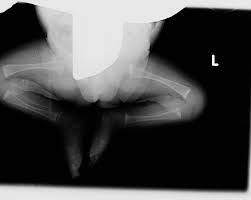
Osteopenia of Prematurity
Osteopenia of Prematurity (OOP) Lecture Notes Osteopenia of Prematurity (OOP) Osteopenia of Prematurity (OOP) is a metabolic bone disease characterized by reduced bone mineral density (BMD) in premature infants. It results from a failure to accumulate adequate calcium and phosphate during critical periods of rapid bone mineralization in the late third trimester of pregnancy. Prematurity…
-

Fractures
Fractures Lecture Notes Fractures Lecture Notes A fracture is a medical condition in which there is a break in the continuity of the bone. This disruption can range from a fine crack to a complete break, involving one or multiple pieces of bone. Fractures typically occur when the bone is subjected to excessive force or…
-
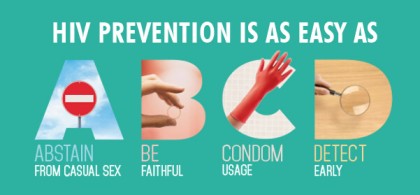
Prevention and Control of HIV/AIDS
Prevention and Control of HIV/AIDS Prevention Framework in children and infants. Prevention in Pediatrics ∙ Behavioral change and risk reduction interventions ∙ Biomedical prevention interventions ∙ Structural intervention BEHAVIORAL CHANGE AND RISK REDUCTION INTERVENTIONS The priority of behavioral interventions is to delay sexual debut; reduce unsafe sex and multiple, especially concurrent sexual partnerships; and…
-

hiv / aids Treatment in Children
Treatment Modalities of HIV/AIDS Treatment Modality Description Antiretroviral Therapy (ART) Suppresses viral load to undetectable levels, reducing morbidity, mortality, and transmission of HIV. Treatment of Acute Bacterial Infections Addresses immediate bacterial infections. Prophylaxis and Treatment of Opportunistic Infections Prevents and manages opportunistic infections. Maintenance of Good Nutrition Ensures adequate nutrition to support overall health. Immunization…
-
Treatment of HIV/AIDS in Children (ARV therapy)
Management of HIV/AIDS in Children Management of HIV/AIDS in Children Managing HIV/AIDS in children is a complex, long-term endeavor that involves a combination of medical, nutritional, psychosocial, and developmental interventions. The primary goal is to suppress viral replication, restore immune function, prevent opportunistic infections, promote normal growth and development, and improve the child’s quality of…
-
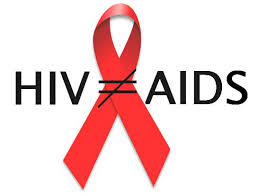
Clinical Manifestation of HIV / AIDS in Children
Clinical Manifestations of HIV / AIDS in Children Clinical Manifestations of HIV / AIDS in Children The clinical manifestations of HIV/AIDS in children are many, more aggressive, and progress more rapidly than in adults, particularly if infection occurs early in life (e.g., via MTCT) and without timely treatment. The presentation can range from non-specific symptoms…
-
HIV & AIDS in Children
Introduction to HIV & AIDS in Children Introduction to HIV & AIDS in Children Human Immunodeficiency Virus (HIV) infection in children is primarily a consequence of mother-to-child transmission (MTCT), also known as vertical transmission. This means the virus is passed from an HIV-infected mother to her child during pregnancy, childbirth, or breastfeeding. While less common…
-
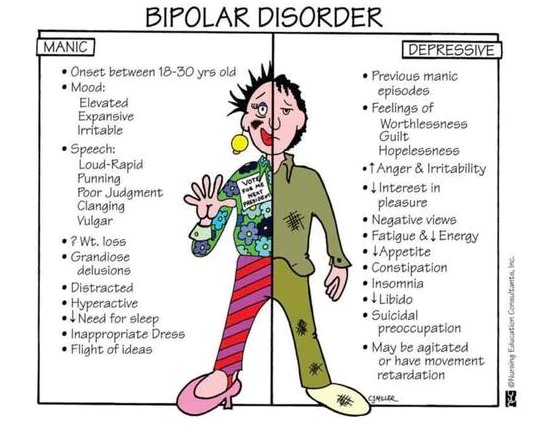
Bipolar Affective Disorder
Bipolar Affective Disorder Bipolar Affective Disorder is formerly called manic-depressive illness (MDI). B.A.D is a severe and persistent condition that causes serious lifelong struggle and challenge. Bipolar affective disorder is a mental health condition characterized by mood swings, from deep and prolonged low mood (profound depression) to extreme euphoria (mania), with intervening normal periods. Episodes…
-

Mood Disorders in Children and Adolescents
Mood Disorders In Children and Adolescents In psychiatry, mood disorders (also known as affective disorders) are a group of mental health conditions characterized by a significant disturbance in a person’s emotional state or mood. This disturbance is severe enough to cause considerable distress and impair functioning in various aspects of life, such as school, family,…
-
Attention-Deficit/Hyperactivity Disorder
Attention-Deficit/Hyperactivity Disorder (ADHD) Attention-Deficit/Hyperactivity Disorder (ADHD) Table of Contents (Click to Expand) ▼ Definition & Characteristics Primary Presentations (Subtypes) Etiology and Risk Factors Clinical Manifestations and Comorbidities Diagnostic Process for ADHD Management Strategies Nursing Interventions Nursing Diagnoses Role of the Nurse Attention-Deficit/Hyperactivity Disorder (ADHD) is a neurodevelopmental disorder characterized by a persistent pattern of inattention…

