Cells and Tissues
BNS 111: Anatomy & Physiology
SEMESTER I - Cell and Tissues
Cell Theory
Alright, let's dive into the microscopic world that makes up our bodies, starting with the fundamental concept of theCell Theory. This theory is one of the cornerstones of biology and medicine, giving us the basic understanding of life. It essentially has three main parts, like three key rules about cells:
- All living organisms are made up of one or more cells.This means whether it's a tiny bacterium, a plant, or a human being, the basic unit of structure is the cell. Some organisms are single-celled (like amoeba), while complex organisms like us are made of trillions of cells working together.
- The cell is the basic unit of structure and organization in organisms.This means that the cell is the smallest level at which life functions can be carried out. Just like a single brick is the basic unit of a wall, a cell is the basic unit of a tissue, an organ, and ultimately, an organism. All the complex processes of life happen within cells.
- Cells arise from pre-existing cells.This means cells don't just appear out of nowhere. New cells are produced through cell division (like mitosis or meiosis) from cells that already exist. This explains growth, repair, and reproduction in living things.

Cell Structure and Organelles
Now that we know cells are the basic units, let's peek inside and see what they are made of! Think of a cell like a tiny factory, with different departments and machines (calledorganelles) each doing a specific job to keep the factory running. Human cells, being eukaryotic (having a true nucleus), have several key parts:
The cell is generally divided into two main regions:
- Plasma Membrane (Cell Membrane):This is the outer boundary of the cell, like the factory wall. It's a flexible but sturdy barrier that controls what enters and leaves the cell. It's made mainly of a double layer of lipids (fats) with proteins embedded in it. These proteins act like gates, channels, or pumps, allowing specific substances to pass through. The plasma membrane is crucial for maintaining the cell's internal environment and communicating with other cells.
- Cytoplasm:This is everything inside the plasma membrane but outside the nucleus. It's like the factory floor and all the machinery on it. The cytoplasm consists of two main parts:
- Cytosol:This is the jelly-like fluid portion of the cytoplasm. It's mostly water, but contains dissolved substances like salts, sugars, proteins, and waste products. Many chemical reactions of the cell happen here.
- Organelles:These are the "little organs" or specialized structures suspended in the cytosol, each with its own shape and specific function. They are like the different machines and departments in our factory.
Let's look at the key organelles found in a typical human cell:
- Nucleus:This is the "control center" or "brain" of the cell, usually the largest organelle. It contains the cell's genetic material (DNA) organized intochromosomes. The nucleus controls the cell's activities by directing protein synthesis. It is surrounded by a double membrane called thenuclear envelope, which has pores allowing materials to pass in and out.
- Mitochondria:These are the "powerhouses" of the cell. They are responsible for generating most of the cell's supply ofATP(adenosine triphosphate), which is the cell's main energy currency, through a process calledcellular respiration. Cells that need a lot of energy, like muscle cells, have many mitochondria.
- Endoplasmic Reticulum (ER):This is a network of interconnected membranes extending throughout the cytoplasm. It's involved in producing, processing, and transporting proteins and lipids. There are two types:
- Rough ER (RER):Studded with ribosomes, it's involved in the synthesis and modification of proteins that are destined for secretion or insertion into membranes.
- Smooth ER (SER):Lacks ribosomes and is involved in synthesizing lipids (like steroids), detoxifying harmful substances (especially in liver cells), and storing calcium ions (especially in muscle cells).
- Ribosomes:These are tiny structures responsible forprotein synthesis. They can be free in the cytoplasm (making proteins used within the cell) or attached to the RER (making proteins for export or membranes). They are like the assembly lines for building proteins.
- Golgi Apparatus (Golgi Complex or Golgi Body):This is like the cell's "packaging and shipping center." It modifies, sorts, and packages proteins and lipids received from the ER into vesicles for transport to their final destinations, either inside or outside the cell.
- Lysosomes:These are like the cell's "recycling centers" or "garbage disposal." They contain powerful digestive enzymes that break down waste materials, cellular debris, and foreign invaders like bacteria.
- Peroxisomes:These are small vesicles that contain enzymes that help detoxify harmful substances (like alcohol) and break down fatty acids. They produce hydrogen peroxide as a byproduct, but also contain enzymes to break down hydrogen peroxide into water and oxygen, protecting the cell.
- Cytoskeleton:This is a network of protein filaments and tubules that extends throughout the cytoplasm. It's like the cell's "skeleton" and "road system," providing structural support, maintaining cell shape, and allowing for movement of organelles and the cell itself (in some cases). It includesmicrofilaments,intermediate filaments, andmicrotubules.
- Centrosomes and Centrioles:Located near the nucleus, the centrosome is the main organizing center for microtubules. Within the centrosome are two cylindrical structures called centrioles, which are important for cell division, forming the spindle fibers that separate chromosomes.
- Cilia and Flagella:These are whip-like or hair-like projections extending from the surface of some cells.Ciliaare usually short and numerous, and their coordinated beating moves substances along the cell surface (e.g., in the airways to move mucus).Flagellaare usually long and single, and their movement propels the cell itself (e.g., the tail of a sperm cell).

Cell Functions and Functional Specialization
Even though all cells share basic structures and carry out essential life processes, different types of cells in our body are highly specialized to perform specific functions. Thisfunctional specializationis what allows us to have complex tissues, organs, and organ systems. Think of the different workers in our factory – some are builders, some are packers, some are security guards, each with a unique role.
Some fundamental functions that most cells perform to stay alive and maintain the organism include:
- Metabolism:The sum of all chemical processes that occur in the body. Cells carry out metabolic reactions to obtain energy (like cellular respiration in mitochondria) and to synthesize or break down molecules needed for their structure and function.
- Responsiveness:The ability to detect and respond to changes in their environment. This can be sensing chemical signals, physical touch, or electrical impulses. For example, nerve cells respond to stimuli by generating electrical signals.
- Movement:Can refer to movement of the entire cell (like white blood cells moving to an infection site) or movement of structures within the cell (like organelles being transported) or movement produced by the cell (like muscle cells contracting).
- Growth:An increase in cell size or an increase in the number of cells through cell division.
- Differentiation:The process by which a less specialized cell becomes a more specialized cell type. This is how a single fertilized egg develops into all the different cell types in the body (nerve cells, muscle cells, skin cells, etc.).
- Reproduction:Can refer to the formation of new cells for growth, repair, or replacement (through mitosis) or the production of a new organism (through meiosis and fertilization).
Now, let's look at how different cells are specialized for particular jobs, often by having more of certain organelles or unique structures:
- Muscle Cells:Specialized for contraction. They are packed with protein filaments (actin and myosin) that slide past each other to shorten the cell, producing force and movement. They also have abundant mitochondria for energy and specialized smooth ER (sarcoplasmic reticulum) for calcium storage, which is crucial for contraction.
- Nerve Cells (Neurons):Specialized for transmitting electrical and chemical signals over long distances. They have long extensions called axons and dendrites. Their plasma membrane is excitable, meaning it can generate and conduct electrical impulses. They have many ribosomes and ER for synthesizing neurotransmitters.
- Red Blood Cells:Specialized for transporting oxygen. They lack a nucleus and most organelles (like mitochondria) in their mature state, which maximizes the space available for hemoglobin, the protein that binds oxygen. Their biconcave shape also increases surface area for gas exchange and allows them to squeeze through narrow blood vessels.
- Epithelial Cells:Specialized for covering surfaces, lining cavities, protection, absorption, and secretion. They are often tightly packed together and may have specialized structures like microvilli (to increase surface area for absorption, like in the intestines) or cilia (to move substances, like in the airways).
- Gland Cells:Specialized for secretion (producing and releasing substances like hormones, enzymes, or mucus). They have abundant ribosomes, ER, and Golgi apparatus to synthesize, process, and package their secretory products into vesicles.
- Bone Cells (Osteocytes):Specialized for maintaining bone tissue. They are embedded in a hard extracellular matrix they helped produce, providing structural support to the body.
- White Blood Cells (e.g., Macrophages):Part of the immune system, specialized for defense. Some can move actively (amoeboid movement) and engulf foreign particles or debris (phagocytosis), acting like the body's cleanup crew and security. They have abundant lysosomes to break down ingested material.

Cell Cycle Regulation and Disorders
Cells don't live forever. For growth, repair, and replacement, cells need to divide. TheCell Cycleis the ordered sequence of events that a cell goes through from the time it is formed until it divides into two new daughter cells. It's a tightly regulated process, like a carefully planned schedule. The main phases of the cell cycle are:
- Interphase:This is the longest phase where the cell grows, copies its DNA, and prepares for division. It includes three sub-phases:
- G1 Phase (First Gap):Cell grows and carries out normal metabolic functions.
- S Phase (Synthesis):DNA is replicated (copied).
- G2 Phase (Second Gap):Cell continues to grow and synthesizes proteins needed for division.
- Mitotic (M) Phase:This is when the cell actually divides. It includes:
- Mitosis:The nucleus divides, and the copied chromosomes are separated into two identical sets. Mitosis itself has stages: Prophase, Metaphase, Anaphase, Telophase.
- Cytokinesis:The cytoplasm divides, splitting the original cell into two separate daughter cells.
The cell cycle is controlled by a complex system of internal and external signals and checkpoints, like quality control points in the factory.Cell cycle regulationensures that cells divide only when necessary, that DNA replication is completed accurately, and that chromosomes are correctly distributed to the daughter cells. Key regulators include proteins calledcyclinsand enzymes calledcyclin-dependent kinases (CDKs). There are also checkpoints (e.g., G1 checkpoint, G2 checkpoint, M checkpoint) that pause the cycle if something is wrong, allowing time for repair or signaling the cell to undergo programmed cell death (apoptosis) if the damage is too severe.
Disorders of Cell Cycle Regulation:What happens when this careful regulation goes wrong? This is where we see serious problems, most notablycancer. Cancer is fundamentally a disease of uncontrolled cell division. It occurs when genetic mutations damage the genes that regulate the cell cycle (like genes for cyclins, CDKs, or checkpoint proteins). Damaged cells ignore the checkpoints, divide continuously without proper signals, and can invade other tissues (metastasis). Other disorders can involve too little cell division, leading to tissue degeneration or poor wound healing. Understanding cell cycle regulation is vital for developing treatments for cancer and other related conditions.


Epithelial Tissue and Glands
Epithelial tissue, also calledepithelium(plural: epithelia), is one of the four basic tissue types in the body. Think of it as the "covering" or "lining" tissue. It forms sheets of cells that cover body surfaces, line body cavities and hollow organs, and are the main tissue in glands.
Key characteristics of epithelial tissue:
- Polarity:Epithelial cells have an apical surface (free surface, exposed to the body exterior or the cavity of an internal organ) and a basal surface (attached to underlying tissue). The apical surface often has specialized structures like microvilli or cilia.
- Specialized Contacts:Epithelial cells fit closely together to form continuous sheets, bound by specialized junctions like tight junctions (prevent leakage) and desmosomes (provide strong adhesion). This creates a barrier function.
- Supported by Connective Tissue:The basal surface is attached to a thin layer of connective tissue by abasement membrane(also called the basal lamina). This membrane provides structural support and acts as a selective filter.
- Avascular but Innervated:Epithelial tissue itself does not have blood vessels (avascular), so it receives nutrients by diffusion from the underlying connective tissue. However, it does have nerve endings (innervated).
- Regeneration:Epithelial tissue has a high regenerative capacity, meaning it can reproduce rapidly to replace damaged or lost cells (important for tissues exposed to friction or damage, like the skin).
Epithelial tissues are classified based on two main criteria: thenumber of cell layersand theshape of the cells.
Based on the number of layers:
- Simple Epithelium:Consists of a single layer of cells. These are typically found where absorption, secretion, and filtration occur, as the single layer allows for easy passage of substances.
- Stratified Epithelium:Consists of two or more layers of cells. These are found in areas subject to wear and tear, where protection is important (e.g., skin surface). The layers provide durability.
- Pseudostratified Epithelium:Appears to be stratified because the cell nuclei are at different levels, but it is actually a single layer of cells of varying heights. Often ciliated, found in the respiratory tract.
Based on the shape of the cells (named according to the shape of the cells in the apical layer for stratified epithelia):
- Squamous Cells:Flat, scale-like cells.
- Cuboidal Cells:Cube-shaped cells, about as tall as they are wide.
- Columnar Cells:Tall, column-shaped cells, taller than they are wide.
Combining the number of layers and cell shape gives us the main types of epithelial tissue:
- Simple Squamous Epithelium:Single layer of flat cells. Found in air sacs of lungs, lining of blood vessels. Allows for rapid diffusion and filtration.
- Simple Cuboidal Epithelium:Single layer of cube-shaped cells. Found in kidney tubules, small glands. Involved in secretion and absorption.
- Simple Columnar Epithelium:Single layer of tall cells. Found in the lining of the digestive tract (often with microvilli for absorption) and gallbladder. Involved in absorption and secretion (including mucus).
- Pseudostratified Columnar Epithelium:Single layer, but appears layered; cells are columnar. Found in the trachea and upper respiratory tract (usually ciliated, moving mucus). Involved in secretion and movement of mucus.
- Stratified Squamous Epithelium:Multiple layers, apical cells are flat. Found in the skin surface (keratinized, tough) and lining of the mouth, esophagus, vagina (non-keratinized, moist). Provides protection against abrasion.
- Stratified Cuboidal Epithelium:Multiple layers, apical cells are cube-shaped. Rare, found in ducts of some large glands (e.g., sweat glands).
- Stratified Columnar Epithelium:Multiple layers, apical cells are columnar. Very rare, found in small amounts in the pharynx, male urethra, and some gland ducts.
- Transitional Epithelium:Modified stratified epithelium where the apical cells change shape depending on stretching. Found in the lining of the urinary bladder, ureters, and part of the urethra. Allows these organs to stretch and recoil.
Main functions of epithelial tissue:
- Protection:Forms barriers against physical injury, chemicals, bacteria, and water loss (e.g., skin epidermis).
- Absorption:Takes in substances from a free surface (e.g., nutrients in the digestive tract lining).
- Secretion:Produces and releases substances like mucus, hormones, enzymes, and sweat (done by glandular epithelium).
- Filtration:Allows passage of small molecules while blocking larger ones (e.g., in the kidneys and capillaries).
- Excretion:Removes waste products from the body (e.g., in sweat).
- Sensory Reception:Contains nerve endings for touch, pain, temperature, etc. (e.g., in the skin).
Disorders affecting Epithelial Tissue:Many common diseases involve epithelial tissue. Since they form coverings and linings and regenerate quickly, they are often sites of injury and uncontrolled growth.
- Carcinomas:The most common type of cancer, arising from epithelial tissue. Examples include skin cancer, lung cancer, breast cancer, colon cancer. Because epithelial cells divide rapidly, they are prone to mutations leading to uncontrolled growth.
- Inflammation:Epithelial linings are often the first point of contact for pathogens, leading to inflammation (e.g., bronchitis - inflammation of bronchial lining).
- Genetic Disorders:Some genetic conditions affect epithelial cell function, like Cystic Fibrosis, which affects epithelial cells in the lungs, pancreas, and other organs, leading to thick mucus secretions.
- Physical Damage:Abrasions, burns, and cuts damage epithelial tissue (skin).
Glands:Glands are organs or tissues that produce and secrete specific substances. They are primarily made up of epithelial tissue. Glands can be unicellular (single-celled) or multicellular (made of many cells). They are classified based on where they secrete their products:
- Endocrine Glands:These are "ductless" glands. They secrete hormones directly into the bloodstream or interstitial fluid, which then travel to target cells elsewhere in the body to regulate various functions. Examples include the pituitary gland, thyroid gland, adrenal glands, pancreas (parts of it), ovaries, and testes. Hormones are chemical messengers.
- Exocrine Glands:These glands secrete their products into ducts, which then carry the secretions to a body surface (either external, like the skin) or into a body cavity (like the digestive tract or airways). Exocrine secretions include mucus, sweat, saliva, tears, digestive enzymes, and oil. Examples include sweat glands, salivary glands, mammary glands, liver (secretes bile into ducts), and the pancreas (secretes digestive enzymes into ducts).
Classification of Exocrine Glands based on structure:
- Unicellular:Simple, single-celled glands scattered within an epithelial sheet (e.g., goblet cells that secrete mucus in the lining of the intestines and respiratory tract).
- Multicellular:Composed of many cells forming a more complex structure with a duct and a secretory unit (acinus or tubule). They can be simple (single unbranched duct) or compound (branched duct), and tubular (tube-shaped secretory part), alveolar/acinar (sac-like secretory part), or tubuloalveolar.
Classification of Exocrine Glands based on mode of secretion:
- Merocrine Glands:Secrete their products by exocytosis (vesicles releasing contents outside the cell). The cell is not damaged. Most common type (e.g., sweat glands, salivary glands, pancreas).
- Apocrine Glands:Secrete by budding off portions of the cell membrane containing the product. Part of the cell apex is pinched off (e.g., mammary glands secrete fat droplets).
- Holocrine Glands:Secrete by accumulating products within the cell until it ruptures and dies, releasing its contents. The entire cell becomes the secretion (e.g., sebaceous glands that secrete oil onto hair and skin).
Common Disorders of Glands:
- Endocrine Disorders:Result from too much or too little hormone secretion (e.g., Diabetes Mellitus - problem with insulin from the pancreas; Hypothyroidism - too little thyroid hormone).
- Exocrine Disorders:Can involve blockage of ducts (e.g., gallstones blocking bile ducts from the liver/gallbladder, kidney stones blocking ureters from the kidney), infection of glands (e.g., mastitis - infection of mammary gland), or over/undersecretion (e.g., excessive sweating, dry mouth due to salivary gland problems).
- Cancers:Glandular epithelial tissue (adenocarcinoma) is a common site for cancer development.


Connective Tissue
Connective tissue is the most abundant and widely distributed of the primary tissues in the body. As the name suggests, its main function is toconnect, support, bind, and separate other tissues. Think of it as the body's "glue," packaging material, and structural support system. Unlike epithelial tissue, which is mainly cells, connective tissue is characterized by having a lot ofextracellular matrix– the stuff outside the cells.
Key characteristics of connective tissue:
- Common Origin:All connective tissues arise frommesenchyme, an embryonic tissue.
- Varying Degrees of Vascularity:Connective tissues have different amounts of blood supply. Some, like cartilage, are avascular (no blood vessels). Others, like bone, are well vascularized. Dense connective tissue (like ligaments) has poor vascularity.
- Extracellular Matrix:This is the non-living material found between the cells, and it's what gives connective tissue its unique properties. The matrix is made up of aground substance(an unstructured gel-like material that fills the space between cells) andfibers(protein fibers that provide support – collagen, elastic, reticular). The type and amount of ground substance and fibers vary greatly depending on the specific type of connective tissue, determining its strength, elasticity, or rigidity.
- Cells:Connective tissues have various cell types. Immature cells (ending in "-blast", e.g., fibroblasts, chondroblasts, osteoblasts) are actively secreting the matrix. Mature cells (ending in "-cyte", e.g., fibroblasts, chondrocytes, osteocytes) maintain the matrix. Other cells like fat cells (adipocytes), mast cells (involved in inflammation), and defense cells (macrophages, plasma cells) can also be found in some connective tissues.
Connective tissue is a broad category with several major classes and subclasses, each specialized for specific functions. Based on your outline, we'll focus on:
- Connective Tissue Proper (Fibrous Tissue):This is the most widespread type, with varying amounts of fibers and ground substance.
- Cartilage:A flexible but tough supporting tissue.
- Bone (Osseous Tissue):A hard, rigid supporting tissue.
- Blood:A fluid connective tissue involved in transport.
Connective Tissue Proper (Fibrous Tissue)
Connective tissue proper has two broad categories based on the density and arrangement of its fibers: Loose Connective Tissue and Dense Connective Tissue. The primary cell type in connective tissue proper is thefibroblast(or fibrocyte in its mature form), which produces the fibers and ground substance.
Loose Connective Tissue:In this type, the fibers are loosely arranged, leaving a lot of space filled with ground substance. This provides cushioning and support for other tissues and organs. It's well vascularized.
- Areolar Connective Tissue:The most common loose connective tissue. It has a gel-like matrix with all three fiber types (collagen, elastic, reticular) and various cell types (fibroblasts, macrophages, mast cells, some white blood cells). It acts as a packing material between organs, surrounds blood vessels and nerves, and underlies epithelia, providing support and holding tissue fluid. It's involved in inflammation and immunity.
- Adipose Tissue (Fat):Primarily made up ofadipocytes(fat cells) which store triglycerides (fats). It has a sparse matrix. Functions include energy storage, insulation against heat loss, and cushioning/protection of organs (e.g., around kidneys and eyeballs).
- Reticular Connective Tissue:Contains delicate networks of reticular fibers in a loose ground substance. Forms the stroma (framework) of lymphoid organs like the spleen, lymph nodes, and bone marrow, supporting blood cells.
Dense Connective Tissue:In this type, the fibers (mainly collagen) are packed more densely, providing greater strength and resistance to tension. It's less vascularized than loose connective tissue.
- Dense Regular Connective Tissue:Collagen fibers are arranged in parallel bundles, running in the same direction. This provides great tensile strength in one direction. Found intendons(connect muscle to bone) andligaments(connect bone to bone).
- Dense Irregular Connective Tissue:Collagen fibers are thicker and arranged irregularly, running in various directions. This provides tensile strength in multiple directions. Found in the dermis of the skin, fibrous capsules of organs and joints, and the perichondrium and periosteum (coverings of cartilage and bone).
- Elastic Connective Tissue:Contains a high proportion of elastic fibers, allowing the tissue to stretch and recoil. Found in the walls of large arteries, some ligaments (e.g., ligaments connecting vertebrae), and the bronchial tubes.
Disorders of Fibrous Connective Tissue:Problems with connective tissue proper can lead to various conditions:
- Injuries:Sprains (ligaments stretched/torn) and strains (tendons/muscles stretched/torn) are common injuries involving dense regular connective tissue.
- Inflammation:Tendinitis (inflammation of a tendon) or fasciitis (inflammation of fascia, a type of dense irregular connective tissue).
- Adipose Tissue Disorders:Obesity (excessive fat storage), or lipedema (abnormal fat distribution).
- Genetic Disorders:Some genetic conditions affect collagen or elastic fiber synthesis, leading to disorders like Ehlers-Danlos syndromes (affecting connective tissue strength and elasticity throughout the body) or Marfan syndrome (affecting elastic tissue, particularly in the cardiovascular system and skeleton).
Cartilage
Cartilageis a flexible but tough supporting connective tissue. It's found in many areas of the body, including joints, the nose, ears, trachea, and intervertebral discs. Unlike most connective tissues, mature cartilage isavascular(no blood vessels) and lacks nerve fibers, which means it heals very slowly if damaged.
Key features of cartilage:
- Cells:The primary cells arechondroblasts(immature, produce matrix) andchondrocytes(mature, maintain matrix). Chondrocytes are located in small cavities within the matrix calledlacunae.
- Matrix:Firm, gel-like ground substance containing varying amounts of collagen and/or elastic fibers. This matrix is what gives cartilage its resilient and supportive properties.
- Perichondrium:A layer of dense irregular connective tissue that surrounds most cartilage (except articular cartilage in joints). It contains blood vessels that supply nutrients to the cartilage cells by diffusion, and it's involved in cartilage growth and repair.
There are three types of cartilage, differing in the composition of their matrix and fibers, which affects their properties and location:
- Hyaline Cartilage:The most abundant type. It has a smooth, glassy appearance with fine collagen fibers. Provides support and flexibility, reduces friction. Found at the ends of long bones in joints (articular cartilage), in the nose, trachea, larynx, and rib cage (costal cartilage).
- Elastic Cartilage:Similar to hyaline cartilage but contains abundant elastic fibers. This makes it more flexible and able to tolerate repeated bending. Found in the external ear and the epiglottis (flap of cartilage in the throat).
- Fibrocartilage:The strongest type of cartilage, containing thick bundles of collagen fibers and less ground substance. It's compressible and resists tension, acting as a shock absorber. Found in structures subjected to heavy pressure, such as the intervertebral discs (between vertebrae), the menisci of the knee, and the pubic symphysis (joint between pelvic bones).
Disorders of Cartilage:
- Osteoarthritis:A very common degenerative joint disease where the articular cartilage at the ends of bones wears away, leading to pain, stiffness, and reduced movement.
- Cartilage Tears:Can occur in fibrocartilage structures like the menisci of the knee due to injury. Healing is slow due to avascularity.
- Inflammation:Chondritis is inflammation of cartilage.
Bone (Osseous Tissue)
Bone, or osseous tissue, is a hard, dense connective tissue that forms the skeletal framework of the body. It's one of the hardest tissues in the body due to the presence of inorganic calcium salts in its matrix. Bone is well vascularized and innervated, meaning it has a good blood supply and nerve endings, which is why bone fractures hurt and heal (though healing time varies).
Key features of bone:
- Cells:Bone tissue contains several cell types involved in its formation, maintenance, and breakdown:
- Osteoblasts:Bone-forming cells that secrete the organic part of the bone matrix (collagen fibers and ground substance).
- Osteocytes:Mature bone cells located in lacunae within the matrix. They are connected to each other and the blood supply through tiny channels calledcanaliculi. Osteocytes maintain the bone tissue.
- Osteoclasts:Large multinucleated cells that break down (resorb) bone tissue. This process is important for bone remodeling, growth, and repair, and for releasing calcium into the blood.
- Matrix:Bone matrix is unique because it ismineralized. It has both organic components (mainly collagen fibers, which provide flexibility and tensile strength) and inorganic components (mainly calcium phosphate salts, calledhydroxyapatite, which provide hardness and compressional strength). The combination makes bone strong and resistant to both pulling and pushing forces.
- Periosteum:A tough, fibrous membrane that covers the outer surface of most bones. It contains blood vessels, nerves, and bone-forming cells (osteoblasts), playing a crucial role in bone nourishment, growth in thickness, and repair.
- Endosteum:A delicate membrane lining the internal surfaces of bone, including the cavities within spongy bone and the canals within compact bone. It also contains osteoblasts and osteoclasts.
There are two main types of bone tissue found in most bones:
- Compact Bone:Dense, solid bone tissue that forms the outer layer of all bones and the shaft (diaphysis) of long bones. Its structural unit is theosteon (Haversian system)– concentric rings of bone matrix (lamellae) around a central canal containing blood vessels and nerves. This structure provides strength and resistance to stress.
- Spongy Bone (Trabecular Bone):Located inside compact bone, especially at the ends (epiphyses) of long bones and in flat bones. It consists of a network of bony struts and plates calledtrabeculaewith spaces in between. These spaces are often filled withred bone marrow, where blood cells are produced (hematopoiesis). Spongy bone is lighter than compact bone and helps bones resist stress from different directions.
Functions of Bone:
- Support:Provides a framework for the body and supports soft tissues.
- Protection:Protects vital organs (e.g., skull protects the brain, rib cage protects heart and lungs).
- Movement:Serves as attachment points for muscles, acting as levers for movement at joints.
- Mineral Storage:Stores calcium and phosphate, releasing them into the bloodstream when needed to maintain blood mineral levels (crucial for nerve and muscle function).
- Blood Cell Formation (Hematopoiesis):Occurs in the red bone marrow found within the spaces of spongy bone.
- Triglyceride (Fat) Storage:Yellow bone marrow, found in the medullary cavity of long bones, stores fat.
Disorders of Bone Tissue:
- Fractures:Breaks in bone tissue, common due to trauma. Bone's good blood supply allows it to heal, but the process takes time.
- Osteoporosis:A condition where bone resorption (breakdown) outpaces bone formation, leading to decreased bone density and increased risk of fractures, especially in older adults.
- Osteomalacia/Rickets:Softening of bones due to insufficient mineralization, often caused by vitamin D or calcium deficiency. Rickets occurs in children, osteomalacia in adults.
- Osteomyelitis:Inflammation of bone tissue, often caused by infection.
- Bone Cancers:Primary bone cancers (like osteosarcoma) or metastatic cancers that spread to bone.
Blood
Bloodis considered a connective tissue because it originates from mesenchyme and consists of cells suspended in an extensive fluid matrix calledplasma. Unlike other connective tissues, the fibers in blood are soluble protein molecules visible only during blood clotting. Blood is vital for transportation and maintaining homeostasis throughout the body.
Key components of blood:
- Plasma:The fluid extracellular matrix, making up about 55% of blood volume. It's mostly water (about 90%), but contains a vast array of dissolved substances, including plasma proteins (like albumin, globulins, fibrinogen), hormones, nutrients (glucose, amino acids), electrolytes (ions like sodium, potassium), respiratory gases (oxygen, carbon dioxide), and waste products. Plasma transports these substances throughout the body.
- Formed Elements:The cellular and cell fragment components suspended in plasma, making up about 45% of blood volume. They are produced in the red bone marrow. The main types are:
- Erythrocytes (Red Blood Cells - RBCs):The most numerous formed elements. Small, biconcave discs that lack a nucleus and most organelles in mammals. They are specialized for transporting oxygen from the lungs to the tissues and a small amount of carbon dioxide from the tissues to the lungs, thanks to the proteinhemoglobin.
- Leukocytes (White Blood Cells - WBCs):Part of the immune system, involved in defending the body against infection and disease. They are complete cells with nuclei and organelles. There are different types of WBCs (neutrophils, lymphocytes, monocytes, eosinophils, basophils), each with specific roles in immunity. They can leave the bloodstream and enter tissues to fight infection.
- Thrombocytes (Platelets):Not true cells, but small, irregular-shaped fragments of larger cells called megakaryocytes found in bone marrow. They are essential forblood clotting (hemostasis), plugging damaged blood vessels and releasing factors that promote clotting.
Functions of Blood:
- Transportation:Transports oxygen from lungs to tissues, carbon dioxide from tissues to lungs, nutrients from the digestive tract to cells, hormones from endocrine glands to target organs, metabolic wastes from cells to kidneys and liver for excretion, and heat throughout the body.
- Regulation:Helps maintain body temperature (by distributing heat), maintains normal pH in body tissues (using buffer systems), and maintains adequate fluid volume in the circulatory system.
- Protection:Prevents blood loss through clotting (hemostasis) and prevents infection using antibodies, complement proteins, and white blood cells.
Disorders of Blood:Problems with blood components or function are very common:
- Anemia:A condition characterized by a reduced number of red blood cells or insufficient hemoglobin, leading to decreased oxygen-carrying capacity (e.g., iron-deficiency anemia, sickle cell anemia).
- Leukemia:Cancers of the white blood cells, leading to an overproduction of abnormal or immature white blood cells that don't function properly.
- Clotting Disorders:Conditions affecting the blood's ability to clot, either excessively (e.g., thrombosis, leading to blood clots) or insufficiently (e.g., hemophilia, excessive bleeding). Problems with platelets or clotting factors.
- Infections:Many infections are transported by blood, and white blood cell counts are a key indicator of infection. Sepsis is a life-threatening condition caused by the body's overwhelming response to an infection in the bloodstream.
Muscle Tissue (Propulsion Tissue)
Muscle tissueis specialized tissue that is responsible for movement. It does this by contracting, which means its cells can shorten and generate force. This force is used for body movements (like walking or lifting), moving substances within the body (like blood, food, or urine), and generating heat. Muscle tissue is often referred to as "propulsion tissue" because of its role in moving things.
Key characteristics that all muscle tissues share:
- Excitability (Responsiveness):The ability to receive and respond to stimuli (like nerve signals or hormones) by changing its electrical state and contracting.
- Contractility:The ability to shorten forcibly when stimulated. This is the defining property of muscle tissue.
- Extensibility:The ability to be stretched or extended. Muscles can be stretched beyond their resting length.
- Elasticity:The ability of a muscle cell to recoil and resume its resting length after being stretched.
There are three main types of muscle tissue in the body, classified based on their structure, location, and how they are controlled:
- Skeletal Muscle Tissue:
- Structure:Made up of long, cylindrical cells calledmuscle fibers. These fibers are multinucleated (have many nuclei) and appearstriated(have visible bands or stripes) under a microscope due to the arrangement of the contractile proteins (actin and myosin).
- Control:Voluntarycontrol, meaning we consciously control its contraction (e.g., moving your arm or leg).
- Distribution:Primarily attached to bones (via tendons), forming the muscles that move the skeleton. Also found in some areas like the diaphragm and the external anal sphincter.
- Functions:Body movement, maintaining posture, stabilizing joints, and generating heat.
- Regeneration:Has limited regenerative capacity. Damage is often repaired by fibrosis (formation of scar tissue).
- Smooth Muscle Tissue:
- Structure:Made up of spindle-shaped cells (tapered at both ends) with a single central nucleus. It isnon-striated, meaning it does not have the visible banding seen in skeletal or cardiac muscle.
- Control:Involuntarycontrol, meaning we do not consciously control its contraction. It is regulated by the autonomic nervous system, hormones, and local factors.
- Distribution:Found in the walls of hollow internal organs (viscera) like the stomach, intestines, bladder, uterus, blood vessels, airways, and arrector pili muscles in the skin.
- Functions:Propels substances through internal passageways (peristalsis in the digestive tract), regulates blood flow (by constricting/dilating blood vessels), moves substances through airways, empties the bladder and uterus.
- Regeneration:Has a moderate capacity for regeneration.
- Cardiac Muscle Tissue:
- Structure:Found only in the wall of the heart. Made up of branched cells that are connected to each other by specialized junctions calledintercalated discs. These discs allow electrical signals to pass rapidly from one cell to another, enabling the heart to contract as a coordinated unit. Cardiac muscle cells are usually uninucleated (one nucleus, sometimes two) and arestriated.
- Control:Involuntarycontrol. The heart has its own pacemaker cells that initiate contractions, but the rate and force can be influenced by the autonomic nervous system and hormones.
- Distribution:Exclusively found in the wall of the heart (myocardium).
- Functions:Propels blood throughout the body as the heart contracts.
- Regeneration:Has very limited regenerative capacity. Damage (like from a heart attack) is primarily repaired by scar tissue formation.
Disorders of Muscle Tissue:
- Muscle Strains/Tears:Common injuries, especially in skeletal muscle, where muscle fibers are overstretched or torn.
- Muscle Spasms/Cramps:Involuntary, painful contractions of muscles.
- Muscular Dystrophy:A group of genetic diseases that cause progressive weakness and degeneration of skeletal muscles.
- Myasthenia Gravis:An autoimmune disorder that affects the neuromuscular junction, leading to skeletal muscle weakness and fatigue.
- Cardiomyopathy:Diseases of the heart muscle, affecting its ability to pump blood effectively.
- Smooth Muscle Disorders:Can affect the function of organs containing smooth muscle, e.g., asthma (constriction of smooth muscle in airways), Irritable Bowel Syndrome (abnormal smooth muscle contraction in the intestines).
Nervous Tissue
Nervous tissueis the main tissue that makes up the nervous system – your body's control and communication network. It's responsible for receiving stimuli, processing information, and transmitting signals to other parts of the body to coordinate actions and responses. Think of it as the body's electrical wiring and processing unit.
Nervous tissue is composed of two main types of cells: highly specialized nerve cells called neurons, and several types of supporting cells collectively called neuroglia (or glial cells).
Structural Features of Neurons and Neuroglial Cells
Neurons (Nerve Cells):These are the excitable cells of the nervous system that are specialized for transmitting information via electrical and chemical signals. They are the functional units of the nervous system. While neurons vary in shape and size, they generally have the following structural components:
- Cell Body (Soma):This is the central part of the neuron containing the nucleus and most of the cell's organelles (like abundant ribosomes, Rough ER, and Golgi apparatus, reflecting high protein synthesis for neurotransmitters). The cell body is the metabolic center of the neuron.
- Dendrites:These are typically short, branched extensions that extend from the cell body. They act like antennae, receiving signals (neurotransmitters) from other neurons and transmitting these signals *towards* the cell body. A neuron usually has many dendrites to receive input from multiple sources.
- Axon:This is a single, typically long projection that extends from the cell body. The axon transmits electrical signals (action potentials) *away* from the cell body towards other neurons, muscles, or glands. Axons can be very long, extending up to a meter in length (e.g., from the spinal cord to the muscles in your foot).
- Axon Hillock:The cone-shaped region where the axon arises from the cell body. This is typically where the action potential is generated.
- Axon Terminals (Synaptic Terminals):The branched endings of the axon. These are where the neuron communicates with other cells at junctions calledsynapses. They contain vesicles filled withneurotransmitters, chemical messengers that transmit the signal across the synapse.
- Myelin Sheath:Many axons, especially long ones, are covered by a fatty layer called the myelin sheath. In the peripheral nervous system, this sheath is formed bySchwann cells; in the central nervous system, it's formed byoligodendrocytes(types of neuroglia). The myelin sheath acts as an insulator, greatly speeding up the conduction of electrical signals along the axon by allowing the signal to jump between gaps in the sheath calledNodes of Ranvier(this is calledsaltatory conduction). Not all axons are myelinated (unmyelinated axons conduct signals more slowly).
Neuroglial Cells (Glial Cells):These are non-excitable supporting cells found in nervous tissue. They do not transmit nerve impulses themselves, but they play crucial roles in supporting, nourishing, insulating, and protecting neurons. They are often more numerous than neurons. Different types exist in the central and peripheral nervous systems:
- Neuroglia in the Central Nervous System (CNS - Brain and Spinal Cord):
- Astrocytes:Star-shaped cells that are the most abundant neuroglia in the CNS. They form a supportive framework, help regulate the chemical environment around neurons (mopping up excess neurotransmitters), help form theblood-brain barrier(which protects the brain from harmful substances in the blood), and assist in guiding neuron development.
- Microglia:Small, mobile cells that act as the CNS's immune cells. They are phagocytic, meaning they engulf and remove cellular debris, dead neurons, and pathogens. They are like the cleanup crew and defense system of the brain and spinal cord.
- Ependymal Cells:Epithelial-like cells that line the cavities within the brain (ventricles) and spinal cord (central canal). They help produce and circulatecerebrospinal fluid (CSF), which cushions the CNS.
- Oligodendrocytes:Cells that form themyelin sheatharound axons in the CNS. Each oligodendrocyte can myelinate multiple axon segments.
- Neuroglia in the Peripheral Nervous System (PNS - Nerves outside the Brain and Spinal Cord):
- Schwann Cells:These cells form themyelin sheatharound axons in the PNS. Unlike oligodendrocytes, each Schwann cell typically myelinates only a single axon segment. They are crucial for regeneration of damaged peripheral nerve fibers.
- Satellite Cells:Flattened cells that surround neuron cell bodies in ganglia (collections of neuron cell bodies in the PNS). They provide support and regulate the chemical environment around the neurons.
Organization of Peripheral Nerves and Ganglia
While the brain and spinal cord make up the central nervous system (CNS), thePeripheral Nervous System (PNS)consists of all the nerves that extend outside the CNS, connecting it to the rest of the body, and collections of neuron cell bodies outside the CNS called ganglia.
Peripheral Nerves:A nerve is essentially a bundle of many axons (nerve fibers) wrapped in connective tissue. Think of it like a communication cable containing many individual wires. The structure of a peripheral nerve from the inside out includes:
- Axon (Nerve Fiber):The core of the structure, carrying the electrical signal. May or may not be covered by a myelin sheath formed by Schwann cells.
- Endoneurium:A delicate layer of loose connective tissue that surrounds each individual axon (nerve fiber), including its myelin sheath if present.
- Fascicle:A bundle of several axons wrapped together by a coarser connective tissue layer.
- Perineurium:A layer of dense irregular connective tissue that surrounds a fascicle. It forms a protective barrier around the axon bundles.
- Epineurium:The outermost, tough fibrous sheath of dense irregular connective tissue that surrounds the entire nerve, enclosing all the fascicles, blood vessels, and lymphatic vessels supplying the nerve.
Ganglia (Singular: Ganglion):A ganglion is a collection or cluster of neuroncell bodieslocated in the peripheral nervous system. They are like "relay stations" or "switching centers" where nerve impulses are processed or relayed.
- Sensory Ganglia:Contain the cell bodies of sensory neurons (e.g., dorsal root ganglia near the spinal cord).
- Autonomic Ganglia:Contain the cell bodies of autonomic motor neurons, which regulate involuntary functions (e.g., sympathetic and parasympathetic ganglia).
Disorders affecting Nervous Tissue:
- Neuropathy:Damage to peripheral nerves, leading to pain, numbness, tingling, and weakness (e.g., diabetic neuropathy, carpal tunnel syndrome).
- Neurodegenerative Diseases:Conditions involving progressive loss of neurons (e.g., Alzheimer's disease, Parkinson's disease).
- Stroke:Damage to brain tissue due to interruption of blood supply, causing neuronal death.
- Spinal Cord Injury:Damage to the spinal cord, disrupting communication between the brain and the body.
- Tumors:Cancers can arise from neuroglial cells (gliomas) or neurons (less common).
Revision Questions: Cell and Tissues
Test your understanding of the key concepts covered in this section:
- State the three main tenets of the Cell Theory and explain their significance in understanding living organisms.
- Describe the main structural components of a typical eukaryotic (human) cell, including the plasma membrane, cytoplasm (cytosol and organelles), and nucleus. Briefly explain the primary function of at least five different organelles.
- Explain the concept of functional specialization in cells and provide three specific examples of how different cell types in the body are specialized for unique functions, relating their structure to their job (e.g., muscle cells, neurons, red blood cells).
- Outline the main phases of the cell cycle (Interphase and Mitotic Phase) and briefly describe what happens in each phase. Why is the regulation of the cell cycle crucial for health? What happens when this regulation fails?
- Compare and contrast the structure, location, control, and regenerative capacity of the three types of muscle tissue (Skeletal, Smooth, and Cardiac).
- Describe the key characteristics of connective tissue that distinguish it from epithelial tissue. Explain the role of the extracellular matrix in connective tissue.
- Name and describe the main components of blood. Explain why blood is considered a connective tissue despite its fluid nature. List three major functions of blood.
- Compare and contrast the three types of cartilage (Hyaline, Elastic, Fibrocartilage) in terms of their fiber composition, properties, and locations in the body. Why does cartilage heal slowly?
- Describe the structural features of bone tissue, including the different cell types (osteoblasts, osteocytes, osteoclasts) and the composition of the bone matrix. Explain the difference between compact bone and spongy bone.
- Explain the main structural components of a neuron (cell body, dendrites, axon, axon terminals) and their respective functions in transmitting nerve impulses. Describe the role of the myelin sheath.
- Identify the different types of neuroglial cells found in the Central Nervous System (CNS) and Peripheral Nervous System (PNS). Briefly explain the function of at least three types of neuroglia.
- Describe the organization of a peripheral nerve, including the Epineurium, Perineurium, and Endoneurium. What is a ganglion, and how does it differ structurally from a peripheral nerve?
- Discuss one common disorder for each of the four main tissue types (Epithelial, Connective, Muscle, Nervous) and briefly explain how the tissue is affected in each disorder.
References for BNS 111: Anatomy & Physiology
- Tortora, G.J. & Derickson N.,P. (2006) Principles of Anatomy and Physiology; Harper and Row
- Drake, R, et al. (2007). Gray's Anatomy for Students. London: Churchill Publishers
- Snell, SR. (2004) Clinical Anatomy by Regions. Philadelphia: Lippincott Publishers
- Marieb, E.N. (2004). Human Anatomy and physiology. London: Daryl Fox Publishers.
- Young, B, et al. (2006). Wheater's Functional Histology: A Text and Colour Atlas: Churchill
- Sadler, TW. (2009). Langman's Medical Embryology. Philadelphia: Lippincott Publishers
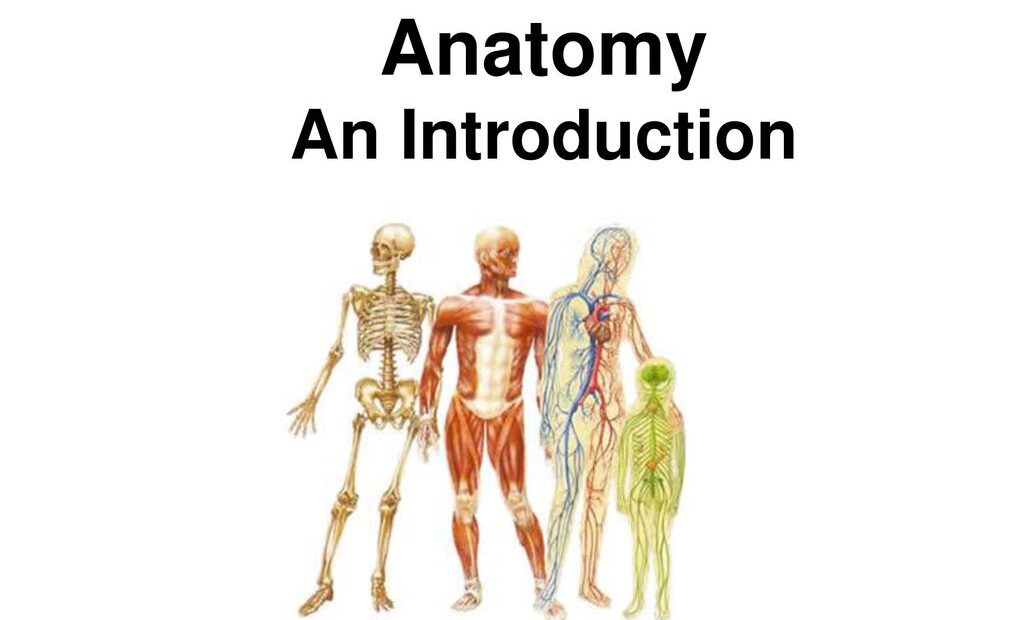
Anatomy Introduction
BNS 111: Anatomy & Physiology
SEMESTER I - Introduction
Key definitions and Levels of Organization
Alright, let's start with the very basics of studying the body. When we talk about Anatomy, we are talking about the **structure** of the body. Think of it like building a house – anatomy is looking at the bricks, the cement, how they are put together to form the walls, the roof, and all the rooms. It's about the physical parts and where they are located, their shape, size, and how they relate to each other. When we study anatomy, we can do it in different ways: Gross Anatomy is looking at structures you can see with your naked eye, like organs and muscles during dissection or on imaging scans. Microscopic Anatomy (also called Histology) is when we use a microscope to see the tiny details, like cells and tissues. Understanding the structure is the foundation for understanding how things work.
Now, Physiology is different. This is about how those parts *work*. So, if anatomy is the house structure, physiology is about how the plumbing system moves water, how the electrical wires carry power, or how the ventilation system brings in fresh air. It's the study of the **functions** of the body and its parts, explaining *how* they carry out their life-sustaining activities. Physiology often involves looking at complex chemical and physical processes happening at the cellular and organ system levels. Anatomy and physiology are always studied together because you can't really understand how something works if you don't know its structure, and knowing the structure gives you clues about the function. They are deeply interconnected, like two sides of the same coin.
To understand the complexity of the body better, we break it down into different levels of organization, starting from the smallest parts working together to form bigger, more complex ones. It's like looking at a city, then zooming into a neighborhood, then a specific building, then a room, and finally a single brick:
- Chemical Level: This is the most basic level, involving atoms (like carbon, hydrogen, oxygen) and molecules (like water, proteins, carbohydrates, fats) that are essential for life. All the building blocks of the body are found here.
- Cellular Level: These are the basic structural and functional units of all living organisms. Cells are made up of various molecules organized into structures called organelles within a cell membrane. They are like the single bricks in our house analogy – the smallest independent units that can carry out the basic processes of life, such as metabolism, growth, and reproduction. Examples include muscle cells, nerve cells (neurons), and blood cells. Each type of cell is specialized for a particular function that contributes to the body's overall activities.
- Tissue Level: A group of similar cells (and their surrounding extracellular matrix) that work together to perform a specific function. Think of a wall made of many similar bricks joined by cement, providing structure or a barrier. There are four main types of tissues in the body, each with distinct roles:
- Epithelial Tissue: Covers body surfaces (like the epidermis of the skin), lines body cavities and hollow organs (like the lining of the stomach), and forms glands (like sweat glands). Its main functions are protection, absorption, secretion, and filtration.
- Connective Tissue: Provides support, connects different tissues and organs, stores energy (fat), and transports substances (blood). It's the most abundant tissue type in the body. Examples include bone, cartilage, blood, adipose tissue (fat), and ligaments.
- Muscle Tissue: Specialized for contraction, which produces movement. There are three types: Skeletal muscle (attached to bones, voluntary movement), Smooth muscle (in walls of internal organs like the stomach and blood vessels, involuntary movement), and Cardiac muscle (forms the heart, involuntary pumping).
- Nervous Tissue: The primary component of the nervous system (brain, spinal cord, nerves). It's composed of specialized cells called neurons that transmit electrical and chemical signals rapidly, and supporting cells called neuroglia. Nervous tissue allows for communication, coordination, and control of body activities.
- Organ Level: Different types of tissues that are organized and work together to perform a more complex, specific function that none of the tissues could do alone. Like a whole room in our house analogy, combining walls (epithelial/connective tissue), floor (muscle tissue), and ceiling (nervous tissue) to create a functional space for living. The heart is a classic example of an organ, made of cardiac muscle tissue (for pumping), connective tissue (forming valves and covering), epithelial tissue (lining the chambers), and nervous tissue (regulating heart rate). The stomach, lungs, brain, and kidneys are other examples of organs.
- Organ System Level: A group of organs that cooperate closely to perform a major, life-sustaining function for the body. The organs within a system often have related functions and work in a coordinated manner. For instance, the Digestive System includes the mouth, esophagus, stomach, intestines, liver, pancreas, and gallbladder – all working together to break down food, absorb nutrients, and eliminate waste. Other examples are the Respiratory System (breathing), Cardiovascular System (blood circulation), Nervous System (control and communication), and Musculoskeletal System (support, movement). The human body has 11 major organ systems that interact extensively with each other to maintain life.
- Organismal Level: This is the highest level of organization – the complete living being (you or me!), made up of all the organ systems working together in a coordinated manner to maintain life, interact with the environment, grow, and reproduce. All the systems must communicate and cooperate effectively for the organism to survive and function as a healthy whole.
Another absolutely critical concept in physiology is Homeostasis. This is the body's incredible ability to maintain a stable internal environment despite external changes. Think of it as the body's "steady state" or balance. Factors like body temperature (around 37°C), blood sugar levels, blood pressure, blood pH (around 7.35-7.45), oxygen levels, and fluid balance need to stay within a narrow, healthy range for our cells and systems to function properly. The body constantly monitors these factors using sensory receptors and uses feedback mechanisms (primarily negative feedback loops) to detect deviations from the set point and initiate responses (like sweating when you're hot or shivering when you're cold, or releasing insulin to lower high blood sugar) to correct them and bring things back to balance. Maintaining homeostasis is fundamental for the normal functioning of every cell, tissue, and organ system, and ultimately, for survival. When homeostasis is significantly disrupted, either by internal or external factors, it can overwhelm the body's control systems and lead to illness and disease.
Branches and Approaches to Studying Anatomy
Anatomy is a huge field, and people study it in different ways depending on their focus. Think of it like studying Kampala – you could study the entire city from above (gross), or focus on the small details of specific buildings (microscopic), or how the city changes over time (developmental), or how pollution affects specific areas (pathological/environmental). Here are some important branches and approaches:
- Gross Anatomy (or Macroscopic Anatomy): This is the study of body structures that are large enough to be seen with the naked eye, without using a microscope. When you look at organs like the heart, lungs, or bones during a dissection or on an X-ray, you are studying gross anatomy. It provides a big-picture understanding of the body's organization.
Within gross anatomy, there are common approaches to studying it:
- Regional Anatomy: Studying the body region by region. In this approach, all the structures in a specific area (like the upper limb, the head and neck, or the abdomen) are examined together – including bones, muscles, nerves, blood vessels, and organs – before moving on to the next region. This is how many anatomy courses are taught, as it's useful for clinical practice where problems often occur in specific regions.
- Systemic Anatomy: Studying the body system by system. Here, you focus on one organ system (like the skeletal system, the muscular system, or the cardiovascular system) and trace it throughout the entire body before studying the next system. This approach is good for understanding the overall function and distribution of a system.
- Surface Anatomy: The study of internal structures as they relate to the overlying skin surface. This is incredibly important for nurses and clinicians. It involves identifying anatomical landmarks on the body surface that correspond to underlying organs or structures. For example, feeling for a pulse in a specific spot helps you locate an underlying artery, or identifying bony prominences helps you know where to give an injection safely.
- Microscopic Anatomy: This is the study of structures that are too small to be seen with the naked eye, requiring the use of a microscope.
Its main subdivisions are:
- Cytology: The study of cells. This involves examining the structure and function of individual cells and their components (organelles). Electron microscopes are often used for very high magnification to see ultrastructure.
- Histology: The study of tissues. This involves examining the organization and detailed structure of the four main tissue types (epithelial, connective, muscle, nervous) and how they form organs. Light microscopes are commonly used for this.
- Developmental Anatomy: This branch studies the structural changes that occur in the body throughout the entire life span, from the fertilized egg to old age. It helps us understand how body structures form and develop.
Key periods within developmental anatomy include:
- Embryology: The study of the development of an individual from fertilization through the eighth week of gestation (the embryonic period). This is a period of rapid and significant structural formation.
- Ontogeny (or Ontogenesis): Refers to the origin and development of an organism from the fertilized egg all the way to its mature form, and even through aging (senescence). It's a broader term than embryology, covering the entire lifespan's structural changes.
- Pathological Anatomy: Also known as Pathology, this is the study of structural changes (at the gross or microscopic level) caused by disease. Pathologists examine tissues and organs to diagnose illnesses.
- Radiographic Anatomy: This involves studying the internal structure of the body using medical imaging techniques such as X-rays, CT (Computed Tomography) scans, MRI (Magnetic Resonance Imaging) scans, and ultrasound. This is essential for diagnosis in modern medicine.
Concepts, Landmarks, and Body Divisions
When we study anatomy, especially when we need to describe the location of a structure, a wound, or a procedure, we need a standard starting point and a set of precise directions. Imagine trying to tell someone where a building is in Kampala without mentioning any roads or famous spots! In the body, we use a standard reference position called the Anatomical Position. This is the universally accepted posture used to describe locations and directions in the body. The person is standing upright, facing directly forward, feet flat on the floor and slightly apart, and arms hanging comfortably at the sides with the palms facing forward. The thumbs are pointing away from the body. This position is the baseline; even if a patient is lying down, sitting, or in a different posture, we still describe anatomical locations *as if* they were in the anatomical position. This consistency avoids confusion and ensures everyone is on the same page when communicating about a patient.
To precisely describe the position of one body part relative to another from the anatomical position, we use specific directional terms. These are like our anatomical compass and map, giving us clear ways to indicate relative locations:
- Superior (or Cranial): Means towards the head end of the body or towards the upper part of a structure. Your head is superior to your neck. The brain is superior to the spinal cord.
- Inferior (or Caudal): Means away from the head end or towards the lower part of a structure. Your feet are inferior to your knees. The stomach is inferior to the heart. ("Caudal" is sometimes used, meaning towards the tail, though less common for adult humans).
- Anterior (or Ventral): Means towards the front of the body. Your breastbone (sternum) is anterior to your spine. Your tummy is anterior to your back. ("Ventral" refers to the belly side).
- Posterior (or Dorsal): Means towards the back of the body. Your spine is posterior to your breastbone. Your shoulder blades are posterior to your chest. ("Dorsal" refers to the back side).
- Medial: Means towards the midline of the body (an imaginary vertical line running down the exact center of the body). Your nose is medial to your eyes. The heart is medial to the lungs.
- Lateral: Means away from the midline of the body, towards the sides. Your ears are lateral to your nose. Your arms are lateral to your chest.
- Intermediate: Means between a more medial and a more lateral structure. For example, your collarbone (clavicle) is intermediate to your breastbone (sternum) and your shoulder joint.
- Proximal: Used primarily for limbs or structures attached to the main body trunk; means closer to the point of attachment of the limb to the trunk or closer to the origin of a structure. Your elbow is proximal to your wrist. The knee is proximal to the ankle. The part of a blood vessel nearer to the heart is proximal to the part further away.
- Distal: Used primarily for limbs or structures attached to the main body trunk; means further away from the point of attachment of the limb to the trunk or further from the origin of a structure. Your fingers are distal to your wrist. Your toes are distal to your ankle. The part of a blood vessel further from the heart is distal to the part nearer to it.
- Superficial (or External): Means towards or at the body surface. Your skin is superficial to your muscles. A scratch affects superficial tissues.
- Deep (or Internal): Means away from the body surface, more internal. Your bones are deep to your muscles. An organ like the kidney is deep within the abdominal cavity.
- Ipsilateral: Refers to structures on the same side of the body (e.g., the right arm and the right leg are ipsilateral).
- Contralateral: Refers to structures on the opposite side of the body (e.g., the right arm and the left leg are contralateral).
Anatomical landmarks are specific, easily identifiable points on the surface of the body or even internal structures that serve as reference points. These are super useful in healthcare for many reasons. For example, when giving injections, nurses use specific bony landmarks on the buttock or thigh to identify the safest site to administer medication and avoid nerves or blood vessels. When describing the location of a wound, rash, or pain, using nearby landmarks helps pinpoint the area precisely (e.g., "pain reported just inferior and lateral to the umbilicus"). Surgeons rely heavily on internal anatomical landmarks during operations to navigate within the body. Palpable bony points (like the tip of your elbow, your kneecap, or the front of your hip bone), prominent muscles, tendons, or even visible veins can serve as important landmarks. Learning these helps you orient yourself on the patient's body during assessment and procedures.
For descriptive purposes, the body is often divided into two main parts:
- Axial Part: This includes the main axis of the body – the head, neck, and trunk. It forms the central core and contains the main body cavities.
- Appendicular Part: This consists of the appendages, or limbs, which are attached to the body's axial part. It includes the upper limbs (arms, forearms, wrists, hands) and the lower limbs (thighs, legs, ankles, feet). These parts are primarily for movement and interaction with the environment.
Body Planes and Sections
When studying the internal structure of the body or looking at medical images like CT scans or MRIs, it's essential to be able to describe "slices" or cuts through the body. These cuts are made along imaginary flat surfaces called planes. Think of slicing a loaf of bread – each slice is a section made along a plane. The relationship between the plane and the resulting section is important: a section is named after the plane along which the cut is made. Understanding these planes helps us visualize 3D structures in 2D images. There are three standard anatomical planes that lie at right angles to each other:
- Sagittal Plane: A vertical plane (running from front to back or back to front) that divides the body or an organ into **right and left parts**.
- Median Plane (or Midsagittal Plane): A specific sagittal plane that lies exactly in the midline of the body, dividing it into **equal** right and left halves. This plane passes through structures like the naval and the spine.
- Parasagittal Plane: Any sagittal plane that is offset from the midline, dividing the body into **unequal** right and left parts ("para" means near or beside).
- Frontal Plane (or Coronal Plane): A vertical plane (running from side to side) that divides the body or an organ into **anterior (front) and posterior (back) parts**. ("Coronal" refers to the crown of the head, aligning with the plane's orientation). Imagine slicing the body as if putting on a crown. A cut along a frontal plane produces a frontal (or coronal) section.
- Transverse Plane (or Horizontal Plane or Cross-sectional Plane): A horizontal plane (running parallel to the ground) that divides the body or an organ into **superior (upper) and inferior (lower) parts**. These are often called cross-sections, like slicing a sausage. A cut along a transverse plane produces a transverse (or horizontal or cross) section.
These planes and sections are vital for interpreting medical images. When a doctor or nurse looks at a CT scan, they need to know if they are looking at a transverse section (a view as if you cut across the body horizontally), a frontal section (a view as if you cut front from back vertically), or a sagittal section (a view as if you cut side-to-side vertically) to correctly identify structures and understand their relationships in 3D space.
Body Cavities and Divisions
Within the body's trunk, there are large internal spaces called body cavities. These cavities are closed to the outside (except for some smaller ones we'll mention) and contain internal organs, providing them with protection, cushioning, and space to move (like the heart beating or the lungs expanding). They are typically lined by membranes. There are two major body cavities:
- Dorsal Body Cavity: Located along the posterior (back) side of the body, within the bony skull and vertebral column. Its primary role is to protect the delicate and vital organs of the central nervous system. It has two continuous subdivisions:
- Cranial Cavity: Located within the skull (cranium), it houses and protects the brain.
- Vertebral Cavity (or Spinal Cavity): Runs within the bony vertebral column (spine) from the skull down to the pelvis, and it encloses and protects the spinal cord. The cranial and vertebral cavities are directly connected.
- Ventral Body Cavity: Located along the anterior (front) side of the body. This is the larger of the two major cavities and is more anterior than the dorsal cavity. It houses a variety of internal organs involved in maintaining homeostasis, collectively called the viscera (singular: viscus) – these are the soft, internal organs within the body cavities. The ventral body cavity is separated into two major subdivisions by a large, dome-shaped muscle called the diaphragm, which is crucial for breathing:
- Thoracic Cavity: The superior (upper) subdivision of the ventral cavity, located within the rib cage (chest area). It is protected by the ribs, sternum, and vertebral column. The thoracic cavity is further subdivided internally by membranes:
- Two Lateral Pleural Cavities: Each of these cavities surrounds and protects a lung. The space within the pleural cavity contains a small amount of fluid that reduces friction as the lungs expand and contract.
- Mediastinum: This is the central compartment of the thoracic cavity, located between the two pleural cavities. It contains the Pericardial Cavity (which directly surrounds and encloses the heart), as well as other vital structures like the esophagus (the tube for food), trachea (the windpipe), major blood vessels (aorta, vena cavae), and lymph nodes.
- Abdominopelvic Cavity: The inferior (lower) subdivision of the ventral cavity, located below the diaphragm and extending down into the pelvis. This is the largest cavity. Although it's a single continuous space, it's conventionally divided into two regions for descriptive purposes:
- Abdominal Cavity: The superior portion of the abdominopelvic cavity, located primarily within the abdominal wall. It contains many digestive organs (stomach, intestines, liver, gallbladder, pancreas), as well as the spleen and kidneys.
- Pelvic Cavity: The inferior portion of the abdominopelvic cavity, located within the bony pelvis. It contains the urinary bladder, some reproductive organs (uterus, ovaries, prostate), and the rectum (the final part of the large intestine).
- Thoracic Cavity: The superior (upper) subdivision of the ventral cavity, located within the rib cage (chest area). It is protected by the ribs, sternum, and vertebral column. The thoracic cavity is further subdivided internally by membranes:
In addition to these large, closed body cavities, there are several smaller body cavities, mostly located within the head. Many of these connect to the outside of the body:
- Oral Cavity (Buccal Cavity or Mouth): The space inside the mouth, containing the teeth and tongue. It's the beginning of the digestive tract.
- Nasal Cavity: Located within and posterior to the nose, separated into left and right halves by the nasal septum. It's part of the respiratory system and filters, warms, and moistens inhaled air.
- Orbital Cavities (Orbits): These are bony sockets in the skull that house the eyes, along with muscles, nerves, and blood vessels associated with the eyes.
- Middle Ear Cavities: Located within the temporal bone of the skull, just medial (towards the midline) to the eardrums. These small cavities contain the auditory ossicles (tiny bones – malleus, incus, stapes) that transmit sound vibrations from the eardrum to the inner ear.
- Synovial Cavities: These are narrow spaces found within the capsules of freely movable joints (like the knee, elbow, shoulder). They are lined by a synovial membrane that secretes synovial fluid, which lubricates the joint and reduces friction between the articulating bones as they move. These cavities are NOT open to the outside of the body.
Abdominopelvic Regions and Quadrants
Because the abdominopelvic cavity is so large and contains many different vital organs, it's essential for healthcare professionals to be able to pinpoint locations within it accurately. To do this, the cavity is commonly divided into smaller areas or compartments for easier reference and communication. There are two main division schemes used:
- Nine Abdominopelvic Regions: This method provides a more detailed map of the abdominopelvic cavity and is used more often by anatomists for precise anatomical studies and by clinicians for more specific localization of symptoms or abnormalities. It involves drawing four imaginary lines on the anterior abdominal wall: two horizontal (transverse) planes and two vertical (sagittal or parasagittal) planes. These lines intersect to divide the cavity into nine distinct regions:
- Right Hypochondriac Region: Located on the upper right side, just below the cartilage of the ribs (hypo = below, chondro = cartilage). Key organs here include the superior part of the liver, the gallbladder, and part of the right kidney.
- Epigastric Region: Located in the upper central area, above the stomach (epi = above, gastro = stomach). Contains part of the stomach, the duodenum (first part of small intestine), part of the pancreas, and part of the liver. Pain here is common in conditions like gastritis or ulcers.
- Left Hypochondriac Region: Located on the upper left side, below the cartilage of the ribs. Contains part of the stomach, the spleen, the tail of the pancreas, and part of the left kidney.
- Right Lumbar Region: Located on the middle right side, near the waist (lumbus = loin or lower back). Contains the ascending colon (part of the large intestine) and part of the right kidney.
- Umbilical Region: Located in the central area, surrounding the umbilicus (navel). Contains most of the small intestine and part of the transverse colon. Pain around the navel is common in early appendicitis or small intestine issues.
- Left Lumbar Region: Located on the middle left side, near the waist. Contains the descending colon and part of the left kidney.
- Right Iliac Region (or Right Inguinal Region): Located on the lower right side, near the groin (iliac = relating to the ilium, part of the hip bone; inguinal = relating to the groin). This region is particularly important as it contains the cecum (the beginning of the large intestine) and the appendix. Pain in this region is a classic sign of appendicitis.
- Hypogastric Region (or Pubic Region): Located in the lower central area, below the umbilical region, just above the pubic bone. Contains the urinary bladder, the sigmoid colon (part of the large intestine), the rectum, and reproductive organs (uterus, ovaries in females; prostate, seminal vesicles in males).
- Left Iliac Region (or Left Inguinal Region): Located on the lower left side, near the groin. Contains the sigmoid colon (part of the large intestine) and part of the descending colon. Pain here can indicate conditions like diverticulitis.
When documenting patient findings or communicating with other healthcare team members, referring to these specific regions provides a precise description of where a problem is located, which helps narrow down the potential cause.
- Four Abdominal Quadrants: This is a simpler and more widely used division scheme among clinicians (like nurses and doctors) for a quick and general reference during physical examination and assessment. It involves drawing just two imaginary lines that intersect at the umbilicus: a horizontal line and a vertical line (the median plane). This divides the abdominopelvic cavity into four quadrants:
- Right Upper Quadrant (RUQ): Contains the majority of the liver, the gallbladder, the right kidney, part of the pancreas, and parts of the small and large intestines.
- Left Upper Quadrant (LUQ): Contains the stomach, the spleen, the left kidney, part of the pancreas, and parts of the small and large intestines.
- Right Lower Quadrant (RLQ): Contains the appendix, parts of the small and large intestines, the right ovary and fallopian tube (in females), the right spermatic cord (in males), and part of the bladder and right ureter. Assessing for pain in the RLQ is a crucial part of checking for appendicitis.
- Left Lower Quadrant (LLQ): Contains most of the small intestine, the descending colon, the sigmoid colon, the left ovary and fallopian tube (in females), the left spermatic cord (in males), and part of the bladder and left ureter.
When a patient complains of abdominal pain, asking them to point to the location helps the nurse or doctor quickly identify which quadrant is affected, which immediately suggests a list of possible organs involved and helps guide further assessment and diagnostic tests.
Nomenclature in Human Anatomy and Medical Terminology
Learning anatomy and working in healthcare means learning a whole new language! We use a very precise set of terms, called anatomical nomenclature (for naming structures) and medical terminology (for terms related to diseases, procedures, etc.), to name and describe body structures, functions, conditions, and treatments. This system isn't just random names; it's a standardized international vocabulary, agreed upon by experts worldwide. This standardization, primarily based on ancient Greek and Latin words, is absolutely crucial for clear, unambiguous, and accurate communication among healthcare professionals worldwide – doctors, nurses, therapists, researchers, everyone. Imagine the chaos if every hospital or country used different names for the same body part or medical condition! If you say "brachial artery," any healthcare professional with anatomical training knows exactly that you are talking about the major artery located in the upper arm, running from the shoulder to the elbow, no matter what country they are from or what language they primarily speak. This precision in language is vital for patient safety, accurate documentation in patient charts, clear communication during handovers or emergencies, and effective teamwork in healthcare.
Many anatomical and medical terms might seem long and complicated at first, but they are often built like puzzles using root words, prefixes (small parts added at the beginning of a word), and suffixes (small parts added at the end of a word). Understanding these building blocks makes learning new terms much easier because you can often deduce the meaning of unfamiliar words by recognizing their components. Think of it like learning basic Swahili or Luganda word parts – knowing the meaning of the parts helps you understand the whole word! Here are some common examples of these word parts:
- Root "cardio-" means heart (e.g., cardiology - the study of the heart and its diseases; cardiac - related to the heart; electrocardiogram - a record of the electrical activity of the heart).
- Root "pulmo-" means lung (e.g., pulmonary - related to the lungs; pneumonia - inflammation of the lungs; pulmonologist - a doctor who specializes in the lungs).
- Root "gastro-" means stomach (e.g., gastric - related to the stomach; gastritis - inflammation of the stomach; gastroscopy - visual examination of the stomach).
- Root "nephro-" or "reno-" means kidney (e.g., nephrology - the study of the kidneys; renal artery - artery supplying the kidney; nephrectomy - surgical removal of a kidney).
- Root "osteo-" means bone (e.g., osteocyte - a bone cell; osteoporosis - a condition of weak bones; osteomyelitis - inflammation of bone and bone marrow).
- Root "myo-" means muscle (e.g., myocardium - heart muscle; myopathy - a disease of muscle; fibromyalgia - chronic muscle pain).
- Root "hepato-" means liver (e.g., hepatitis - inflammation of the liver; hepatomegaly - enlargement of the liver).
- Root "neuro-" means nerve or nervous system (e.g., neurology - the study of the nervous system; neuritis - inflammation of a nerve).
- Prefix "hyper-" means above normal, excessive, or high (e.g., hypertension - high blood pressure; hyperglycemia - high blood sugar; hyperthyroidism - excessive thyroid hormone).
- Prefix "hypo-" means below normal, deficient, or low (e.g., hypotension - low blood pressure; hypoglycemia - low blood sugar; hypothyroidism - deficient thyroid hormone).
- Prefix "sub-" means under or below (e.g., subcutaneous - below the skin; subdural hematoma - collection of blood below the dura mater).
- Prefix "inter-" means between (e.g., intercostal muscles - muscles between the ribs; intervertebral disc - disc between vertebrae).
- Prefix "intra-" means within (e.g., intravenous - within a vein; intramuscular - within a muscle).
- Suffix "-itis" means inflammation (e.g., appendicitis - inflammation of the appendix; arthritis - inflammation of a joint; bronchitis - inflammation of the bronchi).
- Suffix "-ectomy" means surgical removal of an organ or part (e.g., appendectomy - surgical removal of the appendix; hysterectomy - surgical removal of the uterus; lobectomy - removal of a lobe).
- Suffix "-ostomy" means surgically creating an opening (e.g., colostomy - creating an opening into the colon; tracheostomy - creating an opening into the trachea).
- Suffix "-scopy" means visual examination using an instrument (e.g., endoscopy - visual examination inside the body; laparoscopy - visual examination of the abdominal cavity).
- Suffix "-ology" means the study of (e.g., biology - the study of life; pathology - the study of disease; microbiology - the study of microorganisms).
- Suffix "-oma" means tumor or swelling (e.g., carcinoma - a cancerous tumor; lipoma - a benign fatty tumor; hematoma - a collection of blood outside blood vessels).
- Suffix "-pathy" means disease (e.g., neuropathy - disease of the nerves; cardiomyopathy - disease of the heart muscle).
- Suffix "-algia" means pain (e.g., myalgia - muscle pain; neuralgia - nerve pain).
Revision Questions: Introduction to Anatomy & Physiology
Test your understanding of the key concepts covered in this section:
- Explain, in your own words, the difference between Anatomy and Physiology. Why is it important for a nursing student to study them together?
- List and briefly describe the six main levels of structural organization in the human body, starting from the simplest (Chemical) to the most complex (Organismal). Give an example of a structure found at each level.
- What is Homeostasis, and why is it a fundamental concept in physiology? Describe one example of how the body maintains homeostasis through a feedback mechanism, identifying the stimulus, receptor, control center, and effector.
- Identify and briefly describe three different branches or approaches to studying anatomy (e.g., Gross, Microscopic, Developmental, Regional, Systemic, Radiographic). How might a nurse use knowledge gained from each of these branches in their practice?
- Describe the anatomical position in detail. Explain why using the anatomical position and standardized directional terms is crucial for clear and unambiguous communication in healthcare, especially when documenting patient assessments or describing the location for procedures or surgery.
- Using anatomical directional terms, describe the relative position of the following pairs of structures:
a) The stomach relative to the heart
b) The wrist relative to the elbow
c) The muscles relative to the skin
d) The lungs relative to the heart
e) The fingers relative to the wrist
f) The eyes relative to the nose - Name and briefly describe the two main structural divisions of the body. Which division primarily deals with movement and interaction with the external environment?
- Explain the concept of anatomical planes. Name and describe the three standard anatomical planes (Sagittal, Frontal, Transverse) and how they each divide the body. Why is understanding these planes essential for interpreting medical images like CT scans or MRIs?
- Identify and describe the two major body cavities (Dorsal and Ventral) and their main subdivisions (Cranial, Vertebral, Thoracic, Abdominopelvic). Name at least two organs found in the Thoracic cavity (excluding the heart and lungs) and two organs found in the Abdominopelvic cavity.
- Explain the difference between the nine abdominopelvic regions and the four abdominal quadrants. When might a healthcare professional prefer to use the quadrant system over the region system? Name the abdominal quadrant where pain is most commonly associated with appendicitis.
- Explain how understanding common anatomical and medical prefixes, roots, and suffixes can significantly help you learn and understand new medical terms. Provide three examples of medical terms not explicitly broken down in these notes and try to explain their possible meaning based on common word parts (you might need to look up the parts).
- Briefly describe the location and function of Synovial cavities and explain how they differ from other body cavities like the Oral or Nasal cavities.
References for Introduction
- Tortora, G.J. & Derickson N.,P. (2006) Principles of Anatomy and Physiology; Harper and Row
- Drake, R, et al. (2007). Gray's Anatomy for Students. London: Churchill Publishers
- Snell, SR. (2004) Clinical Anatomy by Regions. Philadelphia: Lippincott Publishers
- Marieb, E.N. (2004). Human Anatomy and physiology. London: Daryl Fox Publishers.
- Young, B, et al. (2006). Wheater's Functional Histology: A Text and Colour Atlas: Churchill
- Sadler, TW. (2009). Langman's Medical Embryology. Philadelphia: Lippincott Publishers
Anatomy Introduction Read More »
PYELONEPHRITIS
PYELONEPHRITIS
The term “Pyelonephritis” originates from Greek:
- “Pyelum” (or “Pyelos”) meaning renal pelvis.
- “Nephros” meaning kidney.
- “-itis” meaning inflammation.
Pyelonephritis is an inflammation of the kidney parenchyma (the functional tissue) and the renal pelvis (the collecting system).
It is fundamentally an upper urinary tract infection (UTI). It most commonly results from an ascending infection, where bacteria travel upwards from the lower urinary tract (bladder – cystitis, urethra – urethritis) to infect the kidney(s). Less commonly, it can result from hematogenous (bloodstream) spread from another infection site.
Epidemiology of Pyelonephritis
- More common in females than males, largely due to anatomical factors (shorter urethra, proximity to the anus).
- Incidence peaks in young, sexually active women, pregnant women, and older adults (often associated with comorbidities like BPH or neurogenic bladder).
- Significant cause of morbidity and healthcare expenditure, including hospitalizations.
Pathophysiology of Pyelonephritis
Ascending Route (Most Common):
- Colonization: Uropathogenic bacteria (most often from the fecal flora) colonize the periurethral area.
- Urethral Ascent: Bacteria ascend the urethra into the bladder, often facilitated by factors like sexual intercourse or catheterization.
- Bladder Multiplication: Bacteria multiply within the bladder (cystitis).
- Vesicoureteral Reflux (VUR): Normally, the ureterovesical junction prevents urine backflow. If this mechanism is incompetent (due to congenital abnormality, inflammation, high bladder pressures, or obstruction), infected urine refluxes up the ureter(s) to the renal pelvis.
- Intrarenal Reflux: Infected urine can then reflux further from the renal pelvis into the renal tubules, particularly at the poles of the kidney where papillae structure may be more permissive.
- Parenchymal Invasion & Inflammation: Bacteria invade the renal interstitium, triggering an acute inflammatory response involving neutrophils, edema, and cytokine release. This leads to tubulointerstitial nephritis.
Hematogenous Route (Less Common):
- Occurs when bacteria from another infected site (e.g., endocarditis, osteomyelitis) travel through the bloodstream and seed the kidneys.
- Often associated with specific organisms (e.g., Staphylococcus aureus, Candida spp.) and may result in multiple small abscesses.
- Bacterial Virulence Factors: Certain bacterial characteristics enhance their ability to cause pyelonephritis, e.g., P-fimbriae in E. coli promote adherence to uroepithelial cells.
- Host Defense Mechanisms: Include flushing action of urine flow, urine pH and osmolality, anti-adherence factors (Tamm-Horsfall protein), secretory IgA, and the integrity of the ureterovesical junction. Impairment of these defenses increases risk.
Etiology (Causative Organisms)
Gram-Negative Bacteria (Most Common):
- Escherichia coli (E. coli): Responsible for 75-95% of cases, especially community-acquired.
- Proteus mirabilis: Often associated with kidney stones (struvite) due to urease production.
- Klebsiella pneumoniae: More common in hospital-acquired or complicated cases.
- Enterobacter spp.
- Pseudomonas aeruginosa: Often seen in catheter-associated or recurrent infections.
Gram-Positive Bacteria (Less Common):
- Staphylococcus saprophyticus: Particularly in young, sexually active women.
- Enterococcus faecalis: More common in hospitalized patients or those with prior instrumentation.
- Staphylococcus aureus: Suggests possible hematogenous spread.
Risk Factors of Pyelonephritis
- Female Gender: Shorter urethra, proximity to rectum.
- Urinary Tract Obstruction: Anything blocking urine flow increases stasis and risk of infection (e.g., kidney stones, benign prostatic hyperplasia (BPH), tumors, strictures, pregnancy-related compression).
- Vesicoureteral Reflux (VUR): Especially important in children and chronic pyelonephritis.
- Instrumentation: Urinary catheters, cystoscopy, surgery.
- Sexual Activity: Particularly in women (increases risk of urethral colonization).
- Pregnancy: Hormonal changes cause ureteral dilation and decreased peristalsis; mechanical compression by the uterus.
- Neurogenic Bladder: Incomplete bladder emptying (e.g., spinal cord injury, spina bifida, multiple sclerosis).
- Diabetes Mellitus: Impaired immune function, glucosuria (promotes bacterial growth), autonomic neuropathy affecting bladder emptying.
- Immunosuppression: HIV/AIDS, chemotherapy, long-term steroid use, organ transplant recipients.
- Congenital Abnormalities: Of the urinary tract.
- Previous UTIs: History of recurrent infections.
Classification & Specific Types of Pyelonephritis

ACUTE PYELONEPHRITIS
This is characterized by acute inflammation of the parenchyma(core substance of the kidney/kidney tissue) and the pelvis of the kidneys, Characterized by a sudden onset of symptoms.
The disease may be bilateral or unilateral. This usually results from untreated bacterial cystitis and may be associated with pregnancy, trauma of the urinary bladder, and urinary obstruction Also Ascending and Descending infections.
Can range from mild, manageable outpatient cases to severe infections requiring hospitalization, potentially complicated by sepsis or abscess. Severity can be increased in the elderly, immunocompromised individuals (e.g., cancer, AIDS), or those with underlying structural abnormalities.
Morphology:
- Gross Anatomy: Kidney(s) are often enlarged and swollen due to inflammation and edema. The capsule may be tense. On the cut section, characteristic yellowish, raised, discrete abscesses or streaks of pus may be visible on the cortical surface and extending into the medulla, often following the path of collecting ducts. The renal pelvis and calyces may show hyperemia (redness) and purulent exudate.
- Microscopic Examination: Shows characteristic tubulointerstitial inflammation. Neutrophils infiltrate the interstitial tissue and accumulate within tubular lumens (forming pus casts). There is associated tubular necrosis and destruction. Glomeruli are typically spared initially, although surrounding inflammation can occur. Blood vessels usually show resistance to infection but can be involved in severe cases or vasculitis.
Clinical Features of Acute Pyelonephritis
- Systemic Symptoms: Fever (often high-grade >38.5°C), chills, rigors, malaise, nausea, vomiting.
- Localizing Symptoms: Flank pain or back pain (typically unilateral, localized to the costovertebral angle – CVA tenderness on examination is a key sign).
- Lower UTI Symptoms (May or May Not be Present): Dysuria (painful urination), frequency, urgency. Absence doesn’t rule out pyelonephritis.
- Urine: May appear cloudy or malodorous; hematuria (blood in urine) can occur.
- Examination Findings: Fever, tachycardia, CVA tenderness. Abdominal tenderness may be present. Signs of dehydration. In severe cases, signs of sepsis (hypotension, altered mental status).
- Laboratory Findings: Urinalysis typically shows pyuria (pus/WBCs), bacteriuria, often hematuria, mild proteinuria, and crucially, WBC casts (formed in tubules, indicating renal parenchymal involvement). Urine culture confirms the diagnosis and identifies the organism (>10^4 or >10^5 CFU/mL typically significant). Blood tests show leukocytosis (high WBC count) with a left shift (increased neutrophils), elevated inflammatory markers (ESR, CRP). Blood cultures should be drawn if sepsis is suspected (positive in 15-30% of cases).
Presentation; flunk tenderness,
- fever, chills
- Dysuria
- Urgency
- frequency
Complications of Acute Pyelonephritis
- Papillary Necrosis: Ischemic necrosis of the renal papillae, more common in diabetics, those with obstruction, or sickle cell disease. Can lead to sloughing of papillae, obstruction, and worsening renal function.
- Pyonephrosis: Pus collection within an obstructed renal collecting system, essentially converting the kidney into a sac of pus. Requires urgent drainage.
- Perinephric Abscess: Collection of pus in the space surrounding the kidney, between the renal capsule and Gerota’s fascia. Often requires drainage (percutaneous or surgical).
- Intrarenal Abscess: Abscess formation within the kidney parenchyma.
- Sepsis/Urosepsis: Systemic inflammatory response syndrome (SIRS) due to infection originating in the urinary tract. Can lead to septic shock and multi-organ failure.
- Emphysematous Pyelonephritis: A rare, life-threatening necrotizing infection characterized by gas formation within the kidney parenchyma. Often associated with diabetes and requires aggressive management, sometimes nephrectomy.
- Renal Scarring: Can occur even after a single episode, especially if treatment is delayed or infection is severe.
- Acute Kidney Injury (AKI): Temporary decline in kidney function due to infection and inflammation.
Chronic pyelonephritis
A chronic, ongoing, or recurrent inflammatory process leading to irreversible scarring of the renal parenchyma (specifically tubulointerstitial damage), and deformity of the pelvicalyceal system.
This occurs due vesicoureteral reflux ( back flow of urine from the bladder to the ureters allowing spread of infection upwards to the kidneys. The condition is also called reflux nephropathy(This can lead to kidney distention called Hydronephrosis)
It implies chronic tubulointerstitial disease resulting from repeated or persistent kidney infection, often superimposed on underlying structural abnormalities.
Etiopathogenesis: Usually arises from recurrent acute infections, often linked to:
- Chronic Obstructive Pyelonephritis: Persistent or recurrent obstruction (stones, BPH, tumors, congenital anomalies like posterior urethral valves) leads to urinary stasis, predisposing to infection and increased pressure, which damages the kidney over time. Obstruction can be unilateral or bilateral.
- Reflux Nephropathy (Reflux Pyelonephritis): Chronic vesicoureteral reflux (VUR), often congenital, allows repeated episodes of infected urine reaching the kidney parenchyma, particularly during voiding (micturition). This is a major cause, especially in children, leading to characteristic polar scarring. Infection superimposed on reflux causes the damage.
Morphology:
- Gross Anatomy: Kidney(s) are often small and contracted (atrophic). Scarring is typically irregular and asymmetric (unlike the diffuse, symmetrical scarring of vascular disease like nephrosclerosis). Scars are often broad, flat-based, depressed areas overlying deformed, dilated (blunted) calyces, particularly at the upper and lower poles (characteristic of reflux). The capsule may be adherent to the cortex over scarred areas. The renal pelvis may be dilated and thickened.
- Microscopic Examination: Shows patchy interstitial fibrosis and chronic inflammation (lymphocytes, plasma cells, sometimes macrophages). There is marked tubular atrophy in scarred areas. Some remaining tubules may become dilated and filled with pink, homogenous colloid-like material (thyroidization – resembling thyroid follicles). Periglomerular fibrosis and eventual glomerulosclerosis occur. Arteriosclerosis (thickening of blood vessel walls) is common.
Clinical Features:
- Often insidious onset; patients may be asymptomatic for long periods or present late with complications.
- Recurrent UTIs (may be subtle).
- Vague symptoms: Flank pain (less severe than acute), malaise, low-grade fever, fatigue, decreased appetite, unintentional weight loss.
- Signs of infection (fever, pyuria, bacteriuria) may be present during acute exacerbations.
- Hypertension: Often develops as a consequence of renal scarring and renin-angiotensin system activation.
- Progressive loss of renal function: Leading to Chronic Kidney Disease (CKD) and eventually end-stage renal disease (ESRD).
- Polyuria and nocturia (due to impaired tubular concentrating ability).
- Proteinuria (usually mild to moderate, reflecting tubular and glomerular damage).
It clinical presents with
- bacteriuria,
- hypertension,
- flunk tenderness,
- septic shock,
- dizziness fainting and signs of renal insufficiency
Diagnosis: Often suggested by imaging findings (ultrasound, CT, IVP – historically) showing small, scarred kidneys with blunted calyces and cortical thinning, especially if asymmetric or polar. Urinalysis may show pyuria, bacteriuria (especially during exacerbations), proteinuria. Renal function tests (creatinine, BUN, GFR) assess the degree of CKD. Voiding cystourethrogram (VCUG) can identify VUR.
Diagnosis (General Approach)
History: Symptoms (fever, chills, flank pain, dysuria, frequency, urgency, nausea/vomiting), duration, previous UTIs, risk factors (diabetes, stones, VUR history, pregnancy, catheter use, immunosuppression).
Physical Examination: Vital signs (fever, tachycardia, hypotension?), CVA tenderness assessment, abdominal examination (tenderness, masses).
Laboratory Examination:
Urinalysis (UA): Key initial test. Look for:
- Leukocyte esterase (positive suggests pyuria)
- Nitrites (positive suggests Enterobacteriaceae)
- White Blood Cells (WBCs) / Pyuria (>10 WBCs/hpf or per mm³)
- Red Blood Cells (RBCs) / Hematuria
- Bacteria
- WBC Casts: Highly suggestive of renal parenchymal involvement (pyelonephritis) vs. lower UTI.
- Proteinuria (usually mild)
Urine Dipstick Test: Rapid screening tool for leukocyte esterase and nitrites. Useful but less sensitive/specific than microscopy. A negative test in a symptomatic patient (especially pregnant women) does not rule out infection; microscopy and culture are needed.
Urine Culture & Sensitivity: Essential to confirm bacteriuria, identify the causative organism, and determine antibiotic susceptibility.
- Culture Criteria: Colony counts >10^5 CFU/mL are traditionally considered significant, but lower counts (e.g., >10^4 or even >10^3 CFU/mL) can be significant in symptomatic patients, especially if pyuria is present. Specific criteria can vary (e.g., >10^2 CFU/mL in women with dysuria/pyuria, >10^3 CFU/mL in men).
Blood Tests:
- Complete Blood Count (CBC): Shows leukocytosis with neutrophilia (left shift). Anemia may be present in chronic cases (XGP, CKD).
- Basic Metabolic Panel (BMP): Assesses renal function (BUN, Creatinine) and electrolytes. Important for drug dosing and assessing severity (AKI).
- Inflammatory Markers: C-reactive protein (CRP) and Erythrocyte Sedimentation Rate (ESR) are elevated.
- Blood Cultures: Obtain in hospitalized patients or if sepsis is suspected
Imaging: Not always required for uncomplicated acute pyelonephritis in women responding to therapy. Indicated for:
- Severe illness or suspected sepsis
- Lack of clinical improvement after 48-72 hours of appropriate antibiotics
- Suspected complications (obstruction, abscess, pyonephrosis, emphysematous pyelonephritis)
- Recurrent pyelonephritis
- Atypical presentation or diagnostic uncertainty
- Male patients (higher likelihood of underlying abnormality)
- Known urinary tract abnormalities
- Renal Ultrasound (US): Good initial modality. Can detect hydronephrosis (suggesting obstruction), stones, large abscesses, pyonephrosis. May show kidney enlargement or altered echogenicity in acute pyelonephritis, but can be normal. Useful in pregnancy.
Computed Tomography (CT) Scan: More sensitive and specific, especially contrast-enhanced CT. Considered the gold standard for evaluating complicated pyelonephritis. Can show:
- Focal or diffuse areas of decreased enhancement (inflammation/edema)
- Striated nephrogram
- Abscesses (perinephric, intrarenal)
- Gas (emphysematous pyelonephritis)
- Obstruction (stones, masses)
- Scarring and caliectasis (chronic pyelonephritis)
- Findings suggestive of XGP (enlarged kidney, low-density masses, central stone).
Intravenous Pyelography (IVP): Largely replaced by CT/US, but historically used. Shows pelvicalyceal system anatomy, can detect obstruction, scarring (blunted calyces).
Voiding Cystourethrogram (VCUG): Used primarily in children or selected adults to diagnose VUR.
Nuclear Renal Scan (DMSA scan): Can detect acute inflammation (photopenic defects) and quantify differential renal function and scarring, particularly useful in pediatric reflux nephropathy assessment.
Management of Pyelonephritis
Aims of management:
- Eradicate the infection.
- Relieve symptoms (pain, fever).
- Prevent complications (sepsis, abscess, renal damage).
- Identify and address any underlying structural or functional abnormalities.
General Measures:
- Hydration: Encourage adequate fluid intake (oral or intravenous) to maintain urine flow, unless contraindicated.
- Analgesia: Pain relief with acetaminophen or NSAIDs (use NSAIDs cautiously if renal function is impaired). Opioids may be needed for severe pain.
- Antipyretics: For fever control (e.g., acetaminophen).
Antibiotic Therapy: Cornerstone of treatment.
- Empiric Therapy: Initial antibiotic choice based on likely pathogens, local resistance patterns, severity of illness, patient factors (allergies, comorbidities, pregnancy, prior antibiotic use), and whether treatment is inpatient or outpatient.
- Outpatient (Mild-Moderate, Non-pregnant, Able to tolerate PO): Oral fluoroquinolones (ciprofloxacin, levofloxacin – use declining due to resistance/side effects), Trimethoprim-sulfamethoxazole (TMP-SMX – if local resistance <20%), oral cephalosporins (e.g., cefpodoxime, cefixime), or sometimes an initial IV dose (e.g., ceftriaxone, gentamicin) followed by oral therapy.
- Inpatient (Severe illness, Sepsis, Unable to tolerate PO, Pregnant, Comorbidities, Suspected resistance): Intravenous antibiotics initially. Options include fluoroquinolones, extended-spectrum cephalosporins (ceftriaxone, cefepime), aminoglycosides (gentamicin, tobramycin – often in combination initially for broad coverage, requires monitoring), piperacillin-tazobactam, carbapenems (meropenem, ertapenem – reserved for suspected highly resistant organisms or severe sepsis).
- Tailored Therapy: Adjust antibiotics once culture and sensitivity results are available to the narrowest-spectrum, effective agent.
- Duration: Typically 7-14 days for acute pyelonephritis. Longer courses may be needed for complicated cases, bacteremia, or slow response. Fluoroquinolones may allow shorter courses (5-7 days) in some uncomplicated cases. TMP-SMX often requires 14 days.
Hospitalization Criteria:
- Severe illness (high fever, intractable vomiting, dehydration, hemodynamic instability, sepsis).
- Inability to maintain hydration or take oral medications.
- Pregnancy.
- Significant comorbidities (diabetes, immunosuppression, known renal disease).
- Suspected urinary tract obstruction or complication (abscess).
- Diagnostic uncertainty.
- Failure of outpatient therapy.
- Social factors precluding safe outpatient management.
Management of Complications:
- Obstruction: Requires relief (e.g., ureteral stent, percutaneous nephrostomy tube).
- Abscess/Pyonephrosis: Often requires percutaneous or surgical drainage in addition to antibiotics.
- Emphysematous Pyelonephritis: Aggressive medical management, often requires urgent nephrectomy or drainage.
Follow-up:
- Monitor clinical response closely. Improvement expected within 48-72 hours.
- Repeat urine culture after treatment completion may be considered in some cases (e.g., pregnancy, recurrent infections) to ensure eradication, but not routinely necessary for uncomplicated cases with resolution of symptoms.
- Investigate for underlying causes (stones, obstruction, VUR) in patients with recurrent pyelonephritis, males, children, or atypical features.
Nursing Care & Interventions
Risk for Infection related to the presence of bacteria in the kidneys:
Assessment: Monitor vital signs frequently (temperature, heart rate, blood pressure, respiratory rate) – especially temperature every 4 hours initially. Report temperature >38.5°C or signs of sepsis promptly. Assess for worsening flank pain, changes in urine characteristics (color, odor, clarity, presence of blood/pus).
Interventions:
- Administer antibiotics as prescribed, on time, ensuring correct route and dose.
- Monitor response to antibiotics (defervescence, symptom improvement).
- Monitor urine culture and sensitivity results and collaborate with medical team regarding antibiotic adjustments.
- Encourage fluid intake (2-3 liters/day unless contraindicated) to promote urinary flow and flushing of bacteria. Monitor intake and output accurately.
- Instruct patient on proper perineal hygiene (wiping front to back for females).
- Provide perineal care, especially if incontinent or bedridden, keeping the area clean and dry to prevent ascending infection.
- Instruct patient to empty bladder completely and regularly (every 2-4 hours) to prevent urine stasis and bladder distension.
- Maintain sterile technique for any urinary catheterization or instrumentation. Provide routine catheter care if indwelling catheter is present. Advocate for catheter removal as soon as possible.
- Educate patient on signs/symptoms of worsening infection or recurrence to report.
Rationale: Early detection of deterioration (fever spike, sepsis signs) allows prompt intervention. Adequate hydration helps flush bacteria. Proper hygiene and complete bladder emptying reduce bacterial load and stasis. Monitoring response ensures treatment effectiveness.
Acute Pain related to inflammation and infection of the kidney:
Assessment: Assess pain intensity (using a standardized scale like 0-10), location (flank, back, abdomen), quality (aching, sharp, colicky), and factors that aggravate or relieve it. Assess for CVA tenderness. Monitor non-verbal pain cues.
Interventions:
- Administer analgesics (acetaminophen, NSAIDs cautiously, opioids if severe) as prescribed and assess effectiveness.
- Provide comfort measures (positioning, back rub if tolerated, quiet environment).
- Encourage adequate rest periods to reduce metabolic demands and promote comfort. Balance rest with activity levels that can be tolerated to prevent complications of immobility.
- Encourage fluid intake (can sometimes help dilute inflammatory mediators).
- Reassure patient that pain should decrease as the infection is treated.
- Educate on non-pharmacological pain relief techniques (relaxation, distraction).
Rationale: Accurate pain assessment guides management. Analgesics block pain pathways. Rest reduces muscle tension and conserves energy. Treating the underlying infection is key to resolving the inflammatory pain.
Risk for Deficient Fluid Volume related to fever, nausea, vomiting, decreased intake:
Assessment: Monitor intake and output strictly. Assess for signs of dehydration (dry mucous membranes, poor skin turgor, tachycardia, hypotension, decreased urine output, concentrated urine). Monitor daily weights if indicated.
Interventions: Encourage oral fluid intake. Administer IV fluids as prescribed if unable to tolerate oral intake or significantly dehydrated. Administer antiemetics as needed for nausea/vomiting. Provide frequent oral care.
Rationale: Maintaining hydration is crucial for renal perfusion, flushing bacteria, and overall physiological stability.
Deficient Knowledge related to condition, treatment, and prevention:
Assessment: Assess patient’s understanding of pyelonephritis, its causes, treatment plan, potential complications, and prevention strategies.
Interventions: Explain the disease process in simple terms. Educate on the importance of completing the full course of antibiotics, even if feeling better. Teach signs/symptoms of recurrence or complications to report. Discuss prevention strategies (see below). Explain rationale for prescribed medications, fluid intake, and follow-up.
Rationale: Patient understanding promotes adherence to treatment and empowers self-care and prevention.
Prevention
General Measures:
- Adequate Fluid Intake: Maintain good hydration daily to promote regular flushing of the urinary tract.
- Proper Hygiene: Females wipe front to back after urination and bowel movements.
- Voiding Habits: Void regularly, especially after sexual intercourse (females). Avoid delaying urination. Ensure complete bladder emptying.
Specific Measures:
- Treat Lower UTIs Promptly: Prevent ascension.
- Manage Underlying Conditions: Control diabetes, treat BPH, manage neurogenic bladder, treat/remove kidney stones, surgically correct significant VUR or obstruction.
- Probiotics/Cranberry: Consuming blueberry/cranberry juice or products, and fermented milk products containing probiotic bacteria (e.g., Lactobacillus) may help inhibit bacterial adherence and reduce UTI recurrence in some individuals, but evidence is mixed and should not replace standard medical care or prevention strategies. Discuss with healthcare provider.
- Antibiotic Prophylaxis: Low-dose antibiotics may be considered for individuals with frequent, recurrent UTIs/pyelonephritis, especially if associated with sexual activity or known structural issues, but benefits must outweigh risks (resistance, side effects).
- Avoid Catheterization: When possible, or remove catheters as soon as medically feasible. Use strict aseptic technique during insertion and care.
Prognosis
- Acute Pyelonephritis: Generally good with prompt and appropriate antibiotic treatment. Most patients recover fully without long-term renal damage. However, prognosis is worse with delayed treatment, severe sepsis, underlying complications (obstruction, abscess), resistant organisms, or in patients with significant comorbidities or immunosuppression.
- Chronic Pyelonephritis: Prognosis depends on the underlying cause, extent of scarring, presence of hypertension, and degree of renal impairment at diagnosis. Can lead to progressive CKD and ESRD over time. Managing the underlying cause (e.g., correcting VUR/obstruction) and controlling blood pressure are crucial.
Summary / Key Takeaways
- Pyelonephritis is an infection of the kidney parenchyma and pelvis, usually ascending from the lower urinary tract.
- E. coli is the most common pathogen.
- Risk factors include female sex, obstruction, VUR, instrumentation, pregnancy, diabetes, and immunosuppression.
- Acute pyelonephritis presents with fever, chills, flank pain, CVA tenderness, and often lower UTI symptoms. WBC casts in urinalysis are highly suggestive.
- Chronic pyelonephritis results from recurrent infection/inflammation leading to scarring, often related to obstruction or reflux, and can cause CKD and hypertension.
- Diagnosis relies on clinical presentation, urinalysis (pyuria, bacteriuria, WBC casts), urine culture, and often imaging (US or CT) for complicated cases or diagnostic uncertainty.
- Management involves antibiotics (empiric then tailored), hydration, analgesia, and addressing underlying causes or complications (obstruction, abscess).
- Prompt treatment is crucial to prevent complications like sepsis, abscess, papillary necrosis, and renal scarring.
- Nursing care focuses on monitoring, administering treatment, managing pain and fluids, preventing complications, and patient education.
- Prevention strategies target hygiene, voiding habits, fluid intake, and managing underlying risk factors.
Quick Quiz
Pyelonephritis Quiz
Medical Nursing - mobile-friendly and focused practice.
Privacy: Your details are used only for quiz tracking and certificates.
Pyelonephritis Quiz
Medical Nursing
Preparing questions...
Choose your answer and keep your streak alive.
Great effort.
Here is your quick performance summary.
General Paralysis of the Insane (GPI)
General Paralysis of the Insane (GPI), also known as general paresis, paralytic dementia, or syphilitic paresis, is a severe neuropsychiatric disorder classified as an organic mental disorder.
It is a late-stage manifestation of untreated syphilis, resulting from chronic meningoencephalitis and progressive cerebral atrophy.
GPI primarily affects the frontal and temporal lobar cortex, leading to profound cognitive, behavioral, and motor impairments.
The condition was once a leading cause of psychiatric institutionalization before the advent of penicillin treatment.
It still persists in areas with limited access to healthcare, affecting approximately 7% of individuals with untreated syphilis, with a higher prevalence in men than women.
Signs and Symptoms of General Paralysis of Insane
The onset of GPI typically occurs 10 to 30 years after initial syphilis infection and progresses in stages, beginning with subtle neurological symptoms and culminating in severe dementia and motor dysfunction.
1. Early Signs and Symptoms
The initial phase is often subtle and nonspecific, leading to misdiagnosis in its early stages. Symptoms may include:
Neurasthenia (nervous exhaustion) with:
- Chronic fatigue
- Headaches
- Dizziness
- Insomnia (sleep disturbances)
- Generalized muscle weakness
2. Progressive Neuropsychiatric Symptoms
As the disease advances, cognitive and personality changes become apparent, including:
Cognitive Dysfunction
- Gradual impairment of judgment
- Short-term memory loss
- Diminished concentration and attention span
- Confusion and disorientation
Personality and Behavioral Changes
- Loss of social inhibitions → inappropriate behavior, impulsivity
- Euphoria → periods of excessive joy or excitement
- Mania → abnormally elevated mood, hyperactivity, grandiosity
- Depression → persistent sadness, loss of interest, suicidal ideation
- Apathy → lack of interest or concern about surroundings
- Irritability and aggression
Psychotic Features
Delusions, which may be:
- Grandiose: exaggerated sense of self-importance (e.g., believing oneself to be a ruler or deity)
- Paranoid: irrational fears of persecution
- Nihilistic: belief in one’s own death or the end of the world
- Melancholic: overwhelming guilt, self-blame, or extreme self-deprecation
- Hypochondriacal: bizarre beliefs about non-existent physical illnesses
Speech and Motor Symptoms
- Subtle shivering or tremors
- Dysarthria → slurred, difficult speech due to motor dysfunction
- Fine motor skill deterioration → difficulty in writing or grasping objects
- Gait disturbances → difficulty walking, imbalance
3. Late-Stage Symptoms
Without treatment, severe neurological deterioration sets in, often leading to complete disability.
Severe Motor Dysfunction
- Intention tremors → worsens with voluntary movement
- Hyperreflexia → exaggerated reflex responses
- Myoclonic jerks → involuntary, irregular muscle twitching
- Seizures, including status epilepticus (life-threatening prolonged seizures)
- Severe muscle wasting (cachexia)
- Loss of bladder and bowel control
Cognitive and Psychological Deterioration
- Profound memory loss
- Severe confusion and disorientation
- Complete inability to recognize family or surroundings
- Mutism (inability to speak)
End-Stage Complications
- Bedridden state → high risk of pressure sores, infections
- Aspiration pneumonia → due to difficulty swallowing
- Progressive malnutrition → weight loss, muscle atrophy
- Fatal systemic complications → pneumonia, sepsis, or organ failure
Eventually, the patient succumbs in a state of extreme frailty, confusion, and neurological dysfunction.
Diagnosis of GPI
1. Clinical Evaluation
- Detailed medical history, particularly of untreated syphilis
- Neurological examination → assessing motor, cognitive, and psychiatric symptoms
2. Laboratory Tests
Serologic Testing for Syphilis:
- Venereal Disease Research Laboratory (VDRL) test
- Rapid Plasma Reagin (RPR) test
- Treponema pallidum particle agglutination (TP-PA) test
Cerebrospinal Fluid (CSF) Analysis:
- CSF VDRL test → definitive for neurosyphilis
- Elevated protein levels and pleocytosis (increased white blood cells)
3. Neuroimaging
- MRI and CT scans to detect cerebral atrophy, ventricular dilation, and frontal/temporal lobe degeneration
- Electroencephalography (EEG) → may reveal diffuse slowing
4. Neuropsychological Testing
- Mini-Mental State Examination (MMSE) or Montreal Cognitive Assessment (MoCA) to assess cognitive decline
Comprehensive Treatment of General Paralysis of the Insane (GPI)
Aims of Management
The treatment of General Paralysis of the Insane (GPI) requires a multidisciplinary approach focusing on;
- eradicating the syphilitic infection,
- managing neurological and psychiatric symptoms,
- preventing complications, and rehabilitation.
While antibiotic therapy halts disease progression, neurological and psychiatric damage is often irreversible, necessitating long-term supportive care.
1. Antibiotic Therapy (Primary Treatment)
Since GPI is caused by Treponema pallidum, antibiotics remain the cornerstone of treatment.
First-Line Treatment: Intravenous (IV) Penicillin G
- Penicillin G (IV, aqueous crystalline) is the most effective treatment.
- Standard dose: 18-24 million units/day, administered every 4 hours or via continuous infusion for 10-14 days.
- After completing IV therapy, an additional intramuscular (IM) dose of Benzathine Penicillin G (2.4 million units weekly for 3 weeks) may be recommended to ensure eradication.
Alternative Treatments (for Penicillin-Allergic Patients)
- Ceftriaxone (IV/IM) 2 g daily for 10-14 days – Preferred alternative to penicillin.
- Doxycycline (oral) 200 mg daily for 28 days – Used when IV therapy is not an option, but less effective.
- Azithromycin or Tetracyclines – Considered in cases where penicillin and ceftriaxone cannot be used, though efficacy is debated.
Jarisch-Herxheimer Reaction
Some patients experience a systemic inflammatory reaction 6-12 hours after starting antibiotics, characterized by:
- Fever, chills
- Headache, muscle aches
- Worsening neurological symptoms (temporary)
Managed with antipyretics (e.g., ibuprofen, acetaminophen) and supportive care.
2. Corticosteroid Therapy (For Inflammation and Immune Response Modulation)
Corticosteroids (e.g., Prednisone, Dexamethasone) are often administered before or alongside antibiotics to reduce inflammation and brain swelling caused by the immune response to Treponema pallidum.
Indications for corticosteroids:
- Patients with severe neurosyphilis symptoms, including brain edema and increased intracranial pressure.
- Those at high risk of Jarisch-Herxheimer reaction.
Typical regimen:
- Prednisone 40-60 mg/day for 3-5 days, then taper gradually over 1-2 weeks.
3. Neurological and Psychiatric Symptom Management
GPI causes significant neuropsychiatric complications, requiring medications to manage mood disorders, psychosis, and motor symptoms.
Cognitive and Neuropsychiatric Treatment
- Cholinesterase inhibitors (e.g., Donepezil, Rivastigmine) – May provide modest cognitive improvement.
- Memantine (NMDA receptor antagonist) – Used to slow cognitive decline.
Mood Disorders (Depression, Mania, Apathy, Euphoria)
- Selective serotonin reuptake inhibitors (SSRIs) (e.g., Sertraline, Fluoxetine) – For depression and anxiety.
- Mood stabilizers (e.g., Lithium, Valproate, Carbamazepine) – For mania and euphoria.
Psychotic Symptoms (Delusions, Hallucinations, Agitation)
- Atypical antipsychotics (e.g., Risperidone, Quetiapine, Olanzapine) – Manage delusions and hallucinations.
- Benzodiazepines (e.g., Lorazepam, Clonazepam) – Used short-term for agitation and anxiety.
Seizure Management
- Anticonvulsants (e.g., Levetiracetam, Valproate, Phenytoin) – Prevent seizures and myoclonic jerks.
Motor Dysfunction Management
- Dopaminergic agents (e.g., Levodopa, Amantadine) – May help in managing motor dysfunction if parkinsonian features emerge.
- Baclofen or Tizanidine – For spasticity and hyperreflexia.
4. Supportive and Symptomatic Treatment
Pain Management
- Neuropathic pain can occur due to nerve damage.
- Gabapentin, Pregabalin, or Amitriptyline may be used for neuropathic pain relief.
- NSAIDs (e.g., Ibuprofen, Naproxen) or Acetaminophen for general discomfort.
Bladder and Bowel Dysfunction Management
- Intermittent catheterization or indwelling urinary catheter for neurogenic bladder.
- Laxatives (e.g., Lactulose, Bisacodyl) to prevent constipation due to immobility.
Speech and Swallowing Therapy
- Dysarthria (speech difficulties) and dysphagia (swallowing issues) require speech therapy.
- Patients with severe swallowing difficulties may need feeding tube placement.
5. Rehabilitation and Long-Term Care
Physical and Occupational Therapy
- Gait training and muscle strengthening exercises help maintain mobility.
- Assistive devices (e.g., canes, walkers, wheelchairs) aid in movement.
- Occupational therapy focuses on daily living skills and cognitive retraining.
Psychosocial Support and Caregiver Training
- Psychological counseling to help patients and families cope with the diagnosis.
- Social services involvement to assist with long-term care planning.
Preventing Complications in Advanced GPI
- Bedridden patients require frequent repositioning to prevent pressure ulcers.
- Aspiration precautions should be taken in patients with difficulty swallowing.
- Respiratory therapy may be needed to prevent pneumonia and aspiration-related complications.
6. Preventive Strategies and Public Health Measures
Syphilis Screening and Early Treatment
- Routine screening in at-risk populations (e.g., sex workers, people with multiple partners, men who have sex with men).
- Testing during pregnancy to prevent congenital syphilis.
Education and Awareness
- Public health programs should focus on increasing awareness of syphilis symptoms and importance of early antibiotic treatment.
Vaccination and Additional Health Measures
- No vaccine exists for syphilis, but safe sex practices and routine STI screenings can reduce the risk.
Prognosis
- Early antibiotic treatment can halt progression but does not reverse existing neurological damage.
- Without treatment, GPI is fatal within 2-5 years.
- Cognitive and motor deficits often persist, requiring long-term supportive care.
- Early diagnosis and multidisciplinary treatment significantly improve quality of life and life expectancy.
Nursing Care Plan: General Paralysis of the Insane (Neurosyphilis)
|
Assessment |
Nursing Diagnosis |
Goals/Expected Outcomes |
Interventions |
Rationale |
Evaluation |
|
Patient presents with cognitive impairment, psychotic symptoms, tremors, weakness, speech disturbances, and personality changes. History of untreated syphilis. |
Impaired Cognitive Function related to neurosyphilitic degeneration as evidenced by memory loss, confusion, and disorganized thoughts. |
– Patient will demonstrate improved orientation and cognitive function. – Patient will engage in structured activities to enhance cognitive ability. – Patient will be able to follow simple instructions and recall basic information. |
1. Assess cognitive function using tools like the Mini-Mental State Exam (MMSE). 2. Provide a structured routine to reduce confusion. 3. Use simple, clear language for communication. 4. Engage patient in cognitive stimulation activities (puzzles, memory games). 5. Collaborate with a neurologist and psychiatrist for medical management. |
1. Helps track the progression of cognitive decline. 2. Reduces anxiety and enhances understanding. 3. Improves communication and comprehension. 4. Maintains cognitive function as much as possible. 5. Ensures multidisciplinary care for better symptom control. |
– Patient shows improved attention and recall. – Patient responds to structured routines. – Patient engages in cognitive stimulation activities. |
|
Patient exhibits hallucinations, delusions, and erratic behavior. Displays paranoia and emotional instability. |
Disrupted Thought Processes related to central nervous system syphilitic infection as evidenced by hallucinations, delusions, and impaired judgment. |
– Patient will demonstrate reduced psychotic symptoms with treatment. – Patient will differentiate between reality and hallucinations. – Patient will remain safe from self-harm. |
1. Monitor for signs of psychosis and escalating agitation. 2. Provide reassurance and reality orientation techniques. 3. Administer prescribed antipsychotic medications as indicated. 4. Ensure a safe environment by removing potential hazards. 5. Engage patient in psychotherapy and structured activities. |
1. Prevents exacerbation of psychotic symptoms. 2. Helps patient stay grounded in reality. 3. Reduces hallucinations and delusions. 4. Minimizes the risk of self-harm or injury. 5. Supports mental stabilization and recovery. |
– Patient shows reduced psychotic symptoms. – Patient interacts appropriately with others. – Patient remains free from harm. |
|
Patient demonstrates difficulty in walking, tremors, muscle weakness, and incoordination. |
Impaired Physical Mobility related to neuromuscular degeneration as evidenced by tremors, unsteady gait, and weakness. |
– Patient will demonstrate improved mobility with assistance. – Patient will use assistive devices safely. – Patient will participate in physical therapy. |
1. Encourage physical therapy and daily mobility exercises. 2. Provide assistive devices like walkers or canes. 3. Assist patient with activities of daily living (ADLs) as needed. 4. Monitor for falls and ensure a safe environment. 5. Administer medications to manage neurological symptoms as prescribed. |
1. Helps maintain muscle strength and coordination. 2. Promotes independence and mobility. 3. Ensures patient safety and hygiene. 4. Reduces fall risk and prevents injuries. 5. Aims to slow neuromuscular degeneration. |
– Patient engages in mobility exercises. – Patient uses assistive devices safely. – Patient remains free from falls. |
|
Patient is unable to perform basic self-care due to cognitive and motor decline. Requires assistance with dressing, feeding, and hygiene. |
Self-Care Deficit related to cognitive and neuromuscular impairment as evidenced by inability to perform ADLs. |
– Patient will participate in self-care activities with assistance. – Patient will use adaptive techniques to maintain independence. – Caregivers will provide necessary support without compromising dignity. |
1. Assist with ADLs while promoting independence. 2. Encourage the use of adaptive utensils and clothing. 3. Educate caregivers on safe and effective patient care. 4. Maintain a structured daily routine to enhance participation. 5. Provide emotional support to reduce frustration. |
1. Ensures patient maintains a level of independence. 2. Facilitates easier self-care activities. 3. Prevents caregiver burnout and ensures optimal care. 4. Helps the patient anticipate and engage in daily activities. 5. Reduces psychological distress related to dependency. |
– Patient engages in ADLs with assistance. – Caregivers demonstrate effective support. – Patient maintains dignity in care. |
|
Patient expresses frustration, sadness, and withdrawal from social interactions. |
Risk for chronic confusion related to disease progression and cognitive decline as evidenced by social withdrawal and feelings of helplessness. |
– Patient will verbalize feelings and coping strategies. – Patient will engage in social interactions and therapy. – Patient will demonstrate improved mood and reduced distress. |
1. Encourage expression of emotions and frustrations. 2. Provide a supportive and nonjudgmental environment. 3. Engage patient in social activities and support groups. 4. Administer prescribed antidepressants if indicated. 5. Monitor for suicidal ideation and refer to psychiatric care if needed. |
1. Helps process emotions and reduces distress. 2. Promotes trust and comfort. 3. Prevents isolation and enhances emotional well-being. 4. Supports mental stability and recovery. 5. Ensures early intervention for severe depression. |
– Patient verbalizes emotions and coping strategies. – Patient engages in social activities. – Patient reports improved mood. |
Quick Quiz
GPI Quiz
Medical Nursing - mobile-friendly and focused practice.
Privacy: Your details are used only for quiz tracking and certificates.
GPI Quiz
Medical Nursing
Preparing questions...
Choose your answer and keep your streak alive.
Great effort.
Here is your quick performance summary.
General Paralysis of the Insane (GPI) Read More »
Traction in Nursing
TRACTION
Traction is a pull exerted on the part of the limb against a pull of compared strength in the opposite direction.
This is a system in fracture management in which a continuous pull is applied and maintained on a limb or other parts of the body by the use of cords and weights.
It involves applying a pulling force to a part of the body in order to realign bones, relieve pressure on joints, or stretch muscles and soft tissues. This method is commonly used to stabilize fractures, reduce dislocations, and alleviate pain.
Indications for Traction
Traction is indicated in a variety of clinical situations, including:
- Fractures: To realign fractured bones and facilitate proper healing.
- Dislocations: To reduce dislocations and restore proper joint alignment.
- Muscle Spasms: To relieve muscle spasms by stretching the affected muscles.
- Deformities: To correct skeletal deformities, such as scoliosis or leg length discrepancies.
- Joint Pain: To alleviate pain associated with arthritis or other joint conditions.
- Post–Surgical Stabilization: Following surgical procedures to maintain proper alignment and support healing.
- Preoperative or Postoperative Care: To prepare for or support recovery from surgical interventions.
- Joint Deformities: To correct joint deformities effectively.
- Separation of Joint Surfaces: To prevent further spread of infection, such as tuberculosis of the joints (e.g., hips, knees).
- Prevention of Muscle Spasms: To help alleviate muscle spasms.
- Prevention of Bone Overriding: To maintain bones in the correct position during the healing process.
Types of Traction
Traction can be classified into several types based on the method of application and the area of the body affected:
1. Skeletal Traction: Involves the insertion of pins, wires, or screws into the bone, which are then attached to weights to apply traction.
2. Skin Traction: Utilizes adhesive strips or traction bands applied to the skin to distribute the pulling force.
- Hamilton Russell Traction: A specific type of skin traction often used for lower limb conditions.
- Gallows Traction: A technique primarily used in paediatrics for maintaining alignment in lower limb fractures.
3. Pulp Traction: This is the type of traction used for management of displaced phalanges, metacarpals and metatarsal fractures. .
4. Halo Traction: A specialized system involving a halo device that encircles the head, used for cervical spine stability.
5. Skull Tongs Traction: Involves the application of tongs inserted into the skull to provide traction to the cervical spine.
6. Fixators: Devices used to stabilize fractures or deformities.
- Internal Fixators: Implanted devices within the body to hold bones in place.
- External Fixators: Devices applied externally to stabilize fractures through the skin.
SKELETAL TRACTION
Skeletal traction is the type of traction in which a pin, nail, or wire is passed through a bone. This type of traction is mainly used for the treatment of fractures and works better for well-built strong persons.
Common sites for introducing the pins include:
- The condyles of the femur
- The tubercles of the tibia
- Calcaneus at the heels of the foot
Metallic equipment used in skeletal traction:
- Steinmann’s pins: This is a rigid steel pin passed through a bone and attached to a special stirrup. Because of the presence of the stirrup, the surgeon is able to alter the line of the pull without moving the pin.

- Kirschner wire: This is a narrow steel wire which is not rigid unless pulled on by a stirrup. When the stirrup is rotated, it can move the wire, increasing the risk of infection. Therefore, it is not as commonly used compared to Steinmann’s pin.
Preparation of the patient for skeletal traction:
- Explain the procedure to the patient and provide reassurance to allay anxiety
- Shave the area if the patient is hairy
- Administer premedication if prescribed
- Establish an intravenous line
After preparation, the patient is taken to the theater with the leg in a Thomas splint with skin traction applied. The operation is performed under general anesthesia to insert the Steinmann’s pin through the bone. A stirrup is then attached to the pin, and the patient is returned to the ward.
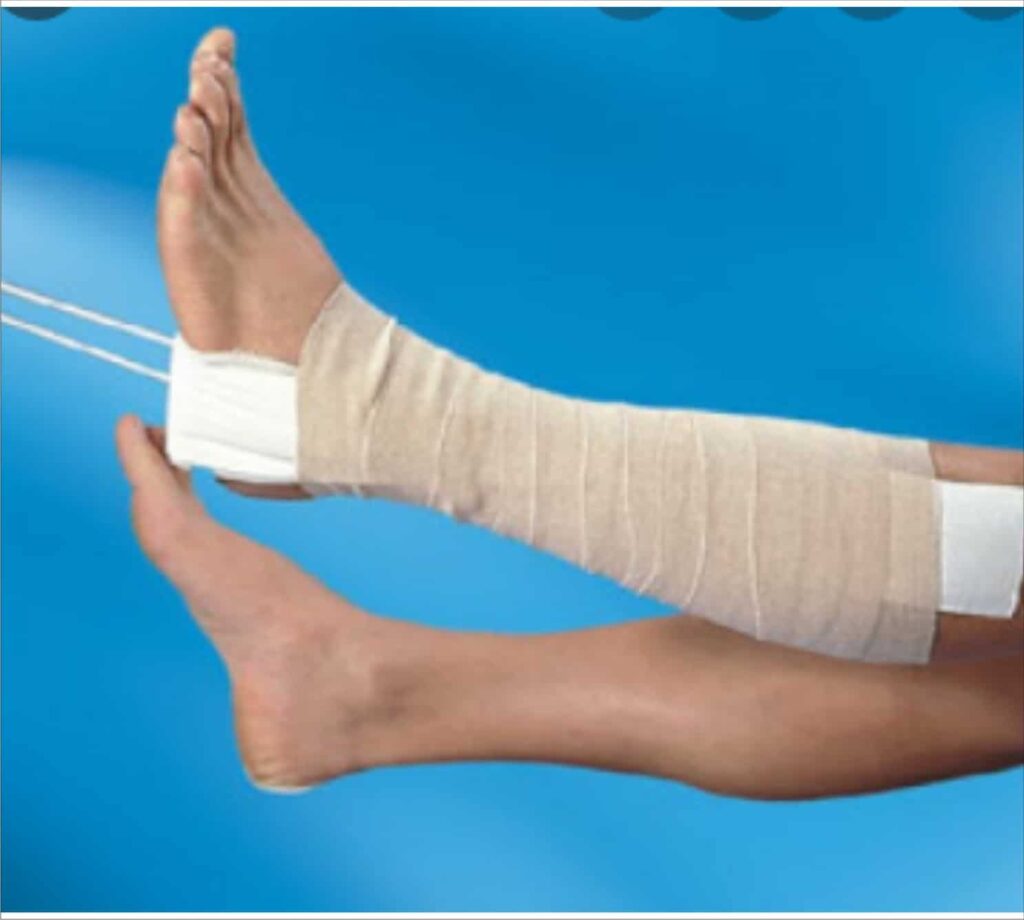
Requirements for Setting up Skeletal Traction
Top Shelf | Bottom Shelf | At the Bedside |
– Extension cord | – Knee piece for Thomas’ splint | – Balkan Beam |
– 6-8 metal pulleys | – Foot piece for Thomas’ splint | – Bed blocks |
– Cotton wool in a gallipot | – Strong slings, safety pins | – Fracture boards |
– Receiver of forceps and scissors Gallipot of gauze | – Weights in various kilograms |
Procedure
Steps | Action | Rationale |
1 | The patient is prepared and taken to theatre when the Thomas’ splint and skin traction are applied. | To immobilize the fractured bones and promote healing. |
2 | The pin: Observe for signs of inflammation, discharge, or movement of the pin to the nurse in charge. | To detect infections and take appropriate intervention. |
3 | Traction: Observe the cords and pulleys to ensure they are free and smoothly running. | To ensure accurate counterbalance and function of the traction. |
4 | Inspection: – Check the patient’s foot and leg for signs of inflammation. – Make sure the stirrup is not placing on the patient’s skin. | To detect infections and take appropriate intervention. |
General Nursing Care of a Patient on Traction
Action | Rationale |
1. The patient is nursed on fracture boards on the bed, and the foot of the bed elevated at all times with bed blocks. | Foot of the bed elevated to aid venous return. |
2. Weights must not be lifted or removed unless required. | To provide constant traction. |
3. Traction must be maintained 24 hours a day. | Sudden cessation of traction irritates diseased joints, causes displacement in a fracture, and is very painful for the patient. |
4. Lubricate with a drop or two of oil if necessary. | |
5. Keep a cork on the sharp point of the pin. | So that it’s not loose. |
6. See that the patient’s bed is provided with an overhead lifting pole and chain. | To help the patient lift himself/herself. |
7. When giving a bed pan, ask the patient to lift him/herself or get another nurse to help. | Patient lifting himself makes participation more active. |
8. Change the bottom sheet from top to bottom. | To provide comfort. |
9. Make patient participate in activities of daily living (e.g., bathing in bed, feeding, active exercises, etc.). |
SKIN TRACTION
It involves applying splints, bandages, or adhesive tapes to the skin directly below the fracture. Once the material has been applied, weights are fastened to it. The affected body part is then pulled into the right position using a pulley system attached to the hospital bed.
Preparation of the Patient for Skin Traction
- Provide relevant explanations to the patient to ensure cooperation. It is important to explain the procedure to the relatives as well, who may consider the apparatus cruel.
- Ensure the bed has a firm base and a comfortable mattress.
- Ensure privacy for the patient, then wash the leg and dry it thoroughly. Observe for any abrasions and report them immediately.
- Shave the leg if necessary, taking care not to cause any skin damage.
- Paint the skin with tincture of benzoin compound to prevent allergic reactions to the strapping and to enhance its adhesive properties.
- Protect the bony prominences by applying adhesive felt, latex foam, or orthopedic wool.
Bed Setup:
- The bed should have a firm base; use fracture boards if necessary.
- Use a soft mattress to ensure patient comfort.
- Arrange bedclothes in separate packs for the trunk and the limb not in traction.
- Keep the patient warm and ensure the bed remains tidy at all times, as this helps maintain the patient’s morale.
- Use a bed cradle if both legs are in traction to ensure that the bedclothes do not interfere with the efficiency of the traction.
- If there is an overhead beam, attach a trapeze to allow the patient to lift themselves, helping to prevent pressure sores and hypostatic pneumonia.
- Bedclothes are necessary if the patient’s own weight is used as counter traction.
Requirements
Top Shelf | Bottom Shelf | Bedside |
– Shaving tray Receiver containing: – A pair of dressing forceps, 21 dissecting forceps – Bowl containing swabs – Extension plaster – A pair of scissors – Crepe bandages – Tape measure – Skin pencil | – Receiver for used swabs – Spreader – Cordially, Brown wool or sorbo pads – Tincture of benzoin co. – Dressing mackintosh and towel – A small blanket to cover the limb – Balkan Beam – Bed blocks | – Hand washing equipment – Screens – Bucket for used equipment – Weights in various kilograms – On the bed: Pulleys, Fracture board |
Procedure for Skin Traction
Steps | Action | Rationale |
1 | Explain procedure to the patient. | Explanation encourages patient’s cooperation and relieves anxiety. |
2 | Inspect the limb for sores. If skin has no lesions, put a mackintosh under the limb. | To prevent soiling the bed linen. |
3 | Gently wash and dry the limb. | To prevent infections. |
4 | Shave the part where the extension is to be applied. | To prevent loose hair entering into the wound. |
5 | Apply tincture benzoin co. on the limb. | Benzoin co. reduces the irritating effect that strapping has on a sensitive skin. |
6 | Measure the patient’s legs from the head of the tibia to above the malleoli line. | This will prevent the extension from sticking to the ankle. |
7 | Cut an adequate extension strap, to fit on each side of the limb. Place a large wooden spreader in the middle of the limbs. | A wide spreader bar prevents the traction tape from rubbing on the patient’s bony prominences which can lead to sores. |
8 | Position the limb gently and firmly while the doctor or Orthopaedic officer applies the strapping. | To maintain bone alignment and promote healing. |
9 | Apply crepe bandage over the strapping leaving the malleoli free. Put a soft padding over the ankles. | To prevent friction that can cause pressure sores. |
10 | Make a knot at the end of the cord into the hole in the center of the spreader. Pass the cord over the pulley and attach to the weights. | The weights apply the pull for the traction. Properly hanging weights and correct patient positioning ensures accurate counterbalance and function of the traction. |
Points to Remember
- Traction: Check that the strapping does not slip. Bandages should be secure and unwrinkled to avoid friction.
- Inspection: Check the circulation of the foot and toes by noting color, temperature, sensation, and power. Neurovascular assessments aid in early identification of complications.
Gallows Traction(Bryant’s Traction)
This is commonly used in treating fractured femurs in smaller children below 5 years.
Additional Requirement for Skin Traction Procedure
- Beam Above the Cot
Steps | Action | Rationale |
1 | Apply skin traction to both the child’s legs. | To elevate the sacrum. |
2 | Suspend the legs so that the pelvis is off the bed and a hand can be slipped between the buttocks and the bed. | To reduce the fracture and hold the fragments in position. |
3 | Observe for adherence and firmness of strapping and bandage respectively. | To avoid friction tightness and loosening of the bandage. |
4 | Check the bandages regularly. | To avoid exerting uneven pressure that can cause pressure sores and gangrene. |
5 | Maintain the traction on for approximately 3 weeks or according to prescription. | To allow proper healing. |
6 | Monitor gentle weight bearing starting at 6 weeks initially in the cot. | To identify gradual weight bearing on the limb using crutches. |
7 | Physiotherapy: Monitor gentle and gradual weight bearing on the limb using crutches. | To identify blood circulation interference. |
8 | Observe the circulation of the toes on both limbs by noting their color, edema, pain, and temperature. | To identify blood circulation interference. |
9 | Respond to child’s cries and restlessness. | This could be the first sign of ischemia or skin irritation. |
Management of a Patient with Skin Traction
Acute Management:
1. Documentation of Traction Order:
- Ensure the order for skin traction is properly documented by the orthopedic team, including the weight to be applied in kilograms.
2. Preparation of Equipment:
- Gather all necessary equipment before starting the procedure.
3. Pain Relief:
- A femoral nerve block is the preferred method for pain management and should be administered in the emergency department before admission to the ward.
- Diazepam and Oxycodone should always be charted and used alongside the femoral nerve block.
4. Distraction and Education:
- Explain the procedure to both the patient and their parents before starting.
- Plan appropriate distraction activities, such as play therapy, or involve parents and nursing staff.
5. Application of Traction:
- Ensure the correct amount of water is added to the traction weight bag as per the medical order.
- Fold the foam stirrup around the heel, ankle, and lower leg of the affected limb. Apply a bandage, starting at the ankle and wrapping up the lower leg using a figure-8 technique. Secure with sleek tape.
- Place the rope over the pulley and attach the traction weight bag. Trim the rope if necessary to ensure the bag is suspended in the air and not resting on the floor.
Ongoing Management:
6. Maintain Skin Integrity:
- Monitor the patient’s legs, heels, elbows, and buttocks for potential pressure areas due to immobility and bandages.
- Place a rolled-up towel or pillow under the heel to relieve pressure.
- Encourage the patient to reposition themselves or perform pressure area care every four hours.
- Remove the foam stirrup and bandage once per shift to relieve pressure and inspect the skin condition.
- Keep the sheets dry.
- Document the condition of the patient’s skin in progress notes and the care plan.
- Assess and document the pressure injury prevention score and plan.
7. Traction Care:
- Ensure the traction weight bag hangs freely and does not rest on the bed or floor.
- Replace frayed ropes.
- Ensure the rope stays in the pulley tracks.
- Check that the bandages are free from wrinkles.
- Tilt the bed if necessary to maintain counter traction.
8. Observations:
- Perform neurovascular observations on the patient hourly and record the findings in the medical record.
- If the bandage is too tight, it can slow blood circulation. Monitor for swelling of the femur to detect compartment syndrome.
- If neurovascular compromise is detected, remove the bandage and reapply it more loosely. If circulation does not improve, notify the orthopedic team immediately.
9. Pain Assessment and Management:
- Pain assessment is crucial to ensure that the right analgesic is administered for effective relief.
- Paracetamol, Diazepam, and Oxycodone should be charted and administered as needed.
- Pre-emptive analgesia should be considered, especially before pressure area care, to manage the patient’s pain effectively.
- Assess and document the outcomes of pain management strategies.
10. Activity:
- The patient can sit up in bed and engage in quiet activities such as crafts, board games, and watching TV. Play therapy can be beneficial for long-term traction patients.
- Non-pharmacological activities and distractions will help improve patient comfort.
- The patient can move in bed as tolerated to complete hygiene care.
- Long-term traction patients may require referral to the education department.
11. Transport to Theatre:
- The patient should be transported to the operating theatre in traction to reduce pain and maintain proper alignment.
Special Considerations:
- The foam stirrup, bandage, and rope are for single-patient use only.
Potential Complications:
- Skin Breakdown/Pressure Areas: Pressure from the traction or immobilization can lead to skin damage.
- Neurovascular Impairment: Monitor for issues with circulation, oxygenation, and nerve function in the limbs.
- Compartment Syndrome: Increased pressure in muscle compartments can affect muscles and nerves, requiring urgent care.
- Joint Contractures: Prolonged immobility may result in stiffening of the joints.
- Constipation: This can result from immobility and the use of analgesics.
PULP TRACTION
This is the type of traction used for management of displaced phalanges, metacarpals and metatarsal fractures. A structure is put through the pulp of the fingers and fastened to an extension wire which is incorporated in the plaster.
Skull Tongs Traction
Skull tongs traction is used to immobilize the cervical spine in cases of unstable fractures or dislocations of the cervical vertebrae.
Types of Skull Tongs Traction:
- Crutchfield Tongs
- Gardner-Wells Tongs: More commonly used, as it is less likely to pull out compared to Crutchfield tongs.
Procedure
Steps | Action | Rationale |
1 | Prepare the patient for surgery (see pre-operative care). | |
Following surgery | ||
2 | Nurse the patient in supine position on a special frame instead of the regular hospital bed. | In order to maintain the neck in position. |
3 | Assist the patient with any turning movements if a hospital bed is used. Elevate the head of the bed if necessary. | To prevent twisting of the neck that can result in complications. |
4 | Apply the same precautions to all patients on traction. | To prevent complications. |
Head of the bed raised, bed on castors so that it can be wheeled to the X-ray department.
After the Procedure:
- The patient is placed on a special bed with a therapeutic mattress and frames.
- The patient remains in a complete supine position with a small pillow under the head.
- As patients are in this traction for extended periods, similar precautions used for skeletal traction are applied.
- The head of the bed is elevated to provide counter-traction.
- Castors are placed on the bed for easy movement, such as for X-rays.
Points to Remember:
- Assist with daily activities as the patient will have difficulty performing them independently.
- Prevent infection at the tong sites through regular cleaning.
- Suggest recreational or occupational activities to address restlessness and boredom.
- Teach the patient range of motion exercises.
- Ensure proper nutrition.
Halo Traction
Halo traction is similar to skull tongs traction but includes a vertical frame that extends to the body, allowing the patient to move out of bed without disrupting its function. The pin is inserted into the skull, and the frame provides stabilization for fractured cervical vertebrae.
- The frame is not removable, as any movement of the vertebrae could damage the spinal cord.
Fixators
Fixators are metallic rods passed through a bone to ensure stability.
Types:
1. External Fixation Devices:
- A frame of metal rods that connect skeletal pins. These rods provide traction between the pin sites.
- External fixators can be simple with 2-3 rods or complex with many rods arranged at different angles to maintain fractured bone fragments.
Advantages:
- Useful for immobilizing many bone fragments.
- Used in cases with open wounds to reduce infection risk, a concern with casts.
2. Internal Fixators:
- Metallic devices used to replace or treat certain bones or fractures.
- Can be temporary or permanent, such as replacing a dead bone like the femoral head.
General Nursing Care of a Patient on Traction
- Traction should be applied during the day.
- The patient is nursed with fracture boards on the bed to maintain firmness.
- Elevate the foot or head of the bed, depending on the traction site (skull or limbs).
- Do not lift, move, or remove weights unless instructed by a doctor.
- Ensure cords are always pulling and that weights do not rest on the bed.
- Traction is maintained 24/7 because sudden cessation can cause displacement of the fracture, leading to pain.
- Cords must run freely over regularly oiled pulleys.
- Check the color of the toes to ensure satisfactory circulation.
Care for Skeletal Traction:
- Keep the puncture site clean and dry.
- Seal the wound with tincture of benzoin.
- Ensure free movement of the screws on either side of the pin and lubricate if necessary.
- Keep a cork on the sharp pin end to prevent injury.
- Provide an overhead lifting pole and chain to help the patient move.
- Assist with bathing where needed, especially for areas like the back and legs.
- Pay close attention to pressure areas, especially around the ring of the Thomas splint.
- Maintain a full diet and encourage foods rich in vitamins and minerals such as iron, milk, and liver.
- Teach daily muscle exercises, particularly moving the knee and ankle joints.
- Provide psychological support through regular reassurance.
- Offer indoor games to keep the patient occupied.
Care of Plaster of Paris (P.O.P.)
- Elevate the limb on a pillow and the foot of the bed.
- Wash plaster powder off the toes.
- Expose the P.O.P. to room temperature.
- Check toes for good blood supply and encourage the patient to move them regularly.
- Conduct half-hourly pressure checks for signs of nerve compression.
- Observe the color, temperature, and any swelling of the toes.
- Monitor for pain, numbness, or tingling, which may indicate nerve pressure.
- Check for blood stains on the P.O.P., which may indicate bleeding.
Physiotherapy:
- Encourage deep breathing exercises.
- Promote limb movement for the affected site.
Quick Quiz
Traction Quiz
FON - mobile-friendly and focused practice.
Privacy: Your details are used only for quiz tracking and certificates.
Traction Quiz
FON
Preparing questions...
Choose your answer and keep your streak alive.
Great effort.
Here is your quick performance summary.
Traction in Nursing Read More »

Money matters for Small Business
MONEY MATTERS FOR SMALL BUSINESSES
Money matters involve issues related to finances, particularly personal and business finances.
Money Matters For Small Businesses means that financial management is important for the success and survival of small businesses.
- Money is the most essential resource for starting and operating a business.
It acts as the lifeblood of any business, enabling it to meet its operational expenses and sustain activities.
A small business is an enterprise that operates with limited capital, usually owned by one person or a few individuals.
These owners contribute the capital and often make key decisions. Small businesses usually employ a limited number of staff.
Sources of Money for Small Businesses
- Personal Savings: The owner’s initial capital.
- Family and Friends: Financial support from personal networks.
- Trade Credit: Delayed payment arrangements with suppliers.
- Bootstrapping: Using personal savings, credit cards, or selling personal assets to fund the business initially. This minimizes early debt but limits growth potential.
- Small Business Loans: Loans from banks, credit unions, or online lenders. These require a business plan, credit history, and collateral. Interest rates and repayment terms vary widely.
- Venture Capital: Investment from firms specializing in high-growth potential businesses. This involves giving up equity in the company in exchange for funding. Suitable for businesses with significant scalability.
- Angel Investors: Wealthy individuals who invest in startups and small businesses in exchange for equity. They often provide mentoring and guidance alongside funding.
- Crowdfunding: Raising capital from a large number of individuals through online platforms like Kickstarter or Indiegogo. This can build brand awareness but requires a compelling campaign.
- Government Grants & Loans: Various government agencies offer grants and loans specifically for small businesses, often targeting specific industries or demographics. These usually have eligibility requirements.
- Lines of Credit: A pre-approved amount of credit available to borrow as needed. This provides flexibility but typically carries higher interest rates than term loans.
- Invoice Financing: Securing funding based on outstanding invoices. This helps improve cash flow by getting paid faster but may involve fees.
- Merchant Cash Advances: Receiving a lump sum of money in exchange for a percentage of future credit card sales. This can be a quick solution but is often expensive.
Importance of Money in Small Businesses
- Medium of Exchange: Facilitates buying and selling of goods and services.
- Maximizes Satisfaction and Profit: Helps in achieving consumer satisfaction and producer profitability.
- Promotes Specialization: Encourages efficiency and higher productivity.
- Facilitates Planning: Aids in production and consumption planning.
- Startup Costs: Covering initial expenses like rent, equipment, inventory, marketing, and legal fees. Insufficient funding at this stage can cripple the business.
- Operating Expenses: Meeting ongoing costs such as salaries, utilities, rent, and supplies. Consistent cash flow is essential for day-to-day operations.
- Growth & Expansion: Investing in new equipment, hiring more staff, expanding into new markets, or developing new products/services. Strategic financial planning fuels growth.
- Debt Management: Managing loans and other debts responsibly. High debt levels can hinder growth and increase the risk of failure.
- Emergency Funds: Having reserves to handle unexpected expenses or downturns in business. This provides a crucial buffer against unforeseen circumstances.
- Profitability & Sustainability: Generating sufficient revenue to cover expenses and generate profits. Profitability is vital for long-term survival and success.
- Investor Confidence: Demonstrating sound financial management attracts investors and secures future funding opportunities. Strong financials build credibility.
- Employee Compensation: Paying fair wages and providing benefits to attract and retain talent. This contributes to a productive and motivated workforce.
- Tax Obligations: Meeting tax obligations on time and accurately. Failure to do so can result in penalties and legal issues.
- Market Opportunities: Having sufficient capital to take advantage of new market opportunities or emerging trends can significantly improve chances of success.
Financial Challenges Facing Small Businesses
- Limited Cash Flow: Insufficient funds to sustain operations.
- Excessive Debt: Over-reliance on borrowed funds.
- Poor Marketing Strategies: Ineffective methods to attract customers.
- Mixing Personal and Business Finances: Leads to poor financial management.
- Inadequate Capital: Limited resources to grow the business.
- Lack of Budgeting and Planning: Operating without a clear financial roadmap.
- Cash Flow Problems: Inconsistent or insufficient revenue streams can lead to difficulty meeting short-term obligations like payroll and rent. This is especially acute for businesses with long payment cycles from clients.
- Access to Capital: Securing loans or investments can be challenging due to stringent credit requirements, high interest rates, or a lack of collateral. This limits growth potential and investment in necessary improvements.
- High Startup Costs: The initial investment required to launch a business can be substantial, particularly for businesses needing equipment, inventory, or significant marketing. This can create a significant hurdle for entrepreneurs with limited resources.
- Debt Management: High levels of debt from loans or credit cards can strain finances and make it difficult to manage cash flow effectively. Poor debt management can lead to business failure.
- Pricing Strategies: Balancing competitive pricing with profitability is a constant challenge. Underpricing can impact profitability, while overpricing can reduce sales.
- Economic Downturns: Recessions or economic instability can drastically reduce consumer spending, impacting sales and profitability. Businesses with limited financial reserves are most vulnerable during such periods.
- Inventory Management: Holding excessive inventory ties up capital, while insufficient inventory can lead to lost sales. Effective inventory management is crucial for optimizing cash flow.
- Unexpected Expenses: Unforeseen costs like equipment repairs, legal fees, or emergency situations can disrupt cash flow and strain resources. Having an emergency fund is crucial for mitigating these risks.
- Lack of Financial Literacy: Inadequate understanding of financial management principles, bookkeeping, and budgeting can lead to poor decision-making and financial mismanagement. Business owners need strong financial literacy skills.
- Inflation: Rising prices of goods and services increase operating costs, squeezing profit margins. Businesses need strategies to adapt to inflationary pressures.
General Barriers to Entrepreneurship in Uganda
- Shortage of Funds: Limited resources to start and sustain businesses.
- Unsupportive Business Environment: Inadequate governmental regulations and support.
- Employee Recruitment Challenges: Difficulty in selecting skilled and motivated employees.
- Severe Market Entry Regulations: Restrictive licensing, taxation, and lending policies.
- Limited Opportunities: Few identified business prospects for entrepreneurs.
- Inadequate Training: Insufficient education in entrepreneurship and technical skills.
- Lack of Industry Experience: Entering unfamiliar markets without prior knowledge.
- Other Barriers: Political instability, cultural factors, environmental changes, and fear of risks.
- Access to Finance: Similar to the global small business challenge, securing loans or investments remains a significant barrier. The formal financial sector often lacks reach, leaving many entrepreneurs reliant on informal, high-interest sources.
- Infrastructure Deficiencies: Poor roads, unreliable electricity, and limited internet access increase operational costs and hinder productivity, especially for businesses outside major urban areas.
- Bureaucracy and Regulations: Navigating complex licensing procedures, permits, and taxes can be time-consuming and costly, discouraging potential entrepreneurs. Streamlined regulations are crucial.
- Corruption: Bribery and corruption add extra costs and uncertainty, undermining the business environment and discouraging investment. Transparency and accountability are vital.
- Limited Skills and Education: A lack of entrepreneurial skills, business management knowledge, and technical expertise limits the capacity of many aspiring entrepreneurs. Access to quality education and training programs is crucial.
- Market Access: Reaching customers can be challenging, especially for businesses in remote areas with limited transport networks or access to retail channels. Improving market linkages is essential.
- Land Tenure Issues: Uncertainty surrounding land ownership and access can deter investment and hinder business growth, particularly for businesses relying on land for operations. Clear land titles and secure tenure are critical.
- Political Instability and Risk: Political instability or uncertainty can negatively impact investor confidence and hinder economic activity. A stable and predictable political environment encourages entrepreneurship.
- Competition from Informal Businesses: The prevalence of informal businesses, often operating outside regulatory frameworks, can create unfair competition for formal businesses. Encouraging the formalization of the informal sector would help.
- Lack of Business Support Services: Insufficient access to business incubators, mentorship programs, and other support services limits entrepreneurs’ capacity to build and scale their businesses.
How to Improve Entrepreneurship in Uganda
- Tax Reduction: Lower taxes for entrepreneurs to boost business sustainability.
- Training Programs: Government-led initiatives to improve business management skills.
- Employee Development: Entrepreneurs should hire qualified and motivated staff.
- Supportive Policies: Formulation of regulations that favor entrepreneurship.
- Affordable Loans: Advocacy for lower interest rates to encourage borrowing.
- Research and Networking: Entrepreneurs should explore markets, network, and gather insights.
- Infrastructure Development: Investment in roads, markets, and utilities to ease operations.
- Financial Support: Encourage group funding in villages for capital mobilization.
- National Security: Stability to attract internal and external investments.
Roles of Entrepreneurship in the Community
- Revenue Generation:
Entrepreneurs contribute to government income via taxes and compliance. - Improved Living Standards:
Entrepreneurship reduces scarcity by increasing access to goods and services. - Innovation and Technology:
Entrepreneurs introduce new production methods, ensuring efficiency and competitiveness. - Women Empowerment:
Women-led enterprises promote gender equity and provide resources for community development. - Export Promotion:
High-quality products attract international markets, earning foreign exchange. - Handicraft Exports:
Traditional arts, such as mats and baskets, contribute to cultural preservation and export revenue. - Infrastructure Growth:
Establishing businesses spurs development of roads, bridges, and other facilities. - Job Creation:
- Direct Employment: Through self-employment opportunities.
- Indirect Employment: Through small and large-scale businesses
Business exits and realizing value.
Business Exit Strategy
A business exit strategy is an entrepreneur’s strategic plan to sell his or her ownership in a company to investors or another company.
It outlines the plan for how the owner will eventually sell or transfer ownership of their company, allowing them to realize the value they have built.
Importances of business exits
An exit strategy gives a business owner a way to reduce or liquidate his stake in a business and, if the business is successful, make a substantial profit. If the business is not successful, an exit strategy (or “exit plan”) enables the entrepreneur to limit losses. An exit strategy may also be used by an investor such as a venture capitalist in order to plan for a cash-out of an investment.
- Financial Gain: A successful exit can generate significant financial returns for the owner, rewarding their hard work and investment.
- Flexibility: Having an exit plan allows the owner to pursue other ventures or simply enjoy the fruits of their labor.
- Risk Management: A well-defined exit strategy can mitigate financial losses if the business encounters challenges.
- Succession Planning: For family-owned businesses, an exit strategy ensures a smooth transition to the next generation.
Types of exit strategies
1. Merger and Acquisition (M&A): This involves selling your company to another company, either through a merger or acquisition. This can be a lucrative option.
2. Selling Stake to Partner/Investor: You can sell your ownership stake to an existing partner or investor. This can provide immediate liquidity while retaining some control over the company.
3. Family Succession: This involves transferring ownership to a family member, ensuring the business stays within the family.
4. Acquihires: Acqui-hiring or Acq-hiring refers to the process of acquiring a company primarily to recruit its employees, rather than to gain control of its products or services. This can be a good option for startups with a strong team and innovative technology. Google acquihired Superpod. Google acquired Superpod to improve Google Assistant’s ability to answer questions.
5. Management and Employee Buyouts (MBO): This involves selling your company to your management team or employees. This can incentivize employees and ensure continuity of leadership.
6. Initial Public Offering (IPO): This involves selling shares of your company to the public on a stock exchange. This can raise significant capital for growth but comes with increased scrutiny and regulatory requirements.
7. Liquidation: This involves selling off the company’s assets and distributing the proceeds to shareholders. This is usually a last resort option, often used when the business is no longer viable.
8. Bankruptcy: This is a legal process that allows a company to restructure its debts and potentially continue operating. It should be considered only as a last resort due to its significant financial and legal implications.
Realising Value / Evaluating an Existing Business
Buying an existing business can be a great opportunity, giving you an established brand, customers, and immediate income. But finding the right business to buy isn’t easy—it’s a time-consuming, costly, and sometimes frustrating process.
Evaluating a business means assessing and analyzing various areas of a business to determine its value, potential risks, and viability. It involves thoroughly examining factors such as financial performance, market position, operations, assets, liabilities, reputation, and legal compliance.
The purpose of evaluating a business is to gain a clear understanding of its strengths, weaknesses, opportunities, and threats before making a decision to buy or invest in it.
Ways of evaluating an existing business before purchase include;
Personal Assessment and Criteria: First, consider if the business aligns with your interests, resources, and skills. Evaluate if it’s the right fit for you in terms of cash, credibility, skills, and contacts.
Perform due diligence: This involves researching and confirming the details of the business to ensure you are buying what you expect and to assess its value. Create a team of experts including a banker, industry-specific accountant, attorney, and possibly a small business consultant to perform due diligence. During due diligence, focus on five critical areas:
- Owner’s Reason for Selling: Understand the true motive behind the sale.
- Physical Condition: Assess the state of physical assets like equipment and inventory.
- Market Potential: Find out market demand, customer base, and competition to gauge growth opportunities and risks.
- Legal Aspects: Thoroughly vet legal considerations such as collateral, contract assignments, and ongoing liabilities.
- Financial Health: Analyze financial records with an accountant’s help to assess profitability, stability, and develop future projections.
Ask for the Business Plan: Does the seller have a business plan? This document (or lack thereof) can reveal a lot about the business’s history, future plans, and the owner’s commitment to selling.
Assess the Seller: Your relationship with the seller is important, as you’ll depend on them for information. Pay attention to your interactions during the initial investigation—signs of difficulty now could mean trouble later.
Get a picture of operations: Understand how the business operates by assessing its working capital, manufacturing and operations processes, supply chain, and capital expenditures. Ensure that the business is running smoothly and efficiently.
Evaluate the assets involved: Determine what assets are included in the transaction and their value. This includes intellectual property, brand names, trademarks, patents, and other important assets. Assess how these assets are protected and their significance to the business.
Consider the firm’s reputation: Research the company’s reputation by checking review sites, media outlets, and any past incidents that may have affected its reputation. A strong reputation can positively impact the business’s value.
Verify business licenses and permits: Ensure that the business has all the necessary licenses and permits to operate legally. Check if the required permissions are up-to-date to avoid any potential interruptions or fines after the acquisition.
Confirm the business’ entity status: If the business is a partnership, corporation or limited liability company (LLC) or joint stock company, review entity documents and related records to ensure the business is registered and in good standing. Verify that the owner has the legal rights to sell the business.
STRATEGIES FOR A SUCCESSFUL BUSINESS
The strategies are important for building a solid foundation of the business.
Planning: Creating a roadmap for your business, outlining goals, strategies, and action steps. A business plan helps the business owner to think through issues and understand problems. It’s the shorter-term plan — 12 months — as compared to the longer-term strategy plan.
- Developing a Business Plan: This document serves as a roadmap, outlining the business goals, target market, marketing strategies, financial projections, and operational plans. A well-defined business plan helps to attract investors, secure funding, and stay focused on objectives.
- Conducting Market Research: Understanding the target market is essential for developing effective products and services. Market research helps identify customer needs, preferences, and buying behaviors.
- Setting SMART Goals: Specific, Measurable, Achievable, Relevant, and Time-bound goals provide a clear direction for the business and help you track progress.
Funding a Successful Business: Securing the necessary financial resources to launch and operate your business. Adequate and appropriate funding is an ongoing necessity for a healthy business, he advises business owners to develop a relationship with their bank before the need for a loan arises.
- Bootstrapping: This involves starting the business with minimal external funding, relying on your own resources and revenue to grow. Bootstrapping can be a good option for businesses with low startup costs or those seeking to maintain control.
- Seeking Investors: Venture capitalists, angel investors, and crowdfunding platforms can provide the necessary capital to launch and scale the business. Be prepared to give up some ownership and control in exchange for funding.
- Securing Loans: Banks and other financial institutions offer loans to businesses with good credit and a solid business plan. Loans can provide a source of funding, but remember to carefully consider the repayment terms and interest rates.
Branding, Marketing & Image: Establishing a unique identity for your business and effectively communicating its value to your target audience. Branding and marketing is an essential part of business. “Take the time to understand your customer and consider how your customer reacts to what you’re Saying,”
- Developing a Strong Brand Identity: This involves creating a unique name, logo, and visual identity that reflects your brand values and resonates with your target audience.
- Creating a Compelling Marketing Message: Clearly communicate the value proposition of your product or service and how it solves customer problems.
- Utilizing Effective Marketing Channels: Choose the right marketing channels to reach your target audience, such as social media, email marketing, content marketing, or paid advertising.
Sales to Drive Revenue: Implementing strategies to attract customers and convert them into paying clients.
- Building a Strong Sales Team: Hire and train a skilled sales team that can effectively communicate the value of your product or service and close deals.
- Developing a Sales Process: Establish a clear and repeatable sales process that guides your team through each stage of the customer journey, from lead generation to closing the sale.
- Offering Excellent Customer Service: Providing exceptional customer service builds loyalty and encourages repeat business.
Managing People, Process & Benefits: Building a strong team, establishing efficient workflows, and offering competitive benefits to attract and retain talent.
- Building a High-Performing Team: Attract, hire, and retain talented individuals who share your company’s values and are passionate about your mission.
- Establishing Efficient Processes: Streamline your operations by identifying and optimizing workflows, reducing redundancies, and leveraging technology.
- Offering Competitive Benefits: Provide attractive compensation packages, health insurance, retirement plans, and other benefits to attract and retain top talent.
Operations & Accounting: Managing the day-to-day activities of your business and accurately tracking your financial performance. Accounting is important when you’re starting a business.Keep your business account separate from your personal account. A lot of small businesses start with the personal credit of the owner to give the starting point.
- Managing Day-to-Day Operations: Ensure smooth daily operations by establishing clear roles and responsibilities, implementing efficient systems, and monitoring performance metrics.
- Maintaining Accurate Financial Records: Accurate bookkeeping and financial reporting are important for making informed business decisions, tracking progress, and complying with tax regulations.
- Managing Cash Flow: Manage cash flow effectively to ensure you have sufficient funds to cover expenses, invest in growth, and meet financial obligations.
Technology that Matters: Technology is important for its ability to help all businesses scale to provide repeatable and consistent. Leveraging technology to streamline operations, improve efficiency, and improve customer experience.
- Leveraging Technology for Efficiency: Utilize technology to automate tasks, improve communication, and coordinate processes.
- Improve Customer Experience: Implement technologies that improve customer interactions, such as online ordering systems, mobile apps.
- Staying Ahead of the Curve: Embrace new technologies that can give your business a competitive edge and improve overall operations.
Money matters for Small Business Read More »
Ovarian Cysts
Ovarian Cysts
Ovarian cysts are fluid-filled sacs or pockets within or on the surface of an ovary.
An ovarian cyst is a semi-solid or fluid-filled sac within the ovary.
Many women will have them at some point during their lives. Most ovarian cysts present little or no discomfort and are harmless. The majority disappear without treatment within a few months.
Aetiology of Ovarian Cysts
Most ovarian cysts occur as part of the normal workings of the ovaries. These cysts are generally harmless and disappear without treatment in a few months. Cysts are caused by abnormal cell growth and aren’t related to the menstrual cycle. They can develop before and after the menopause. Conditions that cause Ovarian Cysts include;
1. Hormonal Imbalances:
- Polycystic Ovarian Syndrome (PCOS): A hormonal disorder that causes multiple cysts to form on the ovaries. It is the most common cause of ovarian cysts.
- Endometriosis: A condition where uterine tissue grows outside the uterus, including on the ovaries, which can lead to cyst formation.
- Premature Ovarian Failure (POF): Occurs when the ovaries stop working before age 40, leading to hormonal imbalances and cyst formation.
Risks Factors include;
1. Medications:
- Fertility drugs: Can increase the risk of cyst formation.
- Certain medications: Some medications, like birth control pills, can also cause cyst formation.
2. Genetics:
- Family history of PCOS: A family history of PCOS increases the risk of developing the condition and associated cysts.
Types of Ovarian Cysts:
Functional Cysts/Physiological Cysts
Cysts that develop as part of the menstrual cycle and are usually harmless and short-lived; these are the most common type of ovarian cyst.
- Follicular Cyst: Forms when the follicle doesn’t rupture or release its egg but continues to grow.
- Corpus Luteum Cyst(Luteal Cysts): Forms if the follicle releases the egg but then closes up and fluid accumulates inside.
Pathological Cyst/New growth.
Cysts that occur due to abnormal cell growth; these are much less common
- Dermoid Cysts(Teratomas): Contain tissue such as hair, skin, or teeth because they form from cells that produce human eggs.
- Cystadenomas: Develop from ovarian tissue and may be filled with a watery or mucous substance.
- Endometriomas(chocolate cysts): Result from endometriosis, where uterine endometrial cells grow outside the uterus.
Signs and Symptoms of Ovarian Cysts:
- Often asymptomatic
- Pelvic pain or discomfort: Ovarian cysts can cause pelvic pain (sharp or dull) or pressure in the pelvic area.
- Bloating or abdominal swelling: Some women may experience bloating or a feeling of fullness in the abdomen.
- Irregular menstrual cycles: Ovarian cysts can disrupt the normal menstrual cycle, leading to irregular periods.
- Pain during intercourse: Cysts may cause pain or discomfort during sexual intercourse.
- Changes in urinary patterns: Ovarian cysts can put pressure on the bladder, leading to increased frequency or urgency of urination.
- Digestive issues: Large cysts may cause digestive symptoms such as nausea, vomiting, or changes in bowel movements.
- Painful bowel movements: Cysts can put pressure on the rectum, causing pain or discomfort during bowel movements.
- Fatigue or low energy: Some women with ovarian cysts may experience fatigue or a general feeling of low energy.
- Breast tenderness: Ovarian cysts can sometimes cause breast tenderness or changes in breast size.
Signs and Symptoms of Ruptured Ovarian Cysts:
- Sudden, severe abdominal or pelvic pain: A ruptured ovarian cyst can cause intense pain in the lower belly or back.
- Vaginal spotting or bleeding: After a cyst ruptures, some women may experience vaginal spotting or bleeding.
- Abdominal bloating: Bloating or a feeling of fullness in the abdomen may occur after a cyst ruptures.
- Severe nausea and vomiting: In some cases, a ruptured cyst may cause severe nausea and vomiting.
- Faintness or dizziness: Feeling lightheaded, faint, or dizzy can be a symptom of a ruptured ovarian cyst.
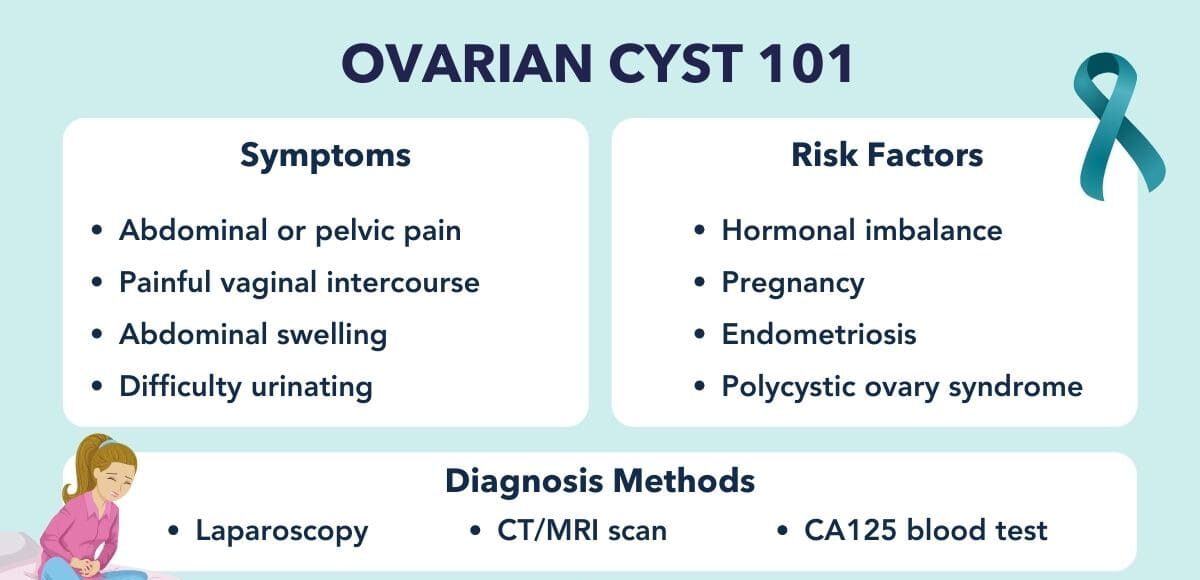
Diagnosis of Ovarian Cysts:
Medical History and Physical Examination:
- History of signs and symptoms, medical history, and any risk factors associated with ovarian cysts.
- A pelvic examination may be performed to check for any abnormalities or signs of a cyst.
- Pregnancy test : A positive pregnancy test result may suggest the patient has a corpus luteum cyst.
Imaging Tests:
- Pelvic Ultrasound: This is the most commonly used imaging test for diagnosing ovarian cysts. It can provide detailed images of the ovaries and help determine the size, location, and characteristics of the cyst.
- Transvaginal Ultrasound: In some cases, a transvaginal ultrasound may be performed, where a small probe is inserted into the vagina to obtain clearer images of the ovaries.
Blood Tests:
- CA-125 Test: This blood test measures the level of a protein called CA-125, which can be elevated in certain cases of ovarian cysts, including those that are cancerous.
- Hormone Level Tests: Blood tests may be done to check hormone levels, such as estrogen and progesterone, which can help determine the type of cyst.
Laparoscopy:
- In some cases, a laparoscopy may be recommended. It is a surgical procedure where a small incision is made in the abdomen, and a thin tube with a camera is inserted to visualize the ovaries and confirm the presence of a cyst.
Biopsy:
- If there is a suspicion of ovarian cancer, a biopsy may be performed to obtain a tissue sample for further analysis.
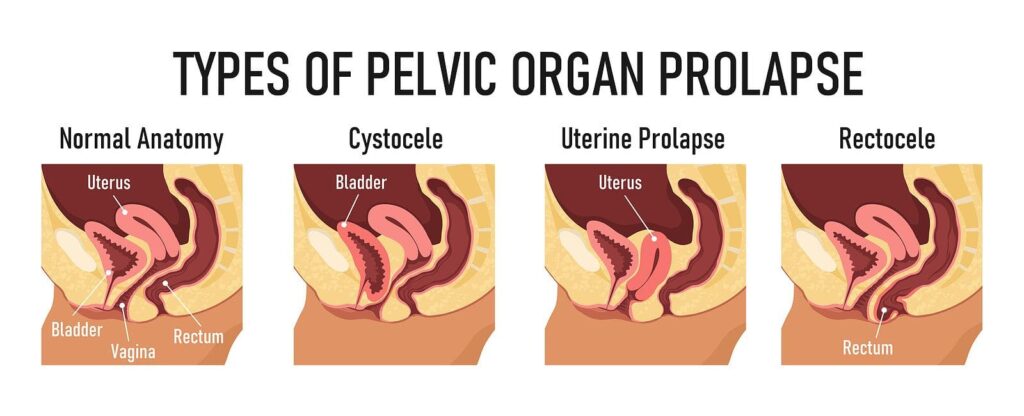
Management of Ovarian Cysts:
Management of ovarian cysts depends on various factors such as the type of cyst, its size, symptoms, and the individual’s medical history.
1. Watchful Waiting: In many cases, ovarian cysts resolve on their own without treatment. This approach involves monitoring the cyst through regular check-ups, such as ultrasound scans, to ensure it is not growing or causing any complications.
2. Medications: Hormonal birth control pills may be prescribed to regulate the menstrual cycle and prevent the formation of new cysts. These medications can also help shrink existing functional cysts. They work by suppressing ovulation and reducing the production of ovarian cysts.
- Nonsteroidal Anti-inflammatory Drugs (NSAIDs): NSAIDs such as naproxen, acetaminophen, and ibuprofen can help alleviate pain associated with ovarian cysts.
3. Surgical Intervention: Surgery may be recommended in the following situations:
- Large or persistent cysts causing symptoms: If the cyst is causing pain, discomfort, or affecting daily activities, surgical removal may be necessary.
- Suspicion of malignancy: If there are concerns that the cyst could be cancerous or has the potential to become cancerous, surgery may be performed to remove the cyst and assess its nature.
- Complications: If the cyst causes ovarian torsion (twisting) or rupture, emergency surgery may be required.
4. There are two main surgical approaches:
- Laparoscopy: This minimally invasive procedure involves making small incisions in the abdomen and using a laparoscope to remove or drain the cyst. It offers quicker recovery time and less postoperative pain.
- Laparotomy: In cases of larger cysts or suspected malignancy, a larger incision is made in the abdomen to remove the cyst. This approach may require a longer hospital stay and recovery period.
5. Fertility Preservation: If fertility is a concern, aim to preserve the reproductive organs as much as possible. In some cases, only the cyst is removed, leaving the ovaries intact. However, in certain situations, both ovaries may need to be removed, which can lead to early menopause. In such cases, assisted reproductive techniques may be considered.
Preventive Measures for Ovarian Cysts:
- Regular pelvic exams: Getting regular pelvic exams can help detect ovarian cysts early and monitor their growth. This allows for timely intervention if necessary.
- Hormonal birth control: Taking hormonal birth control, such as birth control pills, can help regulate the menstrual cycle and prevent the formation of ovarian cysts.
- Maintain a healthy weight: Obesity and excess weight can increase the risk of developing ovarian cysts. Maintaining a healthy weight through a balanced diet and regular exercise may help prevent cyst formation.
- Manage hormone levels: Conditions such as polycystic ovary syndrome (PCOS) can increase the risk of ovarian cysts. Managing hormone levels through medication or lifestyle changes can help prevent cyst development.
- Avoid smoking: Smoking has been linked to an increased risk of ovarian cysts. Quitting smoking or avoiding exposure to secondhand smoke can help reduce the risk.
- Treat underlying conditions: Treating conditions such as endometriosis or hormonal imbalances can help prevent the development of ovarian cysts.
- Avoid unnecessary hormone therapy: Certain hormone therapies, such as fertility treatments, can increase the risk of ovarian cysts. Discuss the potential risks with your healthcare provider before starting any hormone therapy.
- Regular exercise: Engaging in regular physical activity can help regulate hormone levels and promote overall reproductive health, reducing the risk of ovarian cysts.
Complications of Ovarian Cysts:
- Twisting of the cyst (ovarian torsion): In some cases, a large cyst can cause the ovary to twist or move from its original position, cutting off the blood supply to the ovary. This can lead to severe pain and may require immediate medical attention.
- Rupture of the cyst: Ovarian cysts can rupture, causing sudden and severe pain. This can lead to internal bleeding and increase the risk of infection.
- Infection is likely to occur during puerperium if woman has been pregnant the cyst may become malignant
- Hemorrhage as a result of rupture of the cyst’s blood vessels on it.
- Intestinal obstruction as a result of adherence of the intestines on the cysts especially the malignant one.
- Abortion , Malpresentations and Obstructed labor.
Pelvic Organ Prolapse (POP)
Pelvic Organ Prolapse (POP):
POP occurs when the muscles and ligaments that support the pelvic organs weaken, allowing these organs to bulge or drop into the vagina.
It is divided into three main categories:
1. Anterior Vaginal Wall Prolapse:
Cystocele: This is the most common type of POP. It happens when the bladder bulges into the vagina. It can be graded from 1 to 3 based on the extent of the bulge:
- Grade 1: Mild, bladder only drops slightly into the vagina.
- Grade 2: Moderate, bladder drops further, reaching the vaginal opening.
- Grade 3: Severe, bladder bulges out through the vaginal opening.
Urethrocele: This occurs when the urethra, the tube that carries urine from the bladder, bulges into the vagina.
2. Apical Prolapse:
Enterocele: This is when a portion of the small intestine bulges into the upper part of the vagina.
Uterine Prolapse: This is a prolapse of the uterus itself into or out of the vagina. It is graded based on how far the cervix (the lower part of the uterus) has descended:
- Stage 0: No prolapse.
- Stage 1: Cervix descends less than 1 cm above the hymen.
- Stage 2: Cervix is at or within 1 cm of the hymen.
- Stage 3: Cervix descends more than 1 cm below the hymen.
- Stage 4: Complete uterine prolapse, the entire uterus is outside the vagina (procidentia).
Vaginal Vault Prolapse: This happens when the upper part of the vagina loses its support and sags or drops into the vaginal canal or outside the vagina.
3. Posterior Vaginal Wall Prolapse:
- Rectocele: This is a bulge of the rectum, the last part of the large intestine, into the back wall of the vagina.
- Rectal Prolapse: This is a different condition where part of the rectum turns inside out and protrudes through the anus. This is not a form of POP and is usually mistaken for hemorrhoids.
Prolapse of the Uterus
Uterine prolapse occurs when the uterus descends from its normal position into the vaginal canal due to weakened pelvic floor muscles and ligaments.
A uterine prolapse is a condition where the internal supports of the uterus become weak over time and the uterus sags out of position, descends downwards into the vagina.
Uterine prolapse (also called descensus or procidentia) means the uterus has descended from its normal position in the pelvis further down into the vagina.
Causes and Risk Factors of Uterine Prolapse
Uterine prolapse occurs when the pelvic floor muscles and ligaments, which normally support the uterus and other pelvic organs, become weakened or damaged. This allows the uterus to descend into or even protrude from the vagina.
Common causes include pregnancy, childbirth, hormonal changes after menopause, obesity, severe coughing and straining on the toilet.
1. Pregnancy and Childbirth:
- Vaginal Delivery: The strain of pushing during labor, especially with large babies, can weaken the pelvic floor muscles.
- Multiple Pregnancies: Repeated pregnancies can further stretch and weaken these muscles.
2. Age and Menopause:
- Advanced Age: As we age, our tissues naturally lose elasticity and strength, including the pelvic floor.
- Menopause: The decline in estrogen levels during menopause can contribute to tissue thinning and weakening.
3. Other Factors:
- Chronic Cough: Conditions like bronchitis, asthma, or even persistent coughing can put strain on the pelvic floor.
- Constipation: Straining during bowel movements can weaken the pelvic floor.
- Major Pelvic Surgery: Procedures like hysterectomy or pelvic tumor removal can damage the supporting structures.
- Smoking: Smoking reduces estrogen levels and can negatively impact tissue elasticity.
- Excess Weight Lifting: Heavy lifting can strain the pelvic floor muscles.
- Obesity: Excess weight puts added pressure on the pelvic floor.
- Pelvic Tumors: While rare, pelvic tumors can displace the uterus and contribute to prolapse.
- Spinal Cord Injuries: Conditions like muscular dystrophy, multiple sclerosis, or spinal cord injuries can weaken the pelvic floor muscles.
- Family History: A family history of uterine prolapse increases the risk.
Pathophysiology:
The pelvic floor muscles and ligaments act as a hammock, supporting the uterus, bladder, and rectum. When these structures are weakened, the uterus can descend into the vagina.
Staging of Uterine Prolapse
Uterine prolapse is staged based on how far the cervix has descended:
- First Degree: The cervix drops into the vagina.
- Second Degree: The cervix descends to the level just inside the opening of the vagina.
- Third Degree: The cervix protrudes outside the vagina.
- Fourth Degree: The entire uterus is outside the vagina.
Clinical Features:
Symptoms of uterine prolapse vary depending on the severity but can include:
- Feeling of fullness or pressure in the pelvis
- Low back pain
- Sensation of something coming out of the vagina
- Bulging in the vagina
- Painful sexual intercourse
- Discomfort walking
- Uterine tissue protruding from the vaginal opening
- Unusual or excessive vaginal discharge
- Constipation
- Recurrent UTIs
- Symptoms may worsen with prolonged standing or walking
- Urinary problems (incontinence, frequency)
- Difficulty with bowel movements
Diagnosis:
History taking: A detailed medical history about symptoms and risk factors.
Physical examination:
- Abdominal exam: To assess the size and position of the uterus.
- Pelvic exam: To examine the vagina and cervix.
- Bimanual exam: To assess the pelvic floor muscle strength and support.
Laboratory studies:
- CBC, urinalysis, and cervical cultures: May be performed if infection is suspected.
- Pap smear cytology or biopsy: To rule out cervical cancer.
- Pelvic ultrasound: To visualize the uterus and surrounding structures.
- MRI: May be used for staging and to assess the extent of prolapse.
Differential Diagnoses:
- Urinary Tract Infection (UTI) and Cystitis (Bladder Infection) in Females: Symptoms can be similar to prolapse.
- Early Pregnancy: A growing uterus can also cause pelvic pressure and a feeling of fullness.
- Neoplasm: Tumors in the pelvic area can also cause prolapse-like symptoms.
- Ovarian Cysts: Cysts on the ovaries can cause pressure and discomfort.
- Vaginitis: Vaginal inflammation can lead to discharge and discomfort.
Management of Uterine Prolapse
The management of uterine prolapse depends on the severity of the prolapse, the patient’s symptoms, and their overall health. It can range from conservative measures to surgical interventions.
Conservative Management:
- Exercise: Kegel exercises, which involve contracting and relaxing the pelvic floor muscles, can strengthen the supporting muscles and help alleviate symptoms.
- Estrogen Replacement Therapy (ERT): For postmenopausal women, ERT can improve tissue elasticity and strength, potentially preventing further weakening of pelvic floor structures.
- Pessary: A pessary is a removable device inserted into the vagina to support the uterus and hold it in place. It is a non-surgical option suitable for women who want to avoid surgery or are not candidates for it. Pessaries come in various shapes and sizes, and they need to be fitted from the facility.
- Lifestyle modifications:
- Weight Management: Maintaining a healthy weight reduces strain on the pelvic floor.
- Dietary changes: Consuming a high-fiber diet can help prevent constipation and minimize straining.
- Avoiding heavy lifting and prolonged standing: These activities can worsen prolapse symptoms.
Definitive Management (Surgery):
Surgery is considered when conservative options fail to provide relief or for severe prolapses.
- Vaginal Hysterectomy: This involves removing the uterus through the vagina. It is a common procedure for uterine prolapse, especially in women who are done having children.
- Abdominal Hysterectomy: This involves removing the uterus through an incision in the abdomen. It may be preferred in cases of severe prolapse or when there are other pelvic issues.
- Colpocleisis: This procedure involves surgically narrowing the vaginal opening, which provides support and eliminates the prolapse. It is considered for women who are not interested in sexual activity.
- Sacrospinous Fixation: This procedure involves attaching the uterus to the sacrospinous ligament, a strong ligament in the pelvis. This provides support to the uterus and prevents prolapse.
- Sacrohysteropexy: This procedure involves using a mesh patch to attach the uterus to the sacrum, a bone in the lower back. It is considered a more permanent solution than sacrospinous fixation.
Prevention of Uterine Prolapse:
- Maintaining a healthy weight: Obesity increases the risk of uterine prolapse.
- Regular exercise: Kegel exercises are especially helpful for strengthening the pelvic floor muscles.
- Healthy diet: High-fiber diet prevents constipation.
- Avoid straining: This includes straining during bowel movements and heavy lifting.
- Quit smoking: Smoking contributes to tissue weakening.
- Proper lifting techniques: Use your legs, not your back, to lift heavy objects.
- Minimizing vaginal deliveries: Multiple vaginal deliveries can weaken the pelvic floor.
Prolapse of the Cervix
Cervical prolapse is a type of pelvic organ prolapse where the cervix descends into the vaginal canal, often occurring along with uterine prolapse.
(Remember Cervix can not prolapse without the uterus too)
Causes:
- Similar to uterine prolapse (childbirth, aging, heavy lifting, chronic coughing)
Symptoms:
- Sensation of a bulge in the vagina
- Vaginal bleeding or discharge
- Difficulty with urination or bowel movements
Diagnosis:
- Pelvic examination
Treatment:
- Similar to uterine prolapse (pelvic floor exercises, pessary, surgery)
Prolapse of the Bladder (Cystocele)
Bladder prolapse, or cystocele, occurs when the bladder bulges into the vaginal wall due to weakened supportive tissues.
When both the bladder prolapse (cystocele) and urethra prolapse (urethrocele) occur together, its called Cystourethrocele.
Causes of Cystocele:
- Chronic constipation
- Heavy lifting
- Menopause and decreased estrogen levels
- Pregnancy and childbirth
- Aging / Menopause
- Hysterectomy
- Genetics
- Obesity
- Iatrogenic: Complicated operative deliveries and previous pelvic floor repair operations may be a contributory factor i.e. hysterectomy.
- Pelvic organ cancers e.g. cervical cancer e.t.c
Symptoms of Cystocele:
- Feeling of fullness or pressure in the pelvis
- Urinary incontinence or retention
- Frequent urinary tract infections
- Difficulty emptying the bladder
- A vaginal bulge
- The feeling that something is falling out of the vagina
- The sensation of pelvic heaviness or fullness
- Difficulty starting a urine stream and A feeling that you haven’t completely emptied your bladder after urinating plus Frequent or urgent urination
STAGES OF BLADDER PROLAPSE
Grade 1 (mild): Only a small portion of the bladder drops into the vagina.
Grade 2 (moderate): The bladder drops enough to be able to reach the opening of the vagina.
Grade 3 (severe): The bladder protrudes from the body through the vaginal opening.
Grade 4 (complete): The entire bladder protrudes completely outside the vagina
Diagnosis of Cystocele:
Initial Assessment:
- Pelvic Examination: This helps to examine the vagina and cervix to look for any bulging or prolapse. Assess the size and location of the prolapse to determine its severity.
- Abdominal Examination: This helps rule out any abdominal or pelvic masses that might be contributing to the prolapse by pushing down on the pelvic organs.
Further Diagnostic Tests:
- Urinalysis: A urine test can identify any urinary tract infections that could be contributing to bladder symptoms.
- Voiding Cystourethrogram (VCUG): This test involves filling the bladder with contrast dye and taking X-rays as the patient urinates. VCUG can help visualize the bladder and urethra, identifying any abnormalities like prolapse, narrowing, or leaks.
- Cystoscopy: This procedure involves inserting a thin, flexible scope with a camera into the urethra and bladder. It allows the doctor to visualize the inside of the bladder and urethra, looking for any structural problems or blockages.
Imaging Tests (May be used to confirm diagnosis and plan treatment):
- CT Scan of the Pelvis: This scan provides detailed images of the pelvic organs and surrounding structures, helping to underpin the extent of the prolapse.
- Ultrasound of the Pelvis: This non-invasive imaging technique uses sound waves to create pictures of the pelvic organs, aiding in the assessment of prolapse and potential causes.
- MRI Scan of the Pelvis: MRI provides very detailed images, allowing for a thorough examination of the pelvic floor muscles and ligaments.
Evaluating Associated Conditions:
- Stress Incontinence Test: To assess whether the cystocele is causing urinary leakage, the doctor may ask the patient to cough with a full bladder. This helps determine if the bladder leaks during increased pressure on the pelvic floor.
Treatment of a Cystocele:
Mild Cases (Grade 1): These often don’t require medical or surgical intervention. Lifestyle changes can help alleviate symptoms:
- Weight Loss: If overweight or obese, shedding extra pounds can reduce strain on the pelvic floor.
- Avoiding Heavy Lifting: Limit activities that put pressure on the pelvic floor.
- Treating Constipation: Regular bowel movements are important to avoid straining.
More Severe Cases (Grades 2-3): If symptoms significantly impact daily life, treatment options include:
- Pelvic Floor Exercises (Kegels): Strengthening these muscles can improve support for the pelvic organs.
- Hormone Treatment (Estrogen Replacement Therapy): This can improve tissue elasticity and support in some women.
- Vaginal Pessaries: These are removable devices that fit inside the vagina to support the prolapsed organs.
- Surgery: This is considered for significant prolapses or those not responding to other treatments. Surgical options include repairs of the pelvic floor muscles and ligaments, or in rare cases, Colpocleisis (a procedure that permanently reduces the size of the vagina).
Preventing a Cystocele:
- Regular Pelvic Floor Exercises: Strengthening these muscles daily can help prevent prolapse.
- Avoiding Heavy Lifting: Reduce strain on the pelvic floor by limiting activities that require heavy lifting.
- Maintain a Healthy Weight: Being overweight or obese puts extra stress on the pelvic floor.
- Regular Bowel Movements: Prevent constipation and straining by consuming enough fiber and staying hydrated.
- Moderate Exercise: Regular physical activity can help keep the pelvic floor muscles strong and improve overall health.
Rectal Prolapse
Rectal prolapse occurs when the rectum (the last section of the large intestine) falls from its normal position within the pelvic area and protrudes through the anus.
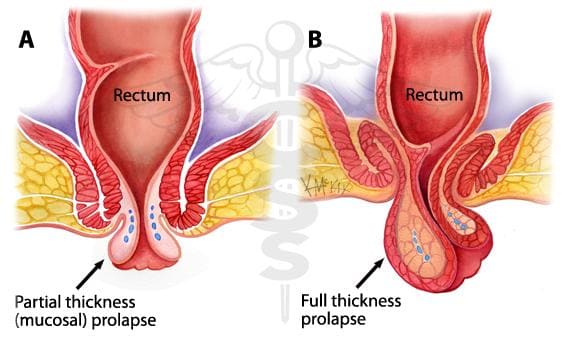
It can involve a mucosal or full-thickness layer of rectal tissue.
Epidemiology:
Rectal prolapse is more common in older adults with a long-term history of constipation or weakened pelvic floor muscles. It is more prevalent in women, especially those over 50 (postmenopausal women), but can also occur in younger individuals and infants.
Types of Rectal Prolapse:
- External Prolapse (Full-thickness): The entire rectum sticks out of the anus.
- Mucosal Prolapse: Part of the rectal mucosal lining protrudes through the anus.
- Internal Prolapse (Intussusception): The rectum has started to drop but has not yet protruded through the anus. Internal Intussusception: Can be full-thickness or partial rectal wall disorder but does not pass beyond the anal canal.
Etiology and Risk Factors:
- Chronic straining with defecation and constipation
- Pregnancy/childbirth
- Previous surgery
- Chronic obstructive pulmonary disease (COPD)
- Cystic fibrosis
- Pertussis (whooping cough)
- Diarrhea
- Pelvic floor dysfunction
- Advanced age
- Neurological problems (e.g., spinal cord disease)
- Congenital bowel disorders (e.g., Hirschsprung’s disease)
- Earlier injury to the anal or pelvic muscles
- Damage to nerves controlling rectum and anus muscles
Pathophysiology:
Mucosal prolapse occurs when the connective tissue attachments of the rectal mucosa are loosened and stretched, allowing the tissue to prolapse through the anus.
Clinical Features:
- Mass protruding through the anus
- Variable pain
- Possible uterine or bladder prolapse (10-25% of cases)
- Constipation (15-65% of cases)
- Rectal bleeding
- Fecal incontinence (28-88%)
- Difficulty with defecation and sensation of incomplete evacuation
Diagnosis:
- History Taking and Physical Examination: Protruding rectal mucosa and thick concentric mucosal ring.
- Barium Enema and Colonoscopy: To view the rectum and colon.
- Proctography/Video Defecography: To document internal prolapse.
- Anal Electromyography (EMG): To determine nerve damage.
- Anal Ultrasound: To evaluate sphincter muscles.
- Pudendal Nerve Terminal Motor Latency Test: To measure function of pudendal nerves.
- Proctosigmoidoscopy: To view the lower colon for abnormalities.
- Magnetic Resonance Imaging (MRI): To evaluate pelvic organs.
Management and Treatment:
Surgical Treatment:
- Perineal Rectosigmoidectomy: To remove the prolapsed section.
- Laparoscopic Approach: To repair rectal prolapse.
Nonoperative Management:
- Gentle digital pressure to reduce the prolapse.
- Use of salt or sugar to decrease edema and facilitate reduction.
Non-surgical Management:
- Bulking agents, stool softeners, and suppositories or enemas for internal prolapse.
Complications:
- Infection
- Bleeding
- Intestinal injury
- Anastomotic leakage
- Bladder and sexual function alterations
- Constipation or outlet obstruction
- Fecal incontinence
- Urinary retention
- Medical complications from surgery (e.g., heart attack, pneumonia, deep venous thrombosis)
Prevention:
- Increase dietary fiber (at least five servings of fruits and vegetables daily).
- Drink 6 to 8 glasses of water daily.
- Regular exercise.
- Maintain a healthy weight or lose weight if necessary.
- Use stool softeners or laxatives if constipation is frequent.
Pelvic Organ Prolapse (POP) Read More »