Nurses Revision

nursesrevision@gmail.com

PLANT ALLERGIES

PLANT ALLERGIES

PLANT ALLERGIES

Plant allergies, also known as pollen allergies or hay fever, refer to allergic reactions that occur when a person’s immune system overreacts to certain plant substances, such as pollen, plant proteins, or other allergens released by plants. 


These allergies are a common type of allergic rhinitis, which is characterized by symptoms such as sneezing, runny or stuffy nose, itchy or watery eyes, and nasal congestion.

Causes and Triggers of Plant Allergies

Causes and Triggers of Plant Allergies:

  1. Pollen: Pollen is a common trigger for plant allergies. It is a fine powder produced by trees, flowers, grasses, and weeds to fertilize other plants of the same species. When people with pollen allergies breathe in pollen, their immune system mistakenly identifies it as a harmful intruder and produces chemicals, such as histamine, leading to allergic reactions.
  2. Trees: Certain trees can trigger plant allergies due to the release of pollen. Common ones include Pine trees, Palm trees, Cypress, sycamore and oak trees. Oak pollen stays in the air for longer periods, causing severe allergic reactions in some individuals.
  3. Grass: Grass pollen is a primary trigger for allergies such as perennial rye, Bermuda grass, and bluegrass are capable of triggering allergies.
  4. Weeds: Weeds, particularly ragweed plants, are known to cause allergies. Ragweed can produce a large number of pollen grains. Other weeds include Amaranth (pigweed)
  5. Other Plants: While pollen is the most common trigger for plant allergies, other plants can also cause allergic reactions. Some individuals may be allergic to specific plants such as juniper, nettle, sagebrush, tumbleweed, lamb’s quarters, walnut, English plantain, pine, cottonwood, and  ordinary sunflowers.

Classification of Plant Allergens

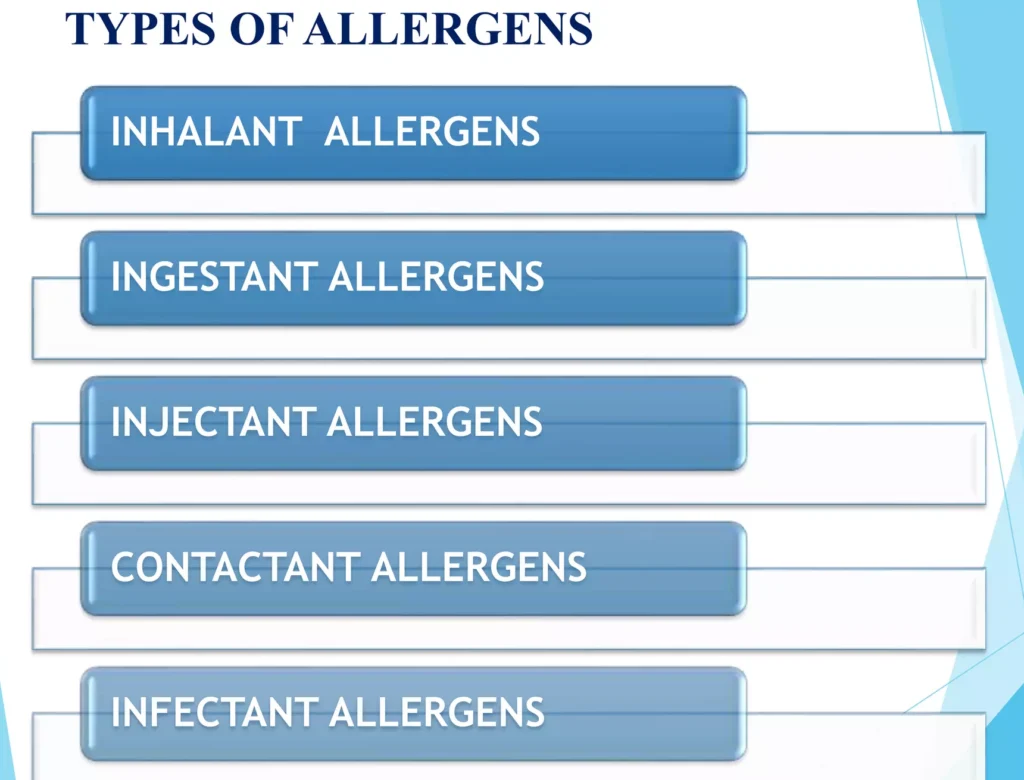
Plant allergens can be classified into different categories based on the route of exposure and the symptoms they cause. The main categories of plant allergens include inhalant allergens, ingestant allergens, injectant allergens, contactant allergens, and infectant allergens.

Inhalant Allergens:

  • Inhalant allergens are substances that are distributed in the atmosphere and come into contact with the nasal or buccal mucosa during respiration. These allergens can cause symptoms such as sneezing, runny or clogged nose, coughing, itching eyes, nose, and throat, sinusitis, hay fever, and asthma.
  • Seasonal Hay Fever or Pollinosis: This type of hay fever is related to the release of pollen grains from certain plants during specific seasons of the year.
  • Non-seasonal Hay Fever or Perennial Rhinitis: In this case, the allergic symptoms can occur throughout the year without regularity and are caused by inhalant allergens other than pollen grains, such as fungus spores and dust.
  • Examples of responsible plant allergens: Pollens of oak, walnut, ragweed, Russian thistle, Bermuda grass, Parthenium grass, fungal spores, old plant parts, volatile oils, alfalfa, lemon, strong perfumes, and cotton pillowcases.

Ingestant Allergens:

  • Ingestant allergens are substances found in food that are swallowed and can stimulate an allergic response. These allergens can cause symptoms such as gastrointestinal disturbances, vomiting, nausea, migraine pains, dermatitis, puffed lips and tongue, rhinitis, bronchial asthma, and severe cases of eczema of hands.
  • Examples of ingestant allergens: Cow’s milk, orange juice, cod liver oil, coffee, flavoring agents, and preservatives.

Injectant Allergens:

  • Injectant allergens refer to substances that cause allergy in hypersensitive individuals through injection. Common examples include antibiotics like penicillin and cephalosporin.
  • Symptoms of injectant allergy: Itching of the hands and soles of the feet, erythema (redness of the skin) with severe pain, and peeling of the skin.

Contactant Allergens:

  • Contactant allergens are substances that come into direct contact with the epithelium, causing allergic symptoms. These symptoms can include watery blisters and dermatitis.
  • Examples of contactant allergens: Poison ivy, poison oak, grasses like parthenium and asparagus, buckwheat, gingko, lobelia tobacco, podophyllum, perfumes, soaps, detergents, nail polishes, hair dyes, and wool in clothing.

Infectant Allergens:

  • Infectant allergens are bacterial metabolic wastes or products released by living organisms during their metabolism in the human body. These allergens can cause chronic illnesses and allergic reactions.
  • Examples of infectant allergens: Certain types of bacteria, protozoans, molds, helminths, and other parasitic forms.

Signs and Symptoms of Plant Allergies:

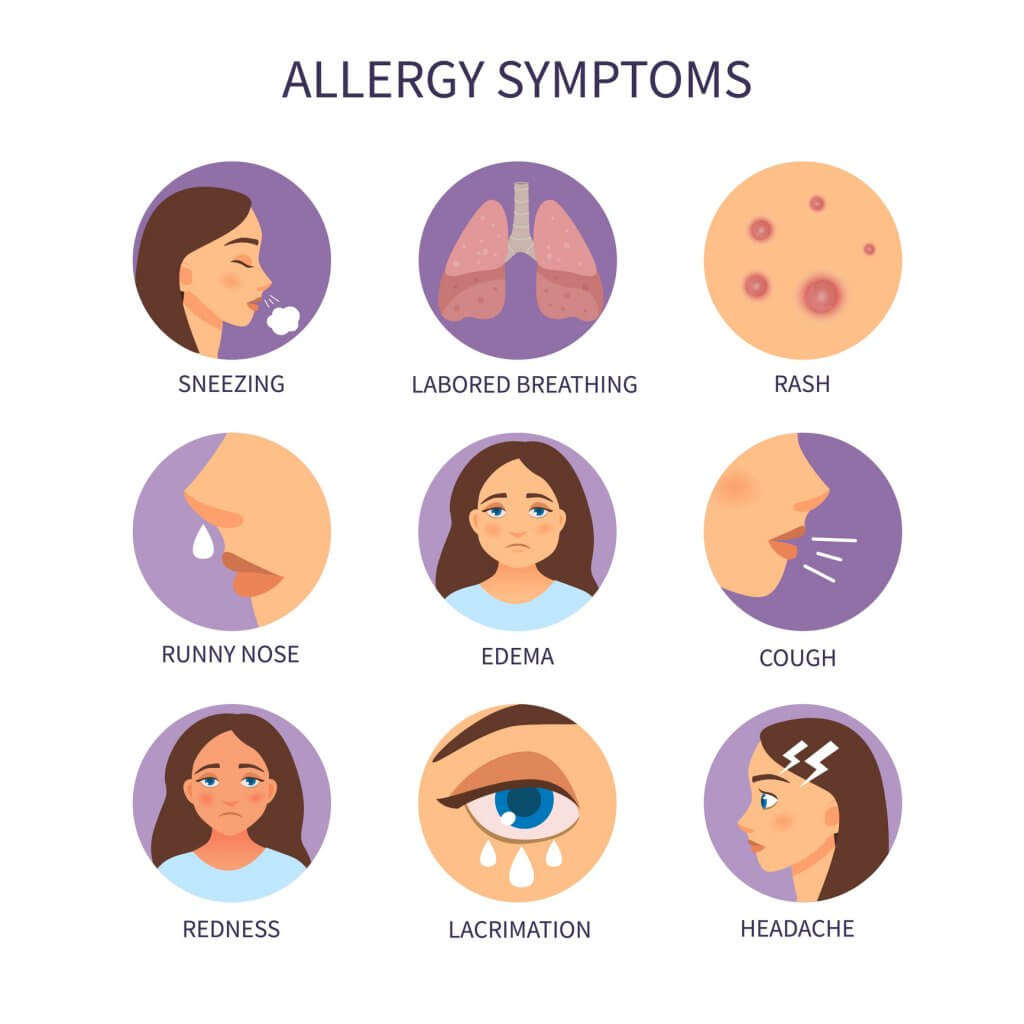
Plant allergies can cause a range of symptoms, both when there is direct skin contact with the plant and when the allergens are inhaled. 

Skin Contact Symptoms:

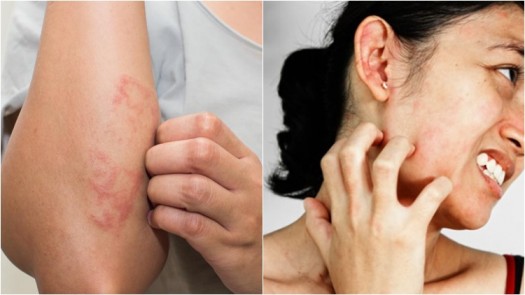
  • Red rash: A red rash may develop on the skin within a few days of contact with a plant allergen.
  • Bumps, red patches, or streaking: These may appear on the skin and can be accompanied by weeping blisters. It’s important to note that the fluids in the blisters will not cause the blisters to spread on you or to others.
  • Swelling: Swelling of the affected area may occur.
  • Itching: Itching is a common symptom associated with plant allergies.

Respiratory Symptoms:

  • Sneezing: Frequent sneezing may occur as a result of inhaling plant allergens.
  • Stuffy or runny nose: The nose may become congested or produce excessive mucus.
  • Watery or itchy eyes: Allergens can cause the eyes to water or become itchy.
  • Coughing: A persistent cough may develop.
  • Wheezing or shortness of breath: Some individuals may experience wheezing or difficulty breathing.
  • Chest tightness: A feeling of tightness or discomfort in the chest may be present.

General Symptoms:

  • Fatigue: Allergies can cause fatigue or a feeling of low energy.
  • Headache: Headaches may occur as a result of the allergic reaction.
  • Sinus pressure: Pressure or pain in the sinuses can be a symptom of plant allergies.
  • Postnasal drip: Excess mucus can drip down the back of the throat, causing irritation.
  • Sore throat: A sore throat may develop due to postnasal drip or inflammation.

Seek immediate medical attention:

  • You have symptoms of a severe reaction, such as severe swelling and/or difficulty breathing.
  • The rash covers more than one quarter of your body.
  • The rash occurs on the face, lips, eyes, or genitals.
  • The initial treatment does not relieve symptoms.
  • You develop a fever and/or the rash shows signs of infection, such as increased tenderness, pus or yellow fluid oozing from the blisters, and an odor coming from the blister

Diagnosis and Investigations

Personal and Medical History:

  • Through assessment about your symptoms, their duration, and any potential triggers, exposure to plants, such as gardening or outdoor activities.
  • Family history of allergies and any previous allergic reactions will also be considered.

Physical Examination:

  • Close examination of the ears, eyes, nose, throat, chest, and skin.
  • A lung function test may be performed to assess the respiratory function.
  • In some cases, an X-ray of the lungs or sinuses may be necessary.

Skin Tests:

  • Skin tests are the most common and reliable method for diagnosing plant allergies.
  • Skin prick tests involve placing a small amount of allergen extract on your skin and then pricking or scratching the area.
  • If you are allergic to the specific plant allergen, you will develop a raised bump or hive at the test site within 15 minutes.
  • Intradermal tests may also be performed, where a small amount of allergen is injected just under the skin. This type of testing is more sensitive than skin prick tests.

Blood Tests:

  • Blood tests, such as the RAST (radioallergosorbent test) or ELISA (enzyme-linked immunosorbent assay), measure the presence of specific IgE antibodies to plant allergens in your blood.
  • The tests are used when skin testing cannot be performed, such as in cases of severe skin conditions or recent severe allergic reactions.
  • Blood tests may take longer to get results and may be more expensive than skin testing.

Challenge Tests:

  • Challenge tests involve supervised exposure to a small amount of the suspected allergen, either by ingestion or inhalation.
  • This test is closely monitored by an allergist to observe any allergic reactions.
  • Challenge tests are used for diagnosing food or medication allergies when the risk of a severe reaction is low.
Management of Plant Allergies

Management of Plant Allergies

Plant allergies, such as pollen allergies, can cause symptoms like sneezing, runny nose, itchy eyes, and congestion. Managing plant allergies involves a combination of first aid measures, medical treatments, nursing care, and general measures to minimize exposure to allergens. 

First Aid Measures:

  • Remove yourself from the source of allergens, if possible.
  • Rinse your nasal passages with a saline (saltwater) nose rinse to flush out allergens.
  • Use over-the-counter antihistamine eye drops to relieve eye allergy symptoms.
  • Apply cold compresses to reduce eye swelling and itching.
  • Remove your clothes and wash all exposed areas with cool running water using soap and water. 
  • Wash clothing and all gardening tools, camping gear, sports equipment, and other objects that came into contact with the plants.
  • Bathe pets exposed to the plants.

Medical Treatments:

  • Antihistamines: Take oral antihistamines to relieve sneezing, itching, and runny nose.
  • Nasal Sprays: Corticosteroid nasal sprays can reduce nasal inflammation and congestion.
  • Decongestants: Short-term use of decongestants can help relieve nasal stuffiness.
  • Leukotriene Modifiers: These medications can block chemicals released during an allergic reaction.
  • Topical preparations such as calamine or topical steroids are helpful in treating a poison ivy rash.
  • Allergy Shots (Immunotherapy): In severe cases, allergy shots are used to desensitize the immune system to specific allergens. It’s good for longterm management.

Nursing Care:

  • Educate patients about their specific allergens and how to avoid them.
  • Teach proper use of nasal sprays and eye drops.
  • Monitor and document symptoms and response to treatment.
  • Provide emotional support and reassurance to patients experiencing allergy symptoms.

General Measures to Minimize Exposure:

  • Stay indoors during peak pollen times, usually early morning and evening.
  • Keep windows closed and use air conditioning with HEPA filters.
  • Avoid outdoor activities on windy days when pollen counts are high.
  • Wear sunglasses to protect your eyes from pollen.
  • Wash your hands and face after being outdoors to remove pollen.
  • Dry clothes indoors to prevent pollen from sticking to them.
  • Avoid mowing lawns or being around freshly cut grass.
  • Consider using a pollen mask when working outdoors.

PLANT ALLERGIES Read More »
SKIN ALLERGIES

SKIN ALLERGIES

SKIN ALLERGIES

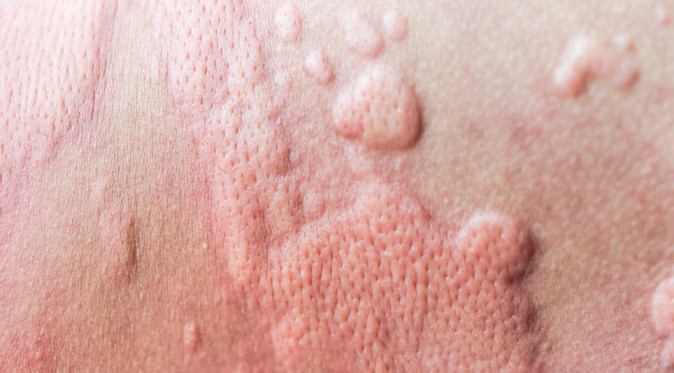
Skin allergy, also known as allergic dermatitis, is a condition in which the immune system has an abnormal reaction to a harmless substance, known as an allergen, that comes into contact with the skin. 

Skin allergy is an abnormal reaction of the skin following an irritant that continues as long as there is an exposure to that irritant.


Skin allergies frequently cause rashes, or swelling and inflammation within the skin, in what is known as a “weal and flare” reaction characteristic of hives and angioedema.

Causes and Triggers of Skin Allergies

Causes and Triggers of Skin Allergies

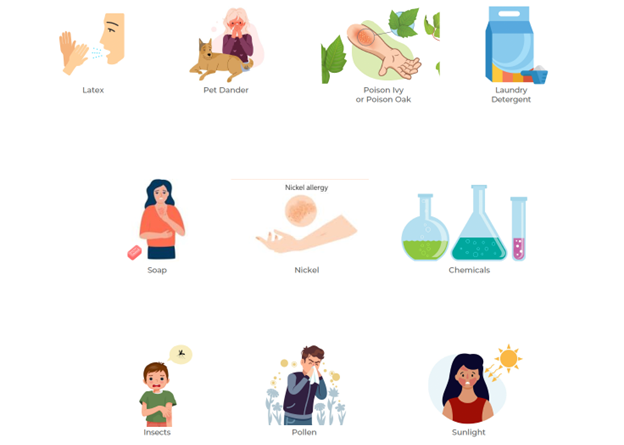
  • Contact Allergens: Substances that directly touch the skin and trigger an allergic reaction, such as nickel, latex, fragrances, and certain plants (e.g., poison ivy).
  • Food Allergies: Allergic reactions to certain foods, such as peanuts, shellfish, dairy, and eggs, that can manifest as skin rashes or hives.
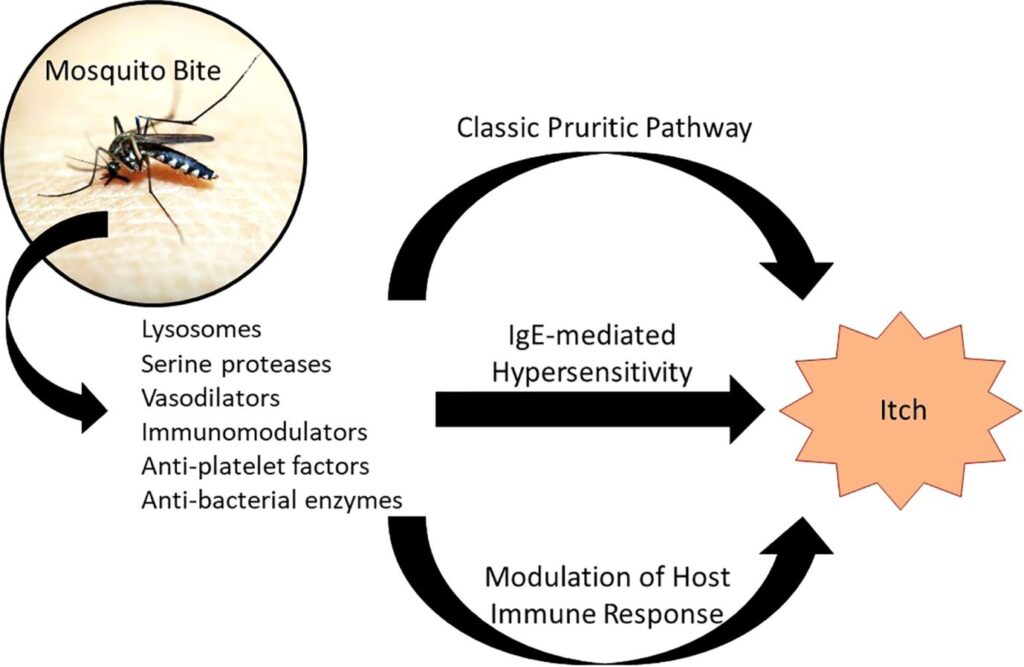
  • Insect Bites and Stings: Bites or stings from insects, such as bees, wasps, and mosquitoes, can release allergens that cause allergic reactions.
  • Medications: Certain medications, such as antibiotics (e.g., penicillin), nonsteroidal anti-inflammatory drugs (NSAIDs), and chemotherapy drugs, can cause allergic skin reactions.
  • Environmental Irritants: Exposure to environmental irritants, such as dust mites, pollen, and pet dander, can trigger allergic reactions in susceptible individuals.
  • Skin Conditions: Certain skin conditions, such as eczema and psoriasis, can make the skin more sensitive and prone to allergic reactions.
  • Metals: Exposure to certain metals, such as nickel, cobalt, and chromium, can cause allergic reactions in some people, like some who react to necklaces and rings.
  • Rubber and Latex: Some individuals are allergic to rubber or latex, which can be found in gloves, condoms, and certain clothing items.
  • Cosmetics and Personal Care Products: Ingredients in cosmetics, skincare products, and hair dyes can cause allergic reactions in some people.
  • Genetics: Some individuals are genetically predisposed to developing skin allergies, increasing their risk of developing reactions to various triggers.

Pathophysiology of Skin Allergies

Contact with Allergen:

  • Skin allergies occur when the skin comes into contact with an allergen, which is a substance that triggers an immune response in the body.
  • Common allergens include chemicals, metals (such as nickel), fragrances, plants (like poison ivy), medications, and certain fabrics.

Sensitization:

  • When the allergen comes into contact with the skin, it can penetrate the outermost layer of the skin called the stratum corneum.
  • Langerhans cells, a type of immune cell in the skin, capture and process the allergen.
  • The allergen is then presented on the surface of Langerhans cells, activating the immune response.

Activation of the Immune Response:

  • The immune system recognizes the allergen as a threat and triggers an immune response.
  • Immune cells, such as T cells and B cells, are activated and release chemical mediators, including histamine.
  • Histamine causes blood vessels to dilate and become leaky, leading to redness, swelling, and itching.

Inflammatory Response:

  • The release of histamine and other chemical mediators leads to inflammation in the skin.
  • Inflammatory cells, such as mast cells and eosinophils, are recruited to the site of allergen contact.
  • These cells release additional inflammatory substances, increasing the allergic reaction.

Symptoms:

  • The immune response and inflammation in the skin result in various symptoms, including redness, itching, swelling, and the formation of a rash.
  • The specific symptoms and their severity can vary depending on the individual and the allergen involved.
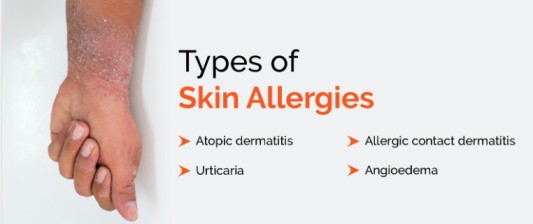
Types of skin allergies

Forms of Skin Allergies

Atopic Dermatitis (Eczema):

  • Atopic dermatitis, also known as eczema, is a common skin condition that primarily affects children but can also occur in adults.
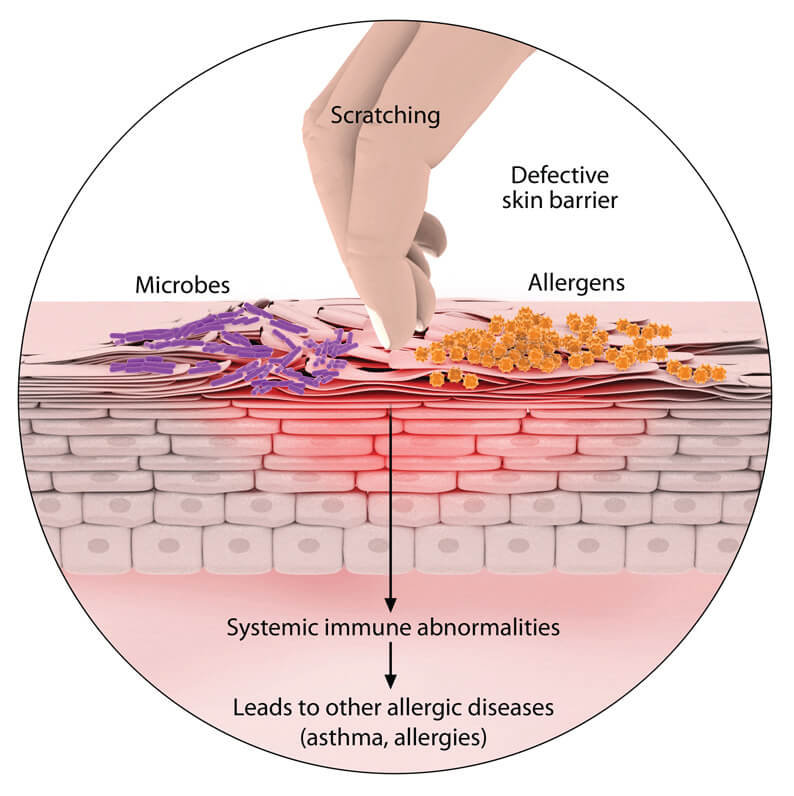
  • It is characterized by dry and itchy skin due to a “leakiness” of the skin barrier, making it more susceptible to irritation and inflammation from environmental factors.
  • In some cases, eczema symptoms can be worsened by food sensitivities.
  • Severe atopic dermatitis can be caused by a genetic mutation in the skin called filaggrin.
  • Eczema is often associated with asthma, allergic rhinitis (hay fever), or food allergies, and this progression is known as the atopic march.

Allergic Contact Dermatitis:

  • Allergic contact dermatitis occurs when the skin comes into direct contact with an allergen.
  • Common allergens include nickel, certain plants like poison ivy, poison oak, and poison sumac, as well as various chemicals found in everyday products.
  • Symptoms of allergic contact dermatitis can include redness, bumps, scales, itching, or swelling at the point of contact .

Urticaria (Hives):

  • Urticaria, commonly known as hives, is an inflammatory skin condition triggered by the release of histamine by the immune system.
  • It causes small blood vessels to leak, resulting in swelling of the skin.
  • Acute urticaria can be caused by allergic reactions to certain foods, medications, insect bites, or non-allergic triggers like heat or exercise.
  • Chronic urticaria, on the other hand, lasts for a longer period and is often not caused by specific triggers.

Angioedema:

  • Angioedema is swelling that occurs in the deeper layers of the skin, often accompanying hives .
  • It commonly affects soft tissues such as the eyelids, mouth, or genitals .
  • Acute angioedema is usually caused by allergic reactions to medications or foods.
  • Chronic recurrent angioedema is characterized by the return of symptoms over a long period without an identifiable cause .
Signs and Symptoms of Skin Allergies

Signs and Symptoms of Skin Allergies

Skin allergies can manifest in various ways and may differ depending on the specific allergic reaction.

  • Rash: Skin allergies often result in the development of a rash, which can appear as red, inflamed patches on the skin.
  • Itching: Itchy skin is a common symptom of skin allergies. The urge to scratch the affected area may be intense.
  • Redness: Allergic reactions can cause redness in the affected area, making the skin appear flushed or irritated.
  • Swelling: Skin allergies can lead to swelling, which may be localized or affect a larger area of the body.
  • Raised bumps: Allergic reactions can cause the formation of raised bumps on the skin, known as hives or wheals.
  • Scaling: Scaling refers to the flaking of the skin, which can occur as a result of an allergic reaction.
  • Cracked skin: In some cases, skin allergies can cause the skin to become dry and cracked, leading to discomfort.
  • Dry skin: Eczema, a common skin condition associated with allergies, can cause itchy, red, or dry skin. The affected skin may also weep or leak fluid when scratched.
  • Excessive little lines on the skin of the palms: Individuals with a faulty filaggrin gene may develop hand eczema with excessive little lines on the skin of their palms.
  • Swelling without itch: Angioedema is a deeper layer of swelling that often appears on the face, particularly around the eyes, cheeks, or lips. It can also occur on the hands, feet, genitals, or inside the bowels or throat. Unlike hives, angioedema does not cause itching.

Prevention of Skin Allergies

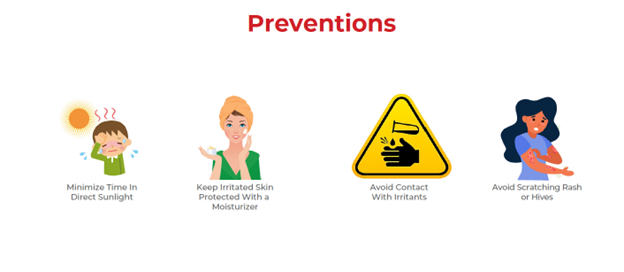
  1. Identify and avoid allergens: The first step in preventing skin allergies is to identify the specific allergens that trigger your reactions. Common allergens include certain metals (like nickel), fragrances, chemicals, latex, and certain plants.
  2. Read product labels: When purchasing skincare products, cosmetics, detergents, or any other products that come into contact with your skin, carefully read the labels. Look for products that are labeled hypoallergenic, fragrance-free, and free of known allergens.
  3. Patch testing: This test involves applying small amounts of potential allergens to your skin to determine which substances you are allergic to.
  4. Protect your skin: Use protective measures to minimize contact with potential allergens. For example, wear gloves when handling chemicals or irritants, and use barrier creams or ointments to protect your skin from potential allergens.
  5. Moisturize regularly: Keeping your skin moisturized can help maintain its natural barrier function and reduce the risk of skin allergies. Choose moisturizers that are gentle and free of potential allergens.
  6. Practice good hygiene: Maintain good hygiene practices to prevent skin allergies. This includes regular bathing with mild, fragrance-free soaps and shampoos. After bathing, pat your skin dry instead of rubbing it.
  7. Avoid hot water and harsh soaps: Hot water and harsh soaps can strip your skin of its natural oils and disrupt its protective barrier. Instead use lukewarm water and mild, fragrance-free soaps to minimize the risk of skin allergies.
  8. Wear appropriate clothing: Choose clothing made from natural, breathable fabrics like cotton or silk. Avoid clothing with rough textures or tight-fitting garments that can irritate the skin. Wash new clothes before wearing them to remove any potential irritants.
  9. Manage stress: Stress can exacerbate skin conditions and increase the risk of allergic reactions. Practice stress management techniques such as exercise, meditation, or engaging in hobbies to reduce stress levels.

Diagnosis and Investigations for Skin Allergies:

  • Medical History: Taking a detailed medical history through assessment about symptoms, their duration, and any potential triggers or exposures that may be related to skin allergies.
  • Physical Examination: A thorough physical examination of the affected skin to assess the nature and severity of the allergic reaction. Look for specific signs such as redness, swelling, rash, or other characteristic skin changes.
  • Allergy Skin Tests: Allergy skin tests, such as a skin prick test or scratch test, are used to identify specific allergens causing skin allergies. During these tests, small amounts of potential allergens are applied to the skin, like on the forearm or back. If you are allergic to any of the substances, a small raised bump or redness, known as a wheal, will appear at the test site.
  • Intradermal Test: This involves injecting a small amount of allergen just under the skin to check for a more sensitive reaction. Intradermal tests are more sensitive but may also have a higher risk of false-positive results.
  • Blood Tests: Blood tests, such as the radioallergosorbent test (RAST) or enzyme-linked immunosorbent assay (ELISA), may be used to measure the levels of specific IgE antibodies in the blood. These tests can help identify allergens that may be causing skin allergies. Blood tests are used when skin tests cannot be performed, or as a follow-up to confirm the results of skin tests.
  • Patch Testing: Patch testing is commonly used to diagnose allergic contact dermatitis, a type of skin allergy caused by direct contact with allergens. During this test, small amounts of potential allergens are applied to patches, which are then placed on the skin for a specific period. The patches are then removed, and the skin is evaluated for any allergic reactions.
Management of Skin Allergies

Management of Skin Allergies

Initial Assessment:

  • Obtain a detailed medical history, including the onset, duration, and progression of symptoms, previous allergic reactions, and any known triggers.
  • Perform a physical examination to assess the extent and severity of the skin allergy, including the appearance of the rash, presence of swelling or blistering, and any associated symptoms.

Identification of Allergen:

  • Conduct a thorough evaluation to identify the specific allergen causing the skin allergy. This may involve a detailed history, physical examination, and potentially allergy testing such as patch testing or skin prick tests.
  • Collection of blood samples where necessary can also be done.

Allergic Reaction:

  • Anyone having an allergic reaction should be watched closely for changes
  • Remember that allergy reactions are unpredictable
  • The way that your body reacts to an allergen one time cannot predict how it will react the next time
  • Stay with the child and alert his or her parents or emergency contacts
  • Symptoms can also worsen quickly, progressing to the life-threatening condition anaphylaxis
  • Epinephrine is the only treatment for anaphylaxis!

Symptomatic Treatment:

  • Provide immediate relief for symptoms such as itching and inflammation.
  • Prescribe and administer antihistamines to alleviate itching and reduce allergic reactions.
  • Advise the patient to avoid scratching the affected area to prevent further irritation and potential infection.
  • Suggest the use of cool compresses or topical corticosteroid creams to reduce inflammation and soothe the skin.

Avoidance of Allergen:

  • Educate the patient about the identified allergen and provide guidance on how to avoid exposure.
  • Advise the patient to read product labels carefully and avoid using products that contain the allergen.
  • Provide information on alternative products or ingredients that can be used instead.

Medical Management: 

An Action Plan may include these medications

  • Topical Antihistamine  
  • Inhaler (if allergy triggers asthma symptoms)
  • Nebulizer (if allergy triggers asthma symptoms)
  • Epinephrine

Refer to the Action Plan!

  • Antihistamines are appropriate for mild to moderate symptoms. The antihistamines cannot control a severe reaction and are not a substitute for epinephrine. If symptoms multiply or worsen, give epinephrine.
  • Antihistamines, known as H1 blockers, reduce or block histamines/ chemicals the body releases when it comes into contact with an allergen
  • Examples of Antihistamines include diphenhydramine (Benadryl®) and cetirizine (Zyrtec®)
  • Antihistamines may be topical or oral.
  • Prescribe topical corticosteroids for moderate to severe skin allergies to reduce inflammation and relieve symptoms. Consider prescribing oral corticosteroids for severe cases or when topical treatment is not sufficient.
  • In cases of allergic contact dermatitis, recommend the use of barrier creams or ointments to protect the skin from further exposure to the allergen.

Pediatric Care:

  • Ensure appropriate dosing of medications based on age and weight.
  • Provide education to parents or caregivers on how to manage the child’s skin allergies, including avoidance of allergens and proper application of topical medications.
  • Monitor pediatric patients closely for any signs of worsening symptoms or adverse reactions to medications and should report these changes immediately.

Follow-up and Referral:

  • Schedule a follow-up appointment to assess the patient’s response to treatment and make any necessary adjustments.
  • Consider referral to an allergist or dermatologist for further evaluation and management, especially in complex or severe cases.

SKIN ALLERGIES Read More »

cOMMUNITY dAY 1 qUIZ

Welcome to your Community Day 1 Quiz

January 24, 2026

Attempt All Questions.

cOMMUNITY dAY 1 qUIZ Read More »

ECZEMA

ECZEMA

ECZEMA

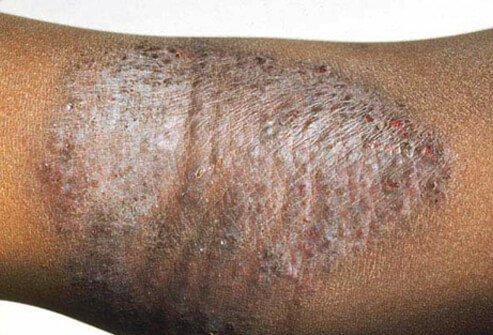
Eczema, also known as atopic dermatitis, or atopic eczema, is a dermatologic problem where patches of skin become inflamed, itchy, red, cracked, and rough. Blisters may sometimes occur.

It is commonly seen in children. It is a relapsing skin problem that is manifested as pruritus, accompanied with swelling, redness, and dryness of the skin. Flaking, cracking, oozing, blistering or bleeding may occur as a result of excessive scratching of the skin.

Several factors are linked with this disease such as genetic mutation, and family history. Eczema cannot be cured, but it is not contagious. This is usually associated with allergy.

Causes of Eczema

Causes of Eczema

The specific cause of eczema remains unknown, but it is believed to develop due to a combination of genetic and environmental factors.

Genetic Factors:

  • Family History: Children with relatives affected by eczema or other atopic diseases, such as asthma or hay fever, have a higher likelihood of developing the condition.
  • Inherited Gene Mutations: Genetic mutations can disrupt the skin’s natural barrier function, increasing vulnerability to irritants and allergens.

Environmental Factors:

  • Irritants: Exposure to harsh soaps, detergents, shampoos, disinfectants, and even juices from fresh fruits, meats, or vegetables can trigger eczema. Certain fabrics like wool or synthetic materials may also contribute to irritation.
  • Allergens: Eczema can be aggravated by exposure to common allergens, including dust mites, pet dander, pollen, mold, and dandruff.
  • Microbes: Presence of microbes like bacteria (e.g., Staphylococcus aureus), viruses, and fungi can play a role in eczema development.
  • Environmental Conditions: Extreme temperatures, whether hot or cold, and fluctuations in humidity levels can impact eczema.

Dietary Factors:

  • Common Food Triggers: Consumption of certain foods, including dairy products, eggs, nuts, seeds, soy products, and wheat, can be associated with eczema development.

Other Factors:

  • Stress: Psychological stress can exacerbate eczema symptoms.
  • Hormonal Changes: Hormonal fluctuations, such as those occurring during pregnancy or the menstrual cycle, may influence the severity of eczema symptoms.
  • Age: Eczema is more common in children and infants, although it can affect individuals of all ages.
  • Skin Dryness: Dry skin can worsen eczema symptoms, emphasizing the importance of maintaining proper skin hydration.
Classification of Eczema 

Classification of Eczema 

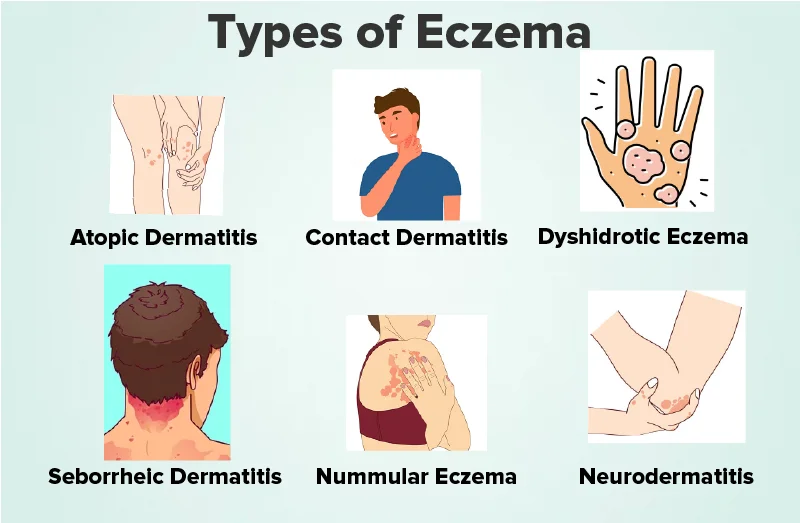
The National Eczema Association has categorized eczema into various types.

Table 1. More Common Types of Eczema.

Classification

Description

Atopic eczema

Presented as xerosis and pruritus.

Contact dermatitis

Skin lesions attributed to any allergens or irritants.

Seborrhoeic dermatitis

Papulosquamous dermatologic disease with greasy scales on the scalp

Table 2. Lesser Common Types of Eczema.

Classification

Description

Dyshidrosis (Dyshidrotic Eczema/ Housewife’s Eczema)

Presents as pruritic vesicles with thickening and cracks on palms, soles, and lateral borders of fingers and toes.

Nummular Dermatitis (Discoid Eczema)

Well-demarcated round, oozing lesions mainly on lower extremities with an unknown etiology.

Stasis Dermatitis (Varicose eczema/Venous eczema)

Commonly found in ankles of individuals aged 50 and above with blood circulation problems; may lead to leg ulcers.

Dermatitis herpetiformis

Often associated with celiac disease, featuring a symmetrical, pruritic rash on arms, knees, back, and thigh.

Neurodermatitis(Lichen Simplex Chronicus)

Thickened, hyperpigmented, pruritic patch.

Autoeczematization (Autosensitization)

Skin reaction to microorganisms, manifesting at a distance from the original site of infection.

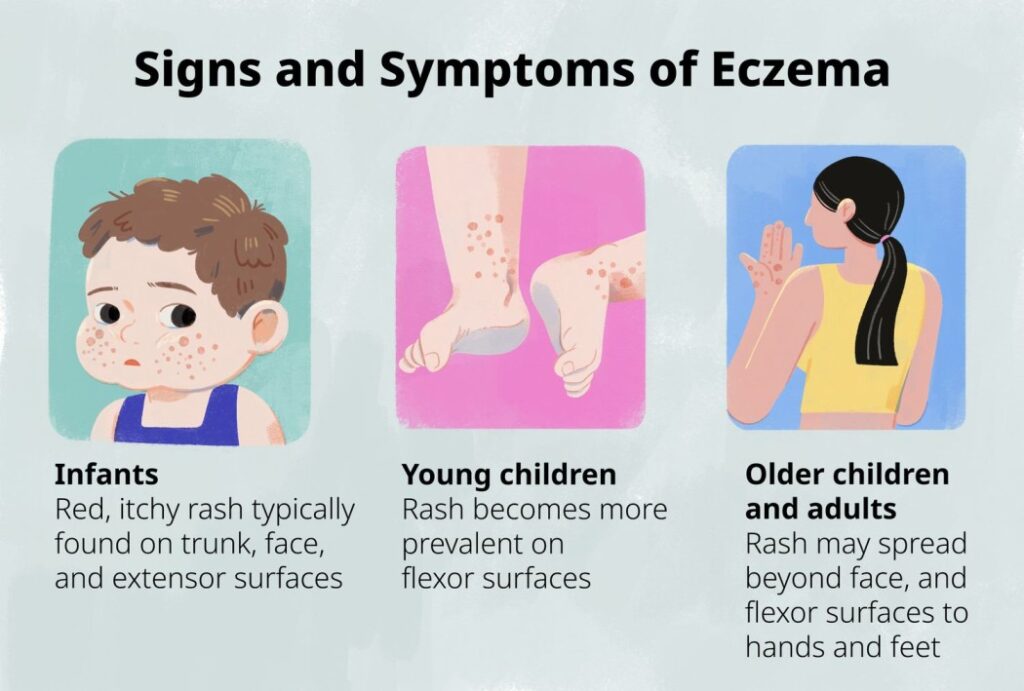
Symptoms of atopic eczema vary across different age groups:


Symptoms of atopic eczema vary across different age groups:

Infants (Under 2 Years Old):

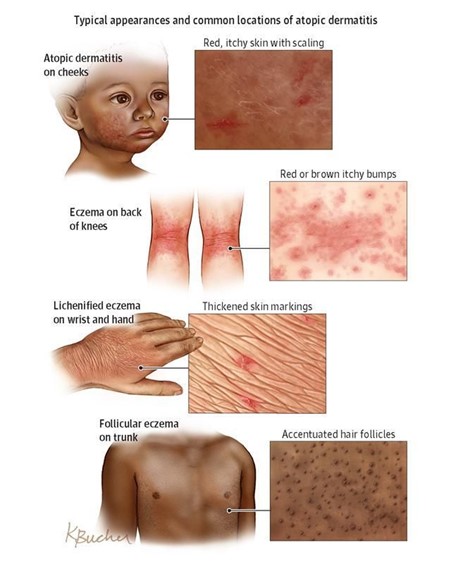
  • Rashes commonly appear on the scalp and cheeks.
  • Rashes typically bubble up before leaking fluid.
  • Extreme itchiness may interfere with sleep, and continuous rubbing can lead to skin infections.

Children (2 Years Until Puberty):

  • Rashes commonly appear behind the creases of elbows or knees, as well as on the neck, wrists, ankles, and buttock- leg creases.
  • Over time, rashes can become bumpy, change in color, thicken (lichenification), develop knots, and lead to permanent itching.

Eczema (Atopic Dermatitis) Causes, Symptoms, Treatment

Adults:

  • Rashes commonly appear in creases
  • of the elbows or knees, the nape of the neck, and cover much of the body.
  • Prominent rashes on the neck, face, and around the eyes may occur.
  • Skin can become very dry, and rashes can be perma
  • nently itchy.
  • Rashes in adults may be more scaly than those in children.
  • Skin infections can result from scratching.
  • Adults who had atopic dermatitis as children may still experience dry or easily-irritated skin, hand eczema, and eye problems, even if the condition has resolved.
Diagnosis of Eczema.

Diagnosis of Eczema.

Assessment:

  • Eczema is a skin condition and the main characteristic of this disease is itching. 
  • Acute refers to the initial stage, where the skin may have crusted, oozing, eroded vesicles (small blisters), erythematous plaques (red, raised areas of skin), or papules (small, raised bumps).
  • Subacute is the stage that comes after the acute stage, where the skin may have erythematous scaly plaques (red, flaky areas of skin) or papules.
  • Chronic is the stage that comes after the subacute stage, where the skin may have slightly pigmented (discolored), lichenified (thickened and hardened) plaques or excoriations (areas where the skin has been scraped or scratched).

Skin Allergy Test:

  • Conducting a skin allergy test helps identify specific allergens that may be contributing to eczema flare-ups.
  • Skin Prick Testing: Involves introducing small amounts of allergens into the skin to identify specific triggers.
  • Patch Testing: Identifies delayed hypersensitivity reactions by applying small amounts of potential allergens to the skin and observing reactions over time.
  • Food Allergy Testing: Helps identify food triggers contributing to eczema symptoms.

Skin Biopsy:

  • In some cases, a skin biopsy may be recommended, involving the collection of a small skin sample for laboratory examination. This procedure helps in confirming the diagnosis and ruling out other skin disorders.

Blood Tests – IgE Level:

  • An elevated IgE level can be associated with eczema and may be measured through blood tests.

Treatment and Management of Eczema

There is no cure for eczema. Treatment for the condition aims to heal the affected skin and prevent flare-ups of symptoms.

Treatment based on an individual’s age, symptoms, and current state of health.

For some people, eczema goes away over time. For others, it remains a lifelong condition.

Home Care

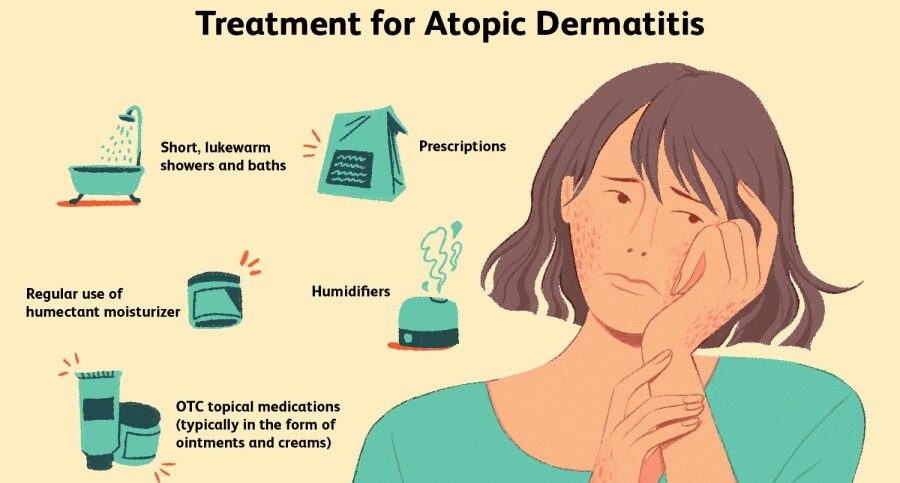
  • Lukewarm baths: Avoid hot water, which can dry out the skin.
  • Moisturizing: Apply moisturizer within 3 minutes of bathing to “lock in” moisture. Moisturize daily, especially after bathing.
  • Clothing: Wear loose-fitting, soft fabrics like cotton. Avoid rough, scratchy fibers and tight clothing.
  • Cleansing: Use a mild soap or non-soap cleanser when washing.
  • Drying: Air dry or gently pat skin dry with a towel. Avoid rubbing.
  • Temperature control: Avoid rapid temperature changes and activities that cause sweating.
  • Trigger avoidance: Identify and avoid individual eczema triggers.
  • Humidifiers: Use a humidifier in dry or cold weather.
  • Nail care: Keep fingernails short to prevent scratching.

Medications

  • Topical corticosteroids: Anti-inflammatory creams or ointments applied directly to the skin to reduce inflammation and itching.
  • Systemic corticosteroids: Injected or oral corticosteroids for severe cases. Used for short periods only.
  • Antibiotics: Prescribed if eczema is accompanied by a bacterial skin infection.
  • Antiviral and antifungal medications: Treat fungal and viral infections.
  • Antihistamines: Reduce nighttime scratching by causing drowsiness.
  • Topical calcineurin inhibitors: Suppress immune system activity, reducing inflammation and preventing flare-ups.Calcineurin works by suppressing the activity of the immune system, specifically by inhibiting the production of certain inflammatory chemicals called cytokines.
  • Barrier repair moisturizers: Reduce water loss and repair the skin’s barrier.

Other Therapies

  • Phototherapy: Exposure to ultraviolet light to treat moderate eczema. Skin is monitored closely.

Ongoing Care

  • Even after skin has healed, it is important to continue caring for it to prevent irritation. Regular moisturizing and trigger avoidance are helpful for long term care.


ECZEMA Read More »
ATOPIC DERMATITIS

ATOPIC DERMATITIS

ATOPIC DERMATITIS.

Atopic dermatitis (AD) also known as atopic eczema is a common type of eczema that causes the skin to become itchy, dry, and cracked.

It  results in itchy, red, swollen, and cracked skin. Clear fluid may come from the affected areas, which often thicken over time.

Other  names  include  “infantile eczema“, “flexural eczema“, “prurigo Besnier“, “allergic eczema“, and “neurodermatitis“.

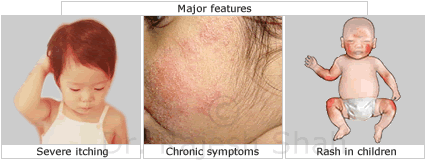
While the condition may occur at any age, it commonly starts in childhood with changing severity over the years. In children under one year of age much of the body may be affected.

As children get older , the back of the knees and front of the elbows are the most common areas affected.

 In adults the hands and feet are the most commonly affected areas.

Scratching worsens symptoms  and  affected  people  have  an  increased  risk  of  skin infections.

Many people with atopic dermatitis develop hay fever  or asthma.

Causes and Predisposing Factors of Atopic Dermatitis

Causes and Predisposing Factors of Atopic Dermatitis

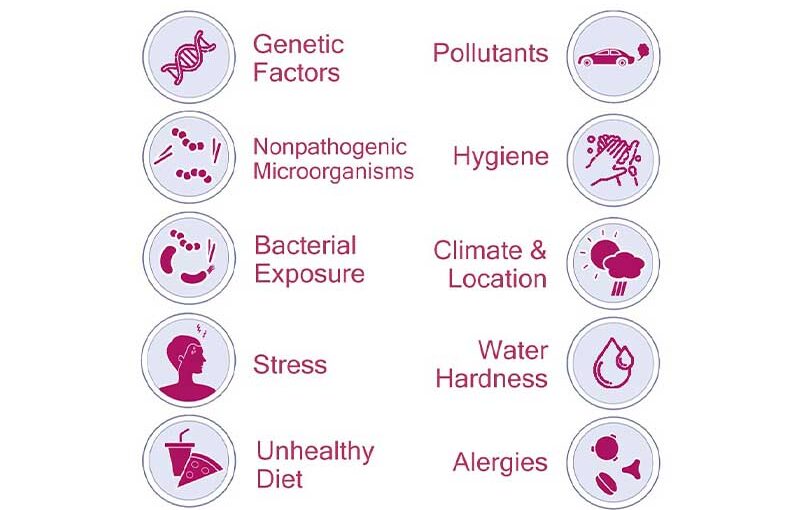
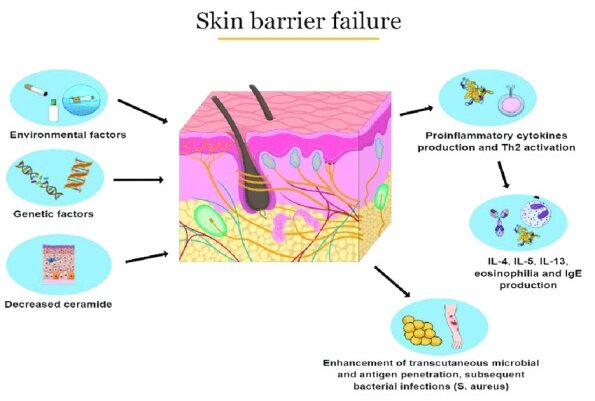
The exact cause of atopic dermatitis (AD) is unknown, but several factors are believed to contribute to its development, including genetics,  immune system dysfunction, environmental exposures, and difficulties with the permeability of the skin.

  1. Genetics: AD is strongly influenced by genetics. If one identical twin has AD, there is an 85% chance that the other twin will also have the condition. Many people with AD have a family history of atopy. Atopy is an immediate-onset allergic reaction (type 1 hypersensitivity reaction) that manifests as asthma, food allergies, AD or hay fever. 
  2. Immune system dysfunction: People with AD have an overactive immune system that reacts to allergens and irritants in the environment. This leads to the production of inflammatory chemicals that cause the skin to become red, itchy, and inflamed.
  3. Environmental exposures: Exposure to certain environmental factors can trigger or worsen AD symptoms. These factors include: Dust mites, Pollen, Pet dander, Smoke, Chemicals, Dry air, Stress. Exposure to certain chemicals or frequent hand washing makes symptoms worse. Those who live in cities and dry climates are more commonly affected.
  4. Skin barrier defects: People with AD have a defective skin barrier that allows allergens and irritants to penetrate the skin more easily. This leads to inflammation and the development of AD symptoms. Studies have found that abnormalities in the skin barrier of persons with AD are exploited by S. aureus to trigger cytokine expression, thus aggravating the condition.
  5. Staphylococcus aureus (S. aureus) colonization: S. aureus is a type of bacteria that is commonly found on the skin. In people with AD, S. aureus can colonize the skin and produce toxins that worsen the inflammation and symptoms of AD.
  6. Calcium carbonate in household water: Studies have found that children who live in areas with high levels of calcium carbonate in their household water are more likely to develop AD. Atopic dermatitis  in  children may be  linked  to  the  level of  calcium carbonate  or  “hardness”  of  household water.
  7. Hygiene Hypothesis: According to  the hygiene hypothesis , when children are brought up exposed to allergens in  the environment at a young age, their immune system is more likely to tolerate them, while children brought up in a modern “sanitary” environment are less likely to be exposed to  those allergens at a young age, and, when  they are  finally exposed, develop allergies. There is some support for  this hypothesis with respect to AD.

Triggers of Atopic Dermatitis:

There are several factors that can trigger or worsen symptoms, including:

  • Food allergies
  • Stress
  • Heat and humidity
  • Certain fabrics, such as wool and synthetic fibers
  • Harsh soaps and detergents
  • Perfumes and other fragrances

Pathophysiology of Atopic Dermatitis 

 The disorder is not contagious. The pathophysiology may involve a mixture of type I and type IV -like hypersensitivity reactions.

After a Genetic Predisposition or any other predisposing factor, it leads to Skin Barrier Dysfunction hence a compromised skin barrier allowing irritants to penetrate more easily.

The immune system, especially the T-cells, responds exaggeratedly to these triggers leading to the release of inflammatory chemicals like histamines.

Inflammation occurs in the skin layers, causing redness, swelling, and itching. Scratching the itchy skin worsens the inflammation, leading to a cycle of itching and scratching leading to an imbalance of the skin’s normal flora like Staphylococcus aureus (S. aureus) with an overgrowth of S. aureus, further contributing to inflammation.

Chronic inflammation and persistent scratching can lead to a thinning of the skin layers which makes the skin more susceptible to infections and environmental damage.

Immune cells release cytokines like Interleukins, in particular, leading to even more inflammation. The combined effects of inflammation, scratching, and immune response result in characteristic eczematous lesions. These include red, dry, and scaly patches of skin. Triggers like allergens, stress, and environmental factors can exacerbate symptoms, leading to flare ups.

Signs and symptoms of Atopic Dermatitis

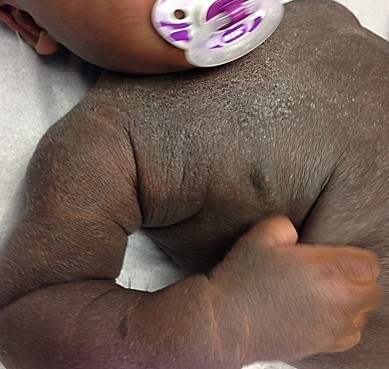
  • Dry and scaly skin that spans the entire body, except perhaps the diaper area: Atopic dermatitis can cause dry, scaly skin that affects most of the body, except for areas that are usually covered by a diaper.
  • Intensely itchy red, splotchy, raised lesions in the bends of the arms or legs, face, and neck: These lesions are a hallmark symptom of atopic dermatitis and can be extremely itchy. They often appear in the creases of the elbows, knees, and neck.
  • Dennie-Morgan infraorbital fold, infra-auricular fissure, and periorbital pigmentation on the eyelids: These are subtle signs of atopic dermatitis that can appear on the eyelids. The Dennie-Morgan infraorbital fold is a crease below the lower eyelid, the infra-auricular fissure is a groove in front of the ear, and periorbital pigmentation is darkening of the skin around the eyes.
  • Post-inflammatory hyperpigmentation on the neck, giving it a classic ‘dirty neck’ appearance: This is a darkening of the skin on the neck that can occur after inflammation from atopic dermatitis.
  • Lichenification, excoriation, erosion, or crusting on the trunk, indicating secondary infection: Lichenification is a thickening and hardening of the skin, excoriation is scratching of the skin, erosion is a loss of the top layer of skin, and crusting is a buildup of dried fluid on the skin. These signs can indicate that a secondary infection has developed on the skin.
  • Flexural distribution with ill-defined edges with or without hyperlinearity on the wrist, finger knuckles, ankle, feet, and hand: Flexural distribution means that the rash appears in the creases of the body, such as the elbows, knees, and wrists. Ill-defined edges means that the rash does not have a clear border. Hyperlinearity is an increase in the lines on the palms of the hands and soles of the feet.

Additionally;

  • Dry, itchy skin: Intense itching is a hallmark symptom.
  • Redness and inflammation: Skin appears red and inflamed, often with small bumps or blisters.
  • Eczema: Dry, scaly patches of skin that can become crusty or oozing.
  • Oozing or crusting: Blisters or lesions may break open and release fluid that crusts over.
  • Lichenification: Thickening and hardening of the skin due to chronic scratching.

  • Skin infections: Due to compromised skin barrier, infections such as staph or yeast can occur.
  • Allergic reactions: Atopic dermatitis can be triggered by allergens, leading to flare-ups with symptoms such as hives, swelling, and itching.

Diagnosis of Atopic Dermatitis

Atopic dermatitis is diagnosed clinically, meaning that it is diagnosed based on signs and symptoms alone, without special testing. However, several different forms of criteria developed for research have also been validated to aid in diagnosis.

Assessment: This involves a physical examination and a review of the patient’s medical history. The physical examination will focus on the skin, and the doctor will look for signs of atopic dermatitis, such as:

  • Dry, itchy skin
  • Redness and swelling
  • Scaling and crusting
  • Lichenification (thickening and leathery appearance of the skin)

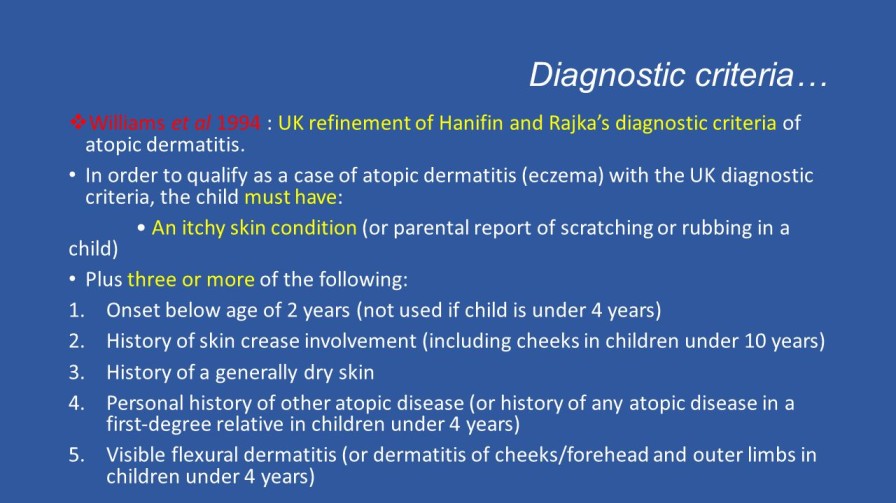
They will also ask about the patient’s family history of atopic dermatitis and other allergic conditions. A diagnostic criteria such as the UK Diagnostic Criteria can be used.

UK Diagnostic Criteria

The UK diagnostic criteria for atopic dermatitis are as follows:

  • People must have itchy skin, or evidence of rubbing or scratching, plus 3 or more of the following:
  1. Skin creases are involved.
  2. Flexural dermatitis of fronts of ankles, antecubital fossae, popliteal fossae, skin around eyes, or neck, (or cheeks for children under 10 years old).
  3. History of asthma or allergic rhinitis (or family history of these conditions if patient is a child ≤4 years old).
  4. Symptoms began before age 2 (can only be applied to patients ≥4 years old).
  5. History of dry skin (within the past year).
  6. Dermatitis is visible on flexural surfaces (patients ≥age 4) or on the cheeks, forehead, and extensor surfaces (patients<age 4).

Explanation of the Criteria:

  • Itchy skin or evidence of rubbing or scratching: This is a hallmark symptom of atopic dermatitis.
  • Skin creases are involved: Atopic dermatitis often affects the creases of the body, such as the elbows, knees, and neck.
  • Flexural dermatitis: This refers to a rash that appears in the creases of the body.
  • History of asthma or allergic rhinitis: Atopic dermatitis is often associated with other allergic conditions, such as asthma and allergic rhinitis.
  • Symptoms began before age 2: Atopic dermatitis typically begins in childhood.
  • History of dry skin: Dry skin is a common symptom of atopic dermatitis.
  • Dermatitis is visible on flexural surfaces or on the cheeks, forehead, and extensor surfaces: The location of the rash can help to distinguish atopic dermatitis from other skin conditions.

Other Investigations

In some cases, the doctor may order other investigations to help confirm the diagnosis of atopic dermatitis. These investigations may include:

  • Allergy testing: Allergy testing can be used to identify the allergens that are triggering the atopic dermatitis. This testing can be done through skin prick tests or blood tests.
  • Patch testing: Patch testing is a type of allergy test that is used to identify the allergens that are causing contact dermatitis. This test involves applying small amounts of different allergens to the skin and then observing the skin for signs of a reaction.

Differential Diagnosis

Atopic dermatitis can sometimes be confused with other skin conditions, such as:

  • Contact dermatitis
  • Seborrheic dermatitis
  • Psoriasis
  • Eczema

Treatment of Atopic Dermatitis

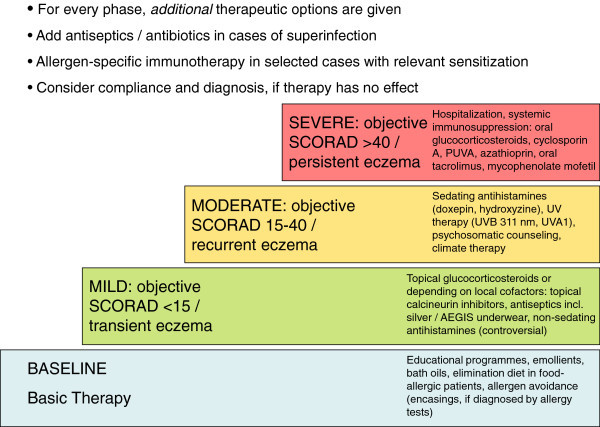
There is no known cure for atopic dermatitis (AD), but treatments can help to reduce the severity and frequency of flares. Treatment involves both preventive measures and medications.

Preventive Measures

  • Avoiding triggers: Identifying and avoiding triggers that make the condition worse is an important part of managing AD. Common triggers include wool clothing, soaps, perfumes, chlorine, dust, and cigarette smoke.
  • Daily bathing and moisturizing: Bathing daily with lukewarm water and applying a fragrance-free, hypoallergenic moisturizer afterwards can help to keep the skin hydrated and reduce the need for other medications.
  • Using mild soaps and detergents: Harsh soaps and detergents can irritate the skin and worsen AD. It is important to use mild, fragrance-free soaps and detergents that are designed for sensitive skin.
  • Wearing loose, cotton clothing: Loose, cotton clothing allows the skin to breathe and helps to prevent irritation.
  • Managing stress: Stress can trigger AD flares. Finding healthy ways to manage stress, such as exercise, music, or meditation, can help to reduce the frequency and severity of flares.

Medications

  • Topical corticosteroids: Topical corticosteroids, such as hydrocortisone, are effective in reducing inflammation and itching. They are typically applied to the affected areas of skin once or twice daily.
  • Topical calcineurin inhibitors: Topical calcineurin inhibitors, such as tacrolimus and pimecrolimus, are non-steroidal medications that can be used to treat AD. They are typically used for short periods of time, as they can cause side effects such as skin irritation and burning.
  • Systemic immunosuppressants: Systemic immunosuppressants, such as cyclosporine, methotrexate, and azathioprine, are used to suppress the immune system and reduce inflammation. They are typically used for severe AD that does not respond to other treatments.
  • Antidepressants and naltrexone: Antidepressants and naltrexone can be used to control pruritus (itchiness).
  • Antibiotics: Antibiotics may be used to treat bacterial infections that can develop on the skin of people with AD.
  • Phototherapy: Phototherapy involves exposing the skin to ultraviolet (UV) light. This can help to reduce inflammation and improve the skin’s appearance.

Other Treatments

  • Moisturizers: Applying moisturizers regularly can help to keep the skin hydrated and reduce the need for other medications.
  • Salt water baths: Bathing in salt water can help to soothe the skin and reduce inflammation.
  • Dilute bleach baths: Dilute bleach baths have been shown to be effective in managing AD.
  • Vitamin D supplementation: There is some evidence that vitamin D supplementation may improve AD symptoms.
  • Dietary changes: This is only effective if allergens have been identified in certain foods hence avoiding them.
Complications of Atopic Dermatitis

Complications of Atopic Dermatitis

  • Skin infections: People with AD are more likely to develop skin infections, such as eczema herpeticum (a viral infection) and impetigo (a bacterial infection).
  • Allergic contact dermatitis: AD can increase the risk of developing allergic contact dermatitis, which is a type of skin irritation caused by contact with an allergen.
  • Hand eczema: AD can lead to hand eczema, which is a type of eczema that affects the hands. Hand eczema can be difficult to treat and can interfere with daily activities.
  • Sleep problems: The itching and discomfort of AD can make it difficult to sleep.
  • Psychological problems: AD can lead to psychological problems, such as anxiety, depression, and low self-esteem.
  • Increased risk of asthma and hay fever: People with AD are more likely to develop asthma and hay fever.
  • Poor quality of life: AD can have a significant impact on quality of life, affecting work, school, and social activities.
  • Erythroderma: Erythroderma is a rare but serious complication of AD that causes the skin to become red, swollen, and itchy. Erythroderma can be life-threatening if not treated promptly.
  • Lymphoma: People with severe AD are at an increased risk of developing lymphoma, a type of cancer that affects the lymph nodes.

ATOPIC DERMATITIS Read More »
Inguinal Buboes Syndrome

Inguinal Buboes Syndrome

Inguinal Buboes Syndrome

Inguinal buboes refer to localized swellings or enlarged lymph glands in the groin and femoral area. 

They are often locally described as “grenades.” 

Case Definition:

Inguinal Buboes Syndrome is characterized by the clinical manifestation of localized swellings or enlarged lymph glands in the groin and femoral area.

Aetiology

It is crucial to differentiate sexually transmitted causes, specifically LGV and chancroid, from non-sexually transmitted local and systemic infections, such as lower limb or gluteal region infections. Exclusion of these non-STI causes is essential for accurate diagnosis. Other causes inclide;

  • Chlamydia strains: lymphogranuloma venereum (LGV).
  • Haemophilus ducreyi: chancroid.
  • Treponema pallidum: syphilis.

Clinical features

These swellings may present with pain and fluctuation and are commonly associated with Lymphogranuloma venereum (LGV) and chancroid. In the case of chancroid, an observable ulcer may accompany the buboes.

  • Excessively swollen inguinal glands.
  • Pain, tenderness.
  • Swellings may become fluctuant if pus forms.

Treatment Protocol: Inguinal Buboes Syndrome

Examination and Differential Diagnosis to rule out Non-STI Causes:

  • Thorough clinical examination to rule out non-sexually transmitted infections causing inguinal swellings.
  • Rule out infections in the foot, leg, or buttock.
  • Exclude the possibility of an inguinal hernia.
  • Differential diagnosis to consider both STI-related and non-STI-related etiologies.

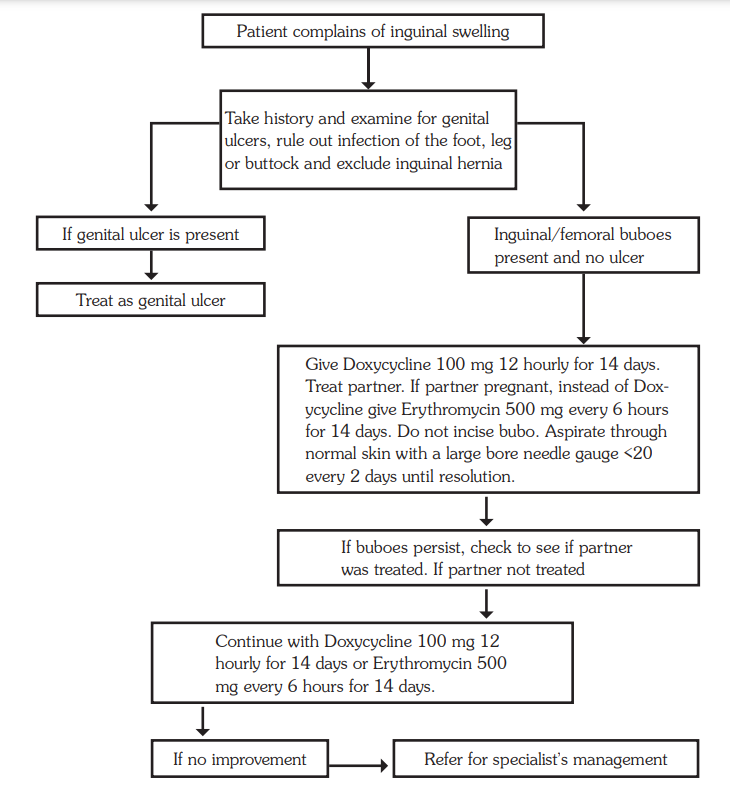
Follow the Management Flow Chart:

  • Adhere to the syndromic management flow chart for inguinal buboes.
  • Treatment options may include antibiotics and other therapeutic measures based on the underlying cause.
  • If a genital ulcer is present, initiate treatment following the established protocol.
  • Administer doxycycline 100 mg orally every 12 hours for a duration of 14 days.
  • Ensure treatment for both the patient and their partner.
Inguinal Buboes Syndrome flow chart

Pregnant Partner Consideration:

  • In cases involving a pregnant partner, substitute doxycycline with erythromycin.
  • Administer erythromycin 500 mg orally every 6 hours for a period of 14 days.

Aspiration of Fluctuant Swellings:

  • Fluctuant swellings, indicative of fluid accumulation, should be aspirated daily.
  • Do not incise the bubo; instead, aspirate through normal skin using a large bore needle (gauge <20) every 2 days until resolution.
  • As an alternative to doxycycline, azithromycin 1 g as a single dose can be considered.
  • Caution: Never incise fluctuant swellings, as this may lead to sinus formation.

Address Underlying STI:

  • If LGV or chancroid is diagnosed, initiate appropriate antibiotic therapy as per established guidelines.
  • Consider partner notification and treatment to prevent further transmission.

Monitoring and Follow-up:

  • Regular monitoring of the swelling’s progression and response to treatment.
  • Follow-up examinations to assess resolution and ensure the absence of complications.

Persistent Bubo Treatment:

  • If the inguinal bubo persists and the partner was not treated, continue the prescribed treatment for an additional 14 days.

Referral for Specialist Management:

  • In cases where the condition does not show improvement, consider referral for specialist management.

Lower Abdominal Pain Syndrome

Lower abdominal pain syndrome stands out as one of the most prevalent and serious STI syndromes among women, bearing significant reproductive health and socio-economic consequences. 

Its presentation can be acute or chronic, posing diagnostic challenges due to numerous potential differential diagnoses. 

Patients usually present with

  • abdominal pain, 
  • Bleeding,
  • dyspareunia, 
  • meno-metrorrhagia, 
  • fever, and occasional vomiting. 

Comprehensive evaluation involves assessing 

  • abdominal tenderness, 
  • cervical motion, 
  • adnexal tenderness, 
  • uterine tube enlargement, and pelvic masses. 
  • Elevated temperature may be indicative, requiring thorough bimanual vaginal examination.

Case Definition:

Symptoms of lower abdominal pain and pain during sexual intercourse, coupled with examination findings such as vaginal discharge, lower abdominal tenderness on palpation, or a temperature > 38 degrees Celsius.

Aetiology:

This syndrome strongly suggests pelvic inflammatory disease (PID), encompassing salpingitis and/or endometritis. Causative agents may include gonococcal, chlamydial, or anaerobic infections.

Management:

Referral for Surgical Emergencies:

  • Patients presenting with symptoms of other surgical emergencies resembling lower abdominal pain syndrome should be promptly referred for inpatient admission and management.

Syndromic Antibiotic Treatment:

  • Ciprofloxacin, metronidazole, and ceftriaxone are prescribed, targeting the likely causative agents due to the challenge of specific diagnosis.
  • Outpatient treatment is extended due to the chronic nature of the condition.

Intrauterine Contraceptive Devices (IUCD):

  • Patients with IUCDs, predisposing factors for PID, should have the device removed after initiating treatment for at least 2 days.
  • Contraceptive counseling is essential for these patients.

Comprehensive STI Case Management:

  • Include other components such as partner notification and treatment, education on treatment compliance, and promotion of preventive measures.
  • Continuous monitoring and evaluation to address potential complications and ensure treatment effectiveness.

Inguinal Buboes Syndrome Read More »
Genital Ulcer Syndrome

Genital Ulcer Syndrome

Genital Ulcer Syndrome

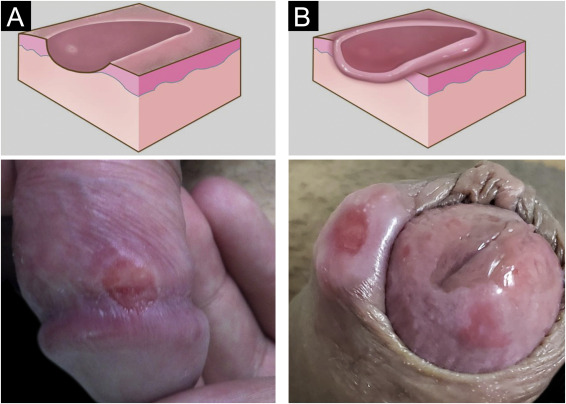
Genital ulcer disease is a common syndrome affecting both men and women, characterized by single or multiple ulcers with different clinical manifestations. 

Genital ulcer disease refers to breaks in the skin or mucosa and may present as ulcers, sores or vesicles. 

Case Definition:


Non-vesicular Genital Ulcer: Ulcer on the penis, scrotum, or rectum in men, and on the labia, vagina, or rectum in women, with or without inguinal adenopathy. Vesicular ulcers involve the presence or history of vesicles.

Causes:

The aetiology of this syndrome varies across geographical regions and can evolve over time, often presenting challenges due to mixed infections and the influence of HIV.

  1. Non-vesicular Ulcers: Commonly caused by syphilis, chancroid, lymphogranuloma venereum, granuloma inguinale, or atypical cases of genital herpes (HSV infection).
  2. Vesicular Ulcers: Primarily caused by Herpes genitalis, syphilis, and Chancroid in Uganda.

Multiple organisms can cause genital sores, commonly:

  • Treponema pallidum bacteria: syphilis
  • Herpes simplex virus: genital herpes
  • Haemophilus ducreyi: Chancroid
  • Donovania granulomatis: Granuloma inguinale
  • Chlamydia strains: lymphogranuloma venereum (LGV)

Clinical Presentation:

In men, genital ulcer disease occurring under the prepuce may present with a discharge in uncircumcised male patients, therefore, prepuce should be retracted and examined for ulcer lesions. 

Female patients should have the labia separated and inspected, with speculum examination if necessary.

Mixed infections are common

  • Primary syphilis: the ulcer is at first painless and may be between or on the labia or on the penis.
  • Secondary syphilis: multiple, painless ulcers on the penis or vulva.
  • Genital Herpes: small, multiple, usually painful blisters, vesicles, or ulcers. Often recurrent.
  • Granuloma inguinale: an irregular ulcer which increases in size and may cover a large area.
  • Chancroid: multiple, large, irregular ulcers with enlarged painful suppurating lymph nodes.

Management:

Prompt treatment is important due to the increased risk of HIV transmission associated with genital ulcers. 

Treatment strategies for both genders should align with the local epidemiology. In Uganda, the following approach is recommended:

  1. Non-vesicular Ulcers: Treatment according to the provided flow chart, distinguishing between specific etiologies.
  2. Vesicular Ulcers: Given the increased risk of HIV transmission, treatment for genital herpes is strongly recommended.

Genital Ulcer Disease Flow Chart

Management Protocol for Genital Ulcer Syndrome:

Multiple Painful Blisters or Vesicles (Likely Herpes):

  • Administer Aciclovir 400 mg every 6 hours for 7 days.
  • If RPR (Rapid Plasma Reagin) positive, add Benzathine penicillin 2.4 MU IM single dose (half in each buttock).
  • In case of persistent lesions, repeat Acyclovir for an additional 7 days.

All Other Cases:

  • Prescribe Ciprofloxacin 500 mg every 12 hours for 3 days.
  • Add Benzathine penicillin 2.4 MU IM single dose (half in each buttock).
  • For individuals with penicillin allergy, substitute with Erythromycin 500 mg every 6 hours for 14 days.

If Ulcer Persists Beyond 10 Days and Partner Was Treated:

  • Add Erythromycin 500 mg every 6 hours for 7 days.

If Ulcer Still Persists:

  • Refer the individual for specialist management.

Important Notes:

  • A negative RPR does not exclude early syphilis.
  • Genital ulcers may appear with enlarged and
  • fluctuating inguinal lymph nodes (buboes). Do not incise buboes.

Other Components of STI Case Management:

In addition to antimicrobial therapy, comprehensive STI case management includes:

  1. Partner Notification and Treatment: Partners should be notified and treated, irrespective of symptoms.
  2. Preventive Measures: Emphasize preventive measures, including safe sexual practices and condom use.
  3. Health Education: Counsel and educate all clients on:
  • The importance of treatment compliance and regular follow-ups.
  • Condom use and provide condoms.
  • Partner management.
  • Offer or refer for HIV VCT services if necessary.
  • Schedule a return visit if feasible.
  • Abstaining from sex symptoms resolve.

Genital Ulcer Syndrome Read More »
Abnormal Vaginal Discharge Syndrome

Abnormal Vaginal Discharge Syndrome

Abnormal Vaginal Discharge Syndrome

Abnormal vaginal discharge is defined as discharge that is different from usual with respect to colour/odour/consistency (e.g. discoloured or purulent or malodorous).

While all women experience physiological vaginal discharge, concerns arise when it is perceived as abnormal. This syndrome is primarily attributed to endogenous vaginal infections, such as bacterial vaginosis and vaginal candidiasis, which are not exclusively sexually transmitted.

Candida vaginitis and bacterial vaginosis are NOT sexually transmitted diseases, even though sexual activity is a risk factor.

Case Definition:

Abnormal vaginal discharge (indicated by amount, colour, and odour) with or without lower abdominal pain or specific risk factors.

Aetiology:

  • Vaginitis and Vaginosis: Commonly caused by bacterial vaginosis(by Gardnerella vaginalis, Mycoplasma hominis), vulvovaginal candidiasis, and trichomoniasis.
  • Cervicitis: Gonococcal and chlamydial infections contribute to cervicitis, which is often asymptomatic,  and rarely a cause of abnormal vaginal discharge.

Clinical Presentation:

All women with vaginal discharge are treated for trichomoniasis, bacterial vaginosis, and candidiasis. 

Increased Quantity of Discharge, Abnormal Color, and Odor:

  • Lower abdominal pain, itching, and discomfort during sexual intercourse may be reported.
  • Candida Albicans Vaginitis: Characterized by a very itchy, thick, or lumpy white discharge and red, inflamed vulva.
  • Trichomonas Vaginalis: Presents with an itchy, greenish-yellow, frothy discharge accompanied by an offensive smell.
  • Bacterial Vaginosis: Manifests as a thin discharge with a distinct fishy odour.

Specific Discharge Characteristics for Different Infections:

  • Gonorrhoea-Induced Cervicitis: Rarely causes vaginitis. Presents with purulent, thin, mucoid, slightly yellow pus discharge devoid of smell and non-itchy.
  • Chlamydia-Induced Cervicitis: May present with a non-itchy, thin, colourless discharge.

Note: Microscopy and speculum examination are recommended to rule out early lesions of cervical carcinoma.

Management:

Women with vaginal discharge should be managed according to the flow chart. The flow chart differentiates between candidiasis and other vaginal discharges.

Abnormal Vaginal Discharge Syndome Flow Chart

However, all women with abnormal vaginal discharge are treated for bacterial vaginosis and trichomoniasis and candidiasis. At the moment, it is not possible in this country to identify women with cervicitis, and all women with a non- curd like discharge should be treated for cervicitis.

Management Protocol for Abnormal Vaginal Discharge Syndrome:

Initial Assessment:

  • Conduct a thorough history and examine for genital ulcers and abdominal tenderness.
  • Perform speculum examination to check for cervical lesions.
  • Assess the risk for sexually transmitted diseases.

Lower Abdominal Tenderness with Sexual Activity:

  • If lower abdominal tenderness is present and the individual is sexually active, treat as per Pelvic Inflammatory Disease (PID) guidelines.

Thick, Lumpy Discharge with Itching and Erythema/Excoriations (Likely Candida):

  • Administer Clotrimazole pessaries 100 mg: Insert high in the vagina once daily before bedtime for 6 days or twice daily for 3 days.
  • Alternatively, prescribe Fluconazole 200 mg tablets as a single oral dose.
  • Consider Metronidazole 2 g stat dose if indicated.

Abundant/Smelly Discharge (Possible Trichomonas or Vaginosis):

  • Prescribe Metronidazole 2 g stat dose.

Purulent Discharge, High STD Risk, or Previous Ineffective Treatment:

Treat for Gonorrhea, Chlamydia, and Trichomonas:

  • Cefixime 400 mg stat or Ceftriaxone 1g IV stat.
  • Doxycycline 100 mg 12 hourly for 7 days.
  • Metronidazole 2 g stat dose.
  • If pregnant, replace Doxycycline with Erythromycin 500 mg every 6 hours for 7 days or Azithromycin 1 g stat.
  • Ensure partner treatment.

Persistent Discharge or Dysuria Despite Partner Treatment:

  • Refer the individual for further management.

Key management points include:

Treatment for Vaginal Infections:

  • All women are treated for bacterial vaginosis, trichomoniasis, and candidiasis.
  • Identification of cervicitis is challenging; hence, all women with non-curd-like discharge are treated for cervicitis.

Promotion of Syndromic Management Package:

  • Encourage adherence to comprehensive STI management, including partner treatment, preventive measures, and health education.

Communication:

  • Explain the endogenous and recurrent nature of vaginitis to patients to prevent marital discord.
  • Partners with urethral discharge should be treated for cervicitis.

Evaluation and Referral:

  • Persistent abnormal vaginal discharge warrants evaluation to exclude cervical cancer.
  • Speculum examination and referral for specialist management may be necessary.

Counsel and educate all clients on: 

  • Treatment compliance.
  • Condom use and provide condoms.
  • Partner management.
  • Offer or refer for HIV VCT services if necessary.
  • Schedule a return visit.
  • Abstaining from sex till symptoms resolve.

Abnormal Vaginal Discharge Syndrome Read More »
Urethral Discharge Syndrome

Urethral Discharge Syndrome

Urethral Discharge Syndrome

Urethral discharge syndrome is a prevalent sexually transmitted infection (STI) among men, marked by purulent urethral discharge, with or without dysuria. 


The amount of discharge varies depending on the causative pathogens as well as prior antibiotic treatment. 

Clinical Presentation:

  • Chief Complaint: Patients with this syndrome often complain of a discharge from the urethra. Mucus or pus at the tip of the penis; staining underwear
  • Symptoms: They may have symptoms of burning sensation while passing urine and frequency of micturition. 
Physical Examination:
  • Visual Inspection: Examination might reveal a purulent discharge from the urethra. If the discharge is not readily seen, it may be necessary to milk the penis and massage it forwards before the discharge becomes visible. If the discharge is copious, do not milk or squeeze the penis.
  • Prepuce Examination: If the patient is not circumcised, you should examine with the foreskin retracted so that you ascertain whether the discharge is from the urethra or from beneath the prepuce. 
  • Discharge Characteristics: The discharge may range from frank pus to mucopurulent.

Case Definition: Urethral discharge in men with or without dysuria.

Causes (Common and Uncommon):

  • Neisseria Gonorrhoeae and Chlamydia Trachomatis: This syndrome is commonly caused by Neisseria gonorrhoeae and Chlamydia trachomatis in over 98% of cases.
  • Other Infectious Agents: Trichomonas vaginalis, Ureaplasma urealyticum, and Mycoplasma spp.
  • Mixed Infections: Mixed infections especially of Neisseria gonorrhoeae and Chlamydia trachomatis occur

Management:

All male patients with urethral discharge should be managed according to the syndromic chart.

Urethral Discharge Flow Chart Updated

Medicines

  • Ceftriaxone 250 mg IM or Cefixime 400 mg single dose plus Doxycycline 100 mg every 12 hours for 7 days

If partner is pregnant

  • Substitute doxycycline with erythromycin 500 mg every 6 hours for 7 days  or Azithromycin 1 g stat if available

Treatment Procedure:

Clinical Assessment:

  • Obtain a comprehensive medical history and conduct a thorough examination of the client.
  • If urethral discharge is not evident, perform urethral milking.
  • Retract the prepuce (if applicable) and examine for ulcers.

Comprehensive Treatment:

  • Treat both the patient and their sexual partners simultaneously.
  • Provide counselling on abstinence or emphasize condom use to prevent further transmission.

Medication:

  • Administer Ceftriaxone 250 mg intramuscularly (IM) or Cefixime 400 mg as a single dose.
  • Prescribe Doxycycline 100 mg every 12 hours for a duration of 7 days.

For Pregnant Partners:

  • If the partner is pregnant, substitute Doxycycline with Erythromycin 500 mg every 6 hours for 7 days.
  • Alternatively, administer Azithromycin 1 g as a single stat dose if available.

Persistent Symptoms Despite Partner Treatment:

  • Investigate for the presence of ulcers under the prepuce.
  • If discharge or dysuria persists, repeat Doxycycline 100 mg every 12 hours for 7 days.
  • Administer Metronidazole 2 g as a single dose.

If Partners Were Not Treated Initially:

  • Restart the initial treatment regimen and ensure partners are treated simultaneously.

Comprehensive STD Case Management Package:

  • Education: Emphasis on treatment compliance.
  • Condom Promotion: Provision and demonstration of correct usage.
  • Partner Notification: Treatment for partners, whether symptomatic or not.
  • HIV VCT Services: Offer or refer when necessary.

Continued Persistence of Discharge:

  • Administer Ceftriaxone 1 g IM.
  • If symptoms persist, consider referral for specialist management.

Counsel and educate all clients on:

  • Treatment compliance.
  • Condom use and provide condoms.
  • Partner management.
  • Offer or refer for HIV VCT services if necessary.
  • Schedule a return visit.
  • Abstinence from sex till all symptoms have resolved.

Urethral Discharge Syndrome Read More »
Syndromic management of STI

Syndromic management of STI

Syndromic Approach 

Syndromic approach to STI management is a method of diagnosing and treating sexually transmitted infections (STIs) based on the patient’s clinical signs and symptoms, rather than laboratory confirmation.

Instead of targeting a specific pathogen, healthcare providers address the symptoms and syndromes associated with various STIs. 


 It is very useful in settings where laboratory testing is limited or unavailable.

Advantages of using Syndromic Approach.

Advantages of using Syndromic Approach.

Improved Clinical Diagnosis:

  • The syndromic approach can help to improve clinical diagnosis of STIs, as it allows healthcare providers to identify and treat STIs based on the patient’s symptoms and signs, even if laboratory testing is not available. This can help to reduce the number of misdiagnoses and ineffective treatments.

Ease of Learning for Primary Health Care Workers:

  • The syndromic approach is easy for primary healthcare workers to learn, as it does not require specialized equipment or training. This makes it a feasible approach for use in resource-limited settings where laboratory testing may not be available.

Rapid diagnosis and treatment:

  • The syndromic approach allows for rapid diagnosis and treatment of STIs, as it does not require waiting for laboratory results. This can help to prevent complications and reduce transmission of STIs.

Same-Visit Treatment for Symptomatic Patients:

  • Symptomatic patients can receive immediate treatment during a single visit, eliminating the need for multiple visits for laboratory tests. This accelerates care and minimizes patient inconvenience.

Cost-effectiveness:

  • The syndromic approach is more cost-effective than laboratory-based testing, as it does not require expensive equipment or reagents. This makes it a more sustainable approach for use in resource-limited settings.

Accessibility at Lower Health Units:

  • Treatment is available at the initial point of contact with the healthcare system, extending STI management even to lower health units. Referrals are reserved for complex cases.

Preventive Partner Treatment:

  • The syndromic approach includes the treatment of sexual partners, contributing to preventing reinfection and interrupting the transmission cycle.

Resource Efficiency:

  • Resource utilization is optimized as the approach minimizes the demand for laboratory testing, making it suitable for resource-limited settings.

Increased access to treatment: 

  • The syndromic approach can help to increase access to treatment for STIs, as it allows healthcare providers to treat patients without having to wait for laboratory results. This is particularly important in settings where patients may have difficulty accessing laboratory services.

Disadvantages of using Syndromic Approach

Inadequate Care for Asymptomatic Individuals:

  • The syndromic approach may overlook individuals with STDs who exhibit no symptoms, particularly asymptomatic women. This limitation hinders the identification and treatment of silent infections.

Overuse/Wastage of Medications:

  • The syndromic approach can lead to wasting of drugs, as patients may be treated for STIs that they do not actually have. This can be a particular problem in settings where resources are limited.

Poor Predictive Value for Some Infections:

  • Symptoms and signs, especially in women, may have limited predictive value for certain STIs, such as gonococcal and chlamydial infections. This can result in missed diagnoses and delayed appropriate treatment.

Risk of Antibiotic Resistance:

  • Over reliance on syndromic treatment may contribute to antibiotic resistance, as broad-spectrum antibiotics are often used without targeting the specific pathogens causing the infection.

Challenges in Addressing Co-Infections:

  • Co-infections with multiple pathogens may pose challenges as the syndromic approach focuses on a single syndrome, potentially missing the concurrent presence of different STIs such as Chlamydia or Gonorrhea, in individuals with genital ulcers who are also infected with genital herpes or syphilis. This can lead to inadequate treatment and potential complications.

Inefficacy for Viral Infections:

  • The approach may be less effective for viral STIs, as antiviral medications may require specific identification of the viral agent, which the syndromic approach does not provide.

Potential for misdiagnosis: 

  • The syndromic approach may lead to misdiagnosis of STIs, as it is not always possible to accurately identify the specific STI causing the symptoms based on clinical signs and symptoms alone. This can lead to incorrect treatment and potential complications.

Inadequate care for asymptomatic patients: 

  • The syndromic approach does not adequately care for people with STIs who have no symptoms, especially women with STIs, as they are often asymptomatic. This can lead to untreated infections and potential complications.

NOTE:

There are different approaches to STI diagnosis and management.

  1. CLINICAL APPROACH: Identifying and treating a particular STI following signs and symptoms based on clinical experience.
  2. LABORATORY TESTING: Identifying and managing STI by considering causative organisms identified by laboratory tests.
  3. SYNDROMIC APPROACH: Identifying and treating all possible causative organisms for a given group of symptoms and signs (syndrome of STI).

SO, In our current circumstances, the advantages of syndromic approach outweigh the disadvantages. A theoretical comparison of the cost effectiveness of the three approaches to diagnose 500 patients with genital ulcer, 500 patients with urethral discharge, and 500 with vaginal discharge found that the clinical and laboratory approach to diagnosis and management, each cost 2 -3 times as much as syndromic diagnosis. The cost of personnel and consequences of incorrect diagnosis accounted for most of the difference. By treating all STDs that cause a syndrome, syndromic diagnosis avoids many complications. Even in developed countries, many health care providers prefer to use the syndromic approach to avoid delay in treating their patients while waiting for laboratory results. 

RATIONALE OF SYNDROMIC APPROACH

Limited laboratory facilities:

  • In many healthcare settings, particularly in resource-limited areas, laboratory facilities for STI testing may be limited or unavailable.
  • The syndromic approach allows for the diagnosis and treatment of STIs based on clinical symptoms and signs, without the need for laboratory confirmation.

Multiple organisms causing STI syndromes:

  • Most STI syndromes can be caused by more than one organism.
  • For example, urethral discharge in men can be caused by Chlamydia trachomatis, Neisseria gonorrhoeae, or Trichomonas vaginalis.
  • The syndromic approach uses broad-spectrum antibiotics that are effective against a wide range of organisms, ensuring effective treatment even when the specific causative agent is unknown.

Delayed laboratory results:

  • Even where laboratory facilities exist, test results may not be immediately available.
  • Patients may be unlikely to return for their results and treatment, leading to delays in diagnosis and treatment and increased risk of transmission.
  • The syndromic approach allows for immediate treatment, reducing the risk of complications and transmission.

Common occurrence of mixed infections:

  • Mixed infections, where a patient is infected with more than one STI, are common.
  • The syndromic approach uses broad-spectrum antibiotics that are effective against a range of organisms, increasing the likelihood of treating all infections.

Influence of self-medication and immunity on clinical picture:

  • Self-medication and immunity can alter the clinical presentation of STIs, making it difficult to make a specific diagnosis based on symptoms alone.
  • The syndromic approach provides a standardized treatment approach that is effective regardless of the specific causative organism or the influence of self-medication and immunity.

STD Syndromic Treatment Flow Charts (Algorithms)

Diagnosis and treatment flow charts formalizing the Syndromic approach have been developed. They provide health workers with step by step instructions to diagnose and treat STDs with recommended drugs.

STD syndromic treatment flow charts, also known as algorithms, offer several advantages in the diagnosis and management of sexually transmitted infections (STIs):

  1. Problem-oriented and improved clinical diagnosis: Algorithms are designed to focus on the specific symptoms and signs of STIs, guiding healthcare providers in making accurate diagnoses.
  2. Training tool for primary care providers: Algorithms serve as valuable training tools for primary care providers, including those with limited experience in STI management.
  3. Standardization of treatment: Algorithms promote the standardization of STI treatment across different healthcare settings and providers. This consistency ensures that patients receive appropriate and evidence-based treatment, reducing variations in care.
  4. Disease surveillance: Algorithms facilitate the collection of standard data on STI diagnoses and treatments. This information is important for disease surveillance, monitoring trends, and evaluating the effectiveness of STI control programs.
  5. Evaluation of training: Algorithms can be used to assess the effectiveness of STI training programs for healthcare providers. By comparing the diagnostic and treatment practices of providers before and after training, the impact of training interventions can be evaluated.
  6. Treatment in one visit: Algorithms enable the diagnosis and treatment of STIs in a single visit, improving patient convenience and reducing the risk of transmission. This is particularly important in settings where patients may have limited access to healthcare services or may be reluctant to return for multiple visits.
STI SYNDROMES

STI SYNDROMES

Commonest:

  • Urethral discharge
  • Abnormal vaginal/cervical discharge
  • Genital ulcers
  • Lower abdominal pain
  • Enlarged groin lymph nodes (Bubo)

Others:

  • Painful scrotal swelling
  • Bartholin’s abscess
  • Conjunctivitis with pus in newborn (ophthalmia neonatorum)
  • Genital growth
  • Inflammation of glans penis and prepuce (Balanitis)
  • Acquired immunodeficiency syndrome

Syndromic management of STI Read More »
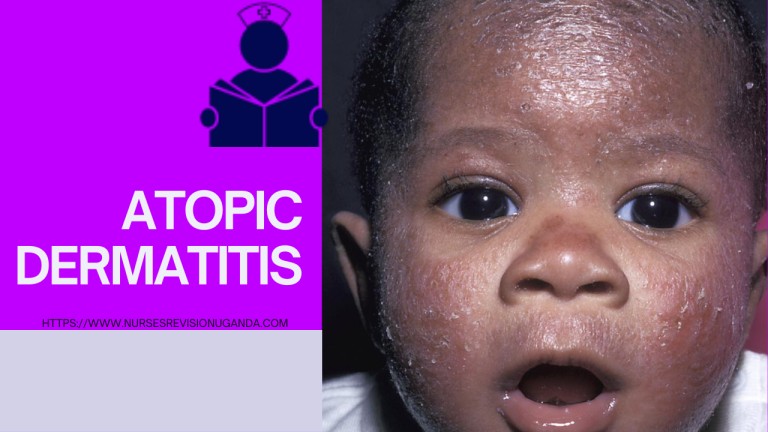
Want notes in PDF? Join our classes!!

Send us a message on WhatsApp
0726113908

Scroll to Top
Enable Notifications OK No thanks