Nurses Revision

Pediatrics

practical guide

OSPE/OSCE PRACTICAL GUIDE

PRACTICAL GUIDE FOR NURSES AND MIDWIVES

Nurses and midwives have a professional responsibility to know and understand practical knowledge since it is the backbone of nursing and it highly impacts the clinical practice.

SCENARIO: TAKING OBSERVATIONS

At this station, there is patient on four (4) hourly observations.

INSTRUCTIONS:

  1. Prepare the tray.
  2. Take the temperature, pulse, respiration and blood pressure.
  3. Record the findings on the observation chart.
  4. Move to the next station when the bell rings.

OSPE/OSCE PRACTICAL GUIDE

STATION: CHECKLIST FOR TAKING VITAL OBSERVATIONS

STUDENT’S NSIN…………………………………………………………………………….

EXAMINER…………………………DATE………………………………….

S/No

AREAS TO BE ASSESSED

SCORE

DONE

PARTLY

DONE

NOT DONE

TOTAL


Explain the procedure

1


Inspect the axilla and dry with a swab

2


Remove the thermometer, dry and shake with a flick of the wrist until the mercury falls below 35oC, inspect it for cracks

2


Position the thermometer in the axilla with the tip pointing towards the patient’s head for 3 minutes

2


Ask the patient to place the hand over the chest, while using the wrist of the same hand to take the pulse, continue taking the respirations when hand is still on the wrist.

4


After three minutes, remove the thermometer read, wipe.

2


Record your findings on the chart

2


Take the blood pressure and record

5


TOTAL

20


COMMENTS

………………………………………………………………………………………………………………………………………………………………………………………………………………

OSPE/OSCE PRACTICAL GUIDE

SCENARIO: IDENTIFICATION OF INSTRUMENTS

At this station, there are instruments prepared on a tray.

INSTRUCTIONS:

  1. Name the instruments one by one.
  2. State their use.
  3. Speak loudly for the examiner to hear you.
  4. Move to the next station when the bell rings.

OSPE/OSCE PRACTICAL GUIDE

STATION : CHECKLIST FOR IDENTIFICATION OF INSTRUMENTS

STUDENT’S NSIN…………………………………………………………………………….

EXAMINER…………………………DATE………………………………….

S/No

AREAS TO BE ASSESSED

SCORE

DONE

PARTLY

DONE

NOT DONE

TOTAL


Wash hands

2


Identify each instrument by naming

     
  • Cusco’s vaginal speculum

1

    
  • Dressing forceps

1

    
  • Sponge holing forceps

1

    
  • Uterine sound

1

    
  • Mouth gag

1

    
  • Airway piece

1

    
  • Cord scissor

1

    
  • Straight artery forceps

1


Explain the use of each of the instruments

     
  • Used during vaginal examination to view the cervix and walls of the vagina

1

    
  • Used for dressing wounds

1

    
  • Holding sponge/cotton swabs during mopping of blood

1

    
  • Measure the length of the uterus

1

    
  • Open mouth wide during oral care

1

    
  • Keep airway open

1

    
  • Cutting the umbilical cord

1

    
  • Arresting haemorrhage

1


Wash hands

2


TOTAL

20


COMMENTS

………………………………………………………………………………………………………

OSPE/OSCE PRACTICAL GUIDE

SCENARIO: MAKING ADMISSION BED

At this station, there is a need to make an admission bed.

INSTRUCTIONS

  1. The trolley is already set
  2. Make an admission bed.
  3. Move to the next station when the bell rings.

OSPE/OSCE PRACTICAL GUIDE

STATION: MAKING ADMISSION BED

STUDENT’S NSIN…………………………………………………………………………….

EXAMINER…………………………DATE………………………………….

S/No

AREAS TO BE ASSESSED

SCORE

DONE

PARTLY

DONE

NOT DONE

TOTAL


Places 2 chairs at the foot of the bed and arranges linen on the chairs.

½


Checks the springs

½


Turns the mattress systematically

½


Puts on long mackintosh

1


Puts on bottom sheet and metres corners

1


Puts draw mackintosh and draw sheet

1


Places admission sheet over draw sheet

1½


Another admission sheet is put before the top sheet

1½


Puts the top sheet, metres corners at the bottom and folds the top.

1


Puts the blanket, metres cornes and bed cover, tucks the bottom, metres corners but does not tuck in the sides

1


Clears away

½


TOTAL

10


COMMENTS

………………………………………………………………………………………

………………………………………………………………………………………

OSPE/OSCE PRACTICAL GUIDE

SCENARIO: MAKING POST OPERATIVE BED

At this station you are to prepare a trolley for making post operative bed, and make the bed.

INSTRUCTIONS:

  1. Prepare a trolley for post operative bed.
  2. Make the post operative bed.
  3. Move to the next station when the bell rings.

OSPE/OSCE PRACTICAL GUIDE

STATION: CHECKLIST FOR MAKING A POST OPERATIVE BED

CANDIDATES NUMBER………………………………………………………………….

EXAMINER……………………………………..DATE………………………………….

S/No

AREAS TO BE ASSESSED

SCORE

DONE

PARTLY

DONE

NOT DONE

TOTAL


Wash hands

1


Put chairs at the foot of the bed with the back of chairs opposite to each other

1


Move locker from the bed

1


Pull the bed away from the wall

1


Turn the mattress, check the springs

1


Straighten the mattress cover

1


Place the long mackintosh

1


Place the bottom sheet

1


Tack the sheet well

1


Put on the draw mackintosh and the draw sheet

2


Put on top sheet

1


Put on blankets and bed covers

2


Fold both sides of the bed linen into a neat pack which can easily be removed when lifting the patient on to the bed

4


Place a small mackintosh and draw sheet across the top of the bed and tack it in

1


Clear away

1


TOTAL

20


COMMENTS

………………………………………………………………………………………………………

OSPE/OSCE PRACTICAL GUIDE

SCENARIO: GIVING A BED PAN

At this station, there is abed ridden patient who needs to empty the bowel.

INSTRUCTIONS

  1. Give a bed pan.
  2. Move to the next station when the bell rings.

OSPE/OSCE PRACTICAL GUIDE

STATION: GIVING A BED PAN

STUDENT’S NSIN…………………………………………………………………………….

EXAMINER…………………………DATE………………………………….

S/No

AREAS TO BE ASSESSED

SCORE

DONE

PARTLY

DONE

NOT DONE

TOTAL


Explains the procedure to the patient

1


Screens the bed

1


Warms the bed pan using warm water

½


Gently slips the bed pan under the patient’s buttocks while the second nurse helps lift the patient

2


Give a toilet paper to the patient to clean herself if she can or helps the patient to clean

1½


Carefully remove the bed pan and cover it

1½


Offer the patient water to wash hands

1


Leave the patient comfortable

½


Clear the trolley and sluice the bed pan

1


TOTAL

10


COMMENTS

………………………………………………………………………………………

………………………………………………………………………………………

OSPE/OSCE PRACTICAL GUIDE

SCENARIO: PREPARATION OF A TROLLEY FOR BED BATH

At this station, there is abed ridden patient who needs to bed bathed.

INSTRUCTIONS

  1. Prepare the trolley and present it to the examiner.
  2. Move to the next station when the bell rings.

OSPE/OSCE PRACTICAL GUIDE

STATION: PREPARATION OF A TROLLEY FOR BED BATH

STUDENT’S NSIN…………………………………………………………………………….

EXAMINER…………………………DATE………………………………….

S/No

AREAS TO BE ASSESSED

SCORE

DONE

PARTLY

DONE

NOT DONE

TOTAL


Washes hands and cleans the trolley

½


Top shelf

  • Bath basin
  • Jug with hot water
  • Jug with cold water
  • 2 flannel

Tray containing

  • Soap in a soap dish
  • Nail brush and nail cutter
  • Tooth brush and paste
  • Comb
  • Roll of toilet paper
  • Glove

½

½

½

½

½

½

½

½

½

½


Bottom shelf

  • 2 bath towels
  • 1 pair of sheet
  • 1 bucket for used water
  • 1 receiver

½

½

½

½


Bed side

  • Dirty linen container
  • Screen
  • Two chairs
  • Hand washing equipment
  • Bed pan and urinal

½

½

½

½

½


TOTAL

10


COMMENTS

………………………………………………………………………………………

………………………………………………………………………………………

OSPE/OSCE PRACTICAL GUIDE

STATION:

SCENARIO: BED BATH

At this station, there is a dependent patient in bed and needs to be bed bathed.

INSTRUCTIONS:

  1. The equipments are ready prepared.
  2. Carry out bed bath as the examiner observes and scores you.
  3. Move to the next station when the bell rings.

OSPE/OSCE PRACTICAL GUIDE

STATION: CHECKLIST FOR BED BATH

EXAMINER:……………………………………DATE:……………………….

CANDIDATE NUMBER: …………………………………………………………………………….

S/No

KEY AREAS TO ASSESS

SCORE

DONE

PARTLY

DONE

NOT DONE

TOTAL


Explain the procedure to the patient and provide privacy

1


Offer a bed pan or urinal if required

1


Strip the bed to the top sheet and remove the patient’s gown

1


Wash and dry each part of the body separately uncovering only the part to be washed in the order of face, neck, arm, chest and abdomen and change water whenever necessary.

4


Wash each leg separately and wash the feet with water over the basin, dry them and cut the nails.

2


Turn the patient to the sides and wash the back starting from the neck to the buttocks and dry, paying special attention in between the folds.

2


Treat pressure areas

2


Turn the patient on the back, change the water and wash genitalia with another flannel.

2


Make up the bed with a clean linen

1


Dress up the patient

1


Clean the patient’s mouth

1


Comb the hair and make the patient comfortable

1


Clear away the equipments and report any abnormality observed

1


TOTAL

20


COMMENTS

………………………………………………………………………………………

………………………………………………………………………………………

OSPE/OSCE PRACTICAL GUIDE

SCENARIO: PREPARATION OF A TRAY FOR ORAL CARE

At this station, there is a patient who is on routine oral care.

INSTRUCTIONS

  1. Prepare the tray for oral care and present it to the examiner.
  2. Speak loudly for the examiner to hear you.
  3. Move to the next station when the bell rings.

OSPE/OSCE PRACTICAL GUIDE

STATION: PREPARATION OF A TRAY FOR ORAL CARE

STUDENT’S NSIN…………………………………………………………………………….

EXAMINER…………………………DATE………………………………….

S/No

AREAS TO BE ASSESSED

SCORE

DONE

PARTLY

DONE

NOT DONE

TOTAL


Washes hands and cleans the tray

1


Prepares the equipment necessary onto the tray

  • Small/cap mackintosh and face towel-to protect the patient’s clothes
  • A pair of artery forceps-for holding the swab while cleaning
  • A pair of dissecting forceps-to pick swabs and squeeze of excess solution
  • A mouth gag-for opening the mouth incase of unconscious patients
  • Tongue depressor-to prevent tongue from falling backward
  • Tongue clip-to hold the tongue from falling backward
  • Solution of sodium bicarbonate-for cleaning the mouth
  • A gallipot of gauze rolled swabs-for cleaning
  • 2 kidney dishes,-1 for used instruments and 1 for used swabs
  • Glycerine borax or vassiline-for lubricating the lips

1

1

1

1

1

1

1

1

1

1


TOTAL

10


COMMENTS

………………………………………………………………………………………

………………………………………………………………………………………

OSPE/OSCE PRACTICAL GUIDE

SCENARIO: ORAL CARE OF AN UNCONSCIOUS PATIENT

At this station, there is an unconscious patient for oral or mouth care

INSTRUCTIONS

  1. Prepare a tray for mouth care.
  2. Carry out the procedure of mouth wash on the patient.
  3. Move to the next station when the bell rings.

OSPE/OSCE PRACTICAL GUIDE

STATION: CHECKLIST FOR ORAL CARE AN UNCONSCIOUS PATIENT

STUDENT’S NSIN…………………………………………………………………………….

EXAMINER…………………………DATE………………………………….

S/No

AREAS TO BE ASSESSED

SCORE

DONE

PARTLY

DONE

NOT DONE

TOTAL


Prepare a tray for mouth care

2


Screen the bed and wash hands

1


Position the patient in a lateral position and protect the clothes with towel

1


Remove the dentures if he/she has them

1


Insert the mouth gag, leave in position to keep mouth open

2


Inspect the mouth, note and report any abnormality

2


Grip a swab firmly with artery forceps, dip in cleaning solution, press against the gallipot to prevent dripping

2


Clean inner and outer surface of the teeth from the root to the crown. Clean the gums, inside the cheeks and tongue. Change swabs as often as needed. Avoid touching the soft palate.

4


Rinse the mouth with mouth wash

2


Wipe the lips with dabbing movement and apply lubricant

2


Leave the patient comfortable

1


TOTAL

20


COMMENTS

………………………………………………………………………………………

………………………………………………………………………………………

OSPE/OSCE PRACTICAL GUIDE

SCENARIO: TREATING PRESSURE AREAS

At this station, there is a bed ridden patient awaiting treatment of pressure areas.

INSTRUCTIONS:

  1. Prepare the requirements.
  2. Treat all the pressure areas.
  3. Move to the next station when the bell rings.

OSPE/OSCE PRACTICAL GUIDE

STATION: CHECKLIST FOR TREATMENT OF PRESSURE AREAS

STUDENT’S NSIN…………………………………………………………………………….

EXAMINER…………………………DATE………………………………….

S/No

AREAS TO BE ASSESSED

SCORE

DONE

PARTLY

DONE

NOT DONE

TOTAL


Explain the procedure to the patient

2


Screen the bed

1


Pour warm water in the basin

1


Protect the bed linen from soiling with mackintosh and towel

1


Carefully assess the condition of the skin. If it is not broken wash it with soap and water using a flannel

4


Massage the area with soapy hand

2


Using flannel, rinse each and pant it dry

2


Apply a little Vaseline and massage onto the skin

2


Change or straighten the bed linen and live the patient comfortable

2


Thank the patient and clear away

1


Record the procedure and observation in patient’s chart

2


TOTAL

20


COMMENTS

………………………………………………………………………………………………………

………………………………………………………………………………………………………

SCENARIO: TEPID SPONGING

At this station, there is a patient in bed with hyperpyrexia, and needs tepid sponging.

INSTRUCTIONS:

  1. The equipments are ready prepared.
  2. Carry out tepid sponging as the examiner observes and scores you.
  3. Move to the next station when the bell rings.

STATION: CHECKLIST FOR TEPID SPONGING

EXAMINER:……………………………………DATE:……………………….

CANDIDATE NUMBER: …………………………………………………………………………….

S/No

KEY AREAS TO ASSESS

SCORE

DONE

PARTLY

DONE

NOT DONE

TOTAL


Follow the general rules

1


Take the temperature and chart

1


Strip the bed to the top sheet

1


Sponge the face and dry. Apply cold compress on the forehead

1


Place the face flannel wrung out in cold water in the axilla, and the groin and change when necessary

2


Expose the arms and sponge, using long slow sweeping movements, pour water over the hands and change compress over the forehead.

3


Expose the chest and abdomen, and with a face flannel in each hand sponge the chest and abdomen together using long slow sweeping movements. Cover the patient before starting the next part.

3


Change the water in the bowl, sponge the legs and pour water over the feet

2


Remove the compress from the forehead and face flannels from the axilla and groins

1


Turn the patient gently the side, sponge the back using face flannels, long sweeping movements and then dry.

2


Remake the bed using clean linen and leave the patient comfortable

1


Give the patient a cold drink

1


Clear away the equipments

1


TOTAL

20


COMMENTS

………………………………………………………………………………………

………………………………………………………………………………………

OSPE/OSCE PRACTICAL GUIDE

SCENARIO: MANAGEMENT OF SECOND STAGE OF LABOUR

At this station there is a model representing a mother in 2nd stage of labour.

Requirements are already prepared.

INSTRUCTIONS:

  1. Prepare yourself for the delivery
  2. Conduct the delivery of the baby
  3. Move to the next station when the bell rings.

OSPE/OSCE PRACTICAL GUIDE

STATION: CHECKLIST FOR MANAGEMENT OF SECOND STAGE OF LABOUR

STUDENT’S NSIN……………………………………….EXAMINER…………………………DATE………….

S/No

AREAS TO BE ASSESSED

SCORE

DONE

PARTLY

DONE

NOT DONE

TOTAL


Ensure privacy and explain to the mother that she is ready to push

1


Empty the bladder

1


Position the mother in a dorsal position with legs flexed and confirm second (2nd) stage

1


Check fetal heart every after contraction

1


Wash hands and put on sterile gloves

1


Drape the mother

1


Encourage mother to push with every contraction

1


Maintain flexion of the head

1


At crowning perform a episiotomy

1


Deliver the head by aiding extension

1


Clear the airway by use of bulb syringe

1


Feel for the cord around the neck. If loose slip it over the head, if tight clamp and cut it

1


Deliver the anterior shoulder by downward traction

1


Deliver the posterior shoulder by upward traction

1


Deliver the body by lateral flexion towards mother’s abdomen

1


Note time, score the baby, clamp and cut the cord, congratulate the mother

1


Show the baby’s face and sex to the mother

1


Wrap the baby in sterile towel, put on mother’s breast if condition is good and no contraindication

1


Put an identification band on the baby’s hand

1


Put end of cord in a receiver between mother’s legs

1


TOTAL

20


COMMENTS

………………………………………………………………………………………………………………………

OSPE/OSCE PRACTICAL GUIDE

SCENARIO: ADMINSTRATION OF ORAL MEDICINE

At this station there is a mentally sick patient who is to receive Haloperidol tablet 5mgs three times a day.

INSTRUCTIONS:

  1. Prepare a tray for drug administration.
  2. Administer the prescribed medicine to the patient.
  3. Move to the next station when the bell rings.

OSPE/OSCE PRACTICAL GUIDE

STATION: CHECKLIST FOR ADMINISTRATION OF ORAL MEDICINE

CANDIDATES NUMBER………………………………………………………………….

EXAMINER……………………………………..DATE………………………………….

S/No

AREAS TO BE ASSESSED

SCORE

DONE

PARTLY

DONE

NOT DONE

TOTAL


Explain the procedure to the patient

2


Wash hands and dry

1


Verify the order from the patients chart

2


Confirm the identity of the patient by calling the patients name

2


Check the room or bed number before giving the drug

2


Assess the patient’s condition including the level of consciousness

2


Check the label, expiry date on the bottle/container

2


Check the dose on the prescription, get the dose on a spoon, and administer with water or milk to aid swallowing. Confirm that the drug has been swallowed

4


Sign the medicine list and leave the patient comfortable

2


Wash the medicine cups and return to their proper place

1


TOTAL

20


COMMENTS

………………………………………………………………………………………

………………………………………………………………………………………

OSPE/OSCE PRACTICAL GUIDE

SCENARIO: ADMINISTRATION OF A DRUG BY I.M

At this station, there is a patient in bed on P.P.F 0.8mg o.d.

INSTRUCTIONS:

  1. The tray is already set.
  2. Administer the injection.
  3. Move to the next station when the bell rings.

OSPE/OSCE PRACTICAL GUIDE

STATION: CHECKLIST FOR ADMINISTRATION OF A DRUG BY I.M

EXAMINER:……………………………………DATE:……………………….

CANDIDATE NUMBER: …………………………………………………………………………….

S/No

KEY AREAS TO ASSESS

SCORE

DONE

PARTLY

DONE

NOT DONE

TOTAL


Follow the general rules

1


Wash hands

1


Read the prescription carefully and check the drug with the other Nurse including the amount to be given.

1


Assemble syringe and needle

1


Check the drug for label and expiry date

1


Break open or remove the top of the rubber cup

1


Reconstitute powdered drug according to the instructions on the bottle.

2


Draw up the prescribed dose of the drug

2


Expel the air

1


Choose the site for injection, clean the skin and draw it tightly and introduce the needle at an angle of 90o.

2


Withdraw the piston to make sure that the needle is not in the blood vessel

2


If no blood is seen in the syringe, continue to give the injection.

2


Withdraw the needle while pressing firmly round it with a swab.

1


Thank the patient and leave him/her comfortable

1


Record the drug and clear away.

1


TOTAL

20


COMMENTS

………………………………………………………………………………………

………………………………………………………………………………………

OSPE/OSCE PRACTICAL GUIDE

SCENARIO: URINE TESTING

At this station there is urine sample for testing.

Requirements needed are prepared.

INSTRUCTIONS:

  1. Test the urine for colour, deposits, smell, specific gravity, glucose and proteins.
  2. Record your findings on the piece of paper provided.
  3. Move to the next station when the bell rings.

OSPE/OSCE PRACTICAL GUIDE

STATION: CHECKLIST FOR URINE TESTING

CANDIDATES NUMBER………………………………………………………………….

EXAMINER……………………………………..DATE………………………………….

S/No

AREAS TO BE ASSESSED

SCORE

DONE

PARTLY

DONE

NOT DONE

TOTAL


Note the appearance

2


Note the amount

1


Note the colour

1


Put enough urine in the glass container

2


Float the urinometer in the urine in the glass container

4


Dip the uristix in the urine compare the colour change with the one on the scale on the container

6


Record your findings on the paper

2


Wash hands

2


TOTAL

20


COMMENTS

………………………………………………………………………………………

………………………………………………………………………………………

OSPE/OSCE PRACTICAL GUIDE

SCENARIO: DRESSING A CLEAN WOUND

At this station, there is a patient with a clean wound which has to be dressed.

INSTRUCTIONS:

  1. The requirements are already prepared.
  2. Dress the wound.
  3. Move to the next station when the bell rings.

OSPE/OSCE PRACTICAL GUIDE

STATION: CHECKLIST FOR DRESSING A CLEAN WOUND

STUDENT’S NSIN…………………………………………………………………………….

EXAMINER…………………………DATE………………………………….

S/No

AREAS TO BE ASSESSED

SCORE

DONE

PARTLY

DONE

NOT DONE

TOTAL


Explain the procedure to the patient

1


Position the part, put on dressing mackintosh and towel

1


Loosen the strapping

½


Wash hands

½


Open the dressing pack and arrange the instruments

1


Pour the lotion and add other missing requirements like swabs

1


Using clean gloves and dissecting forceps remove the loosened dressing and discard the gloves in a receiver and put used instruments in a receiver

4


Wash hands with soap and water and dry them using sterile hand towel

1


Put on sterile gloves and spread the dressing towel

1


Using dressing forceps, clean the wound from inside out, until clean

4


Place used instruments in a receiver

½


Apply the dressing

11/2


Apply strapping or bandage

1


Make patient comfortable, clear away and wash hands

2


TOTAL

20


COMMENTS

……………………………………………………………………………………………………………………………………………………………………………………………………………………………………

OSPE/OSCE PRACTICAL GUIDE

SCENARIO: HEALTH EDUCATION

At this station, there is a group of mothers who have come to ante natal clinic.

INSTRUCTIONS:

  1. Give a health education talk about prevention of HIV/AIDS.
  2. Talk loudly for examiner to hear and score you.
  3. Move to the next station when the bell rings.

OSPE/OSCE PRACTICAL GUIDE

STATION: CHECKLIST FOR HEALTH EDUCATION ON PREVENTION ON HIV/AIDS

STUDENT’S NSIN…………………………………………………………………………….

EXAMINER…………………………DATE………………………………….

S/No

AREAS TO BE ASSESSED

SCORE

DONE

PARTLY

DONE

NOT DONE

TOTAL


Great the client

1


Introduce your self

1


Introduce the topic

2


Checks participants’ knowledge about the topic

2


Give the health education on the topic

4


Ask the client to ask question

2


Answer the question

2


Ask question to evaluate the understanding of the clients

2


Give summary of the talk

2


Give the topic for the next health education, time and venue

2


TOTAL

20


COMMENTS

………………………………………………………………………………………

………………………………………………………………………………………

OSPE/OSCE PRACTICAL GUIDE

SCENARIO: ASSESSING FOR DEHYDRATION

At this station, there is a one year old child in the bed with diarrhea and severe vomiting.

INSTRUCTIONS:

  1. Assess the child for signs of dehydration, and speak loudly for the examiner to score you.
  2. Move to the next station when the bell rings.

OSPE/OSCE PRACTICAL GUIDE

STATION: ASSESSING A ONE YEAR OLD CHILD FOR DEHYDRATION

EXAMINER:……………………………………DATE:……………………….

CANDIDATE NUMBER: …………………………………………………………………………….

S/No

KEY AREAS TO ASSESS

SCORE

DONE

PARTLY

DONE

NOT DONE

TOTAL


Create a rapport

1


Explain the procedure to the mother

1


Wash and dry hands

2


Examine the child looking for signs of dehydration:-

  • The eyes- if sunken
  • Mouth- lips if dry
  • Tongue if dry and coated white
  • Fontanelle- if sunken
  • Skin- skin pinch if it goes back very slowly (>2s) or slowly (<2s) or immediately

2

2

2

2

2


General condition

  • Lithergic/Unconscious
  • Restless and irritable
  • Eagerness to drink i.e does not drink or drinks poorly or drinks eagerly and thirsty

2

2


Give feed back to the mother and reassure and advise her

2


TOTAL

20


COMMENTS

………………………………………………………………………………………

………………………………………………………………………………………

OSPE/OSCE PRACTICAL GUIDE

SCENARIO: EXAMINATION OF A PREGNANT ABDOMEN

At this station, a pregnant mother has come for Ante natal clinic (ANC).

INSTRUCTIONS:

  1. Examine the abdomen.
  2. Talk loudly for the examiner to hear and score you.
  3. Move to the next station when the bell rings.

OSPE/OSCE PRACTICAL GUIDE

STATION: CHECKLIST FOR EXAMINATION OF A PREGNANT ABDOMEN

EXAMINER:……………………………………………………DATE:……………………….

CANDIDATE NUMBER: ………………………………………………………………………………………………

S/No

KEY AREAS TO ASSESS

SCORE

DONE

PARTLY

DONE

NOT DONE

TOTAL


Follow the general rules

1


Put the mother in a recumbent position

1


Expose the abdomen from the sternum to the level of symphysis pubis

2


Take position at the foot of the bed and observe for signs of pregnancy:-

  • Size and shape of abdomen
  • Enlargement of the abdomen
  • Striae gravidarum, fetal movements
  • Linea nigra
  • Hyper pigmentation

2


Palpation of the abdomen

  • Light palpation for tenderness
  • Deep palpation for organomegally

2


Fundal height estimation

2


Deep pelvic palpation

  • Turn and face the foot of the mother. Palpate the lower pole to determine presentation, size of the presenting part and attitude

2


Fundal palpation

  • Turn and face the mother’s face, palpate the abdomen what is in the fundus and the lie

2


Lateral palpation

  • Support the right hand side of the abdomen with the left hand.
  • Palpate left side of the abdomen from the lower pole towards the upper pole to determine what is on the side of the abdomen
  • Palpate the right side of the abdomen in the same way

2


Note the irregular nodules which indicate the fetal limbs, and the long continuous curved mass which indicates the fetal back

2


Auscultation – listen

1


Share the findings with the mother

1


TOTAL

20


COMMENTS……………………………………………………………………………

OSPE/OSCE PRACTICAL GUIDE

SCENARIO: HEALTH EDUCATION ON DANGERS OF DRUG ABUSE

At this station, a group of community members have gathered for Health Education.

INSTRUCTIONS:

  1. Give Health Education on the dangers of drug abuse.
  2. Talk loudly for the examiner to hear and score you.
  3. Move to the next station when the bell rings.

OSPE/OSCE PRACTICAL GUIDE

STATION: CHECKLIST FOR HEALTH EDUCATION ON DANGERS OF DRUG ABUSE

EXAMINER:……………………………………DATE:……………………….

CANDIDATE NUMBER: …………………………………………………………………………….

S/No

KEY AREAS TO ASSESS

SCORE

DONE

PARTLY

DONE

NOT DONE

TOTAL


Follow the general rules

1


Introduce yourself to the community members

2


Introduce the topic and asses clients knowledge

2


Define drug abuse

1


State the dangers of drug abuse

  • Loss of respect
  • Loss of job
  • theft
  • suicidal tendency
  • crime etc

4


Ask the community members to ask questions.

2


Answer the question.

2


Ask the members questions to evaluate the understanding of the community members

2


Summary of the talk

2


Thank the community members, give the date of the next Health Education talk

2


TOTAL

20


COMMENTS

………………………………………………………………………………………

………………………………………………………………………………………

OSPE/OSCE PRACTICAL GUIDE

SCENARIO: HEALTH EDUCATION ABOUT PREVENTIVE MEASURES OF HIV

At this station, there are mother who have come for antenatal care and needs to be health educated about preventive measures for HIV infection.

INSTRUCTIONS

  1. Health educate the mothers and talk loudly as the examiner scores you.
  2. Move to the next station when the bell rings.

OSPE/OSCE PRACTICAL GUIDE

STATION: HEALTH EDUCATION ABOUT PREVENTIVE

MEASURES FOR HIV INFECTION

STUDENT’S NSIN…………………………………………………………………………….

EXAMINER…………………………DATE………………………………….

S/No

AREAS TO BE ASSESSED

SCORE

DONE

PARTLY

DONE

NOT DONE

TOTAL


Arranges room and teaching charts

½


Introduces self

½


Introduces topic correctly

½


Asks mother what they know about HIV/AIDs and preventive measures

½


Explains content to mothers correctly e.g:-

  • Definition
  • Causes
  • Information about voluntary HIV testing
  • Preventive measures
  • Do not share sharp instruments
  • Abstinence
  • Faithfulness
  • Avoid unscreened blood transfusion
  • For infected mothers, use of the PMTCT

½

½

1

1

½

½

½

½

½


Ask mothers for any question

½


Checks understanding by asking mothers questions about the topic

½


Summarizes the topic

½


Thanks mothers for attending and makes another appointment day and a topic

½


TOTAL

10


COMMENTS

………………………………………………………………………………………

………………………………………………………………………………………

OSPE/OSCE PRACTICAL GUIDE

SCENARIO: COLOSTOMY CARE

At this station, there is a patient in bed.

INSTRUCTIONS:

  1. The equipments are ready prepared.
  2. Carry out colostomy care as the examiner observes and scores you.
  3. Move to the next station when the bell rings.

OSPE/OSCE PRACTICAL GUIDE

STATION: CHECKLIST FOR COLOSTOMY CARE

EXAMINER:……………………………………DATE:……………………….

CANDIDATE NUMBER: …………………………………………………………………………….

S/No

KEY AREAS TO ASSESS

SCORE

DONE

PARTLY

DONE

NOT DONE

TOTAL


Explain the procedure to the patient

1


Provide privacy

1


Position the patient and turn down the bed clothes to expose the stoma

2


Wash hands and put on gloves

1


Remove the soiled bag gently taking care not to pull the skin

3


Wash the area around the stoma with soapy water and dry well

3


Apply a barrier cream

1


Re measure the stoma to make sure that the bag fits correctly and cut the correct size of circle in the stoma adhesive, using measuring guide.

3


Apply a clean bag as instructed

3


Clear away and leave the patient comfortable

1


Wash and dry hands

1


TOTAL

20


COMMENTS

………………………………………………………………………………………

………………………………………………………………………………………

OSPE/OSCE PRACTICAL GUIDE

SCENARIO: VULVA SWABBING/TOILET

At this station, there is a patient in bed who needs vulva swabbing.

INSTRUCTIONS:

  1. The equipments are ready prepared.
  2. Carry out vulva swabbing as the examiner observes and scores you.
  3. Move to the next station when the bell rings.

OSPE/OSCE PRACTICAL GUIDE

STATION: CHECKLIST FOR VULVA SWABBING/TOILET

EXAMINER:……………………………………DATE:……………………….

CANDIDATE NUMBER: …………………………………………………………………………….

S/No

KEY AREAS TO ASSESS

SCORE

DONE

PARTLY

DONE

NOT DONE

TOTAL


Explain the procedure and provide privacy

1


Strip the bed to the top sheet

1


Place the draw mackintosh and towel under the patient’s buttocks

1


Place the patient in a dorsal position with the knees flexed and then abducted apart and fold back the top sheet

2


Wash, dry hands and put on sterile gloves

1


Drape the patient to protect the abdomen and thighs

2


Using the left hand, swab the vulva using a fresh swab for each part in the following order:-

  • Left labia majora
  • Right labia majora
  • Left labia minora
  • Right labia minora
  • Vagina introitius using right hand

1

1

1

1

2


Dry the vulva, put in position vulva pad if required

2


Turn the patient on the side, swab and dry the perineum

2


Clear away and leave the patient comfortable

1


Thank the patient and report any abnormality

1


TOTAL

20


COMMENTS

………………………………………………………………………………………

………………………………………………………………………………………

OSPE/OSCE PRACTICAL GUIDE

SCENARIO: EXAMINATION OF ANAEMIA

At this station, there is a patient in bed who needs to be assessed for anaemia

INSTRUCTIONS:

  1. Examine the patient for anaemia, speak loudly as the examiner scores you.
  2. Move to the next station when the bell rings.

OSPE/OSCE PRACTICAL GUIDE

STATION: CHECKLIST FOR EXAMINATION OF ANAEMIA

EXAMINER:……………………………………DATE:……………………….

CANDIDATE NUMBER: …………………………………………………………………………….

S/No

KEY AREAS TO ASSESS

SCORE

DONE

PARTLY

DONE

NOT DONE

TOTAL


Explain the procedure and provide privacy

1


Position the patient

1


Wash hands

1


Ask the patient to look up, open the lower eyelid and check for the:-

  • Paleness of the conjunctiva

2


Ask the patient to open the mouth and check for the paleness of the:-

  • Tongue
  • Gums

2

2


Straighten the arms and check for:-

  • Palmer paller
  • Capillary refill time (>3s is very slow) of the finger nails

1

2


on the lower limbs, check for

  • Paleness of the sole
  • Capillary refill time of the toes at the nail bed

1

2


Check the mucus membranes of the vagina (if female)

2


Give appropriate feedback and share the finding with the patient.

1


Advise the patient appropriately

1


Documents and thank the patient

1


TOTAL

20


COMMENTS

………………………………………………………………………………………

………………………………………………………………………………………

OSPE/OSCE PRACTICAL GUIDE

SCENARIO: CARE OF THE CORD

At this station, there is a newly born baby (doll) whose cord requires to be cared for.

INSTRUCTIONS

  1. Carry out the care of the cord while examiner scores you.
  2. Move to the next station when the bell rings.

OSPE/OSCE PRACTICAL GUIDE

STATION: CARE OF THE CORD

STUDENT’S NSIN…………………………………………………………………………….

EXAMINER…………………………DATE………………………………….

S/No

AREAS TO BE ASSESSED

SCORE

DONE

PARTLY

DONE

NOT DONE

TOTAL


Explain the procedure to the mother

½


Position the baby (lying flat on the back)

½


puts on sterile gloves

½


Inspects the cord for any sign of infection or bleeding

1


Holds the cord with the swabs and clean the base of the cord in a single circular movement using the once and discard

2½


Cleans the cord from the base upward with swab, discard and leave the cord to dry

1


Leave the baby comfortable and show the mother how to care for the cord.

1


Gives the baby to the mother and thank her

½


Clears away and record the findings and any abnormalities

1


TOTAL

10


COMMENTS

………………………………………………………………………………………

………………………………………………………………………………………

OSPE/OSCE PRACTICAL GUIDE

SCENARIO: BANDAGING THE RIGHT EYE

At this station, there is a patient with an injury on the right eye and needs bandaging. The tray is ready.

INSTRUCTIONS

  1. Bandage the right eye
  2. Move to the next station when the bell rings.

OSPE/OSCE PRACTICAL GUIDE

STATION: BANDAGING THE RIGHT EYE

STUDENT’S NSIN…………………………………………………………………………….

EXAMINER…………………………DATE………………………………….

S/No

AREAS TO BE ASSESSED

SCORE

DONE

PARTLY

DONE

NOT DONE

TOTAL


Explains the procedure to the patient and ensure privacy

1


Stands facing the patient who has asked to hold the eye pad in place till it is bandaged

1


Begins from the right side to the normal across the forehead and around the head in a fixing turn

2


From the back of the head the bandage comes under the ear, across the eye, covering the nasal side of the pad and straight over the lead and down the back.

2


The next turn comes under the ear, overlaps as it crosses the head and comes round to the front.

1


The pin should be in the centre of the forehead

1


Thanks, then leaves the patient comfortable and records the procedure.

1


Another admission sheet is put before the top sheet

1½


TOTAL

10


COMMENTS

………………………………………………………………………………………

………………………………………………………………………………………

OSPE/OSCE PRACTICAL GUIDE

SCENARIO: ADMINISTRATION OF ORAL DRUG

At this station, there is a patient suffering from schizophrenic illness, put on tablet Trifluoperazine 15mg b.d.

INSTRUCTIONS

  1. Give the drug as prescribed.
  2. Speak loudly for the examiner to hear you.
  3. Move to the next station when the bell rings.

OSPE/OSCE PRACTICAL GUIDE

STATION: ADMINISTRATION OF A DRUG ORALLY

STUDENT’S NSIN…………………………………………………………………………….

EXAMINER…………………………DATE………………………………….

S/No

AREAS TO BE ASSESSED

SCORE

DONE

PARTLY

DONE

NOT DONE

TOTAL


Greet s the patient and explains the procedure

½


Washes hands and brings medicine tray at the patient’s bedside

½


Reads the prescription and checks with the label on the medicine bottle

1


Reads the label again to check name of the drug, strength and expiry date.

1


Uses spoon to pick the required dose and put them into a medicine cup

1


Re-reads the label before placing the bottle back to the trolley/tray and covers it

1


Asks for the patient’s name again, checks with prescription and assess the general condition before giving the drug.

2


Stays with the patient until patient swallows the drug and notes any immediate reactions.

1


Thank the patient

1


Document

1


TOTAL

10


COMMENTS

………………………………………………………………………………………

………………………………………………………………………………………

OSPE/OSCE PRACTICAL GUIDE

SCENARIO: PREPARATION OF A TRAY FOR PASSING A NASOGASTRIC TUBE

At this station, there is a patient who needs a Nasogastric tube for feeding.

INSTRUCTIONS

  1. Prepare the tray for passing a nasogastric tube and present it to the examiner.
  2. Move to the next station when the bell rings.

OSPE/OSCE PRACTICAL GUIDE

STATION: PREPARATION OF A TRAY FOR PASSING A NG TUBE

STUDENT’S NSIN…………………………………………………………………………….

EXAMINER…………………………DATE………………………………….

S/No

AREAS TO BE ASSESSED

SCORE

DONE

PARTLY

DONE

NOT DONE

TOTAL


Washes hands and cleans the tray

1


Prepares the equipment necessary onto the tray

     
  • Ryles tube (Nasogastric tube) in a bowl with spigot

1

    
  • 2 kidney dishes

1

    
  • Lubricant

1

    
  • Gauze pieces or cotton in a gallipot

1

    
  • Adhensive plaster and scissors

1

    
  • 10-20ml syringe and 5ml syringe

1

    
  • Gallipot with clean water (warm)

½

    
  • Glass of water and a jar of feed

1

    
  • Mackintosh cap and towel

1

    
  • Pair of disposable gloves

½


TOTAL

10


COMMENTS

………………………………………………………………………………………

………………………………………………………………………………………

OSPE/OSCE PRACTICAL GUIDE

SCENARIO: TAKING PATIENT’S PARTICULARS

At this station, there is an out-patient whose particulars are to be taken.

INSTRUCTIONS

  1. Take the patient’s particulars
  2. Speak loudly as the examiner scores you
  3. Move to the next station when the bell rings.

OSPE/OSCE PRACTICAL GUIDE

STATION: TAKING PATIENT’S PARTICULARS

STUDENT’S NSIN…………………………………………………………………………….

EXAMINER…………………………DATE………………………………….

S/No

AREAS TO BE ASSESSED

SCORE

DONE

PARTLY

DONE

NOT DONE

TOTAL


Creates a rapport

½


Explains the procedure to the patient

½


Makes the patient comfortable

½


Asks for:

     
  • Name

½

    
  • Age

½

    
  • Address

½

    
  • Tribe

½

    
  • Religion

½

    
  • Occupation

½

    
  • Next of kin

1

    
  • Relation with next of kin

1

    
  • Marital status

½

    
  • Presenting complaints

1


Records the above information

½


Thanks the patient

½


Directs the patient where to go

1


TOTAL

10


COMMENTS

………………………………………………………………………………………

………………………………………………………………………………………

OSPE/OSCE PRACTICAL GUIDE

SCENARIO: APPLICATION OF TETRACYCLINE EYE OINTMENT

At this station, there is an out-patient seated on a chair with an eye problem, apply tetracycline eye ointment.

INSTRUCTIONS

  1. Apply tetracycline eye ointment
  2. Move to the next station when the bell rings.

OSPE/OSCE PRACTICAL GUIDE

STATION: APPLICATION OF TETRACYCLINE EYE OITMENT

STUDENT’S NSIN…………………………………………………………………………….

EXAMINER…………………………DATE………………………………….

S/No

AREAS TO BE ASSESSED

SCORE

DONE

PARTLY

DONE

NOT DONE

TOTAL


Explains the procedure to the patient and provides privacy

1


Prepares the tray and brings it to the bed side

1


Position the patient in a sitting up position

1


Washes hands and puts on glove

1


Places a folded swab on the lower lid

1


Draws up the upper lid

1


Places the nosal of the eye ointment 1cm away from the lower lid

1


Presses eye ointment horizontally from within outward on a lower lid

1


Wipes off any surplus ointment gently using a sterile swab

½


Thanks the patient and clear away

½


Records the findings

1


TOTAL

10


COMMENTS

………………………………………………………………………………………

………………………………………………………………………………………

OSPE/OSCE PRACTICAL GUIDE

SCENARIO: CHANGING BOTTOM SHEET FROM SIDE TO SIDE

At this station, there is a patient in the bed with a soiled bottom sheet which needs to be changed.

INSTRUCTIONS

  1. Change the bottom sheet from side to side.
  2. Move to the next station when the bell rings.

OSPE/OSCE PRACTICAL GUIDE

STATION: CHANGING BOTTOM SHEET FROM SIDE TO SIDE

STUDENT’S NSIN…………………………………………………………………………….

EXAMINER…………………………DATE………………………………….

S/No

AREAS TO BE ASSESSED

SCORE

DONE

PARTLY

DONE

NOT DONE

TOTAL


Creates a Rapport and explains the procedure

½


Provides privacy

½


Places two chairs at the foot of the bed

½


Gently loosens the beddings off the patient’s bed with the help of the assistant

½


Removes the bed cover and blanket and places them on the chairs at the foot of the bed

1


Removes the pillows and places them on the chairs

1


Gently positions the patient for turning

  • Places one hand over the chest
  • Places one leg over the other

½

½


Gently rolls the patient to the side

1


Rolls the dirty linen towards the patient

½


Rolls the clean linen (sheet, draw mackintosh and sheet) from one side to the other i.e towards the patient and completely makes that side

1½


Turns back the patient to the other side and gently removes the dirty lines

1


Straighten and remakes the bed, leaves the patient comfortable and thanks the patient

1


TOTAL

10


COMMENTS

………………………………………………………………………………………

………………………………………………………………………………………

OSPE/OSCE PRACTICAL GUIDE

Scenario: COUNSELLING AND INITIATING THE HIV POSTIVE PREGNANT MOTHER ON ARVS

Examiner’s name ………………..…date………

School code……………………………………………………candidate’s No…………………

NO.

AREAS TOBE ASSESSED

SCORE

DONE

PARTIALLY DONE

NOT DONE

TOTAL

1

Creates rapport with the mother

½


2

Ensures mother’s confidentiality

1


3

Reassures the mother that she is not the first or last.

½


4

Asks the mother if she has the married, the husband should have a test with other family member.

½


5

Informs the mother that there is an ART clinic within the hospital.

1


6

Counsels the mother to start treatment.

1


7

When she agrees, starts her on TDF+3TC+EFV as preferred first line treatment regimen.

1


8

Tells her to select time for taking for taking at least 7pm or 8pm without failing

1


9

Informs her to move with her ARVS even if she is going for a visit to maintain adherence.

½


10

Tells her about the importance of disclosure

1


11

Tells her to have positive living.

½


12

Tells her to reduce on heavy work

½


13

Tells her to have good nutrition and exercise

½


15

Follow the appointment days given in the clinic.

½


TOTAL

10


Examiner’s comments……………………………………………………………………………………………………………………………………………

OSPE/OSCE PRACTICAL GUIDE

SCENARIO: COUNSELING AND INITIATING HIV POSTIVE PREGNANT MOTHER ON ARVS.

At this station a pregnant mother has reported to ANC in Apac main hospital for her first visit, HIV test reveals TRR.

Instructions:

  1. Counsel the client.
  2. Start her on treatment of ARVS.
  3. Speak loud for examiner to hear.
  4. Move to the next station when the bell rings.

OSPE/OSCE PRACTICAL GUIDE

EXAMINER’S CHECKLIST.

Station:

Scenario: IDENTIFICATION OF INSTRUMENTS

Examiner’s name ………………………………..…date………………………………..

School code……………………………………candidate’s No…………

NO.

AREAS TOBE ASSESSED

SCORE

DONE

PARTIALLY DONE

NOT DONE

TOTAL

1.

Episiotomy scissor- performing episiotomy

1


2.

Straight long artery forcep or cord clamp- clamping the cord

1


3.

Cord scissor- cutting the cord.

1


4.

Uterine sound-for measuring the length of the uterus.

1


5.

Sponge holding forcep- holding the swabs

1


6.

Protoscope-for examining the rectum

1


7.

Suture- for stitching

1


8.

Skin retractor- retracting the skin during operation

1


9.

Cervical dilator- dilating the cervix

1


10.

Uterine curette- used during evacuation

1


TOTAL

1O


Examiner’s comments……………………………………………………………………………………………………………………………………………

OSPE/OSCE PRACTICAL GUIDE

SCENARIO: IDENTIFICATION OF INSTRUMENTS

INSTRUCTIONS:

  1. Identify the instruments with their uses.
  2. Speak loud for the examiner to hear.
  3. Move to the next station when the bell rings.

OSPE/OSCE PRACTICAL GUIDE

EXAMINER’S CHECKLIST.

Scenario: ACTIVE MANAGEMENT OF THIRD STAGE OF LABOUR

Examiner’s name …………………………………………………………………..…date………

School code……………………………………………………candidate’s No…

NO.

AREAS TOBE ASSESSED

SCORE

DONE

PARTIALLY DONE

NOT DONE

TOTAL

1

Defines third stage of labour correctly

½


2

Palpates the abdomen to exclude second twin

½


3

Gives Oxytocin 10 IU intramuscularly.

½


4

Extends the cord clamp to the vulva for easy holding.

½


5

Changes the gloves or rinses in the lotion

1


6

Puts the left hand on the funds of the uterus.

½


7

With the first contraction, turns the palm of the left hand facing the fundus applying counter traction over the pubic bone.

1


8

Right hand grasps the cord clamp,then applies a steady downward and outward traction until the placenta is seen at the vulva, then applies upward traction to receive the placenta in cupped hands.

1


9

Rolls the membranes, prevent from breaking then deliver the membranes using up ward and down ward movement.

½


Notes the time of delivery of the placenta

½


10

Rub the fundus to promote contraction of the uterus.

½


11

Carry out quick look for completeness of the membranes and puts in the receiver.

½


12

Cleans the vulva at the same time inspecting for tears, lacerations or extension of episiotomy, cervix and vaginal as well.

1


13

Puts a sterile pad in position, leaves the mother comfortable.

½


14

Clears away and documents the findings

1


TOTAL

10


Examiner’s comments………………………………………………………………………………………………

OSPE/OSCE PRACTICAL GUIDE

SCENARIO: MANAGEMENT OF THIRD STAGE OF LABOUR USING CONTROLLED CORT TRACTION.

At this station there is a model representing a mother who has just delivered the baby, assist to deliver the placenta.

Instructions:

  1. Carry out delivery of the placenta, all requirements are already set.
  2. Speak loud for examiner to hear
  3. Move to the next station when the bell rings.

OSPE/OSCE PRACTICAL GUIDE

EXAMINER’S CHECKLIST.

Station:

Scenario: FEMALE CATHETERISATION.

Examiner’s name ………………………………………..…date………………………………..

School code……………………………………………………candidate’s No……………………………

NO.

AREAS TOBE ASSESSED

SCORE

DONE

PARTIALLY DONE

NOT DONE

TOTAL

1

Creates rapport with the patient.

½


2

Explains the procedure

½


3

Screens the bed and extends the trolley to the bed side.

½


4

Puts the small mackintosh and towel to protect the linens

½


5

Washes hands methodically and puts on surgical gloves.

1


6

Inspects and cleans the vulva in a methodical way.

1


7

Drapes the mother

½


8

Selects the appropriate catheter and lubricates the tip with k.y jelly.

½


9

Place the receiver in between the thighs and puts the catheter, inserts slowly until urine is seen emptying into the receiver

1


10

Injects into the catheter to balloon it and aid it remain in situ.

1


11

Connects the catheter to the urinary bag and Fastens it on the thigh

1


12

Removes the receiver, drape, and small mackintosh.

½


13

Measures the urine collected and records in the fluid balance chart.

½


14

Clears away, leaves the mother comfortable and thanks her.

½


15

Washes hands and documents the findings.

½


TOTAL

10


Examiner’s comments………………………………………………………………………………………………………

OSPE/OSCE PRACTICAL GUIDE

SCENARIO: SETTING REQUIREMENTS FOR VULVA SWABBING

At this station there is a mother who is in first stage of labour, you are asked to set all the requirements needed for vulva swabbing and present to the examiner.

Instructions:

  1. Perform the task
  2. Speak loud for the examiner to hear
  3. When the bell rings move to the next station.

Examiner’s name …………………………………………………………………..…date………………………………..

School code……………………………………………………candidate’s No…………………………………………..

NO.

AREAS TOBE ASSESSED

SCORE

DONE

PARTIALLY DONE

NOT DONE

TOTAL

1.

Disinfects the trolley and puts a sterile towel.

1


2

TOP SHELF


  • Sterile swabs in a Gallipot- for vulva swabbing
  • Sterile pad- to be put after the procedure
  • Antiseptic lotion in a Gallipot- for vulva swabbing
  • A pair of sterile gloves- for protection
  • Sterile drape and towel-for providing sterile surface
  • Receiver for used swabs
  • Sterile hand towel- for drying hands

1

1

½

1

1

1

½


3

BOTTOM SHELF


  • Small mackintosh and towel- for protecting the linens

1


  • Antiseptic lotion in a bottle- for vulva swabbing.

½


  • Apron – for protection

½


4

BED SIDE


  • Hand washing facilities

½


  • Screen for privacy

½


TOTAL

10


Examiner’s comments…………………………………………………………………………………………………………………………

OSPE/OSCE PRACTICAL GUIDE

Scenario: CORD CARE

Examiner’s name …………………………………………………..…date………………………………..

School code……………………………………………………candidate’s No………………………………

NO.

AREAS TOBE ASSESSED

SCORE

DONE

PARTIALLY DONE

NOT DONE

TOTAL

1

Creates rapport with the mother

½


2

Explains the procedure to the mother and reason for doing it.

1


3

Positions the baby

½


4

Washes hands and puts on surgical gloves

1


5

Inspects the cord for any bleeding or signs of infection.

1


6

Holds the cord with the swab and cleans the base using a single circular motion and single swab and discards it.

1


7

Cleans the cord from base upward with a swab once until the cord is clean.

1


8

Leaves the cord dry.

1


9

Gives the baby back to the mother.

½


10

Thanks the mother and educates her on the cord care.

1


11

Documents the findings

½


12

Clears away and washes hands.

1


TOTAL

10


Examiner’s comments…………………………………………………………………………………………………………………………

OSPE/OSCE PRACTICAL GUIDE

SCENARIO: CORD CARE.

At this station mother Irene is a zero day after delivery of her first born baby boy, demonstrate to her how to clean the cord.

Instructions:

  1. Prepare a tray and present to the examiner.
  2. Speak loud for examiner to hear.
  3. Move to the next station when the bell rings.

OSPE/OSCE PRACTICAL GUIDE

EXAMINER’S CHECKLIST.

Scenario: IDNTIFYING BOUNDARIES OF THE PELVIC BRIM AND DIAMETERS OF THE BRIM.

Examiner’s name …………………………………………..…date………………………………..

School code……………………………………………………candidate’s No……………………………

NO.

AREAS TOBE ASSESSED

SCORE

DONE

PARTIALLY DONE

NOT DONE

TOTAL

1

Washes the hands

½


2

Defines the pelvis correctly

½


3

BOUNDARIES OF THE BRIM IN ORDER :


  1. Sacral promontory

1


  1. Ala/ wing of the sacrum

½


  1. Sacral iliac joint

½


  1. Iliopectineal line

½


  1. Iliopectineal eminence

½


  1. Superior ramus of the pubic bone

1


  1. Upper inner border of the body of the pubic bone

1


  1. Upper inner border of the symphysis pubis

1


4

DIAMETERS OF THE BRIM:


  • Transverse diameter extends across the greater width of the brim. Average measurers 13 cm

1


  • Oblique diameter extends from Iliopectineal eminence of one side to the sacral iliac joint of the opposite side. Average measurers 12 cm

1


  • Anteroposterior / conjugate diameter extends from the sacral promontory to the symphysis pubis average measures 11 cm (obstetrical conjugate).

1


TOTAL

10


Examiner’s comments…………………………………………………………………………………………………………………………

OSPE/OSCE PRACTICAL GUIDE

SCENARIO: IDENTIFICATION OF THE BOUNDARIES OF THE PELVIC BRIM AND DIAMETERS OF THE BRIM.

Instructions:

  1. Identify the boundaries of the pelvic brim in order and the diameters of the brim with their measurements.
  2. speak loud for the examiner to hear
  3. move to the next station when the bell rings

OSPE/OSCE PRACTICAL GUIDE

EXAMINER’S CHECKLIST.

Scenario: VAGINAL EXAMINATION.

Examiner’s name ……………………………..…date………………………………..

School code………………candidate’s No…………………………………………..

NO.

AREAS TOBE ASSESSED

SCORE

DONE

PARTIALLY DONE

NOT DONE

TOTAL

1.

Creates rapport and explains the procedure to the mother

½


2.

Asks the mother to empty the bladder if full.

½


3.

Provides privacy

½


4.

Brings the requirements near the bed side

½


5.

Washes hands and puts on sterile gloves.

½


6.

Carries out vulva swabbing in the following order using each swab at a time.


  • Labia majora left and right
  • Labia minora left and right
  • Vestibules

½

½

½


7.

Inspects the vulva and reports about;

  • Presence of any discharge
  • Any previous scar
  • Oedema
  • Varicose veins
  • Sores or warts

½

½

½

½

½


8.

Inserts two fingers and examines the vagina and reports about:

  • Nature of the vagina whether hot and moist /dry .
  • Nature of the cervix whether thin or soft.
  • Dilatation of the cervix
  • Nature of the membranes if rupture or intact
  • Moulding and caput formation if present

½

½

½

½

½


9.

Gives feedback to the mother and thanks her.

½


10.

Records down the findings.

½


TOTAL

10


EXAMINER’S COMMENTS………………………………………………………………………………………………………………………………………….

OSPE/OSCE PRACTICAL GUIDE

SCENARIO: VAGINAL EXAMINATION.

At this station there is a mother admitted in maternity ward in first stage of labour ward and senior midwife has ordered you to carry out vaginal examination to confirm the cervical dilatation.

Instructions:

  1. Carry out vaginal examination, the requirements are already set.
  2. Speak loud for examiner to hear.
  3. Move to the next station when the bell rings

OSPE/OSCE PRACTICAL GUIDE

EXAMINER’S CHECKLIST.

Scenario: ANTENANTAL HISTORY TAKING

Examiner’s name……………………..…date………………………………..

School code…………………………………candidate’s No…….

NO.

AREAS TOBE ASSESSED

SCORE

DONE

PARTIALLY DONE

NOT DONE

TOTAL

1

Creates rapport

½


2

Offers sits to the mother

½


3

Takes the following histories:


  • Demographic data

1


  • Family history

1


  • Medical history

1


  • Past obstetric history

1


  • Present obstetric history

1


4

Calculates the EDD using LNMP as 15/Feb./2016 and reporting day as

7/June /2016

1 ½


5

Calculates the weeks of amenorrhea

2


6

Gives feedback to the mother

½


TOTAL

10


Examiner’s comments…………………………………………………………………………………………………………………………

OSPE/OSCE PRACTICAL GUIDE

SCENARIO: ANTENANTAL HISTORY TAKING AT THE FIRST VISIT.

At this station, the mother has reported to antenatal clinic on 7th / June/ 2016 for her first visit with LNMP 15th / FEB/ 2016

Instructions:

  1. Take all the histories required and calculate the EDD and weeks of amenorrhea (WOA)
  2. Speak loud for examiner to hear.
  3. Move to the next station when the bell rings.

OSPE/OSCE PRACTICAL GUIDE.

Scenario: URINE TESTING FOR GLUCOSE AND PROTEINS

Examiner’s name ………………………..…date………………………………..

School code…………………………candidate’s No………………..

NO.

AREAS TOBE ASSESSED

SCORE

DONE

PARTIALLY DONE

NOT DONE

TOTAL

1

Washes hands

½


2

Puts on clean gloves

½


3

Identifies the specimen A as savlon / chlorhexidine disinfectant and specimen B as urine

½


4

Examines the urine and reports the about the following:

  • Colour as yellow or amber
  • Amount normal is between 1000 to 1500mls in a day
  • Specific gravity using urinometer normal one is between 1010 to 1025
  • Deposits
  • Odour or smell normal presents with smell of ammonia
  • Reaction by using the litmus paper whether acidic or alkaline

½

½

½

½

½

½


5

Pours some urine in the test tube and tests for glucose using the uristix

½


6

Holds the uristix without touching its top part and inserts in the test tube of urine.

1


7

Removes the uristix and allows excess urine to flow off then puts if against the colour codlings correctly.

1


8

Reports the presence of glucose and proteins in the urine.

2


9

Documents the findings and reports to the examiner.

½


TOTAL

10


Examiner’s comments…………………………………………………………………………………………………………………………

OSPE/OSCE PRACTICAL GUIDE

SCENARIO: URINE TESTING FOR GLUCOSE AND ALBUMINS.

At this station there are two specimens labeled as specimen A and specimen B.

Instructions:

  1. Identify the specimens A and B
  2. Test specimen B for the presence of glucose and albumins.
  3. Speak loud for examiner to hear.
  4. Move to the next station when the bell rings

OSPE/OSCE PRACTICAL GUIDE

EXAMINER’S CHECKLIST.

Scenario: ASSESSMENT FOR ANAEMIA.

Examiner’s name ……………………………..…date………………………………..

School code………………………candidate’s No…………………………………………..

NO.

AREAS TOBE ASSESSED

SCORE

DONE

PARTIALLY DONE

NOT DONE

TOTAL

1

creates rapport with the patient

½


2

Explains the procedure to the patient and washes hands

1


3

Screens for privacy and positions the patient in a sitting up position

½


4

Examines the patient from head to toe systematically

½


5

Reports about the following:


  • Conjunctiva and the mucus membranes of the eyes whether pink or pale

1


  • Instructs the patient to open the mouth and reports about the lips, the gum and the tongue whether pink or pale

1


  • Checks the patients palms for paleness

1


  • Checks for venous return whether slow or fast by pressing the nail bed of the thumb.

1


  • Mentions about the vulva

½


  • Checks the soles of the feet for paleness and also finds out the venous return by pressing the nail beds of the toes

1


6

Gives findings to the patient and advice accordingly and thanks the patient

1


7

Documents the findings and washes hands.

1


TOTAL

10


Examiner’s comments…………………………………………………………………………………………………………………………

OSPE/OSCE PRACTICAL GUIDE

SCENARIO: ASSESSMENT FOR ANAEMIA.

At this station there is a mother admitted with history of per vaginal bleeding following incomplete abortion.

Instructions:

  1. Carry out assessment for anaemia.
  2. Speak loud for examiner to hear.
  3. Move to the next station when the bell rings

OSPE/OSCE PRACTICAL GUIDE

EXAMINER’S CHECKLIST.

Scenario: HEALTH EDUCATION TALK ON REPORT WRITING

Examiner’s name …………………………………………………………………..…date………………………………..

School code……………………………………………………candidate’s No…………………………………………..

NO.

AREAS TOBE ASSESSED

SCORE

DONE

PARTIALLY DONE

NOT DONE

TOTAL

1.

Total number of patients and new admissions, escapees etc

2


2.

Post operative patients and their conditions and treatments

2


3.

Very ill patients and doctors prescription individually

2


4.

Pre- operative patients and time of operation

2


5.

Number of death and report individually on each if more than one.

2


TOTAL

10


comments………………………………………………………………………………………………………………………………………………………………………………………………………………………………………………………………………………………………………….

OSPE/OSCE PRACTICAL GUIDE

SCENARIO: HEALTH EDUCATION ON REPORT WRITING

At this station there is a group of junior students allocated on the surgical ward.

INSTRUCTIONS:

  1. Health educate the junior students on the ward about report writing.
  2. Speak Loud As The Examiner Scores You
  3. Move To The Next Station When The Bell Ring.

OSPE/OSCE PRACTICAL GUIDE

Scenario: HAEMORRHAGE ARRESTING.

Examiner’s name …………………………………………………………………..…date………………………………..

School code……………………………………………………candidate’s No…………………………………………..

NO.

AREAS TOBE ASSESSED

SCORE

DONE

PARTIALLY DONE

NOT DONE

TOTAL

1.

Prepare a tray containing tourniquet, gauze pads and bandage.

3


2.

Re assure the patient and position the affected limb

1


3.

Apply pressure with a thumb just above the site.

1


4.

Apply a tourniquet for seconds and realse

1


5.

Apply a gauze pad and bandage it

1


6.

Elevates the limb using a pillow

1


7.

Ensure that the patient is comfortable and ask whether the bandage is tight

1


8.

Thanks the patient

½


10.

Documents the procedure done.

½


TOTAL

10


comments………………………………………………………………………………………………………………………………………………………………………………………………………………………………………………………………………………………………………….

OSPE/OSCE PRACTICAL GUIDE

SCENARIO: ARRESTING BLEEDING.

At this station there is a patient presented in the health center two with severe bleeding on the left lower limb after having a serious cut during a fight.

Instructions:

  1. Prepare and arrest the bleeding.
  2. Move to the next station when the bell rings.

OSPE/OSCE PRACTICAL GUIDE

Scenario: ASSESSMENT OF DEHYDRATION

Examiner’s name …………………………………………………………………..…date………………………………..

School code……………………………………………………candidate’s No…………………………………………..

NO.

AREAS TOBE ASSESSED

SCORE

DONE

PARTIALLY DONE

NOT DONE

TOTAL

1.

Creates rapport and explains the procedure

1


2.

Requests the mother and inspects the child’s general condition

½


3.

Assess for the following signs from head to toe:-

  • Depressed fontanelles
  • Sunken eyes and absence of ears on crying
  • Irritability.
  • Dry lips and mucus membrane
  • Dry skin
  • Slow return of the skin on pinching
  • Thirsty as the child wants to crasp the cup and also drinks eagerly.

½

½


½

½

½

½

½


4.

Gives feedback to the mother

1


5.

Advices the mother appropriately

2


6.

Documents the findings

1


7.

Refer the child for better management.

1


TOTAL

10


comments………………………………………………………………………………………………………………………………………………………………………………………………………………………………………………………………………………………………………….

OSPE/OSCE PRACTICAL GUIDE

SCENARIO: ASSESSMENT OF DEHYDRATION.

At this station there is a mother with a one year old child who has reported in health center two with history of severe diarrhorea and vomiting for two days.

Instructions:

  1. As an in charge of health center two assess this child for signs of dehydration and report to the examiner your findings.
  2. Move to the next station when the bell rings.

OSPE/OSCE PRACTICAL GUIDE

Scenario: PREPARING A COMPLETE TROLLEY FOR WOUND DRESSING.

Examiner’s name …………………………………………………………………..…date………………………………..

School code……………………………………………………candidate’s No…………………………………………..

NO.

AREAS TOBE ASSESSED

SCORE

DONE

PARTIALLY DONE

NOT DONE

TOTAL

1.

Disinfects the trolley and lays a sterile towel

1


2.

Picks sterile instruments methodically and puts on the top shelf.

½


3.

TOP SHELF


4.

  • Gallipot of sterile cotton swabs
  • Gallipot of sterile gauze swabs
  • Gallipot containing a dressing lotion
  • Dressing towels
  • Sterile drape
  • Sterile hand towels
  • Receiver containing 2 dissecting forceps, 1 dressing forcep, sinus, forcep, probe and 1 artery forcep.
  • Receiver for used swabs and for instruments.

½

½

½

½

½

½

1 ½

½


5.

BOTTOM SHELF


6.

  • Pair of sterile gloves
  • Apron
  • Small mackintosh and towel
  • Pair of scissor and strapping.
  • Pair of clean gloves.

½

½

½

½

½


7.

BED SIDE.


  • Screen
  • Hand washing towel

½

½


3.

TOTAL

10


comments………………………………………………………………………………………………………………………………………………………………………………………………………………………………………………………………………………………………………….

OSPE/OSCE PRACTICAL GUIDE

SCENARIO: PREPAPARTION OF ATROLLEY FOR WOUND DRESSING.

At this station, doctor has ordered a trolley to be set for dressing a deep cut wound.

Instructions:

  1. Prepare a complete sterile trolley for carrying out sterile wound dressing and present to the examiner.
  2. Speak loud for the examiner to hear.
  3. Move to the next station when the bell rings.

OSPE/OSCE PRACTICAL GUIDE

Scenario: GIVING INTRAMUSCULAR INJECTION.

Examiner’s name ………………………………………………date………………………………..

School code…………………………candidate’s No…………………………………………..

NO.

AREAS TOBE ASSESSED

SCORE

DONE

PARTIALLY DONE

NOT DONE

TOTAL

1.

Creates rapport and explains the procedure

½


Requests for medical form to confirm the patient’s identity and prescribed medication.

½


2.

Washes hands and prepares the medication to be given

½


3.

Picks correct medication and checks for correct name, expiry date and check for the prescribed dosage

1


4.

Assemble the medication tray near the patient and explains to the patient

½


5.

Screens the bed and washes hands

½


6.

Opens the ampoule methodically and reconstitute the medication without touching the top of the vial.

½


7.

Positions the patients and exposes the site to be injected.

½


8.

Puts on the gloves.

½


9.

Withdraws the medication and expels the air while handling the needle in aseptic technique.

1


10.

Cleans the selected site using one swab at a time and discards.

½


11.

Holds the muscle and injects the medication while handling the needle at an angle of 90o

½


12.

Withdraws the needle and applies the swab at the injected site without massaging.

½


13.

Records down the medication given and explains to the patient the time of next treatment.

1


14.

Clears away and confirms the medication being given to the patient when returning back to the shelf.

1


15.

Thanks the patient and washes the hands.

½


TOTAL

10


EXAMINER’S COMMENTS……………………………………………………………………………………………………………

OSPE/OSCE PRACTICAL GUIDE

SCENARIO: GIVING AN INTRAMUSCULAR INJECTION.

At this station there is a patient with a diagnosis of pneumonia and doctor has ordered intramuscular injection of benzyl penicillin 1 MU to be given.

Instructions:

  1. Prepare the medication and give to the patient.
  2. Move to the next station when the bell rings

OSPE/OSCE PRACTICAL GUIDE

Scenario: NAMING PARTS OF AN OXYGEN CYLINDER

Examiner’s name …………………………………………………………………..…date………………………………..

School code……………………………………………………candidate’s No…………………………………………..

NO.

AREAS TOBE ASSESSED

SCORE

DONE

PARTIALLY DONE

NOT DONE

TOTAL


Washes the hands


1

Identifies the following parts with their functions.


2

Main tap/ valve for allowing air flow out.

2


3

Flow meter for measuring the amount of oxygen to be given.

2


4

Regulator for regulating the required amount prescribed

1


5

Wolfe’s bottle for moistening and cleaning the air before reaching the patient.

2


6

Pressure gauge for indicating the amount of oxygen present in the cylinder

2


7

Oxygen catheter for administering oxygen to the patient.

1


TOTAL


EXAMINER’S COMMENTS………………………………………………………………………………………………………………………………………….

OSPE/OSCE PRACTICAL GUIDE

SCENARIO: IDENFICATION OF PARTS OF OXYGEN CYLINDER WITH THEIR FUNCTIONS.

INSTRUCTIONS:

  1. At this station there is an oxygen cylinder, identify all its part with their functions.
  2. Speak loud for examiner to hear
  3. Move to the next station when the bell rings

OSPE/OSCE PRACTICAL GUIDE

Scenario: BABY WEIGHING.

Examiner’s name …………………………………………………………………..…date………………………………..

School code……………………………………………………candidate’s No…………………………………………..

NO.

AREAS TOBE ASSESSED

SCORE

DONE

PARTIALLY DONE

NOT DONE

TOTAL

1.

Creates rapport and explains the procedure to the mother.

1


2.

Washes hands

½


3.

Prepares and checks the weighing scale to see that its in good working conditions

½


4.

Records the initial values of the weighing pan.

1


5.

Requests the mother and together they undress the baby and puts the baby’s clothes on the mother’s shoulder.

1


6.

Dresses the baby in a weighing pan correctly.

½


7.

holds the baby gently and puts up on the weighing scale.

1


8.

Notes the reading on scale.

½


9.

Removes the baby from the weighing and requests the mother to dress back the baby

1


10.

Plots the weight correctly in the child growth monitoring chart by subtracting the weight of the weighing pan from the final readings

1 ½


11.

Gives feed back to the mother and advices her accordingly

1


12.

Thanks the mother and washes the hands.

½


TOTAL


EXAMINER’S COMMENTS………………………………………………………………………………………………………………………………………….

OSPE/OSCE PRACTICAL GUIDE

SCENARIO: GROWTH MONITORING

At this station there is a mother with a six (6) month year old baby boy who haS reported in the young child clinic (Y C C) for check up.

INSTRUCTIONS:

  1. Carry out baby weighing, the requirements are already set.
  2. Speak loud for examiner to hear.
  3. Move to the next station when the bell rings.

OSPE/OSCE PRACTICAL GUIDE

Scenario: IDENTIFICATION OF INSTRUMENTS.

Examiner’s name …………………………………………………………………..…date………………………………..

School code……………………………………………………candidate’s No…………………………………………..

NO.

AREAS TOBE ASSESSED

SCORE

DONE

PARTIALLY DONE

NOT DONE

TOTAL

1.

Washes hands


2.

Non retained abdominal retractor/ doyen’s retractor- for opening the abdomen during operation.

1


3.

Sinus forcep – for packing swabs in the orifices and dressing deep wounds

1


4.

Plastic air way tube- for opening the airway and keeping it patent.

1


5.

3 way urethral catheter- for irrigation of the bladder

1


6.

Otoscope- for examining the air.

1


7.

Blade holder for holding surgical blades.

1


8.

Towel clip for fastening dressing towels during the procedure./ clamping towels on the trolley when setting for sterile procedure.

1


9.

Auvard’s vaginal speculum- for evacuation

1


10.

Uterine tenaculum- for holding the uterus in place.

1


11.

Alice tissue forcep- for holding tissues during operation.

1


TOTAL

10


EXAMINER’S COMMENTS………………………………………………………………………………………………………………………………………….

OSPE/OSCE PRACTICAL GUIDE

SCENARIO: IDENTIFICATION OF INSTRUMENTS WITH THEIR USES.

Instructions

  1. Identify the instruments with their uses
  2. Speak loud for examiner to hear.
  3. Move to the next station when the bell rings.

OSPE/OSCE PRACTICAL GUIDE

Scenario: IDENTIFYING DIAMETERS OF THE FETAL SKULL

Examiner’s name …………………………………………………………………..…date………………………………..

School code……………………………………………………candidate’s No…………………………………………..

NO.

AREAS TOBE ASSESSED

SCORE

DONE

PARTIALLY DONE

NOT DONE

TOTAL

1

Washes hands

1


2

Defines fetal skull

1


Identifies the diameters correctly as:


3

2 TRANSVERSE DIAMETER:


Bi parietal diameter 9.5 cm

1


Bi temporal diameter 8.2 cm

1


4

6 LONGITUDINAL DIAMETERS


Sub-occipito bregmatic 9.5cm

1


Sub occipito frontal 11.5 cm

1


Occipital frontal 10 cm

1


Sub mentol vertex 11.5 cm

1


Sub mentol bregmatic 9.5 cm

1


Mental vertex 13 cm

1


TOTAL

10


EXAMINER’S COMMENTS………………………………………………………………………………………………………………………………………….

OSPE/OSCE PRACTICAL GUIDE

SCENARIO: IDENTIFICATION OF THE DIAMETERS OF THE FETAL SKULL

Instructions:

1. Identify the diameters of the fetal skull correctly.

2. Speak loud for the examiner to hear.

3. Move to the next station when the bell ring

OSPE/OSCE PRACTICAL GUIDE

Scenario: IDENTIFICATION OF INSTRUMENTS

Examiner’s name …………………………………………………………………..…date………………………………..

School code……………………………………………………candidate’s No…………………………………………..

NO.

AREAS TOBE ASSESSED

SCORE

DONE

PARTIALLY DONE

NOT DONE

TOTAL

1

Non toothed dissecting forcep- for holding swabs and tissues a during the procedure

1


2

Mouth gag- for opening the mouth of unconscious patient during oral care.

1


3

Male urinal- for male to pass urine

1


4

Cheatle forcep- for picking sterile instruments from drums

1


5

Sponge holding forcep- for holding swabs

1


6

Laryngoscope- for opening the larynx during examination

1


7

Plastic airway tube- for opening the airway in an unconscious patient.

1


8

Long straight artery forcep- for clamping arteries, umbilical cord to reduce bleeding.

1


9

Sputum mug- for receiving the sputum

1


10

Cusco’s vaginal speculum- for opening the vaginal during examination or other gynecological procedures

1


TOTAL

10


Examiner’s comments………………………………………………………………………………………………………………………………………………………………………………………………………………………………………………………………………………………………………….

OSPE/OSCE PRACTICAL GUIDE

Scenario: IDENTIFICATION OF INSTRUMENTS WITH THEIR USES.

Instructions:

  1. Identify the instruments correctly with their functions
  2. Speak loud for examiner to hear
  3. Move to the next station

OSPE/OSCE PRACTICAL GUIDE

Scenario: MAKING A HOSPITAL BED

Examiner’s name …………………….…date………………………………..

School code………………candidate’s No…………………………………………..

NO.

AREAS TOBE ASSESSED

SCORE

DONE

PARTIALLY DONE

NOT DONE

TOTAL

1

Washes hands and requests for an assistant.

½


2

Brings the trolley near the bed side and puts two chairs at the bottom of the bed.

½


3

Screens and extend the bed away from the wall

½


4

Turns the mattress to check for firmness of the spring and straightens the mattress cover working from top to bottom of the bed.

½


5

Puts the long mackintosh and meters the corners to make an envelope then tucks in from top to bottom

1


6

Puts the bottom bed sheet and meters the corners to make an envelope then tucks in from top to bottom

1


7

Puts a draw mackintosh across the bed at the level of the buttocks and tucks on both sides

½


8

Puts a draw sheet on the draw mackintosh and also tucks in on both sides.

½


9

Puts the top bed sheet and meters the corners of the bottom to make an envelope then tucks in

1


10

Puts the blanket and meters the corners of the bottom to make an envelope then tucks in from top to bottom

1


11

Puts the counter pane and meters the bottom, the folds together with the blanket and top sheet up to the middle way and tucks in on both sides

1


12

Puts a pillow in a pillow case and places at the top ensuring that the open part doesn’t face the door.

1


13

Takes the bed back to the wall, clears away and washes hands.

1


TOTAL

10


Examiner’s comments……………………………………………

OSPE/OSCE PRACTICAL GUIDE

SCENARIO: MAKING A HOSPITAL BED

At this station, all the requirements for bed making are already set for you. Make an un occupied bed (hospital bed) while observing the rules of bed making.

Instructions:

  1. Perform the task.
  2. Move to the next station when the bell rings.

OSPE/OSCE PRACTICAL GUIDE

Scenario: DUMP DUSTING

Examiner’s name ……………………………..…date………………………………..

School code…………candidate’s No…………………………………………..

NO.

AREAS TOBE ASSESSED

SCORE

DONE

PARTIALLY DONE

NOT DONE

TOTAL

1

Puts on an apron and Washes hands and

1


2

Puts on clean gloves

1


3

Pours water in one basin and mix with soap to make soapy water and another basin with clean water.

1


4

Using a flannel ,dumps it in soapy water and dusts the top surface of the locker from far to nearby side

1


5

Rinses the towel and again dusts using clean water and dries up using a dry flannel.

1


6

Moves to the inner part following the same steps like in 2 and 3 above

1


7

Move to the lower parts and follow the same steps like in 2 and 3 above

1


8

Changes water whenever dirty

1


10

Clears away and washes hands

1


TOTAL

10


Examiner’s comments…………………………………………………………

OSPE/OSCE PRACTICAL GUIDE

SCENARIO: DUMP DUSTING A LOCKER

At this station, all the requirements for dump dusting are already set for you.

Instructions:

  1. Carry out dump dusting.
  2. Speak loud for examiner to hear
  3. Move to the next station when the bell rings.

OSPE/OSCE PRACTICAL GUIDE

Scenario: SURGICAL HAND WASHING

Examiner’s name …………………………………..…date………………………………..

School code………………………candidate’s No…………………………………………..

NO.

AREAS TOBE ASSESSED

SCORE

DONE

PARTIALLY DONE

NOT DONE

TOTAL

1

Wets the hands and applies soap thoroughly to form foam.

1


2

Scrubs the left palm over the right palm down- up movement at least five times.

1


3

Scrubs the left dorsum over the right palm in the same manner like in 2 above and vice versa

1


4

Scrubs the left dorsum over the right palm with fingers interlocked and vice versa

1


5

Scrubs the left palm over the right with the fingers interlaced

1


6

Does the rotational rubbing of the left thumb and vice versa.

1


7

Scrubs the tips of the left fingers over the right palm and vice versa.

1


8

Rinses the hands thoroughly up to the point below the elbow joint methodically

1


9

Turns off the tap using the elbow but not the hand

1


10

Using a sterile hand towel, dries the hands methodically and discards it in a right place then remains with the hands up.

1


TOTAL

10


Examiner’s comments………………………………………………………………………………………………………………………………………………………………………………………………………………………………………………………………………………………………………….

OSPE/OSCE PRACTICAL GUIDE

SCENARIO: SURGICAL HAND WASHING

At this station, all the requirements for hand washing are already set for you.

Instructions:

  1. Carry out surgical hand washing methodically.
  2. Move to the next station when the bell rings.

OSPE/OSCE PRACTICAL GUIDE

Scenario: IDENTIFICATION OF BED APPLIANCES WITH THEIR USES

Examiner’s name ……………………………..…date………………………………..

School……………………candidate’s No…………………………………………..

NO.

AREAS TOBE ASSESSED

SCORE

DONE

PARTIALLY DONE

NOT DONE

TOTAL

1

Long mackintosh- for protecting the mattress.

1


2

Bed cradle- for lifting off the linens over the wound.

1


3

Cardiac table- for the patient to lean forward and feeding purposes in patients with difficulties in breathing

1


4

Back rest- to support the patient in sitting up position

1


5

Foot rest- to prevent foot drop

1


6

Fracture board- to provide firm support of the mattress.

1


7

Bed blocks/elevator- to elevate the top or bottom of the bed.

1


8

An air ring- to reduce pressure to the sacrum and coccyx

1


9

Hot water bottle- for providing additional warmth to the patient.

1


10

Sand bags- to prevent movement of the lower limbs when the patient is in bed

1


TOTAL

10


Examiner’s comments………………………………………………………………………………………………………………………………………………………………………………………………………………………………………………………………………………………………………….

OSPE/OSCE PRACTICAL GUIDE

SCENARIO: IDENTIFICATION OF BED APPLIANCES WITH THEIR USES

At this station you are provided with some of the bed appliances necessary for providing patient’s comfort.

Instructions:

  1. Identify the appliances with their uses.
  2. Speak loud for examiner to hear.
  3. Move to the next station when the bell rings.

OSPE/OSCE PRACTICAL GUIDE

Scenario: NAMING PELVIC BONES AND JOINTS

Examiner’s name …………………………..…date………………………………..

School co………………candidate’s No…………………………………………..

NO.

AREAS TOBE ASSESSED

SCORE

DONE

PARTIALLY DONE

NOT DONE

TOTAL

1

Moves the trolley near the examiner and washes hands.

1


2

Holds the pelvis properly and defines it.

1


3

Identifies two innominate bones as right and left.

Each innominate bone consists of the Ilium, ischium and the pubic bone

2


4

Identifies sacrum made of five fused bones

1


5

Identifies the coccyx made up of four fused bones.

1


6

Mentions the pelvic joints as:

2 sacro iliac joints left and right.

1 sacro coccygeal joint joining the sacrum and coccyx

Symphysis pubis joining two pubic bones.

1

1

1


7

Washes the hands

1


TOTAL

10


Examiner’s comments………………………………………………………………………………………………………………………………………………………………………………………………………………………………………………………………………………………………………….

OSPE/OSCE PRACTICAL GUIDE

SCENARIO: NAMING THE PELVIC BONES AND JOINTS.

At this station you are provided with a model of the pelvis.

Instructions:

  1. Name all its bones and joints correctly.
  2. Speak loud for examiner to hear.
  3. Move to the next station when the bell rings.

OSPE/OSCE PRACTICAL GUIDE

Scenario: PUTTING ON SURGICAL GLOVES.

Examiner’s name …………………………………………………………………..…date………………………………..

School code……………………………………………………candidate’s No…………………………………………..

NO.

AREAS TOBE ASSESSED

SCORE

DONE

PARTIALLY DONE

NOT DONE

TOTAL

1

Washes hands and

½


2

Identifies the correct size of the gloves and opens it on a sterile surface.

1


3

Carries out surgical hand washing methodically.

2


4

Opens the inner pack of the gloves, using the left hand picks the inner surface of the glove to dress the right hand without touching the sterile surface.

2


5

Using the dressed hand now, dresses the left hand while touching the sterile surface only.

2


6

Fixes the gloves correctly to fit the fingers

½


7

Keeps the hand above the level of the waist.

½


8

Removes the gloves methodically and discards them in a right place.

1


9

Washes hands

½


TOTAL

10


Examiner’s comments………………………………………………………………………………………………………………………………………………………………………………………………………………………………………………………………………………………………………….

OSPE/OSCE PRACTICAL GUIDE

SCENARIO: PUTTING ON STERILE GLOVES

At this station you are provided with the requirements for surgical gloving.

Instructions:

  1. Put on the gloves while observing sterility.
  2. Move to the next station when the bell rings.

OSPE/OSCE PRACTICAL GUIDE

Scenario: TEMPERATURE TAKING.

Examiner’s name …………………………………………………………………..…date………………………………..

School code……………………………………………………candidate’s No…………………………………………..

NO.

AREAS TOBE ASSESSED

SCORE

DONE

PARTIALLY DONE

NOT DONE

TOTAL

1

Creates rapport and explains the procedure to the patient

1


2

Washes hands and sets the following:

  • Thermometer in its jar of lotion
  • Gallipot of cotton swabs
  • Receiver for used swabs
  • Watch with ticker timer
  • Temperature chart and a pencil/ a pen.

3


3

Screens the bed for privacy.

1


4

Inspects the thermometer for cracks, and cleans it with a swab.

1


5

Cleans the axilla with a dry swab and inserts the thermometer, correctly.

1


6

Removes the thermometer, after three minutes and takes the readings at an eye level.

1


7

Gives the findings to the patient

1


8

Records the findings and clears away.

1


TOTAL

1O


Examiner’s comments………………………………………………………………………………………………………………………………………………………………………………………………………………………………………………………………………………………………………….

OSPE/OSCE PRACTICAL GUIDE

SCENARIO: TAKING TEMPERATURE.

At this station, there is a patient admitted in bed, you are asked to take his temperature.

Instructions:

  1. Set and carry out temperature.
  2. Move to the next station when the bell rings.

OSPE/OSCE PRACTICAL GUIDE

Scenario: PRONE POSITION .

Examiner’s name …………………………………………………………………..…date………………………………..

School code……………………………………………………candidate’s No…………………………………………..

NO.

AREAS TOBE ASSESSED

SCORE

DONE

PARTIALLY DONE

NOT DONE

TOTAL

1

Creates rapport with the patient

1


2

Explains the procedure to the patient

Asks for the an assistant

1


3

Washes the hands together with the assistant

1


4

Moves trolley at the bed side

1


5

Asks the patient to allow to be positioned

1


6

Patient lies on the abdomen with the head on a pillow turned one side

1


7

Small soft pillow placed under the abdomen

1


8

Pelvis and the lower legs are supported on a pillow under the ankles to prevent discomfort of toes pressing the bed.

1


9

Thanks the patient and laves him comfortable

1


10

Washes hands

1


TOTAL

10


Examiner’s comments………………………………………………………………………………………………………………………………………………………………………………………………………………………………………………………………………………………………………….

OSPE/OSCE PRACTICAL GUIDE

SCENARIO: POSITIONING A PATIENT IN PRONE POSITION.

At this station, there is a patient admitted in bed, you are asked to position him in a prone position.

Instructions:

  1. Set and position the patient.
  2. Speak loud for examiner to hear.
  3. Move to the next station when the bell rings.

OSPE/OSCE PRACTICAL GUIDE

Scenario: HEALTH EDUCATION ON PATIENTS RIGHTS.

Examiner’s name …………………………..…date………………………………..

School …………………candidate’s No…………………………………………..

NO.

AREAS TOBE ASSESSED

SCORE

DONE

PARTIALLY DONE

NOT DONE

TOTAL

1

Requests for attention and introduces self.

½


2

Introduces the topic

½


3

Assess their understanding on the topic

½


4

Defines the topic and gives the rights of patient as:

  • Right to participation in treatment decision
  • Right to respect and non discrimination
  • Right to choice of providers and plans
  • Right to complains and appeals
  • Right to hospital policy
  • Right to information disclosure
  • Right to confidentiality of health information

1

1

1

1

1

1


5

Acknowledges patient’s understanding about the topic

½


6

Allows them to ask questions and answers them correctly

½


7

Summarizes the topic

½


8

Enquires about the next topic, time and place

½


9

Thanks the patients

½


TOTAL

10


Examiner’s comments………………………………………………………………………………………………………………………………………………………………………………………………………………………………………………………………………………………………………….

OSPE/OSCE PRACTICAL GUIDE

SCENARIO: HEALTH EDUCATION ON PATIENT’S RIGHTS

At this station, there is a group of patients who have reported in the OPD, health educate them on the patient’s rights

Instructions:

  1. Conduct health education.
  2. Speak loud for examiner to hear.
  3. Move to the next station when the bell rings.

OSPE/OSCE PRACTICAL GUIDE Read More »
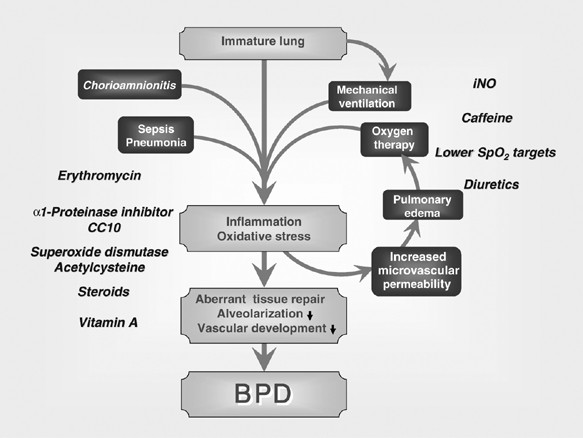
Pulmonary hemorrhage

Pulmonary Hemorrhage

PULMONARY HEMORRHAGE

Pulmonary hemorrhage (PH) is a serious condition in children, characterized by bleeding into the alveoli and airways of the lungs. 

Pulmonary haemorrhage is an acute bleeding from the lung, from the upper respiratory tract, the trachea, and the alveoli. 

Pulmonary hemorrhage (PH) in infants is a serious condition characterized by bleeding into the lungs, often presenting as fresh, bloody fluid from the endotracheal tube (ETT) or lower respiratory tract.

Defining Pulmonary Hemorrhage:

  • Massive Pulmonary Hemorrhage: Involves at least two lobes of the lungs.
  • Histological Definition: Presence of red blood cells (RBCs) within the alveolar spaces or interstitium of the lung tissue.


The onset of pulmonary hemorrhage is characterized by productive cough with blood (hemoptysis) and worsening of oxygenation leading to cyanosis.

Causes of Pulmonary Heamorrhage

Infectious:

  • Viral: Respiratory syncytial virus (RSV), influenza, parainfluenza
  • Bacterial: Mycoplasma pneumoniae, Chlamydia pneumoniae
  • Other: Adenovirus, rhinovirus

Non-infectious:

  • Idiopathic: Occurs without a known cause, often associated with Goodpasture’s syndrome, an autoimmune disease
  • Trauma: Chest trauma, blunt force injury
  • Vascular abnormalities: Pulmonary arteriovenous malformations, pulmonary hypertension
  • Coagulation disorders: Hemophilia, von Willebrand disease
  • Druginduced: Aspirin, nonsteroidal anti-inflammatory drugs (NSAIDs)

Risk Factors of Pulmonary Heamorrhage

Maternal Risk Factors:

  • Pregnancy-related complications:
    • Preeclampsia/Eclampsia (Pregnancy-induced hypertension)

    • Toxemia

    • Infection

  • Bleeding Disorders: Hemophilia, von Willebrand disease, etc.

  • Medications:

    • Anticonvulsants

    • Antitubercular drugs

    • Vitamin K antagonists

  • Lack of antenatal steroids: In preterm labor, this can weaken the infant’s lungs.

Infant Risk Factors:

  • Prematurity: Most common risk factor.
  • Low Birth Weight: Infants weighing less than 1000 grams are at increased risk.
  • Intrauterine Growth Restriction (IUGR): Limited growth in the womb.
  • Respiratory Problems:
    • Hypoxia (low oxygen levels)

    • Asphyxia (lack of oxygen)

    • Respiratory Distress Syndrome (RDS)

    • Meconium Aspiration

    • Pneumothorax (collapsed lung)

    • Surfactant Treatment

  • Sepsis: Bloodstream infection.

  • Mechanical Ventilation: Can irritate the lungs.

  • Patent Ductus Arteriosus (PDA), Heart Failure: Cardiovascular complications.

  • Disseminated Intravascular Coagulation (DIC), Coagulopathy: Bleeding disorders.

  • Multiple Births, Male Sex: Increased risk factors.

  • Hypothermia: Low body temperature.

  • Polycythemia: High red blood cell count.

  • Erythroblastosis Fetalis: Blood incompatibility between mother and fetus.

  • Extracorporeal Membrane Support: Used for severe respiratory distress.

  • Previous Use of Blood Products: Can increase the risk of bleeding.

  • Hypoplastic Lung Disease: Underdeveloped lungs.

Clinical Presentations of Pulmonary Heamorrhage

  • Bleeding from Airways: Oozing of blood from the nose, mouth, or ETT.
  • Secretions: Frothy pink tinged secretions followed by fresh bloody secretions.
  • Rapid Clinical Deterioration:
    • Increased work of breathing

    • Bradycardia (slow heart rate)

    • Apnea (cessation of breathing)

    • Cyanosis (blue discoloration of the skin)

    • Hypotension (low blood pressure)

    • Pallor (paleness)

    • Poor systemic perfusion (inadequate blood flow)

  • Signs of Infection or Congestive Heart Failure: Fever, cough, wheezing, edema, hepatosplenomegaly, murmur.

  • Lung Auscultation: Decreased breath sounds and crepitations (crackling sounds).

  • Respiratory distress: Difficulty breathing, rapid breathing, wheezing, coughing.

  • Hemoptysis: Coughing up blood, which can range from streaks of blood to frank blood.

  • Hypoxia: Low blood oxygen levels, leading to cyanosis (blue discoloration of the skin)

  • Fever: May be present if the PH is caused by an infection.

  • Chest pain: May be present if the PH is caused by trauma or a vascular abnormality.

  • Respiratory failure: Severe cases can lead to respiratory failure, requiring mechanical ventilation.

  • Anaemia: Continuous bleeding with decreased hematocrit (HCT) level resulting in anemia

Diagnosis of Pulmonary Hemorrhage

The common method of identifying the disease symptoms as well as the progression includes the following:

History and physical examination: Taking a detailed medical history and performing a physical examination to assess the severity of the condition.

Common Laboratory Investigations: These include:

  • Blood tests: Check for infection, coagulation disorders, Platelets count and other underlying conditions.
  • Complete Blood Count or CBC
  • Coagulation studies (Prothrombin time n-11-13.5 sec), thrombin time n- 14-19 sec, activated partial thromboplastin n- 30-40 sec)

Pulmonary function tests including elevated DLCO (diffusion capacity of the lungs for Carbon Monoxide), usually restrictive, is greater than an obstructive pattern with the low exhalation of Nitric Oxide.

Radiographic Imaging: The radiographic diagnosis includes –

  • Chest X-ray for detecting patchy alveolar opacification, Shows infiltrates and atelectasis (collapsed lung) consistent with pulmonary hemorrhage.
  • CT chest for detecting spreading of the disease in normal areas
  • Bronchoscopy: A procedure where a thin, flexible tube is inserted into the airways to visualize the lungs directly and obtain samples for testing.

Serologic tests are performed to find out the exact underlying disorders.

Echocardiography may also require if there is mitral stenosis.

Lung or renal biopsy is often done when a cause is undetectable or if the progression of the disease is very fast. Specimens usually show blood along with numerous siderophages and erythrocytes; lavage fluid characteristically remains hemorrhagic or becomes highly hemorrhagic just after consecutive sampling.

Management of Pulmonary Heamorrhage

Aims

  • To decrease and stop the bleeding in the lungs.
  • To identify the underlying cause.
  • To improve gaseous exchange.
  • To improve distress

Treatment for Pulmonary Hemorrhage depends on the underlying cause and severity. It may include:

  • Supportive care: Oxygen therapy, mechanical ventilation, and fluid management.
  • Antibiotics: For bacterial infections.
  • Antivirals: For viral infections.
  • Corticosteroids: To reduce inflammation.
  • Plasmapheresis: A procedure to remove antibodies from the blood, used in cases of autoimmune disorders like Goodpasture’s syndrome.
  • Surgery: May be necessary to repair vascular abnormalities or remove blood clots.

Initial Stabilization and Support:

Airway Management: Secure a patent airway and ensure adequate ventilation.

  • Intubation may be required to facilitate mechanical ventilation.
  • Suctioning should be performed gently to minimize airway trauma.

Oxygenation: Provide supplemental oxygen as needed to maintain adequate oxygen saturation levels.

Hemodynamic Support:

  • Volume Expansion: Correct hypovolemia with intravenous fluids. Colloids may be used to improve vascular volume. Colloids are intravenous solutions that contain large molecules that remain in the vascular space, increasing blood volume and improving hemodynamic stability, and include Albumin.
  • Inotropes: Administer medications (e.g., dopamine, dobutamine) to improve cardiac output and blood pressure if needed.
  • Inotropes are medications that increase the force of myocardial contraction, leading to improved cardiac output and blood pressure
  • Packed Red Blood Cells (PRBCs): Transfuse PRBCs to correct anemia and maintain adequate hematocrit.

Acidosis Correction:

  • Address underlying causes of acidosis, including hypovolemia, hypoxia, and low cardiac output.
  • If necessary, administer sodium bicarbonate intravenously.

Emergency Measures

  • Through or by suctioning the airway initially until the bleeding subsides.
  • By increasing oxygen support.
  • Mechanical ventilation should be given in massive pulmonary hemorrhage.

Continuous Management

  • Packed Red Blood Cells to correct blood volume and hematocrit levels. Through administering blood, this will correct hypovolemia, hypoxia and also correct low cardiac output.
  • Rescue Surfactant: Consider administering a single dose of surfactant after the infant is stabilized on mechanical ventilation. This is plausible because blood inhibits surfactant function, but more research is needed to confirm its benefit. Rescue surfactant by using a single dose of surfactant after the infant has been stabilized on the ventilator.
  • Endotracheal Epinephrine: Administering epinephrine via the endotracheal tube or nebulized epinephrine may be considered in some cases, but effectiveness is not well-established.

Pharmacology Management

  1. Hemocoagulase: Is a new treatment method discovered from a brazilian snake’s venom. It has a thromboplastin-like effect that coverts prothrombin to thrombin and fibrinogen to fibrin. Its measured in KU(Klobusitzky Units) and dose os 0.5KU every 4-6 hours until hemorrhage is stopped.
  2. Activated Recombinant Factor VIIa (rFVIIa): This drug works by activating the extrinsic pathway and binds to tissue factor which will eventually bind and seal sites with vascular injury. For effectiveness o this drug, platelets can be administered too. The dosage is 50mg/kg twice daily for 2 – 3 days.
  3. Low-molecular-weight Heparin: This drug is found to provide better patient outcome for neonatal pulmonary hemorrhage as it does improve the pulmonary function and coagulation function and reduce the incidence of getting complications.
  4. Diuretics and steroids can also be helpful.

Complications of Pulmonary Heamorrhage

Respiratory Complications:

  • Respiratory Distress: The accumulation of blood in the alveoli can lead to severe respiratory distress, characterized by tachypnea, retractions, and cyanosis.
  • Hypoxemia: Blood in the alveoli can impair gas exchange, resulting in low blood oxygen levels (hypoxemia).
  • Pneumothorax: The pressure from blood in the lungs can cause a pneumothorax (collapsed lung).
  • Atelectasis: Blood in the alveoli can collapse the lung tissue, leading to atelectasis.
  • Bronchospasm: Some infants may develop bronchospasm in response to the irritation caused by blood in the airways.
  • Acute Respiratory Distress Syndrome (ARDS): Severe pulmonary hemorrhage can lead to ARDS, a life-threatening condition characterized by diffuse lung inflammation and impaired gas exchange.

Circulatory Complications:

  • Hypovolemia: The loss of blood into the lungs can lead to hypovolemia (low blood volume), which can result in hypotension, shock, and organ dysfunction.
  • Cardiac Dysfunction: Severe hypovolemia can impair cardiac function, leading to decreased cardiac output and heart failure.
  • Cerebral Edema: Hypotension and hypoxemia can lead to cerebral edema (swelling of the brain), which can cause neurological complications.

Other Complications:

  • Anemia: Significant blood loss can lead to anemia, which can further compromise oxygen delivery to the tissues.
  • Infection: Blood in the lungs can provide a breeding ground for bacteria, increasing the risk of infection.
  • Neurological Damage: Severe hypoxemia or cerebral edema can cause long-term neurological damage.

Long-Term Complications:

  • Chronic Lung Disease: Repeated episodes of pulmonary hemorrhage or severe ARDS can lead to chronic lung disease.
  • Developmental Delays: Severe hypoxemia or neurological damage can lead to developmental delays.

Nursing care plan for a patient with Pulmonary Hemorrhage

Assessment

Nursing Diagnosis

Goals/Expected Outcomes

Interventions

Rationale

Evaluation

1. Child presents with hemoptysis (coughing up blood), tachypnea, and respiratory distress (nasal flaring, use of accessory muscles).

Ineffective Airway Clearance related to bleeding in the lungs as evidenced by hemoptysis and respiratory distress.

The child will maintain a clear airway with reduced respiratory distress and no further episodes of hemoptysis.

– Continuously monitor respiratory status, including respiratory rate, effort, and oxygen saturation.

– Position the child in a semi-Fowler’s or upright position to facilitate breathing and reduce aspiration risk.

– Administer humidified oxygen to maintain adequate oxygenation.

– Prepare for possible intubation or mechanical ventilation if respiratory status worsens.

Continuous monitoring helps detect changes in respiratory status and guide interventions.

Positioning promotes optimal lung expansion and airway clearance.

Humidified oxygen eases breathing and reduces the work of breathing.

Mechanical ventilation may be necessary in severe cases to maintain adequate oxygenation.

The child’s respiratory rate and effort normalize, oxygen saturation remains above 92%, and hemoptysis is reduced or absent.

2. Child exhibits pale skin, cold extremities, and decreased capillary refill time.

Ineffective Tissue Perfusion related to blood loss from pulmonary hemorrhage as evidenced by pallor, cold extremities, and delayed capillary refill.

The child will maintain adequate tissue perfusion as evidenced by normal capillary refill time, warm extremities, and stable vital signs.

– Monitor vital signs, including heart rate, blood pressure, and capillary refill time, every 15-30 minutes initially.

– Administer intravenous fluids or blood products as prescribed to maintain circulatory volume and improve perfusion.

– Monitor hemoglobin and hematocrit levels regularly.

– Assess for signs of hypovolemic shock and initiate emergency interventions if needed.

Frequent monitoring of vital signs is crucial to assess the child’s circulatory status.

Fluid and blood product administration help restore circulating volume and improve tissue perfusion.

Hemoglobin and hematocrit monitoring guide transfusion and fluid therapy decisions.

Early detection of shock allows for prompt life-saving interventions.

The child’s capillary refill time improves to less than 2 seconds, skin color and temperature normalize, and vital signs stabilize.

3. Child is at risk for further bleeding due to underlying conditions (e.g., coagulopathy, infection).

Risk for decreased tissue perfusion related to pulmonary hemorrhage and underlying conditions.

The child will experience no further episodes of bleeding as evidenced by stable hemoglobin levels and the absence of hemoptysis.

– Monitor coagulation profiles (PT, PTT, INR) and platelet count regularly.

– Administer anticoagulants or clotting factors as prescribed to manage underlying coagulopathy.

– Avoid invasive procedures and handle the child gently to minimize the risk of provoking further bleeding.

– Educate parents on signs of bleeding and the importance of minimizing the child’s activity.

Regular monitoring of coagulation profiles helps identify and address coagulopathies.

Anticoagulants or clotting factors correct underlying coagulation abnormalities.

Gentle handling and avoiding invasive procedures reduce the risk of inducing further bleeding.

Parental education ensures early recognition of bleeding and adherence to activity restrictions.

4. Child exhibits anxiety and restlessness due to difficulty breathing and fear of bleeding.

Anxiety related to respiratory distress and fear of bleeding as evidenced by restlessness and verbalization of fear.

The child will demonstrate reduced anxiety as evidenced by calm behavior and verbalization of feeling more relaxed.

– Provide a calm and reassuring presence to reduce the child’s anxiety.

– Use age-appropriate communication to explain procedures and care to the child and family.

– Encourage the presence of a parent or caregiver at the bedside to provide comfort and support.

– Administer prescribed anxiolytics if the child’s anxiety remains severe despite non-pharmacological measures.

A calm presence helps alleviate the child’s fear and anxiety.

Age-appropriate explanations foster understanding and cooperation.

Parental presence provides emotional support and reassurance.

Anxiolytics may be necessary to reduce severe anxiety and facilitate care.

The child appears more relaxed, with reduced restlessness and verbalizes feeling less anxious.

5. Child is at risk for infection due to potential aspiration and compromised lung function.

Risk for Infection related to aspiration of blood and compromised lung function.

The child will remain free from infection as evidenced by normal temperature and absence of signs of infection.

– Monitor for signs of infection, including fever, increased WBC count, and changes in respiratory status.

– Maintain strict aseptic technique during all procedures and interventions.

– Administer prophylactic antibiotics as prescribed to prevent infection.

– Educate parents on the importance of hand hygiene and infection prevention measures at home.

Early detection and treatment of infection are critical to preventing complications.

Aseptic technique minimizes the risk of introducing pathogens.

Prophylactic antibiotics may reduce the risk of secondary infections.

Parental education ensures adherence to infection prevention practices.

Quick Quiz

Pulmonary Hemorrhage Quiz

Paediatrics - mobile-friendly and focused practice.

Privacy: Your details are used only for quiz tracking and certificates.

Pulmonary Hemorrhage Read More »
Meconium Aspiration Syndrome

Meconium Aspiration Syndrome

Meconium Aspiration Syndrome (MAS) Lecture Notes
Meconium Aspiration Syndrome (MAS)

Meconium Aspiration Syndrome (MAS) is a condition of respiratory distress in a newborn infant, typically born at or near term, caused by the aspiration of meconium-stained amniotic fluid into the tracheobronchial tree.

Let's break down this definition:
  • Meconium: This refers to the newborn's first stool. It is a thick, sticky, dark green or black substance composed of intestinal epithelial cells, lanugo, mucus, amniotic fluid, bile, and water. Typically, meconium is passed after birth.
  • Meconium-Stained Amniotic Fluid (MSAF): This occurs when the fetus passes meconium while still in the uterus, mixing with the amniotic fluid. This usually happens under conditions of fetal stress (e.g., hypoxia, infection).
  • Aspiration: This is the inhalation of the MSAF into the lungs, either before, during, or immediately after birth.
  • Respiratory Distress: The aspiration of meconium causes a chemical pneumonitis, airway obstruction, and inactivation of surfactant, leading to significant breathing difficulties in the newborn.

Therefore, MAS is a direct consequence of the physical obstruction and inflammatory reaction that occurs when meconium enters the lungs. It is distinct from simply having meconium-stained amniotic fluid; MAS refers to the respiratory illness that develops from the aspiration.

Meconium aspiration syndrome is troubled breathing (respiratory distress) in a newborn who has breathed (aspirated) a dark green, sterile fecal material called meconium into the lungs before or around the time of birth.

Incidence of Meconium Aspiration Syndrome (MAS)

The incidence of MAS has seen a significant decline over recent decades, primarily due to improved obstetrical management, including earlier identification and intervention for fetal distress, and revised delivery room management guidelines.

  1. Meconium-Stained Amniotic Fluid (MSAF):
    • MSAF occurs in approximately 10-15% of all live births. It is most common in term and post-term pregnancies and rare before 34 weeks' gestation.
  2. Development of MAS:
    • Of the infants born through MSAF, only about 2-5% will develop clinically significant MAS.
    • This means that while MSAF is relatively common, the actual development of MAS requiring medical intervention is much less frequent.
Pathophysiology of Meconium Aspiration Syndrome (MAS)
I. Fetal Passage of Meconium

In utero, meconium passage results from neural stimulation of a maturing gastrointestinal (GI) tract, usually due to fetal hypoxic stress.

Normally, the fetus does not pass meconium until after birth. However, under conditions of fetal stress, the vagal nerve can be stimulated, leading to increased peristalsis and relaxation of the anal sphincter, resulting in the passage of meconium into the amniotic fluid.

Common stressors include:

  • Hypoxia/Asphyxia: Reduced oxygen supply to the fetus.
  • Placental Insufficiency: Impaired function of the placenta.
  • Maternal Hypertension or Pre-eclampsia: Conditions affecting maternal blood flow.
  • Maternal Infection: Systemic or intra-amniotic infections.
  • Post-term Pregnancy: Fetus is more mature and susceptible to age-related placental changes.
II. Aspiration of Meconium-Stained Amniotic Fluid (MSAF)

Aspiration of MSAF can occur:

  • In Utero: If the fetus experiences gasping movements or deep inspiratory efforts while still in the uterus, particularly during periods of fetal distress.
  • During Birth: As the fetal chest is compressed during vaginal delivery, any MSAF in the upper airways can be expelled. Upon chest recoil after delivery, the infant may make vigorous inspiratory efforts, aspirating residual MSAF.
III. Mechanisms of Lung Injury in MAS

Once meconium enters the tracheobronchial tree, it causes a cascade of events leading to severe lung injury through four primary mechanisms:

  • Airway Obstruction:
    • Partial Obstruction (Ball-Valve Effect): Meconium, being thick and viscous, can partially obstruct small airways. During inspiration, air can pass beyond the obstruction into the alveoli, but during expiration, the airway narrows, trapping air within the alveoli. This leads to:
      • Air Trapping: Over-distension of alveoli distal to the obstruction.
      • Hyperinflation: Of affected lung segments.
      • Pneumothorax/Pneumomediastinum: The trapped air can rupture over-distended alveoli, leading to air leaks into the pleural space or mediastinum, a serious complication.
    • Complete Obstruction: In some cases, meconium can completely block smaller airways, leading to:
      • Atelectasis: Collapse of the lung tissue distal to the obstruction, causing reduced gas exchange.
  • Chemical Pneumonitis and Inflammation: Meconium is not sterile and contains bile salts, fatty acids, pancreatic enzymes, and inflammatory mediators. These components are highly irritating to the delicate lung tissue.
    • Upon contact with the alveolar and bronchial epithelium, meconium induces a severe chemical pneumonitis (inflammation of the lung tissue).
    • This inflammatory response leads to:
      • Release of Cytokines and Chemokines: Attracting neutrophils and macrophages.
      • Pulmonary Edema: Fluid accumulation in the interstitial and alveolar spaces.
      • Hemorrhage: Damage to capillaries.
      • Cellular Necrosis: Death of lung cells.
    • This widespread inflammation further impairs gas exchange and increases lung stiffness.
  • Surfactant Inactivation: Pulmonary surfactant is a lipoprotein complex that reduces surface tension in the alveoli, preventing their collapse at the end of expiration.
    • Meconium components (e.g., free fatty acids, phospholipids, bile salts) directly inactivate surfactant.
    • The inflammatory process also interferes with surfactant production and function.
    • Loss of functional surfactant leads to:
      • Alveolar Collapse (Atelectasis): Due to increased surface tension.
      • Reduced Lung Compliance: Lungs become stiff and difficult to inflate.
      • Increased Work of Breathing: As the infant struggles to keep alveoli open.
  • Persistent Pulmonary Hypertension of the Newborn (PPHN): MAS is a significant cause of PPHN, a life-threatening condition where pulmonary vascular resistance remains abnormally high after birth.
    • The mechanisms contributing to PPHN in MAS include:
      • Hypoxia: Generalized hypoxia from severe lung disease causes pulmonary vasoconstriction.
      • Acidosis: Also contributes to vasoconstriction.
      • Direct Vascular Injury: Meconium components can directly damage pulmonary endothelial cells, leading to increased vascular tone and remodeling of the pulmonary arteries.
      • Inflammatory Mediators: Contribute to abnormal regulation of pulmonary vascular tone.
    • PPHN leads to right-to-left shunting of blood (e.g., through the foramen ovale and ductus arteriosus), bypassing the lungs and resulting in severe hypoxemia despite ventilation.
  • Risk Factors for Meconium Aspiration Syndrome (MAS)

    The primary prerequisite for MAS is the presence of meconium-stained amniotic fluid (MSAF) and subsequent aspiration. Factors that increase the likelihood of MSAF and fetal aspiration include:

  • Post-term Pregnancy (Gestational Age > 40 weeks):
    • This is the most significant risk factor. The incidence of MSAF increases with advancing gestational age, peaking at 42 weeks, as the fetal gastrointestinal tract matures and placental function may decline.
  • Fetal Distress/Asphyxia:
    • Any condition leading to fetal hypoxia (e.g., umbilical cord compression, placental insufficiency, maternal hypertension, maternal diabetes, pre-eclampsia) can stimulate fetal vagal nerve activity, causing increased gut peristalsis and relaxation of the anal sphincter, leading to meconium passage.
  • Intrauterine Growth Restriction (IUGR):
    • These fetuses are often under chronic stress, increasing the risk of meconium passage.
  • Maternal Factors:
    • Maternal Hypertension: Can lead to placental insufficiency.
    • Maternal Diabetes: Can affect fetal well-being.
    • Maternal Chorioamnionitis (Intra-amniotic Infection): Can induce fetal stress.
    • Maternal Smoking/Drug Use: Can lead to placental problems and fetal hypoxia.
  • Oligohydramnios (Low Amniotic Fluid Volume):
    • If MSAF occurs in the presence of oligohydramnios, the meconium becomes more concentrated and viscous, potentially leading to more severe aspiration.
  • Prolonged Labor/Difficult Labor:
    • Increased risk of fetal stress during prolonged or complicated deliveries.
  • Fetal Acidosis:
    • A consequence of fetal distress, which further triggers meconium passage.
  • Clinical Presentation of MAS

    The signs and symptoms of MAS appear at or soon after birth and can range from mild to severe, depending on the extent of meconium aspiration and the resulting lung injury.

    A. Presentation at Birth/Delivery Room:
    1. Meconium-Stained Amniotic Fluid: The most obvious sign, ranging from thin, light green "pea soup" consistency to thick, dark green/black particulate meconium.
    2. Meconium Staining of Skin, Nails, Umbilical Cord: Visible green or yellowish discoloration.
    3. Depressed Infant at Birth:
      • Often associated with non-vigorous infants (poor muscle tone, depressed respiratory effort, heart rate < 100 bpm), indicating significant fetal distress and deep aspiration.
      • These infants may require immediate resuscitation.
    4. Respiratory Distress (can develop rapidly or gradually):
      • Tachypnea: Rapid breathing rate (> 60 breaths/minute).
      • Grunting: Short, low-pitched sounds during expiration as the infant tries to keep airways open.
      • Nasal Flaring: Widening of the nostrils to decrease airway resistance.
      • Retractions: Indrawing of the chest wall (subcostal, intercostal, suprasternal) as the infant struggles to breathe.
      • Cyanosis: Bluish discoloration of the skin and mucous membranes, indicating hypoxemia, despite supplemental oxygen.
    B. Auscultation (Chest Examination):
    1. Coarse Breath Sounds: Due to the presence of meconium and inflammation.
    2. Rhonchi: Suggestive of secretions in large airways.
    3. Wheezing: If bronchoconstriction is present.
    4. Decreased Air Entry: In areas of atelectasis or severe air trapping.
    C. Other Signs:
    1. Barrel Chest: May develop due to air trapping and hyperinflation.
    2. Hypoxemia: Low arterial oxygen levels.
    3. Hypercapnia: High arterial carbon dioxide levels (in more severe cases).
    4. Acidosis: Metabolic and/or respiratory acidosis.
    5. Hypotension: Due to myocardial dysfunction or severe PPHN.
    6. Signs of Persistent Pulmonary Hypertension (PPHN): Severe hypoxemia unresponsive to oxygen, differential cyanosis (if right-to-left shunting is occurring at the ductus arteriosus).
    I. Diagnostic Criteria for Meconium Aspiration Syndrome (MAS)

    The diagnosis of MAS is primarily clinical, supported by imaging studies and laboratory findings. There is no single definitive test, but rather a constellation of findings.

  • Clinical Presentation:
    • Presence of Meconium-Stained Amniotic Fluid (MSAF) at birth: This is a prerequisite.
    • Signs of Respiratory Distress: Typically appearing at or soon after birth (within 12-24 hours). This includes tachypnea, grunting, nasal flaring, retractions, and cyanosis.
    • Exclusion of Other Causes of Respiratory Distress: While not a "criterion" in itself, confirming that other common causes of respiratory distress (e.g., prematurity-related respiratory distress syndrome, sepsis, transient tachypnea of the newborn) are less likely or absent helps solidify the MAS diagnosis.
  • Chest Radiograph (X-ray):
    • This is a cornerstone of MAS diagnosis and helps assess the extent and type of lung injury. Classic findings include:
      • Patchy Infiltrates: Irregular, coarse, often diffuse infiltrates (areas of increased density) scattered throughout both lung fields. This represents atelectasis and inflammation.
      • Hyperinflation: Areas of over-expanded lung due to air trapping (can manifest as flattened diaphragms and increased anteroposterior diameter).
      • Increased Bronchovascular Markings: Prominent blood vessels and airways, indicating inflammation and fluid.
      • Pleural Effusions: Less common, but can occur with severe inflammation.
      • Evidence of Complications: May show air leaks such as pneumothorax (air in the pleural space) or pneumomediastinum (air in the mediastinum), which are common in MAS due to air trapping.
  • Blood Gas Analysis (Arterial or Capillary):
    • Reveals hypoxemia (low PaO2) and often hypercapnia (high PaCO2) and acidosis (low pH), reflecting impaired gas exchange.
    • Severity of blood gas abnormalities correlates with the severity of lung disease.
  • Echocardiogram (if PPHN is suspected):
    • While not diagnostic for MAS itself, an echocardiogram is essential if the infant has severe hypoxemia unresponsive to oxygen, suggesting Persistent Pulmonary Hypertension of the Newborn (PPHN). It can confirm PPHN, assess its severity, and rule out structural heart disease.
  • Differential Diagnoses for MAS

    It's important to consider other conditions that can cause respiratory distress in newborns, as their management differs significantly.

    1. Transient Tachypnea of the Newborn (TTN):
      • Similarities: Presents with tachypnea, often within hours of birth.
      • Differences: Usually affects term or late pre-term infants, often after C-section without labor. Chest X-ray shows prominent perihilar streaking, fluid in the fissures, and mild hyperinflation, resolving within 24-48 hours. Infants are typically less distressed and do not have meconium staining. Blood gases are usually mildly deranged.
    2. Neonatal Pneumonia/Sepsis:
      • Similarities: Can cause respiratory distress, poor feeding, lethargy, and abnormal chest X-ray findings (infiltrates).
      • Differences: Meconium staining is absent. Signs of systemic infection (fever/hypothermia, poor perfusion) are more prominent. Blood cultures and inflammatory markers (CRP, procalcitonin) would be elevated. It can be difficult to differentiate from MAS, and sometimes MAS can predispose to pneumonia.
    3. Respiratory Distress Syndrome (RDS):
      • Similarities: Causes respiratory distress, hypoxemia.
      • Differences: Primarily affects premature infants due to surfactant deficiency. Chest X-ray shows diffuse reticulogranular (ground glass) pattern and air bronchograms, often with low lung volumes. Meconium staining is absent.
    4. Congenital Heart Disease:
      • Similarities: Can cause cyanosis, tachypnea, and respiratory distress.
      • Differences: Usually no meconium staining. Characteristic heart murmurs may be present. Echocardiogram is diagnostic.
    5. Pneumothorax/Pneumomediastinum (Primary Air Leaks):
      • Similarities: Can cause acute respiratory distress.
      • Differences: Can occur spontaneously or secondary to other lung conditions (e.g., MAS, RDS). Chest X-ray is diagnostic. If isolated, meconium staining is absent.
    6. Diaphragmatic Hernia:
      • Similarities: Severe respiratory distress, often cyanosis.
      • Differences: Bowel sounds may be heard in the chest, and the abdomen may be scaphoid. Chest X-ray shows abdominal organs in the chest cavity, displacing the heart and mediastinum. Meconium staining is absent.
    Medical management strategies for MAS

    Effective management of MAS begins even before the baby is fully delivered, with specific guidelines for handling meconium-stained infants. The goal is to prevent aspiration or minimize its effects, and then to support respiratory function postnatally.

    I. Delivery Room Management of Meconium-Stained Infants (Based on Current Guidelines)

    The management of meconium-stained amniotic fluid has evolved significantly. Current guidelines (e.g., NRP - Neonatal Resuscitation Program) emphasize assessment of the infant's vigor at birth.

    A. If the Infant is VIGOROUS at Birth:
  • Vigorous is defined as having:
    • Good muscle tone.
    • Effective respiratory effort (crying or breathing well).
    • Heart rate > 100 beats per minute.
  • Intervention:
    • No routine tracheal suctioning.
    • The infant can stay with the mother for initial care (drying, warming, stimulation).
    • Observe for any signs of respiratory distress. If respiratory distress develops, proceed to standard neonatal resuscitation steps (position airway, suction mouth/nose with bulb syringe if needed, provide positive pressure ventilation if indicated).
  • B. If the Infant is NON-VIGOROUS at Birth:
  • Non-vigorous is defined as having:
    • Poor muscle tone.
    • Depressed or absent respiratory effort (apnea, gasping).
    • Heart rate < 100 beats per minute.
  • Intervention:
    • Immediate transfer to a radiant warmer for initial steps of resuscitation.
    • Do NOT routinely perform endotracheal suctioning.
    • Proceed immediately to positive pressure ventilation (PPV) if the infant is apneic or gasping or has a heart rate < 100 bpm after drying and stimulation.
    • If there is evidence of airway obstruction (e.g., poor chest rise despite effective PPV), then laryngoscopy and endotracheal suctioning may be considered to remove thick meconium. However, this is no longer a routine step for all non-vigorous infants with MSAF.
    • Continue with standard NRP guidelines for resuscitation as needed (chest compressions, medications).
  • Rationale for Changes: Routine endotracheal suctioning of non-vigorous infants with MSAF was found not to improve outcomes and could potentially cause trauma or delay needed ventilation. Focus is now on providing effective ventilation quickly.
    II. Postnatal Medical Management of Established MAS

    Once MAS is established, management is primarily supportive and aims to optimize respiratory function, prevent complications, and manage PPHN if present.

    A. Respiratory Support:
  • Supplemental Oxygen:
    • Administer warmed, humidified oxygen to maintain target SpO2 levels (typically 90-95%, adjust as per clinical status and PPHN presence).
  • Continuous Positive Airway Pressure (CPAP):
    • May be used for infants with mild to moderate respiratory distress to help keep alveoli open and improve oxygenation.
  • Mechanical Ventilation:
    • Indicated for severe respiratory distress, persistent hypoxemia, hypercapnia, or apnea.
    • Ventilator Strategies:
      • Gentle Ventilation: Use strategies to minimize barotrauma (injury from pressure) and volutrauma (injury from over-distension). This often involves:
        • Lower peak inspiratory pressures (PIP).
        • Adequate positive end-expiratory pressure (PEEP) to prevent alveolar collapse.
        • Careful control of tidal volumes.
      • Permissive Hypercapnia: Allowing slightly elevated PaCO2 (e.g., up to 55-60 mmHg) as long as pH is acceptable, to avoid aggressive ventilation.
      • High-Frequency Oscillatory Ventilation (HFOV): May be used for severe MAS with persistent hypoxemia or PPHN when conventional ventilation fails, as it provides continuous lung recruitment and minimizes pressure fluctuations.
  • Surfactant Therapy:
    • Exogenous surfactant may be administered to infants with MAS, particularly those requiring mechanical ventilation. Meconium inactivates natural surfactant, so administering exogenous surfactant can improve lung compliance and oxygenation.
    • Some protocols advocate for dilute surfactant lavage, though this is less common.
  • B. Management of Persistent Pulmonary Hypertension of the Newborn (PPHN):

    PPHN is a significant complication of severe MAS and requires specific management:

    1. Optimize Oxygenation and Ventilation: Addressing hypoxemia and acidosis.
    2. Inhaled Nitric Oxide (iNO):
      • A potent pulmonary vasodilator that selectively acts on the pulmonary vasculature, improving pulmonary blood flow and gas exchange. It is a cornerstone therapy for PPHN associated with MAS.
    3. Systemic Vasopressors:
      • To support systemic blood pressure if hypotension is present, ensuring adequate perfusion and countering the effects of pulmonary vasodilation.
    4. Extracorporeal Membrane Oxygenation (ECMO):
      • Considered for severe MAS with refractory hypoxemia and PPHN that fails to respond to conventional and iNO therapy. ECMO provides temporary cardiac and respiratory support.
    C. Supportive Care:
    1. Fluid and Electrolyte Management:
      • Careful management to avoid fluid overload (which can worsen pulmonary edema) and maintain electrolyte balance.
    2. Nutritional Support:
      • May require parenteral nutrition initially, transitioning to enteral feeds (NG/OG tube) as respiratory status improves and feeding tolerance is established.
    3. Antibiotics:
      • Often initiated empirically due to the difficulty in distinguishing MAS from neonatal pneumonia, and the risk of secondary bacterial infection. Discontinued if cultures are negative.
    4. Sedation:
      • May be required for ventilated infants to minimize agitation and ventilator dyssynchrony, especially if PPHN is present.
    5. Temperature Regulation:
      • Maintain normothermia to minimize metabolic demands.
    6. Monitoring:
      • Continuous monitoring of heart rate, respiratory rate, SpO2, blood pressure, urine output.
      • Frequent blood gas analysis.
      • Chest X-rays to monitor lung status and identify complications (e.g., air leaks).
    D. Management of Complications:
    1. Air Leaks (Pneumothorax, Pneumomediastinum):
      • Requires immediate intervention, often needle aspiration or chest tube insertion.
    2. Hypoglycemia/Hypocalcemia:
      • Monitor and treat as needed.
    3. Seizures:
      • Monitor for and treat if present, as they can be a sequela of perinatal asphyxia.
    General Management of Meconium Aspiration Syndrome
    • Infants born with meconium aspiration syndrome should have routine neonatal care while monitoring for signs of distress according to the general neonatal resuscitation guidelines e.g. Suctioning to open up the airway
    • Pediatrics no longer recommend routine endotracheal suctioning for non-vigorous infants with meconium aspiration syndrome, Chest tube insertion under water seal drainage to treat atelectasis and pneumothorax in vigorous infants.
    • Newborns are admitted to the neonatal intensive care unit (NICU) if necessary.
    • Oxygen therapy: Supplemental oxygen is often needed in meconium aspiration syndrome with goal oxygen saturation > 90% to prevent tissue hypoxia and improve oxygenation.
    • Surfactant: The use of surfactant in meconium aspiration syndrome is not standard of care, however, as discussed above, surfactant inactivation has a role in the pathogenesis of meconium aspiration syndrome. Therefore surfactant may be helpful in some cases
    • Cardiac exam: In patients with meconium aspiration syndrome (MAS), a thorough cardiac examination and echocardiography are necessary to evaluate for congenital heart disease and persistent pulmonary hypertension of the newborn (PPHN).
    • Rooming-in: If the baby is vigorous (defined as having a normal respiratory effort and normal muscle tone), the baby may stay with the mother to receive the initial steps of newborn care; a bulb syringe can be used to gently clear secretions from the nose and mouth.
    • Placing in a radiant warmer: If the baby is not vigorous (defined as having a depressed respiratory effort or poor muscle tone), place the baby on a radiant warmer, clear the secretions with a bulb syringe, and proceed with the normal steps of newborn resuscitation (ie, warming, repositioning the head, drying, and stimulating).
    • Minimize handling: Minimal handling is essential because these infants are easily agitated; agitation can increase pulmonary hypertension and right-to-left shunting, leading to additional hypoxia and acidosis; sedation may be necessary to reduce agitation.
    • Insertion of umbilical artery catheter: An umbilical artery catheter should be inserted to monitor blood pH and blood gases without agitating the infant.
    • Respiratory care: Continue respiratory care includes oxygen therapy via hood or positive pressure, and it is crucial in maintaining adequate arterial oxygenation; mechanical ventilation is required by approximately 30% of infants with MAS; make concerted efforts to minimize the mean airway pressure and to use as short an inspiratory time as possible; oxygen saturation should be maintained at 90-95%.
    • Surfactant therapy: Surfactant therapy is commonly used to replace displaced or inactivated surfactant and as a detergent to remove meconium; although surfactant use does not appear to affect mortality rates, it may reduce the severity of disease, progression to extracorporeal membrane oxygenation (ECMO) utilization, and decrease the length of hospital stay.
    • IV fluids: Intravenous fluid therapy begins with adequate dextrose infusion to prevent hypoglycemia; intravenous fluids should be provided at mildly restricted rates (60-70 mL/kg/day).
    • Diet: Progressively add electrolytes, protein, lipids, and vitamins to ensure adequate nutrition and to prevent deficiencies of essential amino acids and essential fatty acids.
    • Antibiotics such as Ampicillin and Gentamicin to prevent or treat any infection
    • Systemic vasoconstrictors: These agents are used to prevent right-to-left shunting by raising systemic pressure above pulmonary pressure; systemic vasoconstrictors include dopamine, dobutamine, and epinephrine; dopamine is the most commonly used.
    • Pulmonary vasodilator: Inhaled nitric oxide is a pulmonary vasodilator that has a role in pulmonary hypertension and persistent pulmonary hypertension (PPHN)
    • Neuromuscular blocking agents: These agents are used for skeletal muscle paralysis to maximize ventilation by improving oxygenation and ventilation; they are also used to reduce barotrauma and minimize oxygen consumption.
    • Sedatives: These agents maximize the efficiency of mechanical ventilation, minimize oxygen consumption, and treat the discomfort of invasive therapies.
    Potential Complications of Meconium Aspiration Syndrome (MAS)

    The complications of MAS arise directly from the primary injury to the lungs and the need for aggressive interventions.

  • Respiratory Complications:
    • Persistent Pulmonary Hypertension of the Newborn (PPHN): As discussed, this is a major complication, leading to severe hypoxemia and requiring intensive treatment. It significantly increases morbidity and mortality.
    • Pulmonary Air Leaks:
      • Pneumothorax: Air in the pleural space, collapsing the lung.
      • Pneumomediastinum: Air in the mediastinum.
      • Pneumopericardium: Air in the pericardial sac (rare but life-threatening).
      • These result from air trapping and overdistension of alveoli, often exacerbated by positive pressure ventilation.
    • Chronic Lung Disease (CLD)/Bronchopulmonary Dysplasia (BPD) (Less Common than in Premature Infants):
      • While more typical in premature infants, severe MAS requiring prolonged mechanical ventilation and high oxygen concentrations can lead to lung inflammation and injury that may result in BPD, particularly if there was underlying lung immaturity.
    • Recurrent Wheezing and Airway Hyperreactivity: Infants who had MAS may have an increased risk of developing asthma-like symptoms, recurrent wheezing, and reactive airway disease later in childhood due to the initial lung injury and inflammation.
    • Pulmonary Infection: The inflamed and damaged lung tissue is more susceptible to bacterial infection, leading to pneumonia.
  • Neurological Complications:
    • Hypoxic-Ischemic Encephalopathy (HIE): This is a critical concern, as the underlying fetal distress and perinatal asphyxia that lead to meconium passage can also cause oxygen deprivation and damage to the brain. The severity of HIE can range from mild to severe, leading to:
      • Seizures.
      • Developmental Delay.
      • Cerebral Palsy.
      • Cognitive Impairment.
    • Intraventricular Hemorrhage (IVH): Though more common in premature infants, severe asphyxia can increase the risk in term infants.
  • Other Systemic Complications (often related to underlying asphyxia and systemic inflammation):
    • Renal Failure: Acute tubular necrosis due to hypoperfusion.
    • Cardiac Dysfunction: Myocardial ischemia and decreased contractility.
    • Gastrointestinal Complications: Necrotizing enterocolitis (NEC) is rare in term infants but can occur with severe asphyxia and hypoperfusion.
    • Hematologic Issues: Coagulopathy, thrombocytopenia.
    • Multisystem Organ Dysfunction: In the most severe cases, leading to shock and death.
  • Prognosis Associated with MAS

    The prognosis for infants with MAS is highly variable and depends on several factors:

    1. Severity of MAS:
      • Mild MAS: Most infants with mild MAS recover fully with supportive care and have an excellent long-term prognosis.
      • Moderate MAS: May require more intensive respiratory support but generally recover well without significant long-term sequelae if complications like PPHN are successfully managed.
      • Severe MAS: Associated with a higher risk of complications, including PPHN, air leaks, and HIE. These infants have a higher risk of mortality and long-term neurodevelopmental impairment.
    2. Presence and Severity of PPHN:
      • PPHN significantly worsens the prognosis. Infants with severe, refractory PPHN have higher mortality rates and a greater risk of adverse neurodevelopmental outcomes due to persistent hypoxemia and the need for aggressive treatments.
    3. Presence and Severity of Hypoxic-Ischemic Encephalopathy (HIE):
      • The severity of brain injury due to perinatal asphyxia is the most critical determinant of long-term neurodevelopmental outcome. Infants with severe HIE have the highest risk of death or significant neurodevelopmental disabilities.
    4. Timeliness and Effectiveness of Intervention:
      • Prompt and appropriate resuscitation in the delivery room and effective postnatal management of respiratory distress and complications improve outcomes.
    Nursing diagnoses and specific nursing interventions for infants with MAS.

    Nurses play a pivotal role in the continuous assessment, direct care, and advocacy for infants with MAS.

    I. Key Nursing Diagnoses for Infants with MAS

    Based on the pathophysiology and clinical presentation of MAS, several nursing diagnoses are highly relevant:

    1. Impaired Gas Exchange related to meconium aspiration, airway obstruction, chemical pneumonitis, and surfactant inactivation.
      • Defining Characteristics: Tachypnea, nasal flaring, grunting, retractions, cyanosis, hypoxemia, hypercapnia, abnormal blood gases.
    2. Ineffective Airway Clearance related to thick meconium in the airways, increased mucus production, and impaired cough reflex.
      • Defining Characteristics: Adventitious breath sounds (rhonchi, rales), tachypnea, ineffective cough, presence of meconium in aspirates.
    3. Ineffective Breathing Pattern related to lung immaturity, fatigue, and increased work of breathing.
      • Defining Characteristics: Tachypnea, bradypnea, dyspnea, use of accessory muscles, nasal flaring, retractions.
    4. Risk for Ineffective Tissue Perfusion: Cardiopulmonary related to persistent pulmonary hypertension, hypoxemia, and myocardial dysfunction.
      • Defining Characteristics (Potential): Mottling, prolonged capillary refill time, decreased peripheral pulses, hypotension, severe hypoxemia refractory to oxygen.
    5. Risk for Infection related to compromised respiratory system, invasive procedures, and generalized inflammatory response.
      • Defining Characteristics (Potential): Elevated white blood cell count, positive cultures, signs of sepsis.
    6. Risk for Inadequate protein energy intake related to increased insensible water loss, potential for renal dysfunction, and medical interventions (e.g., IV fluids, diuretics).
      • Defining Characteristics (Potential): Abnormal urine output, electrolyte imbalances, edema or signs of dehydration.
    7. Maladaptive Family Coping related to acute, life-threatening illness of a newborn, unexpected events surrounding birth, and parental anxiety.
      • Defining Characteristics: Expressed concerns, emotional distress, inability to make decisions, questioning care.
    II. Specific Nursing Interventions for Infants with MAS

    Nursing interventions are designed to address the identified diagnoses and support the infant's physiological and developmental needs.

    A. Respiratory Management:
    Intervention Detail/Rationale
    1. Continuous Cardiorespiratory Monitoring Monitor heart rate, respiratory rate, SpO2, blood pressure. Note trends and report significant changes.
    2. Airway Management
    • Positioning: Maintain optimal head and body alignment to promote open airway and lung expansion.
    • Suctioning: Gentle oropharyngeal and nasopharyngeal suctioning as needed (not routinely deep suctioning unless ordered). For intubated infants, endotracheal suctioning as per protocol, assessing for effectiveness and potential for desaturation.
    3. Oxygen Therapy
    • Administer warmed, humidified oxygen as prescribed, maintaining desired SpO2.
    • Monitor oxygen flow and device function (nasal cannula, hood, CPAP, ventilator).
    4. Ventilator Management (for intubated infants)
    • Monitor ventilator settings and alarm limits.
    • Assess for chest rise symmetry, breath sounds, and signs of air leaks.
    • Ensure secure endotracheal tube placement; check and document placement at the lip/gum line.
    • Administer sedatives/analgesics as ordered to promote ventilator synchrony and reduce oxygen consumption.
    5. Surfactant Administration Assist with and monitor infant during surfactant administration (e.g., ensure proper positioning, monitor for reflux, desaturation, or bradycardia).
    6. Assess for and Manage Air Leaks
    • Observe for sudden worsening of respiratory distress, asymmetry of chest movement, or new air leak sounds.
    • Prepare for and assist with chest tube insertion if indicated.
    • Monitor chest tube drainage, patency, and dressing.
    B. Cardiovascular and Perfusion Management:
    Intervention Detail/Rationale
    1. Monitor for PPHN Observe for sudden desaturations, labile SpO2, increasing oxygen requirements, and differential cyanosis.
    2. Administer Medications Give pulmonary vasodilators (e.g., iNO) and vasoactive medications as prescribed, carefully monitoring blood pressure and response.
    3. Assess Peripheral Perfusion Check capillary refill time, skin color, and temperature.
    C. Fluid, Electrolyte, and Nutritional Management:
    Intervention Detail/Rationale
    1. Accurate Intake and Output (I&O) Meticulously record all fluid intake (IV, oral, medications) and output (urine, stool, gastric aspirates).
    2. Weight Monitoring Daily weights to assess fluid balance.
    3. Monitor Laboratory Values Review electrolytes, glucose, renal function (BUN, creatinine).
    4. Nutritional Support Initiate and maintain parenteral nutrition (PN) and/or enteral feeds (e.g., gavage feeds) as tolerated, monitoring for abdominal distension or feeding intolerance.
    D. Infection Control and Prevention:
    Intervention Detail/Rationale
    1. Strict Hand Hygiene Adhere to hand hygiene protocols.
    2. Aseptic Technique Maintain strict aseptic technique for all invasive procedures (IV insertion, suctioning, catheter care).
    3. Administer Antibiotics Give antibiotics as ordered, monitoring for effectiveness and side effects.
    4. Monitor for Signs of Infection Observe for fever, hypothermia, lethargy, poor feeding, or increased respiratory distress.
    E. Neurological Assessment and Support:
    Intervention Detail/Rationale
    1. Neurodevelopmental Monitoring Observe for signs of HIE (e.g., lethargy, hypotonia, seizures, abnormal reflexes).
    2. Seizure Precautions Implement if seizures are suspected or confirmed.
    3. Temperature Management Maintain normothermia; if therapeutic hypothermia is initiated for HIE, follow protocol closely.
    F. Thermoregulation:
    Intervention Detail/Rationale
    1. Maintain Neutral Thermal Environment Use radiant warmer, incubator, or appropriate clothing to prevent cold stress.
    2. Monitor Body Temperature Hourly or as indicated.
    G. Family Support and Education:
    Intervention Detail/Rationale
    1. Communication Provide regular, honest updates to parents about their infant's condition, progress, and care plan.
    2. Emotional Support Acknowledge and address parental anxiety, fear, and grief. Offer resources for support.
    3. Education Explain procedures, equipment, and medications in understandable terms. Prepare parents for what to expect during their infant's hospital stay and potential long-term issues.
    4. Encourage Parental Involvement Facilitate skin-to-skin care (kangaroo care) when medically stable, and encourage parents to participate in their infant's care as appropriate.
    5. Discharge Planning Begin early, addressing potential needs for home oxygen, specialized follow-up appointments, and developmental support.

    Quick Quiz

    MAS Quiz

    Paediatrics - mobile-friendly and focused practice.

    Privacy: Your details are used only for quiz tracking and certificates.

    Meconium Aspiration Syndrome Read More »

    Broncho pulmonary dysplasia

    Broncho pulmonary dysplasia

    Bronchopulmonary Dysplasia (BPD) Lecture Notes
    Bronchopulmonary Dysplasia (BPD)

    Bronchopulmonary Dysplasia (BPD) is a chronic lung disease that affects premature infants who have received prolonged respiratory support, usually mechanical ventilation and oxygen, for conditions like Respiratory Distress Syndrome (RDS).

    • Broncho Pulmonary Dysplasia (BPD) is also known as
    • Chronic lung disease of premature babies
    • Chronic lung disease of infancy
    • Neonatal chronic lung disease
    • Respiratory insufficiency

    Bronchopulmonary dysplasia (BPD) is a persistent or prolonged respiratory disease characterized by irregular and scattered parenchymal densities or consolidated lungs.

    The most commonly used diagnostic criteria for BPD involve:

    • Gestational age at birth: BPD almost exclusively affects premature infants.
    • Need for respiratory support: History of mechanical ventilation and/or supplemental oxygen.
    • Oxygen requirement: Requirement for supplemental oxygen (FiO2 > 0.21) for at least 28 days of life.
    • Severity assessment: Often assessed at 36 weeks Postmenstrual Age (PMA) or at discharge, based on the need for oxygen and/or respiratory support.
    Risk factors for Bronchopulmonary Dysplasia (BPD)

    The risk factors for BPD can be broadly categorized into factors related to prematurity, factors related to postnatal injury, and genetic predispositions.

    A. Prematurity and Lung Immaturity:
    1. Low Gestational Age: This is by far the most significant risk factor. The earlier an infant is born, the greater the risk of BPD. Infants born at <28-30 weeks gestation are at the highest risk because their lungs are in a critical stage of development (saccular and alveolar stages) where injury can lead to abnormal development rather than repair.
    2. Low Birth Weight (LBW) / Very Low Birth Weight (VLBW) / Extremely Low Birth Weight (ELBW): Directly correlated with gestational age, smaller infants have more immature lungs and are thus at higher risk.
    B. Postnatal Injury and Inflammation:
    1. Oxygen Toxicity: High concentrations of oxygen (hyperoxia) generate reactive oxygen species (free radicals) that can damage developing lung cells, impairing alveolarization and vascular development, and promoting inflammation.
    2. Ventilator-Induced Lung Injury (VILI):
      • Barotrauma: Injury due to high airway pressures. While less common with modern ventilation strategies, it's still a risk.
      • Volutrauma: Injury due to large tidal volumes (overdistension of lung units). This is a primary concern even with lower pressures.
      • Atelectrauma: Injury from repeated collapse and re-expansion of alveoli. This can be mitigated by sufficient PEEP (Positive End-Expiratory Pressure).
      • Biocrespiratory Trauma: The release of inflammatory mediators from injured lung cells, which can cause systemic inflammation.
      • Context: While essential for survival, mechanical ventilation itself can injure the immature lung, interfering with its normal development.
    3. Infection/Inflammation: Inflammatory mediators (cytokines, chemokines) released during infection or sterile inflammation can directly damage lung tissue and disrupt lung development.
      • Chorioamnionitis: Maternal intrauterine infection and inflammation is a significant prenatal risk factor, as it can sensitize the fetal lung to postnatal injury.
      • Postnatal Sepsis: Systemic infection in the neonate can exacerbate lung injury and inflammation.
      • Ureaplasma: Specific infections like Ureaplasma urealyticum are strongly associated with an increased risk of BPD.
    4. Patent Ductus Arteriosus (PDA): A hemodynamically significant PDA leads to increased pulmonary blood flow and fluid overload in the lungs, exacerbating pulmonary edema and requiring higher respiratory support, thereby increasing the risk of VILI and inflammation.
    5. Fluid Overload: Excessive fluid administration can worsen pulmonary edema and compromise lung mechanics.
    6. Nutritional Deficiencies: Poor nutrition can impair lung repair and growth. Premature infants have high metabolic demands.
    C. Other Risk Factors:
    1. Antenatal and Postnatal Steroid Use (Controversial): While antenatal steroids are protective against RDS, postnatal systemic steroids for BPD prevention/treatment are used with caution due to neurodevelopmental concerns, and their role in BPD risk is complex and debated.
    2. Genetics: Individual genetic predispositions (e.g., polymorphisms in genes related to inflammation, antioxidant defense, or lung development) can influence susceptibility to BPD.
    3. Male Gender: Male infants tend to have a higher incidence and severity of BPD compared to females.
    Primary Pathophysiology of BPD

    The pathophysiology of BPD, is now understood as primarily a disorder of arrested lung development rather than just destructive lung injury. It's a complex interplay of the fragile, immature lung encountering an injurious postnatal environment, leading to a deviation from its normal developmental trajectory.

    A. Normal Lung Development Stages (Brief Review):
    • Pseudoglandular (5-17 weeks): Bronchial tree forms.
    • Canalicular (16-26 weeks): Airway lumen widens, capillaries develop near epithelium. Surfactant production begins.
    • Saccular (24-38 weeks): Terminal saccules (primitive alveoli) form, increase in number. Type I (gas exchange) and Type II (surfactant production) pneumocytes differentiate. This is the critical period for BPD development.
    • Alveolar (>36 weeks to childhood): Massive proliferation of true alveoli.
    B. Pathophysiological Mechanisms in BPD:
    1. Arrested Alveolarization: The immature lung, particularly during the saccular and alveolar stages, is highly vulnerable to injury from oxygen and mechanical ventilation. This injury disrupts the normal processes of septation and formation of new alveoli.
      • Result: Instead of forming numerous small, thin-walled alveoli, the lung develops fewer, larger, and simplified airspaces. This leads to a reduced surface area for gas exchange.
    2. Dysfunctional Pulmonary Vasculature: The development of the pulmonary capillaries and arteries is also disrupted by the same insults (oxygen toxicity, inflammation). There is a reduction in the number of small pulmonary arteries and capillaries, and the existing vessels may be abnormally structured (dysmorphic).
      • Result: This contributes to increased pulmonary vascular resistance, which can lead to pulmonary hypertension, further impairing gas exchange and potentially straining the right side of the heart.
    3. Chronic Inflammation and Remodeling: The initial injury (VILI, oxygen, infection) triggers a cascade of inflammatory responses. While less prominent than in "old" BPD, chronic low-grade inflammation persists. This inflammation, along with attempts at repair, can lead to some degree of interstitial fibrosis and smooth muscle hypertrophy, particularly in the airways.
      • Result: This remodeling contributes to abnormal lung mechanics, airway hyperreactivity, and increased airway resistance.
    4. Oxidative Stress: Hyperoxia and inflammation lead to an imbalance between pro-oxidant (reactive oxygen species) and antioxidant defenses in the developing lung. The immature lung has limited antioxidant capacity, making it highly susceptible to oxidative damage.
      • Result: Oxidative stress contributes to cell death, impaired growth factor signaling, and ultimately, abnormal lung development.
    5. Impaired Growth Factor Signaling: Various growth factors (e.g., VEGF for vascular development, FGF for epithelial growth) are critical for normal lung maturation. Injury and inflammation can disrupt the production or signaling of these factors.
      • Result: This further contributes to the arrest of alveolarization and angiogenesis.
    Clinical presentation for BPD

    The clinical presentation of an infant with BPD involves persistent signs of respiratory distress and dependence on respiratory support beyond the acute phase of RDS.

    A. Persistent Respiratory Symptoms:
    1. Tachypnea: Persistently elevated respiratory rate, often subtle in milder cases but more pronounced during activity or stress.
    2. Increased Work of Breathing (WOB):
      • Retractions: Indrawing of the chest wall (subcostal, intercostal, suprasternal) as the infant works harder to breathe.
      • Nasal Flaring: Widening of the nostrils with inspiration.
      • Grunting: A compensatory mechanism to maintain functional residual capacity.
    3. Hypoxemia: Persistent low oxygen saturation (SpO2) requiring supplemental oxygen to maintain target levels.
    4. Hypercapnia (less common in mild BPD): Elevated carbon dioxide levels in the blood, indicating impaired gas exchange. This may be tolerated (permissive hypercapnia) in some cases.
    5. Wheezing and Bronchospasm: Due to airway inflammation and hyperreactivity, similar to asthma. May respond to bronchodilators.
    6. Cough: Can be chronic, especially with activity or infection.
    7. Increased Secretions: May require frequent suctioning.
    B. Poor Growth and Feeding Difficulties:
    1. Failure to Thrive (FTT): Infants with BPD often struggle with weight gain and growth due to:
      • Increased Metabolic Demands: The persistent work of breathing and chronic inflammatory state increase caloric requirements.
      • Feeding Difficulties: Respiratory distress can interfere with coordination of sucking, swallowing, and breathing. Oral aversion is common due to prolonged intubation and oral tube placement.
      • Gastroesophageal Reflux (GER): Common in infants with BPD, which can lead to feeding intolerance, aspiration risk, and further lung irritation.
    2. Delayed Development:
      • While not a direct lung symptom, the chronic illness, frequent hospitalizations, and associated neurological comorbidities often lead to developmental delays (motor, cognitive, speech).
    C. Other Associated Findings:
    1. Pulmonary Hypertension (PPHN): Can develop secondary to the abnormal pulmonary vasculature, leading to worsening hypoxemia and right heart strain.
    2. Cor Pulmonale: Right-sided heart failure due to chronic pulmonary hypertension.
    3. Frequent Hospitalizations: Due to respiratory exacerbations, infections (especially RSV, influenza), and complications.
    4. Barrel Chest: May develop due to chronic hyperinflation of the lungs.
    Diagnostic Criteria for BPD

    The diagnosis of BPD is primarily a clinical diagnosis, based on an infant's history of prematurity, need for respiratory support, and the ongoing requirement for supplemental oxygen. The most widely accepted definition comes from the National Institute of Child Health and Human Development (NICHD) and categorizes BPD based on severity at a specific time point.

    A. NICHD Diagnostic Criteria (2001 and subsequent updates):

    This definition is applied at 36 weeks Postmenstrual Age (PMA) or at discharge (whichever comes first) for infants born at <32 weeks gestational age. For infants born at ≥32 weeks gestational age, it's assessed at >28 days postnatal age but before 56 days postnatal age or discharge.

    1. Oxygen Requirement: * Requirement for supplemental oxygen (FiO2 > 0.21) for at least 28 days of postnatal age. This is the foundational criterion for diagnosing BPD.
    2. Severity Stratification (at 36 weeks PMA or discharge):
      • Mild BPD: Infant requires supplemental oxygen for at least 28 days but is breathing room air (FiO2 ≤ 0.21) at 36 weeks PMA or discharge.
      • Moderate BPD: Infant requires supplemental oxygen (FiO2 > 0.21) at 36 weeks PMA or discharge, and FiO2 < 0.30.
      • Severe BPD: Infant requires supplemental oxygen (FiO2 ≥ 0.30) and/or positive pressure support (e.g., mechanical ventilation, CPAP, BiPAP) at 36 weeks PMA or discharge.
    B. Diagnostic Workup (to support diagnosis and rule out other conditions):
    1. Chest Radiography (X-ray): In "new" BPD, the X-ray changes can be subtle. They may show diffuse haziness, mild hyperinflation, small lung volumes (due to arrested growth), and sometimes linear opacities. Less commonly, fine reticular patterns or cystic changes.
      • Purpose: To assess lung parenchyma, rule out other causes of respiratory distress (e.g., pneumonia, congenital anomalies), and monitor progress.
    2. Arterial Blood Gas (ABG) or Capillary Blood Gas (CBG): May show persistent hypoxemia, sometimes with compensated respiratory acidosis (elevated PaCO2, normal pH) in more severe cases.
      • Purpose: To assess gas exchange efficiency and guide respiratory support.
    3. Echocardiogram:
      • Purpose: To evaluate for:
        • Hemodynamically significant PDA.
        • Pulmonary hypertension (estimated RV systolic pressure, tricuspid regurgitation jet velocity).
        • Right ventricular hypertrophy or dysfunction (cor pulmonale).
    4. Pulmonary Function Tests (PFTs): Not routinely performed in acutely ill infants but can be useful in older infants and children with BPD to assess lung mechanics (e.g., airway obstruction, compliance) and guide therapy.
    Medical management strategies for BPD.

    There is no specific cure for BPD, but treatment focuses on minimizing further lung damage and providing support for the infant’s lungs, allowing them to heal and grow. Newborns suffering from BPD are frequently treated in a hospital setting, usually a Neonatal Intensive Care Unit (NICU), where they can be continuously monitored and receive specialized care.

    Aims

    The medical management focusing on supportive care, optimizing respiratory function, preventing complications, promoting growth, and facilitating neurodevelopment. The ultimate goal is to minimize lung injury while supporting lung healing and growth.

    I. Respiratory Management

    The cornerstone of BPD management is optimizing respiratory support while minimizing iatrogenic lung injury.

  • Oxygen Therapy:
    • Goal: Maintain adequate oxygenation (target SpO2 typically 90-95% or as per individual protocol) while carefully minimizing hyperoxia, which can exacerbate lung injury.
    • Delivery: Can be delivered via nasal cannula (low flow or high flow), CPAP, BiPAP, or mechanical ventilation.
    • Weaning: Gradual weaning of oxygen is crucial, with careful monitoring for hypoxemia, especially during sleep, feeding, or illness. Oxygen challenges (brief removal of oxygen) may be used to assess readiness for weaning.
  • Respiratory Support Modalities:
    • Surfactant Replacement with Oxygen Supplementation: While surfactant is primarily for acute RDS, it plays a role in preventing the initial lung injury that can lead to BPD. Providing oxygen supplementation alongside surfactant is essential to stabilize the infant.
    • Continuous Positive Airway Pressure (CPAP): Non-invasive support that delivers continuous positive pressure to keep airways open and improve lung volume. Often used early to avoid intubation or after extubation to support breathing.
    • Mechanical Ventilation: For infants unable to maintain adequate oxygenation and ventilation with non-invasive methods.
      • Lung-Protective Ventilation: Emphasizes low tidal volumes, adequate PEEP (Positive End-Expiratory Pressure) to prevent atelectrauma, and permissive hypercapnia (tolerating slightly elevated PaCO2 if pH is acceptable) to minimize lung injury.
      • Avoidance of Barotrauma and Volutrauma: Use of synchronized ventilation modes (SIMV, PRVC) to synchronize with infant's breathing efforts and reduce ventilator-induced injury.
      • Early Extubation: Aim for early extubation to non-invasive support (CPAP, nasal intermittent positive pressure ventilation - NIPPV) to reduce ventilator-associated lung injury.
  • Airway Clearance Techniques:
    • Suctioning: Gentle suctioning as needed to remove secretions.
    • Chest Physiotherapy: May be used in selected cases to mobilize secretions, but requires careful assessment to avoid undue stress.
  • II. Nutritional Support and Growth Promotion

    Infants with BPD have high metabolic demands and often struggle with feeding, making aggressive nutritional support critical.

  • Increased Caloric Intake:
    • Due to increased work of breathing, inflammation, and catch-up growth requirements, infants with BPD require higher caloric intake (typically 120-150 kcal/kg/day or more).
    • Diet: Focus on Maximization of protein, carbohydrates, and fat.
    • Fortified Breast Milk/Formula: Human milk is preferred and often fortified with human milk fortifier or formula fortifiers to increase caloric density.
  • Feeding Strategies:
    • Early Enteral Feeding of Small Amounts (Tube Feeding), followed by Slow, Steady Increases in Volume: To optimize tolerance of feeds and nutritional support, minimizing gastric distension and aspiration risk.
    • Gastrostomy Tube (G-tube): May be placed for long-term feeding support in infants with severe feeding difficulties or persistent aspiration risk.
    • Oral Feeding Support: Speech-language pathologists/feeding therapists play a crucial role in promoting safe and efficient oral feeding.
  • Monitoring: Close monitoring of weight gain, length, head circumference, and nutritional status.
  • III. Medical Treatment (Pharmacological Agents)
    1. Diuretics: This class of drugs helps to decrease the amount of fluid in and around the alveoli, reducing pulmonary edema. This can improve lung compliance and reduce airway resistance.
      • Examples: Furosemide (Lasix), thiazides.
      • Considerations: Careful monitoring of electrolytes (especially potassium) is essential.
    2. Bronchodilators: These medications help relax the muscles around the air passages, which makes breathing easier by widening the airway openings and reducing airway resistance. They are typically used to treat bronchospasm and airway hyperreactivity.
      • Delivery: Usually given as an aerosol by a mask over the infant’s face and using a nebulizer or an inhaler with a spacer.
      • Examples: Salbutamol (albuterol), ipratropium bromide.
      • Other respiratory stimulants sometimes used: Caffeine citrate (reduces apnea and facilitates extubation), theophylline (less common due to narrow therapeutic window).
    3. Corticosteroids: These drugs reduce and/or prevent inflammation within the lungs, helping to decrease swelling in the airways and reduce mucus production.
      • Delivery: Like bronchodilators, they are also usually given as an aerosol (inhaled) with a mask using a nebulizer or an inhaler to target the lungs directly and minimize systemic side effects. Systemic corticosteroids (e.g., dexamethasone) are used with extreme caution and for very specific indications due to significant neurodevelopmental concerns.
      • Example: Dexamethasone (systemic, very limited use), budesonide (inhaled).
    4. Vitamins: Supplementation with certain vitamins is crucial for lung health and overall development.
      • Example: Vitamin A supplementation has shown some promise in reducing BPD severity, likely due to its role in epithelial repair and differentiation.
    5. Cardiac Medications: A few infants with BPD, especially those with significant pulmonary hypertension, may require special medications that help relax the muscles around the blood vessels in the lung, allowing the blood to pass more freely and reduce the strain on the heart.
      • Examples: Sildenafil, bosentan (for pulmonary hypertension).
    IV. Prevention and Management of Complications
    1. Treatment of Maternal Inflammatory Conditions and Infections, such as Chorioamnionitis: Antenatal management of these conditions is crucial as they are significant risk factors for prematurity and subsequent BPD.
    2. Keep the Baby Warm: Maintaining thermal neutrality is essential to minimize metabolic demand and reduce stress on the respiratory system. This is achieved using incubators or radiant warmers.
    3. Infection Prevention and Immunization: Children with BPD are at increased risk for severe respiratory tract infections, especially from viruses.
      • Viral Immunization: Timely immunization, including influenza and pneumococcal vaccines, is critical.
      • Respiratory Syncytial Virus (RSV) Prophylaxis: Palivizumab (Synagis) is typically recommended for infants with BPD during RSV season to reduce the severity of RSV infection.
      • Hand Hygiene: Strict adherence to hand hygiene for caregivers and family is paramount.
    4. Pulmonary Hypertension (PHT):
      • Diagnosis: Suspected based on echocardiogram.
      • Treatment: Targeted therapies include inhaled nitric oxide (iNO), sildenafil, and bosentan, aimed at reducing pulmonary vascular resistance.
    5. Gastroesophageal Reflux (GER):
      • Management: Positioning (head elevated), small frequent feeds, thickeners, and sometimes medications (e.g., H2 blockers, proton pump inhibitors) to reduce gastric acid.
    V. Developmental Support and Discharge Planning
    1. Neurodevelopmental Follow-up: Regular assessments by developmental specialists (e.g., physical therapy, occupational therapy, speech therapy) to identify and address delays early.
    2. Environmental Modifications: Creating a quiet, dimly lit, and developmentally appropriate environment in the NICU to minimize stress and promote healthy sleep-wake cycles.
    3. Family Support and Education: Comprehensive education for parents regarding BPD, medication administration, oxygen therapy, feeding techniques, and signs of respiratory distress. Psychosocial support is crucial.
    4. Discharge Planning: Meticulous planning for home care, including equipment needs (oxygen, monitors, suction), home nursing, and follow-up appointments.
    Potential complications associated with BPD.
    A. Respiratory Complications:
    1. Increased Susceptibility to Respiratory Infections:
      • Infants and children with BPD have compromised lung defenses and abnormal airway structure, making them highly vulnerable to severe viral (especially RSV, influenza, rhinovirus) and bacterial respiratory infections.
      • Infections can lead to acute exacerbations, frequent hospitalizations, and even respiratory failure.
    2. Airway Hyperreactivity and Bronchomalacia:
      • Airway Hyperreactivity: Similar to asthma, airways may become excessively responsive to stimuli, leading to bronchospasm, wheezing, and coughing.
      • Bronchomalacia/Tracheomalacia: Weakness of the airway walls can lead to dynamic airway collapse, especially during expiration, causing stridor, wheezing, and increased work of breathing.
    3. Pulmonary Hypertension (PHT) and Cor Pulmonale:
      • PHT: Persistent pulmonary vascular remodeling and hypoxemia can lead to increased pulmonary arterial pressure. This is a severe complication, significantly increasing mortality risk.
      • Cor Pulmonale: Chronic, severe PHT can lead to right ventricular hypertrophy and eventual right-sided heart failure.
    4. Recurrent Hospitalizations: Due to respiratory exacerbations, infections, and need for specialized care.
    5. Long-term Lung Function Abnormalities:
      • Reduced lung volumes, airway obstruction, and impaired gas exchange can persist into childhood and adulthood.
      • Individuals may experience chronic cough, exercise intolerance, and reduced quality of life.
      • Abnormal lung function (airflow obstruction, reduced lung volumes) can be detected into adulthood, even in those who appear clinically well.
      • Increased risk for recurrent respiratory infections throughout childhood.
      • Some individuals may develop early-onset emphysema-like changes in adulthood.
    B. Cardiovascular Complications:
    1. Systemic Hypertension: Increased risk of high blood pressure later in childhood.
    2. Cardiac Strain: As mentioned, right ventricular strain from pulmonary hypertension is a significant concern.
    C. Nutritional and Growth Complications:
    1. Growth Failure (Failure to Thrive):
      • Persistent poor weight gain and linear growth due to increased metabolic demands, feeding difficulties, and recurrent illnesses.
      • Can impact long-term neurodevelopmental outcomes.
    2. Feeding Difficulties and Oral Aversion: Often persistent, requiring ongoing support.
    D. Neurodevelopmental Complications:
    1. Developmental Delay: Higher rates of cognitive, motor, language, and social-emotional delays.
    2. Cerebral Palsy: Increased risk, particularly in severe cases.
    3. Learning Disabilities: May manifest in school-age children.
    4. Behavioral Issues: Attention deficit/hyperactivity disorder (ADHD) and other behavioral problems are more common.
      • These complications are often related to the extreme prematurity associated with BPD, as well as the effects of chronic illness, hypoxia, and medical interventions.
    E. Other Complications:
    1. Retinopathy of Prematurity (ROP): While directly related to prematurity and oxygen exposure, severe BPD infants are often the most premature and thus at higher risk for ROP.
    2. Hearing Impairment: Increased risk in premature infants, though not directly caused by BPD, the co-occurrence is common.
    3. Increased Risk for Sudden Infant Death Syndrome (SIDS): Although mechanisms are not fully understood, infants with BPD are considered a higher risk group.
    Prognosis Associated with BPD

    The prognosis for infants with BPD has significantly improved over the decades due to advances in neonatal care. However, it varies widely depending on the severity of BPD, gestational age at birth, and the presence of other comorbidities.

    A. Short-Term Prognosis:
    1. Survival: Most infants with BPD survive to discharge, even those with severe disease. However, mortality is higher for those requiring prolonged mechanical ventilation or with significant pulmonary hypertension.
    2. Initial Course: Characterized by prolonged hospital stays, frequent respiratory support needs, and susceptibility to complications.
    B. Long-Term Prognosis:
    1. Respiratory Outcomes:
      • Many infants "grow out of" their need for oxygen by 1-2 years of age.
      • However, chronic respiratory symptoms (wheezing, cough, exercise intolerance) often persist into childhood and adolescence.
    2. Neurodevelopmental Outcomes:
      • Despite improvements, infants with BPD still have a higher incidence of neurodevelopmental impairments compared to their full-term peers.
      • The severity of BPD often correlates with the risk of neurodevelopmental disability; severe BPD is associated with higher rates of cerebral palsy, cognitive delay, and learning difficulties.
      • Early intervention and ongoing developmental therapies are crucial.
    3. Growth: With aggressive nutritional support, many children with BPD achieve catch-up growth, though some may remain smaller than their peers.
    4. Quality of Life: Can be significantly impacted by chronic health issues, frequent medical appointments, and activity limitations. However, many individuals with BPD go on to lead fulfilling lives.
    5. Mortality: While most survive, individuals with BPD have a slightly higher long-term mortality rate compared to the general population, often related to severe respiratory infections or pulmonary hypertension.
    Nursing diagnoses and specific nursing interventions for infants with BPD.
    I. Key Nursing Diagnoses for Infants with BPD

    Based on the clinical presentation and pathophysiology of BPD, common nursing diagnoses include:

    1. Impaired Gas Exchange related to altered alveolar-capillary membrane, ventilation-perfusion mismatch, and airway obstruction secondary to BPD.
    2. Ineffective Airway Clearance related to increased tenacious secretions, ineffective cough, and airway narrowing secondary to bronchospasm or inflammation.
    3. Ineffective Breathing Pattern related to lung immaturity, fatigue, increased work of breathing, and bronchospasm.
    4. Inadequate protein energy intake related to increased metabolic demands, feeding intolerance, oral aversion, and fatigue during feeding.
    5. Activity Intolerance related to imbalance between oxygen supply and demand, generalized weakness, and chronic respiratory compromise.
    6. Risk for Infection related to compromised pulmonary defenses, invasive procedures, and chronic illness.
    7. Delayed Child Development related to chronic illness, prematurity, oxygen dependency, and environmental deprivation.
    8. Maladaptive Family Coping related to prolonged hospitalization, chronic illness of infant, complex care needs, and unpredictable prognosis.
    9. Excessive Anxiety (Parental) related to threat to infant's health status, complex medical regimen, and need for specialized home care.
    Specific Nursing Interventions for Infants with BPD

    Nursing interventions are tailored to address the identified diagnoses and provide holistic care.

    A. Interventions for Impaired Gas Exchange & Ineffective Breathing Pattern:
    Intervention Detail/Rationale
    1. Respiratory Assessment
    • Continuously monitor respiratory rate, effort (retractions, nasal flaring), breath sounds (wheezing, crackles), and color.
    • Monitor oxygen saturation (SpO2) via pulse oximetry and target range (e.g., 90-95%) as prescribed.
    • Assess for signs of respiratory distress, apnea, and bradycardia.
    2. Oxygen Therapy Management
    • Administer supplemental oxygen as prescribed, ensuring correct flow rate and delivery method (nasal cannula, high-flow nasal cannula, CPAP).
    • Monitor the oxygen delivery device for proper function and skin integrity under the device.
    • Assist with oxygen weaning protocols, monitoring closely for desaturations.
    3. Ventilator/CPAP Management
    • Ensure proper ventilator settings and function; troubleshoot alarms.
    • Maintain secure endotracheal tube (ETT) or nasal prongs/mask placement.
    • Perform ETT care and repositioning as per protocol to prevent skin breakdown and accidental extubation.
    • Assess for synchronized breathing with the ventilator.
    4. Positioning
    • Position infant to optimize lung expansion and reduce work of breathing (e.g., semi-Fowler's, prone position if tolerated and safe).
    • Change position frequently to prevent atelectasis and skin breakdown.
    5. Medication Administration
    • Administer bronchodilators, diuretics, and corticosteroids as prescribed, observing for therapeutic effects and side effects.
    • Ensure proper nebulizer/inhaler technique.
    6. Maintain Thermal Neutrality
    • Keep infant warm (incubator, radiant warmer, appropriate clothing) to minimize oxygen consumption.
    B. Interventions for Ineffective Airway Clearance:
    Intervention Detail/Rationale
    1. Suctioning
    • Perform gentle endotracheal or nasopharyngeal suctioning as needed, based on assessment of secretions and respiratory status, not on a fixed schedule.
    • Use appropriate suction pressure and catheter size.
    • Pre-oxygenate before and after suctioning as per protocol.
    2. Humidification
    • Ensure adequate humidification of inspired gases (oxygen, ventilator) to prevent drying of secretions and mucous plugging.
    3. Hydration
    • Maintain adequate systemic hydration (IV fluids or enteral feeds) to keep secretions thin.
    4. Chest Physiotherapy (CPT)
    • Administer CPT as prescribed, if indicated, ensuring proper technique and timing (e.g., before feeds). Monitor infant's tolerance.
    C. Interventions for Inadequate Protein Energy intake:
    Intervention Detail/Rationale
    1. Nutritional Assessment
    • Monitor weight, length, and head circumference regularly.
    • Track caloric intake and output.
    • Assess feeding tolerance (abdominal distension, emesis, stool patterns).
    2. Feeding Support
    • Administer fortified breast milk or formula via gavage, orogastric, or nasogastric tube as prescribed.
    • Promote oral feeding when appropriate, working with feeding therapists.
    • Provide small, frequent feeds.
    • Support and educate mothers on pumping and providing breast milk.
    • Monitor for signs of aspiration during oral feeds.
    3. Oral Motor Development
    • Provide opportunities for non-nutritive sucking (pacifier) to promote oral motor development.
    • Collaborate with speech-language pathologists for feeding and oral aversion strategies.
    4. Developmental Care
    • Provide a developmentally supportive environment (e.g., quiet, dim lights, clustered care).
    • Encourage kangaroo care/skin-to-skin contact.
    • Implement age-appropriate stimulation (e.g., gentle touch, soft voices, visual stimuli).
    • Facilitate referrals to developmental specialists (physical therapy, occupational therapy).
    D. Interventions for Risk for Infection:
    Intervention Detail/Rationale
    1. Hand Hygiene
    • Strict adherence to hand washing/hand sanitizing by all caregivers and visitors.
    2. Aseptic Technique
    • Use aseptic technique for all invasive procedures (e.g., IV insertion, suctioning, catheter care).
    3. Immunization
    • Ensure timely administration of all recommended immunizations, including influenza and RSV prophylaxis (Palivizumab).
    4. Environmental Control
    • Maintain a clean patient environment.
    • Implement isolation precautions if indicated.
    5. Early Recognition of Infection
    • Monitor for subtle signs of infection (temperature instability, increased respiratory distress, feeding intolerance, changes in behavior).
    E. Interventions for Maladaptive Family Coping & Excessive Anxiety (Parental):
    Intervention Detail/Rationale
    1. Education and Support
    • Provide clear, consistent, and honest information about BPD, its management, and prognosis.
    • Educate parents on all aspects of infant care, including respiratory support, medication administration, feeding, and emergency procedures.
    • Encourage parents to participate in care as much as possible.
    2. Emotional Support
    • Listen actively to parents' concerns and fears.
    • Validate their feelings and provide empathetic support.
    • Facilitate connections with social workers, chaplains, and parent support groups.
    3. Discharge Planning
    • Begin discharge planning early, involving parents in the process.
    • Arrange for home health nursing, equipment training, and follow-up appointments.
    • Ensure parents feel confident and competent in providing home care.

    Quick Quiz

    BPD Quiz

    Paediatrics - mobile-friendly and focused practice.

    Privacy: Your details are used only for quiz tracking and certificates.

    Broncho pulmonary dysplasia Read More »

    Respiratory distress syndrome

     Respiratory distress syndrome

    Respiratory Distress Syndrome (RDS) Lecture Notes
    Respiratory Distress Syndrome (RDS)

    Respiratory Distress Syndrome (RDS), also known as Hyaline Membrane Disease (HMD), is a common and often severe lung disorder primarily affecting premature newborns. It is characterized by progressive respiratory failure that develops shortly after birth, typically within the first few hours of life.

    The hallmark of RDS is a deficiency in pulmonary surfactant and structural immaturity of the lungs, leading to widespread atelectasis (collapse of the alveoli) and impaired gas exchange.

    II. Primary Pathophysiology of RDS

    The problem in RDS revolves around two main factors: surfactant deficiency and structural immaturity of the lungs.

    A. Surfactant Deficiency (The Primary Problem):
    1. What is Surfactant?
      • Pulmonary surfactant is a complex mixture of lipids (about 90%) and proteins (about 10%) produced by specialized cells in the lungs called Type II pneumocytes (also known as Type II alveolar cells).
      • The primary lipid component is dipalmitoylphosphatidylcholine (DPPC), which is crucial for its function.
      • Surfactant production typically begins around 24-28 weeks of gestation but does not reach sufficient levels to prevent RDS until approximately 34-36 weeks of gestation.
    2. Function of Surfactant:
      • Reduces Surface Tension: The most critical function of surfactant is to lower the surface tension at the air-liquid interface within the alveoli.
      • Prevents Alveolar Collapse (Atelectasis): Without adequate surfactant, the high surface tension causes the small, fragile alveoli to collapse at the end of expiration. This requires a much greater effort to re-open them with each subsequent breath.
      • Maintains Functional Residual Capacity (FRC): Surfactant helps keep the alveoli partially open even after exhalation, maintaining a volume of air in the lungs that allows for continuous gas exchange.
      • Promotes Alveolar Stability: It ensures uniform inflation of alveoli of different sizes, preventing smaller alveoli from collapsing into larger ones.
    3. How Surfactant Deficiency Leads to Impaired Gas Exchange:
      • Increased Work of Breathing: With deficient surfactant, the infant must exert tremendous effort (high negative intrathoracic pressure) to open collapsed alveoli with each breath. This leads to respiratory muscle fatigue and distress.
      • Widespread Atelectasis: Many alveoli remain collapsed, reducing the functional lung volume available for gas exchange.
      • Ventilation-Perfusion (V/Q) Mismatch: Blood continues to flow past collapsed or poorly ventilated alveoli. This creates a V/Q mismatch, where blood is shunted through the lungs without picking up oxygen, leading to hypoxemia (low blood oxygen).
      • Carbon Dioxide Retention: Inadequate ventilation also leads to impaired removal of carbon dioxide, resulting in hypercapnia (high blood carbon dioxide).
      • Acidosis: The combination of hypoxemia and hypercapnia, coupled with increased metabolic demands due to the work of breathing, leads to metabolic and respiratory acidosis.
      • Pulmonary Vasoconstriction: Hypoxemia and acidosis cause pulmonary vasoconstriction, increasing pulmonary vascular resistance. This can lead to persistent fetal circulation (right-to-left shunting) through the foramen ovale and patent ductus arteriosus, further exacerbating hypoxemia.
      • Alveolar Damage and Hyaline Membrane Formation: The repeated collapse and re-expansion of alveoli, combined with pulmonary edema and inflammation, can damage the alveolar lining cells. Plasma proteins and necrotic cellular debris leak into the alveoli, forming a fibrin-rich exudate known as hyaline membranes. These membranes further impede gas exchange, hence the alternative name "Hyaline Membrane Disease."
    B. Structural Immaturity of the Lungs:
    1. Immature Alveoli: In premature infants, the lungs are not fully developed. The saccules (precursors to alveoli) are fewer in number, larger, and have thicker walls than mature alveoli. This reduces the surface area available for gas exchange.
    2. Immature Capillary Bed: The pulmonary capillary network surrounding the alveoli may also be underdeveloped, hindering efficient oxygen and carbon dioxide transfer across the alveolar-capillary membrane.
    3. Fragile Lung Tissue: Premature lung tissue is more fragile and susceptible to injury from mechanical ventilation or inflammation.
    Risk factors for developing RDS

    While RDS is primarily a disease of prematurity due to insufficient surfactant production, certain factors can either increase the likelihood of its development or worsen its severity.

    I. Gestational Age (The Single Most Important Risk Factor)
  • Prematurity: This is by far the most significant risk factor. The earlier an infant is born, the greater the risk of developing RDS and the more severe the disease tends to be.: As discussed, Type II pneumocytes begin producing surfactant around 24-28 weeks, but adequate amounts are typically not present until 34-36 weeks. Infants born before this time have insufficient mature surfactant.
    • Risk Profile:
      • < 28 weeks gestation: Almost all infants will develop RDS.
      • 28-32 weeks gestation: High risk, but incidence decreases with increasing gestational age.
      • 32-36 weeks gestation: Moderate risk, incidence continues to decrease.
      • 37 weeks gestation: RDS is rare, but can occur in specific circumstances (see below).
  • II. Maternal Factors

    These are conditions in the mother that can either predispose the fetus to premature birth or directly affect fetal lung maturity.

  • Maternal Diabetes (Poorly Controlled): High maternal glucose levels can lead to elevated fetal insulin levels (hyperinsulinemia). Insulin is an antagonist to cortisol and can delay lung maturation and surfactant production in the fetus.: Increases the risk and severity of RDS, even in late preterm or term infants of diabetic mothers.
  • Absence of Antenatal Corticosteroids: Antenatal corticosteroids (e.g., betamethasone, dexamethasone) given to the mother before preterm birth accelerate fetal lung maturity and surfactant production.: Not receiving these steroids significantly increases the risk of RDS in preterm infants.
  • Maternal Hypertension/Preeclampsia: Chronic stress to the fetus can sometimes accelerate lung maturation, paradoxically reducing the risk of RDS for a given gestational age, as these conditions often lead to intrauterine growth restriction (IUGR).
  • Prolonged Rupture of Membranes (PROM) (>18-24 hours): Similar to maternal hypertension, prolonged stress to the fetus can sometimes accelerate lung maturation, reducing the risk of RDS. However, PROM also carries a risk of infection, which can worsen lung disease.
  • III. Fetal/Neonatal Factors

    These are factors related to the baby's health or the circumstances of delivery that can influence lung maturity or function.

  • Birth Asphyxia/Perinatal Asphyxia: Lack of oxygen and blood flow around the time of birth can impair surfactant production and release, and also inactivate existing surfactant.: Increases the risk and severity of RDS, even in infants who might otherwise have mature lungs.
  • Multiple Gestation (Twins, Triplets, etc.): Often associated with premature birth. Also, if there is twin-to-twin transfusion syndrome, the larger twin may be at higher risk due to hyperinsulinemia.
  • Male Sex: For reasons not fully understood, male infants have a slightly higher risk of RDS at a given gestational age compared to female infants.
  • Caucasian Race: Similarly, Caucasian infants appear to have a slightly higher incidence of RDS. The exact physiological basis for this is unclear.
  • Cesarean Section Without Labor: Infants delivered by elective C-section without prior labor may have a higher risk of transient tachypnea of the newborn (TTN) and potentially a slightly increased risk of RDS compared to vaginal births or C-sections after labor has begun. This is thought to be due to the lack of physiological stress and catecholamine surge associated with labor, which aids in lung fluid clearance and surfactant release.
  • Previous Infant with RDS: There may be a genetic predisposition or shared maternal factors that contribute to recurrence.
  • Hydrops Fetalis: Severe edema and fluid accumulation in the fetus, including the lungs, can impair lung development and surfactant function.
  • Cold Stress/Hypothermia: Can increase metabolic demand and oxygen consumption, exacerbating respiratory distress.
  • Signs and Symptoms of Respiratory Distress

    RDS presents within the first few hours of life, often immediately after birth, with a progressive worsening of respiratory effort. The signs are those of generalized respiratory distress.

    A. Common Signs of Respiratory Distress (in decreasing order of severity/concern):
    1. Tachypnea: Abnormally rapid breathing rate (typically > 60 breaths per minute in a newborn). This is often the earliest sign as the infant attempts to compensate for poor gas exchange.
      • Mechanism: Increased respiratory drive to improve ventilation and oxygenation.
    2. Expiratory Grunting: A short, low-pitched sound heard during expiration.
      • Mechanism: The infant attempts to maintain lung volume (functional residual capacity) by exhaling against a partially closed glottis. This creates back-pressure that prevents complete alveolar collapse. It's an auto-PEEP (Positive End-Expiratory Pressure) mechanism.
    3. Nasal Flaring: Widening of the nostrils during inspiration.
      • Mechanism: Increases the diameter of the nasal passages, thereby reducing airway resistance and making it easier to inhale air.
    4. Retractions (Indrawing): Visible pulling in of the skin and soft tissues of the chest wall during inspiration. These can be:
      • Subcostal: Below the ribs.
      • Intercostal: Between the ribs.
      • Substernal: Below the sternum.
      • Suprasternal/Supraclavicular: Above the sternum or collarbones (indicating more severe distress).
      • Mechanism: Due to increased negative intrathoracic pressure generated during forceful inspiration as the infant struggles to inflate stiff, non-compliant lungs.
    5. Cyanosis: Bluish discoloration of the skin, mucous membranes, and nail beds. Can be central (affecting lips, tongue, trunk) or peripheral (affecting hands and feet, which is less indicative of severe hypoxia).
      • Mechanism: Insufficient oxygenation of arterial blood (hypoxemia), leading to a higher concentration of deoxygenated hemoglobin. Requires significant hypoxemia to be clinically apparent. Often masked by supplemental oxygen.
    B. Other Clinical Findings:
    • Decreased Breath Sounds: Due to poor air entry into atelectatic lung areas.
    • Pallor: Pale skin, often indicating poor perfusion, anemia, or hypothermia.
    • Hypotonia/Lethargy: As distress worsens and hypoxemia/acidosis become severe.
    • Apnea: Cessation of breathing, a sign of severe respiratory fatigue or central nervous system depression.
    Diagnostic Criteria for Respiratory Distress Syndrome

    The diagnosis of RDS is a clinical one, supported by specific investigations.

    A. Clinical Presentation:

    As described above: onset of characteristic signs of respiratory distress (tachypnea, grunting, flaring, retractions) typically within the first few hours of life in a premature infant. The distress usually worsens over the first 48-72 hours if untreated.

    B. Chest X-ray (CXR) Findings:
  • Classic Appearance:
    1. Reticulogranular (Ground Glass) Pattern: Fine, diffuse granular opacities throughout both lung fields. This represents widespread micro-atelectasis (collapsed alveoli) and diffuse alveolar edema.
    2. Air Bronchograms: Lucent (darker, air-filled) branching structures (bronchi) visible against the opaque (whiter, fluid-filled or collapsed) lung parenchyma. This indicates that the larger airways are open while the surrounding alveoli are filled with fluid or collapsed.
    3. Decreased Lung Volumes: Small, under-inflated lung fields, indicating poor expansion.
  • Progression: As the disease worsens, the opacities may become more confluent, leading to a "white out" appearance in severe cases.
  • C. Arterial Blood Gas (ABG) Analysis:
    • Hypoxemia: Decreased PaO2 (partial pressure of oxygen in arterial blood), often requiring supplemental oxygen to maintain adequate saturation.
    • Hypercapnia: Increased PaCO2 (partial pressure of carbon dioxide in arterial blood), indicating inadequate ventilation.
    • Respiratory Acidosis: Low pH due to elevated PaCO2.
    • Metabolic Acidosis: Low pH and low bicarbonate, which can develop due to hypoxemia and increased metabolic demands.
    D. Differential Diagnosis:

    It's important to differentiate RDS from other causes of neonatal respiratory distress, as management differs. These include:

    • Transient Tachypnea of the Newborn (TTN): Often seen in term or late-preterm infants, especially after C-section. Characterized by tachypnea, mild distress, and fluid in the fissures on CXR, usually resolving within 24-48 hours.
    • Neonatal Pneumonia/Sepsis: Can mimic RDS clinically and radiologically. May require blood cultures and antibiotic treatment.
    • Meconium Aspiration Syndrome (MAS): Occurs when infants aspirate meconium-stained amniotic fluid. CXR shows patchy infiltrates, hyperexpansion.
    • Persistent Pulmonary Hypertension of the Newborn (PPHN): Can occur secondary to other lung conditions or independently.
    • Congenital Heart Disease: Certain cardiac lesions can cause respiratory distress.
    • Congenital Lung Anomalies: E.g., diaphragmatic hernia, congenital cystic adenomatoid malformation (CCAM).
    Medical management strategies for RDS.

    The management of RDS is multi-faceted, focusing on preventing the condition, providing adequate respiratory support, replacing deficient surfactant, and managing potential complications. It encompasses both prenatal and postnatal interventions.

    I. Prevention (Antenatal Strategies)

    These interventions are aimed at preventing or reducing the severity of RDS before birth.

  • Antenatal Corticosteroids (Glucocorticoids): These are the single most effective intervention for preventing RDS. They cross the placenta and stimulate fetal lung maturation, accelerating the production and release of endogenous surfactant by Type II pneumocytes. They also induce structural lung development.
    • Recommendation: Administer to pregnant women at risk of preterm delivery between 24 and 34 weeks of gestation (some guidelines extend this to 36+6 weeks in specific circumstances).
    • Example Dose: Dexamethasone (often 6mg IM every 12 hours for 4 doses) or Betamethasone (12mg IM every 24 hours for 2 doses).
    • Significantly reduces the incidence and severity of RDS, intraventricular hemorrhage (IVH), and neonatal mortality.
  • Early Antenatal Care: Allows for early identification and management of risk factors for preterm birth, and ensures appropriate timing for antenatal corticosteroid administration.
  • Healthy Diet Rich in Vitamins: General good maternal health supports healthy fetal development.
  • Avoid Smoking and Alcohol During Pregnancy: These substances are teratogenic and can negatively impact fetal growth and development, including lung maturation, and increase the risk of preterm birth.
  • II. Delivery and Initial Resuscitation (Perinatal Strategies)

    Optimizing the delivery room environment and initial care is crucial for infants at risk of RDS.

  • Expert Attendance at Delivery: A neonatologist or pediatric team experienced in the resuscitation and care of premature infants should attend deliveries of fetuses born at less than 32-34 weeks’ gestation (your note for < 28 weeks is definitely appropriate for high-risk). Ensures immediate, skilled intervention, including optimal thermal management, gentle ventilation, and early initiation of respiratory support if needed.
  • Thermal Management (Keep the Child Warm): Premature infants are highly susceptible to hypothermia due to large surface area to body weight ratio, thin skin, and lack of subcutaneous fat. Cold stress increases oxygen consumption, depletes glucose stores, and exacerbates metabolic acidosis, all of which worsen respiratory distress and can impair surfactant function.
    • Interventions: Pre-warmed radiant warmer, plastic wraps/bags, thermal mattresses, warm blankets, warm humidified gases.
  • Gentle Resuscitation: Avoid aggressive positive pressure ventilation (PPV) that can cause volutrauma or barotrauma to fragile, immature lungs. Use appropriate pressures and PEEP.
  • III. Postnatal Medical Management

    These are the direct treatment strategies once RDS is diagnosed or highly suspected.

    A. Respiratory Support:
  • Continuous Positive Airway Pressure (CPAP): Provides continuous distending pressure to the airways and alveoli, helping to keep them open (preventing atelectasis), improve functional residual capacity (FRC), and stabilize the chest wall. It also helps to distribute surfactant more effectively.
  • Endotracheal Intubation and Mechanical Ventilation:
    • Indication: Reserved for infants who fail CPAP (e.g., persistent hypoxemia, hypercapnia, increasing work of breathing, recurrent apnea) or require surfactant administration.
    • Mechanism: Delivers breaths with specific pressures, volumes, and respiratory rates. Modern ventilation strategies focus on "gentle ventilation" using low tidal volumes, appropriate PEEP, and permissive hypercapnia to minimize lung injury.
  • High-Frequency Oscillatory Ventilation (HFOV):
    • Indication: An advanced mode of ventilation for severe RDS or when conventional ventilation is inadequate, it uses very small tidal volumes at very high frequencies.
    • Mechanism: Aims to provide gas exchange while minimizing lung distension and injury.
  • B. Surfactant Replacement Therapy:
  • Preparations (e.g., Survanta, Curosurf, Infasurf, Beractant, Poractant alfa):
    • Mechanism: Exogenous surfactant preparations are instilled directly into the infant's trachea. They immediately supplement the deficient endogenous surfactant, reducing alveolar surface tension, preventing alveolar collapse, and improving lung compliance and gas exchange.
    • Administration: Given via an endotracheal tube. Techniques like LISA (Less Invasive Surfactant Administration) or MIST (Minimally Invasive Surfactant Therapy) using a thin catheter can be employed to deliver surfactant while the infant remains on CPAP, avoiding intubation if possible.
    • Timing: Most effective when given early in the course of RDS, ideally within the first few hours of life (prophylactic or early rescue). Repeat doses may be required.
  • C. Supportive Care:
  • Intravenous Fluids (IV Fluids):
    • Examples: (N/S, D5%; (Neonatalyte i.e. D50%= 70mls, D5% = 310 & R/L=120ML). Crystalloid solutions like Normal Saline (N/S) or Ringer's Lactate (R/L) might be used for volume expansion if needed for hypotension.
    • Mechanism: Maintain hydration, provide essential glucose to prevent hypoglycemia (which is common in stressed premature infants and can worsen brain injury), and correct electrolyte imbalances.
  • Temperature Control: (Already covered under initial resuscitation, but continuous monitoring is key).
  • Antibiotics:
    • Mechanism: Given empirically to rule out or treat early-onset sepsis, which can mimic RDS or coexist with it. A course of antibiotics is typically started until culture results are available and infection is ruled out.
    • Example: Ampicillin + Gentamicin or Cefotaxime.
  • Nutritional Support (NG tube feeding):
    • Mechanism: Infants with RDS have increased metabolic demands and cannot feed orally due to respiratory distress. Enteral feeding (initially trophic feeds via nasogastric tube) is crucial for gut health and eventually growth, once stable. Parenteral nutrition may be needed if enteral feeds are not tolerated.
  • Vitamin K (0.5-1mg IM):
    • Mechanism: Standard prophylactic administration at birth for all newborns to prevent Vitamin K deficiency bleeding. Particularly important in premature infants due to increased risk of intraventricular hemorrhage (IVH) if coagulopathy is present.
  • Sedation/Analgesia:
    • Mechanism: May be required for intubated and ventilated infants to reduce agitation, improve ventilator synchrony, and minimize oxygen consumption.
  • D. Monitoring:
  • Continuous Cardiorespiratory Monitoring: Heart rate, respiratory rate, oxygen saturation (SpO2 via pulse oximetry), blood pressure, ECG monitoring.
    • Reasoning: Essential to assess the infant's response to therapy, detect deterioration, and identify complications.
  • Blood Gas Analysis: Frequent arterial or capillary blood gases (ABG/CBG) to monitor pH, PaO2, PaCO2, and bicarbonate.: Guides adjustments in respiratory support and helps manage acid-base balance.
  • Blood Glucose Monitoring: Frequent checks: To detect and manage hypoglycemia or hyperglycemia.
  • Temperature Monitoring: (Continuous).
  • Conscious Level Monitoring: To assess for signs of neurological compromise (e.g., IVH, seizures, effects of hypoxemia/acidosis) and response to pain or sedation.
  • Fluid Balance: Strict input/output monitoring, daily weights.: To prevent overhydration or dehydration.
  • Radiological Monitoring: Repeat chest X-rays.: To assess lung response to therapy, confirm ETT position, and detect complications (e.g., pneumothorax).
  • E. Reassure the Mother/Parents:

    Providing clear, empathetic, and regular updates to parents is vital for their emotional well-being and helps them cope with the stress of having a premature infant with a serious illness.

    Potential complications and prognosis associated with RDS.

    Despite significant advances in neonatal care, infants with RDS remain at risk for various complications, both in the short-term (acute) and long-term.

    I. Acute Complications (During the Neonatal Period)

    These complications arise during the immediate course of RDS treatment.

    1. Air Leak Syndromes (Pulmonary Air Leaks): Occur when air escapes from the lungs into surrounding tissues.
      • Types:
        • Pneumothorax: Air in the pleural space (between lung and chest wall), compressing the lung. Can be spontaneous or due to positive pressure ventilation.
        • Pneumomediastinum: Air in the mediastinum (center of the chest).
        • Pneumopericardium: Air in the pericardial sac (around the heart), a life-threatening emergency.
        • Pulmonary Interstitial Emphysema (PIE): Air trapped within the lung tissue itself, often a precursor to other air leaks.
      • Risk Factors: Mechanical ventilation, high ventilator pressures, fragile immature lungs.
      • Clinical Signs: Sudden worsening of respiratory distress, asymmetry of chest movement, decreased breath sounds, hypotension.
    2. Intraventricular Hemorrhage (IVH): Bleeding into the brain's ventricular system, where cerebrospinal fluid is produced and circulates.
      • Risk Factors: Extreme prematurity (especially <32 weeks), rapid changes in cerebral blood flow (e.g., fluctuations in blood pressure, aggressive fluid administration), birth asphyxia, acidosis, pneumothorax.
    3. Patent Ductus Arteriosus (PDA): The ductus arteriosus (a fetal blood vessel connecting the aorta and pulmonary artery) fails to close after birth, leading to left-to-right shunting of blood.
      • Risk Factors: Prematurity, hypoxemia, fluid overload.
      • Consequences: Can lead to increased pulmonary blood flow, pulmonary edema, worsening lung compliance, and heart failure. Can also steal blood flow from other organs.
      • Clinical Signs: Bounding pulses, heart murmur, active precordium, increased ventilator support requirements.
    4. Necrotizing Enterocolitis (NEC): A serious gastrointestinal disease characterized by inflammation and necrosis of the bowel, primarily affecting premature infants.
      • Risk Factors: Extreme prematurity, perinatal asphyxia, formula feeding, often associated with systemic illness.
      • Consequences: Can lead to bowel perforation, peritonitis, sepsis, and need for surgery.
    5. Sepsis: Systemic infection.
      • Risk Factors: Prematurity, immature immune system, invasive procedures (e.g., intubation, central lines), prolonged hospitalization.
      • Consequences: Can worsen respiratory distress, lead to multi-organ failure, and increase mortality.
    6. Retinopathy of Prematurity (ROP): Abnormal blood vessel growth in the retina, potentially leading to retinal detachment and blindness.
      • Risk Factors: Extreme prematurity, high or fluctuating oxygen levels, prolonged oxygen therapy.
      • Screening: All premature infants are screened for ROP, especially those born before 30 weeks or weighing <1500g.
    7. Bronchopulmonary Dysplasia (BPD) / Chronic Lung Disease (CLD): A chronic lung condition affecting premature infants who required prolonged respiratory support. Defined by oxygen requirement at 28 days or 36 weeks postmenstrual age.
      • Mechanism: Multifactorial, involves lung injury from mechanical ventilation and oxygen toxicity, inflammation, and arrested lung development.
      • Consequences: Persistent respiratory symptoms, increased susceptibility to respiratory infections, prolonged oxygen dependence, rehospitalizations.
    II. Long-Term Complications
    1. Neurodevelopmental Impairment: A spectrum of challenges including cerebral palsy, developmental delay (motor, cognitive, speech), learning disabilities, and behavioral problems.
      • Risk Factors: Extreme prematurity, severe IVH, periventricular leukomalacia (PVL), prolonged hypoxemia/ischemia, severe sepsis.
      • Prognosis: More common with decreasing gestational age and increasing severity of acute complications.
    2. Chronic Respiratory Morbidity: Infants with BPD/CLD may have ongoing respiratory problems such as recurrent wheezing, asthma-like symptoms, increased susceptibility to respiratory infections (especially RSV), and reduced exercise tolerance.
      • Prognosis: While many improve over time, some may have lifelong lung function abnormalities.
    3. Growth Impairment: Preterm infants, especially those with severe RDS and complications, may experience growth faltering.
      • Risk Factors: High metabolic demands, feeding difficulties, prolonged hospitalization.
    4. Hearing Impairment: Extreme prematurity, prolonged exposure to loud NICU environment, certain ototoxic medications. All NICU graduates undergo hearing screening.
    III. Prognosis

    The prognosis is generally good for most infants who survive the acute phase, but it varies significantly based on gestational age, severity of RDS, and the presence of complications.

    • Survival Rate: Survival rates for infants with RDS are very high, particularly for those born after 28-30 weeks' gestation. Even extremely premature infants (23-24 weeks) have significantly improved survival.
    • Gestational Age: The single most important factor influencing prognosis. The more premature the infant, the higher the risk of severe RDS, complications, and long-term sequelae.
    • Severity of RDS: Milder forms of RDS are associated with fewer complications and better outcomes.
    • Presence of Complications: The development of major complications (e.g., severe IVH, severe BPD) significantly worsens the long-term neurodevelopmental and respiratory prognosis.
    • Long-Term Outcome:
      • Most infants who survive RDS, particularly those without severe complications, will have normal or near-normal neurodevelopmental outcomes.
      • A significant proportion, especially the most premature, will require ongoing medical follow-up for potential developmental, respiratory, or other health issues.
    Nursing diagnoses and specific nursing interventions for an infant with RDS.

    Nursing care for an infant with RDS is complex, requiring vigilant assessment, skilled interventions, and continuous monitoring to optimize respiratory function, minimize complications, and support the infant's overall well-being and development.

    I. Nursing Diagnosis 1: Impaired Gas Exchange
    • Related To: Alveolar-capillary membrane changes (due to surfactant deficiency), altered oxygen supply (hypoventilation, atelectasis), altered blood flow (PDA), altered oxygen-carrying capacity of blood.
    • As Evidenced By: Tachypnea, grunting, nasal flaring, retractions, cyanosis, hypoxemia (low SpO2, low PaO2), hypercapnia (high PaCO2), respiratory acidosis.
    Specific Nursing Interventions Detail/Rationale
    1. Maintain Patent Airway and Optimize Respiratory Function
    • Positioning: Place infant in neutral head position or slightly elevated head of bed to optimize airway and lung expansion. Avoid neck hyperextension or flexion.
    • Suctioning: Perform gentle nasopharyngeal and endotracheal suctioning as needed (based on assessment of secretions, visible mucus, or adventitious breath sounds) to remove secretions and maintain airway patency, using appropriate suction pressures and duration to minimize hypoxia and vagal stimulation.
    • Ventilator Management: Collaborate with medical team to ensure optimal ventilator settings (CPAP, mechanical ventilation) based on blood gas results and clinical status. Monitor ventilator alarms closely.
    2. Administer and Monitor Respiratory Therapies
    • Oxygen Administration: Administer warmed, humidified oxygen as prescribed, titrating flow/FiO2 to maintain target SpO2 levels (e.g., 90-95% as per unit protocol), avoiding both hypoxemia and hyperoxia.
    • Surfactant Administration: Assist physician with surfactant administration via ETT. Ensure proper positioning during and after administration to facilitate even distribution. Monitor for adverse reactions (e.g., bradycardia, oxygen desaturation, reflux, ETT obstruction).
    • Inhaled Nitric Oxide (iNO): If ordered, administer and monitor iNO therapy as prescribed, which can be used to improve oxygenation and treat pulmonary hypertension.
    3. Continuous Monitoring and Assessment
    • Respiratory Assessment: Perform frequent and thorough respiratory assessments (q1-2h or more frequently as needed), noting rate, rhythm, depth, work of breathing (grunting, flaring, retractions), and auscultating breath sounds (presence, equality, adventitious sounds).
    • Pulse Oximetry: Continuously monitor SpO2 and set appropriate alarm limits.
    • Cardiac Monitoring: Continuously monitor heart rate and rhythm; note any changes that may indicate hypoxemia or stress.
    • Blood Gases: Anticipate, assist with, and interpret arterial or capillary blood gas results. Report abnormal values immediately.
    4. Promote Energy Conservation
    • Clustering Care: Group nursing activities together to allow for undisturbed rest periods, minimizing energy expenditure and oxygen demand.
    • Minimize Stressors: Provide a quiet, dimly lit environment to reduce sensory stimulation. Handle infant gently.
    II. Nursing Diagnosis 2: Ineffective Breathing Pattern
    • Related To: Neuromuscular immaturity, decreased lung compliance, metabolic acidosis, fatigue of respiratory muscles.
    • As Evidenced By: Tachypnea, apnea, shallow respirations, nasal flaring, retractions, grunting, desaturations.
    Specific Nursing Interventions Detail/Rationale
    1. Monitor and Document Breathing Pattern
    • Observe and document respiratory rate, depth, and rhythm. Note any apneic episodes (duration, associated bradycardia/desaturation) and required interventions (e.g., stimulation, bag-mask ventilation).
    2. Provide Respiratory Support as Needed
    • Positioning: Optimize positioning to facilitate breathing.
    • Stimulation: Gently stimulate infants experiencing mild apnea to initiate breathing.
    • Bag-Mask Ventilation: Be prepared to provide manual ventilation with bag-mask device if apnea is prolonged or associated with significant bradycardia/desaturation.
    3. Manage Medications
    • Caffeine Citrate: Administer caffeine citrate as prescribed, which is commonly used to stimulate respiratory drive and reduce apnea in preterm infants. Monitor for side effects (e.g., tachycardia, irritability).
    4. Minimize Environmental Stimuli
    • Create a calm and quiet environment to reduce stress and prevent overstimulation that can worsen apneic episodes.
    III. Nursing Diagnosis 3: Risk for Inadequate Fluid Volume (Deficit or Excess)
    • Related To: Immaturity of renal system, insensible water losses (through immature skin, radiant warmer), third spacing of fluid, increased metabolic rate, medication effects.
    Specific Nursing Interventions Detail/Rationale
    1. Accurate Fluid Intake and Output
    • Strict I&O: Maintain strict intake and output records (urine output, IV fluids, enteral feeds, medication volumes).
    • Daily Weights: Weigh infant daily at the same time, using the same scale, to monitor fluid status trends.
    2. Monitor Hydration Status
    • Assess for signs of dehydration (e.g., poor skin turgor, sunken fontanelle, dry mucous membranes) or fluid overload (e.g., edema, crackles in lungs, increased weight).
    3. Administer IV Fluids and Medications
    • Administer prescribed IV fluids and medications (e.g., diuretics if fluid overload) precisely, using infusion pumps.
    • Monitor for signs of PDA, as fluid overload can exacerbate it.
    4. Maintain Thermal Neutrality
    • Minimize insensible water losses by maintaining the infant's temperature within the neutral thermal range, using incubators, radiant warmers, and humidification.
    IV. Nursing Diagnosis 4: Risk for Hypothermia/Hyperthermia
    • Related To: Immature thermoregulation, large surface area to mass ratio, thin skin, decreased subcutaneous fat, impaired metabolic response.
    • As Evidenced By: Unstable body temperature, cool/flushed skin, increased oxygen consumption.
    Specific Nursing Interventions Detail/Rationale
    1. Maintain Neutral Thermal Environment
    • Incubator/Radiant Warmer: Use appropriate thermal support (servo-controlled incubator or radiant warmer) to maintain core body temperature (e.g., 36.5-37.5°C axillary/rectal).
    • Minimize Exposure: Minimize infant's exposure during procedures.
    • Warm Materials: Use warmed blankets, linen, and humidified gases.
    2. Monitor Temperature
    • Continuously monitor skin and/or core temperature.
    • Report persistent instability.
    3. Recognize and Address Causes
    • Identify and correct causes of temperature instability (e.g., infection, cold stress, equipment malfunction).
    V. Nursing Diagnosis 5: Risk for Infection
    • Related To: Immature immune system, invasive procedures (ETT, IVs), prolonged hospitalization, broken skin integrity.
    • As Evidenced By: Potential signs of sepsis (temperature instability, poor feeding, lethargy, increased respiratory distress, abnormal lab values).
    Specific Nursing Interventions Detail/Rationale
    1. Strict Aseptic Technique
    • Adhere strictly to aseptic technique for all invasive procedures (IV insertion, suctioning, ETT care).
    2. Hand Hygiene
    • Perform meticulous hand hygiene before and after all patient contact.
    3. Environmental Cleanliness
    • Maintain a clean patient environment.
    4. Monitor for Signs of Infection
    • Assess for subtle signs of sepsis (e.g., temperature instability, changes in feeding, lethargy, increased apnea, worsening respiratory status).
    • Monitor white blood cell count and C-reactive protein levels.
    5. Administer Antibiotics
    • Administer prescribed antibiotics as scheduled and monitor for efficacy and side effects.
    VI. Nursing Diagnosis 6: Delayed infant development
    • Related To: Environmental overstimulation, pain/discomfort, sleep-wake cycle disruption, prolonged hospitalization.
    • As Evidenced By: Irritability, crying, yawning, hiccuping, gaze aversion, poor feeding tolerance, sleep disruption.
    Specific Nursing Interventions Detail/Rationale
    1. Provide Developmentally Supportive Care
    • Minimize Stimulation: Reduce noise, dim lights, and cover incubator during rest periods.
    • Clustering Care: Group nursing activities to allow for undisturbed rest.
    • Containment/Swaddling: Provide appropriate boundaries and containment during care and rest using blanket rolls or swaddling to promote a sense of security.
    • Non-Nutritive Sucking: Offer a pacifier during stressful procedures or at feeding times to provide comfort.
    2. Pain Assessment and Management
    • Use validated neonatal pain scales (e.g., NIPS, PIPP) to assess pain.
    • Administer analgesics/sedatives as prescribed and non-pharmacological comfort measures (e.g., sucrose solution, gentle touch).
    VII. Nursing Diagnosis 7: Maladaptive Family Coping
    • Related To: Situational crisis (preterm birth, infant illness), fear, anxiety, lack of knowledge, separation from infant.
    • As Evidenced By: Expressions of fear/anxiety, questions about prognosis, withdrawal from infant, difficulty participating in care.
    Specific Nursing Interventions Detail/Rationale
    1. Provide Emotional Support and Reassurance
    • Listen actively to parents' concerns and fears.
    • Provide honest, yet hopeful, information in an understandable manner.
    2. Facilitate Parental Involvement
    • Encourage parental visitation, touch, and participation in simple care activities (e.g., diaper changes, temperature taking, reading to infant) as appropriate.
    • Promote skin-to-skin contact (Kangaroo Care) when infant is stable enough, as it has numerous benefits for both infant and parent.
    3. Education
    • Educate parents about RDS, its treatment, the infant's condition, equipment, and prognosis. Answer questions patiently.
    4. Referrals
    • Refer to social work, pastoral care, or support groups as needed.
    5. Reassurance
    • Reassure the mother about her role and bond with the infant.

    Quick Quiz

    RDS Quiz

    Paediatrics - mobile-friendly and focused practice.

    Privacy: Your details are used only for quiz tracking and certificates.

     Respiratory distress syndrome Read More »

    Want notes in PDF? Join our classes!!

    Send us a message on WhatsApp
    0726113908

    Scroll to Top
    Enable Notifications OK No thanks